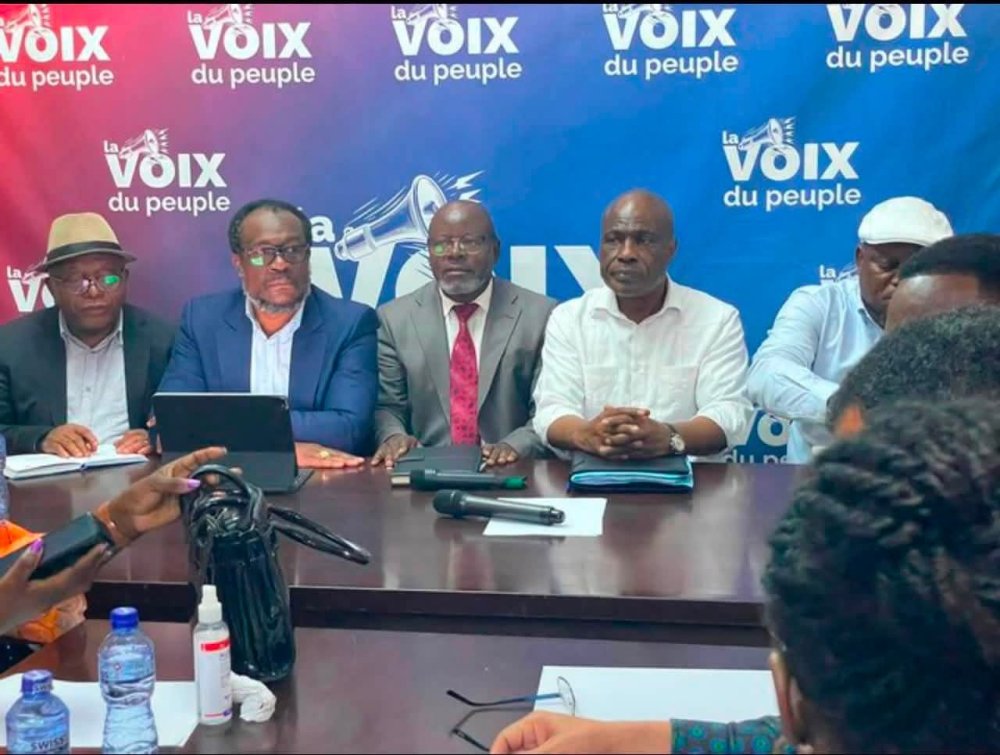
After Tshisekedi announced on August 27, 2026, that he had officially launched consultations aimed at finding solutions to the crises affecting the DRC, opposition figures grouped under the C64 coalition, which advocates for the defence of the Constitution, immediately rejected the initiative.
C64 includes prominent opposition politicians such as Martin Fayulu, Moïse Katumbi, Jean-Marc Kabund, Matata Ponyo and Delly Sesanga.
The coalition criticised the initiative, saying it should have been a genuinely inclusive national dialogue rather than what it described as consultations organised by the authorities.
“C64 continues to condemn and reject what Félix Tshisekedi calls national consultations, instead of launching an inclusive national dialogue. The Congolese people are not fools,” the coalition said.
The M.A.R.C party, led by Claudel Lubaya, also rejected the initiative, arguing that the consultations favour supporters of the Tshisekedi administration.
Opposition figures say their concerns centre on how the dialogue has been organised, who has been invited and the issues expected to be discussed. They argue that the process is primarily designed to serve the political interests of the current administration.
Fayulu and his allies have announced that they will join their supporters in a demonstration against Tshisekedi’s government on September 15, 2026. The protest had previously been postponed twice as the two sides engaged in efforts to ease tensions.
The dispute is also linked to Tshisekedi’s reported plans to amend the Constitution, which his opponents say could allow him to seek a third term. C64 members have vowed to strongly oppose such a move.
“Congo does not belong to Mr Félix Tshisekedi. The country will not become the victim of a third term after 2028,” C64 said.
Union Sacrée backs Tshisekedi
While opposition groups have rejected the initiative, senior figures within Union Sacrée, the political coalition supporting Tshisekedi, have welcomed it.
Transport Minister Jean-Pierre Bemba described it as a “new approach to dialogue”, while National Assembly Speaker Vital Kamerhe called it an unprecedented way of seeking solutions to the DRC’s problems.
Tshisekedi said consultations would first be held across all 26 provinces before a national conference in Kinshasa, allowing citizens and different institutions to present their views.
His supporters say the process is intended to move beyond traditional political negotiations involving only senior political figures and give ordinary citizens a role in finding solutions to the country’s challenges.
Joseph Kabila stance
The “Sauvons la RDC” coalition led by former President Joseph Kabila, who governed the DRC from 2001 to 2019, supports an inclusive national dialogue but wants it to be led by an independent and impartial facilitator.
Kabila and his allies are calling for all parties affected by the DRC’s crises to participate in the talks. They also want all sides to agree on the framework for the dialogue and for the international community to play a role in monitoring the process.
Their position is similar to that of the National Episcopal Conference of Congo (CENCO) and the Anglican Church, which have called for dialogue involving armed groups, including AFC/M23 fighters and the CRP movement founded by Thomas Lubanga.
Tshisekedi has faced calls to ensure that armed groups are included in the dialogue, with critics warning that excluding them could limit the chances of reaching a lasting solution and potentially worsen the conflict, particularly in eastern DRC.
Leave a Reply