The new information comes from the Sloan Digital Sky Survey V, known as SDSS-V. It is part of Data Release 20, or DR20, the latest major collection of information from the project.
A spectrum is a way of studying light from an object in space. By breaking light into different parts, scientists can learn about an object’s temperature, movement and chemical makeup.
One of the biggest changes in the new release is that it includes optical observations from the Southern Hemisphere for the first time.
These observations were made with a telescope at Las Campanas Observatory in Chile.
They have been combined with observations from the Sloan Foundation Telescope at Apache Point Observatory in New Mexico.
Together, the two locations allow scientists to study objects in the sky from both the northern and southern parts of Earth.
The new data include information on about 1.5 million stars. They also contain about 1.1 million spectra from the Black Hole Mapper programme, covering around 500,000 different objects.
Scientists hope the information will help them better understand supermassive black holes and how they change over time.
Some of the objects have been observed more than once, allowing researchers to compare their changes.
The release also combines optical observations with X-ray information from the eROSITA space telescope.
This gives scientists information about hundreds of thousands of objects that produce X-rays, including active galaxies, galaxy clusters and active stars.
Another important part of the release focuses on the Milky Way and nearby galaxies. Scientists have mapped areas containing glowing gas, young stars and planetary nebulae.
The maps include well-known regions such as the Orion and Rosette nebulae.
The new release also includes 18 scientific catalogues and online tools that make it easier to explore the huge amount of information.
The data are publicly available, meaning scientists, students, teachers and astronomy enthusiasts around the world can use them.
Researchers hope the information will lead to new discoveries about how stars and galaxies form and change.
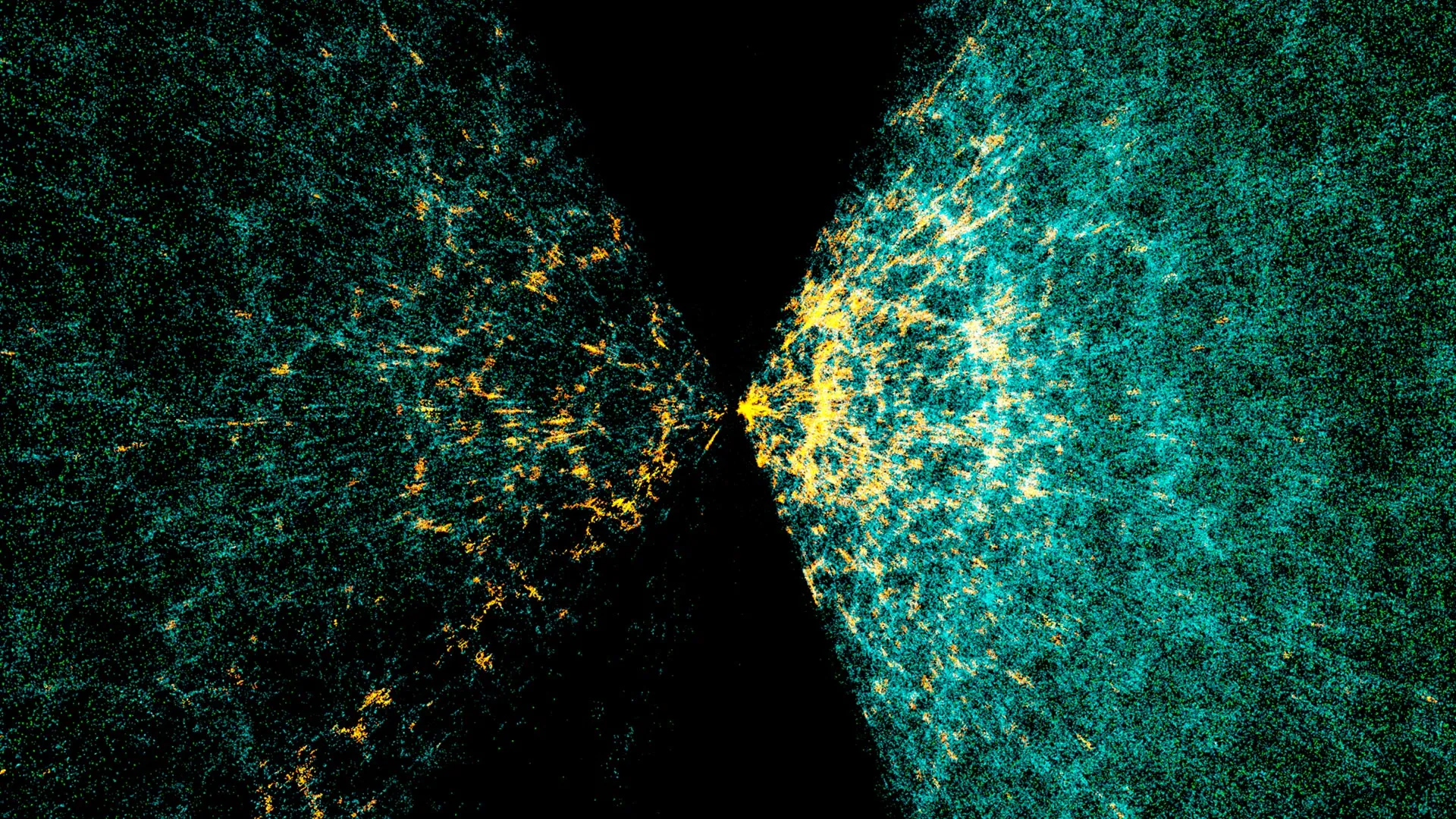
With DR20, SDSS-V is moving closer to creating a detailed map of the sky across both hemispheres.
The project is giving scientists a powerful new way to study the Universe and understand its many mysteries.
Leave a Reply