Before venturing into the creative industry, Dufatanye was a primary school teacher, where he taught English.
Speaking to IGIHE, he said he completed his education up to university level, where he trained as a teacher before joining the education sector.
When the Covid-19 pandemic disrupted economic activities and led to the loss of many jobs, Dufatanye was among those who were affected. Faced with the challenge of finding a new source of income, he began looking for a skill he could turn into a livelihood.
“I started by making face masks. I watched videos online to learn how they were made, then made them by hand. Fortunately, I found someone who ordered 1,000 masks from me at Rwf200 each. The money I earned from that work became the capital I used to start looking for something else to do,” he said.
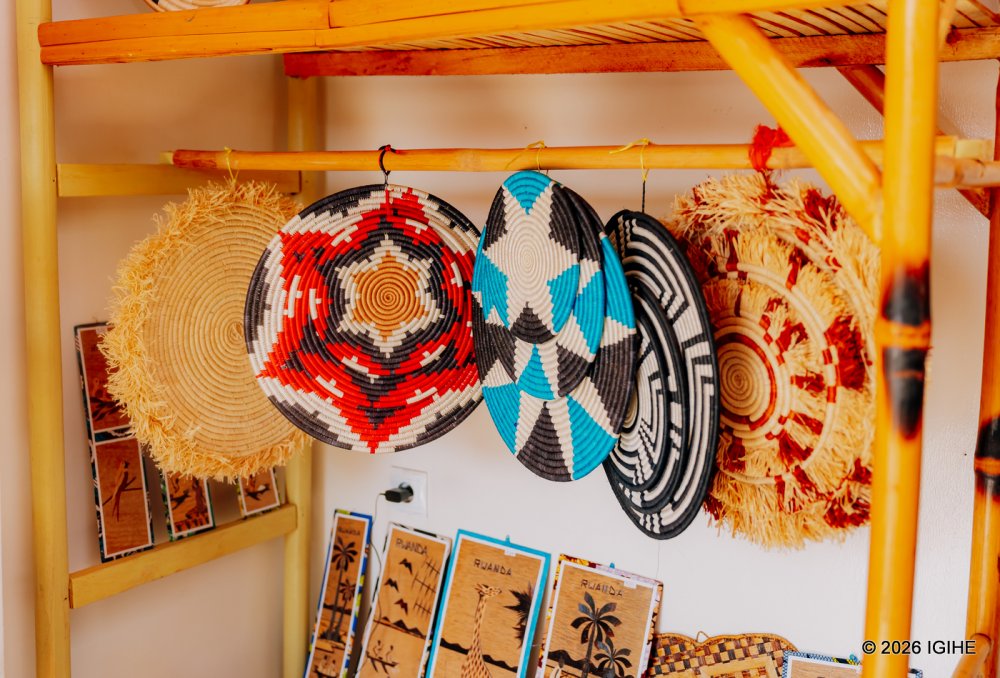
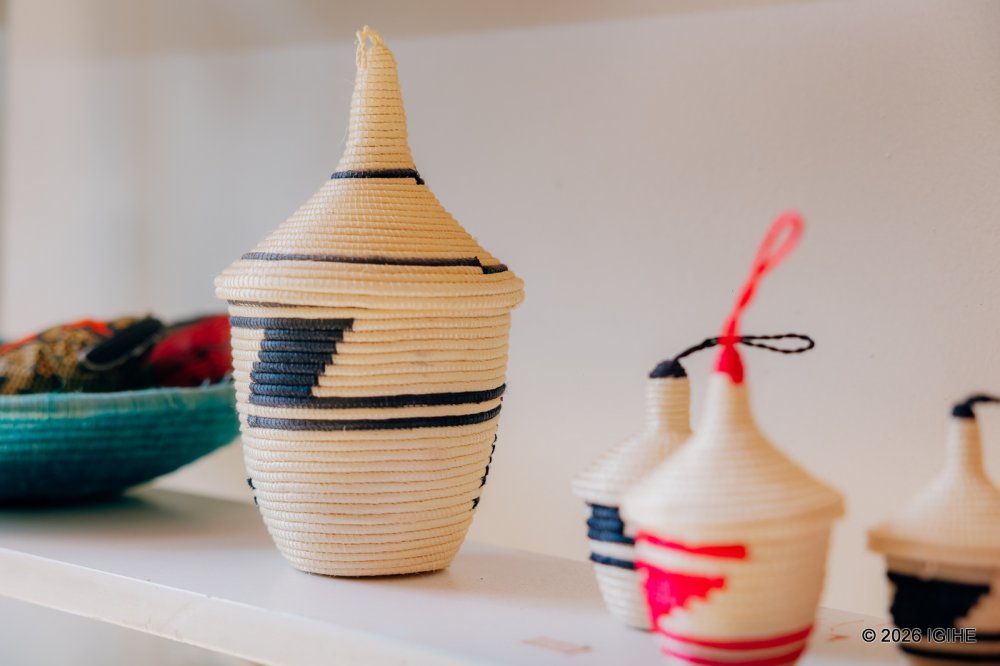
She later turned to weaving, a skill he already had. Together with some of his relatives, she began making woven products from home and selling them to customers.
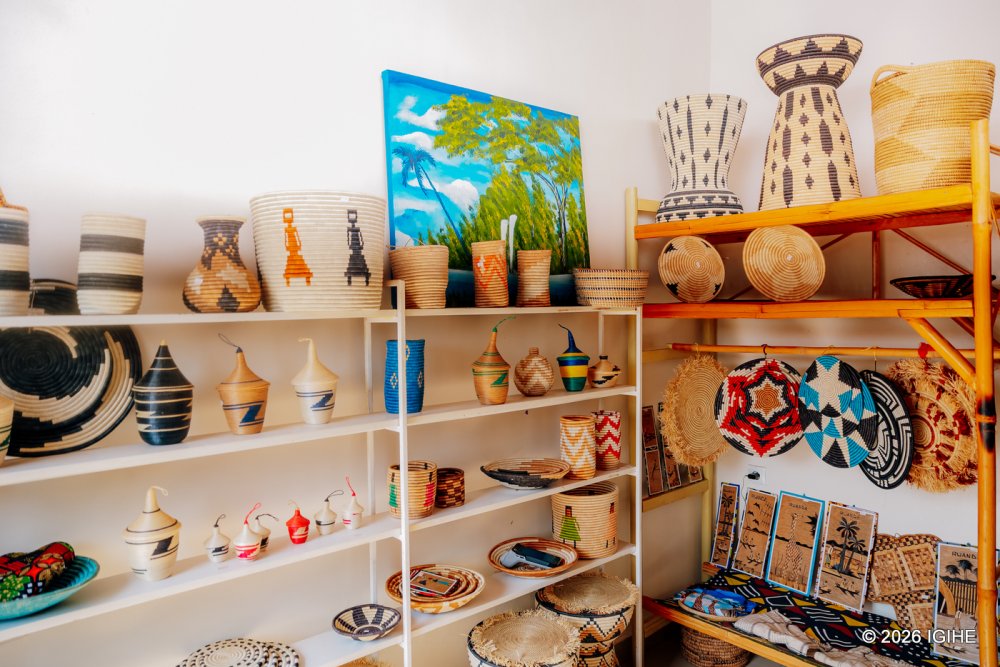
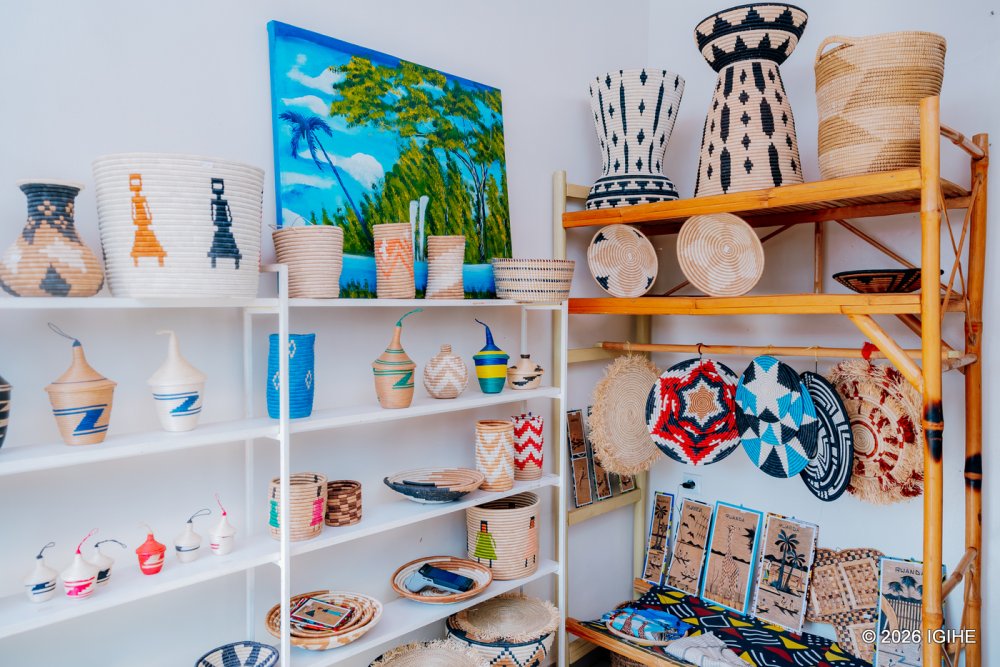
In 2021, Dufatanye established his own business, Izuba. He initially operated from premises used by other artisans before eventually seeking an independent workspace.
A major turning point came in 2026, when he secured financing from Numida Technologies, enabling him to establish a dedicated workplace and expand his operations.
“We met Numida when they found me where I was working. They explained their services to me, and I decided to give them a try. I took the loan and repaid it successfully. They later gave me another loan, which enabled me to move to this place and expand my business,” he said.
Today, Dufatanye has three permanent employees and works with about 30 casual workers whenever he receives large orders. All of them are women.
His ambition is to grow the business further and create more employment opportunities.
“Over the next five years, I hope to have the capacity to employ at least 300 women and to start exporting my products to international markets,” he said.
Numida supports small businesses
Hakizimana Cyprien, an employee of Numida Technologies, said the company provides financing to entrepreneurs at different stages of business development.
“At Numida, we provide loans to everyone, including men, women and young people who have businesses. We support businesses ranging from small and medium enterprises to those that are beginning to grow into larger businesses and want to expand further,” he said.
Numida Technologies was established in 2016. It expanded its operations to Uganda in 2023, entered Kenya in 2026 and began operating in Rwanda the same year.
The company provides loans ranging from Rwf100,000 to Rwf12 million, depending on the nature and stage of a borrower’s business.
First-time borrowers, however, can access loans of up to Rwf2 million, according to the company.
For Dufatanye, what began as a search for an alternative source of income during a period of economic uncertainty has grown into a business with ambitions of employing hundreds of women and reaching international markets.



Leave a Reply