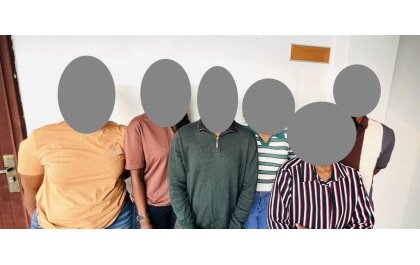
Among those rescued, 101 were brought back from Cambodia, 58 from Laos, 31 from Myanmar, and 99 from Oman.
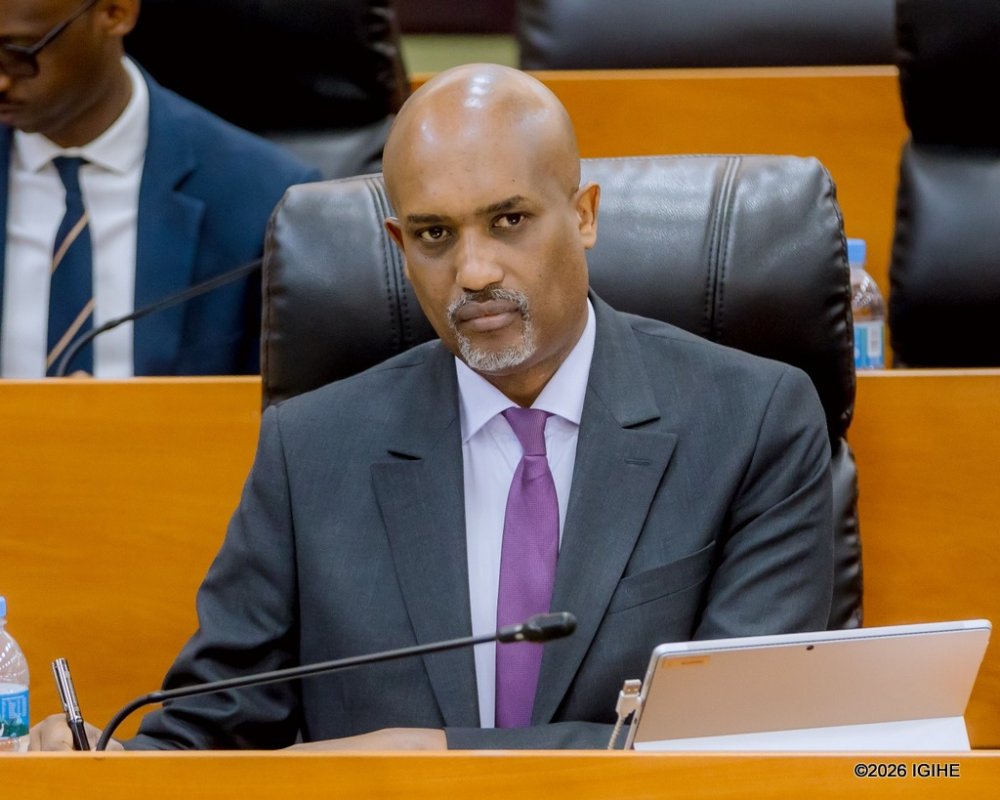
Dr. Ugirashebuja made the remarks on July 23, 2026, during a meeting with members of the Rwanda Senate’s Committee on Foreign Affairs, Rwandans’ Unity and Security.
He told senators that Rwanda has ratified several international conventions aimed at combating human trafficking and continues to implement measures outlined in those agreements, although challenges remain.
The government’s efforts include prosecuting individuals involved in trafficking, preventing the crime through public awareness campaigns, protecting victims, and strengthening cooperation among different stakeholders involved in combating human trafficking.
In terms of prosecution, 54 people have been convicted and punished for human trafficking offences in Rwanda over the past three years. Among them, 12 were convicted in 2025, 18 in 2024, and 24 in 2023.
Dr. Ugirashebuja said Rwanda has also continued efforts to rescue and repatriate victims who were trafficked to different countries.
“In this regard, during the 2025/2026 financial year (up to March 2026), the Ministry of Foreign Affairs, in collaboration with the International Organization for Migration (IOM) and other institutions, helped bring back 289 people. These included 101 from Cambodia, 58 from Laos, 31 from Myanmar, and 99 from Oman,” he said.
He added that significant efforts are also being made to prevent trafficking, noting that the Directorate General of Immigration and Emigration (DGIE) has introduced technological systems to help detect and prevent cross-border human trafficking.
According to DGIE, the system contributed to the rescue of 673 people who were at risk of being trafficked last year.
Dr. Ugirashebuja noted that many trafficking victims are often taken to Asian countries, adding that the cross-border nature of the crime makes investigations and prosecution more difficult.
He explained that traffickers can operate from different countries, making it challenging to track them down, while limited expertise among some investigators and other factors also create obstacles.
DGIE also highlighted another major challenge: some individuals who are expected to help fight human trafficking are sometimes involved in the crime themselves.
The agency revealed that 45 children were rescued from Uganda last year after being lured with promises of better opportunities. Each child reportedly paid $8,500 to be taken there, despite the fact that such resources could have been invested in improving their lives at home.
DGIE said one of the most worrying discoveries was that a pastor was allegedly involved in trafficking some of the rescued children and is currently facing legal proceedings.
“There are people we trust and believe could never be involved in such acts, including religious leaders. These are people who advise others, but we discovered that some of them were involved. They were trafficking these young people.
Among the 45 children, we found that pastors, including a husband and wife where the wife is a pastor and the husband is a bishop, were among those who took them. It is difficult to understand that such a business is still involving people whom society trusts and would never suspect,” DGIE said.
The agency also revealed that 28 Rwandan children are currently in South Korea after being taken there by a pastor, and the government is working to bring them back.
DGIE warned that child trafficking has become a growing concern, especially because some rescued victims still request to return to the same environments where they were exploited.
“Child trafficking among Rwandans has become a serious issue. What makes it even more worrying is that some of those we rescue tell us to return their documents because they want to go back to the jobs they found there. Yet these are the same people who were taken there by traffickers in the first place,” the agency said.
DGIE further noted that some Rwandans who have experienced trafficking sometimes go on to deceive others and encourage them to travel under similar arrangements.
The agency also emphasized that although attention is often focused on people trafficked overseas, many victims are also exploited in neighbouring countries, where they face forced labour, sexual exploitation and other forms of abuse.
“This problem is extremely worrying. Our children are dying, our children are being traded like commodities, and they reach places where they lose their dignity. However, through cooperation among different institutions, this problem can be stopped,” DGIE said.
The Chairperson of the Senate Committee on Foreign Affairs, Rwandans’ Unity and Security, Senator Murangwa Ndangiza Hadidja, said addressing human trafficking requires cooperation from all sectors, as well as educating young people to change the belief that opportunities and a better life can only be found abroad.
Meanwhile, Uwamahoro Christine, who heads the Human Trafficking Crimes Unit at the Rwanda Investigation Bureau (RIB), said prosecuting traffickers can sometimes be difficult due to a lack of sufficient evidence, victims’ reluctance to provide information, and challenges in accessing electronic devices such as phones and computers used in trafficking activities, which are often seized in other countries.
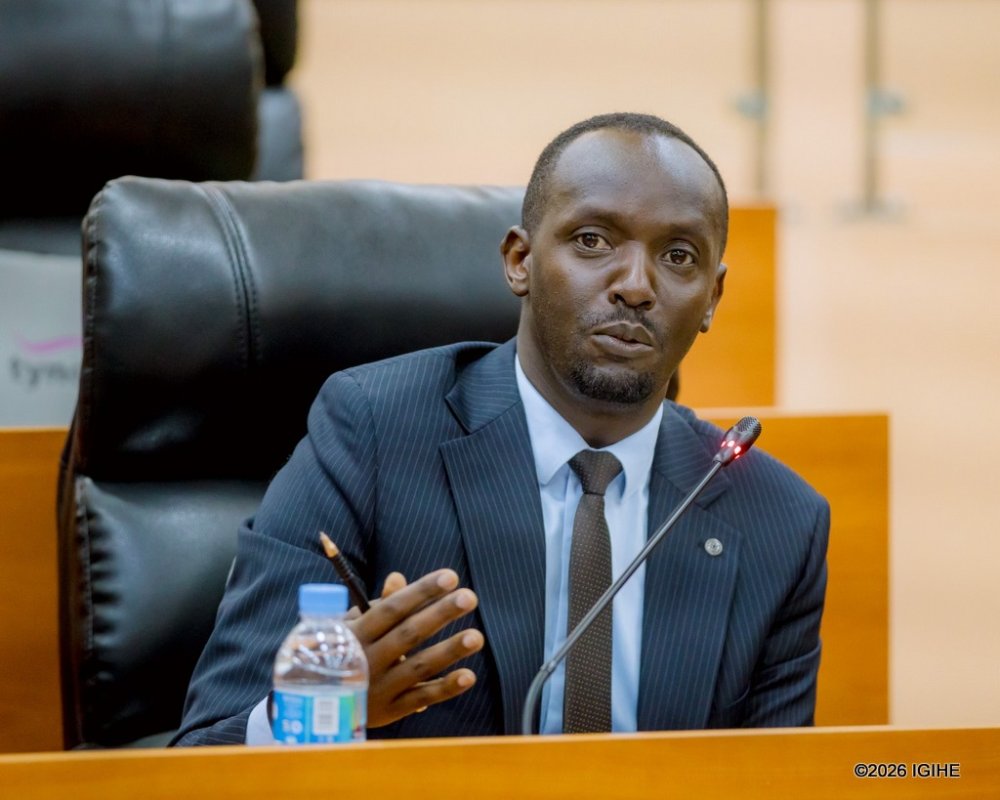
Senator Dr. Charles Murigande called for stronger awareness campaigns to ensure that everyone understands the dangers of human trafficking. He said people who ignore warnings and fall into trafficking traps should understand that they had been warned about the risks.
“Someone may later say, ‘I was told, I was warned,’ similar to the saying that someone who refuses to listen to advice will learn through hardship. We need stronger awareness campaigns,” he said.
Rwanda considers making human trafficking a crime with no time limit for prosecution
Rwanda is considering classifying human trafficking as a crime that would not be subject to a statute of limitations, allowing perpetrators to face prosecution regardless of how much time has passed since the offence was committed.
Minister of Justice and Attorney General Dr. Emmanuel Ugirashebuja said the proposal is being considered because cases of human trafficking often involve delayed discovery of evidence, which can make it difficult to hold offenders accountable within existing legal deadlines.
He explained that discussions on the matter are still ongoing, but said introducing such a measure would ensure that victims can seek justice whenever crucial evidence becomes available.
“The reason we are considering this is that, in some cases, evidence only emerges after a considerable period of time. A person may have been trafficked, but the crime may only be discovered later when, fortunately, the victim finds a way to report it to the relevant authorities, although this process is often extremely difficult for them,” Dr. Ugirashebuja said.
He added that removing the time limit for prosecuting such cases would strengthen accountability and ensure that offenders do not escape justice simply because evidence took time to emerge.
“When a crime is placed among those that do not expire with time, it means that whenever evidence becomes available, legal action can be taken, the person responsible can be prosecuted, and, if found guilty, punished,” he said.
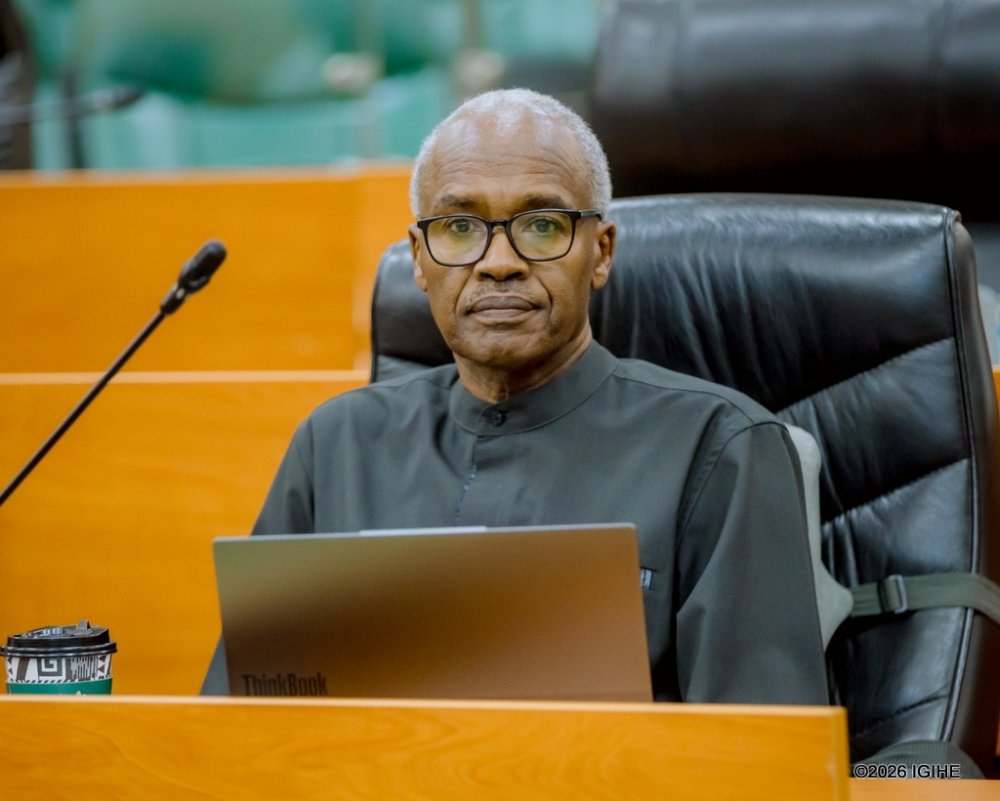
However, Senator Uwizeyimana Evode said the decision requires careful consideration, warning that expanding the category of crimes without a statute of limitations could have implications for Rwanda’s international cooperation, particularly in areas involving the extradition and transfer of suspects.
He emphasized that while combating human trafficking remains a priority, any legal changes should be carefully assessed to ensure they align with Rwanda’s justice system and international obligations.

Leave a Reply