The attack bore similarities to the Nyange school massacre of March 19, 1997. Passengers were ordered to separate themselves along ethnic lines—Hutu on one side and Tutsi on the other—but they refused, insisting that they were all Rwandans.
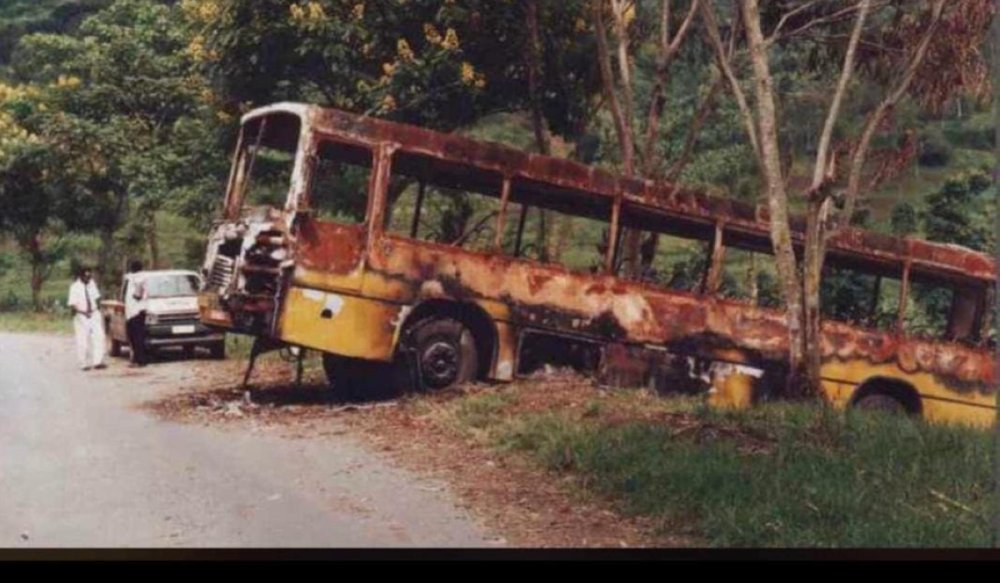
The assailants, armed with guns and traditional weapons, first shot at the bus tires, forcing it to stop. They then boarded and again demanded that passengers divide themselves. In unison, the victims responded, “We are Rwandans.”
The attackers opened fire. Even after the shooting, they repeated their demand, but the response remained the same. Enraged, they poured petrol over the bus, which was carrying about 74 people, and set it ablaze. Some victims died inside the burning vehicle, while others who tried to escape were killed outside. Only a few survived.
The incident occurred in Gitsimbi, then part of Nyamyumba Commune, now Nyamyumba Sector in Rubavu District, early in the morning as workers were heading to their jobs.
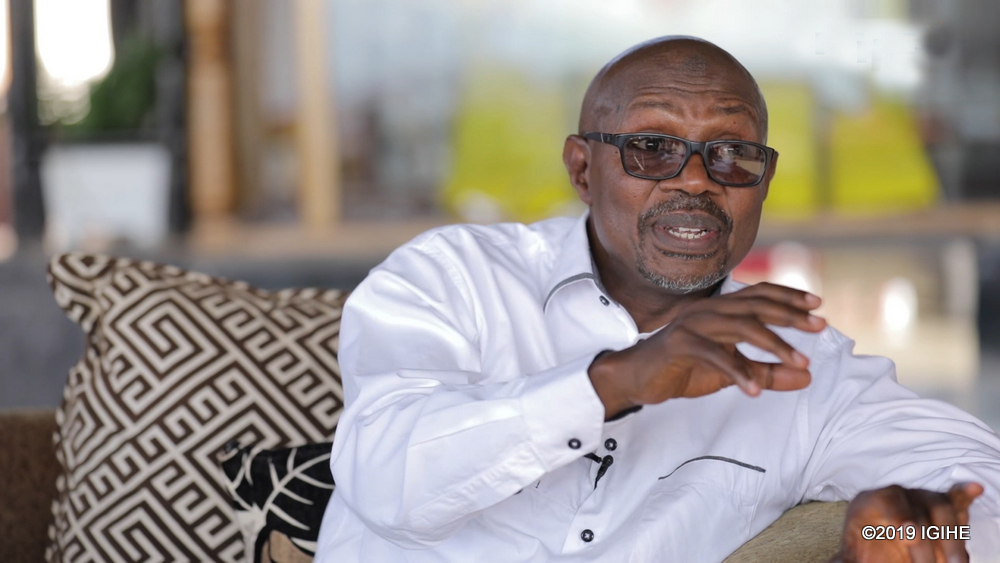
At the time, Rwanda’s current ambassador to Indonesia, Sheikh Abdul Karim Harerimana, was serving as Minister of Internal Security. In an interview with IGIHE, he recounted how he learned of the attack and the atmosphere it created in the former Gisenyi Prefecture.
He said he was informed of the attack that same morning by the then-prefect of Gisenyi. Shortly after gunfire was heard, Rwanda’s security forces were deployed to respond.
“The army was immediately alerted and intervened,” he recalled. “The prefect was on the ground and informed them. I set off to follow up on what had happened, assess the situation, and comfort the population.”
While on his way to the scene, he instructed the prefect to coordinate with the military to confront the attackers and assist victims.
At the time, infiltrator attacks were frequent in several regions, including Ruhengeri, Kigali Ngari, and Byumba, and occasionally reached Gitarama. Harerimana noted that although some planned attacks were thwarted thanks to intelligence, others occurred without prior warning.
He explained that in this particular case, authorities had no prior intelligence, partly because infiltrators from groups such as PALIR and ALIR had local collaborators, especially in Gisenyi, who provided them with information.
“We did not know about it in advance,” he said. “Had we known, we would have prevented it, as we often did. There were many collaborators in Gisenyi who worked closely with these groups and shared information about our forces.”
However, he noted that the brutality of the attack became a turning point. Residents who had previously cooperated with infiltrators were shocked by the violence and began to distance themselves, eventually providing information to authorities.
“People saw with their own eyes what had happened,” he said. “The victims were ordinary residents of Gisenyi. That is when people realized that those they had been hiding were actually the ones responsible for such atrocities.”
Following the attack, cooperation between citizens and security institutions improved, which contributed to efforts to dismantle infiltrator networks.
Harerimana described the scene upon arrival as tense and frightening. Fighting was still ongoing, with security forces exchanging fire with the attackers while some people tried to extinguish the burning bus.
Civilians watched in fear, some taking cover as the confrontation unfolded. He noted that several infiltrators were killed, some captured alive, while others managed to escape.
He recalled addressing residents afterward, reassuring them that the government’s responsibility was to protect them and condemning those responsible for the violence.
“We told them that those causing insecurity were known—the infiltrators,” he said. “We visited the site, the town, and hospitals, and also held a meeting in Gisenyi. Gradually, confidence began to return.”
He also revealed that before this shift, some residents used coded language and indirect communication to collaborate with infiltrators, making it difficult for authorities to gather intelligence.
According to Harerimana, the attack illustrated how extremist agendas could drive perpetrators to commit acts of violence without regard for human life, believing they could blame the government.
He explained that the attackers targeted known residents with the intention of spreading fear and undermining confidence in state protection, while also attempting to create the impression that the government was responsible.
He added that individuals captured during such operations were not mistreated. Instead, they were sensitized and, in some cases, reintegrated, with some later joining national security forces.
At the time, Paul Kagame — then Vice President and Minister of Defence —had instructed that captured fighters be treated humanely and not harmed, a directive that guided how they were handled after arrest.
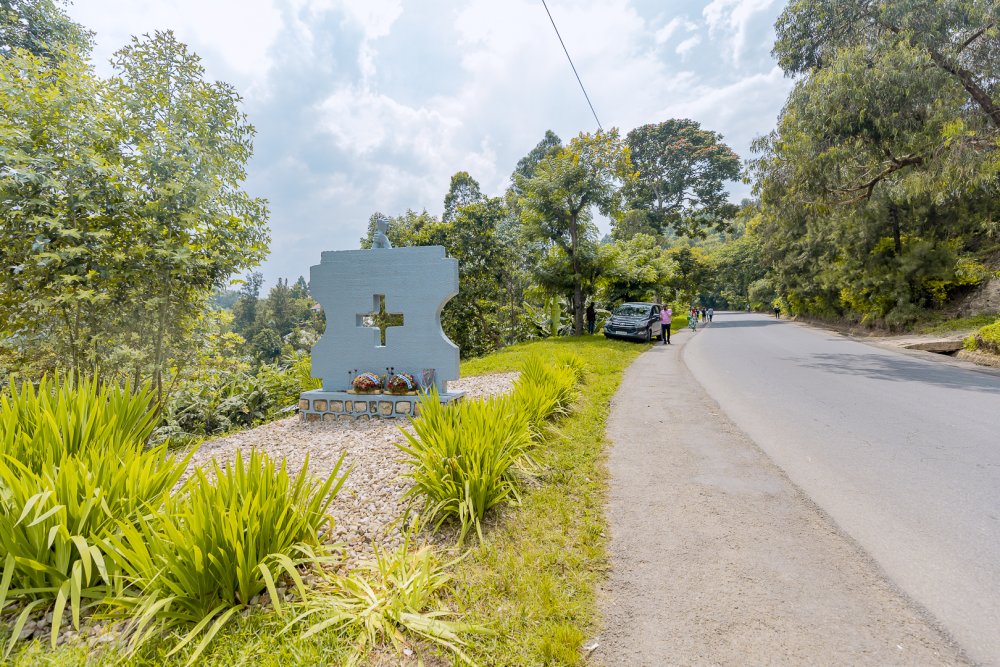
Sheikh Abdul Karim Harerimana was the Minister of Internal Security at the time of the attack.The infiltrators set fire to a bus carrying Bralirwa workers, burning it down and killing many passengers.A memorial has been established at the site where the attack took place.
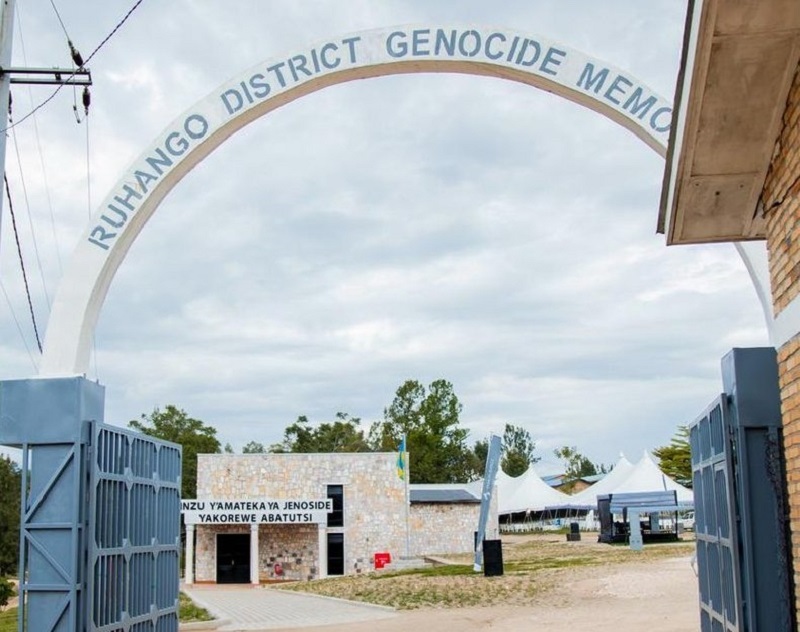
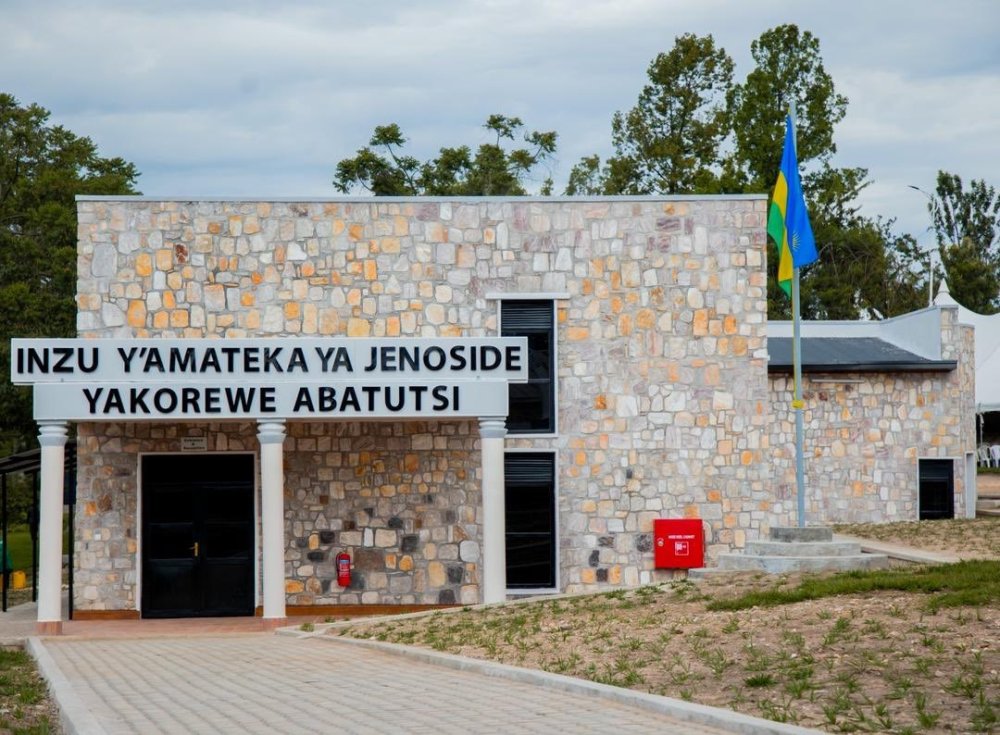
On April 26, 2026, during the commemoration of the Genocide against the Tutsi in former Commune Ntongwe (current Ruhango District and neighboring areas), survivors welcomed the completion of the center, saying it will help provide a clearer understanding of what happened in the area.
They noted that the building will highlight the brutality of the killings, how Tutsi in the region attempted to defend themselves, how the Genocide was stopped, and how survivors have since rebuilt their lives.
For survivors, the memories remain deeply painful. Innocent Munyawera, who was the only survivor in a family of ten, said the violence in the area was so extreme that it made him question humanity itself. Speaking about events in Kinazi, he referred to accounts that some perpetrators from Burundi committed extreme acts of brutality, including killing victims and eating their hearts.
“When we talk about Kinazi, we refer to what happened here, including the fact that Tutsi were killed and their hearts were eaten by some Burundians,” he said. “This is part of our history. But those who did this, even if they appeared human outwardly, were not human in their actions.”
Munyawera called for the names of all individuals involved in the killings, whether prosecuted or not, to be included in the “Dark Room,” including Burundians who participated in the violence.
He said: “We have many Interahamwe militia who betrayed us, and we also have Burundians who betrayed us. Some were tried, others were not, but we feel that in this Dark Room, their names should be included because their hearts were dark. It should be as if they are confined there for a certain time because of what they did.”
Representatives of genocide survivors association in the area confirmed that the “Dark Room” will include names and photographs of individuals identified as having played major roles in the killings, with the aim of using the space for education, especially for younger generations.
They said the section will include Kagabo Charles, former mayor of Ntongwe Commune; Burundian refugees; sector leaders from the 13 sectors that made up the commune; and Nsabimana Jacques, also known as “Pirato,” who led the CDR party in Ntongwe.
It will also include Placide Koloni, former sub-prefect of Ruhango; soldiers including Hitabatuma Rukeragabiro; Kanyandekwe Zephanie, a councilor of Kareba Sector; Kageruka Aristarque; Ntintanguranwa; and traders Munyentama Simon and his brother Nahayo Florent.
Speaking about Nsabimana Jacques, survivors recalled his role in preparations for the Genocide: “We have previously spoken about Nsabimana Jacques during a commemoration evening, where it was discussed that a pit near CND was dug as part of genocide preparations. He was the one who instructed that it be dug while he was head of Rutabo A school, claiming it was a school latrine. But in reality, it was part of genocide preparation. He had it dug around 1992, and it later became a place where our people were dumped.”
“All those perpetrators will be placed in this Dark Room. They will be confined there,” Munyurangabo added.
He further explained that although some Burundians who came from Ntega and Marangara were considered refugees and stayed in Nyagahama camp, their presence in the area was not related to asylum, but part of what he described as a coordinated plan under the government of Juvénal Habyarimana to implement the Genocide against the Tutsi.
“The Burundians came and carried out population surveys, identifying where Tutsi lived. They set up different roadblocks and gradually began targeting people until the Genocide plan was fully put into action.”
The genocide history center is part of the wider Ruhango Genocide Memorial, where the remains of 63,293 victims of the Genocide against the Tutsi are buried. On April 26, 35 recently retrieved remains were given a dignified burial, as survivors renewed calls for continued efforts to locate and properly bury all remaining victims.
This building has a lower section known as the “Dark Room,” where records of key perpetrators involved in the Genocide against the Tutsi will be placed.The Genocide against the Tutsi history center is located at Ruhango Genocide Memorial.
Located about 17 kilometers from downtown Kigali, Gasogi sits in Ndera Sector of Gasabo District and has increasingly attracted interest from both residents and prospective settlers.
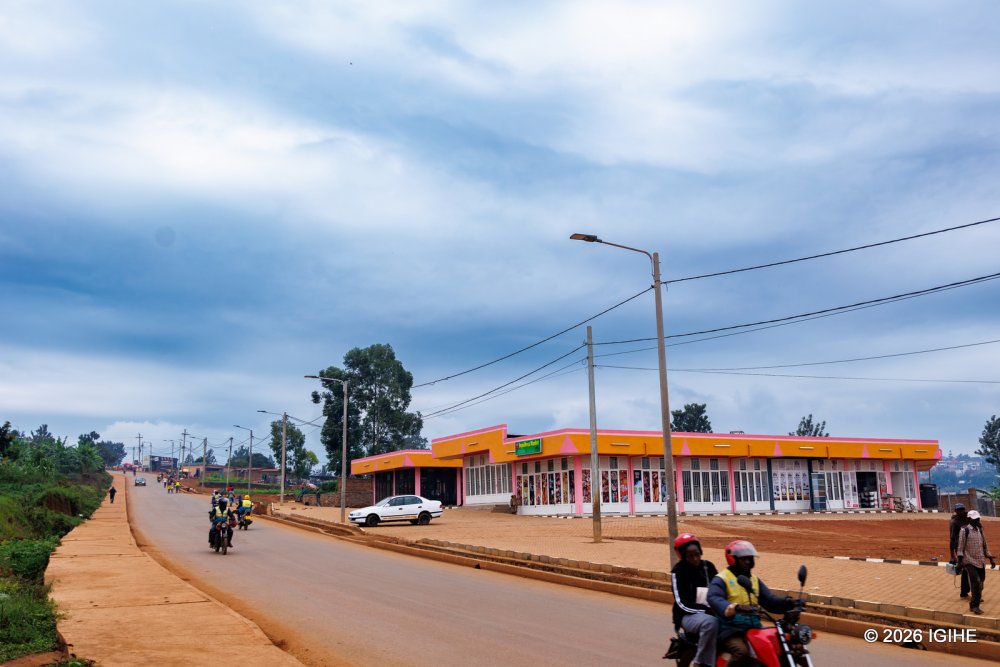
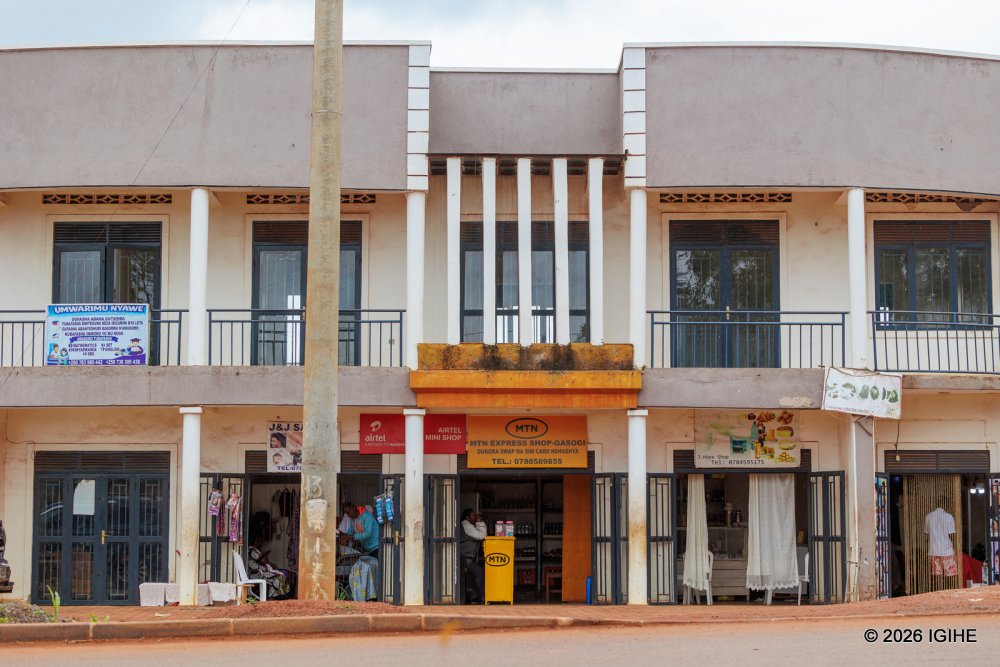
Gasogi covers three cells: Cyaruzinge, Rudashya, and Bwiza. Before entering the neighborhood, visitors are welcomed by the market area commonly known as ku Mulindi.
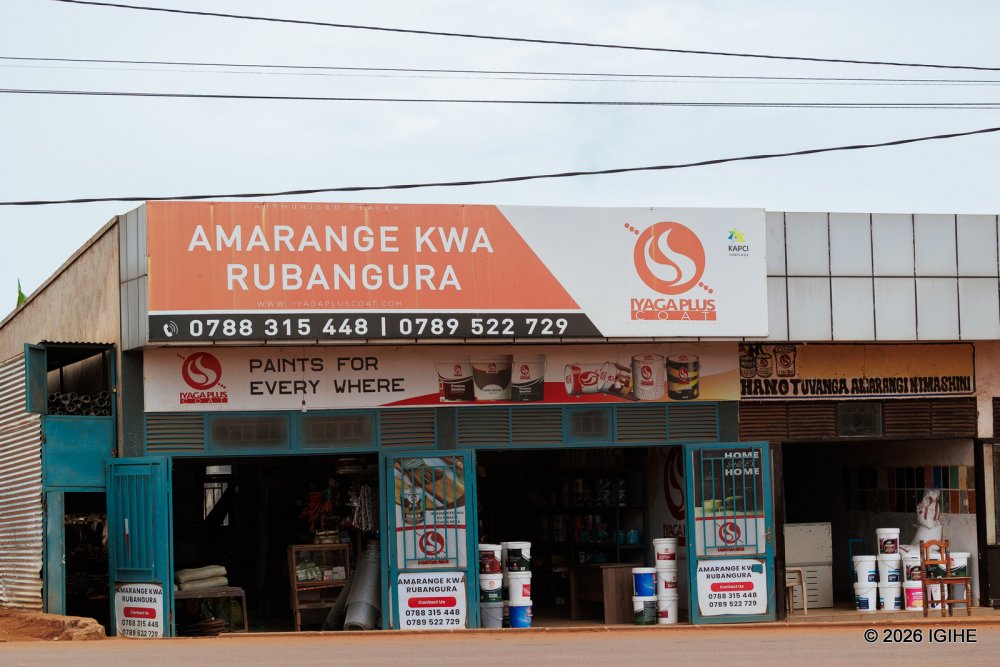
As you continue uphill toward Gasogi Hill, you will find shops selling a variety of goods, along with several small businesses that reflect the determination of residents to improve their livelihoods.
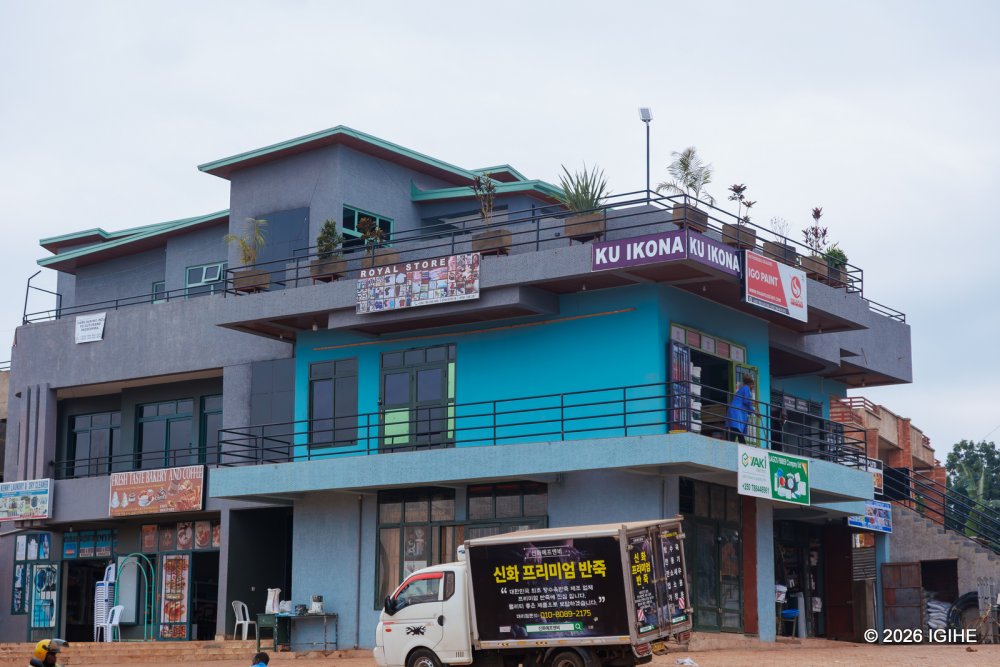
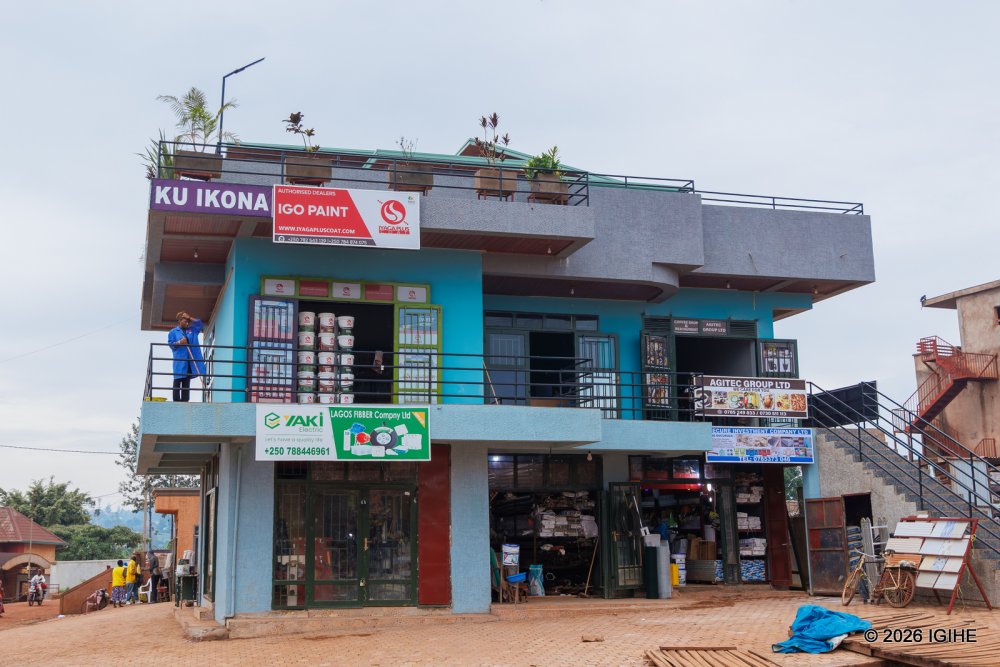
Further ahead is an area known as ku Ikona, a commercial center once considered the heart of Gasogi. Many important community activities used to take place there before the expansion of the surrounding residential neighborhoods.
Many people first came to know Gasogi because of a school formerly called Collège de l’Espoir de Gasogi. It was a secondary school located in Cyaruzinge Cell, but it was later converted into a primary school.
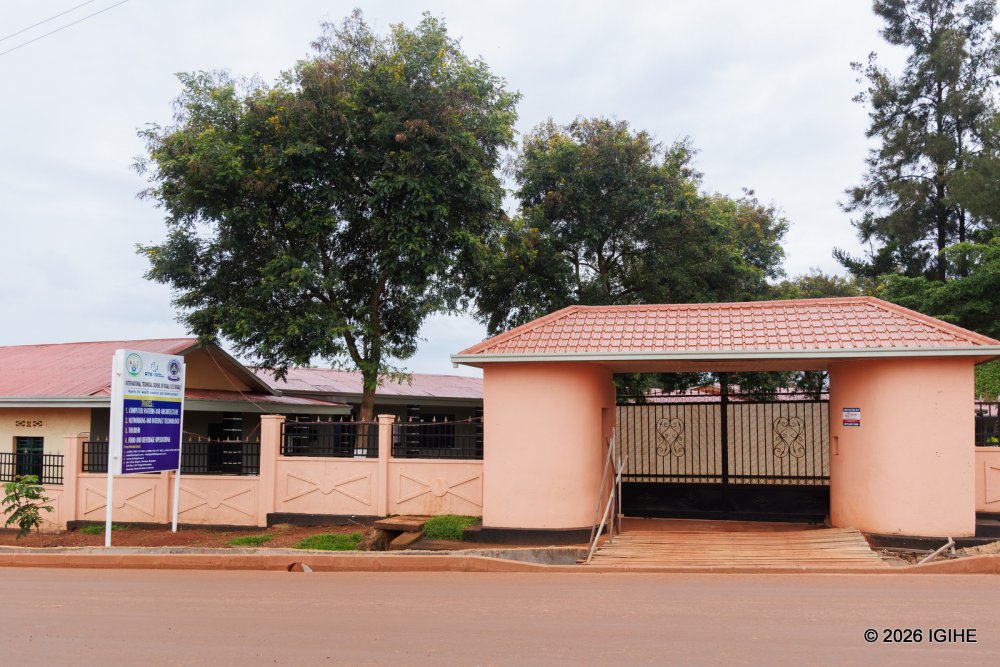
Although that once-famous institution no longer exists in its original form, another school, the School of Tourism and Hotel Management of Gasogi (ES/TH Gasogi), has since gained prominence and become one of the leading educational institutions in Ndera Sector.
Others became familiar with Gasogi through Radio 1 and TV1, owned by KNC, who also resides in the area. It would be fair to say that he has played a significant role in promoting Gasogi. For more than a decade, hardly a day passes on his radio station without mention of the neighborhood.
When discussing education in Gasogi, it is impossible not to mention Hope Haven Christian School, founded by Hollern Susan, who also serves as its director.
Located in Rudashya Cell, Hope Haven Christian School is among the respected private schools in Rwanda. It has supported many nearby families by offering free education opportunities to their children.
This year, the school outperformed many others in innovation projects involving robotics and artificial intelligence (AI). It also earned the honor of representing Rwanda in international competitions scheduled to take place in the United States and Switzerland.
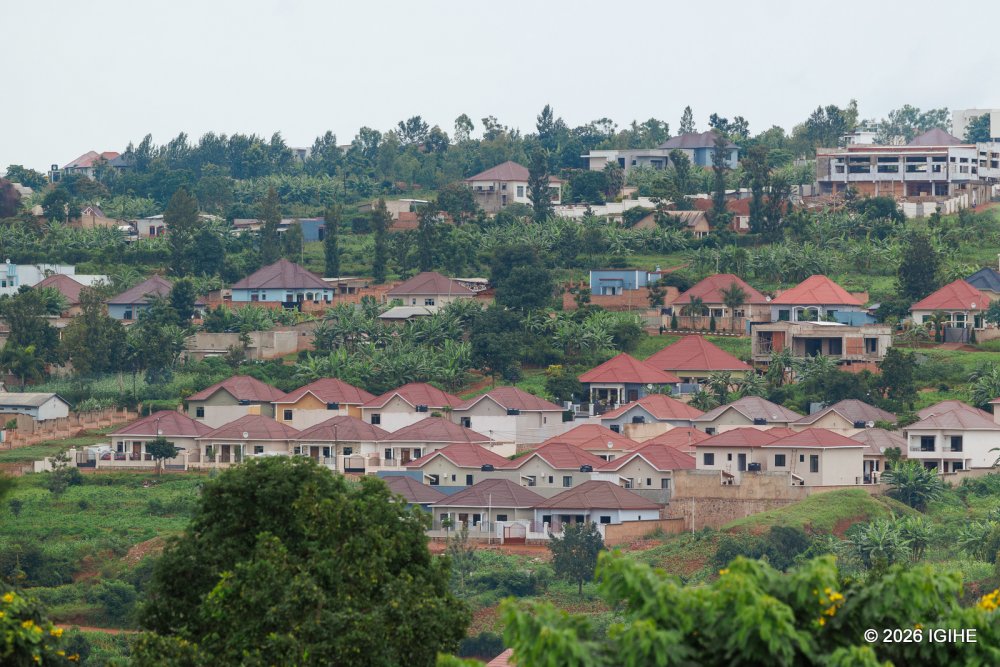
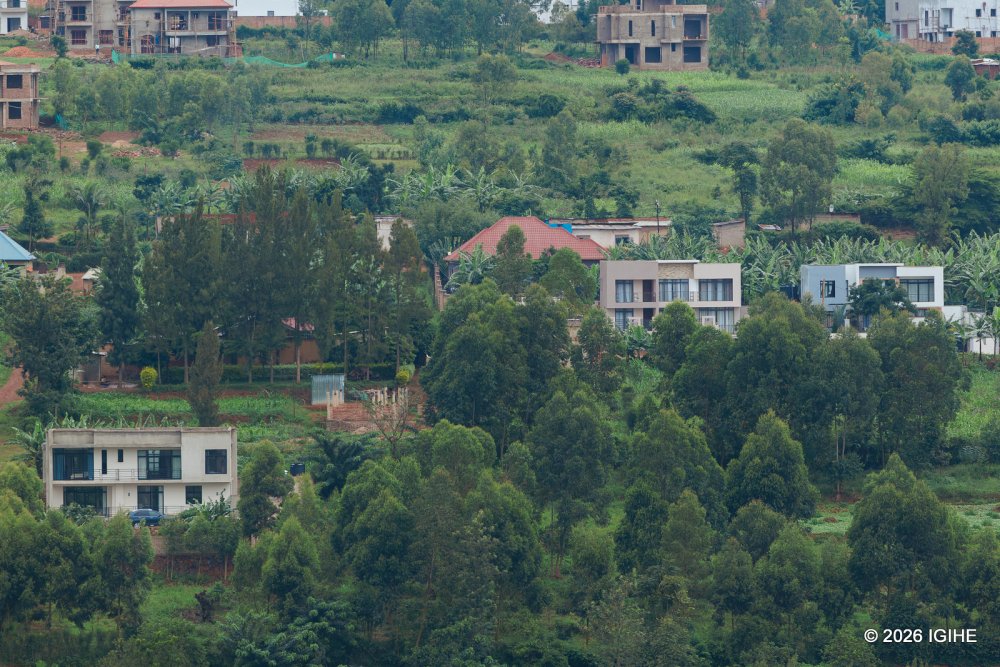
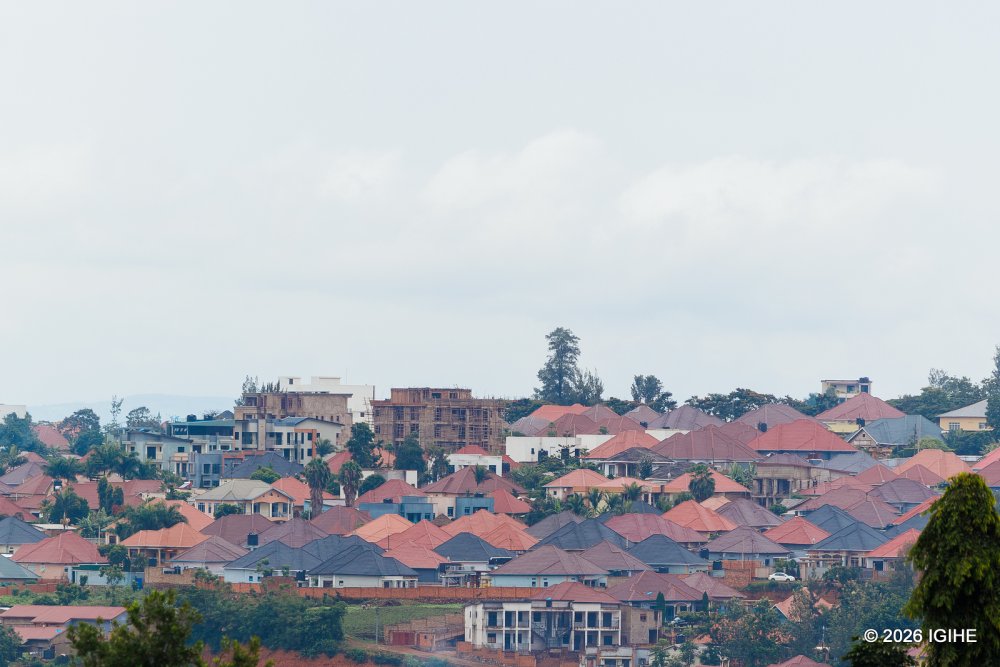
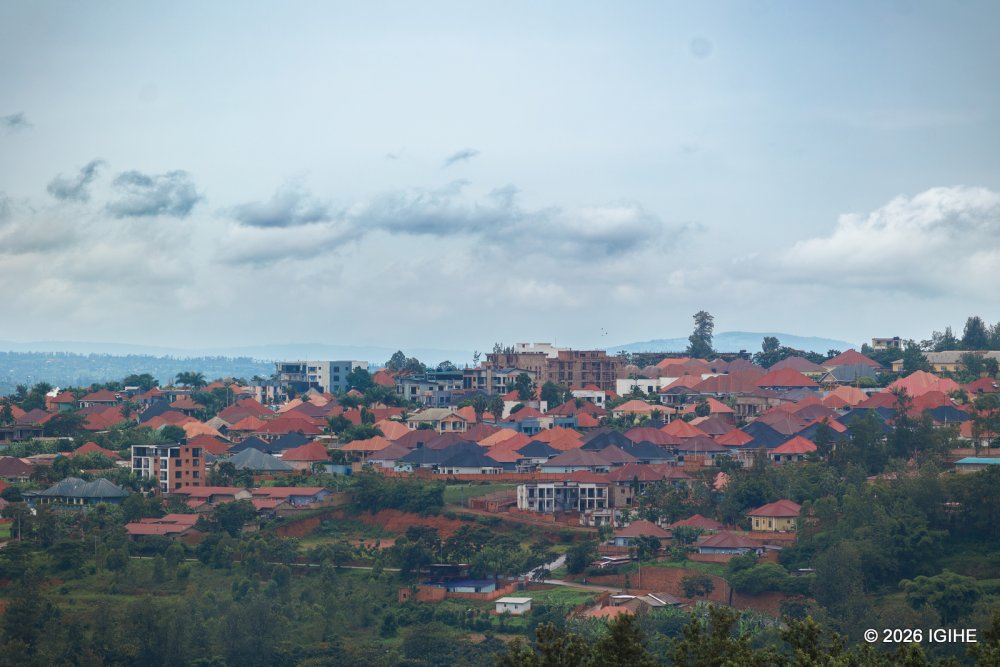
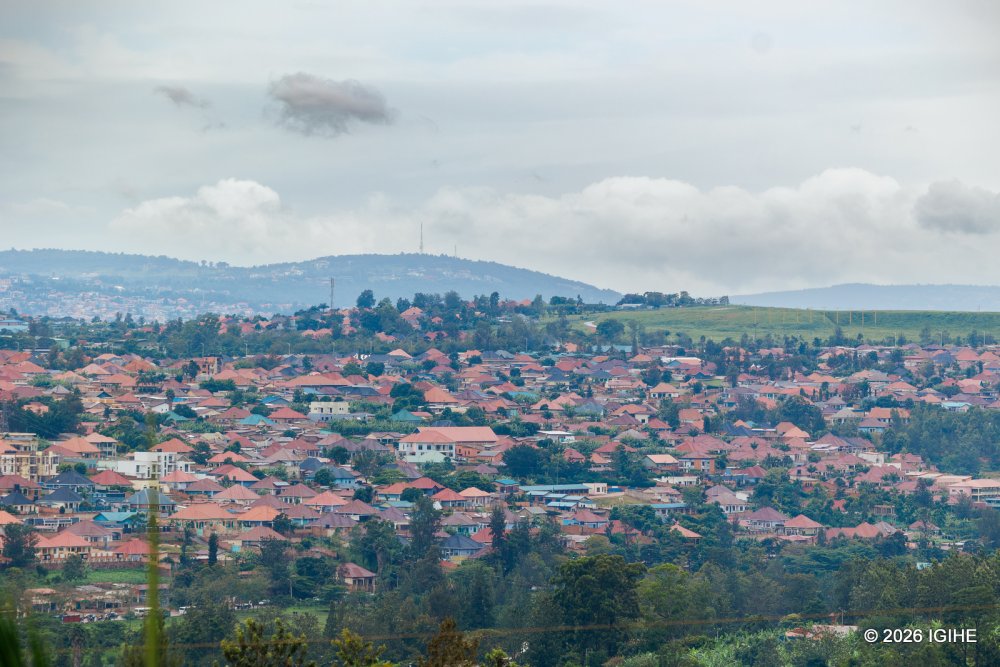
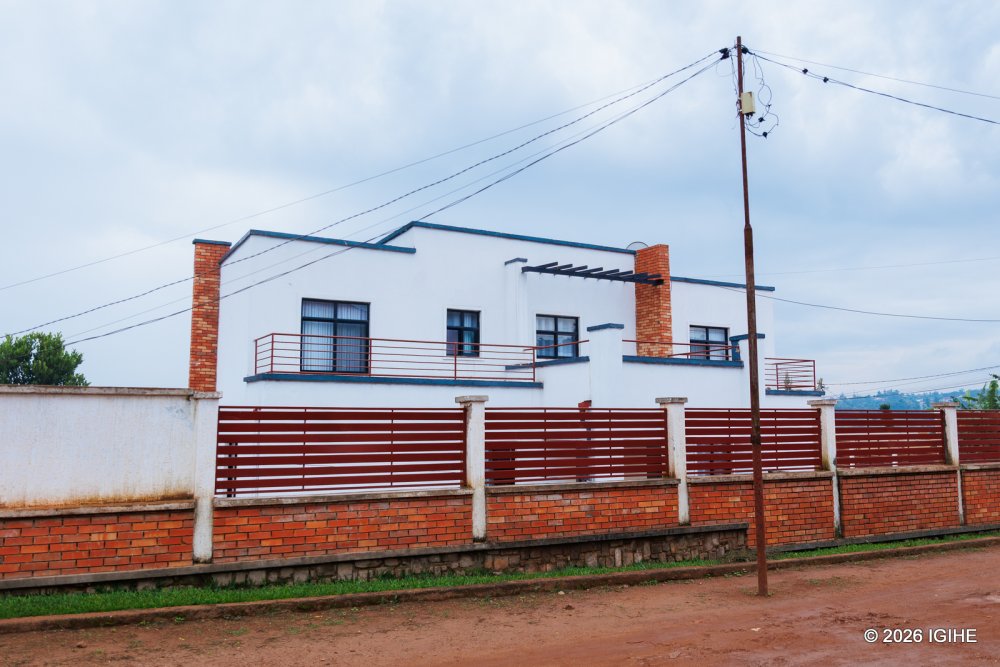
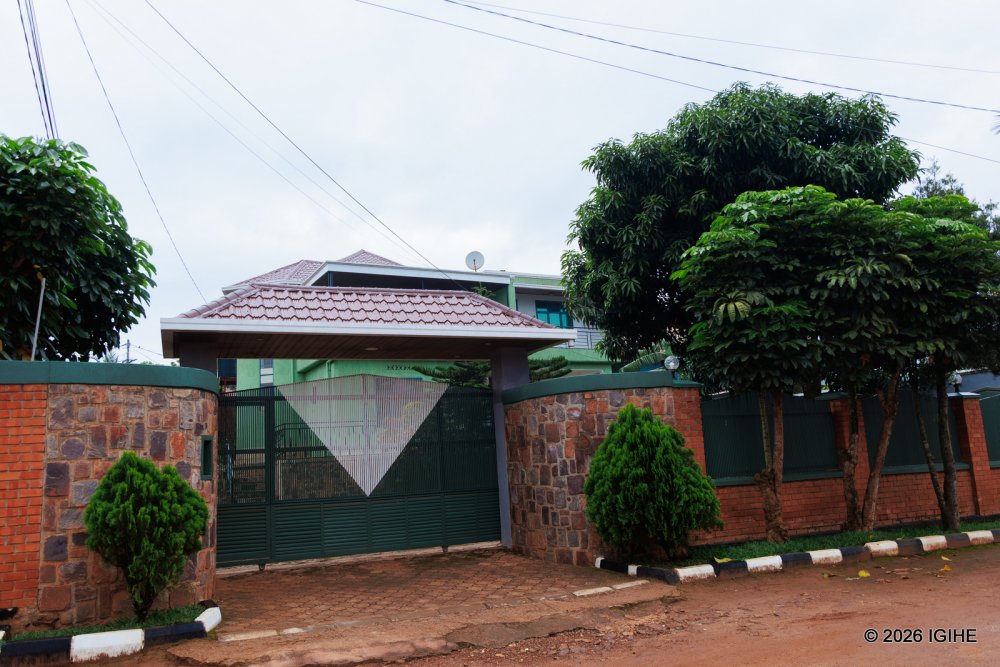
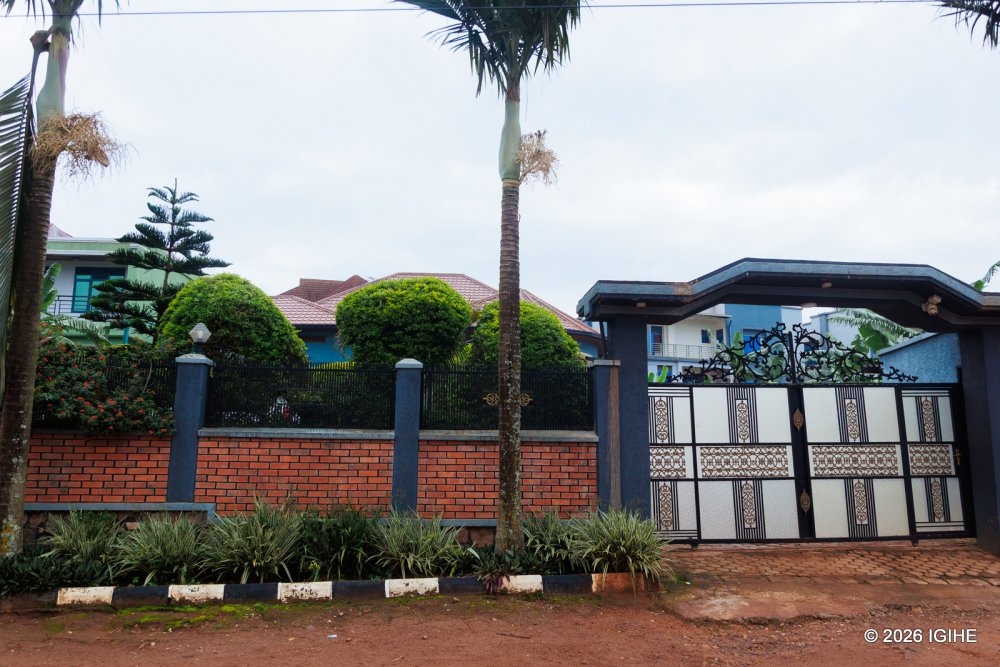
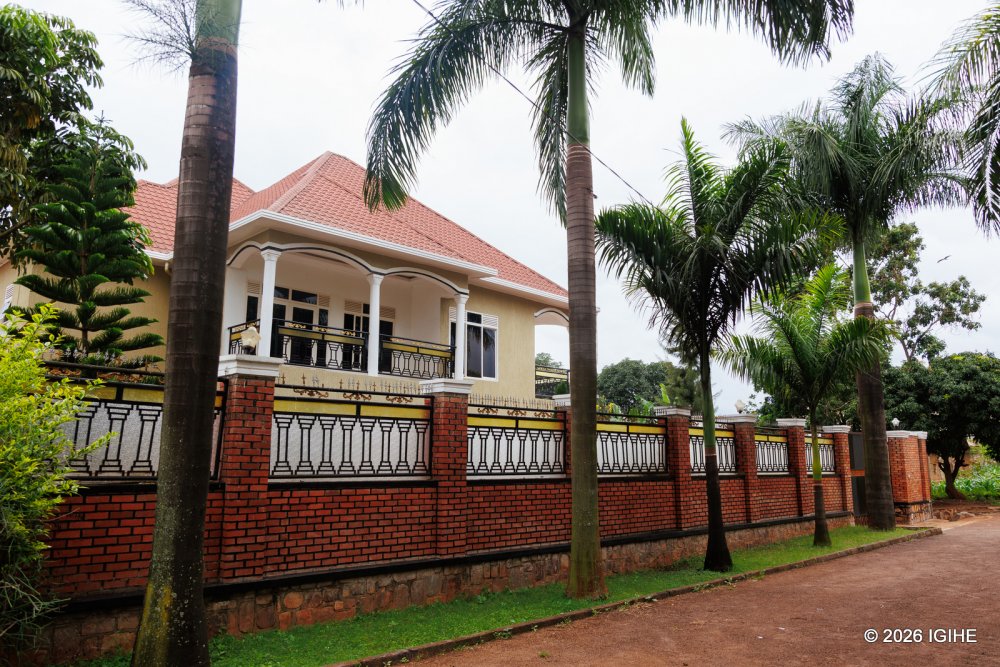
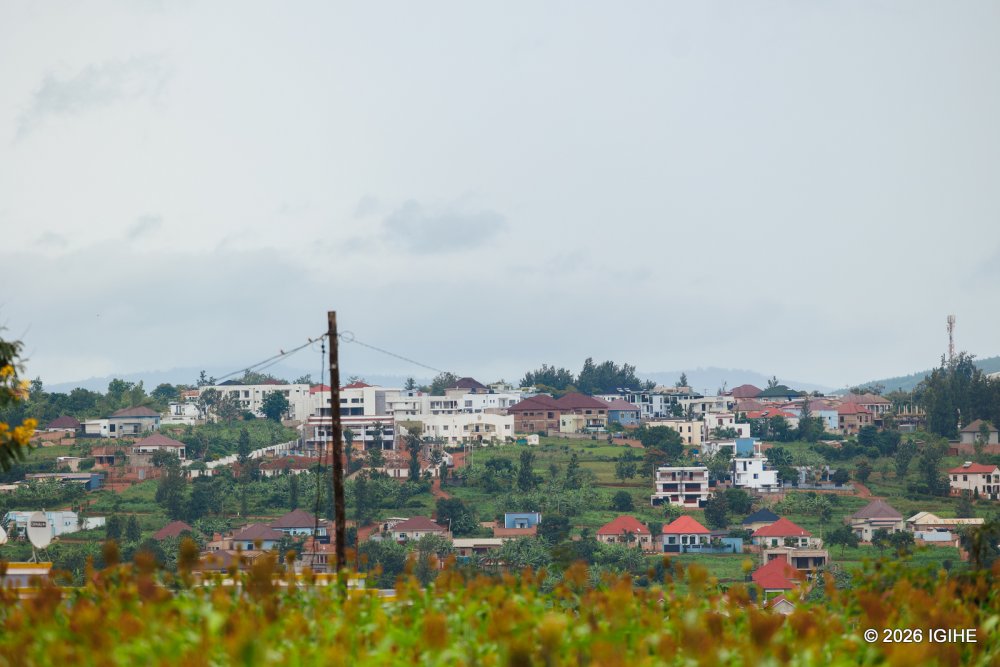
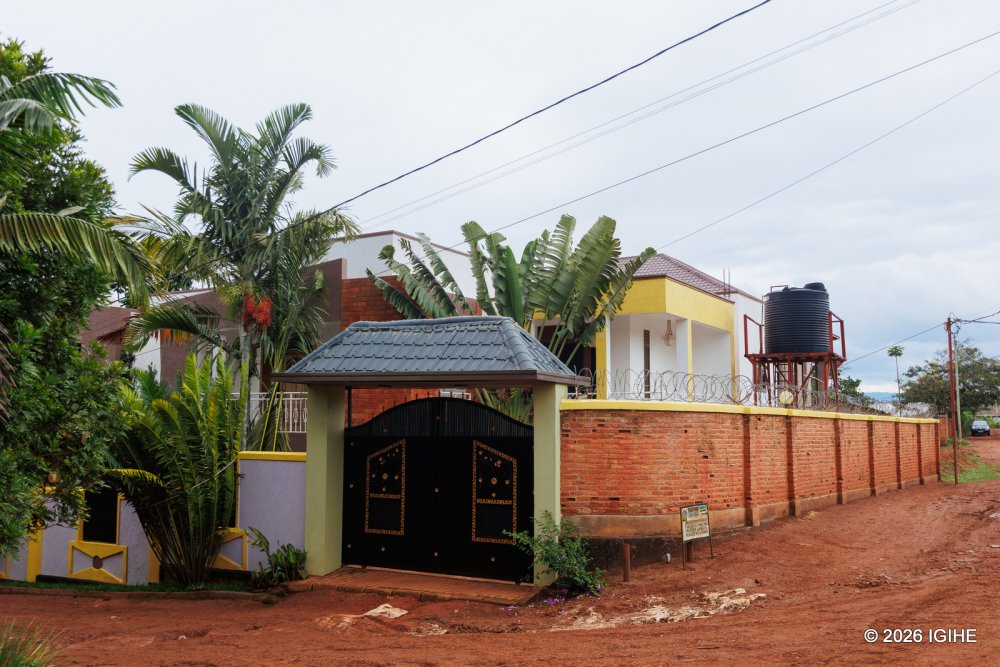
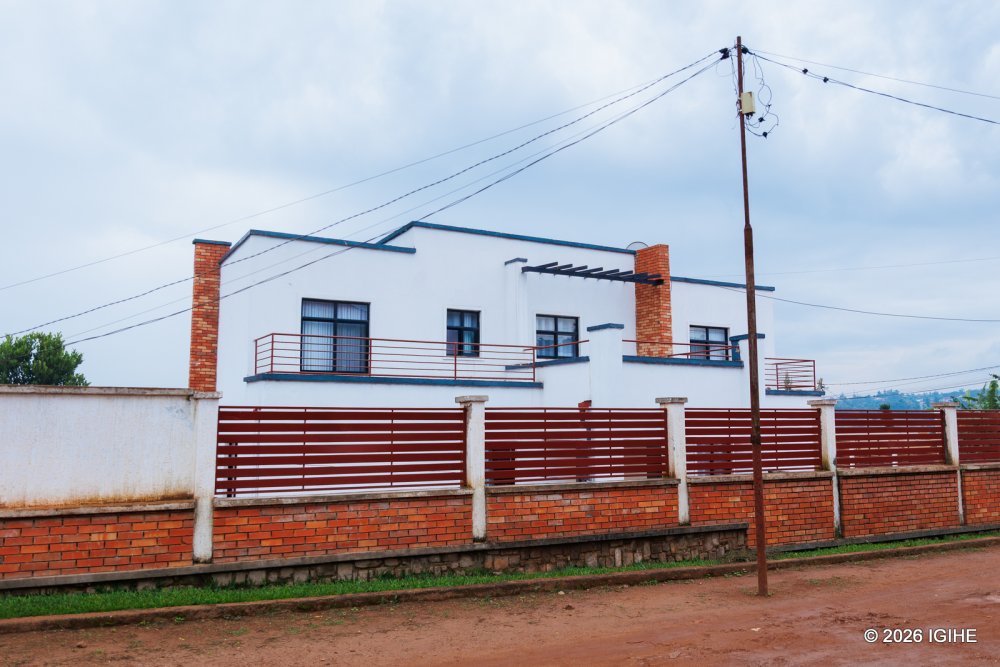
From a higher viewpoint, Gasogi can be seen as an area with modern residential development.
Tarmac roads transform Gasogi
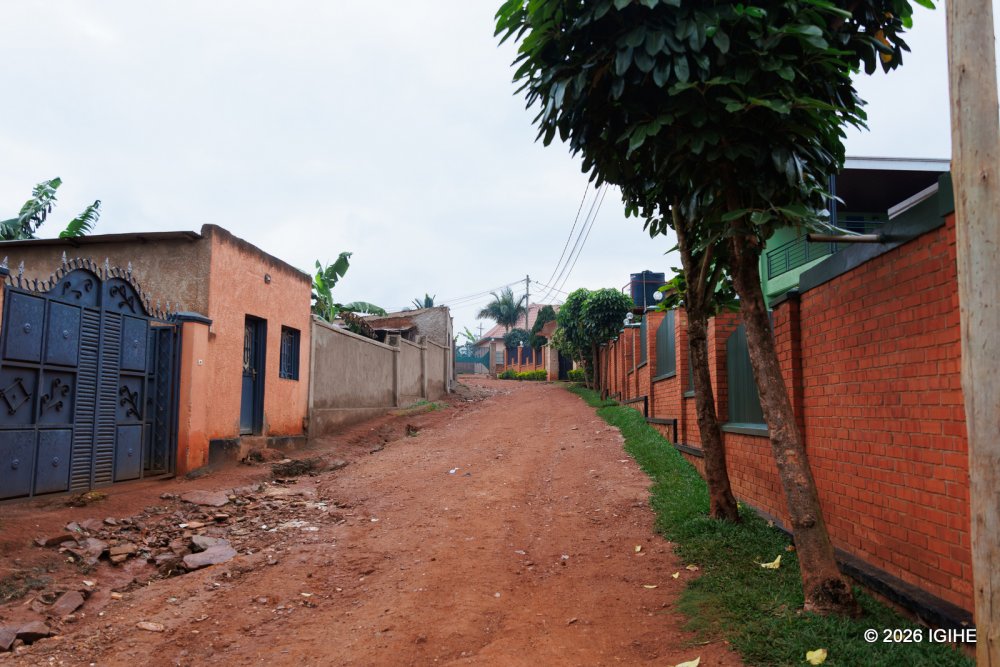
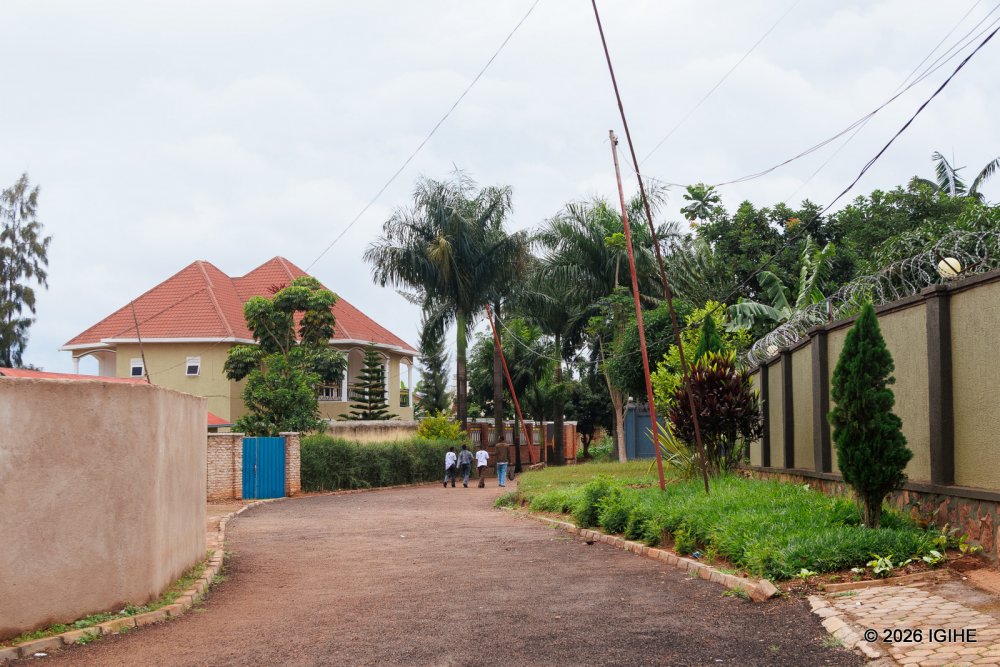
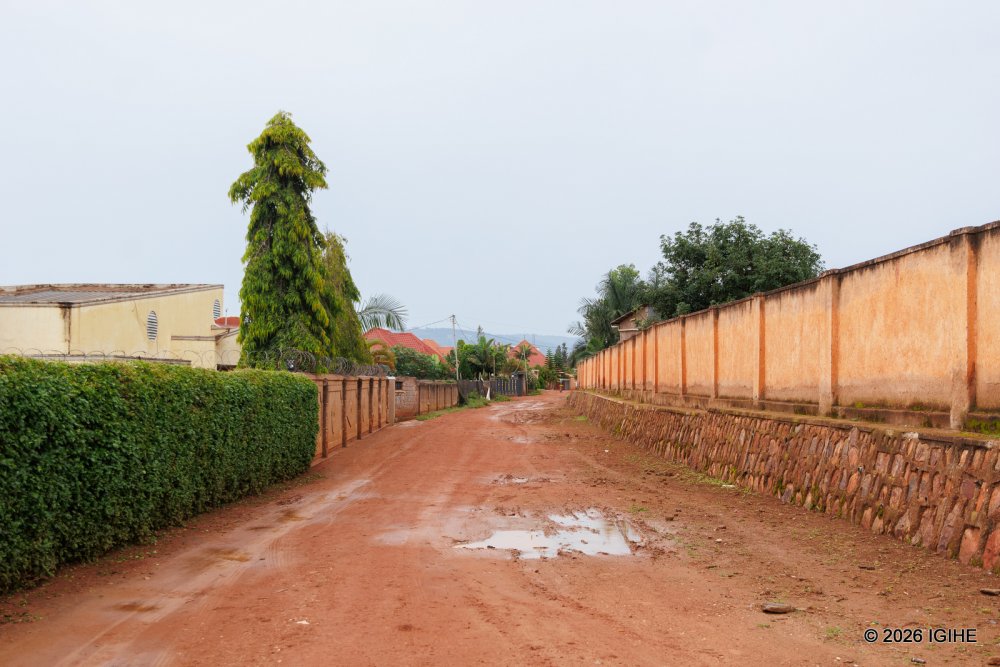
One of the main challenges that previously affected residents of Gasogi was the lack of improved roads, which often turned muddy during the rainy season and dusty during the dry season.
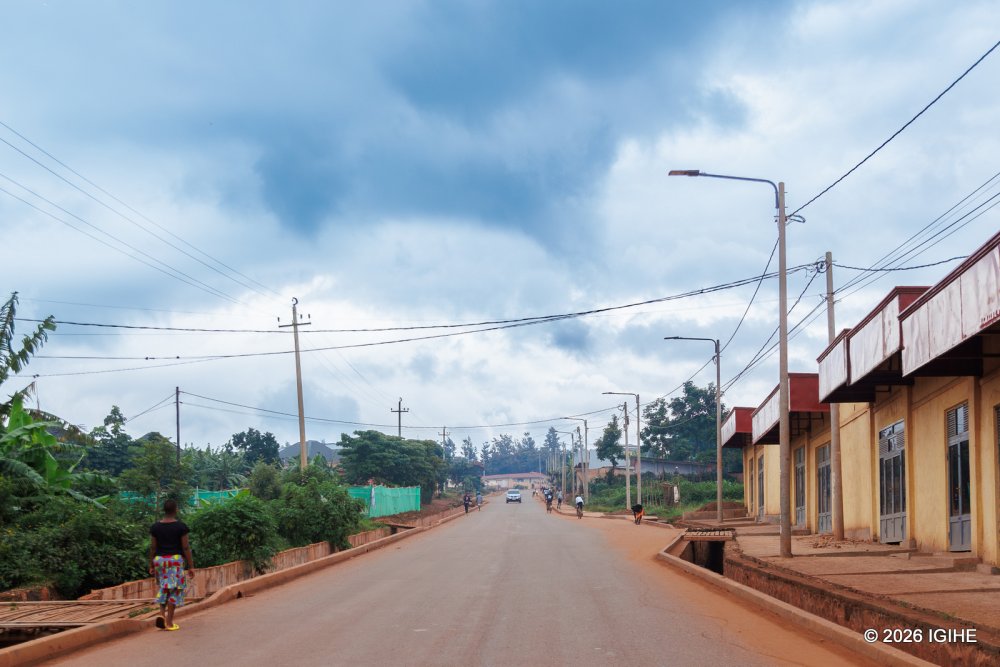
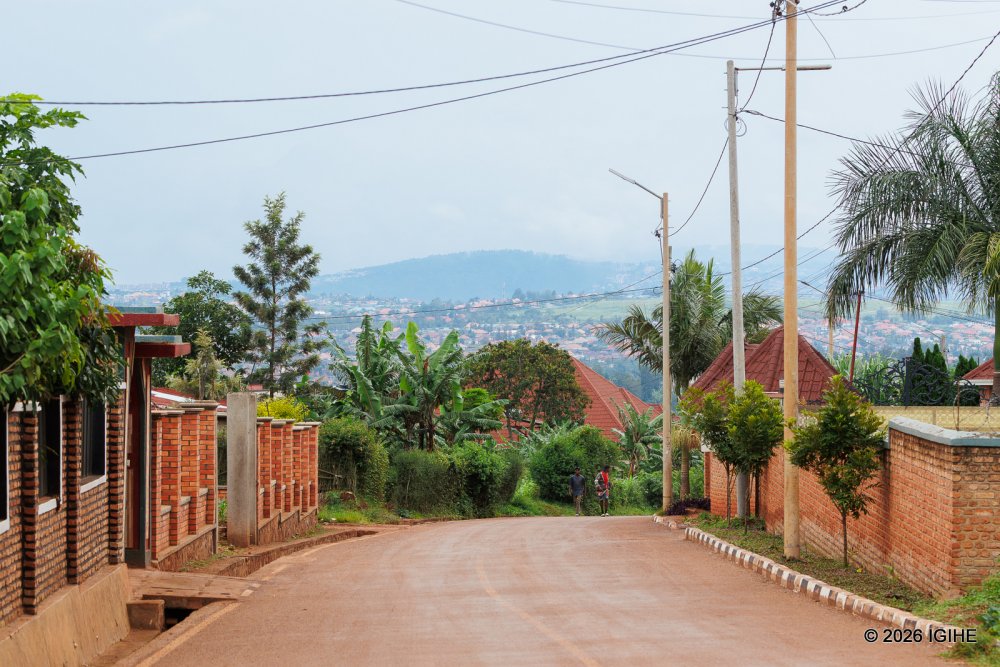
To address this, the City of Kigali constructed a tarmac road linking Mulindi to Kabuga. The project is now in its final phase, with ongoing works focusing on pedestrian walkways and drainage systems.
After the completion of this main road, further development efforts shifted to the residents themselves, who began mobilizing resources to build additional roads within their neighborhoods.
Through a community initiative known as “Reliable Family,” residents first came together to support one another in daily social matters such as mutual assistance and solidarity during events. Over time, the group evolved into a platform for local development.
Kayumba Fred, the coordinator of the initiative, told IGIHE: “We said that since the government had given us a main road, how could we make good use of it without ending up with dirty and poorly maintained streets in our neighborhoods? That is when we decided to construct an 800-meter road ourselves.”
The road starts from Cyaruzinge center and connects to the main highway. Its construction was funded through a partnership between residents and the City of Kigali. Seventy-five residents contributed 64 million Rwandan francs, covering about 30% of the total cost, while the City of Kigali covered the remaining amount. The total project cost exceeded 202 million Rwandan francs.
For street lighting, residents raised Rwf 13 million to install electricity infrastructure, pay technicians, and purchase a transformer worth Rwf 7 million. Streetlights and poles were provided as support from the City of Kigali.
After this road was completed, residents continued to develop additional feeder roads connecting to it, with households near each road taking responsibility for improving access routes to their homes.
In total, four roads have been paved and equipped with streetlights, each measuring about 360 meters. The lighting infrastructure alone cost over Rwf 12 million per road, bringing the total cost of street lighting to nearly Rwf 50 million.
Residents also take responsibility for maintaining the roads whenever they are damaged, including organizing repairs and monitoring their use.
These improvements have enabled public transport to reach Gasogi, especially for residents traveling to areas such as Remera and Kimironko, where many go for work and business activities.
In Cyaruzinge Cell, a dedicated water intake point was also established to supply water to Inyange Industries, which processes drinking water and produces various juice products.
Gasogi is also widely known for Gasogi United FC. Some people even associate the area with the club itself. Founded in 2016, the team initially competed in the second division under the name Unity FC. In its first season, it played as Unity of Gasogi, before becoming a full member of FERWAFA.
The club has played a key role in popularizing Gasogi, as many football fans came to know the area through it, largely thanks to its president and co-founder, Kakoza Nkuriza Charles (KNC).
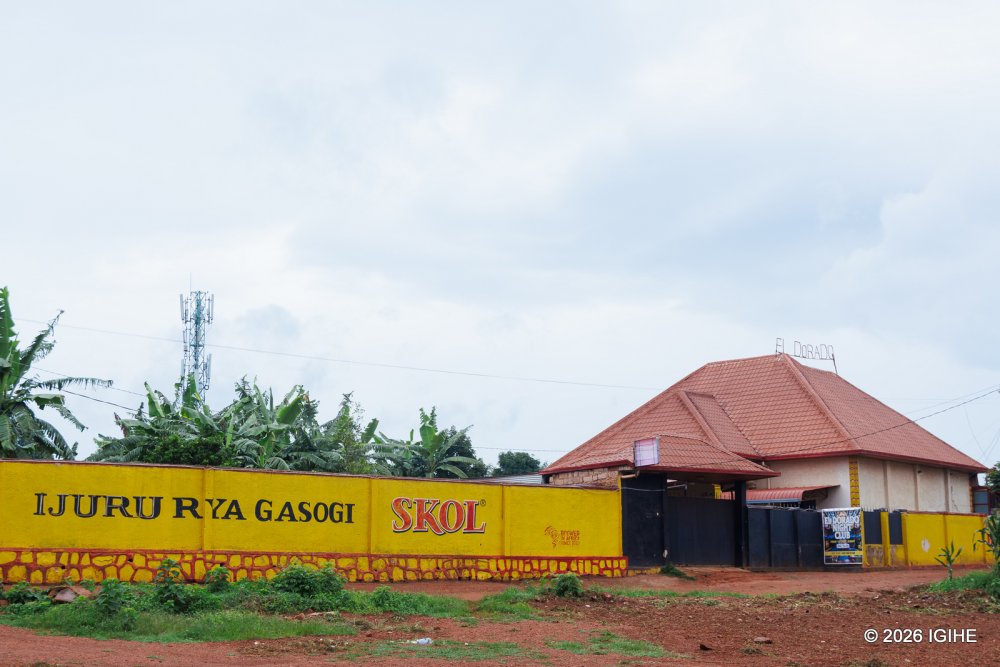
KNC has also contributed to the area’s social life and development, including the rise in popularity of a well-known bar called “Ijuru rya Gasogi,” which once attracted visitors from different parts of Kigali.
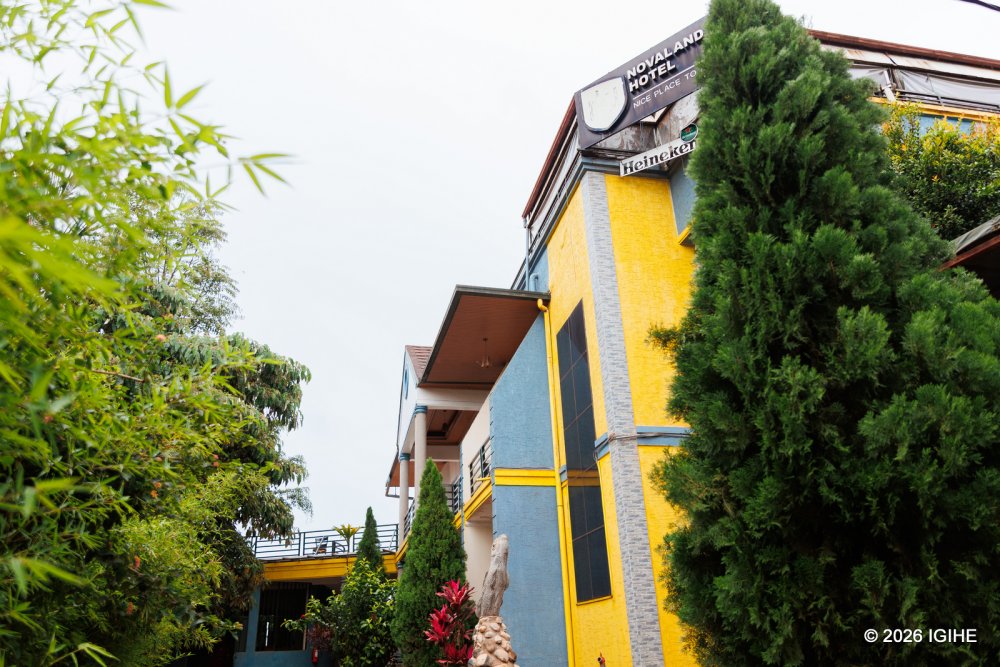
In recent years, Gasogi has also seen the growth of hospitality services, including two hotels Novaland Hotel and Mountain Blue which have significantly improved the image of the area.
Novaland Hotel is one of the developments that has enhanced the appeal of Gasogi.
Land prices and housing in Gasogi continue to rise sharply
Anyone who visited Gasogi in 2013 would have easily mistaken it for a rural area. At the time, even many residents of Kigali did not consider it a place for residential living; it was mainly associated with farming and livestock activities.
During that period, a plot of land measuring between 300 and 700 square meters could be purchased for between Rwf 1 million and Rwf 3 million. Today, the same plots cost between Rwf 30 million and Rwf 50 million, and in some cases, prices can rise to around Rwf 80 million depending on location and characteristics of the land.
A standard residential house in Gasogi now costs between Rwf 70 million and Rwf 150 million. Renting such a house ranges from Rwf 300,000 to Rwf 350,000 per month.
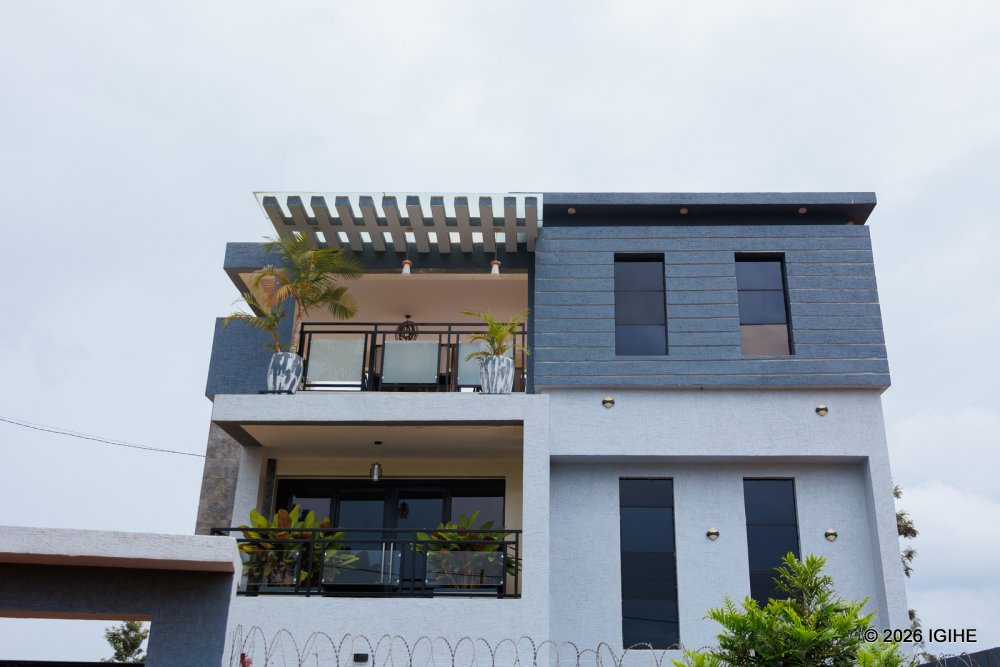
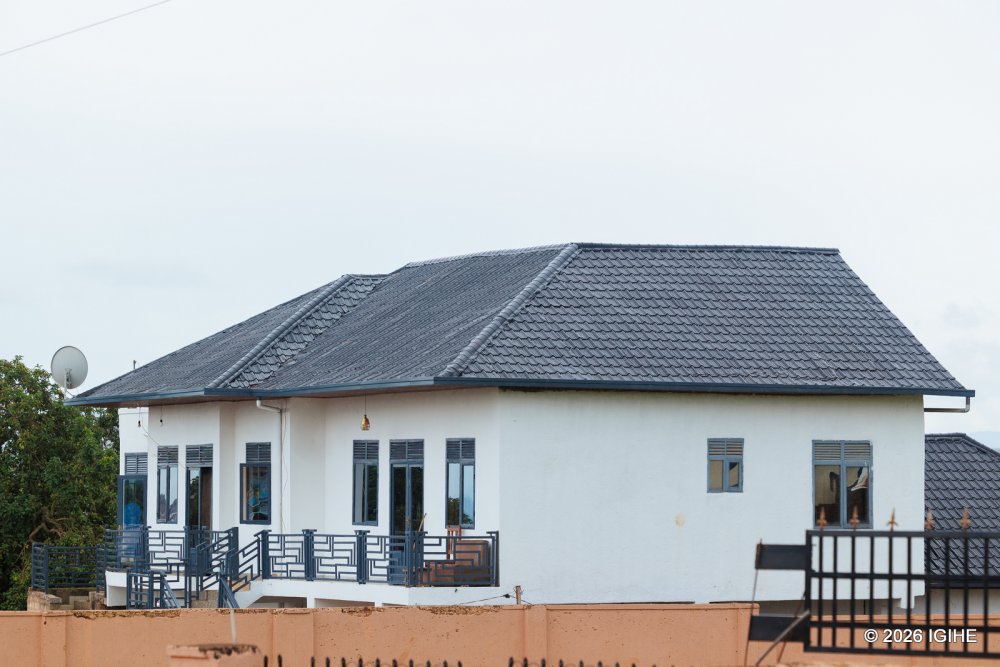
These houses typically feature four bedrooms, a living room, a dining area, an indoor kitchen, three bathrooms with toilets, an outdoor kitchen, a parking space, and a garden.
A two-storey house is even more expensive, costing between Rwf 150 million and Rwf 200 million. It usually includes four bedrooms, a living room, a dining area, an indoor kitchen, three bathrooms with toilets, a parking area, a garden, and an external annex.
Despite the rapid development in Gasogi, residents still face challenges related to water access. In some areas, households can go up to four days without access to running water for daily use.
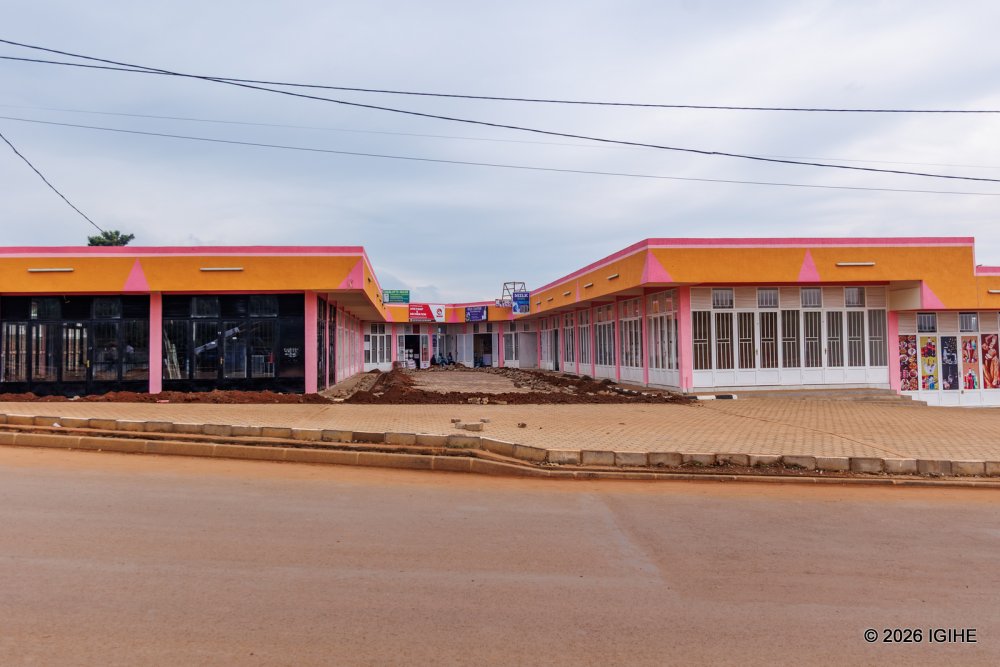
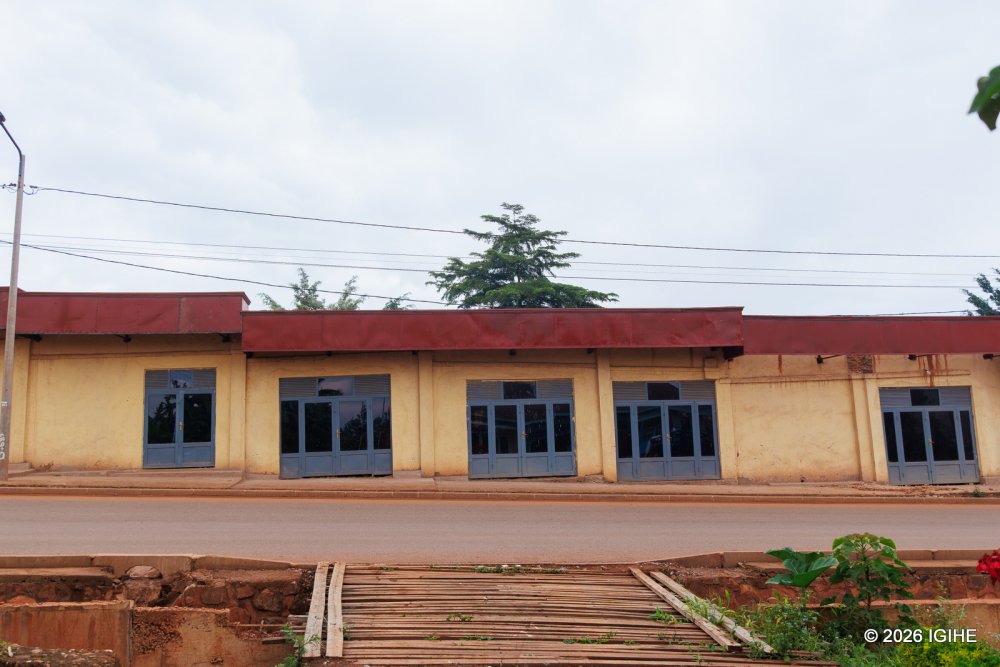
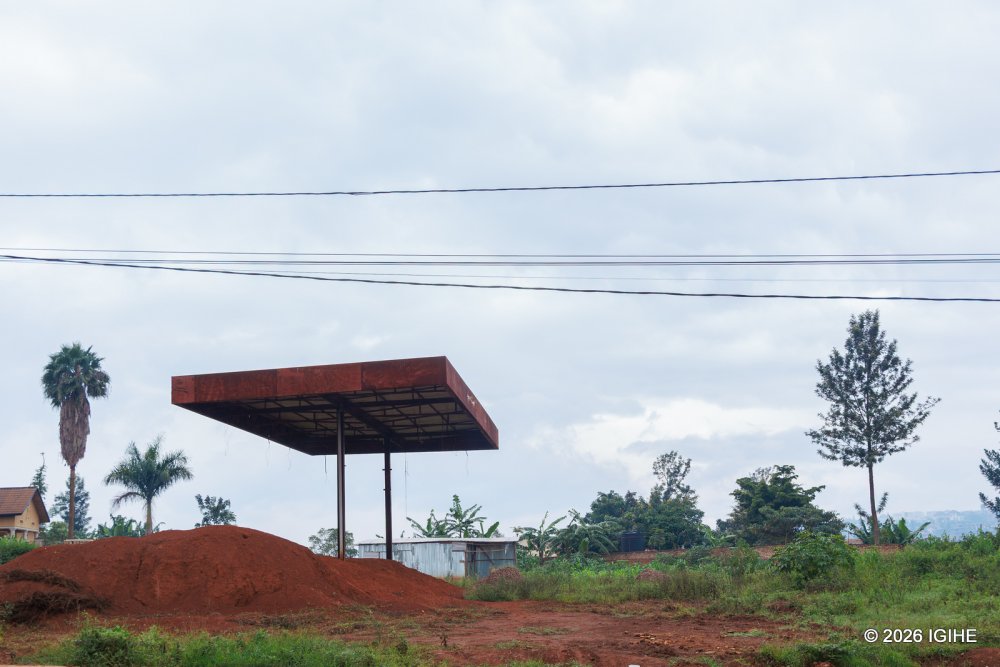
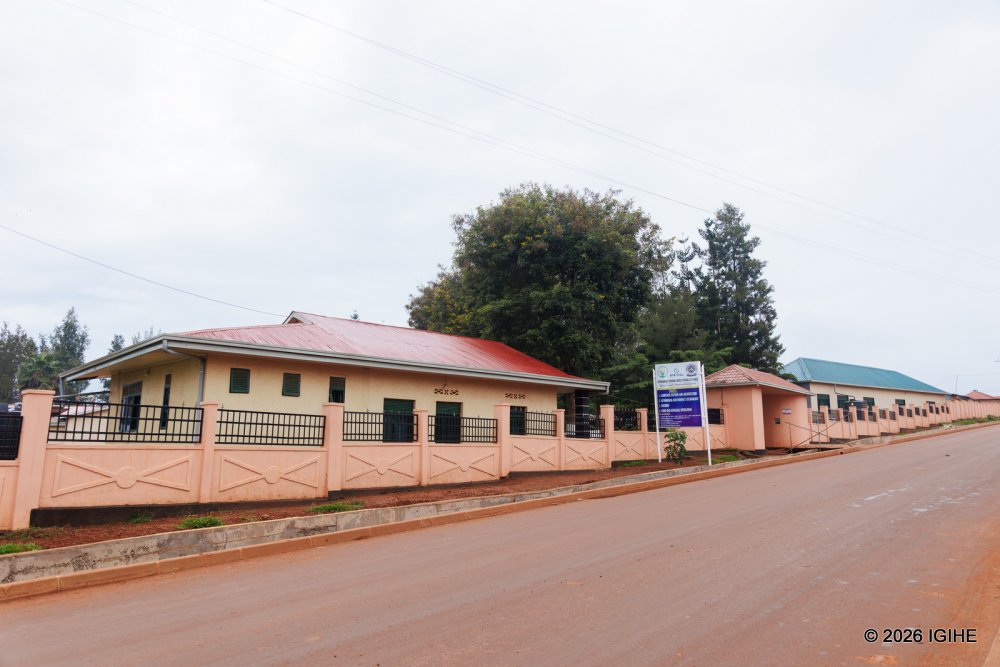
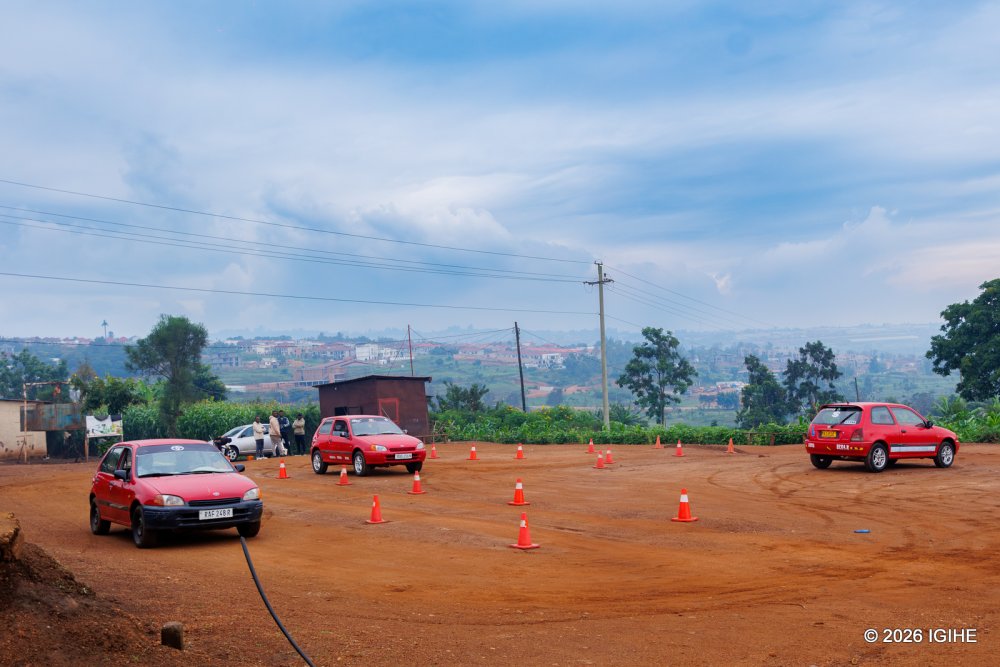
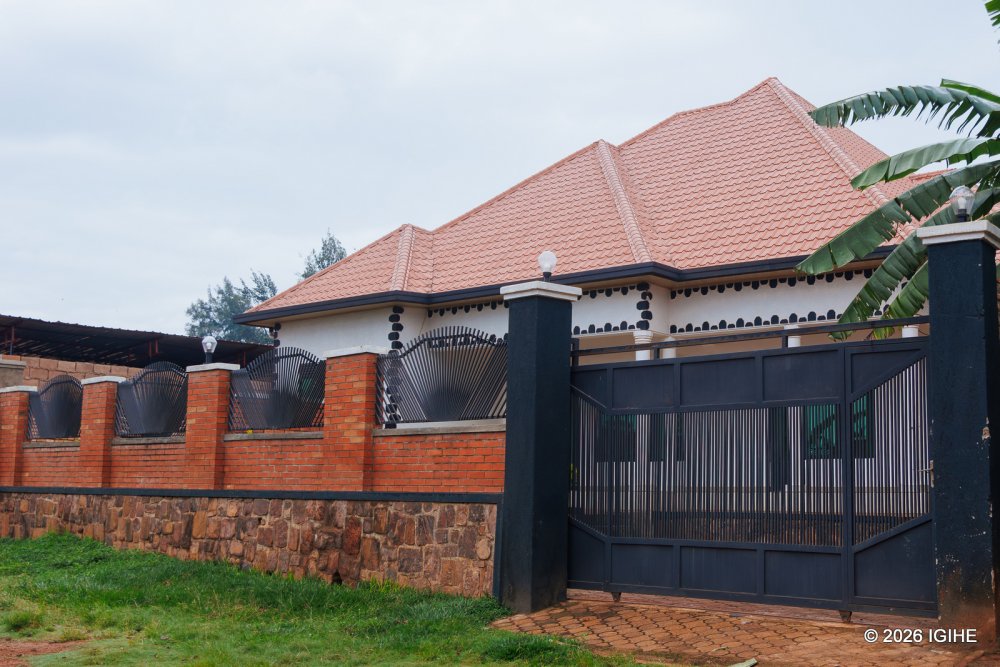
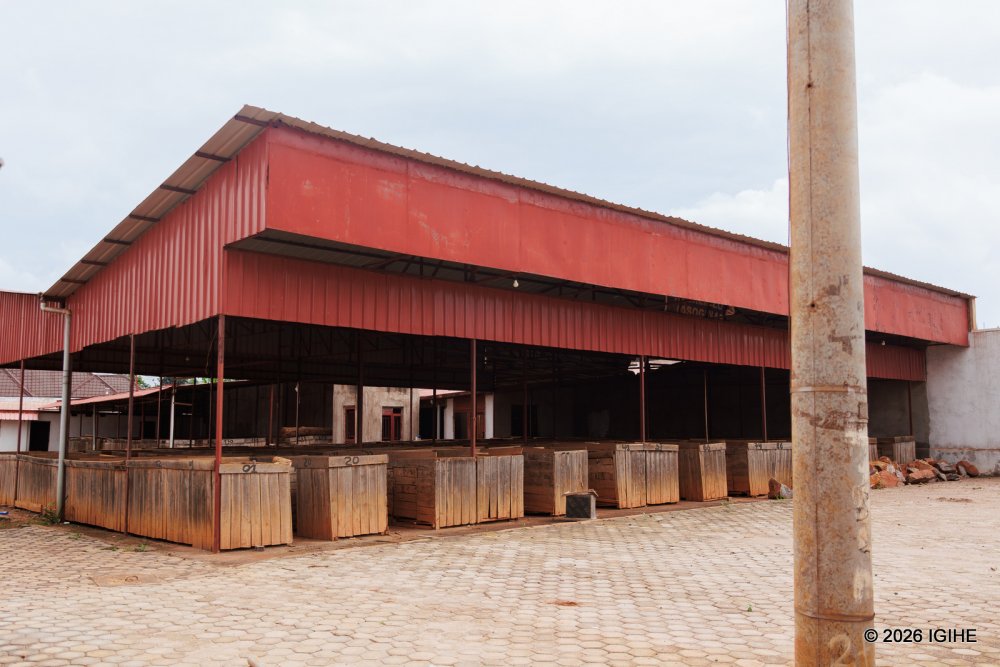
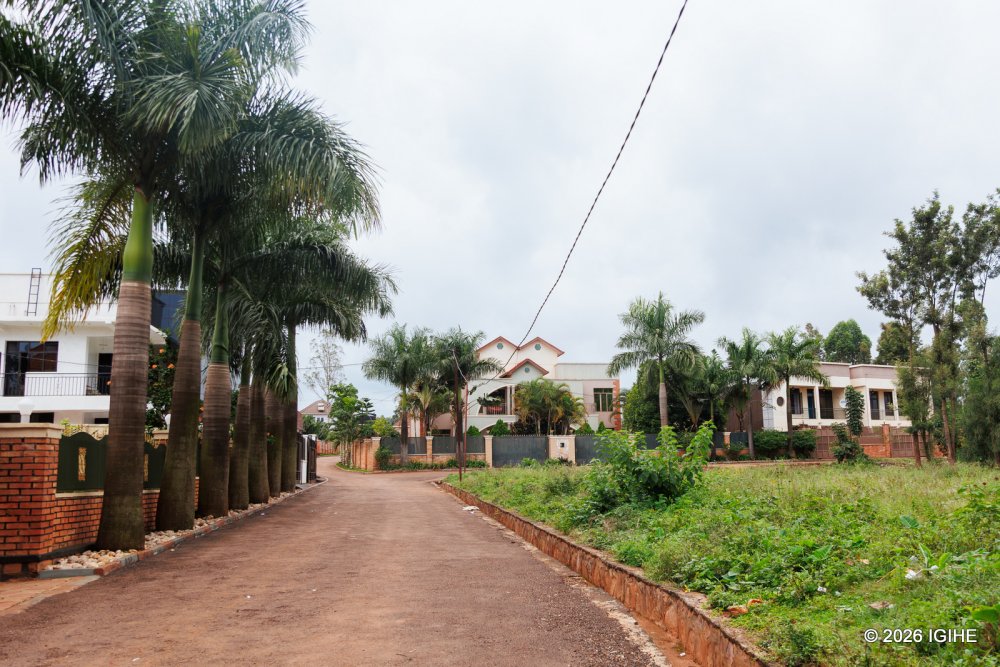
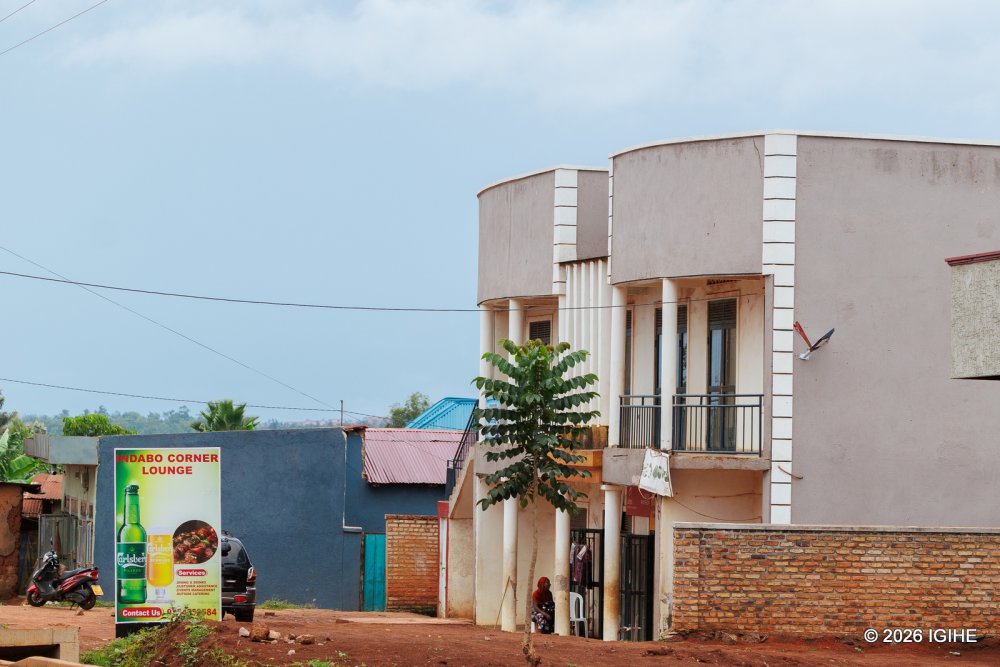
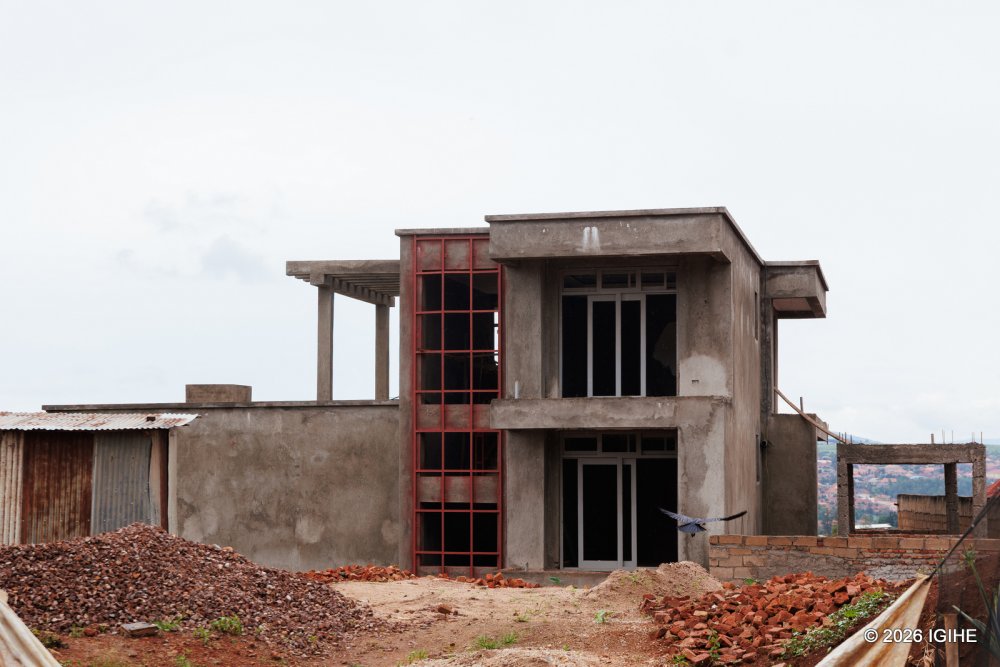
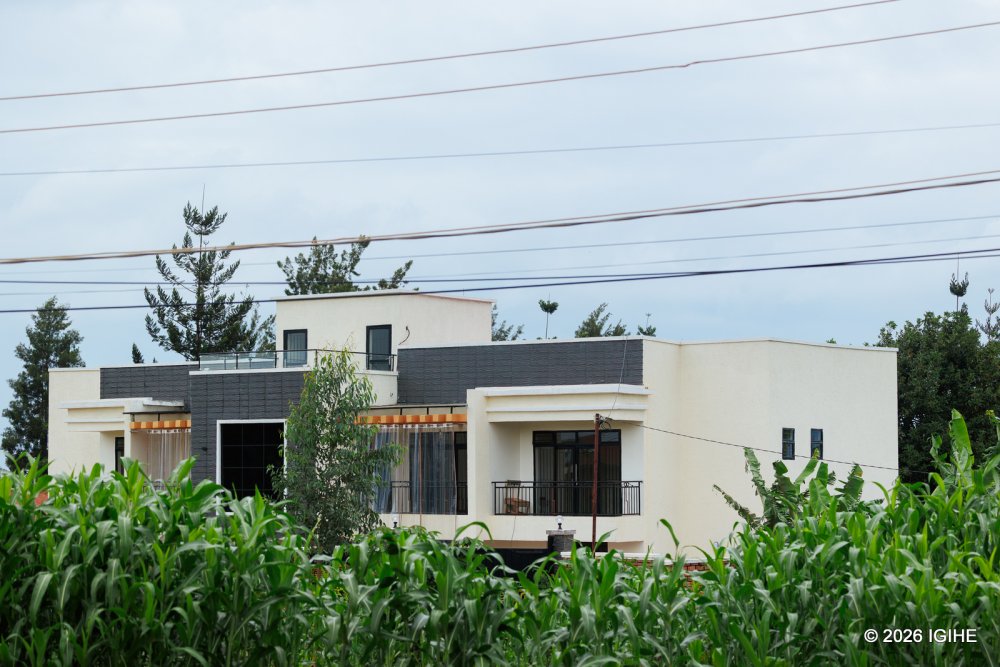
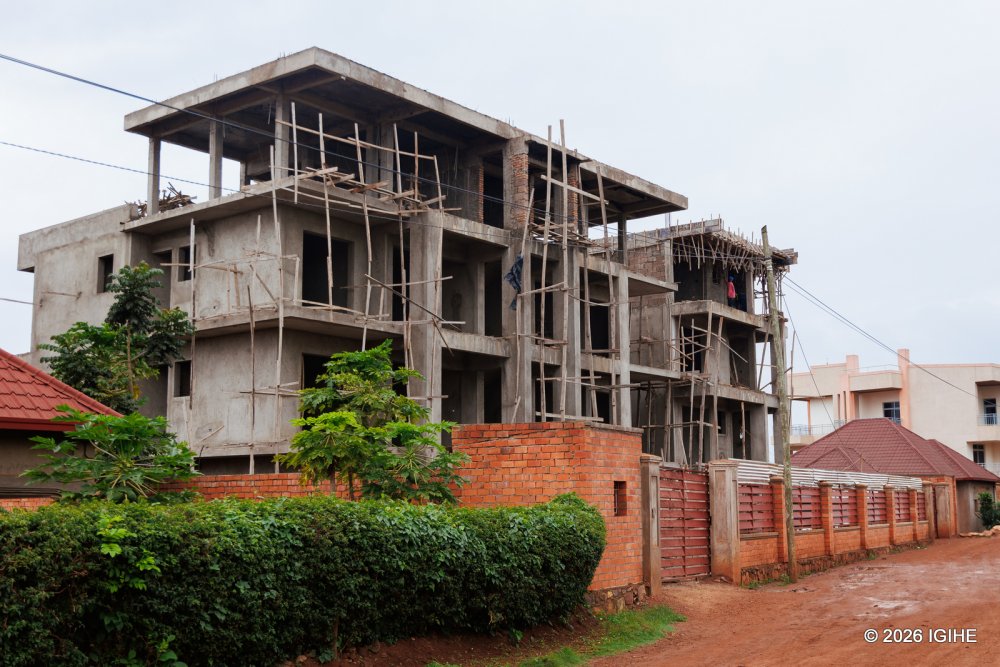
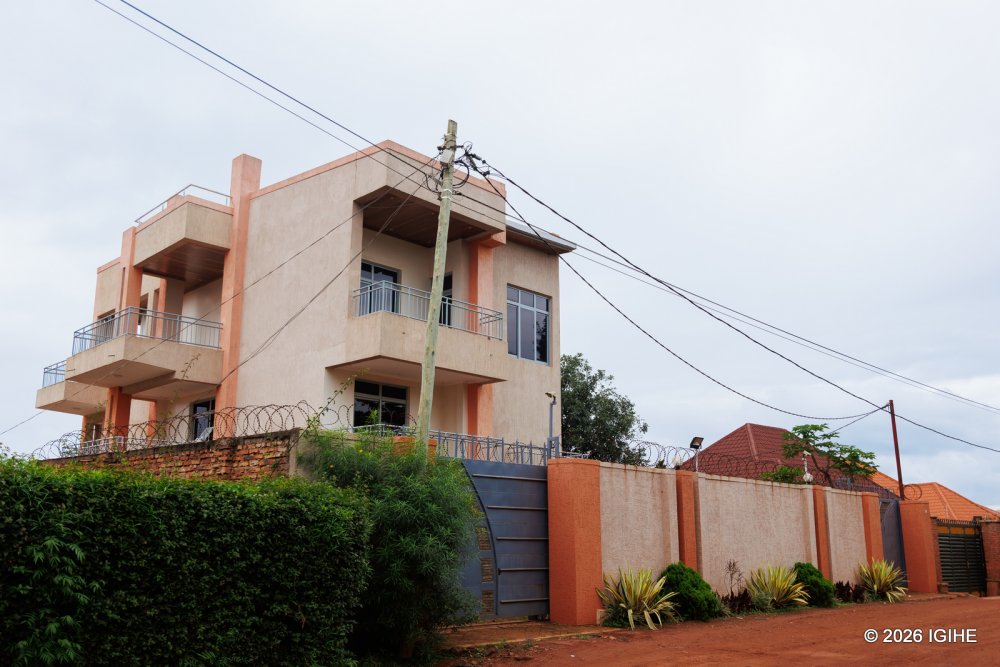
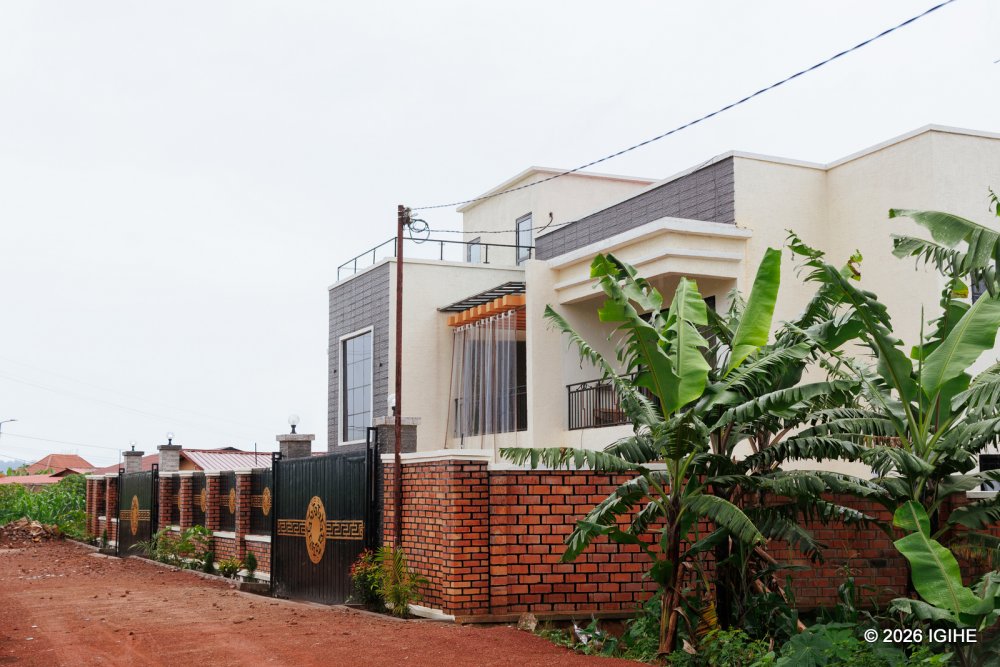
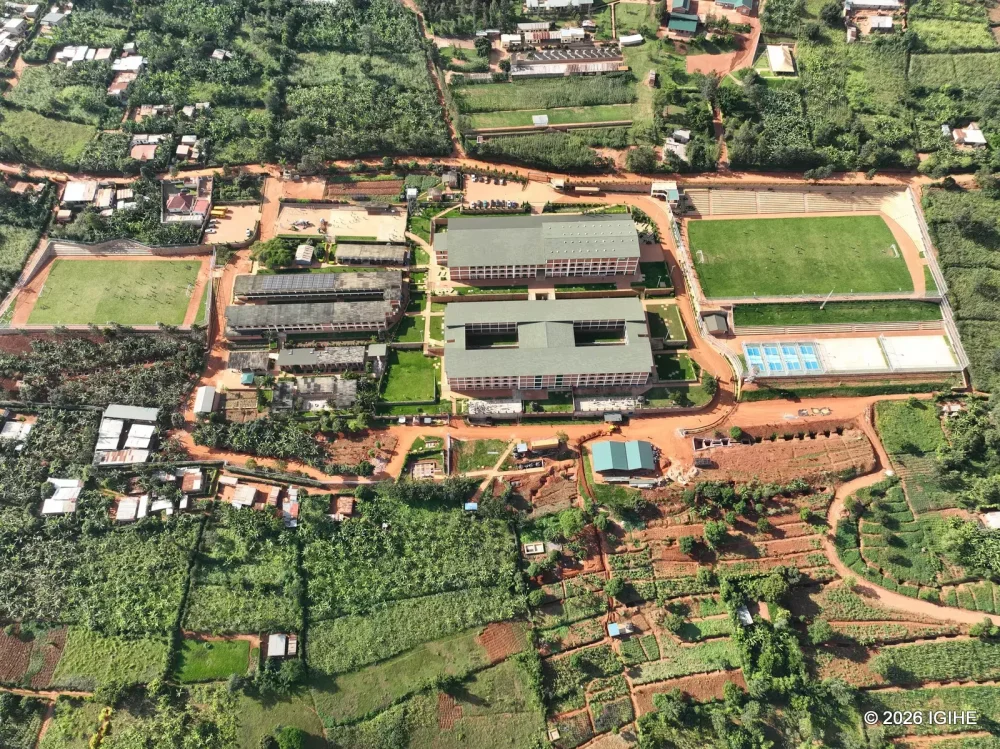
Gasogi still has plots of land available for purchase.Gasogi has experienced significant population growth over the past decade.Gasogi Hill is shared by three cells: Cyaruzinge, Bwiza, and Karubibi.In most areas of Kigali, almost every place you visit shows noticeable changes when you return the following day.Gasogi features new buildings, including those dedicated to commercial activities.Commercial buildings are mainly concentrated along the roadside.The area known as “Ku Ikona” is a busy commercial hub where various types of businesses operate.The building at “Ku Ikona” is among the most recent developments in Gasogi.Before drainage channels are covered, measures are put in place to allow residents to safely cross them.The tarmac road was greatly needed by the residents of Gasogi.Infrastructure developments, including fuel stations, are currently being constructed in Gasogi.ITS Kigali is a school located in Gasogi that specializes in Information Technology, hospitality, and tourism studies.ITS Kigali is a school that was established in Gasogi before the area experienced significant development.A bar known as “Ijuru rya Gasogi” played a significant role in making Gasogi widely known to many people.You no longer need to leave Gasogi to learn driving skills.
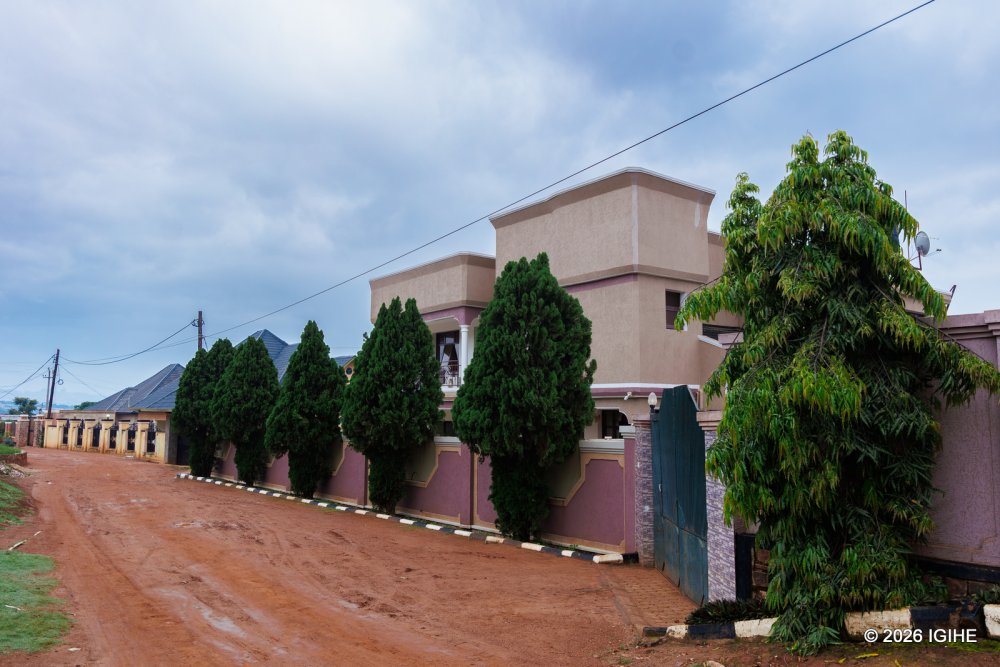
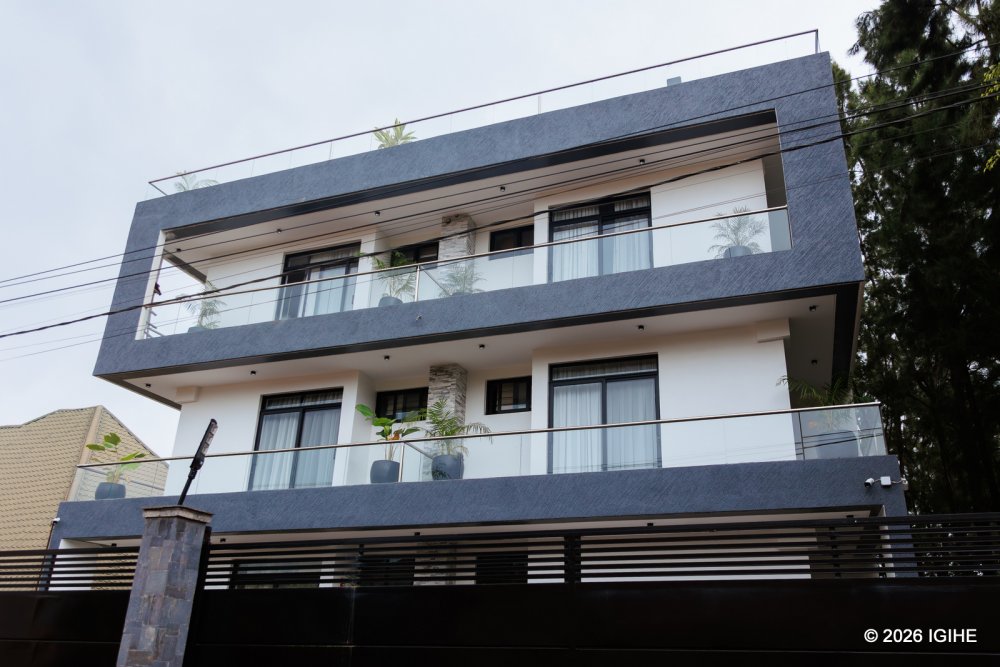
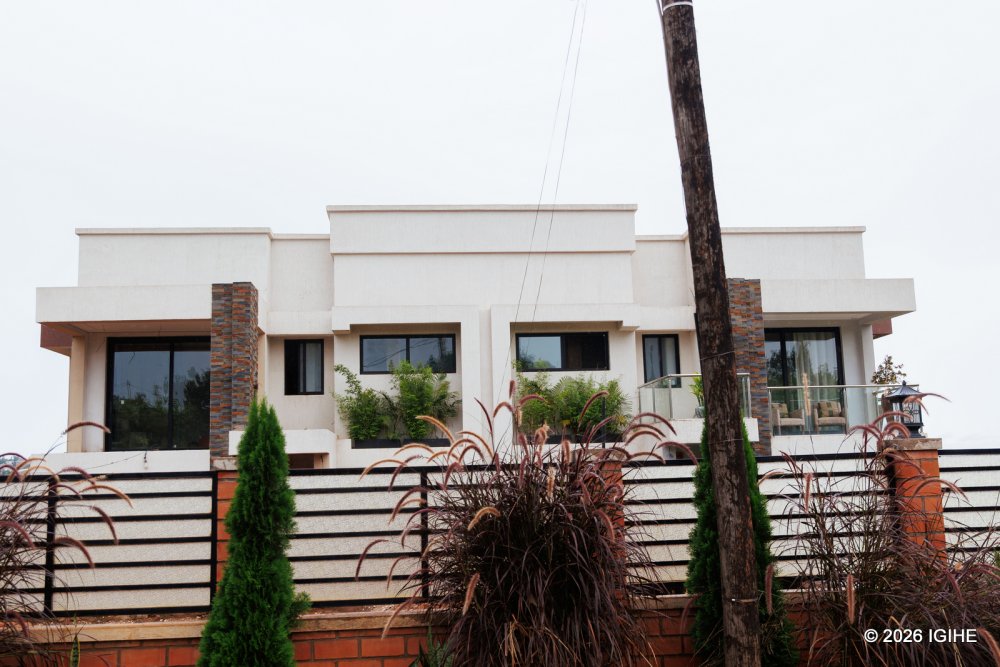
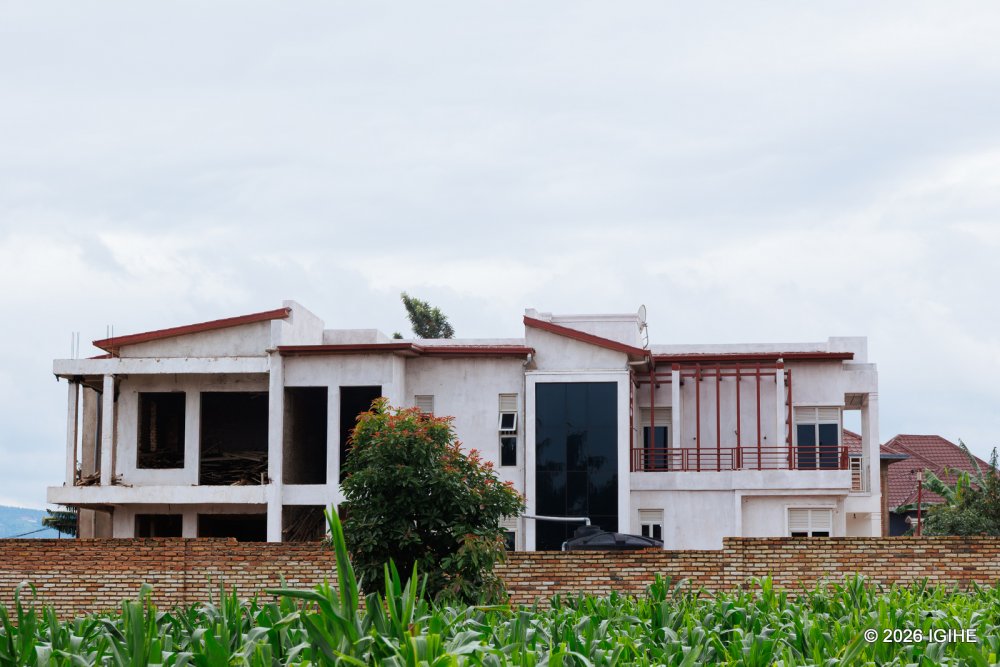
Many residents of Gasogi prefer building multi-storey houses in order to align with the city’s master plan.Those who can afford it also add gardens in front of their homes.Gasogi is gradually becoming as expensive as other parts of Kigali City.Areas that were once farmland before 2013 are now occupied by modern buildings.The number of people engaged in various businesses in Gasogi has significantly increased.
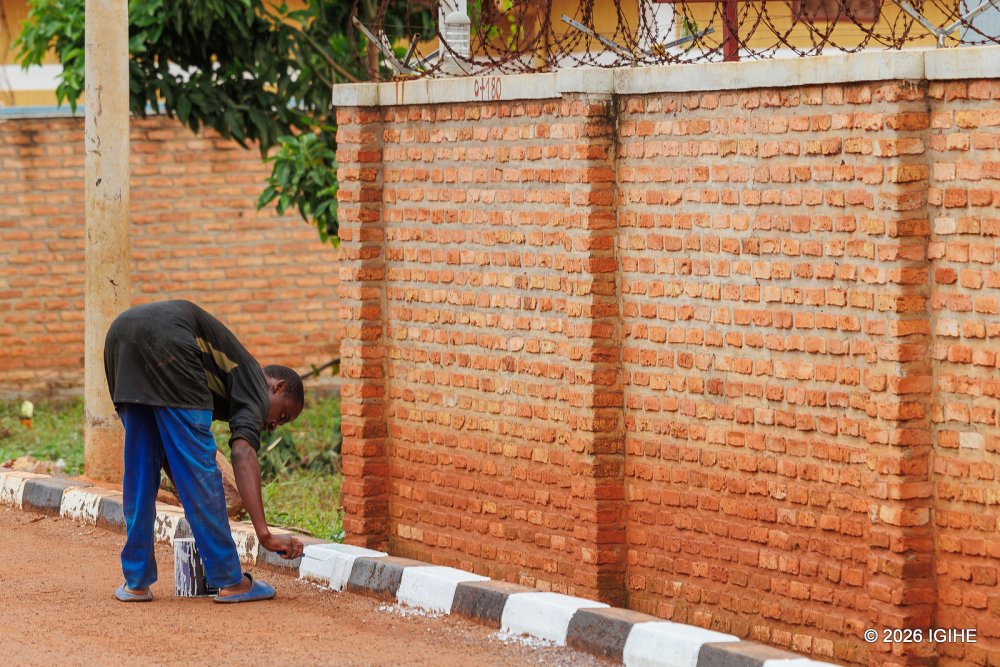
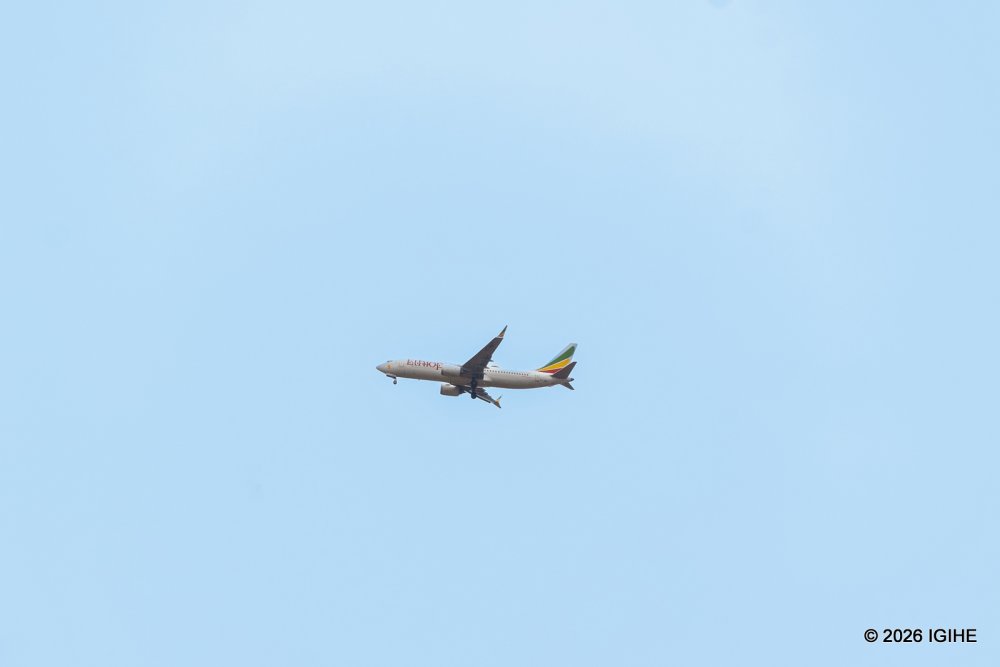
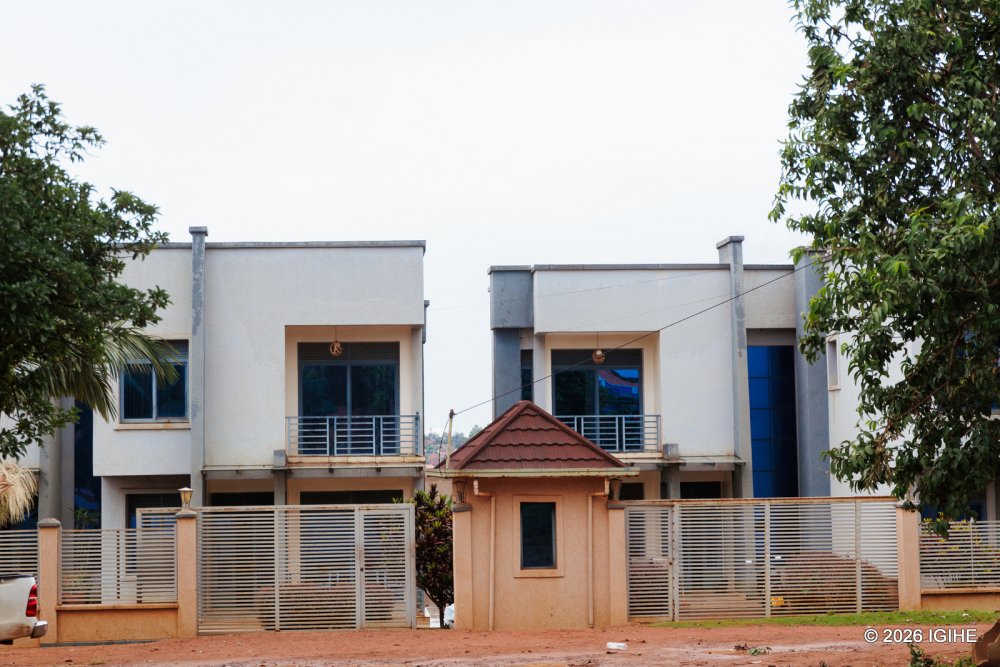
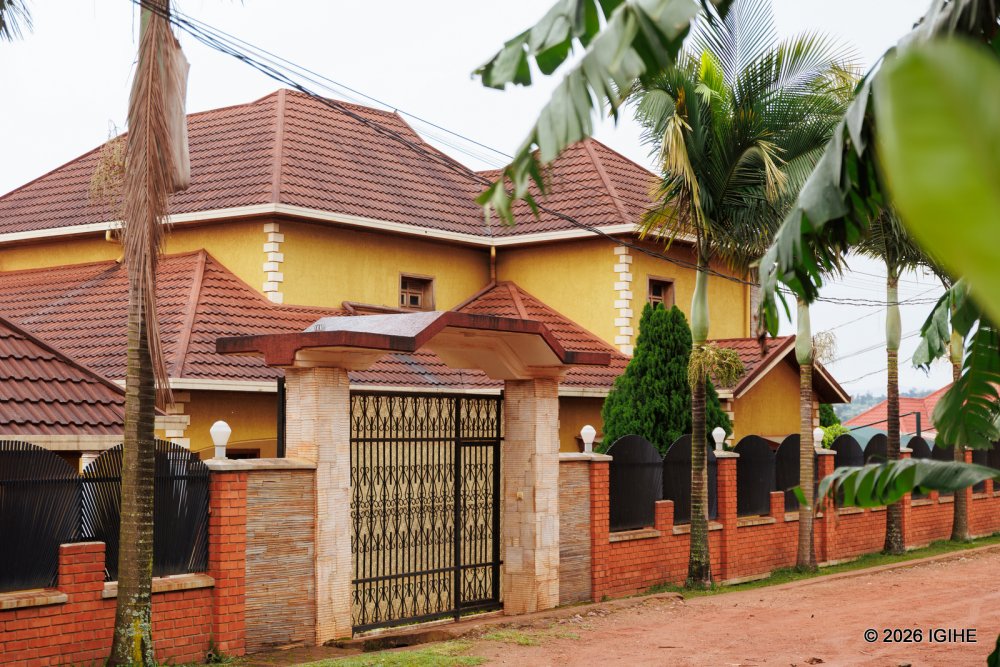
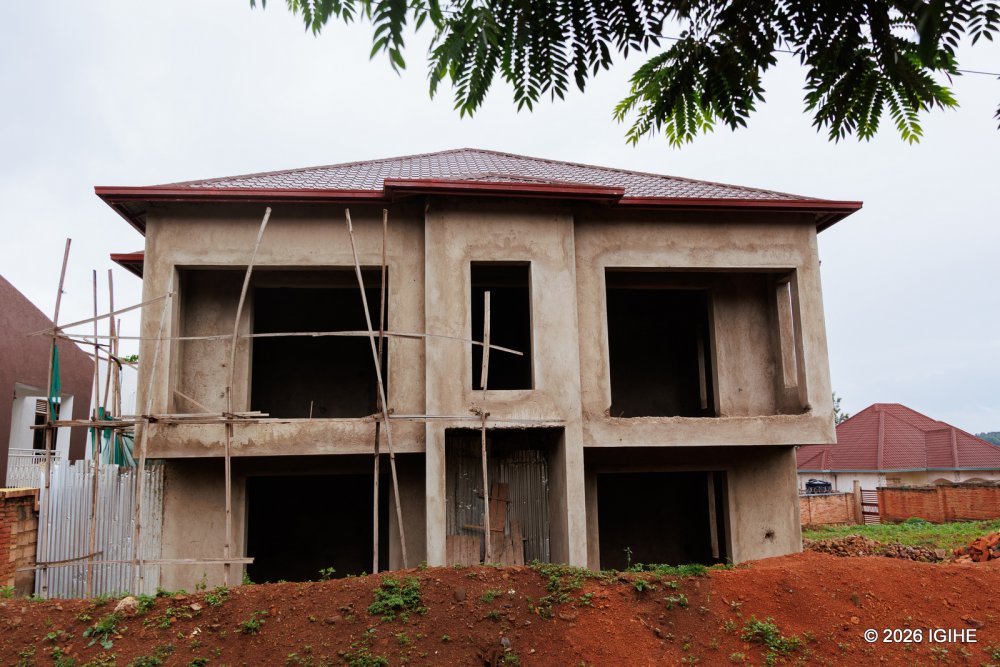
Modern construction continues to grow steadily in this area.A small market is awaiting renovation.Modern houses in Gasogi can be rented for more than 600,000 Rwandan francs per month.Residents built a road in Gasogi themselves.Neighborhood roads in Gasogi are constructed by the residents themselves.This is one of the roads in Gasogi that residents built and also equipped with street lighting themselves. Those who recognized its potential early chose to settle in Gasogi, especially as Kigali City continues to expand.Residents repair and maintain the roads themselves whenever they are damaged.Many houses located along the roadside are used for commercial activities. Gasogi is located close to Kigali International Airport.From a broader perspective, Gasogi stands out as a well-developed area within Kigali. Many newly built houses are designed to accommodate more than one family.Rental apartments targeting middle- and high-income residents can also be found in Gasogi.The construction style in Gasogi reflects modern urban standards in Kigali.Some roads in Gasogi still require further improvement and maintenance.Residential housing is rapidly increasing in this area.In areas that are not yet fully developed, some farmland is still cultivated by residents. Gasogi has become one of the most densely populated areas.
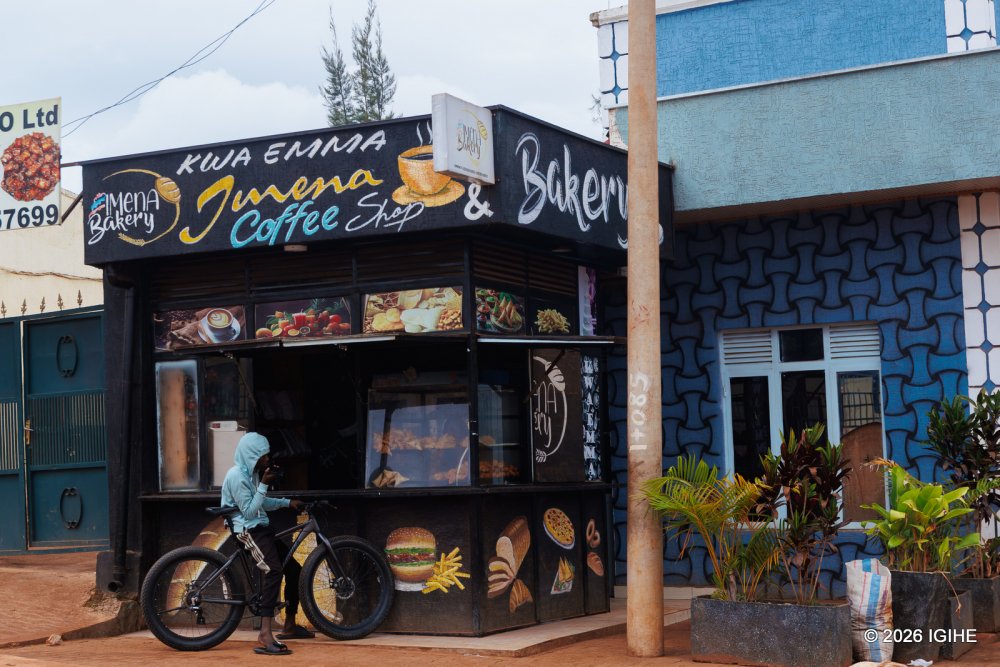
Some people choose to move into rental houses and gradually purchase them over time.Anyone who gets the opportunity to build in Gasogi tends to adopt modern construction standards.These are some of the shops where small-scale businesses operate in Gasogi.
Construction sites in the area are closely located near shops selling building materials.Some unpaved roads continue to hinder smooth movement and connectivity.That is one of the modern houses in Gasogi.Anyone intending to build in Gasogi is required to follow modern construction standards.Hope Haven Christian School is one of the modern educational institutions in Rwanda.
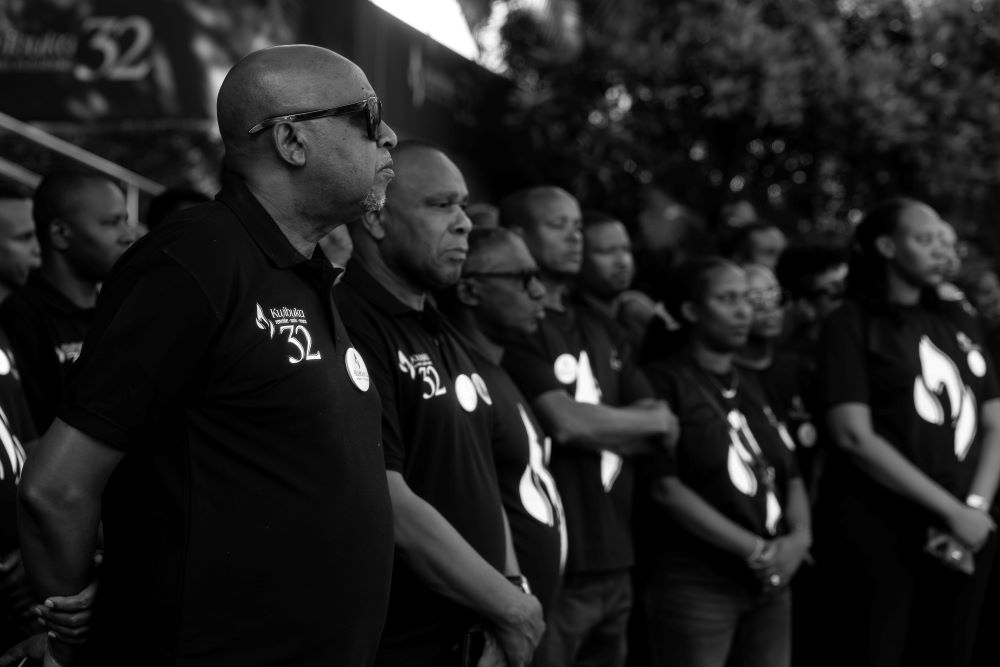
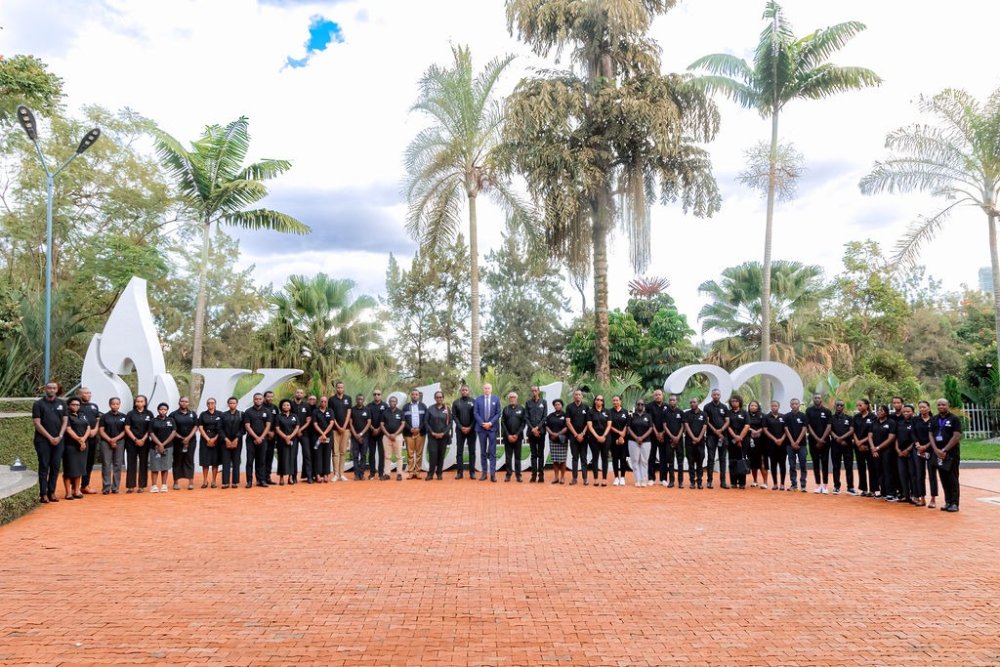
The visit, which took place on April 21, 2026, offered employees an in-depth understanding of Rwanda’s history, particularly the planning and execution of the 1994 Genocide against the Tutsi.
During the tour, they explored different sections of the memorial and gained insight into the events that led to one of the darkest chapters in the nation’s history.
The Genocide against the Tutsi claimed the lives of more than one million people in just 100 days before it was halted by the Rwanda Patriotic Army (RPA).
As part of the visit, the employees also learned about Rwanda’s journey of recovery and reconstruction in the years that followed.
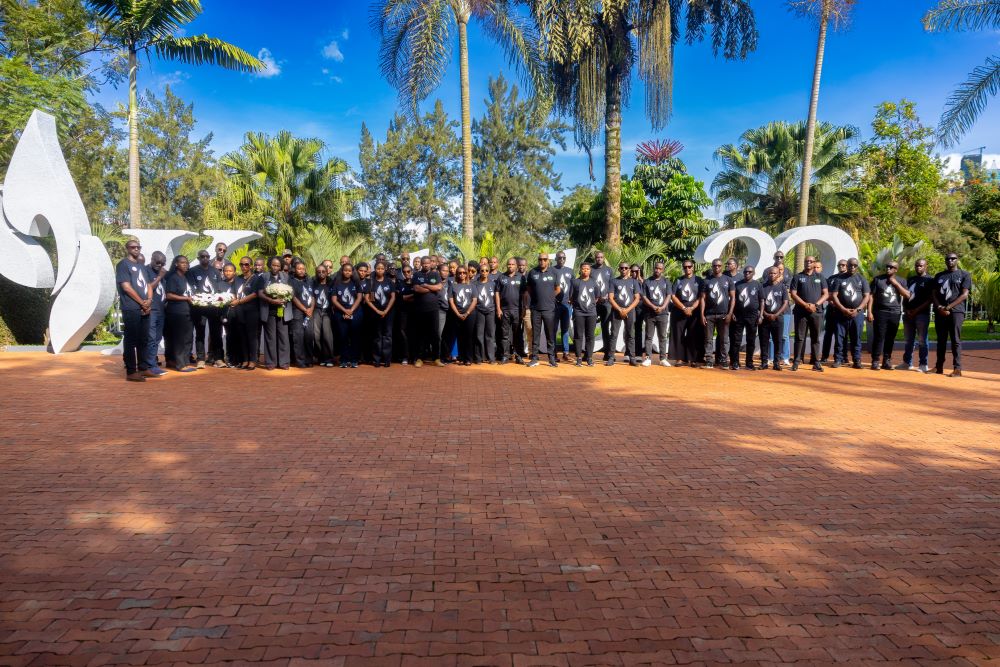
They paid tribute to the victims by laying wreaths at mass graves where over 250,000 victims are laid to rest at the memorial.
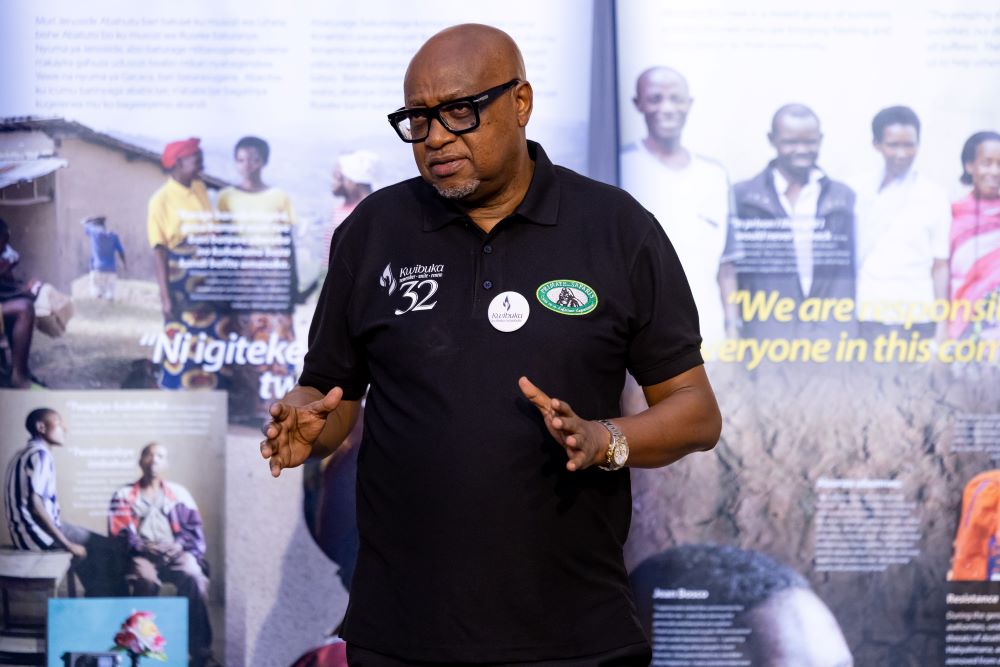
The Executive Chairman of Primate Safaris, Joseph Birori, emphasized that the company’s role goes beyond showcasing Rwanda’s natural attractions such as wildlife and lakes. He noted that educating visitors about the country’s history is equally essential.
“When we guide tourists, we also teach them about our country’s history and show them where it is preserved,” he said. “This helps them understand that although Rwanda went through extremely difficult times, the country chose resilience and progress.”
Birori further encouraged employees, particularly young people, to deepen their understanding of Rwanda’s history and remain committed to ensuring that such tragedies never happen again.
One of the employees, Phiona Umutesi, highlighted the importance of such visits for young people, noting that they provide a valuable opportunity to learn and reflect.
“The knowledge we gain from places like the Genocide Memorial strengthens our determination to ensure that what happened never occurs again,” she said. “As young people, it is our responsibility to understand our history deeply so that we can pass it on to future generations, rather than leaving it to outsiders to tell our story.”
Founded in 2000, Primate Safaris operates in Rwanda, where it is headquartered, as well as in Uganda, Tanzania, Kenya, and the Democratic Republic of Congo. The company currently employs 110 people.
Employees of Primate Safaris laid wreaths at mass graves where over 250,000 victims of the 1994 Genocide against the Tutsi are laid to rest.Employees of Primate Safaris, particularly the youth, were encouraged to deepen their understanding of history and remain curious to learn more, as many of them were born after the Genocide.The Executive Chairman of Primate Safaris, Joseph Birori, said that receiving tourists provides a valuable opportunity to show them and educate them about Rwanda’s history.Employees of Primate Safaris visited the Kigali Genocide Memorial and pledged to educate tourists about Rwanda’s history.
The ministry further indicates that between 1994 and 2025, a total of 3,503,173 Rwandans had already returned from various countries, mainly those neighbouring Rwanda.
In 2025 alone, Rwanda received 6,043 returnees from the Democratic Republic of Congo.
Since January 2026, an additional 2,153 Rwandans had returned before the latest group of returnees.
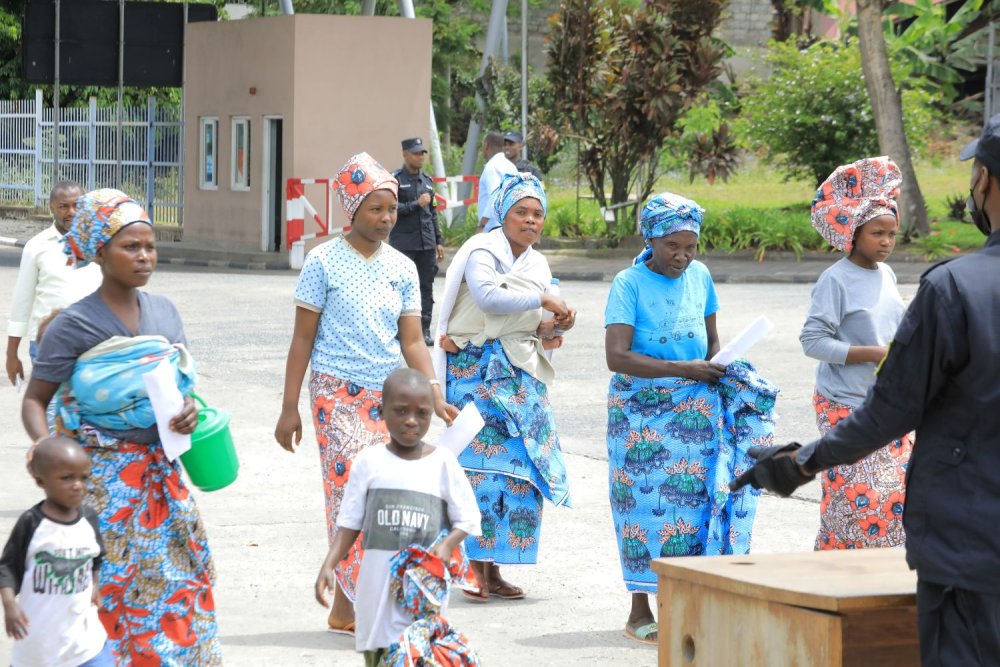
The latter comprises 317 Rwandans including 15 men, 76 women, and 226 children who returned home on April 24, 2026. They were received and transported to Kijote Transit Camp in Nyabihu District for temporary support and processing.
The returnees had been staying at a temporary camp in Goma after leaving different areas in eastern DRC, where they say they had been held captive by FDLR.
The Vice Mayor of Rubavu District in charge of economic development, Déogratias Nzabonimpa, told IGIHE that the returnees represent a valuable addition of human resources to the country.
“The country has gained back the people it had lost. Their continued return weakens the enemy that had held them captive, as these are productive citizens. We also continue working with them to encourage those still in the forests to return home,” he said.
He also urged the returnees to remain committed to Rwanda and to encourage others still abroad or in hiding to come back and contribute to national development.
He assured them of government support to help them reintegrate into normal life, including basic assistance. Returnees aged 18 and above will receive $188, while those below 18 will receive $113, in addition to basic food support valued at 45,000 Rwandan francs per person.
Rwanda received 6,043 returnees from the Democratic Republic of Congo in 2025.
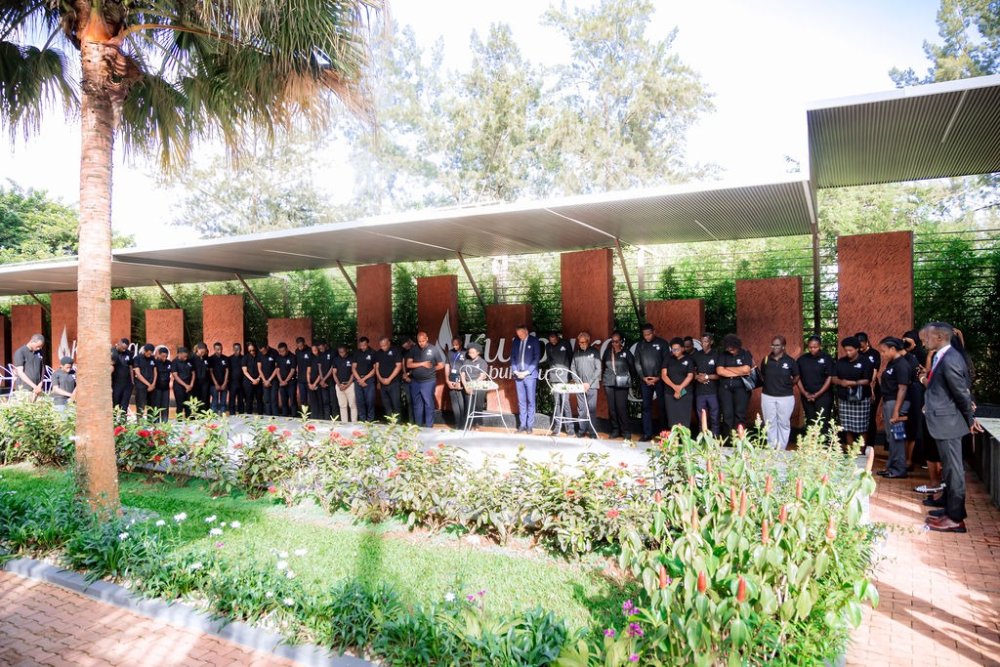
The commemoration took place on April 21, 2026, when the company’s leaders and staff visited the Kigali Genocide Memorial, where they paid tribute to victims and reaffirmed their commitment to preserving historical truth.
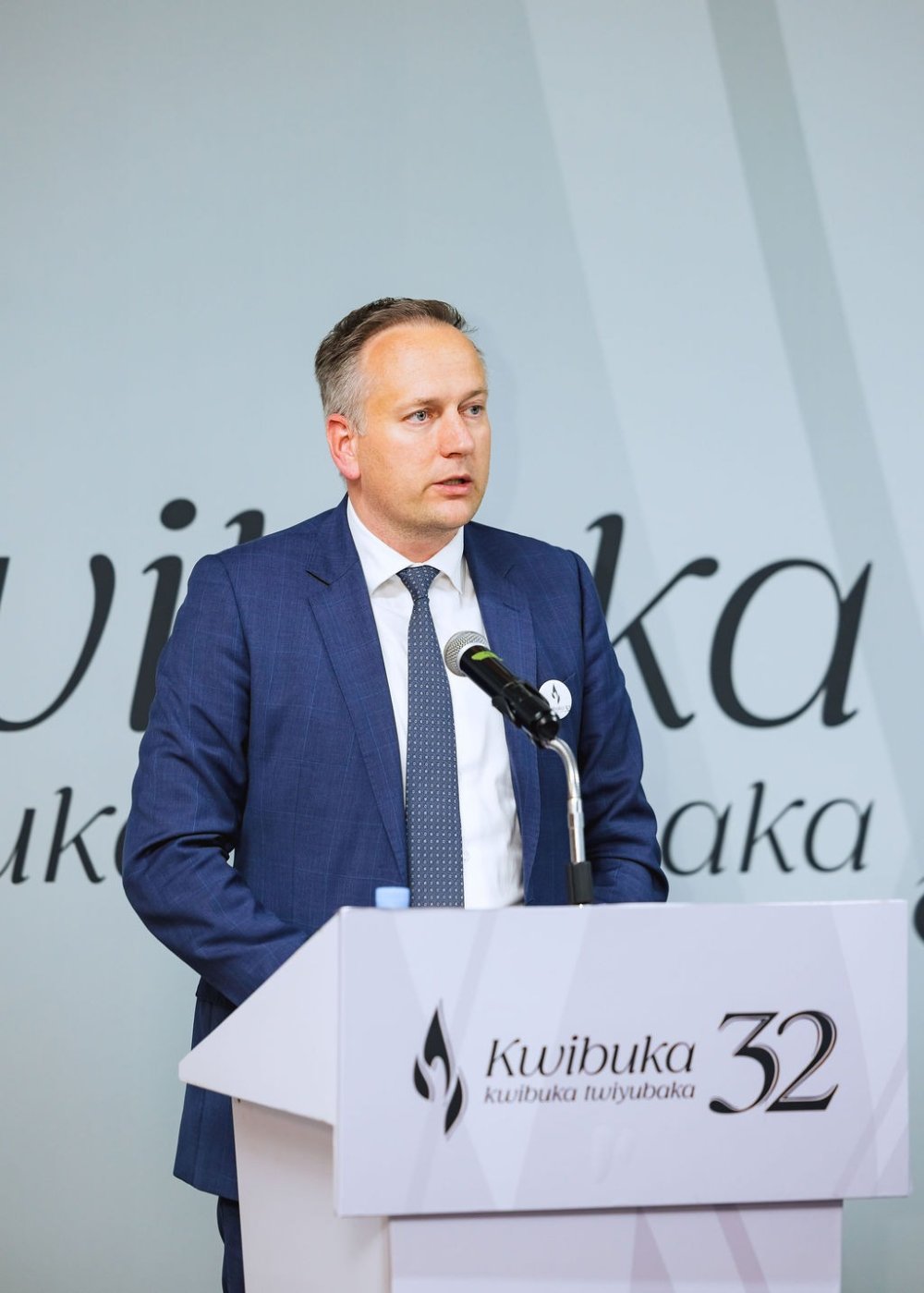
The event was attended by Group Chief Executive Officer of ASA International Rob Keijsers; Gerald Mpyisi, Vice Chairman of the Board, and Chief Executive Officer Christian Salifou, alongside other staff members.
They toured different sections of the memorial, learned about the history of the Genocide, and lit the flame of hope symbolising a commitment that such atrocities must never happen again. They also honoured more than one million victims killed in 100 days and pledged to stand against genocide denial and distortion of history.
Staff were also addressed by Serge Rwigamba, who represented the Kigali Genocide Memorial, and explained how genocide ideology grew from division, dehumanisation, and silence in the face of warning signs.
He stressed the importance of continuous education to fight division and harmful ideologies.
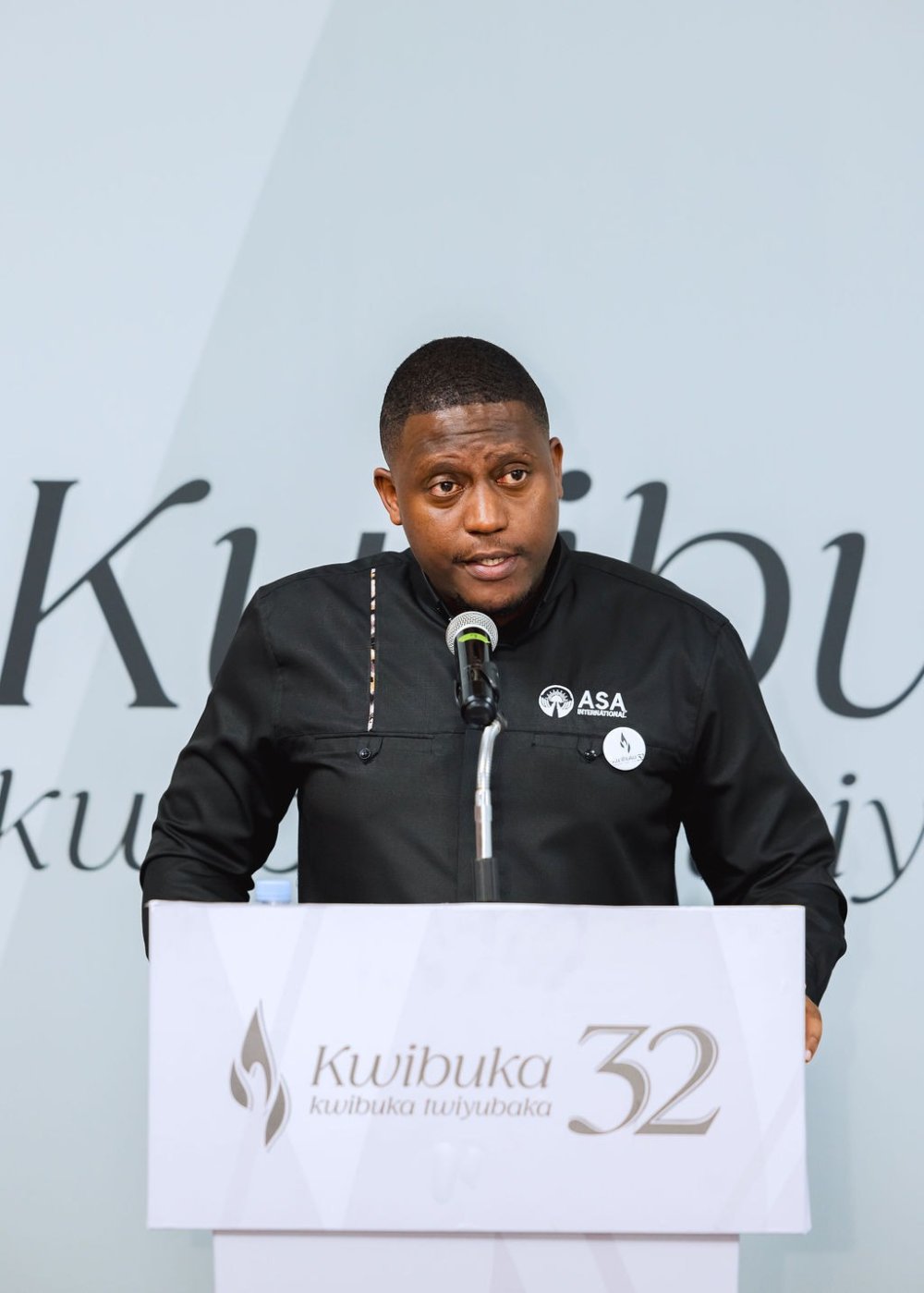
Speaking during the event, Christian Salifou paid tribute to victims and expressed solidarity with survivors, saying the institution remains committed to supporting them. He added that ASA International promotes a culture based on respect, inclusion, and human dignity.
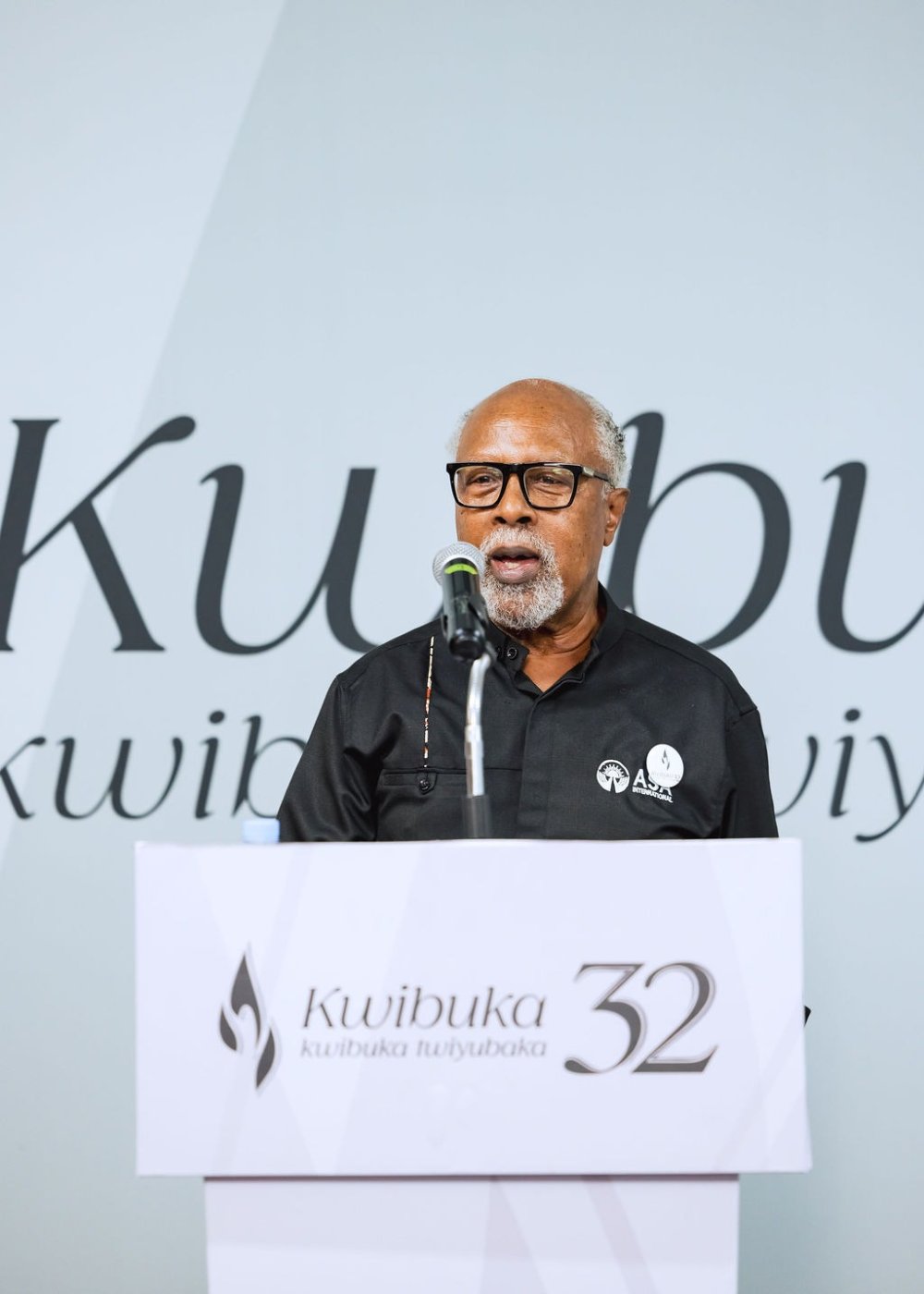
Gerald Mpyisi emphasised that remembrance should go beyond honouring victims to also taking responsibility to fight historical distortion and promote unity.
“Unity must be protected and strengthened, human dignity must be preserved, and division must be fought in all its forms,” he said.
Rob Keijsers praised Rwanda’s post-genocide recovery journey, describing it as an example of what unity and resilience can achieve. He said the 1994 Genocide against the Tutsi should serve as a lesson to leaders worldwide on responsible leadership.
He also urged individuals everywhere to actively reject discrimination and promote inclusive governance, stressing that “Never Again” should guide both history and present-day decision-making.
ASA International Rwanda reaffirmed its commitment to unity, peace, and supporting genocide survivors.
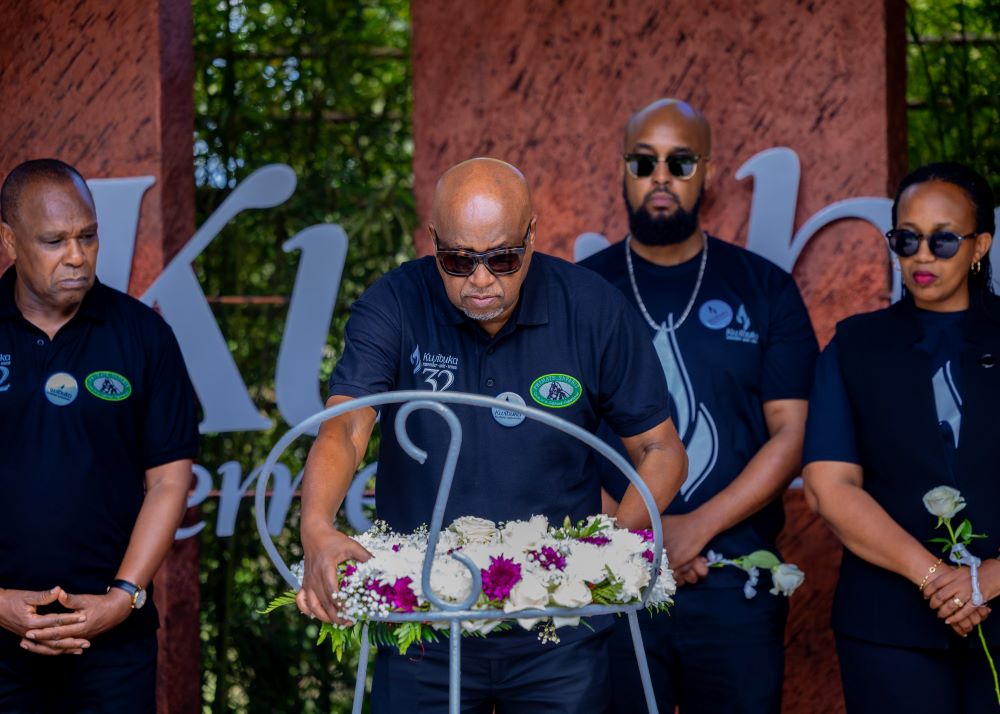
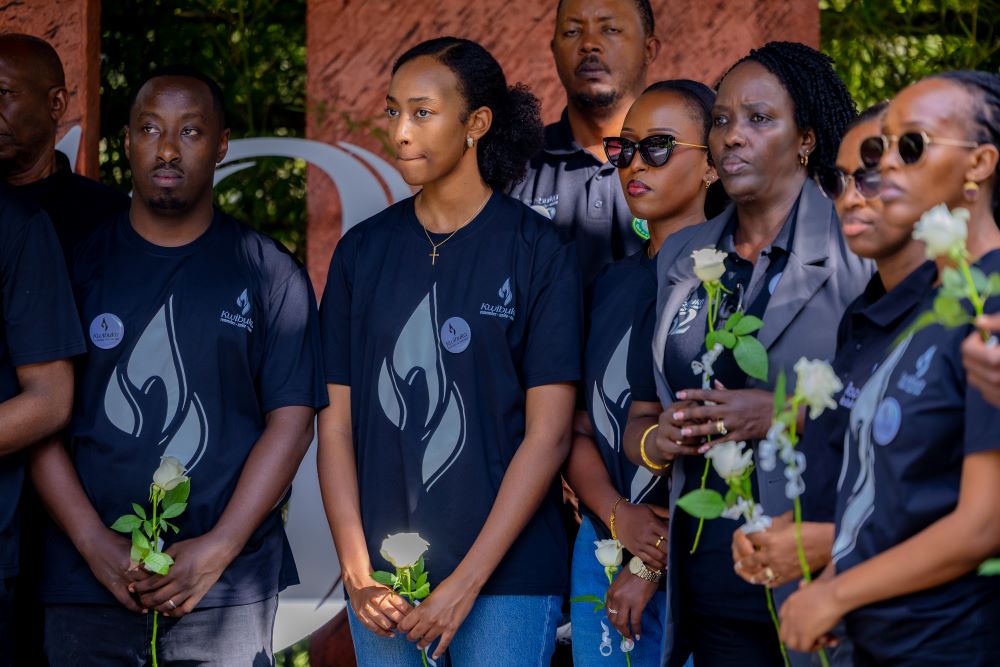
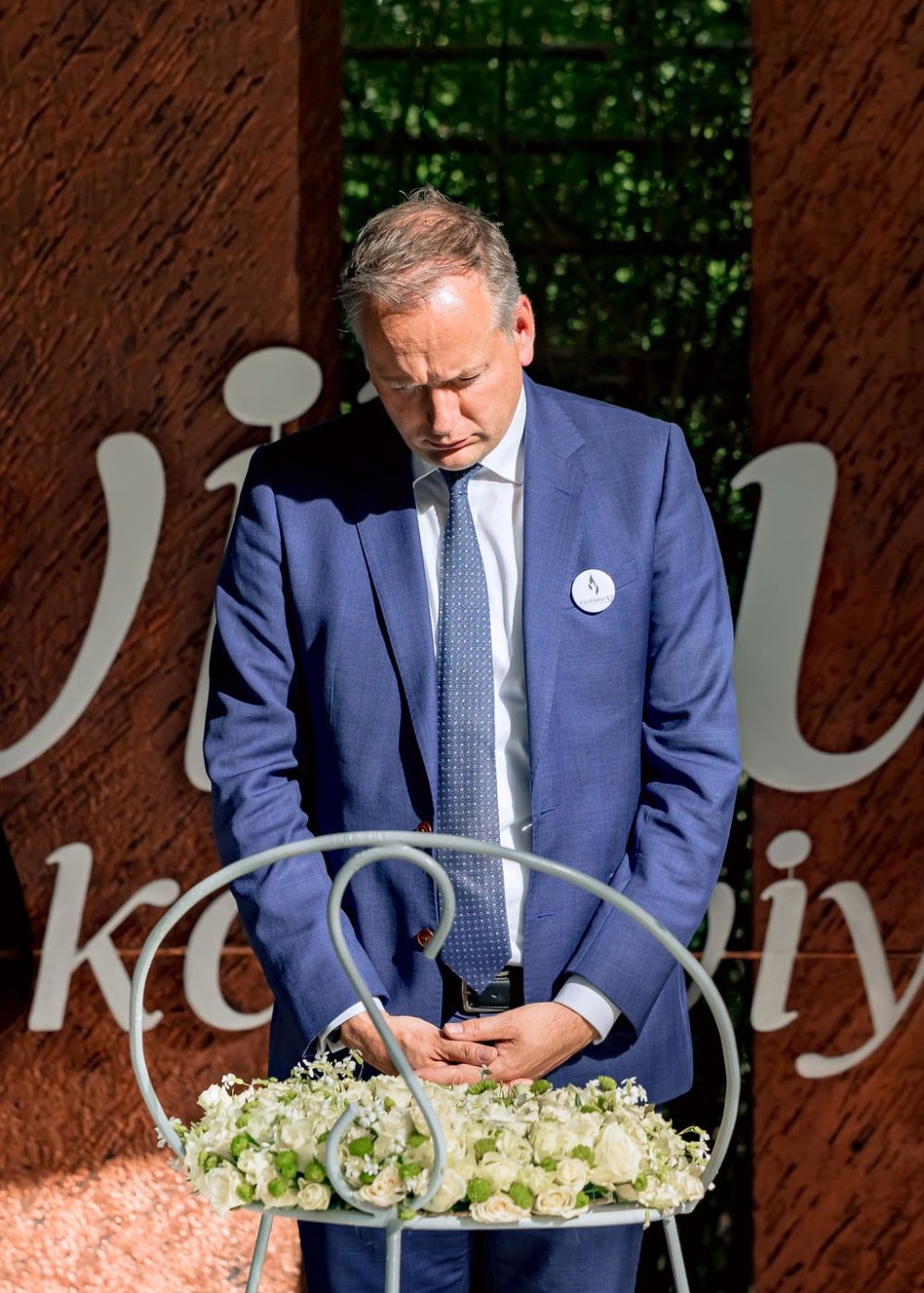
ASA staff pay tribute to victims of the 1994 Genocide against the Tutsi during visit to Kigali Genocide Memorial. Rob Keijsers praised Rwanda’s post-genocide recovery journey, describing it as an example of what unity and resilience can achieve.Gerald Mpyisi emphasised that remembrance should go beyond honouring victims to also taking responsibility to fight historical distortion and promote unity. ASA International Rwanda CEO, Christian Salifou paid tribute to victims and expressed solidarity with survivors, saying the institution remains committed to supporting them.ASA International Rwanda staff were also addressed by Serge Rwigamba, who represented the Kigali Genocide Memorial.Rob Keijsers paying homage to victims of the 1994 Genocide against the Tutsi.
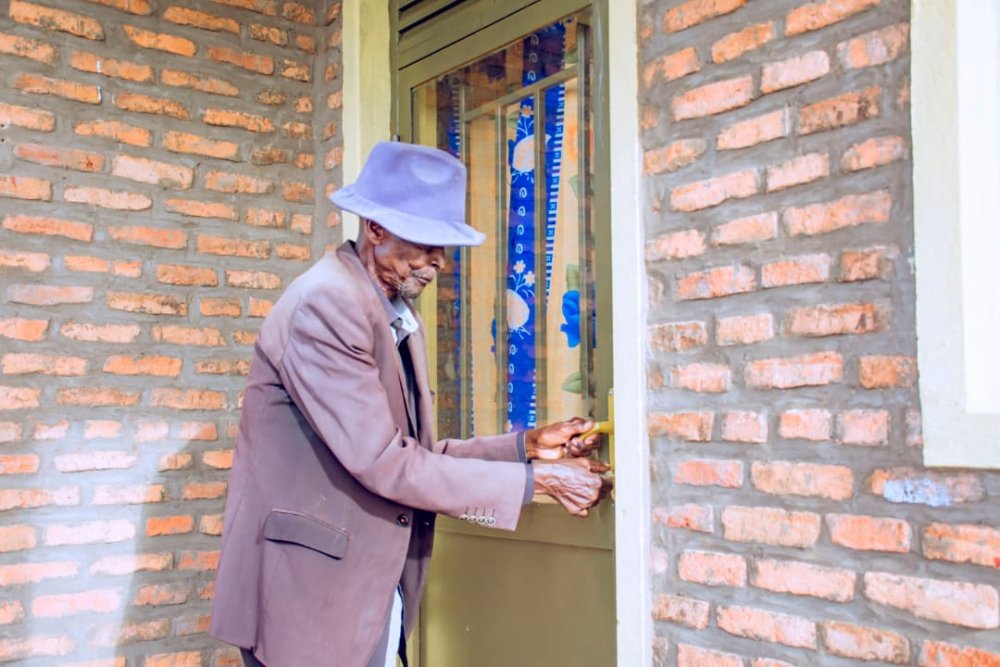
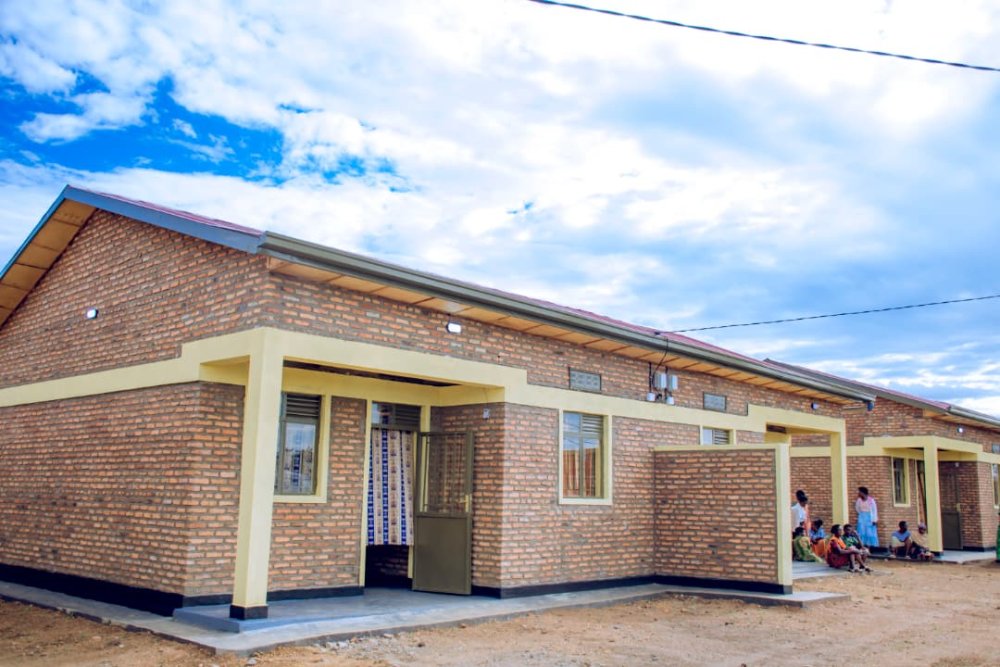
Beneficiaries were urged to take good care of the homes and continue striving for self-reliance.
The houses were officially inaugurated on Tuesday, April 21, 2026, in Kinihira Village, Nyagatare Cell, Nyagatare Sector.
Jacqueline Uwimana said that having a home is a major step in rebuilding life for a Genocide survivor and restoring hope for the future. She explained that paying rent had been extremely challenging, but she now looks forward to living in peace.
Jean Damascene Rwabukambizi, aged 78, expressed gratitude to the Government of Rwanda for moving him out of rented accommodation and providing him with a modern house. He pledged to take good care of it.
Betty Mukamwiza, 40, shared that she had spent 11 years struggling with the burden of rent. She said the situation was emotionally painful, especially considering the traumatic experiences she endured during the Genocide against the Tutsi.
“Paying rent was very difficult for me, especially while also trying to afford food. When I learned that I would receive a house, I was overwhelmed with joy. I thank the authorities who rescued me from a difficult life. This house will help me start a new chapter, and I will take good care of it because it is a valuable asset I have been given,” she said.
The Vice Mayor of Nyagatare District in charge of Economic Development, Gonzague Matsiko, noted that the housing program for Genocide survivors is ongoing in partnership with Ministry of National Unity and Civic Engagement (MINUBUMWE).
He said that survivors who have not yet received houses will continue to be supported next year.
“The goal is to ensure that survivors of the 1994 Genocide against the Tutsi live in dignified conditions, with safe housing that enables them to improve their livelihoods and enjoy a decent life,” he said.
According to IBUKA, the umbrella organization of Genocide survivors, 142 families in Nyagatare District are still in need of housing support.
The houses were officially inaugurated on Tuesday, April 21, 2026, in Kinihira Village, Nyagatare Cell, Nyagatare Sector.Beneficiaries were urged to take good care of the homes and continue striving for self-reliance.
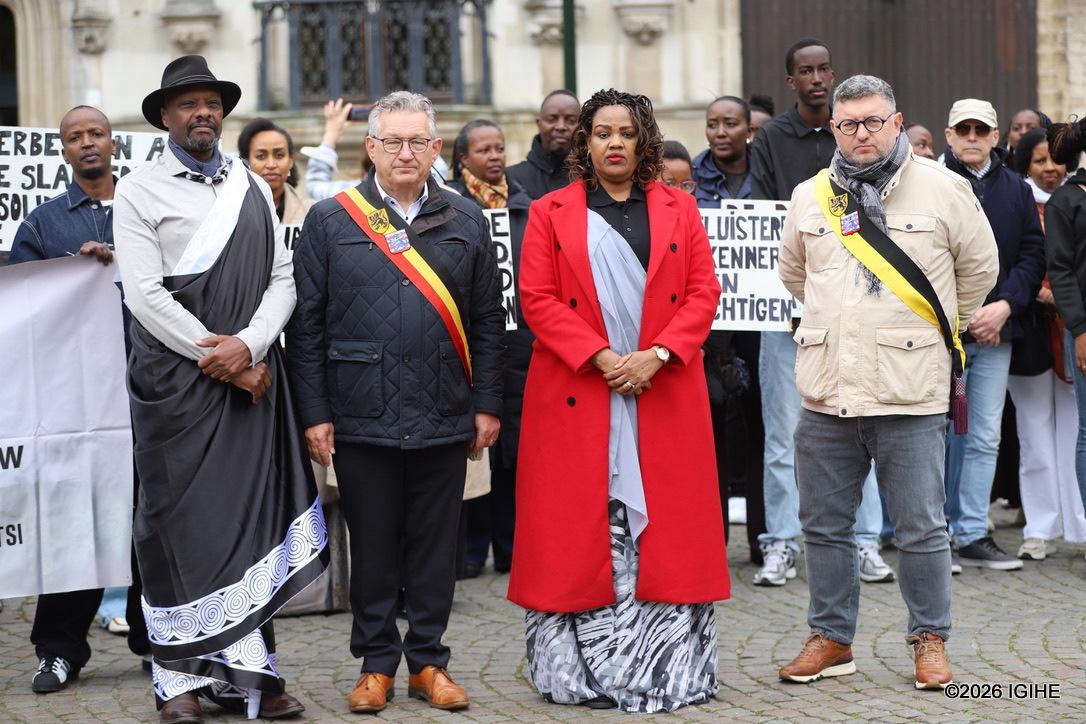
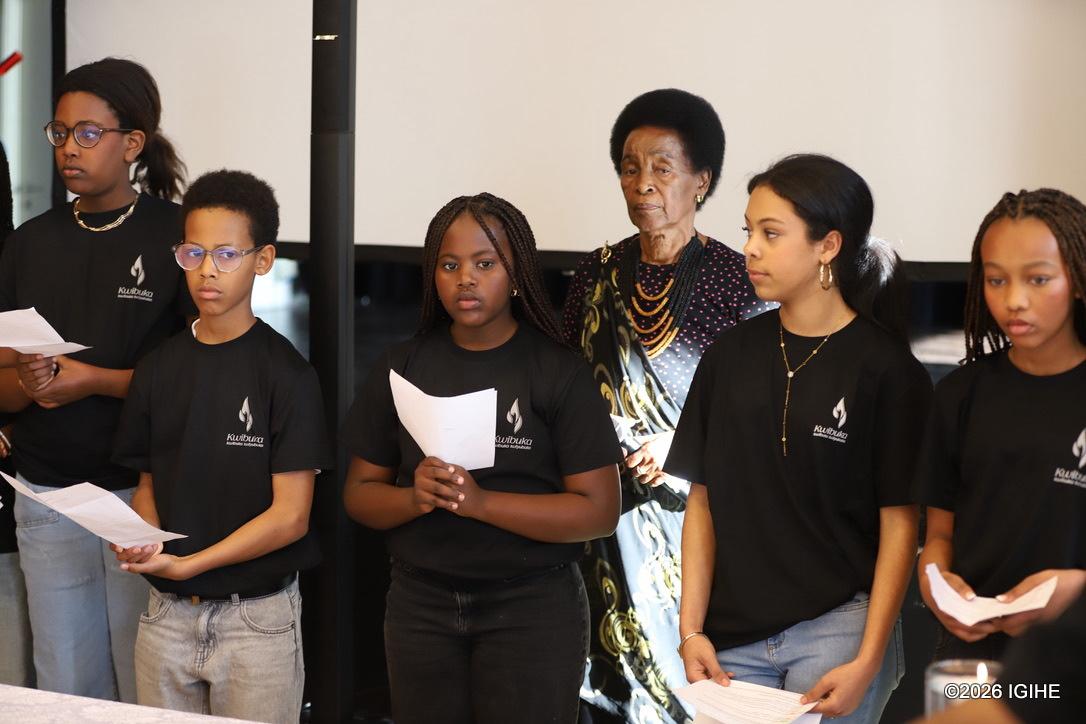
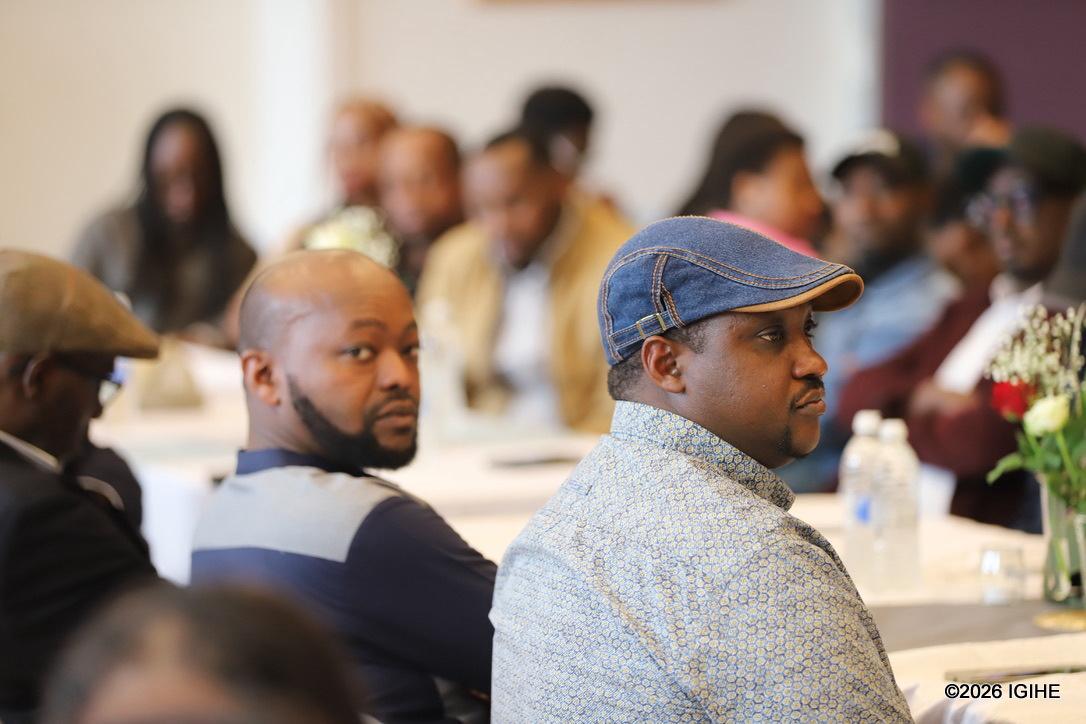
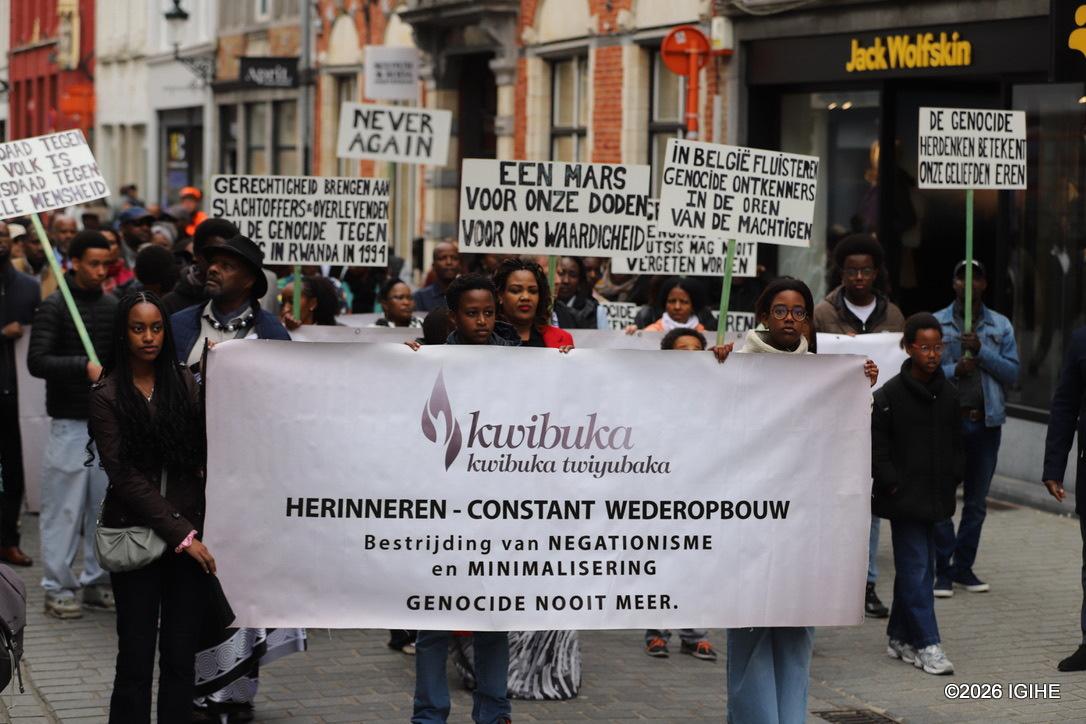
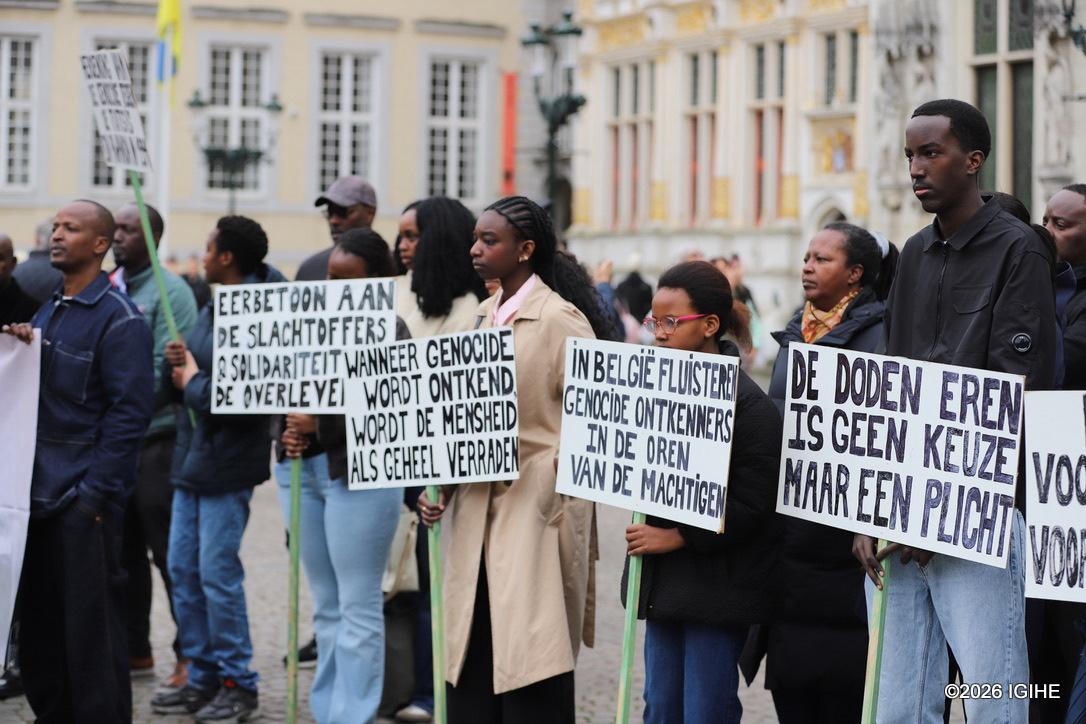
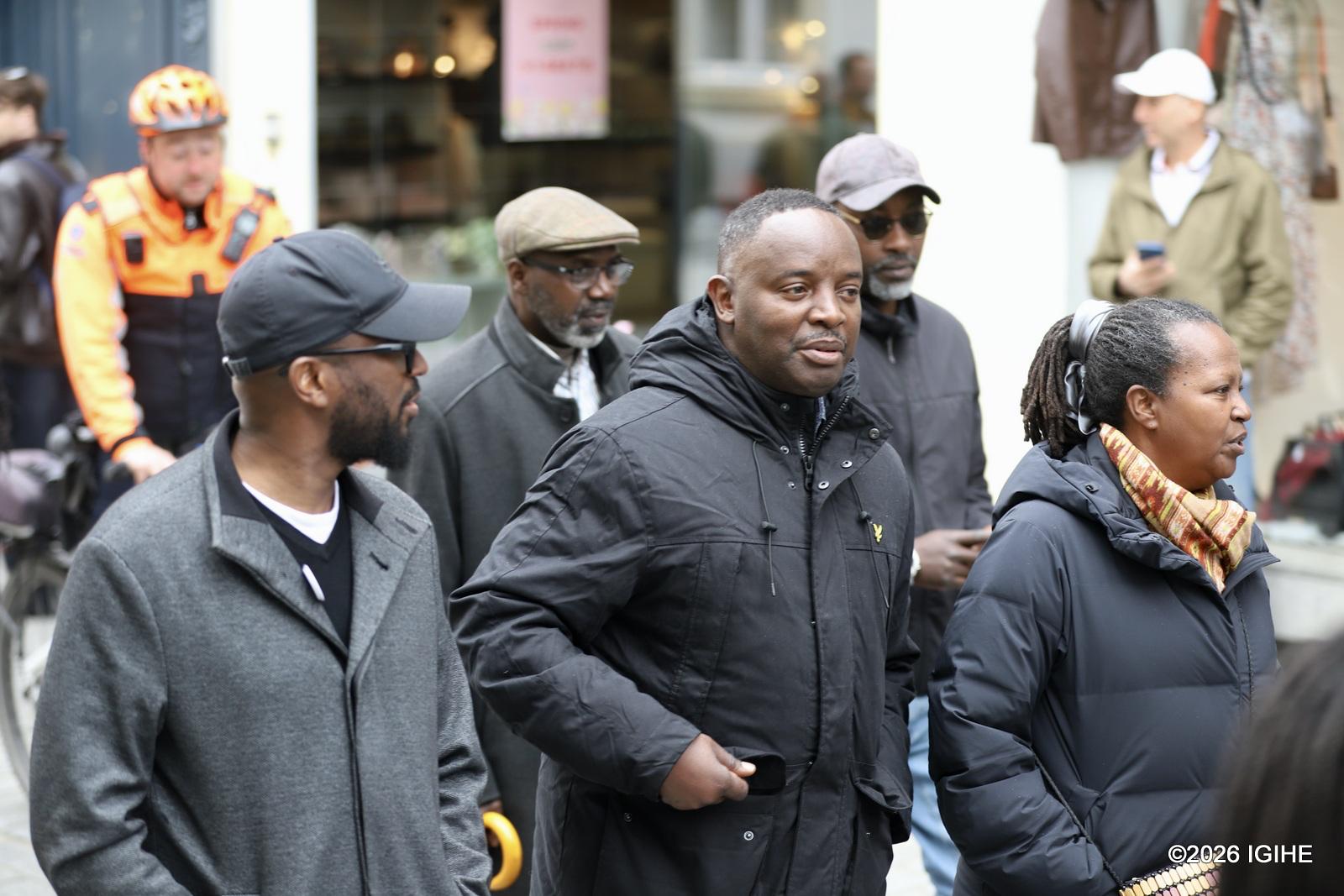
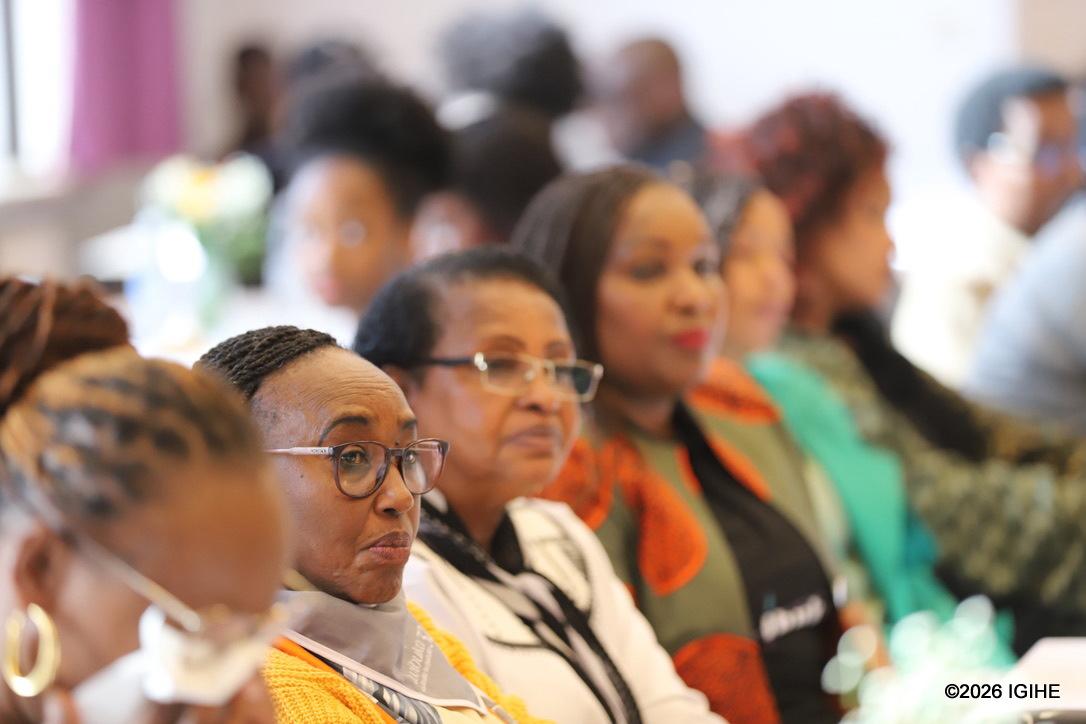
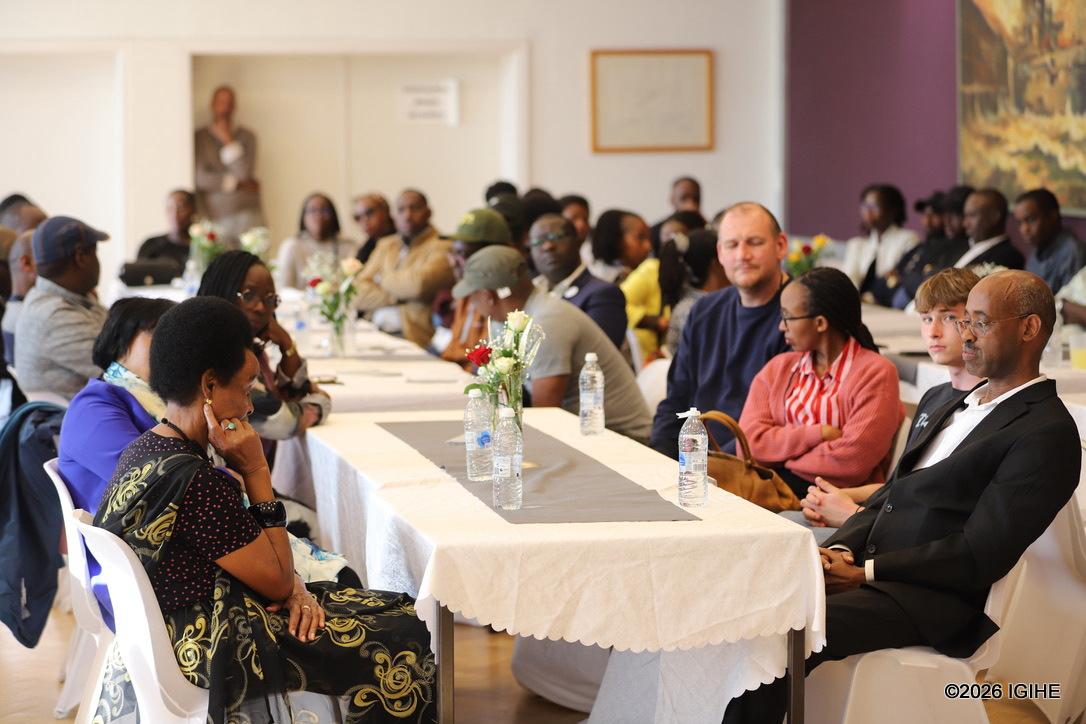
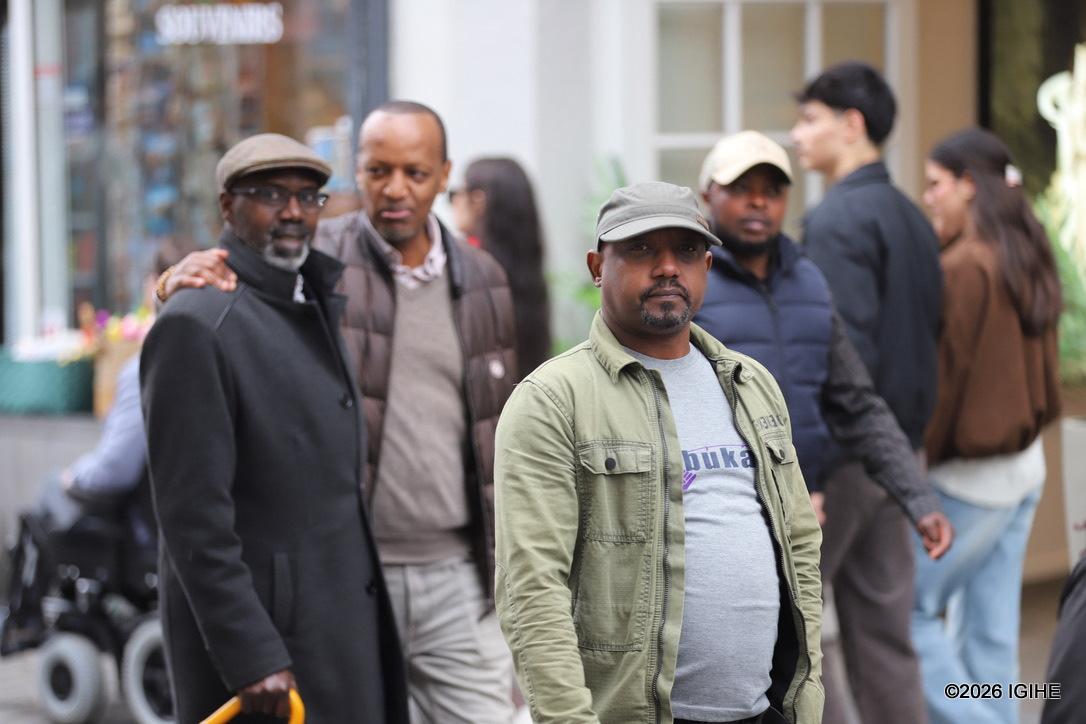
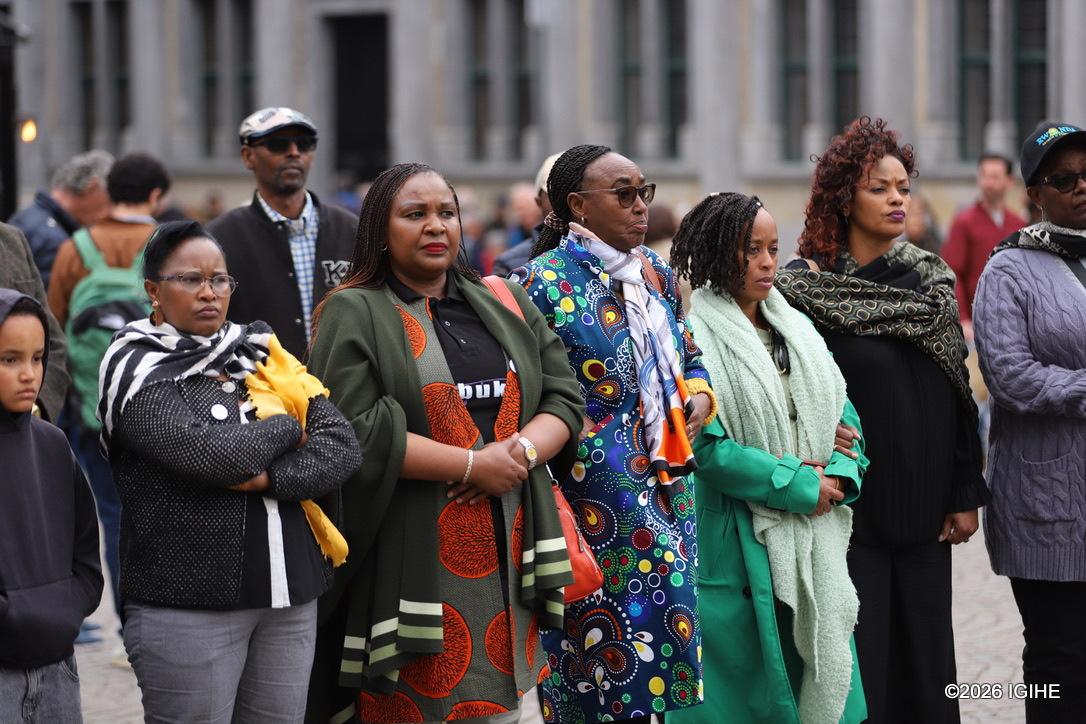
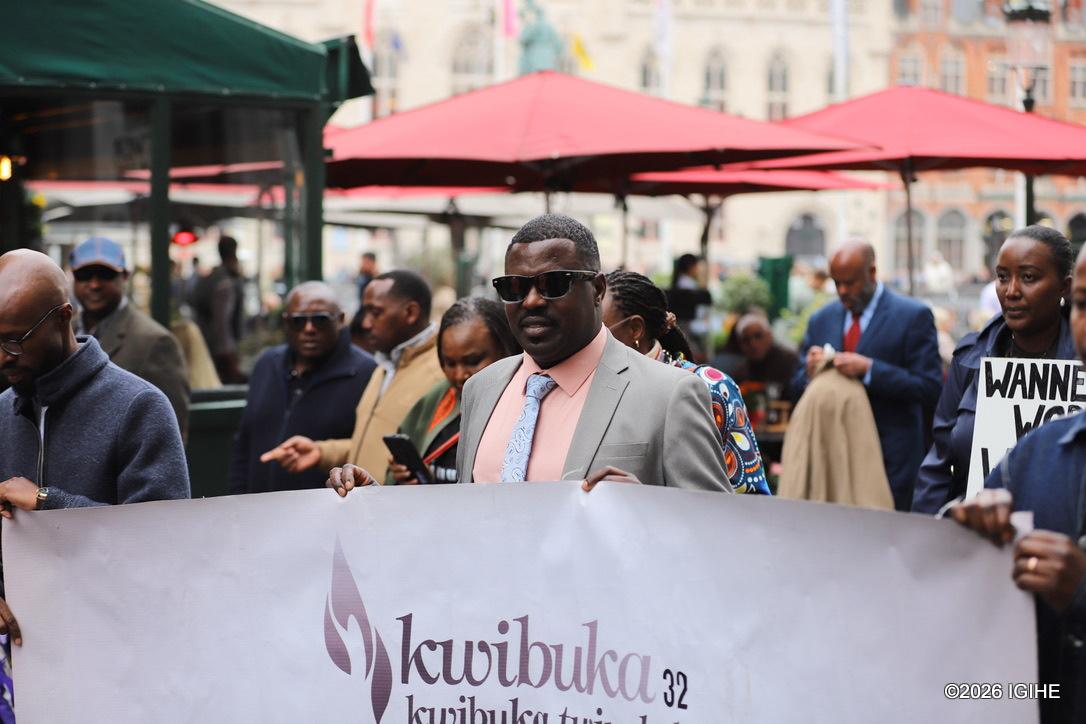
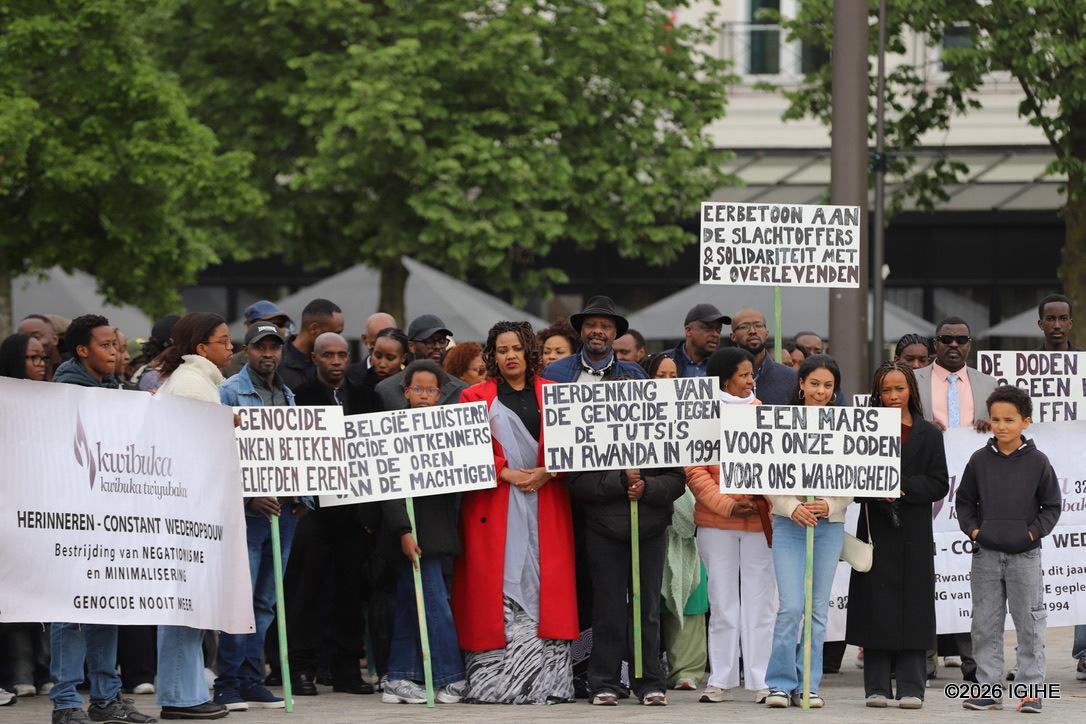
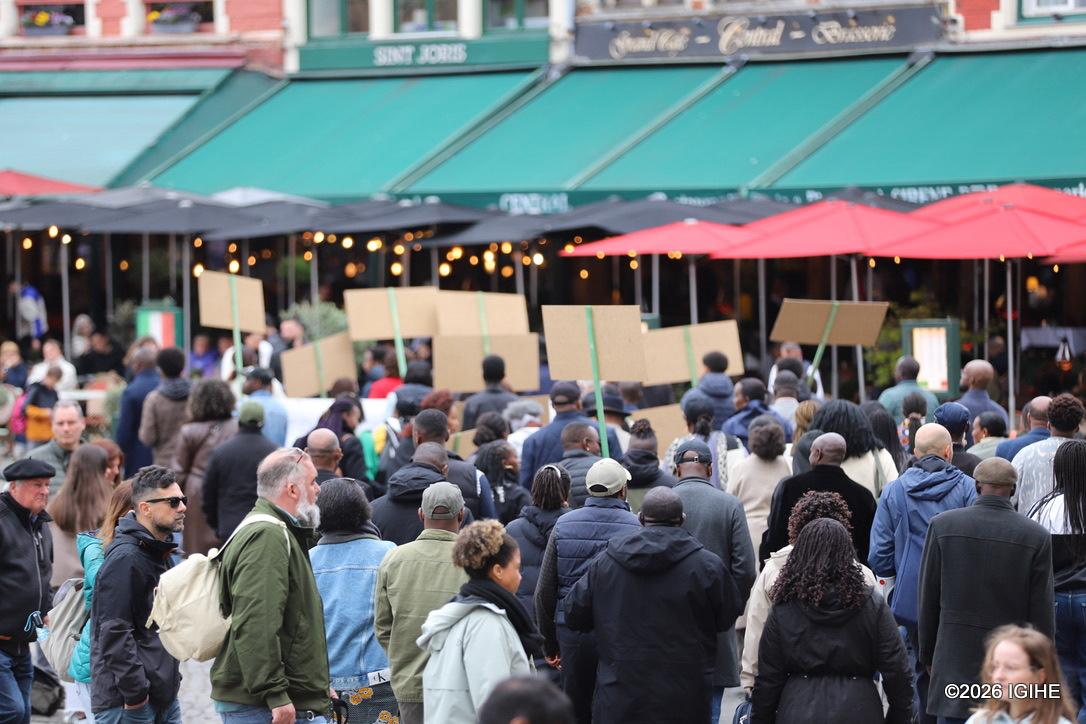
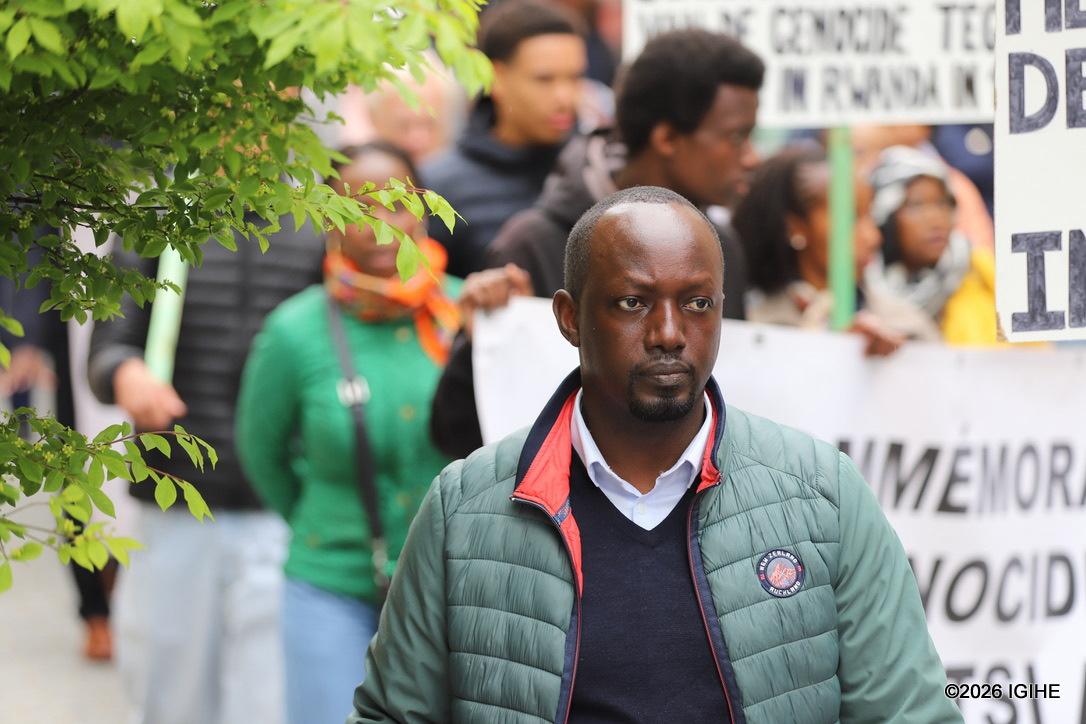
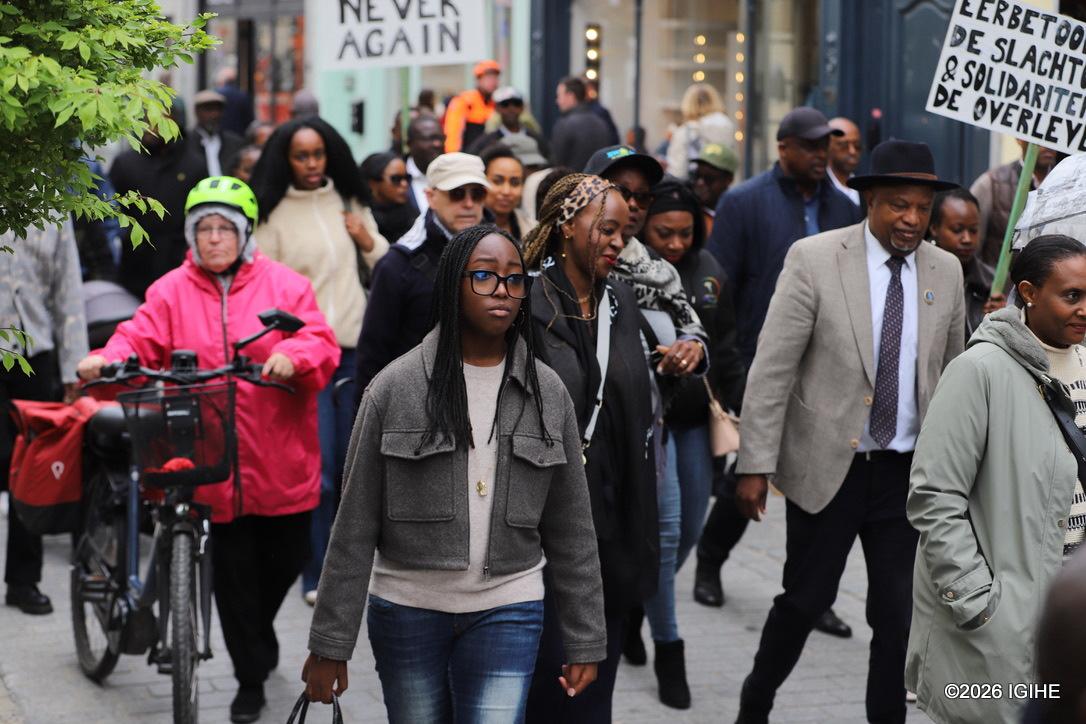
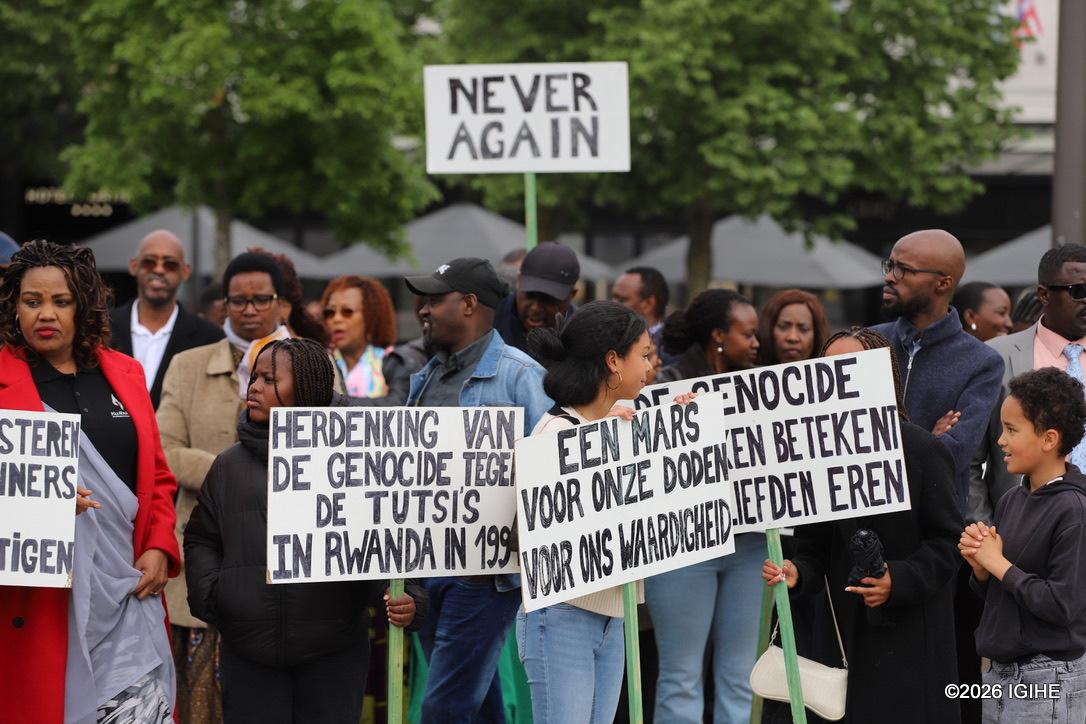
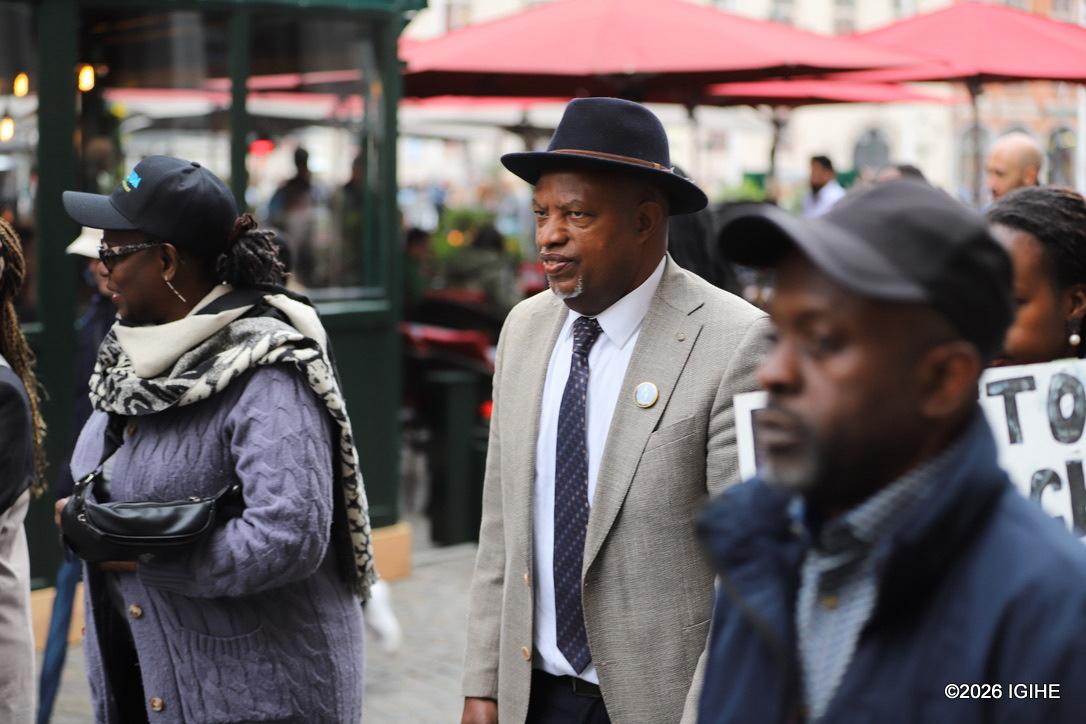
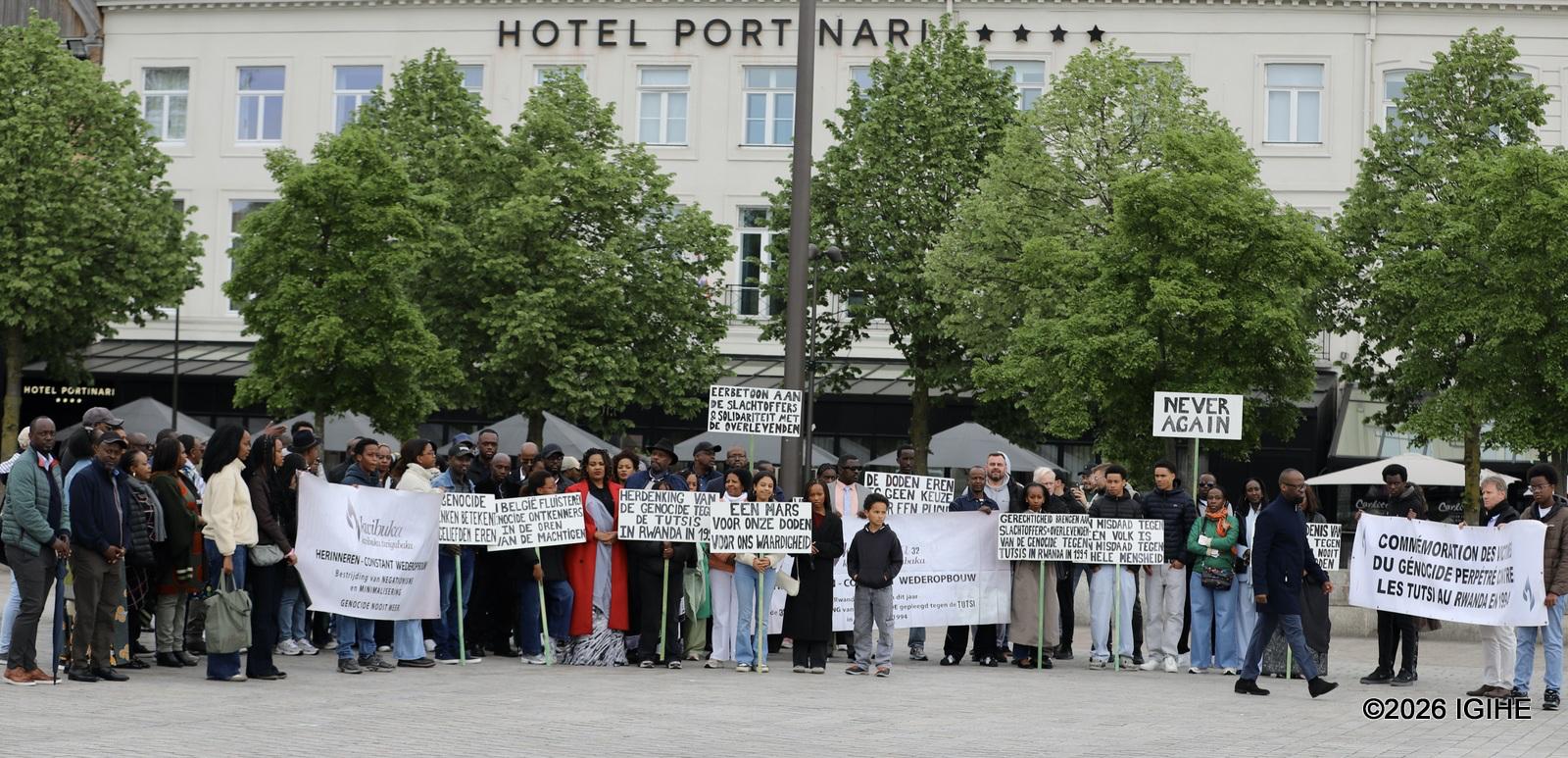
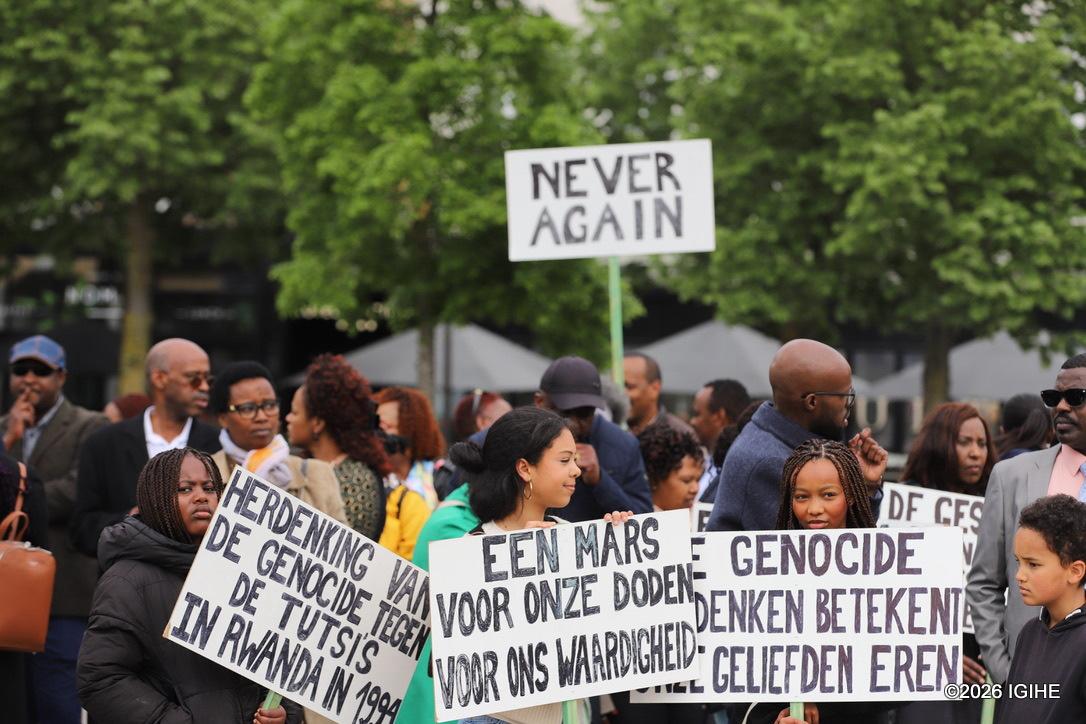
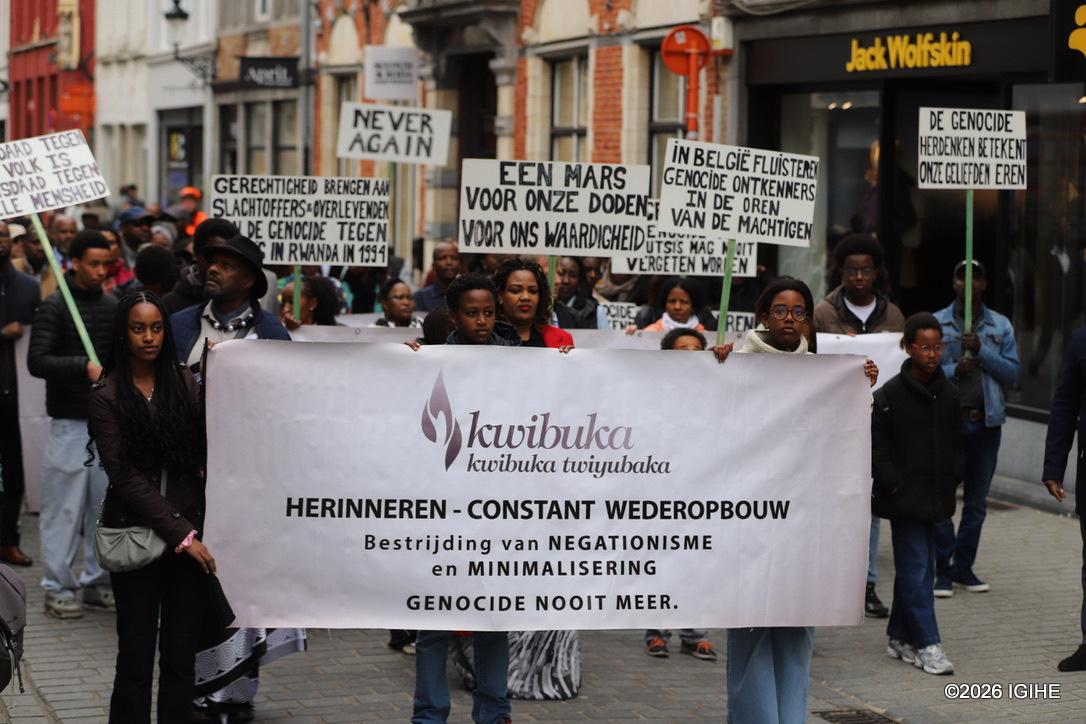
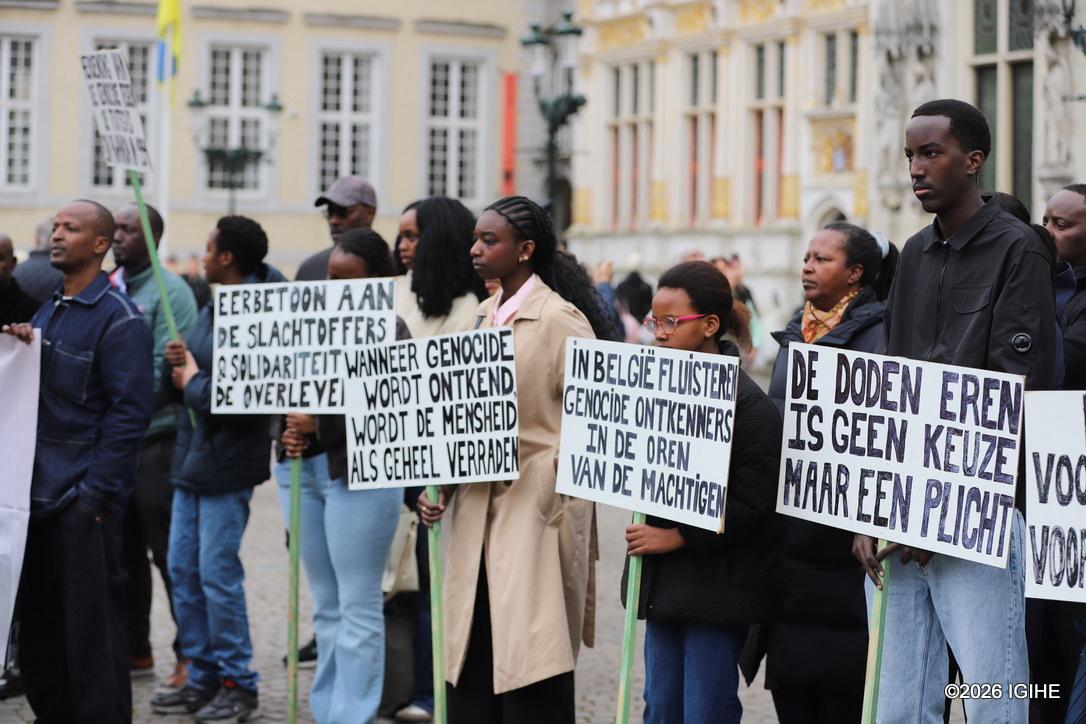
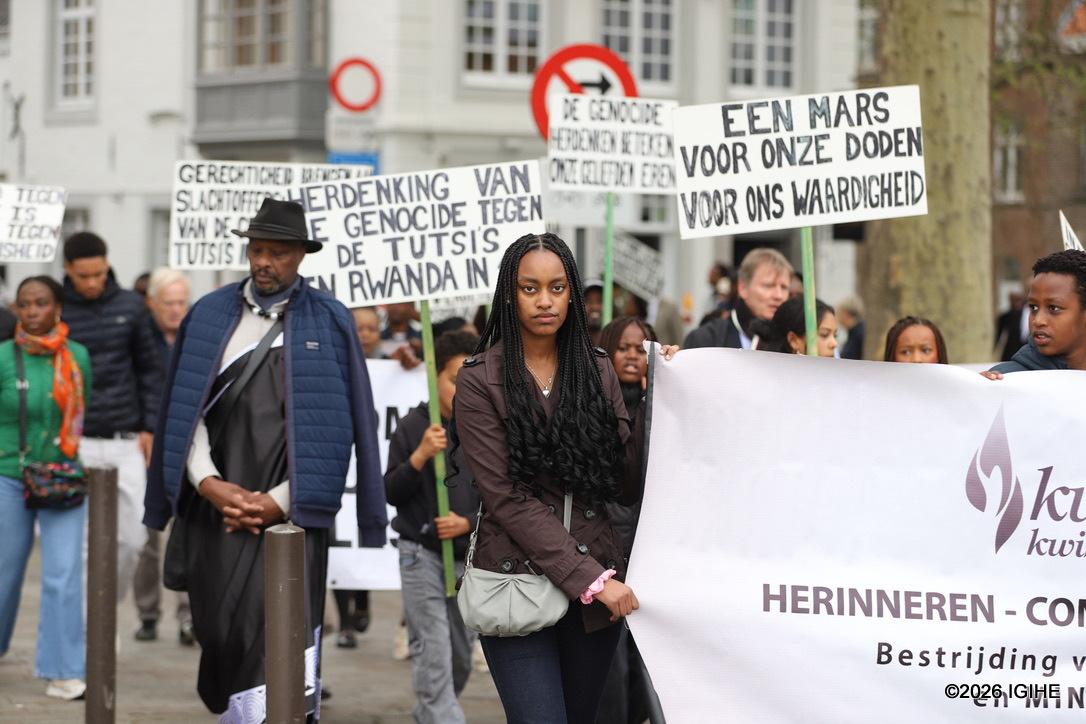
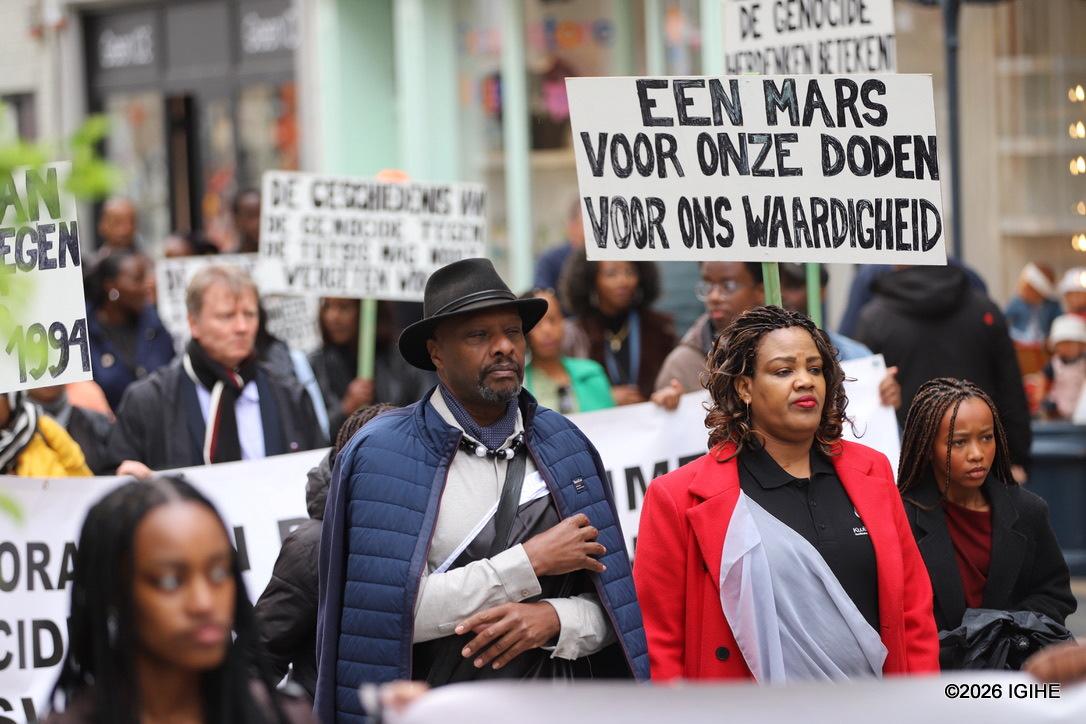
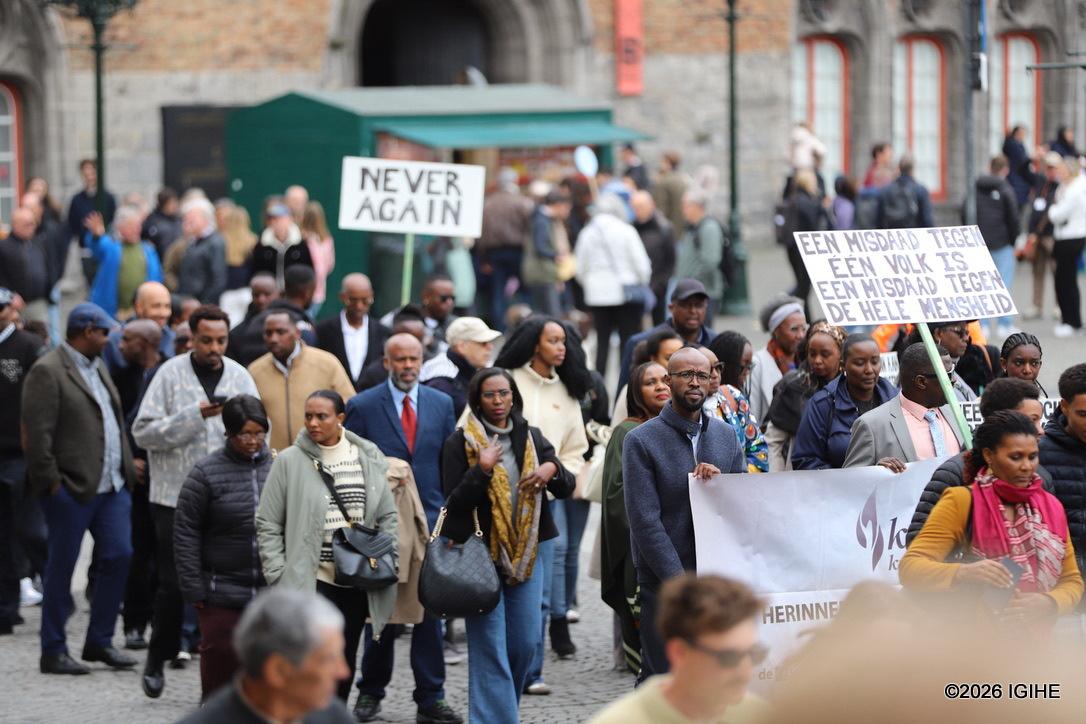
On this occasion, they reaffirmed their commitment to combating genocide denial and minimization, which still persist in Belgium and in other parts of the world.
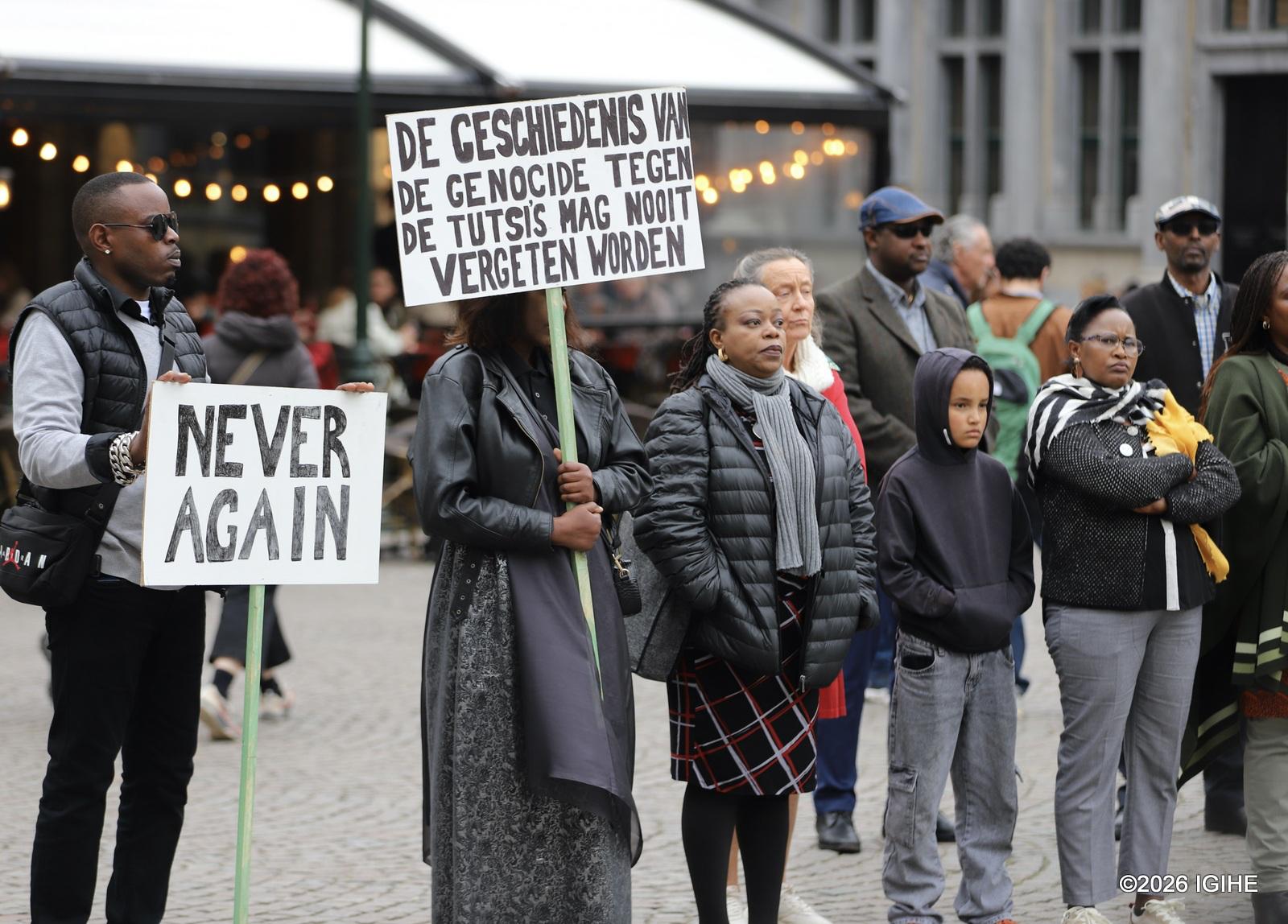
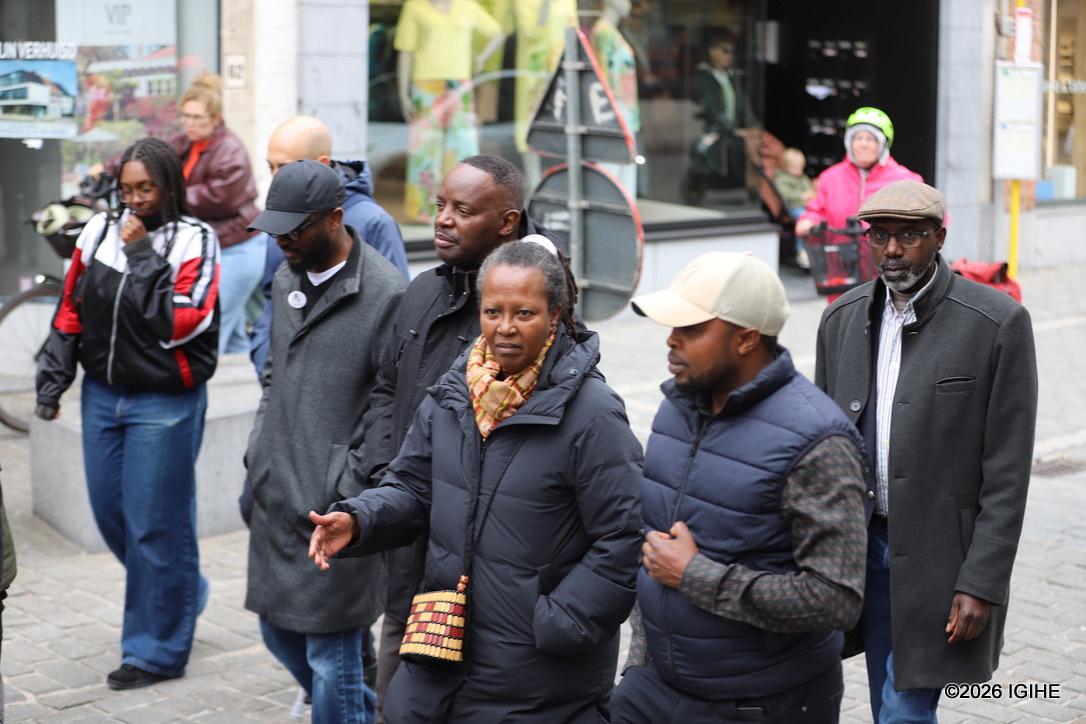
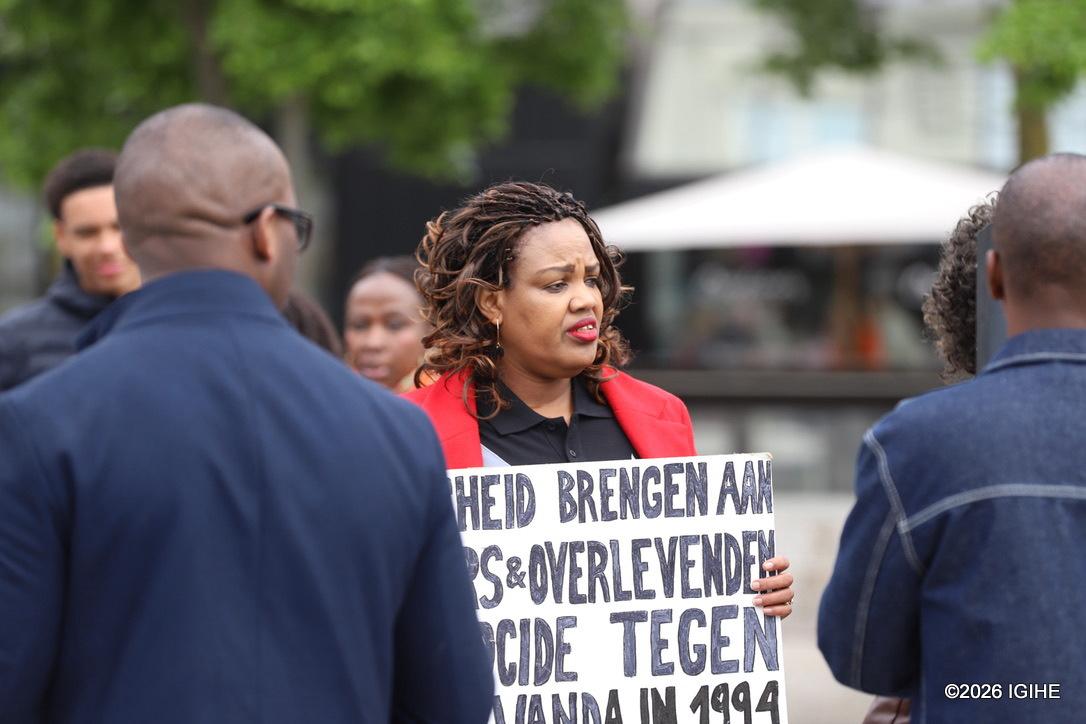
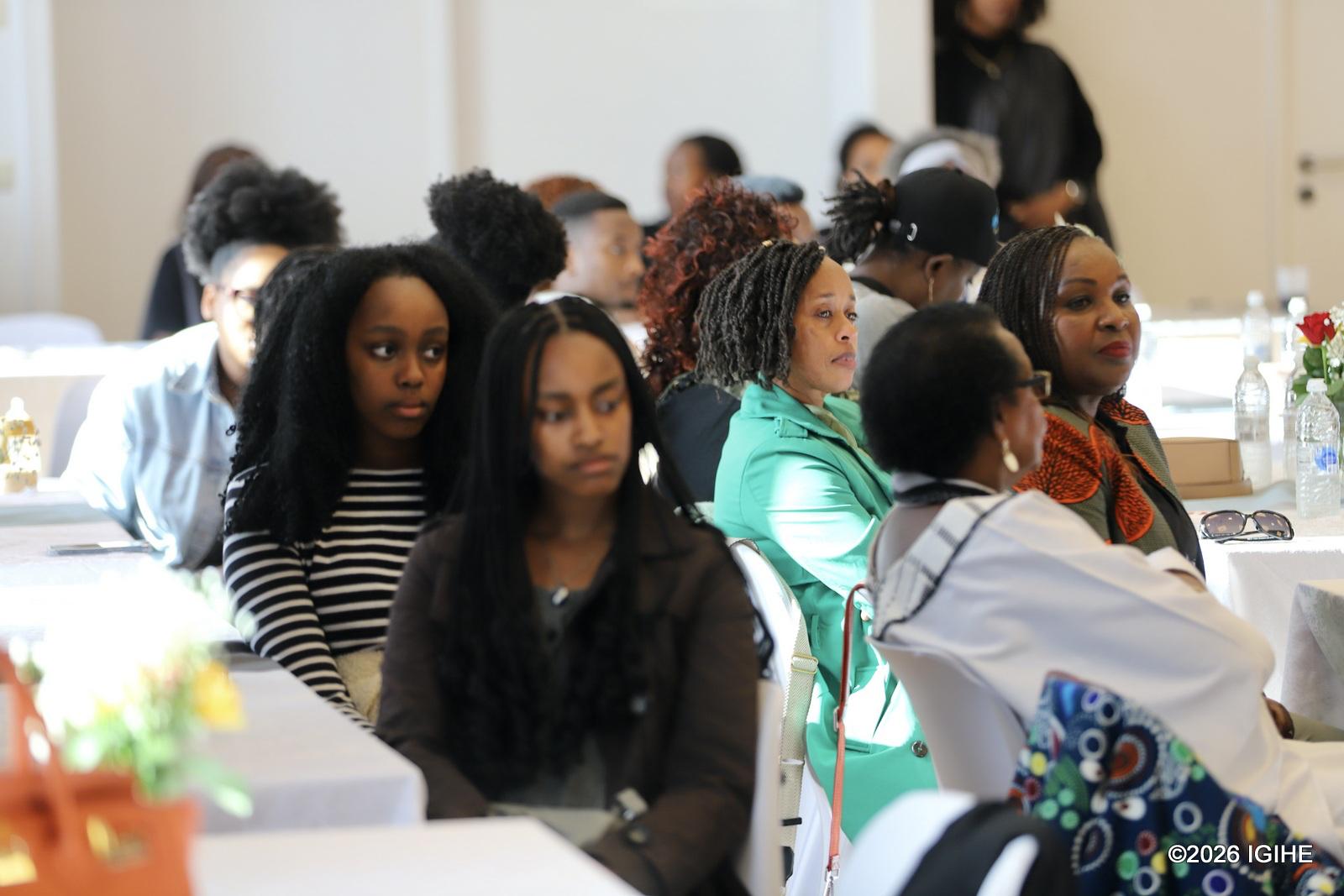
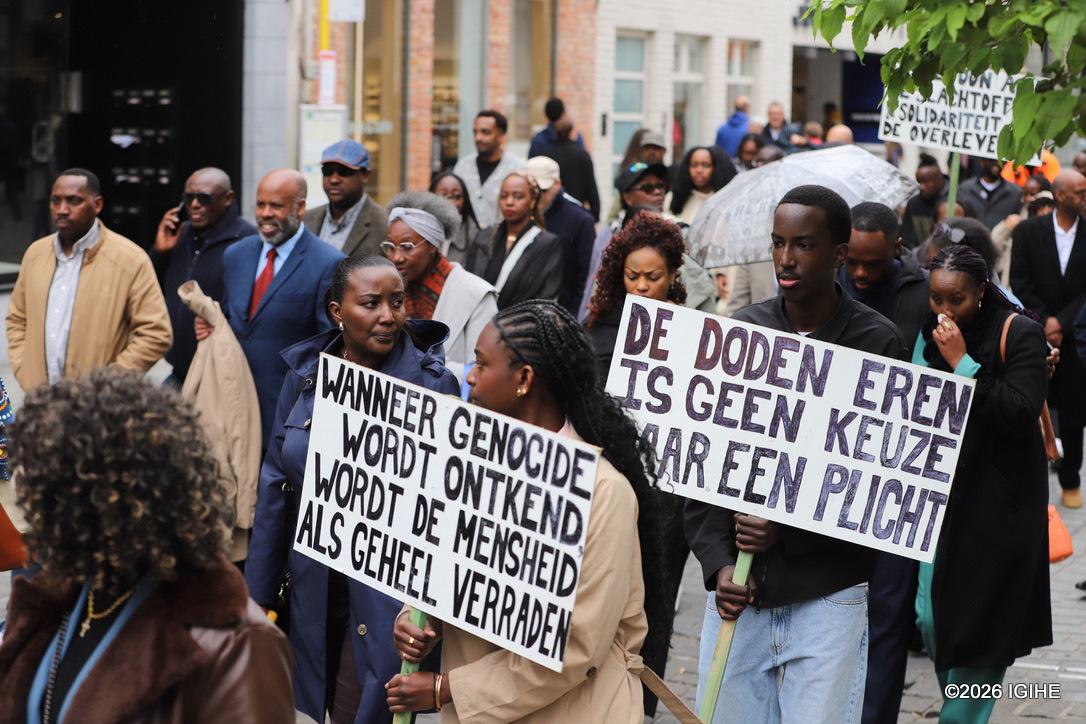
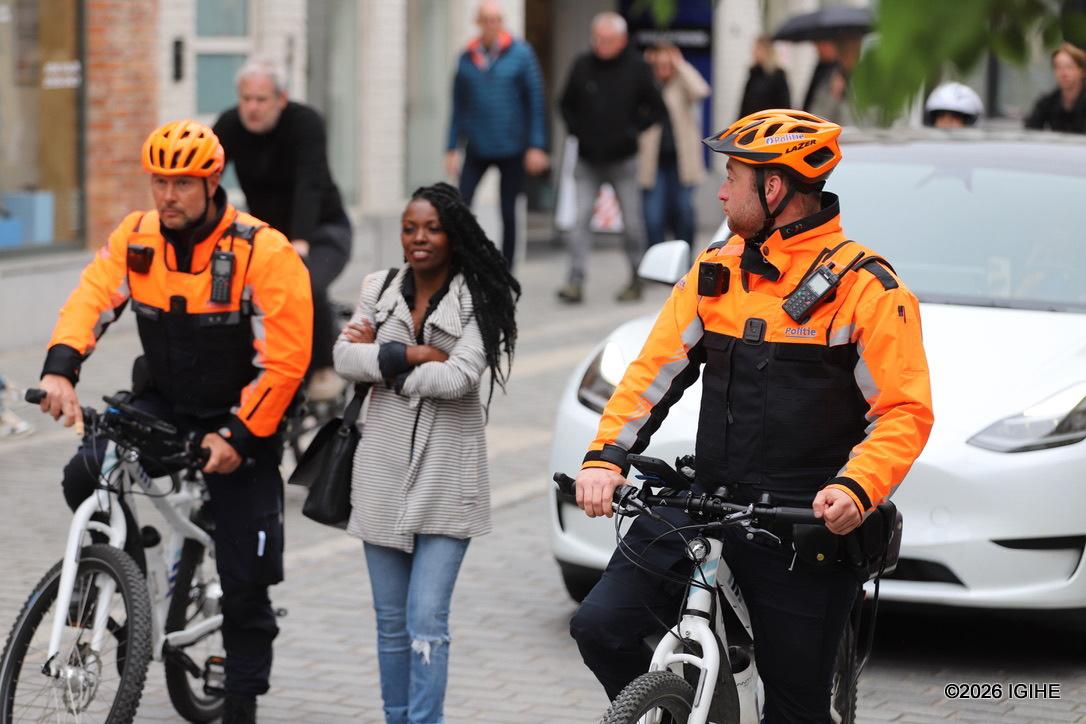
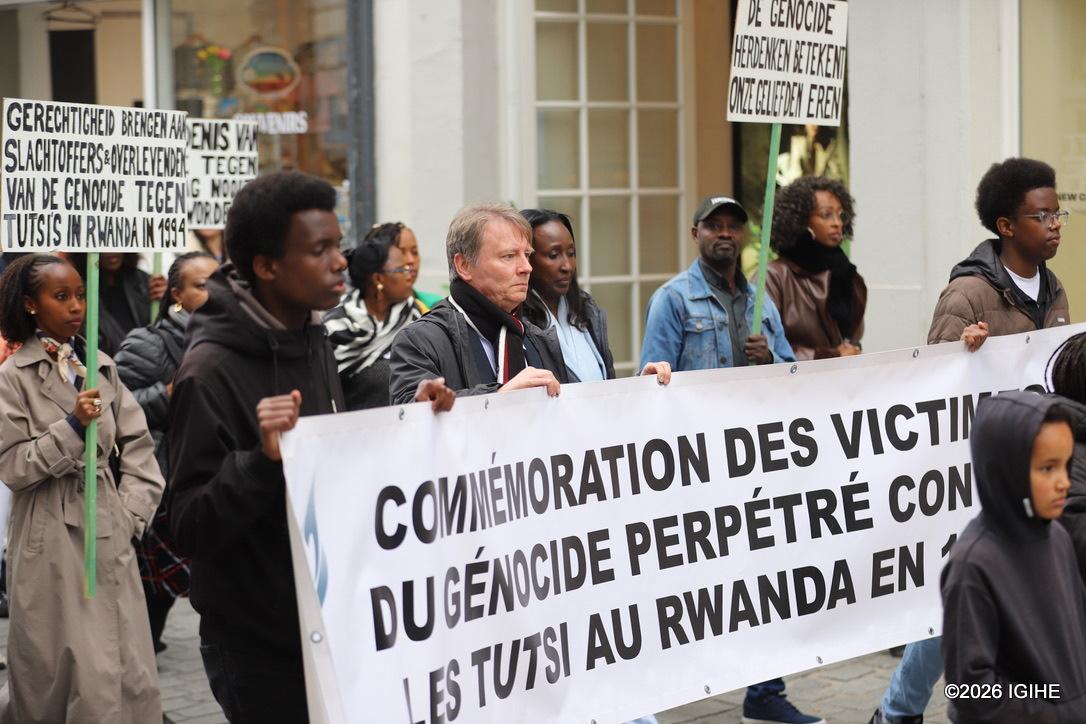
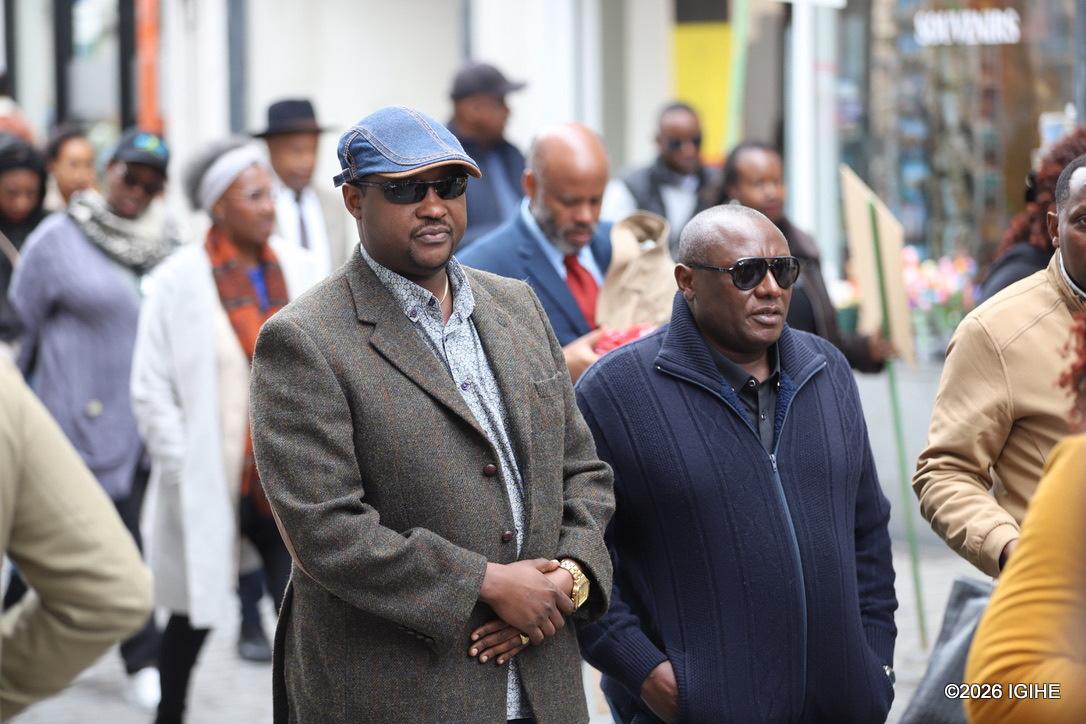
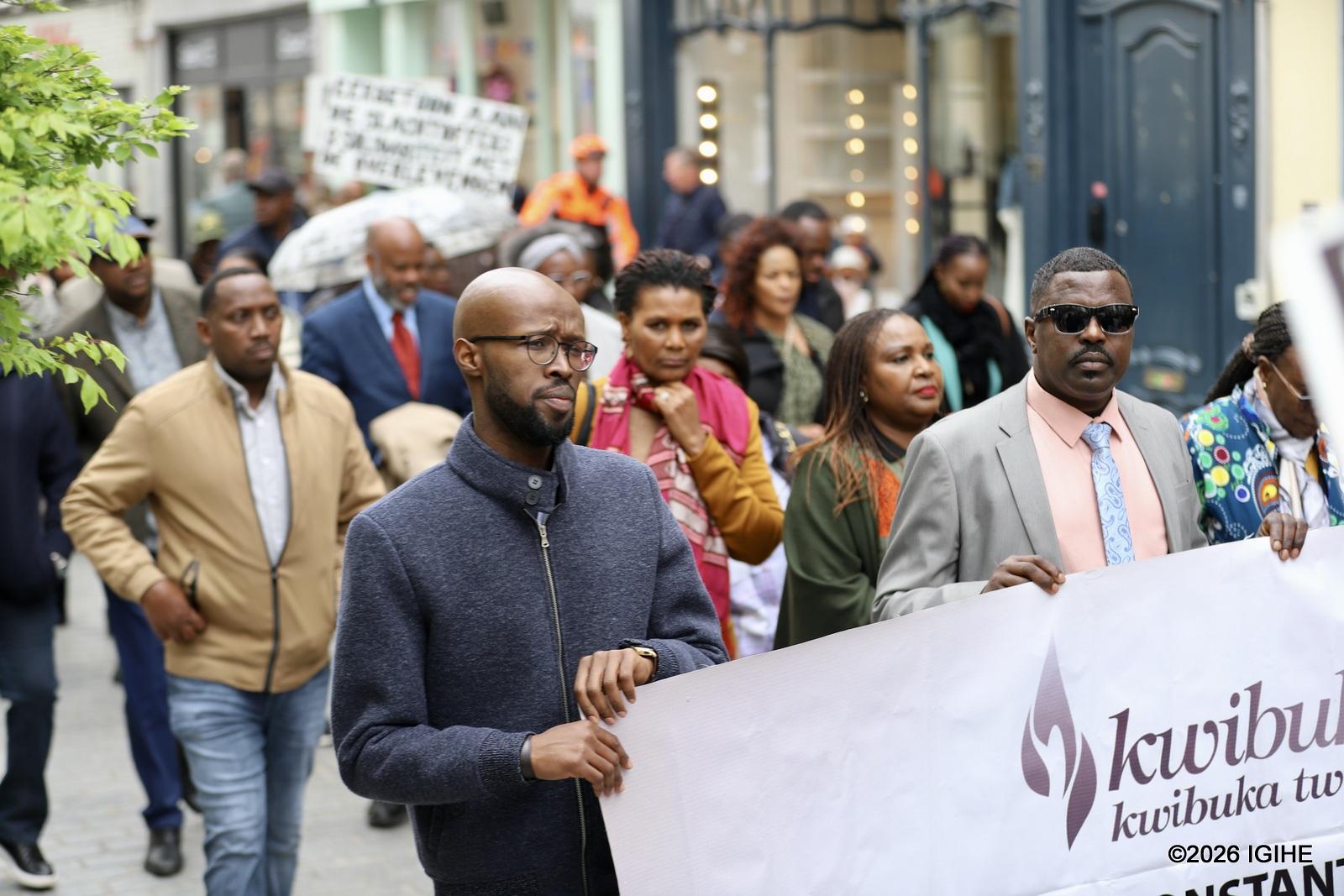
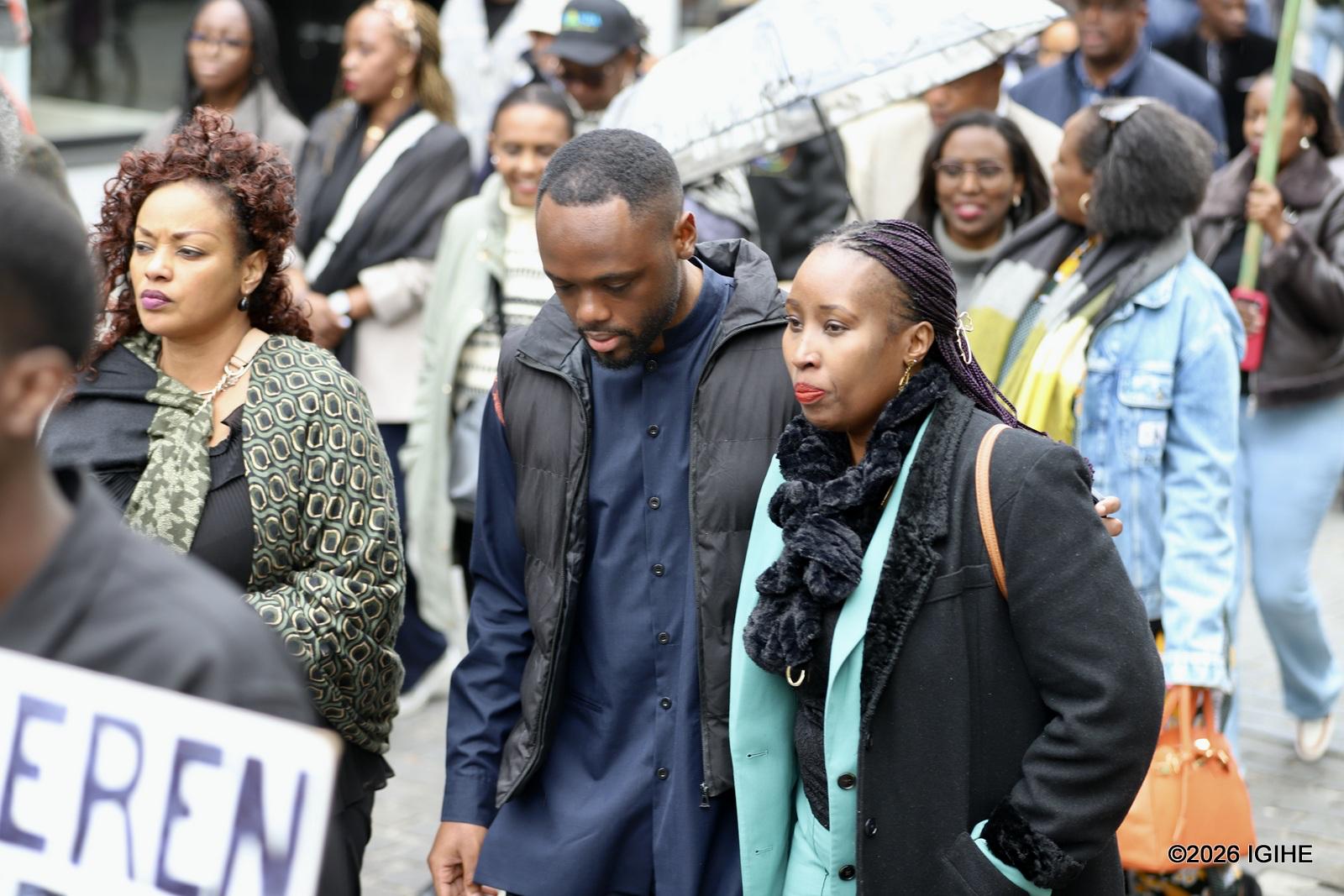
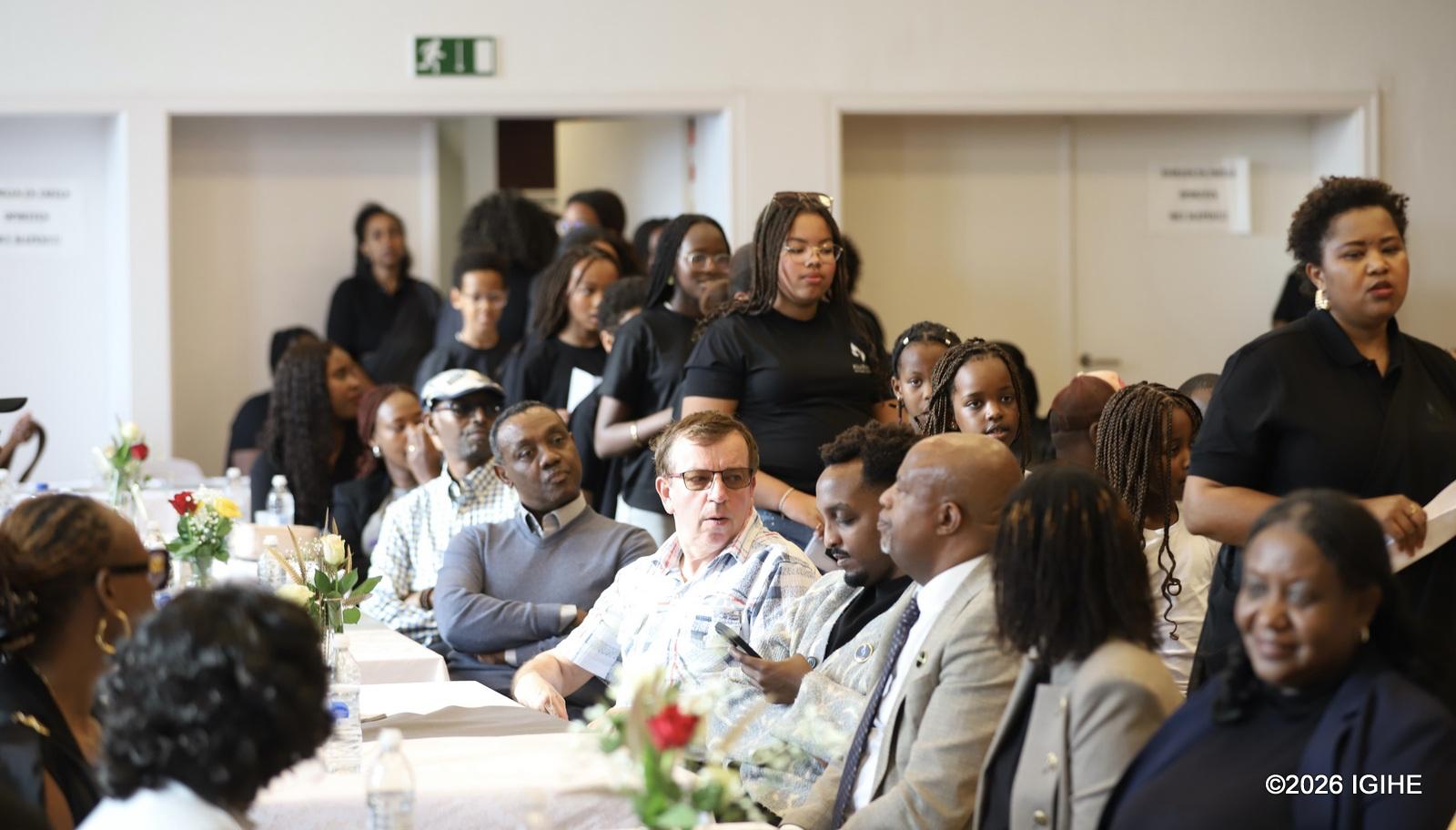
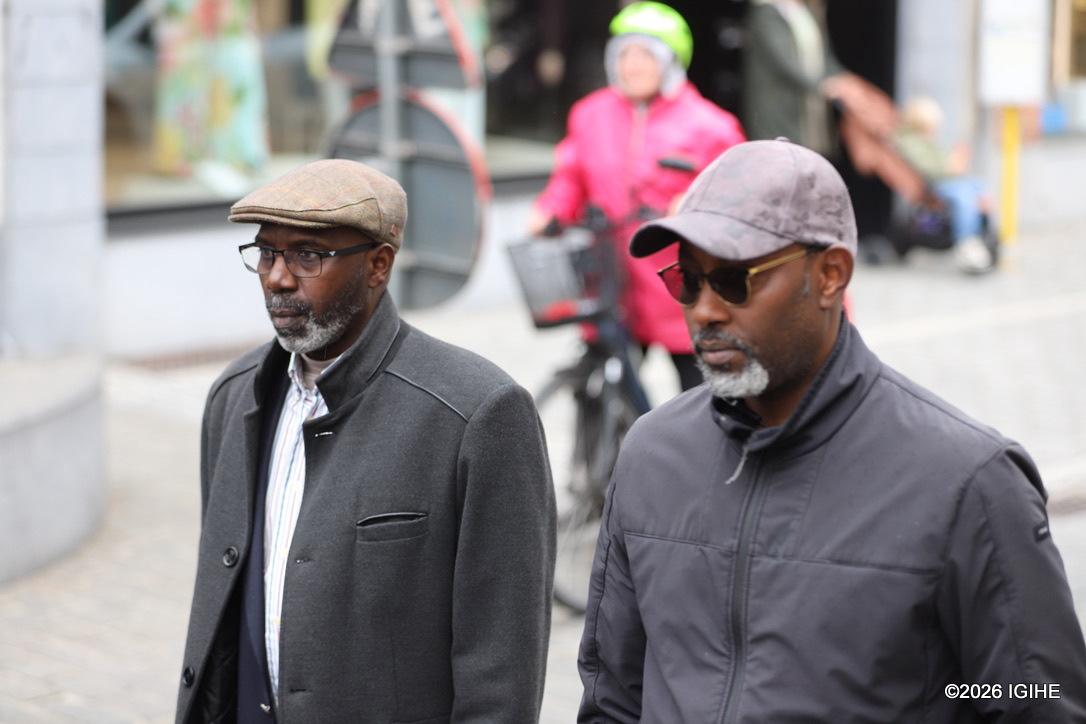
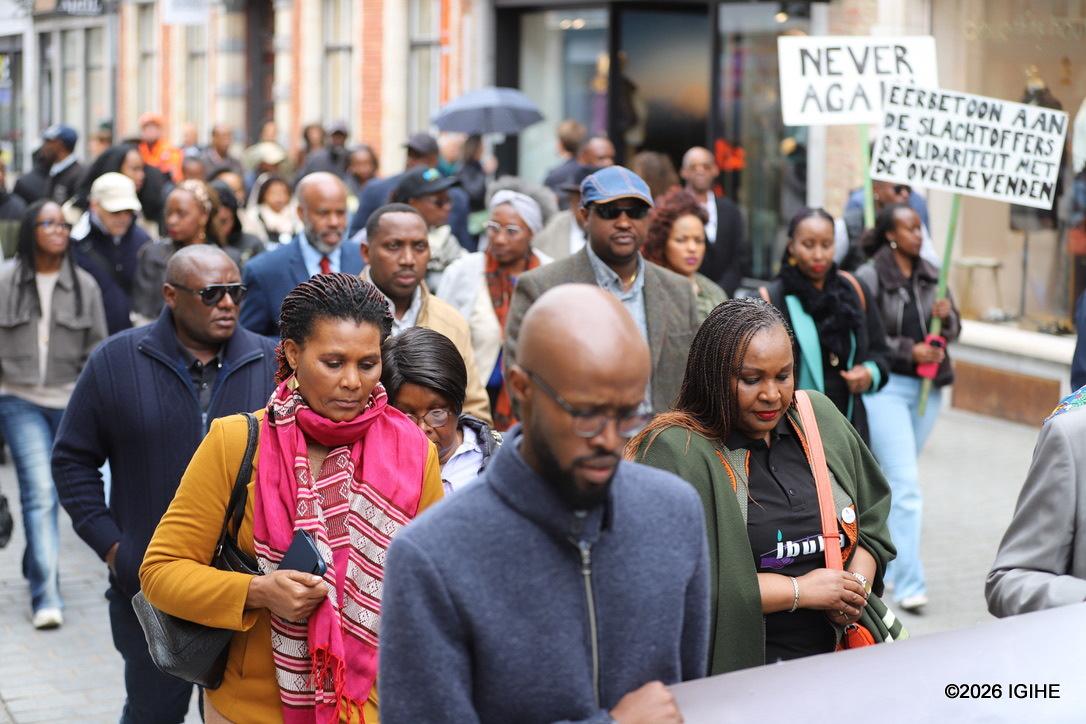
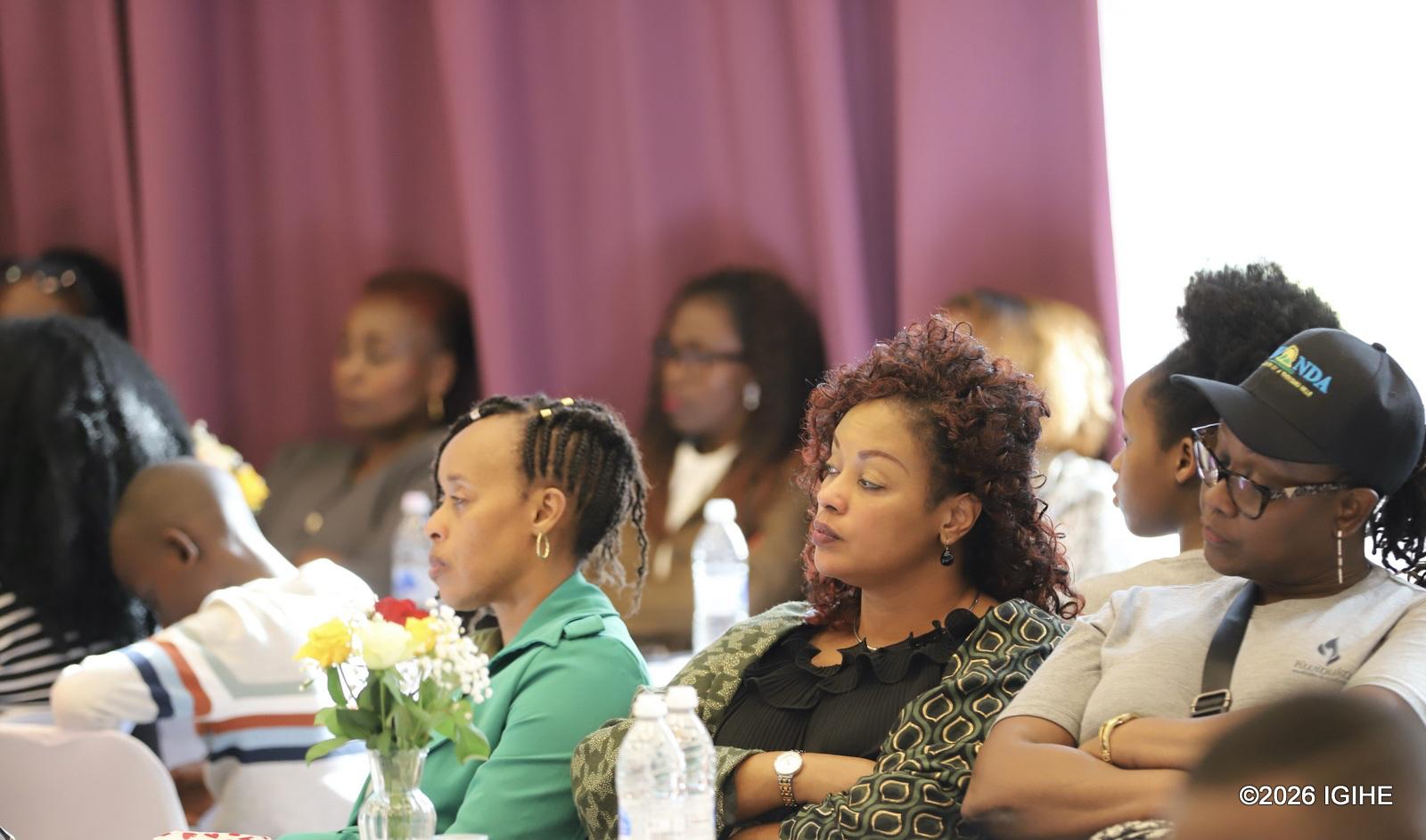
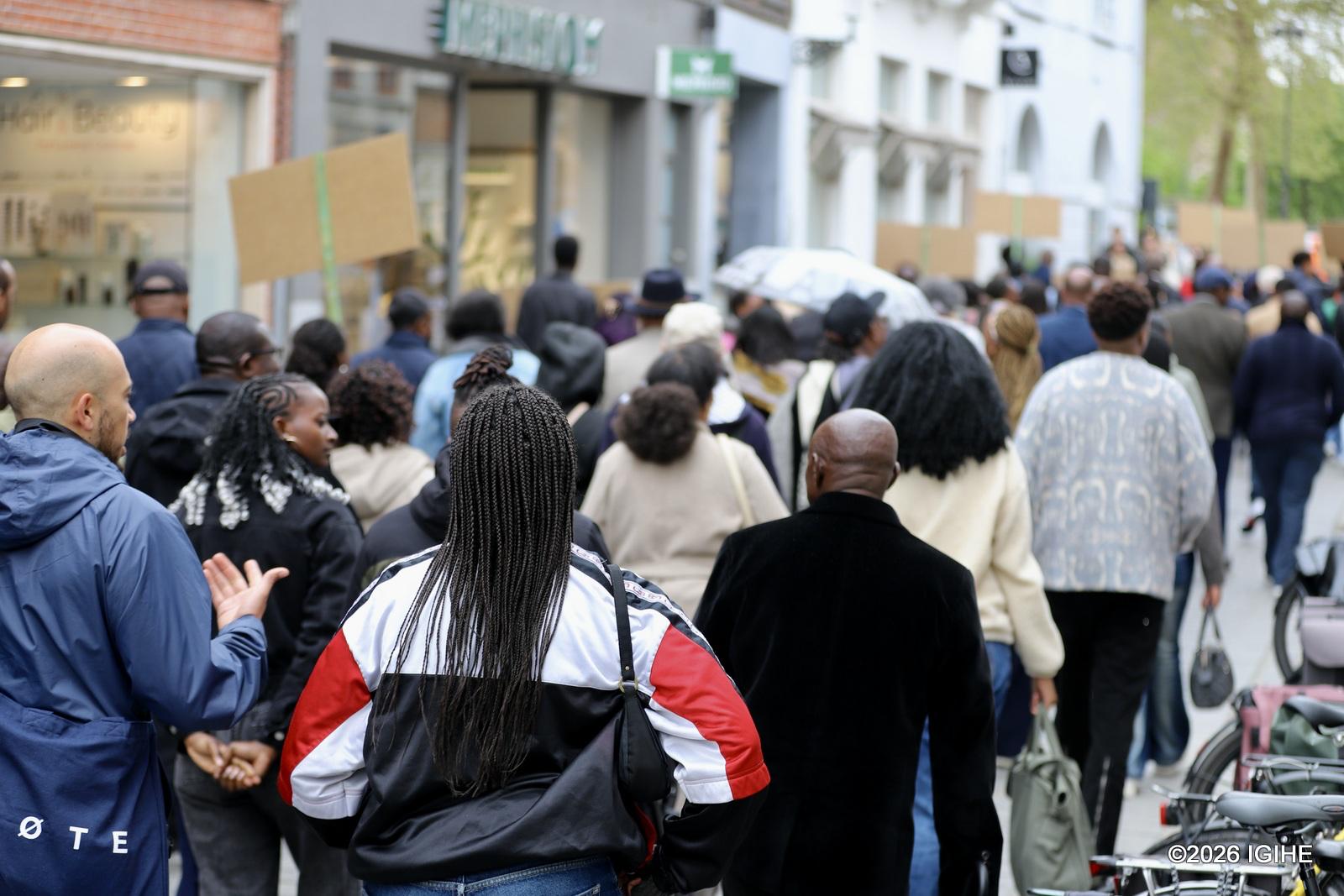
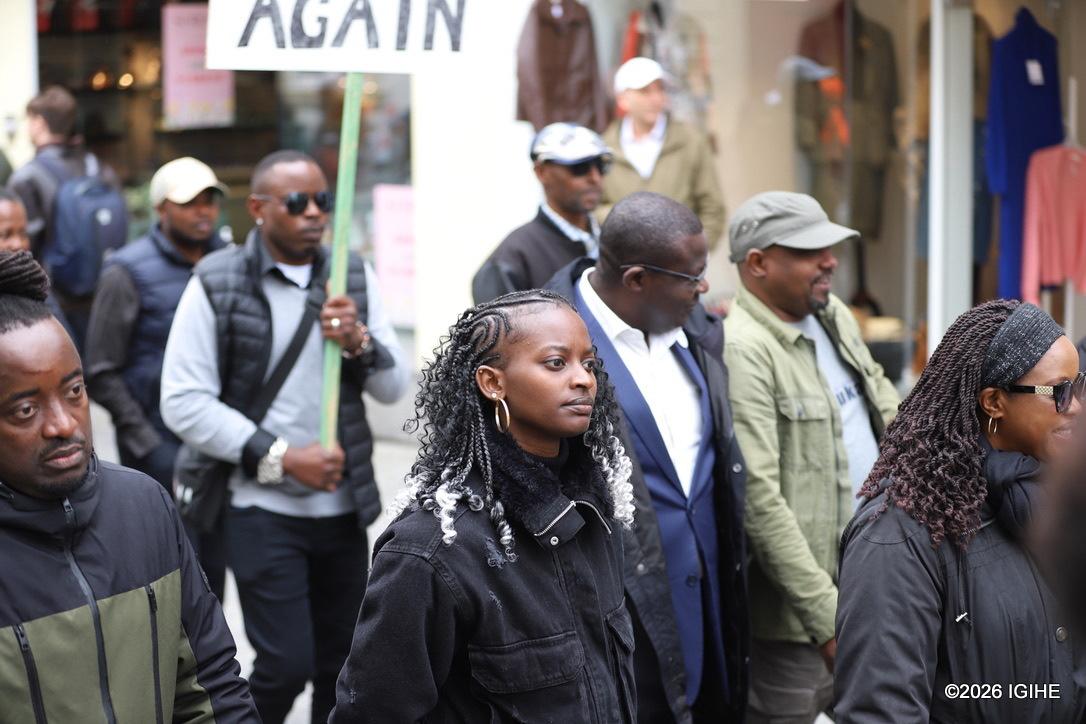
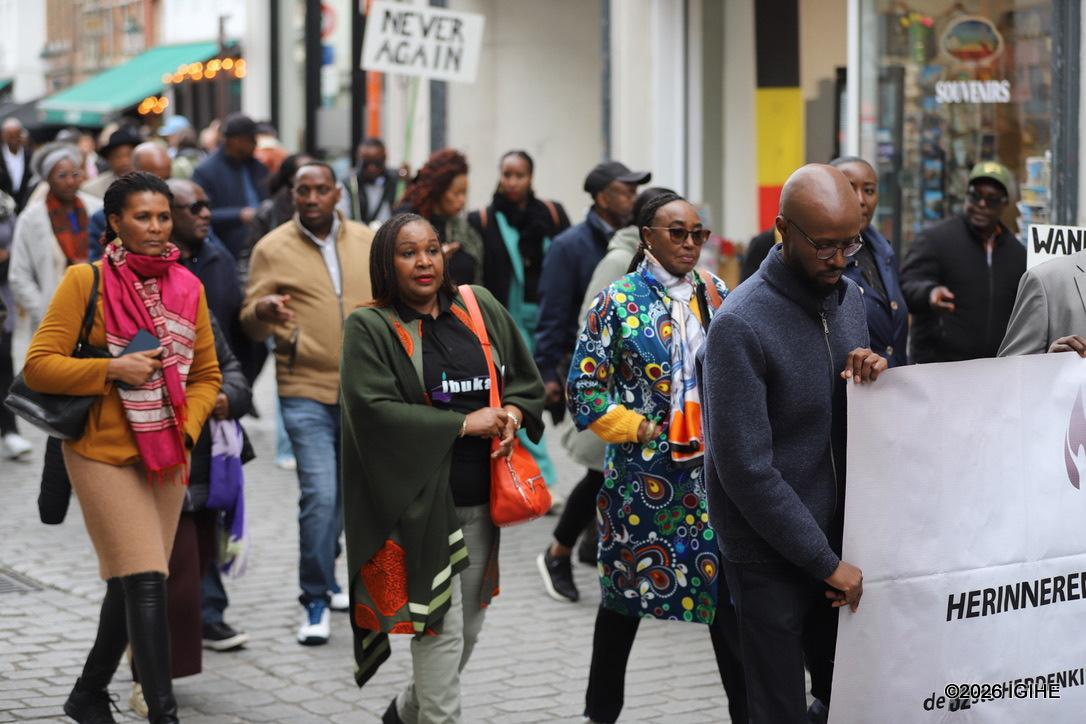
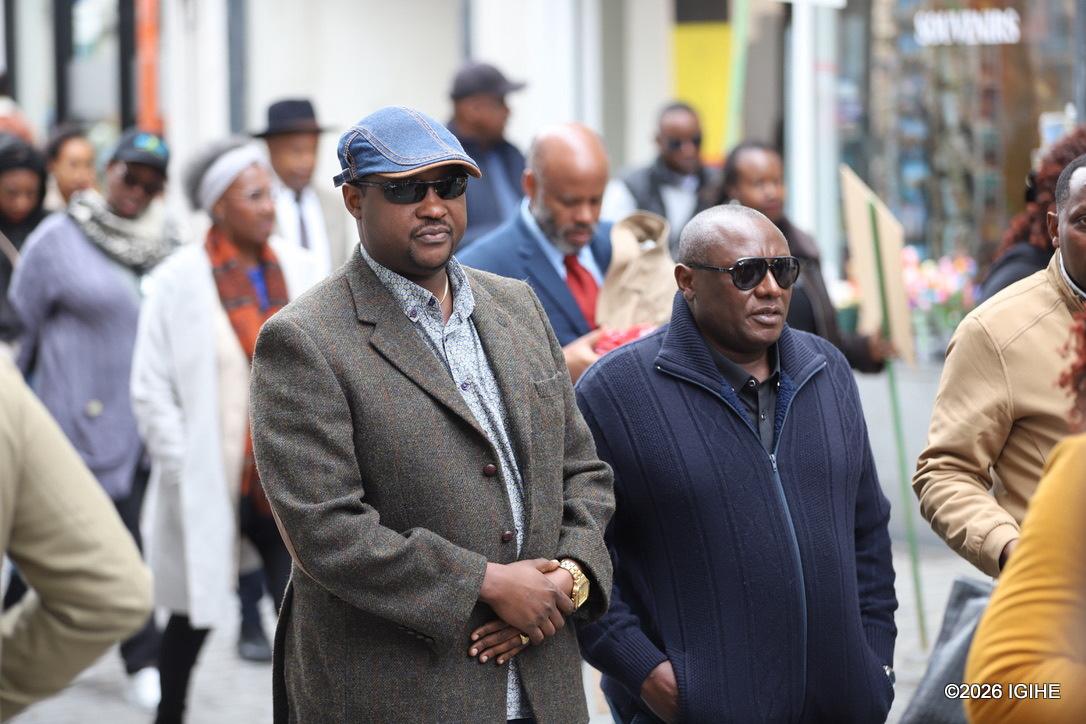
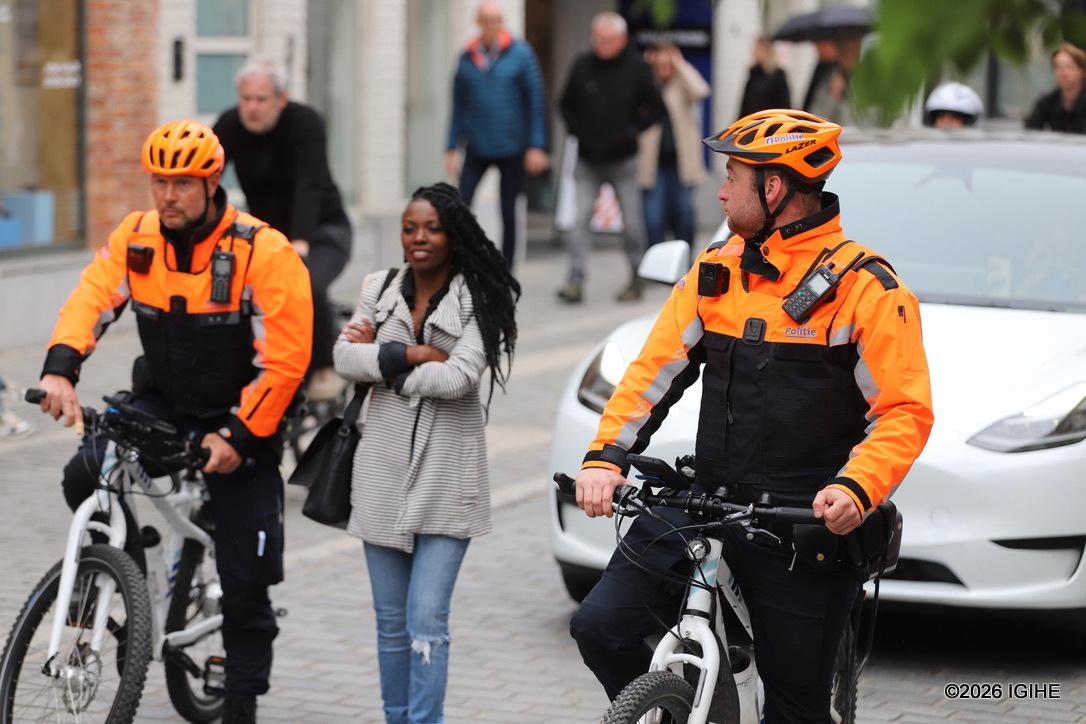
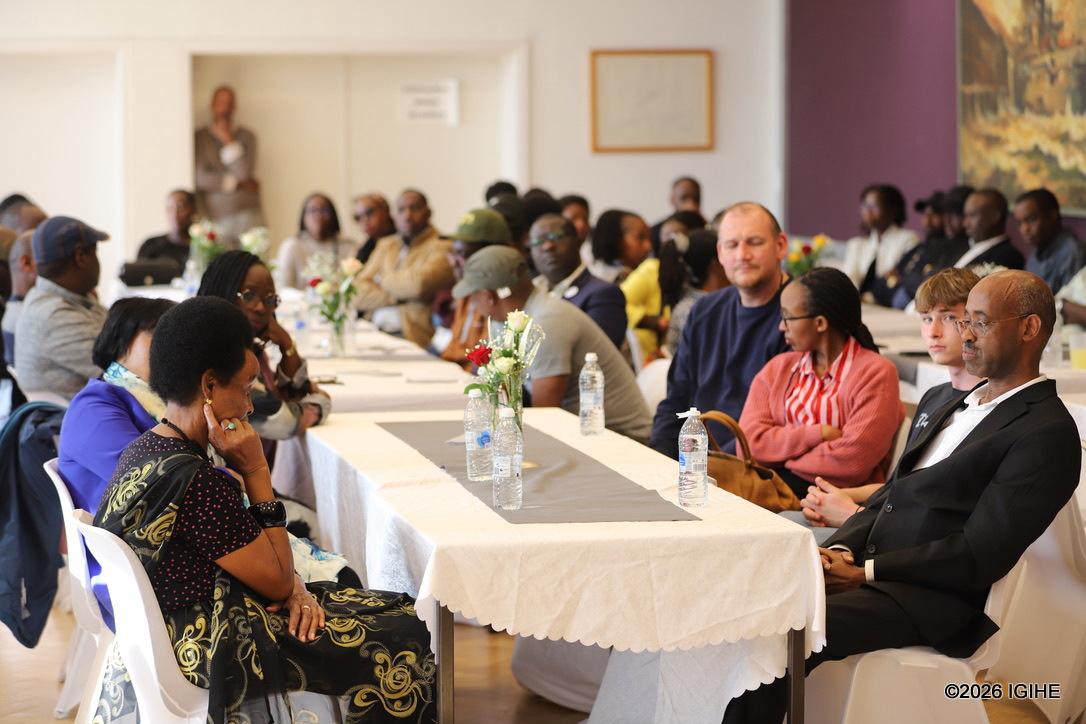
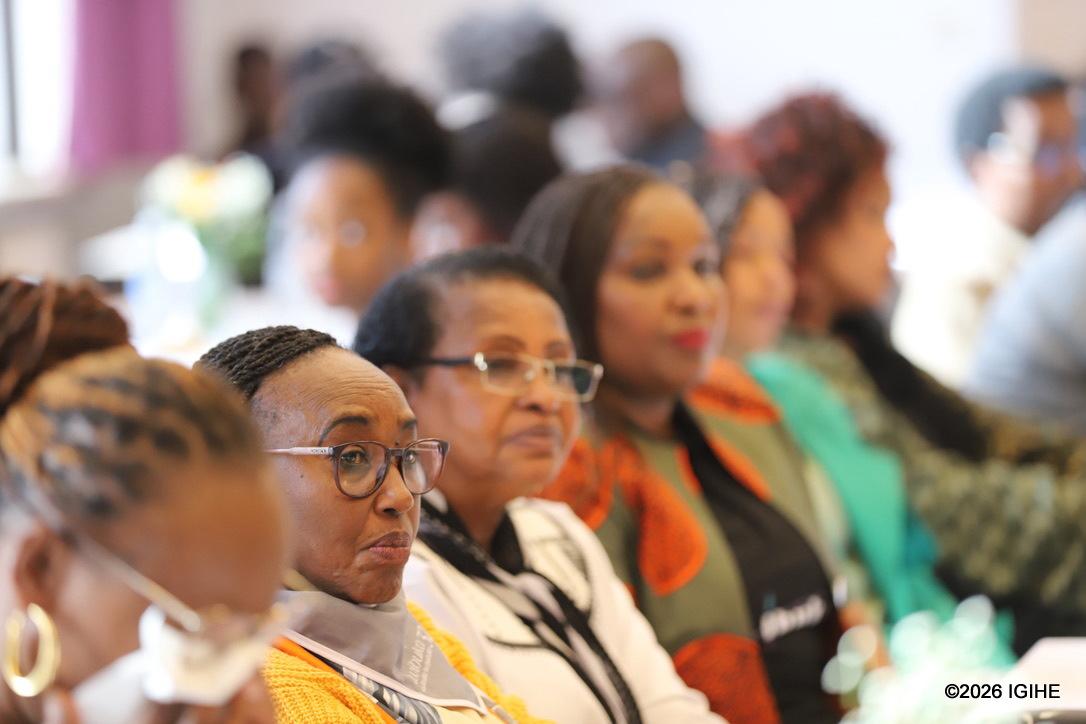
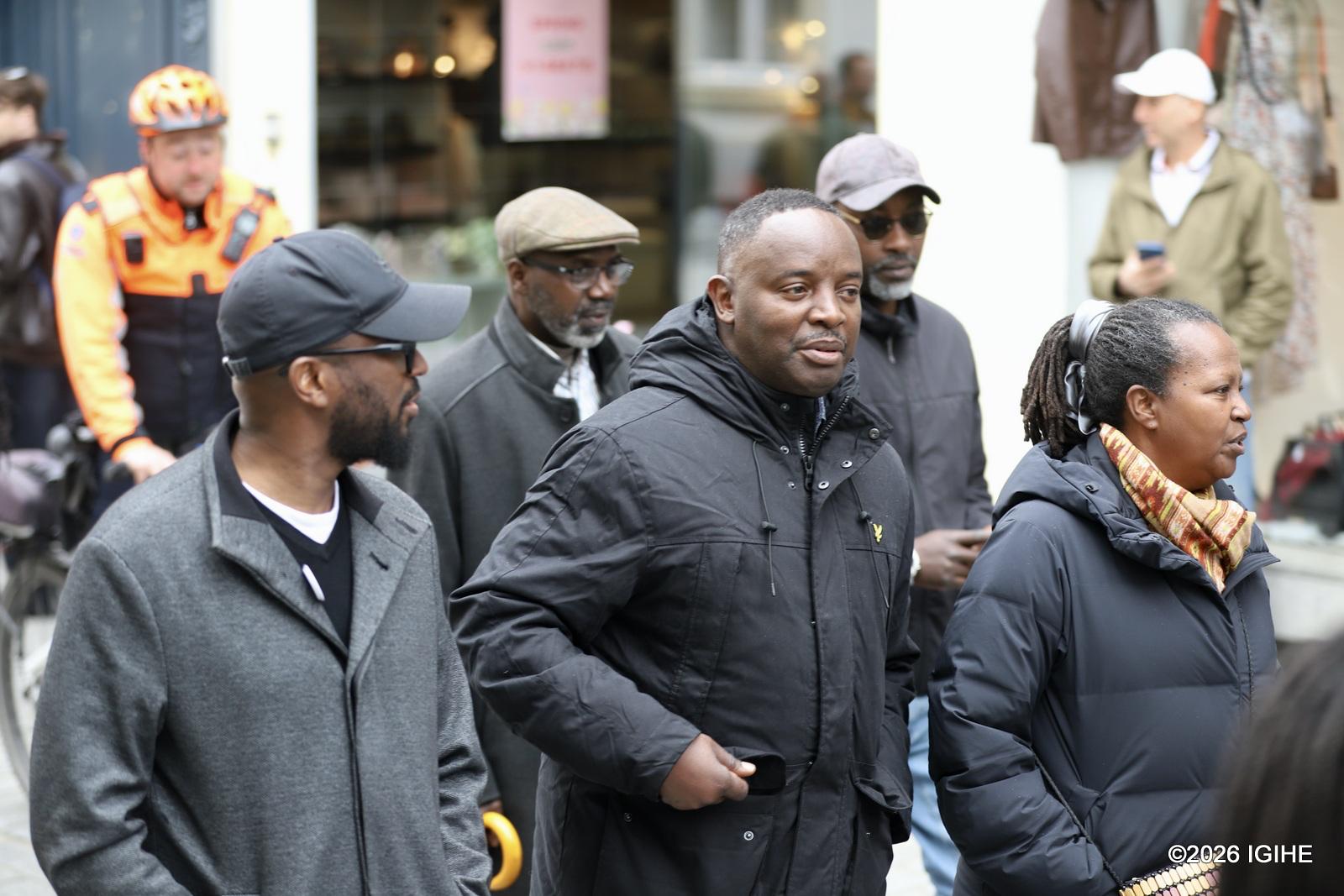
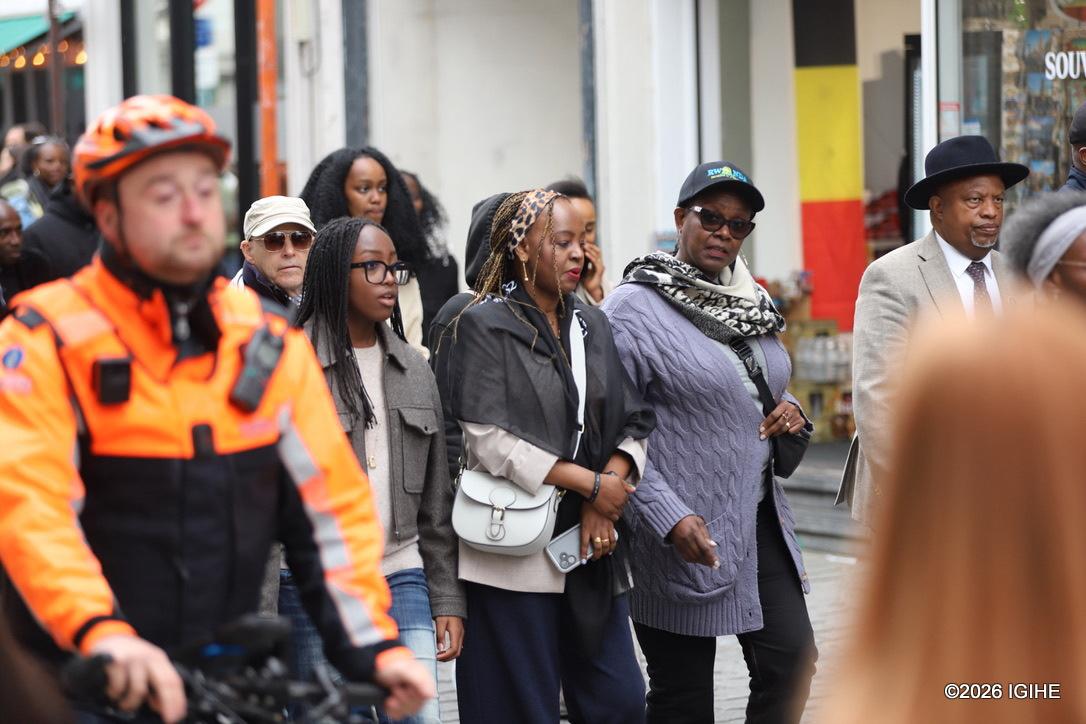
The event included a commemorative walk through the city of Bruges, followed by commemoration talks.
Commemorative walks held abroad represent an important contribution to raising awareness about the history of the Genocide against the Tutsi in Rwanda, while conveying a strong message: “Never again.”
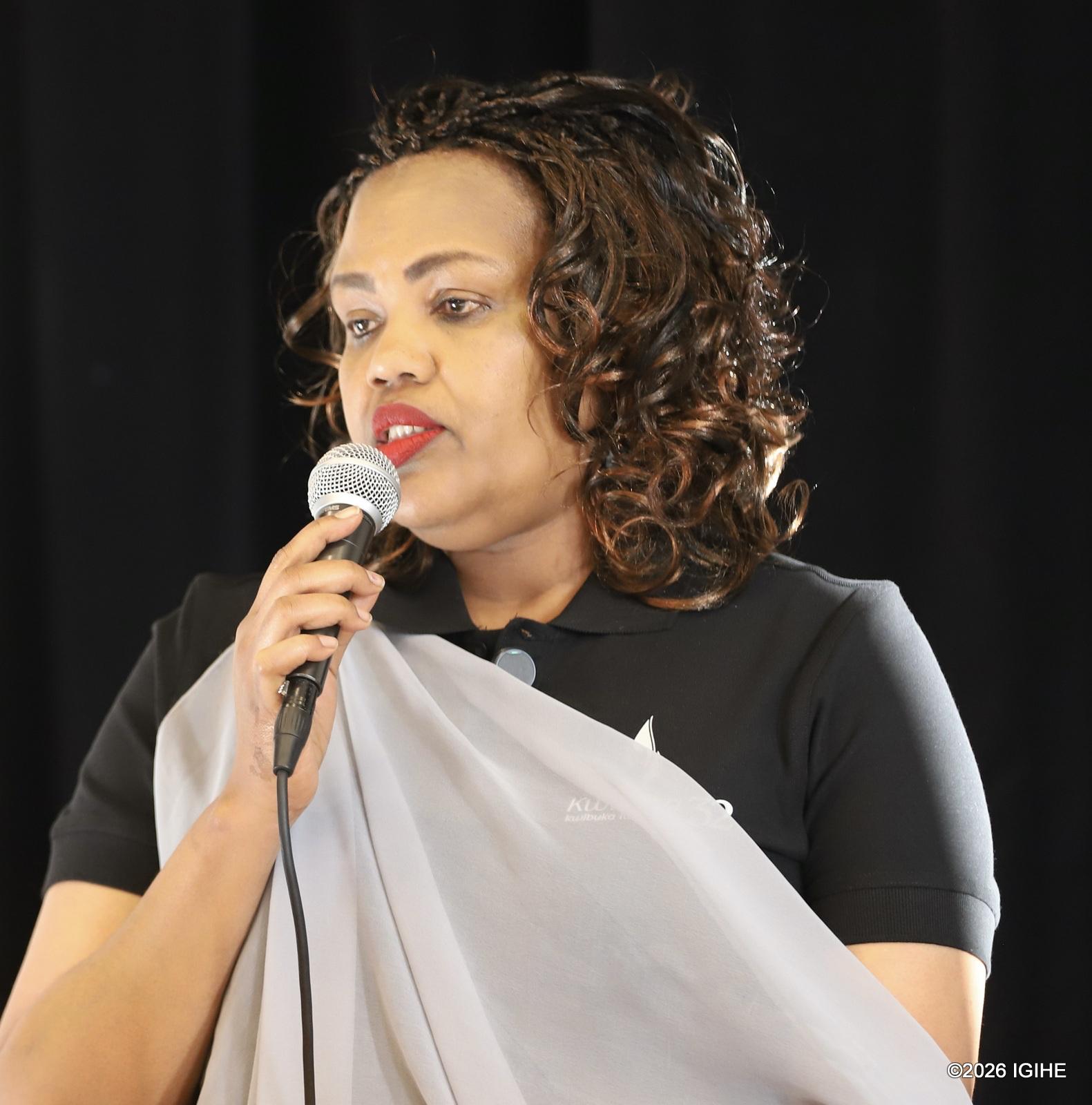
Yvette Umutangana, coordinator of the event in Bruges, called for strengthened efforts to combat genocide ideology, which remains visible in various places, including Belgium. She also emphasized the importance of continued remembrance.
She stated: “Let us continue to remember and remain united. Let us stay committed to rebuilding our country. We are fortunate to benefit from good leadership. We must honor the victims of the Genocide against the Tutsi while also confronting its denial, which persists here in Belgium and elsewhere in the world.”
Umutangana also stressed that telling Rwanda’s history truthfully is essential to counter those who distort it for their own interests. She paid tribute to the FPR-Inkotanyi for stopping the genocide.
“We must remember that it took courage and sacrifice for the FPR to stop the genocide. Without that, we would not be here today,” she added.
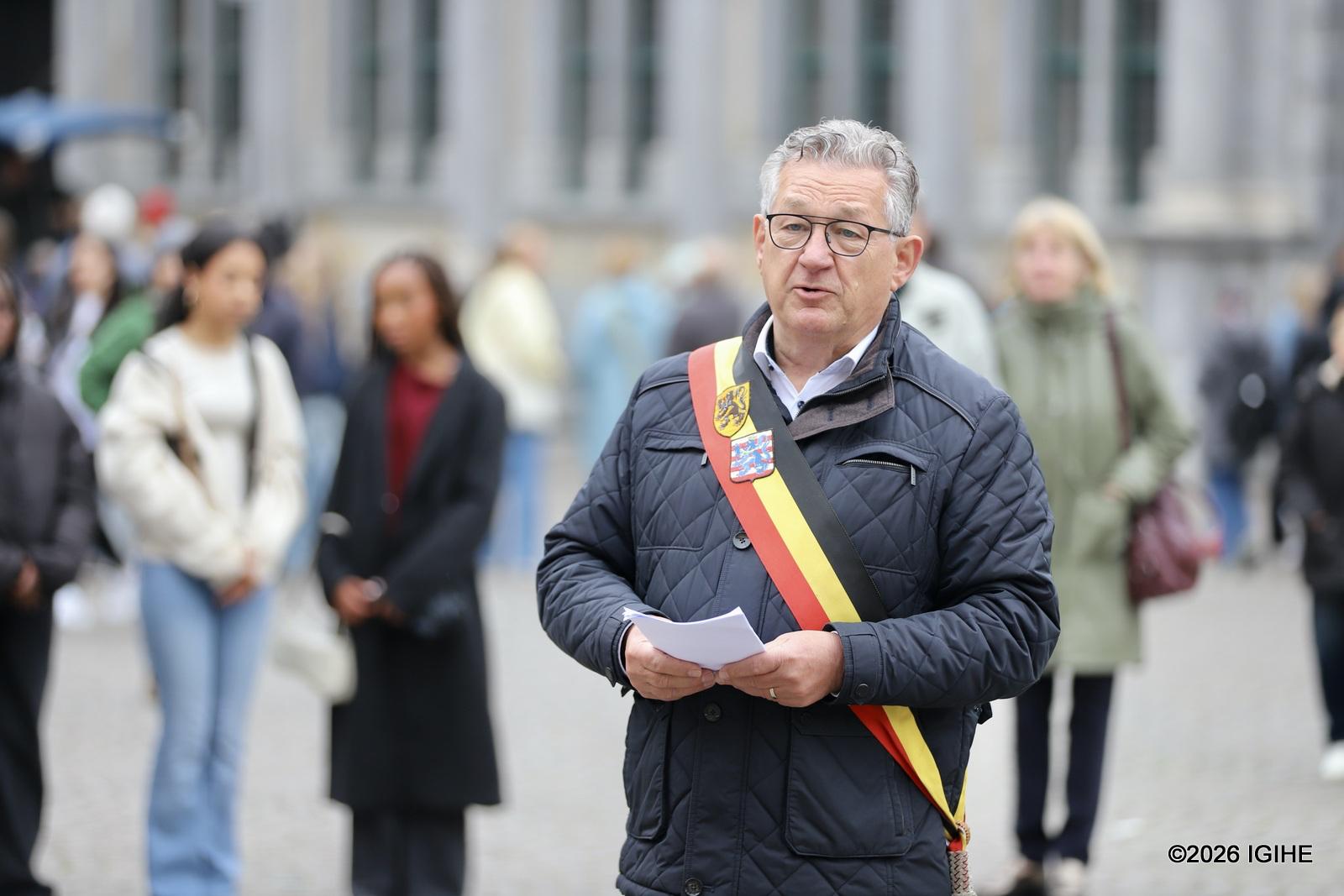
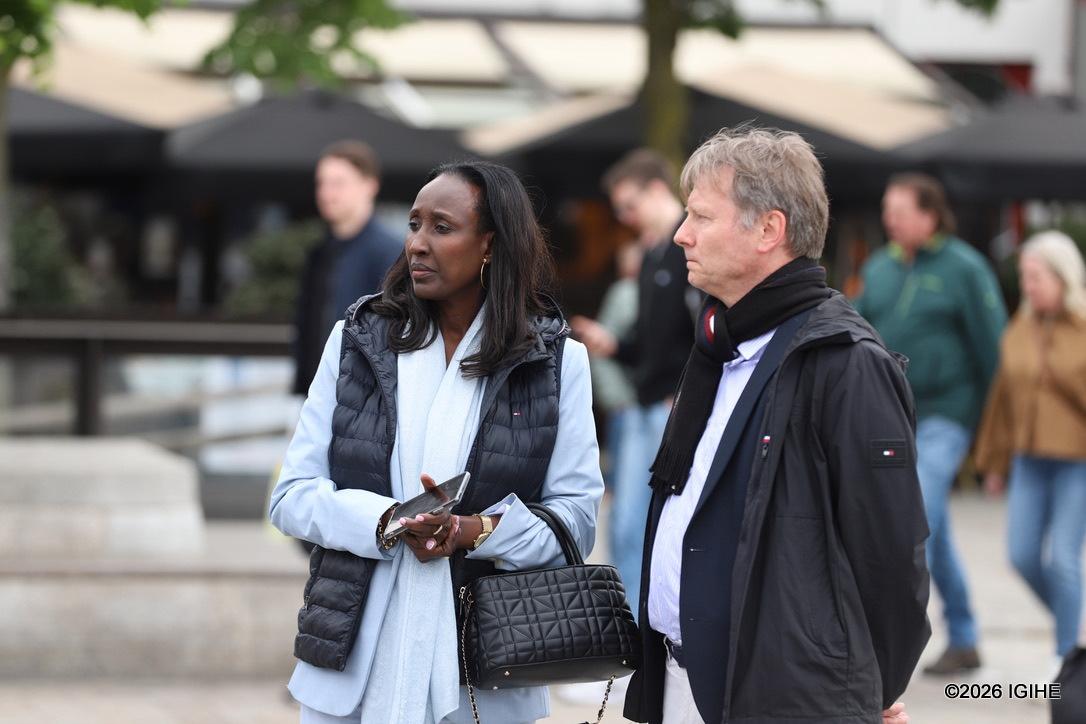
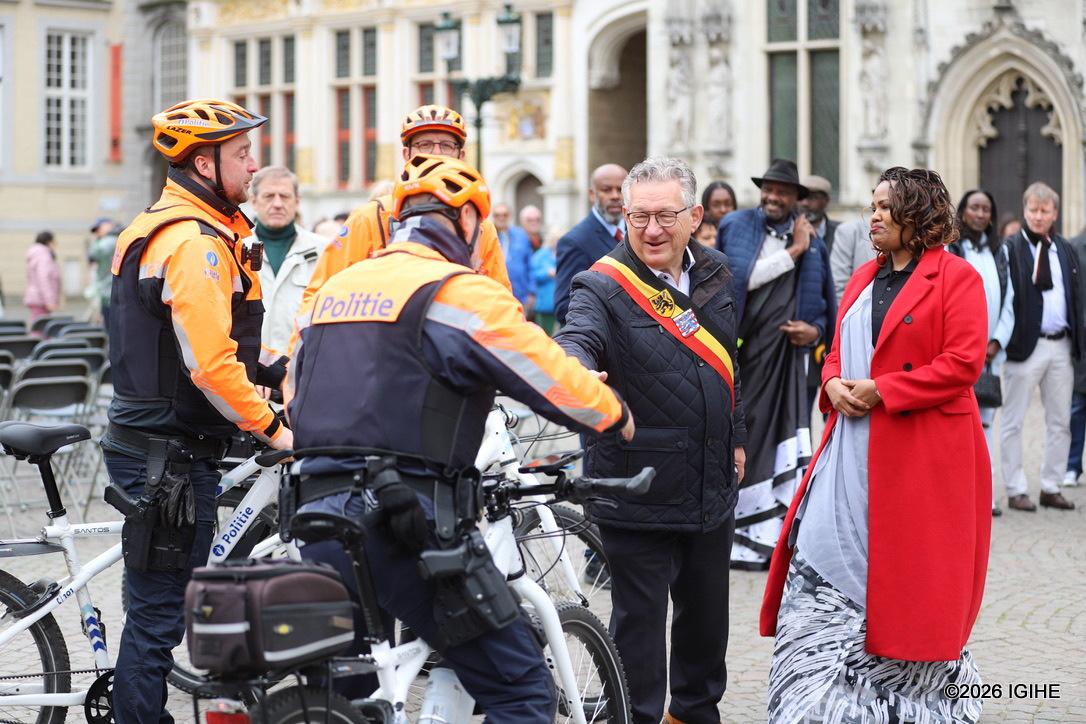
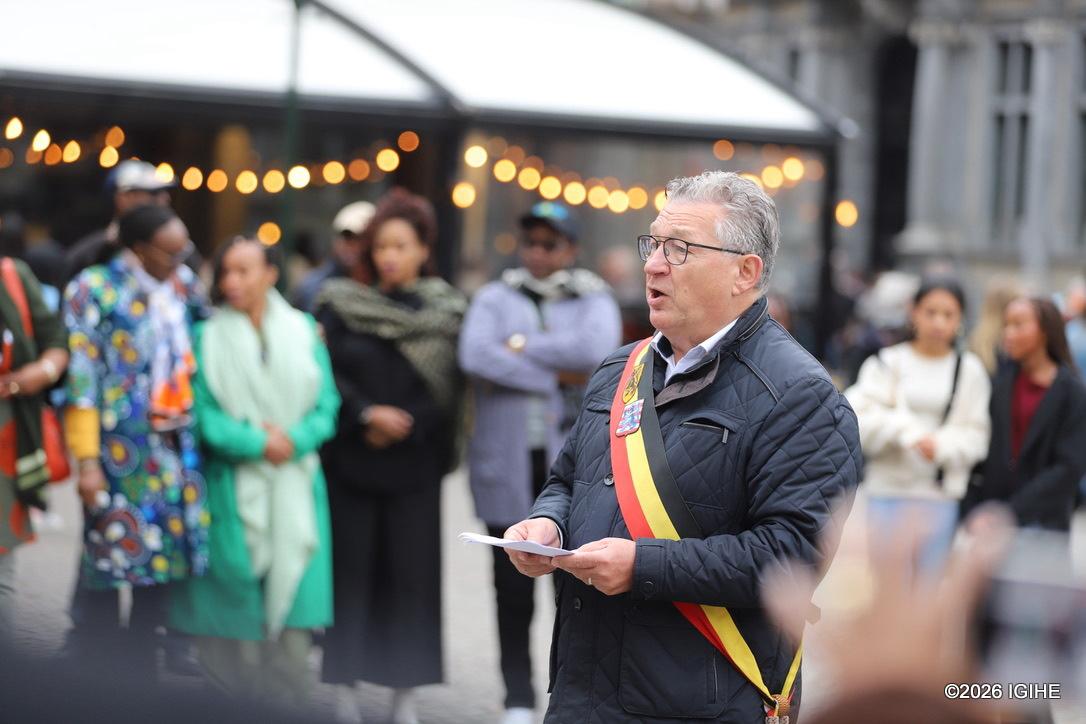
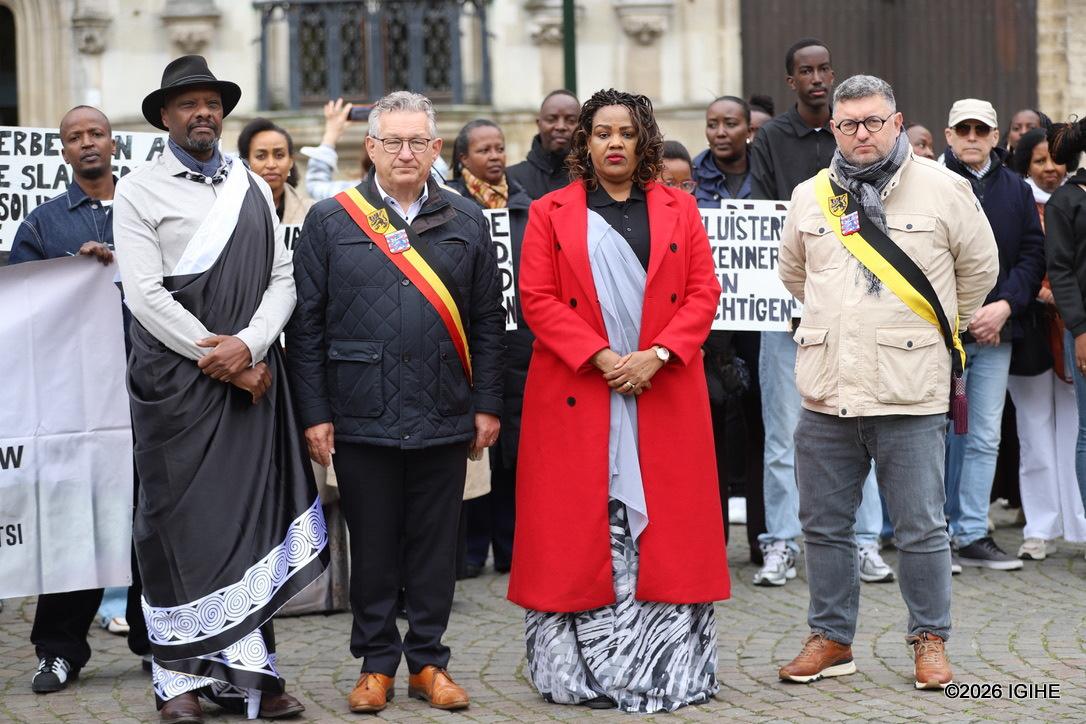
The event was also attended by the Mayor of Bruges, Dirk De fauw, who highlighted the importance of remembrance in preventing such tragedies from happening again. He also praised the unity and commitment of the local Rwandan community in organizing the event.
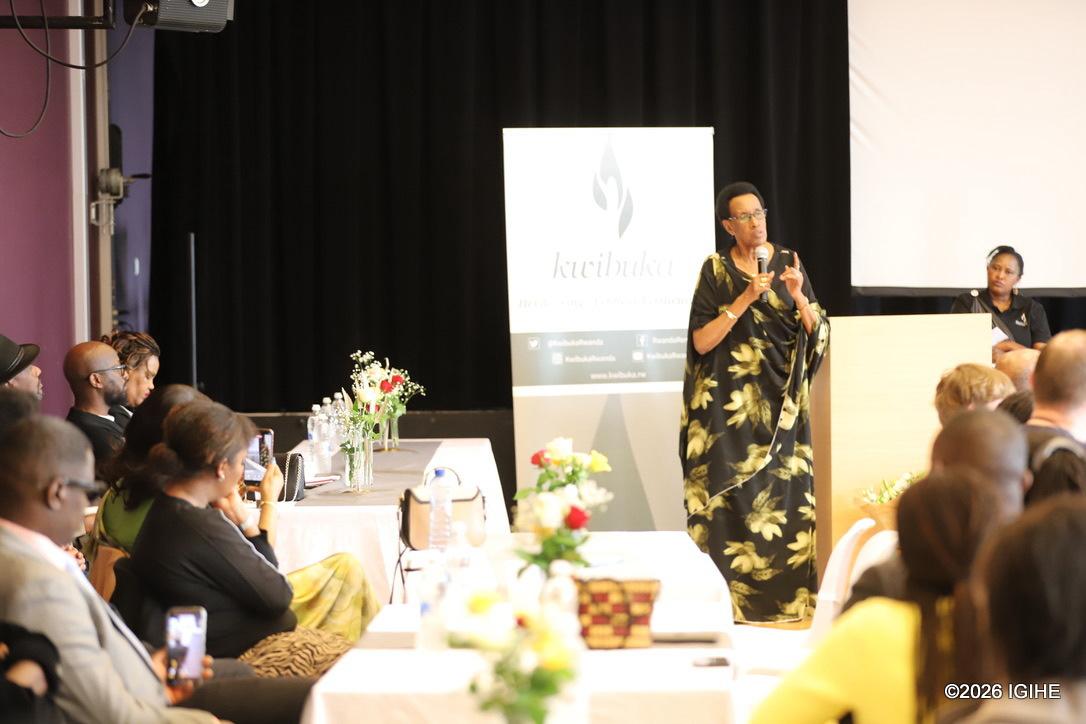
The President of Ibuka Memory and Justice – Belgium, Mutabazi Twagira Eugène, spoke about the establishment of the organization in Belgium and shared a personal testimony about members of his family who were killed.
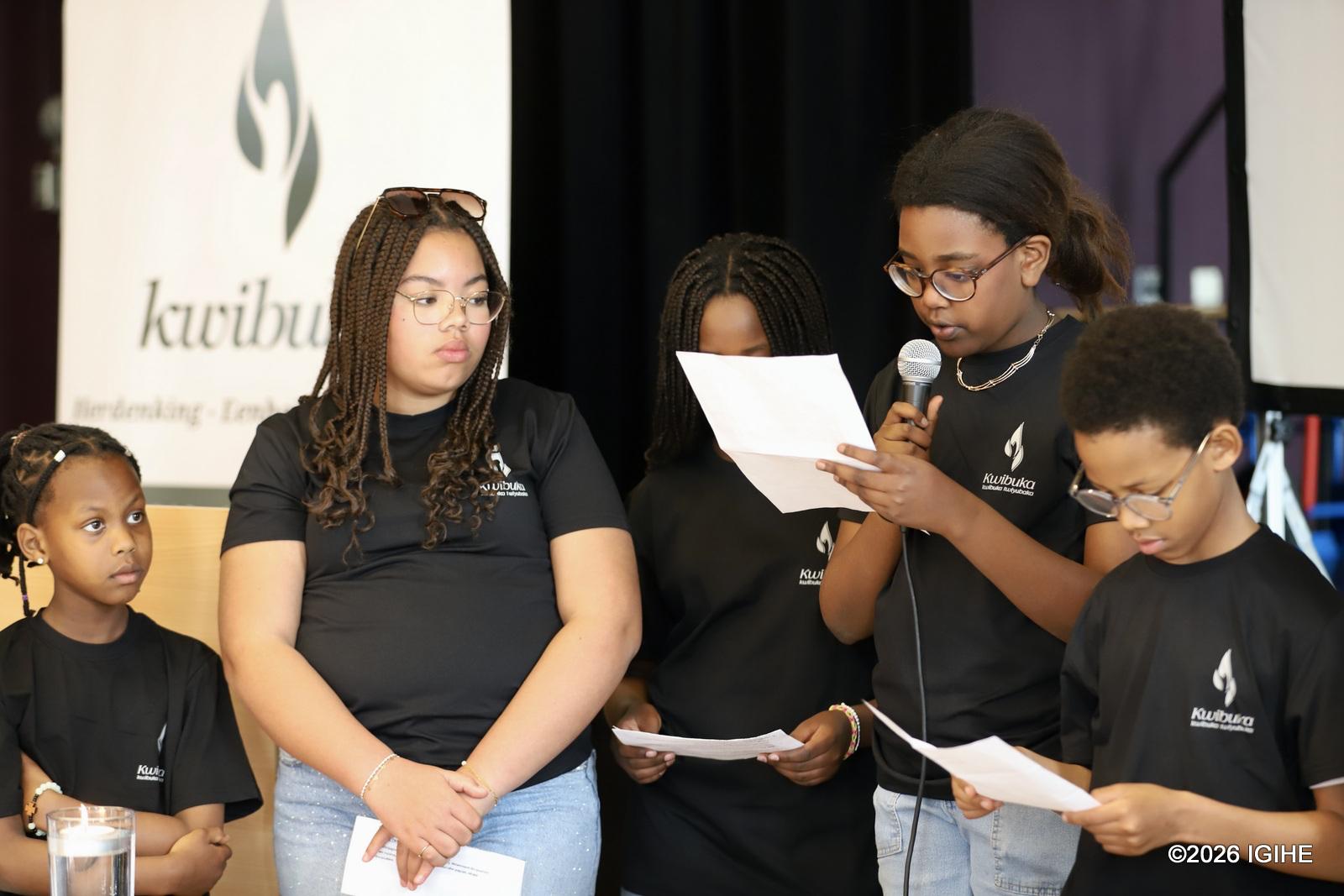
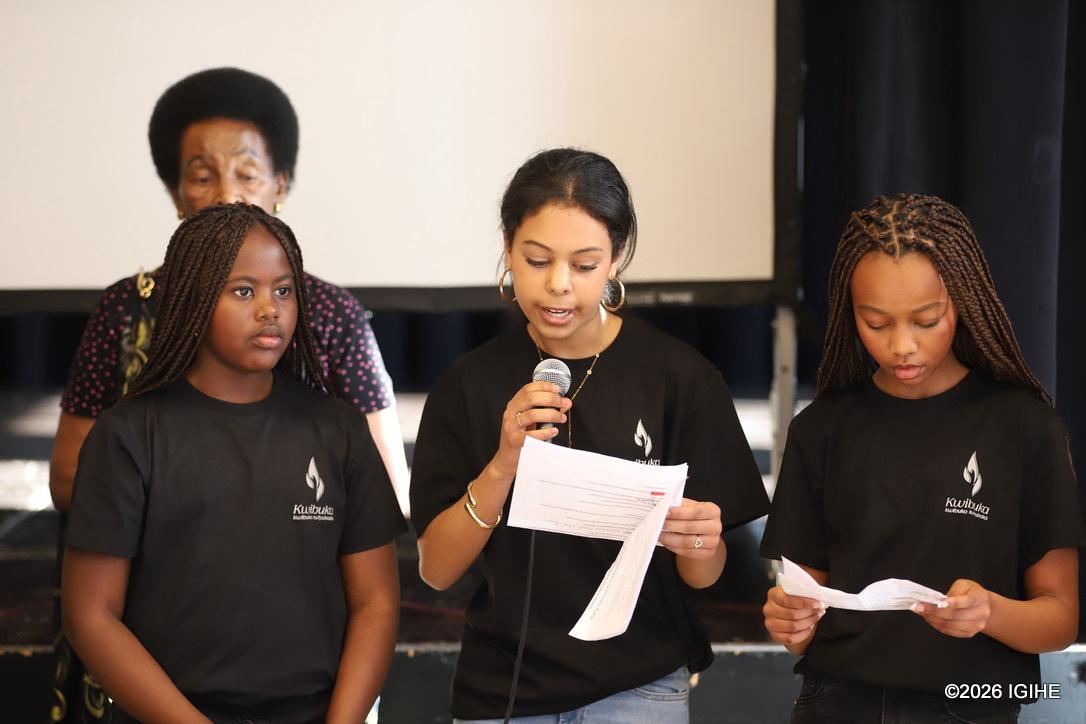
Artists Mariya Yohani and Nyiranyamibwa Suzanne also contributed through songs dedicated to remembrance during the ceremony.
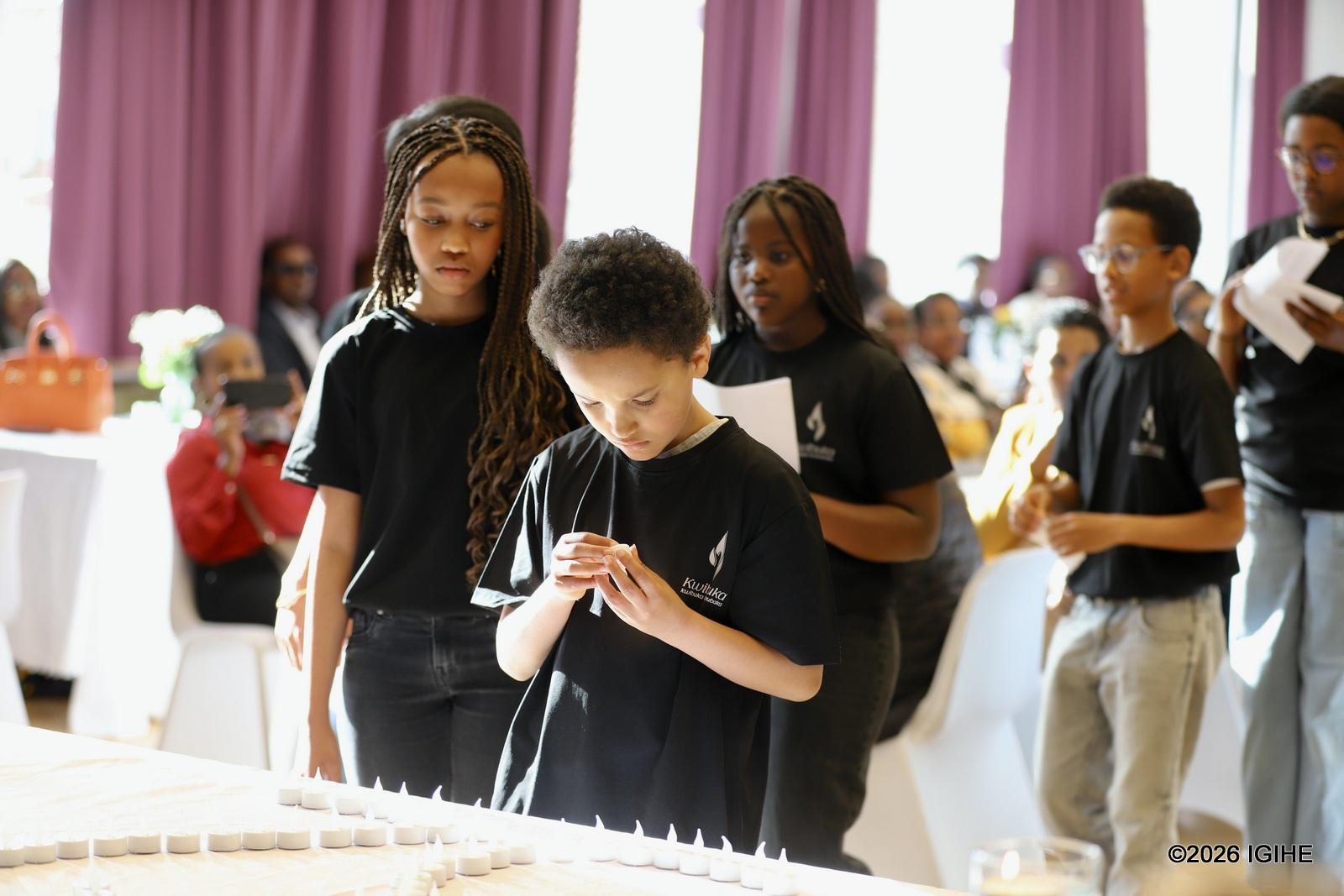
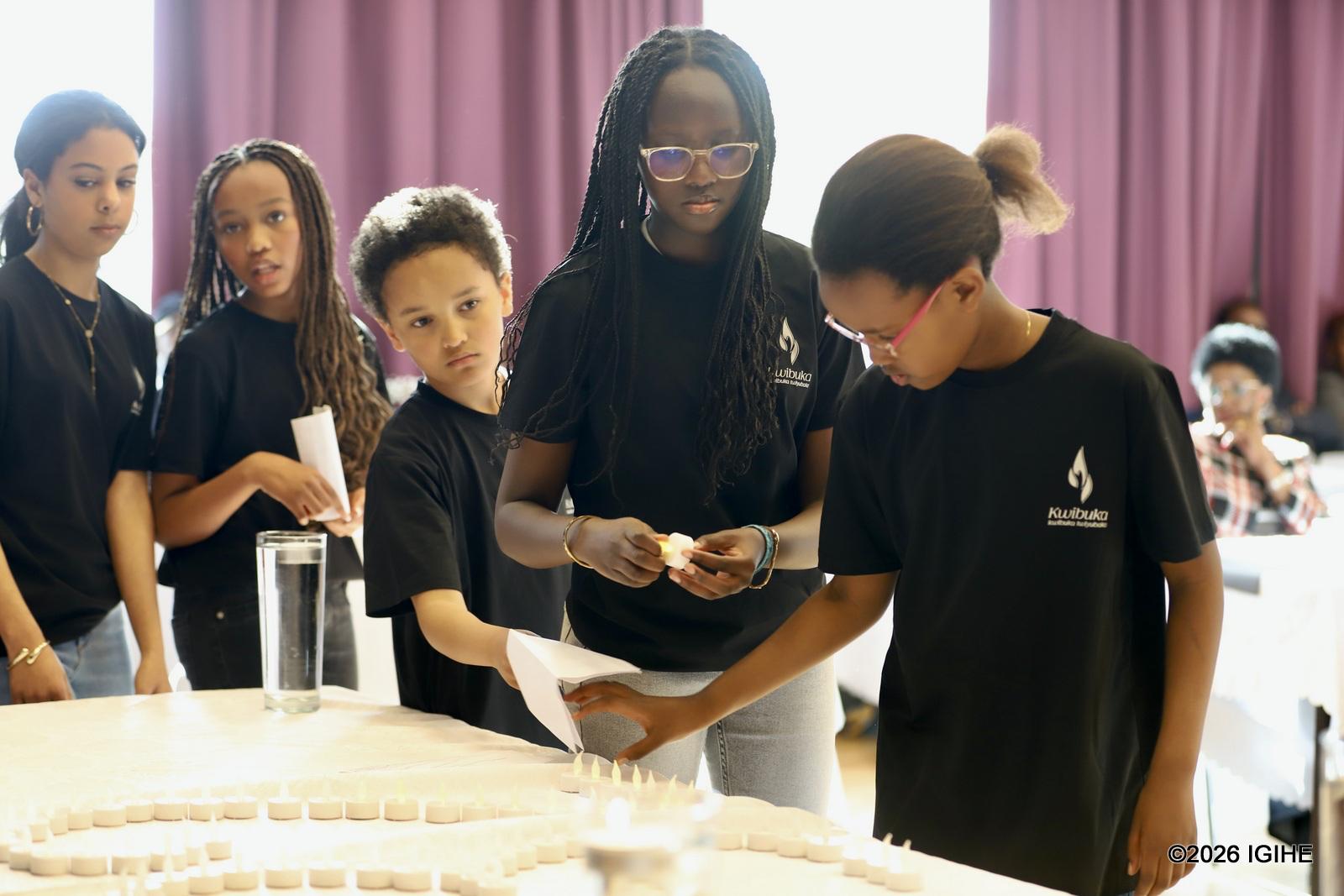
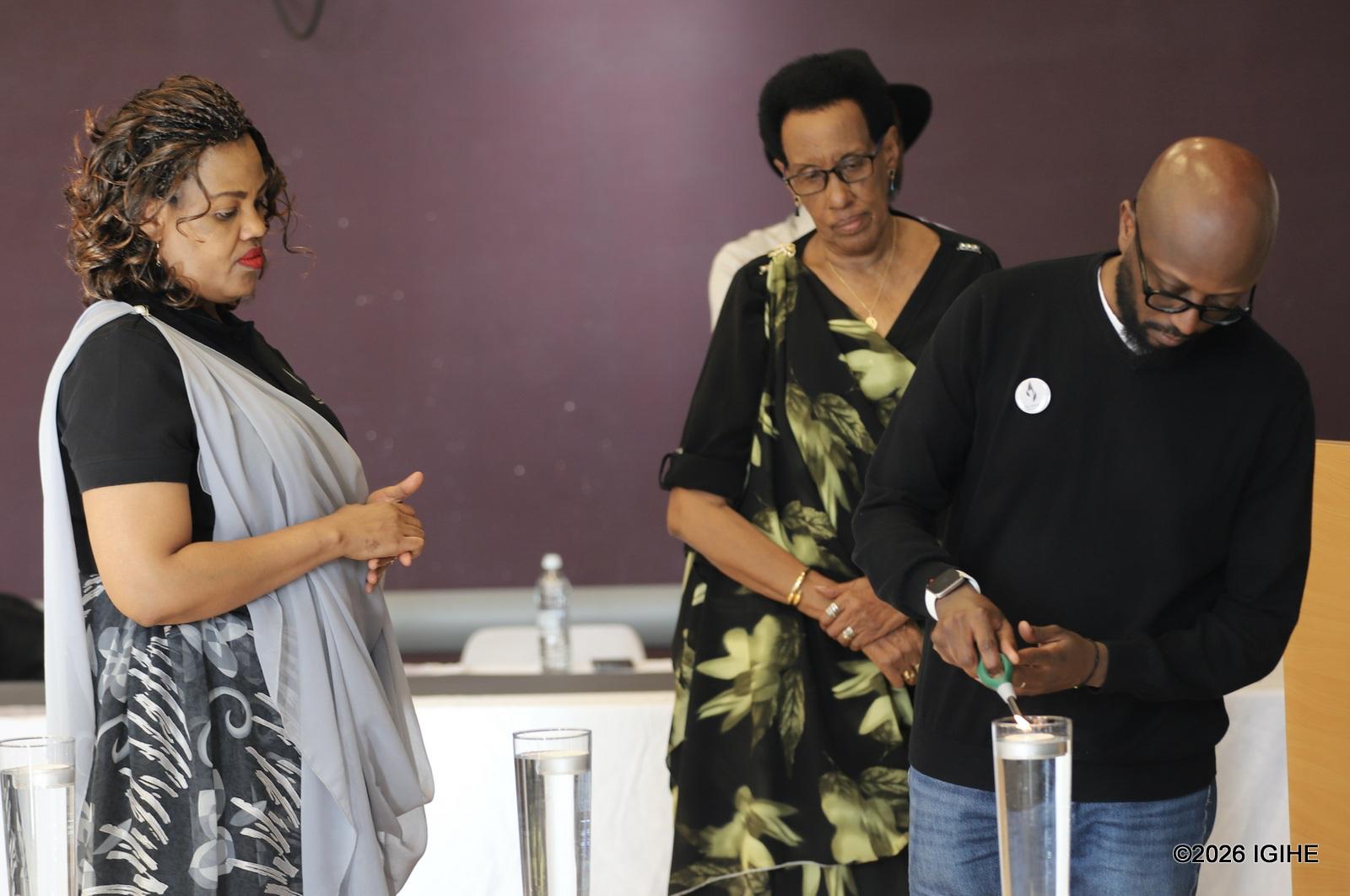
The commemoration concluded with an evening vigil marked by testimonies and the display of photos of victims of the Genocide against the Tutsi. Participants honored them by speaking their names and recalling their lives.
The day also featured a testimony from Yves Kamurase, a survivor of the Genocide against the Tutsi.
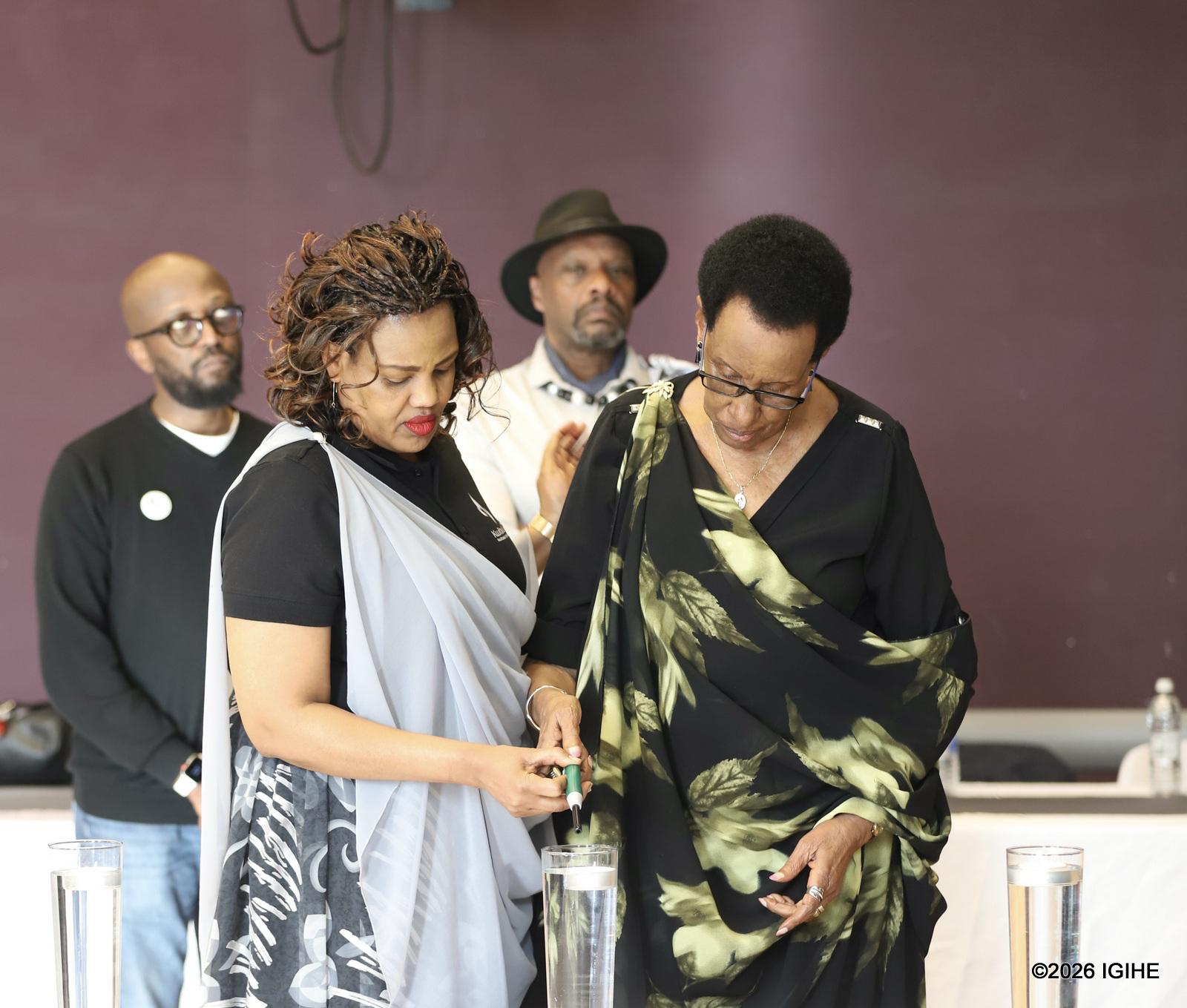
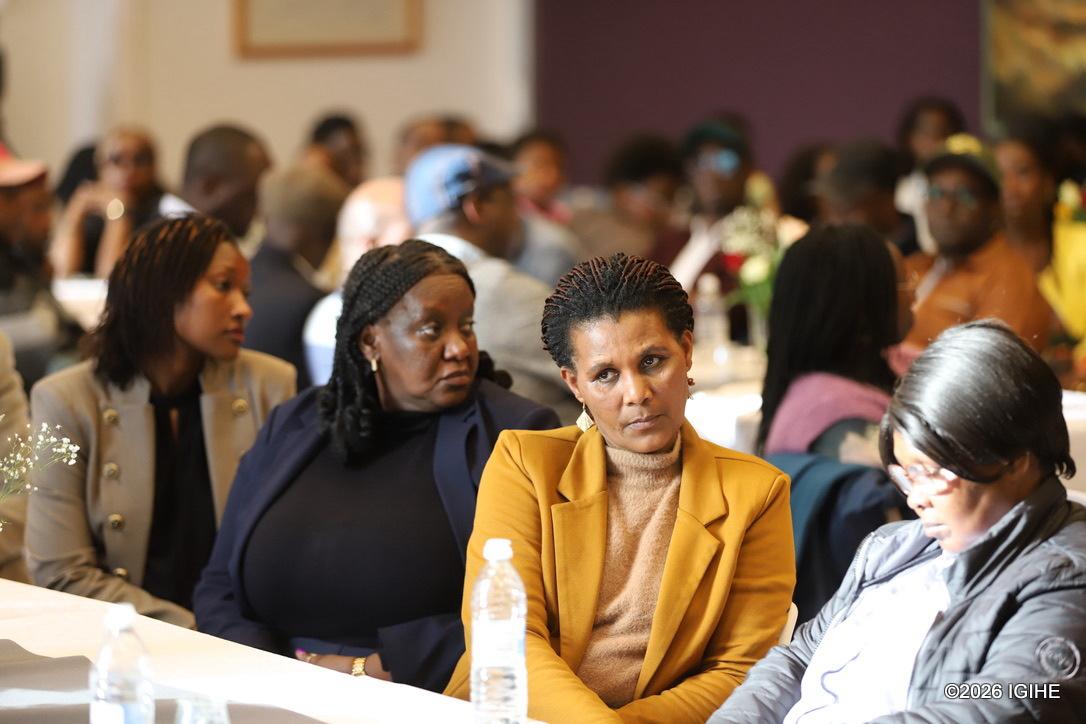
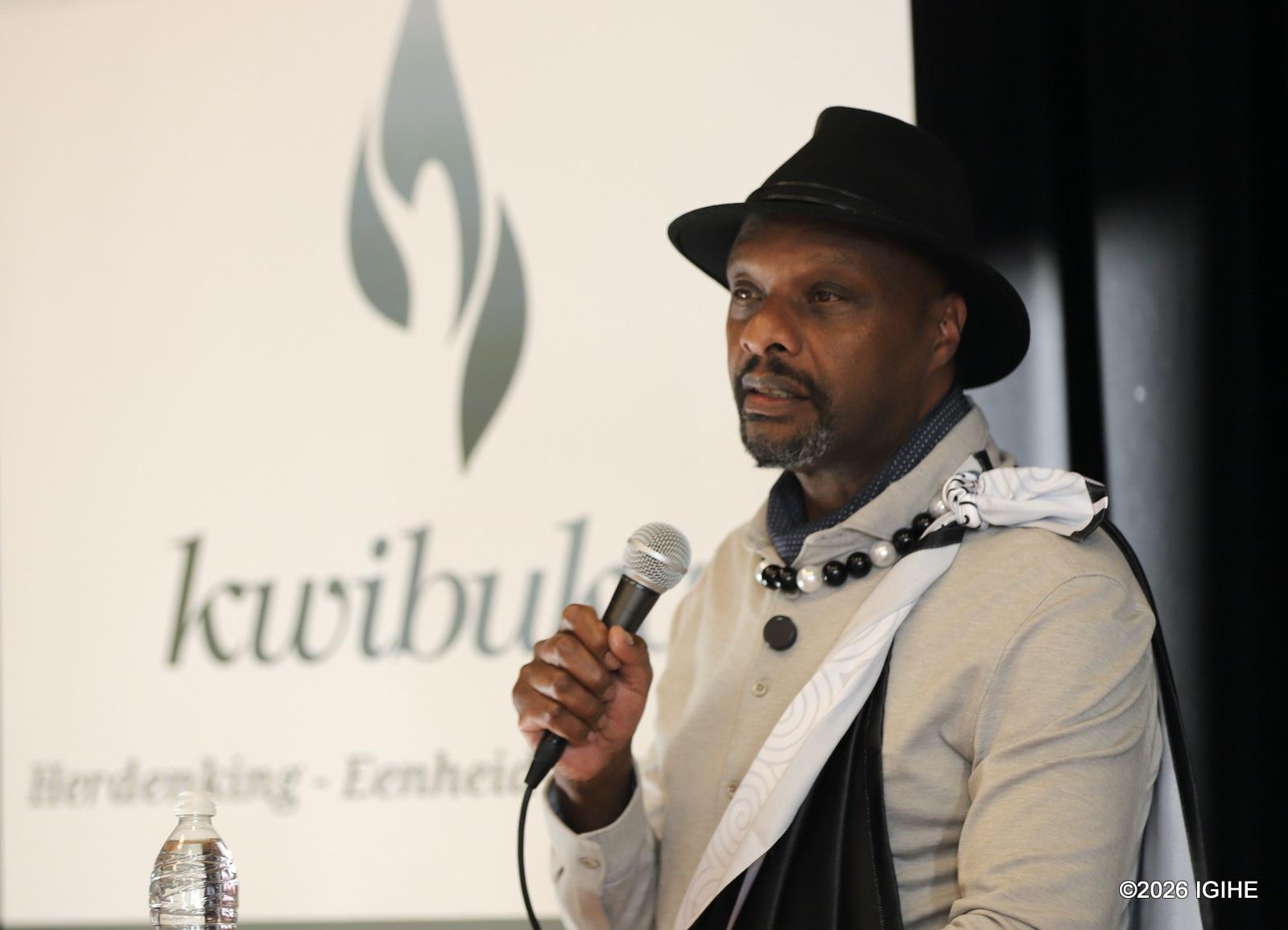
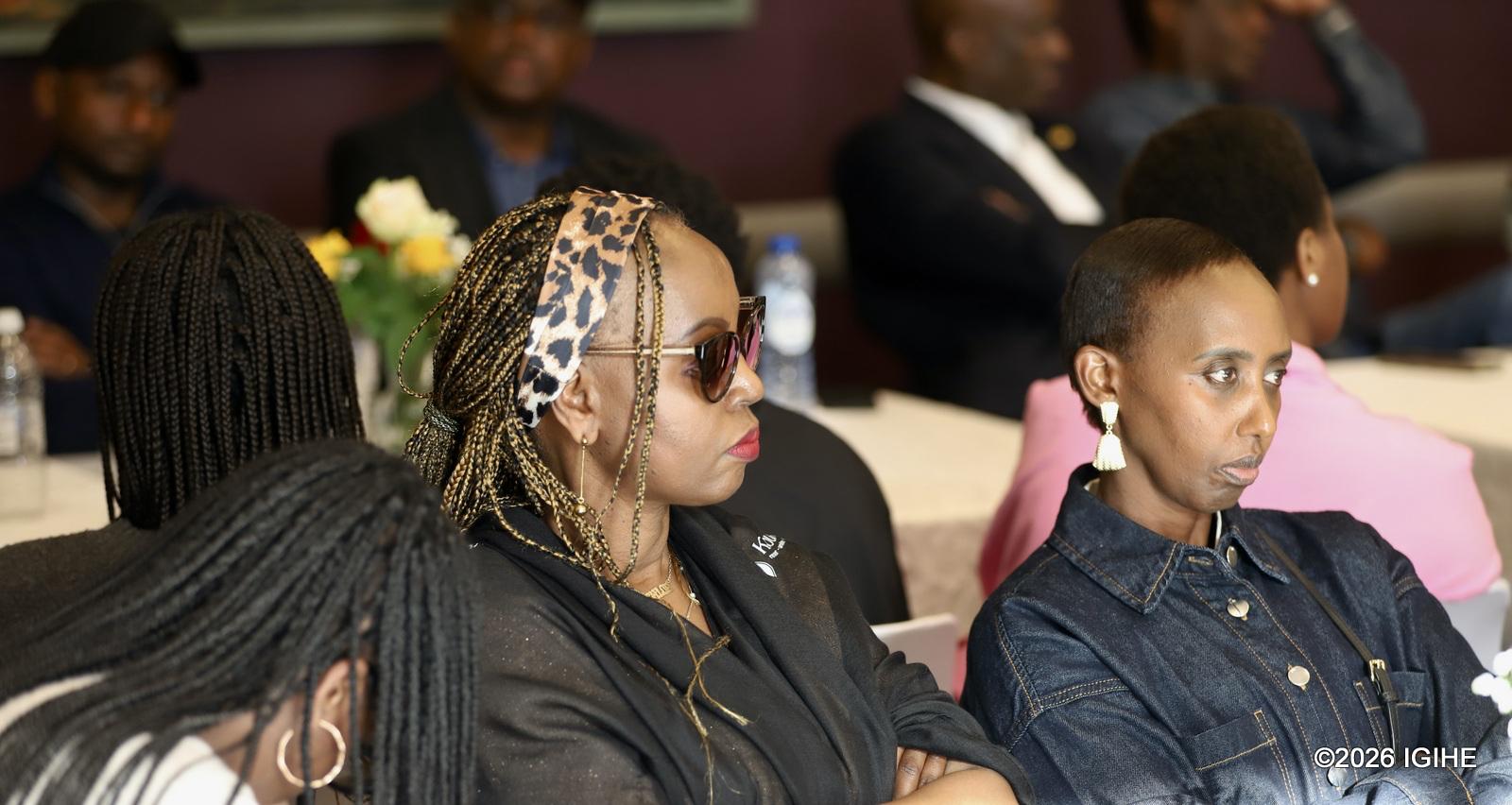
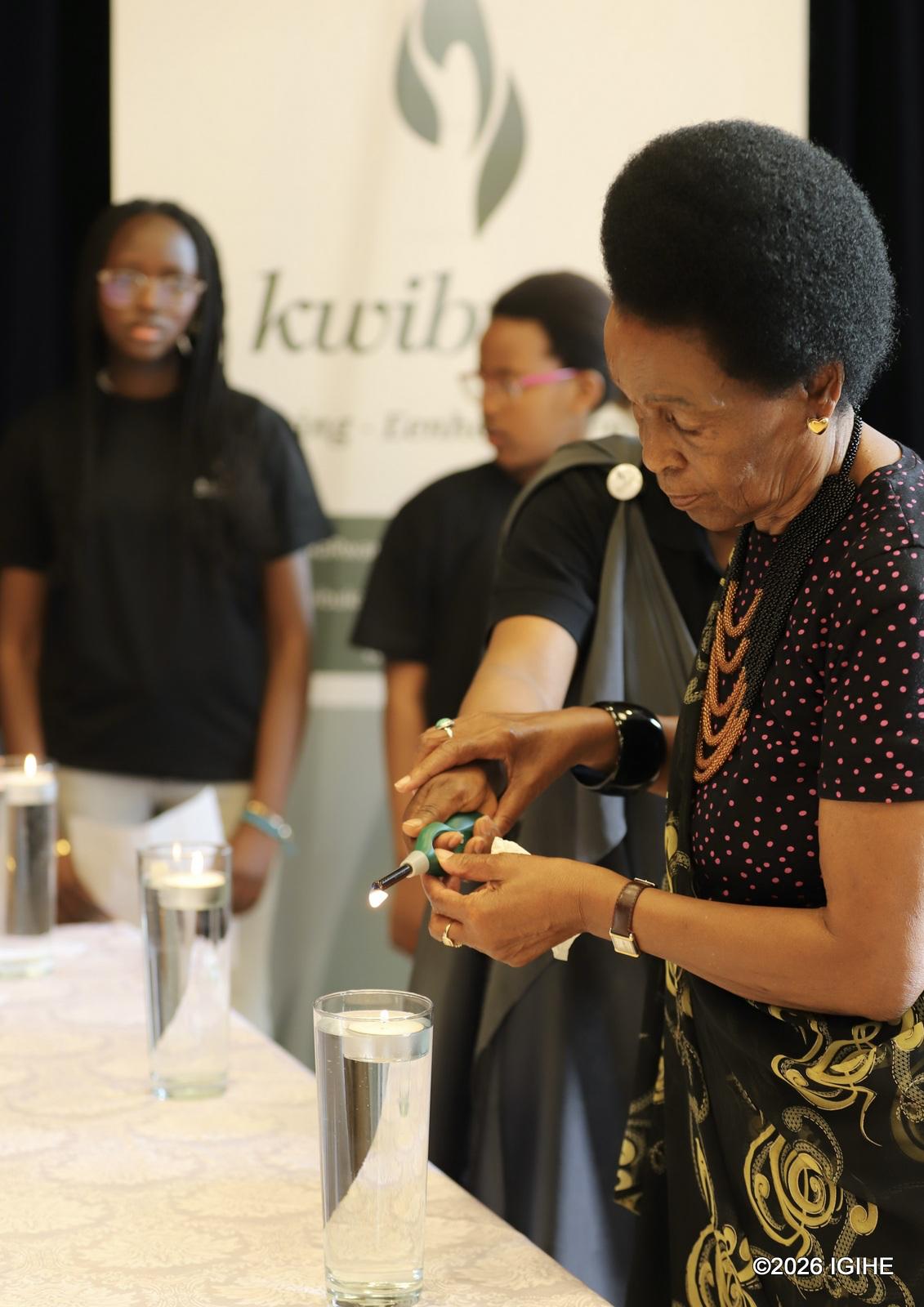
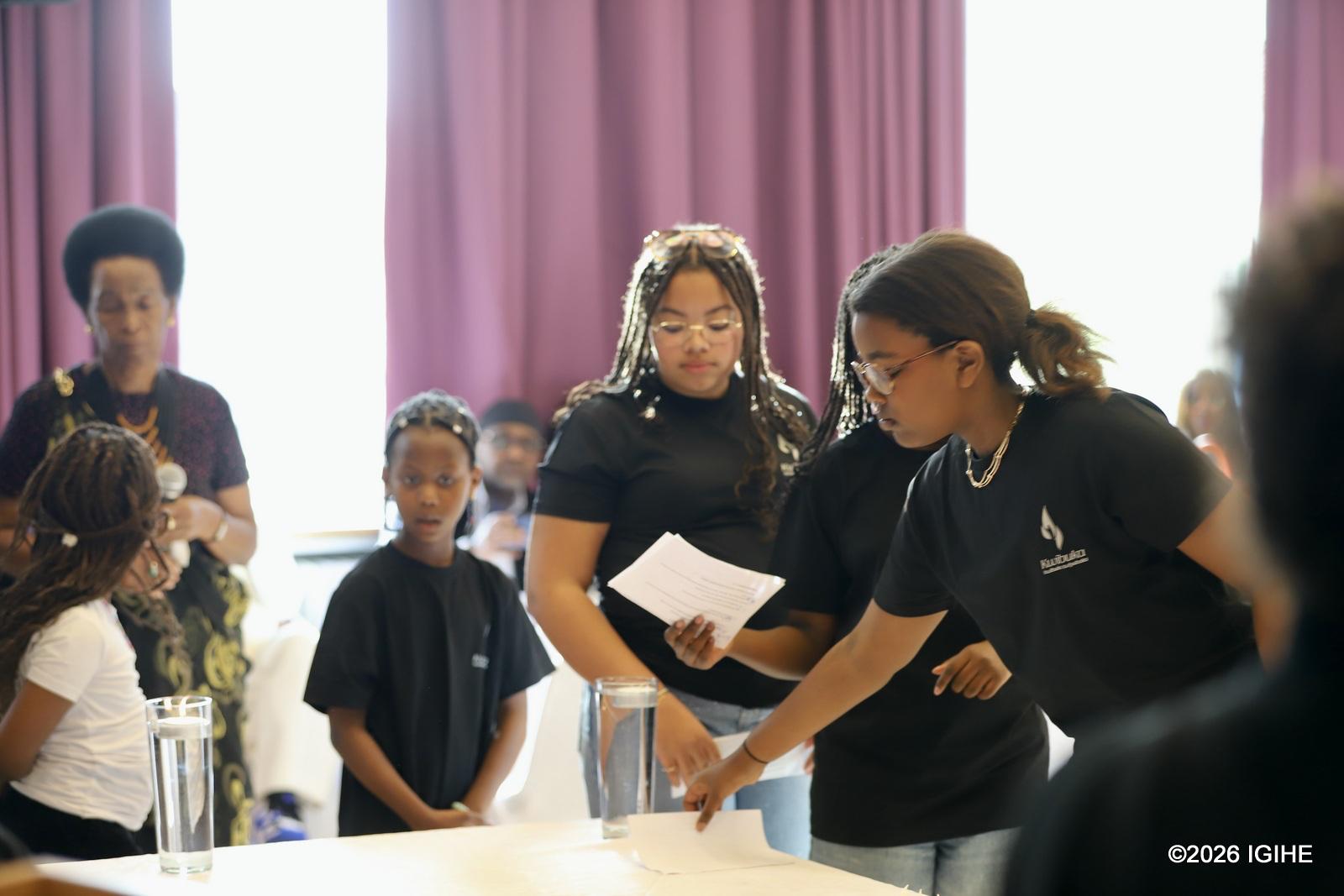
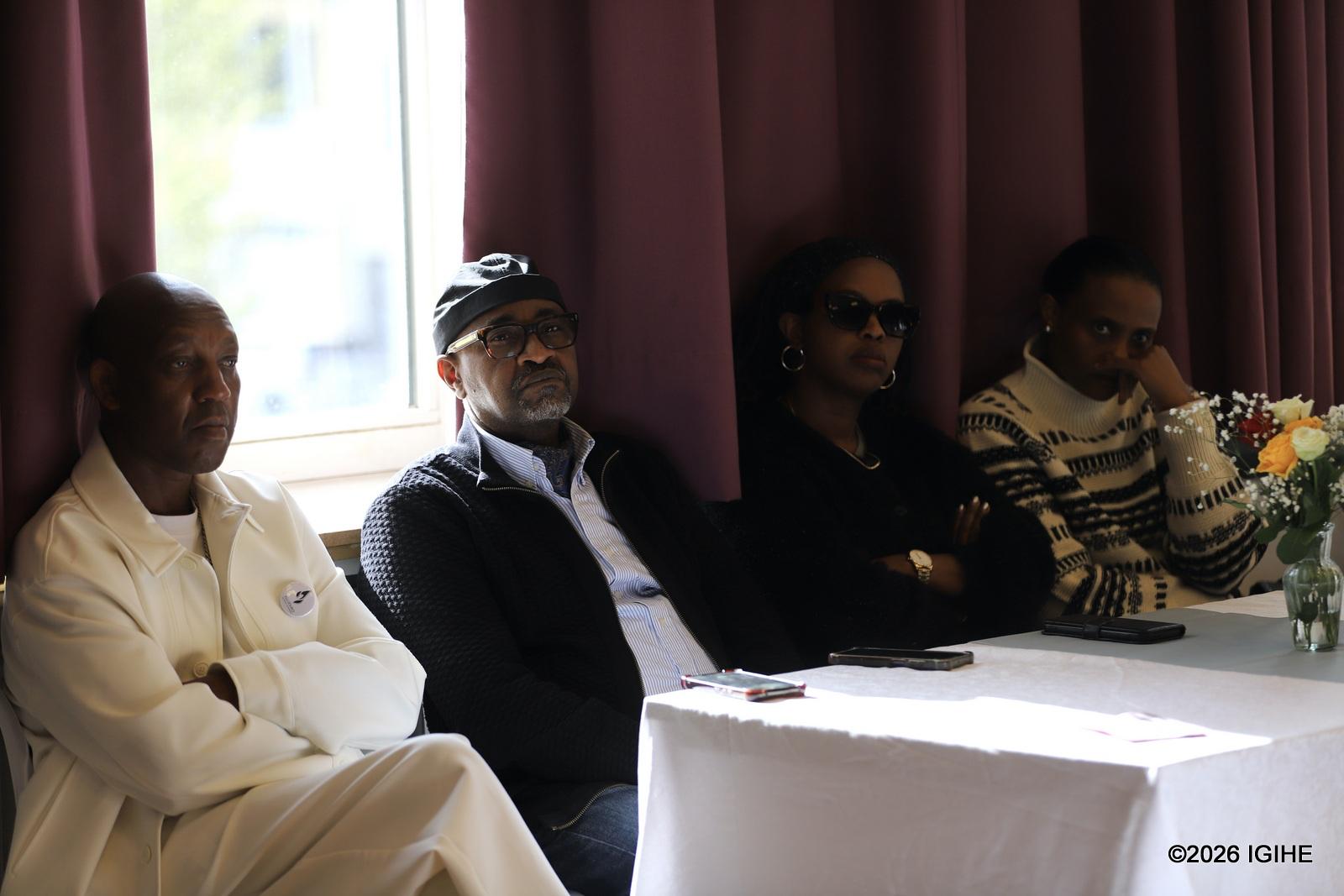
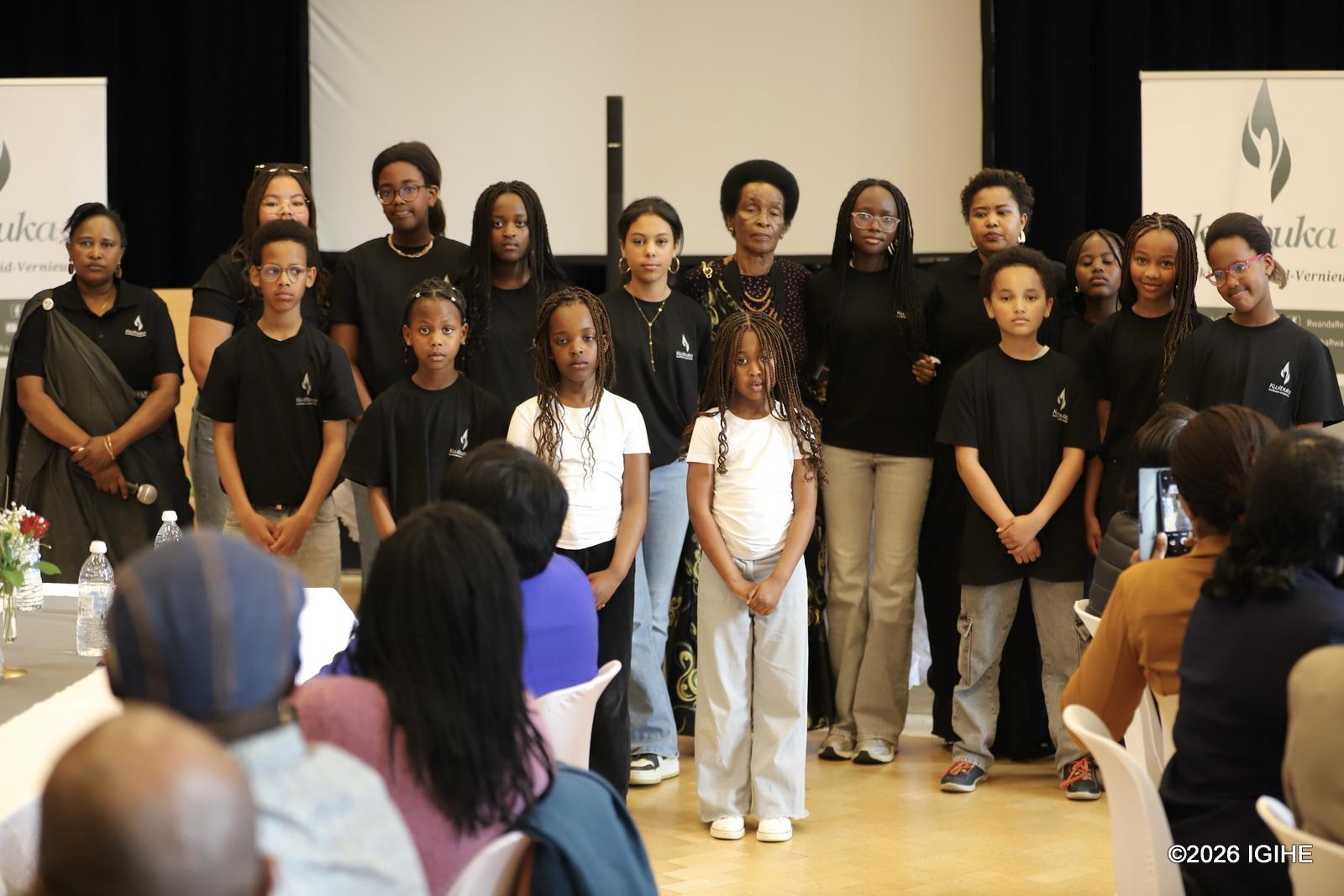
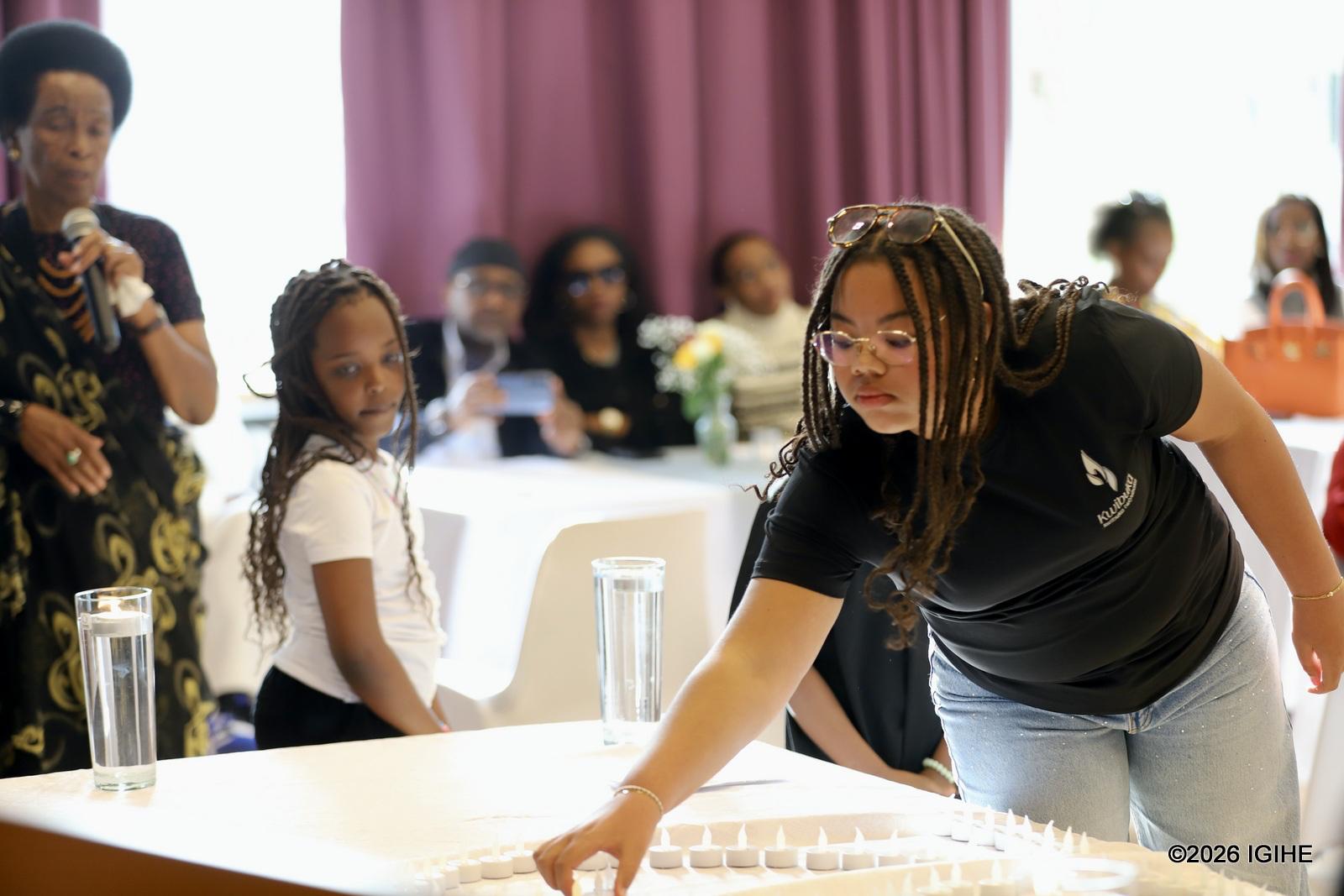
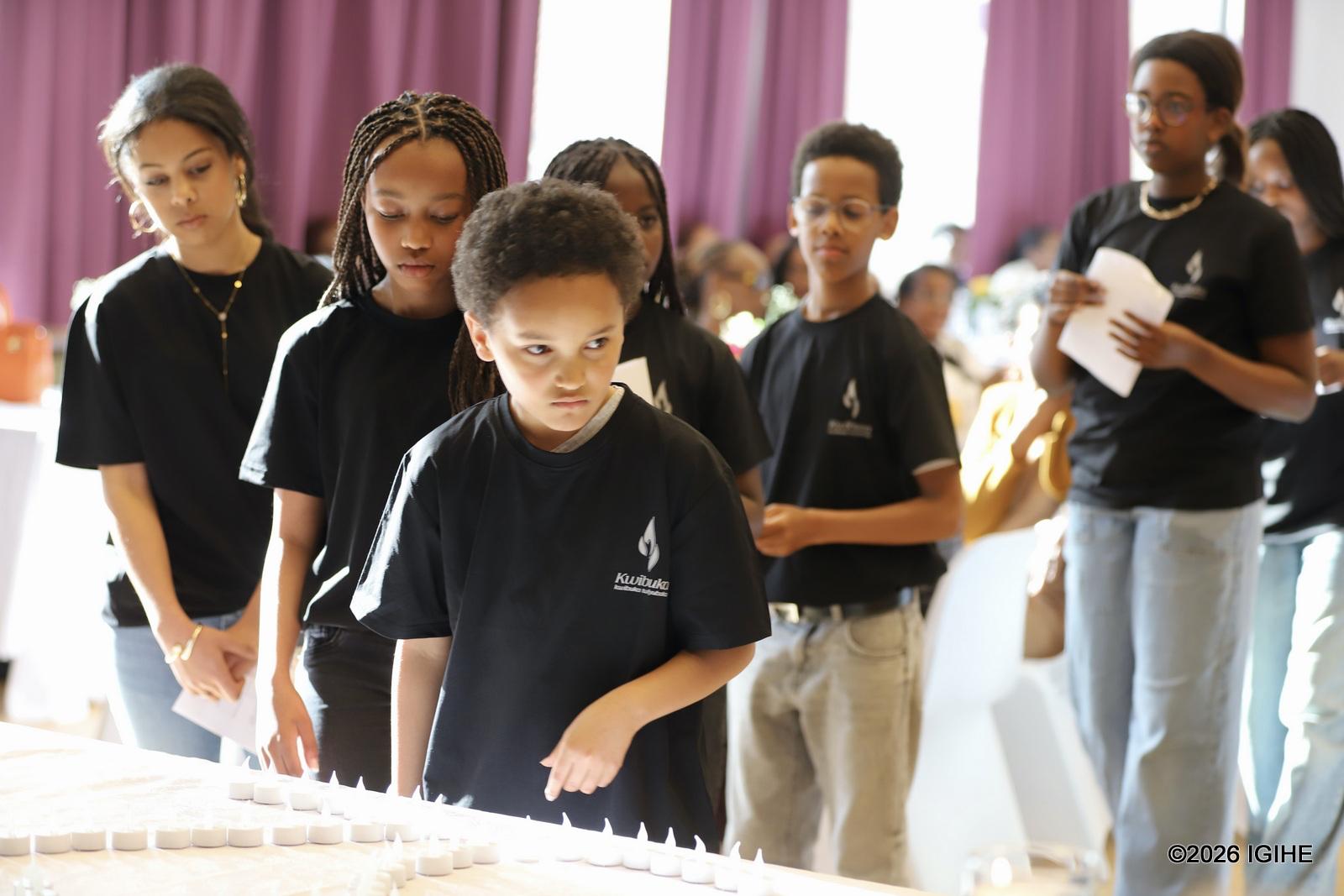
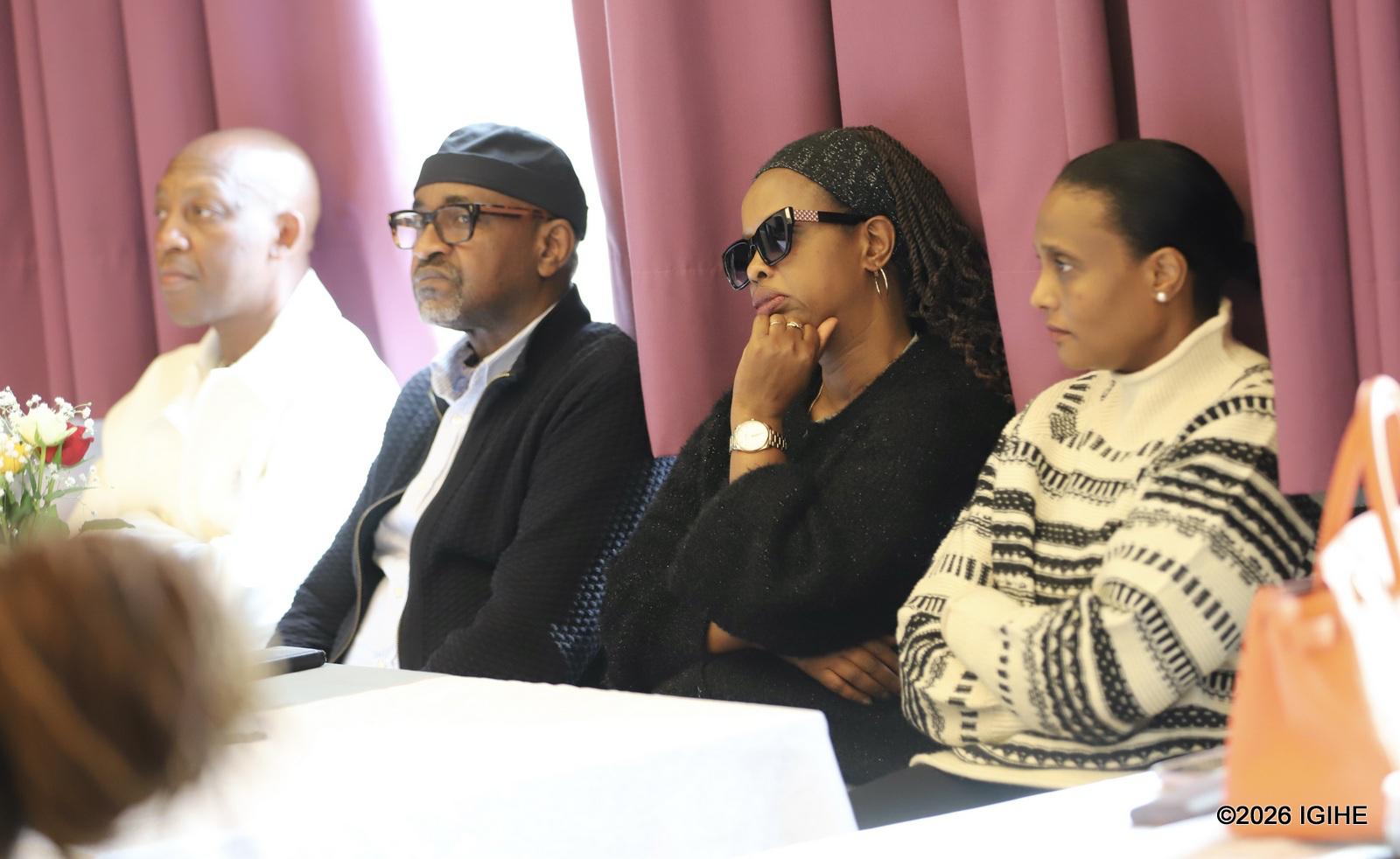
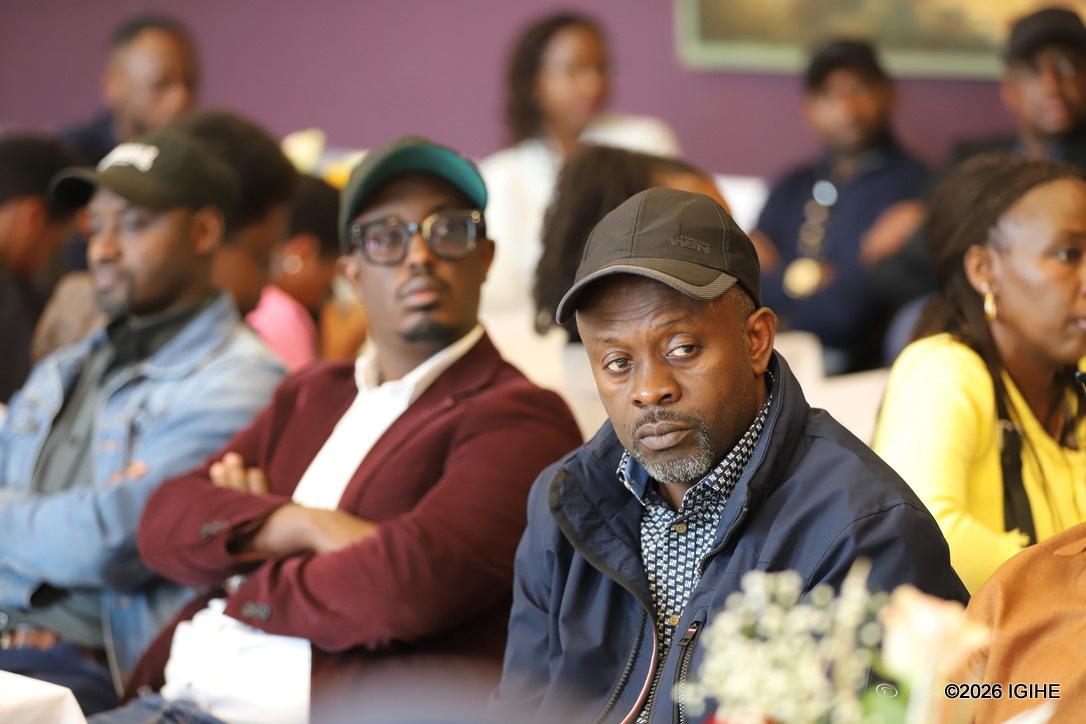
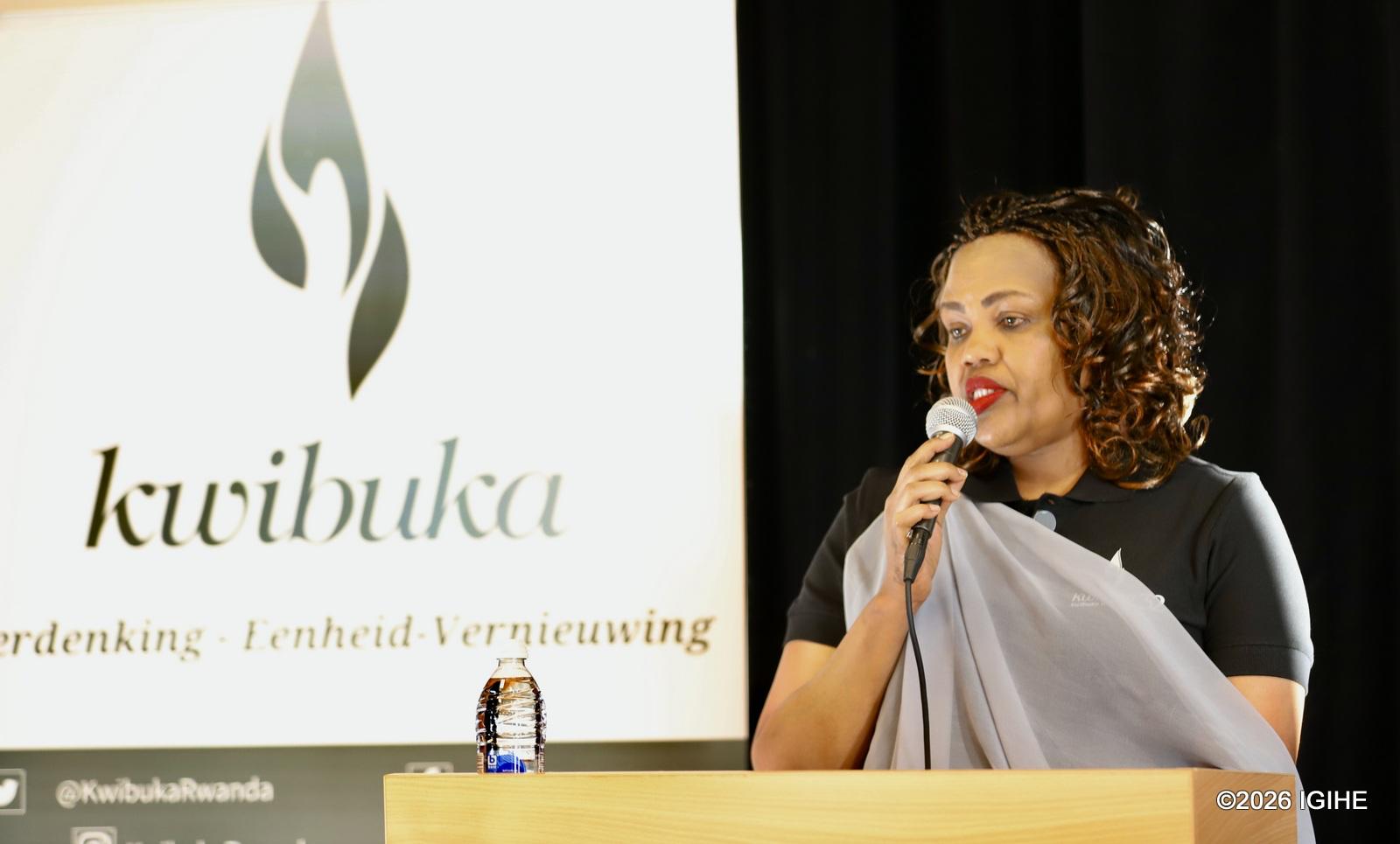
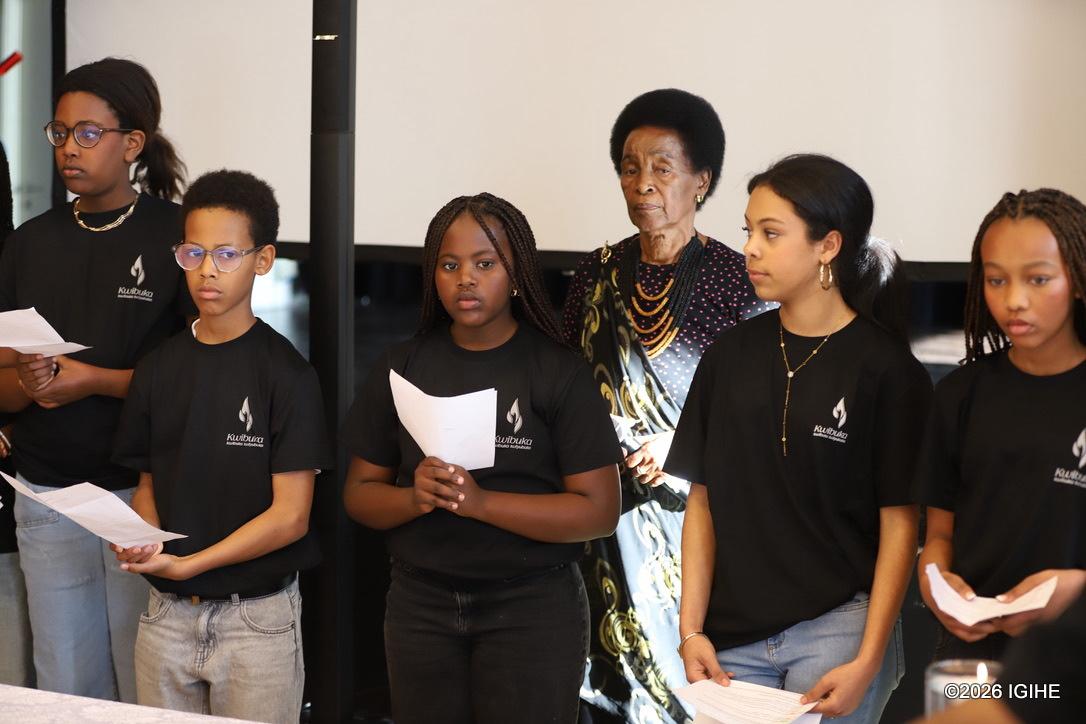
The commemoration in Bruges began with a remembrance walk through the city where Mayor Dirk De fauw emphasized the importance of remembrance in preventing recurrence of the Genocide against the Tutsi.Survivor Yves Kamurase shared his testimony of survival during the Genocide against the Tutsi.Artist Mariya Yohani performed reflective songs inspired by personal research and memories of the Genocide against the Tutsi, offering comfort to survivors.Claudine Mukakinani facilitated discussions at the event. The event concluded with an evening vigil led by Miheto Tatien, featuring testimonies and the display of photos of genocide victims, as participants paid tribute and honored their memory.Eugène Mutabazi, President of IBUKA Mémoire et Justice in Belgium, reflected on the organization’s history and shared a personal testimony about family members lost in the genocide.The event concluded with an evening vigil led by Miheto Tatien, featuring testimonies and the display of photos of genocide victims, as participants paid tribute and honored their memory.Nyiranyamibwa Suzanne joined children in performing the song “Ibuka” and led the lighting of the flame of hope.
The commemoration which took place from 2:00 PM to 5:00 PM, brought together Human Resource practitioners, leaders, and stakeholders from across Rwanda.
In her remarks, Jocelyn Uwamahoro, Chairperson of RHRMO, welcomed participants and emphasized the critical role of HR professionals in fostering ethical and inclusive workplaces.
She urged practitioners to reflect on the past and clearly distinguish themselves from individuals who misused positions of authority during the genocide to harm employees.
She called on all HR professionals to uphold values of integrity, fairness, and humanity, while honoring the victims by committing to the principle of “Never Again.”
The event also featured a keynote address by Tito Rutaremara, Chairperson of the Rwanda Elders’ Advisory Forum.
He shared a historical account of how the Genocide against the Tutsi was systematically prepared and executed, warning against the dangers of divisionism and hate.
Rutaremara encouraged HR practitioners to actively promote unity, equality, and respect within workplaces.
A moving testimony was delivered by Agnes Nyiragabiro, a retired employee, who shared her personal experience during the genocide.
She recounted how the genocide took the life of her husband and reflected on the discrimination and mistreatment she faced from HR structures prior to 1994.
Her testimony highlighted how workplace discrimination and hate contributed to a broader environment that enabled injustice, and she urged HR professionals to ensure such failures are never repeated.
Participants were also encouraged to act as ambassadors of peace, ensuring that workplaces remain free from discrimination, division, and hatred.
The RHRMO reaffirmed its commitment to promoting ethical human resource practices and contributing to national efforts toward unity, reconciliation, and sustainable peace.
HR professionals have been urged to act as ambassadors of peace. Rutaremara encouraged HR practitioners to actively promote unity, equality, and respect within workplaces.HR professionals laying wreaths at Kigali Genocide Memorial. Tito Rutaremara, Chairperson of the Rwanda Elders’ Advisory Forum laying wreaths at the mass grave at Kigali Genocide Memorial. Jocelyn Uwamahoro, Chairperson of RHRMO, welcomed participants and emphasized the critical role of HR professionals in fostering inclusive workplaces. Agnes Nyiragabiro, a retired employee shared her personal experience during the Genocide against the Tutsi.
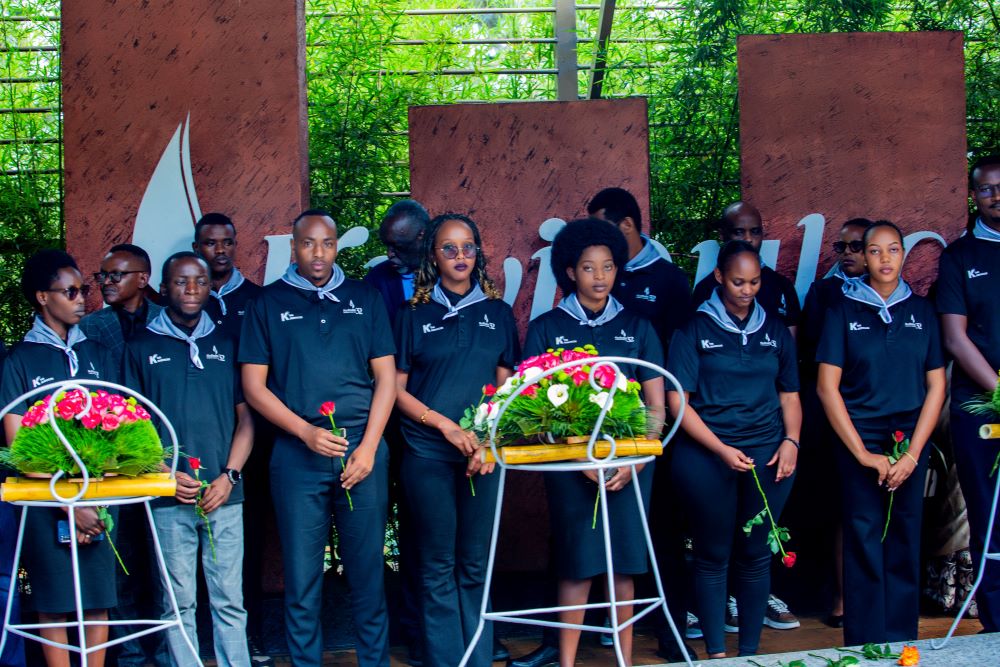
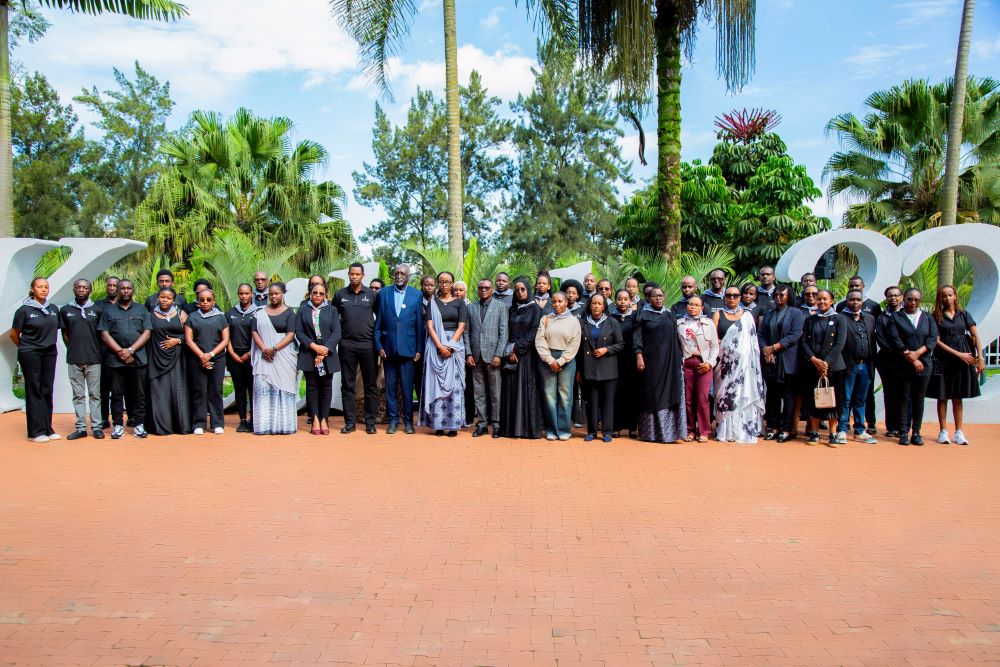
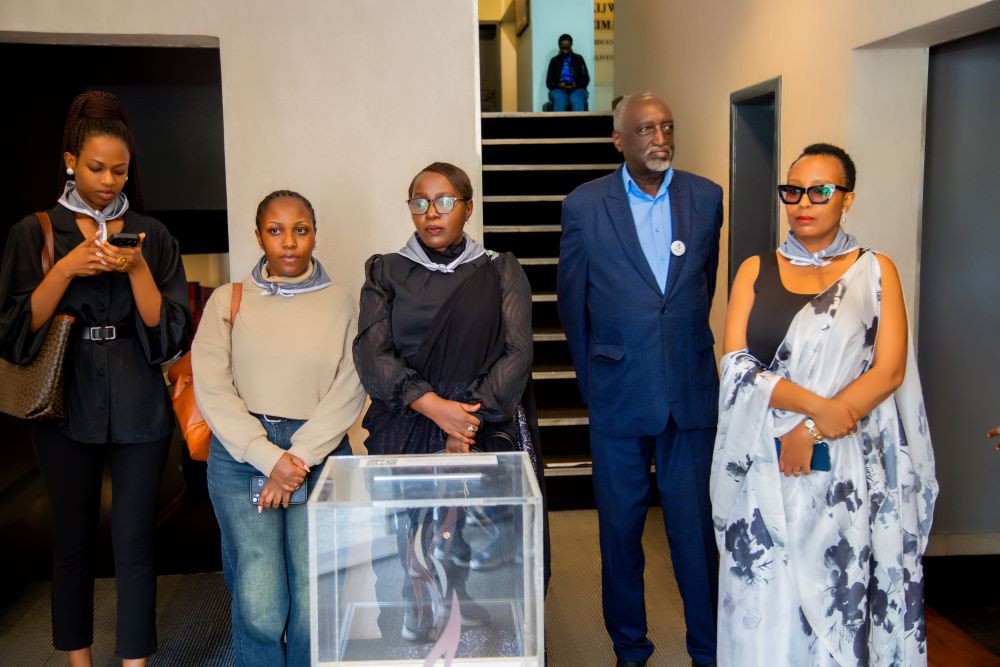
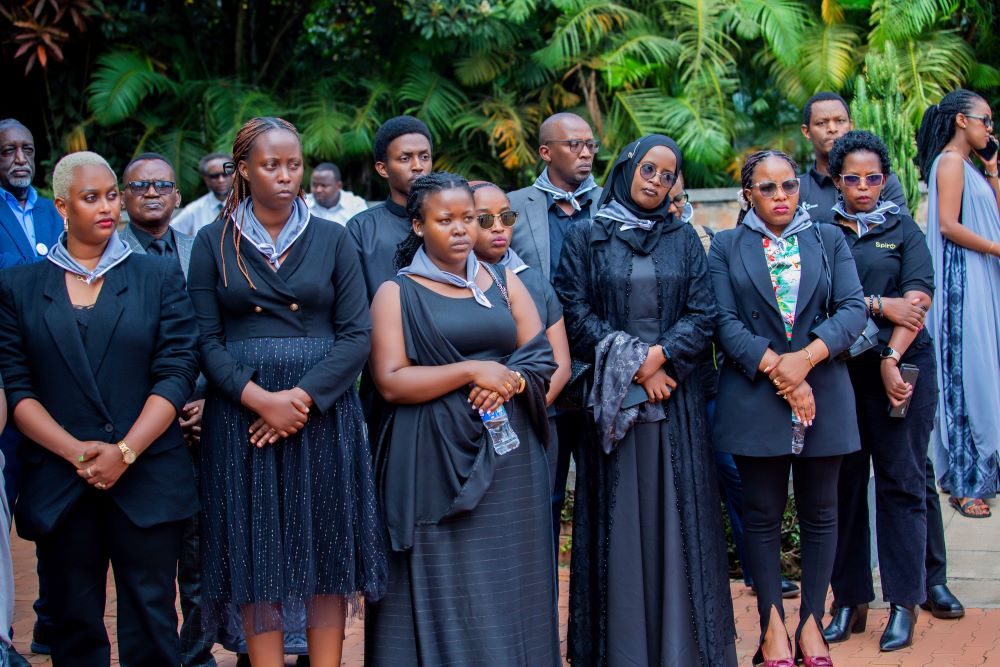
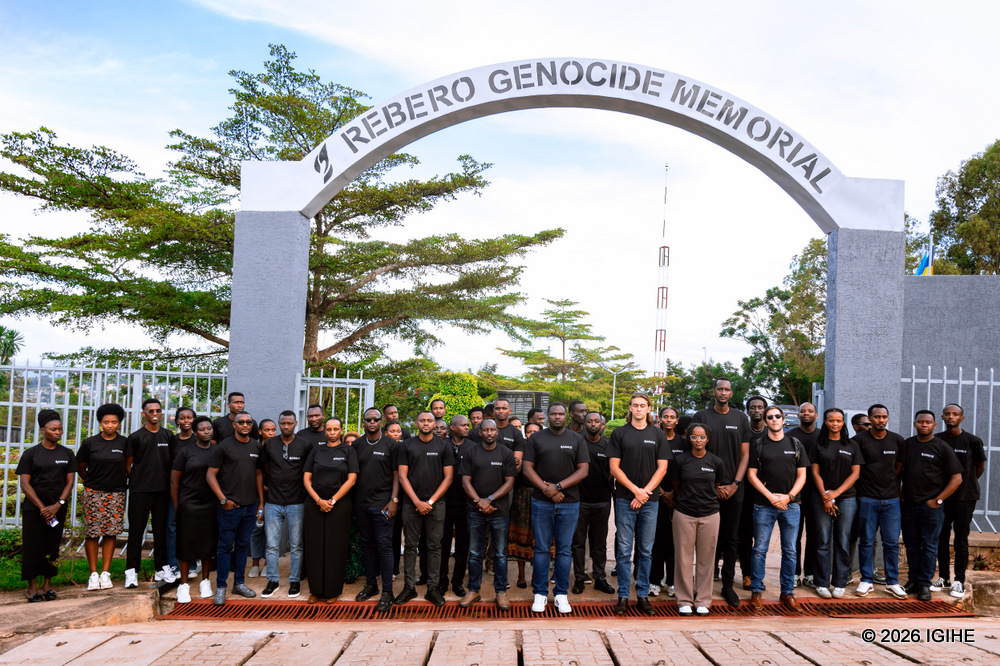
The company, which continues to lead Rwanda’s aquaculture sector, held the annual commemoration as part of its ongoing commitment to remembering the past and fostering the values of unity, resilience, and leadership that have shaped the nation’s recovery.
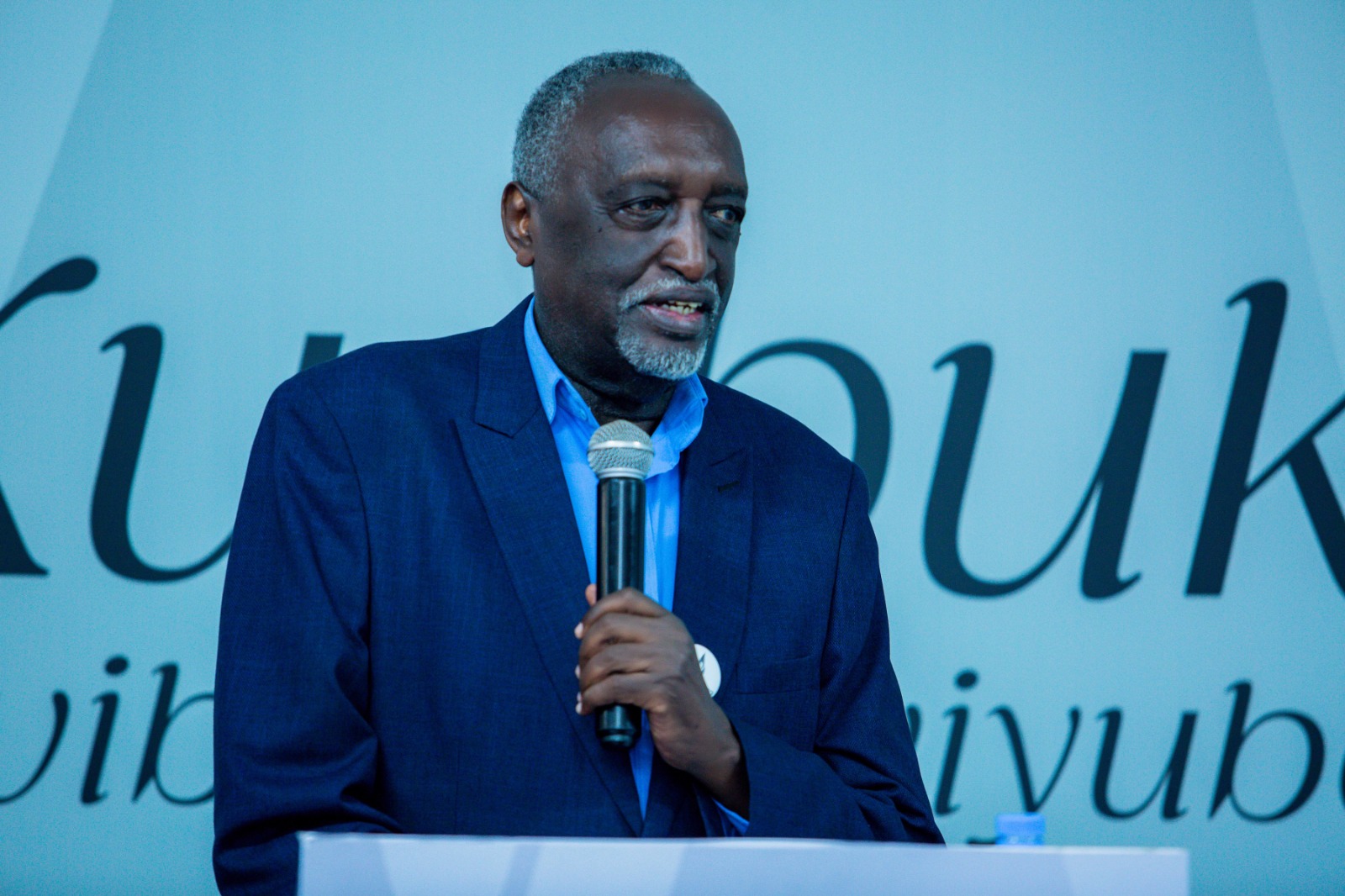
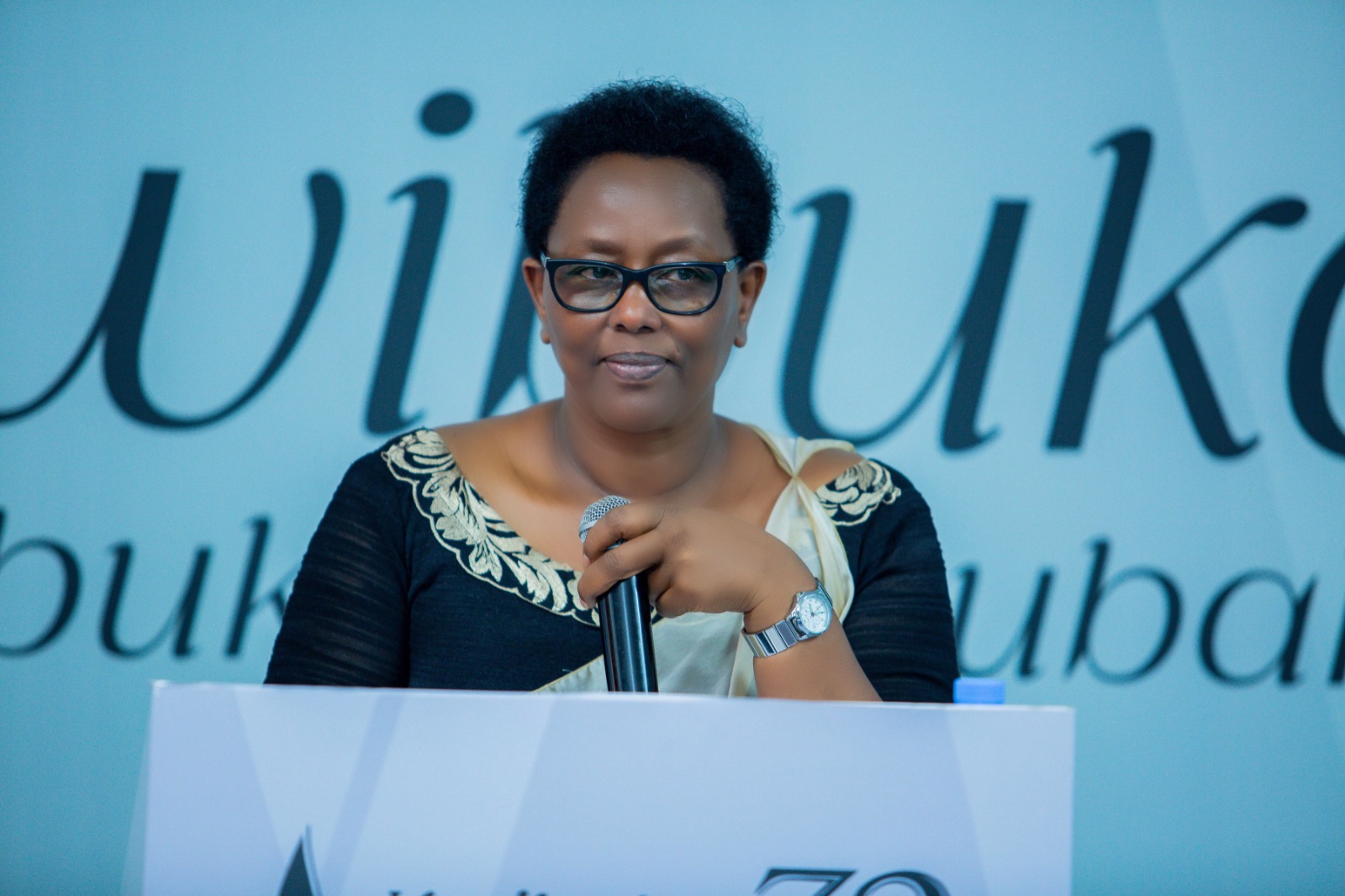
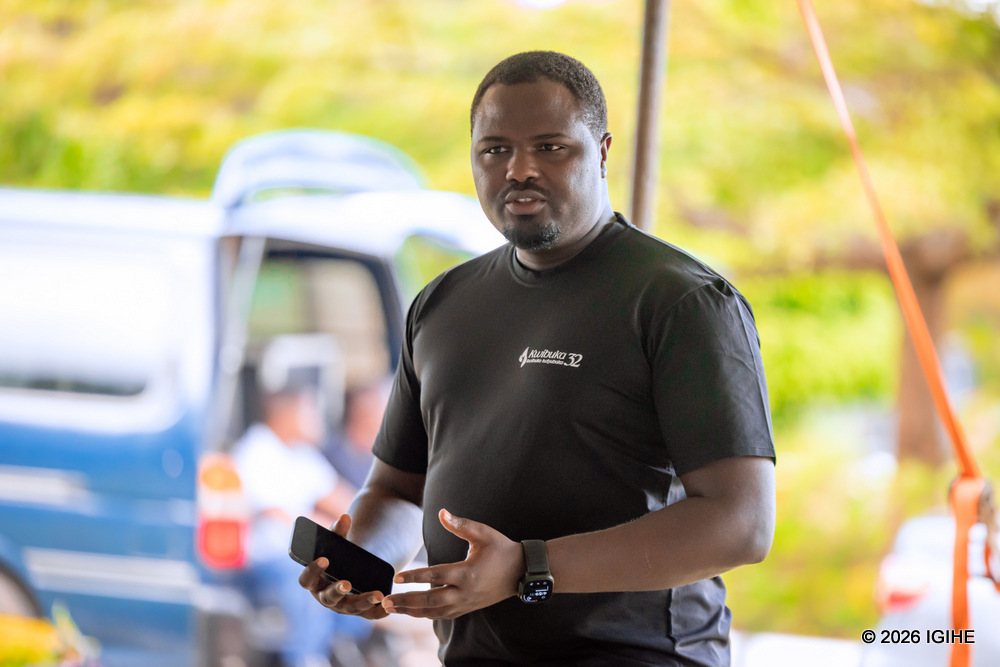
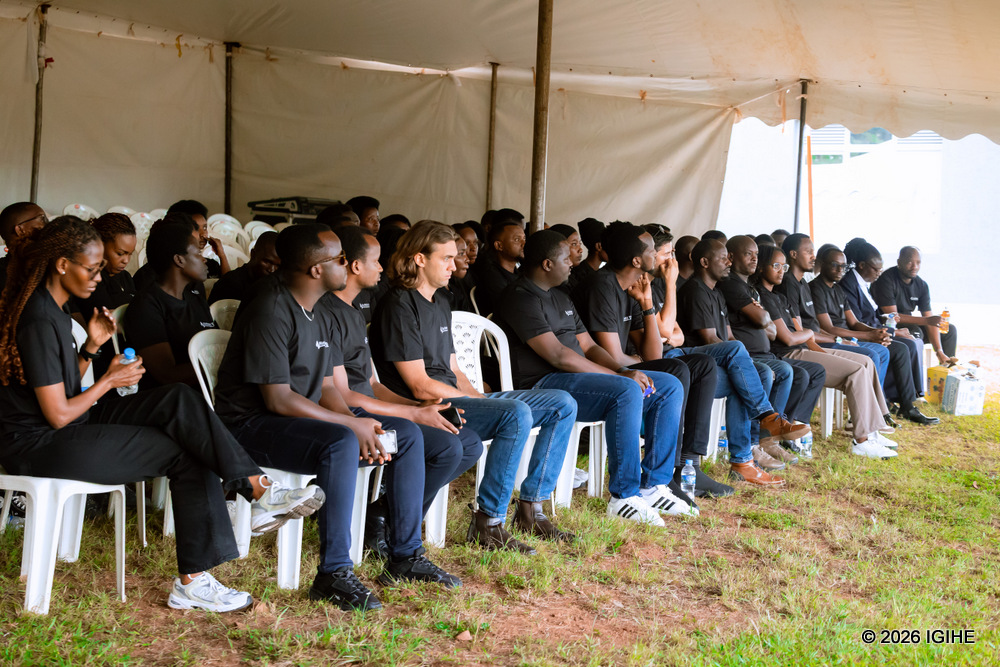
Emmanuel Bahizi, Managing Director of Kivu Choice, underscored the significance of the event, urging the company’s staff both in Rwanda and across the region to understand the importance of this moment in Rwanda’s history.
“Our success, both as a country and as a company, is deeply rooted in the history and culture of Rwanda. It is crucial for every employee to understand and embrace this history,” Bahizi stated.
Kivu Choice’s leadership has made the event an annual tradition, ensuring that each member of the company understands the importance of the genocide commemoration.
With a workforce of nearly 800 employees in Rwanda and 1,500 across the region, Bahizi emphasized that this moment is not only an opportunity to honor those who were lost, but also a reminder of the unity and strength that have enabled Rwanda to rebuild.
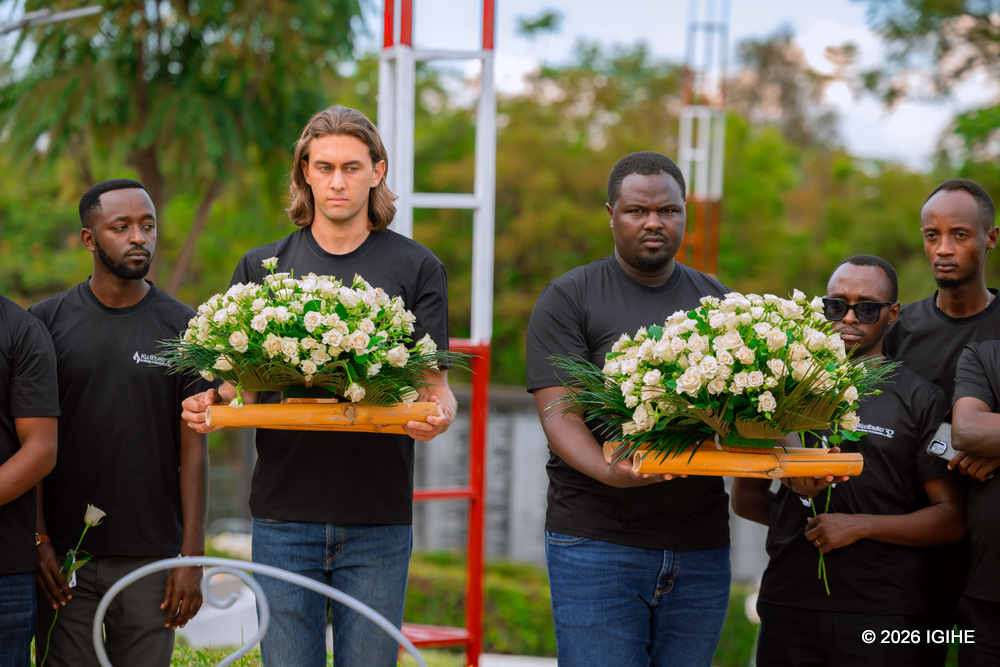
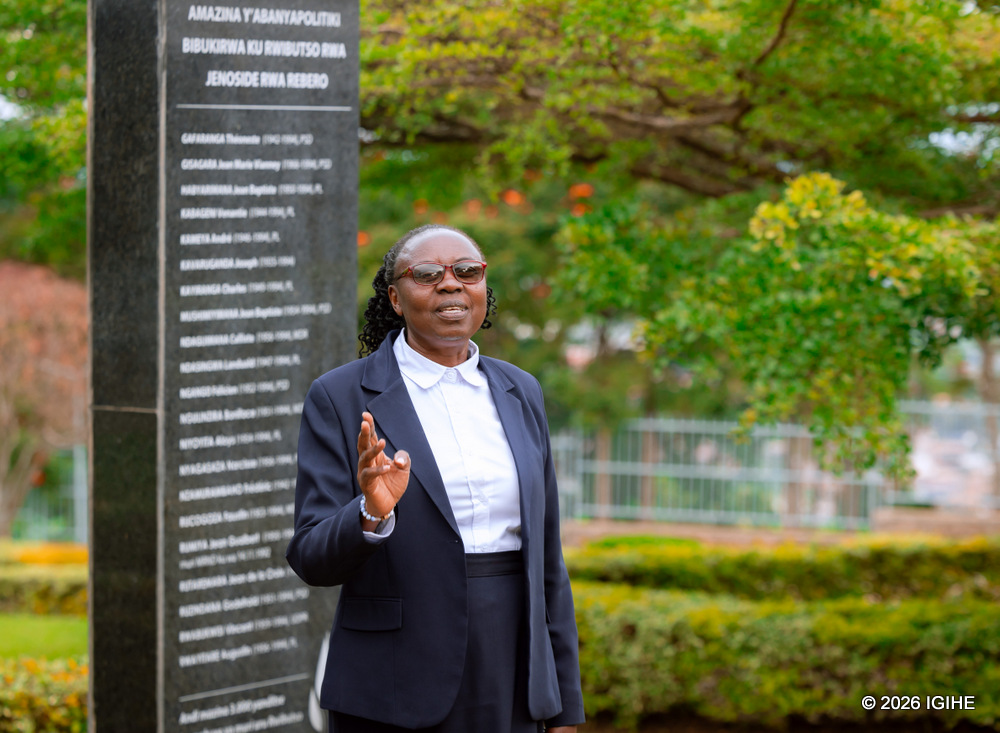
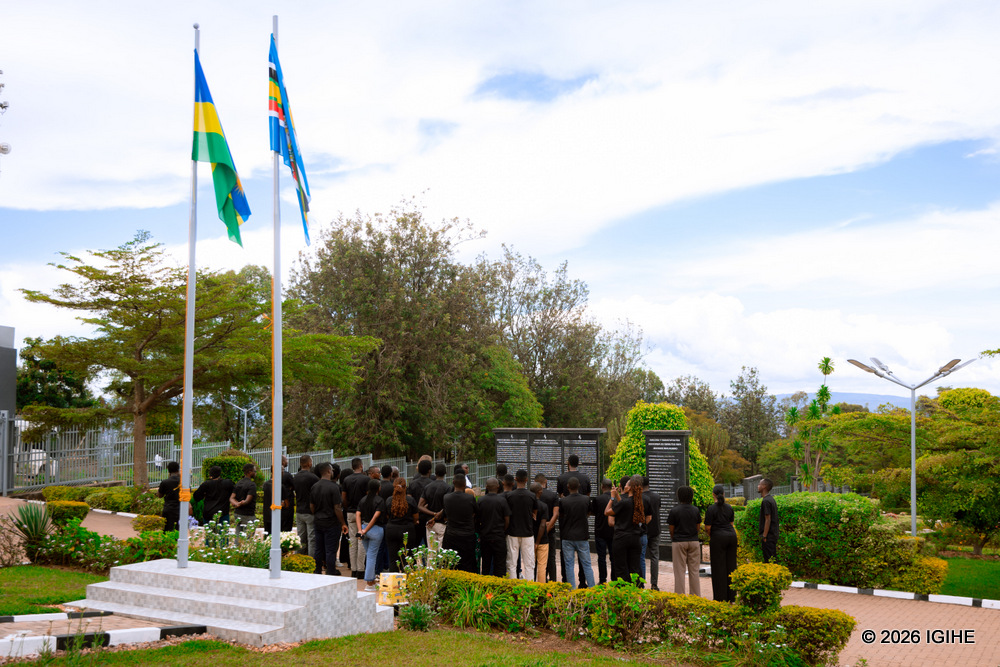
This year’s event at the Rebero Genocide Memorial had special significance as the memorial pays tribute not only to the victims of the genocide against the Tutsi but also to political leaders and figures who stood for peace and unity during the darkest moments in the country’s history.
Bahizi reflected on the responsibility of Kivu Choice, a pioneer in Rwanda’s aquaculture industry, to set an example for the rest of the country and beyond.
“We are pioneers in our industry, and we have a responsibility to lead by example,” Bahizi explained. “It is essential for us to live by the core values of Rwanda, demonstrating unity and commitment to the values that have shaped the country’s recovery. We hope to set an example for the rest of the industry.”
Addressing employees, Bahizi delivered a powerful message of unity.
“The message is one of remembrance, paying our respects to those we lost during the Genocide against the Tutsi, but also remembering that we must live with unity. By continuing to live in unity every day, we ensure that such a tragedy never happens again,” he said.
Bahizi also encouraged employees to honour the memory of the victims of the Genocide against the Tutsi by working hard and striving to build a brighter future
“The people we lost would want us to live for them and to achieve things that would make them proud. This is what we strive for every day, committing ourselves to a future that honours their memory,” he noted.
Kivu Choice’s visit to the Rebero Genocide Memorial was a poignant reminder of the ongoing importance of remembrance, unity, and collective responsibility in building a future that that honours the past.
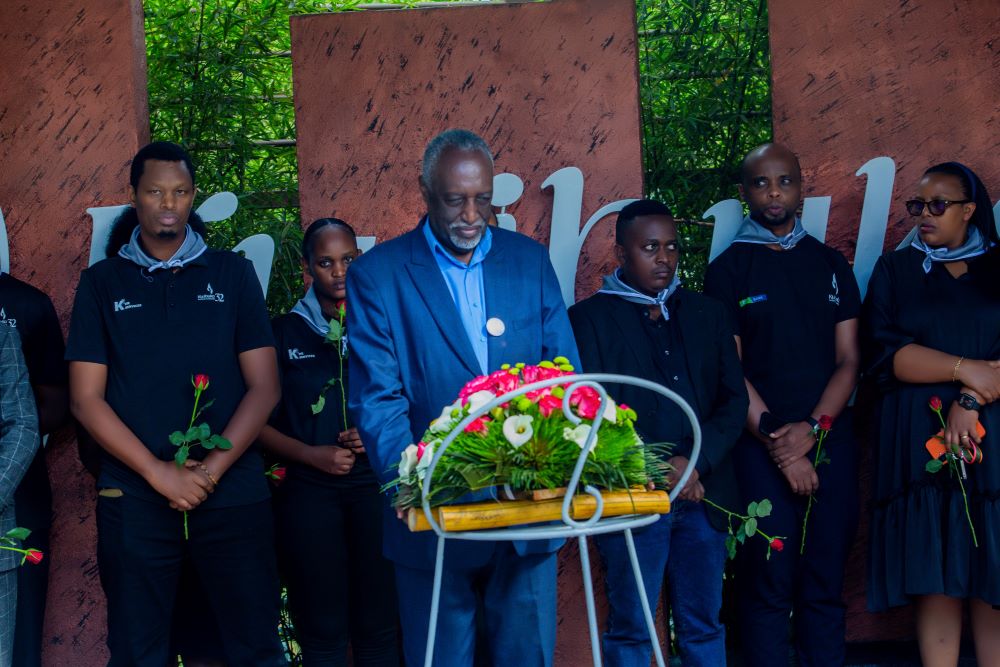
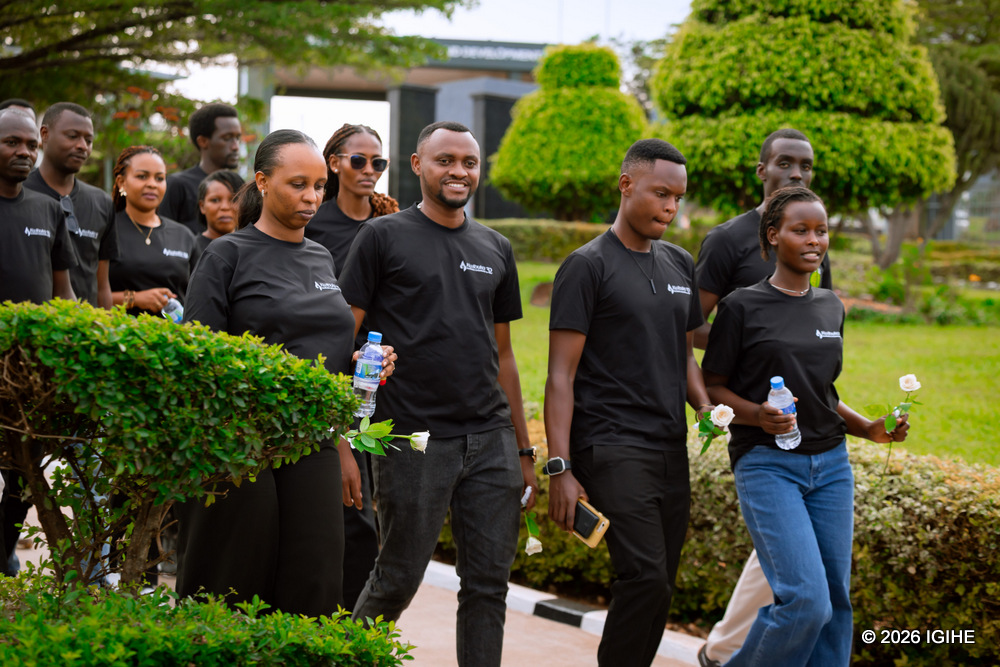
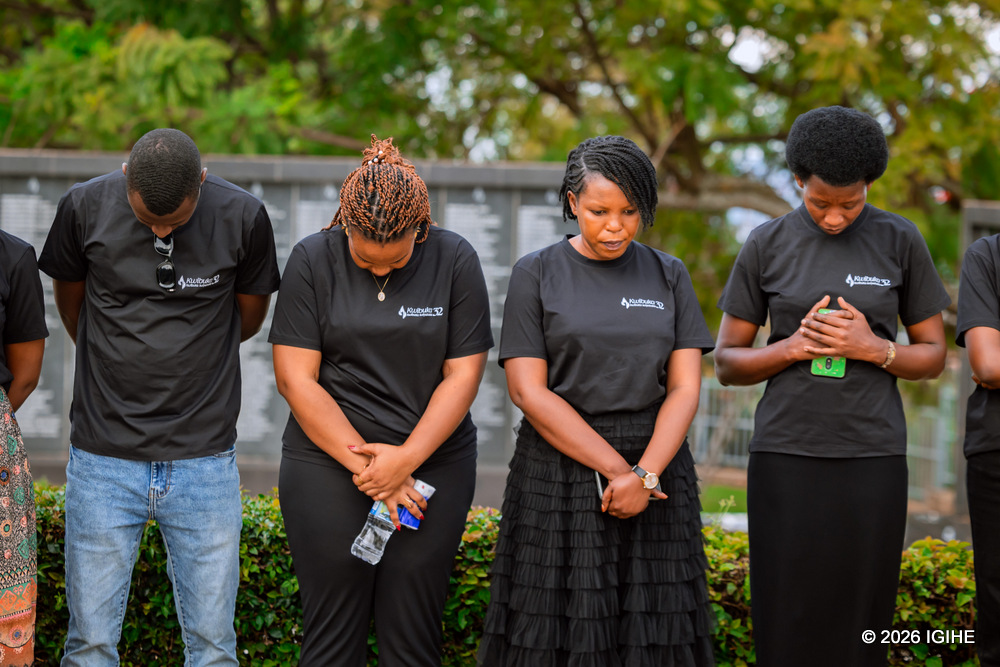
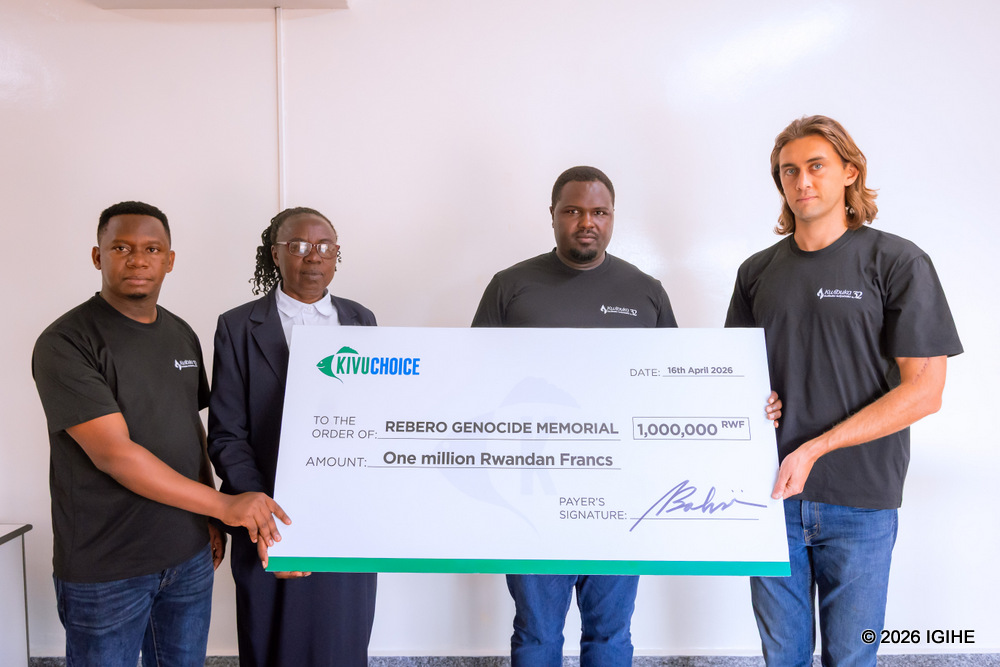
Emmanuel Bahizi, Managing Director of Kivu Choice, delivered a heartfelt at Rebero Genocide Memorial.Managing Director of Kivu Choice, led his employees in a solemn tribute at Rebero Genocide Memorial, as they respectfully lay flowers on the graves of the victims of the 1994 Genocide against the Tutsi.Kivu Choice employees gained valuable insight into the history of the Genocide against the Tutsi, deepening their understanding of the nation’s journey of remembrance and healing at Rebero Genocide Memorial.Kivu Choice employees honoring the memory of those who lost their lives during the 1994 Genocide against the Tutsi.Kivu Choice made a donation to Rebero Genocide Memorial, as a gesture of respect and remembrance for the victims of the 1994 Genocide against the Tutsi.