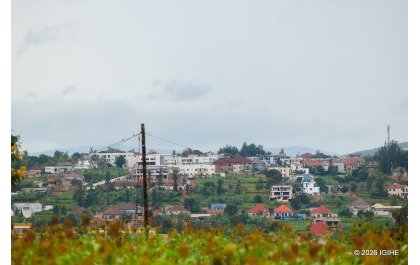
Located about 17 kilometers from downtown Kigali, Gasogi sits in Ndera Sector of Gasabo District and has increasingly attracted interest from both residents and prospective settlers.
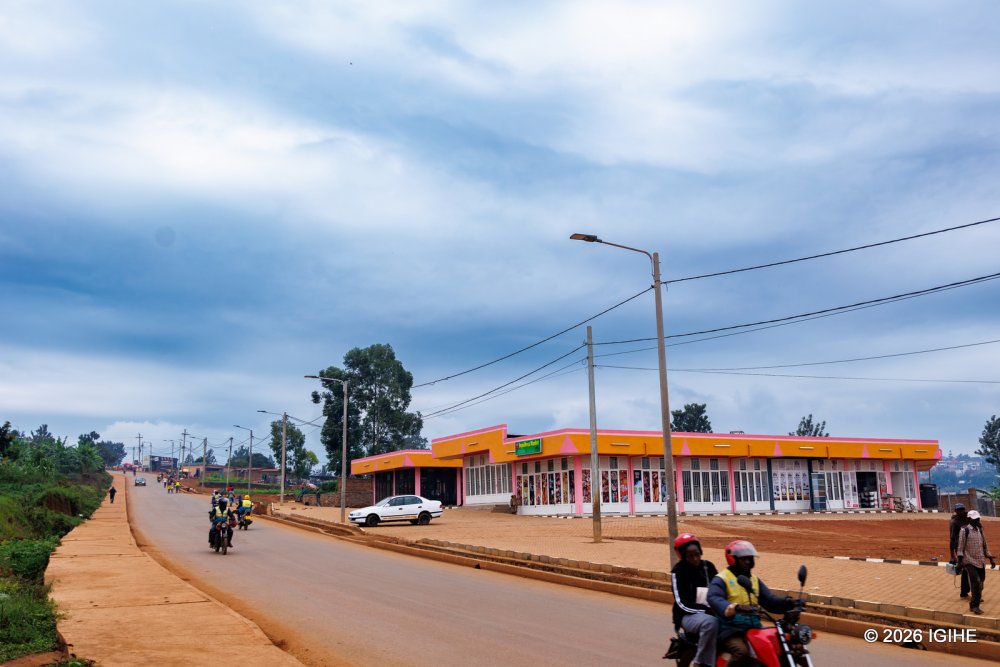
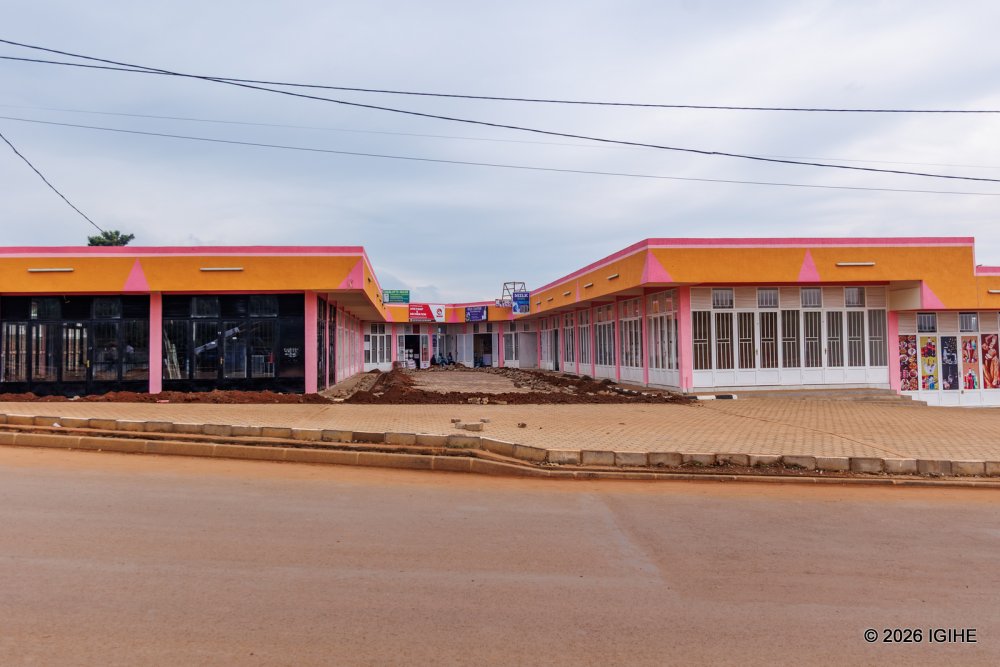
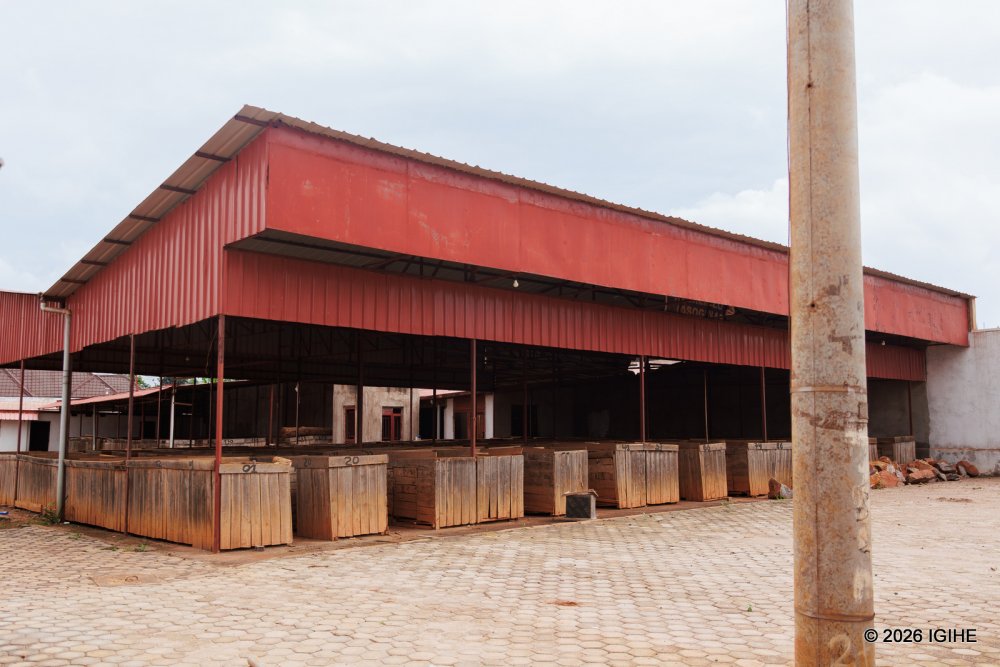
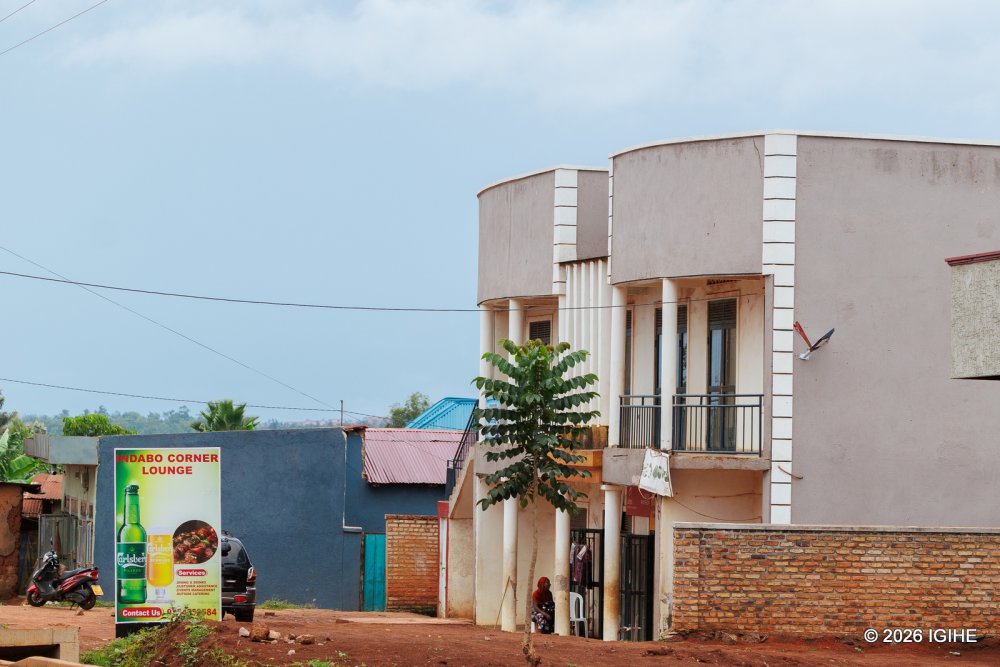
Gasogi covers three cells: Cyaruzinge, Rudashya, and Bwiza. Before entering the neighborhood, visitors are welcomed by the market area commonly known as ku Mulindi.
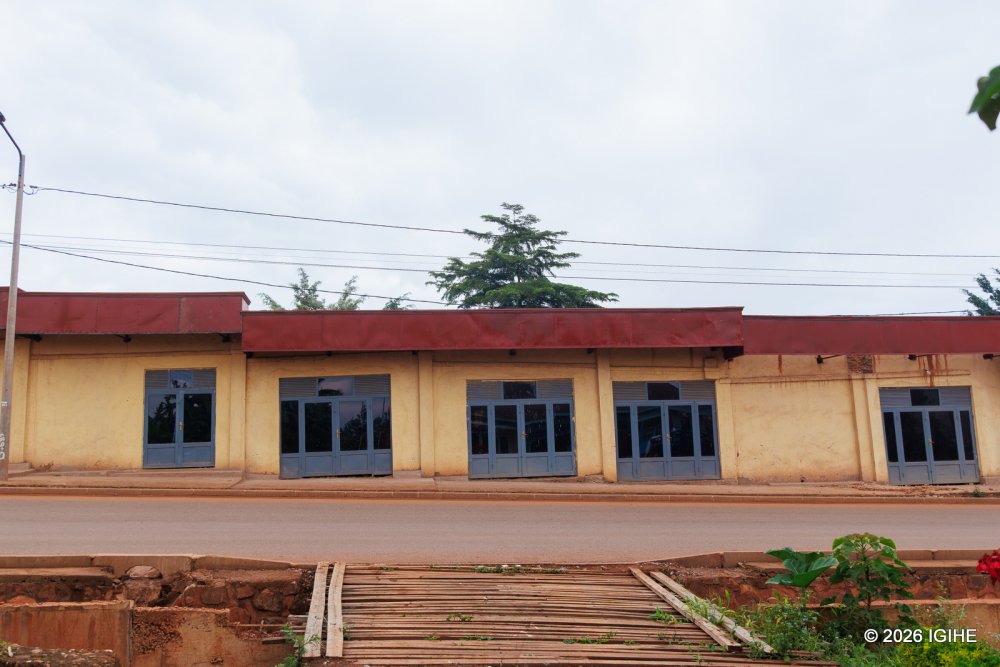
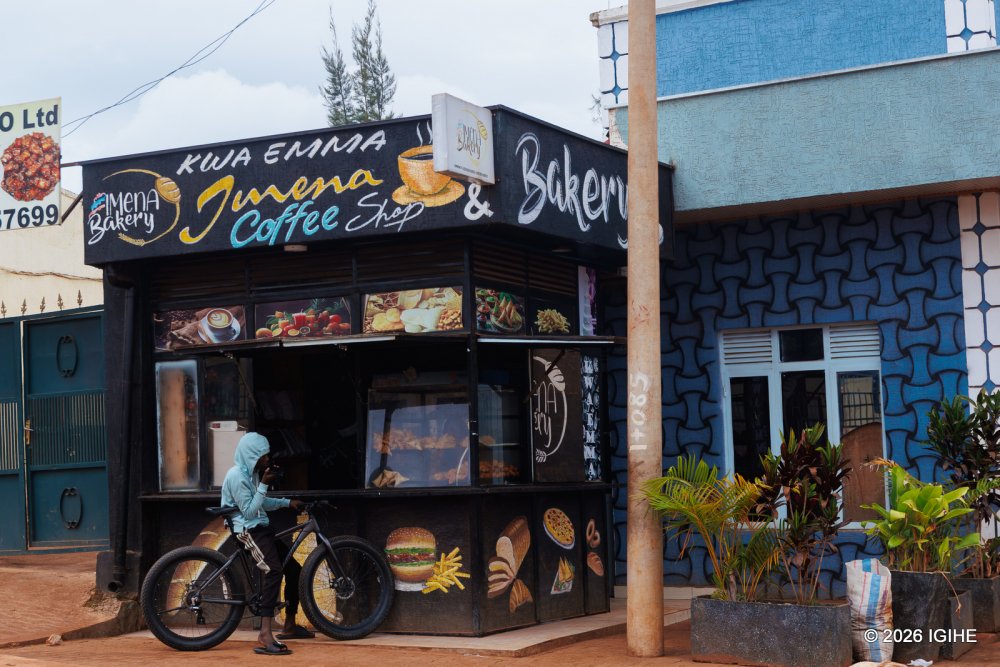
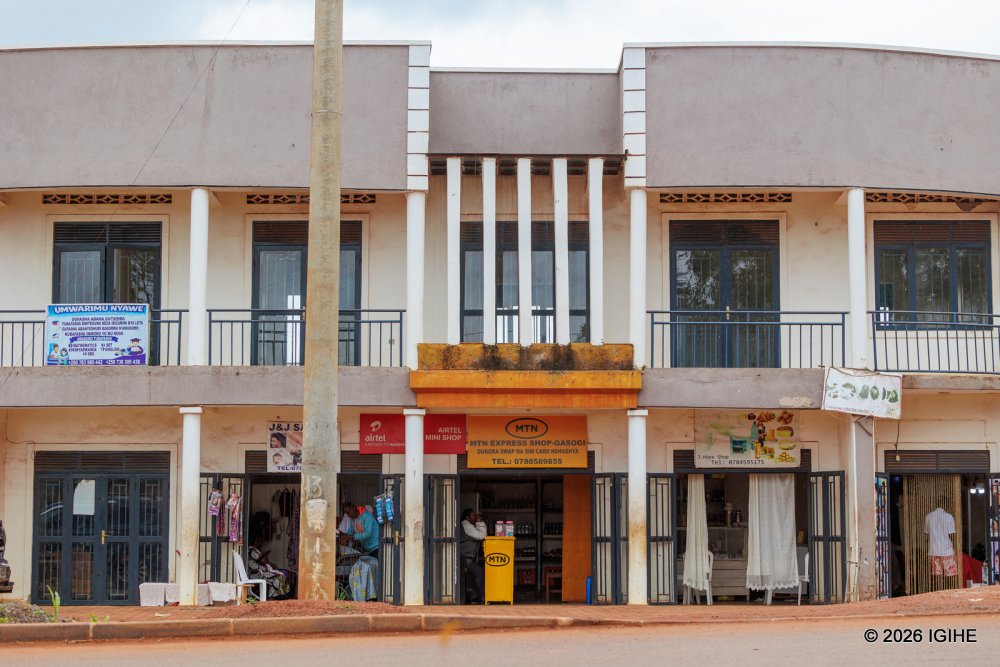
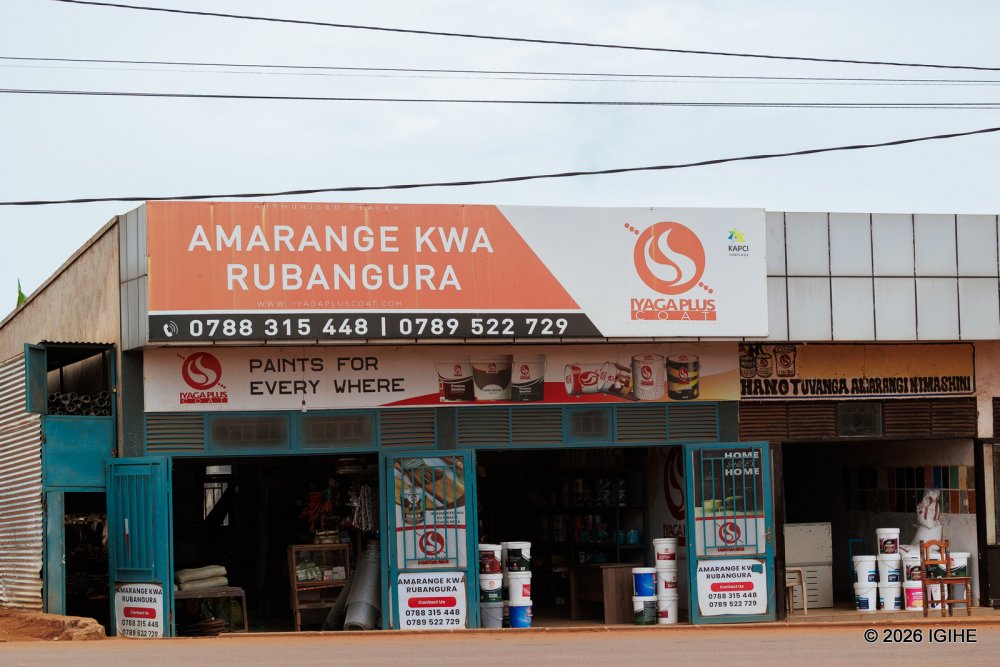
As you continue uphill toward Gasogi Hill, you will find shops selling a variety of goods, along with several small businesses that reflect the determination of residents to improve their livelihoods.
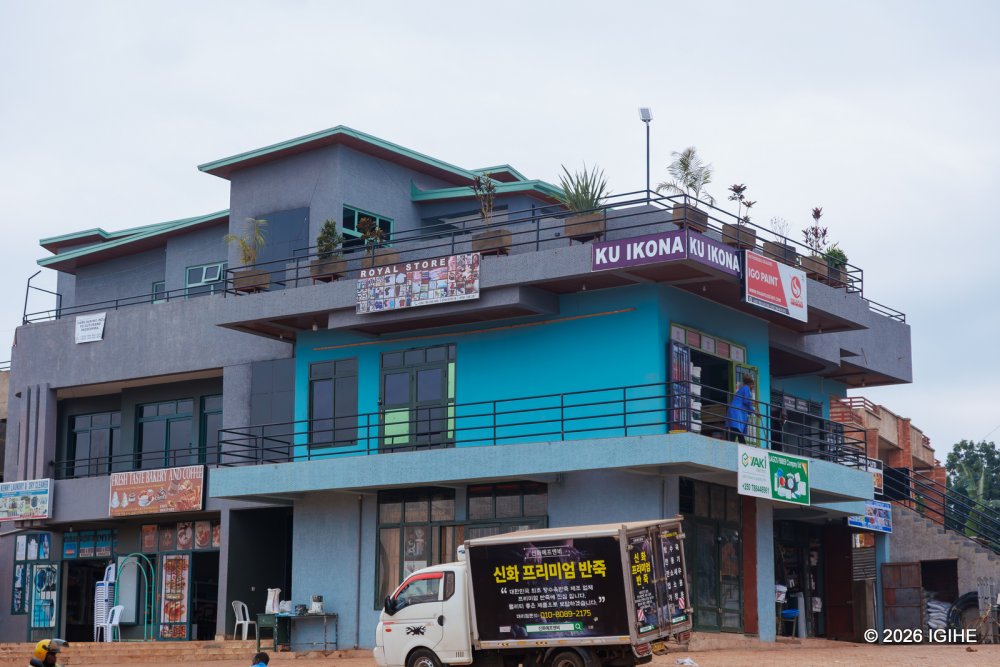
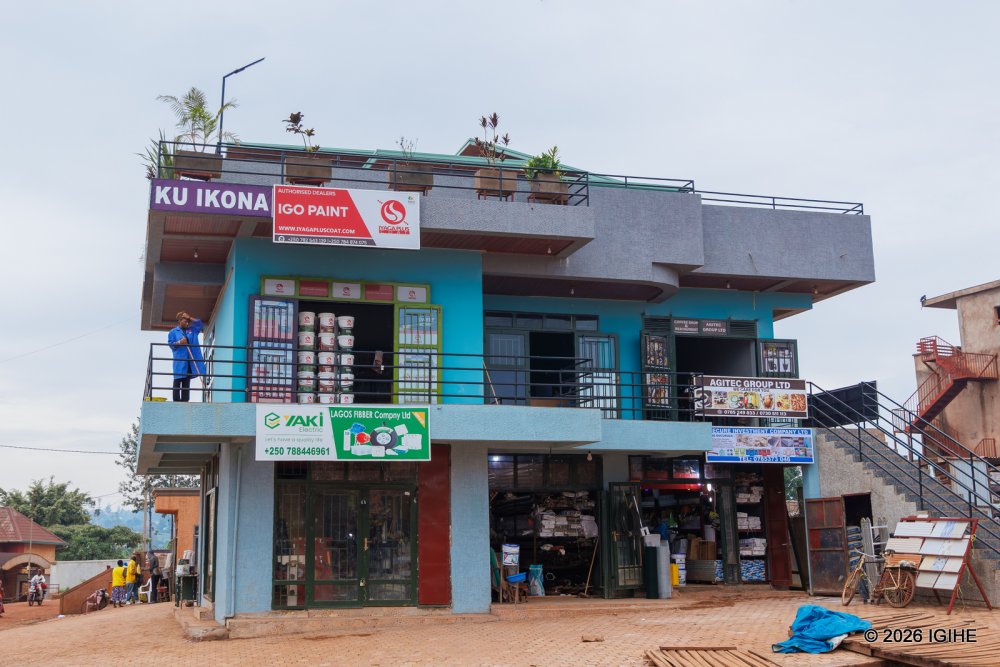
Further ahead is an area known as ku Ikona, a commercial center once considered the heart of Gasogi. Many important community activities used to take place there before the expansion of the surrounding residential neighborhoods.
Many people first came to know Gasogi because of a school formerly called Collège de l’Espoir de Gasogi. It was a secondary school located in Cyaruzinge Cell, but it was later converted into a primary school.
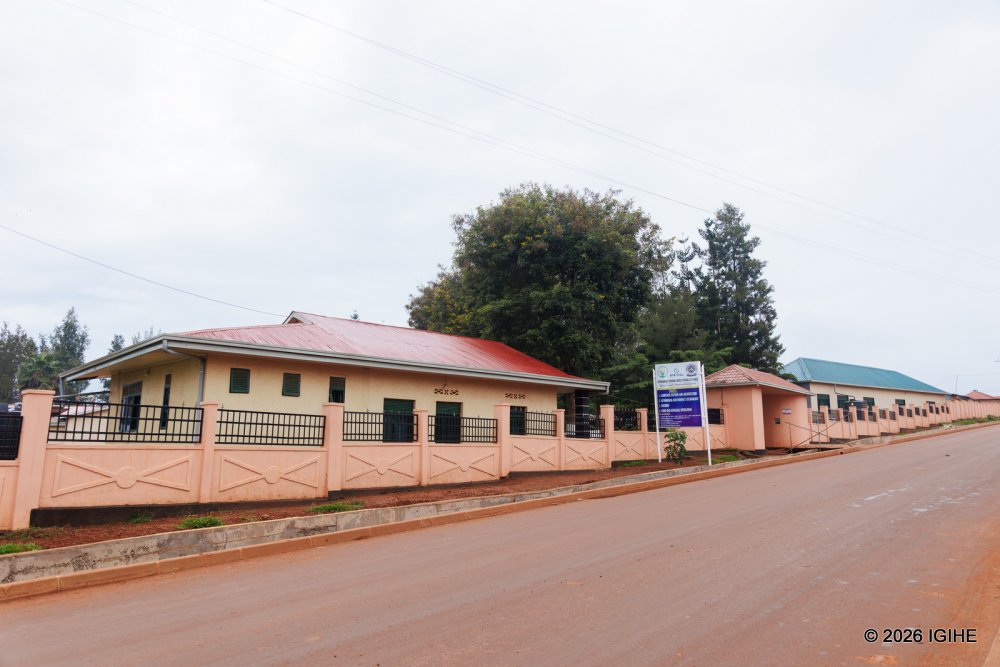
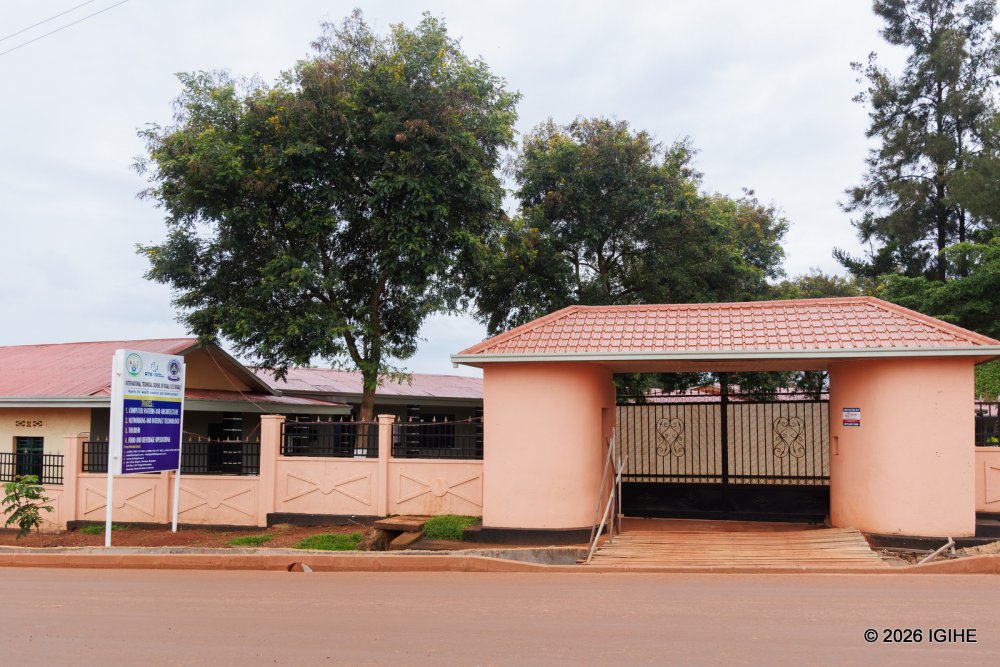
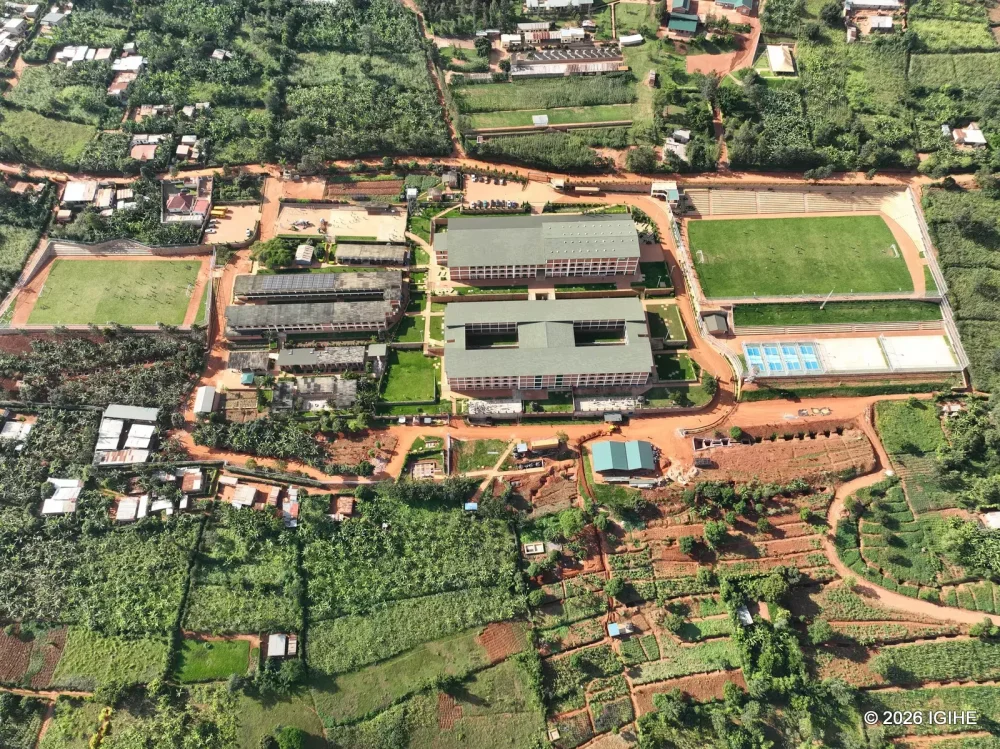
Although that once-famous institution no longer exists in its original form, another school, the School of Tourism and Hotel Management of Gasogi (ES/TH Gasogi), has since gained prominence and become one of the leading educational institutions in Ndera Sector.
Others became familiar with Gasogi through Radio 1 and TV1, owned by KNC, who also resides in the area. It would be fair to say that he has played a significant role in promoting Gasogi. For more than a decade, hardly a day passes on his radio station without mention of the neighborhood.
When discussing education in Gasogi, it is impossible not to mention Hope Haven Christian School, founded by Hollern Susan, who also serves as its director.
Located in Rudashya Cell, Hope Haven Christian School is among the respected private schools in Rwanda. It has supported many nearby families by offering free education opportunities to their children.
This year, the school outperformed many others in innovation projects involving robotics and artificial intelligence (AI). It also earned the honor of representing Rwanda in international competitions scheduled to take place in the United States and Switzerland.
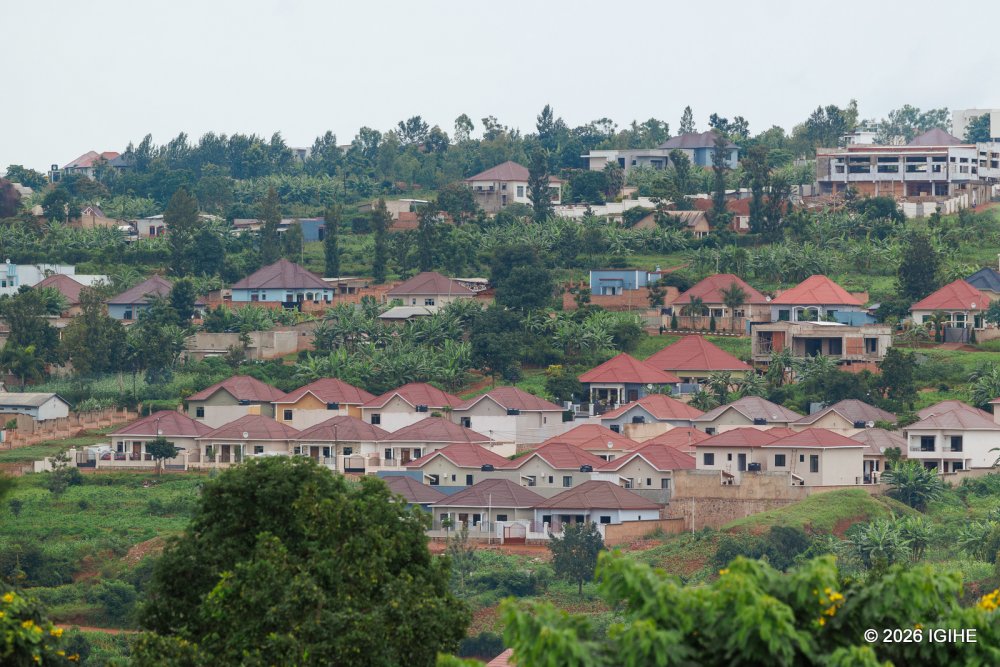
Tarmac roads transform Gasogi
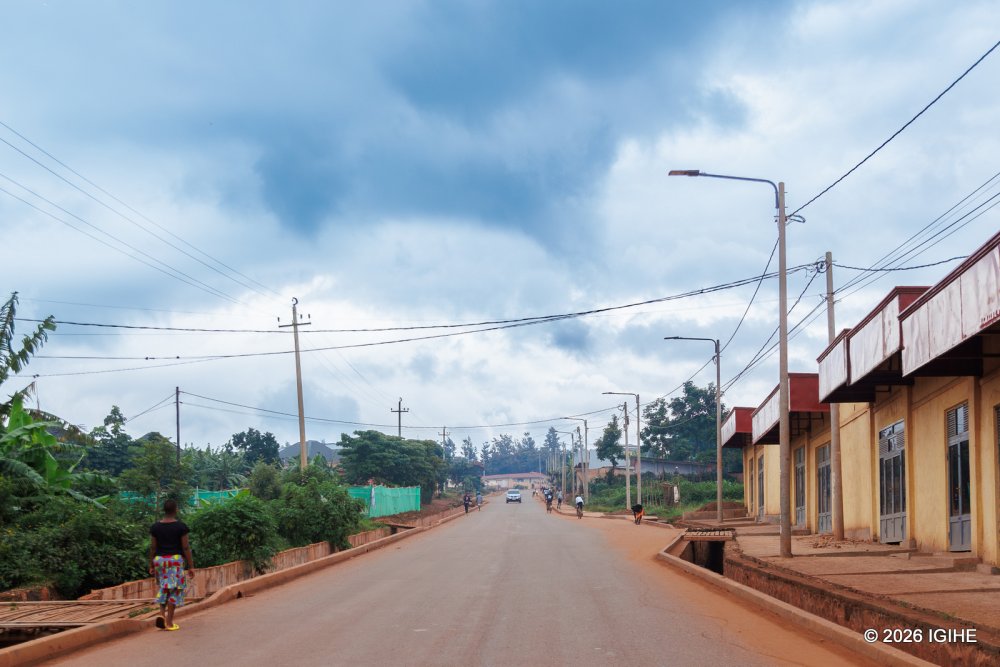
One of the main challenges that previously affected residents of Gasogi was the lack of improved roads, which often turned muddy during the rainy season and dusty during the dry season.
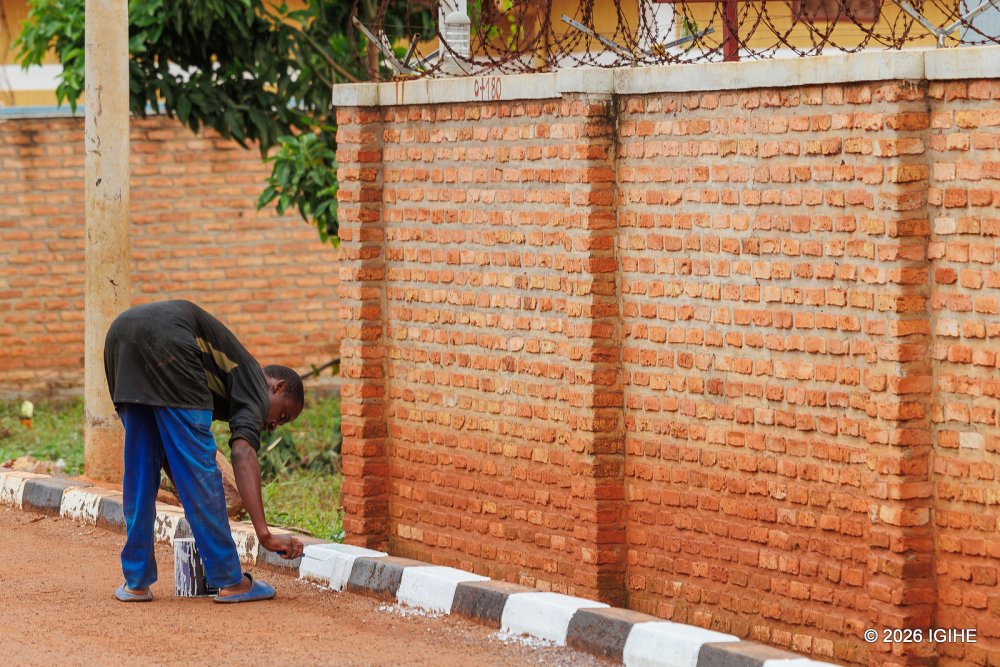
To address this, the City of Kigali constructed a tarmac road linking Mulindi to Kabuga. The project is now in its final phase, with ongoing works focusing on pedestrian walkways and drainage systems.
After the completion of this main road, further development efforts shifted to the residents themselves, who began mobilizing resources to build additional roads within their neighborhoods.
Through a community initiative known as “Reliable Family,” residents first came together to support one another in daily social matters such as mutual assistance and solidarity during events. Over time, the group evolved into a platform for local development.
Kayumba Fred, the coordinator of the initiative, told IGIHE: “We said that since the government had given us a main road, how could we make good use of it without ending up with dirty and poorly maintained streets in our neighborhoods? That is when we decided to construct an 800-meter road ourselves.”
The road starts from Cyaruzinge center and connects to the main highway. Its construction was funded through a partnership between residents and the City of Kigali. Seventy-five residents contributed 64 million Rwandan francs, covering about 30% of the total cost, while the City of Kigali covered the remaining amount. The total project cost exceeded 202 million Rwandan francs.
For street lighting, residents raised Rwf 13 million to install electricity infrastructure, pay technicians, and purchase a transformer worth Rwf 7 million. Streetlights and poles were provided as support from the City of Kigali.
After this road was completed, residents continued to develop additional feeder roads connecting to it, with households near each road taking responsibility for improving access routes to their homes.
In total, four roads have been paved and equipped with streetlights, each measuring about 360 meters. The lighting infrastructure alone cost over Rwf 12 million per road, bringing the total cost of street lighting to nearly Rwf 50 million.
Residents also take responsibility for maintaining the roads whenever they are damaged, including organizing repairs and monitoring their use.
These improvements have enabled public transport to reach Gasogi, especially for residents traveling to areas such as Remera and Kimironko, where many go for work and business activities.
In Cyaruzinge Cell, a dedicated water intake point was also established to supply water to Inyange Industries, which processes drinking water and produces various juice products.
Gasogi is also widely known for Gasogi United FC. Some people even associate the area with the club itself. Founded in 2016, the team initially competed in the second division under the name Unity FC. In its first season, it played as Unity of Gasogi, before becoming a full member of FERWAFA.
The club has played a key role in popularizing Gasogi, as many football fans came to know the area through it, largely thanks to its president and co-founder, Kakoza Nkuriza Charles (KNC).
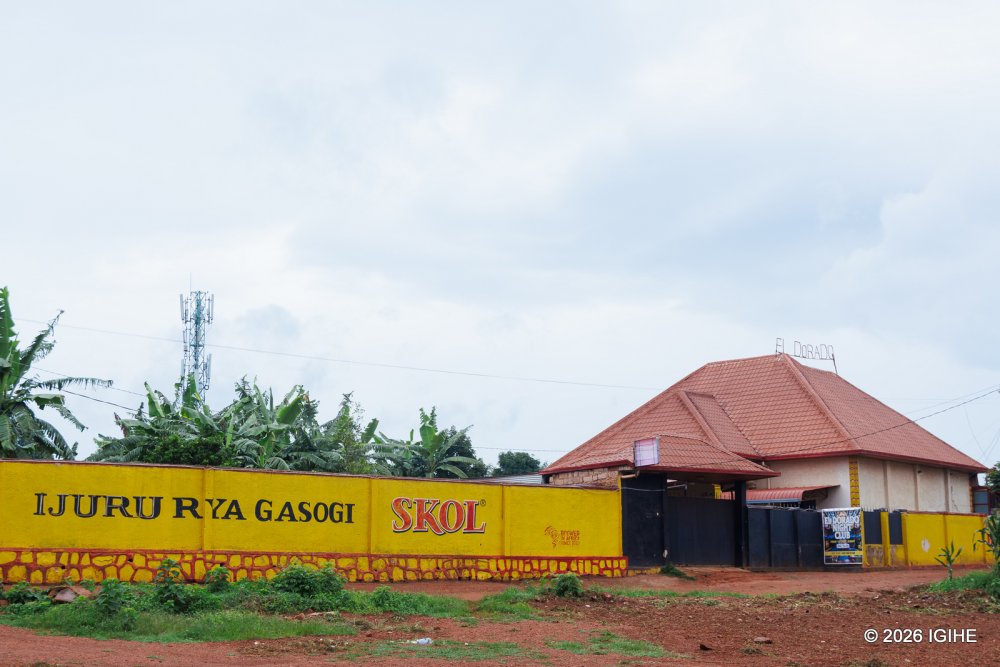
KNC has also contributed to the area’s social life and development, including the rise in popularity of a well-known bar called “Ijuru rya Gasogi,” which once attracted visitors from different parts of Kigali.
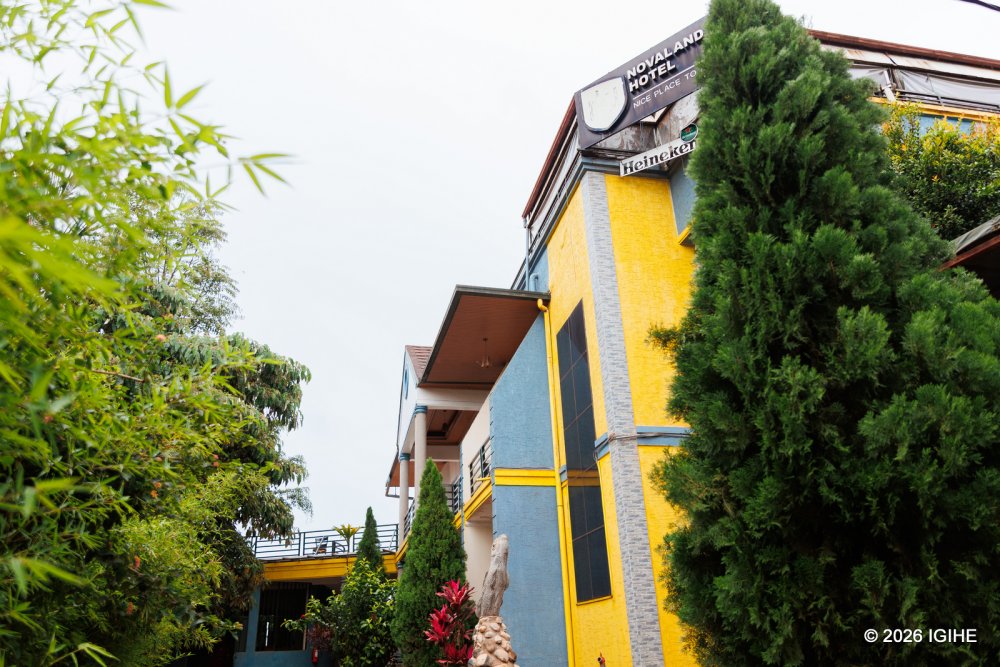
In recent years, Gasogi has also seen the growth of hospitality services, including two hotels Novaland Hotel and Mountain Blue which have significantly improved the image of the area.
Land prices and housing in Gasogi continue to rise sharply
Anyone who visited Gasogi in 2013 would have easily mistaken it for a rural area. At the time, even many residents of Kigali did not consider it a place for residential living; it was mainly associated with farming and livestock activities.
During that period, a plot of land measuring between 300 and 700 square meters could be purchased for between Rwf 1 million and Rwf 3 million. Today, the same plots cost between Rwf 30 million and Rwf 50 million, and in some cases, prices can rise to around Rwf 80 million depending on location and characteristics of the land.
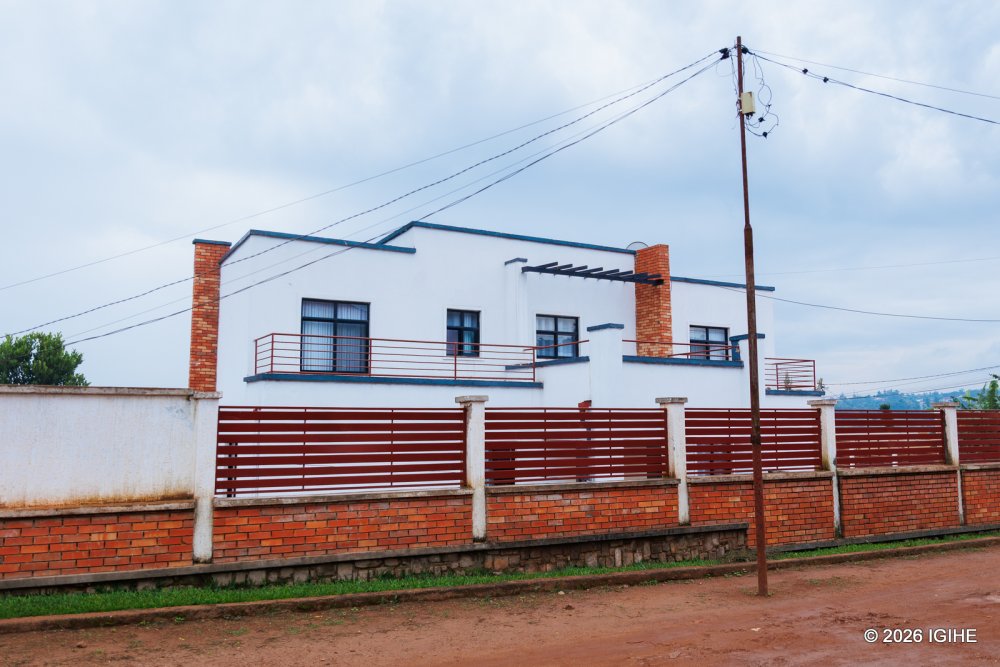
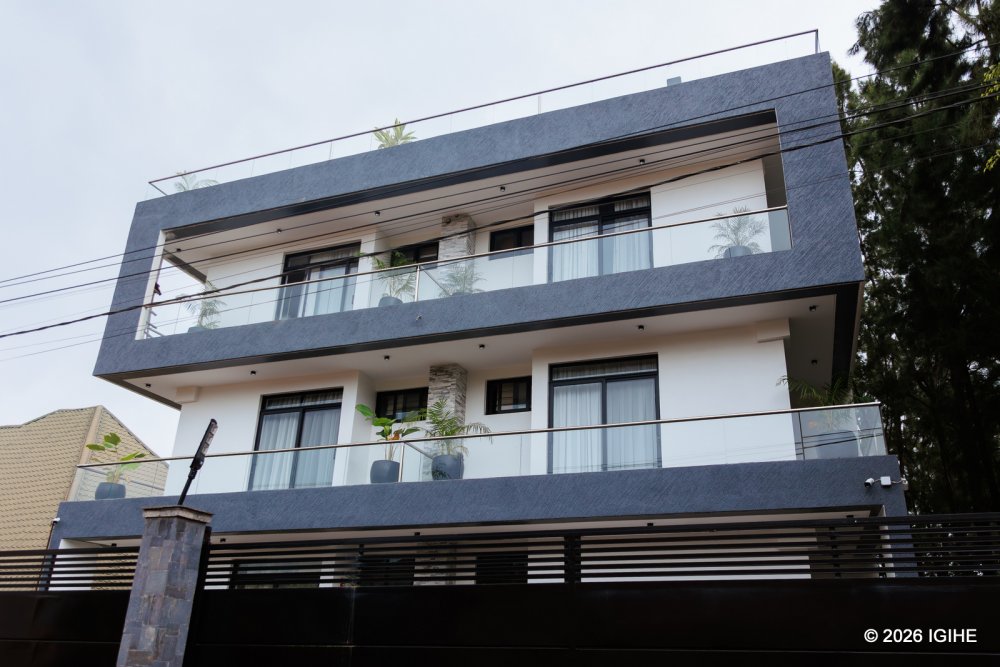
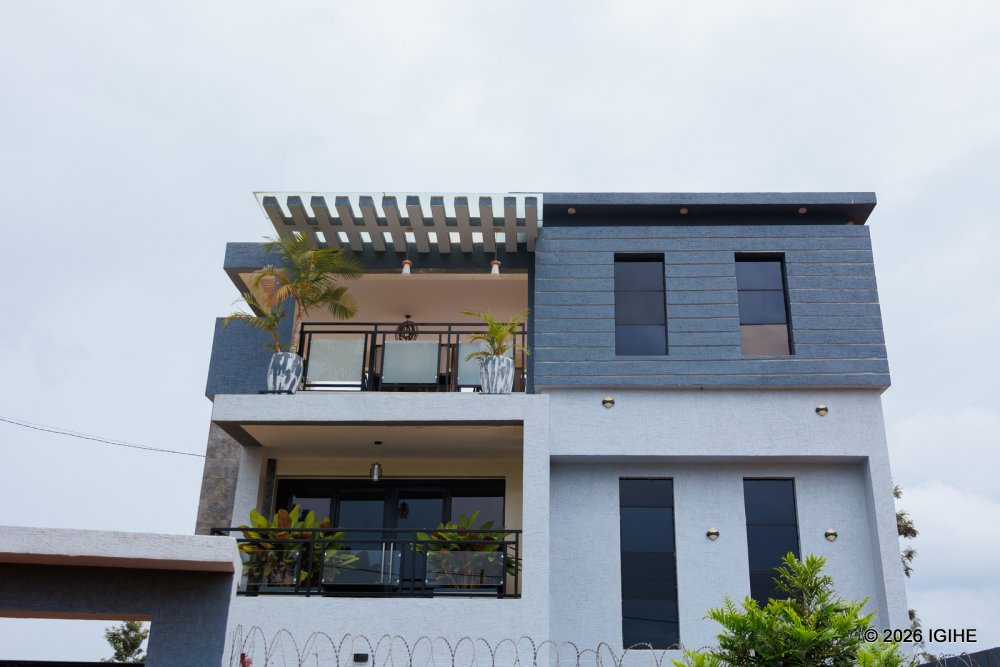
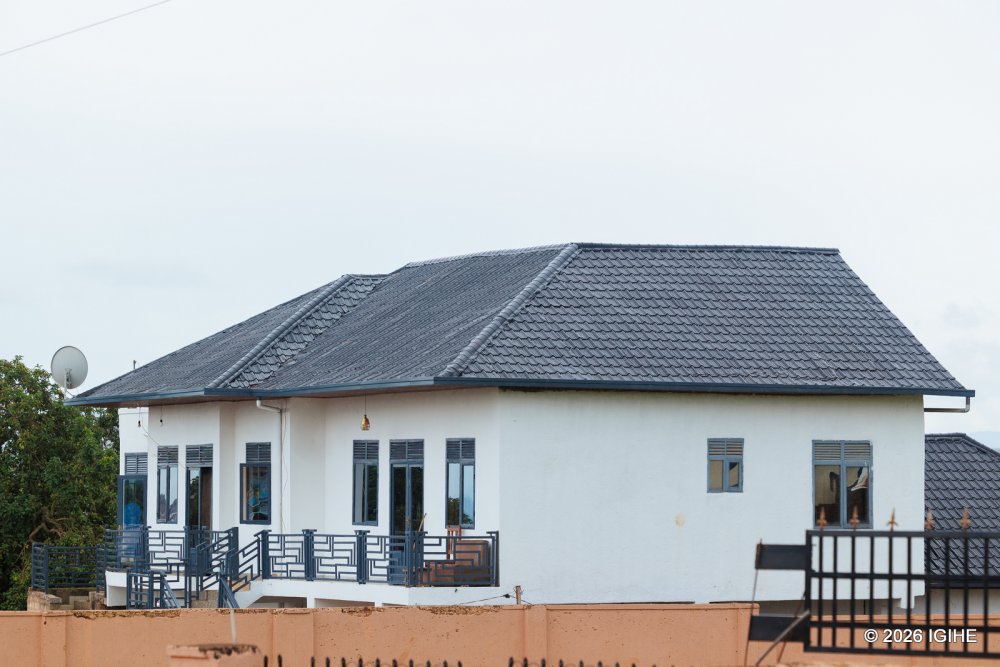
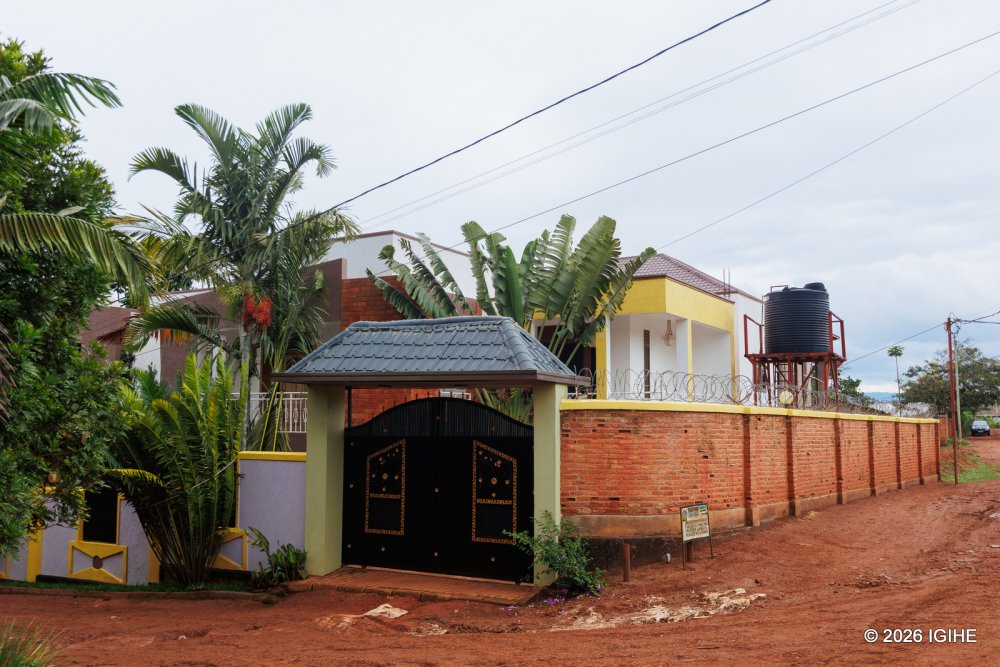
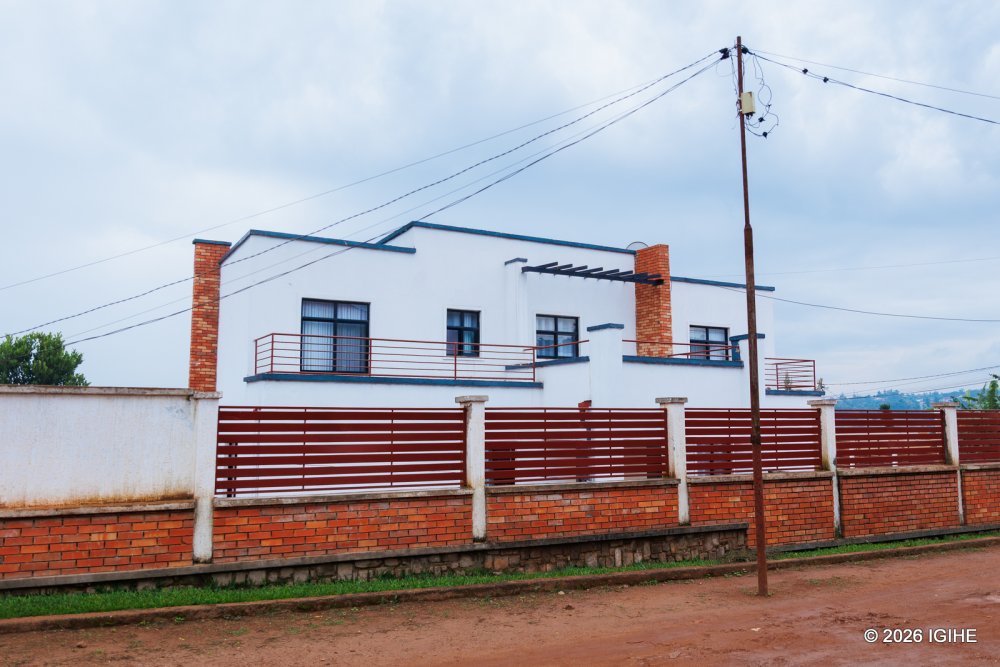
A standard residential house in Gasogi now costs between Rwf 70 million and Rwf 150 million. Renting such a house ranges from Rwf 300,000 to Rwf 350,000 per month.
These houses typically feature four bedrooms, a living room, a dining area, an indoor kitchen, three bathrooms with toilets, an outdoor kitchen, a parking space, and a garden.
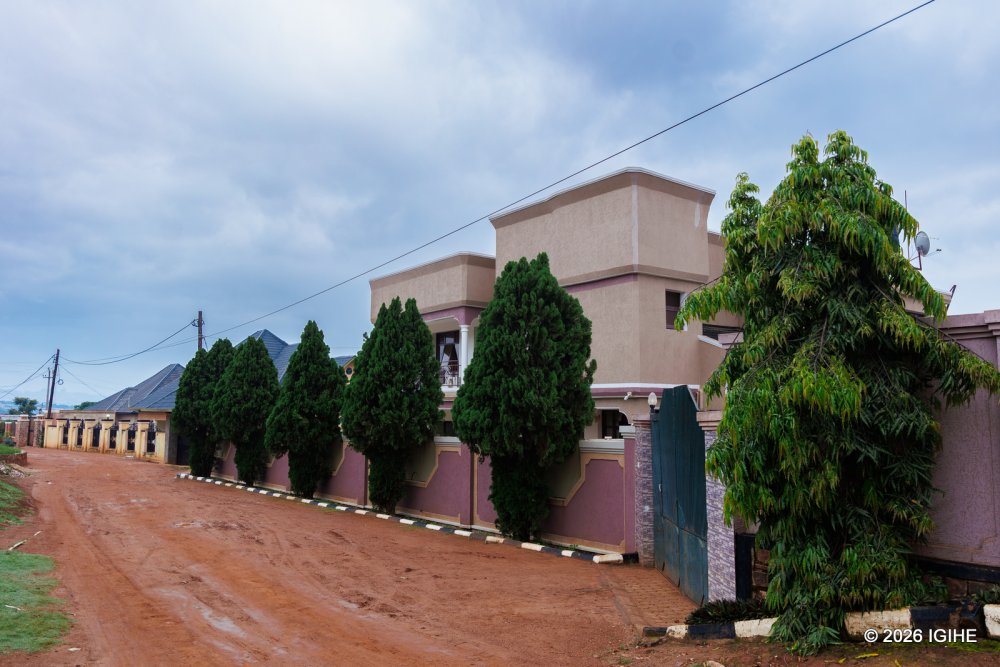
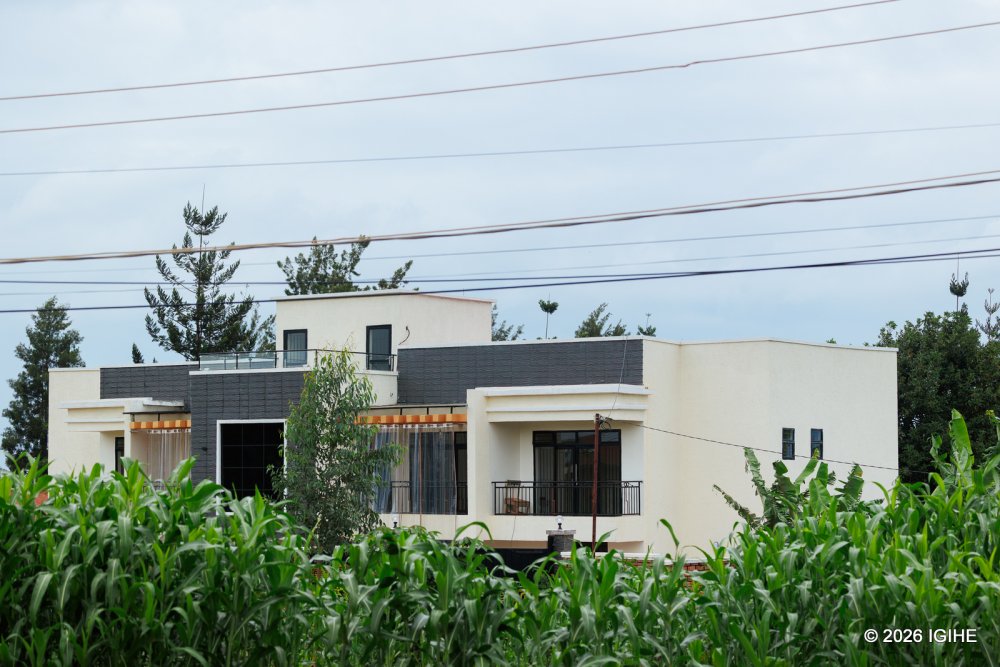
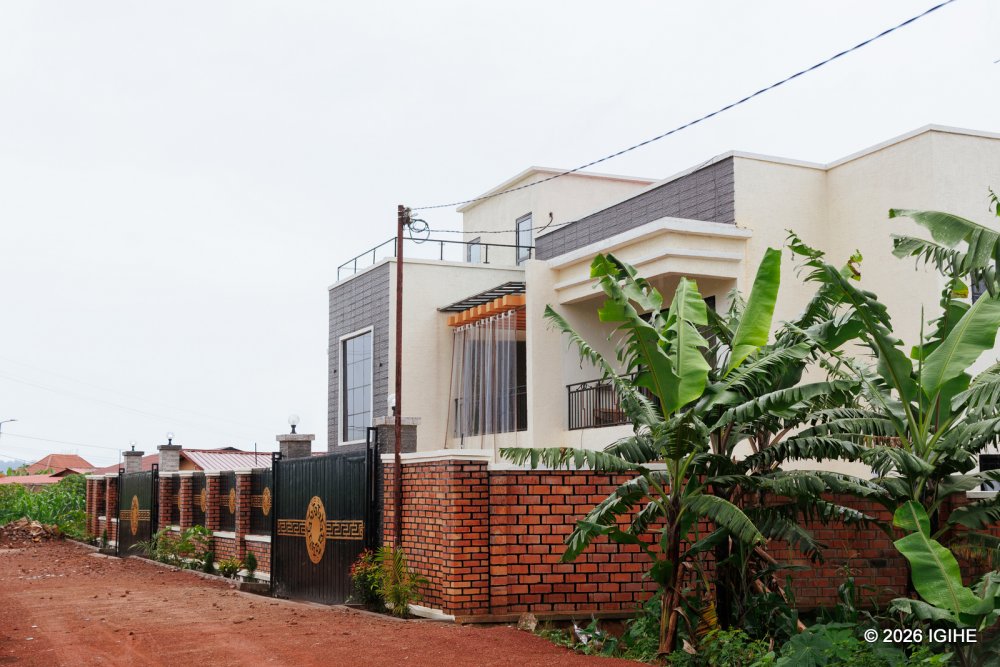
A two-storey house is even more expensive, costing between Rwf 150 million and Rwf 200 million. It usually includes four bedrooms, a living room, a dining area, an indoor kitchen, three bathrooms with toilets, a parking area, a garden, and an external annex.
Despite the rapid development in Gasogi, residents still face challenges related to water access. In some areas, households can go up to four days without access to running water for daily use.
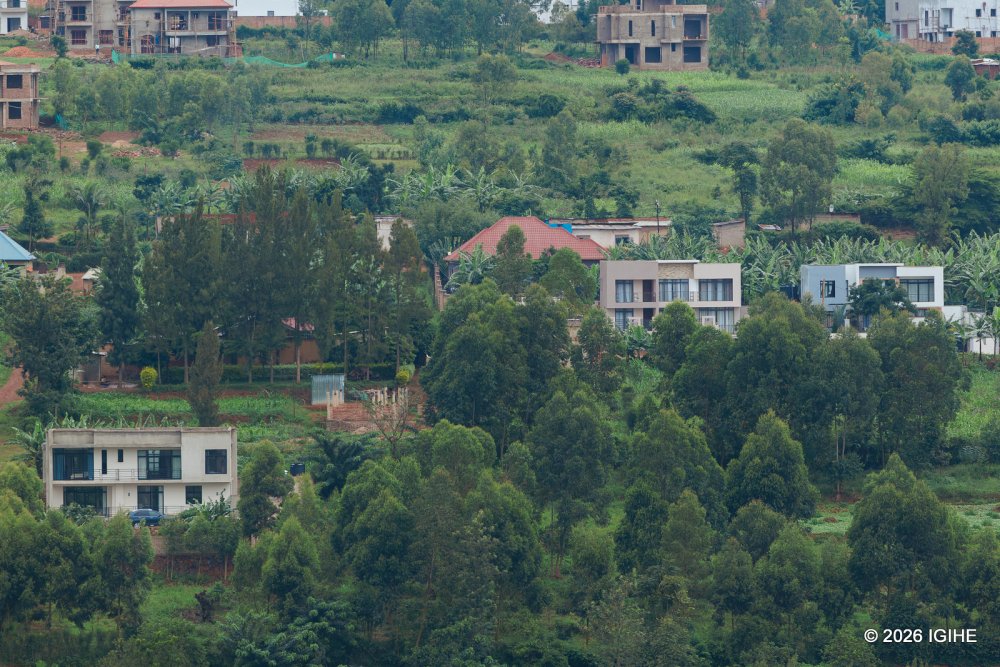
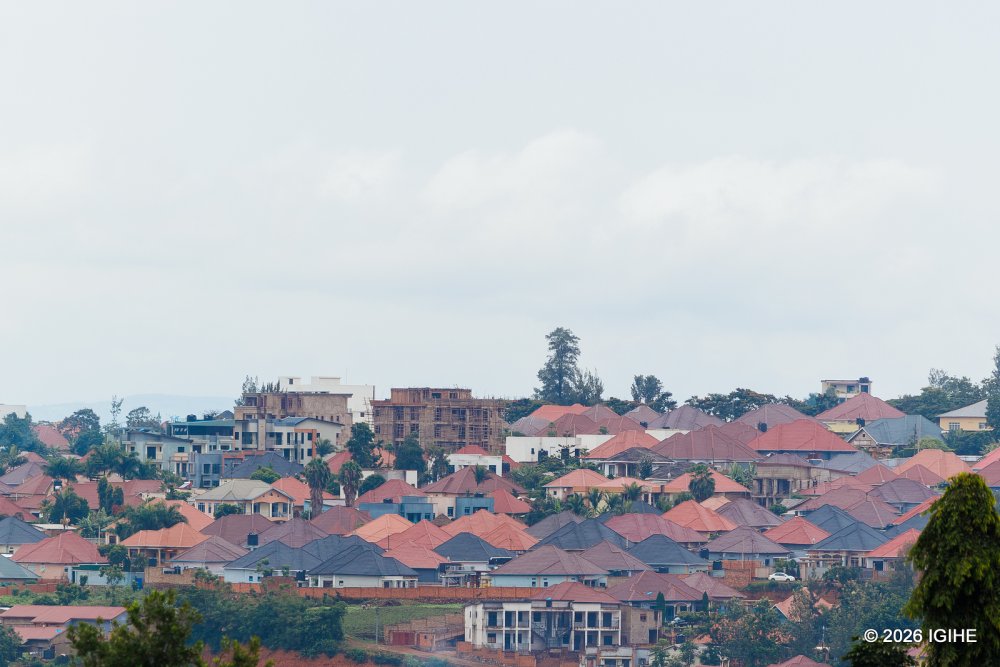
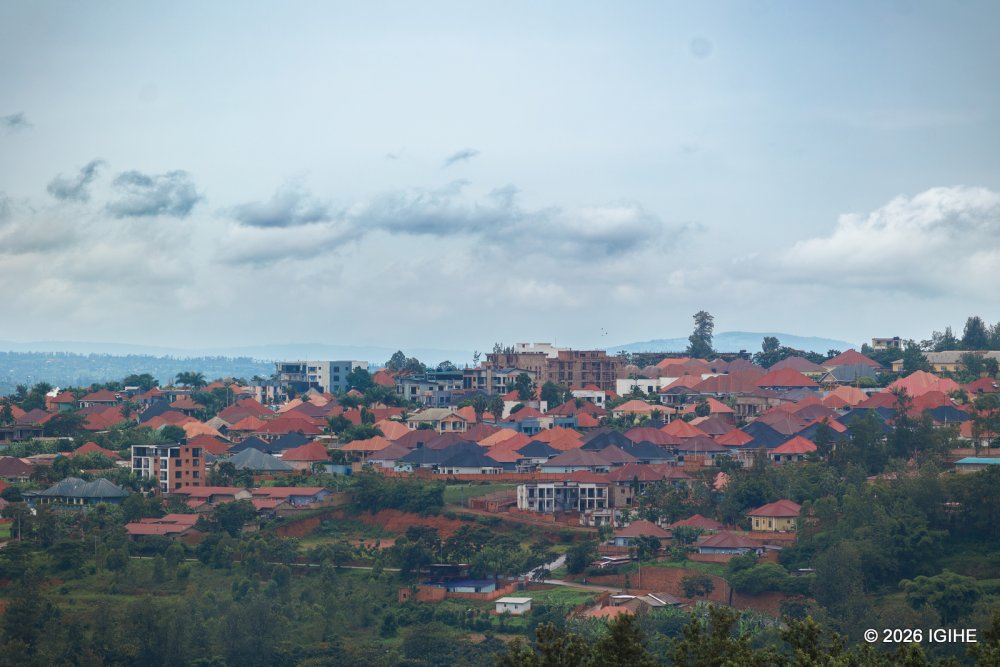
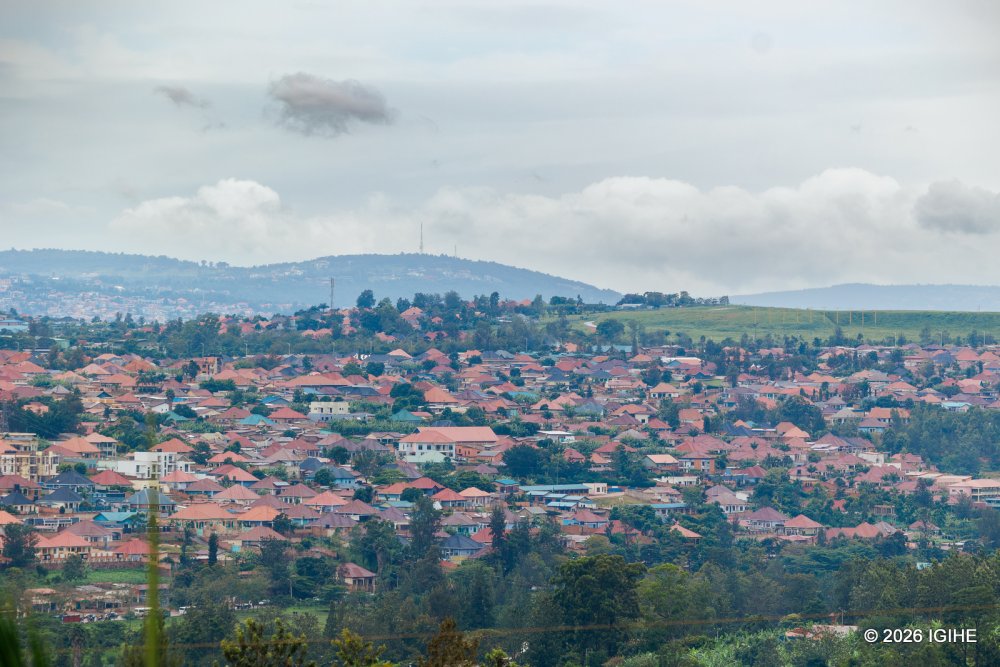
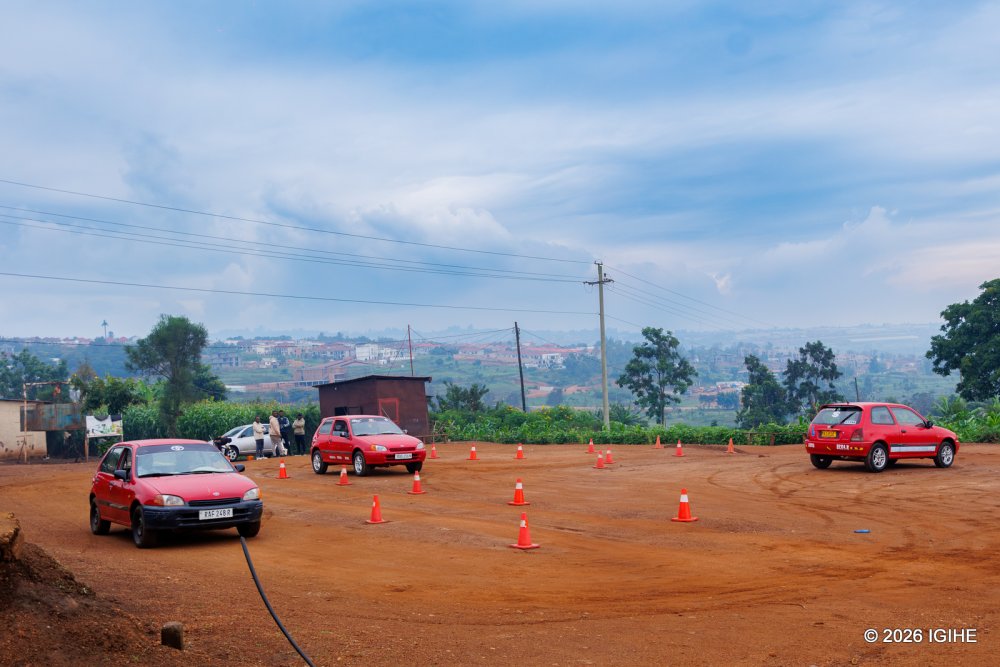
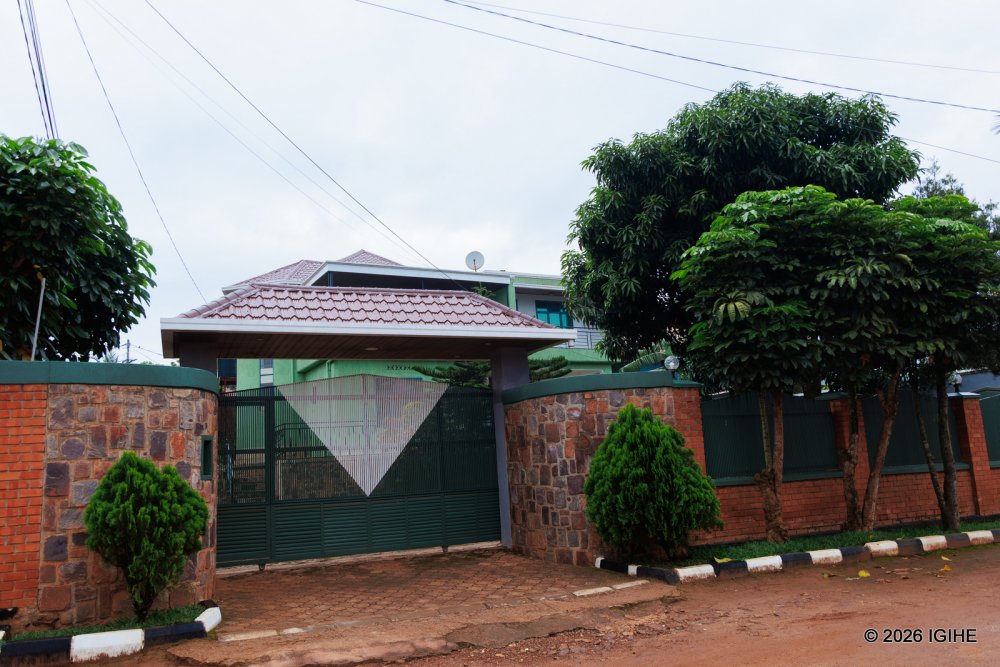
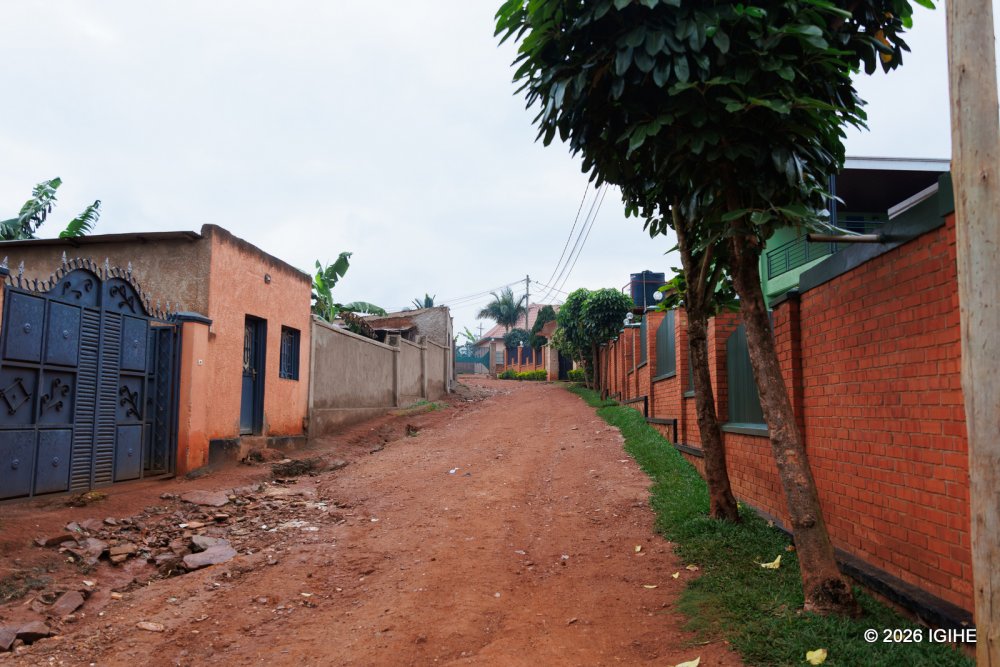
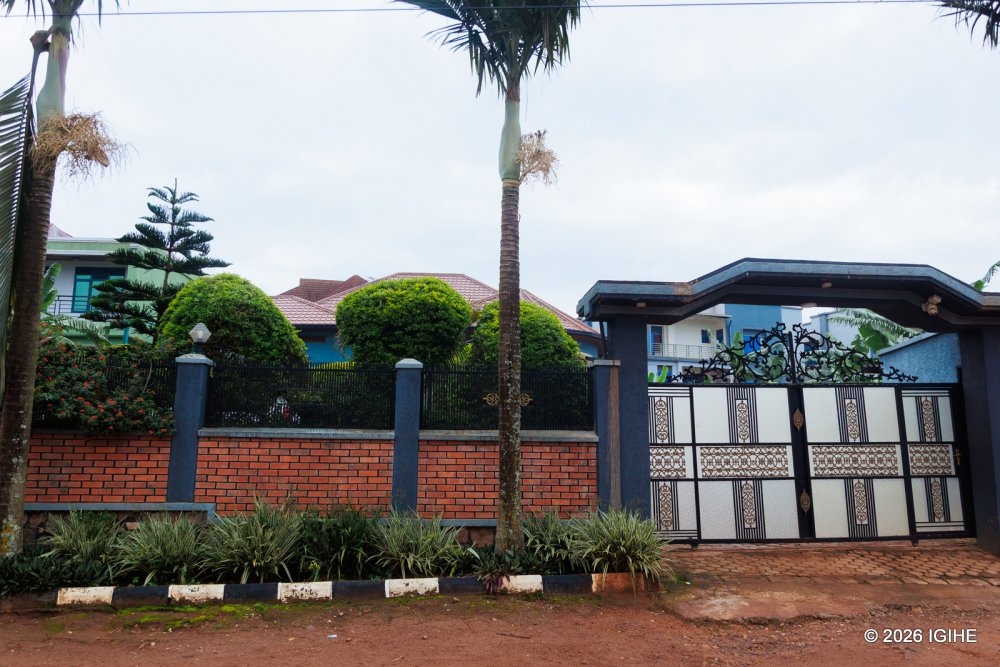
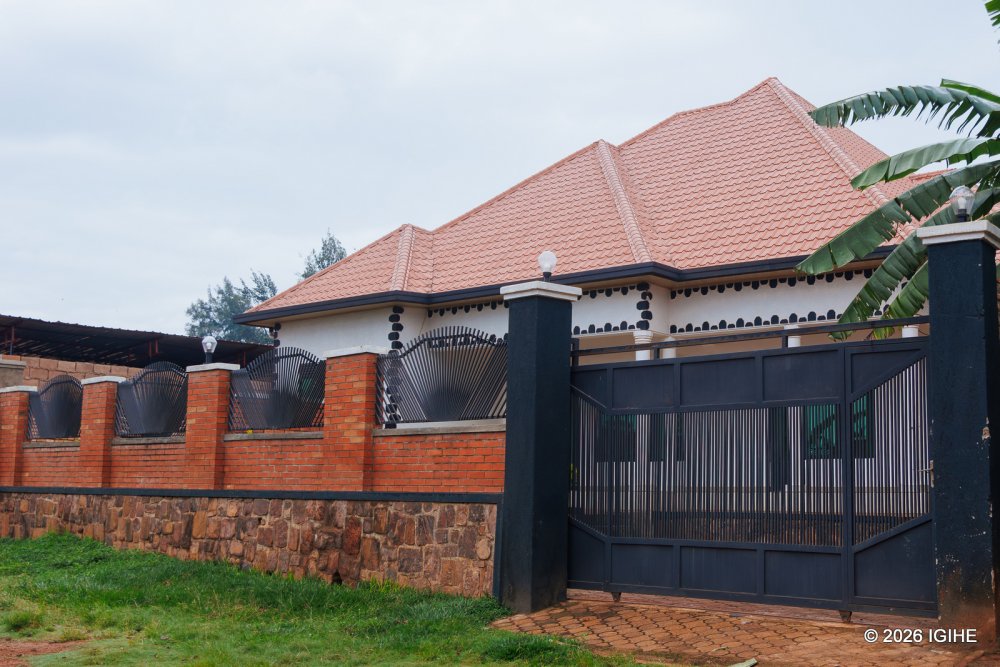
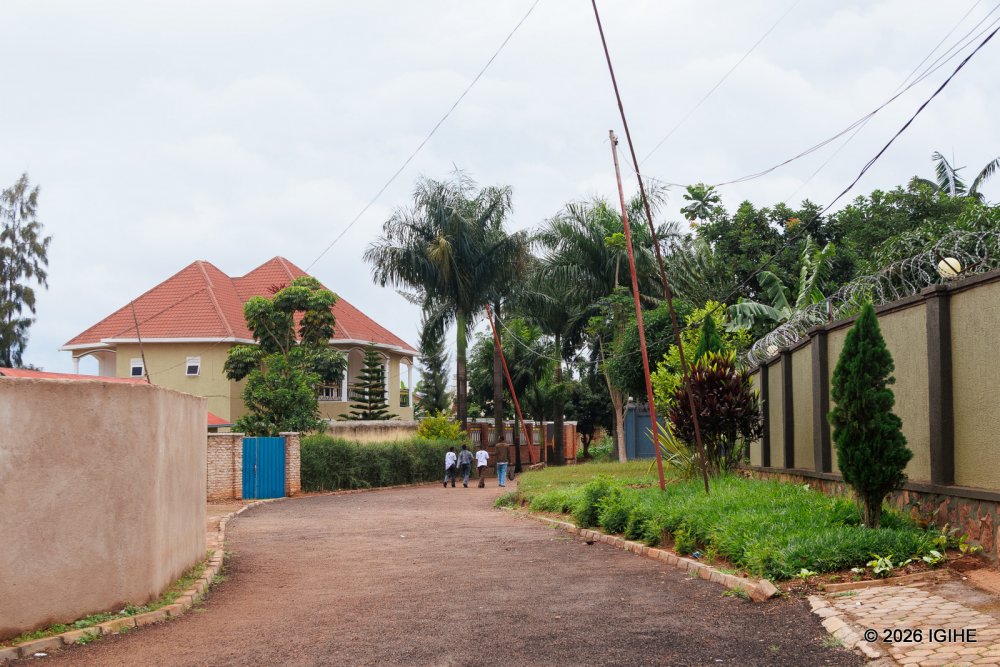
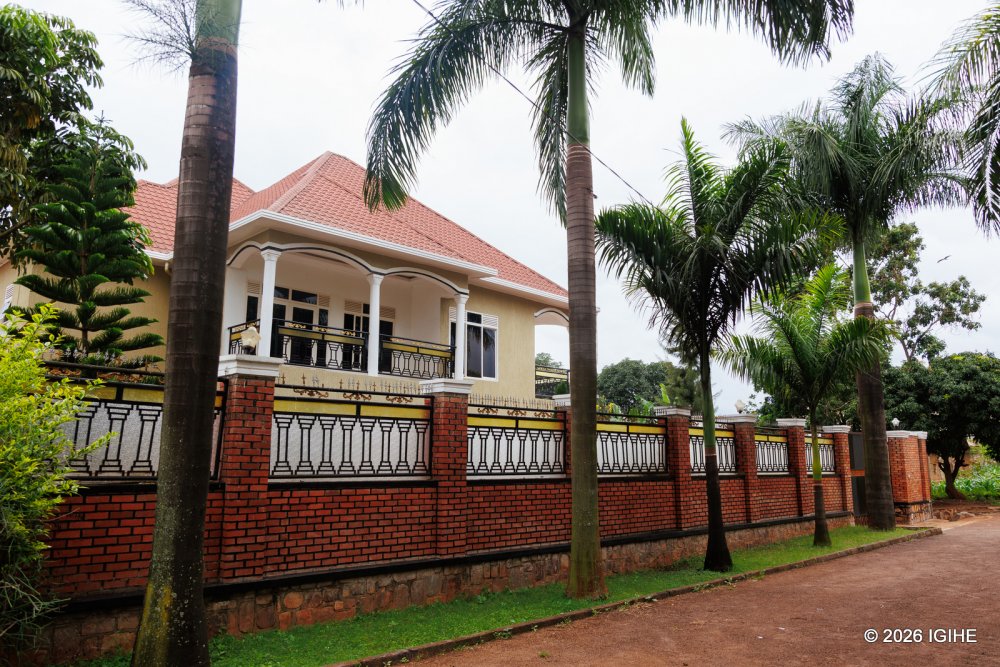
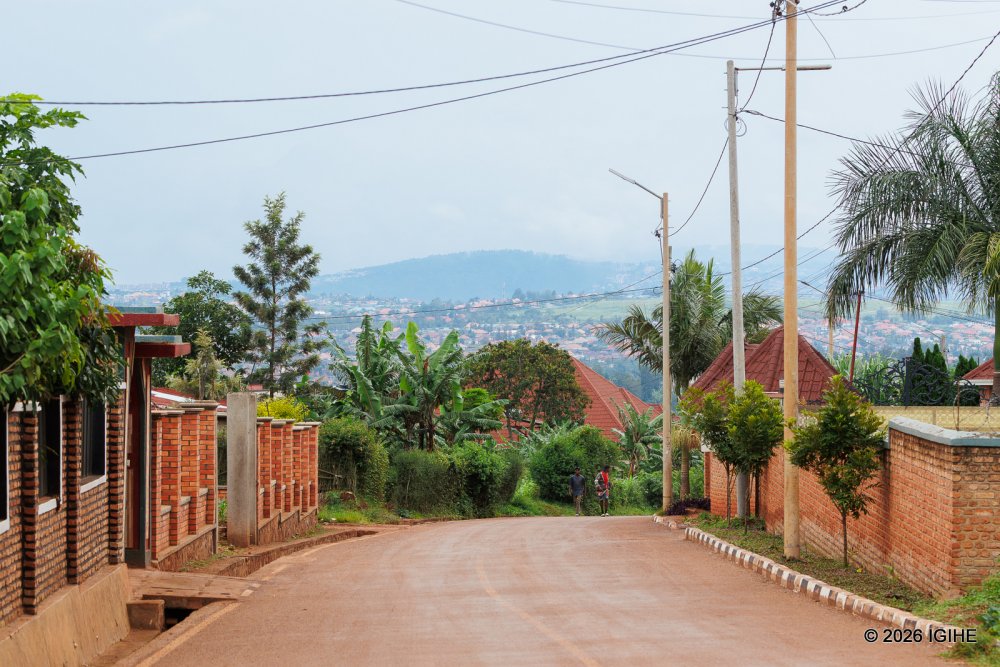
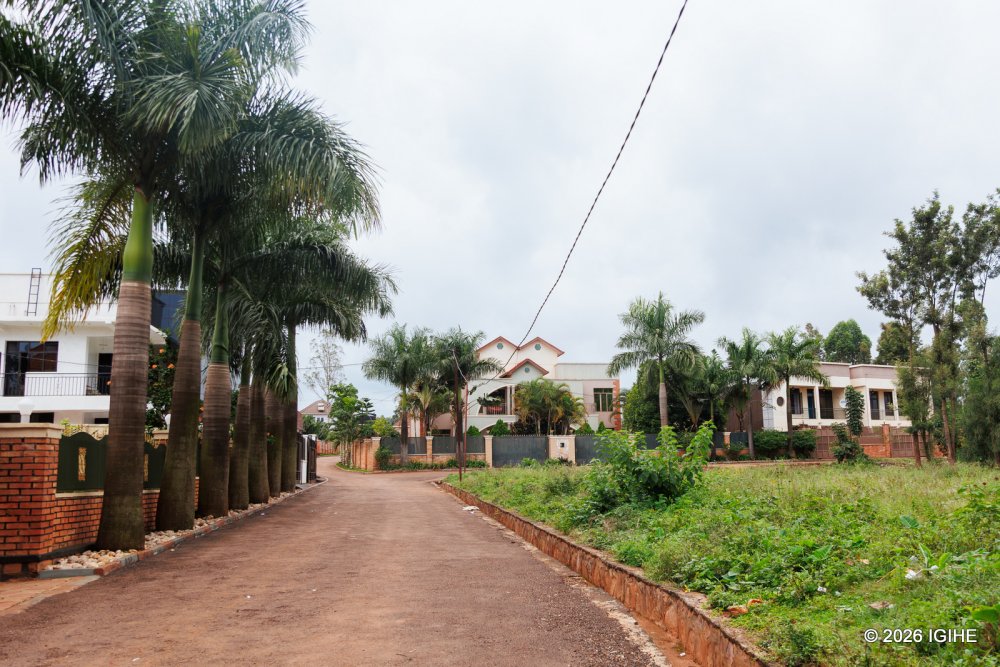
Those who recognized its potential early chose to settle in Gasogi, especially as Kigali City continues to expand.
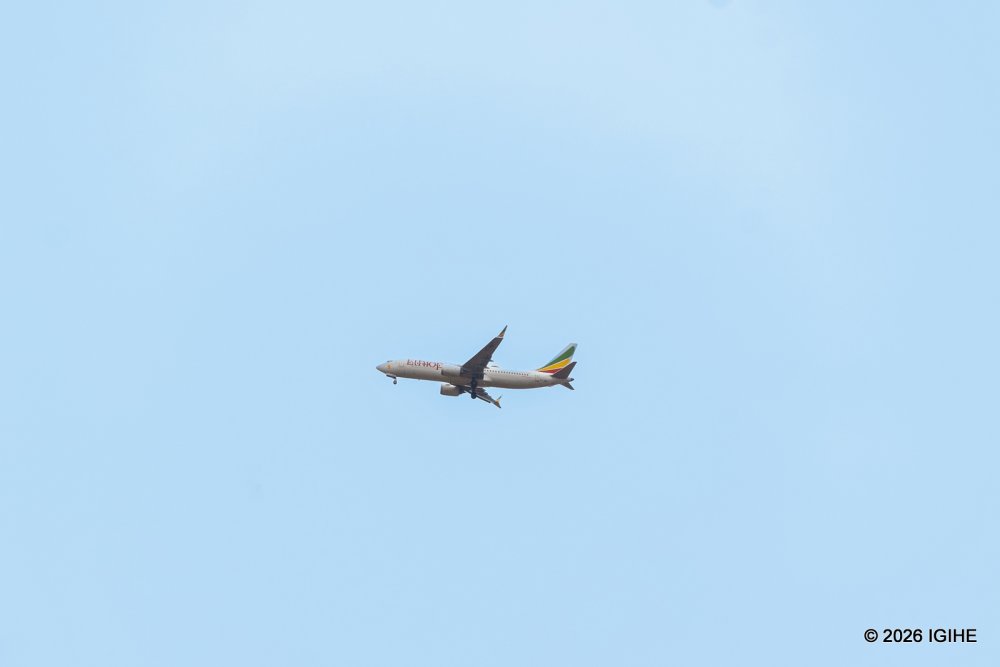
Gasogi is located close to Kigali International Airport.
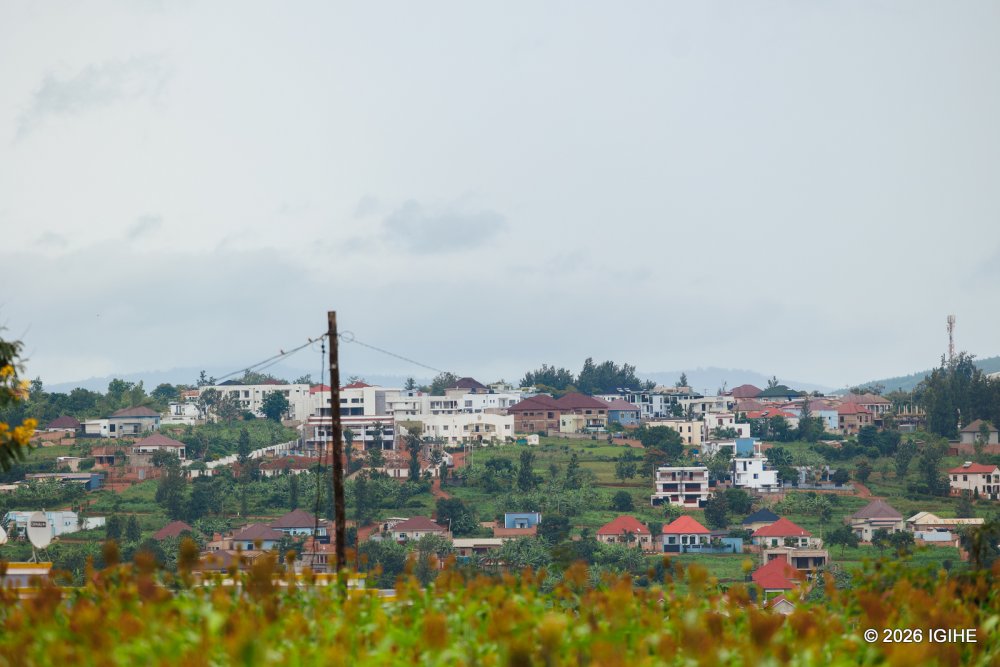
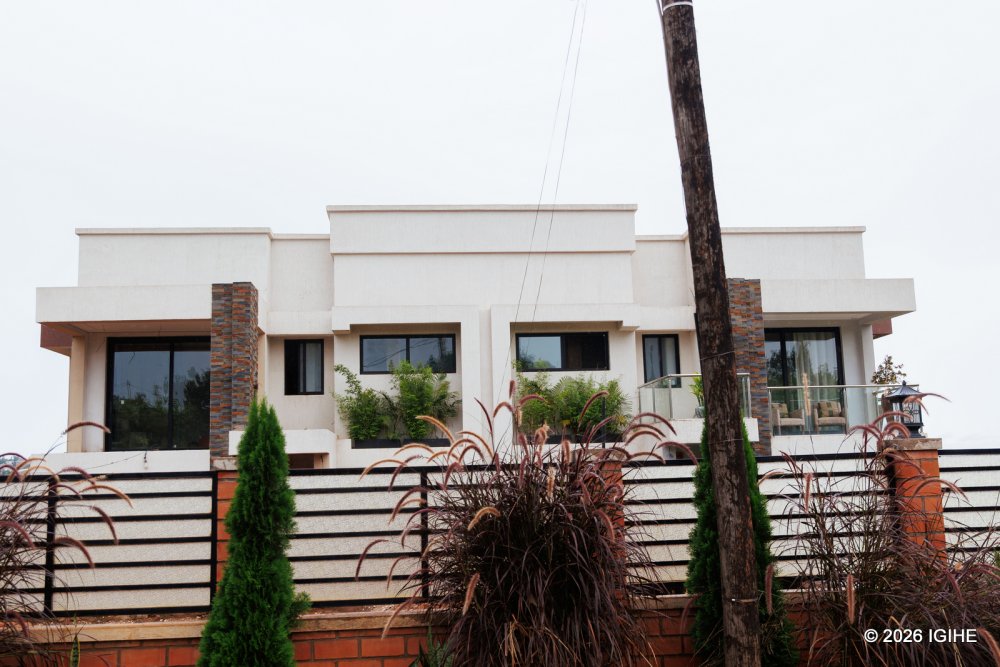
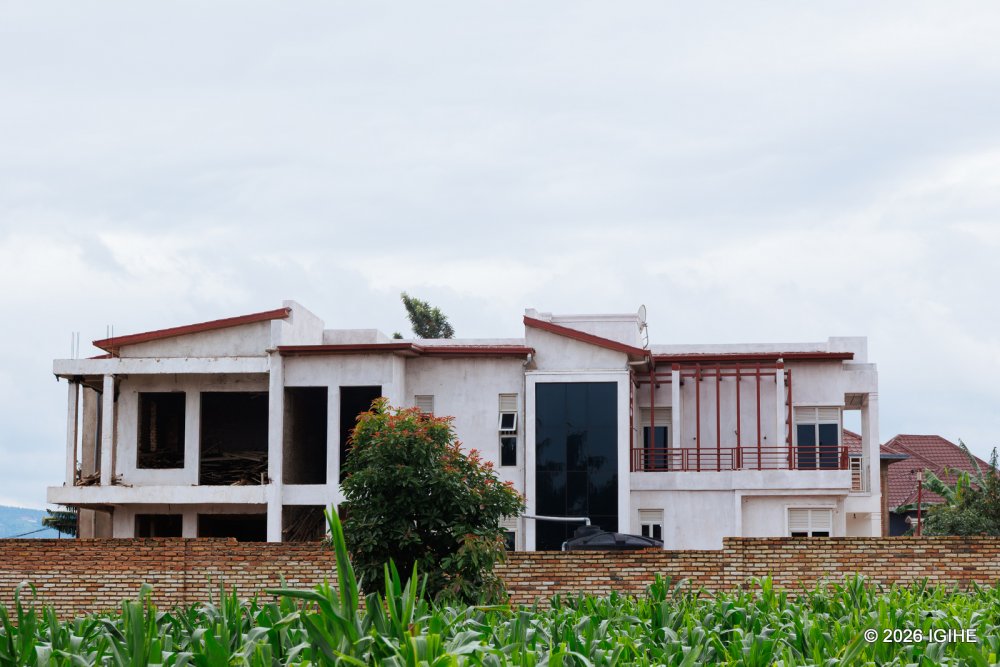
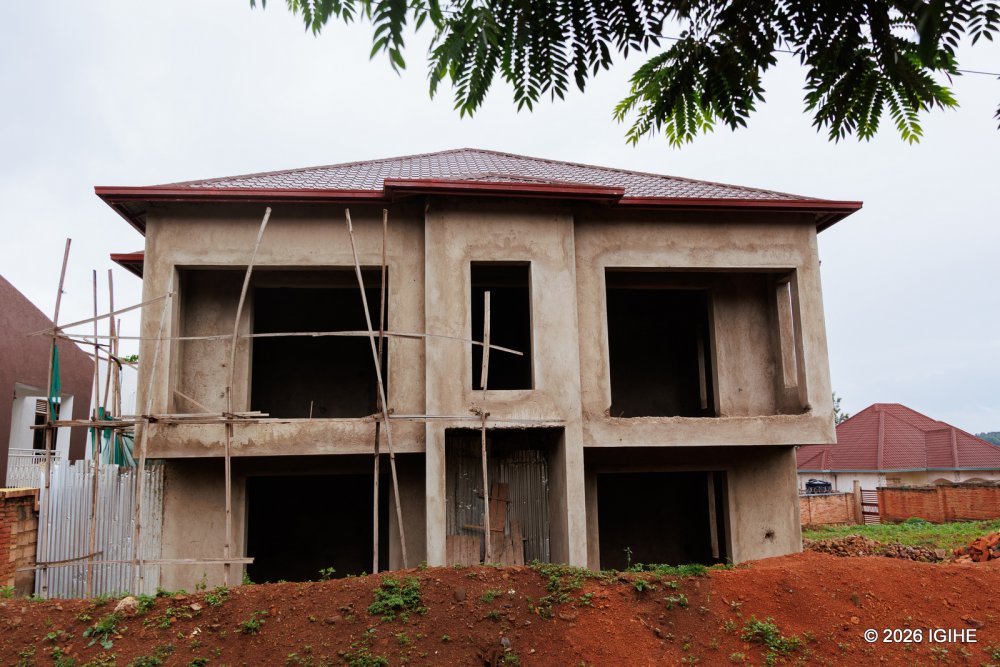
Many newly built houses are designed to accommodate more than one family.
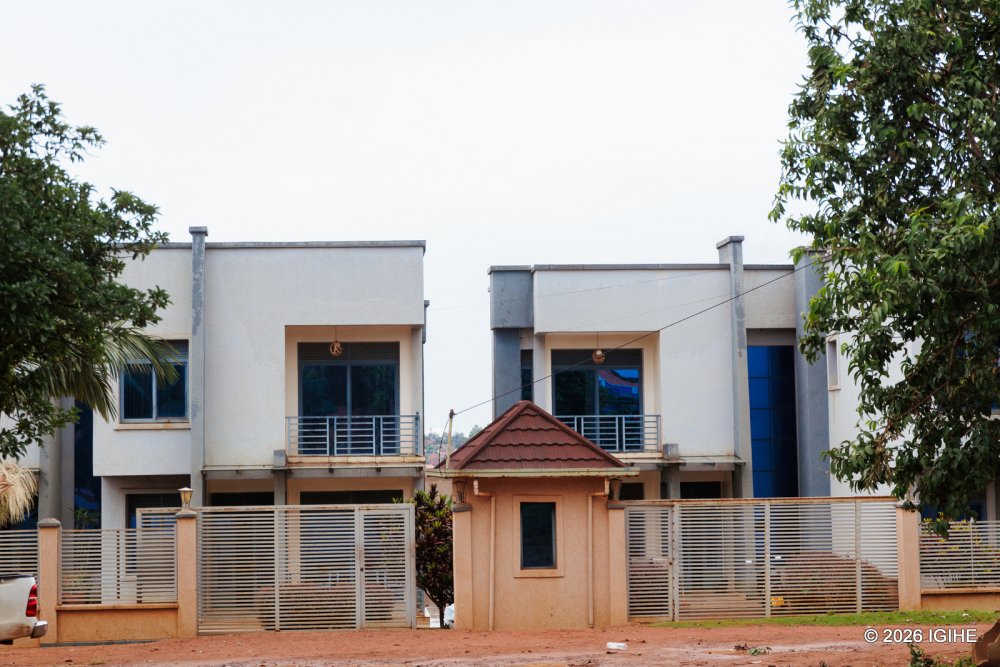
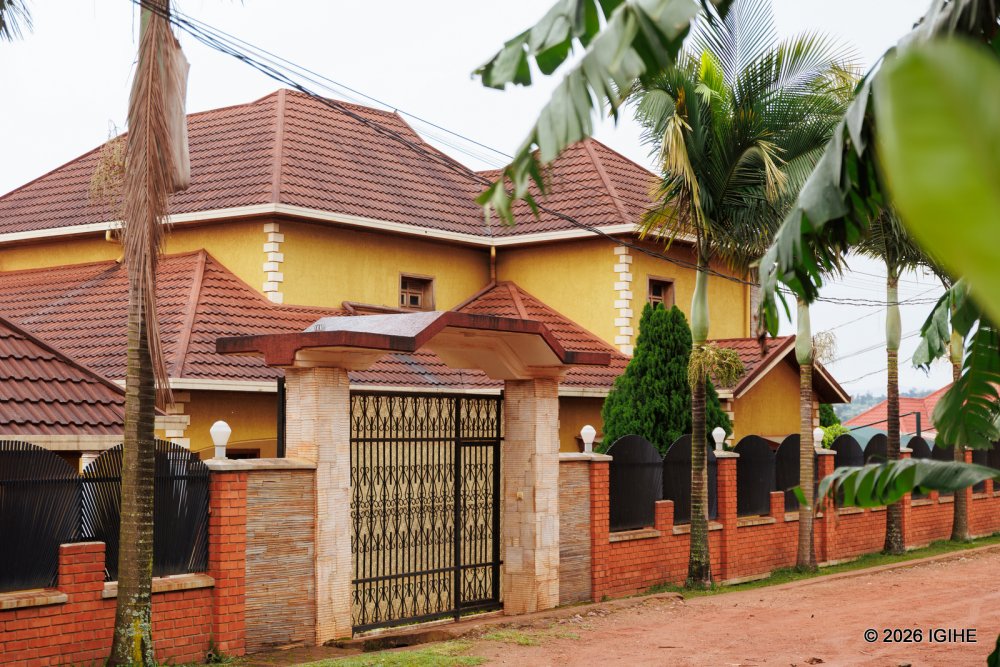
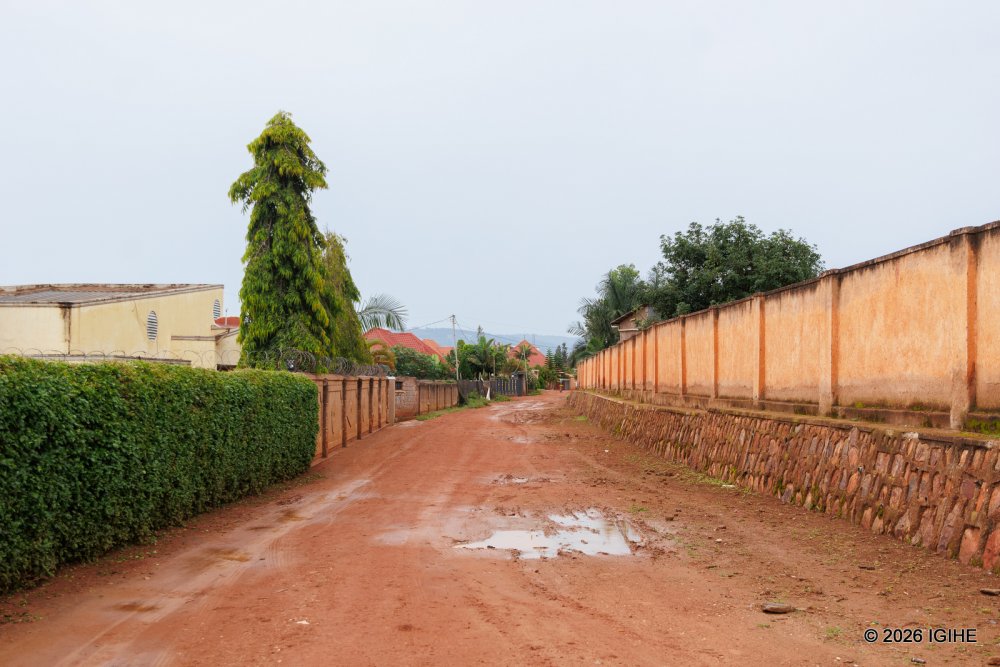
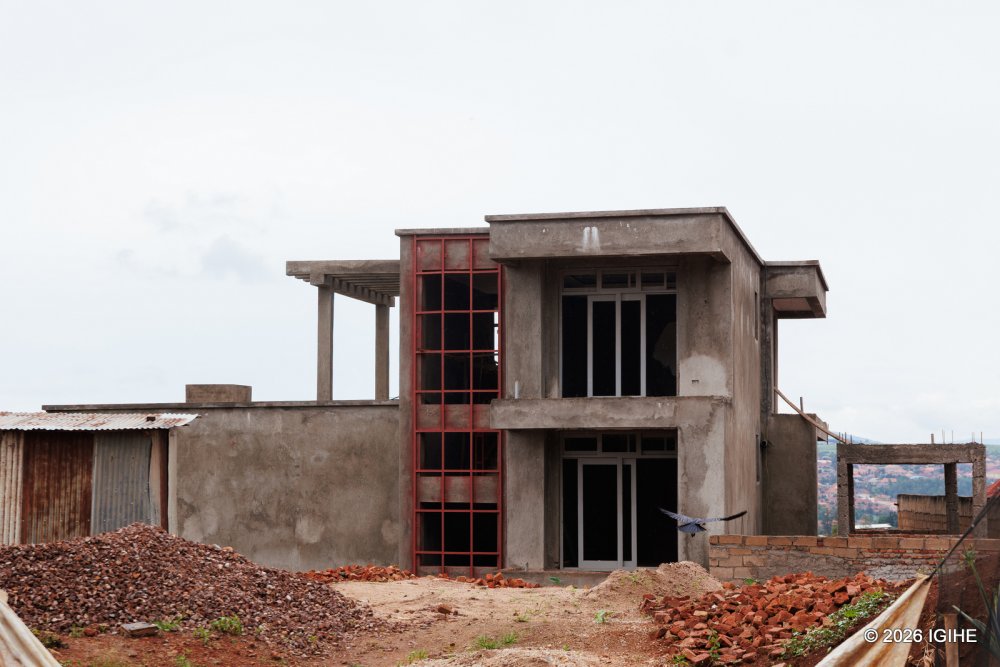
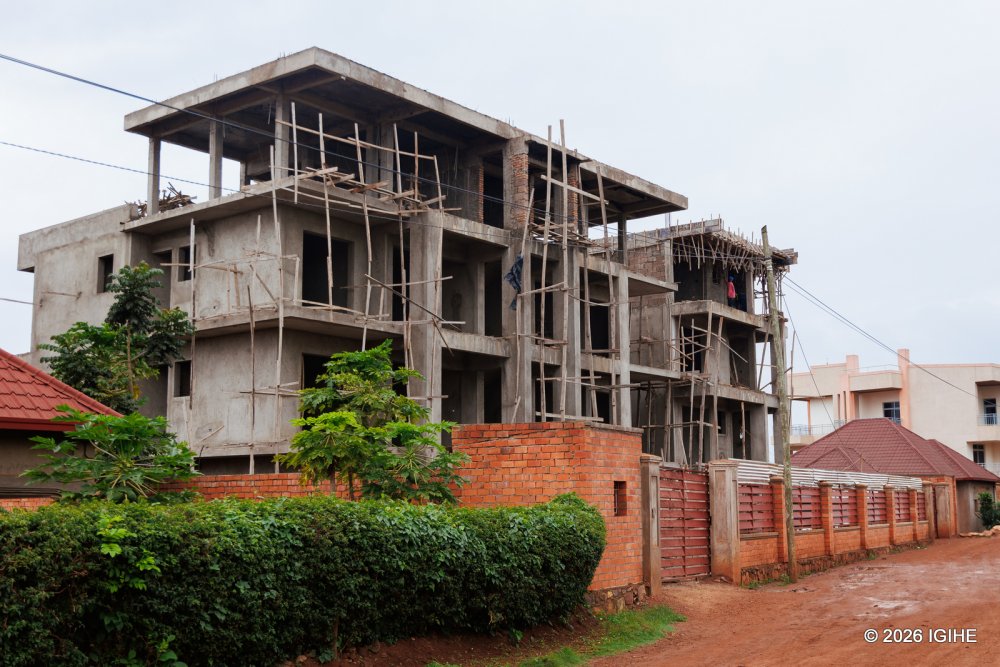
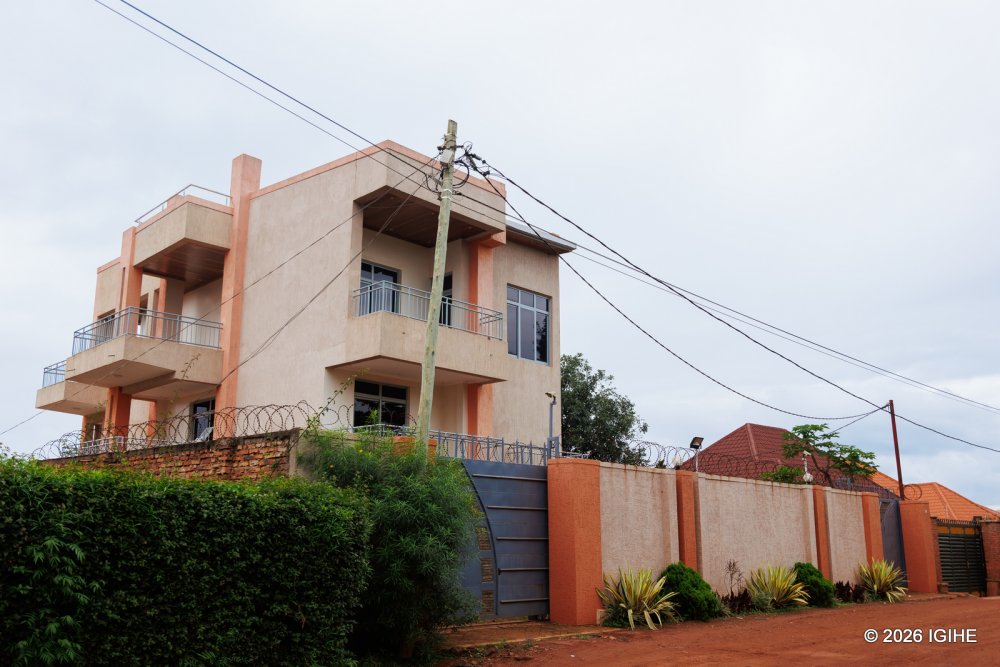
Gasogi has become one of the most densely populated areas.
Leave a Reply