According to the Rwanda Vital Statistics Report 2025, released on April 15, 2026, the recorded divorce cases include separations that occurred over the past three years but were officially entered into the system in 2025.
Out of the 4,479 recorded cases, 2,629 divorces were granted through courts of law.
The highest number of divorce cases was recorded in Kigali City, with 1,199 households, followed by the Eastern Province with 1,011 cases. The Southern Province recorded 976 divorces, while the Western Province had 669, and the Northern Province registered 592 cases.
Data further shows that courts granted 1,068 divorces in 2024, up from 782 cases in 2023, indicating a steady increase in legal separations over recent years.
An analysis of the 2025 figures indicates that in 3,936 of the divorced households, both partners remained in the same province after separation, while in 543 cases, each partner relocated to a different province.
Under Rwanda’s law governing persons and family, divorce may be requested on various grounds, including adultery, conviction for a serious offense, failure to provide for the family, physical or psychological abuse, emotional distress, economic abuse, or other behaviors that seriously harm a spouse, a shared child, or either party individually. Couples may also separate when cohabitation becomes intolerable for one or both partners.
Decline in legal marriages
The report also highlights a decline in legally registered marriages. In 2025, a total of 50,256 marriages were recorded, down from 52,878 in 2024.
Men entering marriage were predominantly aged between 25 and 29, while most women were between 21 and 24 years old.
Districts with the highest number of marriages exceeding 2,000, include; Gasabo District, Gicumbi District, Nyarugenge District, Kicukiro District, Musanze District, Muhanga District, Rubavu District, and Nyamasheke District.
On the other hand, districts with fewer than 1,000 registered marriages include Nyanza District, Gisagara District, and Ngoma District.
In 2025, a total of 50,256 marriages were recorded, down from 52,878 in 2024.
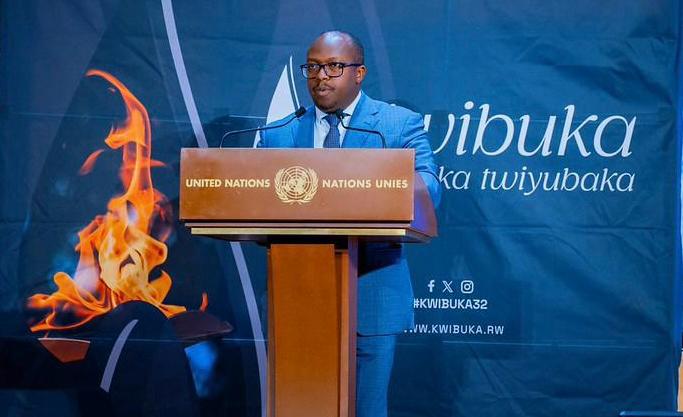
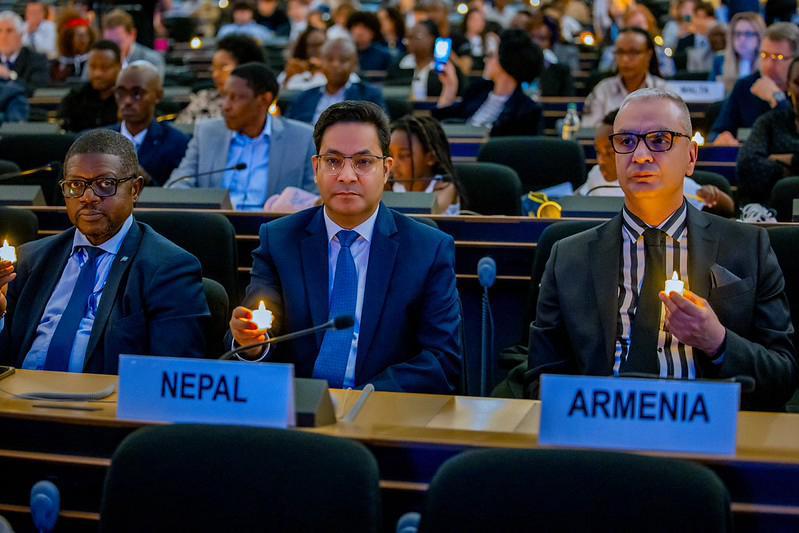
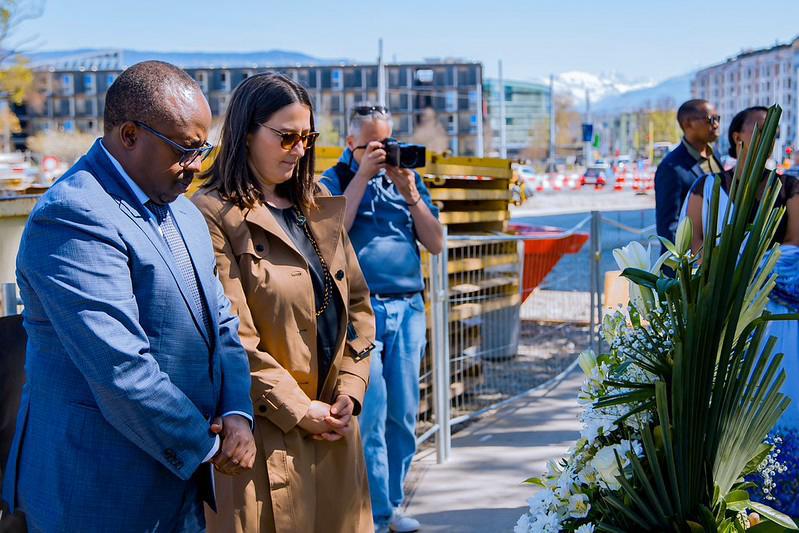
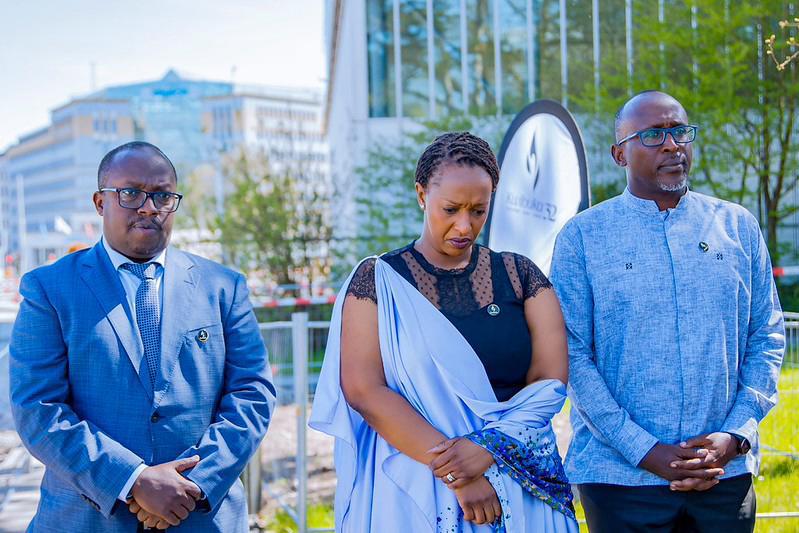
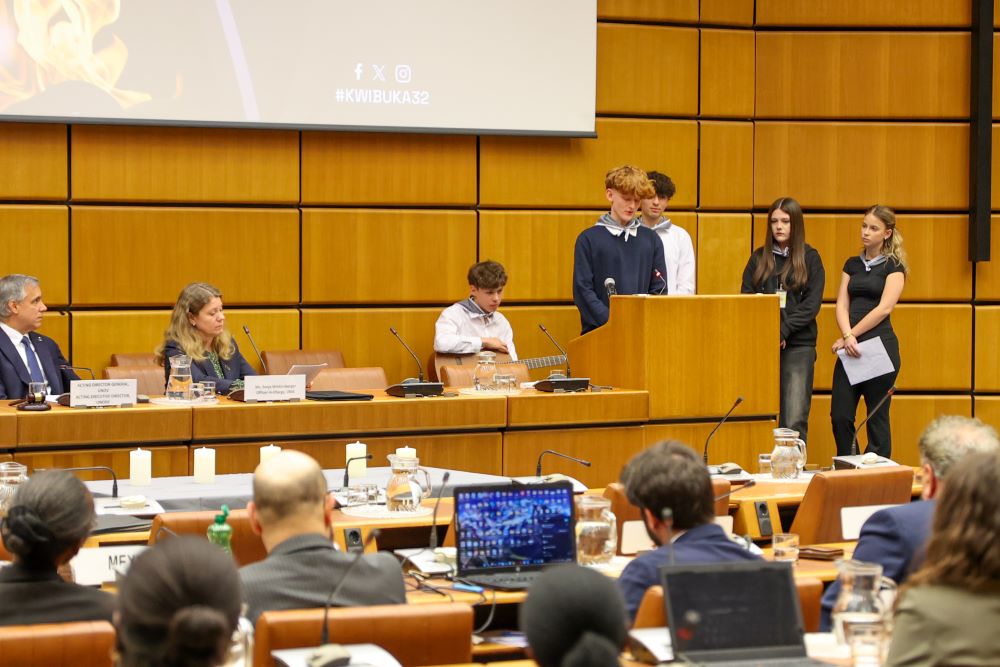
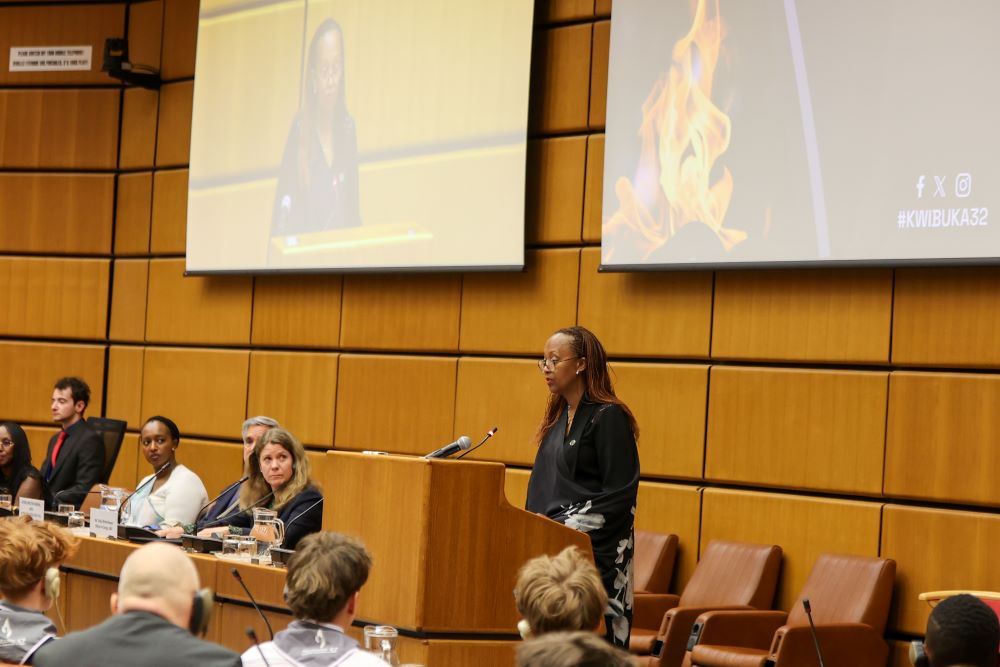
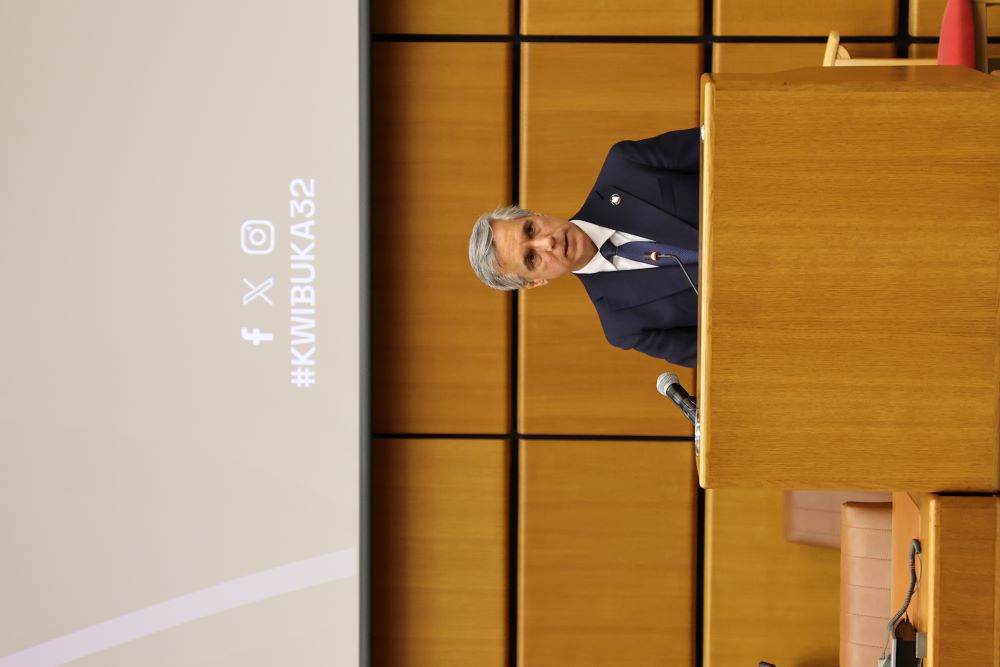
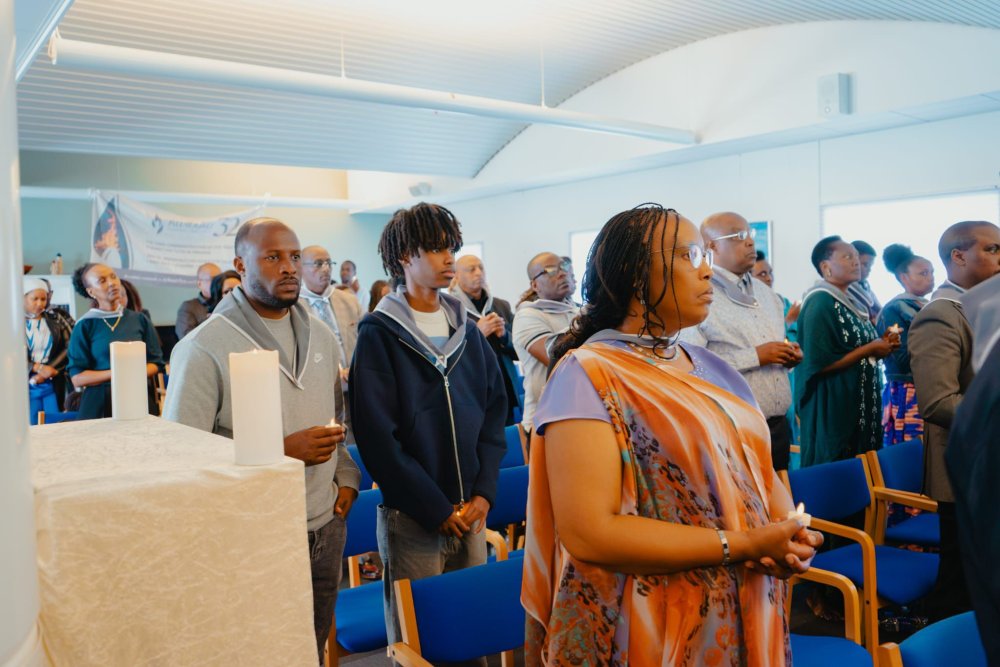
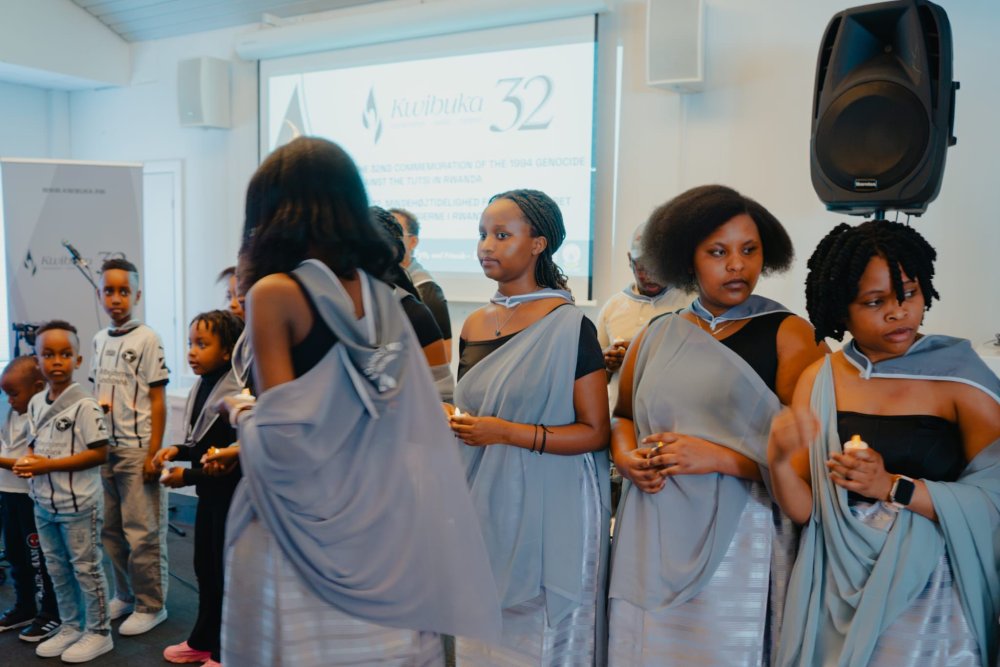
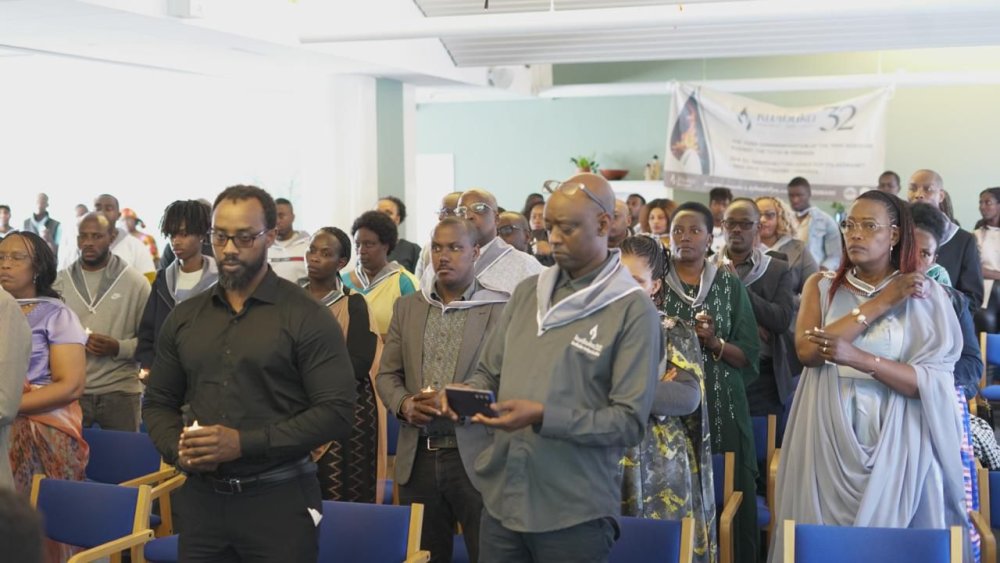
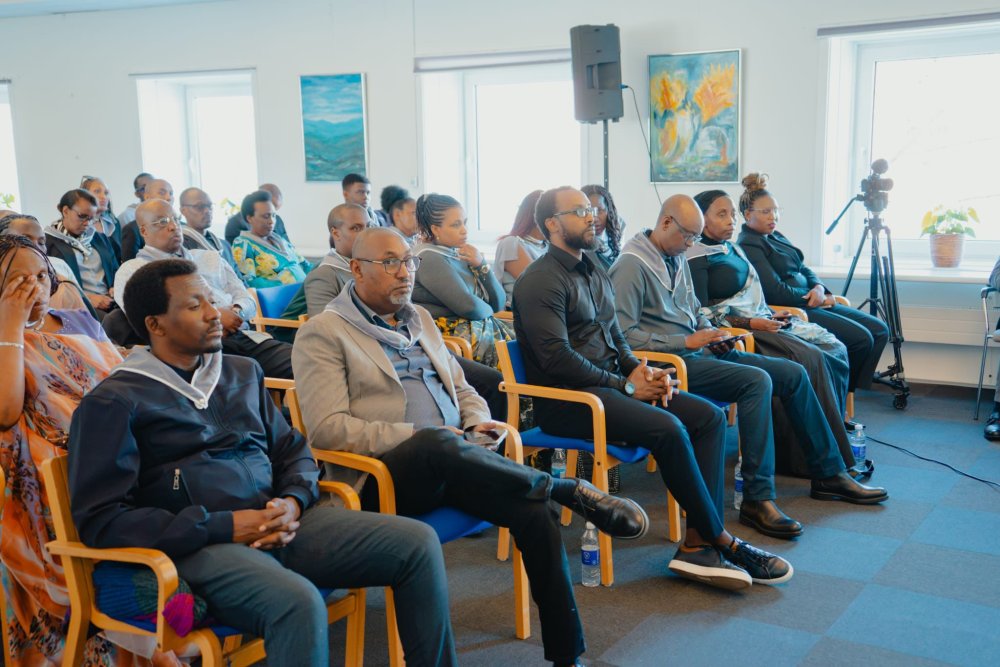
In an atmosphere of solemn reflection, his words rang out with striking clarity: “We are gathered to remember. We are gathered not to forget.” From the outset, the tone was unmistakable. This was not merely about commemoration, it was about commitment.
Speaking on behalf of survivors, Murangira César emphasized the symbolic weight of every presence: an act, a stance, a refusal to accept erasure.
Behind the numbers, he reminded the audience, are human lives. More than one million Tutsi were killed during the Genocide against the Tutsi, a tragedy he evoked with force: “One million broken destinies. One million silenced voices. And yet, those silences still speak.”
Memory as a living responsibility
At the heart of his message was a central truth: for survivors, time does not erase, it intensifies absence and reinforces the duty to remember. “We are the voices of the departed,” he stated, underscoring a responsibility that is both heavy and unrelenting.
But remembrance alone, he insisted, is not enough. It must be accompanied by understanding, explanation, and transmission.
Forgetting, he warned, is never neutral. Denial and distortion of history are never harmless, they always lay the groundwork for future atrocities.
In a clear and uncompromising analysis, he stressed that the genocide was neither accidental nor spontaneous. It was conceived, planned, and executed. It was driven by a racist ideology, Hutu Power, whose roots trace back to the colonial era and decades of recurring violence.
One of the most striking moments of his address focused on the role of the international community. “The world knew. And it did not act.” A heavy indictment, pointing to the inaction of major powers and international institutions as Rwanda descended into horror.
Embassies closed. Foreign nationals were evacuated. Diplomatic hesitation prevailed. Meanwhile, thousands were being killed every single day. “This indifference killed. This silence killed,” he stressed.
Murangira also highlighted the decisive role played by the Rwandan Patriotic Front in bringing the genocide to an end.
“We must have the courage to acknowledge it,” he said, noting that this intervention saved lives and ensured the survival of Tutsi in Rwanda.
Today, survivor testimonies remain essential. They challenge, they confront, and they prevent falsehoods from taking root.
Beyond remembrance, such commemorations stand as acts of resistance, against forgetting, against denial, against indifference. They restore dignity and humanity to those the genocide sought to erase.
But they also raise an urgent and universal question: what do we do with this memory?
In a world where hate speech and exclusionary ideologies are re-emerging, Murangira César called for constant vigilance. “We do not have the right to remain bystanders,” he warned.
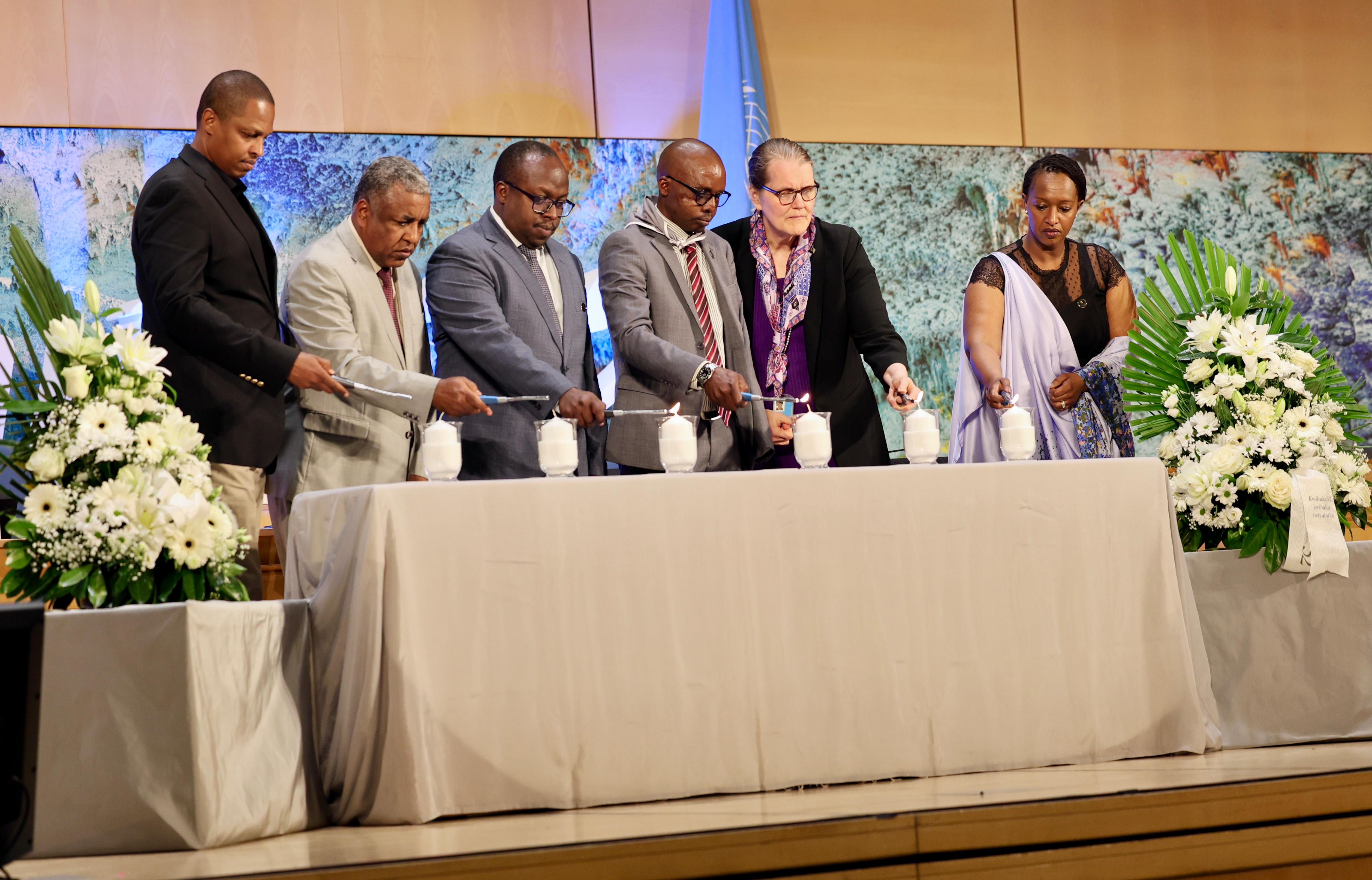
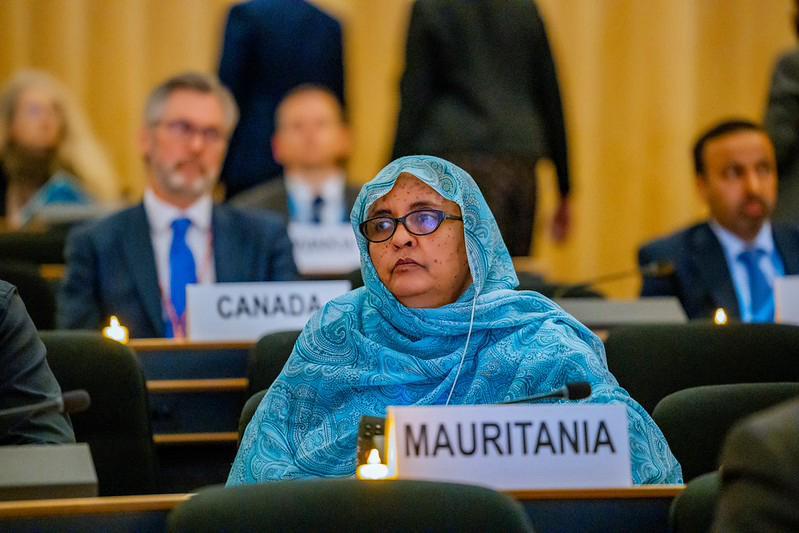
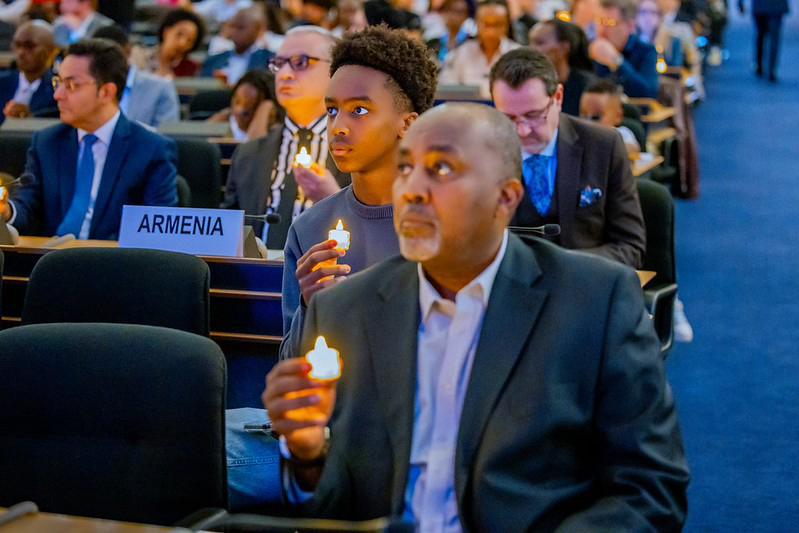
In Geneva, his message transcended commemoration. It stood as a call to collective conscience: to remember, yes, but above all, to act, so that history never repeats itself.
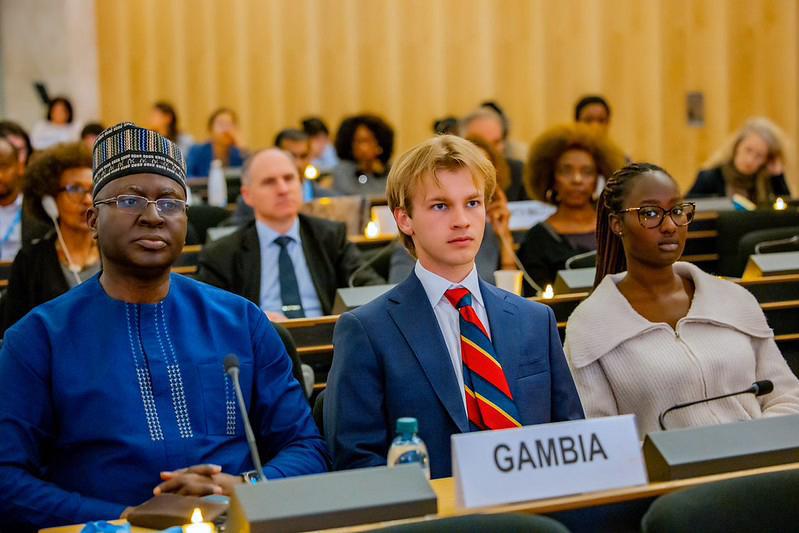
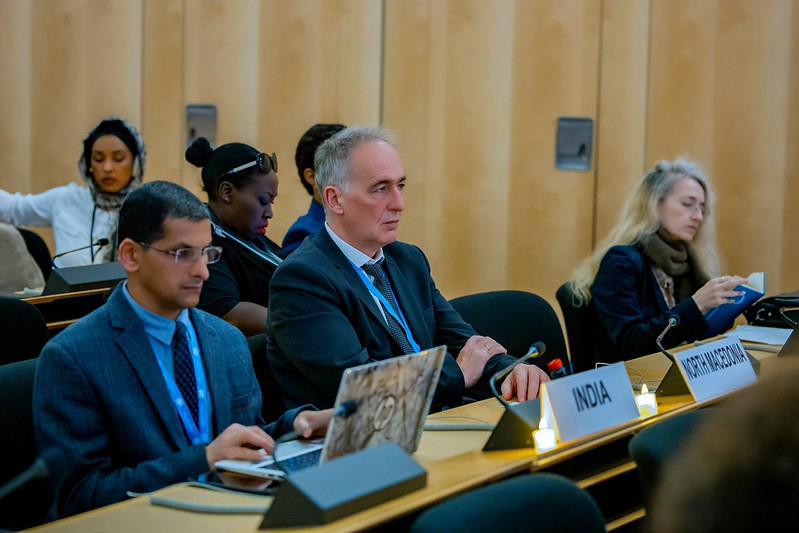
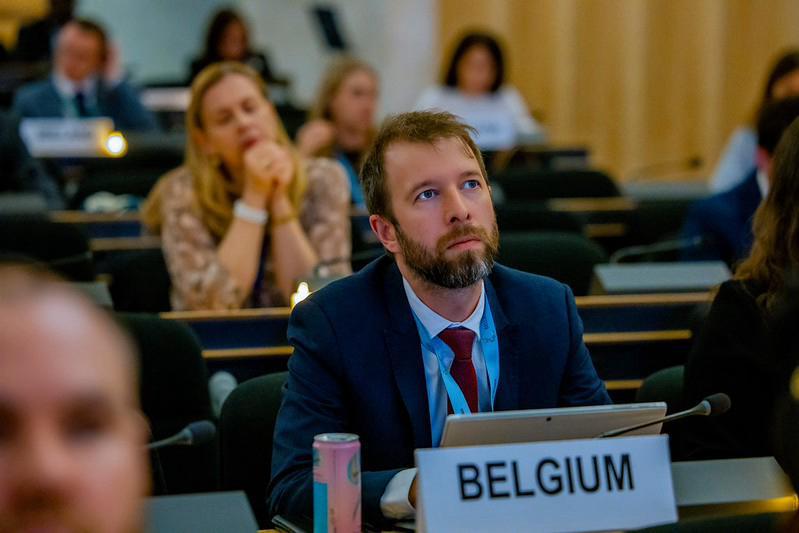
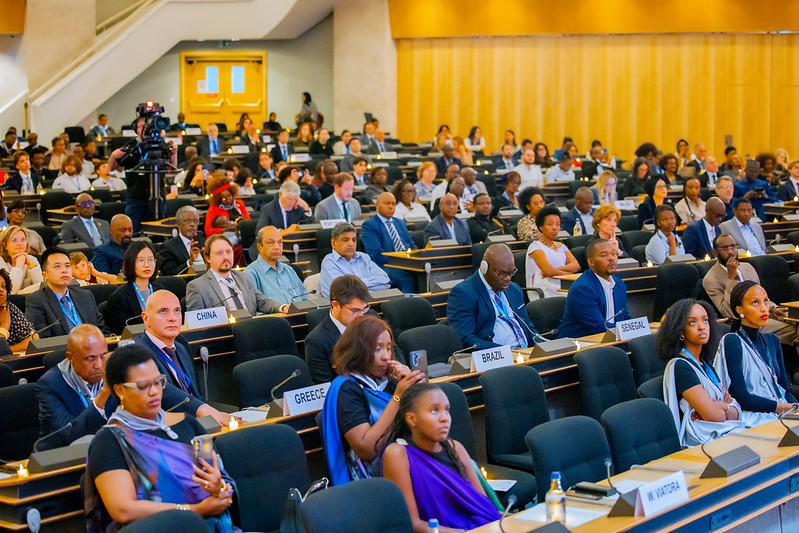
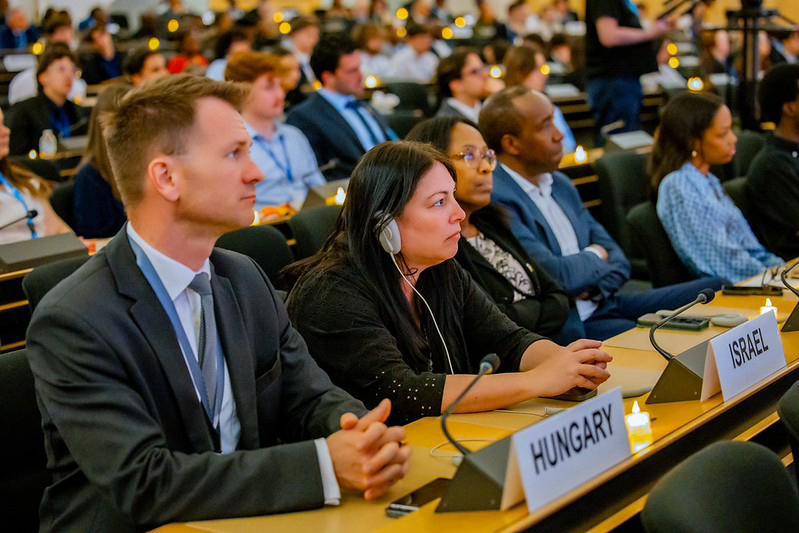
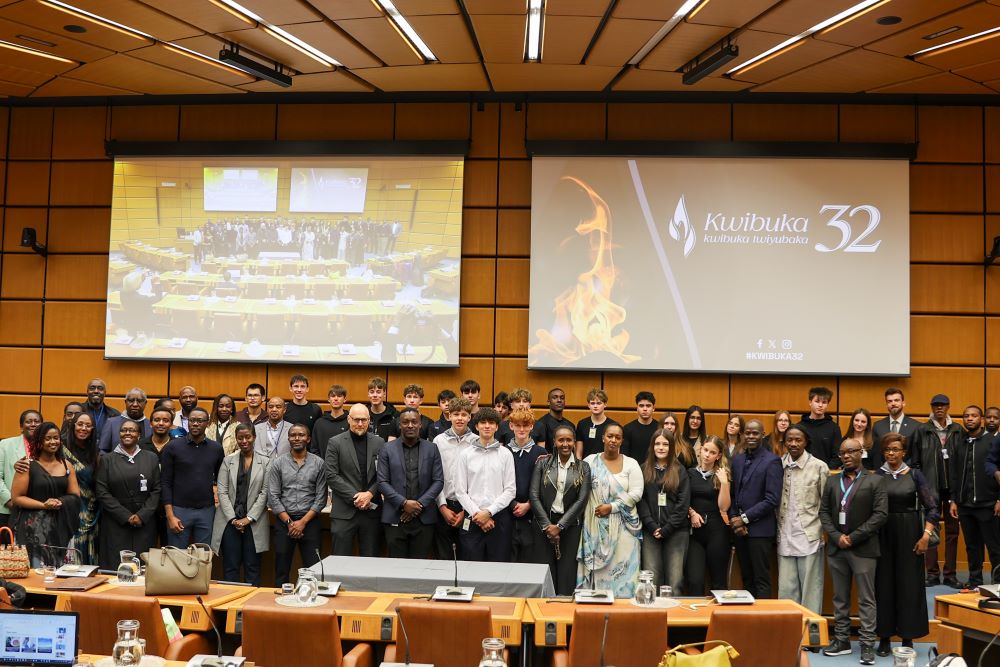
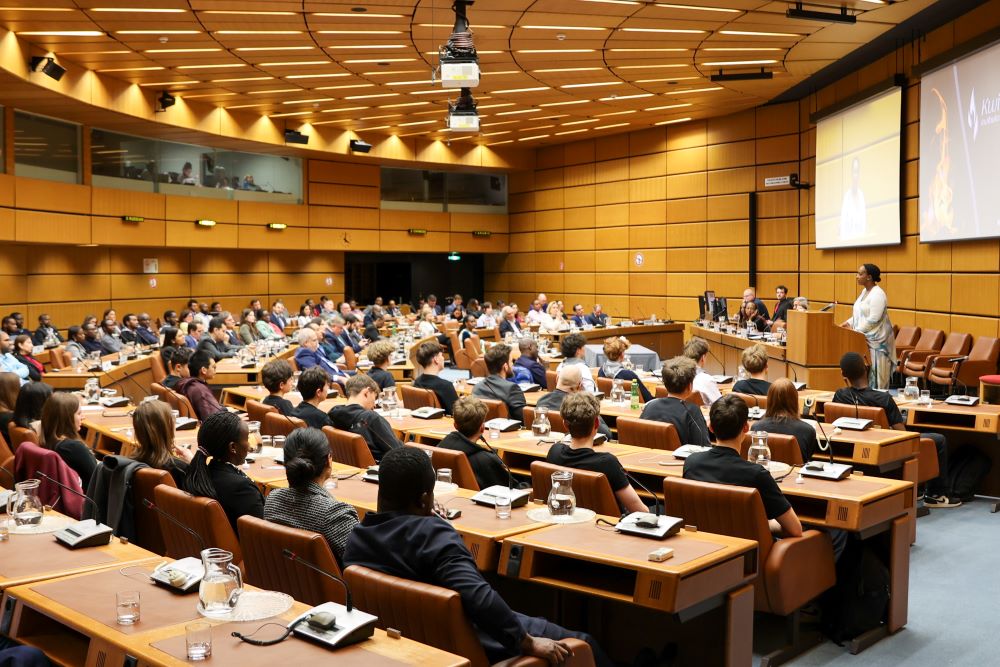
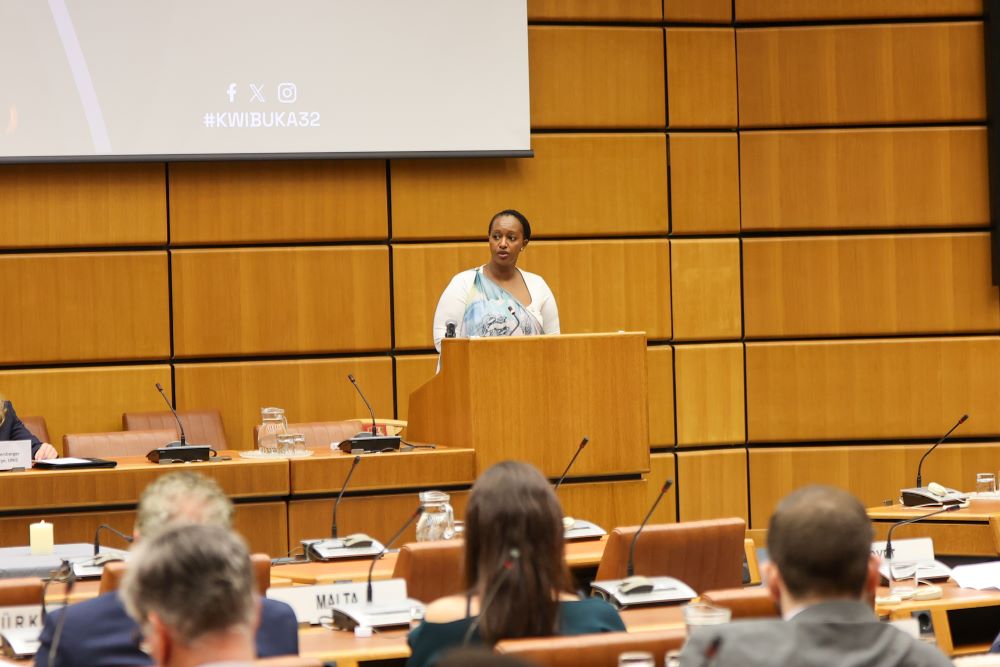
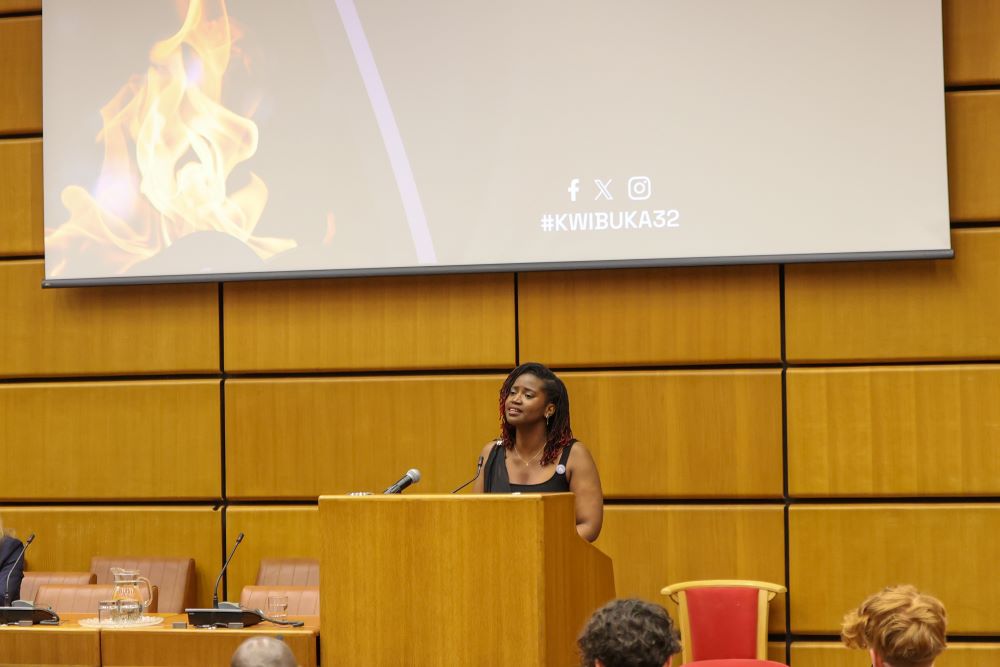
Ibuka Switzerland president Murangira César has delivered a deeply powerful address at the headquarters of the United Nations.
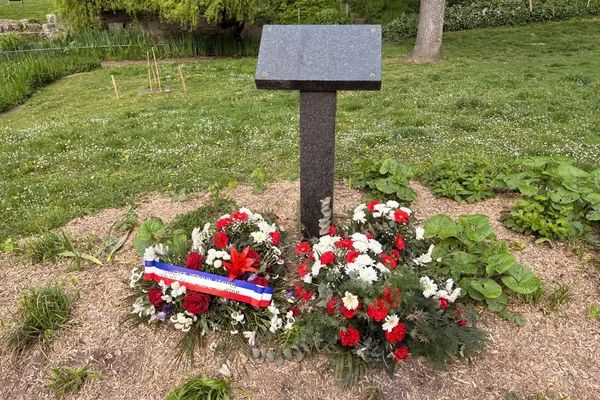
The incident occurred just days after official commemoration ceremonies, intensifying the sense of indignation.
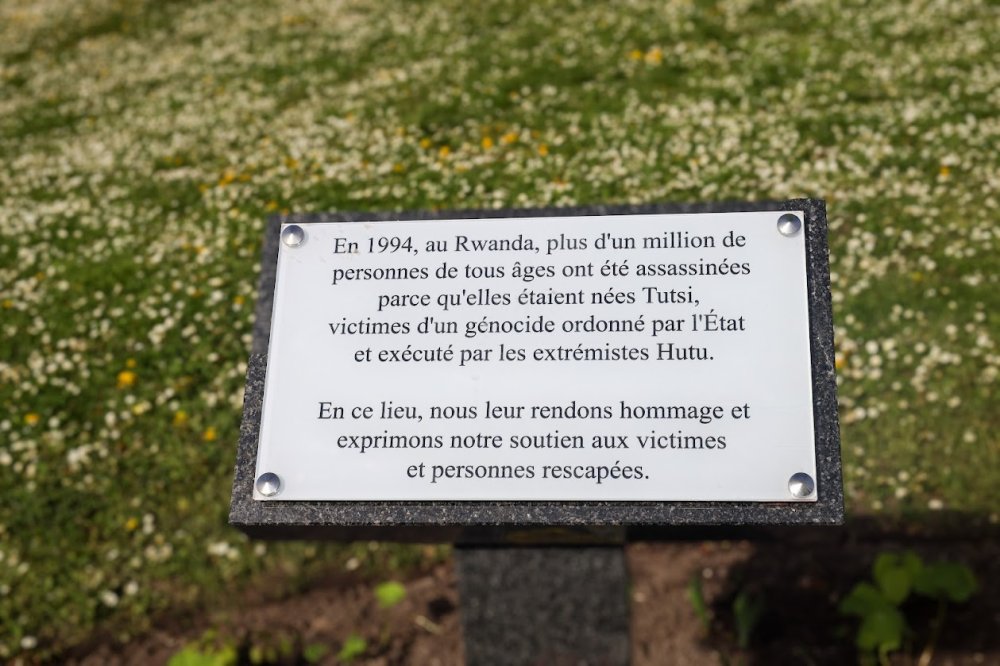
“Shock and dismay” have been widely expressed in reaction to the damage. Beyond the material destruction, this act represents a serious desecration of a site of remembrance, undermining the dignity of the victims, the respect owed to survivors, and the fundamental principles of truth and justice.
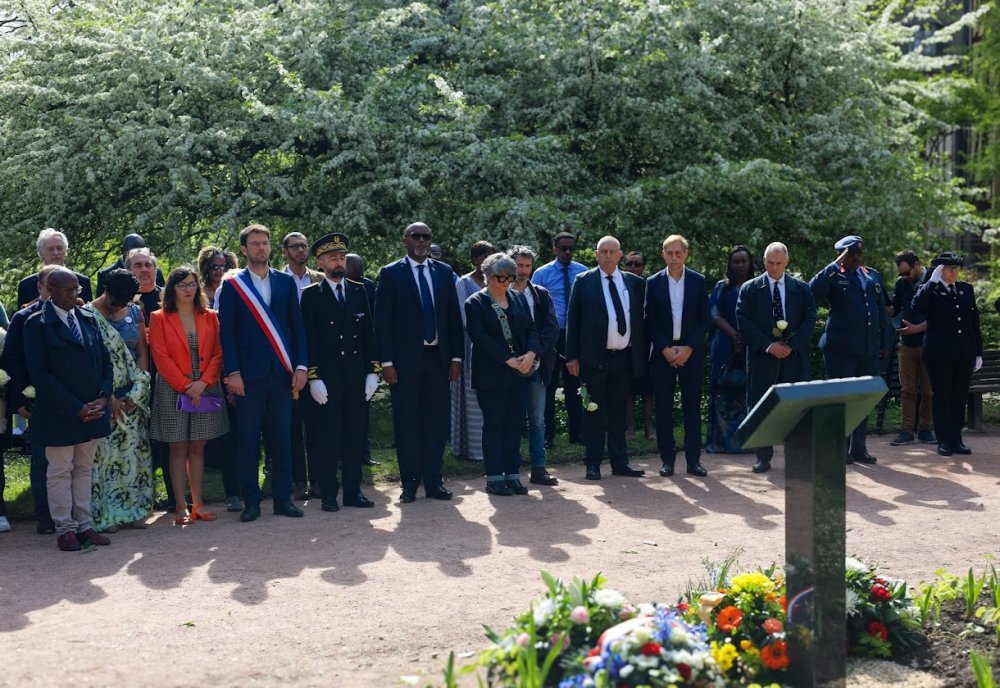
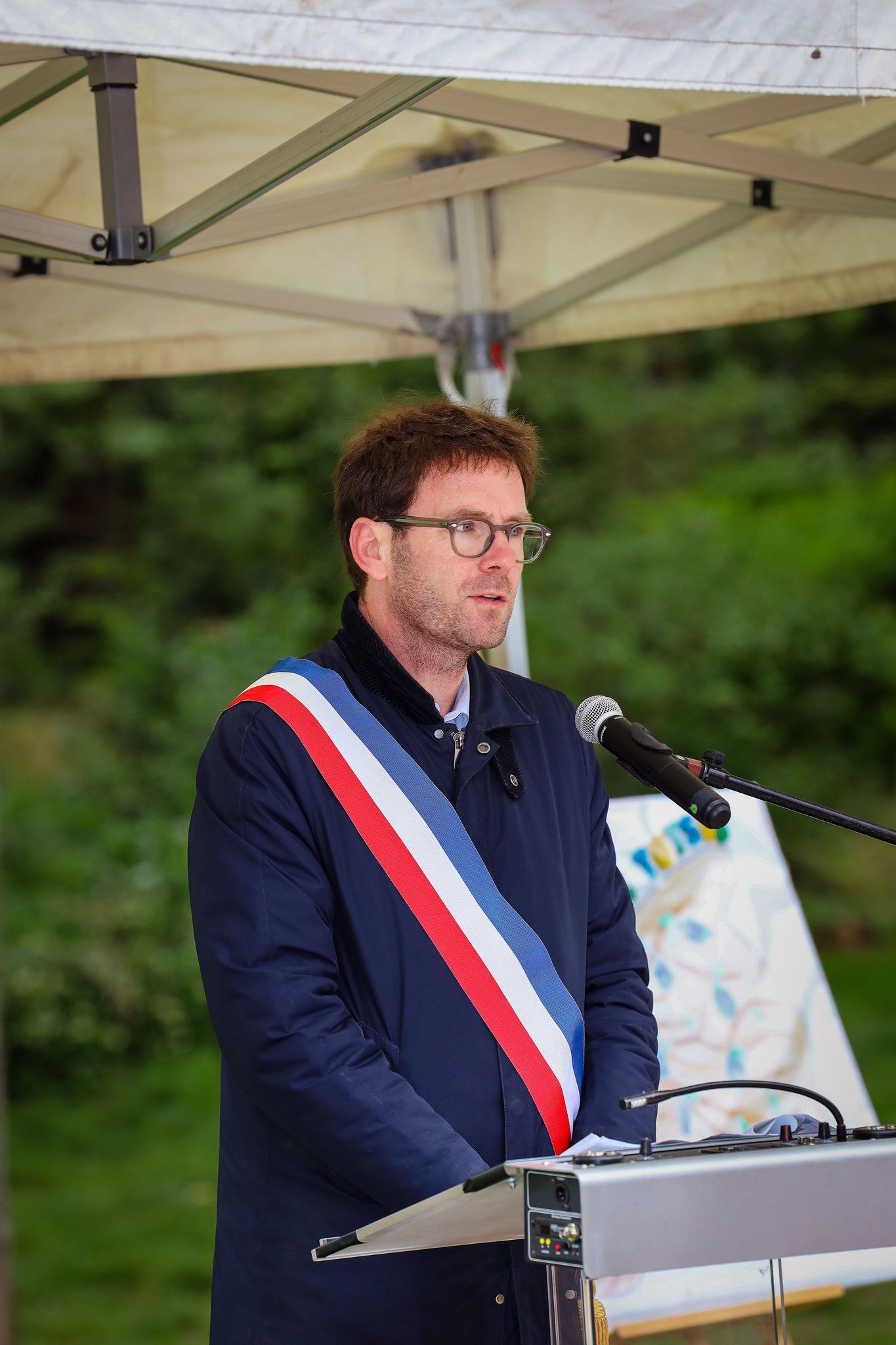
The message of shock was also delivered by Rouen’s Mayor, Nicolas Mayer-Rossignol, who strongly condemned the act and reaffirmed the city’s support for the Rwandan community. He described the vandalism as unacceptable and confirmed that the city would file a formal complaint to ensure those responsible are brought to justice.
In a statement released on April 16, 2026, the Rwandan Community of France (CRF) strongly condemned the act. The organization also raised concerns about a troubling context marked by repeated attacks on memorial sites, as well as the spread of denialist and hateful discourse, particularly online.
The CRF further called on French authorities to address the actions of individuals known for publicly and repeatedly promoting such narratives, urging a firm judicial response commensurate with the gravity of the situation.
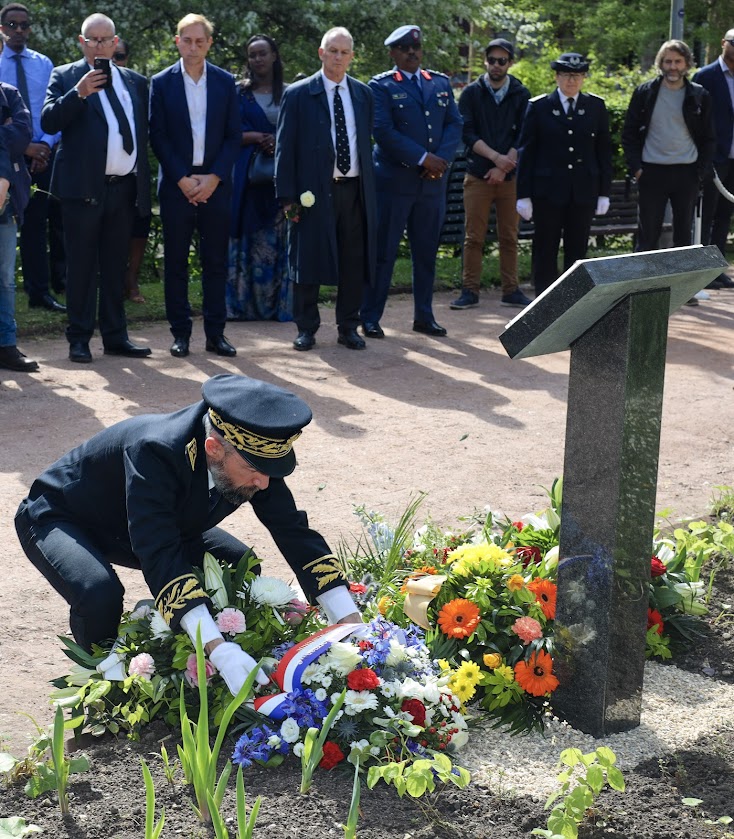
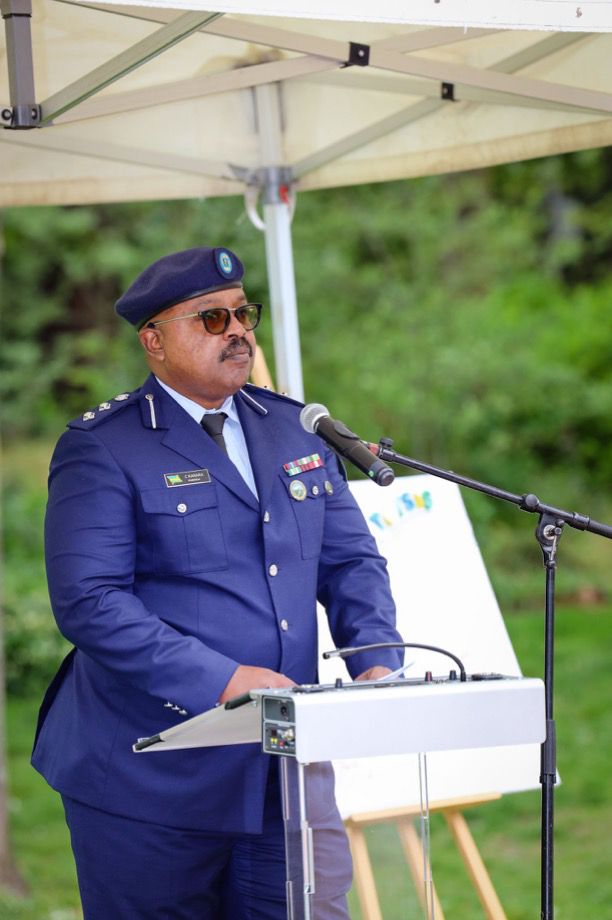
The memorial to victims of Genocide against the Tutsu has been vandalized. The memorial serves as a place for remembrance of victims of Genocide against the Tutsi. Col. Karara represented the ambassador at the commemoration eventRouen’s Mayor, Nicolas Mayer-Rossignol strongly condemned the act and reaffirmed the city’s support for the Rwandan community.
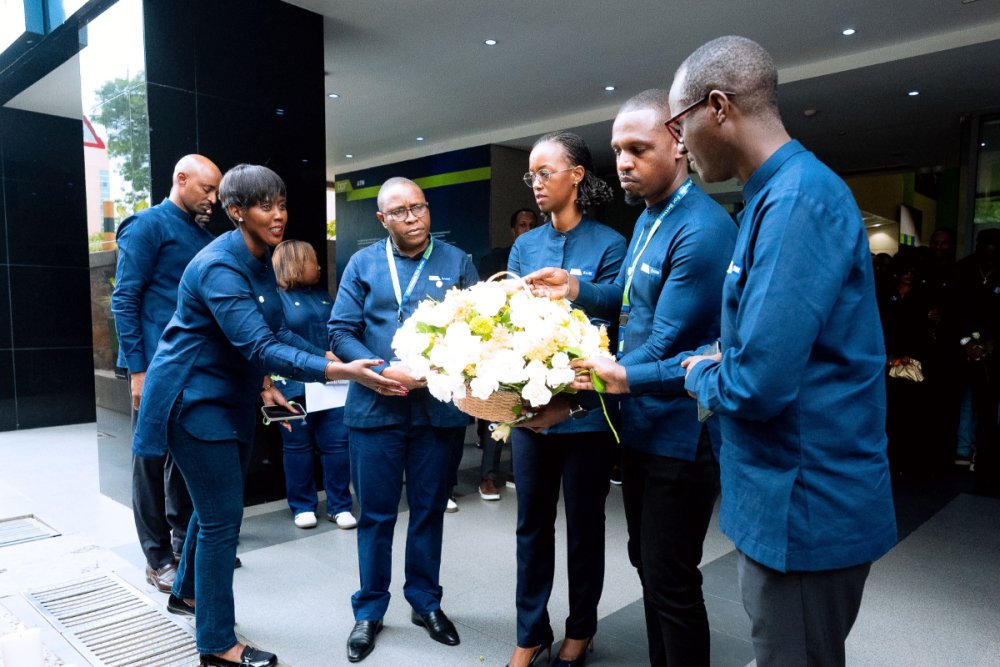
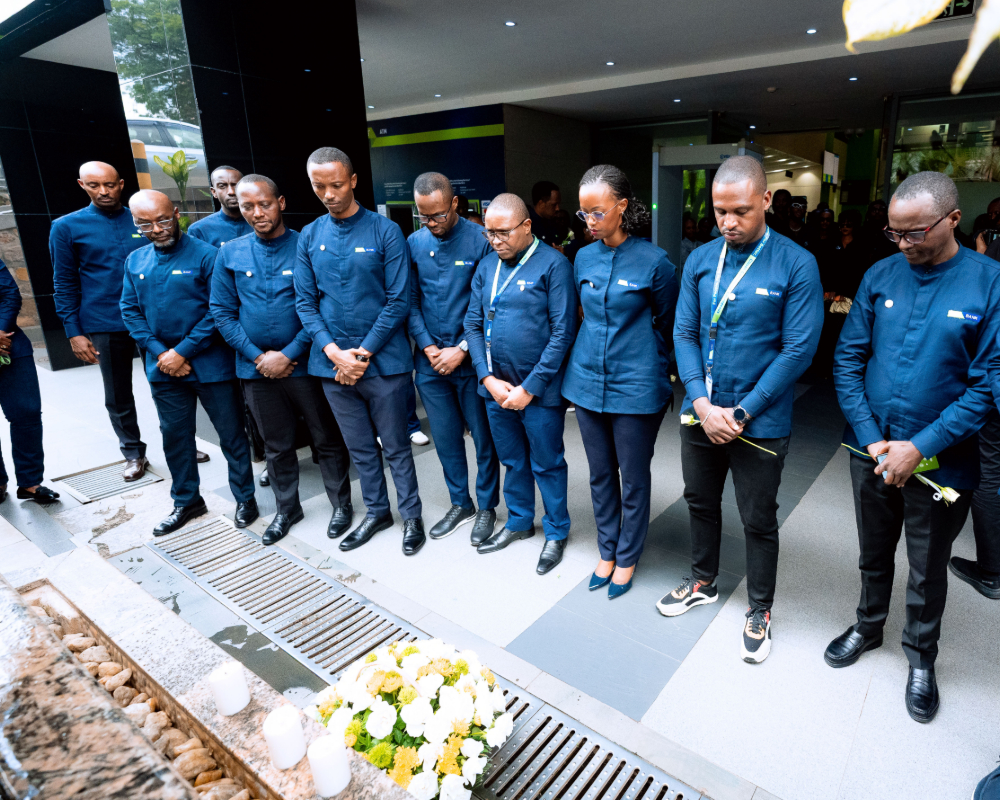
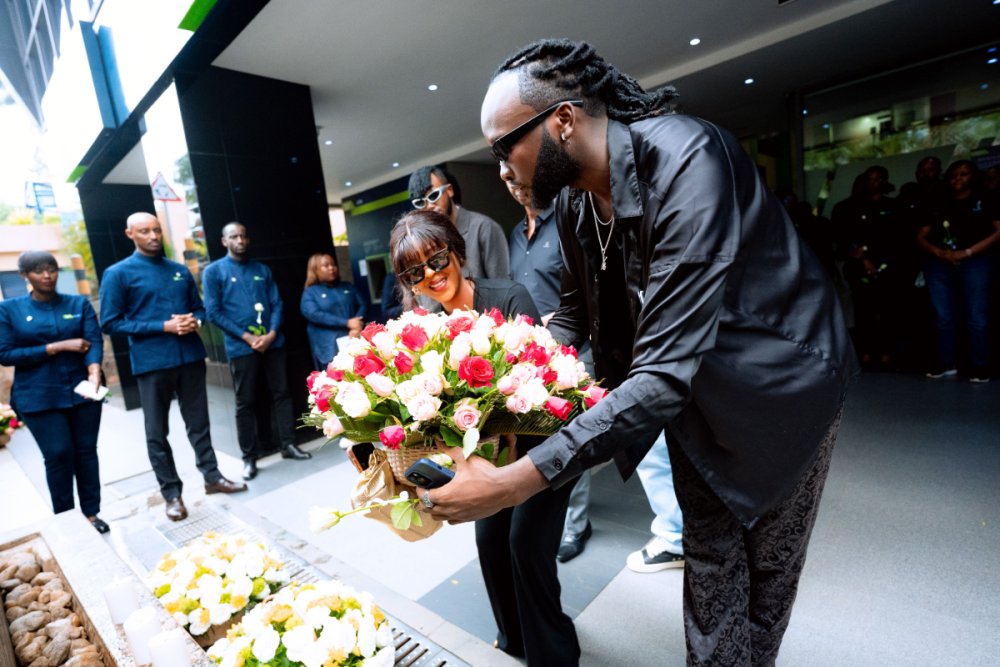
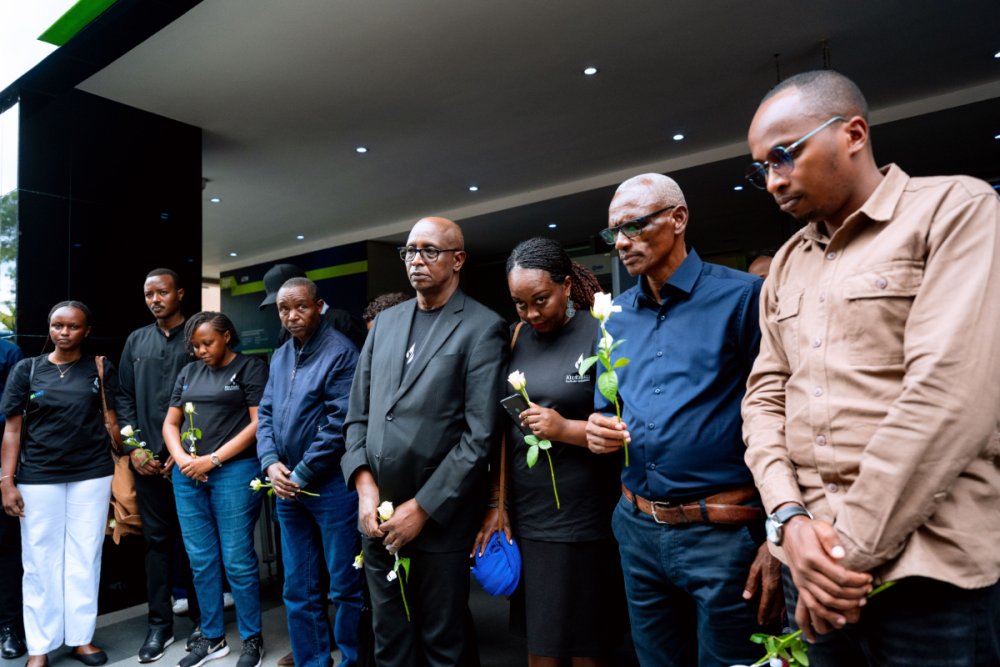
The commemoration event began at the bank’s head office in Kigali, where management and staff laid wreaths at a memorial bearing the names of the 33 employees who lost their lives in the 1994 Genocide against the Tutsi.
After paying tribute to the victims, BPR Bank leadership and employees proceeded to Nyanza Genocide Memorial, where they honoured the victims buried there and received a historical briefing on the events that took place in the area during the genocide.
They were taken through the specific history of Kicukiro in 1994, particularly at the former ETO Kicukiro, where many Tutsi had sought refuge.
On April 11, 1994, United Nations peacekeeping forces (UNAMIR) abandoned more than 3,000 Tutsi who had taken shelter at ETO Kicukiro, withdrawing and leaving them vulnerable to attacks by Interahamwe militias and government forces, who subsequently killed them.
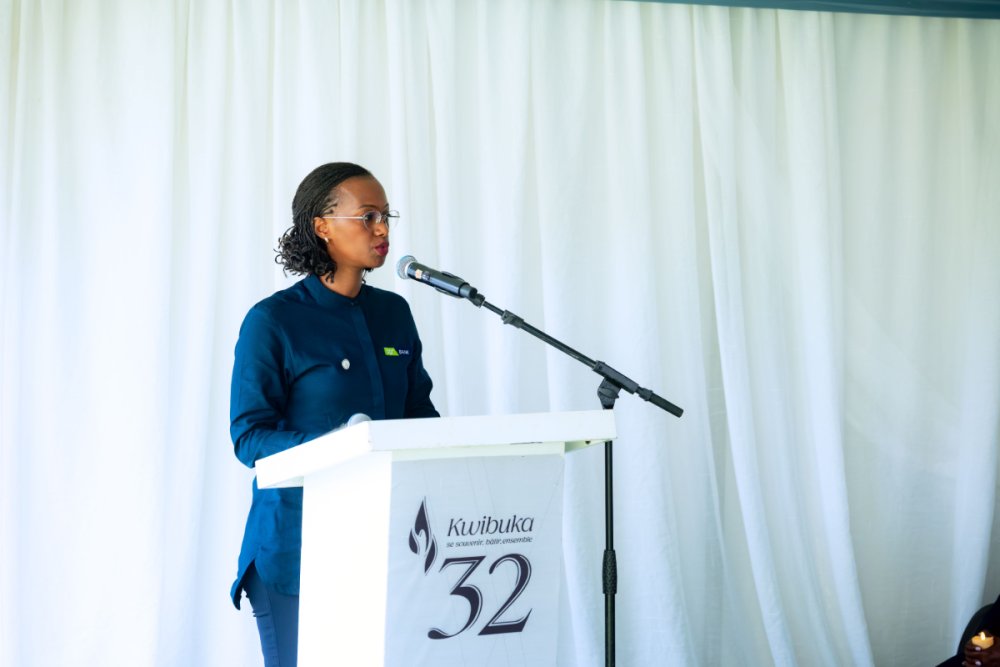
Speaking during the commemoration, BPR Bank Rwanda Managing Director Patience Mutesi said remembering the Genocide against the Tutsi is a responsibility for all employees, as it is a way of honouring the victims.
“Commemoration is our collective duty and a commitment to honour the victims of the Genocide against the Tutsi, while continuing to protect the truth so that future generations never forget,” she said.
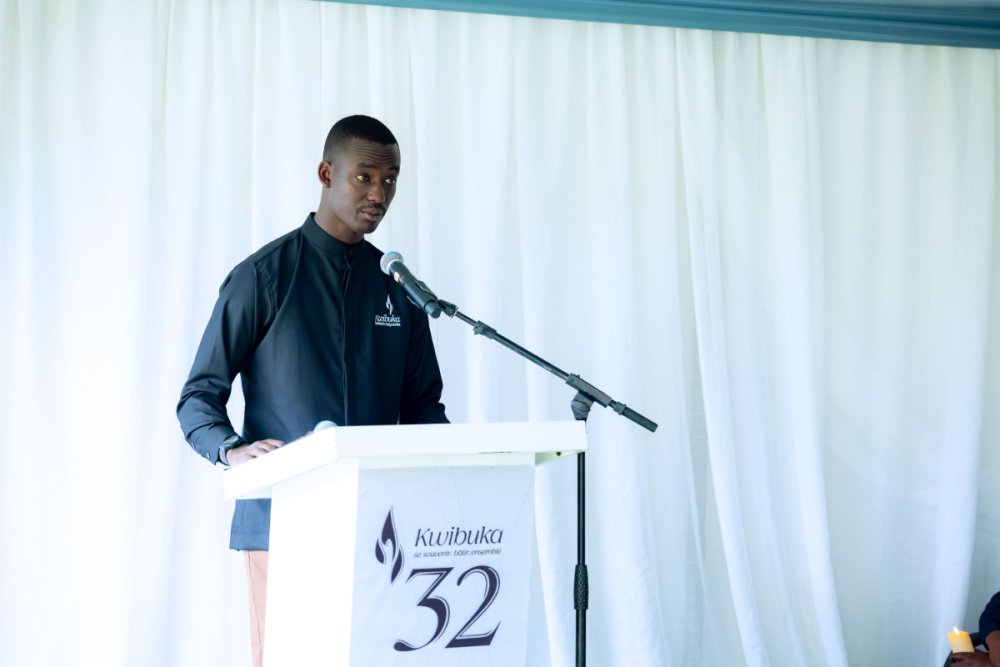
IBUKA Vice President Blaise Ndizihiwe called on young people, especially artists and workers, to take responsibility in remembering the genocide and to actively confront those who continue to deny or distort its history.
“Young people often remain silent and do not openly acknowledge that the genocide happened, or assume others will speak about it. No one will tell our history for us. Preserving our history is not the responsibility of IBUKA alone, but of all of us,” he said.
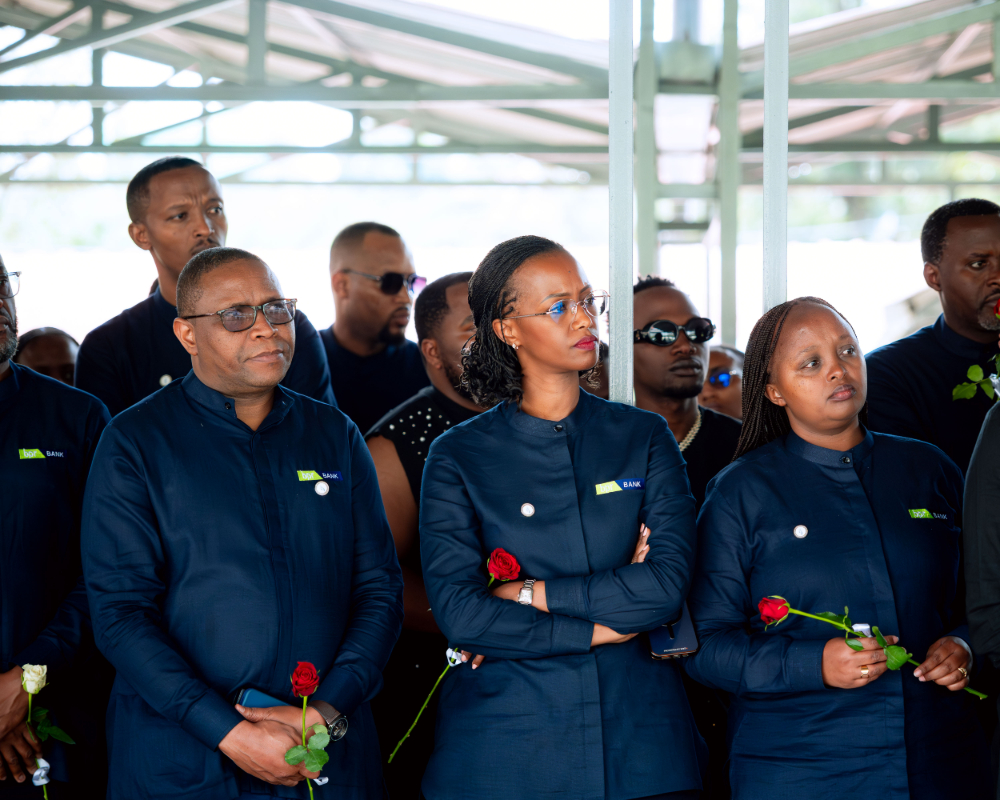
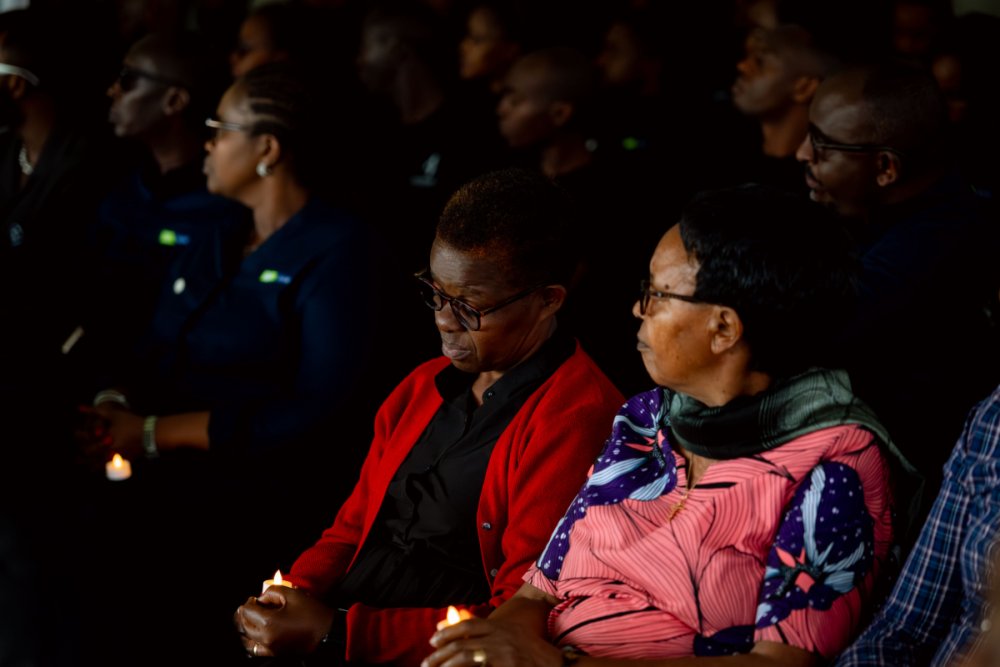
Families of BPR employees who were killed during the Genocide against the Tutsi took part in the commemoration event.BPR Bank Rwanda management and staff were briefed on the history preserved at the Nyanza Genocide Memorial.BPR Bank management laid wreaths at the memorial site of former employees who were killed during the Genocide against the Tutsi.BPR Bank staff paid tribute to their colleagues who were killed during the Genocide against the Tutsi.IBUKA Vice President Blaise Ndizihiwe told the youth and artists that commemorating the Genocide against the Tutsi also comes with the responsibility of confronting those who continue to deny or distort its history. BPR Bank Rwanda Managing Director Patience Mutesi said that commemorating the Genocide against the Tutsi is a duty of the bank’s employees, as it is a way of honouring the victims. Artists Marina and Kevin Kade laid wreaths at a memorial bearing the names of former BPR Bank employees who were killed in Genocide against the Tutsi. Relatives of former BPR employees also attended the commemoration event.
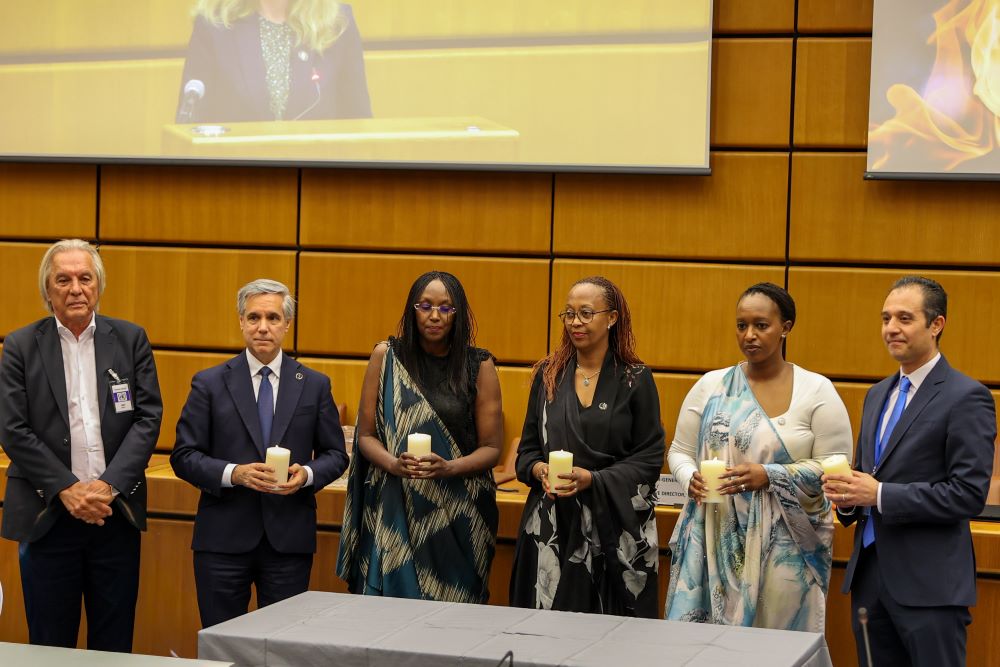
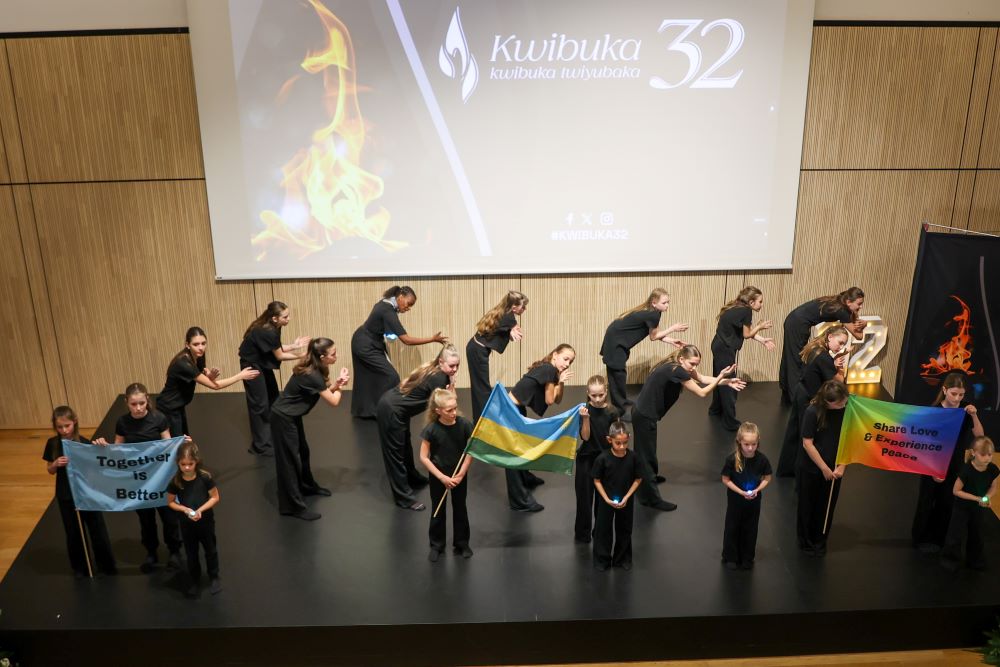
The commemoration began on April 9 at the United Nations Office at Vienna, where the message of the UN Secretary-General was delivered, emphasizing the need to strengthen shared values and institutions to prevent future atrocities.
A key moment of the ceremony was the testimony of genocide survivor Yvonne Buhikare, whose account drawn from her book “Ils vont nous tuer” highlighted the importance of preserving memory and confronting historical truth.
Rwanda’s Ambassador to Austria, Urujeni Bakuramutsa, stressed that the genocide was not spontaneous but carefully planned, warning that such crimes begin with hate speech, dehumanization and the normalization of violence.
The commemoration continued on April 11 in Innsbruck, Tyrol, in an event organized by the Rwandan community in Austria, with participation from local authorities and residents.
The event featured remarks from community leaders, representatives of survivors and local officials, reaffirming a shared commitment to remembrance and prevention.
A powerful testimony by survivor Marie Kresbach Kabera, underscored resilience and the importance of ensuring that such atrocities never happen again.
The programme also included performances by children, poetry and musical tributes, reflecting intergenerational engagement in preserving memory.
Amb. Bakuramutsa welcomed the first-ever commemoration of Genocide against the Tutsi in Tyrol and commended the City of Innsbruck’s initiative to establish a memorial in honour of the victims.
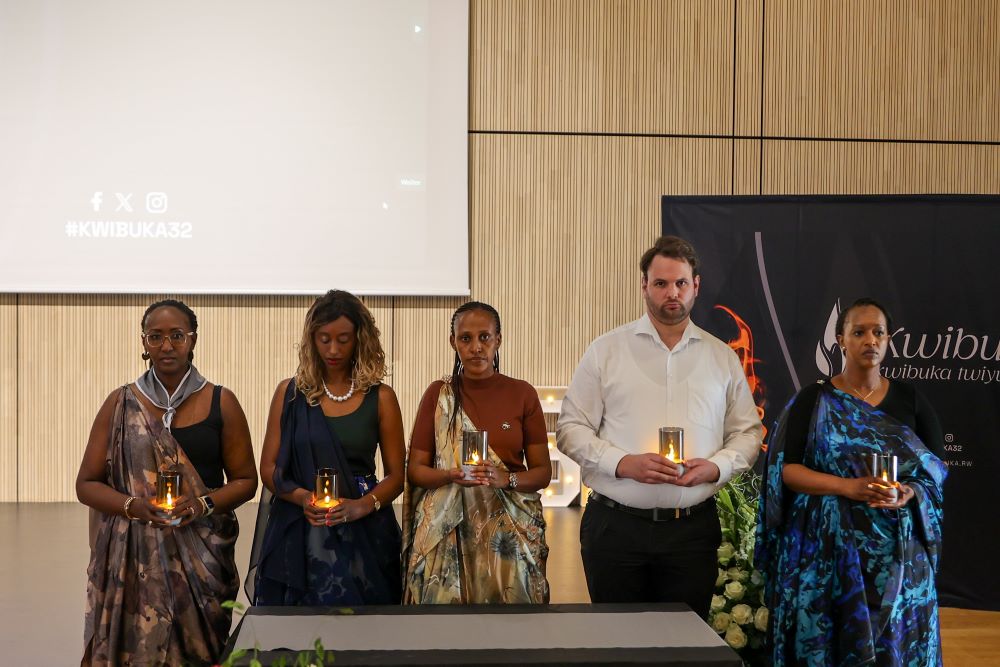
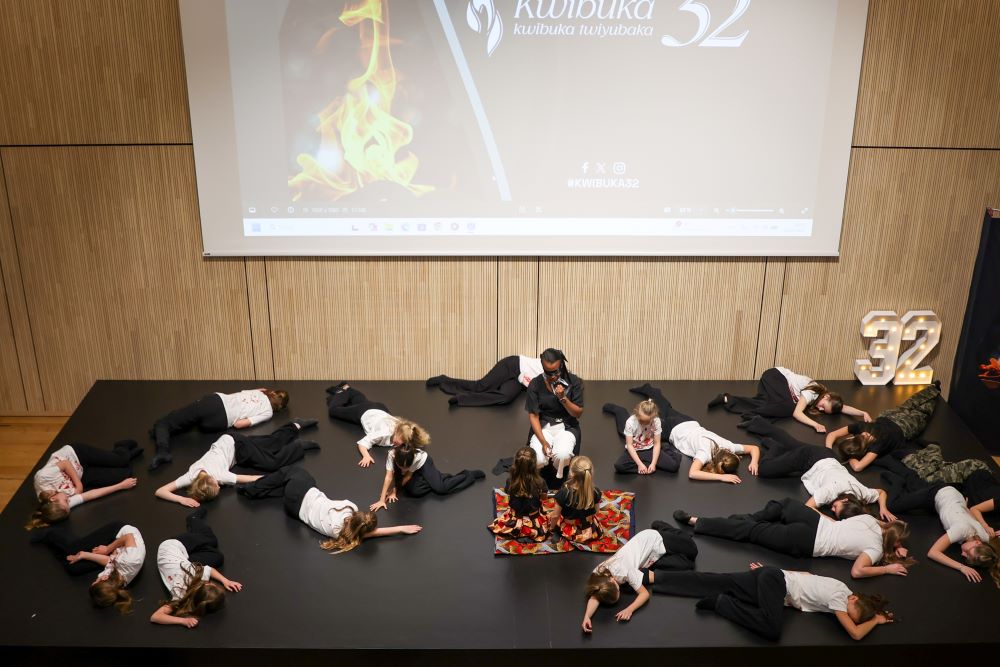
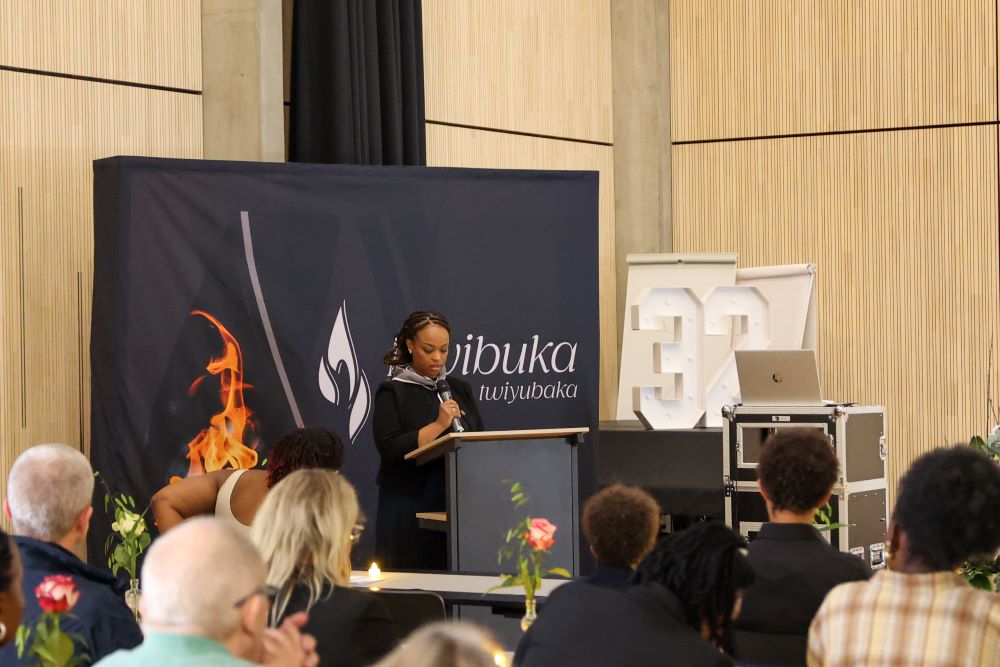
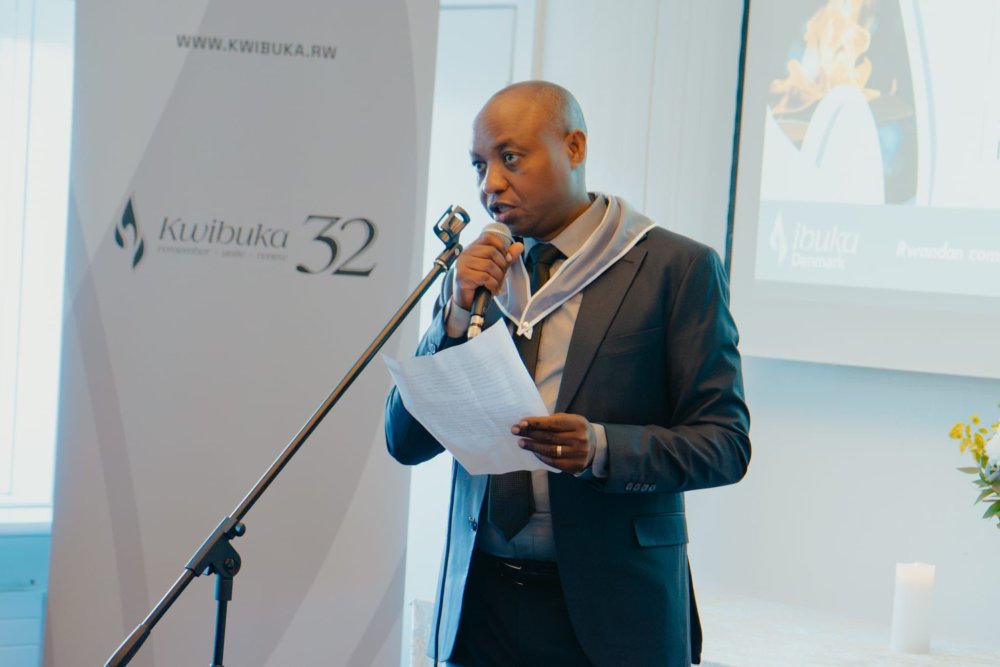
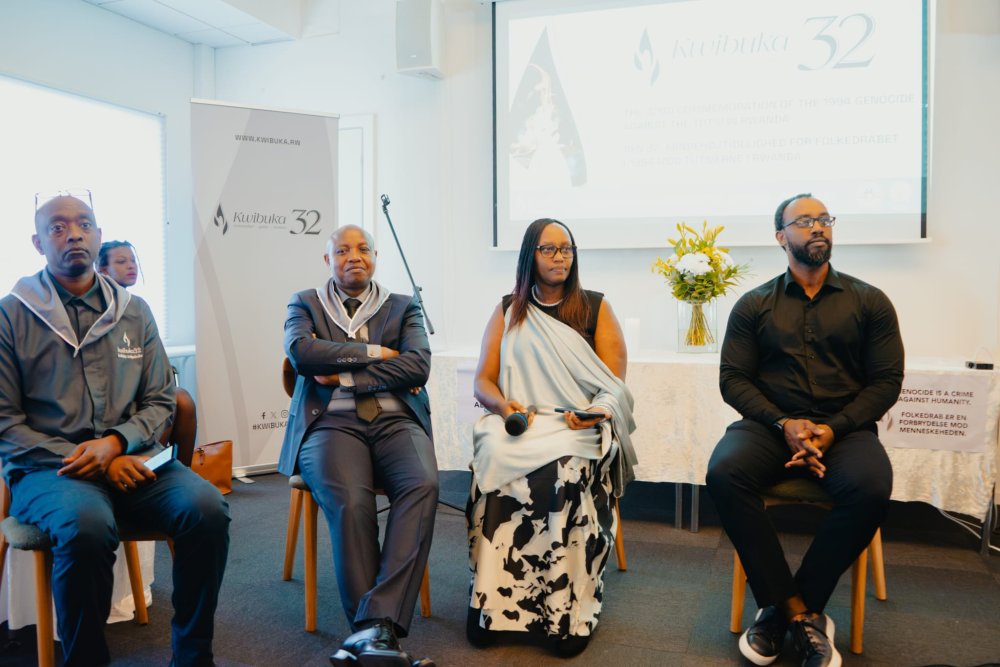
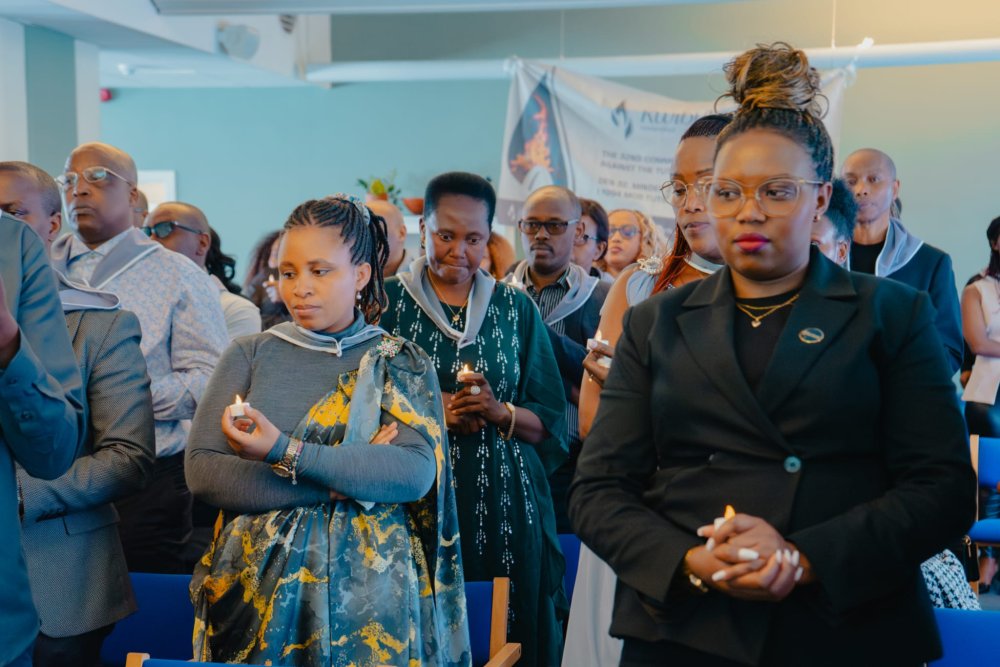
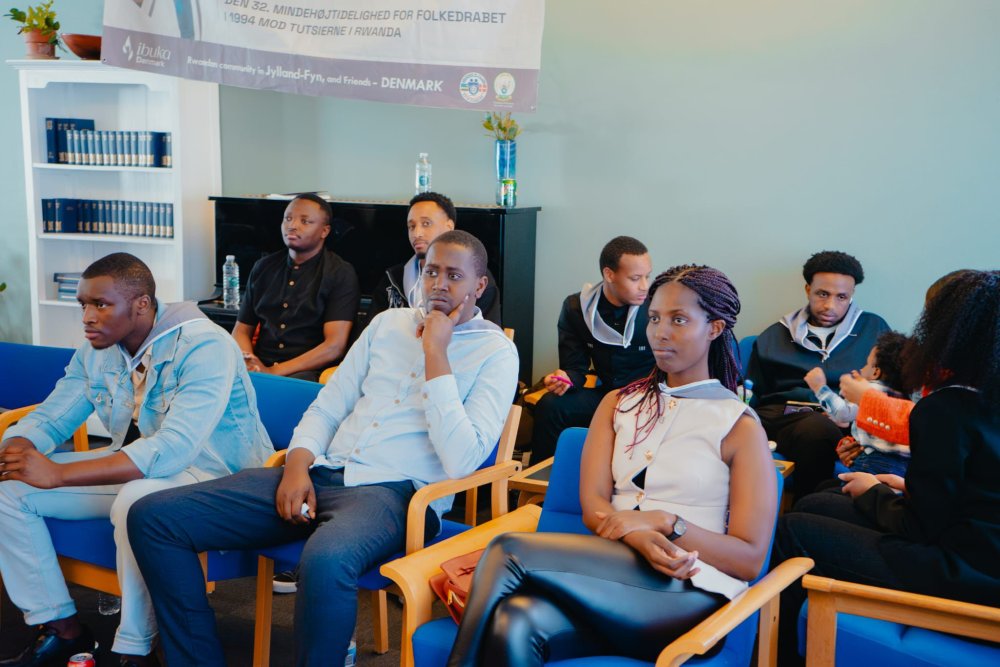
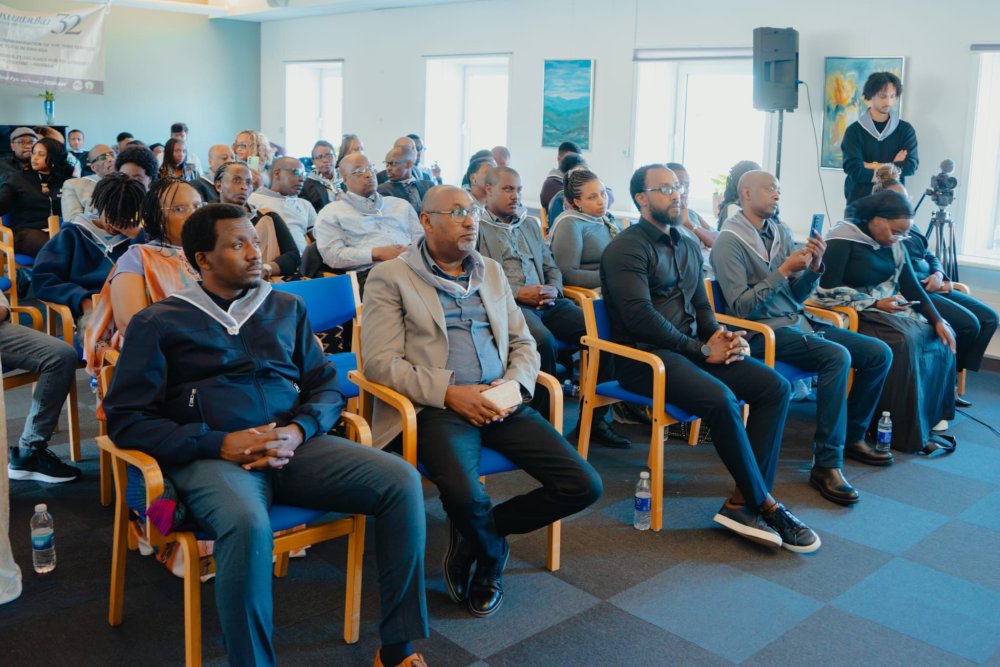
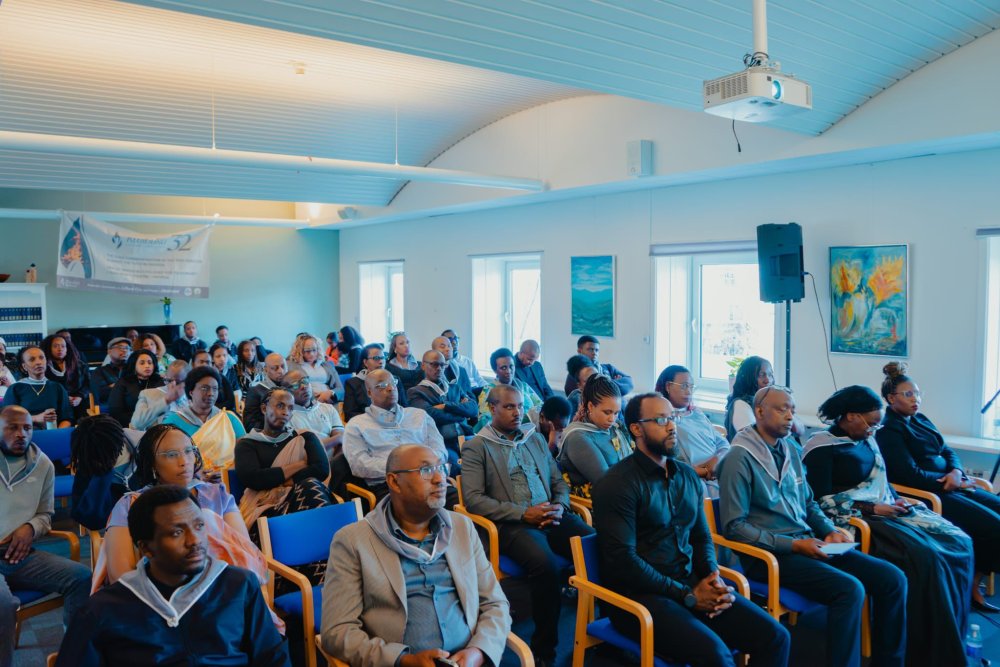
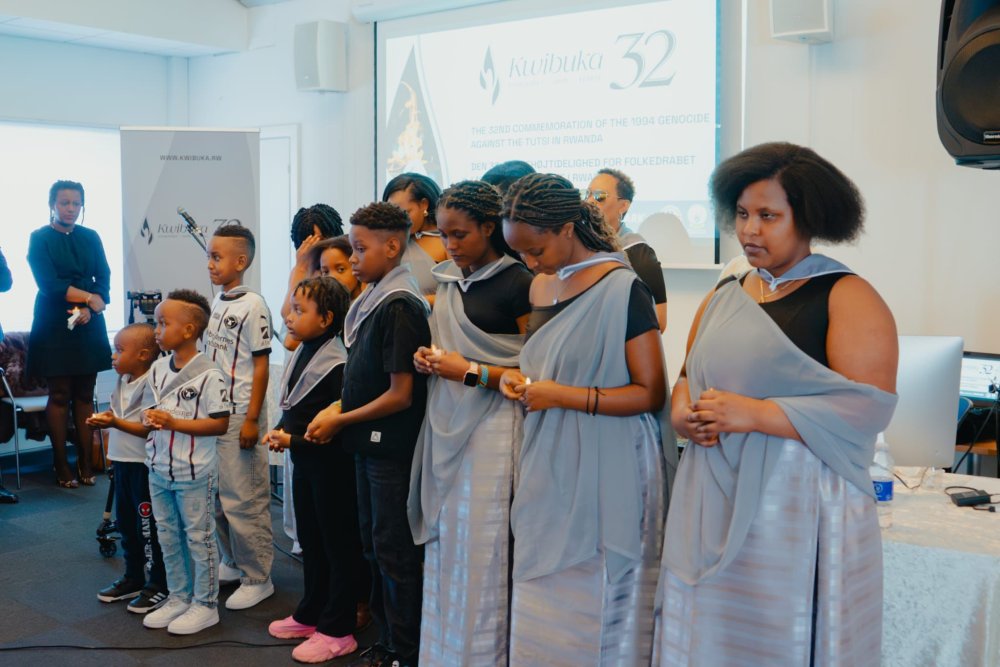
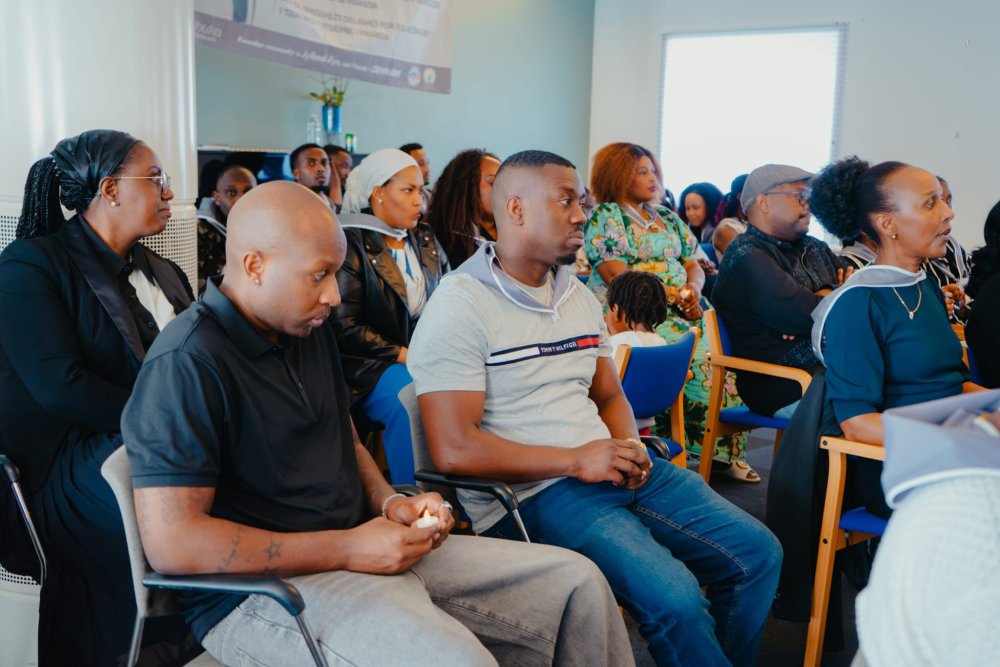
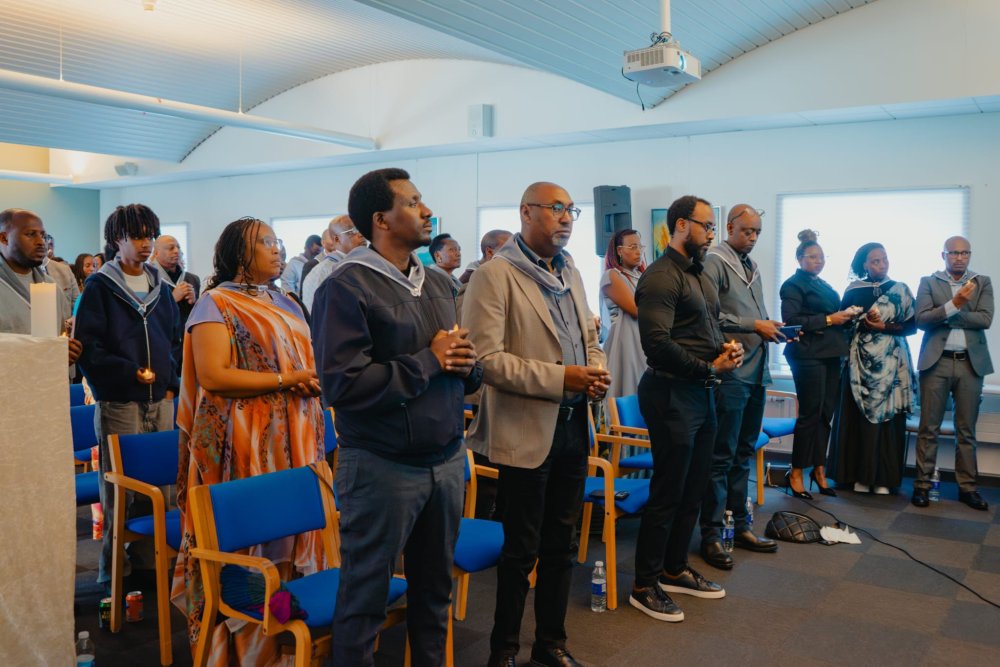
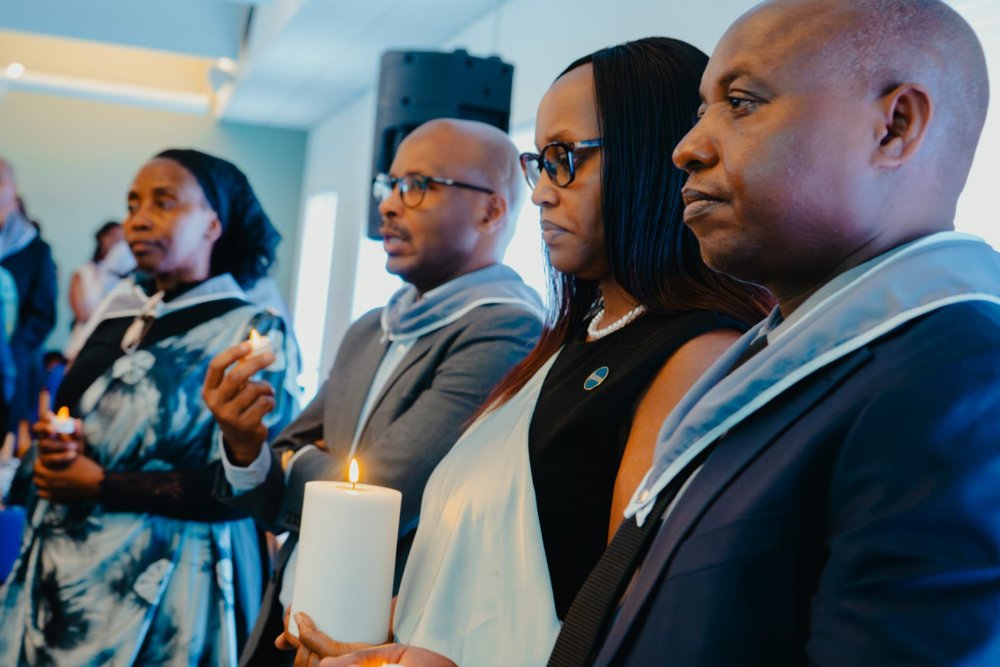
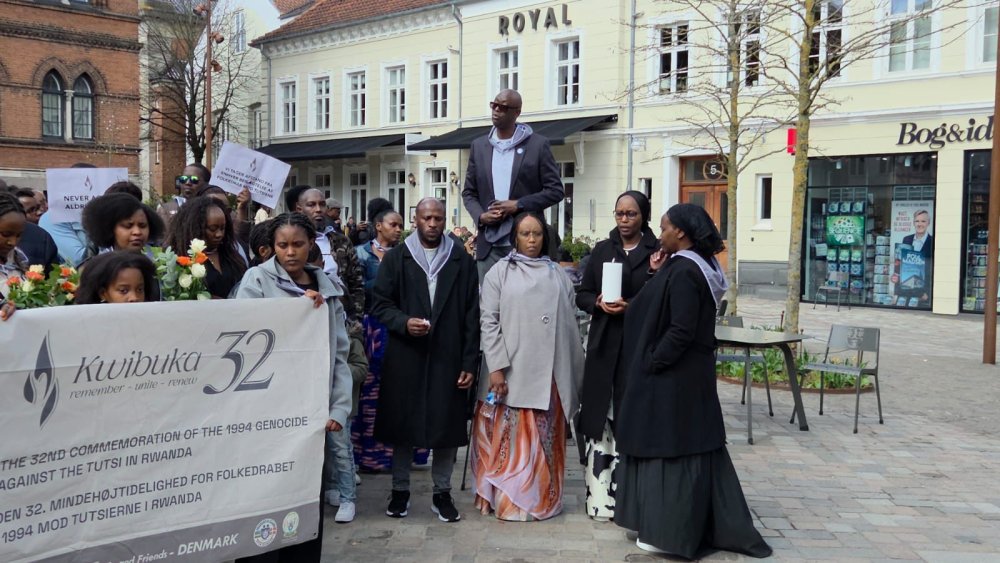
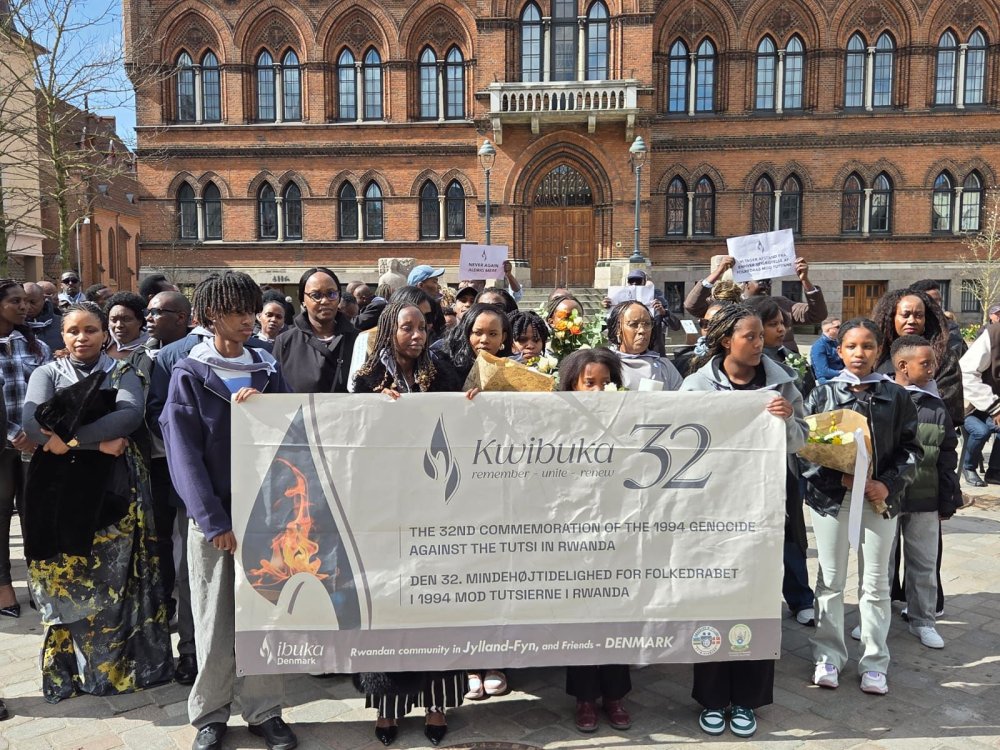
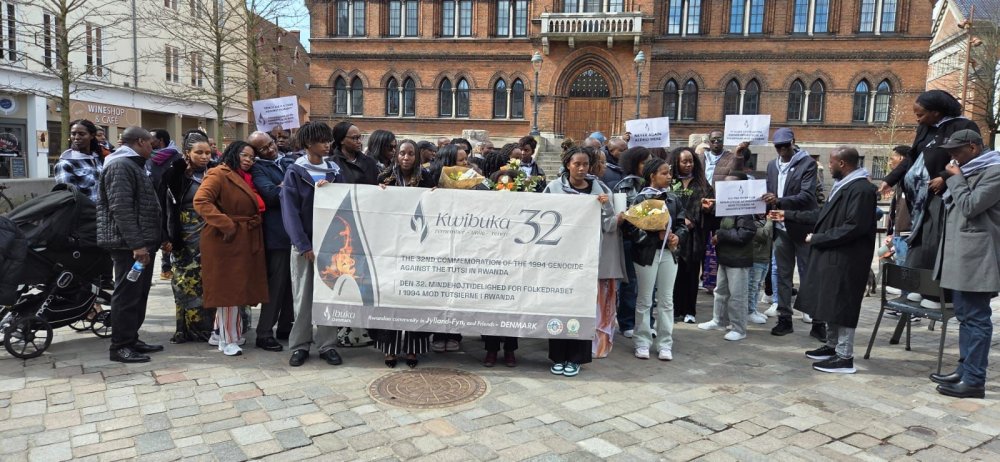
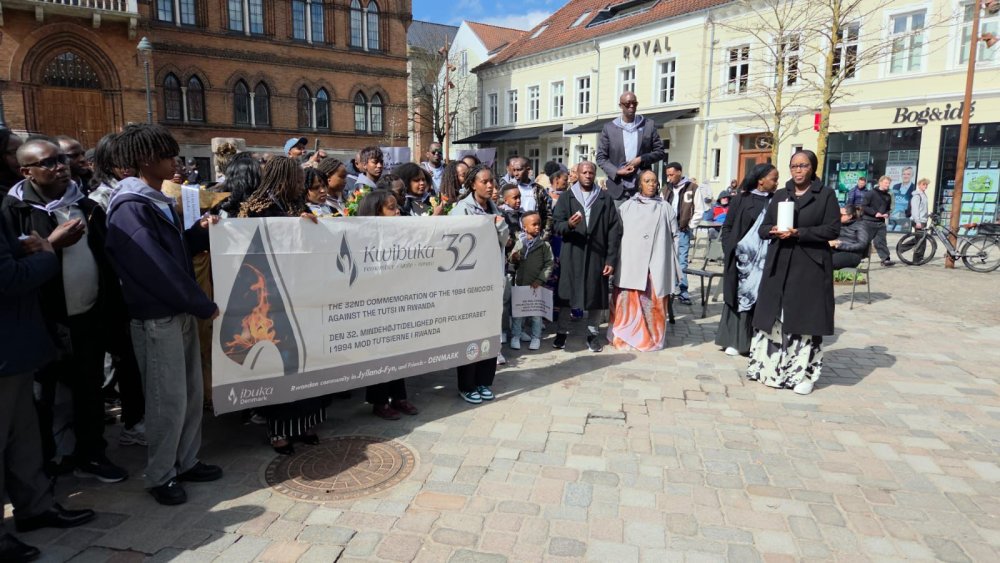
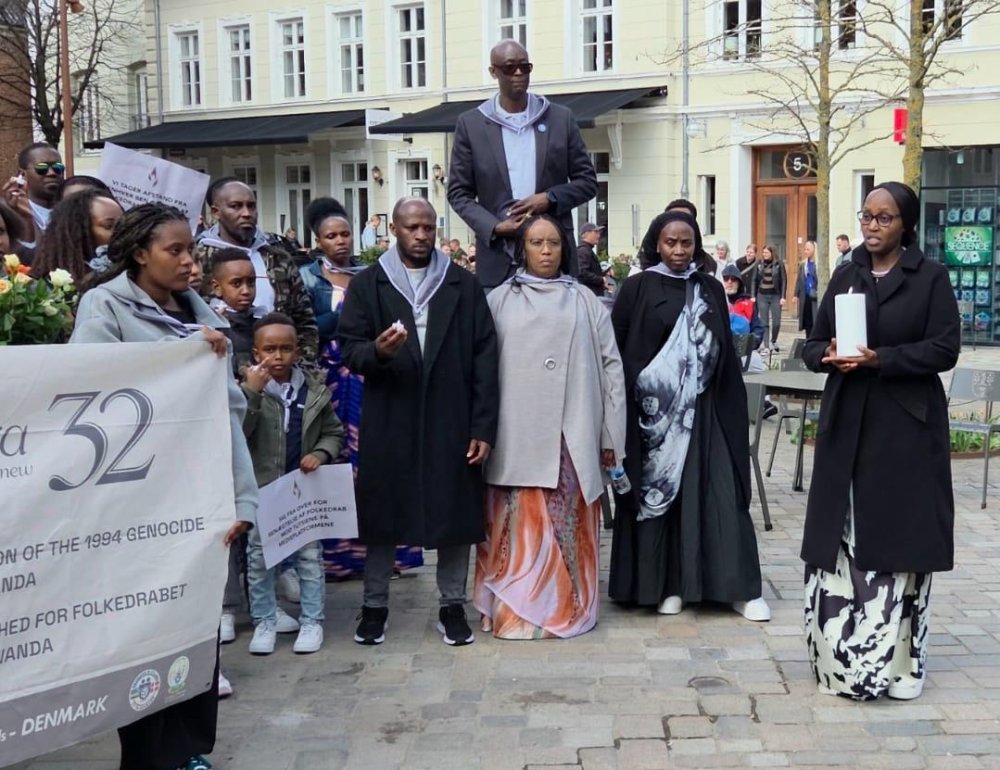
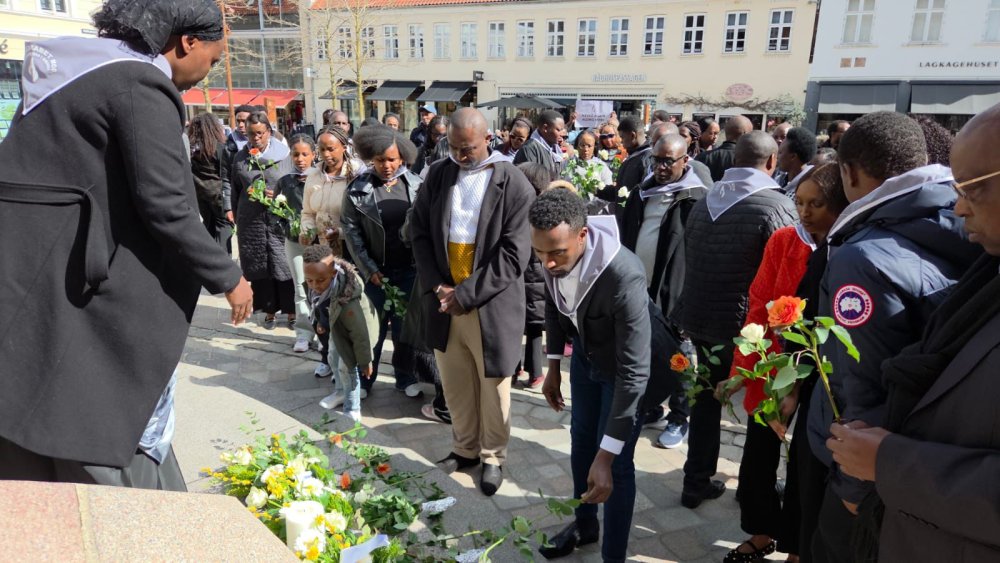
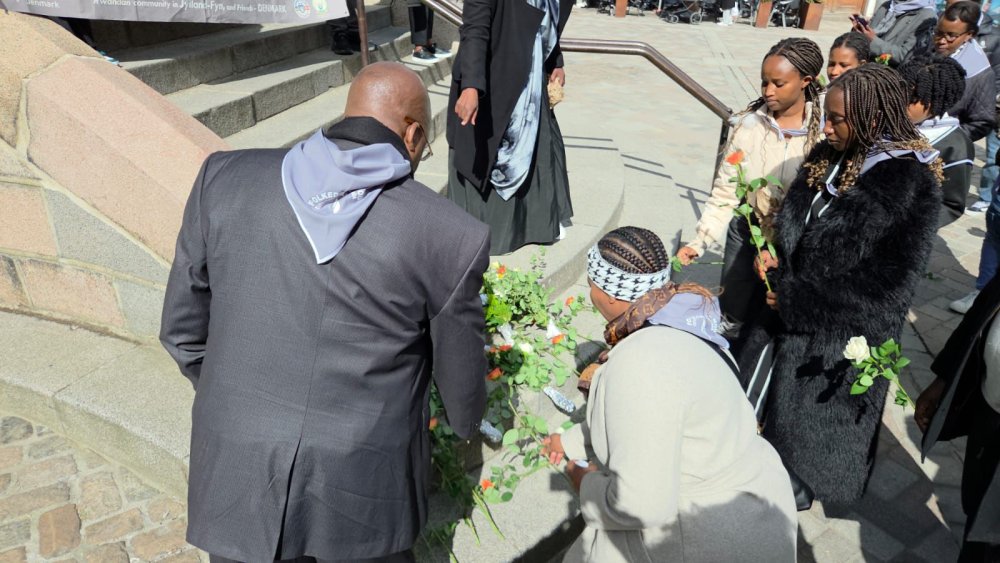
The commemoration event was jointly organized by Ibuka-Denmark and the Embassy of Rwanda in Sweden, which also covers several Nordic countries.
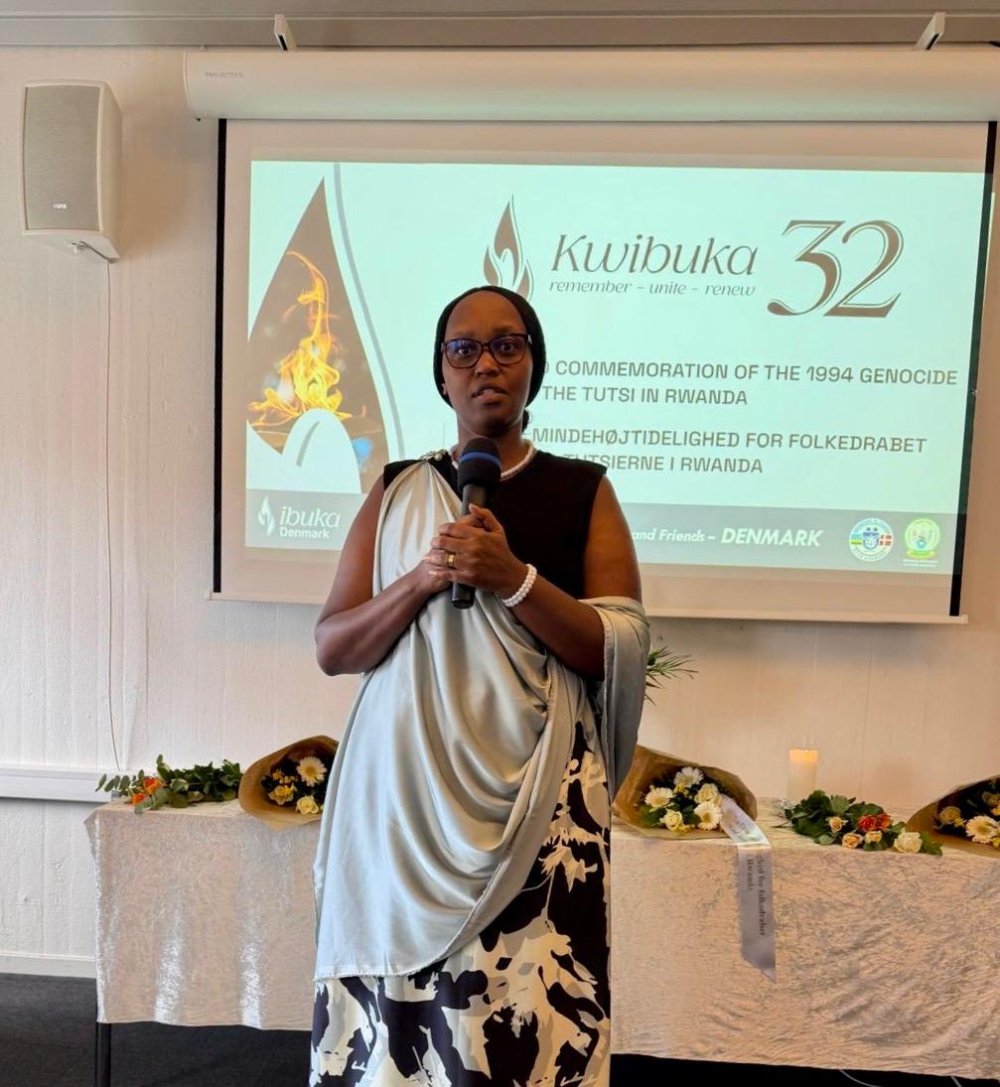
It was attended by Geraldine Umutesi, First Counsellor at the embassy, who represented Ambassador Diane Gashumba.
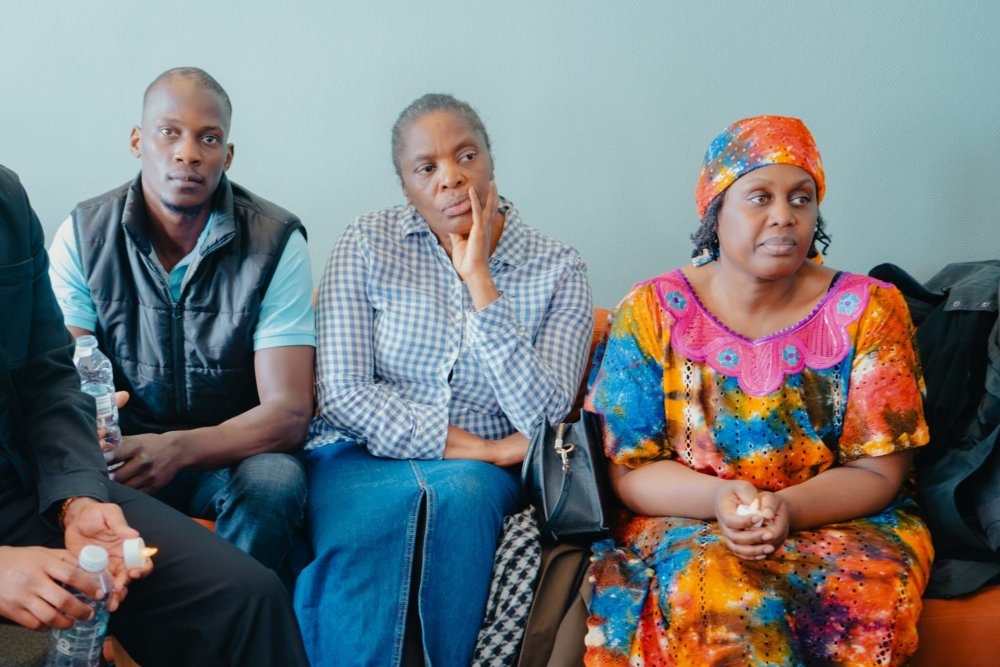
The event featured testimonies from survivors of the Genocide against the Tutsi, sharing how they endured and survived the atrocities.
Youth performances, including songs focused on comfort and remembrance, were presented alongside discussions on the historical context that led to the 1994 Genocide against the Tutsi.
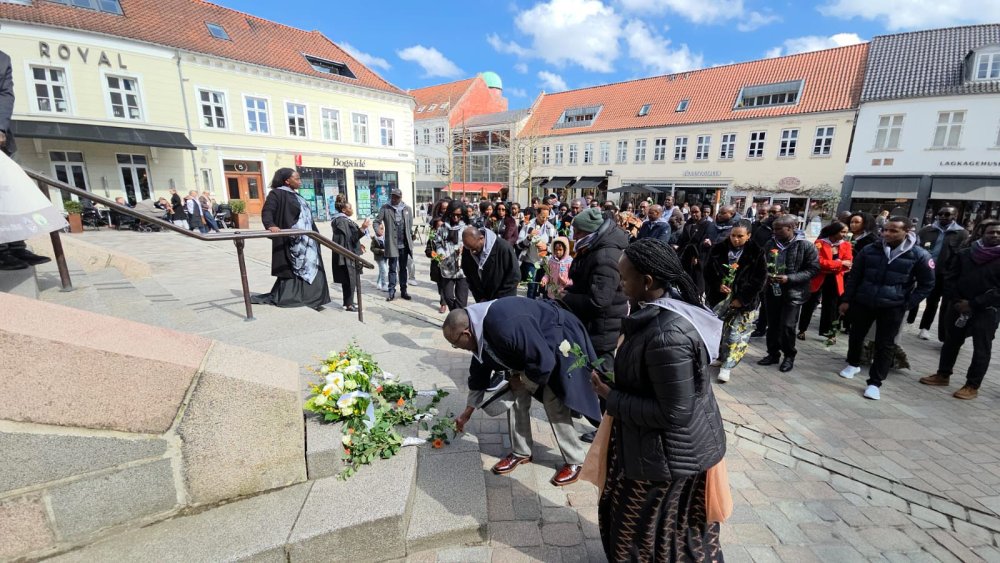
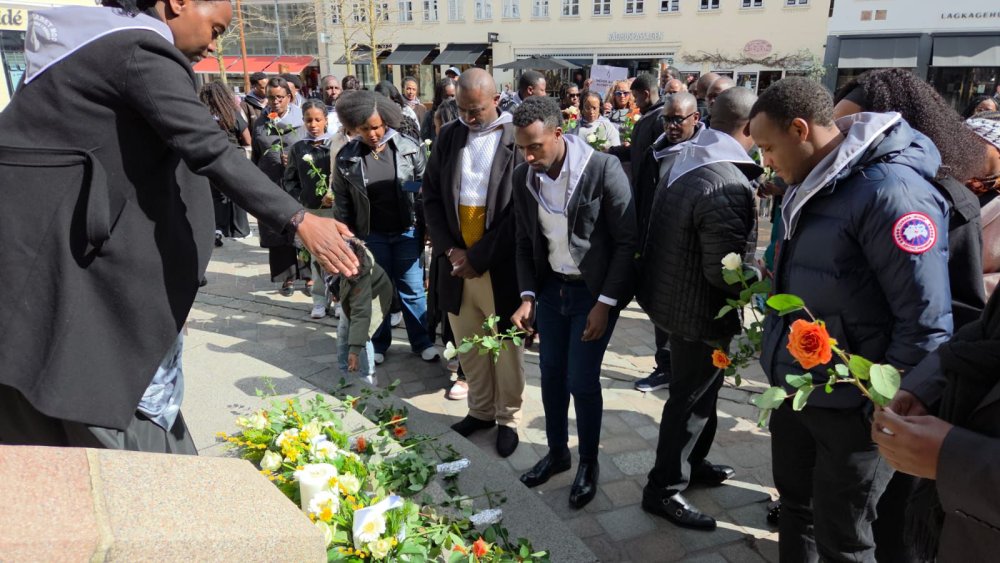
The commemoration began with a remembrance walk, followed by opening remarks from Paul Nkubana, head of the Rwandan community in Denmark.
“This is an annual event in our community. Thank you for joining Rwandans and their friends here, because remembrance concerns us all,” he said.
Egide Semukanya, representing Ibuka in Denmark, delivered a talk focusing on the historical events that led to the Genocide against the Tutsi.
He paid tribute to the sacrifices of the Rwandan Patriotic Front (Inkotanyi), many of whose members lost their lives while stopping the genocide and saving survivors.
Semukanya also highlighted Rwanda’s progress today, emphasizing governance rooted in unity beyond ethnic divisions, and collective citizen participation in national development.
A panel discussion moderated by Jackline Hansen brought together speakers including Dr. Innocent Ngoga, Egide Semukanya, youth representative Jean Claude Gakimbiri, and Geraldine Umutesi.
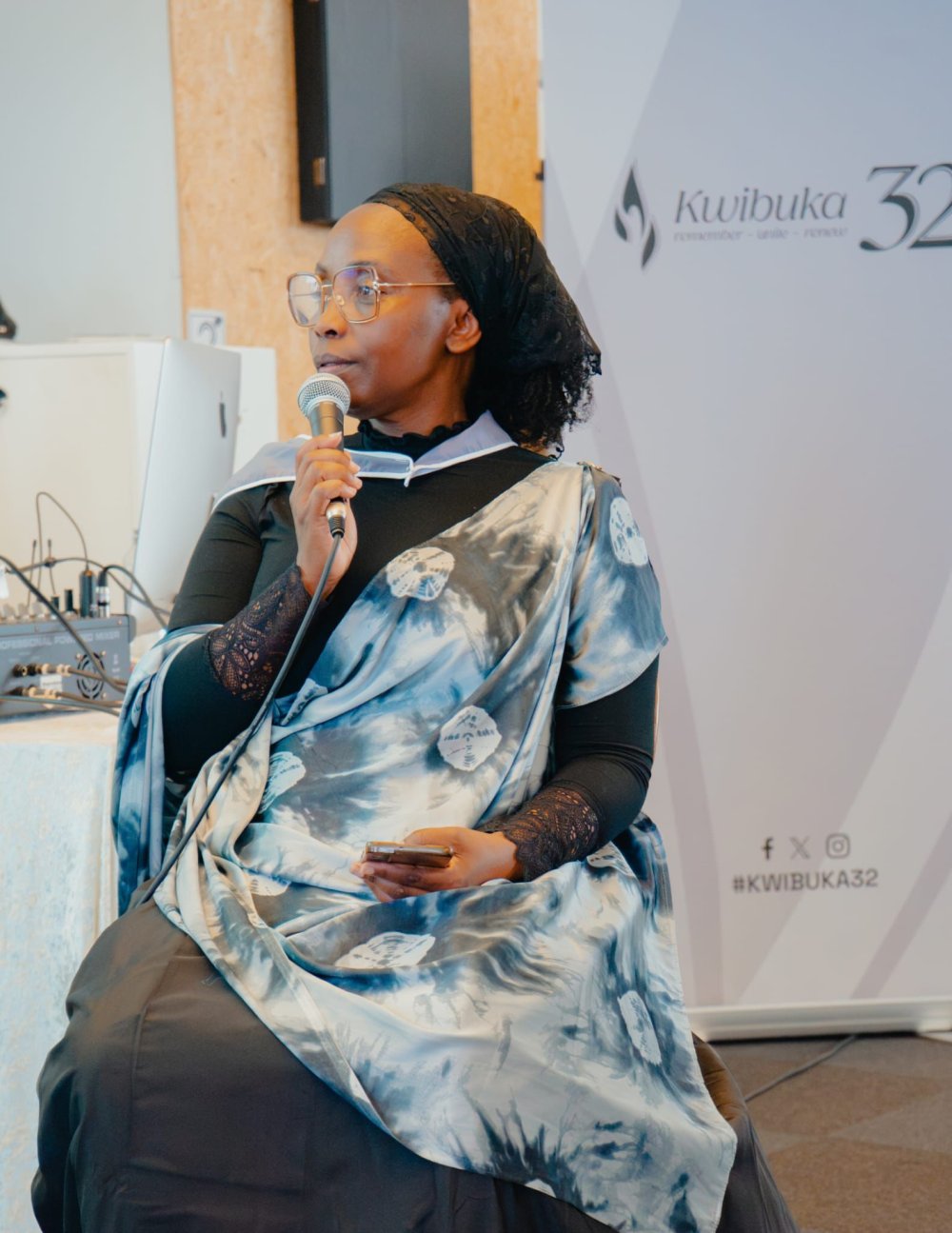
In her remarks, Umutesi emphasized that today’s Rwanda, under the visionary leadership of President Paul Kagame, promotes unity through initiatives such as the Ndi Umunyarwanda program.
“Avoid divisionism, because it is what led us to where we are today, remembering victims of the Genocide against the Tutsi,” she said.
She urged participants to actively challenge genocide denial and trivialization, particularly when motivated by personal or political interests, calling for adherence to historical truth.
“The truth is clear and visible to everyone—except those who have an interest in hiding what they or their parents did,” she noted.
Umutesi also reminded attendees that during the 1994 Genocide against the Tutsi, Rwanda was largely abandoned as the international community stood by.
She warned that similar patterns appear to be unfolding today in Democratic Republic of the Congo, where violence targeting Kinyarwanda-speaking communities, especially Tutsis, continues.
“Those who once destroyed Rwanda are now collaborating with authorities in the DRC in acts of violence and killings, while the world watches. It is painful that the lessons from Rwanda’s history have not been learned,” she said.
Umutesi concluded by commending the Rwandan community leadership in Denmark, particularly those in Jutland and Funen, for organizing the commemoration, and reassured them of the embassy’s continued support.
Egide Victor Semukanya, head of Ibuka Denmark, emphasized that remembrance concerns everyone. Geraldine Umutesi, First Counsellor at the Embassy of Rwanda, attended the commemoration event. Dr. Innocent Ngoga, Egide Semukanya (head of Ibuka Denmark), Jean Claude Gakimbiri, and Geraldine Umutesi, First Counsellor at the Embassy of Rwanda to the Nordic countries, delivered presentations during the event.The discussion session was moderated by Jackline Hansen and brought together Dr. Innocent Ngoga, Egide Semukanya (head of Ibuka Denmark), Jean Claude Gakimbiri, and Geraldine Umutesi.
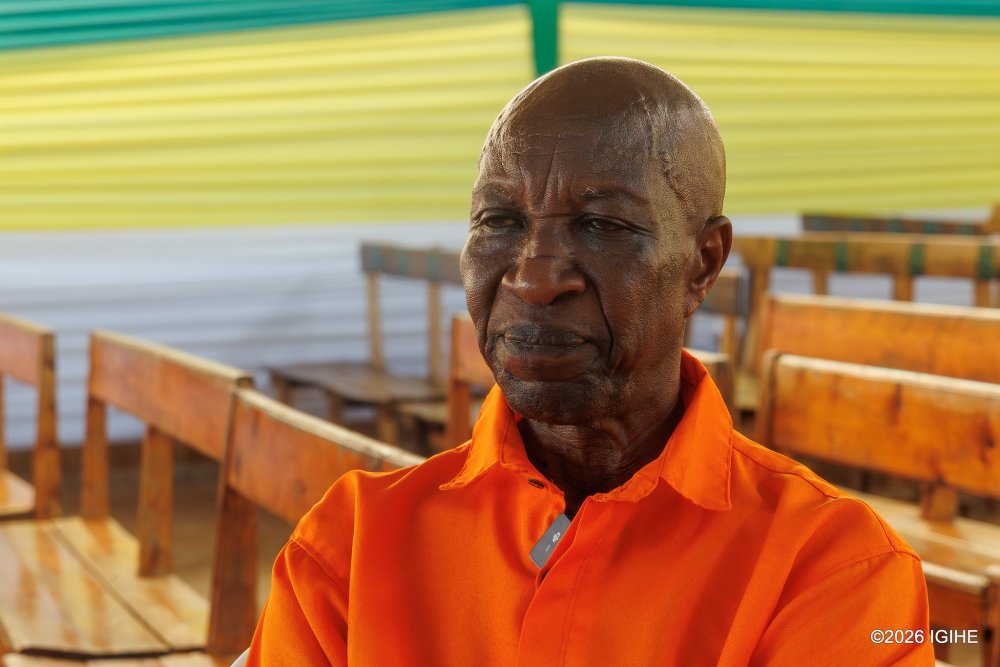
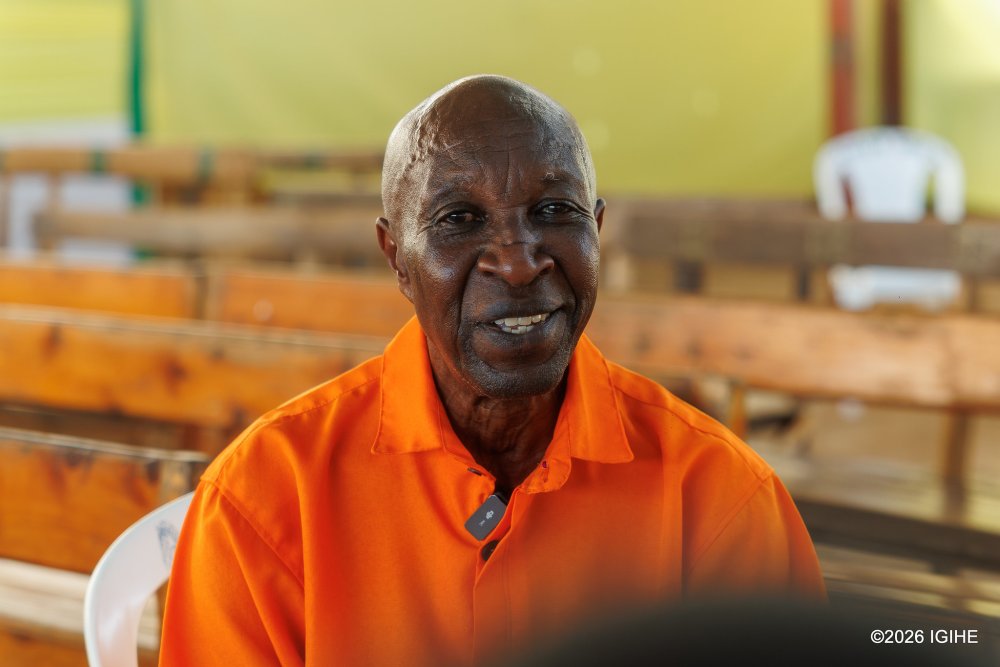
One of the stark testimonies of these atrocities comes from Célestin Sezibera, a former member of the Seventh-day Adventist Church who admits that he would attend worship services and then go out to kill Tutsis.
IGIHE visited the 67-year-old at Nyarugenge Correctional Facility, located in Mageragere Sector, where he is serving a life sentence.
Sezibera was convicted of crimes related to the Genocide against the Tutsi, including distributing weapons used in killings across different parts of Nyamirambo, charges he openly acknowledges. He has now spent nearly 32 years in prison.
Sezibera explained that during the Genocide, he served as Nyamirambo sector leader from January 20, 1990, to April 29, 1994. He recalls how, in the fourth week of April 1994, he contacted the Kigali City Prefecture, where then-Prefect Tharcisse Renzaho authorized him to collect ten firearms from the Ministry of Defense. He then distributed these weapons to local cell leaders.
“Those guns were meant to kill Tutsis,” he admitted.
Sezibera was arrested on September 27, 1994, after initially being detained at the Nyamirambo brigade earlier that month.
His testimony challenges narratives often put forward by Genocide denialists who claim that the violence was spontaneous or triggered solely by the downing of President Habyarimana’s plane. Sezibera insists instead that the Genocide was carefully planned by the government in power at the time.
“The Genocide was prepared and executed by a bad government,” he said. “People must accept that it was organized. You cannot deny that Tutsis were killed, nor that they were killed by the government we lived under.”
A religious leader who turned against his own followers
When discussing the role of religious figures during the Genocide, Sezibera speaks with painful clarity—he was part of that leadership. On Saturdays, he would preach the Word of God, only to later join in the killings of Tutsis, including members of his own congregation.
Sezibera was convicted of crimes related to the Genocide against the Tutsi, including distributing weapons used in killings across different parts of Nyamirambo.
Today, he serves as a pastor within the Seventh-day Adventist Church community inside Nyarugenge Prison, a role he had also held before 1994, beginning in 1985 as an assistant pastor.
“It is both painful and shocking that those who were killed were people we led in churches, and those who killed them were also under our leadership,” he reflected. “It pains me deeply that we lacked the courage to stop such evil.”
Asked how he reconciles preaching about God today after participating in such crimes, Sezibera admits he lives with constant shame. He says he has worked to bring together fellow inmates accused of genocide to reflect, seek forgiveness, and acknowledge their responsibility.
“We gathered, knelt down, and asked for forgiveness from survivors of the 1994 Genocide against the Tutsi,” he said.
Among the memories that haunt him most is his role in persecuting innocent Tutsis falsely accused of being accomplices of the RPF. He recalls events from September 1990, when Tutsis were detained at Nyamirambo stadium under harsh conditions—denied food and water, with some dying there.
“I personally arrested some of them and took them to the stadium,” he admitted.
He also regrets his involvement in setting up roadblocks across Kigali, including in Nyamirambo, where many Tutsis were killed.
“And then there are the guns I distributed. They had only one purpose, to kill Tutsis. That is why I feel deep remorse and ask forgiveness from those who lost their loved ones.”
Reflecting on justice and reconciliation
Sezibera also spoke about Rwanda’s decision to abolish the death penalty in 2007. Before its abolition, more than 700 individuals were on death row, many convicted of genocide-related crimes.
He expressed gratitude to the Government of Rwanda for replacing capital punishment with life imprisonment, describing it as part of broader efforts to rebuild society and promote unity.
“Everyone was anxious. I thank the Government of National Unity for abolishing the death penalty… it was a step toward rebuilding Rwandan society,” he said.
He also praised the country’s efforts to stop the Genocide and promote equal opportunities for all citizens, including the children of perpetrators. Sezibera describes his personal transformation as akin to the biblical shift from Saul to Paul.
“I can truly say I have changed. I became like Paul, and I will continue on that path while encouraging others to do the same.”
Now a father of four, grandfather of ten, and great-grandfather of one, Sezibera has written a book about his life so that future generations in his family can understand his past and grow up committed to rejecting evil in all its forms.
He says he continues to seek reconciliation and has requested to meet survivors from Nyamirambo, either by visiting them or welcoming their representatives to the prison.
“I want to ask for forgiveness face to face and feel a sense of relief,” he said.
As a member of the Unity and Resilience Commission within the prison, he also encourages fellow inmates to reveal information about the whereabouts of victims’ remains so they can be given a dignified burial.
Sezibera served as Nyamirambo sector leader from January 20, 1990, to April 29, 1994.
The survey was conducted among more than 12,000 respondents drawn from different sectors of society across various parts of the country.
Among those surveyed, 93% said that the MRND party, which was in power until 1994, contributed to the weakening of national unity. The same proportion also agreed that in the early stages of the breakdown of unity, APROSOMA and PARMEHUTU parties played a role in promoting ethnic ideology, discrimination, and division.
Following the Genocide against the Tutsi, Rwanda introduced policies aimed at guaranteeing equal rights for all citizens, with ethnic and regional discrimination being eliminated across all sectors of public life.
The survey found that 99% of respondents believe that Rwandans, regardless of where they live, regularly interact socially without regard to ethnic background. Respondents also noted that the commemoration of the Genocide against the Tutsi plays an important role in strengthening reconciliation among Rwandans.
In addition, 94% of respondents said that communities actively take part in initiatives and programs aimed at promoting peaceful coexistence.
The Minister of National Unity and Civic Engagement, Dr. Jean Damascène Bizimana, recently told senators that the improvement in indicators of unity, reconciliation, and resilience is the result of deliberate government programs designed to strengthen social cohesion.
“The reasons behind the improvement in these indicators include various government programs aimed at bringing Rwandans together, ensuring equal opportunities, fighting injustice and discrimination, promoting healing, delivering justice, and improving citizens’ welfare in an inclusive manner,” he said.
The survey further shows that 99.1% of respondents agreed that Rwanda’s governance system is inclusive.
A further 98.6% said that the country promotes a culture of dialogue, conflict resolution, and consensus-based decision-making, while 98.1% agreed that citizens are represented in decision-making institutions.
Furthermore, 97.8% of respondents believe that justice is delivered without discrimination, while 87.2% said that power-sharing contributes to strengthening resilience among Rwandans.
The survey shows that 99.1% of Rwandans agreed that the country’s governance system is inclusive
These are the words of Grégoire Nyirimanzi, 57, a former local official, expressing deep remorse.
Once entrusted with the responsibility of protecting civilians, he instead violated that duty and actively participated in their extermination during the 1994 Genocide against the Tutsi.
Born in Nyakabanda Sector, Nyarugenge District, Nyirimanzi served as a sector executive secretary during the genocide.
He participated in meetings with senior leaders, including former President Juvénal Habyarimana, where a consistent agenda was promoted: the systematic extermination of Tutsis based solely on their identity.
Nyirimanzi is currently serving a 30-year prison sentence at Nyarugenge Prison in Mageragere, following his conviction for genocide-related crimes.
He was arrested in Gabon, where he had fled, and was repatriated to Rwanda in 1997. He was subsequently tried and imprisoned that same year, with his sentence expected to conclude in 2027.
Reflecting on his actions, he stated: “I incited Hutus to kill Tutsis. I distributed firearms that were used in these killings. I also sent young people for weapons training and encouraged them to participate in the atrocities committed against the Tutsis in 1994.”
He recalls distributing approximately ten firearms, which he had received from the former Nyarugenge Commune, to local administrative leaders at the cell and village levels. These weapons were later used in attacks against Tutsis in his area.
One of the most distressing incidents, he recounts, is the attack on Pastor Amoni Iyamuremye: “He was burned alive in his home while I was leading the attack. This act has deeply affected me. That image continues to haunt me, even after I sought and received forgiveness from his son.
“I led numerous attacks, including those at Collège Saint André, at Iyamuremye’s residence, and at the homes of Laetitia and Jean Baptiste. There were many others I cannot even count. Many lives were lost in these attacks.”
Addressing common narratives that attempt to minimize or deny the Genocide against the Tutsi such as claims that it was unplanned or triggered solely by the downing of President Habyarimana’s plane Nyirimanzi firmly rejects such assertions. He emphasizes that genocidal ideology was systematically instilled long before the violence erupted.
“We were taught nothing of value except genocide ideology. I remember seeing the bodies of Tutsis lying everywhere and questioning how I could still be alive. Today, I receive medical care and support, yet I feel unworthy of such treatment.”
He further reflects on the organized nature of the genocide, questioning why some continue to deny its occurrence: “Tutsis were shot, burned, and brutally killed in broad daylight. Denial is a deliberate act, often motivated by personal interests. The genocide devastated our country, leaving it in ruins. Those of us who took part now live with deep regret. Anyone who doubts this should come and see the evidence.”
As evidence of premeditation, he points to the preparation of lists identifying Tutsis to be targeted. He personally compiled such lists in Nyakabanda, while other leaders in districts such as Rusizi did the same independently, without direct coordination.
He also describes how authorities required lists of young men to be sent for military training at the Gabiro Military Camp, where they received instruction from French trainers.
“The youth who underwent this training were later encouraged to continue to Bugesera to join earlier attacks against Tutsis. These events did take place. Rwambuka Fidèle, who was the mayor of Commune Kanzenze at the time, played a role in those initial phases of the violence.”
Participation in high-level meetings to coordinate the extermination of Tutsis
Nyirimanzi further substantiates claims that the Genocide against the Tutsi was systematically planned by describing his involvement in high-level meetings with political leaders and influential figures.
Among those he encountered were former President Juvénal Habyarimana and prominent businessman Félicien Kabuga, who has been widely associated with financing the procurement of machetes used during the killings.
He recalls a significant meeting held in Rebero and chaired by President Habyarimana. The gathering brought together leaders from various administrative levels, ranging from local cell authorities to senior government officials and high-ranking military officers.
According to Nyirimanzi, the purpose of the meeting was made explicit.
He recounts that Habyarimana declared that the country had been attacked by an enemy and emphasized that immediate action was required. Participants were urged not to remain passive but to mobilize and confront the identified enemy whom he explicitly defined as the Tutsi population.
During the meeting, a local official raised concerns about the lack of necessary equipment. In response, Habyarimana assured attendees that weapons would be provided, stating that firearms were available and that those without guns would be supplied with grenades or machetes. He emphasized that all available means should be used to carry out the objective.
Nyirimanzi also describes attending meetings involving influential civilian actors, including Félicien Kabuga. While Kabuga’s involvement has been contested by some, Nyirimanzi asserts that he played a direct and active role. He specifically recalls a meeting held at Kabuga’s residence in Muhima, where Kabuga pledged material and logistical support for the killings.
According to Nyirimanzi, Kabuga assured participants that they would face no shortages, stating that weapons including guns and machetes were readily available.
He further committed to providing logistical support, including food supplies for those carrying out the attacks. Nyirimanzi insists that any denial of Kabuga’s involvement is deliberate and unfounded, noting that he clearly remembers both the meeting and Kabuga’s presence.
The meeting was attended by several prominent figures, including senior members of the ruling MRND party and leaders associated with the Interahamwe militia, further underscoring the coordinated nature of the planning.
Efforts to uncover the truth within the prison system
More than three decades after the Genocide against the Tutsi was halted, challenges remain in uncovering the full truth particularly regarding the locations where victims’ bodies were dumped.
Nyirimanzi notes that some perpetrators, including those already convicted and imprisoned, continue to withhold such information.
He explains that significant efforts have been undertaken within the prison system to encourage transparency and accountability.
However, these efforts have faced resistance from a group of former leaders who still wield influence, both within correctional facilities and beyond.
According to him, this group actively discourages others from cooperating, urging them to remain silent and avoid disclosing any information.
Despite this resistance, Nyirimanzi expresses confidence that truth will ultimately prevail.
He highlights his own role in revealing information that led to the discovery of human remains at the Rwezamenyo bus station information that had remained undisclosed for nearly 25 years, despite the presence of individuals living nearby who had never come forward.
Grégoire Nyirimanzi, a former executive secretary of Nyakabanda Sector in Kigali, is currently imprisoned for his role in the Genocide.
Nyirimanzi recounts that when survivors of the Genocide against the Tutsi approached him seeking reconciliation or asking him to reveal the locations where their relatives’ bodies had been buried, he initially felt deep fear.
Given the severity of the crimes he had committed, his hesitation was significant. However, the survivors reassured him, demonstrating forgiveness and encouraging him to speak openly.
This support enabled him to overcome his fear and disclose the locations of mass graves, allowing families to recover the remains of their loved ones and provide them with dignified burials.
He explained that he identified several burial sites, including one near the Nyamirambo Brigade and another in a place known as Ku Ryanyuma’ near the stadium.
He noted that, although local residents had long been aware of these sites, many had chosen not to speak. His testimony ultimately contributed to meaningful outcomes, as families were able to locate and properly bury their relatives.
Nyirimanzi conveyed a message of reassurance to survivors, expressing his intention to contribute positively to society upon completing his sentence. He emphasized his willingness to take part in rebuilding what he had helped destroy.
On the issue of seeking forgiveness, he stated that many inmates at Nyarugenge Prison are eager to apologize to those they wronged. He called for structured initiatives to facilitate dialogue and reconciliation across communities.
He noted that many individuals complete their sentences while still burdened by fear and uncertainty about facing their victims.
He believes that creating opportunities for reconciliation before release would allow them to seek forgiveness and reintegrate into society with a sense of emotional relief and responsibility.
Testimony before the International Criminal Tribunal for Rwanda (ICTR)
Nyirimanzi also revealed that he provided testimony to investigators and appeared before the International Criminal Tribunal for Rwanda (ICTR), where he gave evidence regarding the role of senior military officials in the genocide.
He testified in cases involving high-ranking officers, including Gratien Kabiligi, Théoneste Bagosora, Aloys Ntabakuze, and Lieutenant-Colonel Anatole Nsengiyumva.
According to his account, these individuals played a key role in distributing weapons to civilians and organizing meetings that encouraged participation in the killings.
He stated that they not only facilitated the widespread distribution of weapons but also used meetings to persuade participants that the violence was justified, framing it as a necessary act of retaliation against an alleged enemy.
In subsequent ICTR rulings, Gratien Kabiligi was acquitted, while Théoneste Bagosora and Aloys Ntabakuze were each sentenced to 35 years in prison. Anatole Nsengiyumva received a sentence of 15 years.
Nyirimanzi expressed a profound sense of regret that he did not live under Rwanda’s current leadership during that period. He spoke positively about the country’s governance, emphasizing the promotion of national unity and the absence of division.
He highlighted the progress made in ensuring equal opportunities, noting that access to education and employment is no longer influenced by family background or past associations.
As a personal example, he pointed out that his own child is able to study and work without discrimination, despite his past actions.
He expressed appreciation for what he described as inclusive leadership, which prioritizes unity and does not punish children for the crimes committed by their parents.
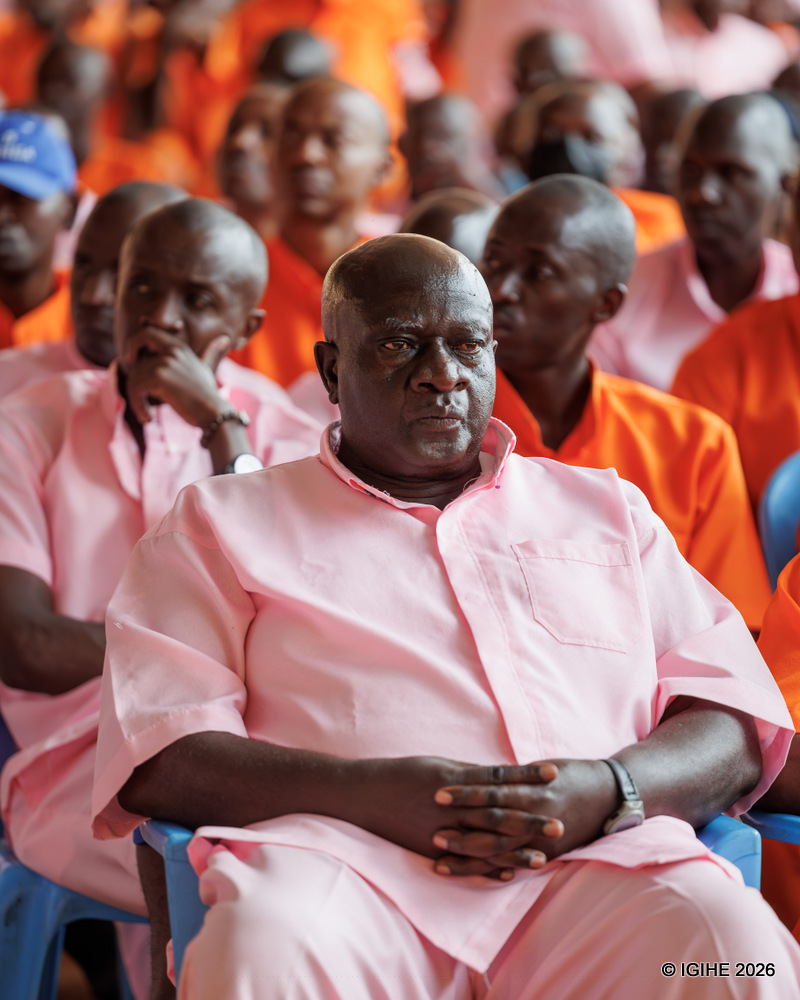
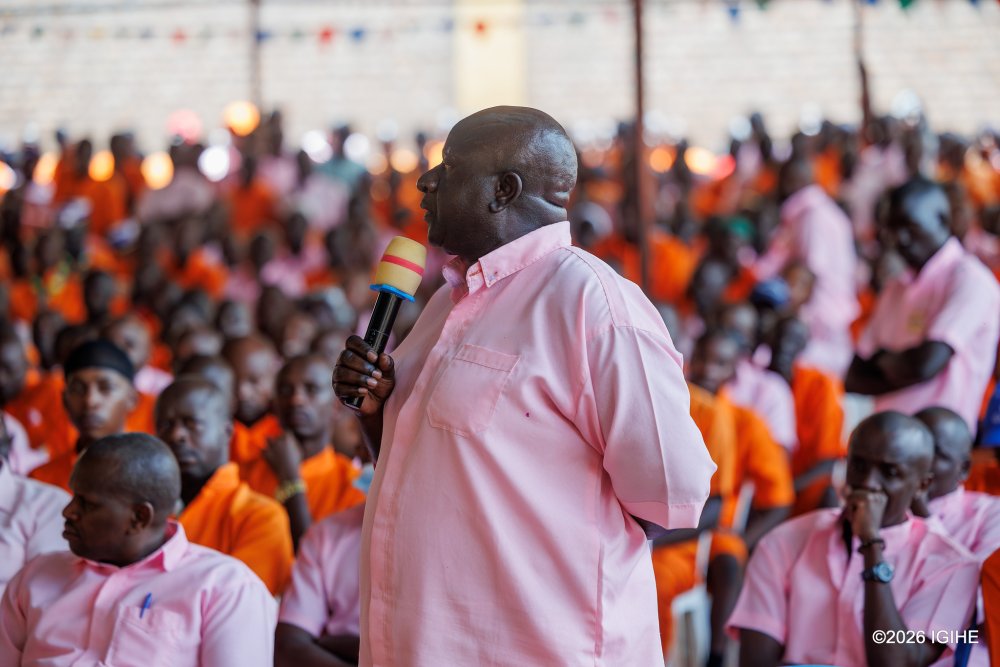
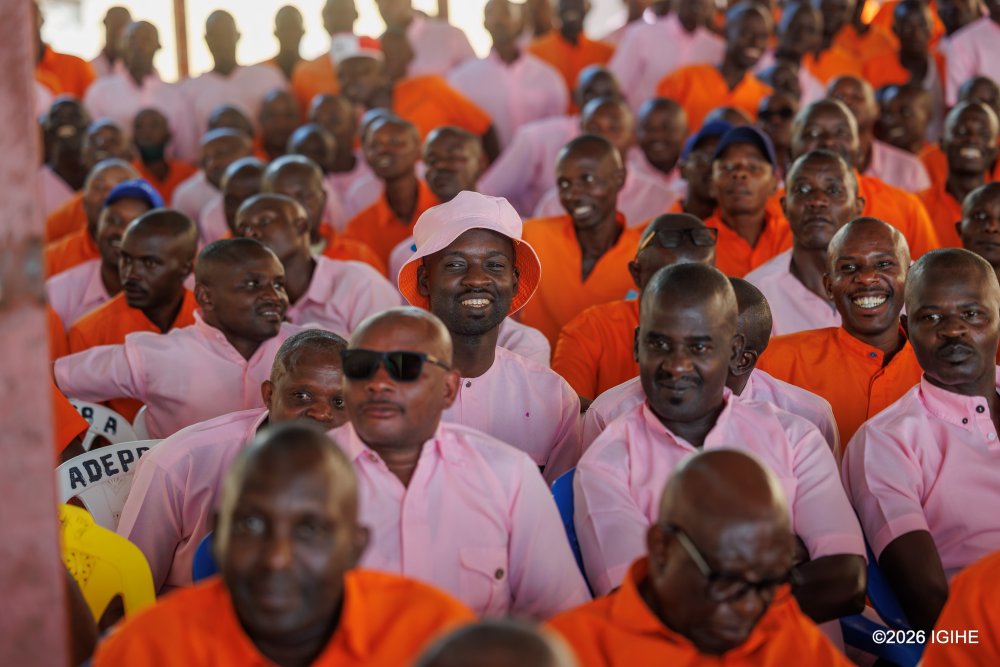
Inmates at Mageragere Correctional Facility were recently provided with a book written by Yolande Mukagasana titled ‘Umurage w’Urubyiruko’ Part One.
The programme, titled “Forsaken for a Sake,” was officially unveiled on November 9, 2025, at Eko Hotel & Suites in Lagos, Nigeria.
The launch marks the beginning of Cohort 1–2025, which will support an initial group of 100 mentors and mentees in Nigeria. Africa Re served as the host institution for the event, selected from among 10 African cities identified for the programme rollout under the campaign “From Rwanda to the World.”
{{Tackling fatherhood and fatherlessness
}}
The mentorship initiative focuses on the transformative role fathers play in shaping children’s lives, and the deep social consequences linked to fatherlessness. Research shows that children raised by present and supportive fathers are more likely to perform well academically, develop stronger self-esteem, and avoid high-risk behaviours such as substance abuse and crime.
Conversely, the partners emphasise that fatherlessness is strongly linked to poverty, emotional distress, poor educational outcomes, and increased vulnerability to early pregnancies and other social challenges.
Speaking on behalf of Dr Corneille Karekezi, Group Managing Director and CEO of Africa Re, Roger Bong Bekondo, Director of Communications & Public Affairs, emphasised the corporation’s dedication to building inclusive and resilient African societies.
“Africa Re is deeply committed to fostering a healthy and inclusive continent, one where every child feels the love of a father or finds a community that helps them heal from his absence,” he remarked.
Bong Bekondo added that partnering with KORA Academy aligns with Africa Re’s long-standing mission to uplift communities through sustainable development initiatives.
He encouraged mentees to immerse themselves in the programme and use the opportunity to heal, grow and develop leadership skills. He also called on mentors to give back by offering guidance, hope and stability to young participants.
“Let Forsaken for a Sake be a beacon of hope and a catalyst for a better society across Africa,” he said.
The launch event featured a panel discussion involving prominent Nigerian thought leaders who shared their personal journeys shaped by either strong paternal guidance or the absence of it. Their insights highlighted the long-term effects of fatherhood experiences, underscoring the need for awareness, healing, and mental health ownership among the youth taking part in the programme.
{{A book to guide the journey
}}
The mentorship launch also included a ceremonial handover of the book “Forsaken for a Sake: Your 30-Day Self-Coaching Collection: Overcoming Fatherlessness” authored by Mireille Karera and published by KORA Coaching & Business Academy. Each mentor and mentee received a copy as part of their upcoming training.
In her remarks, Karera expressed gratitude to Africa Re for its trust and commitment to a pan-African partnership. She shared a poignant personal story linking her own life to the founding history of Africa Re.
Born a refugee in East Africa in May 1976, just months after Africa Re was established, she revealed that she later grew up fatherless, making the programme’s mission deeply personal. At 49 years old, and with Africa Re now also marking 49 years, she described the launch as “a living testimony” of the organisation’s founding vision of continental collaboration and shared progress.
Karera stressed that the programme is in line with the African Union’s Agenda 2063, particularly Aspiration 6, which champions people-driven development and places women, youth and children at the centre of Africa’s transformation.
The ceremony concluded with a book-signing session, followed by individual interactions between the author and programme beneficiaries. Participants will now embark on an intensive short certification course focusing on mentoring skills and practical sessions tied to the daily devotional workbook.
With its blend of personal reflection, professional mentorship and continental collaboration, the Forsaken for a Sake programme aims to create a new cohort of empowered youth and leaders committed to building stronger, more supportive African communities.