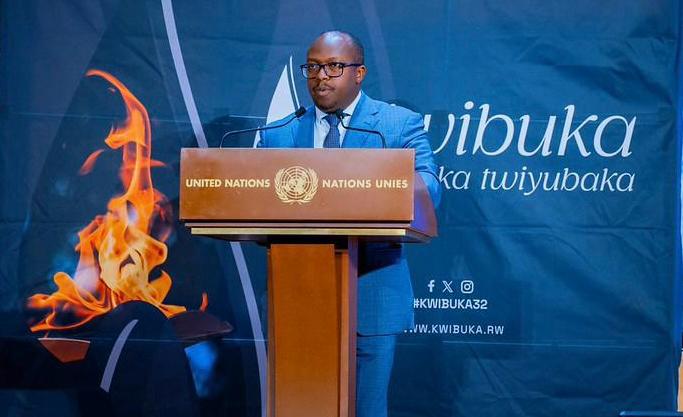
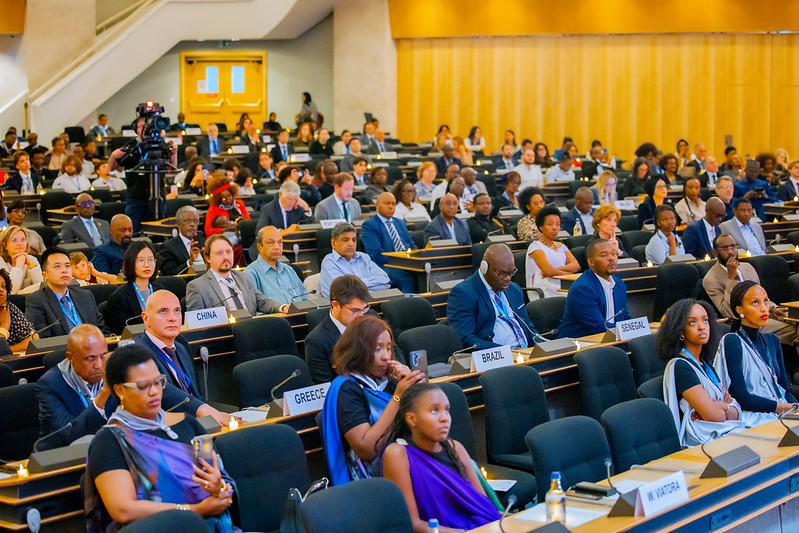
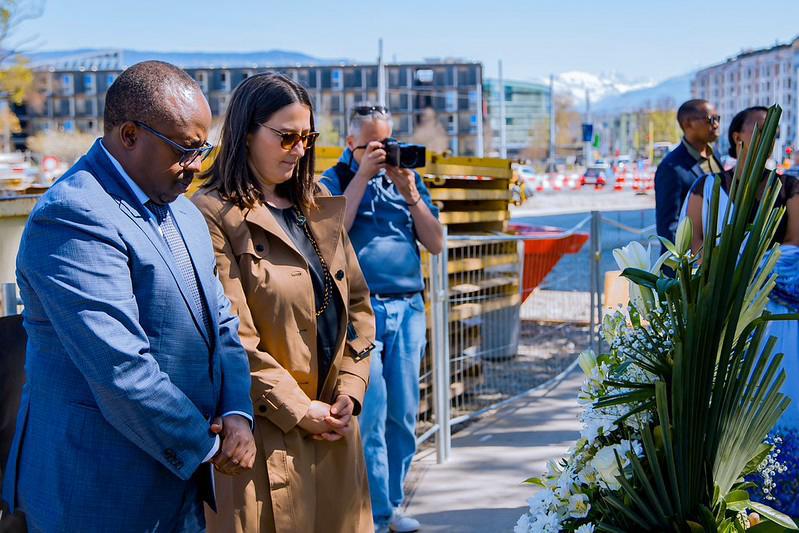
In an atmosphere of solemn reflection, his words rang out with striking clarity: “We are gathered to remember. We are gathered not to forget.” From the outset, the tone was unmistakable. This was not merely about commemoration, it was about commitment.
Speaking on behalf of survivors, Murangira César emphasized the symbolic weight of every presence: an act, a stance, a refusal to accept erasure.
Behind the numbers, he reminded the audience, are human lives. More than one million Tutsi were killed during the Genocide against the Tutsi, a tragedy he evoked with force: “One million broken destinies. One million silenced voices. And yet, those silences still speak.”
Memory as a living responsibility
At the heart of his message was a central truth: for survivors, time does not erase, it intensifies absence and reinforces the duty to remember. “We are the voices of the departed,” he stated, underscoring a responsibility that is both heavy and unrelenting.
But remembrance alone, he insisted, is not enough. It must be accompanied by understanding, explanation, and transmission.
Forgetting, he warned, is never neutral. Denial and distortion of history are never harmless, they always lay the groundwork for future atrocities.
In a clear and uncompromising analysis, he stressed that the genocide was neither accidental nor spontaneous. It was conceived, planned, and executed. It was driven by a racist ideology, Hutu Power, whose roots trace back to the colonial era and decades of recurring violence.
One of the most striking moments of his address focused on the role of the international community. “The world knew. And it did not act.” A heavy indictment, pointing to the inaction of major powers and international institutions as Rwanda descended into horror.
Embassies closed. Foreign nationals were evacuated. Diplomatic hesitation prevailed. Meanwhile, thousands were being killed every single day. “This indifference killed. This silence killed,” he stressed.
Murangira also highlighted the decisive role played by the Rwandan Patriotic Front in bringing the genocide to an end.
“We must have the courage to acknowledge it,” he said, noting that this intervention saved lives and ensured the survival of Tutsi in Rwanda.
Today, survivor testimonies remain essential. They challenge, they confront, and they prevent falsehoods from taking root.
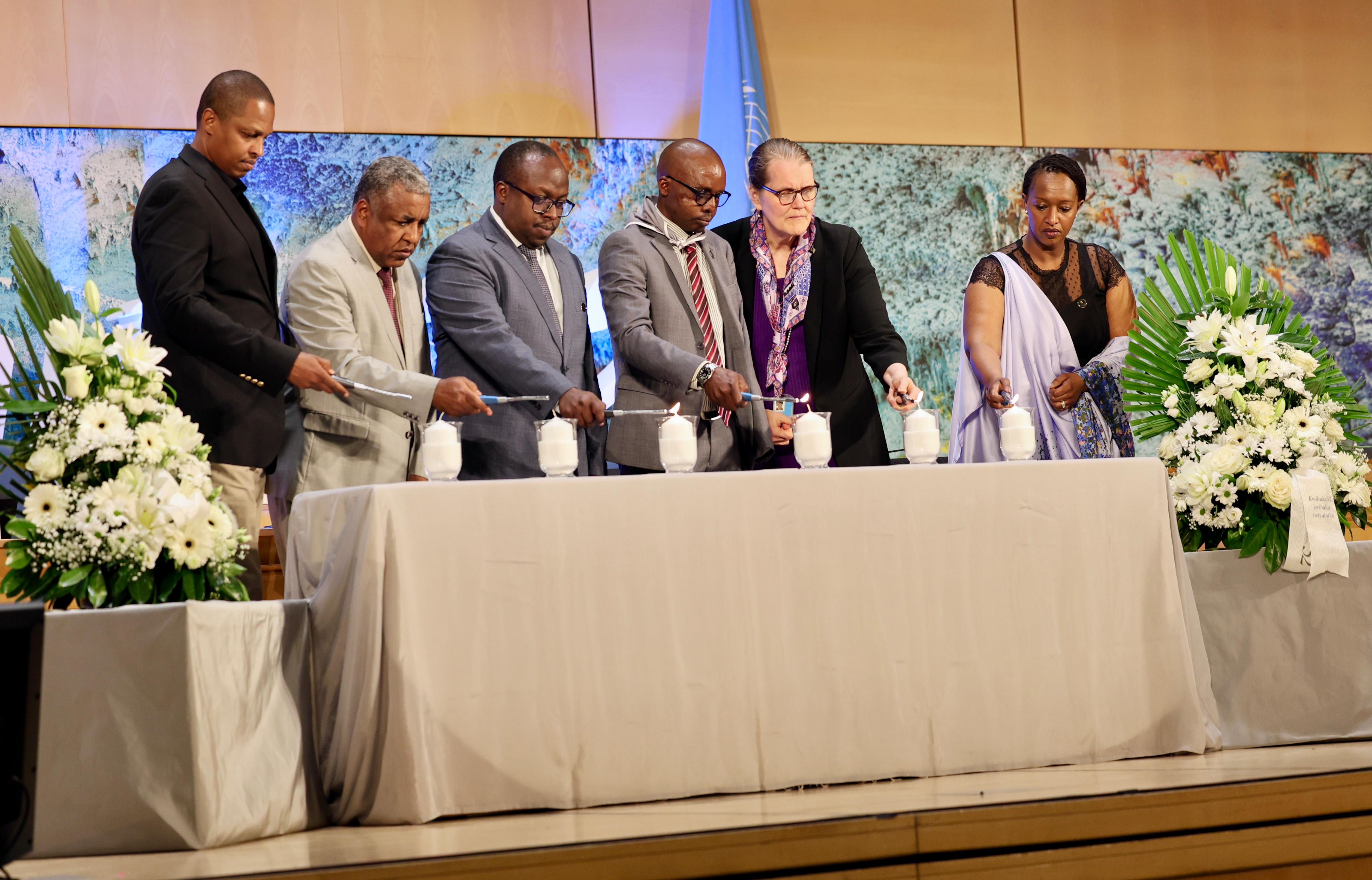
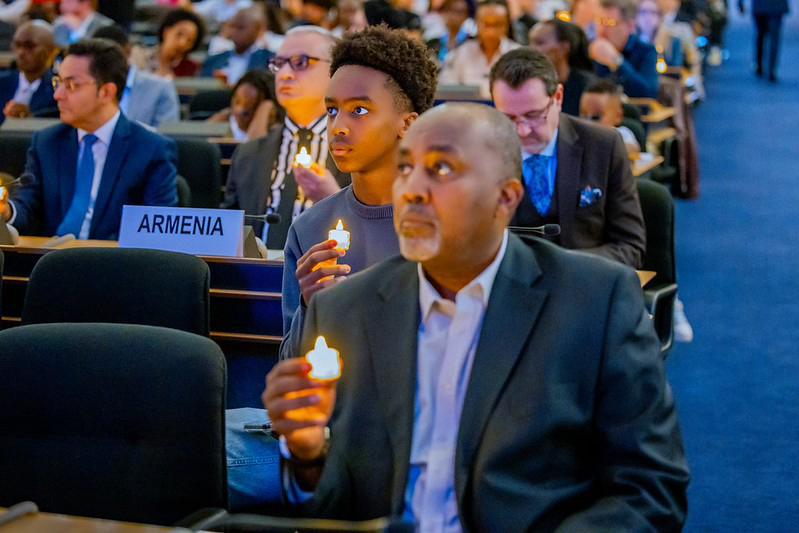
Beyond remembrance, such commemorations stand as acts of resistance, against forgetting, against denial, against indifference. They restore dignity and humanity to those the genocide sought to erase.
But they also raise an urgent and universal question: what do we do with this memory?
In a world where hate speech and exclusionary ideologies are re-emerging, Murangira César called for constant vigilance. “We do not have the right to remain bystanders,” he warned.
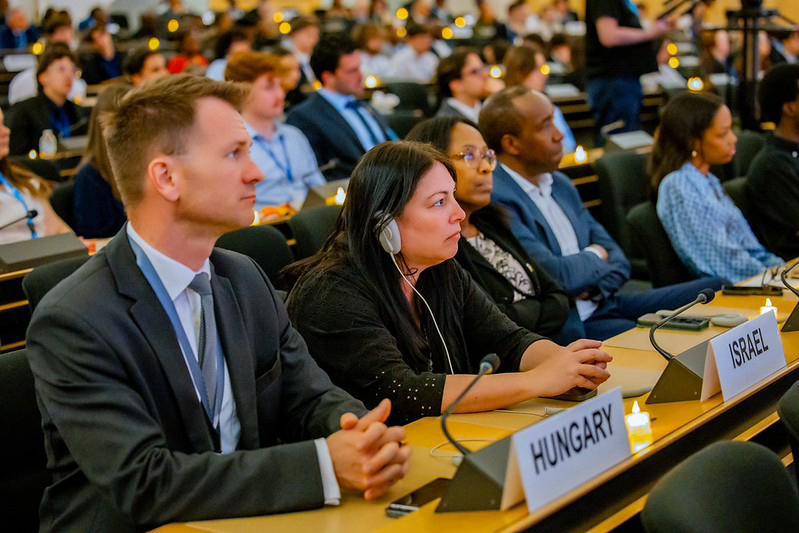
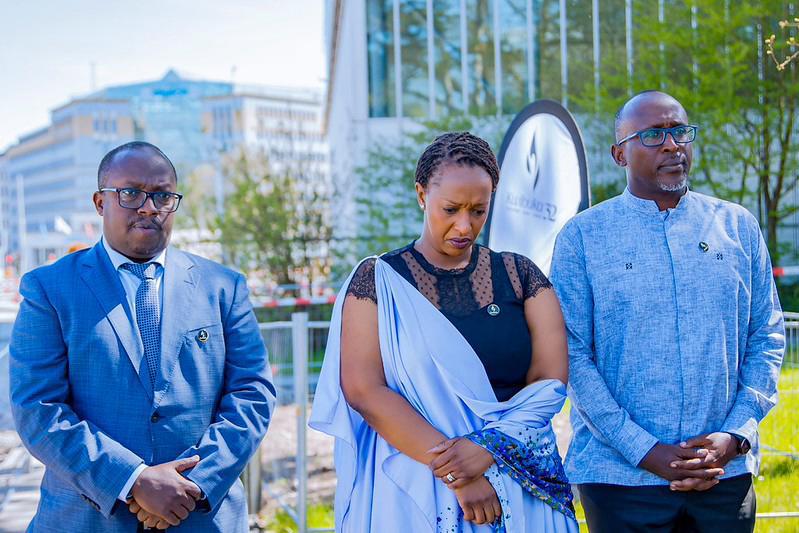
In Geneva, his message transcended commemoration. It stood as a call to collective conscience: to remember, yes, but above all, to act, so that history never repeats itself.
karirima@igihe.com
Leave a Reply