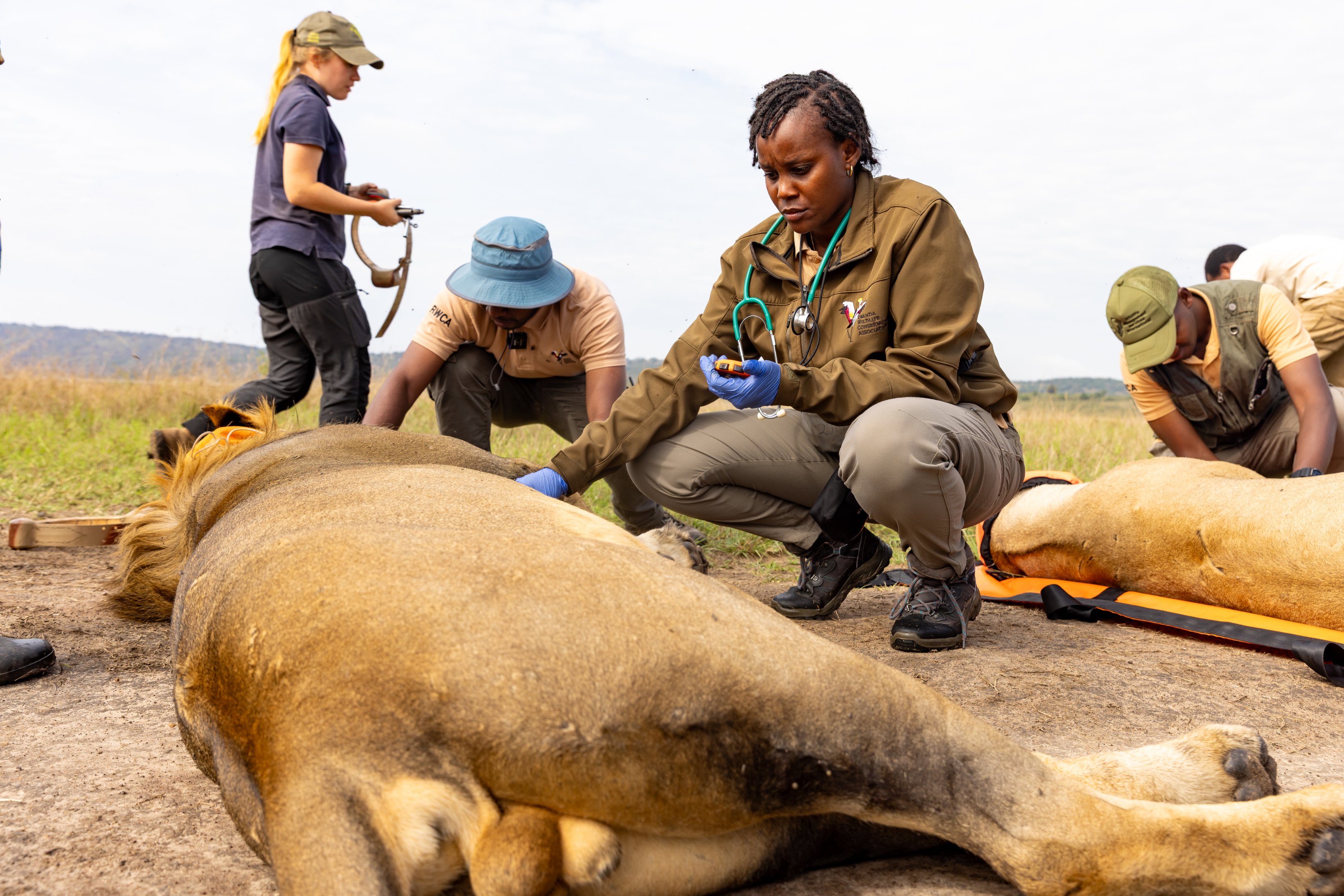
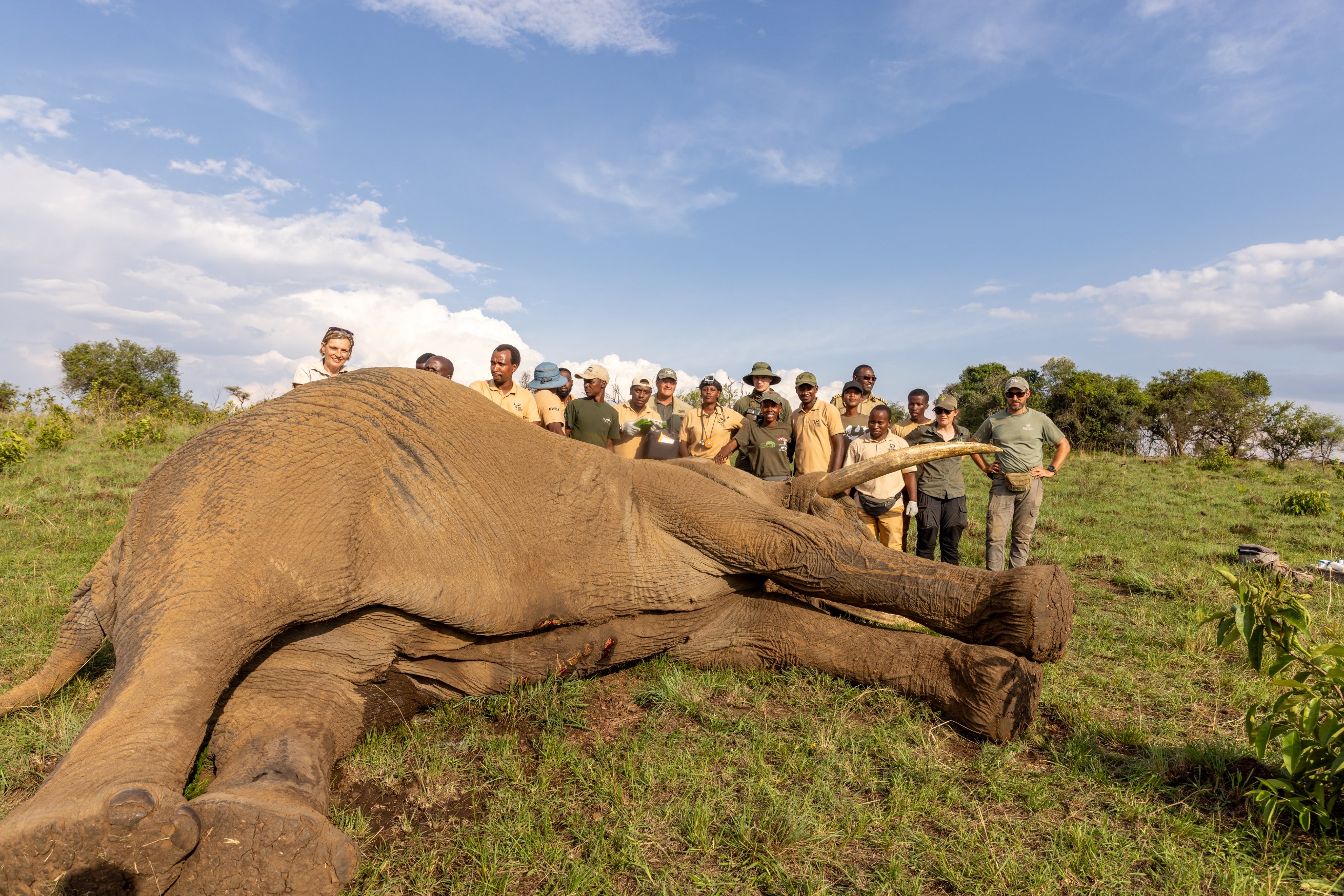
In a statement released on Thursday, the park’s management also disclosed that conservation teams successfully fitted GPS collars to three lions and one elephant in February 2026, to enhance real-time monitoring of animal movements.
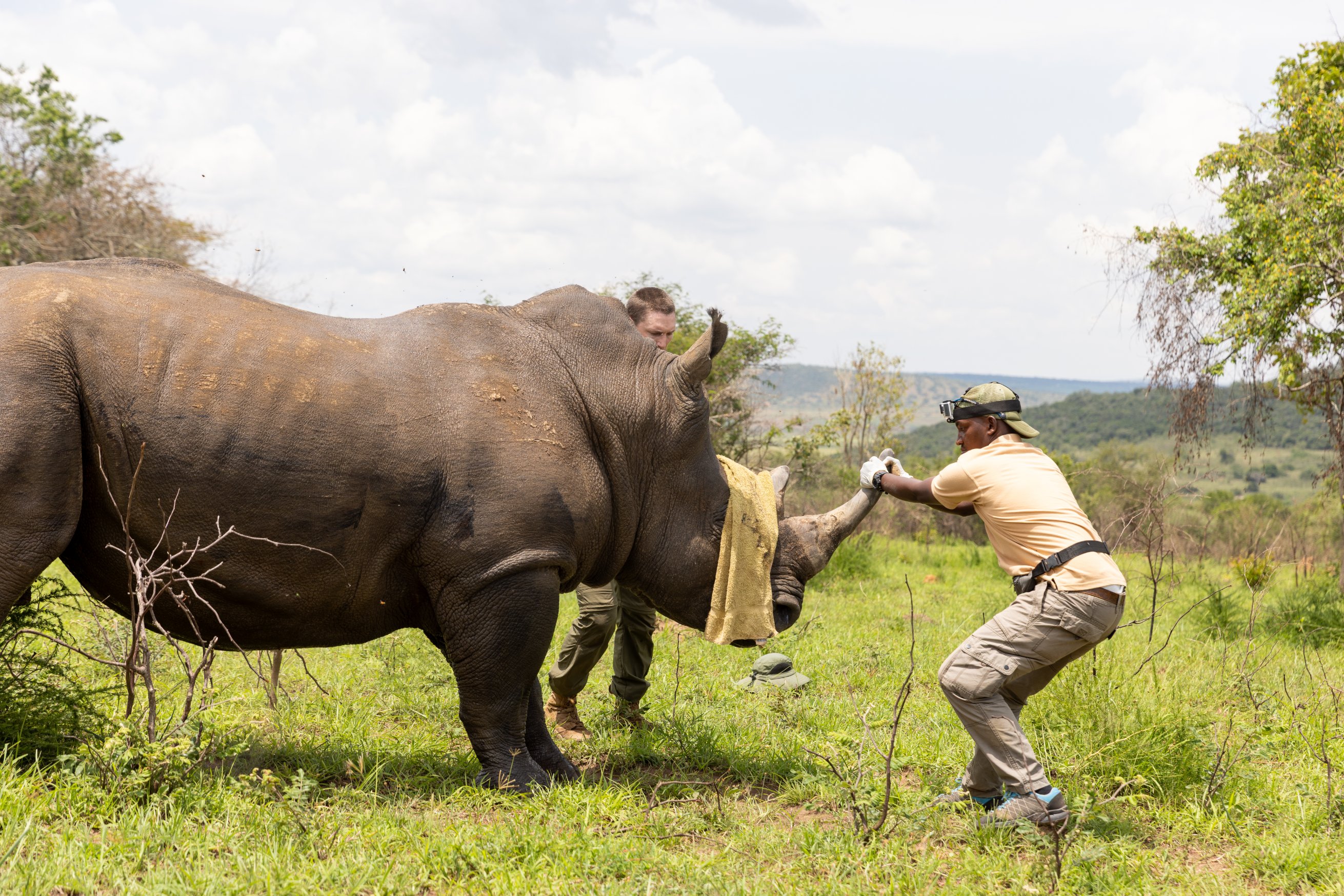
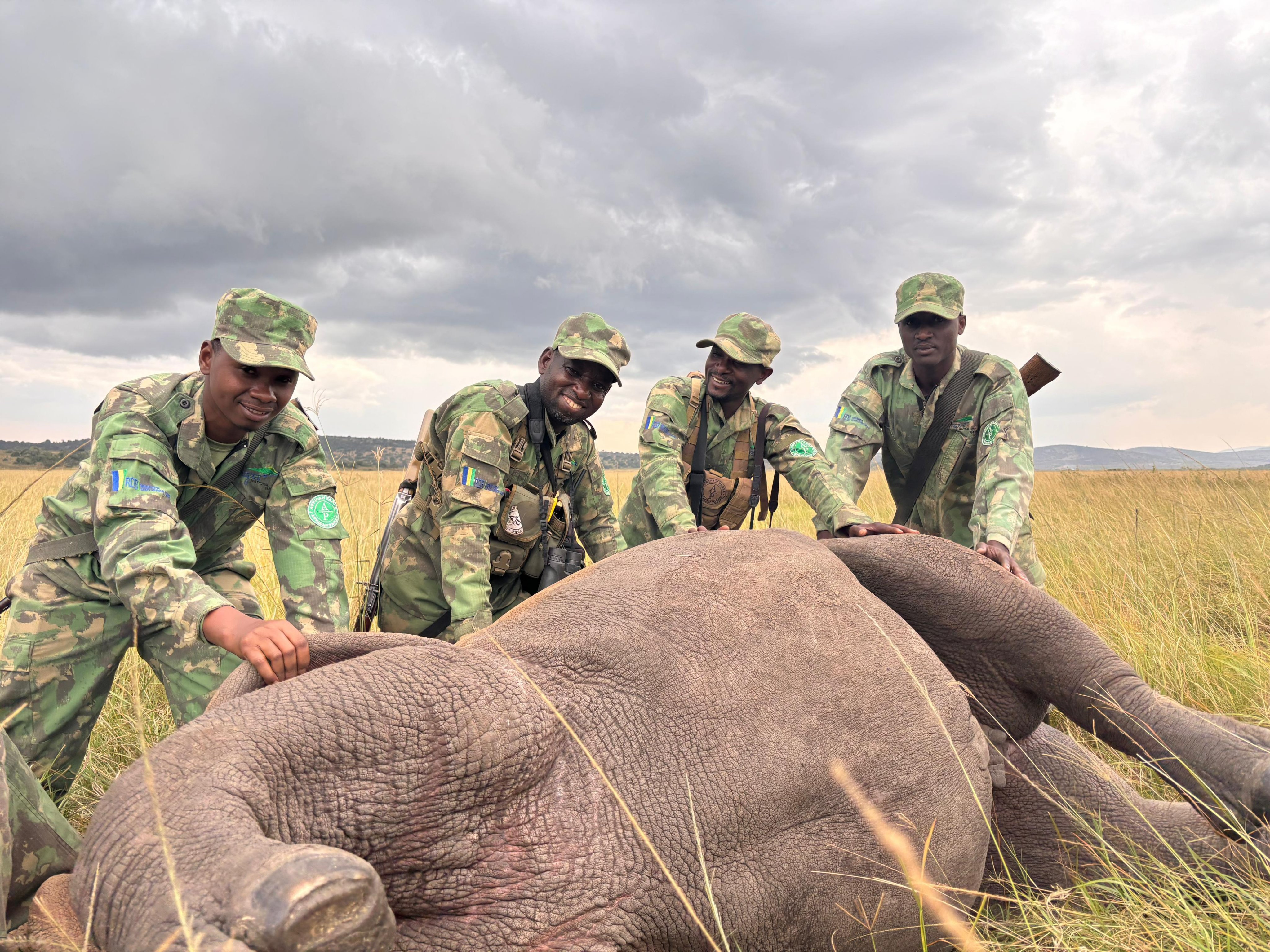
Seventeen white rhinos and eight black rhinos were also fitted with in-horn VHF transmitters to strengthen protection and tracking. During the same operation, eight black rhinos were safely darted, an achievement that surpassed last year’s total of seven.
The park acknowledged the contribution of Dr. Richard Harvey of Wildscapes Vets, as well as its Conservation & Research, Field Operations, and Law Enforcement teams, and the Rwanda Wildlife Conservation Association for their professionalism in this exercise.
Why contraception for lions
Speaking with IGIHE, park officials explained that animals such as lions live within clearly defined boundaries and cannot easily migrate beyond the protected area.
“A wetland between Rwanda and Tanzania, together with a river that forms a natural border between the two countries, further restricts wildlife movement and dispersal. In such enclosed conditions, when predator populations reproduce successfully in a confined space, careful management is required to maintain ecological balance,” reads a statement shared with IGIHE.
The park explained that in small enclosed protected areas, lions have a significant impact on prey populations.
When lion numbers grow rapidly, prey species may decline, which is why reproduction is managed over longer intervals.
“This can also alter vegetation patterns depending on whether grazing animals decrease or increase in certain areas. Some species may disappear from the ecosystem. Lions themselves may eventually face food shortages, and human-wildlife conflicts near park boundaries could increase.”
Excess lions in enclosed parks cannot naturally relocate elsewhere. Each cub born affects the balance of the ecosystem.
“The objective is not to stop reproduction entirely, but to mimic natural processes that regulate population growth in the wild. Veterinary-administered contraception can delay the age at first birth in females and extend intervals between litters, gradually slowing population growth,” adds the statement.
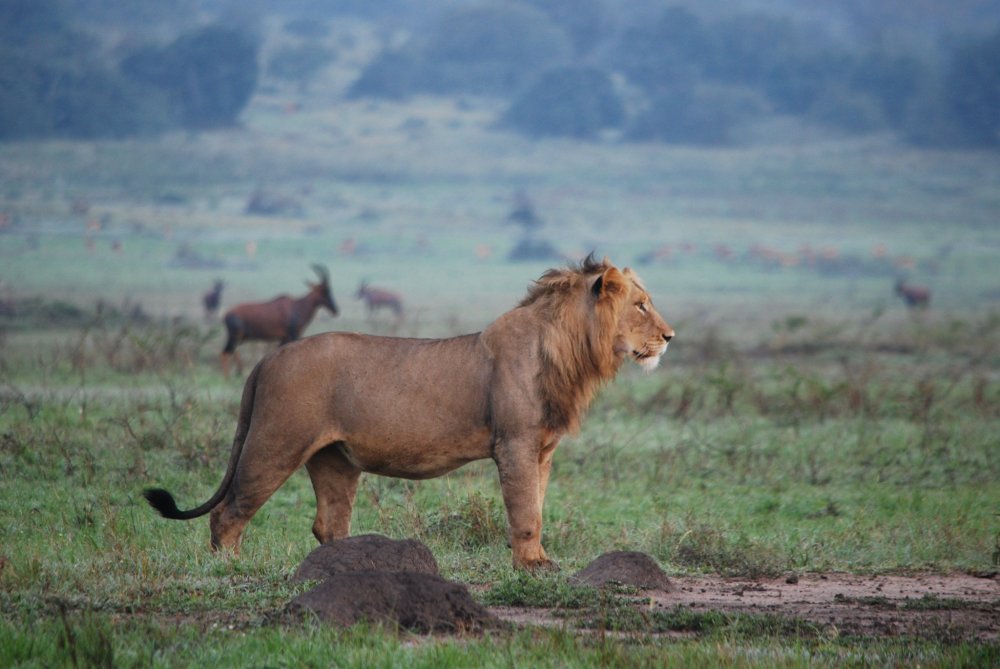
The lion population in the park has now reached about 70 individuals. In 2015, the Government of Rwanda reintroduced seven lions, including five females, as part of efforts to restore the species in the park.
Established in 1934, the park covers 1,120 square kilometers and is home to some of the world’s most iconic wildlife, including lions, leopards, elephants, rhinos, and buffalo.
Data from African Parks, which manages the park, shows that in 2025 visitor numbers rose to 59,538, generating $5.06 million in revenue.
Of those visitors, 51,769 were paying guests, an 8% increase compared to 2024. Rwandan citizens accounted for 47% of visitors, international tourists for 47%, and foreign residents living in Rwanda for 6%.
Leave a Reply