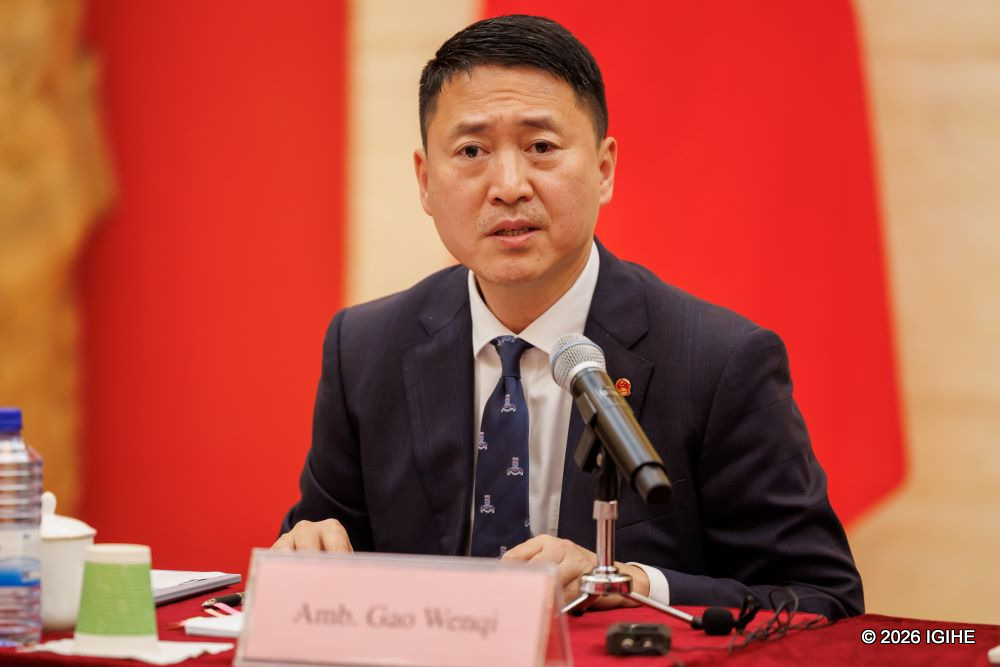
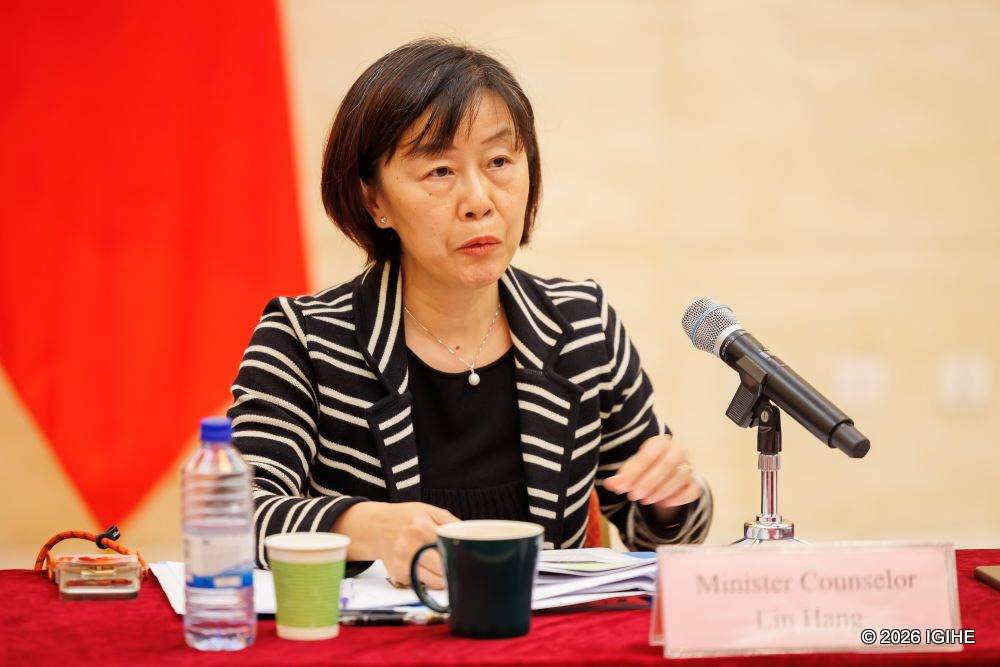
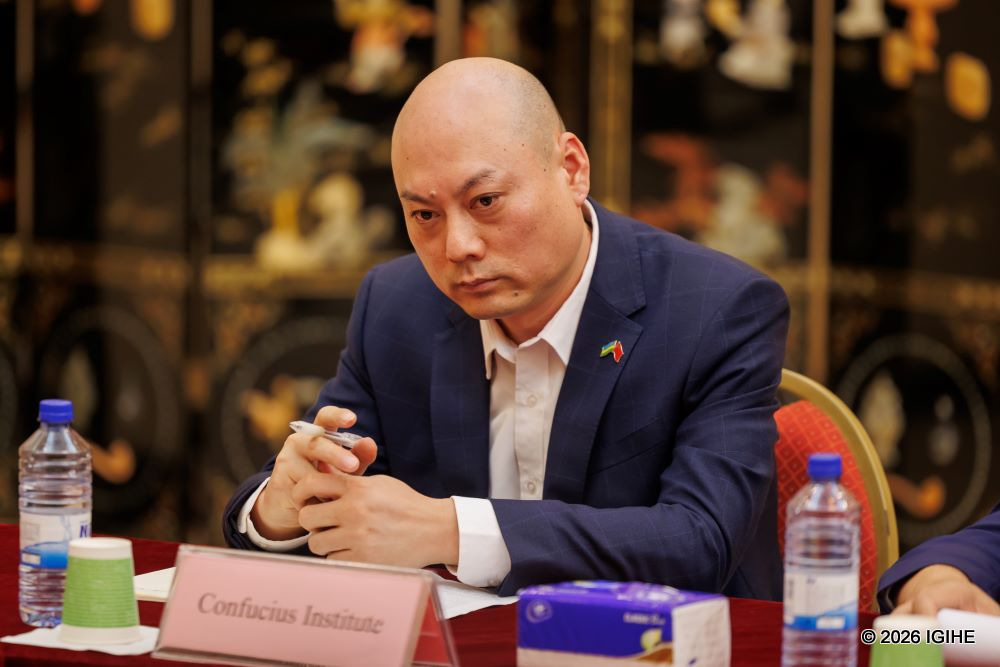
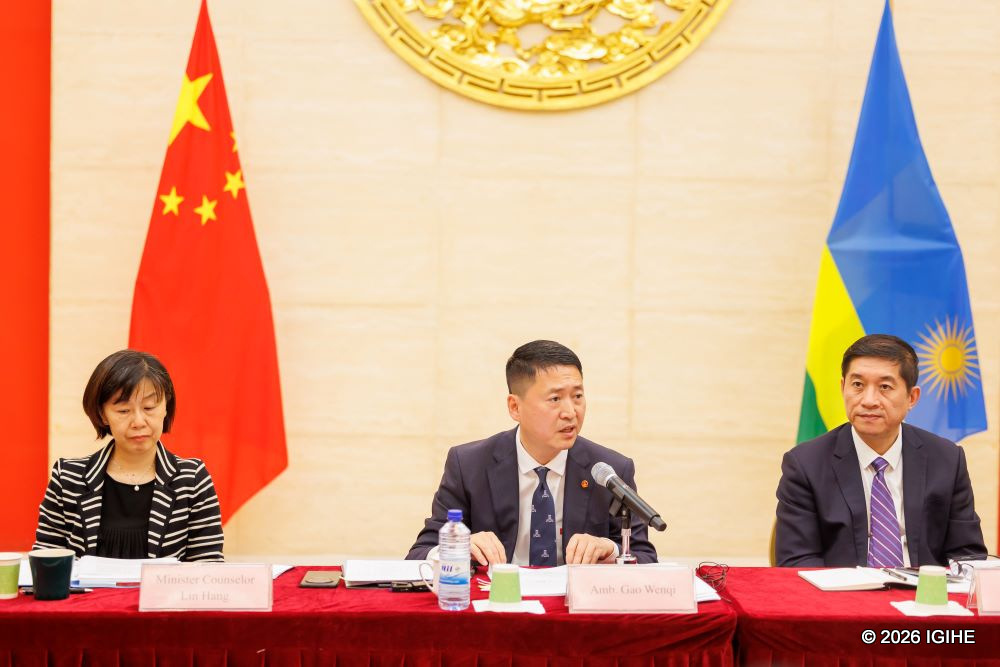
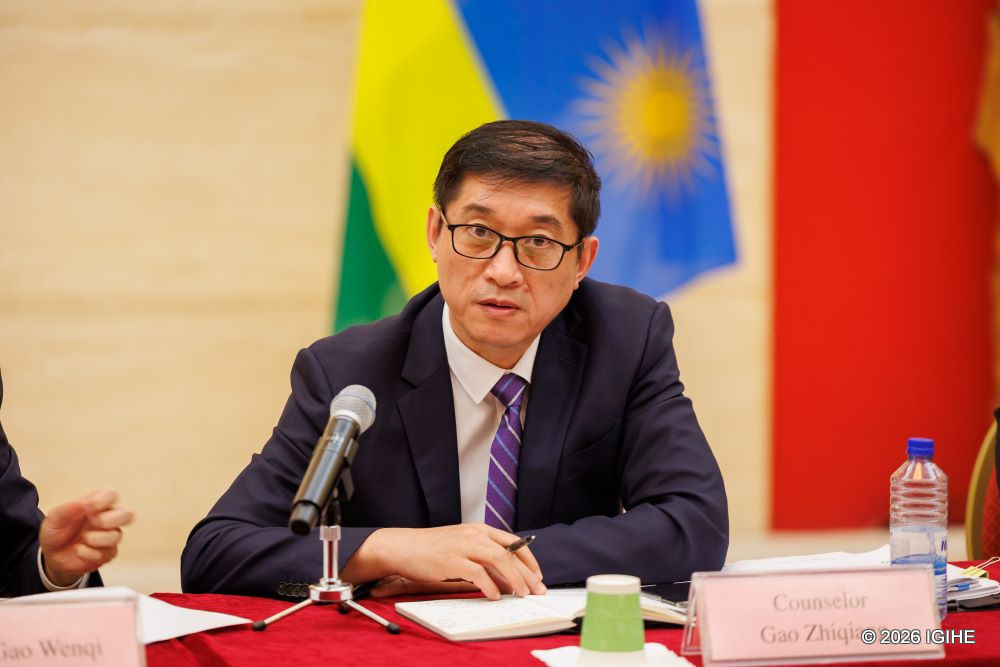
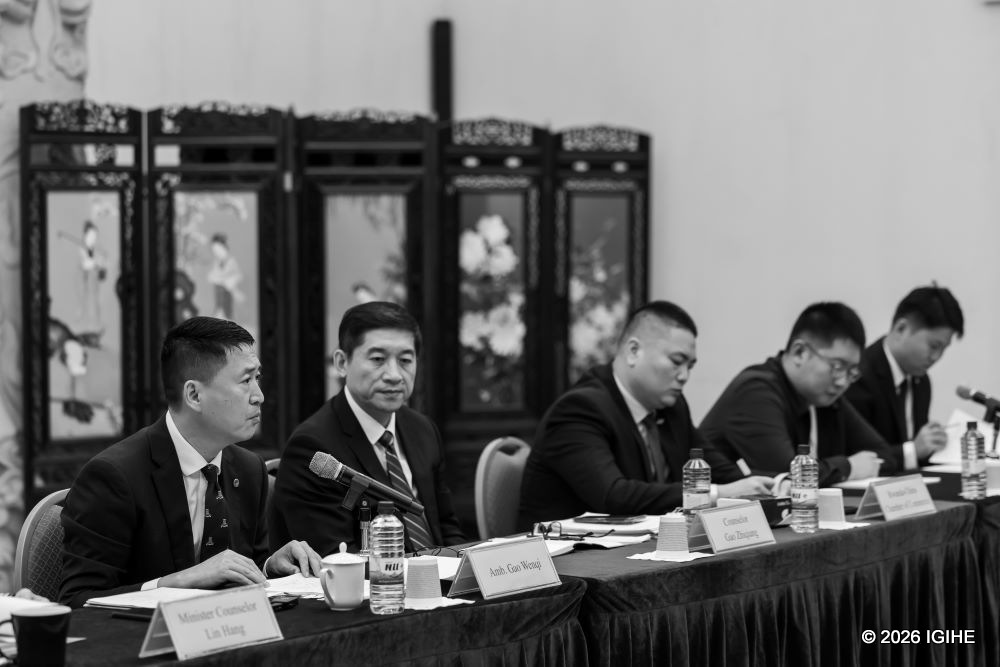
This was revealed during a press briefing held at the Embassy of the People’s Republic of China in Rwanda on Tuesday evening, where Ambassador Gao Wenqi outlined China’s economic outlook and the steady strengthening of trade and cooperation with Rwanda.
Amb. Gao said Rwandan coffee has become one of the strongest-performing export products in the Chinese market, reflecting years of gradual expansion and improved trade facilitation.
He noted that China’s imports of Rwandan coffee and related products have grown from $126,000 in 2013 to $1.01 million in 2019, and $4.72 million in 2024, describing this as evidence of consistent upward momentum.
Amb. Gao further confirmed continued rising consumer demand and improved logistics between the two countries.
“In 2025, China imported 869 tonnes of Rwandan coffee,valued at$5.97 million. The zero-tariff policy helps enhance the competitiveness of Rwandan specialty agricultural products in the Chinese market, enriches consumer choices, and brings tangible economic benefits to Rwandan farmers and export enterprises,” he said.
The envoy also highlighted a practical example of the impact of policy changes, saying a shipment of 2.4 metric tons of raw Rwandan coffee beans entered China through Changsha Airport in January 2025 under the zero-tariff scheme, saving the exporter over $1,600 after duties were reduced from 8 percent to zero.
Beyond coffee, Amb. Gao noted that Rwanda’s agricultural exports to China are gradually diversifying, with tea and chili increasingly entering the Chinese market.
He said these products are benefiting from the same zero-tariff framework and improved customs systems, including faster clearance through what he described as green channel arrangements for African agricultural goods.
Amb. Gao explained that the zero-tariff policy is part of China’s broader effort to deepen economic cooperation with Africa.
Rwanda is among the countries already benefiting from the initial phase introduced in December 2024, with a wider rollout planned for May 2026 covering all 53 African countries with diplomatic relations with China.
He said the policy will apply to 100 percent of tariff lines, aimed at strengthening competitiveness and expanding market access for African exports.
Amb. Gao also placed Rwanda’s trade performance within the broader bilateral context, noting that total trade between Rwanda and China reached $849 million in 2025, an increase of 26.9 percent year-on-year, while Rwanda’s exports to China rose by 42 percent. He said this reflects both Rwanda’s growing export capacity and China’s expanding consumer market as a major global importer.
On the wider economic front, he emphasized China’s continued opening-up policy and its role in global trade, noting that platforms such as import expos and trade fairs are designed to increase market access for international partners, including African countries.
He also briefly addressed China’s position on global issues, reaffirming the one-China principle regarding Taiwan and restating China’s call for peaceful coexistence and dialogue in resolving international conflicts, including tensions in the Middle East.
Amb. Gao concluded that Rwanda–China relations are currently at their strongest level following their elevation to a comprehensive strategic partnership. He said the implementation of China’s 15th Five-Year Plan (2026–2030) is expected to create new opportunities for cooperation in agriculture, trade, infrastructure, and digital development.
Relations built on mutual respect
Diplomatic relations between Rwanda and China date back to 1971, and over the years, both countries have built a strong partnership anchored in mutual respect and a shared commitment to development.
China has played a visible role in Rwanda’s development journey through several flagship projects, including the construction of Masaka Hospital, where services from Kigali Teaching University Hospital (CHUK) are expected to be relocated with improved capacity.
Cooperation has extended through the deployment of Chinese medical teams, donation of medical equipment, and continuous skills transfer to local health professionals, further reinforcing the practical dimension of the partnership.
Chinese firms have also contributed to major infrastructure works such as modern highways, hydropower plants, and smart education systems.
In agriculture, the introduction of Juncao mushroom technology has directly benefited around 35,000 farmers since 2017.
Since 1983, China has been offering government scholarships to Rwandan students, a cooperation spanning more than four decades. Last year alone, over 400 Rwandan trainees participated in short-term training and workshops in China, while about 110 students received government scholarships, both reaching record levels.
In vocational education, cooperation has also delivered concrete results. The Luban Workshop at IPRC Musanze, jointly established by Rwanda Polytechnic and Jinhua Polytechnic, provides training in E-commerce and Electrical Automation and has so far equipped nearly 10,000 people with practical skills through both online and offline programmes.
Under the China–Africa Vocational Education Cooperation Programme, the two institutions also implement a “2+1” training model, where students study for two years in Rwanda and complete a final year in China before obtaining an advanced diploma. This June, 30 more students from IPRC Musanze will travel to Jinhua, bringing the total number of beneficiaries under the programme to 90.
Leave a Reply