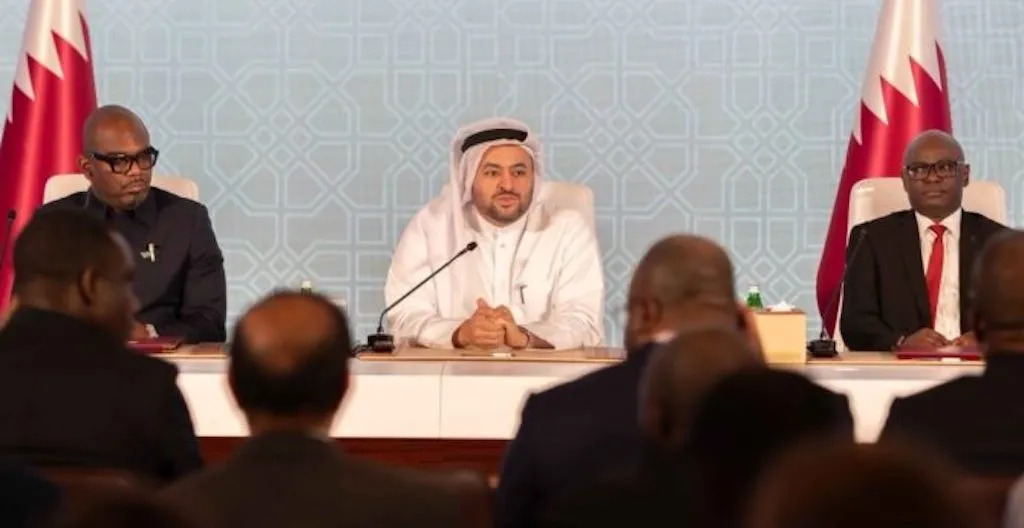
The discussions were facilitated by Qatar, the United States, Switzerland, the African Union Commission, and Togo in its role as African Union mediator, with participation from the International Conference on the Great Lakes Region (ICGLR).
The talks focused on strengthening humanitarian access, establishing mechanisms to monitor a ceasefire, and advancing confidence-building measures, including the release of detainees.
Humanitarian access and civilian protection
The two sides made substantial progress toward a protocol on Humanitarian Access and Judicial Protection, agreeing on the urgent need to ensure life-saving assistance for civilians in eastern DRC.
Both parties committed to comply with international humanitarian law, international human rights law, and international refugee law, as well as constitutional principles of the DRC.
They further agreed to prohibit attacks on or destruction of essential civilian infrastructure, including food supplies, agricultural areas, water systems, energy networks, telecommunications infrastructure, and health and education facilities.
The agreement also emphasises the protection of humanitarian workers and the guarantee of safe, rapid, and unimpeded access for aid delivery. Humanitarian assistance will be provided based on need, without discrimination on political, ethnic, religious, or social grounds.
“The Parties undertake to facilitate the transport of medical and humanitarian relief supplies by impartial humanitarian organisations to support the functioning of healthcare facilities and other medical units in areas affected by armed conflict,” a joint statement released by the parties reads.
Ceasefire monitoring mechanism activated
In a significant step toward implementing the ceasefire under the Doha Framework, the parties, together with ICGLR, signed a memorandum of understanding operationalising the Expanded Joint Verification Mechanism Plus (EJVM+).
This mechanism enables the Ceasefire Oversight and Verification Mechanism (COVM) to begin surveillance, monitoring, verification, and reporting on compliance with the permanent ceasefire.
Initial verification missions are expected to be planned within a week, with logistical support from the United Nations Organisation Stabilisation Mission in the DRC (MONUSCO).
Prisoner release within 10 days
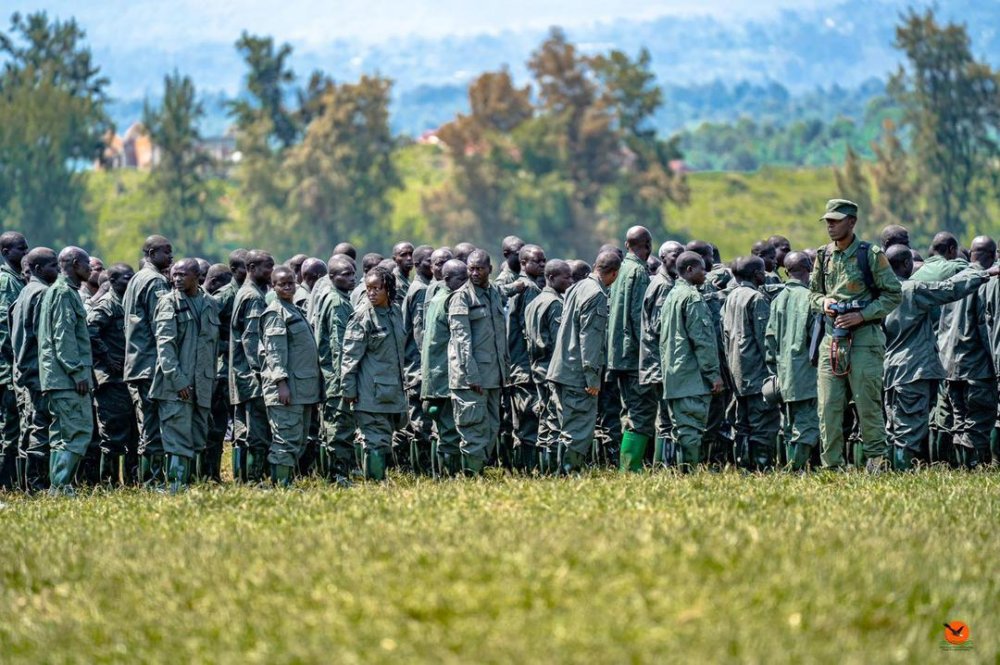
As part of confidence-building measures, the parties also agreed to release prisoners within ten days, in line with a previously established detainee release mechanism signed in September 2025.
Under the agreement, the DRC government is expected to release 311 prisoners linked to AFC/M23, while the rebel group will free 166 individuals held from the government side.
The International Committee of the Red Cross (ICRC) provided the relevant detainee lists to facilitate the process under agreed procedures.
The parties reaffirmed their commitment to sustaining momentum in the peace process and advancing remaining protocols under the Doha Framework. They also agreed to submit proposals for next steps to the mediation team to expedite negotiations.
After repeated setbacks in the implementation of the ceasefire, including accusations by AFC/M23 that Kinshasa forces have continued to carry out drone strikes on civilian populations, questions remain over whether the latest commitments will succeed in breaking the cycle of mistrust and restoring stability on the ground.
Leave a Reply