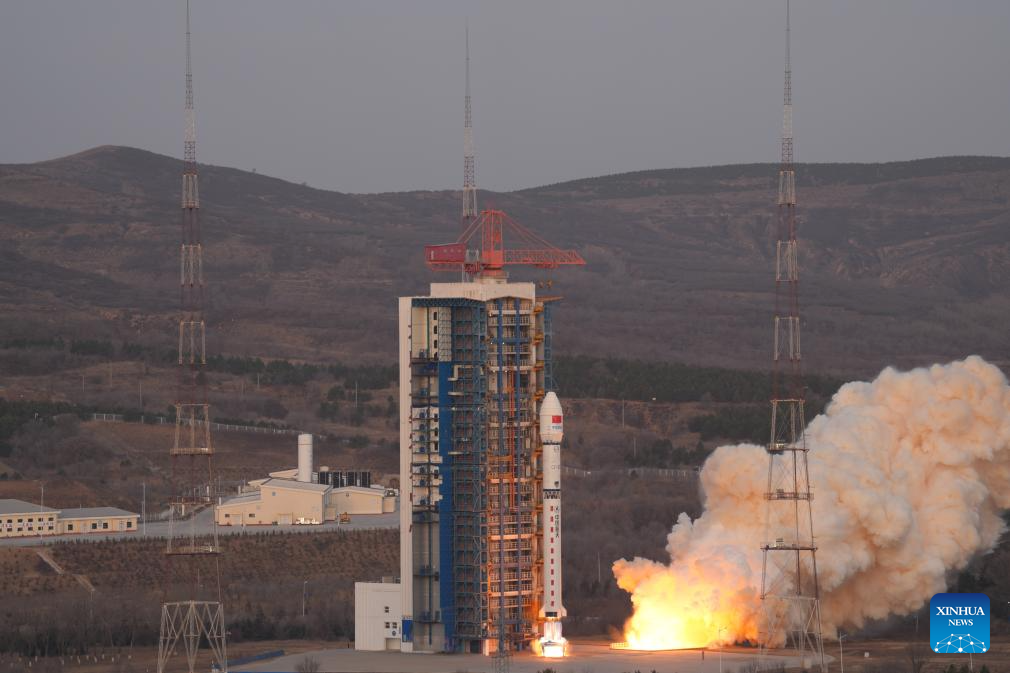
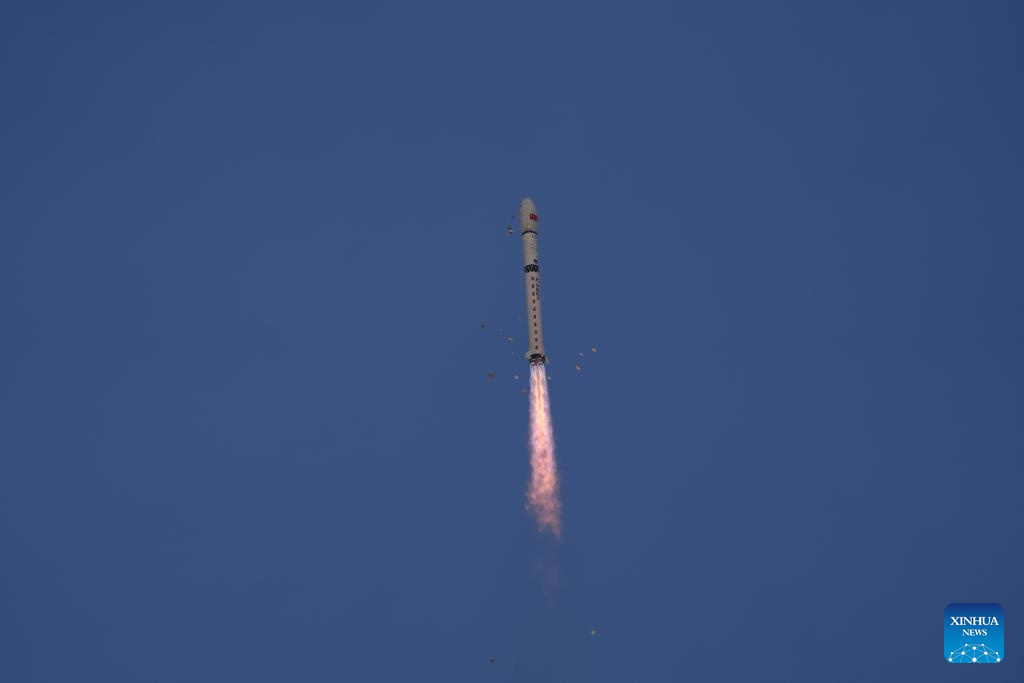
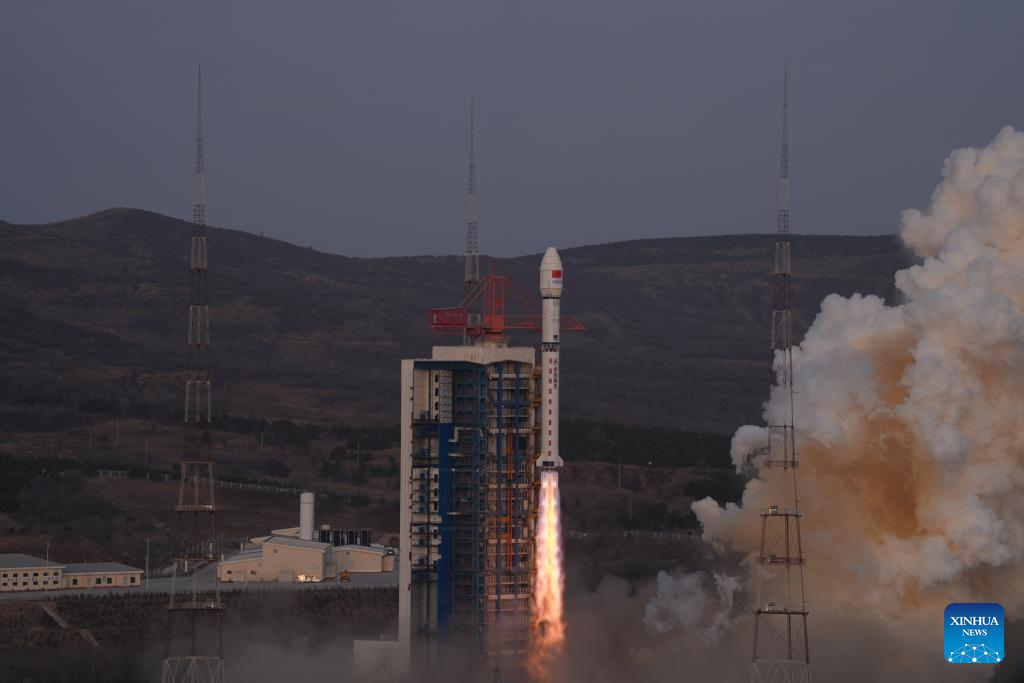
The rocket blasted off at 6:51 a.m. (Beijing Time) from the Taiyuan Satellite Launch Center in north China’s Shanxi Province and sent the pair of satellites, Siwei Gaojing-2 05 and Siwei Gaojing-2 06, into their preset orbit.
It was the 634th flight mission of the Long March series rockets.
A Long March-2D carrier rocket carrying two new satellites blasts off from the Taiyuan Satellite Launch Center in north China’s Shanxi Province on March 26, 2026.A Long March-2D carrier rocket carrying two new satellites blasts off from the Taiyuan Satellite Launch Center in north China’s Shanxi Province on March 26, 2026. The rocket blasted off at 6:51 a.m. (Beijing Time) and sent the pair of satellites, Siwei Gaojing-2 05 and Siwei Gaojing-2 06, into their preset orbit.A Long March-2D carrier rocket carrying two new satellites blasts off from the Taiyuan Satellite Launch Center in north China’s Shanxi Province on March 26, 2026.
Arnault has nearly 40 years of experience in international diplomacy, focused on peace settlements and mediation, and an extensive background leading UN missions in Africa, Asia, Europe and Latin America, according to a note to correspondents issued by the Office of the Spokesperson for the UN secretary-general.
Arnault’s most recent assignments include his service, between 2015 and 2018, as delegate of the secretary-general to the Colombia peace talks and then as special representative of the secretary-general for Colombia, when he led UN efforts to verify the implementation of the 2016 Final Peace Agreement in that country.
From 2019 to 2020, he was the secretary-general’s personal envoy for Bolivia, and in 2021, Arnault was named the secretary-general’s personal envoy on Afghanistan and regional issues.
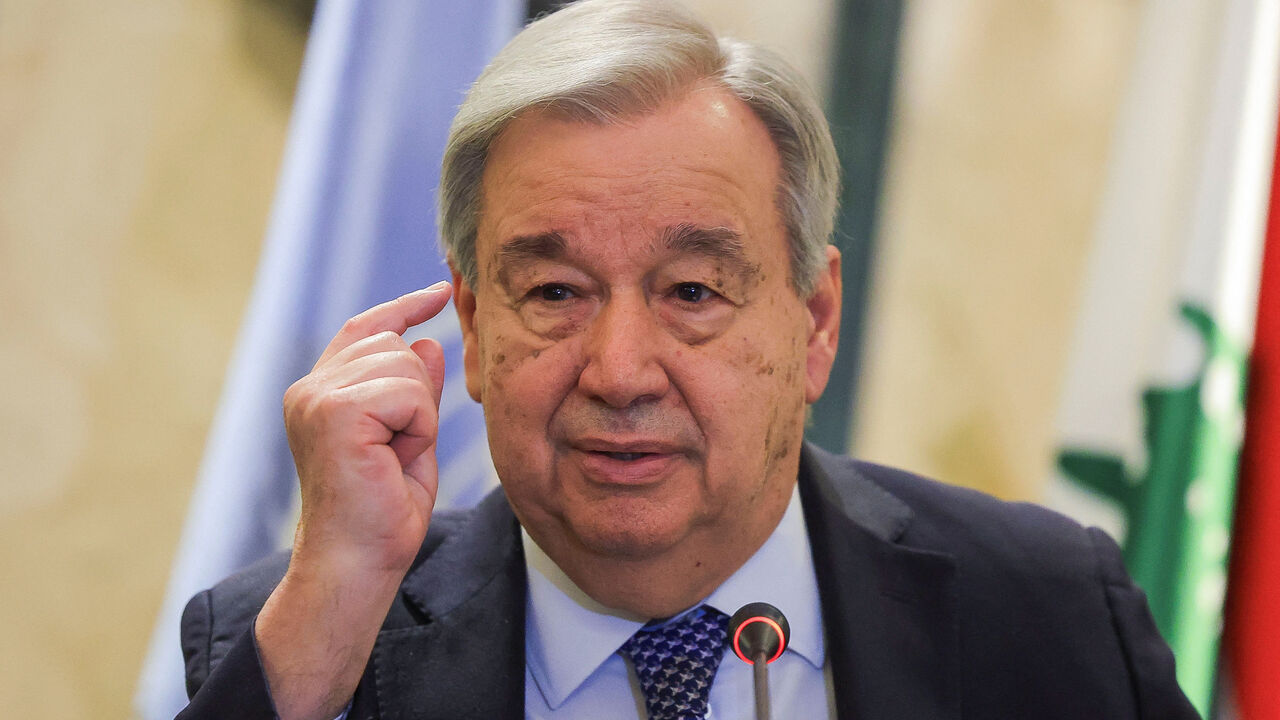
United Nations Secretary-General Antonio Guterres gestures during a press conference, following an escalation between Hezbollah and Israel amid the U.S.-Israeli conflict with Iran, in Beirut, Lebanon, March 14, 2026. Photo by Reuters
Iranian Foreign Minister Abbas Araqchi said that while messages have been exchanged through third‑party countries, there have been no direct talks or negotiations between Tehran and Washington.
“Messages being conveyed through our friendly countries and us responding by stating our positions or issuing the necessary warnings is not called negotiation or dialogue,” he explained.
In contrast, speaking at an event in Washington, President Trump said Iranian leaders “are negotiating, by the way, and they want to make a deal so badly,” and suggested they are reluctant to admit it publicly “because they will be killed by their own people… and afraid they’ll be killed by us.”
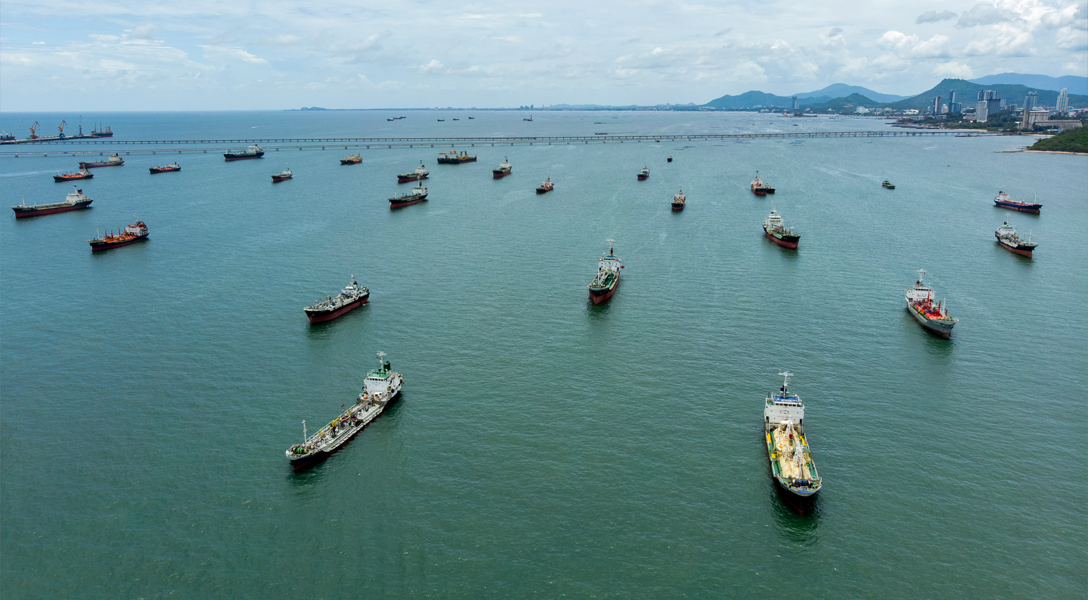
The U.S. proposal is reported to include about a 15‑point plan that aims to end hostilities, reopen critical shipping routes like the Strait of Hormuz, and limit Iran’s ballistic missile capabilities though the White House has not disclosed precise details. Iran has also reportedly told mediators that any ceasefire must include conditions involving Lebanon.
The conflicting comments come as the war continues to have a severe global impact. Fuel shortages have driven up prices around the world, and markets briefly rallied at hopes of a ceasefire before those hopes eased.
United Nations leaders and other international actors are urging a diplomatic end to the conflict, underscoring the urgent need for de‑escalation after nearly four weeks of intense fighting.
Iran says it is reviewing a US ceasefire plan but no talks; Trump says Tehran leaders want a deal.
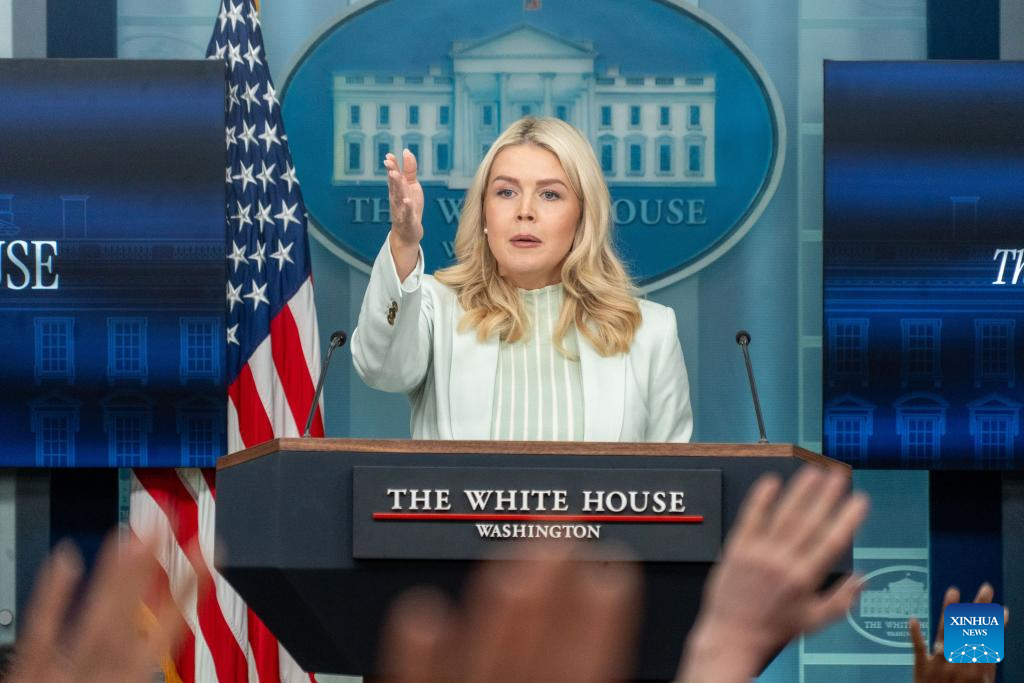
“President Trump does not bluff and he is prepared to unleash hell,” she said at a White House press briefing. “Any violence beyond this point,” she said, will be because Iran “refused to understand they have already been defeated and refused to come to a deal.”
Leavitt declined to reveal whom Washington is negotiating with over how to end the war with Iran.
“We’re not going to get into the details of these negotiations and conversations that continue to take place as, of course, you can imagine, they are very sensitive diplomatic discussions,” she said.
Leavitt argued the war, breaking out on February 28, remains on track to endure for four to six weeks.
There are no talks or negotiations between Iran and the United States, said Iran’s foreign ministry spokesman Esmail Baghaei in an exclusive interview with India Today on Wednesday.
“No one can trust U.S. diplomacy,” Baghaei said, noting that Iran had a very catastrophic experience with U.S. diplomacy, evidenced by U.S. attacks during negotiations over the nuclear issue in the past.
Ebrahim Zolfaghari, spokesman of Iran’s main military command Khatam al-Anbiya Central Headquarters, said the United States is negotiating with itself due to its internal strife.
He urged the United States to stop disguising its defeat as “an agreement,” adding, “the strategic power the enemies would brag about has turned into a strategic defeat.”
White House Press Secretary Karoline Leavitt gestures at a White House press briefing in Washington, D.C., the United States, March 25, 2026. U.S. President Donald Trump will “unleash hell” if Iran refuses to make a deal over the ongoing U.S.-Israeli war against Iran, White House Press Secretary Karoline Leavitt said on Wednesday.
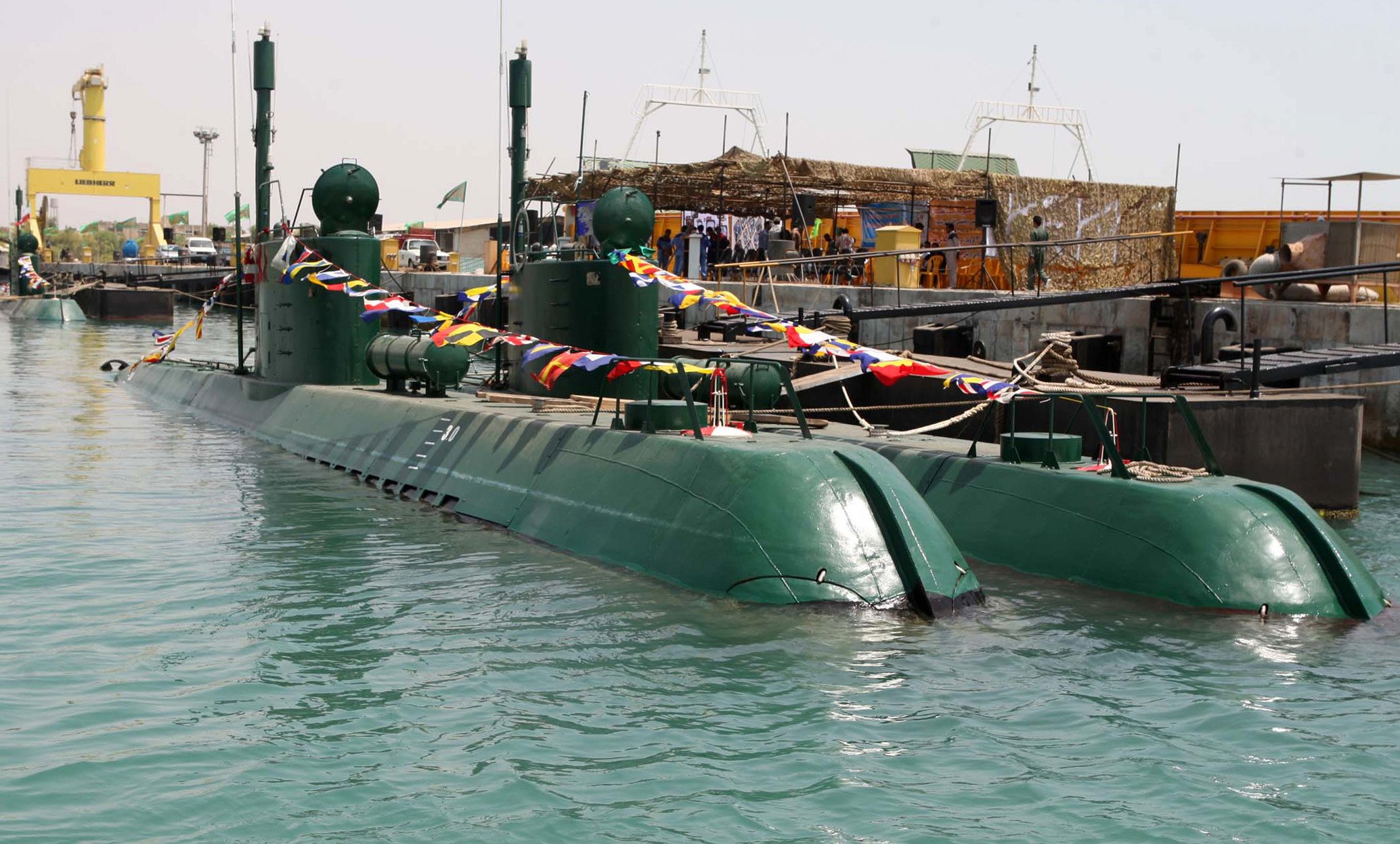
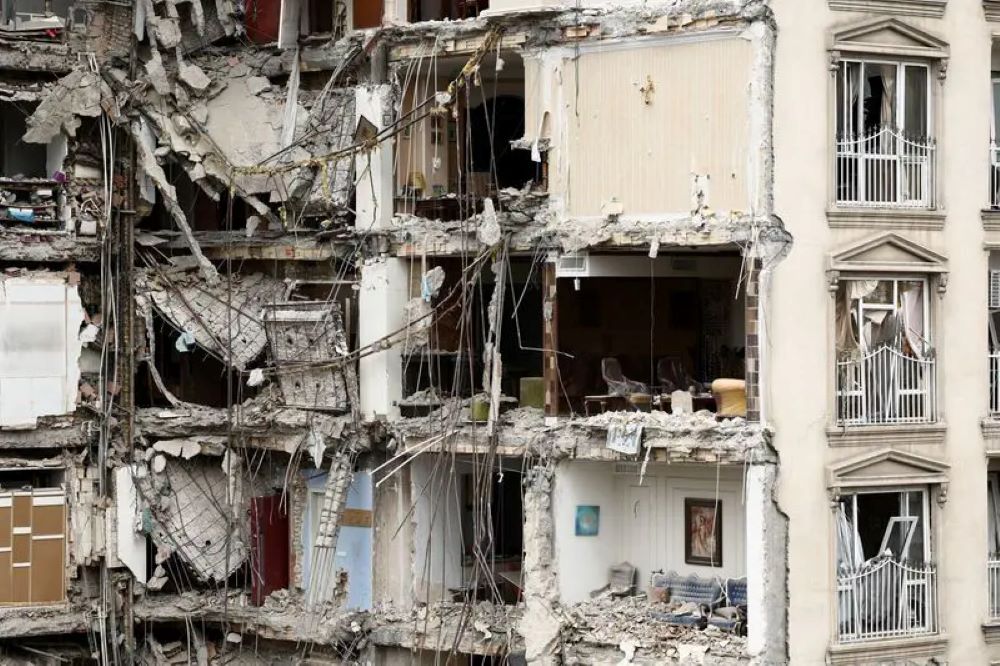
“The center is the only facility in Iran responsible for the design and development of submarines and support systems for the Iranian Navy,” an Israeli military spokesperson said, adding that Iran also produces various models of unmanned vessels at the site.
The strike “significantly limits” the Iranian Navy’s ability to manufacture new and advanced submarines and upgrade its existing fleet, the spokesperson said.
Separately, the military said it has completed two waves of large-scale airstrikes targeting government sites in Tehran on Wednesday.
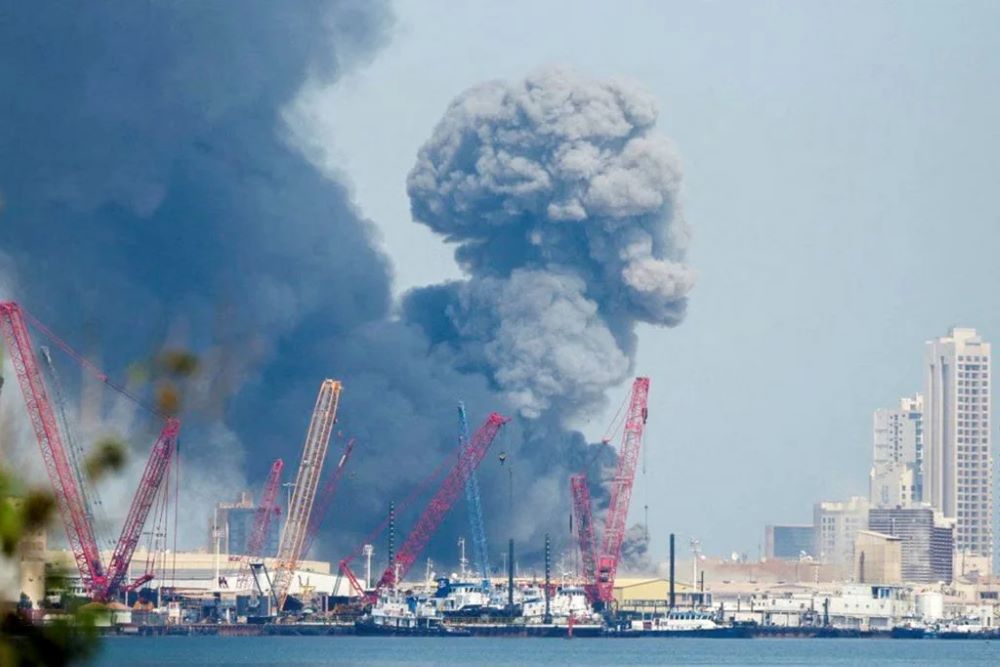
Meanwhile, multiple sirens were activated across Israel on Wednesday amid Iranian missile launches, including in Tel Aviv and Hadera, where one of Israel’s key power stations is located.
A large plume of black smoke was seen in the area, but the military said the missile hit an empty field, and the Israel Electric Corporation said in a statement that no damage was caused to its facilities.
No casualties have been reported so far.
Also, Israeli Defense Minister Israel Katz said Wednesday that the country has dropped over 15,000 munitions on Iran since the start of the nearly month-long conflict, about four times the number used in the Israel-Iran war last summer.
The developments came amid heightened regional tensions following joint U.S.-Israeli attacks on Iran that began on Feb. 28, prompting retaliatory attacks by Iran and its regional allies on Israeli and U.S. interests across the Middle East.
Israel said the latest strike “significantly limits” the Iranian Navy’s ability to manufacture new and advanced submarines and upgrade its existing fleet.
According to the ruling, the judge will reassess whether the conditions for house arrest remain in place once the period expires.
The decision follows a statement from Attorney General Paulo Gonet, who supported easing Bolsonaro’s detention conditions due to his health condition.
Bolsonaro is serving a final sentence of 27 years and three months in prison for leading an attempted coup in 2022.
He suffered a health episode on March 13 at a military police facility, which prompted his urgent transfer to a hospital in Brasilia. Medical reports showed respiratory complications and bilateral bacterial bronchopneumonia. According to the latest update, he is recovering well and is expected to leave intensive care within 24 hours.
The former president had previously been under house arrest but was returned to preventive detention in November, after violating the terms of his electronic monitoring.
The former president had previously been under house arrest but was returned to detention in November after violating electronic monitoring terms.
The Trump administration is eager to “find an off-ramp from the conflict as it grapples with its economic fallout,” said the report.
The plan addresses Iran’s ballistic missile and nuclear programs and discusses maritime routes, referring to the Strait of Hormuz, it said.
However, it was unclear how widely the plan, delivered by way of Pakistan, had been shared among Iranian officials and whether Iran was likely to accept it as a basis for negotiations, said the report.
It was also unclear whether Israel was on board with the proposal, the report added.
Israel’s Channel 12 also reported on Tuesday that Washington has delivered Tehran a 15-point plan for a month-long ceasefire deal.
The TV channel, citing sources familiar with the matter, said U.S. President Donald Trump’s advisors Steve Witkoff and Jared Kushner are promoting the plan for an immediate pause in hostilities, using a 30-day window to finalize the 15-point plan.
The plan demands that Iran dismantle its nuclear capabilities, cease all uranium enrichment, and provide a permanent commitment to never seeking nuclear weapons, the channel reported.
Additionally, Tehran would be required to halt funding and arming allied groups in the region and guarantee that the Strait of Hormuz remains open to international shipping, the channel said, adding that in exchange, Washington is offering full sanctions relief, assistance in developing a civilian nuclear energy project in southern Iran’s Bushehr, and the removal of the “snapback” mechanism threat that enables the reimposition of previously lifted UN sanctions on Iran.
For now, there is no indication that the war will let up imminently. The White House said Tuesday that as diplomacy was underway, military strikes on Iran were continuing.
The plan allegedly addresses Iran’s ballistic missile and nuclear programs and discusses maritime routes, referring to the Strait of Hormuz.
“Our world is the most violent it has been since World War II. The number of people uprooted and forced to flee their homes is increasing by the hour,” Jorge Moreira da Silva, executive director of the United Nations Office for Project Services (UNOPS), said in a statement on Monday.
The devastating conflict in the Middle East has crossed borders, shaken the world economy amid exponential price hikes in oil, fuel and gas, he said.
He pointed out that developing countries in Asia and Africa are likely to suffer the most severe impacts, and the number of people living in hunger globally is likely to increase by tens of millions this year, he said.
He urged all parties to implement all UN Security Council resolutions and end this chaos and people’s suffering through diplomatic and peaceful solutions.
UNOPS, formerly a part of the United Nations Development Programme (UNDP), was established as a separate, self-financing entity within the UN system on Jan. 1, 1995. Headquartered in Copenhagen, Denmark, it provides project management, procurement and infrastructure services in more than 100 countries worldwide.
UN says the world is currently experiencing its most violent period since World War II as the escalation in the Middle East continues
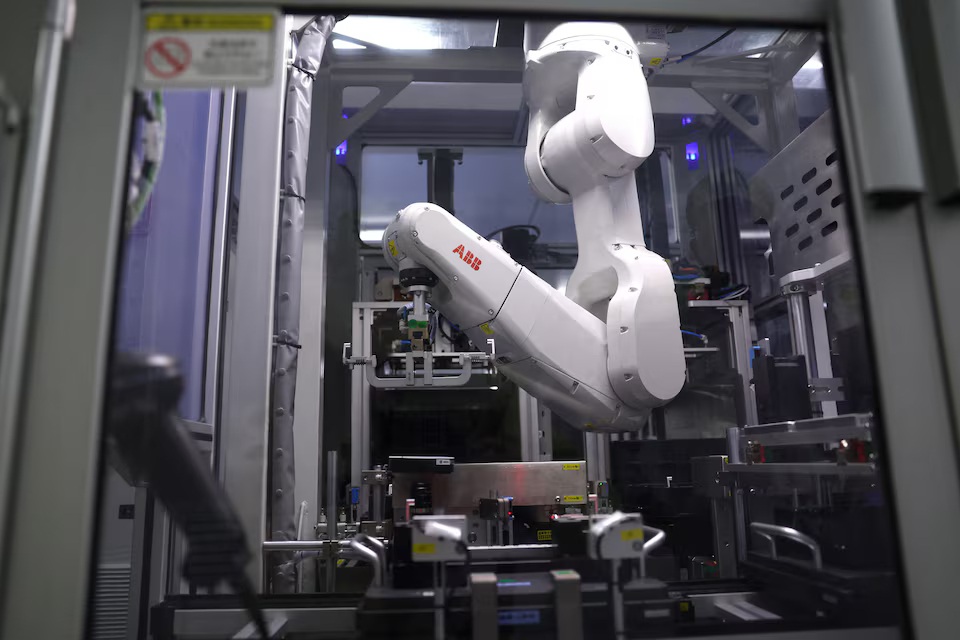
ZYT plans to present its advanced AI system at the Beijing auto show in April 2026, calling it a “mobility foundation model.”
Unlike traditional autonomous driving systems that build specific modules for detecting obstacles such as cars, pedestrians, and traffic signals, ZYT’s AI takes a different approach.
The system learns from a diverse range of data sources, including road traffic video, drones, robots, motorcycles, and even cameras carried by people.
This broad learning model allows the AI to make flexible driving decisions across various urban environments. The result is an AI that performs seamlessly in complex driving scenarios, even better than its CEO in Shenzhen’s busy streets.
ZYT sees this technology extending beyond autonomous vehicles and has plans to apply it to other robots and machines in the future.
ZYT is positioning itself as a strong competitor in the self‑driving technology race, competing against Chinese companies like Xpeng and international giants such as Tesla.
The company is also targeting the commercial sector, especially in long‑haul trucking. ZYT has formed partnerships with major Chinese truck manufacturers, including XCMG, SHACMAN, and SINOTRUK, to introduce its AI system to the trucking industry. ZYT believes that its AI can help trucking companies reduce operating costs and save on fuel.
FAW Group, a state‑owned Chinese automaker, acquired a significant stake in ZYT (around 35.8%), alleviating concerns about DJI’s control and helping expand ZYT’s reach.
ZYT is also working to make its system compatible with cheaper chips, allowing regular passenger cars to adopt the technology. The first vehicles featuring the AI are expected to be released by 2027.
ZYT has no immediate plans to enter the U.S. market but is testing its AI technology in Europe through collaborations with automaker Volkswagen. ZYT’s global aspirations are evident as it aims to make a lasting impact on the self‑driving industry across multiple sectors.
ZYT’s AI technology is set to revolutionize both the passenger and commercial driving sectors with its ability to handle complex urban environments, positioning itself as a key player in the global race for autonomous technology.
ZYT readies AI that can outdrive its own CEO on Shenzhen streets.
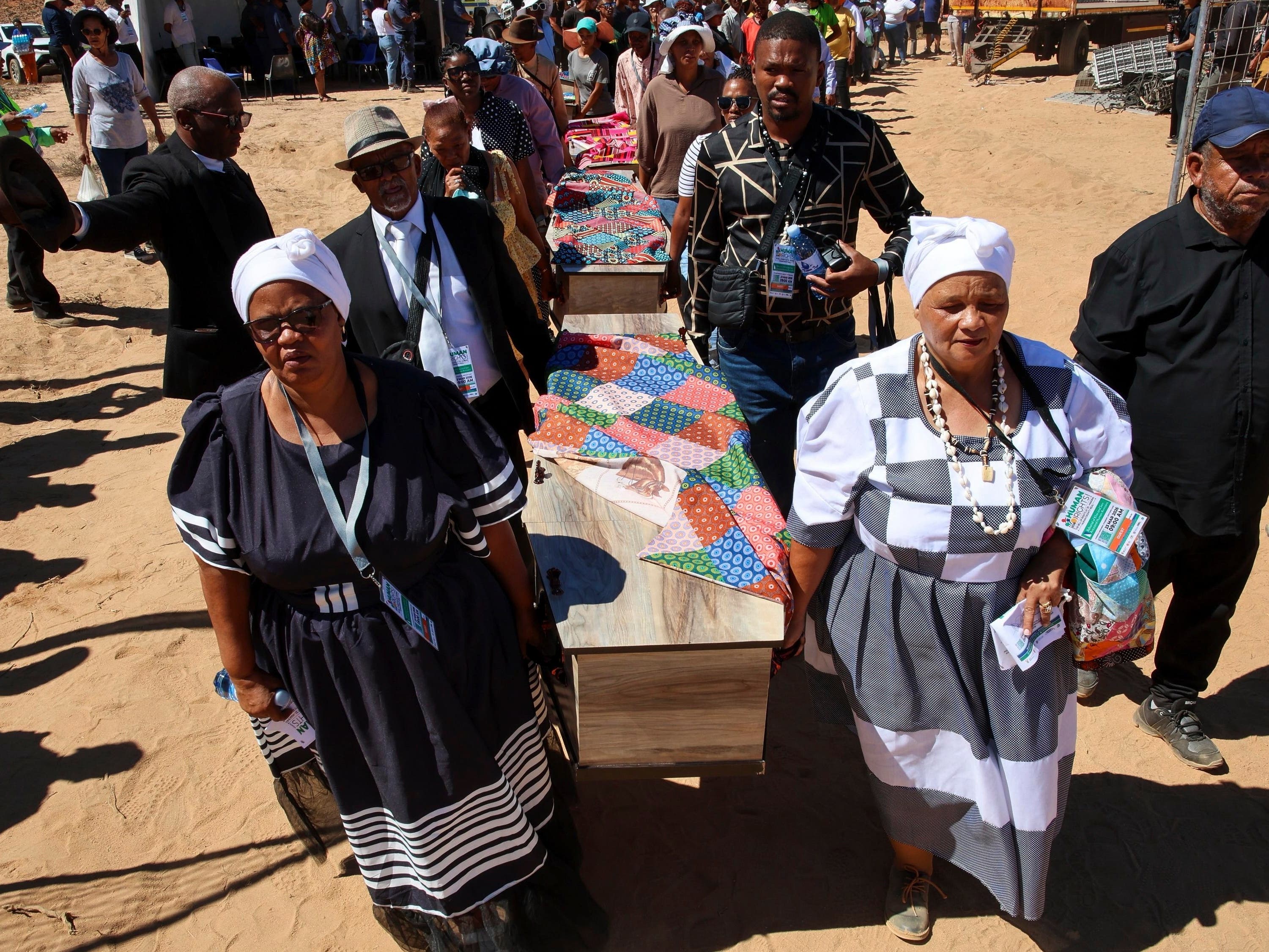
President Cyril Ramaphosa officiated the ceremony at the Kinderle Monument in the Northern Cape province, where the remains, which had been taken to Europe and held in local museums and other institutions during the colonial era, were laid to rest following a years-long repatriation process involving South African authorities and overseas institutions.
The remains included six individuals repatriated from Scotland and others long held at Iziko Museums, formerly the South African Museum, since the early 20th century. Many were originally exhumed without consent between the late 1800s and early 1900s, during a period when the remains of indigenous people were collected, traded and studied in support of racist scientific theories.
“A dignified burial is but the least we can do as the democratic government to honor these, our countrymen and countrywomen, who were victims of a terrible past,” Ramaphosa said.
He described how indigenous communities were dispossessed of land and subjected to violence and exploitation under colonial rule, adding that “not even death would spare them from indignity.”
“Their remains were dug up from graves and sold to museums and medical institutions in Europe,” he said.
The reburial forms part of a broader national program led by the Department of Sport, Arts and Culture to repatriate human remains and heritage objects taken during colonialism and apartheid.
“The return of our ancestors to their descendant communities is a vital act of restoration and restitution that goes beyond acknowledging the colonial legacy. It is also a manifestation of Ubuntu, a recognition of our common humanity,” Ramaphosa stressed.
“Today, as their remains are finally returned to the land from which they were taken, we restore the dignity that was so cruelly denied to them in life and even in death,” he said.
“They were not nobodies … They were our people,” he added.
Ramaphosa reaffirmed South Africa’s commitment to restoring dignity to the victims of colonialism and apartheid, noting that the Constitution calls for healing the divisions of the past and advancing social justice.
“Our Constitution obliges us to advance restitution for all those who were the victims of colonial and apartheid atrocities,” he said.
Coffins are carried during the reburial of remains of dozens of Africans