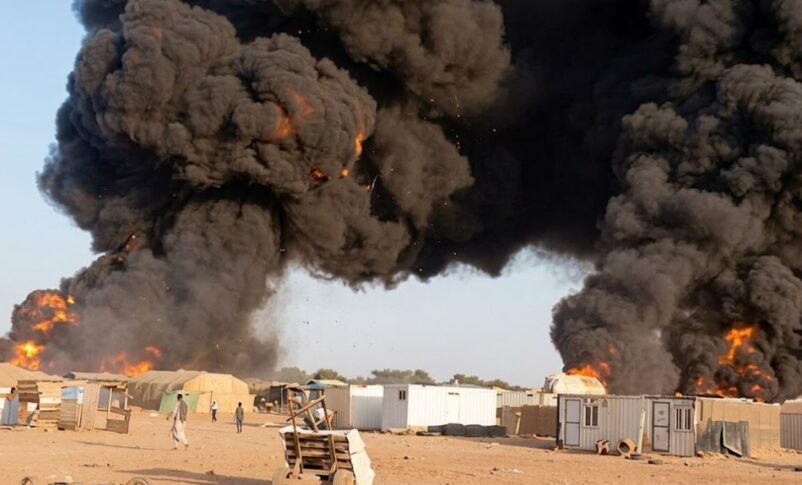
The Chadian government confirmed the attack occurred Wednesday and said the drone was launched from within Sudanese territory.
The paramilitary Rapid Support Forces (RSF) condemned what it called a drone attack on Al-Tina and blamed the Sudanese Armed Forces (SAF), calling it “a violation of Chad’s sovereignty and a dangerous escalation.”
The SAF denied involvement and said in a statement Thursday that an RSF drone had struck a gathering of civilians inside Chad, calling it part of a “repeated pattern” of cross-border attacks.
Chad’s information minister and government spokesperson, Qassem Sharif, said the government had raised its military and security forces to a higher state of alert following the strike. He said Chad reserves the right to pursue those responsible inside Sudan under international law.
The strike comes as fighting between the SAF and RSF has intensified along the Sudanese-Chadian border, particularly in the Darfur region, where both sides have clashed over supply routes and border crossings.
The crossings between Sudan and Chad, including the Adre crossing, are vital commercial and humanitarian corridors for Darfur’s population.
Chad closed its border with Sudan on February 23 after armed groups crossed into its territory, allowing exceptions only for humanitarian purposes with prior authorization.
The SAF and RSF have been at war since April 2023. The conflict has killed tens of thousands of people and displaced millions inside Sudan and across the region.
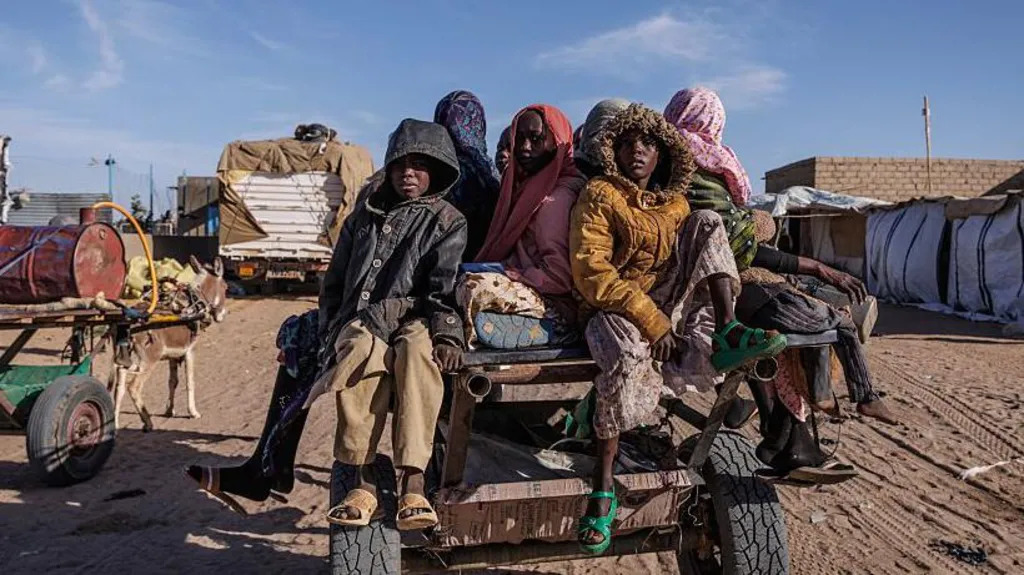
The Sudan conflict has driven millions of people to flee across the border to Chad. Chad’s president has ordered the military to retaliate against future attacks from Sudan following a drone attack that killed at least 17 people and injured several other people attending a funeral.
Trump’s remarks followed reports that Iran hit Qatar’s liquefied natural gas (LNG) facilities, after Israel launched an attack on Wednesday against Iran’s South Pars offshore natural gas field in the Persian Gulf it shares with Doha.
Qatar reported fires and extensive damage at its LNG facilities targeted by Iran, adding that emergency response teams had been deployed to contain the situation.
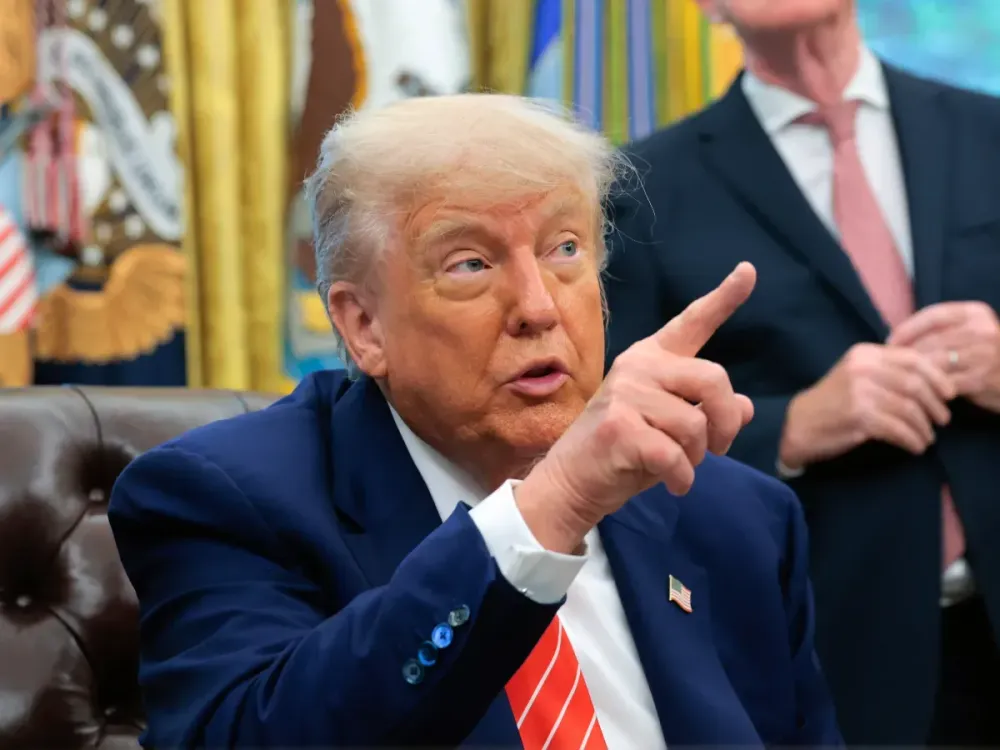
“The United States knew nothing about this particular attack, and the country of Qatar was in no way, shape, or form, involved with it, nor did it have any idea that it was going to happen,” Trump said.
“NO MORE ATTACKS WILL BE MADE BY ISRAEL pertaining to this extremely important and valuable South Pars Field unless Iran unwisely decides to attack” Qatar again, he added.
If Iran attacks Qatar again, “the United States of America, with or without the help or consent of Israel, will massively blow up the entirety of the South Pars Gas Field at an amount of strength and power that Iran has never seen or witnessed before,” he warned.
Meanwhile, Oman’s Foreign Ministry condemned the targeting of energy facilities in Iran’s South Pars gas field, describing it as a dangerous escalation that threatens regional security and global energy supplies.
The United States and Israel launched massive attacks on Iran on February 28, disrupting global shipping, sending oil prices soaring and shaking the global economy.
Trump’s remarks followed reports that Iran hit Qatar’s liquefied natural gas (LNG) facilities, after Israel launched an attack on Wednesday against Iran’s South Pars offshore natural gas field in the Persian Gulf it shares with Doha.
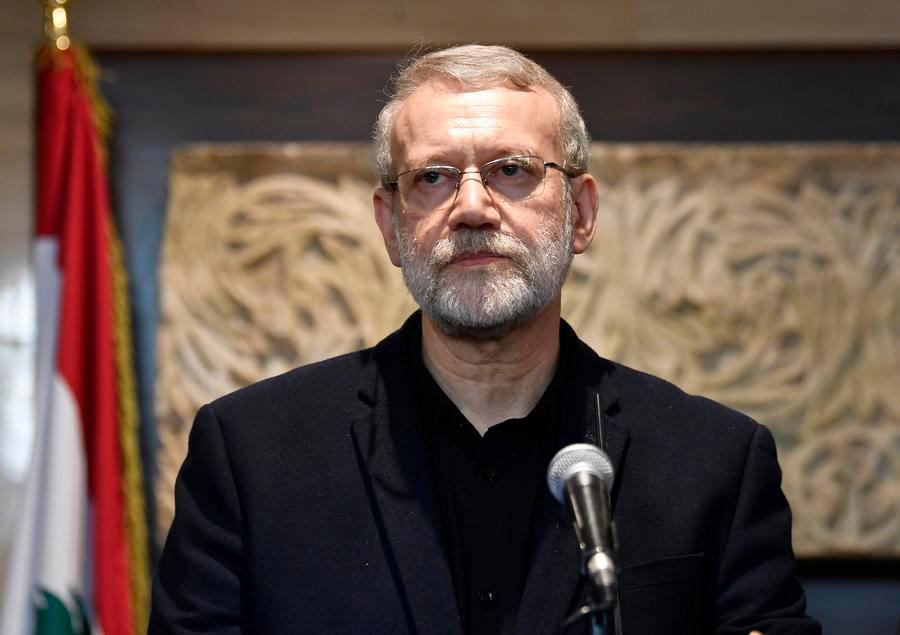
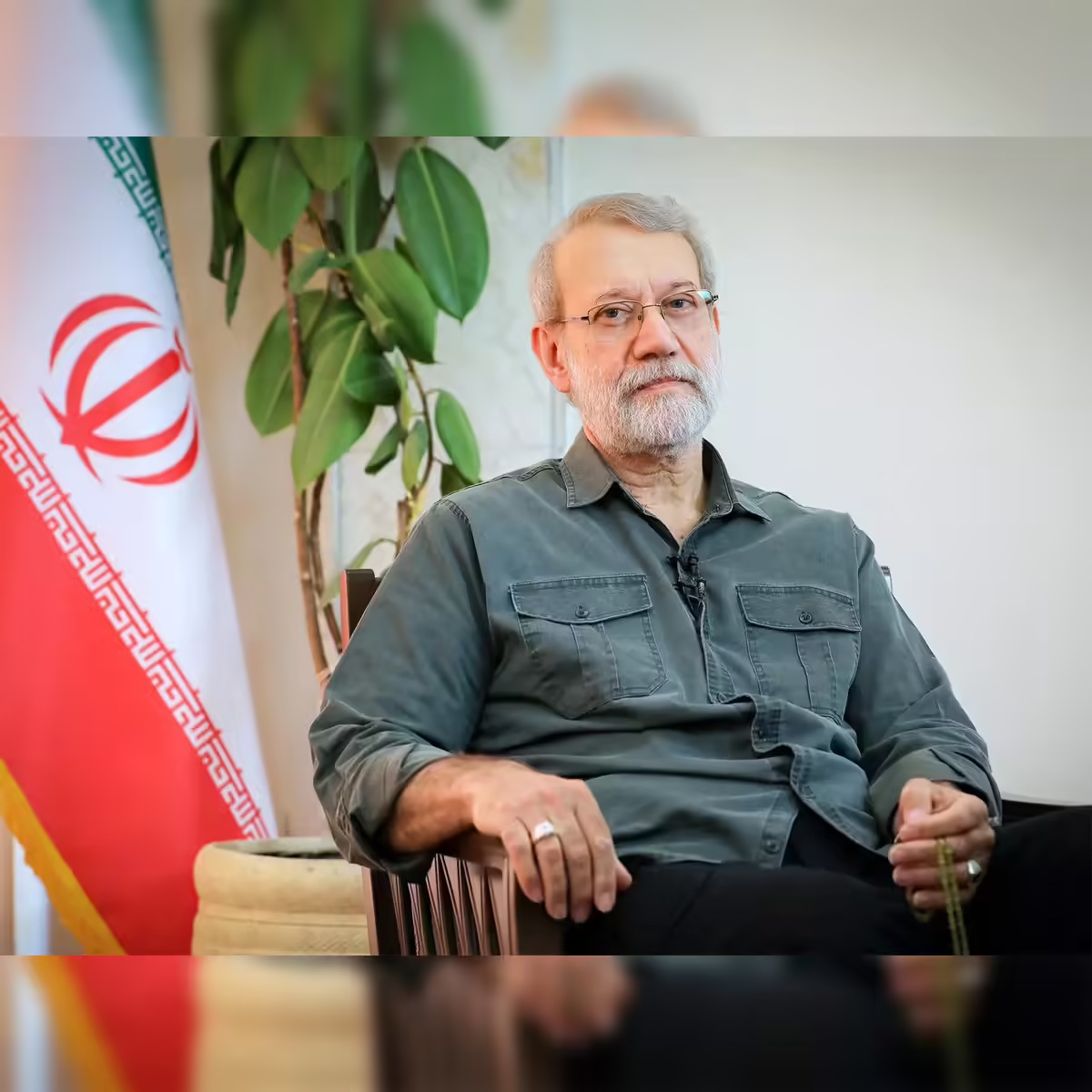
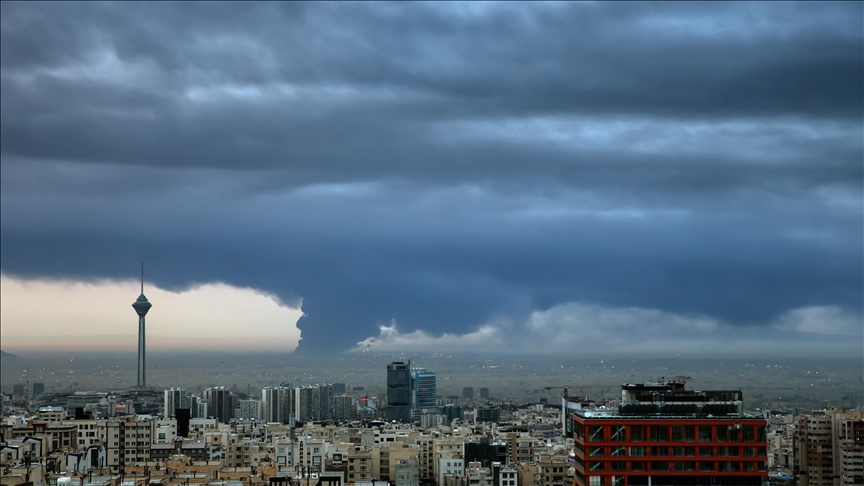
As Iran’s top security official, Larijani’s killing represents a major loss for Iran’s leadership and has sparked more intense retaliatory attacks from Tehran on Israeli and U.S. targets. Here is what you need to know about Larijani’s death:
Who was Larijani?
Born in 1958, Larijani served as a senior official in Iran for several decades.
After Iran’s 1979 Islamic Revolution, he joined the Islamic Revolution Guard Corps (IRGC) in the early 1980s, before transitioning to government, serving as Culture Minister between 1994 and 1997.
During the early stages of Iran’s nuclear crisis, Larijani, who once served as Iran’s chief nuclear negotiator, played a key role in the process that ultimately led to a nuclear agreement.
In 2008, Larijani ran for a seat in the Iranian parliament and was elected speaker, a position he held until 2020.
Larijani tried to run for president in 2021 and again in 2024, but on both occasions, the Constitutional Council disqualified him.
In 2025, following the 12-day war between Israel, the United States and Iran, President Masoud Pezeshkian appointed Larijani as secretary of the Supreme National Security Council.
How did Larijani die?
Since Iran’s former Supreme Leader Ali Khamenei was killed in an Israeli strike in February, Larijani had played a key role in Iran’s national affairs, frequently issuing tough statements in response to U.S. and Israeli attacks.
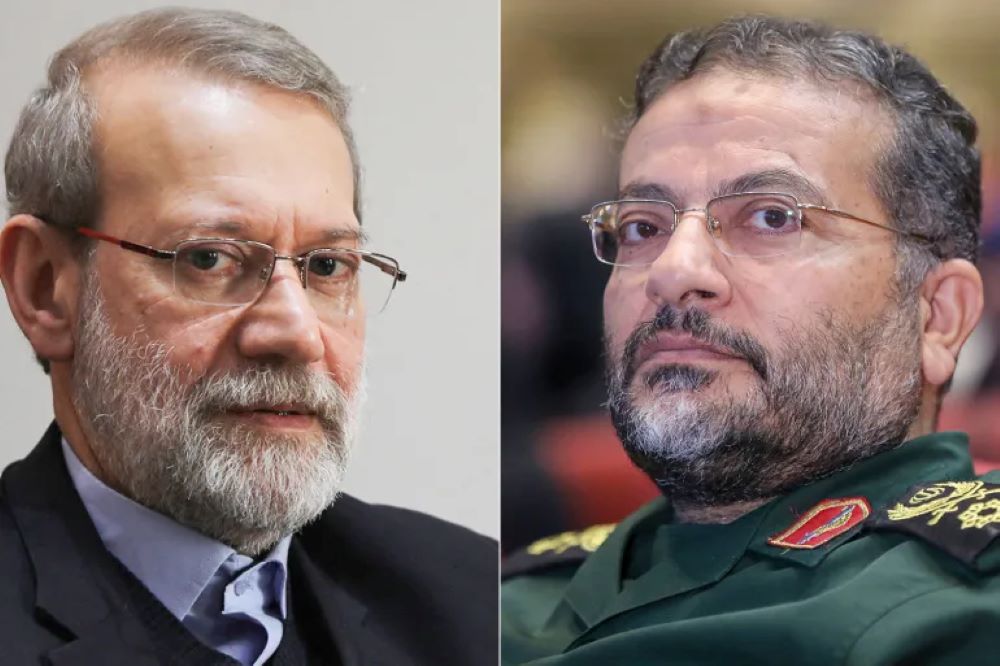
On Tuesday, the Israel Defense Forces said that it carried out precision airstrikes in Tehran, killing Gholamreza Soleimani, commander of Iran’s Basij volunteer force, and Larijani.
Israeli Prime Minister Benjamin Netanyahu said later on Tuesday that Israel had killed Larijani, adding, “There are many more surprises.”
Late Tuesday night, Iran’s Supreme National Security Council confirmed that its secretary, Larijani, had been killed.
In a statement, the council said Larijani died early Tuesday alongside his son Morteza Larijani, deputy for security affairs at the council’s secretariat Alireza Bayat, and several others.
The council praised Larijani’s long service to Iran’s development and called for national unity in the face of external threats.
Reactions to Larijani’s death
Iran’s Supreme Leader Mojtaba Khamenei offered his condolences on Wednesday over the death of Larijani, while hinting at retaliation.
In a statement on social media, he condemned the “assassination,” stating that those responsible would inevitably “pay the price for their crimes.”
In an interview with Al Jazeera on Wednesday, Iranian Foreign Minister Seyed Abbas Araghchi said Israel’s killing of Larijani will not deal a fatal blow to Iran’s leadership.
“I do not know why the Americans and the Israelis still have not understood this point: The Islamic Republic of Iran has a strong political structure with established political, economic, and social institutions,” Araghchi said. “The presence or absence of a single individual does not affect this structure.”
Russia on Wednesday condemned the killing of Larijani. “We certainly condemn actions intended to harm health or, even more so, to kill representatives of the leadership of a sovereign and independent Iran, as well as other countries. We condemn such actions,” Kremlin spokesman Dmitry Peskov told reporters in a daily briefing.
Hamas on Wednesday also condemned the “treacherous” Israeli strike on Tehran that killed Larijani.
Praising Larijani’s support for the Palestinian cause, the group extended condolences to Iran’s leadership and people, calling the attack a “flagrant aggression” against Iran.
As Iran’s top security official, Larijani’s killing represents a major loss for Iran’s leadership and has sparked more intense retaliatory attacks from Tehran on Israeli and U.S. targets. Here is what you need to know about Larijani’s death:
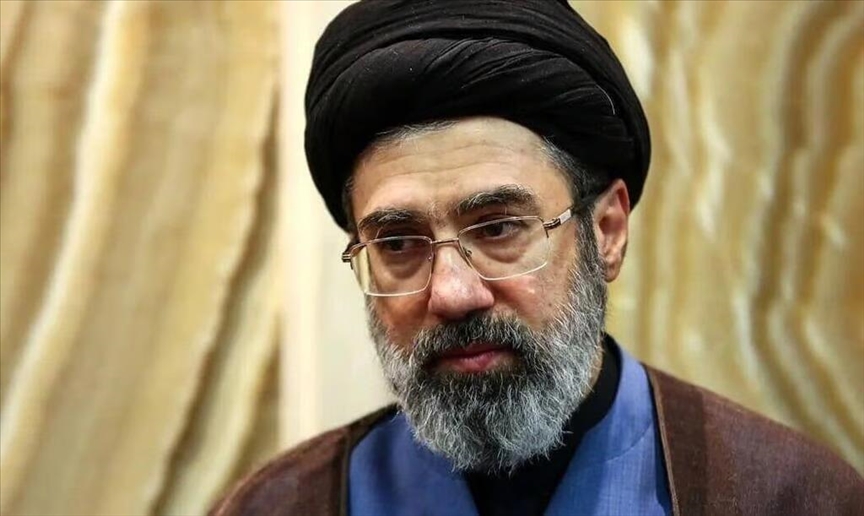
The news about the supreme leader being in Russia for treatment is a “new psychological war,” Jalali said on X. “Iranian leaders do not need to flee and hide in shelters; their place is on the streets among the people.”
Kuwaiti daily Al-Jarida reported over the weekend that Mojtaba Khamenei was transported to Russia on a military aircraft and had already undergone surgery at a private clinic, citing a high-ranking source close to the new supreme leader.
Kremlin Press Secretary Dmitry Peskov declined to comment on the report during his briefing on Monday.
Iran has denied the transfer of recently selected Supreme leader to Russia for treatment.
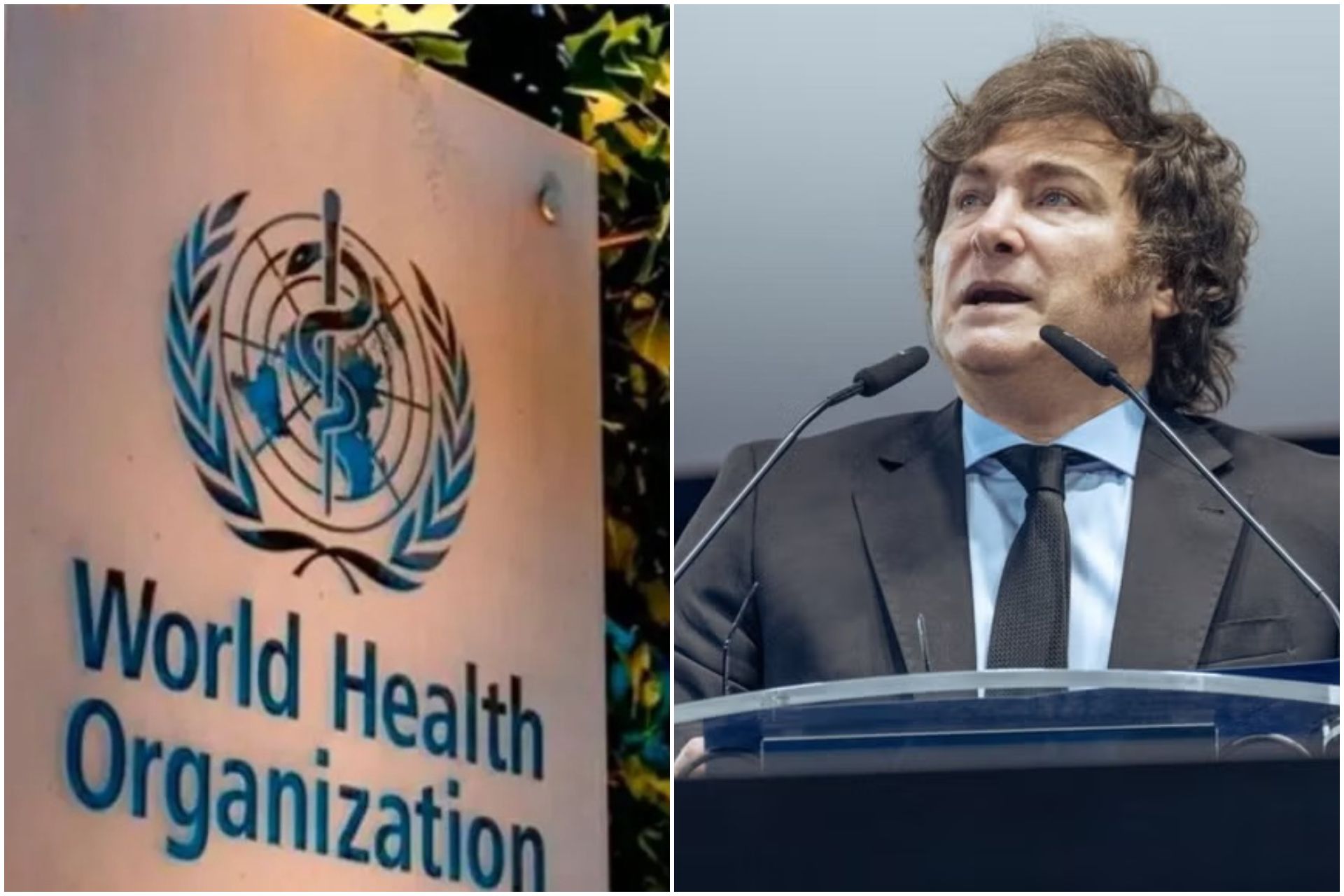
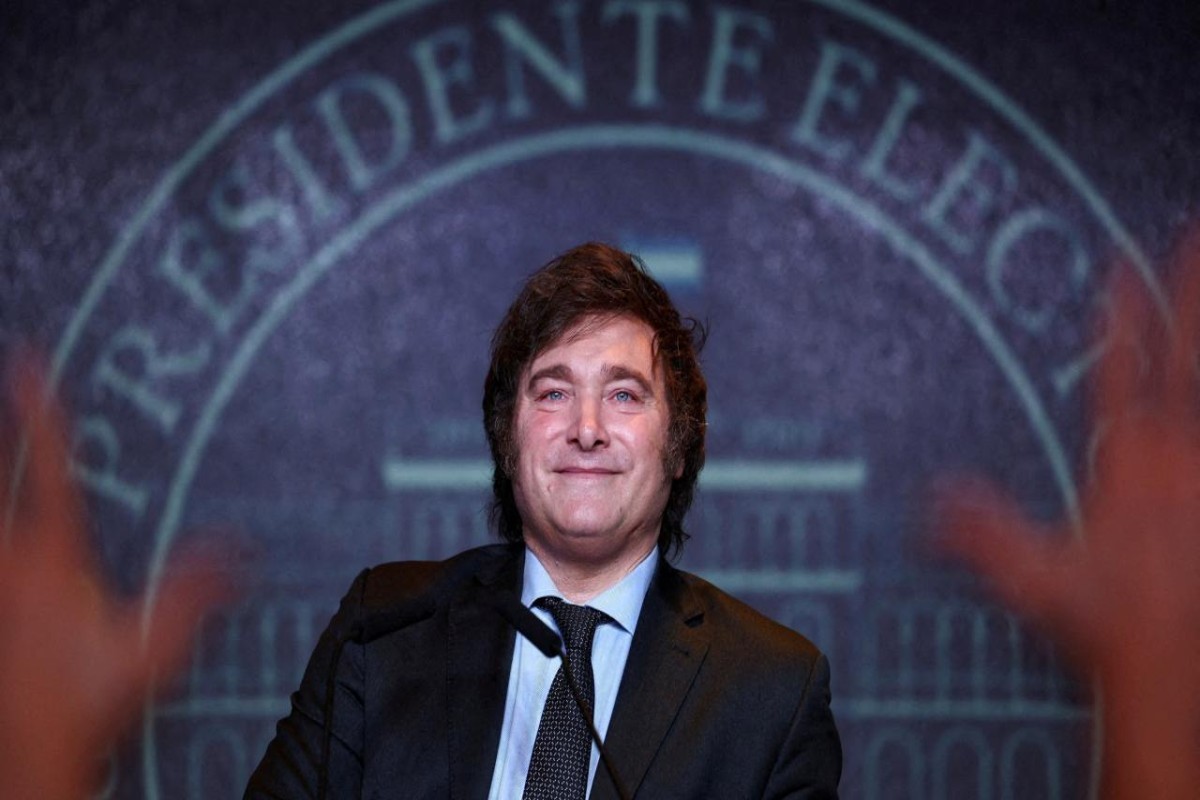
He said in a social media post that Argentina communicated this decision through a note addressed to the United Nations Secretary-General on March 17, 2025.
In accordance with the Vienna Convention on the Law of Treaties, the withdrawal takes place one year after that notification.
“Our country will continue to promote international cooperation in health through bilateral agreements and regional forums, fully safeguarding its sovereignty and its capacity to make decisions regarding health policies,” Quirno said.
The Argentine government announced the decision to withdraw from the global health body in February last year.
Presidential spokesperson Manuel Adorni told a press conference at the time that President Javier Milei had instructed the Argentine foreign minister to withdraw the country’s participation in the UN specialized agency.
The spokesperson said that the decision “gives the country greater flexibility to implement policies adapted to the context and interests that Argentina requires, as well as greater availability of resources, and reaffirms our path towards a country with sovereignty also in matters of health.”
President Javier Milei had instructed his foreign minister to withdraw the country from WHO
“Hours ago, U.S. forces successfully employed multiple 5,000-pound deep penetrator munitions on hardened Iranian missile sites along Iran’s coastline near the Strait of Hormuz,” the command said.
“The Iranian anti-ship cruise missiles in these sites posed a risk to international shipping in the strait,” it added.
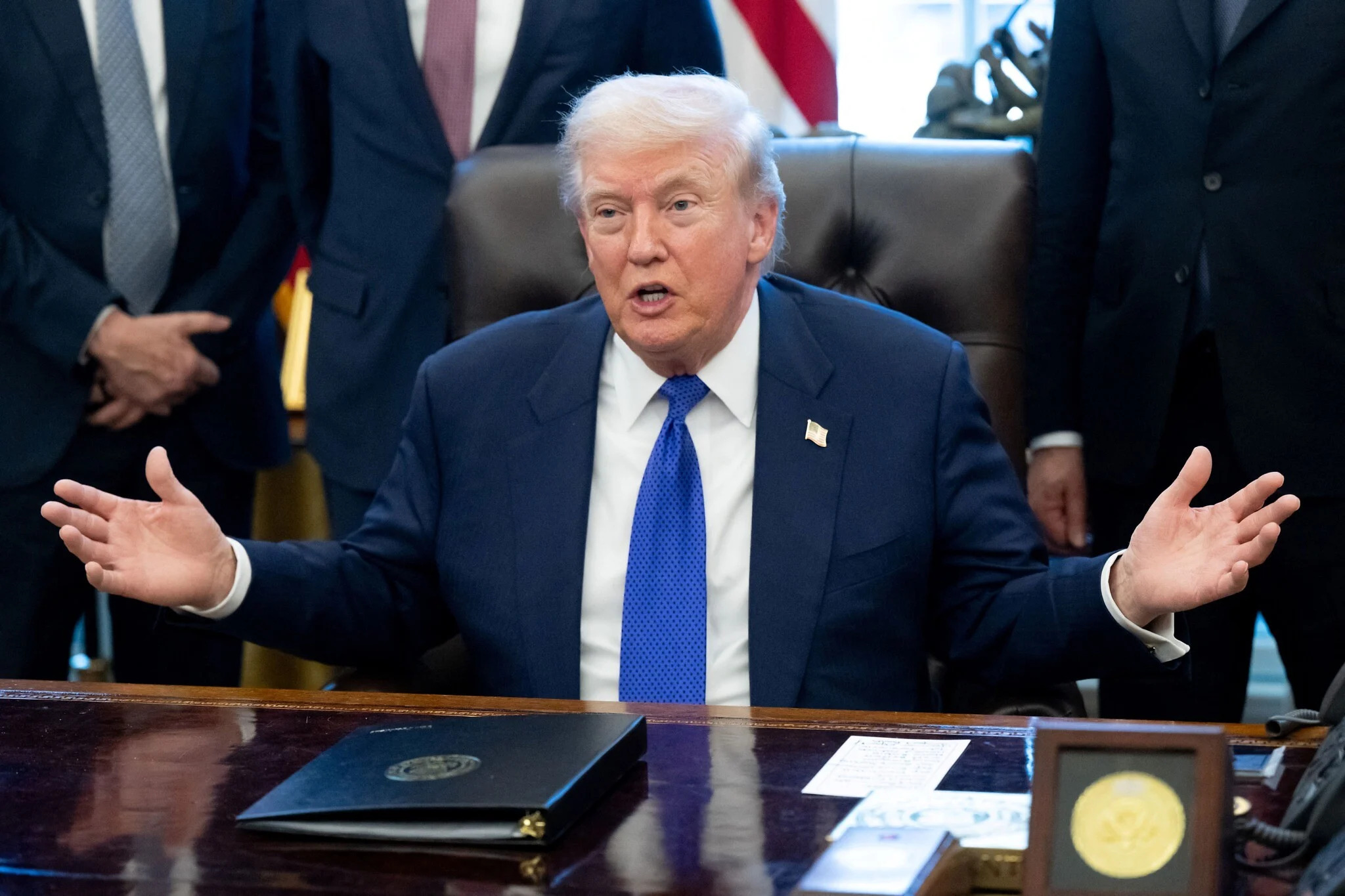
Earlier on Tuesday, U.S. President Donald Trump told reporters that Washington is “not ready” to end its strikes on Iran, now in its third week.
Trump admitted that his demand for a joint escort mission through the Strait of Hormuz has been rejected by most NATO members and U.S. allies, saying he is “disappointed” in NATO’s decision and asserting the United States does “not need the help of anyone.”
He said Japan, Australia and South Korea also rejected his escort call.
Mohammad-Bagher Ghalibaf, Iranian parliament speaker, said in a post on X on Tuesday that the Strait of Hormuz “won’t return to its pre-war status” but gave no further details.
In a recent report by J.P. Morgan, analysts warn that oil producers in the Middle East could sustain output for “no more than 25 days” if the Strait of Hormuz were completely shut.
Saudi Arabia, Iraq, Qatar, and the United Arab Emirates, alongside Iran itself, depend on this narrow passage to export their crude oil.
Iranian Foreign Minister Abbas Araghchi told U.S. media last week that the strait remained open to international shipping, except for vessels belonging to the United States, Israel, and their allies.
The United States and Israel launched massive attacks on Iran on Feb. 28, disrupting global shipping, sending oil prices soaring and shaking the global economy.
U.S. has claimed a strike near the Strait of Hormuz
He made the remarks in a post on social media platform X early Tuesday while reacting to a report by U.S. media outlet Axios claiming so, as the military campaign launched by the United States and Israel against Iran has entered its 18th day.
“My last contact with Mr. Witkoff was prior to his employer’s decision to kill diplomacy with another illegal military attack on Iran,” Araghchi said.
He added, “Any claim to the contrary appears geared solely to mislead oil traders and the public.”
On Feb. 28, Israel and the United States launched joint attacks on Tehran and several other Iranian cities, killing the country’s Supreme Leader Ali Khamenei, high-ranking military commanders, and civilians. Iran responded through several waves of missile and drone attacks targeting Israel and U.S. assets and bases in the Middle East.
Speaking at a press conference in Tehran on Monday, Araghchi stressed that Iran had not sent any message to the United States requesting a ceasefire, noting that the war must end in a way that it will not be repeated in the future.
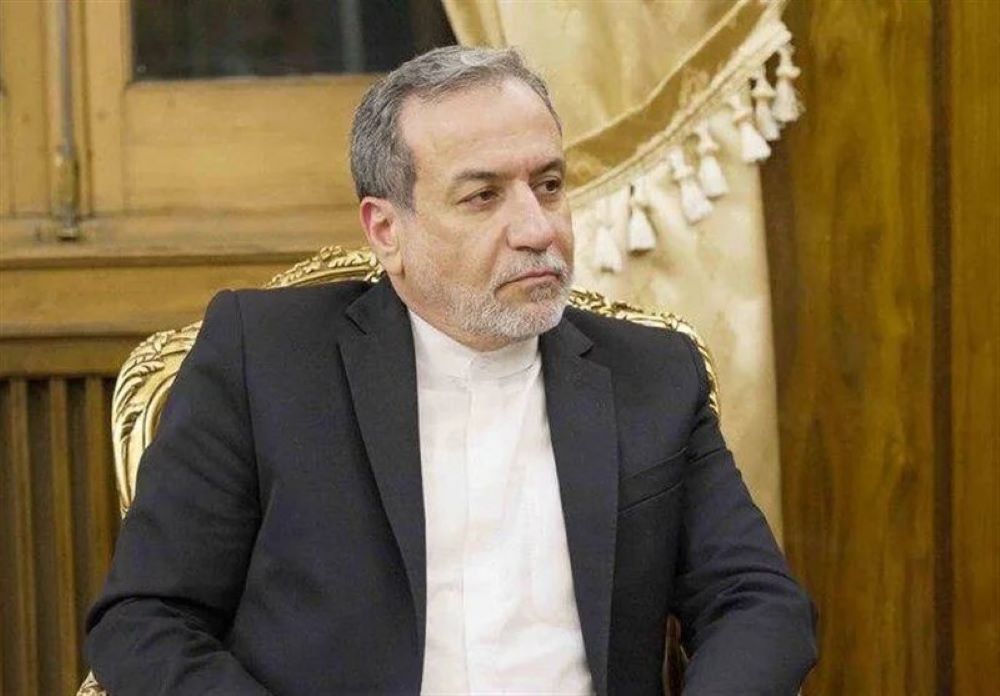
Iranian Foreign Minister Seyed Abbas Araghchi has roundly rejected having had any new contact with U.S. president’s special envoy
During the talks, which are guided by the important consensus reached by the two heads of state, the two sides reached some new consensus and agreed to continue consultations.
Under the strategic guidance of the important common understandings between the two heads of state, and following five rounds of economic and trade consultations last year, China and the United States have reached a series of outcomes in the economic and trade area, said Chinese Vice Premier He Lifeng during the new round of China-U.S. economic and trade talks with U.S. lead person Treasury Secretary Scott Bessent and U.S. Trade Representative Jamieson Greer.
These outcomes have injected greater certainty and stability into bilateral economic and trade relations as well as the global economy, He said.
Recently, the U.S. Supreme Court ruled that the tariffs imposed by the U.S. government under the International Emergency Economic Powers Act were unlawful, said He, noting that subsequently, the U.S. side levied an additional 10 percent import surcharge on all trading partners under Section 122 of the Trade Act of 1974, and successively introduced a series of negative measures concerning China, including the Section 301 investigations, corporate sanctions and market access restrictions.
China has consistently opposed the unilateral tariffs imposed by the United States, He said, urging Washington to completely remove such tariffs and other restrictive measures.
China will take necessary steps to firmly safeguard its legitimate rights and interests, He added.
China expects the United States to move in the same direction, follow through on the important consensus reached by the two heads of state, expand areas of cooperation and reduce problems, so as to promote the healthy, stable and sustainable development of China-U.S. economic and trade relations, He said.
The U.S. side said that a stable China-U.S. economic and trade relationship is of great importance to both countries and the world, and helps promote global economic growth, supply chain security and financial stability. Both sides should reduce frictions, avoid escalation of the situation, and resolve differences through consultation.
The two sides agreed to study the establishment of a cooperation mechanism to promote bilateral trade and investment, continue to make good use of the China-U.S. economic and trade consultation mechanism, strengthen dialogue and communication, properly manage differences, expand practical cooperation, and promote the sustained, stable and sound development of bilateral economic and trade relations.
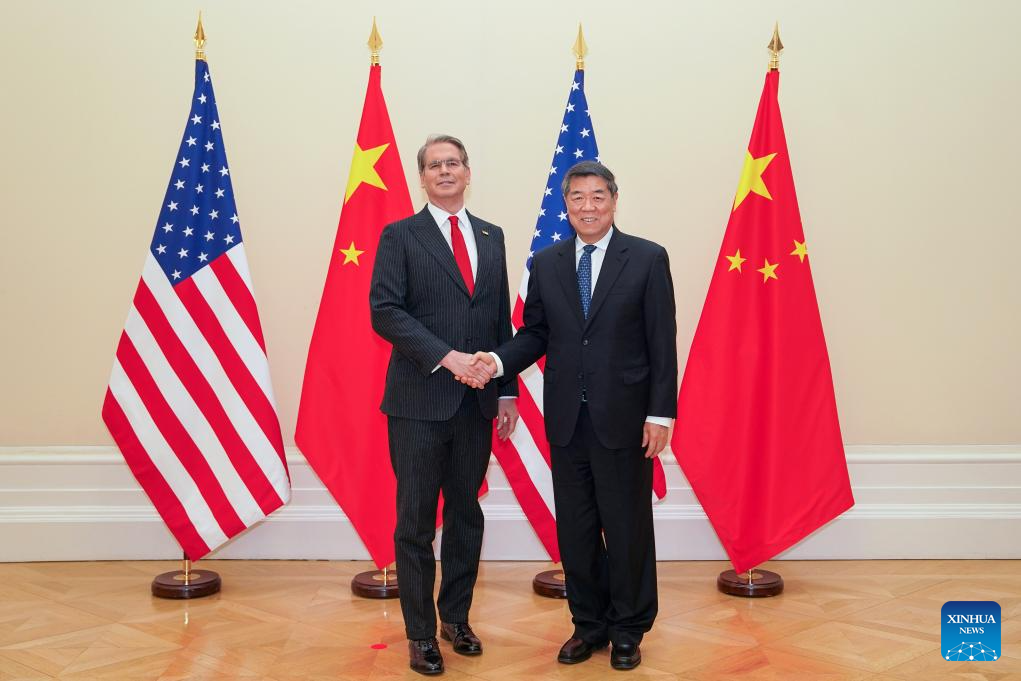
Chinese Vice Premier He Lifeng, also a member of the Political Bureau of the Communist Party of China Central Committee, shakes hands with U.S. Treasury Secretary Scott Bessent prior to their talks in Paris, France, March 15, 2026. The Chinese and U.S. delegations convened on Sunday and Monday for talks on economic and trade issues in Paris.
In the latest episode of China Economic Roundtable, an all-media talk show hosted by Xinhua News Agency, officials, economists and business representatives shared their views on China’s economic and social development priorities and prospects for the next five years.
Crucial five years
“Realizing Chinese modernization is a historical process that unfolds in stages and moves forward step by step,” said Liu Rihong, an official with the Research Office of the State Council.
Liu said that in the next five years, the country will build on the foundation laid over the past five years to further strengthen the basis of development and enhance its resilience. It will also make coordinated efforts across various economic and social fields to achieve systemic breakthroughs and an overall improvement.
The country has mapped out major projects in areas including the development of new quality productive forces, modern infrastructure, urban-rural integration, and the improvement of people’s well-being, according to Hou Yongzhi, a researcher at the Development Research Center of the State Council.
Those projects cover various aspects of China’s modernization drive, balance short-term and long-term priorities, combine “hard investment” with “soft development,” and promote both material and cultural-ethical advancement, said Hou.
Some projects will focus on strengthening industrial foundations and competitiveness, fostering emerging industries and new arenas, advancing frontier technologies, and enhancing innovation capacity, said Hou.
The projects will help nurture and expand new quality productive forces and enable China to gain a stronger edge in the increasingly intense global industrial and technological competition, Hou added.
Advancing high-quality development
High-quality development will continue to be a key focus of social and economic development over the next five years, experts said.
To advance high-quality development, efforts should be made to consolidate and strengthen the real economy and build a modern industrial system led by advanced manufacturing, said Liu.
It is also important to boost sci-tech self-reliance and strength through stronger innovation and breakthroughs in core technologies, advance the construction of a Digital China, and promote greener ways of production and life, Liu added.
Developing new quality productive forces is an inherent requirement for high-quality development, and strengthening innovation-driven development and fostering new quality productive forces should be prioritized, experts said.
Enterprises should strengthen their basic research and intensify efforts to achieve breakthroughs in key core technologies, aiming to develop products with fully independent intellectual property rights, said Chen Zhilie, chairman of EVOC Group.
Chen called for forming innovation consortia with universities and research institutes to accelerate the translation of scientific and technological advances from laboratories to production lines and promote deeper integration between frontier technologies and manufacturing applications.
Reform and opening up
During the period, China will need to deepen reforms in key areas and expand high-standard opening up to inject fresh momentum into high-quality development, experts said.
Huang Hanquan, head of the Chinese Academy of Macroeconomic Research under the National Development and Reform Commission, said efforts will be made to continue fostering a unified national market and to deepen market-based reform in the allocation of production factors.
China will deepen the reform of state-owned enterprises and state capital while implementing regulations related to private-sector development, ensuring that private firms can compete fairly in the market, said Huang.
On opening up, Huang said key steps include proactively aligning with high-standard international economic and trade rules, promoting trade innovation such as digital trade, expanding two-way investment cooperation, and pursuing high-quality Belt and Road cooperation.
For private high-tech manufacturing firms long engaged in high-end equipment manufacturing and industrial artificial intelligence, high-standard opening up represents a major opportunity to further tap global markets and connect with global innovation and industrial resources, said Chen.
Leading enterprises should work with upstream and downstream firms in the industrial chain to foster an open, win-win industrial ecosystem and advance the digitalization of research and development, the intelligent transformation of manufacturing, and more resilient supply chain management, Chen said.
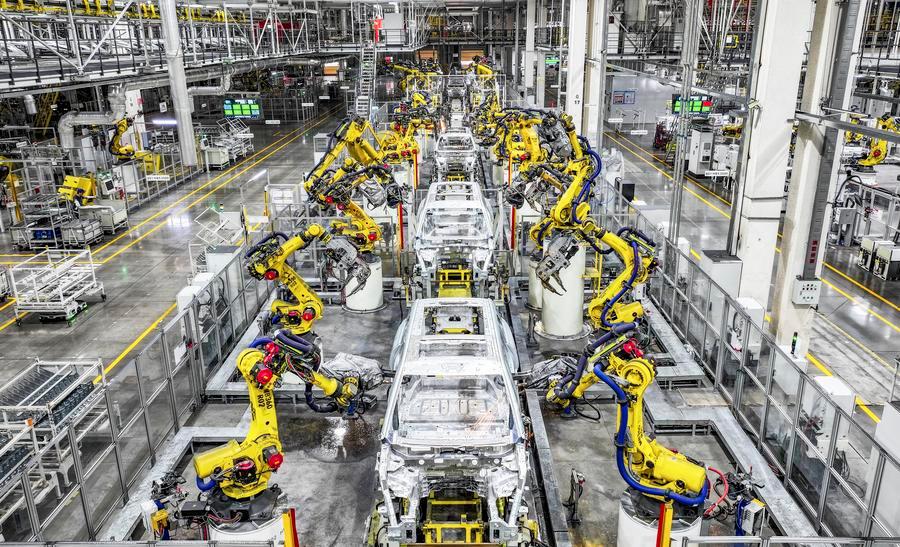
A drone photo shows an automated production line at the Seres Super Factory in Liangjiang New Area, southwest China’s Chongqing, Sept. 19, 2025.
The announcement was made by Israel’s Defence Minister, Israel Katz, on Tuesday, though Iran has not confirmed or denied the claims.
Larijani, who was last seen publicly at an Al-Quds Day rally in Tehran on Friday, had been a prominent political figure in Iran for years, even leading the country’s nuclear negotiations with the West.
He was also the speaker of Iran’s parliament. If true, his death would be one of the highest-profile killings in the ongoing conflict, following the assassination of former Supreme Leader Ayatollah Ali Khamenei earlier in the war.
Israeli military officials also reported killing Soleimani, the Basij commander, with an airstrike in Tehran, claiming it was a strategic success.
Soleimani has long been reportedly involved in suppressing dissent within Iran, particularly during protests. Despite the claims, experts caution that these deaths may not signify the collapse of the Iranian regime.
Israel has claimed the death of Ali Larijani and Gholamreza Soleimani