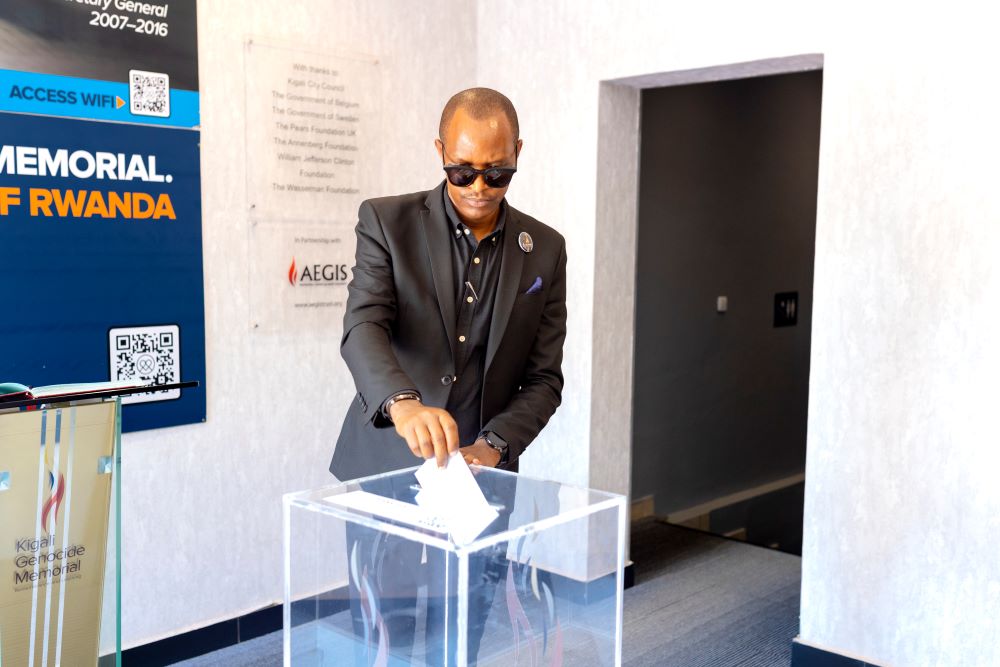
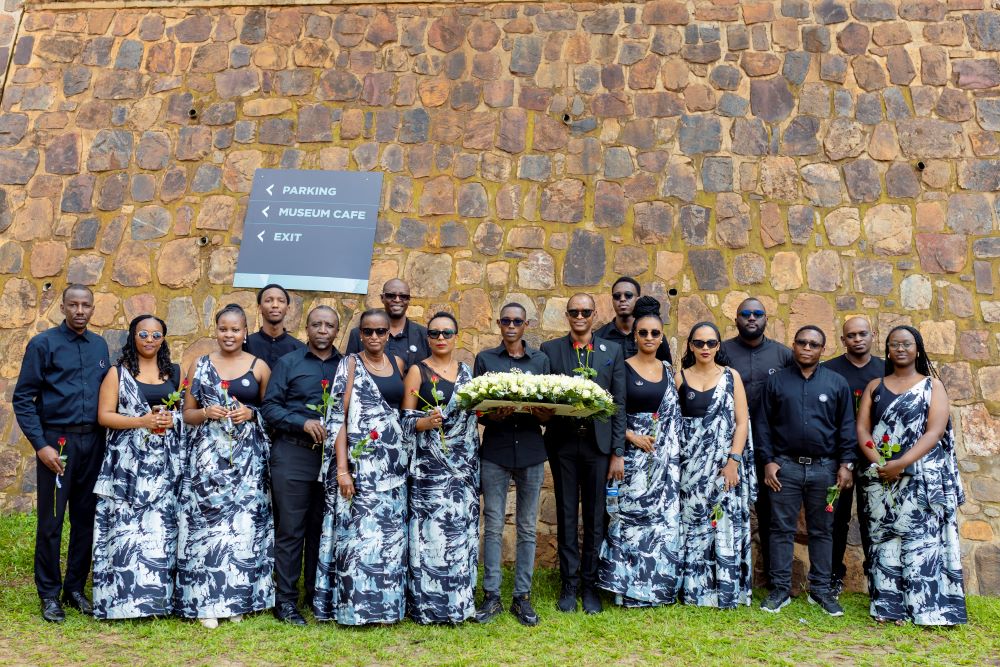
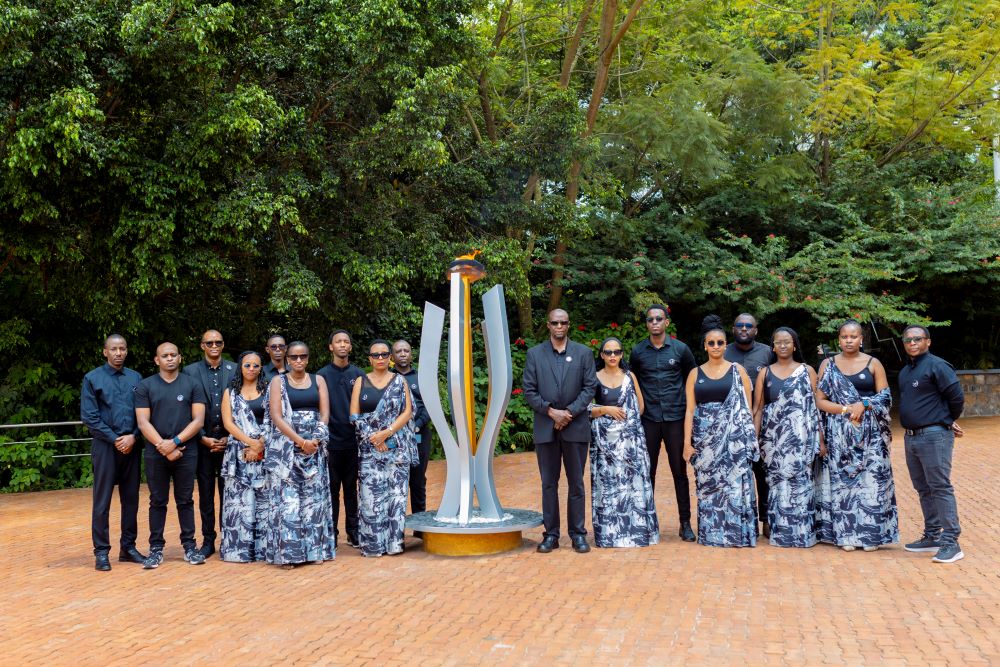
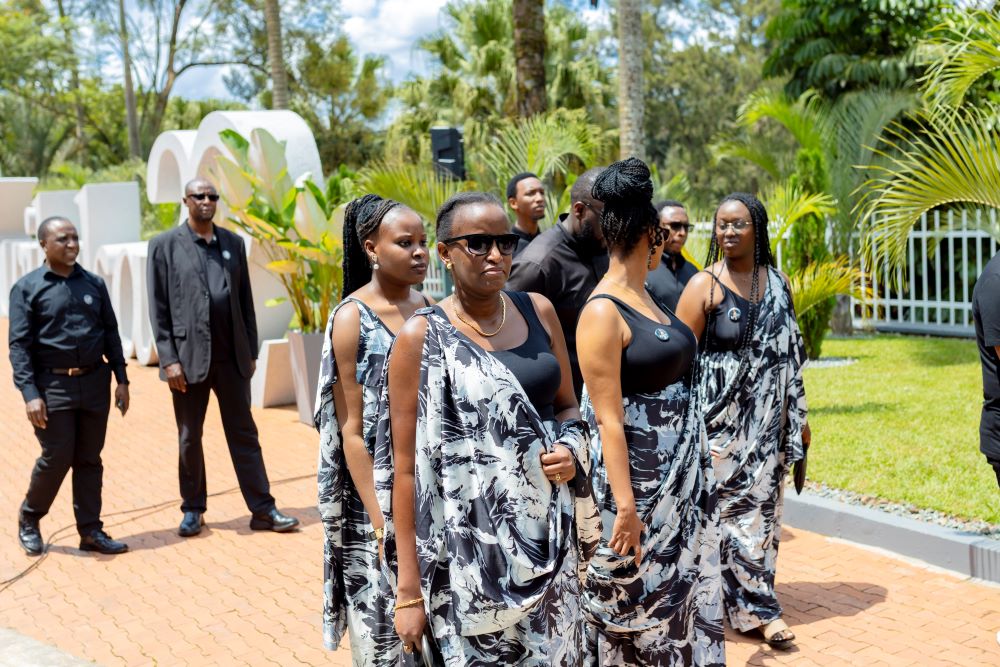
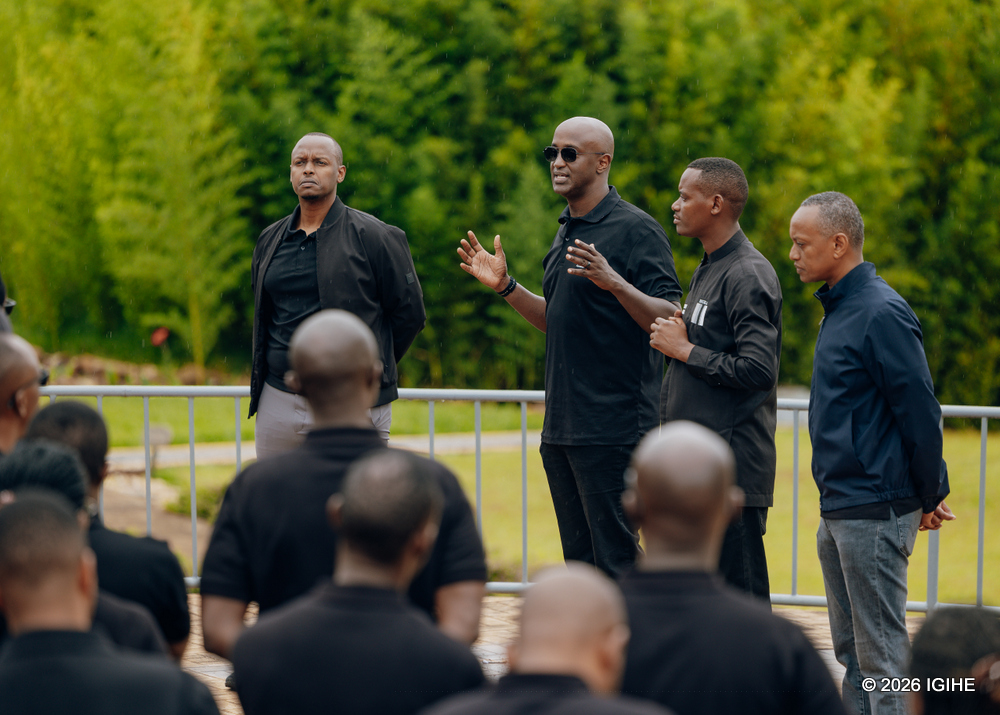
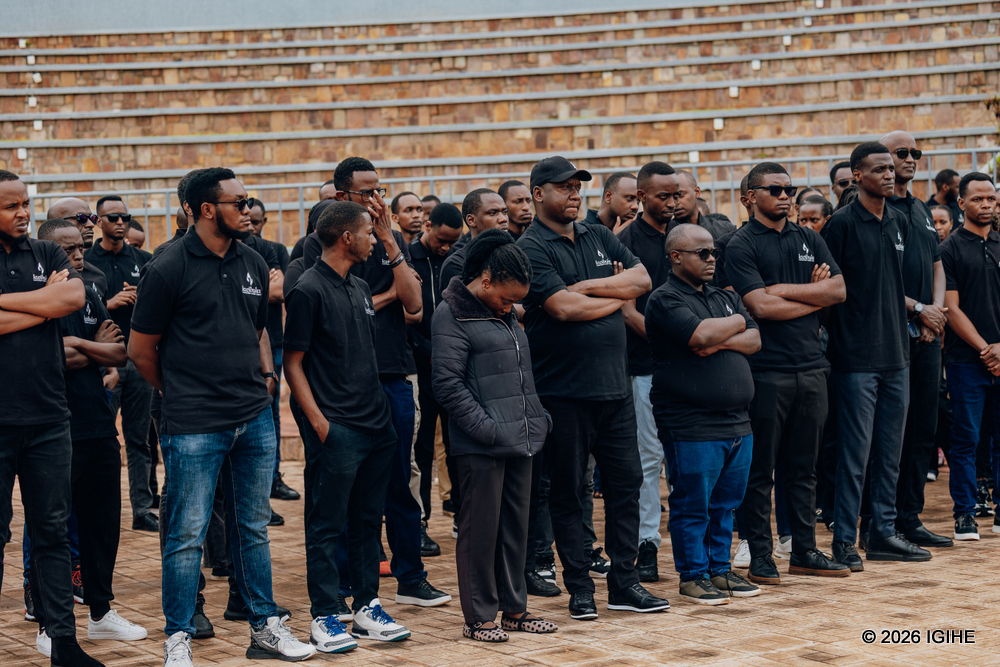
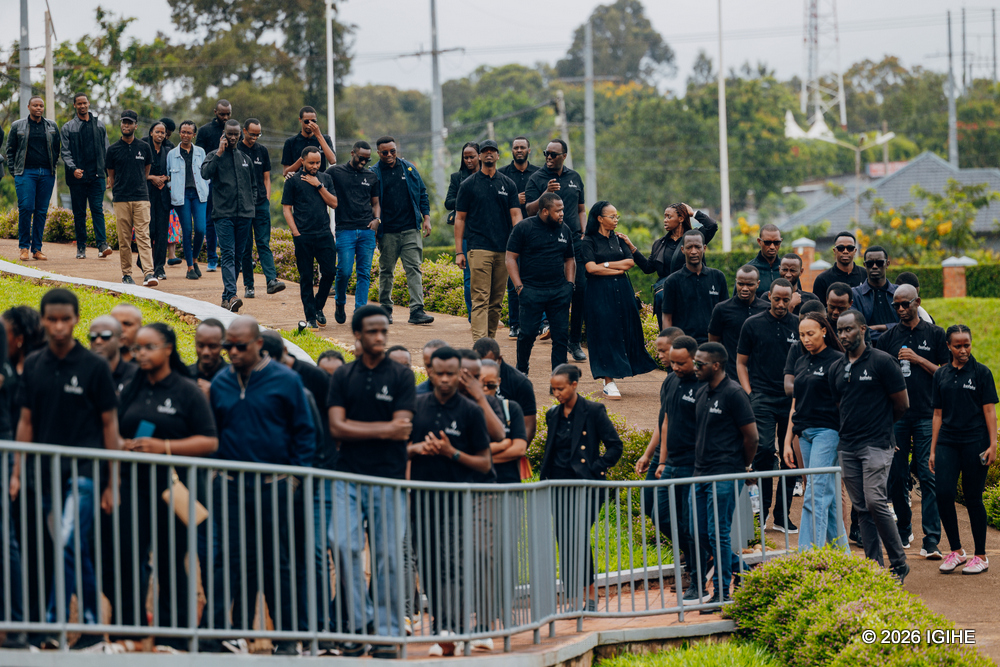
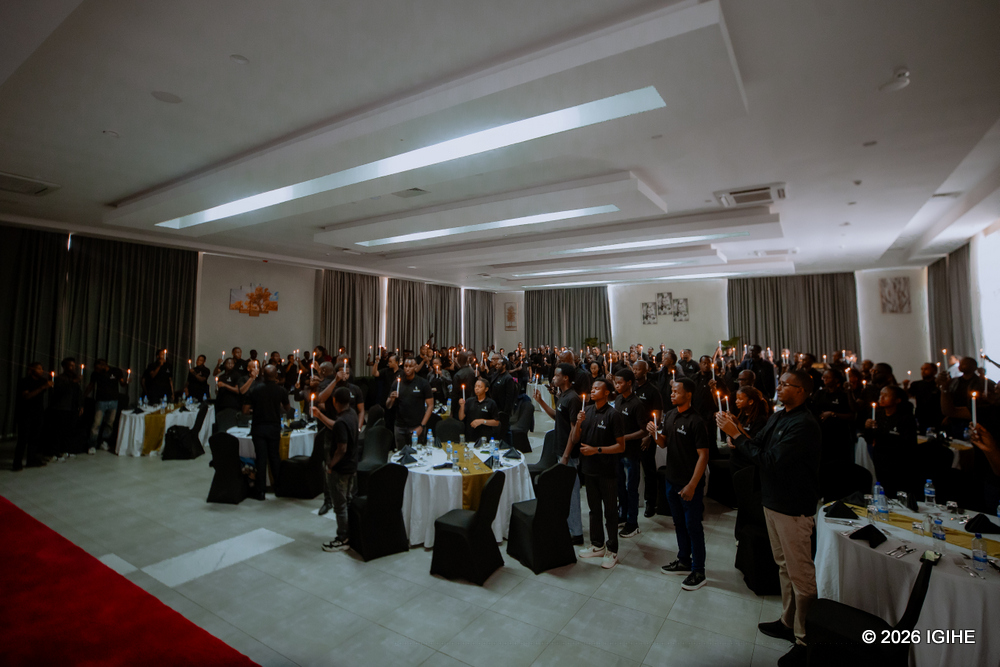
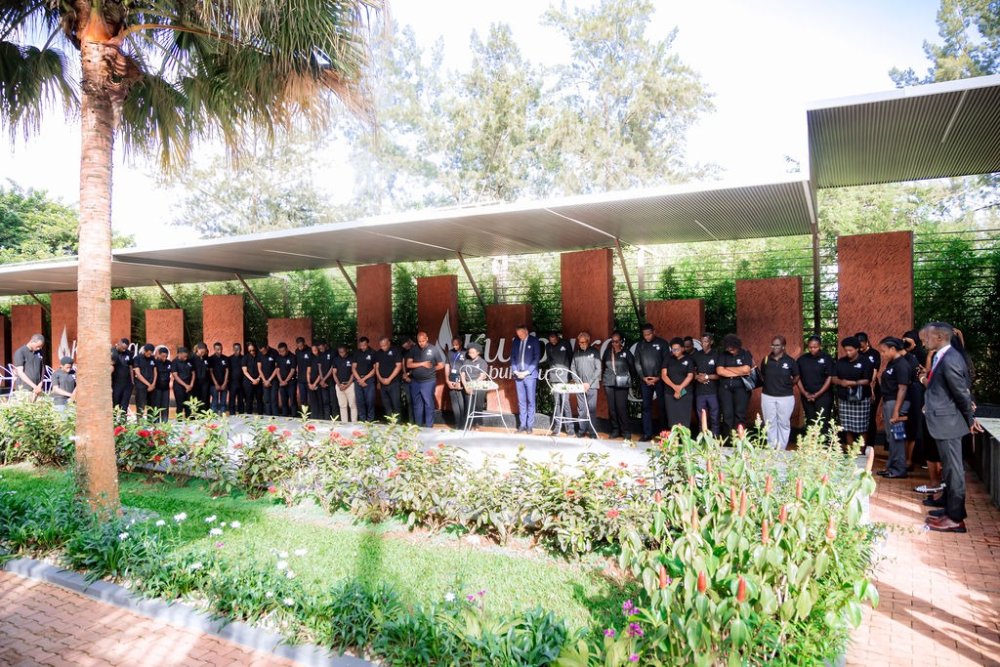
The visit, which took place on April 30, 2026, offered employees an in-depth understanding of Rwanda’s history, particularly the planning and execution of the 1994 Genocide against the Tutsi.
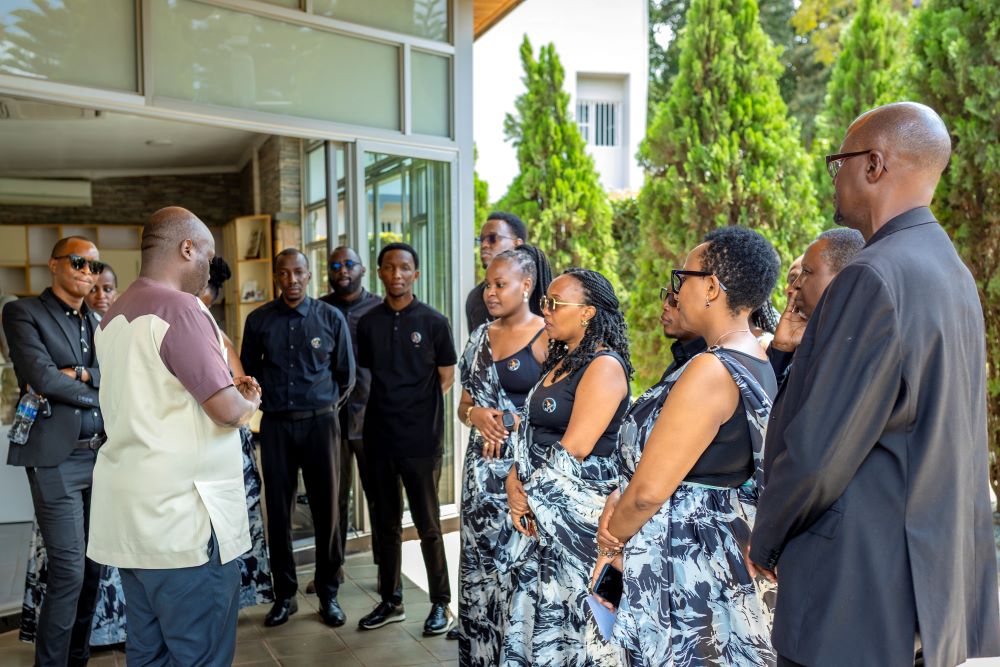
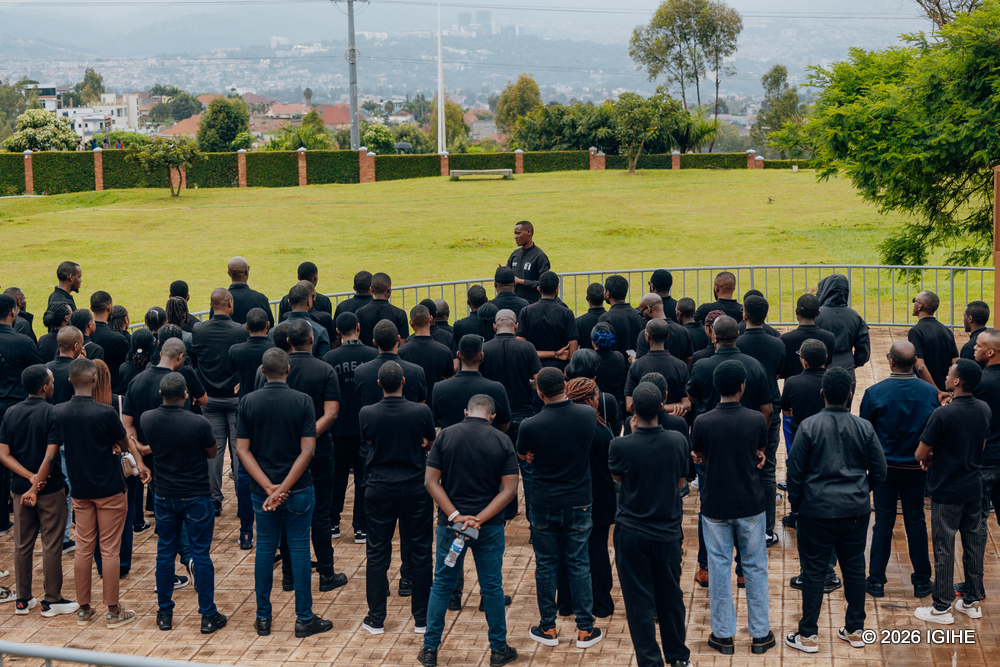
During the tour, they explored different sections of the memorial and gained insight into the events that led to one of the darkest chapters in the nation’s history.
The Genocide against the Tutsi claimed the lives of more than one million people in just 100 days before it was halted by the Rwanda Patriotic Army (RPA).
As part of the visit, the employees also learned about Rwanda’s journey of recovery and reconstruction in the years that followed.
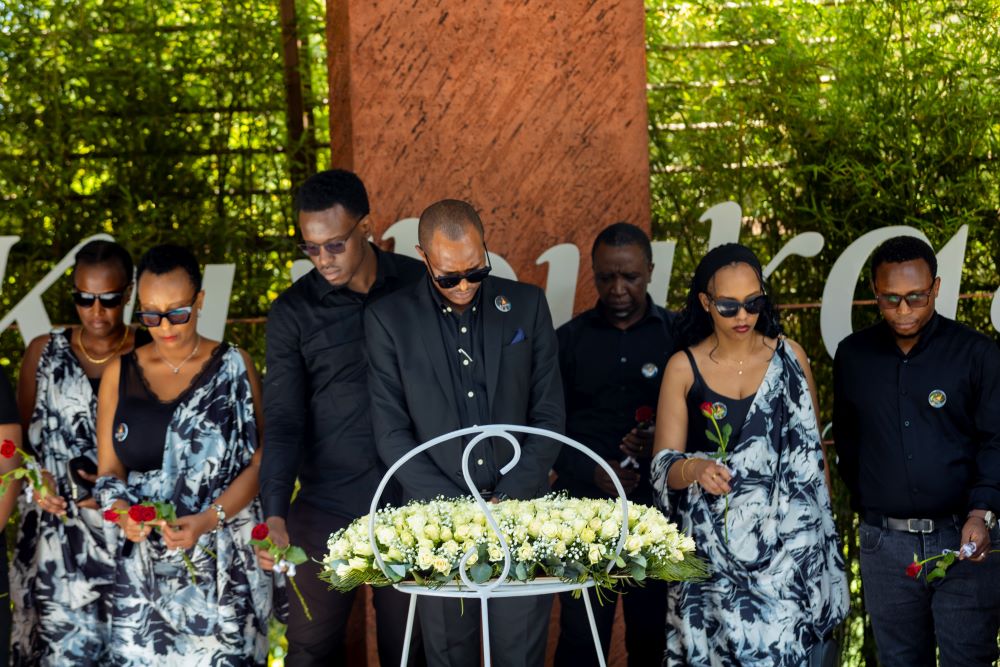
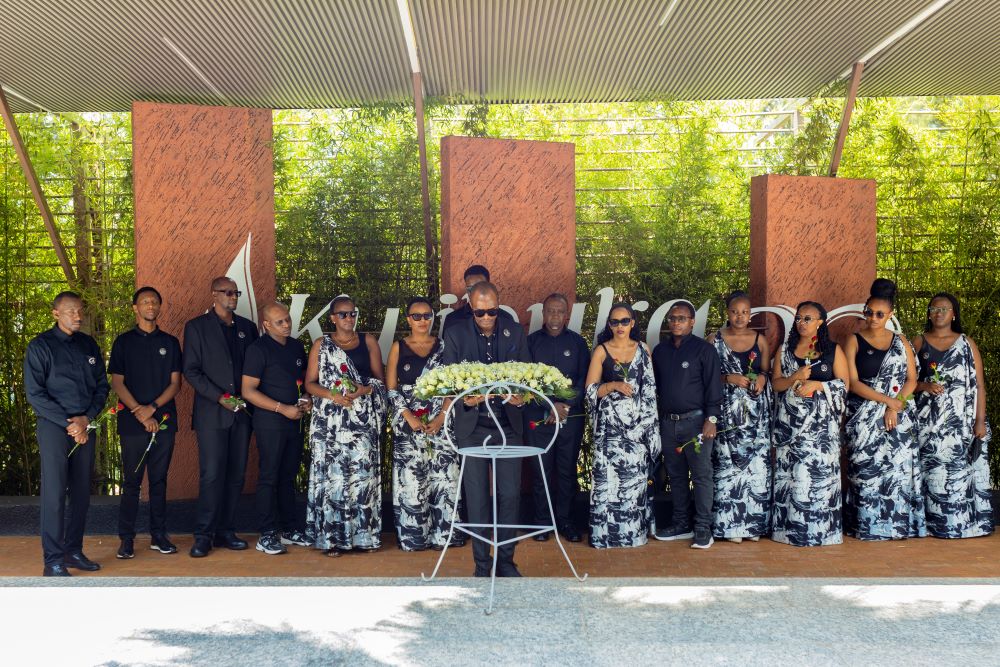
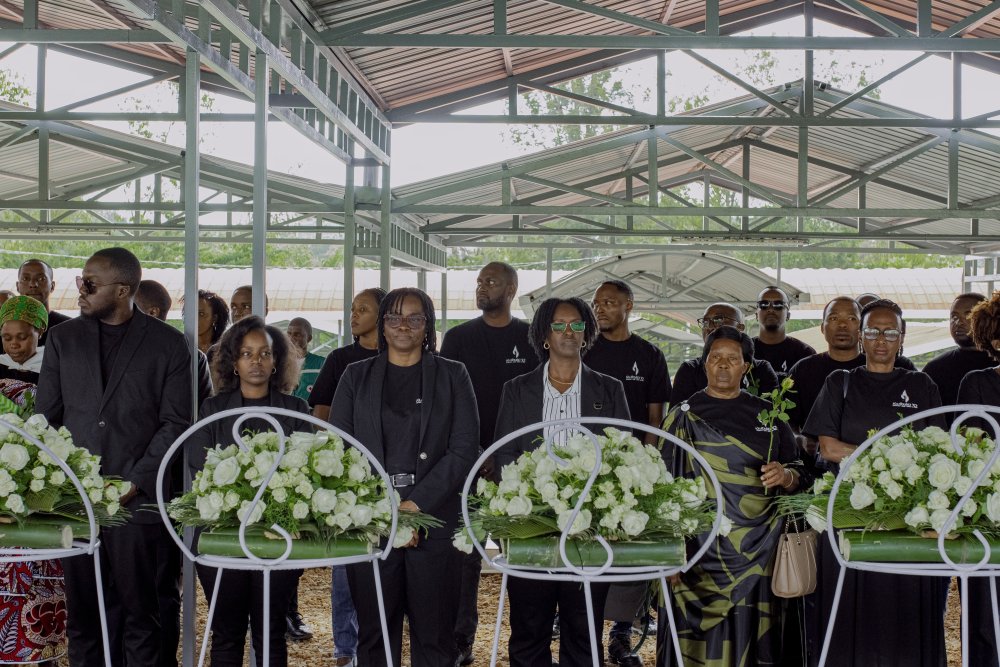
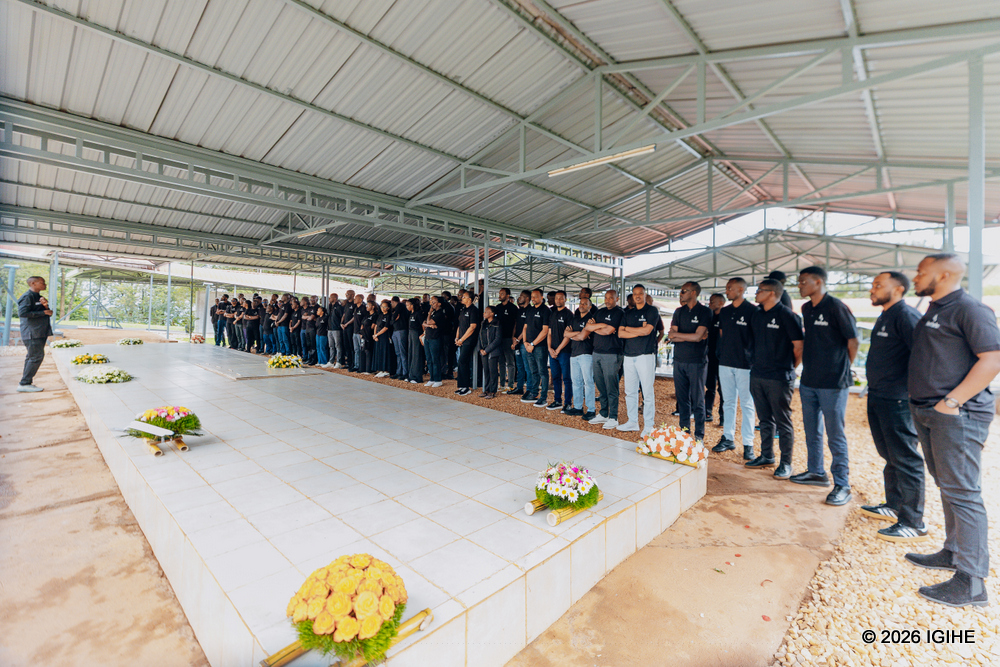
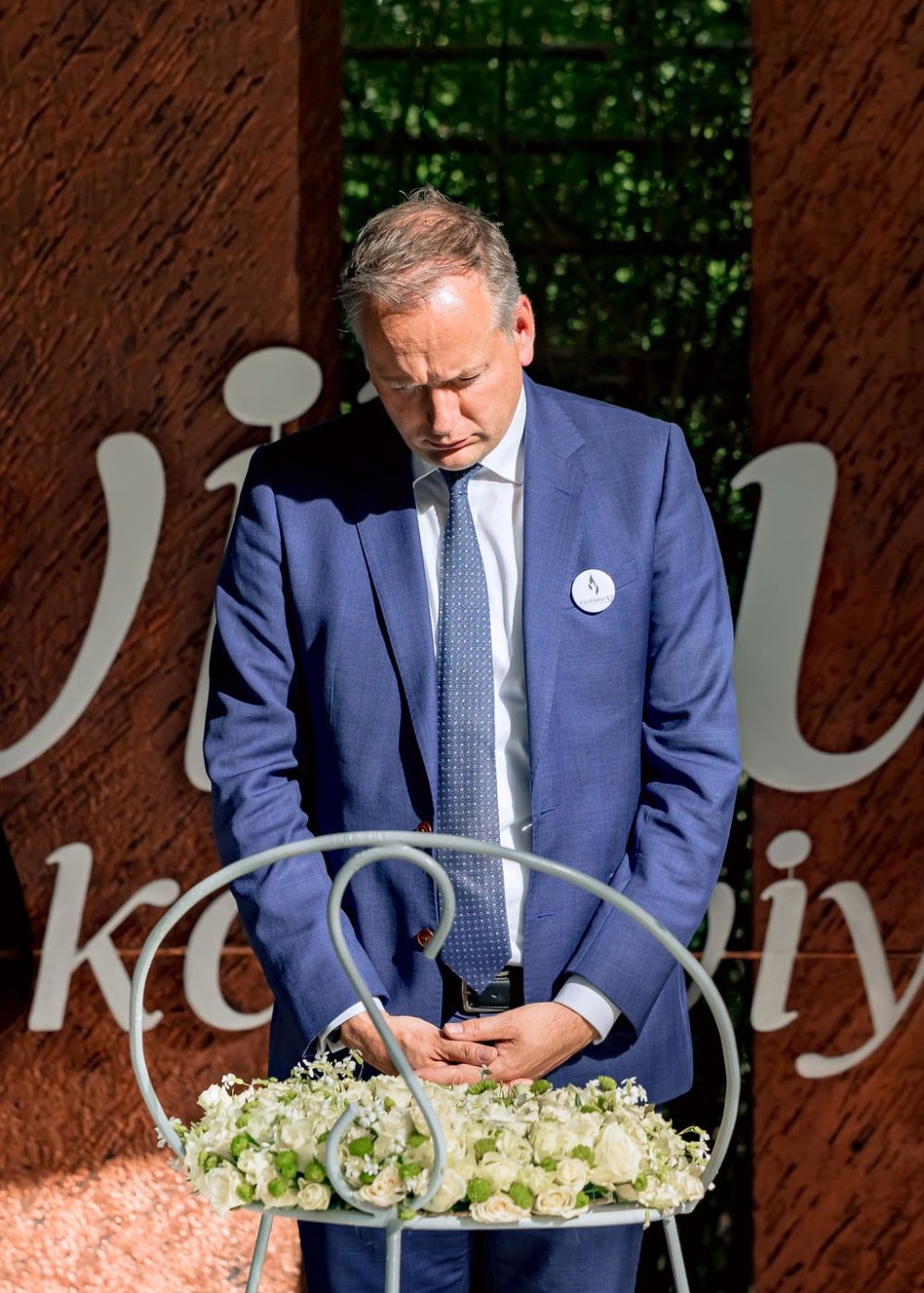
They paid tribute to the victims by laying wreaths at mass graves where over 250,000 victims are laid to rest at the memorial.
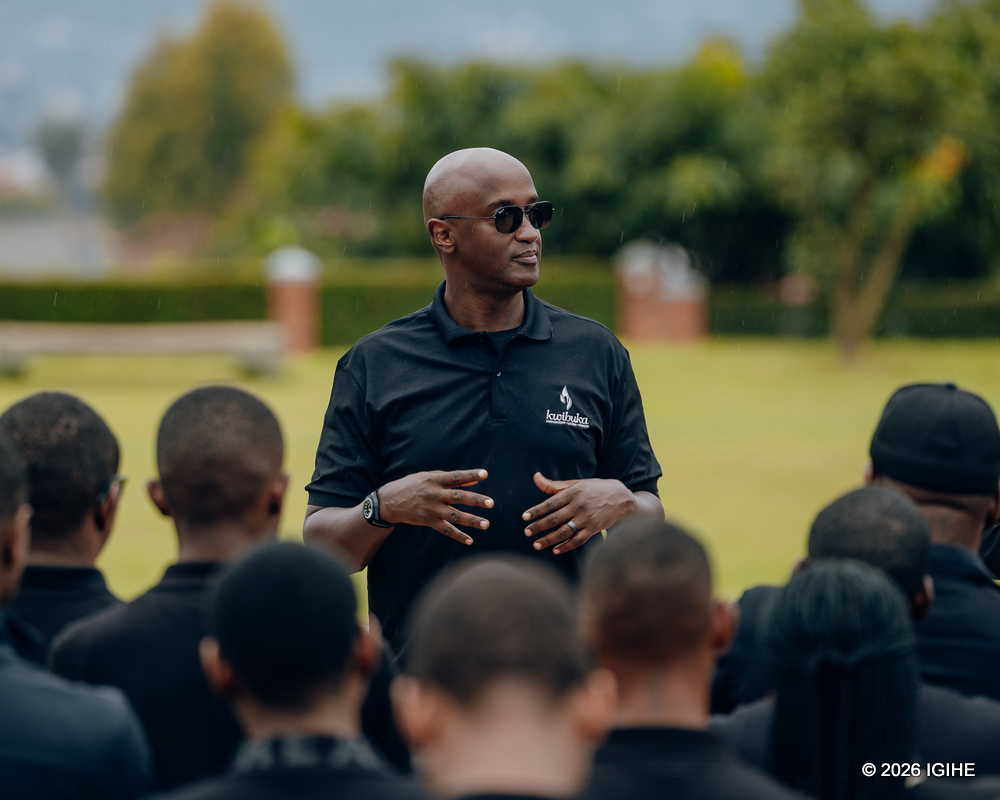
Q-Sourcing Servtec Country Manager Martin Rushema Mugisha said the visit serves as a reminder of their responsibility to preserve the accuracy of Rwanda’s history as a nation.
“I strongly believe that the private sector especially Q-sourcing ServTec Rwanda has to play a big role in transmitting the same message to future generations and stakeholders, that Genocide against the Tutsi will never happen again” he said.
He reminded Q-Sourcing Servtec staff, especially the youth, of the importance of learning their history by visiting memorials to deepen their understanding. He urged young people to verify information from credible sources and avoid being misled by those who distort Rwanda’s history.
Q-Sourcing Servtec Rwanda currently employs more than 300 people across different parts of the country.
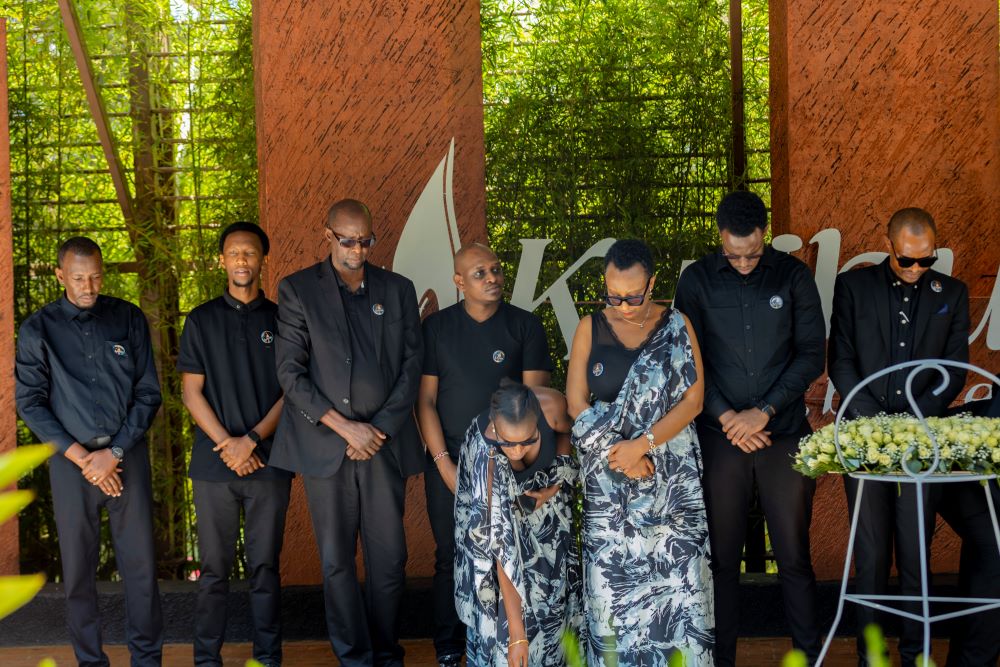
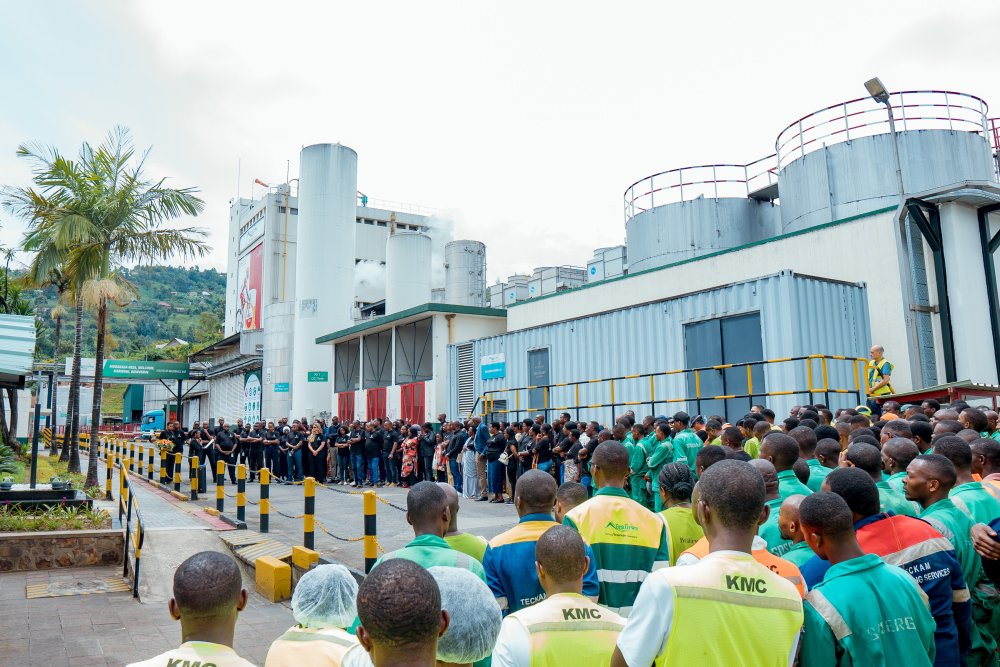
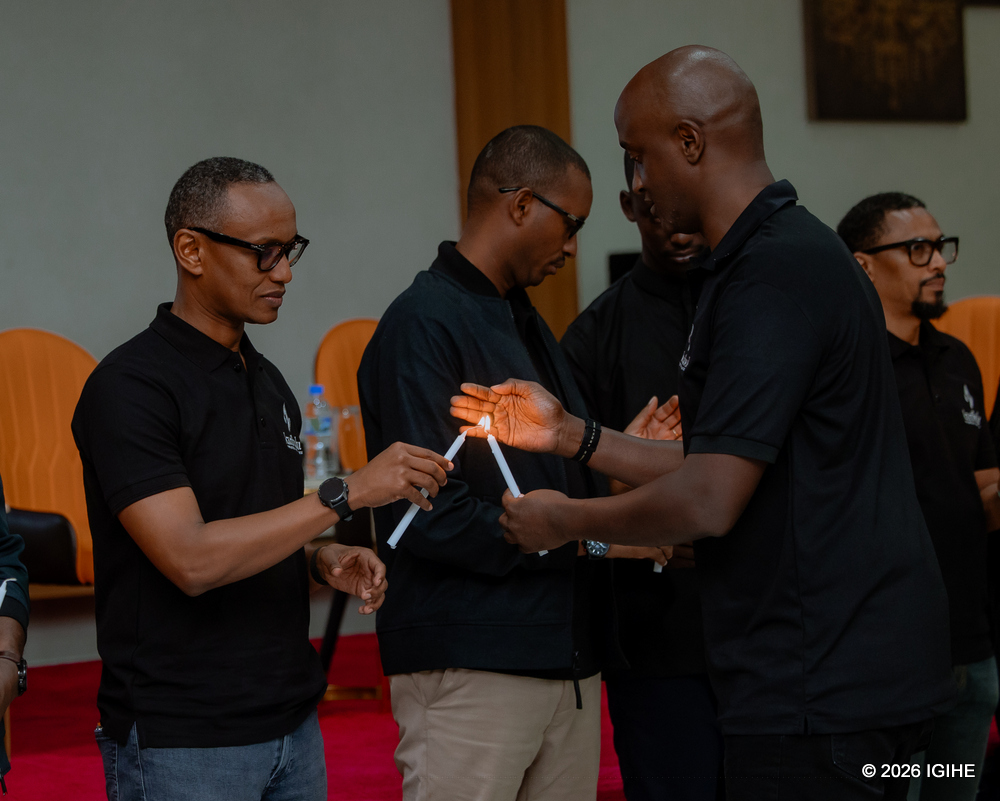
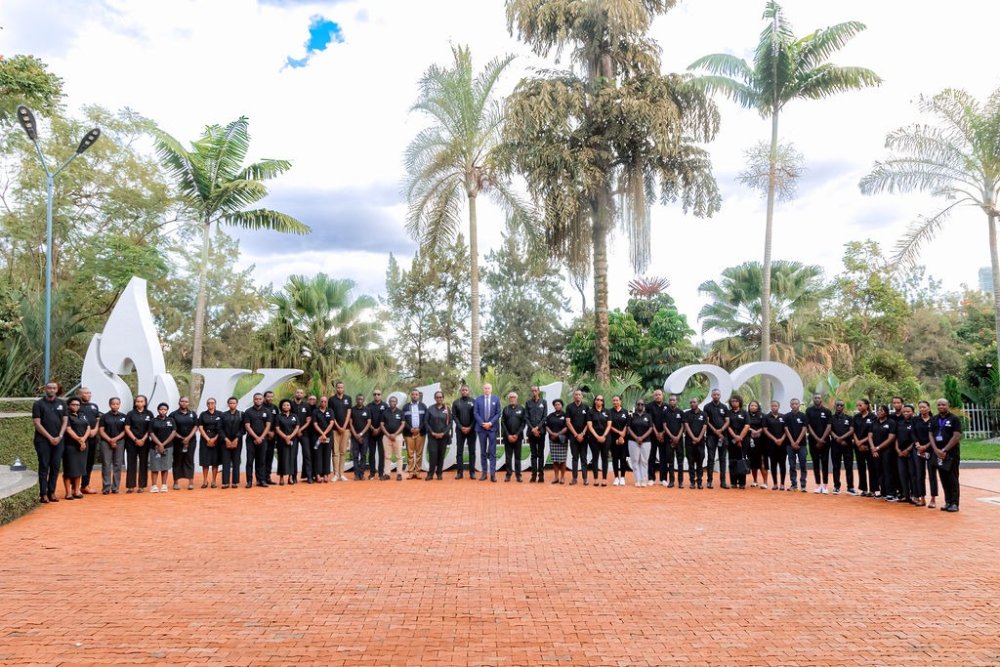
Staff from Q-Sourcing Servtec Rwanda laid wreaths at mass graves at Kigali Genocide Memorial, paying tribute to victims of the 1994 Genocide against the Tutsi.During a guided tour of the Kigali Genocide Memorial, employees of Q-Sourcing Servtec Rwanda learnt about the events that led to the Genocide against the Tutsi.Q-Sourcing Servtec Rwanda employees observed a moment of silence to honour victims of Genocide against the Tutsi. Employees from Q-Sourcing Servtec Rwanda visited Kigali Genocide Memorial where they reaffirmed commitment to preserving Rwanda’s history.Q-Sourcing Servtec Rwanda staff gather at Kigali Genocide Memorial during a visit aimed at promoting historical awareness and responsibility among employees.
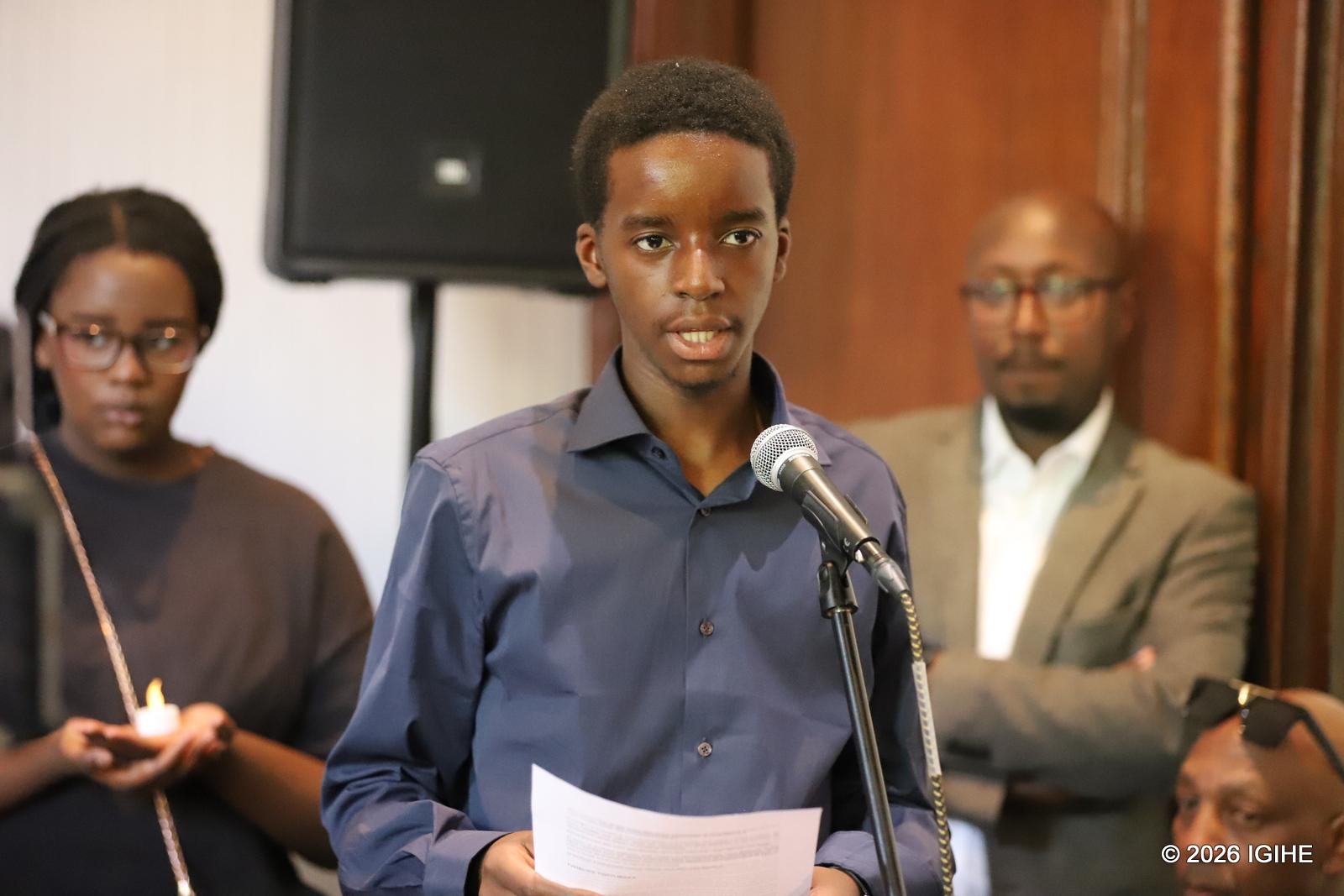
In front of survivors and the authorities of the City of Namur present on the occasion, the child spoke with remarkable sincerity and depth.
“I stand before you in memory of our loved ones who were killed in Rwanda during the 1994 Genocide against the Tutsi,” he stated at the outset, honoring those who lost their lives during the Genocide against the Tutsi.
In a speech filled with emotion, he spoke about shattered lives: men, women, and children—each with dreams, families, and unique stories. He reminded the audience that behind every victim was a life, a smile, a hope.
The young speaker also highlighted the enduring reality of grief. “This pain is not always visible. It is silent, but it is there,” he said, emphasizing the living memory carried by families and survivors.
Beyond remembrance, his message carried hope. He called for memory to become a foundation for building a better future: “Their memory can help us build something more just, more humane.”
Aware of his young age, he added with humility: “I cannot change what happened, but I can learn, remember, and believe in a different future, a future without violence where children grow up in safety and where solidarity prevails over hatred.”
Thirty-two years later, his speech reminded everyone of the importance of never forgetting, while holding on to a light of hope.
“Even after the darkest moments, it is possible to rebuild, to rise again, and to move forward together,” he stressed.
Finally, he expressed his gratitude for the efforts of reconstruction, remembrance, and reconciliation undertaken by the Rwandan government, noting that a future based on peace and dignity remains possible.
Through his simple yet powerful words, Christian Cyusa delivered a striking testimony, embodying both memory and hope for future generations.
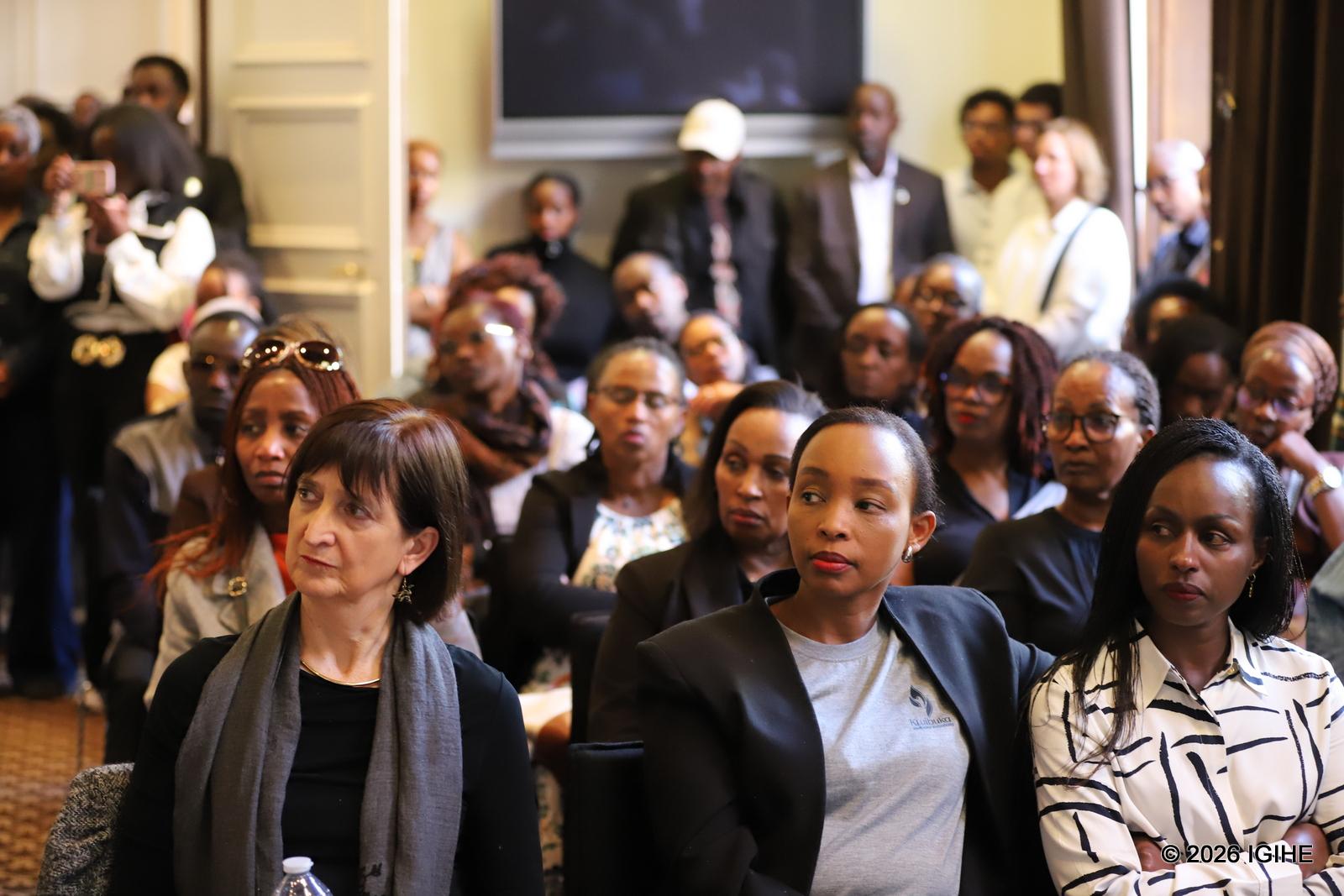
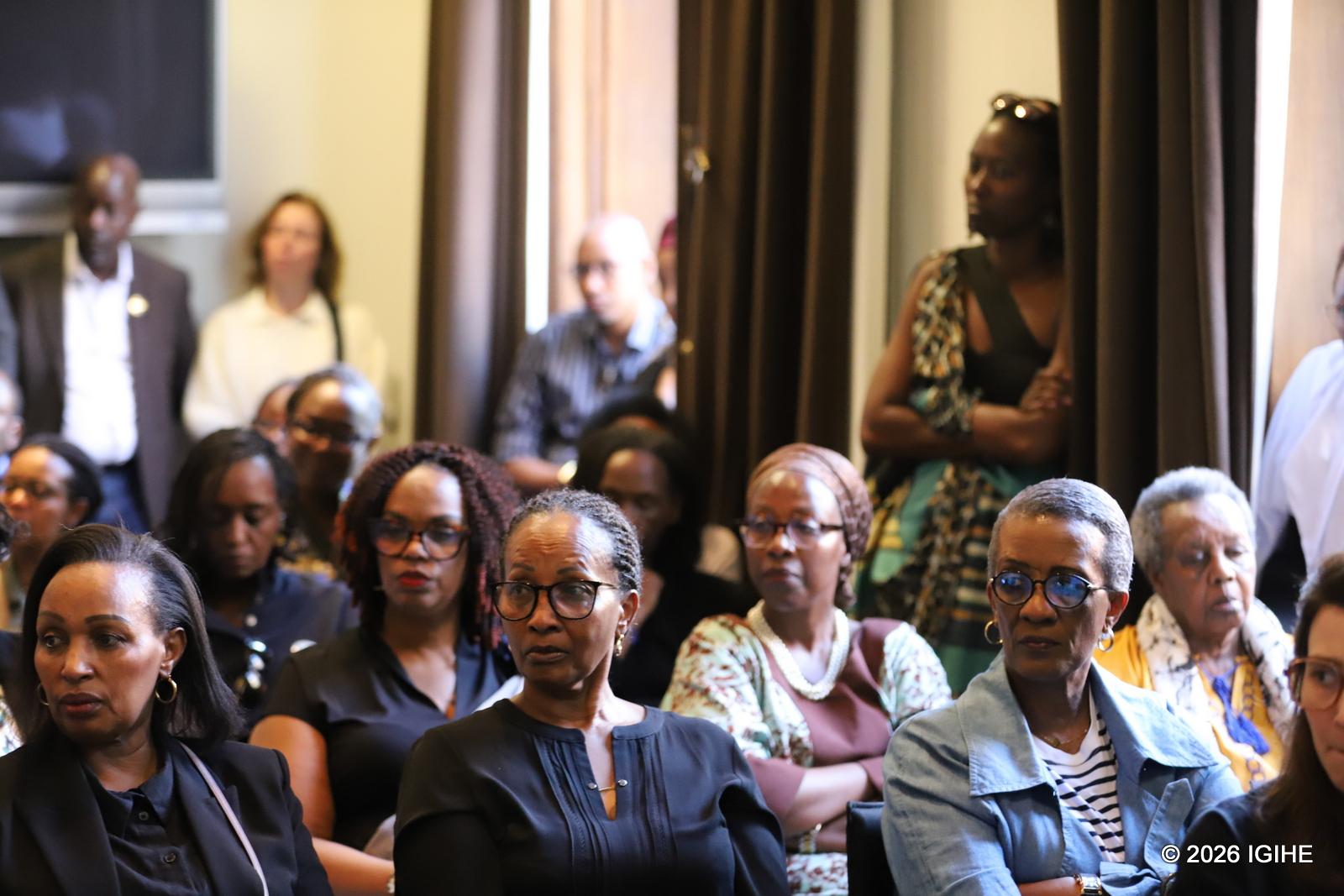
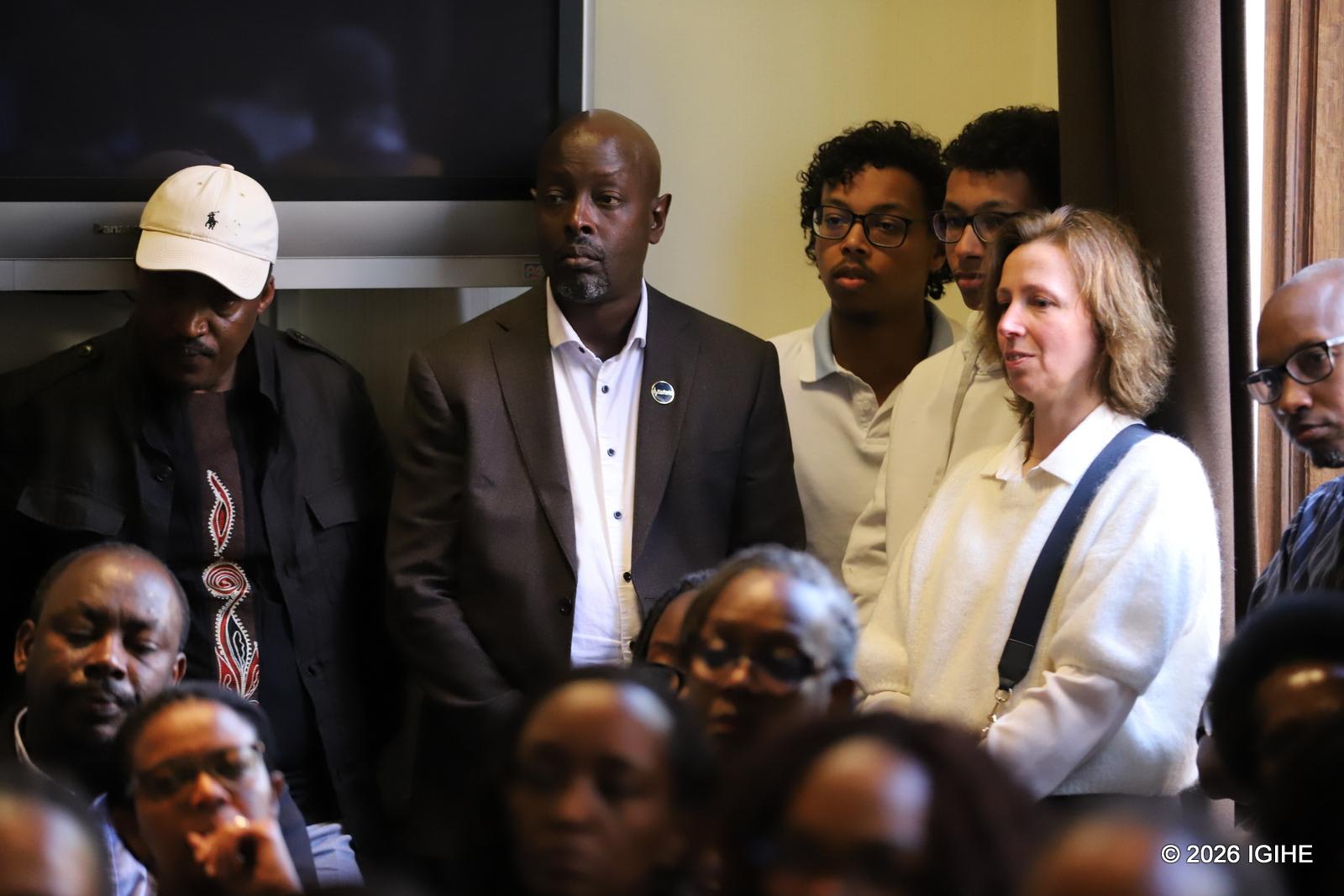
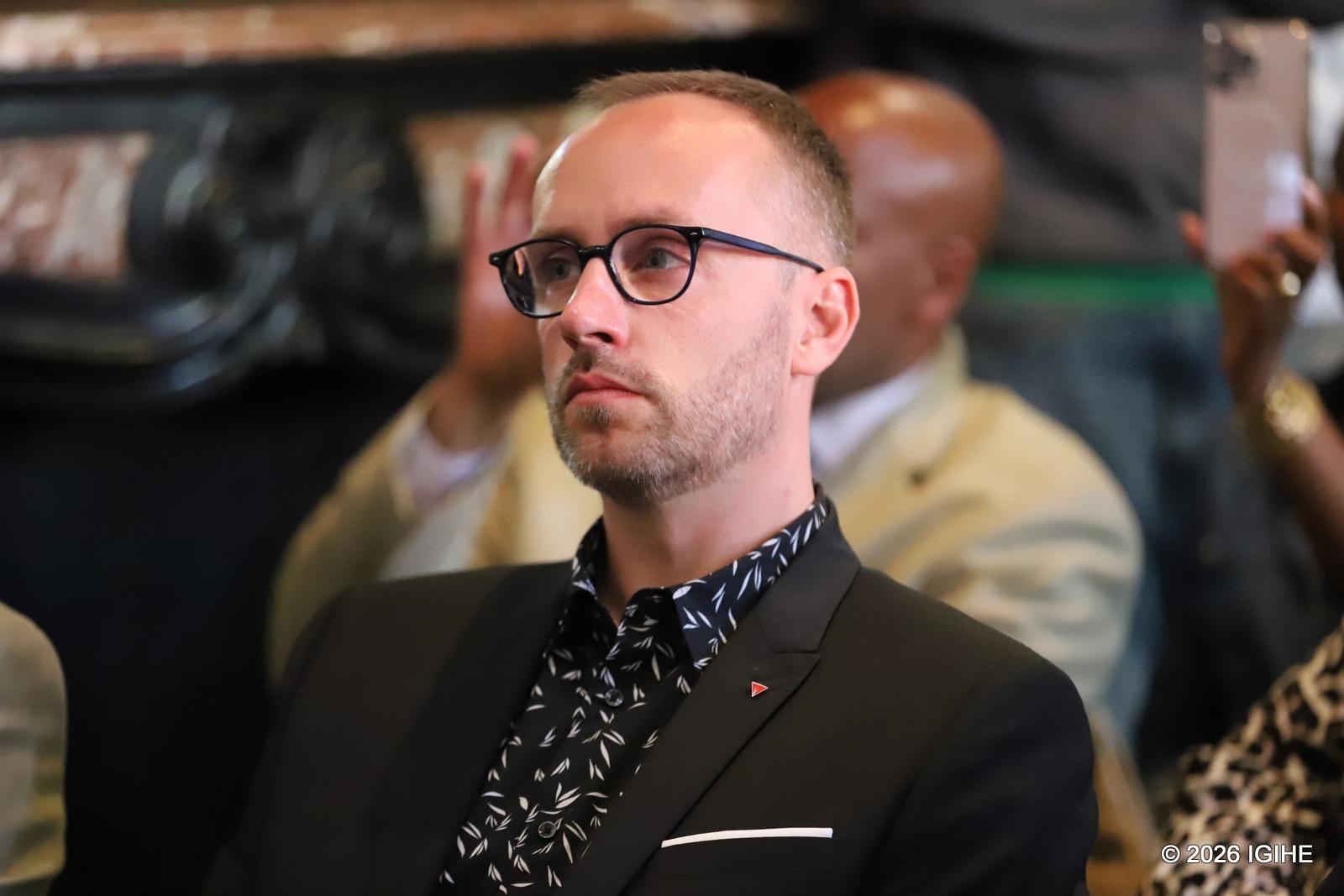
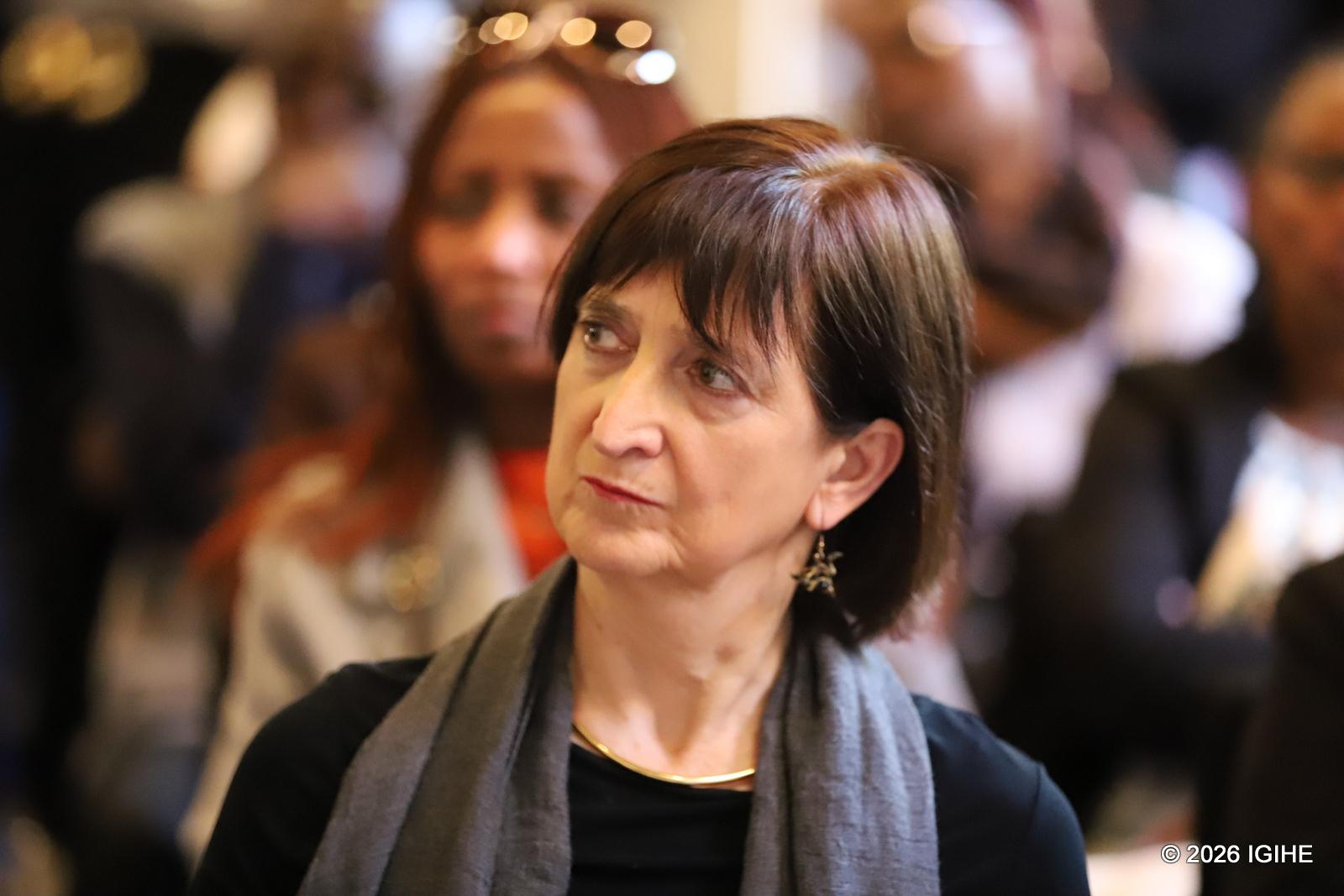
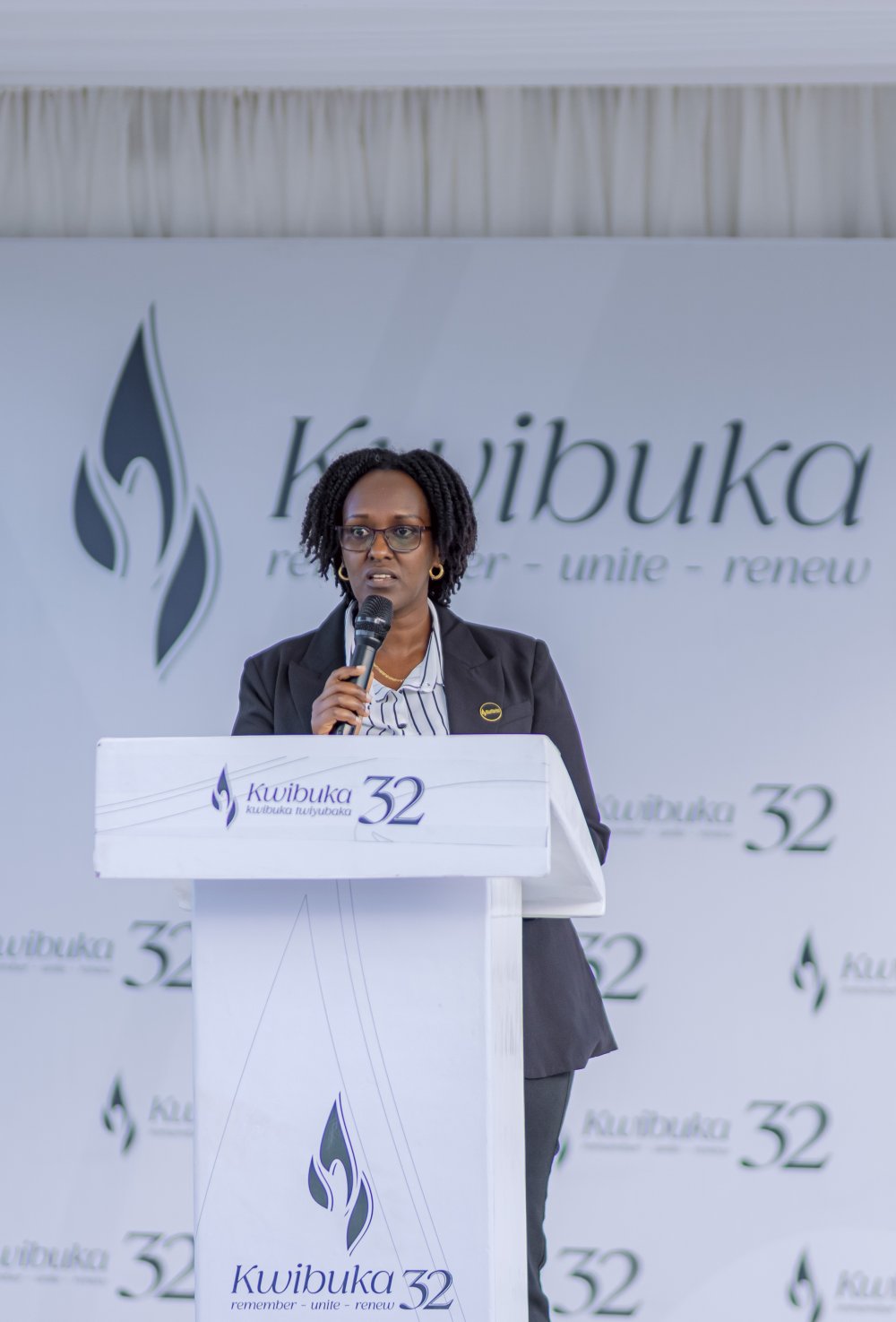
Christian Cyusa delivers a powerful tribute during the 32nd commemoration of the Genocide against the Tutsi in NamurChristian Cyusa’s tribute stirred deep emotions, as attendees reflected on the pain and memory of the victims.Speaking before survivors and local authorities, the young orator created a solemn ambience filled with remembrance and respect.As he honored the victims of the Genocide against the Tutsi, the audience was drawn into a moment of shared reflection and silence.The 32nd commemoration of the Genocide against the Tutsi in Namur was marked by a deeply emotional atmosphere as Christian Cyusa delivered a powerful tribute.
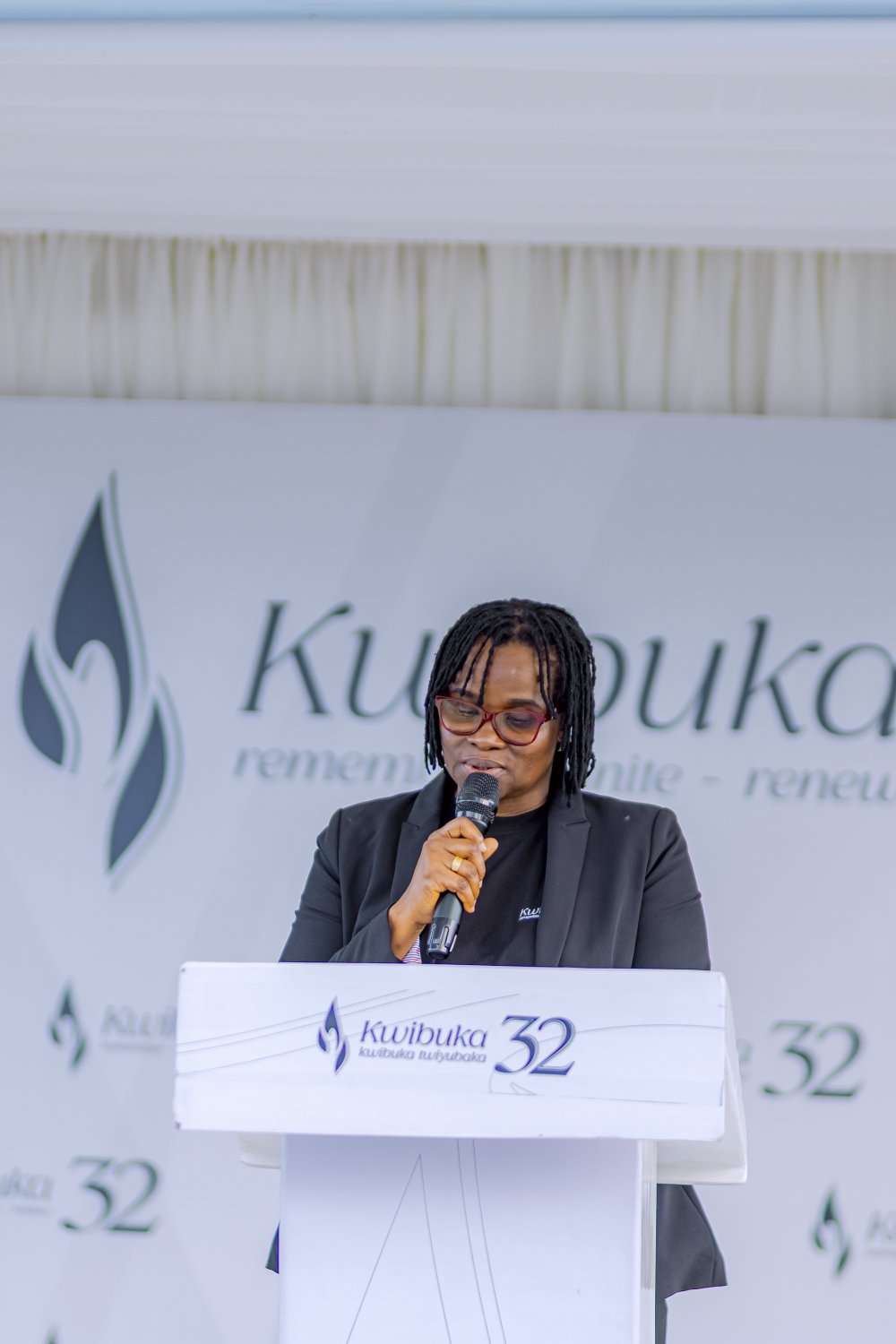
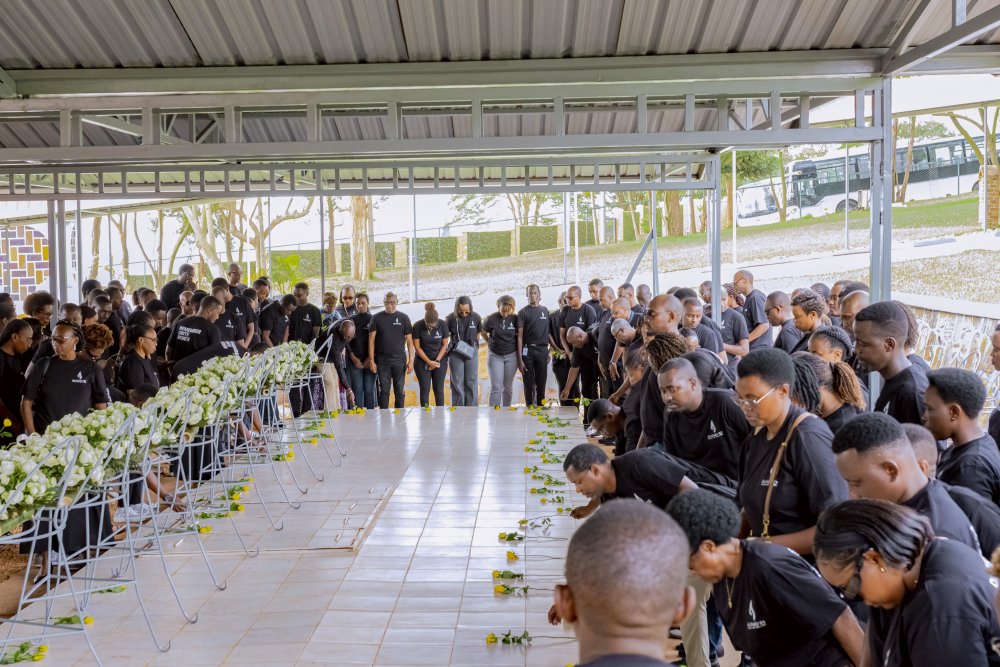
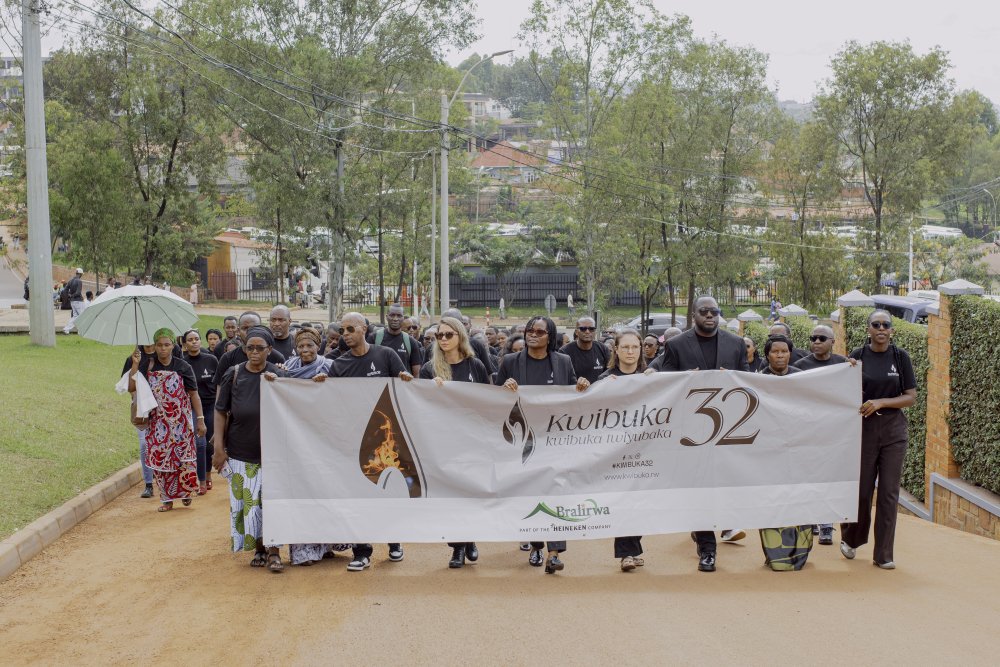
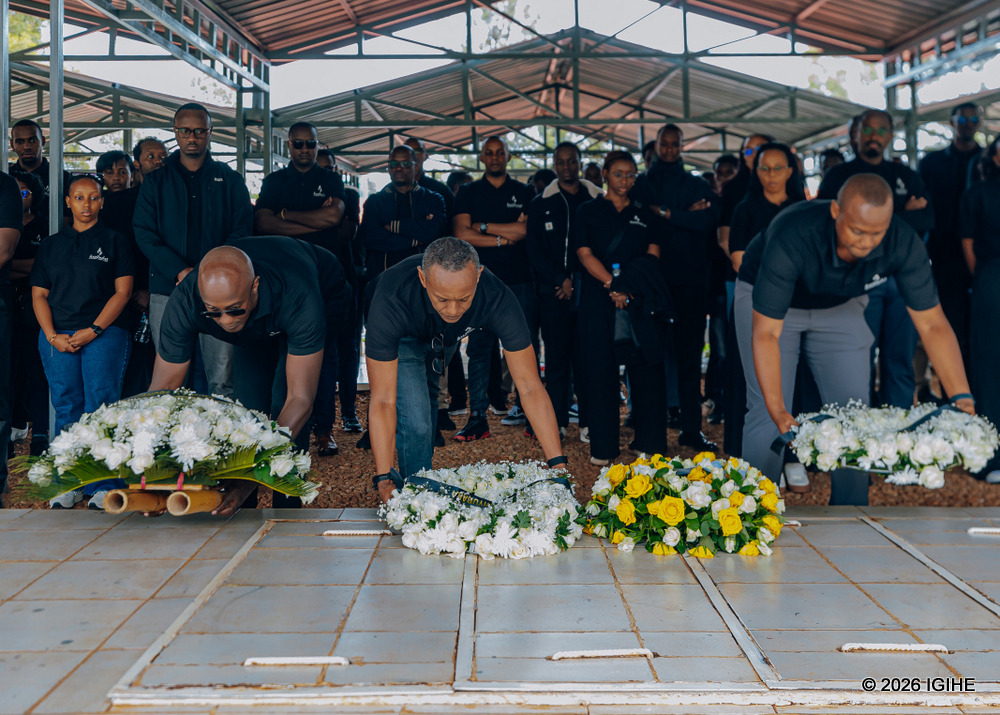
The remembrance activities brought together Bralirwa Plc management and staff, families of former employees who were killed during the genocide, as well as officials from various institutions.
The commemoration began with remembrance walks, followed by tributes to the genocide victims.
During the commemoration at the Gisenyi Genocide Memorial in Rubavu District, the Mayor of Rubavu District, Prosper Mulindwa, emphasized that remembrance must be reflected in concrete actions and go hand in hand with a commitment to ensure that such atrocities never happen again.
He called on individuals and institutions to actively contribute to preventing divisions in society.
The mayor also commended Bralirwa Plc, stating that its involvement in remembrance activities is a valuable contribution to Rwanda’s efforts to preserve the memory of the Genocide against the Tutsi.
The Managing Director of Bralirwa Plc, Ethel Emma-Uche, expressed condolences to the families of former employees who were killed simply because of their identity.
“We remember our employees who were among those killed during the 1994 Genocide against the Tutsi. We honor their lives and extend our heartfelt condolences to their families and friends during this period of remembrance,” she said.
She added that Bralirwa Plc has now committed to promoting an inclusive workplace culture based on equality, respect, and care for all employees.
The Executive Director of the Memory and Genocide Prevention Department at the Ministry of National Unity and Civic Engagement, Veneranda Ingabire, highlighted that commemoration activities play a crucial role in healing the wounds of genocide, preventing its recurrence, and providing lessons for a better future.
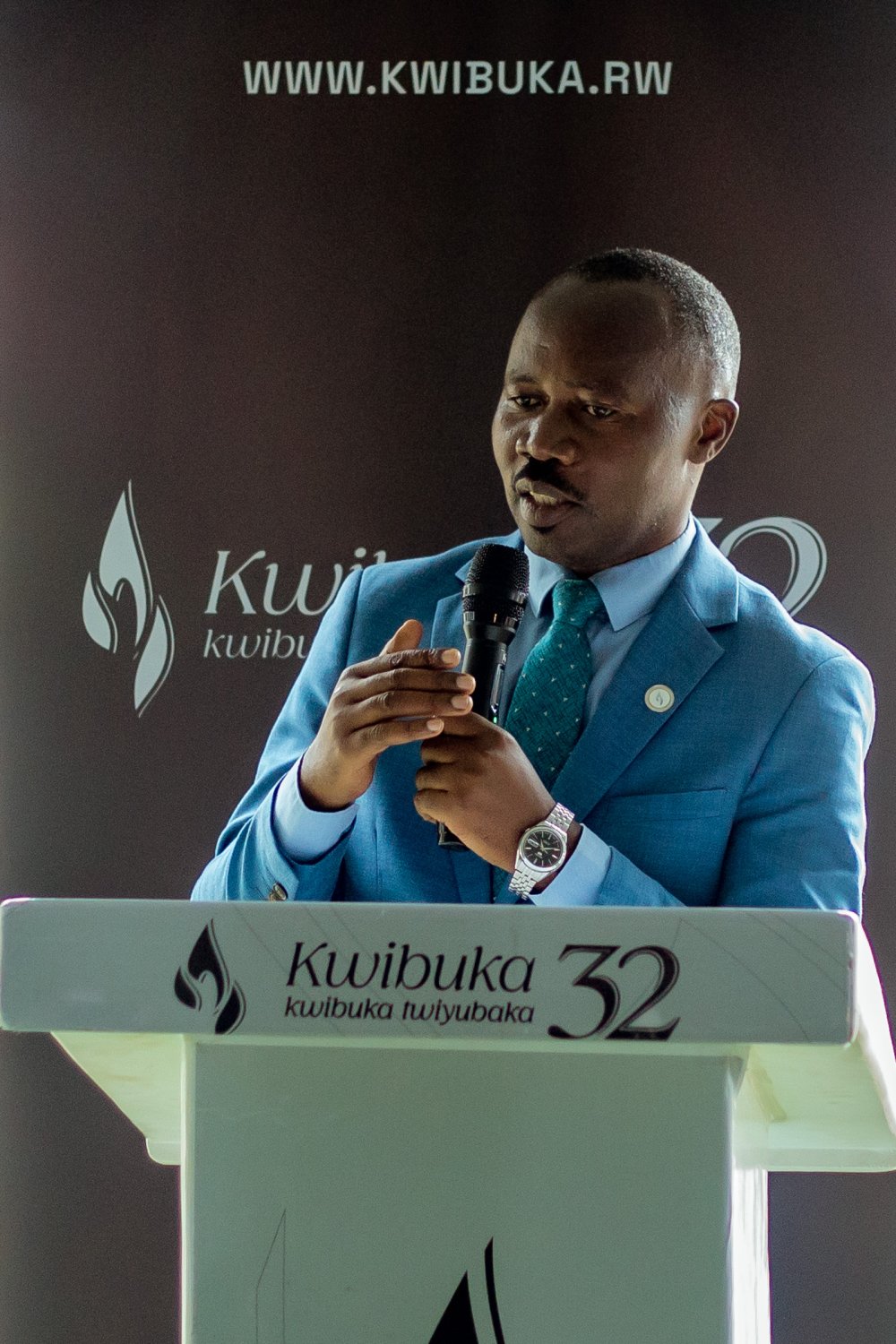
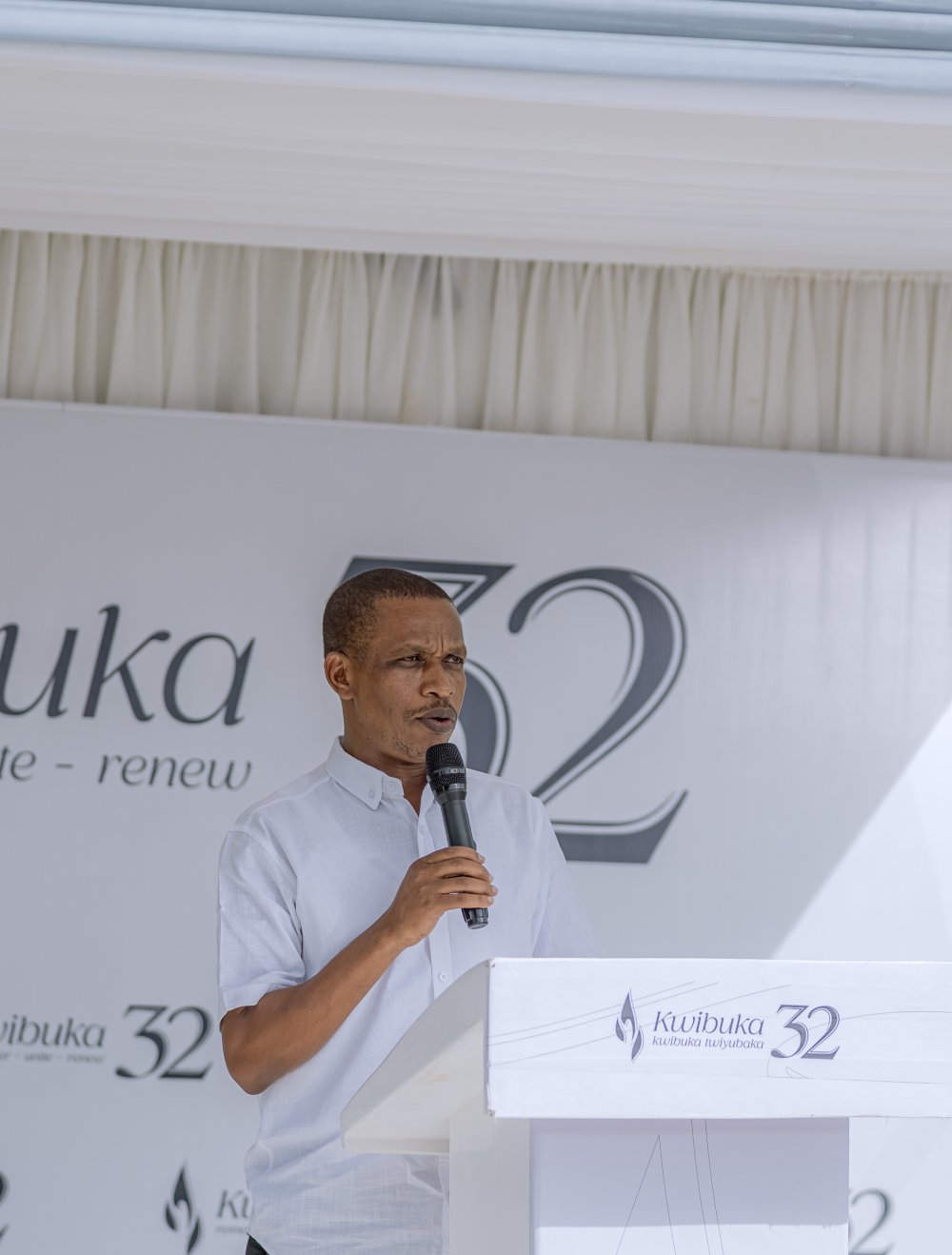
The Executive Director of the Memory and Genocide Prevention Department at the Ministry of National Unity and Civic Engagement, Veneranda Ingabire, noted that remembrance plays a key role in healing wounds.Rubavu District Mayor Prosper Mulindwa emphasized that remembrance must be accompanied by a commitment to ensure such atrocities never happen again.Ibuka Executive Secretary Ahishakiye Naphtal delivered a presentation during the commemoration event.Bralirwa Plc Managing Director Ethel Emma-Uche expressed condolences to families of former employees killed because of their identity.Bralirwa Plc leadership paid tribute to former employees who were killed during the Genocide against the Tutsi.Bralirwa management and staff visited the Nyanza Genocide Memorial in Kicukiro District.Bralirwa employees took part in a remembrance walk to honor victims of the Genocide against the Tutsi.
The commitment was made on April 17, 2026, during a visit to the Nyanza Genocide Memorial in Kicukiro, where the staff paid tribute to the victims of the 1994 Genocide against the Tutsi laid to rest at the site.
During the visit, employees were taken through the detailed history of the memorial, from the departure of Belgian peacekeepers at the former ETO Kicukiro site to the tragic events that led to the killing of civilians who had sought refuge there in Nyanza.
QT Holding Ltd is an IT solutions company that oversees two subsidiaries: QT Global Software Ltd, which develops software solutions, and RSwitch Ltd, which provides electronic financial transaction services.
The Chief Executive Officer of QT Holding Ltd, Robert Kainamura, said the visit served as a reminder of Rwanda’s painful history, the difficult role played by the Rwandan Patriotic Army in ending the genocide, and the country’s broader journey toward self-reliance.
He noted that the memorial highlights how Rwandans were abandoned by those who were supposed to protect them, stressing the importance of self-reliance and resilience.
“This memorial reminds us that our people were abandoned by those who were meant to protect them, despite having the capacity to stop the mass killings,” he said. “It teaches us the importance of self-reliance.”
He added that this lesson aligns with the company’s mission to develop homegrown technological solutions in areas such as healthcare systems, asset management, and cybersecurity, emphasizing that 99 percent of the company’s workforce is Rwandan.
Kainamura further stressed the importance of exposing young employees to the country’s history to ensure that the lessons of the past are preserved and that such atrocities never happen again.
An employee at RSwitch, Rebecca Uwamahoro, said the visit reinforced her responsibility as a young person to confront genocide denial and distortion, especially on social media platforms.
“As young people, it is our responsibility to come to memorial sites like this, learn and understand the history, and then actively challenge those who deny or distort the Genocide against the Tutsi using social media platforms,” she said. “We must speak the truth, present evidence, and help educate those who have not yet had the opportunity to visit such places.”
The management of RSwitch emphasized that the workforce is largely composed of young professionals, and encouraged them not to underestimate their role in shaping national discourse, noting that many members of the Rwandan Patriotic Army who ended the genocide were also young people.
As part of the commemoration, QT Holding staff also laid wreaths and paid respects at the mass graves at the Nyanza Genocide Memorial, where more than 105,000 victims are buried.
QT Holding Ltd CEO Robert Kainamura noted that the Nyanza Genocide Memorial reminds Rwandans of the importance of self-reliance.QT Holding Ltd staff paid tribute and laid wreaths at the mass graves of over 105,000 victims buried at the Nyanza Genocide Memorial.After visiting the Nyanza Genocide Memorial, QT Holding staff continued with commemoration talks and lit a flame of hope. After the memorial visit, participants held discussions reflecting on the purpose of the visit.QT Holding staff paid respects at the graves of more than 105,000 victims buried at the Nyanza Genocide Memorial.QT Holding staff learned about the history behind the Nyanza Genocide Memorial.
Deezer now receives about 75,000 AI‑generated tracks daily, which adds up to more than 2 million new synthetic songs each month. Despite these huge numbers, most of this music doesn’t actually get played by listeners only about 1 to 3 percent of total streams come from AI‑created songs, thanks to Deezer’s efforts to limit their visibility.
Deezer says it is the only major streaming platform in the world that transparently tags AI‑generated music, clearly marking songs created by artificial intelligence so users know what they’re listening to. The company also excludes these tracks from recommendation algorithms and has even stopped storing high‑resolution versions of them to reduce their spread.
“AI‑generated music is now far from a marginal phenomenon and as daily deliveries keep increasing, we hope the whole music ecosystem will join us in taking action to help safeguard artists’ rights and promote transparency for fans,” said Alexis Lanternier, CEO of Deezer. He explained that the platform’s unique detection technology has helped identify and tag millions of AI‑created songs while protecting the overall listening experience for users.
Deezer first launched its AI detection tool in January 2025, and since then the number of flagged AI tracks has grown rapidly, rising from just 10,000 per day to 75,000 per day now. The company is even licensing its AI detection technology to others in the music industry, in hopes that more streaming services will adopt clear labeling and responsible handling of AI‑created content.
Although AI music accounts for a large portion of uploads, it remains a small part of what people actually listen to because of Deezer’s moderation and tagging measures. Many of the plays on AI‑generated tracks are also identified as fraudulent, meaning they don’t generate royalty payments for creators, a key step in protecting human artists and ensuring fair compensation.
This surge in AI‑generated music highlights both the power and the challenges of artificial intelligence in creative industries. Deezer’s approach aims to strike a balance between innovation and fairness, giving listeners transparency and supporting artists in a rapidly evolving digital landscape.
AI-generated tracks soar to 44% of all new music on Deezer.
Traditionally, observing ocean currents, especially the small, rapid ones has been extremely difficult. Satellites can measure large‑scale patterns like sea surface height, but they revisit the same area only every several days, leaving a gap in our view of fast‑changing and smaller features.
Now, a team from the University of California‑San Diego and collaborators have cracked this challenge by combining weather satellite images with advanced machine learning.
The method, dubbed GOFLOW (Geostationary Ocean Flow), analyzes consecutive thermal images from weather satellites images originally designed to track clouds and temperature and turns them into detailed maps of ocean movement.
By training a deep learning model to recognize how temperature patterns shift over time, researchers can infer how the underlying water is flowing.
According to the lead researcher, Luc Lenain from the Scripps Institution of Oceanography, “Weather satellites have been observing the ocean surface for years. The breakthrough was learning how to turn that time‑lapse into hourly maps of currents.”
This statement highlights how the team transformed ordinary satellite data into something far more powerful viewing currents as if watching a movie of the ocean itself.
This AI‑driven system doesn’t require new or costly satellites. Instead, it maximizes the value of existing orbiting weather instruments, making the approach both efficient and cost‑effective.
It can detect fast‑moving currents and small eddies swirling water features previously hidden from direct view which are crucial for understanding vertical mixing.
Vertical mixing is a key process that brings nutrients from deep waters up toward the surface and helps store carbon in the ocean both essential for marine life and climate regulation.
The research team also includes Kaushik Srinivasan, a former Scripps researcher now at UCLA, as well as Roy Barkan of Tel Aviv University and Nick Pizzo of the University of Rhode Island. Their findings were published in Nature Geoscience, a leading scientific journal.
Because the new technique works with existing geostationary satellites which constantly observe large parts of the Earth, scientists hope GOFLOW could soon be integrated into climate models and weather prediction systems, improving forecasts and helping us better understand ocean‑climate interactions.
This AI‑powered discovery offers a detailed and dynamic look at ocean currents for the first time, turning everyday satellite data into a powerful tool for science, climate study, and environmental monitoring.
AI technology has revealed unseen ocean currents, transforming climate research.
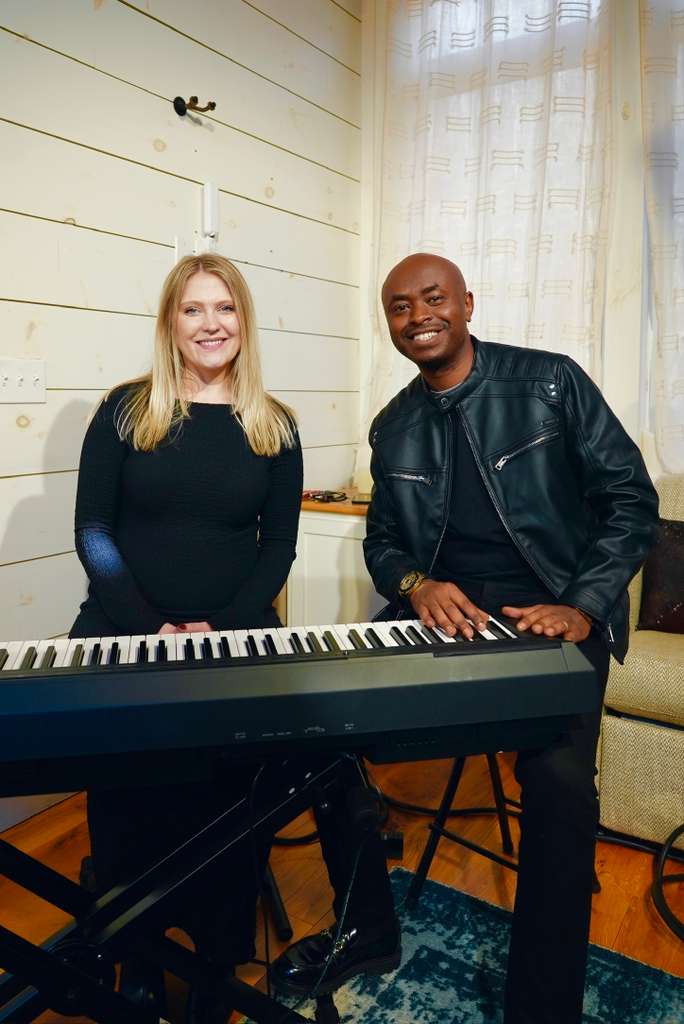
The artist had initially planned to hold a concert in Kigali in April 2026, but he found it difficult to proceed with the trip as he was expecting his third child and did not want to leave his wife at that time.
After postponing his Kigali concert, Patient Bizimana said he now plans to officially introduce his new album through a different approach.
He said, “All the songs are almost finished. I now think the next step is to release them one by one until the full album is complete.”
For this project, Bizimana has already released a new song titled “Ndi Hano”, which is the second release from his upcoming album titled “Agakiza”. The song features Kimber Terry, a worshipper based in Nashville, United States, where both artists currently live.
Bizimana is among the established names in gospel music. He relocated to the United States in 2022, where he joined his family.
After four years in the United States, he has since welcomed three children.
The new song features Kimber Terry, a worshipper based in Nashville, United States, where both artists currently live.After postponing his Kigali concert, Patient Bizimana said he now plans to officially introduce his new album through a different approach.
The commemoration took place on April 21, 2026, when the company’s leaders and staff visited the Kigali Genocide Memorial, where they paid tribute to victims and reaffirmed their commitment to preserving historical truth.
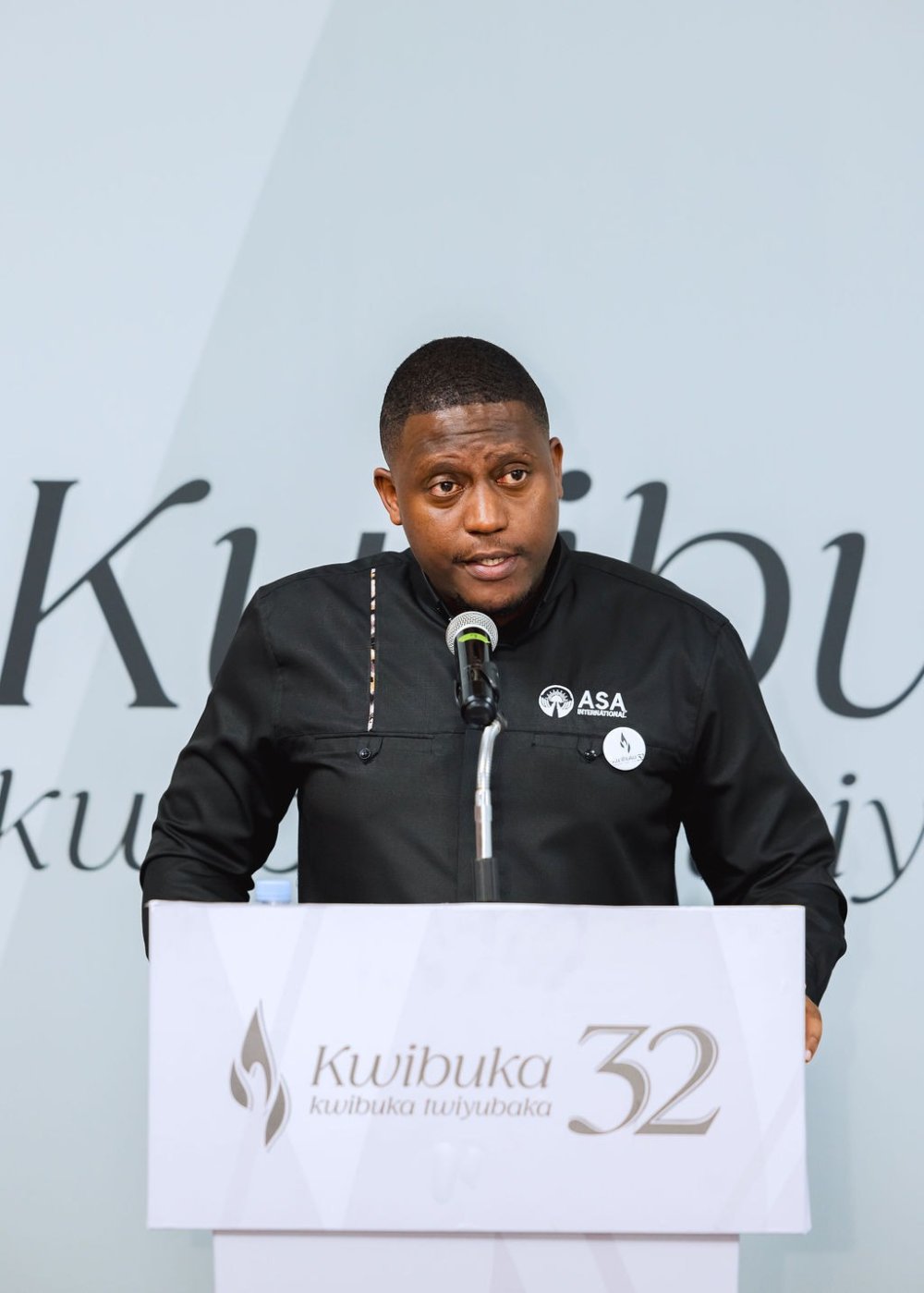
The event was attended by Group Chief Executive Officer of ASA International Rob Keijsers; Gerald Mpyisi, Vice Chairman of the Board, and Chief Executive Officer Christian Salifou, alongside other staff members.
They toured different sections of the memorial, learned about the history of the Genocide, and lit the flame of hope symbolising a commitment that such atrocities must never happen again. They also honoured more than one million victims killed in 100 days and pledged to stand against genocide denial and distortion of history.
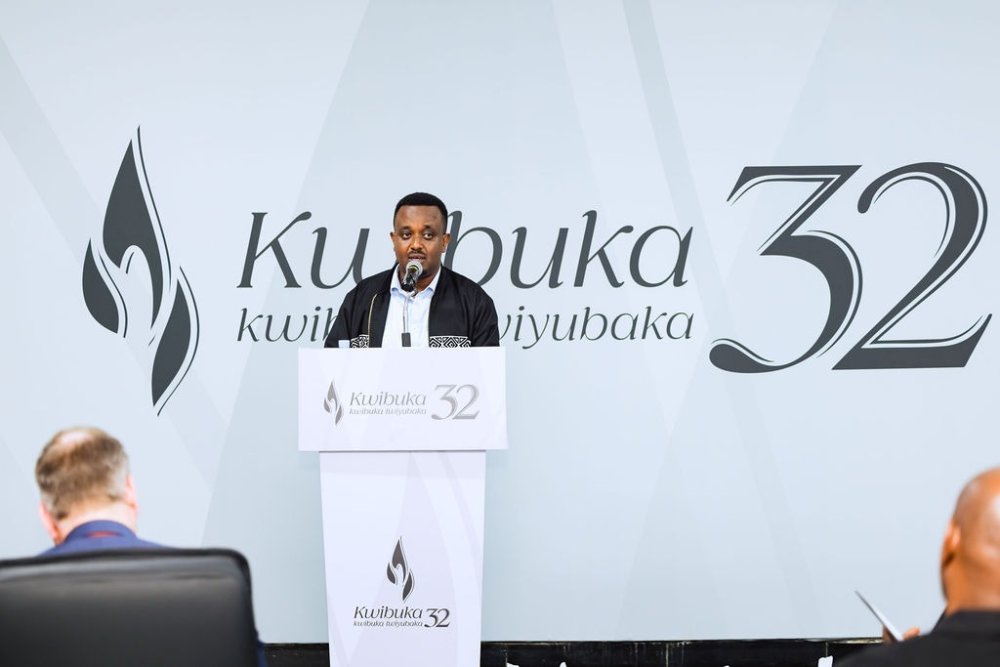
Staff were also addressed by Serge Rwigamba, who represented the Kigali Genocide Memorial, and explained how genocide ideology grew from division, dehumanisation, and silence in the face of warning signs.
He stressed the importance of continuous education to fight division and harmful ideologies.
Speaking during the event, Christian Salifou paid tribute to victims and expressed solidarity with survivors, saying the institution remains committed to supporting them. He added that ASA International promotes a culture based on respect, inclusion, and human dignity.
Gerald Mpyisi emphasised that remembrance should go beyond honouring victims to also taking responsibility to fight historical distortion and promote unity.
“Unity must be protected and strengthened, human dignity must be preserved, and division must be fought in all its forms,” he said.
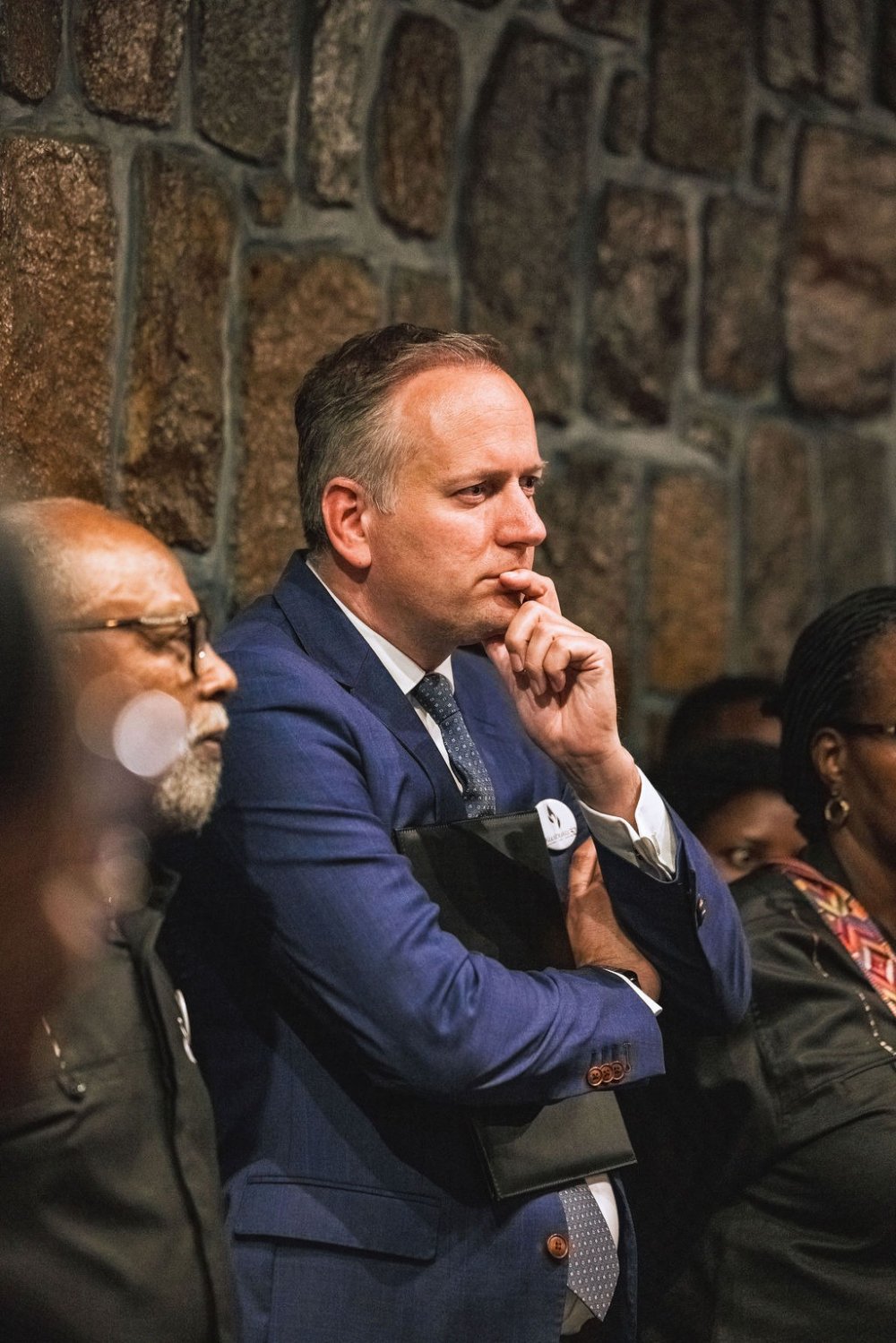
Rob Keijsers praised Rwanda’s post-genocide recovery journey, describing it as an example of what unity and resilience can achieve. He said the 1994 Genocide against the Tutsi should serve as a lesson to leaders worldwide on responsible leadership.
He also urged individuals everywhere to actively reject discrimination and promote inclusive governance, stressing that “Never Again” should guide both history and present-day decision-making.
ASA International Rwanda reaffirmed its commitment to unity, peace, and supporting genocide survivors.
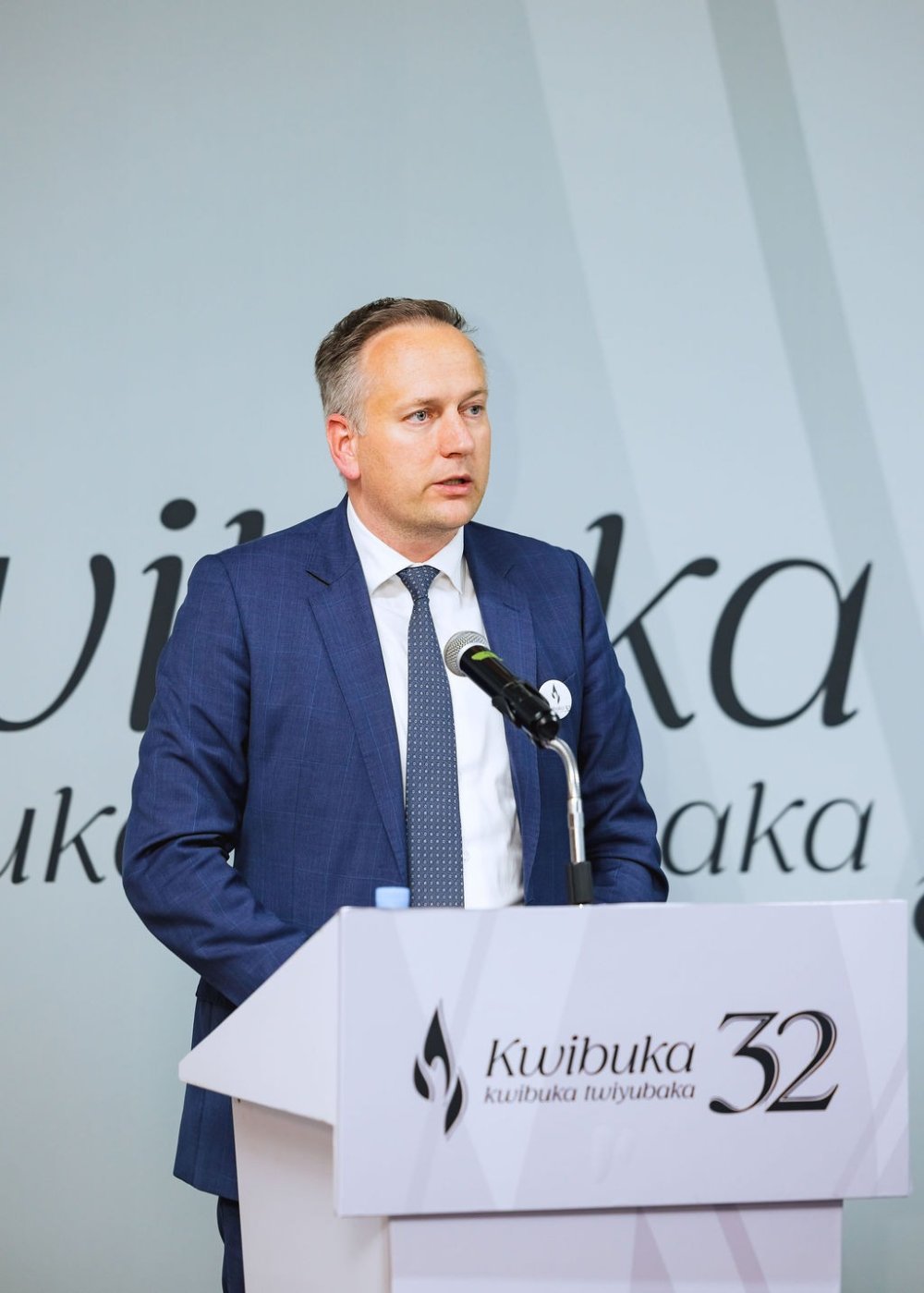
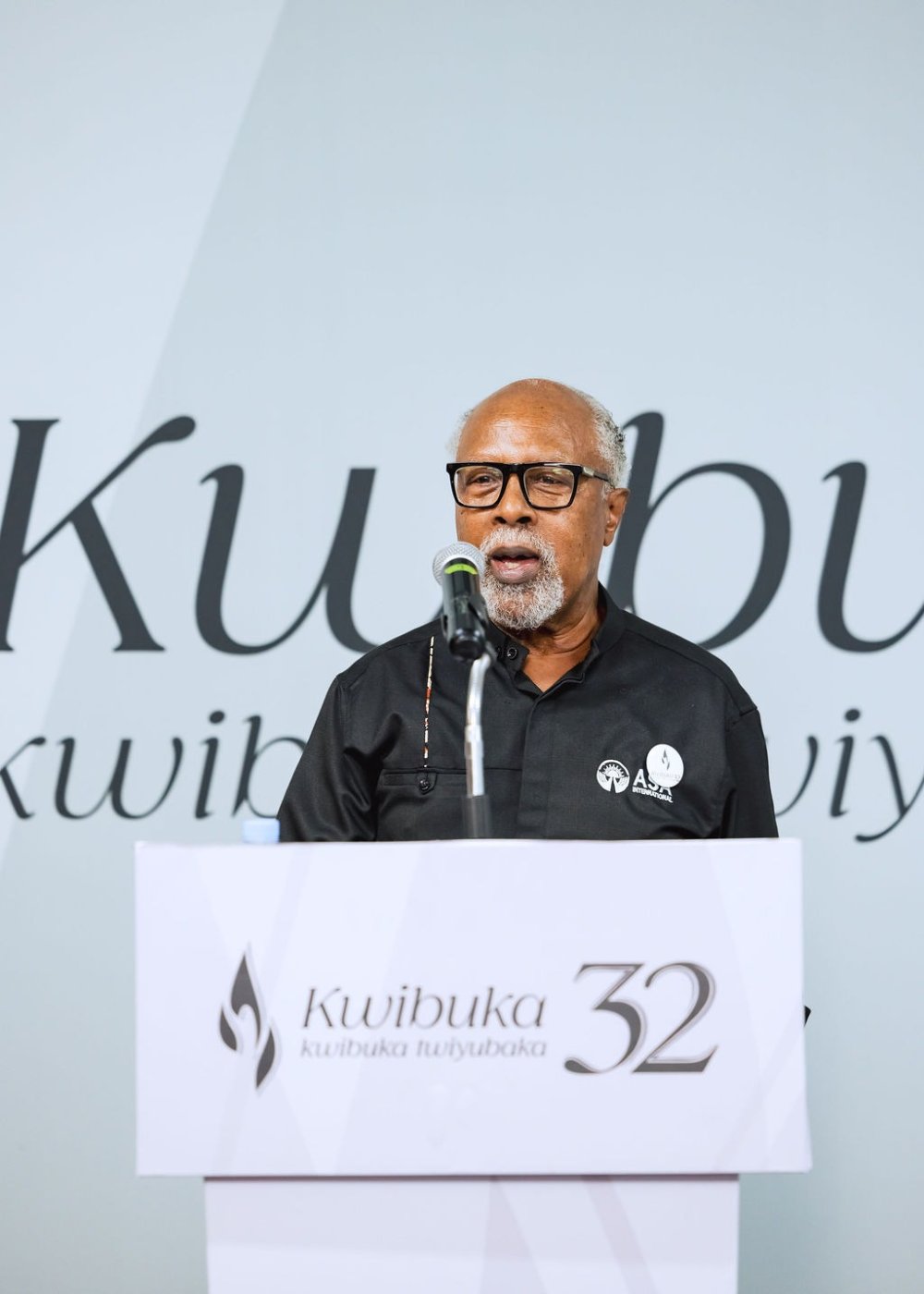
ASA staff pay tribute to victims of the 1994 Genocide against the Tutsi during visit to Kigali Genocide Memorial. Rob Keijsers praised Rwanda’s post-genocide recovery journey, describing it as an example of what unity and resilience can achieve.Gerald Mpyisi emphasised that remembrance should go beyond honouring victims to also taking responsibility to fight historical distortion and promote unity. ASA International Rwanda CEO, Christian Salifou paid tribute to victims and expressed solidarity with survivors, saying the institution remains committed to supporting them.ASA International Rwanda staff were also addressed by Serge Rwigamba, who represented the Kigali Genocide Memorial.Rob Keijsers paying homage to victims of the 1994 Genocide against the Tutsi.
This process, known as foliar uptake, appears to be especially important in dry and dusty environments where soil nutrients are limited. Scientists say it could help plants survive in harsh conditions that were previously not well understood.
“Plants are not like animals; they cannot move,” said Anton Lokshin, a plant biologist at Ben Gurion University of the Negev. “So they have to have strategies to absorb food and nutrients from the environment.”
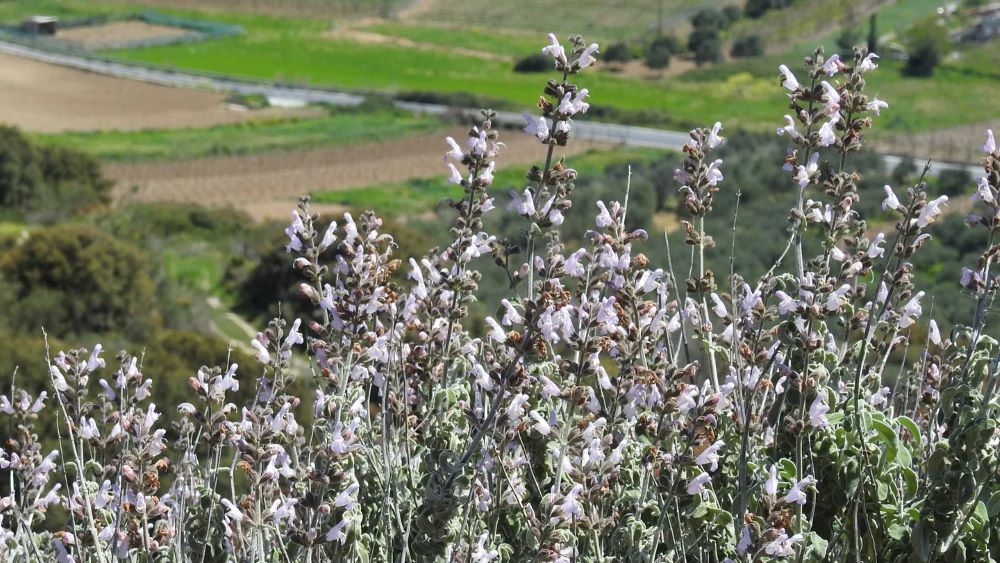
To test this, researchers studied three plant species in Israel’s Judean Hills, a region regularly exposed to dust from the Sahara and Arabian deserts. Some plants were treated with volcanic dust on their leaves, while others were left untreated for comparison.
The results showed that plants exposed to dust had higher levels of key nutrients, including iron, manganese, nickel, and copper, in their shoots. These are important elements for growth and survival.
However, nutrient levels in the roots remained largely unchanged, even when dust was added to the soil. Scientists explain this is because nutrients in soil are often quickly taken up by microorganisms or locked in minerals, making them harder for plants to access.
Leaves, on the other hand, provide a more open pathway. They can release natural compounds that help dissolve dust particles and allow nutrients to be absorbed more easily.
The findings suggest that airborne dust may be a more important nutrient source for plants than previously thought, particularly in arid regions.
Greek sage plants (Salvia fruticosa, shown) had their leaves dusted with mineral powder to show that plants can feed on the dust that settles on them.
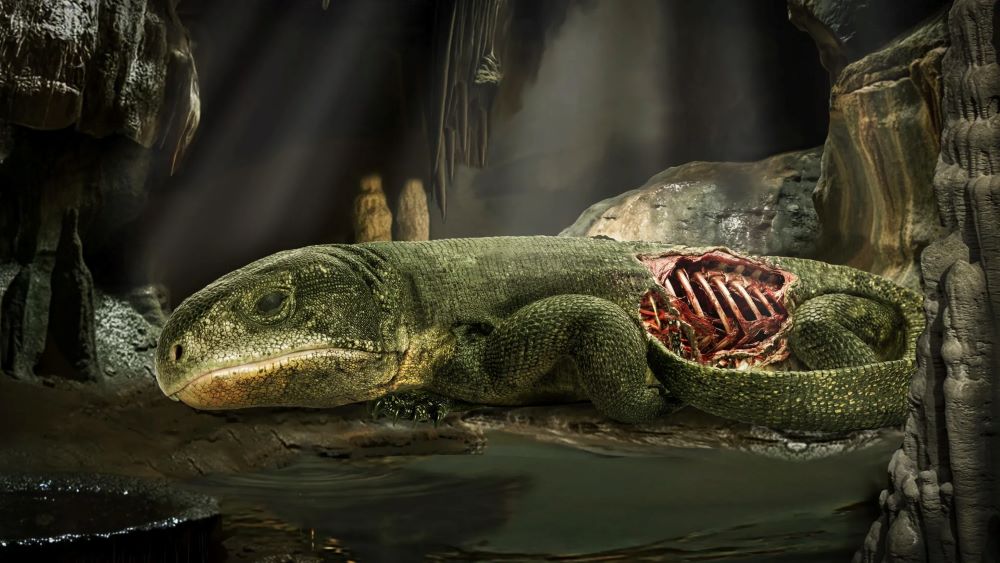
The fossil belongs to Captorhinus aguti, a small lizard-like reptile discovered in a cave system in Oklahoma.
Unlike most fossils, which preserve only bones, this specimen contains traces of skin, cartilage, and even proteins, offering rare insight into early life on land.
“These early reptiles were among the first animals to fully adapt to life outside water,” said Ethan Mooney, one of the study’s lead authors.
“Captorhinus is an interesting lizard-looking critter that is critical to understanding early amniote evolution,” he added.
Using advanced scanning technology, researchers were able to examine the fossil in detail without damaging it. The scans revealed preserved skin wrapped around the body.
“I started to see all these structures wrapped around the bones,” Mooney said, “they were very thin and textured. And lo and behold, there was a nice wrapping of skin around the torso of this animal.
The scaly skin has this wonderful accordion-like texture, with these concentric bands covering much of the body from the torso and up to the neck.”
More importantly, the fossil showed how the reptile breathed. Scientists identified a rib-based breathing system, similar to the one used by humans today, where muscles expand and contract the chest to move air in and out of the lungs.
“We propose that the system found in Captorhinus represents the ancestral condition for the kind of rib assisted respiration present in living reptiles, birds, and mammals,” said Robert R. Reisz, a professor at the University of Toronto and co-author of the study.
This system allowed animals to take in more oxygen and become more active on land.
“It was a game changer that allowed these animals to adopt a much more active lifestyle,” Mooney said.
The findings offer a clearer picture of how life evolved on land and how modern breathing systems began.
289-million-year-old reptile Captorhinus in its death pose in a cave system. Oil seepages, hyper-mineralized water, fine clays in this cave made it an ideal environment for mummification and fossilization of soft tissues like skin, cartilage, and protein remnants. Credit: Dr. Michael DeBraga