The Burundian coach joins from Kiyovu Sports FC, where he delivered impressive performances this season despite the club facing financial difficulties.
With only a few months remaining on his contract, Haringingo makes the switch following Rayon Sports’ decision to part ways with Bruno Ferry, who was dismissed after just three months in charge.
Rayon Sports’ leadership has set clear ambitions of winning the league title, last secured in 2019 or lifting at least one domestic trophy this season.
The team is currently preparing for the resumption of the Rwanda Premier League, with a Matchday 26 fixture against Gicumbi FC scheduled for Saturday at 6:00 PM at Kigali Pelé Stadium.
Haringingo previously coached Rayon Sports in 2023, when he led the club to victory in the Rwandan Peace Cup. He takes over a side currently sitting fourth in the league standings with 42 points.
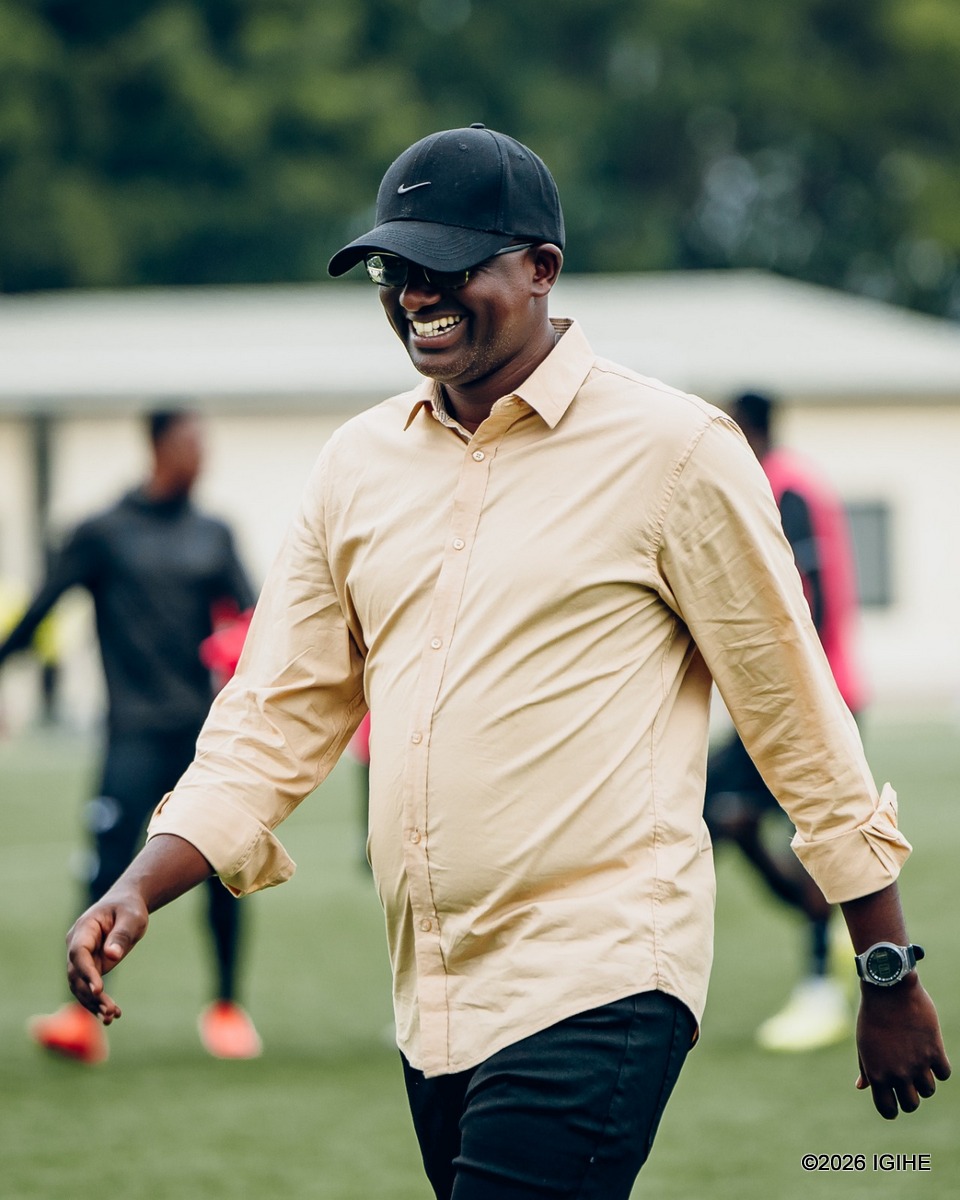
Francis Haringingo Christian has rejoined Rayon Sports FC as head coach. Haringingo previously coached Rayon Sports in 2023, when he led the club to victory in the Rwandan Peace Cup.
The Government of Rwanda introduced the workplace learning programme, known as Dual TVET, in 2019. It was designed to help students in technical and vocational education gain both theoretical knowledge and hands-on experience in the workplace.
The programme initially started in six TVET schools in the Western Province before expanding to 16 schools across Kigali and other provinces.
It has produced strong results, with 76% of graduates securing jobs within six months of completing their studies.
In addition, an evaluation conducted on Dual TVET graduates from the 2022/2023 academic year showed that 95.7% of them had already found employment.
The programme differs from traditional internships, as each term includes a period during which students are required to train in companies and institutions related to their fields of study.
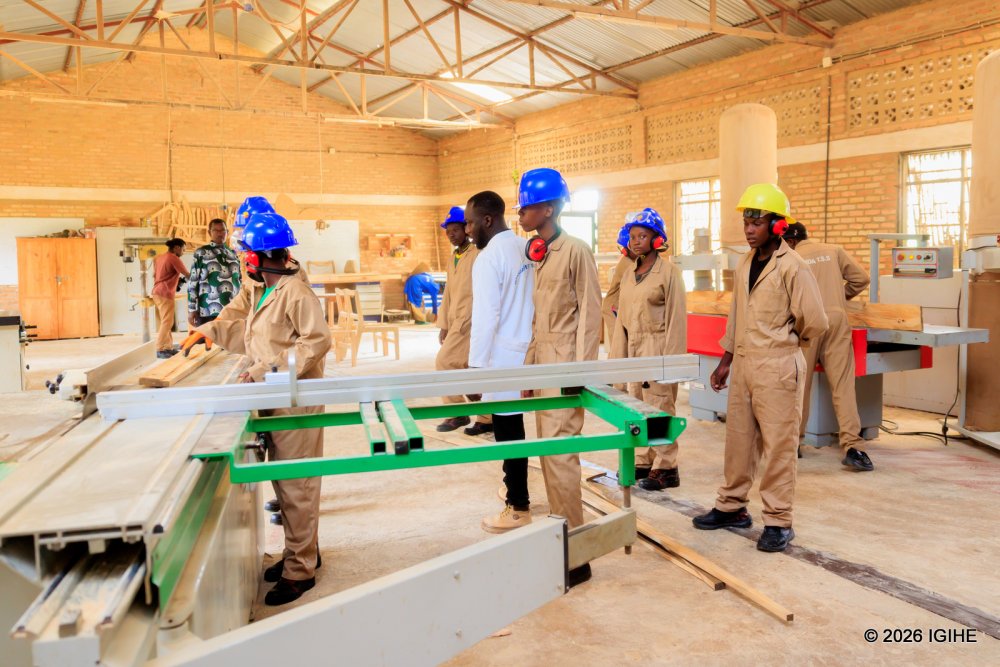
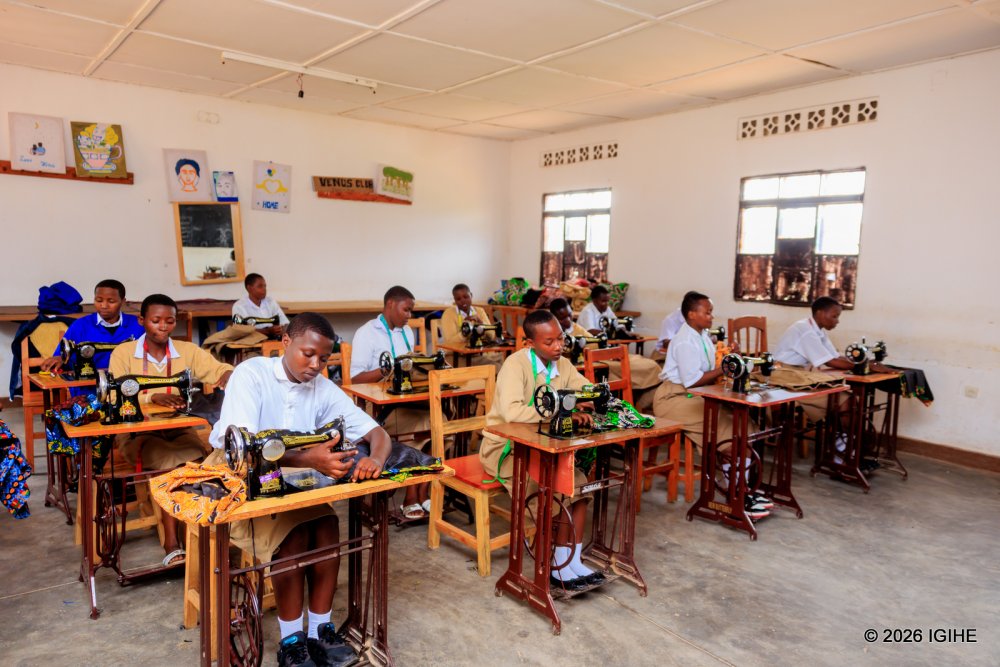
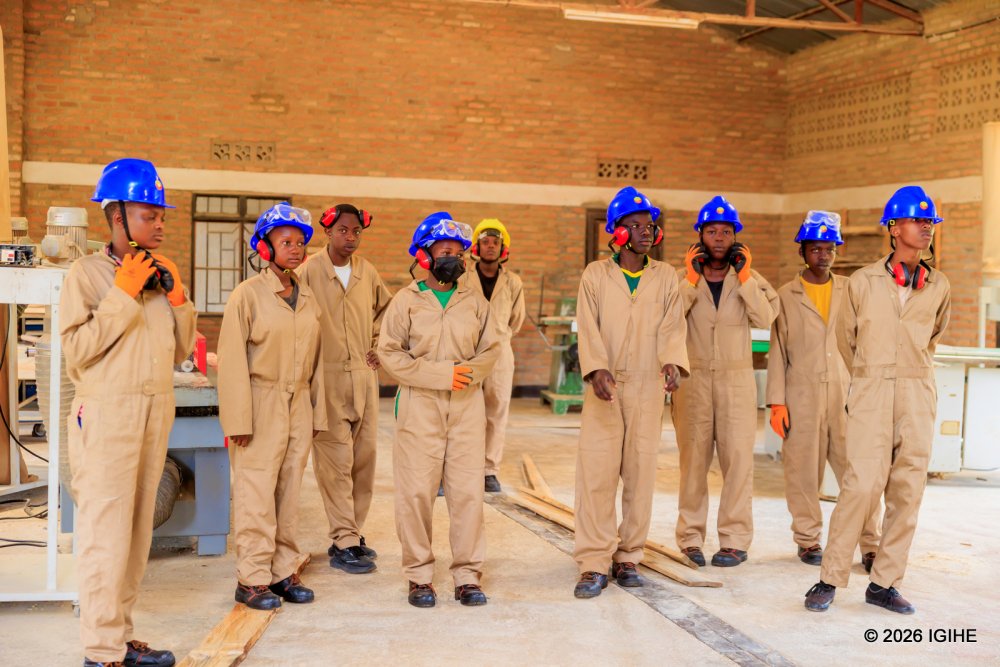
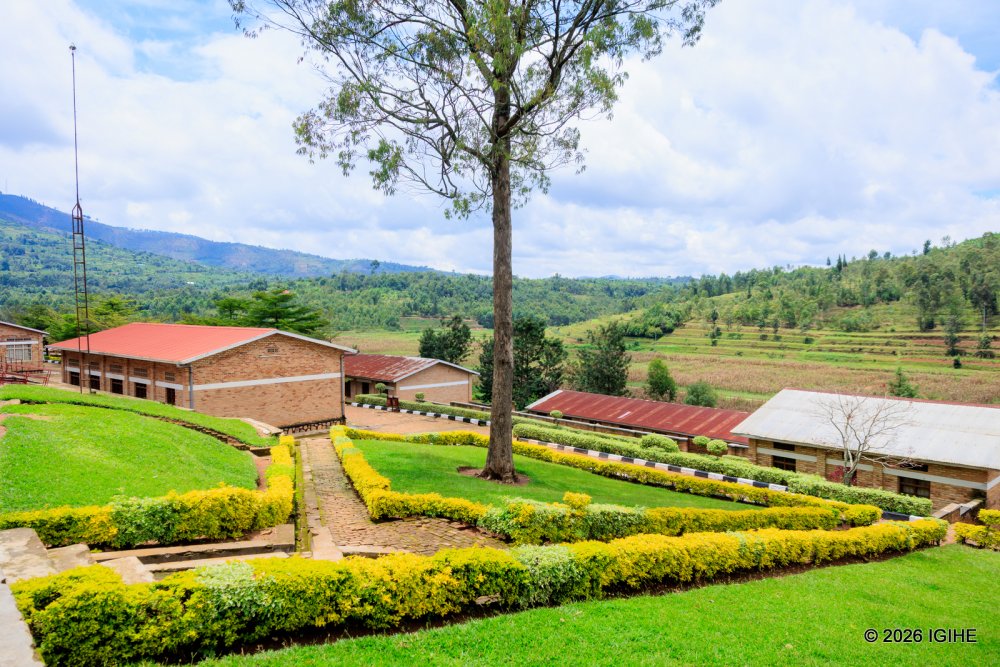
Mpanda TSS has more than 600 students, of whom 85 are enrolled in the Dual TVET programme this academic year. They are studying in three departments: carpentry, fashion design, and culinary arts.
Students and teachers told IGIHE that the programme’s impact is remarkable, as it equips learners with complete, practical skills, allowing them to graduate fully prepared to perform their jobs without needing additional adjustment between school and the workplace.
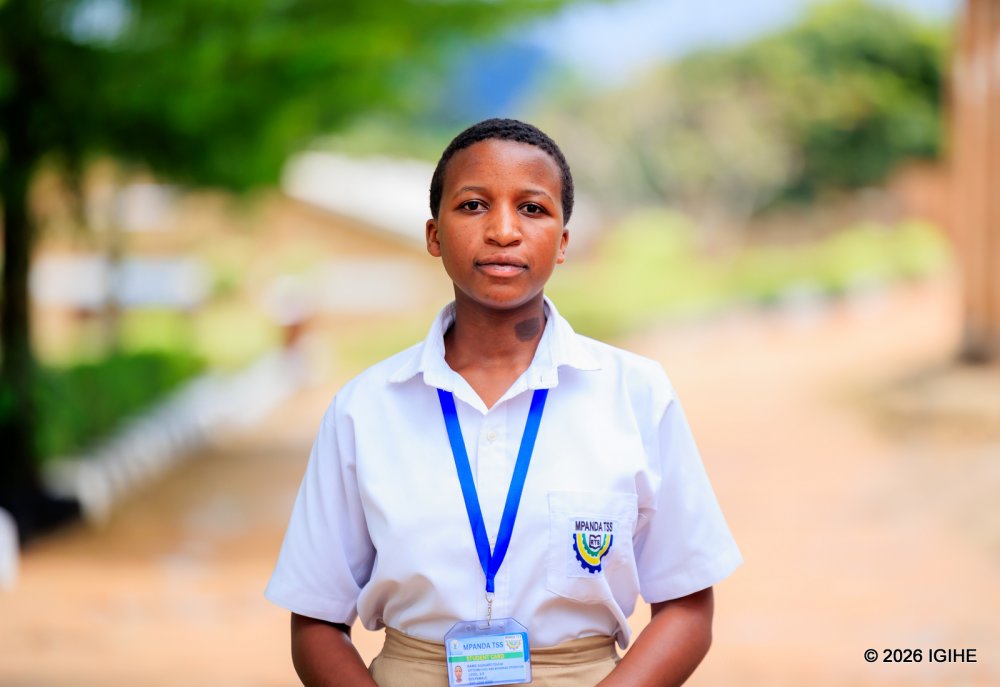
Divine Gasaro, a fourth-year student in culinary arts, said: “Now I have fully understood how to serve food, and even in preparation I have learned how to properly use spices before cooking. I can now provide good service because during workplace learning we interacted with clients and learned how to handle them in a way that satisfies them.”
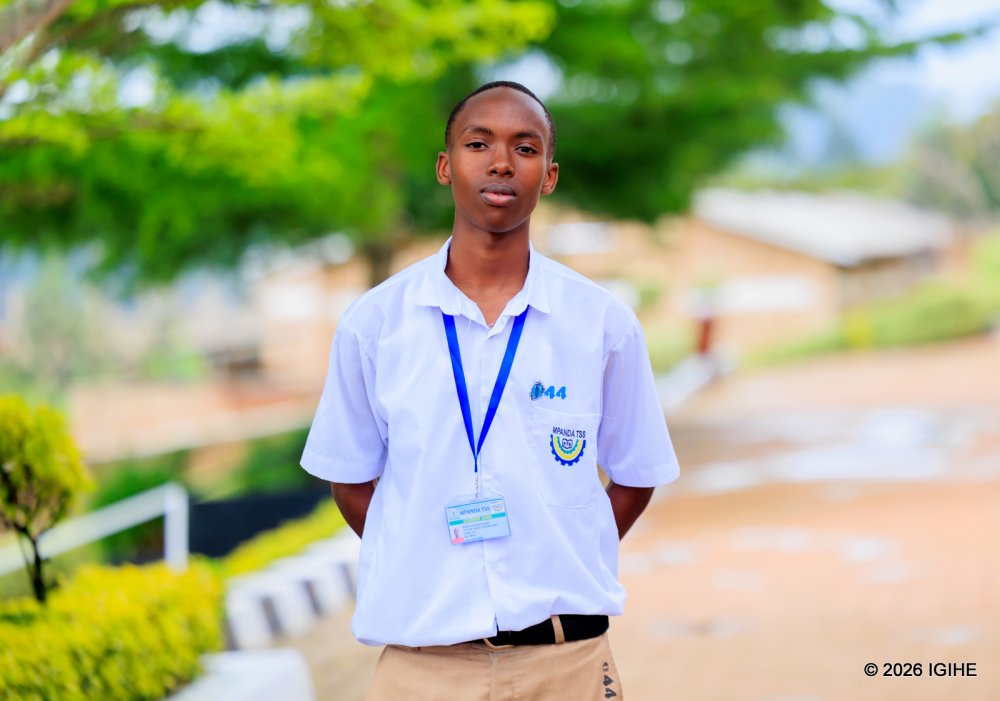
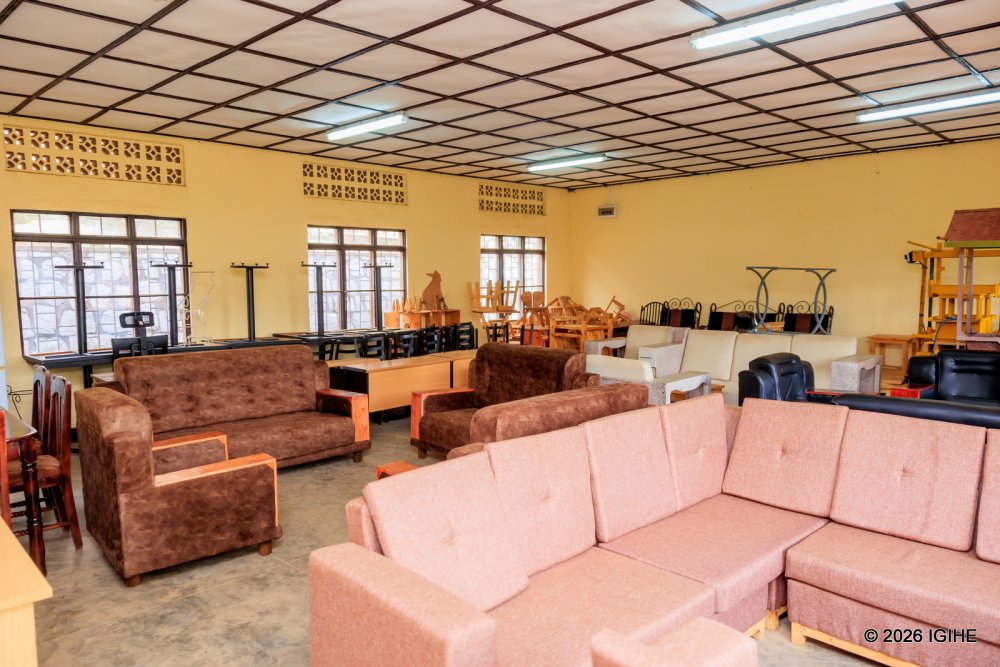
Daniel Mugisha, a fourth-year carpentry student, said:“During workplace learning, it is all about working because we go from Monday to Friday. It is very different from studying at school, where sometimes there are limited materials and practical sessions are allocated only a few hours. Workplace learning is what really shows that you have mastered what you studied.”
The students also expressed strong confidence in securing jobs after graduation, as they already feel experienced due to combining studies with real work.
Latifa Akimana, who teaches hospitality in the culinary department, emphasized that the previous system, where students mainly learned theory before going for internships, did not produce sufficient results.
“Previously, a student would finish school but then have to start learning again once they got a job. Now they graduate already having enough skills. They understand what they are getting into. As teachers, our role is to work with the companies that train them so that students are exposed to what is outlined in the curriculum,” she said.
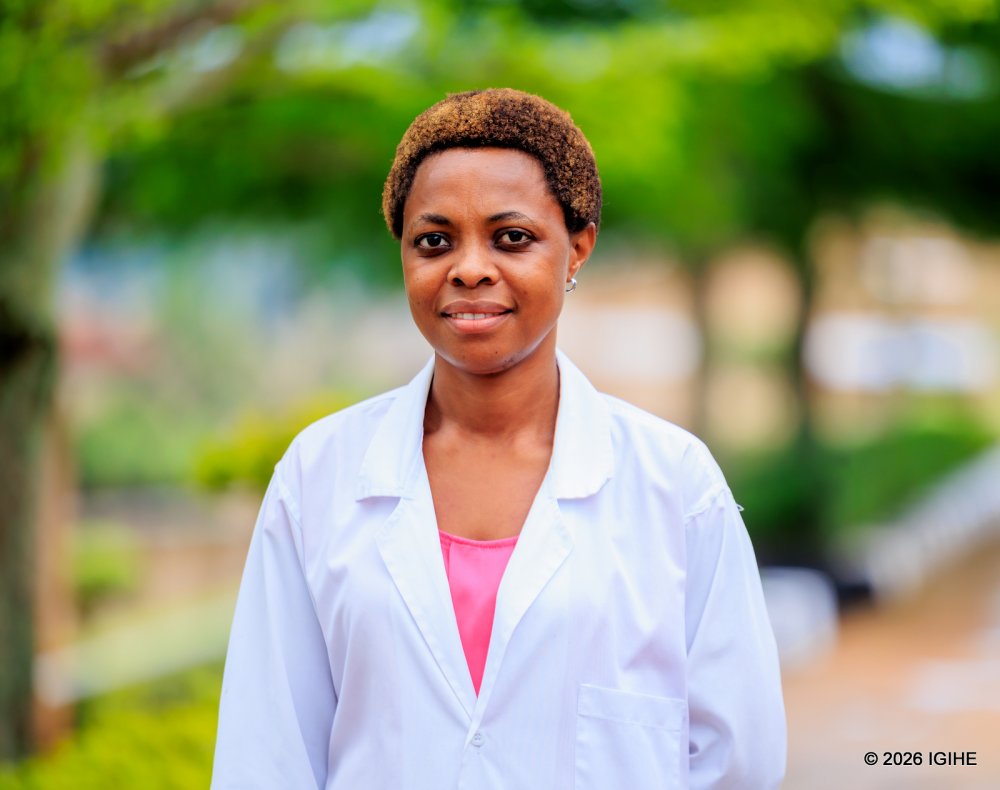
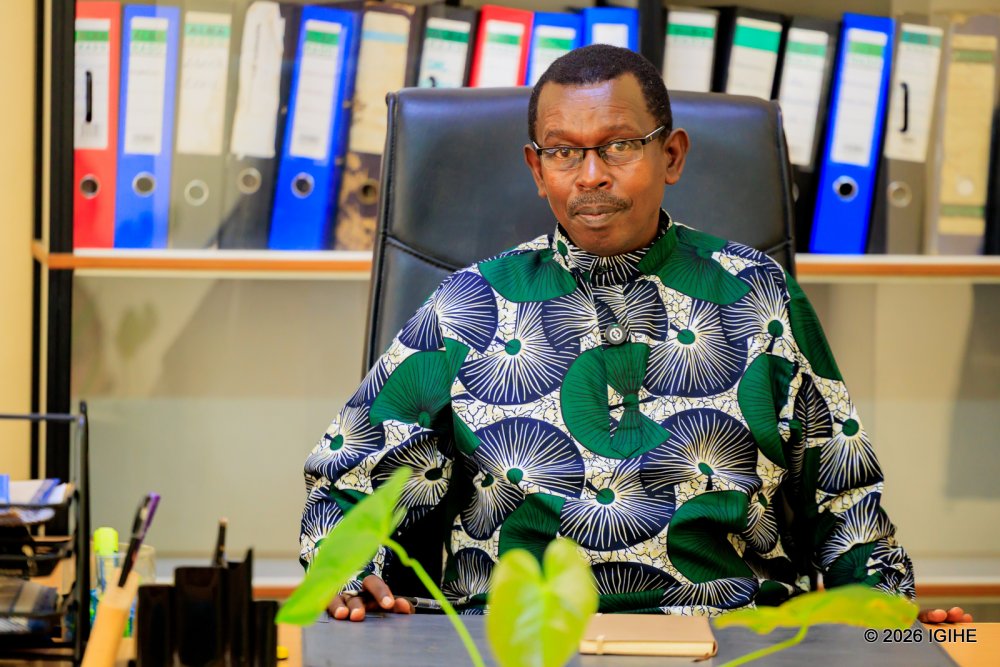
The head teacher of Mpanda TSS, Gilbert Ndangamira, noted that at the beginning, some private companies did not fully understand the programme, but this challenge has gradually been resolved, and the school now partners with 12 companies.
“There was initially a challenge where staff in those companies who were guiding students did not have teaching skills. However, the Rwanda TVET Board has supported us by providing them with training so they can effectively deliver learning,” he noted.
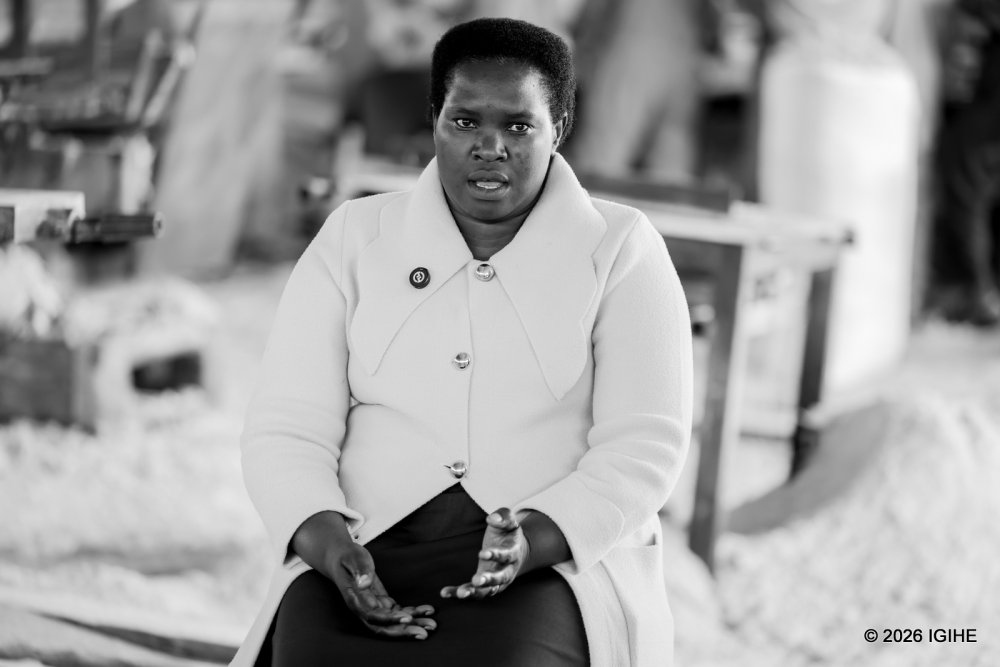
Marie Grâce Munderere, founder of Light and Moriah Company, a carpentry firm based in Muhanga furniture workshop, said hosting students for workplace learning benefits both sides.
“We contribute to training future workers by giving them the skills needed in the job. When we need an employee, we often recruit from those who trained with us or connect them with others looking for workers because we already know their capabilities,” she stated.
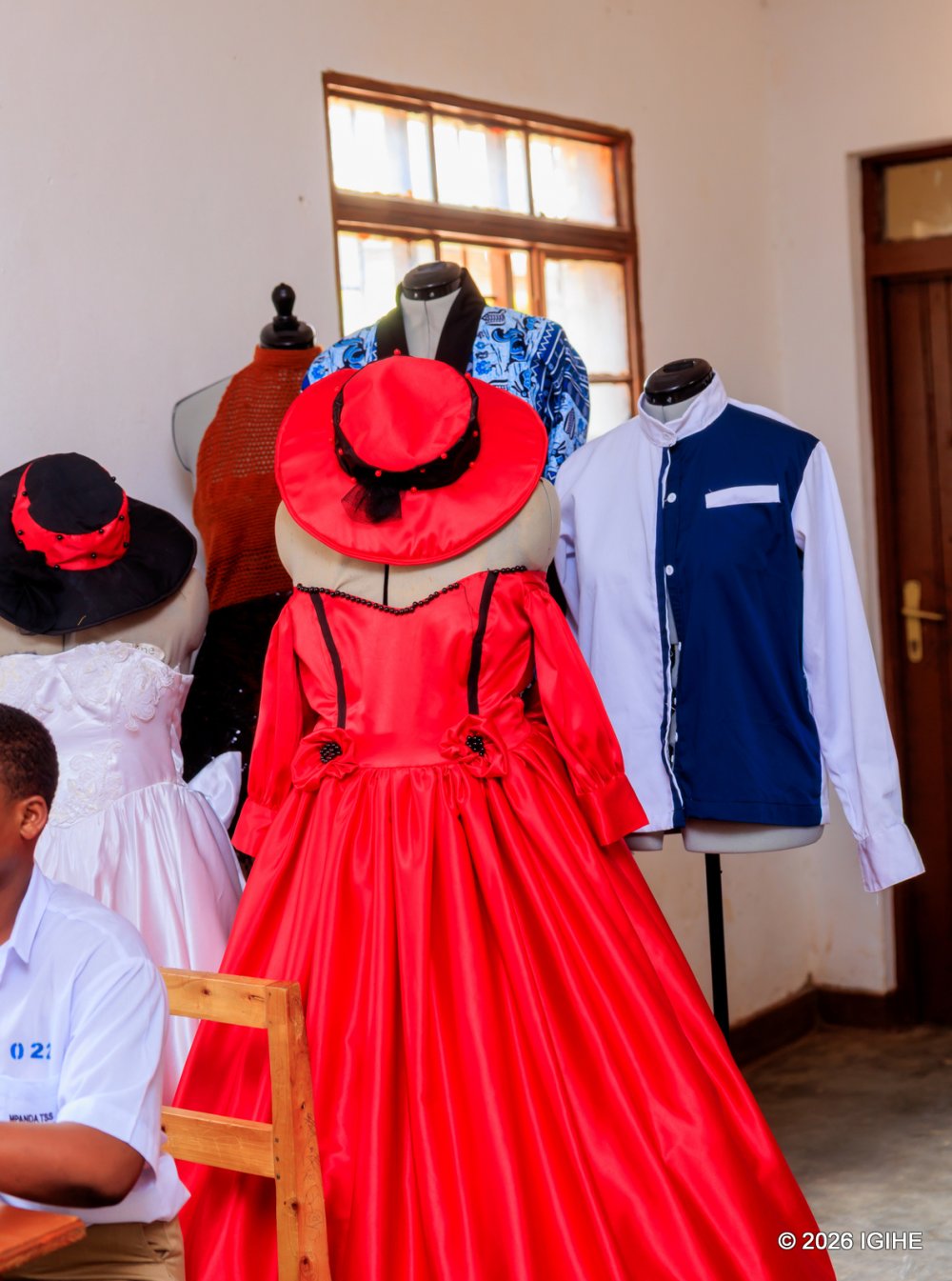
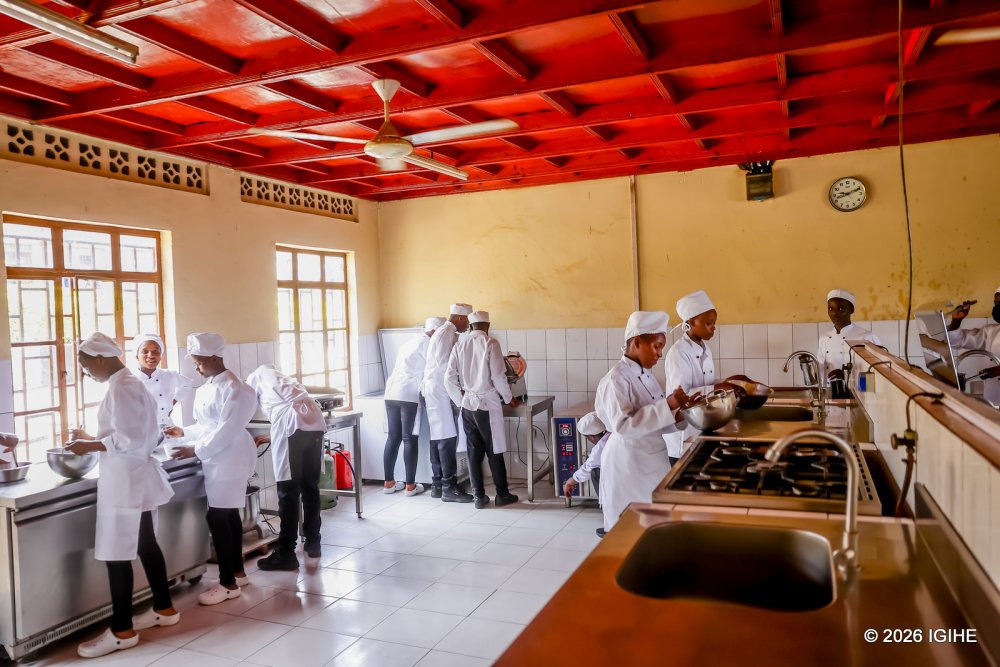
Students studying tailoring reportedly secure jobs immediately after graduation.Students studying tailoring secure jobs shortly after graduation.These garments are made by the students.Culinary students at Mpanda TSS say the hands-on training helps them understand their work better and improves their job prospects upon graduation.Mugisha Daniel, a fourth-year carpentry student, noted that he has learned to make beds, stools, and other furnitureDivine Gasaro, a fourth-year student in culinary arts also highlighted acquired competencies through workplace learning.Akimana Latifa, a hospitality instructor at Mpanda TSS, highlighted that the work-based learning approach produces tangible outcomes. Mpanda TSS head teacher, Ndangamira Gilbert, explained that initially some private companies were hesitant about work-based learning, but now more than 10 firms are actively participating.Munderere Marie Grâce, founder of Light and Moriah Company in Muhanga, emphasized that hosting students for practical training benefits both the company and the learners.The work-based learning program continues to deliver strong results.
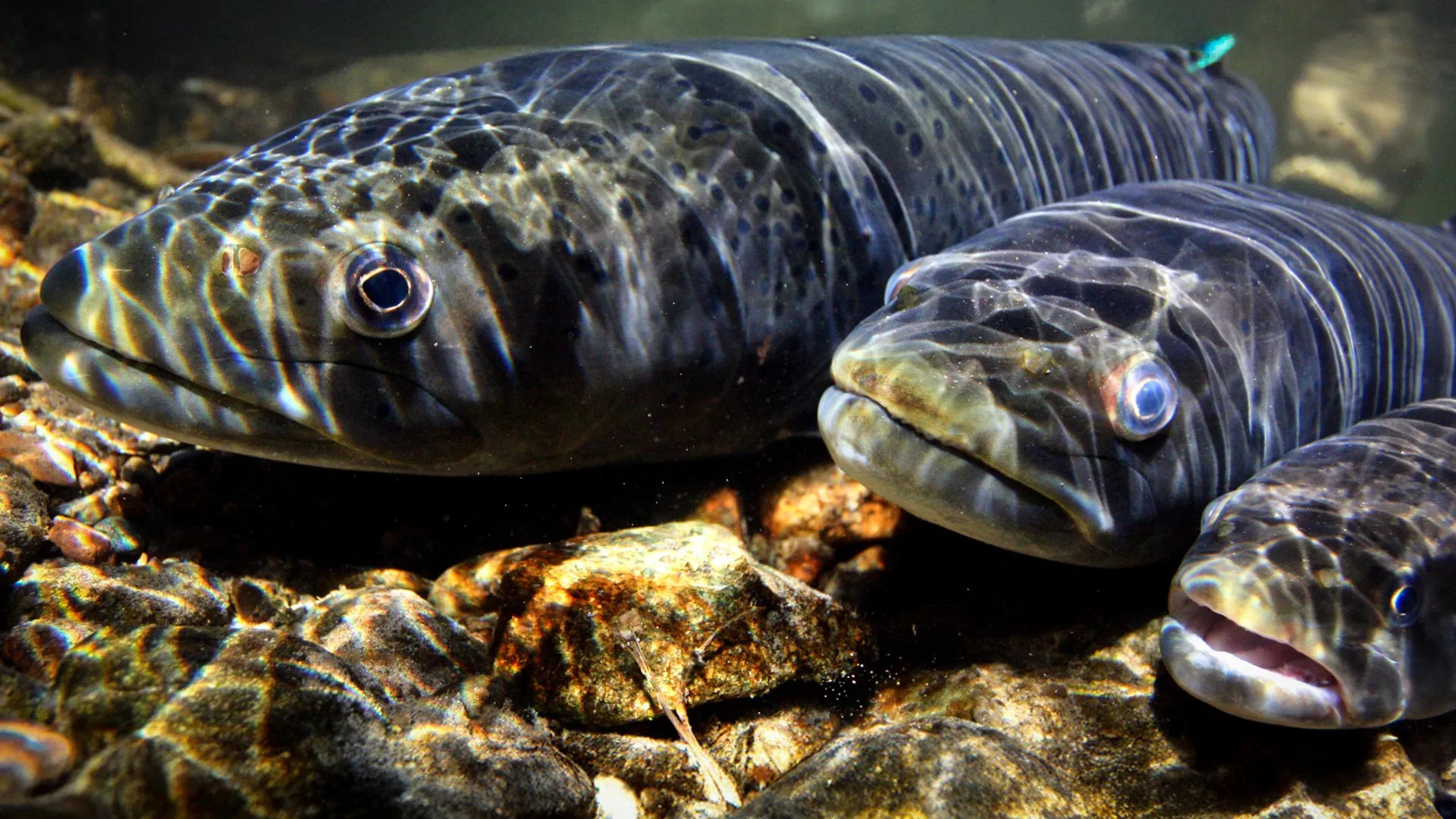
This alarming decline affects hundreds of species that depend on connected waterways to reach feeding grounds, breeding areas, and nursery habitats across continents.
Scientists say this collapse of freshwater migrations is one of the most severe biodiversity losses on Earth and highlights the urgent need for coordinated conservation efforts.
According to the Convention on the Conservation of Migratory Species of Wild Animals (CMS), migratory freshwater fish once moved freely along long river systems such as the Amazon, Nile, Mekong, Danube, and La Plata‑Paraná.
But today, dams, habitat fragmentation, pollution, overfishing, and changes in water flows have cut off these pathways. As a result, many species can no longer complete their life cycles, which has led to dramatic population declines.
The report found that 325 migratory freshwater fish species now require international protection, though only a few are currently listed under global conservation agreements.
Of those already evaluated, 97% are threatened with extinction, underscoring how quickly the crisis is unfolding. Experts stress that managing rivers as connected ecosystems rather than treating them as separate national waterways is crucial to slowing or reversing declines.
Lead author Dr. Zeb Hogan highlighted that “many of the world’s great wildlife migrations take place underwater,” and their loss is “a sign of rapidly deteriorating freshwater environments.”
The CMS and conservation partners are calling for transboundary cooperation to restore river connectivity, protect migration corridors, and implement basin‑wide strategies to support both aquatic life and human communities that depend on these fish for food and livelihoods.
Freshwater fish populations has declined by 81% as river migrations are disrupted.
Solar activity, especially intense flares, can disrupt Earth’s ionosphere, a layer of charged particles high above the surface.
The researchers developed a theoretical model showing that when solar flares increase the number of electrons in the ionosphere, they can create strong electrostatic forces that travel downward through a kind of electrical coupling between the ionosphere and fractured rock deep in the Earth’s crust.
These forces, while subtle, might be enough to push a critically stressed fault a little further toward slipping especially if it was already near rupture.
Importantly, the team doesn’t claim that solar storms cause earthquakes outright. Earthquakes are complex and usually result from stresses building inside tectonic plates over years or decades.
Instead, the researchers suggest that space weather could act as an additional factor in some cases, potentially influencing when a rupture happens on a fault that’s already close to breaking.
The model also connects this theory to observations where unusual ionospheric behavior has been seen before major quakes.
The scientists plan to combine detailed space weather data and high‑resolution measurements of the ionosphere in future studies to better understand if and how solar activity might meaningfully interact with geological processes underground.
This research opens a new perspective on how phenomena in space could subtly affect conditions on Earth, reminding us that our planet is part of a much larger, dynamic system stretching all the way to the Sun.
New research suggests solar storms may influence earthquake timing.
The singer shared that the concert will take place at Kampala Serena Hotel on November 8, 2026.
The upcoming show will be his 12th since he began organizing his own concerts in 2012, when he first performed at Sheraton Hotel. Over the years, he has steadily built a growing audience through his performances and releases.
Born in Uganda to Rwandan parents, Levixone maintains close ties to Rwanda, where he also has an extended family. His recent stay in Kigali reflects his continued connection to the country alongside his music career.
He began making music at the age of 13 and rose to prominence while still in secondary school after releasing his breakthrough song Noonya, which gained widespread popularity in Uganda despite not having a music video at the time.
Since then, he has released a number of well-received songs, establishing himself as a notable figure in Uganda’s music scene.
In recent weeks, Levixone has also drawn public attention following his marriage to Desire Luzinda, a prominent personality in Uganda’s entertainment industry.
Previous work had shown that infections often lead to appetite loss, but until now, the exact biological pathway behind this effect was not fully understood.
In the new study, researchers found that specialized cells in the gut detect harmful organisms such as parasitic worms and send chemical signals to the brain that effectively say “stop eating.”
This process doesn’t happen all at once. Initially, people may feel normal, but as the infection progresses and these signals build up, appetite can disappear completely.
The findings help explain why appetite loss can linger even after other symptoms begin to fade. Millions of people worldwide experience this pattern not only during short‑term stomach illnesses but also with long‑lasting infections where appetite remains low for extended periods.
The research suggests that the gut’s immune response plays a major role in controlling hunger by interacting with the brain’s hunger centers.
Understanding this gut‑brain communication system could lead to better treatments for conditions where appetite is suppressed in harmful ways, such as during chronic infections or in diseases that involve extreme weight loss.
The scientists behind the study hope future work will explore how this pathway might be influenced to help patients maintain healthy eating behaviors even while sick.
New study has uncovered how infections cause sudden loss of appetite.
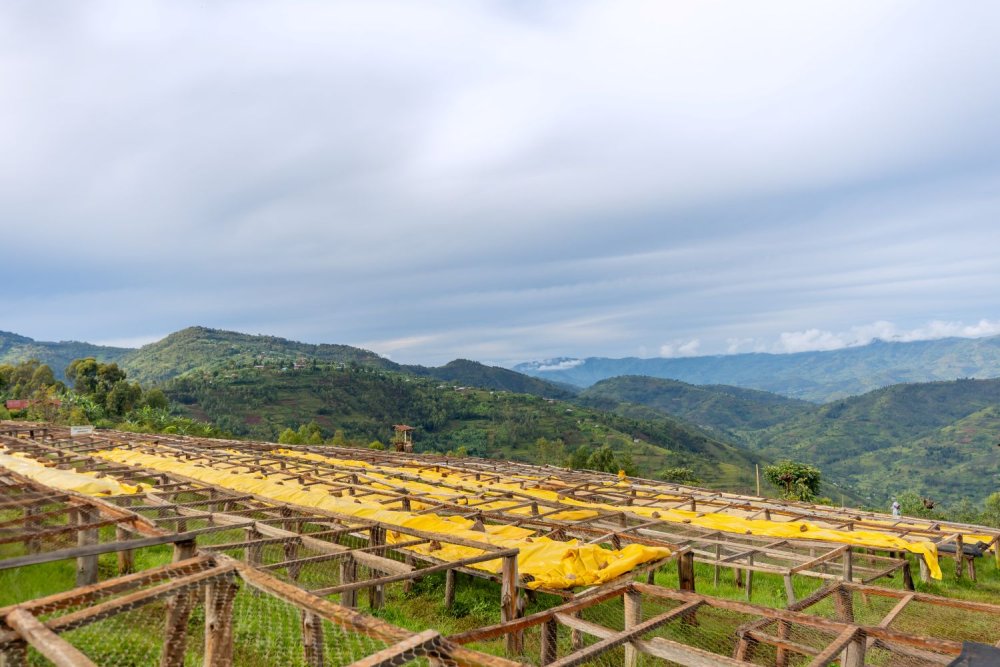
Back in 2000, the cooperative began with 300 coffee farmers practicing traditional farming methods, earning little from their produce, which they sold to middlemen.
Recognizing the need for change, they came together to form an association, which later gained legal status as a cooperative in 2004. This shift enabled them to adopt professional farming practices and expand their market reach, eventually exporting their coffee internationally.
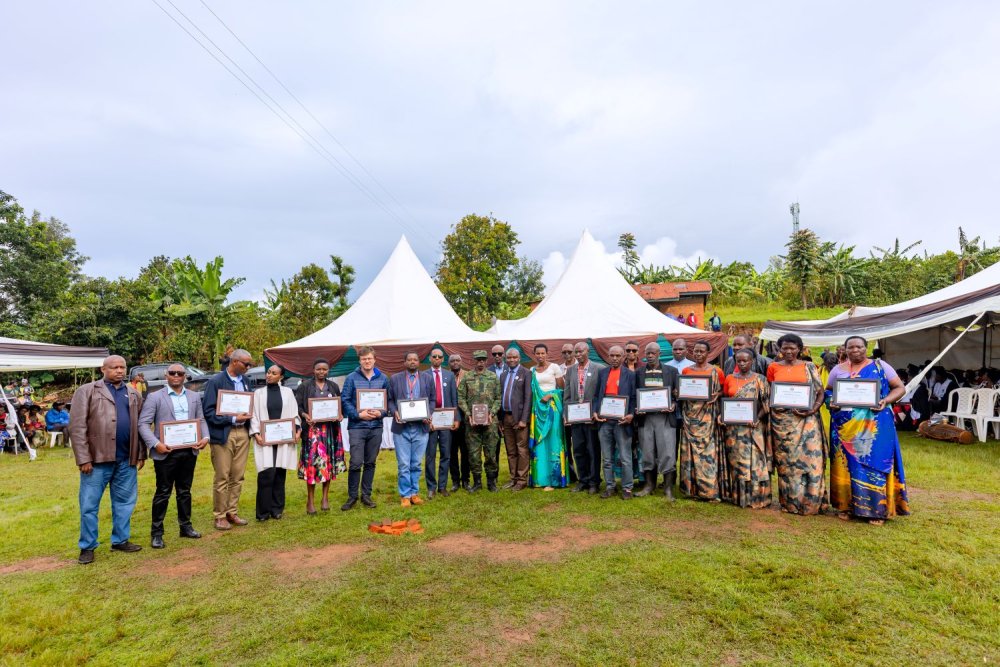
During the 25th anniversary celebration held on March 25, 2026, members revealed that the cooperative now owns four coffee washing stations. Today, it has 1,193 members, including 326 women and 17 youth, while also working with 4,600 coffee farmers. This marks a significant rise from the 300 members recorded in 2004.
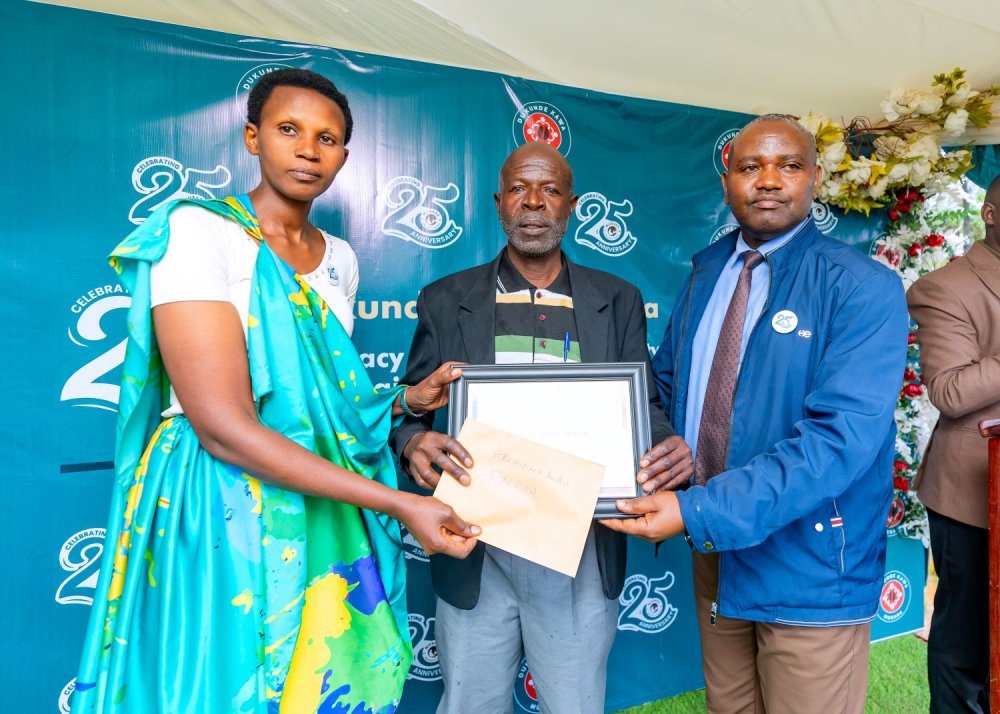
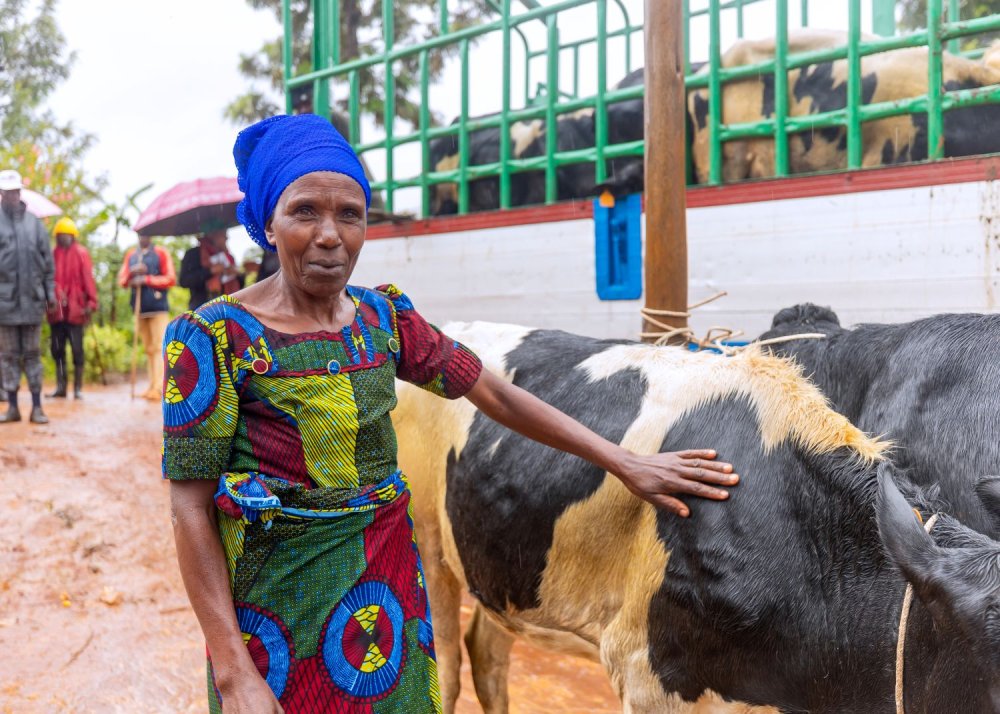
To commemorate the milestone, each cooperative member received a bonus of Rwf 10,000, along with fertilizers and roasted coffee. The cooperative also distributed 25 dairy cows to support milk production, as it operates a milk collection center.
Additionally, certificates were awarded to 21 students who completed their studies at the Musasa Coffee School.
Athanase Minani, one of the founding members and former leaders of the cooperative, shared that the journey has not been easy.
“Before we united, we were ordinary farmers selling to middlemen who paid us unfairly compared to the effort we put in.[…] Over time, the results became evident, and today we have made great progress,” he said.
Minani added that he now owns 3,000 coffee trees and sold five tons of coffee last year. Through coffee farming, all eight of his children have completed university education, with the youngest graduating recently from Butare. However, he noted a growing challenge in motivating young people to take up coffee farming.
The cooperative’s current president, Virginie Uwingeneye, emphasized that the 25-year journey reflects resilience and steady growth. She noted that the cooperative has distributed 25 cows this year, bringing the total to 350 cows provided since 2008 under its livestock-sharing program.
“We provide cows to boost milk production because we also operate a milk collection center with a capacity of 5,000 liters per day. Of the 25 cows distributed today, 20 were purchased while five were bred within the program,” she explained.
Over the years, the cooperative has built a strong economic base driven by coffee trade and job creation. From exporting a single container worth Rwf 40 million in 2004, it now exports up to 15 containers of parchment coffee—equivalent to nearly 288 tons—generating at least Rwf 3.5 billion annually.
The cooperative provides employment to over 500 people during the coffee season, including 55 permanent staff, and manages the entire coffee value chain from cultivation to cup.
Sandrine Urujeni, Chief Operations Officer at NAEB, who attended the event, praised the cooperative for its integrity and achievements.
“Celebrating 25 years of Dukunde Kawa Musasa Cooperative is a remarkable milestone that reflects dedication and resilience in advancing coffee farming in Rwanda. The cooperative has become a model of excellence, making significant strides in both production and value addition,” she said.
Over the years, the cooperative has also invested in infrastructure and social initiatives, including a dry mill, a coffee roasting plant, a cupping laboratory for quality control, a milk processing facility, and an early childhood development center.
It also supports farmers through interest-free loans, promotes gender equality through women-focused coffee initiatives, and runs vocational training programs for women and youth.
Musasa Coffee, produced by the cooperative, is known for its organic quality and exceptional taste.
On this anniversary, the cooperative expressed gratitude to its partners, including Root Capital, its first African client since 2005, as well as Starbucks FSC Rwanda, Rabobank, RWASHOSCO Ltd, Progresso, REDI, Thanksgiving, ACDI/VOCA, USADF, MCM, BDF, Women Win, Fairtrade, and SGR for their continued support.
Dukunde Kawa Musasa Cooperative recorded a turnover of Rwf 3.7 billion from coffee sales.Members of Dukunde Kawa Musasa were recognized and honored during the 25th anniversary.The cooperative distributed 25 cows to its members as part of the anniversary celebrations. Dukunde Kawa Musasa has celebrated 25 years of achievements in coffee farming and trade.The cooperative thanked its partners for supporting 25 years of growth and success.
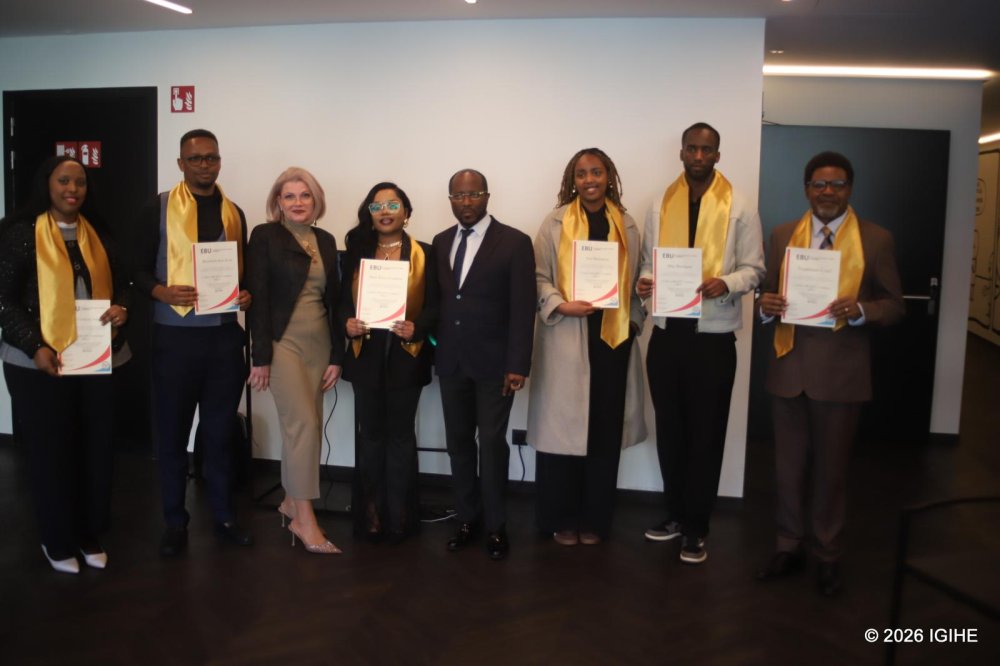
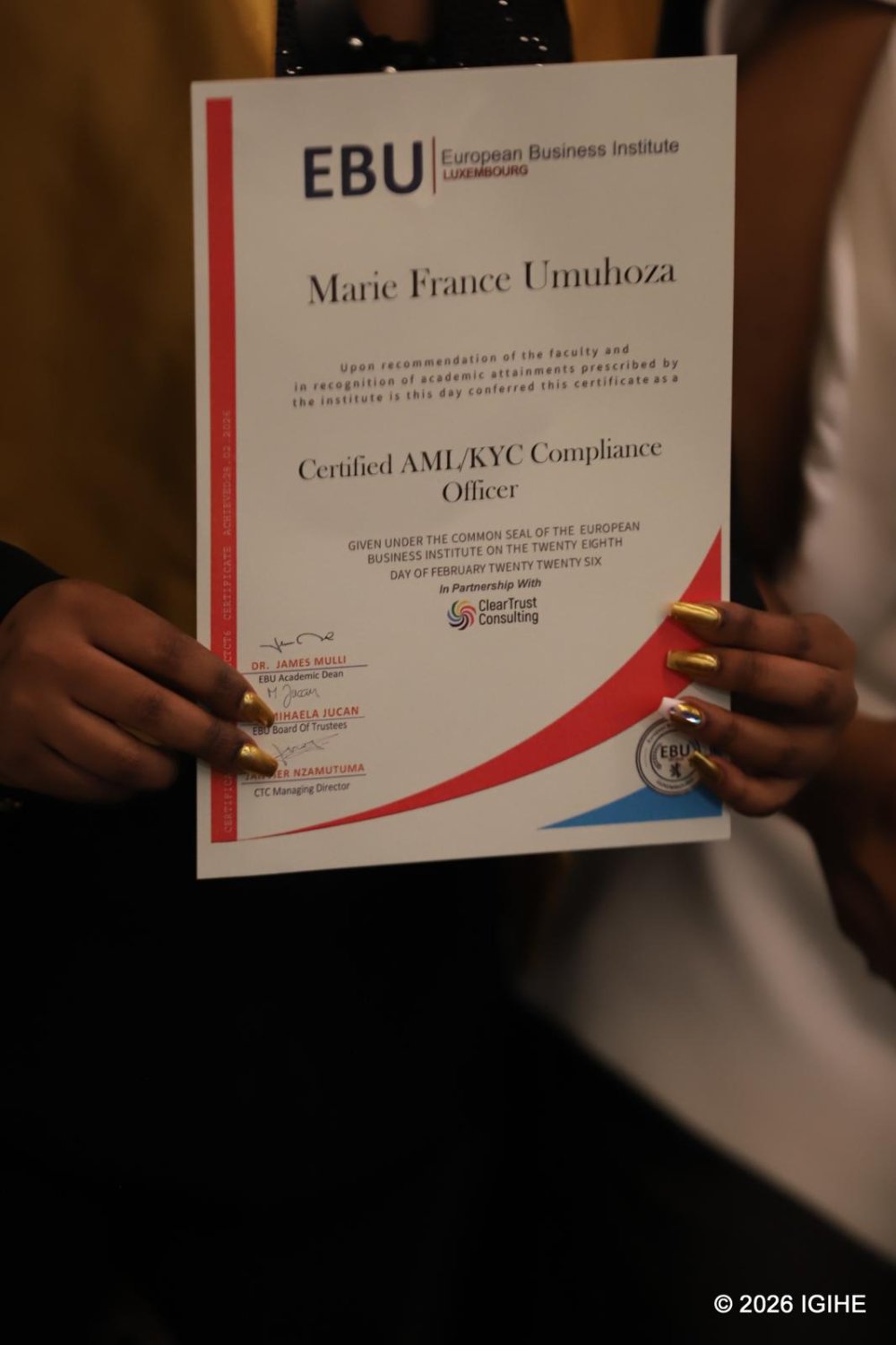
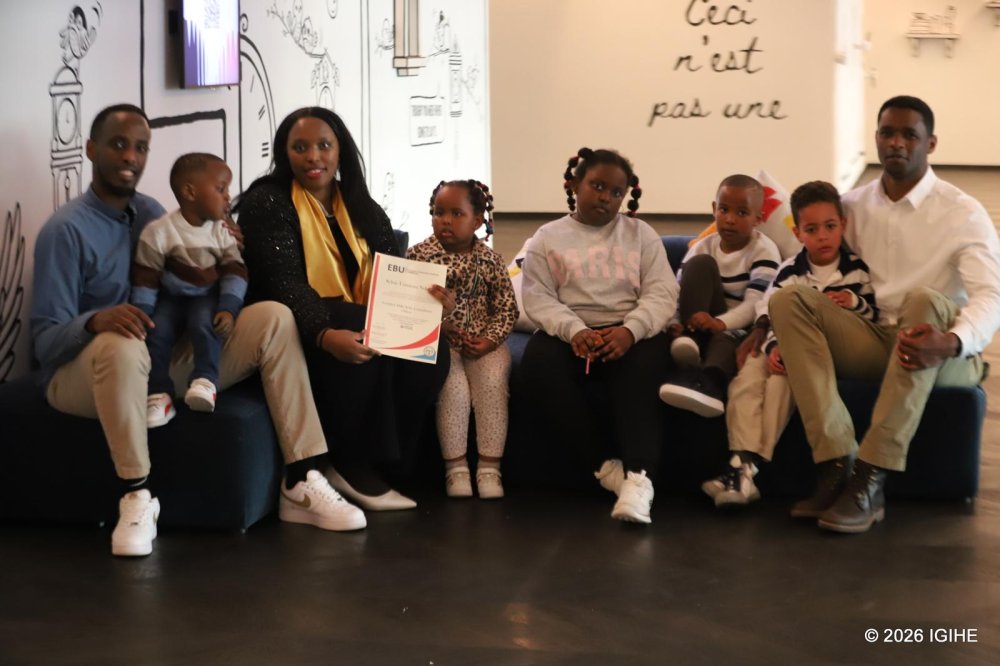
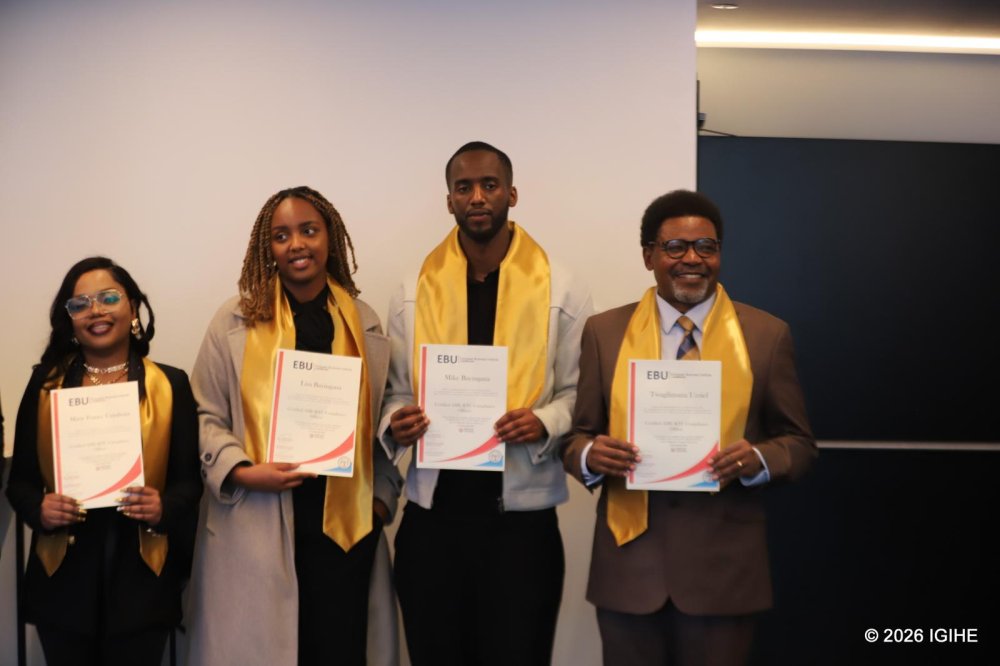
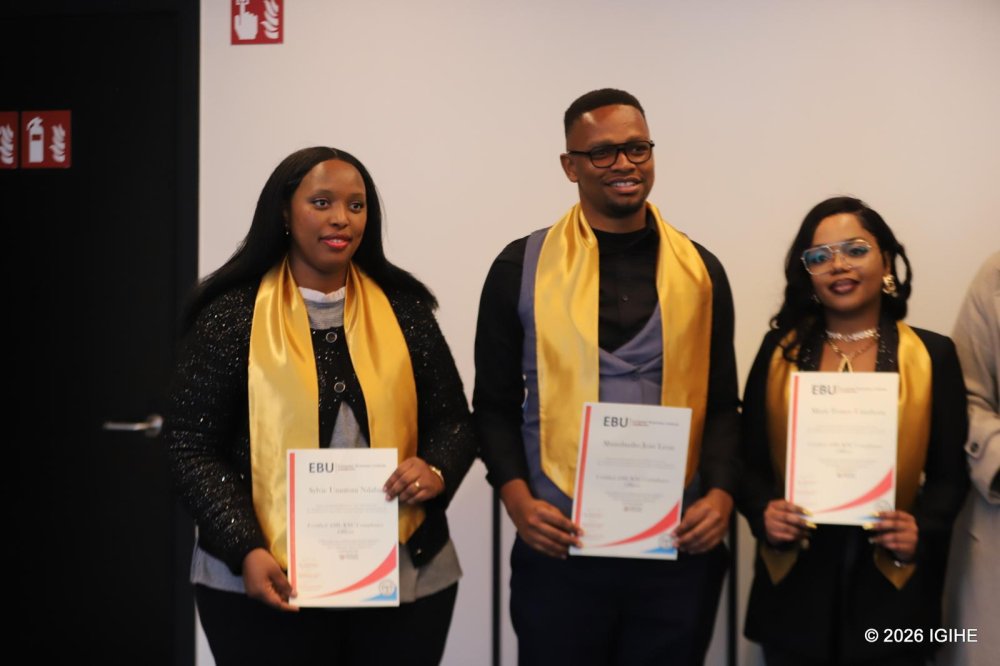
These certificates were issued to six individuals on Saturday following a similar ceremony held on February 28, 2026, when the institution awarded certificates to trainees in Kigali.
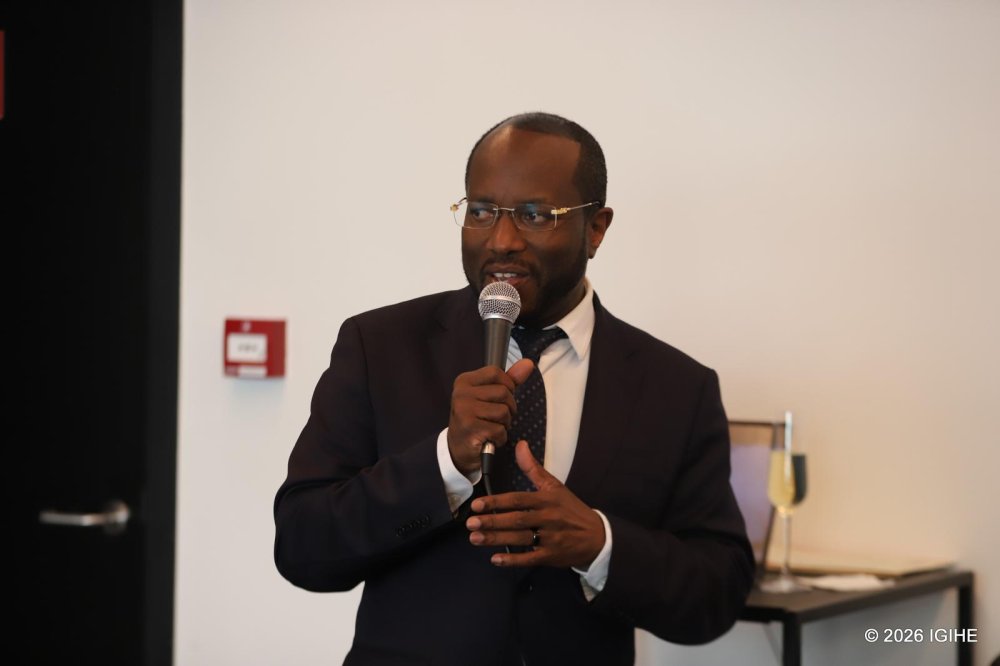
In an interview with IGIHE, the founder and CEO of CTC, Janvier Nzamutuma, stated that the institution established in 2019, aims to become an international reference in professional training in financial compliance, with a particular focus on the African continent.
CTC partners with the European Business University based in Luxembourg to offer the training.
Nzamutuma explained that the institution has expanded its operations to several countries, including Rwanda, where it offers specialized courses in finance, Anti-Money Laundering (AML), Know Your Customer (KYC) practices, and combating the financing of terrorism.
The graduation ceremony in Belgium took place on March 28, 2026, just a month after a similar event in Rwanda.
He emphasized that such ceremonies not only recognize graduates but also motivate them to pursue professionalism in their careers.
“The recent certificate award ceremonies held in Brussels at the Cardo Brussels Autograph Collection on March 28, 2026, as well as the graduation ceremony in Kigali on February 28, 2026, illustrate this dynamic of professional development,” he noted.
“These events recognized participants who successfully completed rigorous training programs, while reinforcing their commitment to achieving high professional standards,” Nzamutuma added.
CTC operates with two main objectives. In Europe, it focuses on training individuals seeking to enter the financial sector by equipping them with the skills, knowledge, and experience needed, particularly for African markets.
In Africa, the institution targets professionals already working in the financial sector, as well as those aspiring to join it, by providing advanced training.
He further highlighted that CTC’s current strategy is based on building partnerships with African financial institutions in order to offer training programs adapted to local realities.
These trainings are mainly delivered by experts based in Luxembourg, recognized as one of the world’s leading financial centers.
As Nzamutuma said, the objective is to facilitate the transfer of knowledge and expertise from Luxembourg to African countries, starting with Rwanda, a country experiencing strong growth in the financial sector.
“Beyond certification, the initiatives carried out in Brussels and Kigali aim to encourage participants to gain international professional experience and to use these skills to contribute to the development of Africa’s financial sector,” he stated.
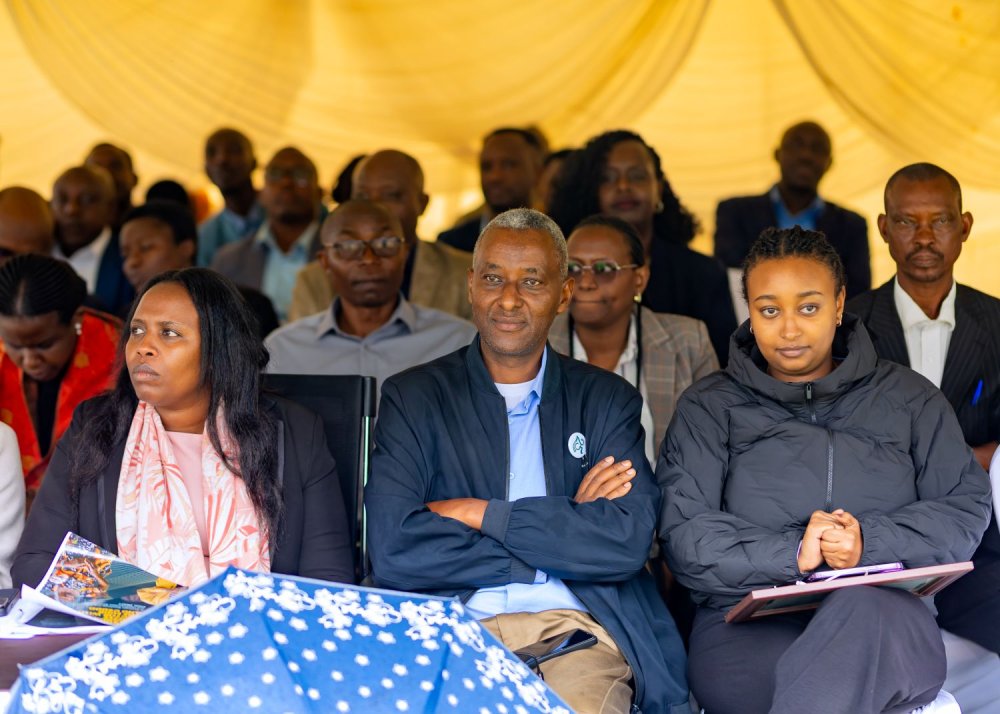
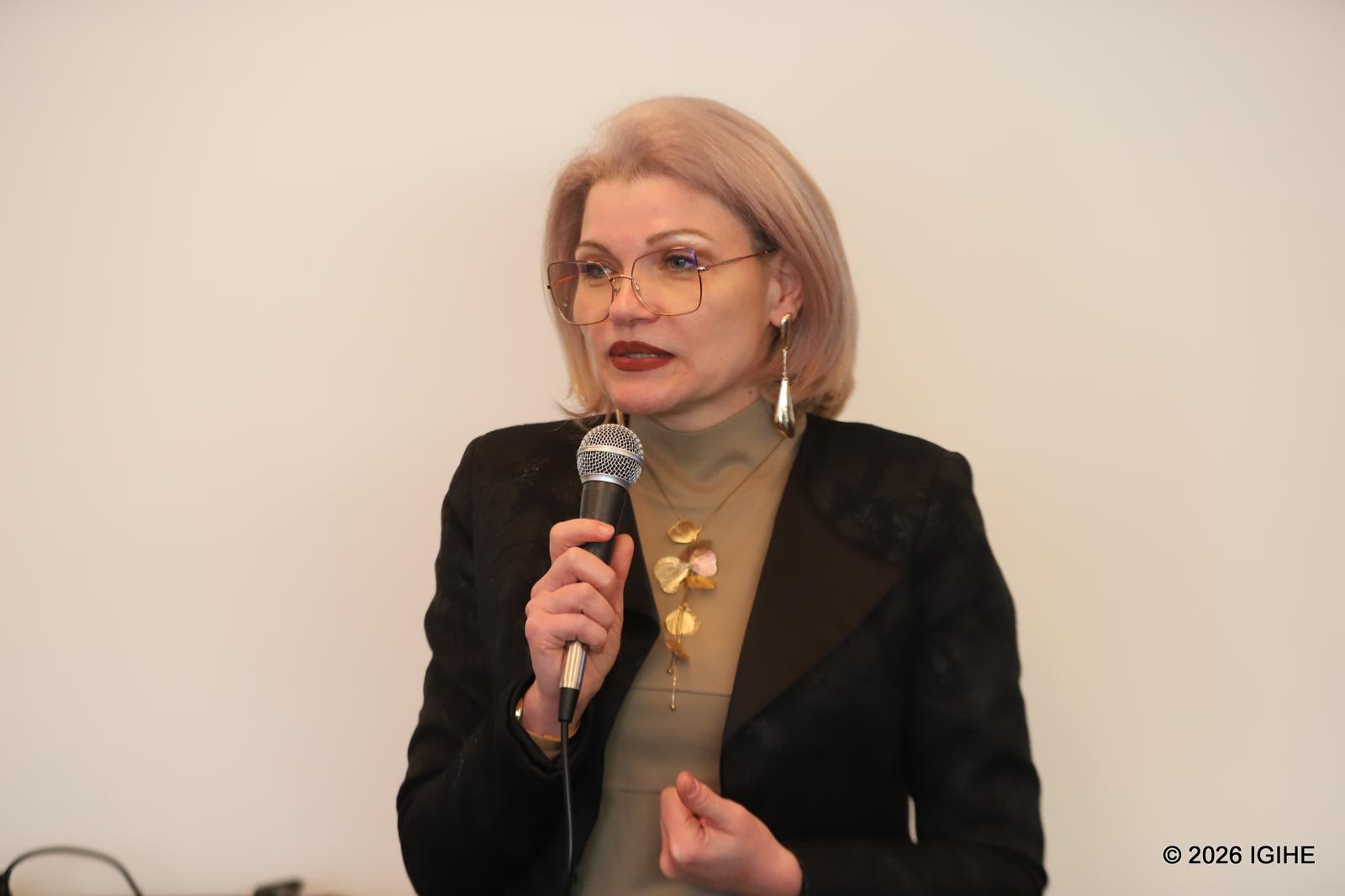
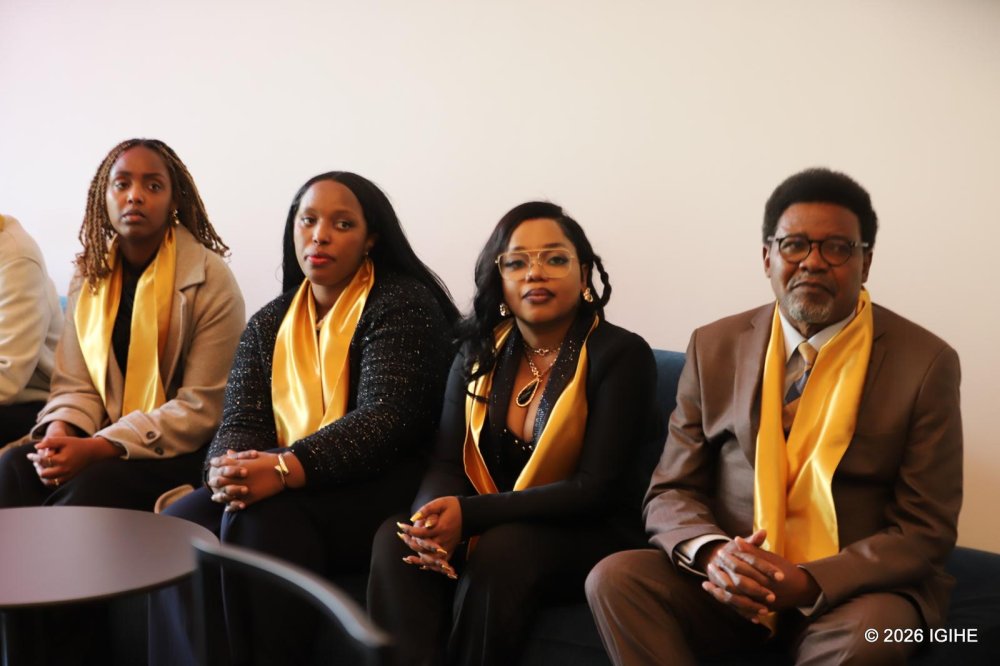
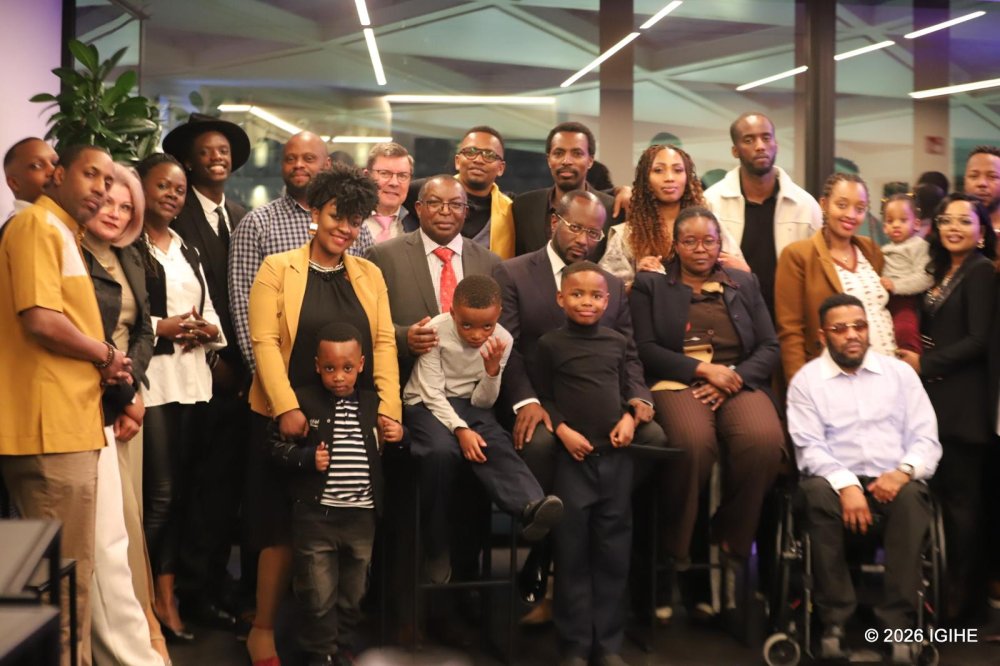
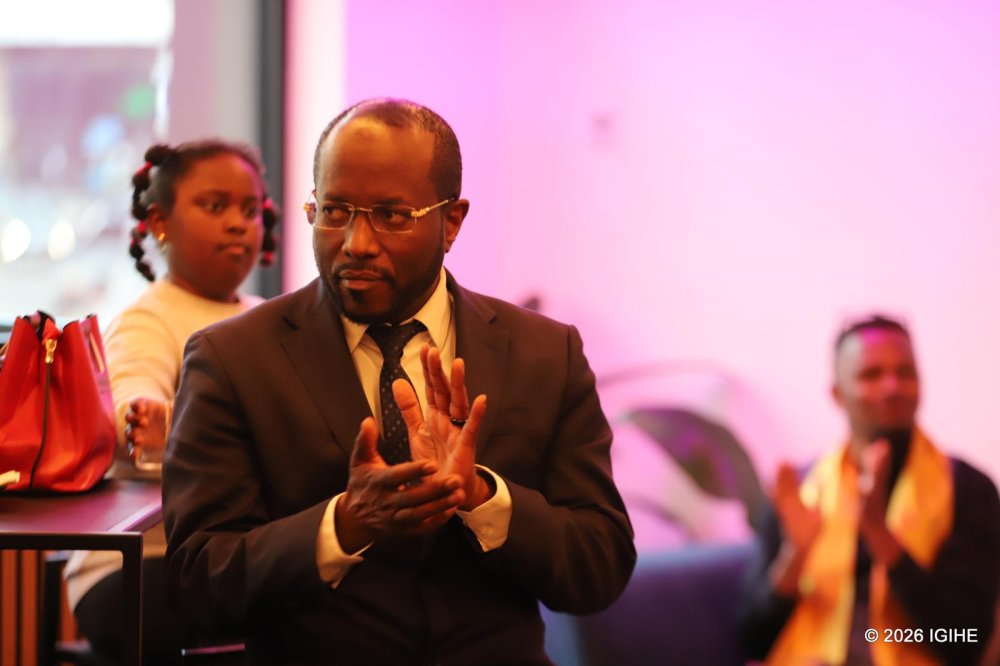
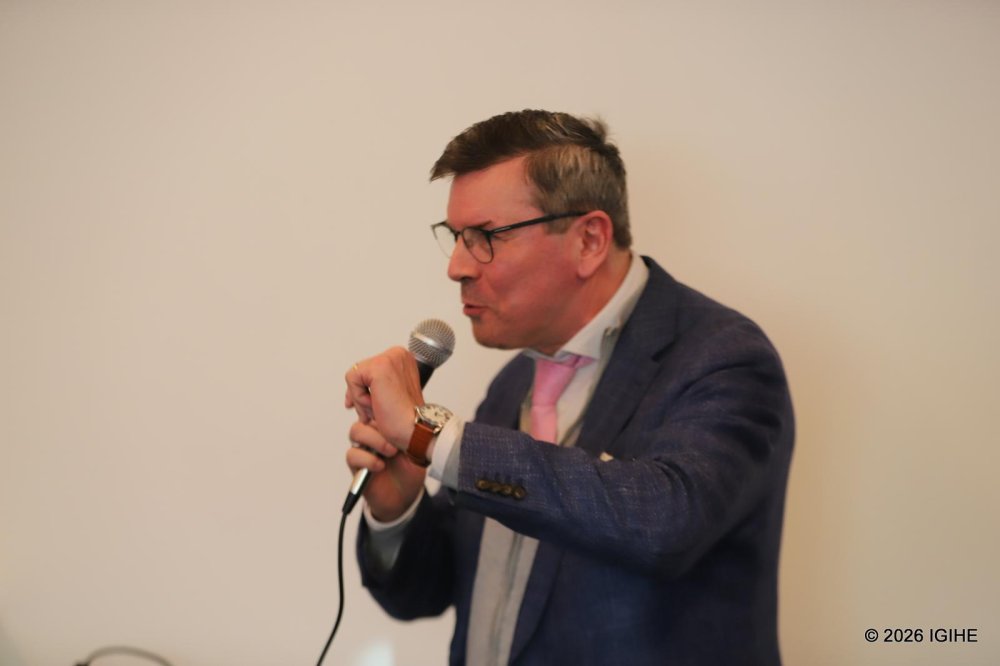
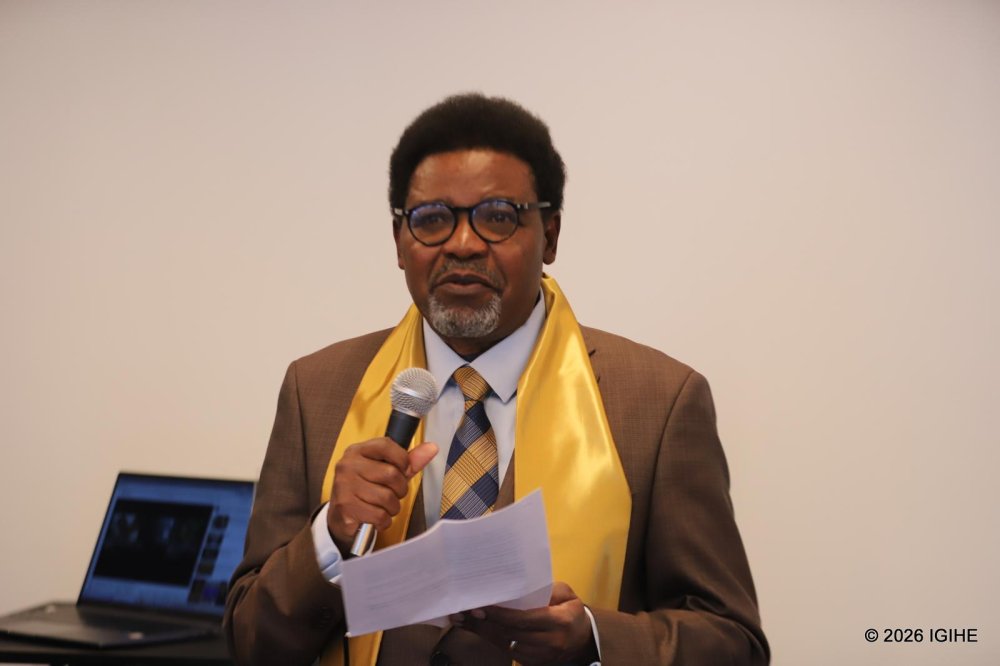
Participants of teh training in a group photo. The graduation ceremony took place on Saturday. CEO of CTC, Janvier Nzamutuma, stated that the institution established in 2019, aims to become an international reference in professional training in financial complianceOne of trainers delivering a speech at the event. The latest cohort followed a graduation ceremony that coincided with CTC launch in Kigali in February 2026.
In the research, scientists followed 81 African turquoise killifish, a species with a naturally short life span of four to eight months. Despite having similar genetics and identical living conditions, the fish aged very differently.
Some stayed active and slept mainly at night, while others became less active earlier and slept more during the day. These small differences in everyday behavior were strong predictors of how long each fish lived.
The research team, supported by the Wu Tsai Neurosciences Institute’s Knight Initiative for Brain Resilience, tracked each fish using a continuous camera system that recorded movement and rest patterns throughout their lives.
From this massive dataset, they analyzed thousands of moments to identify distinct behavioral patterns. These “behavioral syllables,” such as posture, swimming speed, and rest habits, helped the scientists see how individual aging paths diverged early even when the fish were in midlife.
One of the key findings was that fish with longer lifespans tended to stay more active during the day and sleep mostly at night, while shorter‑lived fish showed more daytime sleep and reduced activity. The researchers also used machine learning to show that just a few days of midlife behavior were enough to provide strong predictions of lifespan.
Lead researchers like Claire Bedbrook noted that “behavior is a wonderfully integrated readout, reflecting what’s happening across the brain and body,” suggesting that habits may offer a dynamic window into health and aging.
The study also found that aging doesn’t occur gradually in a smooth way. Instead, most fish experienced distinct stages of aging, moving quickly from one phase to another before settling into periods of stability. This pattern challenges traditional ideas about how aging progresses and highlights the importance of continuous behavioral tracking.
The researchers hope these findings will encourage further studies in humans, especially as wearable devices like smartwatches already collect data on activity and sleep. If similar patterns hold true in people, monitoring simple daily habits could one day help identify early signs of aging differences and inform strategies for healthier, longer lives.
How you move and sleep in midlife might quietly reveal how long you’ll live.
Magnetic vortices form inside very thin disks made from materials like nickel‑iron. In these disks, the magnetic moments tiny magnetic directions of atoms align in a circular pattern, like a miniature whirlpool.
When magnetic waves were applied, the vortex core began to move slightly in a repetitive way.
This motion caused the magnons (the collective waves of magnetic activity inside the material) to produce a frequency combining a series of regularly spaced signals instead of a single simple signal. This series of signals shows that multiple oscillation states can exist at once, something scientists had not seen in these magnetic systems before.
Project leader Dr. Helmut Schultheiß explained that the discovery offers “a powerful new way to link future computing technologies” because magnons can transmit information without needing to move electrical charge.
In conventional electronics, flow of electrical charge produces heat and energy loss. But magnons can carry information through magnetic waves, potentially allowing for low‑energy, highly efficient communication between devices.
What makes this finding especially significant is the very low energy required to produce these exotic states. Earlier research on related magnetic phenomena often needed intense laser pulses and large amounts of energy to see new oscillation patterns.
In contrast, the Dresden team showed that just weak magnetic excitations, on the order of microwatts (far less than what a typical smartphone uses in standby), are enough to trigger these complex magnon states.
This could help scientists design energy‑efficient magnetic systems for future technologies, including spintronics (electronics that use magnetic spin rather than charge) and even quantum devices.
The findings were published in the journal Science, and they challenge existing assumptions about how magnetic vortices behave, opening up new avenues for research into controlling magnetic information at the nanoscale.
New Discovery in Magnetic Vortices Could Lead to Low-Energy, High-Efficiency Communication Technologies.