Data from the Rwanda National Police Fire and Rescue Brigade shows that between 2020 and March 2025, the country recorded 1,118 fire incidents linked to various causes. The number of cases has generally increased over the years, rising from 136 in 2020 to 362 in 2024.
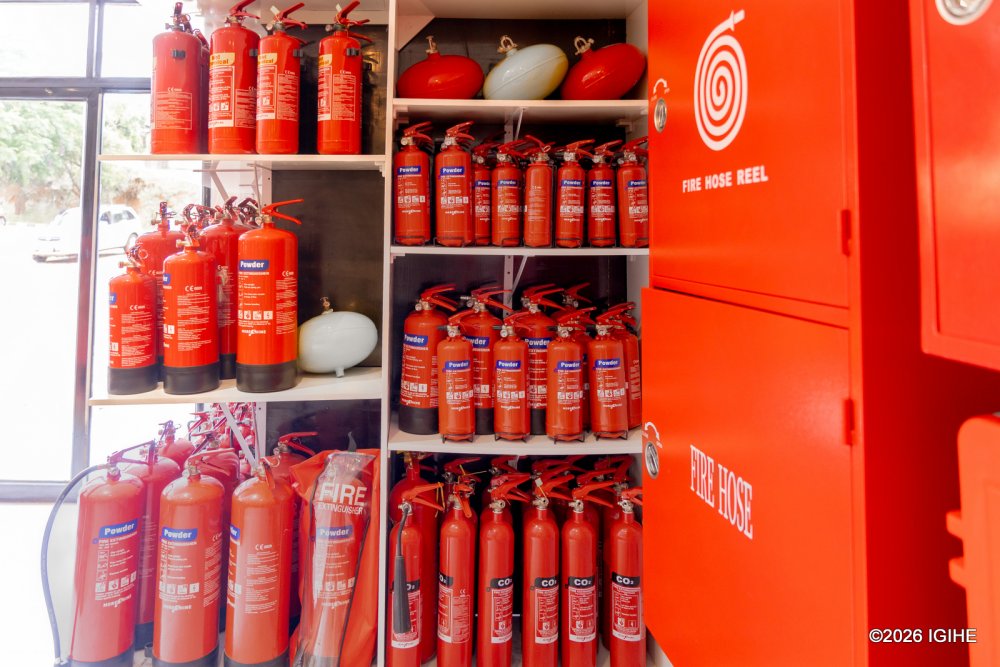
Fire response largely depends on specialized equipment such as fire extinguishers, most of which are currently sourced from abroad.
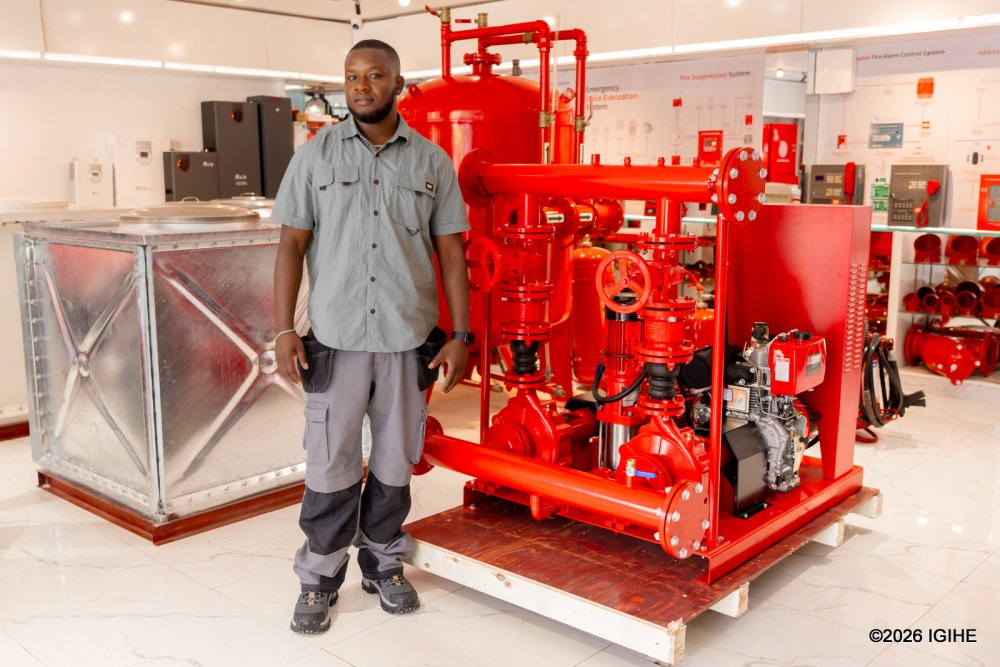
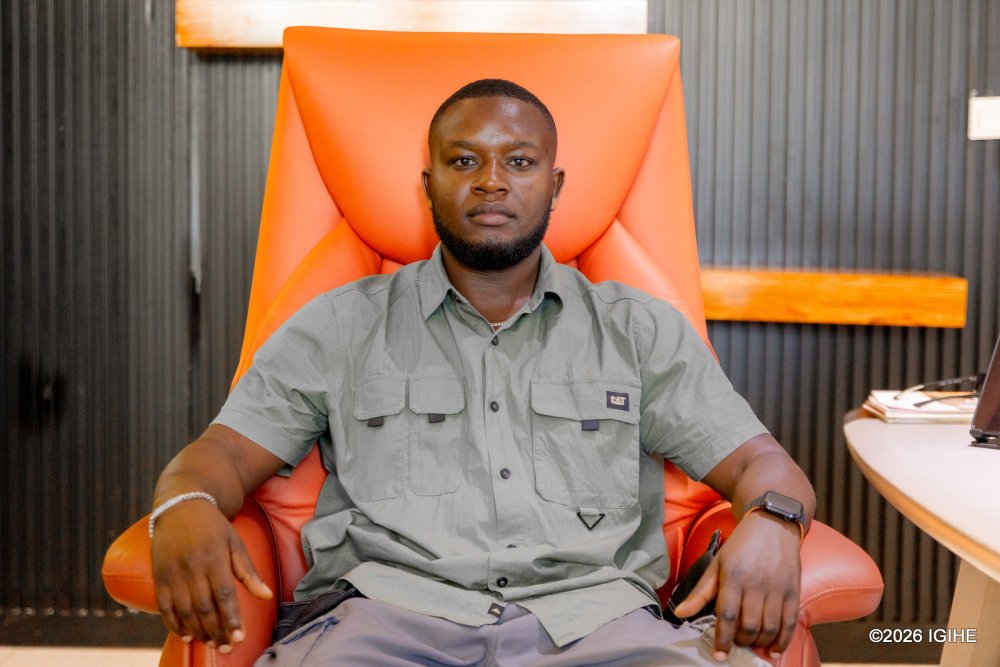
Habimana, who owns Cyusa Technology Africa, a company dealing in fire safety equipment, now plans to shift toward local production.
Construction of the factory is expected to begin in 2027, with operations projected to start by late 2028. The project, valued at Rwf 5 billion, is set to create around 400 jobs. It will be located in Jabana Industrial Zone in Gasabo District.
Speaking to IGIHE, Habimana said preparations are already underway, including land acquisition and design planning.
“We have secured two hectares in Jabana for the factory. We are also working with our partners in China, where we currently source some equipment, and we are finalizing the plant’s design,” he said.
He explained that the factory will initially focus on assembling fire extinguishers using imported components, with plans to build a strong local supply chain over time. With an already established client base, he believes the factory will provide a reliable local alternative to imported equipment.
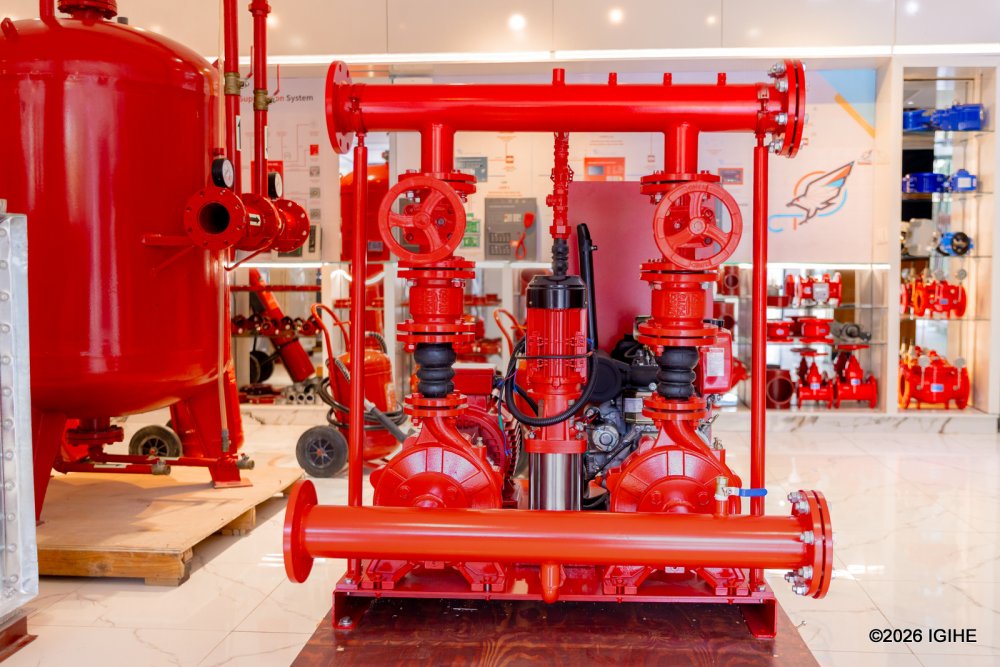
In addition to supplying fire safety equipment, Cyusa Technology Africa offers services such as designing fire prevention systems, installing equipment, and assessing safety needs for institutions.
The company has previously worked with several prominent establishments, including the National Bank of Rwanda, Rwanda Airports Company, Kigali Heights, Marriott Hotel, and Four Points by Sheraton.
Habimana’s planned factory aims to cut reliance on imported fire safety equipment.The new plant could improve access to fire-fighting equipment across Rwanda.Habimana eyes local market with Rwf 5bn fire equipment investment.Cyusa Technology Africa offers services such as designing fire prevention systems, installing equipment, and assessing safety needs for institutions.
“We’ve currently provided exceptions for some countries, but I don’t know what will happen in the future. However, our foreign ministry is currently trying to implement the exceptions envisioned for friendly countries, such as Russia,” the ambassador said.
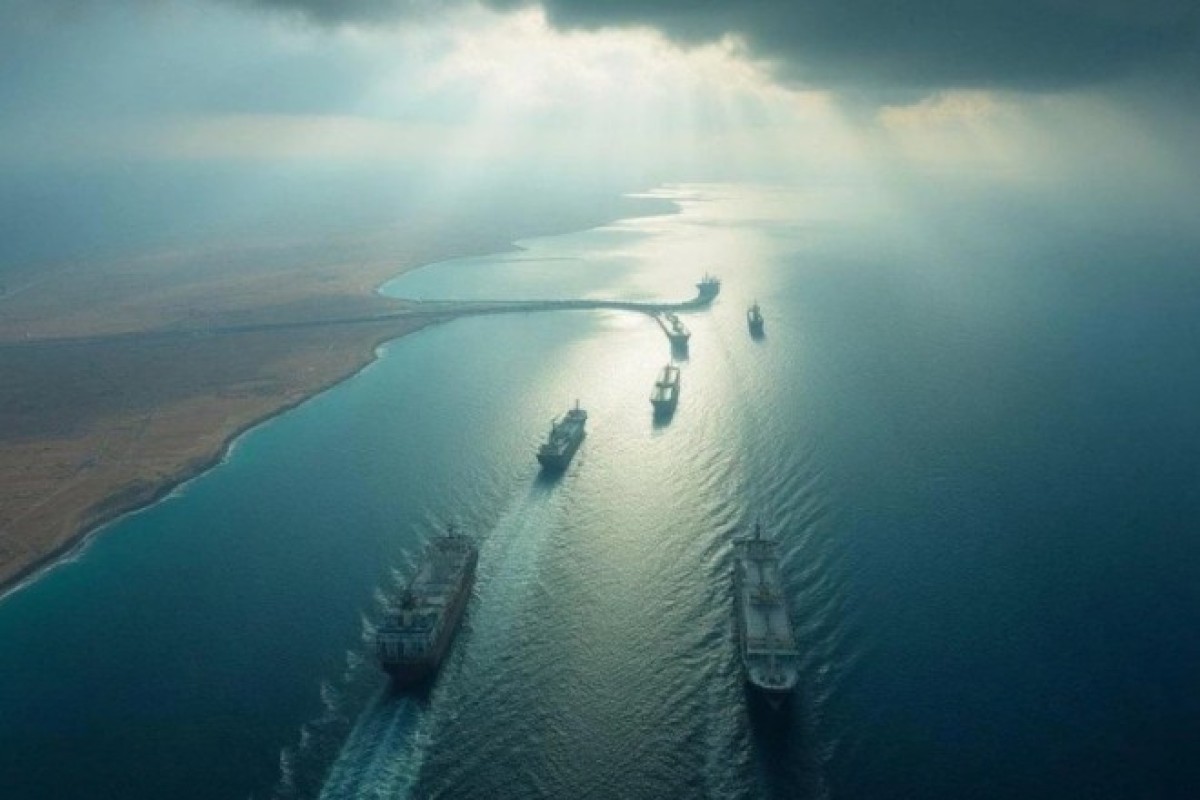
Iran has announced plans to charge fees on passage through the Strait of Hormuz following U.S.-Israeli attacks against the country, citing costs associated with ensuring the security of the key waterway. It said it has closed the strait and will reopen it once the U.S. naval blockade is fully lifted.
First Deputy Speaker of the Iranian parliament Hamid Reza Haji Babaei said Thursday that Iran has received fees for transit through the strait for the first time, with funds transferred to the country’s central bank.
The strait, a narrow checkpoint between the Persian Gulf and the Gulf of Oman, is the only maritime outlet to the open ocean, with about 20 million barrels of oil passing through it daily before the war — about a fifth of global consumption.
Iran has granted exemptions to some countries, including Russia, in transit fees for passage through the Strait of Hormuz,
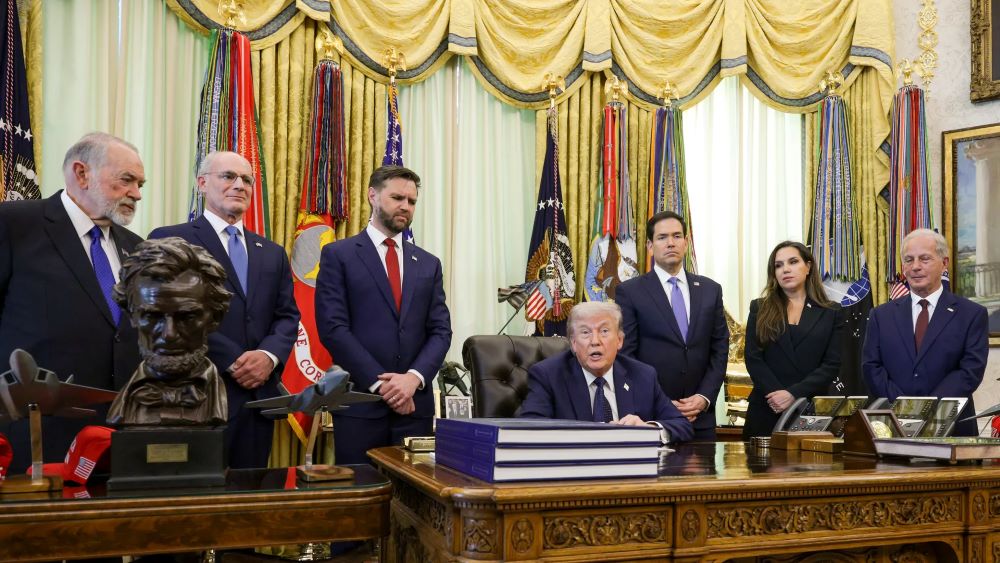
The United States is going to work with the government of Lebanon to help it protect itself from Hezbollah, Trump said in a post on his social media platform Truth Social.
Trump said he met with representatives of Israel and Lebanon in the Oval Office, along with U.S. Vice President JD Vance, Secretary of State Marco Rubio, and U.S. ambassadors to Israel and Lebanon.
“The Meeting went very well!” Trump claimed, providing no details.
“I look forward in the near future to hosting the Prime Minister of Israel, Bibi Netanyahu, and the President of Lebanon, Joseph Aoun,” Trump added.
Trump said last week he was expecting to meet Netanyahu and Aoun at the White House “over the next week or two” in hopes that the two sides could broker a peace deal, which will also address Hezbollah.
The 10-day ceasefire between Israel and Lebanon came into effect on April 16, following weeks of intensified cross-border fighting amid the U.S.-Israeli war against Iran.
Israel and Lebanon have no formal diplomatic relations, and Hezbollah has long been viewed by Israel as a “proxy” of Iran. The negotiating party with Israel is the Lebanese government, not Hezbollah.
The truce has remained fragile as tensions along Lebanon’s southern border have continued during the current ceasefire.
Trump said he met with representatives of Israel and Lebanon in the Oval Office, along with U.S. Vice President JD Vance, Secretary of State Marco Rubio, and U.S. ambassadors to Israel and Lebanon.
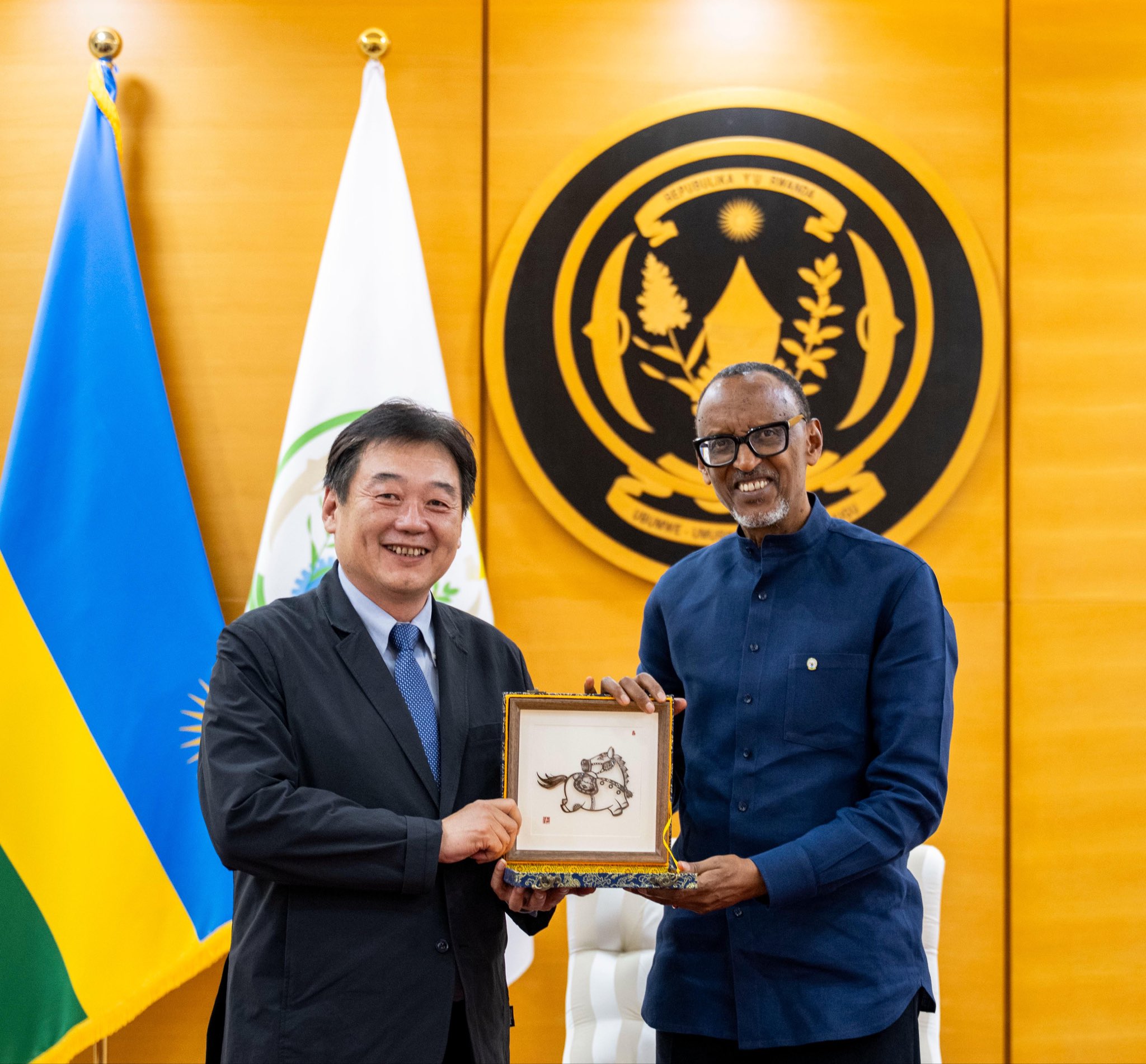
According to a communique from the office of the president, the proposed investment aligns with the “country’s industrialisation and e-mobility priorities.”
Chery Holding is one of China’s largest automotive manufacturing groups and a globally expanding mobility player. Founded in 1997 in Wuhu, Anhui Province, the company has grown into a Fortune Global 500 enterprise, producing more than 2.6 million vehicles annually and exporting to markets across Asia, Africa, Europe, and Latin America.
The group operates a multi-brand portfolio spanning conventional vehicles, hybrid models, and electric mobility solutions, including Chery New Energy, Exeed, Jetour, Omoda, and other emerging EV-focused brands. It has also developed joint ventures and technology partnerships in advanced driver assistance systems and electrification, reflecting its growing emphasis on smart and low-carbon mobility.
Chery has been among the earlier Chinese automakers to invest in electric vehicle development, launching EV programs as early as the late 2000s and gradually scaling up its new energy vehicle platforms and battery-electric technologies. In recent years, the company has accelerated its global EV strategy, including partnerships and investments aimed at expanding production capacity and strengthening its technological footprint.
The discussions in Kigali also come as Rwanda intensifies its push toward green mobility and industrial transformation. The government has recently directed public institutions to ensure that at least 30 percent of newly procured vehicles are electric, a policy aimed at reducing emissions and accelerating the transition away from fossil fuels.
The potential establishment of an electric vehicle assembly plant aligns with Rwanda’s broader ambition to position itself as a regional hub for e-mobility manufacturing, assembly, and innovation, while supporting job creation and technology transfer in the automotive sector.
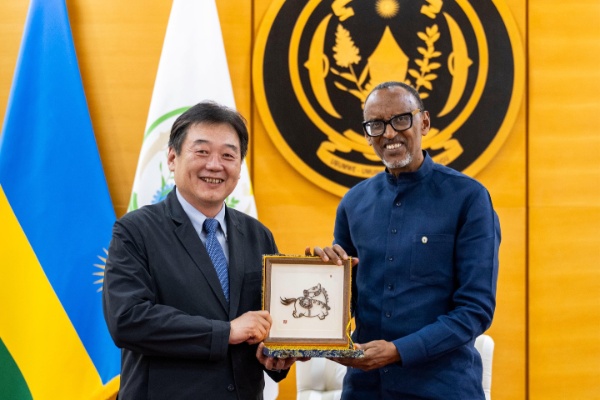
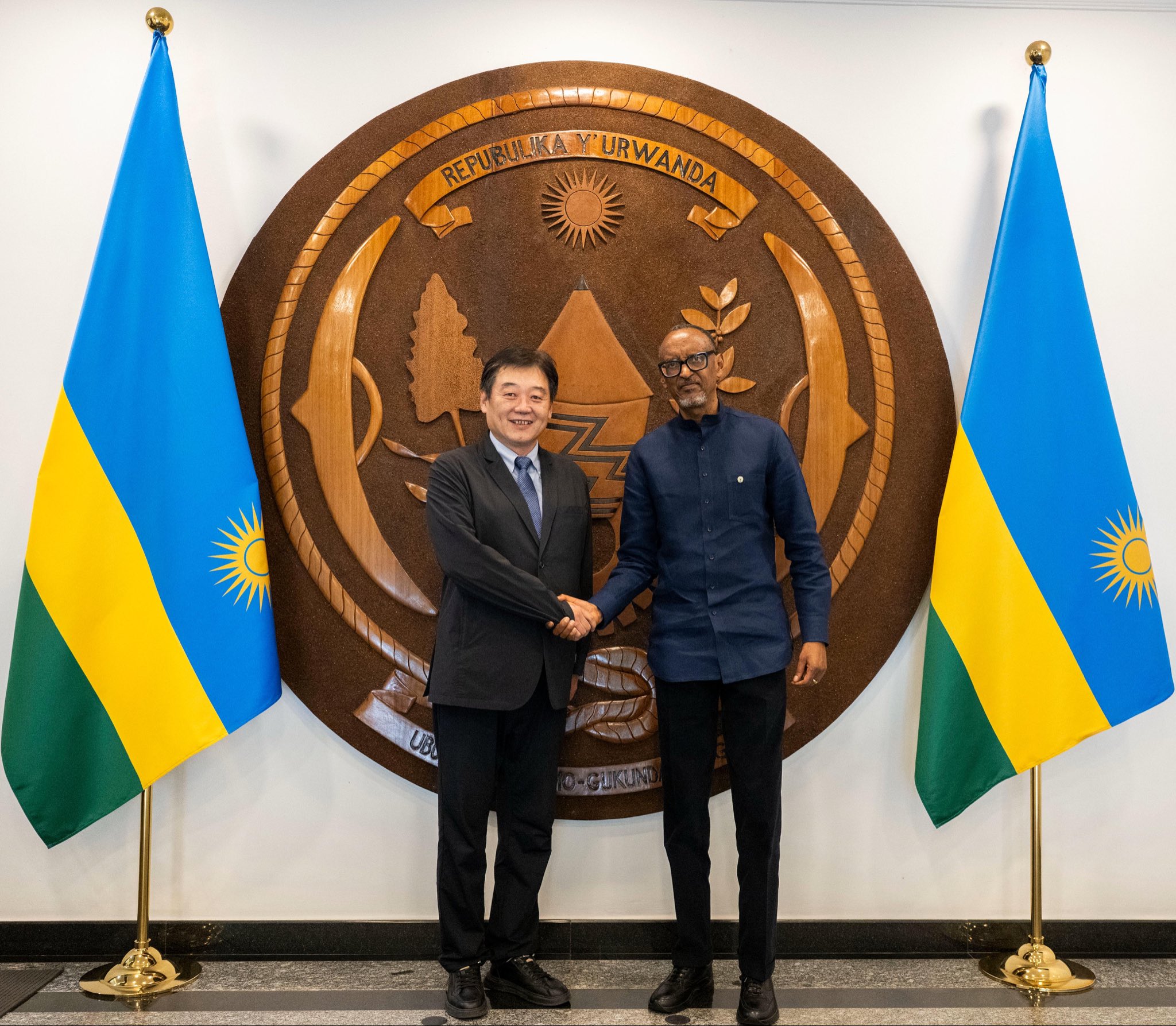
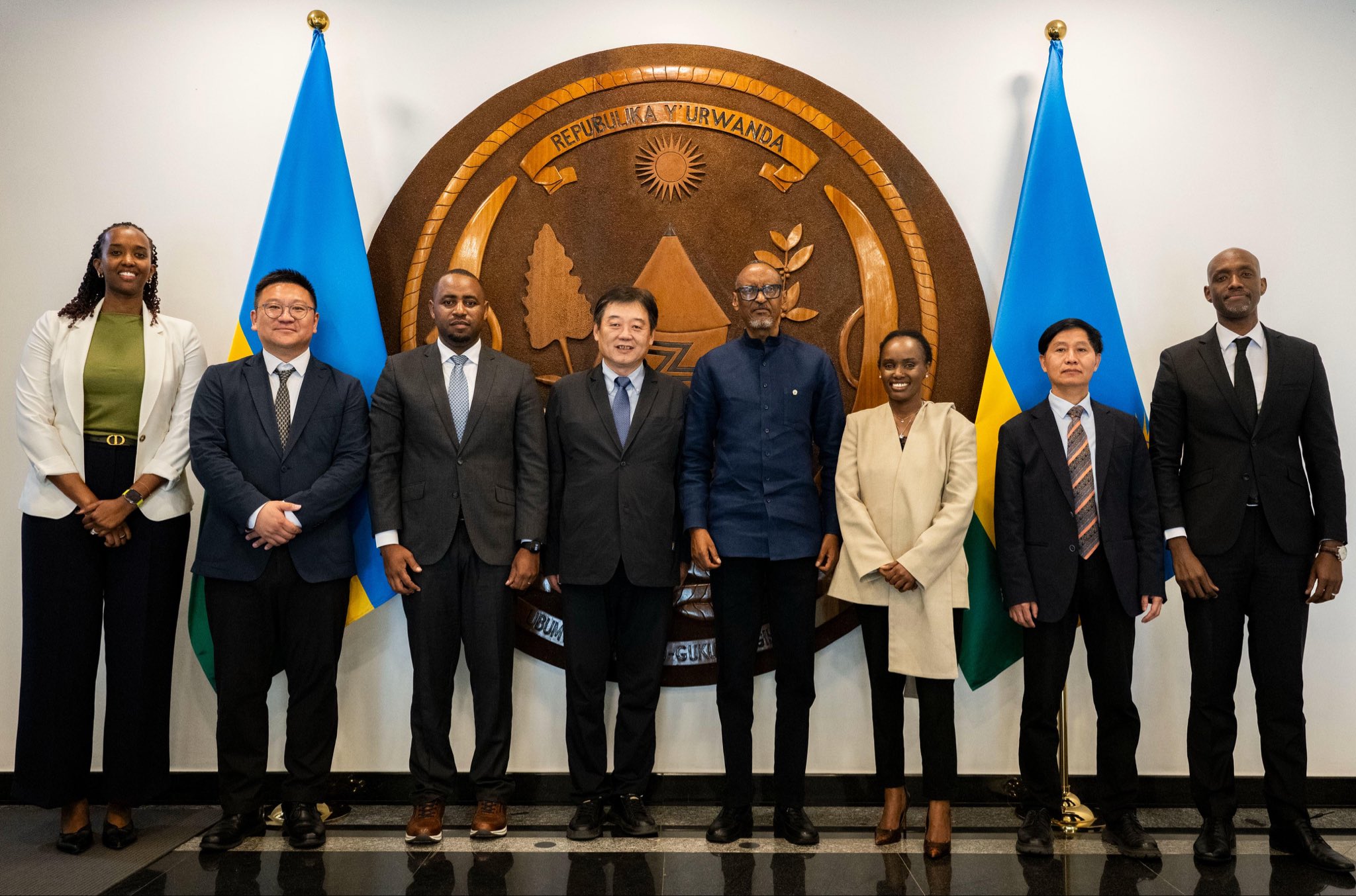
President Paul Kagame meets Xu Hui, Chairman of Rich Resource International Investments (RRII), Vice President and Board Secretary of Chery Holding.The office of the president said discussions focused on potential investment opportunities.
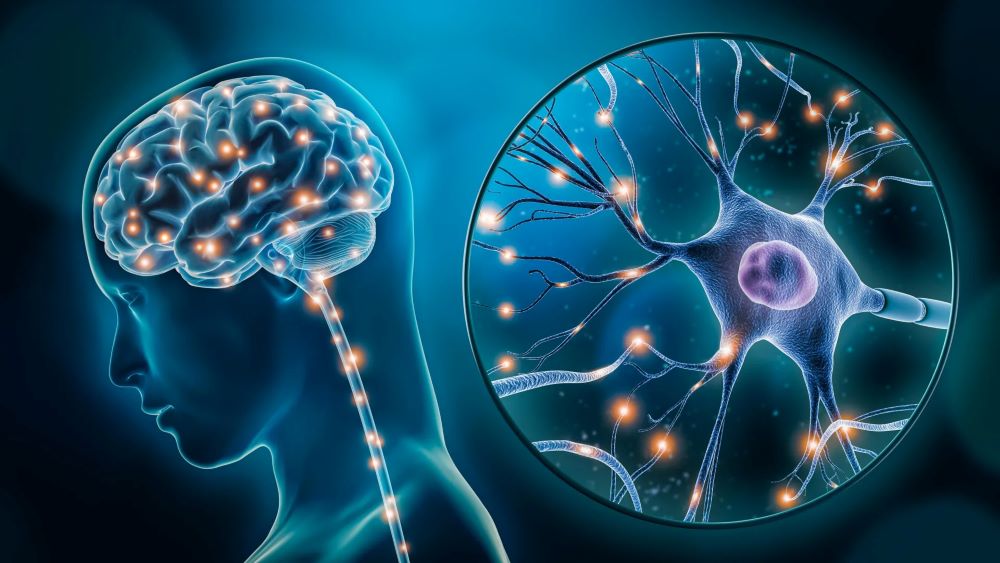
Researchers from McGill University and the Douglas Institute found that two types of brain cells behave differently in people with depression. The condition affects more than 264 million people worldwide and is a leading cause of disability.
“This is the first time we’ve been able to identify what specific brain cell types are affected in depression by mapping gene activity together with mechanisms that regulate the DNA code,” said Gustavo Turecki, a professor at McGill and senior author of the study. “It gives us a much clearer picture of where disruptions are happening, and which cells are involved.”
The researchers used rare post-mortem brain samples from the Douglas-Bell Canada Brain Bank, which includes donated tissue from people who had psychiatric conditions. They studied samples from 59 people with depression and 41 without, using advanced techniques to examine individual brain cells.
The study found changes in two key cell types: excitatory neurons, which help control mood and stress, and microglia, which act as immune cells in the brain. In both, gene activity was altered, suggesting they may not function normally in people with depression.
“This research reinforces what neuroscience has been telling us for years,” Turecki said. “Depression isn’t just emotional, it reflects real, measurable changes in the brain.”
By identifying the exact cells involved, the findings provide strong evidence that depression is a biological condition. Researchers now hope this discovery will lead to treatments that directly target these cells, improving care for millions of people worldwide.
A new study reveals that depression is linked to changes in specific brain cells tied to mood and immune function.
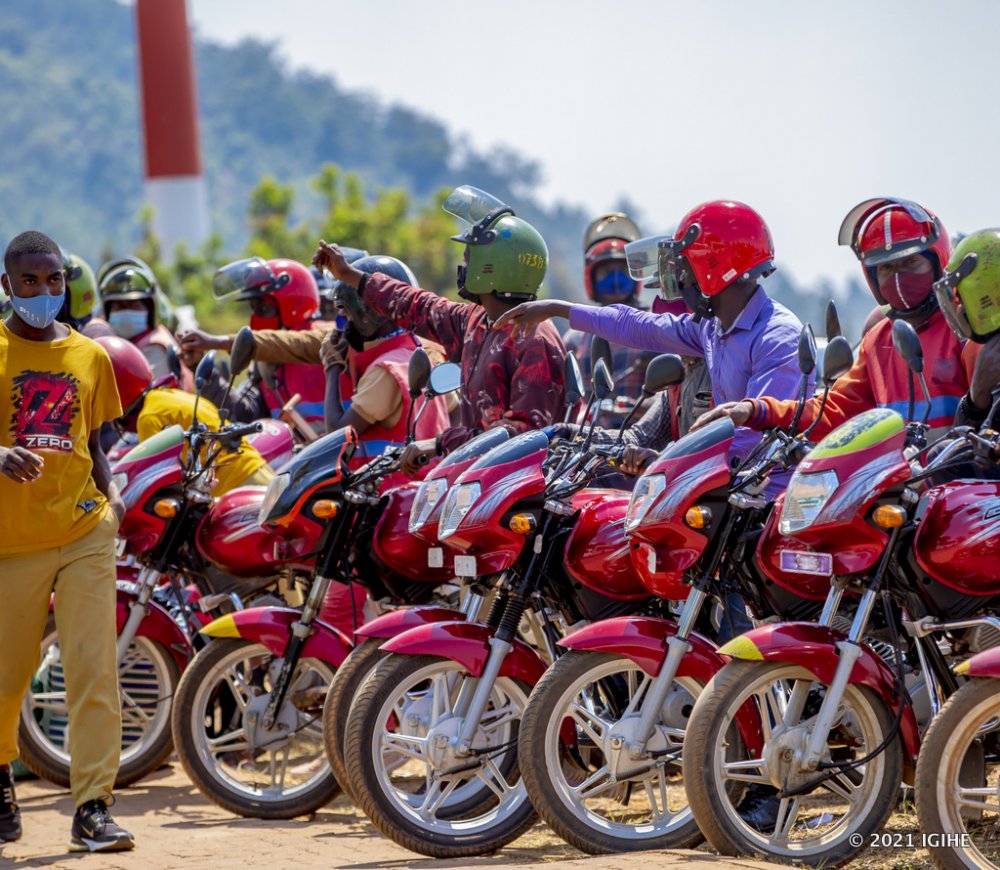
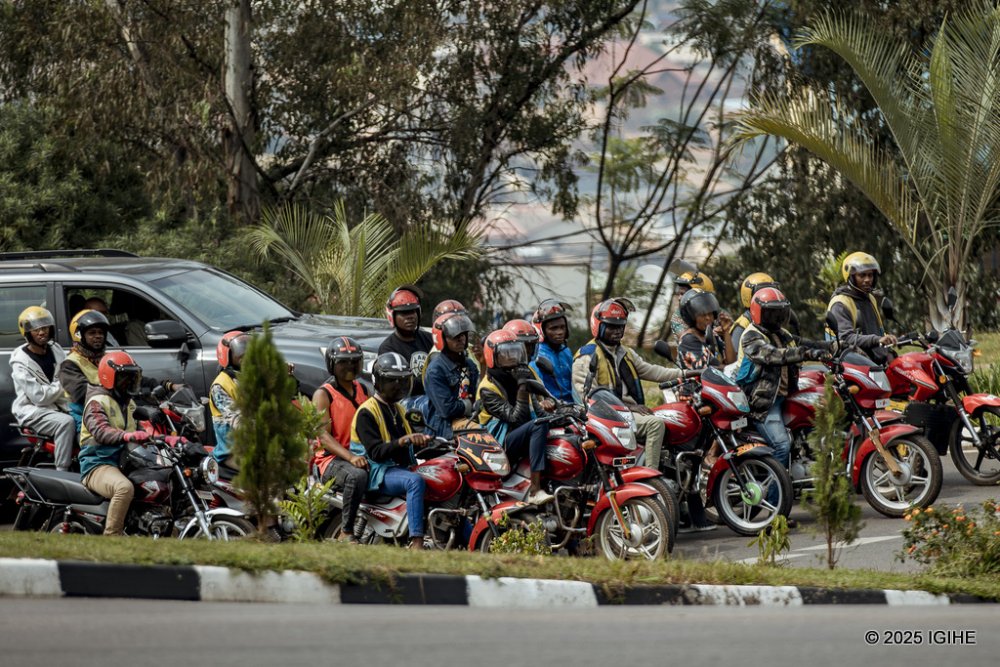
The move follows a January 2025 decision to stop issuing licenses for new petrol-powered commercial motorcycles, commonly known as moto taxis, in the City of Kigali.
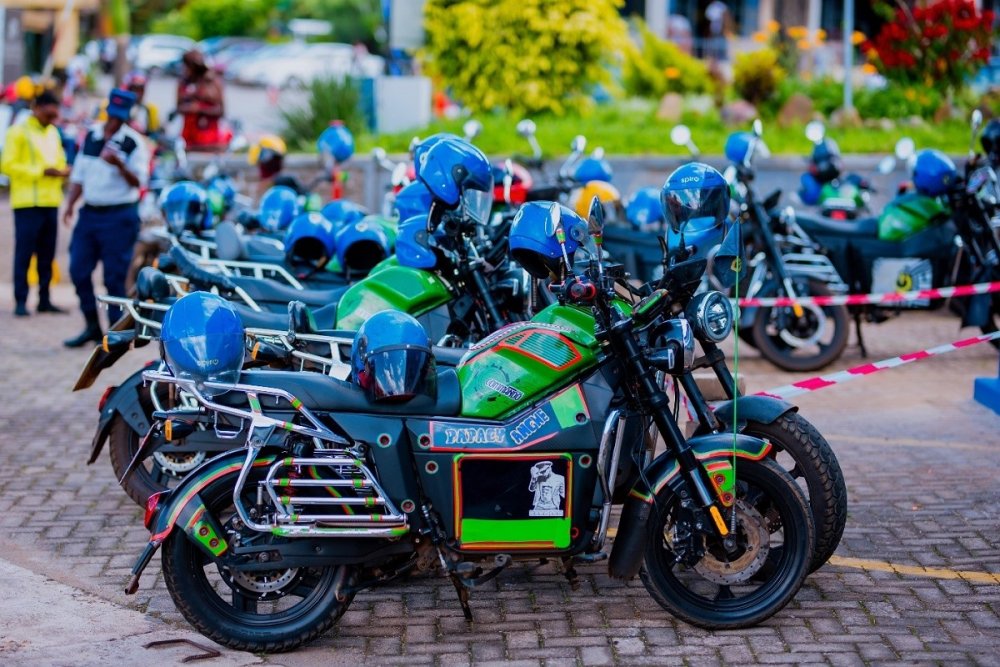
The directive applies to new entrants into the motorcycle taxi business, meaning that anyone seeking authorisation from the Rwanda Utilities Regulatory Authority (RURA) to operate as a moto taxi rider must use an electric motorcycle.
Speaking on the development, Amb. Uwihanganye said the policy is already delivering results and will soon be expanded beyond Kigali to cover the entire country.
“As you know, the government decided that passenger motorcycles must be electric, especially in the City of Kigali. In the coming days, we will scale up this measure to the national level. No motorcycle that is not electric will be allowed to enter the country, and this will apply to passenger motorcycles across Rwanda,” he said.
He noted that the market for electric motorcycles has matured significantly, making nationwide implementation possible.
“The market has already responded. There are importers bringing in motorcycles, and companies providing charging services. While everything may not yet be perfect, the sector has grown enough for us to expand the policy,” he added.
Statistics show that at least 14,031 motorcycles were sold in Rwanda in 2025, marking a 28 percent increase compared to the previous year.
A significant share of these were electric motorcycles, whose sales have surged by 686 percent since they were introduced in Rwanda, according to data from MotorcyclesData.
Under the policy, motorcycles already registered and operating on fuel will be allowed to continue their services. The restriction mainly targets new registrations of petrol- and diesel-powered motorcycles used for passenger transport.
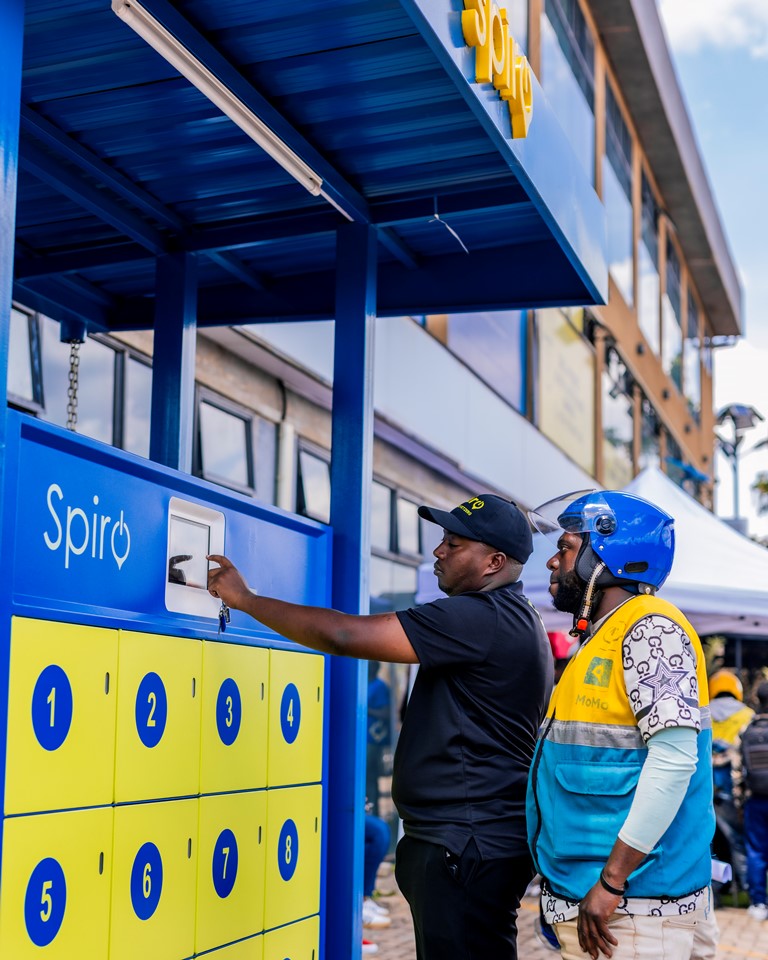
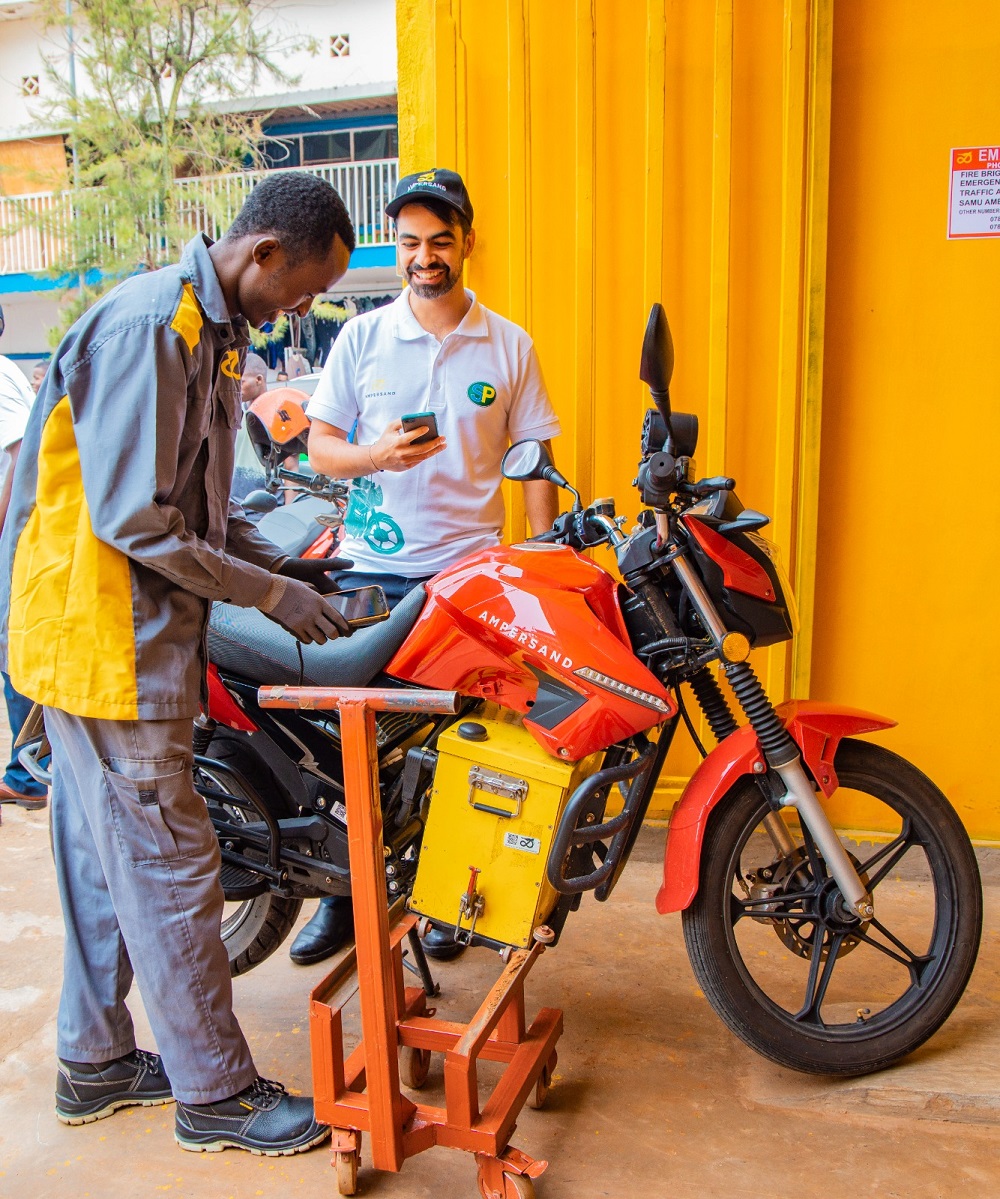
Petrol-powered motorcycles are set to be phased out of Rwanda’s market.Spiro, an e-mobility company, is a dominant player in the Rwandan market.Ampersand is also gaining traction in the Rwandan market.
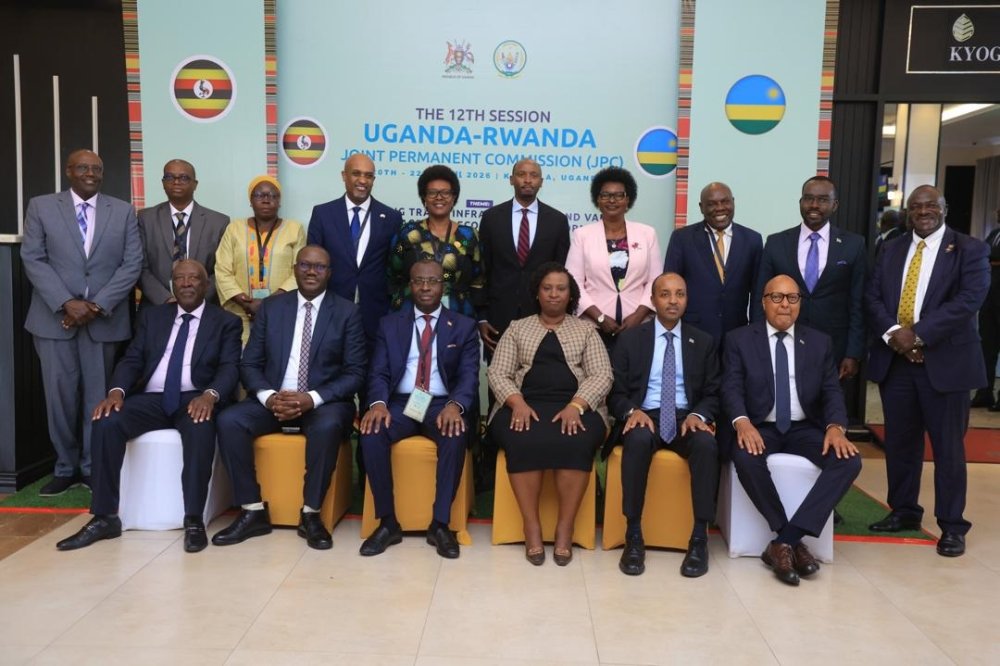
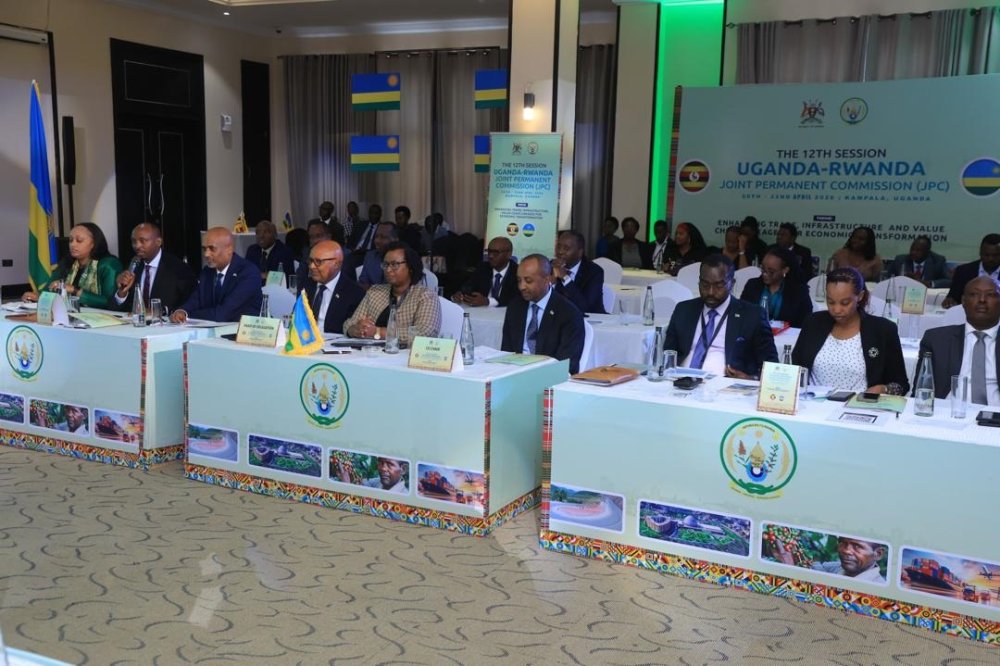
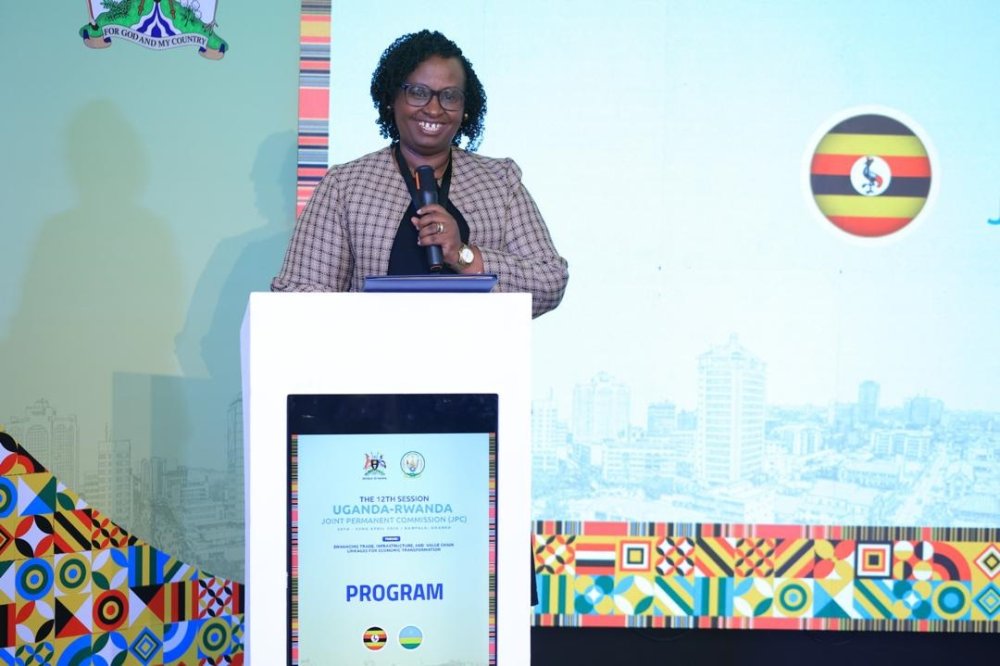
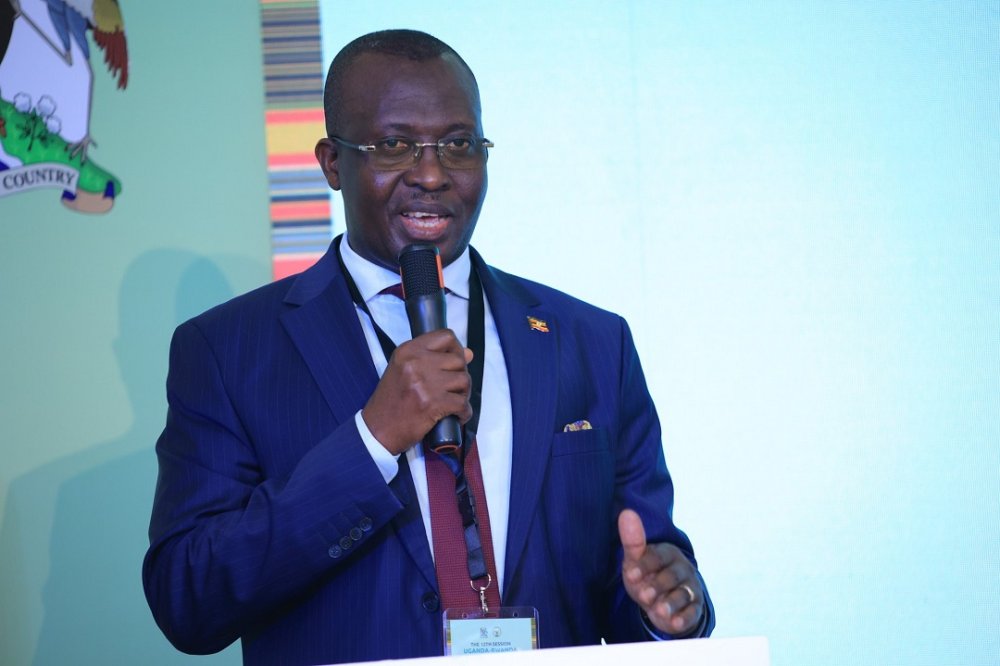
The agreements were concluded on April 22, 2026, at the 12th session of the Joint Permanent Commission (JPC) held in Kampala, where officials from both countries reiterated their commitment to closer cooperation and regional integration.
Uganda’s Minister of State for Foreign Affairs, John Mulimba, described the meeting as a clear sign of shared ambition between the two neighbours.
“This session is a testament to our mutual resolve to strengthen ties and work together for the prosperity of our two peoples. Uganda and Rwanda are not just neighbours; we are partners bound by history, culture, and kinship,” he said.
Mulimba noted that collaboration would continue across key areas such as trade, cross-border movement, infrastructure, and security, stressing the need for tangible benefits for citizens.
“As the host, Uganda reaffirms its commitment to a peaceful and open neighbourhood, regional integration, and pan-Africanism. A stable and prosperous Rwanda is in Uganda’s interest, just as a stable and prosperous Uganda is in Rwanda’s interest,” he added.
Rwanda’s Minister of State in charge of Regional Cooperation, Usta Kaitesi, emphasised the deep-rooted ties between the two nations.
“Our relations are rooted in a shared history, strong people-to-people ties, and a common aspiration for peace, stability, and prosperity,” she said.
Kaitesi highlighted the JPC as a vital platform for tracking progress, resolving challenges, and identifying new opportunities for collaboration.
The newly signed agreements are expected to strengthen service delivery, enhance cross-border cooperation, and reinforce ties between Kigali and Kampala, signalling renewed momentum in relations between the two countries.
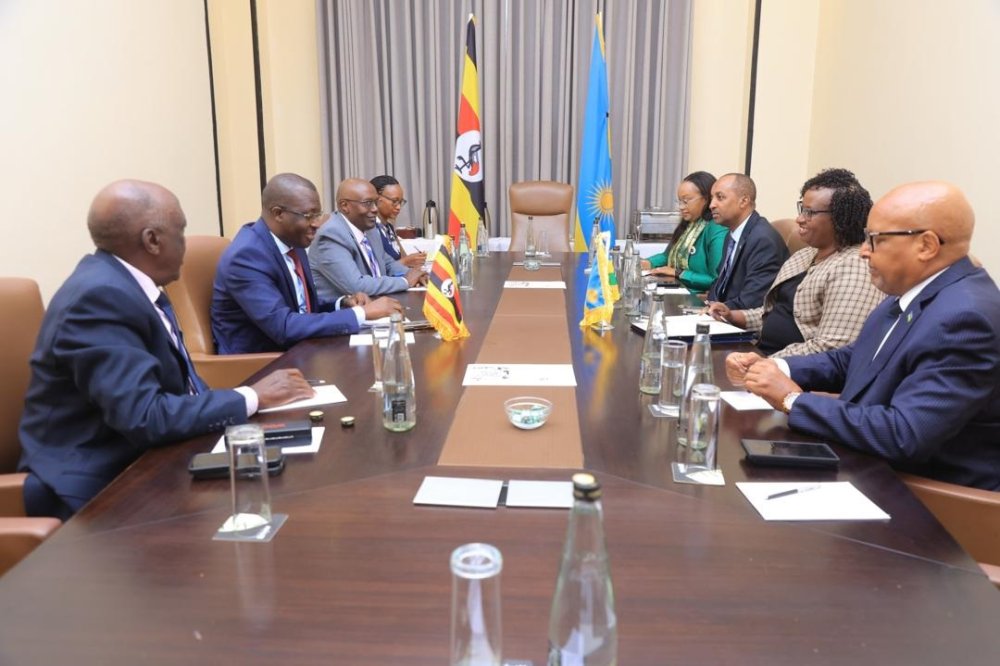
Rwanda and Uganda reaffirmed commitment to regional integration and stronger bilateral ties at the JPC meeting.Delegations from Kigali and Kampala meet to review progress and expand cooperation across key sectors.Rwanda’s Minister of State for Regional Cooperation, Usta Kaitesi, highlighted strong historical ties between Rwanda and Uganda.Uganda’s Minister of State for Foreign Affairs, John Mulimba, speaks during the closing session of the Joint Permanent Commission in Kampala.Officials from Rwanda and Uganda pose after concluding the 12th Joint Permanent Commission in Kampala on April 22, 2026.
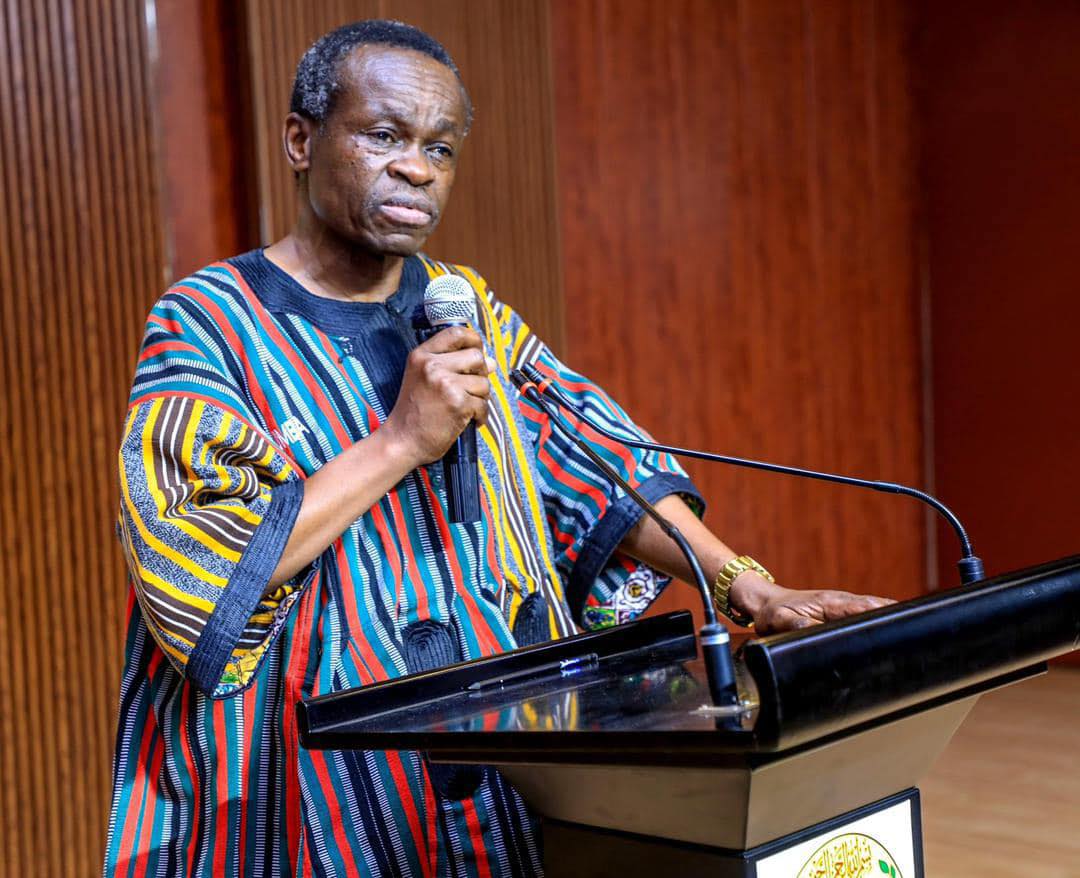
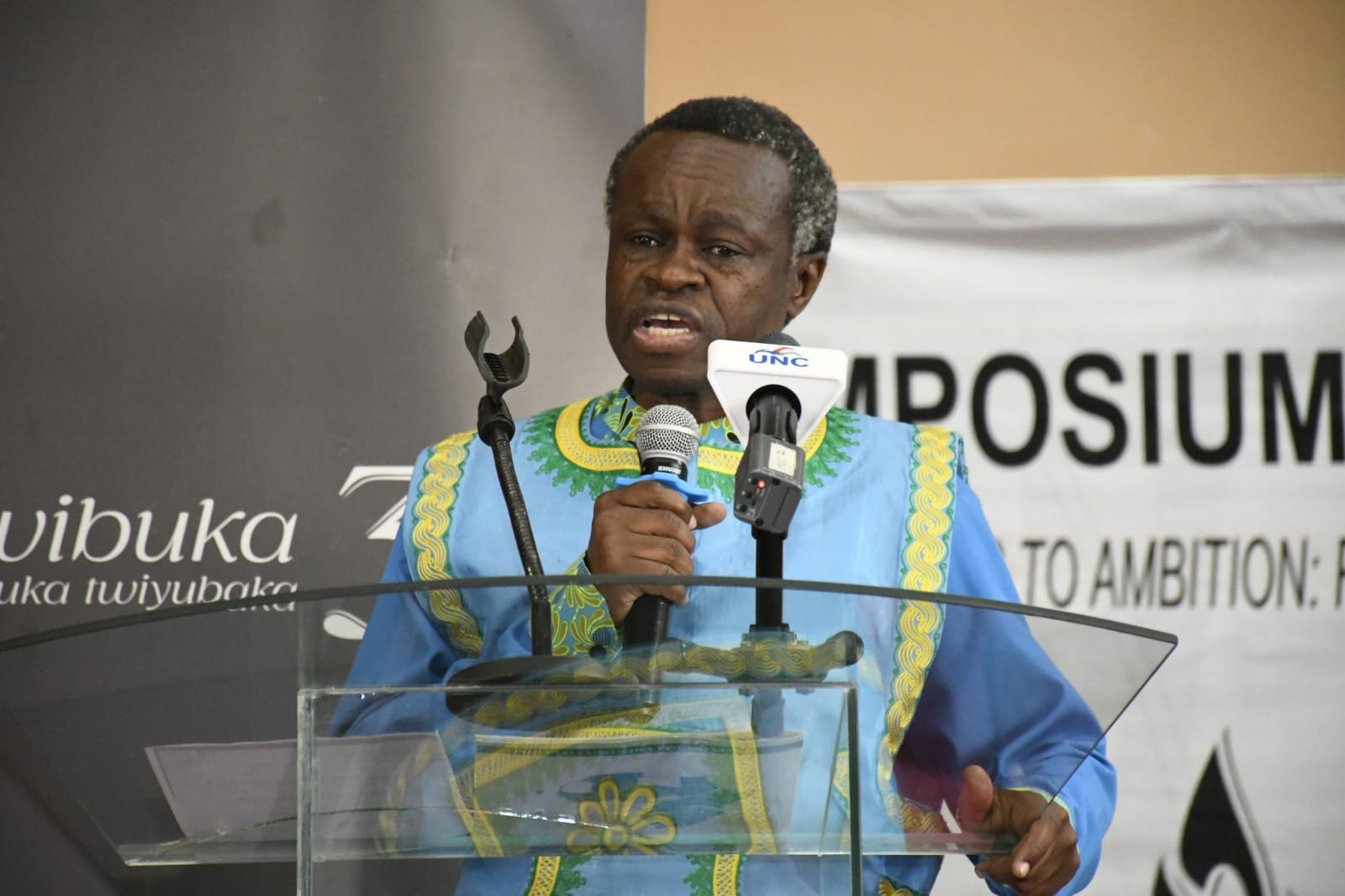
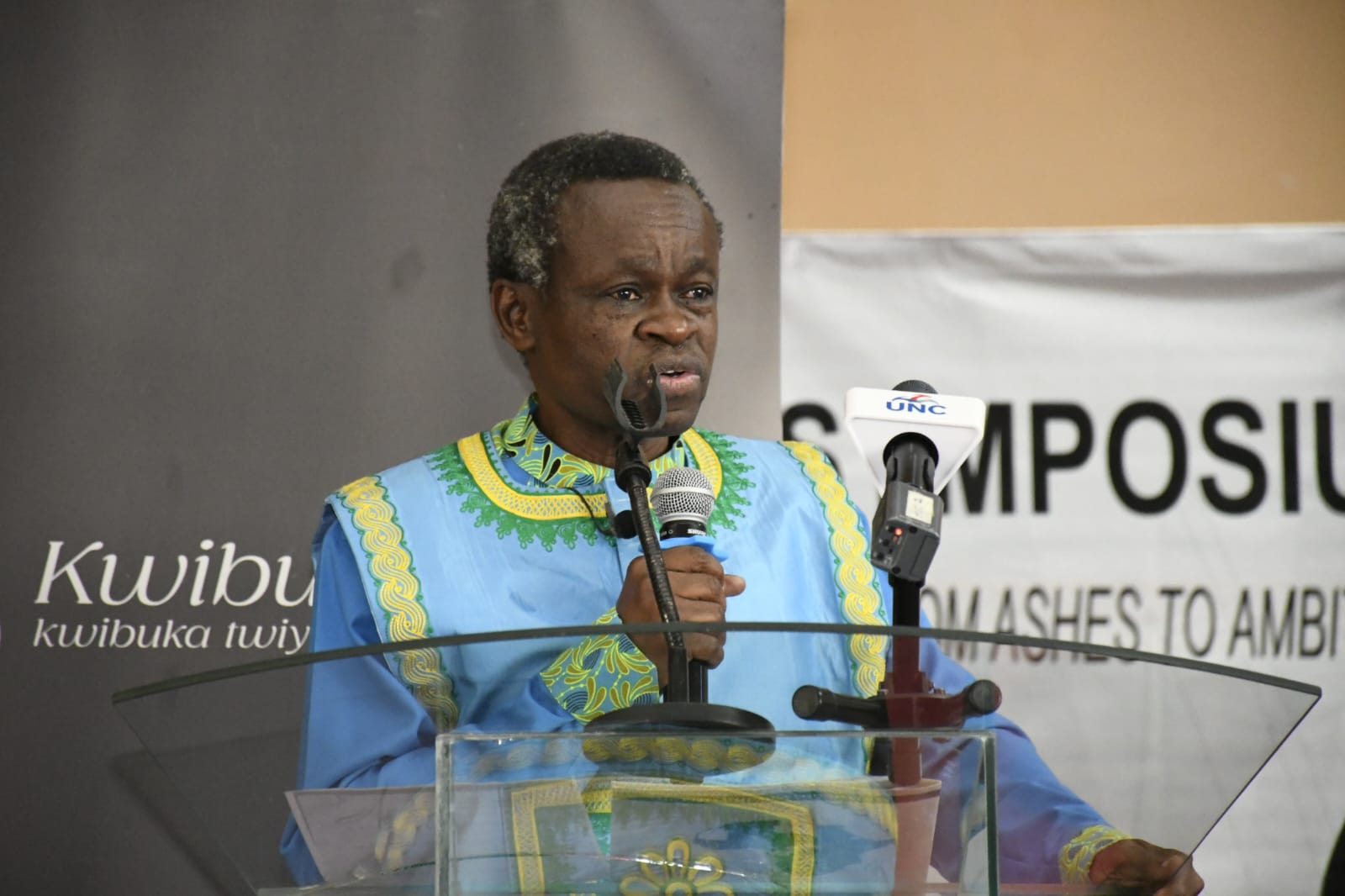
Speaking at a Symposium on Genocide Prevention organised by the Embassy of Rwanda in Kenya as part of the 32nd commemoration of the Genocide against the Tutsi, Lumumba urged the international community to move beyond rhetoric and ensure practical measures are taken to prevent future atrocities.
“We are not gathered here because it is an annual jamboree at which we congregate and make speeches to ourselves,” he said, stressing that the commemoration must serve as a serious reminder of humanity’s failures and responsibilities.
Warning against historical amnesia
Lumumba cautioned against revisionism and denialism, arguing that forgetting history increases the risk of repeating it.
“We are gathered here because history has taught us that if we are not careful, the only thing we learn from history is that we learn nothing from history,” he said.
He pointed to past global failures, including the inability of the international community to prevent the 1994 Genocide against the Tutsi, where a million people were killed over a 100-day period.
The scholar criticised the role of international institutions during the genocide, saying the world “watched in eloquent silence” as violence unfolded.
“The United Nations, East Africa, Africa, and the big powers with nuclear weapons watched,” he said, adding that places of worship were turned into sites of mass killings while the world remained paralysed.
He also referenced broader historical injustices, including slavery, colonial partitioning of Africa, and genocides in other parts of the world, arguing that global systems have repeatedly failed to prevent mass atrocities.
*Call for stronger international responsibility*
Lumumba urged international and regional bodies to take a more proactive role in preventing genocide, rather than issuing declarations without implementation.
“It is not the function of the international community to issue diktats without understanding circumstances on the ground,” he said, calling instead for meaningful engagement with local realities amid concerns over rising ethnic slurs targeting Banyamulenge and Tutsi communities in eastern DRC.
He stressed that prevention requires moral responsibility rooted in shared human values found across all major religions and philosophies.
Lessons from Rwanda’s recovery
While reflecting on the 1994 Genocide against the Tutsi, Lumumba also highlighted Rwanda’s recovery as a powerful example of resilience and reconstruction.
He praised the country’s leadership, led by President Paul Kagame and citizens for rebuilding a nation once devastated, noting that Rwanda has become a model of governance, order, and development.
“Rwanda, like the phoenix, rose from the ashes,” he said, describing Kigali as a benchmark for urban planning, infrastructure, and institutional efficiency.
He further commended Rwanda’s use of the Gacaca courts, which he described as an African-rooted system that contributed to reconciliation and justice by handling millions of cases at the community level.
Technology and new risks
Lumumba also warned that modern technology could accelerate the spread of hate and violence if misused.
“We are today in the era of artificial intelligence… if those who wanted to commit genocide decided to do so, they would do it in the twinkling of an eye,” he cautioned, highlighting the risks posed by social media and digital platforms in spreading misinformation and hate speech.
Concluding his remarks, Lumumba insisted that remembrance must be tied to responsibility.
“Never again must not be a slogan; it must be action,” he said, urging governments, institutions, and citizens to actively work to prevent the conditions that lead to genocide.
He ended with a call for unity and vigilance, emphasising that the lessons of history must be translated into sustained global action to ensure such atrocities are never repeated.
PLO Lumumba cautioned against revisionism and denialism, arguing that forgetting history increases the risk of repeating it.
Speaking at a Symposium on Genocide Prevention organised by the Embassy of Rwanda in Kenya as part of the 32nd commemoration of the Genocide against the Tutsi on Wednesday, Lumumba paid tribute to Rwanda’s recovery journey, saying the country has risen “like the phoenix from the ashes” to become a reference point for effective governance and development.
“We are gathered here 32 years since the genocide against the Tutsi in Rwanda,” Lumumba said, noting that the commemoration is not ceremonial but a reminder of humanity’s duty to prevent recurrence of such atrocities.
He warned against historical revisionism and denialism, stressing that the world must remain vigilant.
“If we choose to consign these things to the museums of history, then it will be repeated again,” he said.
Global failures and lessons from history
Lumumba traced the roots of genocide and mass atrocities to historical injustices, including slavery, colonial partitioning of Africa at the Berlin Conference of 1884–1885, and global failures to act decisively in the face of warning signs.
He criticised the international community for its inaction during the 1994 Genocide against the Tutsi, saying world powers, the United Nations, and regional actors “watched in silence for 100 days” as atrocities unfolded in Rwanda.
More than a million people were killed during the 1994 Genocide against the Tutsi, while survivors continue to live with the scars of one of the worst tragedies of modern history.
Critique of international justice systems
The scholar also questioned the effectiveness of international legal systems in delivering justice and preventing atrocities, arguing that global institutions have often failed to act in time.
He contrasted international mechanisms with Rwanda’s community-based Gacaca courts, which he praised as an example of African-led justice and reconciliation.
“The Gacaca system is African, Afrocentric, and authentic,” Lumumba said, noting that while international tribunals handled fewer than 100 cases, Gacaca courts processed nearly 1.9 million, helping communities begin the process of healing.
Rwanda’s reconstruction as a model
Lumumba lauded Rwanda’s post-genocide reconstruction, crediting national leadership led by President Paul Kagame and citizen resilience for the country’s transformation.
“Rwanda, like the phoenix, rose from the ashes,” he said, highlighting improvements in infrastructure, governance, public service delivery, and technology adoption.
He described Kigali as a “model city” for urban planning, infrastructure development, and anti-corruption enforcement, saying it has become a benchmark for African development.
“If you want to see how roads ought to be built, you go to Kigali. If you want to see how roundabouts are manicured, you go to Kigali. If you want to move away from the disorderly borders, you go to Kigali,” he remarked.
“If you want to see policemen who reject your money when you want to corrupt them, you go to Kigali. If you want to see how football stadia and basketball pitches are built within time and within budget, you go to Kigali. Kigali has become our pride.”
While praising Rwanda’s progress, Lumumba cautioned that the risk of mass atrocities persists in the modern era, especially with the rise of digital technology and misinformation.
“We are today in the era of artificial intelligence. Today it would be quicker. Today, in the days of fake news, in the days of Instagram, in the days of WhatsApp, in the days of all these things, if the genocide wanted to commit genocide, they would do it in the twinkling of an eye. Today they would use drones,” he warned, amid concerns over rising ethnic slurs targeting Banyamulenge and Tutsi communities in the eastern DRC.
He urged global institutions and regional bodies, including the East African Community, to move beyond rhetoric and take concrete action to ensure prevention of future atrocities.
Lumumba emphasised that genocide prevention is a shared moral duty rooted in all major faith traditions and ethical systems, citing teachings from Christianity, Islam, Judaism, Hinduism, and African traditional beliefs.
“Never again must not be a slogan; it must be a commitment,” he said, urging the international community to uphold its responsibility to protect vulnerable populations.
Speaking at a Symposium on Genocide Prevention organised by the Embassy of Rwanda in Kenya on Wednesday, Lumumba paid tribute to Rwanda’s recovery journey, saying the country has risen “like the phoenix from the ashes” to become a reference point for effective governance and development.
The Minister of State for Infrastructure, Jean de Dieu Uwihanganye, said Rwandans should begin adjusting to what he described as “extraordinary situations,” noting that the impact of the crisis will continue to be felt in the country’s energy sector.
Speaking on April 23, 2026, during a morning programme on TV1 Rwanda, Uwihanganye explained that the conflict has disrupted global oil supply chains, pushing up prices. He pointed to the closure of the Strait of Hormuz, a key route through which about 20% of global trade passes, as a major factor behind the surge.
He called on citizens to reduce fuel consumption and adjust their behaviour accordingly.
“Regardless of the measures we put in place, we cannot do this alone. We need Rwandans themselves to change their behaviour and adapt to these extraordinary times,” he said.
“We are not seeing a reduction in consumption levels. We need people to help ensure that the fuel we import is used responsibly.”
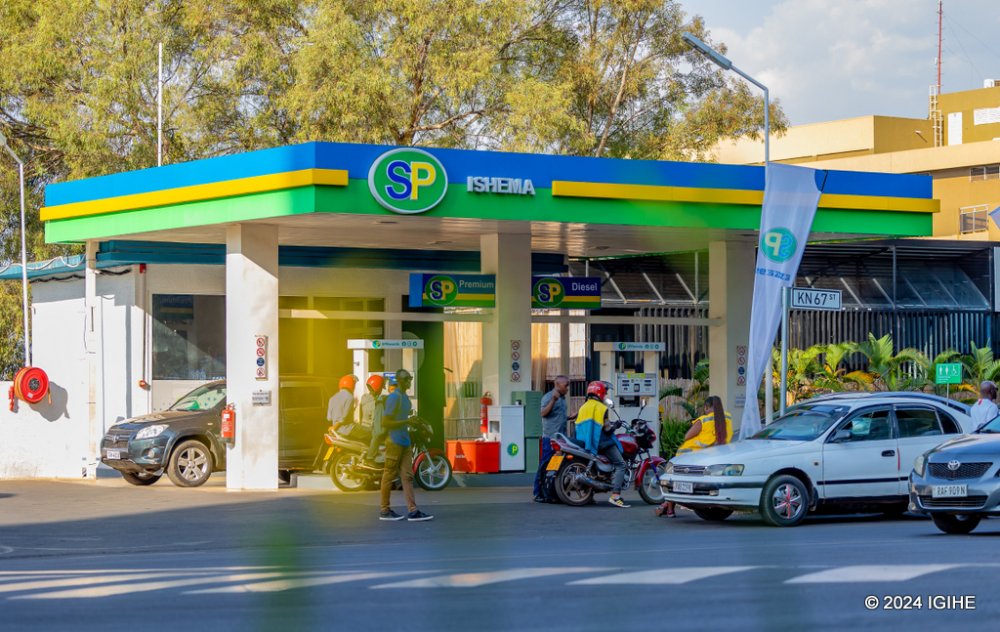
Fuel prices in Rwanda have already risen sharply, with petrol currently selling at 2,938 Rwandan francs per litre, while diesel stands at Rwf 2,205 per litre.
Uwihanganye encouraged the public to limit non-essential travel, make use of public transport and consider carpooling where possible.
“People should only make necessary trips. Public buses are available in Kigali and across the provinces, or individuals can share vehicles. But we want to see this reflected in the data. Since prices increased, we have not observed any decline in consumption, meaning behaviour has not yet changed,” he said.
He stressed that efforts to reduce fuel usage should not undermine economic activity but rather promote more efficient use of available resources.
The minister warned that even if the conflict in the Middle East were to end immediately, its effects on global and local fuel markets would persist.
“These conditions will continue. Even if the war stopped today, it would take time for us to return to previous levels. What we import takes about two months to arrive, and the international market also needs time to stabilize,” he said.
He was unequivocal about the outlook: “Prices will continue to rise—that is the reality, and it is important that people understand it. Diesel prices have increased significantly on the international market. If we were to fully reflect global prices locally, diesel could be between 3,000 and 3,500 francs per litre. No matter the effort, we cannot prevent prices from exceeding current levels.”
Despite the pressure on prices, Uwihanganye reassured the public that Rwanda is taking steps to avoid fuel shortages. He said the country has sufficient strategic reserves, which have not yet been tapped, with supply currently being drawn from stocks held by private operators.
Fuel prices in Rwanda have already risen sharply, with petrol currently selling at 2,938 Rwandan francs per litre, while diesel stands at Rwf 2,205 per litre.