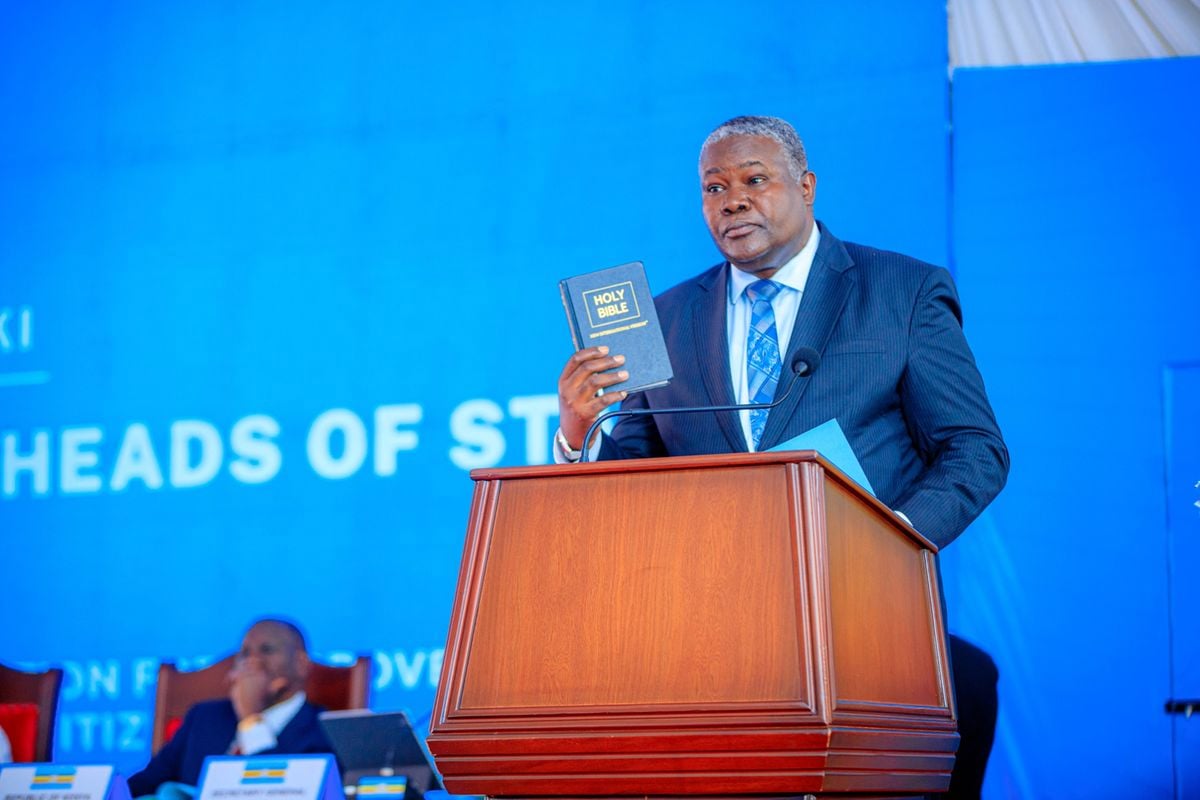
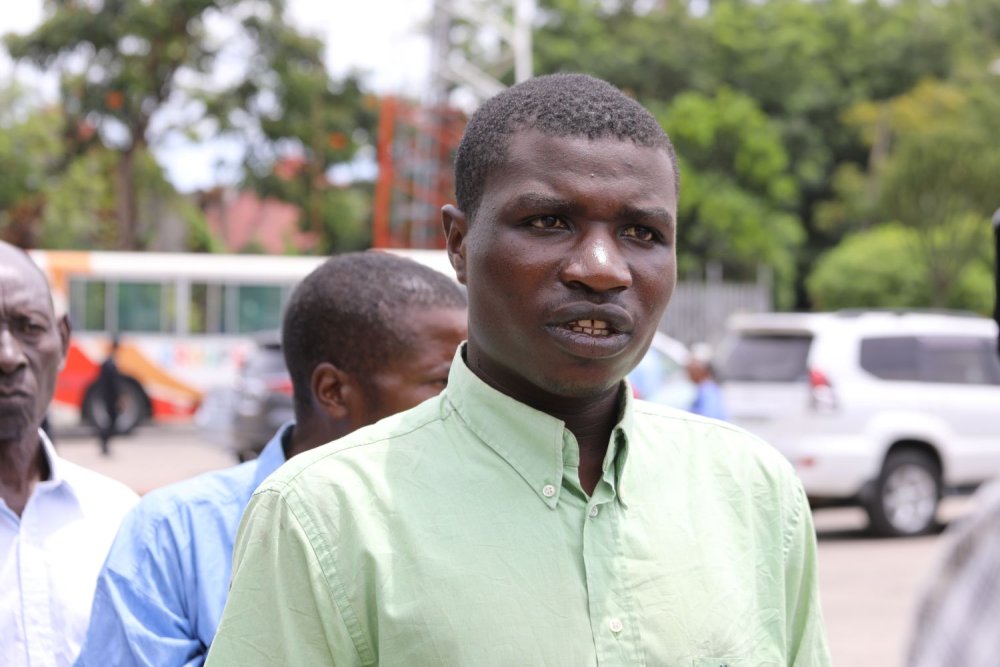
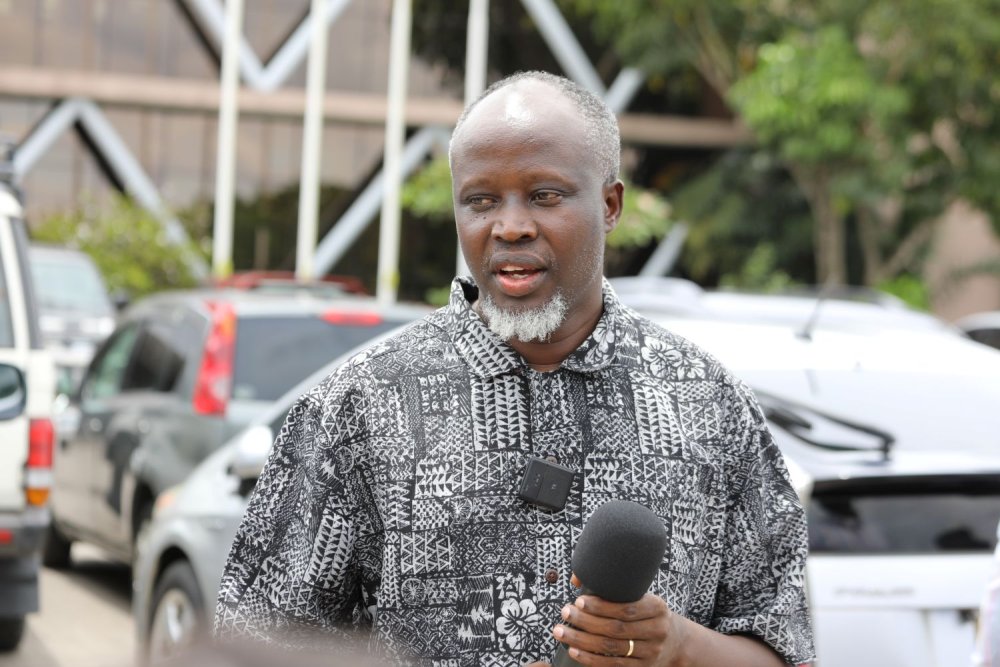
Mbundi took over leadership at the EAC headquarters in Arusha from outgoing Secretary General Veronica Nduva of Kenya, following his appointment by heads of state during the 25th EAC Summit held on March 7. He will serve a five-year term ending in 2031.
Speaking after the handover ceremony, Mbundi said ensuring timely financial contributions from member states will be his immediate priority.
Mbundi also pledged to tackle non-tariff barriers that continue to constrain intra-regional trade, noting that their removal would boost competitiveness and facilitate cross-border commerce.
Beyond financial reforms, he outlined plans to enhance trade, improve the business environment, and reduce transport costs across the region, calling for climate-resilient infrastructure, particularly in road development, to address growing environmental challenges.
Mbundi took over leadership at the EAC headquarters in Arusha from outgoing Secretary General Veronica Nduva of Kenya, following his appointment by heads of state during the 25th EAC Summit held on March 7. He will serve a five-year term ending in 2031.
He made the remarks during a media discussion focused on ongoing changes in public transport across the city.
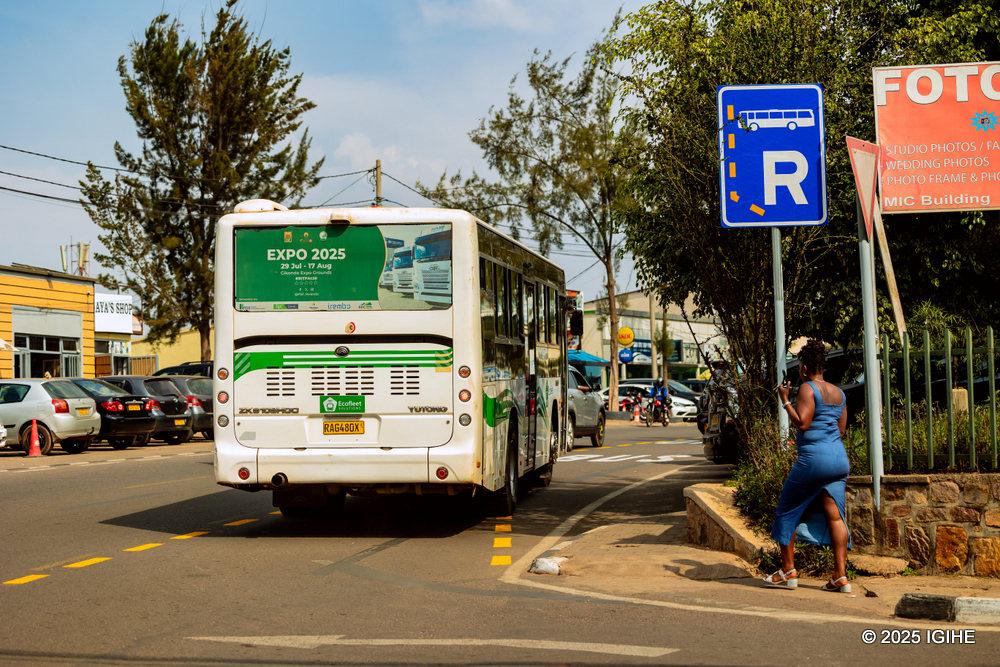
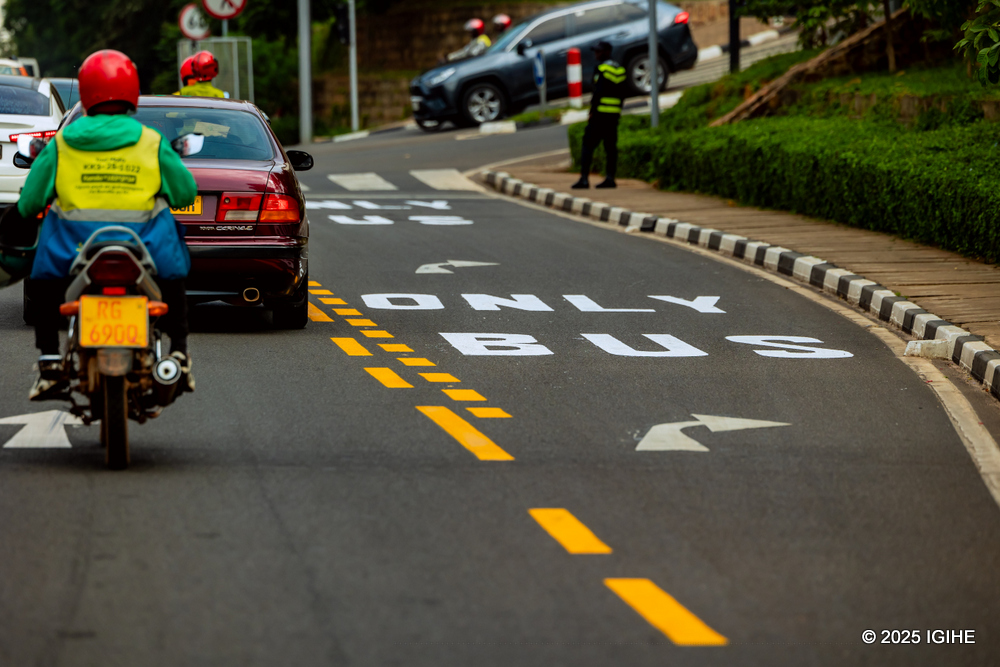
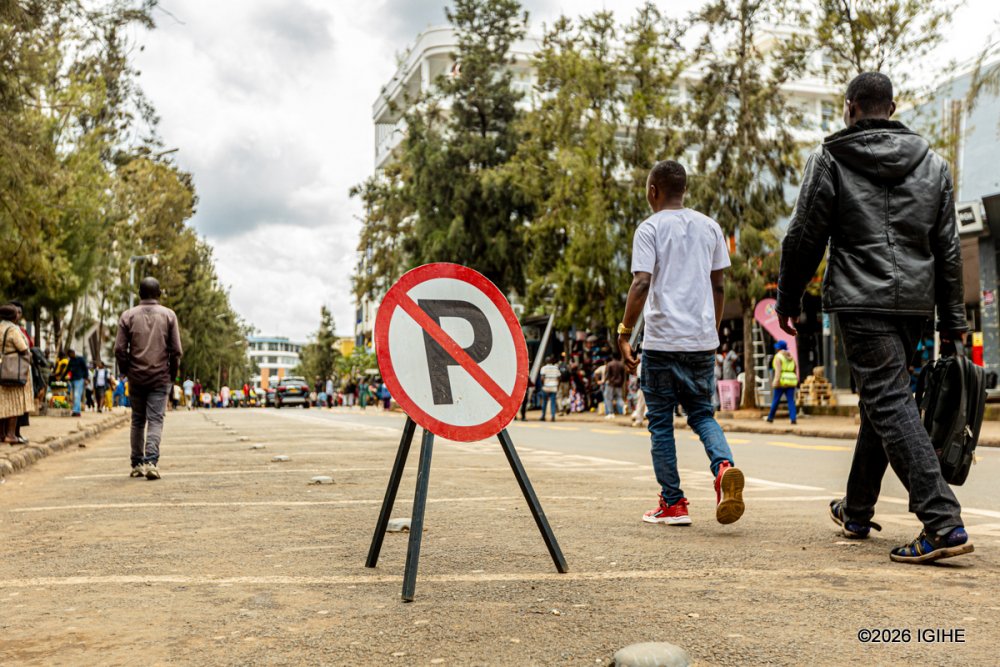
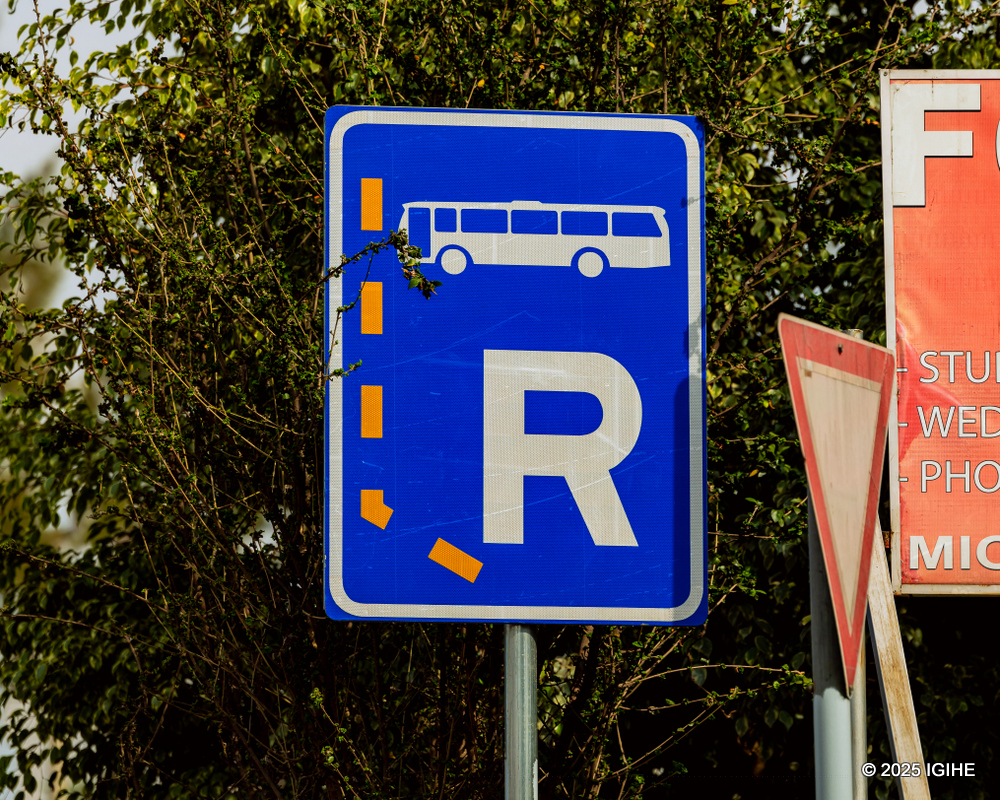
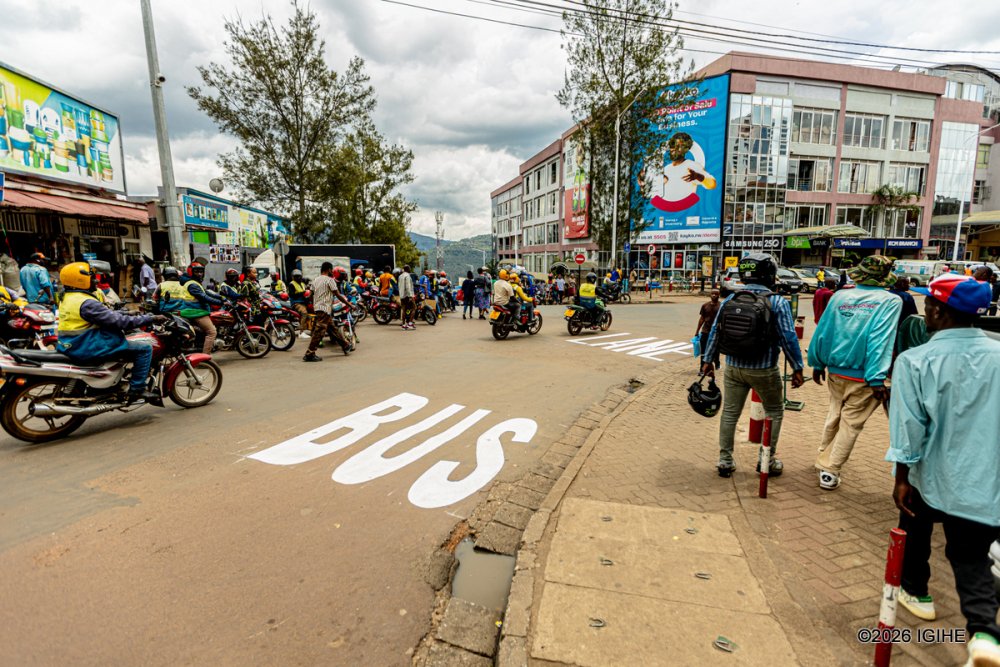
Currently, the City of Kigali has introduced dedicated bus lanes for public transport, while encouraging private car owners to opt for buses instead.
This move aims to improve fuel efficiency amid ongoing tensions in the Middle East, reduce traffic congestion, and speed up travel.
However, one of the major concerns raised by commuters is the lack of reliable, real-time information about buses. Many passengers spend long periods waiting at bus stops, sometimes only for buses to arrive already full.
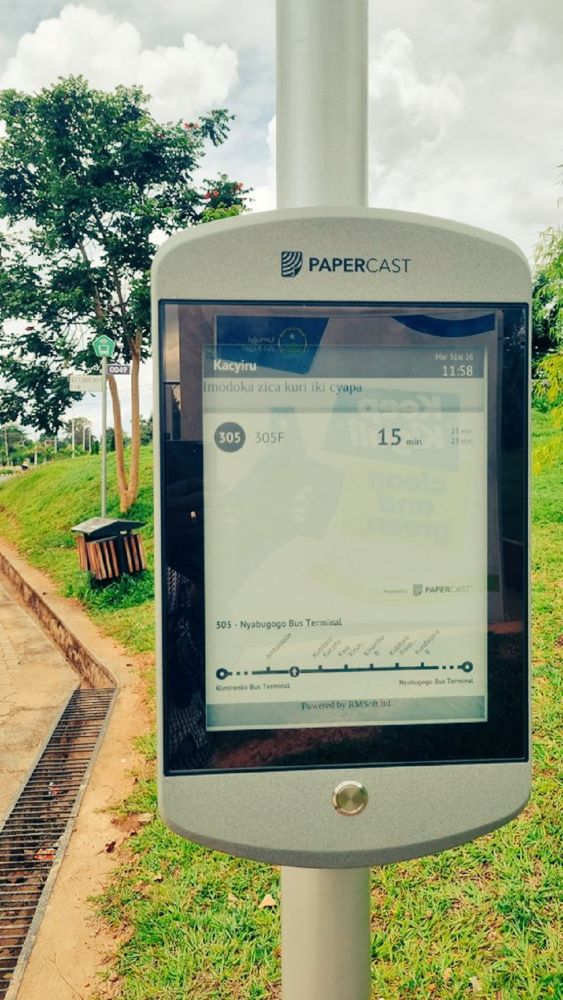
To address this, the new technology is expected to provide accurate, real-time updates on bus locations and available seats.
Rukera explained that although the system is already in use, it has not yet been officially launched as it is still undergoing testing.
“We have started using this technology, but we have not yet introduced it to the public because it is still being tested. As you know, with technology, you first test it thoroughly before presenting it,” he said.
He added that out of the 320 buses currently operating in Kigali, the system can already track their locations and monitor how they are being driven.
The next step is to integrate artificial intelligence capable of counting passengers on board and providing real-time updates.
Rukera also revealed that on routes such as Rwandex toward Sonatubes and Kacyiru, some bus stops are already equipped with smart displays showing estimated arrival times and passenger capacity.
“This is a project we have been working on for about six months. We started with existing systems that allow us to track bus movements and schedules, as well as monitor drivers. Our goal is to extend this information to passengers, not only at bus stops but also to those at home through a mobile application,” he explained.
He further noted that Rwanda is collaborating with the navigation platform Waze, allowing even those without the dedicated app to access nearby bus stop information via the internet, making it easier to plan their journeys.
Transport analyst Prof. Egide Karuranga, who also participated in the discussion, emphasized that adopting such technology will significantly improve public transport services.
He explained that passengers will be able to check, for example, if a bus scheduled for noon is delayed until 12:15, see that it will arrive in five minutes, and know whether seats are available before it arrives.
Karuranga added that such systems could also be expanded to better serve vulnerable groups, such as pregnant women and people with disabilities, by helping them decide whether to board a bus or wait for one with available seating.
He also pointed out the need to reduce the number of pedestrian crossings that cause buses to stop frequently, noting that this contributes to delays and increases the risk of accidents.
“Public transport is essential because it supports all aspects of sustainable development, from the economy to technology,” he said.
Karuranga further highlighted that traffic congestion, largely driven by the use of private cars, has a significant economic cost. He estimated that if a person spends one hour in traffic daily, it amounts to about 320 hours per year, equivalent to roughly 40 working days lost. When multiplied across many people, this has a serious impact on the national economy.
Kigali City spokesperson Emma Claudine Ntirenganya also encouraged residents to embrace public transport, noting that while it is not mandatory to leave private cars at home, doing so benefits both individuals and the country.
“When you choose to take a bus and leave your car at home, it is not just a personal benefit; it also serves the national interest, especially in these times, because it helps extend the country’s fuel reserves,” she said.
The ongoing efforts reflect Rwanda’s broader push to modernize public transport and promote more efficient, sustainable urban mobility in Kigali.
Rwanda has rolled out smart technology to help passengers track bus movements in real timeKigali residents are encouraged to use public busesDedicated bus lanes expected to improve traffic flow and public transport efficiencySome parking spaces for private cars have been removed to promote the use of busesSignposts indicating bus-only lanes have been installed in several areas.
Kaniki made the appeal amid what he described as continued inaction by the international community in response to ongoing attacks carried out by coalition forces of the Congolese government in areas inhabited by, or hosting displaced Banyamulenge populations in South Kivu Province, particularly in Minembwe.
He noted that the United States places strong constitutional emphasis on the protection of fundamental human rights and that this principle obliges it to oppose any government actions that violate them.
According to Kaniki, these principles are not limited to domestic application but also inform U.S. foreign policy and international engagements.
He further argued that recent mineral extraction agreements signed between the United States and the DRC in December 2025 risk sidelining broader human rights considerations in favour of strategic and economic interests.
Kaniki added that what distinguishes the United States on the global stage is its historical commitment to defending human rights in situations of crisis, urging Washington to reassess its position regarding the ongoing conflict in eastern DRC.
“It is time for the United States to reconsider the side it has taken in the war in the DRC, based on the values that form the backbone of the United States as a nation,” he said.
On April 20, 2026, members of the Banyamulenge diaspora in the United States staged a demonstration in Washington, D.C., calling on the international community to break its silence as reports continue of killings targeting their relatives in their homes and displacement sites.
The protest followed a prolonged period of advocacy by human rights organisations, including MPA (Mahoro Peace Foundation) and MRDP-Twirwaneho, which say they have repeatedly raised concerns without prompting significant international intervention.
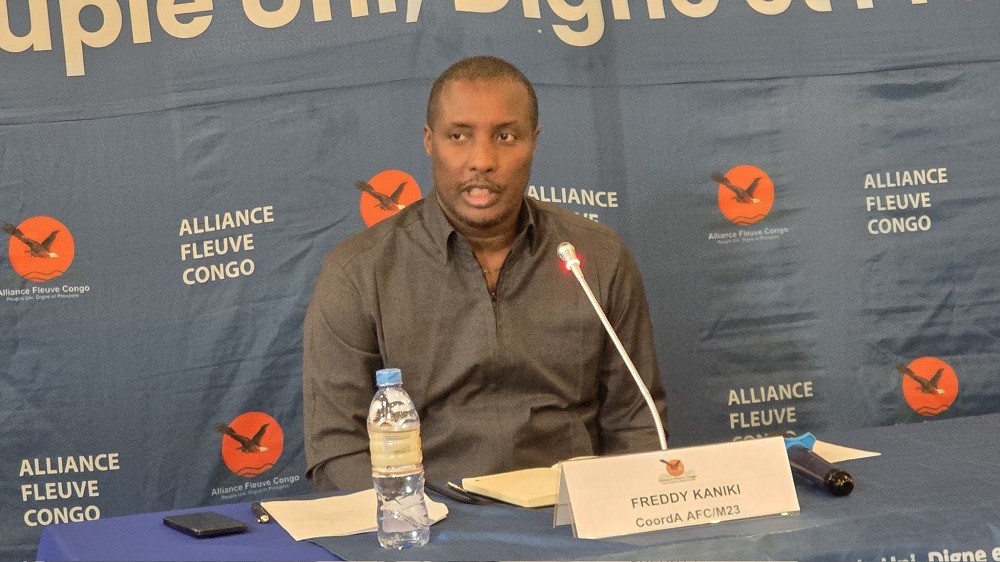
The deputy coordinator of the AFC/M23 coalition in charge of economic and financial affairs, and leader of the MRDP-Twirwaneho movement, Freddy Kaniki Rukema, has called on the United States to place greater emphasis on the protection of human rights in the Democratic Republic of Congo (DRC).
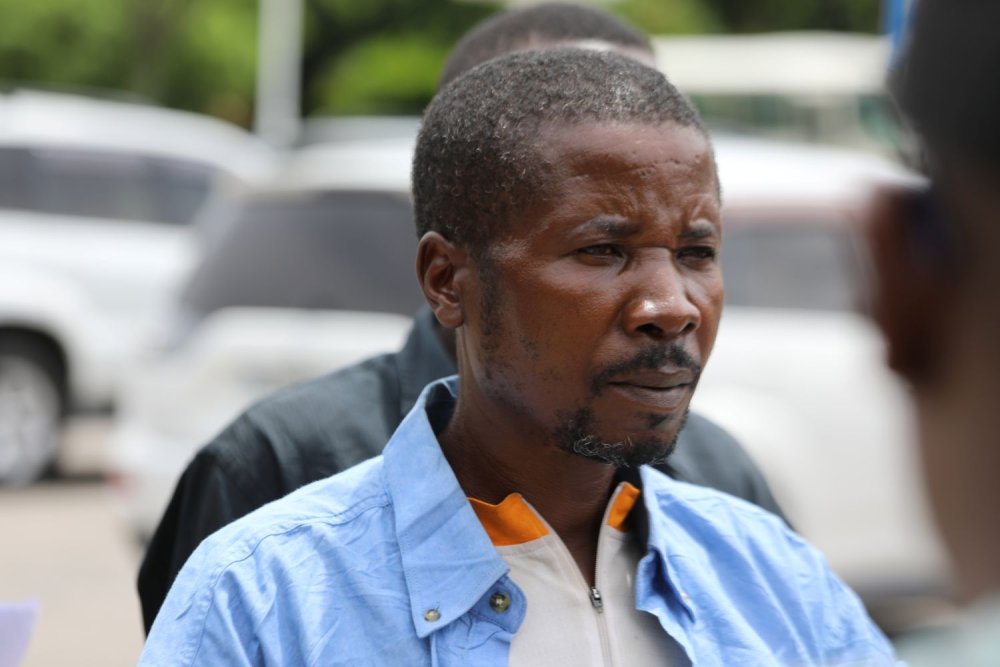
“FDLR and Nyatura would capture us and try to force us to join them in fighting, claiming that we are Rwandans. Anyone who refused was taken away at night, and we would never see them again. Later, we would be told they had been killed,” said 28-year-old Dushime Janvier, one of the returnees.
Dushime arrived in Rwanda from Kitchanga, in eastern DRC. He said his family originates from the former Rwerere Commune in Gisenyi Prefecture, now part of Rubavu District.
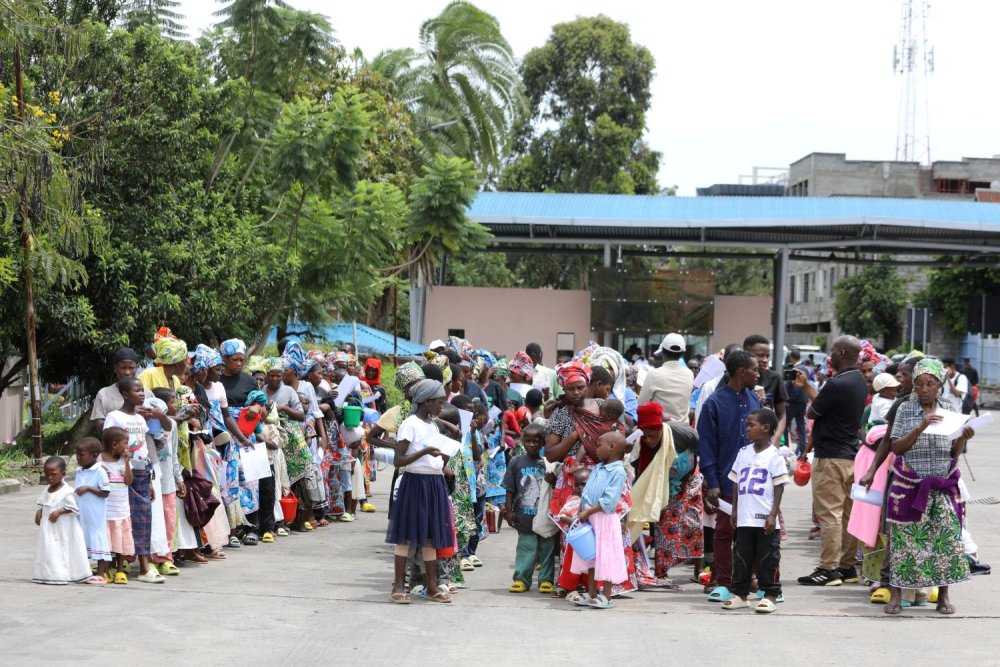
He is among 317 Rwandans who were repatriated on Friday, April 24, 2026, after being held by the FDLR, a group designated as a terrorist organisation.
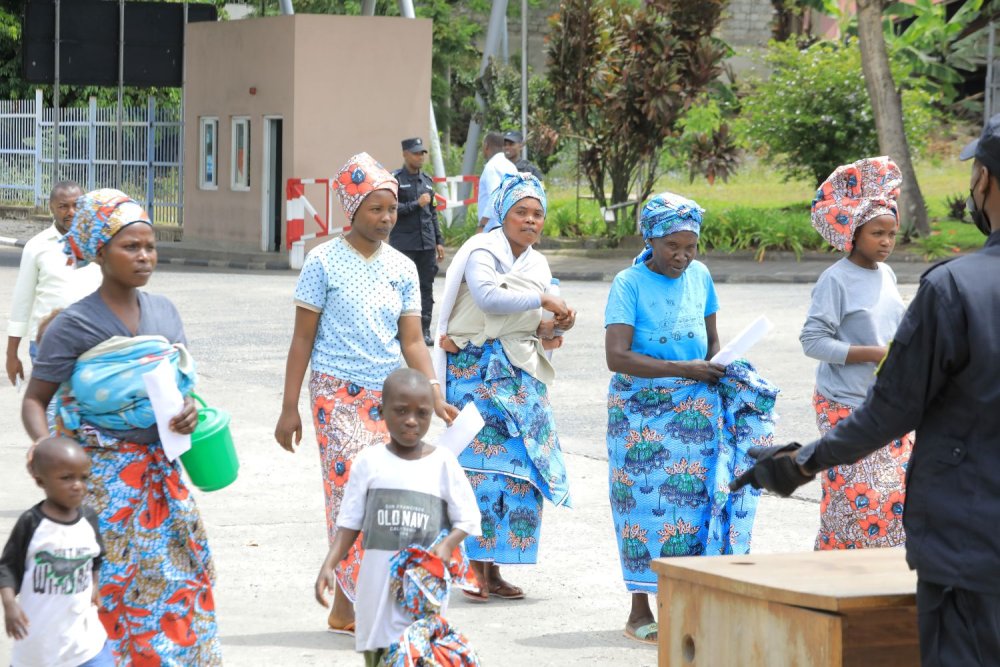
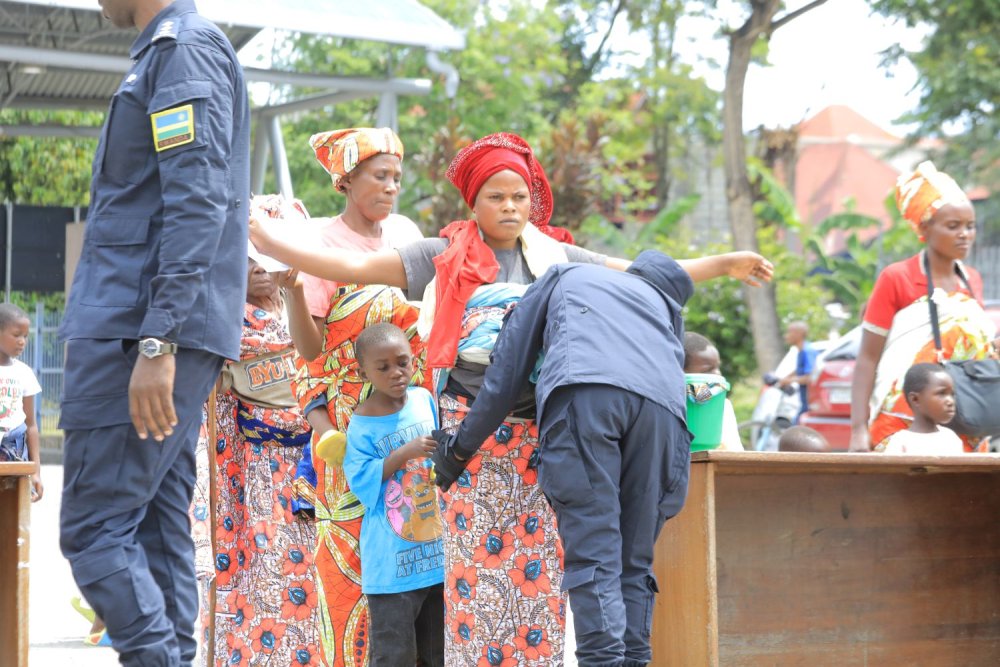
The returnees crossed into Rwanda through the Grande Barrière border post, where they were received by government officials before being transferred to the Kijote transit centre in Nyabihu District.
The group is largely composed of children, who number 226, alongside 76 women and 15 men.
Speaking about his experience, Dushime said he fled to the DRC with his aunt, who later died. He explained that he chose to return due to the harsh conditions he faced.
“I never had the opportunity to attend school because I spent my life herding cattle. Nyatura and FDLR were constantly pursuing us because we are Rwandans. We cultivated crops, but they would take the harvest. Life was extremely difficult, which is why I decided to return,” he said.
Another returnee, 50-year-old Akiri Valens, said he fled Rwanda in 1998 and initially settled in Rusongati before moving to Karenga, where he worked cutting trees. He expressed relief and optimism upon returning home.
“We stayed there hoping our situation would improve, but it never did. Working in a foreign country is difficult. Today, I am happy to be back with my wife and seven children, and I am determined to work and build a better future,” he said.
Valens added that in 2023, during intensified fighting, he fled to Rugali, where he remained until his return. He noted that armed groups had spread misinformation, claiming that anyone who returned to Rwanda would be killed, which he later discovered was untrue.
The Vice Mayor of Rubavu District in charge of economic development, Nzabonimpa Déogratias, welcomed the returnees and reassured them of their safety and opportunities in Rwanda.
“You have returned home to a country that prioritises the well-being of its citizens. You will find leadership committed to inclusive development without discrimination. We encourage you to enrol your children in school and contribute to the development of our nation, which is peaceful and stable,” he said.
He also called on the returnees to encourage others still living in the forests of eastern DRC to come back to Rwanda.
The repatriation follows agreements reached on July 24, 2025, during a tripartite meeting involving Rwanda, the DRC, and the United Nations High Commissioner for Refugees (UNHCR) in Addis Ababa, Ethiopia.
Before their return, the group had been living in a temporary camp in Goma after leaving various areas in eastern DRC, where they had been held by the FDLR. They later sought assistance from UNHCR to facilitate their return to Rwanda.
As part of reintegration support, returnees receive initial financial assistance to help them rebuild their lives. Adults receive 188 US dollars, while minors are allocated 113 dollars. Each individual also receives basic food supplies valued at 40,800 Rwandan francs.
The returnees are mostly women and children.Upon arrival at the border, the returnees are received by security authorities.More than 8,000 Rwandans have returned from the DRC in the past 16 months.50-year-old Akiri Valens, said he fled Rwanda in 1998 and initially settled in Rusongati before moving to Karenga, where he worked cutting trees. He expressed relief and optimism upon returning home.Dushime Janvier, one of the returning Rwandans, says that those who refused to join the FDLR were killed.The Vice Mayor of Rubavu District in charge of economic development, Nzabonimpa Déogratias, welcomed the returnees and reassured them of their safety and opportunities in Rwanda.
In a statement, the government said Camara’s residence in Kati, a garrison town near the capital Bamako, was hit Saturday morning by a vehicle bomb driven by a suicide attacker.
Camara exchanged fire with the attackers and neutralized some of them, the statement said. He was wounded during intense fighting and later died of his injuries in hospital.
The collapse of his residence caused other casualties and destroyed a nearby mosque, killing some worshippers inside, according to the statement.
The government said the late general will be given a national funeral.
Several localities in Mali, including Bamako, Kati, Gao, Sevare and Kidal, were hit by coordinated attacks on Saturday. The government had earlier said the attacks left 16 civilians and military personnel wounded.
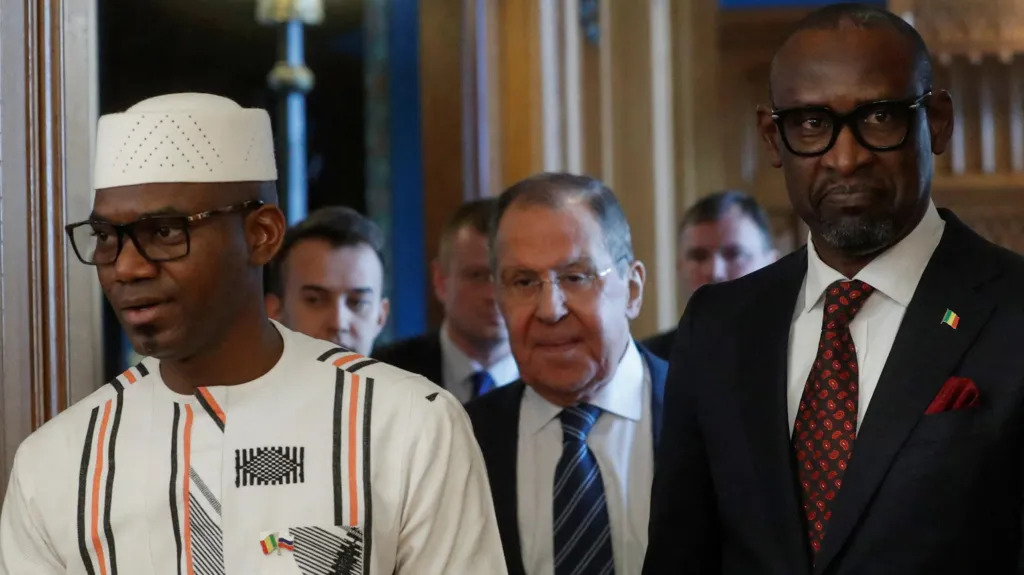
Mali’s defense minister Sadio Camara, left, with Russia’s foreign minister, Sergei Lavrov, in Moscow in February 2024. The government said Camara’s residence in Kati, a garrison town near the capital Bamako, was hit Saturday morning by a vehicle bomb driven by a suicide attacker
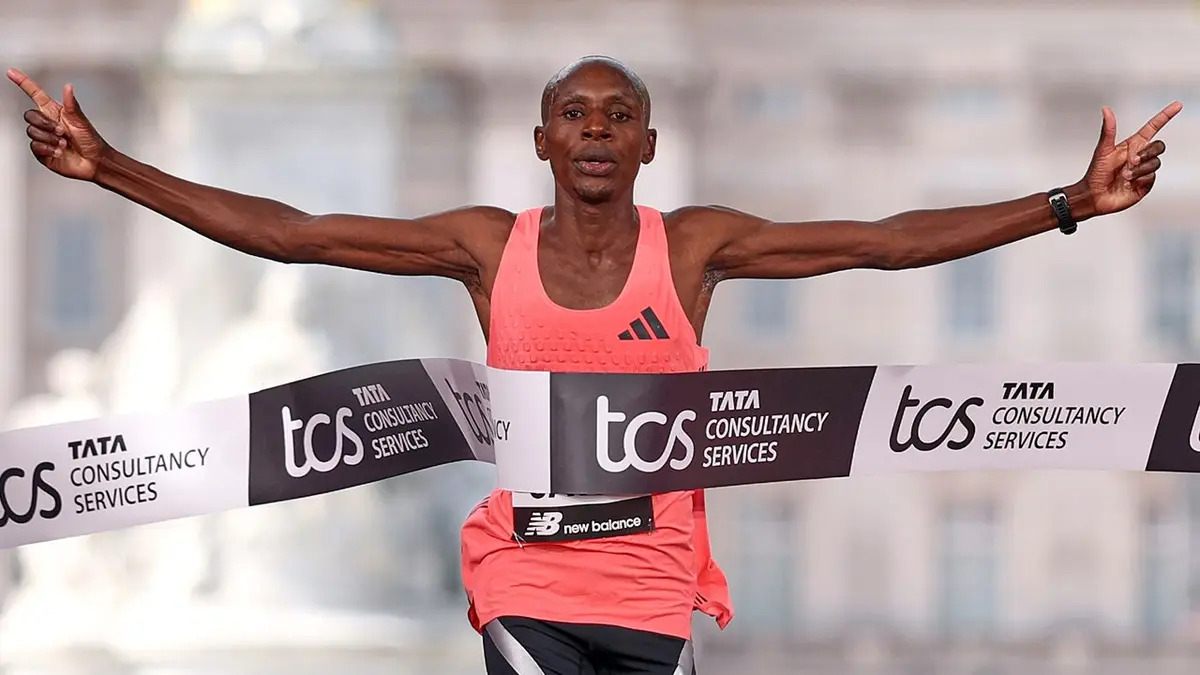
Sawe crossed the finish line in an astonishing 1:59:30, rewriting distance running history on one of the sport’s biggest stages. The performance marks the first time the sub-two-hour marathon has been achieved in an official race setting, ending years of debate and controlled experimental attempts.
“I am feeling good, I am happy, it’s a day to remember for me,” Sawe told reporters after his record-breaking run, holding up his shoe marked with the words “world record” and “sub-2” written in black ink.
Historic race pushes human limits
The race itself delivered a dramatic trio of landmark performances. Ethiopia’s Yomif Kejelcha, running his first marathon, also went under the two-hour mark, finishing just 11 seconds behind Sawe. Uganda’s Jacob Kiplimo completed the podium in 2:00:28, breaking the previous official world record set by Kenya’s Kelvin Kiptum in Chicago in 2023 by seven seconds.
The sub-two-hour marathon has been one of athletics’ most elusive goals, pursued for years through high-profile experimental projects designed to test human endurance under near-perfect conditions.
Nike’s Breaking2 attempt in Monza in 2017 narrowly missed the mark, while Eliud Kipchoge famously ran 1:59:40 in Vienna in 2019 during the INEOS 1:59 Challenge, an achievement not recognised as an official record due to its controlled setup.
Sawe’s breakthrough, however, came in open competition in London, giving the feat unprecedented legitimacy within elite marathon racing.
Sawe’s triumph is made even more striking by his disrupted preparation. The Kenyan athlete was injured throughout the previous autumn and only resumed proper training in January. By February, he had recovered sufficiently to prepare for a title defence in London, culminating in a historic victory few could have predicted.
He credited the atmosphere in the capital for helping drive his performance.
“I think they help a lot,” Sawe said of the crowd support. “With them calling, you feel so happy and strong.”
The women’s race also produced a record-breaking performance, as Ethiopia’s Tigst Assefa defended her London Marathon title in 2:15:41. The 29-year-old broke her own world record by nine seconds, pulling away late from Kenya’s Hellen Obiri, who finished second in 2:15:53, with Joyciline Jepkosgei third in 2:15:55.
A U.S. Secret Service agent was shot in protective gear on Saturday at the White House Correspondents’ Dinner and has been hospitalized, U.S. media reported.
In a post on Truth Social, Trump shared a photo of the suspected gunman, who appears to have been subdued, with his hands bound behind his back and lying face down on the ground.
In a press conference at the White House late Saturday evening, Trump said that the alleged shooter lives in the state of California and law enforcement agents went to his apartment.
When asked by a reporter whether the shooter acted alone, Trump said that “they seem to think he was a lone wolf, and I feel that too.”
In response to a question about whether this shooting could have been linked to the war in Iran, Trump said, “I don’t think so. But you never know.”
“Quite an evening in D.C. Secret Service and Law Enforcement did a fantastic job. They acted quickly and bravely. The shooter has been apprehended,” Trump said in an earlier post on Truth Social shortly after the incident.
In another post later, Trump said that “law enforcement has requested that we leave the premises, consistent with protocol, which we will do, immediately,” noting that “The First Lady, plus the Vice President, and all Cabinet members, are in perfect condition.”
He added that the White House Correspondents’ Dinner will be rescheduled within 30 days.
The U.S. Secret Service said in a post on X that it is investigating “a shooting incident near the main magnetometer screening area” at the White House Correspondents’ Dinner, in coordination with the Metropolitan Police Department.
“The president and the first lady are safe along (with) all protectees,” the statement said. “One individual is in custody. The condition of those involved is not yet known, and law enforcement is actively assessing the situation.”
Trump has been evacuated from the Dinner after the shooting at the Washington Hilton Hotel. Attendees were seen on the live broadcast ducking around their tables and taking cover.
This would mark Trump’s first time attending the White House Correspondents’ Dinner.
In a joint press conference, Washington, D.C. Mayor Muriel Bowser said all guests at the dinner were safe, while U.S. Attorney for D.C. Jeanine Pirro said the suspect now faces charges including using a firearm during a crime of violence and assault on a federal officer with a dangerous weapon.
The suspect named Cole Allen by U.S. media, 31, of Torrance, California, was armed with a shotgun, a handgun and multiple knives, police said.
Political violence has been frequent in the U.S. in recent years. Trump has been the target of multiple assassination attempts and death threats during his presidential campaign and as the president.
The most prominent example is the July 2024 assassination attempt in Butler, Pennsylvania, which Trump narrowly survived while campaigning for president.
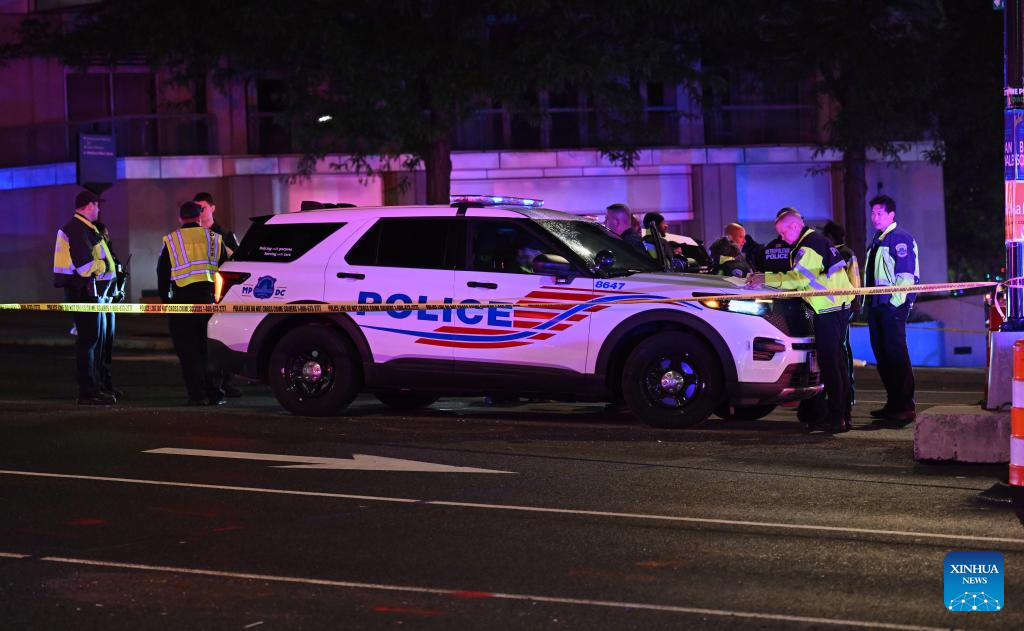
In a press conference at the White House late Saturday evening, Trump said that the alleged shooter lives in the state of California and law enforcement agents went to his apartment. When asked by a reporter whether the shooter acted alone, Trump said that “they seem to think he was a lone wolf, and I feel that too.” Police officers stand guard near the Washington Hilton Hotel, where the White House Correspondents’ Dinner was held, in Washington, D.C., the United States, April 25, 2026.
During this period, the park received more than 11,700 visitors, with Rwandan tourists accounting for the largest share. The figures highlight continued growth in domestic tourism and the park’s rising appeal.
Park authorities attribute this growth to the presence of the “Big Five” species, lions, elephants, buffaloes, leopards, and rhinos, as well as ongoing conservation efforts and tourism promotion campaigns, including the Visit Rwanda initiative.
Compared to the same period in 2025, revenue increased by 8%, with earnings from tourism and related commercial activities reaching approximately $1.33 million.
National Geographic further boosted the park’s global profile by listing Akagera among the 25 must-visit destinations in the world for 2026, citing its exceptional biodiversity and scenic landscapes.
Local communities benefit from tourism revenue
Communities surrounding Akagera National Park also reported significant earnings during the first quarter of 2026, collectively generating over $168,220 through conservation-linked income-generating activities.
Fishing groups earned $59,770, while beekeepers made $17,309. Income from crafts, poultry farming, and accommodation services totaled $16,998.
In addition, local tour guides earned $31,922, and cooperatives involved in construction and casual labor generated $42,227. These figures reflect the growing role of community participation in conservation-based tourism.
Wildlife monitoring strengthened with technology
Akagera’s wildlife continues to roam freely within its open ecosystem, meaning animal sightings vary across time and location.
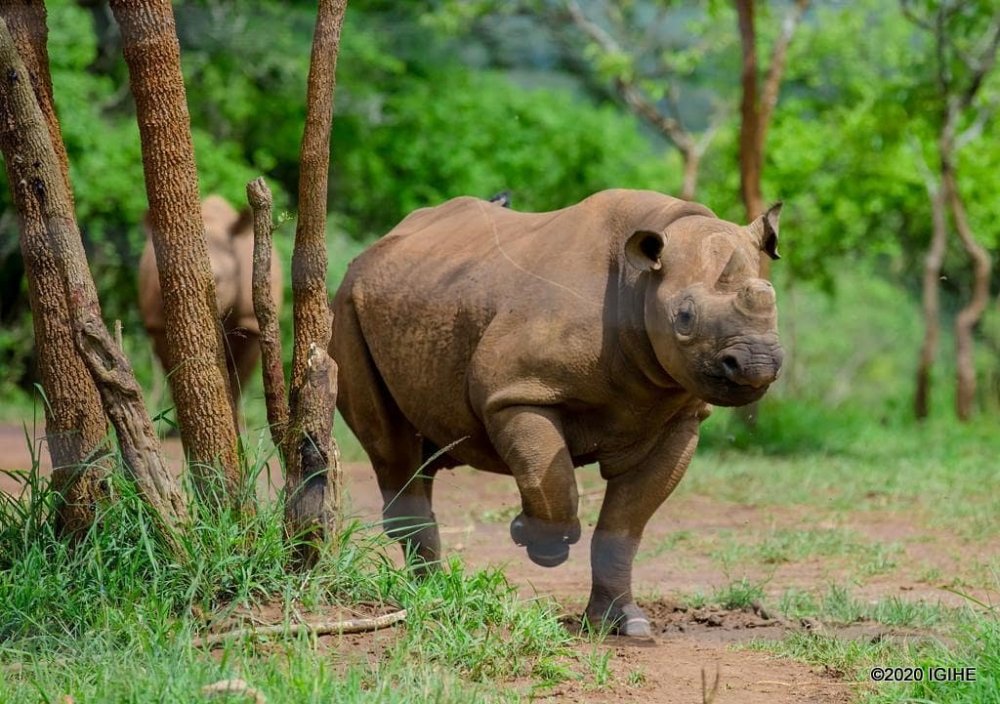
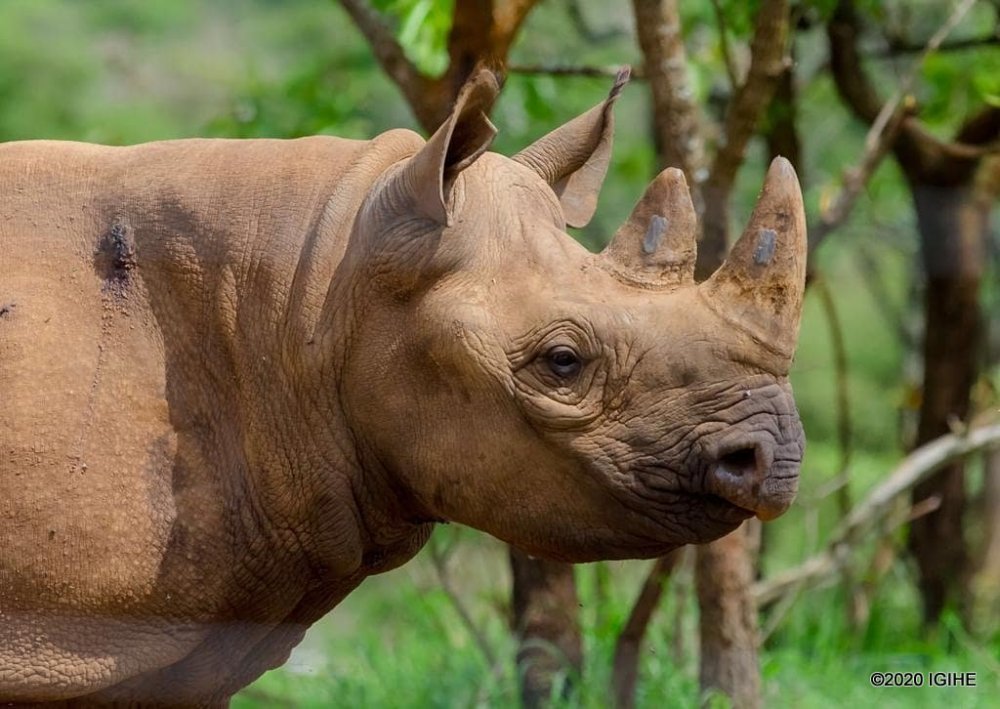
Between January and March 2026, conservation teams fitted GPS collars on three lions and one elephant to enhance tracking and research efforts. In addition, 17 black rhinos were equipped with VHF transmitters attached to their horns to support monitoring and protection efforts.
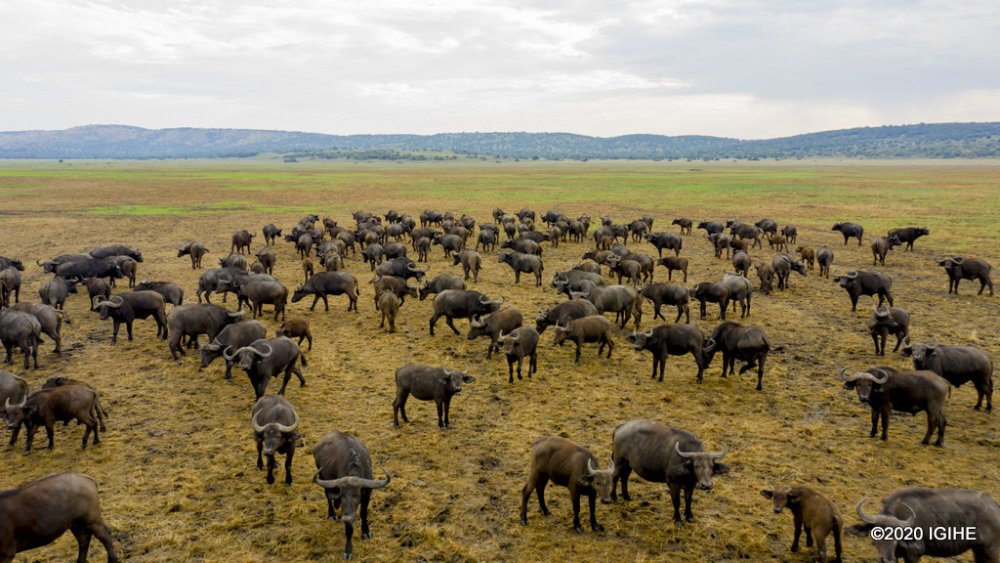
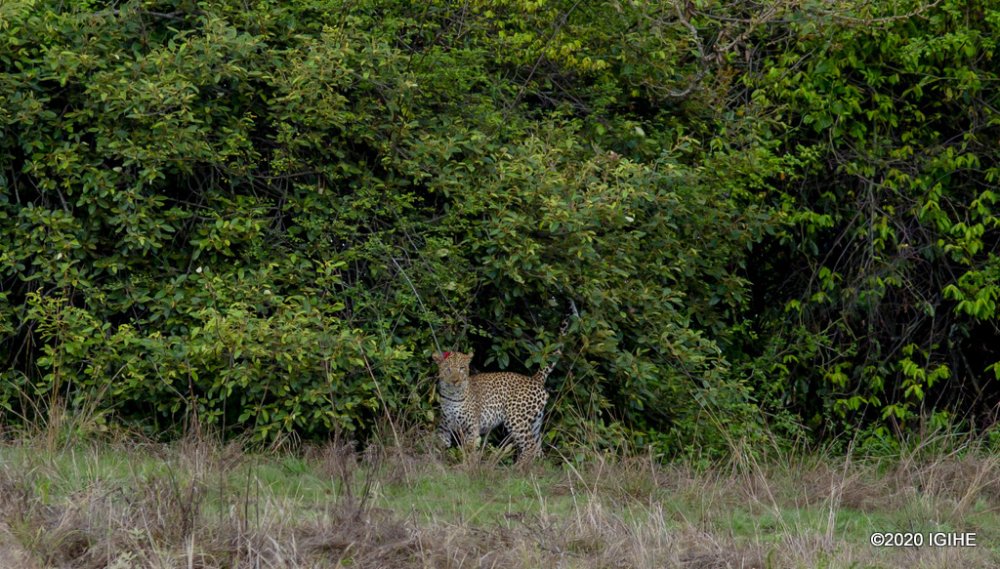
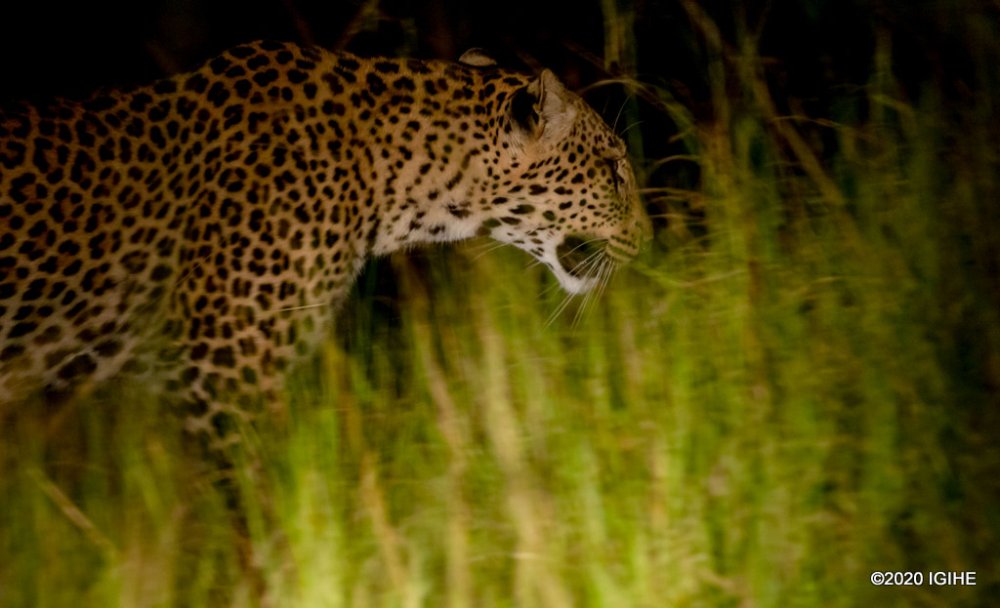
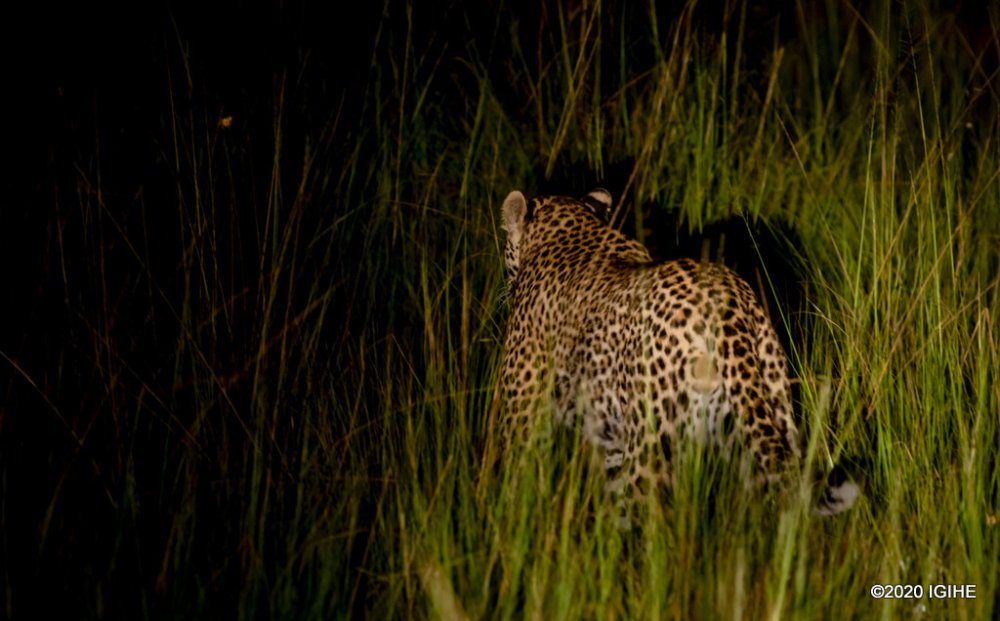
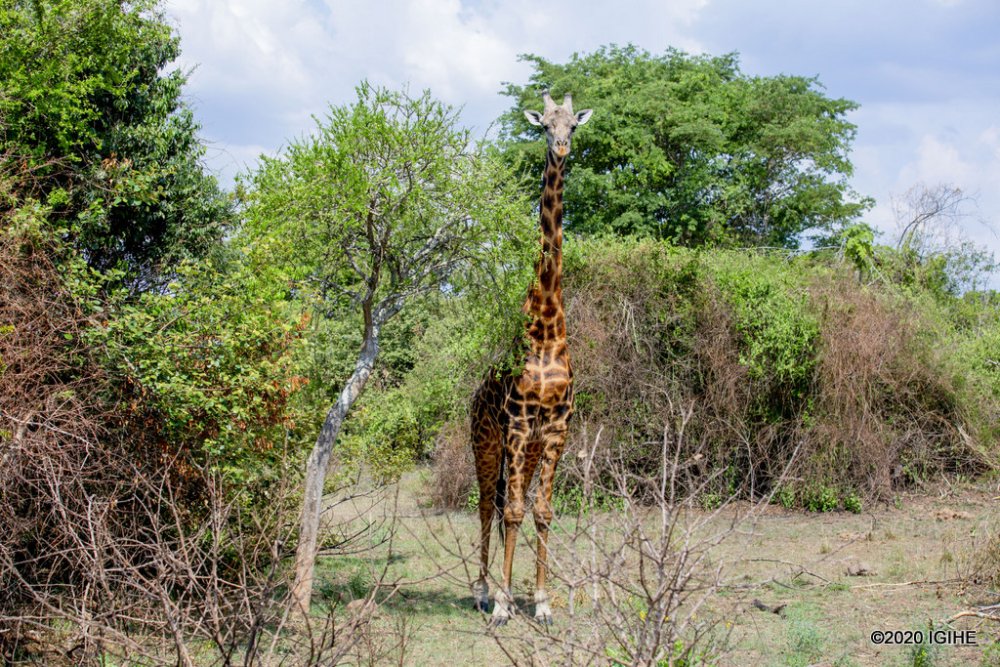
Established in 1934, Akagera National Park spans 1,122 square kilometers and is one of Rwanda’s most biodiverse protected areas. It is home to more than 11,300 recorded animals, including approximately 60 lions, 142 elephants, 4,000 buffaloes, 115 giraffes, between 80 and 100 leopards, and 145 rhinos.
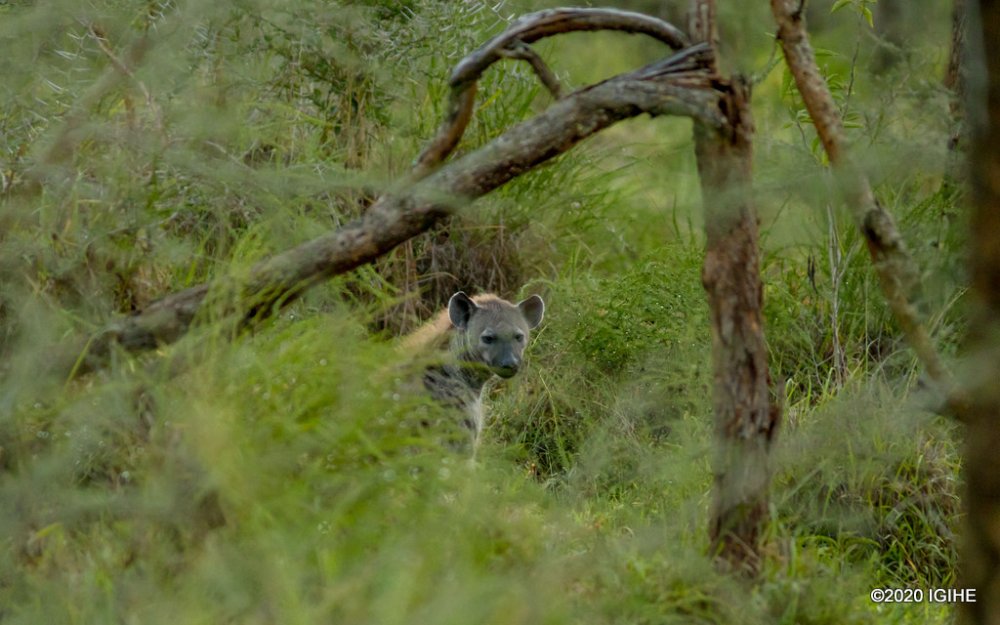
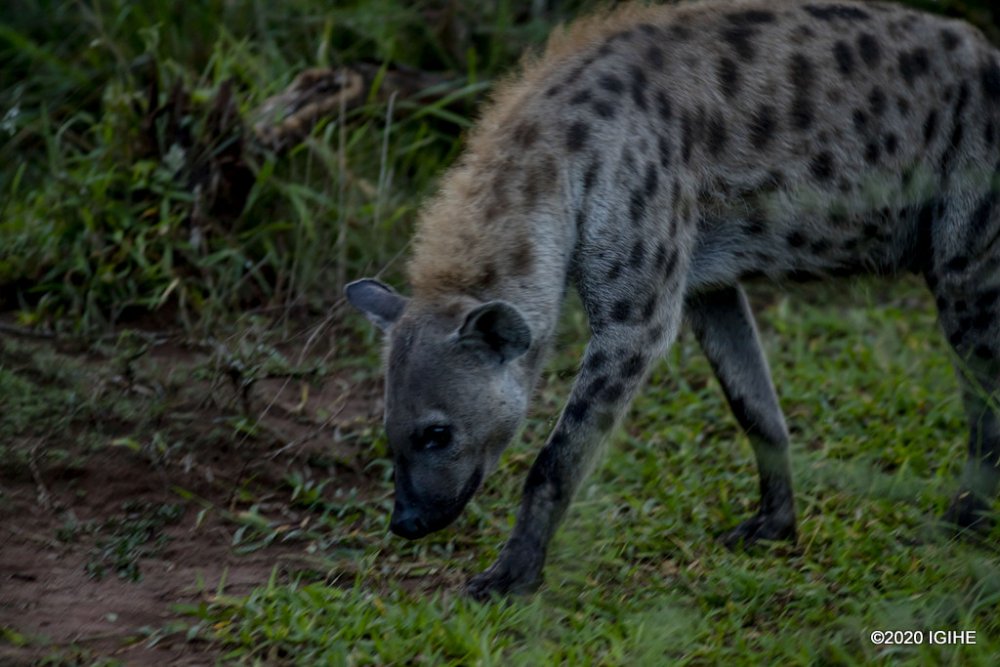
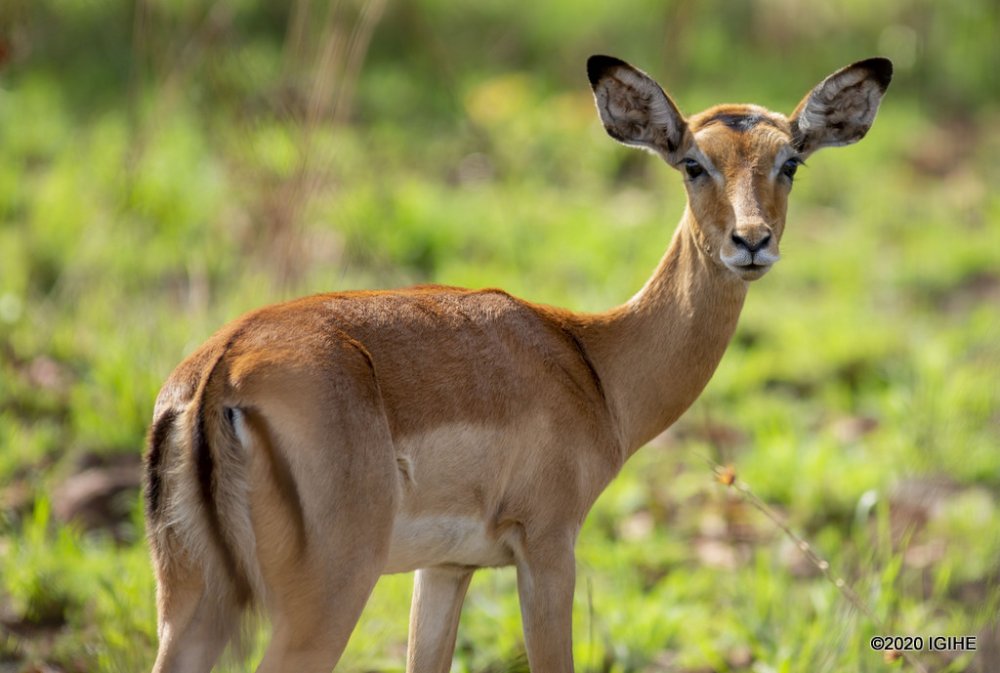
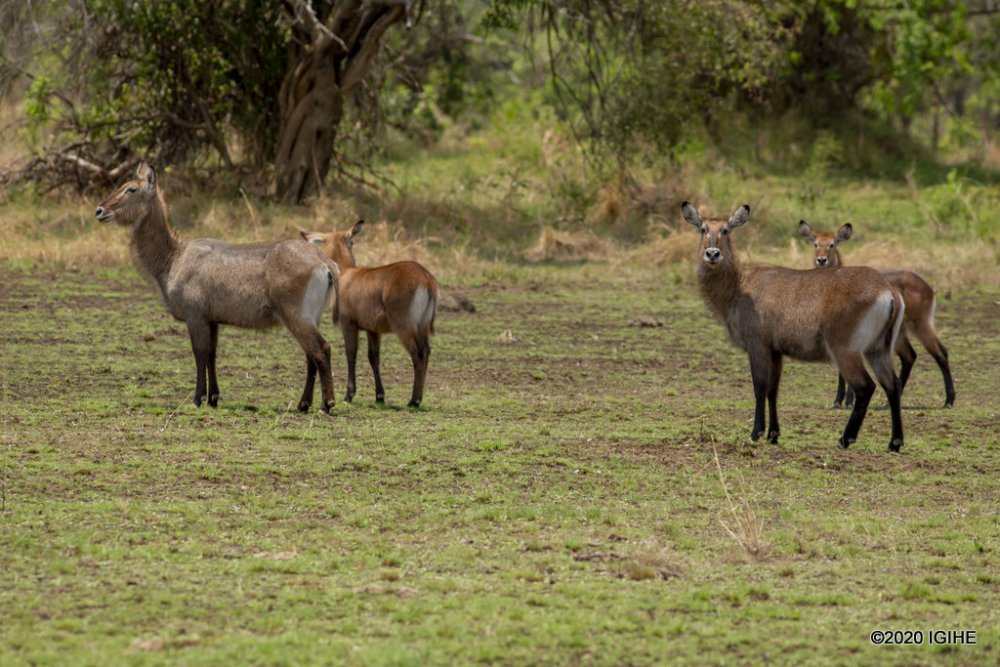
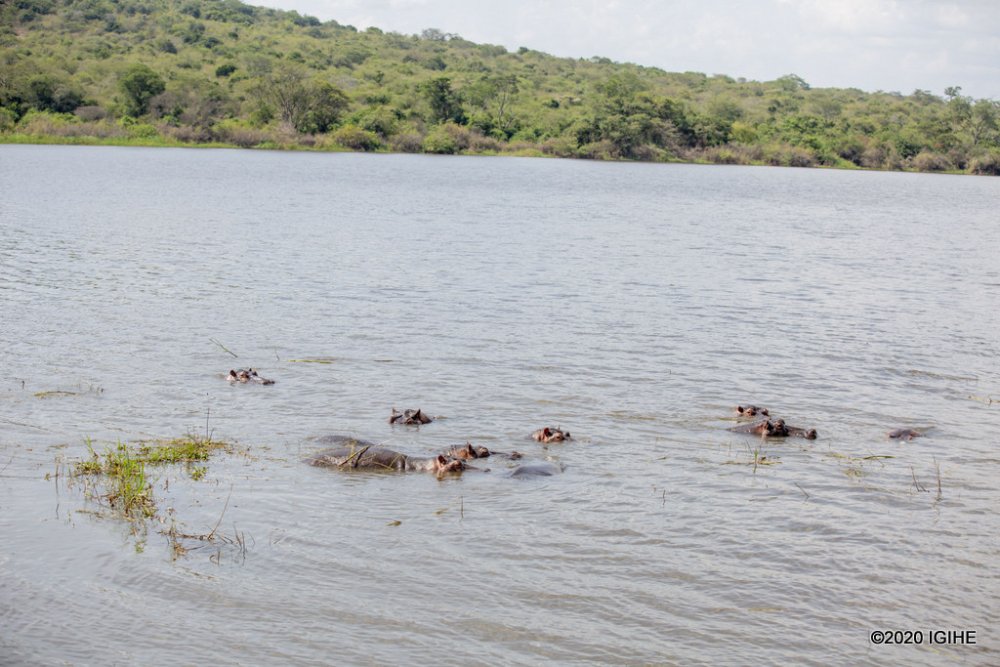
Other species include around 2,000 impalas, 1,500 antelopes, and between 120 and 150 hyenas. The park also supports an estimated 1,500–1,800 hippos, 1,000 waterbucks, and over 1,000 additional antelope species.
Akagera is also a major birding destination, hosting about 500 bird species, the highest number recorded in any national park in Rwanda. By comparison, Nyungwe National Park hosts around 300 species, while Gishwati and Volcanoes National Parks have fewer.
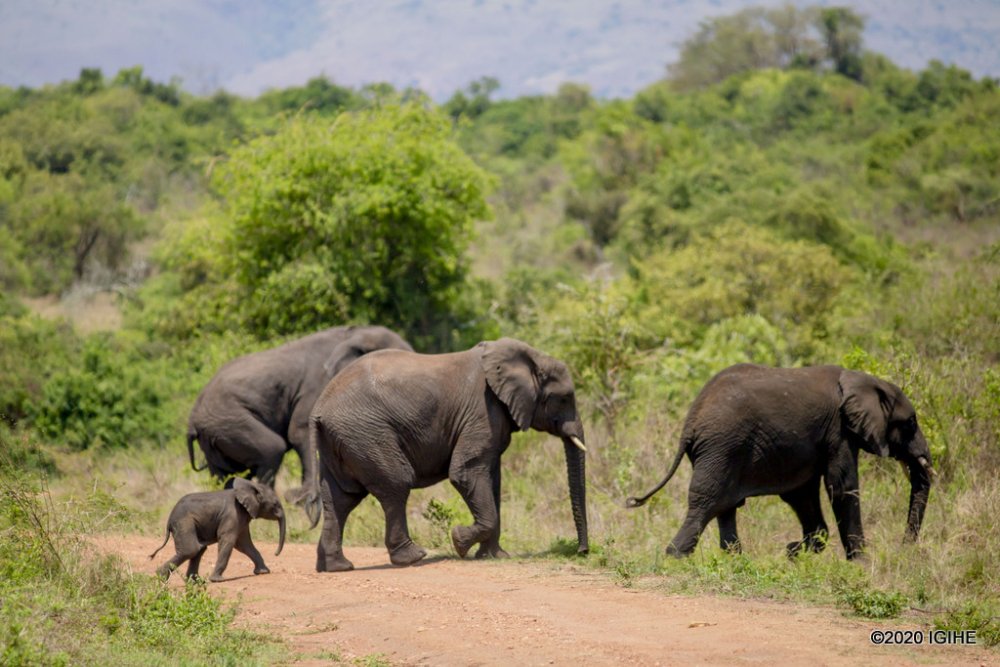
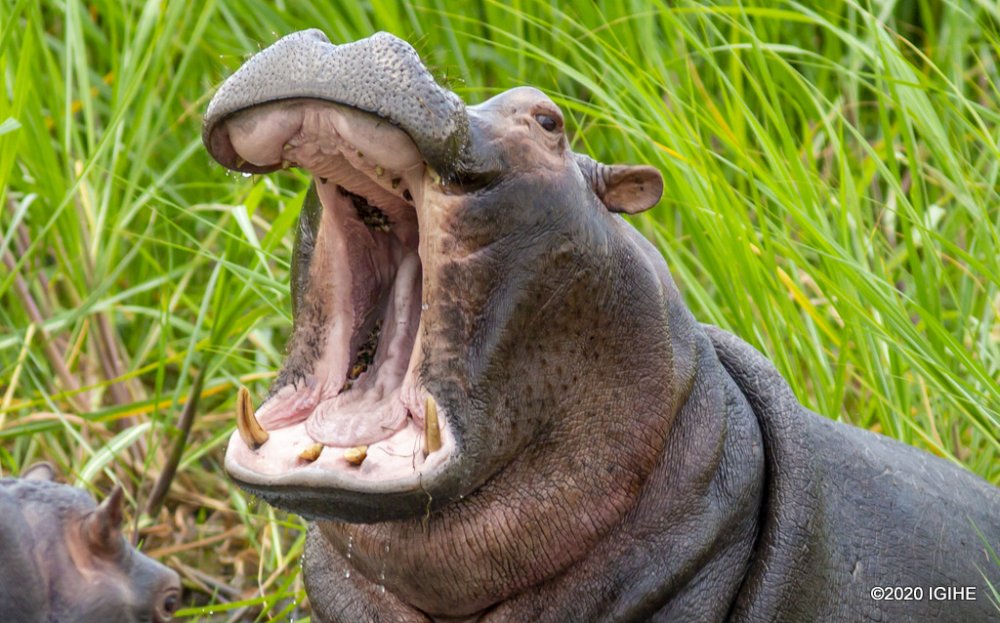
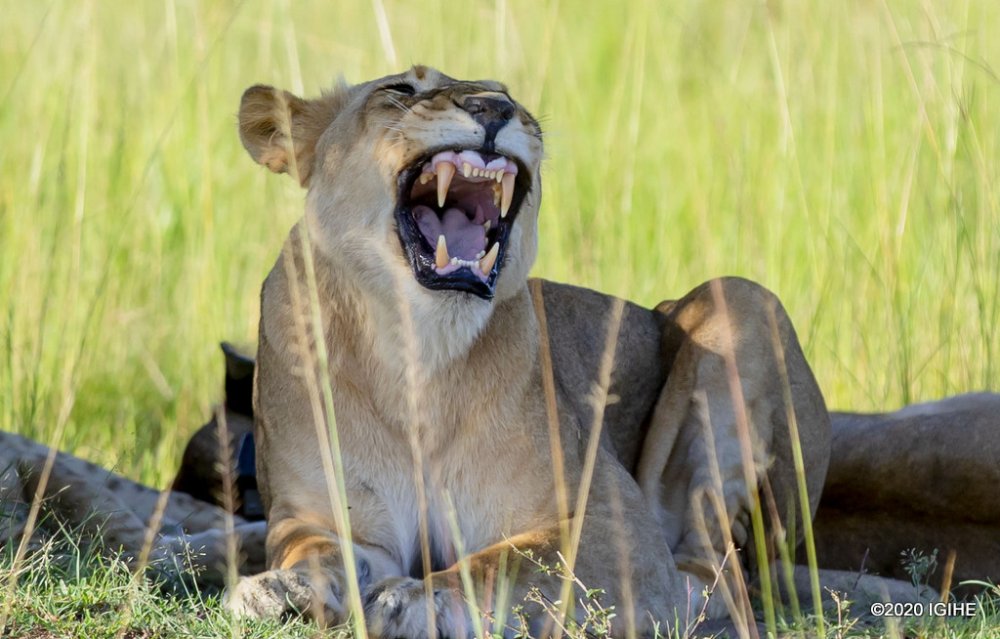
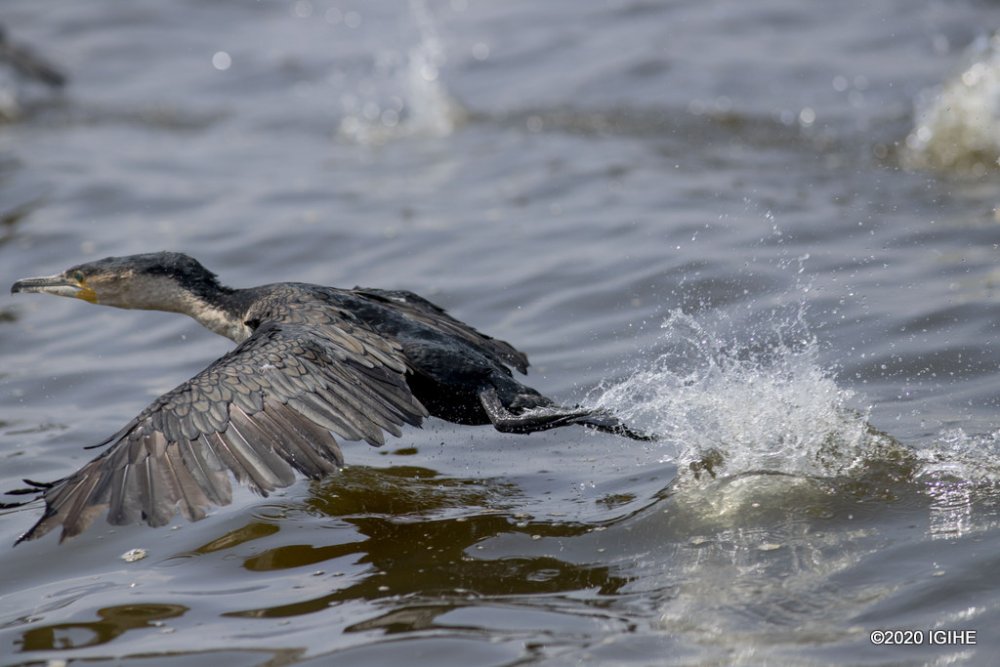
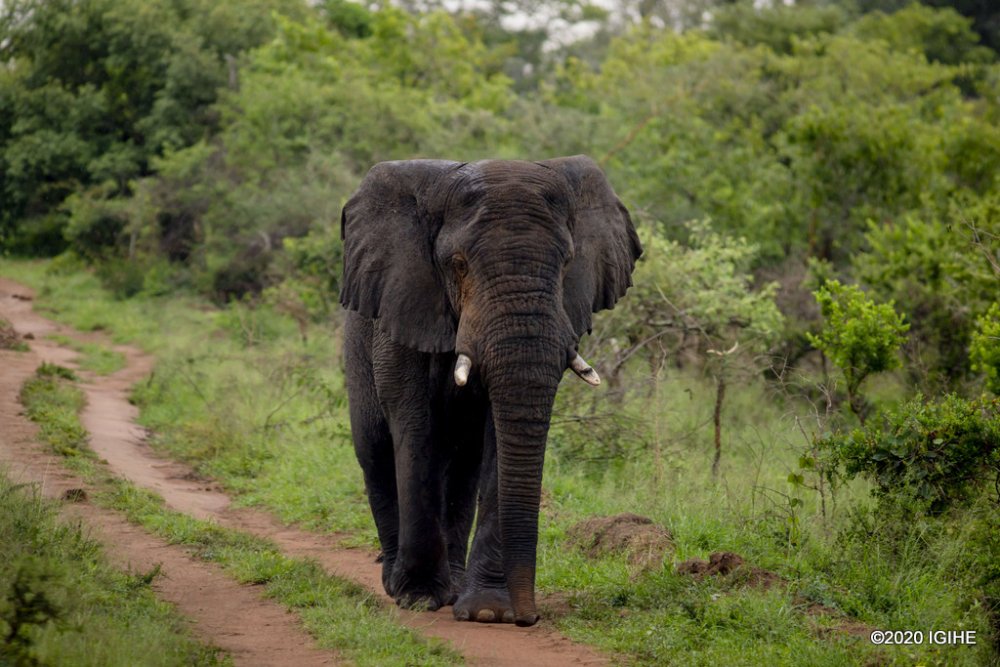
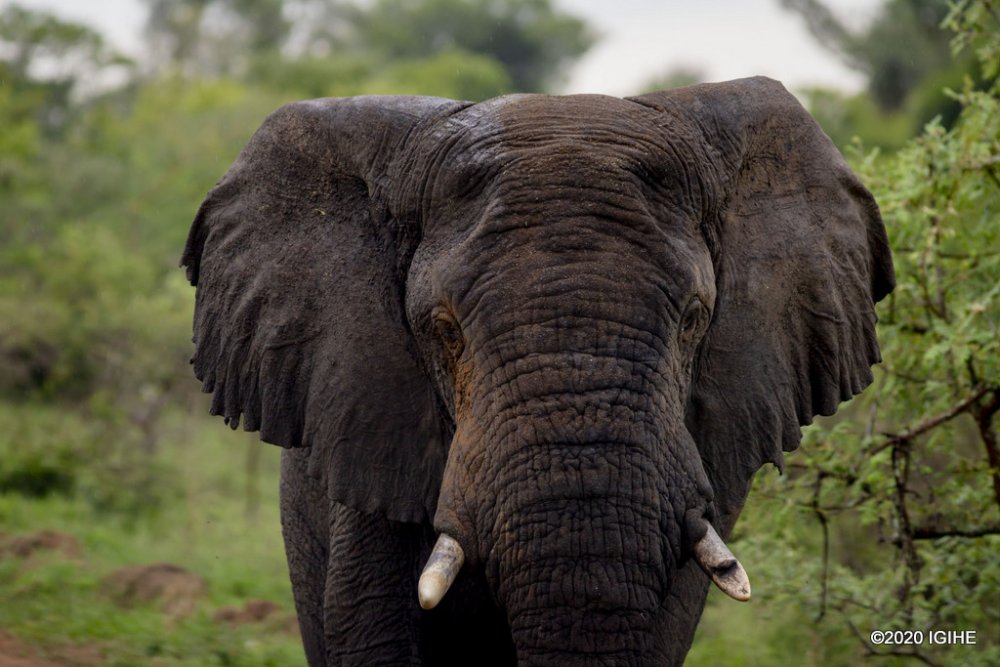
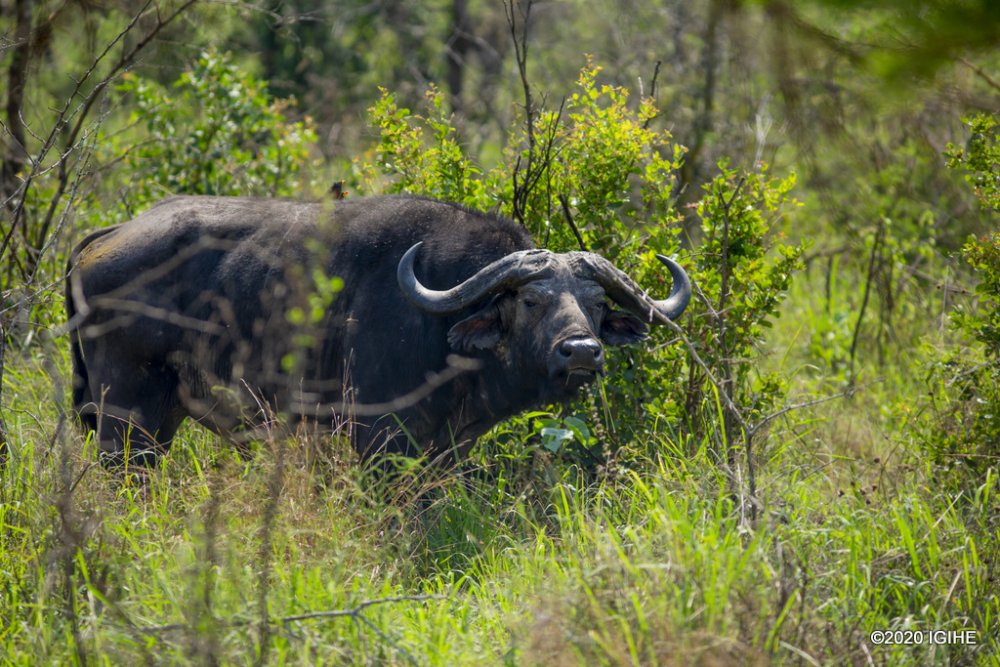
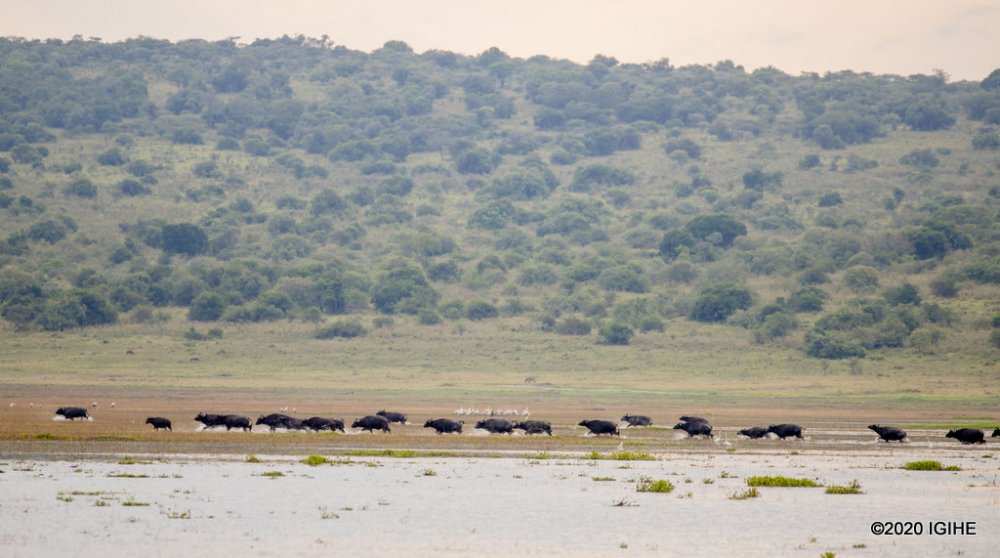
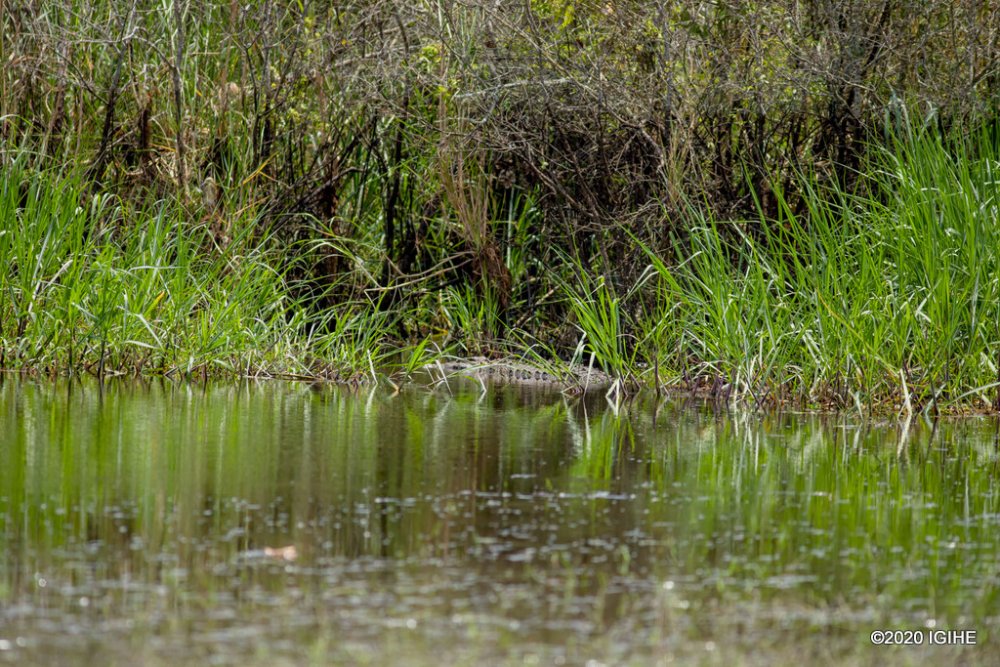
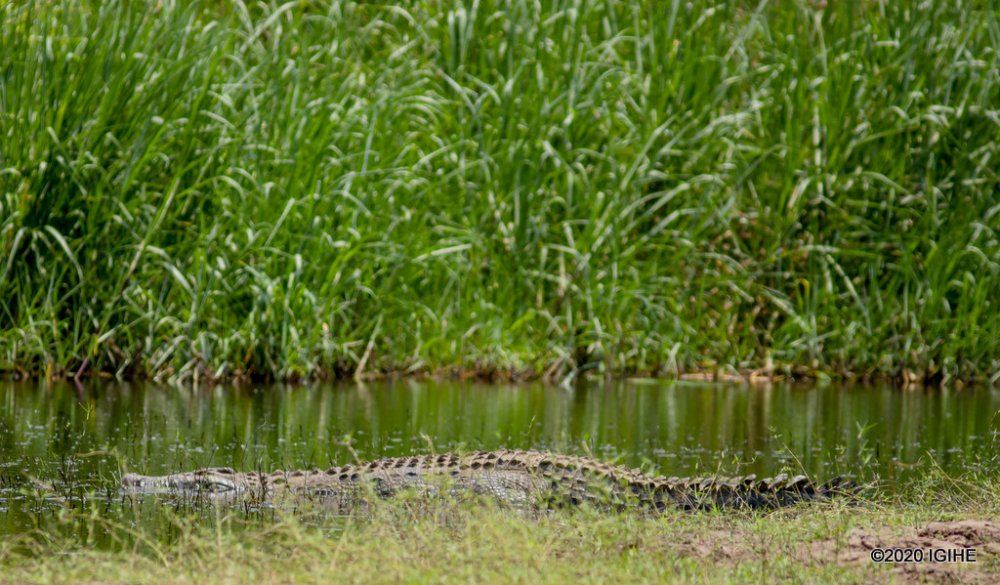
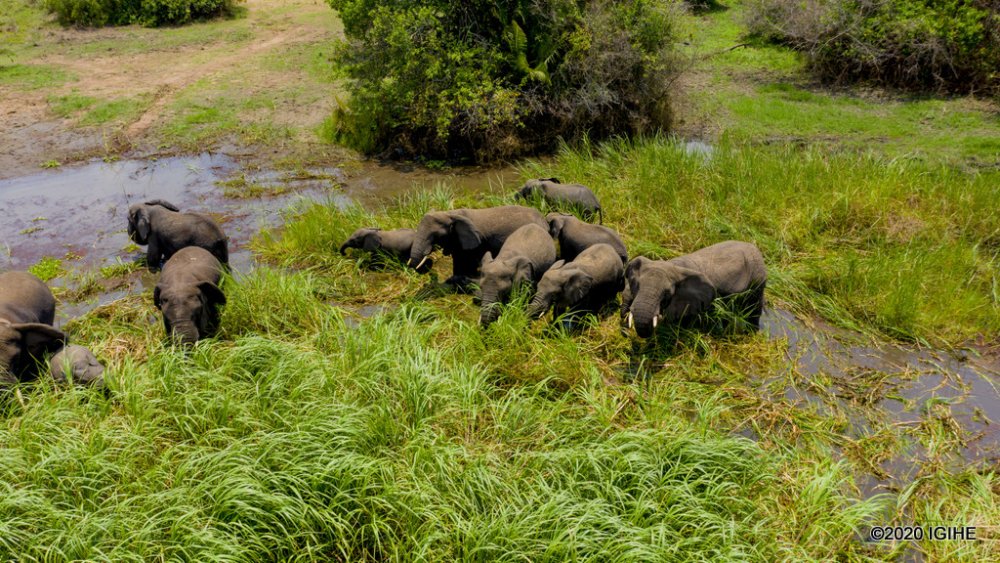
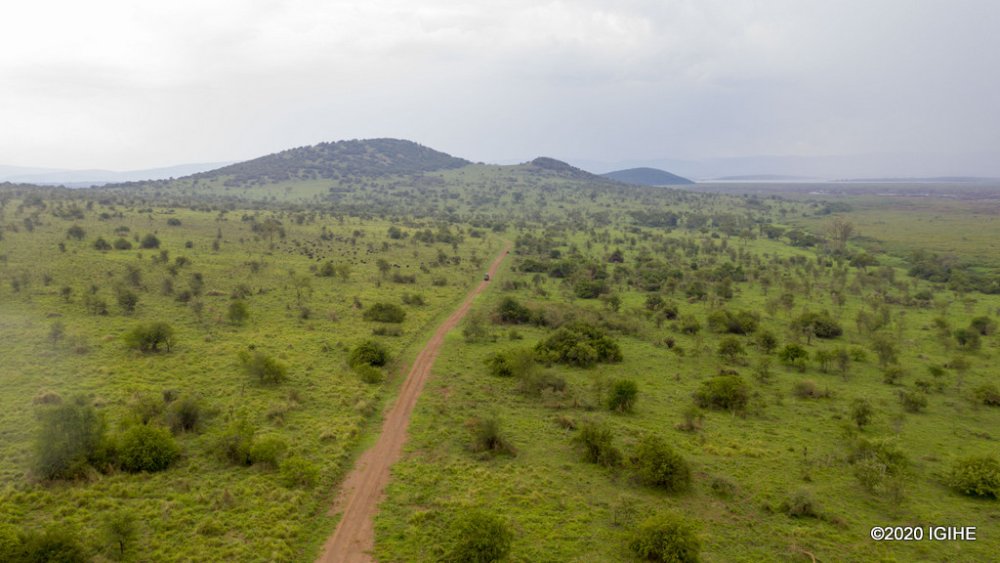
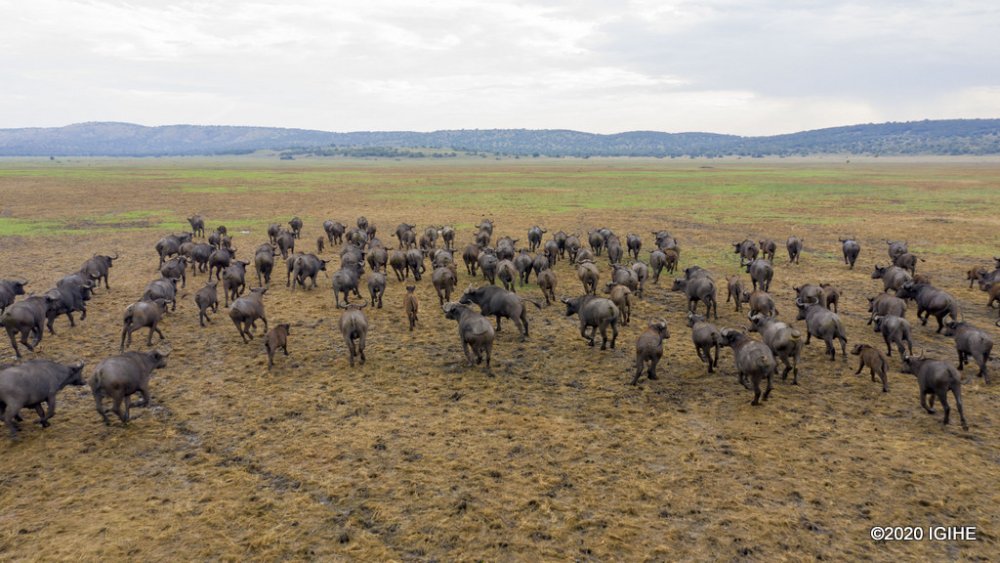
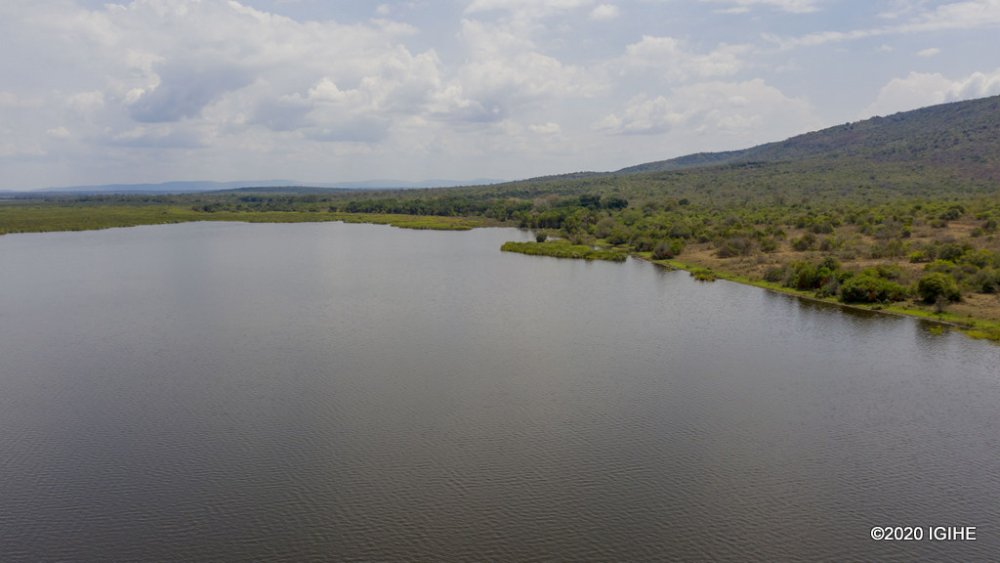
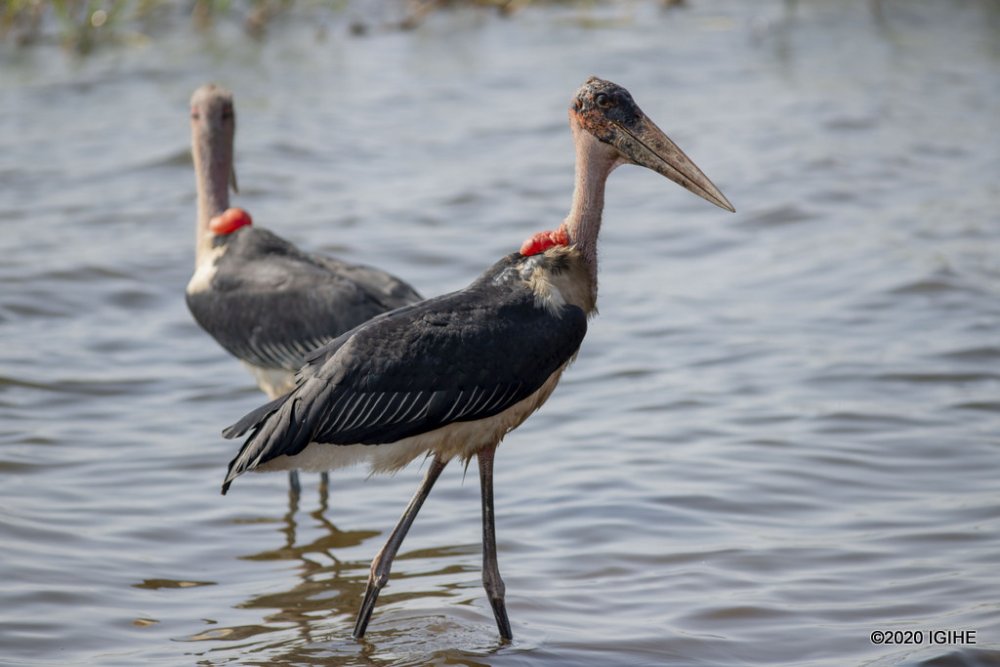
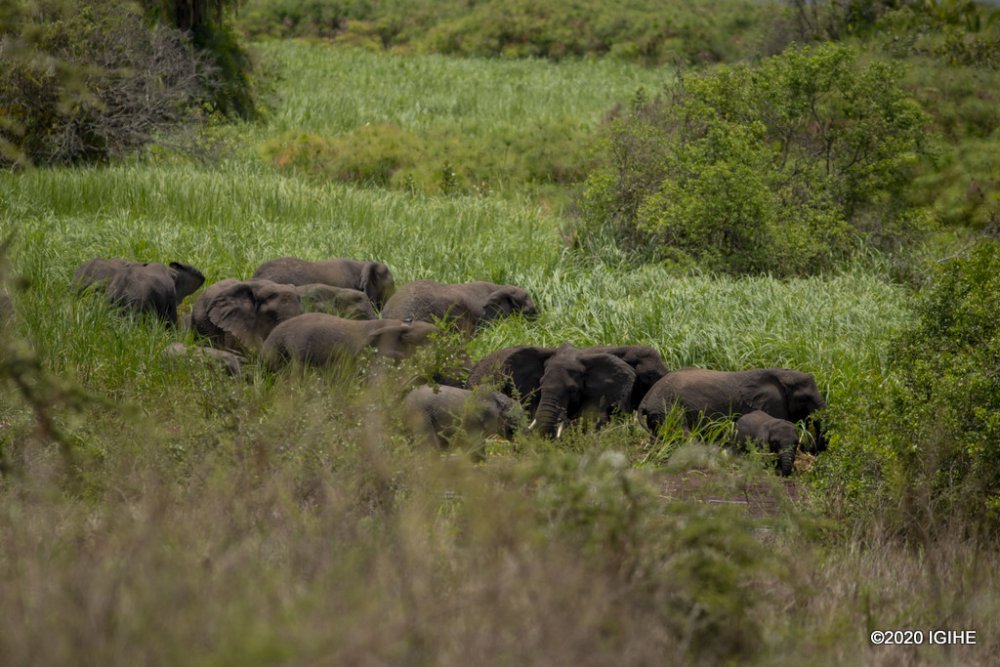
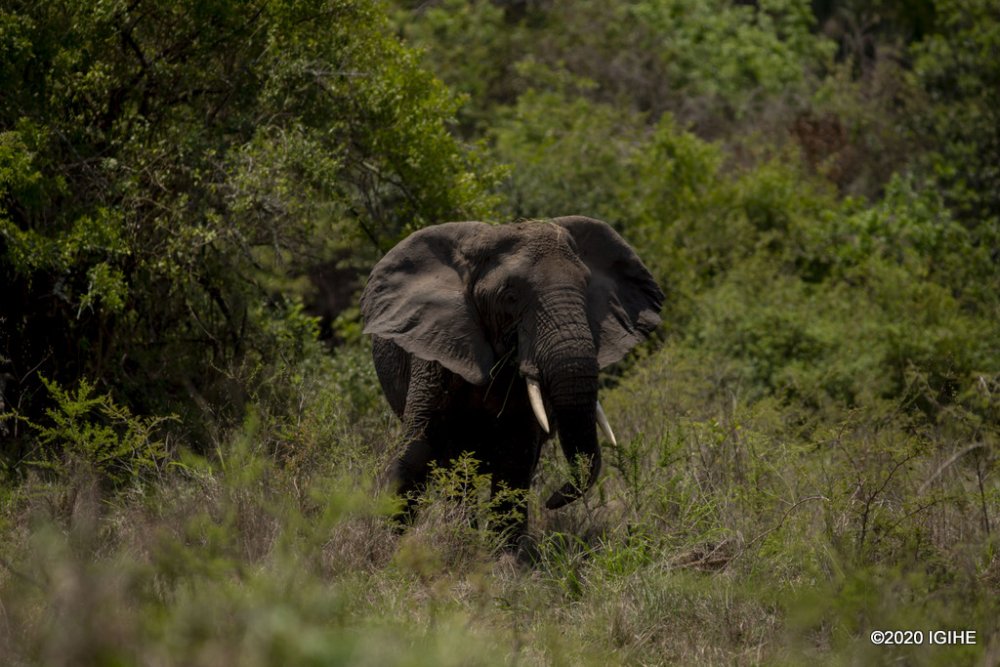
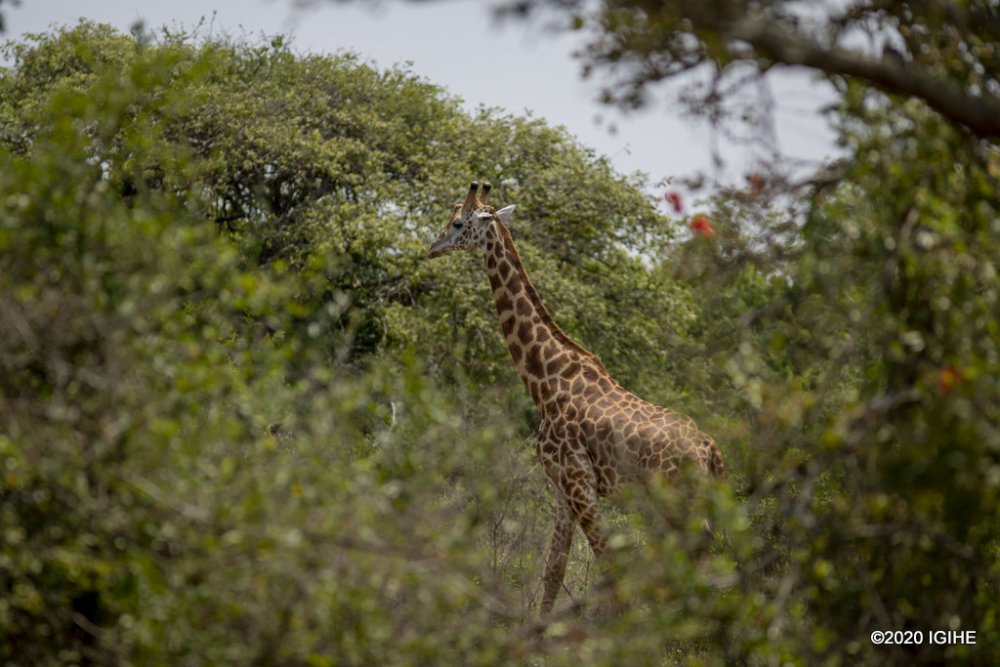
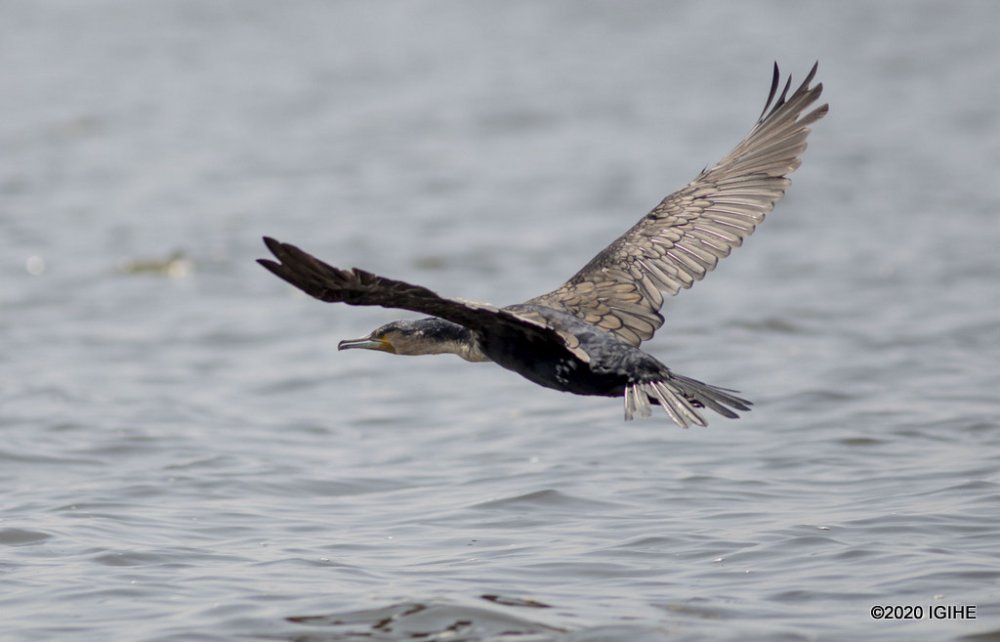
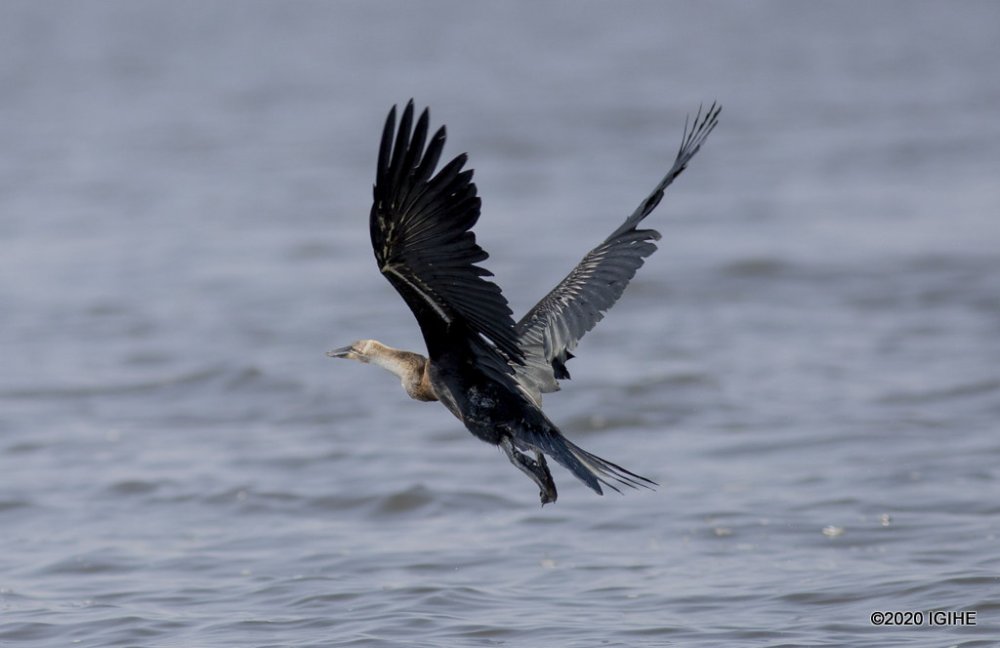
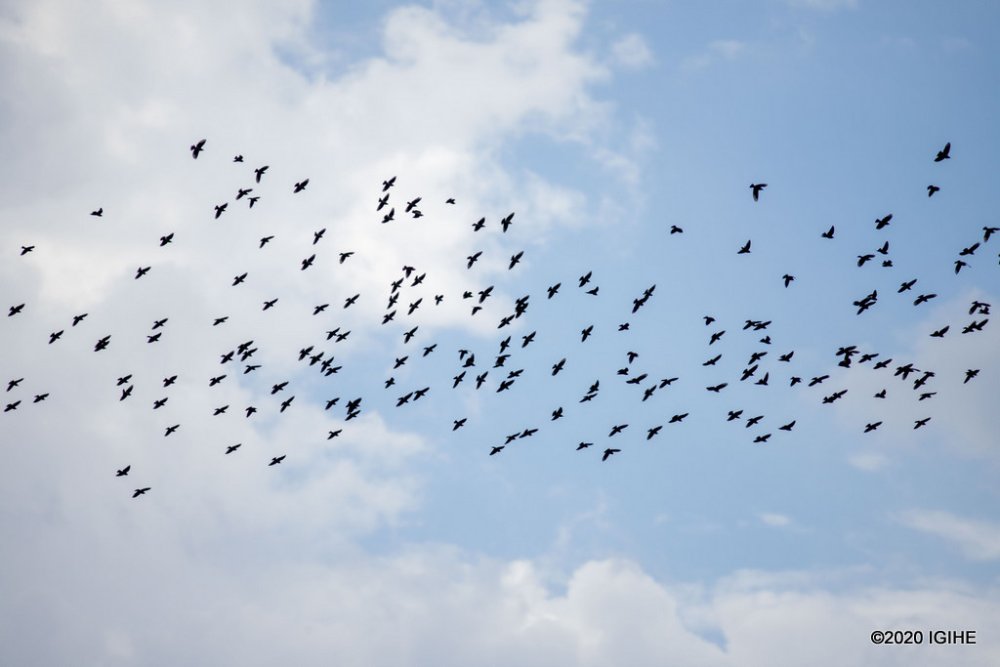
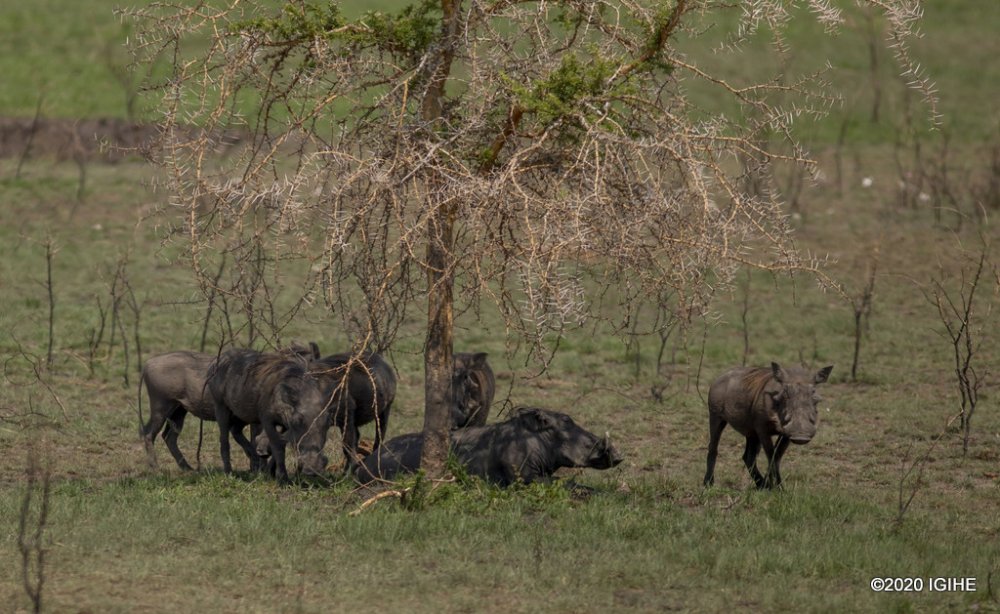
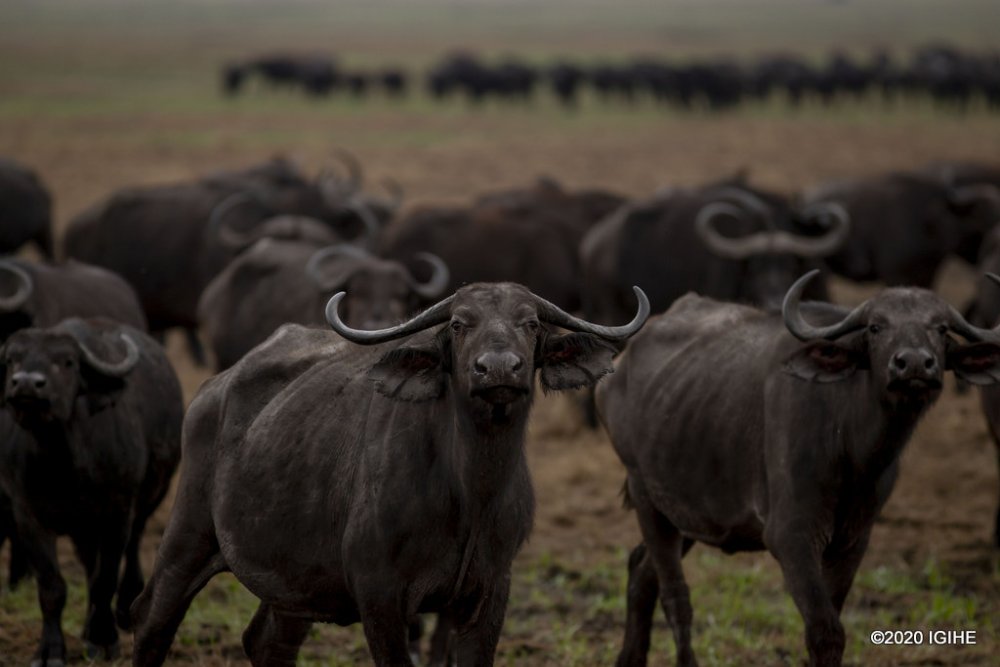
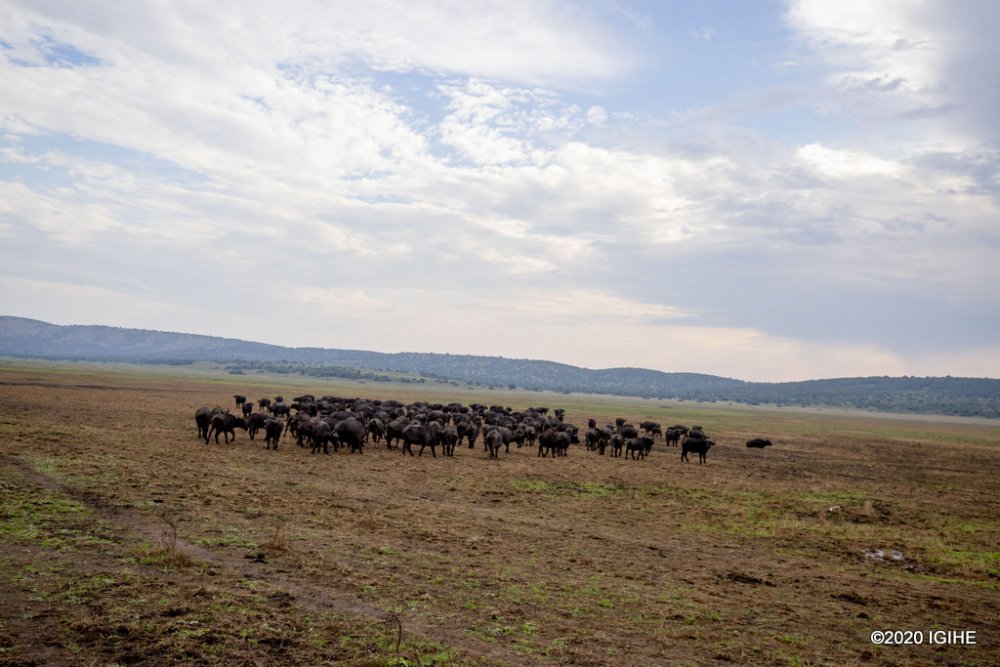
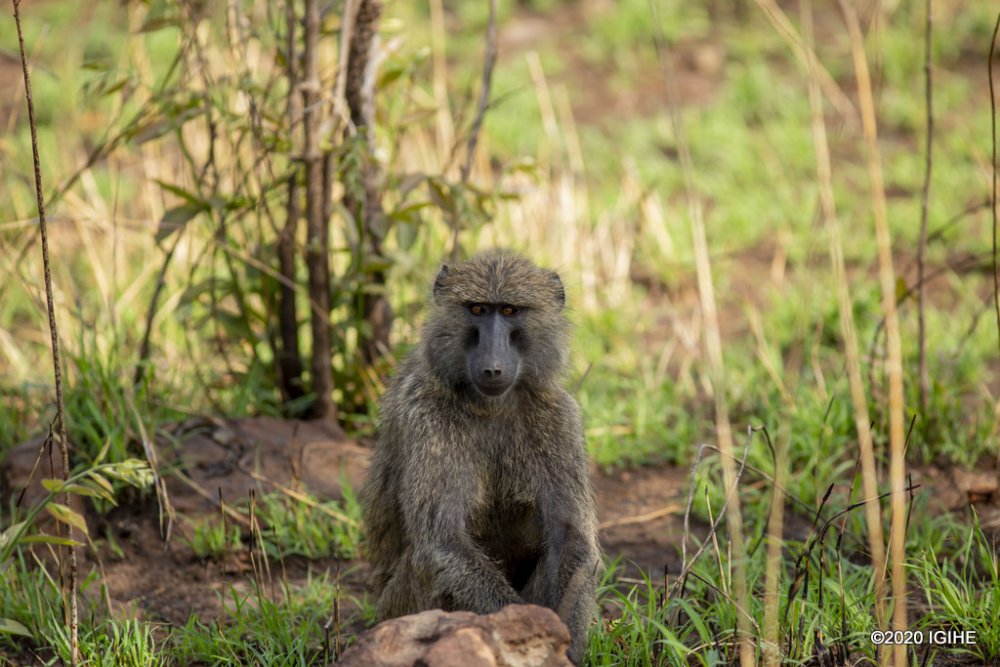
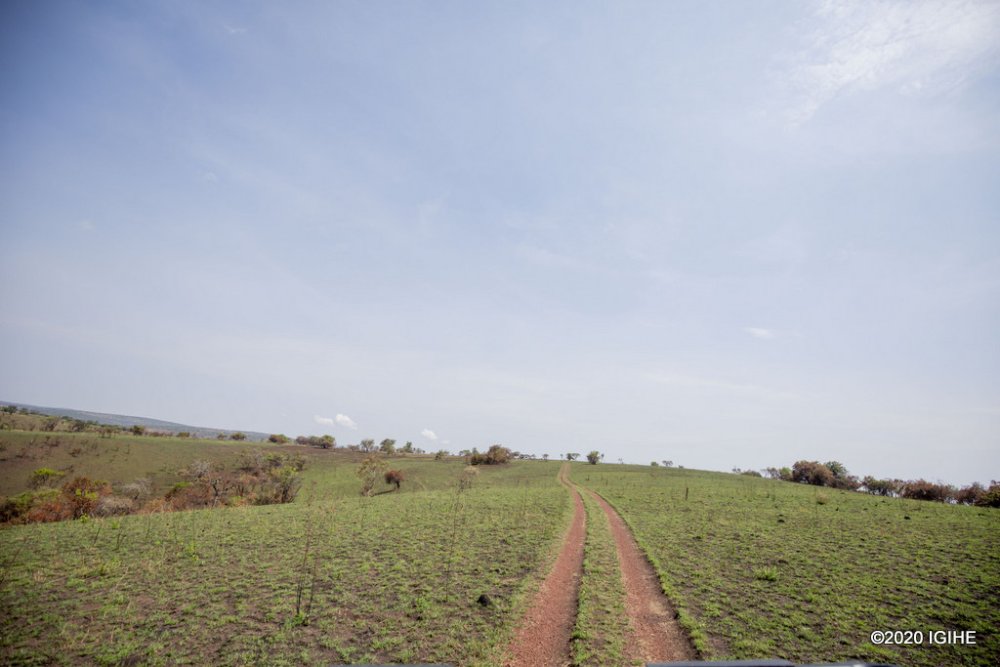
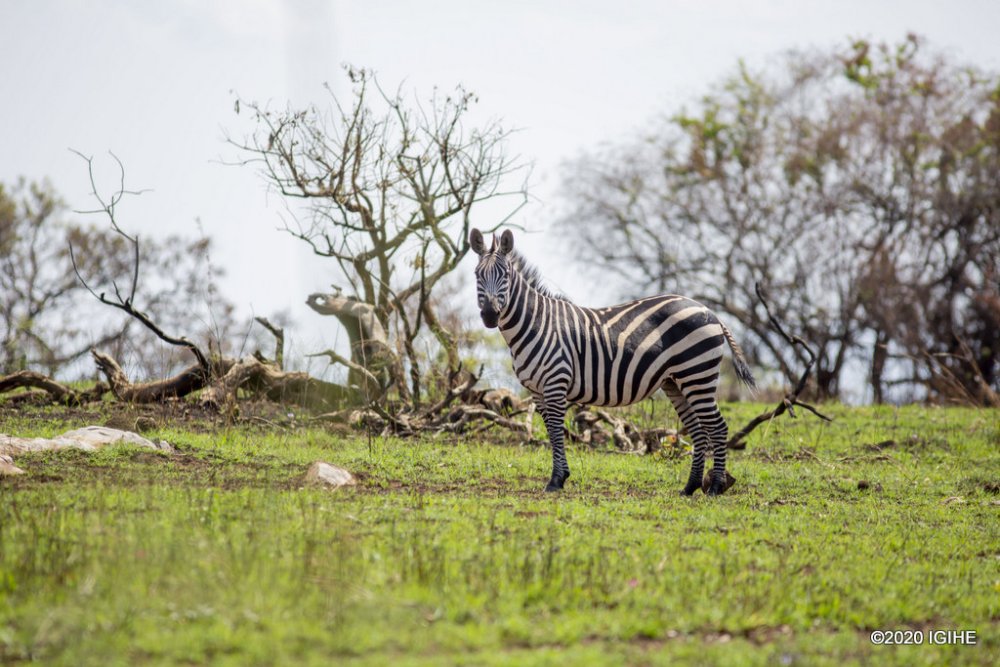
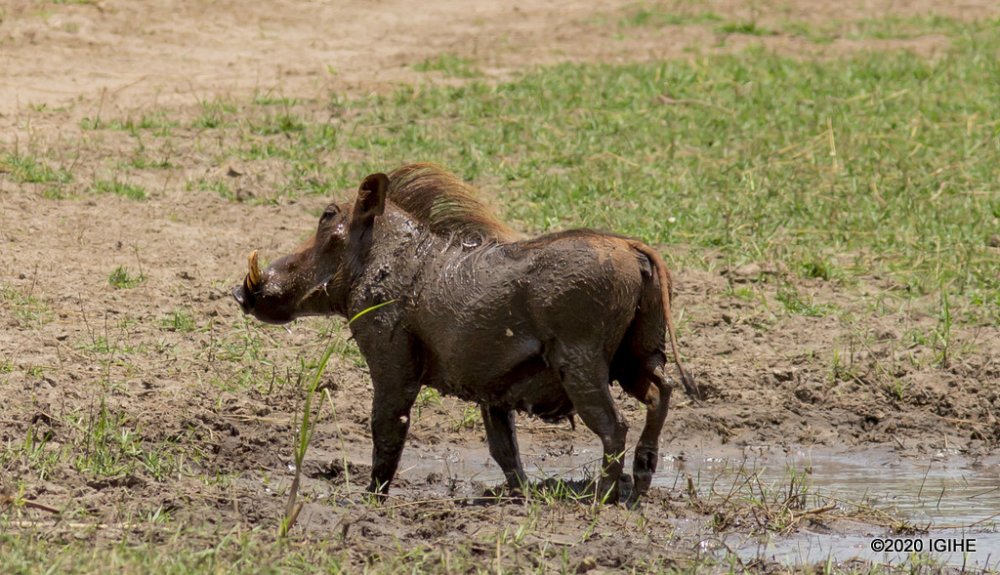
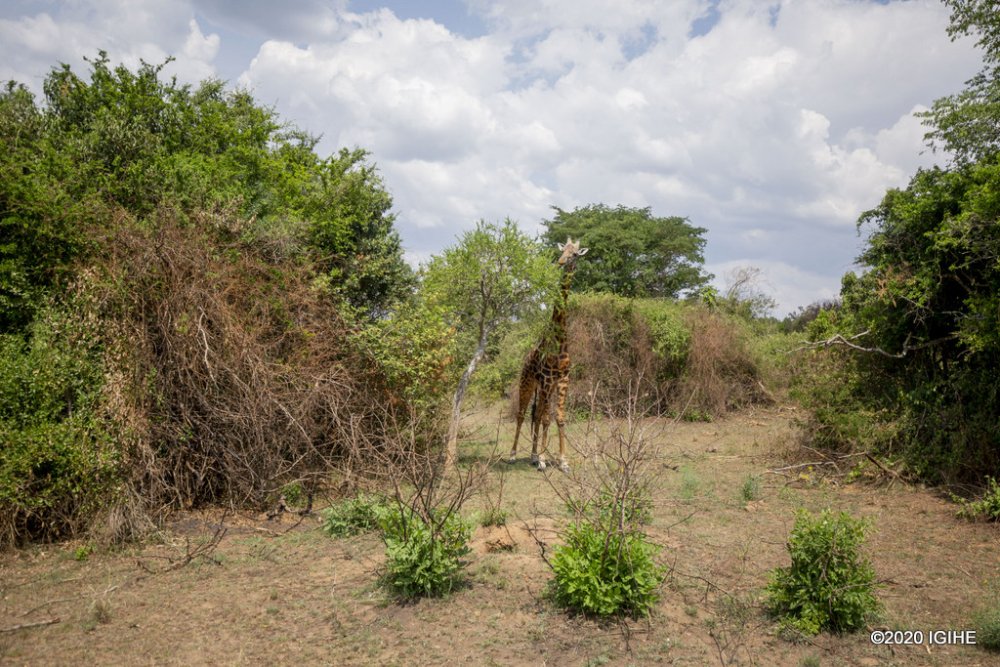
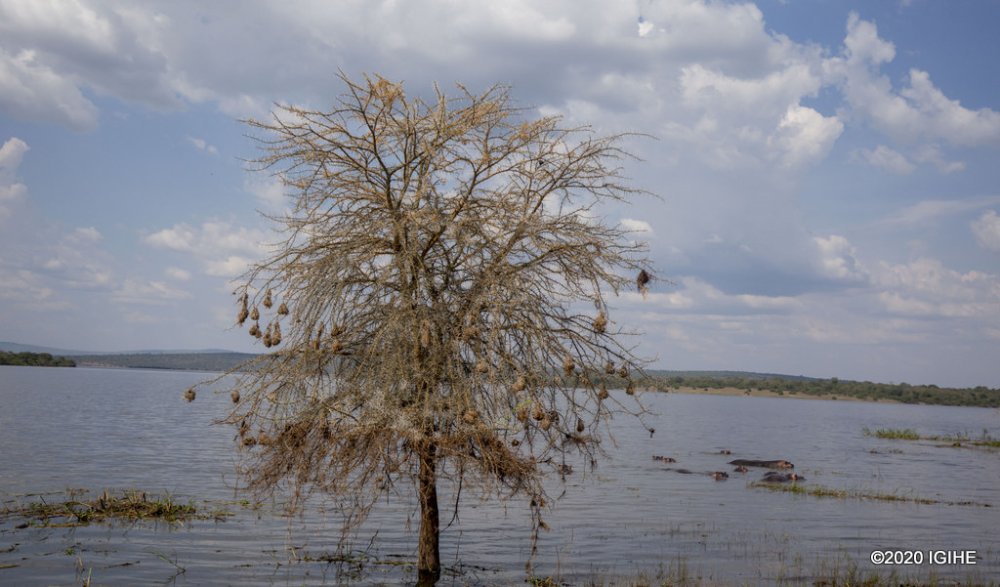
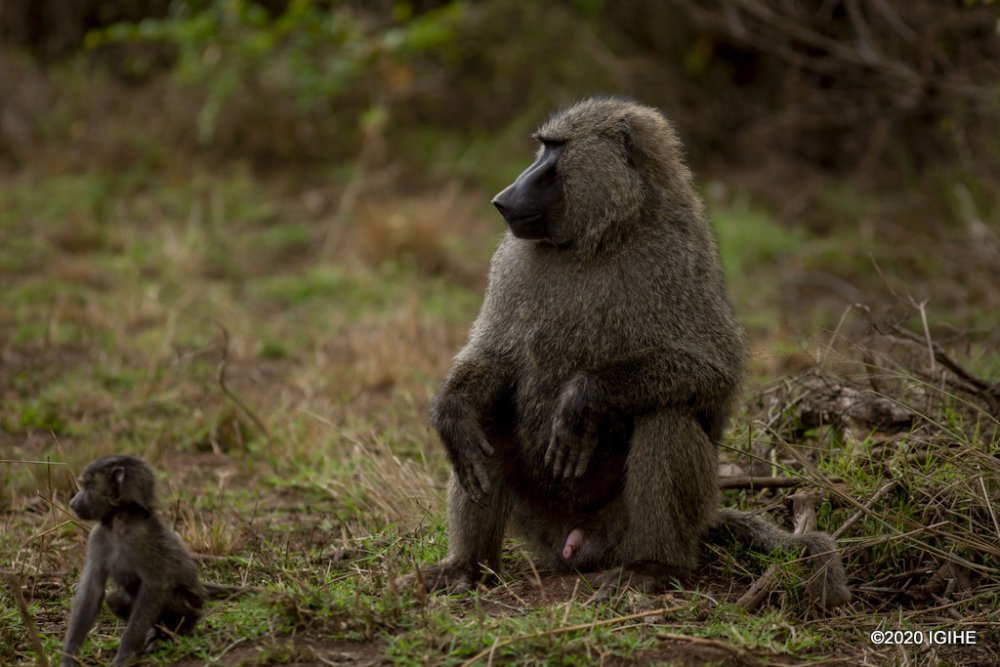
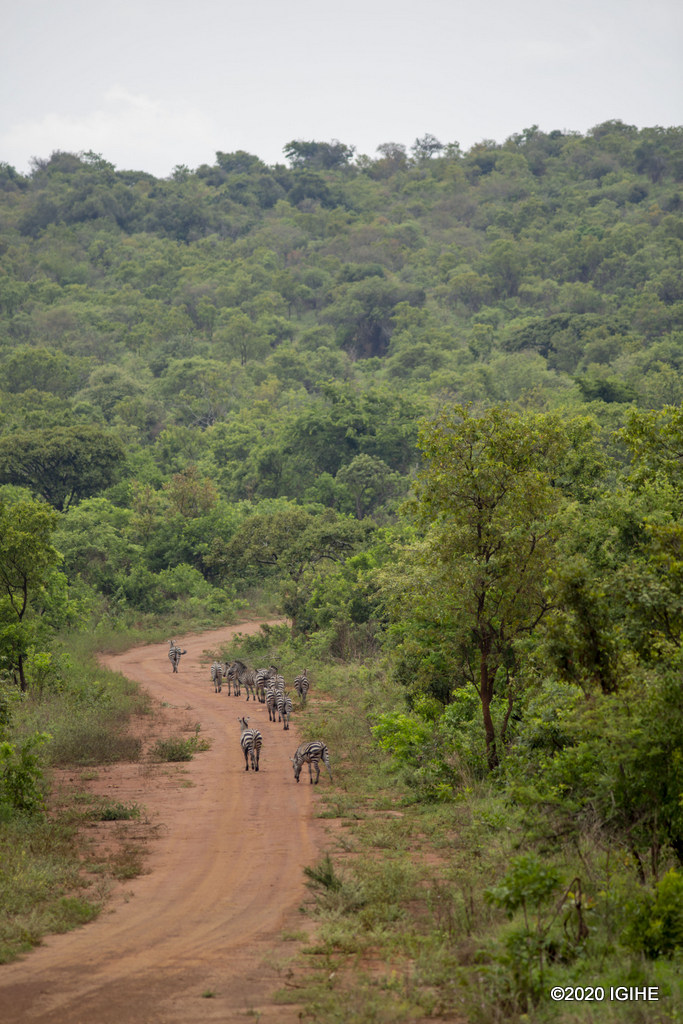
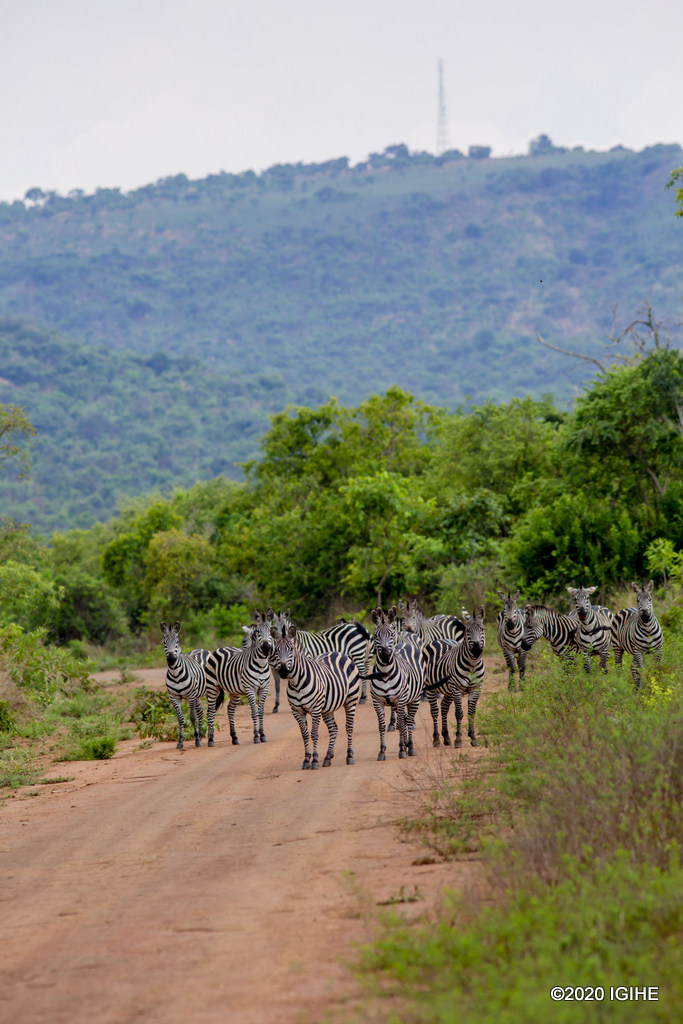
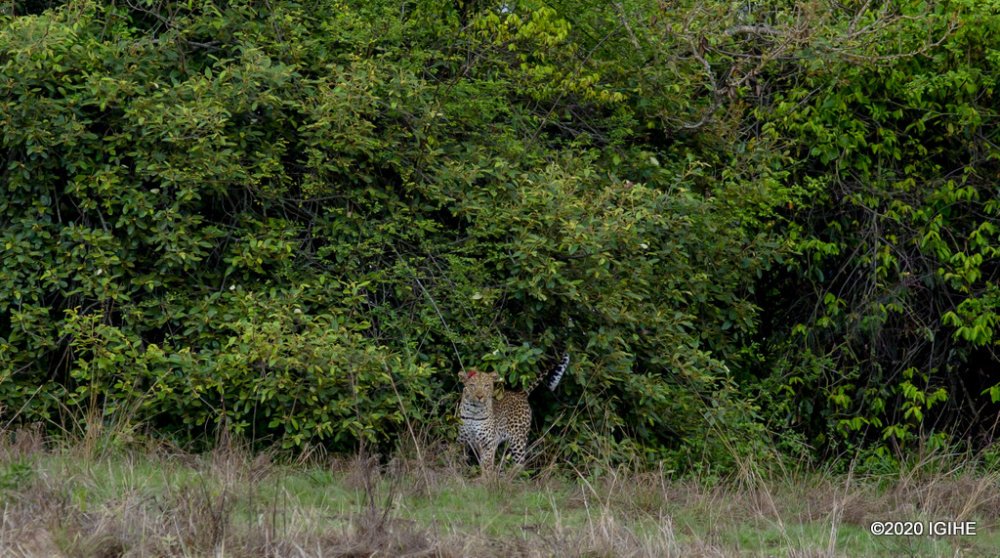
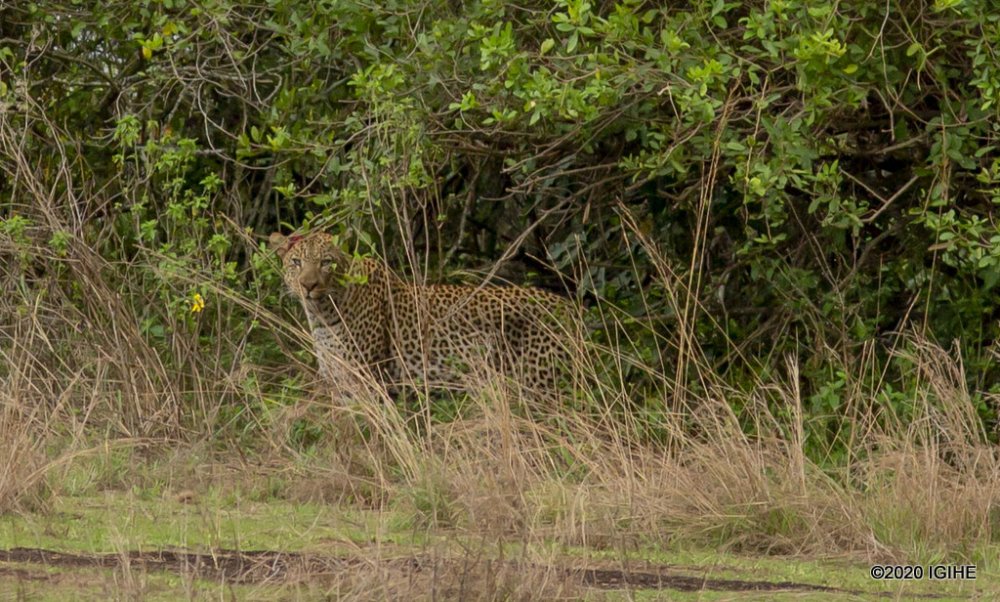
Hippos are among Africa’s most iconic and powerful animals.Lions are among the Big Five species found in Akagera National Park.Elephants cross a road in Akagera National Park, with a calf following behind.Elephants are among the most iconic animals in the park.A buffalo grazes in Akagera National Park.Hyenas are also common in Akagera National Park.A rhinoceros, known for its great strength, uses its horn for defense and fighting.The leopard is a rarely seen animal, with estimates suggesting that only 100 individuals remain in the park.Leopards are among the most commonly seen at night due to their nocturnal and elusive nature.” A crocodile in the waters of Akagera National Park.Elephants often move in groups.Akagera National Park is characterized by a diverse landscape of savannah plains, low-lying hills, and a network of lakes and wetlands.Buffaloes often graze in herds, especially in the valleys.Akagera National Park is home to a network of lakes, including Lake Ihema, the largest in the park. The name “Ihema” means “tent” in Kinyarwanda and is linked to early expeditions that camped in the area.Akagera National Park is also home to a wide variety of bird species, including the marabou stork.Elephants gather to feed on fresh vegetation.Giraffes feed on leaves high in the treetops.This large bird, the African darter, is found in Akagera National Park.A flock of birds flies over Akagera National Park.Warthogs, often referred to as “wild pigs,” are also found in Akagera National Park.A hyena hunting at Akagera National Park.Impala at Akagera.Zebras are also common at Akagera.Warthogs, sometimes referred to as “wild pigs,” are also found in Akagera National Park.Akagera is also a major birding destination, hosting about 500 bird species.
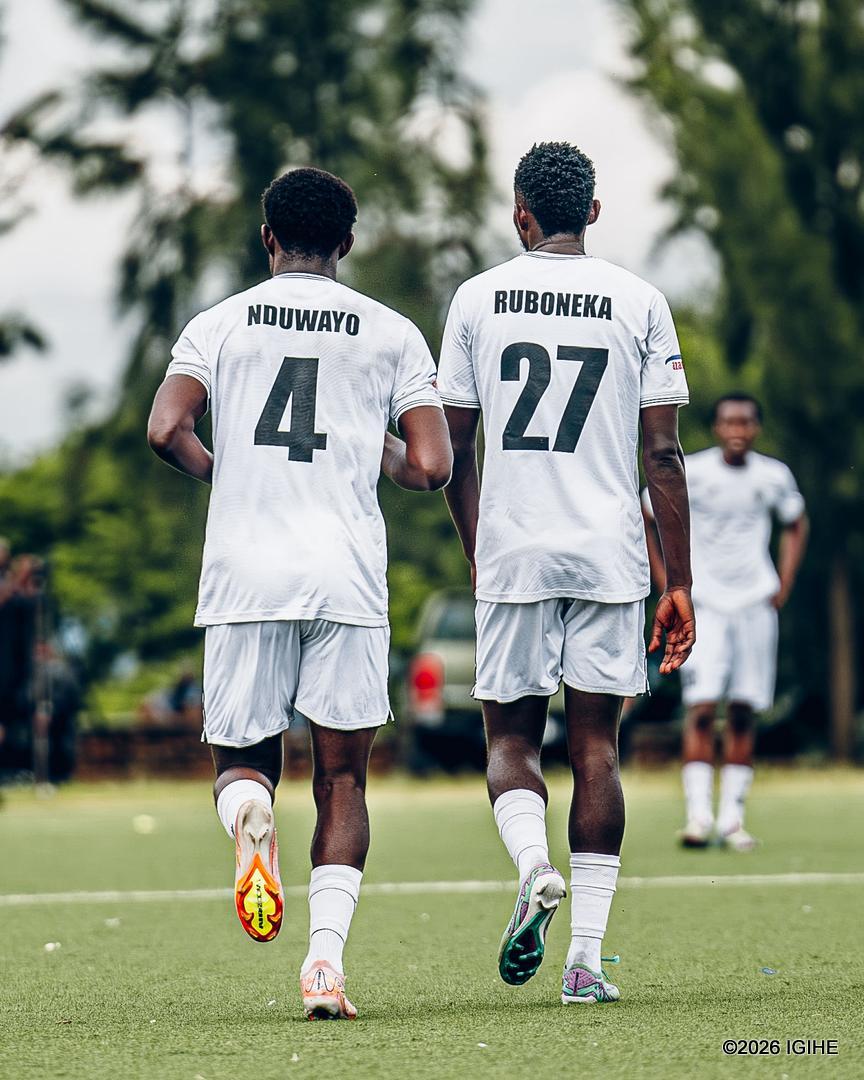
The Matchday 28 fixture of the BK Premier League, played at Kamena Stadium, saw Nduwayo net the third goal in the 61st minute. The goal came from a well-delivered corner kick taken by Ruboneka Bosco, which he successfully converted.
It marked the defender’s first goal for APR FC, coming in just his second start in the Rwanda Premier League since joining the club.
His debut appearance came earlier in the season during APR FC’s 2–1 win over Marine FC.
Speaking after the match, Nduwayo described the moment as an important step in his development.
“It’s just the beginning of a journey. I will keep working hard. I am being given opportunities, and I need to make the most of them,” he said.
The defender also credited his teammates for helping him settle and perform confidently on the pitch.
Nduwayo started due to Niyigena Clément’s injury, while Nshimiyimana Yunussu missed the match after picking up three yellow cards.
Since joining APR FC from Gasogi United during the summer transfer window, the young defender has quickly risen through the ranks, earning a national team call-up with the Amavubi. On Saturday, he delivered a composed display at the heart of defence alongside Ishimwe Abdoul, contributing to a clean sheet for APR FC.
It was a special moment of joy for Nduwayo Alexis, who scored APR FC’s third goal at Kamena Stadium.Nduwayo was making his second league appearance since joining APR FC.APR FC players were delighted to see the young defender score.
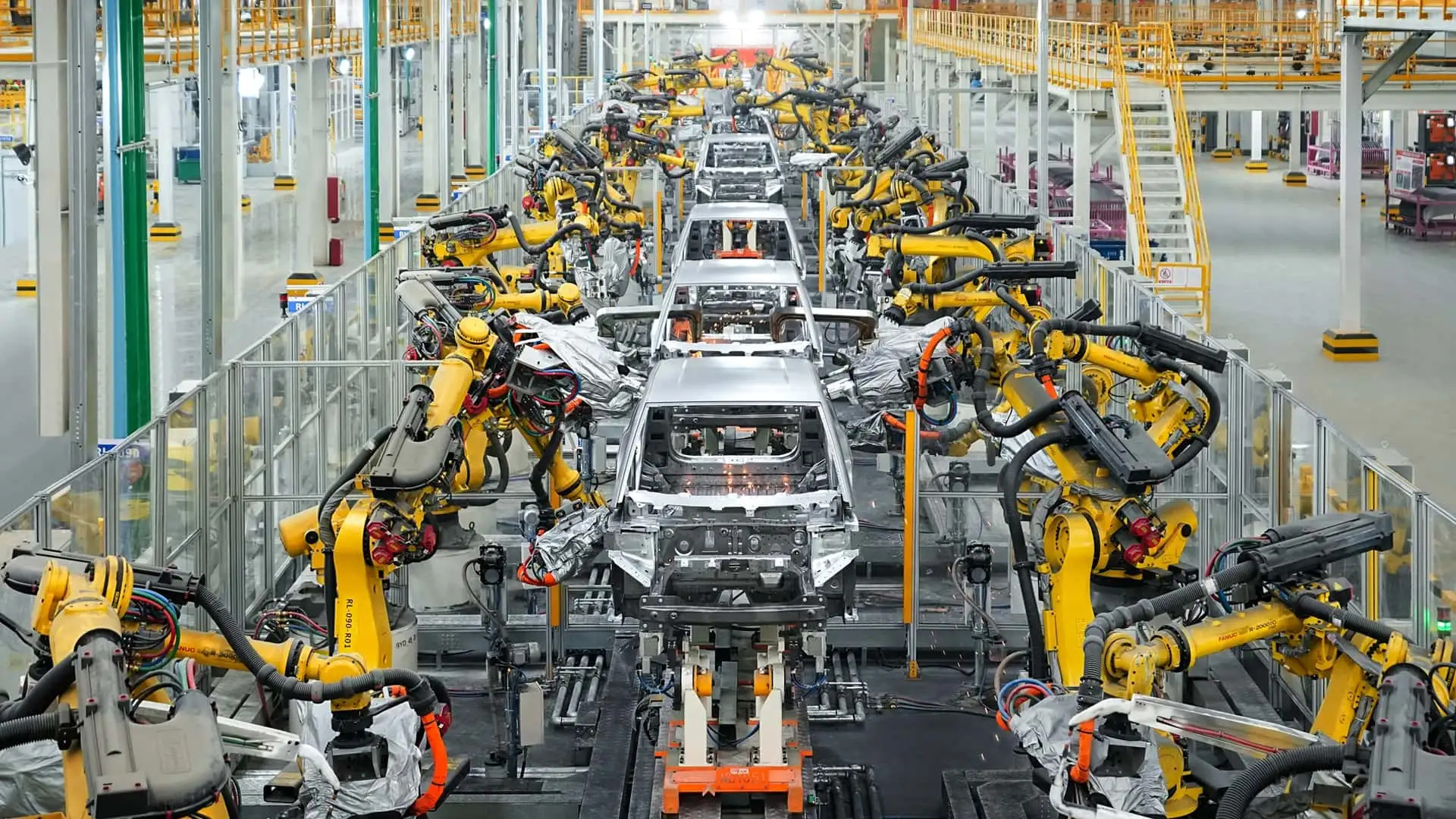
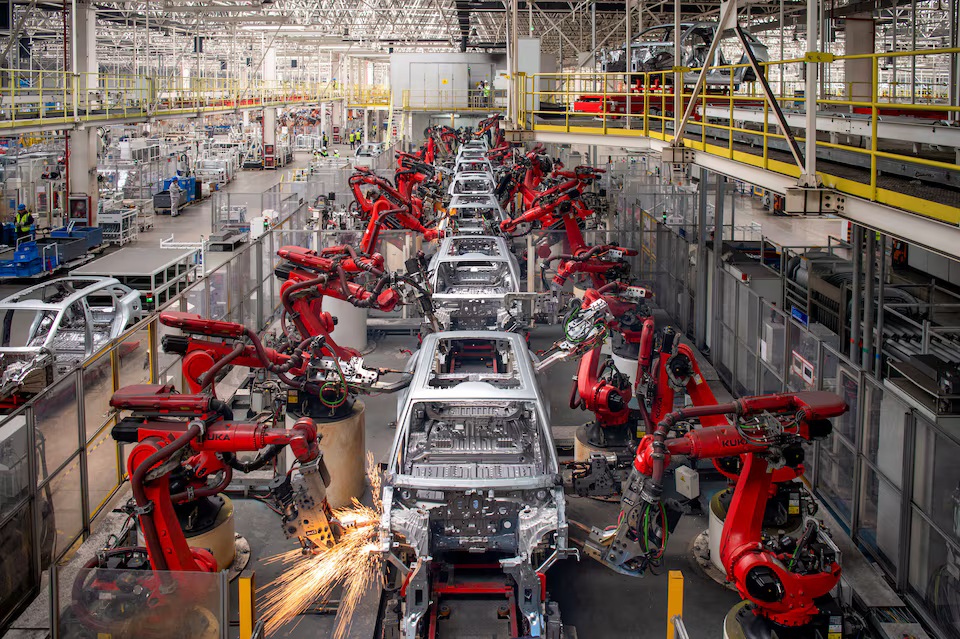
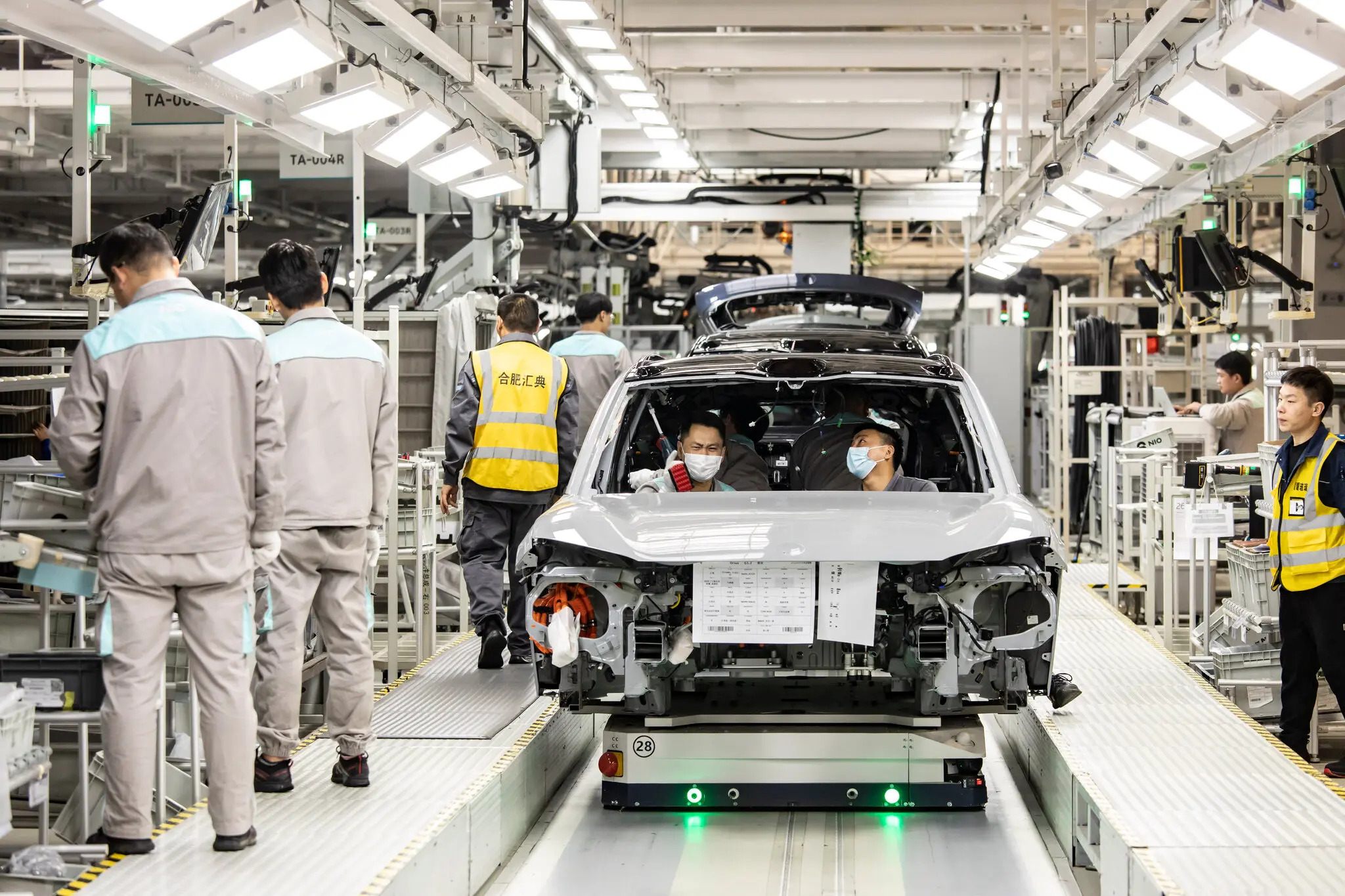
Looking across rows of robotic arms operating with minimal human intervention, he remarked: “We have no chance against this.”
The statement was more than corporate humility. It was a recognition that the global automotive order, long dominated by Detroit, Tokyo, and Stuttgart, is being fundamentally reshaped by China.
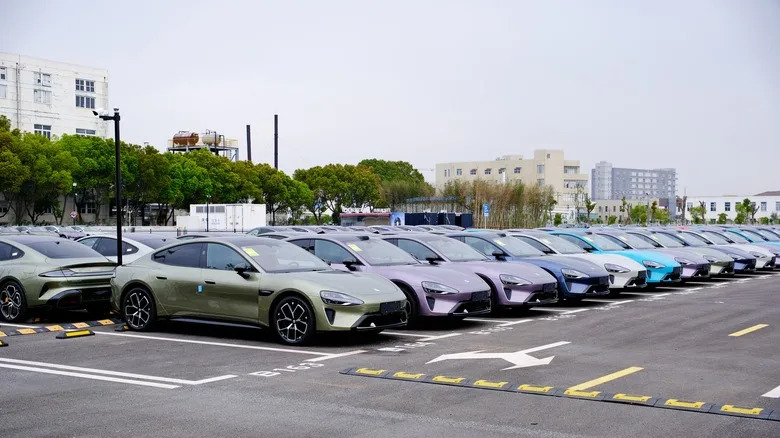
For decades, legacy automakers such as Toyota, Ford Motor Company, Honda, Volkswagen, and BMW set the pace of the global industry. Today, Chinese manufacturers like BYD, Xiaomi, XPeng, and Geely are changing the rules entirely.
The pressure is so intense that executives across the world are no longer speaking in terms of competition but survival.
Robotic arms assemble cars in the production line for Leapmotor’s electric vehicles at a factory in Jinhua, Zhejiang province, China.
The rise of “China Speed”
For years, developing a new vehicle model, from concept to showroom, typically took between five and seven years.
Today, Chinese EV makers are compressing that cycle to less than 24 months. This pace, often referred to as “China Speed,” is not simply about faster production. It reflects a deeper shift in how vehicles are designed and sold.
At the 2026 Auto China exhibition in Beijing, Chinese firms showcased vehicles that looked less like traditional cars and more like fully connected digital platforms.
BYD’s latest battery technology now allows some flagship models to reach near-full charge in under ten minutes, significantly reducing one of the biggest barriers to EV adoption: charging anxiety.
Meanwhile, Xiaomi’s SU7 has become one of the most talked-about vehicles in the industry. Jim Farley, CEO of Ford, publicly said he imported one to the United States and drove it for months, describing it as “fantastic.”
The car’s appeal lies not just in design, but in software integration, artificial intelligence, seamless connectivity, and a user experience that many traditional manufacturers are struggling to match.
Chinese firms also benefit from vertical integration, controlling everything from battery supply chains and mineral sourcing to vehicle software and assembly. That allows them to produce advanced EVs at prices many Western manufacturers cannot compete with profitably.
Japan’s warning signs
The concern is especially visible in Japan.
In March 2026, Toyota CEO Koji Sato warned hundreds of suppliers that unless the company adapted quickly, “we will not survive.”
For the world’s largest automaker, the challenge is not quality, it is speed.
Toyota’s long-standing philosophy of kaizen, or continuous improvement, is now being tested by the aggressive pace of Chinese competitors. The company has even begun reconsidering strict production standards on non-visible parts to improve speed and reduce costs.
“This is not a drill,” Sato told partners. “It is a difficult battle for the future of our industry.”
China’s electric vehicle market is the world’s largest and fastest-growing.
America’s growing concern
In the United States, the tone is equally serious.
Ford’s Jim Farley recently warned that China’s manufacturing capacity, estimated at more than 50 million vehicles annually, is large enough to supply the entire U.S. market and still have millions left over.
“They could put us all out of business,” he said.
For Farley, the issue is not only about competition but also about jobs and industrial survival. If U.S. automakers fail to compete, the country risks losing the manufacturing backbone that has supported its middle class for generations.
Ford is now betting heavily on a lower-cost EV strategy, including plans for a more affordable electric pickup platform capable of competing with Chinese pricing.
Rwanda is already seeing the shift
While the global debate often focuses on Beijing, Detroit, and Tokyo, the effects of China’s automotive rise are already visible in Rwanda.
As of early 2026, Rwanda has recorded a sharp increase in electric vehicles, with rising number of fully electric cars operating in the country, many of them from Chinese brands such as BYD, Dongfeng, and Yutong.
Data from the Rwanda Revenue Authority (RRA) show that the combined number of electric and hybrid vehicles reached 7,172 in 2024. Official data also indicates that hybrids account for a significant share of low-emission vehicle imports, estimated at about 43 percent.
Electric buses have become increasingly visible in public transport across Kigali, while thousands of electric motorcycles are also entering the market as the country pushes for cleaner mobility solutions.
Chinese brands are playing a major role in that transition.
Popular EV models such as the BYD Atto 3 and Dolphin, alongside Dongfeng vehicles and Yutong buses, are becoming more common, often imported through dealers such as China Electric Vehicle Rwanda (CEVR). Charging infrastructure has also expanded rapidly.
A BYD assembly line.
Financial institutions are also adjusting. Equity Bank Rwanda has partnered with Chinese EV dealers, including CEVR, to provide financing options aimed at making electric vehicle ownership more accessible.
Government incentives, including VAT exemptions on EVs, batteries, spare parts, and charging equipment, have further accelerated adoption.
The momentum is also attracting larger industrial ambitions.
On April 23, 2026, President Paul Kagame received Xu Hui, head of Rich Resource International Investments, alongside senior leadership from Chery Holding at Urugwiro Village.
Discussions focused on potential investment opportunities, including plans to establish an electric vehicle assembly plant in Rwanda, an initiative that aligns with the country’s broader strategy to expand industrialisation and position itself as a regional hub for e-mobility.
The Ministry of Infrastructure recently also mandated that all public institutions ensure at least 30% of newly purchased vehicles are fully electric (EVs), effective April 2026. This initiative aims to reduce fossil fuel dependency, cut greenhouse gas emissions, and promote sustainable, clean mobility.
The end of legacy advantage
The concern expressed by executives in Japan, Europe, and the United States reflects a simple reality that history is no longer enough.
A century-old badge no longer guarantees relevance when consumers are prioritising battery performance, software experience, and affordability.
And as Rwanda’s own EV market shows, this transformation is no longer confined to major global economies. It is reshaping mobility choices, investment priorities, and industrial strategies across Africa as well.
The question is no longer whether Chinese companies will disrupt the global car market. They already have. The real question is which of the old giants will adapt fast enough to survive.