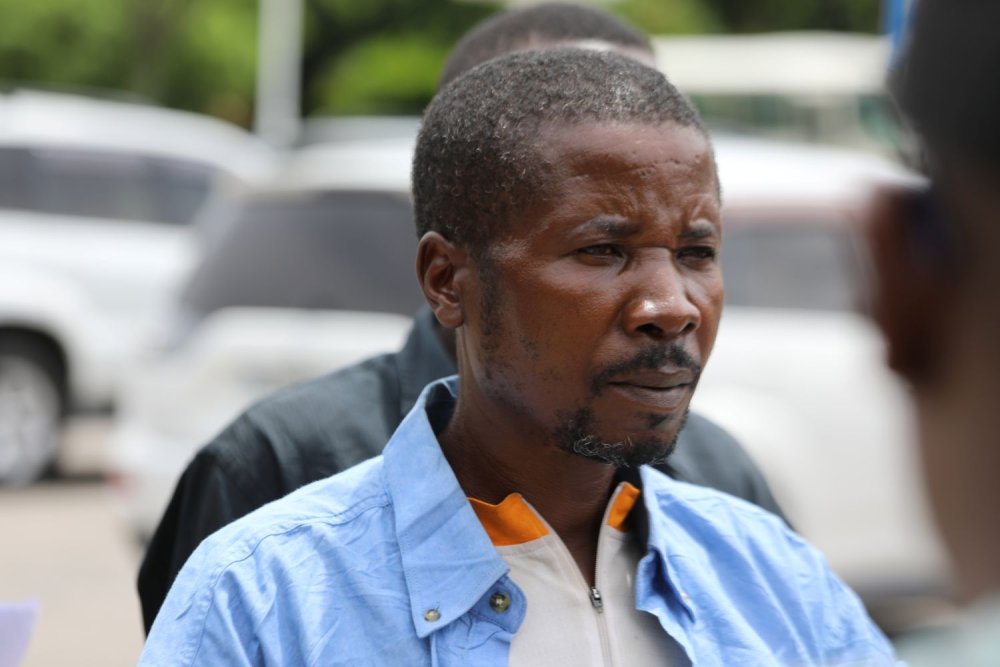
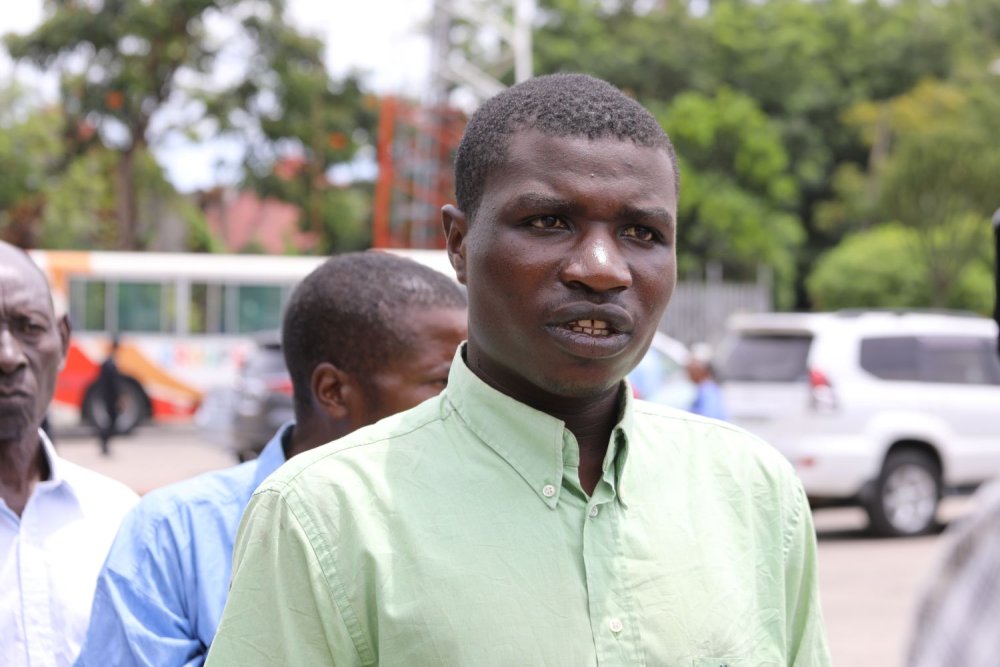
“FDLR and Nyatura would capture us and try to force us to join them in fighting, claiming that we are Rwandans. Anyone who refused was taken away at night, and we would never see them again. Later, we would be told they had been killed,” said 28-year-old Dushime Janvier, one of the returnees.
Dushime arrived in Rwanda from Kitchanga, in eastern DRC. He said his family originates from the former Rwerere Commune in Gisenyi Prefecture, now part of Rubavu District.
He is among 317 Rwandans who were repatriated on Friday, April 24, 2026, after being held by the FDLR, a group designated as a terrorist organisation.
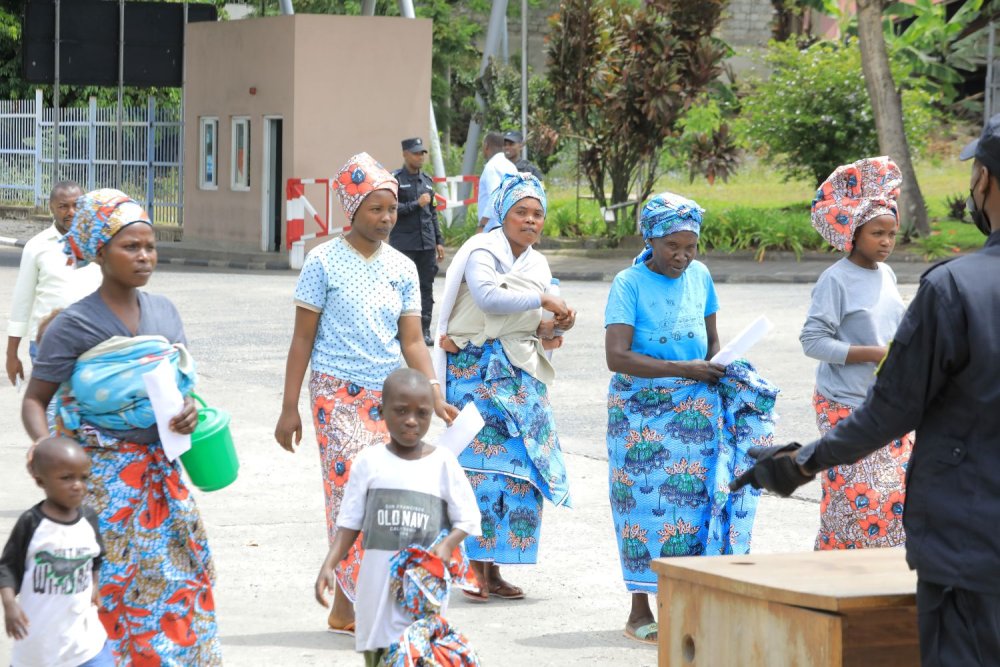
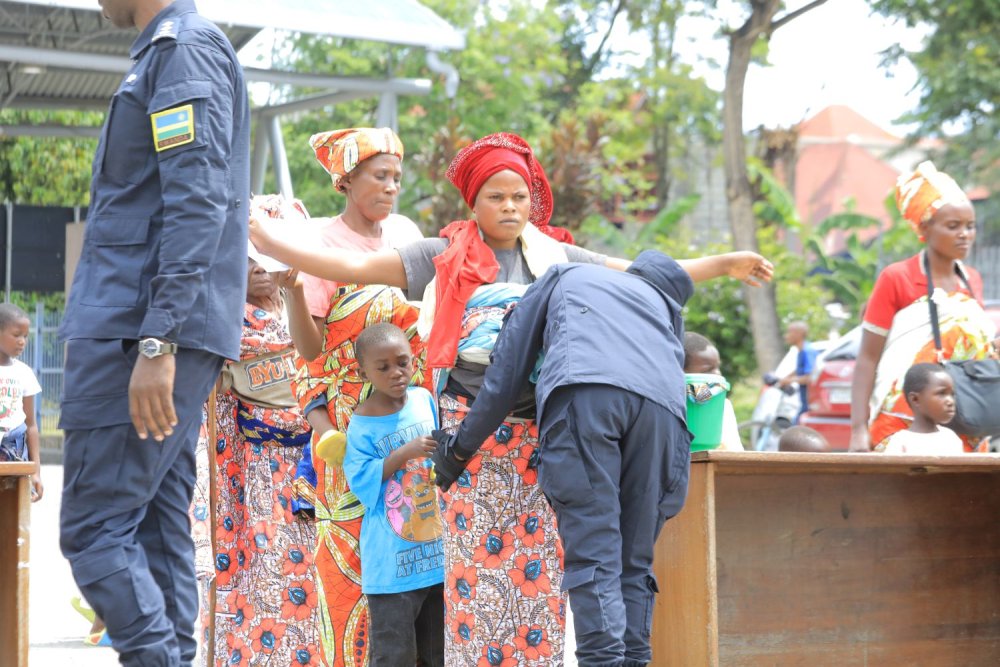
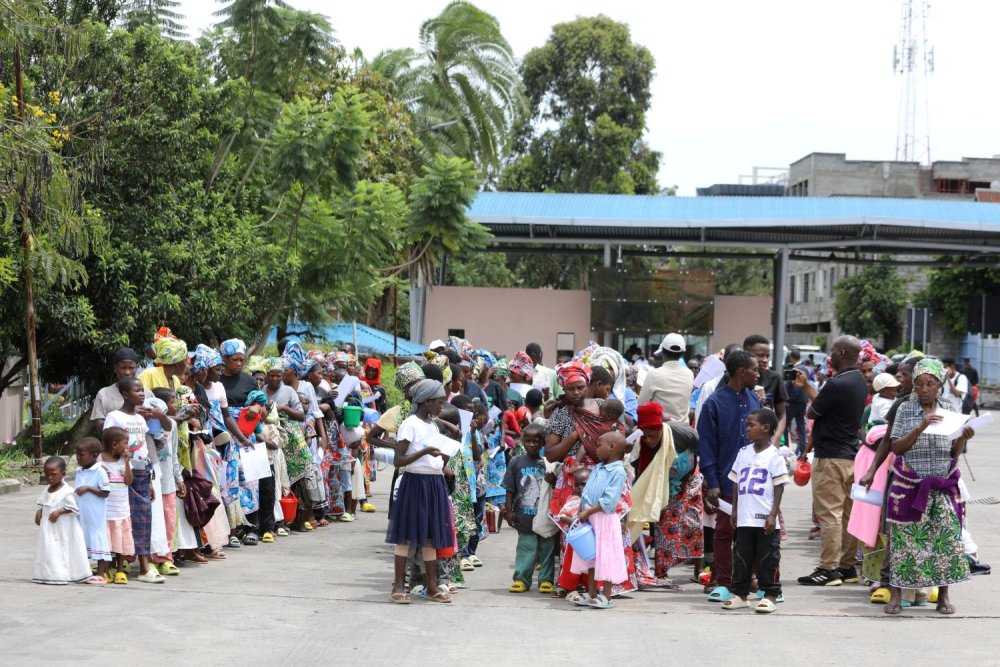
The returnees crossed into Rwanda through the Grande Barrière border post, where they were received by government officials before being transferred to the Kijote transit centre in Nyabihu District.
The group is largely composed of children, who number 226, alongside 76 women and 15 men.
Speaking about his experience, Dushime said he fled to the DRC with his aunt, who later died. He explained that he chose to return due to the harsh conditions he faced.
“I never had the opportunity to attend school because I spent my life herding cattle. Nyatura and FDLR were constantly pursuing us because we are Rwandans. We cultivated crops, but they would take the harvest. Life was extremely difficult, which is why I decided to return,” he said.
Another returnee, 50-year-old Akiri Valens, said he fled Rwanda in 1998 and initially settled in Rusongati before moving to Karenga, where he worked cutting trees. He expressed relief and optimism upon returning home.
“We stayed there hoping our situation would improve, but it never did. Working in a foreign country is difficult. Today, I am happy to be back with my wife and seven children, and I am determined to work and build a better future,” he said.
Valens added that in 2023, during intensified fighting, he fled to Rugali, where he remained until his return. He noted that armed groups had spread misinformation, claiming that anyone who returned to Rwanda would be killed, which he later discovered was untrue.
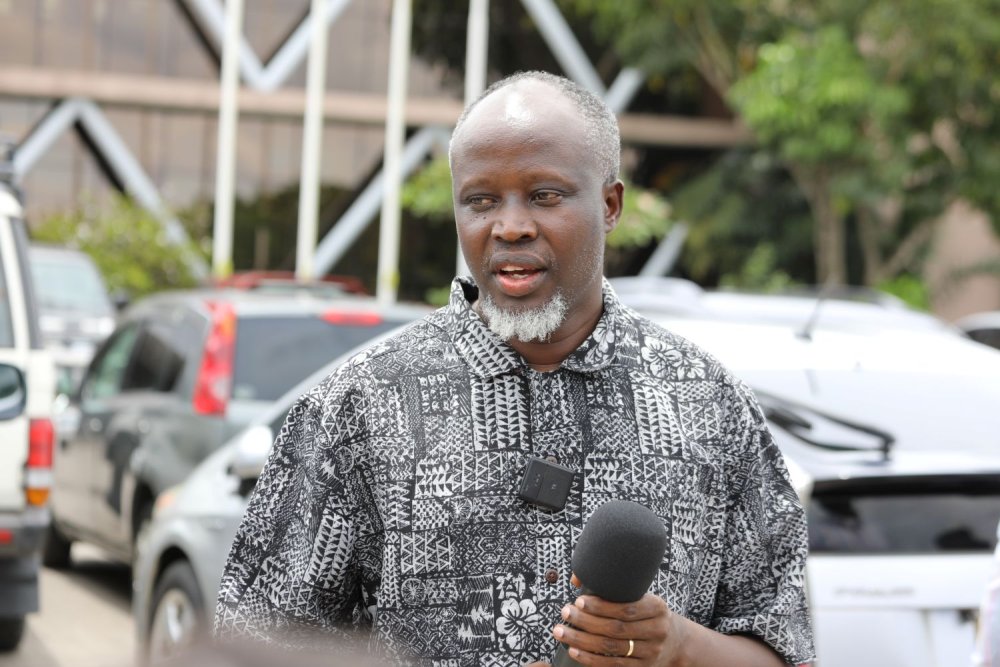
The Vice Mayor of Rubavu District in charge of economic development, Nzabonimpa Déogratias, welcomed the returnees and reassured them of their safety and opportunities in Rwanda.
“You have returned home to a country that prioritises the well-being of its citizens. You will find leadership committed to inclusive development without discrimination. We encourage you to enrol your children in school and contribute to the development of our nation, which is peaceful and stable,” he said.
He also called on the returnees to encourage others still living in the forests of eastern DRC to come back to Rwanda.
The repatriation follows agreements reached on July 24, 2025, during a tripartite meeting involving Rwanda, the DRC, and the United Nations High Commissioner for Refugees (UNHCR) in Addis Ababa, Ethiopia.
Before their return, the group had been living in a temporary camp in Goma after leaving various areas in eastern DRC, where they had been held by the FDLR. They later sought assistance from UNHCR to facilitate their return to Rwanda.
As part of reintegration support, returnees receive initial financial assistance to help them rebuild their lives. Adults receive 188 US dollars, while minors are allocated 113 dollars. Each individual also receives basic food supplies valued at 40,800 Rwandan francs.
Leave a Reply