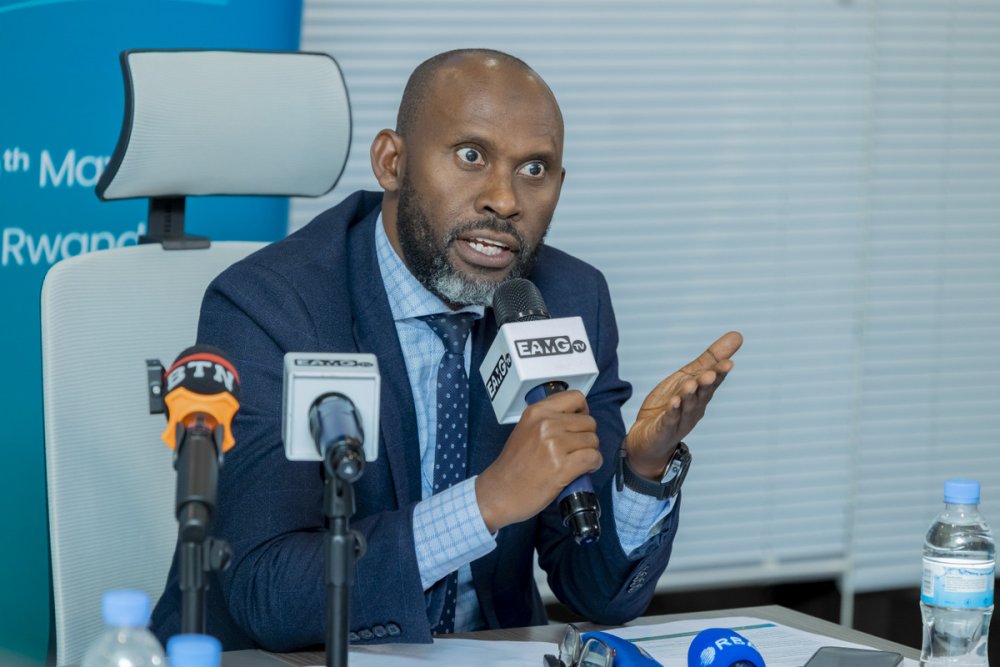
Miramago was previously the CEO of the Institute of Certified Public Accountants of Rwanda (ICPAR), where he played a pivotal role in advancing the accounting profession and improving financial governance in the country.
His appointment to the PSF comes at a time when the organization continues to play a crucial role in the development of the private sector and the country’s economic growth.
Miramago assumes his new position as PSF recently elected new leaders, including François Twagirumukiza, who has prioritized initiatives like establishing a new insurance fund for traders and encouraging businesses to operate 24/7.
Twagirumukiza emphasized that in the next three years, they will work closely with members, especially to promote participation in the new health insurance fund for traders.
This newly established insurance fund aims to assist traders who are unable to afford conventional insurance by providing a community-based safety net for them during times of crisis. Currently, the fund has nearly 900 members.
Additionally, one of the key initiatives PSF is focusing on is encouraging businesses to operate around the clock to ensure continuous service availability, addressing concerns about the lack of services during nighttime or weekends.
Amin Miramago’s leadership is expected to strengthen PSF’s efforts in advancing the private sector and contribute further to the country’s economic development.
During his tenure at ICPAR, he helped the organization become a permanent member of the International Federation of Accountants (IFAC), and he supported several reforms aimed at enhancing public financial management and transparency in government spending.
Miramago was previously the CEO of the Institute of Certified Public Accountants of Rwanda
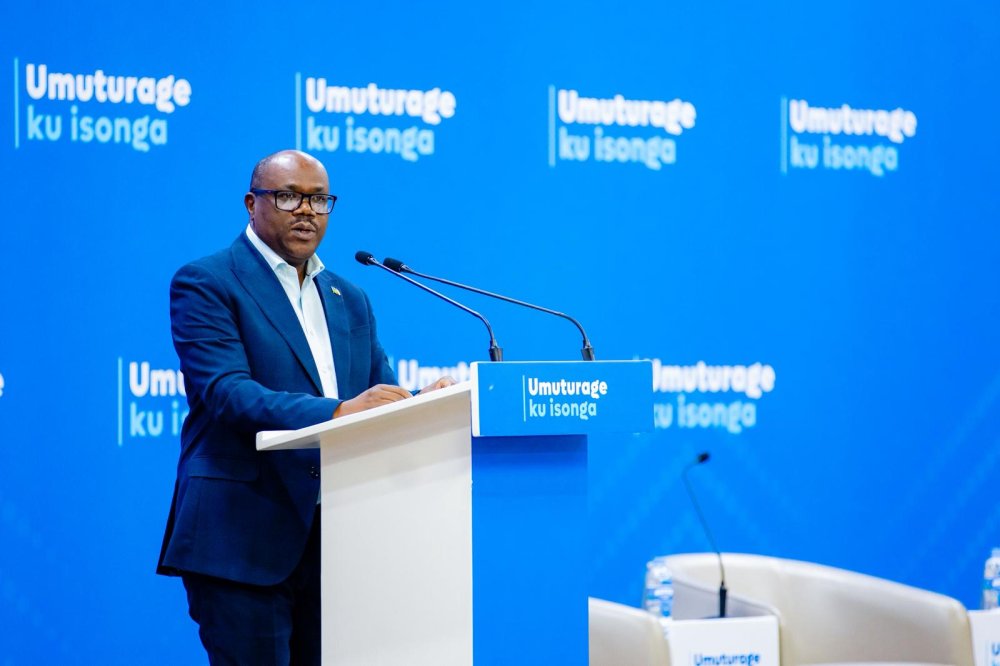
He made the remarks during the opening of the one-day consultation meeting of senior government officials and local leaders at Gako Military Academy.
The meeting discussed the ideal conduct for leaders in advancing the country and delivering quality services.
Dr. Nsengiyumva highlighted the importance of improving planning and coordination between various levels of government, stating that working in isolation often leads to inefficiencies and failed projects.
An example was shared about how some ministries implement projects fail to work with private sector partners to build additional infrastructure, which often results in unproductive outcomes.
The meeting takes place at a time when Rwanda Governance Board scorecard shows a decline in service delivery performance from 78.2% in 2023 to 75.8% in 2024, and 71.7% in 2025.
He urged leaders to commit to delivering timely and quality services, emphasizing that citizens have an inalienable right to good service. “We must ensure that citizens see the government as approachable, responsive, and focused on improving their lives,” he said.
The Prime Minister also discussed the worsening issue of drought, exacerbated by climate change, and the importance of leaders being close to the people to identify and address their challenges. He stressed that when leaders are close to their communities, they can identify needs, such as lack of seeds, ensuring that expected results are achieved.
Dr. Nsengiyumva also called on leaders to understand the living conditions of the people they lead and act quickly to address problems. He encouraged timely reporting of issues to higher authorities to allow the government to intervene when necessary. “Leaders must be proactive and ensure they follow up on issues in their communities,” he added.
Addressing the issue of malnutrition, the Prime Minister urged every district to have a target to eliminate malnutrition, particularly among children. He also raised concerns about poor hygiene and inadequate sanitation in some areas, where people live without basic sanitation facilities or with livestock in their homes.
Another critical issue raised was the substandard alcohol being produced, which not only harms citizens’ health but also impedes economic development.
Dr. Nsengiyumva also discussed the failure of many projects due to poor management, stating that stalled projects result in job losses and hinder economic growth. He gave the example of a market in Nyagatare that cost Rwf1.5 billion but was unused for two years, becoming overgrown with grass.
He urged leaders to follow up on projects, ensuring they meet their objectives and addressing any issues that arise. “You must take an active role in planning, monitoring, and solving issues related to the projects in your respective districts as you have what it takes to do so,” he stated.
Dr. Yusuf Murangwa, the Minister of Finance and Planning, emphasized the need for strategic planning to prioritize urgent projects, allocate resources, and ensure timely execution. He also pointed out that some projects are poorly aligned with actual needs, leading to inefficiency.
Mulindwa Prosper, the Mayor of Rubavu, stressed that poor planning erodes citizens’ trust in their leaders, leading to widespread dissatisfaction.
Dr. Nsengiyumva highlighted the importance of improving planning and coordination between various levels of government.
In the study titled ‘A Large Retrospective Cohort Study on the Risk of Alzheimer’s Disease and Related Dementias in Association with Vascular Diseases and Cancer Therapy in Men with Prostate Cancer’, researchers analyzed 1,693 patients with confirmed primary lung cancer who had at least two chest CT scans before diagnosis.
Tumours were considered fast-growing if they doubled in size or mass in less than 400 days.
The study found that 18% of patients had fast-growing cancers. Solid nodules were especially aggressive, with 41% growing quickly, compared to just 9% of subsolid lesions. Key factors associated with rapid growth included solid tumour density, male sex, smoking history, and personal or family history of cancer.
Smoking stood out as a consistent risk factor, driving faster tumour growth in both solid and subsolid nodules. Genomic analysis in 128 patients also showed that mutations in the TP53 gene were linked to aggressive tumour behavior, affecting roughly 18% of that subgroup.
These findings highlighted the need to combine clinical, imaging, and genetic information to identify patients at higher risk. Those with solid nodules, a history of smoking, or cancer in the family may require closer imaging follow-up.
Skytrax is a United Kingdom–based aviation research and consulting firm that specializes in evaluating airlines and airports around the world.
According to the report released on March 19, the airport earned its place among the continent’s top performers due to its modern infrastructure, cleanliness, and quality services, including food and beverage offerings. It was also recognized for its calm environment and strong security standards.
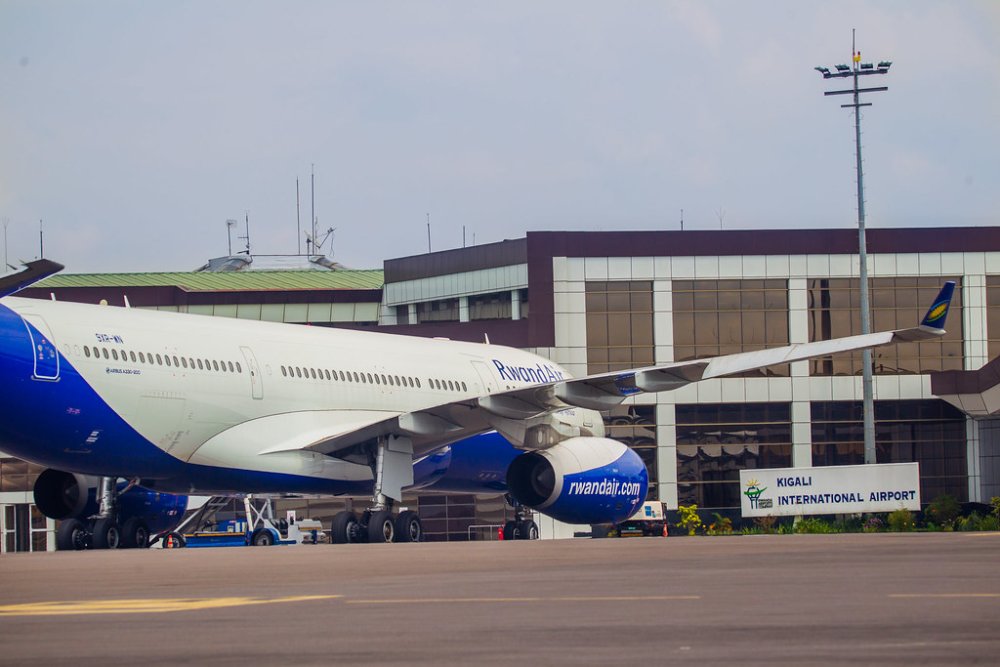
Skytrax noted that while Kigali International Airport is relatively small, it continues to handle a growing number of passengers, largely driven by the expansion of RwandAir.
The ranking is based on a star rating system that assesses various services, with five stars representing the highest standard. Kigali scored particularly well in passenger convenience, including reduced walking distances and efficient communication supported by multilingual staff.
Renovation works launched in July 2022 have also boosted the airport’s capacity, enabling it to accommodate more than 50 aircraft on the ground.
Skytrax noted that Kigali is a relatively small airport, but passenger numbers continue to grow, largely driven by the expansion of RwandAir.
The rankings are based on a star rating system that evaluates different services, with five stars representing the highest standard. Kigali scored highly in areas such as passenger assistance, reduced walking distances, and efficient communication, supported by multilingual staff.
In July 2022, renovation works began to expand the airport’s capacity, enabling it to accommodate more than 50 aircraft on the ground.
Across Africa, Cape Town International Airport ranked first, praised for its modern facilities and premium services. It is the only airport on the continent to receive a four-star rating.
O. R. Tambo International Airport came second due to its high passenger traffic and global connectivity, while Marrakesh Menara Airport ranked third, recognized for its architectural design and passenger comfort.
Other airports listed among Africa’s top ten include King Shaka International Airport in South Africa, Mohammed V International Airport in Morocco, Cairo International Airport in Egypt, and Sir Seewoosagur Ramgoolam International Airport in Mauritius.
Addis Ababa Bole International Airport ranked just behind Kigali but received a lower rating due to concerns over service quality.
Meanwhile, Ivato International Airport placed tenth, with Skytrax noting challenges in accessibility despite adequate basic infrastructure and efforts to provide decent services.
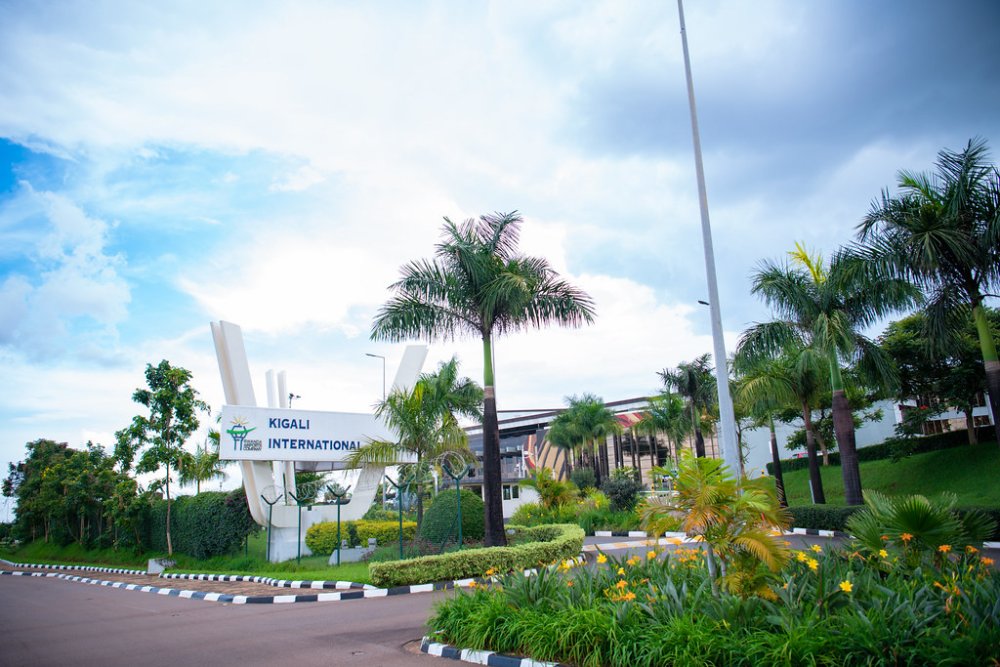
Renovation works launched in July 2022 have also boosted the airport’s capacity, enabling it to accommodate more than 50 aircraft on the ground.Skytrax has ranked Kigali International Airport eighth among the best airports in Africa in 2026.
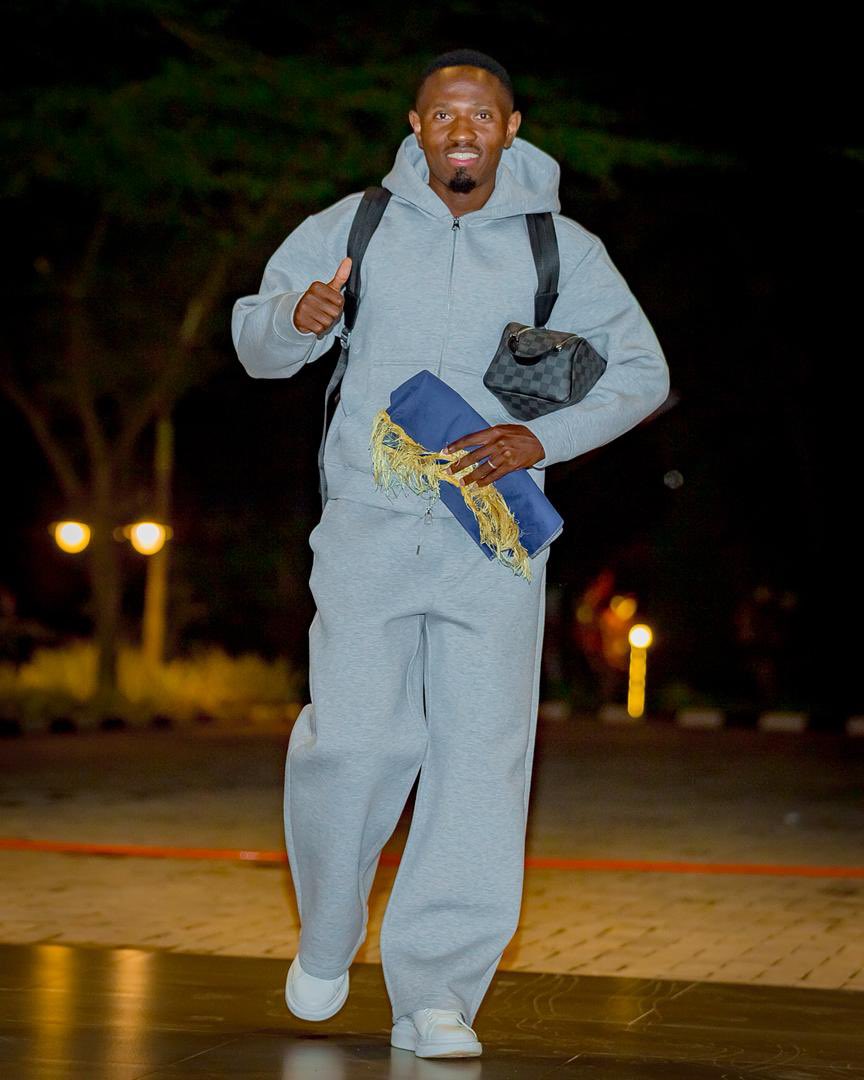
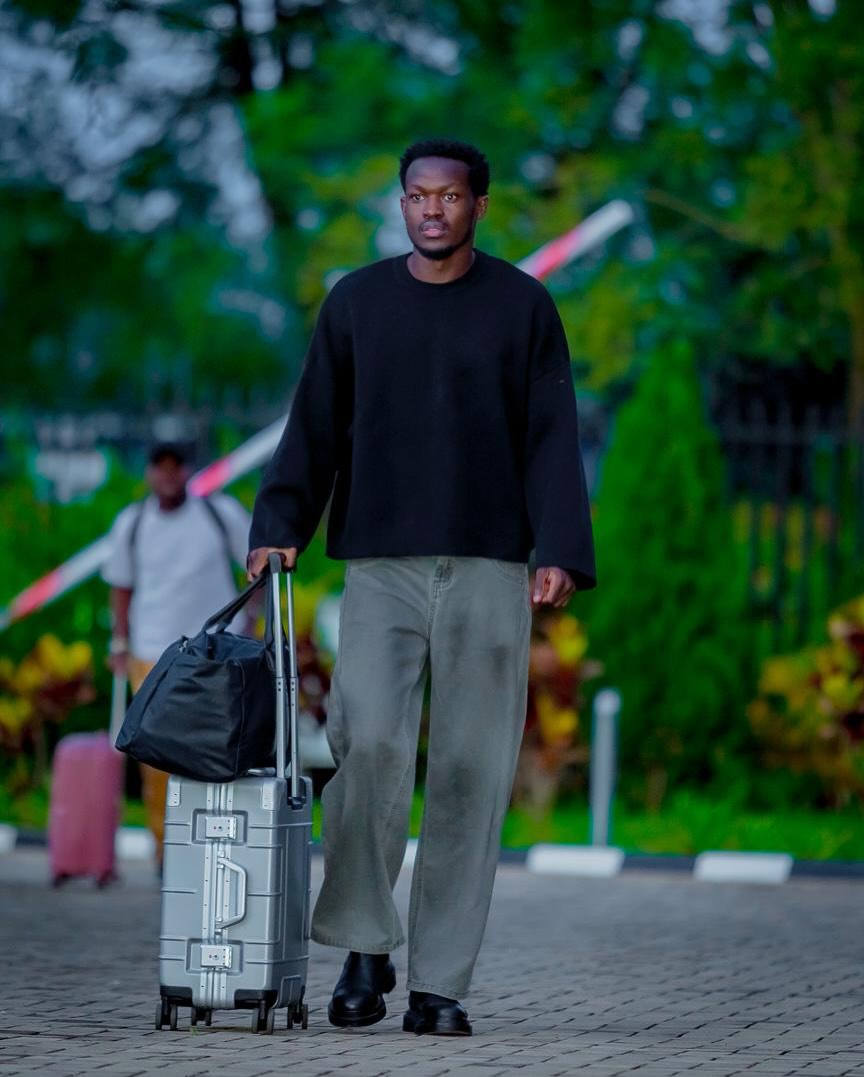
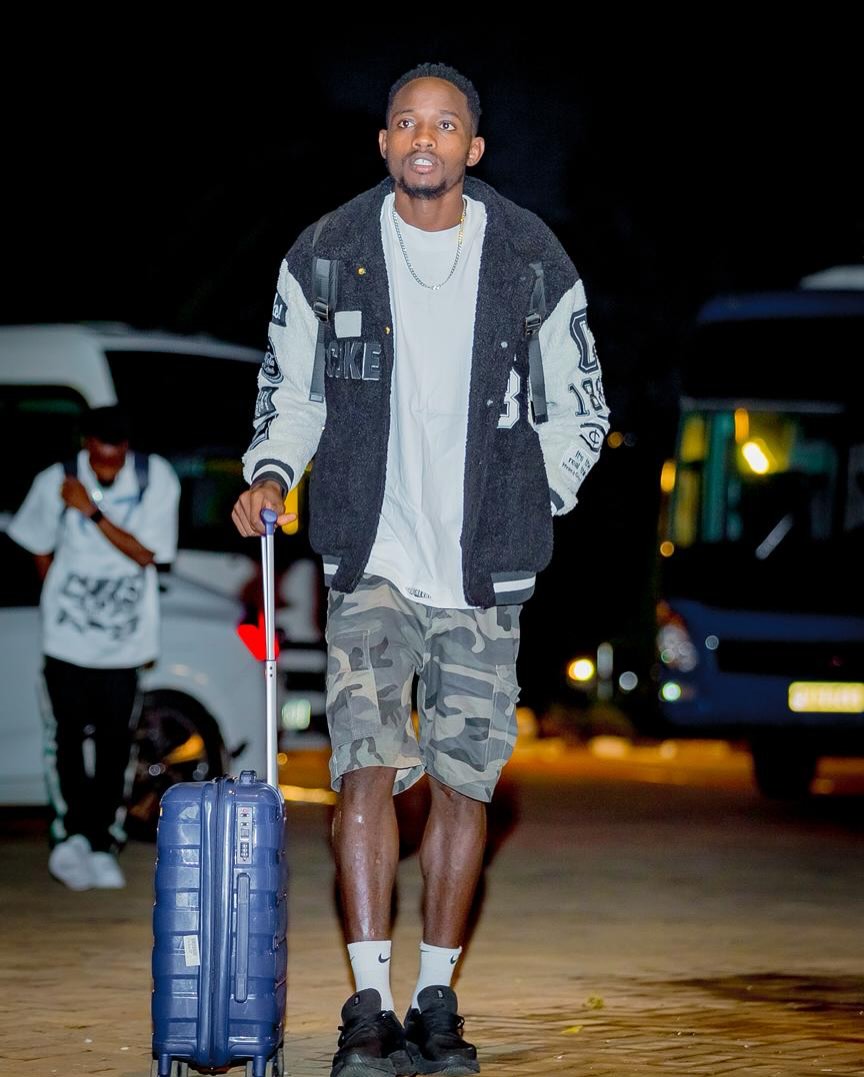
The squad assembled on Sunday evening at the Rwanda Football Federation (FERWAFA) hotel in Kigali, marking the start of residential training as the team gears up for the international tournament.
Among the early arrivals are several foreign-based players, including three brothers leading the attacking line: Mickels Joy Slayd (FK Karvan), Mickels Joy Lance (Saba Baku), and Mickels Leroy Jacques (Zira FK).
They are joined by a strong contingent of internationals such as Innocent Nshuti (Al Wafaq Ajdabia), Djihad Bizimana (CS Constantine), David Niyo (NK Veres Rivne), Kevin Muhire (Jamus SC), Ange Mutsinzi (Zira FK), Abeddy Biramahire (Assabah FC), Karl Matteo Ndayishimiye (KVC Wilrijk), and Johan Marvin Kury (AC Bellinzona).
Locally based players have also reported to camp, with APR FC contributing Gilbert Byiringiro, Jean Bosco Ruboneka, Adolphe Hakizimana, Jean Gilbert Byiringiro, Yunusu Nshimiyimana, and Claude Niyomugabo, while Police FC is represented by Patience Niyongira.
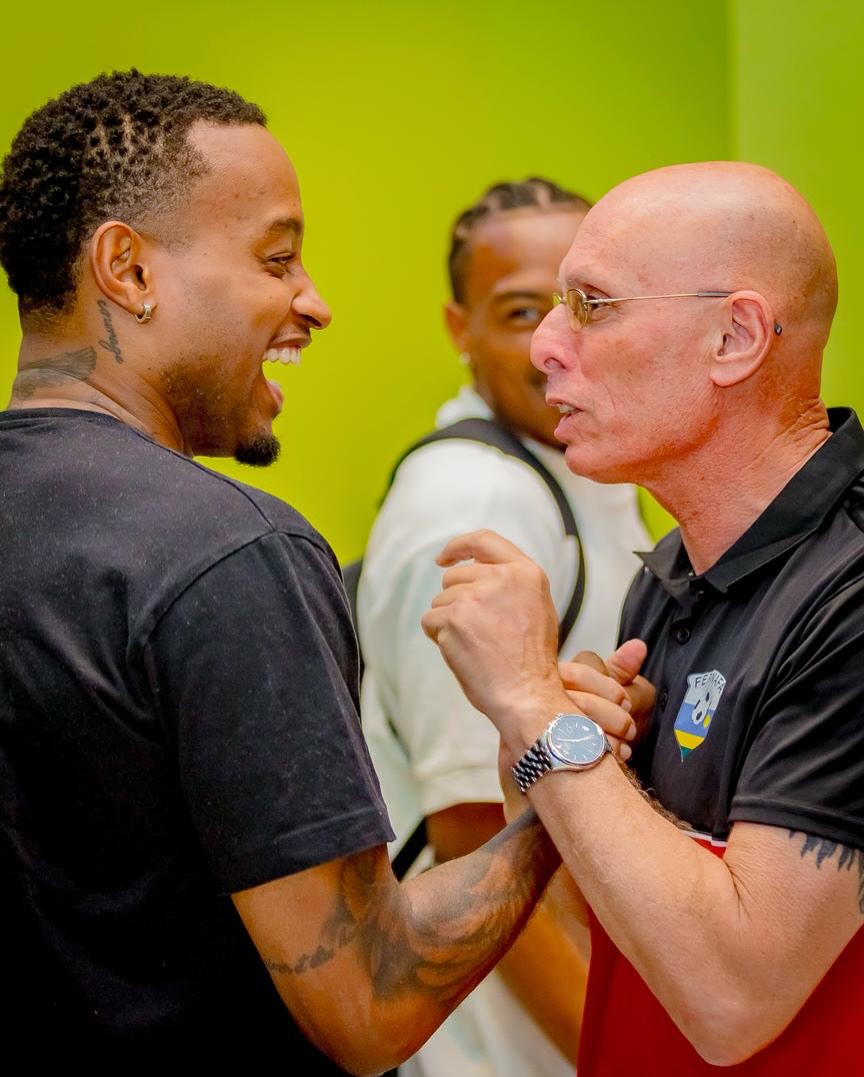
The squad was received by head coach Stephen Constantine, alongside assistant coach Eric Nshimiyimana, who played a key role in assembling the team.
Kigali will host the FIFA Series tournament for the first time, with Rwanda set to open their campaign against Grenada at Amahoro Stadium on Friday, March 27, 2026.
Among the early arrivals are several foreign-based players, including three brothers leading the attacking line: Mickels Joy Slayd (FK Karvan), Mickels Joy Lance (Saba Baku), and Mickels Leroy Jacques (Zira FK).Kury Johan Marvin has once again responded to Amavubi’s call-up.Djihad Bizimana is ready to inspire Amavubi once more as captain.Ruboneka Jean Bosco and Mugisha Gilbert checked in together for Amavubi duty.Niyo David, who plays for NK Veres Rivne FC in Ukraine, was among the first to report to camp.Amavubi goalkeeper Adolphe Hakizimana checks in at camp.Mickels Joy Lance will play for Rwanda for the first time.Innocent Nshuti is expected to lead Amavubi’s scoring efforts.Abeddy Biramahire of Assabah FC is among Rwanda’s top forwards.Kevin Muhire, who plays for Jamus in South Sudan, has arrived in Rwanda.Zira FK’s Ange Mutsinzi set to strengthen Rwanda’s defence.Jean Bosco Ruboneka has also joined the Amavubi training camp.Karl Matteo Ndayishimiye of KVC Wilrijk has also arrived in Rwanda for training.Yunusu Nshimiyimana has joined the Amavubi training camp.The squad was received by head coach Stephen Constantine.
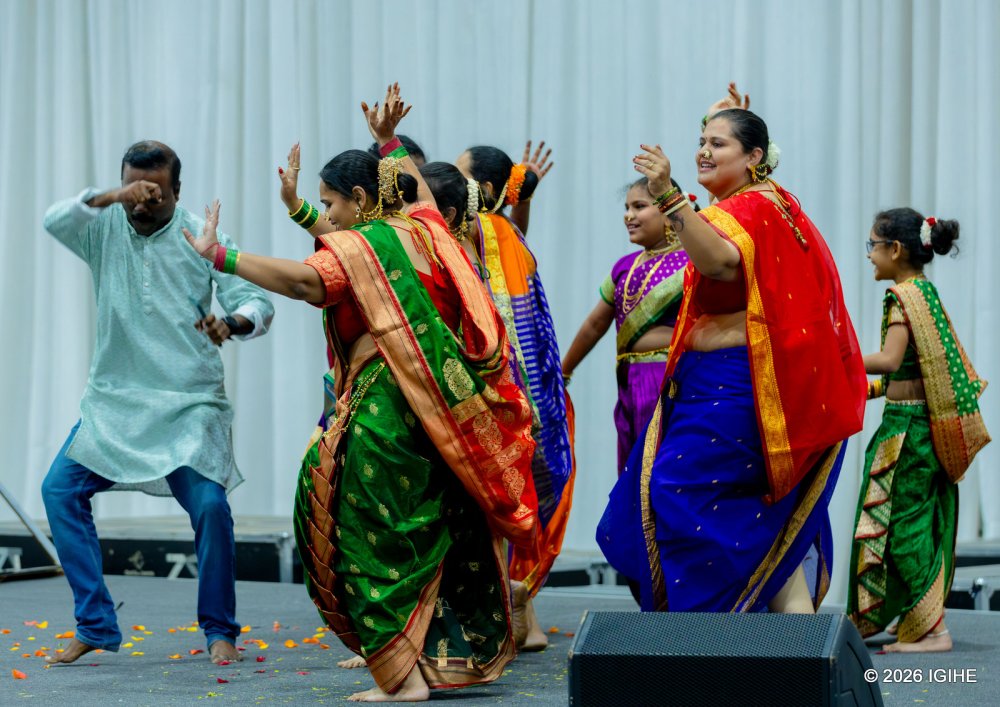
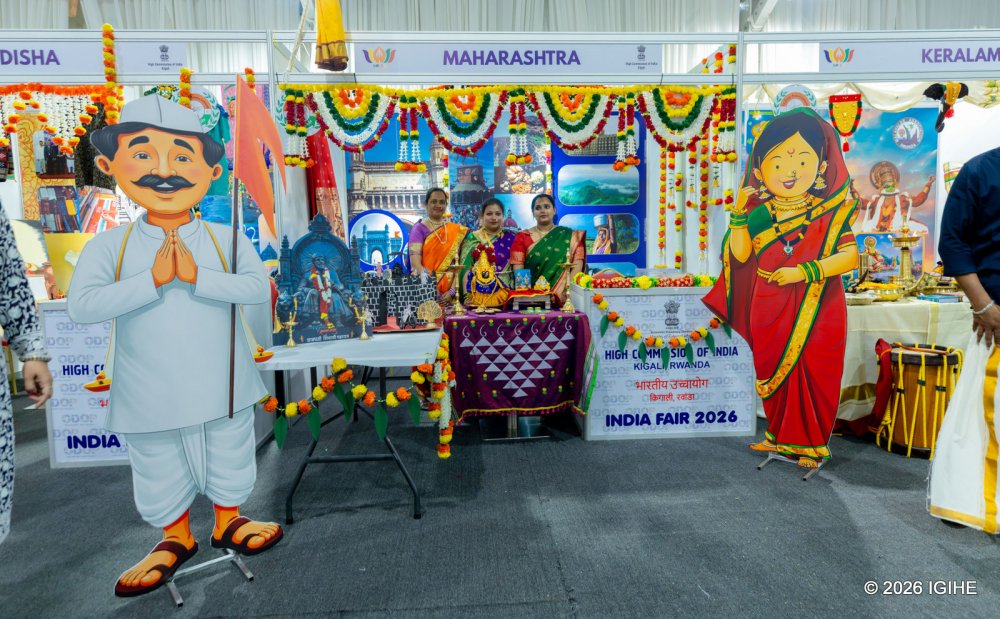
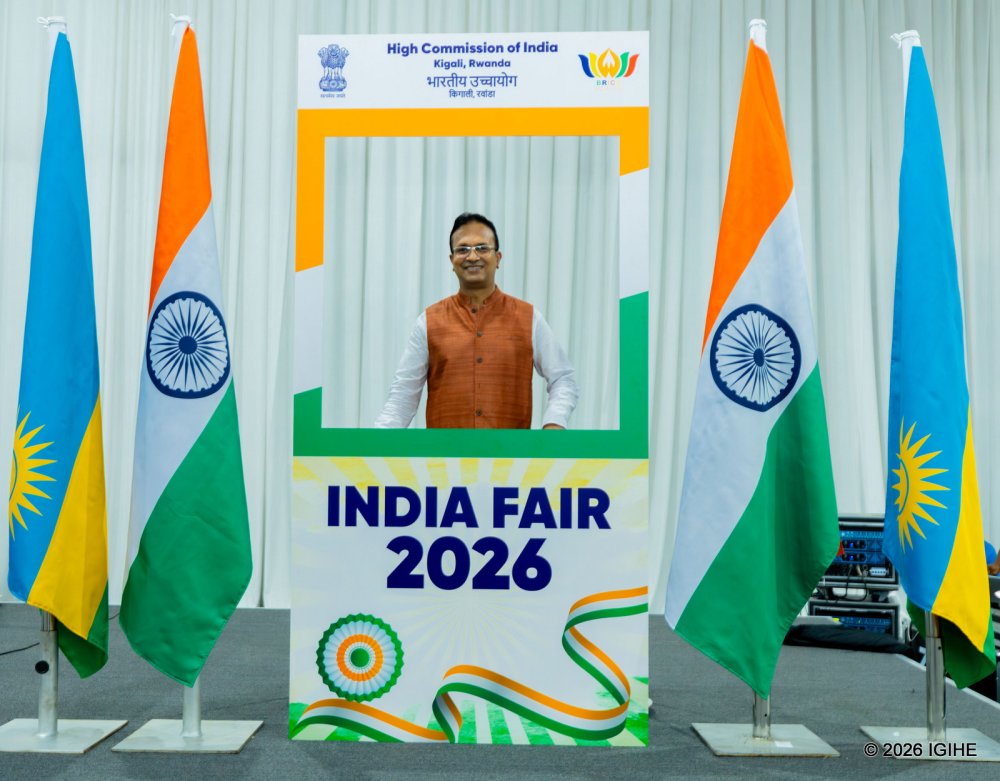
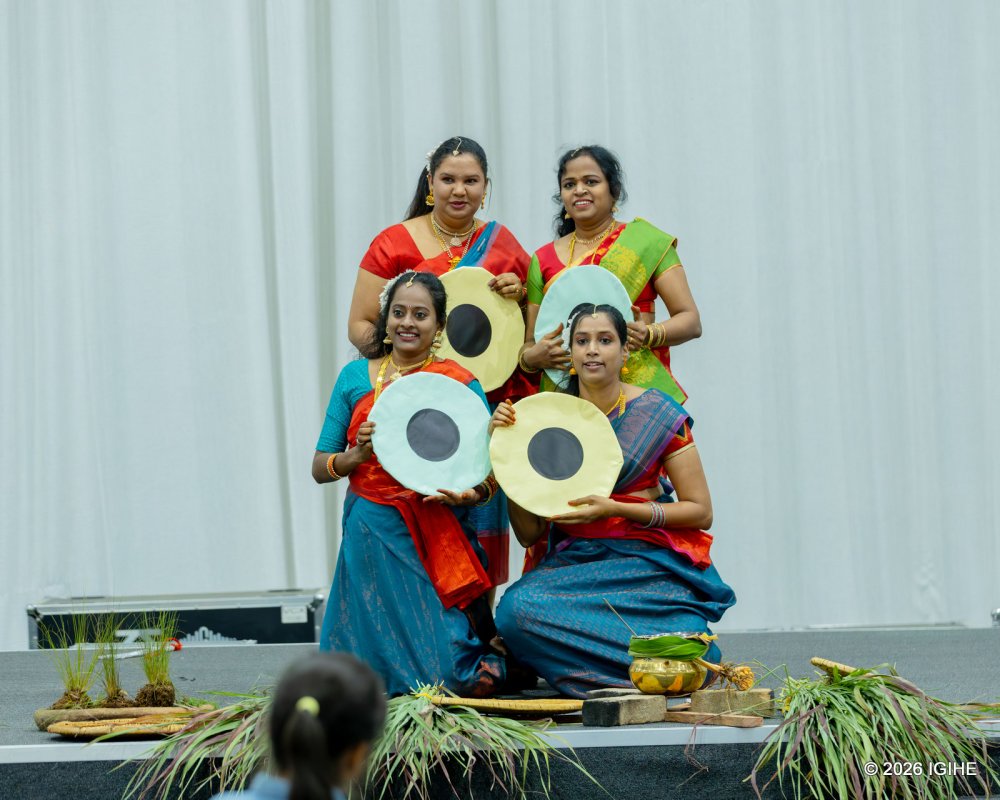
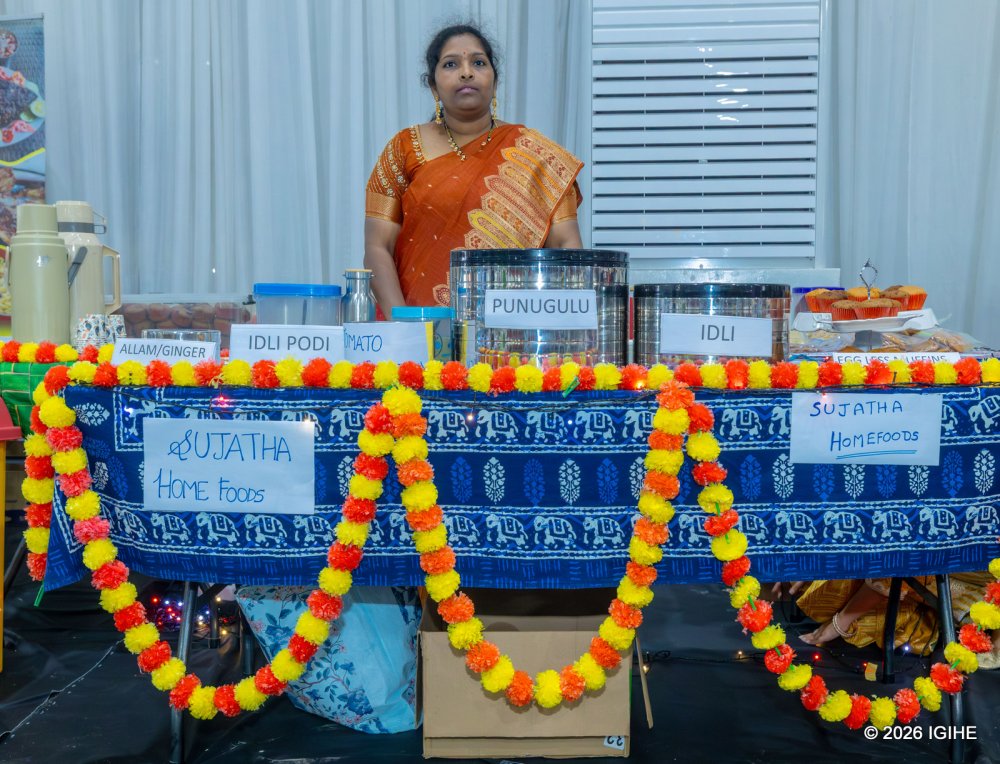
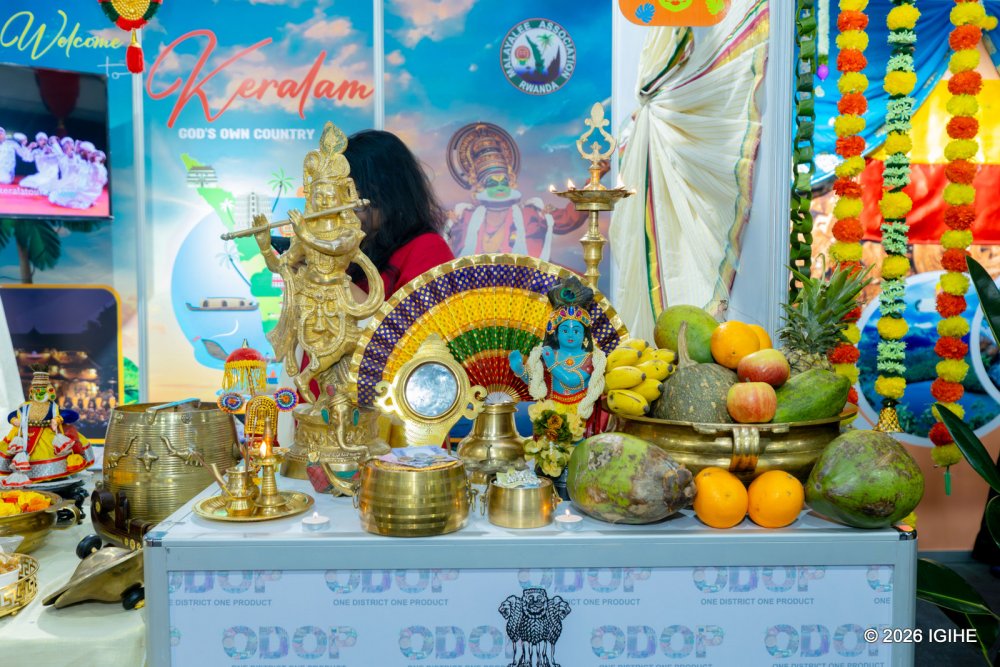
The event, organized by the High Commission of India in Rwanda, took place on March 22, 2026, at Camp Kigali. It marked the second edition of the annual cultural showcase.
Out of India’s 28 states, 15 participated in the exhibition, each presenting unique elements of their heritage through performances, traditional meals, and cultural displays.
India’s High Commission to Rwanda, Mridu Pawan Das, said the initiative is intended to introduce Rwandans and other foreign residents to the diversity of Indian culture.
“We started this event last year with the idea of showing Rwandans and the international community that India is culturally diverse, yet united as one people,” she said.
The High Commissioner added that such initiatives also play a role in strengthening ties between Rwanda and India. She noted that more than 3,000 Indians live in Rwanda and are actively contributing to the country’s economy and social life.
Participants praised the exhibition for promoting cultural exchange and unity. Neha Jain, originally from Rajasthan, described it as a valuable platform to share traditions while also learning about other Indian cultures.
“This is my first time attending, and it’s a great opportunity to showcase our culture while discovering others. It teaches unity despite our diversity,” she said.
Visitors also expressed appreciation for the experience. Dody Umutesi, who attended the event for the second time, said it helped her better understand Indian culture and connect with new people.
“I learned a lot, especially about traditional clothing and food. The cuisine is rich in spices, and it was exciting to try something new. Events like this bring people together,” she said.
The exhibition, first held in 2025, has now been established as an annual event celebrating cultural diversity and fostering stronger people-to-people connections.
Visitors explored colorful displays of traditional attire representing different Indian states at the annual cultural showcase in Kigali.India’s High Commissioner to Rwanda, Mridu Pawan Das, addresses attendees during the second edition of the cultural exhibition in Kigali.Members of the Indian community perform traditional dances during a cultural exhibition held at Camp Kigali on March 22, 2026.Participants from across India’s states presented their unique customs and traditions during the event aimed at promoting cultural exchange.A variety of Indian dishes were served as part of the exhibition highlighting the country’s rich and diverse cuisine.
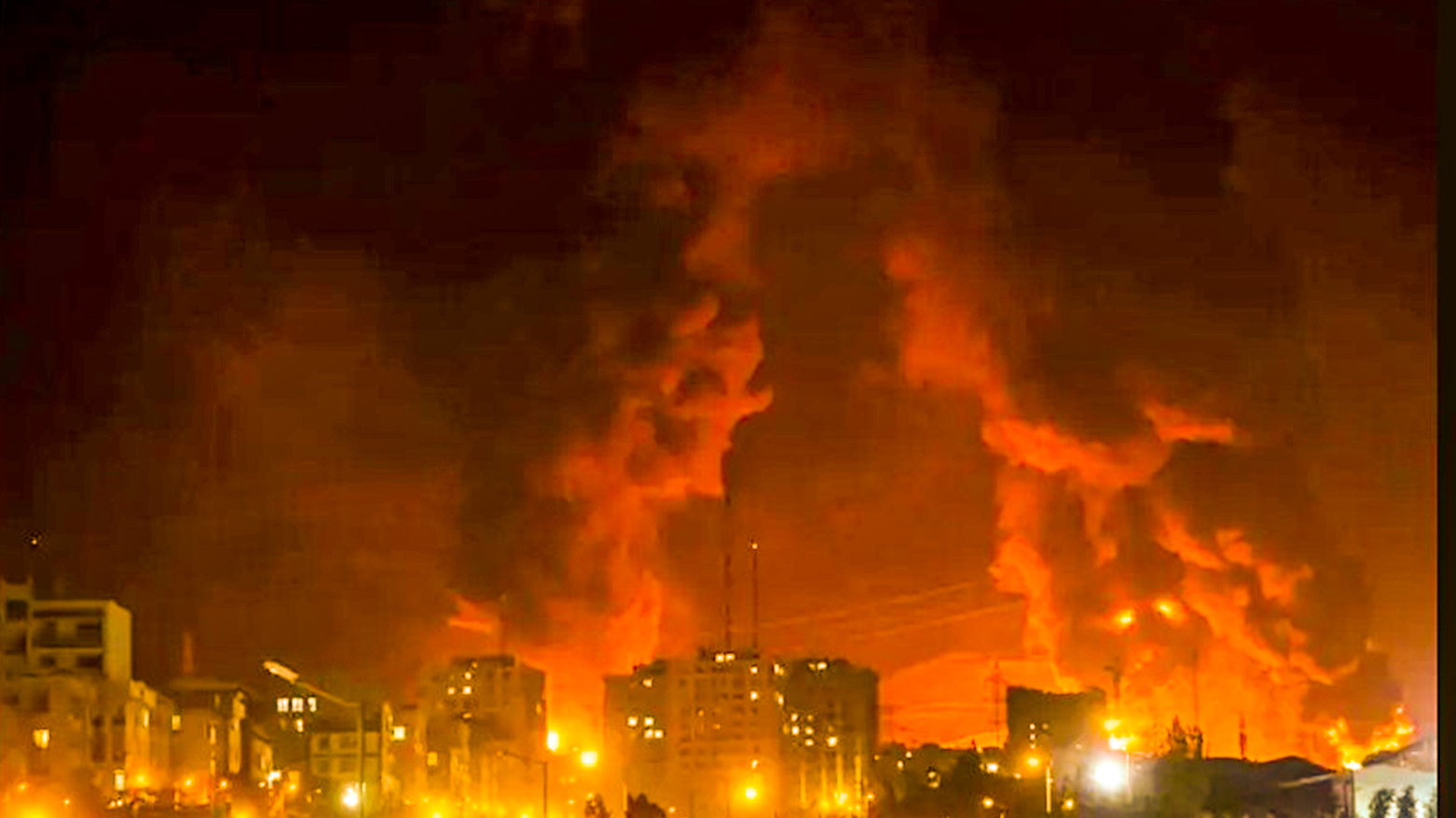
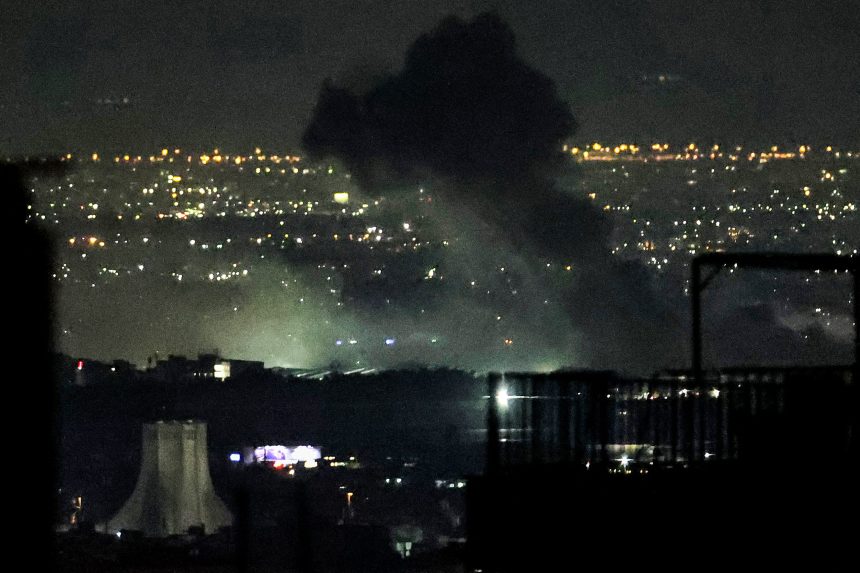
The Israeli military said it had begun a “wide-scale wave of strikes” targeting infrastructure in Tehran, though it did not provide further details. The attacks come as tensions between Iran, Israel, and the United States continue to rise.
During the ongoing conflict, Iran tightened control over the Strait of Hormuz, a key route for nearly a fifth of the world’s oil supply, raising concerns about disruptions to global trade.
US President Donald Trump issued a 48-hour ultimatum on Sunday demanding Iran reopen the strategic Strait of Hormuz to all shipping. He warned that failure to comply could result in US strikes on Iranian power plants.
Iran responded with strong warnings. The Islamic Revolutionary Guard Corps said any US attack would trigger retaliation against energy infrastructure supplying American bases, as well as wider economic targets in the region.
Amid the escalating threats, civilians have been urged to take shelter with US Central Command chief Brad Cooper advising Iranians to remain indoors, warning that further strikes could target areas where military assets are allegedly embedded in civilian zones.
The conflict is also spreading across the Gulf where air defenses in countries including the United Arab Emirates and Saudi Arabia intercepted missiles and drones on Sunday.
Israel has launched a new wave of strikes targeting infrastructure in Iran
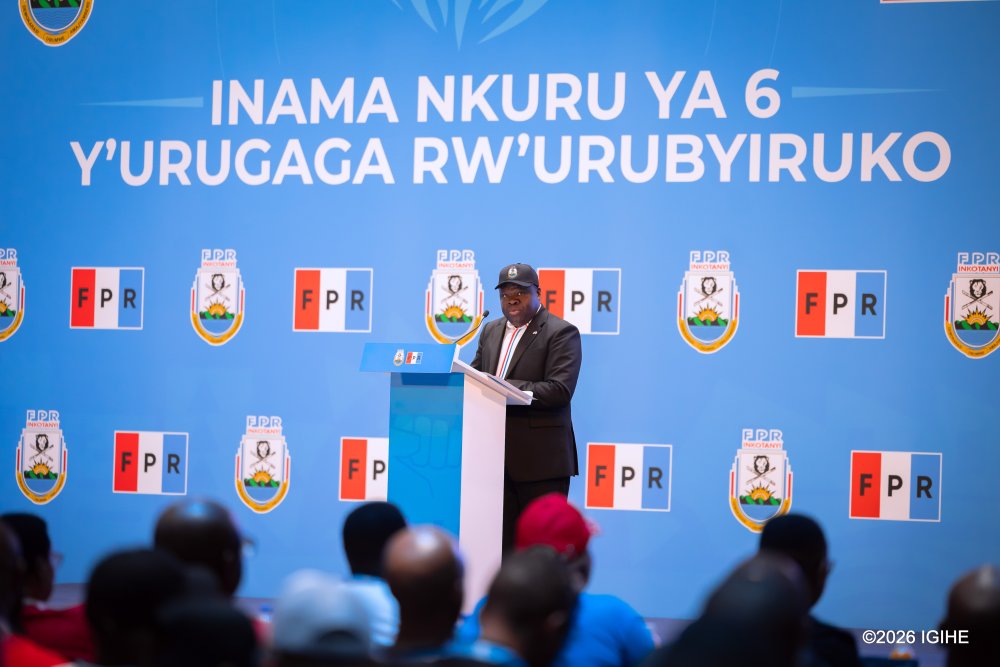
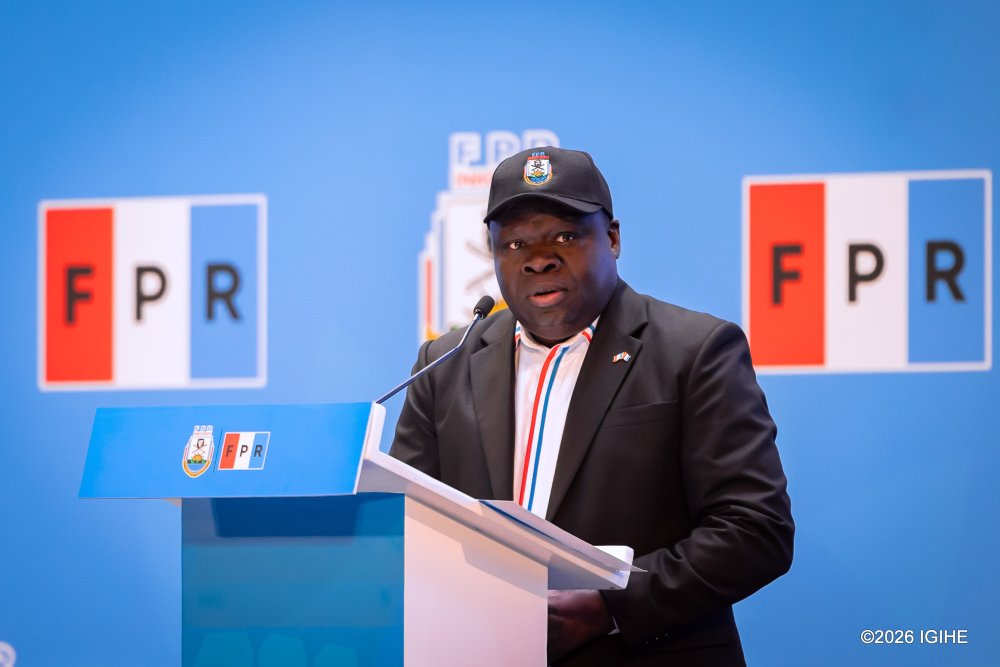
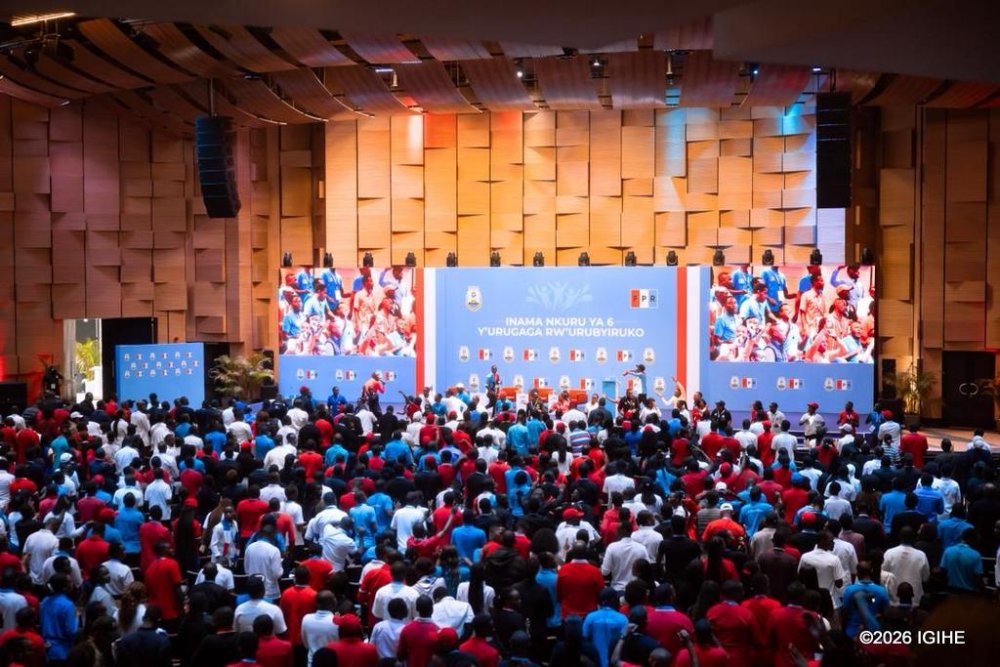
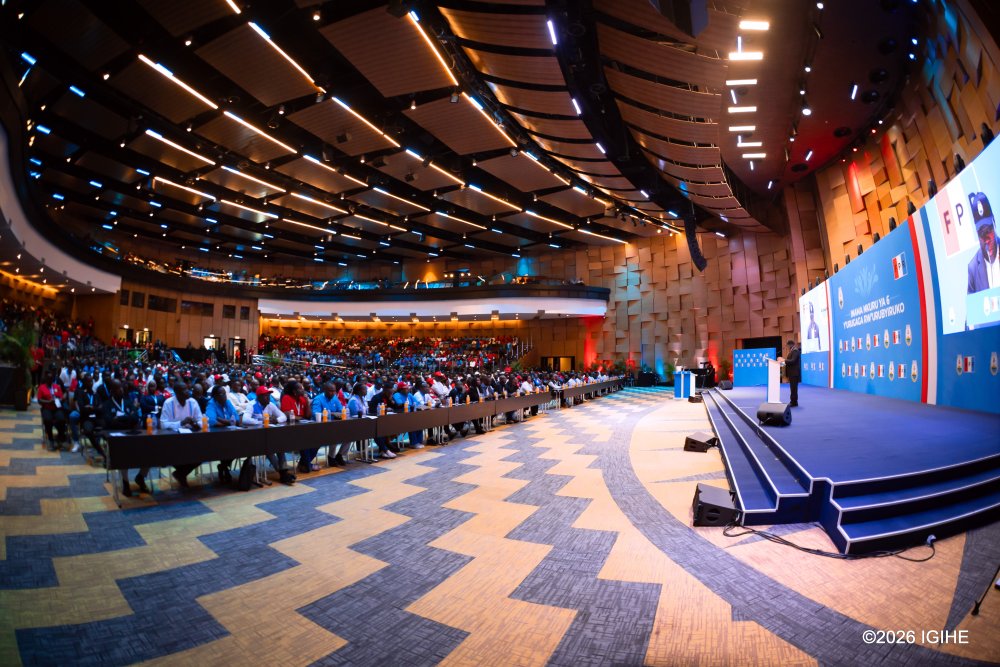
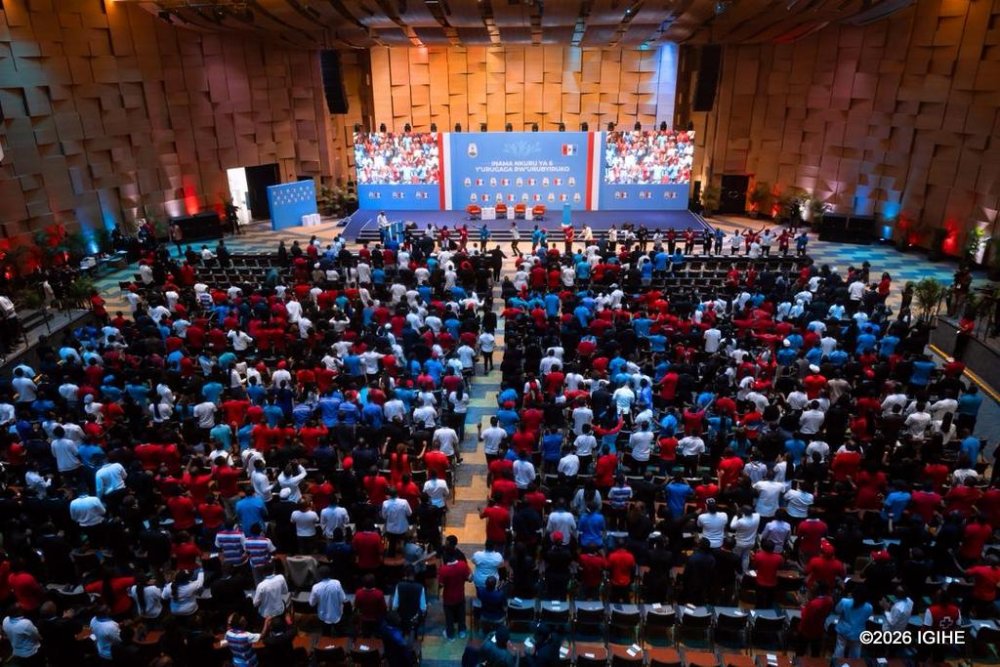
He made the remarks on Sunday, March 22, 2026, during the Sixth National Congress of the FPR-Inkotanyi Youth League, which also elected new leadership.
Amb. Bazivamo urged the youth to be guided by integrity, avoid the misuse of social media, reject hate speech and division, and consistently promote unity and national cohesion.
“FPR-Inkotanyi youth should stand out and be exemplary in all aspects by maintaining cleanliness, discipline, professionalism, and delivering quality service wherever you are. Be role models in your families, especially in your communities. Be exemplary in your work, in schools, and in leadership. Be youth who provide solutions wherever you are,” he said.
He emphasised the importance of responsible engagement on digital platforms, encouraging young people to promote truth and counter misinformation.
“On social media, where you interact, we ask you to be exemplary in promoting truth. Avoid harmful content, protect our country’s image, fight falsehoods and division, and use these platforms as a tool to build and develop Rwanda,” he added.
He further reminded the youth that they carry the responsibility of representing Rwanda both locally and internationally.
“Wherever you are, remember that you represent Rwanda. Your behaviour, speech, and actions should reflect integrity, good character, dedication, and patriotism.”
Amb. Bazivamo also commended the outgoing leadership for their dedication and commitment, noting that the newly elected committee is expected to build on those achievements with even greater effort.
“You are required to put in more effort than those before you to achieve even more and build on the strong foundation already laid. We expect you to drive rapid and sustainable development. As members of FPR-Inkotanyi, we are ready to support you in fulfilling your responsibilities,” he said.
He also highlighted the role of the party’s Chairman in prioritising youth in national development programs, noting that supporting his vision requires active participation and tangible results.
He encouraged the youth to work together, remain focused on development, and avoid negative behaviours that could hinder progress.
New leadership elected
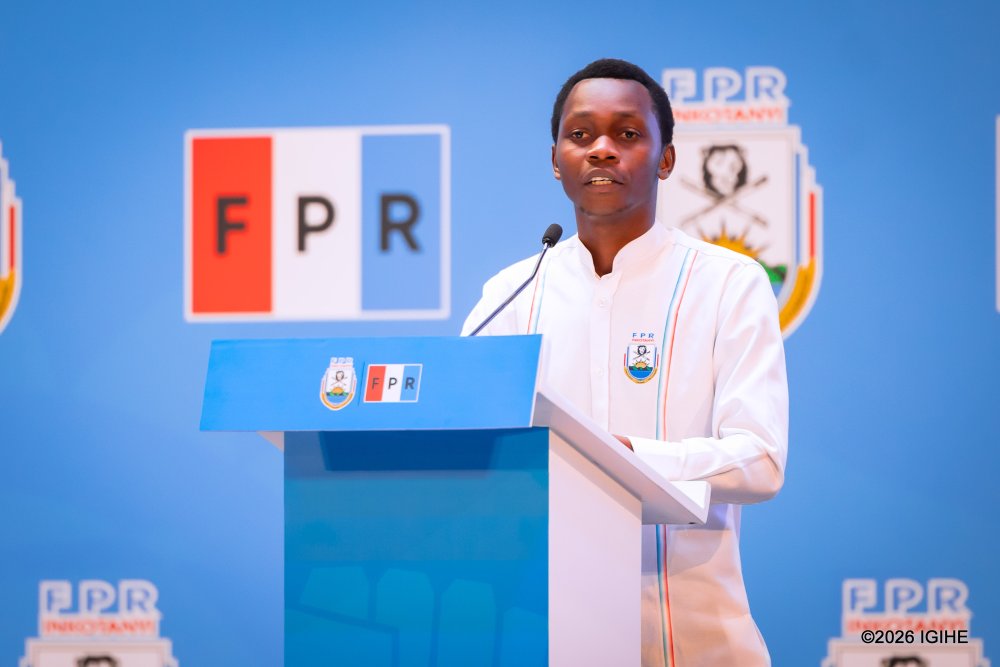
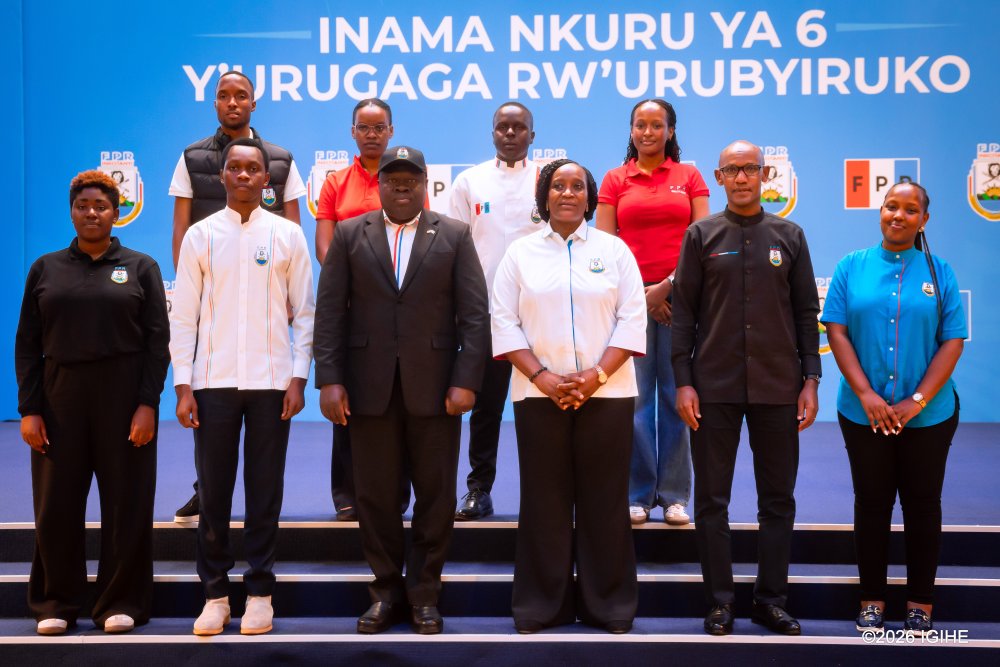
Mugisha Ernest was elected President of the FPR-Inkotanyi Youth League, with Rwagitare Nelly elected as Vice President. Kwizera Urindwa Esther was elected as Secretary General.
Other members of the executive committee include Nuru Mupenzi Israel, who will oversee good governance; Marie Valantine Niyodusingiza, who will be in charge of economic affairs; Icyoyishakiye, who will handle social affairs; and Kayiteshonga Kesly, who will be responsible for justice.
In his remarks, Mugisha Ernest pledged to strengthen youth participation in national development and safeguard the achievements made so far.
“We are committed to changing mindsets and acting as true winners. FPR-Inkotanyi is built on a winning spirit, and as youth, we are the future of our country. What has been achieved so far was made possible by our predecessors, but sustaining and building on these gains will require collective effort and unity of purpose,” he said.
Youth achievements highlighted
Over the past two years, of more than 700,000 jobs created, over 570,000, representing 81%, were filled by young people.
In addition, more than 3,700 youth-led projects have been supported with access to finance through various initiatives, including Youth Connekt, the TVET Youth Challenge, and ArtRwanda-Ubuhanzi.
These programs have been implemented across the country, with efforts ongoing to expand their reach.
The Youth League has also contributed to community development, including the construction of more than 1,300 houses for vulnerable families, establishment of kitchen gardens, sanitation facilities, and renovation of recreational infrastructure.
Youth members have also supported efforts to keep children in school and helped reintegrate dropouts into the education system.
Through the Ejo Heza long-term savings scheme, young people have collectively saved over Rwf 4.8 billion.
Furthermore, more than 2.6 million youth participated in campaigns against genocide ideology, while over 3.9 million engaged in the Intore program during school holidays.
The Secretary General of the FPR-Inkotanyi, Amb. Christophe Bazivamo, called on young people to uphold strong values, use social media responsibly, and play an active role in safeguarding Rwanda’s image and development.The national congress was held on Sunday, March 22, 2026.Mugisha Ernest was elected President of the FPR-Inkotanyi Youth League.The newly elected leaders of the FPR-Inkotanyi Youth League.
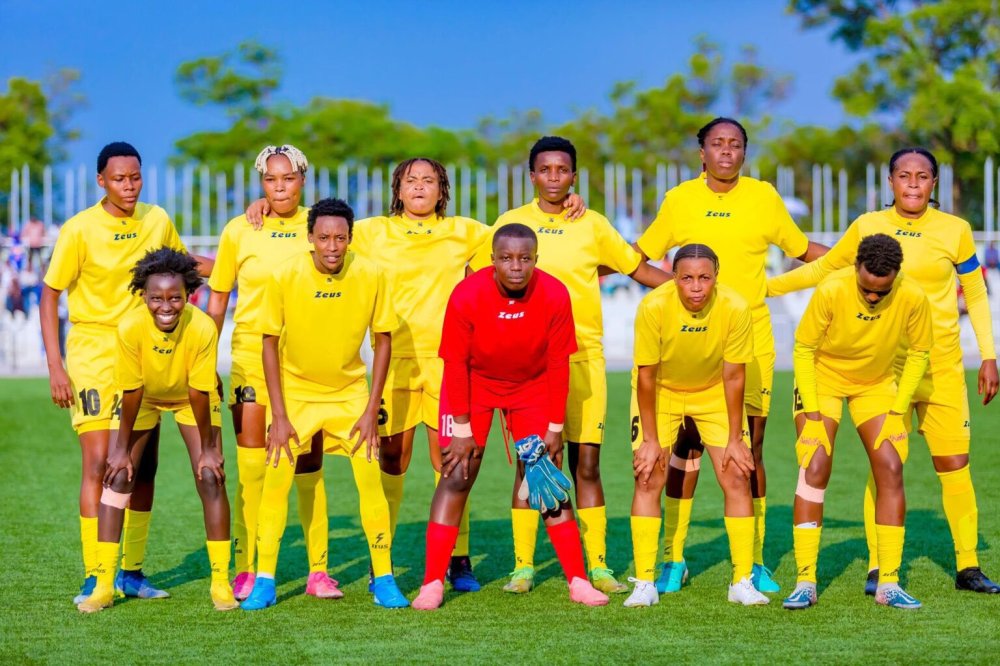
The City of Kigali–backed side saw its relegation effectively sealed with one match remaining in the 2025/26 FERWAFA Women’s Super League season, following a 1-1 draw with Inyemera WFC on Saturday, March 21, 2026, in a Matchday 21 fixture.
Inyemera WFC, which hosted the encounter, proved a difficult opponent, and the match ended level despite both teams creating opportunities. The result left AS Kigali WFC in 11th place with 13 points, four points behind Forever WFC, which sits 10th with 17 points.
AS Kigali WFC will be relegated alongside Nyagatare WFC, who lost 2-1 to Bugesera FC. The Nyagatare-based side has failed to register a single point this season and will go down regardless of the outcome of its remaining fixture against AS Kigali WFC.
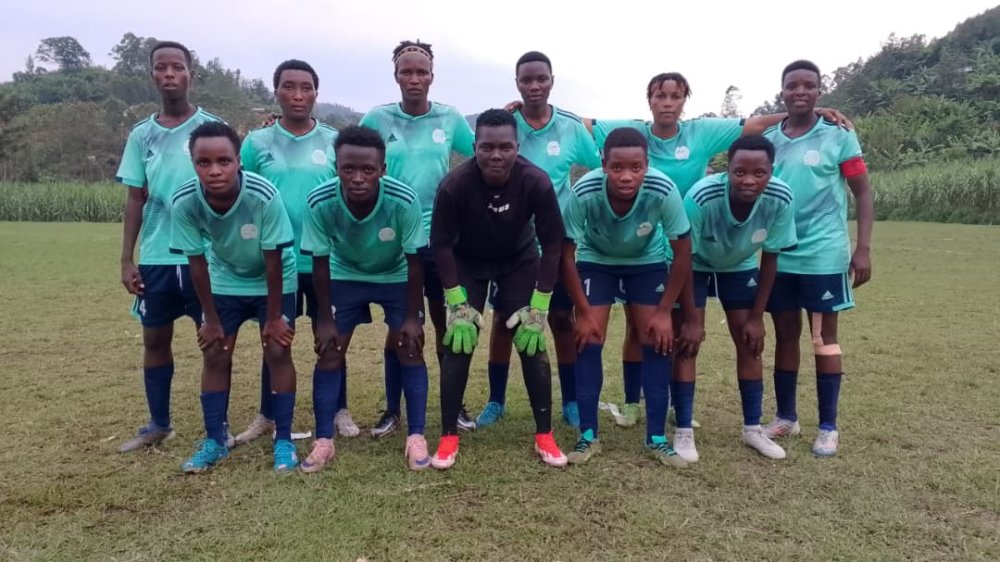
AS Kigali WFC now features a squad largely composed of young players.
The 2025/26 campaign has been a challenging one for AS Kigali WFC, marked by significant squad changes and instability in the technical bench.
The season began with the return of Mukamusonera Théogènie as head coach, replacing Bizumuremyi Radjab, who had left to join Rutsiro FC in the men’s top division. However, coaching changes continued in February when Mukamusonera was replaced by his assistant, Mubumbyi Adolphe “Igor.”
Mubumbyi struggled to reverse the team’s fortunes, collecting just two points from five matches during his one-month spell in charge.
Despite its relegation, AS Kigali WFC leaves the top flight with a strong historical record. Over its 18-year stay in the first division, the club established itself as the most successful side in the league’s history, winning 12 league titles.
Twagirumukiza’s statements come as the DRC government has repeatedly downplayed the FDLR’s strength, arguing that the group consists mainly of elderly fighters and poses little threat.
Last month, Patrick Muyaya, spokesperson for the DRC government, denied any cooperation between his country and the FDLR. He told journalists that Rwanda should not continually cite the FDLR issue, as many of its members are now located in areas controlled by the AFC/M23, which often attribute regional instability to Rwanda.
Twagirumukiza, however, challenges that view. He is currently completing reintegration training through the National Commission for Demobilisation and Reintegration (RDRC). On March 20, 2026, during a visit to the Kigali Genocide Memorial, he recounted his return to Rwanda in October 2025 after realising that the forests of the DRC, where he had lived for 31 years, offered no future prospects.
A native of Kigali, Twagirumukiza explained that during the 1994 Genocide against the Tutsi, he served in the former Rwandan Armed Forces (Ex-FAR) but fled to the DRC, like many others. In the Burungi camp in South Kivu, he underwent military training alongside both soldiers and civilians before joining the FDLR, which aimed to undermine Rwanda’s security.
He described the FDLR as a resilient organisation that continues to renew itself through recruitment, noting that many fighters are the children of former members.
“Those who claim the FDLR no longer exists are genocide deniers trying to weaken Rwanda,” he said. “The group has never disappeared. Even during my time in the DRC, we continued to train new soldiers, mostly young men. Today, they are still present, and the FDLR is reasserting itself.”
Twagirumukiza acknowledged that internal divisions have long affected the group. In 2016, a faction broke away to form a new group called CNRD. This group later merged into the MRCD alliance, led by Paul Rusesabagina, which included the military wing FLN. In 2018, the alliance carried out several attacks in Rwanda, killing nine civilians.
*Involvement in CNRD and FLN attacks*
He recounted that while he was part of the CNRD, he was not among those sent to carry out attacks. “I stayed behind, but we understood that people were killed in Rwanda,” he said.
Twagirumukiza left the forests in 2025 after realising that, aside from the promises of their leaders, continuing the fight would achieve nothing. He reflected on the group’s internal divisions and decided to return to Rwanda to rebuild his life.
“I left to find unity and help rebuild my country,” he said. “I urge others still in the group to go home. I will return and support rebuilding without harming anyone.”
Twagirumukiza also described the lasting impact of the 1994 Genocide against the Tutsi. “What happened cannot happen again. Witnessing the genocide’s horror firsthand motivates me to prevent anyone from trying to repeat it,” he said.
He noted that many older fighters in the DRC remain unwilling to settle down or pursue normal lives, focusing solely on armed struggle. He praised Rwanda for the progress it has made since 1994.
The insecurity in the region dates back to 1994, when the Ex-FAR and Interahamwe forces murdered more than a million people in the Genocide against the Tutsi and fled to Zaire (now DRC). These groups were allowed to establish camps near Rwanda in Goma and Bukavu, which soon became military bases.
There, they recruited new fighters, trained them, and launched attacks back into Rwanda. This coalition later evolved into FDLR.
Today, it is estimated that between 7,000 and 10,000 FDLR fighters remain in the DRC, harboured by the Kinshasa government and collaborating with government forces in the fight against the M23 rebel group.
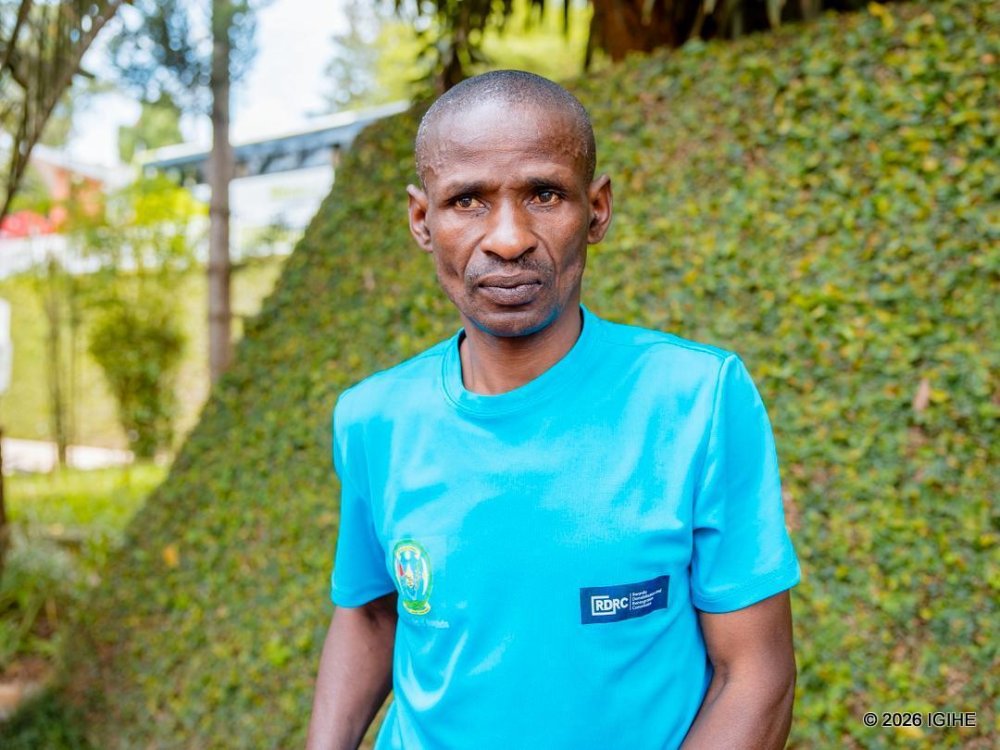
Emmanuel Twagirumukiza, a former FDLR fighter, says the militia group remains entrenched, continues to recruit youth, and has not abandoned its longstanding plan to destabilise Rwanda.