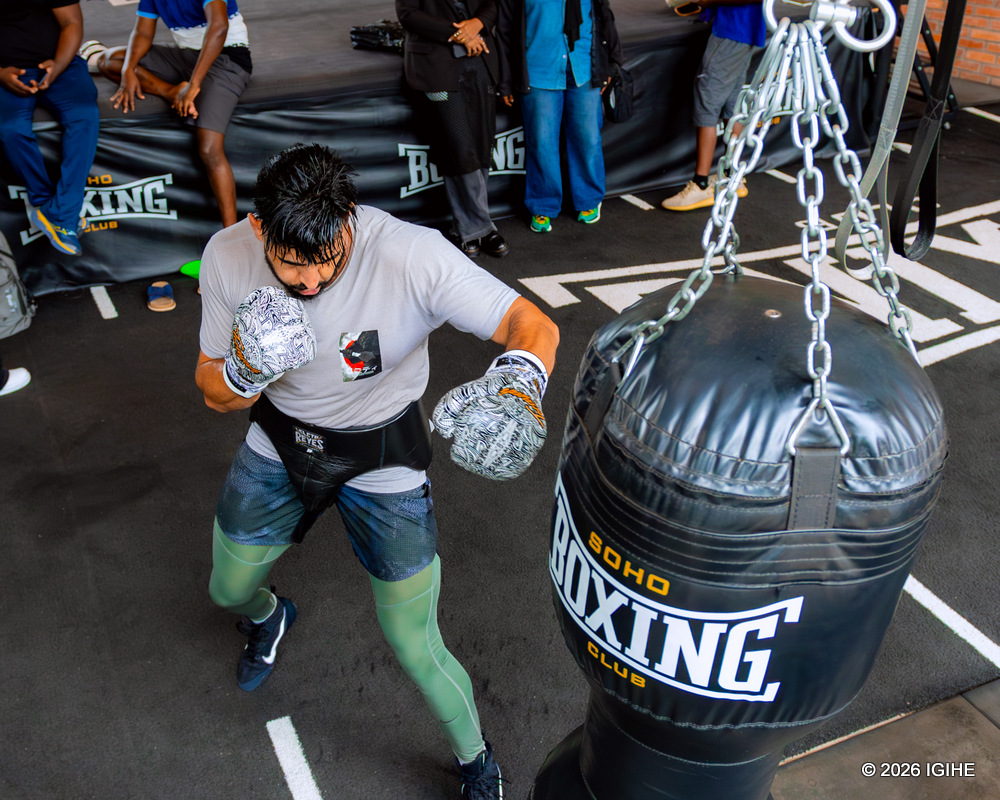
Fighters from across Africa, including Nigeria, Algeria, Uganda, Tanzania, DRC, Gabon, and more, have arrived in Rwanda, with many experiencing the country for the first time. Their reactions have been overwhelmingly positive, with many praising Kigali as a welcoming, well-organized, and beautiful destination for training and competition.
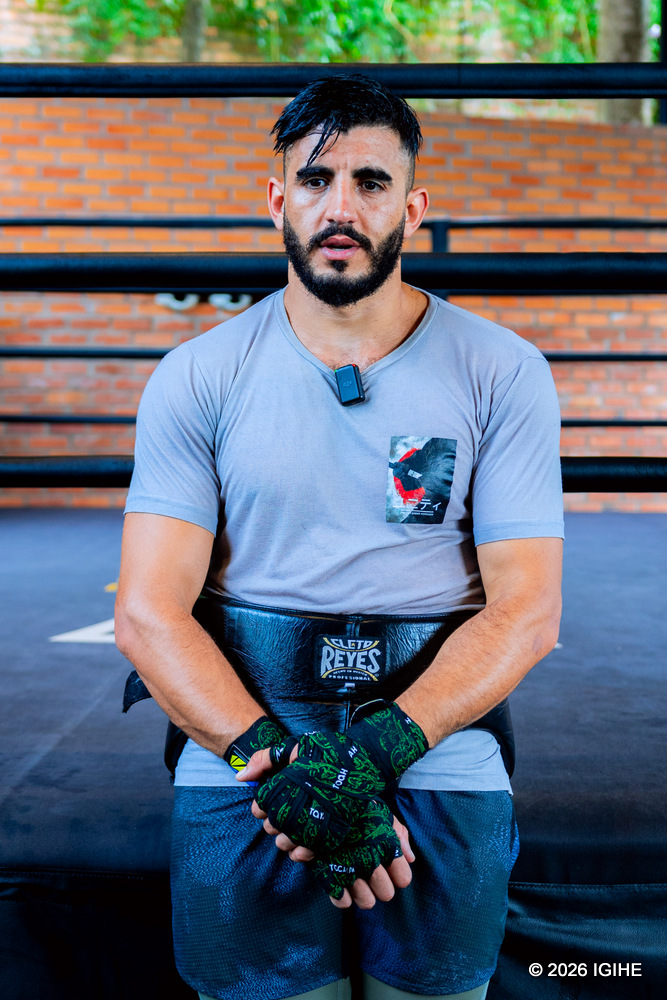
In an exclusive interview with IGIHE, Lamrani Abderrazeek, the Algerian cruiserweight, shared his excitement about his first visit to Rwanda. Having passed through Dubai before arriving in Kigali.
“This is my first time in Rwanda, and I really like it. The people here are nice. Everything is easy. Everything is straight. The weather is amazing. It’s the best place to visit. It’s the best place to do your camp, and it’s the best place to fight.”
Abderrazeek’s words reflect the sentiments of many international athletes who have praised Rwanda’s clean environment, modern gyms, and friendly atmosphere.
Lamrani Abderrazeek shared his excitement about his first visit to Rwanda.
Nene Joy Ojo, the Nigerian female boxer making waves on the card, also called on her fellow Nigerians and supporters to show up in force:
“If you’re here, come support your girl. Get your ticket from KCC Roundabout on the 28th of this month.”
Ojo’s message highlights the growing visibility of women’s boxing at Kigali Fight Night, which will feature several high-profile female matchups.
Nene Joy Ojo highlighted the growing visibility of women’s boxing at Kigali Fight Night.
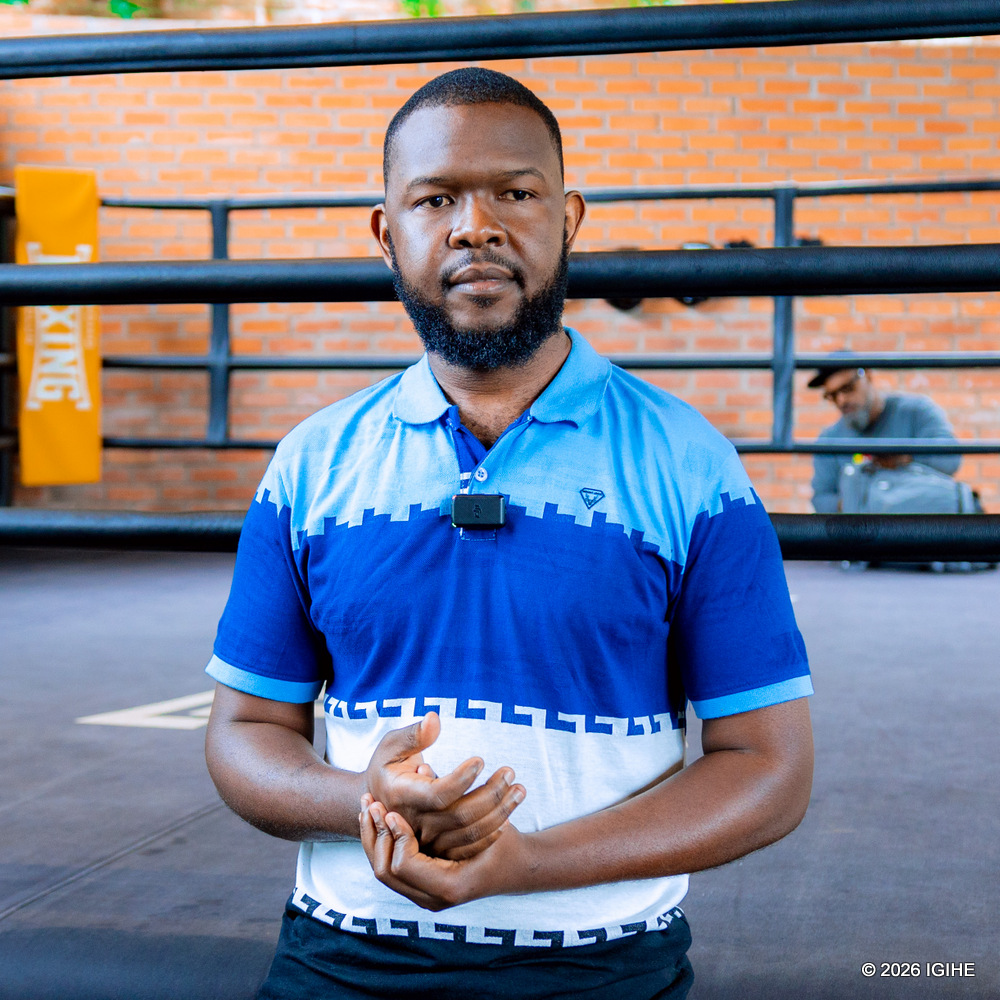
The excitement is shared by matchmaker Khaled, who hails from both Uganda and Dubai. He sees Kigali Fight Night as a landmark moment for African boxing.
“I’m excited to be in Rwanda simply because it’s a beautiful country, first of all, and yeah, it is a fresh market for boxing, especially pro boxing… Silverback says it is redefining African boxing. So we’re doing a great job, like putting fighters together and stuff like that.”
He added that the matchmaking for the event is strong, with international fighters on the card, and urged fans, “Definitely everybody has to come and watch.”
One fighter expressed pure confidence ahead of the main card:
“Fight night is on the 28th of this month. I’m ready. I’m ready to conquer. My opponent will have to be ready for me.”
Matchmaker Khaled, from Uganda and Dubai, sees Kigali Fight Night as a pivotal moment for African boxing.
Returning as the official ring announcer and MC, Rocky Try shared her pride in the event’s growth:
“Honestly, I was also the ring speaker last year, and being there is just electric. You can see the fighters’ real sportsmanship, their talent, and their hunger. This time, it’s going to be even bigger.”
Rocky emphasized the cultural significance of bringing professional boxing to Rwanda, especially with strong female participation both in the ring and behind the scenes:
“My pride for the Kigali Fight Night is the fact that we’re bringing the boxing culture to Rwanda… We have female athletes, we have male athletes, we have the young ones… Having something so new in Rwanda is exciting.”
To women still hesitant about boxing, she offered powerful encouragement:
“Do you know what? Let me speak to you. I started boxing at a time in my life when I had a lot of anger. But as I trained, it wasn’t about the anger anymore; it became about discipline. So, just do it. It’s like free therapy, you just pay a little more than a therapist.”
Kigali Fight Night 2026 promises to be a major milestone in Rwanda’s boxing culture, shining a spotlight on the continent’s rising boxing talent and highlighting Rwanda’s growing significance as a host for major sporting events.
Returning as the official ring announcer and MC, Rocky Try expressed her pride in Kigali Fight Night’s growth.
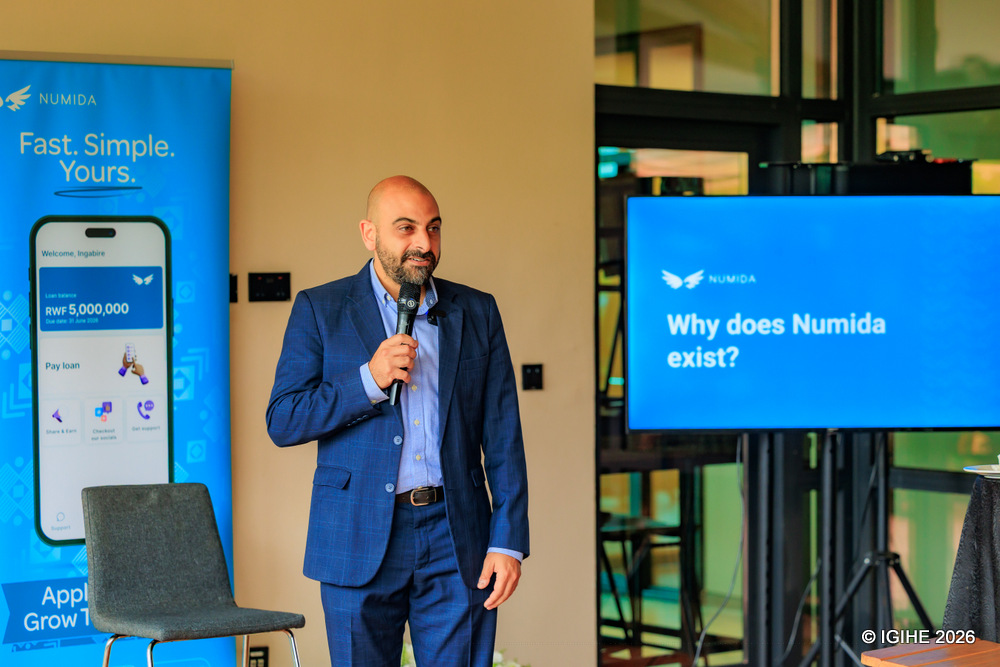
The company aims to assist those with small businesses who have previously struggled to obtain loans from traditional financial institutions.
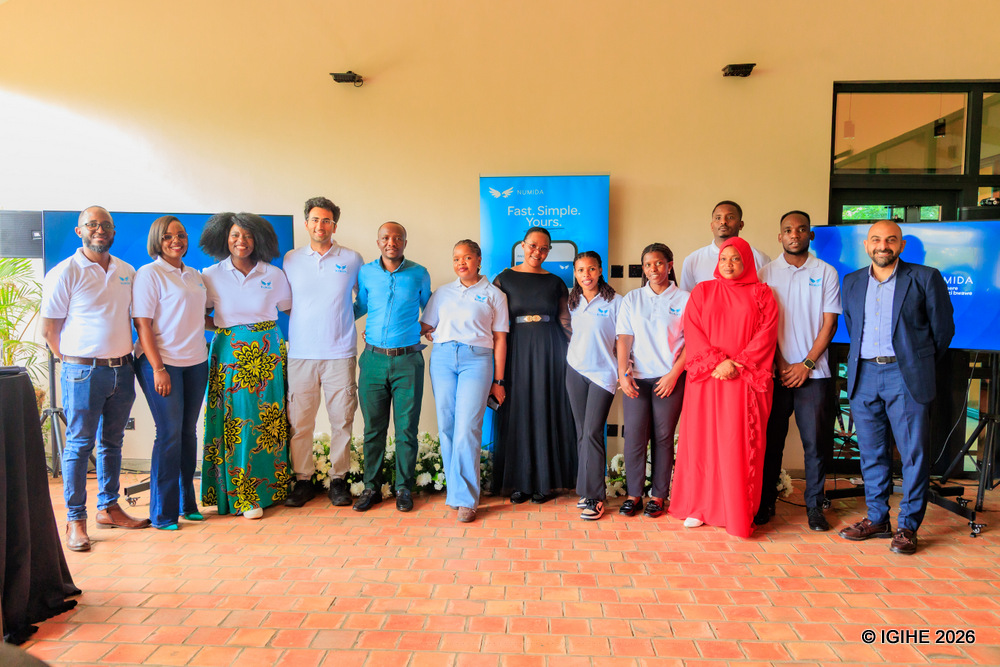
The official launch event took place in Kigali on March 24, 2026. Small business owners who previously found it difficult to access loans from banks are now able to apply for loans via a digital platform without having to leave their locations.
Using Numida’s mobile app, applicants can fill out the required forms and receive loans ranging from 800,000 Rwandan Francs(Rwf) to Rwf12 million. The approval process takes less than 24 hours.
To qualify for the loan, applicants need to have a smartphone to download the Numida app, provide their national ID, a photo, and have a business that has been operating for at least six months in Rwanda.
They must also have the necessary registration documents from the Rwanda Development Board (RDB) proving ownership.
Mina Shahid, the CEO of Numida, stated that the loan process for small business owners is part of a broader initiative to align with Rwanda’s Vision 2050, which aims to speed up development and ensure financial services are accessible to all.
He said, “Our company’s goal aligns with Rwanda’s Vision 2050, to ensure everyone has easy access to financial services. Numida’s mission is to make the dreams of one million people across Africa come true.”
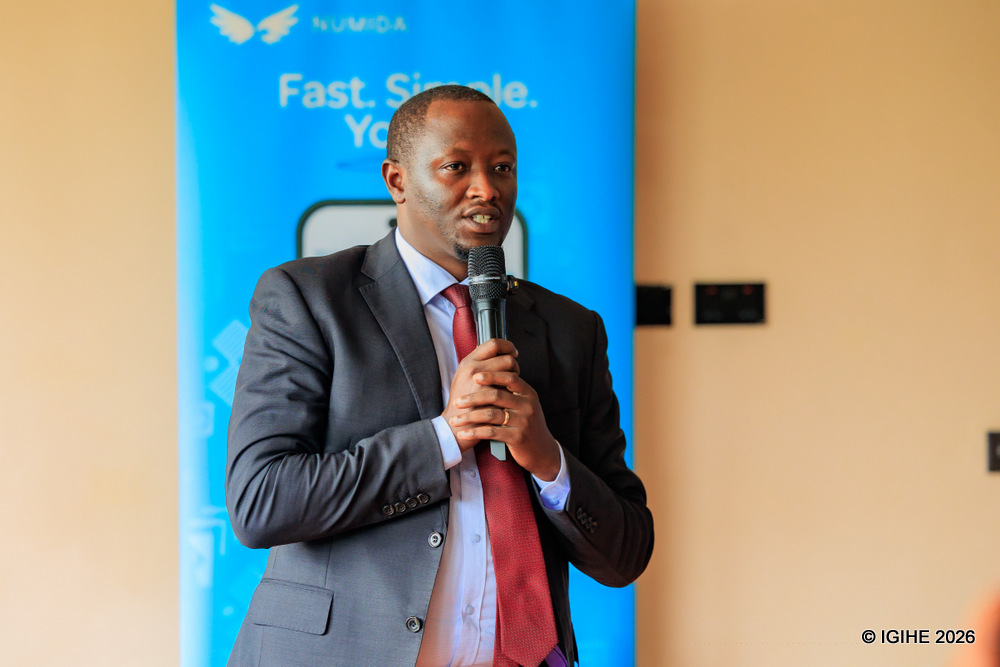
James Rwagasana, Manager of Supervision of Non-Deposit Taking Lending Financial Institutions at the National Bank of Rwanda (BNR), reassured potential clients of Numida’s legitimacy.
He emphasized that the company is fully licensed by BNR and does not require deposits for the loans.
“This new institution is authorized by the National Bank of Rwanda and operates legally. It is part of the national strategy to increase access to financial services, especially loans, so that Rwandans can grow their businesses,” Rwagasana explained.
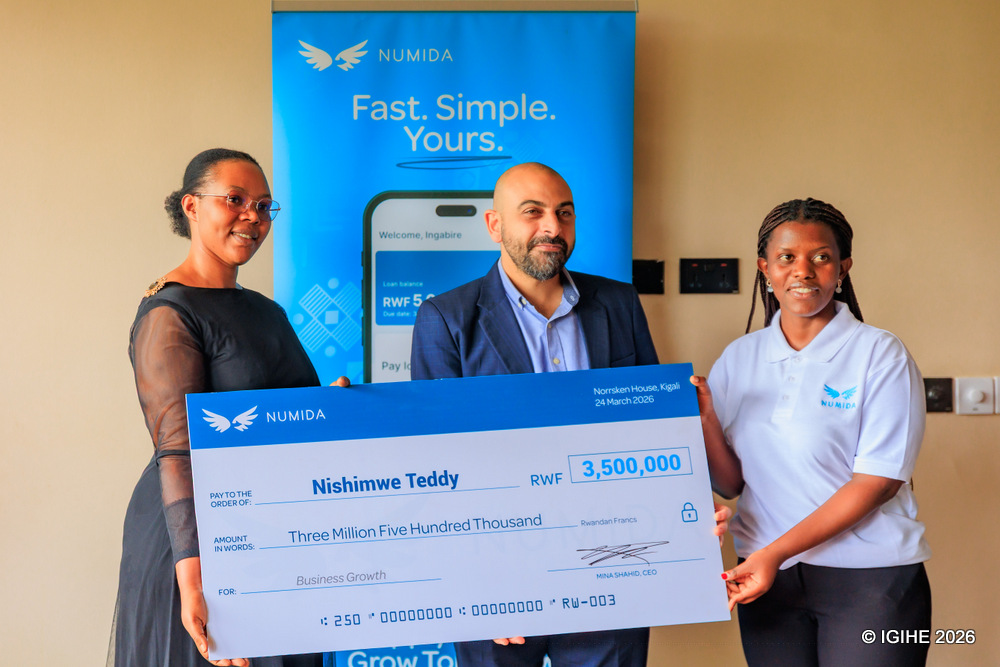
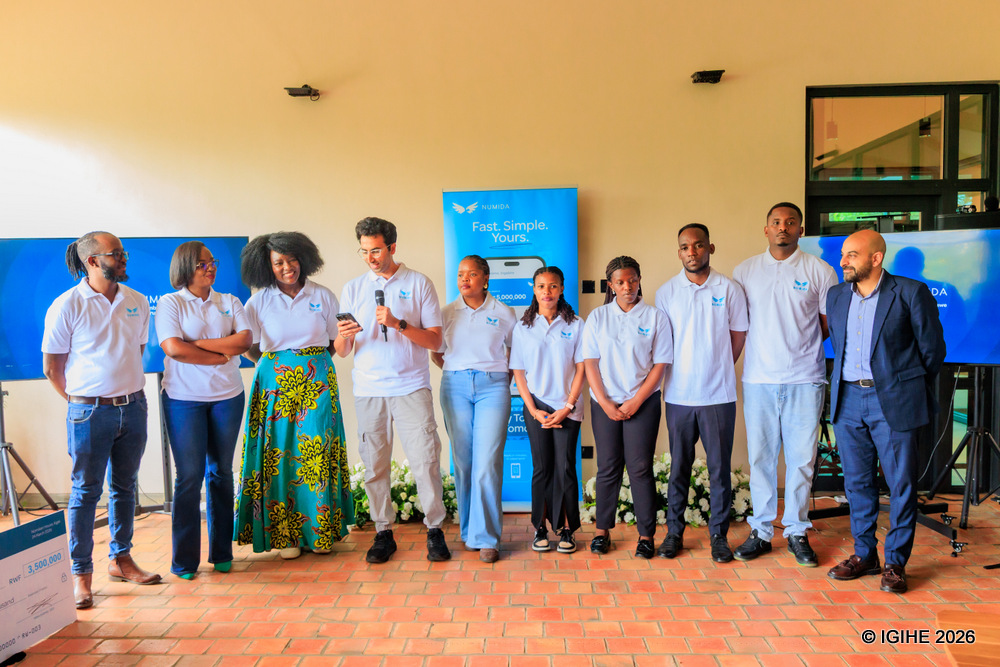
One of the beneficiaries, Teddy Nishimwe, a Rwandan entrepreneur, received a loan of Rwf3.5 million from Numida. She confirmed that the process was simple and quick, and the loan would help her expand her business.
Since its launch in Rwanda in March 2026, Numida has already disbursed over Rwf120 million in loans to 150 Rwandans using its digital platform.
Numida has been operating in Uganda since 2017 and in Kenya since 2023. The company has provided over $150 million in loans to support the growth of more than 100,000 businesses across these three countries. The goal is to have disbursed loans to 5,000 businesses in Rwanda by the end of 2026.
Numida’s CEO, Mina Shahid, emphasized that the company will help small businesses in Rwanda grow and expand.Numida aims to have granted loans to at least 5,000 business owners in Rwanda by the end of 2026.Numida is committed to bridging the gap in loan distribution in Rwanda.James Rwagasana, Manager of Supervision of Non-Deposit Taking Lending Financial Institutions at the National Bank of Rwanda (BNR), reassured potential clients of Numida’s legitimacy. At the launch event, some attendees received the loans they had applied for.Jean Marie Vianney Bana was also granted a loan he requested from Numida.Numida is also committted to supporting women-owned businesses in Rwanda.
The report shows that the employment-to-population ratio increased to 55.9% in 2025, up from 53.5% in 2024, signalling a growing capacity of the economy to absorb workers. About 4.77 million Rwandans were employed during the year.
This growth comes alongside an expansion of the labour force, which reached 5.4 million people, out of a working-age population of approximately 8.5 million.
Unemployment declines as more jobs are created
The survey indicates that unemployment fell to 12.4% in 2025, down from 14.9% the previous year, continuing a downward trend from pre-COVID-19 levels of around 15%.
This means that roughly one in eight people in the labour force was unemployed, reflecting improved job creation and labour market recovery.
Employment gains were recorded across both men and women, with the employment rate increasing by 1.4 percentage points among males and 3.1 percentage points among females. However, disparities remain, with men still more likely to be employed than women.
Services sector drives job growth
The report highlights a gradual structural shift in Rwanda’s economy, with the services sector emerging as the largest employer, accounting for 44.4% of total employment in 2025, up from 42.9% in 2024.
Agriculture remains a major source of jobs, employing 39.1% of the workforce, while the industry sector accounted for 16.5%, showing little change.
Sectors such as wholesale and retail trade, transport, manufacturing, and hospitality recorded notable increases in employment, reflecting expanding economic activity beyond traditional agriculture.
More people entering the labour market
The labour force participation rate rose slightly to 63.8%, indicating that more Rwandans are either working or actively seeking employment.
At the same time, about 3.1 million people remained outside the labour force, many of whom are engaged in subsistence agriculture, studying, or not actively seeking jobs.
Despite the overall improvement in employment outcomes, the report highlights areas where further gains can be made, particularly in expanding opportunities for youth and women. Youth unemployment stood at 14.7%, slightly above the national average, while female unemployment was estimated at 14.2% compared to 10.8% among men.
These figures suggest that targeted interventions, including skills development, entrepreneurship support and improved job matching, could help unlock additional employment potential, especially as more young people enter the labour market.
Encouragingly, the survey shows a continued upward trend in incomes, with the average monthly salary increasing to Rwf 82,996 in 2025, up from Rwf 73,948 in 2024.
While differences across sectors remain, the overall rise in earnings reflects improving economic activity and growing opportunities, particularly in higher-paying sectors such as services and industry.
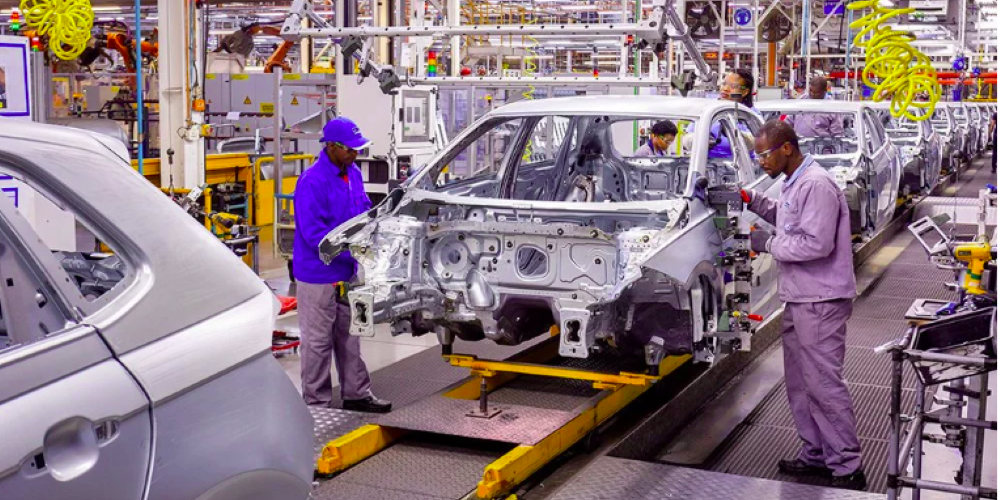
Technicians at the Volkswagen assembly plant in the Kigali Special Economic Zone meticulously assemble a vehicle. A new labour force report shows that the employment-to-population ratio increased to 55.9% in 2025, up from 53.5% in 2024, signalling a growing capacity of the economy to absorb workers.
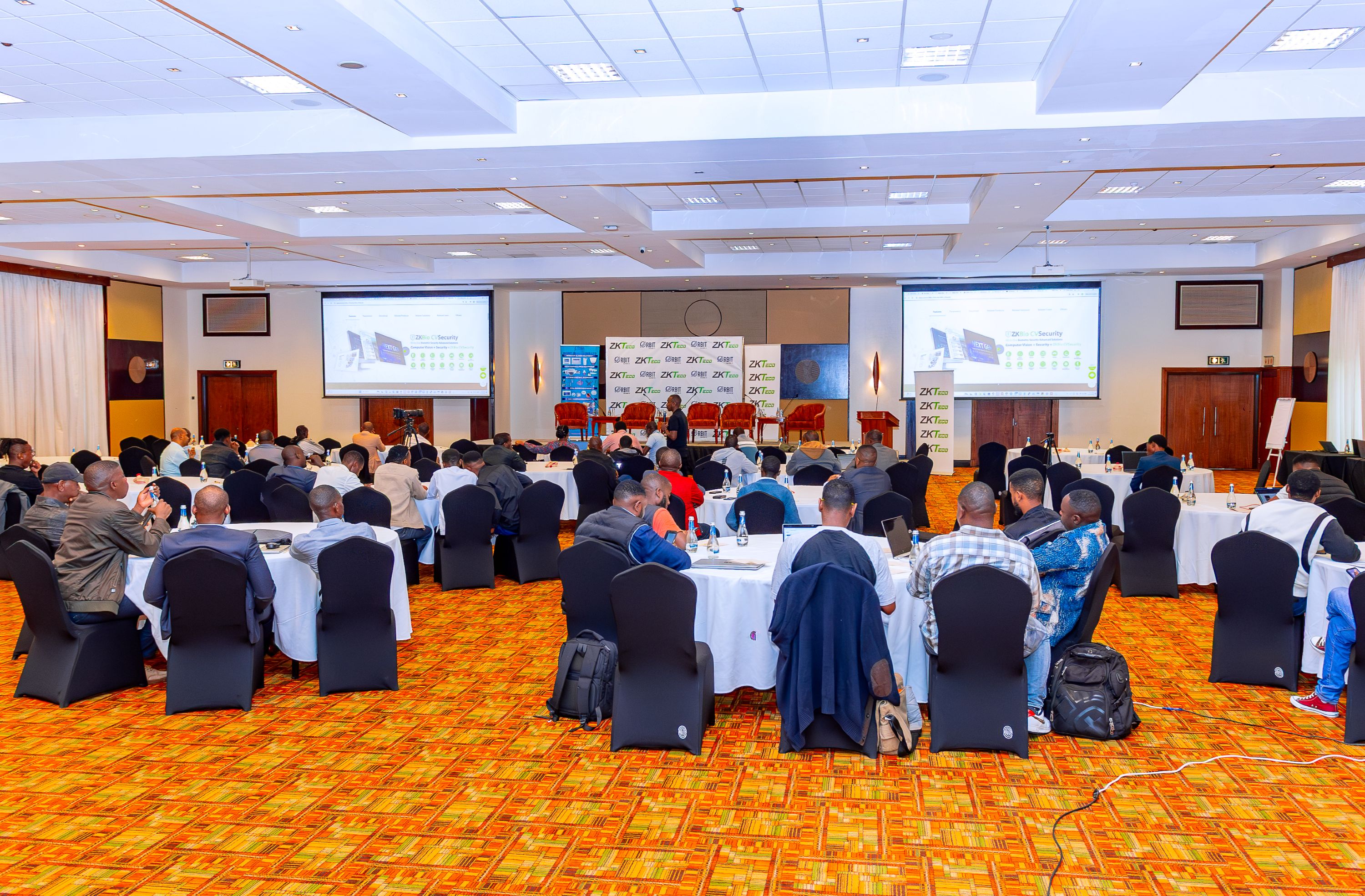
The event was designed to provide an understanding of modern access control, biometric systems, and intelligent surveillance solutions. With the theme “Effective, Reliable, and Efficient Security through Smart Access Systems”, the conference offered a deep dive into technologies that are redefining how organisations protect people, property, and information.
The conference was designed to provide understanding of modern access control, biometric systems, and intelligent surveillance solutions.
Orbit Solutions, a Rwandan company known for providing advanced electronic security equipment since 2014, has played a key role in bringing smart security solutions to businesses across Rwanda and the wider East African region. Through its exclusive partnership with ZKTeco, a global leader in biometric verification, AI-driven access control, and smart office platforms, the company offers everything from facial recognition and fingerprint devices to smart locks, fire detection systems, and CCTV solutions.
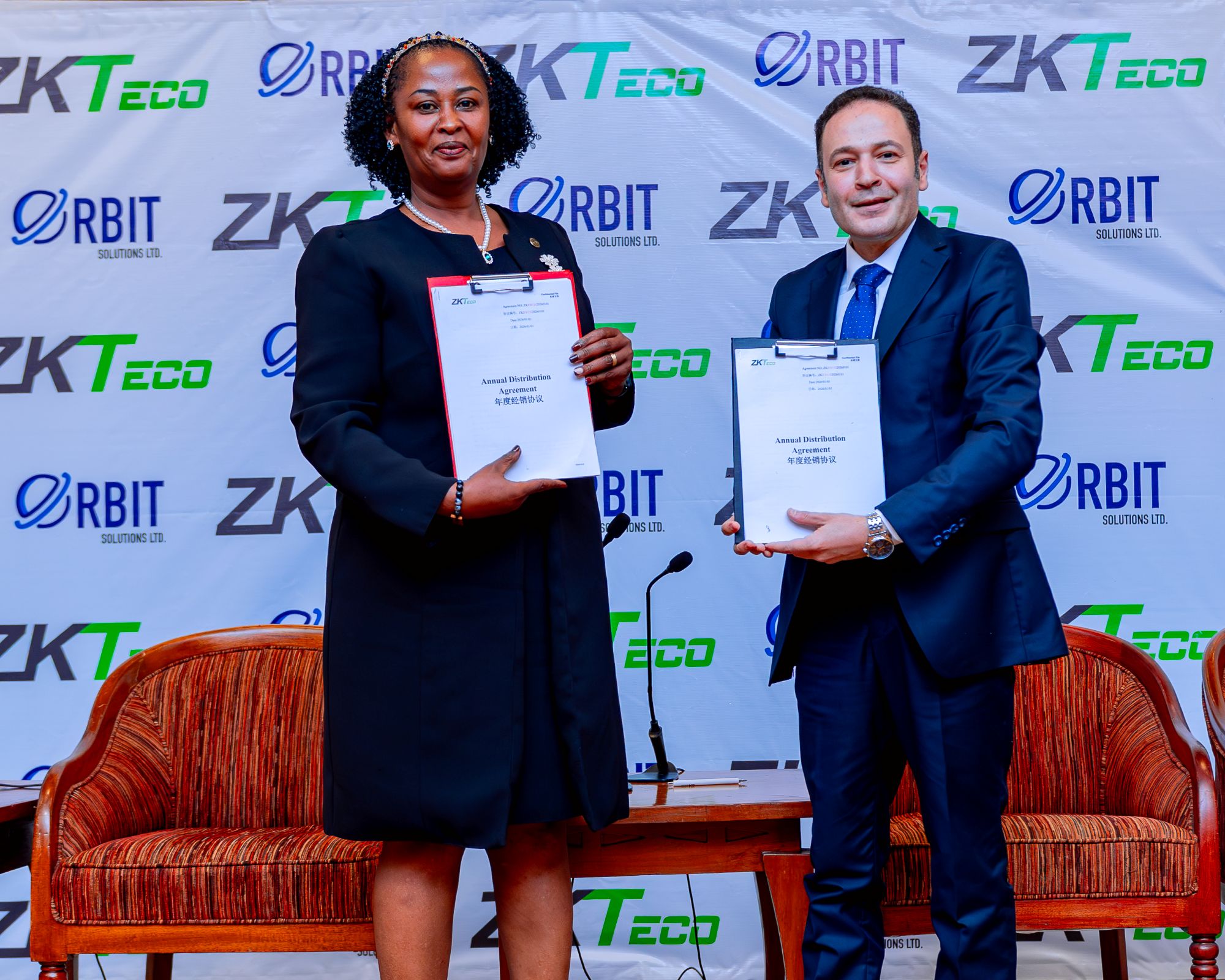
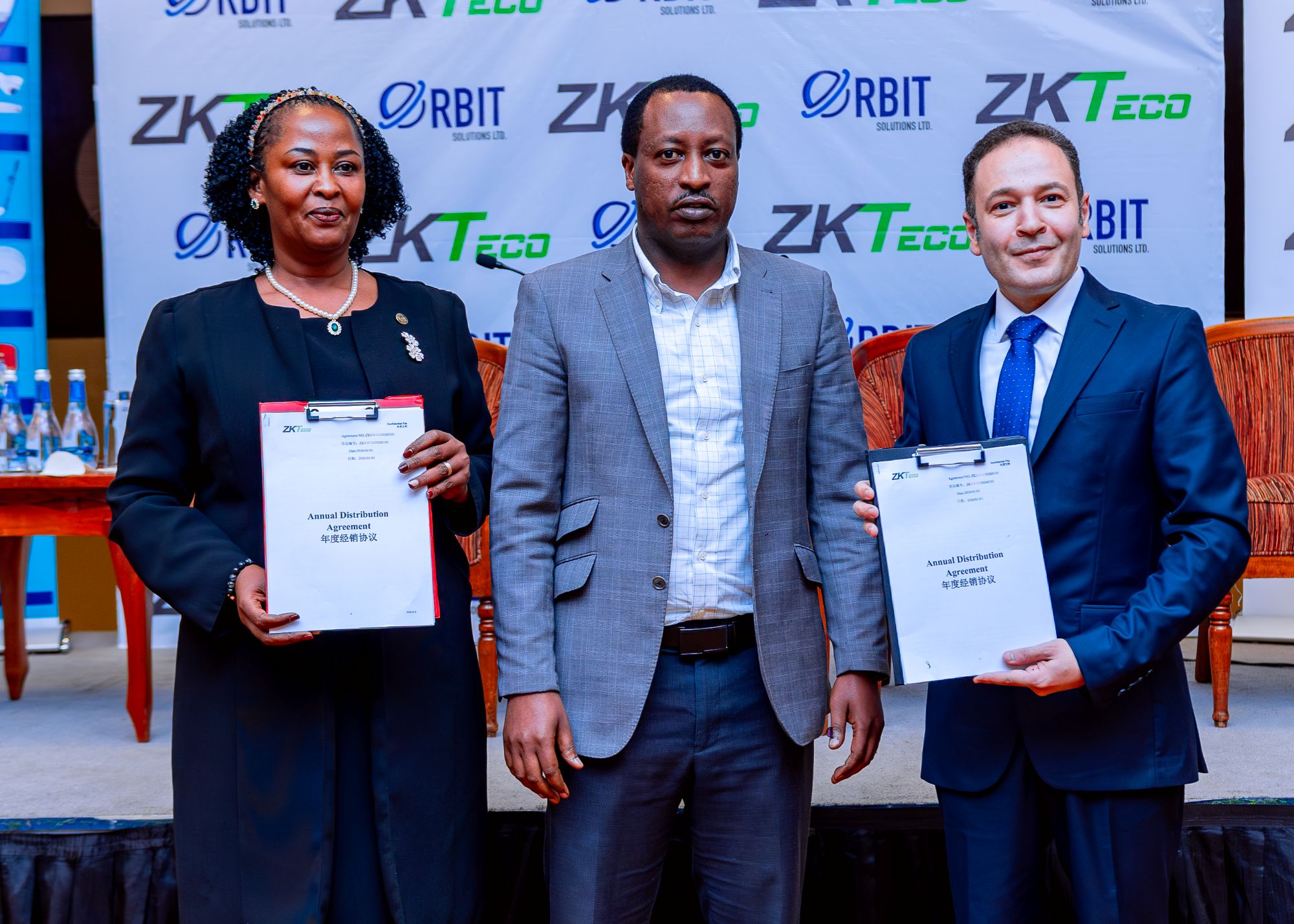
The conference also highlighted the long-standing partnership between the two companies, with the signing of a new agreement that strengthens Orbit Solutions’ role as ZKTeco’s official distributor in Rwanda. The agreement lays out plans to continue providing technical training, after-sales support, and expert guidance, ensuring clients not only access advanced security technology but also the knowledge to use it effectively.
Orbit Solutions Ltd Managing Director Jenipher Ingabire and ZKTeco East Africa Managing Director Mostafa Kamel signed a new partnership agreement during the Kigali conference.
Bridging technology and training
Organisers split the programme into two tracks. The morning session targeted technical teams, giving engineers and technicians a chance to handle the equipment, explore configurations, and understand integration with existing systems.
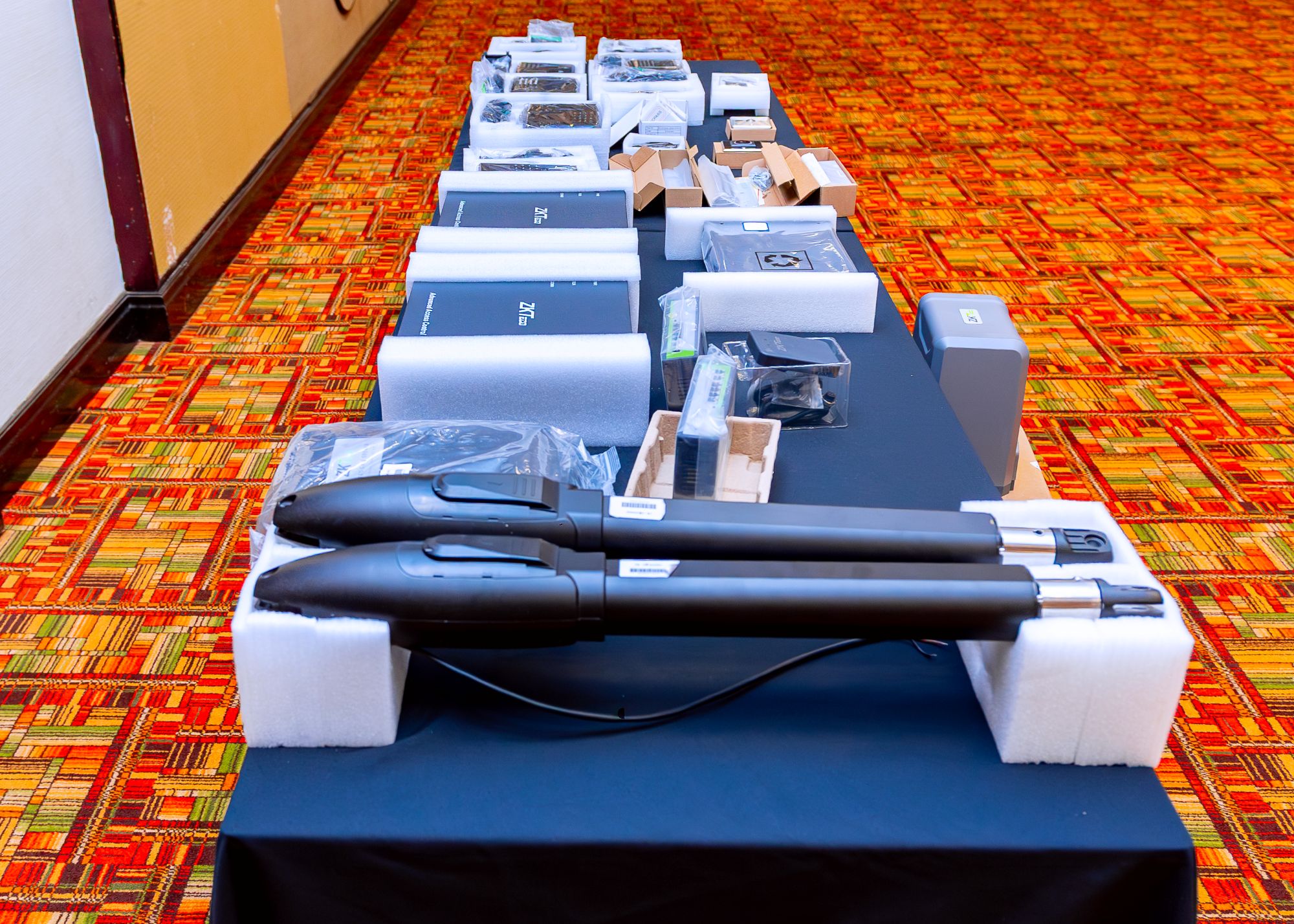
The technical sessions provided training on ZKTeco’s security ecosystem, covering access control, time and attendance systems, smart locks, parking solutions, and inspection technologies. Attendees gained insights into integrating biometric verification, AI, and advanced analytics into organisational security strategies.
Attendees were trained on ZKTeco’s access control, smart locks, and AI-powered security solutions.
The afternoon session focused on decision-makers, helping them grasp the strategic benefits of smart security, including improved efficiency, faster response times, and safer work environments.
A standout feature discussed throughout the day was ZKTeco’s AI-enabled CCTV technology. Unlike conventional cameras, these systems can detect fights, unauthorised access, or unusual behaviour in real time and send alerts directly to security control rooms, allowing teams to respond immediately rather than relying on manual monitoring or post-event review.
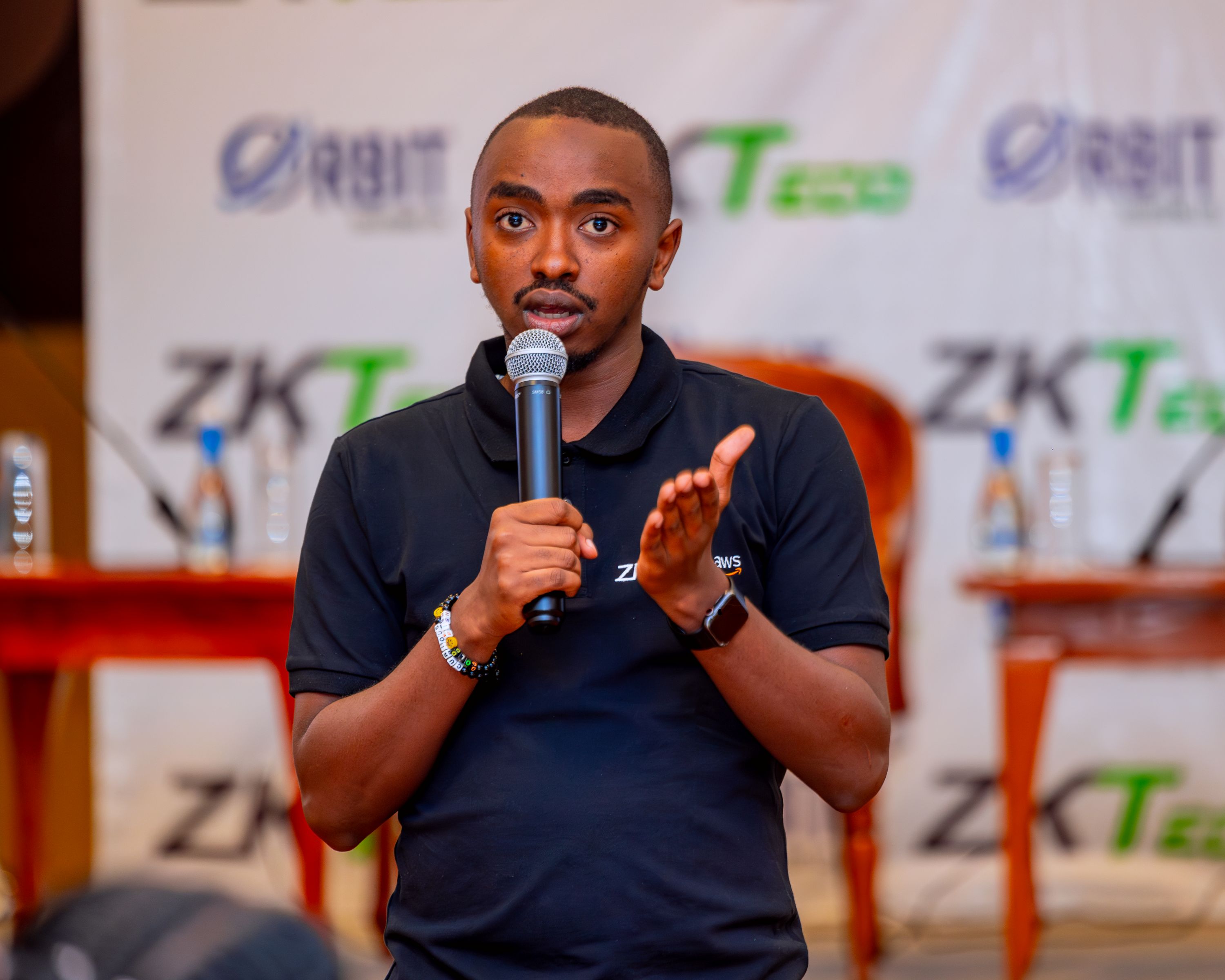
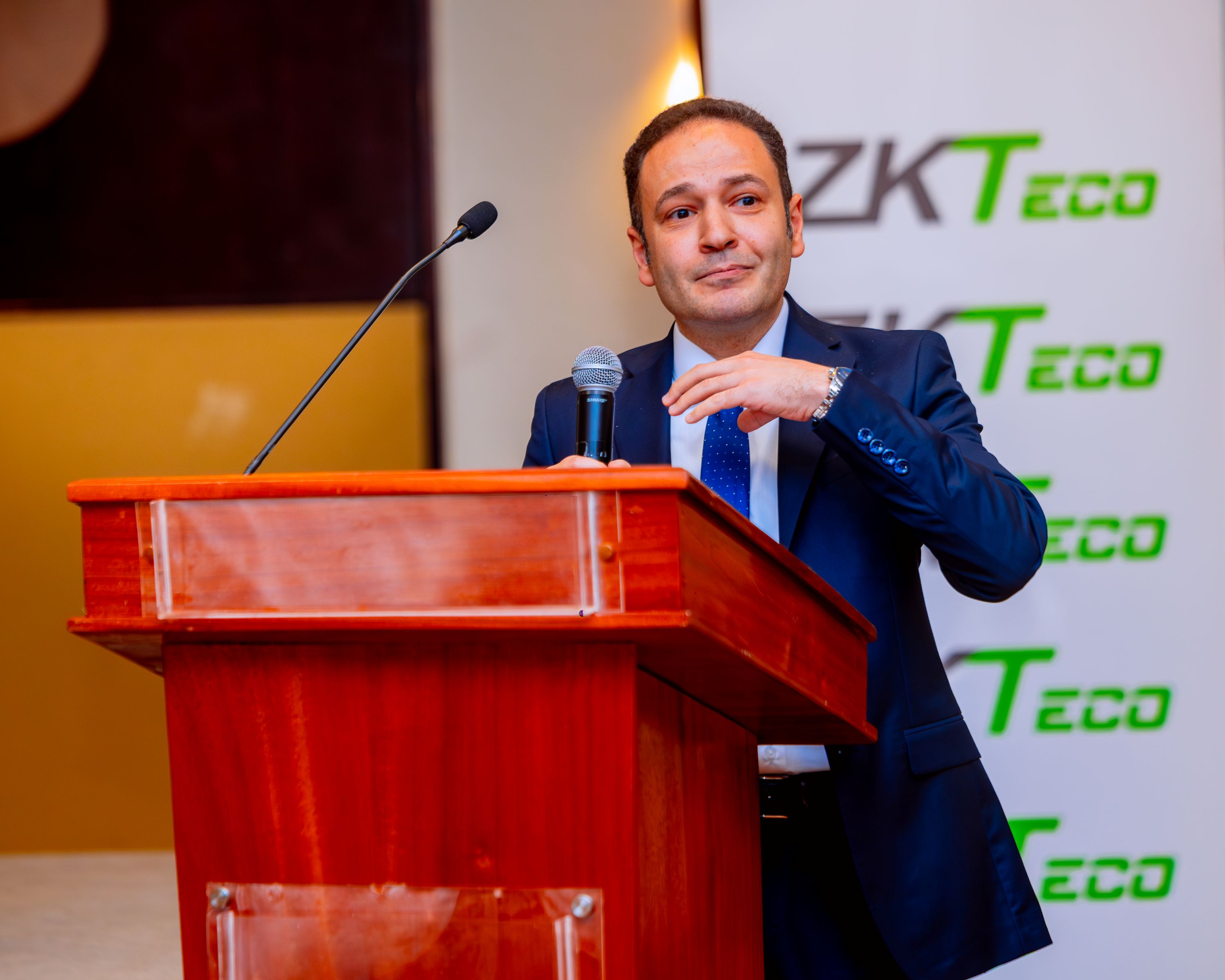
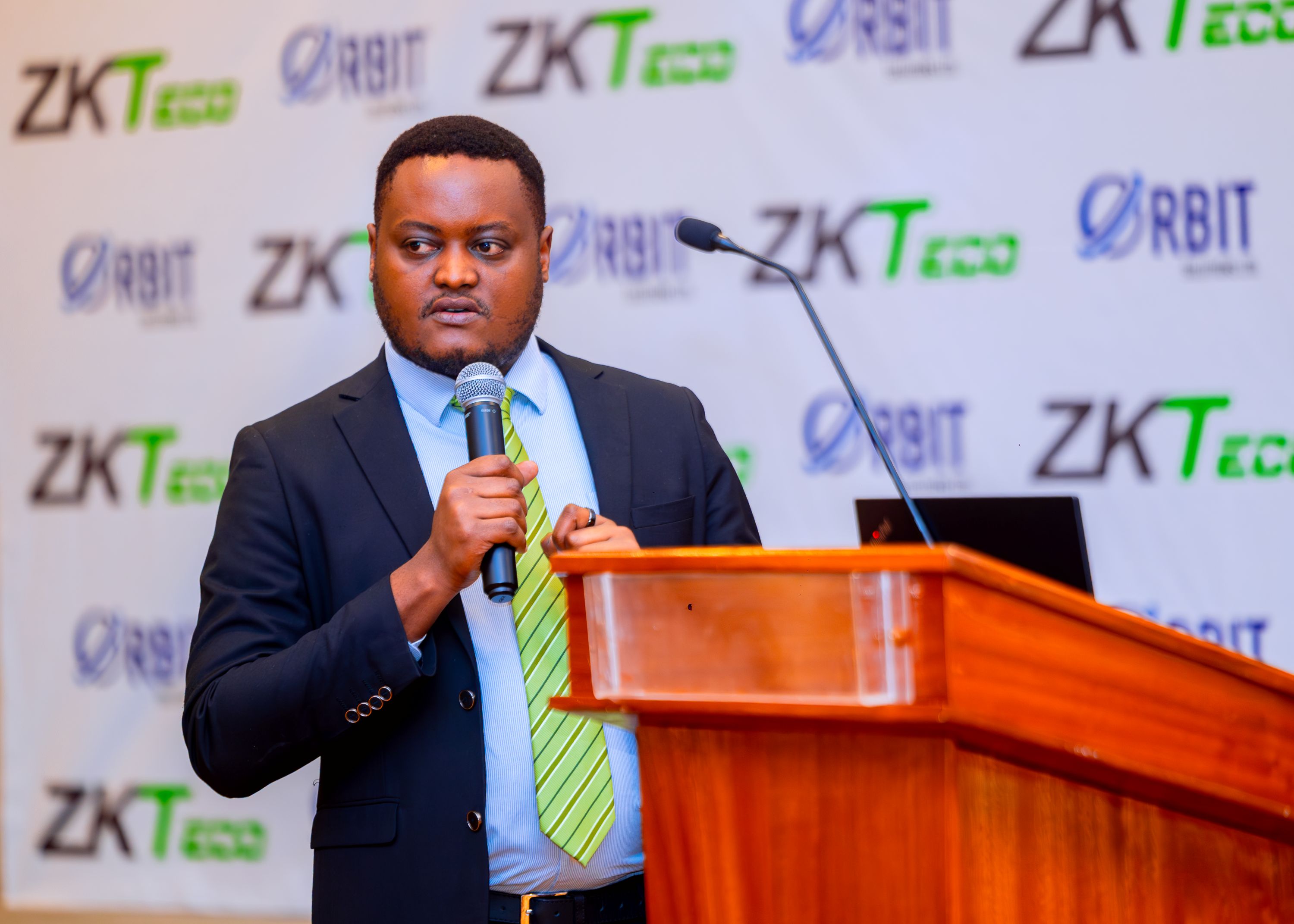
“With AI, CCTV moves from being a passive observer to an active partner in security,” explained Mostafa Kamel, Managing Director of ZKTeco East Africa.
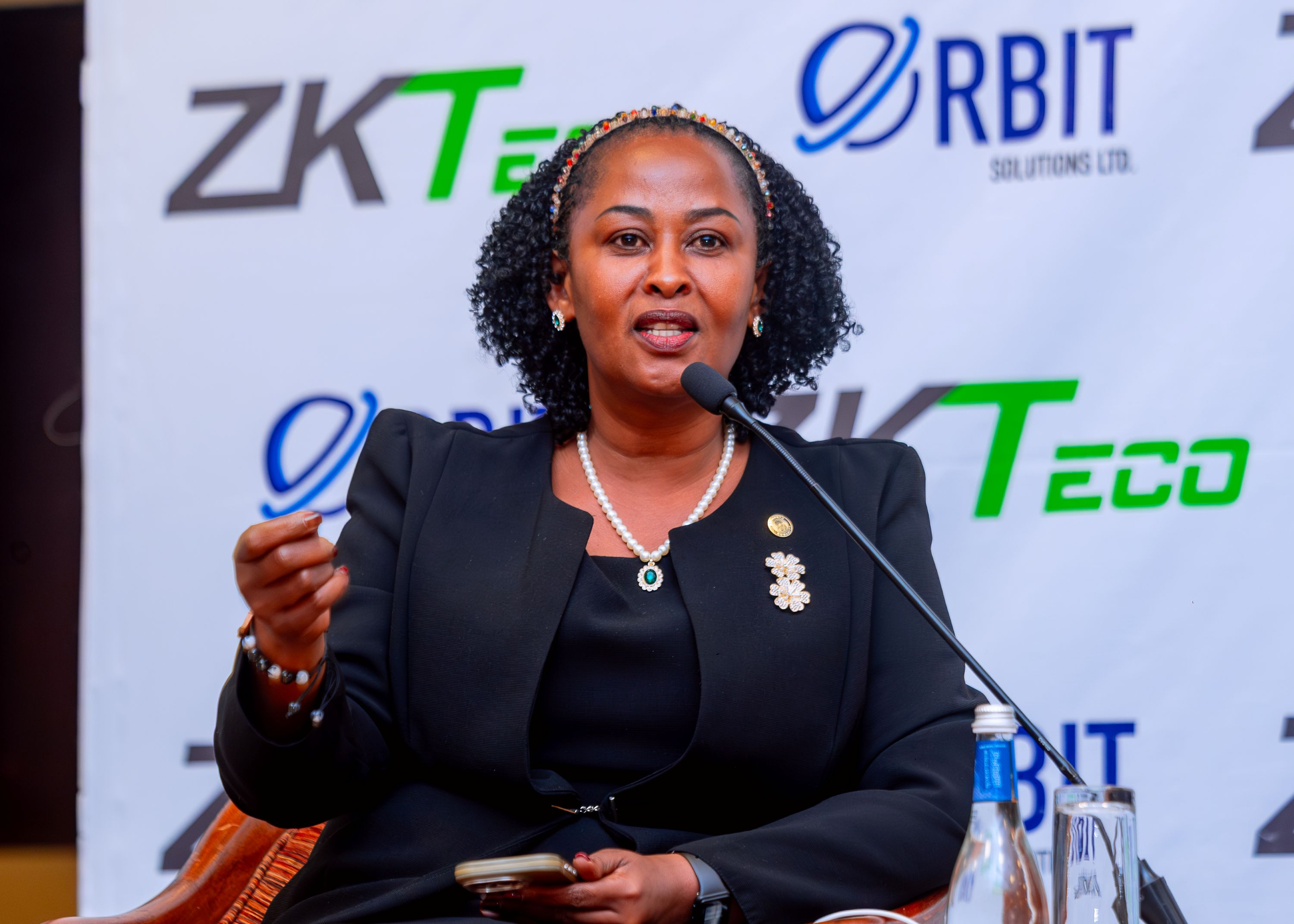
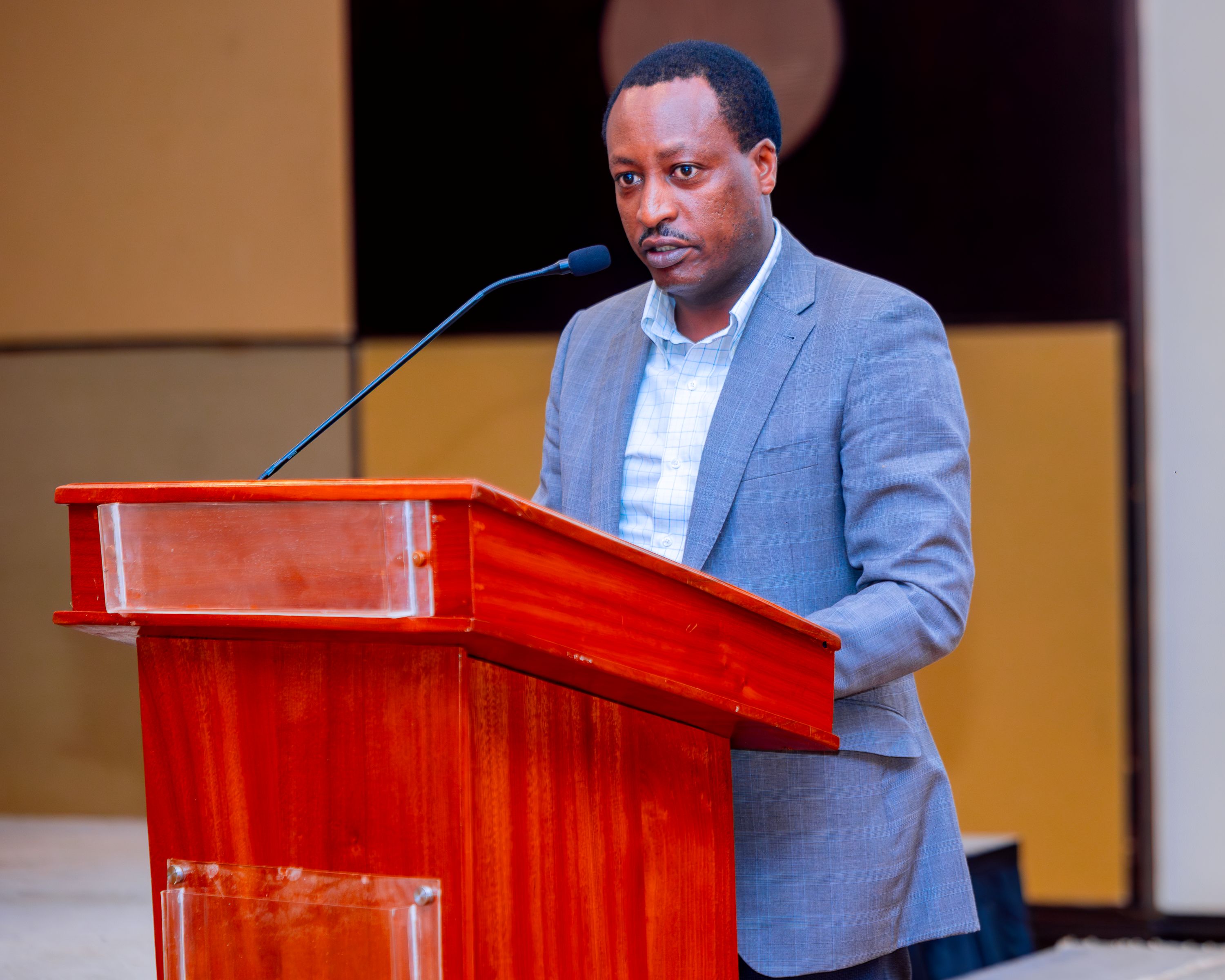
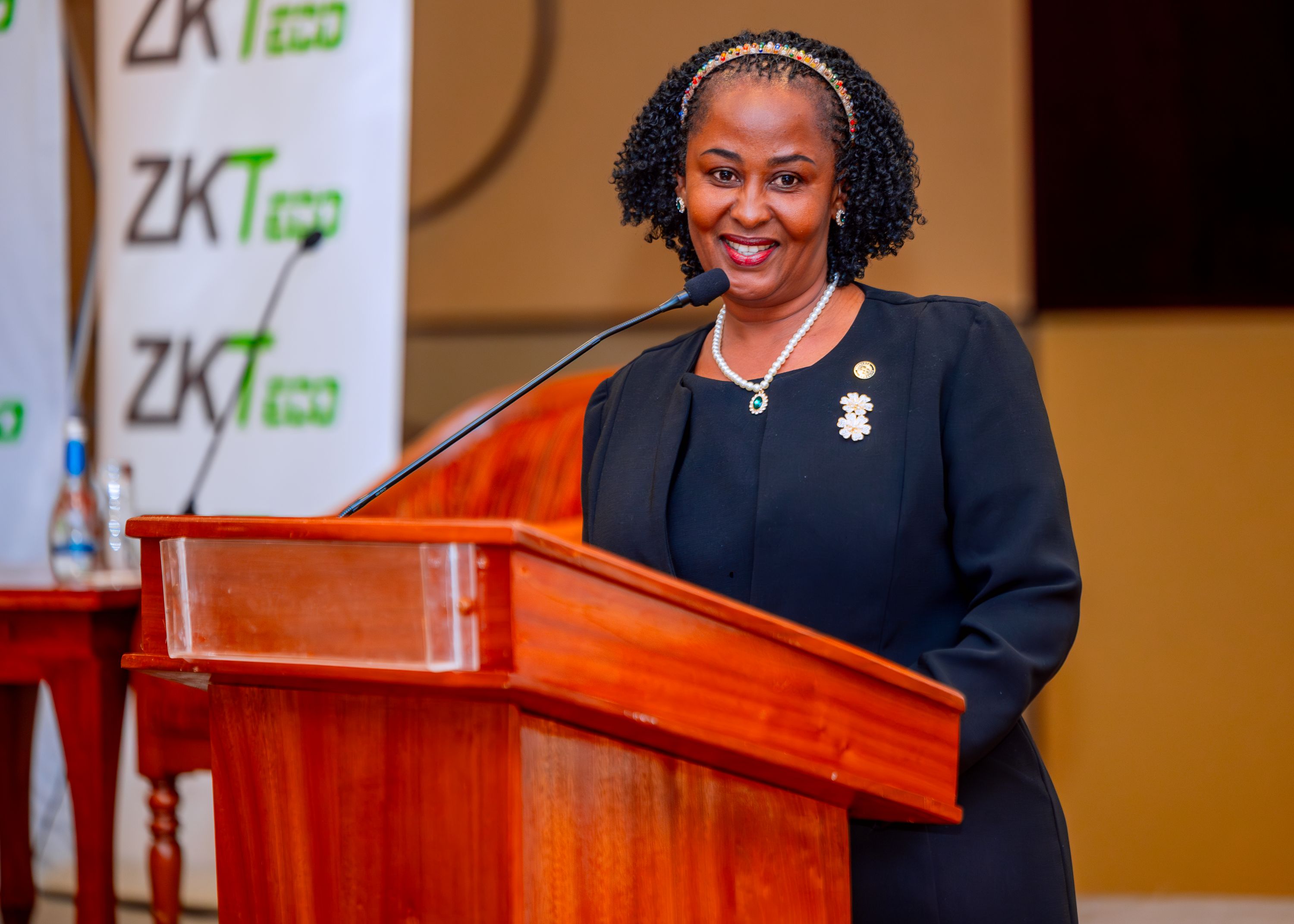
Orbit Solutions MD Jenipher Ingabire highlighted the company’s modern security solutions in Rwanda.
For Orbit Solutions’ Managing Director, Jenipher Ingabire, the conference was an opportunity to showcase the company’s approach to modern security in Rwanda.
“Access automation is no longer a luxury; it is a necessity. From residential developments to commercial facilities and critical infrastructure, the demand for secure, efficient, and intelligent access systems continues to grow,” she said.
Ingabire highlighted Orbit’s role as a distributor of a wide range of electronic security solutions, including biometric access devices, fire detection and suppression systems, CCTV cameras, metal detectors, and smart locks, all available locally and backed by technical support.
“We are a one-stop shop with everything available in stock. If we don’t have something, we can get it quickly through our strategic partnerships with suppliers. We have credit facilities available, so there is no project we cannot execute at any scale.”
Global expertise, local impact
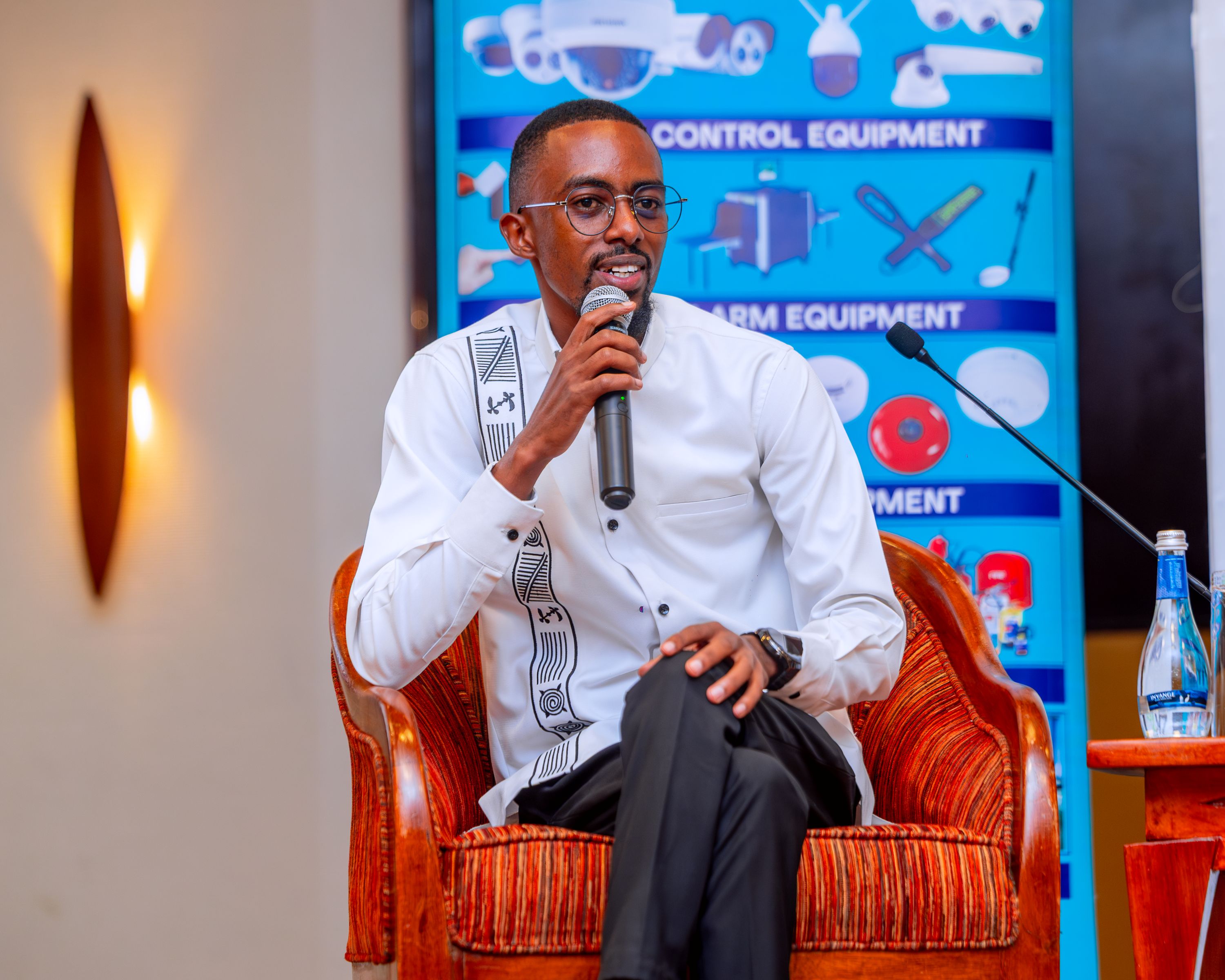
Kamel highlighted how ZKTeco’s technology has been adopted globally, including by governments, multinational corporations, and logistics companies. He explained that the company’s research and development focuses on AI, biometrics, and cloud-enabled access control, ensuring solutions meet both international standards and local requirements.
Mostafa Kamel highlighted how ZKTeco’s technology has been adopted globally, including by governments.
He reminded organisations that only genuine ZKTeco products come with proper support, warranties, and compliance with privacy laws, cautioning that counterfeit devices could compromise security and create operational challenges.
Kamel also noted Rwanda’s growing role as a regional hub for technological innovation, highlighting the country’s openness to new solutions.
“Rwanda is a land of opportunity. By combining local expertise with global innovation, we aim to deliver comprehensive security solutions tailored to the region’s needs,” he said.
He further emphasised ZKTeco’s commitment to research and development, highlighting cutting-edge technologies such as visible-light 3D facial recognition, palm recognition from up to 30 metres, and AI-powered integration across security systems.
Conversations on the floor
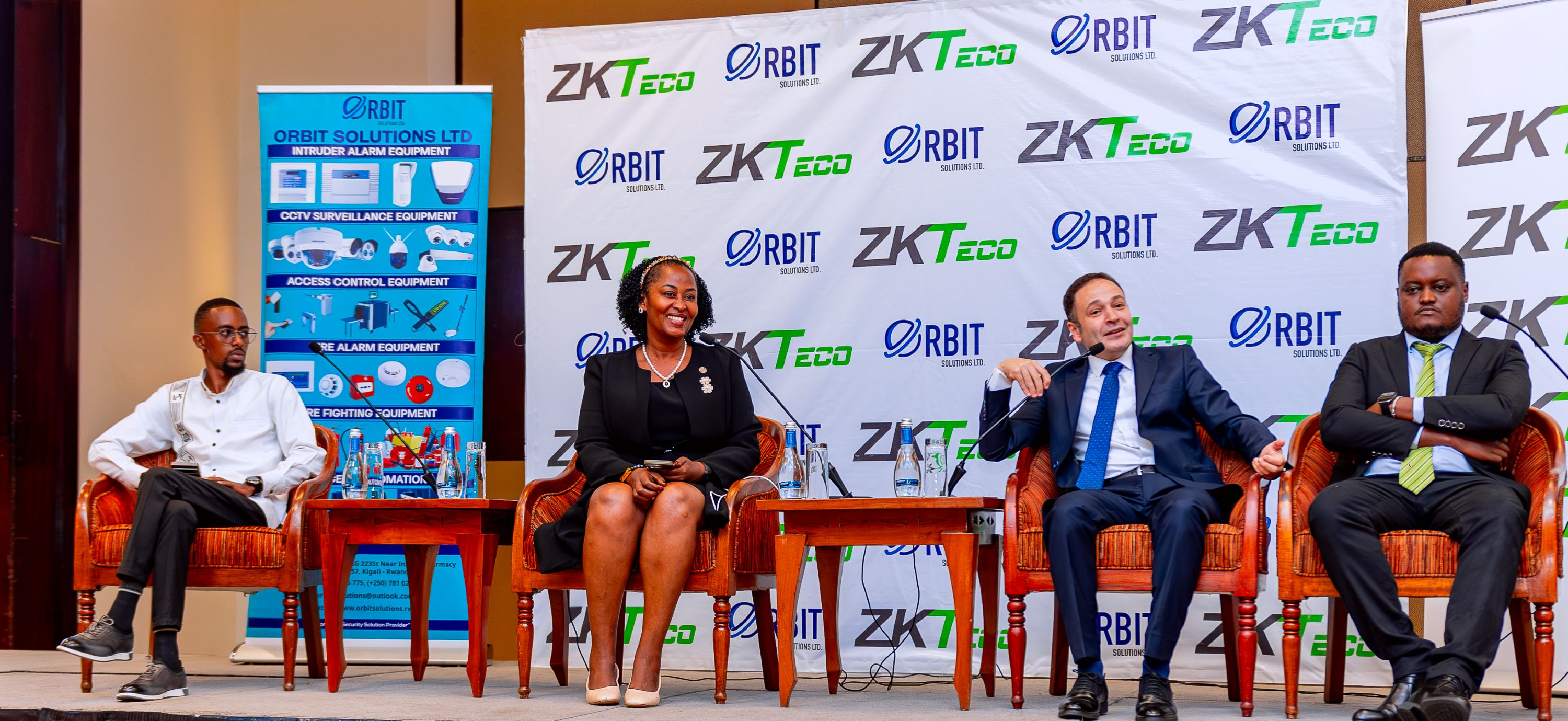
Panel sessions were lively, with participants exploring practical applications of AI and smart access systems. From corporate offices to public institutions, attendees discussed how technology can reduce reliance on traditional security personnel while increasing overall safety. One example: AI CCTV detecting a fight in real time can alert security, lock or unlock doors as needed, and even integrate with other systems such as fire alarms.
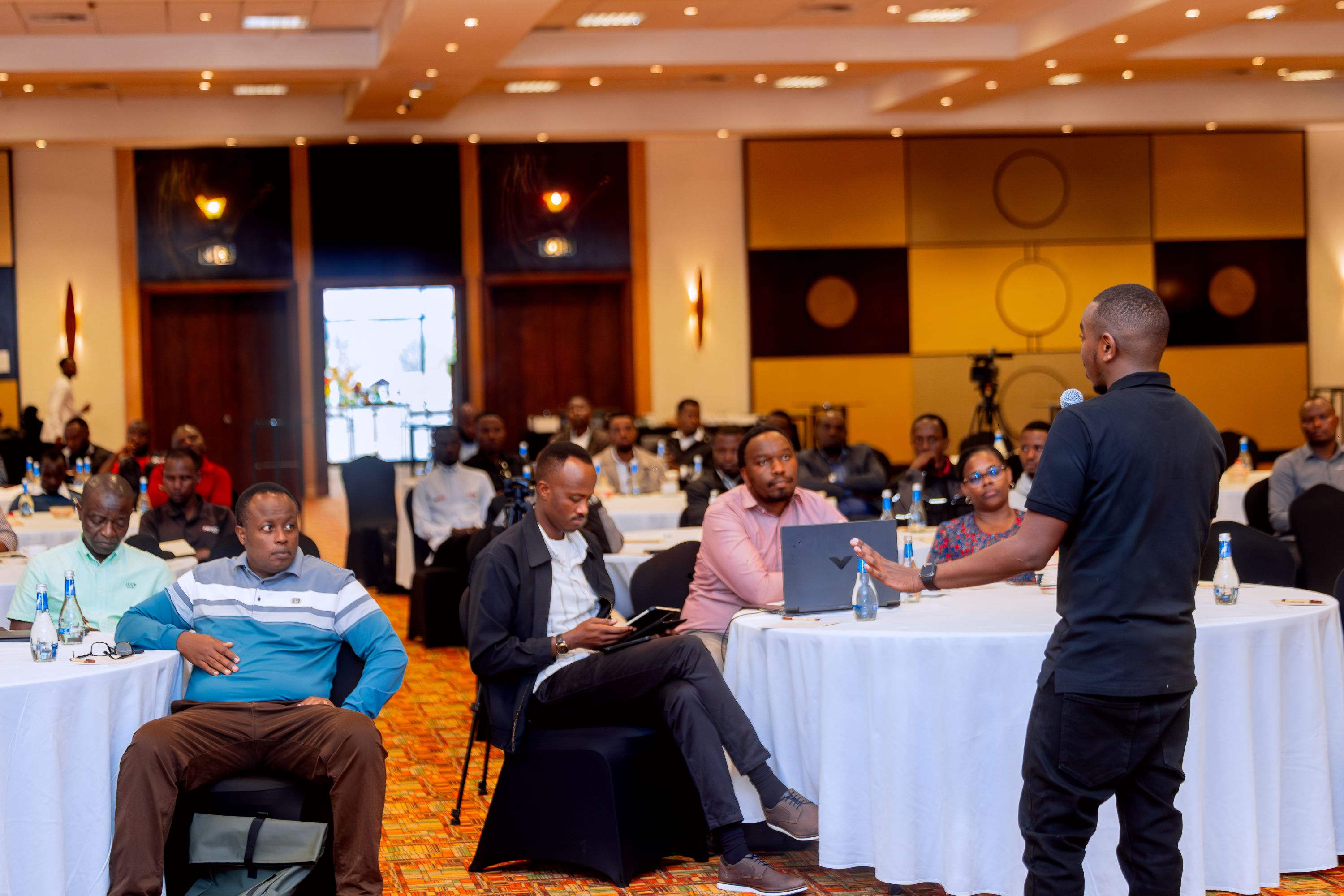
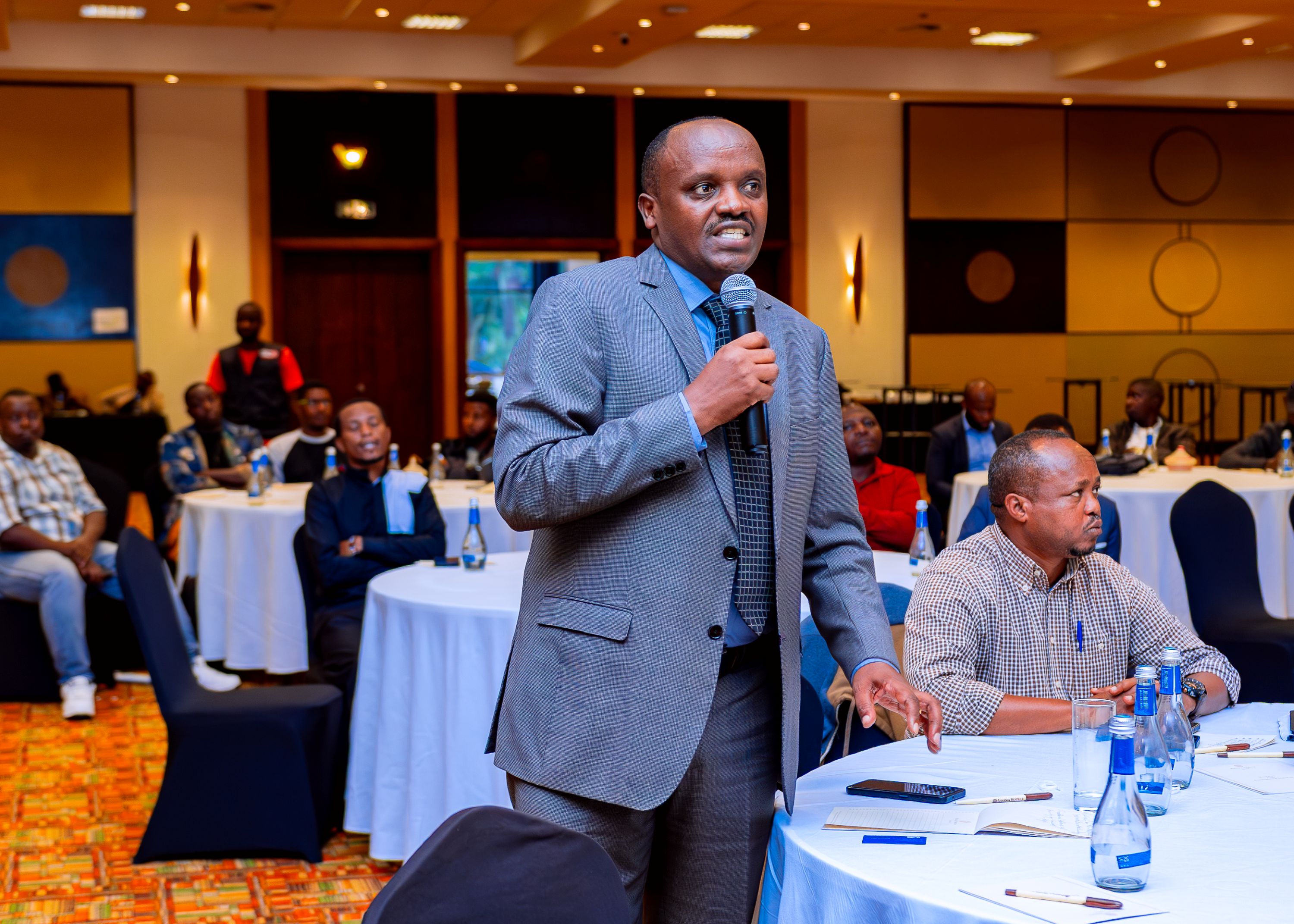
Panel sessions were lively, with participants exploring practical applications of AI and smart access systems.
The discussions also covered challenges, including budget constraints, integration with existing infrastructure, and staff training. Panellists encouraged organisations to view security as an investment in efficiency, rather than a cost.
Government support and collaboration
Decision-makers in attendance, including representatives from the Ministry of ICT and Innovation, underscored the importance of interoperable, reliable systems for Rwanda’s evolving digital infrastructure.
Thomas Ndayambaje, representing Minister Paula Ingabire, highlighted the strategic role of smart security technologies in safeguarding personal data and enabling safe access to digital services, particularly as Rwanda rolls out its national digital ID initiative.
“Even the smartest systems still require informed users,” emphasising the need for capacity building alongside technological deployment.
Thomas Ndayambaje represented ICT Minister Paula Ingabire at the event.
Ndayambaje further stressed that smart technologies, such as biometric authentication and access control systems, are essential in building trust within Rwanda’s digital ecosystem, enabling secure and seamless interactions across both public and private services.
He acknowledged the vital role of private-sector partnerships, pointing to the collaboration between organisations such as Orbit Solutions Ltd and ZKTeco as an example of how innovation can be brought closer to institutions and citizens.
The conference closed with a clear message for Rwanda’s growing security sector from Christine Uwase, Admin Manager at Orbit Solutions Ltd. Highlighting the skills, knowledge, and networks attendees had gained, she framed the event not just as a training session but as a catalyst for raising standards across the industry.
“As we leave this evening, kindly be the brand ambassador of effective, reliable, and efficient smart security equipment and accessories,” Uwase urged, positioning professionals as key drivers of a more secure, technology-enabled future.
Uwase’s remarks also underscored Orbit Solutions’ commitment as ZKTeco’s official distributor, ensuring that businesses and institutions across Rwanda have access to genuine products, local support, and the capacity to implement advanced security solutions, a message that resonates amid Rwanda’s push for digital innovation and modern infrastructure.
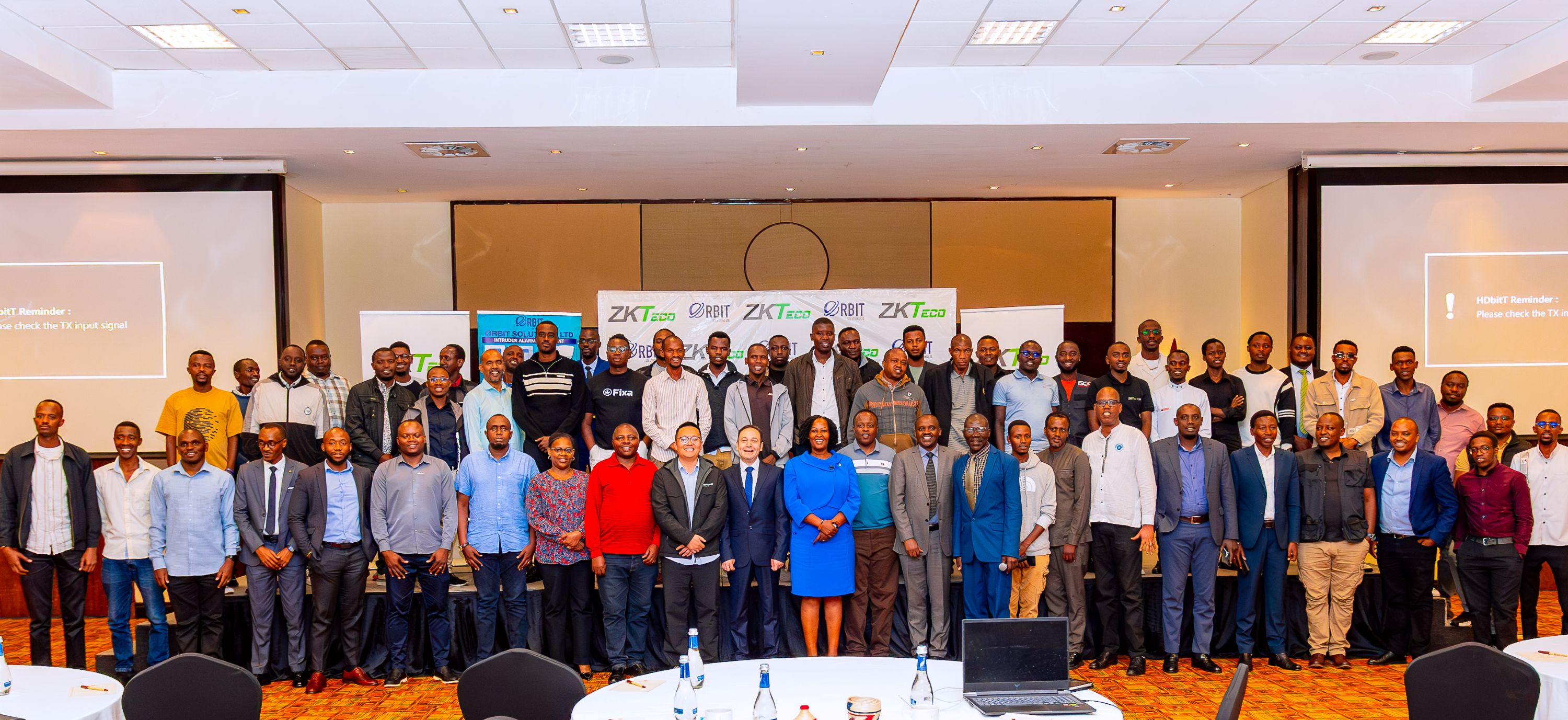
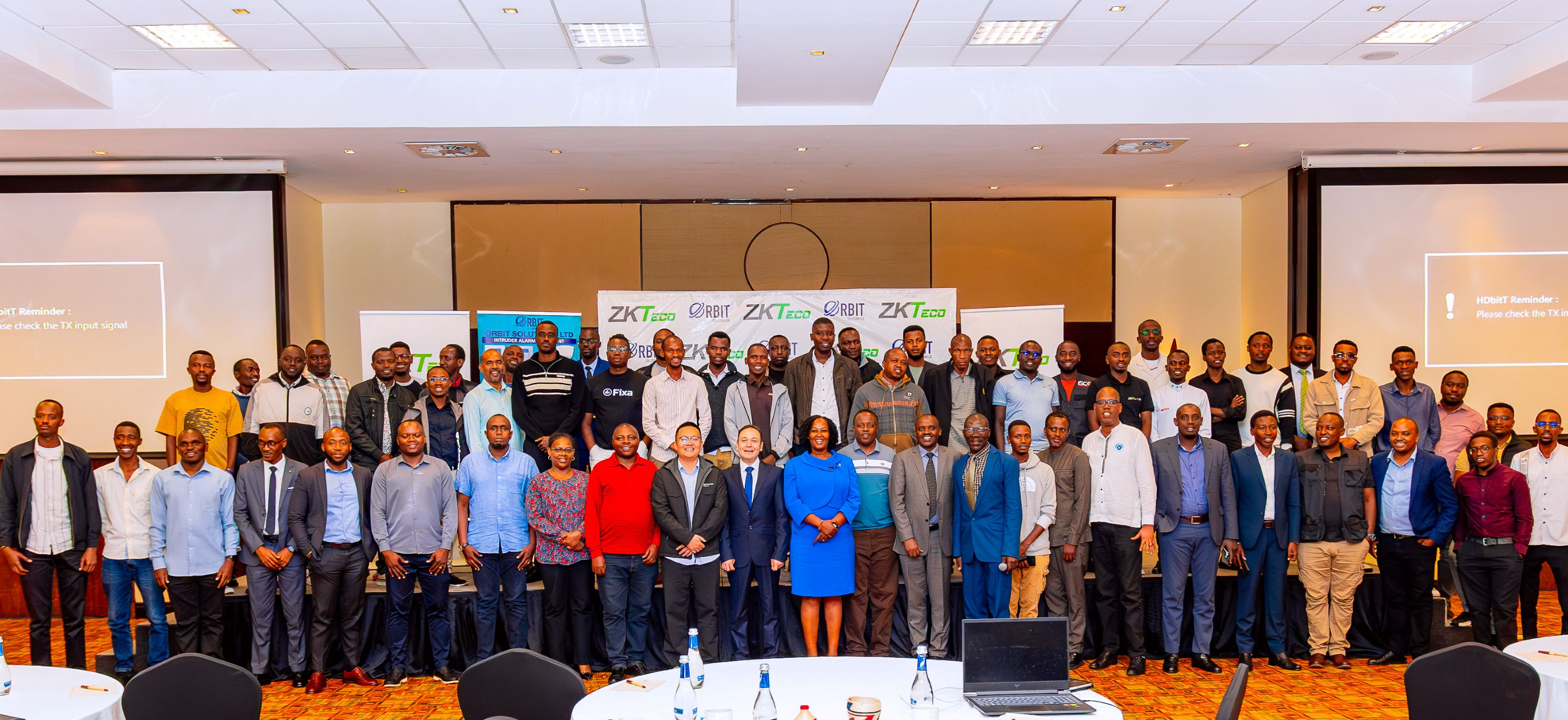
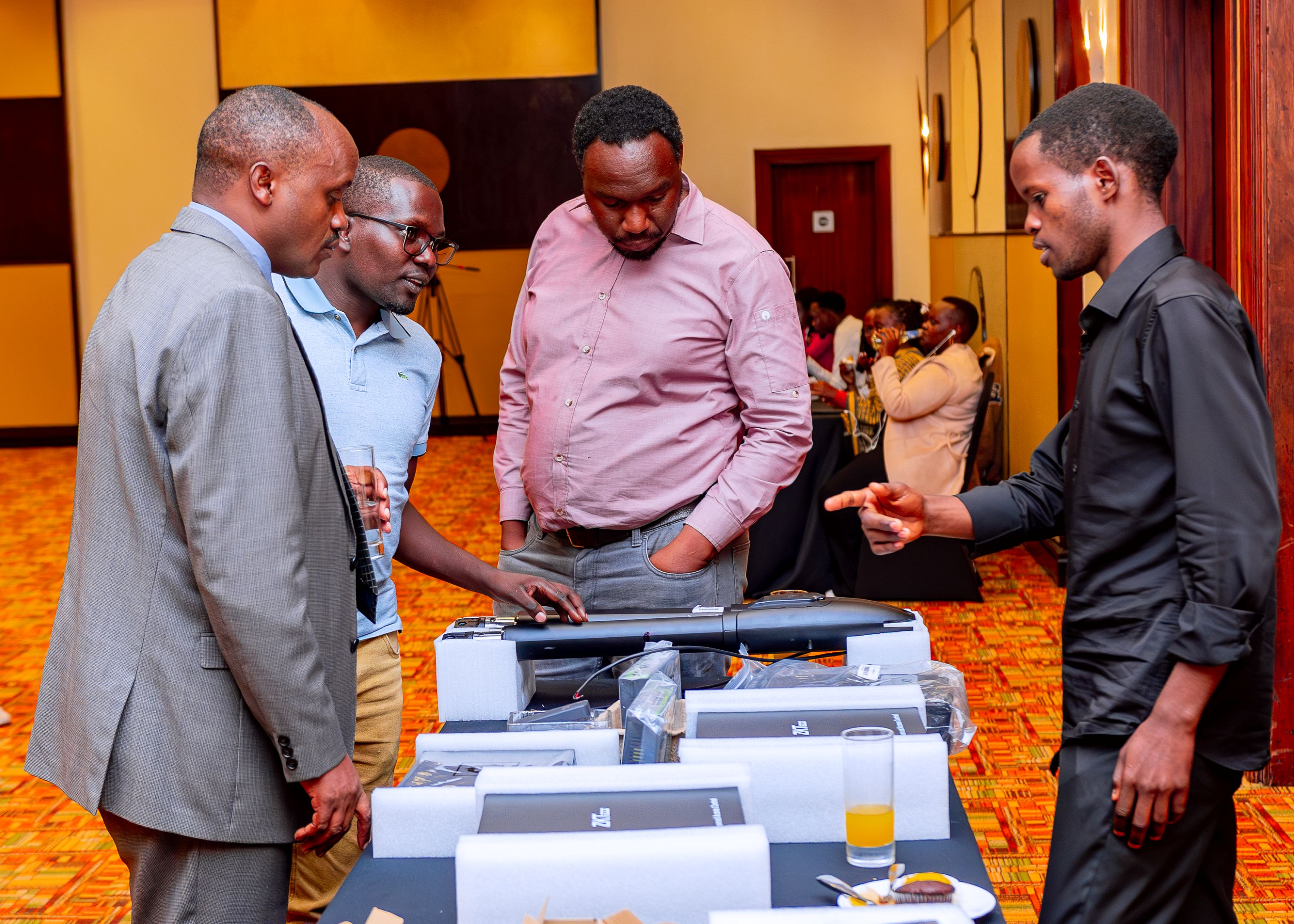
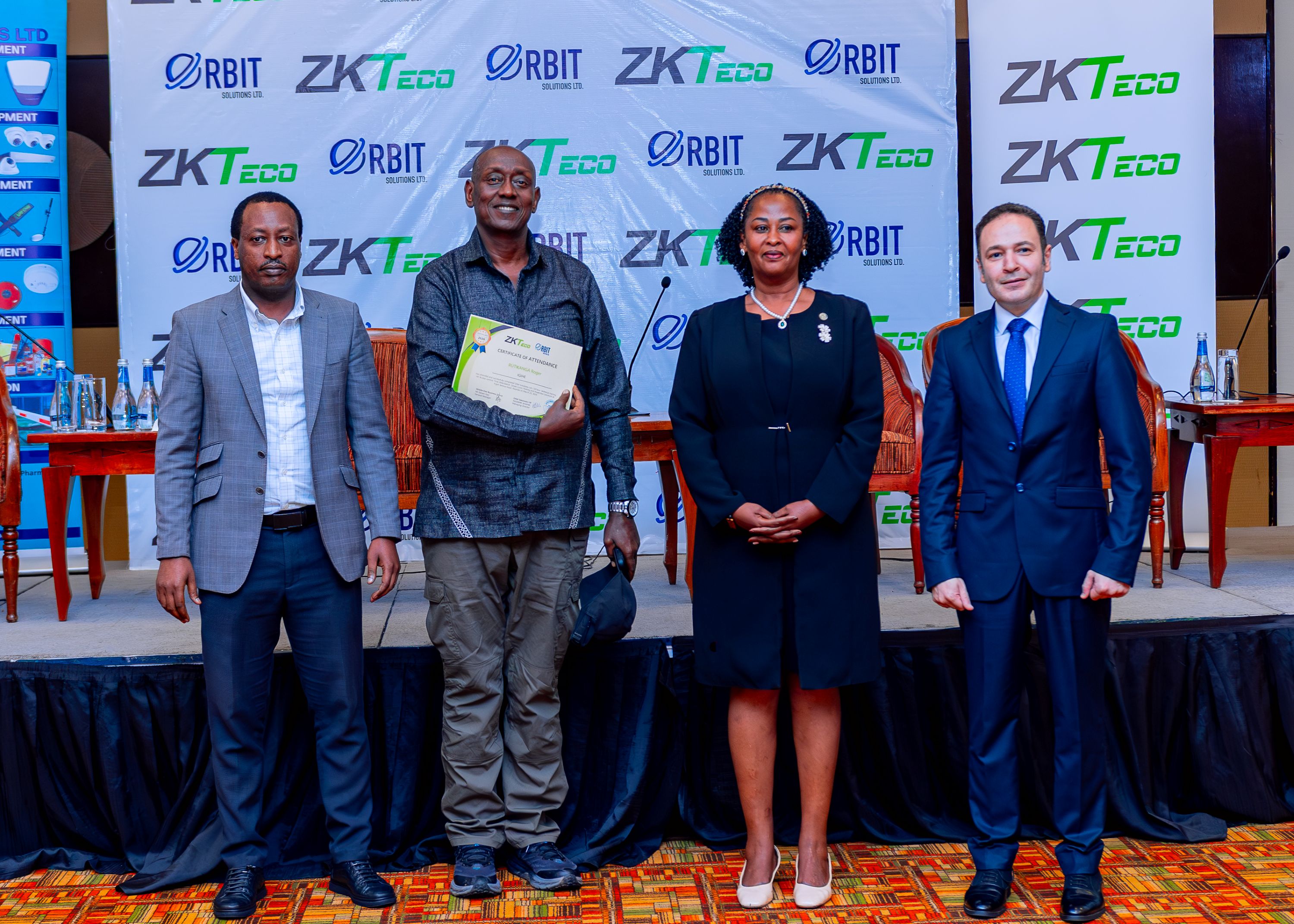
The conference brought together security professionals and decision-makers at Kigali Serena Hotel to explore modern security solutions transforming workplaces and institutions.Attendees explored security devices firsthand at the event.Participants represented various organisations, including banks and other key sectors.Participants actively engaged in interactive and practical sessions.From corporate offices to public institutions, attendees discussed how technology can reduce reliance on traditional security personnel while increasing overall safety.The conference also highlighted the long-standing partnership between the two companies, with the signing of a new agreement that strengthens Orbit Solutions’ role as ZKTeco’s official distributor in Rwanda. Participants were awarded attendance certificates.
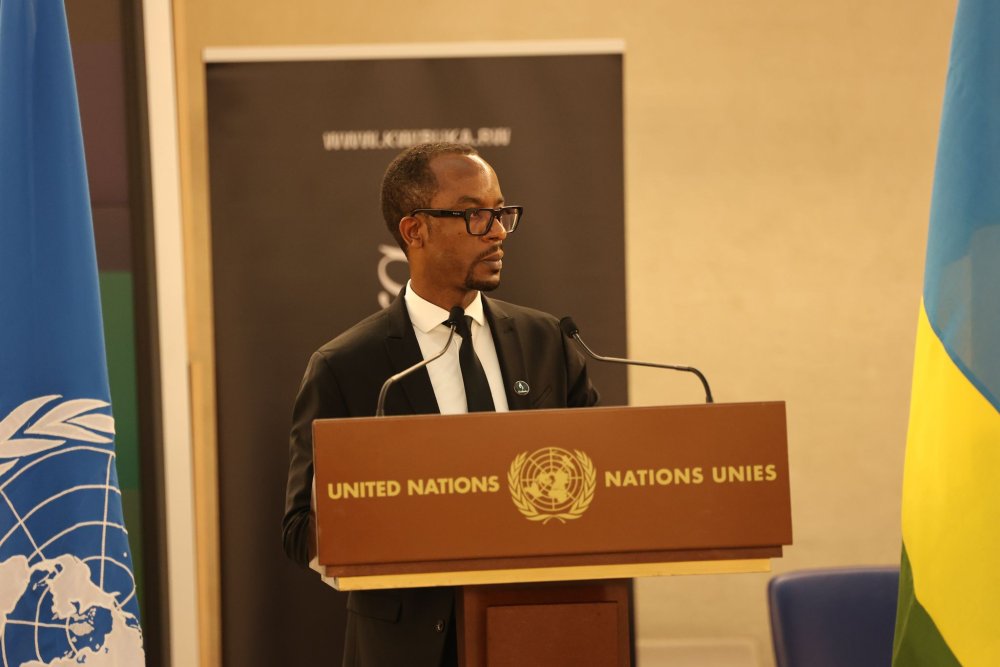
This statement was made by Rwanda on March 25, 2026, in Geneva, Switzerland, during a session of the United Nations Human Rights Council.
The session discussed a resolution condemning the acts of aggression initiated by Iran against countries including Bahrain, Kuwait, Oman, Qatar, the United Arab Emirates, Saudi Arabia, and Jordan.
Iran has been accused of provoking these nations after the United States, in cooperation with Israel, began launching attacks on Iran on February 28, 2026. In retaliation, Iran launched attacks on neighboring countries in the Middle East.
The attacks targeted infrastructure in these Gulf states and Jordan, accusing them of collaborating with Western nations and harboring U.S. military bases. Civilian infrastructure, including hotels and airports, was severely damaged.
Iran is also accused of further aggression for closing the Strait of Hormuz, a vital waterway serving as a transit for 20% of the world’s oil. This action continues to have significant economic repercussions globally.
During the UN session, Rwanda made it clear that it supports the resolution condemning Iran’s actions.
Edmond Tubanambazi, First Counsellor and Chargé d’Affaires a.i. of the Permanent Mission of Rwanda in Switzerland and the UN offices in Geneva, stated that Rwanda is concerned about the escalating conflict in the Middle East.
“Rwanda remains deeply concerned by the ongoing escalation in the Middle East. We reaffirm that the protection of civilians and civilian infrastructure, as well as the respect for the sovereignty and territorial integrity of all states, are a fundamental obligation under international law,” he said.
“In this context, Rwanda supports a resolution before this Council, as it underscores these essential principles. We stress that its implementation must contribute to de-escalation with ceasefire efforts and a pursuit of sustainable peace, prioritized by all parties concerned,” added Tubanambazi.
Tubanambazi further stressed that Rwanda supports an immediate ceasefire and the reopening of critical maritime trade routes.
“Rwanda calls for an immediate de-escalation, a cessation of hostilities, and urgent measures to protect civilian populations, preserve vital infrastructure, and ensure the safety of economic and maritime goods,” he noted, highlighting the need for renewed diplomatic engagement to prevent further loss of life.
The United Nations Human Rights Council adopted the resolution, titled “The effects of the recent military aggression carried out by Iran,” with support from more than 100 countries from multiple regional groups.
The countries most affected by Iran’s attacks are also significant partners of Rwanda.
Qatar, for instance, collaborates with Rwanda in various sectors, including air transport, and is expected to play a role in the construction of the new Kigali International Airport in Bugesera, which will further strengthen its investment in Rwanda.
The United Arab Emirates is another close trading partner of Rwanda, as it imports a significant amount of Rwanda’s products.
Rwanda also has a strong relationship with Jordan. In 2024, the governments of Rwanda and Jordan signed cooperation agreements in sectors such as agriculture, economy, trade, health, and medical services.
These agreements were signed on January 7, 2024, during a visit by King Abdullah II Ibn Al-Hussein of Jordan to Rwanda.
These agreements built upon existing relations, focusing on political dialogue to strengthen trade and investment partnerships, tourism, and agriculture.
Additionally, in January 2026, Rwanda and Oman signed four agreements and cooperation programmes aimed at strengthening bilateral partnership and expanding areas of joint cooperation.
These agreements cover logistics, dry ports, supply chains, data centres, cloud computing, infrastructure, artificial intelligence projects and services, cloud services and enhancing air connectivity between the two countries.
Another agreement was signed on air transport, laying ground for Oman Air to operate two weekly direct flights to Kigali starting June this year.
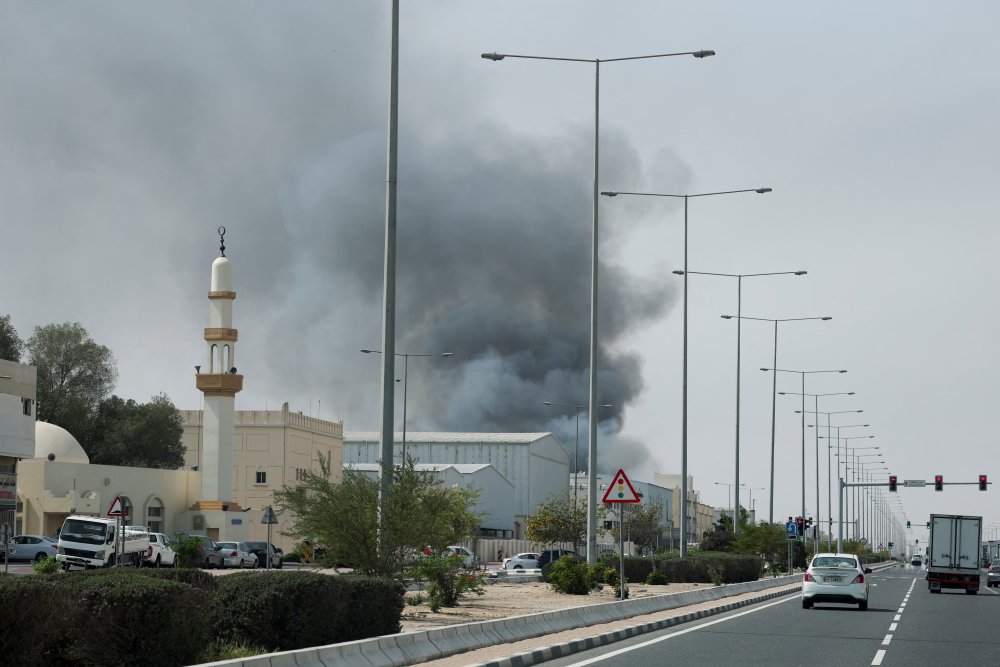
Edmond Tubanambazi, First Counsellor and Chargé d’Affaires a.i. of the Permanent Mission of Rwanda in Switzerland and the UN offices in Geneva, stated that Rwanda is concerned about the escalating conflict in the Middle East.Qatar is among countries seriously affected by Itanian attacks.
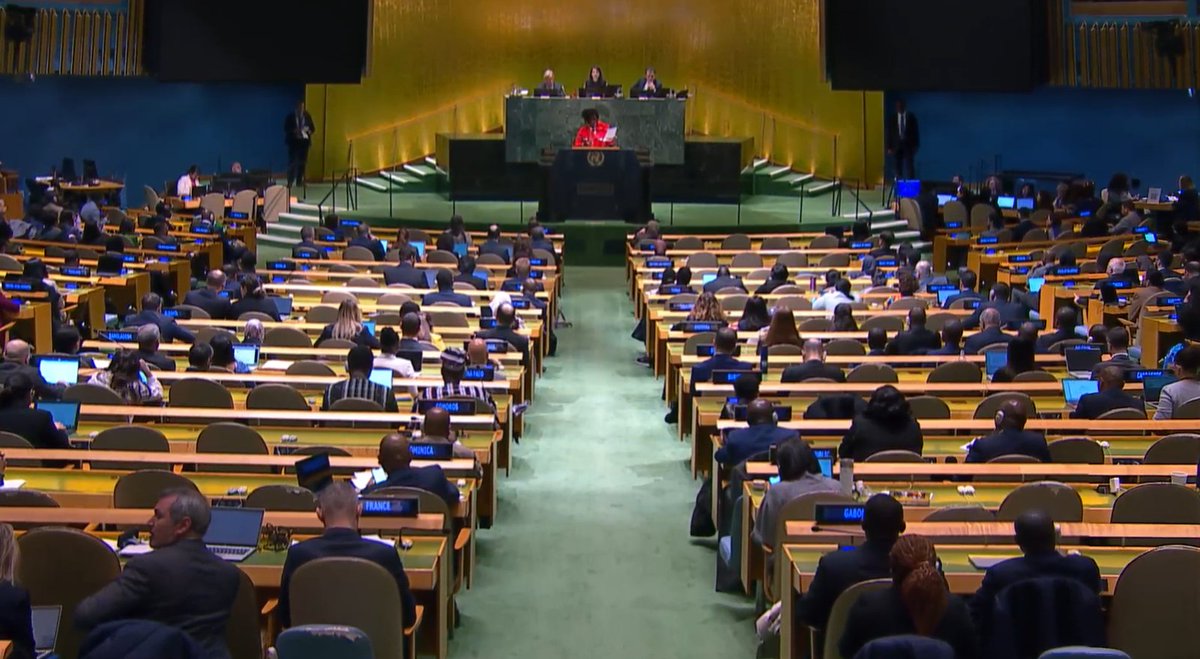
The draft resolution was adopted by a vote of 123 in favor, 52 abstaining and three against. Argentina, Israel and the United States voted against it.
Presented by Ghana on behalf of the African Group, the resolution declares “the trafficking of enslaved Africans and racialized chattel enslavement of Africans as the gravest crime against humanity,” and affirms “the importance of addressing historical wrongs affecting Africans and people of African descent in a manner that promotes justice, human rights, dignity and healing, and emphasizes that claims for reparations represent a concrete step towards remedying historical wrongs against Africans and people of African descent.”
“Today the international community has taken a significant, considerate and historic step forward by adopting this landmark resolution,” Samuel Okudzeto Ablakwa, Ghana’s foreign minister, told reporters after the vote.
With the adoption of the resolution, he said: “We have not simply passed a text, we have affirmed a truth. We have chosen remembrance over silence, dignity over erasure and shared humanity over division. We have advanced the course of justice and we have done that so emphatically.”
In his remarks at the UNGA commemorative meeting to commemorate the International Day of Remembrance of the Victims of Slavery and the Transatlantic Slave Trade, UN Secretary-General Antonio Guterres said: “We will never forget the victims of slavery. And we must never forget the malevolent system that sustained it for so long.”
He welcomed steps taken by some countries to apologize for their role in slavery and to engage in honest dialogue about its lasting consequences, and called for “far bolder action by many more countries,” including respecting African countries’ ownership of their natural resources and ensuring their equal participation and influence in the global financial architecture and the Security Council.
Annalena Baerbock, the UNGA president, said that “the slave trade and slavery stand among the gravest violations of human rights in human history — an affront to the very principles enshrined in the Charter of the United Nations and the Universal Declaration of Human Rights.”
While slavery has been abolished, its consequences endure and continue to shape lives today, she said, stressing that addressing these injustices is a moral imperative, rooted in a collective responsibility to confront past wrongs and to shape a more just future.
The draft resolution was adopted by a vote of 123 in favor, 52 abstaining and three against.
The funding, approved during the WTO Ministerial Conference in Yaoundé, falls under the third phase of the Enhanced Integrated Framework (EIF), a global initiative designed to help poorer nations strengthen their participation in international trade.
The EIF was established by developed countries to support least developed nations in improving their trade capacity, particularly by helping them access international markets. The program focuses on building technical skills, enhancing production standards, and supporting small and medium-sized enterprises (SMEs).
It also provides training for workers and entrepreneurs seeking to expand into global markets. Since its launch in 2005, the program has been updated every ten years and is now entering its third phase.
Speaking to IGIHE on the sidelines of the conference, Sebahizi welcomed the development, noting that Rwanda will have another decade to leverage such support in strengthening its SME sector.
“This means we have another 10 years to support small and medium enterprises in Rwanda to meet quality standards and access international markets,” he said.
He highlighted that many of Rwanda’s existing export promotion initiatives, such as the “Zamukana Ubuziranenge” program, already benefit from donor funding, including resources from the EIF.
Institutions like the International Trade Centre (ITC) also play a key role in supporting SMEs through training and export facilitation, using funds from the same framework. Similarly, several United Nations Development Programme (UNDP) initiatives supporting entrepreneurs rely on EIF financing.
“In essence, many of the programs in Rwanda that help SMEs export their products are supported by these funds,” Sebahizi explained.
Although there are no precise figures showing how many businesses have benefited so far, Rwanda is preparing to actively compete for the newly approved funding.
To access the funds, the country must submit detailed proposals outlining how the money will be used.
“If we need, for example, $2 million, we must present a solid business plan and compete with other countries seeking the same support,” the minister said.
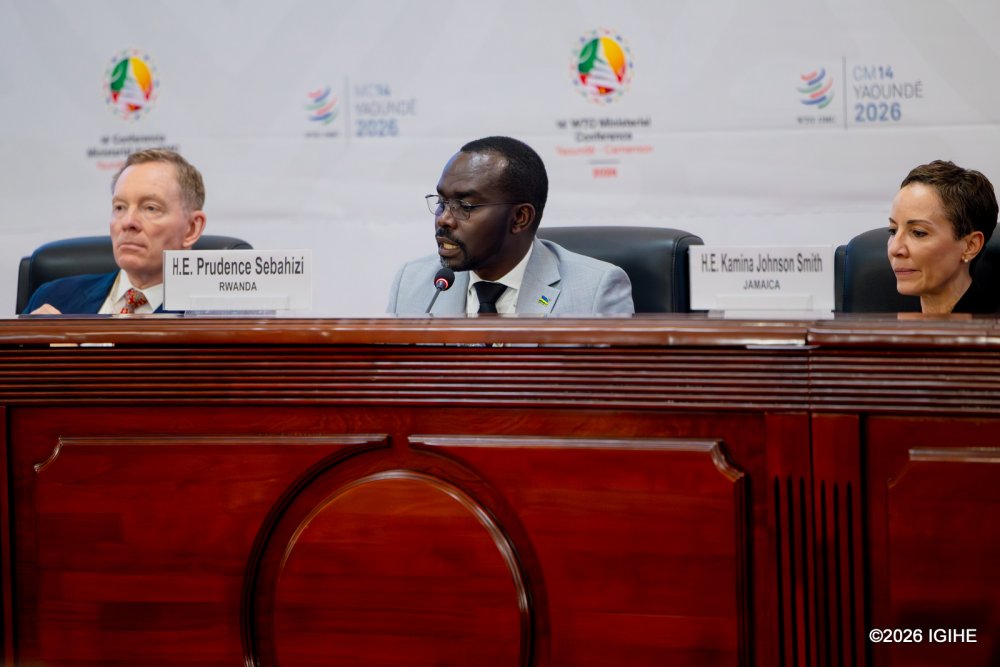
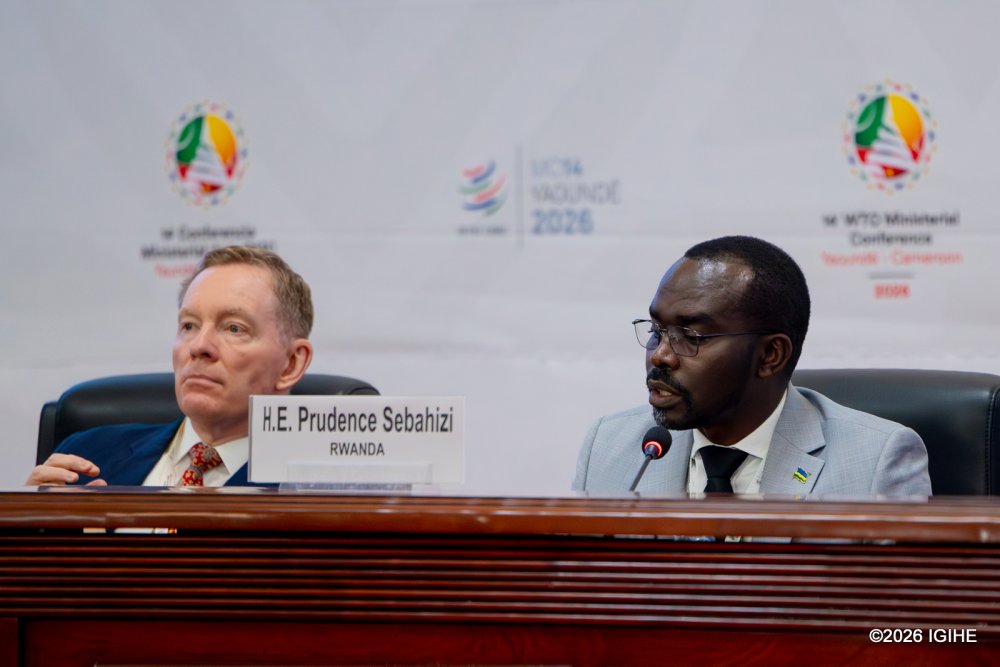
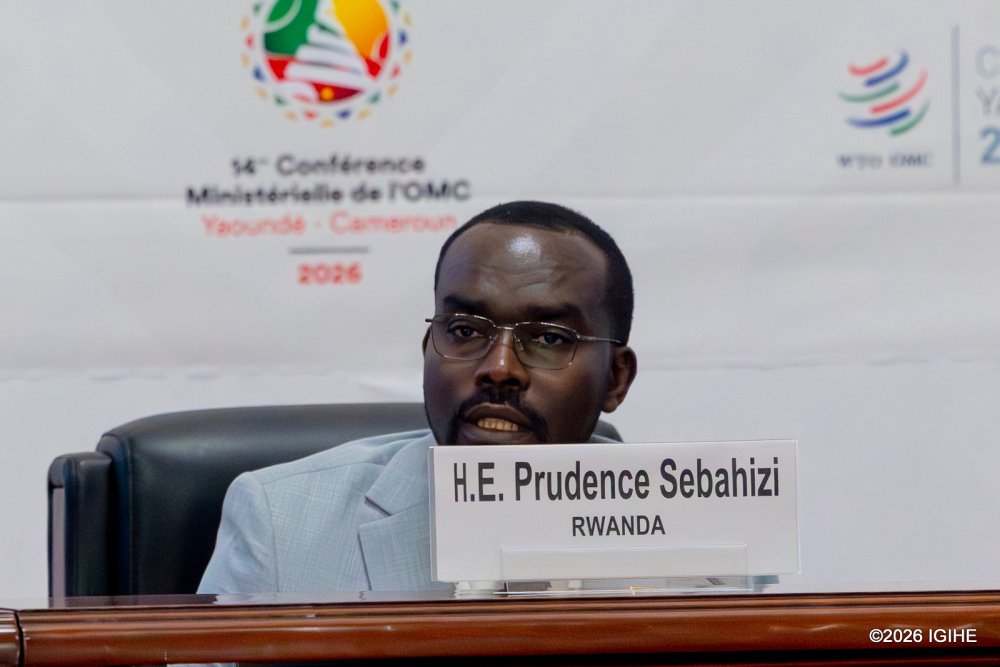
Minister Prudence Sebahizi speaks during the WTO Ministerial Meeting in Yaoundé.Rwanda’s Trade Minister Prudence Sebahizi addressing a joint WTO–World Bank session in Cameroon.
He pointed out that this rate is significantly lower than the 37% tariff Rwanda had already been paying on textile exports, despite arguing that such charges are inconsistent with international trade law.
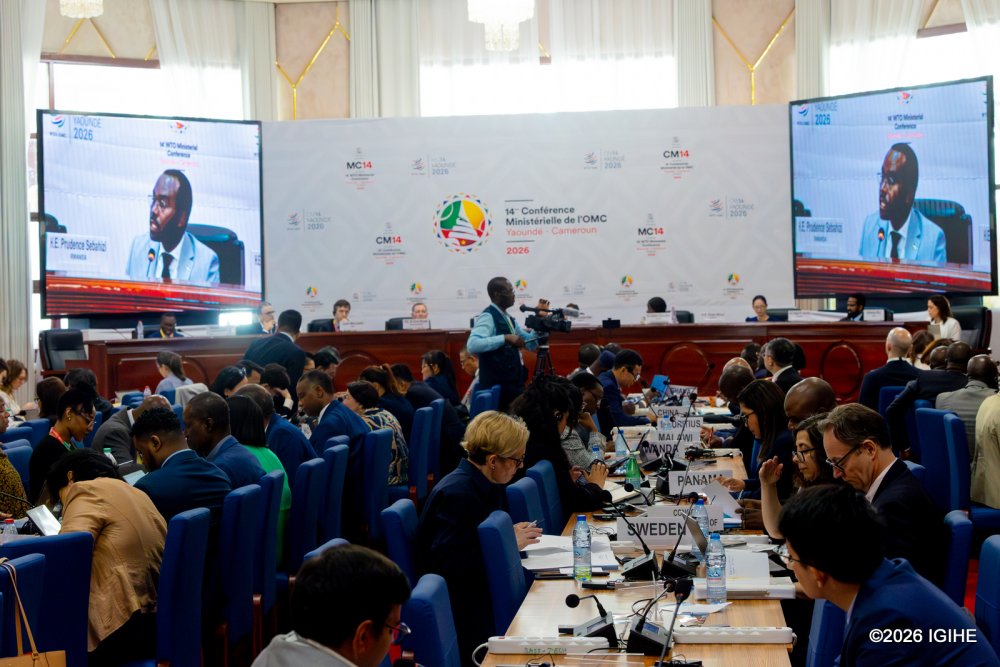
The minister is among participants of the World Trade Organization (WTO) Ministerial Conference in Yaoundé, Cameroon.
On Wednesday morning, he addressed a joint session organized by the World Bank and the WTO, where he outlined Rwanda’s strategies to boost trade through services, job creation, and inclusive economic growth. In an interview with IGIHE, Sebahizi noted that the meeting comes at a time when the global trading system faces persistent challenges, particularly related to institutional reforms and the failure of some countries to adhere to established trade rules.
He emphasized that one of the core principles of international trade is non-discrimination. According to this principle, imported goods should be treated equally regardless of their country of origin. However, recent trends show that some countries are imposing tariffs based on origin, undermining these rules.
“There are fundamental principles guiding international trade law, especially non-discrimination,” he said. “But we have recently seen countries imposing tariffs depending on where goods come from.”
Sebahizi added that while preferential trade agreements may allow certain countries to export goods duty-free, countries without such agreements should still be treated according to WTO rules. He stressed the need for a return to proper implementation of these principles.
Addressing the U.S. tariffs specifically, the minister noted that although they have had some impact, Rwanda has not suffered significant losses. He explained that the tariffs apply to goods already being exported to the U.S., and that Rwanda had long faced even higher duties on key exports like garments.
“In reality, Rwanda has not lost much because we were already facing a 37% tariff on clothing exports to the U.S. market,” he said. “Now, under the new measures, Rwanda falls under a 10% tariff category.”
He added that while the reduction may appear beneficial, the broader issue lies in the inconsistency of applying or adjusting tariffs on goods from developing countries, which itself contradicts international trade norms.
Sebahizi further stated that, aside from the United States, Rwanda has not encountered other countries imposing trade barriers that violate global trade rules.
Minister Prudence Sebahizi speaks during the WTO Ministerial Meeting in Yaoundé.Minister Prudence Sebahizihas dioscussed Rwanda’s trade outlook amid shifting global tariff policies during an interview on the sidelines of the WTO meeting in Yaoundé.
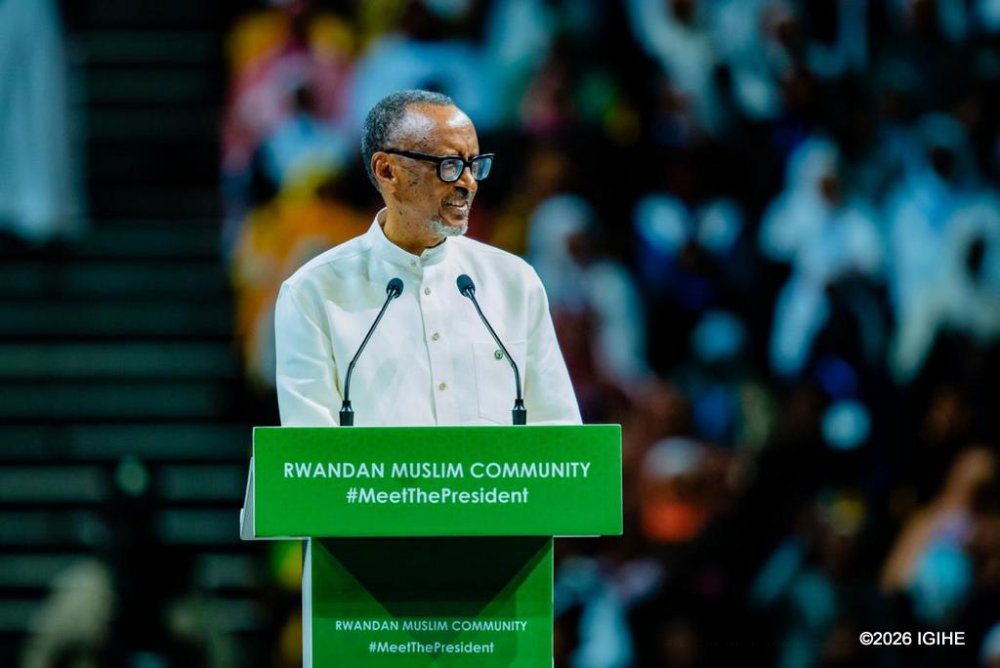
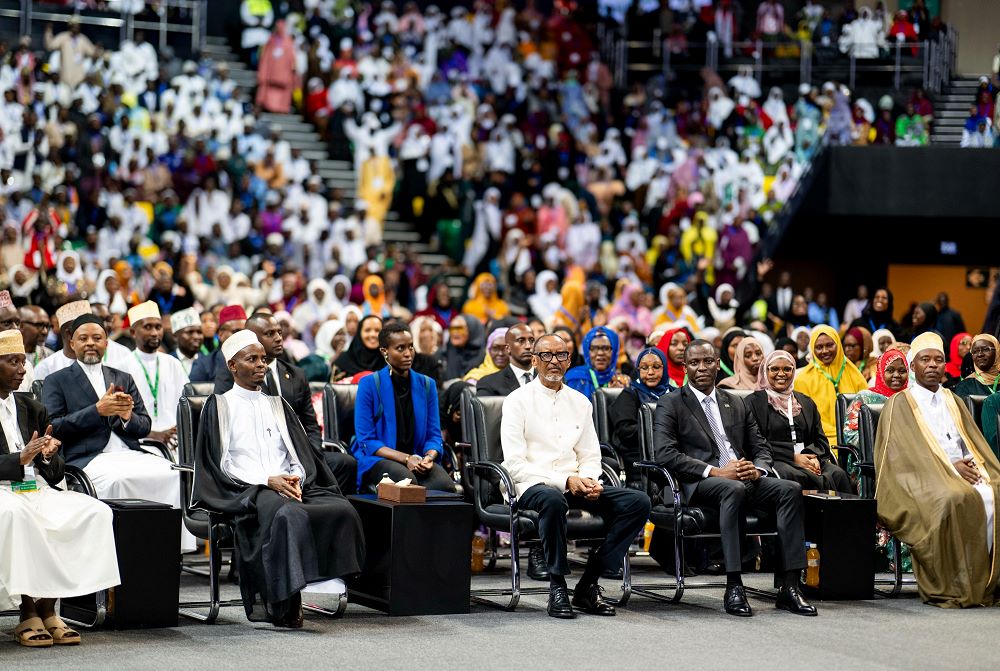
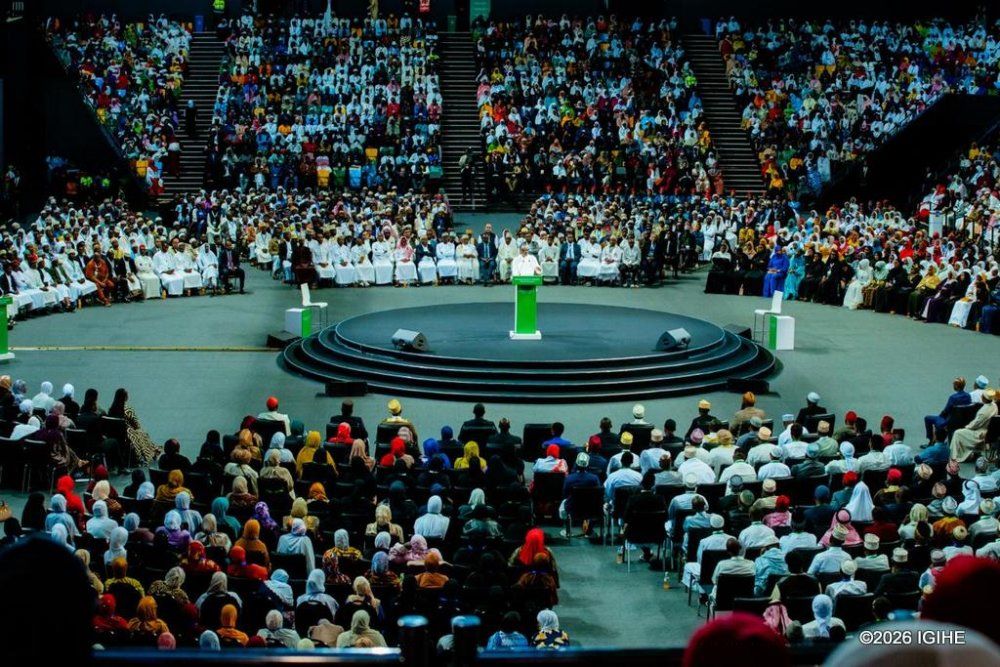
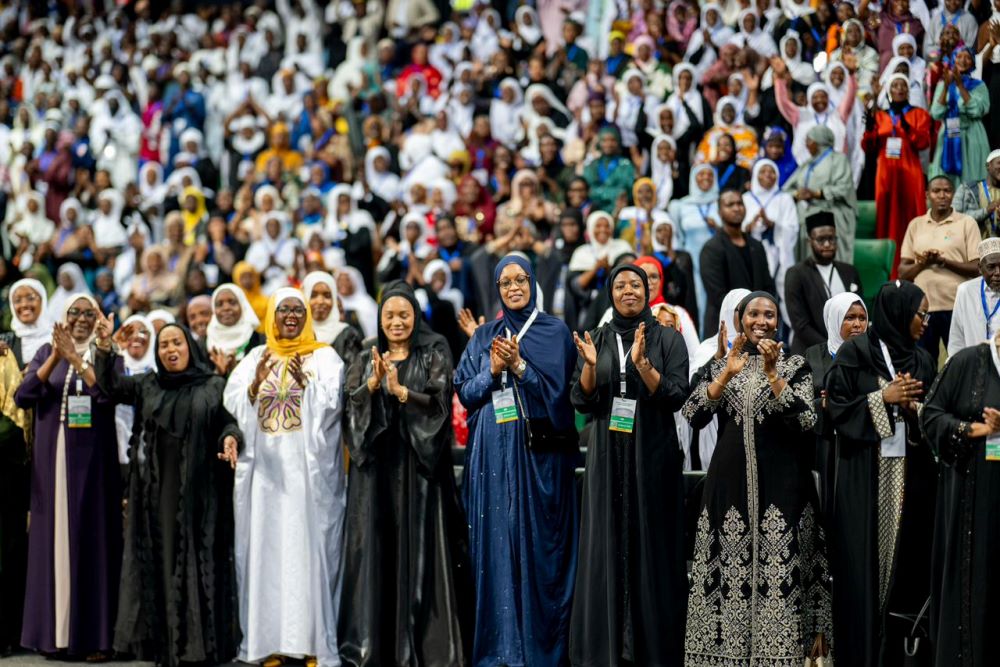
The Head of State made the commitment on March 25, 2026, during a meeting with members of the Muslim community, where he reiterated the government’s support for their development initiatives.
“We have a responsibility to support you. That support is there and will be provided,” Kagame said.
The pledge follows earlier commitments dating back to 2011, which had yet to be fully implemented. Kagame acknowledged the delay, describing it as an obligation he intends to fulfill.
“There are things that were promised, and I recently learned they were not handled as they should have been. I take that as a debt that must be settled,” he said.
Reaffirming his position, the President stressed urgency in resolving the matter. “This year will not pass without it being done. It will be resolved. When we meet again, it will not be you asking me, but me asking you what you have done with it,” he added.
Call for shared responsibility in development
The head of state went on to say that after the difficult history that Muslims in Rwanda, and Rwandans in general have endured, now is the time to effect change, with all citizens playing a role in the country’s development.
“It is a path to transform lives, improve governance, and change mindsets so that Rwanda can progress, with every Rwandan contributing and no one being excluded. Many of the things you now value are praised because they did not exist before, but when someone does what is right and expected, it should not require excessive recognition,” Kagame said.
He urged Rwandan Muslims to actively participate in the country’s development initiatives, alongside all other citizens.
“To make change happen, you must also take part. For Rwanda to transform, all Rwandans need to contribute. Regarding religious institutions, it is understandable to set rules for their functioning and for places of worship to fulfill their responsibilities, and everyone should support that. But for things to run smoothly, these institutions themselves must first operate properly and do what is right,” he said.
President Kagame explained that the government has established mechanisms to monitor the functioning of religious institutions to ensure accountability and prevent people from hiding behind them to exploit citizens.
“In Rwanda, our work, our politics, and our governance aim to put things in the right order. No one is denied peace in any way,” he said.
“The measures put in place by government authorities to ensure proper alignment were meant to prevent abuses. This did not apply only to Muslims; it applied to all religions and faith-based institutions… [where some people could sometimes] use religion to pursue personal gain and take advantage of others.”
“It is like putting up barriers, stopping people, deceiving others about who you are, and beginning to take their property… this should never happen in any religion,” he added.
Kagame assured Rwandan Muslims that the history of marginalization and exclusion they have faced, like other Rwandans, will not be repeated.
The Mufti of Rwanda, Sheikh Sindayigaya Musa, expressed gratitude to the President for engaging with the Muslim community and assured that they will continue to play an active role in the country’s development.
Muslims thanked President Kagame for his engagement and support for the community. President Kagame encouraged muslims’ active participation in Rwanda’s progress.The meeting took place at BK Arena.
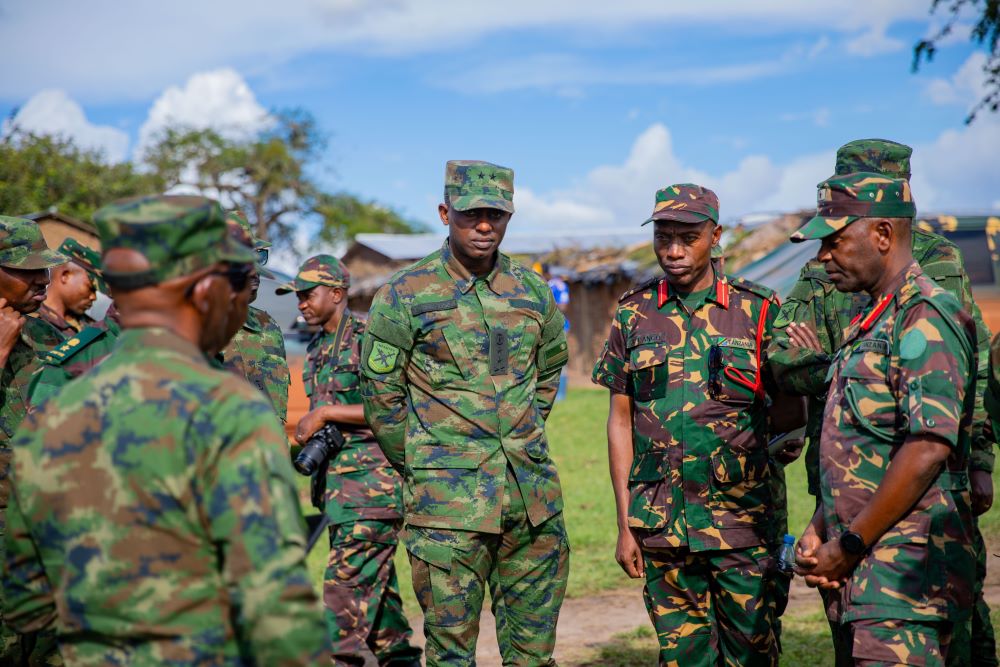
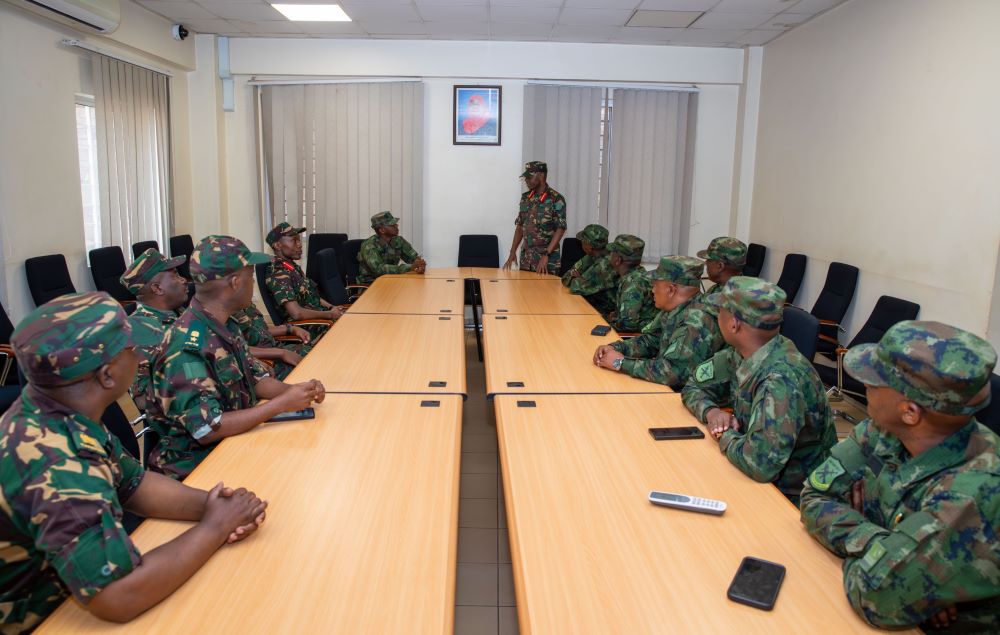
The three-day meeting, taking place from 24 to 26 March 2026, brings together the RDF 5th Infantry Division and the TPDF 202 Infantry Brigade, whose areas of responsibility lie along the shared border between Rwanda and Tanzania.
The RDF delegation is led by Major General Ruki Karusisi, Commander of the 5th Infantry Division, while the TPDF delegation is headed by Brigadier General Gabriel Elias Kwiligwa, Commander of the 202 Infantry Brigade.
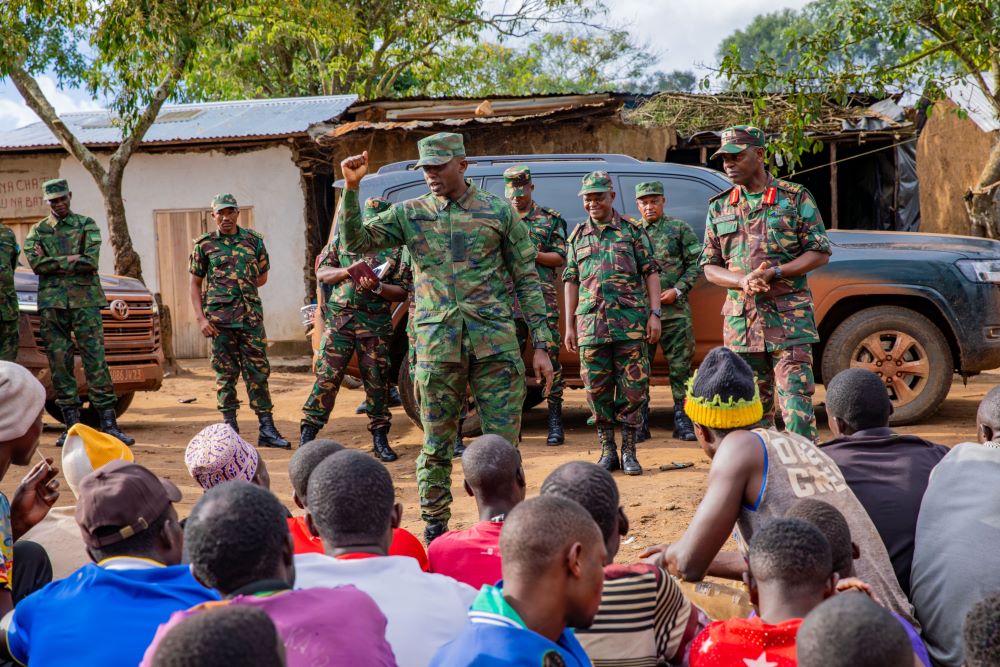
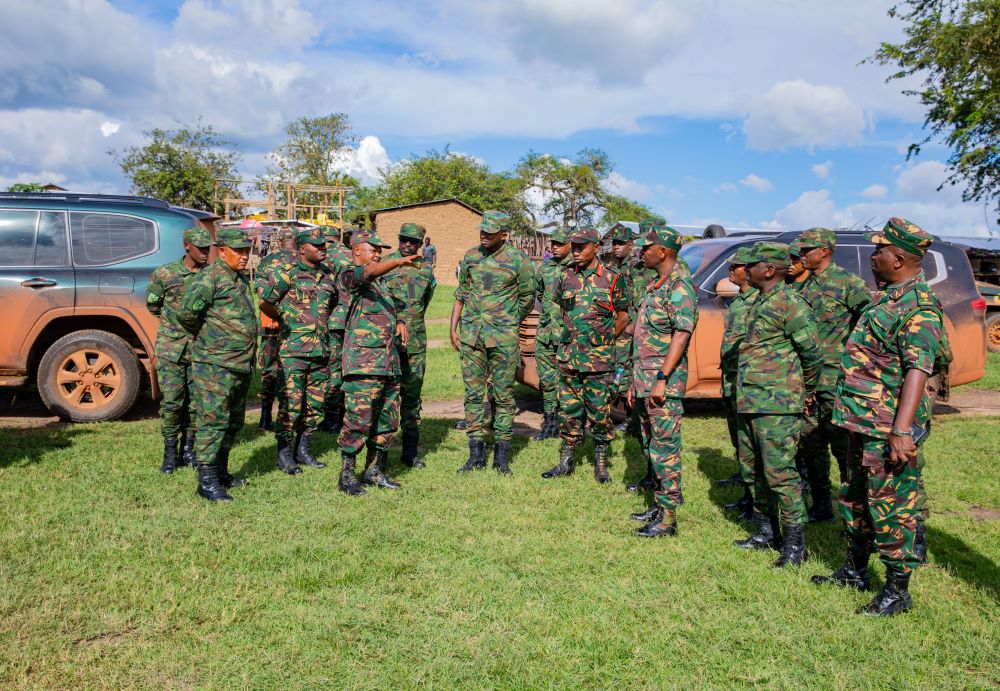
On the first day, commanders conducted joint field visits to key border areas to assess prevailing security challenges and engage with local communities. The visits focused on raising awareness about the dangers of illegal border crossings and unlawful fishing activities in shared water bodies.
The delegations visited border communities including Nyarubare and Katwe villages in Kyerwa District, as well as Nyakakoni Village in Kayisho Sector on the Tanzanian side, opposite Rwanda’s Rwimiyaga Sector.
These areas are characterized by porous borders, with lakes, rivers, and swamps, particularly the Akagera River frequently used for unauthorized crossings.
Commanders identified these locations as hotspots for smuggling and other illicit cross-border activities, emphasizing the urgent need to strengthen preventive measures and enhance joint efforts to curb illegal movements and improve overall border security.
Commanders interact with local communities to raise awareness on illegal border crossings and related risks.Delegations from RDF and TPDF conducted field visits to assess security conditions along the shared border.Military leaders from Rwanda and Tanzania engage in joint discussions during the Proximity Commanders’ meeting.RDF and TPDF officials inspected key border areas identified as hotspots for cross-border activities.