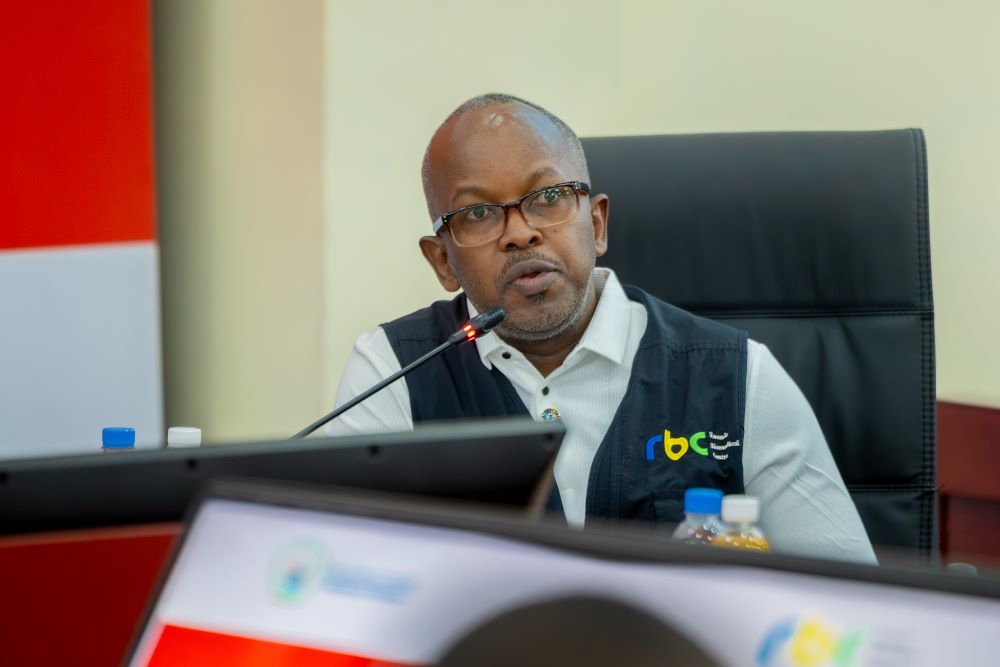
The Head of the Tuberculosis Division at the Rwanda Biomedical Centre (RBC), Dr. Habimana Mucyo Yves, said that although the disease has decreased compared to previous years, it has not been eliminated.
He made the remarks on March 23, 2026, during the national commemoration of World Tuberculosis Day held in Gasabo District.
“From July 2024 to June 2025, we recorded 8,196 TB patients. While the numbers have not significantly dropped, we are confident that through collaboration with community health workers, the disease can eventually be eradicated,” he said.
Dr. Habimana noted that one of the key strategies involves strengthening the role of community health workers in raising awareness about TB prevention and encouraging early testing.
He emphasized that 27% of all TB patients were referred to health facilities by community health workers, highlighting the progress made in combating the disease.
Tuberculosis remains among the top 10 causes of death globally and disproportionately affects people living with HIV.
The World Health Organization (WHO) Representative in Rwanda, Dr. Brian Chirombo, said that global data from 2024 shows that more than 10.7 million people contracted TB, with 1.23 million deaths, including 150,000 among people living with HIV.
In Rwanda, TB prevalence has significantly declined over the years, dropping from 238 cases per 100,000 people in 2000 to 62 cases per 100,000 in 2024.
Recent data from the National Institute of Statistics of Rwanda (NISR) also shows a general decline in TB-related deaths.
The mortality rate was 6.1% in 2019, 6.4% in 2020, rising to 7.9% in 2021, before dropping to 5.7% in 2022, 4.8% in 2023, and 4.5% in 2024.
Dr. Habimana said Rwanda aims to eliminate tuberculosis entirely by 2035, noting that advanced diagnostic tools such as chest X-ray machines are increasingly being used to detect the disease early.
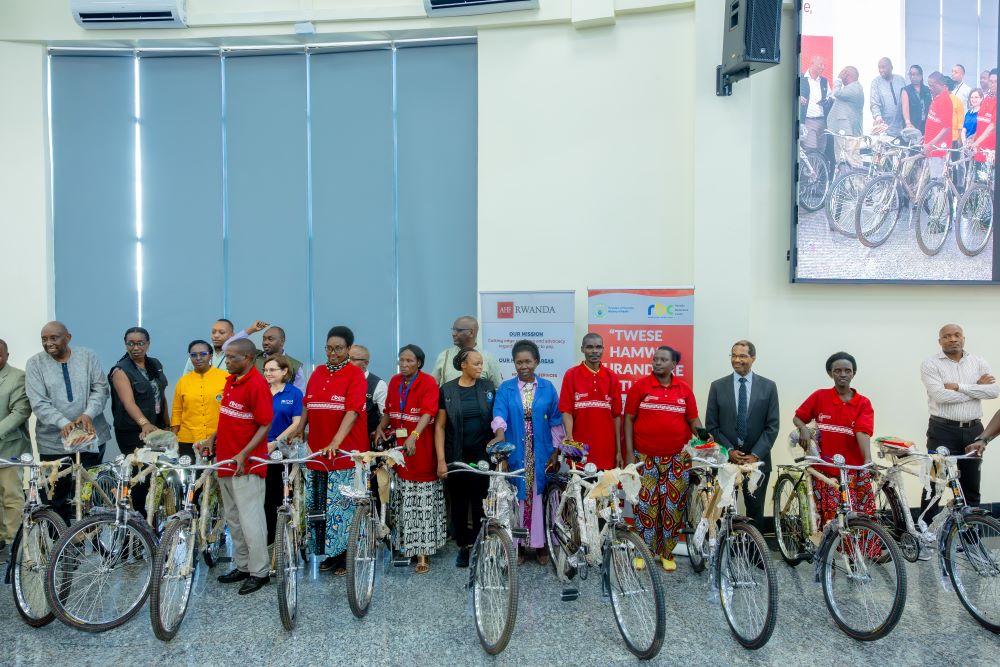
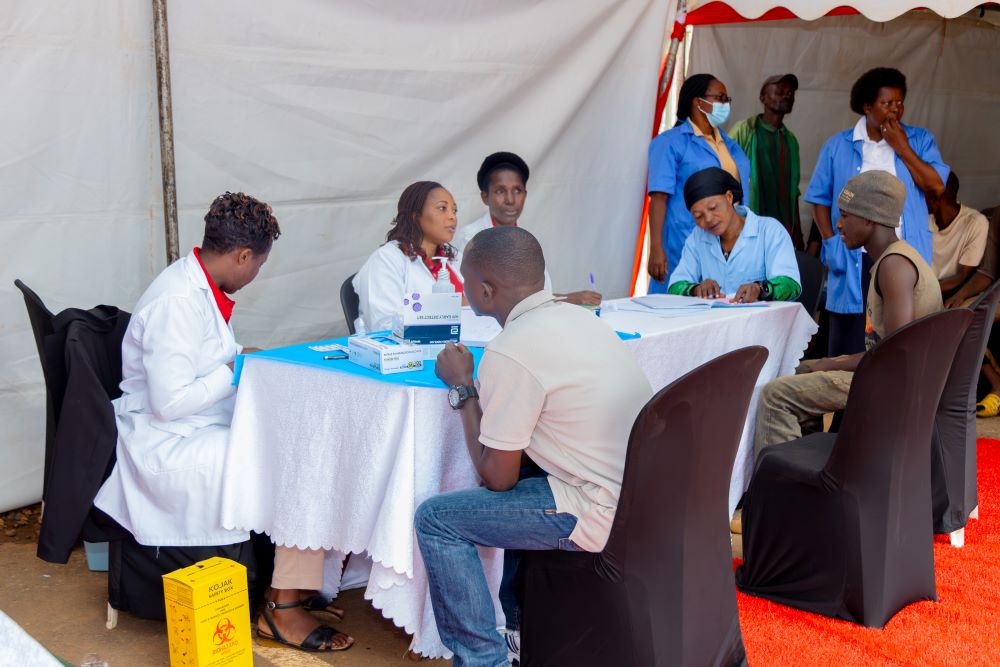
The Head of the Tuberculosis Division at the Rwanda Biomedical Centre (RBC), Dr. Habimana Mucyo Yves urged Rwandans not to be complacent as TB has not been eliminated.Outstanding community health workers received bicyclesThe event was an opportunity for participants to undergo TB check ups
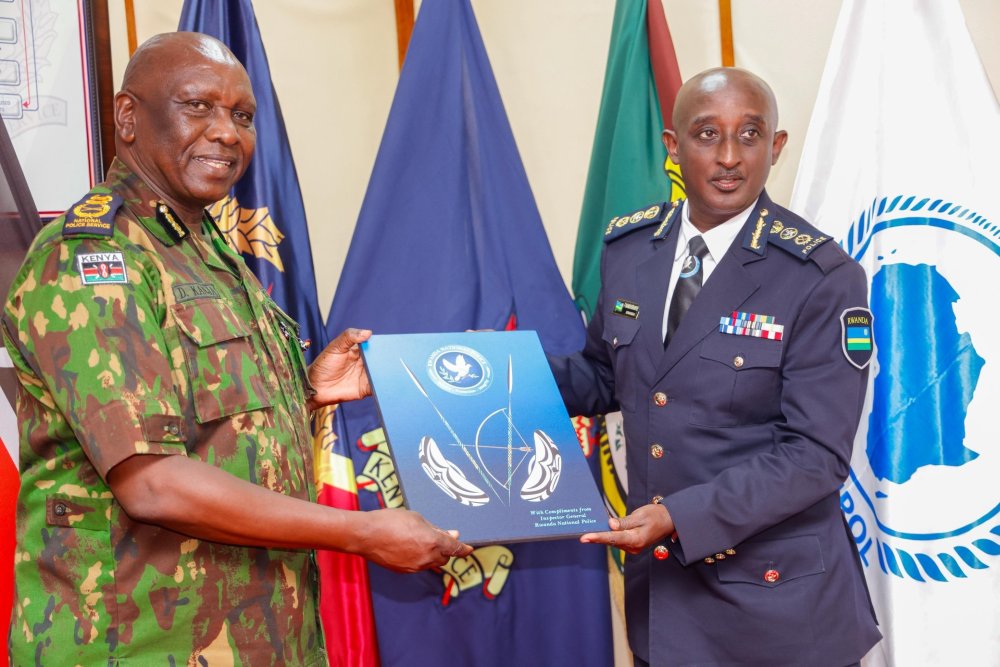
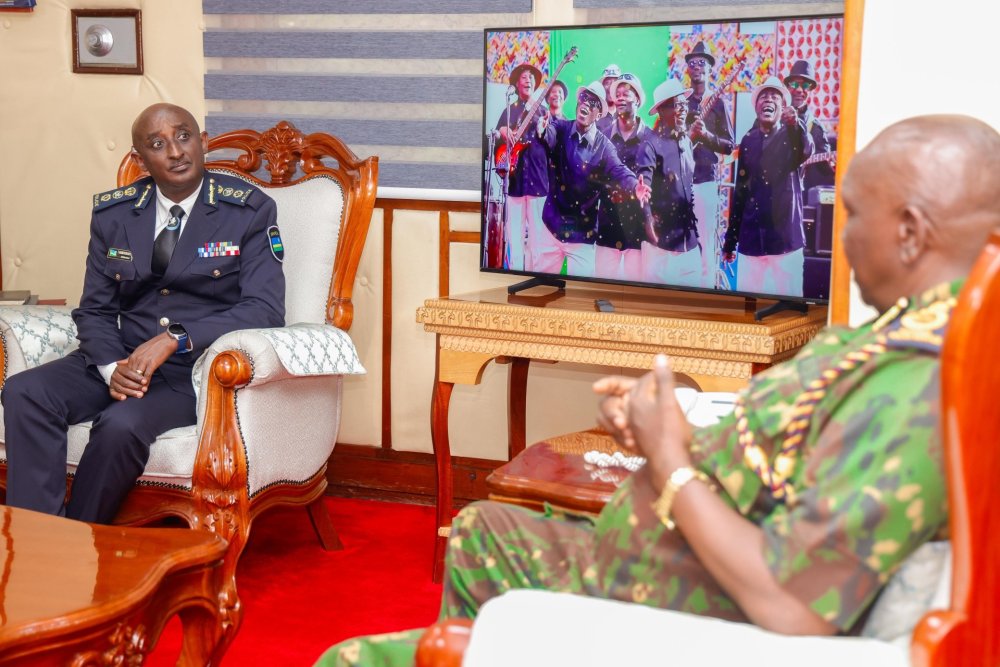
The discussions between CG Felix Namuhoranye and Douglas Kanja took place on March 24, 2026, in Nairobi, Kenya.
Their talks focused on areas of mutual interest in policing and explored ways to further strengthen the existing cooperation between the Rwanda National Police and the Kenya National Police Service.
Both Police chiefs also discussed the preparation of a cooperation agreement and agreed to work together on combating cross-border and emerging crimes.
CG Namuhoranye and his delegation also toured Police Training Institutions in Kenya, including the National Police Service Senior Staff College–Emali and the National Police College–Kiganjo. At both institutions, the IGP interacted with directing staff and trainees to align training programmes with the contemporary, evolving policing environment.
CG Felix Namuhoranye also invited his counterpart to attend events in May when the Rwanda National Police will celebrate its 25th anniversary.
Rwanda and Kenya already collaborate in various sectors, including security. In November 2026, the Chief of the Kenya Defence Forces, Gen Charles Muriu Kahariri, visited Rwanda and held talks with his Rwandan counterpart, Gen Mubaraka Muganga.
The discussions between CG Felix Namuhoranye and Douglas Kanja took place on March 24, 2026, in Nairobi, Kenya.The Inspector General of Rwanda National Police (IGP), CG Felix Namuhoranye is on an official working visit to Kenya, where he held talks with his Kenyan counterpart, Douglas Kanja.
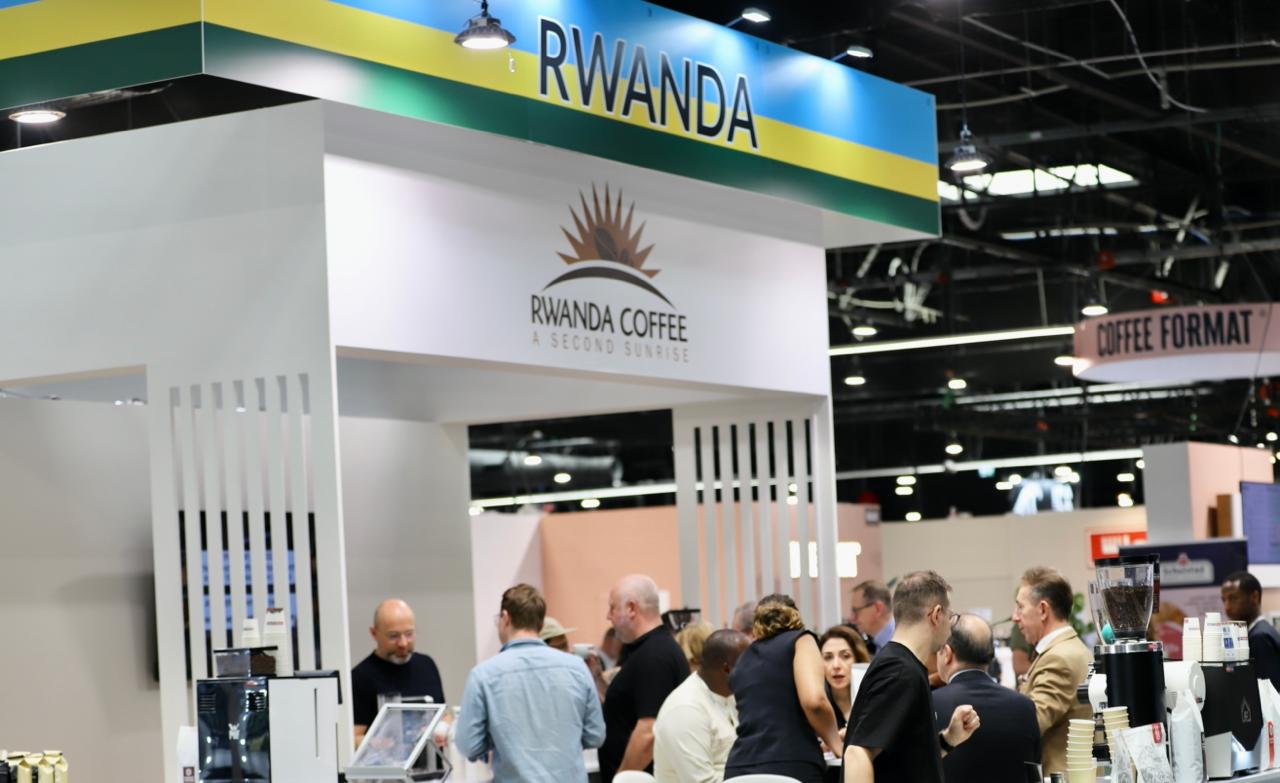
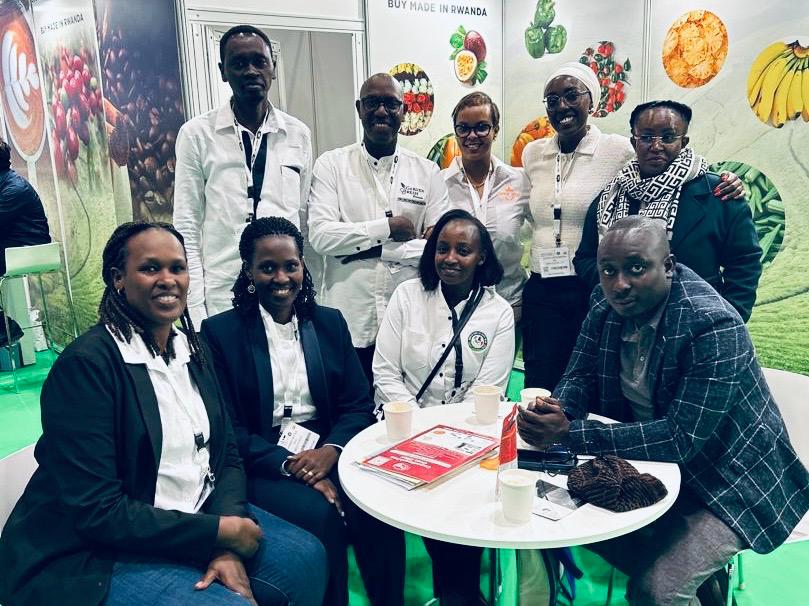
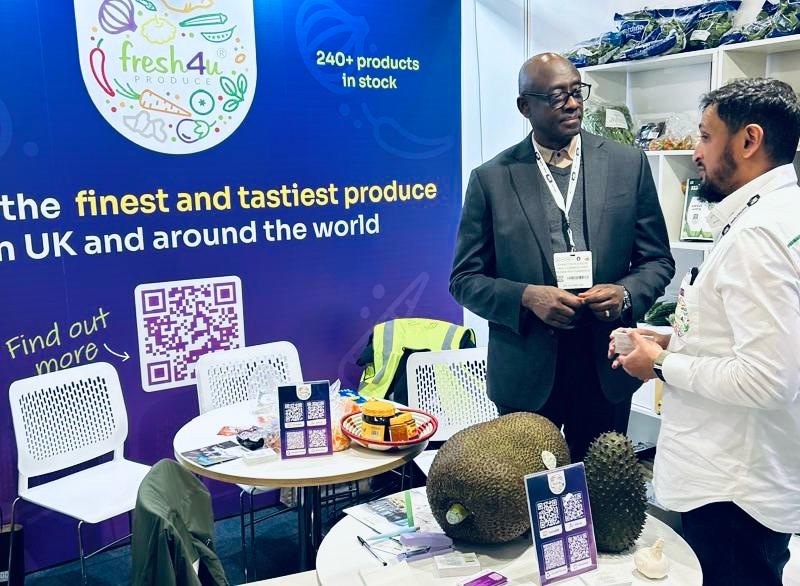
Rwanda is set to take part in the International Food & Drink Event (IFE) for the second time, with this year’s edition scheduled from March 30 to April 1 at ExCeL London. The country’s renewed participation highlights its growing ambition to establish itself as a credible and competitive player in the global agri-food market.
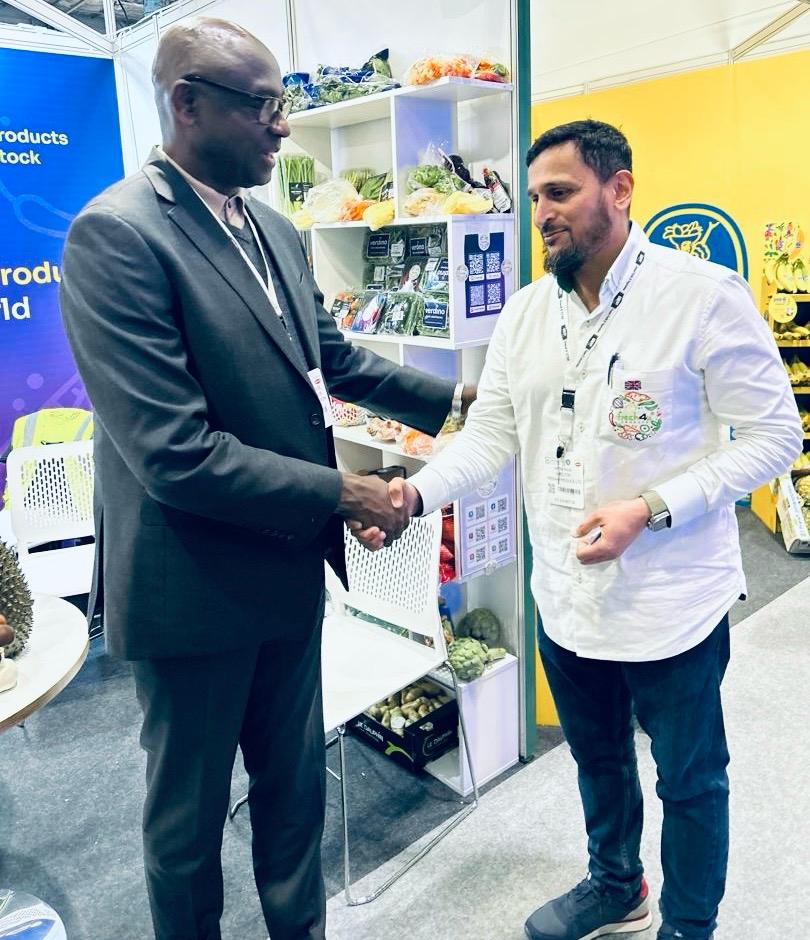
A delegation of representatives from Rwandan companies is expected to travel to London for the event, showcasing a range of locally produced goods and engaging directly with international partners.
Rwanda’s participation will be coordinated by the Embassy of Rwanda in the United Kingdom, in collaboration with the National Agricultural Export Development Board (NAEB).
Considered one of the leading B2B events in the sector, IFE brings together thousands of professionals from the food, beverage, and hospitality industries each year. For Rwanda, this platform represents far more than just visibility, it serves as a strategic lever to boost exports, build new partnerships, and showcase the quality of its products on the international stage.
Building on a first successful participation, the country returns with a clearer vision. The objective is to capitalize on previous experience, increase its visibility, and sustainably position its products, particularly coffee and tea, among international buyers and distributors.
In the lead-up to the exhibition, Rwandan women entrepreneurs will also take part in the SheTrades Rwanda – UK Study Visit, scheduled from March 25 to 28, 2026. Organized under the SheTrades Commonwealth+ Programme and implemented by the International Trade Centre (ITC), this initiative will bring together 16 women-led businesses from the agrifood and coffee sectors.
During the study visit, participants will engage in market visits across London and Birmingham, meet UK-based buyers, and gain first-hand insights into market entry requirements, consumer trends, and business practices. The programme aims to strengthen their export readiness and expand their international networks ahead of IFE 2026.
At the heart of Rwanda’s broader strategy is a strong commitment to promoting a national know-how that is continuously evolving, supported by initiatives aimed at improving product quality, traceability, and local value addition. This approach aligns with broader efforts to move up the value chain and diversify export markets.
By participating in IFE 2026, and through complementary initiatives such as the SheTrades study visit, Rwanda is embracing a proactive approach, leveraging major international platforms to accelerate its integration into global value chains. Beyond mere presence, this participation highlights the country’s increasingly assertive positioning within the global agri-food landscape.
Rwanda pavilion at the previous edition of IFE in London (Illustration photos)
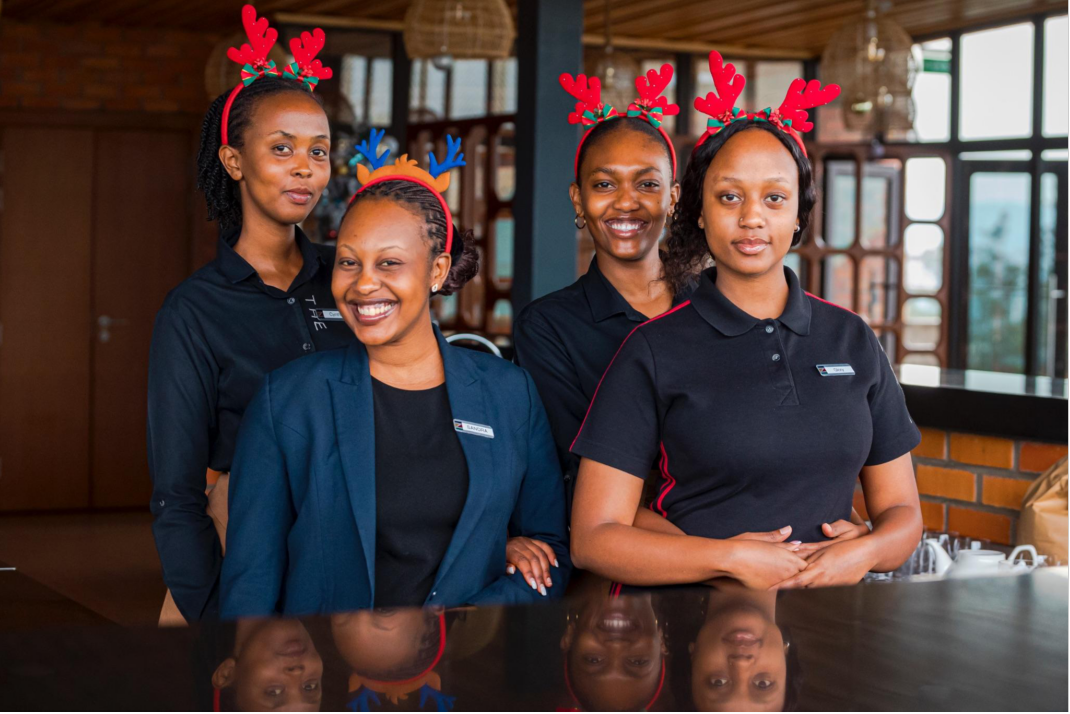
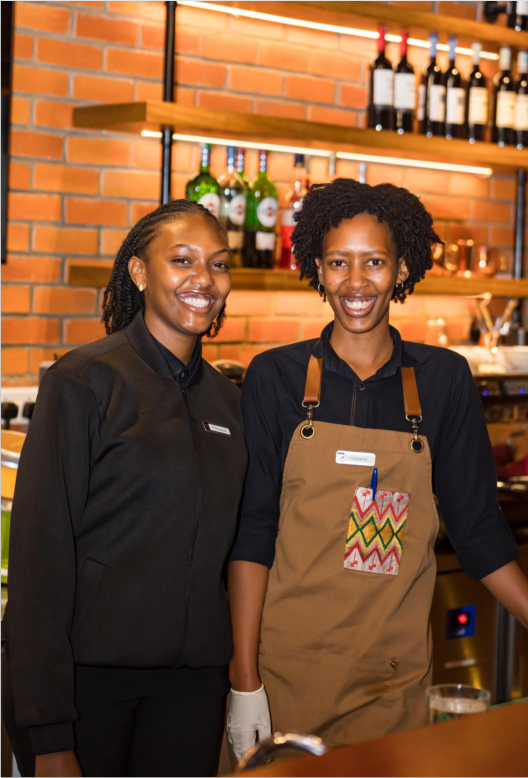
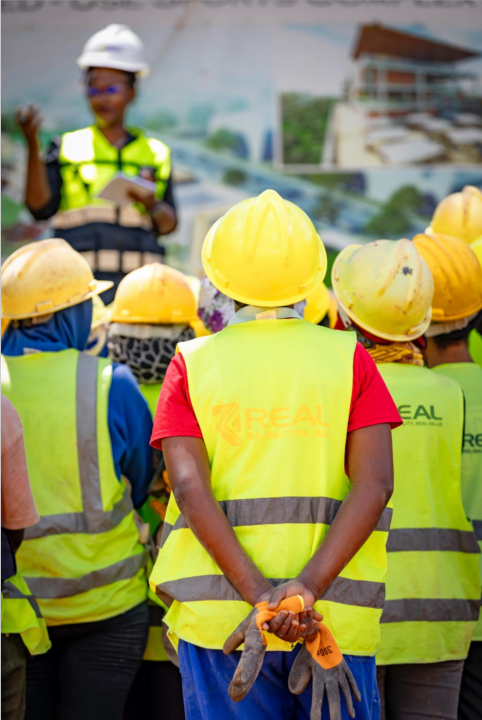
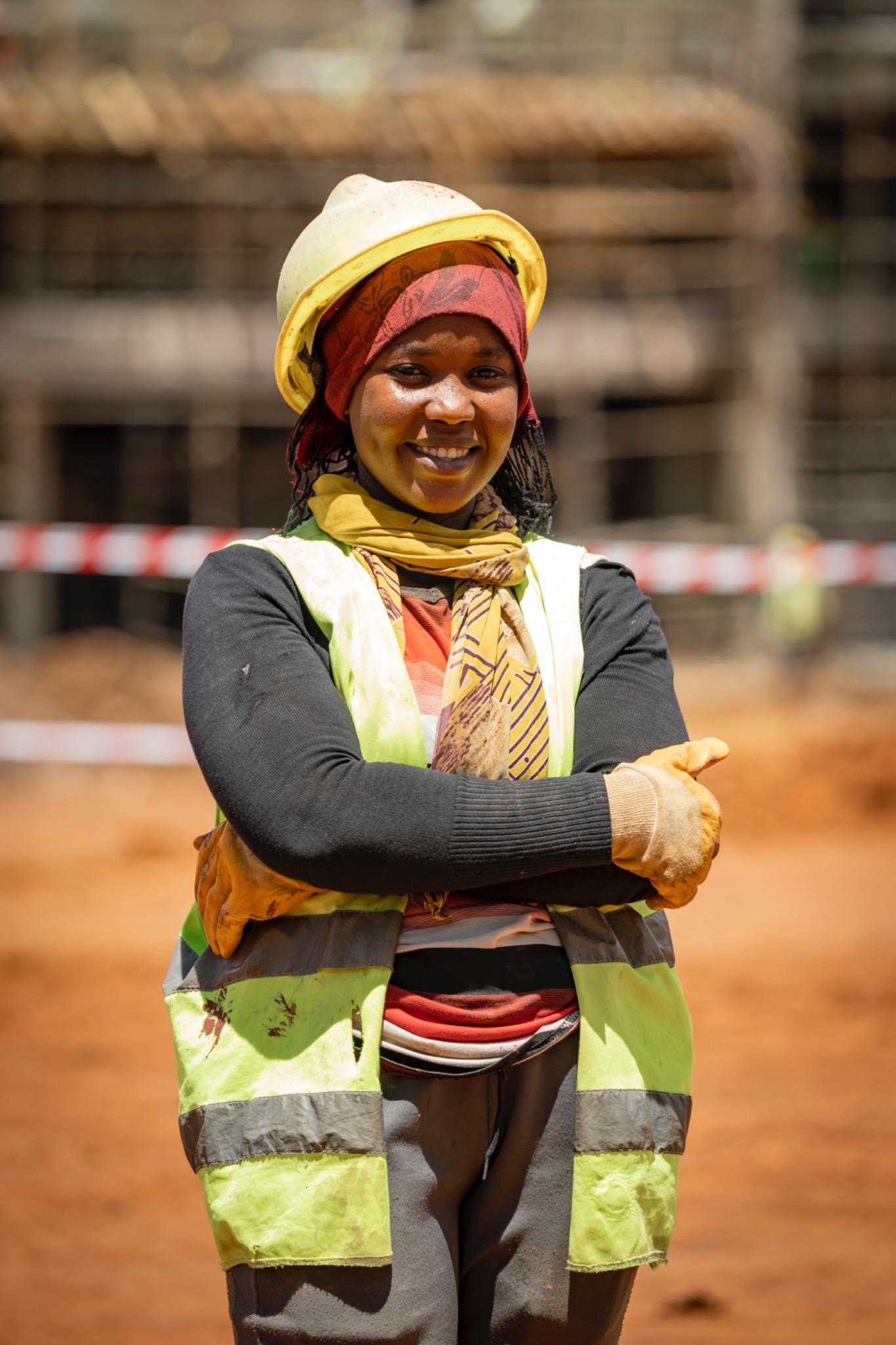
In less than a year of operations, 41% of the hotel’s employees are women. Not as a result of a last minute diversity push, but because women were present, active, and essential at every stage of the hotel’s journey, from the earliest days of construction through to the team running the property today. Their contribution is not a footnote in the story of Zaria Court Hotel. It is central to it.
A hotel built with more than materials
Great hotels are not simply constructed; they are crafted. The difference lies in the people involved and the care they bring. At Zaria Court Hotel, that philosophy is visible in unexpected places.
In the hotel’s conference room, a striking ceiling installation handcrafted entirely by women greets every guest who enters. It is more than a design feature; it is a declaration. A reflection of what the hotel stands for: African talent, craftsmanship, and the belief that the most powerful details are those made by human hands.
Across the property, this same attention to detail is evident in the warmth of the spaces, the precision of the finishes, and the overall guest experience from arrival to departure, creating a place that feels intentionally built.
Operations driven by excellence
Running a world-class hotel is a high-stakes, detail-driven undertaking. Every day at Zaria Court Hotel, women are at the centre of that work, leading teams, shaping guest experiences, and upholding the standards that come with one of the world’s most recognised hospitality brands.
What that figure represents goes beyond representation, it is a workplace culture where women are trusted with responsibility and decision making from day one. Women at Zaria Court Hotel hold roles spanning sales leadership, marketing, front of house operations, and culinary teams, present not just across the floor, but across the org chart. This does not support work. This is leadership.
“Being a woman at Zaria Court Hotel is a privilege that allows me to bring empathy, care, and attention to detail into every guest experience. It’s also an opportunity to grow professionally and show that women can lead, excel, and make an impact in hospitality,” says Flavia Mbabazi, Head of Sales, Zaria Court Hotel, Tapestry Collection by Hilton.
This leadership is reflected consistently in both performance and in the sense of ownership over what the hotel represents.
Rwanda’s ambition, reflected
Rwanda has built a strong reputation on the global stage as a destination for investment, tourism, and world-class events. That reputation is shaped by institutions and people who refuse to be ordinary, and Zaria Court Hotel is one of them.
In a region where hospitality is among the fastest growing sectors, the example set here matters. A workforce that is nearly half women, achieved within the hotel’s first year, demonstrates what becomes possible when women are centred not as a statement, but as a strategy. Rwanda has long been cited as a global leader in women’s representation at the legislative level, and this progress is increasingly visible across business and operations.
“It’s powerful to see strong representation of women across all levels at Zaria Court Hotel. It reflects both the hotel’s commitment to empowerment and Rwanda’s wider progress in promoting women in leadership. This strengthens the brand’s identity as inclusive and forward thinking, while contributing meaningfully to the country’s growth,” says Chiquita Mugabo, Marketing Manager, Zaria Court Hotel, Tapestry Collection by Hilton.
More than a hotel
The Tapestry Collection was built on a simple but powerful idea: the most memorable hotels are those with genuine character, shaped by the people and places around them. At Zaria Court Hotel, that character is unmistakably Rwandan, unmistakably African, and unmistakably built by women.
The practical lesson for the hospitality industry is this: inclusion by design, hiring with intention, building roles that welcome women at every level, and measuring outcomes from the start does not compromise standards. It creates them. For those in the industry ready to move beyond pledges to practice, Zaria Court Hotel offers a working blueprint and an open door.
A note as Women’s Month draws to a close
As March comes to an end and the world pauses to celebrate women, it is worth asking a question that goes beyond tributes and campaigns: are we truly creating space for women to build, lead, and leave their mark?
Zaria Court Hotel answers that question not with words, but with action and with data. In less than a year of operations, 41% of its people are women, reflected not only in its workforce, but in its craftsmanship and daily operations. This is a story that did not begin on Women’s Day and will not end when March does.
The most meaningful way to honour women is not to celebrate them once a year. It is to include them from the very beginning. To trust them with the blueprint as much as the welcome desk. To build institutions where their excellence is not the exception, but the expectation. Zaria Court Hotel has set that example, and set it early. The question now is who follows it.
Zaria Court Hotel Kigali is Rwanda’s first urban lifestyle hotel, located in the heart of Kigali Sports City, steps from BK Arena and Amahoro Stadium. The 80-room property features locally-inspired interiors, multiple food and beverage outlets, event spaces, and a heated pool. Inspired by the vision of Masai Ujiri, the hotel is part of Tapestry Collection by Hilton and offers guests access to Hilton Honors benefits while maintaining its distinctive, community-driven character.
Female staff showcase attention to detail across all areas of the facilityWomen staff members at Zaria Court Hotel contribute to every aspect of daily operations.Women are integral to the daily life, culture, and operations of Zaria Court Hotel. Female employees help maintain the hotel’s high standards and distinctive style. In the hotel’s conference room, a striking ceiling installation handcrafted entirely by women greets every guest who enters.
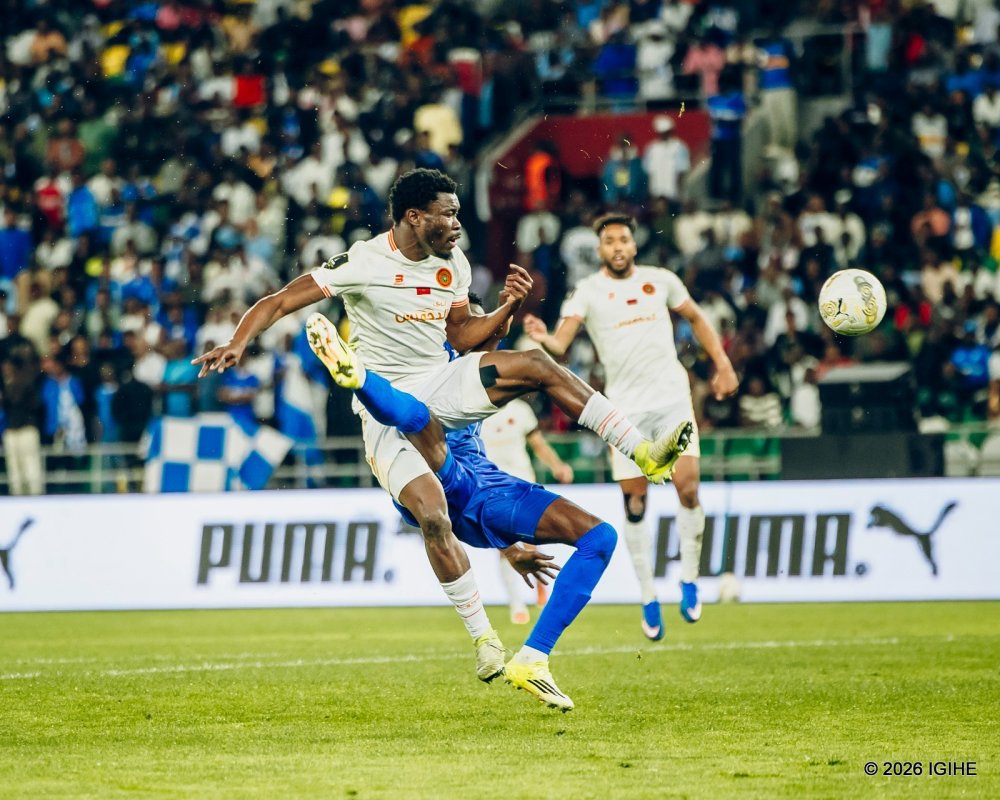
The Sudanese club was knocked out after losing 1–0 in the second leg played on Sunday, March 24, 2026, at Amahoro Stadium, resulting in a 2–1 aggregate defeat. The club has been playing its “home” matches at the Amahoro Stadium in Kigali due to the ongoing civil war in Sudan.
In a strongly worded complaint, Al Hilal accused both the central referee and the Video Assistant Referee (VAR) official of responsibility for the loss, alleging bias in favour of their opponents.
“Al Hilal Club has sent a protest to CAF against the refereeing team of its match against RS Berkane. The club considers that the main referee and the VAR official were responsible for the defeat due to bias in favour of the opponent,” the statement reads.
The club further questioned the competence of the officiating team, stating that it had previously requested the appointment of experienced, qualified and credible referees to handle high-stakes matches, in order to safeguard the integrity of competition and respect teams’ preparations.
According to the complaint, those concerns were not addressed, with Al Hilal arguing that a referee lacking sufficient experience was instead appointed. The club also accused the VAR official of being complicit, describing the decisions made during the match as “catastrophic” and directly influencing the outcome.
Al Hilal supported its protest with video evidence highlighting what it described as major refereeing errors. These include a controversial incident in which a penalty was awarded against its defender following a VAR review. The club maintains that the footage shows the opposing attacker raising his foot onto the defender, causing injury and forcing the Al Hilal player off the pitch, yet the referee still awarded what it termed a non-existent penalty.
The club also raised concerns over the application of VAR, arguing that its use in the incident violated Article 5 of the protocol, which states that VAR should not be applied once play has restarted. It further criticised the amount of stoppage time added, saying it did not reflect the actual time lost during reviews and interruptions.
Al Hilal additionally expressed frustration over what it described as CAF’s continued disregard of its previous complaints regarding refereeing, warning that such inaction risks enabling unfair decisions.
Based on its submission and the accompanying video evidence, the club has called for an immediate investigation, urging CAF to take action to protect the integrity of the competition and ensure justice is served.
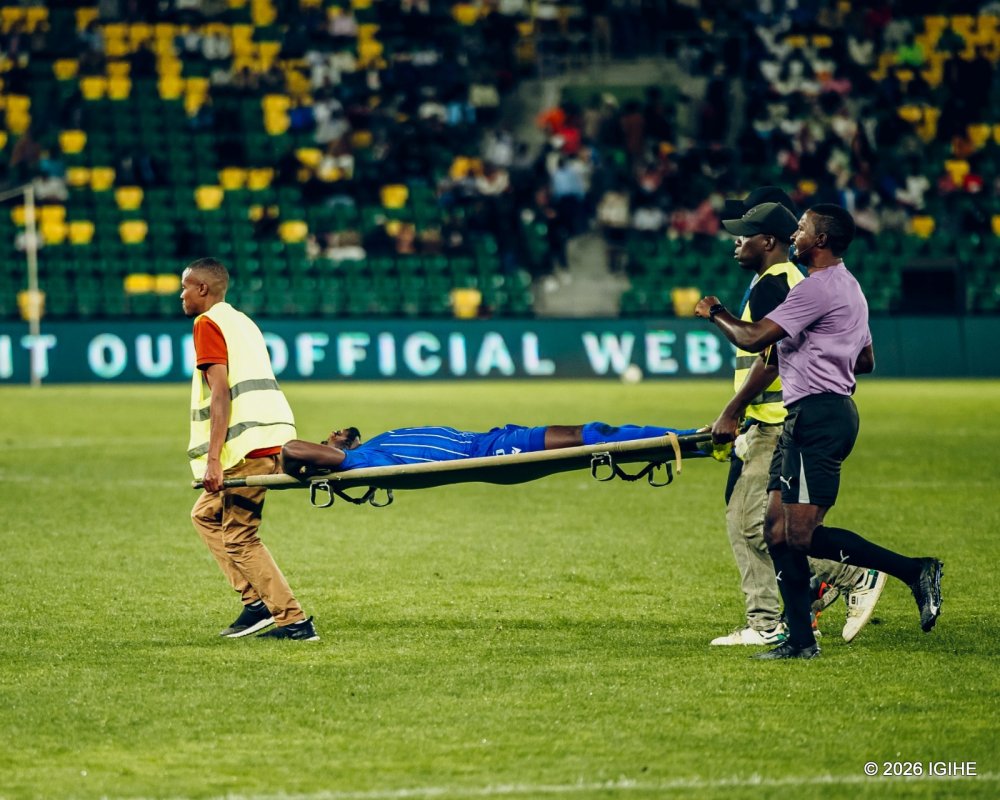
Al Hilal SC was eliminated from the CAF Champions League quarterfinals. In a strongly worded complaint, Al Hilal accused both the central referee and the Video Assistant Referee (VAR) official of responsibility for the loss, alleging bias in favour of their opponents.Al-Hilal SC defender Saeed Ahmed was taken off on a stretcher after his challenge in the penalty area resulted in a penalty.Al Hilal SC does not accept the penalty decision.
The research, led by Dr. Loretta Dorstyn and senior author Professor Sharad Kumar, reveals that Caspase‑2 plays an important role in protecting the liver against damage.
The team found that without this enzyme, the liver cells of mice began to exhibit an abnormal buildup of genetic material, leading to enlarged liver cells and increased inflammation. Over time, these changes resulted in liver damage and an increased risk of cancer.
The study, which was published in the journal Science Advances, highlighted that while blocking Caspase‑2 may seem like an effective strategy for treating fatty liver disease in the short term, it could contribute to chronic inflammation, fibrosis, and liver cancer as people age.
This new insight is crucial because it shows that inhibiting Caspase‑2 can inadvertently increase susceptibility to these serious conditions.
Dr. Dorstyn explained that liver cells have extra copies of genetic material that help the liver cope with stress. The study showed that without Caspase‑2, these cells are more likely to become damaged.
The researchers observed that the mice lacking this enzyme developed signs of hepatitis‑like disease, including scarring and oxidative damage, and were significantly more likely to develop liver tumors.
The University of Adelaide team warns that while the inhibition of Caspase‑2 was once seen as a promising therapeutic approach, this new evidence suggests the potential risks may outweigh the benefits, especially for long‑term health.
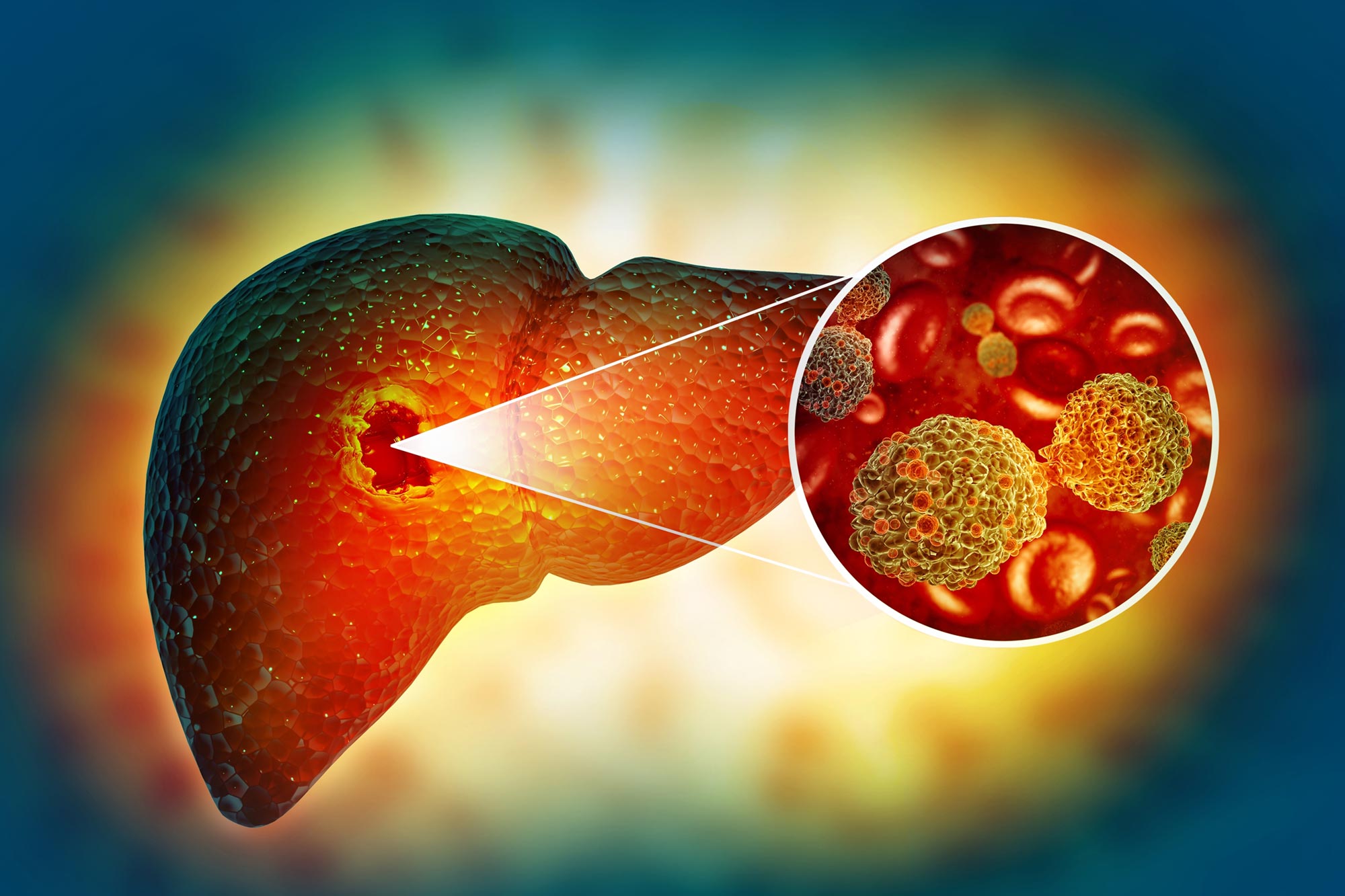
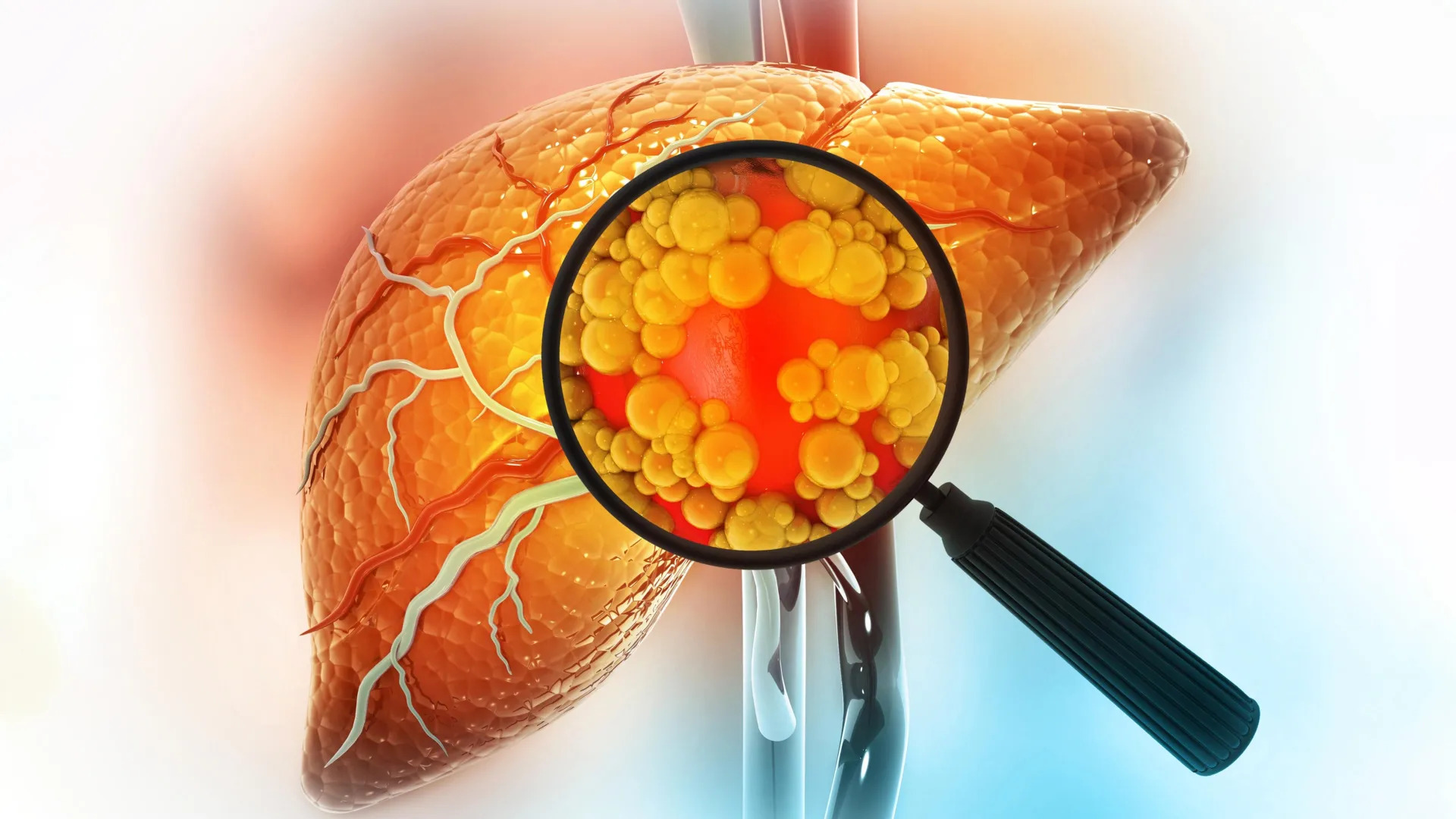
A promising fatty liver treatment may raise cancer risk.
Among those who reportedly traveled to Kinshasa is Jean-Luc Habyarimana, the son of former Rwandan president Juvénal Habyarimana.
According to sources, President Félix Tshisekedi took a particular interest in him, viewing him as someone who could be easily leveraged. Tshisekedi is said to have considered appointing him as a figurehead leader of a restructured coalition of Rwandan opposition groups.
Reports suggest that this coalition could include members of the FDLR, a group designated as a terrorist organization, along with other Rwandans in exile, including former politicians and military figures such as Kayumba Nyamwasa.
Intelligence sources in both the DRC and France indicate that Tshisekedi’s interest in Jean-Luc is not solely based on his family background. Instead, they point to his public visibility and perceived vulnerability, suggesting he may be easier to influence and mobilize.
Jean-Luc Habyarimana has no known political party affiliation and has not held any leadership position. However, sources claim Tshisekedi sees him as someone who could be used in propaganda efforts targeting the Rwandan government, particularly if provided with financial support.
Historical context also plays a role. Following the death of President Habyarimana in 1994, his family fled to what was then Zaïre, where they were received by Mobutu Sese Seko, who ruled the country from 1971 to 1997 before it became the DRC.
Reports indicate that Mobutu showed particular attention to Jean-Luc, even portraying him as a heroic figure and allegedly granting him financial support worth USD5,000.
The family later relocated to Gabon, where then-President Omar Bongo is also said to have provided additional financial assistance equivalent to USD3,000 before Jean-Luc moved to France.
Despite this reported financial backing, Jean-Luc’s economic situation is said to have remained unstable. Sources describe a pattern of spending without long-term planning, leading to financial difficulties. He reportedly had a relationship in Gabon and fathered two children, but the relationship ended amid financial strain.
Currently, Jean-Luc and his children are said to live with his mother, Agathe Kanziga Habyarimana, rather than in their own residence.
Observers suggest that Tshisekedi may view Jean-Luc’s circumstances as an opportunity, providing him with financial support in exchange for his involvement in anti-government activities, effectively positioning him as a symbolic figure rather than an established political actor.
Intelligence analysts further argue that Tshisekedi may see Jean-Luc as a way to amplify propaganda efforts by drawing on the historical legacy of the Habyarimana name. However, they caution that such a strategy would depend heavily on continued financial backing.
On the other hand, reports from Kinshasa indicate that the plan may already be encountering difficulties. Officials within the DRC government suggest that although Jean-Luc received funds intended for mobilization and anti-Rwanda campaigns, his tangible output has been limited, reportedly extending little beyond the creation of a media platform known as Xtrafrica Media Group.
Sources indicate that President Félix Tshisekedi took a particular interest in Jean Luc Habyarimana, viewing him as someone who could be easily leveragedJean-Luc Habyarimana, the son of former Rwandan president Juvénal Habyarimana is among individuals who have been travelling to Kinshasa in an anti-Rwanda mobilization.
This research involved a type of computing hardware known as neuromorphic computers, which are built to imitate how the human brain processes information.
Scientists have now shown that these machines can successfully solve partial differential equations (PDEs), a class of problems that are foundational to physics simulations, weather forecasting, fluid dynamics, and engineering tasks.
Until now, solving these equations typically required massive supercomputers that use enormous amounts of energy.
In contrast, the brain‑inspired systems demonstrated similar capabilities while using only a fraction of the power, suggesting a path toward far more energy‑efficient computing for scientific research and national security applications.
Researchers Bradley H. Theilman and James B. Aimone developed a new algorithm that allows this neuromorphic hardware to tackle such advanced calculations.
According to the team, the structure of this algorithm reflects how the brain might perform complex computations naturally, offering insight into both computing and brain function.
The study also highlights that these findings could greatly impact efforts to build the next generation of low‑energy computational systems.
If further developed, brain‑inspired computing could provide powerful alternatives to current systems used in high‑performance research, all while reducing electrical power demands.
Brain inspired machines are better at math than expected.
The two-day summit, hosted by The European House-Ambrosetti, brought together global leaders, private sector players and investors to champion climate finance, environmental stewardship and a just transition.
Kenya’s Cabinet Secretary in the Ministry of Agriculture and Livestock Development Mutahi Kagwe warned that failure to finance climate-smart agriculture in Africa could trigger far-reaching consequences for global food systems.
Kagwe said that climate change is already dismantling traditional agricultural systems across Kenya, with extreme weather patterns now defining the country’s reality.
“Climate shocks are no longer future risks. They are present disruptions. If agriculture in Africa fails, global food systems will feel the shock,” he warned.
The summit aims to catalyze a global discussion on the crucial role of industry in building a climate-resilient Africa.
Through a series of plenary sessions and panels, participants, including more than 150 CEOs, institutional leaders and influential stakeholders from Africa and beyond, will have the opportunity to examine best practices, innovations and policies needed to mitigate the impacts of climate change on the African continent.
Kagwe said that Kenya’s heavy reliance on rain-fed agriculture, which accounts for 98 percent of farming, leaves millions exposed to climate variability.
He said the consequences have already been severe, including five failed rainy seasons between 2020 and 2023, 4.4 million people pushed into food insecurity, and the loss of over 2.5 million livestock.
“Even in 2026, the crisis persists. While some regions face deadly floods, others are battling drought and extreme heat, with over two million Kenyans currently in need of emergency food and livestock support,” Kagwe said.
But beyond the statistics, Kagwe said that Africa must no longer be sidelined in climate decision-making or subjected to externally designed solutions.
“There is no one-size-fits-all solution. Climate change is a lived experience for our farmers. The answers must come from the ground, not from boardrooms in Brussels, New York or Paris,” he said.
The summit called on international investors to finance climate-smart agriculture to boost food security on the continent.
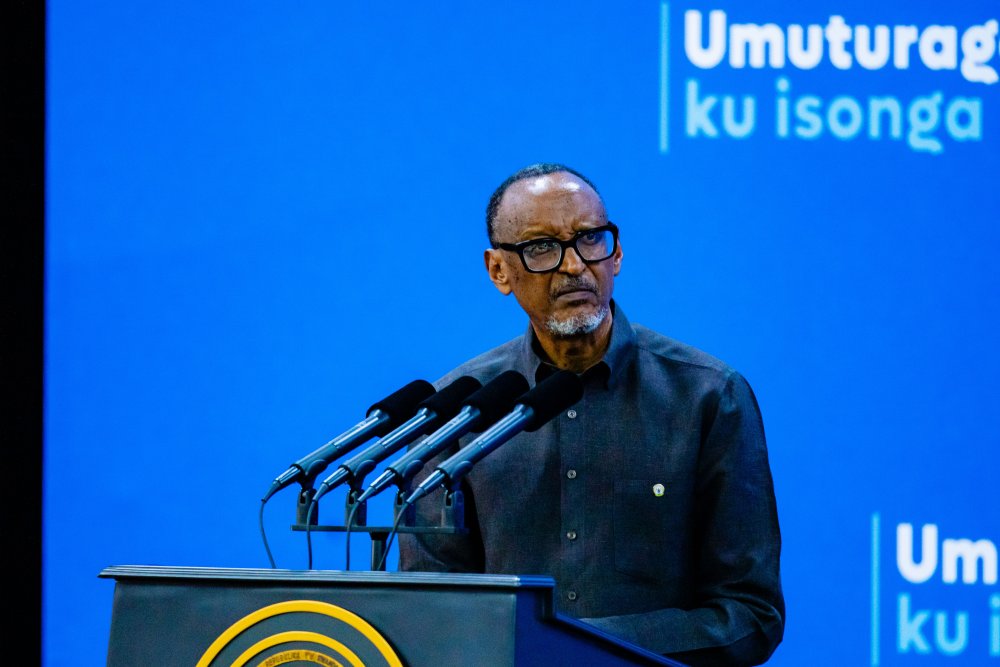
He made the remarks while closing a national meeting of central and local government leaders held at the Gako Military Academy, attended by district officials, cabinet ministers, and other senior government representatives.
The meeting examined ongoing governance challenges, including weak coordination among leaders, inefficiencies in service delivery, and other persistent shortcomings.
In his opening remarks, the Prime Minister cited findings from the National Institute of Statistics, noting a decline in service delivery performance, from 78.2% in 2023 to 75.8% in 2024, and further down to 71.7% in 2025.
Before delivering his address, Kagame was informed that leaders had acknowledged their shortcomings and committed to improving their performance. He questioned whether the issues raised were new to those present.
“Who here is hearing this for the first time? That would mean there are issues beyond what has been acknowledged. Otherwise, we should continuously assess what is not working, put everything in order, and implement corrective measures. But what we end up with is repetition. So what exactly is the problem?” he asked.
The President expressed concern over leaders who repeatedly make the same mistakes, apologise, and promise not to repeat them, only to fall into the same patterns again.
“Making the same mistake repeatedly, apologising for it, and repeating it again, I don’t understand that as a normal way people make mistakes. It becomes a problem. These are mistakes that are repeatedly made by the same individuals, including those in leadership positions,” he said.
He stressed that if a leader continues to repeat the same mistakes, it reflects a lack of understanding that must be addressed.
The Head of State further questioned whether the issue lies in how responsibilities are understood and executed across leadership structures.
“Is the problem within us as Rwandans? All of you seated here understand your responsibilities and what needs to be done, perhaps even better than I do. Yet we still face these challenges,” he said.
He also highlighted weaknesses in planning and implementation, noting that failure to align plans with execution leads to ineffective outcomes.
“Planning must go hand in hand with implementation. Even when plans are well designed, if they are not aligned with execution, it becomes a problem. You cannot expect meaningful results without proper planning,” he noted.
Citing an example from the Eastern Province, Kagame questioned why an irrigation project intended to also supply water to residents had not achieved both objectives.
“You follow up on one component and neglect the other. How can you achieve the intended outcome?” he asked.
The Governor of the Eastern Province, Pudence Rubingisa, explained that while part of the irrigation component had been implemented, the water supply aspect had been overlooked.
Kagame questioned the lack of coordination among stakeholders involved in the project, emphasising the importance of communication in delivering results.
“After this, you go and communicate, something I have not seen in the past 31 years,” he remarked.
Rubingisa acknowledged the communication gap and noted that leaders had committed to improving coordination and ensuring citizen participation in providing feedback on projects affecting them.
President Kagame concluded by stressing the need for urgent behavioural and operational changes among leaders, urging them to move beyond repeated mistakes and apologies, and to fully understand and fulfil their responsibilities.
President Kagame made the remarks while closing a national meeting of central and local government leaders held at the Gako Military Academy, attended by district officials, cabinet ministers, and other senior government representatives.