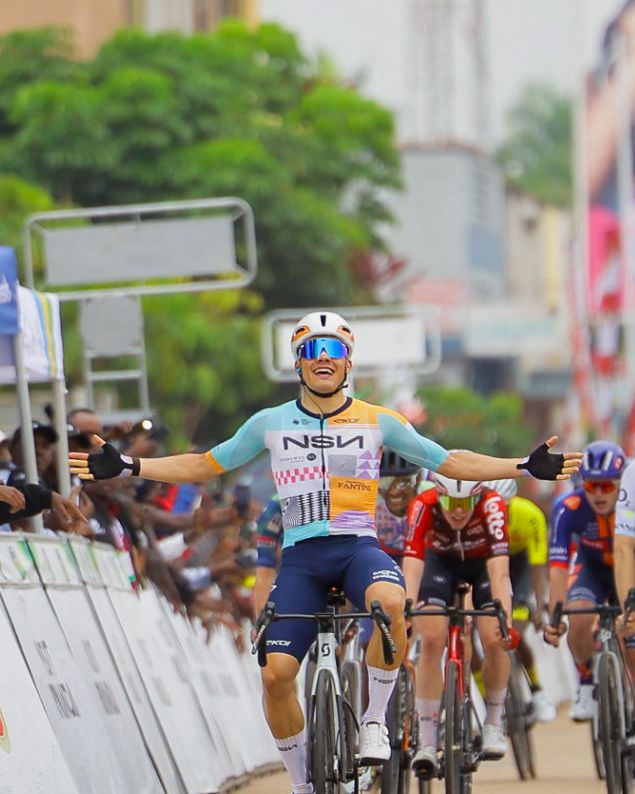
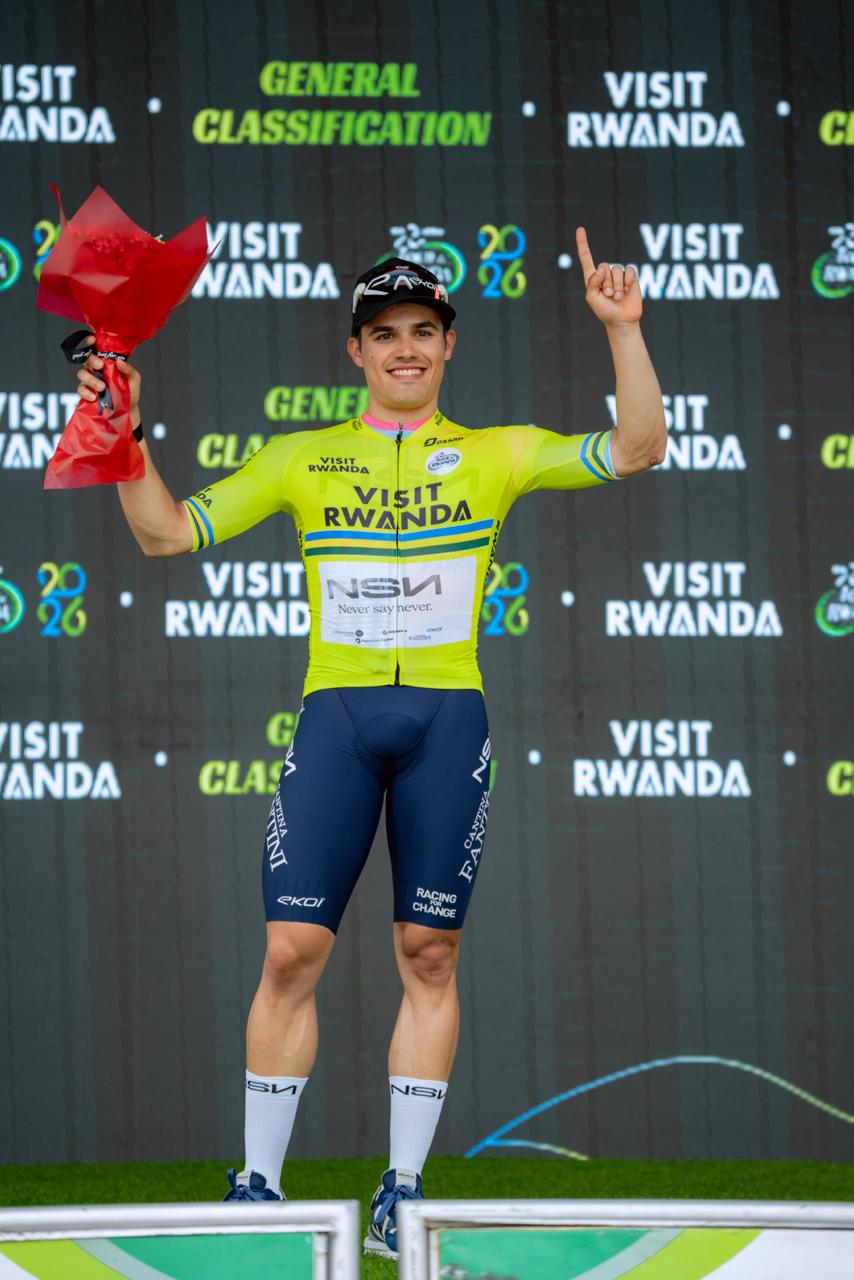
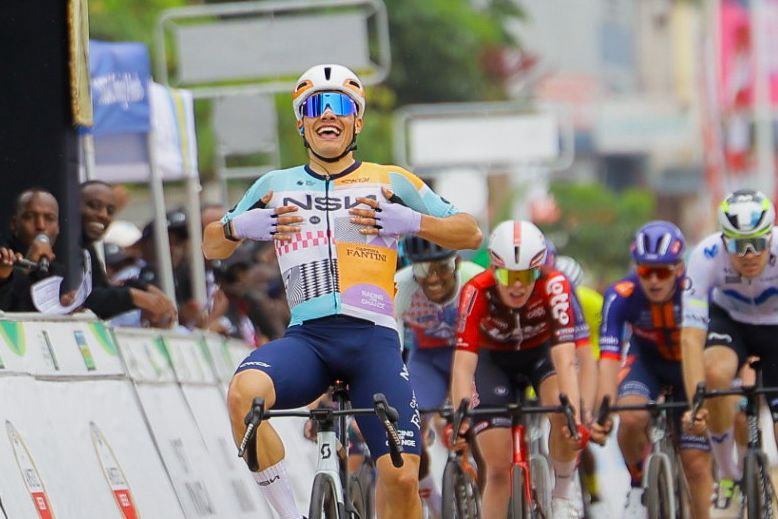
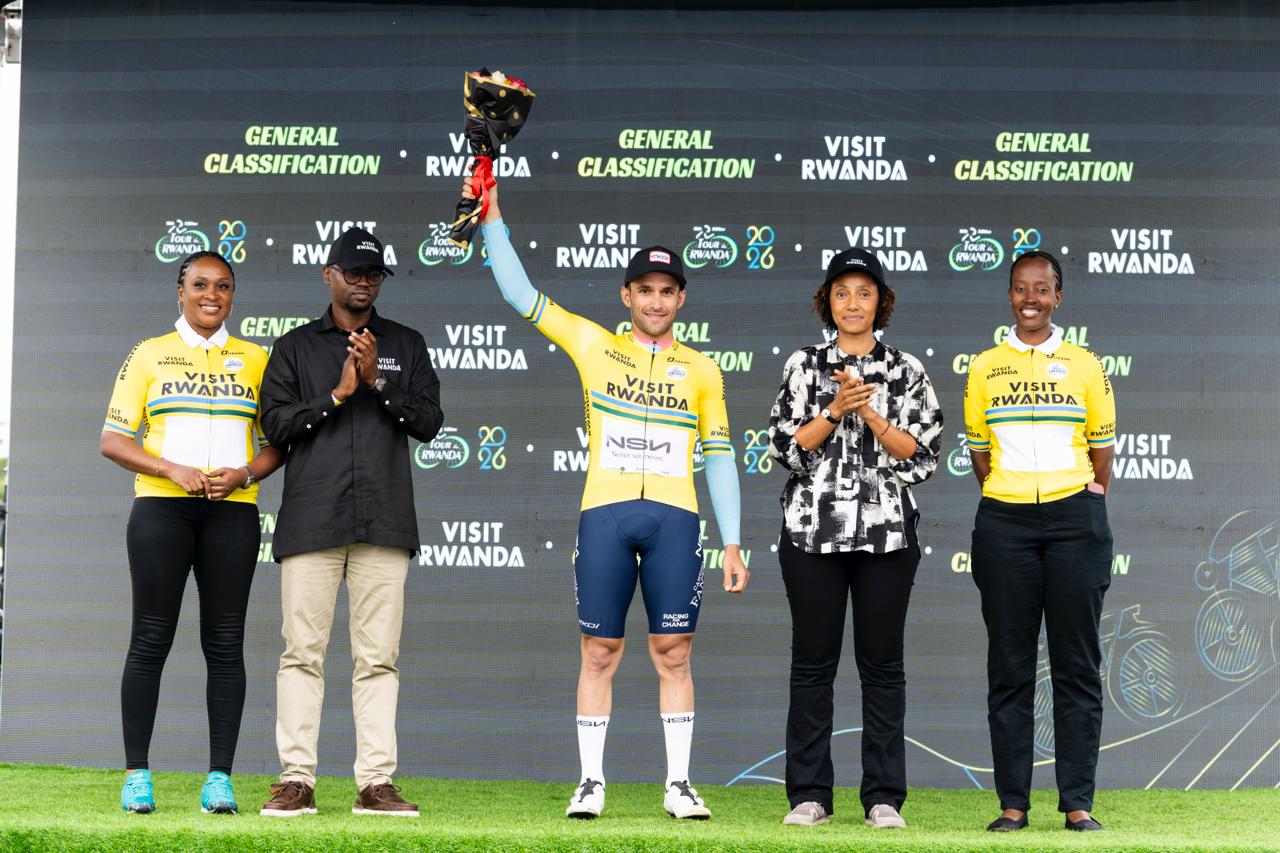
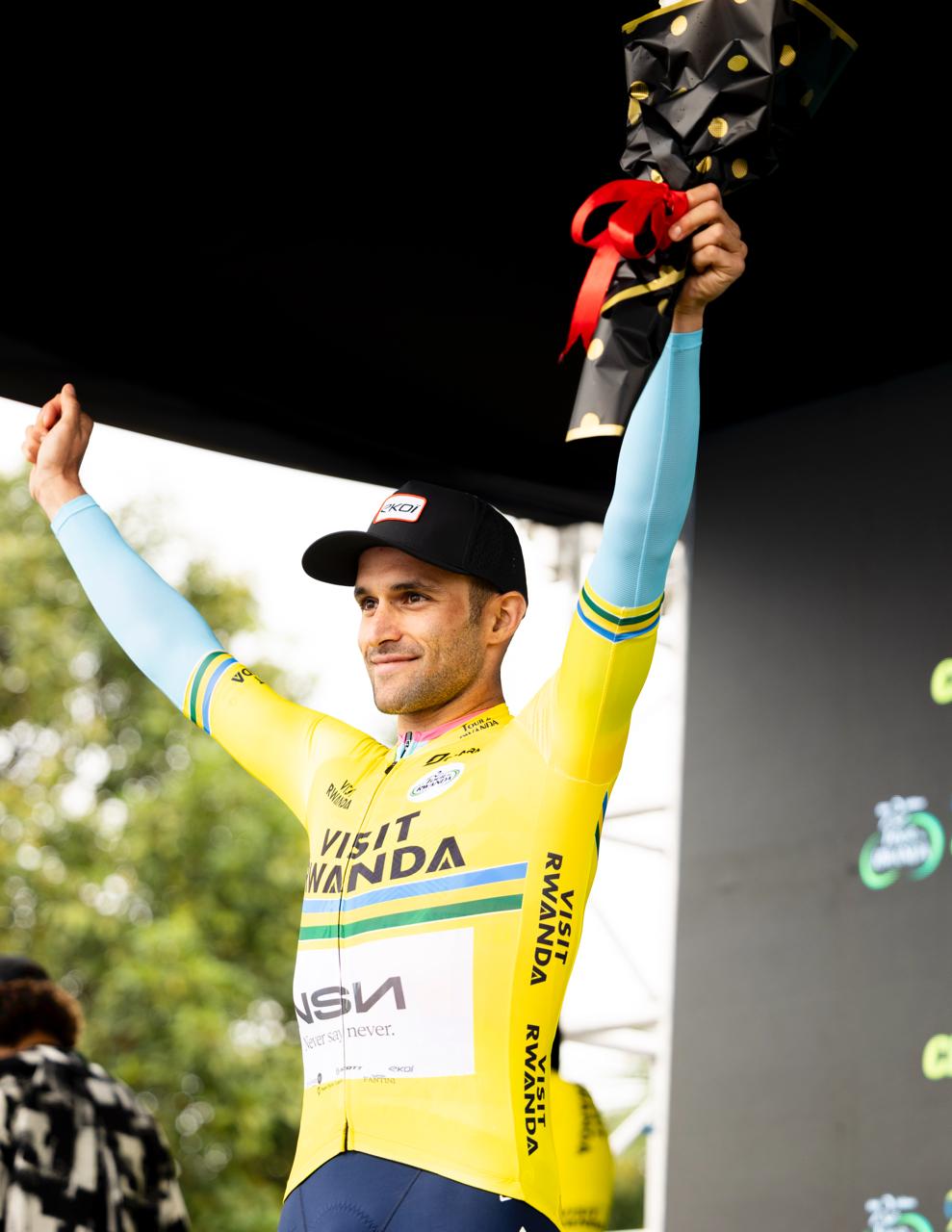
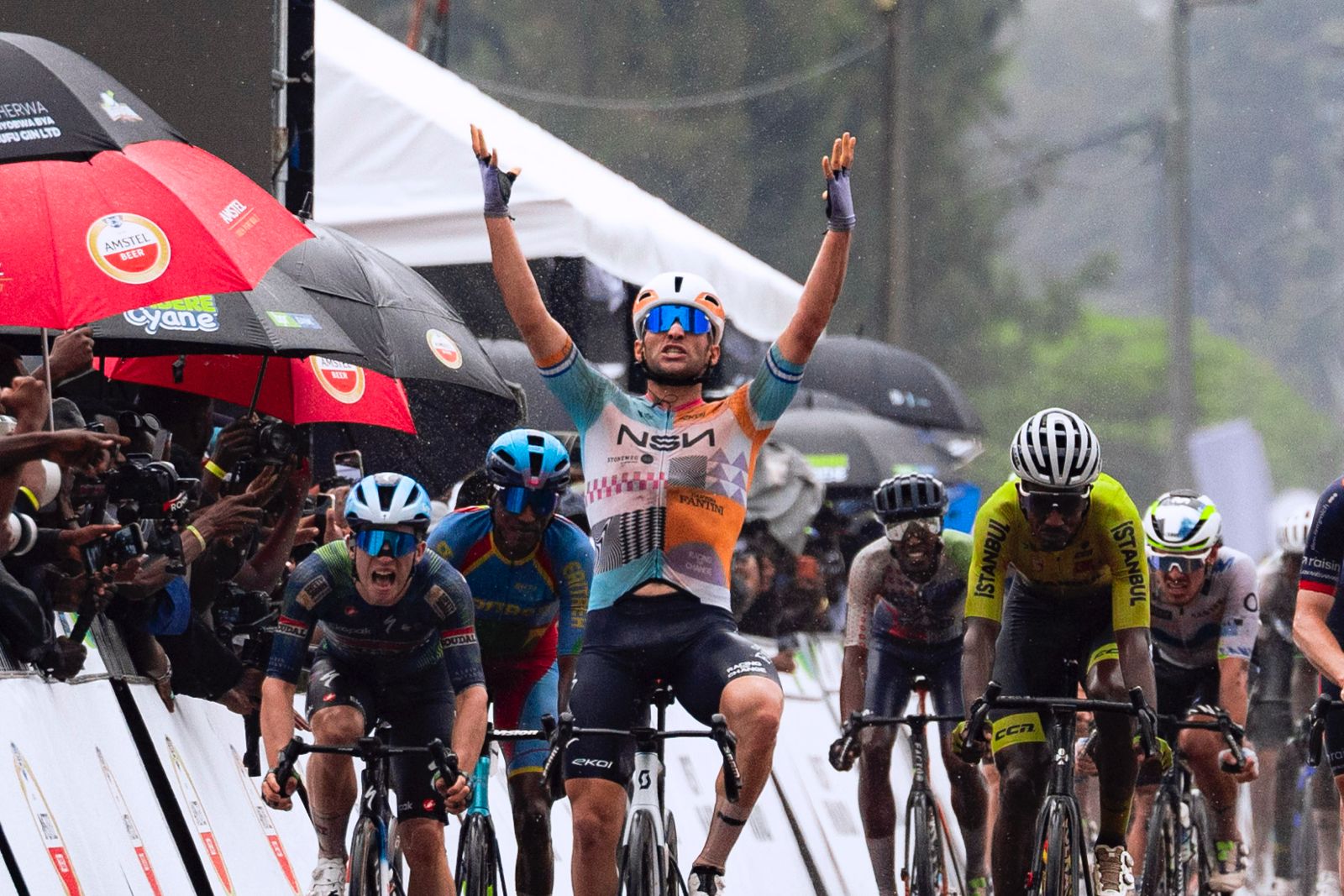
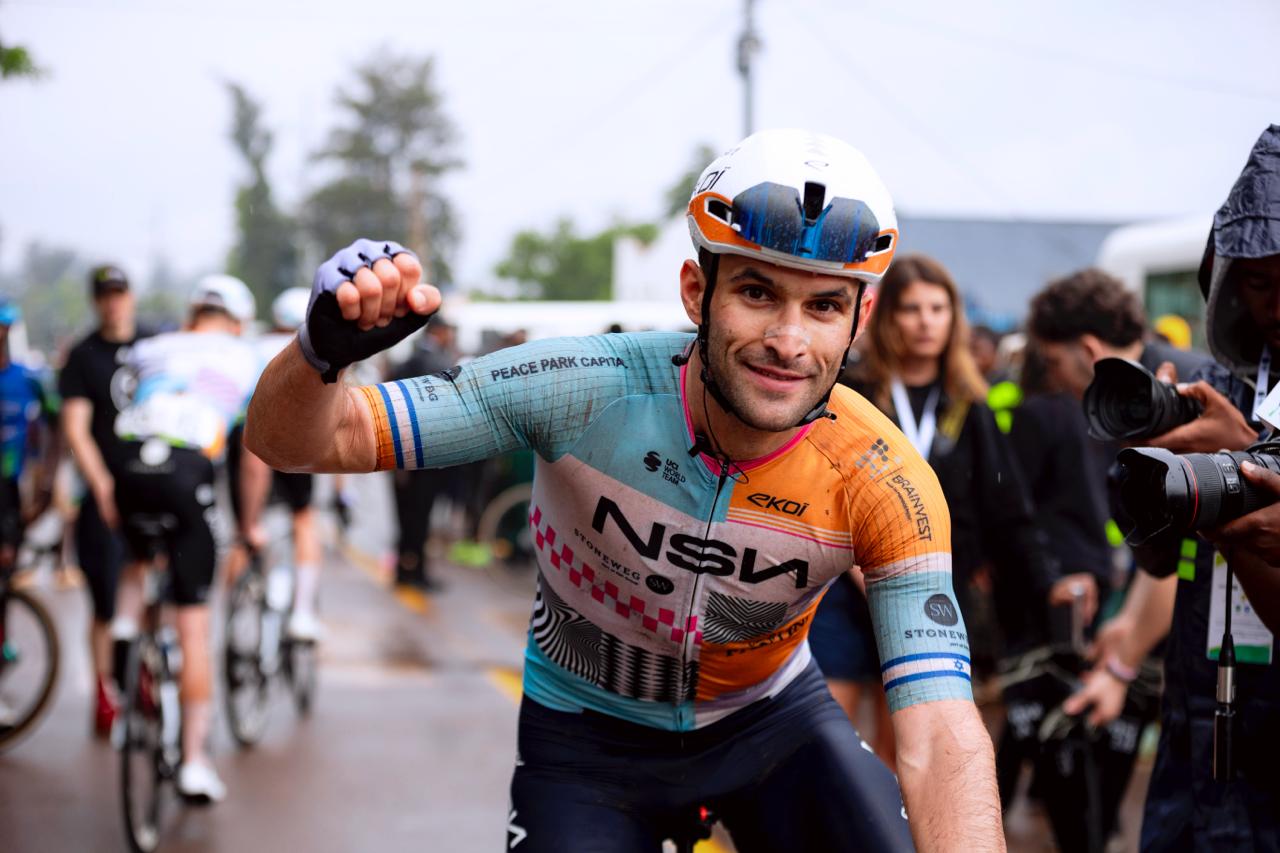
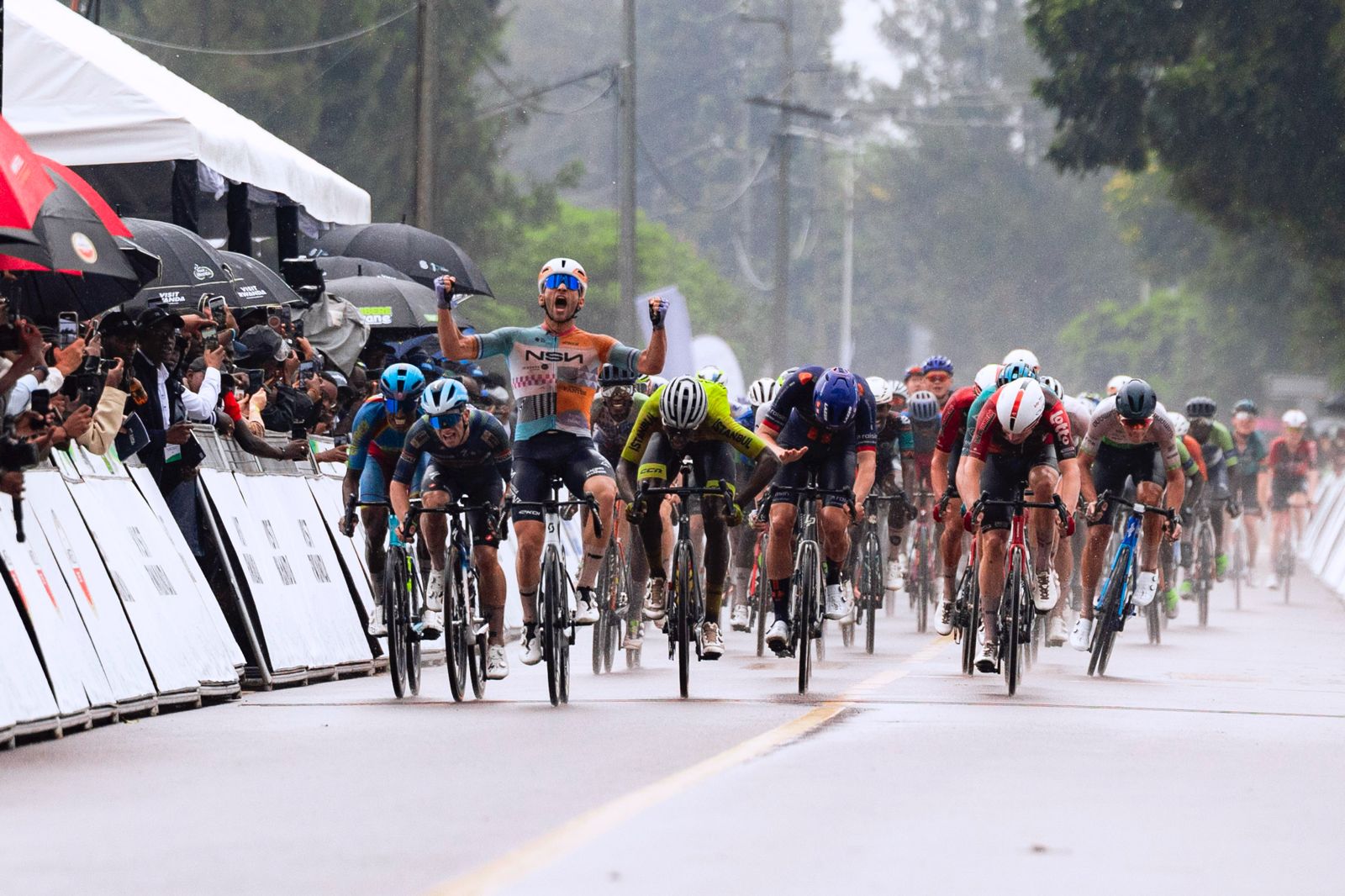
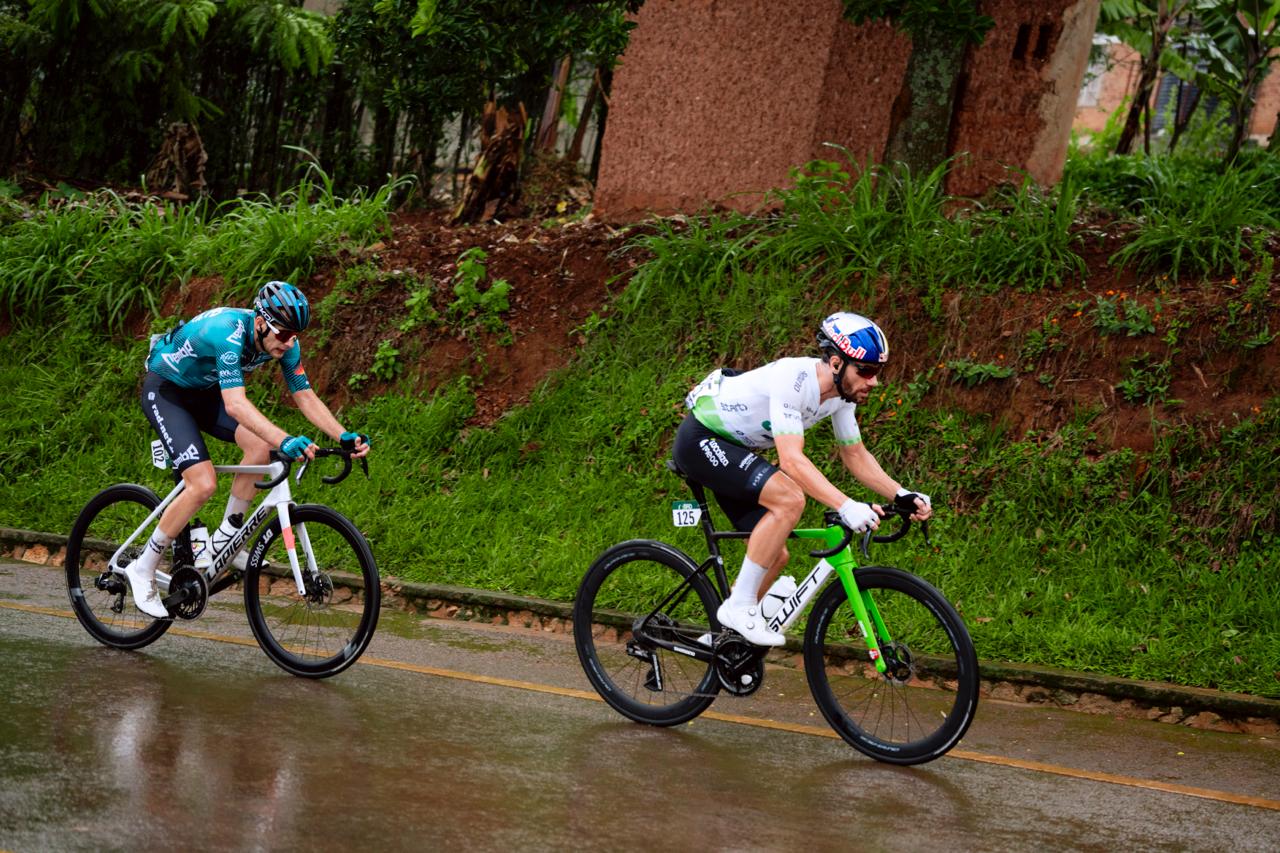
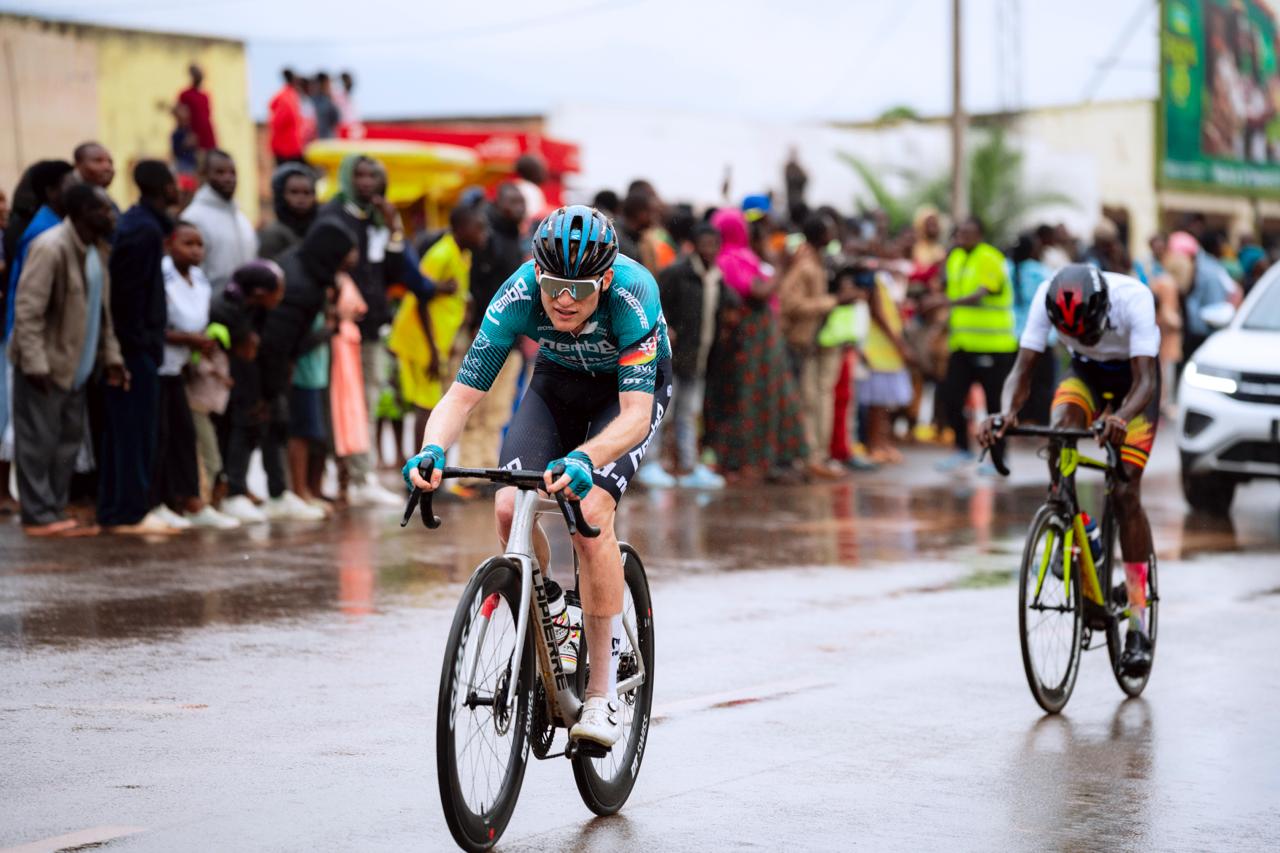
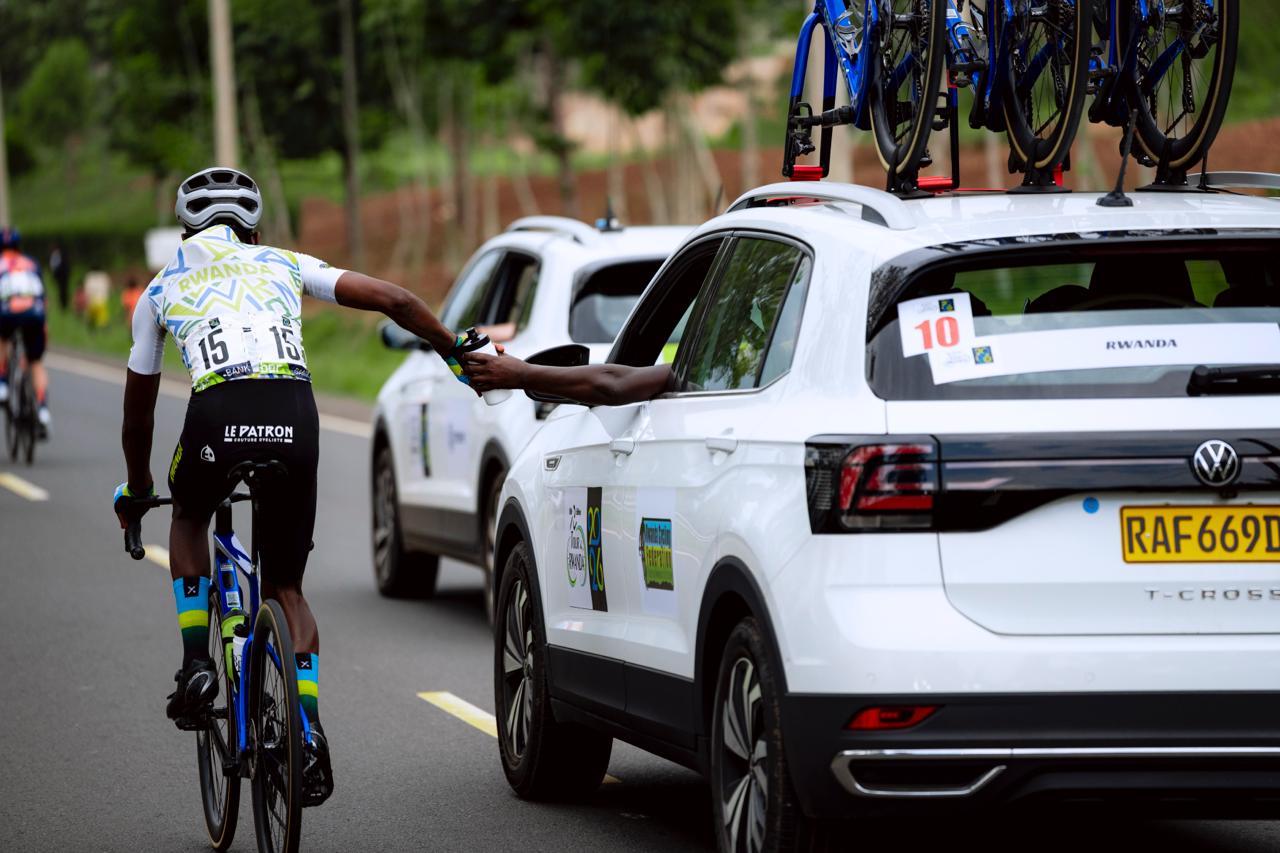
The 21-year-old covered the 134.6 km from Nyamata in three hours, 10 minutes and 10.30 seconds (3:10:10.30), edging Eritrea’s Henok Mulubrhan by just two milliseconds in a thrilling finish.
The win marks back-to-back stage victories for NSN Development Team, following Itamar Einhorn’s triumph in Stage 1 from Rukomo to Rwamagana on Sunday.
The 21-year-old covered the 134.6 km from Nyamata in three hours, 10 minutes and 10.30 seconds.
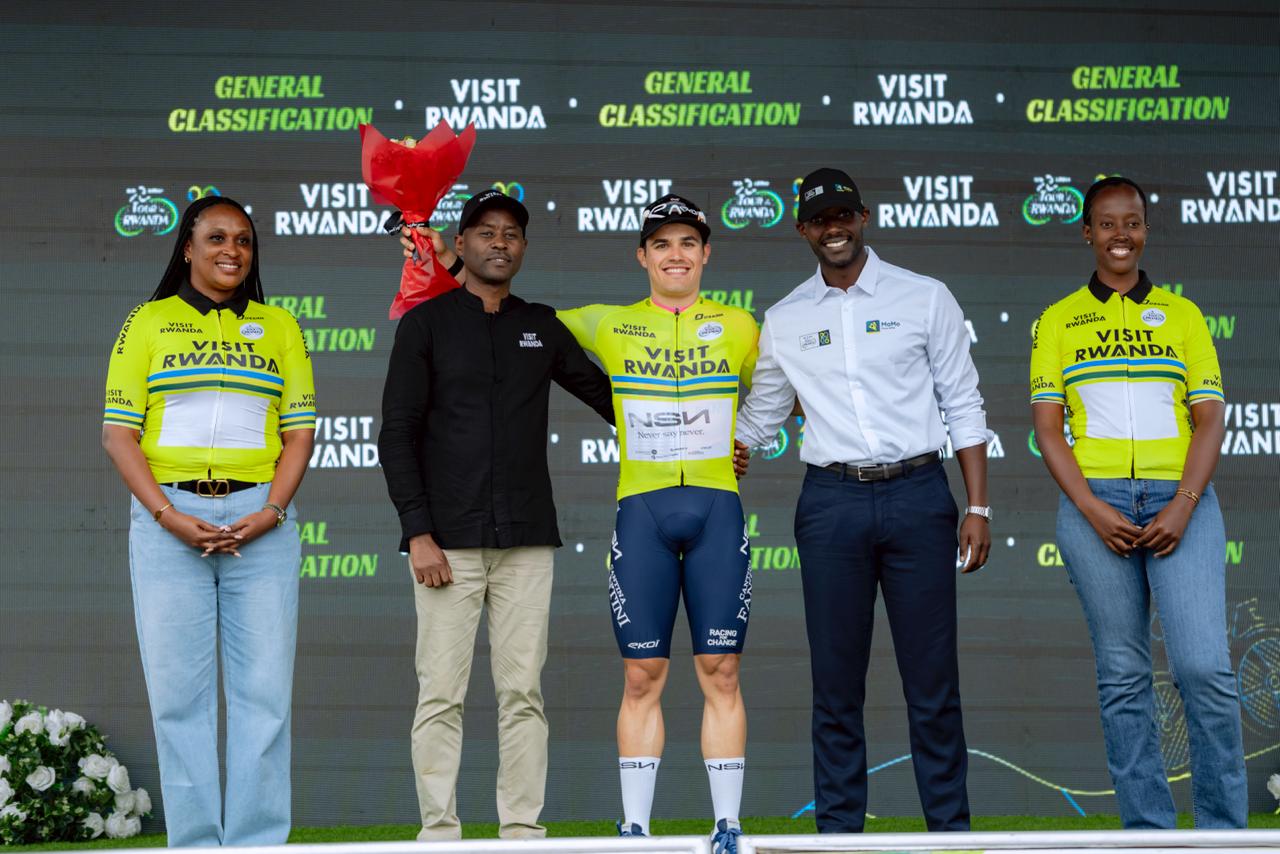
Marti Pau also took the yellow jersey, gaining a 10-second advantage in a sprint at Imberabyombi, which propelled him ahead of his teammate Einhorn, who did not finish among the top 40 riders on Monday.
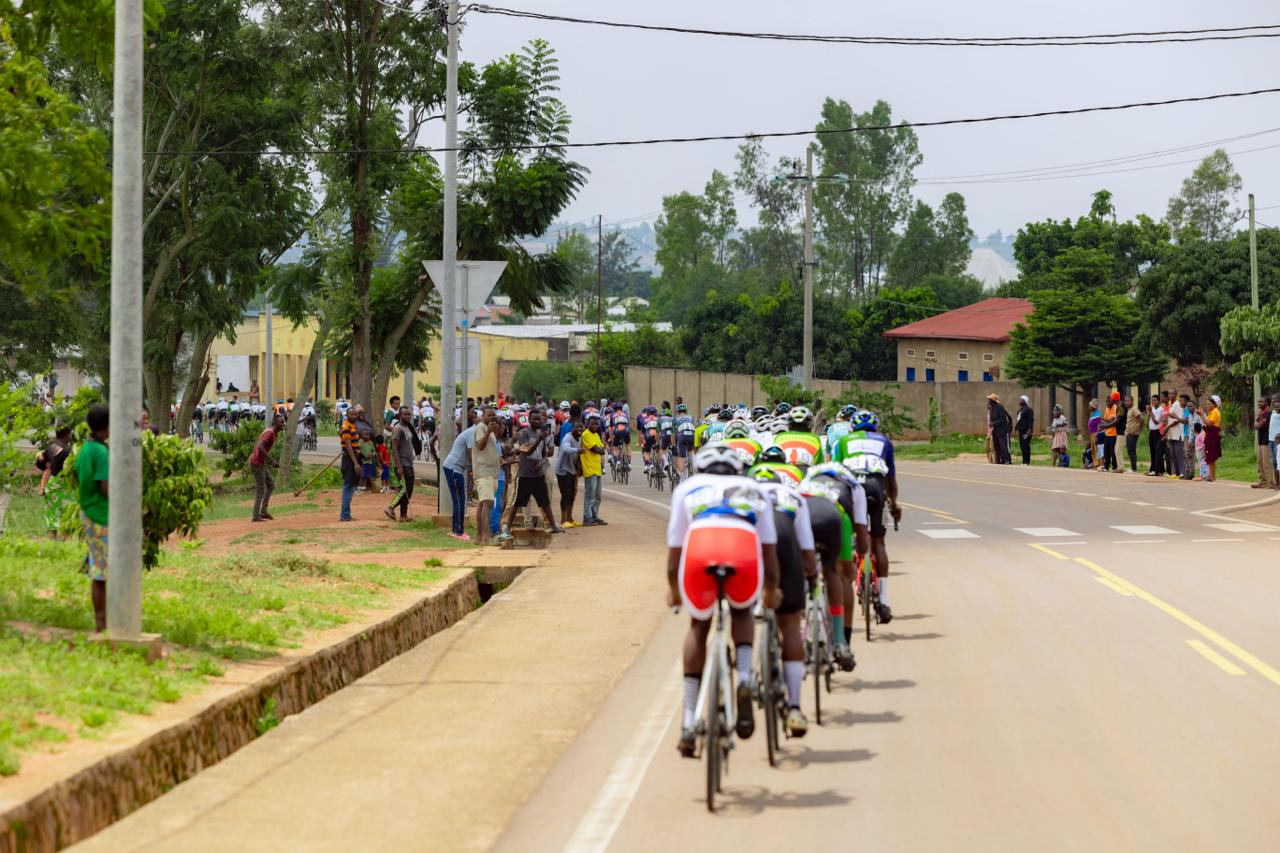
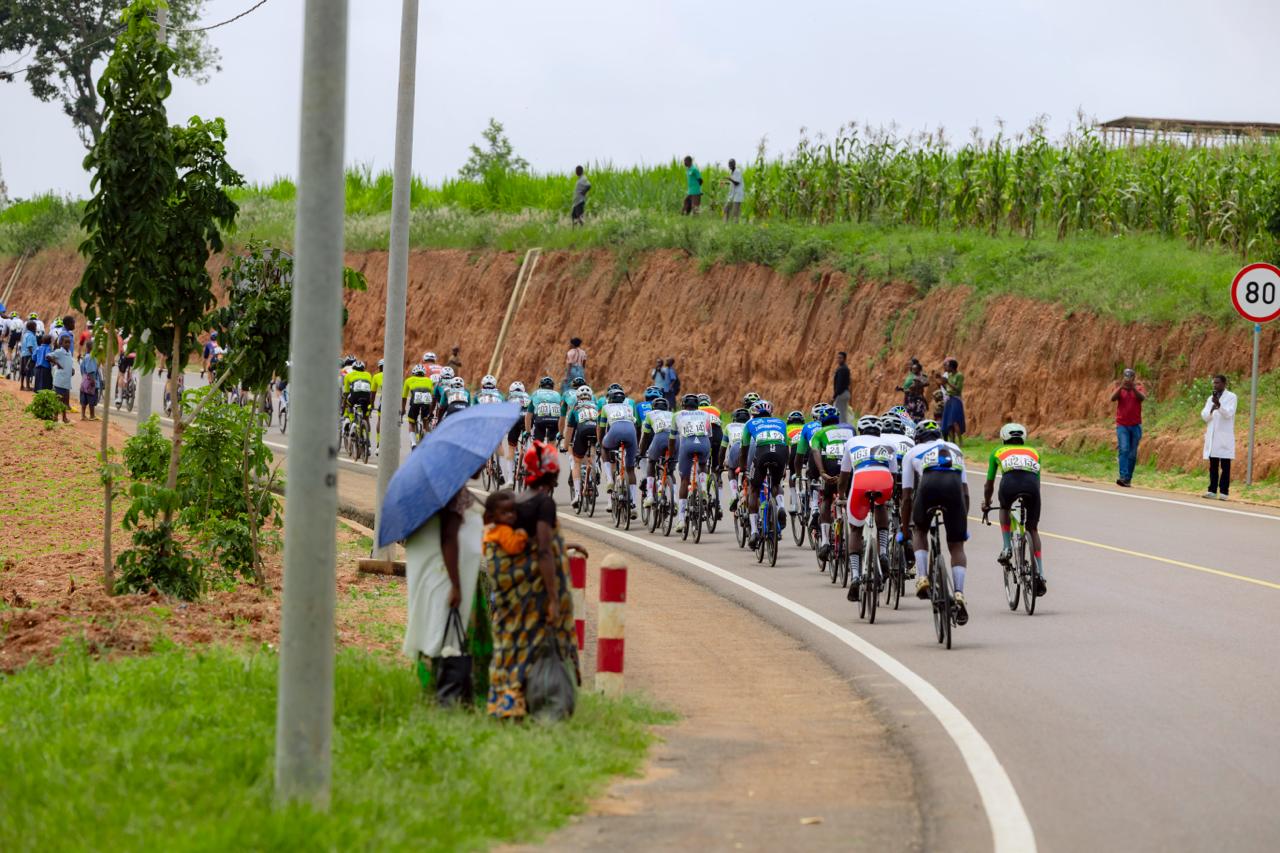
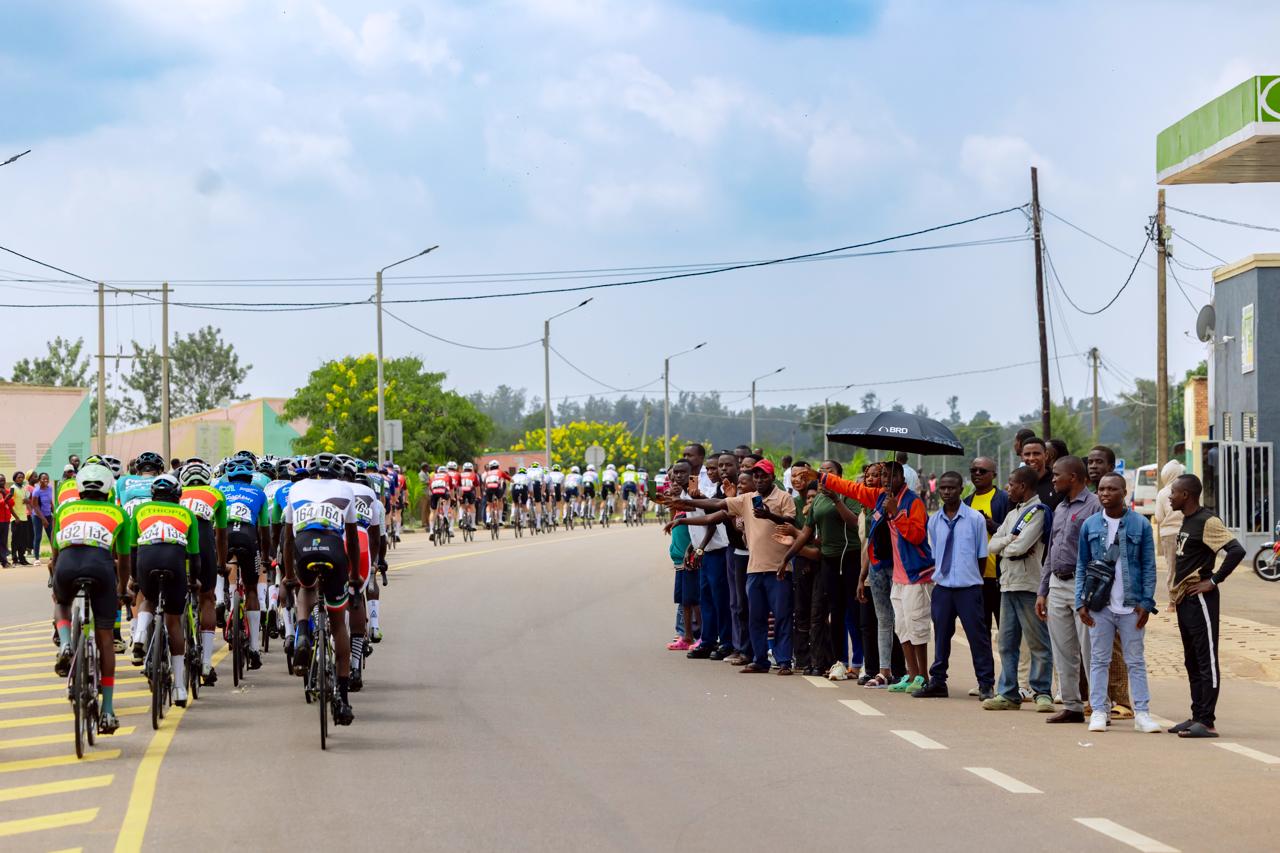
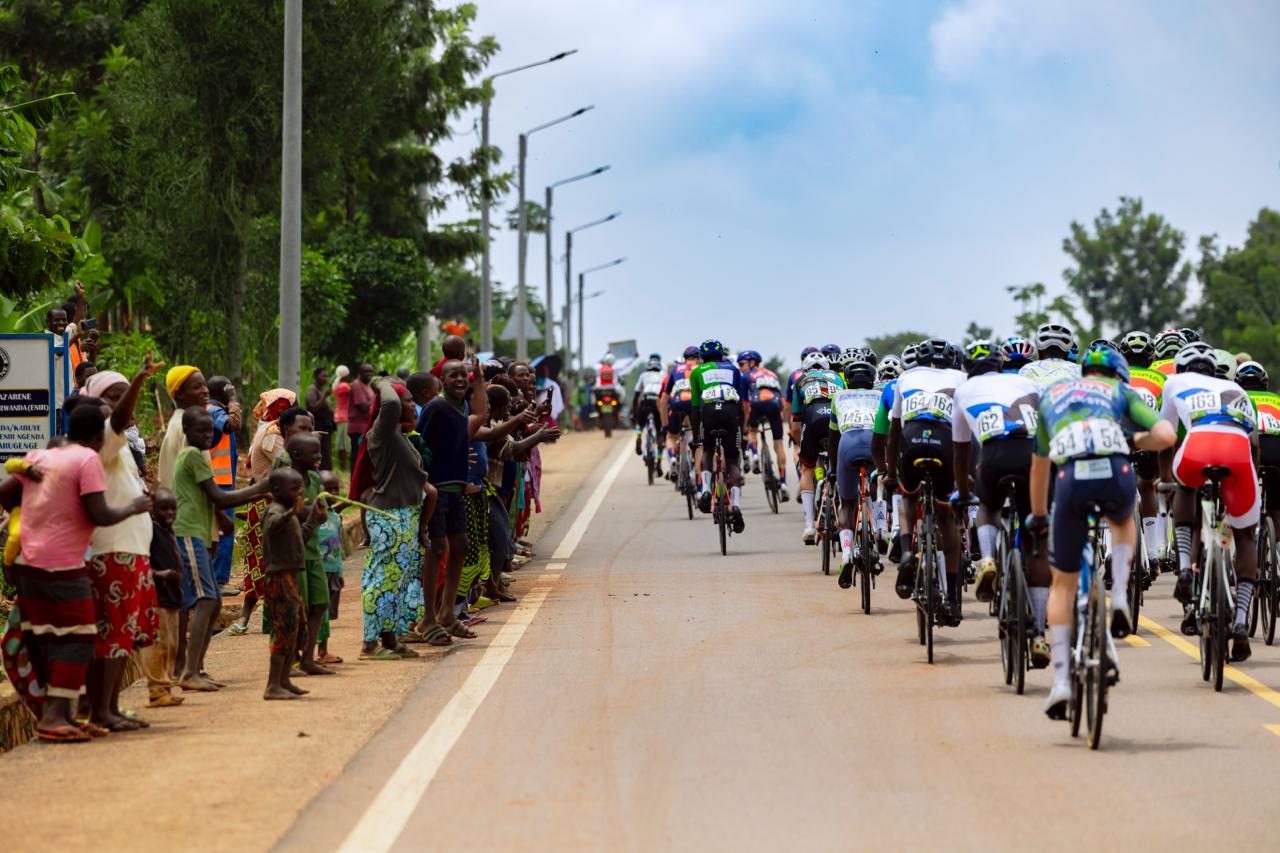
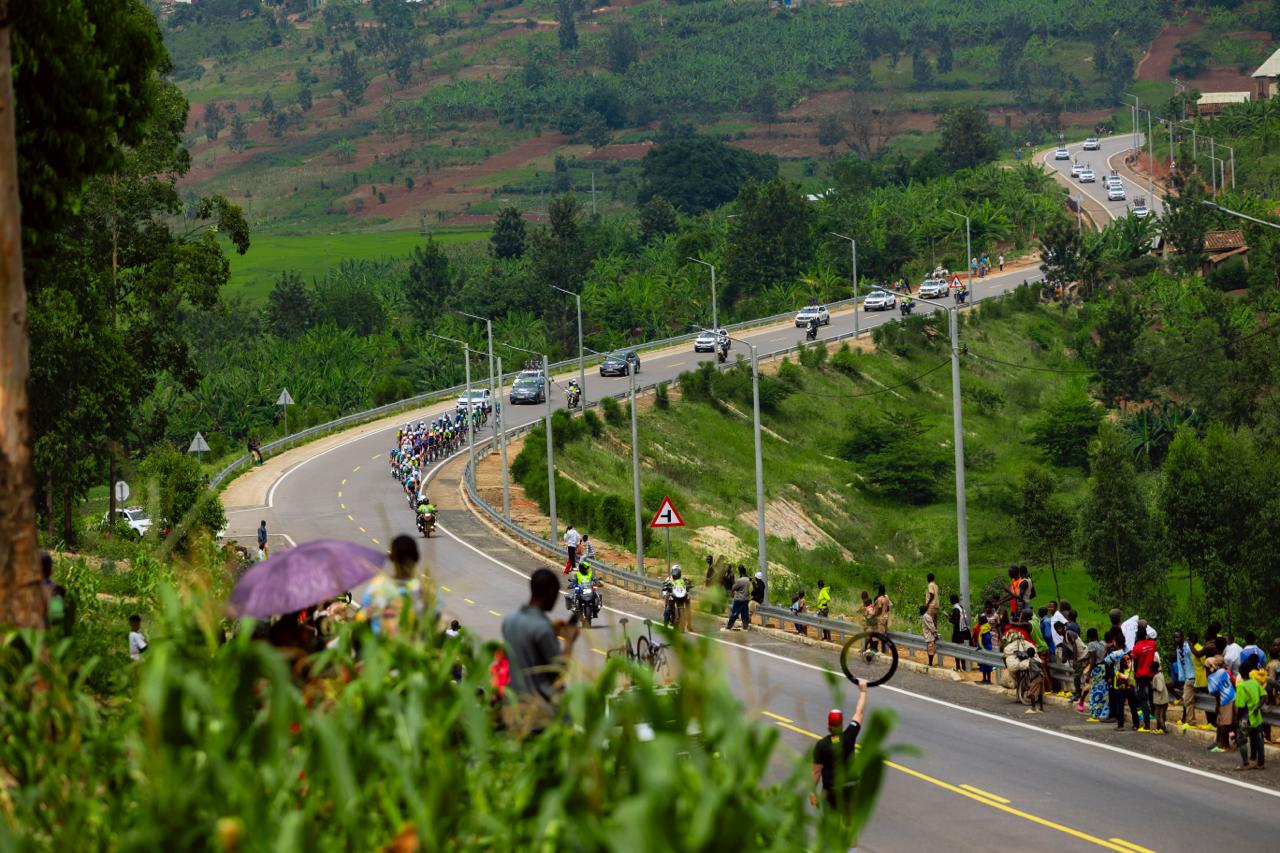
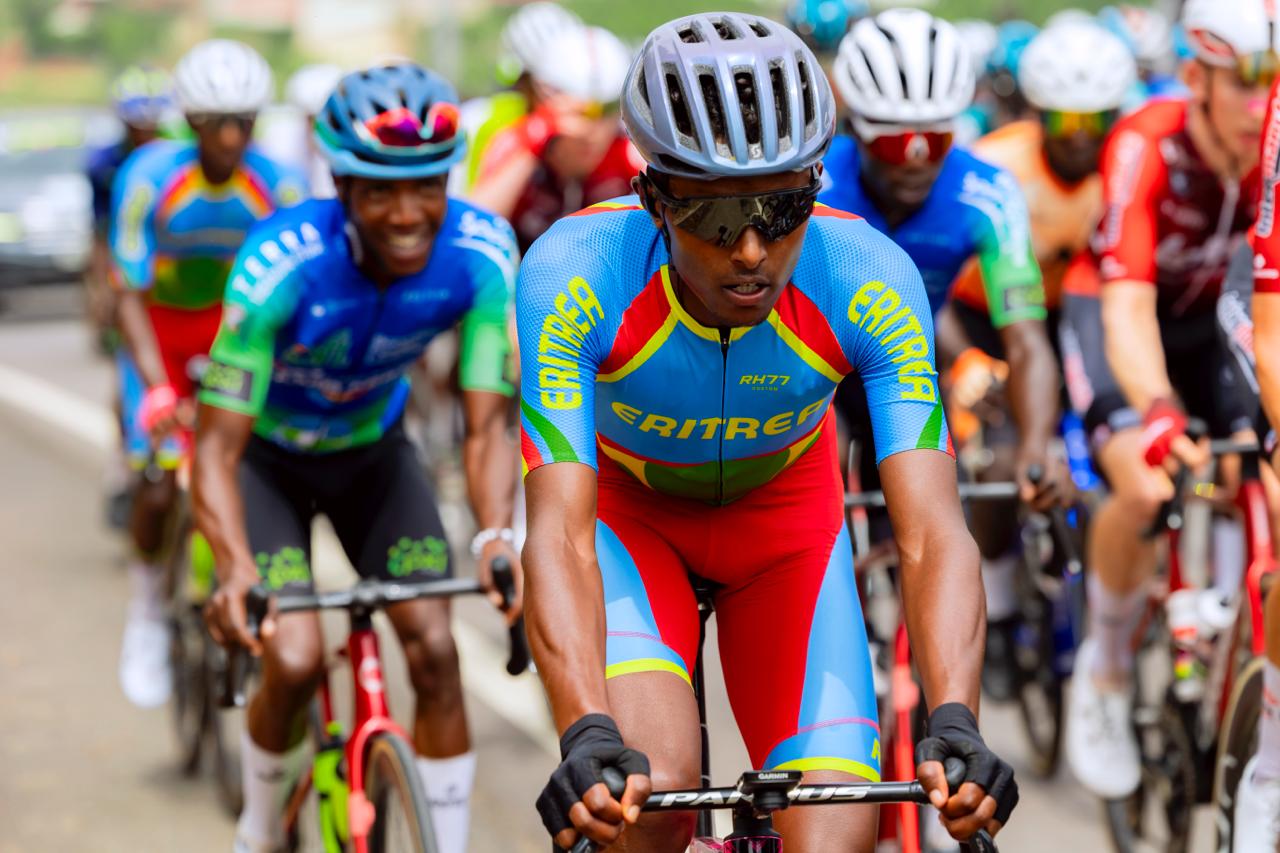
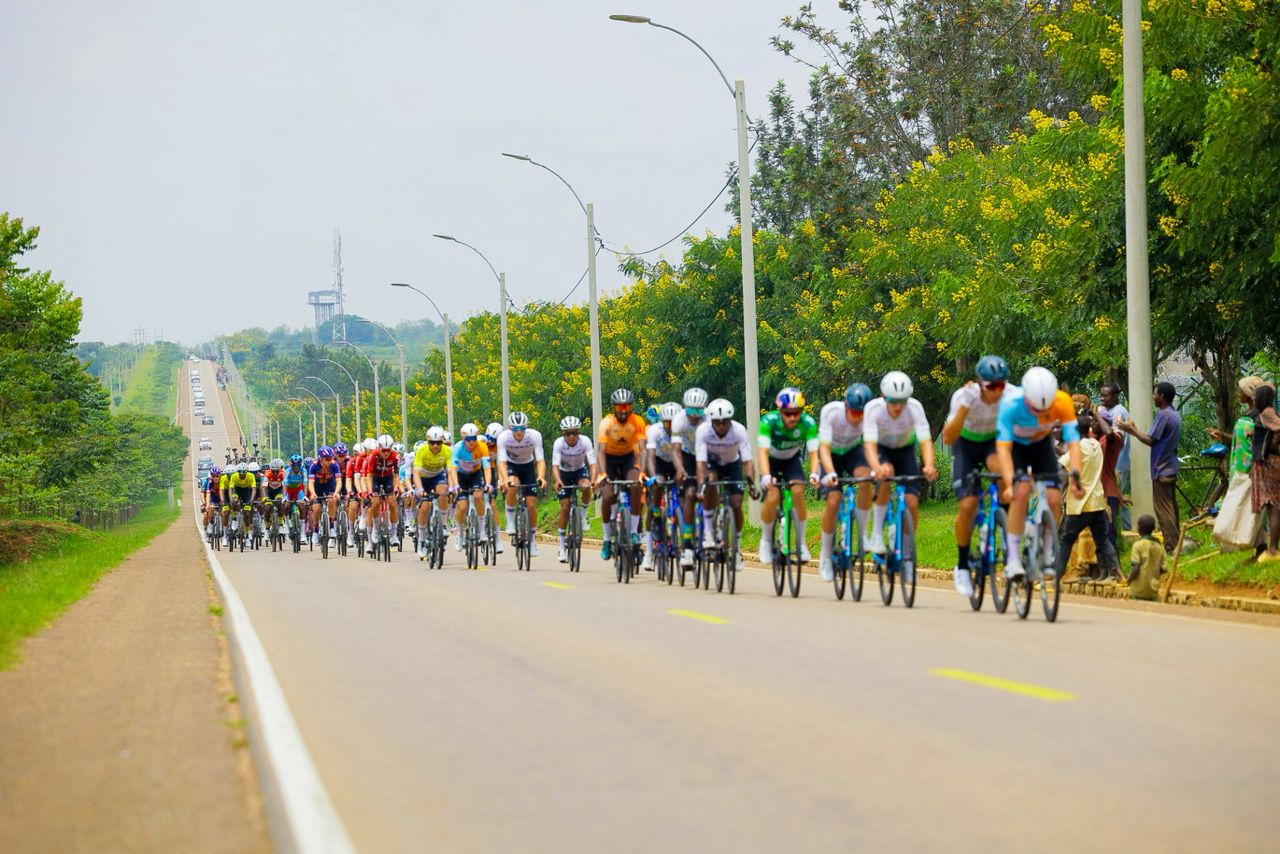
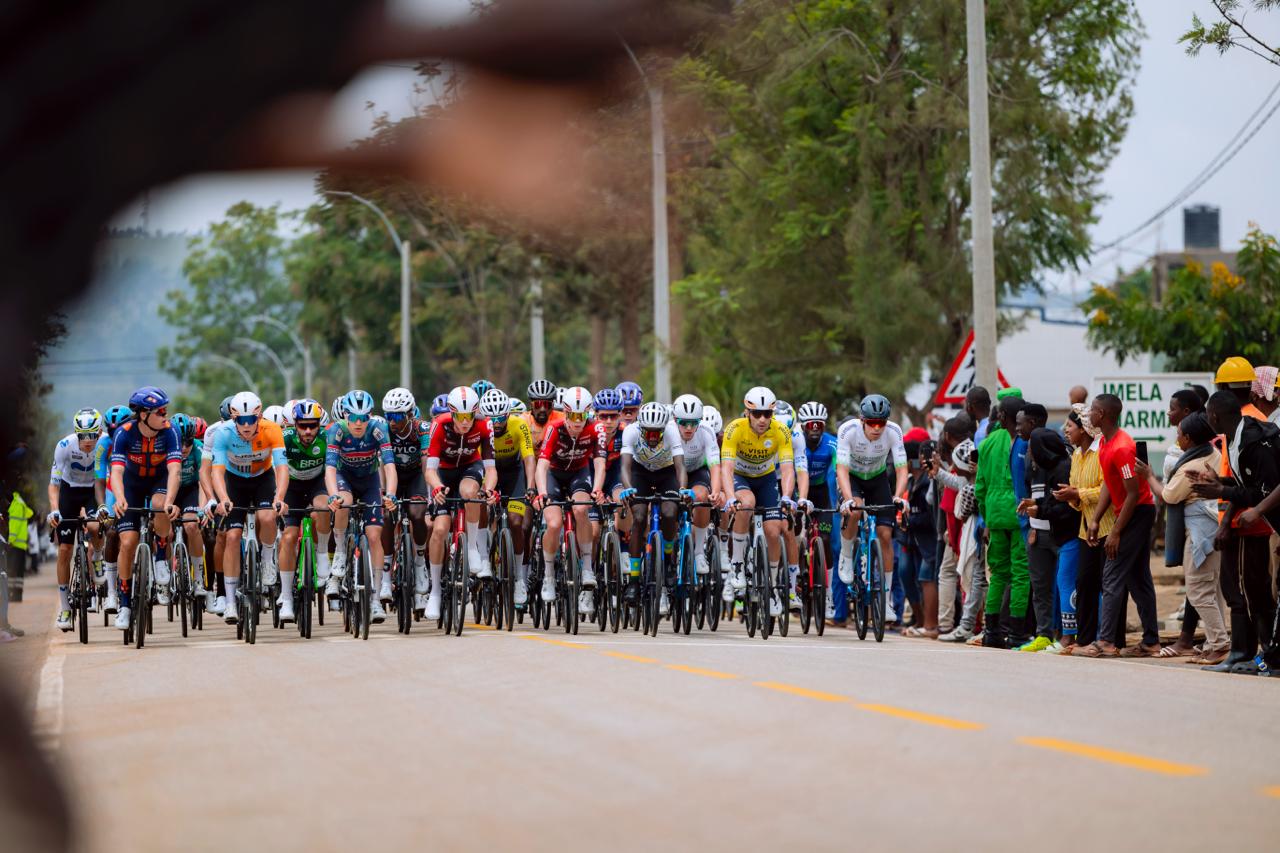
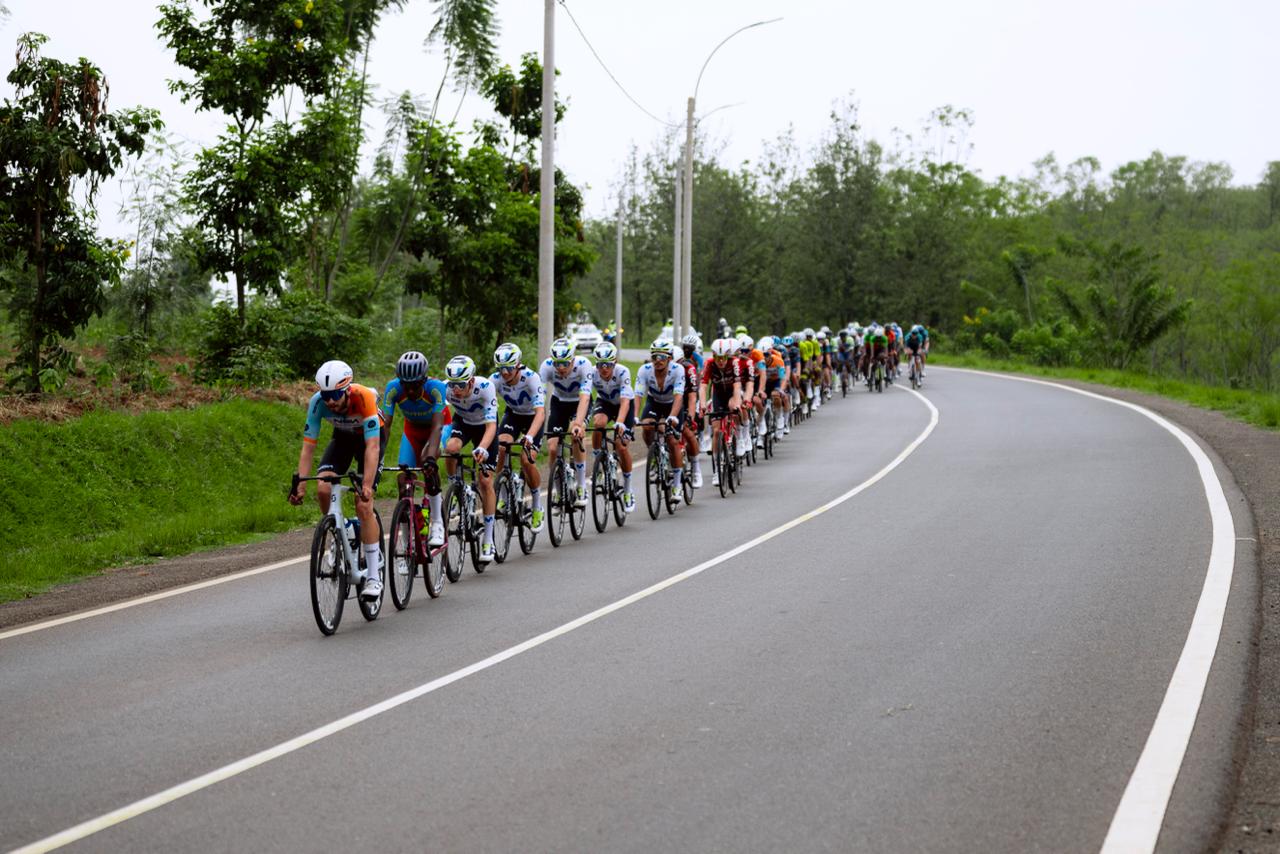
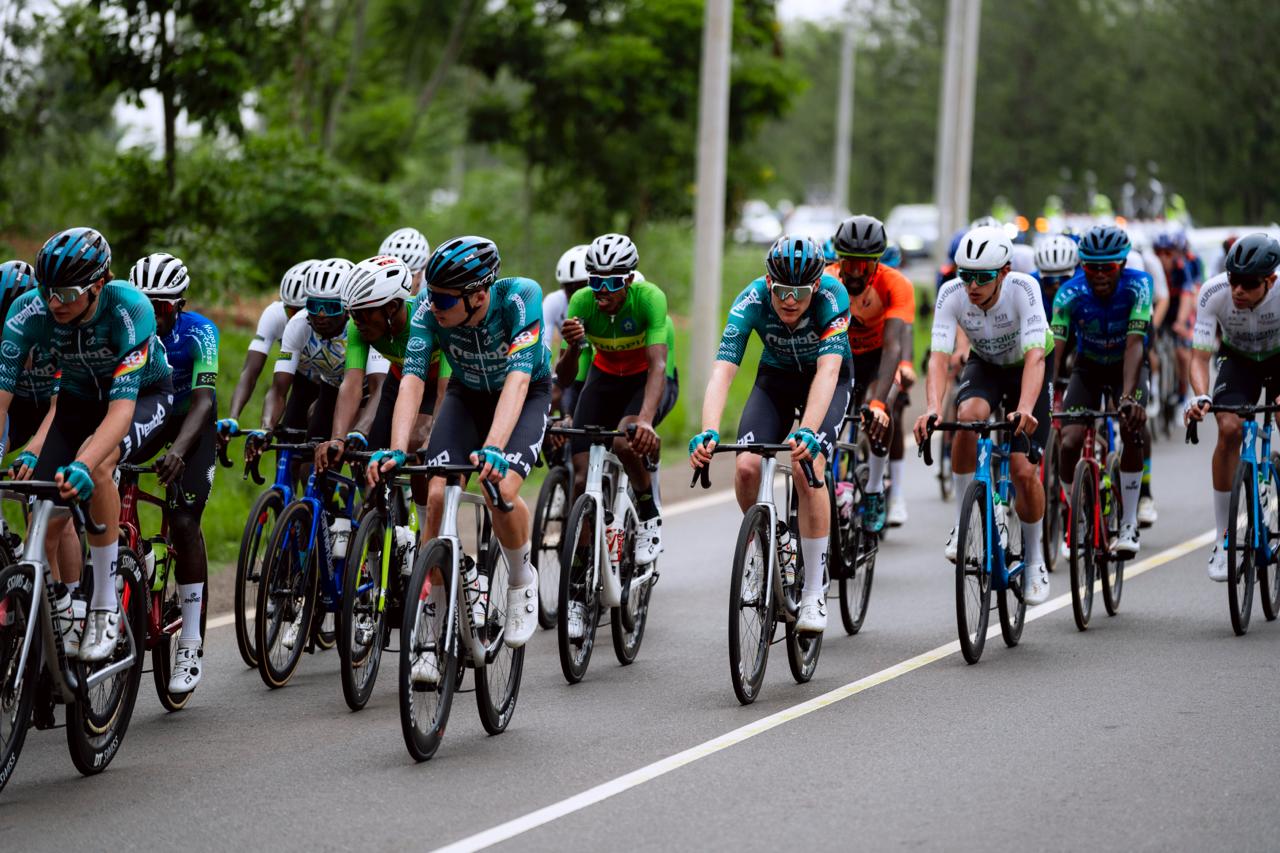
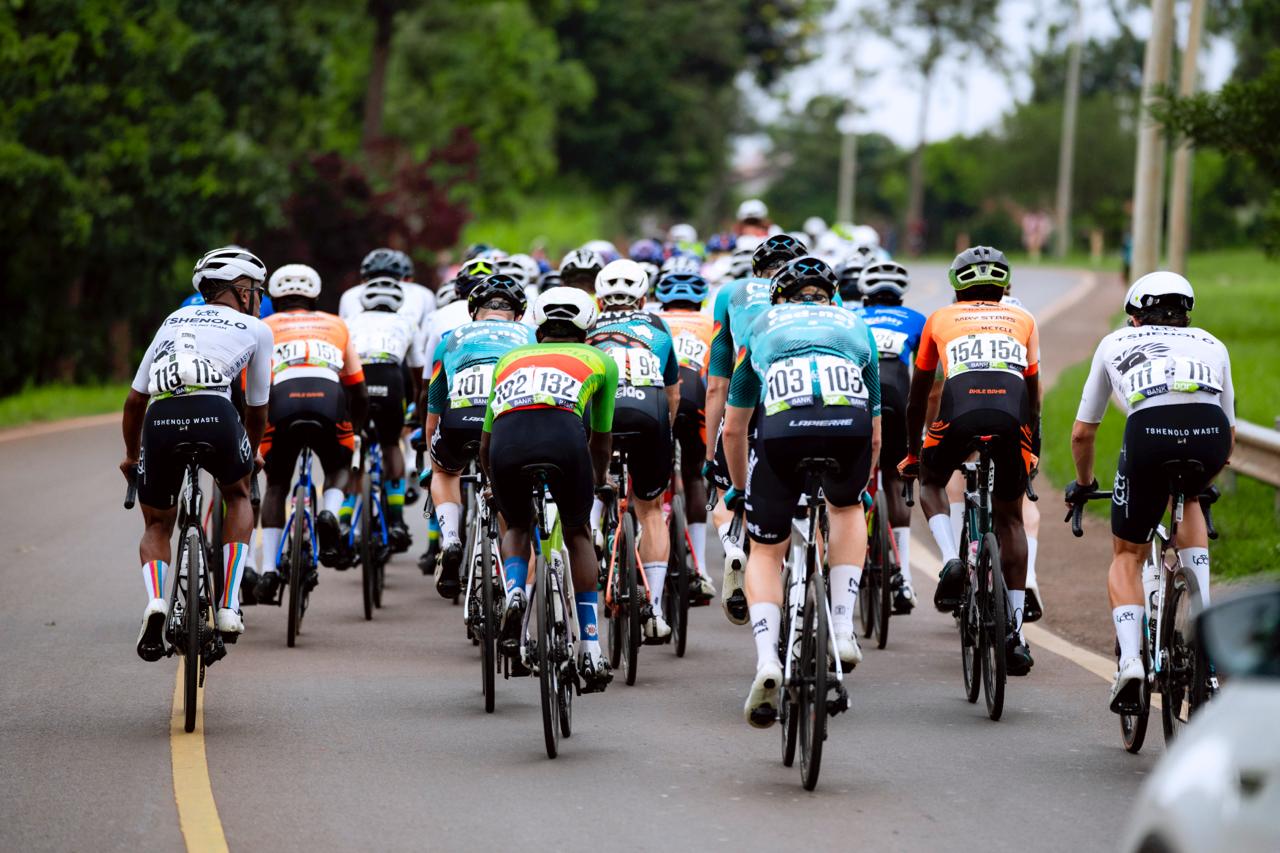
The stage saw the peloton tightly packed until the final kilometres, with Eritrean riders initially leading the charge into Huye. Riders positioned themselves for the decisive sprint in the last 2 km, with NSN and Soudal Quick-Step shaping the race for the finale.
Marti Pau’s win marks back-to-back stage victories for NSN Development Team, following Itamar Einhorn’s triumph in Stage 1 from Rukomo to Rwamagana on Sunday.
Top finishers in Stage 2 included Mauro Cuylits (Lotto-Groupe Wanty) in third, Hodei Muñoz Gabiña (Soudal Quick-Step Devo Team) in fourth, and Lucas Van Gils (Lotto-Groupe Wanty) in fifth.
The 2026 Tour du Rwanda will resume on Tuesday, February 24, with Stage 3 starting in Huye at 11:00 AM and finishing in Rusizi. The stage covers a distance of 145.3 kilometres.
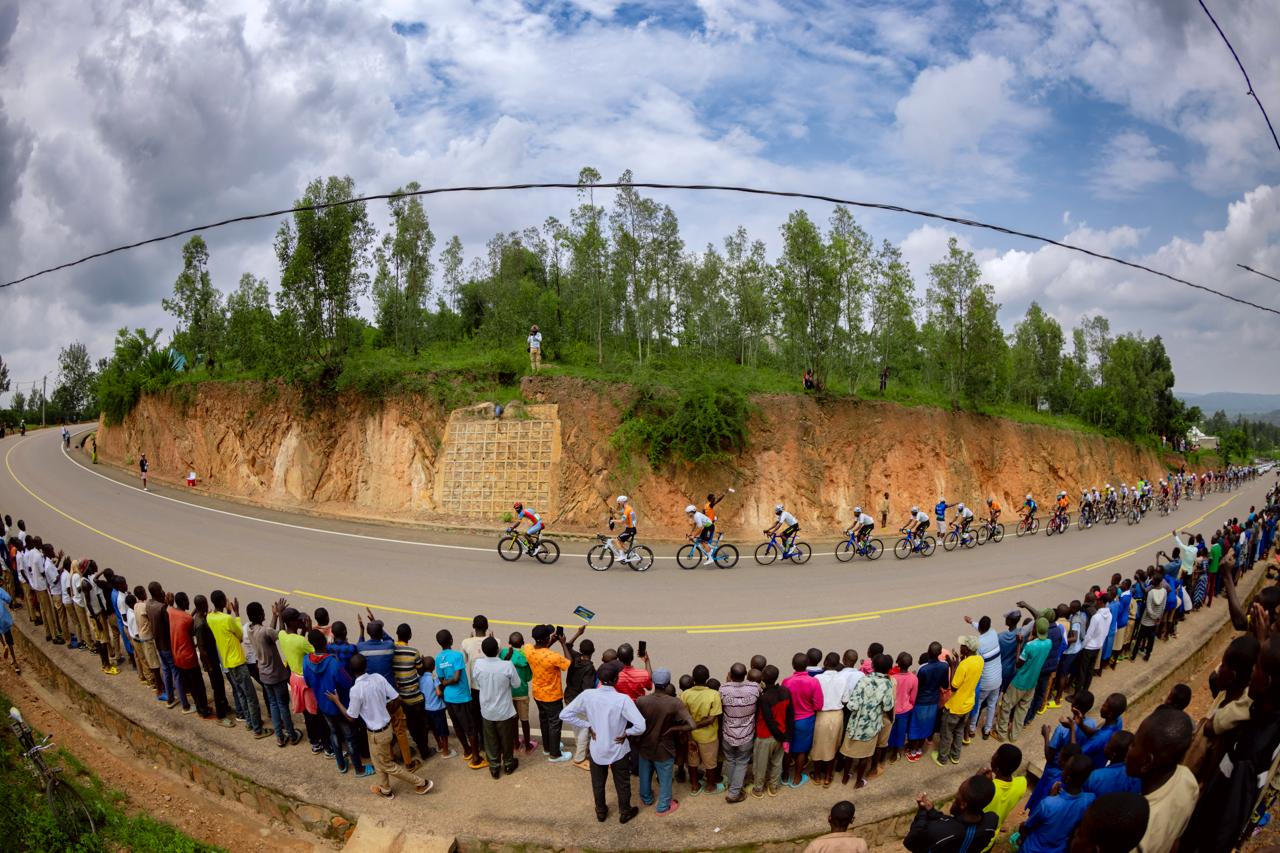
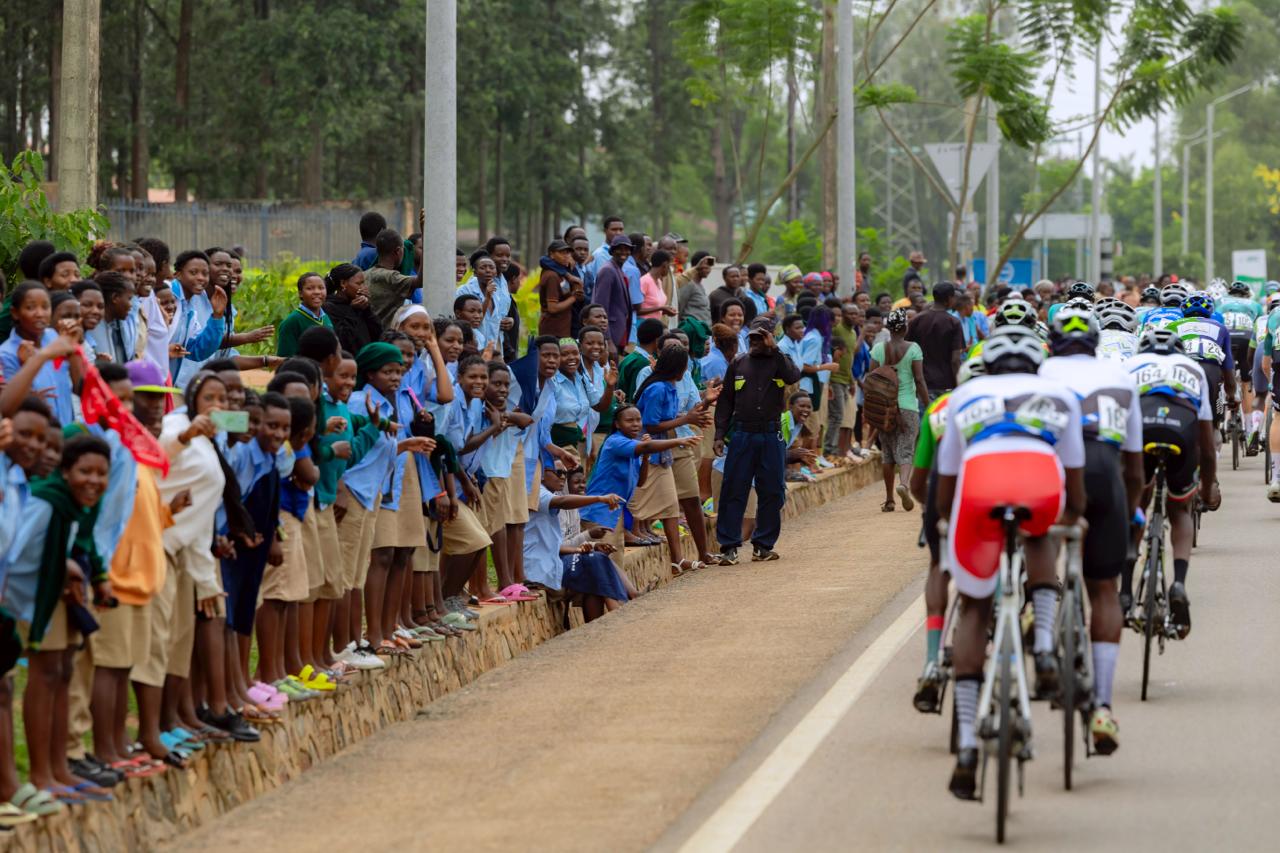
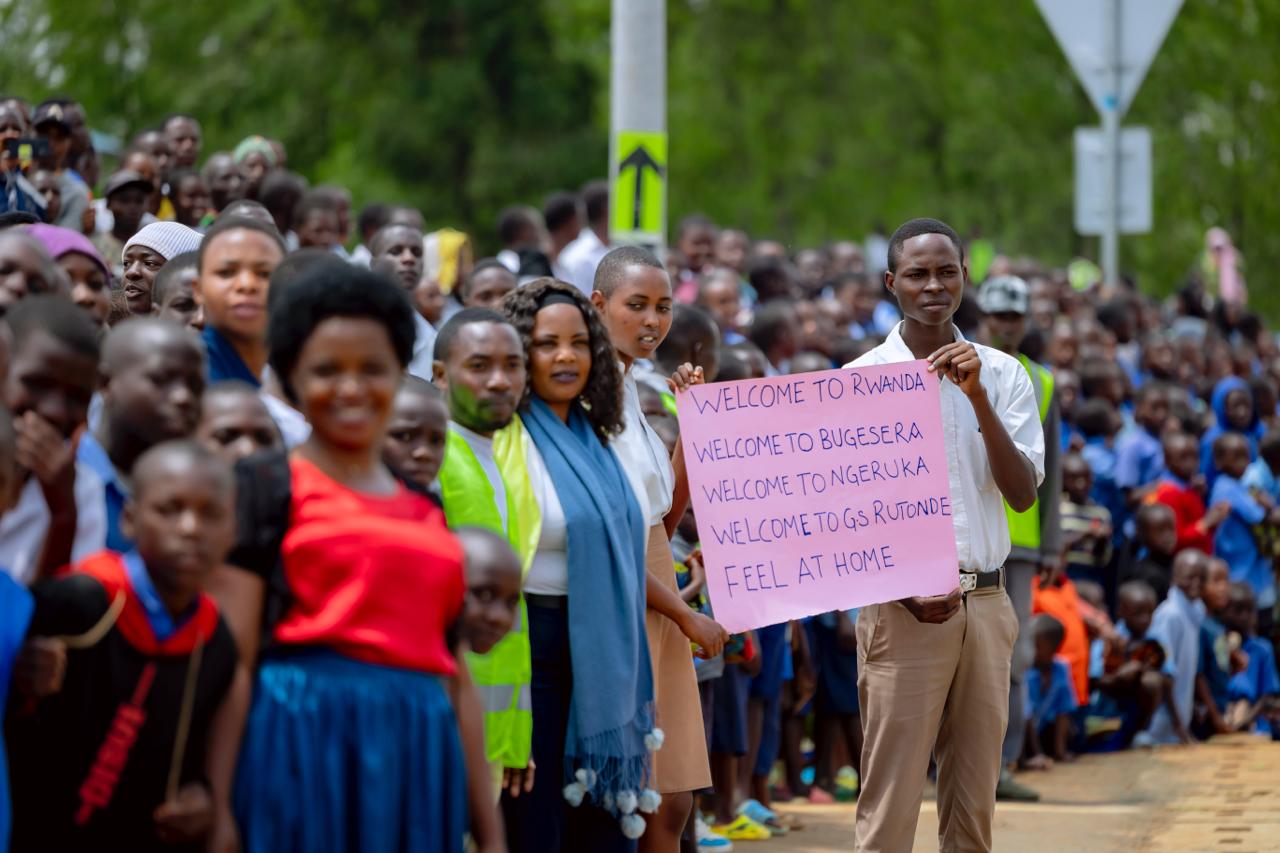
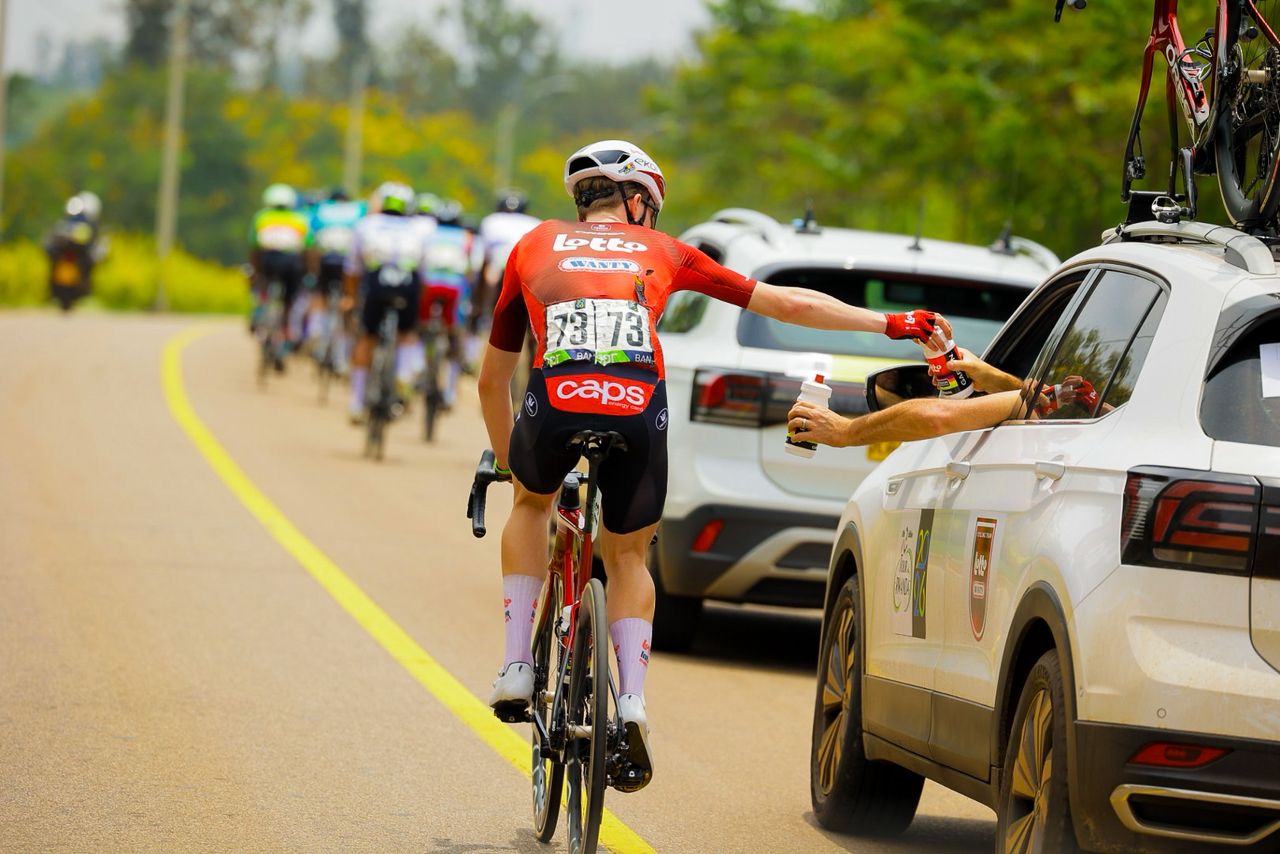
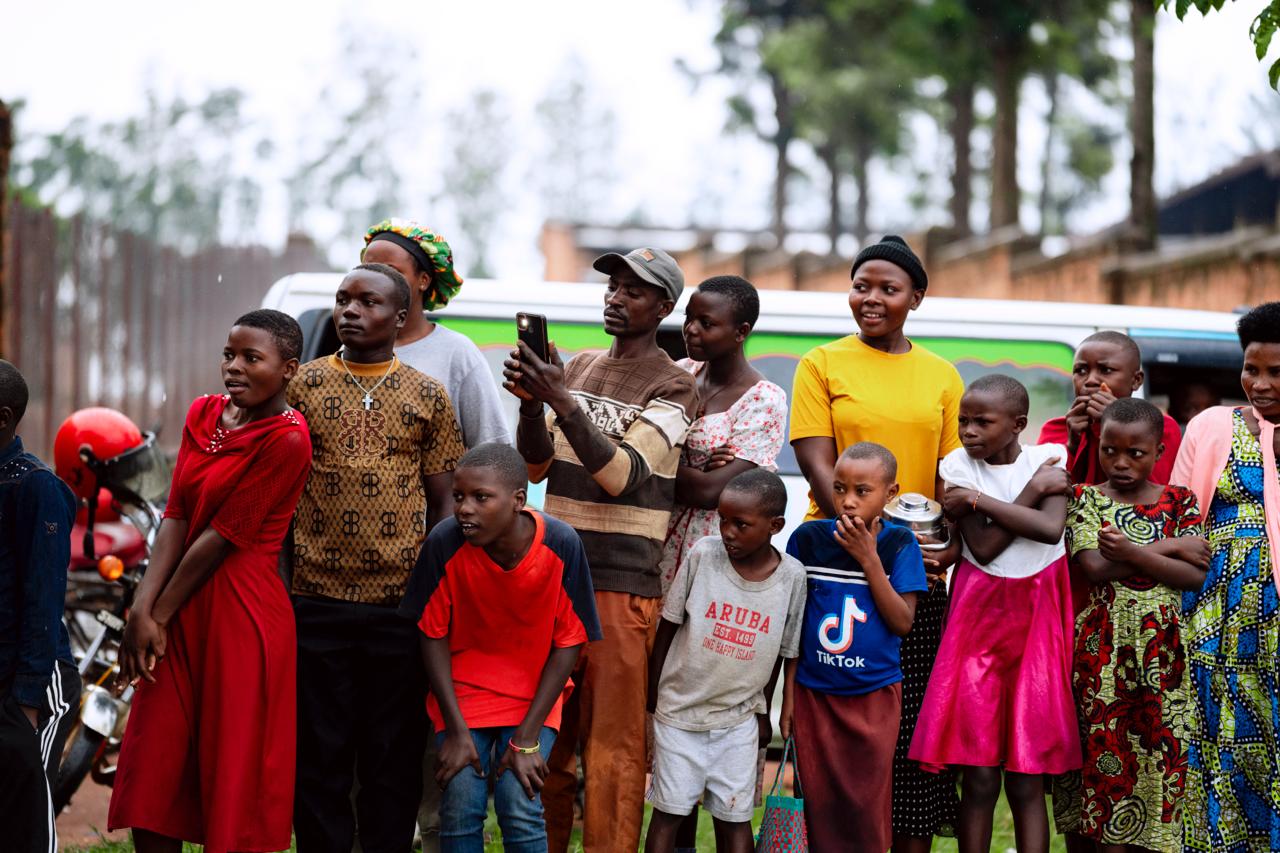
Spanish rider Pau Soriano Martí powers past Eritrea’s Henok Mulubrhan to claim Stage 2 victory in Huye on Monday.The stage saw the peloton tightly packed until the final kilometresResidents turn up in large numbers along the road to witness the race.
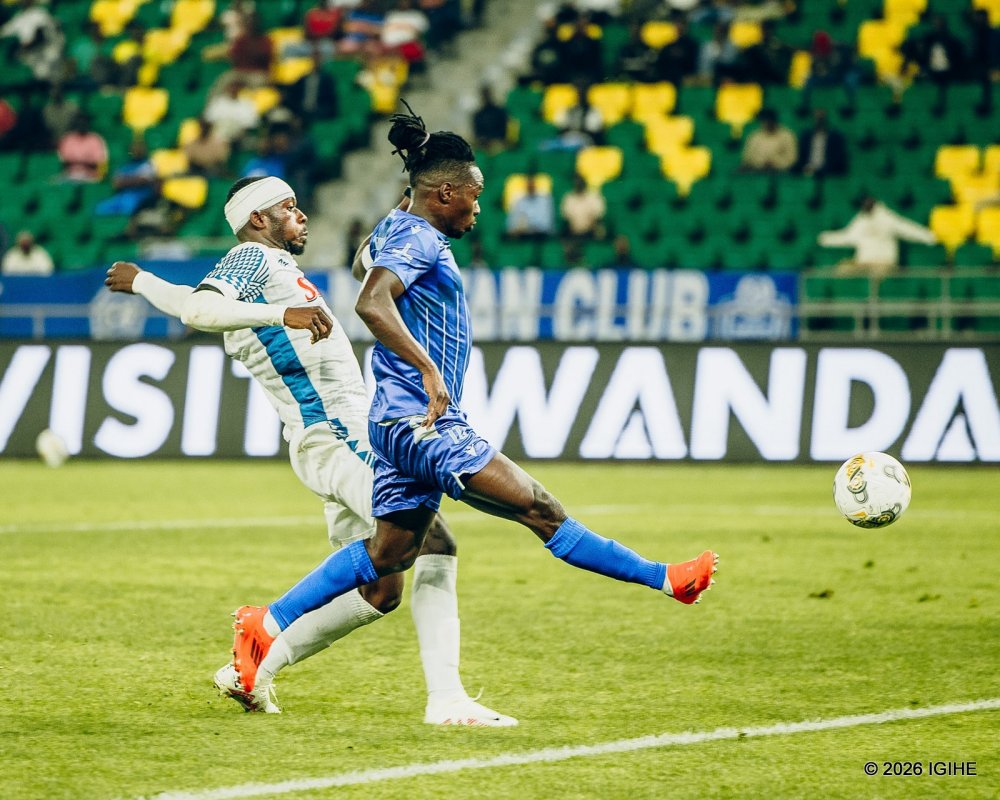
The decision was announced on Monday, February 23, 2026, alongside updates for two other fixtures. The Rayon Sports–Al Hilal SC match had previously been postponed because Al Hilal SC was competing in the final stages of Group C in the CAF Champions League.
The game was initially rescheduled for Wednesday, February 25, 2026, at Stade Amahoro at 6:00 PM. However, it was later shifted to Kigali Pelé Stadium and brought forward to 3:00 PM due to recurring lighting issues, which the league cited as stemming from ongoing electricity supply problems.
In addition, the Kiyovu Sports vs. Marine FC match, originally set for Tuesday, February 24, 2026, has been postponed because Kigali Pelé Stadium will be closed. A new date for the match will be communicated in due course.
Another fixture affected is Al Merrikh SC vs. AS Muhanga, scheduled for Wednesday, February 25, 2026, at 3:00 PM, with the rescheduled date yet to be announced.
Currently, the league table is led by Al Hilal SC with 41 points, narrowly ahead of Al Merrikh SC, which trails by just one point.
Rayon Sports and Al Hilal SC will play at Kigali Pelé Stadium.
On a quiet afternoon in Kigali, the sound of traffic softens behind high compound walls. Inside, canvases lean against brick exteriors, paint dries in the sun, and artists move between studios with brushes still in hand. In a restored villa across town, visitors pause in front of layered abstract works, debating texture and meaning. Not far away, curators arrange lighting for an upcoming contemporary exhibition, fine-tuning how each piece will be encountered.
These are not isolated pockets of creativity. They are signs of a city steadily constructing its cultural identity.
Over the past decade, and more visibly in recent years, Kigali has developed a confident and increasingly structured contemporary art ecosystem. What began as collective studios driven by experimentation has expanded into a network that includes museums, research-based institutes, socially driven galleries, photography centres and private collector spaces.
Here are 10 art spaces at the heart of that transformation.
1. Inema Art Centre
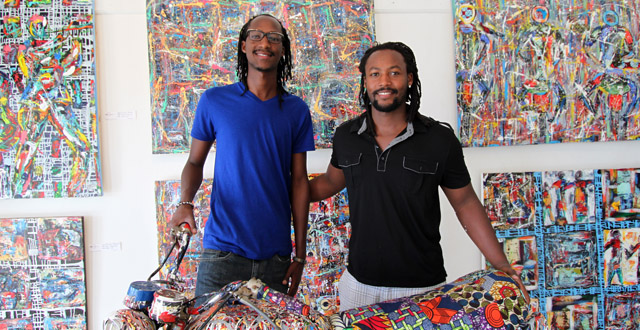
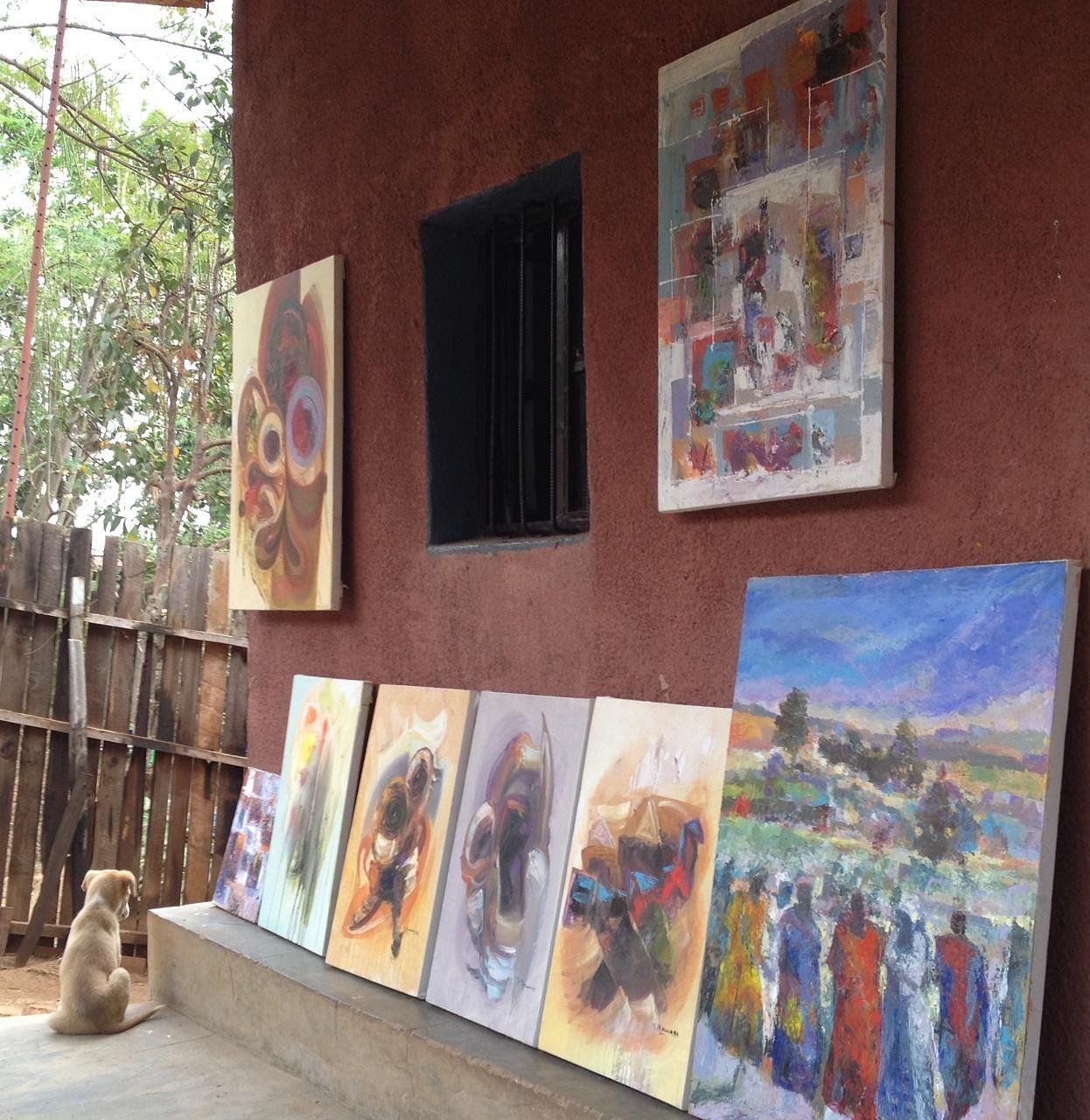
More than a gallery, Inema, situated in the Kacyiru neighbourhood, functions as a living studio complex. Founded by brothers Emmanuel Nkuranga and Innocent Nkurunziza, the centre helped redefine what professional art practice could look like in Kigali.
Brothers Emmanuel Nkuranga and Innocent Nkurunziza founded Inema in 2012 in an effort to share their creative passion with Rwandans and visitors alike.
Visitors rarely encounter a silent, static space. Instead, they find artists actively working on large-scale canvases characterised by bold colour palettes, textured layers and recurring motifs that draw from Rwandan daily life. The centre regularly hosts themed exhibitions, dance performances, poetry evenings and workshops for young creatives.
Artworks on display at Inema Art Center.
Inema’s impact lies not only in the artwork it produces, but in how it normalised the idea that contemporary art could be visible, collaborative and commercially viable within Rwanda.
2. Ivuka Art
As Rwanda’s first contemporary art collective, Ivuka Arts, situated in Kacyiru, represents the roots of Kigali’s modern art movement. Its open compound model, where artists share space, critique each other’s work and collaborate across mediums, created an early support system in an otherwise limited infrastructure.
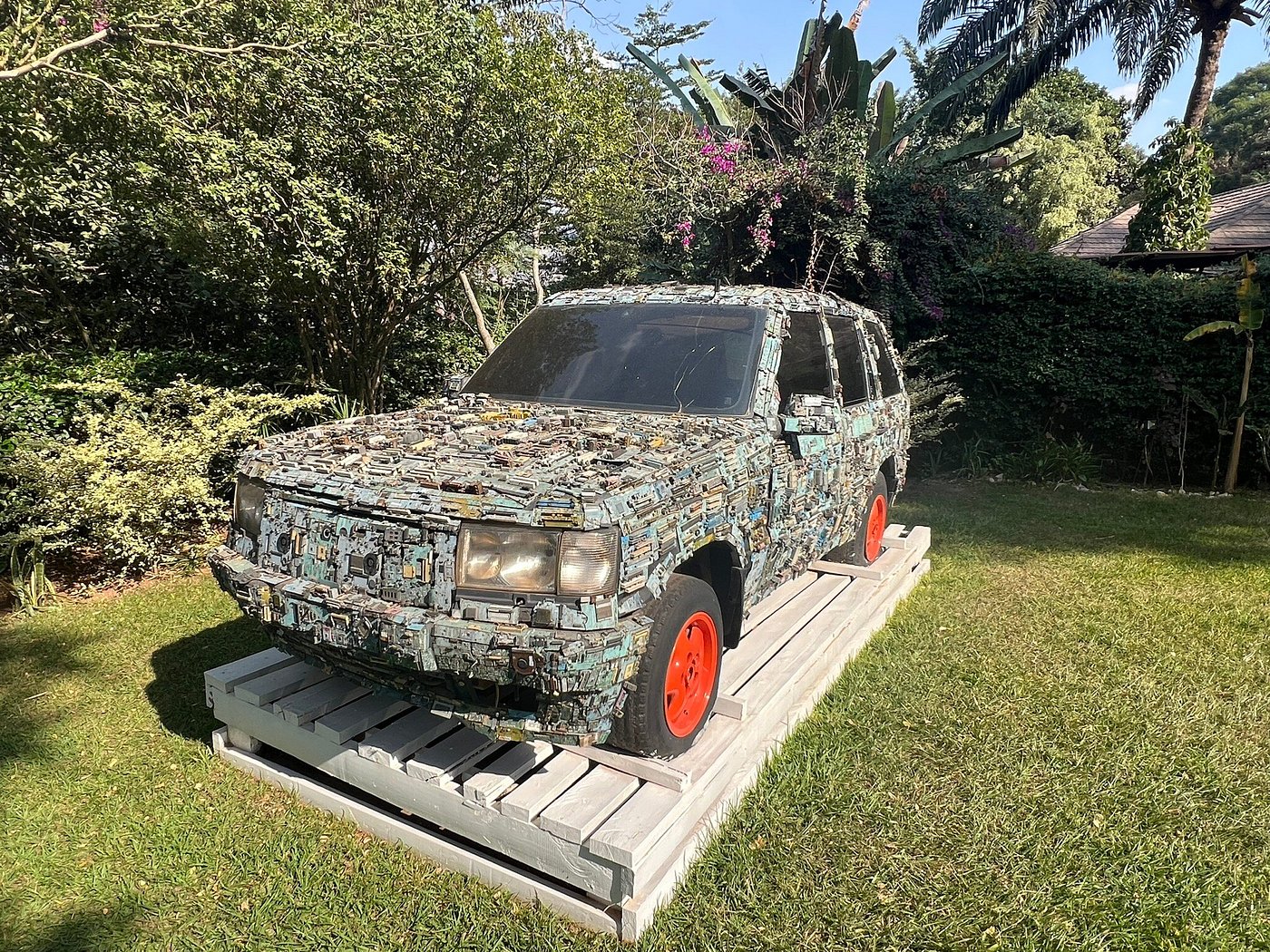
An artwork at Ivuka.
The space is known for its colourful murals and sculpture installations that spill into outdoor areas, blurring the line between exhibition and environment. Ivuka fostered experimentation at a time when contemporary art was still gaining recognition locally, helping shape a generation of artists who would later exhibit regionally and internationally.
3. Rwanda Art Museum
Set within the former Presidential Palace in Kanombe, the Rwanda Art Museum offers one of the most layered art experiences in the country. The building itself carries political history, and the preserved wreckage of the presidential plane in the garden serves as a reminder of the nation’s past.
The museum carries deep political history.
Inside, the museum houses more than 120 works by over 50 artists, providing a structured overview of Rwanda’s visual art evolution. The collection spans painting and sculpture, capturing shifts in style, subject matter and technique over time. Unlike studio spaces, the museum offers institutional framing, placing contemporary Rwandan art within a curated historical narrative.
4. Gihanga Institute of Contemporary Art(GICA)
Opened in December 2025, the Gihanga Institute of Contemporary Art (GICA) represents a decisive step toward institutional maturity in Rwanda.
The Gihanga Institute of Contemporary Art (GICA), Rwanda’s first non-profit institution dedicated to contemporary art, officially opened in Kigali on December 20, 2025.
Situated in Kimihurura, GICA is the country’s first independent, non-profit center dedicated to high-end contemporary art and Pan-African exchange.
Co-founded by international curator Kami Gahiga and artist Kaneza Schaal, the 777-square-meter facility, designed by architect Amin Gafaranga, moves beyond exhibition alone. It functions as a complete ecosystem, integrating curated shows with a reference library curated by Christian Nyampeta, a screening room, and artist residency studios.
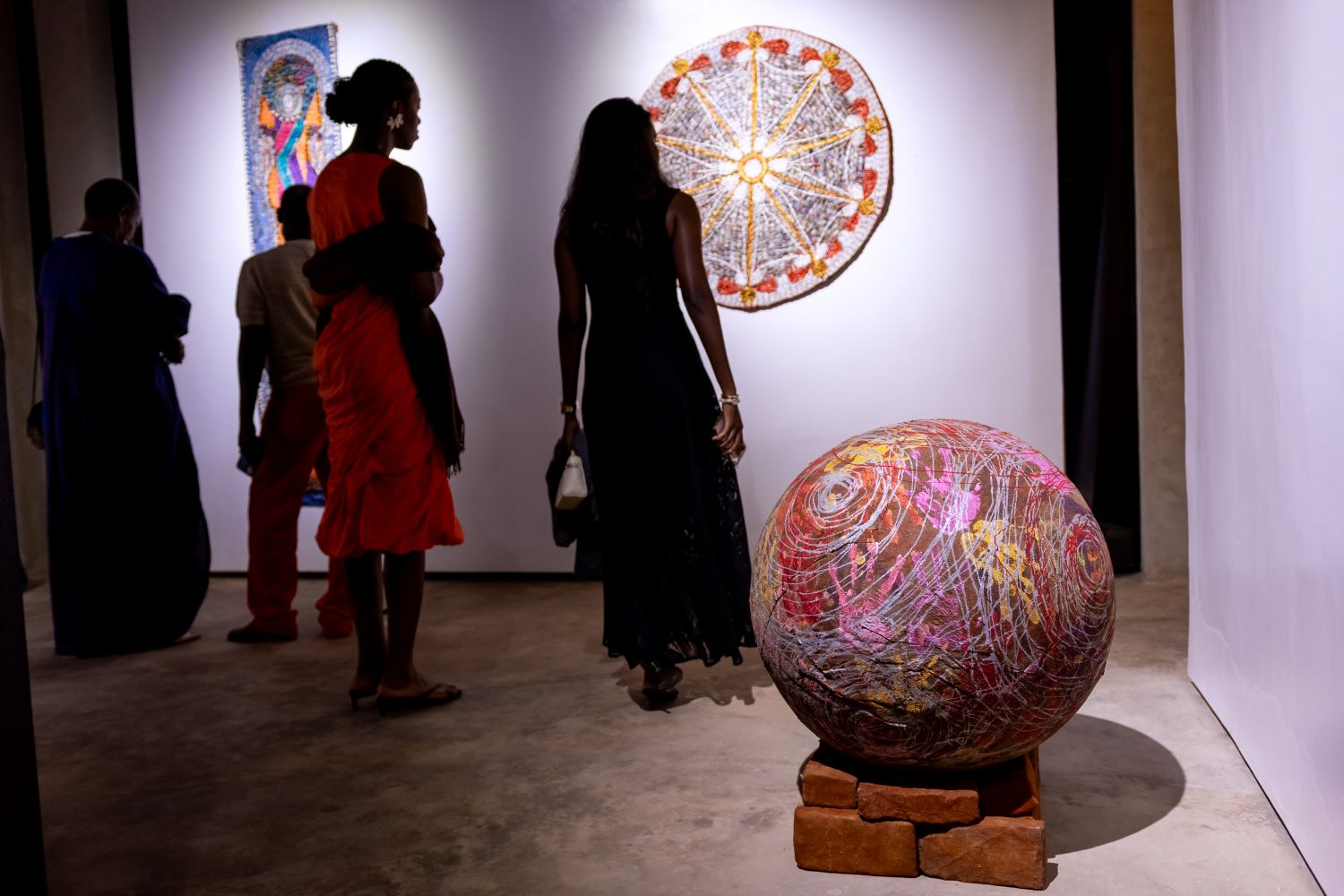
Its inaugural exhibition, Inuma: A Bird Shall Carry the Voice, featured world-class talent and underscored a multidisciplinary mission that positions Kigali as a rigorous hub for global art dialogue and structured cultural infrastructure.
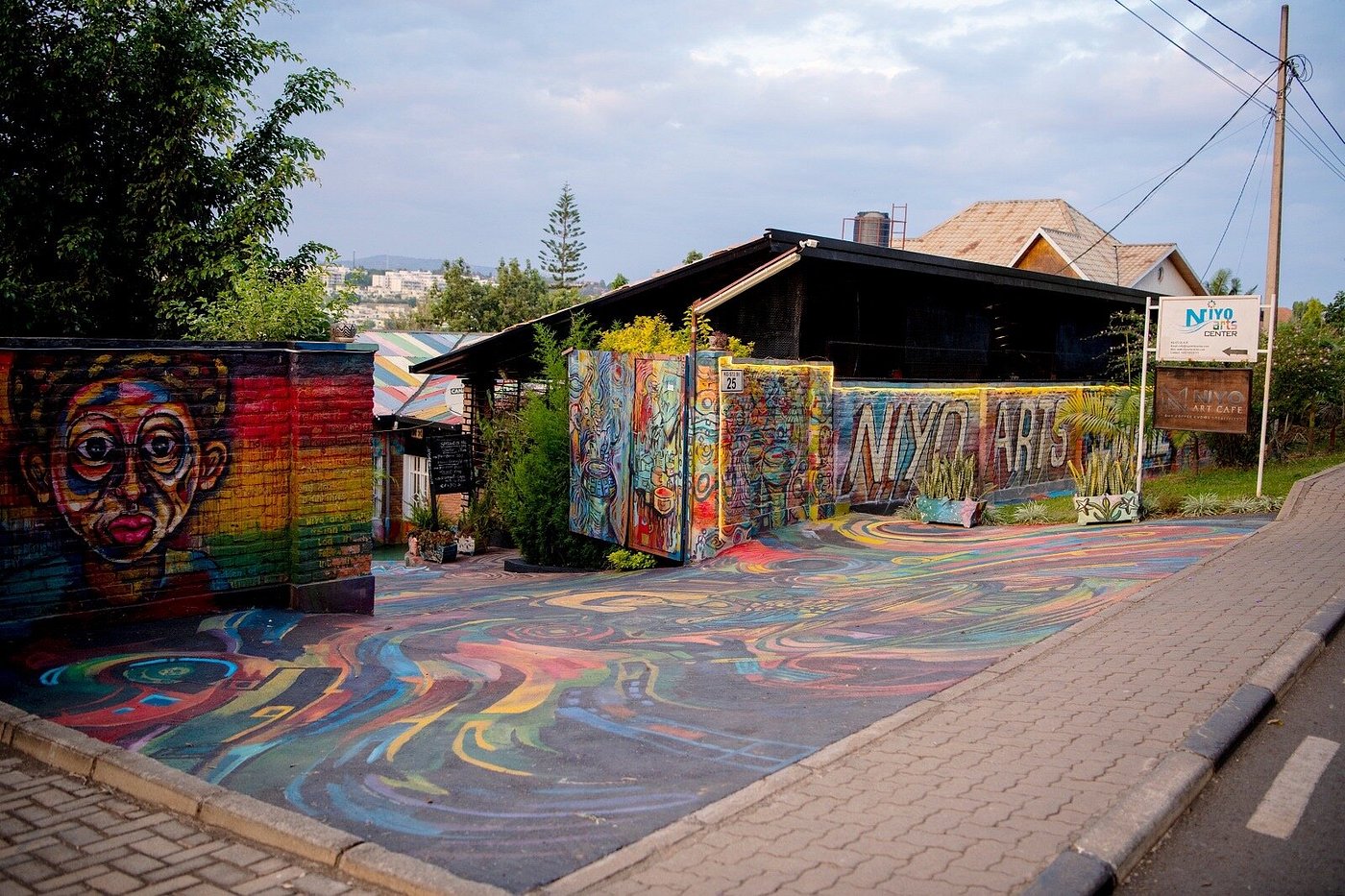
5. Niyo Art Gallery
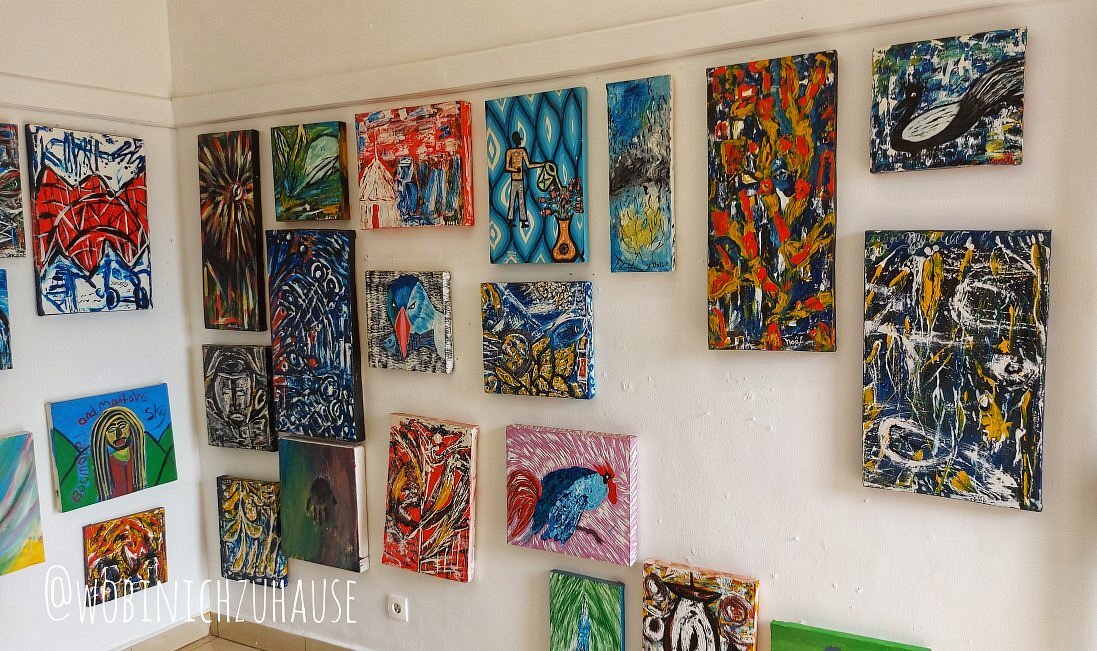
At Niyo Art Gallery in Kacyiru, artistic production is directly tied to social impact. Founded by Pacifique Niyonsenga, the gallery operates as a social enterprise supporting vulnerable children through education and creative training funded by art sales.
The gallery doubles as a learning space, where young artists receive mentorship and exposure.
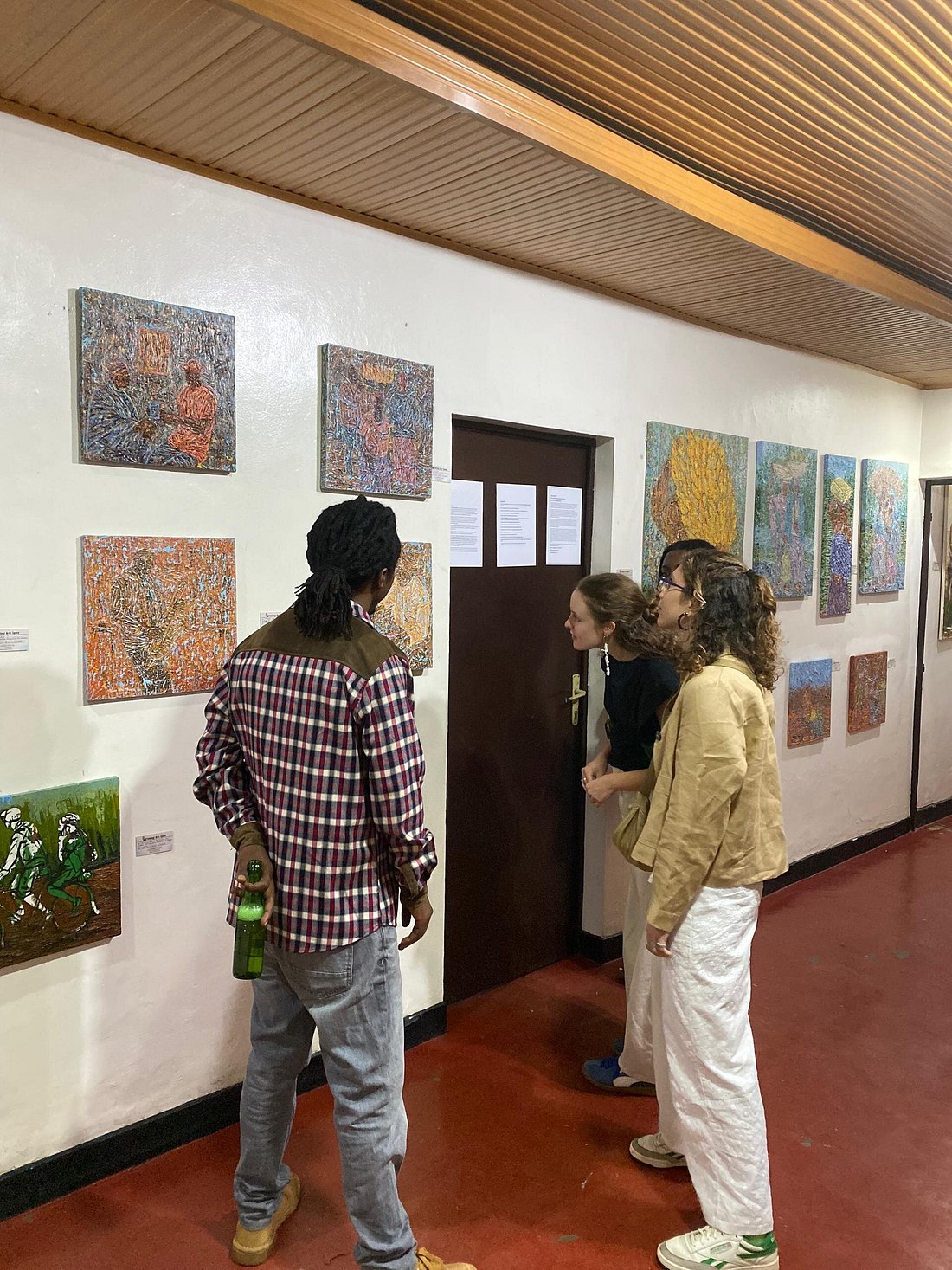
The artwork displayed often reflects scenes of rural and urban Rwandan life, rendered in vibrant tones and layered textures. The gallery doubles as a learning space, where young artists receive mentorship and exposure. Here, art functions as both livelihood and opportunity, reinforcing its social dimension within Kigali’s ecosystem.
6. Tongo Art Gallery
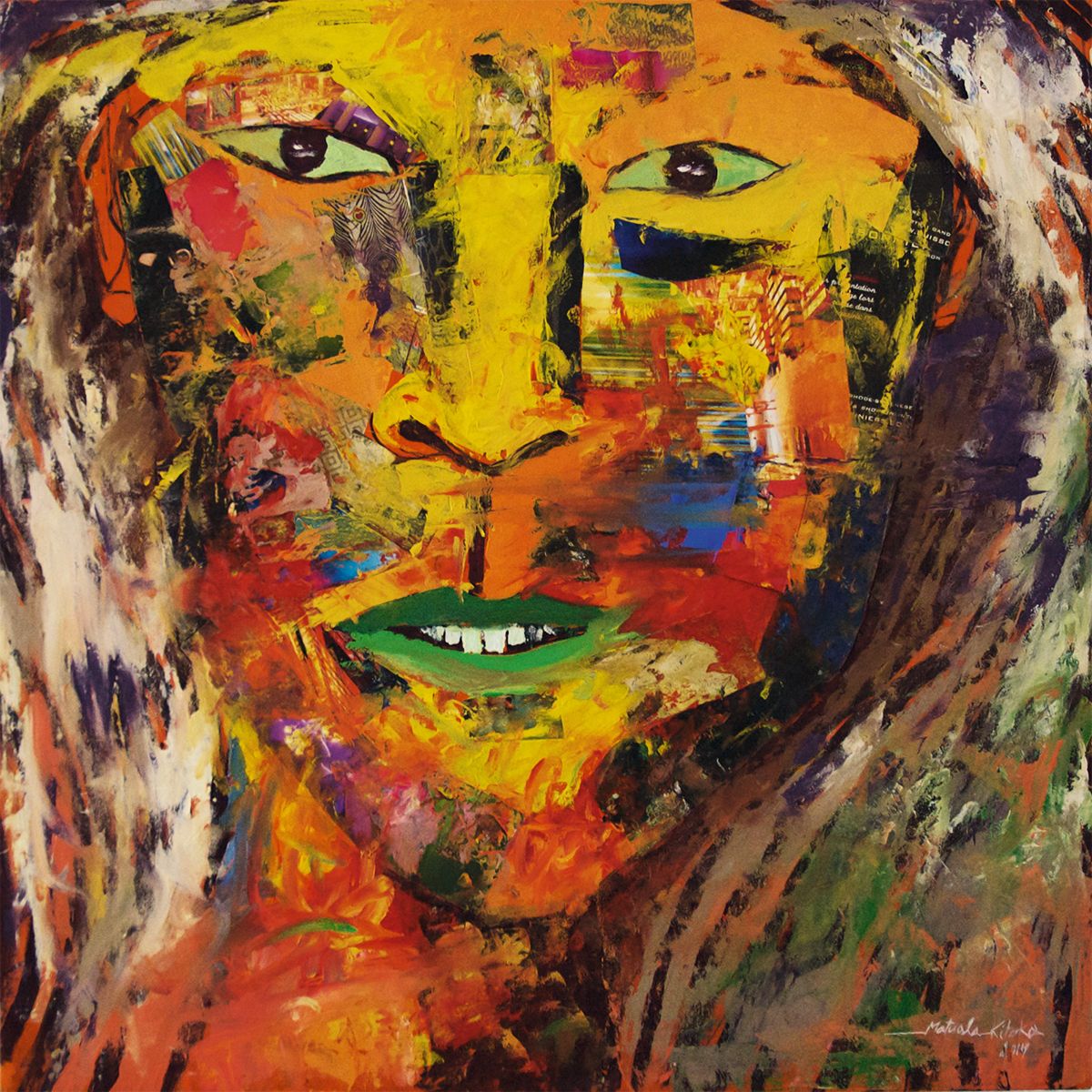
Tongo Art Gallery, located in Kacyiru, offers a quieter but deeply engaging experience. Known for abstract and mixed-media works, it provides space for experimentation in form and technique.
Exhibitions often rotate, allowing emerging and mid-career artists to test new ideas before an intimate audience. Live painting sessions and pop-up events keep the space fluid. Tongo’s strength lies in its accessibility; conversations between artists and visitors unfold naturally, demystifying the creative process.
7. Indiba Art Space
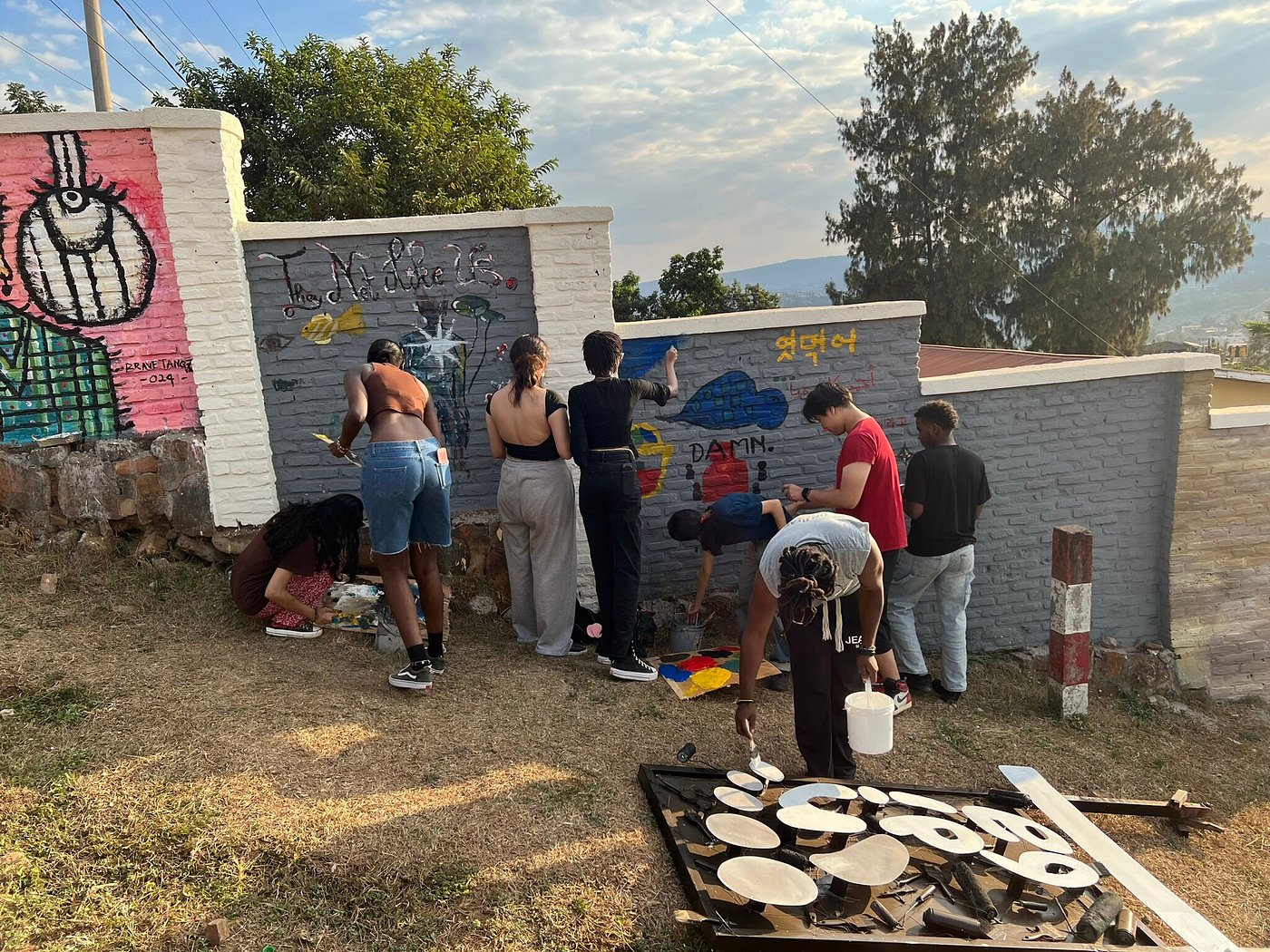
Indiba Art Space, nestled in the vibrant neighbourhood of Kimihurura, leans toward carefully curated exhibitions that explore identity, heritage and contemporary urban life. The gallery’s programming often includes workshops and discussions, reinforcing its role as more than a display venue.
Artists making murals.
Works presented at Indiba frequently engage with memory and transformation, reflecting Rwanda’s rapid social and economic evolution. The gallery contributes to a growing culture of critical engagement around art in Kigali.
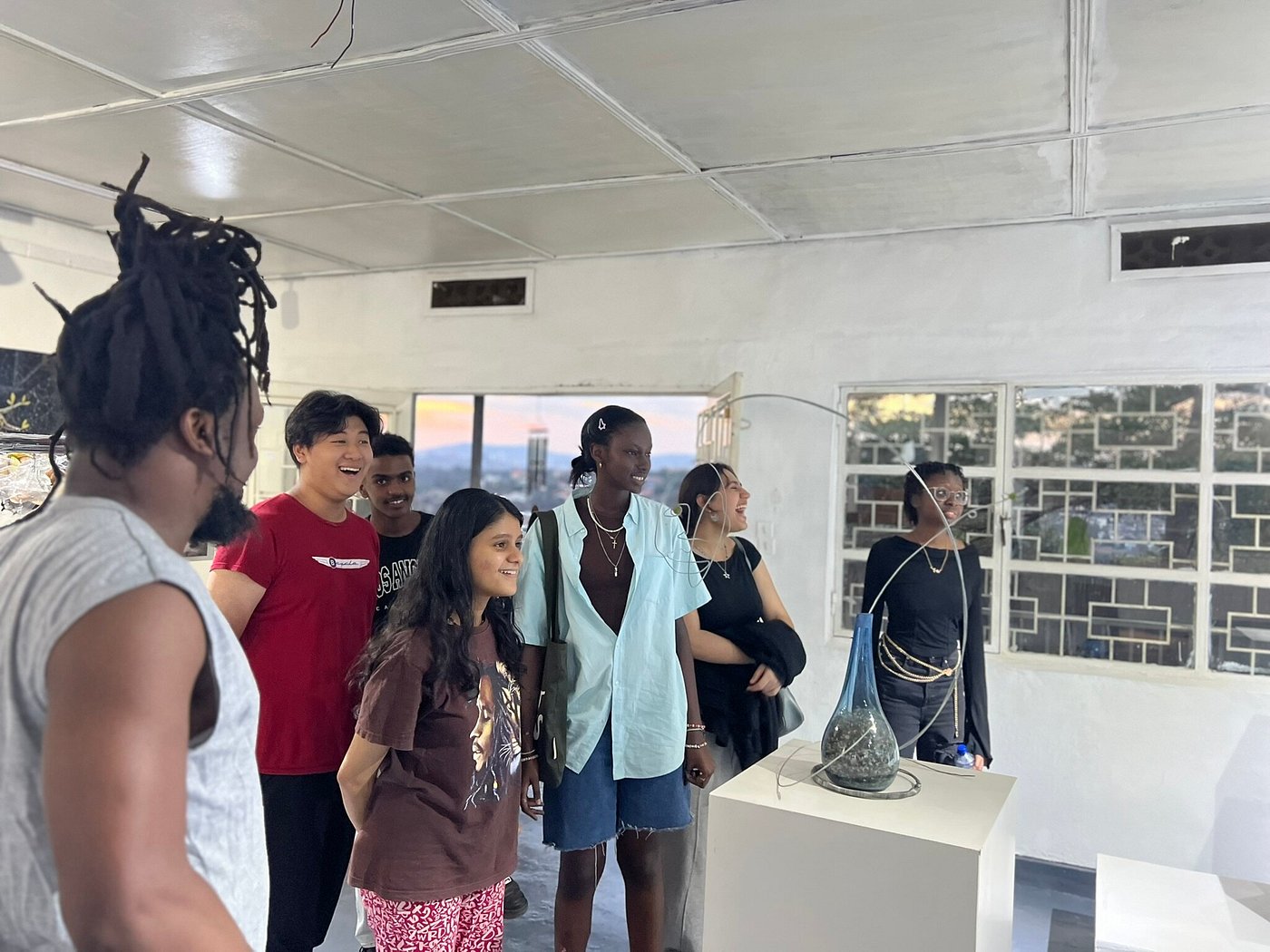
Group of students visiting the gallery for ‘Mural Day’.
8. Choose Kigali
Choose Kigali introduces a different model, merging contemporary art with high-end dining. Founded by Emmanuel Nkuranga, the space located in the Kiyovu neighbourhood caters to collectors and patrons seeking a more exclusive setting.
Choose Kigali merges contemporary art with high-end dining.
Artworks are displayed within a refined interior, encouraging slower viewing and private acquisition. This hybrid concept reflects the expanding commercial dimension of Kigali’s art scene and the rise of a discerning local and international clientele.
9. Kigali Center for Photography
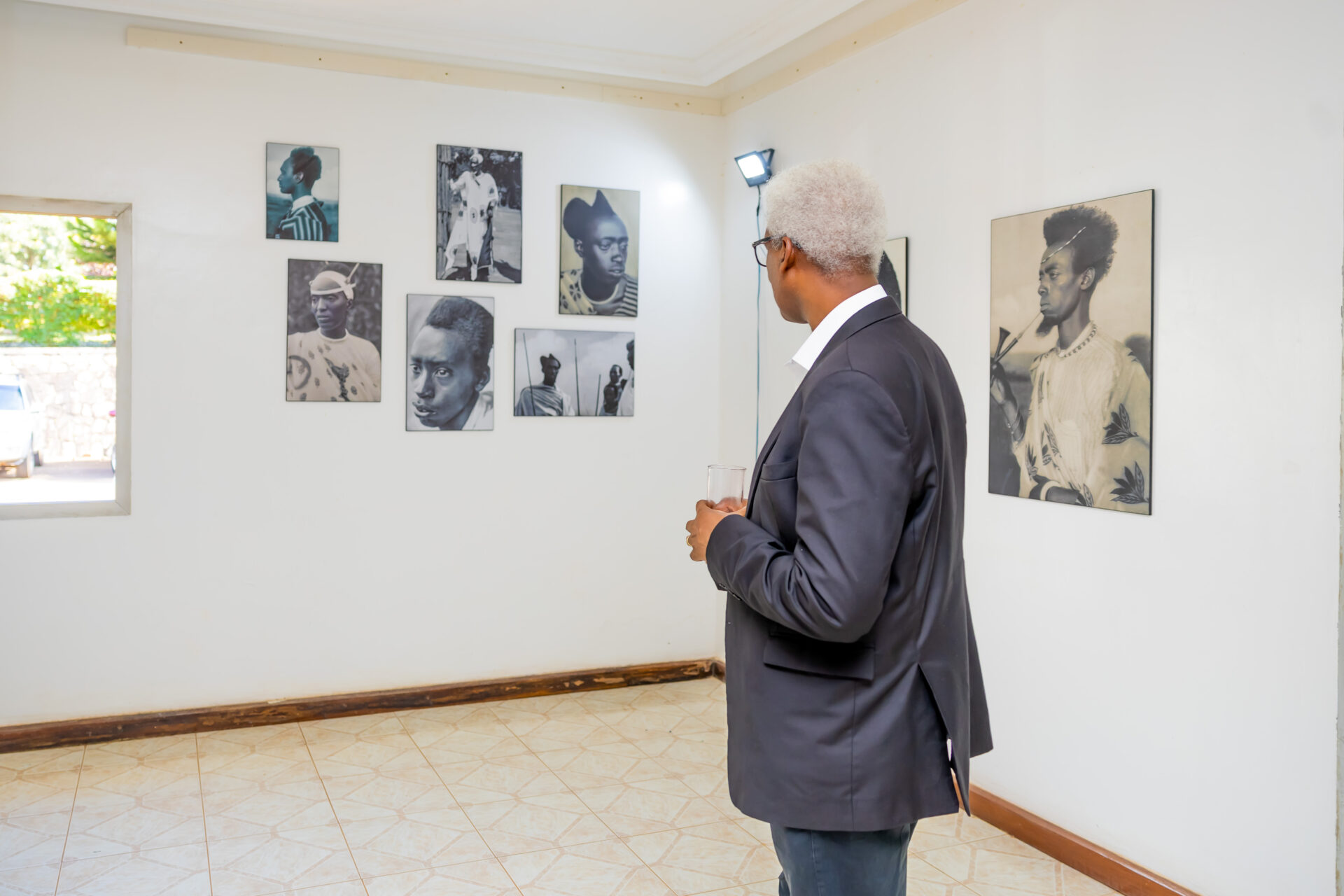
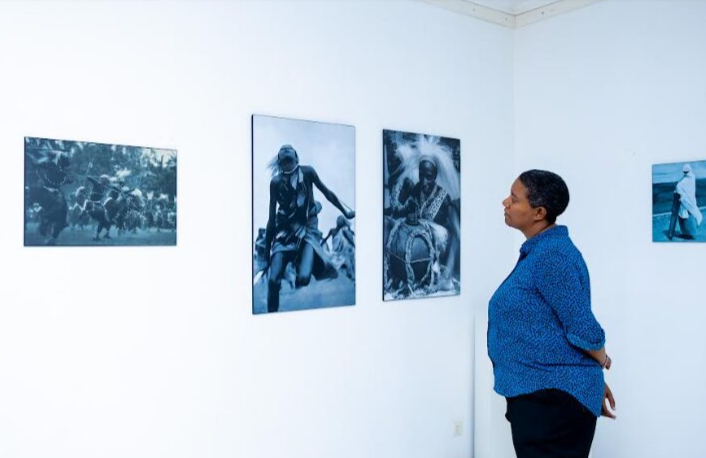
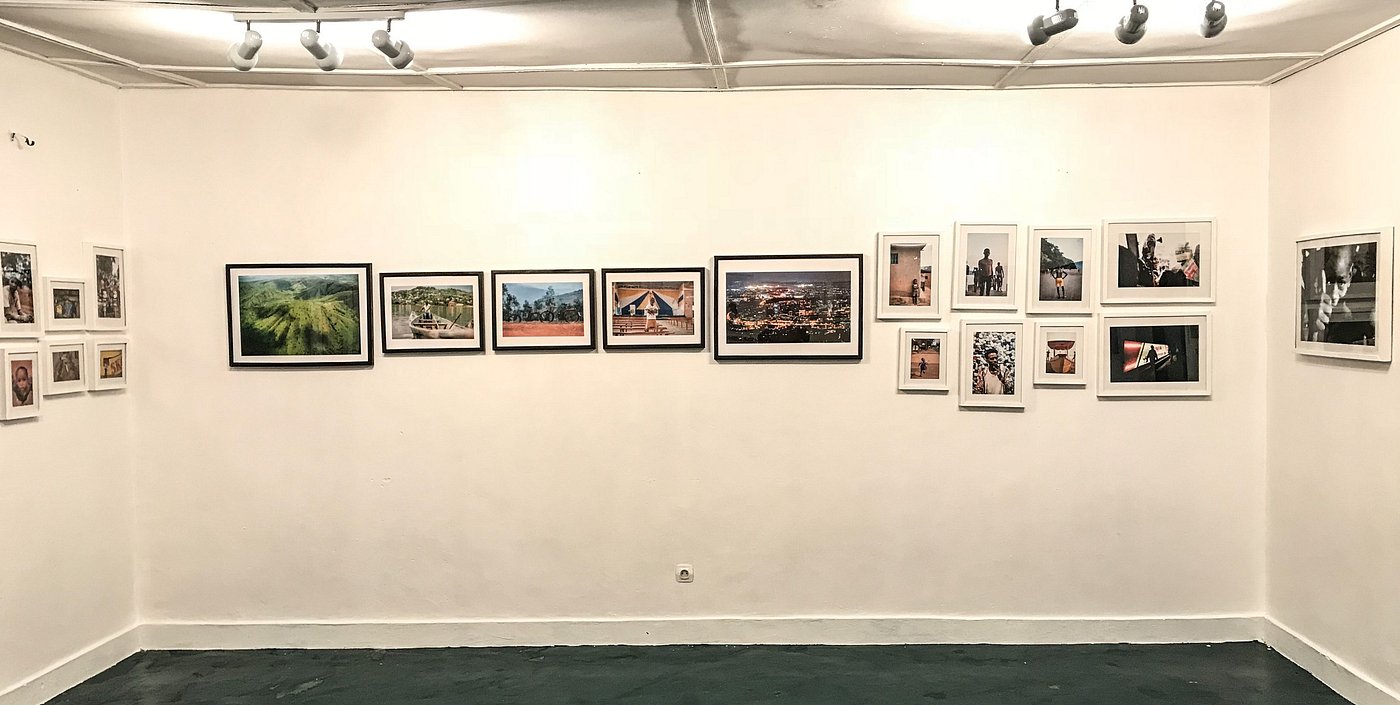
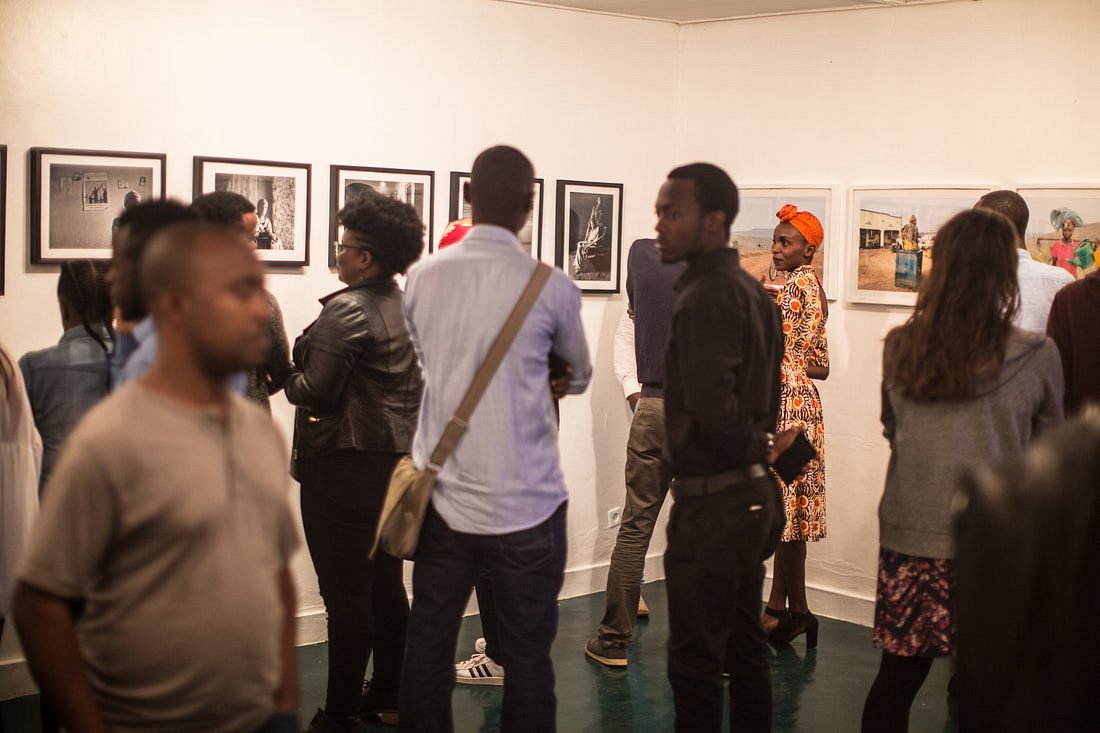
While painting dominates much of the city’s gallery landscape, the Kigali Center for Photography (KCP), situated in the creative heart of Kimihurura, anchors a different visual medium.
The centre aims to explore and promote Rwandan and foreign photography.
As the first dedicated space of its kind in Rwanda, the center prioritizes visual storytelling as a tool for social change and historical preservation. Beyond its gallery walls, KCP serves as a vibrant ‘learning lab’ where founder Jacques Nkinzingabo and local mentors provide free workshops, equipment access, and residencies for emerging talent.
By focusing on documentary and artistic photography, the center actively works to reclaim the Rwandan narrative, shifting the lens away from past trauma toward a multifaceted view of contemporary identity, resilience, and daily life.
10. Inkingi Arts Space
Inkingi, which translates to “pillar” or “support” in Kinyarwanda, lives up to its name by serving as a foundational space for both established and emerging artists.
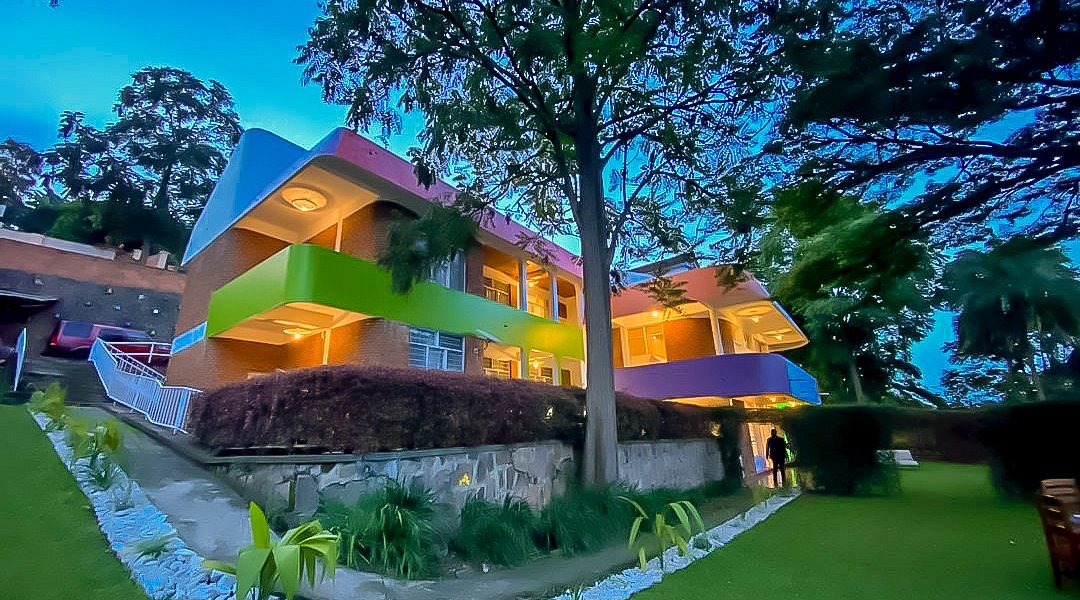
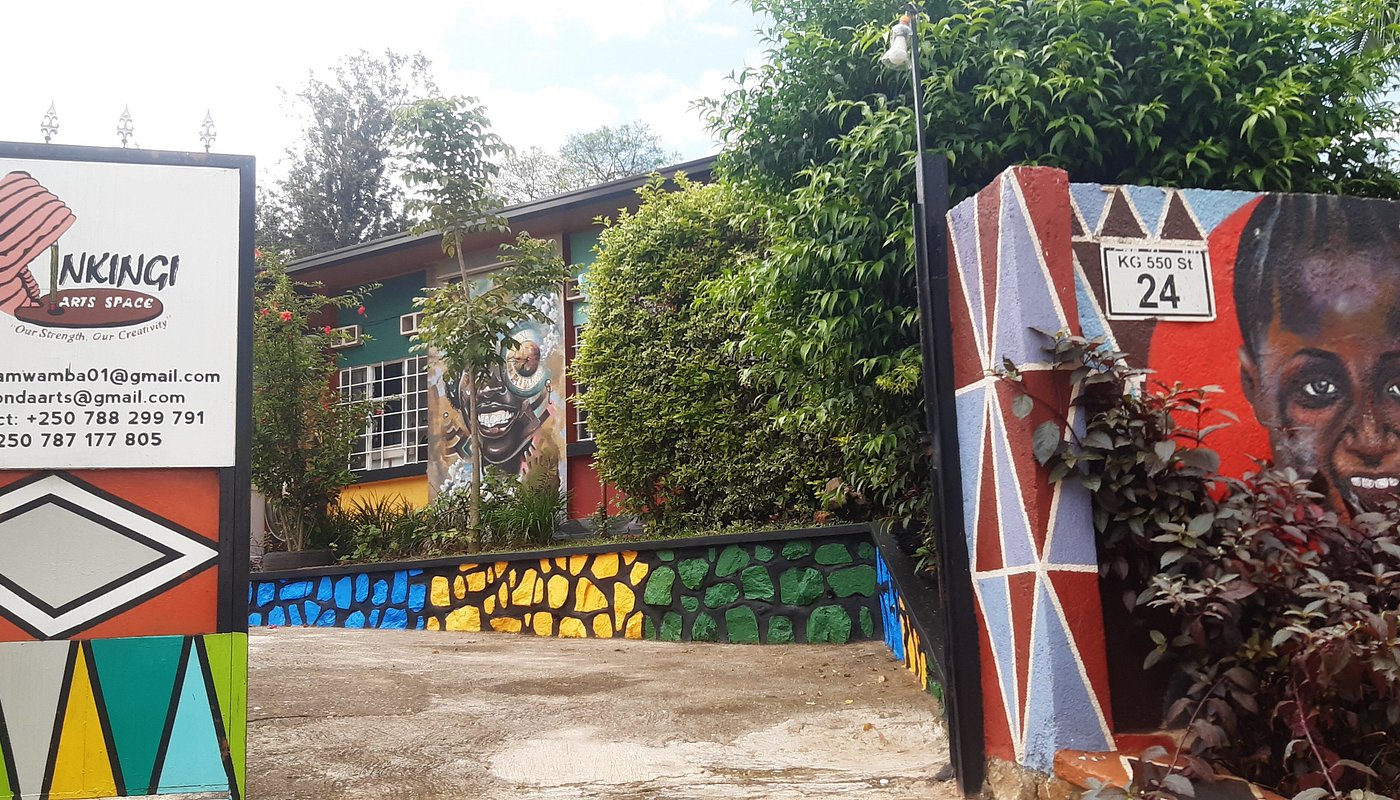
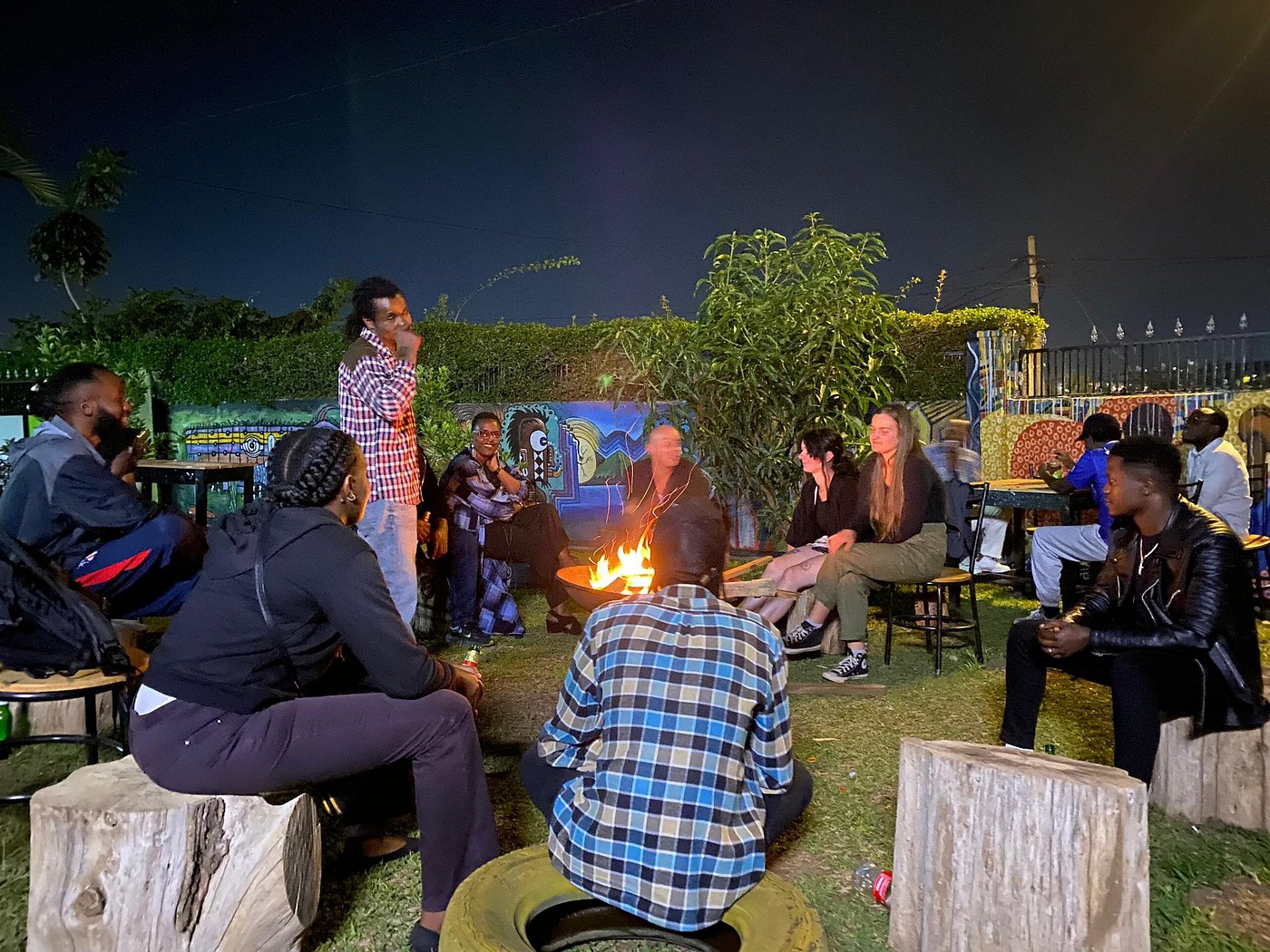
Nestled within a lush, green compound, Inkingi is incredibly photogenic and welcoming.
Founded in 2023 by Olivier Kwitonda and located in Kacyiru, the gallery exudes a distinct atmosphere that feels more like an intimate garden sanctuary than a bustling, high‑traffic space.
Nestled within a lush, green compound, Inkingi is incredibly photogenic and welcoming. Like Inema, it functions as an active studio where visitors can often meet the artists at work, and many guests describe the hospitality here as among the warmest in Kigali, making every visit feel personal and engaging.
While bold acrylic paintings, a hallmark of Rwandan contemporary art, are on display, Inkingi distinguishes itself through diversity. Visitors encounter a mix of paintings, sculptures, intricate beadwork, and textiles, reflecting a wide range of creative practices.
The gallery also offers a strong connection to Rwanda’s cultural heritage. Every third Saturday of the month, storytelling sessions are paired with traditional food, allowing guests to engage with the country’s oral traditions while surrounded by modern visual interpretations of those same stories. In this way, Inkingi bridges the gap between heritage and contemporary expression, creating a space that is both reflective and forward-looking.
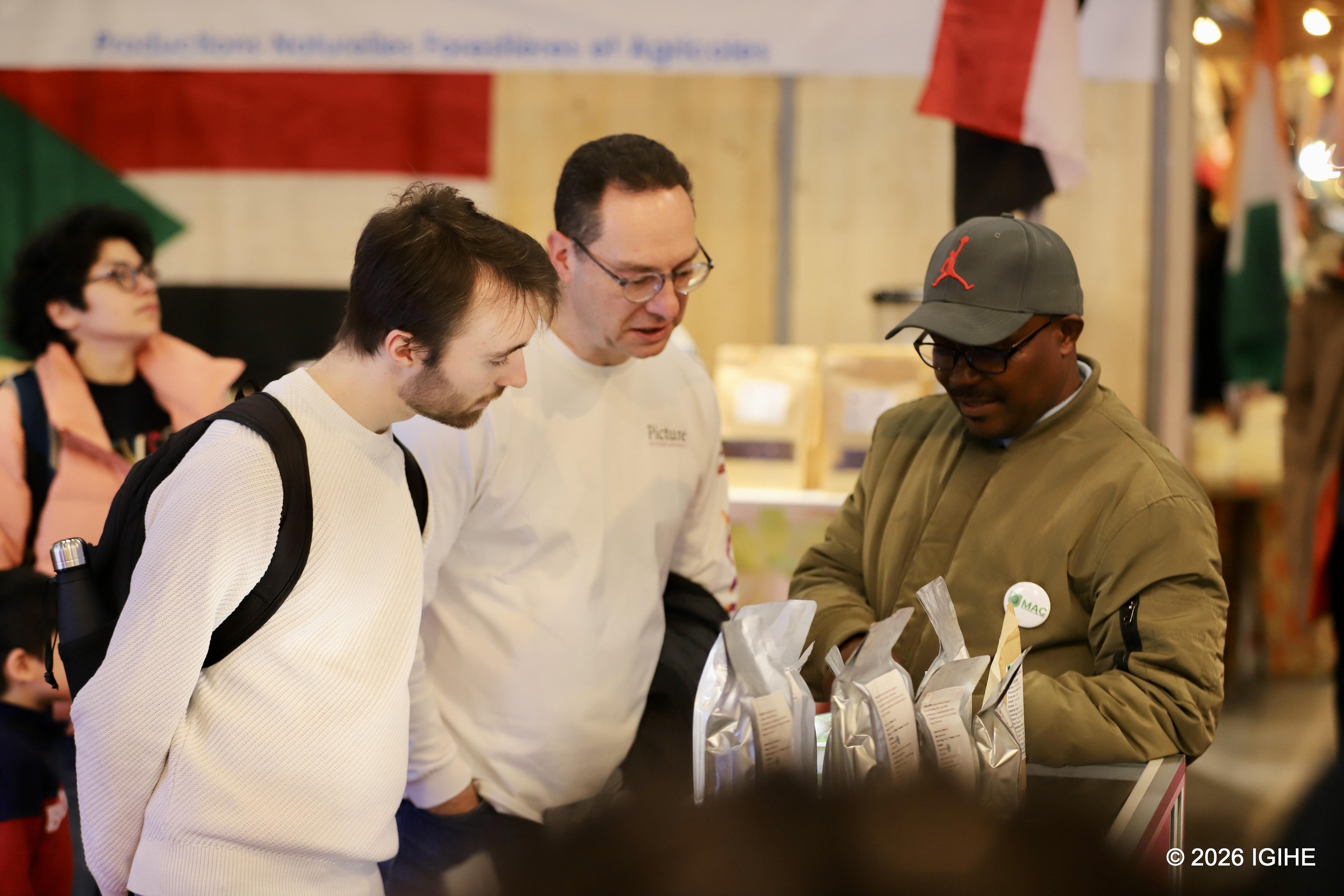
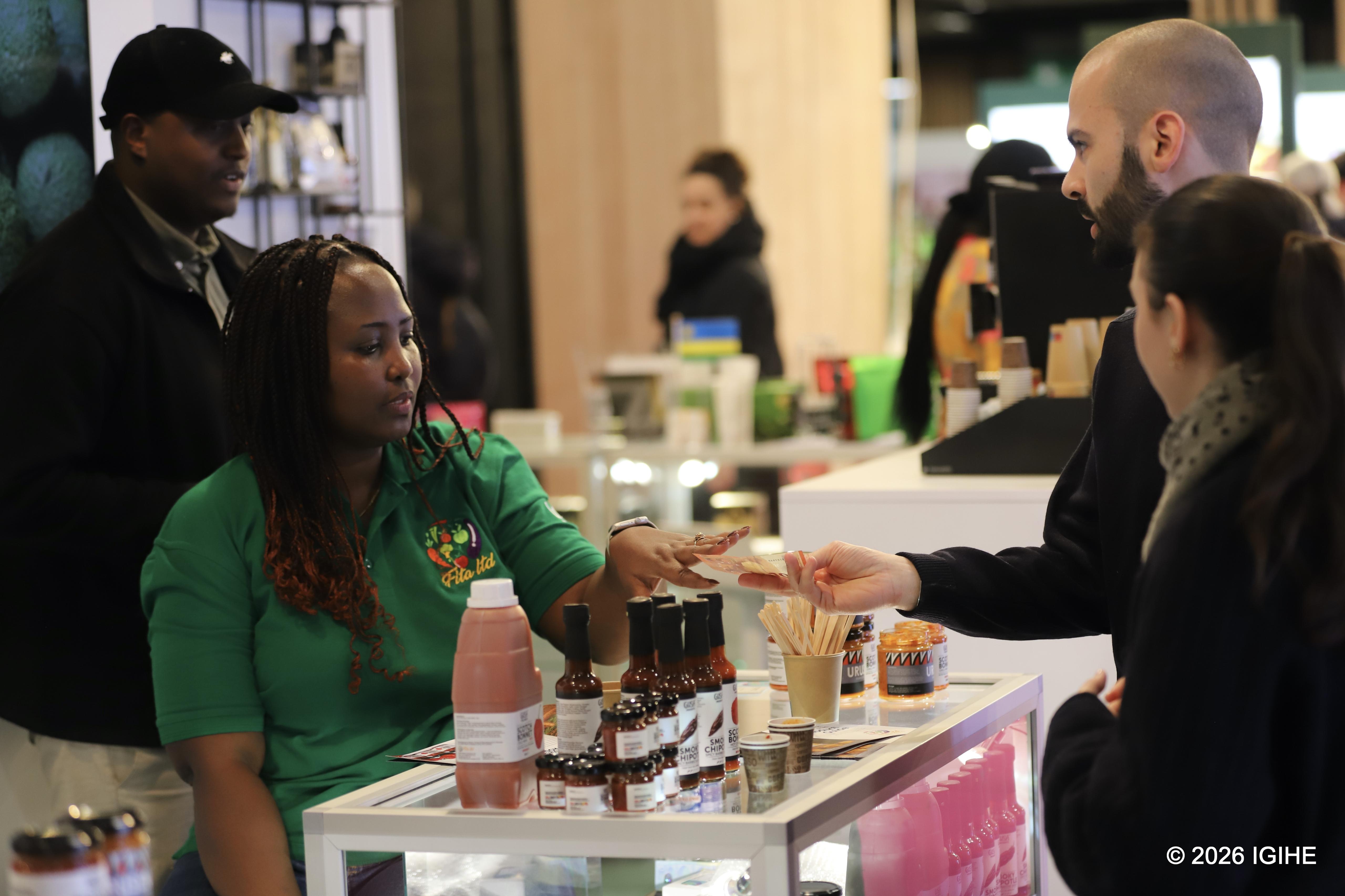
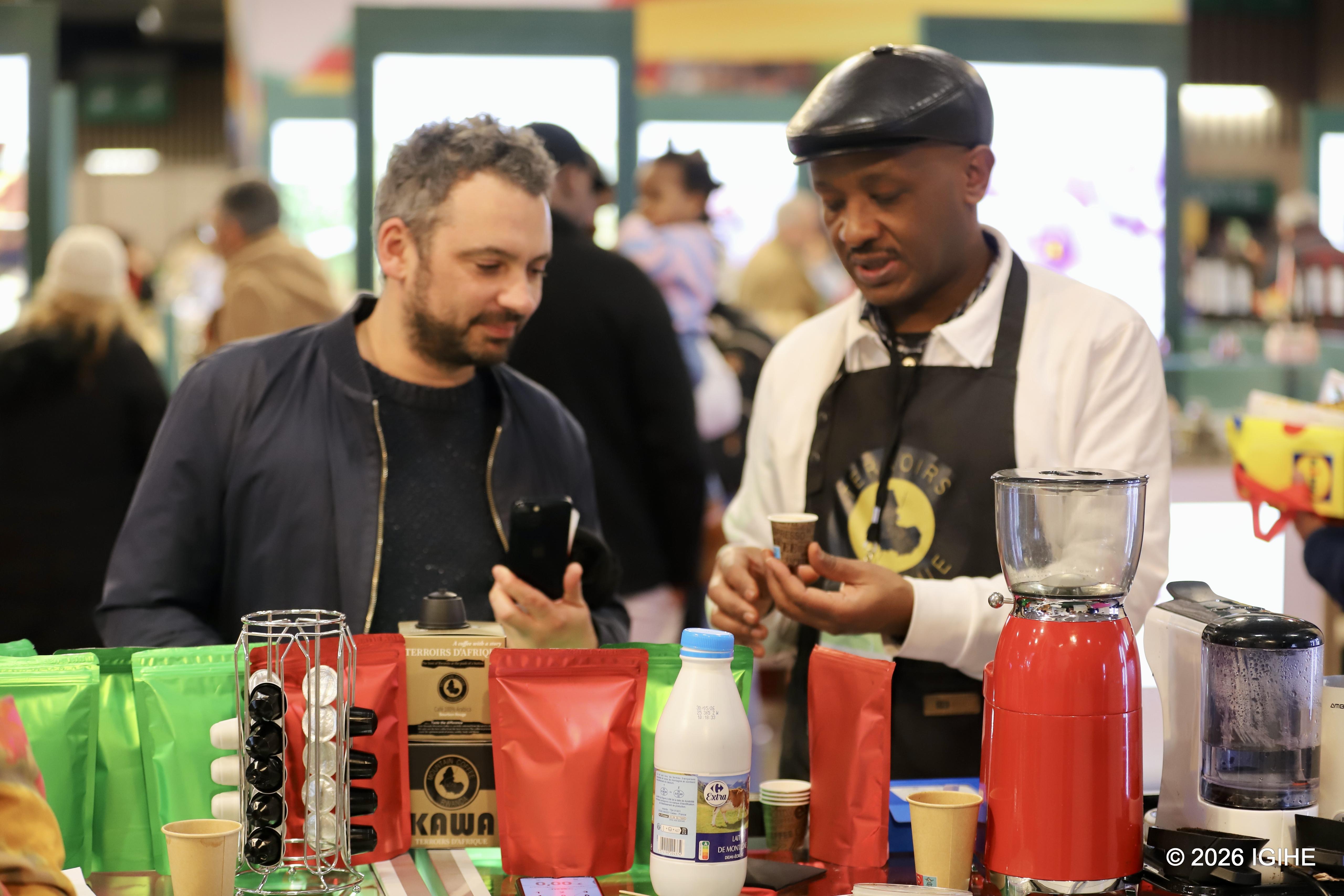
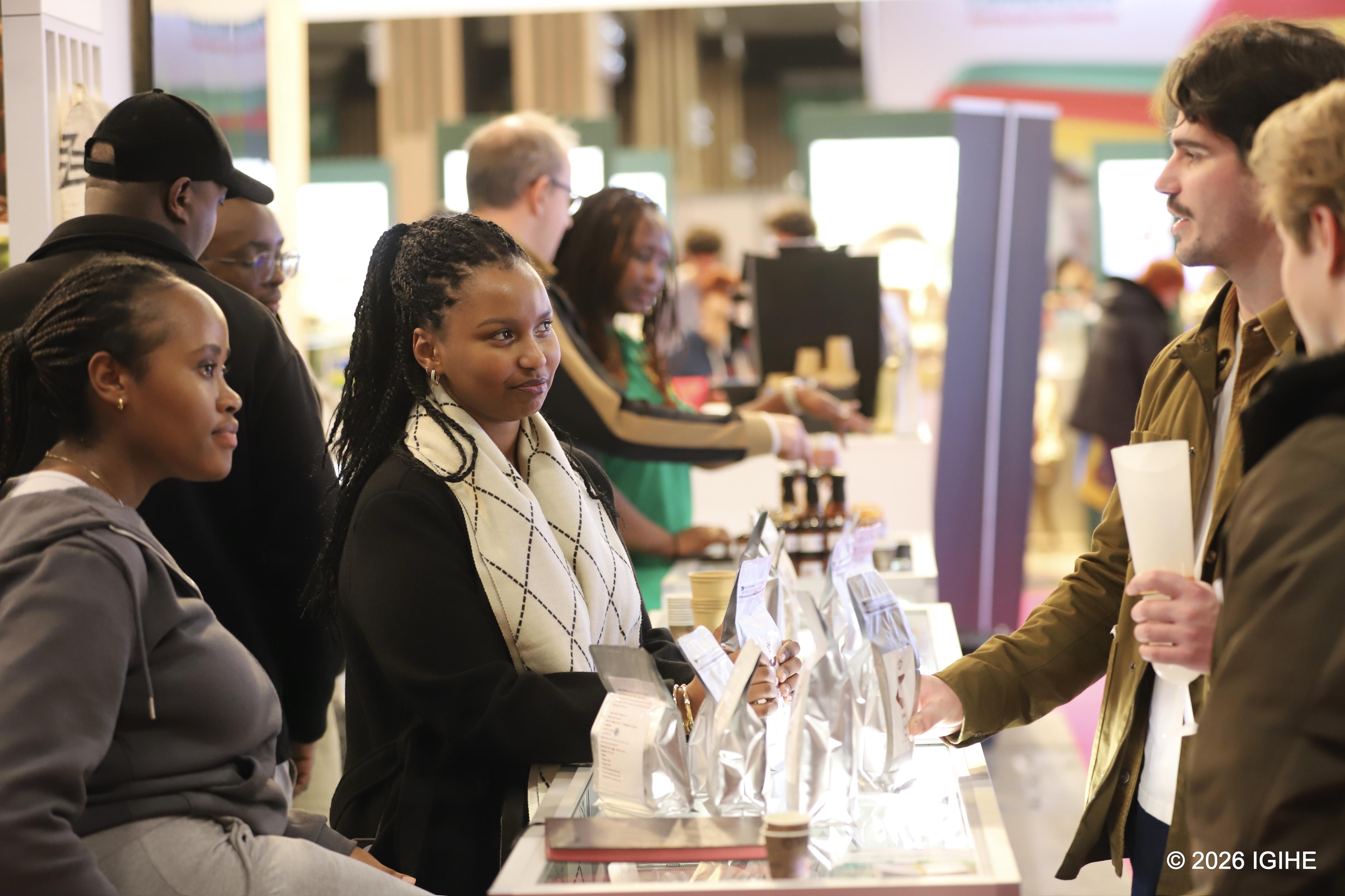
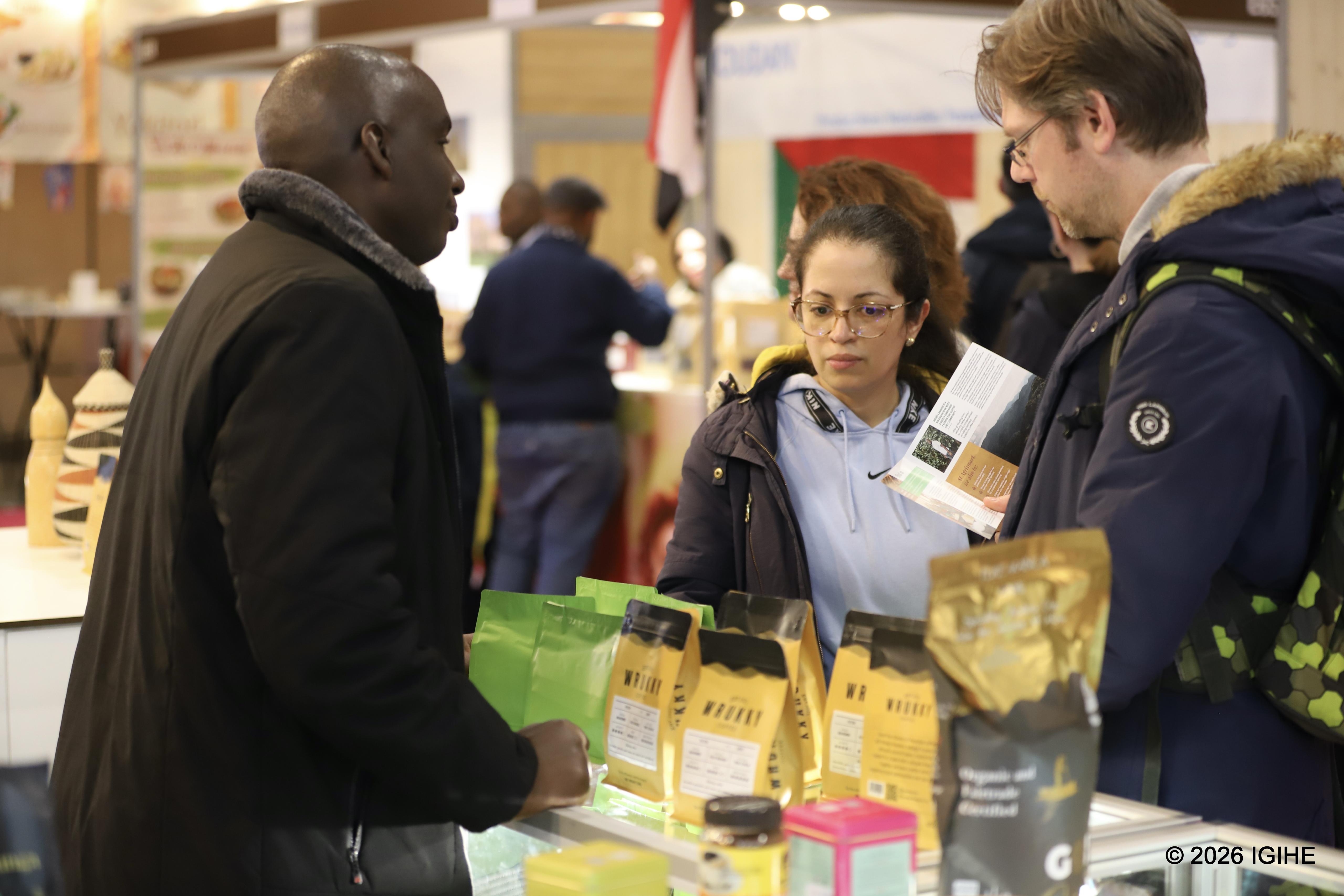
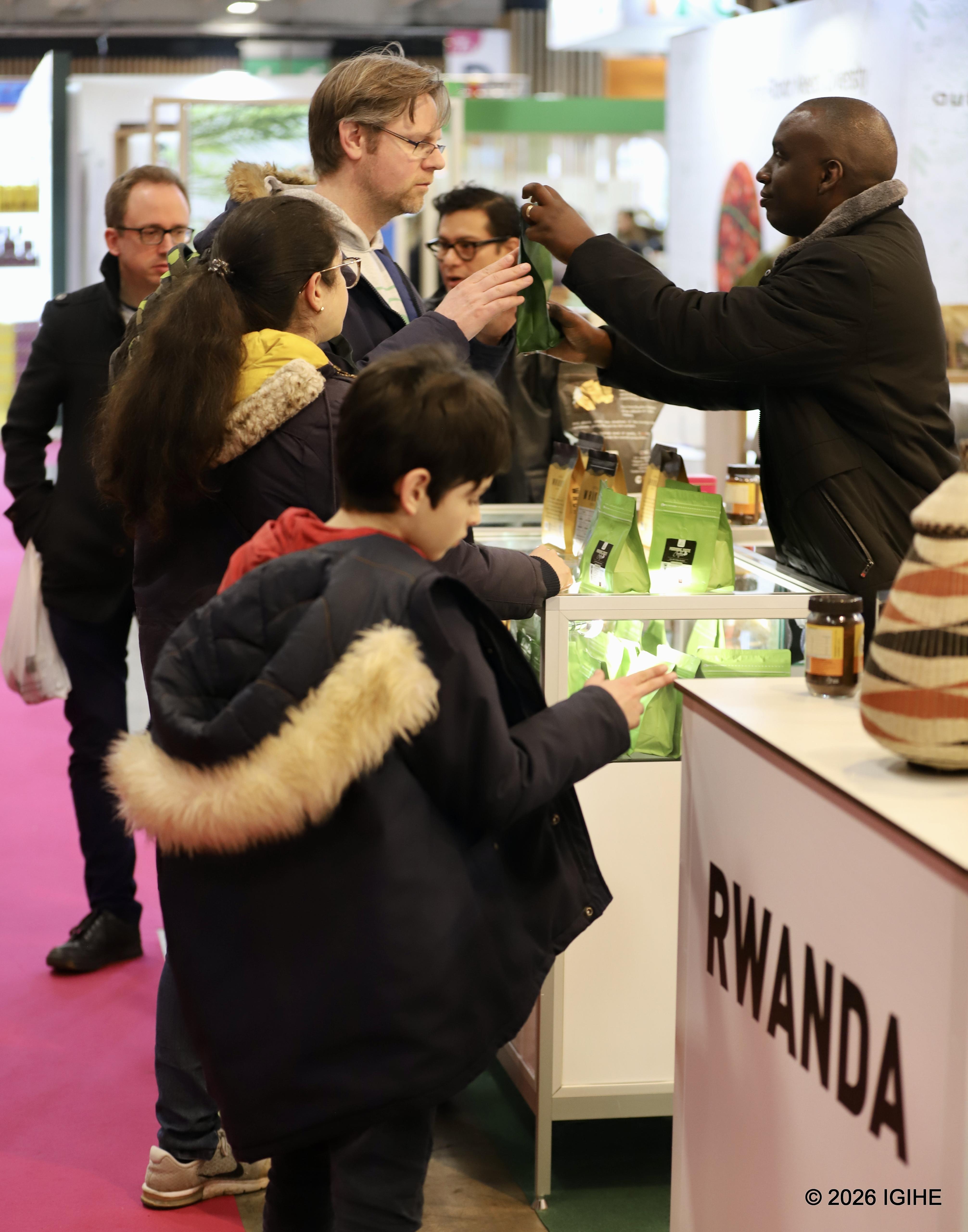
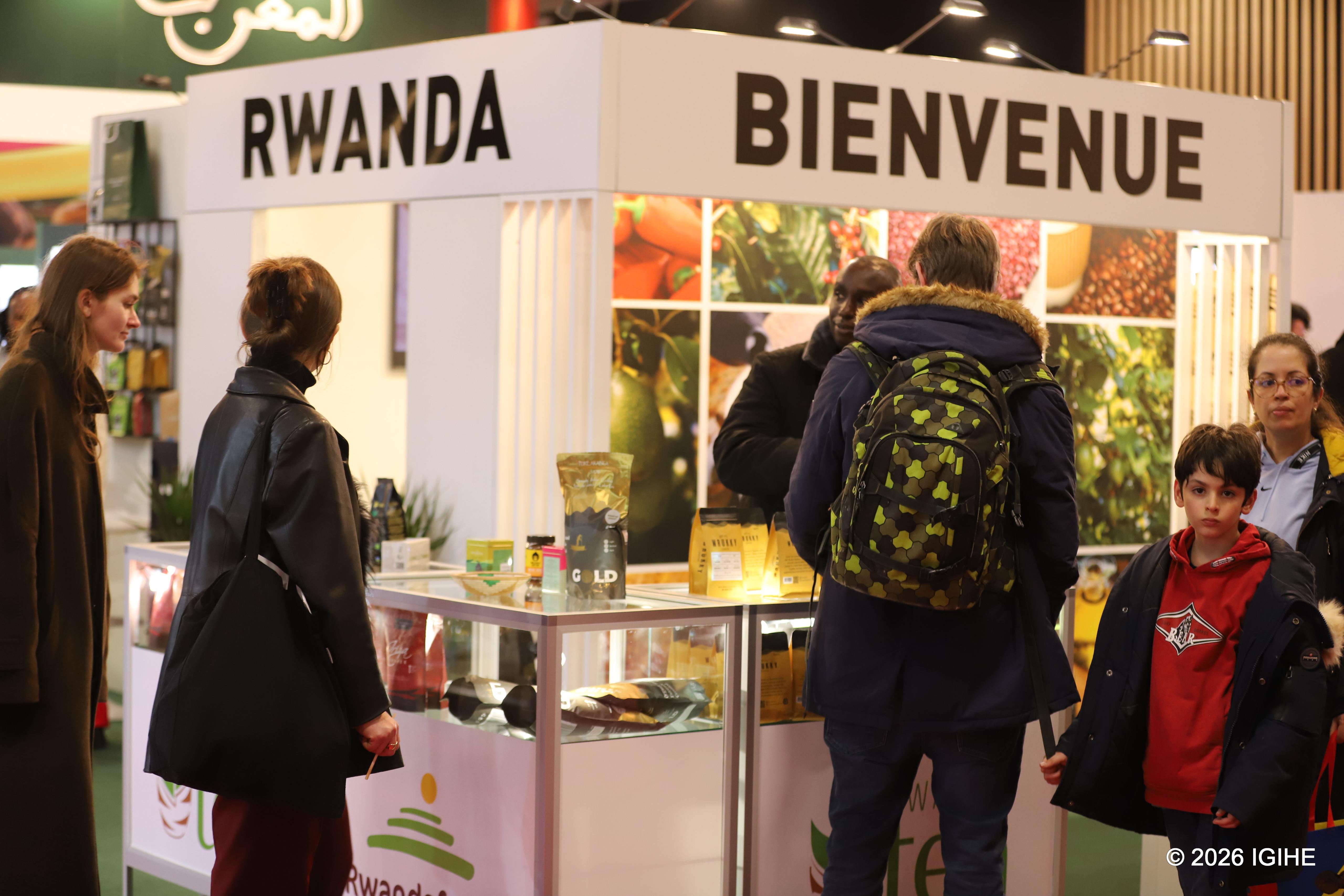
Hosted at the Paris Expo–Porte de Versailles, the exhibition runs from late February to early March each year, showcasing agricultural and livestock products, related value chains, farming technologies, partnerships, and innovation.
The 2026 edition opened on Saturday, February 21, and was officially inaugurated by French President Emmanuel Macron.
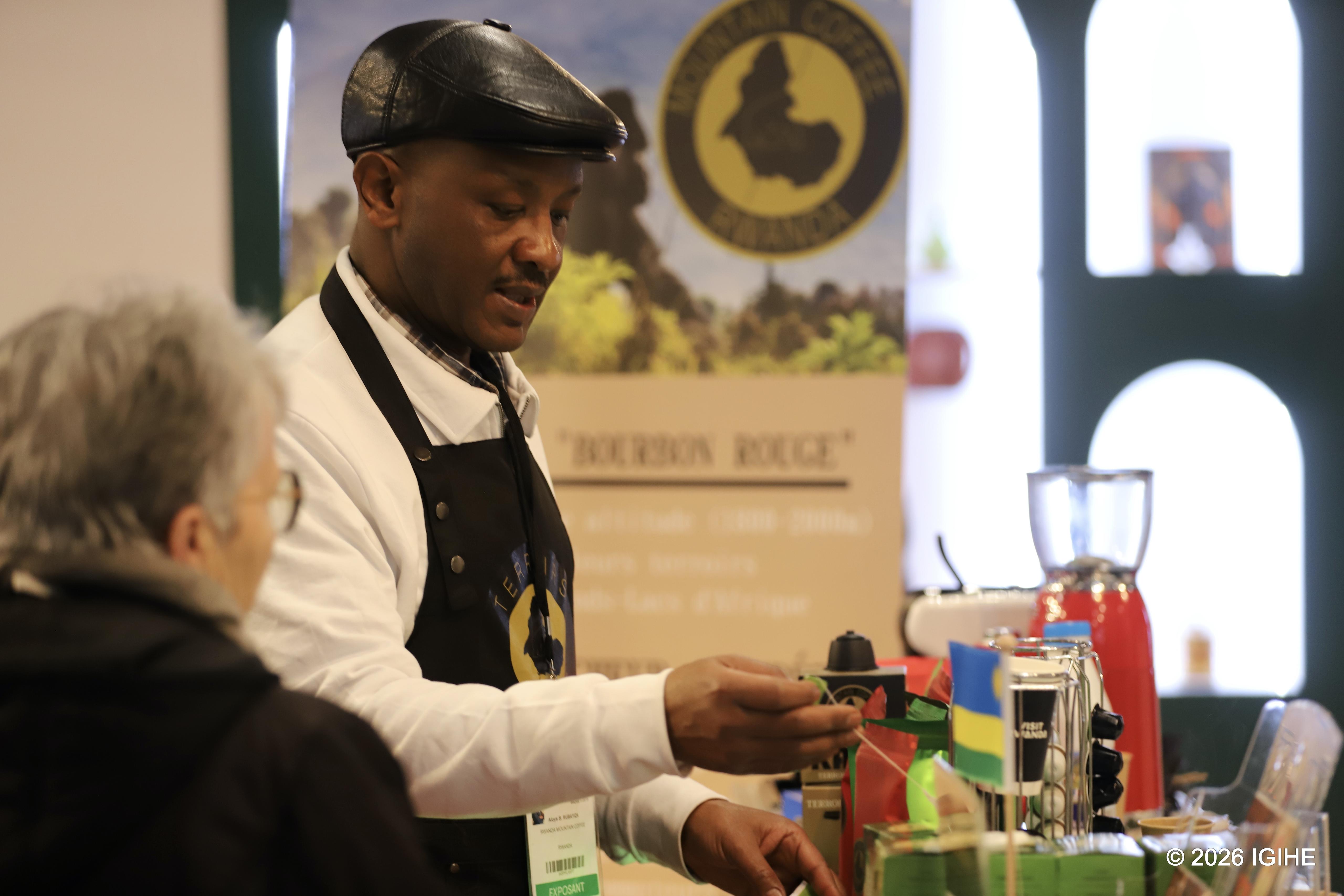
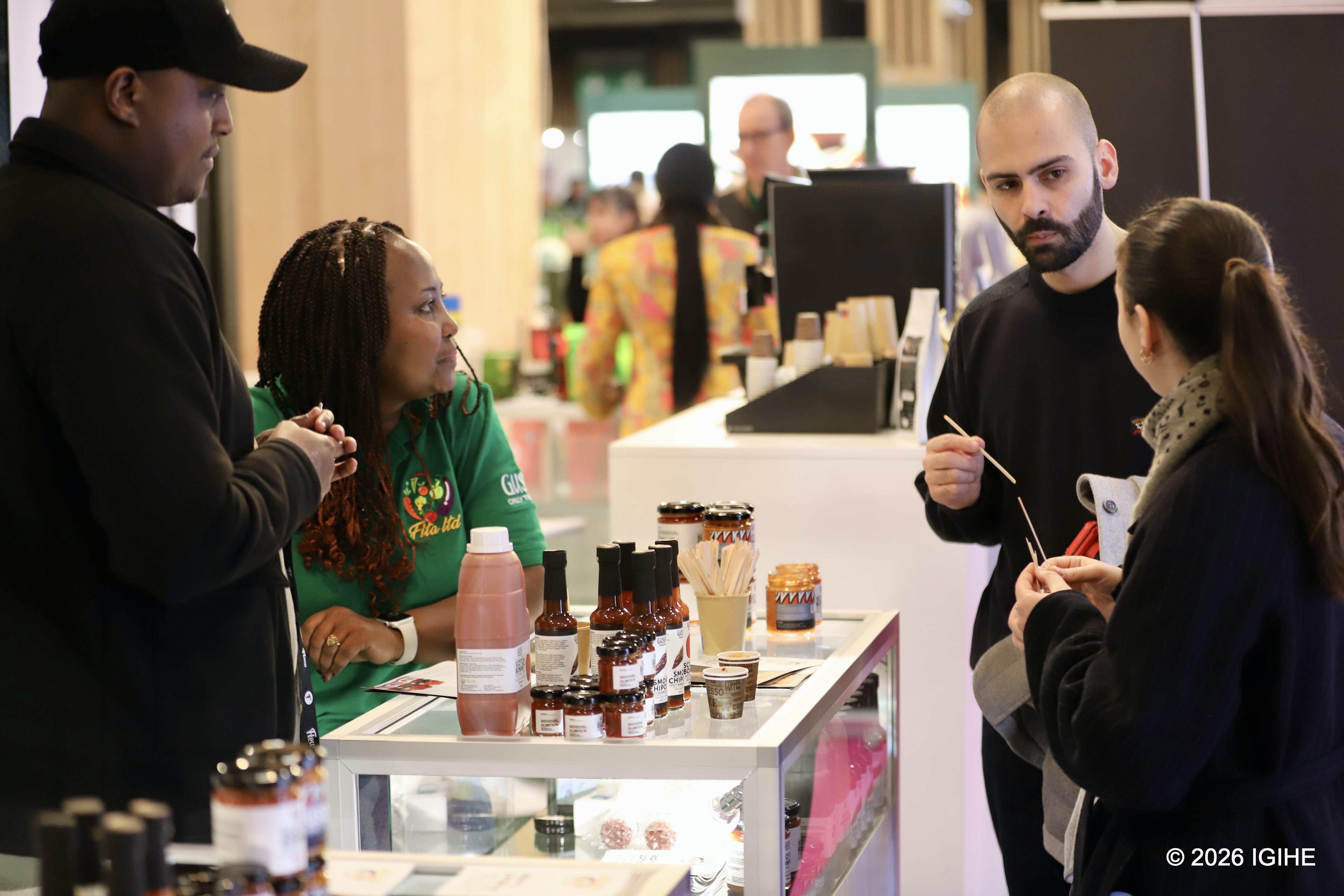
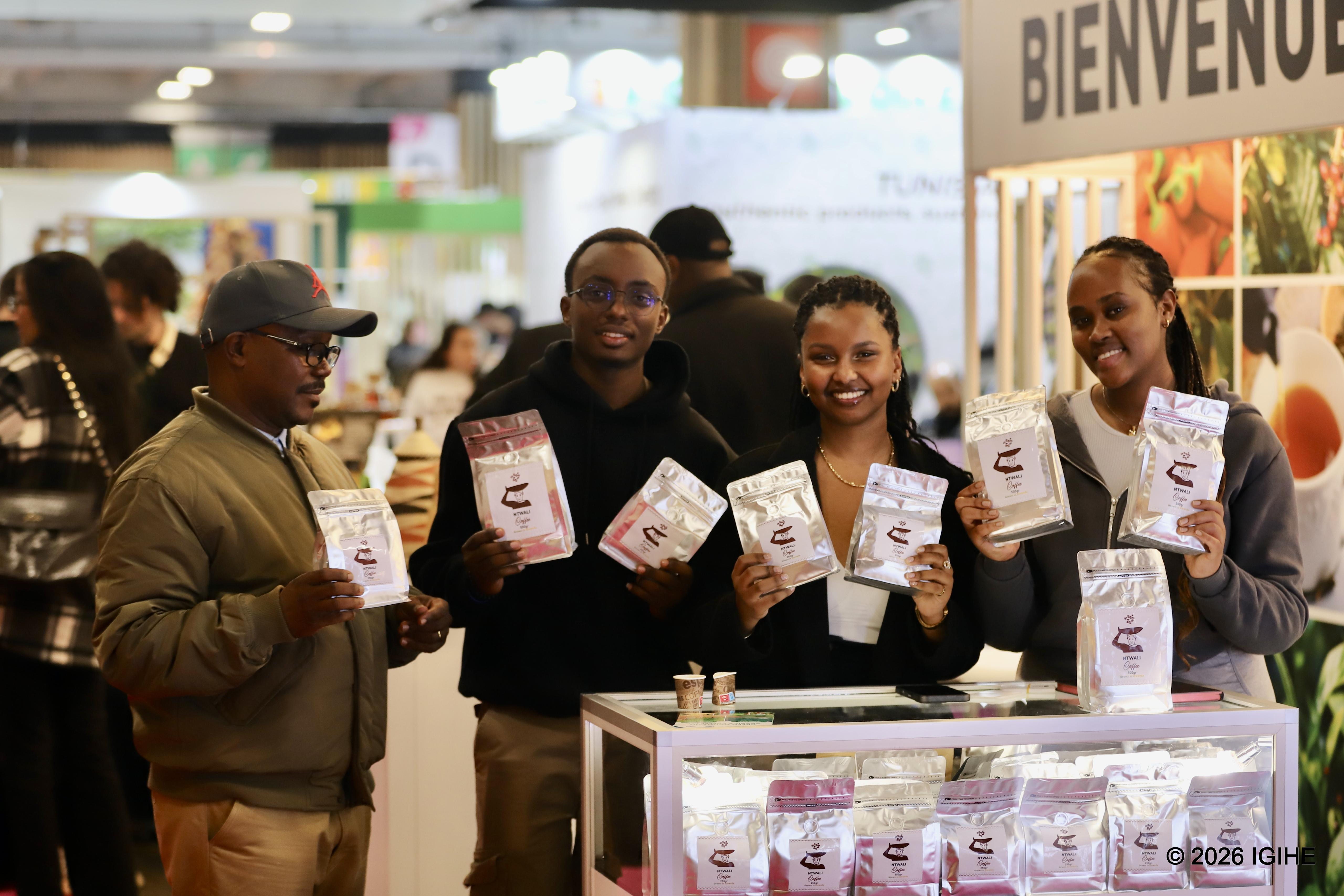
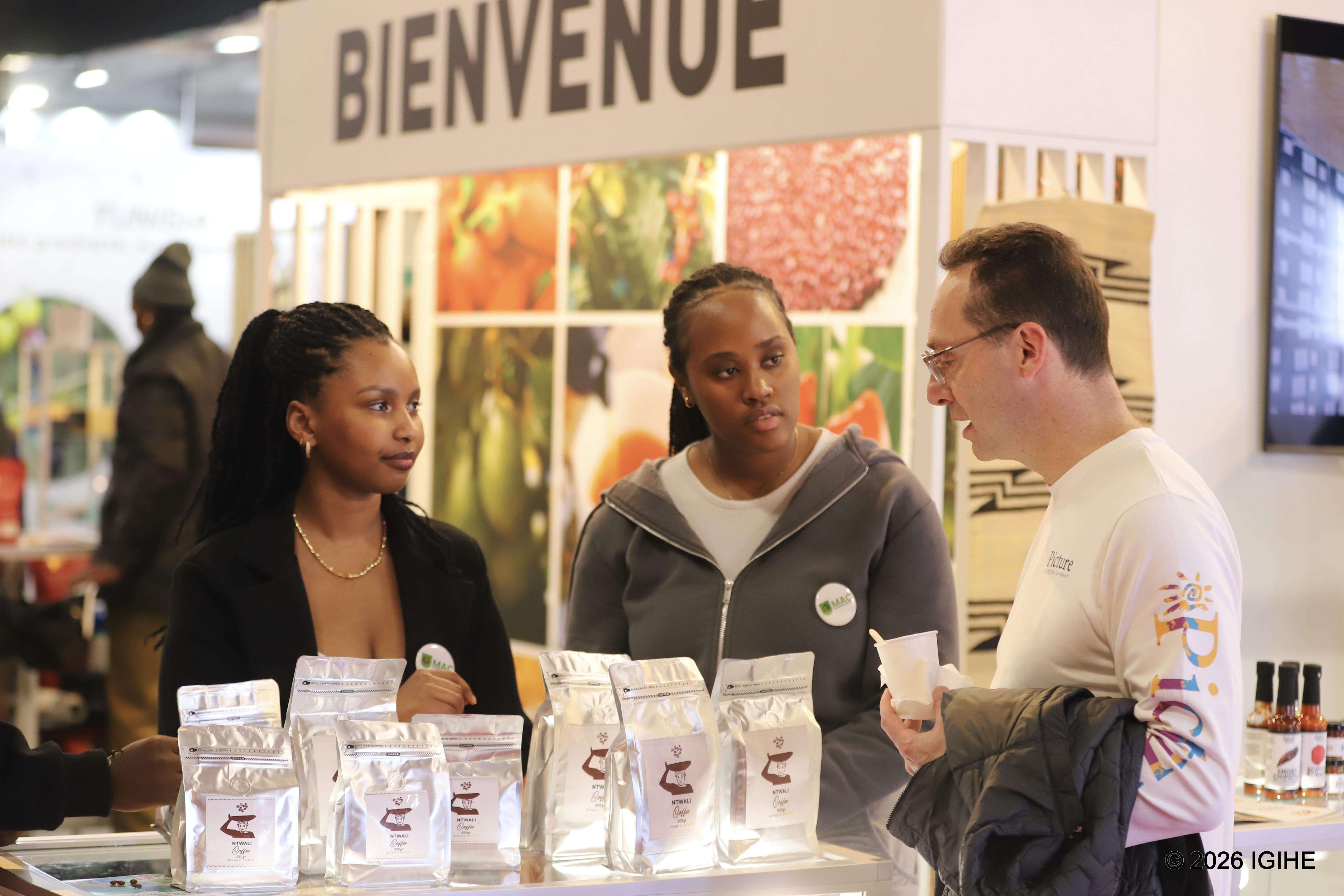
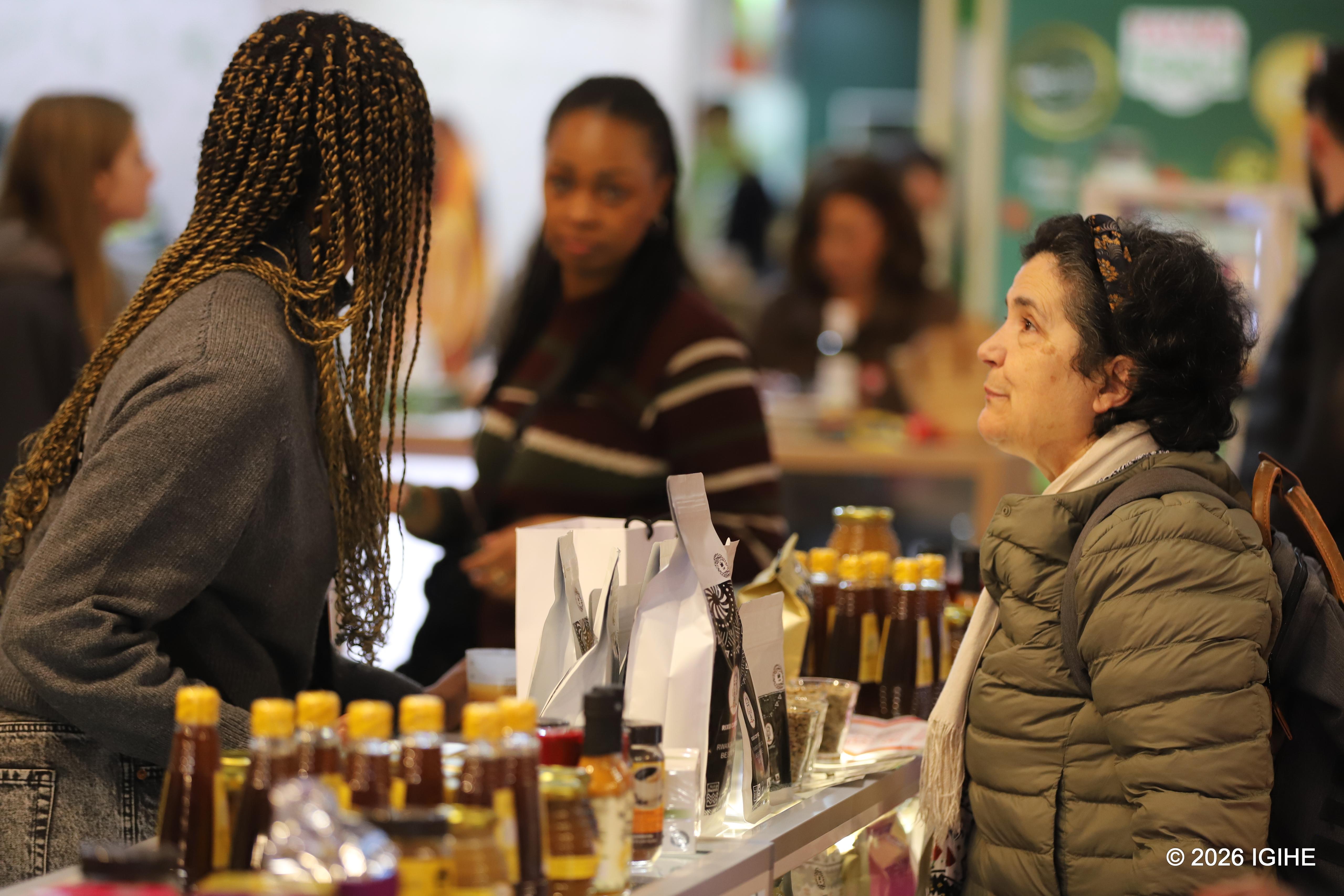
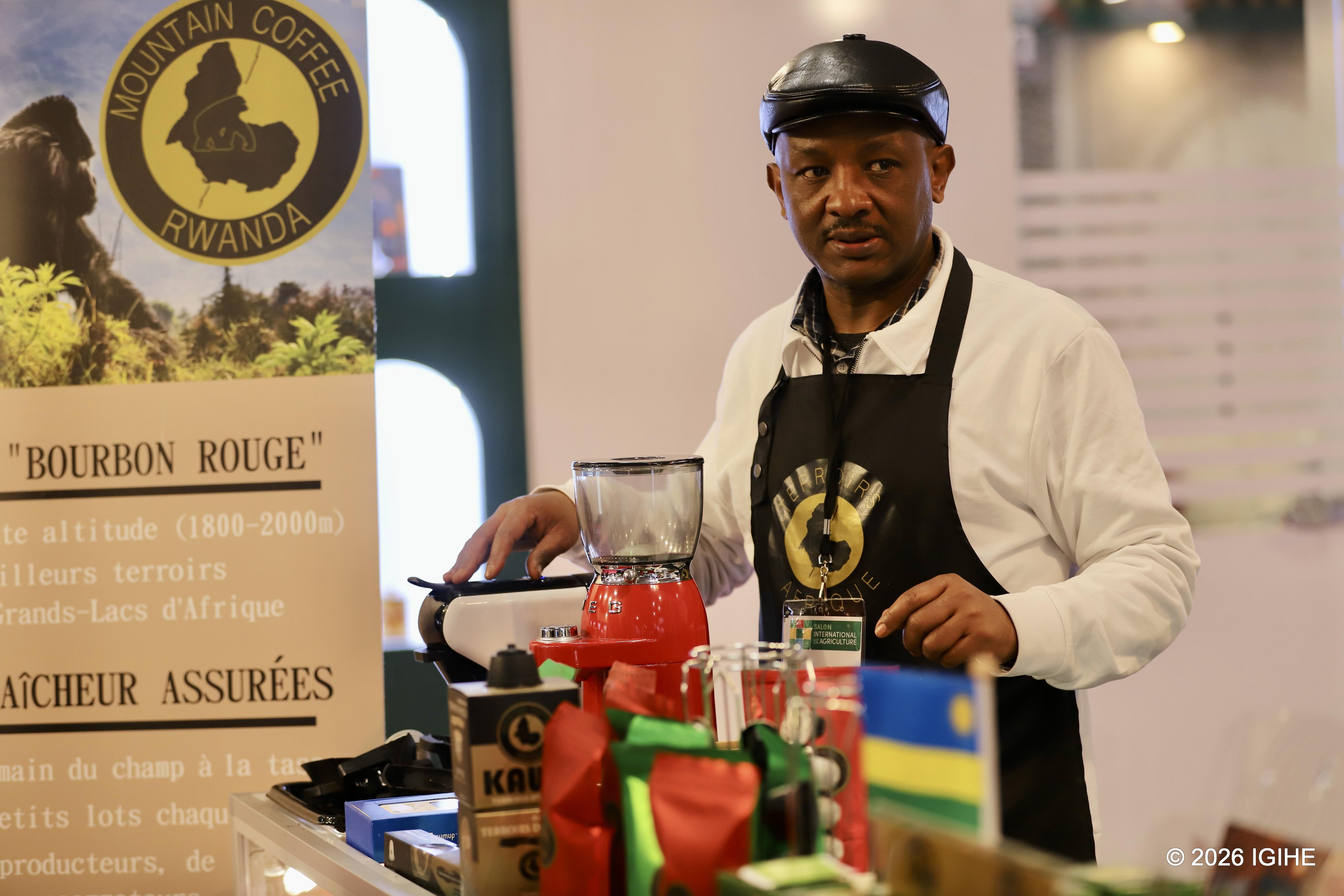
Rwanda is exhibiting at Stand 7, highlighting its progress in developing export-oriented agricultural and livestock products. The country is represented by the National Agricultural Export Development Board (NAEB) and the Embassy of Rwanda in France.
The event provides a platform for traders, farmers, entrepreneurs, and investors to exchange expertise and build partnerships to advance the agriculture and livestock sectors.
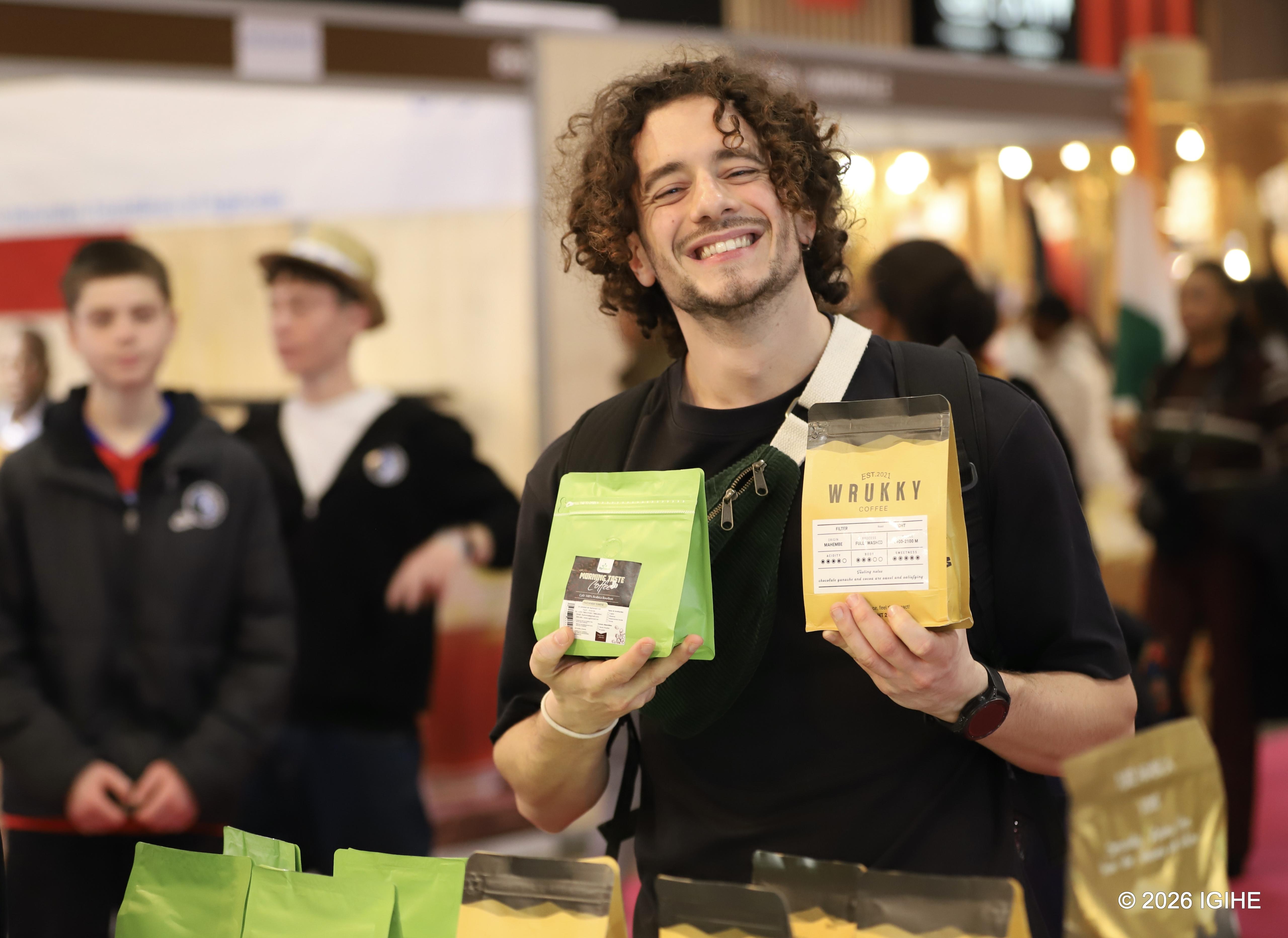
Fifteen Rwandan companies are participating, showcasing products such as coffee, tea, honey, and other value-added goods. The participation reflects Rwanda’s continued investment in strengthening agricultural value chains and expanding access to international markets.
Agricultural and livestock exports remain a key driver of Rwanda’s economy. In December 2025, the Ministry of Agriculture and Animal Resources announced that exports from the sector had generated more than $893.1 million in revenue.
Under the Second National Strategy for Transformation (NST2), Rwanda aims to increase annual foreign exchange earnings from agricultural and livestock exports to $1.5 billion by 2029.
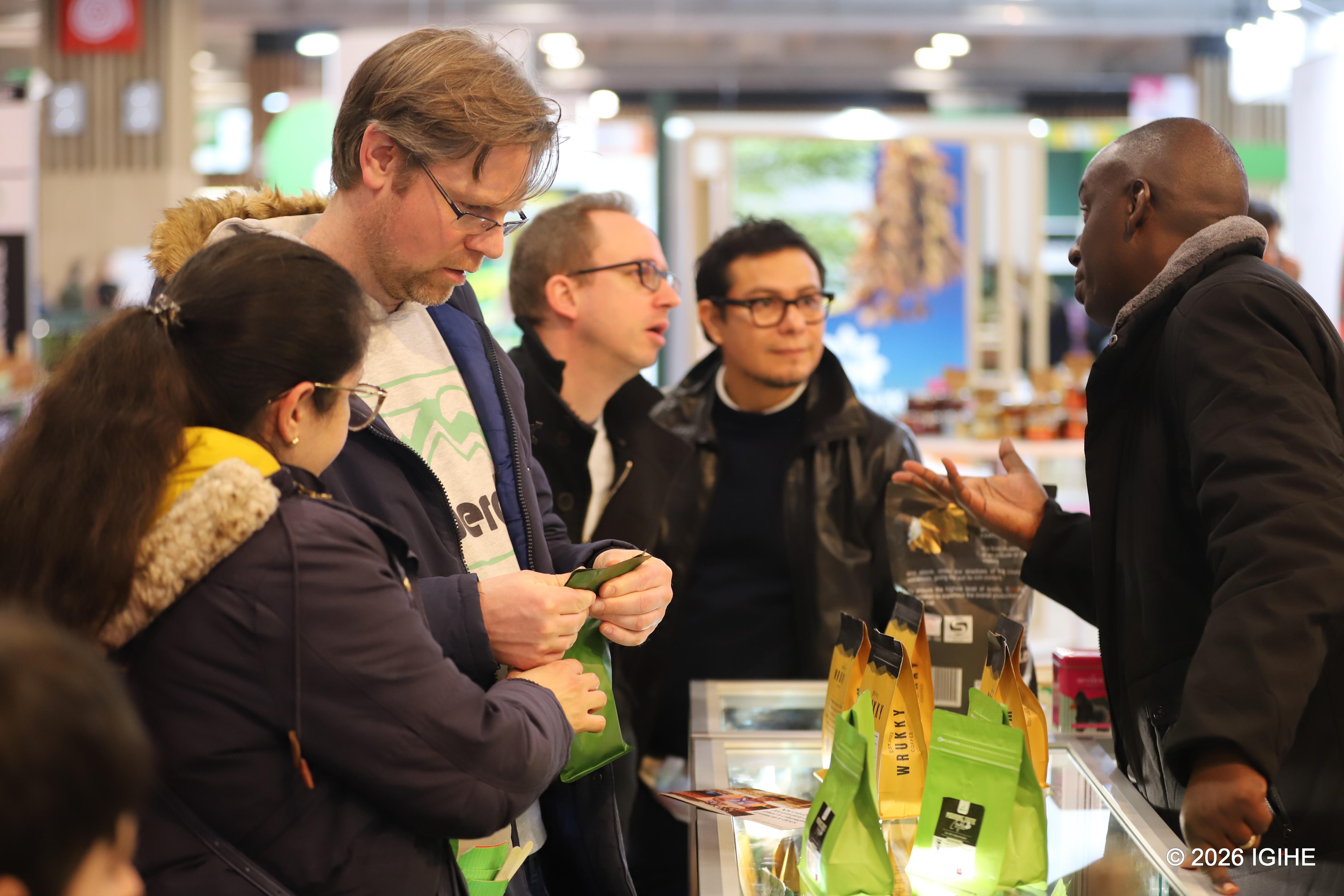
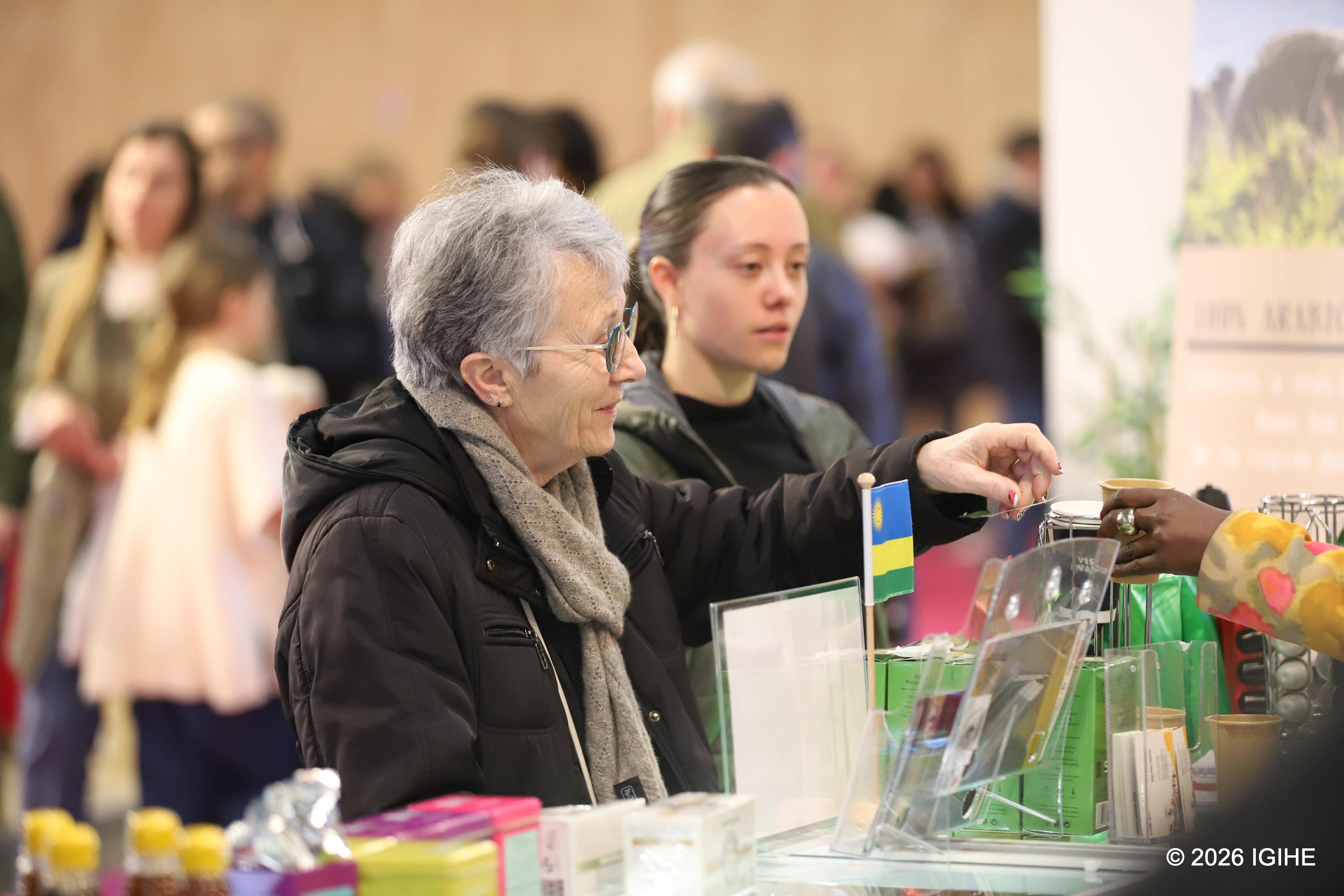
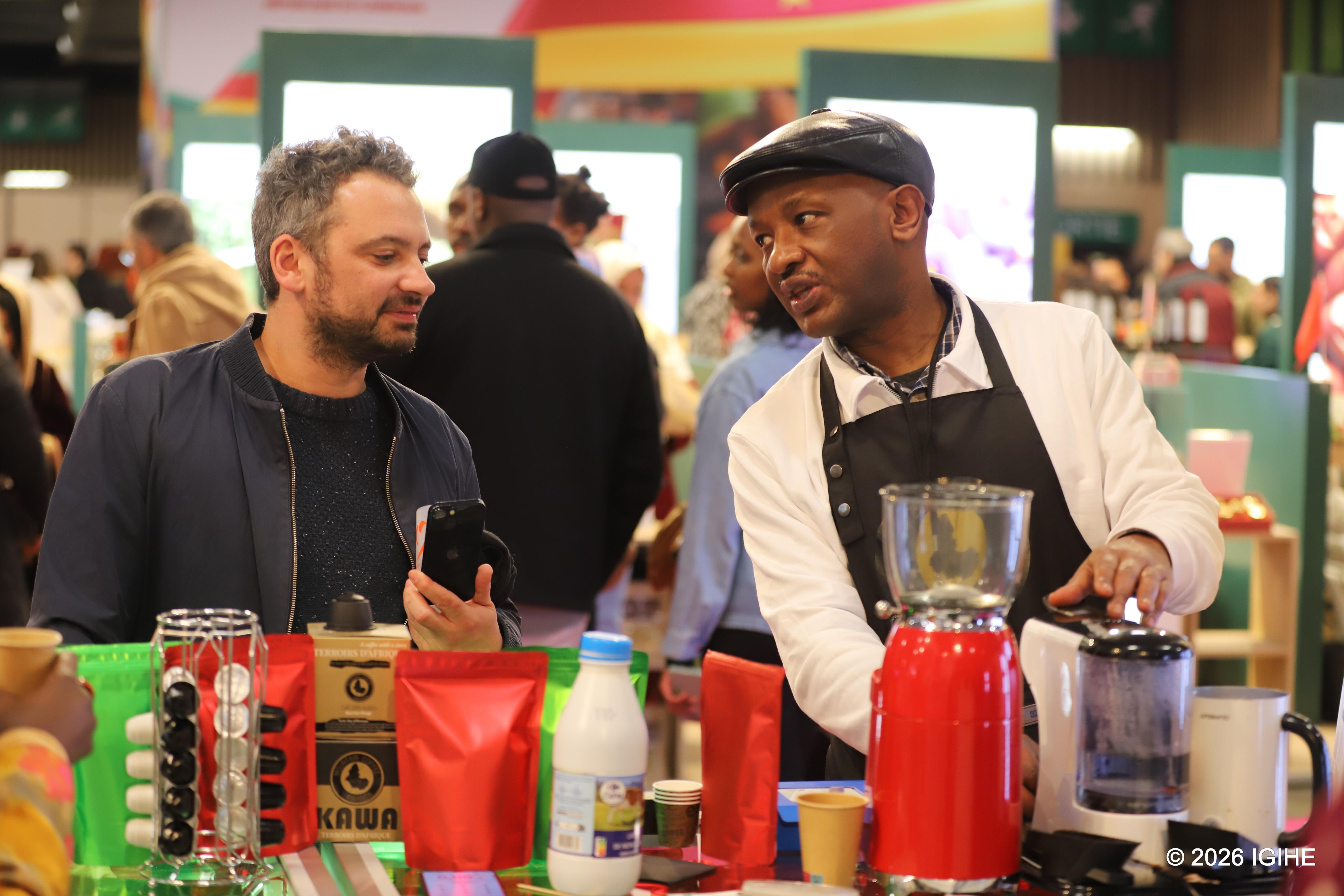
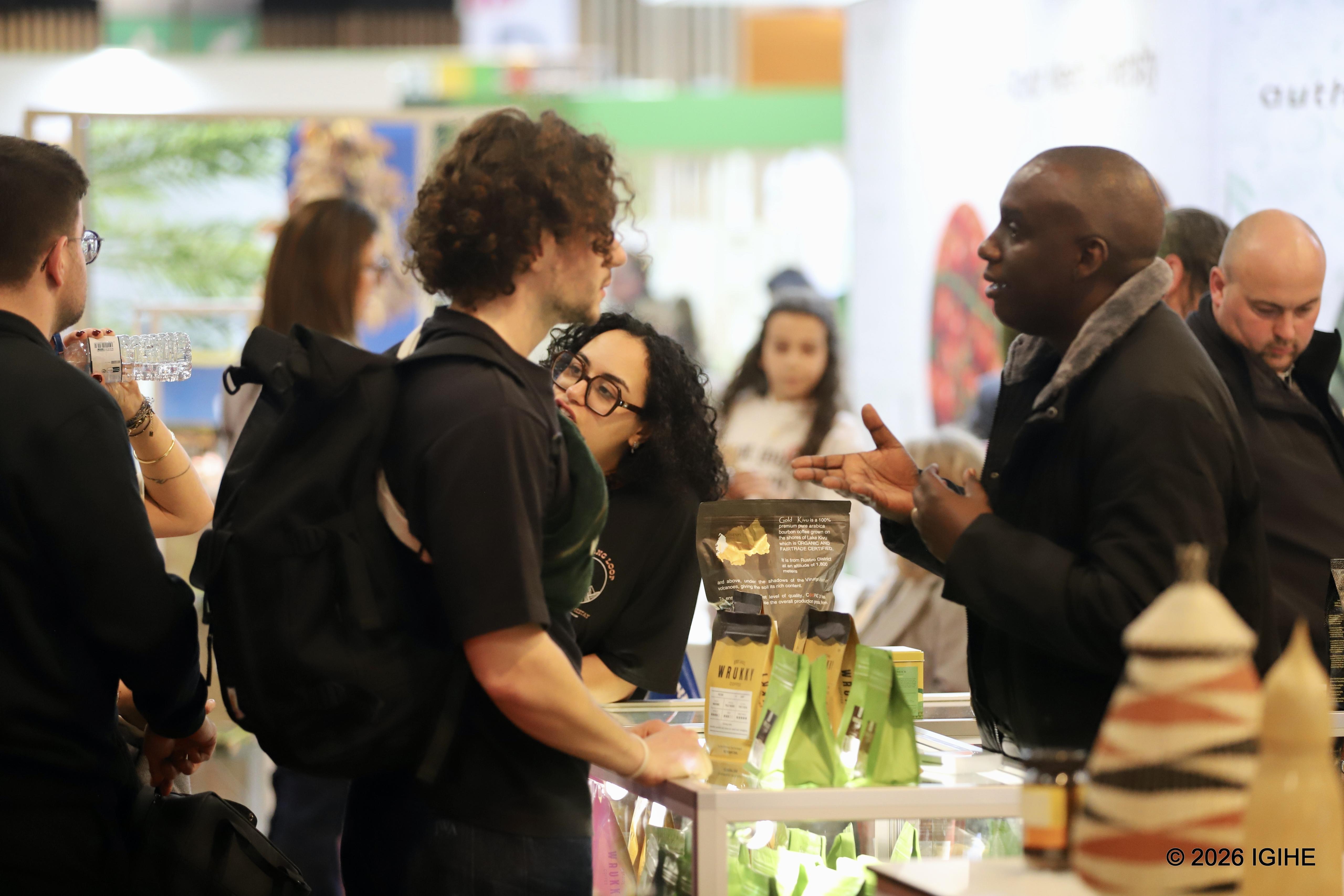
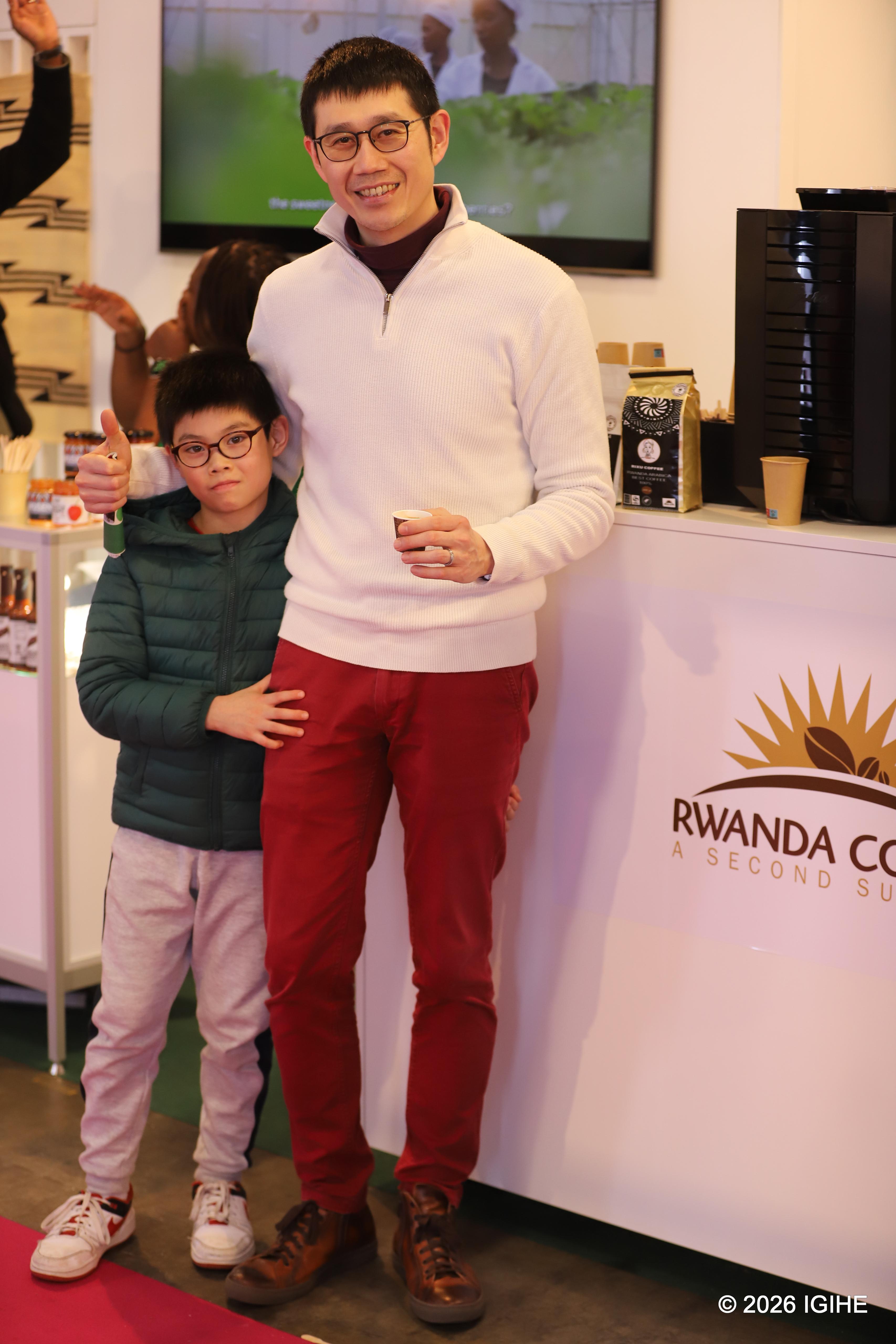
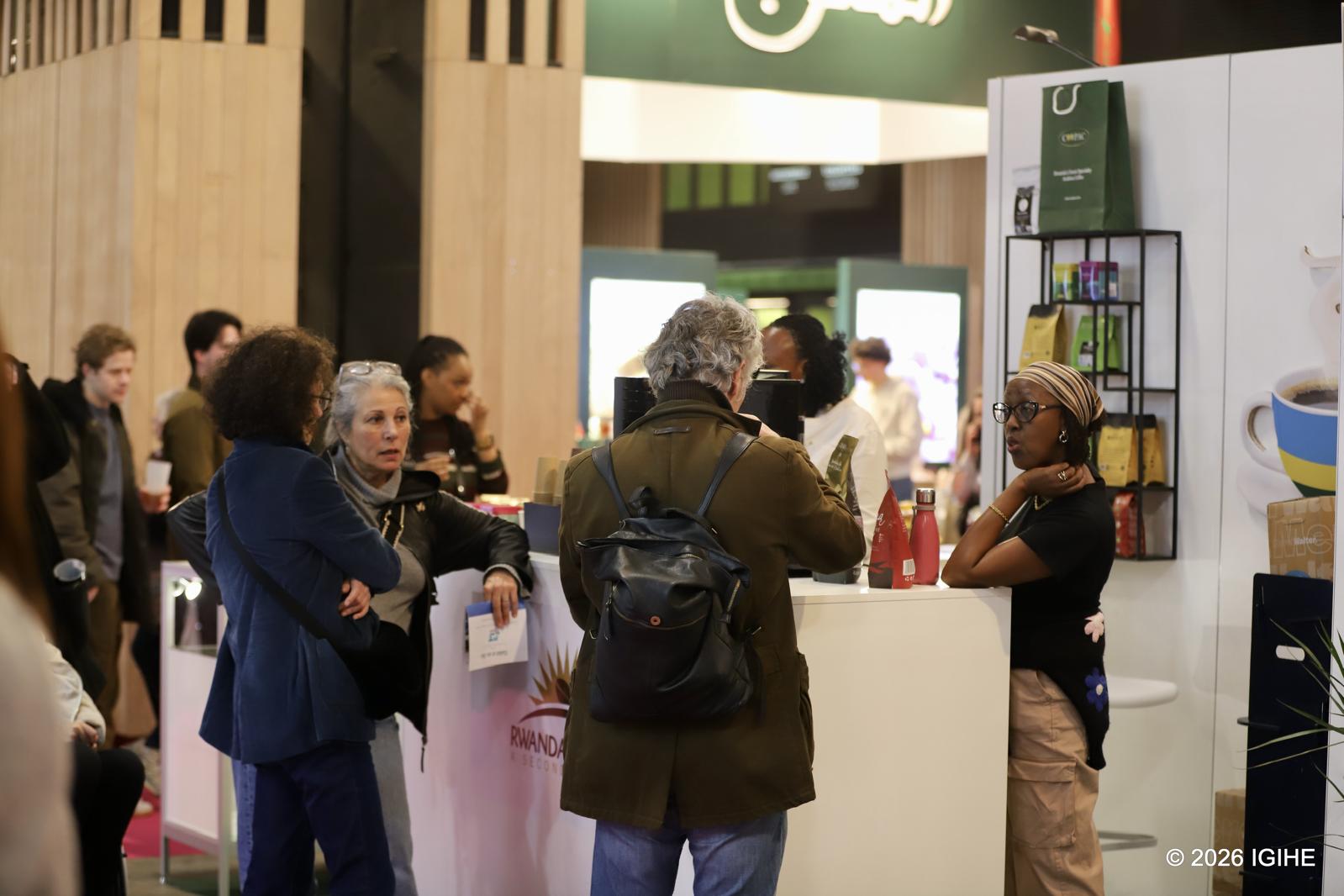
Rwanda is taking part in international agriculture and livestock exhibition for the fith time. Rwanda is showcasing products including coffee, tea, honey and others.Rwanda is exhibiting at Stand 7, where it is highlighting the country’s continued progress in developing export-oriented agricultural produce. The 2026 edition of the trade fair opened on Saturday, February 21. Rwanda is represented by 15 companies.
Sunday’s stage, the longest of the race at 174 km, took riders from Rukomo Sector in Gicumbi District to Rwamagana in Eastern Province. The challenging route tested the peloton with rolling hills, strategic sprints, and persistent rain before culminating in a thrilling finish.
Einhorn out-sprinted his rivals in the final meters to take the win in 4:00:05.02, earning a 10-second time bonus for claiming the third intermediate sprint of the day. Spaniard Hodei Muñoz of the Belgian Soudal Quick-Step Development Team finished second, while Eritrean Mewael Girmay of the Turkish-registered Istanbul Team came in third. This marks Einhorn’s third stage win at the Tour du Rwanda, having previously triumphed in Kayonza and Nyaruguru during the 2024 edition.
Einhorn claimed the first yellow jersey of the 2026 race, setting the tone for the week ahead.
With the victory, Einhorn also claimed the first yellow jersey of the 2026 race, setting the tone for the week ahead. The Israeli rider now leads a field of 18 teams, including four Rwandan squads, in the eight-stage race covering nearly 1,000 km and more than 16,000 meters of total elevation gain.
The final kilometres of Stage 1 were intense. With 30 km remaining, the breakaway held a 2-minute 25-second advantage, but the peloton, led by NSN, Eritrea, and Movistar teams, steadily closed the gap. By the 5 km mark, Einhorn and the leading riders had reduced the margin to just 30 seconds, setting up a nail-biting sprint to the line.
Einhorn out-sprinted his rivals in the final meters to take the win in 4:00:05.02.
The 2026 Tour du Rwanda, now in its 18th edition since gaining international status, continues through March 1, taking riders across the country’s diverse terrain. Upcoming stages include the high-elevation challenge from Huye to Rusizi on February 24, a scenic lakeside route along Lake Kivu on February 25, and the final circuits in Kigali on March 1.
Einhorn’s early dominance in Rwamagana demonstrates his readiness to compete for overall victory in a race known for its gruelling climbs and unpredictable finishes. Fans can expect more thrilling action as the “Land of a Thousand Hills” once again tests the world’s best riders.
This marks Einhorn’s third stage win at the Tour du Rwanda, having previously triumphed in Kayonza and Nyaruguru during the 2024 edition.The first stage of Tour du Rwanda 2026 covered 174 km from Rukomo to Rwamagana.
This year’s edition marks the 18th Tour du Rwanda since it gained international status in 2009.
State Minister in the Ministry of Sports, Rwego Ngarambe, was also among the officials present.
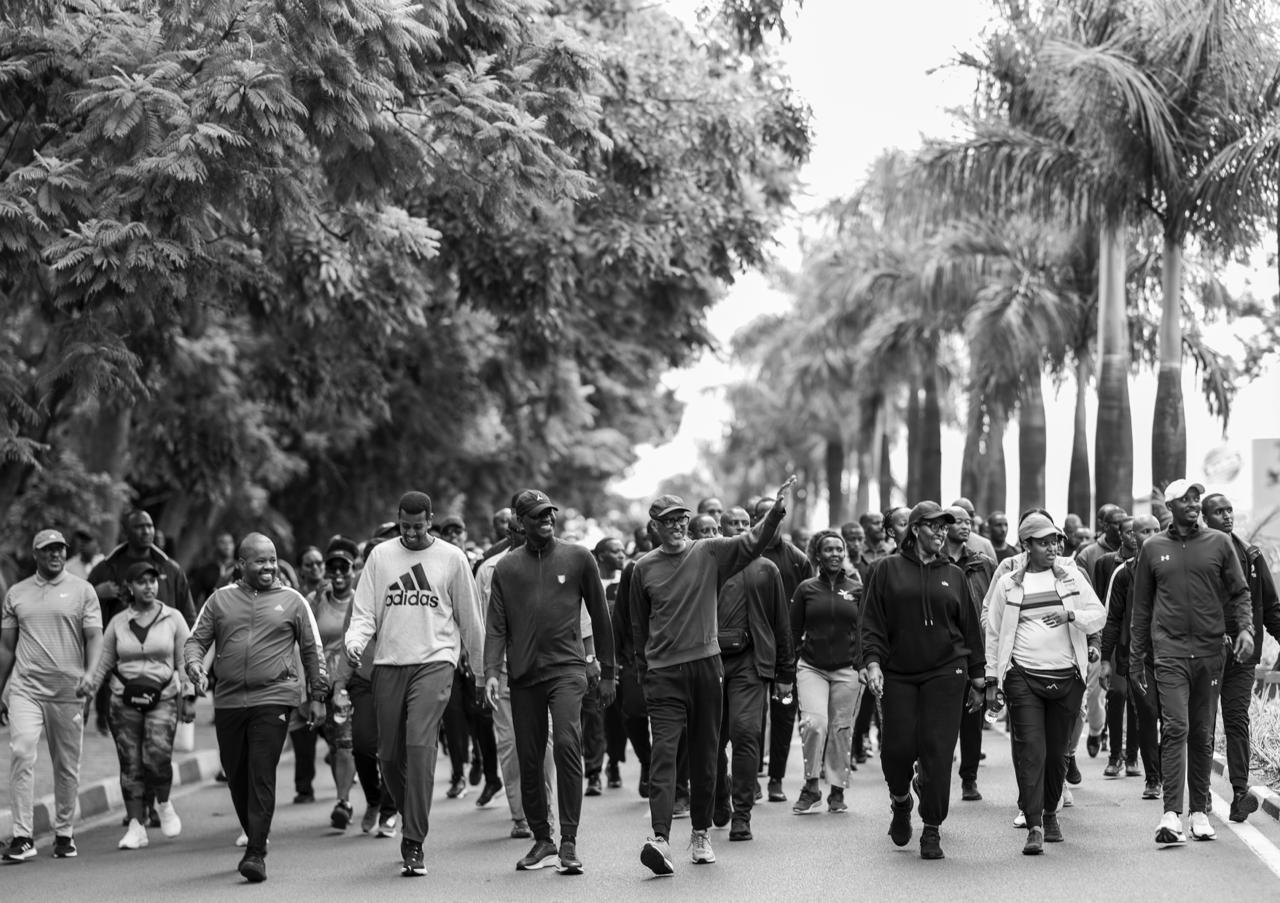
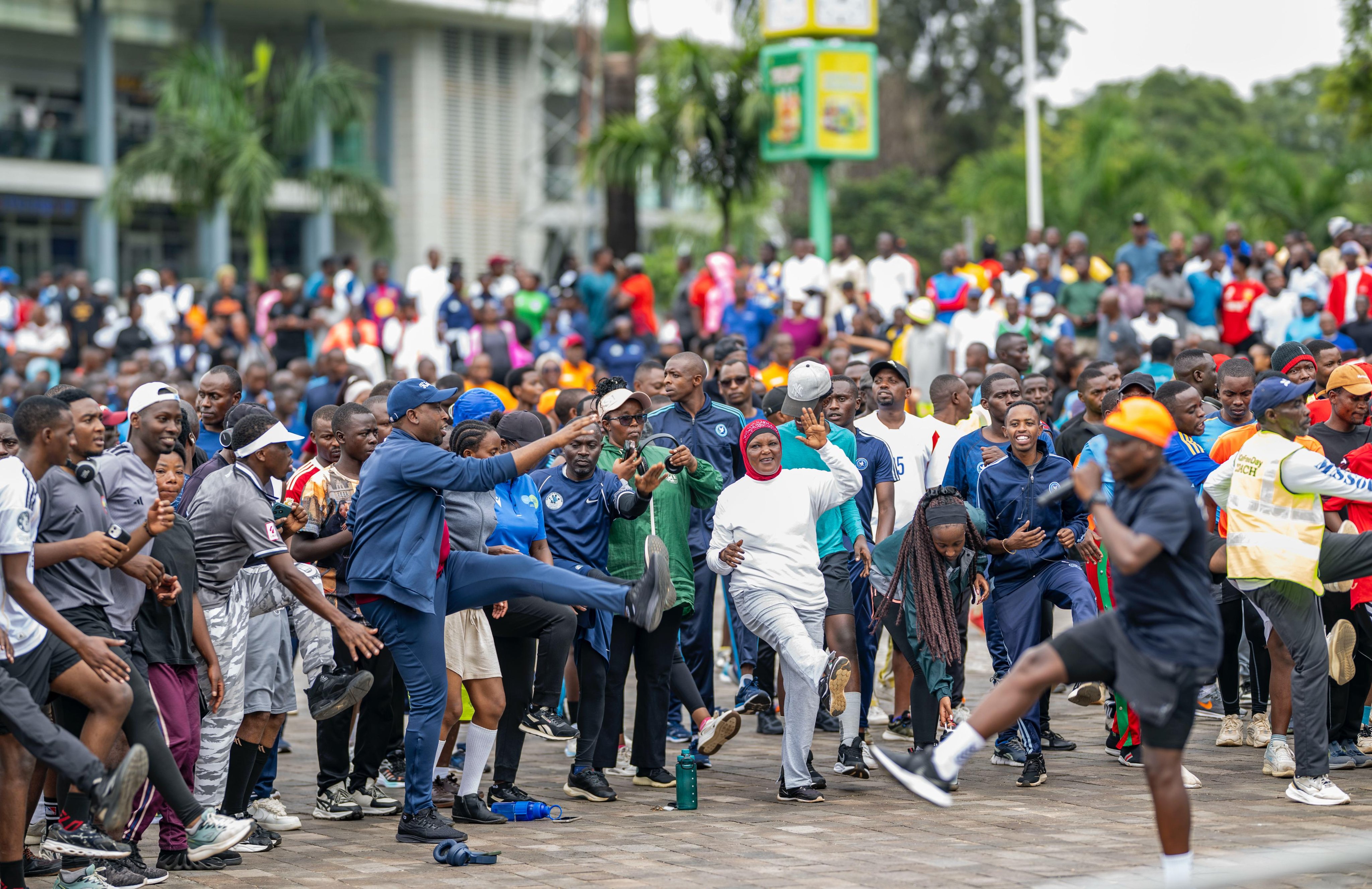
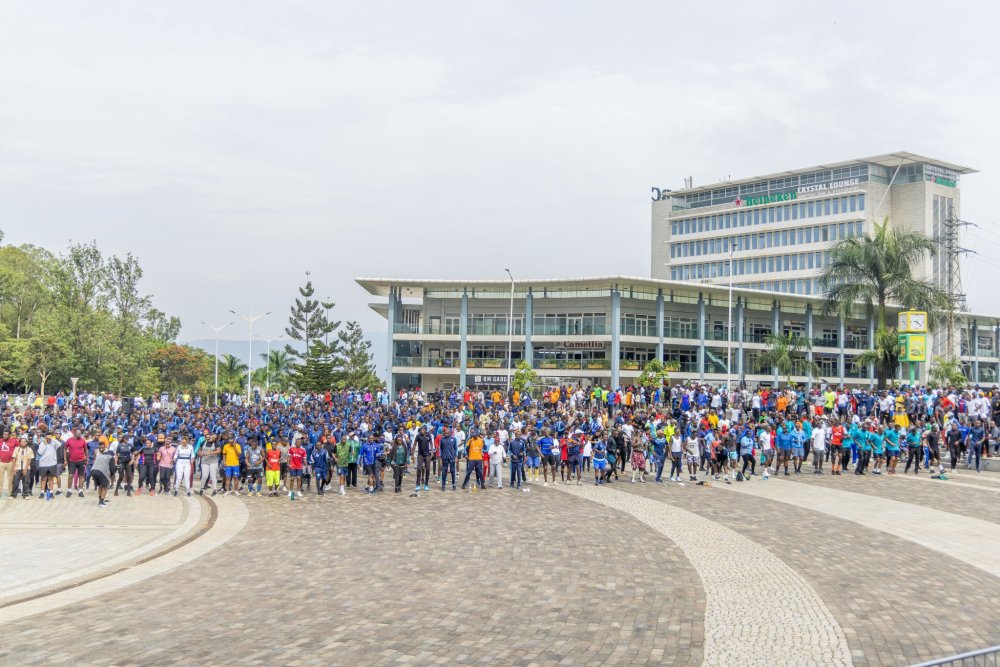
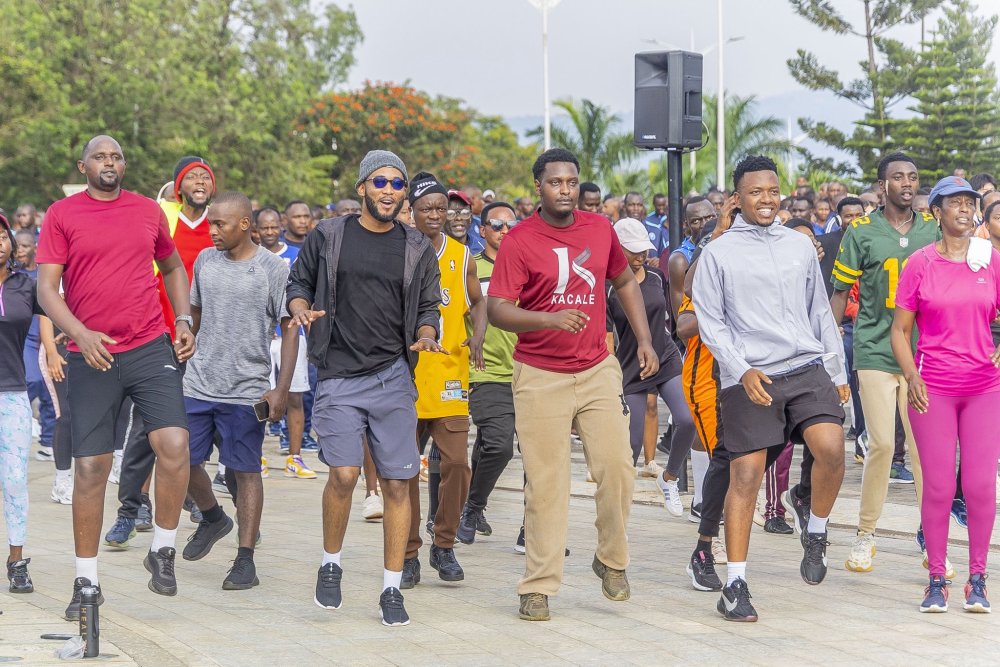
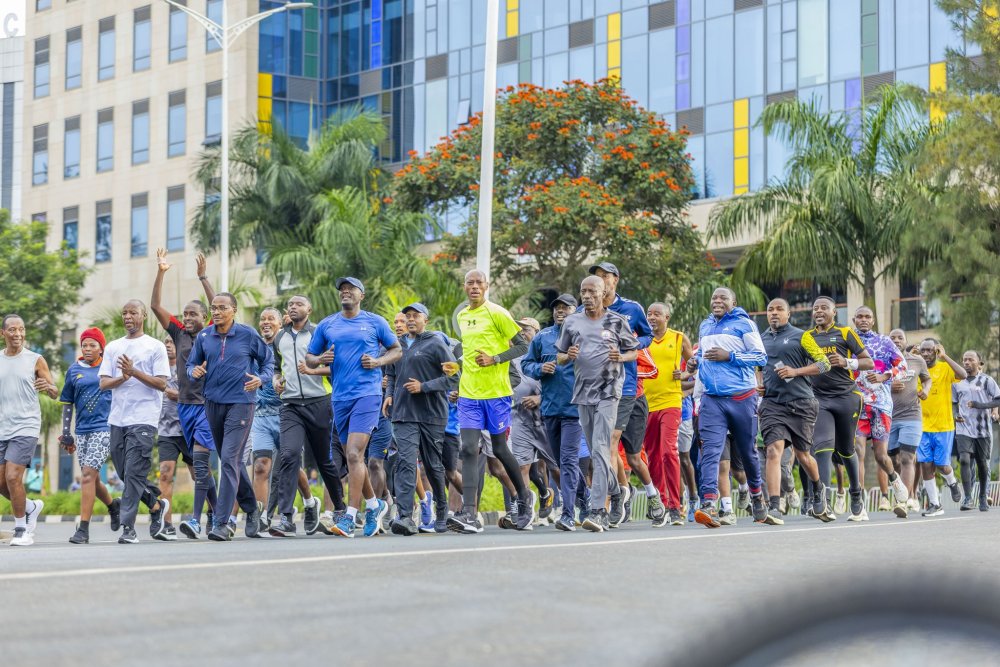
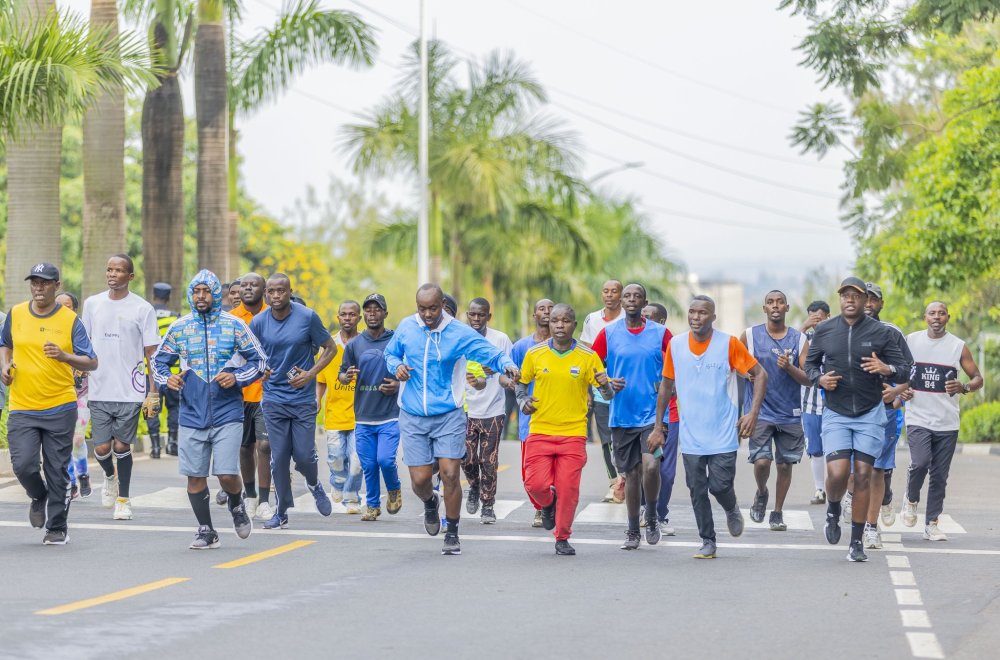
During the event, several streets across Kigali were closed to cars and motorcycles from 7:00 a.m. to 10:00 a.m., allowing thousands of residents to engage in walking, cycling, and other recreational activities such as street tennis and three-on-three basketball.
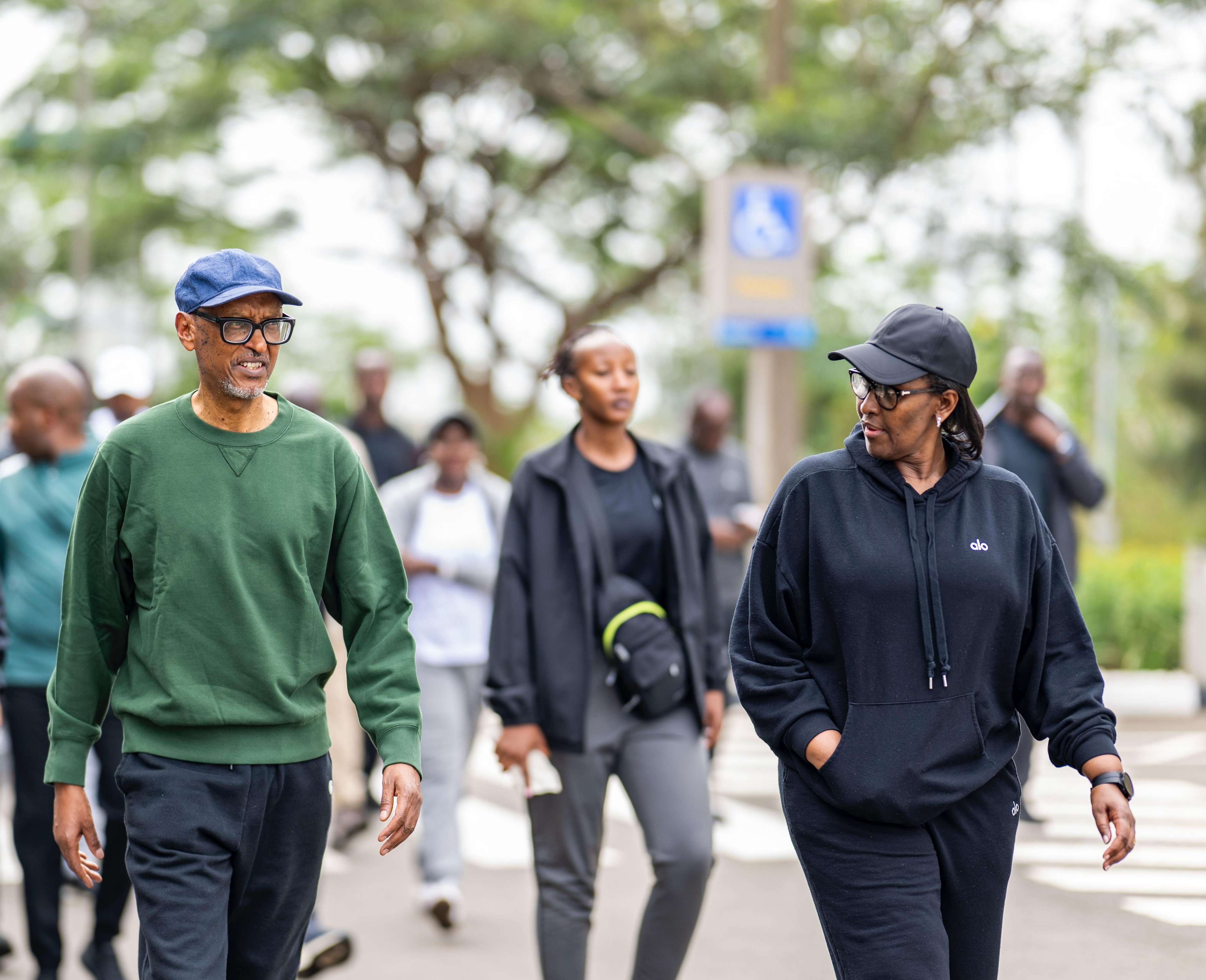
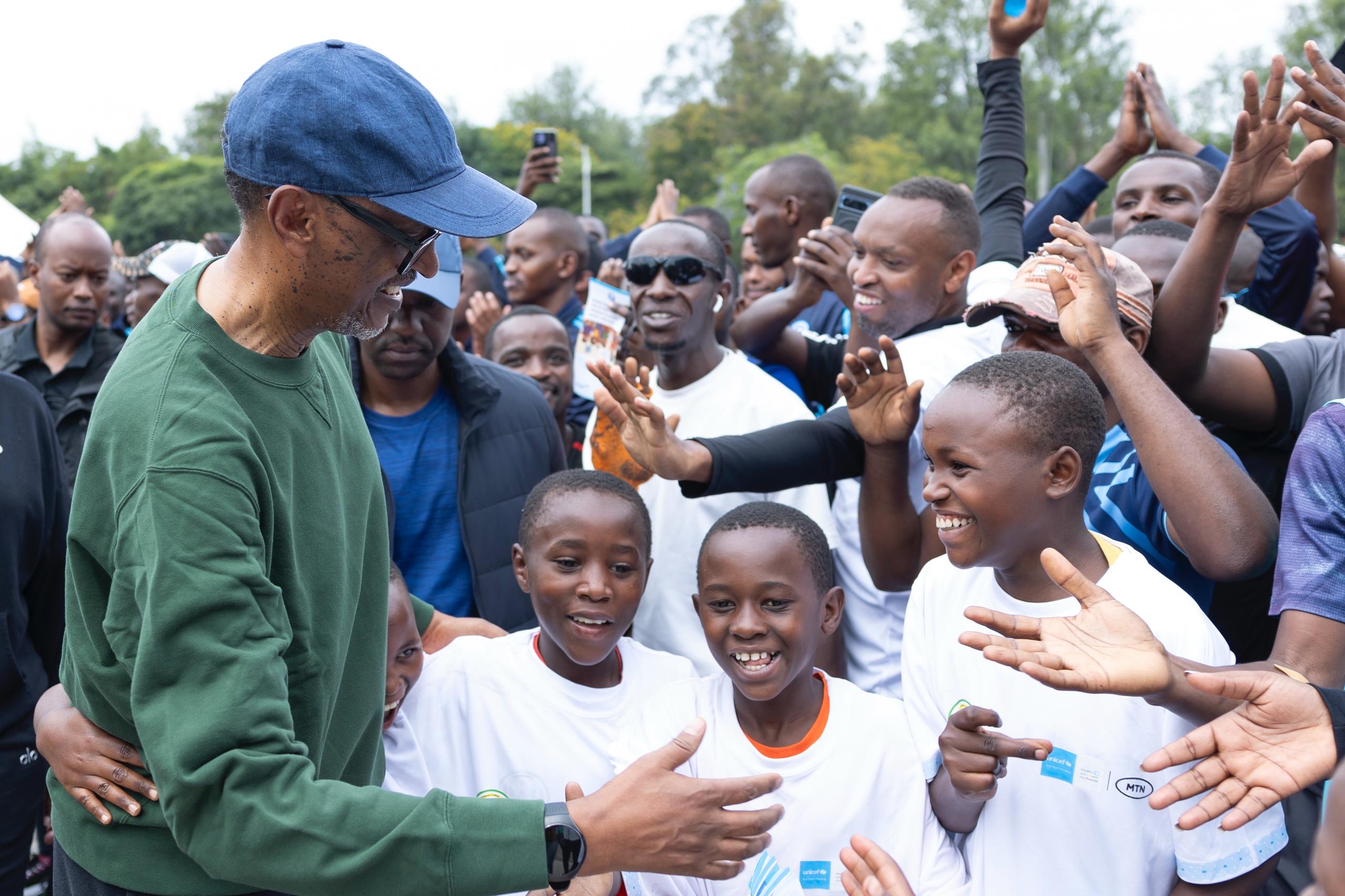
President Kagame took the opportunity to engage with participants, including children, who joined the event in support of wellness, community, and an active lifestyle.
Launched in May 2016, Car Free Day aims to promote healthy lifestyles among Kigali residents while also raising awareness about disease prevention. Participants are sometimes offered free health screenings and advice during the event.
Although the initiative, held twice a month, started in Kigali, it has since grown into a broader tradition, with other provinces adopting similar activities.
The City of Kigali highlights that Car Free Day also contributes to environmental conservation, as temporarily reducing vehicle traffic lowers harmful emissions and improves air quality.
Various state officials accompanied President Kagame and First Lady Jeannette Kagame.President Kagame took the opportunity to engage with participants, including children, who joined the event in support of wellness, community, and an active lifestyle.The event is organised twice a month in support of wellness, community, and an active lifestyle.Participants were guided on practical ways to incorporate physical exercise into their daily routines with ease. Comedians Fally Mercy and Umushumba were among the participants in the public sports event.
NASA Administrator Jared Isaacman said the problem may involve a faulty filter, valve, or connection plate.
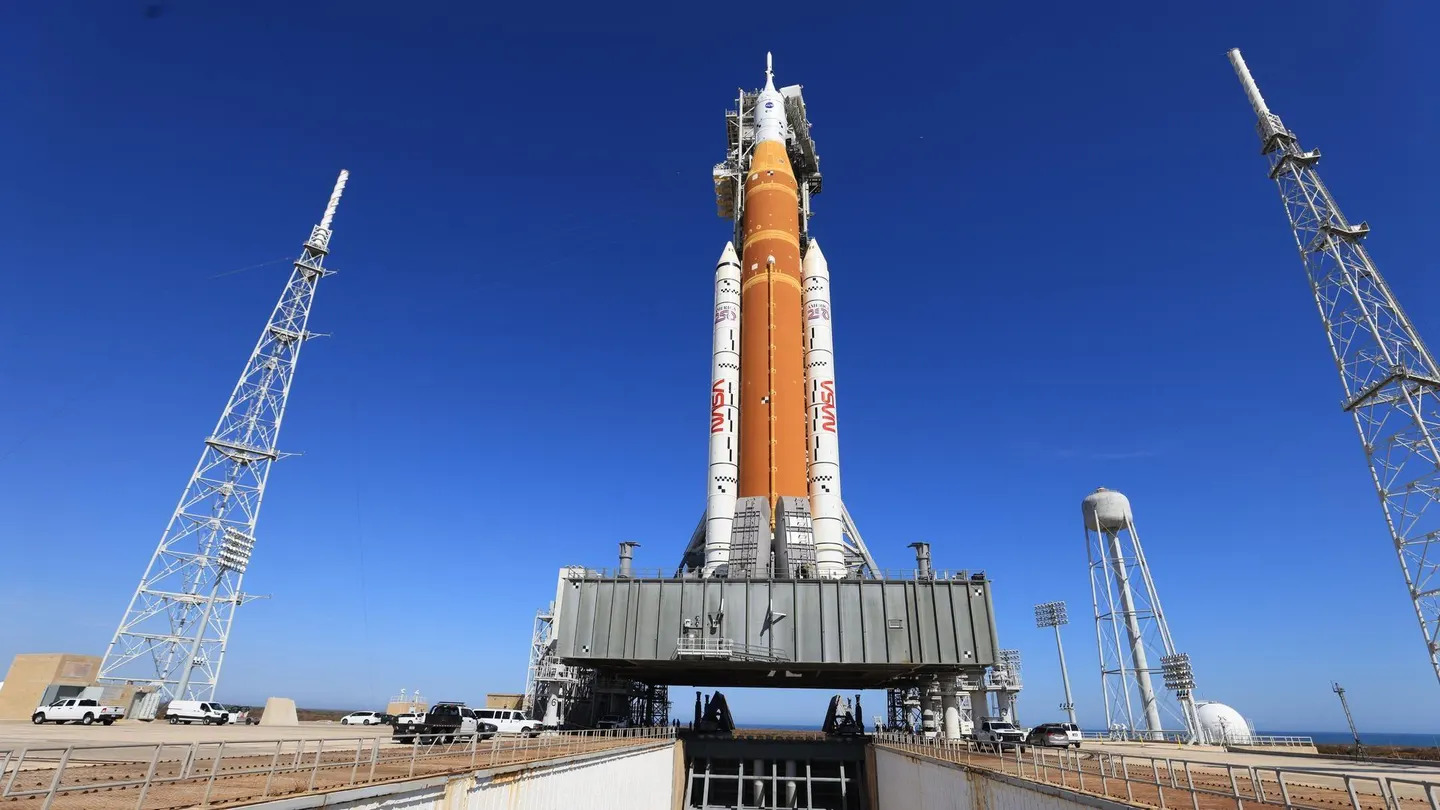
“The only way to inspect and repair the affected area is to roll the 98-meter (322-foot) Space Launch System rocket back to its hangar at Kennedy Space Center,” he said, adding that the March window is no longer feasible.
Artemis II will carry four astronauts, three Americans, Reid Wiseman, Victor Glover, and Christina Koch, and Canadian Jeremy Hansen, on a journey around the Moon and back. The crew will orbit the Moon’s far side, a region never visible from Earth, testing spacecraft systems critical for future lunar exploration.
The mission is a key precursor to Artemis III, NASA’s planned Moon landing, currently scheduled for 2028. Artemis II would also mark humanity’s farthest journey into space since the Apollo program ended in 1972.
The Artemis program has faced multiple delays, including previous hydrogen fuel leaks and postponed rehearsals. A recent wet dress rehearsal, conducted under real fueling conditions, had cleared the mission for a potential March launch before the helium system issue emerged.
The setback comes amid growing international competition in lunar exploration, with China planning a crewed Moon landing by 2030 and uncrewed missions starting in 2026. Despite the delay, NASA says Artemis II remains critical for testing systems and operations needed for sustainable lunar missions and eventual crewed Mars exploration.
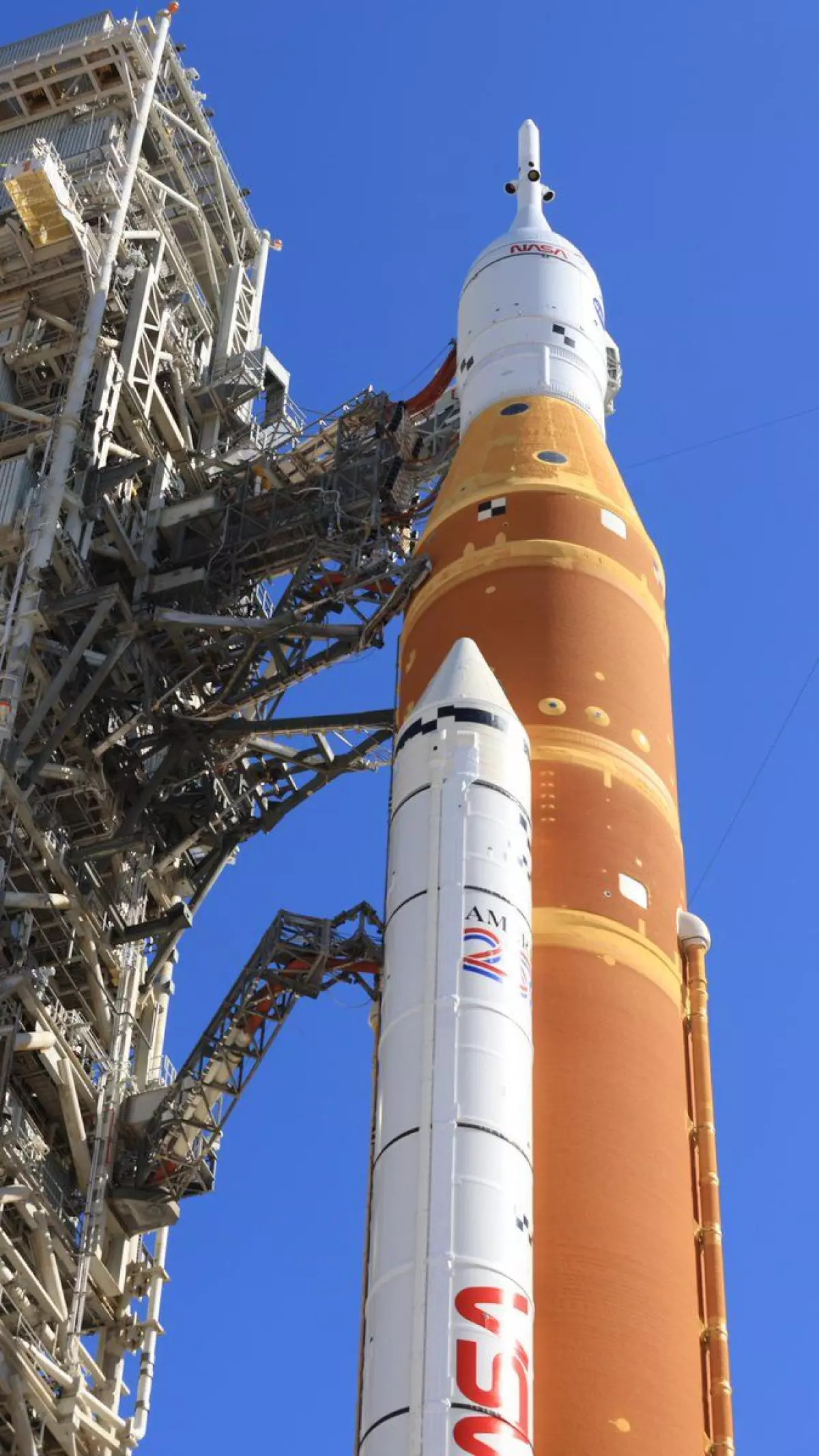
NASA’s moon rocket sits on the pad at Kennedy Space Center in Florida.
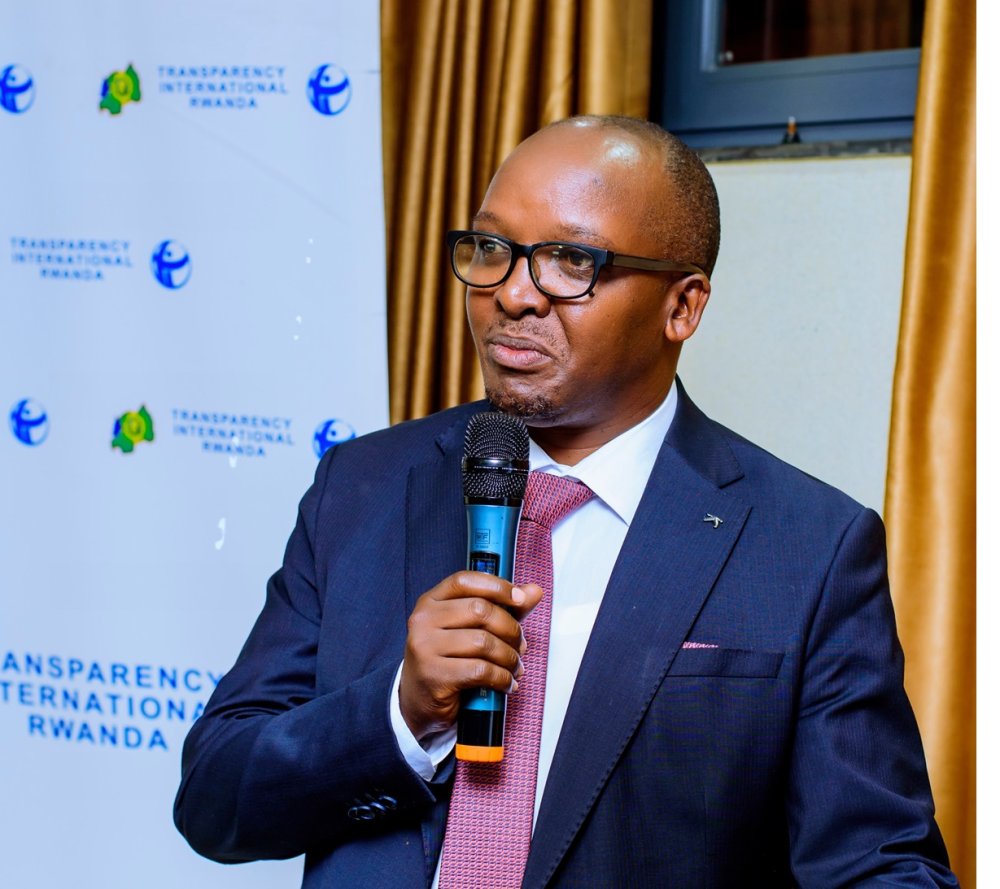
In a statement released on February 20, 2026, TI Rwanda said Sayinzoga was elected alongside other Board members during the organization’s General Assembly held on February 15, 2026.
Sayinzoga previously served as First Vice Chairperson of the Board of TI Rwanda since 2015. He has long been involved with the organization, having been a member of its Advisory Council until 2025 before becoming Vice Chairperson, a position to which he was re-elected in 2021.
A professional engineer and certified valuer, Sayinzoga also heads the Elections Commission of the Institute of Real Property Valuers in Rwanda (IRPV). He previously worked with UNICEF as head of a construction-related project between 2013 and 2015.
He also served as Project Manager of the One Dollar Campaign from 2009 to 2012 and has worked with the private sector as well as the United Nations Development Programme (UNDP).
Sayinzoga succeeds Ingabire Marie Immaculée, who died on October 9, 2025, following an illness. She had led TI Rwanda since 2015 and was among the 20 founding members of the organization in 2004.
Engineer Sayinzoga Nkongoli Appolinaire has been elected Chairperson of Transparency International Rwanda.
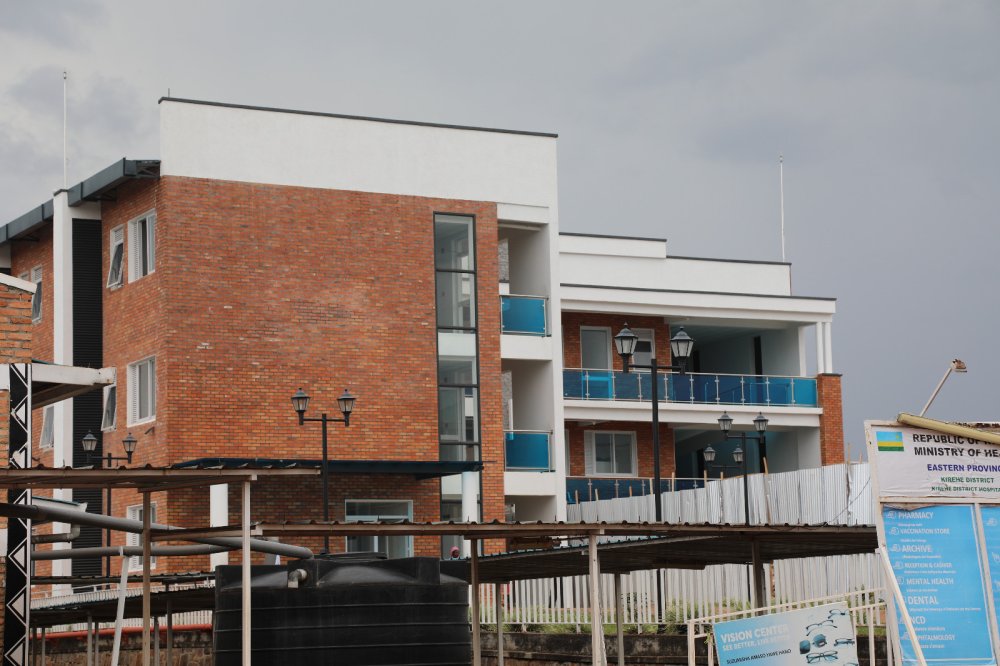
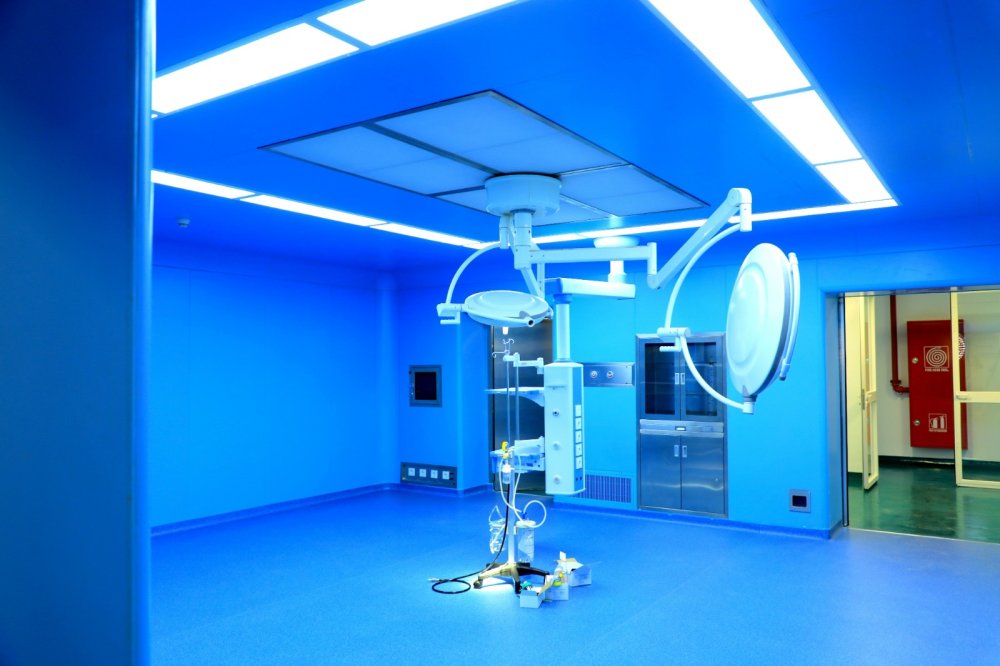
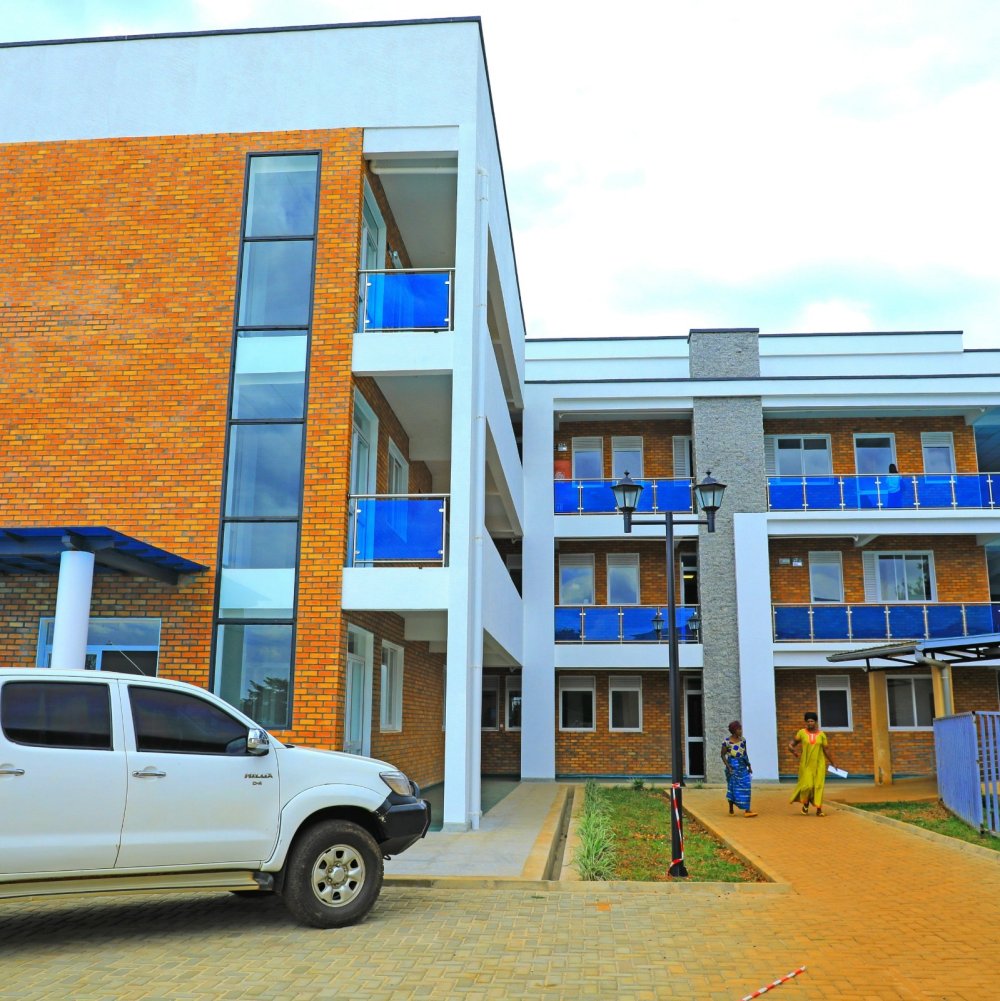
The facility was constructed at a cost of Rwf 2.4 billion and equipped with medical installations valued at Rwf 682 million. The funding was provided through the Jyambere project under the Ministry of Emergency Management (MINEMA).
The three-storey building includes four operating theatres on the ground floor, a second floor designated for general patient care, and a top floor dedicated to pediatric treatment.
Dr. Casmir Muhire, the Deputy Director General of Kirehe Hospital, explained that the new building was highly needed, as many patients previously had to be sent to other hospitals for surgery.
“Previously, we treated patients but had to send those who needed surgery to other hospitals. Those without financial means were often delayed. Now, with this new building, patients can receive all services here, and we no longer have to refer them to other hospitals unless it’s absolutely necessary,” he said.
“We are pleased to have this modern facility, which has significantly reduced the need for Kirehe residents to seek services elsewhere,” Dr. Muhire added.
Asifiwe Angelique, a resident of Gatore Sector, shared her experience of giving birth at the hospital. She recounted that she initially gave birth in a small, poorly ventilated room, which left her worried about possible complications.
“Now, we are very happy that the place where mothers give birth is much larger and more comfortable than before. In the past, we gave birth in cramped spaces. The new birthing area is spacious, has an in-house toilet, and a shower, so mothers do not need to go outside,” she said.
Uwizeyimana Julienne, from Mpanga Sector in Ntaruka Cell, Nyagasozi Village, also praised the improvements. She recalled that, previously, the delivery area was located on the ground floor, in an area that was somewhat embarrassing. She expressed her happiness with the changes made at Kirehe Hospital.
The Mayor of Kirehe District, Rangira Bruno, highlighted that the construction of the new multi-story building was part of the Jyambere project’s contribution to the hospital. He added that the new building has helped alleviate overcrowding in the delivery rooms and other hospital areas.
He explained, “Previously, there was significant overcrowding in the delivery rooms, with about 50% of our patients coming from the Mahama Refugee Camp. This new facility has helped reduce congestion and improved the delivery of services.”
Kirehe Hospital serves approximately 500,000 residents across 19 health centers, including two health centers located in the Mahama Refugee Camp.
The new building constructed at Kirehe Hospital is expected to help provide surgical servicesThe building is equipped with modern equipment
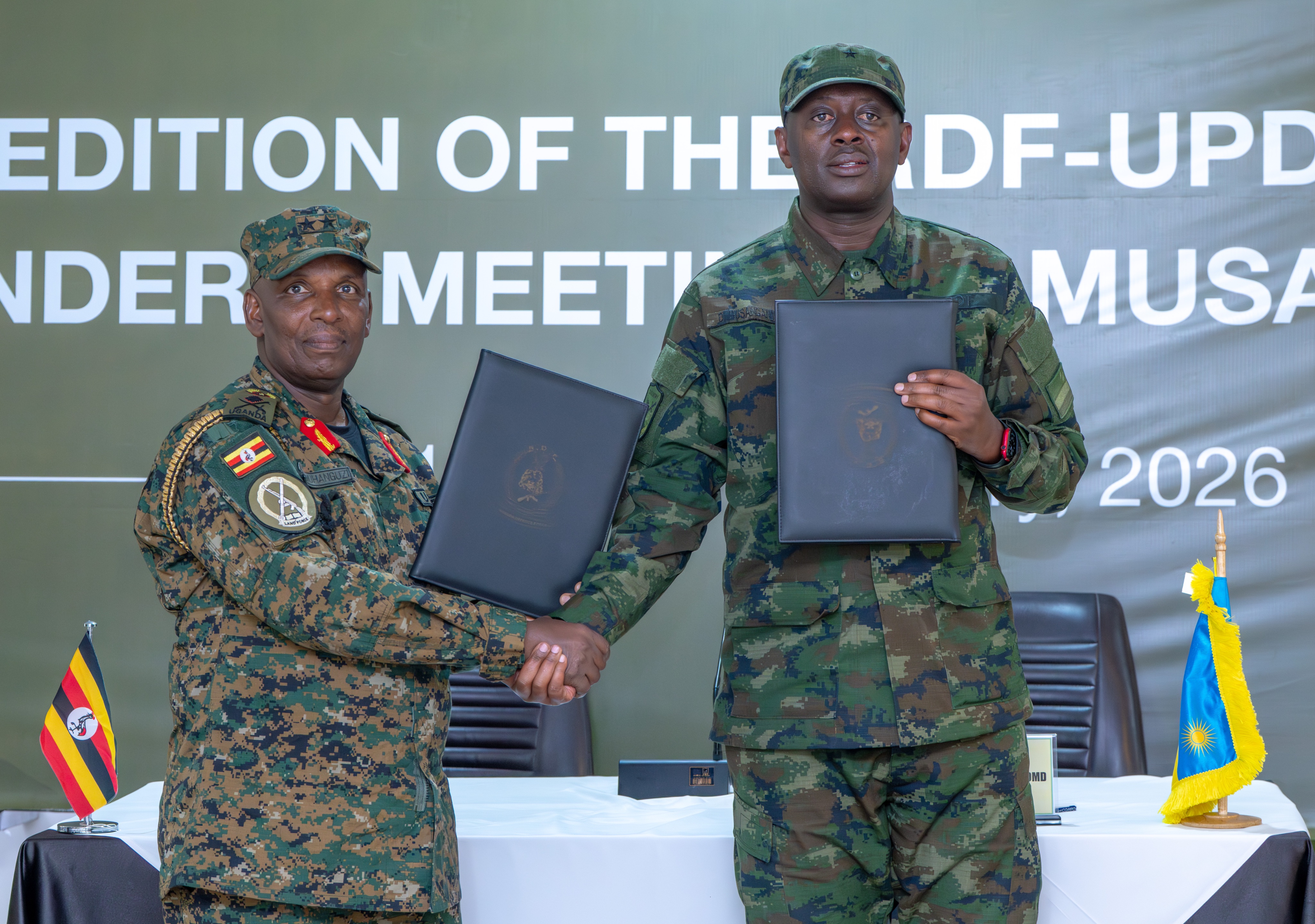
Over the three-day engagement, the 7th Proximity Commanders’ meeting delegations reviewed matters arising since the previous (6th) session held from September 30 to October 2, 2025 in Kabale, Uganda, including progress on agreed-upon border-security initiatives, responses to illegal cross-border movements, human trafficking, illicit trade, livestock theft, smuggling of illicit brews, fraud and impersonation along the border.
The meeting reaffirmed the strong collaboration between the two forces through continuous dialogue and coordinated efforts for border security and regional stability. Participants also underscored the need to expand proximity meeting activities to include local communities through Civil-Military Cooperation (CIMIC) initiatives, environmental protection programmes, and joint military exercises.
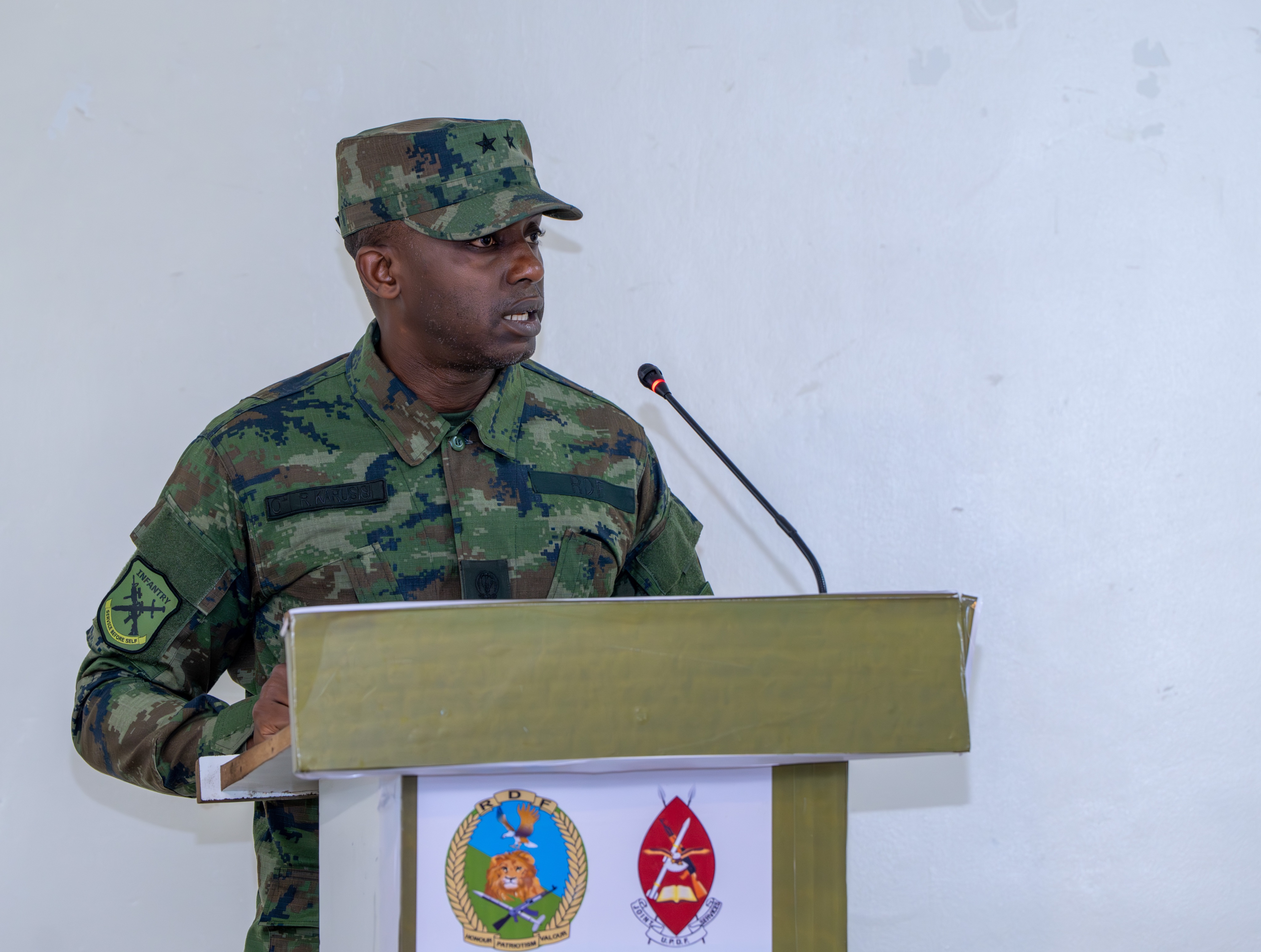
Speaking on behalf of the RDF leadership, Maj Gen Ruki Karusisi, the 5 RDF Division Commander, commended the spirit of openness, professionalism, and mutual respect that characterized the deliberations.
He noted that the constructive engagements reaffirmed the shared commitment to sustaining peace, stability, and trust along the common border. He emphasized that as commanders, they reaffirm close coordination, information sharing and the joint address of emerging challenges.
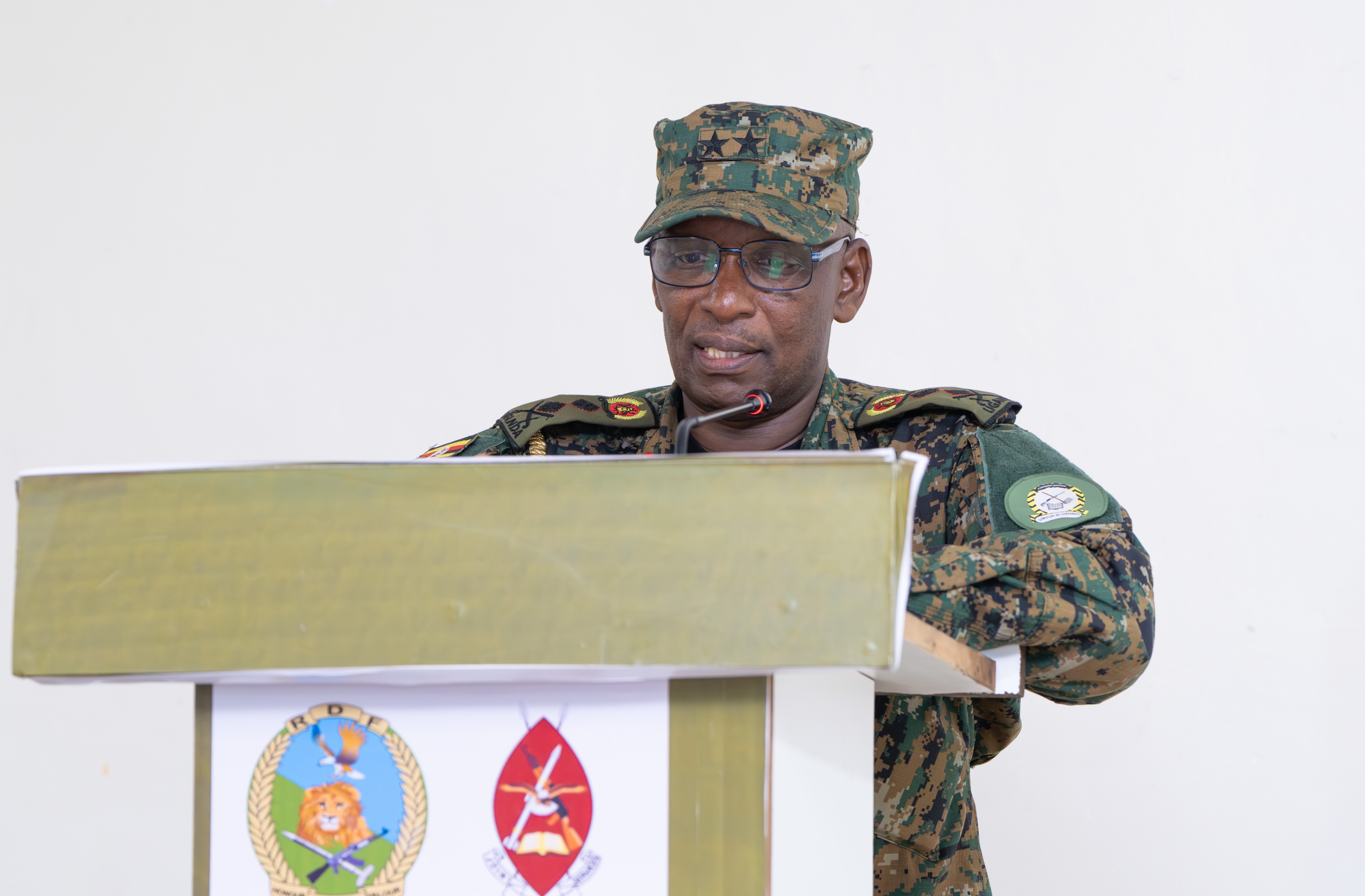
Maj Gen Paul Muhanguzi, the 2 UPDF Infantry Division Commander, reaffirmed the commitment of the Uganda People’s Defence Force to implement resolutions from the 7th Proximity Commanders’ Meeting and remain responsive to emerging border issues. He expressed appreciation for the strategic guidance and support provided by the leadership of both countries in strengthening bilateral cooperation.
The next Proximity Commanders’ Meeting is proposed to take place in June 2026 in Uganda.
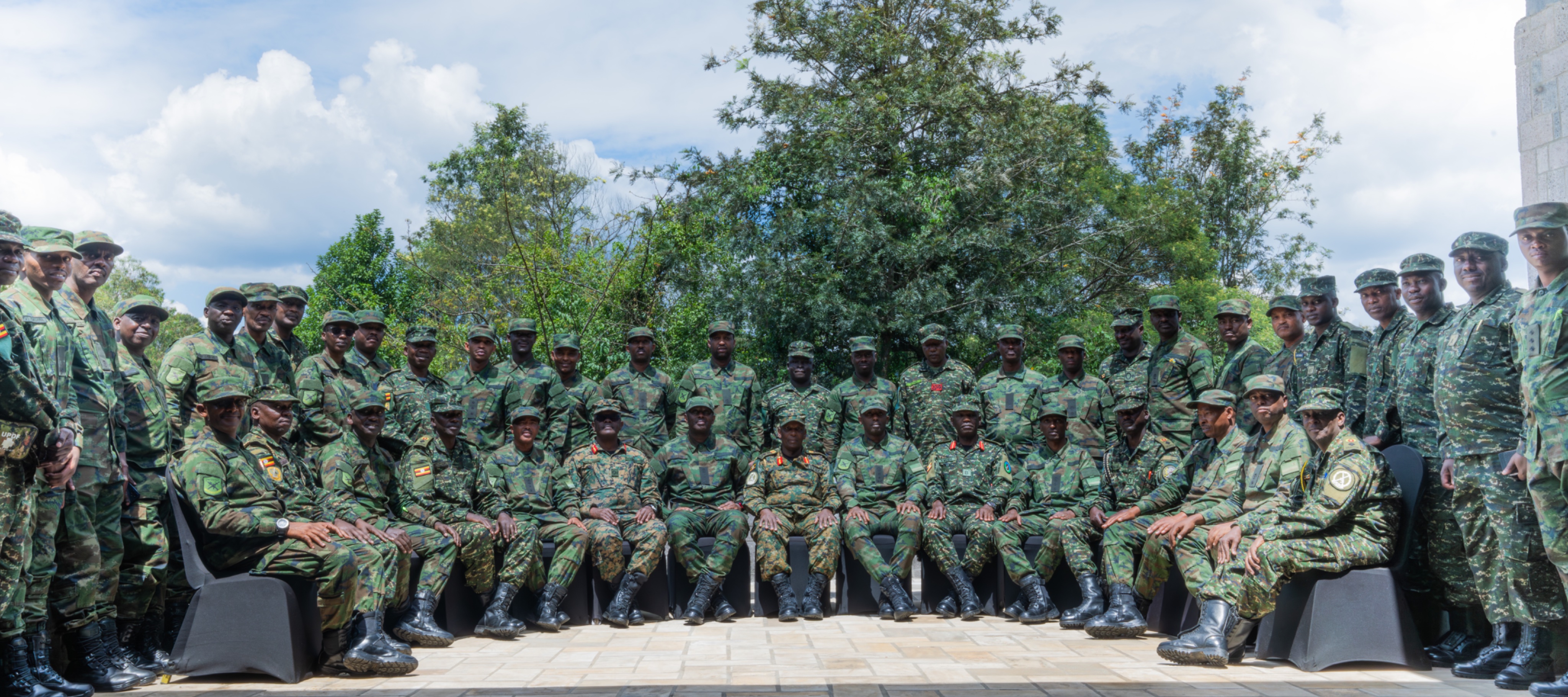
Participants of the meeting in a group photoMaj Gen Ruki Karusisi, the 5 RDF Division Commander, commended the fruitful deliberations of the meeting. The meeting reaffirmed the strong collaboration between the two forces through continuous dialogue and coordinated effortsMaj Gen Paul Muhanguzi, the 2 UPDF Infantry Division Commander, reaffirmed the commitment of the Uganda People’s Defence Force to implement resolutions from the meeting.