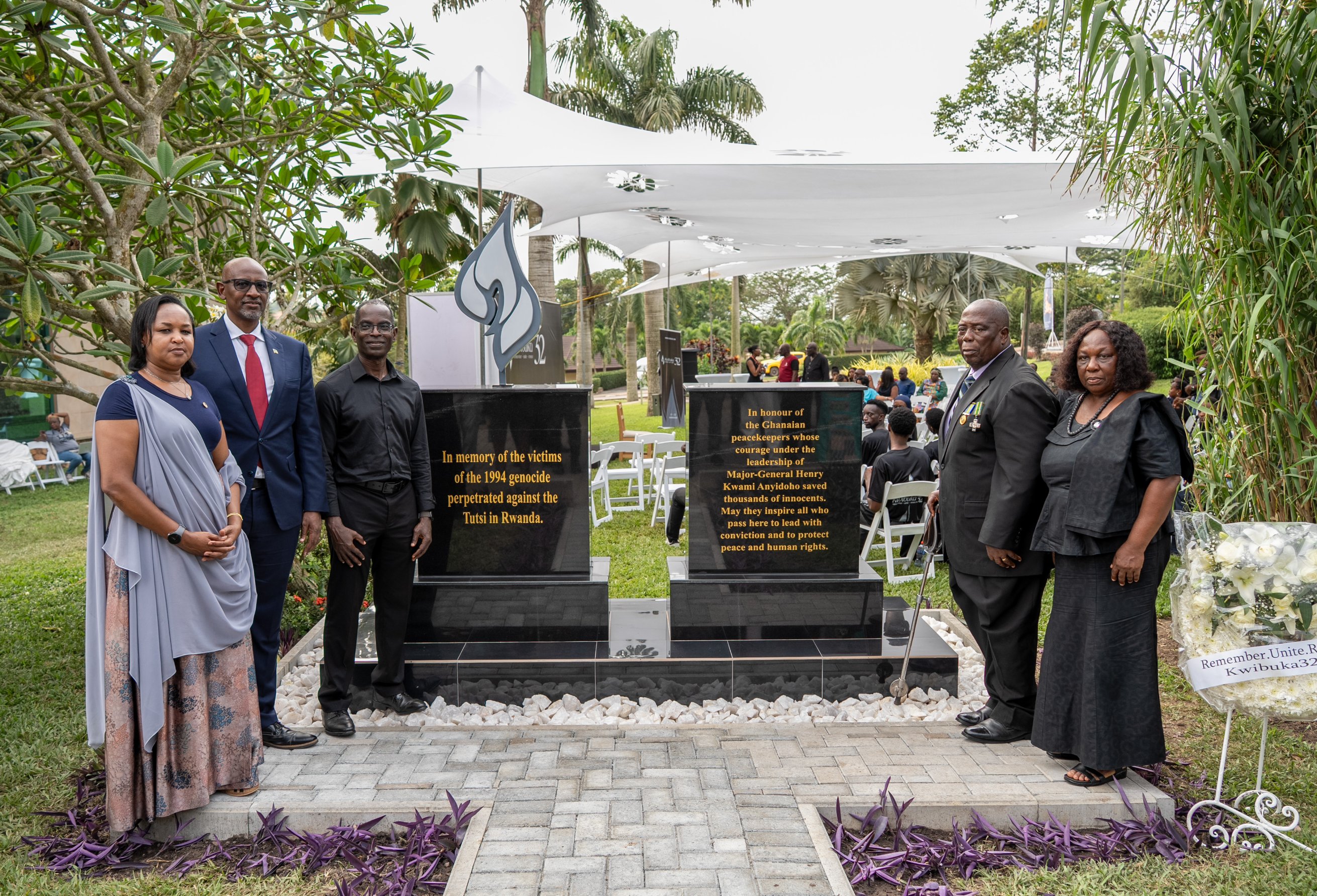
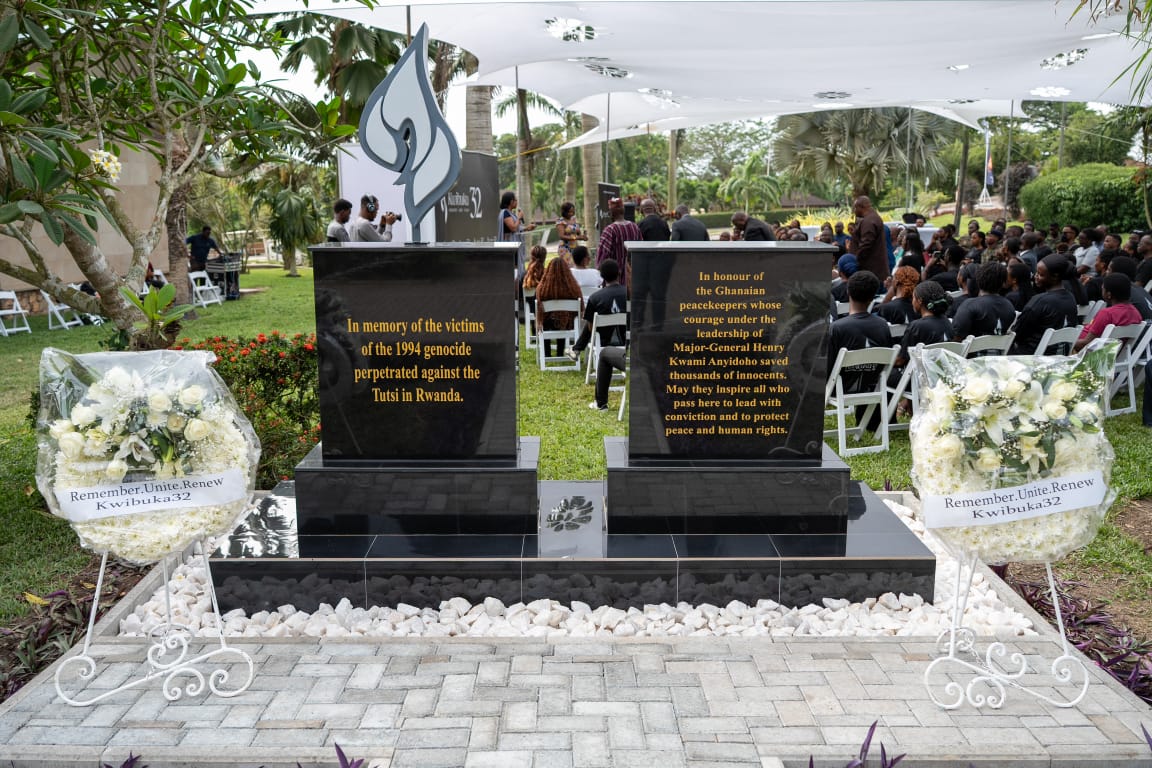
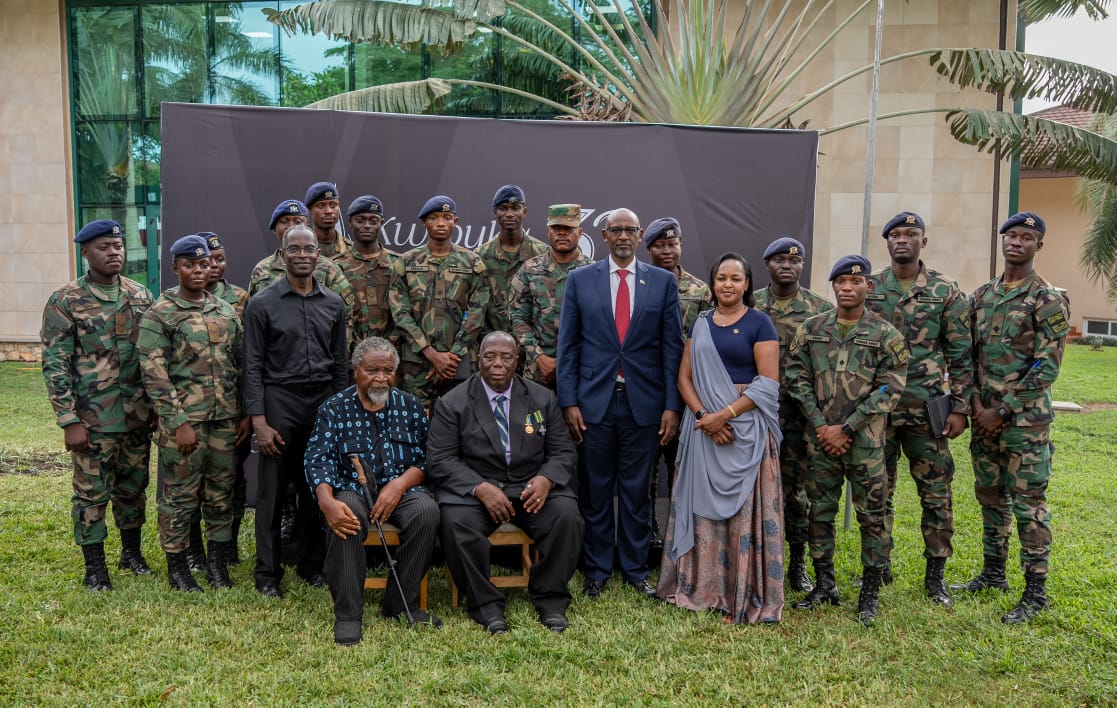
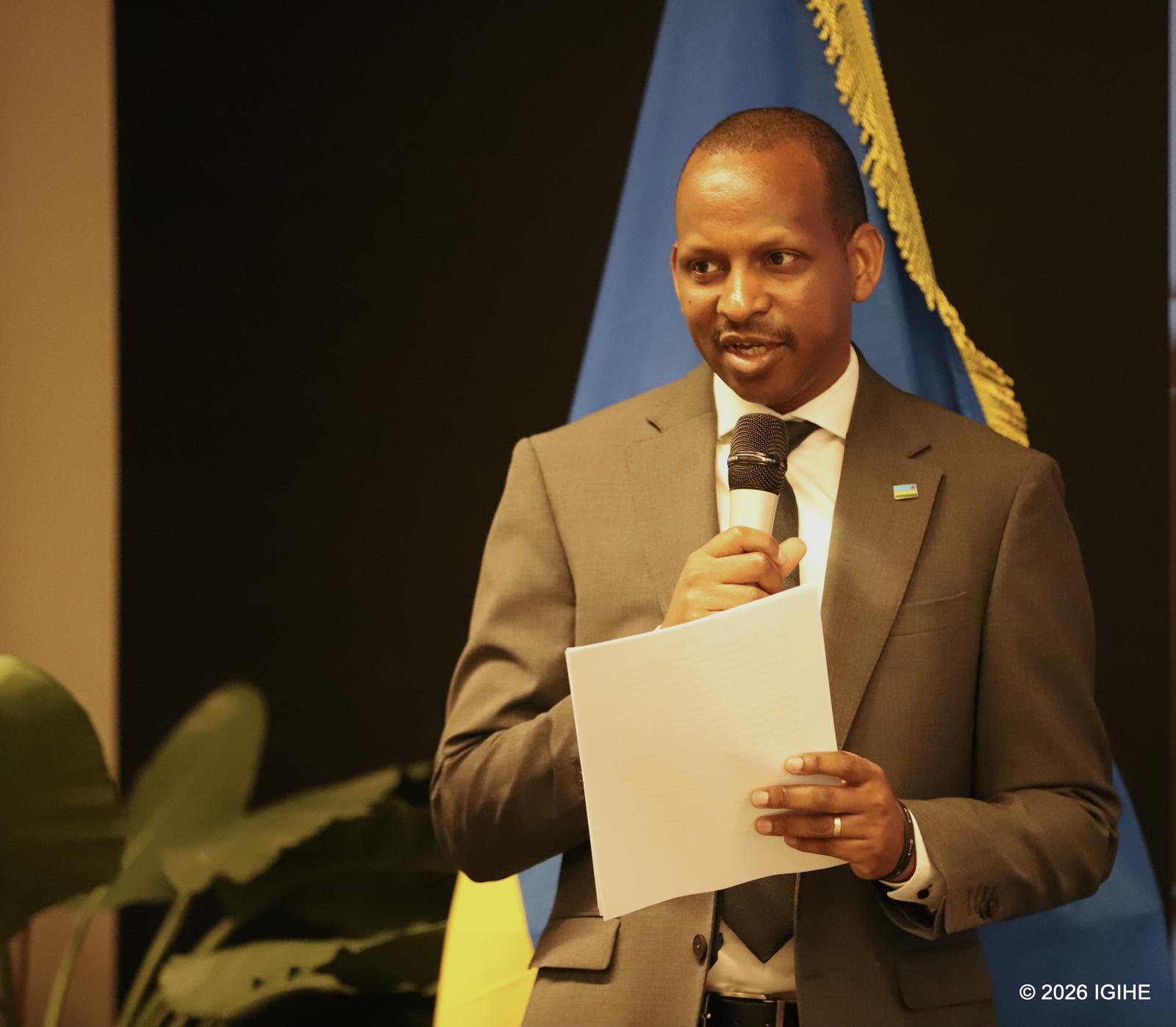
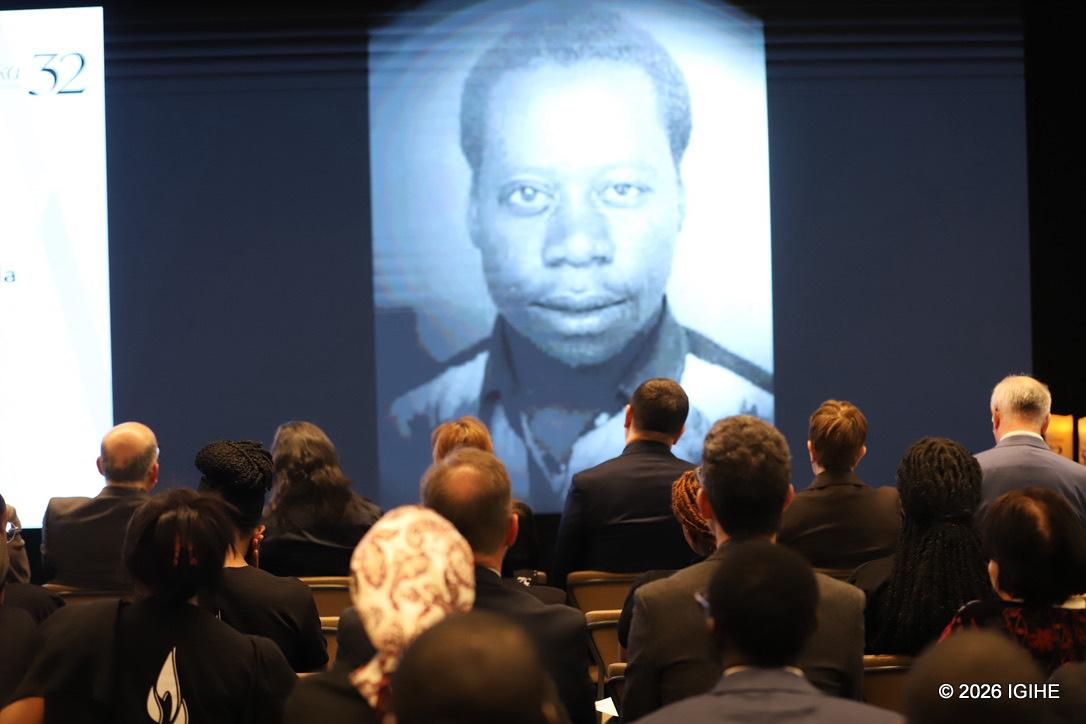
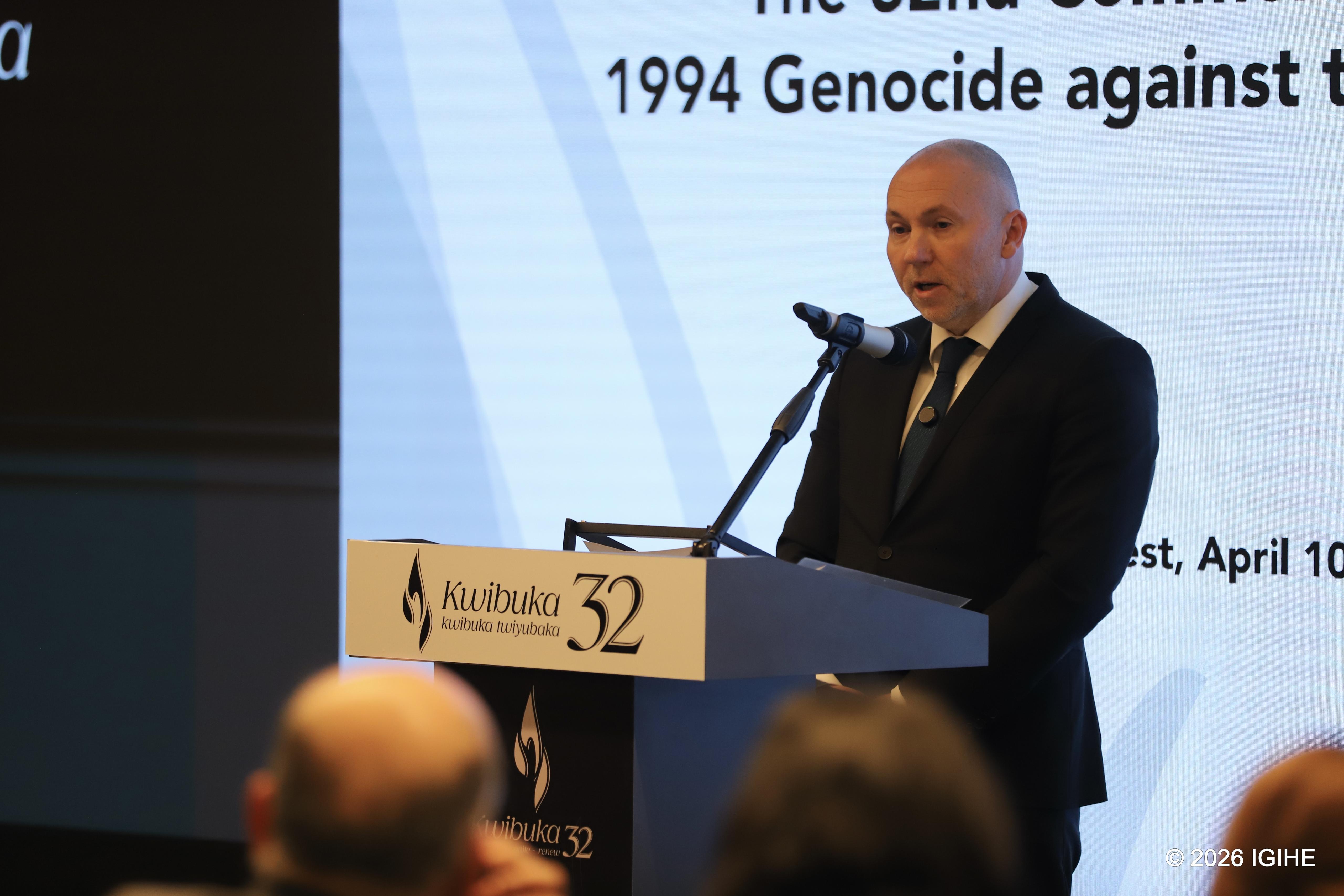
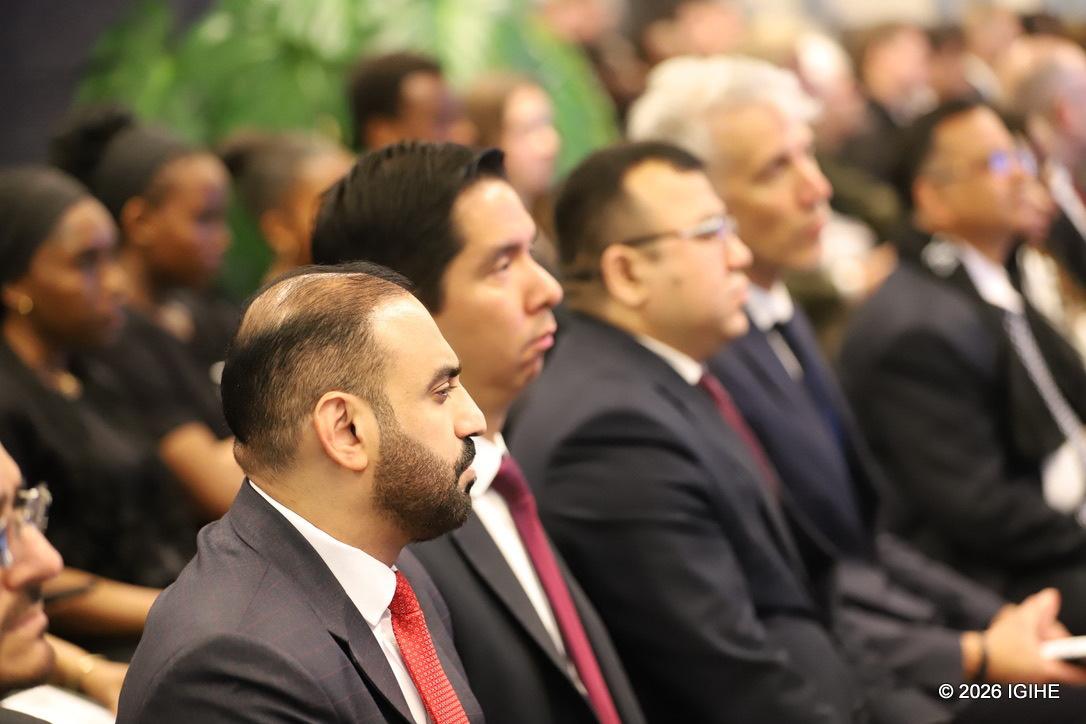
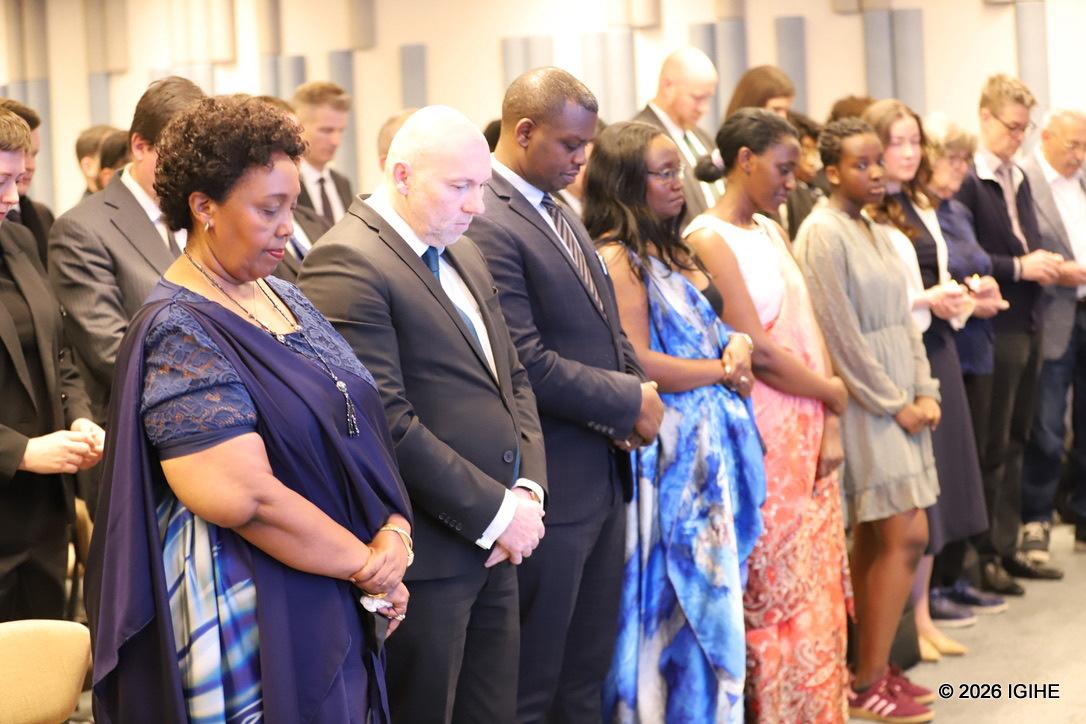
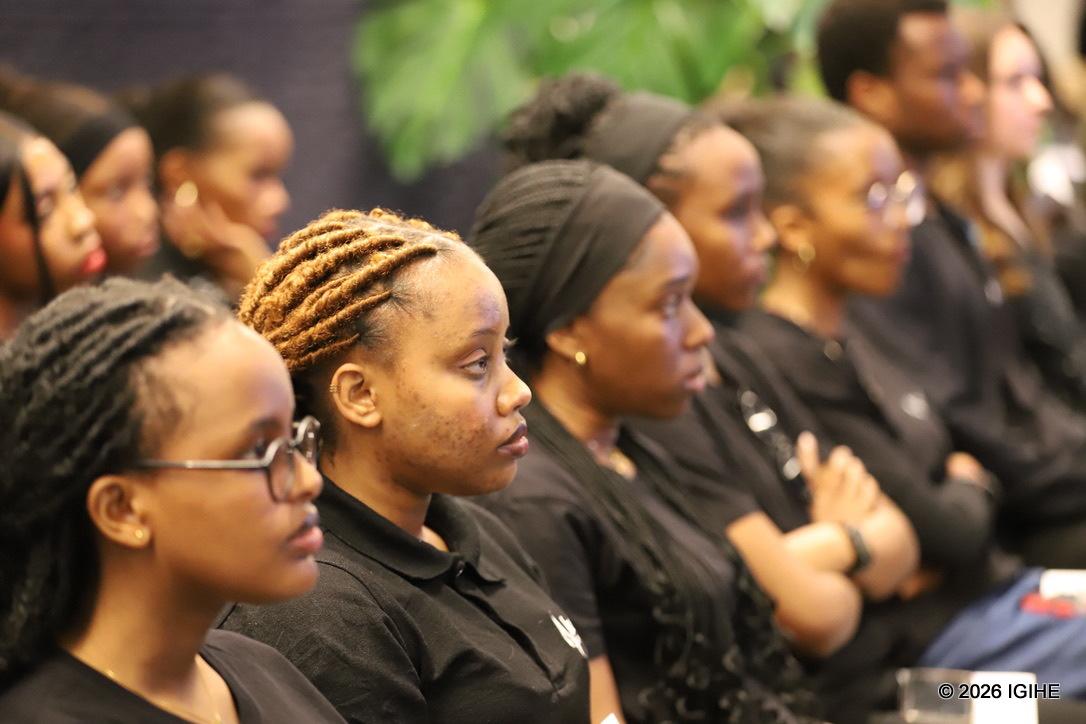
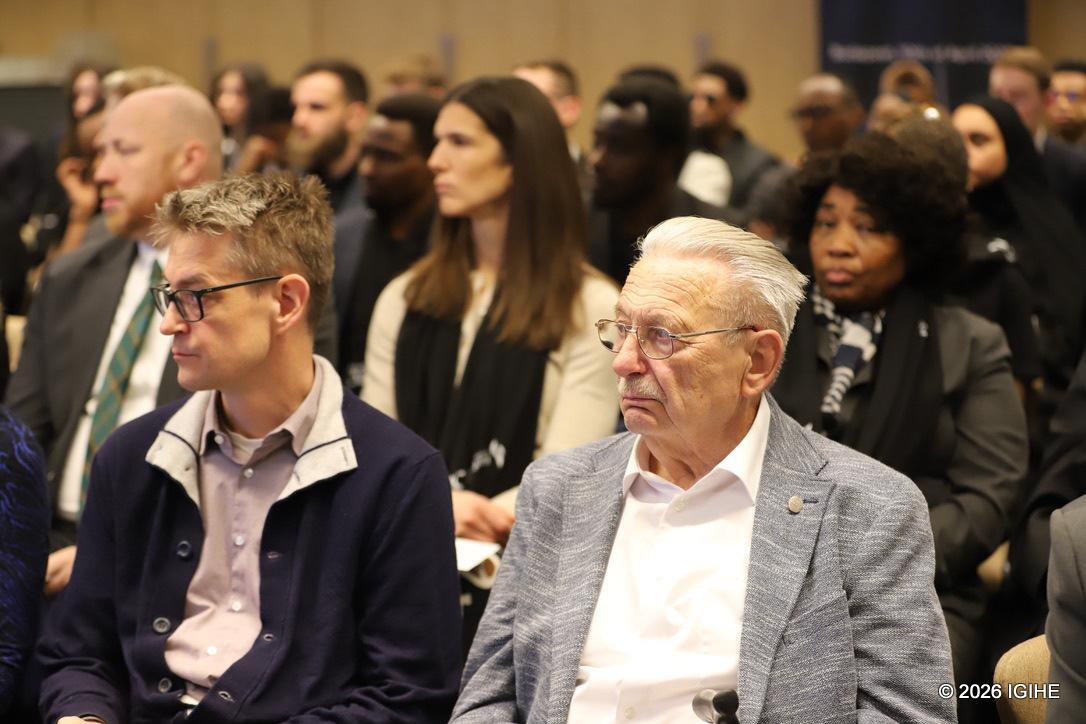
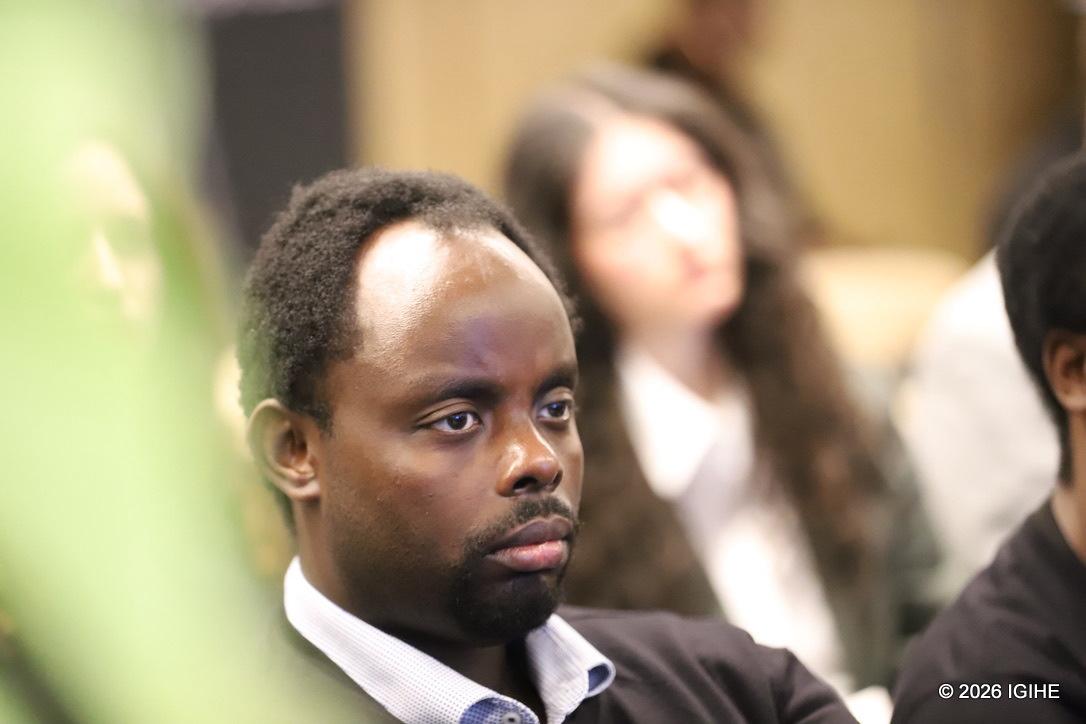
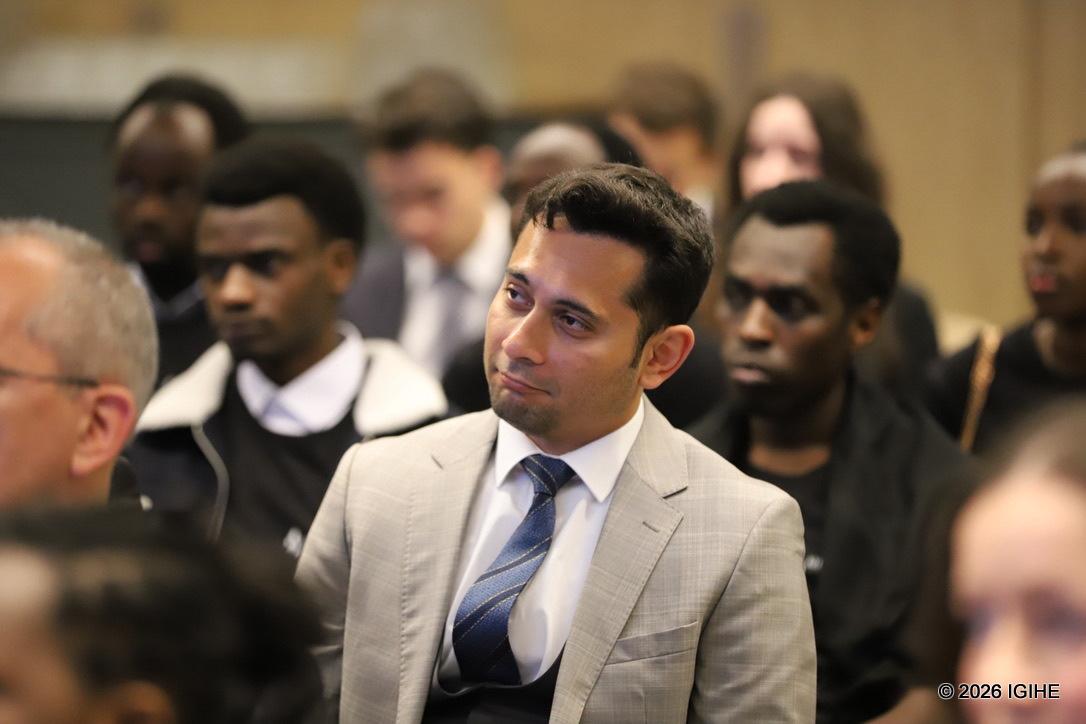
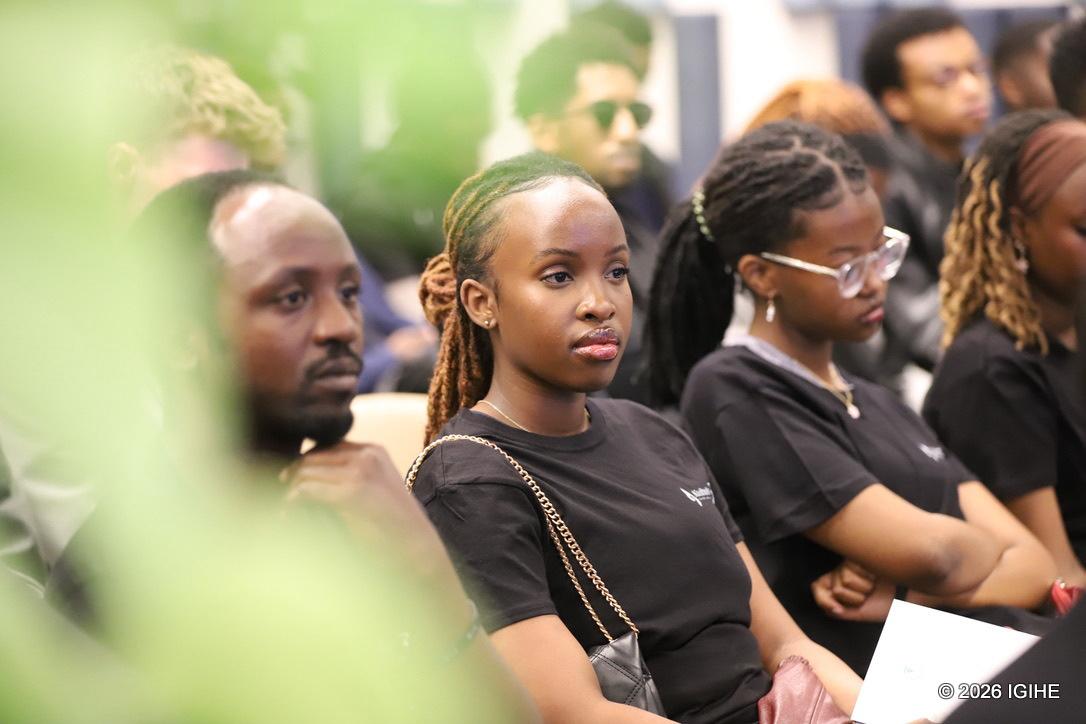
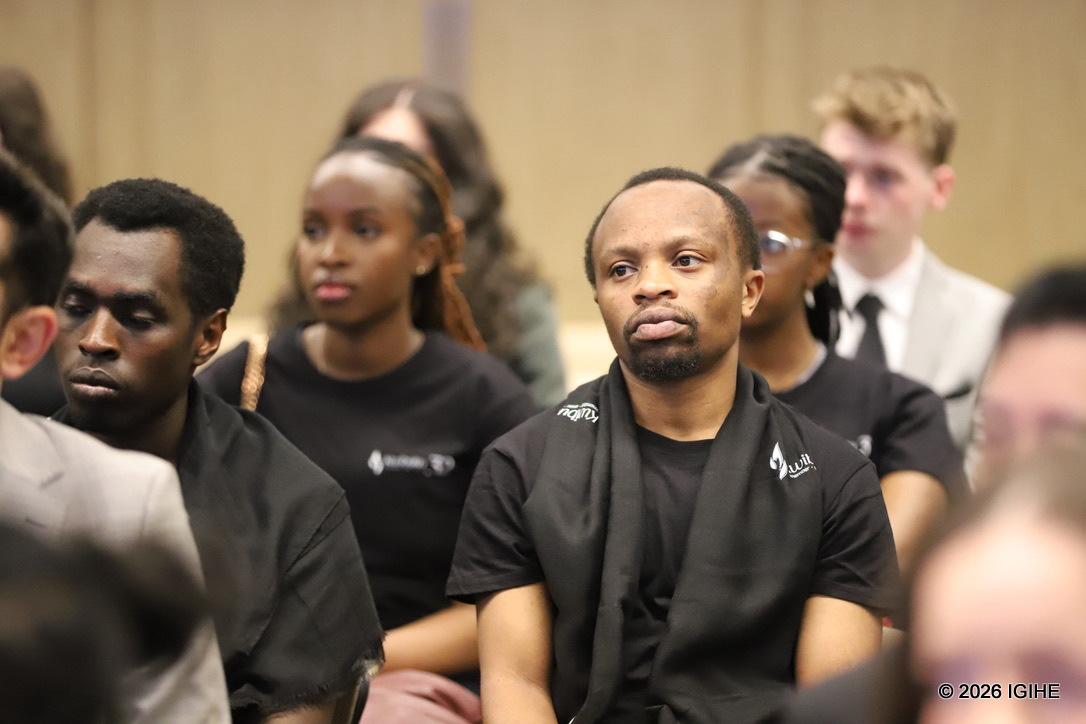
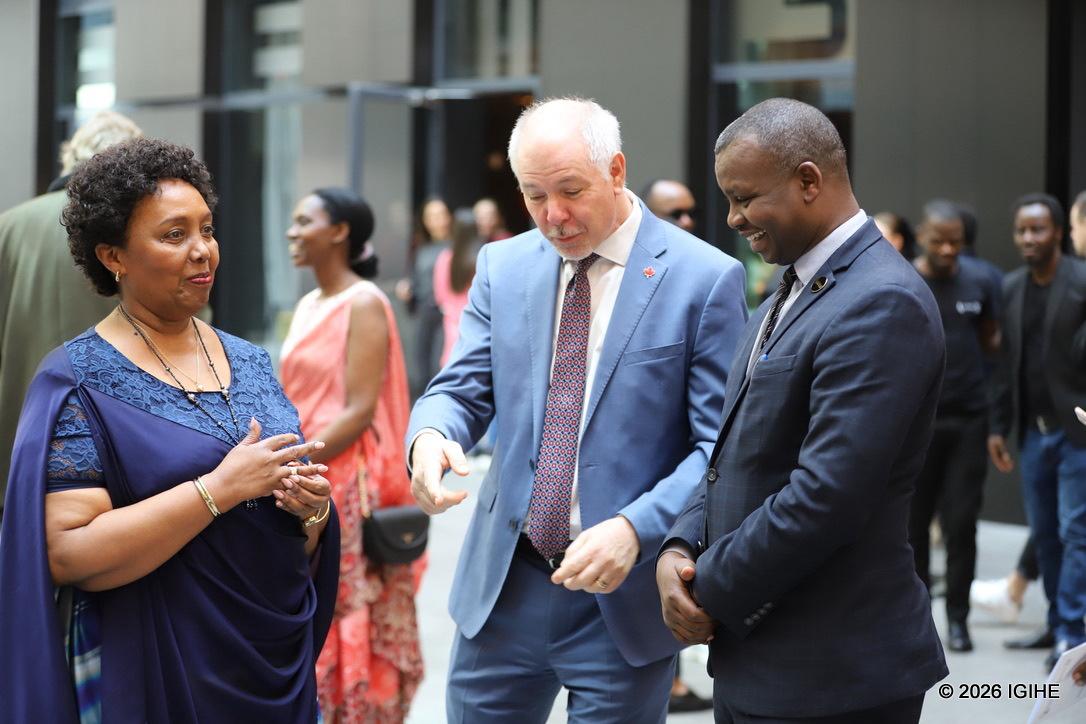
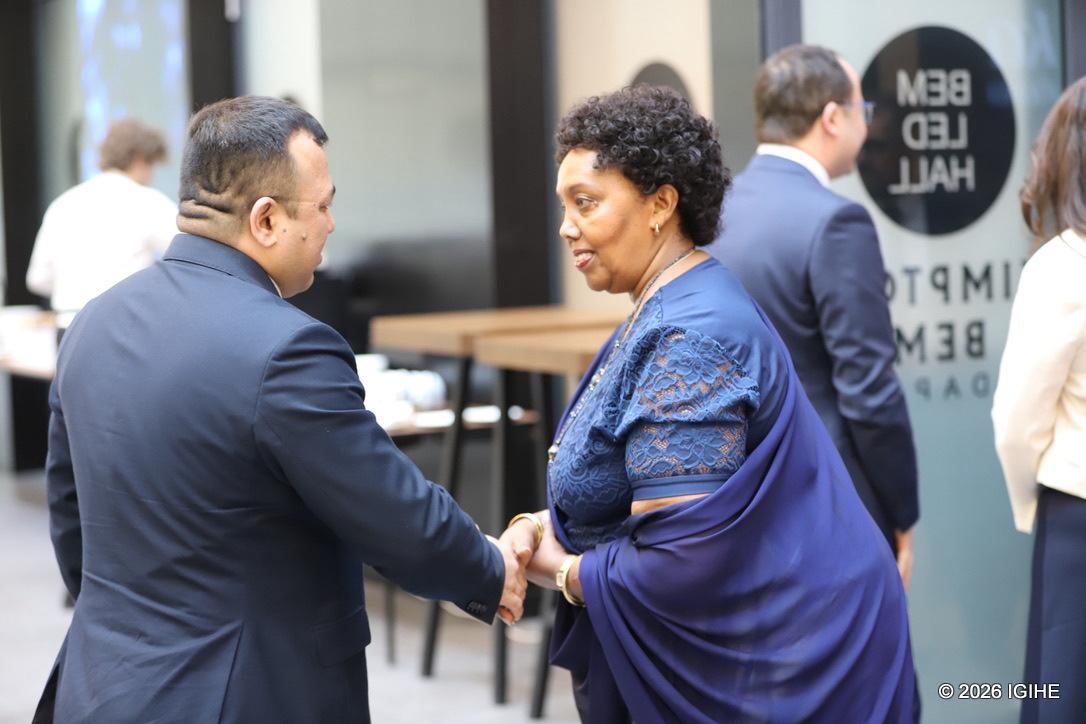
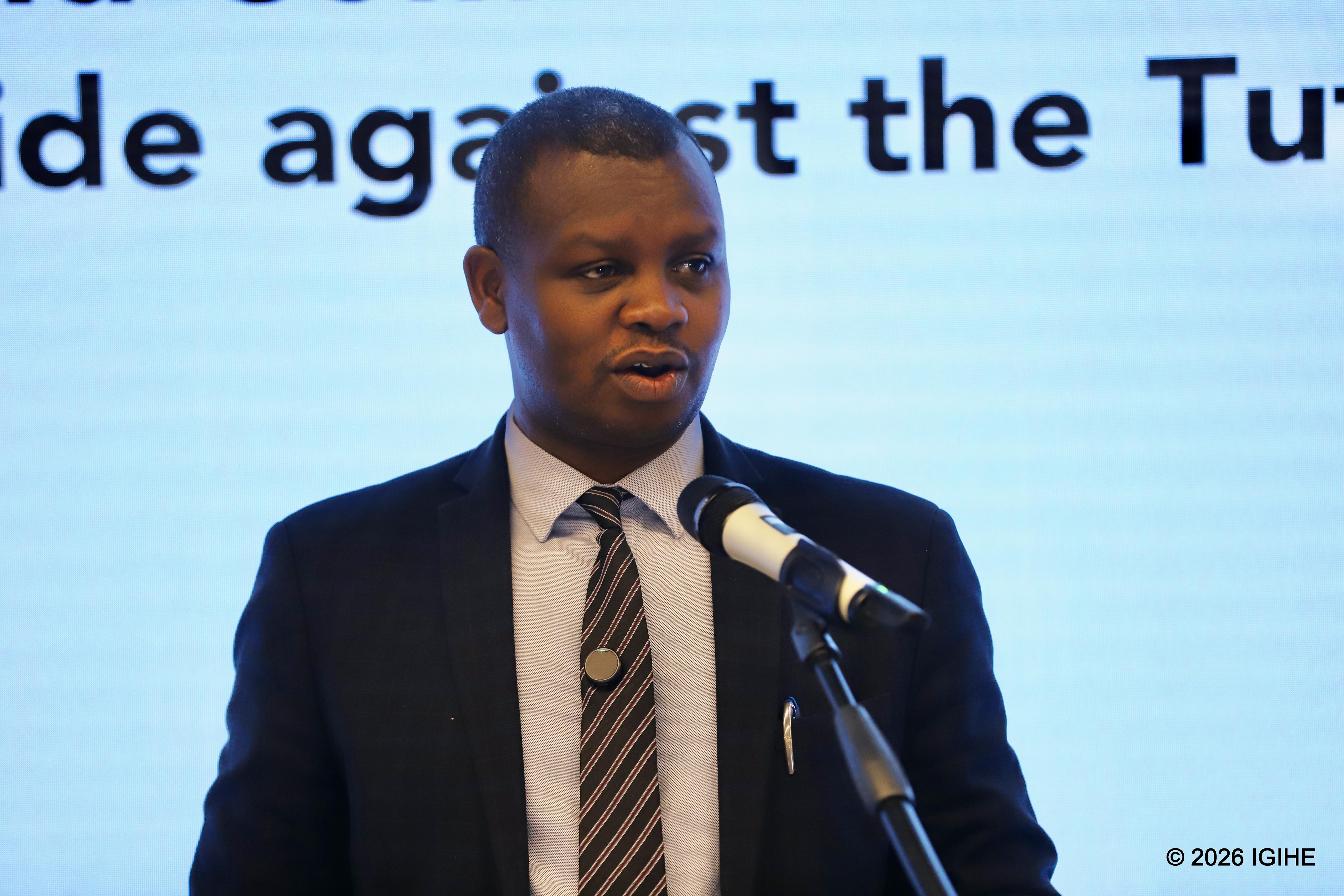
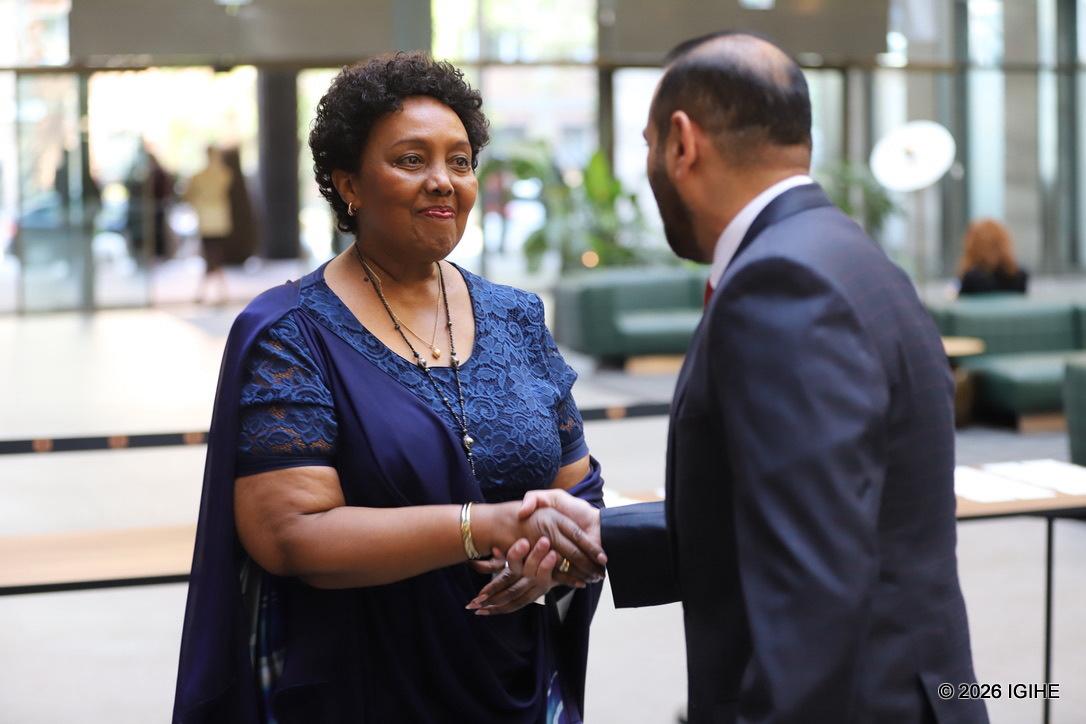
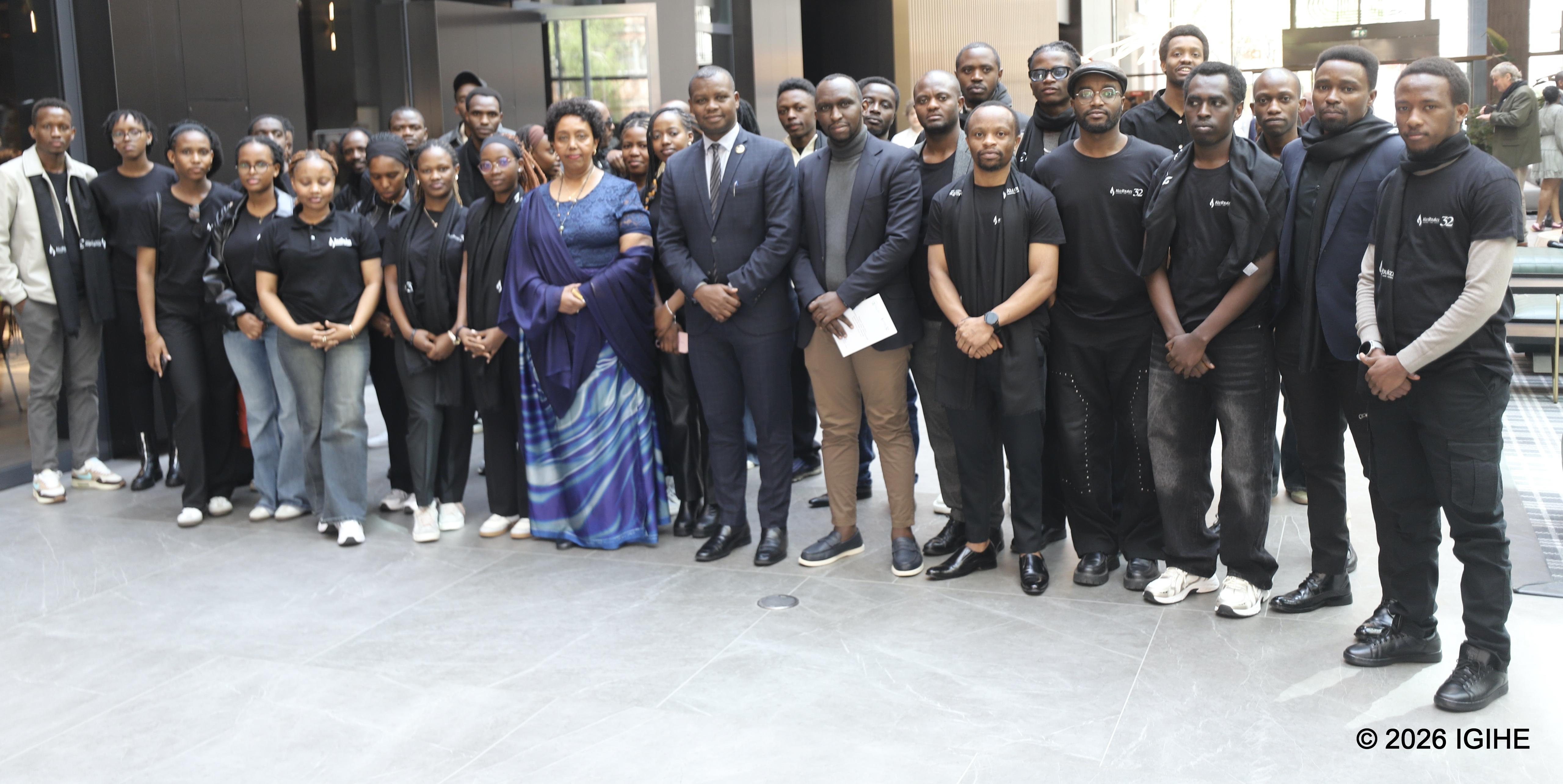
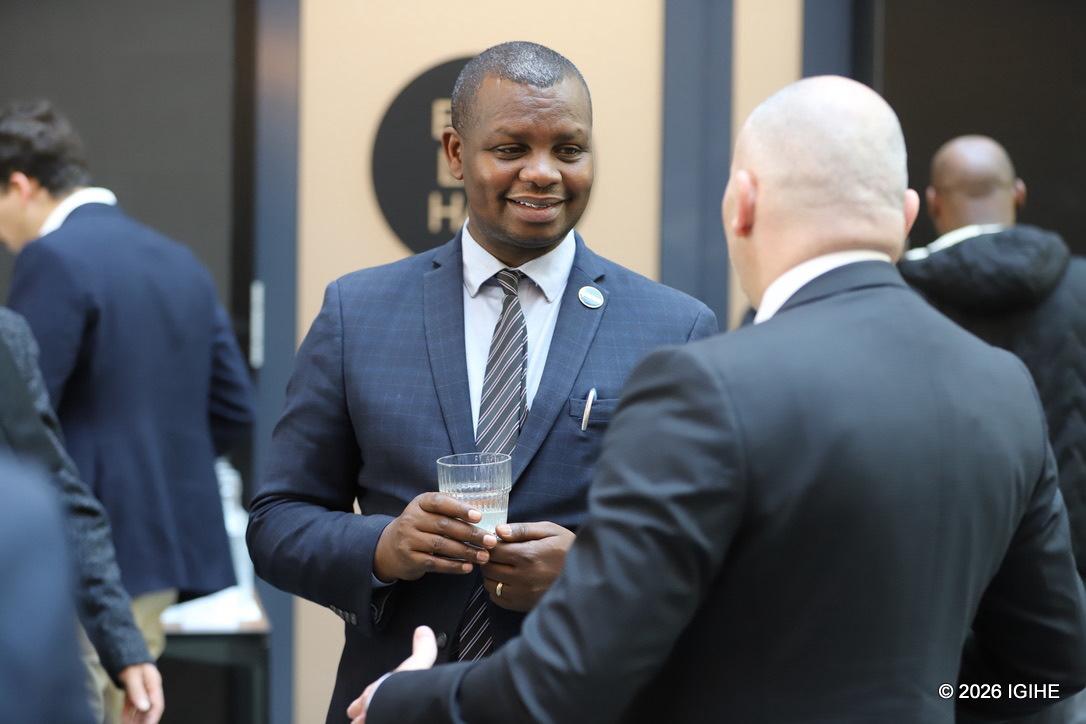
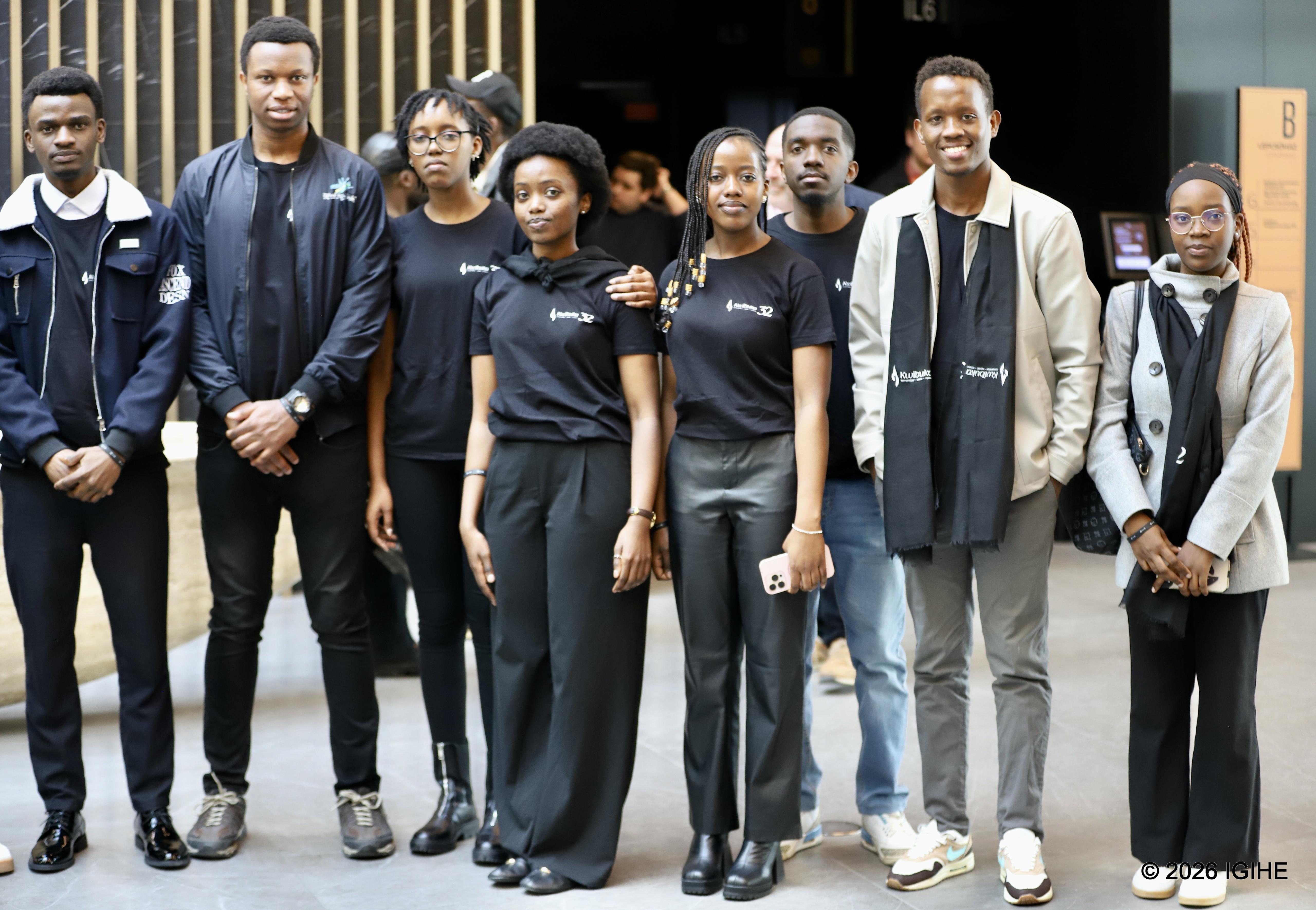
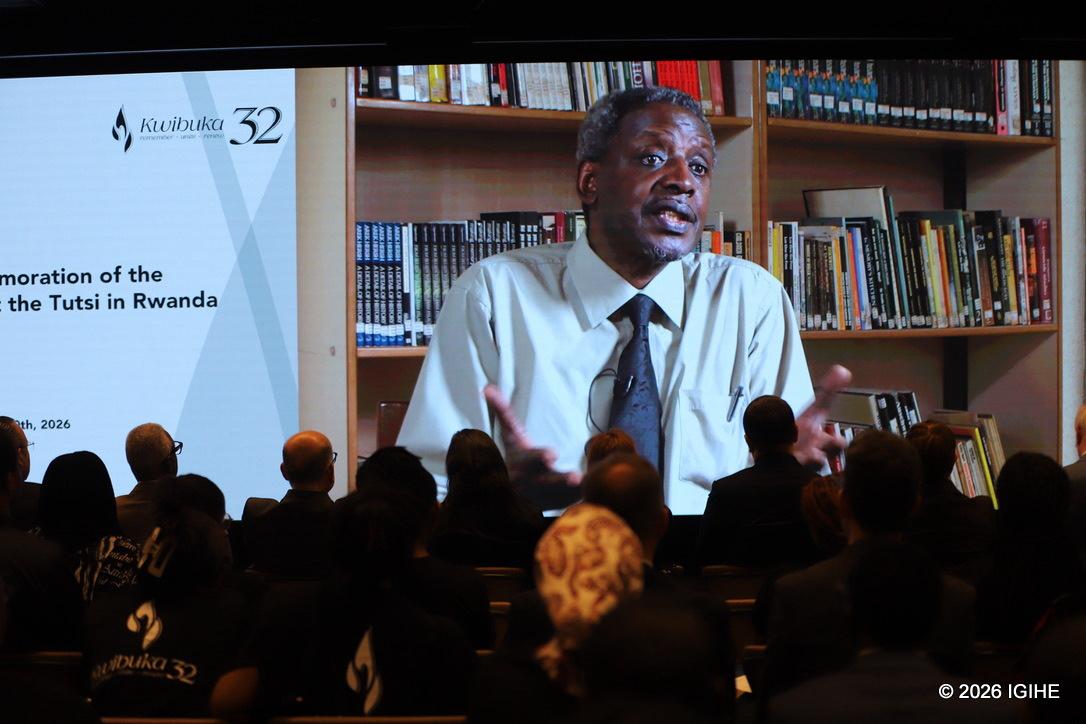
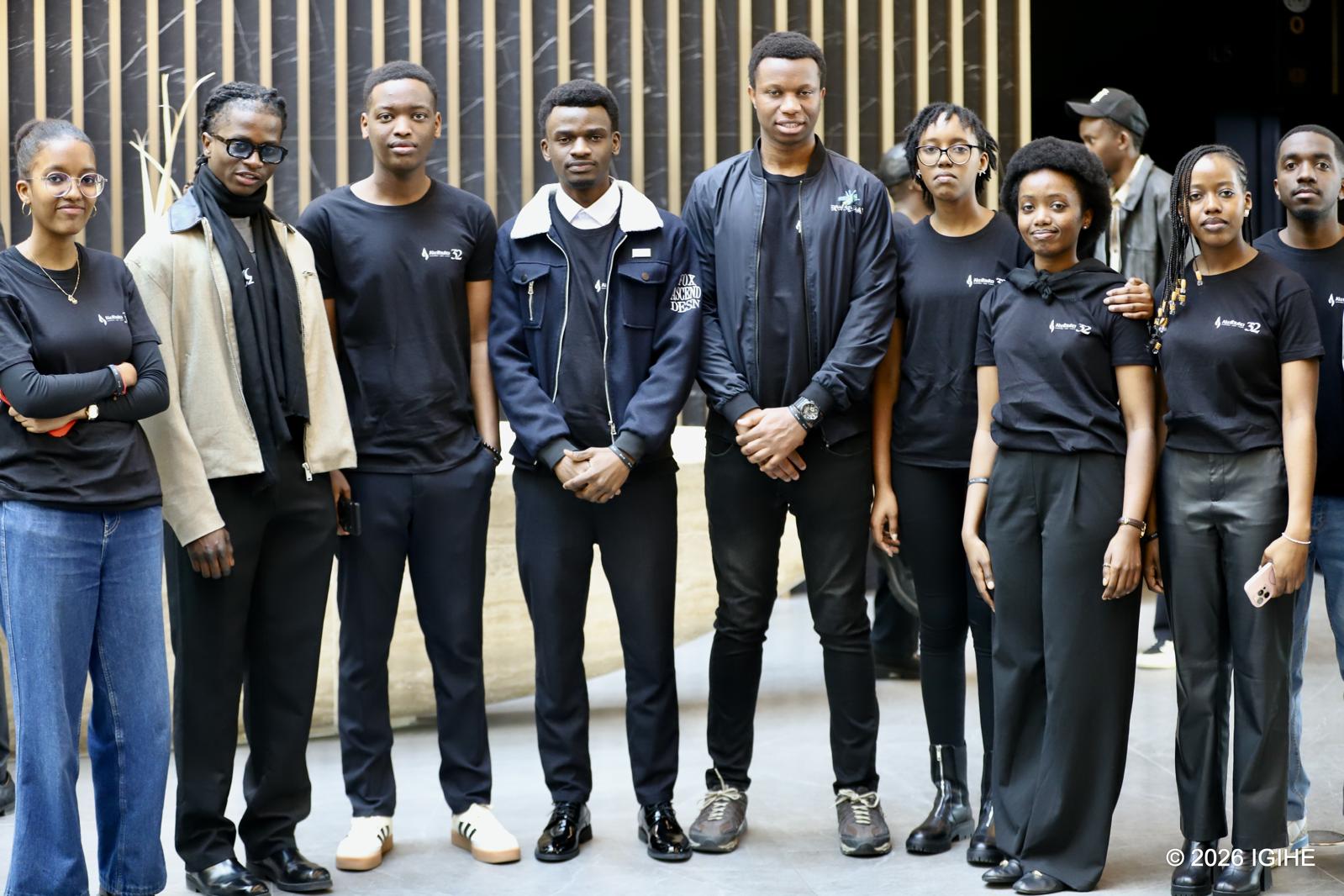
The monument also recognises the contribution of Ghanaian peacekeepers during the genocide, paying tribute to Major General Henry Kwami Anyidoho (Rtd) and the contingent he led, who played a key role in sheltering and protecting targeted Tutsis, alongside other African soldiers who intervened to save lives during the crisis.
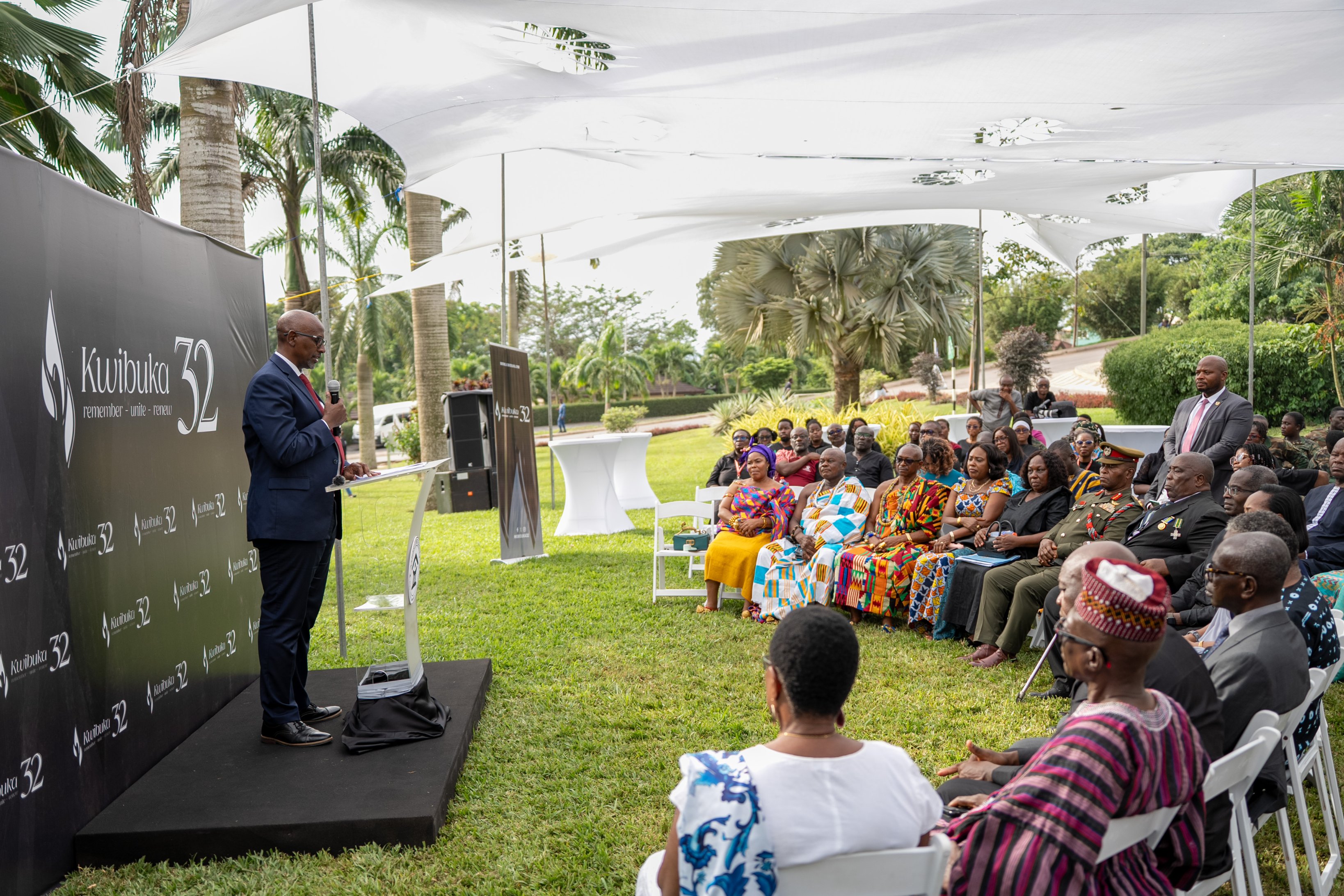
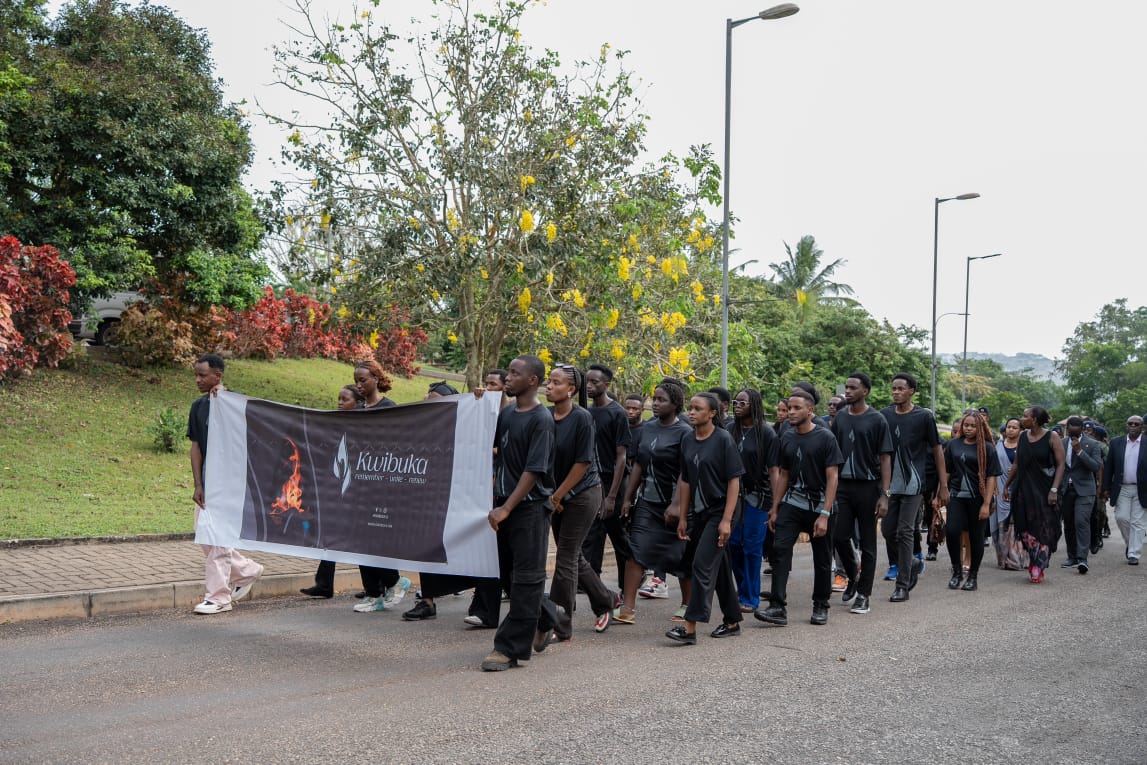
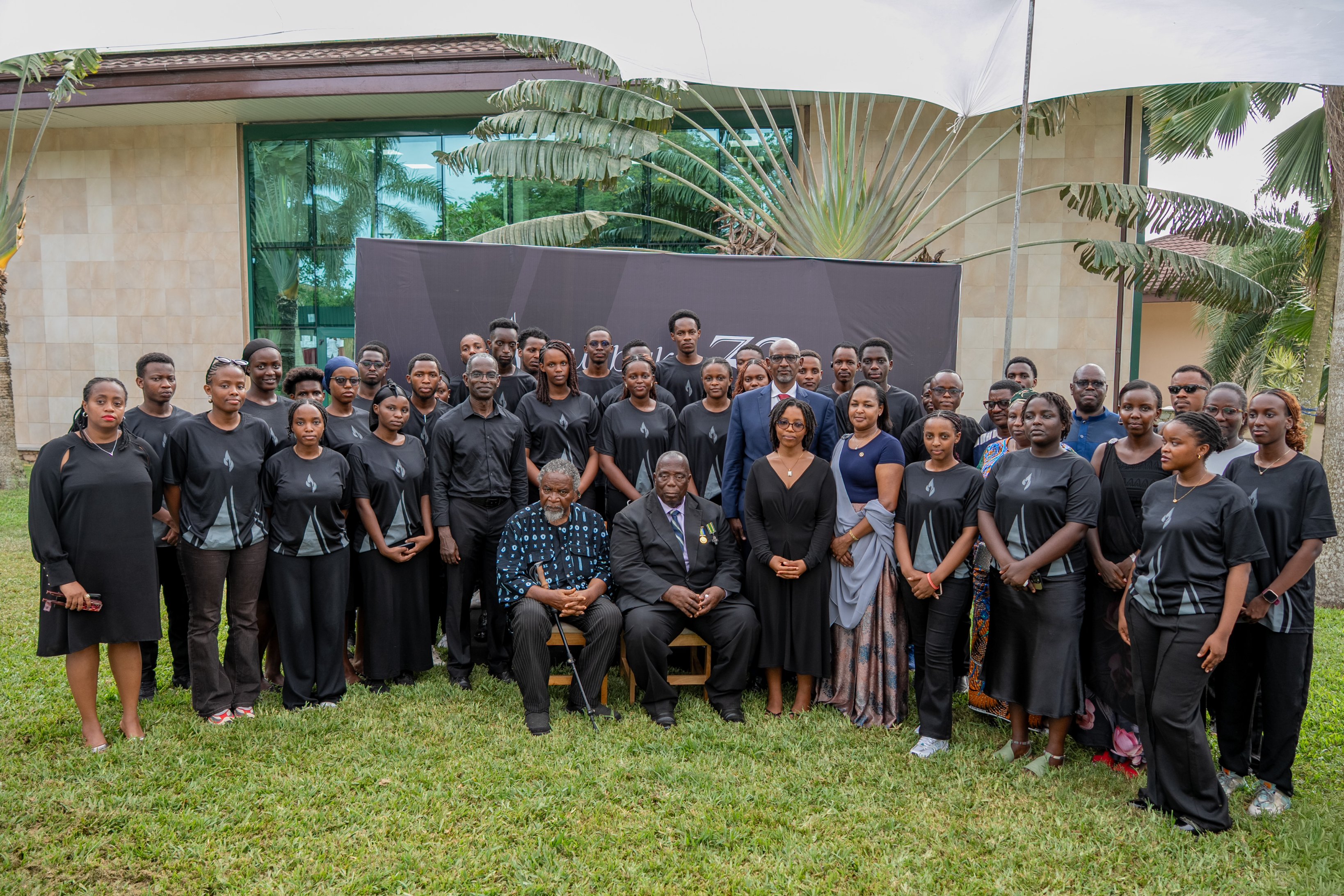
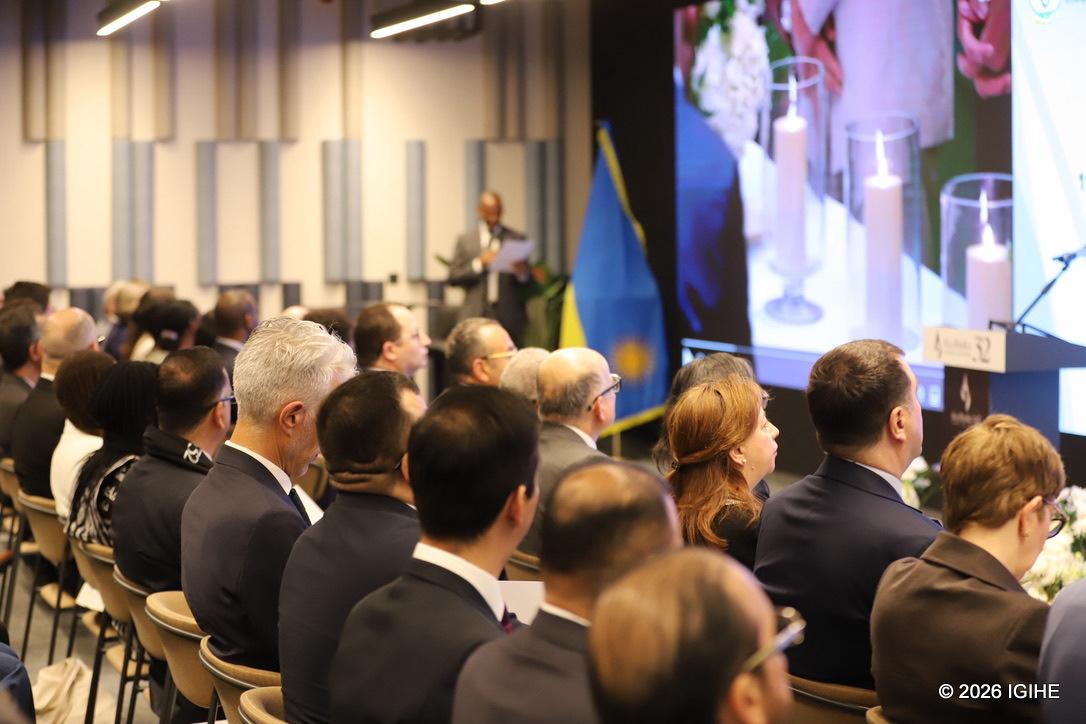
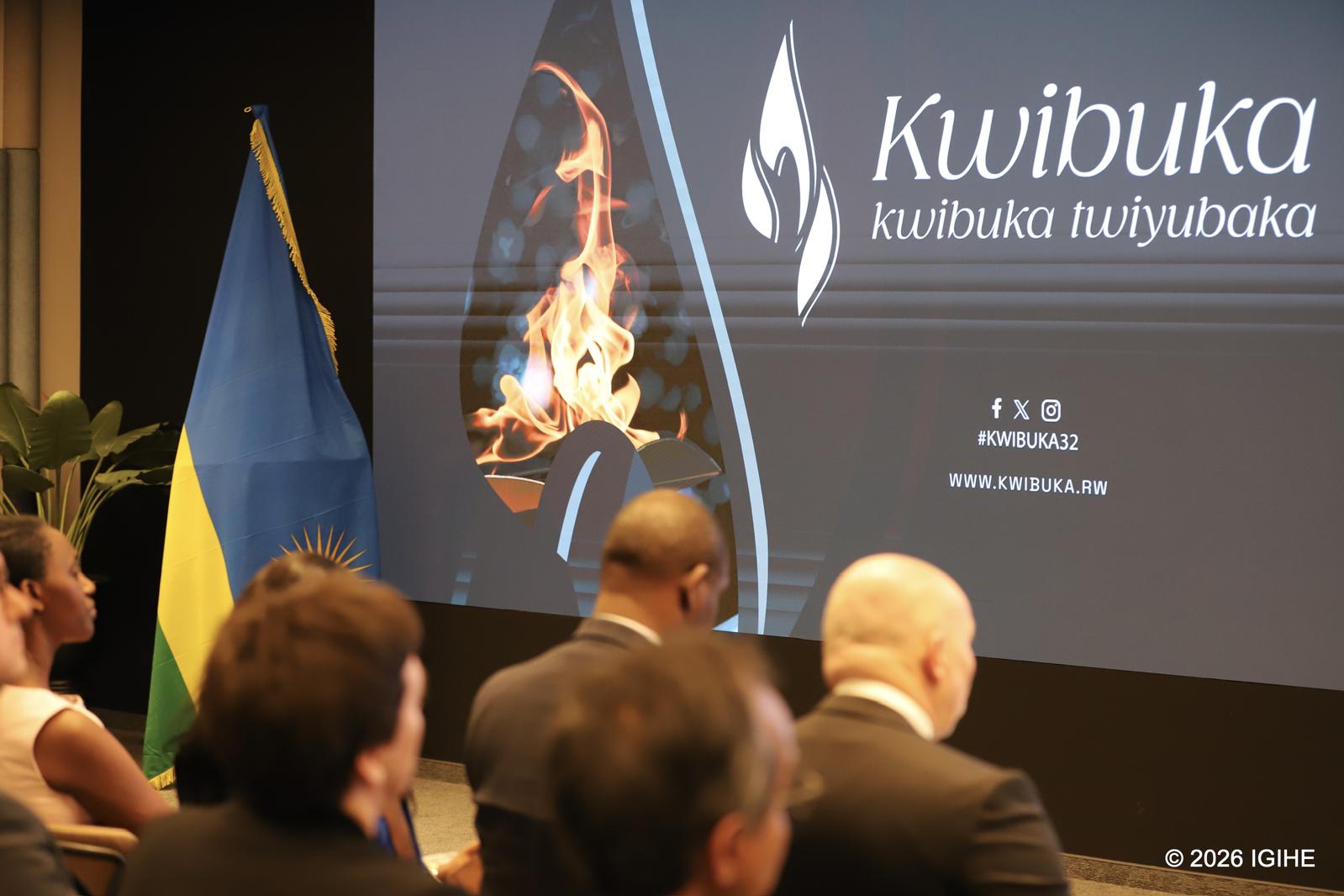
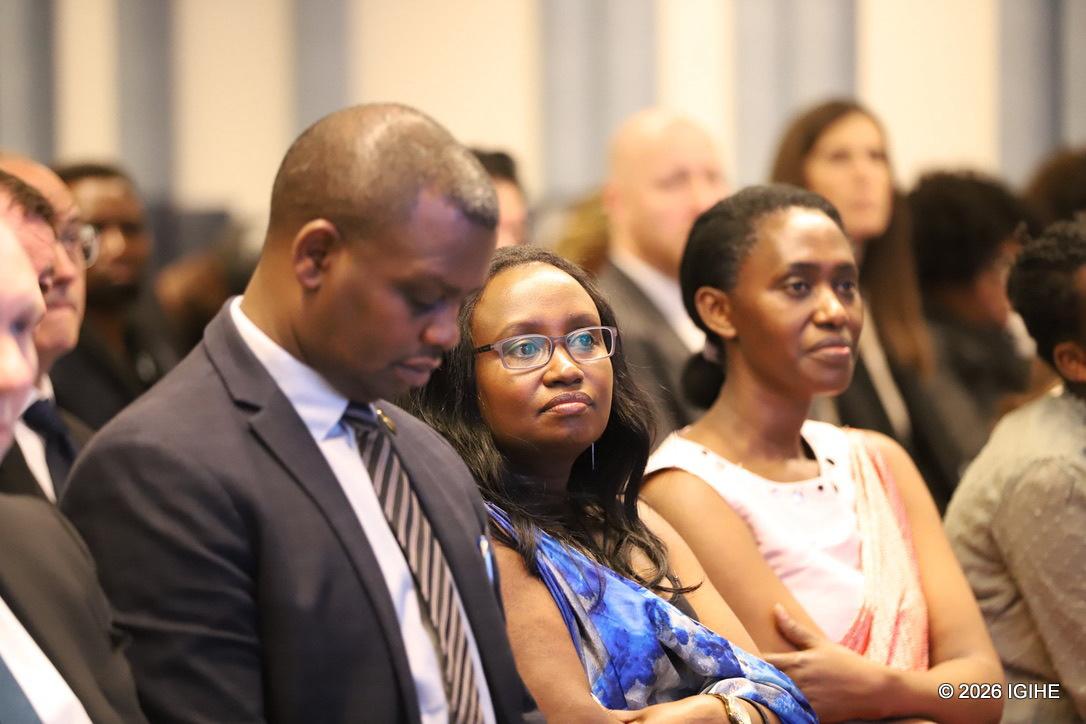
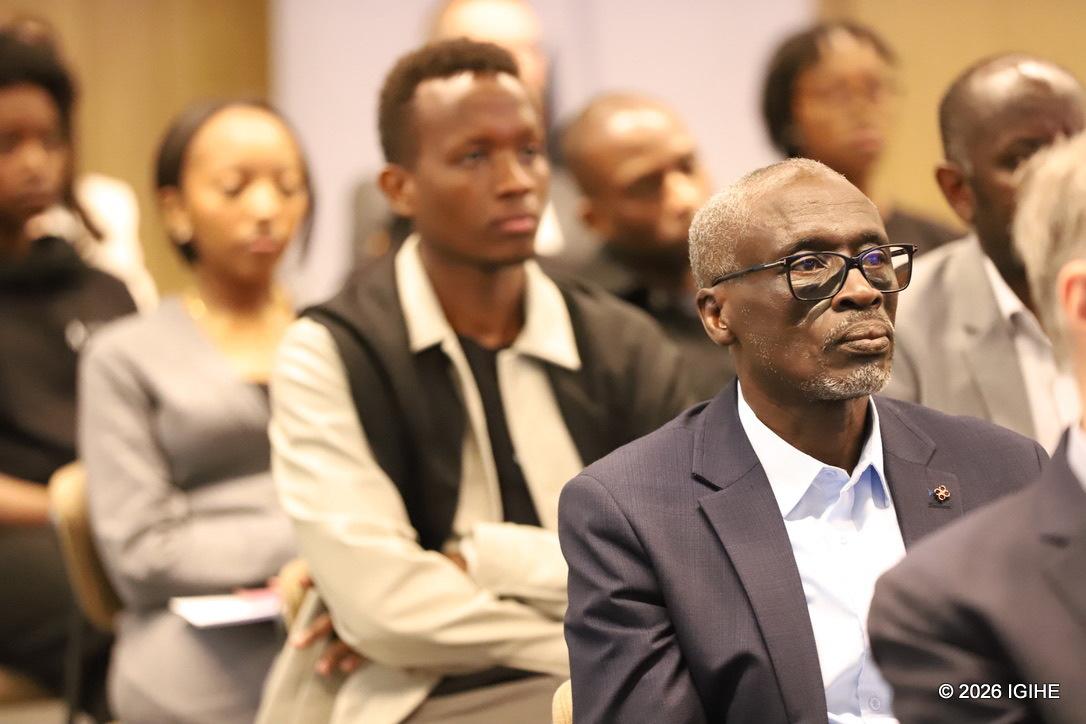
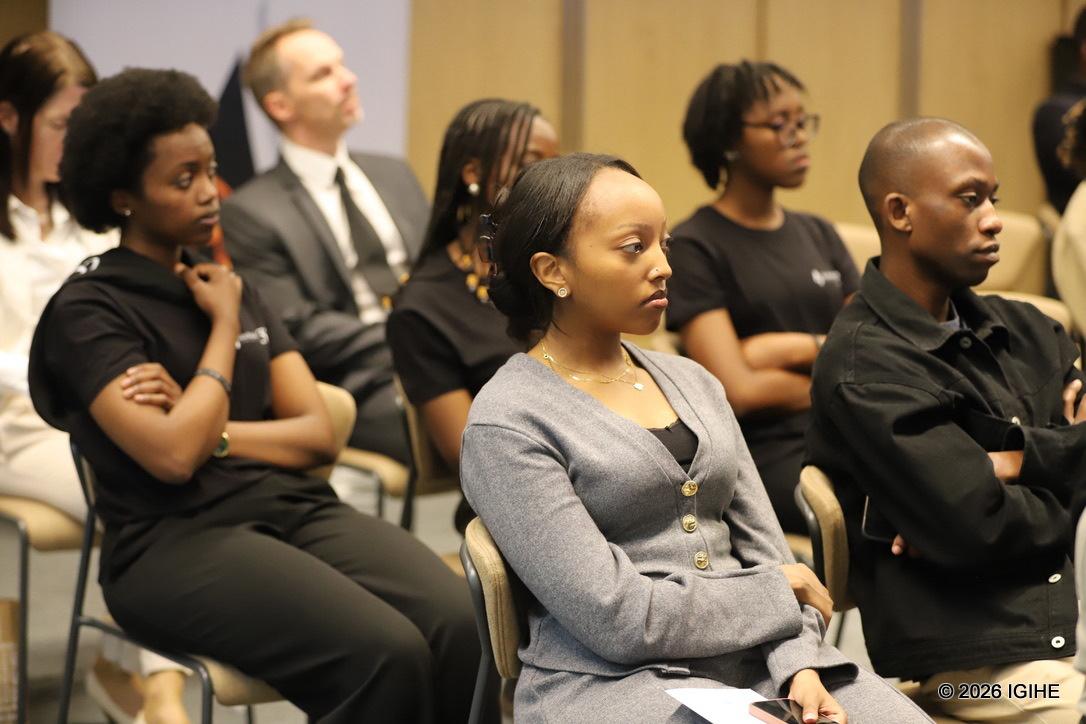
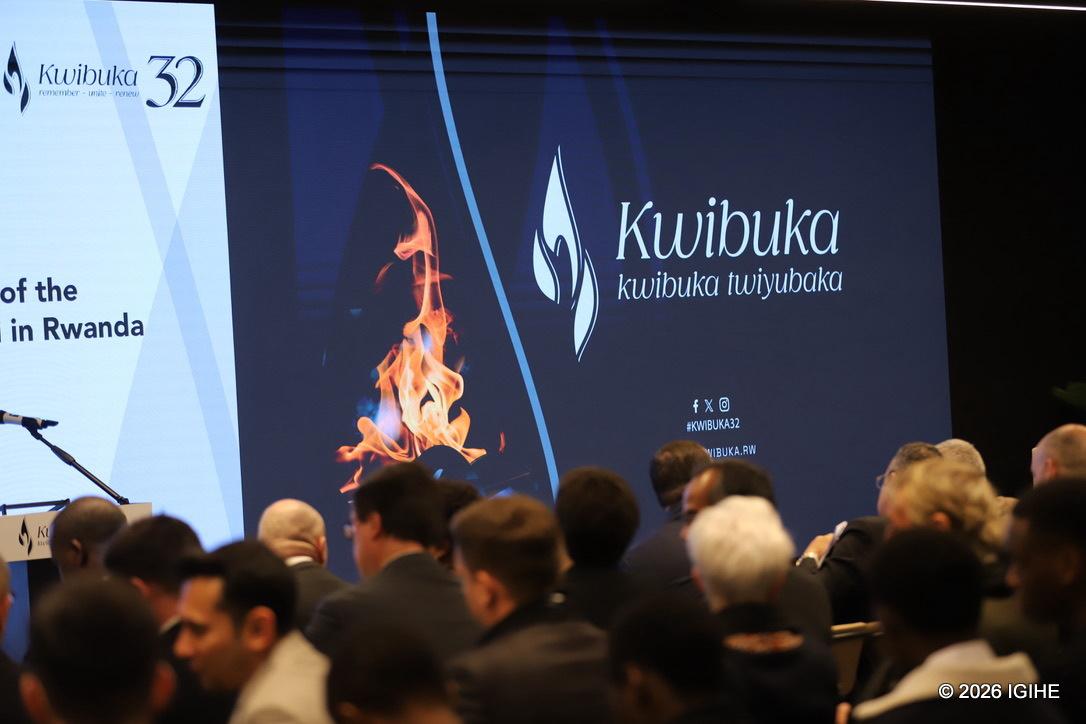
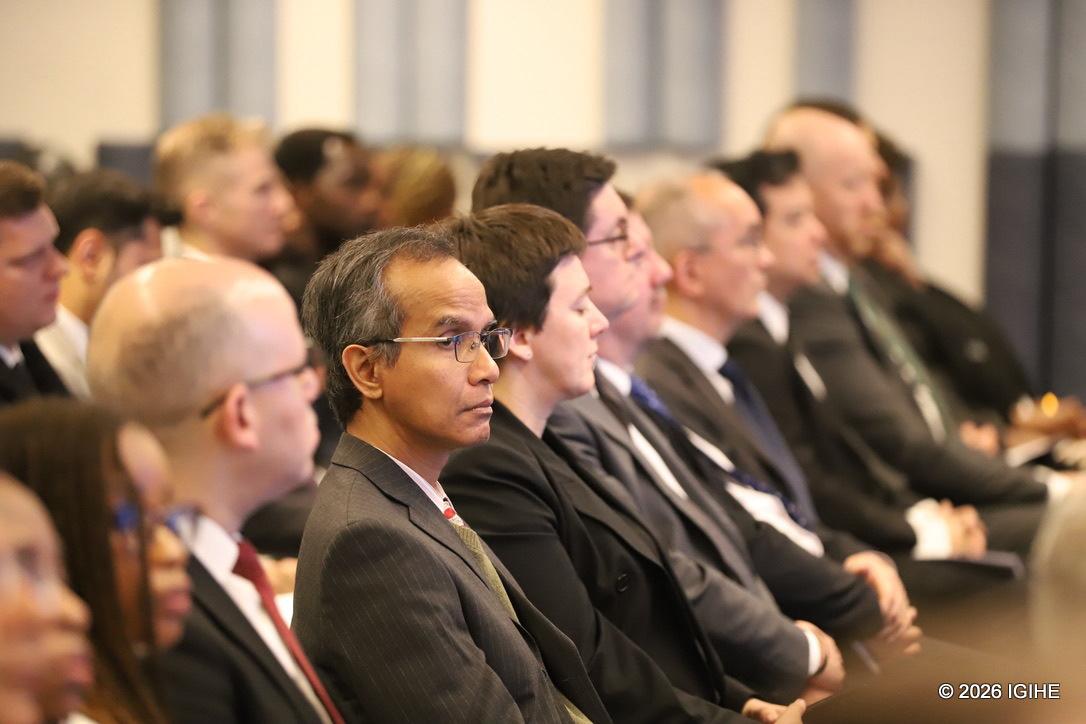
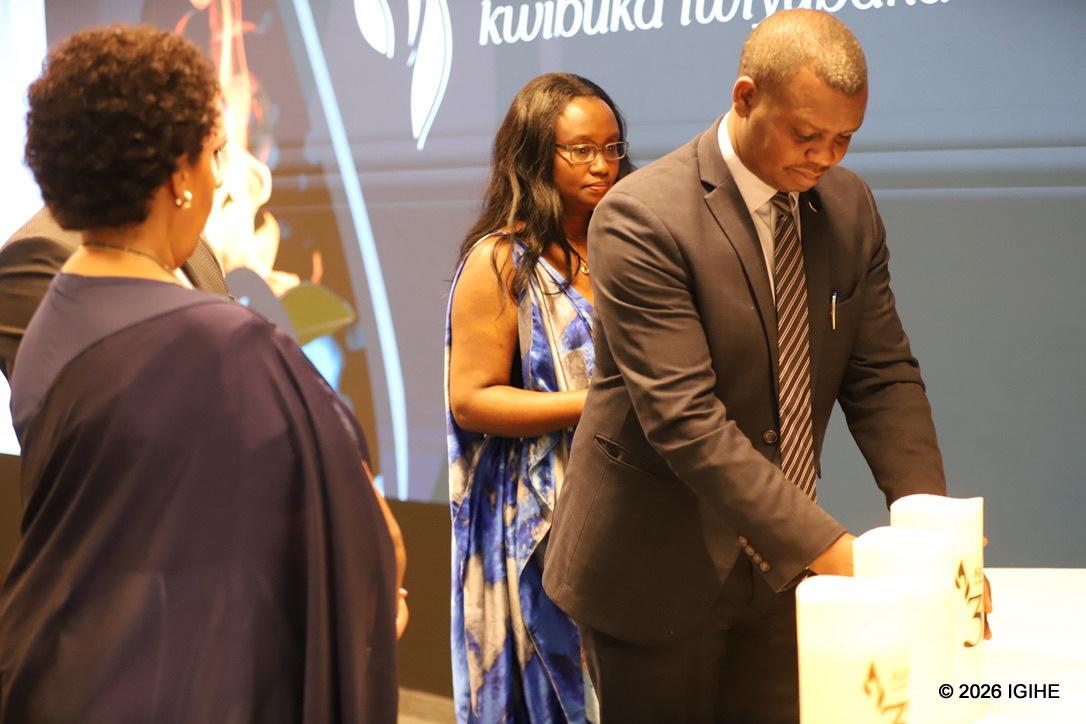
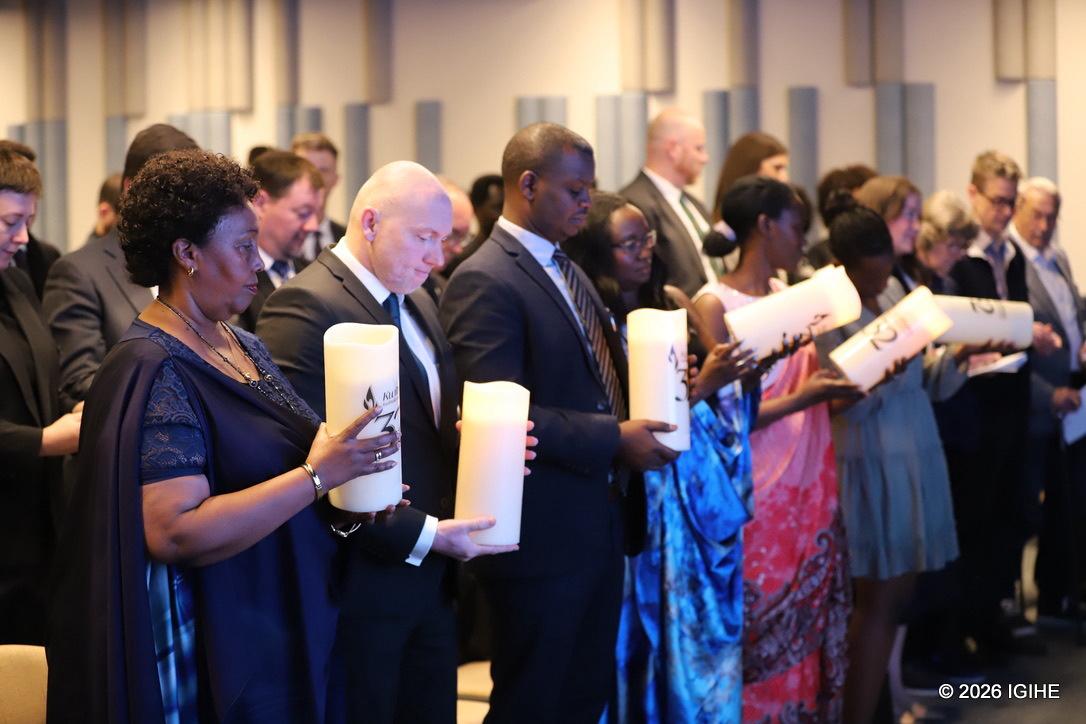
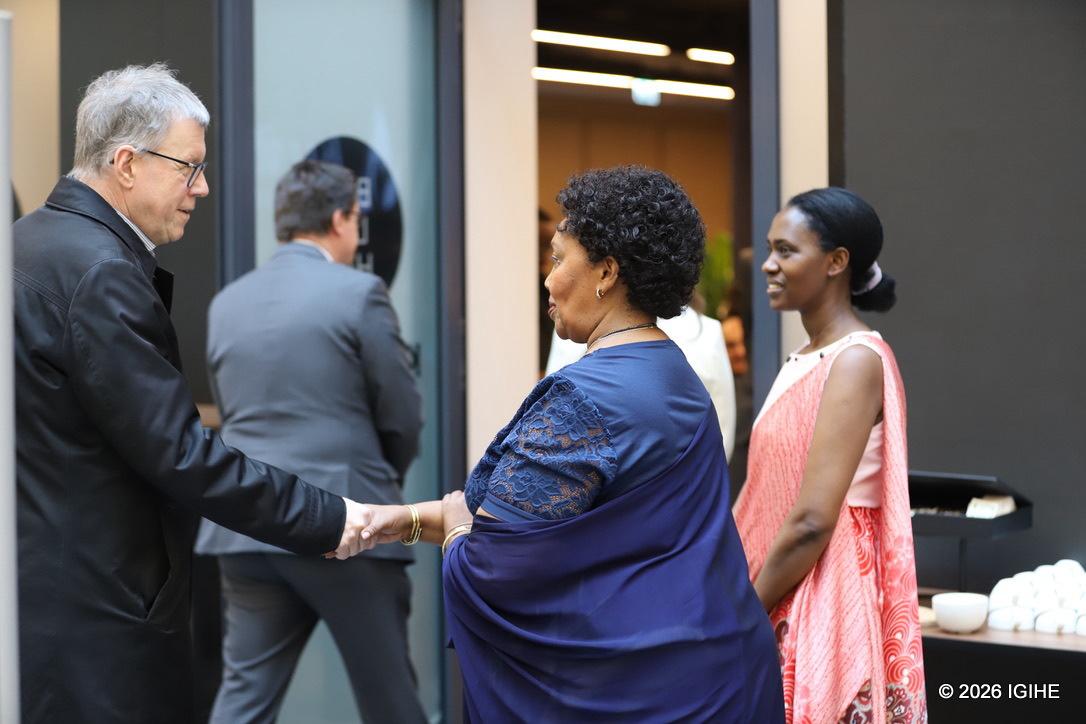
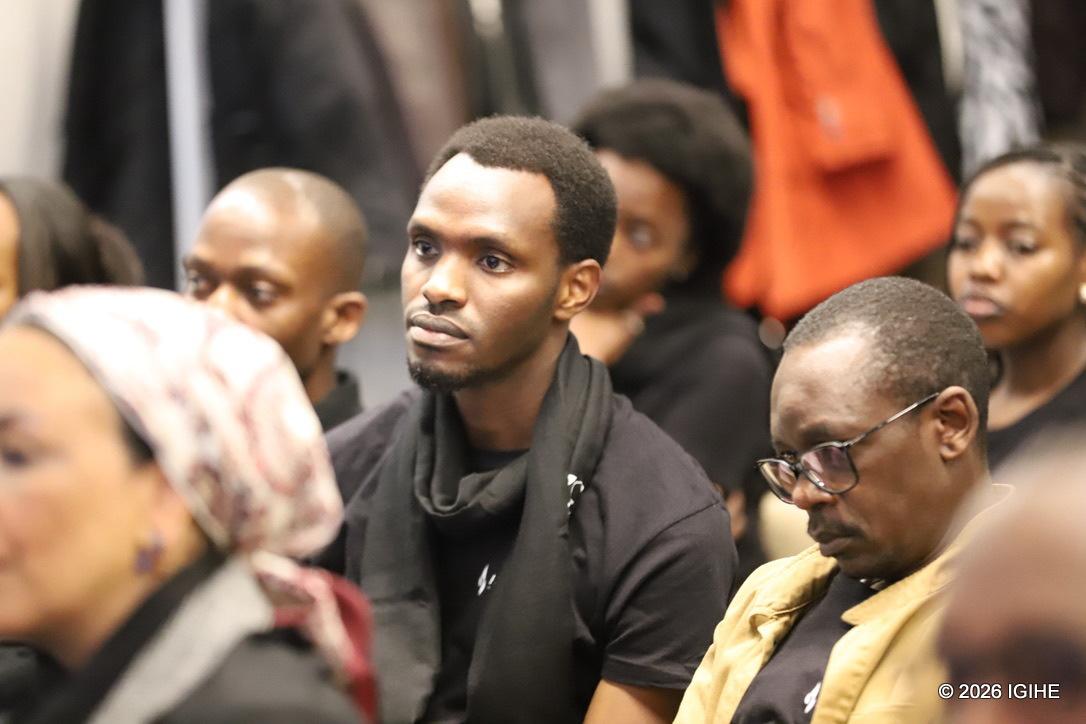
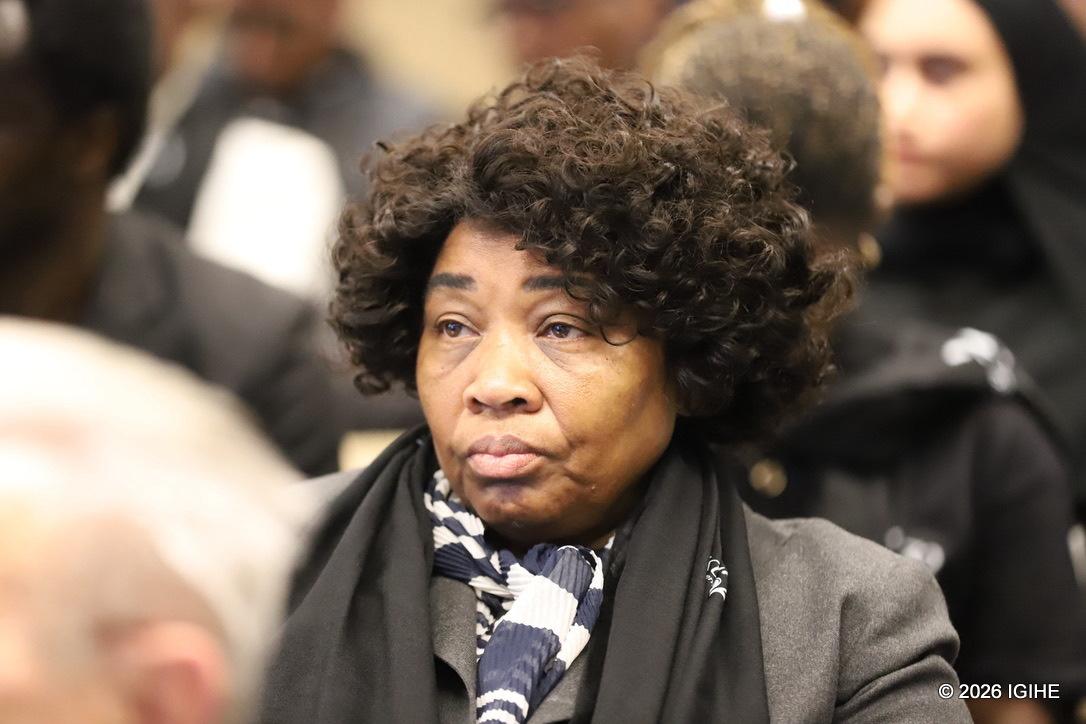
The unveiling ceremony, held under the theme “Remember, Unite, Renew,” brought together members of the university community, representatives of the Rwandan High Commission, the Ghana Armed Forces, and other invited guests. Participants also joined a symbolic procession titled “A Walk to Remember,” reinforcing the importance of unity and collective memory.
The monument honours victims of the 1994 Genocide against the Tutsi and also recognises the contribution of Ghanaian peacekeepers.
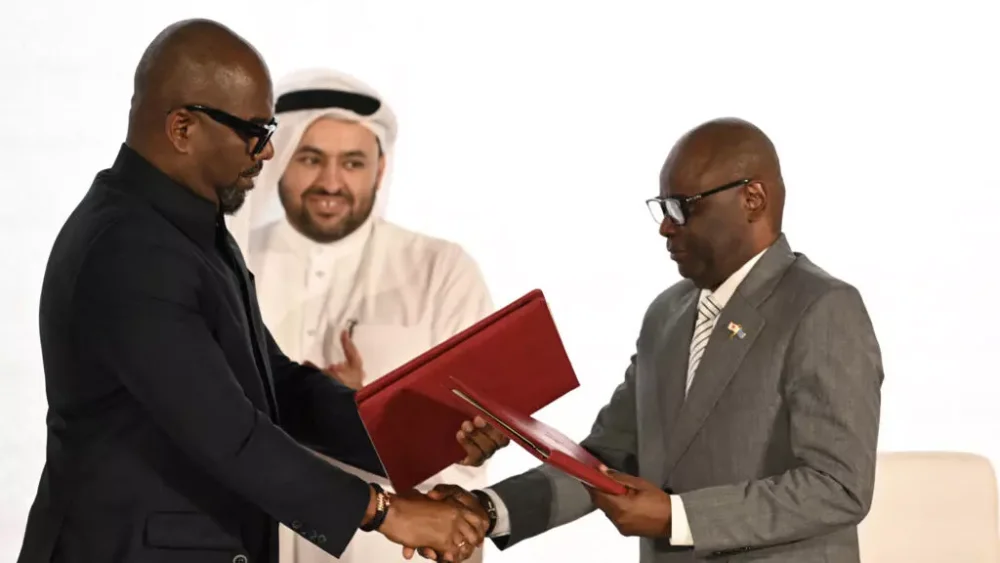
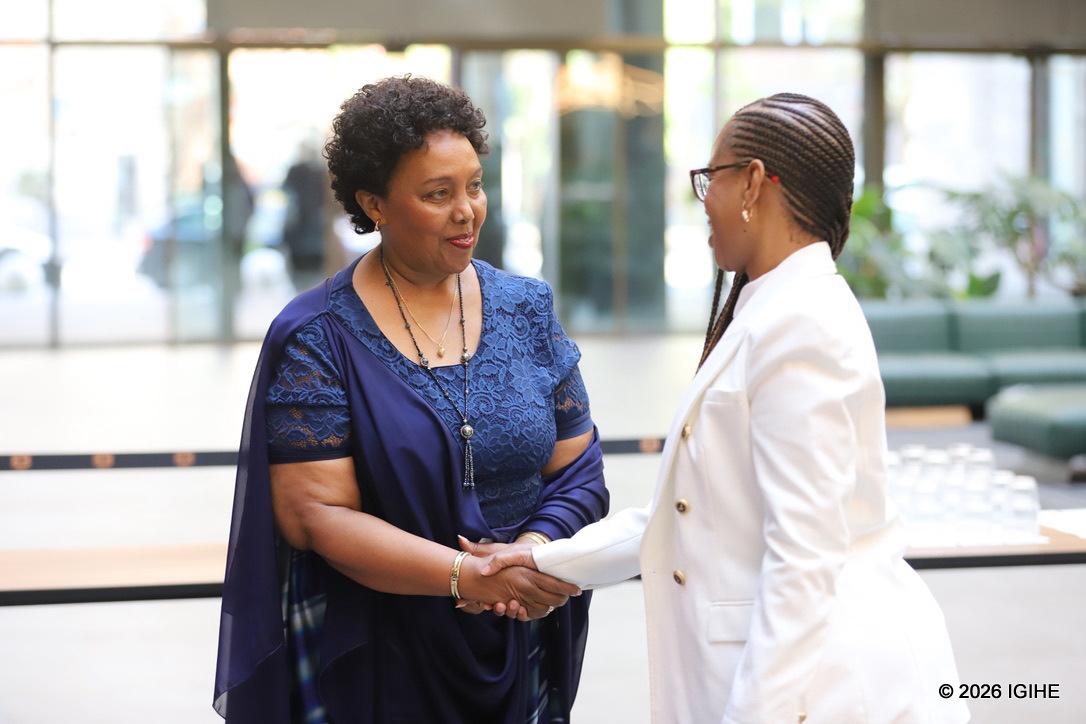
Speaking at the event, Rwanda’s Minister of Education and Guest of Honour, Joseph Nsengimana, commended the Ghanaian peacekeepers and other African forces for their role during the genocide. He emphasised African solidarity, noting that their actions reflected the principle that “our destiny cannot be outsourced.”
He described the initiative as a significant milestone in remembrance efforts, praising the university for raising awareness about the genocide and stressing that the lives lost, men, women, and children, remain central to shared African humanity.
Rwanda’s Minister of Education and Guest of Honour, Joseph Nsengimana, commended the Ghanaian peacekeepers and other African forces for their role during the genocide.
The university’s President and Founder, Patrick Awuah, said the Genocide against the Tutsi had a profound influence on his decision to return to Africa. He noted that witnessing the tragedy while working abroad strengthened his commitment to reshaping narratives about the continent through education and storytelling, and urged Africans to elevate stories of courage and resilience.
On behalf of the peacekeeping contingent, Major General Anyidoho expressed gratitude for the recognition and paid tribute to colleagues who lost their lives during the mission, saying their service was guided by duty and shared humanity.
He also reflected on Rwanda’s recovery, commending its progress in reconciliation and development, and called on African nations to prioritise peace as a foundation for sustainable development and the preservation of human dignity.
Participants joined a symbolic procession titled “A Walk to Remember,” reinforcing the importance of unity and collective memory.The unveiling ceremony brought together members of the university community, representatives of the Rwandan High Commission, the Ghana Armed Forces, and other invited guests.
A French military command document dated April 8, 1994, indicates that beginning on the morning of April 7, members of the unit that had been responsible for Habyarimana’s protection became active, launching attacks against Rwandan Patriotic Army (RPA) forces stationed at the CND (National Development Council). The document further states that political opponents and Tutsi civilians were arrested and killed during the early hours of the violence.
Among those killed on the morning of April 7 were Prime Minister Agathe Uwilingiyimana, President of the Supreme Court Joseph Kavaruganda, and Minister of Labour and Social Affairs Landouald Ndasingwa, all members of the transitional government established under the Arusha Agreement.
The French government reported that violence and looting intensified as armed Interahamwe militias and disorganised soldiers moved through Kigali. It also noted repeated attacks on French forces operating in the city.
According to the same document, troops guarding Habyarimana’s residence surrounded bases hosting United Nations peacekeepers from UNAMIR, restricting their movement. It also indicates that some peacekeepers were killed during this period.
As security conditions in Kigali deteriorated rapidly, the French government concluded that the safety of its nationals was at risk and decided to urgently evacuate all French citizens from Rwanda.
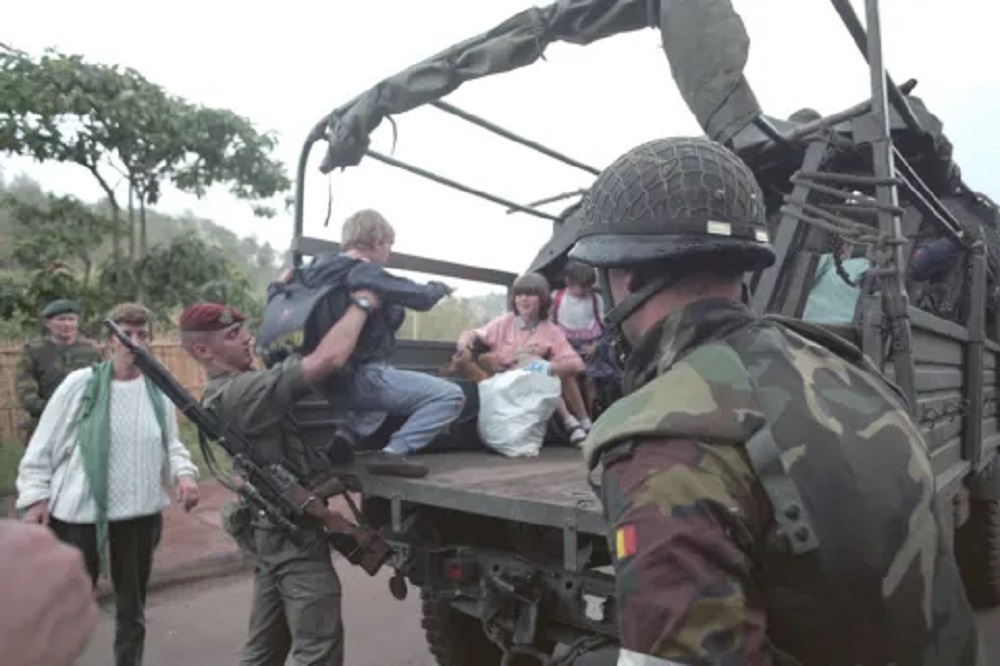
This decision led to the launch of “Operation Amaryllis,” a military evacuation mission aimed at extracting French nationals from Kigali. Those located in provincial areas such as Gitarama and Butare were assisted in crossing into neighbouring countries, including Zaire (now the Democratic Republic of Congo) and Burundi.
To secure the evacuation in Kigali, France deployed special forces, some of whom were tasked with securing Kigali International Airport starting on the morning of April 9, 1994.
Additional commando units stationed in Bangui (Central African Republic) and Libreville (Gabon) were placed on alert to reinforce operations in Kigali if the situation deteriorated further.
Lieutenant Colonel Jean-Jacques Maurin, a security adviser at the French Embassy in Kigali, was appointed to lead Operation Amaryllis, while Colonel Henri Poncet oversaw troop deployment and coordination.
French forces were assigned to secure the airport, protect the embassy, and safeguard other designated assembly points where French nationals were gathered. They also escorted evacuees to Kigali International Airport.
The troops were instructed not to intervene in the fighting between the RPA and the former Rwandan government army (Ex-FAR), though they were authorised to use force in self-defence if their evacuation operations were obstructed.
In April 2022, Rwanda’s Minister of National Unity and Civic Engagement, Dr. Bizimana Jean-Damascène, stated that French forces witnessed Tutsis being killed by Ex-FAR and Interahamwe militias but did not intervene, focusing instead on evacuating French nationals.
“Those French soldiers watched people being killed but never intervened. They left them to die while continuing to evacuate their own people. They did not seek to stop the violence taking place in front of them, particularly at Kanombe airport, where many were killed,” he stated.
The evacuation order initially prioritised around 60 individuals considered at high risk, based on a list provided by French Ambassador Jean-Michel Marlaud. Subsequent evacuations were carried out in additional phases.
Among those evacuated on April 9 under Operation Amaryllis were members of Habyarimana’s family, including his wife Agathe Kanziga, their children, and close associates, all of whom were located at their residence in Kanombe, near Kigali International Airport.
Operation Amaryllis concluded on April 12, 1994. French authorities stated that the mission was successfully completed. Nine transport aircraft were used, including eight C-160 aircraft and one C-130.
Operation Amaryllis prioritised the evacuation of French nationals and designated individuals from Rwanda, as violence escalated and Tutsis who were being killed were left without assistance.
Delegations from both countries departed Islamabad on Sunday without a breakthrough, each side blaming the other for the collapse of talks aimed at ending a war that has killed thousands and disrupted global energy markets.
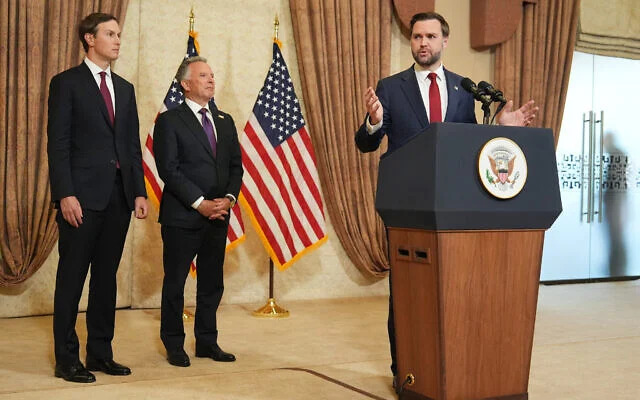
U.S. Vice President JD Vance, who led the American delegation, acknowledged the outcome shortly before leaving Pakistan.
“We’ve had a number of substantive discussions with the Iranians,” he said. “The bad news is that we have not reached an agreement.”
Vance emphasised that Washington’s key demands had not changed, particularly regarding Iran’s nuclear ambitions. He said the U.S. had sought firm guarantees that Tehran would not pursue nuclear weapons or the capability to rapidly develop them.
“We just could not get to a situation where the Iranians would accept our terms,” he added, describing the proposal on the table as the United States’ “final and best offer.”
Vance also revealed the level of direct coordination with Washington during the talks, saying he had spoken with President Donald Trump as many as a dozen times throughout the negotiations. Even as discussions continued, Trump downplayed the necessity of reaching an agreement.
“We’re negotiating. Whether we make a deal or not makes no difference to me, because we’ve won,” President Trump told reporters on Saturday.
Iranian officials, however, pushed back, accusing Washington of making unreasonable demands. A spokesperson for Iran’s foreign ministry described the talks as “intensive” but said progress depended on “seriousness and good faith” from the U.S. side. Iranian media reported that disagreements over the country’s nuclear programme and control of the strategically vital Strait of Hormuz were among the main obstacles.
The negotiations, held over two days and stretching overnight, marked the first direct high-level engagement between the two countries in more than a decade. They followed a temporary ceasefire agreed earlier in the week, which Pakistani officials have urged both sides to maintain despite rising tensions.
Pakistan’s Foreign Minister stressed the importance of preserving the truce, calling it “imperative” for regional stability. Officials in Islamabad had hoped the talks would pave the way for a broader de-escalation, but signs of strain were evident throughout the discussions. One source familiar with the negotiations described “mood swings” and fluctuating tensions as talks progressed.
Beyond nuclear concerns, broader geopolitical issues complicated the negotiations. Iran has reportedly demanded the release of frozen assets, war reparations, and greater control over the Strait of Hormuz, a critical global oil route through which roughly one-fifth of the world’s energy supply passes. The U.S., meanwhile, has insisted on ensuring free navigation through the strait and curbing Iran’s nuclear enrichment capabilities.
The failure to secure a deal leaves the region in a precarious position. Although some oil tankers have begun moving through the Strait of Hormuz following the ceasefire, many vessels remain stranded, and global markets continue to react nervously to the uncertainty.
Adding to the volatility, fighting linked to the broader conflict continues elsewhere in the region. Israel has carried out strikes against Iran-backed Hezbollah targets in Lebanon, underscoring the risk of further escalation beyond the immediate U.S.-Iran confrontation.
Despite the setback, officials on both sides have not ruled out future negotiations. For now, however, the breakdown in Islamabad highlights the deep divisions that remain, and the challenges ahead in turning a temporary ceasefire into lasting peace.
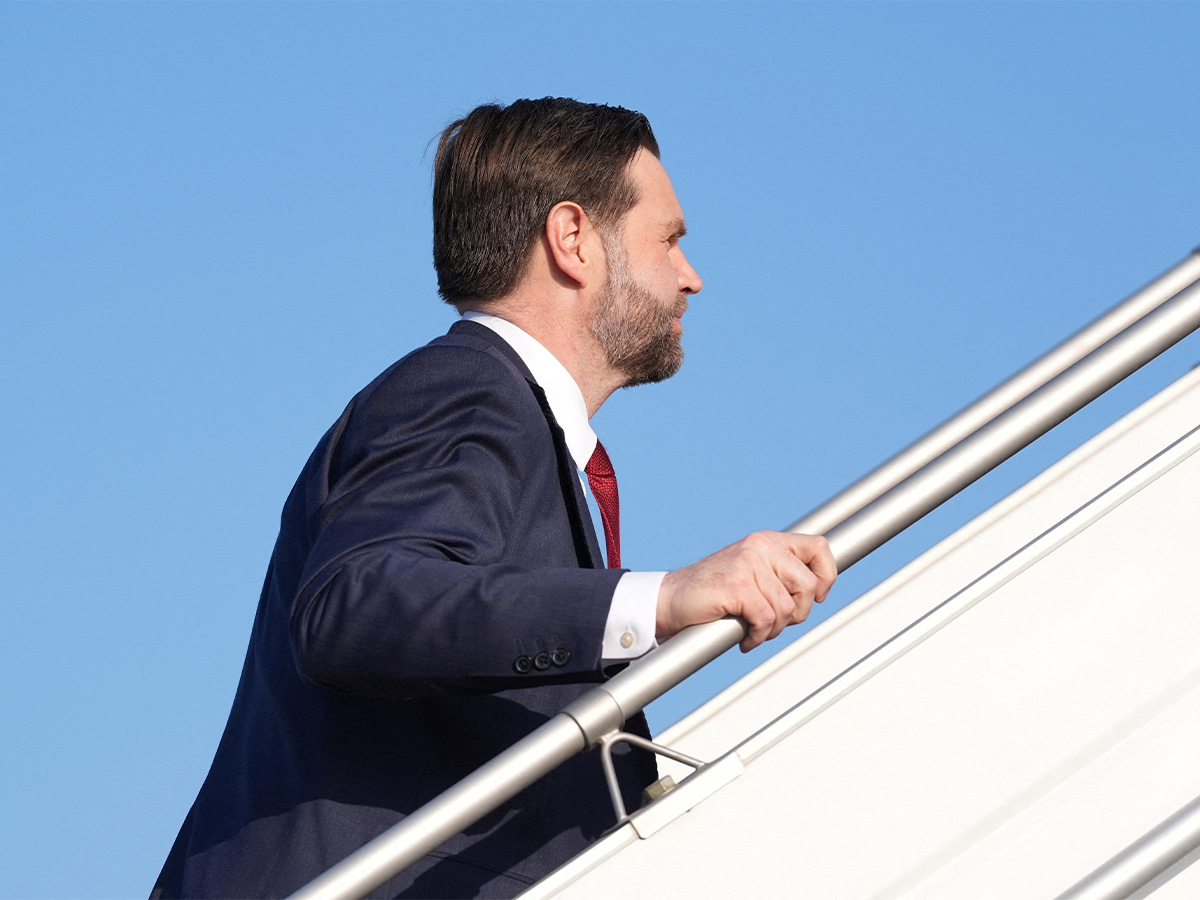
Images showed Vance, who headed the US delegation, along with other members, boarding a plane back to the United States, just minutes after a brief press conference in which he announced that the round of negotiations in Islamabad had ended without an understanding.
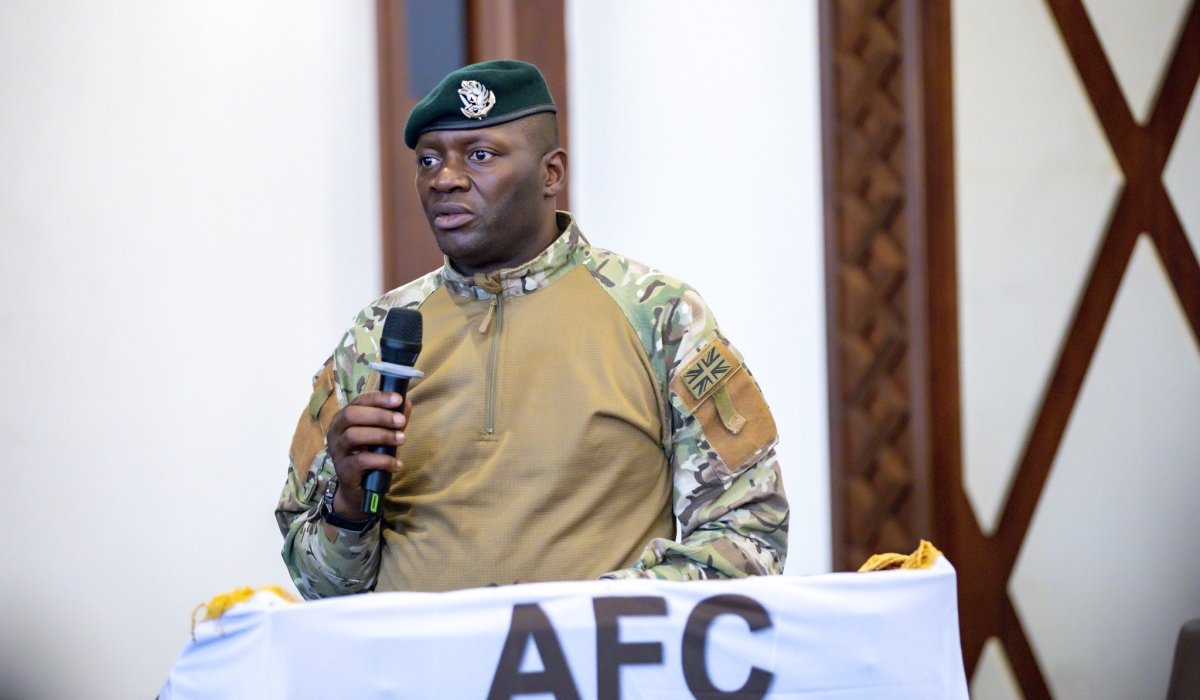
In a statement, AFC/M23 spokesperson Lawrence Kanyuka said government forces shelled civilian areas on Saturday and continued the attacks into Sunday.
“The Kinshasa authorities have deliberately chosen to sabotage the negotiation process underway in Switzerland,” the statement said. “On the night of April 11, 2026, between 22:00 and 04:00, drone strikes targeted densely populated areas of Minembwe and surrounding locations.”
Kanyuka further protested that the actions reflect a refusal by the Congolese government to honor commitments linked to the peace process, and were intended to weaken the planned negotiations.
Delegations from the Democratic Republic of Congo and the AFC/M23 coalition are expected to meet for peace talks in Switzerland from April 13 to April 17, 2026.
The talks are being facilitated by Qatar, which requested Switzerland to host the discussions. They were previously held in Doha but were relocated due to regional instability linked to the conflict involving the United States, Israel, and Iran, which has affected several countries in the Middle East.
Media reports indicate that while Switzerland serves as the host, the process remains under the mediation of Qatar, with Qatari representatives expected to facilitate the proceedings via video conference to maintain the “Doha Process” framework.
In a statement, AFC/M23 spokesperson Lawrence Kanyuka said government forces shelled civilian areas on Saturday and continued the attacks into Sunday.
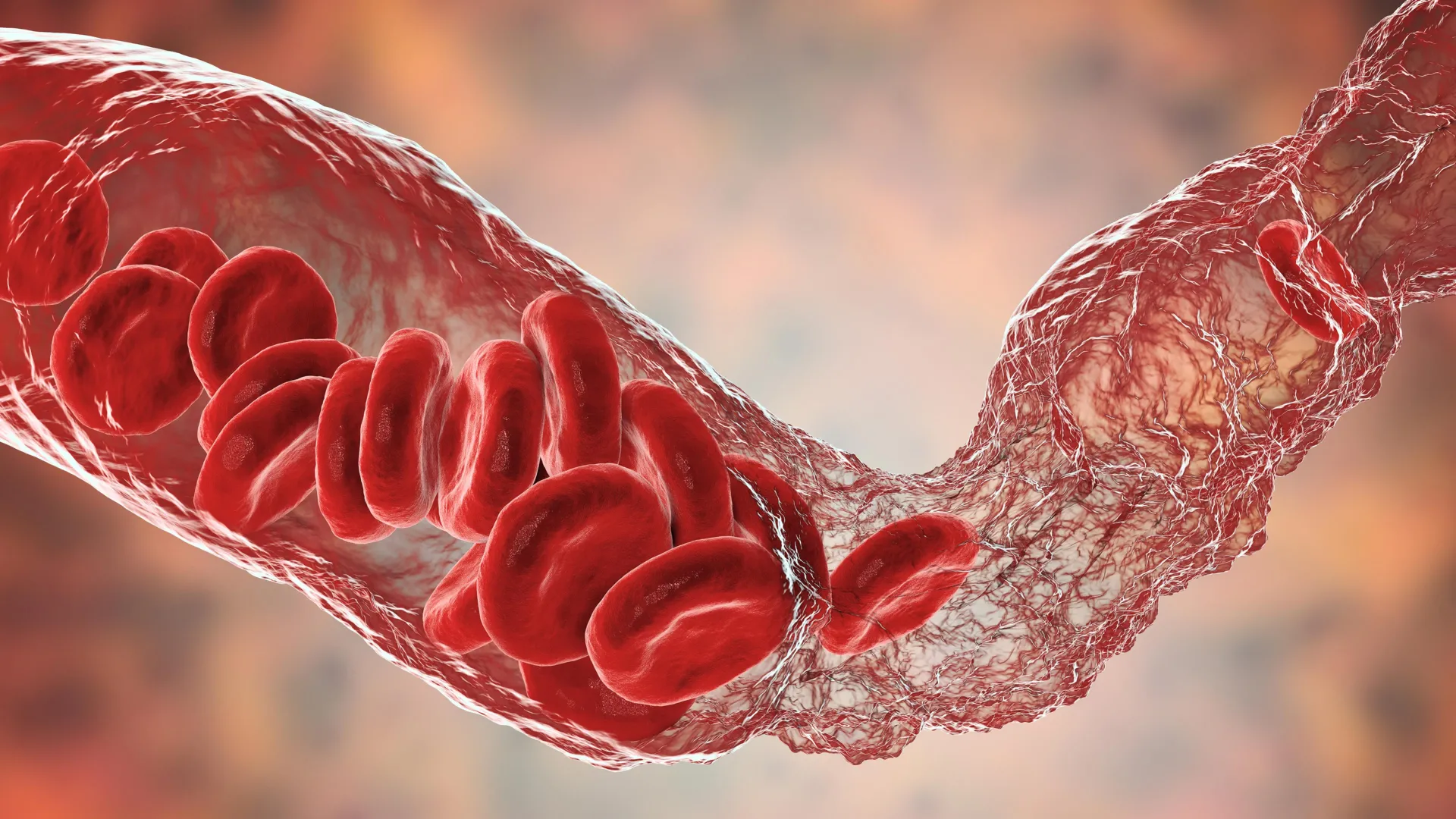
The research team, led by Flinders University in collaboration with international scientists, has determined that the immune system sometimes misinterprets a key blood protein, platelet factor 4 (PF4), as a virus protein. In extremely rare cases, this misunderstanding prompts the immune system to produce antibodies that cause blood clots to form.
Dr. Jing Jing Wang, the lead researcher, explained the significance of the findings:
“By modifying or removing this specific adenovirus protein, future vaccines can avoid this extremely rare reaction while continuing to provide strong protection against disease.”
This new understanding builds on previous studies and advances our knowledge of immune responses that lead to clotting disorders, particularly after the use of adenovirus-based vaccines, such as the Oxford-AstraZeneca vaccine.
These vaccines had been linked to the rare condition known as thrombosis with thrombocytopenia syndrome (TTS), which prompted the scientific community to seek answers.
Professor Tom Gordon, a senior expert involved in the study, emphasized the importance of this discovery: “It has been a fascinating journey with an outstanding international team of collaborators to solve the mystery of this new group of blood clotting disorders.”
The study’s findings highlight a phenomenon known as molecular mimicry, where the immune system mistakenly identifies the PF4 protein as a viral agent.
This insight is crucial for the development of future vaccines. With this new knowledge, researchers can modify the design of adenovirus-based vaccines to prevent this rare side effect, ensuring their continued effectiveness in preventing COVID-19.
This discovery represents a critical step in improving vaccine safety and advancing the understanding of immune responses to viral infections.
Researchers are optimistic that these insights will not only benefit COVID-19 vaccination efforts but also contribute to the development of safer vaccines for other diseases in the future.
Scientists discover key to preventing rare blood clots linked to COVID-19 vaccines.
These talks, initially held in Doha, were relocated at the request of Qatar, the mediator in the process. The move comes as a result of escalating conflict involving the United States and Israel against Iran, which has destabilized parts of the Middle East and affected the region’s ability to host such diplomatic engagements.
According to reports published on April 10 by Jeune Afrique, the meetings will not take place in Geneva, and Switzerland will not play a direct role in the discussions. Instead, Qatari representatives are expected to participate remotely via video conference.
Among the key international figures expected to attend are Massad Boulos, Special Advisor to the U.S. President on Africa , and Vivian van de Perre, Deputy Head of the United Nations peacekeeping mission in DRC (MONUSCO) in charge of operations.
Mubita Luwabelwa, Executive Secretary of the International Conference on the Great Lakes Region (ICGLR), is also expected to take part.
The AFC/M23 delegation will consist of six members led by its Permanent Secretary, Benjamin Mbonimpa. At the time of reporting, the composition of the DRC government delegation had not yet been made public.`
This phase of the peace talks will primarily focus on facilitating humanitarian assistance. Both sides are expected to discuss practical measures to ensure that aid organizations can effectively deliver support to civilians affected by the ongoing conflict in eastern DRC.
One of the major expectations from the international community is the reopening of Goma International Airport, which has been under AFC/M23 control since January 2025. Earlier in 2026, Vivian van de Perre visited Goma and formally conveyed this request to AFC/M23 leadership.
However, tensions remain. Reports indicate that AFC/M23 has been reluctant to proceed with discussions on humanitarian matters while key prior agreements remain unfulfilled. These include adherence to the ceasefire and the mutual release of prisoners.
AFC/M23 continues to accuse DRC government forces of carrying out daily attacks on areas under its control using drones, fighter jets, and heavy weaponry, resulting in civilian casualties.
Although both parties previously agreed to establish a joint ceasefire monitoring mechanism involving MONUSCO and the ICGLR, this initiative has yet to become operational.
Following AFC/M23’s withdrawal from the city of Uvira in January 2026, MONUSCO forces were expected to take over and oversee ceasefire compliance. While assessment missions have been conducted, full deployment and active monitoring have not yet begun.
In a previous humanitarian gesture, AFC/M23 allowed the International Committee of the Red Cross (ICRC) to transfer over 1,300 soldiers and police officers who had taken refuge in its controlled areas near Goma back to Kinshasa.
In March 2026, AFC/M23 announced plans to release 5,000 DRC soldiers, expressing hope that the government would reciprocate by freeing detained members of the group. However, confidence in such a reciprocal move has been steadily declining.
Available information indicates that by early 2026, the ICRC had already identified the locations and identities of AFC/M23 detainees. Despite this, no progress has been made, as the DRC government has not agreed to release them.
AFC/M23 maintains that continued military offensives and the refusal to release prisoners demonstrate a lack of genuine commitment to peace on the part of the DRC government.
Instead, the group argues that the government still appears to believe that the conflict can be resolved through military means rather than dialogue.
Peace talks are set to resume in Switzerland amid unfulfilled commitments by the DRC Government.
Rwanda, alongside the international community, is currently marking the 32nd commemoration of the Genocide against the Tutsi, during which more than one million people were killed in just 100 days.
Speaking at an event held on April 10, 2026, in remembrance of journalists who were killed during the Genocide, Dr. Bizimana highlighted the critical role played by the media in fueling the violence.
He explained that several high-ranking government officials were actively involved in the leadership of RTLM while still serving in state institutions.
Among them was Donath Hakizimana, then Secretary General of the National Intelligence Service, who was responsible for supplying RTLM with information and recruiting loyal, hardline journalists.
Gaspard Musabyimana, now living in Belgium where he operates Radio Inkingi an outlet that continues to promote genocide ideology was in charge of programming and coordination with intelligence networks.
Also involved was Ferdinand Nahimana, one of the principal ideologues of the Genocide, who authored propaganda encouraging Hutu unity against Tutsis under what was called the “civil self-defense” (Auto-défense civile) campaign.
These individuals, along with others, formed influential committees that recruited skilled and trusted journalists, many drawn from ORINFOR and used them to orchestrate propaganda campaigns that encouraged the killing of Tutsis.
Those recruited included Noheli Hitimana, Joel Hakizimana, Ananiya Nkurunziza, Georges Ruggiu, Valérie Bemeriki, Joseph Gatsikira, and others known for their engaging and persuasive broadcasting style, often centered on music, sports, and general entertainment.
Dr. Bizimana emphasized that Habimana Kantano stood out as one of RTLM’s most influential figures. He cleverly used his popularity as a passionate fan of Rayon Sports to mobilize members of the Interahamwe militia and incite them to commit killings.
He noted:“Kantano was widely recognized as a devoted Rayon Sports supporter. He often wore the club’s attire and carried a drum wherever he went. He was highly popular, and whenever he spoke on RTLM, many young people listened closely because of his influence.”
RTLM broadcasts frequently included explicit hate speech, such as: “Tutsis, you cockroaches, we will kill you.”
RTLM began broadcasting on July 8, 1993, and quickly became popular, particularly among young audiences, due to its modern and engaging programming. The station aired a wide range of music, including Zouk, Rumba, American genres, gospel songs, and more.
Its large audience enabled it to spread hatred and extremist propaganda with alarming ease, significantly contributing to the rapid escalation and widespread nature of the killings during the Genocide.
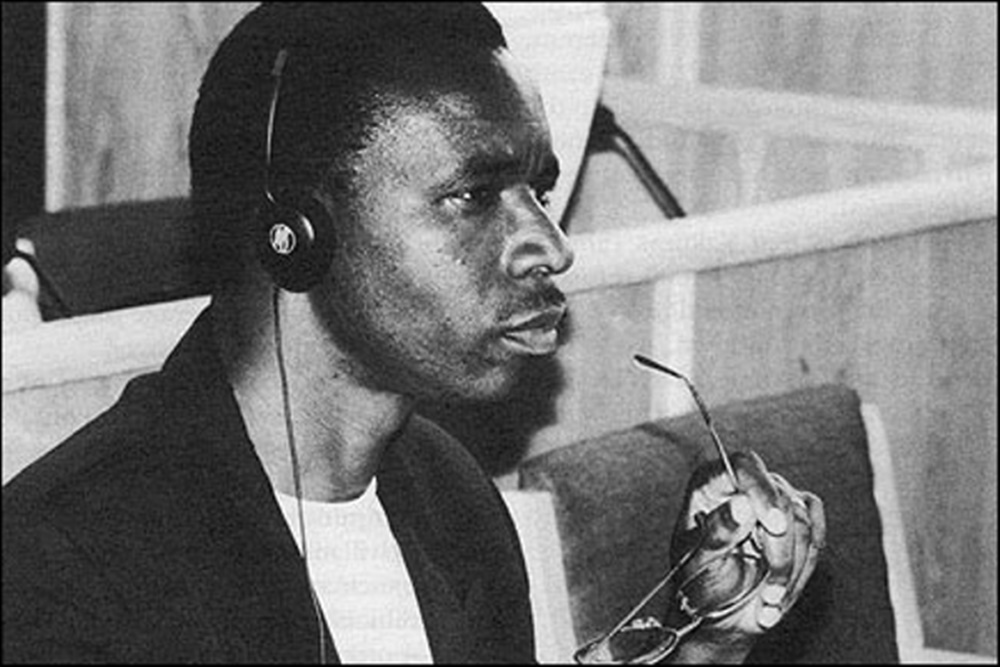
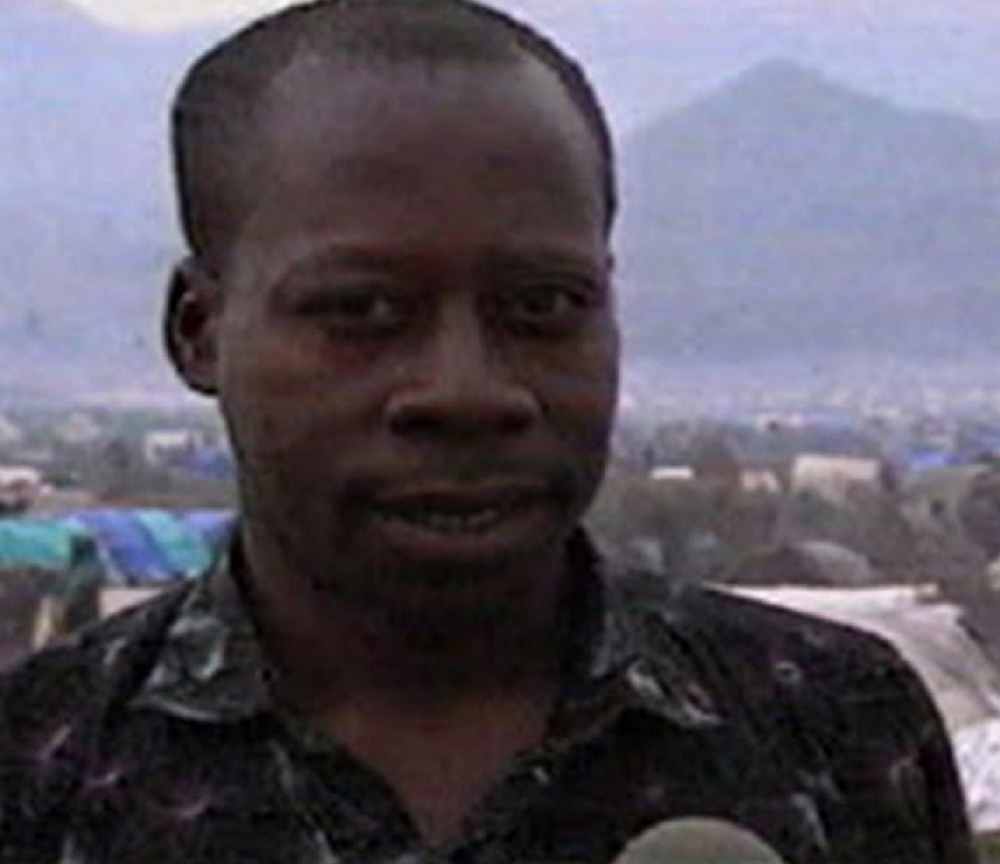
Ferdinand Nahimana was the Director of RTLM.Habimana Kantano used his association with Rayon Sports to incite Hutu youth to kill Tutsis.
In a statement, the deputy prime minister reiterated Pakistan’s willingness to continue facilitating the parties in achieving a lasting and durable solution, underscoring the importance of dialogue and cooperation in resolving disputes.
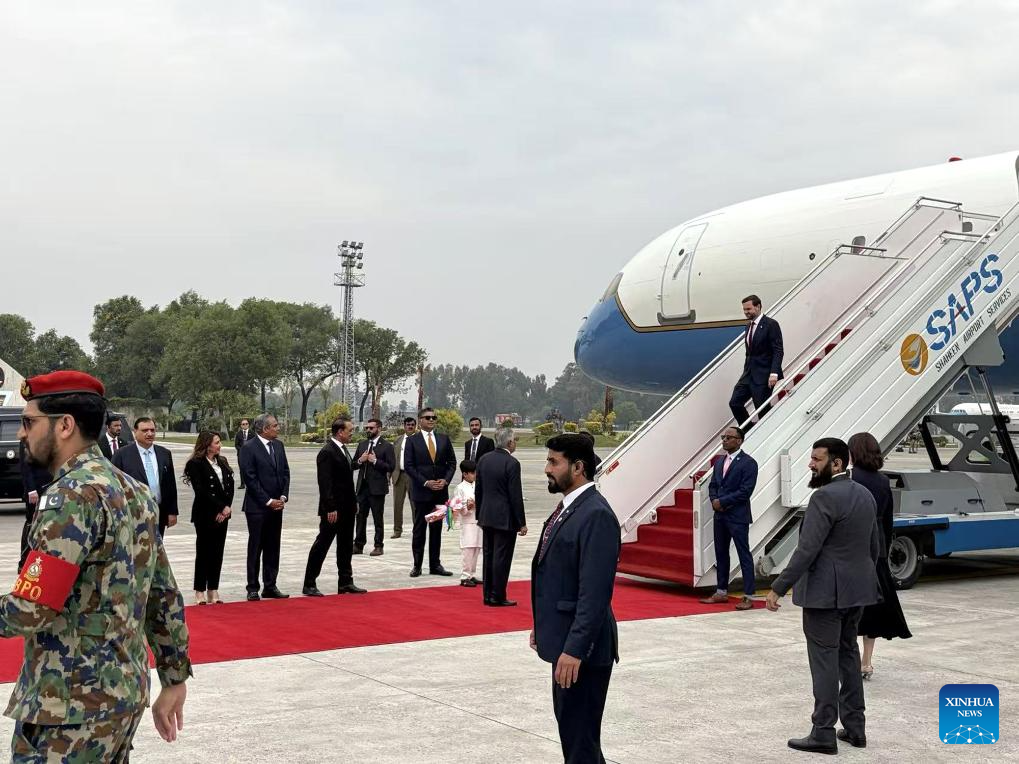
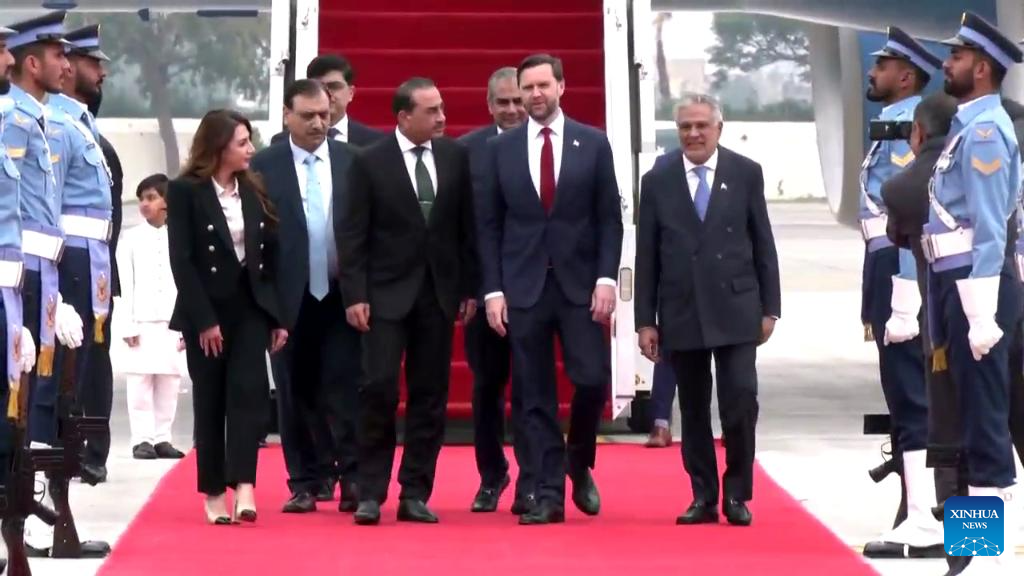
The statement came after the U.S. delegation arrived in Pakistan on Saturday. The Iranian team reached Pakistan earlier. The two sides are expected to have a negotiation to end recent hostilities in the Middle East.
This screenshot from a video clip shows U.S. Vice President JD Vance arriving at the Nur Khan airbase in Rawalpindi, Pakistan, on April 11, 2026. U.S. delegates led by Vice President JD Vance arrived in Pakistan on Saturday morning for talks with Iran, according to sources.
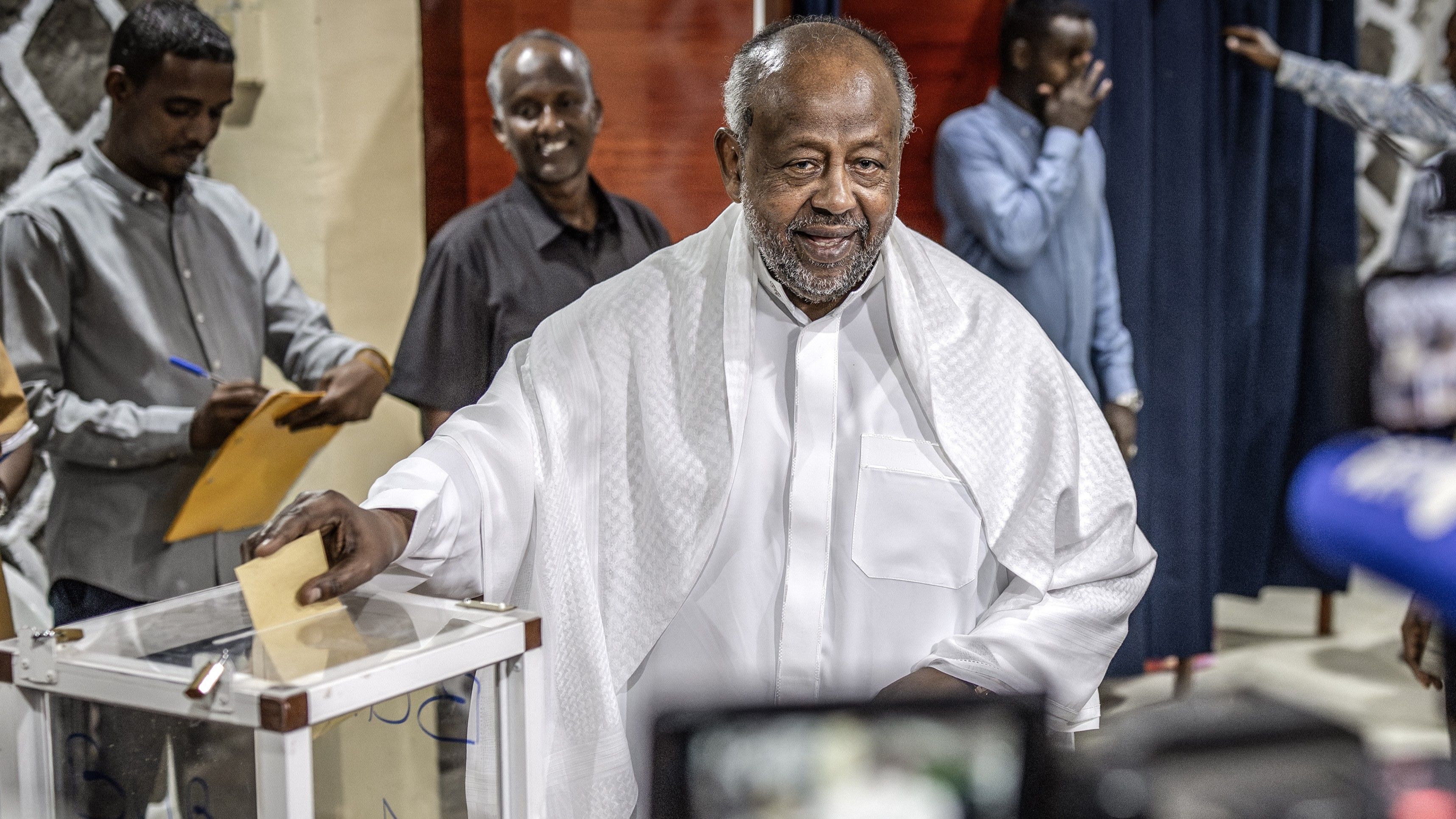
The Ministry of Interior announced on Saturday morning that Guelleh defeated his opponent, Mohamed Farah Samatar, presidential candidate for the Unified Democratic Center, who won 2.19 percent of the vote in Friday’s presidential election.
Guelleh, 78, declared victory in a social media post a few hours ahead of the official results, after early results gave him a huge lead.
Djibouti, a small country at the mouth of the Horn of Africa, is a major hub for international commerce and a key partner in the fight against sea piracy and transnational terrorism.
The Red Sea nation, with a population of about 1 million, is also the main foreign trade outlet for neighboring landlocked Ethiopia.
Djibouti’s incumbent President Ismail Omar Guelleh was re-elected for a sixth term with 97.81 percent of the vote
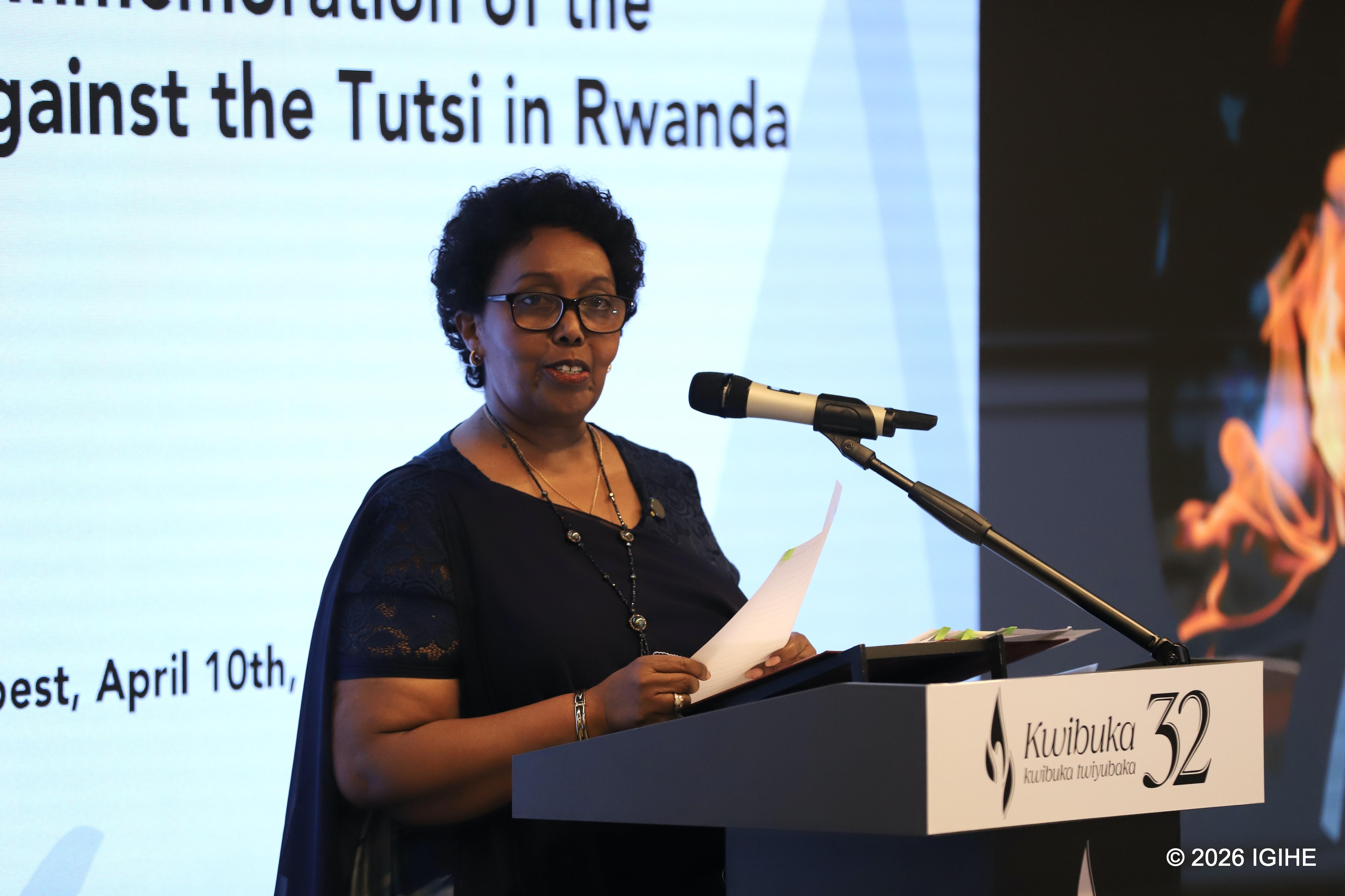
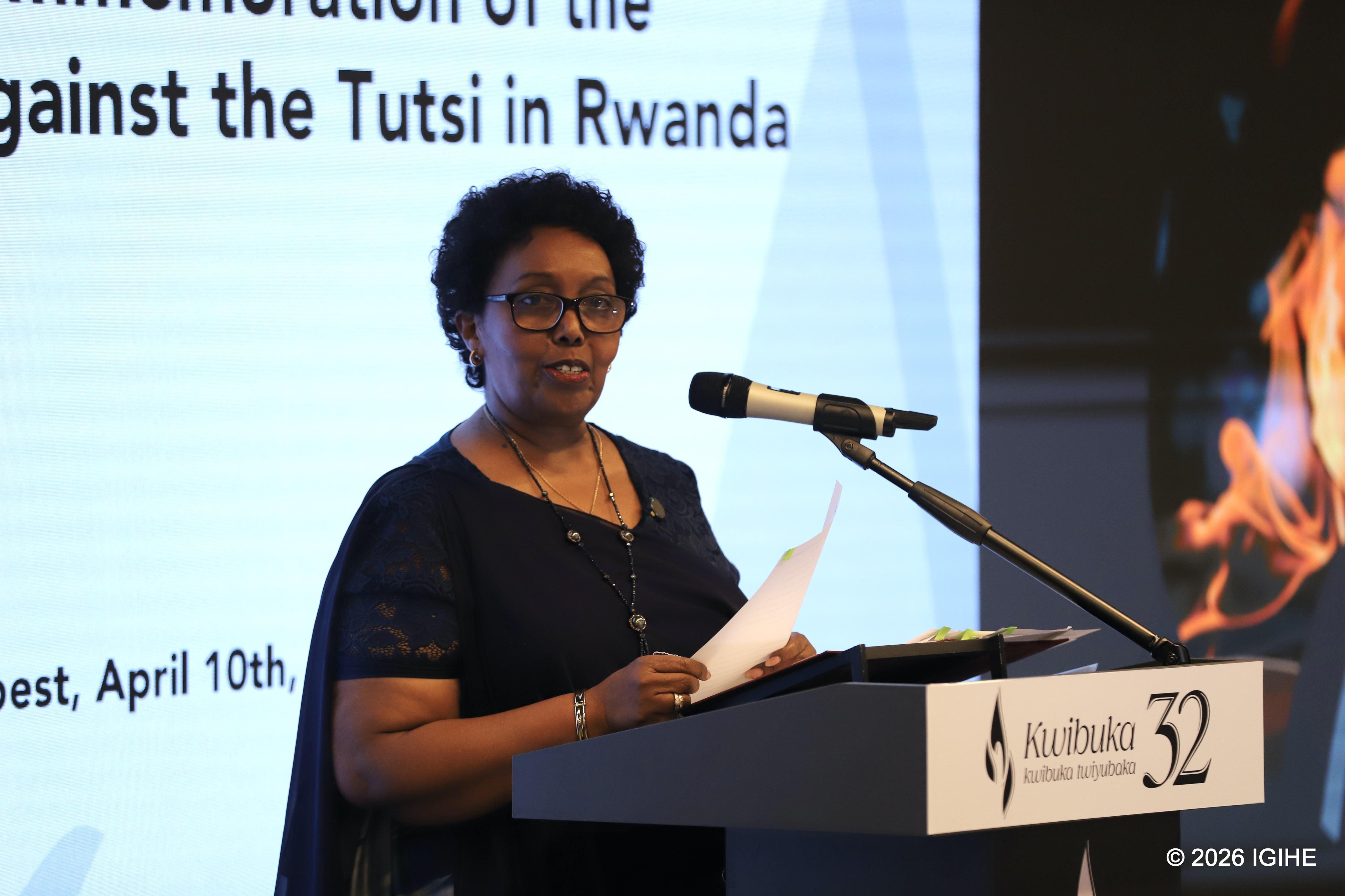
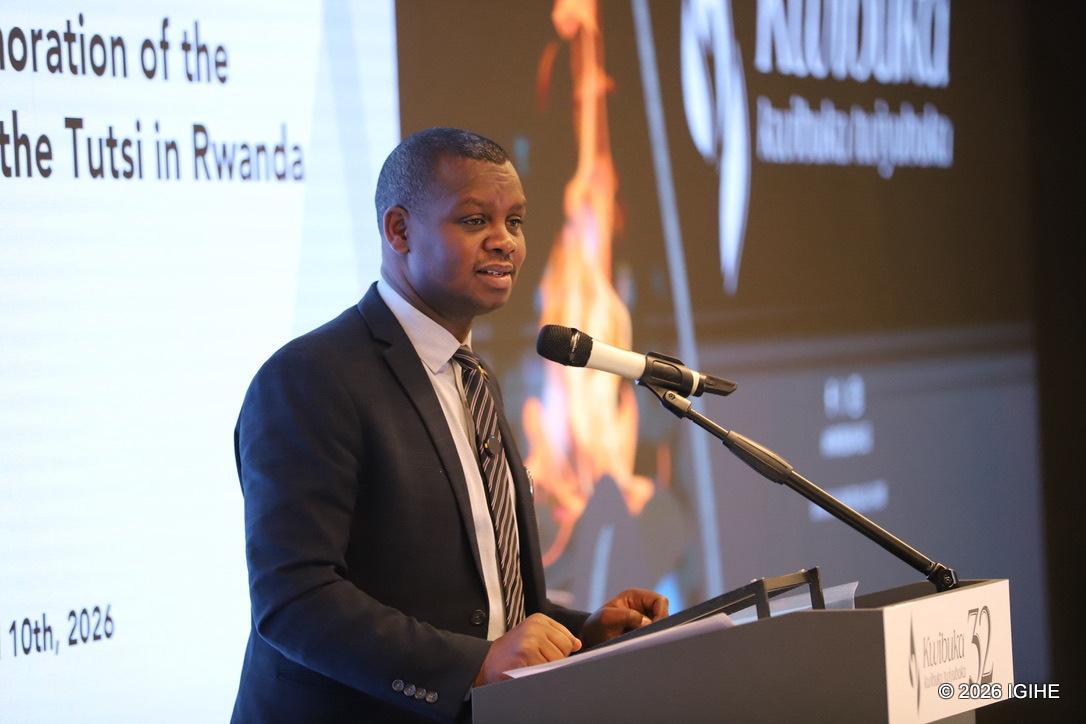
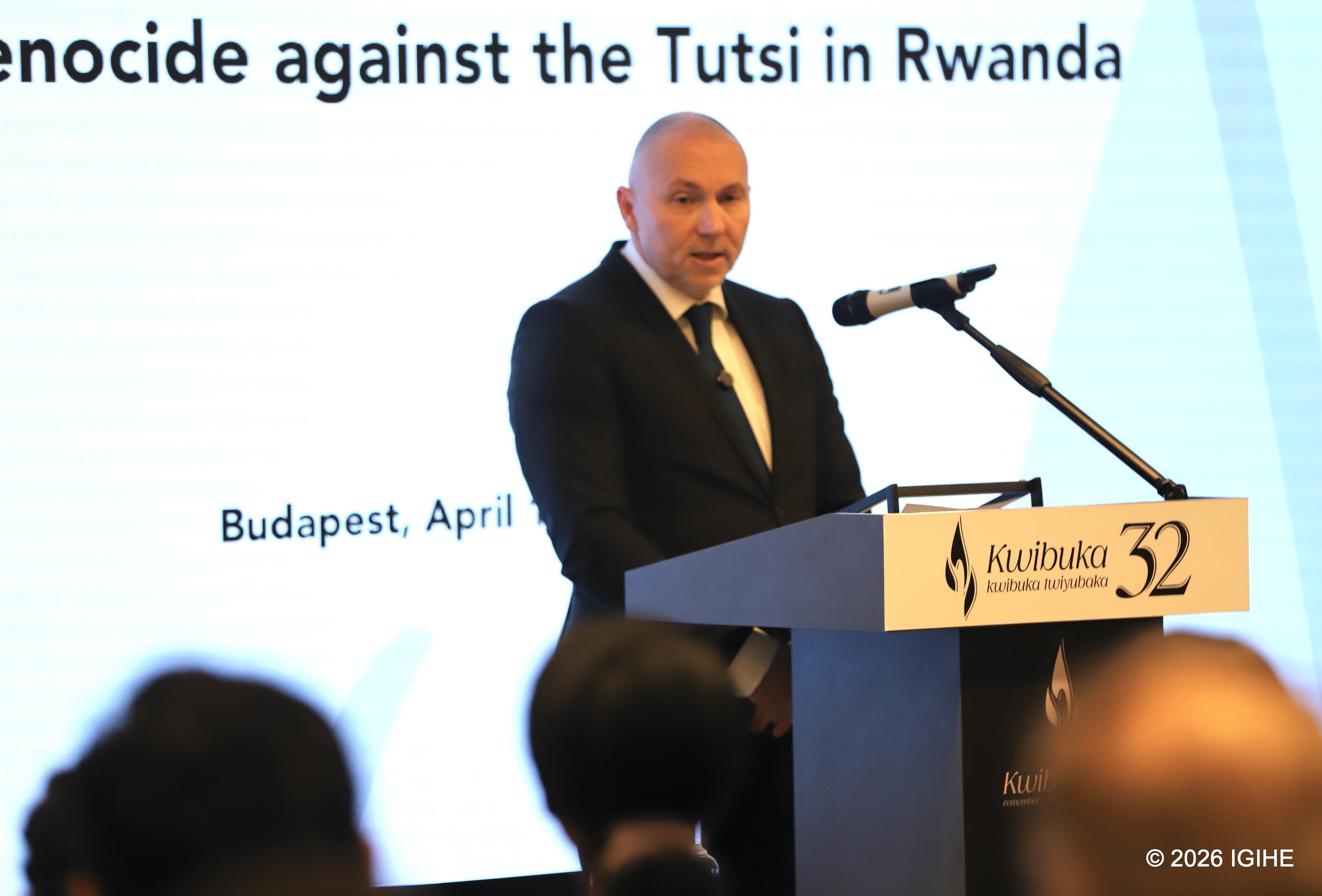
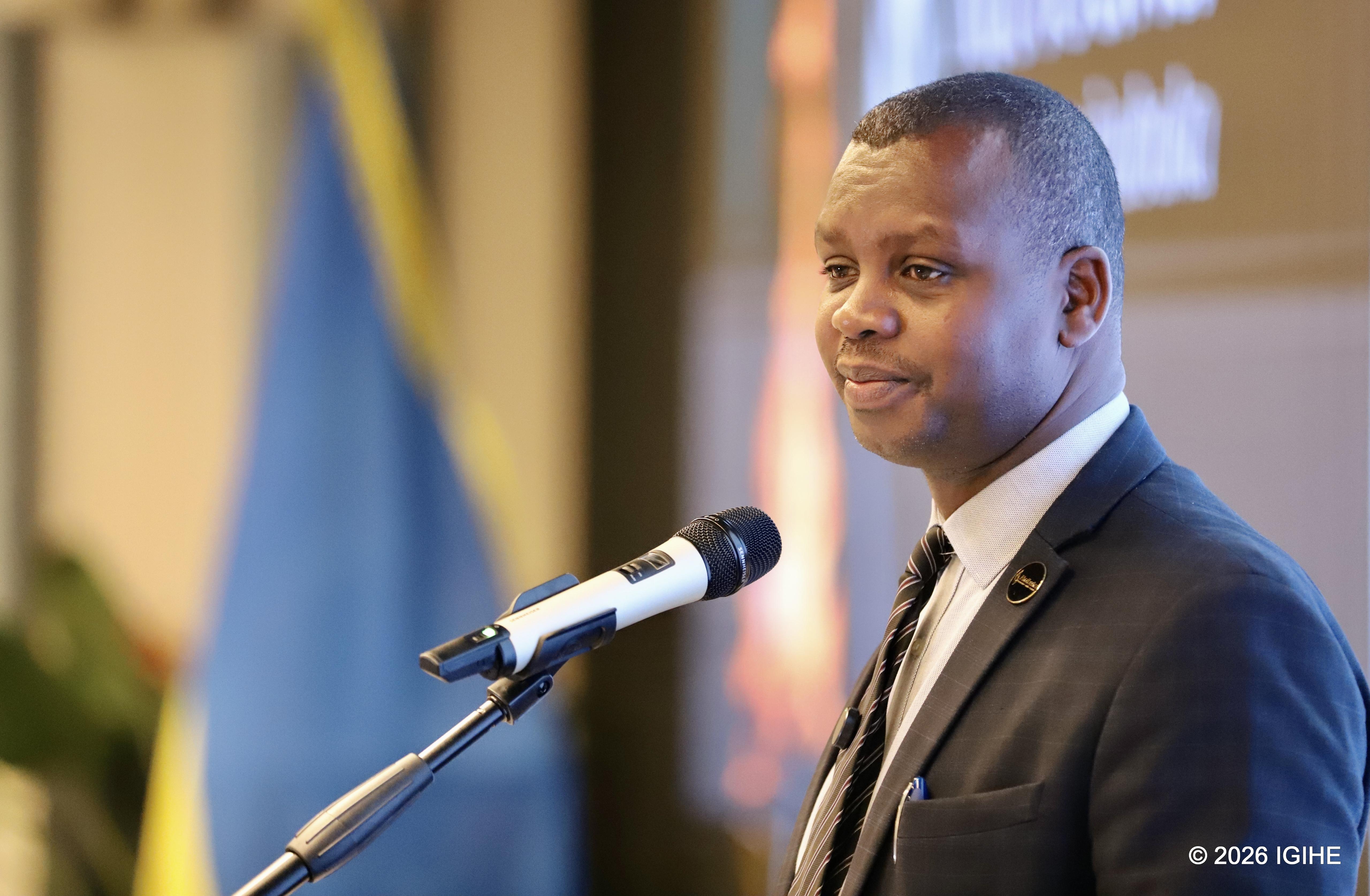
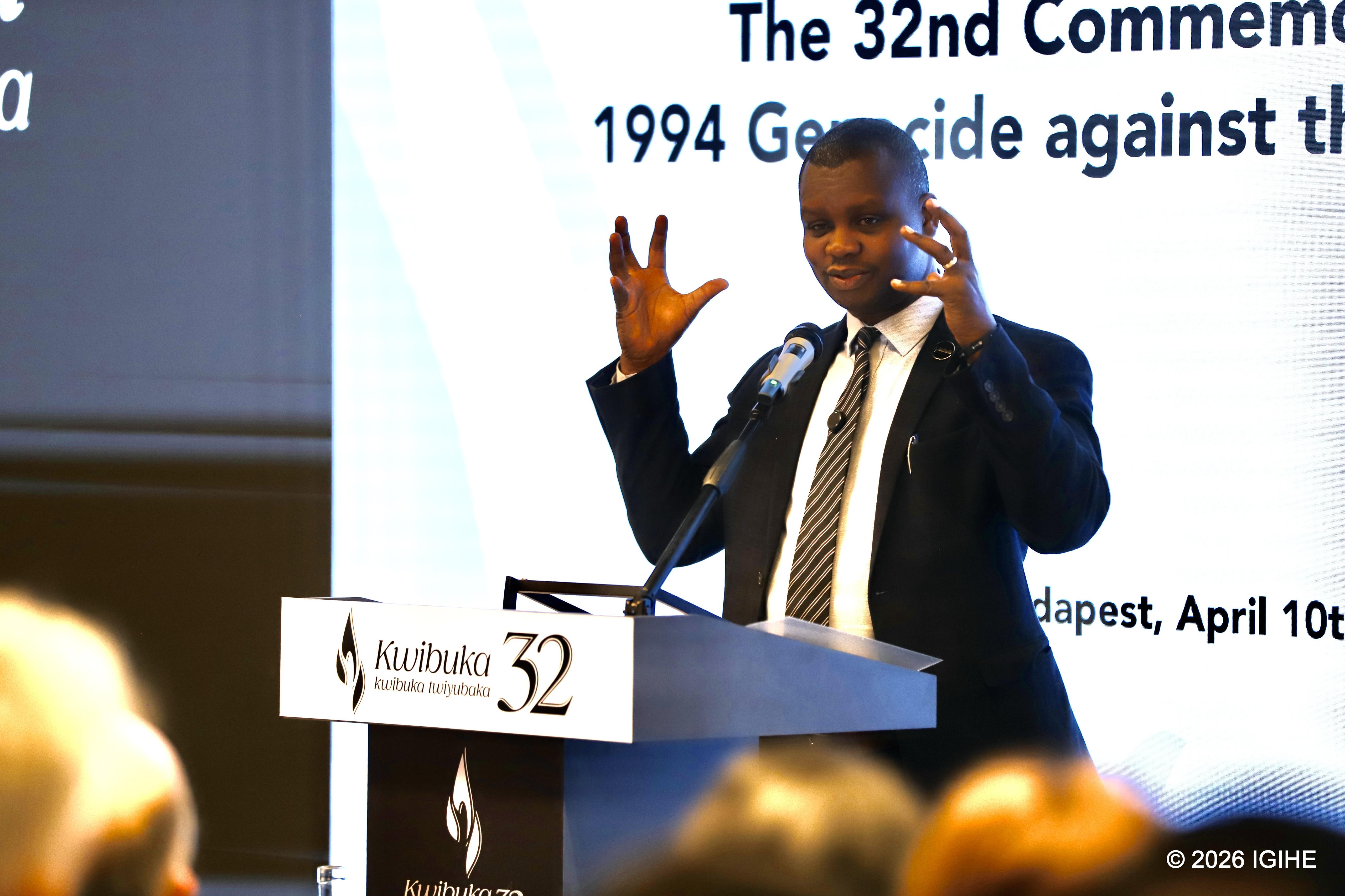
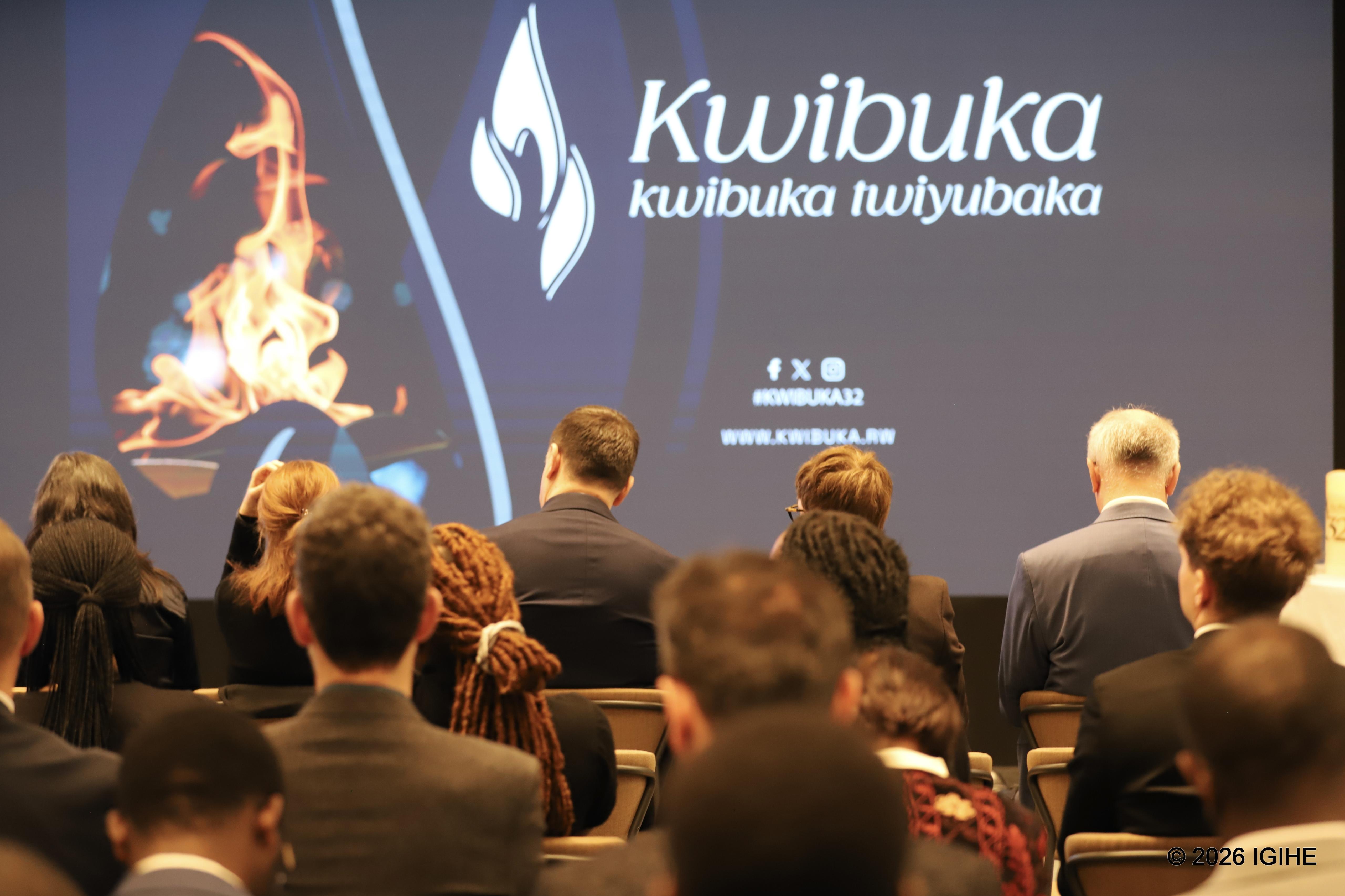
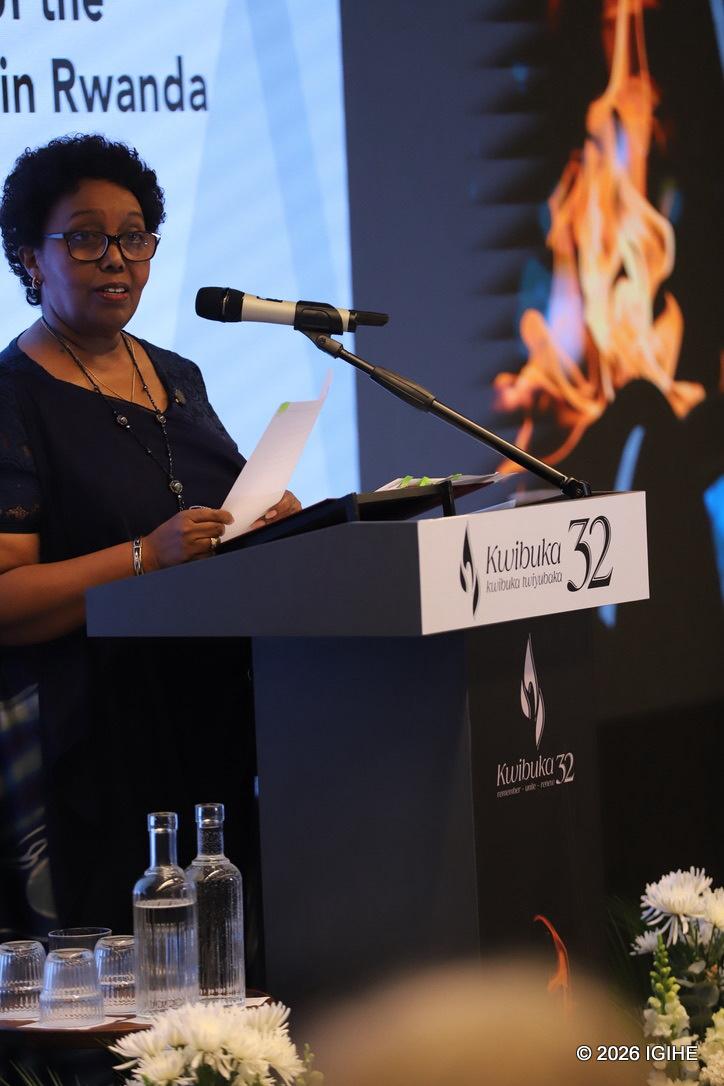
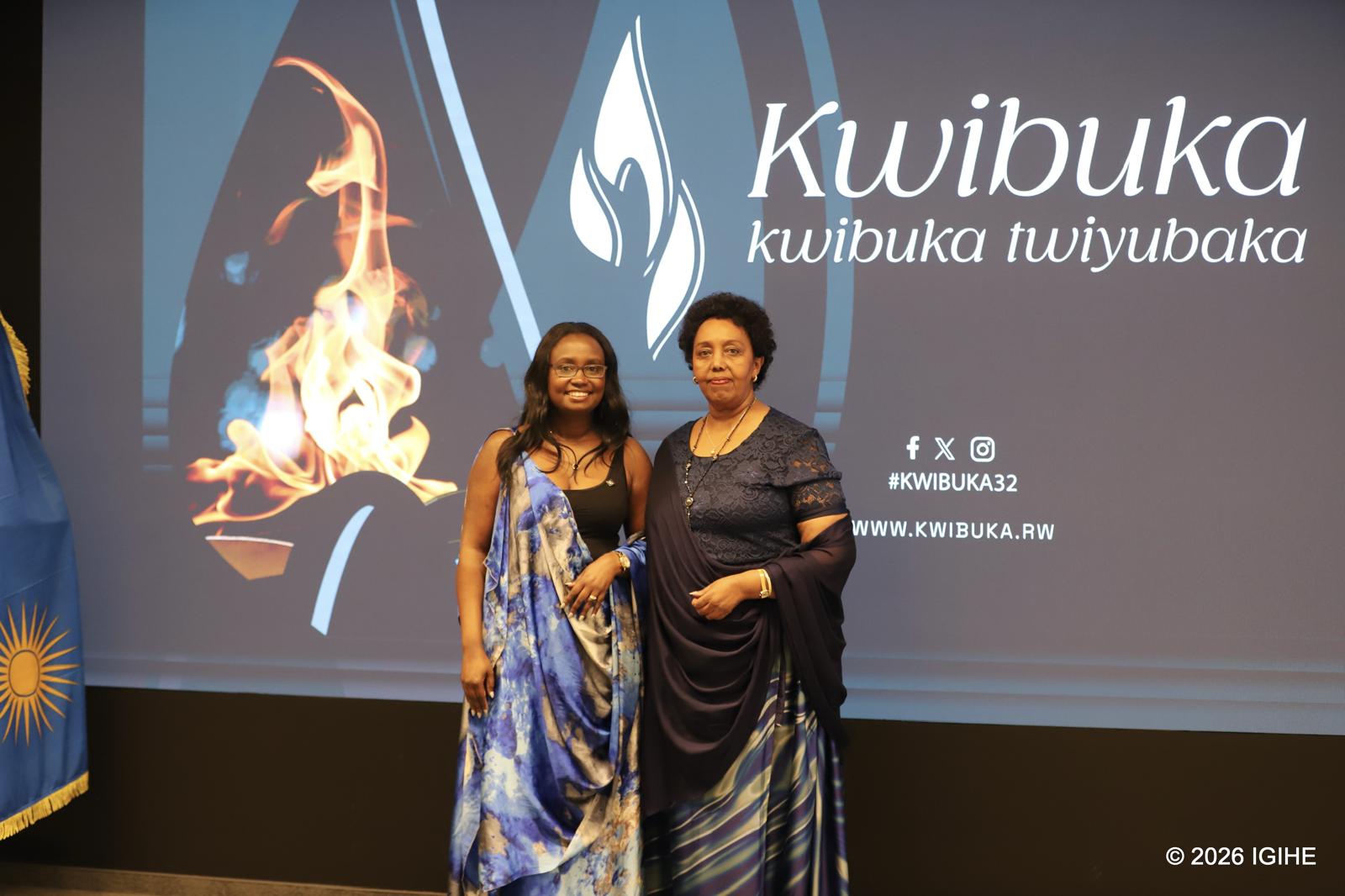
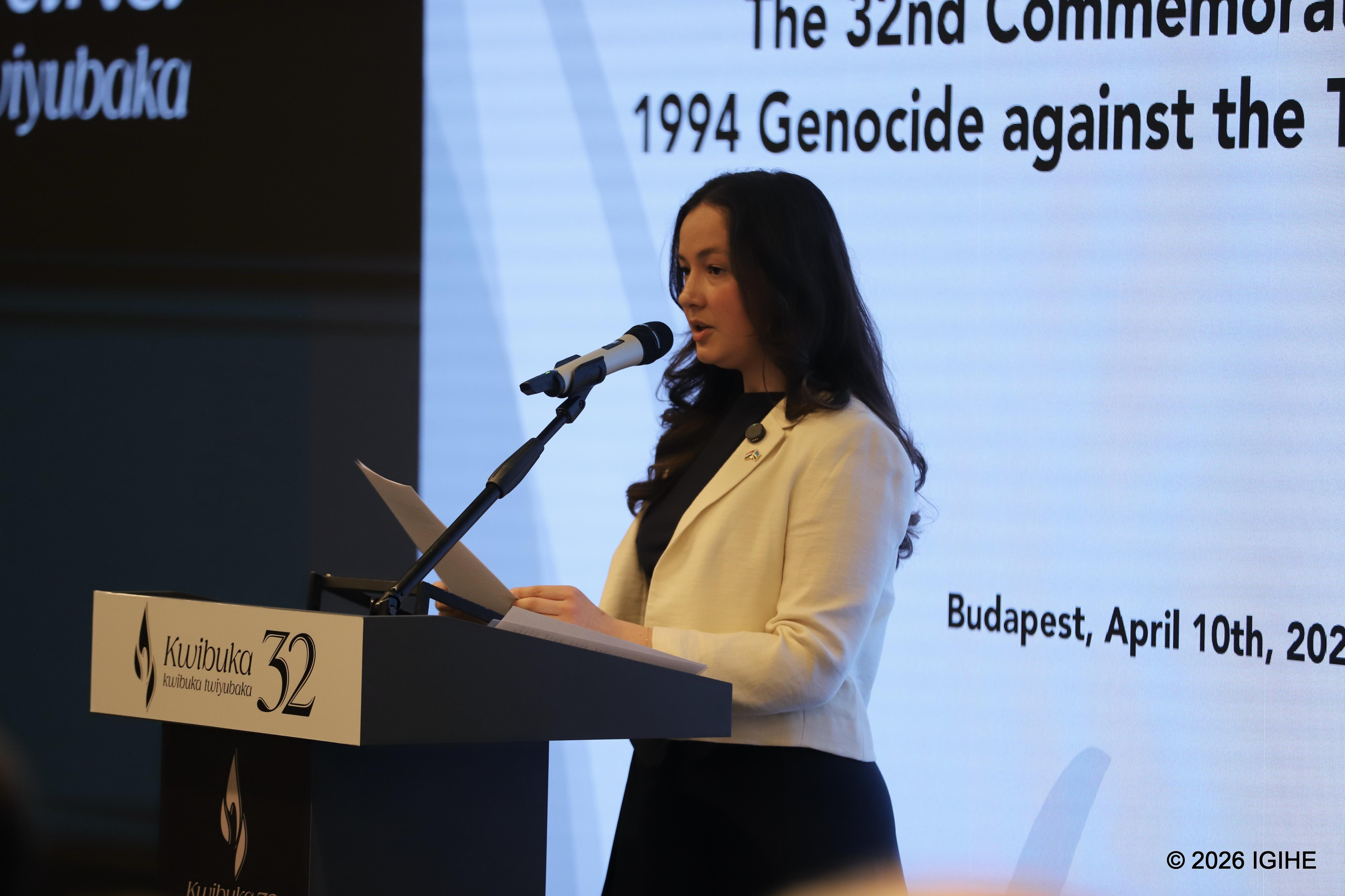
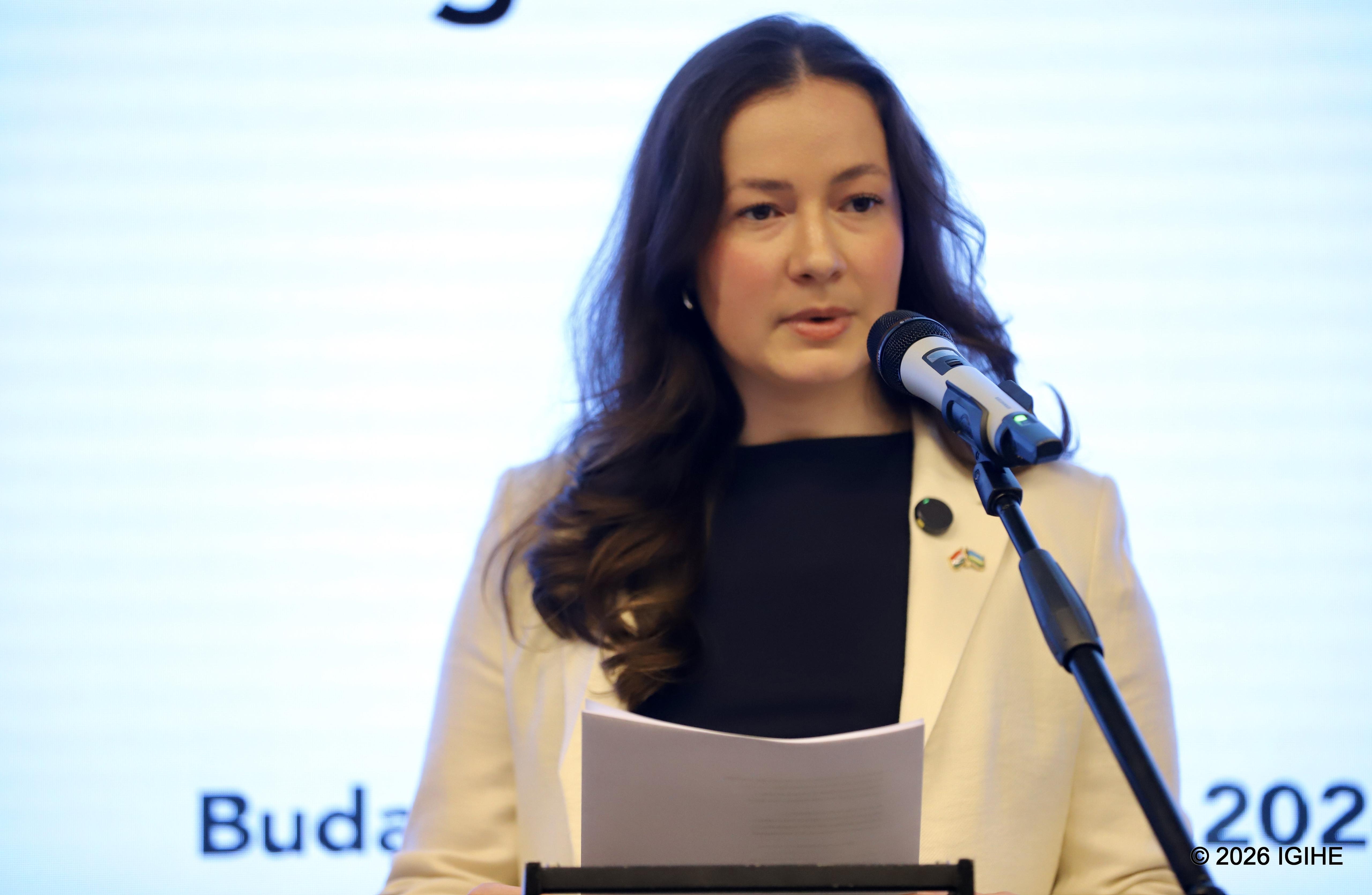
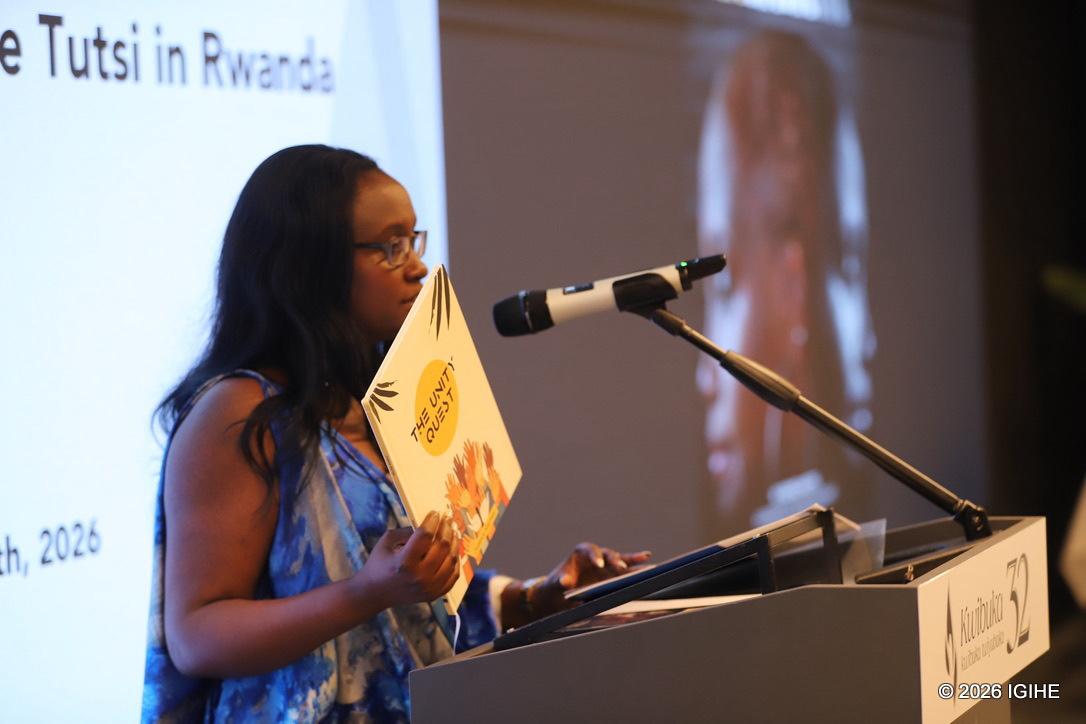
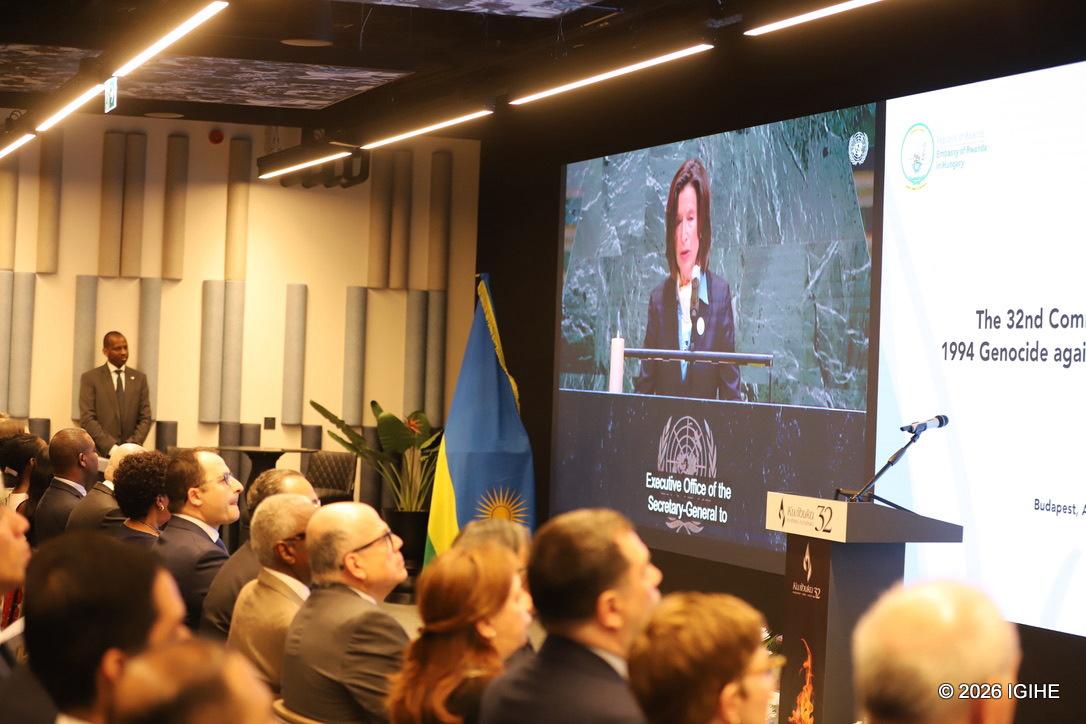
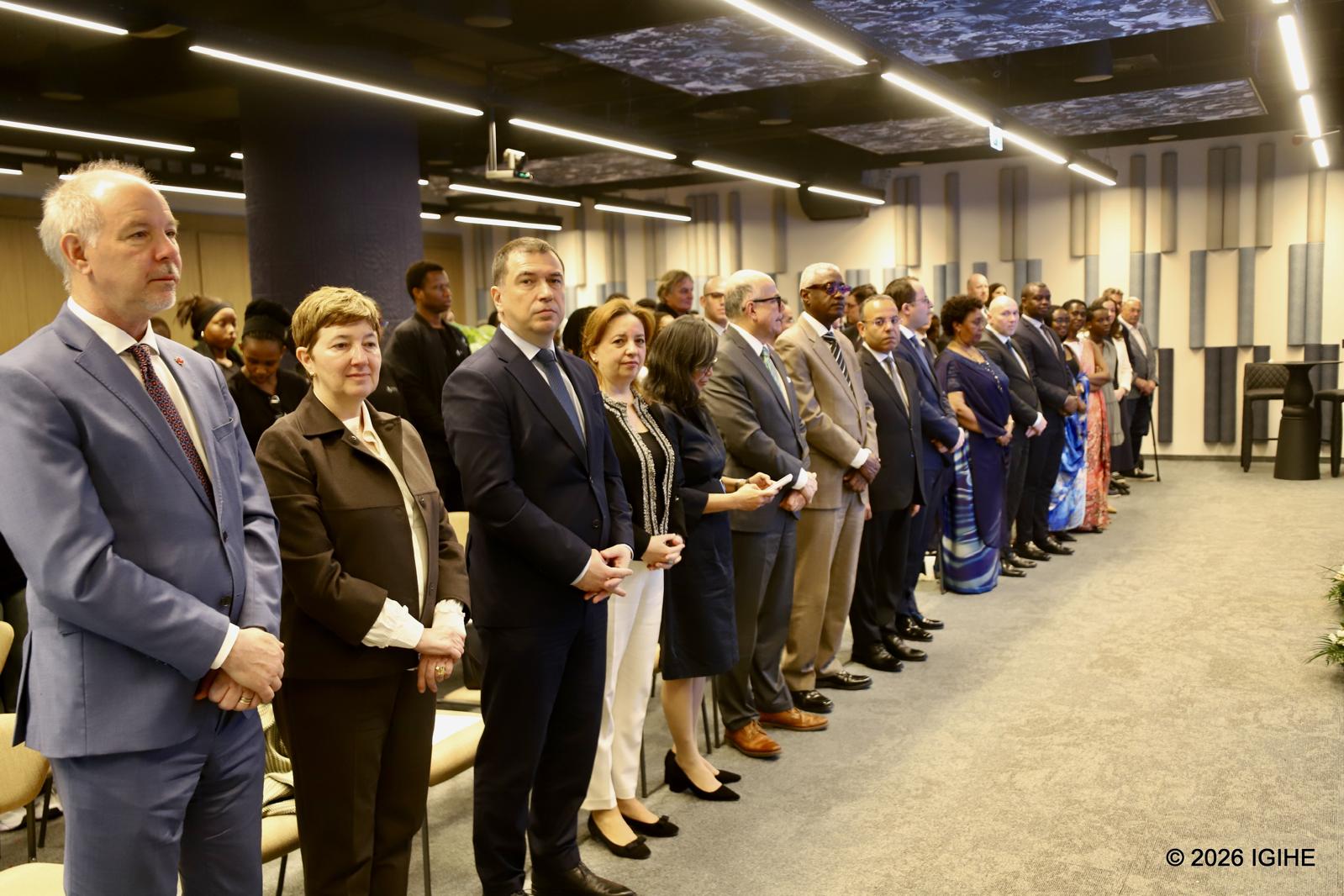
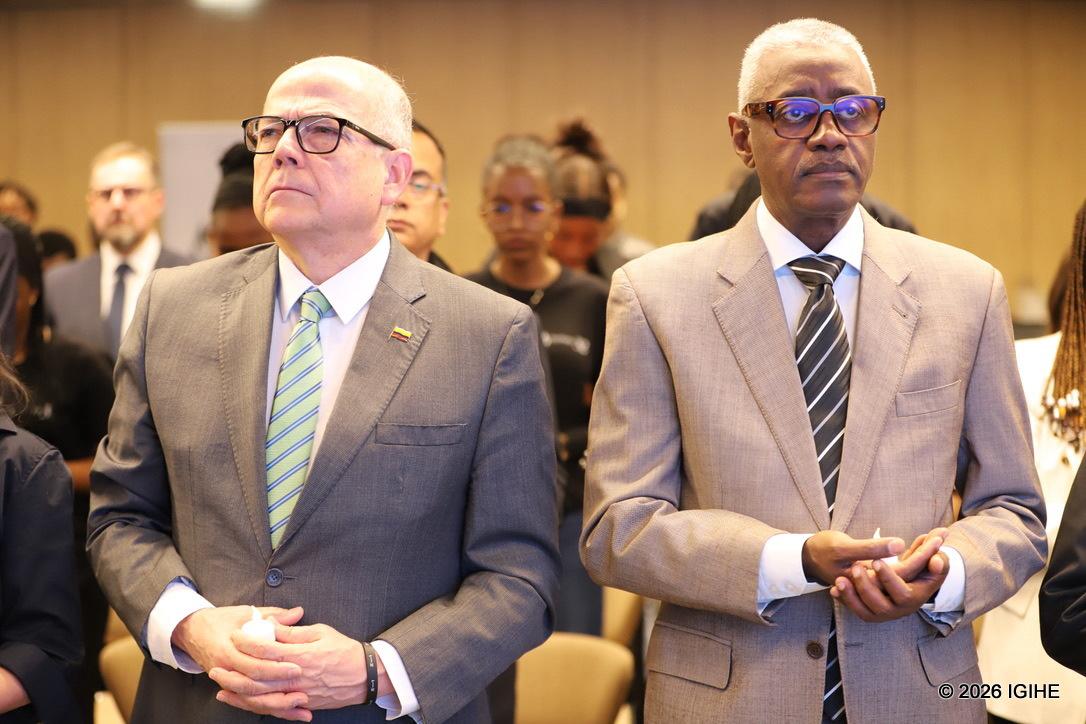
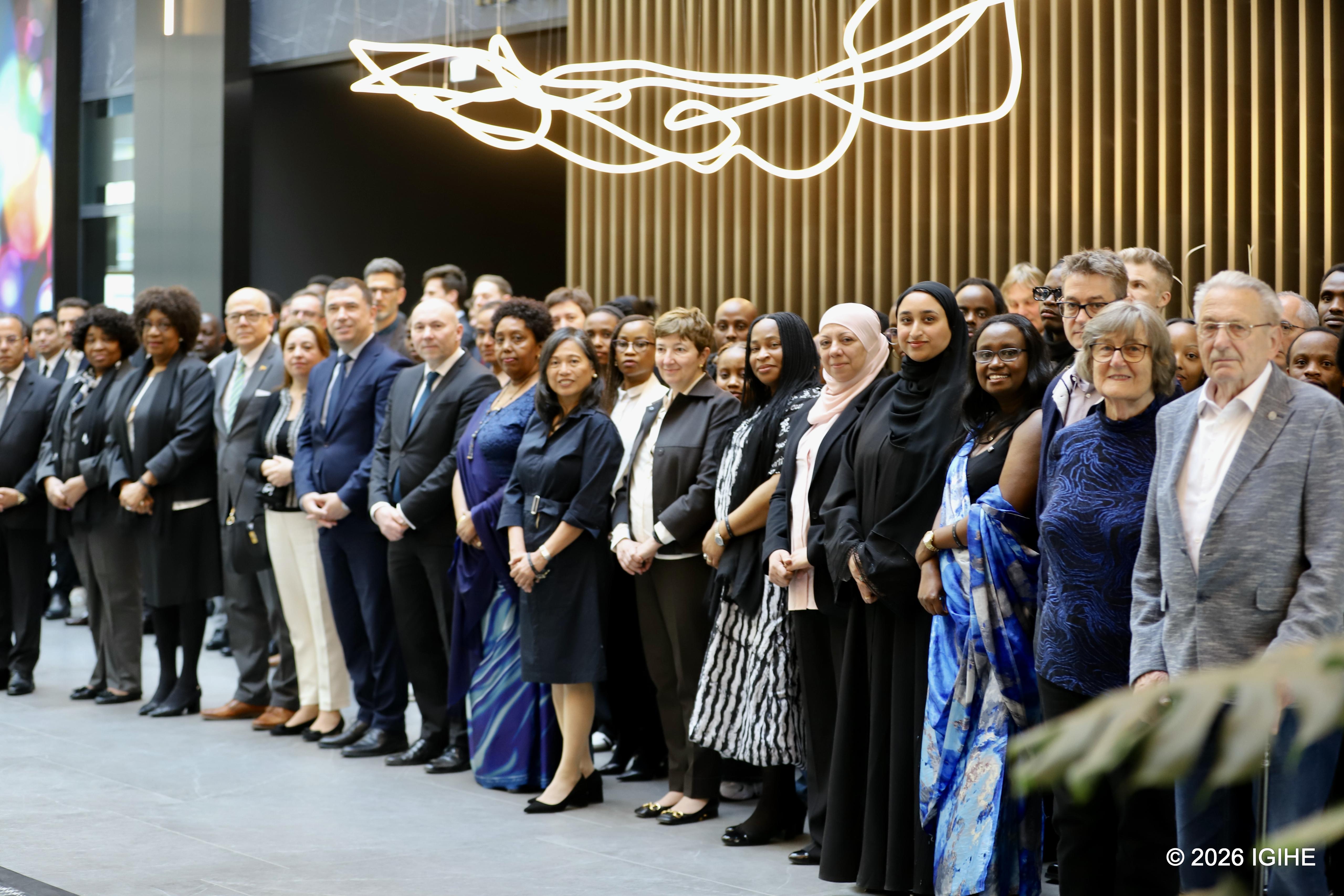
She made the call on April 10, 2026, during a solemn ceremony marking the 32nd commemoration of the 1994 Genocide against the Tutsi, held in Budapest.
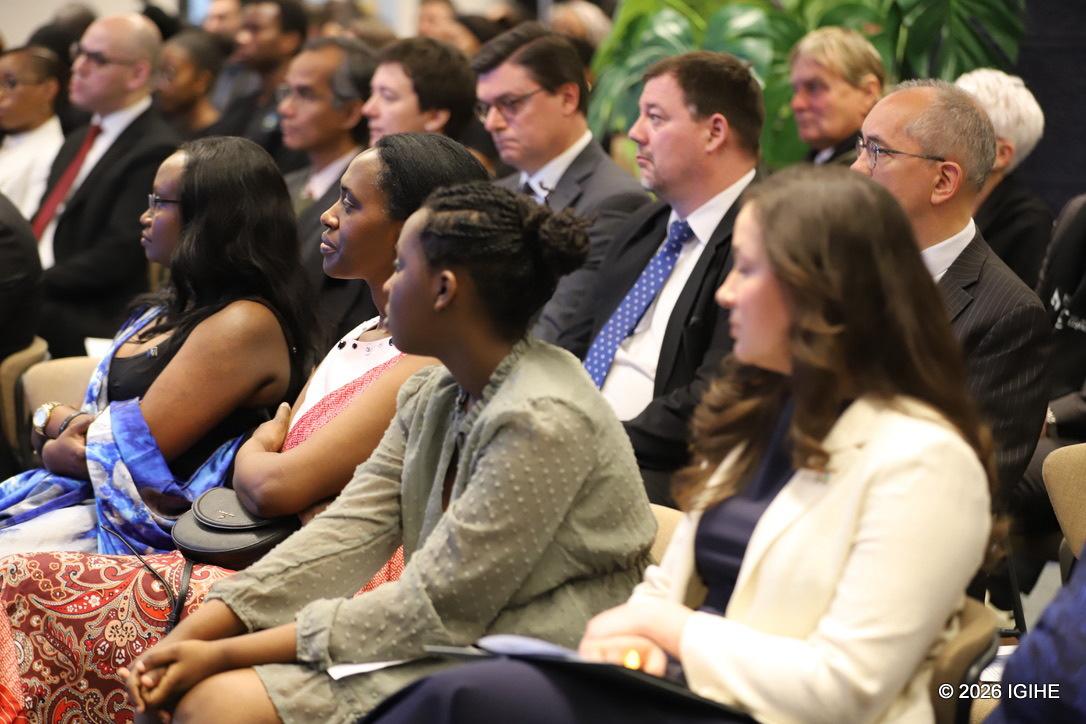
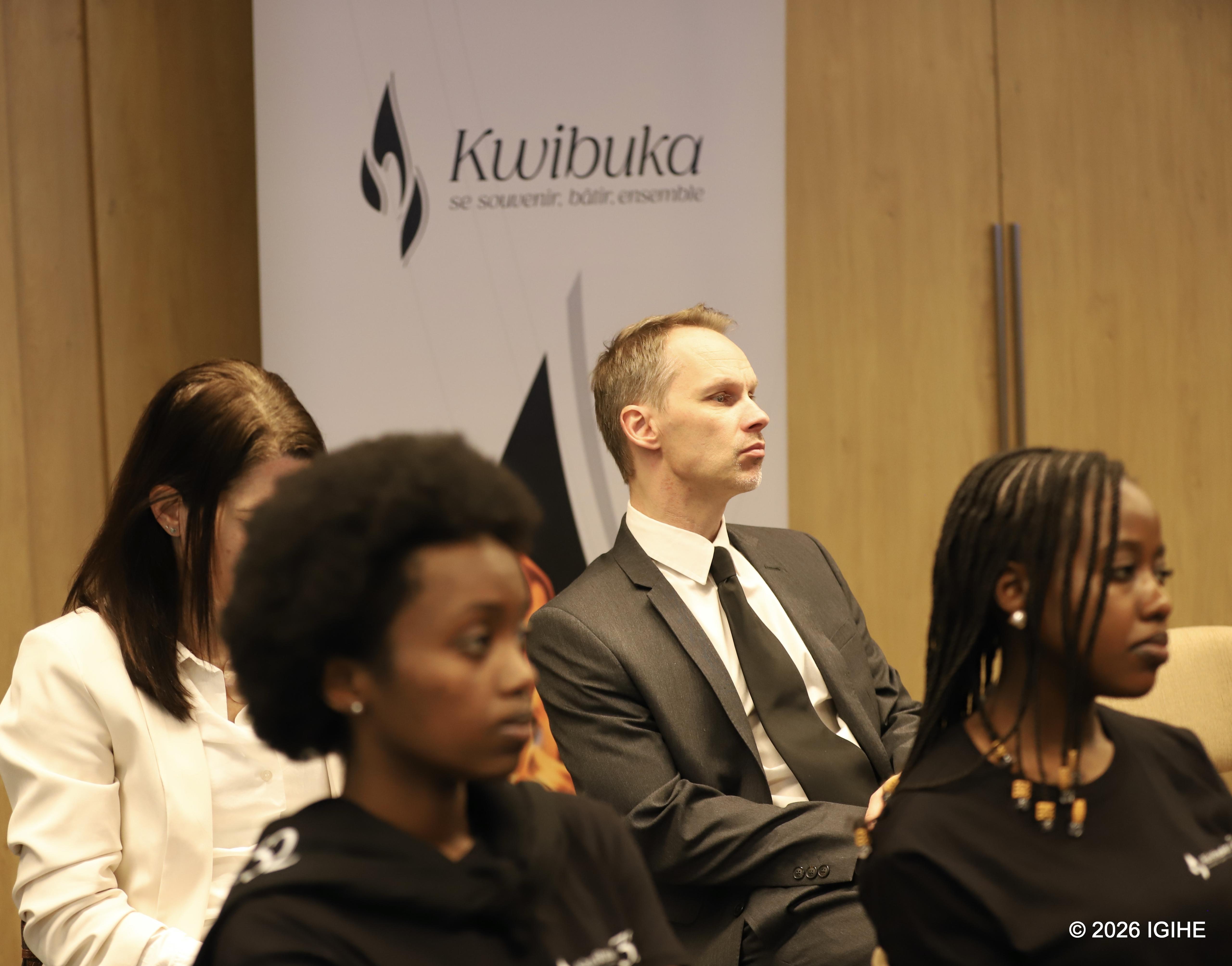
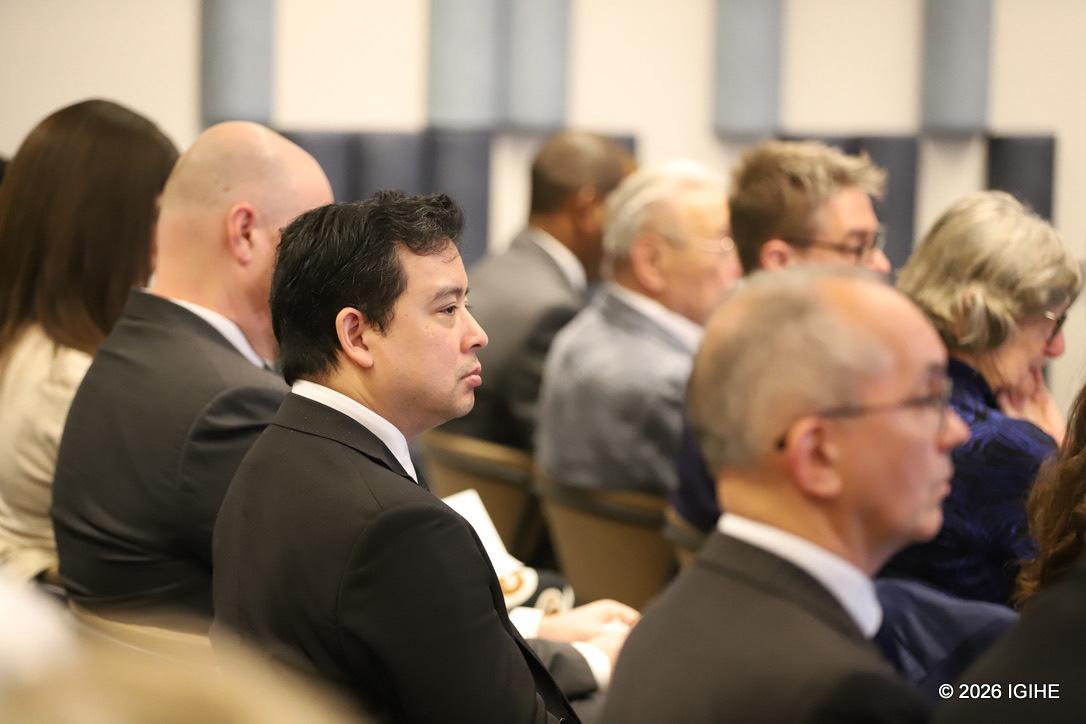
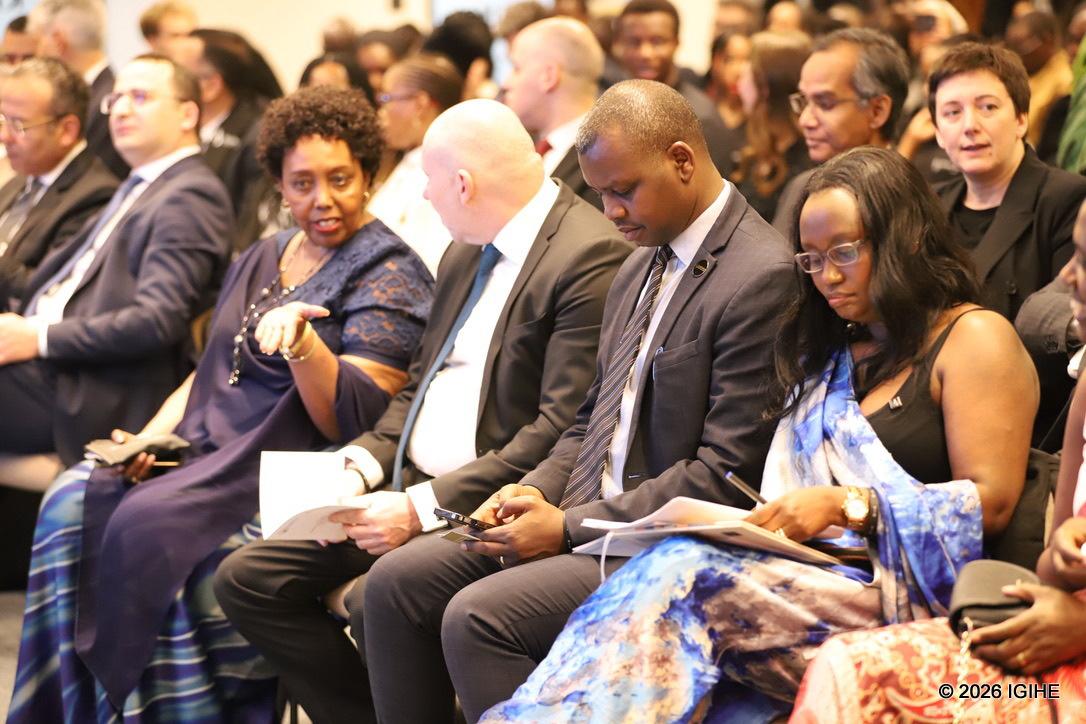
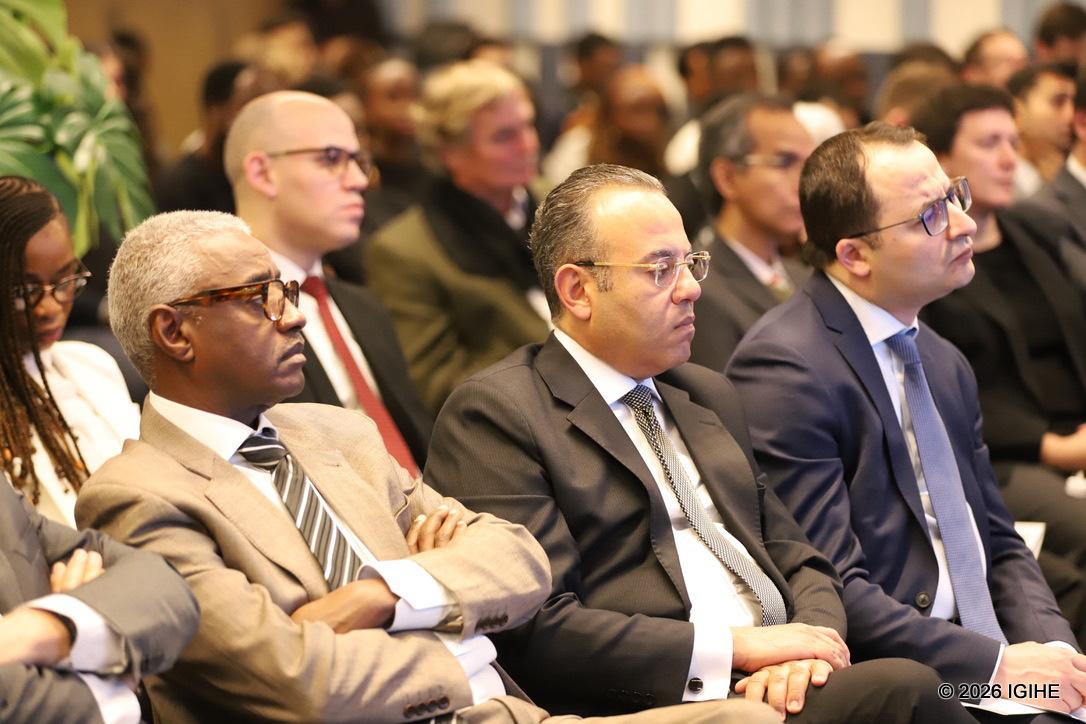
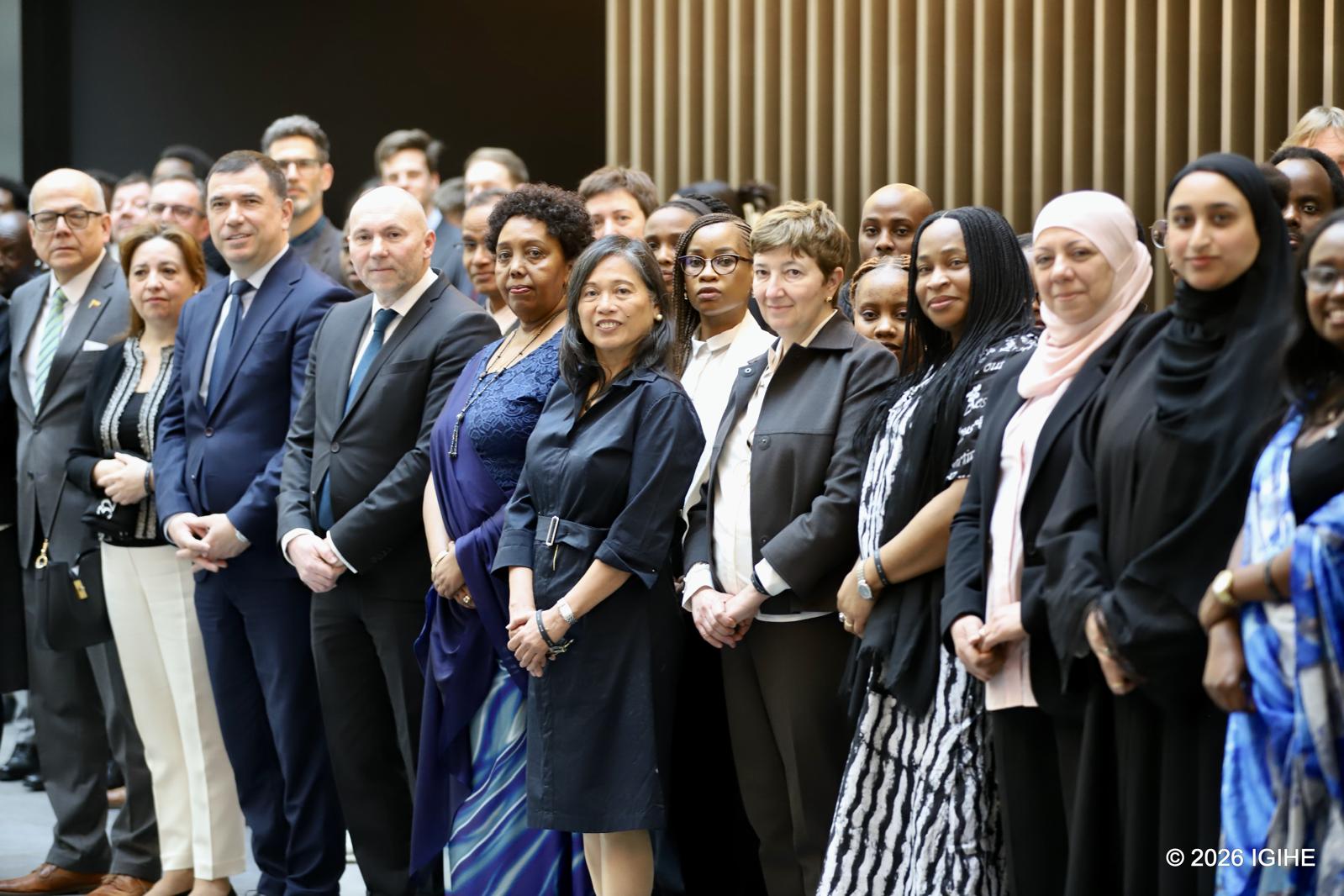
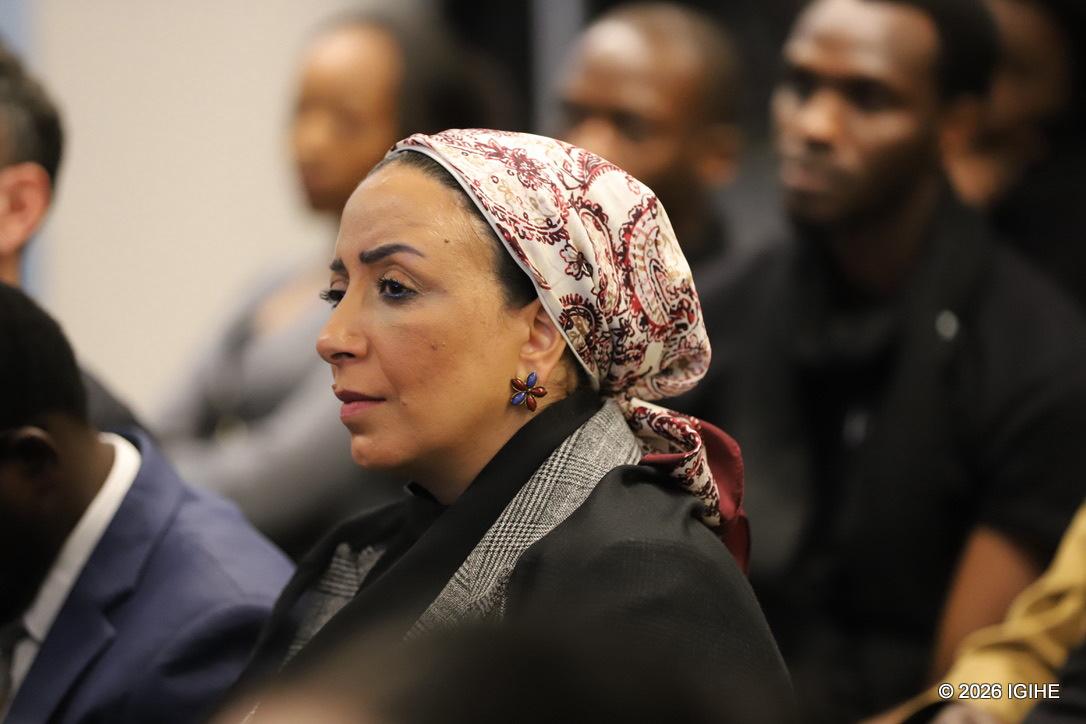
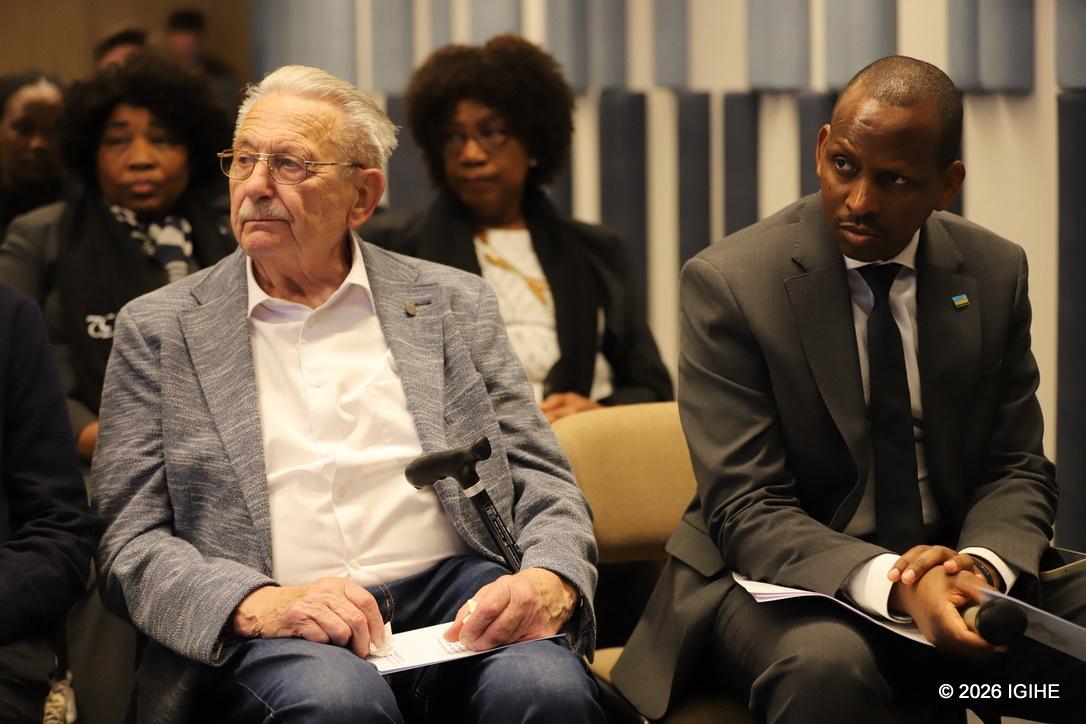
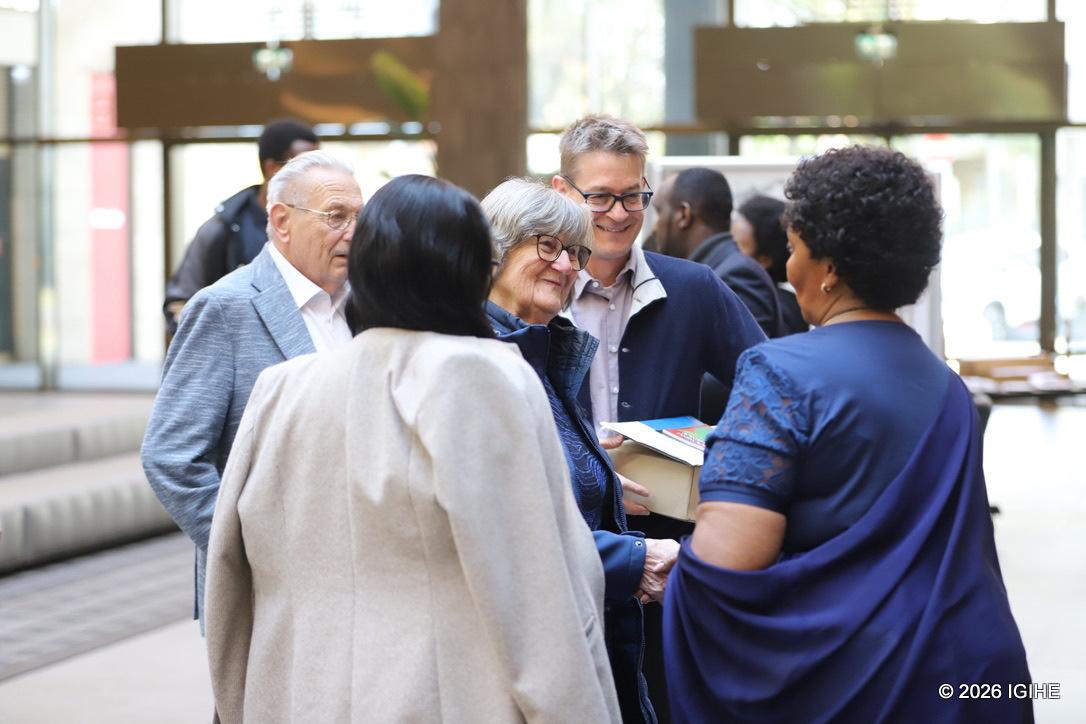
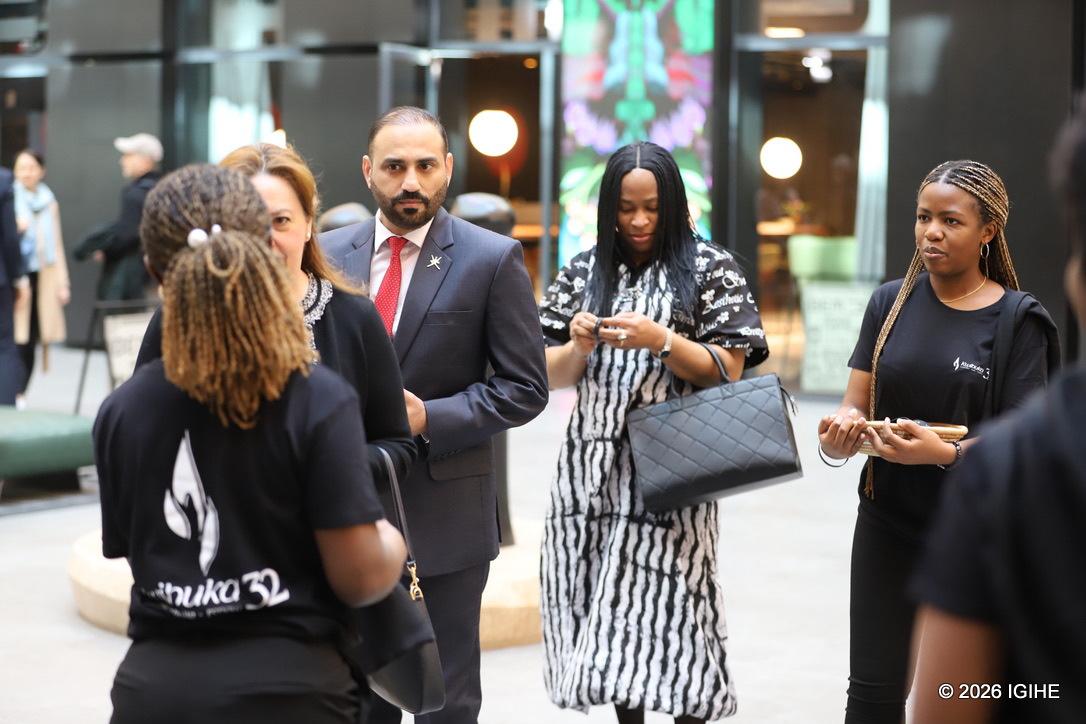
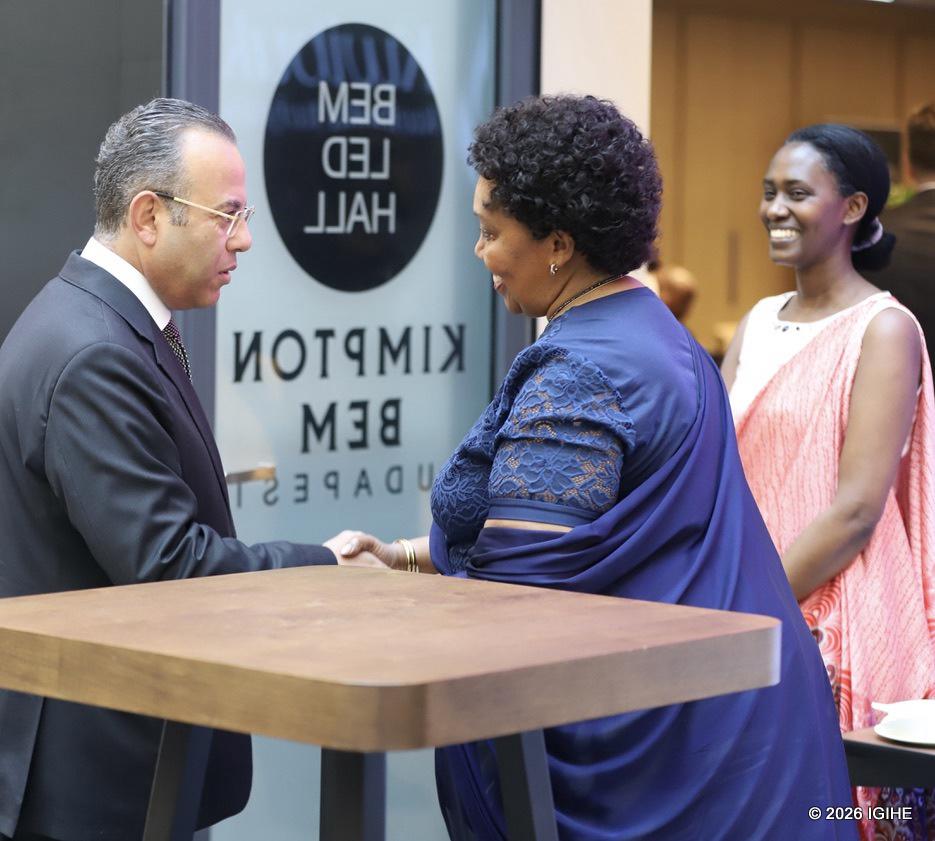
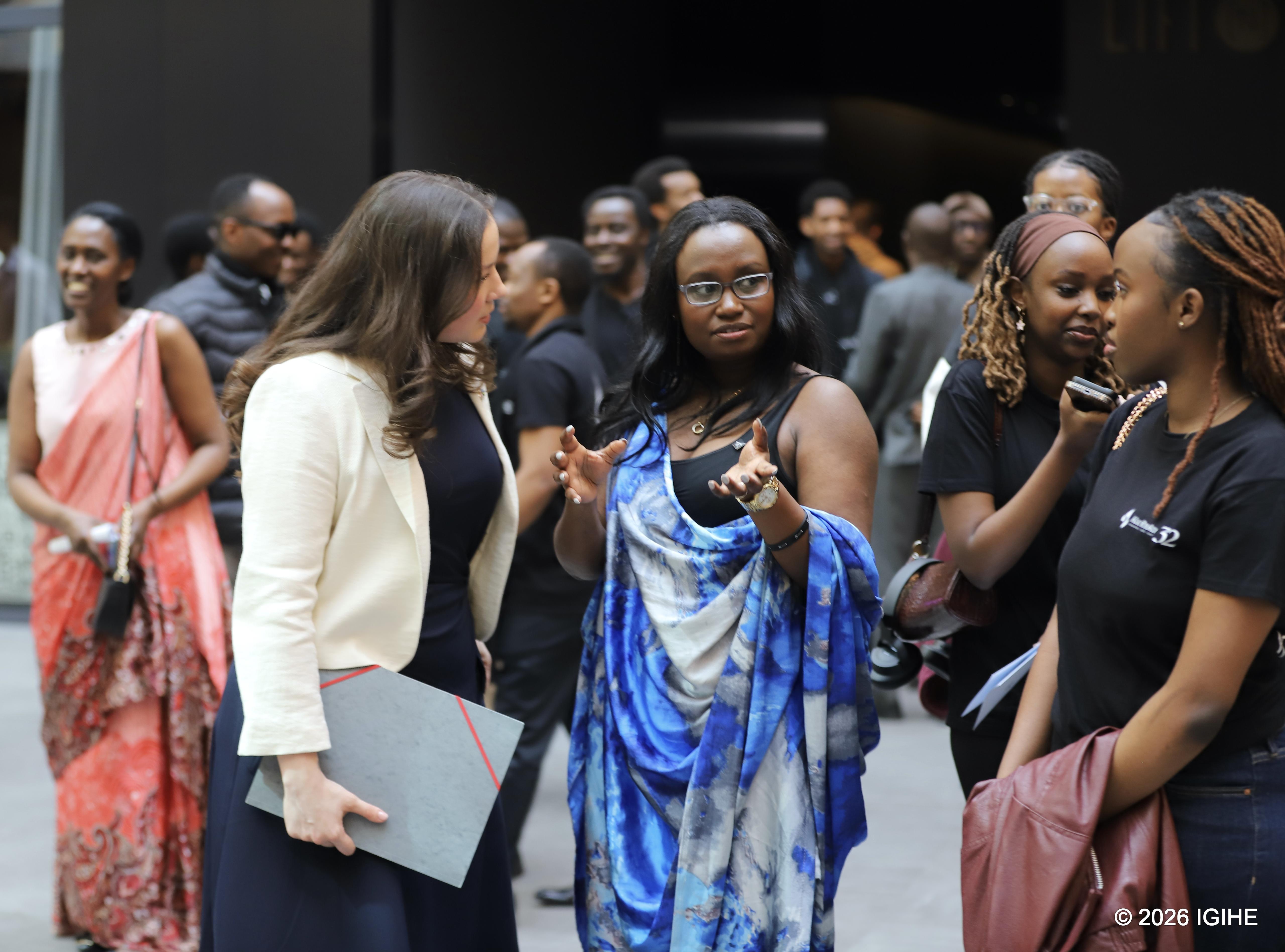
The event, organized by the Embassy of Rwanda in Hungary, brought together diplomats, Hungarian officials, members of the Rwandan community, survivors, and friends of Rwanda in a moment of remembrance and reflection.
In her address, Amb. Nyagahura stressed that genocide denial and distortion require urgent and coordinated global responses, including stronger education systems, justice mechanisms, and legal frameworks to safeguard historical truth.
“Genocide is never spontaneous. It is prepared, taught, and enabled by silence,” she said, warning that denial represents a continuation of that silence and a threat to remembrance itself.
She further emphasized that remembrance must go beyond symbolism and be treated as a shared global responsibility to confront hatred, protect human dignity, and prevent future atrocities. The ceremony paid tribute to more than one million victims of the genocide, while also honoring survivors and those who risked their lives to save others.
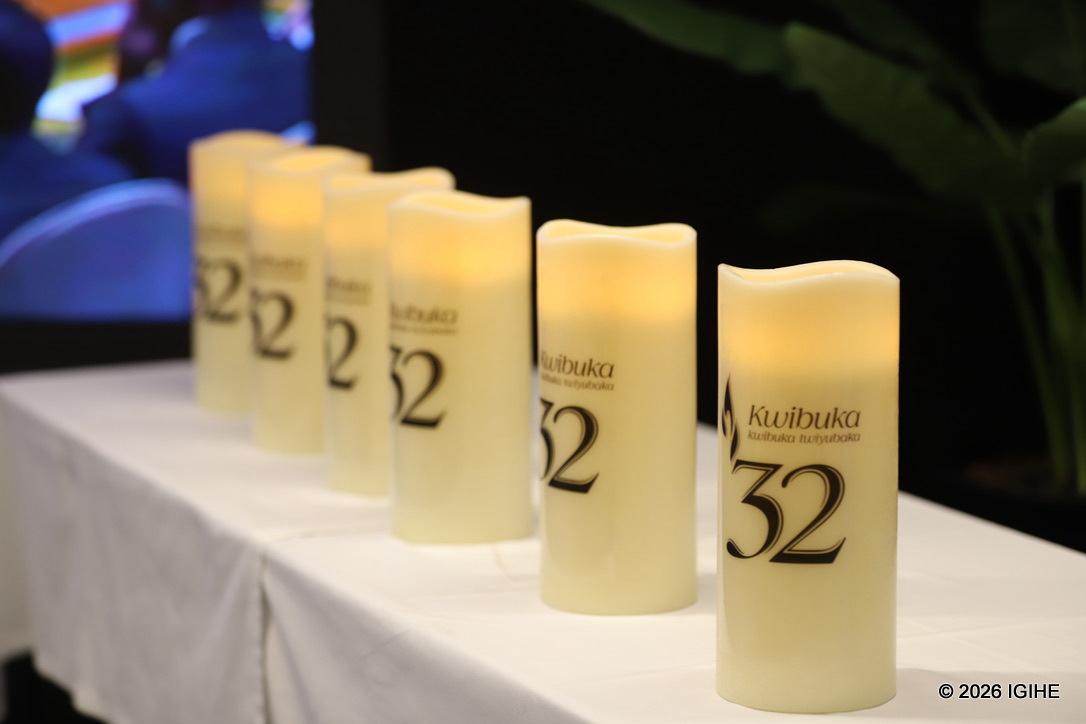
April 7, recognized by the United Nations as the International Day of Reflection on the 1994 Genocide against the Tutsi in Rwanda, marks the beginning of the annual commemoration period.
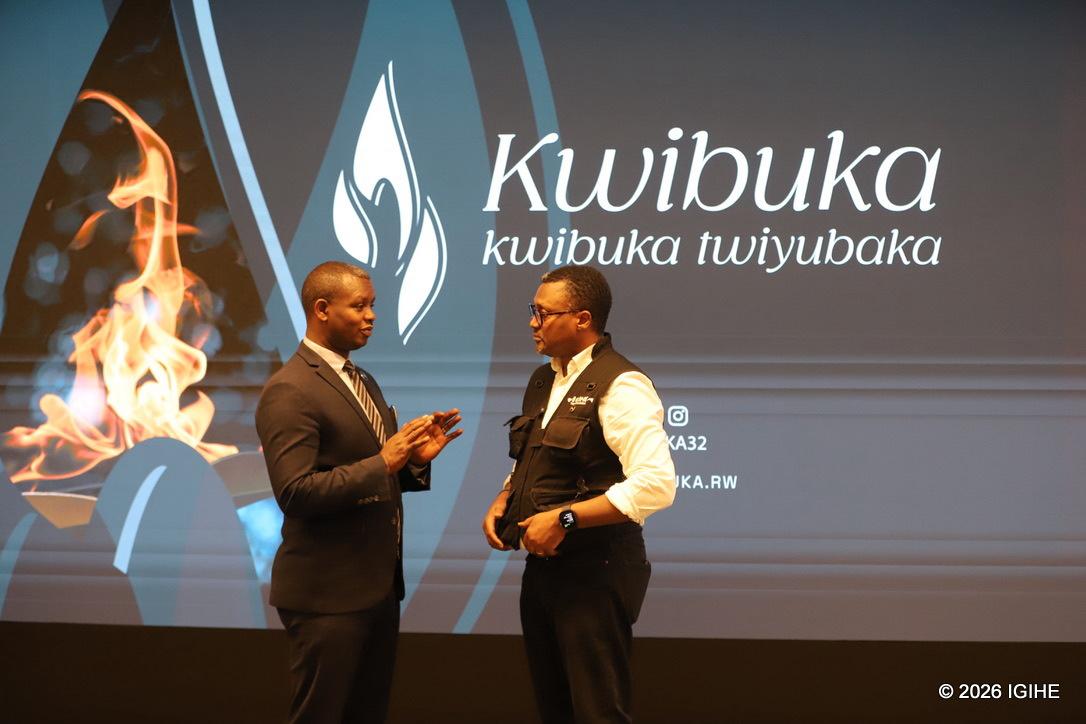
The term Kwibuka, meaning “to remember,” also reflects renewal, learning, and a commitment to preventing future atrocities.
Amb. Nyagahura recalled that the genocide was not a spontaneous event, but the result of decades of division, discrimination, and dehumanization rooted in colonial history and reinforced in the post-independence period.
She cited earlier waves of violence in 1959, 1963, and 1973, and the mass exile of Tutsi as warning signs that were not acted upon by the international community.
She highlighted Rwanda’s recovery journey under the leadership of President Paul Kagame, noting that the country chose a path of unity and reconciliation grounded in justice, social cohesion, and a shared national identity expressed through Ndi Umunyarwanda.
Today, she said, Rwanda stands as a symbol of resilience, with a new generation growing up in a country defined by unity and hope.
However, she warned that genocide ideology remains a persistent threat, particularly in eastern Democratic Republic of the Congo, where armed groups such as the FDLR continue to operate. She called on the international community, including Hungary, to support efforts aimed at dismantling such groups and strengthening regional peace and security.
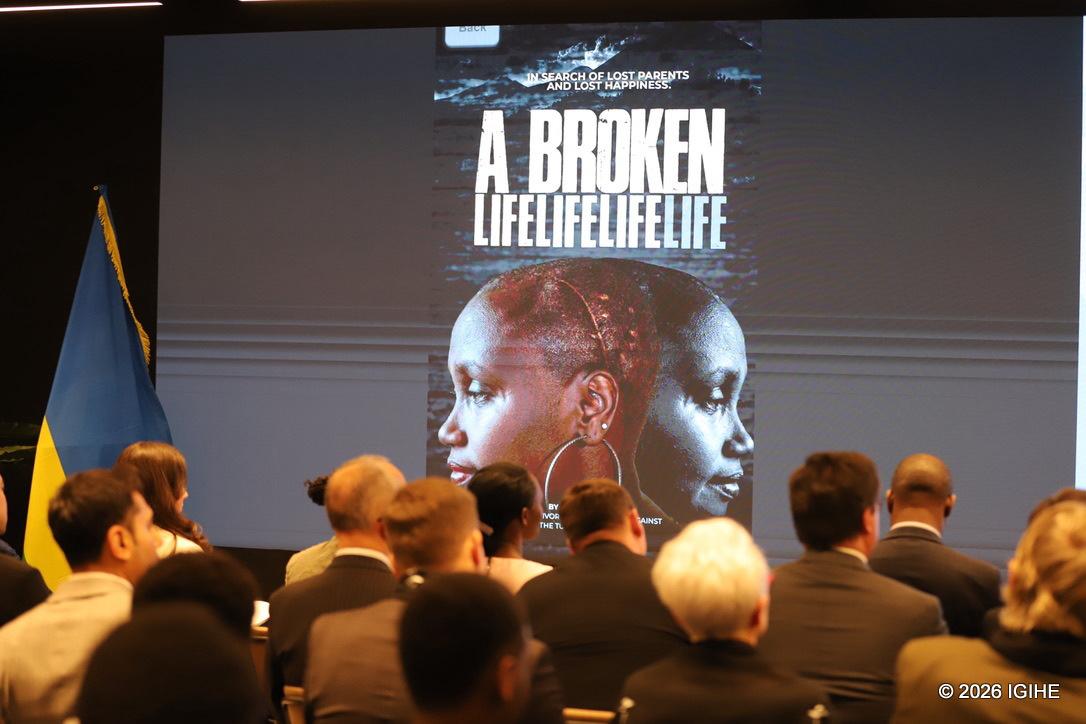
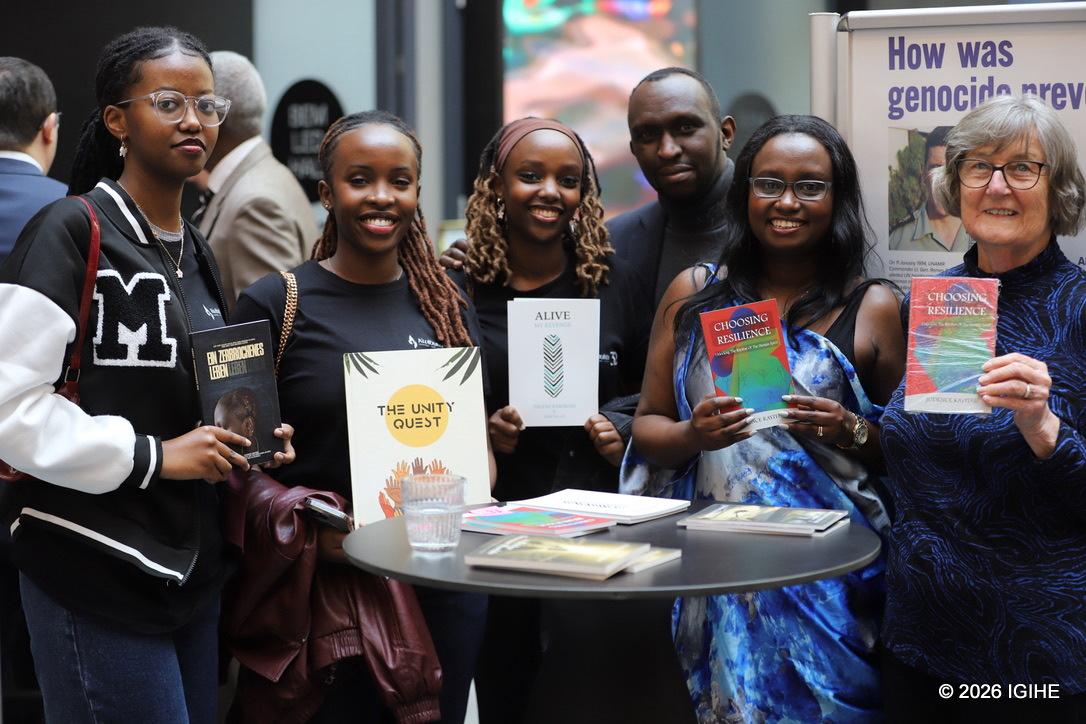
The ceremony also featured remarks from Hungarian officials, including Attila Koppány, as well as testimonies from genocide survivors Freddy Mutanguha and Judence Kayitesi, who shared personal accounts underscoring the human dimension of the tragedy and the importance of preserving memory.
Amb. Nyagahura also urged renewed international commitment to truth, justice, and human dignity, stressing that the promise of “Never Again” must be actively upheld.
“Rwanda remains steadfast in its commitment to peace, unity, and reconciliation. We invite all nations and people of goodwill to join us in this mission,” she said.
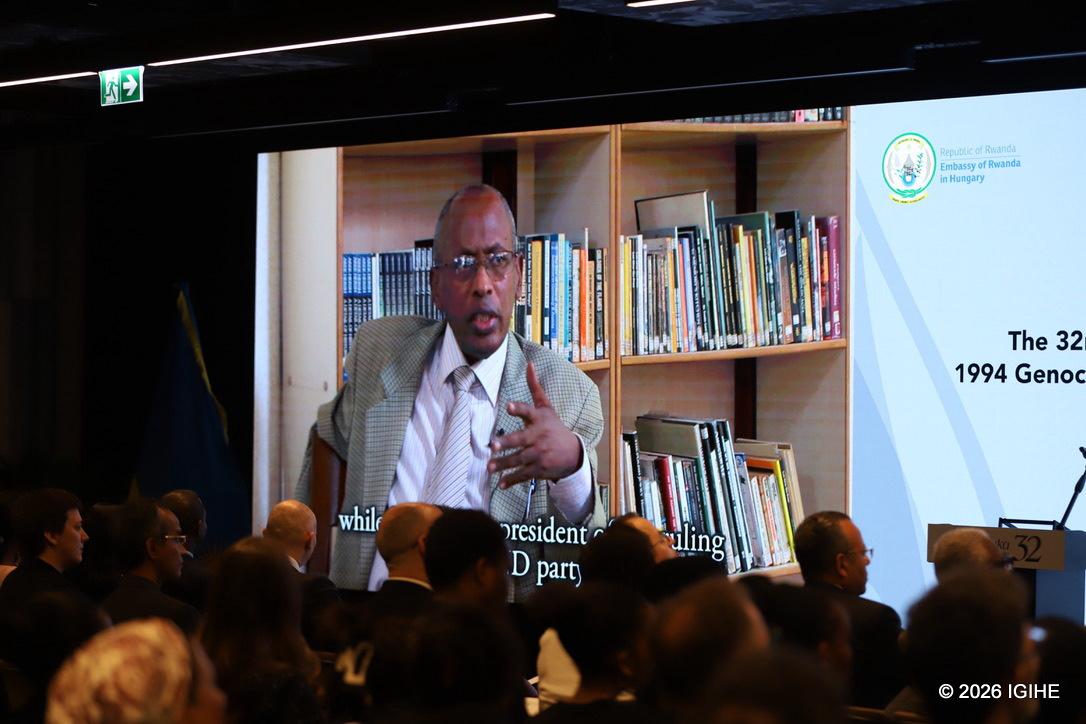
During the event, Freddy Mutanguha, Chief Executive Officer of the Aegis Trust and a genocide survivor, delivered a powerful and deeply personal message calling for sustained vigilance against genocide ideology and denial.
Sharing his personal story, Mutanguha revealed that while he survived alongside his sister, his parents and four sisters were brutally murdered.
Despite the failure of the international community at the time, he paid tribute to the bravery of RPA soldiers who stopped the genocide, rescuing civilians and dismantling the genocidal regime.
In the aftermath, through strong leadership and homegrown solutions, the country embarked on a path of recovery and reconciliation.
Measures such as the abolition of ethnic identity cards, the establishment of community-based Gacaca courts, and the creation of memorials like the Kigali Genocide Memorial have played a crucial role in justice, healing, and education.
Today, Rwanda stands as a testament to resilience and transformation. With a National Unity Barometer exceeding 95%, the country has made remarkable progress in rebuilding trust and social cohesion.
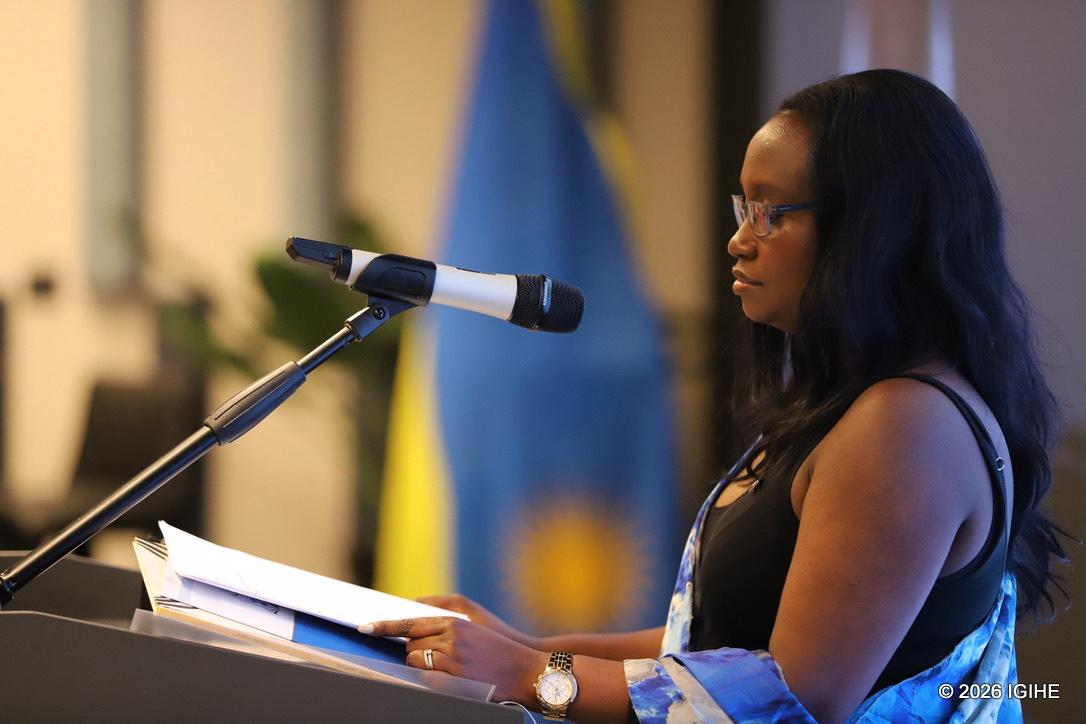
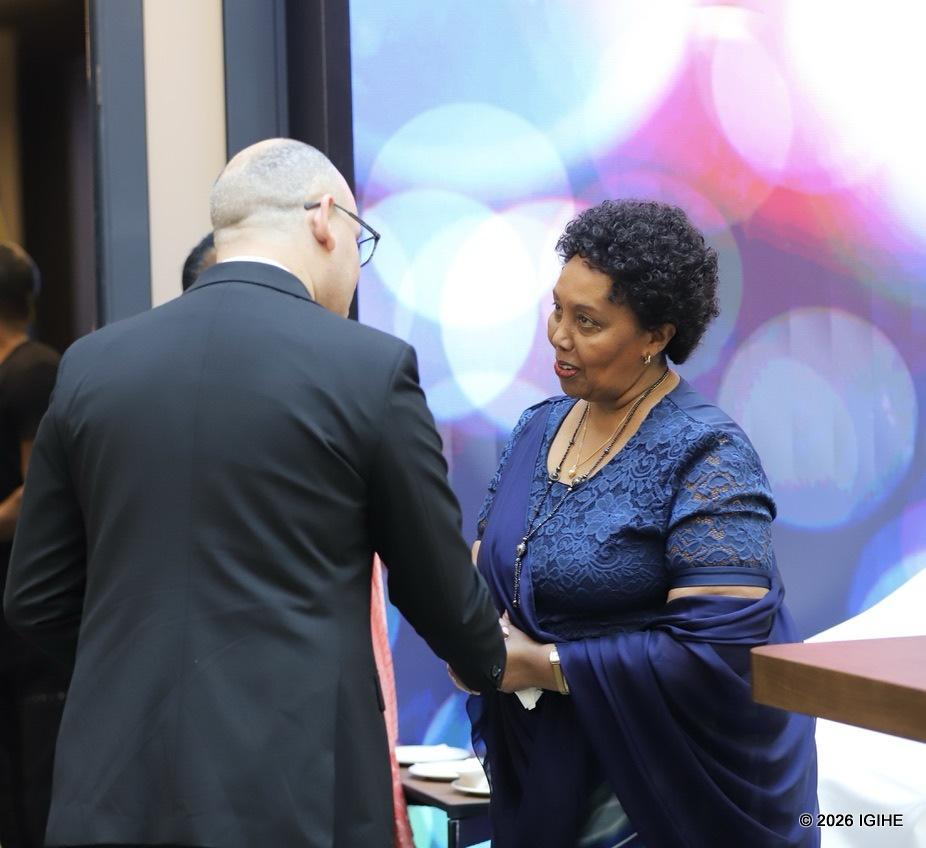
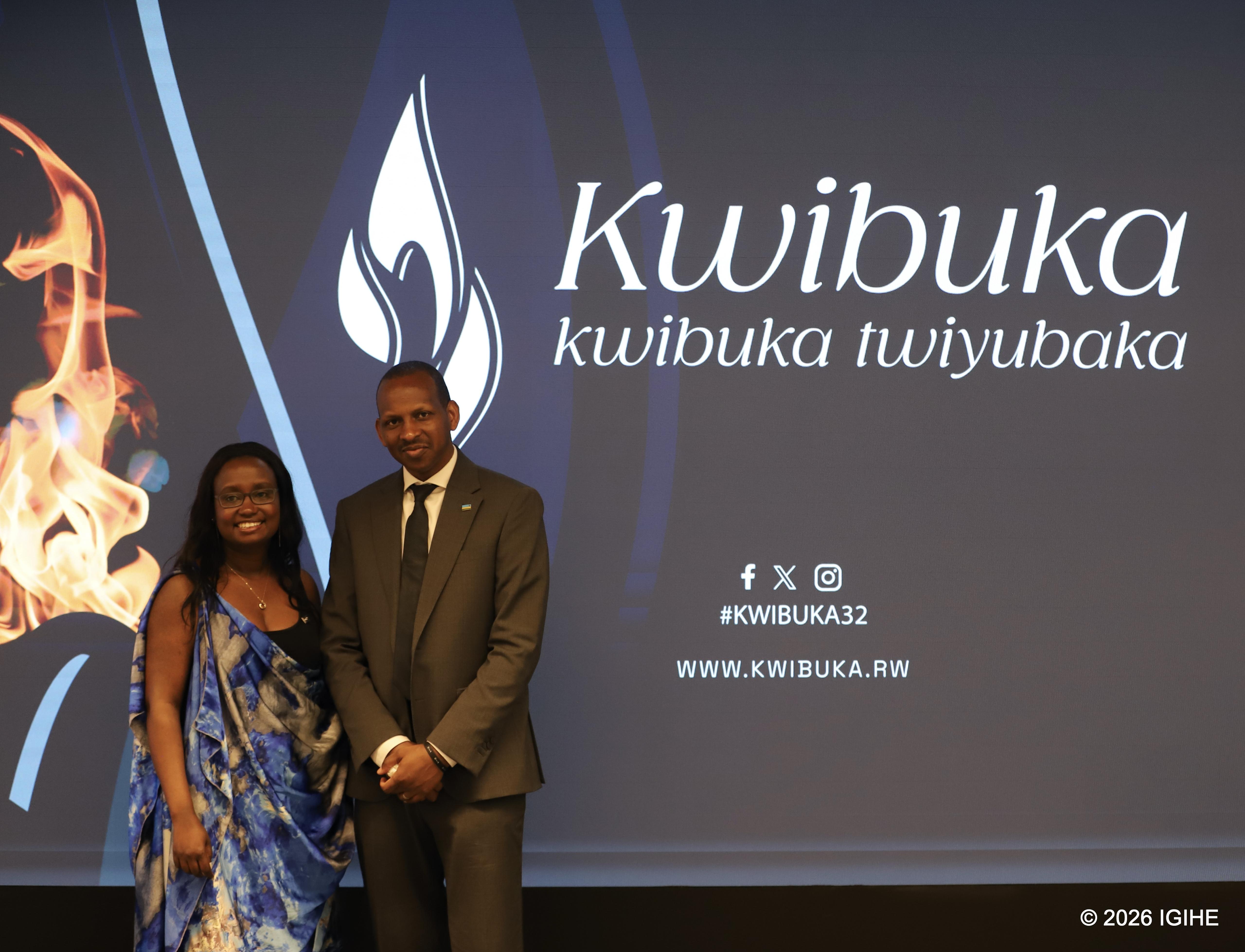
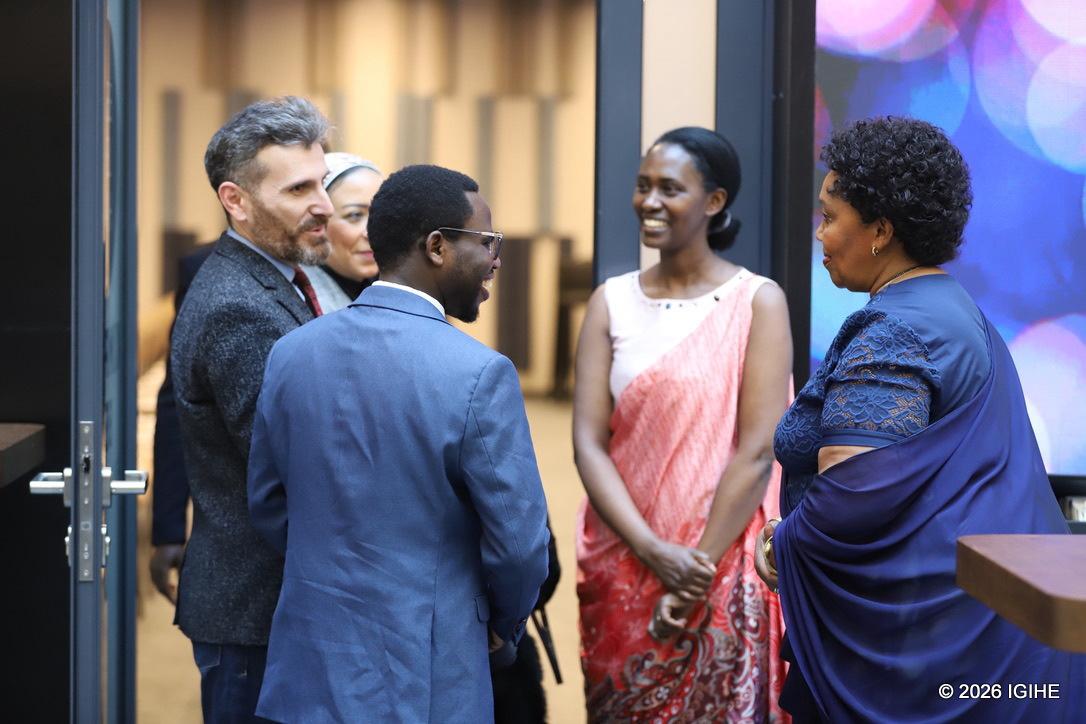
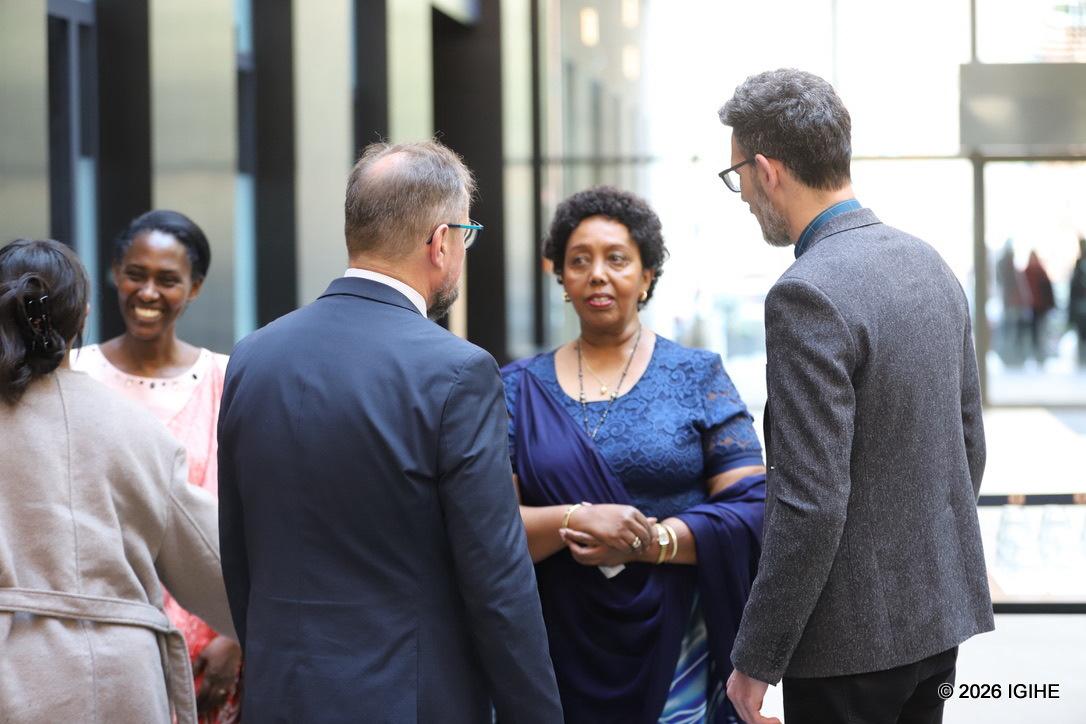
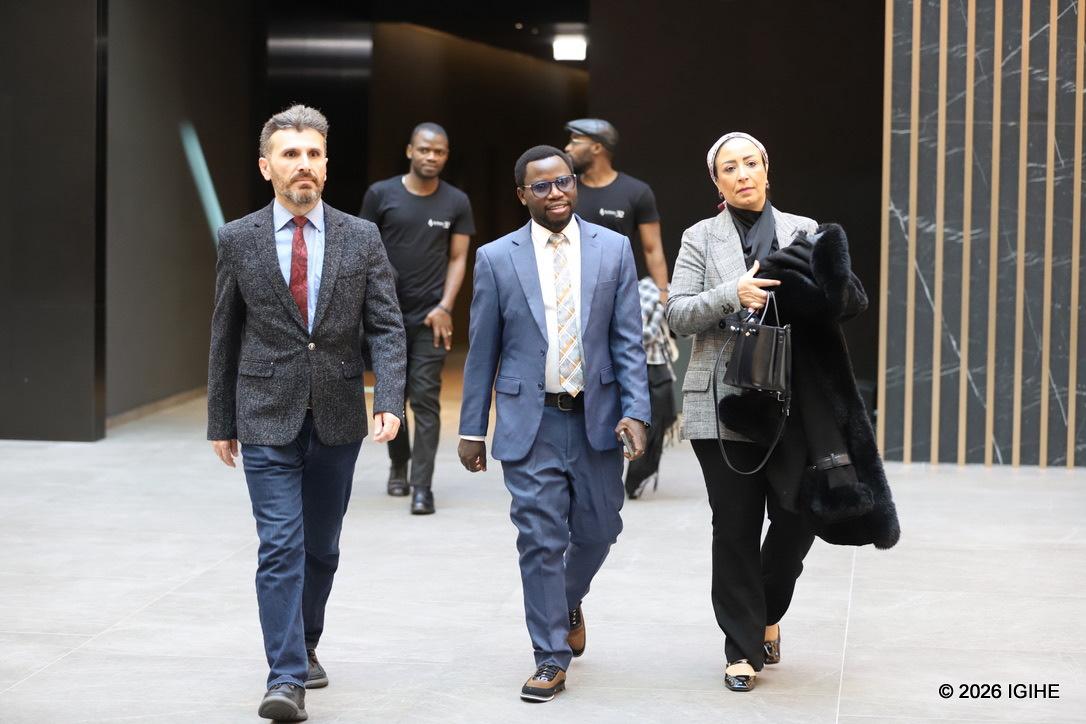
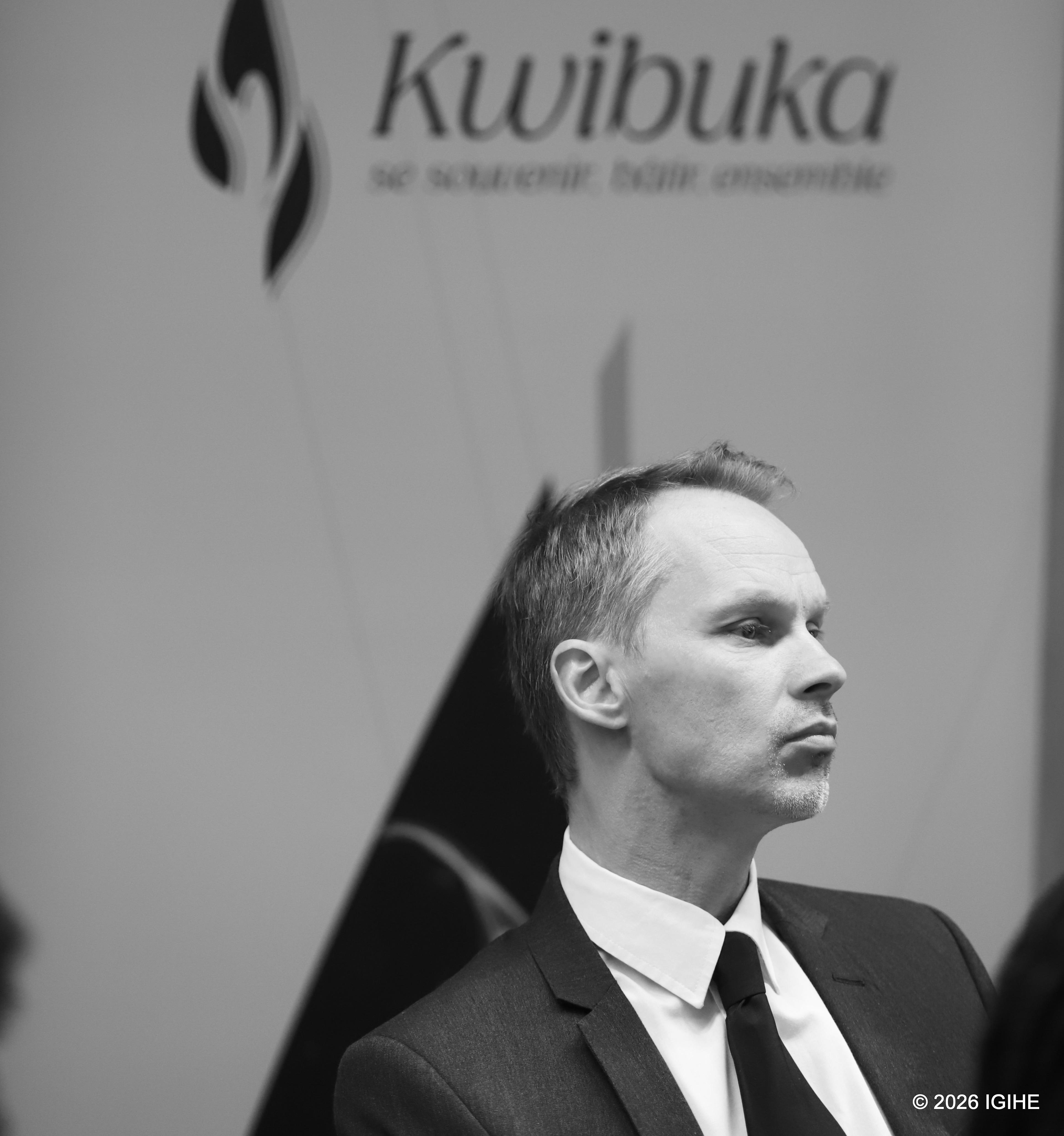
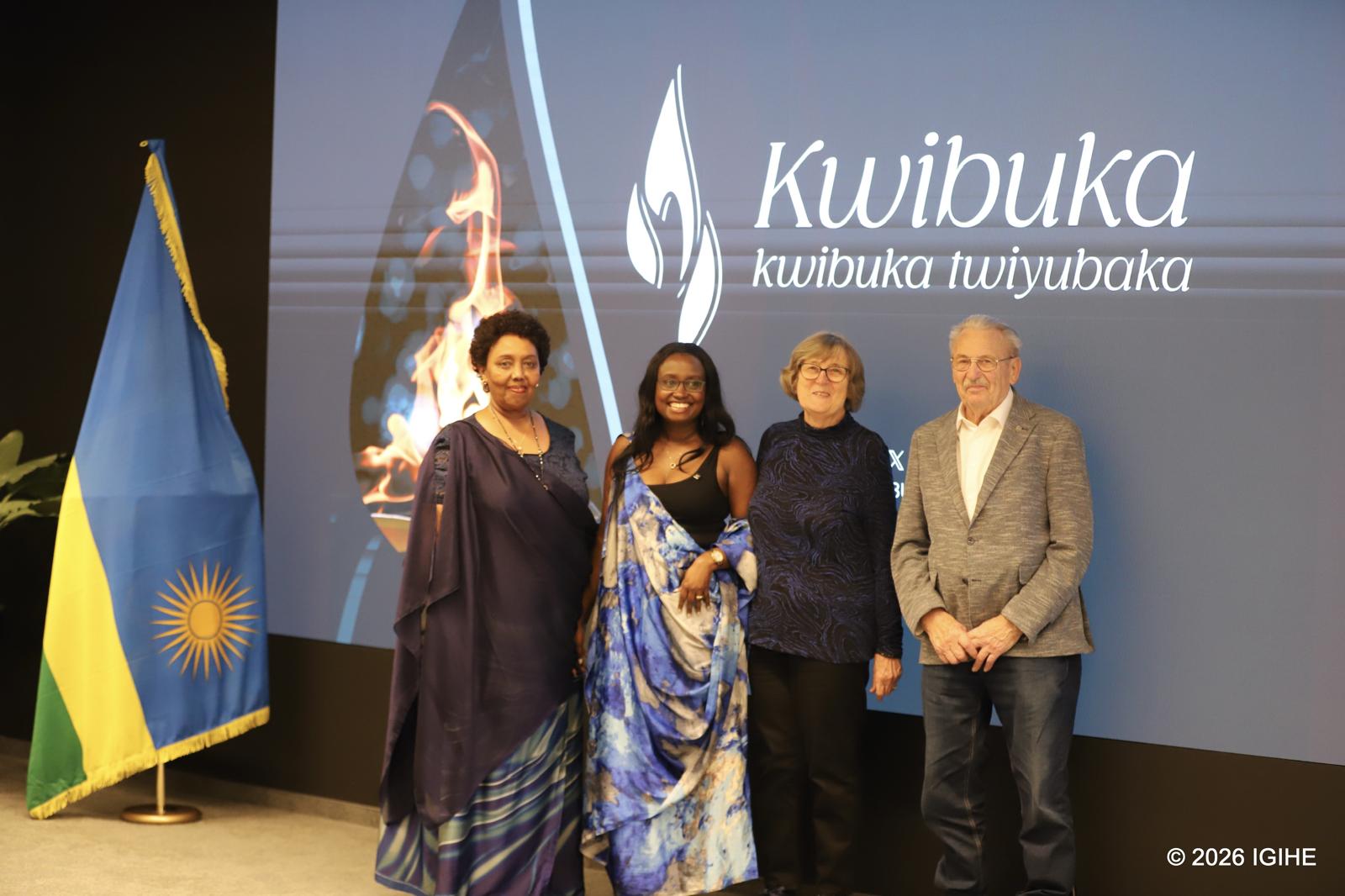
Rwanda’s Ambassador to Hungary, Margueritte Francoise Nyagahura delivering her remarks. Freddy Mutanguha, Chief Executive Officer of the Aegis Trust and a genocide survivor sharing his testimony. Ambassador Attila Koppány, Guest of Honor and Head of the Africa Department at Hungary’s Ministry of Foreign Affairs and TradeJudence Kayitesi shared her testimony. Benedicto Nshimiyimana, Minister-Counsellor facilitated discussions. The CEO of Aegis Trust, Freddy Mutanguha during an interview with IGIHE