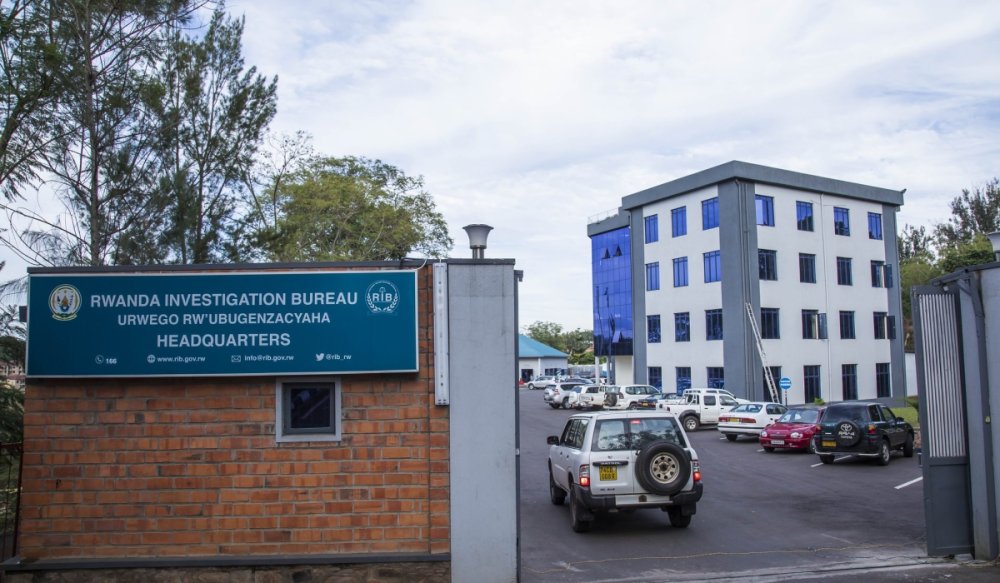
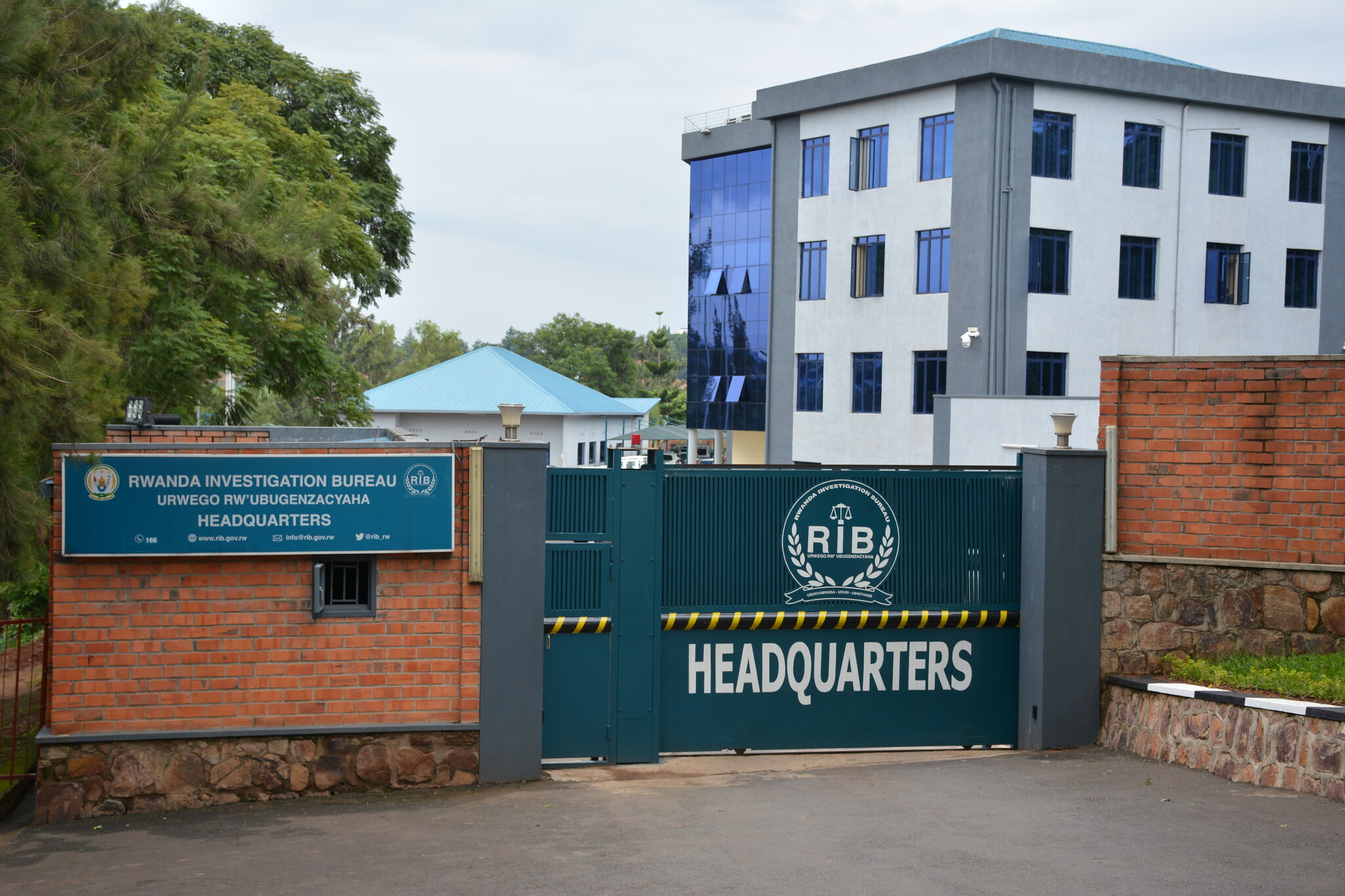
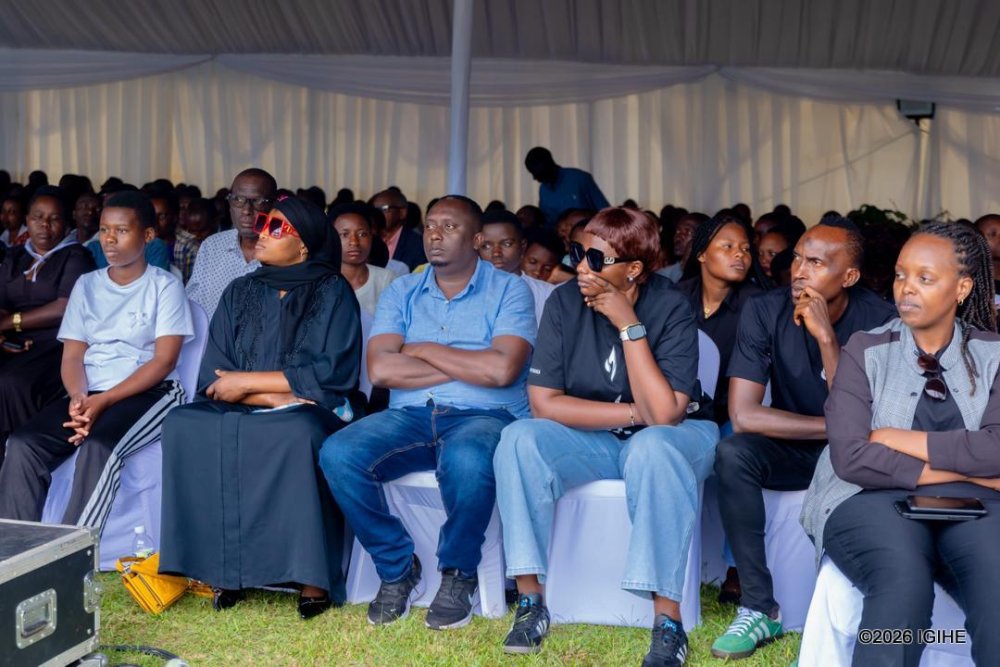
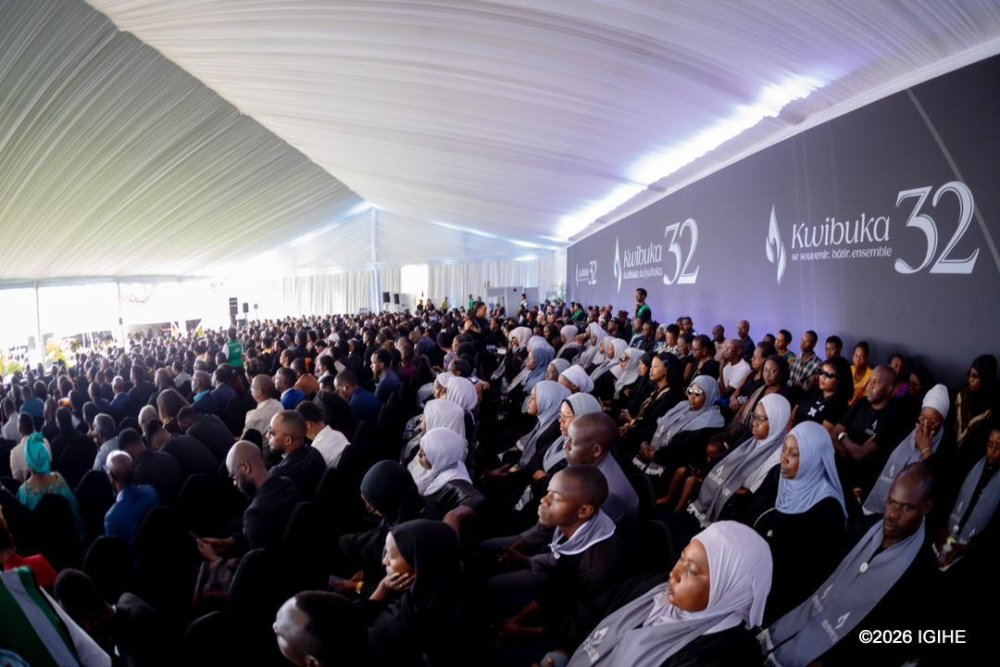
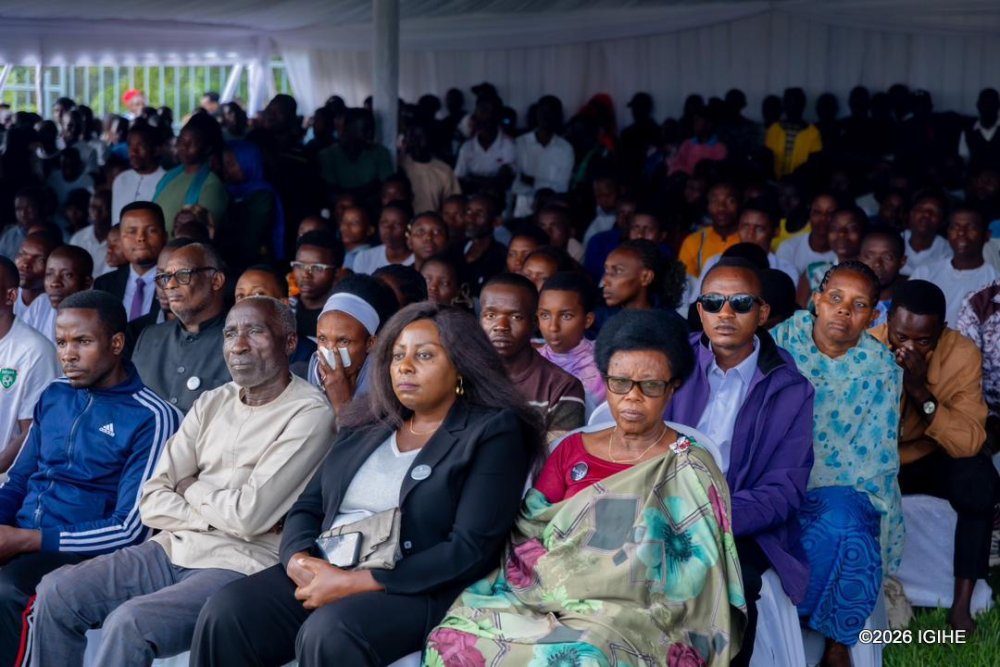
According to RIB data, 47 cases of genocide ideology were recorded during the period from April 7 to April 13, 2026, representing a 38.2% decrease compared to 76 cases reported during the same period in 2
The number of suspects arrested also declined by 27.2%, falling from 81 in 2025 to 59 in 2026.
Cases related to discrimination and divisionism similarly decreased, with five recorded cases compared to six in the previous year, a 16.7% reduction.
By region, the Southern Province recorded the highest number of arrests with 14 cases, accounting for 29.8% of the total. The Eastern Province recorded 13 cases, the Western Province 10, while Kigali had seven cases. The Northern Province recorded three cases.
The government has repeatedly stated that, despite 32 years since the end of the Genocide against the Tutsi, genocide ideology remains a concern both domestically and abroad.
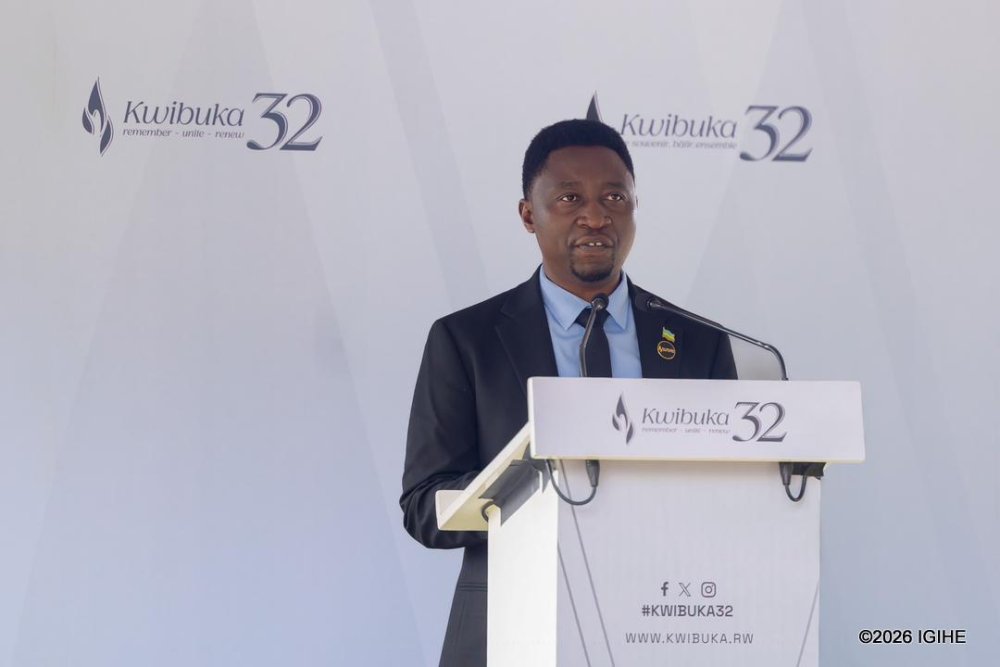
On April 8, 2026, during the launch of the International Conference on Genocide Prevention, Minister of National Unity and Civic Engagement Bizimana Jean Damascène called for stronger efforts to combat such ideology.
He stated that in some contexts, international actors would strongly condemn collaboration with perpetrators of Nazi-era crimes, yet similar responses are not always seen in relation to groups accused of promoting genocide ideology in the Great Lakes region.
He specifically cited the presence of the armed group FDLR, which he said continues to spread genocide ideology and operate in cooperation with actors in the region, including authorities in the Democratic Republic of the Congo.
He urged the international community not to remain passive in the face of continued spread of genocide ideology in the region.
The Rwanda Investigation Bureau (RIB) has confirmed that 59 people were arrested during the national commemoration week of the 1994 Genocide against the Tutsi on suspicion of genocide ideology and related offences.
The final decision will be made by the United Nations Security Council. The Mechanism was tasked with handling residual cases from the International Criminal Tribunal for Rwanda (ICTR) and the tribunal for the former Yugoslavia, including tracking fugitives and overseeing ongoing legal matters.
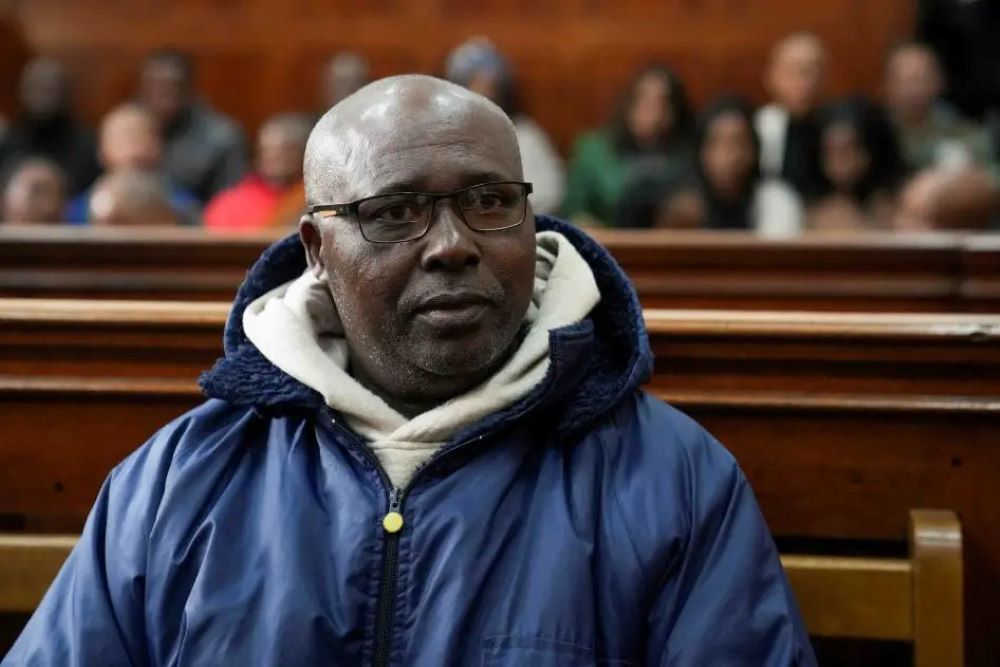
Among the most prominent recent cases handled by the IRMCT are those of Félicien Kabuga and Fulgence Kayishema. Kabuga, arrested in 2020, was deemed unfit to stand trial due to severe health and cognitive issues.
Once considered a key financier of the 1994 Genocide against the Tutsi, he remains detained in The Hague, as medical experts ruled he cannot travel. No country has agreed to host him except Rwanda.
Kayishema, arrested in 2023 in South Africa, continues to resist extradition to Rwanda, despite a 2012 ICTR ruling determined that his case should be transferred to Rwanda’s High Court.
If no legal obstacles arise, he is expected to be transferred via Arusha before facing trial in Rwanda, as national courts cannot overturn decisions made by international tribunals.
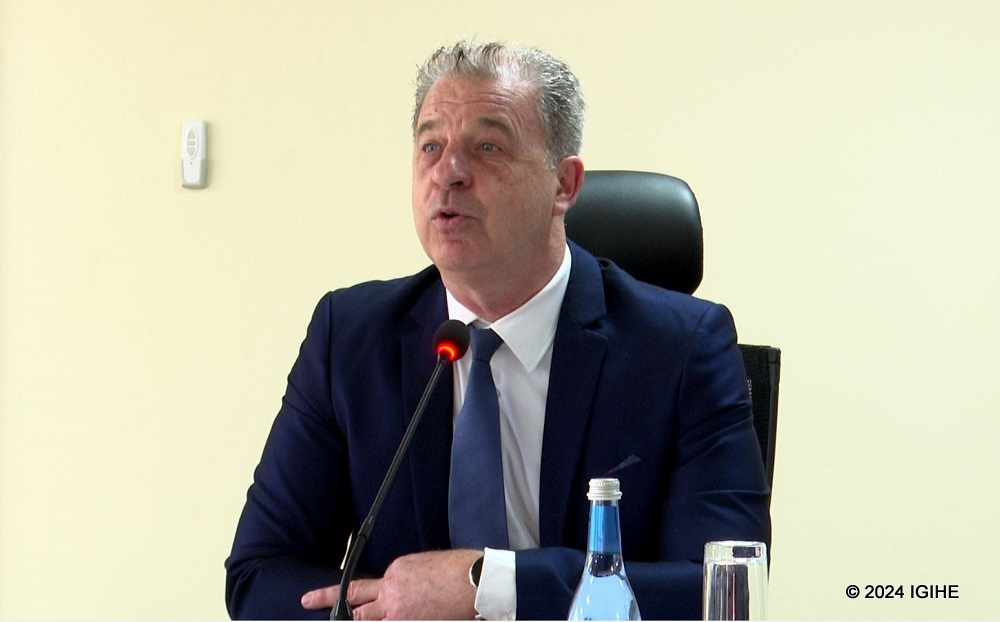
In June 2026, the UN Security Council will also decide whether to renew the mandates of IRMCT Prosecutor Serge Brammertz and Registrar Abubacarr Tambadou, or to formally wind down the institution’s operations. According to Tambadou, this meeting will determine whether the Mechanism continues operating in Arusha or begins its closure process.
If the IRMCT ceases operations, remaining cases will likely be handled by national jurisdictions. Countries such as France, Belgium, and others in Europe have already taken steps to prosecute genocide suspects or extradite them to Rwanda.
Since the establishment of the ICTR in 1995, 92 individuals were indicted for their role in the 1994 Genocide against the Tutsi. Of these, 62 were convicted, 10 were transferred to Rwanda for trial, and three cases were left to the IRMCT in 2010. Ten individuals were acquitted.
Beyond trials, the IRMCT also oversees enforcement of sentences and management of archives. Its closure raises concerns about genocide convicts currently imprisoned in countries like Senegal and Benin, as their future custody arrangements remain unclear once UN oversight ends.
Reports indicate that the UN has been funding their detention, particularly in Africa.
Discussions are ongoing about whether host countries will assume responsibility for these prisoners or transfer them to Rwanda. The country has indicated readiness to receive them, given the capacity to host them at modern prison facilities such as Mpanga Prison in Nyanza.
Meanwhile, Rwanda continues to pursue justice for genocide suspects abroad. Over 1,100 arrest warrants have been issued to various countries, with more than 500 suspects believed to be in the Democratic Republic of the Congo.
However, cooperation, especially from African nations, has been limited.
On April 11, 2026, Rwanda’s Minister of Foreign Affairs, Olivier Nduhungirehe, criticized the lack of action from African countries during a commemoration event in Kicukiro.
He emphasized that while European countries are often blamed, many African states have not taken sufficient steps to prosecute or extradite suspects.
France alone is currently handling around 40 pending genocide-related cases, while the United Kingdom is reported to host five suspects but has neither prosecuted nor extradited them.
As the IRMCT approaches its possible closure, the question remains: will justice for the remaining genocide cases be fully realized, or will responsibility shift unevenly across national jurisdictions?
IRMCT Prosecutor Serge Brammertz whose mandate comes to an end in June 2026 requested the extradition of Rwandans from Niger to their home country. Kayishema, arrested in 2023 in South Africa, continues to resist extradition to Rwanda, despite a 2012 ICTR ruling determined that his case should be transferred to Rwanda’s High Court.
More than 7.89 million voters were registered, with turnout reaching 58.75 percent. The results show Wadagni, the incumbent Minister of Economy and Finance, backed by the ruling coalition, defeated opposition candidate Paul Hounkpe of the Cowry Forces for an Emerging Benin.
Wadagni’s running mate, Mariam Chabi Talata, will serve as vice president.
During the campaign, Wadagni pledged to build on reforms of the past decade and pursue a shift from a primary industry-driven model to a modern economy focused on industrialization, digitalization and regional integration. He said the emphasis would move from expanding economic scale to achieving higher-quality growth.
Political figures, electoral institutions and observers said the voting process was generally smooth and orderly. Benin’s Constitutional Court is expected to announce the final results within five days. Under the electoral code, the president and vice president are elected by direct universal suffrage for a seven-year term.
Wadagni, 49, previously worked at Deloitte before joining the government after Patrice Talon was elected president in 2016. He has since served as Minister of Economy and Finance. Wadagni was reappointed in 2021 and promoted to senior minister, playing a key role in implementing Talon’s economic policies.
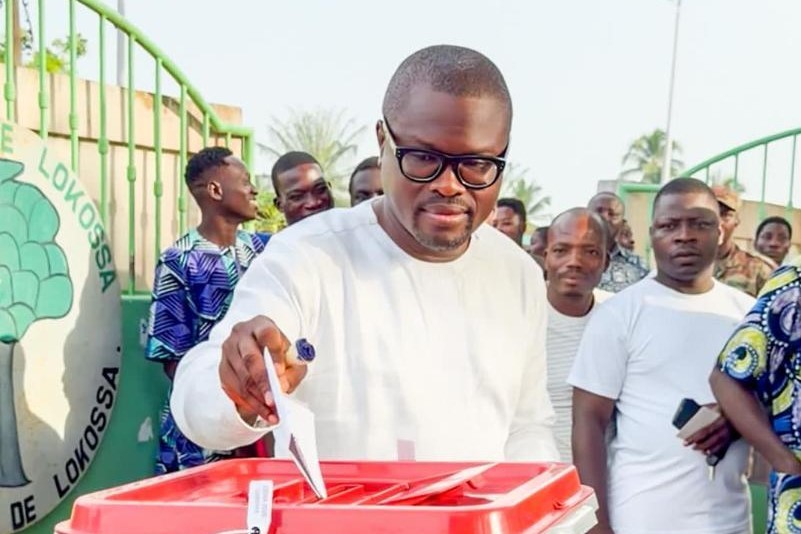
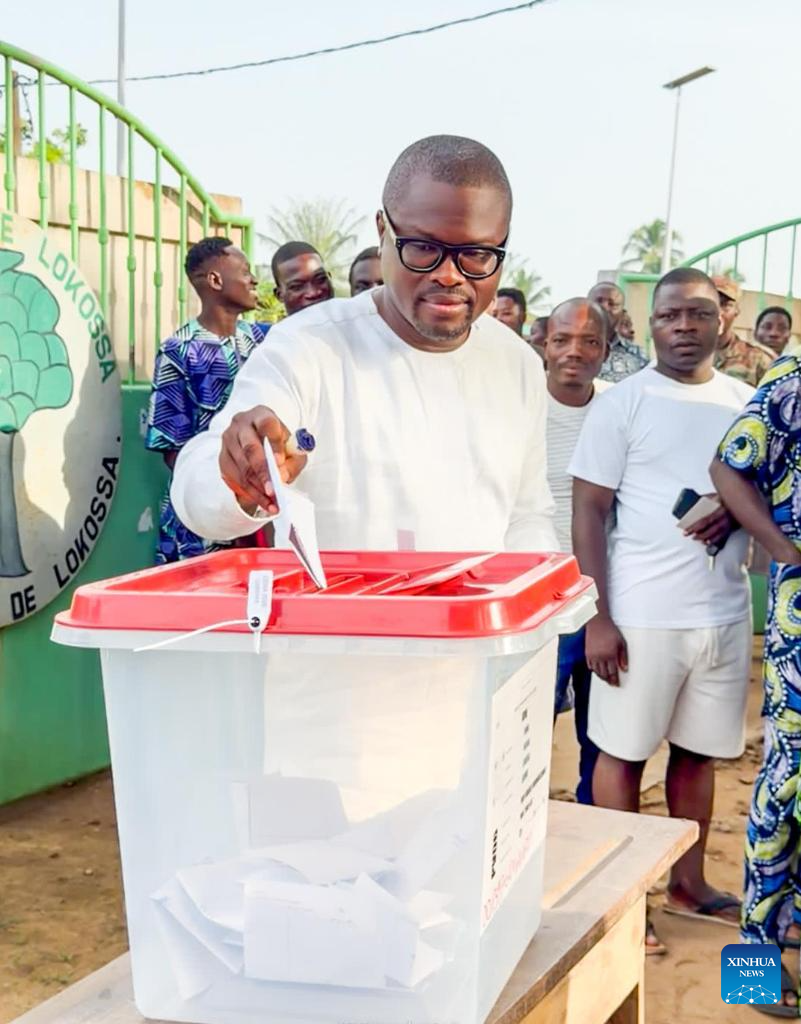
Romuald Wadagni casts his ballot at a polling station in Lokossa, Benin, on April 12, 2026. Romuald Wadagni won Benin’s presidential election held on Sunday, according to preliminary results released Monday by the country’s Autonomous National Electoral Commission.
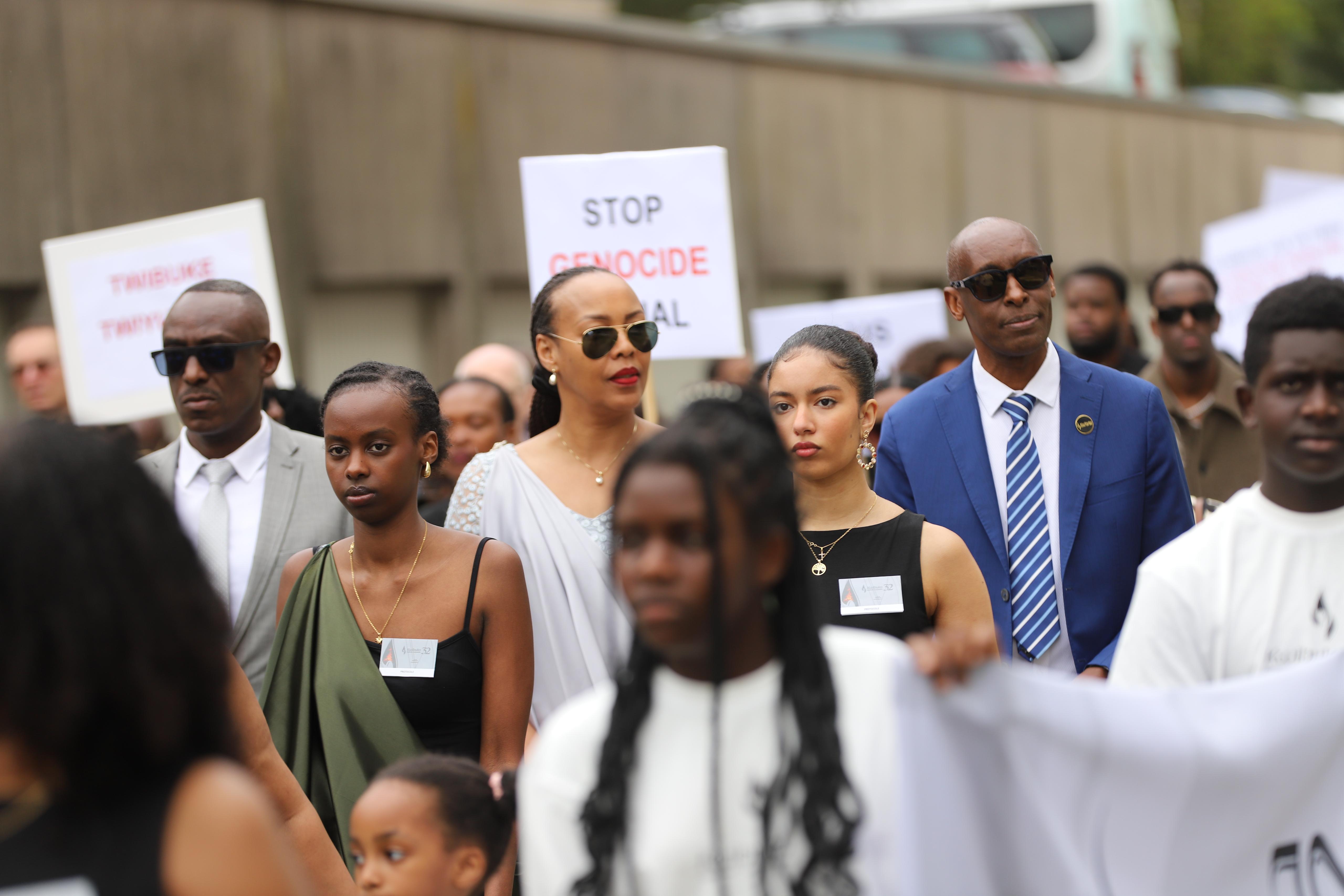
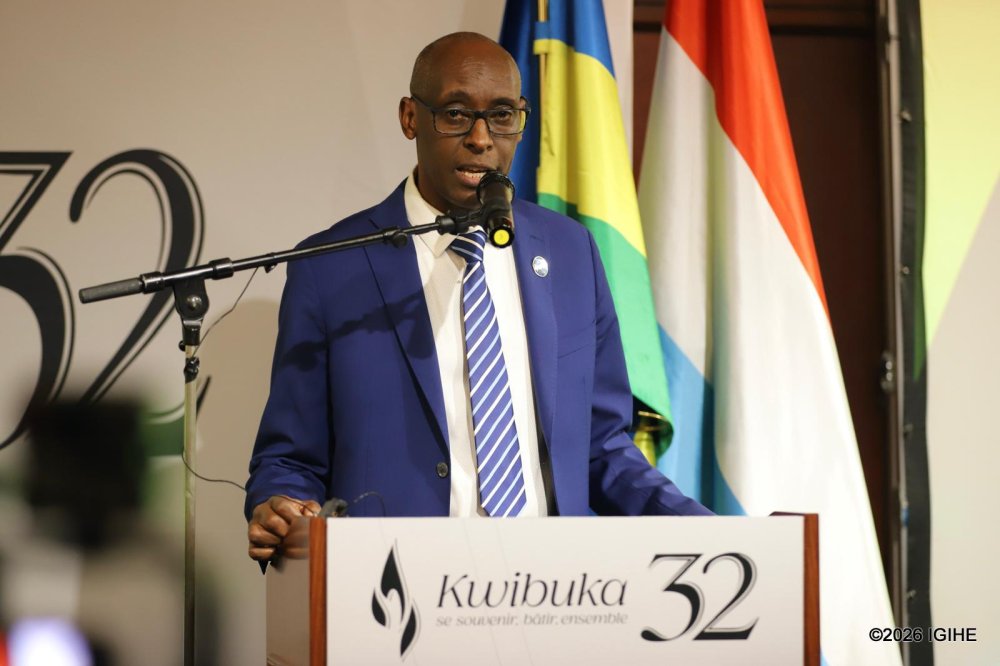
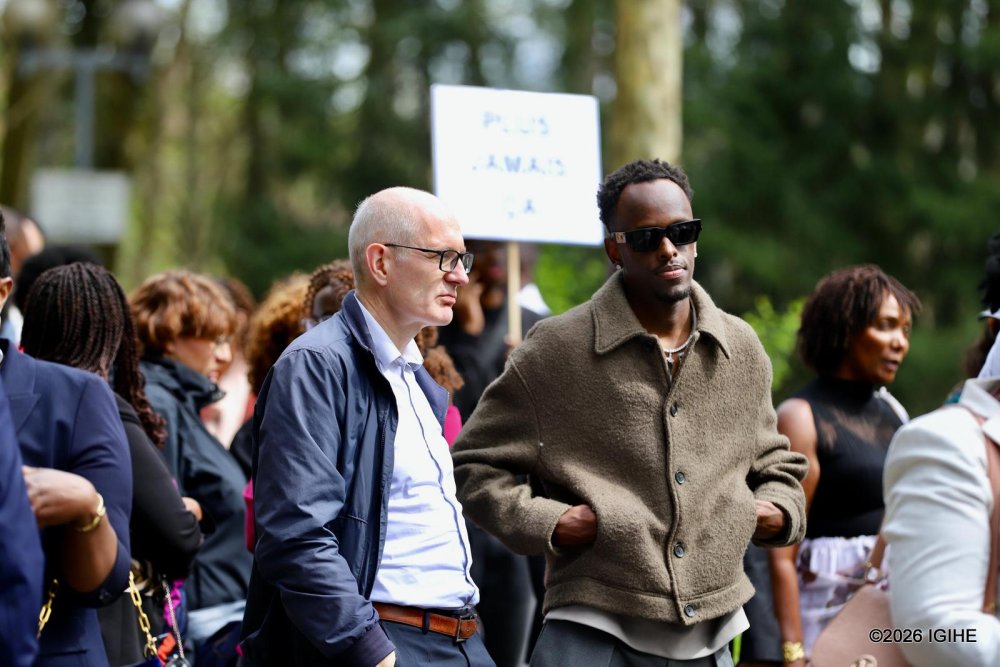
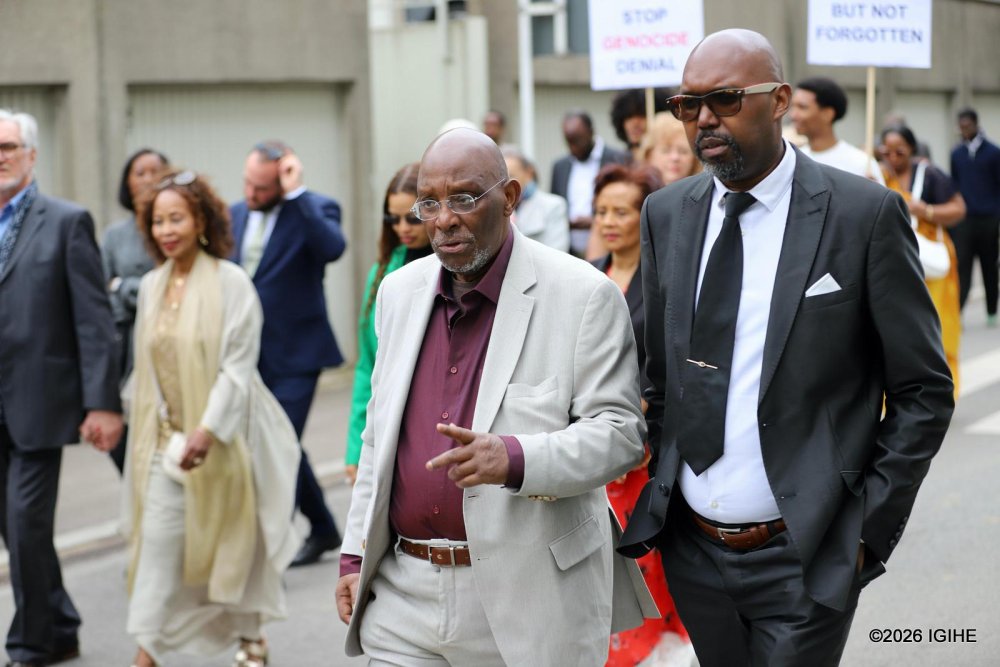
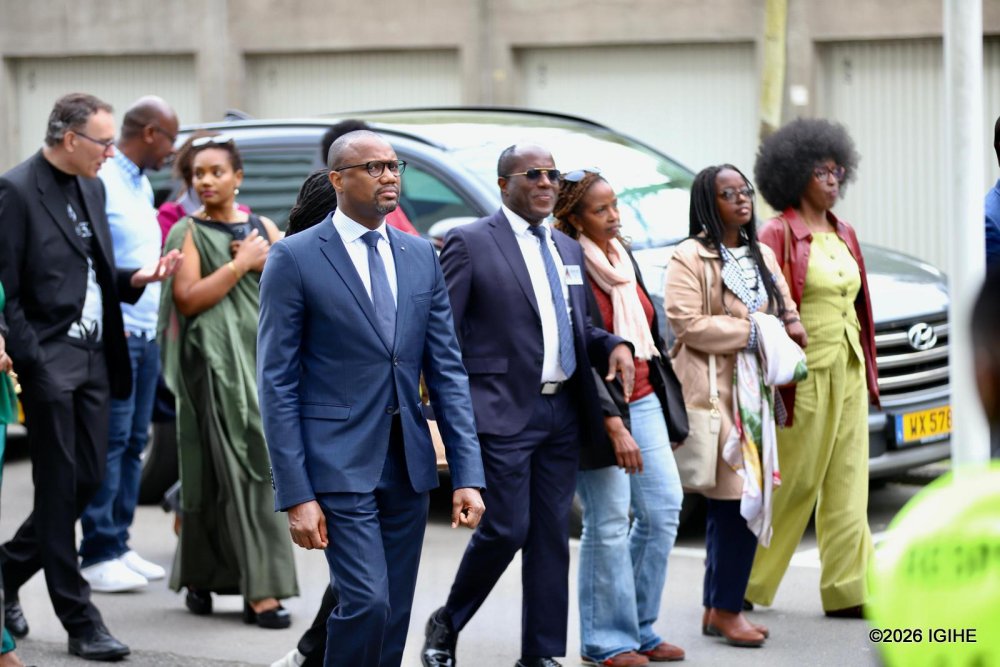
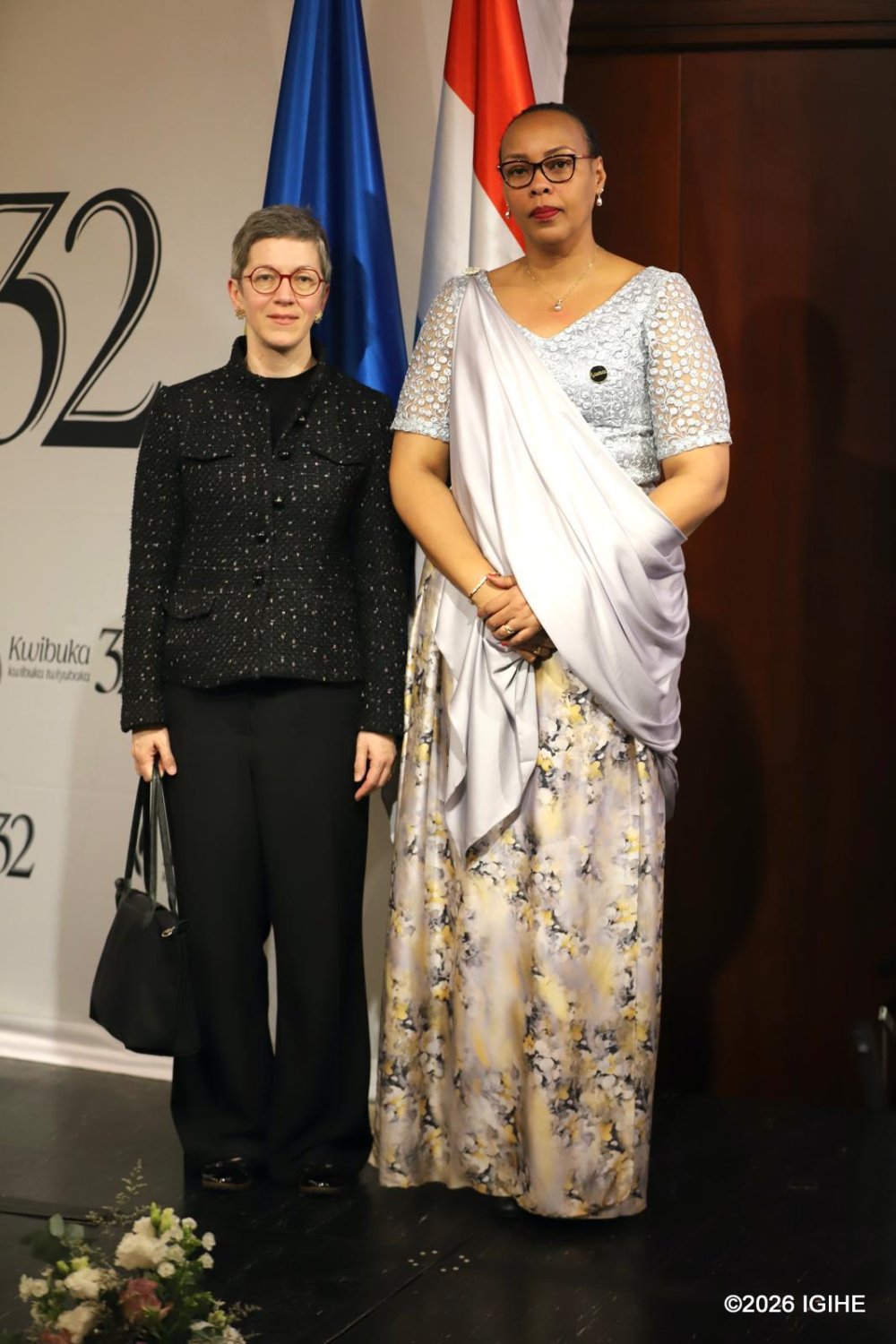
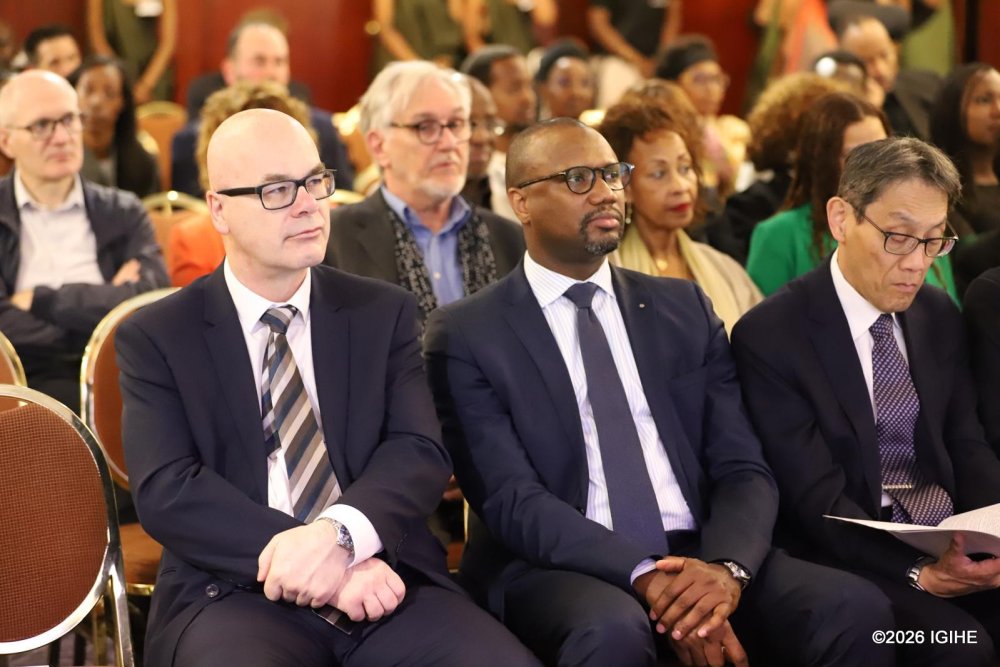
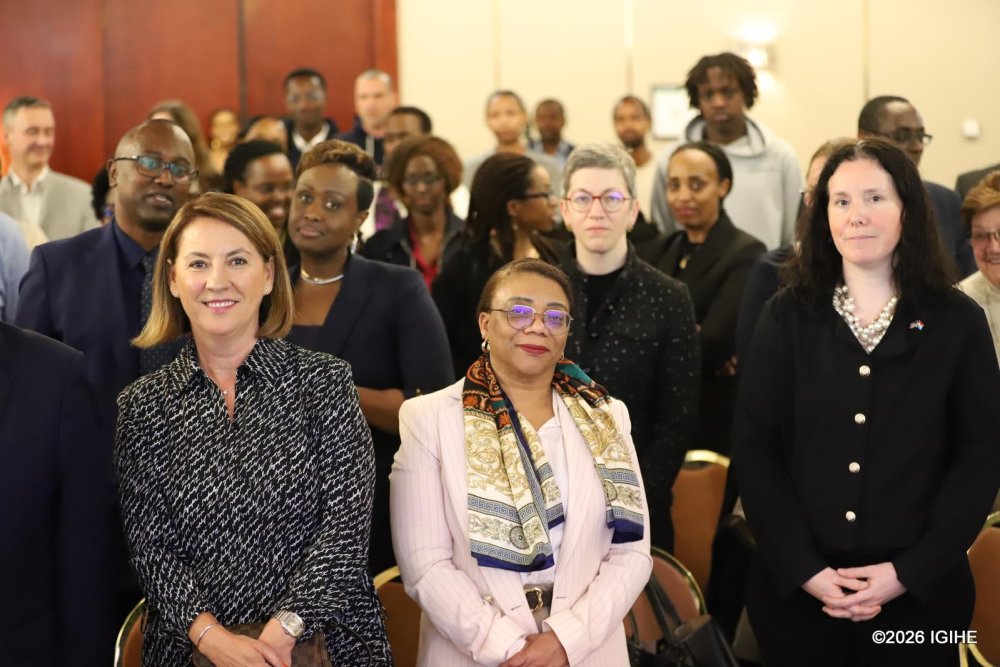
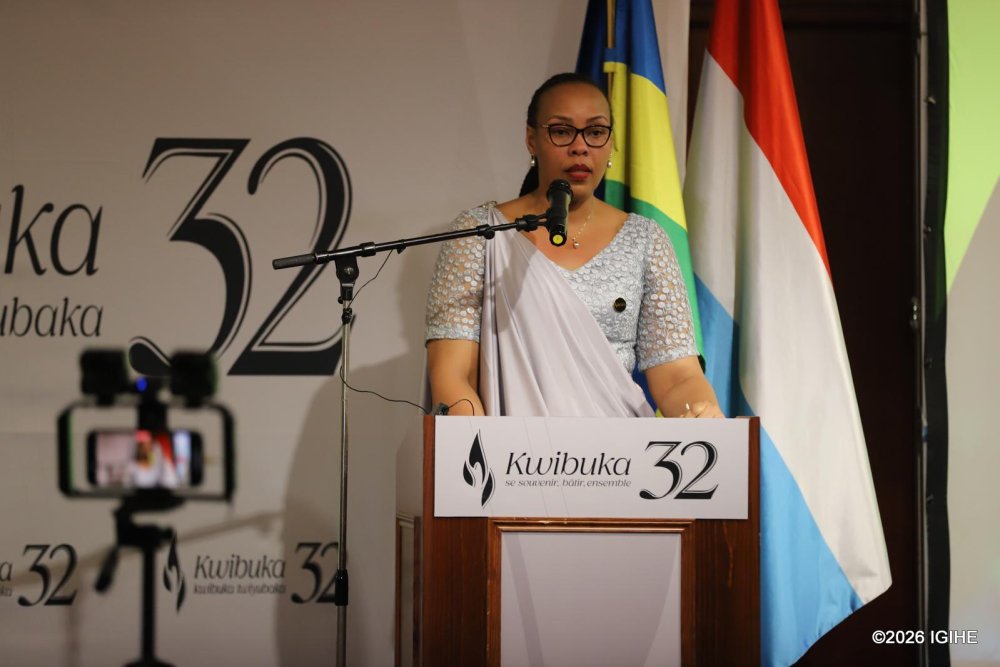
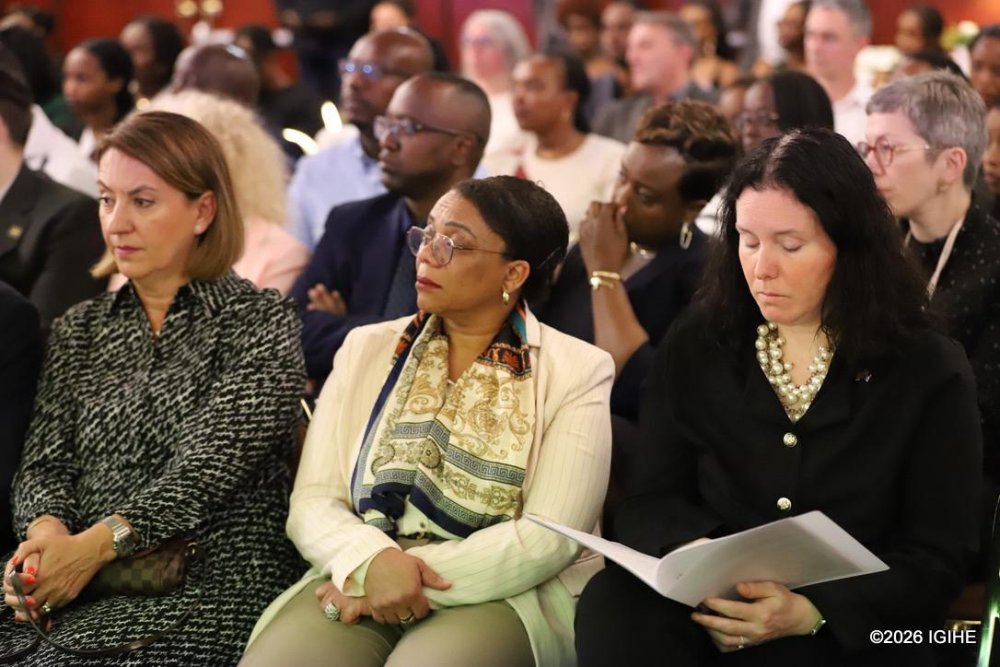
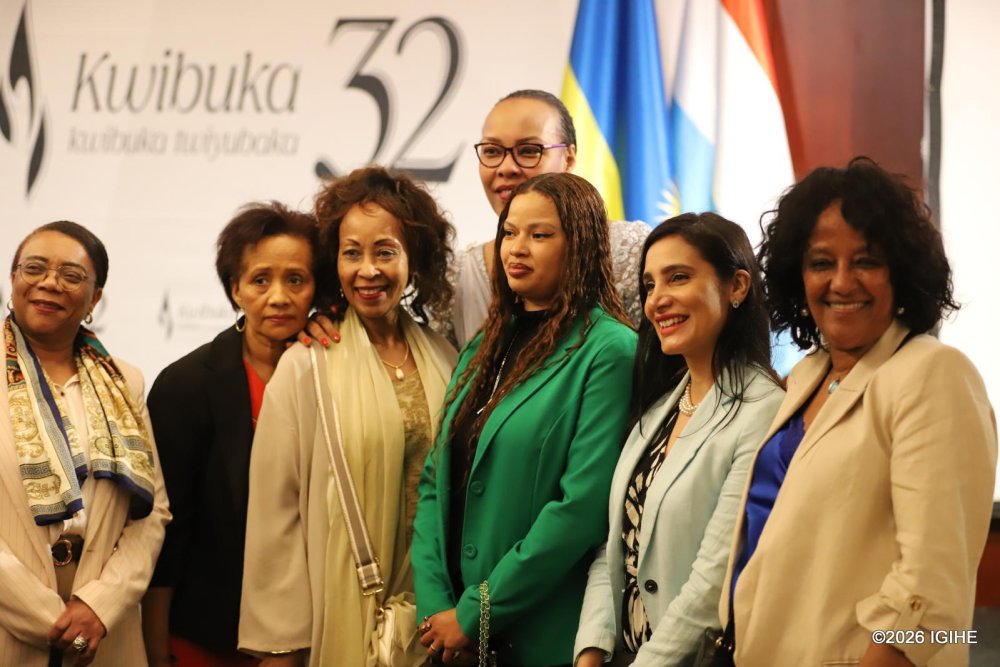
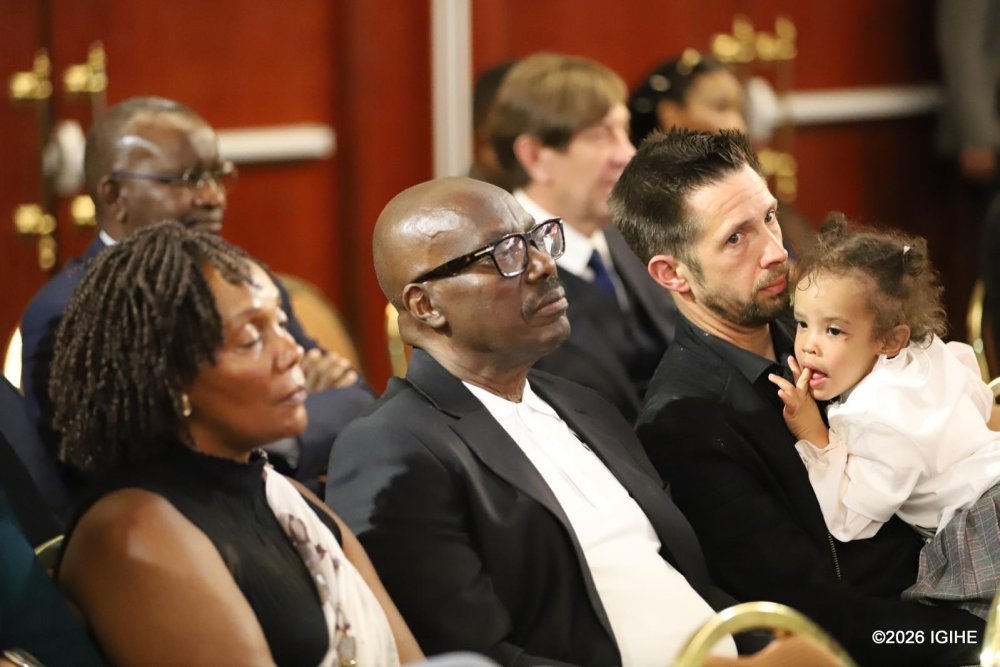
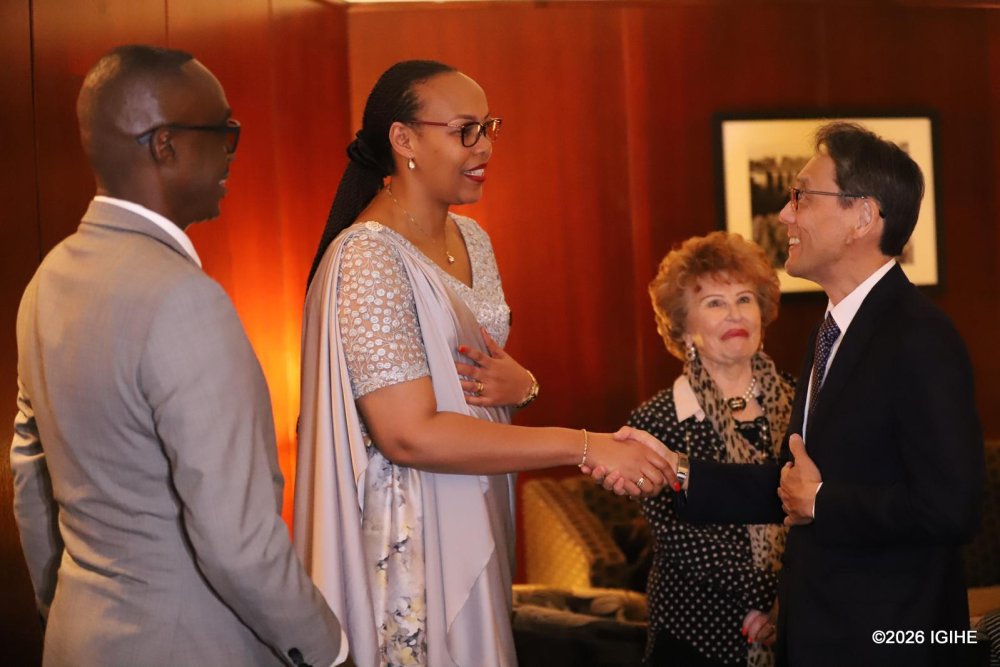
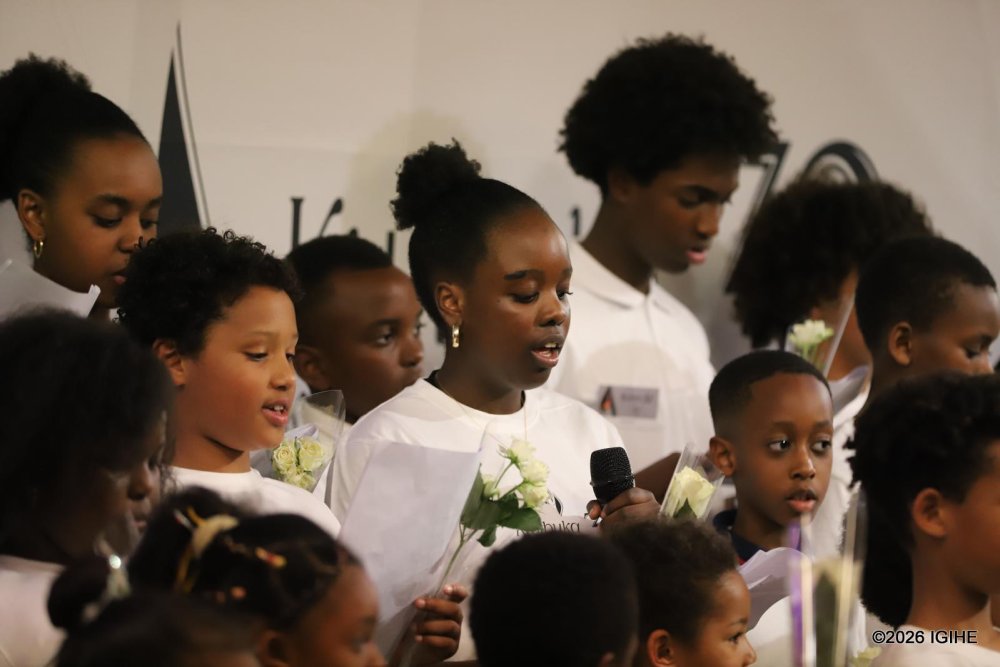
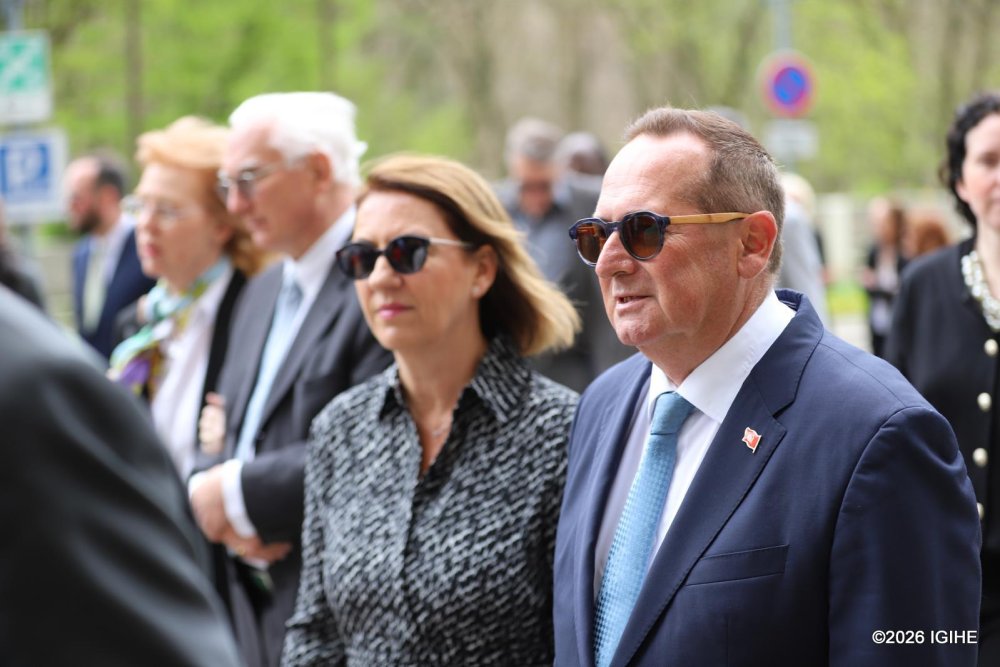
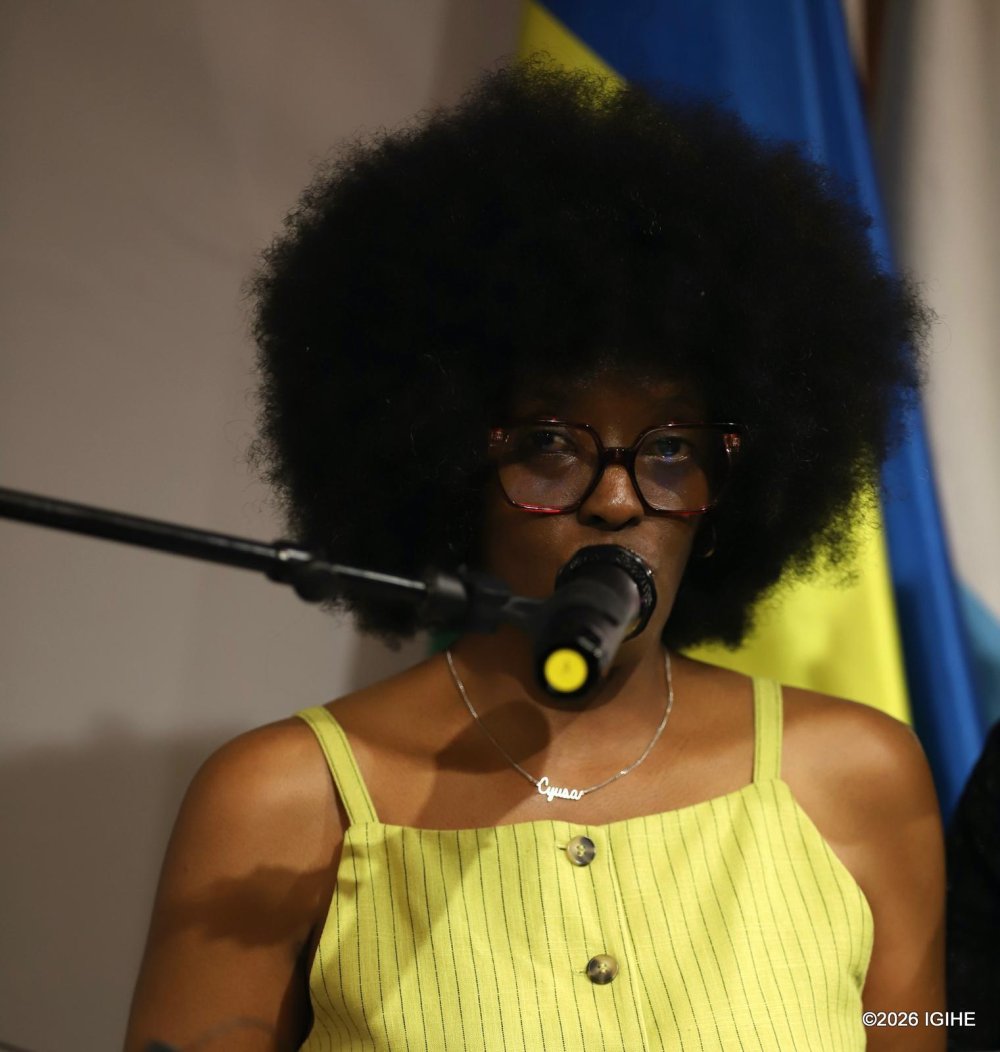
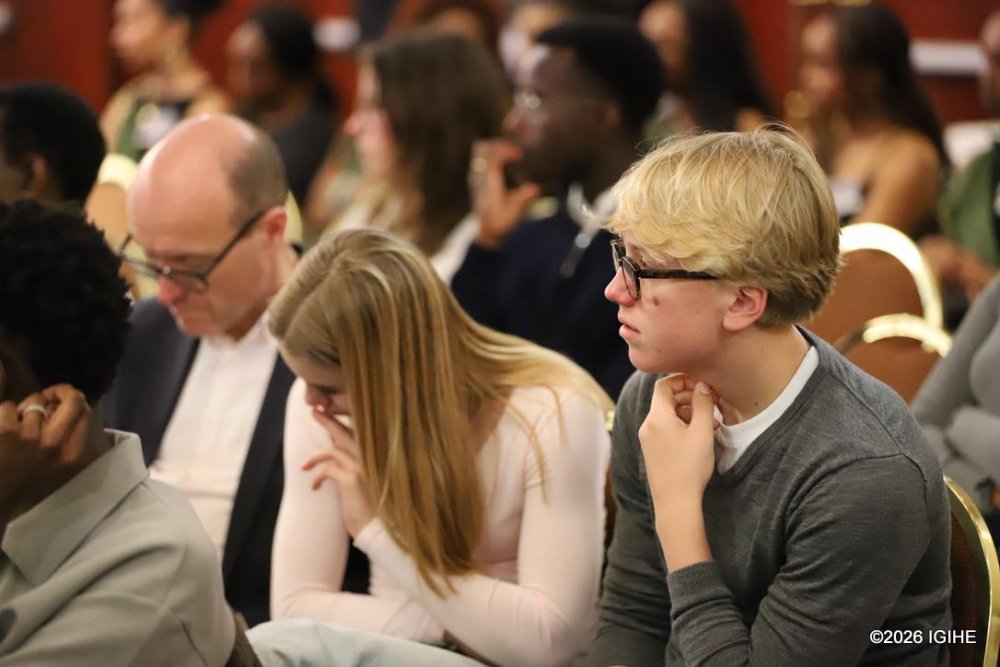
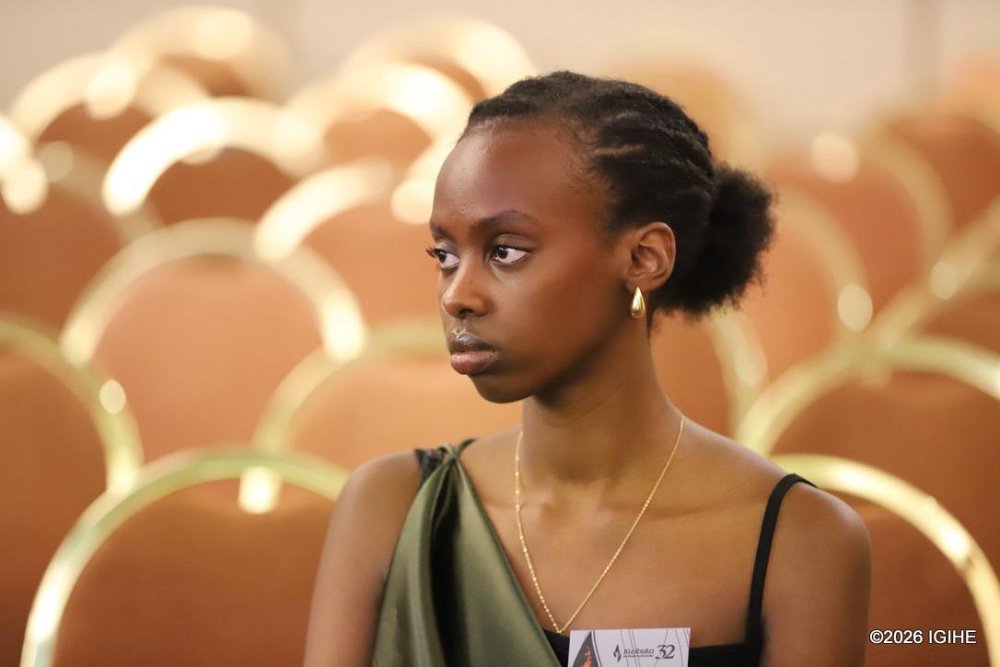
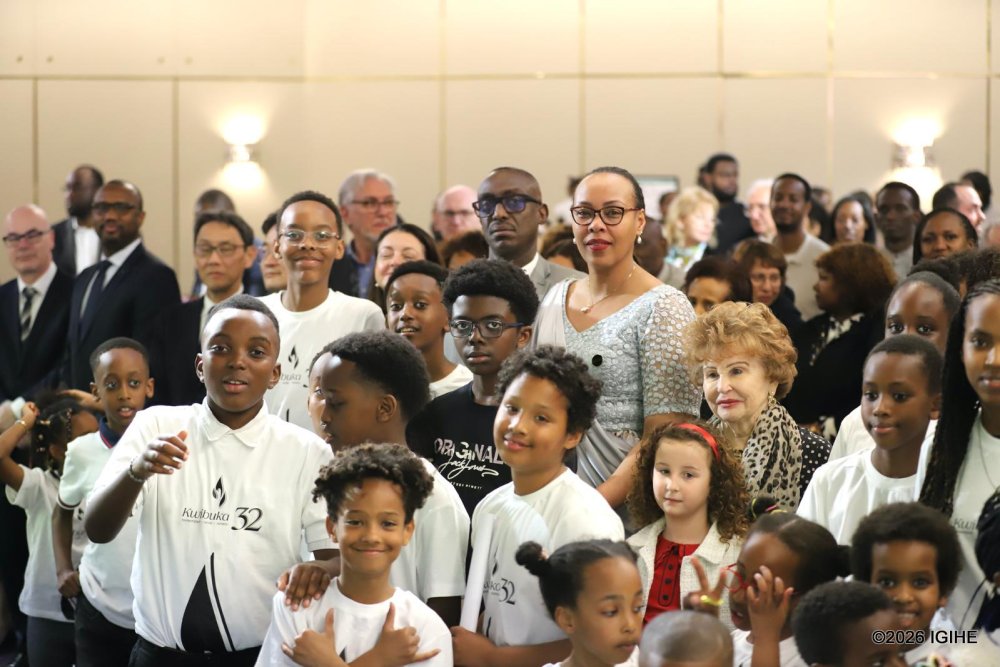
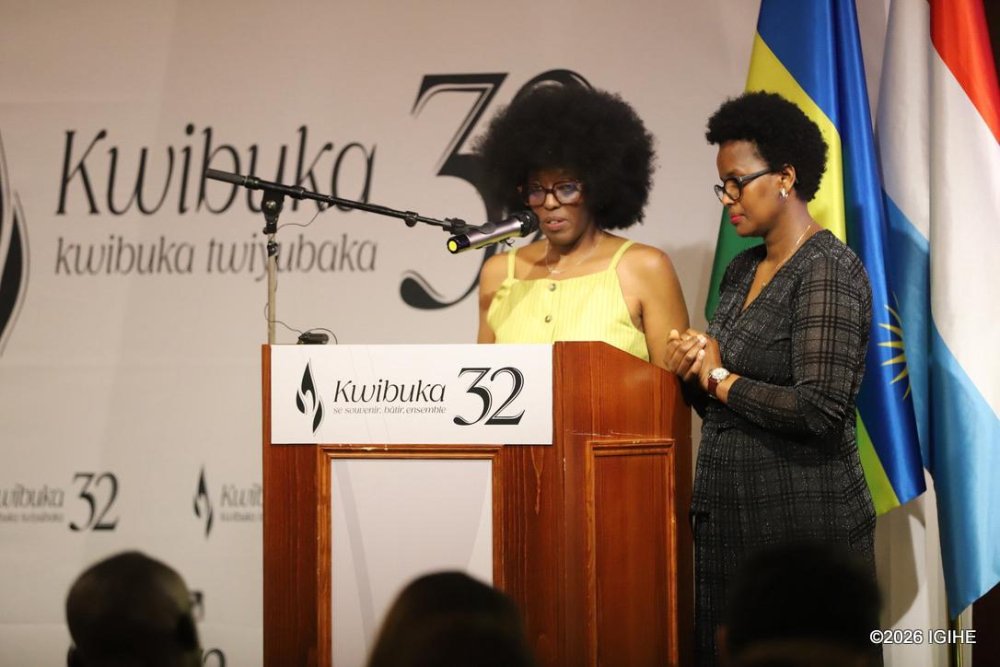
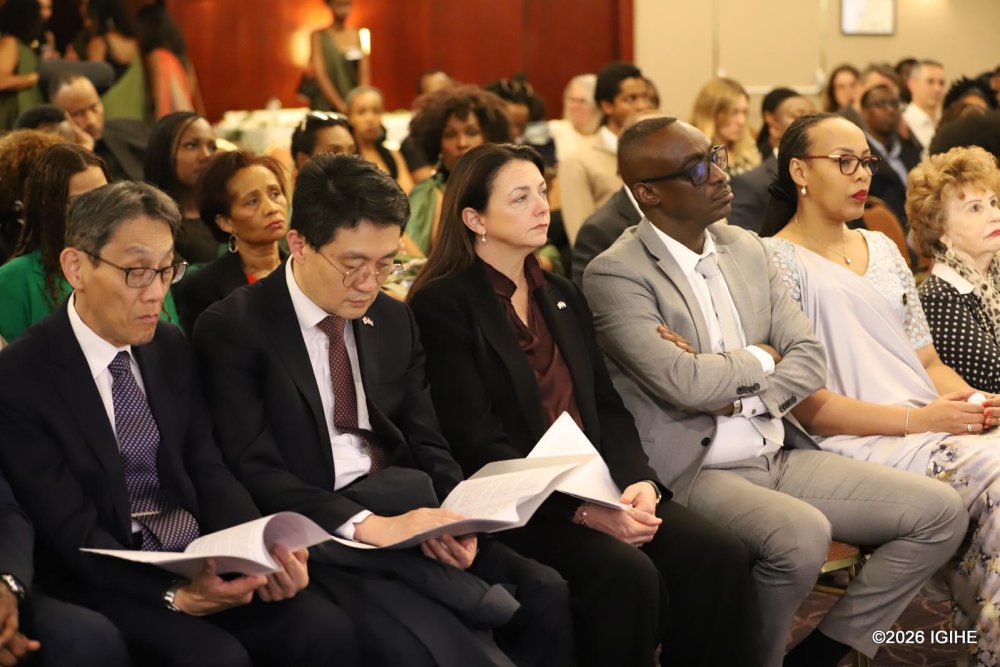
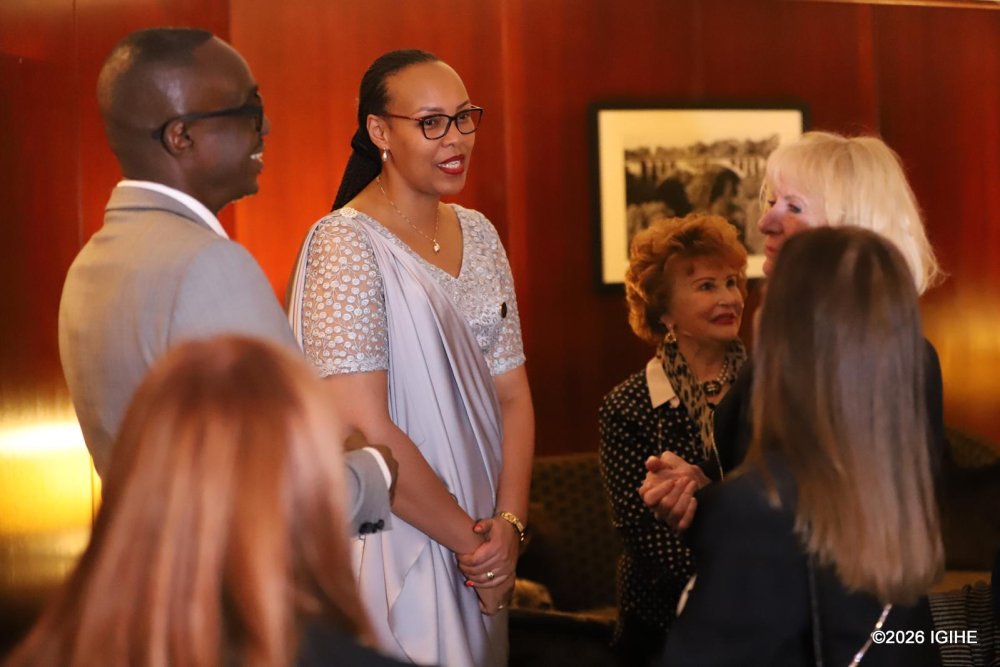
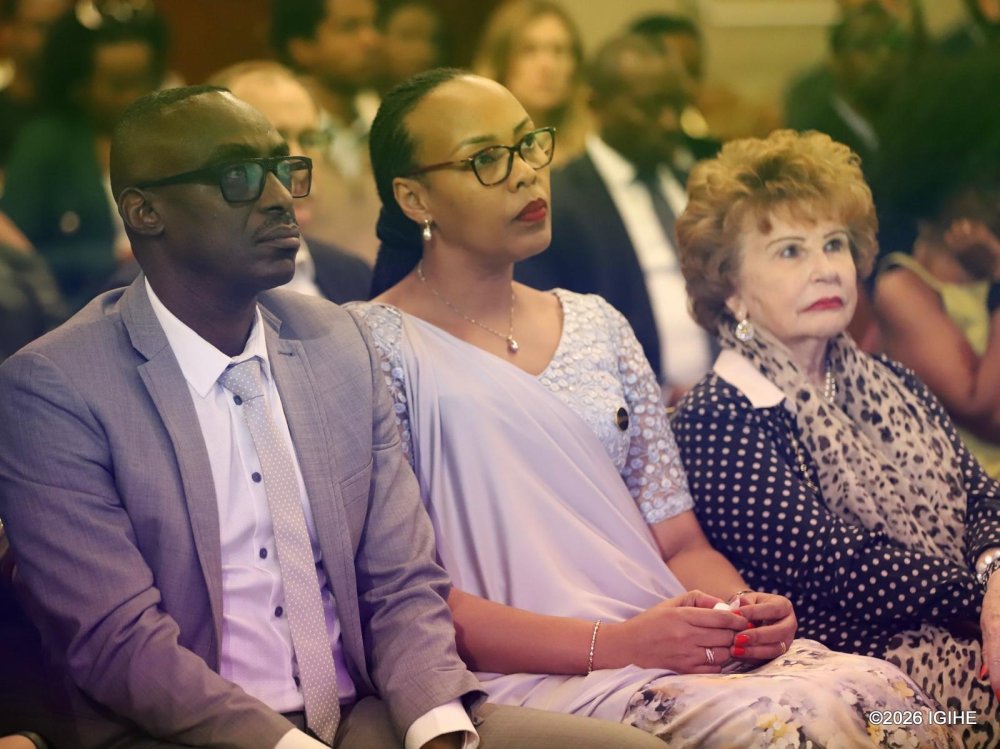
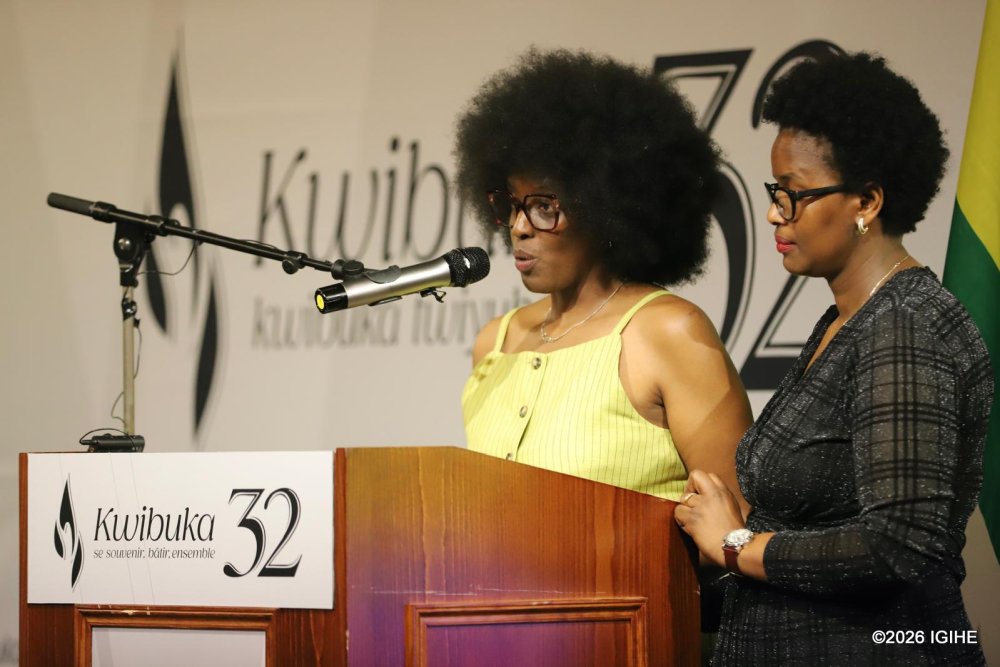
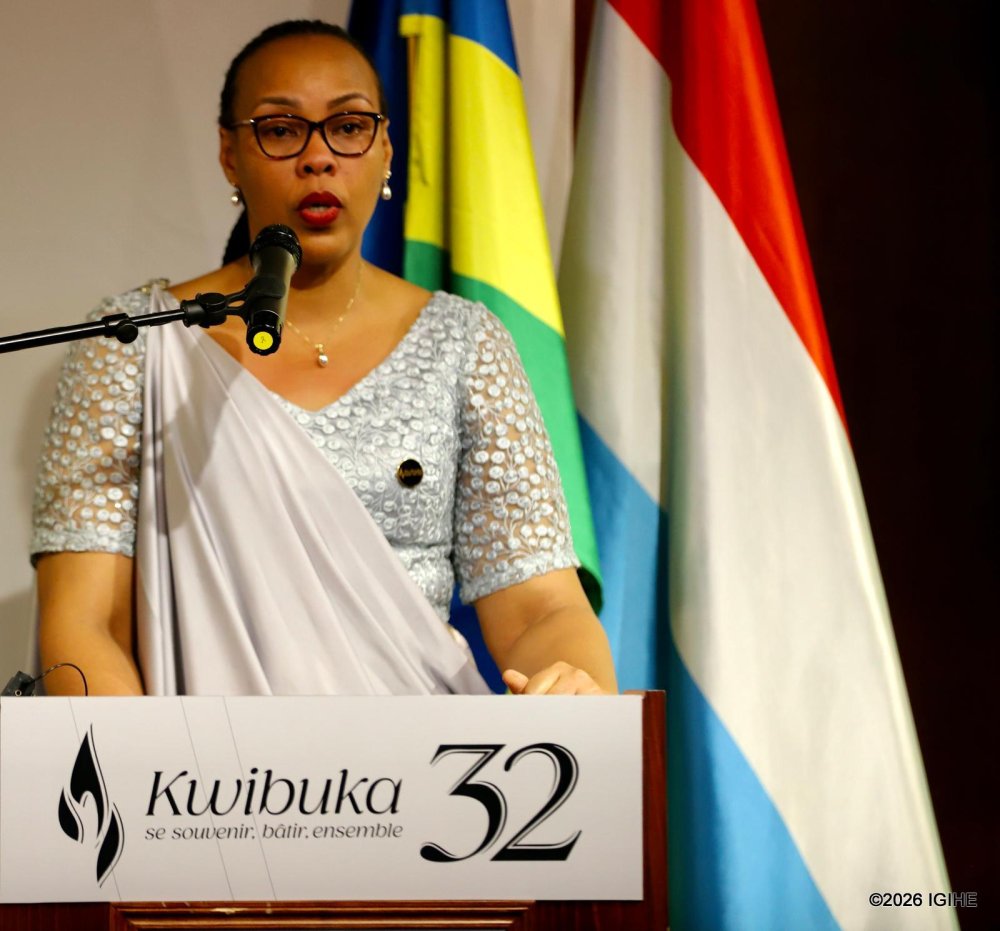
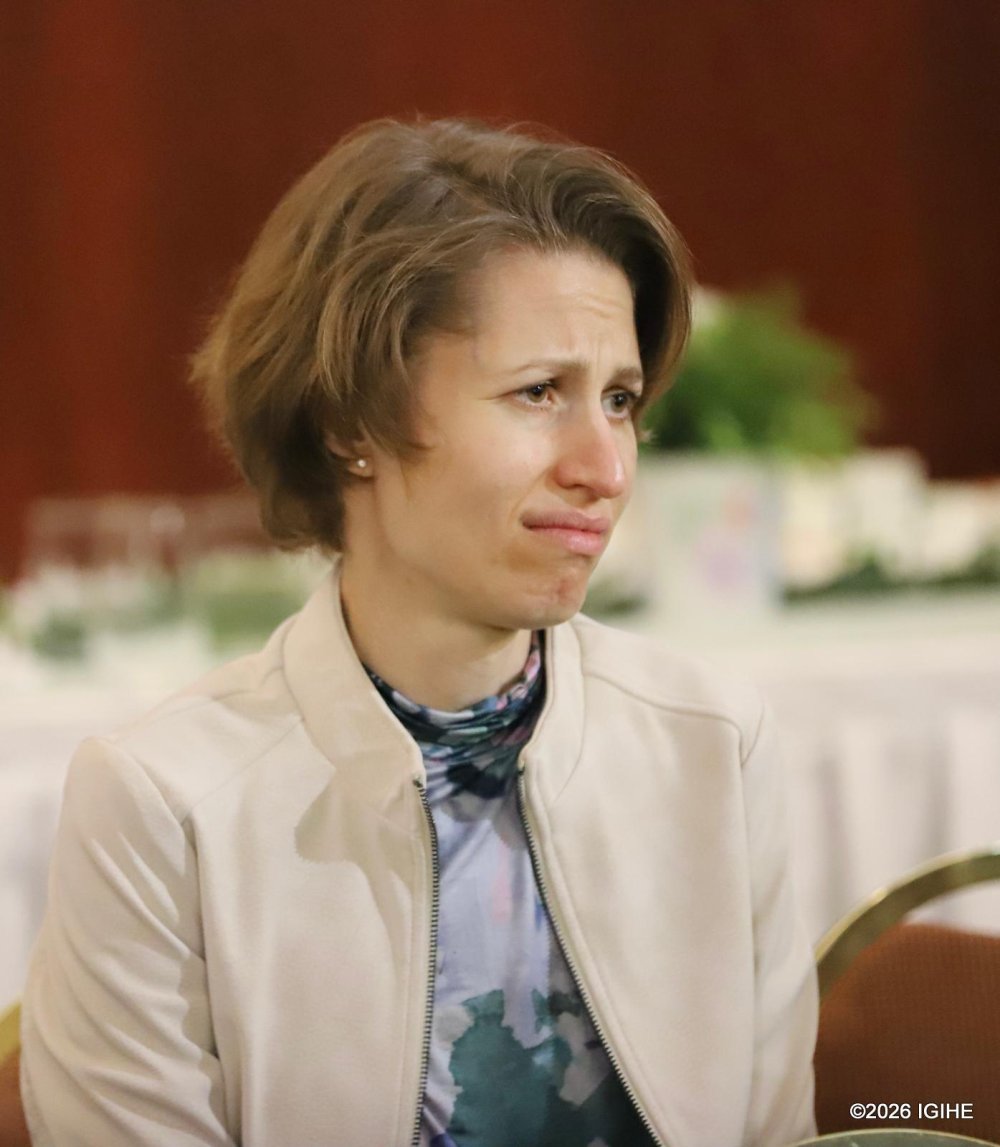
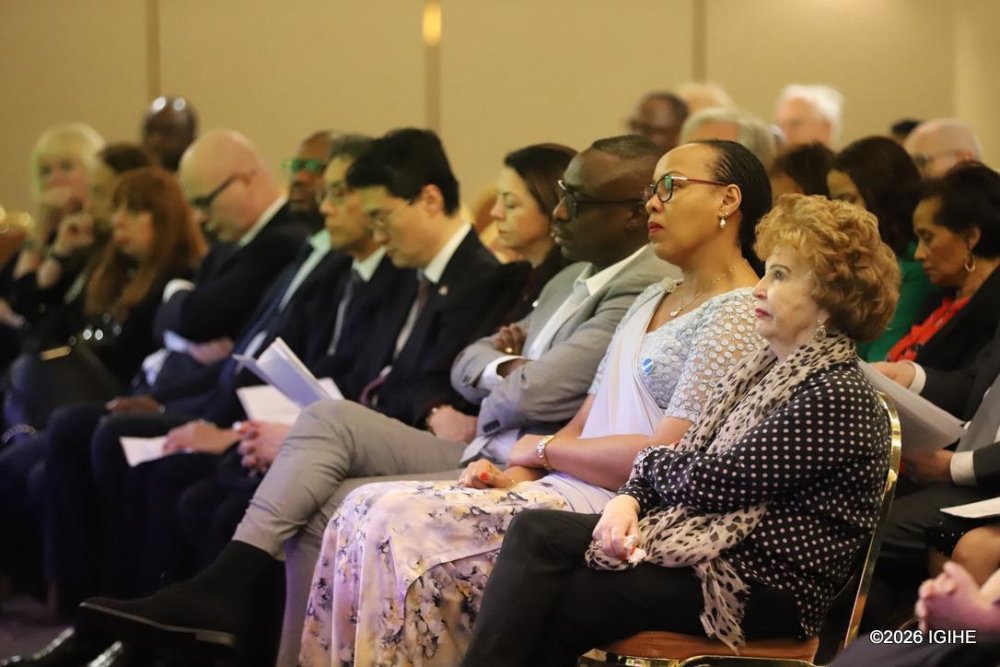
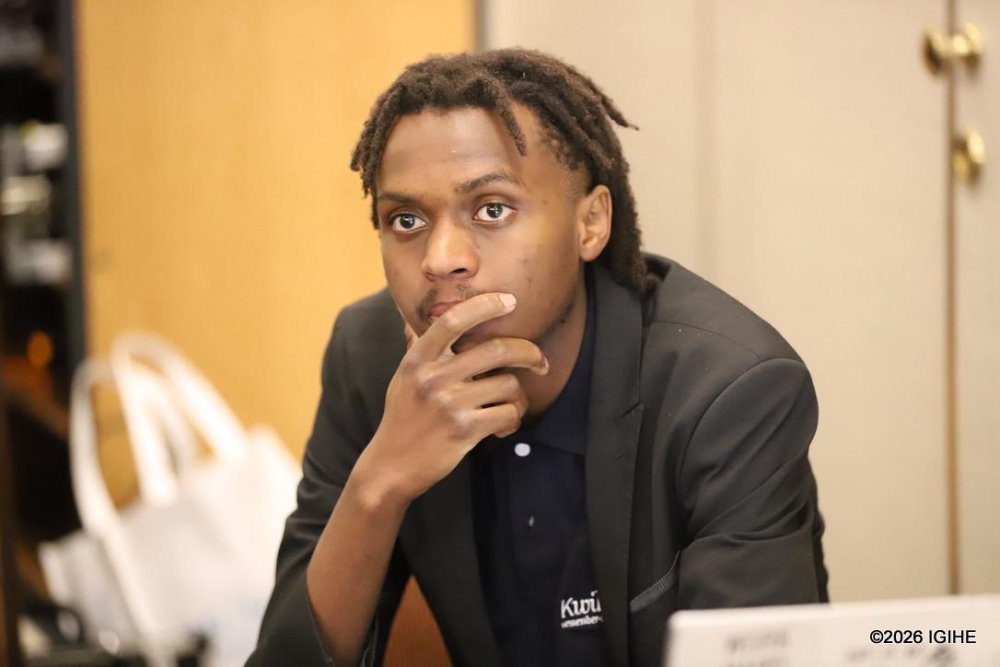
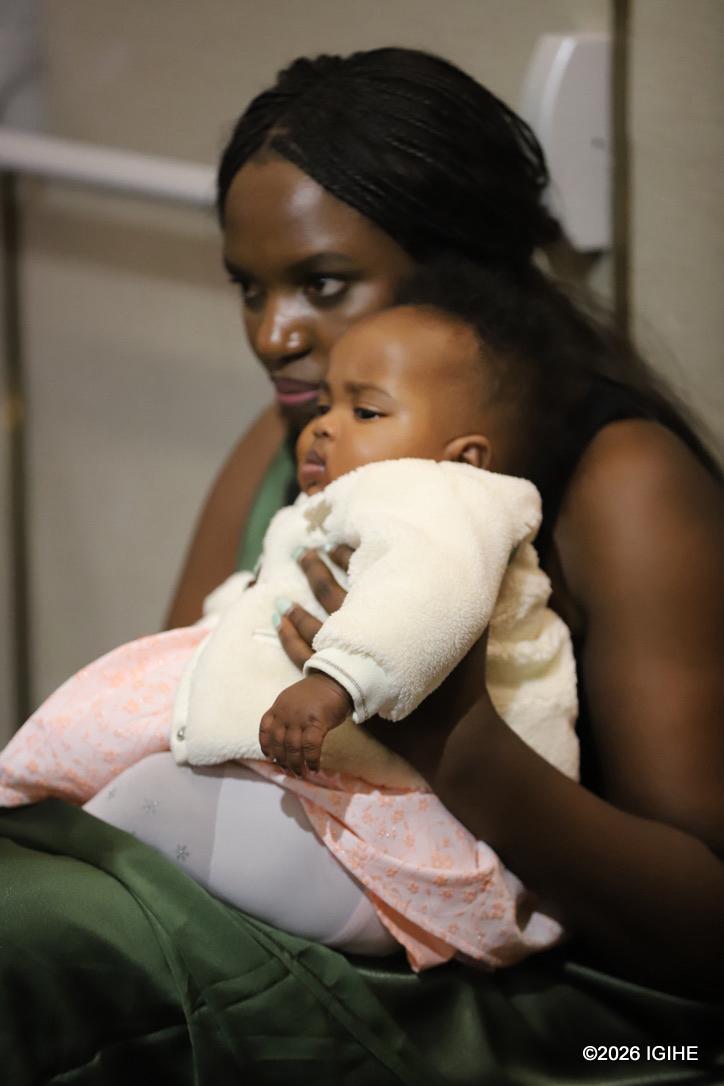
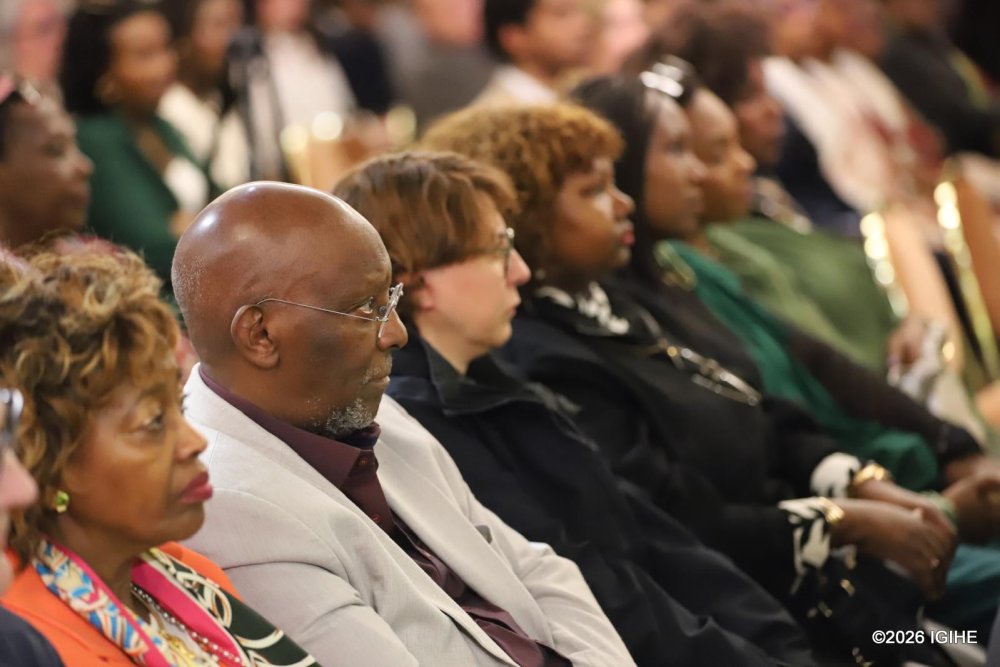
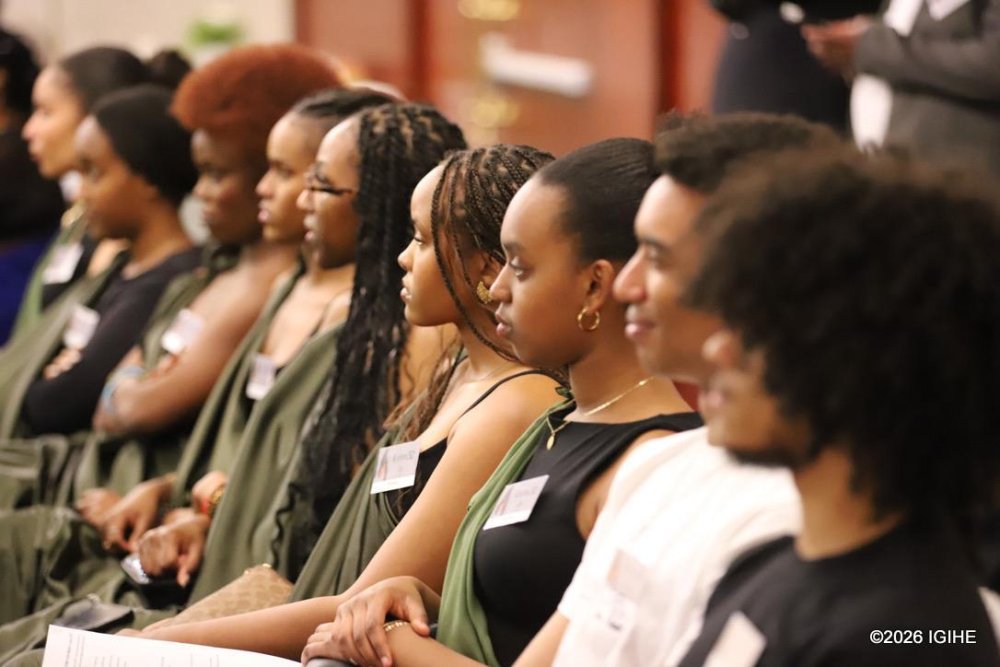
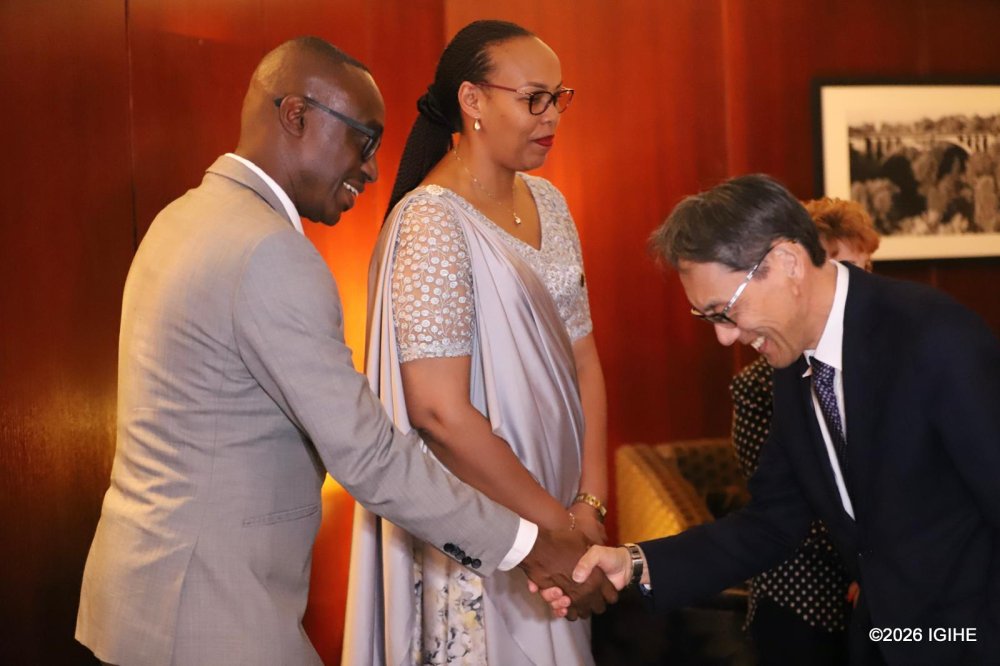
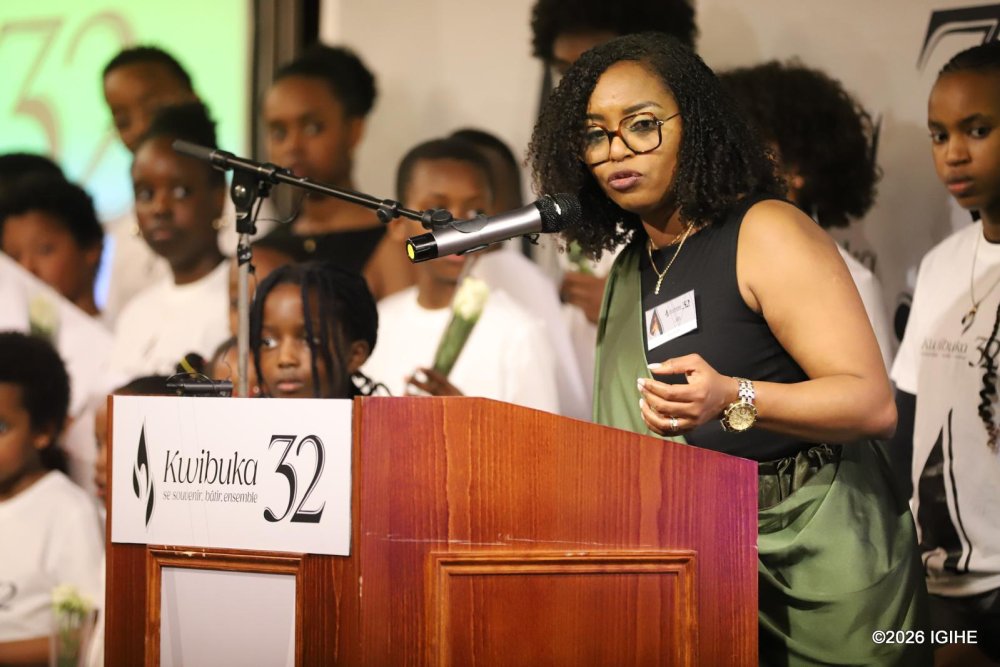
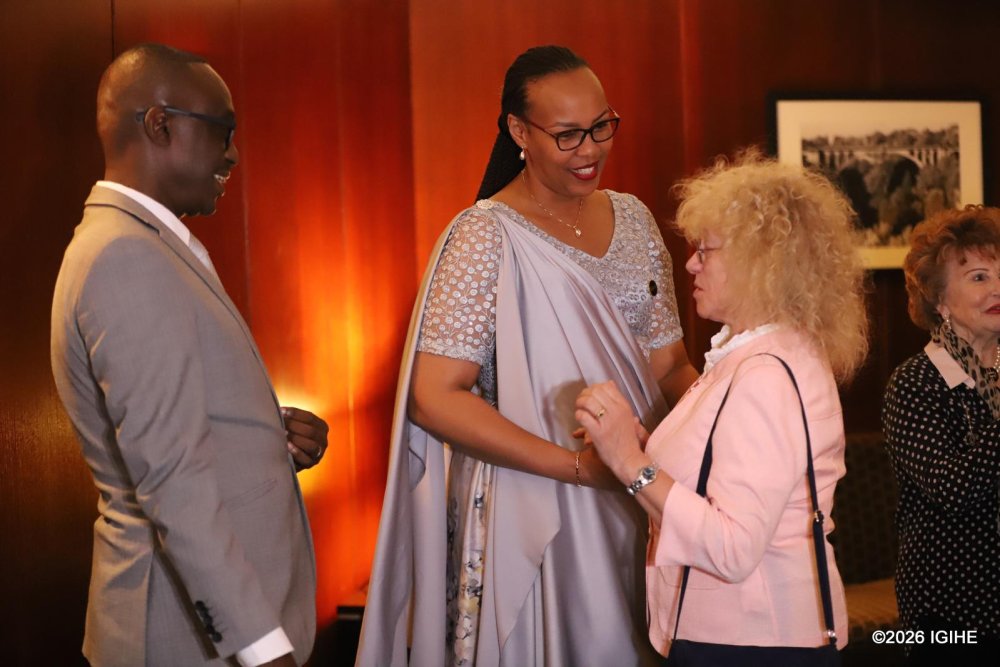
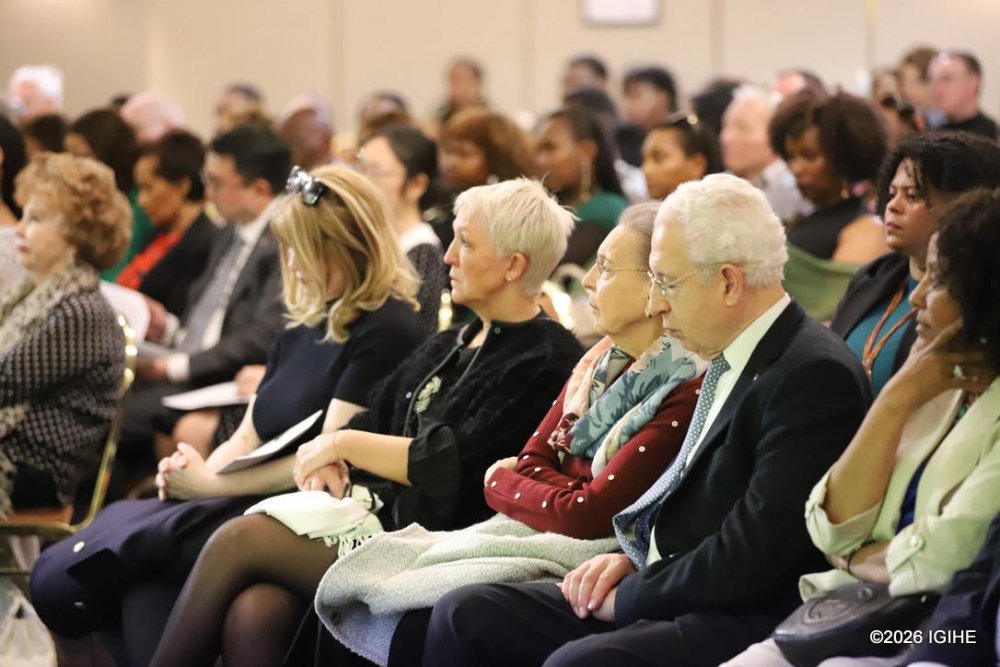
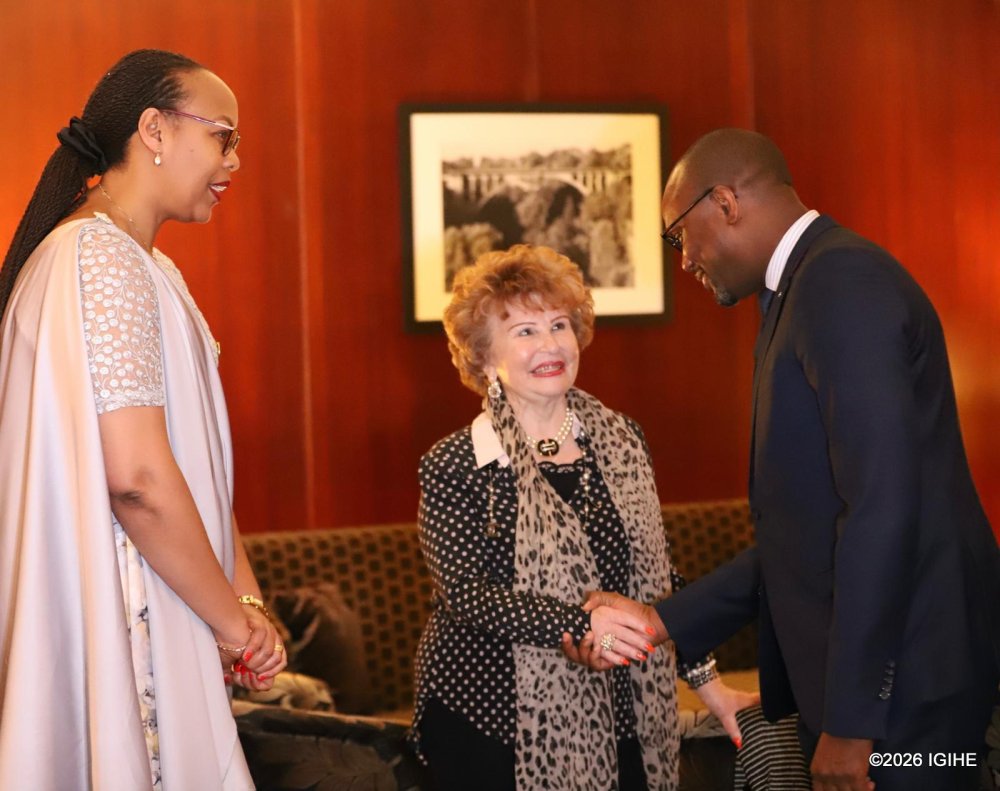
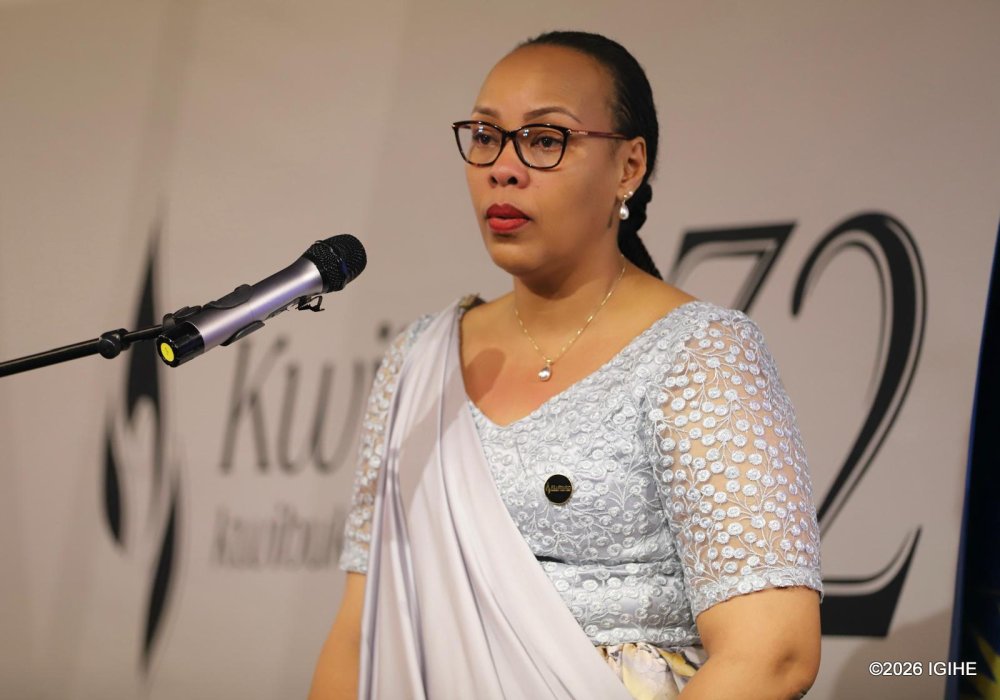
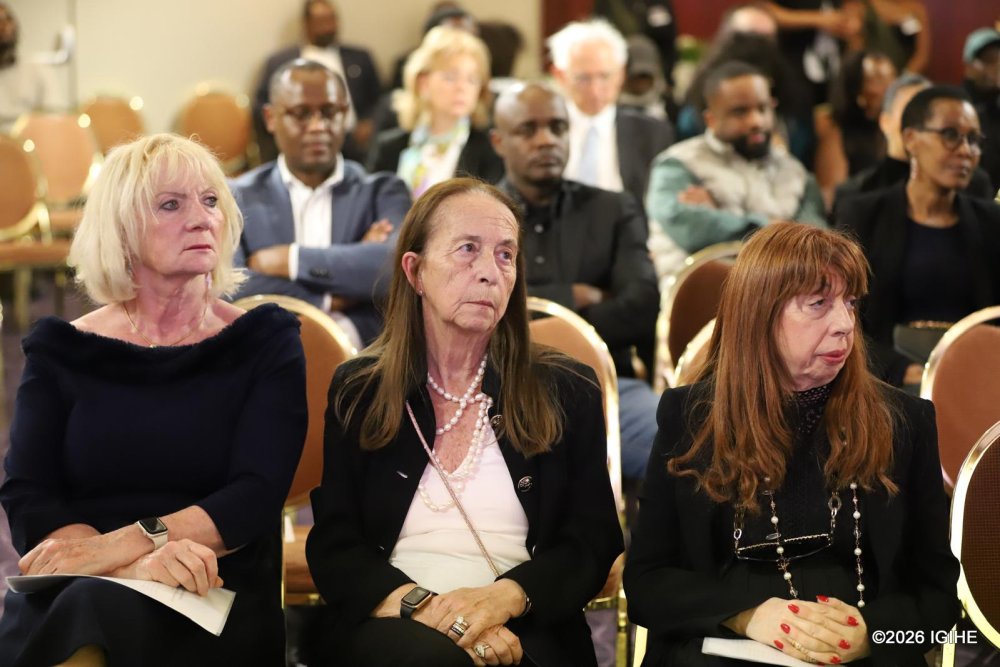
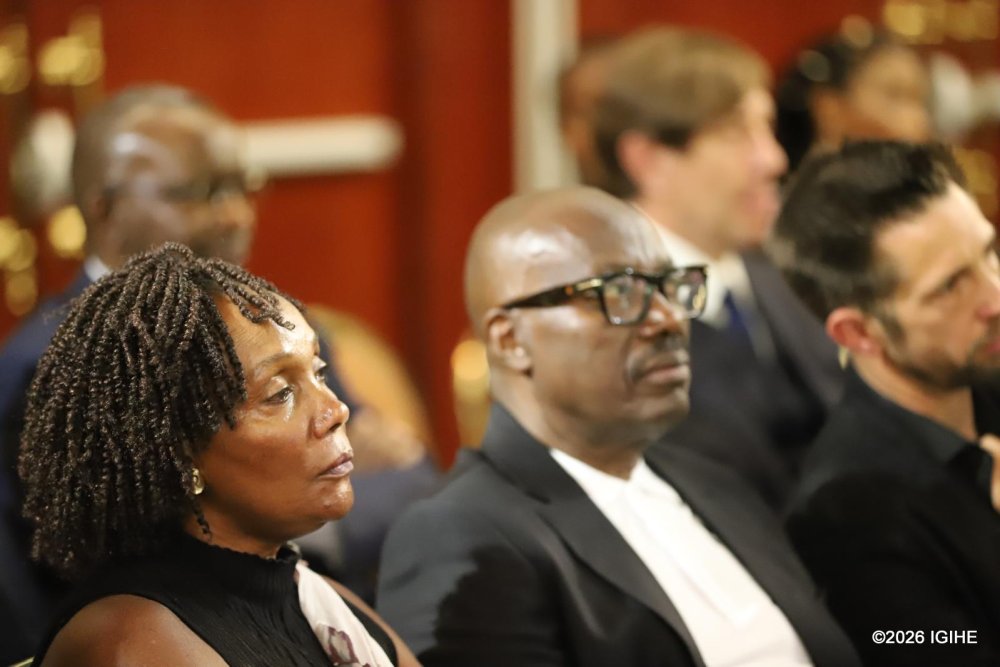
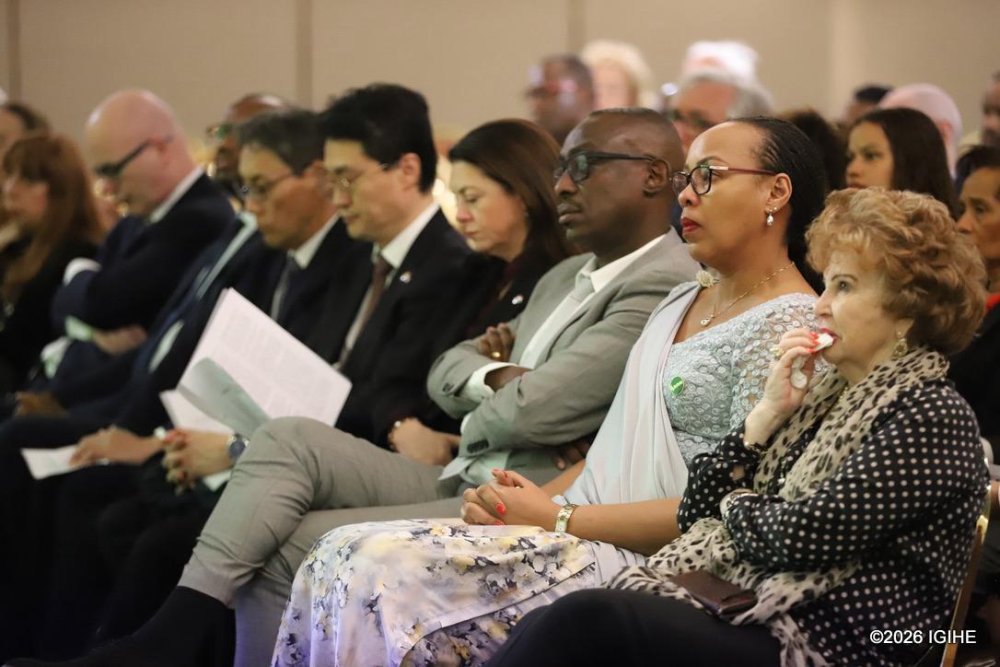
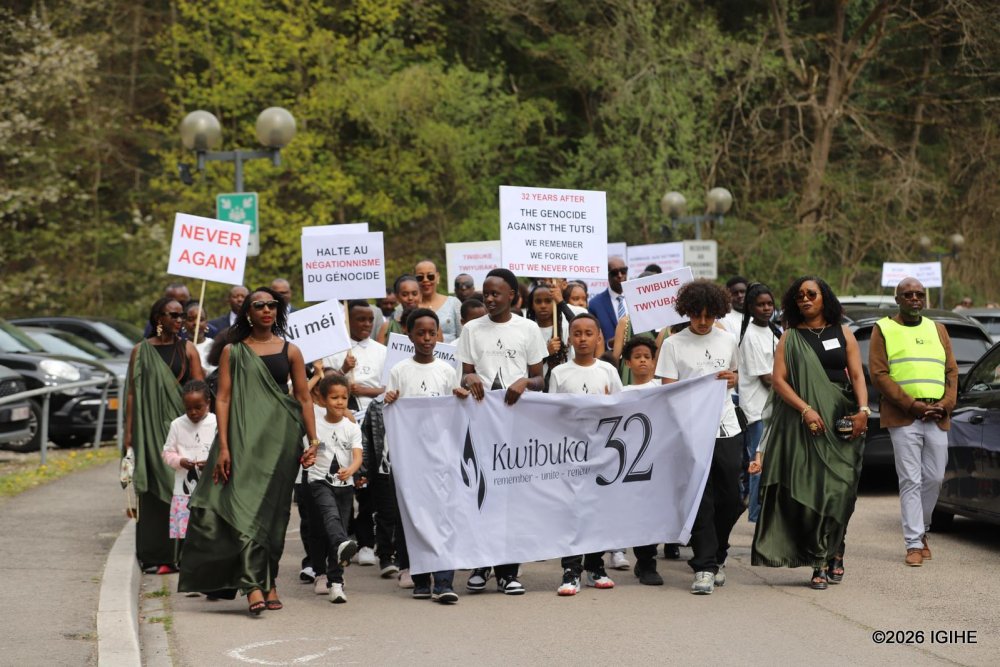
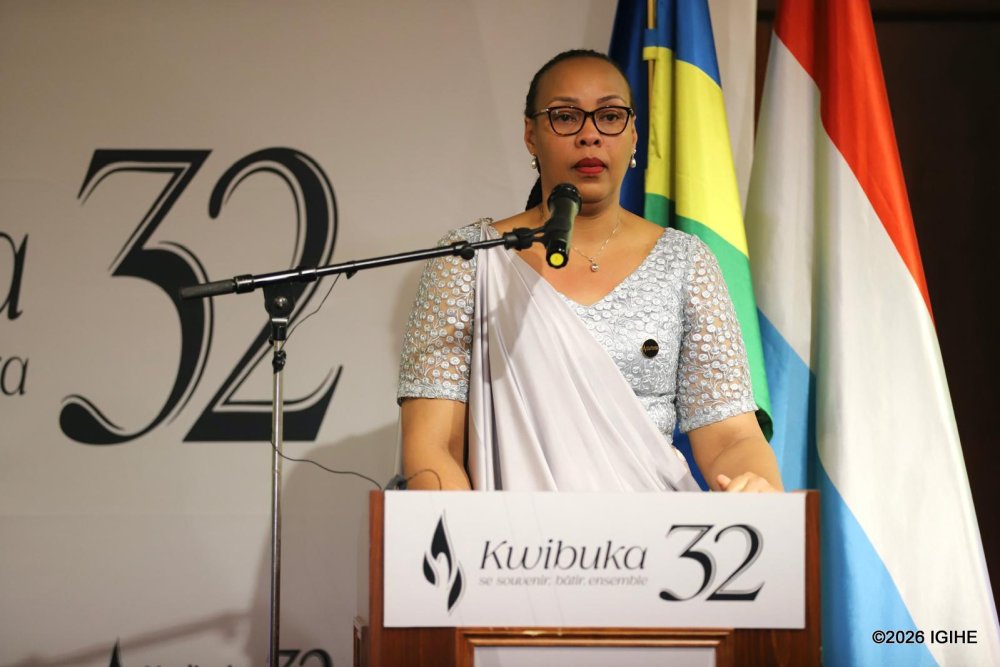
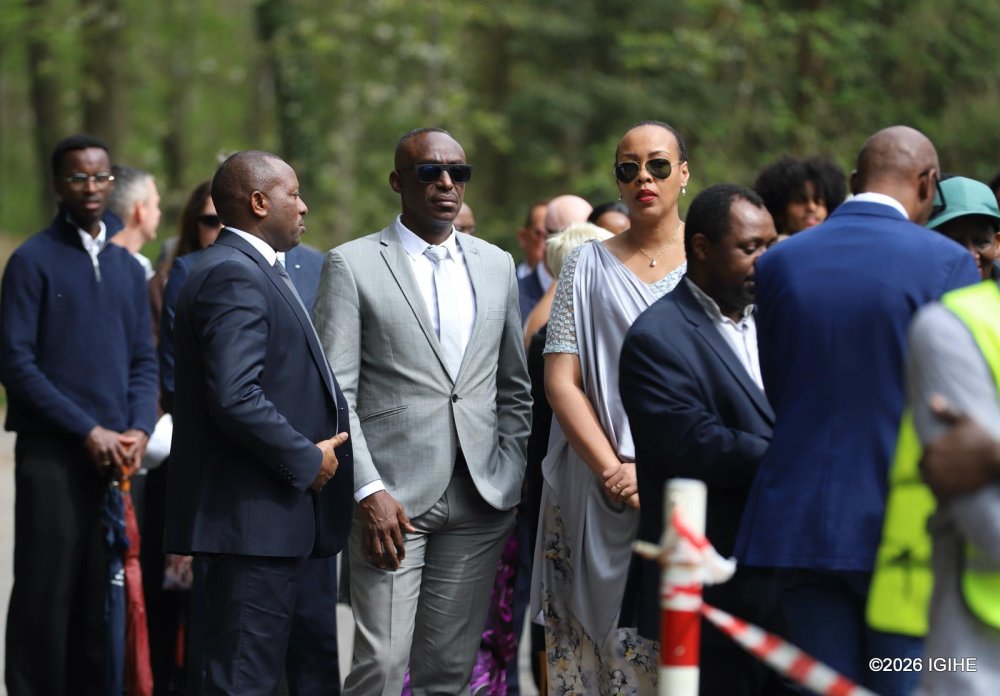
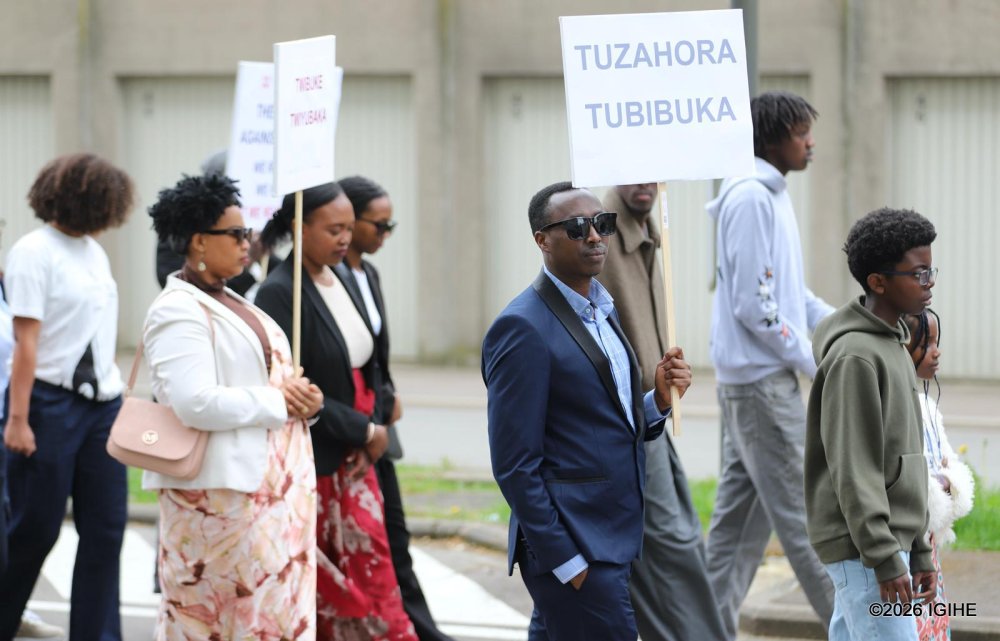
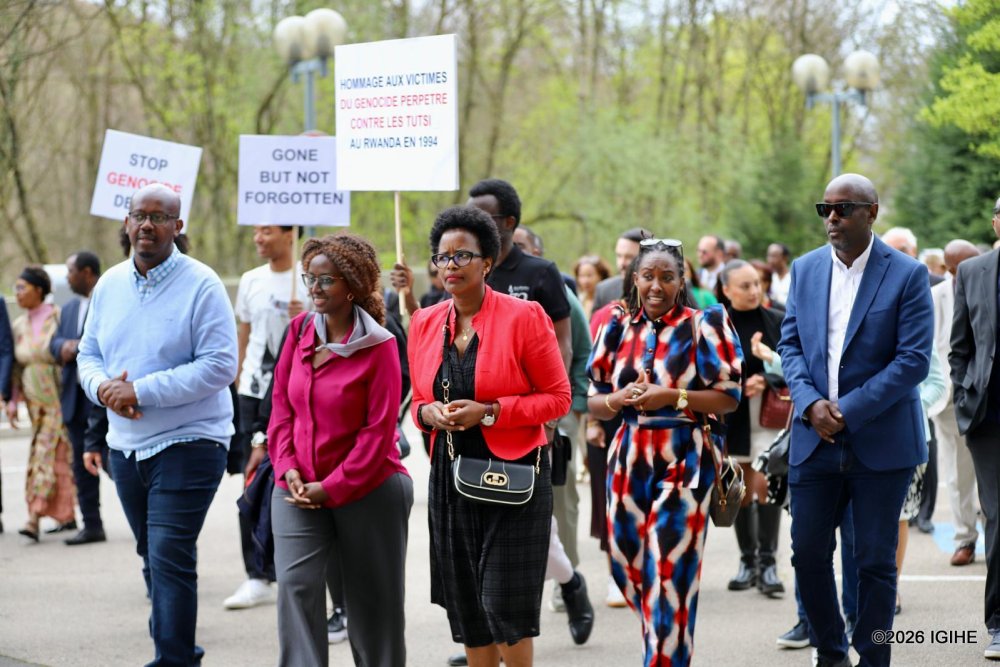
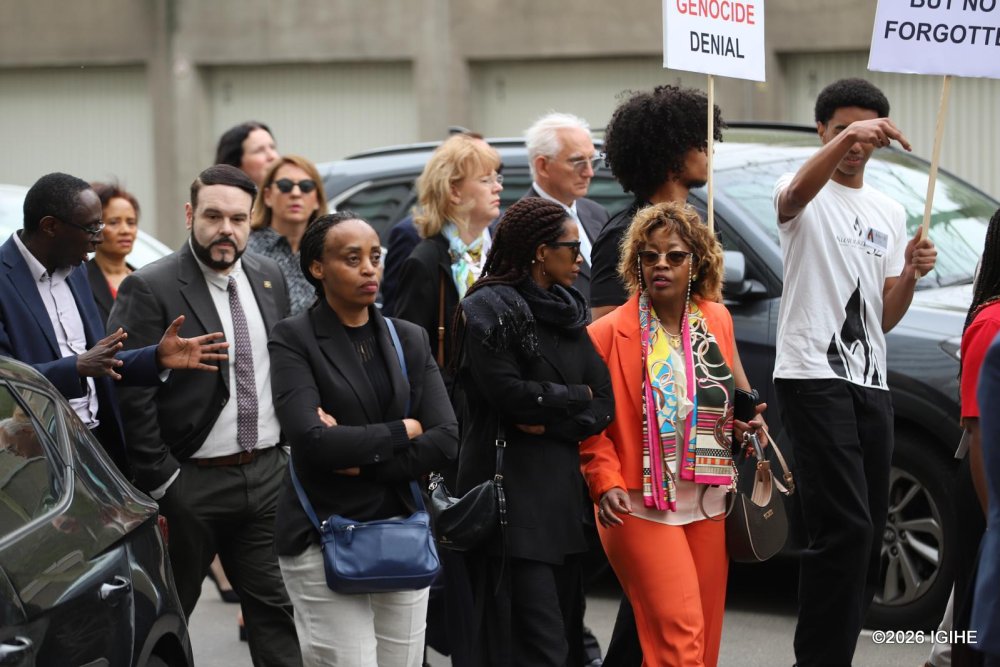
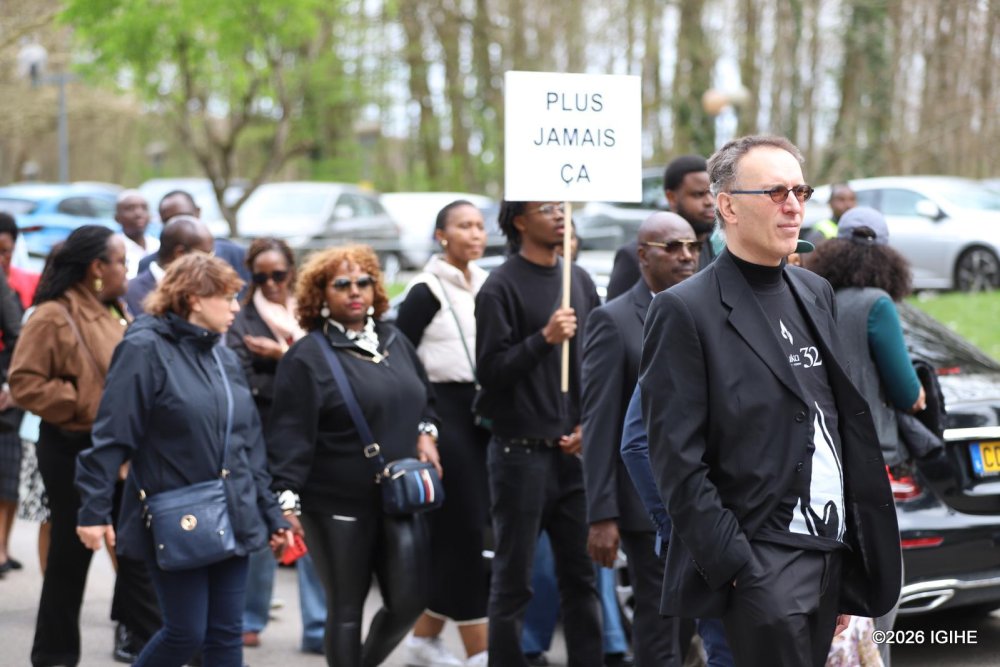
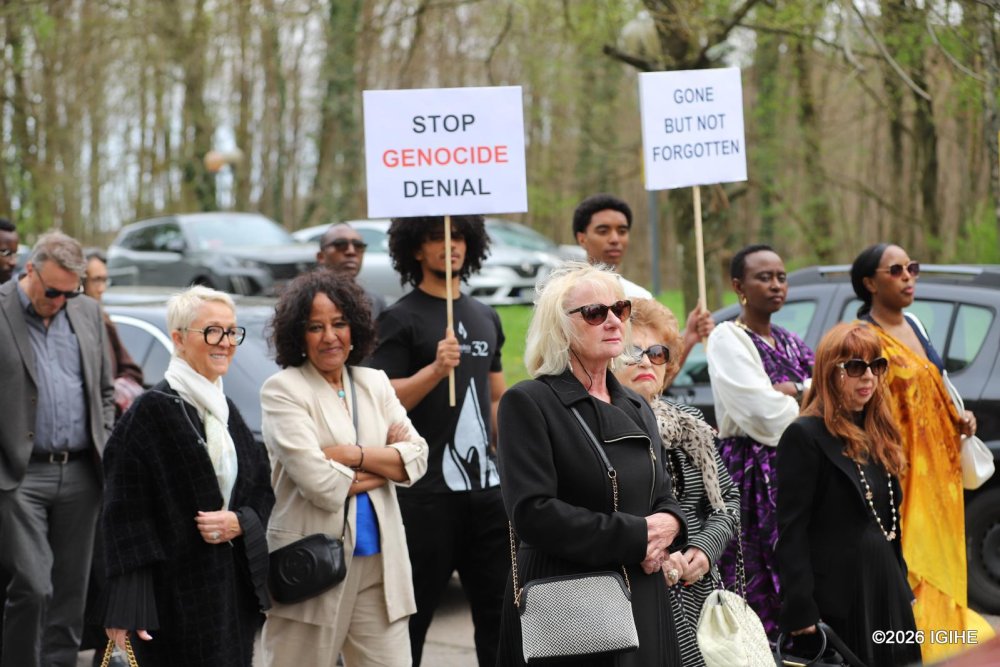
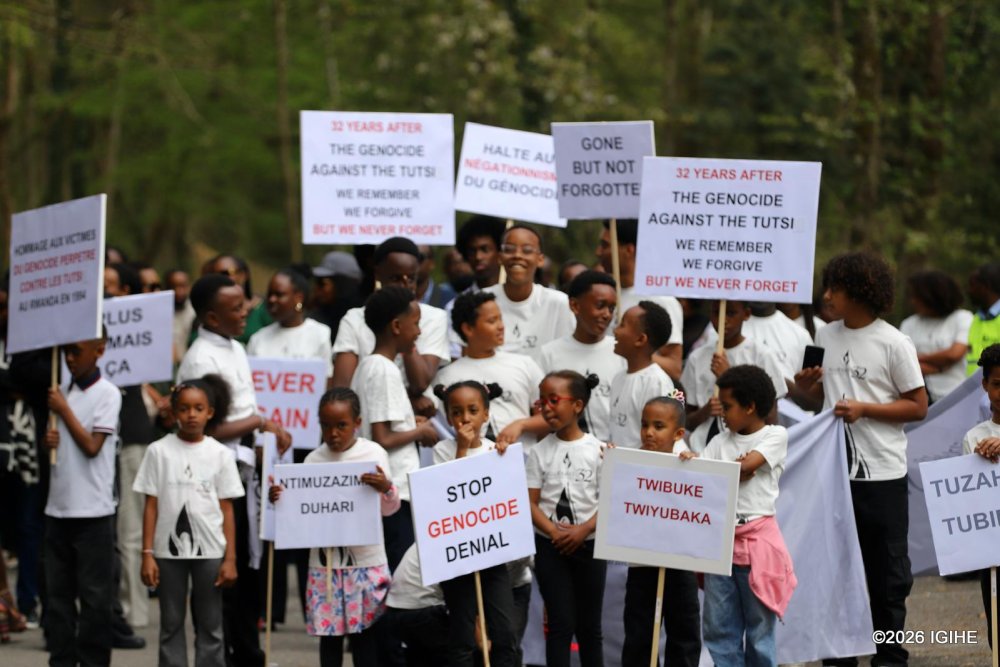
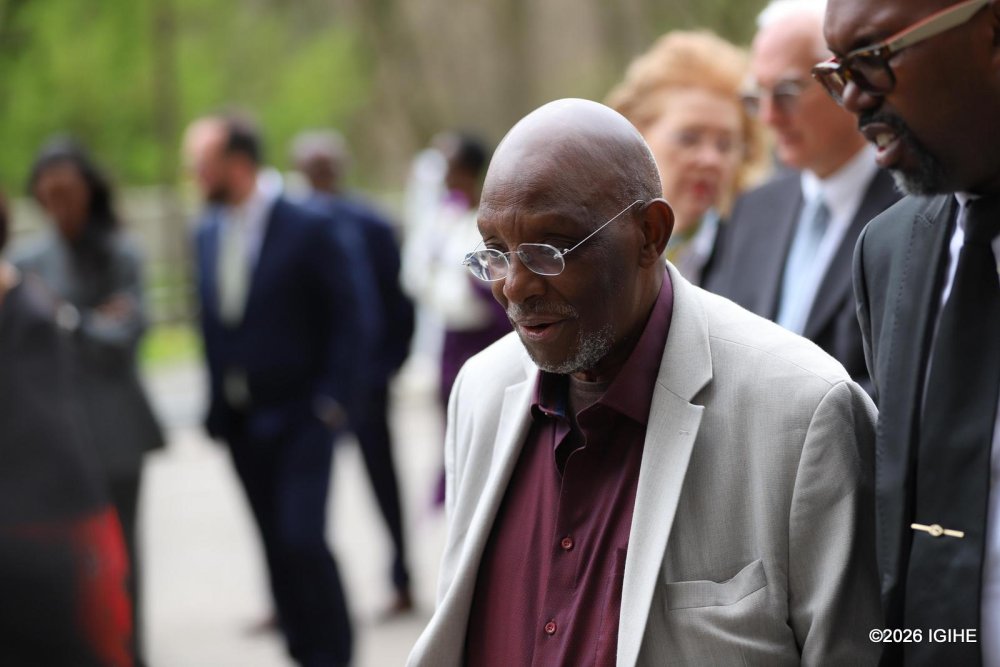
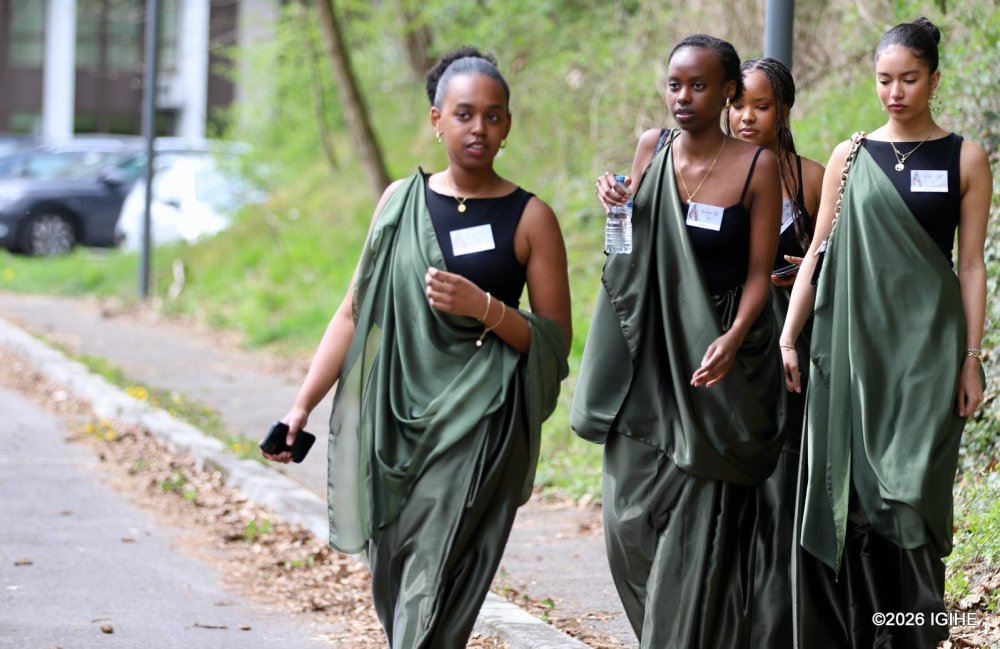
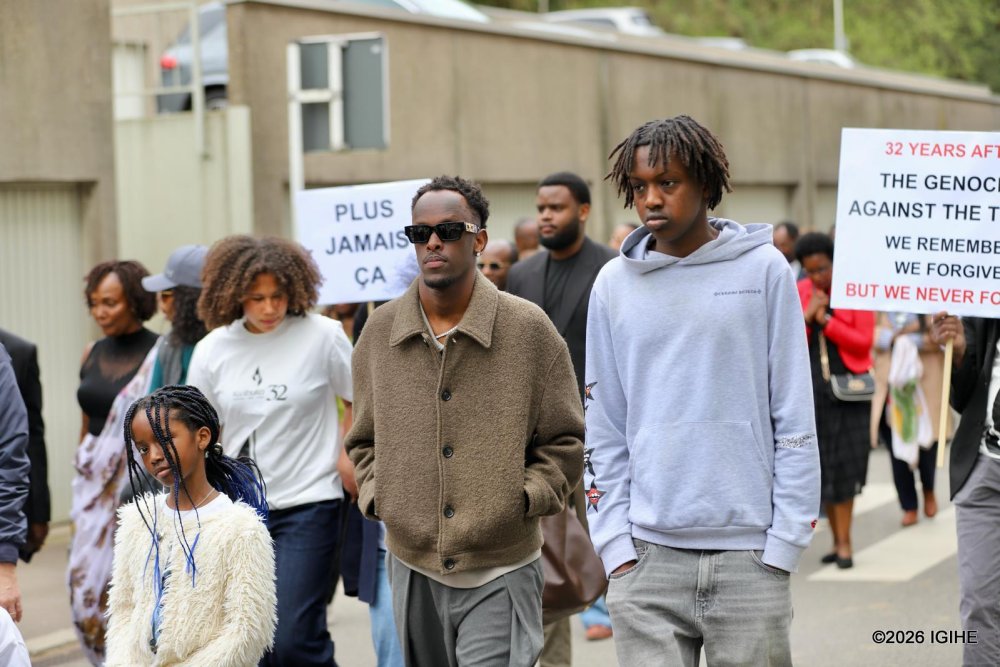
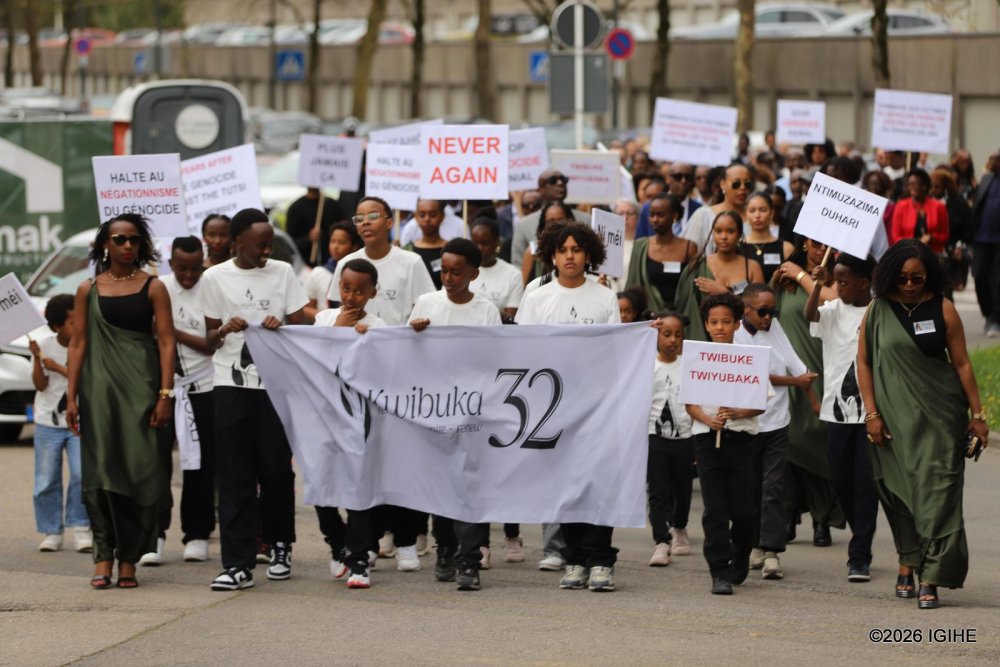
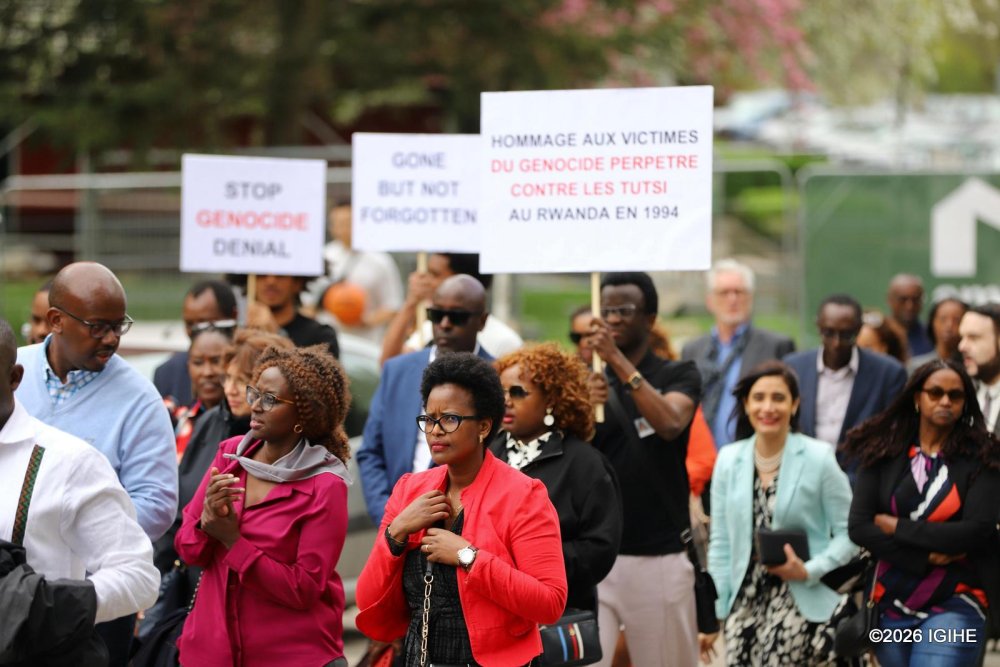
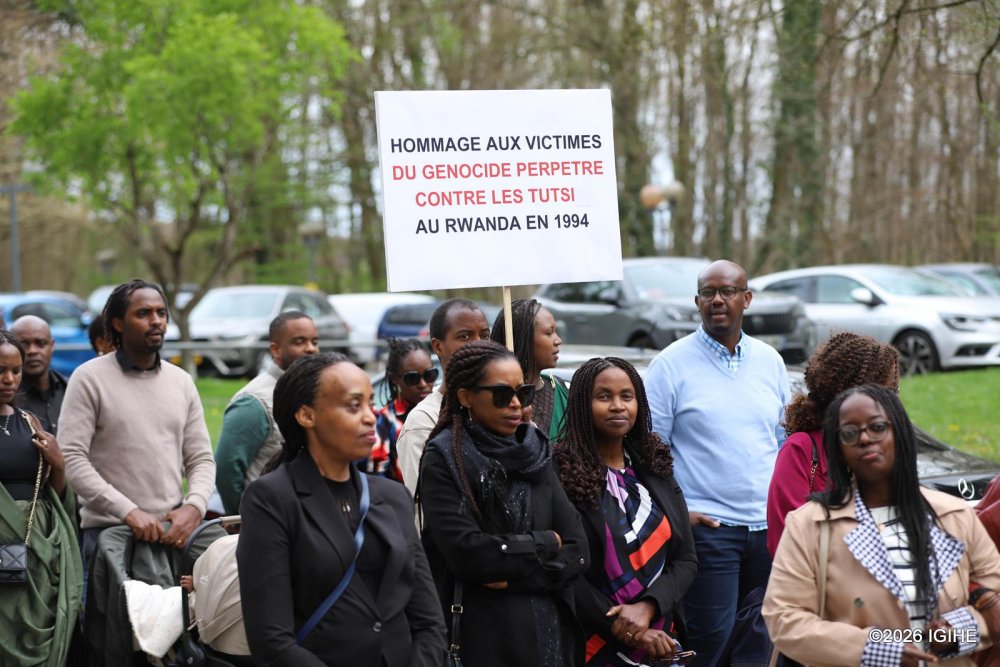
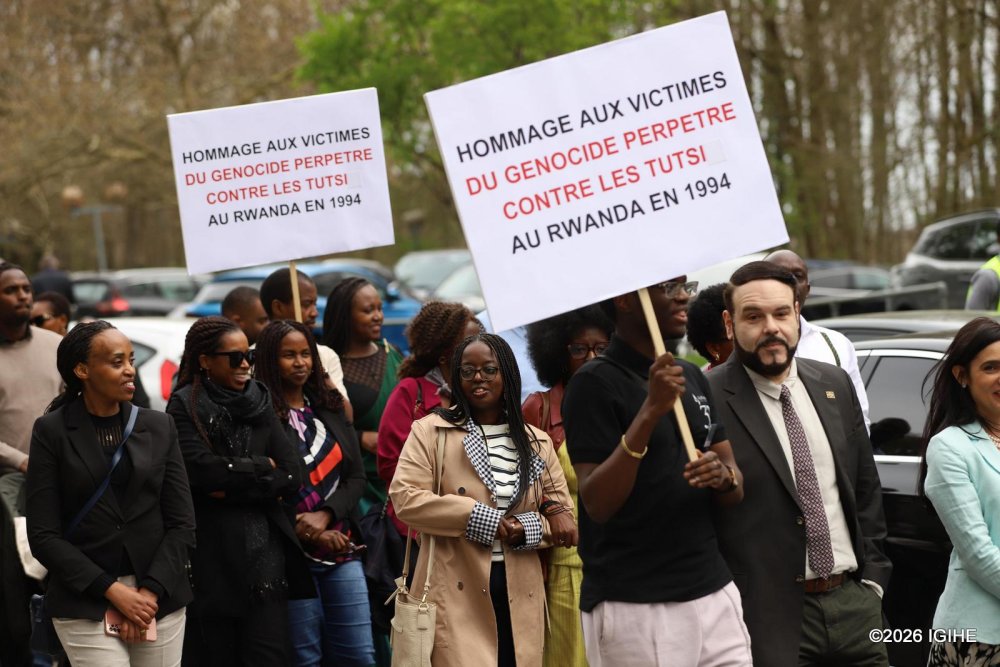
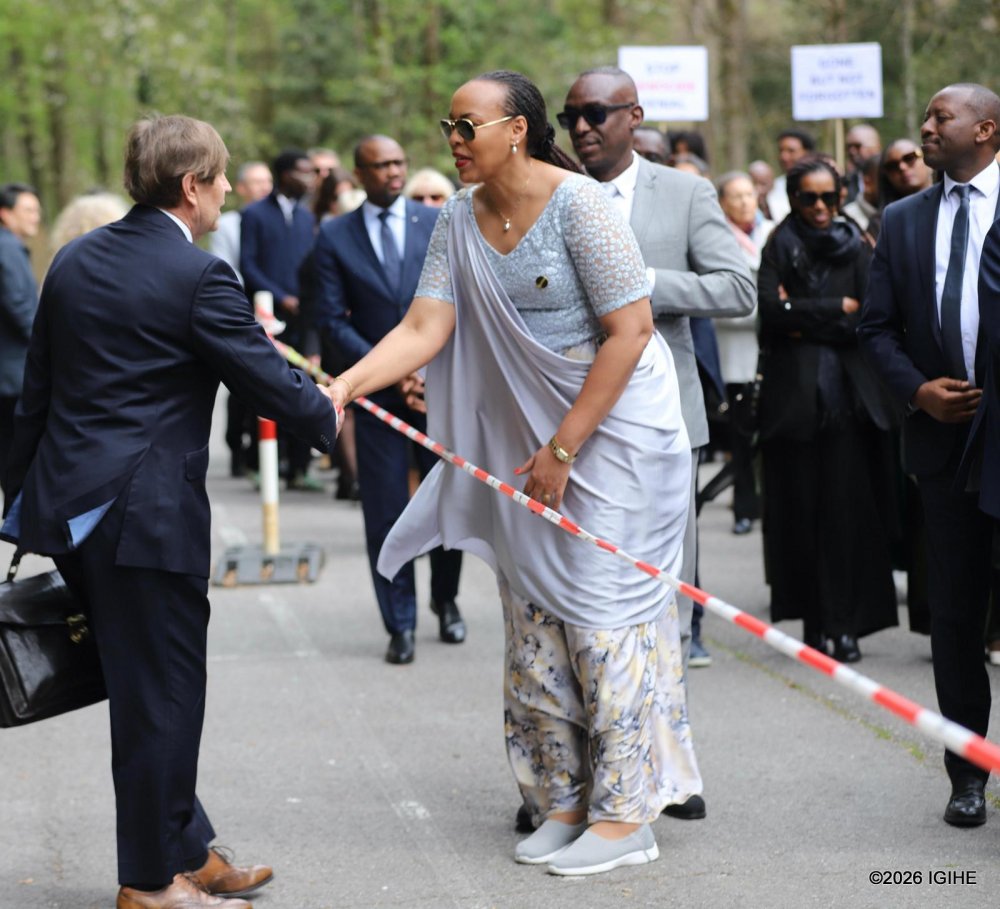
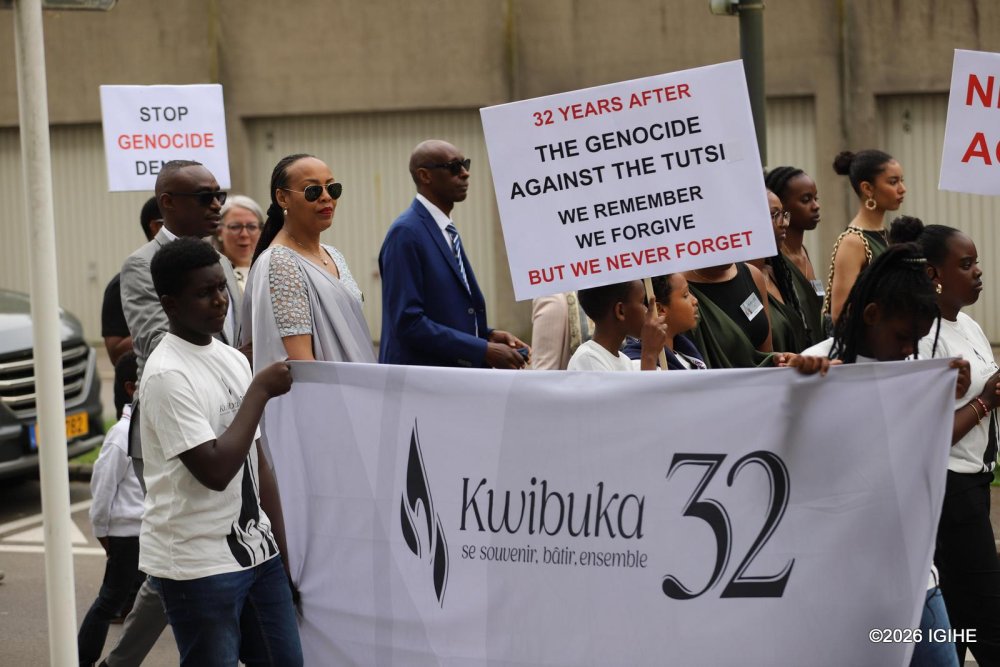
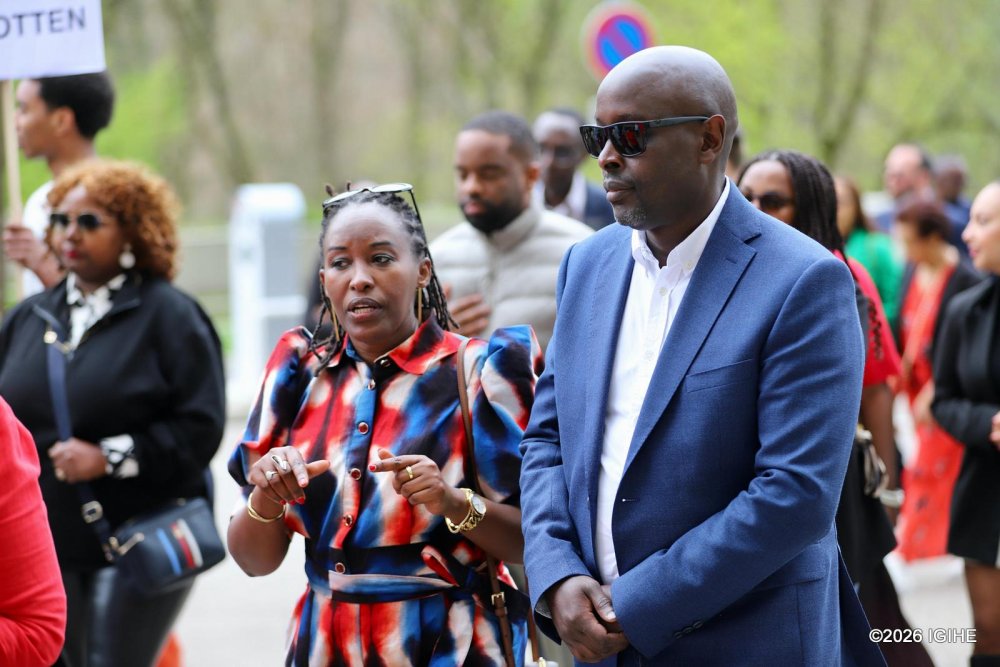
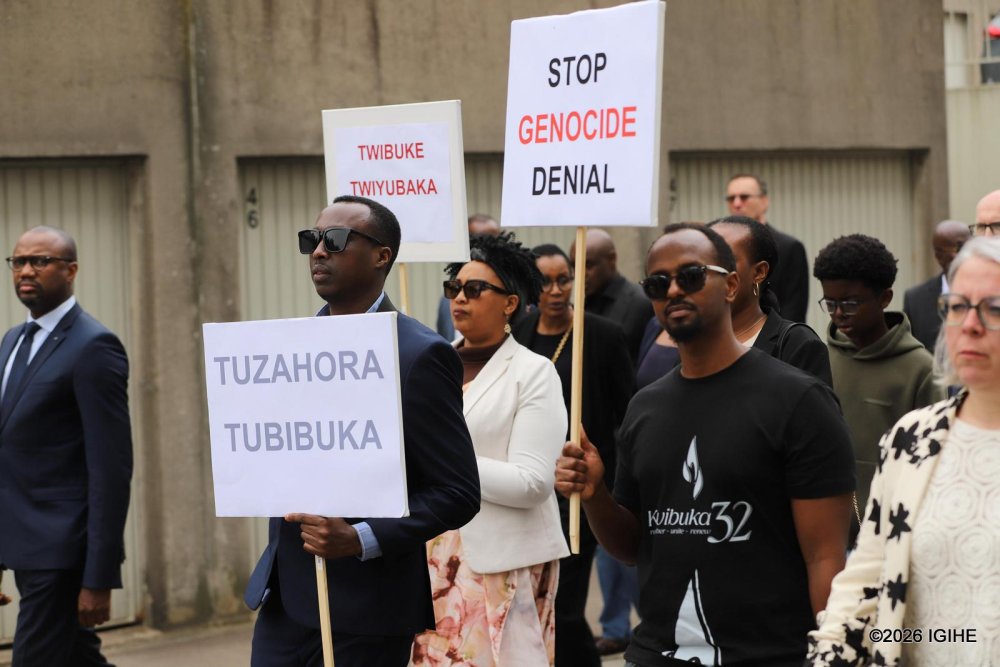
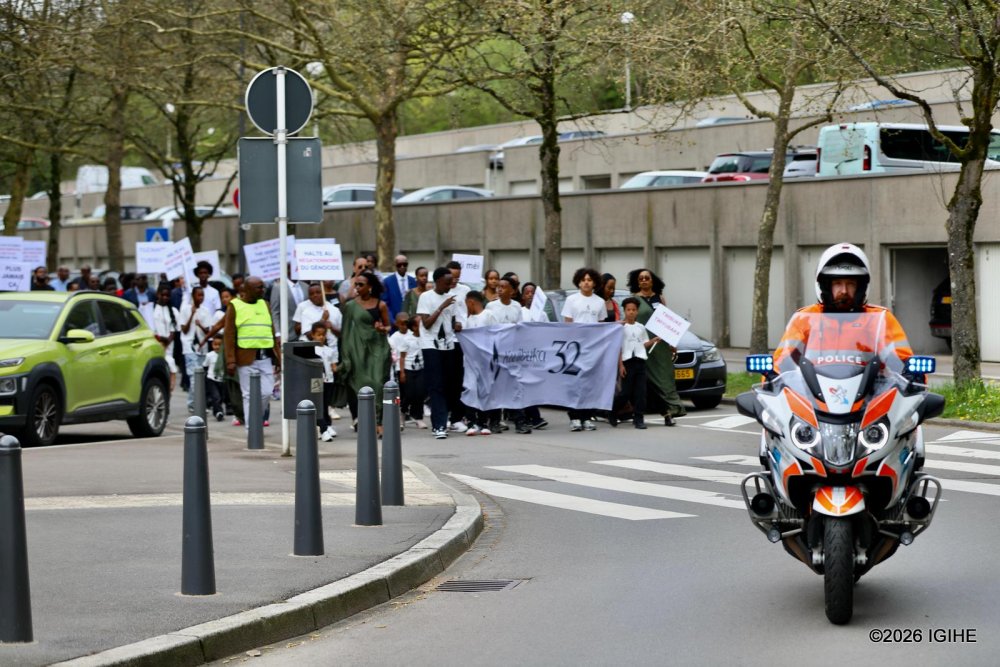
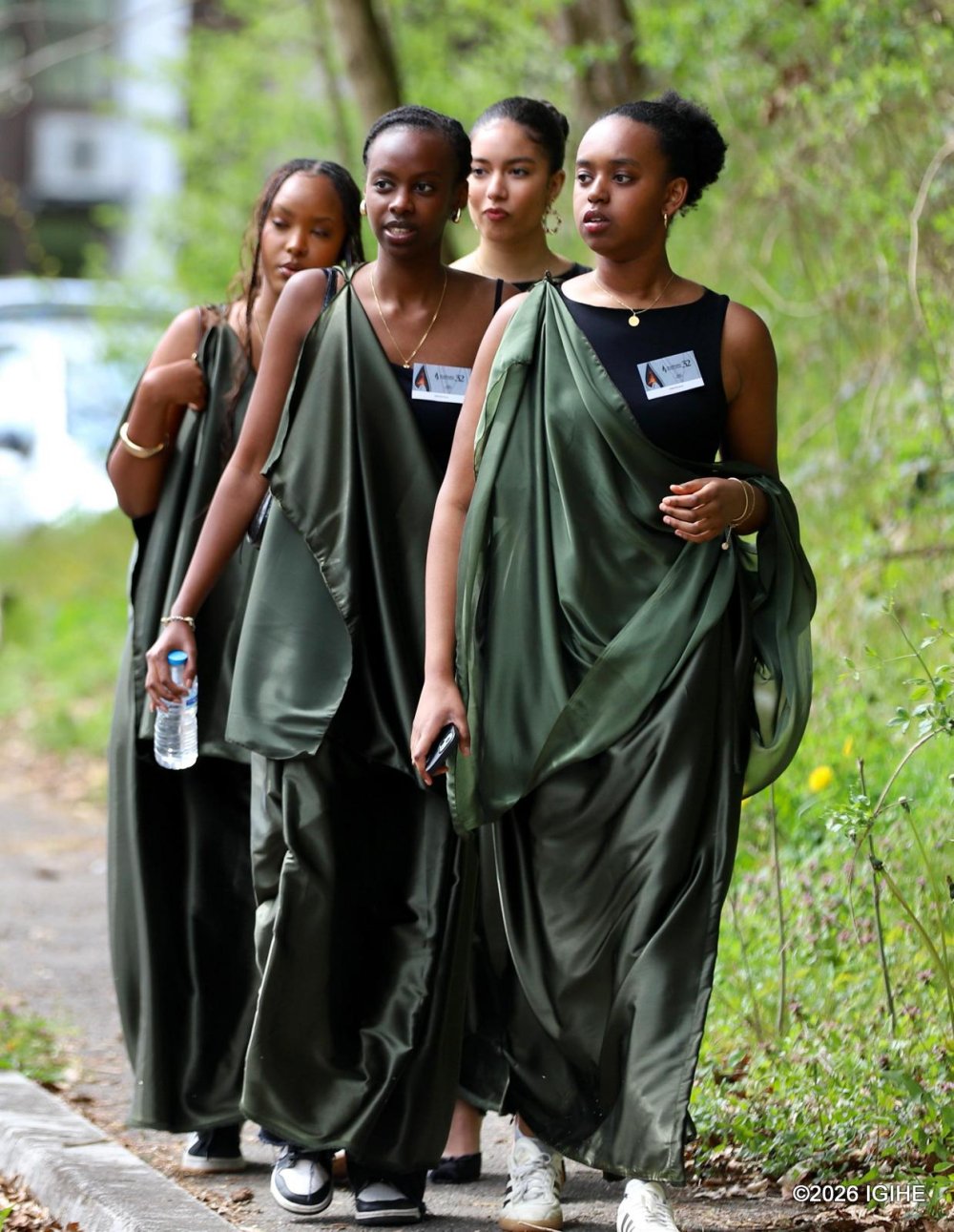
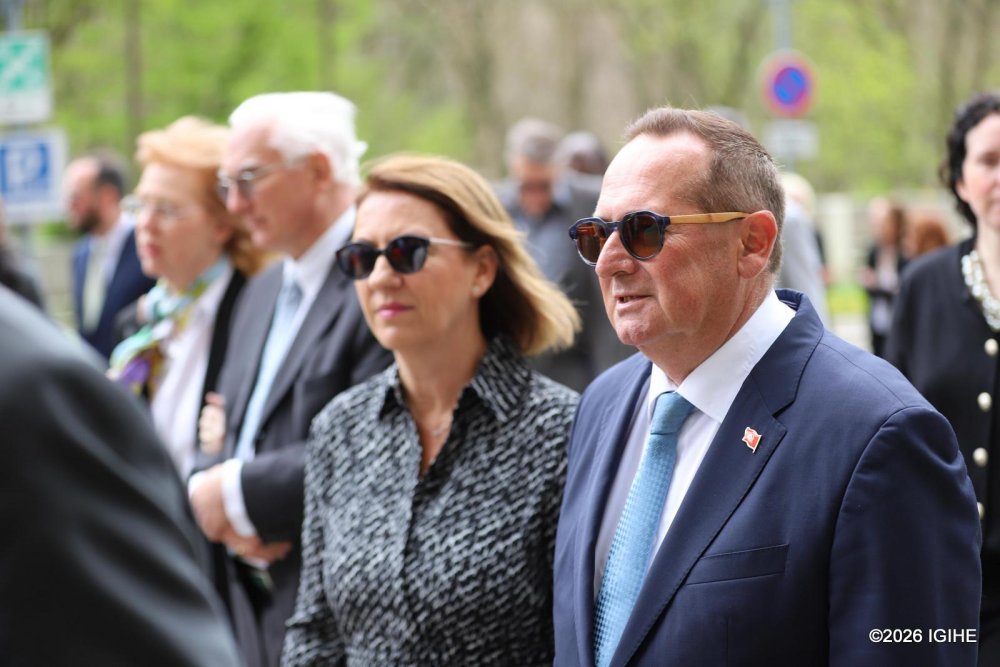
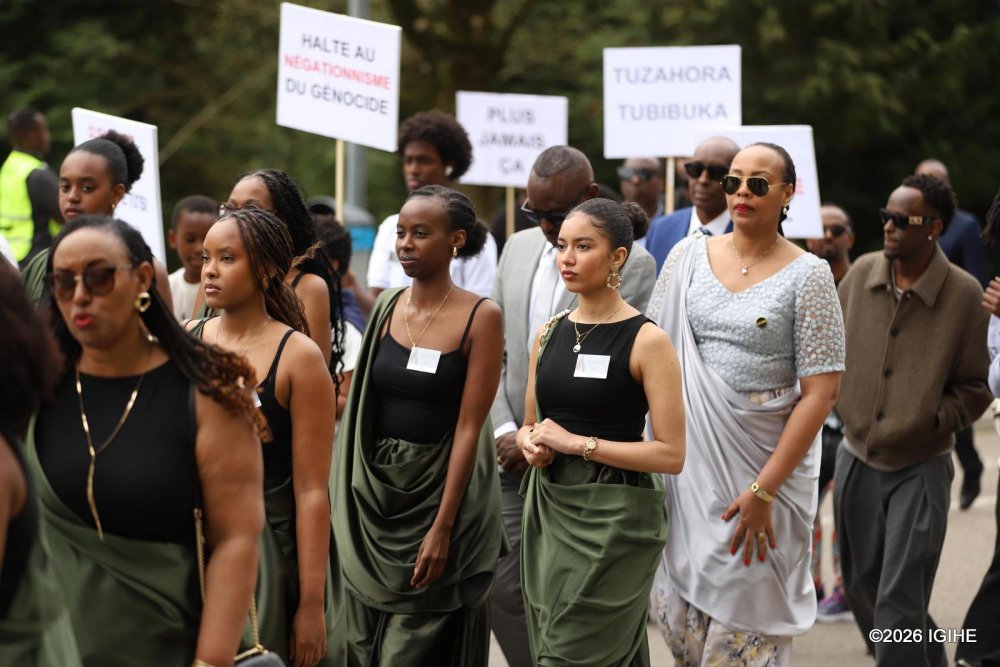
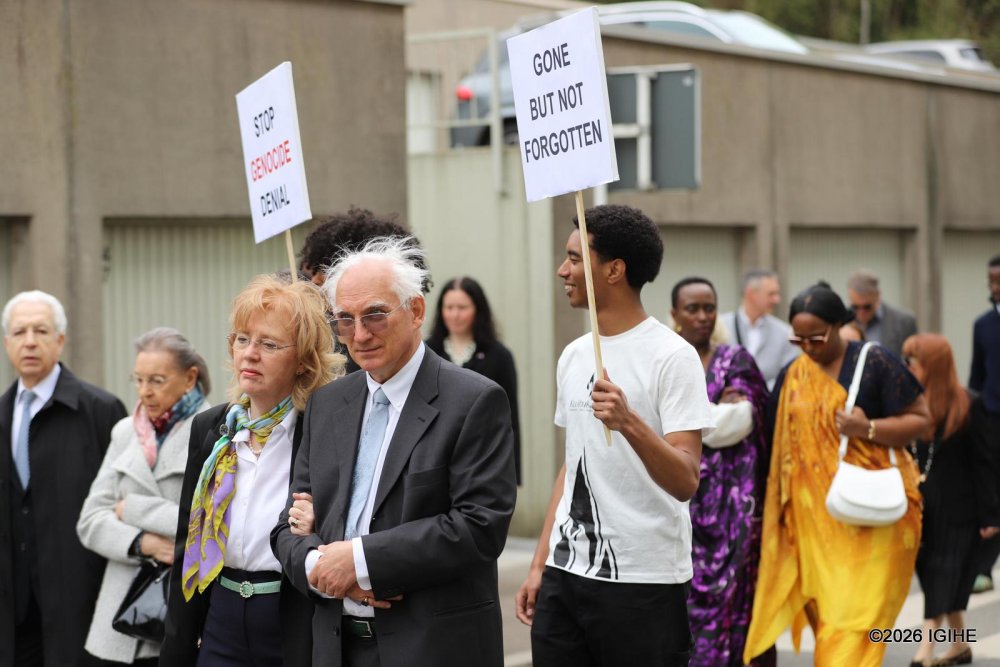
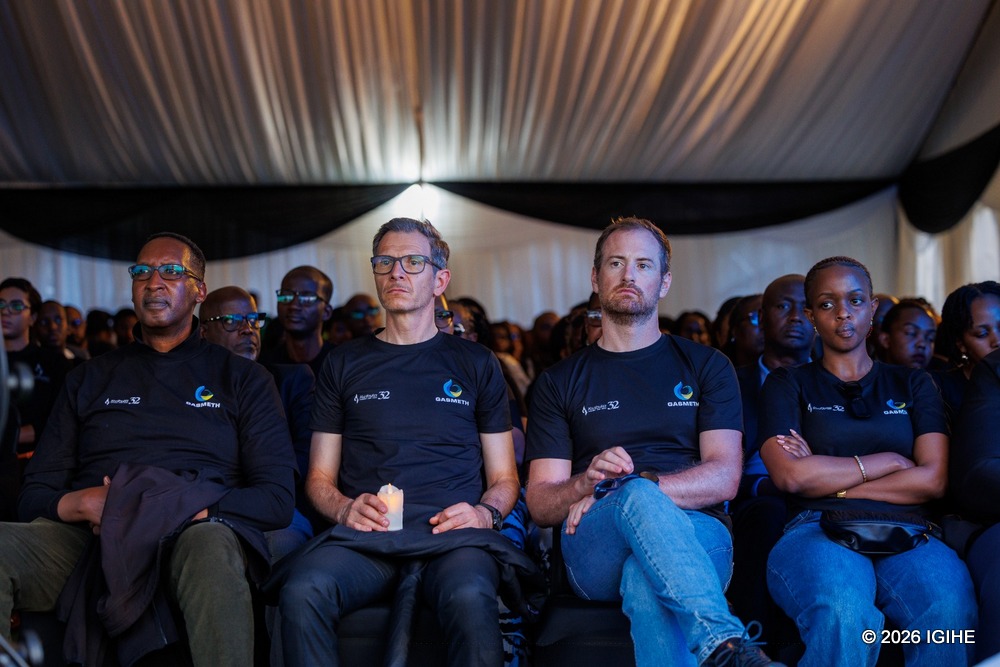
The commemoration brought together members of the Rwandan community, Luxembourg officials, and friends of Rwanda on April 11, 2026.
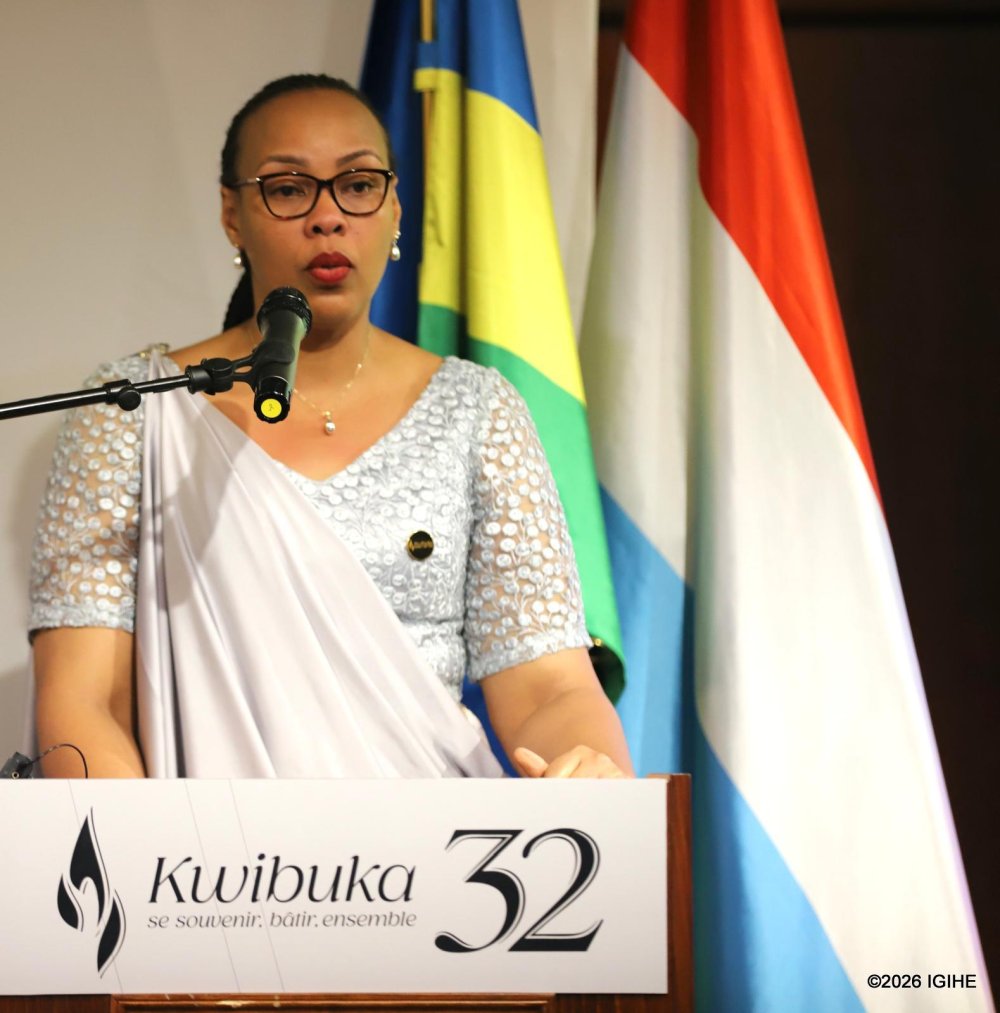
Speaking at the event, Amb. Munyangaju stressed that remembering the victims of the Genocide against the Tutsi is a responsibility shared by all, while expressing gratitude to those who joined Rwandans in honoring the victims.
“We are gathered here not only to remember but also to reaffirm our responsibility,” she said.
She highlighted the scale and brutality of the genocide, noting that in just 100 days, more than one million Tutsi were killed.
The ambassador emphasized that the genocide was not a spontaneous tragedy but a carefully planned and executed crime, rooted in decades of division, hate propaganda, discrimination, and systematic dehumanization of the victims.
She also pointed to the failure of the international community to act, despite clear warning signs, while commending the resilience and courage of survivors.
According to her, testimonies from survivors underscore the importance of remembrance and the collective responsibility to ensure that such atrocities never happen again.
Amb. Munyangaju called on the international community to play an active role in preserving historical truth, supporting survivors, and combating hate speech and genocide ideology that continue to spread. She warned that, 32 years later, genocide ideology has not disappeared but has instead evolved.
Hate speech and genocide denial, she said, are increasingly spreading on social media, with coordinated networks disseminating misinformation across different parts of the world.
She stressed that genocide denial is not an expression of opinion but a continuation of the crime itself, urging countries to implement United Nations Security Council Resolution 2150, particularly in prosecuting genocide suspects and addressing the challenge of impunity.
The ambassador also raised concern over the situation in the region, especially in eastern Democratic Republic of Congo, where genocide ideology continues to spread, particularly through the FDLR, a group formed by perpetrators of the 1994 Genocide against the Tutsi.
She strongly condemned hate speech and violence targeting Congolese Tutsi and Banyamulenge communities, warning that such acts, if left unchecked, could escalate into further killings. “The silence in the face of these warning signs amounts to complicity,” she said.
Amb. Munyangaju commended the Government of Luxembourg for its continued solidarity with Rwanda during commemoration periods, including its support in providing land for the construction of a Genocide memorial, describing it as a strong symbol of partnership.
“These actions honor the victims and send a clear message: peace is a choice, justice is essential, and hate speech must never be tolerated,” she noted.
She also urged young people to play an active role in preserving history and reaffirmed Rwanda’s commitment to working with international partners in fighting genocide ideology, promoting unity, and strengthening reconciliation.
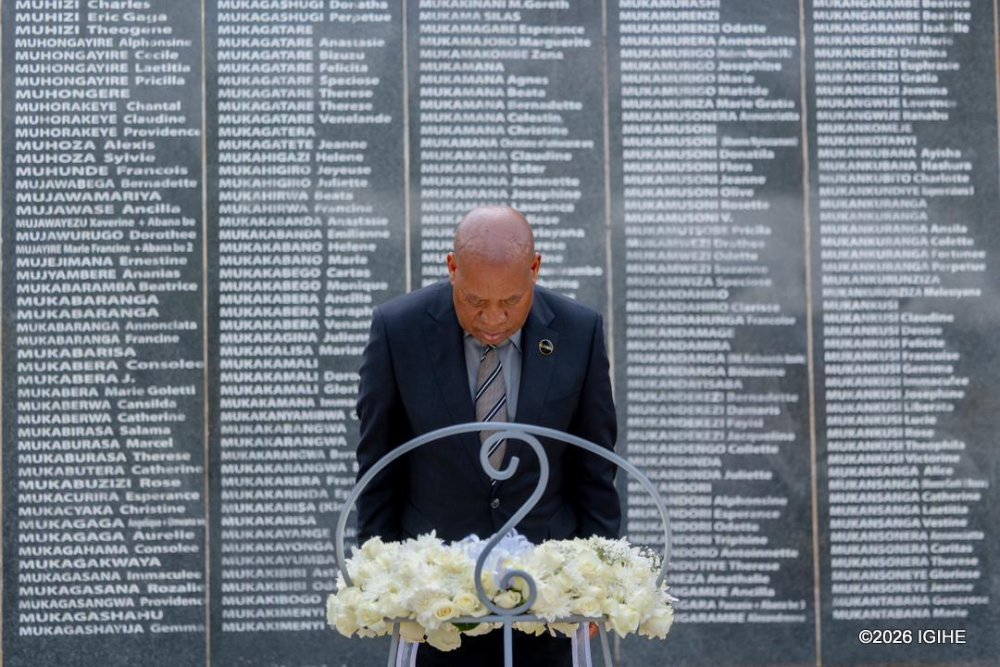
Amb. Munyangaju further expressed appreciation to the commune of Mersch for allocating land for the construction of a memorial to the victims of the Genocide against the Tutsi, and to participants who took part in a wreath-laying ceremony held in Moesdorf, in Mersch district.
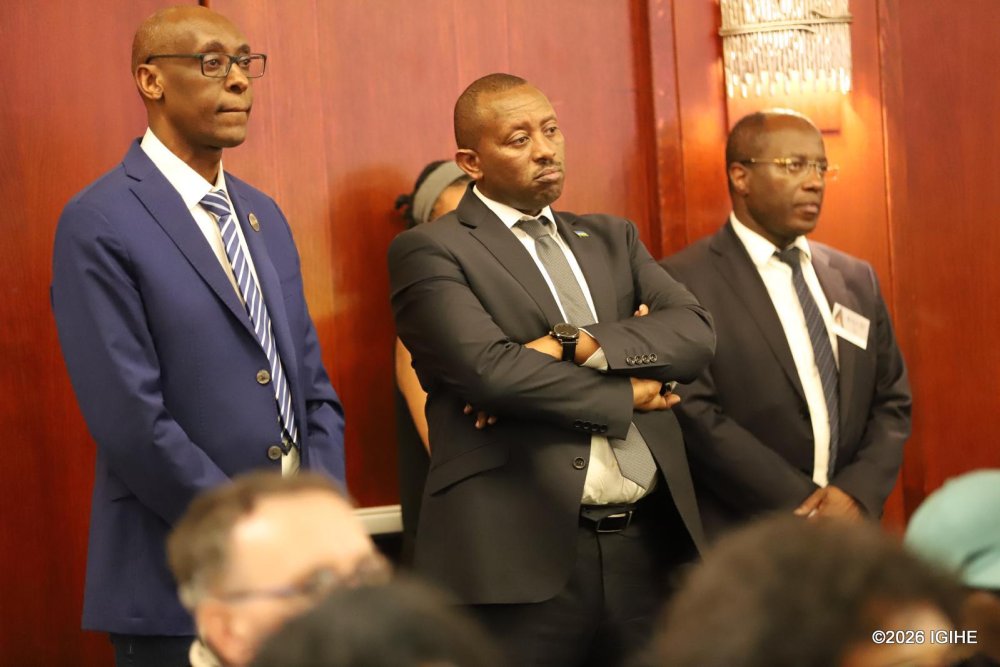
Attendees included staff from the Rwandan embassy in Luxembourg, members of Ibuka Luxembourg, and the Rwandan community organization RDL asbl.
Photos of the commemoration event in Luxembourg
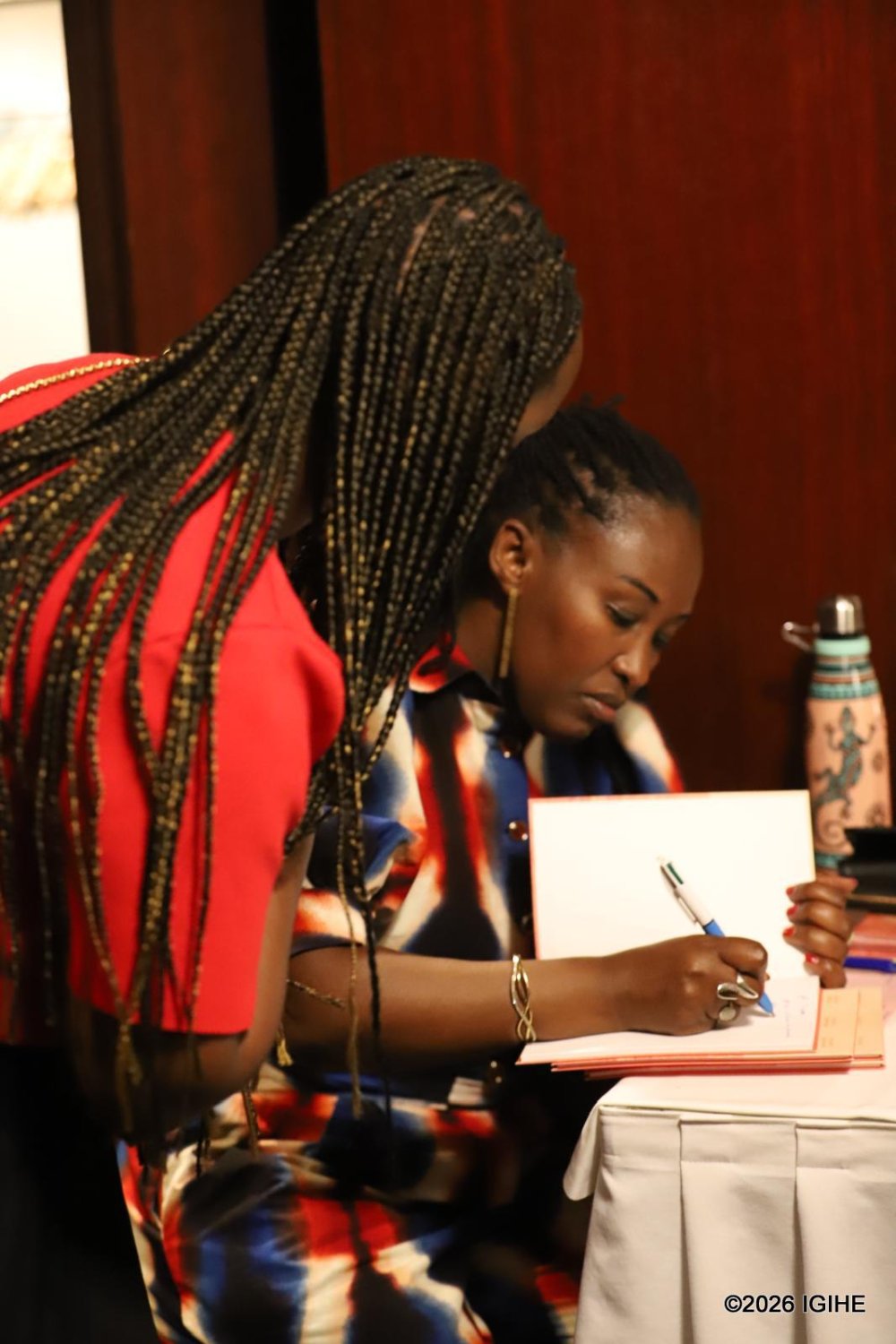
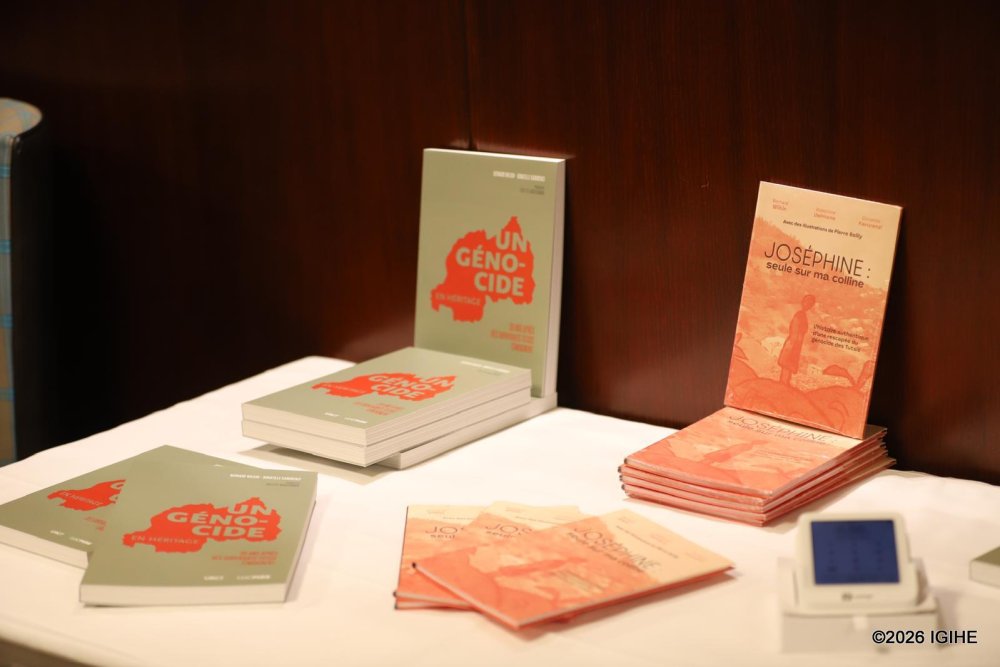
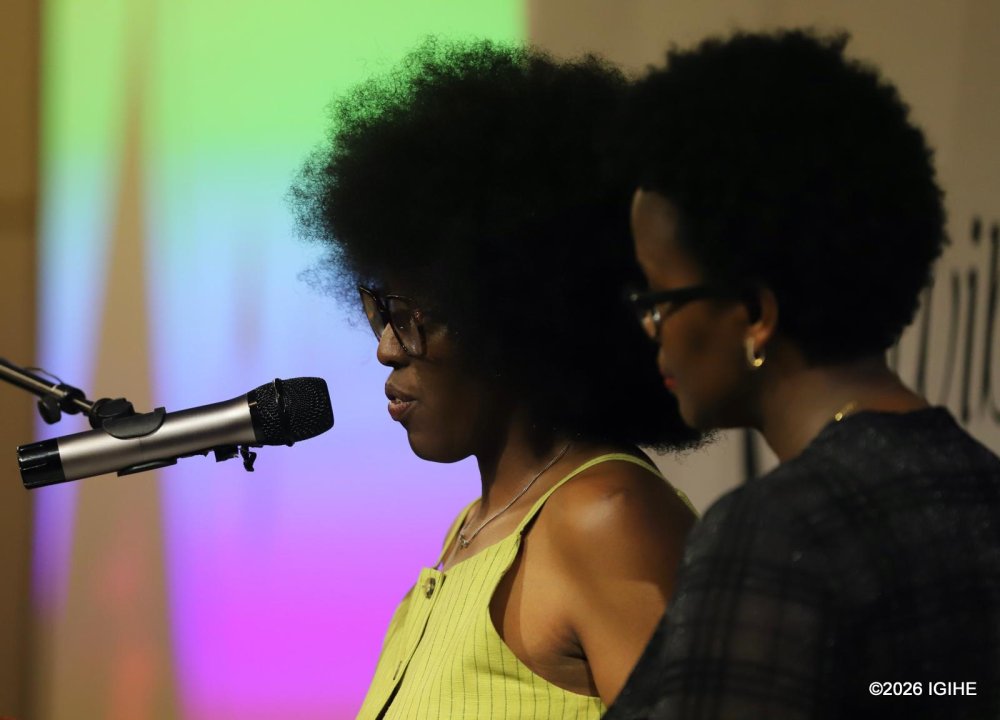
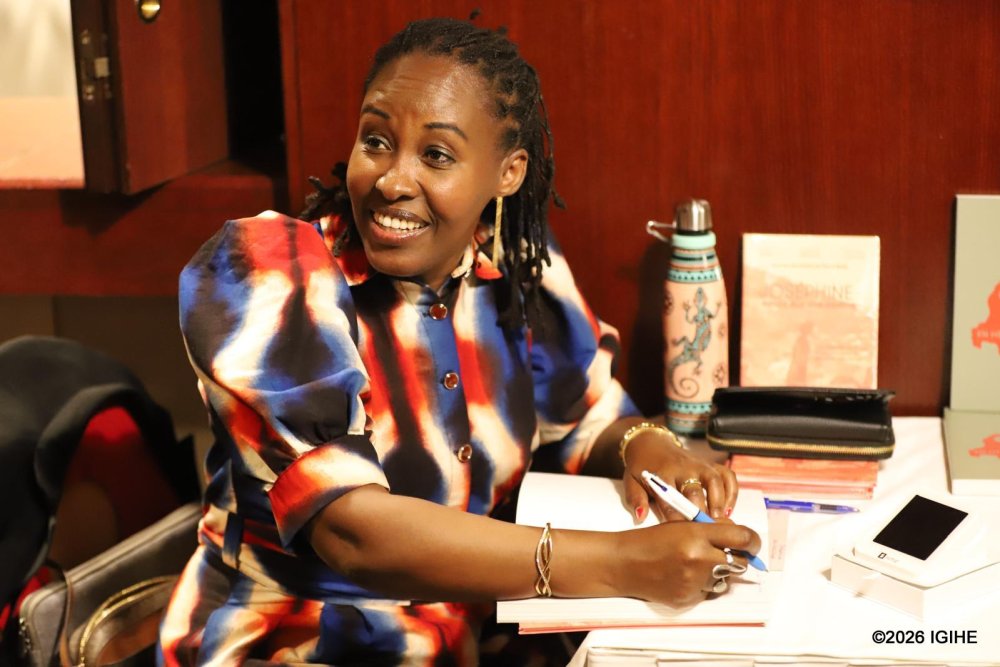
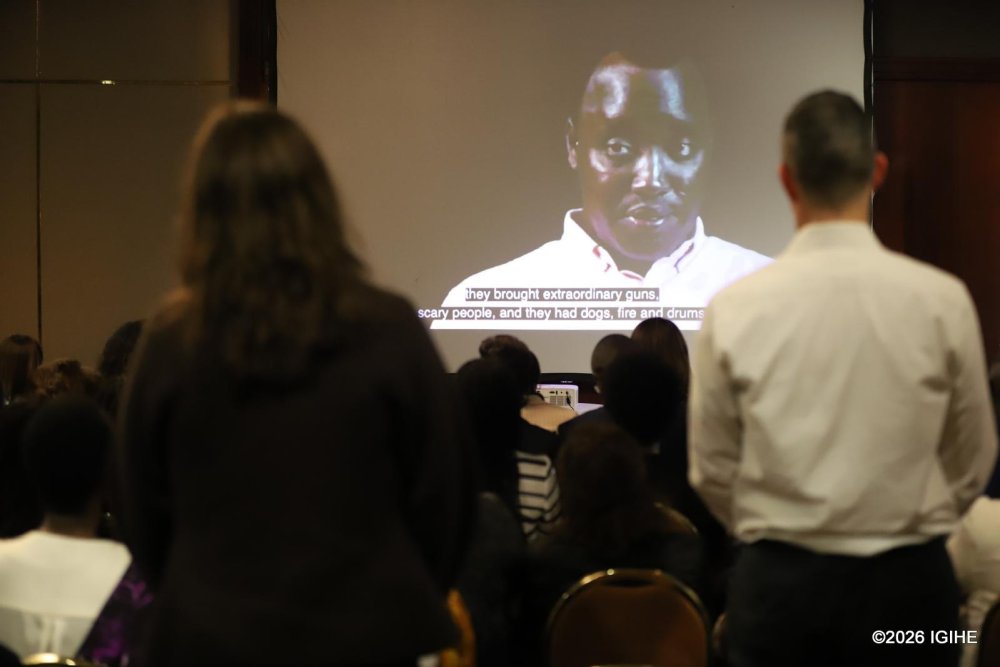
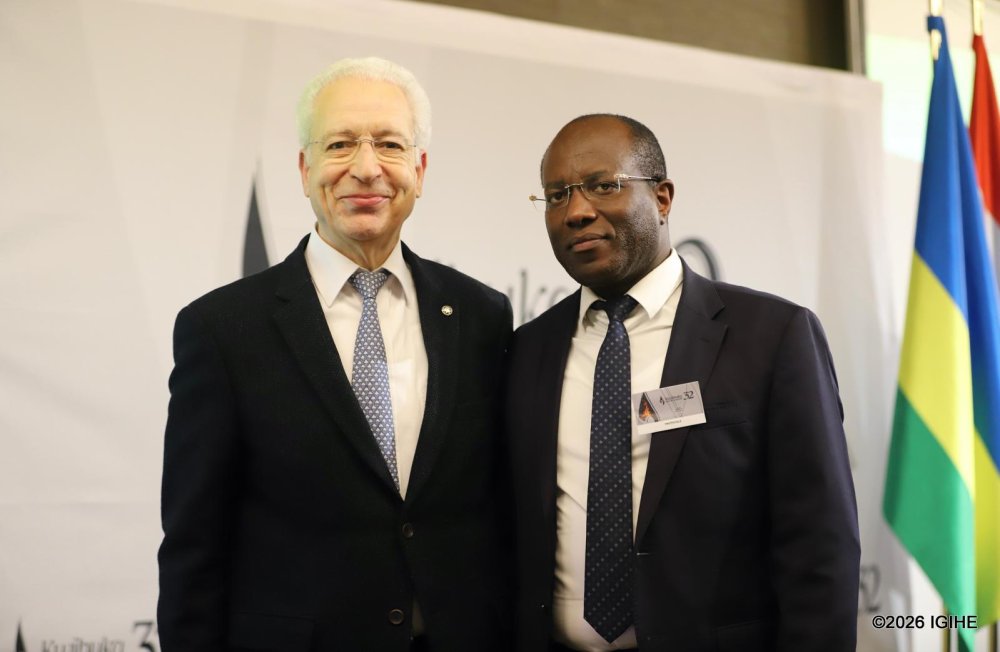
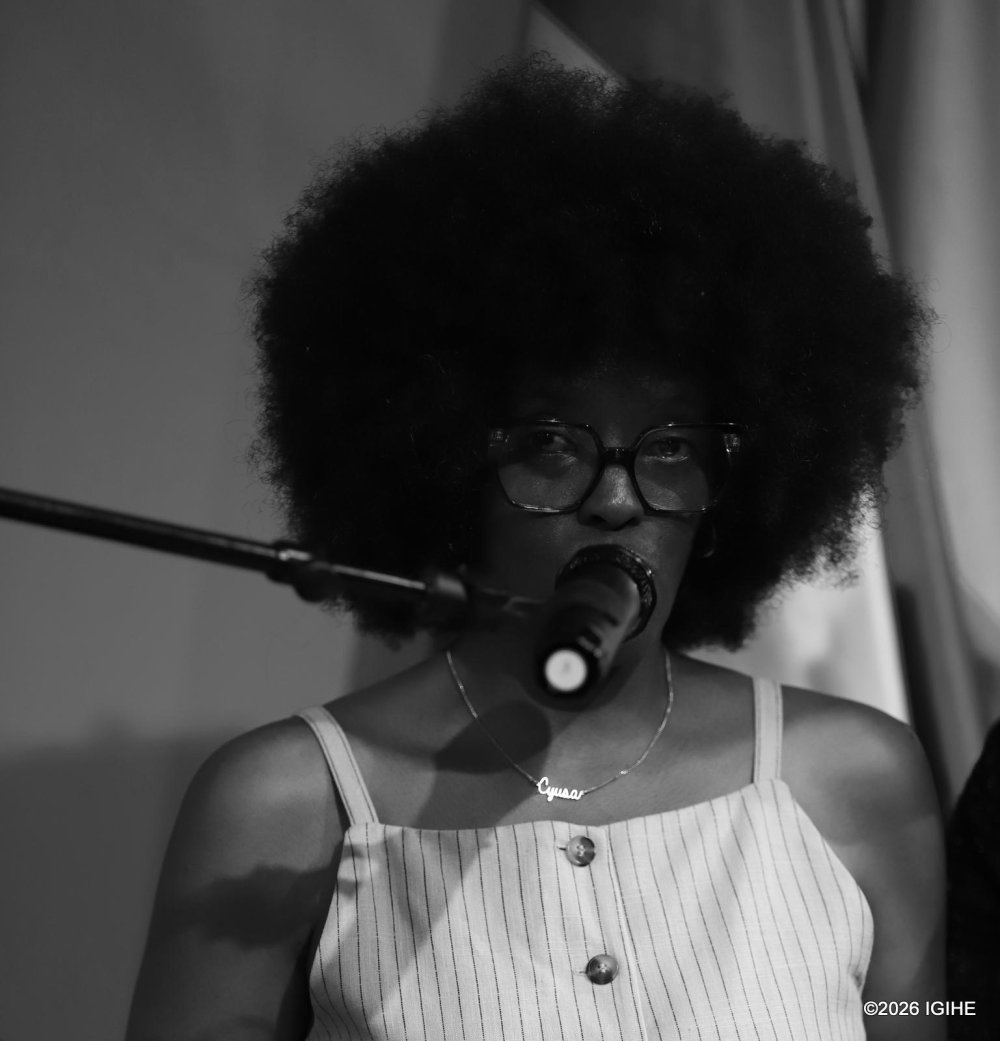
Rwanda’s Ambassador to Luxembourg, Aurore Mimosa Munyangaju has called on the international community to remain committed to ensuring that genocide never happens again anywhere in the world..Kalisa Didace President of Ibuka Luxembourg speaking at the event. Karurenzi Donatille, one of the authors of the books that were launched welcoming readers.Books featuring testimonies of genocide survivors were launched during the event. Lidia Umurerwa shared a testimony of her survival during Genocide against the Tutsi.
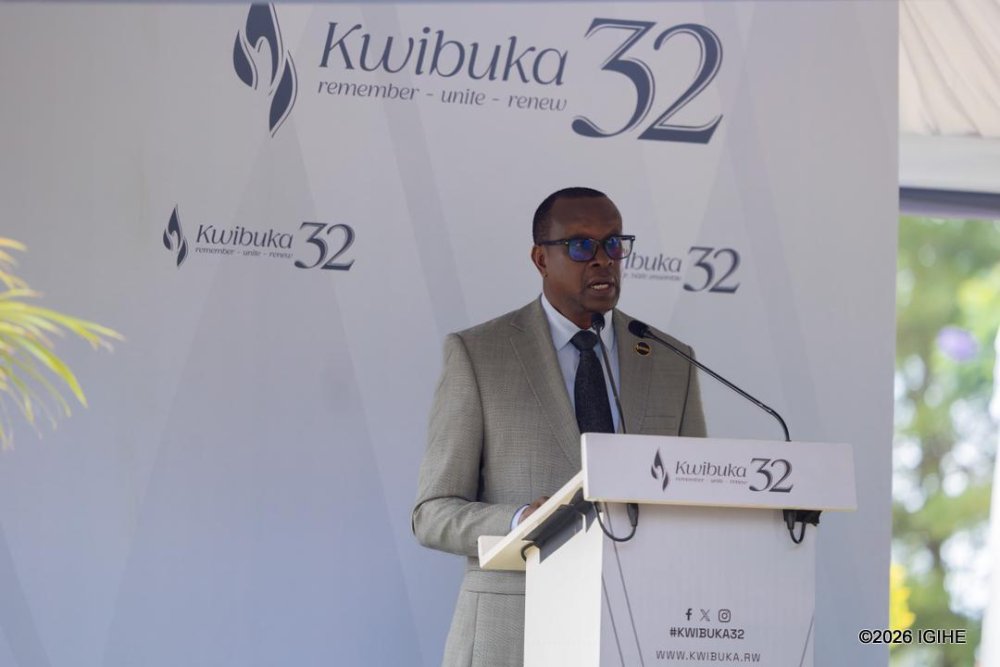
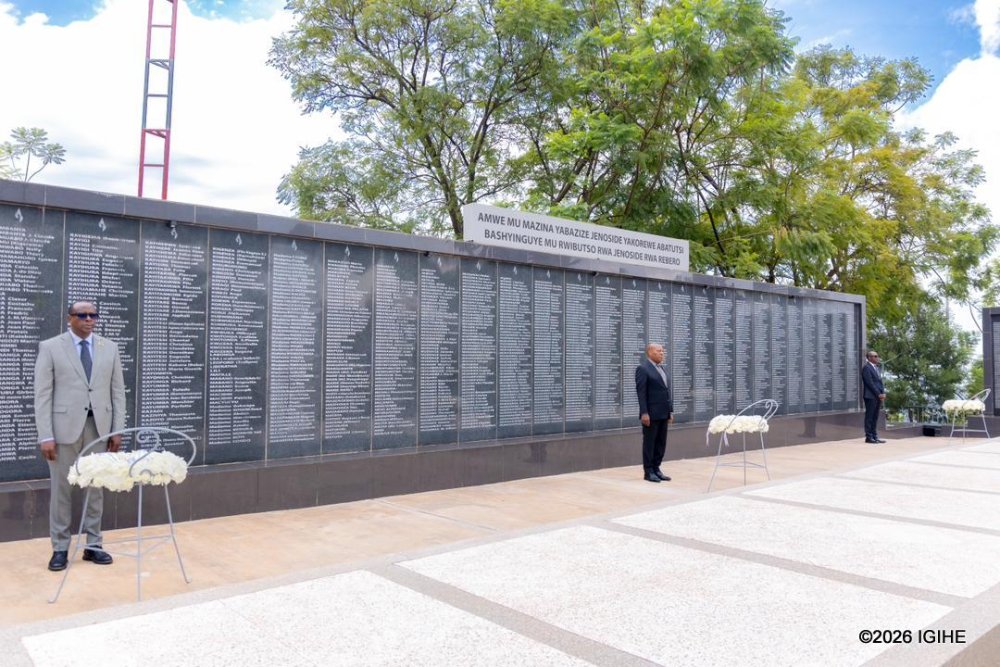
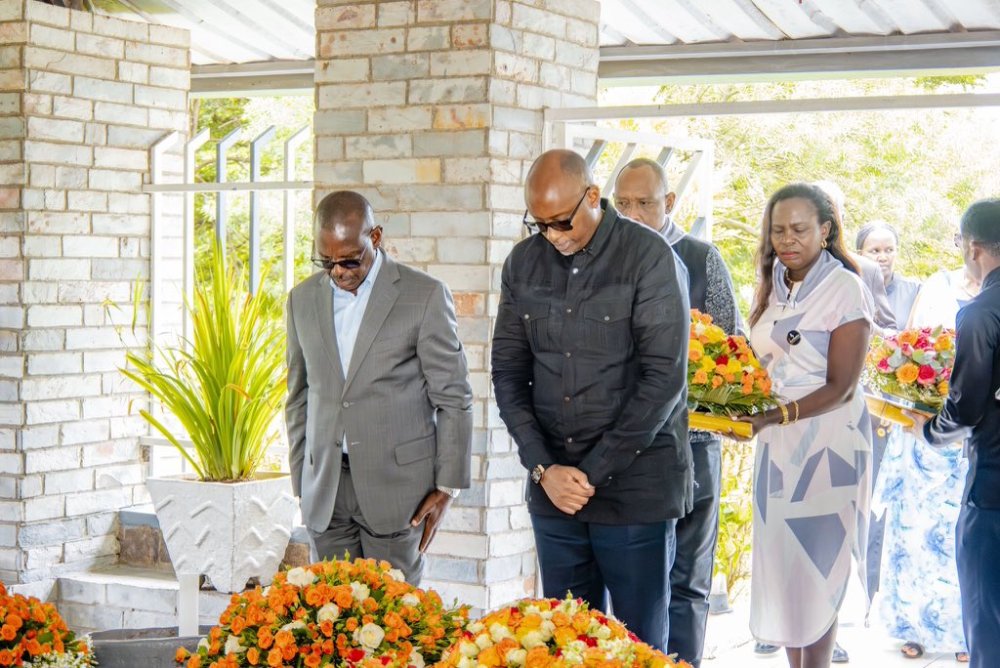
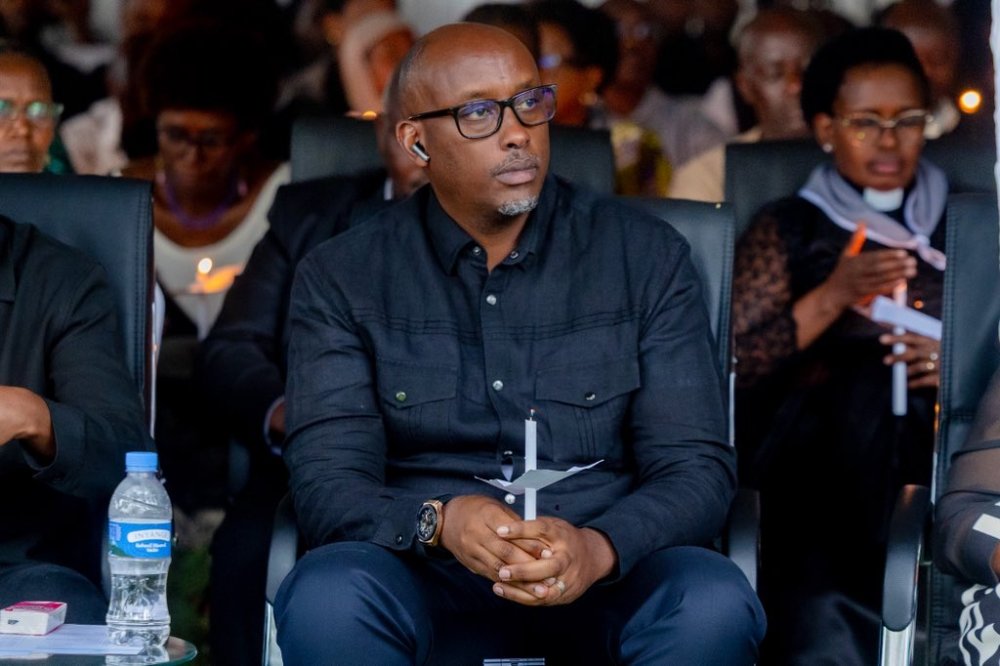
He made the remarks on April 13, 2026, during the closing of the Commemoration Week at national level, as politicians and leaders gathered to honor fellow politicians who were killed during the Genocide against the Tutsi for opposing the extermination campaign.
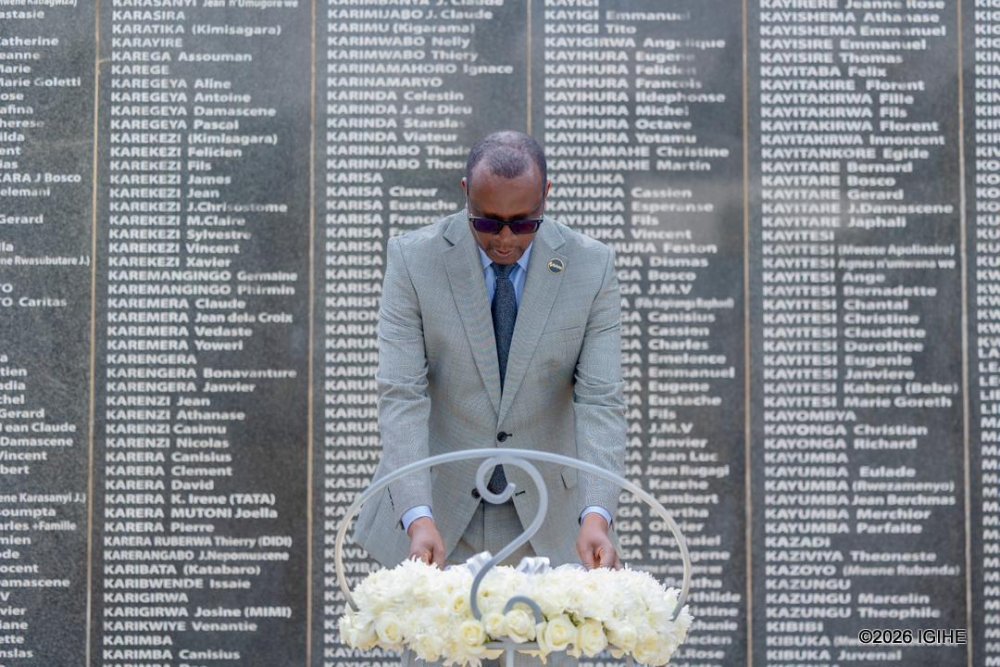
The commemoration took place at the Rebero Genocide Memorial, a site dedicated to preserving the memory of politicians who stood against injustice and resisted divisionism.
Kalinda explained that discriminatory politics rooted in ethnic division played a central role in leading Rwanda to genocide, stressing the need for vigilance among current political actors.
“The Genocide against the Tutsi was the outcome of a series of poor leadership decisions, starting with colonial rule that fractured Rwandan unity and institutionalized ethnic divisions, followed by the First and Second Republics which entrenched discrimination against Tutsis as state policy,” he said.
He emphasized that remembrance is essential in preserving truth and countering genocide denial.
“Remembering is crucial to uphold the truth about the Genocide against the Tutsi, to show that it was planned, and to fight against denial and minimization while preventing its recurrence in Rwanda and elsewhere,” he added.
Kalinda noted that, in the aftermath of the genocide, Rwandans chose a path of unity, building a nation free from discrimination as enshrined in the Constitution.
“Good governance that prioritizes unity and equal opportunities for all Rwandans is the path we chose. The progress made over the past 32 years is remarkable and gives hope for the future of our country,” he said.
He, however, warned that elements of genocide ideology, denial, and minimization still exist and must be actively confronted. He called on politicians to take the lead in combating such tendencies and in educating the youth about the country’s history.
Kalinda also reminded attendees that although the Commemoration Week has concluded, the 100-day commemoration period of Kwibuka32 continues.
Frank Habineza, spokesperson for the National Consultative Forum of Political Organizations (NFPO), said the politicians being remembered were killed for their courage in rejecting injustice and authoritarian rule.
“The politicians we honor today were killed because of their bravery in resisting oppression and injustice. They stood for a country governed with dignity and equality for all,” he said.
He highlighted that Rwanda’s 11 registered political parties currently work together toward national development, stressing that differing opinions should not be equated with conflict.
“Having different views is not fighting or undermining the achievements made over the past 32 years. Our role is to contribute ideas and solutions while remembering the painful history that led to the Genocide against the Tutsi,” he noted.
Habineza urged political party members to reject any attempts to reintroduce divisive politics.
“We will not accept anyone who seeks to take the country backward under any pretext,” he said.
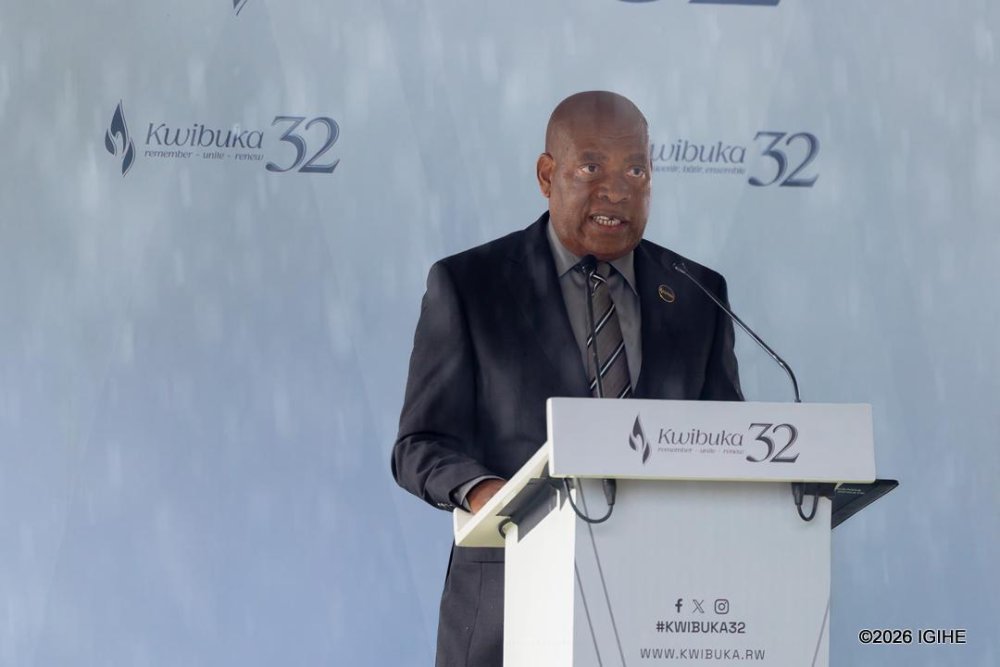
Minister of National Unity and Civic Engagement, Dr. Jean-Damascène Bizimana, outlined how politics of hatred were institutionalized under former leaders such as Juvénal Habyarimana and Grégoire Kayibanda.
He explained that although Habyarimana initially justified his rise to power by citing injustices, including discrimination in education, his regime went on to reinforce ethnic division and exclusion.
Dr. Bizimana noted that refugees who had been persecuted were denied the right to return and reclaim their property.
“Even those who attempted to secretly visit their families were chased away,” he said.
He also criticized ongoing efforts by some individuals, including Jean-Luc Habyarimana, to sanitize the legacy of the former regime, insisting that evidence of its role in persecuting Tutsis remains overwhelming.
Dr. Bizimana called on political leaders to prioritize educating young people about Rwanda’s history to prevent them from being misled.
“It is essential to properly educate the youth within political parties so they understand this history and engage in politics that unites Rwandans, supports national cohesion, and prevents the country from falling back into division,” he said.
He further urged young people to reject hate speech still propagated by some politicians influenced by past discriminatory ideologies.
“Hate speech persists among some politicians shaped by ethnic-based politics that deny the country’s inclusiveness. This ideology continues to influence them,” he said.
The minister stressed that unity cannot be built without understanding what destroyed it.
“We cannot build unity without first understanding what broke it and those responsible. That is what helps protect it and prevents the country from returning to divisive ideologies like those that characterized the regime which planned the Genocide against the Tutsi,” he said.
He concluded by urging today’s politicians to learn from Rwanda’s history and from past leaders who upheld integrity, emphasizing the need to safeguard national unity through truth and shared values.
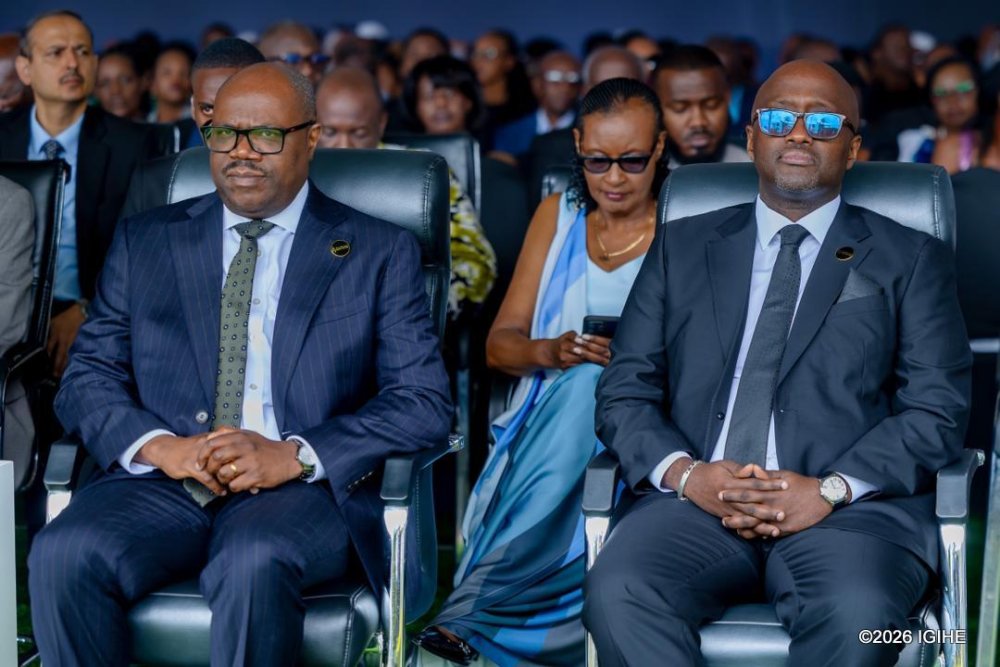
François-Xavier Kalinda, President of the Senate, has warned that the 1994 Genocide against the Tutsi was the result of a long history of bad governance.Minister of National Unity and Civic Engagement, Dr. Jean-Damascène Bizimana, outlined how politics of hatred were institutionalized under former leaders such as Juvénal Habyarimana and Grégoire Kayibanda.Habineza urged political party members to reject any attempts to reintroduce divisive politics.The commemoration took place at the Rebero Genocide Memorial.Senior officials including Prime Minister Dr. Justin Nsengiyumva and Foreign Minister Olivier Nduhungirehe attended the event.
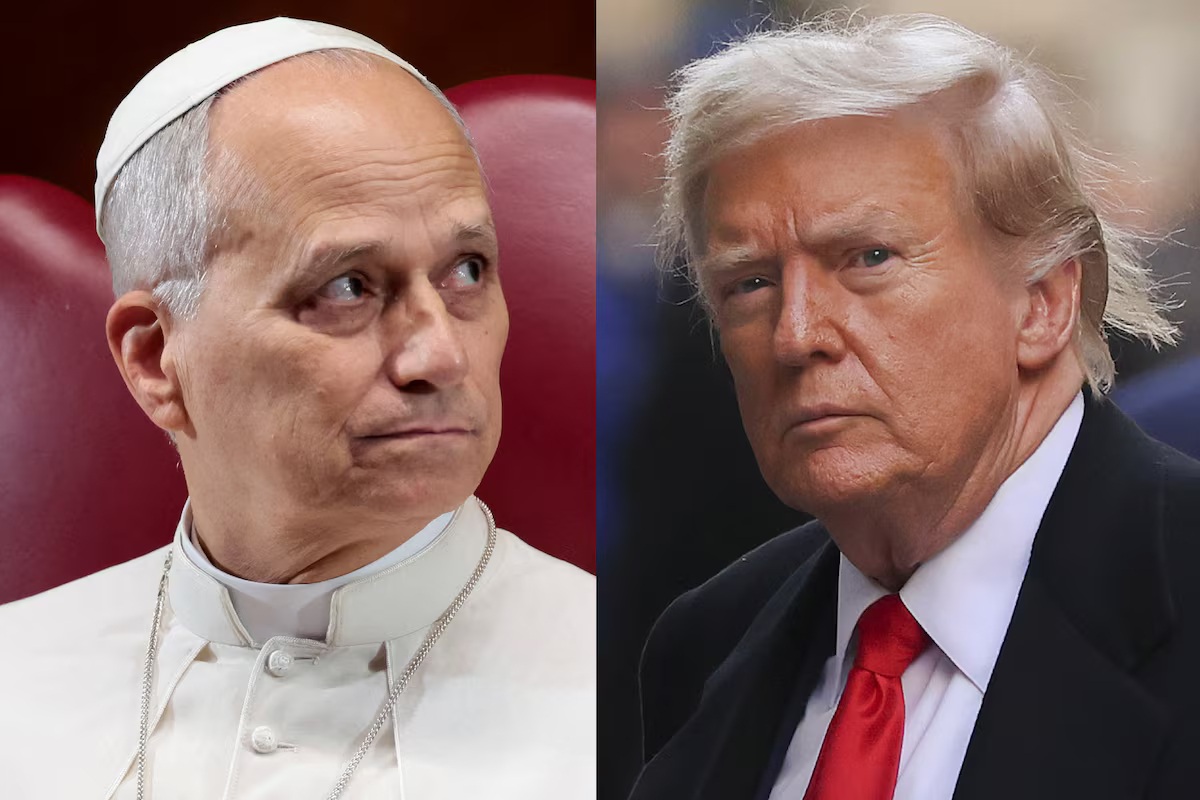
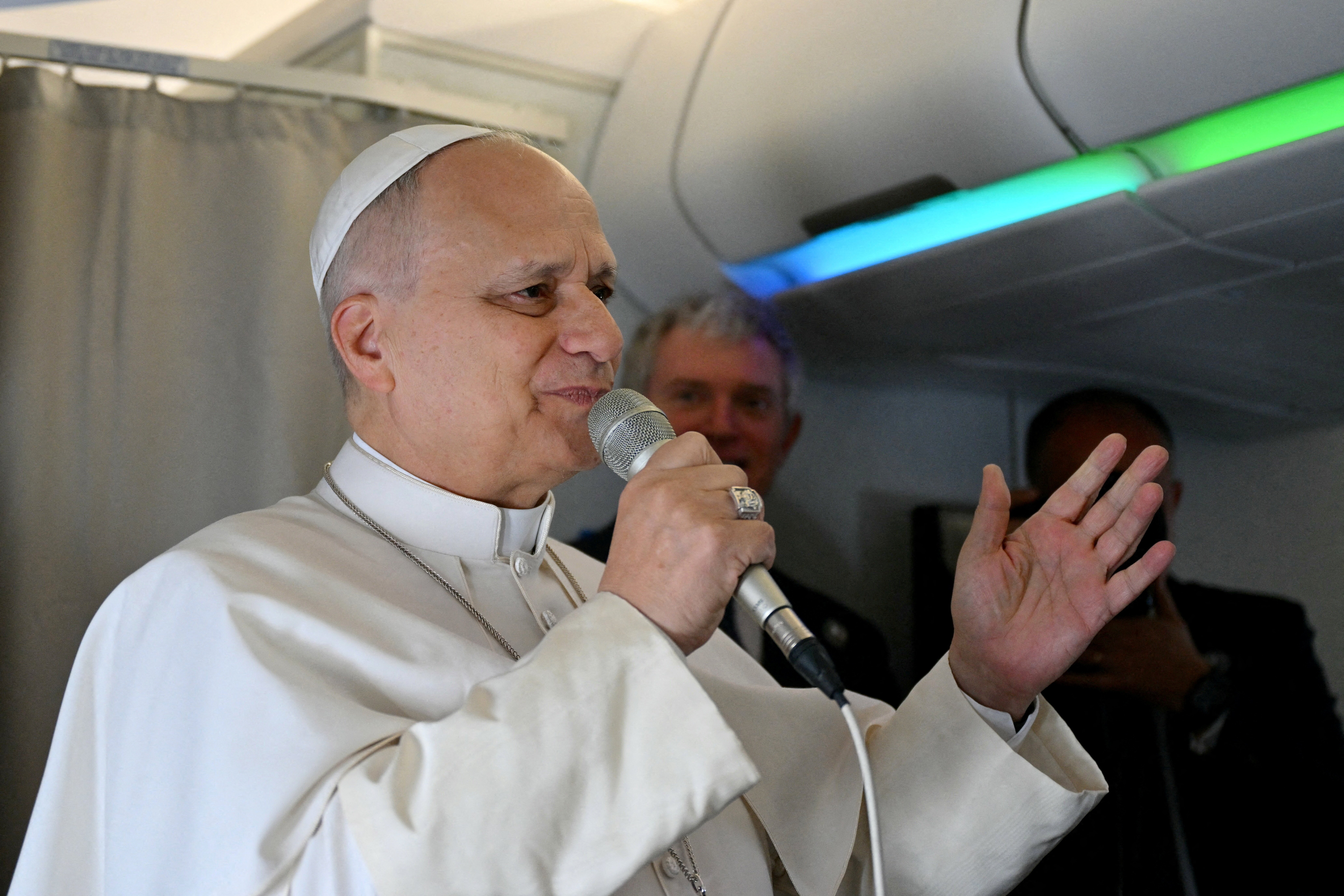
Speaking to reporters aboard the papal aircraft on Monday, the U.S.-born pontiff responded to Trump’s recent criticism by insisting that his messages should not be interpreted through a political lens.
“To put my message on the same plane as what the president has attempted to do here, I think is not understanding what the message of the Gospel is,” Leo said. “And I’m sorry to hear that, but I will continue on what I believe is the mission of the Church in the world today.”
The pope, the first American to lead the Catholic Church, stressed that his appeals for peace and reconciliation are not directed at any individual leader. He said his repeated warnings against what he called a “delusion of omnipotence” driving global conflicts were meant as a moral, not political, critique.
“I will not enter into debate. The things that I say are certainly not meant as attacks on anyone,” he said. “The message of the Gospel is very clear: ‘Blessed are the peacemakers.’”
In remarks to other reporters, Leo added plainly: “I have no fear of the Trump administration.”
The exchange comes after Trump launched a forceful attack on the pope over the weekend, criticizing Leo’s comments on the Iran war and accusing him of being “very liberal” and “weak on crime.” The president also suggested the pontiff should “stop catering to the Radical Left” and condemned his opposition to aspects of U.S. foreign policy.
“I’m not a fan of Pope Leo,” Trump said while traveling back from Florida to Washington, escalating his criticism in both social media posts and comments to reporters.
In his posts, Trump also objected to the pope’s earlier remarks suggesting that talk of overwhelming military force in Iran reflected dangerous thinking, arguing that Leo had overstepped by commenting on geopolitical strategy. He further claimed the pope should avoid political issues altogether.
The White House’s criticism followed a period of heightened tensions between Washington and the Vatican, as Leo increasingly warned against escalating rhetoric around the Iran conflict. The pope has previously described threats of large-scale destruction as “truly unacceptable” and cautioned against what he sees as the religious justification of war.
Archbishop Paul S. Coakley, president of the U.S. Conference of Catholic Bishops, later said he was “disheartened” by the tone of the president’s remarks, stressing that the pope speaks as “the Vicar of Christ who speaks from the truth of the Gospel.”
Trump, however, doubled down on his criticism, reiterating that he was elected “in a landslide” to carry out his foreign policy agenda and suggesting the pope had been elevated in part due to his American nationality.
“If I wasn’t in the White House, Leo wouldn’t be in the Vatican,” Trump said.
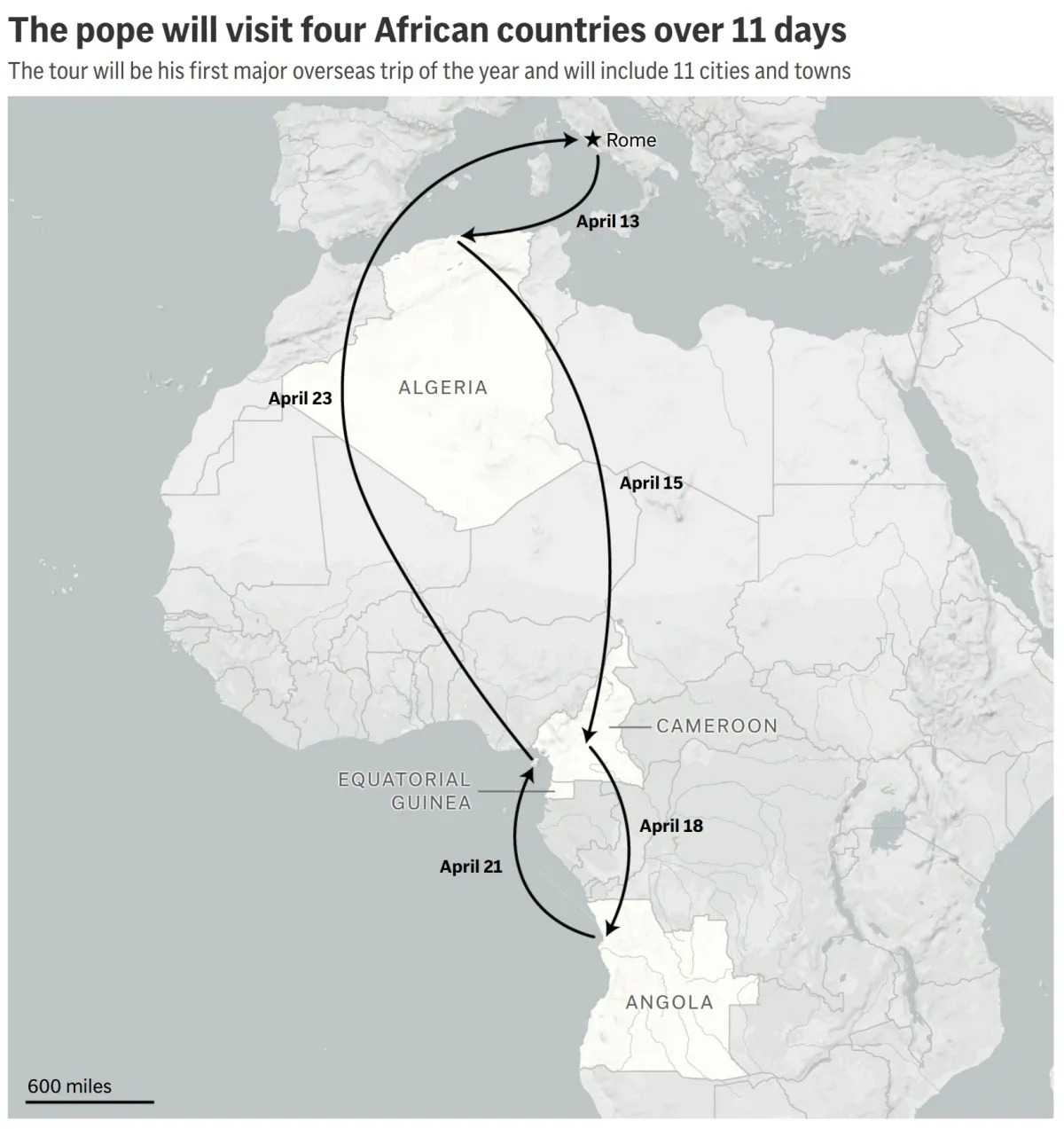
Despite the escalating rhetoric, Pope Leo emphasized that he would continue his global tour of Africa, which began Monday with a visit to Algeria, where he is expected to meet civil authorities and later travel to Cameroon, Angola and Equatorial Guinea.
“I will not shy away from announcing the message of the Gospel,” he said. “And inviting all people to look for ways of building bridges of peace and reconciliation, and looking for ways to avoid war any time that’s possible.”
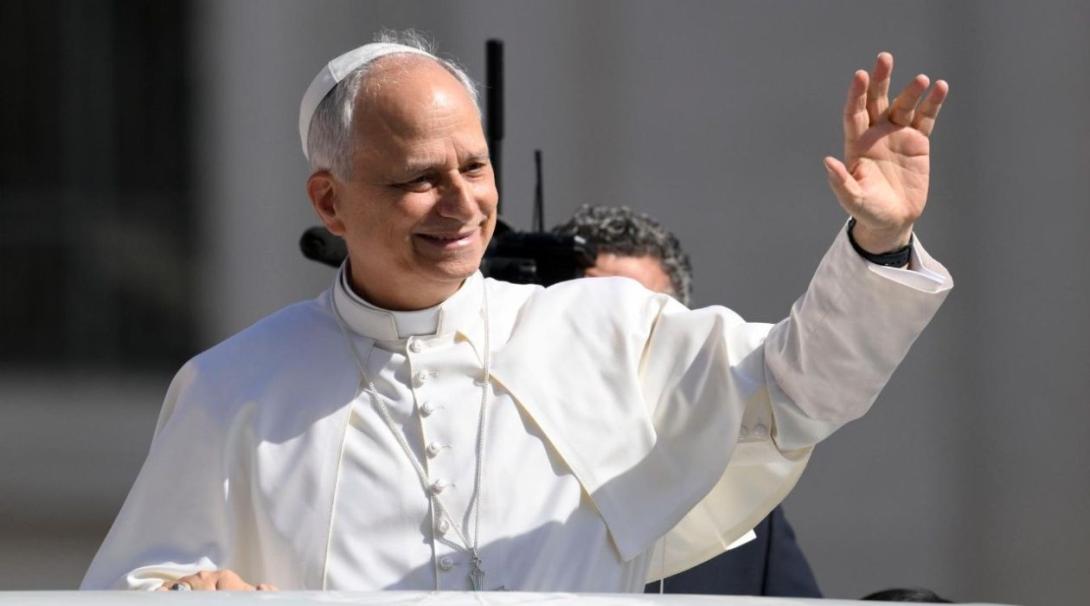
Pope Leo XIV addresses journalists during the flight heading to Algiers on April 13, 2026. Pope Leo XIV embarks on April 13 on an 11-day visit to Algeria, Cameroon, Angola and Equatorial Guinea for his first major international trip since becoming pontiff in May 2025.
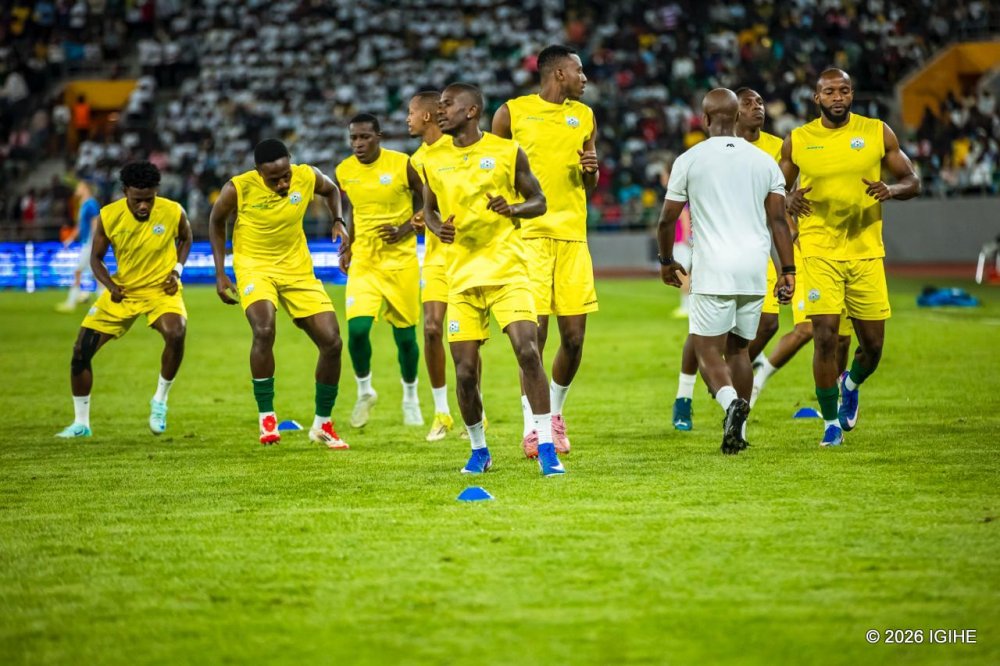
On Sunday, April 12, 2026, FERWAFA officials joined residents of Remera Sector in commemorating the 32nd anniversary of the Genocide against the Tutsi. The event formed part of the nationwide Kwibuka32 remembrance activities.
Following the commemoration, FERWAFA shared a message from national team players, both those playing locally and abroad, reflecting on the importance of remembrance.
Kwizera Jojea, who plays for Rhode Island in the United States, said: “As a player of Rwanda’s national team, we take this moment to remember the 1994 Genocide against the Tutsi.”
Striker Biramahire Abeddy of Assabah FC in Libya and Bayisenge Emery of Rayon Sports directed their message to the youth, urging them to uphold unity and national values.
“As young people, the more we remember, the more we commit ourselves to preserving unity, peace, and development. We are the future of Rwanda, and it is our responsibility to contribute to building a country free from division.”
Nshuti Innocent, who plays for Al Wafaq Ajdabia in Libya, together with FERWAFA’s Commissioner for Women’s Football, Gicanda Nikita Valverde, stressed that it is the responsibility of every Rwandan to fight against genocide denial and ideology.
FERWAFA President, Shema Ngoga Fabrice, noted that remembrance plays a crucial role in strengthening national unity.
“Remembrance is a shared responsibility among all Rwandans, because a society that does not remember fades away. As sportspeople, we choose to be a pillar of reconciliation and development.”
In the message, which also featured FERWAFA’s Commissioner for Development, Kanamugire Fidèle, participants highlighted that making the right choices in life includes contributing to the continued building of a united Rwanda.
FERWAFA President, Shema Ngoga Fabrice, joined Remera residents to honor victims of Genocide against the Tutsi. FERWAFA President, Shema Ngoga Fabrice, noted that remembrance plays a crucial role in strengthening national unity.Amavubi players have urged the youth to remember as a way to honor victims of Genocide against the Tutsi.
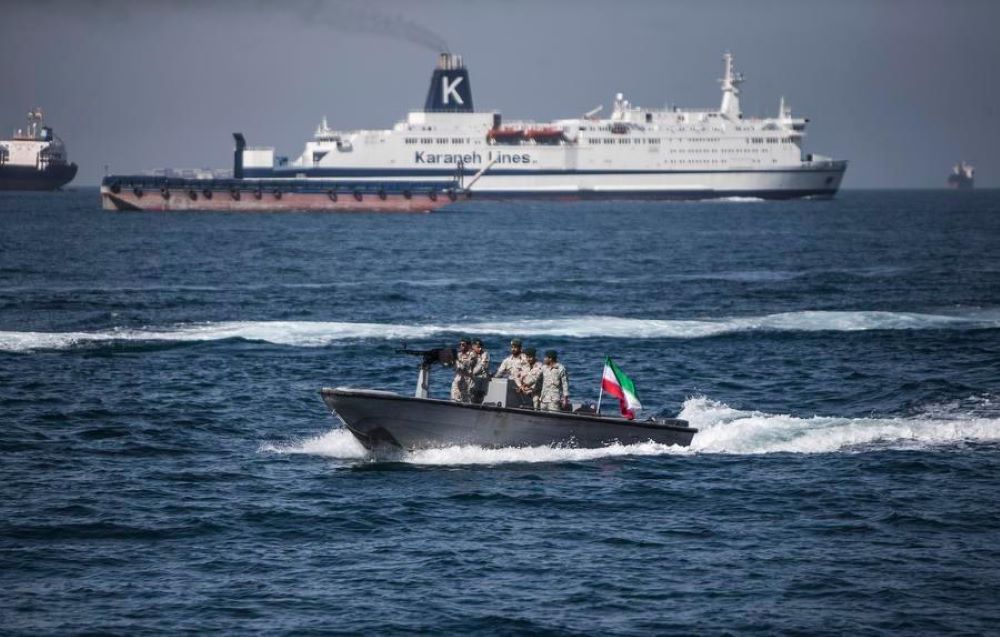
The blockade, in accordance with U.S. President Donald Trump’s proclamation, will be enforced “impartially” against vessels of all nations entering or departing Iranian ports and coastal areas, including all Iranian ports on the Arabian Gulf and Gulf of Oman, according to the statement, which was posted on social media platform X.
U.S. Central Command forces “will not impede freedom of navigation for vessels transiting the Strait of Hormuz to and from non-Iranian ports,” it added.
The statement came a few hours after Trump announced on Truth Social that the U.S. Navy would begin blocking ships trying to enter or leave the Strait of Hormuz.
In an interview with Fox News, Trump said that the United States and allied countries would deploy minesweepers to the strait to clear sea mines and secure shipping lanes.
After Trump’s statement on Strait of Hormuz naval blockade, Iran’s Islamic Revolutionary Guard Corps Navy Command warned Sunday that any “wrong move” in the Strait of Hormuz would trap its enemies in “deadly whirlpools.”
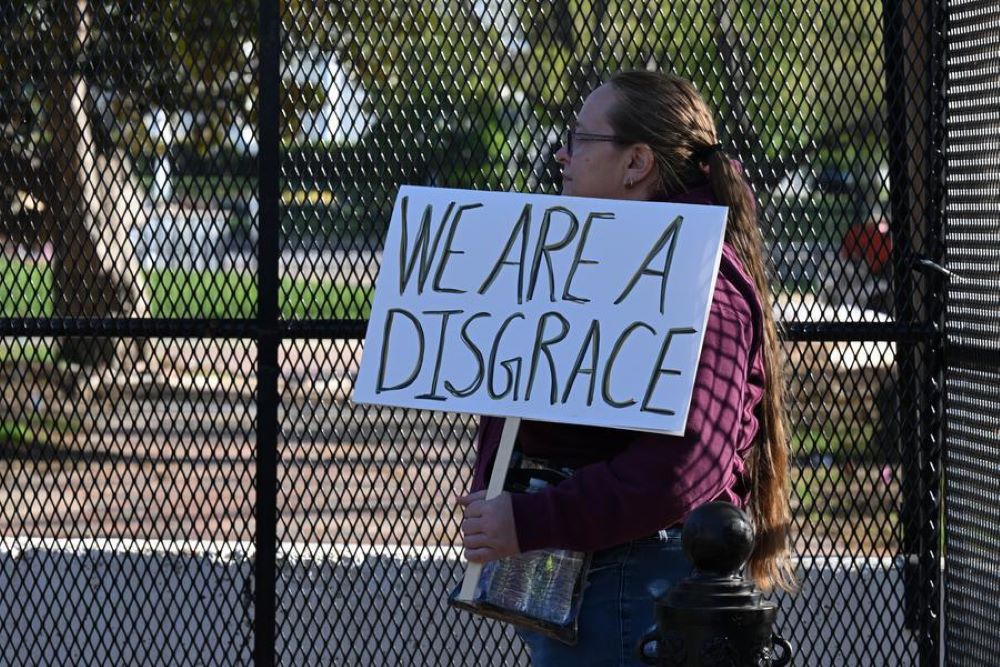
A demonstrator holds a placard in front of the White House in Washington, D.C., the United States, on April 7, 2026.Iranian soldiers patrol the Strait of Hormuz in southern Iran, April 30, 2019
The trip is expected to be one of the most demanding of his early pontificate, combining intense travel, high-level diplomacy, and major religious celebrations across a continent where the Catholic Church is growing rapidly.
Africa is now home to about 288 million Catholics, roughly 20.3 percent of the global Catholic population, according to the Vatican Yearbook (2024). The visit is therefore seen as both symbolic and strategic, highlighting the Church’s growing center of gravity in the Global South.
Pope Leo will travel with senior Vatican officials, including Cardinal Pietro Parolin, Cardinal Luis Antonio Tagle, and Cardinal Peter Turkson, as well as diplomatic and communications teams. Around 70 journalists will accompany the delegation. In total, the pope will complete 12 plane journeys and four helicopter transfers, delivering multiple speeches, homilies, and greetings in English, French, Portuguese, and Spanish.
April 13–15: Algeria – Peace, memory, and dialogue
The journey will begin in Algeria, where Pope Leo will make the first papal visit in the country’s history. He will be received in Algiers by President Abdelmadjid Tebboune in a state ceremony that includes full military honors.
His program in the capital will include a visit to the Maqam Echaid memorial for Algeria’s war of independence, a private meeting at the presidential palace, and a major address to political, diplomatic, and civil society leaders. The speech is expected to focus on peacebuilding and dialogue in a country shaped by both colonial legacy and a violent civil war in the 1990s.
On April 14, he will travel to Annaba, the ancient city of Hippo and the historic seat of St. Augustine. There he will pray at archaeological sites linked to the saint, meet religious communities caring for the poor and elderly, and celebrate Mass at the Basilica of St. Augustine.
On April 15, after meetings with local bishops and the Catholic community, he will leave Algeria for Cameroon.
April 15–18: Cameroon – Calls for unity and reconciliation
Pope Leo will be welcomed in Yaoundé by Prime Minister Joseph Dion Ngute and will later meet President Paul Biya, one of Africa’s longest-serving leaders.
In the capital, he is expected to address political leaders, diplomats, and civil society at the Palace of Congresses, with a message focused on peace and national unity. His visit comes at a time when Cameroon continues to face conflict in its English-speaking regions.
On April 16, he will travel to Bamenda in the northwest, where he will take part in an “encounter for peace” with Christian and Muslim leaders at St. Joseph’s Cathedral. He will also celebrate a large open-air Mass for tens of thousands of faithful before returning to Yaoundé.
On April 17, he will travel to Douala, Cameroon’s largest city and economic hub, where he will celebrate Mass at Japoma Stadium and visit a hospital. Later, he will address students and academics at the Catholic University of Central Africa.
On April 18, he will celebrate Mass at the airport in Yaoundé before continuing his journey to Angola.
April 18–21: Angola – Healing and social justice
In Luanda, Pope Leo will be welcomed by President João Manuel Gonçalves and will take part in official state ceremonies. He is expected to address national leaders on issues including poverty, inequality, corruption, and post-war reconstruction.
Angola, still shaped by the legacy of its civil war (1975–2002), will provide a key backdrop for his messages on reconciliation and development.
On April 19, he will celebrate a major outdoor Mass in Kilamba, expected to draw around 200,000 people. He will later travel to Muxima, one of Africa’s most important Marian shrines, where millions of pilgrims visit each year.
On April 20, he will visit Saurimo in the country’s diamond-rich northeast, meeting the elderly and celebrating Mass for large crowds. He will later return to Luanda for meetings with bishops and Church leaders.
On April 21, he will leave Angola for Equatorial Guinea, marking the anniversary of Pope Francis’s death.
April 21–23: Equatorial Guinea – Youth, hope and renewal
Pope Leo will be received in Malabo by President Teodoro Obiang Nguema Mbasogo. He will meet government officials and address civil society at the presidential palace, followed by an engagement with students and staff at the newly named Leo XIV Campus of the National University.
On April 22, he will travel to Mongomo, where he will celebrate Mass in one of Africa’s largest churches before visiting a technical school and continuing to Bata. There he will visit a prison, meet victims of a 2021 explosion, and address young people and families at the stadium.
On April 23, he will conclude his African journey with a final Mass in Malabo before departing for Rome, where he is expected to hold a press conference reflecting on the visit.
Across 10 days, Pope Leo’s first African trip is expected to underline the continent’s growing importance in the Catholic Church. With a focus on peace, dialogue, and development, the visit will be closely watched as both a spiritual pilgrimage and a major diplomatic moment in the early months of his papacy.
Pope Leo’s first African trip is expected to underline the continent’s growing importance in the Catholic Church.
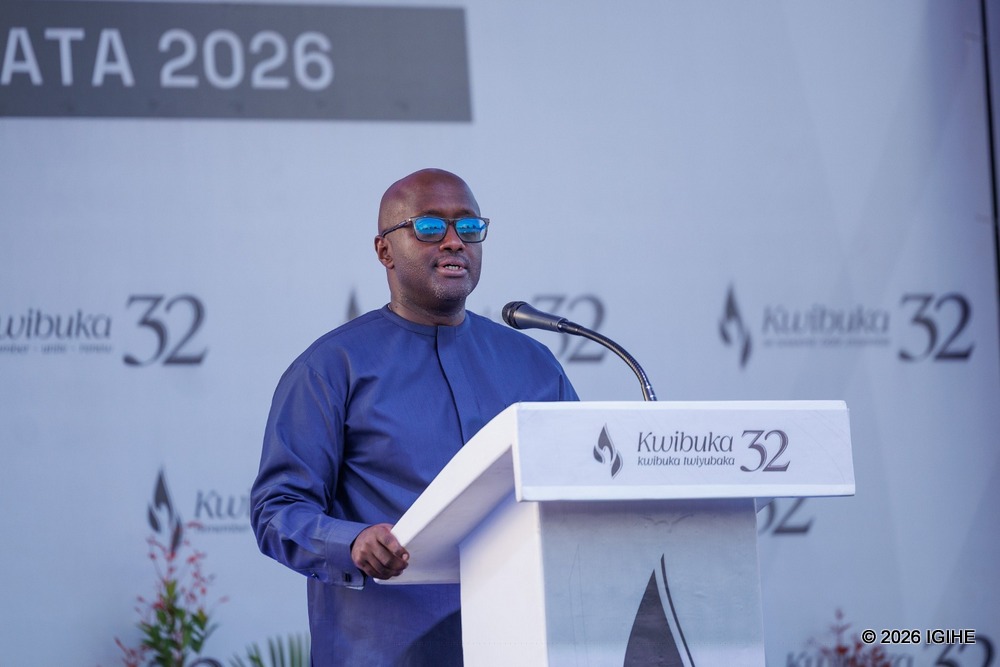
He made the remarks on April 11, 2026, during a commemoration event marking the 32nd anniversary of the killing of Tutsis at ETO Kicukiro, where Belgian peacekeepers withdrew and left behind more than 2,000 Tutsis who had sought their protection, leaving them vulnerable to attack by Interahamwe militia.
Nduhungirehe said no professional soldier should have acted in the way the Belgian contingent did.
“Sometimes we soften it because saying that Belgian soldiers abandoned the Tutsis is an understatement,” he said. “When those troops were ordered to withdraw from ETO, they packed their equipment and even their dogs. Outside ETO there were Interahamwe waving machetes. Any professional soldier who carries out such an action, leaving civilians behind while seeing armed killers, is not merely abandoning them, it is handing them over to killers.”
He argued that the incident reflects a broader pattern of international responsibility in the events leading up to and during the 1994 Genocide against the Tutsi, which he said began long before 1994, during the colonial period under Belgian administration.
Colonial roots and early violence
According to Nduhungirehe, the first phase of foreign involvement began with colonial-era policies that institutionalised ethnic divisions, introducing identity-based classifications and governance systems that deepened divisions among Rwandans.
He said these policies contributed to violence against Tutsis in the post-colonial transition period, including the 1959 crisis, and subsequent killings between 1961 and 1963. He described this period as an early genocide in Rwanda in which more than 35,000 Tutsis were killed and many others fled into exile, with Belgian authorities implicated.
Preparation phase of the 1994 Genocide against the Tutsi
The second phase, he said, involved the preparation of the 1994 genocide. From 1990, when the Rwandan Patriotic Army (RPA) began its liberation struggle, multiple foreign military presences were deployed in Rwanda.
He specifically cited French forces, noting that they remained in the country and contributed to training elements of the Rwandan army (ex-FAR) and the Interahamwe militia.
Nduhungirehe also referenced reports from UNAMIR forces, including communications by its commander, Lt. Gen. Roméo Dallaire, who warned of planned mass killings and requested authority to seize weapons caches.
“On January 11, he sent warnings to the United Nations saying there was a witness reporting that weapons were being prepared in Kigali to kill Tutsis,” Nduhungirehe said. “He asked for permission to seize those weapons, but he was told to report it to President Habyarimana. That decision, to inform a leadership involved in the preparations, reflected the UN’s failure.”
He said the international response amounted to inaction despite clear warnings.
Withdrawal of UN forces during the genocide
Nduhungirehe also cited the UN Security Council’s decision on April 21, 1994, adopting Resolution 912, which reduced UNAMIR forces in Rwanda from 2,548 troops to about 270.
“At that time the country was in mourning and genocide was ongoing,” he said. “But instead of intervening, the UN decided to withdraw its forces from Rwanda.”
The minister said that a third phase concerned the international recognition of the Genocide against the Tutsi, which he said was long delayed due to resistance from powerful states that preferred the term “genocide in Rwanda” instead of explicitly acknowledging its targeting of Tutsi.
He noted that it took 26 years for April 7 to be officially recognised as the International Day of Reflection on the Genocide against the Tutsi, a designation only formally adopted in 2020.
Call to youth
Nduhungirehe urged young people to remember that genocide ideology still exists and that it is their responsibility to fight it.
“All Rwandans are not yet fully liberated,” he said. “There are young people, especially those outside Rwanda, who still hold genocide ideology. I call on their peers to educate them, and if necessary, confront them with the truth.”
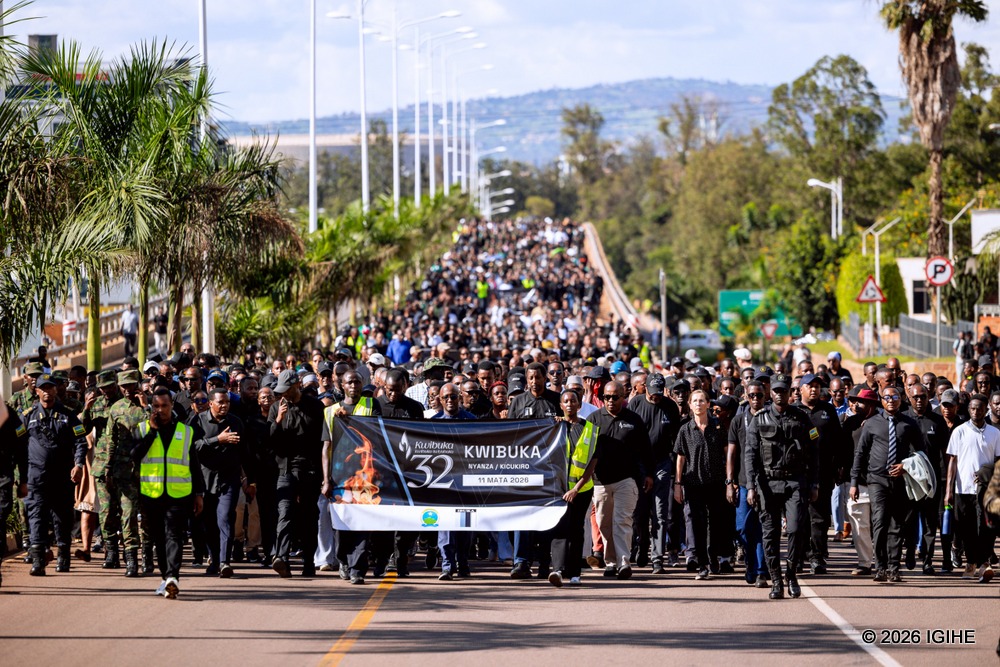
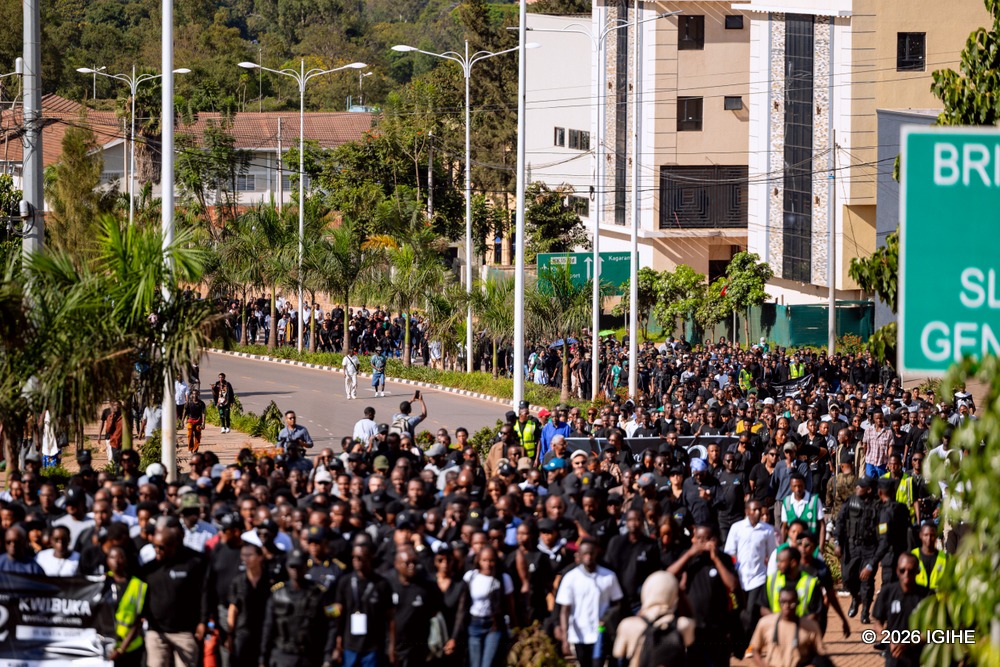
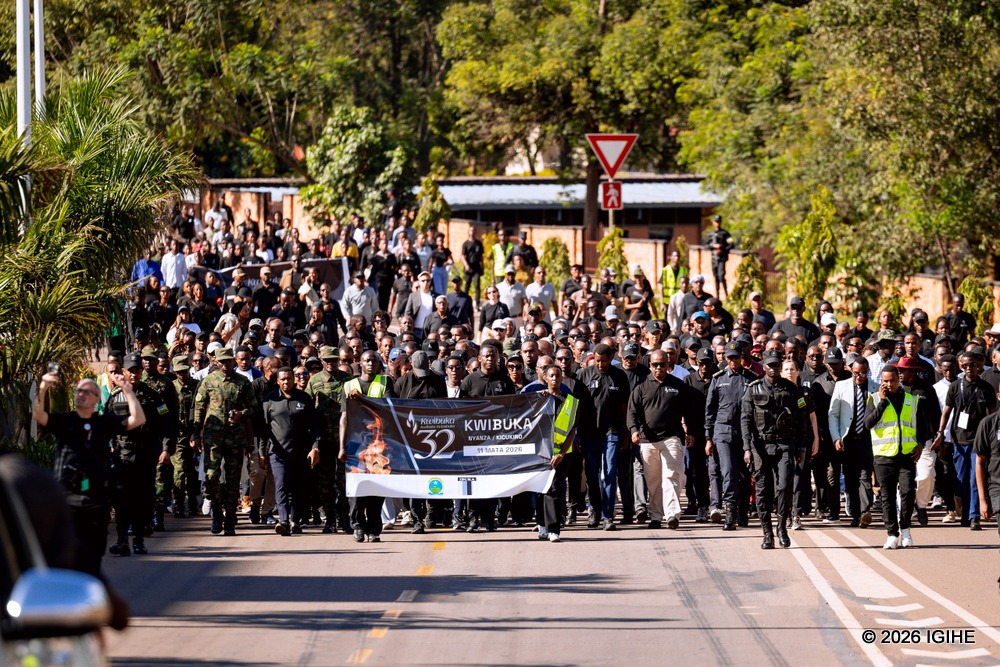
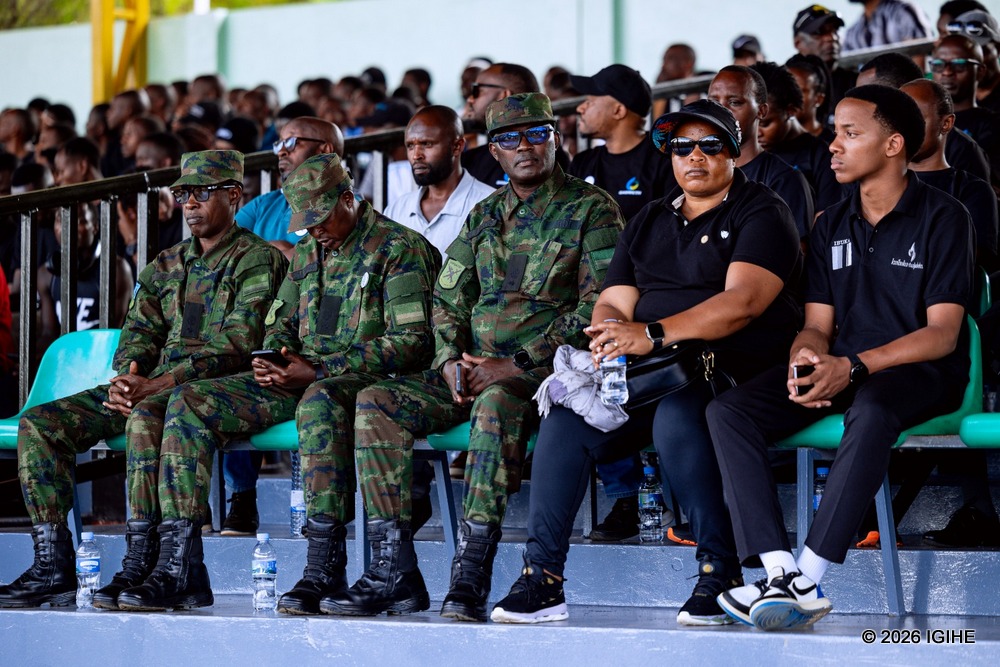
The 32nd commemoration of the 1994 Genocide against the Tutsi included the “Walk to Remember” and wreath-laying ceremonies at mass graves in Nyanza, where remains of more than 2,000 Tutsis who had sought refuge at ETO Kicukiro and were later killed are buried.
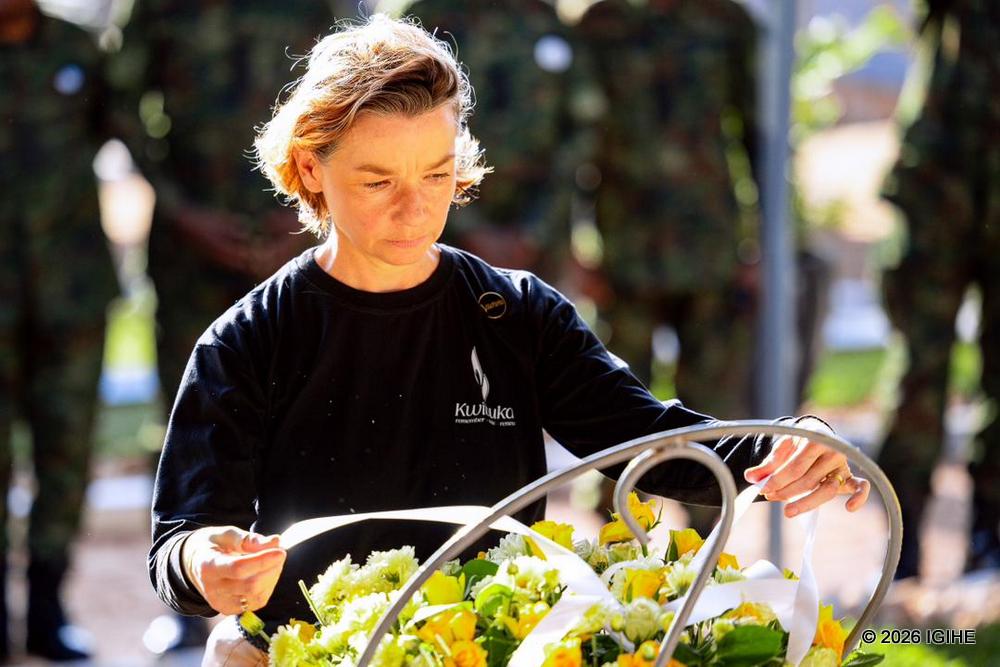
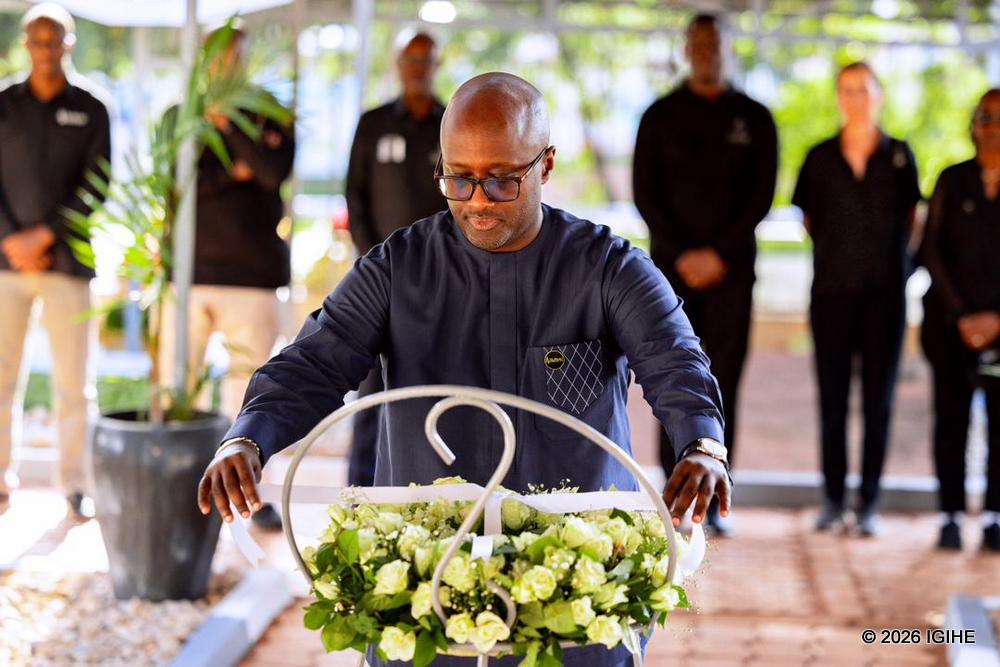
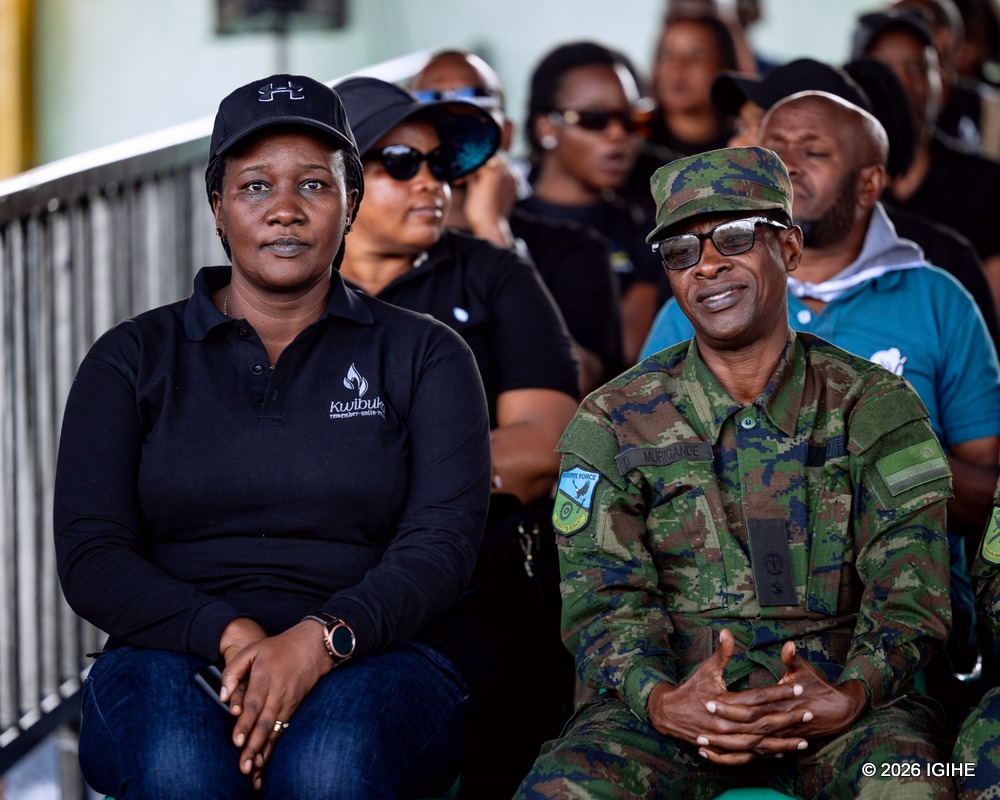
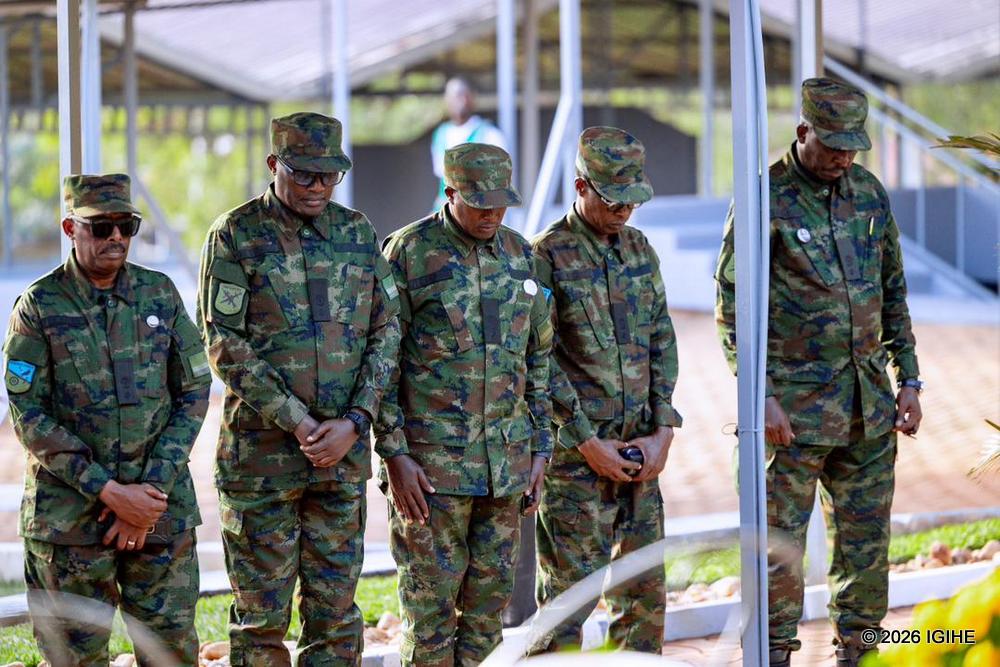
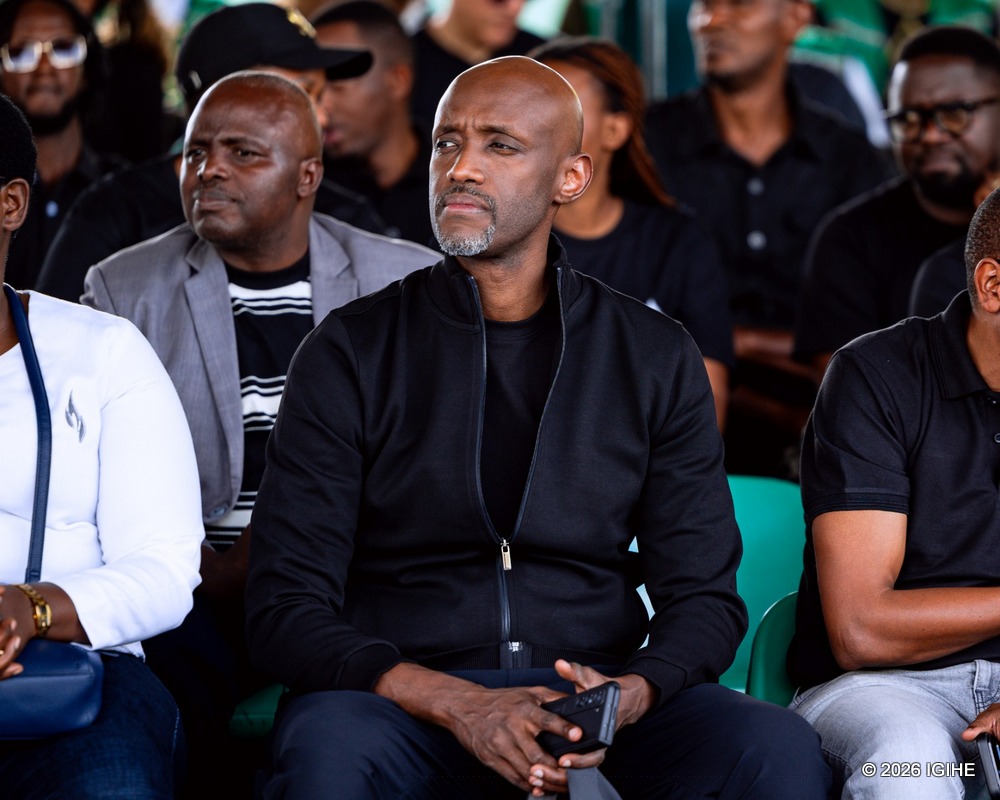
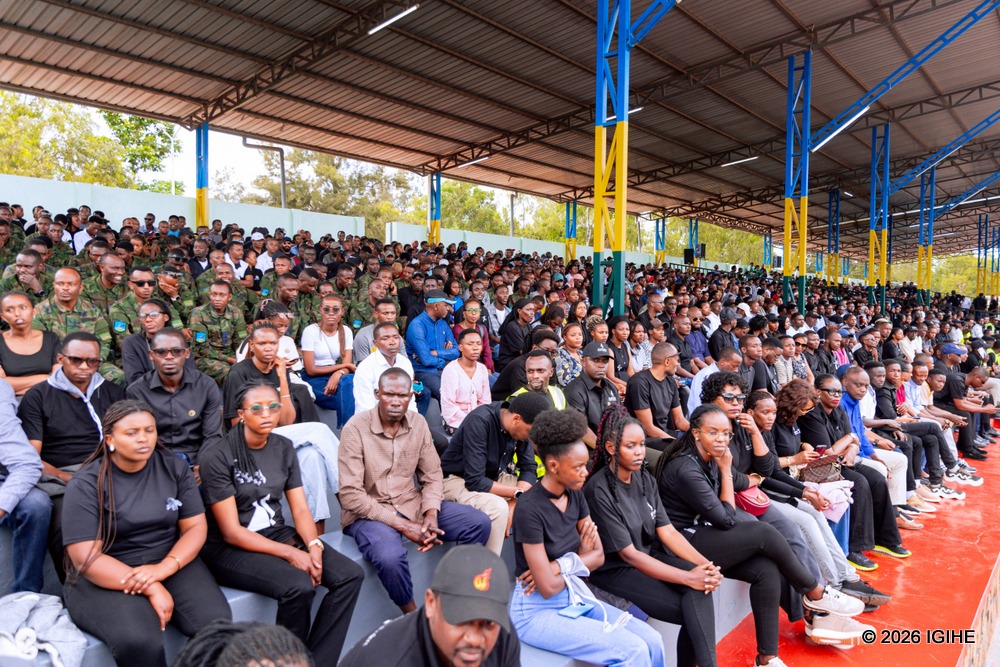
Participants took part in a commemorative walk in remembrance of Tutsis who had sought refuge at ETO Kicukiro and were killed after Belgian troops withdrew.The French Ambassador to Rwanda, Aurélie Royet-Gounin, laid wreaths at the memorial site.The Minister of Foreign Affairs and International Cooperation, Amb. Olivier Nduhungirehe, laid wreaths at the memorial site.Officials from various institutions attended the commemoration.The Chief Executive Officer of the Rwanda Development Board (RDB), Jean-Guy Africa, also attended the 32nd commemoration of the Tutsi killed in Nyanza, Kicukiro.