The company, which began operations in 2018, is based in the Bugesera Industrial Zone and currently collects at least 40% of obsolete electronic waste generated in the country. Its operations aim to reduce environmental pollution linked to electronic waste while recovering valuable materials and extending the lifespan of usable devices.
Electronic waste, commonly referred to as e-waste, includes discarded devices such as mobile phones, computers, televisions, kettles, refrigerators, microwaves, irons, printers and other household electronics that are no longer in use but often remain stored in homes.
According to Enviroserve Rwanda Country General Manager Olivier Mbera, many households continue to keep unused electronics despite the environmental and health risks associated with prolonged storage of such items.
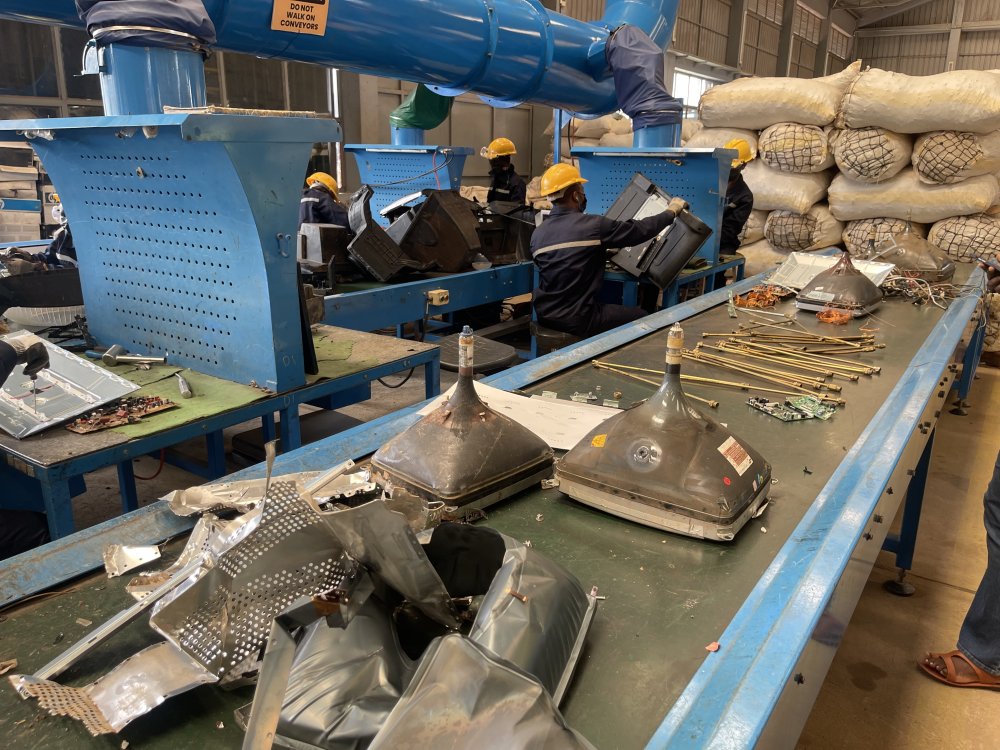
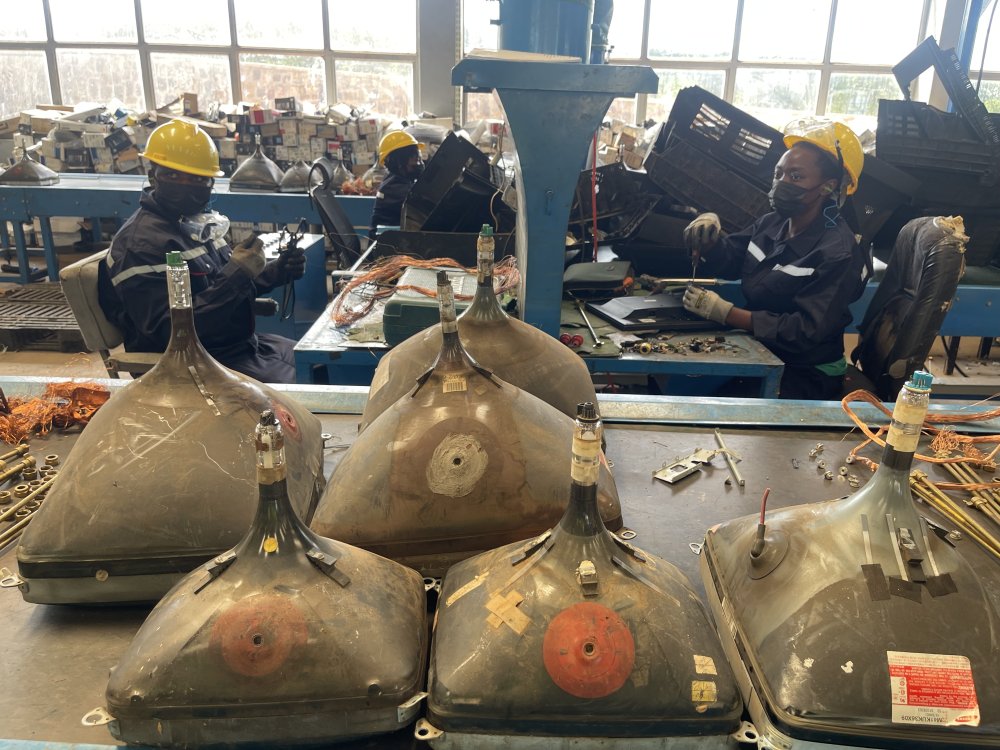
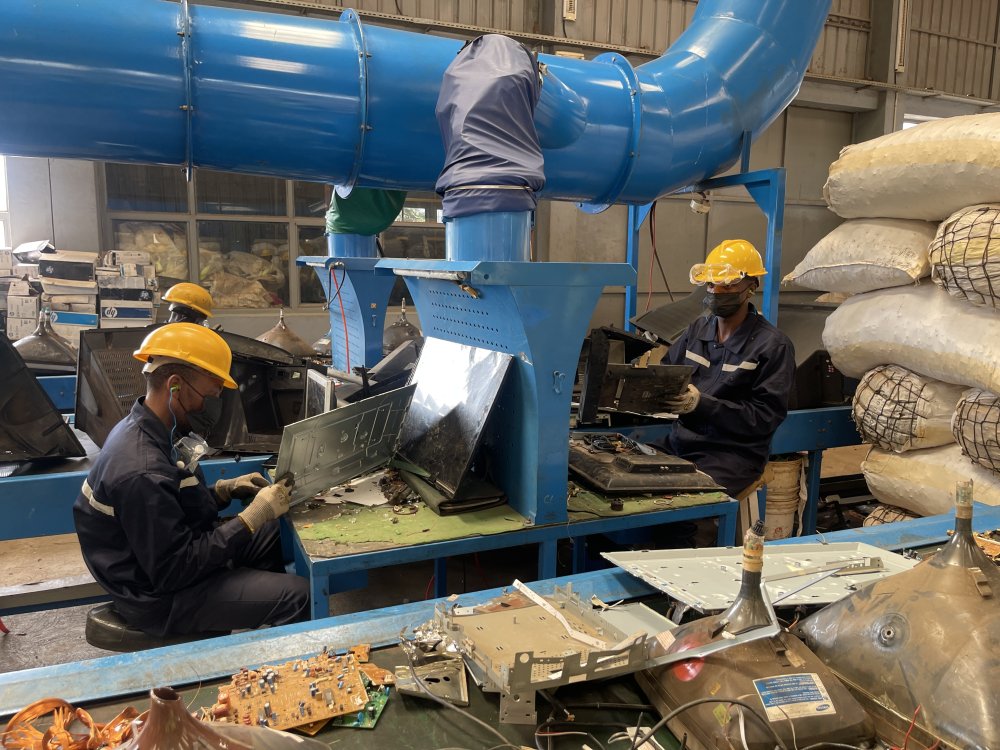
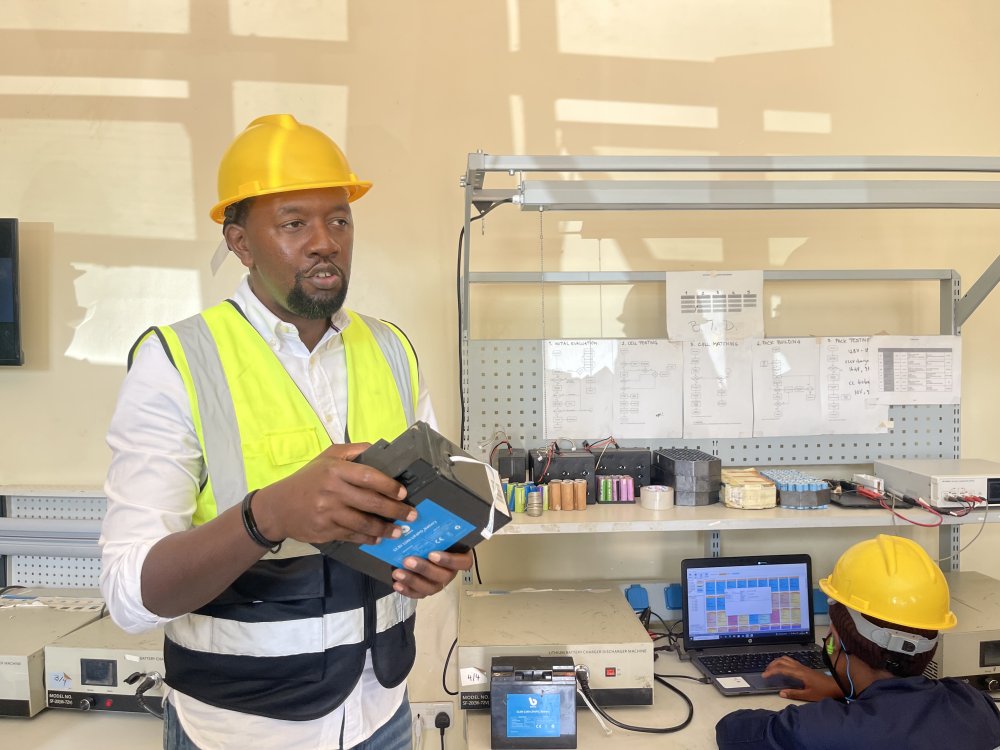
“We have collected up to 8,500 tonnes of electronic waste since we started operating,” Mbera said. “Once these items arrive at the facility, they are either refurbished or dismantled to recover useful components. Each year, we refurbish about 10,000 computers, around half of which are reused in schools, while the rest are sold for use by the general public.”
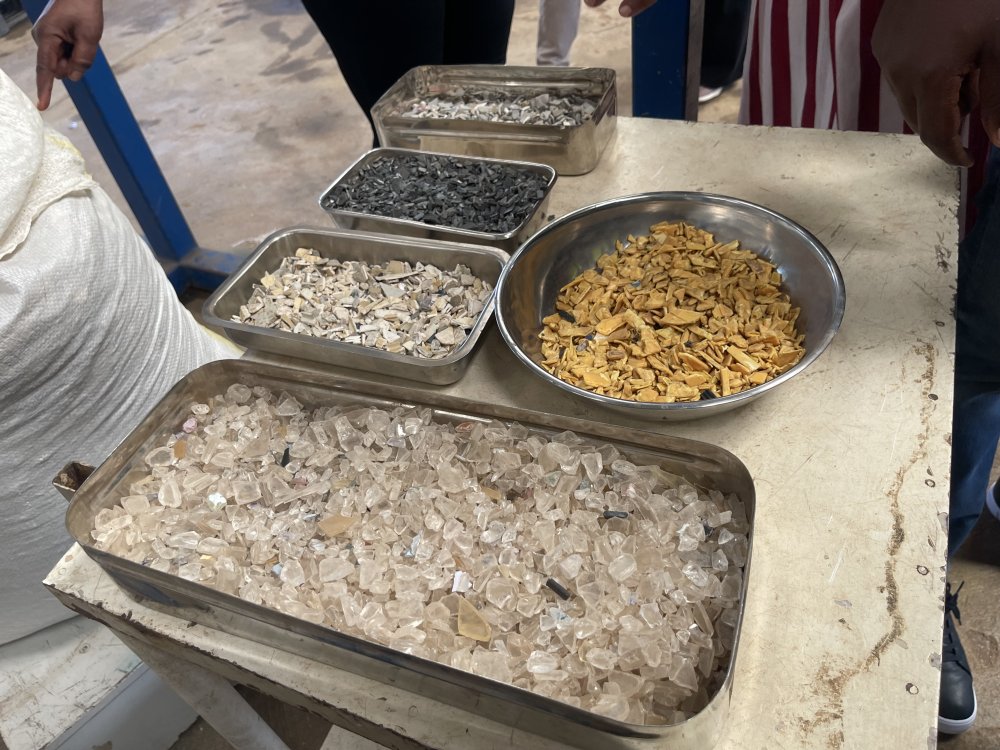
He added that the company has already refurbished and redistributed about 40,000 computers since its establishment, contributing to digital access in schools and communities. Other materials recovered from e-waste are channelled back into industrial recycling streams, while hazardous substances are safely extracted and managed to prevent environmental contamination.
Mbera cautioned against the long-term storage of obsolete electronic devices in households, warning that they may contain hazardous substances that pose risks to both human health and the environment.
“It is not advisable to keep unused electronic devices at home because they contain harmful chemicals that can affect people’s health,” he said. “As devices age, these substances may begin to leak. For example, a swollen phone battery or a refrigerator losing gas can release toxic elements that may contribute to serious health risks and environmental damage.”
Environmental experts also warn that improper handling of e-waste can lead to soil and water contamination due to heavy metals and toxic compounds contained in electronic components.
Government push for safe e-waste management
Beatha Akimpaye, the Division Manager of Environmental Compliance and Enforcement Division at Rwanda Environment Management Authority (REMA), said Rwanda’s e-waste recycling programme was introduced as part of broader efforts to strengthen environmental protection and promote responsible waste management.
She urged the public to properly dispose of electronic devices through designated collection systems instead of keeping them in homes.
“While we depend on electronic devices to keep up with modern technology, when they become waste and are not properly managed, they can harm both the environment and human health,” she said. “People should take such devices to collection centres established by Enviroserve Rwanda so they can be safely recycled or dismantled in an environmentally sound manner.”
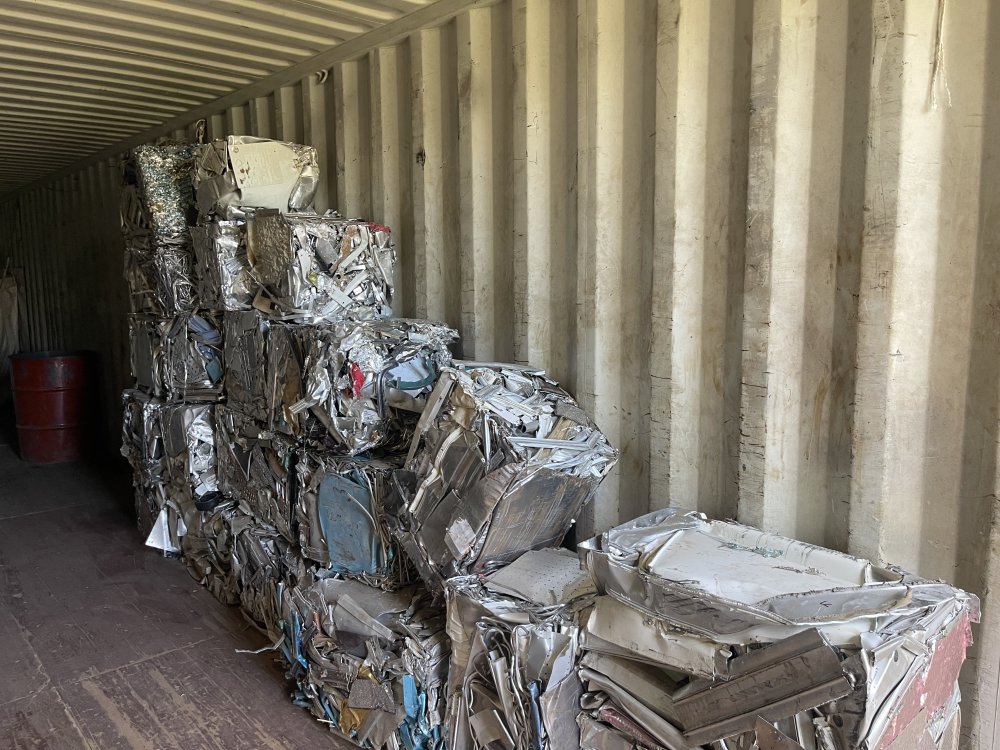
Enviroserve Rwanda currently operates 26 e-waste collection centres across the country. Through these centres, the company collects obsolete electronic equipment for sorting, refurbishment, dismantling and recycling. Devices that can be repaired are refurbished and reused, while non-repairable materials are broken down and either recycled locally or exported for further processing.
Leave a Reply