According to a statement released by the presidency, South Africa will consider Israel’s response and decide whether to request the court’s permission to make further written submissions in reply, or to proceed directly to the oral phase of proceedings.
Israel submitted its response on March 12, following two extensions granted by the court to a deadline initially set for July 28, 2025, in reply to South Africa’s memorial filed on Oct. 28, 2024, according to the statement.
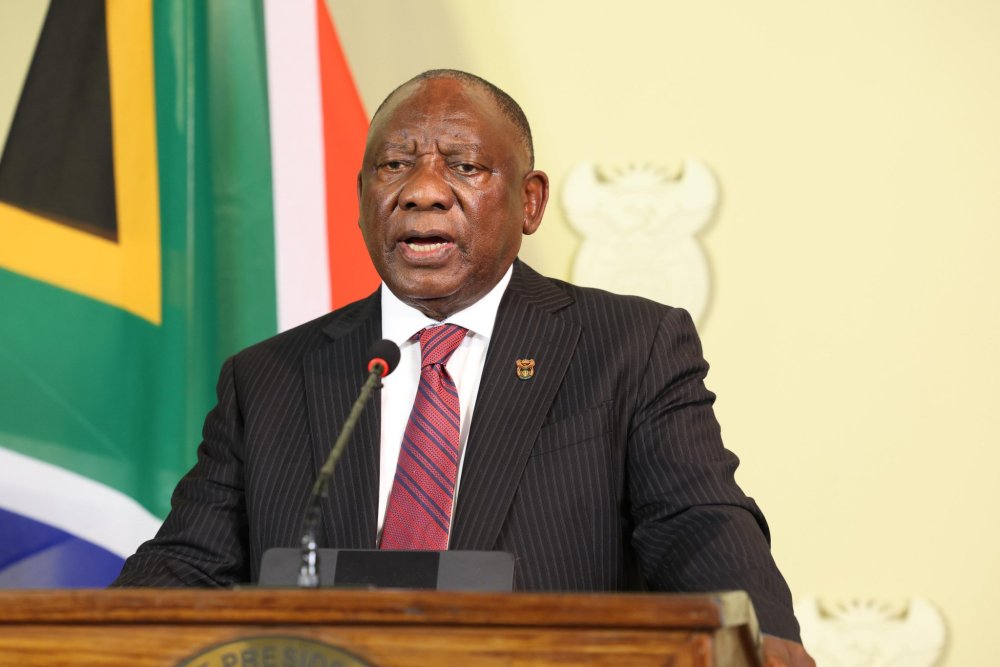
“South Africa remains committed to playing its part, along with others, to fulfil the promises of the Genocide Convention and the UN Charter,” President Cyril Ramaphosa said in the statement.
Ramaphosa called for defending the principles of international law and reasserting the vital role of the United Nations and international dispute settlement mechanisms such as the ICJ.
The situation in Gaza has been compounded by the escalating crisis in the Gulf and Israel’s ongoing attacks on Lebanon, raising the risk of a wider conflict with grave implications for regional and international peace and security, the statement said.
In December 2023, South Africa filed a case before the ICJ against Israel over alleged acts of genocide in Gaza. The ICJ has yet to rule, while South Africa has reiterated it would continue to pursue the case until a judgment is delivered.
President Cyril Ramaphosa said his country remains committed to playing its part, along with others, to fulfil the promises of the Genocide Convention and the UN Charter.
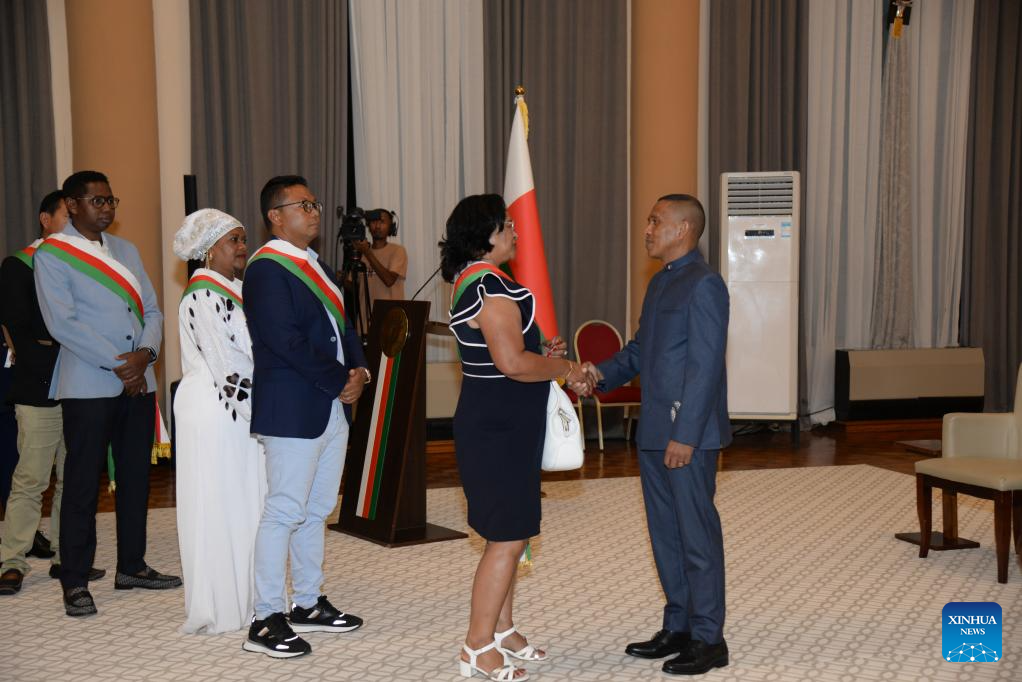
During the appointment ceremony at the presidential palace, Randrianirina said that he needed the “integrity” of Rajaonarison, who has long worked in the anti-corruption field.
“We must show the Malagasy people that the nation needs upright and incorruptible individuals,” he said.
The president also stressed that he expects the new prime minister to promptly form a government tasked with implementing the national refoundation policy and delivering tangible results as soon as possible.
Before his appointment, Rajaonarison served as director general of Madagascar’s Financial Intelligent Unit, a national entity in charge of the fight against money laundering and terrorism funding.
This appointment comes six days after Randrianirina dissolved the government led by former Prime Minister Herintsalama Rajaonarivelo.
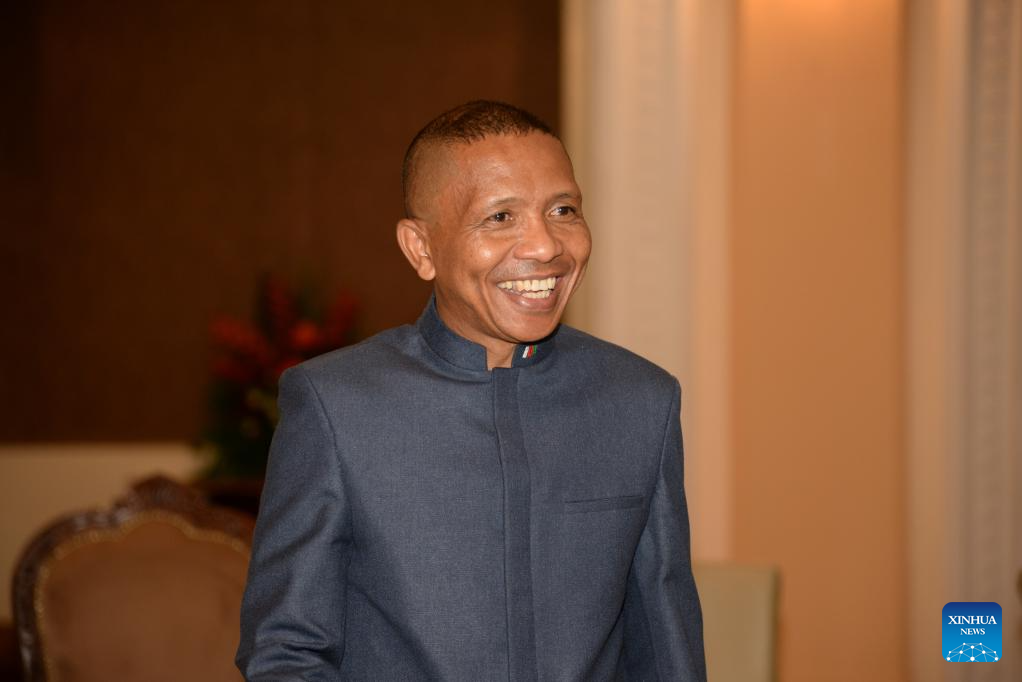
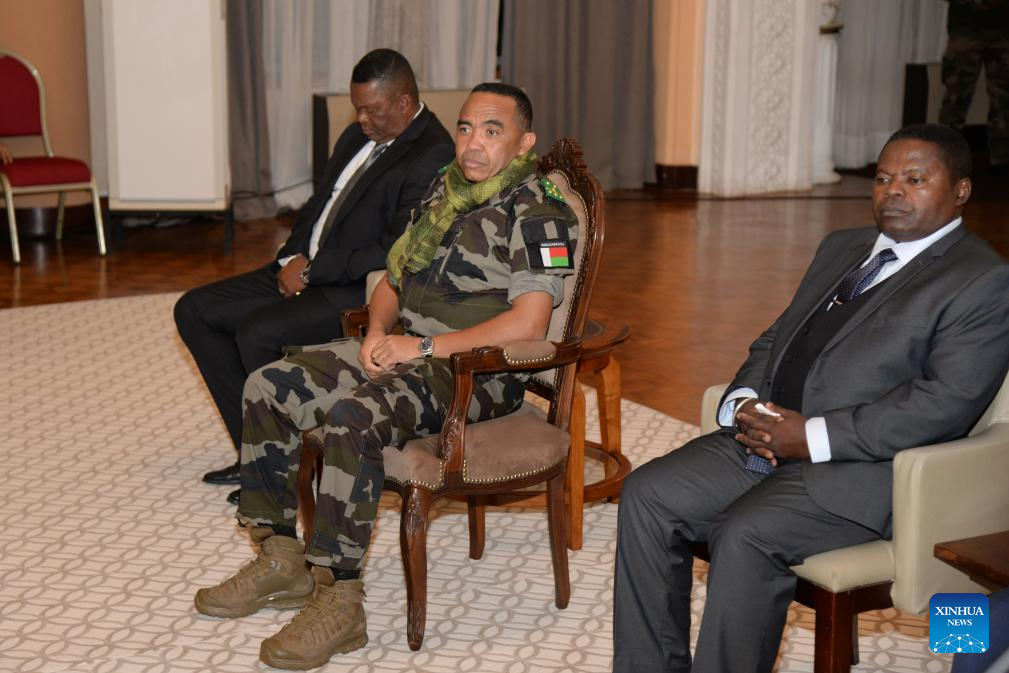
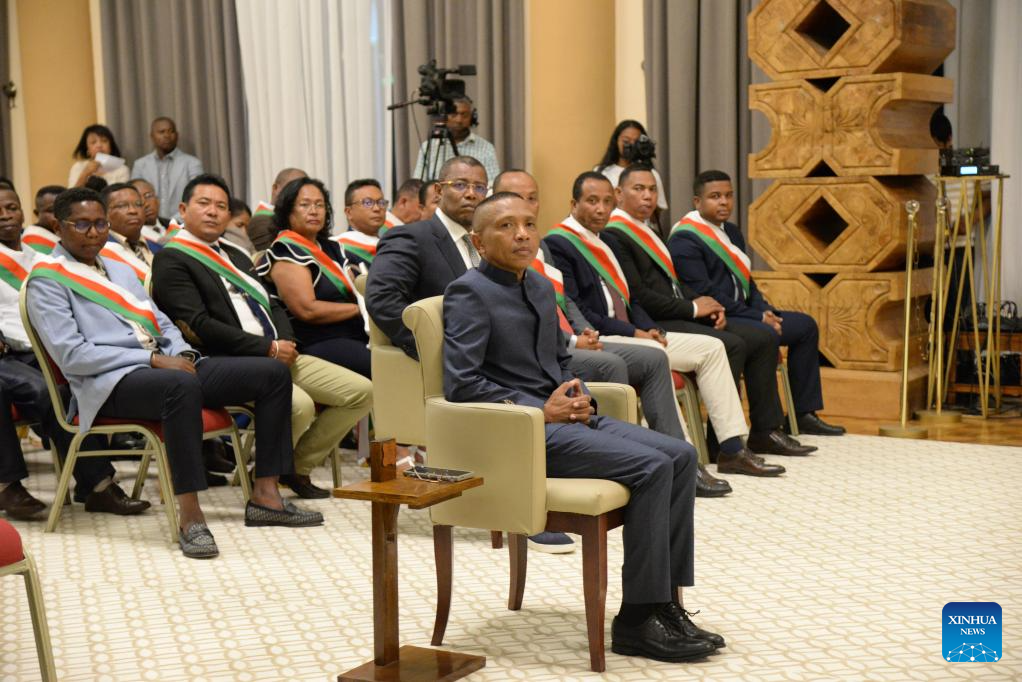
Madagascar’s President Michael Randrianirina (C) attends the appointment ceremony of new prime minister at the presidential palace in Antananarivo, capital of Madagascar, March 15, 2026. Madagascar’s President Michael Randrianirina appointed Mamitiana Rajaonarison as prime minister on Sunday. Mamitiana Rajaonarison attends the ceremony of his appointment as Madagascar’s new prime minister at the presidential palace in Antananarivo, capital of Madagascar, March 15, 2026.Mamitiana Rajaonarison (front) attends the ceremony of his appointment as Madagascar’s new prime minister at the presidential palace in Antananarivo, capital of Madagascar, March 15, 2026. Mamitiana Rajaonarison (1st R) accepts congratulations after his appointment as Madagascar’s new prime minister at the presidential palace in Antananarivo, capital of Madagascar, March 15, 2026.
As attacks between the warring sides continue, shipping through the strategic Strait of Hormuz, a vital global transport chokepoint, has been heavily disrupted.
Beyond the energy and shipping sectors, the global food supply is also feeling the pinch, reflected in a sharp surge in food prices and warnings from UN agencies.
How does the crisis hit food production?
The Gulf region not only produces a significant portion of the world’s fertilizer but also supplies key raw materials, with roughly one-third of global seaborne fertilizer trade passing through the Strait of Hormuz.
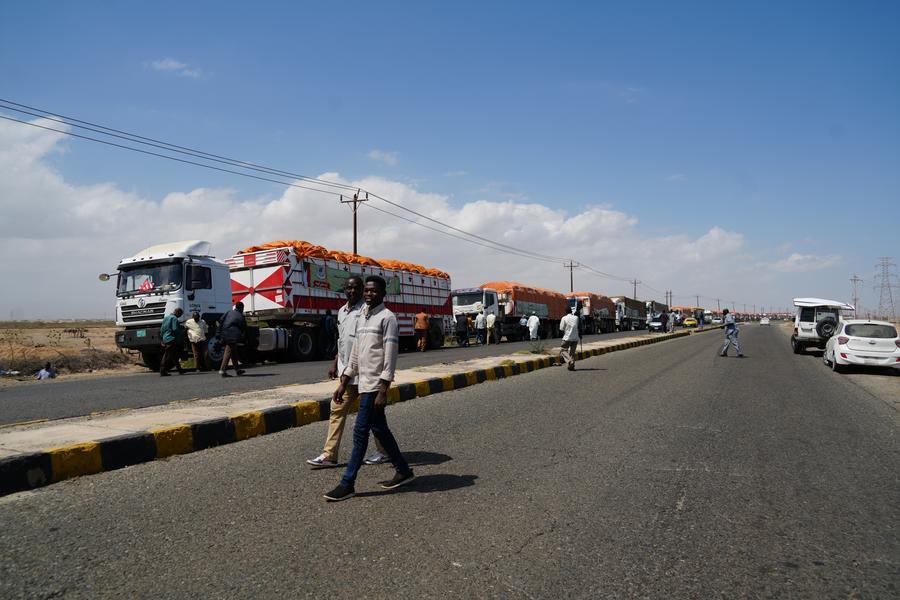
As transport through the Strait of Hormuz is largely disrupted, natural gas, the essential feedstock for nitrogen fertilizers, has become difficult to deliver to major agricultural producers such as Brazil and Sudan. Meanwhile, fertilizer producers in India and Pakistan are also struggling to secure raw materials.
Phosphate fertilizers face similar disruption. Gulf states accounts for roughly one-fifth of the world’s phosphate fertilizer output and one-quarter of the world’s sulfur supply, a petrochemicals’ byproduct used to process phosphate. With exports largely halted, the supply shock is cascading across fertilizer markets.
The timing compounds the crisis. Across the Northern Hemisphere, from Europe to North America, farmers typically purchase fertilizer in March for application in April and May. Fertilizer shortages could force growers to reduce usage or shift to less input-intensive crops — decisions that may translate into lower yields months later.
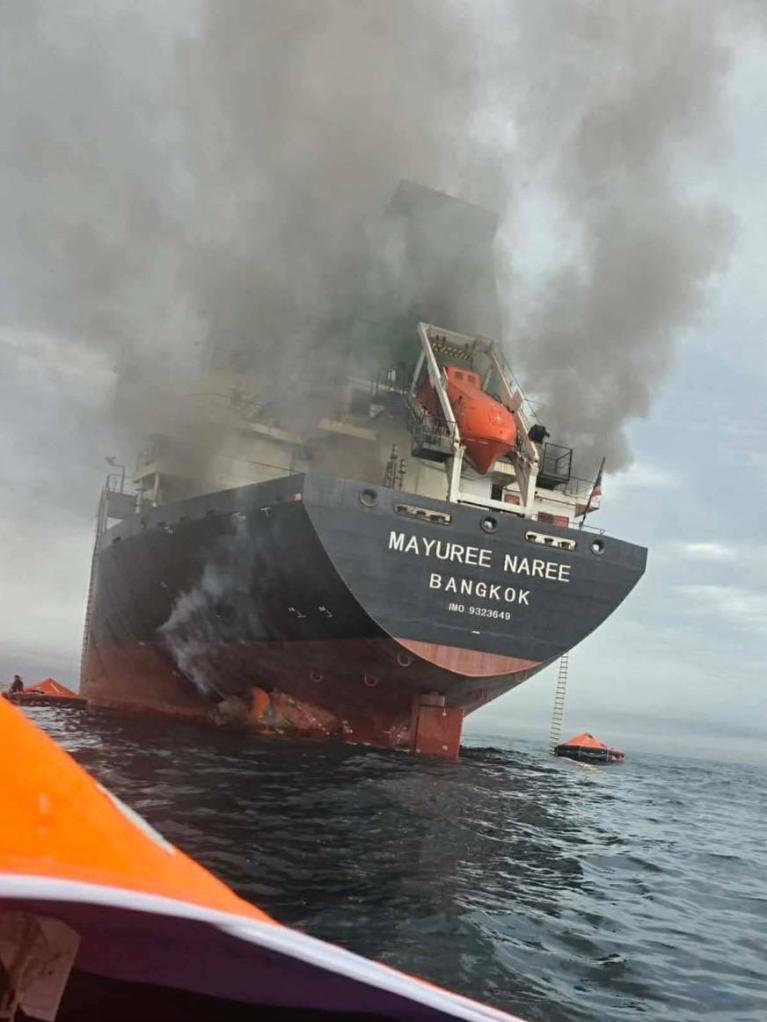
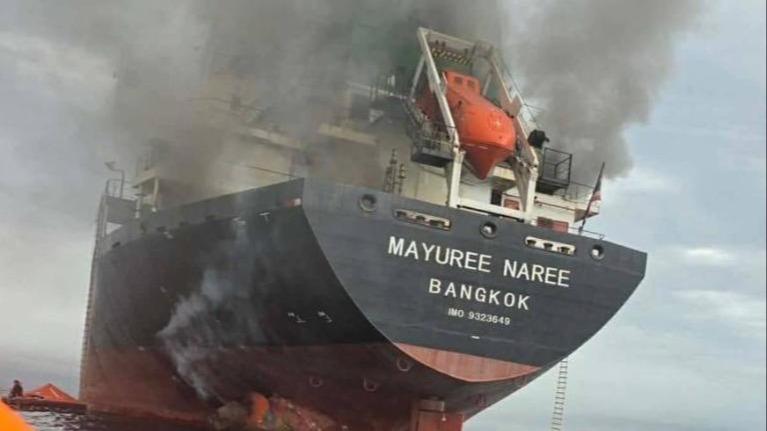
A fire breaks out on a Thai cargo ship after it was struck in the Strait of Hormuz on March 11, 2026.
How do energy prices affect food costs?
Modern agriculture is deeply dependent on fossil fuels. Oil and natural gas power tractors, irrigation systems, and grain dryers; they also underpin fertilizer production, food processing, refrigeration, and transportation. Even packaging materials, from plastic wraps to storage containers, are derived from petrochemicals.
Global fertilizer prices have surged by roughly one-third since the conflict began. Plastics futures are also soaring, with chemical giant BASF announcing price increases of up to 20 percent for core plastic additives worldwide. Higher fuel prices are also pushing up shipping and logistics costs, which feed directly into food supply chains.
“If the crisis continues, transportation and food processing costs may rise further, and agricultural inputs such as fertilizers may become scarce,” Samina Sultan, an economist of the German Economic Institute, warned. “Supply risks could further push up agricultural product costs, leading to higher supermarket prices and triggering a new round of inflationary pressures.”
How could global food security be at risk?
The United Nations has warned that rising food and energy prices will hit hardest in developing countries and among low-income families, where food already accounts for a large share of spending.
“The conflict is already having immediate food security impacts in the Middle East. In Lebanon, significant internal displacement is occurring within a population that has been grappling with high levels of food insecurity for several years,” the World Food Programme (WFP) said in a recent report.
Humanitarian operations are also under strain.
“Extended shipping routes and congestion are jeopardizing WFP’s ability to reach vulnerable populations quickly, increasing the risk that people will wait longer for assistance and face heightened food insecurity and malnutrition,” added the report.
As the crisis deepens, what began as a regional conflict over energy and geopolitics is increasingly turning into a threat to the global food supply, with consequences measured not only in barrels of oil, but also in empty plates.
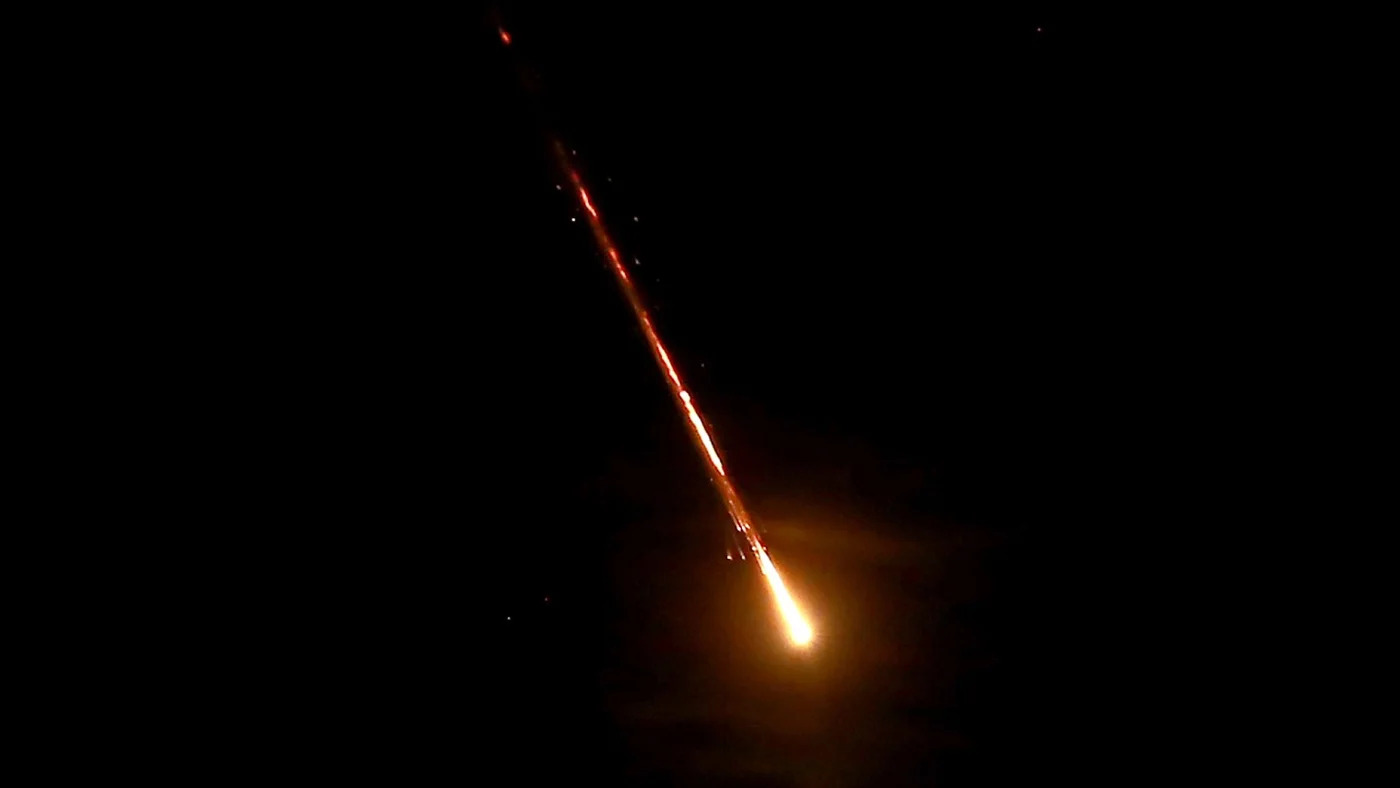
In a joint statement, the Jordan Armed Forces and the Public Security Directorate (PSD) said the Royal Jordanian Air Force intercepted 79 of the missiles and drones. Five drones and one missile were not intercepted and fell within Jordanian territory.
Meanwhile, the PSD spokesperson Amer Sartawi said that civil defense and police teams responded to 93 reports of missile and drone debris across most governorates over the past week.
Nine individuals sustained injuries during these incidents, and all received necessary medical treatment and have been discharged in stable condition.
On February 28, Israel and the United States launched joint attacks on Tehran and several other Iranian cities, killing Iran’s then-Supreme Leader Ali Khamenei, along with senior military commanders and civilians. Iran responded by launching waves of missile and drone strikes targeting Israel and U.S. bases and assets in the Middle East.
The Jordan Armed Forces and the Public Security Directorate (PSD) said the Royal Jordanian Air Force intercepted 79 of the missiles and drones.
From March 23 to 29, 2026, delegates will gather at the Bosque Expo venue for what promises to be a pivotal UN wildlife conference, the first time Brazil has hosted this landmark event.
Under the compelling theme “Connecting Nature to Sustain Life”, the meeting underscores the indispensable role of ecological connectivity, the seamless web of habitats, corridors, and stopover sites that migratory species rely on to complete their epic journeys.
Representatives from the CMS’s 133 Parties, comprising 132 countries plus the European Union, will join forces with scientists, conservation organizations, Indigenous Peoples, local communities, environmental NGOs, and other stakeholders from across the globe.
High-level government officials, including Brazil’s Ministry of the Environment and Climate Change leadership, are expected to preside over sessions, with João Paulo Capobianco designated as the COP15 President. The gathering will also feature side events, stakeholder dialogues, and a dedicated high-level segment aimed at securing renewed political commitments.
This COP follows the momentum built at COP14, held in February 2024 in Samarkand, Uzbekistan, the first CMS COP in Central Asia, under the banner “Nature Knows No Borders.”
That meeting launched the groundbreaking State of the World’s Migratory Species report, revealing that 44% of monitored populations were declining and over one in five listed species faced extinction risk.
It also adopted the Samarkand Strategic Plan for Migratory Species 2024–2032, setting ambitious targets for habitat restoration, reduced infrastructure impacts, and enhanced connectivity.
Recent updates paint an even starker picture: an interim assessment shows declines have worsened to 49% of migratory species populations, with 24% now at heightened extinction risk.
Mounting threats include habitat fragmentation, overexploitation, fisheries bycatch, marine and plastic pollution, illegal take, climate-driven disruptions, light pollution, renewable energy infrastructure collisions, anthropogenic noise, and emerging risks like deep-sea mining.
Delegates at COP15 are poised to tackle these challenges head-on through a comprehensive agenda. Key discussions will center on implementing the Samarkand Strategic Plan, proposing amendments to the CMS Appendices to afford stricter protections to vulnerable species; such as certain sharks and rays, hammerhead and thresher sharks, giant otters, striped hyenas, Amazon catfish, and potentially others like the snowy owl.
Cross-cutting issues will dominate debates, including measures to curb bycatch and fisheries mortality, combat pollution and illegal take, promote wildlife health, address climate impacts, safeguard seamount ecosystems, and advance ecological connectivity initiatives, including tools like an Atlas of Animal Migration.
Participants will also explore synergies with other global frameworks, such as the Convention on Biological Diversity and Ramsar wetlands convention, while emphasizing sustainable livelihoods, pastoralism in rangelands, and the role of infrastructure in minimizing harm to migratory routes.
Expected outcomes include the adoption of a high-level Ministerial Declaration reaffirming global commitments, approvals of new species listings and concerted action plans, strengthened guidelines on emerging threats, and concrete steps to operationalize the Strategic Plan through the next decade.
These decisions could galvanize coordinated international efforts, potentially reversing declines and ensuring migratory species, from soaring birds and ocean-crossing whales to river-traversing fish, continue to sustain ecosystems and human well-being.
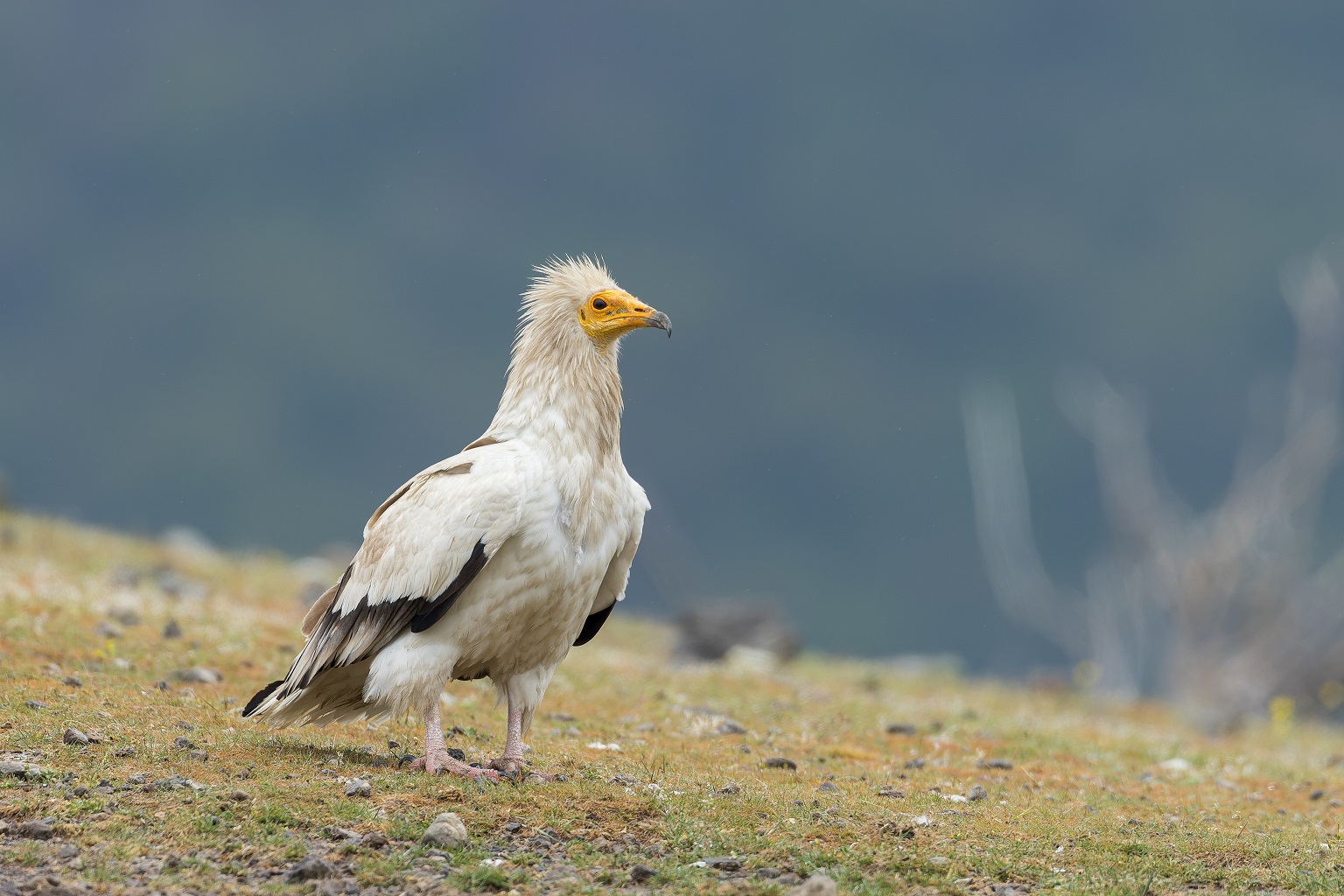
The Egyptian vulture can fly up to 640 kilometers (400 miles) in a day as it travels between its wintering grounds in the Sahara and European breeding sites — a migration that of up to 5,000 km (3,100 mi). Image by Sergey Dereliev.
There is no clear evidence that Iran has placed mines in the Strait of Hormuz, he said at a news briefing.
He said the United States is planning for Iran’s various measures and “that’s not a strait we’re gonna allow to remain contested.”
The Strait of Hormuz, a narrow waterway that connects the Gulf and the Gulf of Oman, is one of the world’s most critical maritime chokepoints, carrying around a quarter of global seaborne oil trade and significant volumes of liquefied natural gas and fertilizers.
Hegseth also told reporters that strikes carried out by the United States and Israel have significantly weakened Iran’s military capabilities.
“Between our Air Force and that of the Israelis, over 15,000 enemy targets have been struck,” he said.
Iran’s missile volume is down 90 percent and that of their one-way attack drones was down 95 percent as of Thursday, Hegseth further said.
Hegseth threatened that “today will be yet again, the highest volume of strikes that America has put over the skies of Iran and Tehran.”
Hegseth also told reporters that the U.S. Central Command has designated an investigating officer to complete a command investigation into a strike on an elementary school in Iran that killed over 160 people, mostly pupils.
The Feb. 28 strike on Shajarah Tayyebeh elementary school in Minab occurred during U.S. operations targeting a nearby Iranian military base.
According to reports, a preliminary finding from an ongoing military investigation indicates that the school was struck by a U.S. Tomahawk missile.
A fire breaks out on a Thai cargo ship after it was struck in the Strait of Hormuz on March 11, 2026.
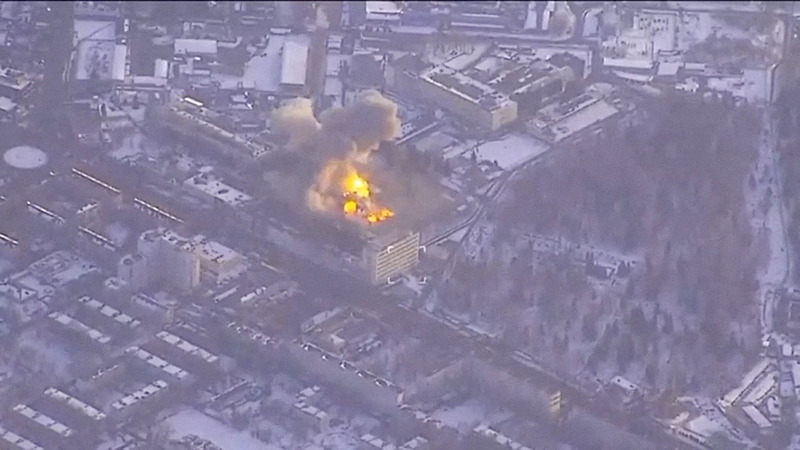
During the summoning, the direct involvement of Britain and France in this “terrorist attack,” which killed seven people and injured over 40, was pointed out, the ministry said in a media release.
“It is clear to us that the missile attack on Bryansk would not have been possible without the involvement of British and French specialists, as well as without the transfer of intelligence” to Kiev, it said.
It was also stated that Moscow views the shelling of Bryansk as a deliberate provocation aimed at undermining the intensified efforts to peacefully resolve the Ukraine crisis.
Moscow demanded that the United Kingdom and France issue a clear public response with a firm and unequivocal condemnation of the attack.
“Failure to do so will be considered solidarity with the terrorist methods, which is a disgrace for countries that are permanent members of the UN Security Council,” the release added.
Ukraine’s military hits Russian missile plant in Bryansk. Photo by Reuters
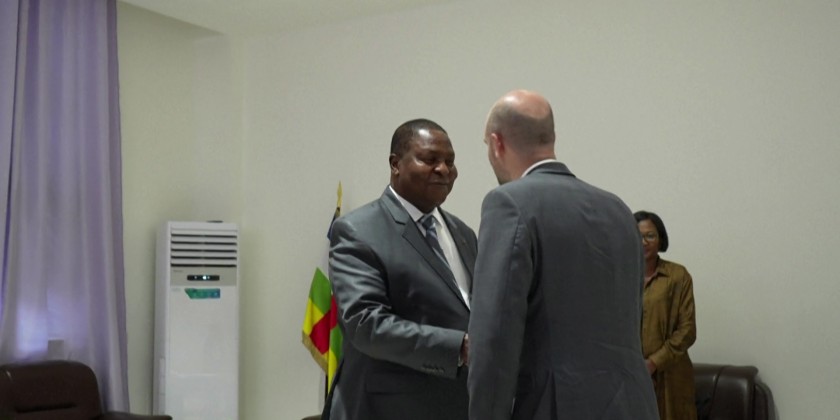
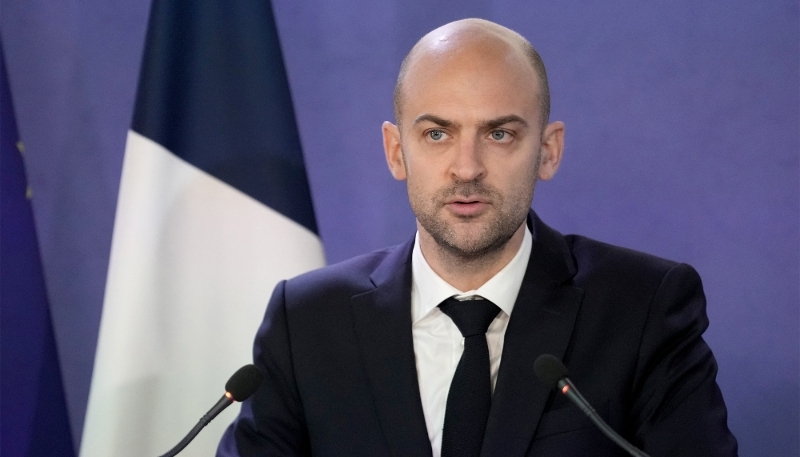
Barrot made the announcement during a two-day trip to the country.
“This is the first time in eight years that a French foreign minister is present in Bangui and my presence marks the complete restoration of relations between our two countries after a period of strain and tension,” Barrot told reporters.
He said France was looking forward to “reinforcing our relations in all sectors”.
In 2024, Faustin-Archange Touadera, president of the Central African Republic, met with his French counterpart Emmanuel Macron in Paris as part of efforts to resume ties.
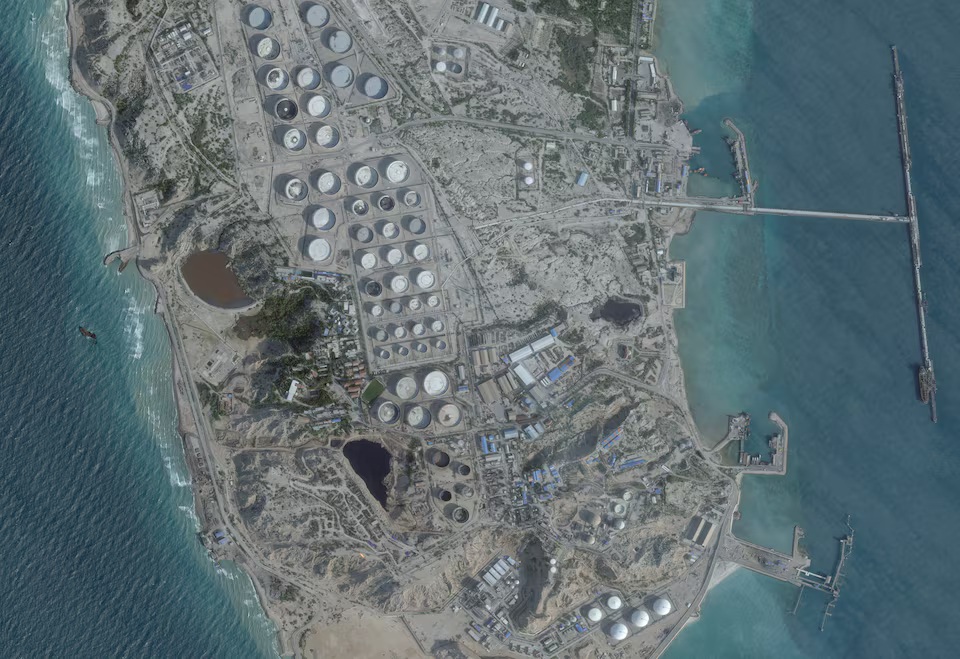
In a social media post, Trump said the United States had already “totally obliterated” military targets on Kharg Island, but that the island’s oil facilities were deliberately spared for now. He made clear that if Iran or any other force interfered with the free and safe passage of ships through the Strait of Hormuz, those energy assets could be hit.
The warning comes amid a broader and escalating conflict that began in late February with coordinated U.S. and Israeli bombardments on Iran.
Iran’s armed forces have responded with missile and drone attacks against U.S. bases, Israel, and shipping traffic in the Gulf, prompting closures of some sea routes.
The Strait of Hormuz is one of the world’s most significant maritime passages, with about 20% of global oil supplies normally passing through it each day. Disruptions there have already disturbed energy markets and driven global oil prices higher.
Iran’s government has vowed that any attack on its energy infrastructure would prompt retaliation against energy facilities linked to the United States and its allies. Oil markets are closely watching the situation, as even small disruptions at Kharg Island could tighten already strained global supply.
Trump threatens to hit Iran’s Kharg Island oil network if shipping lanes remain blocked.