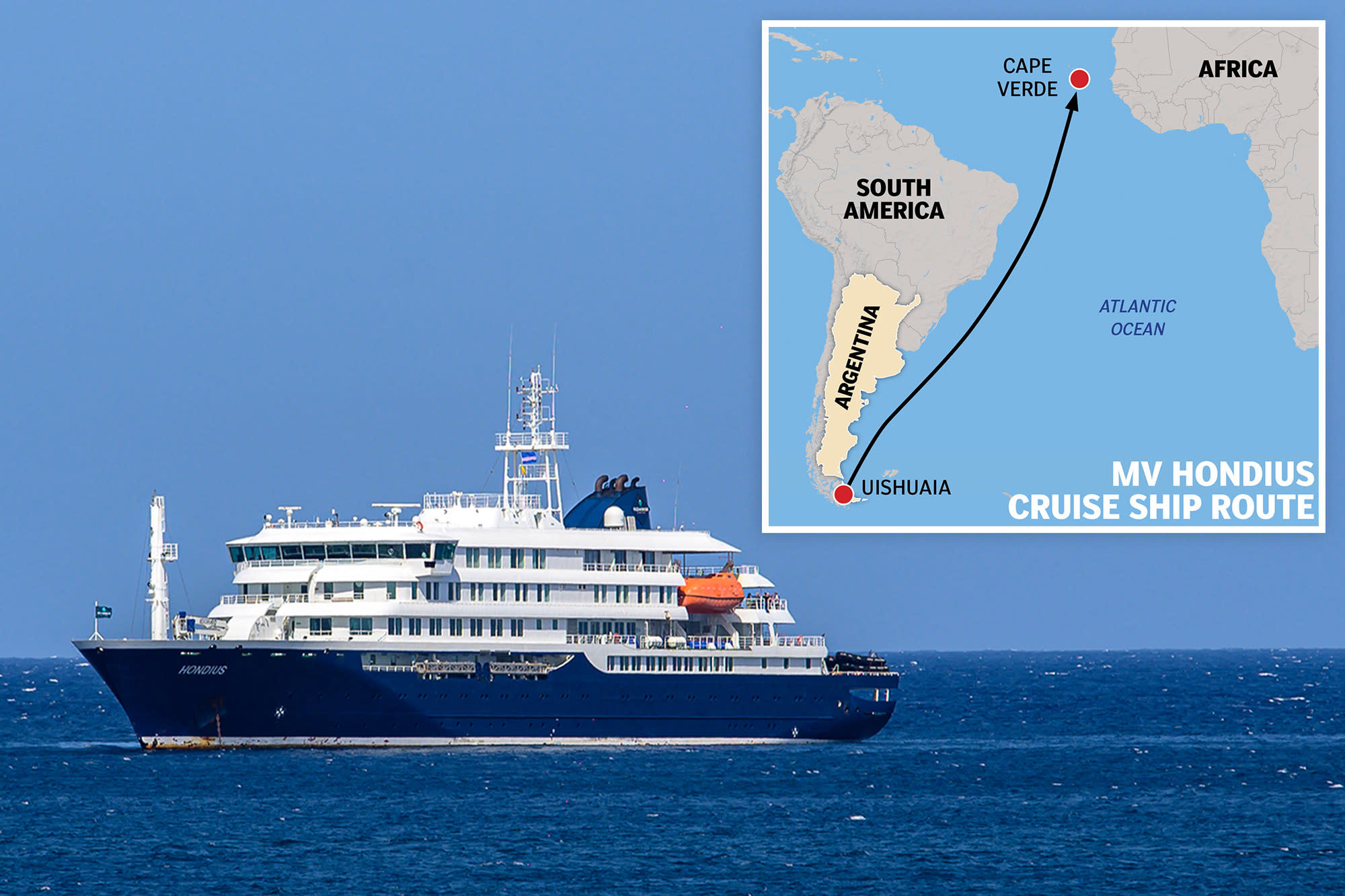
Speaking at a press conference, Gomes said the three patients requiring urgent medical care are in stable condition, with no new cases reported among the remaining passengers and crew.
The evacuation will be carried out by specialized air ambulances, with one aircraft already in Cape Verde and another expected to assist. “The transfer will take place as soon as all safety conditions are in place,” she said, without specifying a timetable.
Gomes stressed that the risk to Cape Verde remains low, as no passengers have disembarked and there has been no contact with the country’s territory.
A sanitary corridor involving maritime and airport authorities has been established to ensure the safe evacuation of patients, medical staff, and the public.
The vessel may be cleared to resume its voyage once the evacuation is completed and sanitary conditions are verified, Gomes said, noting that the outbreak had been reported by international health bodies before the ship entered Cape Verdean waters.
Cape Verde’s National Director of Health Angela Gomes (C), briefs the press on arrangements for the medical evacuation of patients from the cruise ship MV Hondius during a press conference in Praia, Cape Verde, on May 5, 2026. Cape Verde will airlift three patients in the coming hours from the cruise ship MV Hondius, which remains anchored off the Port of Praia, National Director of Health Angela Gomes said Tuesday, following a deadly hantavirus outbreak on board. (Photo by Elton Monteiro/Xinhua)
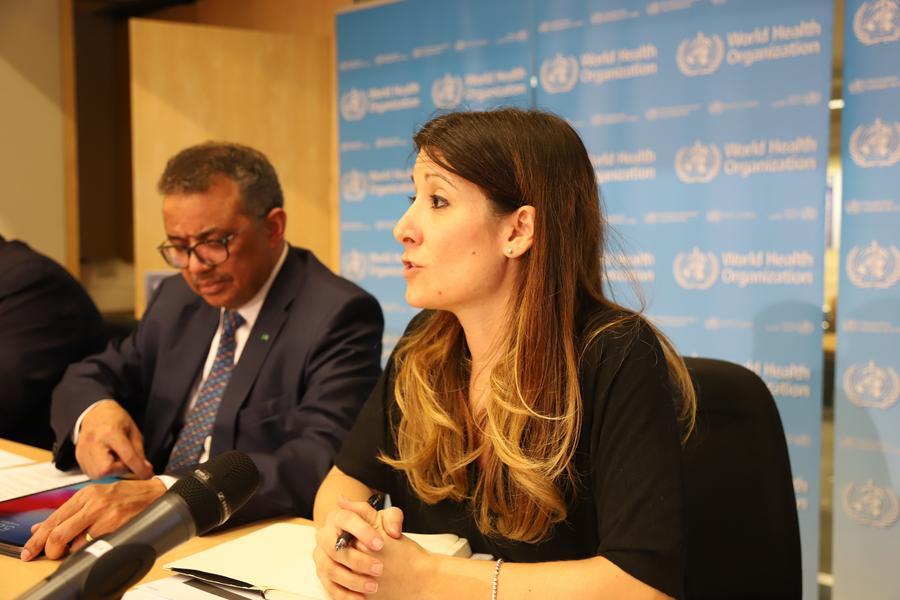
The agency received reports of a hantavirus outbreak on the Hundius on May 2. Seven individuals of the 147 passengers and crew have been reported ill and three have died. The situation remains fluid, WHO’s chief of Epidemic and Pandemic Preparedness and Prevention Maria Van Kerkhove told reporters in Geneva.
“One patient is in intensive care in South Africa, although we understand that this patient is improving,” she said, adding that two other patients, still on board the ship, are being prepared for medical evacuation to the Netherlands for treatment.
Van Kerkhove stressed that the situation is being closely monitored. As a precaution, passengers have been asked to remain in their cabins while disinfection and other public health measures are carried out.
“The plan is, and our highest priority is, to medically evacuate these two individuals” to make sure that they receive the required care, and there are no other symptomatic patients on board, she said.
The ship is set to continue on to the Canary Islands, Spain, and the WHO is working with the Spanish authorities “to do a full epidemiologic investigation, full disinfection of the ship,” she added.
Hantaviruses are carried by rodents and can cause severe disease in humans. Thousands of infections are estimated to occur each year. People usually get infected through contact with infected rodents or their urine, their droppings, or their saliva.
As to the suspected origins of the virus, Van Kerkhove said that the initial patients — a husband and wife — boarded the ship in Argentina.
“With the timing of the incubation period of hantavirus, which can be anywhere from one to six weeks, our assumption is that they were infected off the ship,” she said.
“We do believe that there may be some human-to-human transmission that’s happening among the really close contacts,” such as the husband and wife and others who have shared cabins, she noted.
According to the WHO, human-to-human transmission of infection hantavirus between people is uncommon, but limited spread has been reported among close contacts in previous outbreaks of the Andes virus, which is part of the hantavirus group.
There are no specific treatments for hantavirus other than supportive care. “Typically, people will develop respiratory symptoms, so respiratory support is really important,” Van Kerkhove said.
This file photo shows Maria van Kerkhove (R), who was technical lead for the WHO’s Health Emergencies Program, speaking during a daily briefing in Geneva, Switzerland, on March 5, 2020.
The joint sitting of Romania’s bicameral parliament started at 11 a.m., with 431 of its 464 members present for the vote. Romania’s 464-seat parliament requires at least 233 votes to pass a no-confidence motion. A total of 288 lawmakers cast their votes, with three invalid ballots, leaving 285 valid votes.
Under the constitution, the Bolojan government will become an interim administration from the moment the vote passes, limited to handling routine administrative affairs. It will not be allowed to issue emergency ordinances or propose new legislation. The interim government’s term may not exceed 45 days.
The parties now enter negotiations to form a new government. Failure to do so could trigger a snap election.
The Social Democratic Party (PSD), the primary initiator of the motion, is willing to quickly find a solution “to have a government quickly,” and “all options are open,” said PSD President Sorin Grindeanu after the government was dismissed.
Catalin Predoiu, first vice president of the National Liberal Party (PNL), told local media Digi24 that this situation should not have happened, and negotiations between parties should continue.
Dominic Fritz, president of the ruling coalition member Save Romania Union (USR), said on social media that USR will “neither let the PSD and the Alliance for the Union of Romanians (AUR) drag Romania back to the past, nor enter into negotiations with the PSD to form a new government.”
Bolojan of the PNL took office in June 2025. However, its austerity policies and proposed sale of strategic state assets drew strong opposition from the PSD, the largest party in the original governing coalition.
In April, the PSD withdrew its political support and pulled all its ministers from the government, seeking Bolojan’s resignation but was rebuffed. The party then, together with major opposition parties and independents, submitted a no-confidence motion in late April.
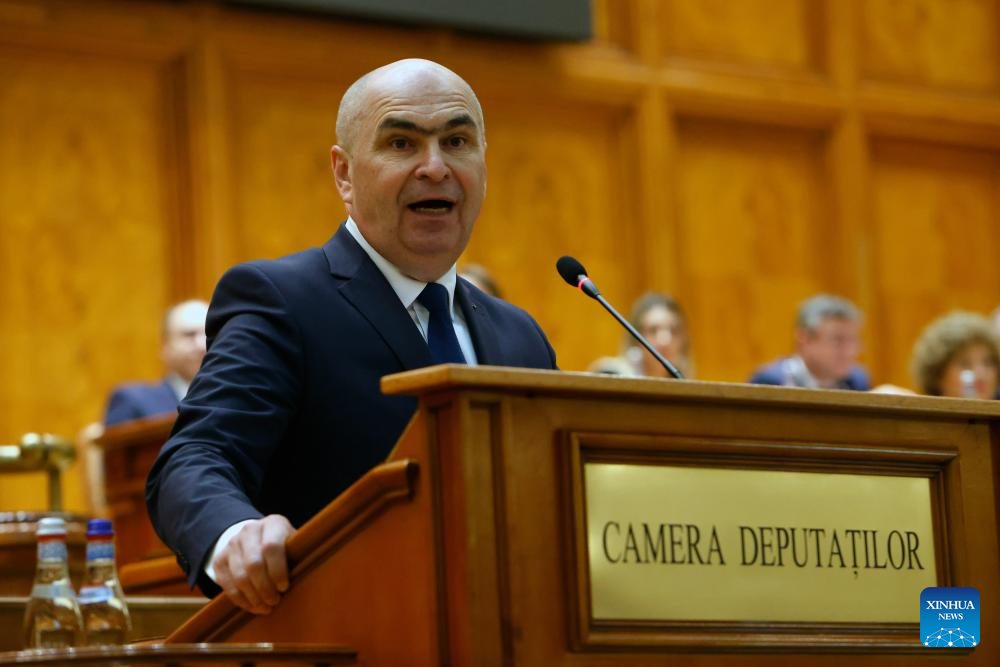
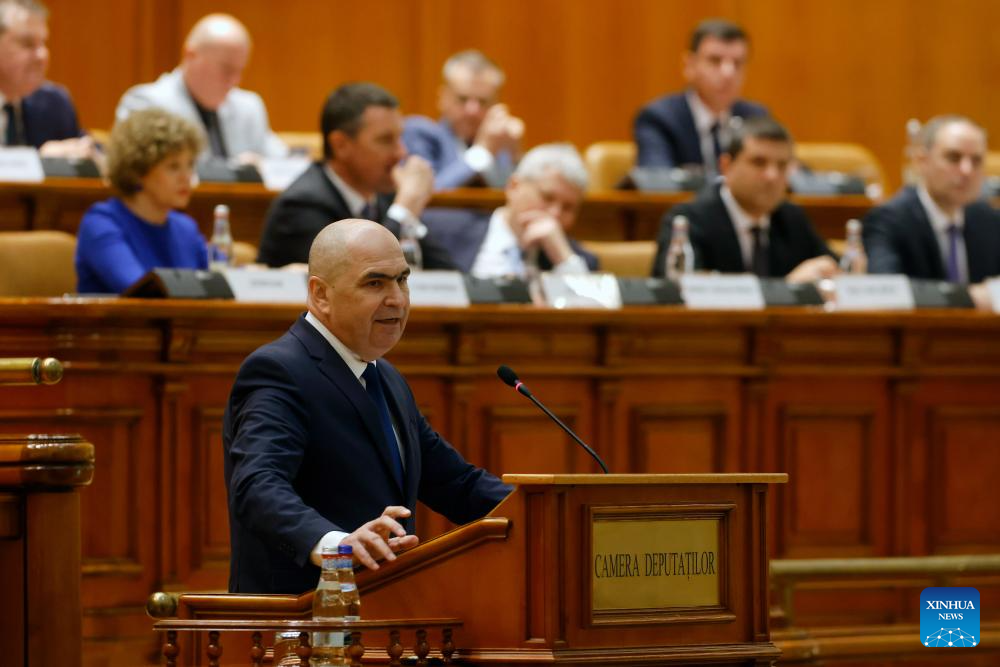
Romania’s Prime Minister Ilie Bolojan speaks during a no-confidence vote against his government at Parliament Palace in Bucharest, Romania, May 5, 2026. Romania’s bicameral parliament passed a no-confidence motion against Prime Minister Ilie Bolojan’s government on Tuesday, with 281 votes in favor and 4 against, bringing down the government, according to the parliament’s live broadcast of the vote.
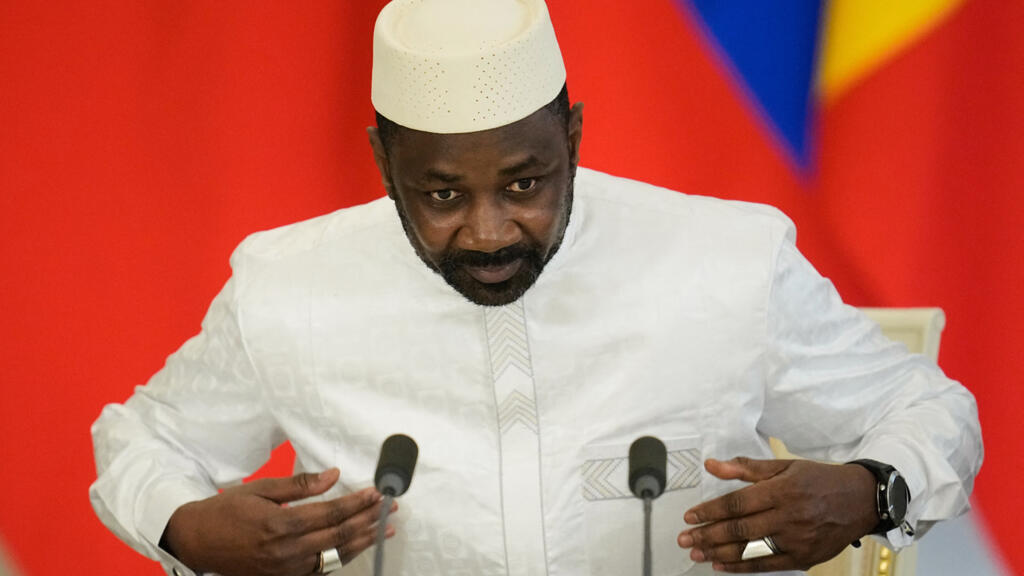
The move comes as the country continues to face a worsening security crisis nearly two weeks after an alliance of jihadist fighters and separatist rebels launched nationwide assaults. During the attacks, Defence Minister Sadio Camara was killed in an apparent suicide truck bombing targeting his residence near Bamako.
A decree read on state television on Monday confirmed Goïta’s new role as defence minister. He will be supported by army chief of staff Gen Oumar Diarra, who has been named minister delegate.
Goïta’s decision to hold both the presidency and the defence portfolio is widely seen as an effort to tighten his control amid growing pressure on his leadership.
The unrest began on 25 April when residents across Mali woke to gunfire and explosions as the separatist Azawad Liberation Front and the al-Qaeda-linked JNIM group launched coordinated attacks. Since then, the insurgents have reportedly imposed partial blockades on Bamako and other major cities.
The offensive, which also forced Malian and allied Russian forces to withdraw from the northern city of Kidal, has raised questions about the strength of Goïta’s military government, which came to power following a coup in August 2020.
Authorities say several soldiers have been arrested for alleged links to the attacks, with investigations suggesting involvement of both former and serving military personnel in planning and execution.
Mali has also coordinated with Niger and Burkina Faso to carry out air strikes against the insurgents. The three military-led countries, which form the Alliance of Sahel States, have expelled French troops and turned to Russian support in their fight against armed groups. However, insecurity persists, with large areas still outside government control.
Mali’s military leader Gen Assimi Goïta has taken over as defence minister after the officer who previously held the post was killed in a wave of surprise attacks.
The ministry confirmed that the sounds heard in scattered areas of the country were the result of the successful interception of the aerial threats.
It urges the public to obtain information from official sources, verify the facts, and adhere to all public safety measures upon receipt of warning messages.
Meanwhile, the UAE National Emergency Crisis and Disasters Management Authority said air defenses are responding to a missile threat, urging residents to remain in safe locations and follow official updates.
This photo taken on Oct. 17, 2024 shows a city view of Dubai, the United Arab Emirates.
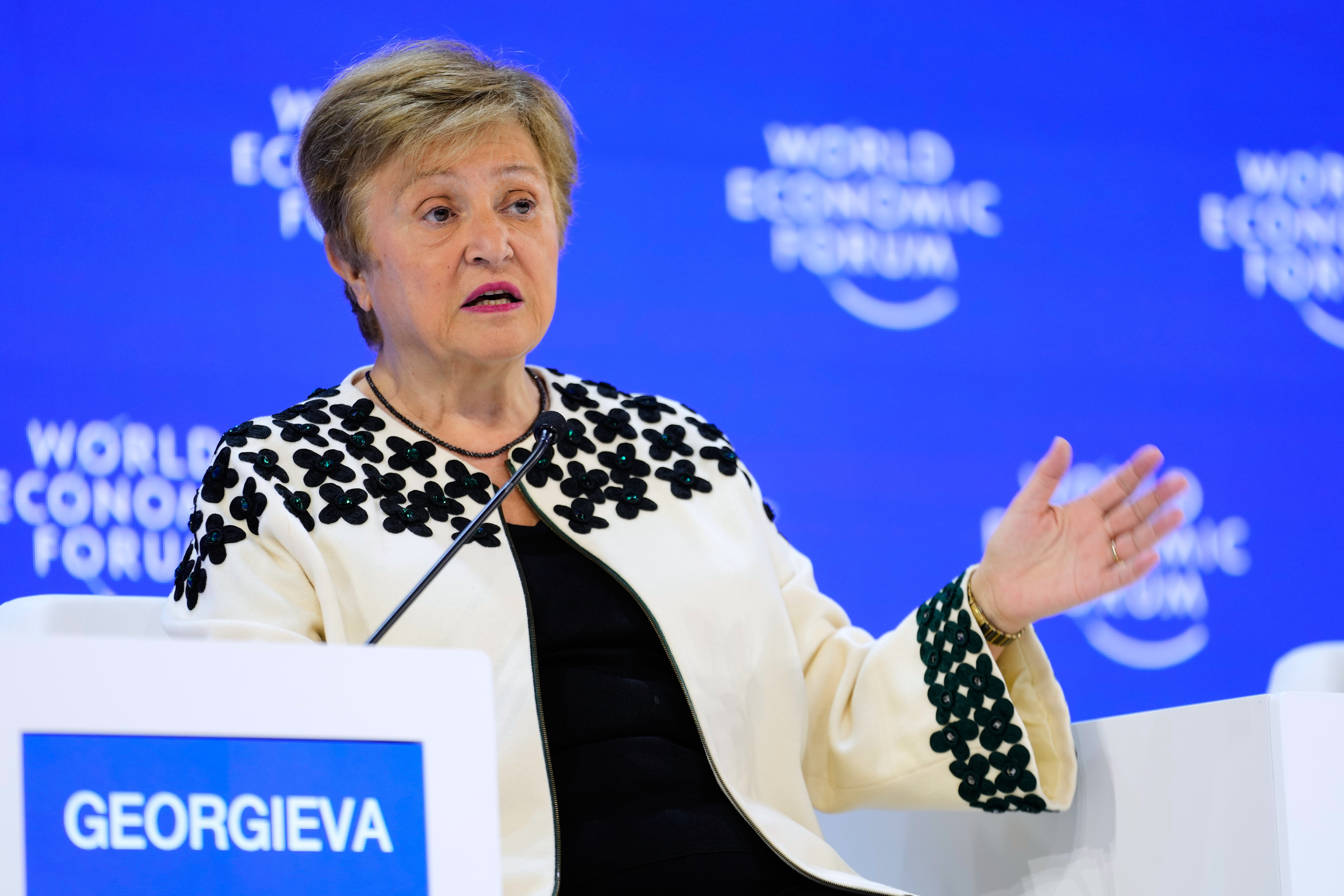
“We are going to see inflation climbing up, and then inevitably, inflation expectations would start de-anchoring,” she said at a conference hosted by the Milken Institute in Washington, D.C.
She noted that current conditions, including a prolonged conflict, oil prices hovering at or above 100 U.S. dollars per barrel, and mounting inflationary pressures, have already activated the IMF’s “adverse scenario.”
In April, the IMF issued three scenarios for global GDP growth in 2026 and 2027, namely the main “reference forecast,” a middle “adverse scenario,” and a much worse “severe scenario.”
Under the adverse scenario, global growth would slow to 2.5 percent in 2026, while inflation would rise to 5.4 percent.
The reference scenario, which assumes a short-lived conflict, projects growth of 3.1 percent and inflation of 4.4 percent.
“This scenario, with every day that passes, is further and further behind in the rear-view mirror,” Georgieva said.
For the severe scenario forecast, global growth would be just 2 percent, with inflation hitting 5.8 percent.
FILE – Kristalina Georgieva, Managing Director of the International Monetary Fund, attends the Annual Meeting of the World Economic Forum in Davos, Switzerland, Jan. 23, 2026. (AP Photo/Markus Schreiber, File)
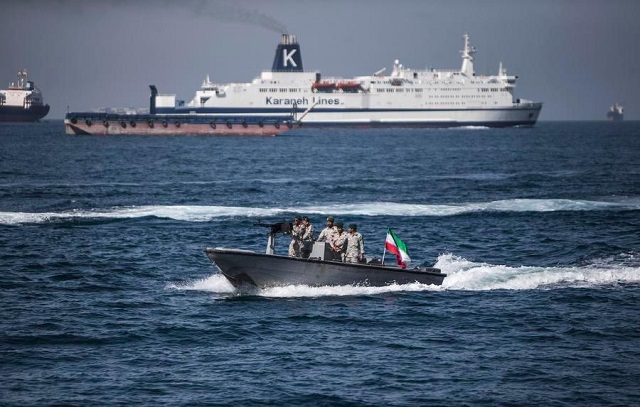
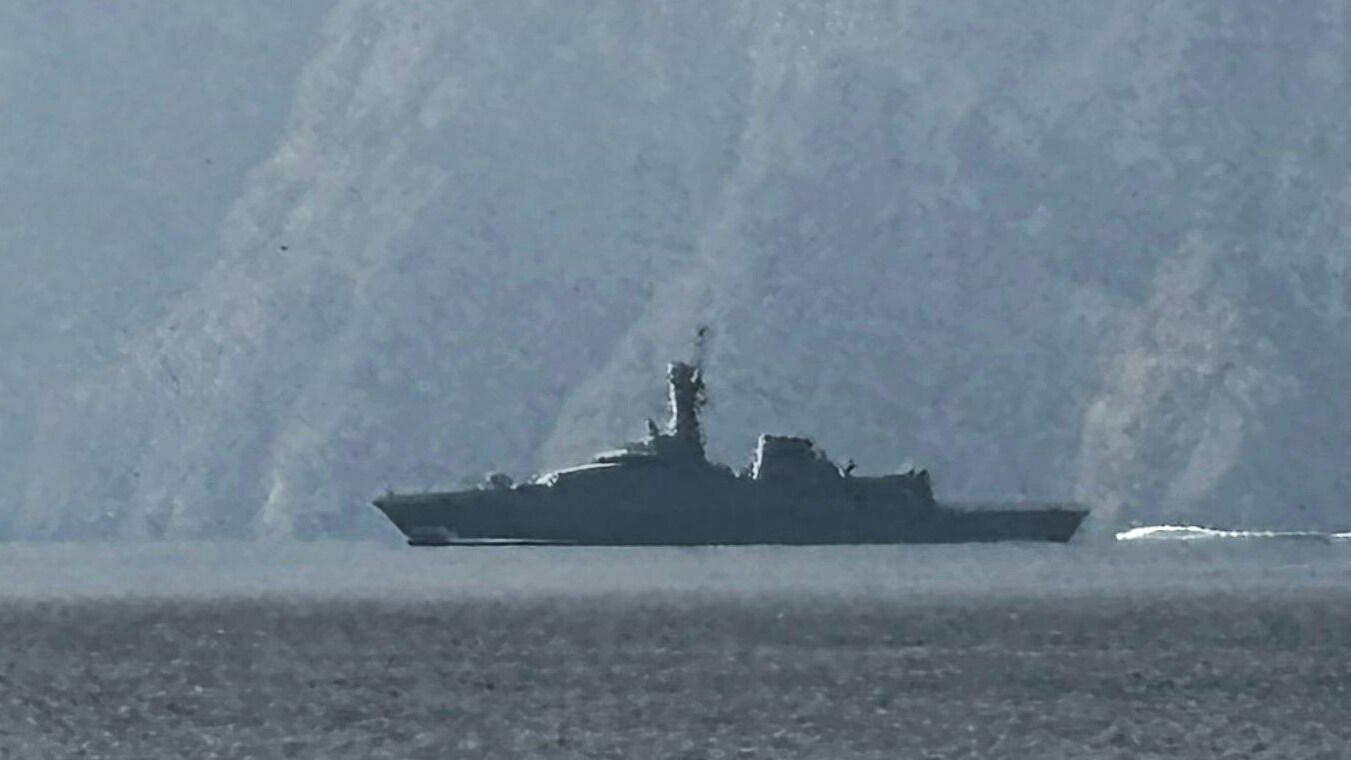
The USS Truxtun and USS Mason, supported by Apache helicopters and other aircraft, faced a series of coordinated threats during the passage, said the report, citing Pentagon officials, who spoke under condition of anonymity.
No U.S. warship was struck, though Iran launched small boats, missiles and drones against them as a sustained barrage, the officials were quoted as saying.
None of the projectiles launched by Iran reached the U.S. vessels, they said, adding that the U.S. military’s assisting efforts, bolstered by air support, successfully intercepted or deterred each incoming threat.
U.S. President Donald Trump told Fox News on Monday that the Iranians are “more malleable” than they were before.
In a phone interview with Fox News, the president threatened that if Iran targets U.S. ships in the Strait of Hormuz as the Pentagon begins operations to restore commercial shipping transit through the strait, they would be “blown off the face of the Earth.”
However, in another phone interview with ABC News on Monday, Trump stopped short of saying Iran’s Monday attacks had violated the U.S.-Iran ceasefire.
“[It was] not heavy firing,” Trump said, downplaying the attacks.
Brad Cooper, chief of the U.S. Central Command, told reporters earlier on Monday that Iranian forces had launched “multiple cruise missiles, drones, and small boats at ships we are protecting.”
U.S. forces have sunk six Iranian small boats targeting civilian vessels in the Strait of Hormuz and intercepted several Iranian missiles and drones, said Cooper.
Iran later rejected the U.S. claims, saying that “no commercial vessels or oil tankers” have transited the Strait of Hormuz, the semi-official Tasnim News Agency reported.
On Feb. 28, the United States and Israel launched joint strikes on Tehran and other Iranian cities, killing then-Supreme Leader Ali Khamenei, senior military commanders and civilians. Iran responded with waves of missile and drone attacks on Israel and U.S. targets across the region and restricted passage through the Strait of Hormuz for vessels linked to Israel and the United States.
A ceasefire took effect on April 8, followed by talks between Iranian and U.S. delegations in Islamabad that ended without a deal.
Two U.S. Navy destroyers have passed through the Strait of Hormuz and entered the Gulf after navigating an Iranian barrage, U.S. media outlet CBS News reported on Monday night.
He made the remarks in an interview with state-run IRIB TV while noting that the U.S. response is being reviewed.
He stressed that Iran’s plan is exclusively focused on ending the war, and “nothing pertaining to the nuclear field’s details exists in it.”
“At present, we are focused on the parameters related to ending the war in the region, including Lebanon,” Baghaei added, stressing “we have no nuclear negotiation at this stage.”
Also on Sunday, Iranian Foreign Minister Seyed Abbas Araghchi briefed his Omani and German counterparts on Iran’s latest diplomatic efforts and initiatives to end the war.
In separate phone calls, Araghchi exchanged views with Omani Foreign Minister Sayyid Badr bin Hamad bin Hamood Albusaidi and German Foreign Minister Johann Wadephul on the latest regional and international developments, according to statements released by the Iranian Foreign Ministry.
On Feb. 28, Israel and the United States launched joint strikes on Tehran and other cities, killing Iran’s then-Supreme Leader Ali Khamenei, senior commanders, and civilians. Iran responded with waves of missile and drone attacks targeting Israel and U.S. interests in the region.
A ceasefire took effect on April 8, followed by talks between Iranian and U.S. delegations in Islamabad that failed to produce a deal.
On Feb. 28, Israel and the United States launched joint strikes on Tehran and other cities, killing Iran’s then-Supreme Leader Ali Khamenei, senior commanders, and civilians. Iran responded with waves of missile and drone attacks targeting Israel and U.S. interests in the region.
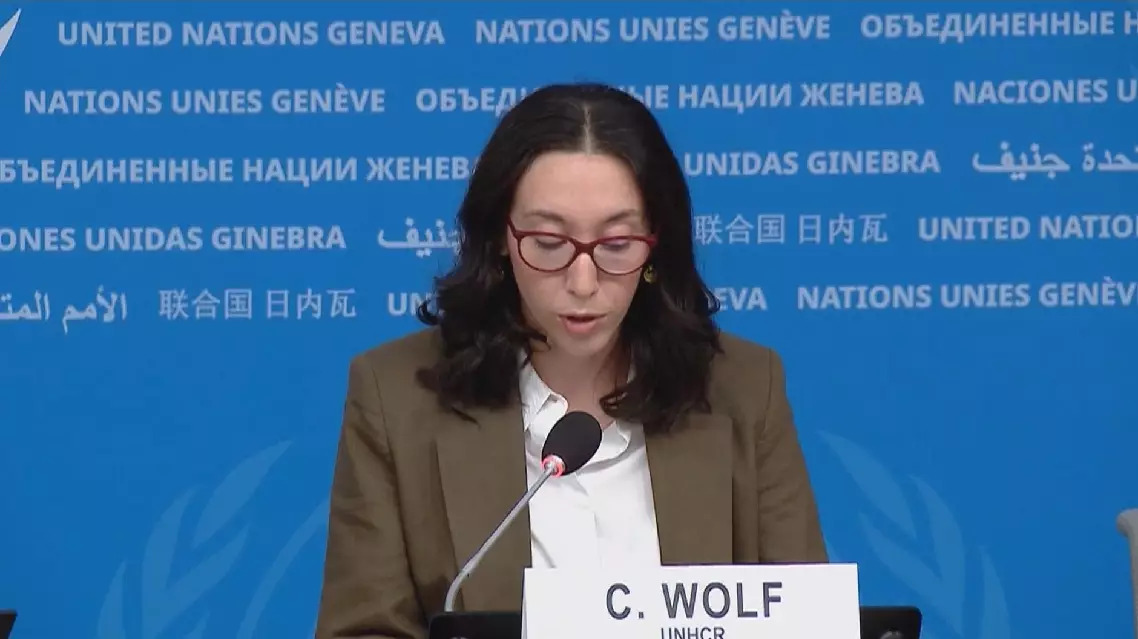
Heightened insecurity and instability around key Gulf routes, including the Strait of Hormuz, have disrupted maritime traffic. Rising fuel, food and freight costs worldwide are driving up prices and delaying the delivery of critical supplies, Carlotta Wolf said at a regular press briefing.
These rising costs “disproportionately affect people who are already living in emergencies, including millions of refugees and displaced people who are among the hardest hit, while also reducing the ability of aid agencies to deliver timely assistance,” she said.
The closure of key maritime routes has forced greater use of longer and more expensive alternatives, leading to increased transit times and operational complexity. Freight rates from key sourcing countries have risen by nearly 18 percent since the start of hostilities, while the capacity of UNHCR’s global transport providers has dropped from 97 to 77 percent since the start of this year, Wolf said.
“For some shipments, costs have more than doubled, such as transport costs for relief items from UNHCR global stockpiles in Dubai to our Sudan and Chad operations,” Wolf said.
The UNHCR spokesperson expressed particular concern about the situation for Africa, home to many overlapping, “often tragically neglected” displacement crises.
In Kenya, where one of UNHCR’s global stockpiles is located, a recent fuel price increase of around 15 percent triggered delays and reduced truck availability for shipments to Ethiopia, the Democratic Republic of the Congo, and South Sudan. In Sudan, the cost of delivering aid has doubled in recent months, while rerouting shipments around the Cape of Good Hope adds up to 25 days in delivery times.
“If instability in the Middle East persists, rising costs, delays and limited transport capacity are likely to constrain humanitarian operations further,” Wolf stressed.
The Middle East crisis has generated far-reaching ripple effects well beyond the region, with growing consequences for global humanitarian supply chains and the delivery of aid, the United Nations High Commissioner for Refugees (UNHCR) spokesperson warned on Friday.
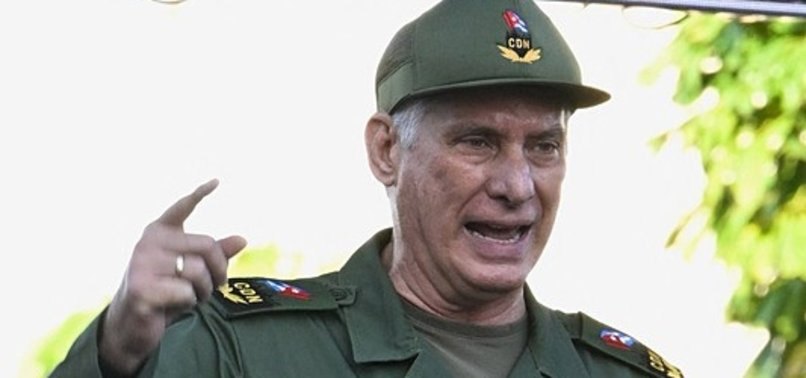
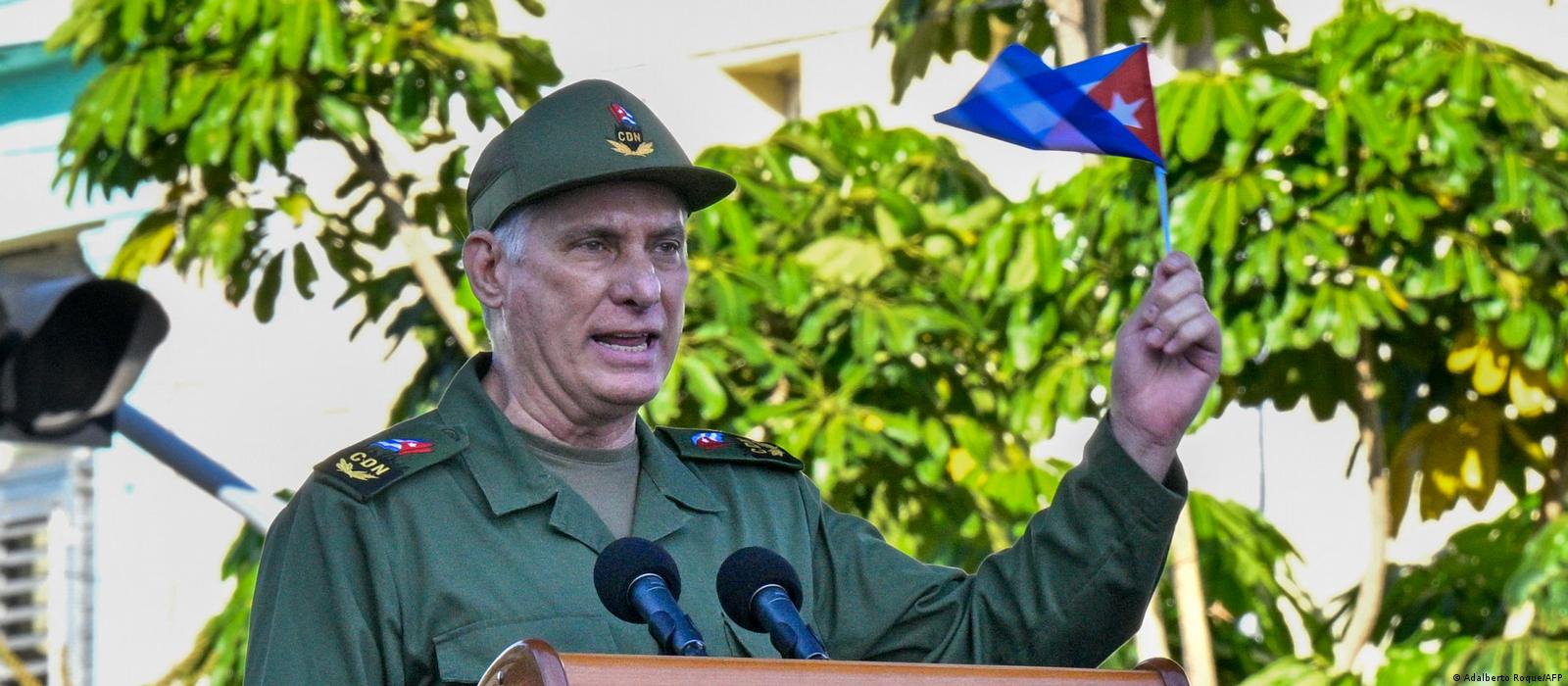
“The U.S. president escalates his threats of military aggression against Cuba to a dangerous and unprecedented scale,” Cuban President Miguel Diaz-Canel wrote on X.
Diaz-Canel called on the international community and the American people to decide whether they would allow “such a drastic criminal act” to serve the interests of a small but wealthy and influential group seeking revenge and domination.
He said that no aggressor, “no matter how powerful,” would find surrender in Cuba, but rather “a people determined to defend sovereignty and independence.”
Cuban Foreign Minister Bruno Rodriguez also said on X the same day that Trump’s “clear and direct” threat of a military attack had raised aggression against Cuba to dangerous levels.
Rodriguez said popular support for the Cuban Revolution was demonstrated “massively” during May Day celebrations on Friday.
Speaking at an event in Palm Beach, Florida, Trump said the United States would take control of Cuba “almost immediately” after “finishing a job,” referring to the conflict with Iran in the Middle East.
He added that he “could” send the aircraft carrier USS Abraham Lincoln to the Caribbean and have it stop about 100 yards off Cuba’s coast “on the way back from Iran.”
Cuban President Miguel Diaz-Canel on Saturday denounced the escalation of Washington’s military threats against the country by US President Donald Trump.