Britain’s government announced in April that it had agreed a deal to send asylum-seekers to the East African country, in a move that it insisted was aimed at disrupting people-smuggling networks and deterring migrants from making the dangerous Channel crossing to England from Europe.
A challenge to block the deportation flights was brought by human rights groups Care4Calais and Detention Action, along with the Public and Commercial Services Union (PCS), a trade union representing civil servants in Britain’s Home Office, and some asylum-seekers facing deportation to Rwanda. They claimed UK Home Secretary Priti Patel’s policy was “unlawful on multiple bases,” and sought an injunction to stop the plane from taking off.
The claimants also challenged Patel’s legal authority to carry out the removals, the rationality of her claim that Rwanda is generally a “safe third country”.
But Justice Swift rejected the campaigner’s urgent injunction at London’s Royal Courts of Justice on Friday, saying on the “balance of convenience” there was a “material public interest” in allowing the flights to go ahead while the judicial review was ongoing.
Both Patel and UK Prime Minister Boris Johnson welcomed the court’s decision on Friday. “We cannot allow people traffickers to put lives at risk and our world leading partnership will help break the business model of these ruthless criminals,” Johnson said on Twitter.
The statement released by RDF today indicates that the two soldiers have been returned home safely.
“Following the kidnap of two RDF soldiers on patrol along the Rwanda-DRC border on 28 May 2022, and the subsequent diplomatic interventions between the Heads of State of Angola, DRC and Rwanda, the RDF is pleased to announce that the two soldiers are now safely back in Rwanda,” reads the statement in part.
These RDF soldiers include Cpl Nkundabagenzi Elysée and Pte Ntwari Gad. They were arrested on patrol along the border between Rwanda and DRC.
DRC said that they were arrested in 20 kilometers from the border as they went to support M23 in its clashes with Congolese Army.
However, Rwanda rejected the statement insisting that they were kidnapped along the border on patrol.
Few days after the incident, DRC President Félix Tshisekedi accepted to release them on the request of Angolan counterpart João Lourenço, who is the mediator between both countries on the issue.
IGIHE recently learnt from credible sources that the soldiers were initially detained by FDLR and later handed over to Congolese Army which incarcerated them in Goma and later in Kinshasa.
Sources also revealed that DRC didn’t want to send them directly to Rwanda but mulled sending them to Angola as the mediator which would hand them over to Rwanda.
RDF has through the statement commended the efforts invested in securing the release of the two soldiers.
The Western region Police spokesperson, Superintendent of Police (SP) Bonaventure Twizere Karekezi said that Vedaste Habimana, 38, and Emmanuel Hitimana, 20, were arrested red-handed mining coltan in Bereshi Village, Tetero Cell, Kavumu Sector.
“These are ongoing operations against illegal mining activities and illegal trade in minerals conducted by the Police, other security organs and local leaders with the support of the local residents, who provide information on individuals or groups involved,” said SP Karekezi.
The arrest of Habimana and Hitimana, he added, followed reports of people, who steal minerals from a coltan concession in Bureshi village owned by NL Mining Company.
“The two suspects were caught in the mining concession on Thursday at about 6pm. They are part of a group engaged in illegal mining and illegal trade, although others managed to flee during the operation. They will be located and arrested to face charges for their alleged unlawful acts,” SP Karekezi added.
He further stressed that conducting mining activities requires skills, knowledge and use of specialized tools to prevent possible risks including loss of people’s lives.
The suspects were handed over to RIB at Kavumu station for further legal process
Article 54 of the law N° 58/2018 of 13/08/2018 on mining and quarry operations, states that; any person, who undertakes mineral or quarry exploration, exploitation, processing or trading without a licence, commits an offence.
Upon conviction, the offender is liable to imprisonment for a term of between two and six months and a fine of not less than Rwf1 million and not more than Rwf5 million or only one of these penalties.
The court also orders confiscation of any seized minerals or quarry in storage, trading or processing without a license.
Unlike the recent shelling which injured people and destroyed houses, RDF has through a statement revealed that today’s shelling didn’t injure anyone.
“The DRC armed forces, FARDC, fired two 122mm rockets into Rwanda from the Bunagana area, striking along the Rwanda-DRC border in Nyabigoma Cell, Kinigi Sector, Musanze District on 10 June 2022 at 11:55am. There were no casualties but the local population is terrified,” reads part of the statement.
This follows similar shelling by forces in DRC on 19th March and 23th May 2022 in Kinigi and Nyange Sectors of Musanze District and in Gahunga Sector of Burera District, which caused casualties and damaged property.
Rwanda has also reported more provocations by DRC including the kidnap by FARDC in collaboration with the Democratic Forces for the Liberation of Rwanda (FDLR) of two RDF soldiers on border patrol. The incidents have been reported to the Government of DRC, the Expanded Joint Verification Mechanism of the ICGLR and other partners.
FDLR is rebel outfit comprised of remnant masterminds of the 1994 Genocide against Tutsi who at different times plotted hit-and-run attacks to Rwanda and repelled back.
RDF has reassured the population that efforts to resolve the issue are underway noting that their safety is assured.
Speaking to the media recently; the Minister of Foreign Affairs, Dr. Vincent Biruta said that Rwanda is ready to protect its citizens in case the Democratic Republic of Congo (DRC) does not halt provocations.
Minister Biruta made the revelation on Tuesday 31st May 2022 during a press conference on the current situation of deteriorating relations with DRC.
The press conference was held amidst ongoing tension between Rwanda and DRC, where the latter accuses Rwanda of supporting M23 rebel outfit in clashes with Congolese Army (FARDC).
Rwanda has however been maintaining that the allegations ‘are baseless’ and accused DRC of working with FDLR.
Commenting on the previous shelling during the press briefing; Minister Biruta said that he called his counterpart of DRC inquiring into what happened, but did neither apologize to Rwanda nor reassure that it won’t happen again.
Minister Biruta also talked about Rwanda’s possible reaction in case DRC’s provocations linger. He disclosed that Rwanda won’t idly sit by if DRC doesn’t stop its provocations.
“We have responsibilities to protect our citizens and country’s borderlines. A country defends itself against attacks. This means, if the issue persists, we cannot idly sit by and wait for repetitive shelling on our citizens every day or provocations to kidnap people anytime. It is among issues pointed out at the African Union Summit in Malabo. I clearly indicated that we have legitimacy to respond and defend ourselves, in case we are attacked,” he noted during the recent press conference.
“We want such provocations to stop. We want these soldiers released. However, in case these attacks continue to threaten our country’s security, we would be legitimate to defend ourselves and you know that we have capacity,” Minister Biruta added.
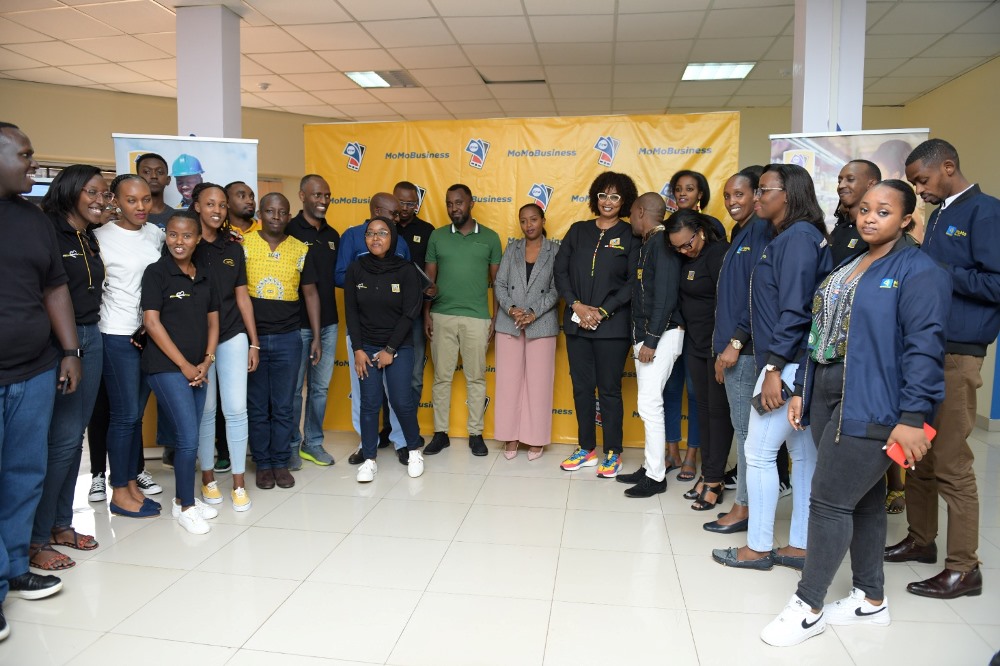
MoMo Rwanda currently serves over 3.8 million customers and over 51,000 merchants with various mobile money products and services. The launch of MoMoBiz serves to widen the array of services in use by merchants and businesses who currently use MoMo.
Merchants and businesses using MoMoPay have in the past raised the need to have an end-to-end solution that allows them, amongst others, the visibility of all transactions, the ability to make bulk payments while also being able to pay bills seamlessly. MoMoBiz serves as this single interface that will improve the efficiency and productivity of these businesses.
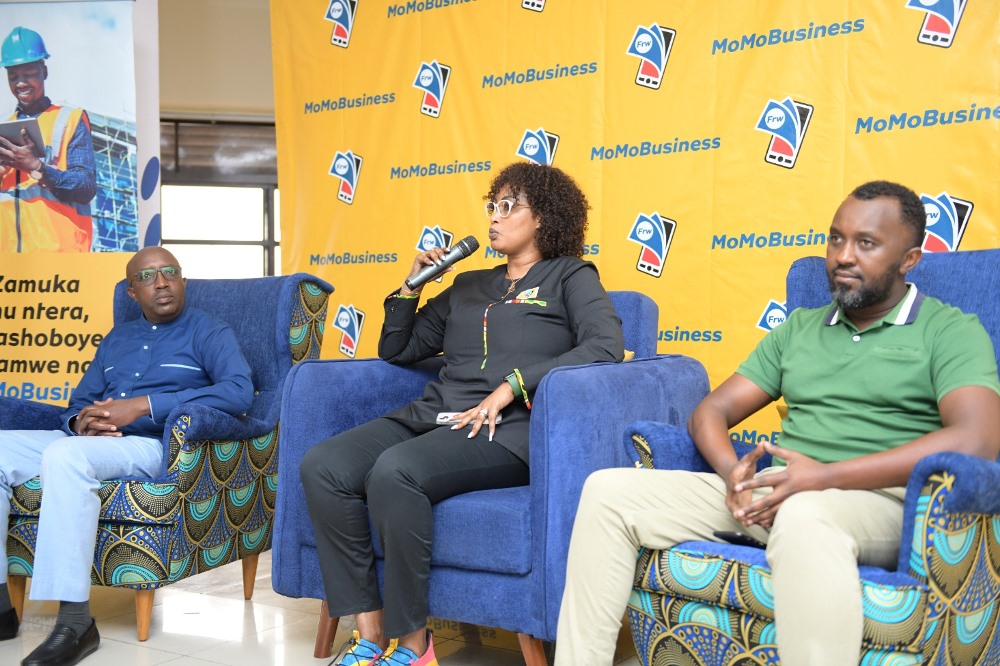
Speaking at the launch of the MoMoBiz; Chantal Kagame, Mobile Money Rwanda Ltd Chief Executive Office said: “MoMoBiz is a product that we’ve been looking forward to launch for a while now. We can now confidently say, gone are the days where business owners have to count bundles of cash, keep piles of daily transaction books, and ensure the cash counter is safely locked. MoMoBiz relieves our partners of that and provides a seamless platform for them to transact, buy goods and pay salaries, all at a click of a button. Let’s not forget the convenience of having all this critical information at their disposal everywhere they go.”
All business owners are encouraged to join MoMoBiz, which is not limited to MoMo merchants to improve the efficiency of their cash operations. To register, clients are required to upload their RDB certificate, TIN number among other documents via the MoMoBiz platform found at www.momobusiness.mtn.co.rw.
“MoMo Rwanda is committed to providing easy to access and convenient products and services with the aim of propelling financial inclusion across the nation and promoting the country’s cashless agenda. Our mission is to provide digital solutions for Rwanda’s progress,” concluded Kagame.
{{About Mobile Money Rwanda Ltd}}
Mobile Money Rwanda Ltd is MTN Rwanda’s FinTech subsidiary, established on 27th April 2021 to provide and manage Mobile Money services in Rwanda. The company has over 50,000 Mobile Money agents and over 51,000 MoMoPay merchants across the country.
The penetration of Mobile Money has seen a continuous rise with the enhancement of existing offerings such as MoMoPay, MTN m-Ticketing as a digital user-friendly ticketing solution, Tap&Go payments for bus services, Bill Payments, Bulk Payments, Electricity purchase, Payment of Government services, Bank Push & Pull, MoKash Loans & Savings, and more.
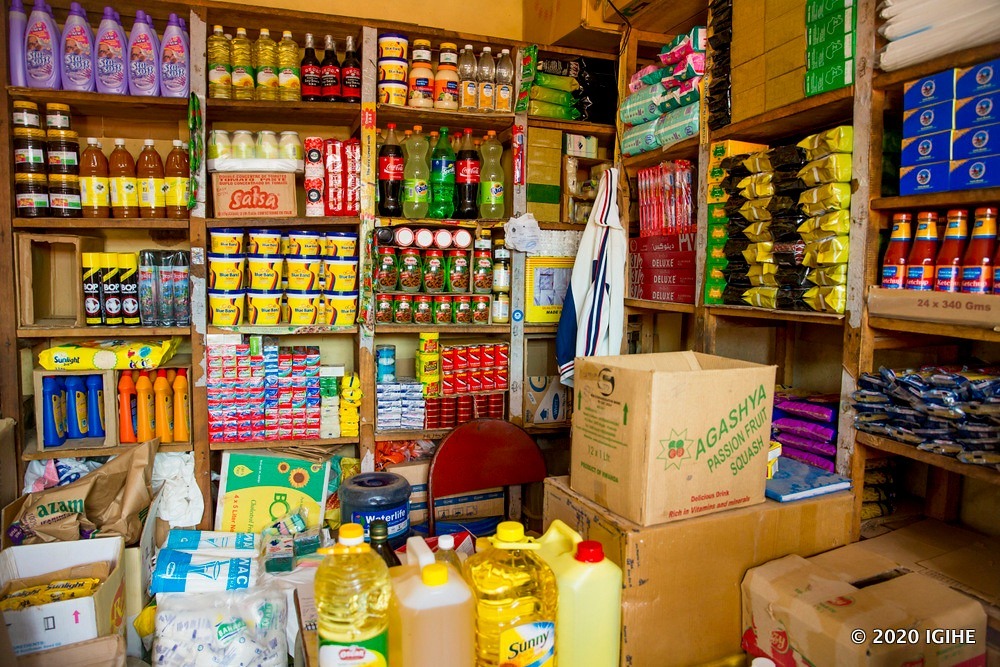
Figures released today show that Urban CPI increased by 12.6 percent on annual basis (May 2022 and May 2021) and increased by 1.9 percent on monthly basis (May 2022 to April 2022). The annual average inflation rate between May 2022 and May 2021 was 3.5 percent.
In May 2022, Food and non-alcoholic beverages increased by 24.2 percent on annual basis and increased by 5 percent on monthly basis. ‘Housing, water, electricity, gas and other fuels’ increased by 8 percent on annual basis and decreased by 0.3 percent on monthly basis.
Transport increased by 7.7 percent on annual basis and increased by 1 percent on monthly basis. Restaurants and hotels increased by 14.3 percent on annual change and increased by 0.1 percent on monthly basis.
Released statistics also show that the “local goods” increased by 11.5 percent on annual change and increased by 1.6 percent on monthly basis, while prices of the “imported products” increased by 15.9 percent on annual basis and increased by 2.8 percent on monthly basis.
The prices of the “fresh products” increased by 17.7 percent on annual change and increased by 3.1 percent on monthly basis.
The prices of the “Energy” increased by 17.6 percent on annual change and decreased by 1.3 percent on monthly basis.
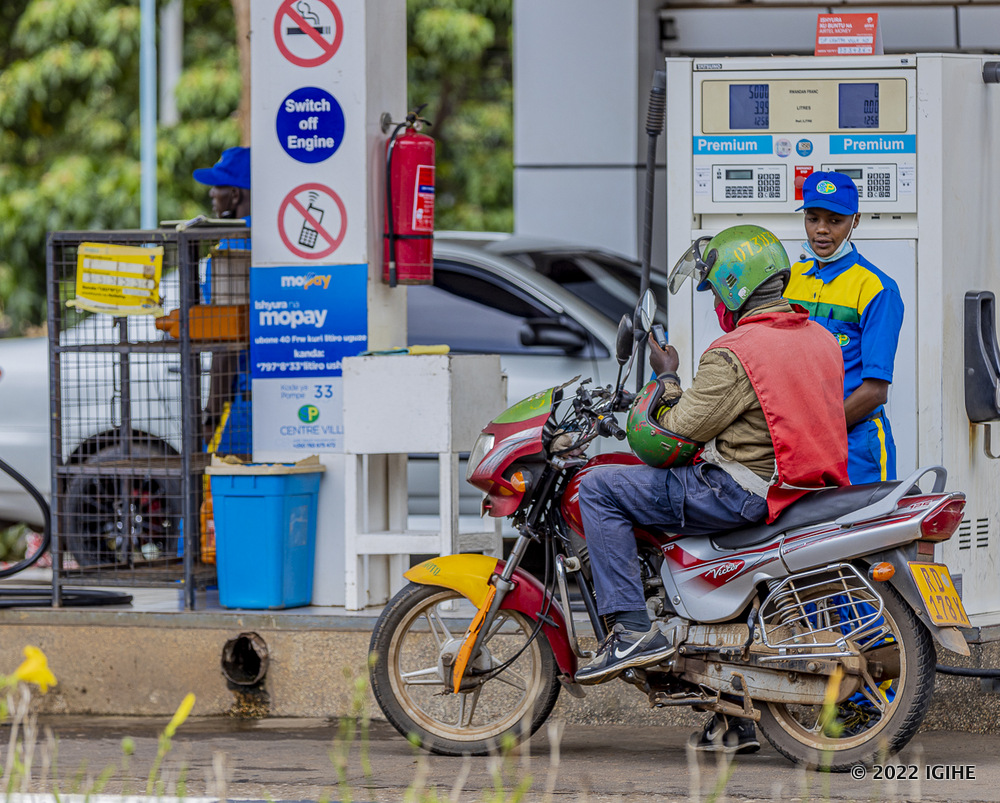
Prices are expected to continue rising this month due to revised fuel prices to go into effect from 10th June to 31st July 2022.
The Government of Rwanda has announced that a liter of fuel costs Rwf1460 from Rwf1359 while a liter of Diesel costs Rwf1503 from Rwf1368 in line with adjustments on international market.
The new prices are likely to affect the cost of transport cost and the global supply chain.
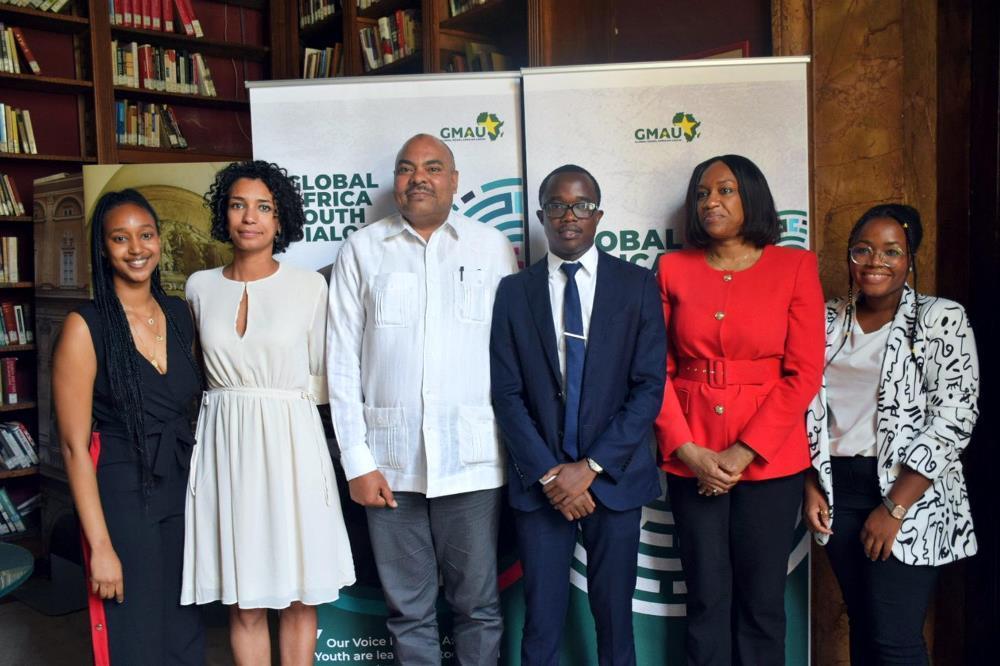
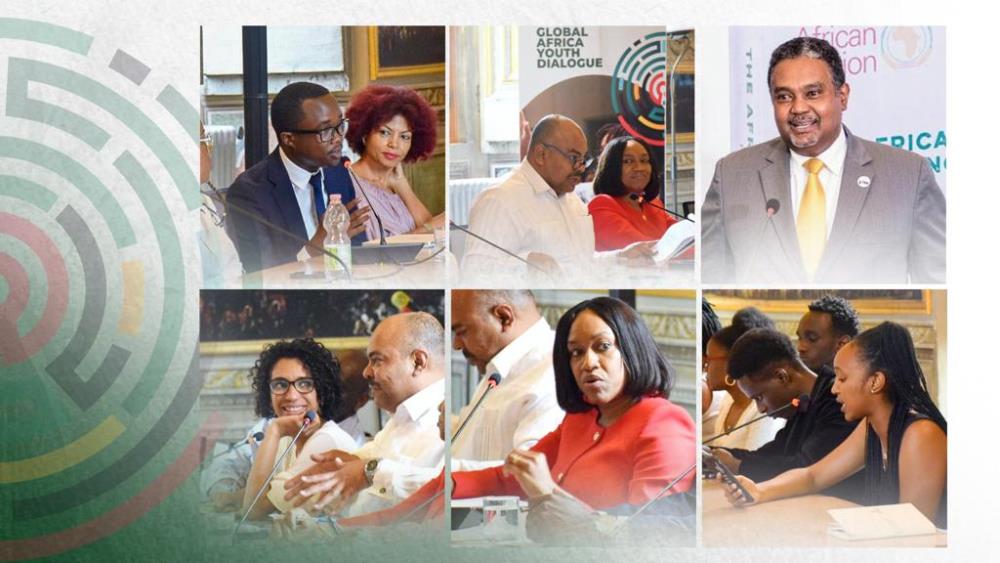
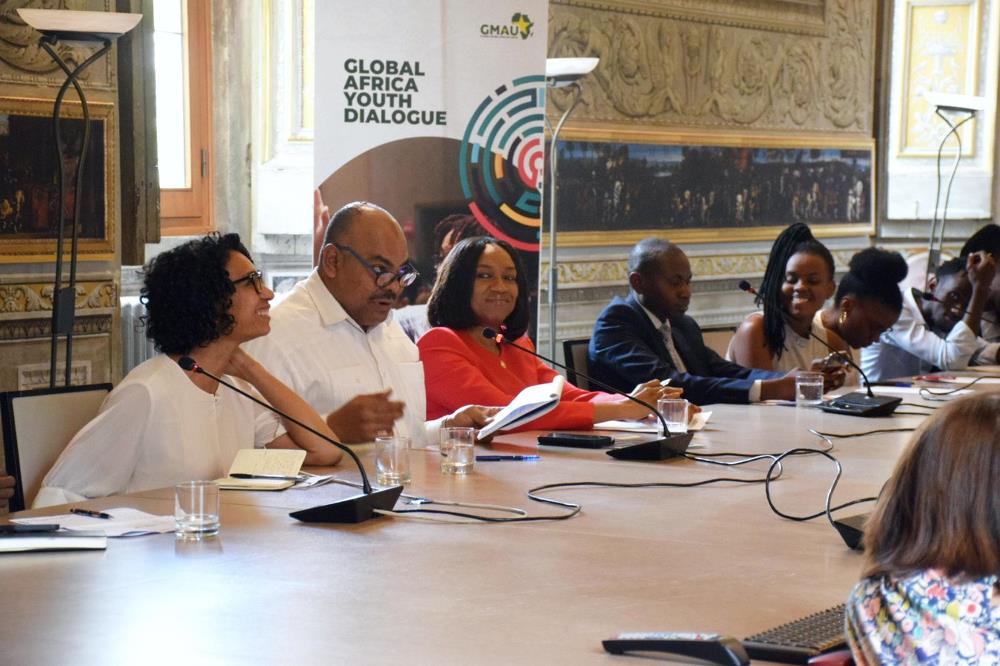
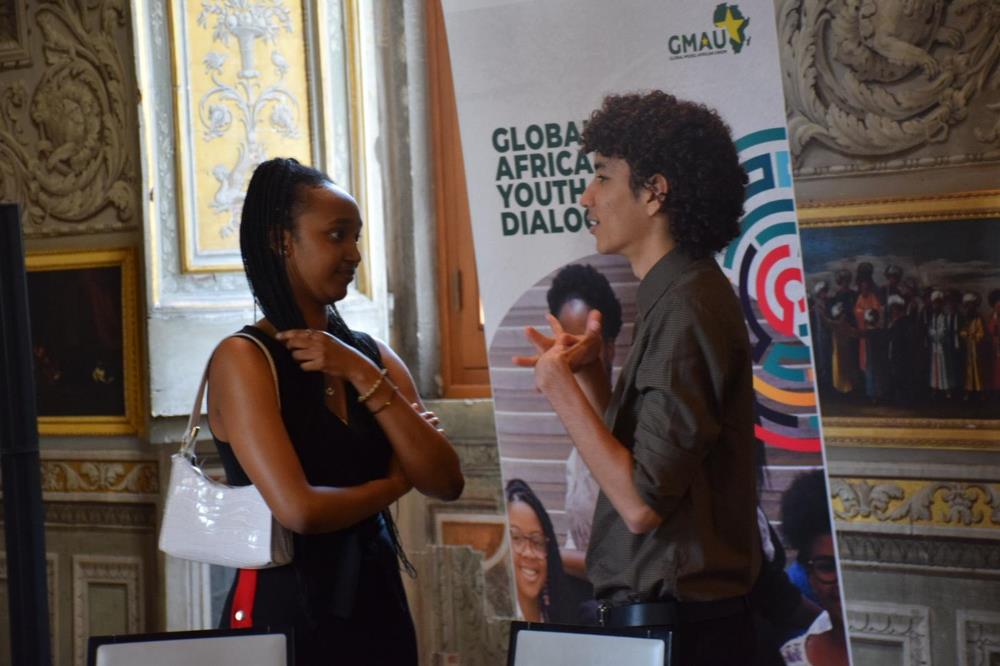
The Global Africa Youth Dialogue (GAYD) is an intergenerational dialogue that was initiated to advocate for diaspora African youth engagement in the continent’s development agendas, policy and decision making process.
Global Africa Youth Dialogue was founded by Humuza Gisa Roick, a Pan Africanist, Youth Activist and a Rwandan pursuing his education in Global Governance at the University of Rome Tor Vergata. The dialogue is aligned with the African Youth Charter adopted on July 02, 2006 and African Union (AU) agenda 2063.
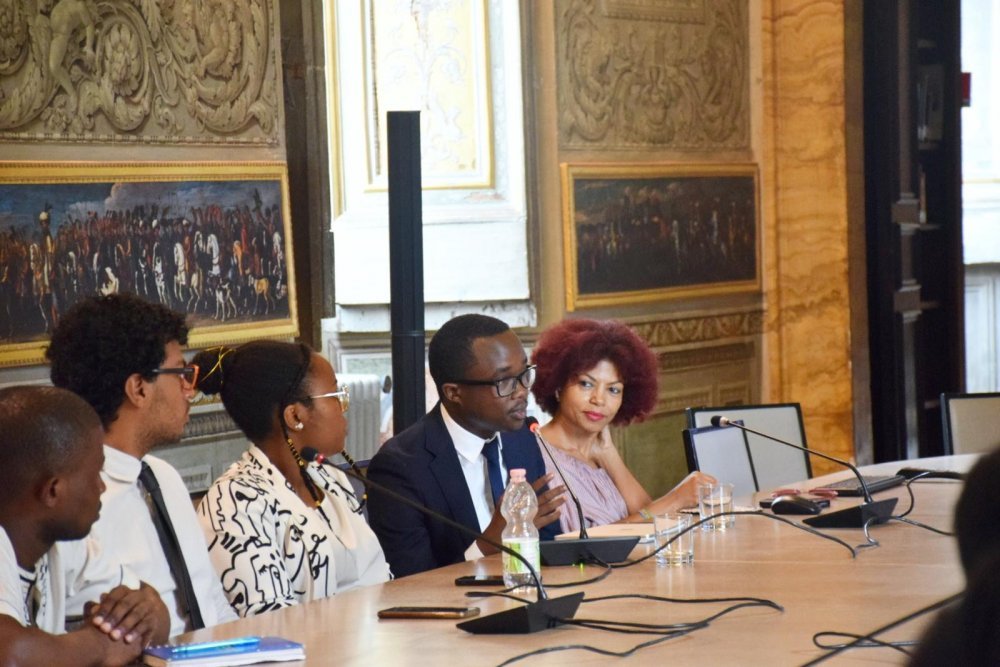
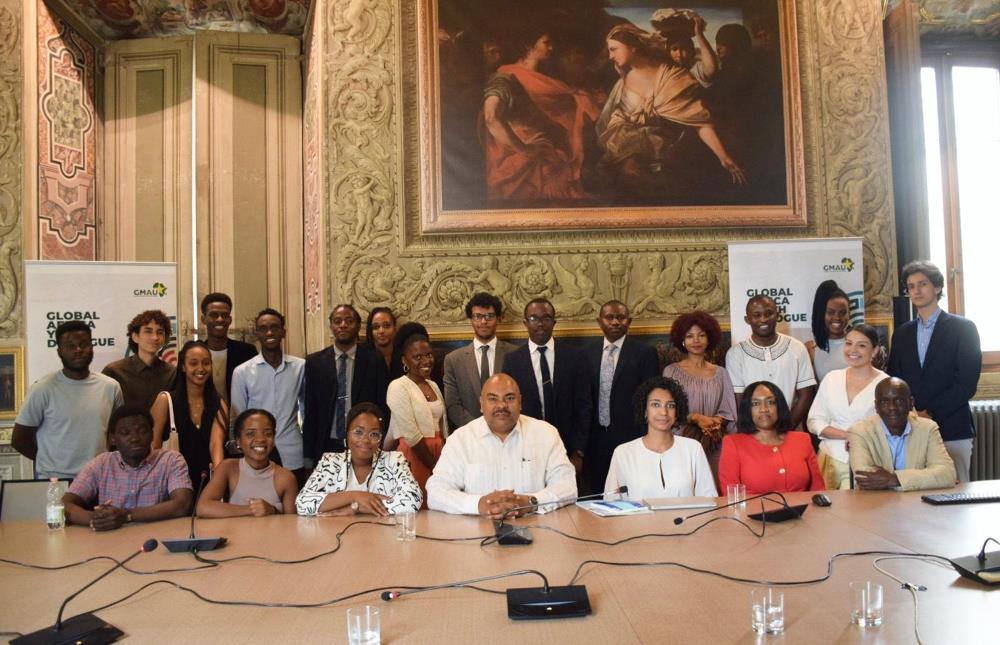
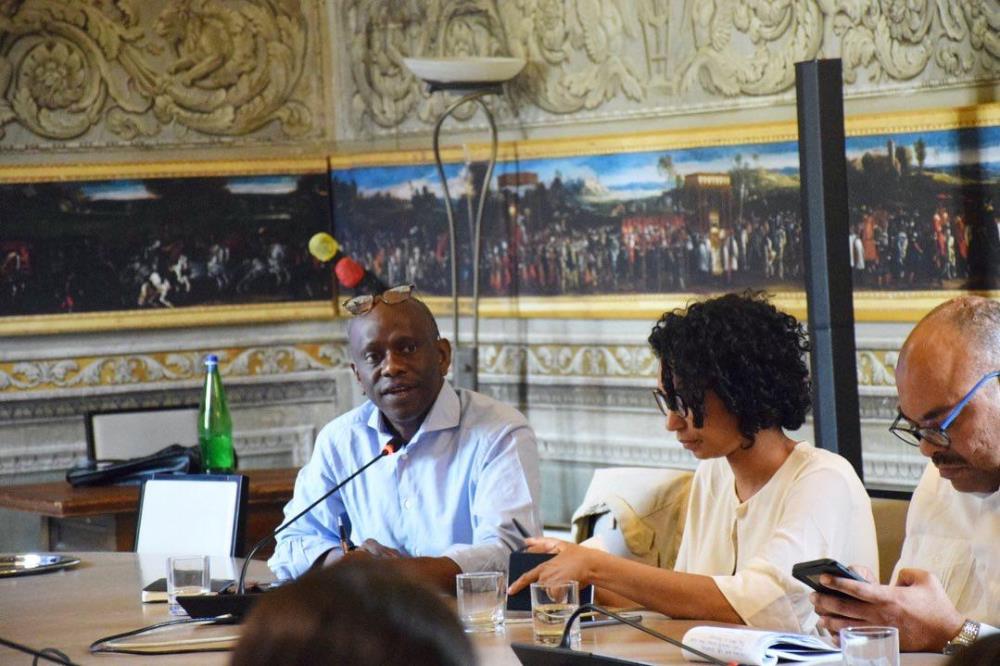
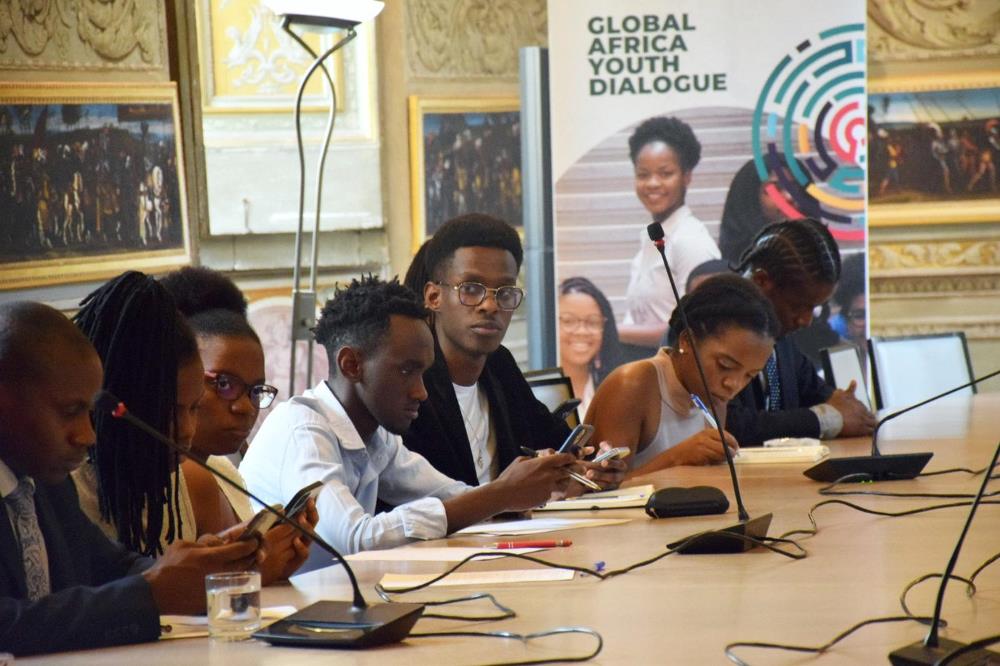
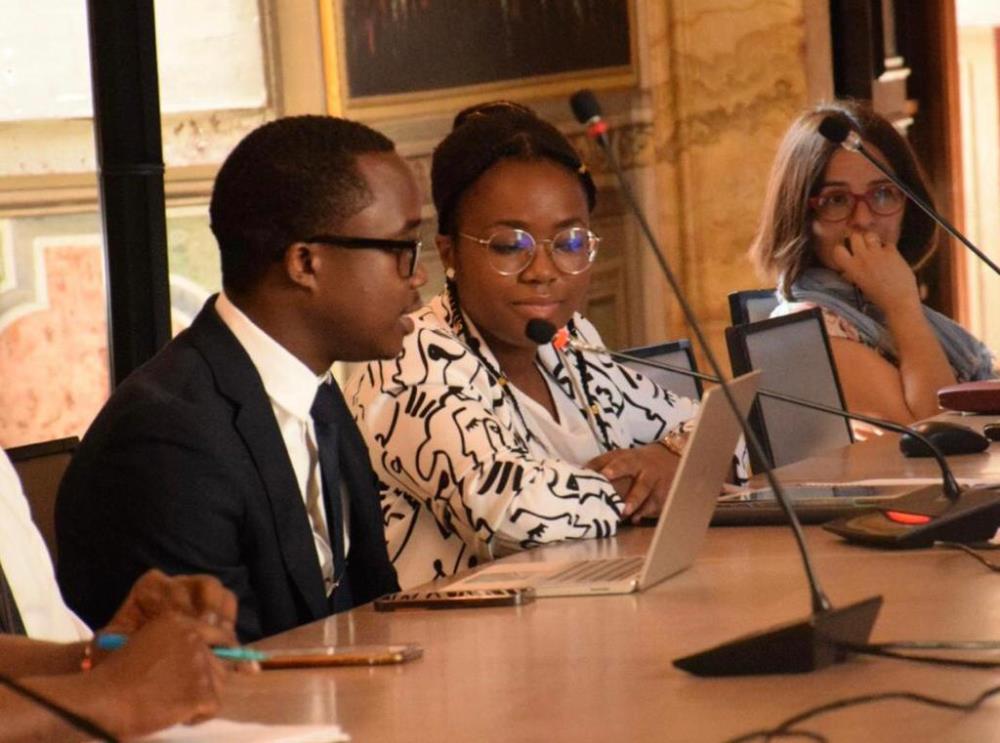
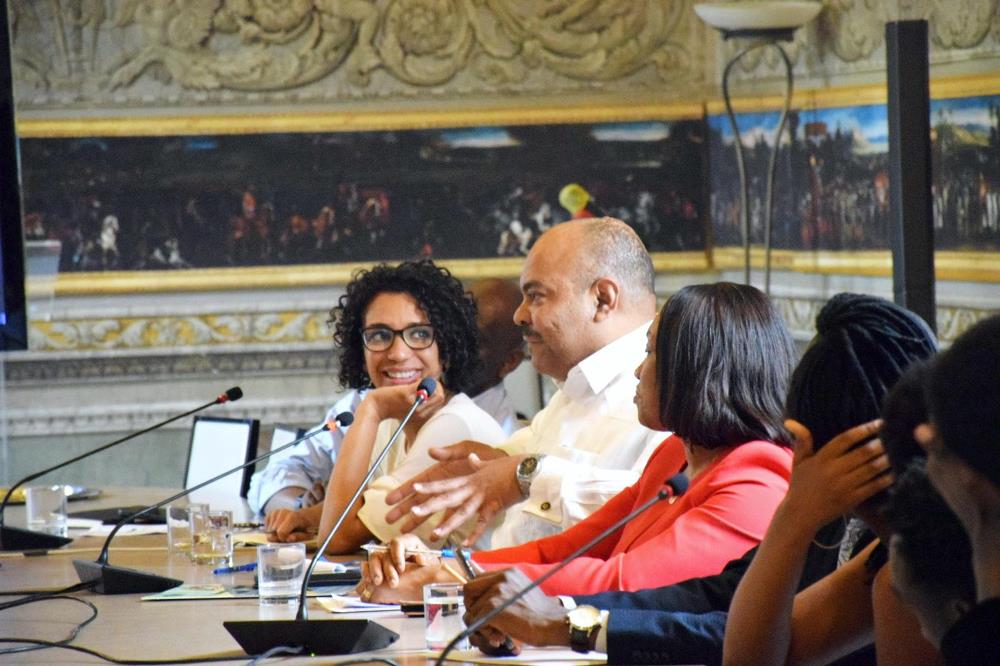
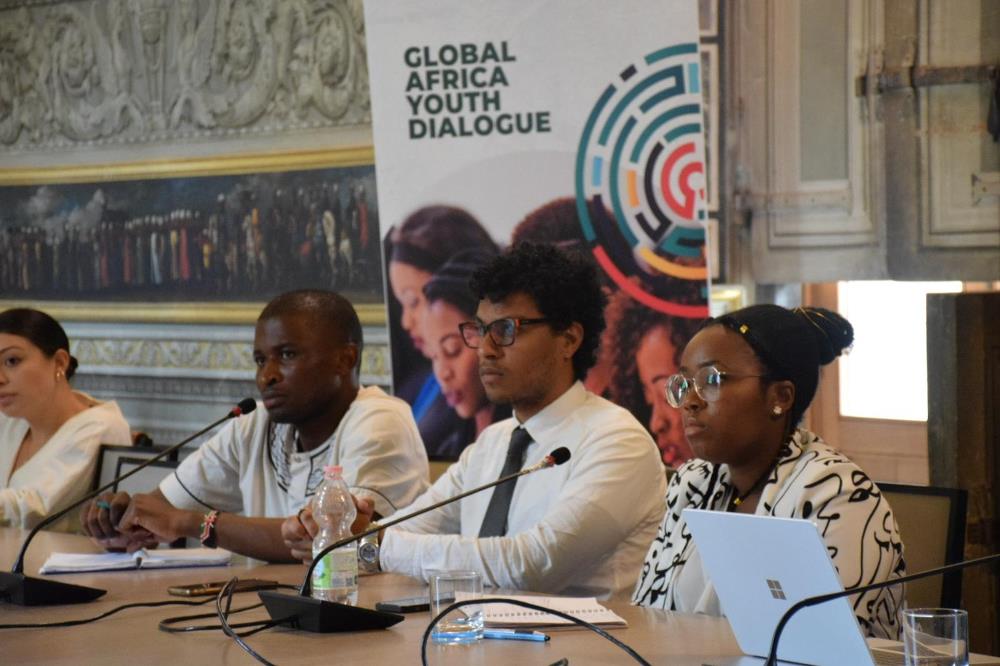
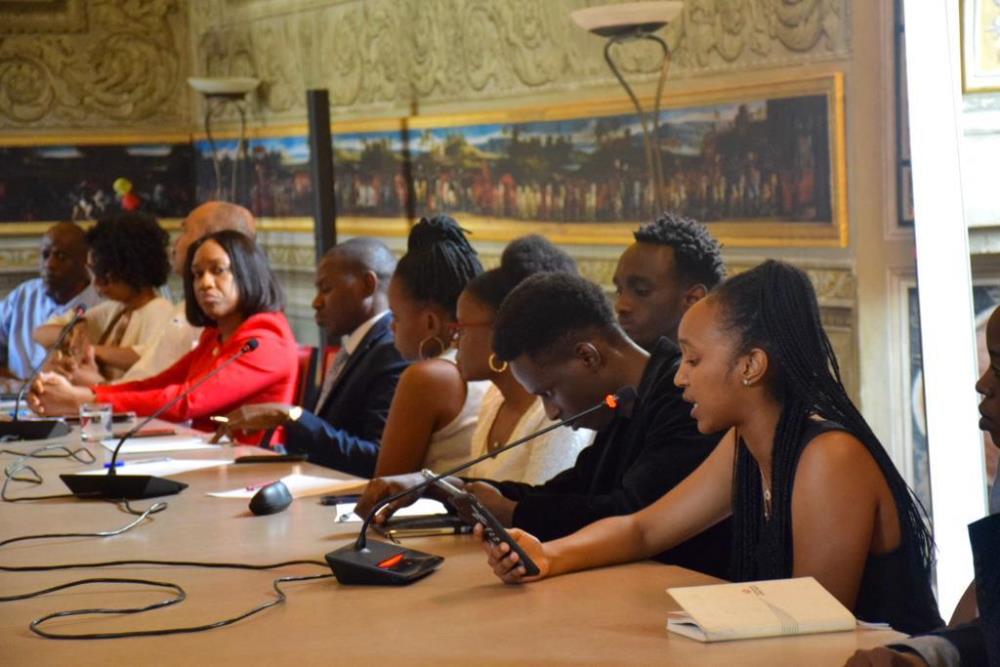
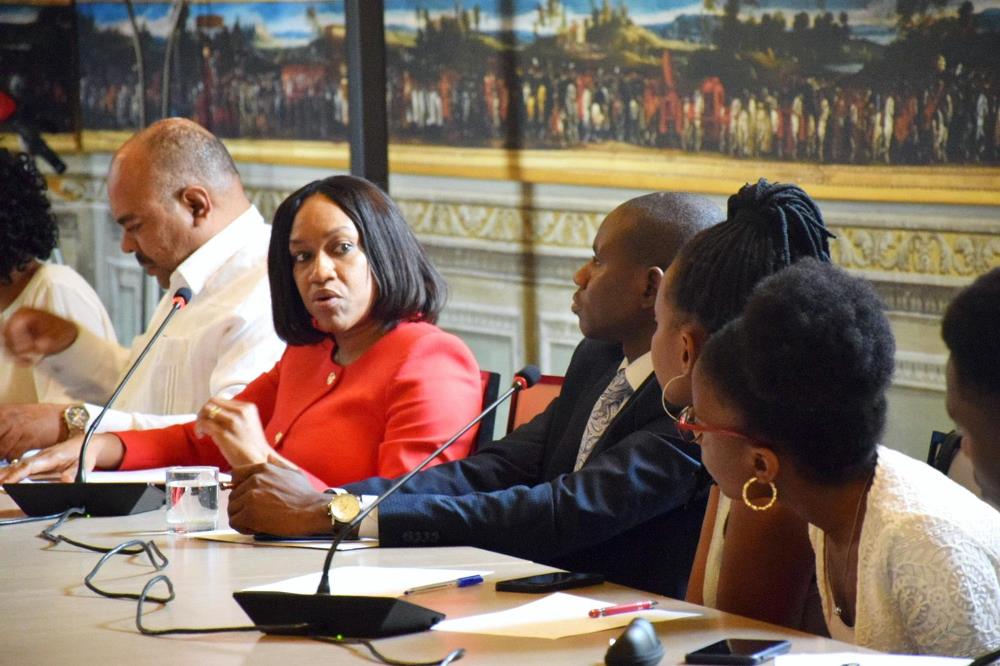
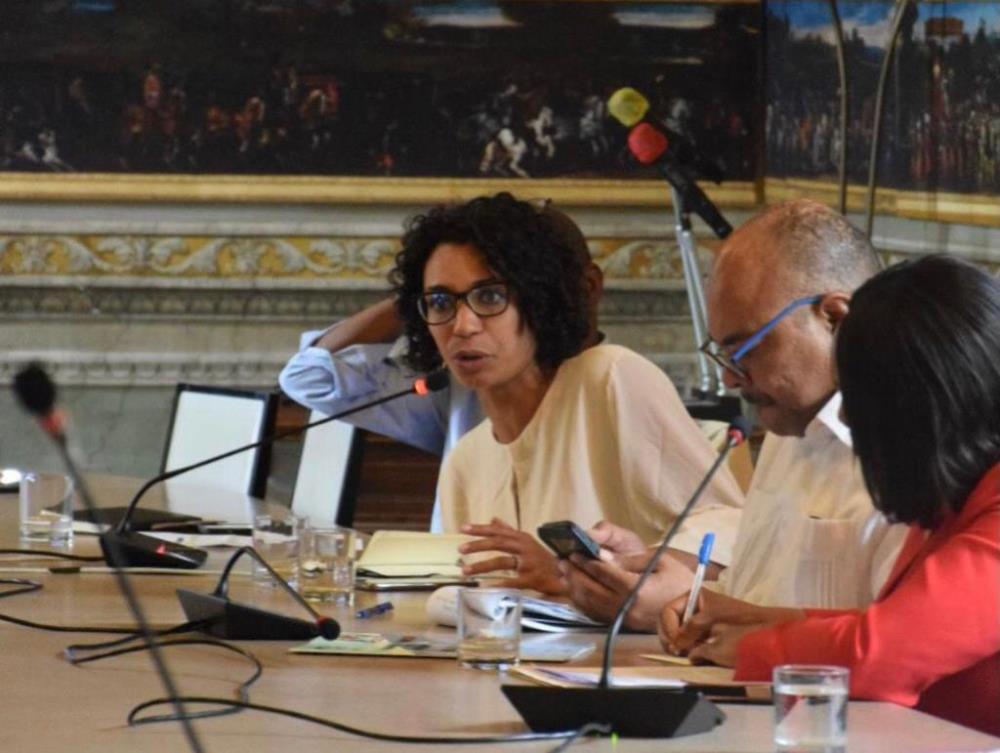
The recent dialogue was held as an open moderated panel discussion composed of Embassies of African countries in Italy, CEOs, Professors, Researchers, African diaspora and friends of Africa, Focusing on the role of African youth in transforming Africa into a global powerhouse.
Speaking at the event, Humuza said that Africa’s greatest resource is its youthful population where its active and full participation can help Africans to surmount the difficulties that lie ahead.
“Actions count now. African youth in diaspora can play a central role in development and growth. They need to be invested in, given opportunities to be engaged and fully active in development plans across the continent. Our generation is curious and passionate to learn, explore knowledge and navigate possible solutions that can benefit our continent and the world amicably. This is why we are here now. The Africa we want is where we value the core concerns of its youth,” he stated.
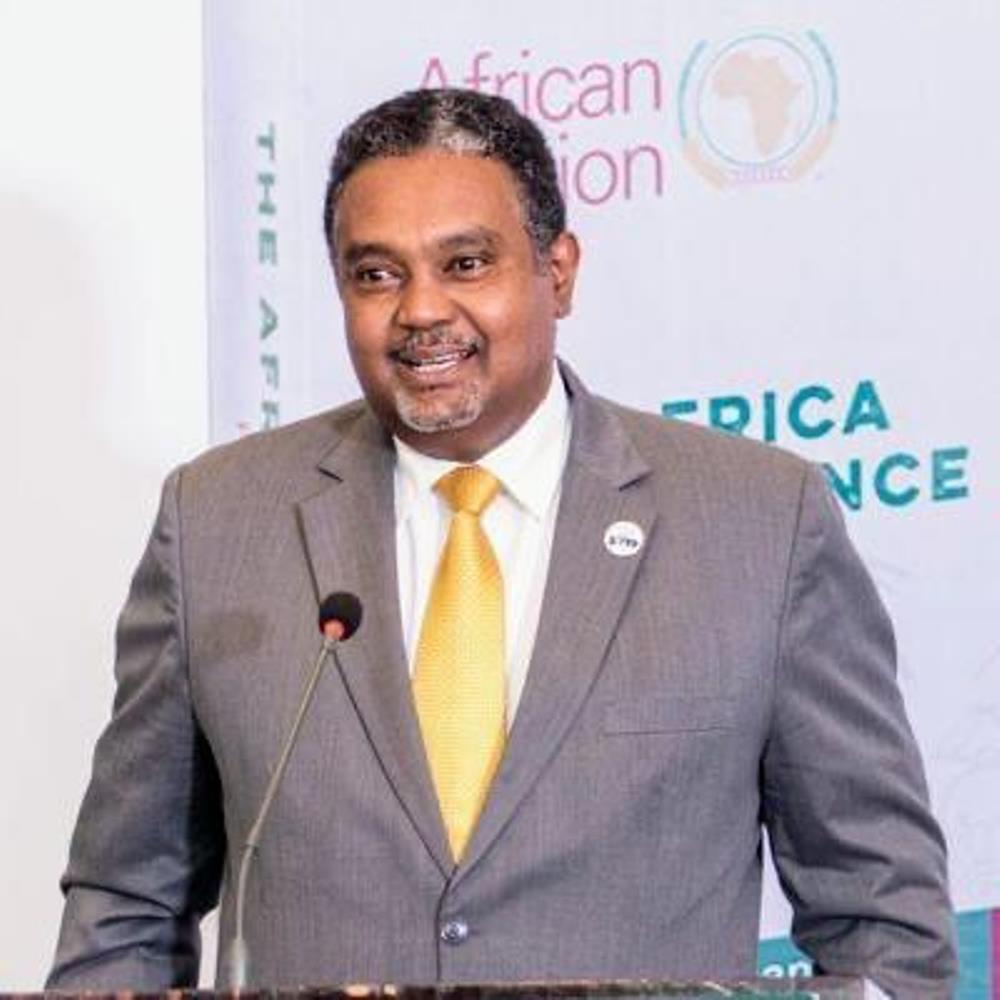
The first Guest speaker, Ambassador Salah S. Hammad, touched on the continental framework AU agenda 2063 and the strategies that are being implemented to achieve it.
Specifically, Amb. Salah talked about the steps being taken by the African Union to establish youth facilitation mechanisms including AU Youth Engagement Strategy (YES), the African passport in order to ease the youth mobility across the continent.
As in regards to the engagement, the ambassador concluded his speech by inspiring the youth to actively participate in the AU agenda implementation and not stay in the corner for they have a role in building Africa.
Mrs Gwendy Omijeh, Minister of Political and Economic affairs, Embassy of the Federal Republic of Nigeria reminisced on how the strength of the youth in Africa should not only be reflected in numbers but also in the motivation they get wherever they are.
She used Nigeria as an example to explain the importance of creating an environment for young people to thrive.
Mrs Gwendy also stressed the importance of youth engagement in building Africa and the tremendous progress African countries have made in increasing youth participation.
Amb. Kombo of the United Republic of Tanzania to Italy, first addressed the challenges in the African education system. His main emphasis was on the extreme importance given to a pass mark in academic exams for African students, rather than in acquiring knowledge in their specific fields.
The possible solution for this, Amb. Kombo said, ‘would be about rethinking our education system and shaping it in a proper way’. He also communicated the need of having the appropriate practical approach and closing the entrepreneurship gap for Africa to thrive and evolve.
In addition, the ambassador challenged the youth to plan actions needed to achieve the 2006 Africa Youth charter at the end of the dialogue as a step to come forward.
The CEO of Fondazione Aurora, reminded the African diaspora of their responsibility in developing their continent by using competent skills and exposure they acquired from the international environment.
The dialogue was very interactive with insightful questions from different Rome based university students and other participants. The overall closure recapped the role of African youth to make Africa a global powerhouse through acknowledging available privileges, claiming what the continent wants and being brave enough to reach out to elders for insights.
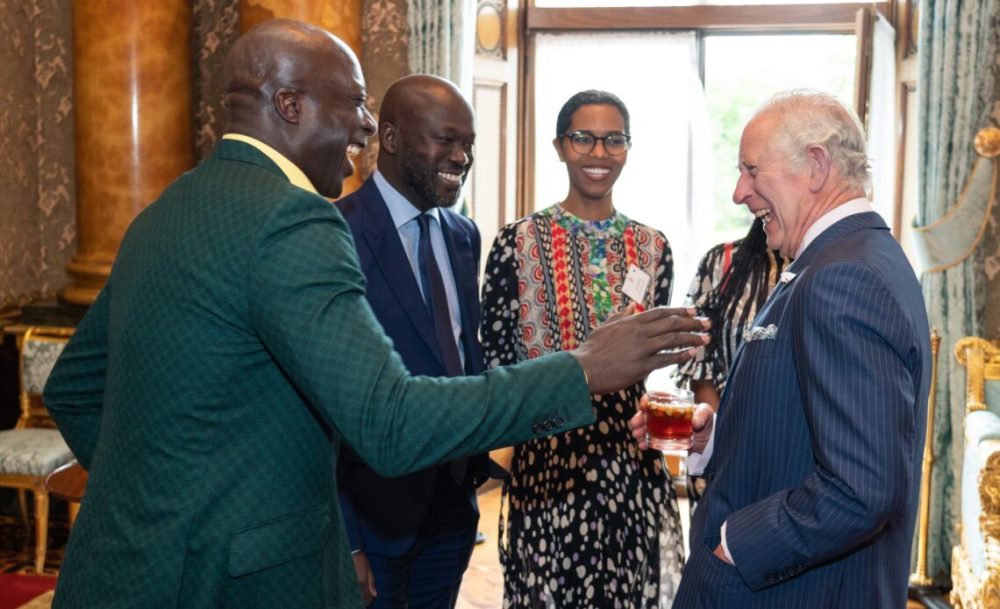
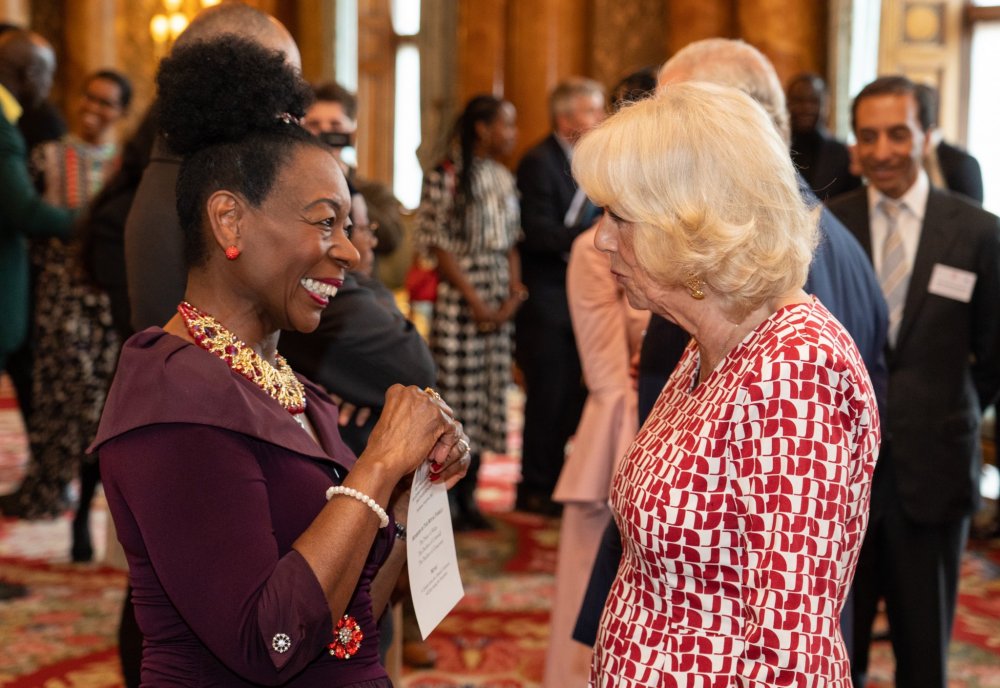
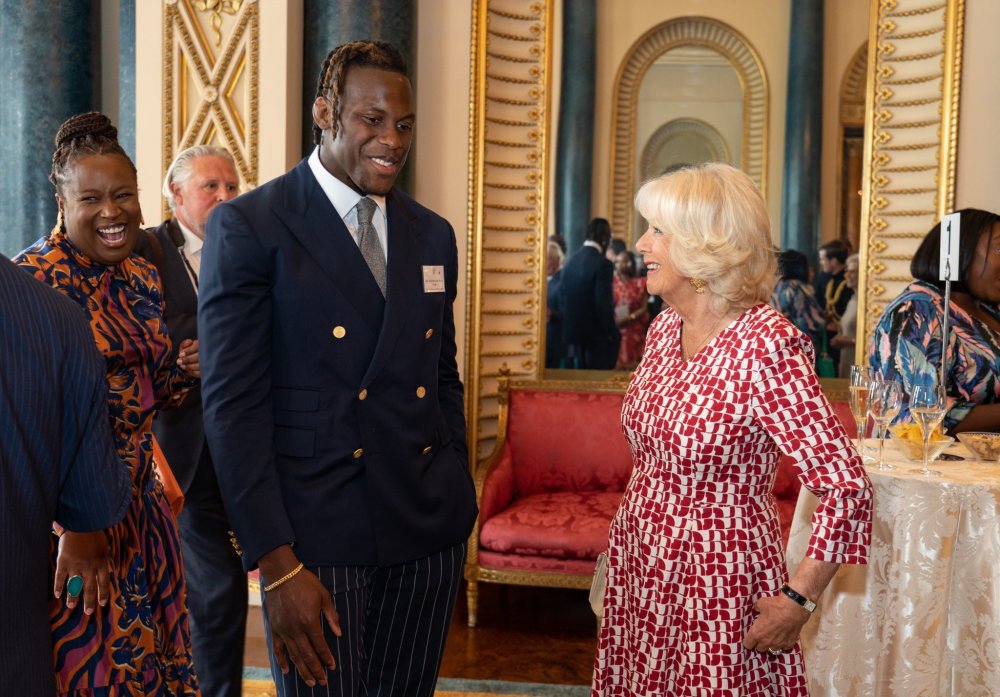
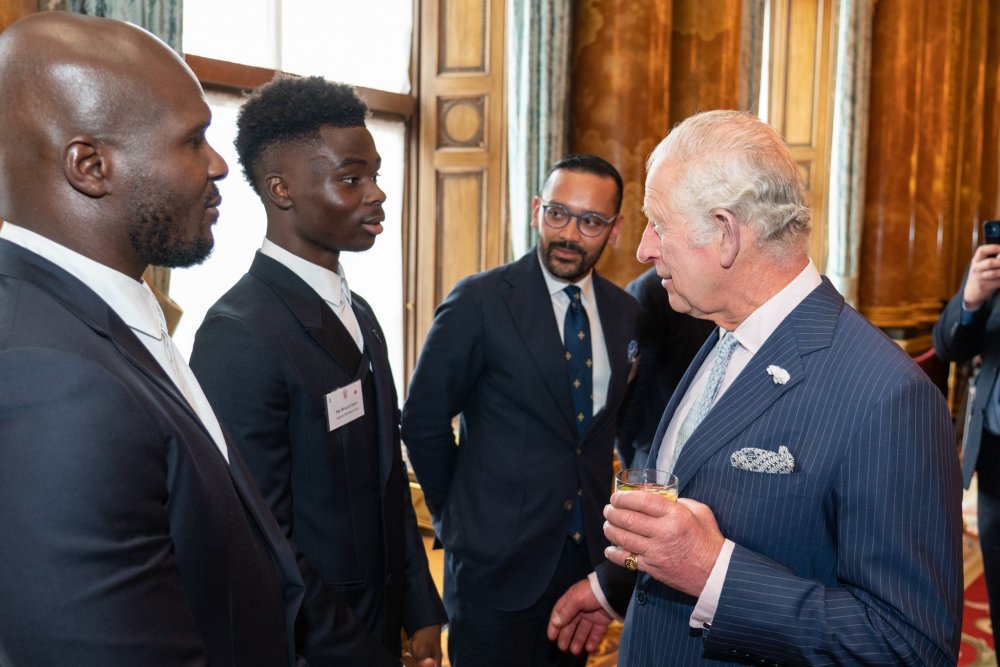
According to Royal Central, Prince Charles who will represent Queen Elizabeth II at the meeting has welcomed around 500 guests from across the Commonwealth who are now based in the United Kingdom (UK).
These include the High Commissioners of some countries and representatives from the arts, charity, educational, health and business sectors among others.
Prince Charles has already confirmed that he will come to Rwanda along with the Duchess Camilla.
Ahead of their visit to Rwanda later this month, Prince Charles has announced that he is eager to come to Rwanda for the first time.
“My wife and I much look forward to meeting Commonwealth leaders and, for the first time, being able to visit Rwanda,” he said.
Prince Charles stated that he has learned a great deal from the ideas, concerns and aspirations which people across the Commonwealth have so generously shared over the years.
He highlighted that too many members of the Commonwealth are amongst the world’s most climate-vulnerable countries. It is among issues that will be discussed during CHOGM 2022.
Prince Charles indicated that two out of three Commonwealth citizens are under the age of thirty noting that there is a pressing need to find opportunities for ‘our young people’.
“Taking shared responsibility to solve problems like these, means the Commonwealth has the potential to make a profound difference in the lives of its citizens and, in so doing, to be an unparalleled force for good in our world,” he said.
Clarence House announced on 9th June 2022 that Prince Charles and Camilla will undertake engagements that focus on issues facing Commonwealth countries, like “climate change; supporting biodiversity and the regeneration of land; economic development; opportunities for the young; and gender equality.”
Prince Charles, the first born to Queen Elizabeth II was designated as her successor in 2018.
Prince Charles has attended similar meetings five times since 1997.
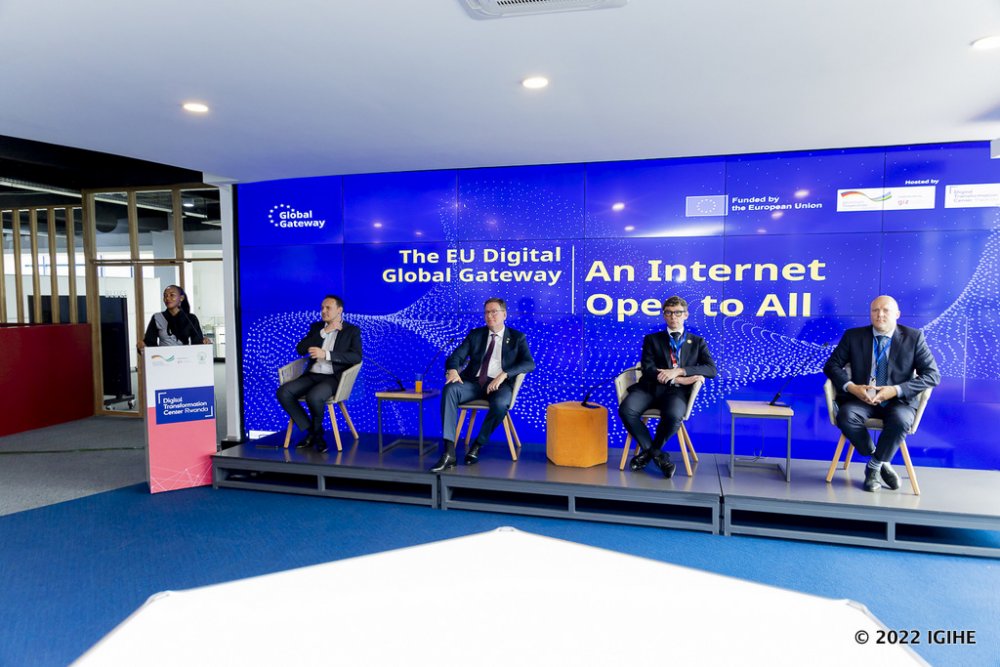
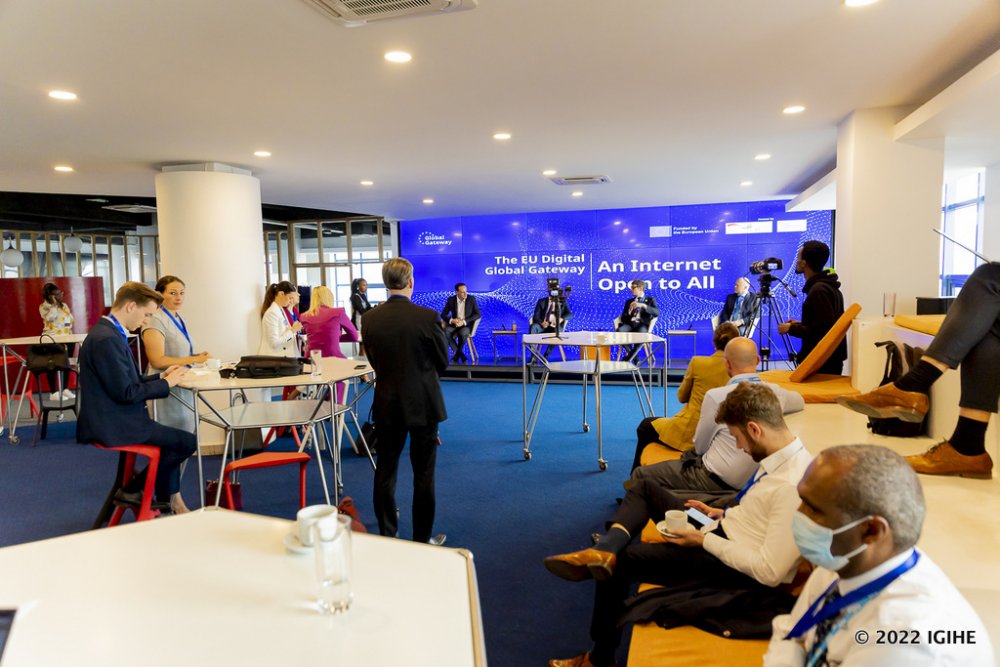
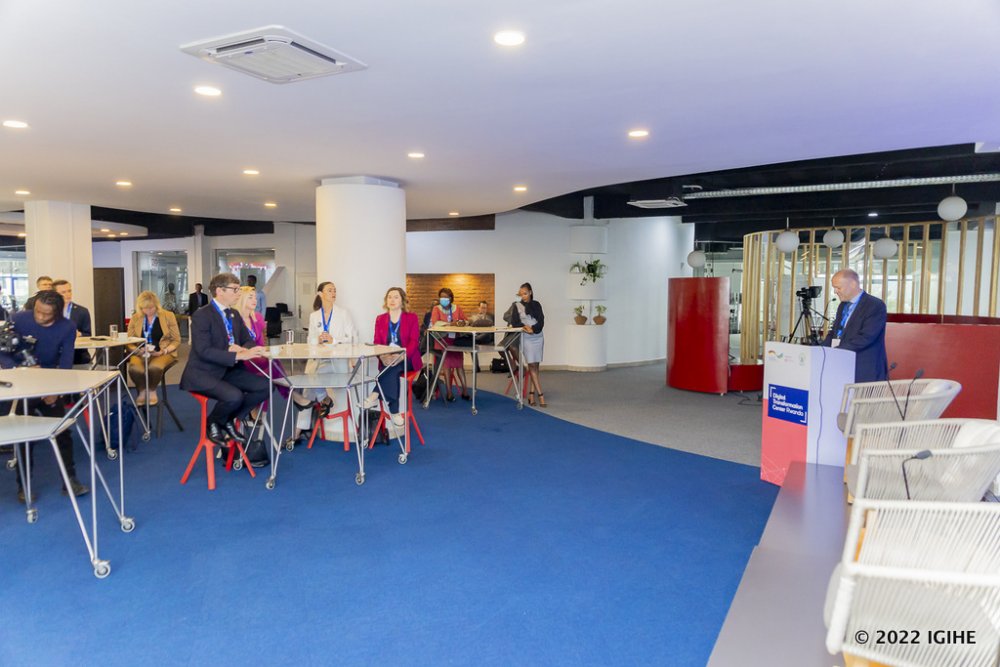
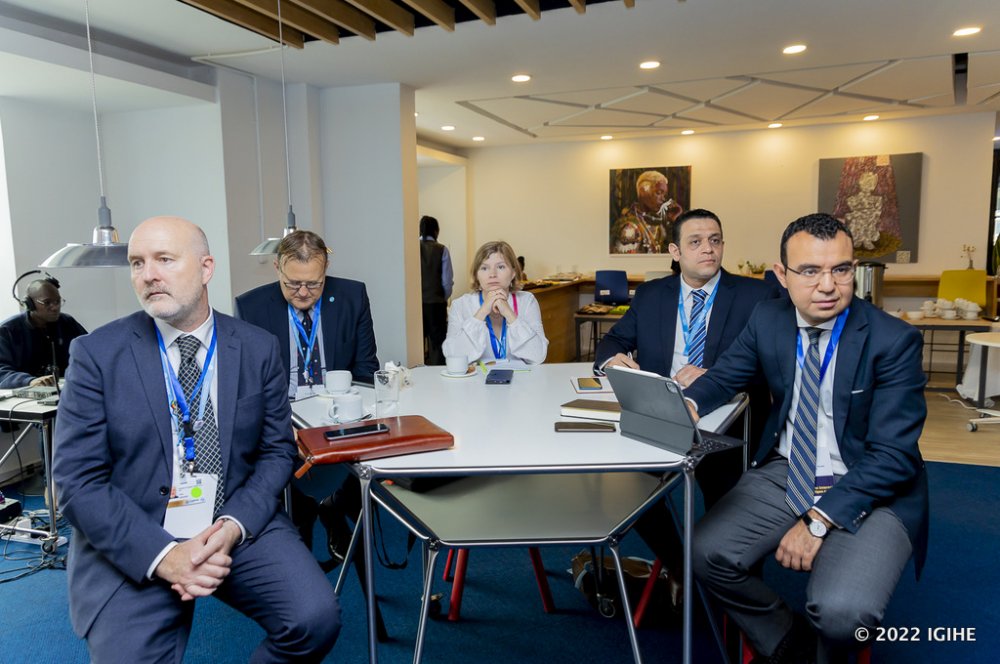
On the margins of the ITU-WTDC 2022, the high-level meeting took place on Wednesday 8th June 2022 at the first-ever Digital Transformation Center launched in Rwanda in 2019.
It was held under the theme “The EU Digital Global Gateway: An Internet Open to All” with a view to discuss and share a global overview of the EU Digital Global Gateway and the rationale behind the initiative.
The Global Gateway launched in December 2021 is a strategy of the EU to boost smart, clean, and secure links in digital, energy, and transport and strengthen health, education, and research systems across the world.
It stands for sustainable and trusted connections that work for people and the planet, to tackle the most pressing global challenges, from climate change and protecting the environment, to improving health security and boosting competitiveness and global supply chains.
The Global Gateway also promotes sustainable approaches to development and infrastructure needs and comes with guiding principles revolving around democratic values and high standards, good governance, and transparency, equal partnerships, promoting circular economy, focusing on security, and catalyzing private sector investment.
According to Peter Mariën in charge of Digital Governance at EU’s Directorate-General for International Partnerships, the EU Global Gateway seeks to mobilize up to €300 billion in investments between 2021 and 2027 to underpin a lasting global recovery by considering partners’ needs and EU’s own interests. Of the €300 billion to be mobilized, €150 billion will be allocated to Africa.
“The European Union identifies the deployment of digital networks and infrastructure as a key international investment priority in the Global Gateway, mobilizing up to €300 billion by 2027 for developing the infrastructure,” said Peter Mariën.
The Global Gateway strategy constitutes an offer to partner with countries around the world to accelerate their twin green and digital transitions and a sustainable offer to meet infrastructure needs, anchored in the 2030 agenda for sustainable development.
Digitalization, with a view to promoting human-centric digital transformation, is raised as key pillar of this strategy, to safeguard digital sovereignty in tackling the global digital divide, ensure free internet access, promote EU assets and services across the globe, foster cooperation on research and digital innovation, and minimize risks while using artificial intelligence.
Under this theme, the Global Gateway also offers digital economy packages by establishing physical infrastructures like submarine cables, terrestrial backbones, last-mile access, and data centers coupled with soft elements such as data governance, digital businesses, digital skills, and regulatory environment.
Speaking at the event, Wim Degezelle, Stantec Expert of the EU-funded project “Promotion and Development of the Open Internet in Africa” emphasized that “the Open Internet is not and should not be taken for granted“.
“We need to invest in the right opportunities to increase internet penetration. It is much needed to make people use the potential and possibilities of the Open Internet,” he noted.
“The Open Internet drives growth and development. Key to its success is the decentralized architecture, built on stable, open standards and protocols developed in consensus-driven processes and underpinned by a multi-stakeholder model of Internet governance,” added Wim Degezelle.
Dr. Thomas Zielke, the Head of Division for the National and International Standardization Policy in the Federal Ministry for Economic Affairs and Climate Action in Germany and Candidate for the position of ITU Telecommunication Standardization Bureau director, has also stressed that digital transformation needs cross-border and cross-sector coordination to provide full benefits to society.
“The Open Internet provides the condition for responding to all kinds of challenges” he noted.
Tomas Lamanauskas, the Managing Partner of Envision Associates and candidate to the position of the Deputy Secretary General of the ITU stressed the need to create digital opportunities observing that the Open Internet is a key driver to tackling challenges and achieving growth and socio-economic transformation.
“Great to see that Europe is living up to the spirit of global solidarity by helping to develop digital infrastructure everywhere,” he noted.
The statement released by Rwanda Utilities Regulatory Authority (RURA) reads that fuel prices have been revised based on adjustments on the international market.
New prices will go into force from Friday 10th June to 31st July 2022.
Despite the price hike; the Minister of Infrastructure, Dr. Ernest Nsabimana has said that the government exonerated taxes and subsidized public transport fares to avoid heavy burdens on passengers.
The latest price changes in April this year saw the cost of petrol increased by Rwf103 and diesel by Rwf167.
Speaking to RBA, Minister Nsabimana has said that the increase in petroleum products mainly emanated from effects of the war between Russia and Ukraine.
“The war between Ukraine and Russia broke out in February this year as people embarked on the path to economy recovery. Many European countries import 40% of oil from Russia. This caused adverse effects because Russia is among largest oil producers globally,” he said.
Dr. Nsabimana has disclosed that the government allocated Rwf29.3 billion to subsidize fuel prices from October 2020 to October 2021 and injected more Rwf5.2 billion from November 2020 to March this year to prevent higher prices.
“The government has allocated more Rwf10 billion from March to November this year. There will be no changes regarding the transport of people and goods because the government will continue its subsidy program,” he stated.