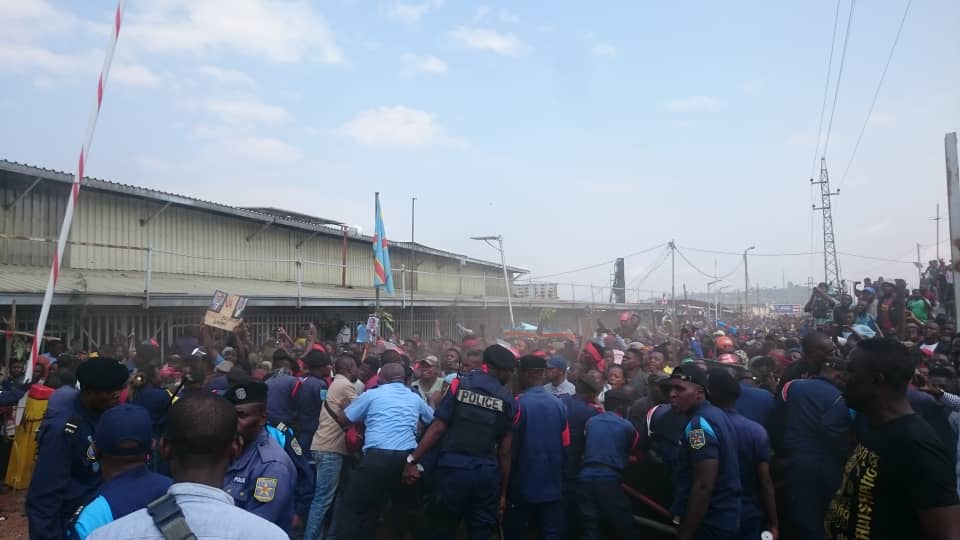
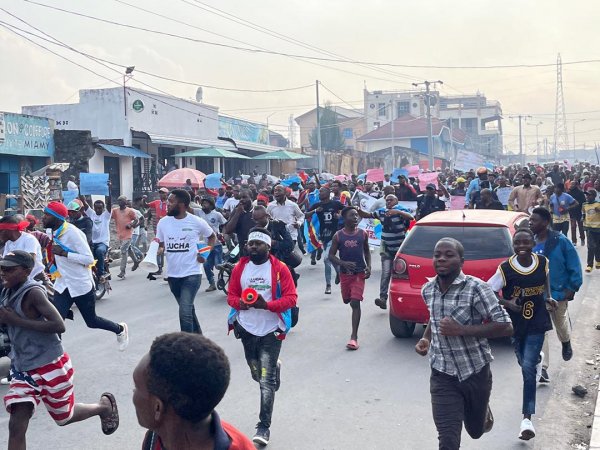
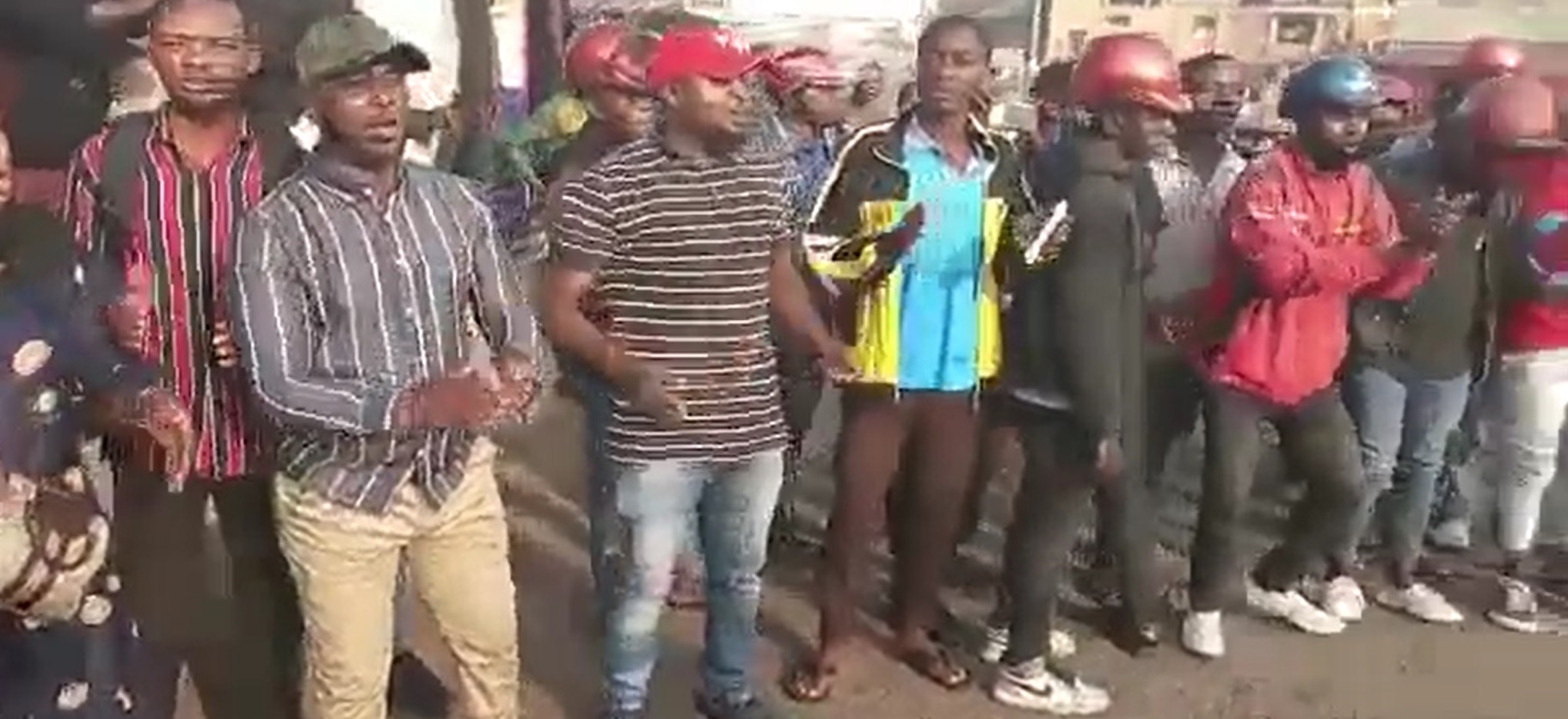
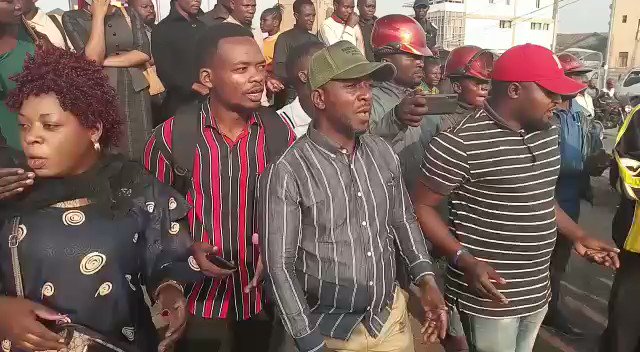
Congolese took to streets in the morning of Wednesday 15th June 2022 for protests against Rwanda accusing the country of supporting M23 group in clashes with Congolese Army (FARDC).
The demonstrations took place in different places including Goma town in Northern Kivu Province and premises of Rwanda’s embassy in Kinshasa, the capital city of the Democratic Republic of Congo (DRC).
Those who participated in the protests include parliamentarians, representatives from civil society organizations, ordinary citizens, motorcyclists and traders among others.
In Goma, rioters turned violent and mounted demonstrations at the country’s small border with Rwanda commonly known as ’Petite Barrière’ where they threw stones on Rwandan territory.
Videos taken during the riots show Congolese protesting at the border while others pulled down advertising banners on Rwandans’ shops. Banners advertising RwandAir in Goma were also destroyed.
Young people participating in the protests are also seen running fast to loot Rwandans’ shops.
Sandro Shyaka, a businessman in Rubavu district with shops in Goma town is among affected traders.
The businessman was abducted recently on 12th May 2021 by unidentified people in Kimoka area located in 20 kilometers from Goma town as he travelled from Sake to Kitshanga in Masisi.
He was released on huge ransom paid by his family.
A journalist based in Goma has told IGIHE that the majority of the youth looting the shops are gangs hired to stage demonstrations even though some of them have been foiled.
He revealed that protestors including ‘the gangs attempted to break padlocks on Rwandans’ shops but foiled by Police’.
The journalist has also revealed that some of gangs have been brought together to receive warning against such violence.
On Tuesday, some Congolese attempted to assault Rwandan students but were arrested by Police and released in the evening.
The attacks to Rwandans continue to escalate in DRC where the gangs are reported to be prime masterminds orchestrating the assaults to loot their properties.
Meanwhile, there are opinion leaders and politicians who continue to fuel hatred against Rwandans and supporting the gangs’ violent acts.
The riots have also seen Rwandans halting movements to Goma lest they are assaulted after crossing into DRC.
Protests also attempted to storm Rwanda but Rwanda National Police foiled them.
Under this initiative, the bank will fund projects with promising efforts to address the issue.
The disclosure was made on Monday 13th June 2022 during a meeting bringing together partners and clients to discuss possible avenues for the project’s implementation.
Targeted beneficiaries include individuals with conservation projects promising to address climate change, projects promoting off-grid energy and environment-friendly cooking fuel.
Other projects to benefit from the funding fall under the areas of agriculture and transport.
The efforts are expected to add up to Rwanda’s ambitions to reduce greenhouse gas emissions by 38% by 2030.
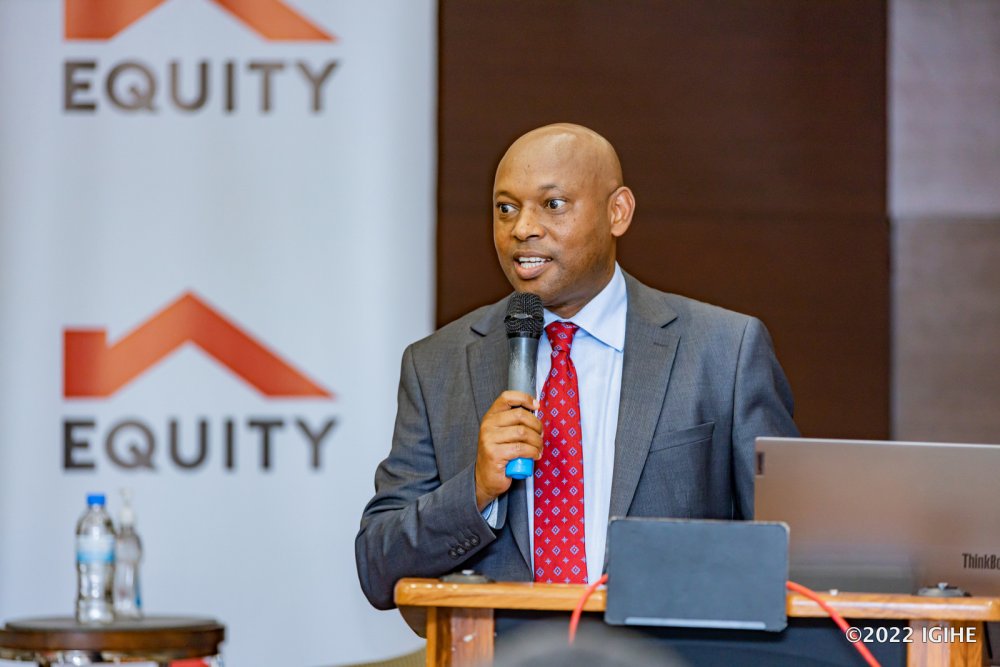
The Head of Investment and Social Impact at Equity Bank, Dianah Mukundwa has revealed that the initiative is tailored to contribute to climate change mitigation.
“We have brought together our partners to exchange ideas and present our environmental conservation project aligning with the bank’s efforts to play a role in climate change mitigation,” she said.
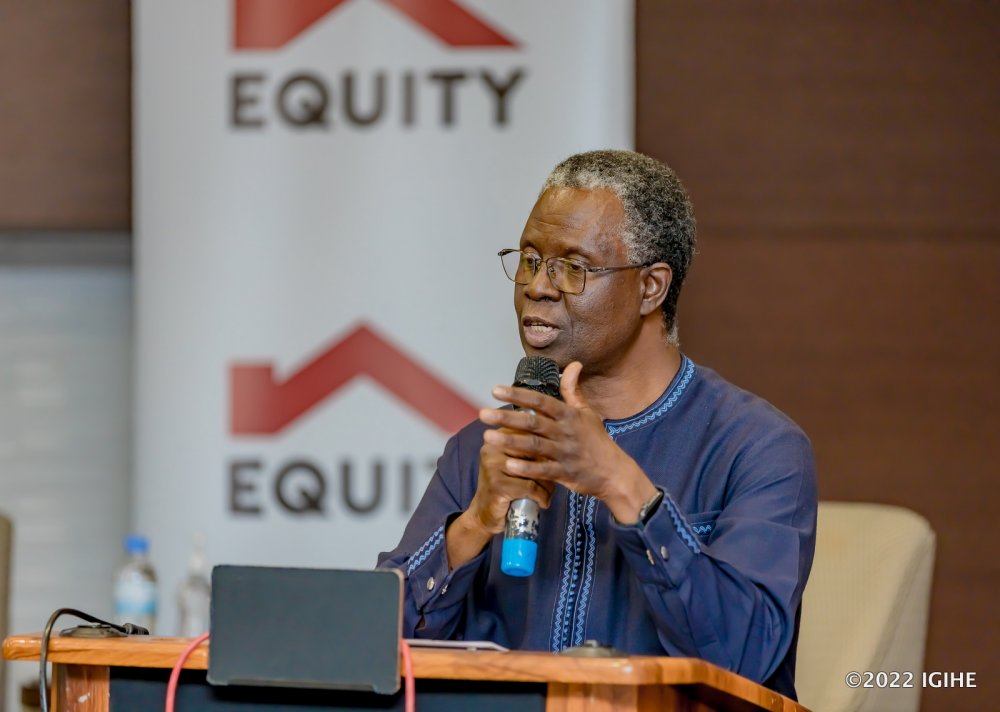
Maxwell Gomera, the Country Representative of the United Nations Development Programme (UNDP) Rwanda said that governments cannot stand on their own to address the issue of climate change.
“We have discussed climate change related issues and needed efforts to tackle them. For instance, we need the annual budget of more than US$700 billion in Africa to meet the goal,” he said.
“African governments cannot easily afford the funds. This is why interventions from banks like Equity and members of the private sector are needed to fund these projects,” added Gomera.
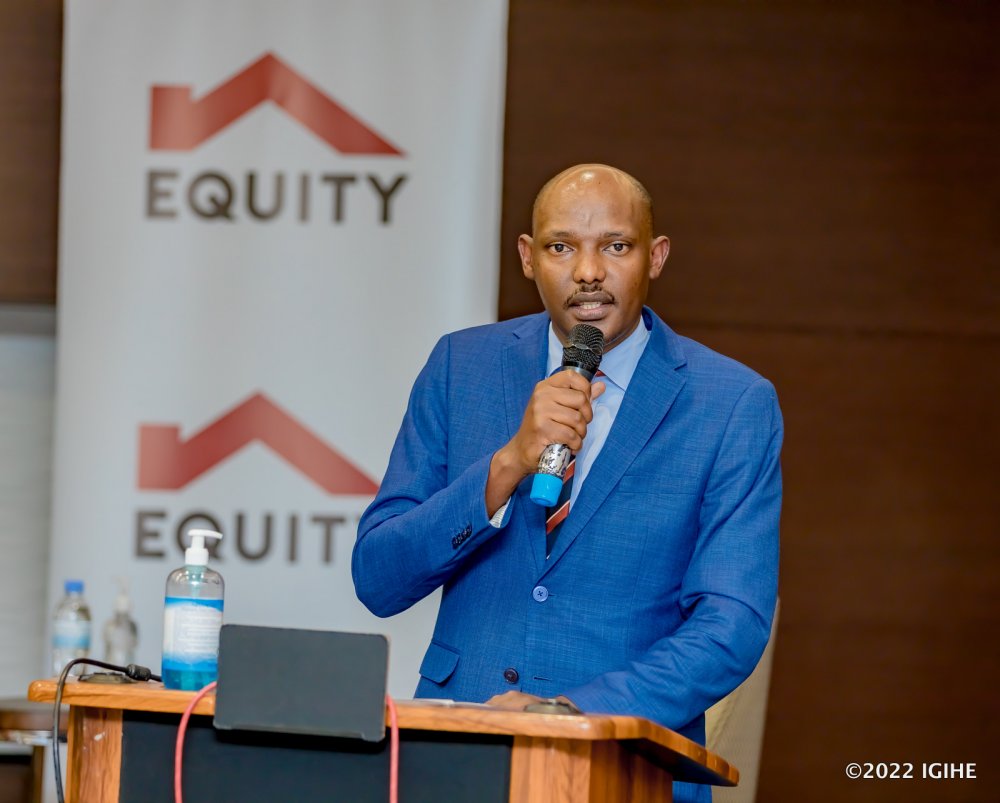
Faustin Munyazikwiye, the Deputy Director General (DDG) of Rwanda Environment Management Authority (REMA) thanked Equity Bank for taking the bold step to support conservation projects to deal with climate change effects, noting that it is a significant contribution to national efforts.
Rwanda has set an ambitious target of becoming a carbon neutral and climate resilient economy by 2050. In the short term, Rwanda aims to reduce greenhouse gas (GHG) emissions by 38% (4.6 million tons of carbon dioxide) by 2030.
The Green Growth and Climate Resilience Strategy is one of the national strategies and policies developed to help Rwanda reach its targets. Coupled with the implementation of the Sustainable Development Goals (SDGs), Rwanda needs to mobilize at least US$ 11 billion through private, public funding and aid.
The country is projecting to reduce its dependence on the use of biomass from 79.9% in 2018 to 42% by the year 2024.
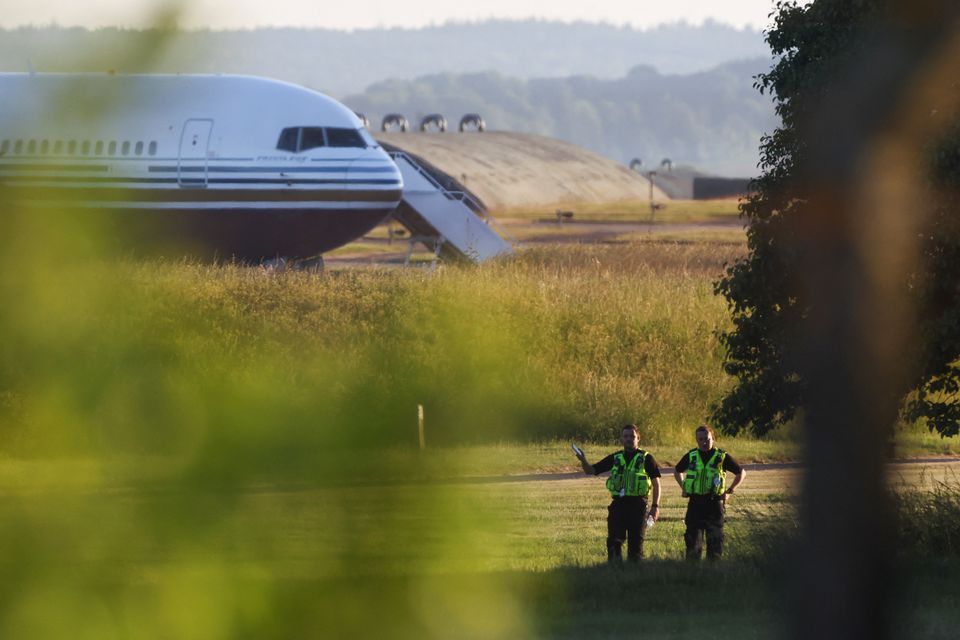
The plane carrying the first batch of migrants deported from UK to Rwanda under the recently signed Migration and Economic Development Partnership was expected to land in Kigali on Wednesday 15th June 2022.
Few hours before scheduled time for the plane to take off, BBC reported, the flight was stopped after a late intervention from the European Court of Human Rights (ECtHR) led to fresh challenges in the UK courts.
After the judgement from the ECtHR, passengers were removed from the plane which had to take off on Tuesday at 11:30 p.m. of Kigali Time.
The human rights court said that it had suspended the deportation of one migrant from Iraq who was onboard the plane.
It also maintained that UK must wait for the final judgement next month before further action.
Rwanda and UK signed the partnership on 14th April 2022.
Following the last minute cancellation; the Spokesperson of the Government of Rwanda, Yolande Makolo has said that Rwanda remains committed to welcome the migrants when they arrive.
“We are not deterred by these developments. Rwanda remains fully committed to making this partnership work. The current situation of people making dangerous journeys cannot continue as it is causing untold suffering to so many,” she said.
“Rwanda stands ready to receive the migrants when they do arrive and offer them safety and opportunity in our country,” added Makolo.
Following the cancellation, UK Home Secretary Priti Patel said that she was “disappointed” but added that preparation for the next flight continues.
“I have always said this policy will not be easy to deliver and am disappointed that legal challenge and last-minute claims have meant today’s flight was unable to depart,” she said.
“We will not be deterred from doing the right thing and delivering our plans to control our nation’s borders. Our legal teams are reviewing every decision made on this flight and preparations for the next flight begins now,” added Patel.
Under this partnership, the UK will provide an upfront investment of £120 million to fund invaluable opportunities for Rwandans and migrants including secondary qualifications, vocational and skills training, language lessons and higher education.
These asylum seekers from African countries and others outside the continent will be treated decently like Rwandans upon arrival. It is expected that those willing to return to their mother lands will be helped to do so.
The demonstrations took place in different places including Goma and premises of Rwanda’s embassy in Kinshasa, the capital city of the Democratic Republic of Congo (DRC).
Those who participated in the protests include parliamentarians, representatives from civil society organizations, ordinary citizens, motorcyclists and traders among others.
In Goma, protestors turned violent and mounted demonstrations at the country’s small border with Rwanda commonly known as ‘Petite Barrière’ where they threw stones on Rwandan territory.
Protests are escalating in DRC where all political parties harbouring destructive ideologies against Rwanda are requesting for approval to stage demonstrations.
Each political party has to write to DRC leadership requesting for a go ahead to mount protests at Rwanda’s embassy in the country.
Rwanda’s embassy is headquartered in Avenue de Justice in Kinshasa. It is located in a multi-storey building which also houses different businesses.
The embassy’s officials are safe as the majority opted to work from home lest they are assaulted by protestors.
On 1st June 2022, Congolese in Bukavu town staged protests at Rusizi I and Rusizi II borders requesting the Democratic Republic of Congo (DRC) to close all borders with Rwanda particularly in Rusizi District.
Congolese involved in protests were heard yelling, speaking ill of Rwanda and insisting that they want to fight Rwanda.
The tension between Rwanda and DRC rose since M23 rebel group resumed fight with Congolese Army (FARDC).
DRC has accused Rwanda of supporting M23 and claimed that Rwandan soldiers crossed to the country for the same cause.
During the clashes with M23, FARDC in collaboration with the Democratic Forces for the Liberation of Rwanda (FDLR) have shelled Rwanda territory three times since March this year.
The rockets shelled on Rwanda’s land injured people from Musanze and Burera district and destroyed properties.
Following the tension between the two neighboring countries; Angolan President João Lourenço embarked on mediation process. His recent discussions with Congolese President, Tshisekedi saw the country releasing two Rwandan soldiers kidnapped by FDLR and FARDC.
On Monday this week, it was reported that M23 captured Bunagana town and border, seized an armoured vehicle from FARDC. The Spokesperson of M23 announced that Bunagana town is in full control of M23 adding that Congolese soldiers in the area fled to Uganda.
Bunagana is located in 60 kilometers from Goma town located at the border between Rwanda and DRC.
Rwanda has at different times explained that DRC’s allegations are baseless and insisted that the crisis is an internal matter of DRC which has to be solved without dragging it into the issue.
Some of his hit songs include ‘Tous les mêmes’, ‘Tombé pour elle’ and ‘Veni Vidi Vici’ among others.
La Fouine was invited after singer Youssoupha cancelled his performance in Kigali due to pressure from Congolese who threatened him that he might be killed if he honours the invitation to perform in Kigali.
IGIHE has learnt that discussions are ongoing smoothly where further developments will be announced.
Africa in Colors has also revealed via Twitter handle that the rapper who recently released his album dubbed “La Fouine XXI” towards the end of 2021 is awaited to perform live in Rwanda, on 2nd July 2022 at car free zone from 3:00 p.m.
Africa in Colors festival is due in Kigali from 30th June to 3rd July 2022.
The festival is expected to attract at least 5000 participants from Rwanda, Africa and beyond the continent.
These include Magic System band and South African model recently crowned Miss Universe, Zozibini Tunzi among others.
The festival will feature different activities including discussions, training sessions, virtual reality technology, entertainment and exhibitions among others.
BBC has reported that the flight was stopped after a late intervention from the European Court of Human Rights (ECtHR) led to fresh challenges in the UK courts.
The cancellation of the flight followed days of arguments in UK courts, ending with the home secretary getting the go-ahead to begin transporting some of the asylum seekers.
After the judgement from the ECtHR, passengers were removed from the plane which had to take off on Tuesday at 11:30 p.m. of Kigali Time.
BBC has reported that the Boeing 767, chartered at an estimated cost of £500,000, had been due to take off from a military airport in Wiltshire.
UK Home Secretary Priti Patel said she was “disappointed” but added that preparation for the next flight continues.
“I have always said this policy will not be easy to deliver and am disappointed that legal challenge and last-minute claims have meant today’s flight was unable to depart,” she said.
“We will not be deterred from doing the right thing and delivering our plans to control our nation’s borders. Our legal teams are reviewing every decision made on this flight and preparations for the next flight begins now,” added Patel.
The human rights court said that one migrant from Iraq onboard the plane was not supposed to be deported.
It also maintained that UK must wait for the final courts’ judgement next month before further action.
Valentin Habyarimana, 36, who was found with a forged RDB service card, was guising as a member of the team fighting outlawed and expired goods, and traders, who are not using Electronic Billing Machine (EBM).
Superintendent of Police (SP) Hamdun Twizeyimana, the Police spokesperson for the Eastern region, said that Habyarimana had issued receipts to two traders, whom he had threatened to pay a fine of combined Rwf620,000.
“Habyarimana first went to two shops owned by Theoneste Nkuranga and Clementine Mukankusi, whom he was trying to defraud Rwf320,000 and Rwf300,000, respectively. He issued them receipts and continued to other shops, but the first two would-be victims called the Police immediately after suspecting him to be a conman.
Police arrested him red-handed as he received the money and handed him over to RIB at Kibungo station,” SP Twizeyimana explained.
Article 279 of the law determining offences and penalties states that; any person who, without title usurps public, civil or military functions or poses the acts of one of these functions or falsely attributes to himself/herself the quality of a public official or publicly wears a costume, a uniform, badge or an emblem with an intention to mislead the public, commits an offence.
Upon conviction, he/she is liable to imprisonment for a term of not less than two years and not more than three years, with a fine of not less than Rwf300,000 and not more than Rwf500,000.
Obtaining property of another person by deception, under article 174 of the same law, is punishable with imprisonment for a term of not less than 2 years and not more than 3 years, and a fine of not less than FRwf3 million and not more than Rwf5 million.
The arrest is part of the ongoing Rwanda National Police operations to break drug supply chains.
Superintendent of Police (SP) Hamdun Twizeyimana, the Police spokesperson for the Eastern region, said Manizabayo was arrested in Rugazi Village, Kanyangese Cell of Rugarama Sector with small sacks of cannabis concealed in a big sack, which he was carrying.
“The ANU officers responded to information from residents that Manizabayo was carrying a suspicious luggage which they believed to be cannabis. Manizabayo was intercepted in Rugazi Village at about 3pm and taken into custody after officers found the sack he was carrying containing cannabis weighing 8.5kgs,” SP Twizeyimana said.
Manizabayo, who was handed over to RIB at Rugarama station for further investigations, claimed that the narcotics belong to one Olivier Niyibizi, also a resident of Rugazi Village.
He added that the said Niyibizi had contracted him to deliver the narcotics to clients.
The narcotics are trafficked into Rwanda from Uganda through porous borders, according to Manizabayo, and delivered to Niyibizi by a motorcyclist.
“Niyibizi is a suspected major drug dealer in Gatsibo and law enforcement organs are still searching for him,” said SP Twizeyimana.
The said Niyibizi was released from prison about four months ago after completing his sentence at Ntsinda prison for the same crime.
SP Twizeyimana thanked the resident, who reported the criminal act and urged the public to maintain the same spirit by reporting anyone they suspect to be a drug dealer.
Cannabis is classified as a very severe narcotic drug with a sentence ranging from 20 years and life imprisonment, and a fine of between Rwf20 million and Rwf30 million.
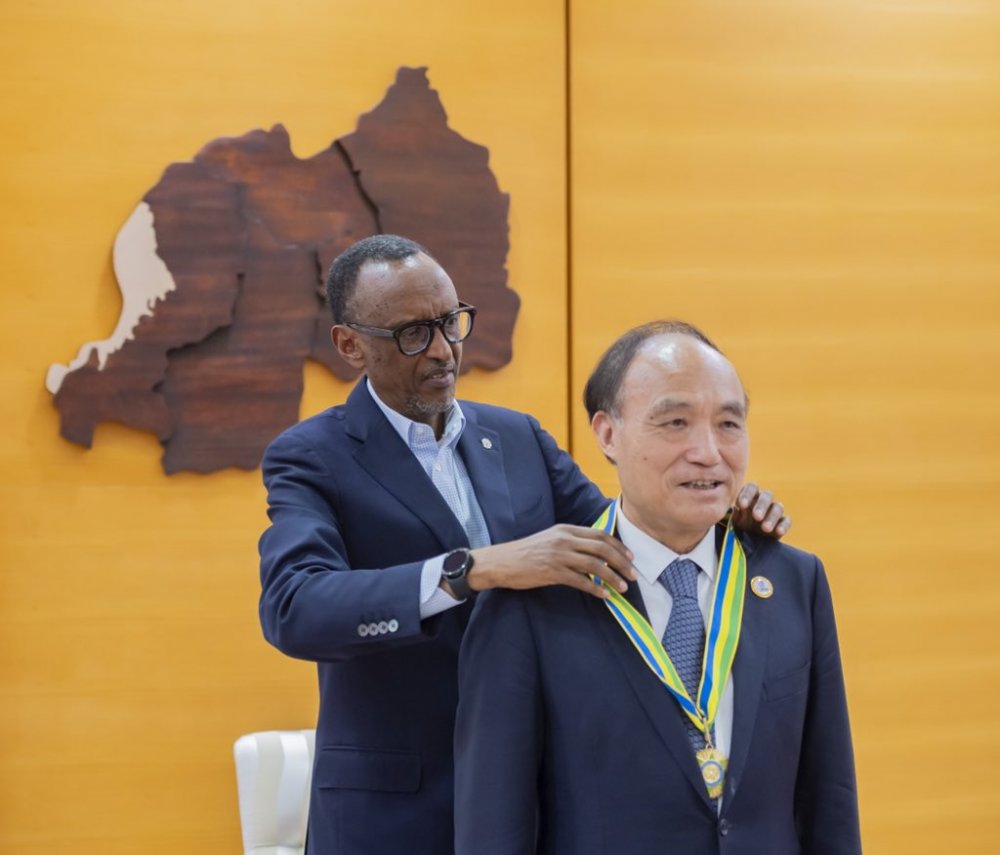
Rwanda’s Presidency has revealed that the National Order of Honour awarded to Houlin Zhao is in recognition of his distinguished service as the leader of ITU during a very consequential period for the globalization of telecommunications technology.
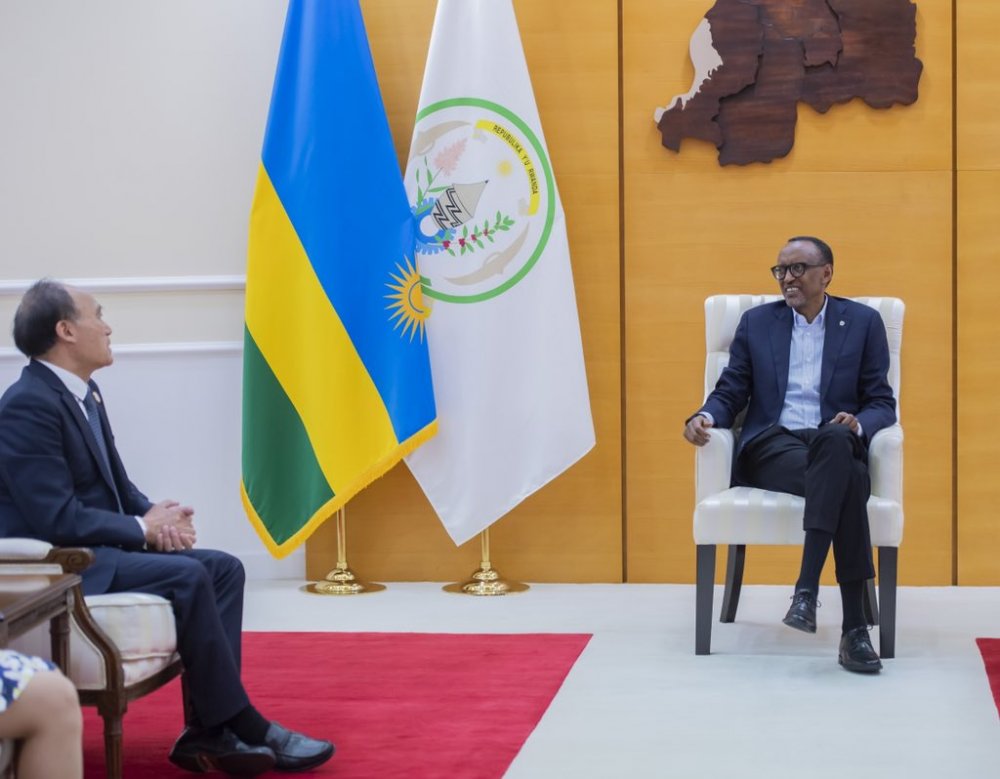
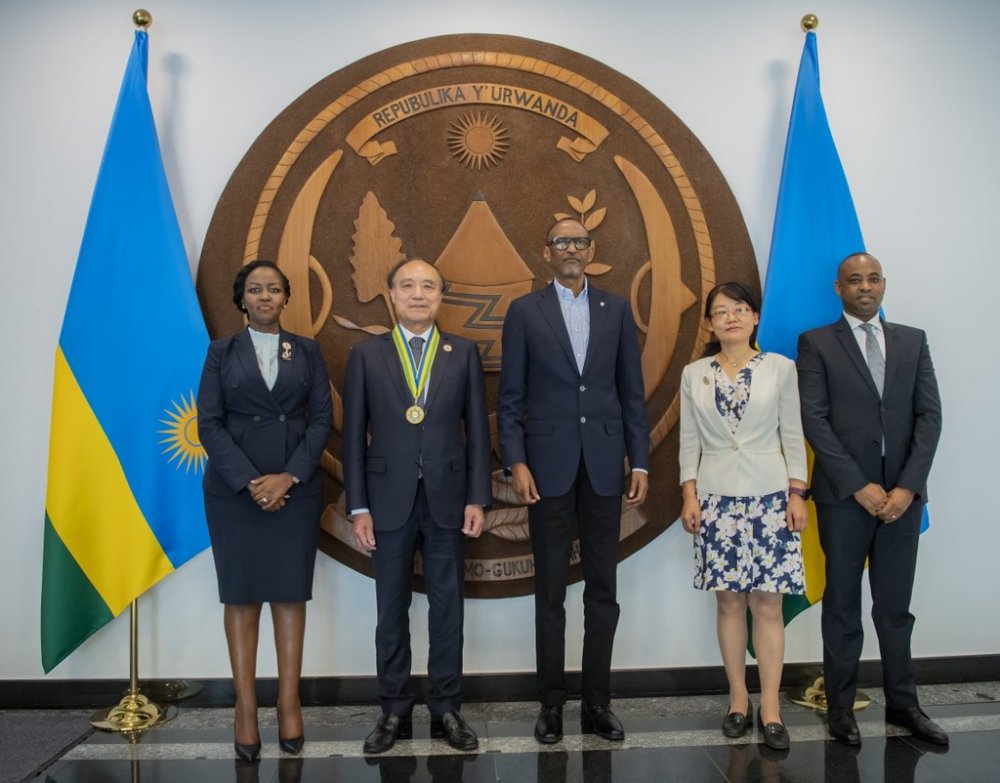
Zhao has been awarded with the National Order of Honour during a ceremony that took place today at Urugwiro Village.
It was attended by officials including the Minister of ICT and Innovation, Paula Ingabire and the Political Counselor of the Chinese Embassy in Rwanda, Xing Yuchun among others.
Agaciro is awarded to a Head of State/Government, the head of an international organization, or another high-ranking official who has distinguished themselves through actions that significantly promote the common good, in Rwanda and beyond, in political, economic or social domains.
Agaciro is among five National Orders in Rwanda. The remaining four include; the National Order Of Friendship (Igihango), National Order Of Performance (Indashyikirwa), National Order Of Culture (Indangamirwa) and National Order Of Bravery (Indengabaganizi).
The International Telecommunication Union is a specialized agency of the United Nations responsible for many matters related to information and communication technologies. It was established on 17th May 1865 as the International Telegraph Union, making it the oldest UN agency.
ITU’s global membership includes 193 Member States as well as some 900 companies, universities, and international and regional organizations.
The current Secretary-General of ITU, Houlin Zhao,72, hails from China.
He was elected for the first time in 2014 and re-elected for another term in 2018.
Houlin Zhao is a great friend of Rwanda who stayed closer to Rwanda along its journey to accelerate use of technology in different areas.
Despite the deployment of forces under the United Nations Organization Stabilization Mission in the Democratic Republic of Congo (MONUSCO), citizens in eastern DRC have been experiencing unrest for several years due to incessant wars between rebel groups operating there and Congolese Army (FARDC).
Recently, M23 resumed fighting with FARDC which teamed up with the Democratic Forces for the Liberation of Rwanda (FDLR) and other groups.
As of today, M23 has captured Bunagana town while DRC soldiers have massively fled to Uganda.
FDLR is comprised of remnant masterminds of the 1994 Genocide against Tutsi which plotted hit and run attacks on Rwanda and repelled back.
The recent collaboration between FARDC and FDLR triggered mixed reactions among people questioning how the Congolese Army decided to work with the group whose members perpetrated Genocide against Tutsi.
Tito Rutaremara, a political expert and the Chairperson of Rwanda Elders’ Advisory Forum has via Twitter handle pointed out DRC politicians as the root cause of security threats in eastern part of the country.
During colonial rule in DRC, there were people who used to seek shelters in forests as they fled torture by colonizers.
After the death of Patrice Lumumba, many people staged protests and took arms against the regime of Mobutu Sese Seko installed by white people.
The fighting took place in different places including Kitwit Murele and Kisangani where a rebel group known as Mai Mai was created. Members of this rebel group used what they called blessed water with a belief that it protects them against bullets.
The fighting erupted from Kisangani and spread out to the entire eastern DRC.
Many rebels were defeated where few groups including the one led by Laurent -Désire Kabila stayed in the forests of northern Katanga, excavating minerals that were sold in Tanzania.
Mobutu seemed to have ignored the rebel group because it stayed in forests without directly threatening his security.
When Laurent -Désire Kabila took power after the 1994 Genocide against the Tutsi, he trained and recruited Interahamwe militia, and former soldiers of the Armed Forces of Rwanda (FAR) among others into Congolese Army.
He promised them that they would liberate eastern DRC, capture Rwanda and install them on power but failed to do so.
After replacing his father; Joseph Kabila, the son of Laurent Désiré Kabila decided to cease fire and agreed to take part in peace accords held in Sun City of South Africa.
They established a government sharing the power with all rebel groups. At the time, Kabila became president while Azarias Ruberwa and Jean Pierre Bemba who headed hostile groups became vice presidents.
However, Kabila took all the soldiers from FAR, Interahamwe militia and others who had joined FARDC, provided them with arms and money and dispatched them to North and South Kivu.
He encouraged them to fight for their country of origin and promised support.
At the time, they lived independently in DRC, committed rape, murders, and looted properties among others.
{{How rebel groups are controlled by politicians}}
After the creation of Mai Mai groups, Tito Rutaremara has said, many DRC politicians worked with them to secure mining sites so they can obtain enough money to participate in electoral campaigns whether at provincial or national level.
The money helps them in their ‘lobbying’ activities among ministers and parliamentarians from the United States of America (USA) and European countries to get international recognition.
That is why, DRC politicians rush to blame Rwanda for crisis erupting in the country which white people digest without verifying authenticity of provided information.
As he started the process of solving security issues in northern and eastern parts of his country; the incumbent DRC President, Felix Tshisekedi mulled the support from Uganda, Rwanda and Burundi to bring it to an end.
However, politicians rejected his plans claiming that Tshisekedi wanted to leave DRC under the control of Rwanda.
These claims discouraged Tshisekedi given that next presidential elections draw near in DRC.
As DRC joined the East African Community (EAC), member countries sought how to solve the issue in collaboration with Tshisekedi and designated Uhuru Kenyatta of Kenya to follow up.
Politicians from eastern DRC politicians tampered with the process, falsely claiming that Rwanda is disturbing them and excluded M23 from peace talks with rebel groups in eastern DRC.
Excluding M23 from peace talks irked members of the rebel group that had fled to Uganda and returned to its former bases.
It is said that politicians asked FARDC to team up with FDLR to attack M23 which responded, seized weapons from opponents and captured different parts.
The politicians took advantage of the clashes and accused Rwanda of having attacked their country ‘because M23 was defeated without means to obtain light weapons’ yet the group seized them from FARDC soldiers in Rumangabo.
In order to find evidences, they propelled rockets into Rwanda three times, which injured people and destroyed properties but Rwanda did not respond.
“They took children gazing goats to be paraded but people mocked at them insisting that they are not soldiers. They also kidnapped soldiers on patrol but Rwanda request to return them home. Fortunately, they did it accordingly.”
The insecurity in eastern DRC is in the hands of politicians in eastern DRC and Mai Mai protecting mining sites helping them to secure money to continue their lobbying among citizens and politicians from America and Europe.