It is said that Iradukunda went missing in November 2020. Her body was found later in a beans’ farmland in Gacaca Sector where her legs, arms and neck were tied with a rope.
During trial proceedings, Maniriho faced charges including defilement, murder and attempt to perform abortion on Iradukunda in November 2020.
The court acquitted him on the charge of attempt to perform illegal abortion and murder crime noting that the Prosecution lacked enough evidences.
During trial in substance on 8th March 2022, the Prosecution requested life sentence for Maniriho.
The Prosecution alleged that Maniriho admitted to the crimes of murder and attempt to perform abortion during interrogation but denied the charges as the trial began.
It also accused Maniriho of intentional murder explaining that his house was searched where investigators found a rope similar to the one that the girl’s body was tied with in a beans’ farmland on 2nd November 2020.
They also discovered a mat at his home stained with blood and a hammer triggering suspicion that the girl was killed.
As per report from Rwanda Forensic Laboratory, the tested blood from the mat showed that the sample contained Maniriho and Iradukunda’s DNA information.
The doctor who carried out the tests was summoned in court to present a detailed report which informed the court’s decision.
Preparations to elect his successor are underway in Kenya. It is expected that the next leader will be announced following presidential polls due on 9th August 2022.
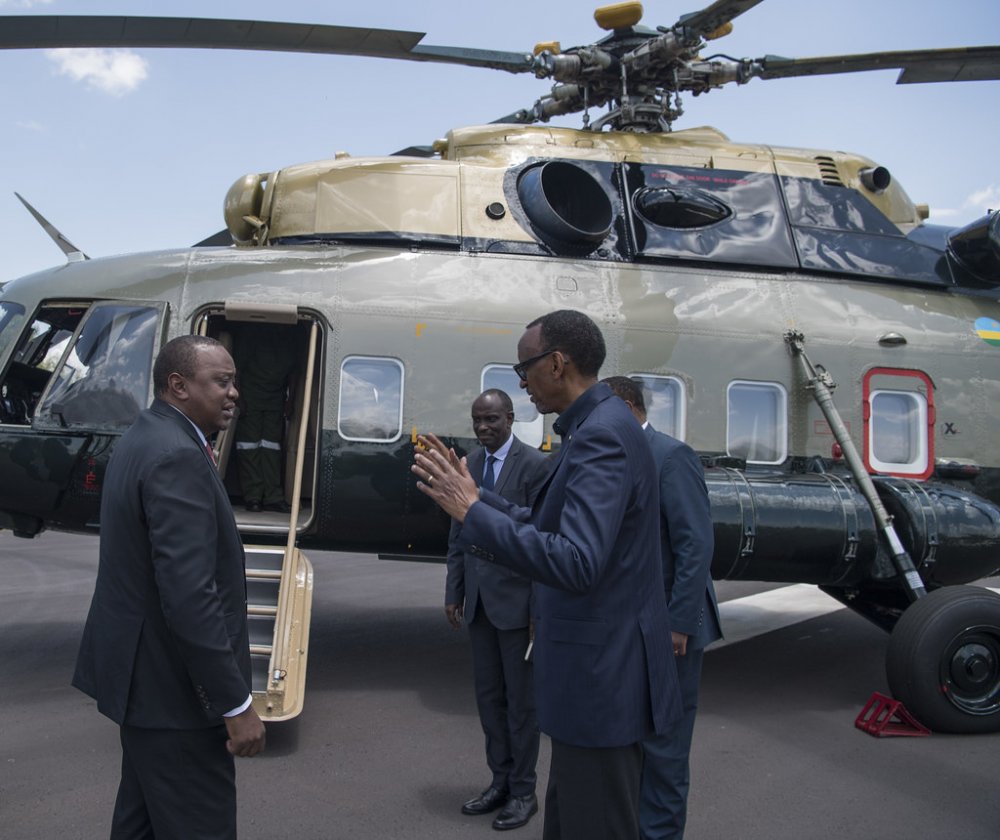
On Thursday 28th July 2022, President Kagame and Uhuru Kenyatta attended in the 2nd Special Summit of the African Peer Review Forum of Heads of State and Government.
The virtual summit was chaired by the President of Sierra Leone, Julius Maada Bio.
As he delivered remarks, Kagame commended Kenya for completing the peer review process, noting that it demonstrates its relevance (APRM) as a toll to support each other to improve governance and economic opportunity on the continent.
The head of State stated that the reports analysis of the vibrancy, potential of Kenya’s pharmaceutical industry is particularly interesting ‘given the African Union’s growing focus on pandemic resilience and domestic health financing’ and applauded his counterpart of Kenya whose mandate draws to the end.
“Let me also take this opportunity and moment to congratulate President Uhuru Kenyatta as he concludes his mandate. Dear brother, thank you for your distinguished service, not only to Kenya but also to East Africa and Africa as a whole. We look forward to many more years of fruitful collaboration,” he said.
During the leadership of Kenyatta, Rwanda and Kenya maintained collaboration in different areas.
Kenyatta also played a role in the mediation of Rwanda and Uganda where he visited both countries on the same day on 11th March 2019.
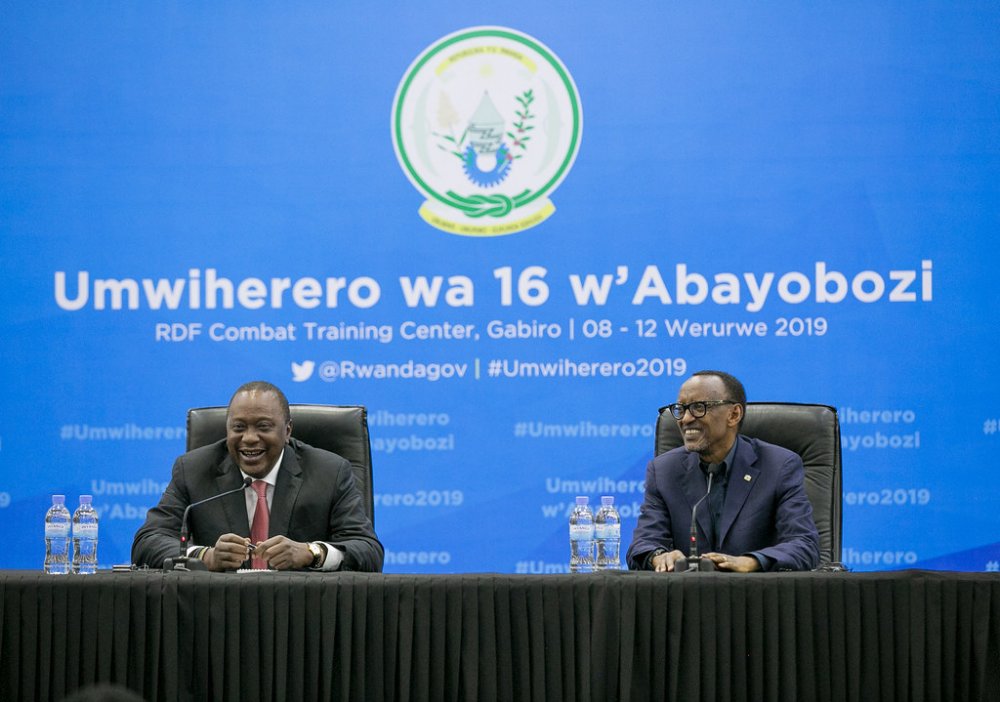
At the time, President welcomed President Uhuru Kenyatta to the RDF Combat Training Centre in Gabiro on the sidelines of the 16th annual National Leadership Retreat (Umwiherero).
Rwanda and Kenya enjoy cooperation in the areas of justice, trade, agriculture, education, technology and telecommunication as well as security among others.
Before the emergence of COVID-19 pandemic, 30% of Rwanda’s imports were transited through Kenya.
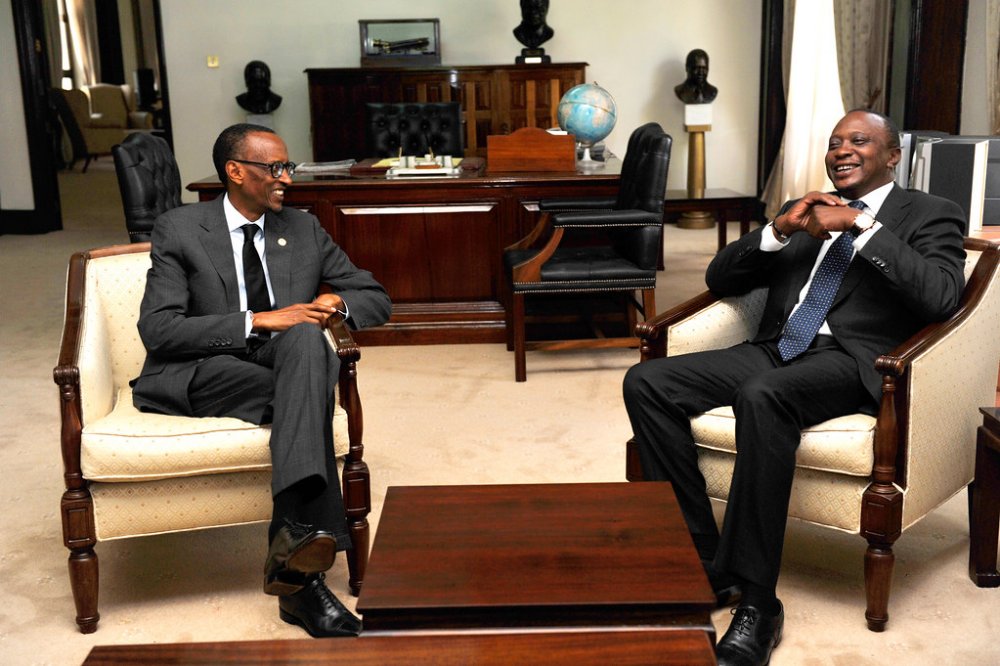
The two leaders held a tête a tête meeting, before President Kenyatta passed by to greet participants at the Umwiherero.
In his message to the retreat participants, President Kenyatta commended existing relations between Rwanda and Kenya and expressed commitment to make the relations even more stronger.
“Let me say that the relationship between our two countries is probably one of the best relations that we have, as Kenya. The things that we have been able to do together, in terms of easing movement of our people, in terms of the linkages and what we did especially in the ICT sector, telecommunications sector.
We have many Kenyans living and working here in Rwanda and feeling very much at home. We have many Rwandans living and working in Kenya, really showing that we are brothers and sisters, bound at the hip. And ours as leaders is to continue to see how we can deepen that integration,” President Kenyatta said.
He further hailed Rwanda’s progress, 25 years after the Genocide against the Tutsi which he said could be replicated elsewhere.
“We are very proud of the manner in which Rwanda has turned around, from a country that was heavily, heavily hit, especially during the Genocide period, a country that was on its knees, to one of the brightest stars on the African continent in a very short space of time.
Really showing clear direction and clarity from the top, all the way to all of you who have been part and parcel of making this Rwandan dream a reality. Lives have changed, the progress you have made in healthcare, the progress you have made in ICT, look at Kigali today… I keep telling my brother here, that I am fighting very hard to overtake him in terms of ease of doing business, and he keeps telling me: ‘Do your best’,” Kenyatta added.
Rwanda and Kenya enjoy cooperation in the areas of justice, trade, agriculture, education, technology and telecommunication as well as security among others.
Before the emergence of COVID-19 pandemic, 30% of Rwanda’s imports were transited through Kenya.
Four people, who were aboard the Toyota Hiace, registration number RAB 802Y, including the driver identified as Ernest Ntihabose, 37, were arrested.
Others are Valerie Uwimana, 48, Olive Uwera, 32, and Solange Uzamukunda, 47.
The clothes were smuggled into Rwanda from Democratic Republic of Congo (DRC), according to Superintendent of Police (SP) Theobald Kanamugire, the Police spokesperson for the Southern region.
The RPU, he added, was tipped-off by some members of the public about the smuggling and fraud.
“RPU had prior information that the vehicle loaded with sacks of second-hand clothes had left Karongi town in Karongi District heading to Muhanga,” SP Kanamugire said.
He added: “A checkpoint was mounted in Nganzo, but the driver used a remote road and parked the vehicle in a banana plantation as he waited for the checkpoint to be removed.
Due to the existing strong collaboration with the public, Police got to know where the vehicle was parked. All the four suspected smugglers were arrested at the scene where the vehicle loaded with 42 sacks of used clothes, was found.”
The suspected smugglers said they were going to supply their clients in Muhanga and in Kigali.
SP Kanamugire thanked residents, who provided information, which helped to foil the smuggling ring.
The suspected smugglers were handed over to RIB at Muhanga station while the goods and vehicle were impounded to RPU offices in Muhanga.
Article 199 of the East African Community Management Act, which is also used in Rwanda, specifies a penalty of US$5000 to a driver while the vehicle and goods are auctioned.
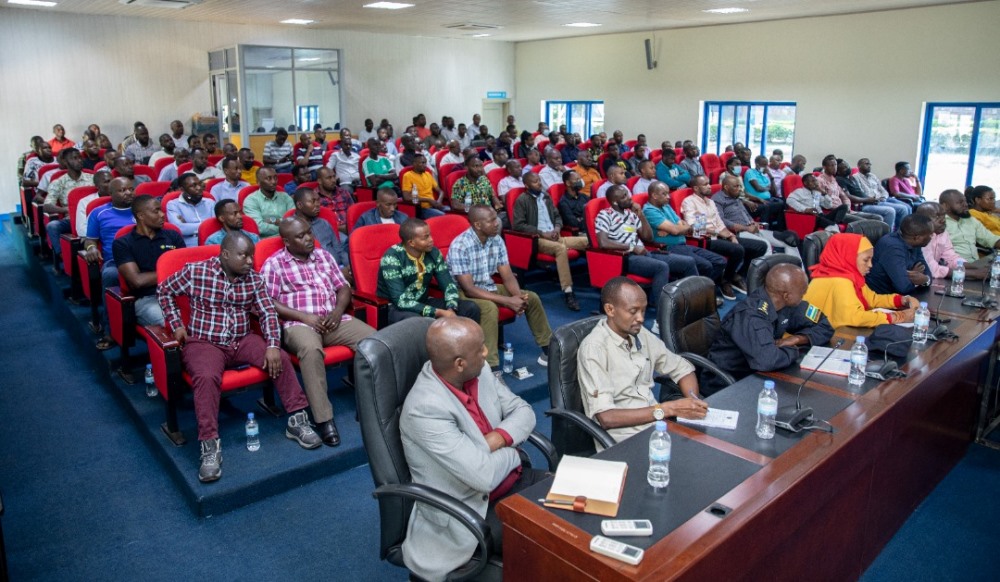
The meeting held on Thursday 28th July 2022, brought together over 130 participants at the RNP General Headquarters in Kacyiru.
The regulations, which clearly specifies all the requirements for one to trade in electrical and electronic equipment, came into force early this month.
The regulator, Rwanda Inspectorate, Competition and Consumer Protection Authority (RICA) now requires traders to apply for a license valid for two year, renewal. Those already in business have up to October to have acquired the operating license.
Business operators will now be required to ensure that used electrical and electronic equipment meets the safety standards, and to always record description of the equipment bought and sold.
RNP spokesperson, Commissioner of Police (CP) John Bosco Kabera, while speaking to traders and technicians, urged them to revise their business operations in line with the regulations.
“Doing business related to used electrical and electronic equipment is not prohibited. However, it must follow the gazetted regulations,” said CP Kabera.
He added that there are cases where people vandalize power lines to steal cables causing outage; those stealing mobile phones and television sets.
Most of those stolen, he added, are sold to those selling used electrical and electronic equipment.
“If you have been engaged in such illegal black business, you are advised to adopt to the new way of doing business because the old way was fueling theft and affecting public security,” CP Kabera said.
Assistant Commissioner of Police (ACP) Toussaint Muzezayo, Commissioner for Anti-Smuggling and Organized Crimes (ASOC) advised them to make best choices to buy or sell equipment received through legal channels as specified by the regulations.
During the meeting, participants were enlightened on the new regulations governing trade of used electrical and electronic equipment.
Traders thanked RNP for the meeting to apprise them on the regulations.
“These regulations came as a solution to the disorders, which was affecting our business. It is now up to us to realign our businesses with the regulations to fight theft,” Jean Bosco Izabiriza said.
To Rehema Umuruta, a technician, there were gaps in business related to used electrical and electronic equipment.
“I started my job 20 years ago. However, our business was not going well because of theft. People were buying electronics without minding about the source and buying stolen items,” Umuruta said.
According to the regulations, before buying second-hand electronics, the business operator must first verify that the seller is the rightful owner of the equipment and record detailed particulars.
Traders will be required to keep records for at least two years, indicate the category, brand and model name, model number, serial number, information relating to International Mobile Equipment Identity (IMEI) and International Mobile Equipment Identity Software Version (IMEI-SV) per slot where applicable; any other distinguished marks or features, where applicable and equipment status description.
API is a software intermediary that allows two applications to talk to each other.
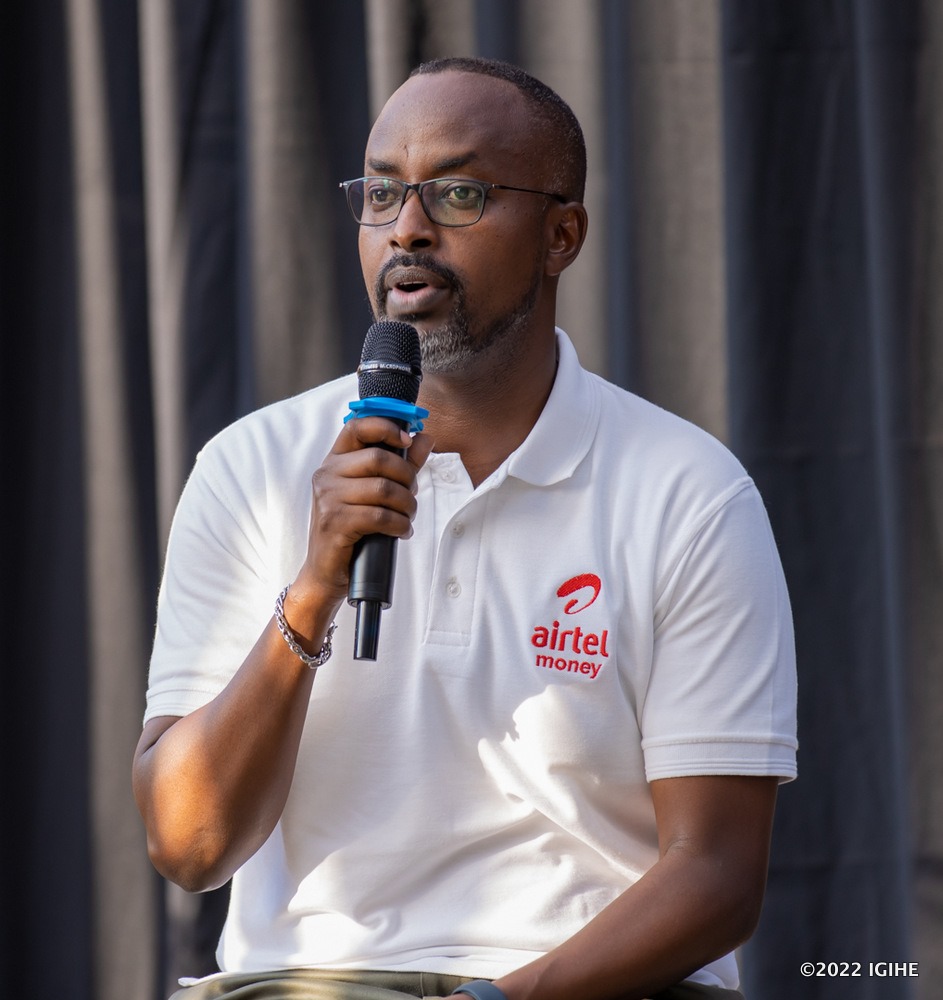
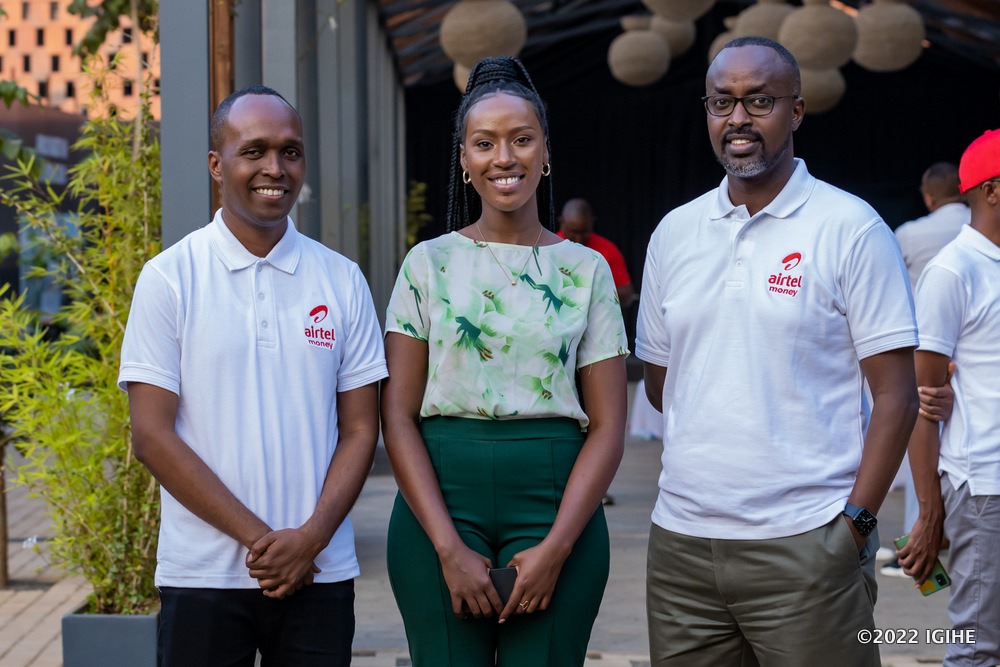
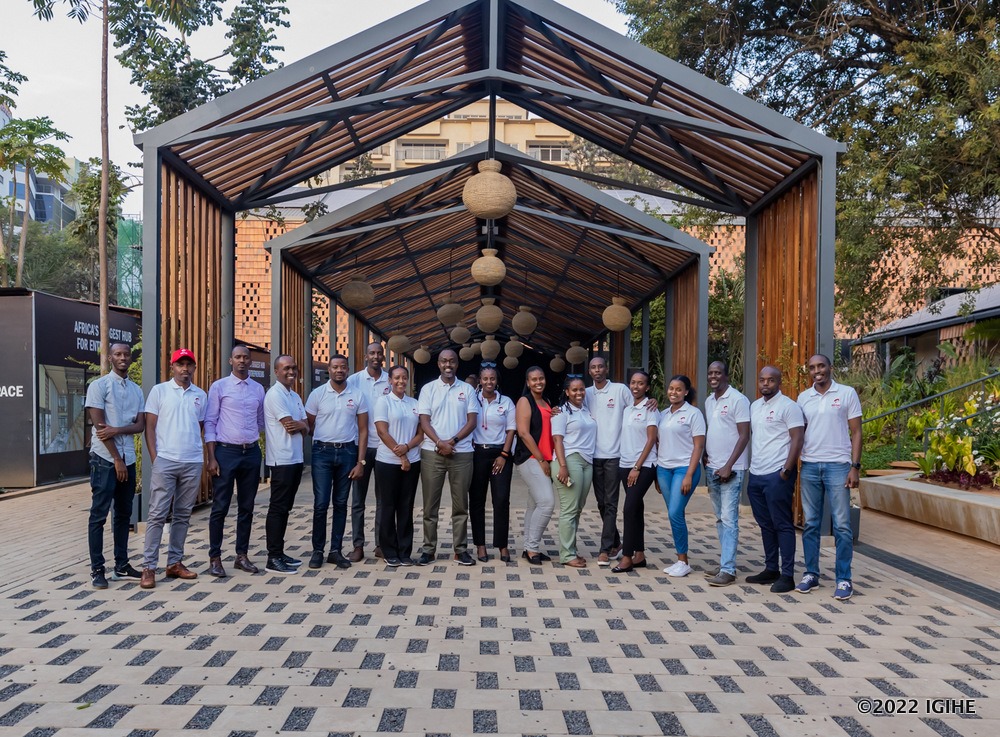
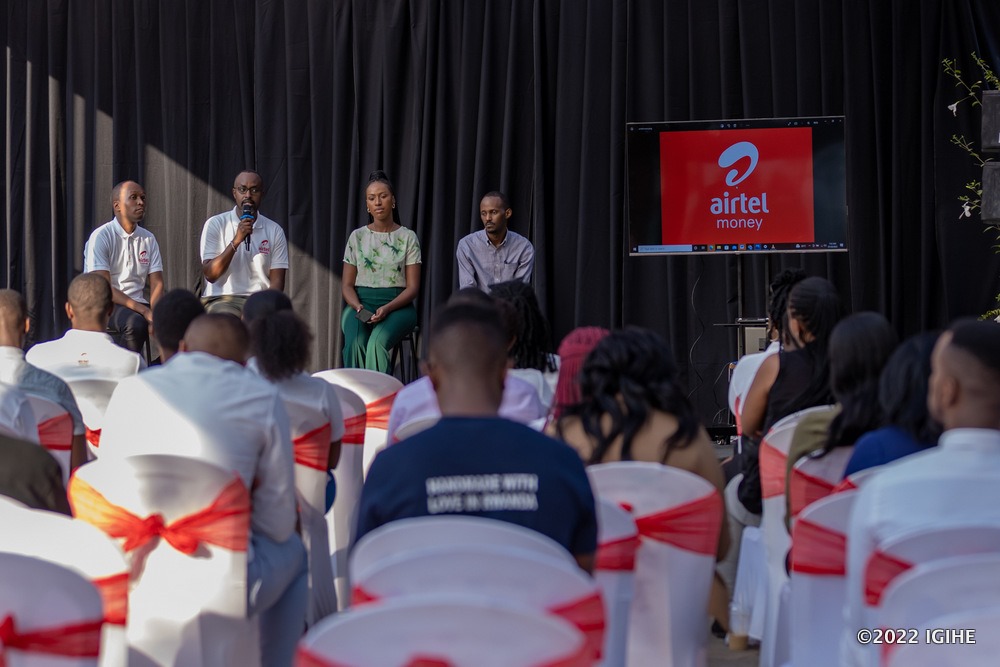
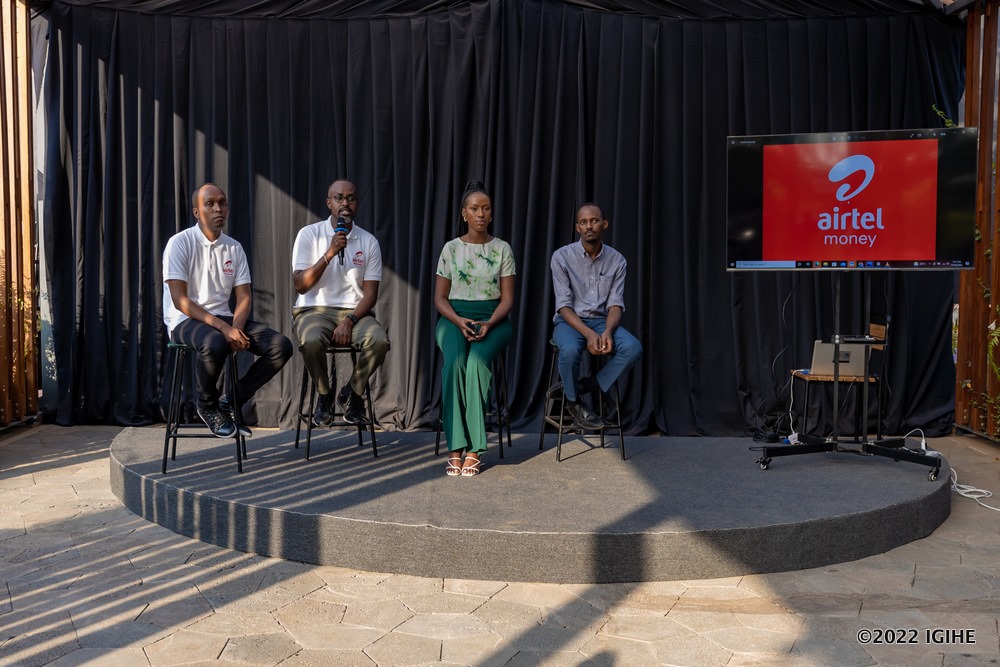
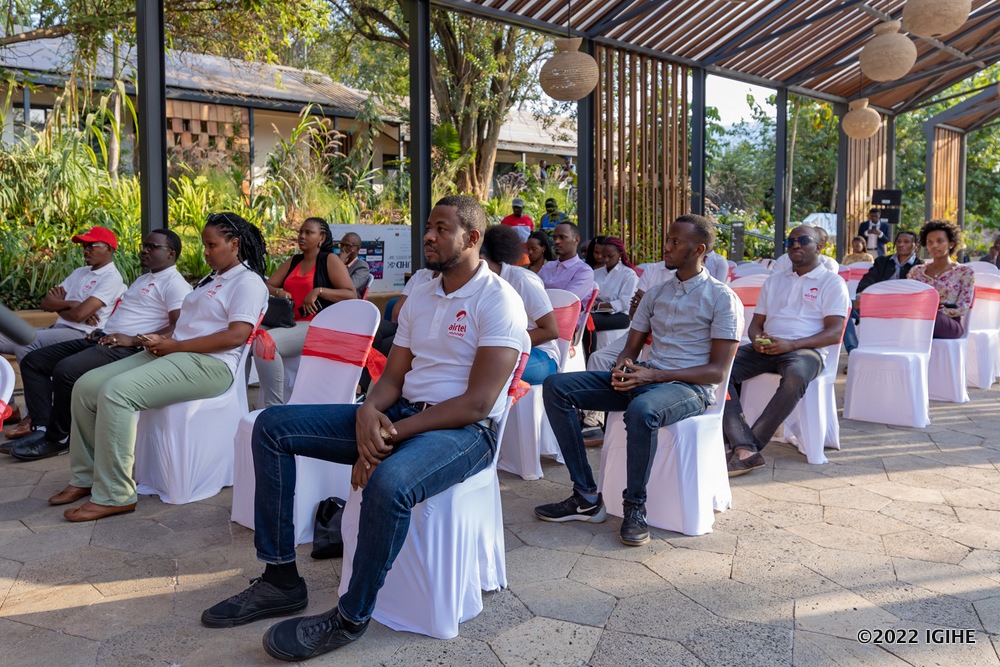
Speaking at the launch which took place at Norrsken, the biggest start up hub in East Africa; Jean Claude Gaga, the Managing Director of Airtel Money said: “We are excited to embark on this new journey where we open our platform to Developers across Rwanda and the rest of the world as we strongly believe they will bring amazing innovations which will in turn contribute to our efforts as well as the
Government of Rwanda’s focus on turning Rwanda into a Cashless economy with 100% financial inclusion.”
“This is our first step in our focus on supporting Start ups to grow through Partnerships with us”
To access the AirtelMoney APIs, Developers and organizations will simply visit https://developers.airtel.africa/home and follow the prompts. Incase of any query, they will simply contact the Airtel Money Support team at amopen.api@rw.airtel.com
This launch comes as the closing event of the Airtel Money Month which kicked off on July 1st with the launch of the communication of the recently launched Interoperability between Airtel Money and MTN MoMo and was followed by other numerous activities during the course of the month which were aimed at showcasing the many innovations and services Airtel Money has been offering to its Customers.
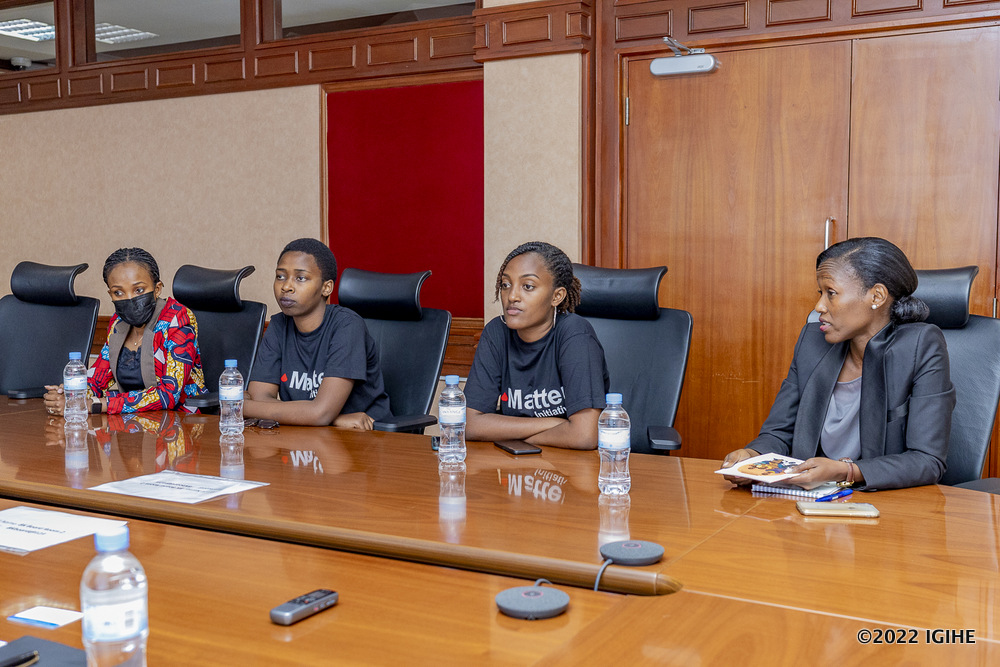
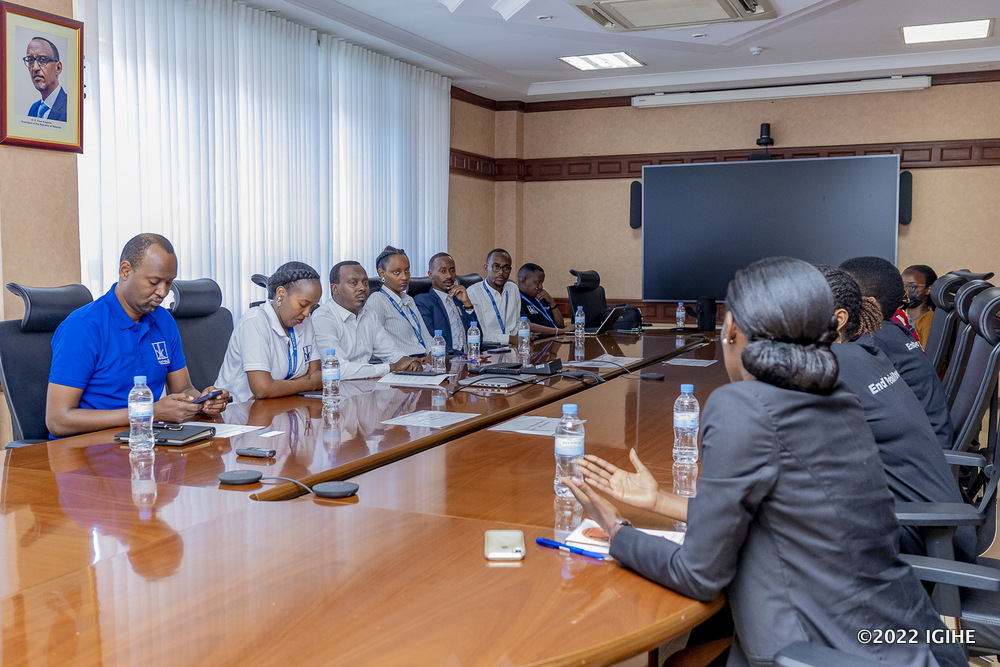
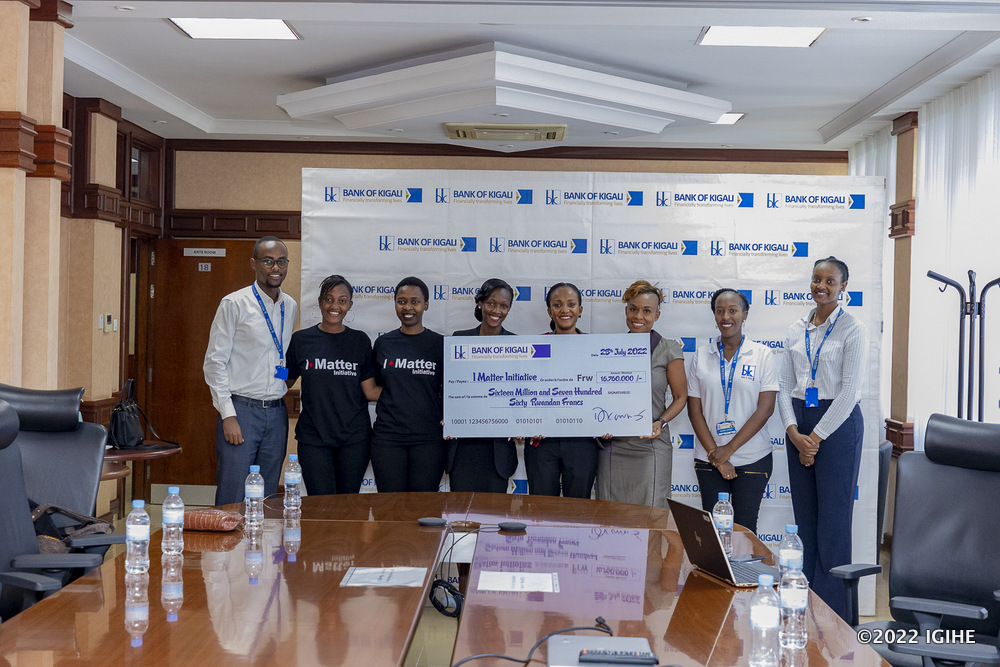
I Matter Initiative has been working with young girls in different communities across the country at village level since 2019, with the aim of ending period poverty in Rwanda, through service, awareness and advocacy.
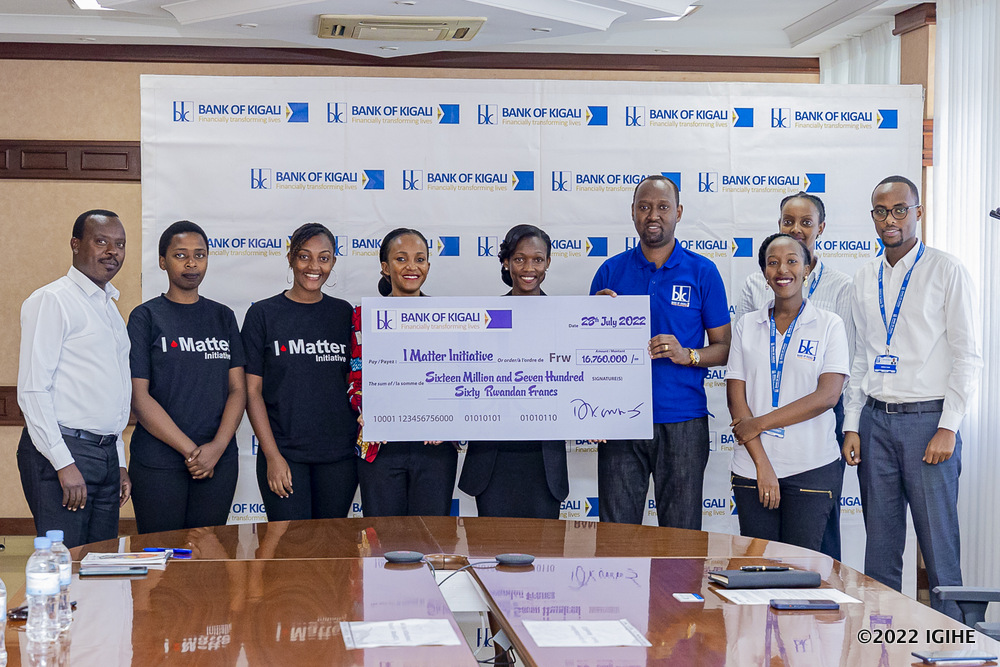
Considering the progress that has been made by I Matter Initiative, Bank of Kigali is joining hands with I Matter Initiative to impact more young girls by providing them with equal rights to menstrual hygiene supplies while creating a community of girls and women confident and aware of sexual reproductive health and rights-related issues.
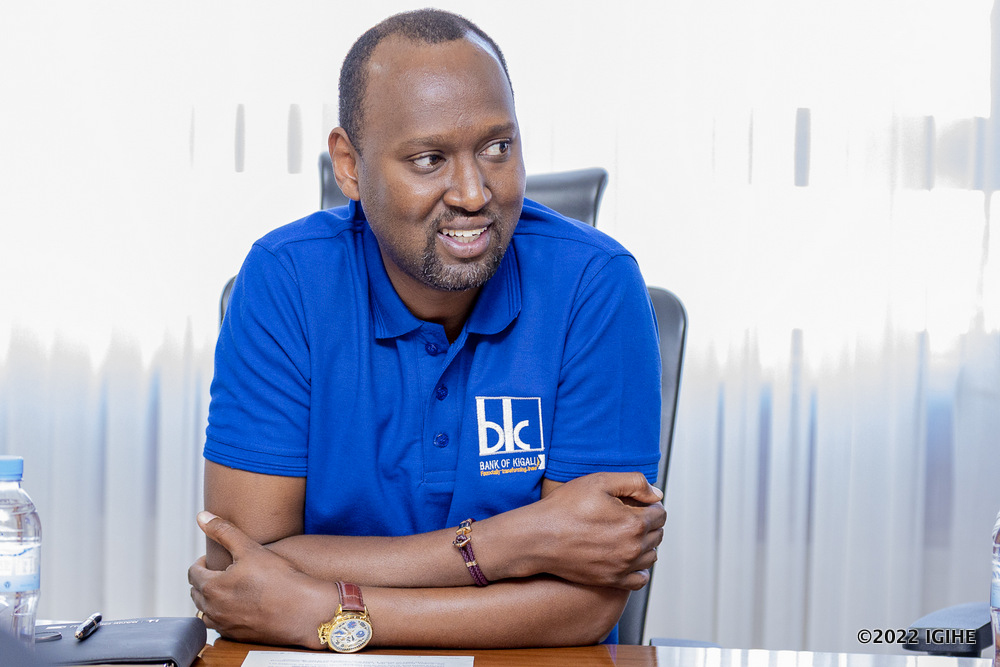
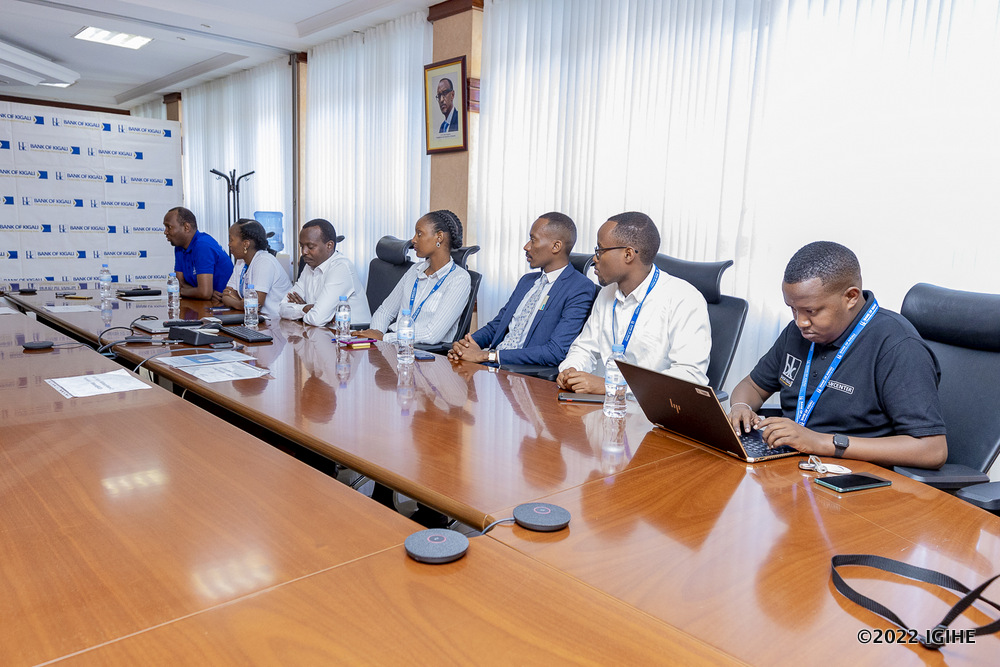
Commenting on the development; Emmanuel Nkusi Batanage, the Head of Corporate Affairs at Bank of Kigali expressed delight for the partnership with I Matter Initiative.
‘‘We are very delighted to partner with I Matter Initiative for this positive cause. We believe that women empowerment is a key pillar in the development of our communities and every young girl deserves a right to healthy menstrual hygiene supplies to eradicate period poverty,” he said.
I Matter Initiative will carry out school visits and will be donating sanitary products.
Included in the donation package to the young girls will be pads, underwear and sanitary soap.
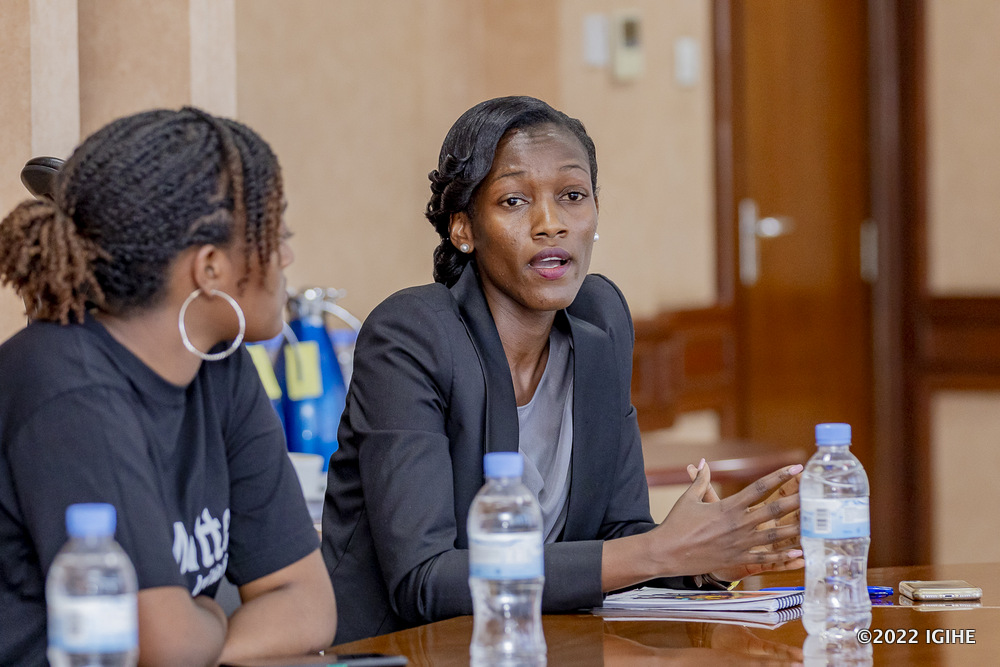
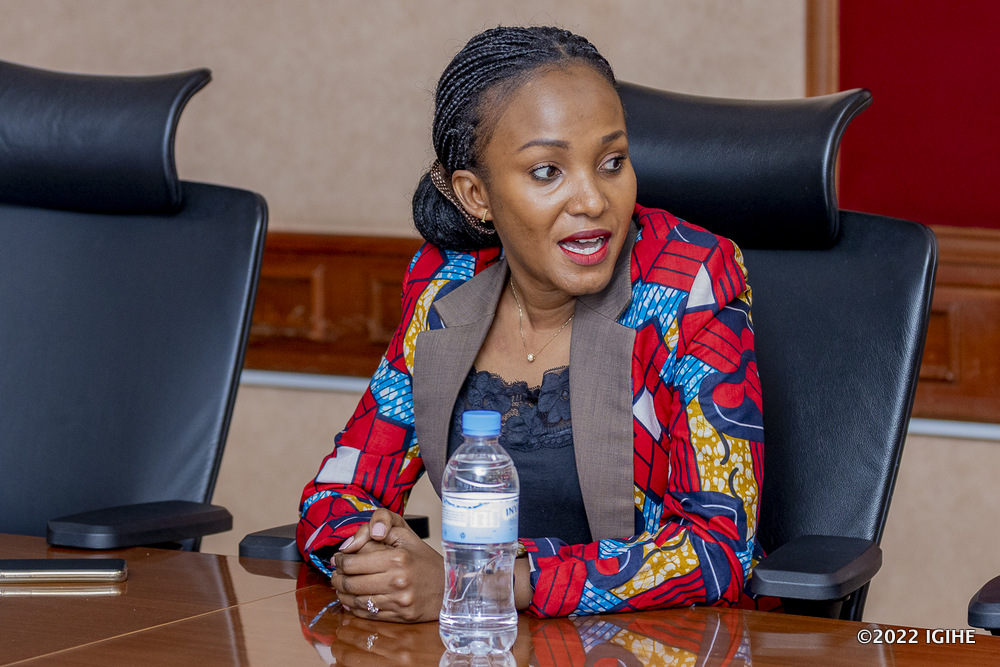
“I Matter Initiative has strived to support end period poverty, access to sanitary products and fight against stigma attached to menstruation through several patterns since 2019. Today, comes another opportunity for us to celebrate our partnership with Bank of Kigali enabling a life transformation for 1500 girls with free access to period protection products that they have not been able to afford,” said Divine Ingabire, I Matter Initiative Executive Director.
“On behalf of I matter Initiative, I would like to express my gratitude to the leadership and dedicated team of bank of Kigali, for their trust in our vision, investment in Rwandan girls’ life transformation and their voice added to ours to break the silence about girls and women’s sanitary need,” she added.
{{About Bank of Kigali Plc}}
Bank of Kigali Plc. is the largest commercial bank in Rwanda, by total assets. In 2017, Global Credit Ratings affirmed Bank of Kigali’s long-term and short-term national scale ratings of AA-(RW) and A1+(RW) respectively with a stable outlook.
The Bank has won several back-to-back international and regional banking awards from Euromoney, The Banker, Global Finance Magazine, and EMEA Finance. Bank of Kigali has been recently awarded “Best Bank in Rwanda 2022” by Global Finance.
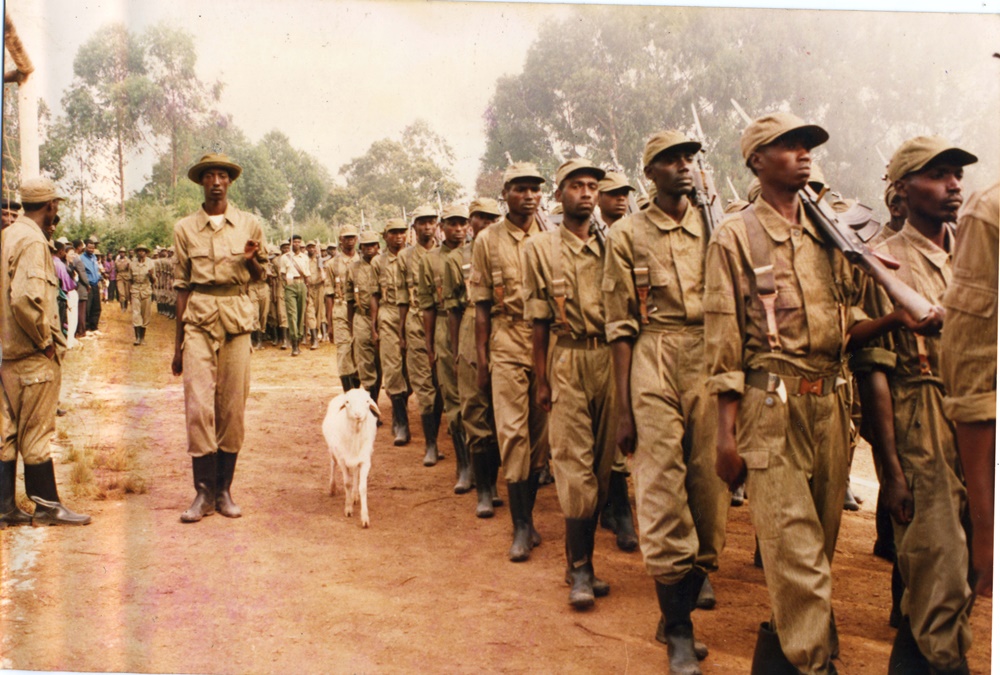
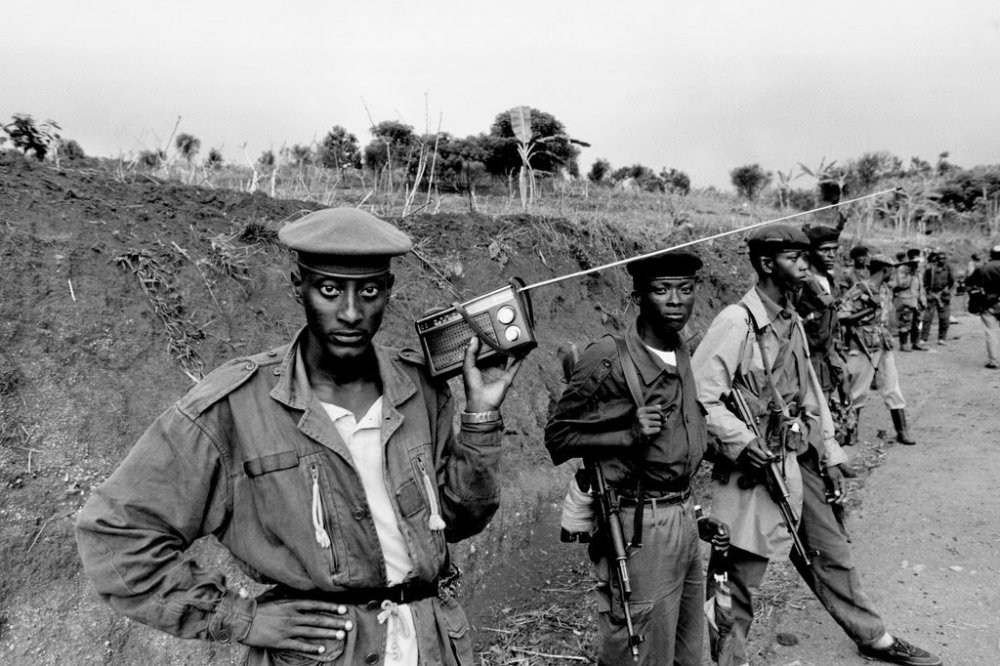
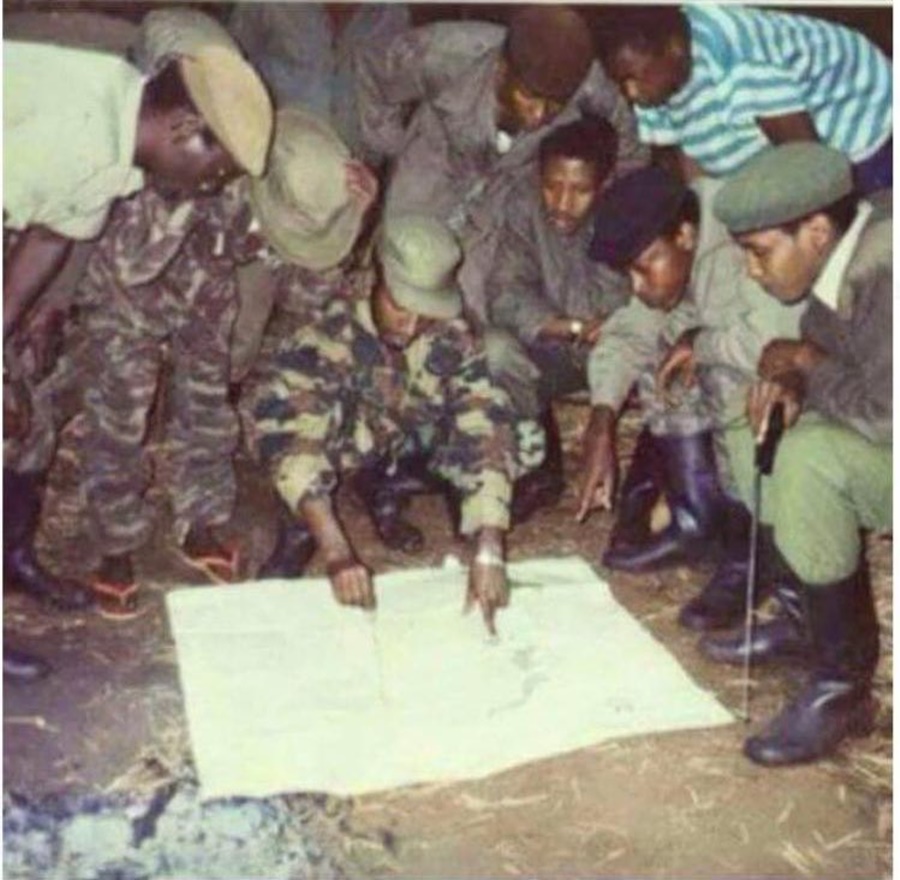
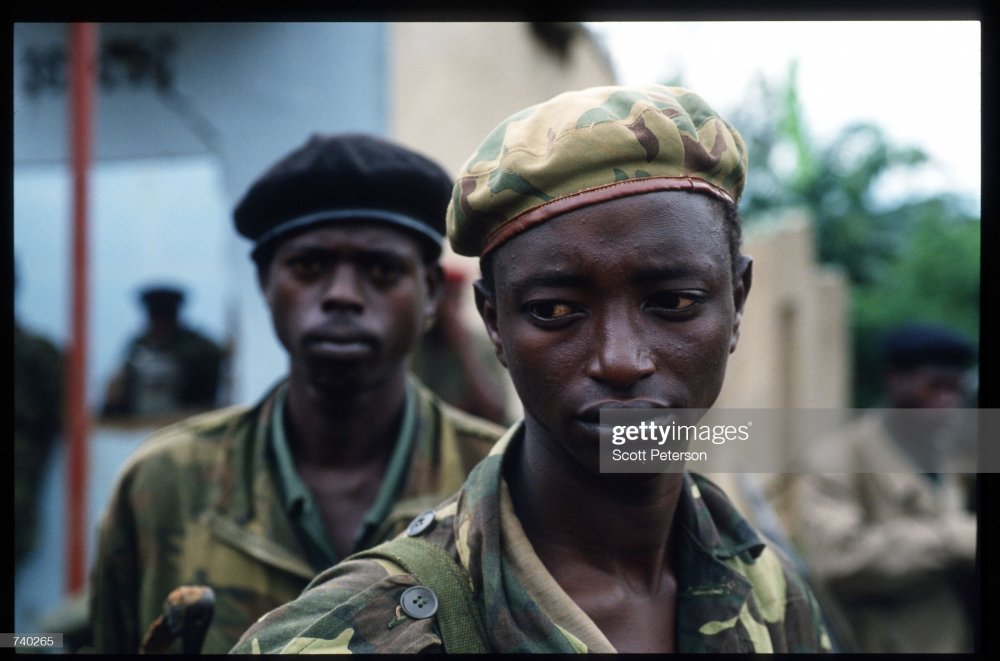
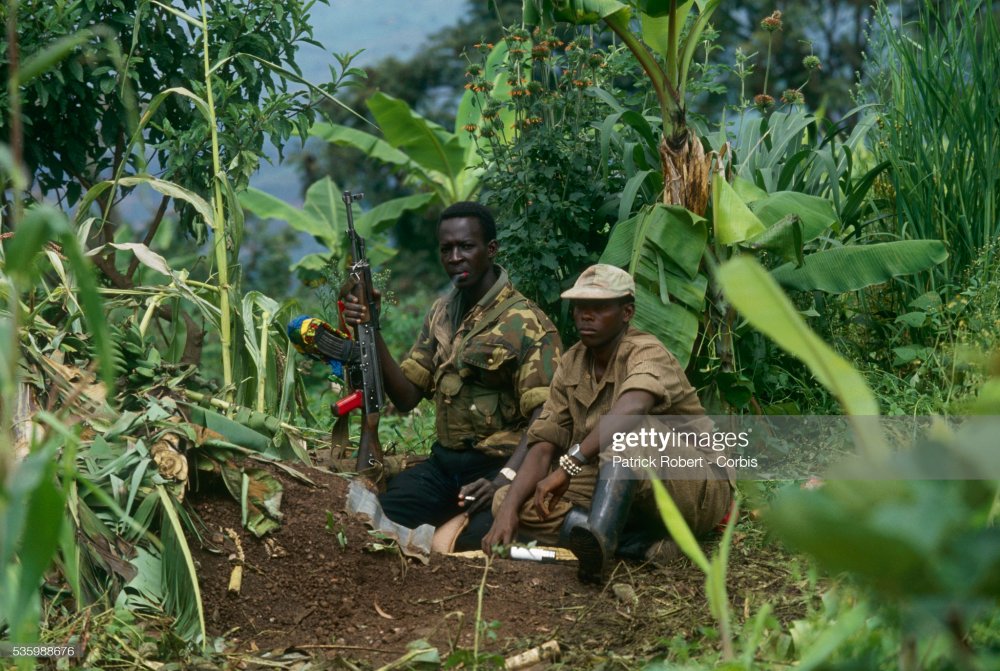
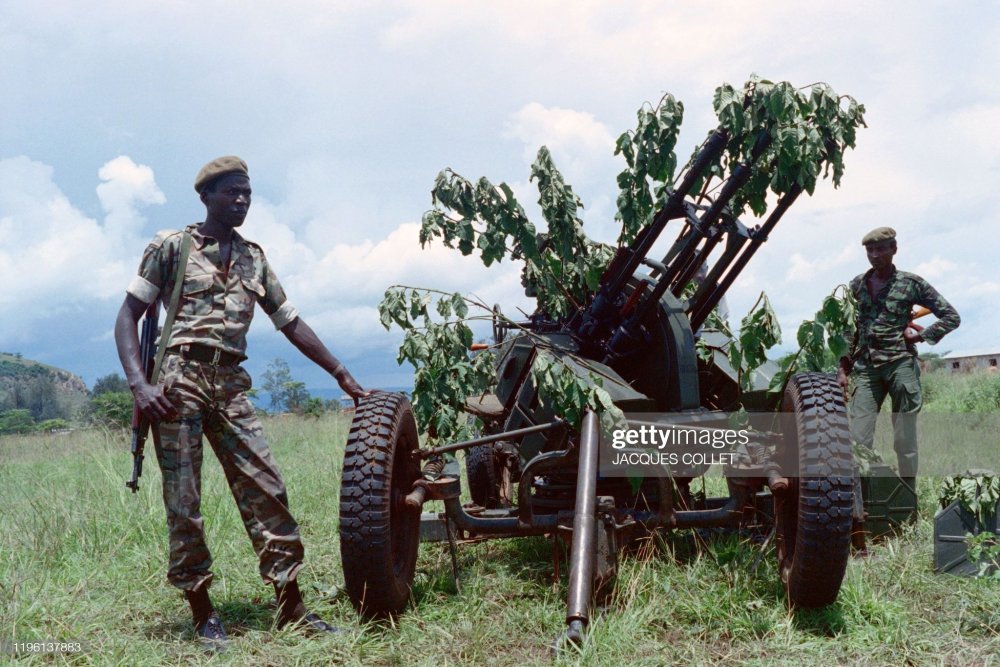
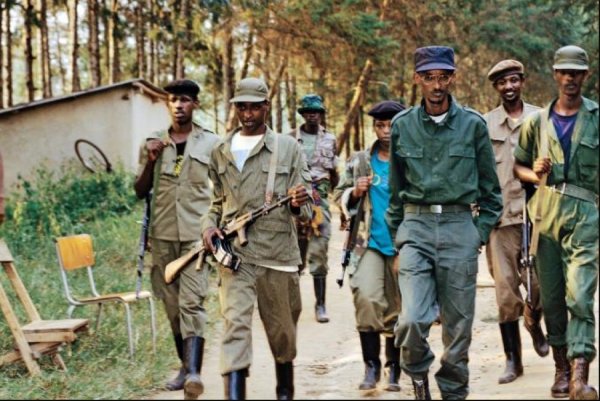
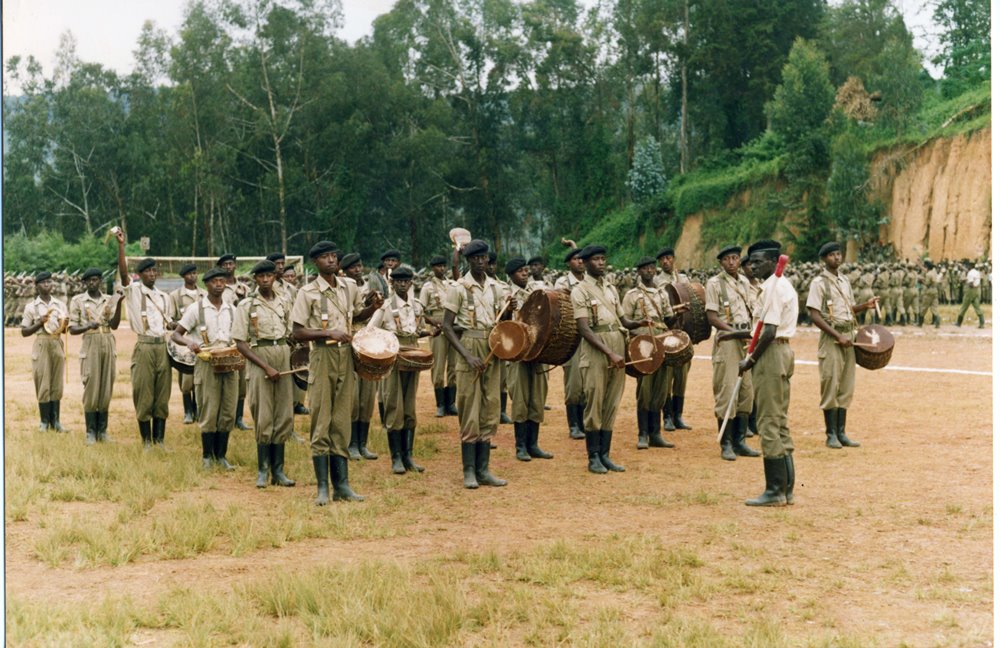
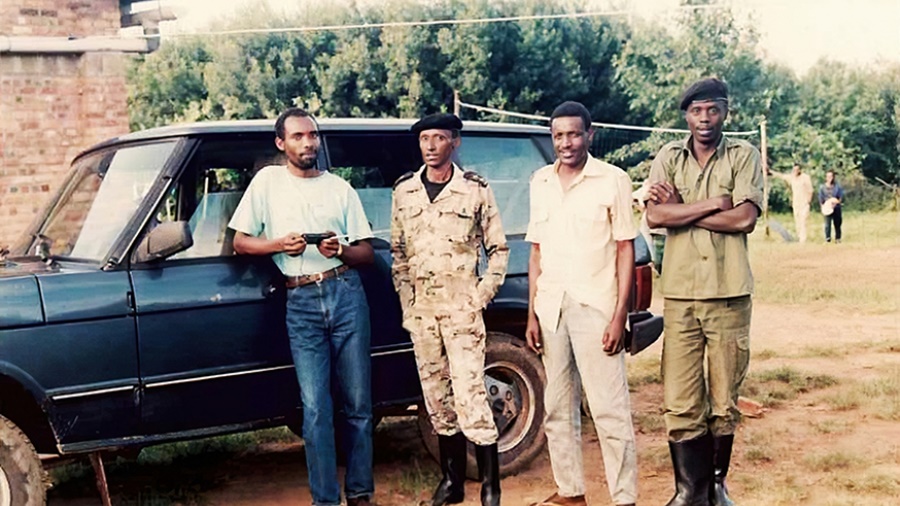
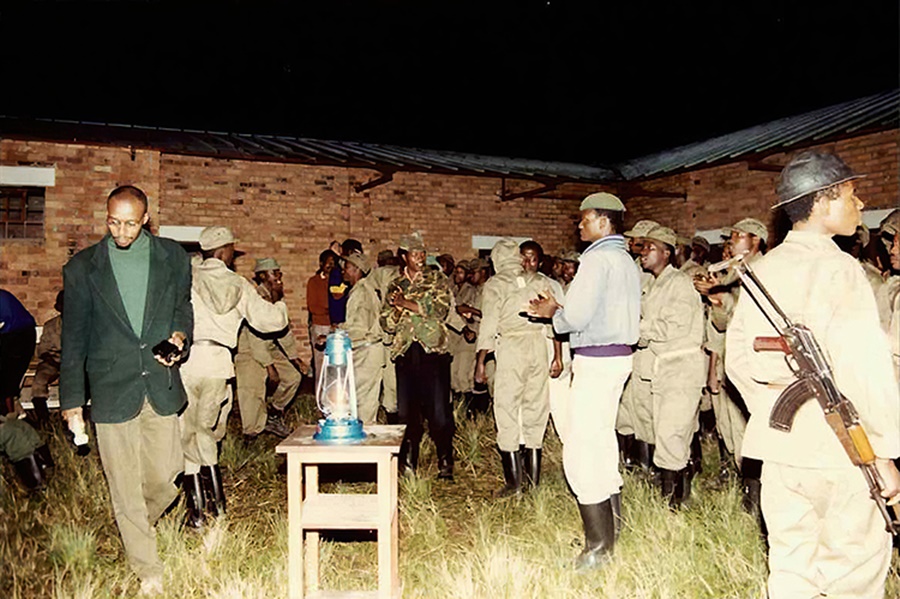
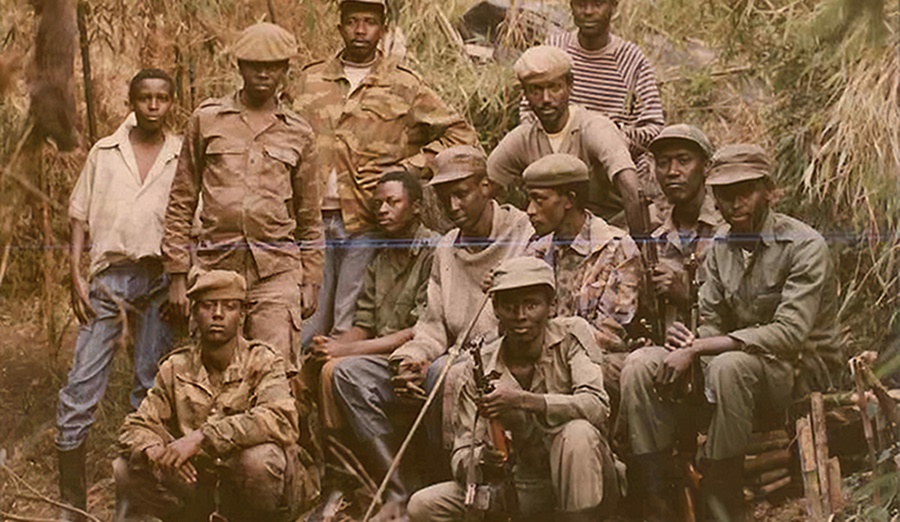
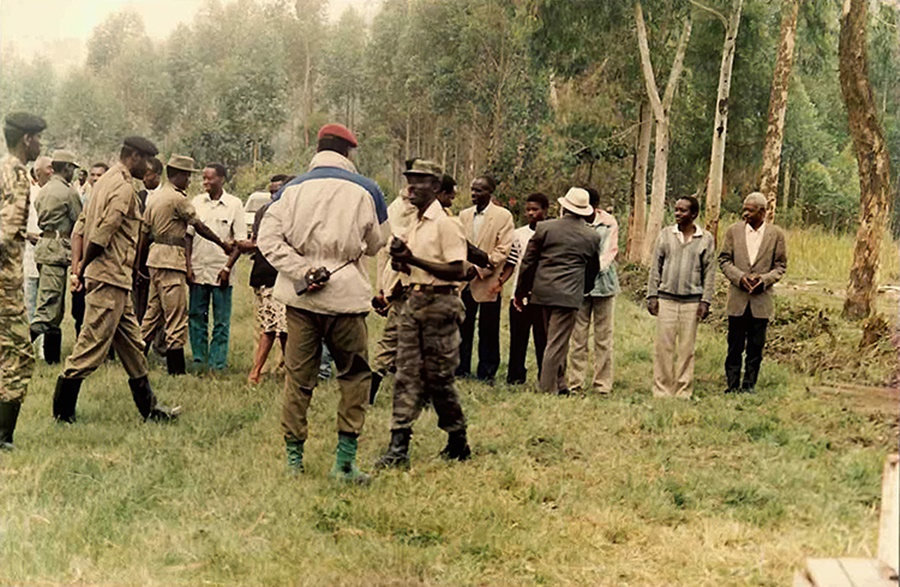
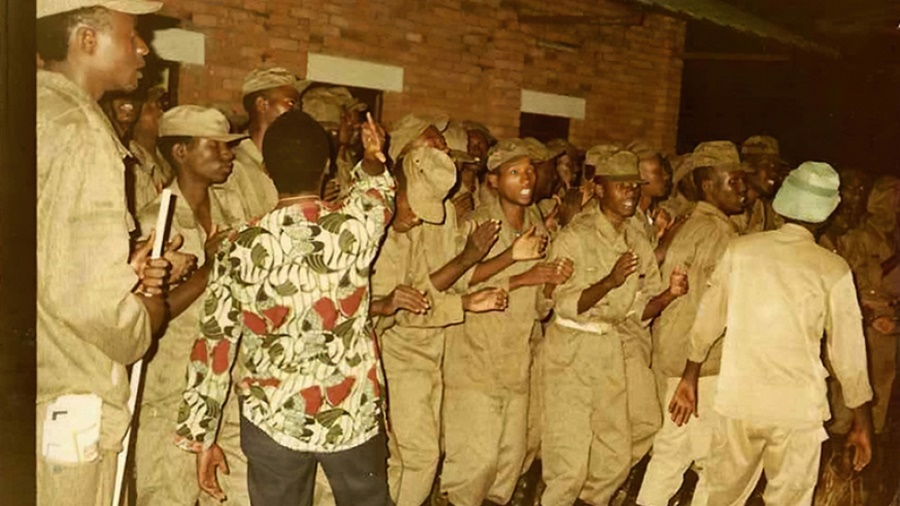
The struggle launched by Rwanda Patriotic Army (RPA) began on 1st October 1990.
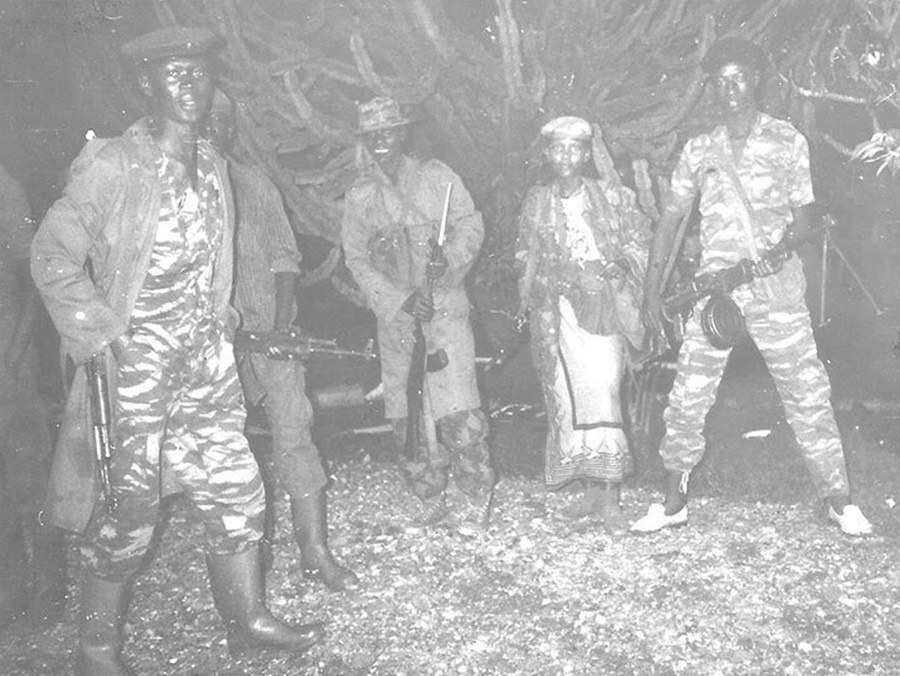
It was hard to fight the struggle as RPA soldiers were not familiar with the terrain.
Besides, fighters came from foreign countries where they had fled with different backgrounds. However, their courage, determination, discipline and other values that characterized them led to victory.
On 1st October 1990, RPA soldiers attacked Kagitumba border, marking the beginning of the Liberation Struggle which lasted for four years after failure of diplomatic processes which prompted members of RPF Inkotanyi to free the country by means of war.
Initially, RPA – the military wing of RPF Inkotanyi was commanded by Maj Gen Fred Gisa Rwigema who was killed in early days of the struggle by soldiers of the former regime of Habyarimana on the support of mercenaries.
For the first 14 days of the battle, some of top commanders of RPA were killed. This left loopholes in the leadership of RPA and lowered the morale of soldiers.
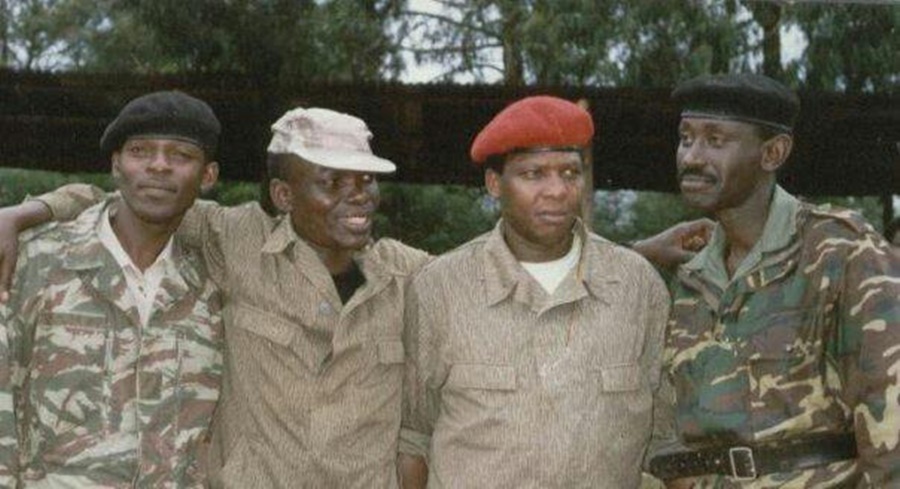
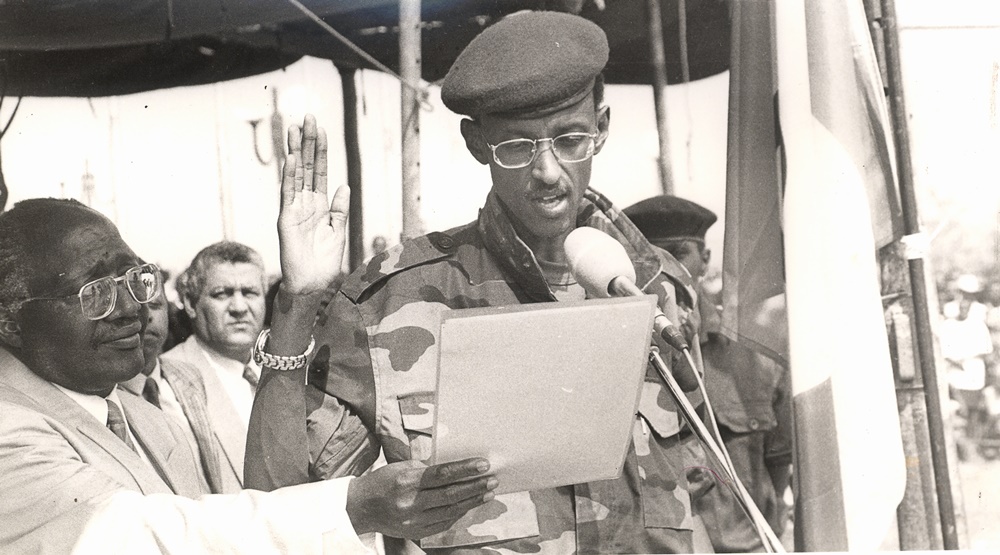
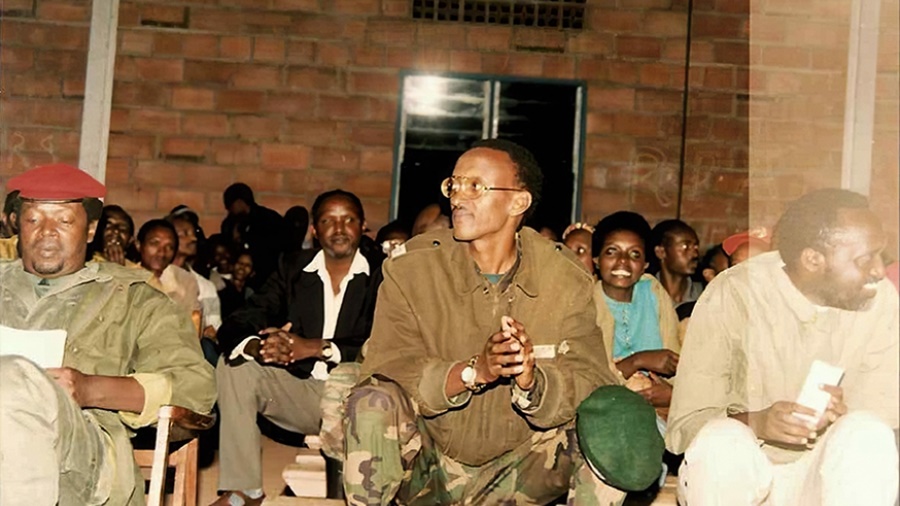
President Paul Kagame who had the rank of Major at the time took over as the commander and introduced new tactics among other reforms.
He gave them a clear guidance, introduced tactics to launch attacks from the hills of Northern Province and volcanoes, instilled the spirit of working together for a common goal and discipline among other values.
After introducing the reforms, the fight took shape. RPA soldiers captured areas of Mulindi and Gikoba in Gicumbi where they established a strong base with trenches that provided protection against rockets shelled by the then government forces (FAR) and mercenaries including French soldiers that had come to their support.
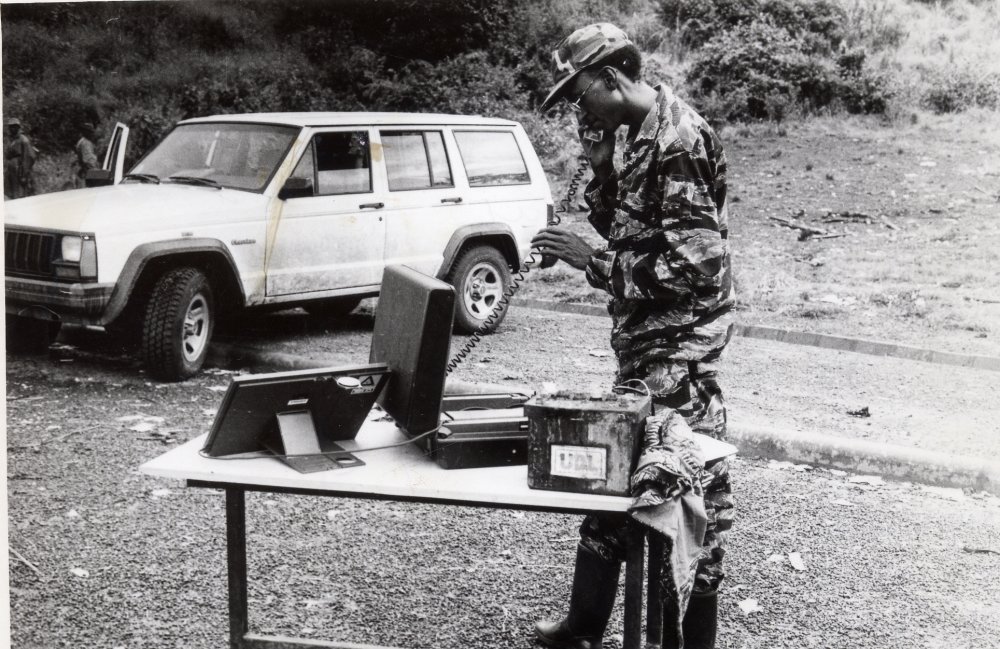
At the time, soldiers’ morale went high because they would communicate and receive orders helping them to repel back attacks by FAR soldiers.
Commenting on the battle, the Senior Presidential Advisor on security matters, Gen James Kabarebe says that attacking Byumba town on 5th June 1991 helped them to expand the area under their control and pushed the regime of Habyarimana to accept peace accords that never materialized.
Gen Kabarebe says that some of commanders initially resisted the decision to attack Byumba lest their loose captured areas providing protection against enemies. As he says, Maj Gen Kagame convinced them and went with soldiers to attack Byumba town.
FAR soldiers were reinforced by foreigners and recaptured Byumba town.
However, RPA continued to control other captured areas which exerted pressure on Habyarimana to sign Arusha Peace Accords.
On the second day of the fight, Maj Gen Kagame asked his forces to withdraw from Byumba town and dig trenches in few kilometers.
It is said that the withdrawal was a tactic that confused the then government forces who thought the attackers had been defeated yet they were still in the surroundings and standby to capture the town.
At the time, RPA soldiers had added Mukarange and Bubande to existing areas under their control including Mulindi and Gikoba.
The expansion of controlled areas motivated RPF politicians to come to Mulindi base which also served as their political headquarters.
FAR continued to shell the new base but efforts remained futile as RPA soldiers were sheltered in strong trenches.
This prompted Habyarimana to sign Arusha Peace Accords, which he considered papers that could be destroyed anytime.
Meanwhile, the then government continued preparations and execution of the 1994 Genocide against the Tutsi until it was stopped by RPA soldiers who liberated the country.
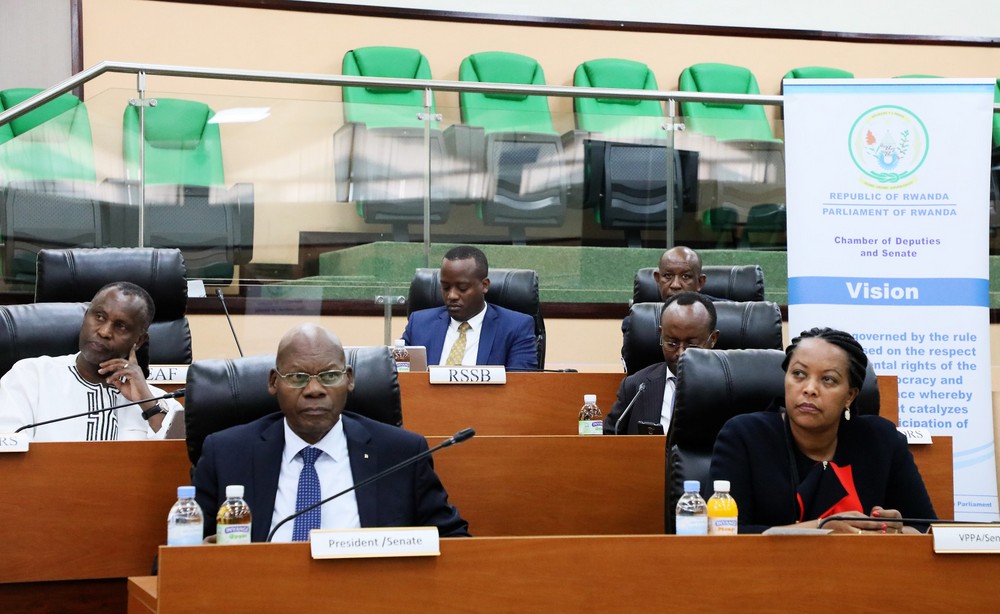
The three-day retreat taking place in Nyagatare District, kicked off on 27th to be concluded on 30th July 2022.
The Senate President, Dr. Augustin Iyamuremye has observed that there are still areas of improvements even though a lot has been achieved in the third term.
These achievements include community outreach programs, extending awareness and overseeing compliance of fundamental principles among others.
“The Senate Bureau approved the necessity for senators to dedicate time for evaluation, take stock of achievements realized within two years and half of the third term of Senate, reflect on challenges and take measures to improve performance,” he said.
As the retreat will be drawing to the end, senators will join residents of Nyagatare Sector in a monthly community work.
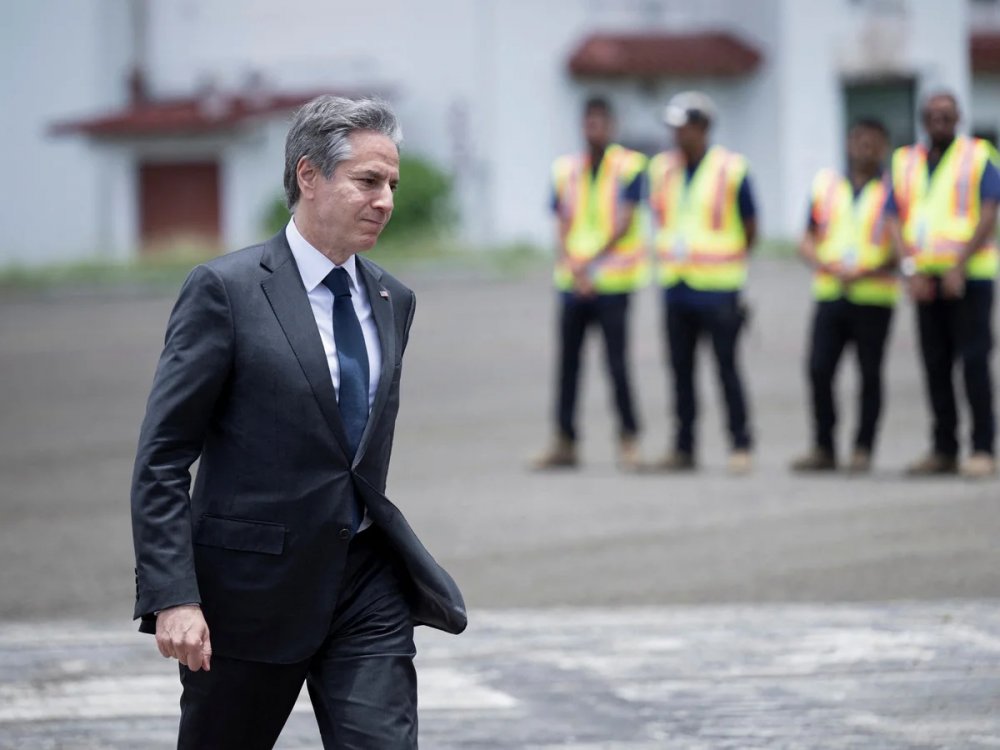
IGIHE has learnt from credible sources that Blinken will arrive in Kigali next month.
Dates for his visit have not yet been disclosed but it is said that he might arrive in the country in the first two weeks of August.
Sources reveal that he plans to visit Rwanda and the Democratic Republic of Congo (DRC).
We could not verify the agenda of his visit to Rwanda and DRC but sources indicate that it is in context of tensions between Rwanda and DRC over the resurgence of M23 rebel group.
Top on the agenda of discussions with DRC officials include presidential elections scheduled next year and mining activities.
Blinken is set to visit Rwanda at a time when the country’s ambassadorial post in Rwanda has been vacant since February this year when Amb. Peter H. Vrooman who represented US interests in Kigali was posted to Mozambique.
Since then, US interests in Rwanda are overseen by Chargé d’Affaires, Deborah MacLean.
Rwanda and US enjoy cordial relations but some of its officials have been exerting pressure on Rwanda over the arrest of Paul Rusesabagina, the former President of MRCD-FLN terrorist group who was handed 25-year jail term.
Some US lawmakers proposed sanctions against Rwanda accusing the country of having kidnapped Paul Rusesabagina.
On Monday this week, the spokesperson for the United States Department of State, Ned Price told the media that negotiations between Rwanda and DRC should be given priority to calm tensions.
US are great development partners of Rwanda where it provided US$141 million funding in 2021. The funding doesn’t include medical equipment and over vaccine doses donated to Rwanda to fight COVID-19.
In 2016, Rwanda received US$268 million funding from US.
GENEVA, July 27 (Xinhua) — Europe and the Americas have been affected the most by the monkeypox outbreak, Director General of the World Health Organization (WHO) Tedros Adhanom Ghebreyesus told journalists here on Wednesday.
These two regions have reported 95 percent of the diagnosed cases, he said, warning against stigma and discrimination in monkeypox messaging.
Over 18,000 monkeypox cases have been reported to the WHO from 78 countries. More than 70 percent of these came from the European region and 25 percent from the Americas, he said.
He said that 98 percent of the reported cases have been among men who have sex with men, stressing that stigma and discrimination can be “as dangerous as any virus and can fuel the outbreak.”
“As we have seen with COVID-19 misinformation,” it can spread rapidly online, he said, “so we call on social media platforms, tech companies and news organizations to work with us to prevent and counter harmful information.”
Last Saturday, the WHO officially declared monkeypox a public health emergency of international concern (PHEIC). A PHEIC is the highest level of alert that the United Nations (UN) health body can give.
The WHO has been urging countries to take the monkeypox outbreak seriously by taking the steps needed to stop transmission and protect vulnerable groups. “The best way to do that is to reduce the risk of exposure and make safe choices,” he said.
“For men who have sex with men, this includes, for the moment, reducing your number of sexual partners, reconsidering sex with new partners, and exchanging contact details with any new partners to enable follow-up if needed.”
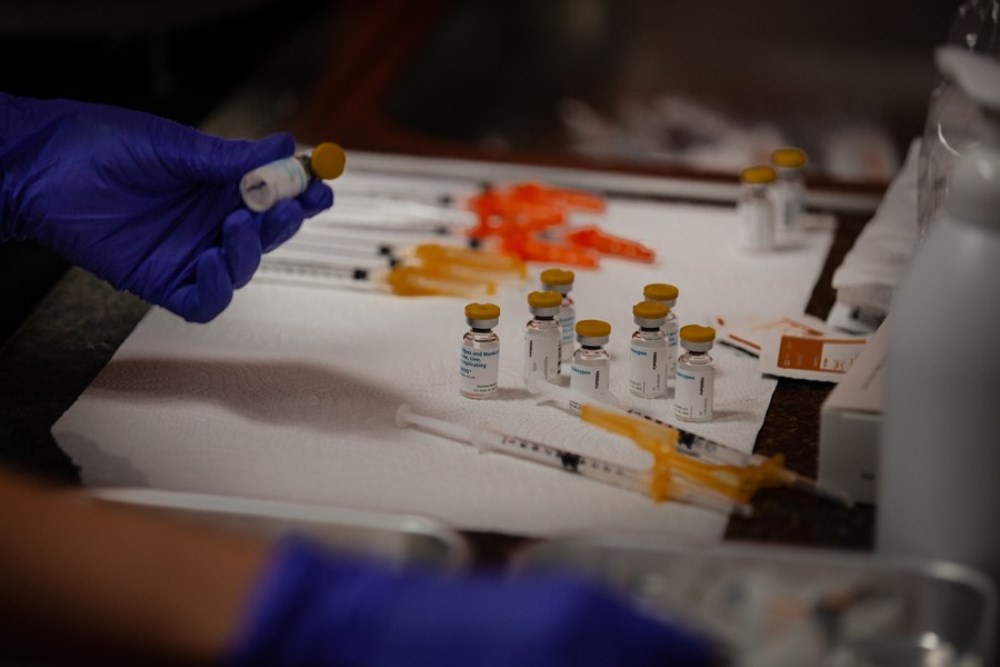
Meanwhile, Canada, the European Union and the U.S. have already approved the vaccine called MVA-BN (Modified Vaccinia Ankara — Bavarian Nordic) for use against monkeypox, and two other vaccines are also being assessed. However, due to the lack of data on the effectiveness and dosage of the vaccines, the WHO currently does not recommend mass vaccination against monkeypox. It also urges all countries that are administering such vaccines to collect and share critical data on their effectiveness.