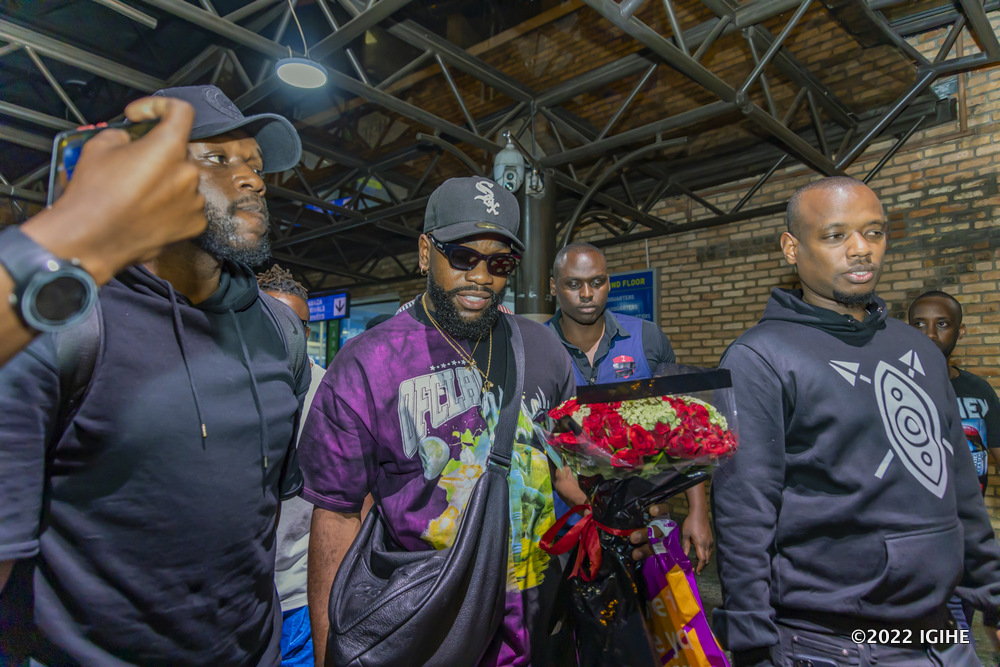
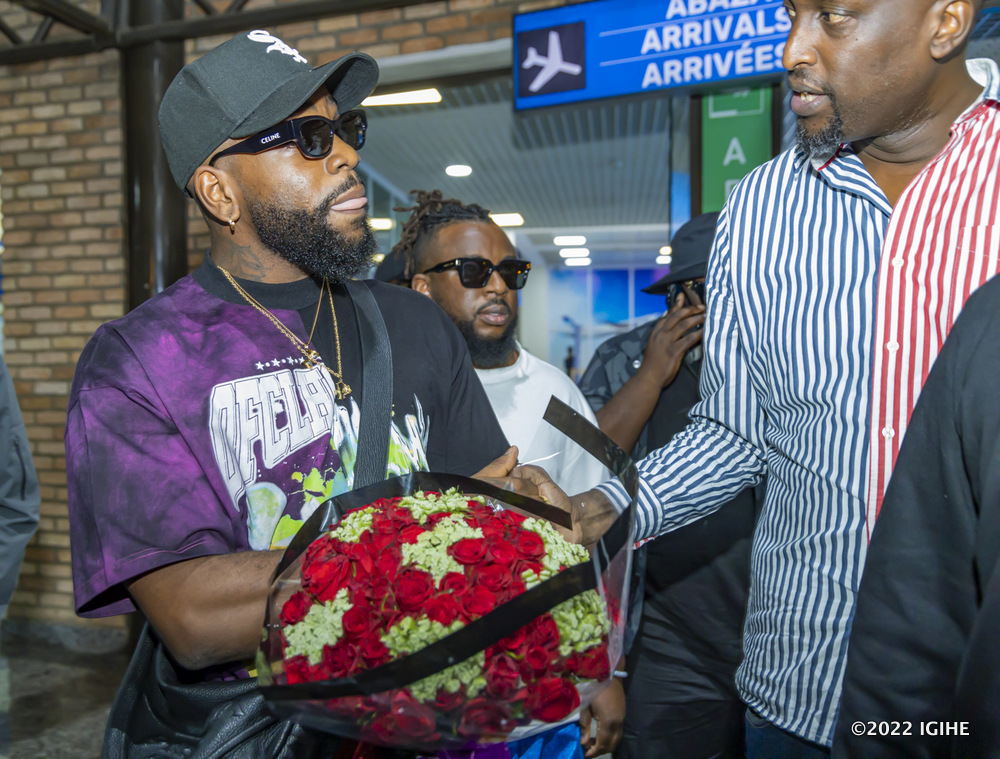
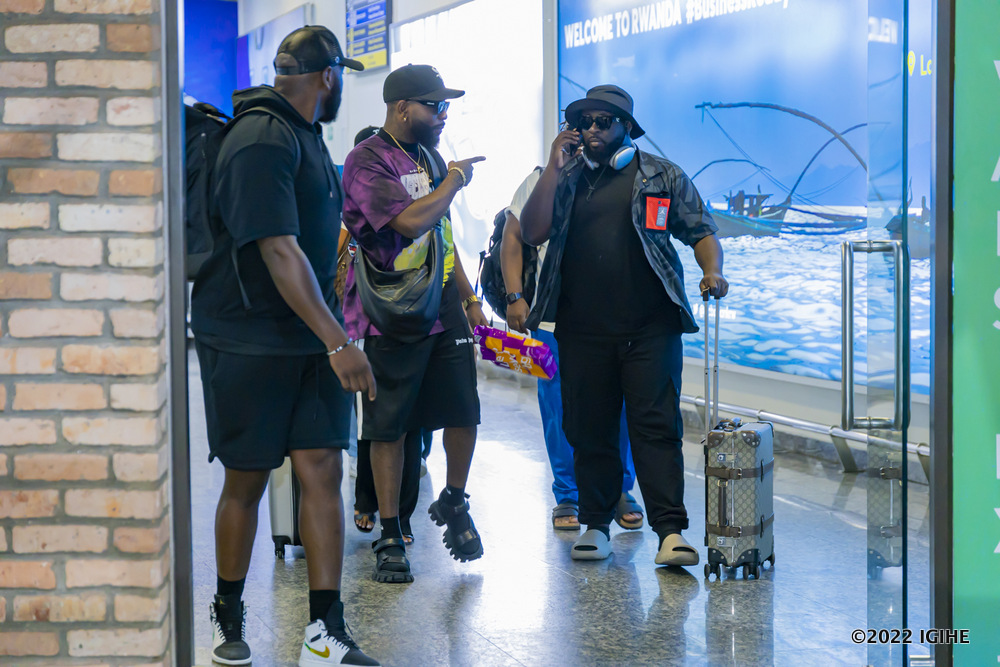
The artiste accompanied by members of his management team was welcomed by organizers of the concert at Kigali International Airport around 11 p.m. before heading to his accommodation.
He did not however speak to members of the press.
Tayc, 25, is a Cameroonian-French singer and songwriter who started his music career in 2012.
He released his first Mixtape dubbed ‘Alchemy’ in 2017, followed by H.E.L.I.O.S in 2018. Tayc’s first album dubbed ‘NYXIA’ was released in 2019 followed by ‘Fleur froide’ in 2020.
He has mostly gained popularity for various songs including Le Temps, N’y pense plus, Dis moi comment and DODO among others.
If you have lost a loved one because of negligence or a wrongful act, then you may be able to file a wrongful death suit against the responsible party.
But what is a wrongful death case, and how do you know whether yours has legs?
In this article, we’ll discuss how hiring a lawyer can help you get the court settlement you deserve.
{{What Is a Wrongful Death Suit?}}
A wrongful death suit allows the surviving members of a deceased’s family or their estate to sue for legal damages when someone else’s negligence or recklessness has caused the death.
The specific definition of what constitutes wrongful death will differ between states; for example, in Texas, it is defined as a “wrongful act, neglect, carelessness, unskillfulness, or default.”
When filing a suit, you will be seeking damages that might include:
-* Funeral and burial costs
-* Any income that the deceased would have earned
-* Compensation for loss of companionship and support
In addition to these, you may also be able to claim other damages that may be specific to your individual case.
{{How Can You Tell Whether a Wrongful Death Suit Has Legs?}}
One of the most common types of wrongful death suits is negligence. But how can you tell whether your wrongful death case has legs?
Let’s take a look at what qualifies as wrongful death.
There needs to be the existence of four elements to count as a wrongful death claim. These are duty, breach, causation, and damages.
{{Duty}}
The first part of a wrongful death claim is to prove that the opposing party had a duty of care toward the deceased.
This means that they should have shown reasonable care and attention to prevent any hard from coming to them.
{{Breach}}
The next thing that needs to be proved in a wrongful death suit is that the opposing party breached its duty. An attorney would look to prove that the opposition didn’t act reasonably and prudently.
Some examples of breach of duty may include:
-* A doctor not providing adequate care given their skill level or experience
-* A driver ignoring traffic regulations
-* A business owner not taking adequate care to ensure there are no hazards in their establishment
This is not an exhaustive list. A lawyer will be able to tell whether or not someone has breached their duty.
{{Causation}}
The next step in the process is to prove that the opposing party’s breach is what actually caused the death of your loved one.
This can be the hardest part of the case to prove. You’ll need to prove that your loved one died due to a breach of duty.
{{Damages}}
Finally, you’ll need to prove that damages exist. These might include:
-* A loss of inheritance
-* Lost capacity for earning
-* Lost companionship and support
-* Pain and suffering
Many of these damages can be hard to put a value against; however, a skilled attorney will help you.
{{Filing Your Wrongful Death Suit}}
If all of these things are present, then you should consider going to court. Hiring an attorney is essential if you are to get the maximum compensation in your wrongful death case.
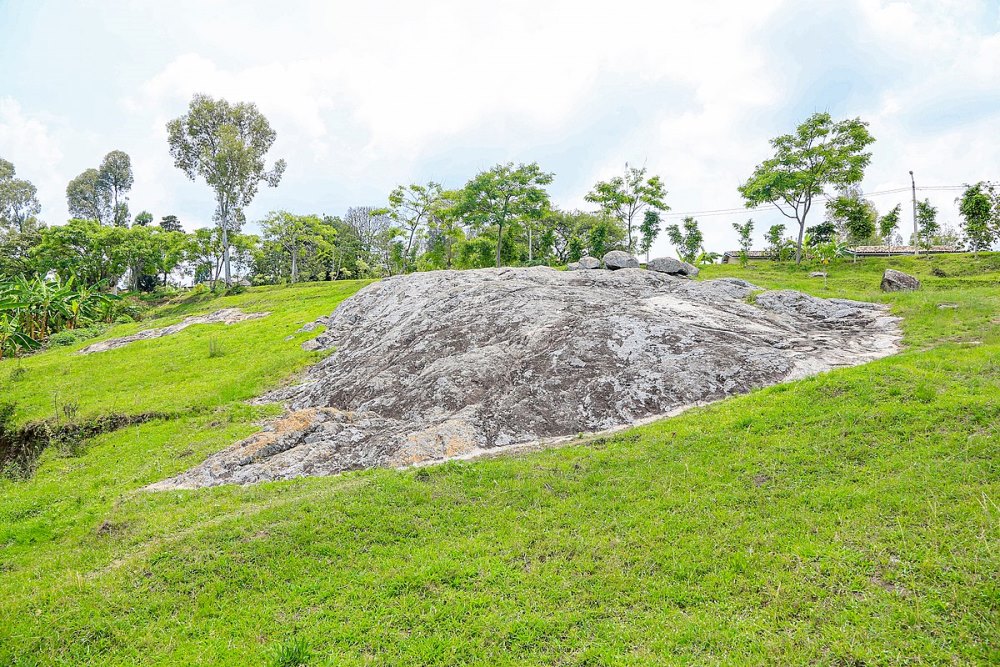
The history of Kamegeri Rock reflects his unique approach of conflicts resolution with which he was credited for astute wisdom and impartiality when his favourite servant was subjected to an excessive punishment he had proposed for other people.
As per oral traditions and written sources, Kamegeri was a local chief in Ruhango at the reign of Mibambwe II Gisanura nearly in 1600.
As the sources indicate, Kamegeri was once assigned to follow up the construction of a king’s palace in Ruhango which he did successfully.
His work won the king’s heart that he became a favourite servant who would advise him on serious matters. However, he took advantage of his powers and made a cruel recommendation against those who trespassed the kingdom.
One day, the man approached the king to impress him and proposed a harsh punishment for wicked members of the society.
The punishment was none other than burning a nearby rock and throw enemies on it when it turns red-hot.
Famous for his generosity to support the needy, King Mibambwe II Gisanura was given a nickname of ‘Rugabishabirenge’ translated as ‘a person who unconditionally donates to the poor’.
The king is also renowned for his wisdom and impartiality.
After thorough considerations about the punishment, the King who seemed to have welcomed the idea, asked Kamegeri to collect woods and burn the rock as recommended.
Realizing that his work was done, Kamegeri informed the king that the baked rock that had turned red hot was ready for wicked individuals to serve their sentence.
In return, the plan backfired that the king identified Kamegeri as the most wicked person in his kingdom and ordered his people to tie and throw him on the rock to burn.
The king’s order was obeyed and Kamegeri was burnt alive. His death sent a warning to cruel members of the society to change their attitudes lest they fall in their own traps.
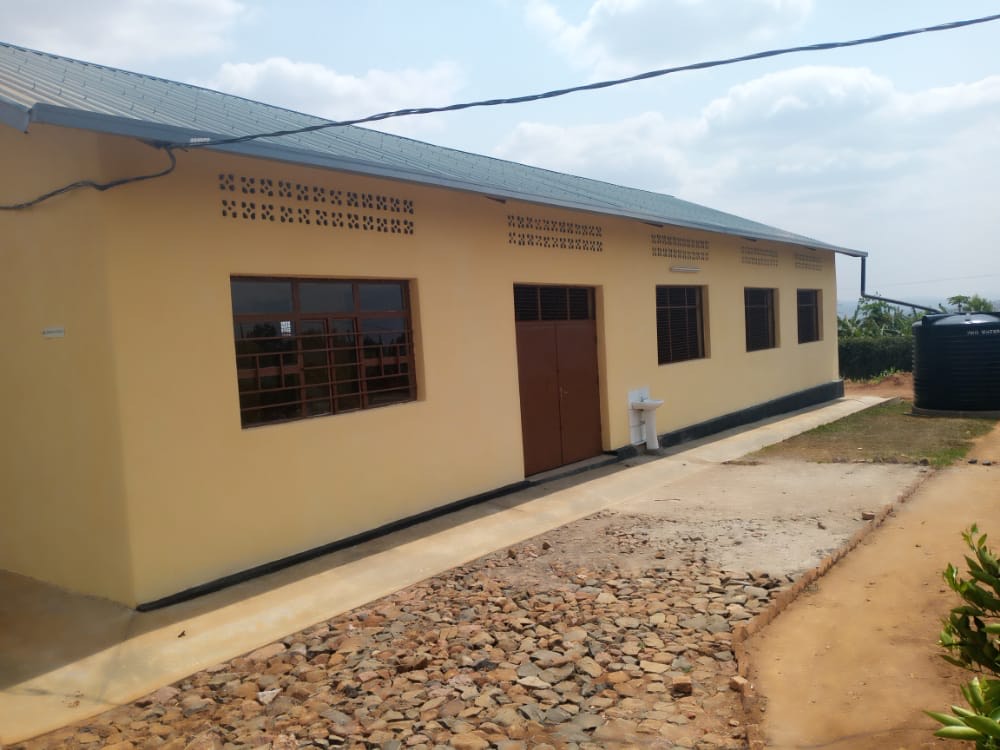
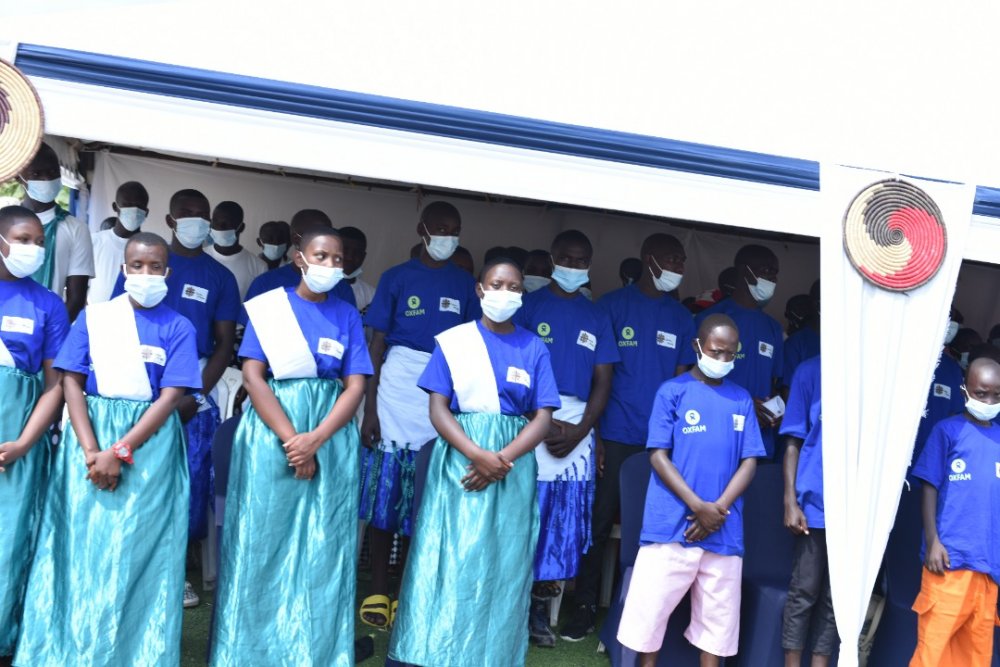
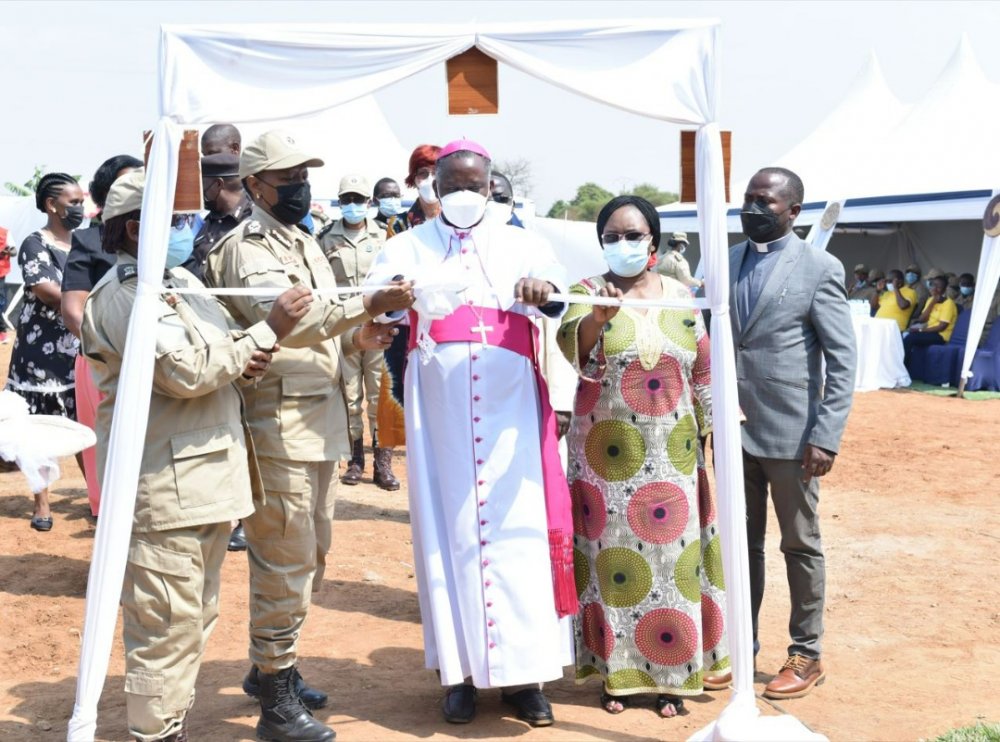
The workshop launched on Thursday 28th July 2022, was built by Byumba Catholic Diocese in collaboration with Oxfam.
Oxfam is a British founded confederation of independent charitable organizations focusing on the alleviation of global poverty.
One of children rehabilitated at the prison has said that the new facility has enough space enabling them to conduct practical sessions easily.
He requested support to get relevant equipment so that they can put into practice acquired skills.
The Bishop of Byumba Diocese, Papias Musengamana said that they decided to support the prison because children rehabilitated at the facility are part of segments of the population in need of special attention.
“We have the youth in different parishes but these children fall under a special category. That is why we considered equipping them with vocational skills including welding during their stay at this facility,” he said.
Bishop Musengamana revealed that there is a plan to make follow up and provide released children with needed equipment relevant to their skills.
The Deputy Commissioner General of Prisons, DCGP Rose Muhisoni thanked partners for continued support to correct children and equip them with different skills that will help them to become responsible members of the community upon release.
Over 400 children are rehabilitated at Nyagatare Juvenile Prison.
They are equipped with skills in welding, construction and sewing among others.
Some of them who pass national exams are released on presidential prerogative of mercy.
It is said that Iradukunda went missing in November 2020. Her body was found later in a beans’ farmland in Gacaca Sector where her legs, arms and neck were tied with a rope.
During trial proceedings, Maniriho faced charges including defilement, murder and attempt to perform abortion on Iradukunda in November 2020.
The court acquitted him on the charge of attempt to perform illegal abortion and murder crime noting that the Prosecution lacked enough evidences.
During trial in substance on 8th March 2022, the Prosecution requested life sentence for Maniriho.
The Prosecution alleged that Maniriho admitted to the crimes of murder and attempt to perform abortion during interrogation but denied the charges as the trial began.
It also accused Maniriho of intentional murder explaining that his house was searched where investigators found a rope similar to the one that the girl’s body was tied with in a beans’ farmland on 2nd November 2020.
They also discovered a mat at his home stained with blood and a hammer triggering suspicion that the girl was killed.
As per report from Rwanda Forensic Laboratory, the tested blood from the mat showed that the sample contained Maniriho and Iradukunda’s DNA information.
The doctor who carried out the tests was summoned in court to present a detailed report which informed the court’s decision.
Preparations to elect his successor are underway in Kenya. It is expected that the next leader will be announced following presidential polls due on 9th August 2022.
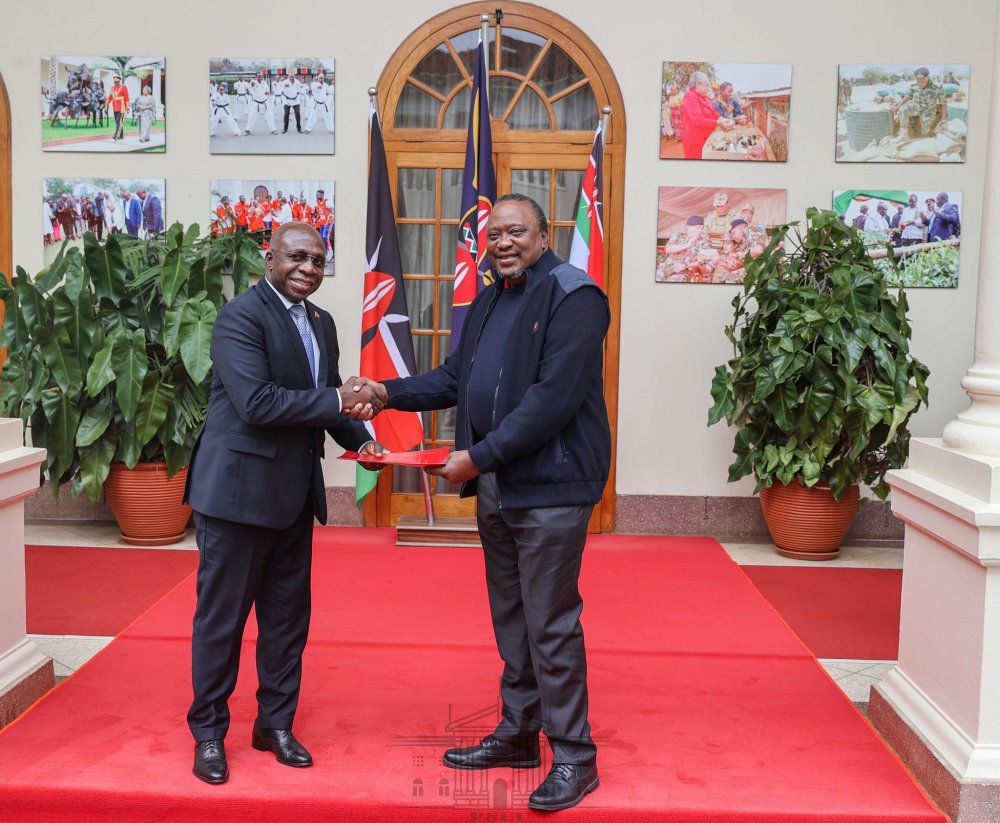
On Thursday 28th July 2022, President Kagame and Uhuru Kenyatta attended in the 2nd Special Summit of the African Peer Review Forum of Heads of State and Government.
The virtual summit was chaired by the President of Sierra Leone, Julius Maada Bio.
As he delivered remarks, Kagame commended Kenya for completing the peer review process, noting that it demonstrates its relevance (APRM) as a toll to support each other to improve governance and economic opportunity on the continent.
The head of State stated that the reports analysis of the vibrancy, potential of Kenya’s pharmaceutical industry is particularly interesting ‘given the African Union’s growing focus on pandemic resilience and domestic health financing’ and applauded his counterpart of Kenya whose mandate draws to the end.
“Let me also take this opportunity and moment to congratulate President Uhuru Kenyatta as he concludes his mandate. Dear brother, thank you for your distinguished service, not only to Kenya but also to East Africa and Africa as a whole. We look forward to many more years of fruitful collaboration,” he said.
During the leadership of Kenyatta, Rwanda and Kenya maintained collaboration in different areas.
Kenyatta also played a role in the mediation of Rwanda and Uganda where he visited both countries on the same day on 11th March 2019.
At the time, President welcomed President Uhuru Kenyatta to the RDF Combat Training Centre in Gabiro on the sidelines of the 16th annual National Leadership Retreat (Umwiherero).
Rwanda and Kenya enjoy cooperation in the areas of justice, trade, agriculture, education, technology and telecommunication as well as security among others.
Before the emergence of COVID-19 pandemic, 30% of Rwanda’s imports were transited through Kenya.
The two leaders held a tête a tête meeting, before President Kenyatta passed by to greet participants at the Umwiherero.
In his message to the retreat participants, President Kenyatta commended existing relations between Rwanda and Kenya and expressed commitment to make the relations even more stronger.
“Let me say that the relationship between our two countries is probably one of the best relations that we have, as Kenya. The things that we have been able to do together, in terms of easing movement of our people, in terms of the linkages and what we did especially in the ICT sector, telecommunications sector.
We have many Kenyans living and working here in Rwanda and feeling very much at home. We have many Rwandans living and working in Kenya, really showing that we are brothers and sisters, bound at the hip. And ours as leaders is to continue to see how we can deepen that integration,” President Kenyatta said.
He further hailed Rwanda’s progress, 25 years after the Genocide against the Tutsi which he said could be replicated elsewhere.
“We are very proud of the manner in which Rwanda has turned around, from a country that was heavily, heavily hit, especially during the Genocide period, a country that was on its knees, to one of the brightest stars on the African continent in a very short space of time.
Really showing clear direction and clarity from the top, all the way to all of you who have been part and parcel of making this Rwandan dream a reality. Lives have changed, the progress you have made in healthcare, the progress you have made in ICT, look at Kigali today… I keep telling my brother here, that I am fighting very hard to overtake him in terms of ease of doing business, and he keeps telling me: ‘Do your best’,” Kenyatta added.
Rwanda and Kenya enjoy cooperation in the areas of justice, trade, agriculture, education, technology and telecommunication as well as security among others.
Before the emergence of COVID-19 pandemic, 30% of Rwanda’s imports were transited through Kenya.
Four people, who were aboard the Toyota Hiace, registration number RAB 802Y, including the driver identified as Ernest Ntihabose, 37, were arrested.
Others are Valerie Uwimana, 48, Olive Uwera, 32, and Solange Uzamukunda, 47.
The clothes were smuggled into Rwanda from Democratic Republic of Congo (DRC), according to Superintendent of Police (SP) Theobald Kanamugire, the Police spokesperson for the Southern region.
The RPU, he added, was tipped-off by some members of the public about the smuggling and fraud.
“RPU had prior information that the vehicle loaded with sacks of second-hand clothes had left Karongi town in Karongi District heading to Muhanga,” SP Kanamugire said.
He added: “A checkpoint was mounted in Nganzo, but the driver used a remote road and parked the vehicle in a banana plantation as he waited for the checkpoint to be removed.
Due to the existing strong collaboration with the public, Police got to know where the vehicle was parked. All the four suspected smugglers were arrested at the scene where the vehicle loaded with 42 sacks of used clothes, was found.”
The suspected smugglers said they were going to supply their clients in Muhanga and in Kigali.
SP Kanamugire thanked residents, who provided information, which helped to foil the smuggling ring.
The suspected smugglers were handed over to RIB at Muhanga station while the goods and vehicle were impounded to RPU offices in Muhanga.
Article 199 of the East African Community Management Act, which is also used in Rwanda, specifies a penalty of US$5000 to a driver while the vehicle and goods are auctioned.
The meeting held on Thursday 28th July 2022, brought together over 130 participants at the RNP General Headquarters in Kacyiru.
The regulations, which clearly specifies all the requirements for one to trade in electrical and electronic equipment, came into force early this month.
The regulator, Rwanda Inspectorate, Competition and Consumer Protection Authority (RICA) now requires traders to apply for a license valid for two year, renewal. Those already in business have up to October to have acquired the operating license.
Business operators will now be required to ensure that used electrical and electronic equipment meets the safety standards, and to always record description of the equipment bought and sold.
RNP spokesperson, Commissioner of Police (CP) John Bosco Kabera, while speaking to traders and technicians, urged them to revise their business operations in line with the regulations.
“Doing business related to used electrical and electronic equipment is not prohibited. However, it must follow the gazetted regulations,” said CP Kabera.
He added that there are cases where people vandalize power lines to steal cables causing outage; those stealing mobile phones and television sets.
Most of those stolen, he added, are sold to those selling used electrical and electronic equipment.
“If you have been engaged in such illegal black business, you are advised to adopt to the new way of doing business because the old way was fueling theft and affecting public security,” CP Kabera said.
Assistant Commissioner of Police (ACP) Toussaint Muzezayo, Commissioner for Anti-Smuggling and Organized Crimes (ASOC) advised them to make best choices to buy or sell equipment received through legal channels as specified by the regulations.
During the meeting, participants were enlightened on the new regulations governing trade of used electrical and electronic equipment.
Traders thanked RNP for the meeting to apprise them on the regulations.
“These regulations came as a solution to the disorders, which was affecting our business. It is now up to us to realign our businesses with the regulations to fight theft,” Jean Bosco Izabiriza said.
To Rehema Umuruta, a technician, there were gaps in business related to used electrical and electronic equipment.
“I started my job 20 years ago. However, our business was not going well because of theft. People were buying electronics without minding about the source and buying stolen items,” Umuruta said.
According to the regulations, before buying second-hand electronics, the business operator must first verify that the seller is the rightful owner of the equipment and record detailed particulars.
Traders will be required to keep records for at least two years, indicate the category, brand and model name, model number, serial number, information relating to International Mobile Equipment Identity (IMEI) and International Mobile Equipment Identity Software Version (IMEI-SV) per slot where applicable; any other distinguished marks or features, where applicable and equipment status description.
API is a software intermediary that allows two applications to talk to each other.
Speaking at the launch which took place at Norrsken, the biggest start up hub in East Africa; Jean Claude Gaga, the Managing Director of Airtel Money said: “We are excited to embark on this new journey where we open our platform to Developers across Rwanda and the rest of the world as we strongly believe they will bring amazing innovations which will in turn contribute to our efforts as well as the
Government of Rwanda’s focus on turning Rwanda into a Cashless economy with 100% financial inclusion.”
“This is our first step in our focus on supporting Start ups to grow through Partnerships with us”
To access the AirtelMoney APIs, Developers and organizations will simply visit https://developers.airtel.africa/home and follow the prompts. Incase of any query, they will simply contact the Airtel Money Support team at amopen.api@rw.airtel.com
This launch comes as the closing event of the Airtel Money Month which kicked off on July 1st with the launch of the communication of the recently launched Interoperability between Airtel Money and MTN MoMo and was followed by other numerous activities during the course of the month which were aimed at showcasing the many innovations and services Airtel Money has been offering to its Customers.