The latest oil convoy went into Iraq through the al-Mahmoudieh crossing, which has been used by the United States to send stolen Syrian oil into Iraq, said SANA.
This comes two days after the U.S. sent a convoy of 144 oil tankers in the same way, SANA added.
SANA said the incident is part of America’s ongoing violations of international principles and their involvement in plundering the natural resources of other nations and starving their peoples.
The Syrian government has long accused the United States of stealing the natural resources in Syria, such as oil, gas and wheat.
In light of this development, BK has unveiled a new flagship product called BK Arena Prepaid Card that will allow the unbanked youth to easily load money onto a prepaid wallet that can be used like any other bank card. To make the BK Arena card easier to acquire, BK accounts will not be a prerequisite to own a card.
The prepaid card will enable holders to have special benefits at BK Arena including discounts on tickets, foods and beverages inside BK Arena. They will also participate in raffle draws and benefit from periodic promos among others.
The card which costs Rwf5000 will be loaded in Rwandan Francs but the customer has options to make payments for any currency both domestically and internationally.
The BK Arena Prepaid Card can be loaded through Internet Banking, BK branches, MTN Wallet. In the near future, the lender also seeks to enable customers to load the card using BK-agents, BKApp (Mobile Banking) as well as USSD/ mobiserve.
It is available at any BK Branch and BK Arena. The card which is valid for thirty-six (36) months or 3 years is given to an adult customer having a valid National ID or Passport.
Among others, the BK Arena Prepaid Card has numerous features and benefits. For instance, it does not require one to have a bank account and identifies customers using their national ID or Passport.
It is issued instantly at any BK-Branch or at the BK-Arena and can be loaded free of charges at any BK-branch, on IB, or through mobile money wallet.
With the card, Payments on POS and online are, Free PIN selection and PIN change are free.
It serves different purposes where the holder can use the card on a tap & go POS and other devices accepting card payments.
A holder can access free instant SMS and email notification for every transaction
Apart from being safer than cash (chip and PIN & OTP for online transaction), the BK Arena Prepaid Card helps customers to get better management of their funds and control spending.
The card is acceptable worldwide on ATM, POS and online, provides access to over 3,000 POS merchants in Rwanda, access to over 200 ATMs in Rwanda and high limits at the ATM, POS and online.
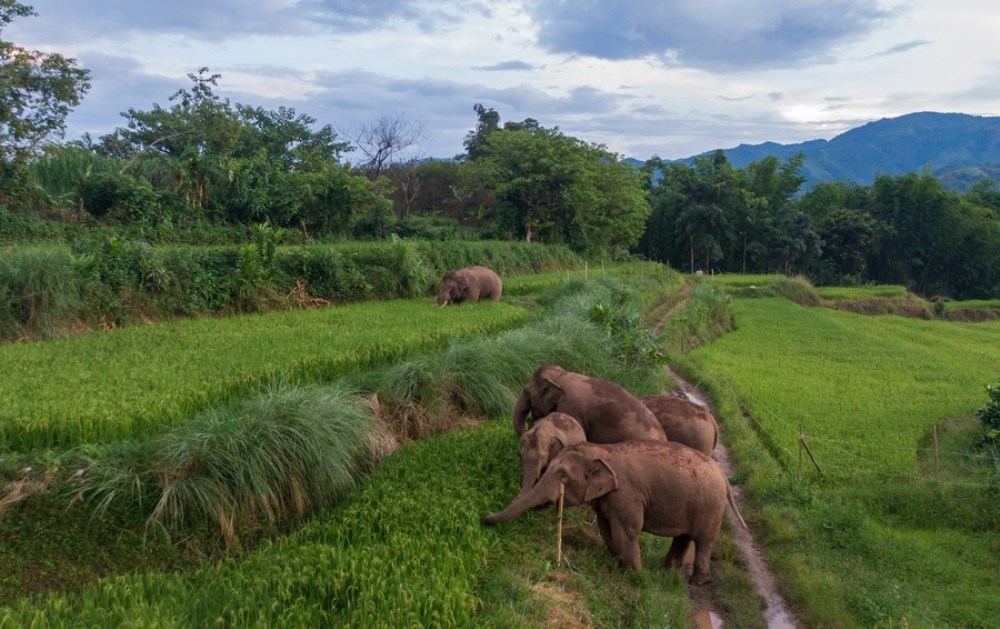
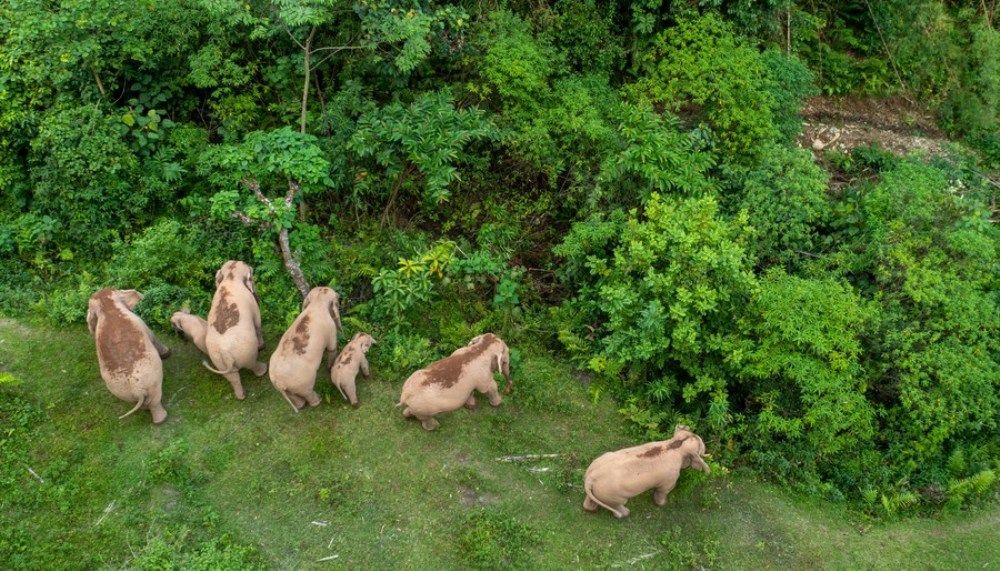
Asian elephants, the continent’s largest land animal, are under top-level protection in China and constitute an important part of Yunnan’s rainforest ecosystem.
According to the Yunnan provincial forestry and grassland bureau, the number of Asian elephants in the province increased from 293 in 2018 to about 360 by 2021.
The “baby boom” of the giant mammal demonstrates the success of China’s arduous protection efforts and the country’s progress in conserving ecological biodiversity, especially when the population of this species is showing a declining trend globally.
{{Human-elephant harmony}}
“Strengthened protection and fewer human impacts are important reasons behind the high fertility rate,” said Chen Mingyong, professor at the School of Ecology and Environmental Science of Yunnan University.
During these years, the province has explored multiple ways to reduce the encounters between humans and elephants and to keep the animals away from farmers’ crops.
Food stores, dubbed “elephant canteens,” have been established in many locations across Yunnan, providing the animals with attractive and nutritious meals. In 2022, the province’s Pu’er City has set up around 467 hectares of food stores in areas where Asian elephants are found.
“The food stores have both lowered human-elephant encounters and enriched elephants’ food resources,” said Guo Xianming, director of the scientific research institute with the Xishuangbanna National Nature Reserve in Yunnan.
According to the investigation results provided by Chen, the Asian elephant’s “food menu” has expanded from nearly 100 to 240 types, and most of them are crops such as corn, rice, and sugar cane, which are planted on a large scale and within easy reach of the elephants.
Ever since 2021, the provincial government of Yunnan has invested a total of 100 million yuan (about 14.83 million U.S. dollars) in strengthening monitoring and early warning systems, habitat restoration, and safety precautions to improve the harmonious co-existence of humans and elephants.
In 2010, Yunnan became the first provincial-level region in China to introduce commercial insurance for damage caused by wildlife, which covered the whole province by 2014.
Wang Chuan, a villager in Pu’er, witnessed growth in elephant numbers and indicated that they are now more frequently spotted in his village than before.
“Of course it’s annoying to see our crops destroyed by the elephants, but villagers always put up with those naughty animals instead of dispersing them by force,” said Wang.
Over the years, the compensation level for elephant-caused damage has been rising. During the 13th Five-Year Plan period (2016-2020), some 297 million yuan was paid in the province to cover the losses caused by wildlife, mainly Asian elephants.
Major infrastructure development in the region also intentionally heeded the activities of Asian elephants.
In the construction of the China-Laos Railway, routes were redesigned to avoid the habitats of elephants and some parts of the railway were built into bridges and tunnels to provide passage for the migratory giants.
{{Conservation efforts}}
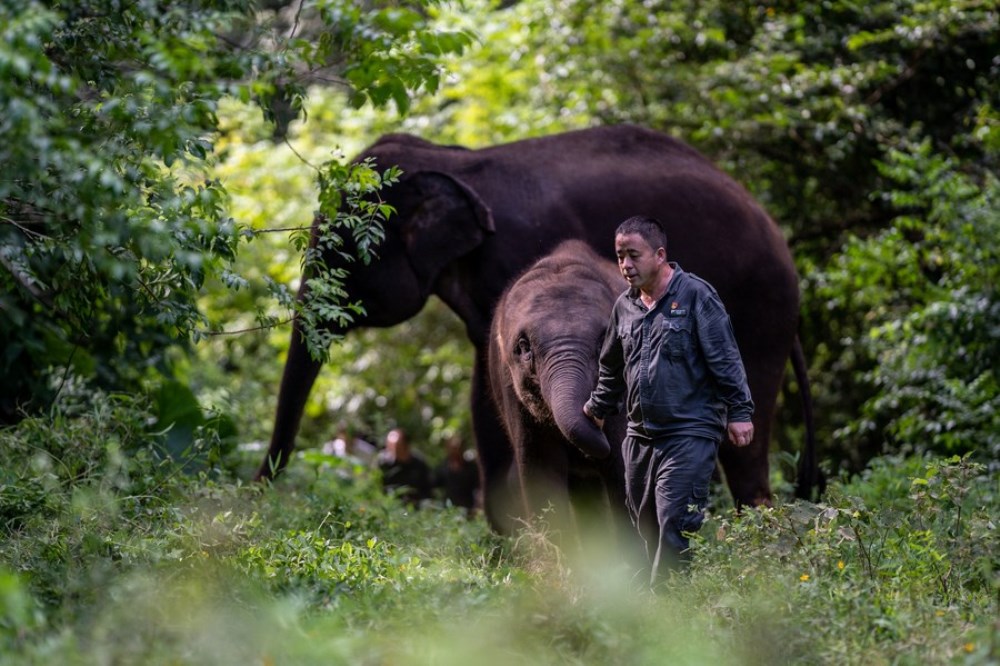
Elephant inspectors play an important role in the detection of the baby boom. Diao Faxing, 47, has been working as one of the 10 local inspectors for six years in Jiangcheng Hani and Yi Autonomous County of Pu’er.
“The number of elephants multiplied in recent years,” said Diao. “There are a total of 43 wild elephants in Jiangcheng, and four calves were born this year.”
During an inspection tour at the end of July, Diao noticed a female elephant left behind by the herd and stopped eating.
Diao and his colleagues reported the incident immediately and were relieved when seeing the elephant recover and catch up with the rest of the herd.
“It may be stressful to have more elephants to care for, but every newborn is a sign of achievement of our protection,” said Diao. “They are like new family members and I named all of them.”
As the frequent visit of elephants in the county requires inspectors to synchronize their daily schedule with elephant movements, they have to get up at five in the morning and work till midnight.
Apart from the efforts of inspectors, scientific researchers also carry out various studies, including the analysis of the suitability of elephant habitats and conservation of biological diversity, to enhance the knowledge and protection of Asian elephants.
Bao Mingwei, an elephant doctor at the Asian Elephant Breeding and Rescue Center in Xishuangbanna, and his research team have successfully bred nine calves by studying the method of human-assisted breeding, which has aided the population increase of Asian elephants in China.
“The elephant rescue and protection efforts helped population increase and the baby boom happened as there are more female elephants at childbearing age,” said Guo.
Also on the agenda is the establishment of a national park for Asian elephants. National and local authorities will coordinate efforts in the integration and optimization of the existing habitat range and build a unified protection and management system.
“Based on the established mechanism of Asian elephant conservation, the national park will be critical for conserving tropical rainforests and long-term conservation of nature and ecology,” said Chen Fei, director of the Asian elephant research center under the National Forestry and Grassland Administration.
“We will work to guarantee the balance among the expansion of elephant population, human safety, and property safety in the park,” he added.
The Secretary-General will arrive in Libreville on 16th August and during her four-day visit, will meet the President of Gabon, Ali Bongo Ondimba, and other senior government officials.
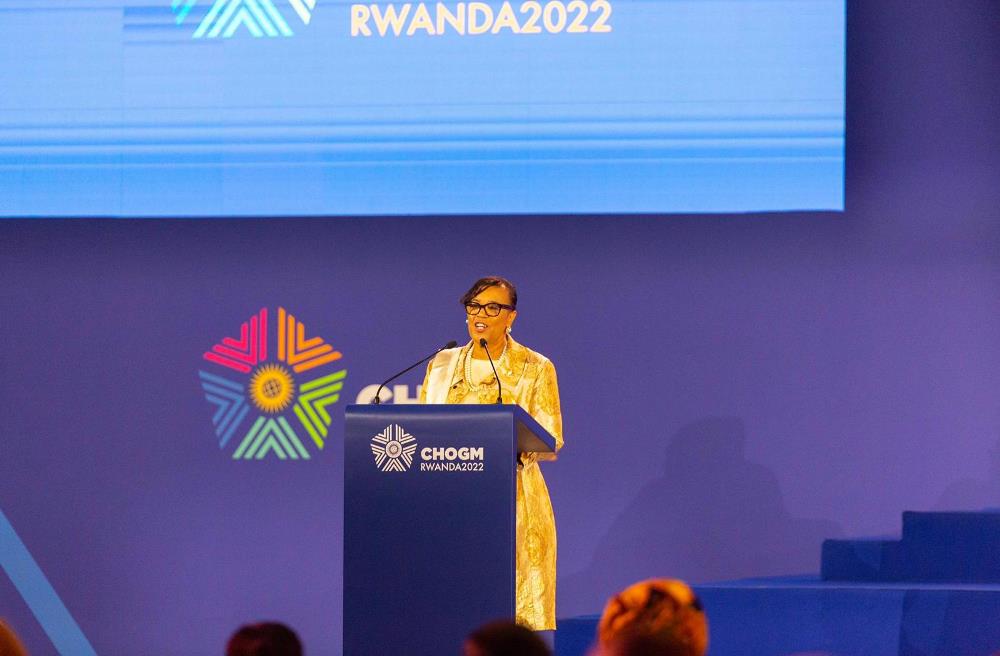
The visit comes after Gabon was recently admitted as the Commonwealth’s 55th member at the Heads of Government Meeting (CHOGM) in Kigali, Rwanda. The Secretary-General will thus use her maiden visit as an opportunity to establish the foundations of a new relationship between Gabon and the Commonwealth, understand the challenges of the country, and explore areas of mutual cooperation.
Speaking ahead of her visit, the Secretary-General said: “We were thrilled to welcome Gabon into the Commonwealth family at our Heads of Government Meeting in June. I am very much looking forward to my first visit to the country and meeting with leaders, ministers and officials.
As a new Commonwealth member, this important visit will allow me to deepen engagement with the country and its people. It will also serve as a vital opportunity to discuss ways in which the Commonwealth Secretariat can serve and support the Government and people of Gabon in advancing our shared values and achieving our shared goals.”
The Secretary-General’s visit also coincides with the 62nd Anniversary of the Independence of Gabon on 17th August and she will therefore take part in the official celebrations in Libreville.
{{About The Commonwealth Secretariat}}
The Commonwealth is a voluntary association of 56 independent and equal sovereign states. Its combined population is 2.5 billion, of which more than 60 per cent is aged 29 or under.
The Commonwealth Secretariat supports member countries to build democratic and inclusive institutions, strengthen governance and promote justice and human rights.
Its work helps to grow economies and boost trade, deliver national resilience, empower young people, and address threats such as climate change, debt, and inequality.
The figures were registered between May and July 2022.
According to officials from Northern Province, many individuals attempted to commit suicide due to depression and family conflicts. They have also disclosed that there are measures being put in place to sensitize residents against taking their own lives to strive for a purpose-driven life.
“Reasons pushing individuals to commit suicide include mental disorders, chronic diseases that might lead to depression and family disputes. We have taken measures to continue educating residents in collaboration with all relevant partners with a view to change their mindsets, restore hope for better life and remind them of possible alternatives to solve problems facing them without opting for suicide,” said the Governor of Northern Province, Dancille Nyirarugero.
Suicide can be prevented through dealing with its causes including depression where psychotherapists can help individuals to focus on the positive side of life to cope with hardships.
Psychologists say that a depressed individual with someone staying closer to him/her can start perceiving life in a different perspective after one week and find solutions from circumstances that seemed to have no way for future hope.
In the fiscal year 2019/2020, a total of 291 people committed suicide in Rwanda while the number reduced to 285 in 2020/2021.
The causes of suicide for 47% of those individuals is not identified, 28% committed suicide over family disputes, 8% of the deaths is linked to mental illness, 4% to depression, 3% to land related disputes while 3% is linked to chronic diseases.
Among others, 2% is linked to deception among couples, 2% to extreme poverty, 2% to debts while 2% committed suicide over losses.
Men represent 82% of the total number while women account for 18%.
The World Health Organization (WHO) indicates that 60% of 800,000 individuals commit suicide every year over depression while 90% suffer from one of mental illnesses.
Dr. Yvonne Kayiteshonga, Mental Health Division Manager at Rwanda Biomedical Center (RBC) recently told IGIHE that people about to commit suicide show signs which people around them do not pay attention to.
“Sometimes, a person discloses that he/she is not feeling well, haunted by negative mindsets, does not sleep or has been faced with depression for long. An individual might even hear odd voices which other people cannot hear or see what others are unable to see. He/she can sweat, develop fear, and tend to run away, the heart can beat fast or might avoid interactions with others,” she said.
Dr. Kayiteshonga advised people around individuals with such symptoms to stay closer and rush them to health facilities.
The Eastern Province registers the largest number of suicide cases with 29%, followed by Western Province with 23%. The Northern Province has 19% of the country’s total suicide cases; Southern Province represents 18% while Kigali City registers 11%.
Nyagatare District recorded largest number of suicide cases with 7% followed by Gasaba, Gicumbi, Rutsiro with 6% respectively while Karongi registered 5%.
Figures show that those who committed suicide by hanging account for 78%, 16% used poisonous substances, 5% committed suicide by drowning while 0.1% jumped over buildings.
Eugenie Tumusabinema, 45, was arrested in Nyarugenge Sector, Kiyovu Cell, Nyarurembo Village where the Rwanda National Police (RNP) Anti-smuggling and Organized crimes (ASOC) recovered 2,841 pieces of skin whitening products in her store.
The seized banned cosmetics include Fair & White Miss, Rapid Clear White Absolute, Cocopulp, Miss Light Gold, Gluce C-TM and Epiderme Crème.
Rwanda Food and Drugs Authority (RFDA), in May this year, banned the importation, supply and sell of Fair & White Miss 500ml, Rapid Clear White Absolute 300ml, Gluta C-TM (Intense Whitening) 500ml and Max White S1 Lait Maxitone) 500ml after it detected hydroquinone, which pose “negative effects on human health.”
Over 1,300 cream and oil brands with hydroquinone and mercury, were banned in Rwanda.
Chief Inspector of Police (CIP) Sylvestre Twajamahoro, the Police spokesperson in the City of Kigali, said Tumusabinema was operating a cosmetics shop in Nyarurembo village and had a secret store for mainly prohibited creams and oils in about 100 metres from her shop.
“Following a tip-off from some area residents, ASOC went to the said store belonging to Tumusabinema, where 2,841 pieces of assorted skin whitening cosmetics were recovered, leading to her arrest,” said CIP Twajamahoro.
Tumusabinema said she had a supplier in Rubavu District whom she identified as Fabiola Ufitamahoro.
Ufitamahoro allegedly sneaks the skin bleaching cosmetics into Rwanda from the Democratic Republic of Congo (DRC) before trafficking them into Kigali in small quantities.
CIP Twajamahoro warned anyone trafficking or selling the banned skin bleaching products that operations to arrest them are ongoing.
“Law enforcement organs are working together to arrest all those connected to this unlawful business,” CIP Twajamahoro said.
Side Effects
The prohibited cosmetics contain mercury and hydroquinone, which can cause liver damage, reduce resistance to bacterial and fungal infections, and increase anxiety, according to the World Health Organization.
If it enters the bloodstream it also results into fatal liver and kidney damage, although medics say the most immediate visible side effect is skin scarring.
Health experts confirm that prolonged use of corticosteroid creams and lotions can also decrease levels of collagen in the skin.
Collagen strengthens and supports the skin, and a reduced amount can increase the risk of striae commonly known as stretch mark.
{{Legal framework}}
The skin bleaching products are labeled illegal under the ministerial order determining the list of cosmetics whose use is prohibited in Rwanda; the law on organization, functioning, and competence of the Council of Pharmacists; and the law relating to the regulation and inspection of food and pharmaceutical products.
Article 266 of the law determining offenses and penalties in general, states that any person, who produces, sells, or prescribes harmful products; cosmetics or body hygiene substance or any other products derived from plants, commits an offence.
Upon conviction, he/she is liable to imprisonment for a term of not less than one year and not more than two years and a fine of not less than Rwf3 million and not more than Rwf5 million or one of these penalties.
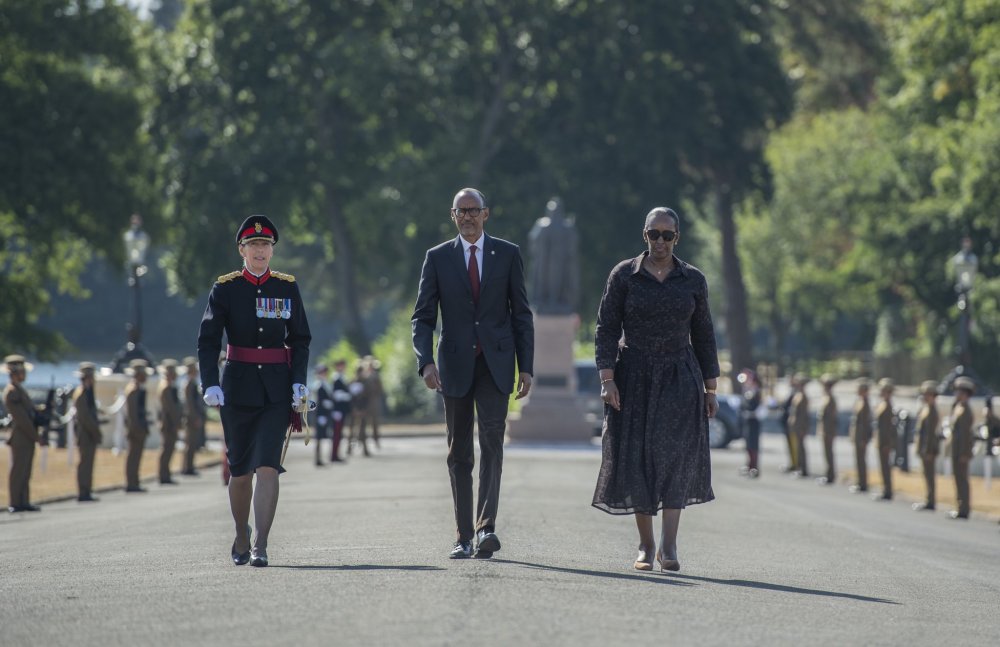
The graduation ceremony took place in Sandhurst of UK in the morning of Friday 12th August 2022. Other Rwandans who graduated along with Ian Kagame include Park Udahemuka and David Nsengiyumva.
Graduates from the academy include 208 UK nationals and 41 foreigners from 26 countries.
President Kagame and Mrs. Jeannette Kagame attended the ceremony in which their son was commissioned. Rwanda’s national anthem was played as a guard of honour was mounted to welcome him.
In 2019, Ian Kagame obtained Master’s degree in Economy from Williams College in the United States of America.
Considering its unique approach, this form of therapy has been given much attention through various events meant to raise awareness on it and eventually extend support to trauma victims in different societies.
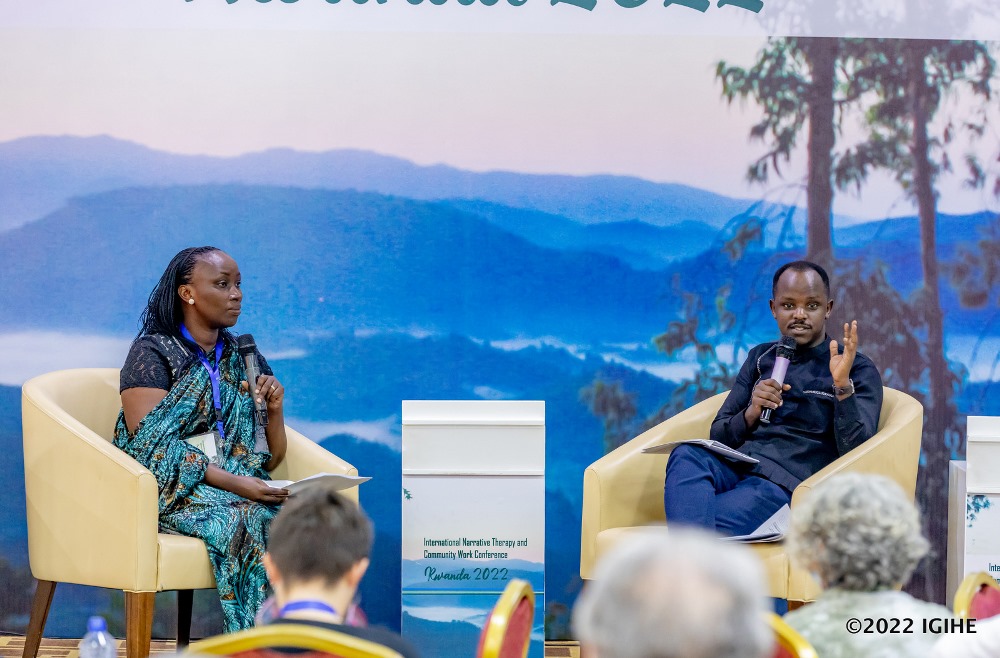
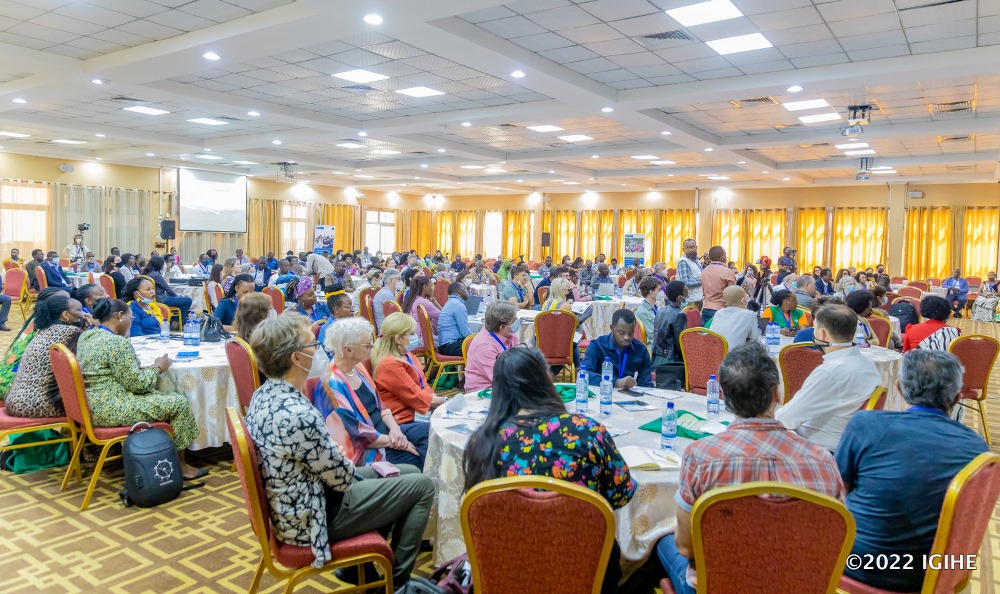
A case in point is the International Narrative Therapy and Community Work Conference which is also a fruit of the great relevance attached to this noble approach. The latest conference took place in Rwanda this week bringing together participants from over 30 countries.
It was hosted by the Center for Mental Health under the UR-College of Medicine and Health Sciences in partnership with Dulwich Center Foundation, SOS Children’s Villages Rwanda and Geruka Healing Centre.
The conference sought to share experiences in responding to Mental Health hardships using narrative ideas which have continued to be used by practitioners from several countries across the world and also share research findings on narrative therapy.
Under the Narrative therapy, participating practitioners said, people who need psychological support, tell their own stories in order to get their hearts soothed. This is often done by assigning that person the role of narrator in his/her own story.
This is type of therapy is strongly believed to help people overcome their problems and encourages people to rely on own ability or other sources of strength to minimize the effect of horrendous experiences they went through.
Besides, narrative therapy uses the power of these stories to help people determine the purpose of life.
According to practitioners of narrative therapy, telling one’s story plays a significant role to the process of recovery.
Speaking at the conference held recently; the Director of the Centre for Mental Health, College of Medicine and Health Sciences at the University of Rwanda, Prof. Vincent Sezibera highlighted that this type of therapy is unique as it helps affected individuals to develop positive mindsets.
“When we deal with people who may require mental and psychological support, we tend to focus on problems but narrative therapy promotes the approach that focuses on a different story, the alternative story. Where you do not have to see the person from the perspective of hardships,” he noted.
While mental disorders are prevalent among 20% of Rwanda’s general population, most of the people with mental health problems have depression as a consequence of the 1994 Genocide against the Tutsi.
This approach is hailed for having contributed to the healing journey in no smaller part.
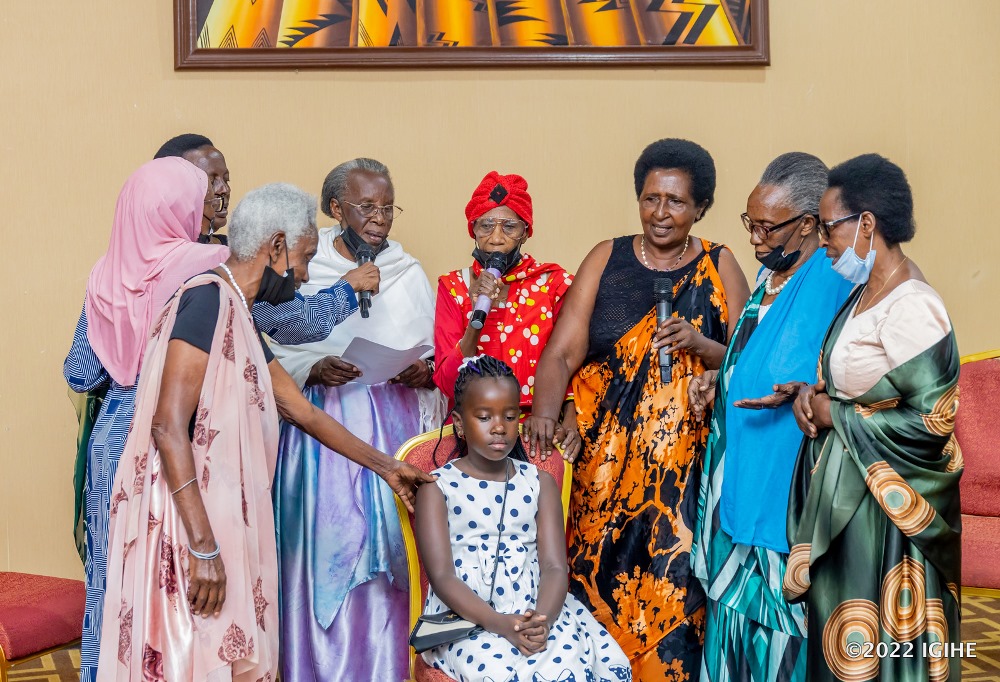
Martha Mukagihana is a survivor of the 1994 Genocide against the Tutsi who lives in Imena Village sheltering Genocide widows. She is among beneficiaries of the type of therapy.
She attested that telling their stories and sharing experiences helped them in the process of overcoming traumas.
“We used to live in loneliness and haunted by bad memories that we were very depressed. After coming together in Imena village, we have been meeting every Tuesday for social interactions to share our stories, dance and discuss how best we can improve our welfare through different projects like mushrooms’ farming, and handicrafts among others,” she said.
At least more than 60 practitioners who completed a Postgraduate Continuous Professional Development (CPD) Training Program in Narrative Therapy are currently assisting patients at different hospitals across the country.
The program was introduced at UR- College of Medicine and Health Sciences four years ago.
The incident took place on Thursday 10th August 2022 around 10.a.m.
Sources reveal that the deceased was along with playmates when they changed their initial plan of collecting wood sticks and joined other children swimming in River Cyongoroka.
The Executive Secretary of Ruharambuga Sector, Pascal Hagabimfura has told IGIHE that the girl drowned as she unknowingly swam through a deep area of the river.
Realizing that she was drowning, playmates who were swimming along with Bayiringire yelled at nearby farmers to rescue the girl but found her dead upon arrival.
Bayiringire’s body was taken to a nearby hospital for autopsy before her burial.
The revision of the repo rate is part of resolutions of the quarterly Monetary Policy Committee (MPC) meeting held on 9th August 2022.
Repo rate is the rate at which the central bank of a country lends money to commercial banks in the event of any shortfall of funds. It is used by monetary authorities to control inflation.
According to BNR, the increase in lending rate was reached following an analysis by the MPC which pointed out high inflationary pressures driven by global supply challenges as well as lower domestic agriculture output.
Others include the increase in prices for key commodities such as oil, gas and food as well as the war between Russia and Ukraine which are two major producers and exporters of oil, gas, fertilizers, metals, cereals and son-flower seed oils.
Domestically, lower domestic food supply linked to climate constraints and increased prices of inputs have led to increased food prices.
In line with the above, Rwanda’s economy is projected to grow by 6% while the headline inflations is projected to average around 12.1% in 2022.
“Given these developments and the outlook, the MPC decided to increase the Central Bank Rate [CBR] by 100 percent basis points from 5.0 to 6.0 percent, with the aim to reduce inflationary pressures and therefore preserve the purchasing power of consumers.
Consistent with the monetary policy and other measures, inflation is expected to decelerate towards the 5 percent benchmark in the second half of 2023,” reads a statement from BNR.