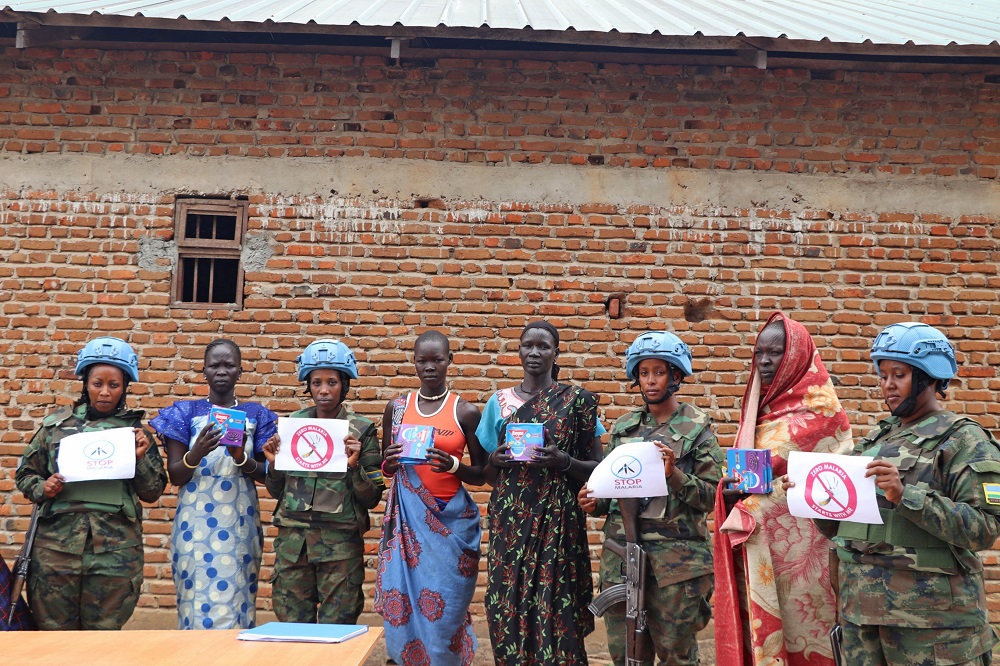
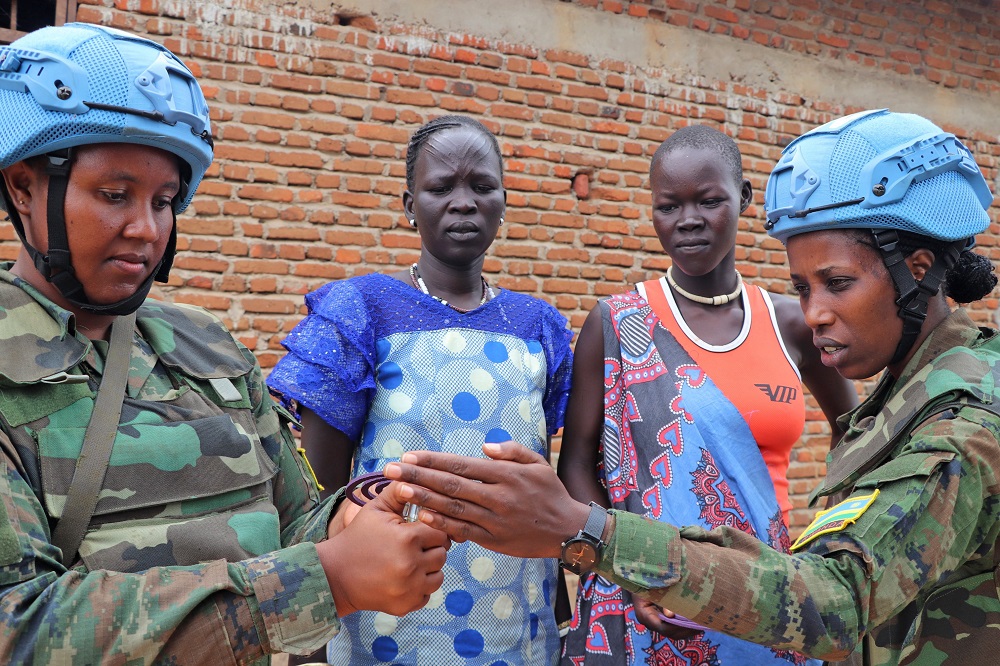
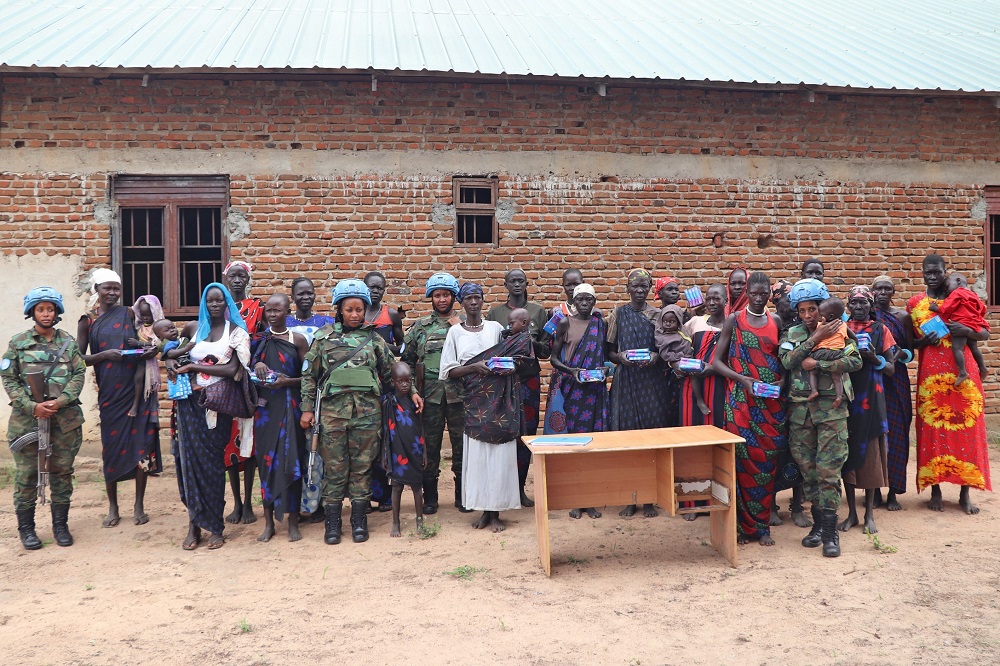
Thereafter, trainees received package of mosquito repellents. They were also sensitized on the need to use mosquito nets, cut down on bushy surroundings, remove stagnant water around their homes and close doors and windows early.
Peter Lumo Lumaya, the head chief of Reggo Payam general area thanked the Rwandan female peacekeepers for training women on ways of curbing malaria which affects their communities; with serious effect on pregnant women and children below 5 years.
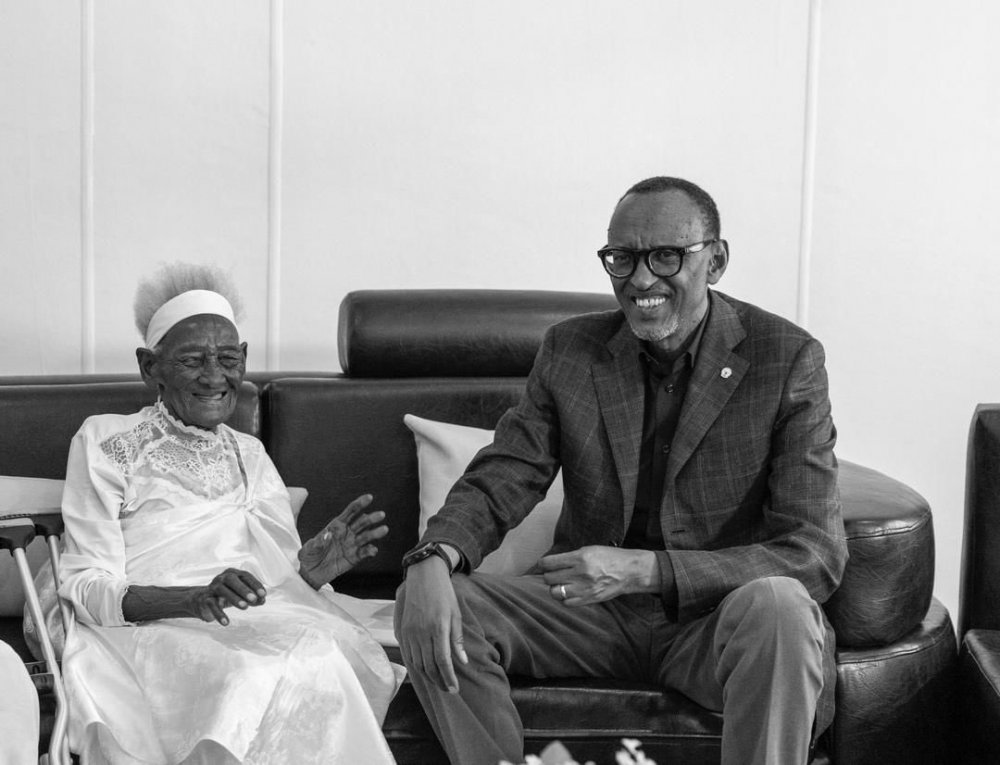
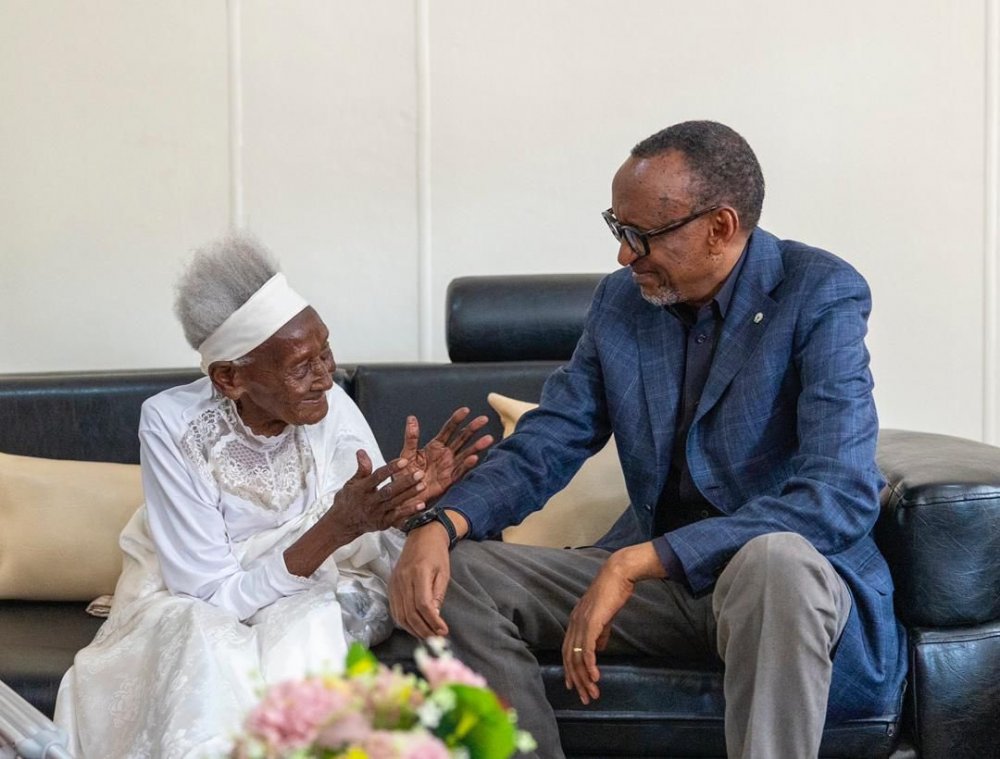
President Kagame held the visit in Nyamagabe District on the second-day of his citizen outreach in Southern and Western provinces.
President Kagame arrived at the home of Nyiramandwa on Friday 26th August 2022. It is located in Ngiryi Cell of Gasaka Sector in Nyamagabe District.
The old woman was heard at different times attesting that the head of state transformed her livelihoods and commended him for his generosity.
Nyiramadwa first met the President in 2010. Since then, the old woman met with Kagame at different times during citizen outreach visits.
Nyiramandwa recently told IGIHE that President Kagame transformed her life through cows donation and a decent shelter allowing her to retire in dignity.
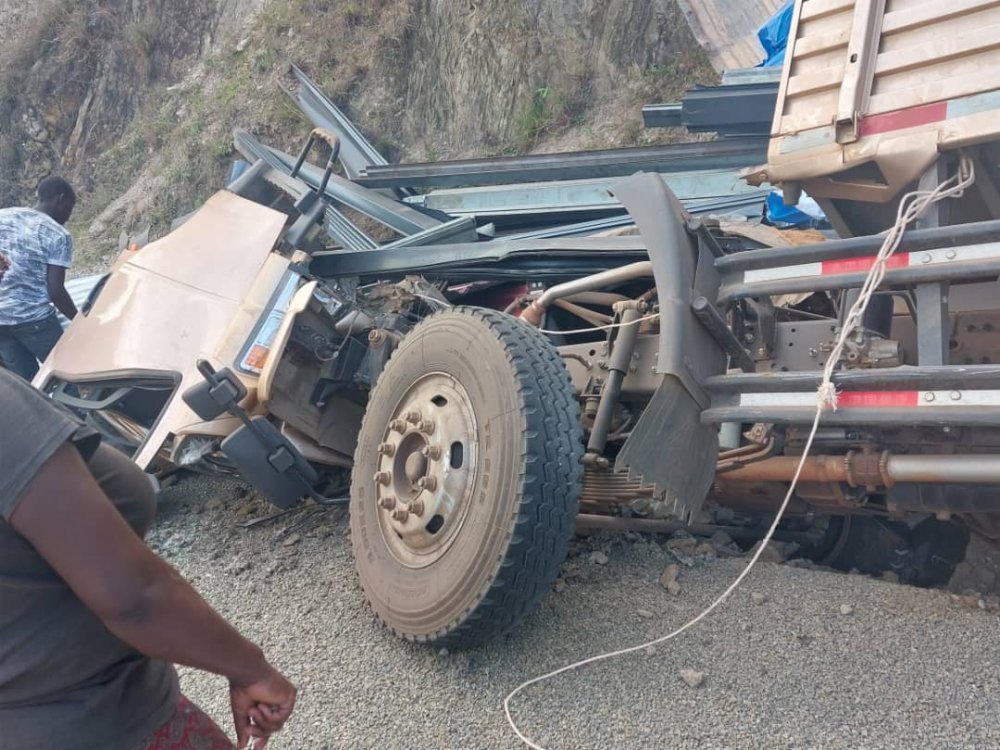
The incident occurred in Remera Village, Gacaca Cell of Rubengera Sector on Thursday 25th August 2022 around 4:30 p.m.
Senior Superintendent of Police (SSP) René Irere, the spokesperson of Rwanda National Police (RNP) Traffic and Road Safety department has told IGIHE that the truck carried construction materials from Kigali to Karongi District.
The truck fell down as the driver crossed the second road bend in Remera Village. The cabin was seriously damaged that the driver and conductor died on spot.
The Mayor of Karongi District, Vestine Mukarutesi has said that Police and residents rushed the rescue these people onboard but their efforts remained futile as the front part was seriously damaged.
Their bodies have been taken to the mortuary of Kibuye Hospital.
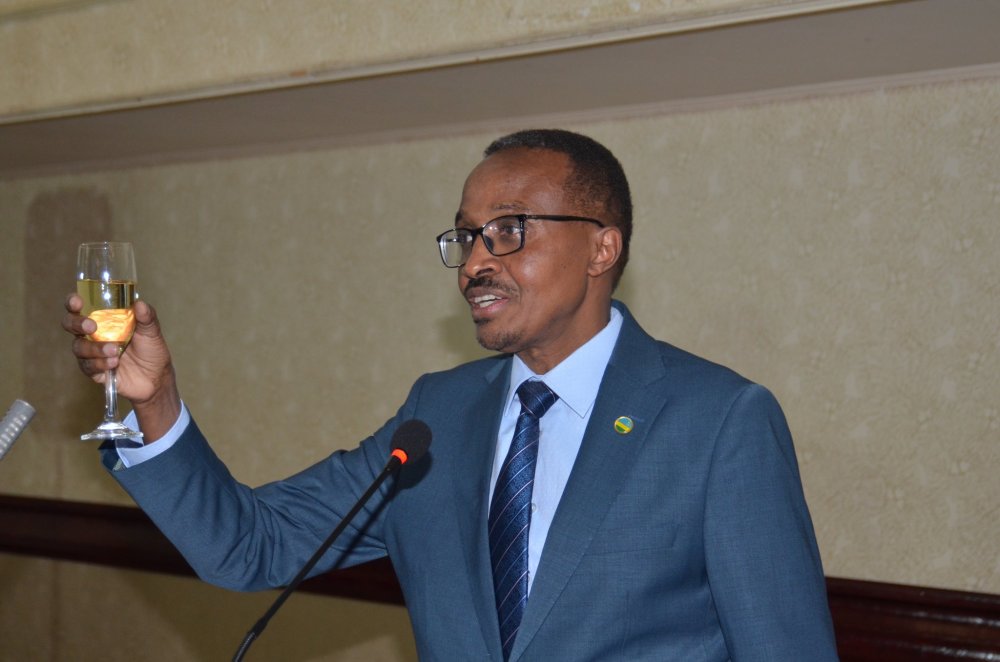
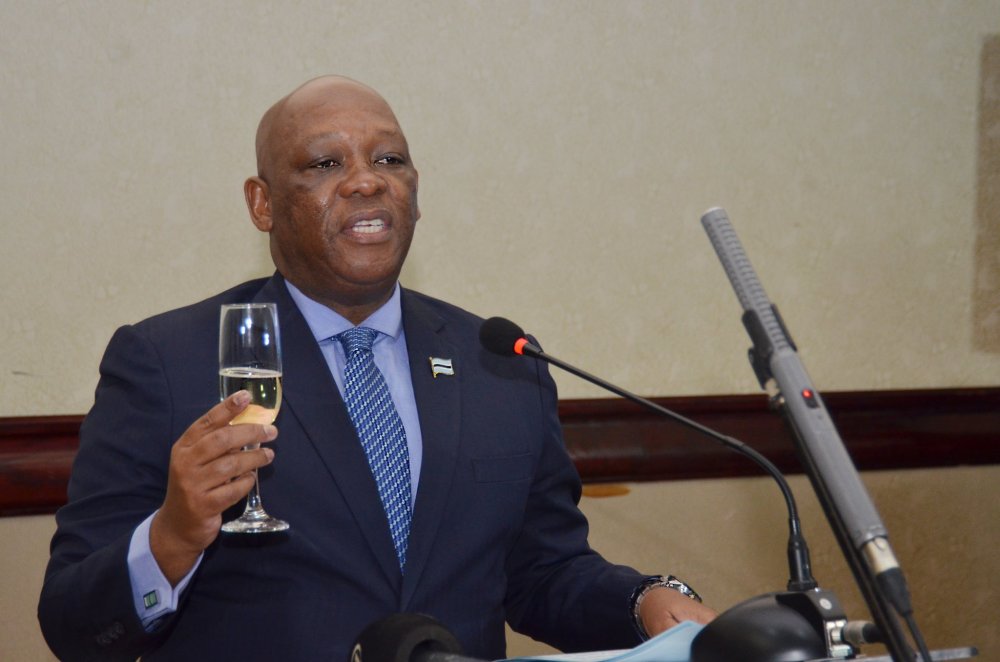
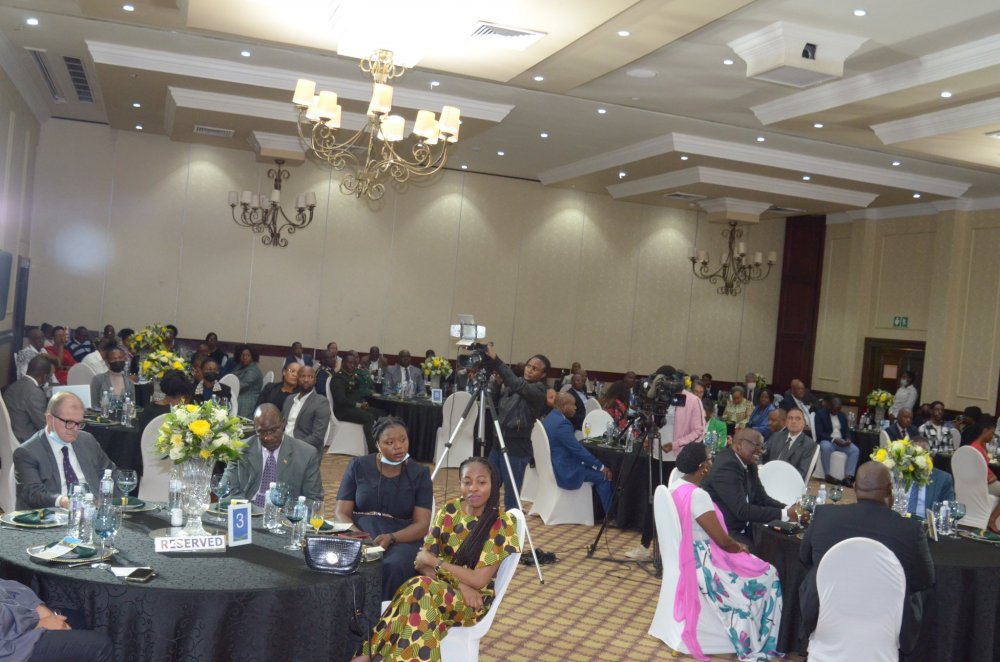
The celebrations which took place on 25th August 2022 brought together Rwandans living in Botswana and dignitaries including Rwanda’s Ambassador to the country, James Musoni and the Minister of Defence in Botswana,Thomas Kagiso Mmusi who was the guest of honour.
Rwanda’s Liberation Day is officially celebrated on 4th July every year.
Maj. Gen Murasira attended the ceremony as part of his three-day visit to the county which began on 24th August.
During his visit, both countries signed an agreement on defence cooperation.
In April 2022, Maj Gen Murasira also received his counterpart of Botswana, Thomas Kagiso Mmusi in Kigali.
At the time, their discussions focused on military cooperation between Botswana and Rwanda.
One of the suspects identified as Pascal Nsengiyumva, 28, was apprehended on Wednesday August 24, in Kanyamatembe Village, Terimbere Cell, of Nyundo Sector in Rubavu District with a bundle containing 8kgs of cannabis.
Two others; Aline Uwitonze, 18, and Kevine Iradukunda, 20, who had 1014 and 1003 pellets, respectively, were arrested Friday, August 25, in Ruhongore Village, Nyamitanzi Cell, Jomba Sector on Nyabihu District.
Chief Inspector of Police (CIP) Mucyo Rukundo, the Political and Civic Education Officer (RPCEO) for the Western region, said the separate operations followed credible information from residents.
“On Wednesday, Police received a phone-call from a vigilant resident of Kanyamatembe Village reporting Nsengiyumva, who was carrying a sack of suspicious goods. The resident suspected him to be trafficking cannabis,” CIP Rukundo said.
He added that when Police officers stopped him, they found that the sack contained cannabis weighing 8kgs, leading to his immediate arrest.
“Nsengiyumva was allegedly supplied by another major dealer in Busasamana Sector (still at large), also in Rubavu District, from where he was coming, and was at the time headed to Nyundo Sector to supply his retailing customers.
He added that Uwitonze and Iradukunda were arrested at a Police check-point along Rubavu-Musanze during a random search against smuggling and drug trafficking.
They were at the time traveling in a public vehicle and had wrapped the pellets of cannabis around their waist covered with the clothes they were wearing.
“The arrest of the trio is a result of strong Police cooperation and collaboration with the public through information sharing and increased operations targeting mainly suppliers,” CIP Rukundo said.
On Sunday, August 21, one Gilbert Twiringiyimana was arrested red-handed in Buhita Village, Bukwashuri Cell of Kivuye Sector in Burera District in possession of 10kgs of cannabis which he had trafficked into Rwanda from the neighbouring Uganda.
Early this month, three other dealers were also arrested in Busasamana Village, Byimana Cell of Ndego Sector Kayonza District with 10 kilogrammes of cannabis.
The Ministerial order No. 001/MoH/2019 of 04/03/2019 establishing the list of narcotic drugs and their categorization classifies cannabis in the category of “very severe narcotics.’’
Article 263 of law No 68/2018 of 30/08/2018 determining offenses and penalties in general states that any person, who unlawfully produces, transforms, transports, stores, gives to another or who sells narcotic drugs and psychotropic substances, commits an offence.
Upon conviction for “very severe narcotics,” the offender faces between 20 years and life imprisonment, and a fine of between Rwf20 million and Rwf30 million.
The citizen outreach visit which began on Thursday 25th will be concluded on 28th August 2022.
On the first day, the Head of State visited Ruhango District and interacted with residents at Kibingo ground where they have been given floor to raise concerns.
A motorcyclist identified as Pierre Bizimana has told the Head of State that commercial motorcyclists face serious issues affecting their business including hiked insurance premium.
The Minister of Infrastructure, Dr. Ernest Nsabimana has explained that there are efforts underway to solve the issue durably. He revealed that Rwanda Utilities Regulatory Authority (RURA), the National Bank of Rwanda (BNR) and the ministry he leads are working together to find a solution in two months.
Reacting to the issue, President Kagame promised a follow up to have the issue solved.
“I will also give it attention that it will have been solved,” he said.
On 13th March 2022, motorcyclists staged protests to demand action on issues affecting their business including high cost associated with using fare meters and hiked insurance premium.
These include poor cooperatives’ management and irrelevant contributions that do not generate returns, hiked insurance premium, difficulties in motorcycle ownership transfer and losses incurred by fare meter tariffs among others.
The insurance premium which taxi moto operators complained about, increased three folds.
For the past three years, motorbike insurance premium rose from Rwf45,000 to Rwf153,200 for a motorcycle that was manufactured five years ago or less.
The premium increased to more than Rwf180, 000 for those that were made more than 10 years ago.
Protesting motorcyclists demanded that the prices be revised and reduced to a reasonable amount.
Following the demonstrations, the Ministry of Infrastructure in collaboration with relevant stakeholders in transport sector in Kigali City released resolutions reassuring motorcyclists on issues affecting their business in the same month.
These include the cancellation of mandatory contributions to their cooperatives and transport fare increment for the first two kilometers for those using meters.
At the time, the Minister of Infrastructure, Dr. Nsabimana said that the resolutions made public on Friday 25th February 2022 were reached after assessing raised concerns.
Among others, motorcyclists’ cooperatives in Kigali were reduced from 41 to 5 where they had to operate differently from the previous ones. Else, some services that motorcyclists would receive from cooperatives were transferred to RURA.
Motorcyclists’ contributions to cooperatives were also annulled, operators paying tax in four months were exempted from late payment charges and penalties while fees paid to RURA were reduced.
However, Minister Nsabimana revealed that the issue of hiked insurance premium was being reviewed.
Insurers attribute the hike in motorbike insurance cost to heavy bills paid in compensations for injuries or deaths caused by taxi moto accidents.
Many insurance companies in the country do not provide insurance package for motorbikes due to incurred losses.
Rwanda registers over 44,000 motorcyclists across the country of whom more than 25,000 operate in Kigali City.
The 14 trains with hydrogen fuel cell drive produced by French manufacturer Alstom are to replace diesel trains, according to the local transport authority of Lower Saxony (LNVG). Five of the new trains are already in operation, with the others to follow by the end of the year.
“This project is a role model worldwide,” Lower Saxony’s Minister President Stephan Weil said. “As a state of renewable energies, we are thus setting a milestone on the path to climate neutrality in the transport sector.”
During two years of trial operations, two pre-series trains “ran without any problems,” the LNVG noted. The total cost of the project is around 93 million euros (92.4 million U.S. dollars).
The Coradia iLint emission-free hydrogen fuel cell trains have a range of 1,000 kilometers, enabling them to “run all day long on just one tank of hydrogen,” Alstom said in a statement.
The trains will save 1.6 million liters of diesel fuel and thus reduce CO2 emissions by 4,400 tonnes per year, according to the LNVG. The train has a maximum speed of 140 kilometers per hour.
“We will not buy any more diesel trains in the future,” LNVG spokesperson Dirk Altwig told Xinhua. Other older diesel trains in use must be replaced next. The company has yet to decide whether to operate hydrogen or battery-powered trains.
Germany aims to reduce greenhouse gas emissions by 65 percent by 2030 compared to 1990 levels. Climate neutrality should be reached by 2045, five years earlier than originally planned.
“Emission free mobility is one of the most important goals for ensuring a sustainable future,” Henri Poupart-Lafarge, Alstom’s chief executive officer (CEO) and Board chairman said. “The world’s first hydrogen train, the Coradia iLint, demonstrates our clear commitment to green mobility combined with state-of-the-art technology.” (1 euro= 0.99 U.S. dollars)
His achievement was duly recognized by the Guinness World Records, which handed him two certificates immediately after landing: for the youngest (male) person to circumnavigate the world by aircraft solo, and the youngest (male) person to circumnavigate the world in a microlight plane solo.
Rutherford took off from Sofia on March 23 this year and landed again after flying through 52 countries and logging up around 250 hours of flying time.
Bulgaria was the starting and ending point of his journey due to the sponsorship of Bulgarian company ICDSoft.
His five-month trip and the fact that he departed from and arrived in Bulgaria were “absolutely amazing,” Rutherford told reporters after landing. “I am really happy.
This was a very exciting, very interesting trip.”
There were several “hairy” moments during his journey, he said, but he never gave up.
Rutherford, a Belgian-British aviator, was born on June 21, 2005, so he turned 17 during the trip. He has lived all his life in Belgium.
“I have known for certain I wanted to fly since I was 11, having flown hundreds of hours with my dad, who is a professional pilot,” he said.
“When I was 15 years and three months old, I received my microlight pilot’s license making me at the time the youngest pilot in the world. Since then, I have also flown two trans-Atlantic crossings.”
While Rwanda has almost achieved universal primary education in terms of access, it is important to ensure pupils are not only attending school, but learning when they are in the classroom. When teachers are empowered with the needed skills and resources, Rwanda can achieve its goal for quality education for all.
To achieve this, teachers need more support on improving performance and school monitoring. Through RwandaEQUIP, the government is optimizing technology and real-time data to track and support teachers’ performance in the classroom to improve learning. Using technology, the government can access digital insights on exactly what is happening in every single classroom including lesson delivery, attendance and learning outcomes in near real time.
Quality education can be achieved if school leaders and teachers are trained and supported. Speaking at the opening of the training; Gerard Murasira, the Director of Teacher Training Unit at Rwanda Basic Education Board (REB) said that quality instruction is being scaled up using a new methodology that uses technology and increases learner engagement.
In the first 100 schools where this methodology is being implemented since February 2022 with continuous support, he said, teachers have increased their productivity and efficiency as instructors.
“We are now scaling up to 150 new schools, where they will use this methodology in the next academic year,” noted Murasira.
According to Jules Ntabwoba, the Director of Policy and Partnerships at RwandaEQUIP, school leaders and teachers will be trained, during the teacher induction training, on how to use technology (teacher tablets) along with interactive classroom management techniques that are pupil-centered, maximize pupil engagement and allow them to learn, grow and discover their full potential.
“Teachers will learn how to effectively use teacher tablets that contain thoroughly researched and carefully designed daily lesson guides,” he revealed highlighting that the tablets help teachers to overcome challenges that they encounter designing their lesson plans and to deliver lessons in a coherent and easy-to-understand format.
Additionally, teachers will learn teaching techniques like setting learning goals for the lesson or unit; checking on each and every child’s learning; responding with feedback that accelerates student learning outcomes; and motivating students towards good behavior and academic effort.
Vestine Uwimana from Ecole Rushaki Primary school in Gicumbi district, has been a teacher for the past 26 years. She highlighted that the profession is demanding and her major challenge is the lack of enough time to prepare lesson plans, notes, assessments, quizzes and teach at the same time.
“This affects one’s ability to engage with pupils and provide quality instruction. We therefore expect that this new methodology will address these challenges,” she said.
The teacher training is happening at a time when governments are currently seeking evidence-based solutions that will boost learning to recover from unprecedented Covid-19 pandemic-related learning losses due to school closures. At the recently concluded CHOGM hosted by Rwanda, heads of states reaffirmed the role of governments in further strengthening education systems to ensure accessible, affordable, high quality and inclusive education for all.
In mid-September, government leaders across the world will be meeting at the United Nations Transforming Education Summit in New York, to stock of efforts to recover pandemic-related learning losses, focus on solutions that work at scale and present a national statement of commitment to transform education.
The holistic and highly structured education methodology that the teachers are being trained on through RwandaEQUIP has been endorsed by a Nobel prize winning economist Prof. Michael Kremer, as an effective education intervention that dramatically transforms learning outcomes at speed and at scale in Africa and Asia.
The study, conducted in East African schools suggests that children receive 53% more learning over the course of their primary school career compared to their peers taught using traditional methods. The study finds that after two years, primary school pupils, through Grade 6, are nearly a whole additional year ahead of pupils taught using traditional methods. For early childhood development (ECD) – typically 3- and 5-year-olds – pupils gain nearly an additional year and half of learning; learning in two years what pupils in other schools learn in three and a half years.
The teacher induction training is facilitated by Rwanda Basic Education Board through the Government of Rwanda initiative – Rwanda Education Quality Improvement Programme (RwandaEQUIP). RwandaEQUIP is a nationwide programme in public primary schools designed to improve teaching and learning.
RwandaEQUIP is being implemented by NewGlobe on behalf of the Government of Rwanda. RwandaEQUIP is in its second year and has been rolled out to 250 schools.
The Government targets to empower teachers in at least 761 government and government aided schools by 2024.
The teacher induction training is proof that the Government of Rwanda is committed to improving the quality of teaching and learning. It is taking place at a very opportune moment after Rwanda hosted CHOGM where heads of states reaffirmed the role of governments in further strengthening education systems to ensure accessible, affordable, high quality and inclusive education for all.
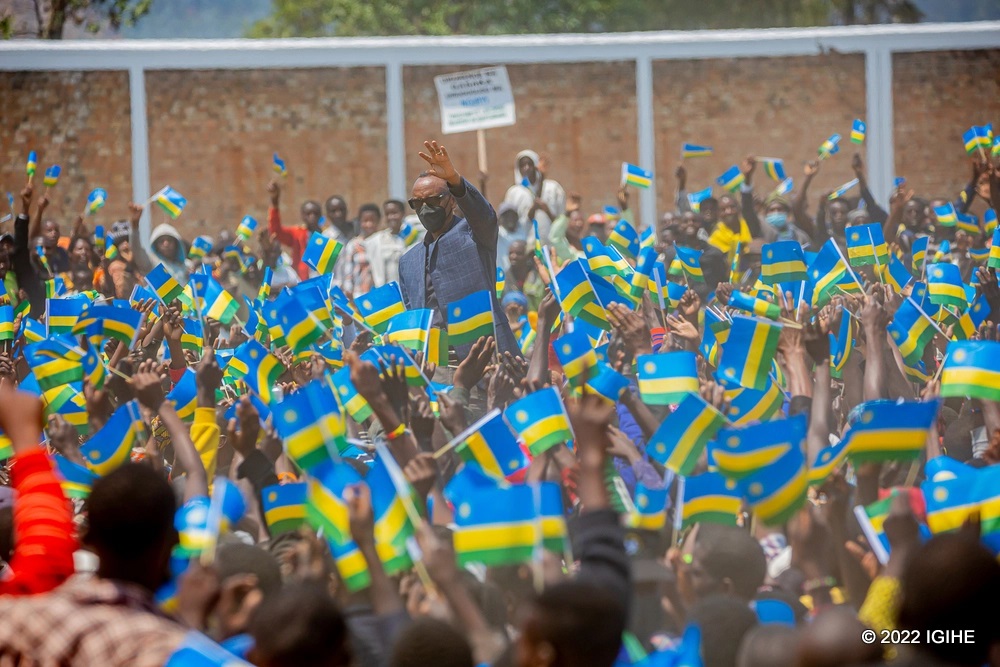
On the first day, President Kagame visited Ruhango where he spoke with over 50,000 residents of the Southern Province at Kibingo ground who were also given floor to voice their concerns and appreciation for attained transformations through government’s support.
During his four-day visit, the Head of State will interact with hundreds of thousands of residents of Ruhango and Nyamagabe Districts in Southern Province, as well as Nyamasheke District in Western Province.
The President will also hold discussions with Southern and Western Province opinion leaders in Huye and Rusizi districts respectively.
President Kagame will also visit Rachel Nyiramandwa, a 110-year old resident of Nyamagabe District who first met the President in 2010. Through the government’s socio-economic programs including Gira Inka and the building of her home, Nyiramandwa’s life was transformed allowing her to retire in dignity.
The visit to be held between 25th and 28th August 2022, comes as the country experiences a steady recovery from the Covid-19 pandemic including the return of safe large gatherings.
The President will conclude his visit in Karongi District where he will tour the Rugabano Tea Factory which has a capacity to process 1,000,000 kilograms of tea per year.
The factory aims to increase Rwanda’s total tea export volume by 3 percent within 10 years and provide local residents with a lucrative income that will improve their livelihoods as well as boost the regional economy.
It currently employs close to 2,000 workers and benefits over 4,000 community members through cooperatives.
{{About the Provinces}}
Southern Province has a population of over 2,700,000 and is made up of eight districts; Muhanga, Kamonyi, Ruhango, Nyamagabe, Nyanza, Nyaruguru, Huye, and Gisagara.
Access to electricity in the region had drastically increased to 72%, including an increase from 17% to 86% in the last five years. 96% of residents in Ruhango are enrolled in CBHI and the number of classrooms has grown by 74% in the last five years.
Western Province has a population of over 2.9 million and is made up of seven districts; Rubavu, Rutsiro, Ngorero, Nyabihu, Karongi, Nyamasheke, and Rusizi. Its main economic activities include agriculture/agribusiness, fish farming and fishing, as well as livestock.
The province is also home of vibrant cross border trading, with a large percentage of over US$600 million exports passing through this region. Electricity access has also increased to 73%.
[{{Click this link to view more pictures}} ->https://igihe.com/amakuru/u-rwanda/article/live-ibihumbi-by-abaturage-bo-mu-ruhango-bakereye-kwakira-perezida-kagame]