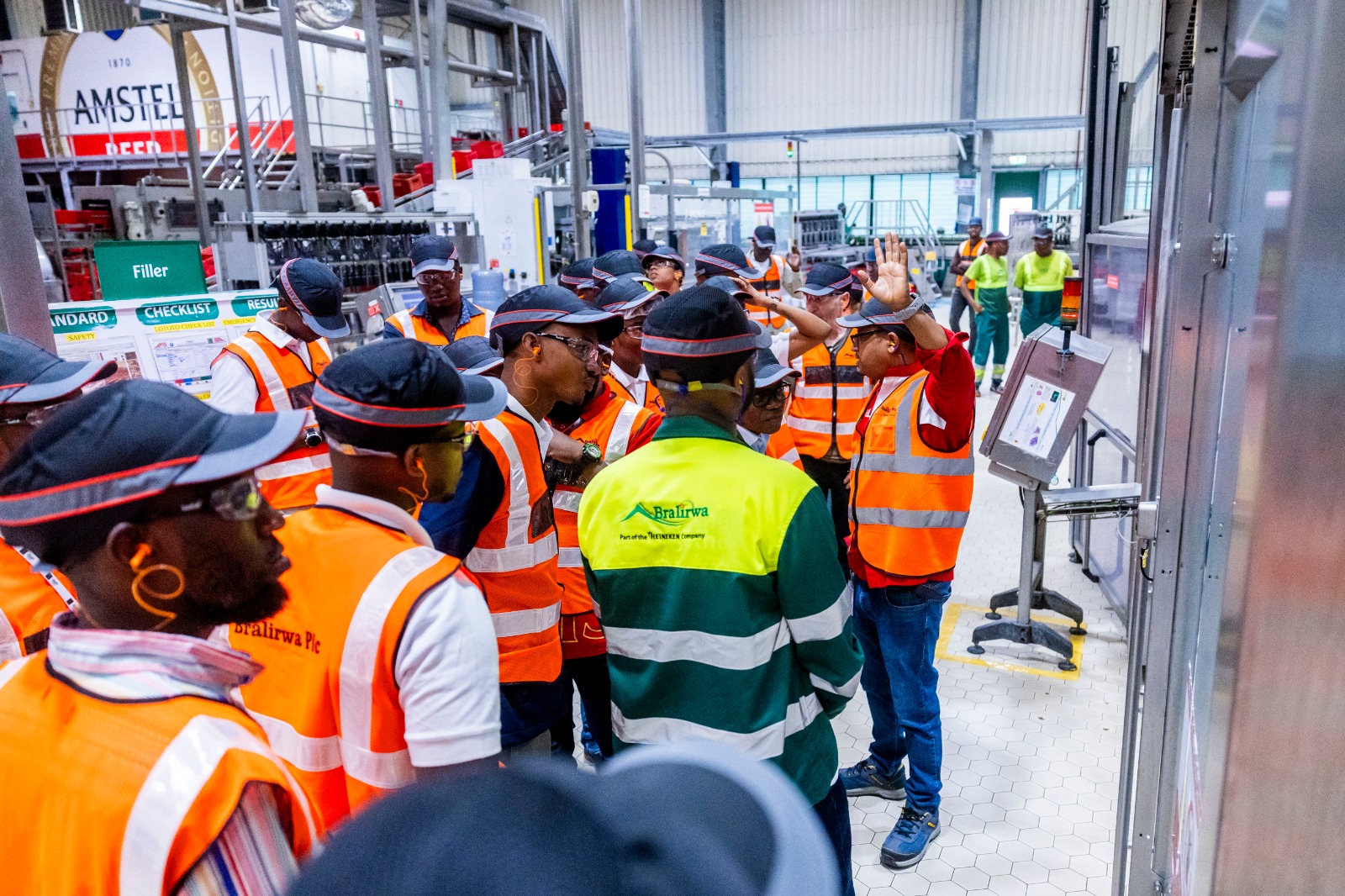
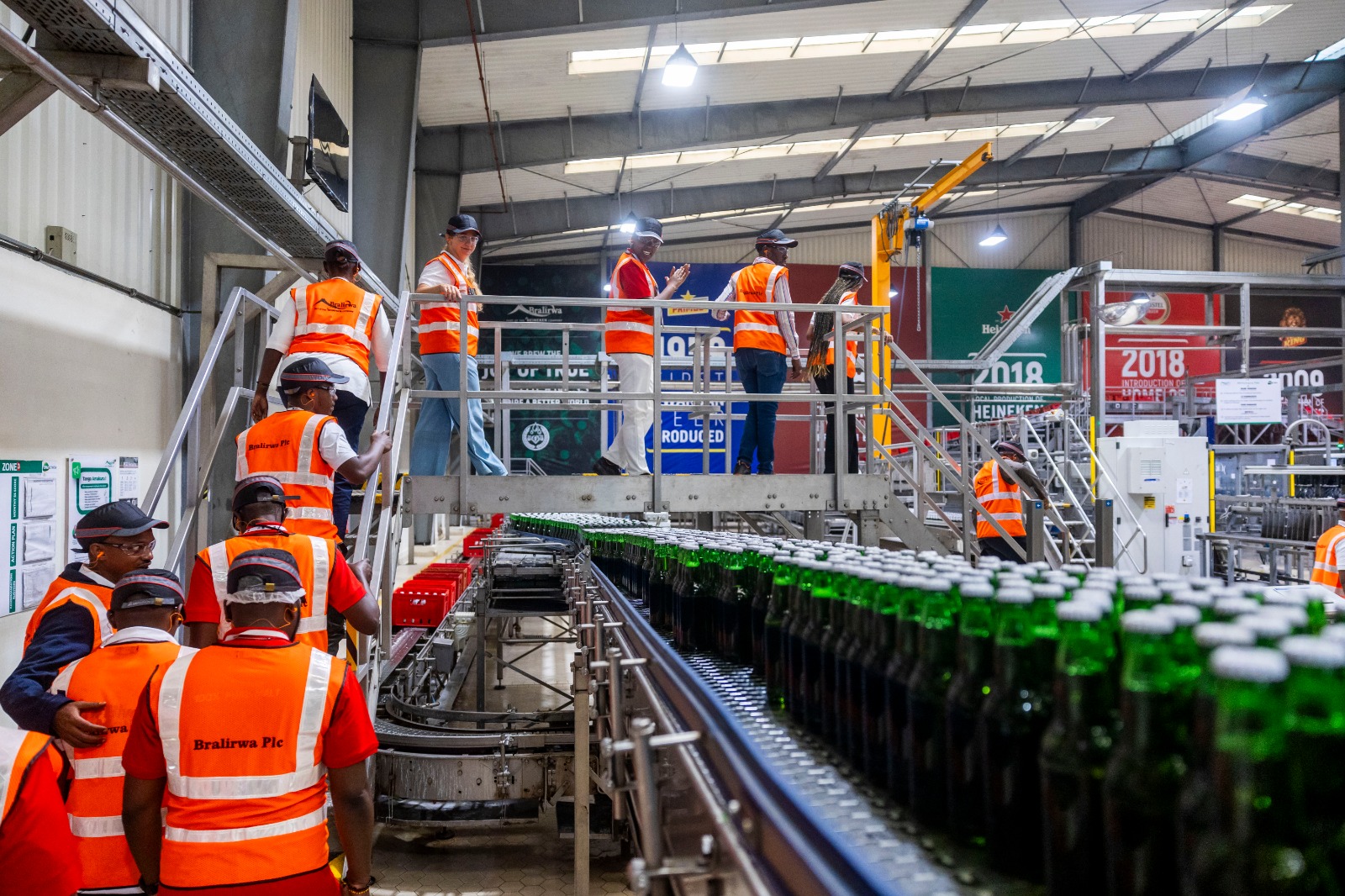
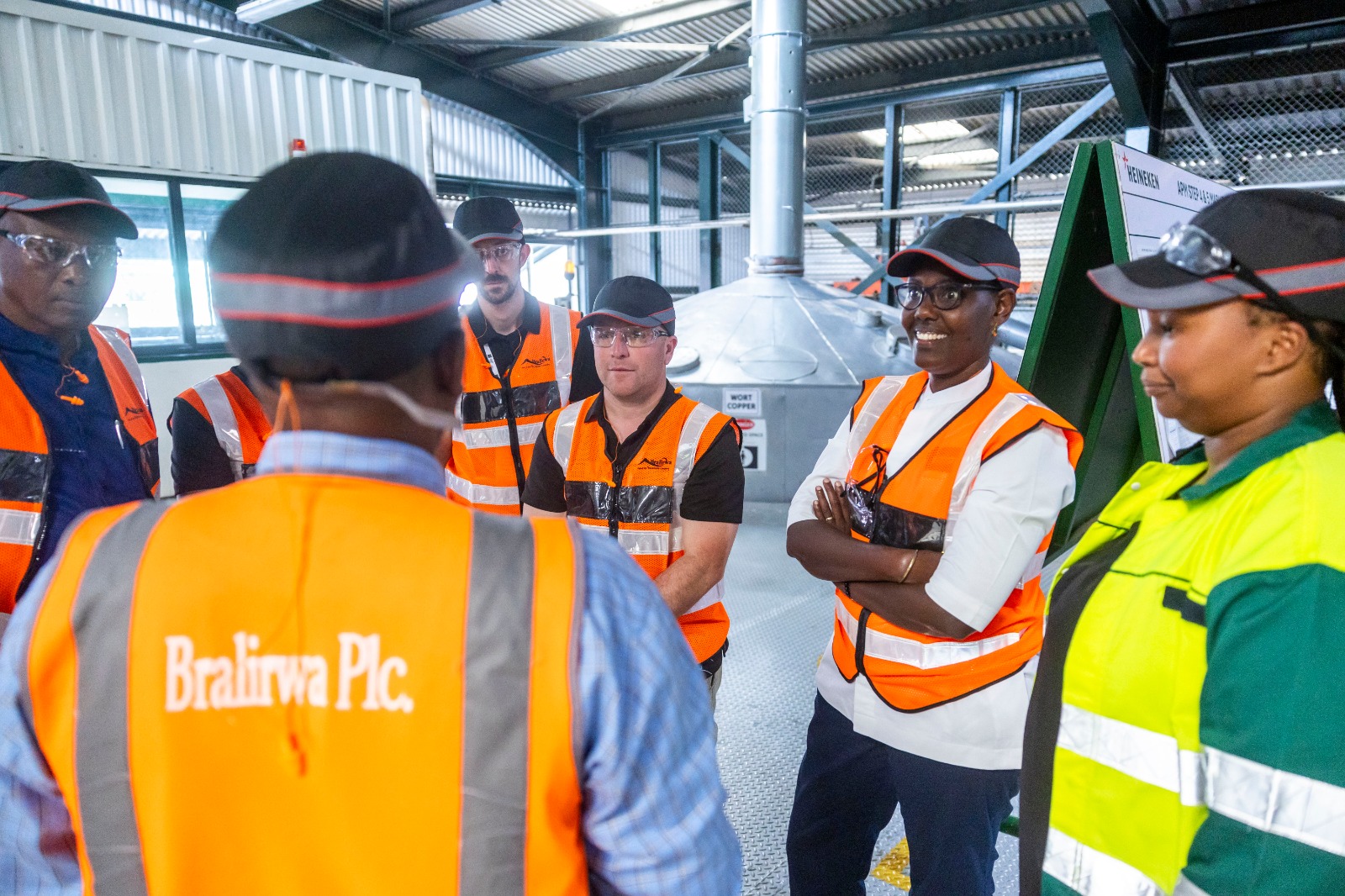
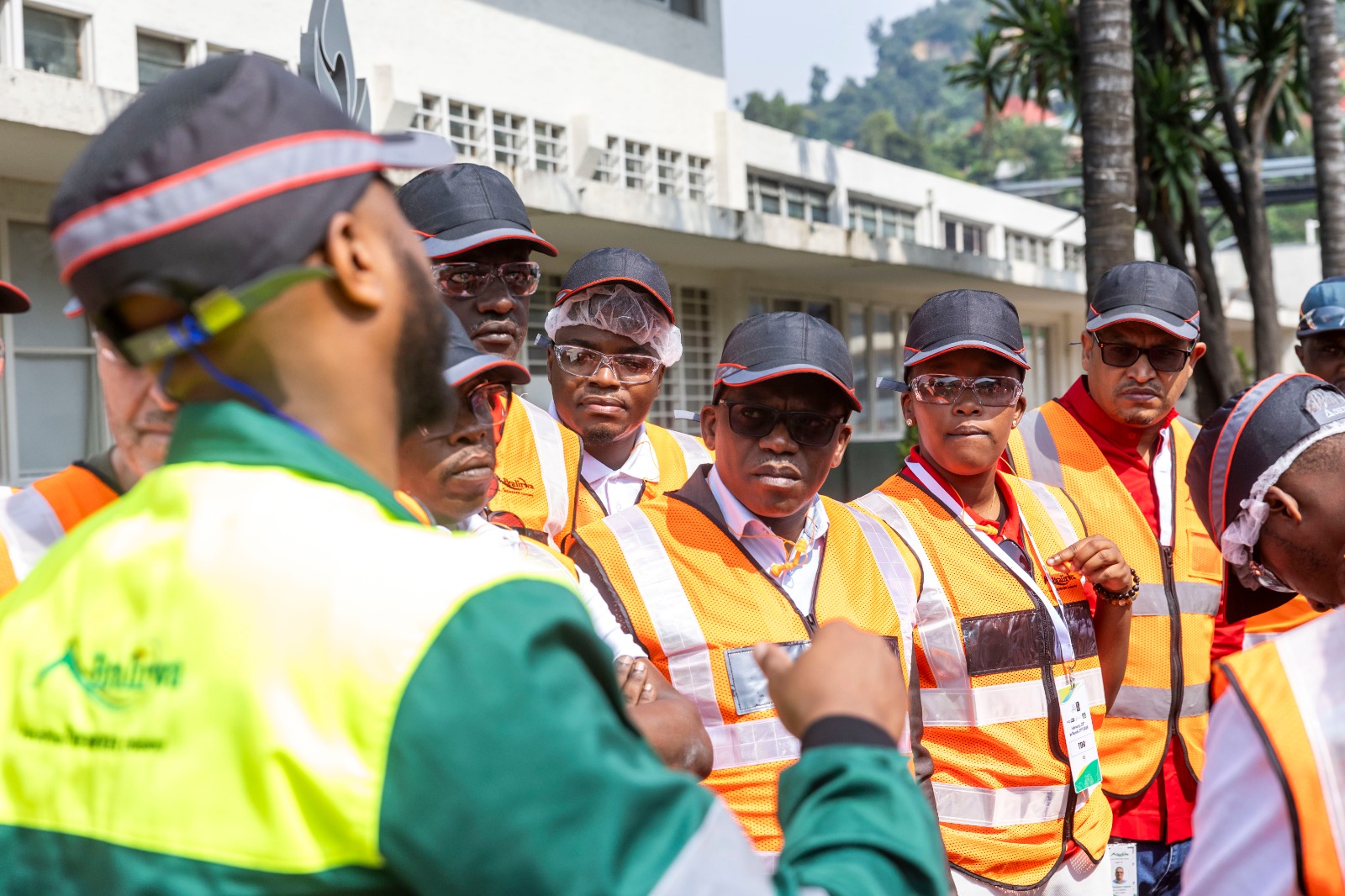
The visit provided guests with a guided tour of the brewery, where they were introduced to the detailed journey of beer production – from the brewing process to packaging – showcasing the craftsmanship, expertise, and quality standards that define BRALIRWA’s brewing heritage.
For many of the visitors, the experience offered a deeper appreciation of the work behind the brands that continue to play a visible role during the Tour du Rwanda through fan experiences and nationwide activations.
The visit also served as an opportunity to strengthen relationships between BRALIRWA and the partners supporting the Tour du Rwanda, reinforcing the spirit of collaboration that helps deliver one of Africa’s most exciting cycling events.
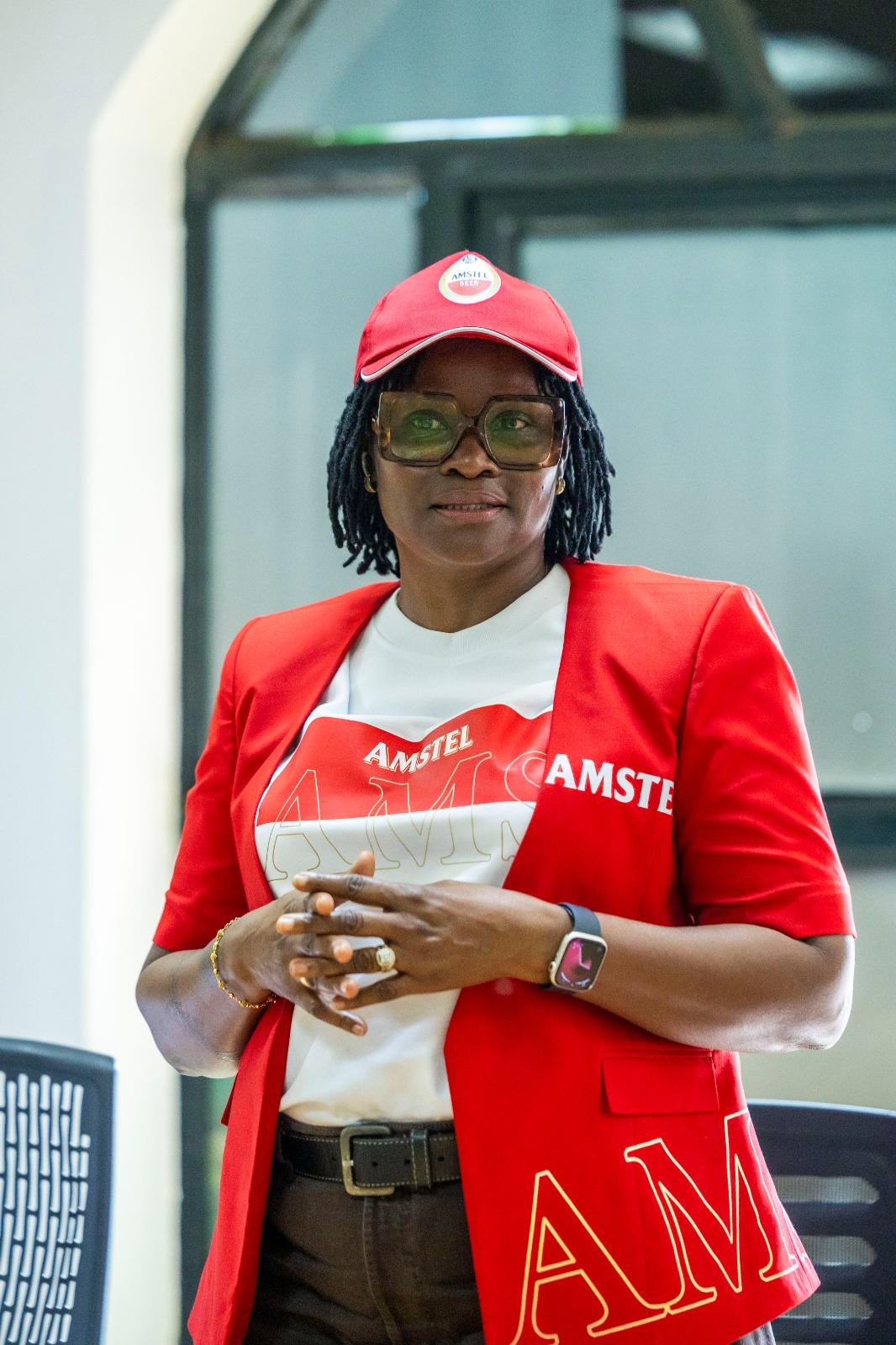
As a Gold Sponsor of the Tour du Rwanda, Amstel – 100% Pure Malt – remains part of the celebration of cycling across Rwanda by bringing fans together through engaging experiences, including fan zones, community activities, and social rides.
The visit to the brewery in Rubavu therefore marked not only a moment of discovery for the guests but also a reminder of the partnerships and shared commitment that continue to make the Tour du Rwanda a growing symbol of sport, tourism, and community pride in Rwanda.
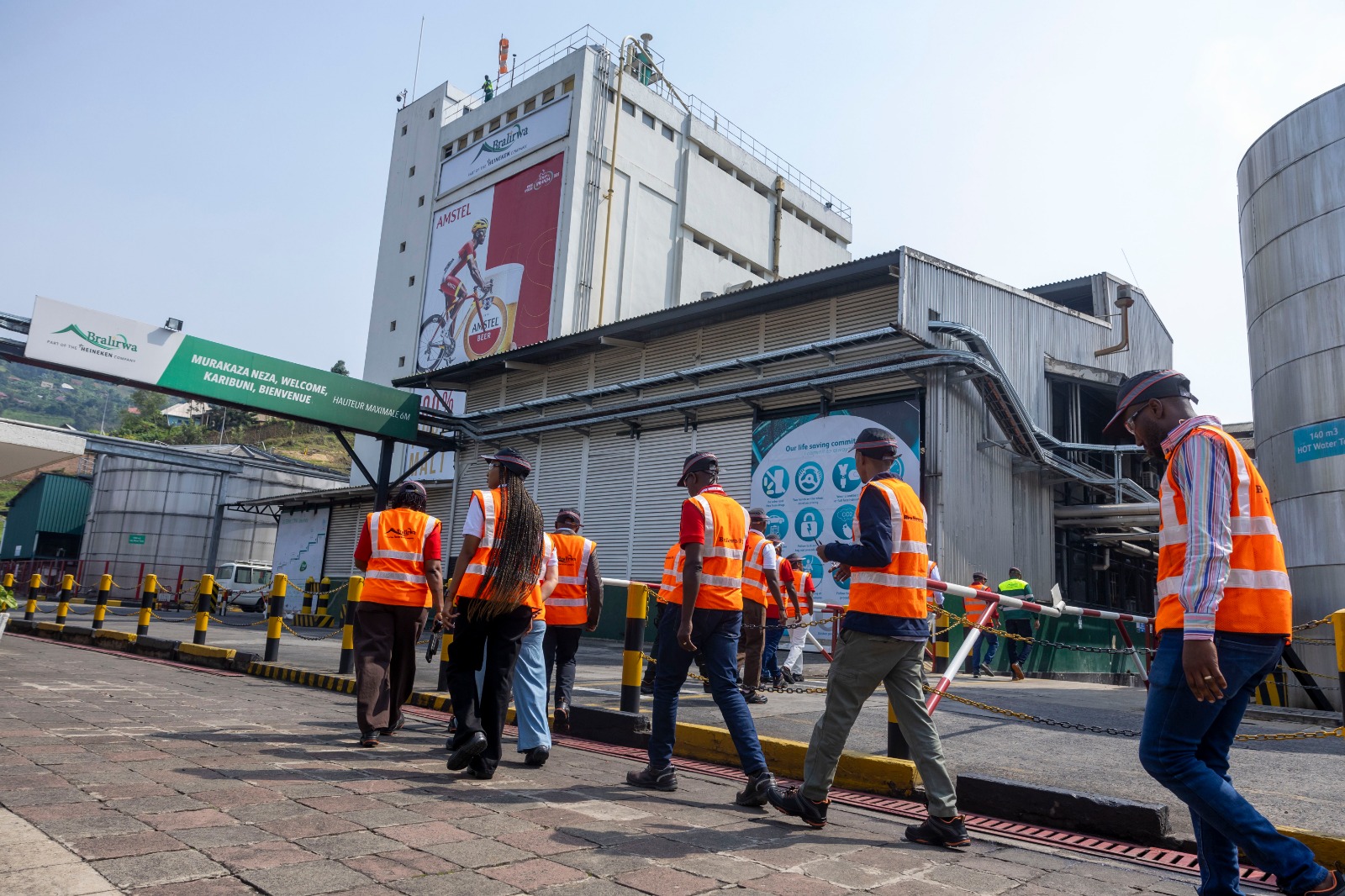
The visit to the brewery in Rubavu therefore marked a moment of discovery.The visit provided guests with a guided tour of the brewery, where they were introduced to the detailed journey of beer production. For many of the visitors, the experience offered a deeper appreciation of the work behind the brands that continue to play a visible role during the Tour du Rwanda.Guests arriving at the plant based in Rubavu District.
The initiative aims to accelerate connectivity for up to 500,000 schools and other facilities delivering essential services to children.
The first phase runs a public Request for Expression of Interest (REoI), designed to identify and prequalify providers capable of delivering turnkey connectivity solutions — terrestrial, wireless, satellite or hybrid — at scale. A competitive Request for Proposals (RFP) is planned for Q2 2026.
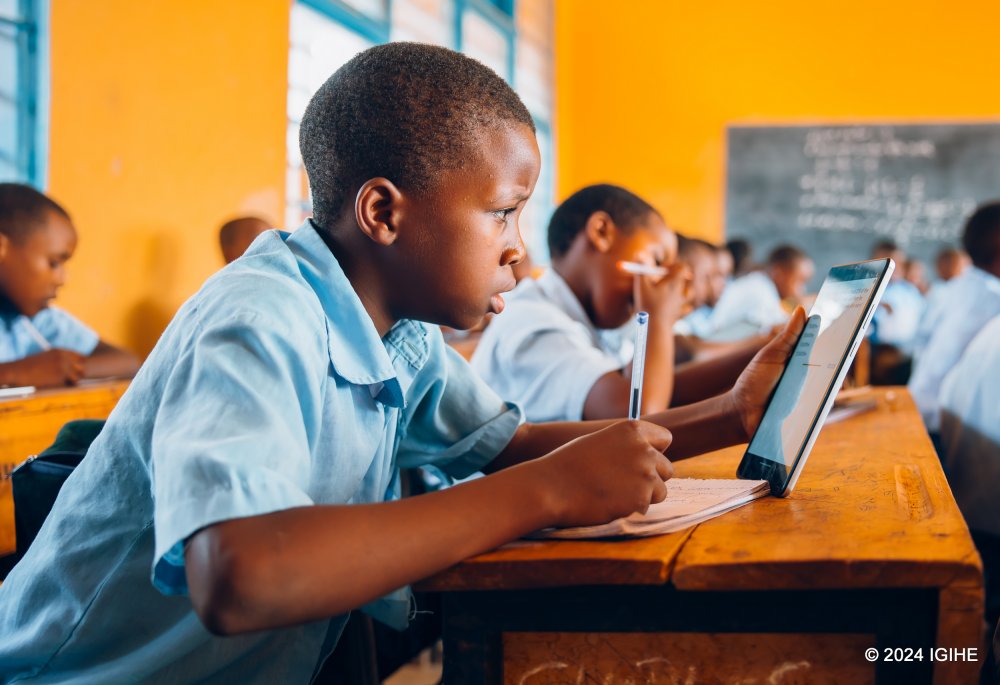
For children, internet access underpins the rights to education, information, participation and protection. Yet 2.6 billion people globally remain offline, with children in rural and low-income African communities disproportionately excluded. Without structural reform, connectivity gaps risk deepening inequalities in education, health and economic opportunity.
In many countries, artificial intelligence and digital technologies are transforming classrooms, labour markets and public services. For other countries, however, the absence of basic internet access leaves millions of children unable to participate in that transformation. As digital tools become central to how societies learn and work, connectivity is no longer optional infrastructure, it is foundational.
This launch marks a shift from fragmented, country-by-country connectivity procurement efforts toward a coordinated market approach.
By aggregating government demand and standardising service expectations, UNICEF is building a procurement vehicle capable of operating at continental scale, while providing suppliers with greater predictability and clearer demand signals.
Rather than issuing isolated tenders, UNICEF is working with governments to pool demand across national programmes. The model combines defined service-level standards focused on uptime and performance, data-driven monitoring to ensure accountability, and longer-term contracting pathways intended to reduce uncertainty for both governments and providers.
“This REoI, and the upcoming RFP, are designed to bring greater structure and predictability to school connectivity markets,” said Kaan Çentintürk, Chief Information Officer at UNICEF. “By defining service expectations upfront and aligning demand across countries, we can move from fragmented procurement toward managed connectivity that is reliable, measurable and sustainable.”
UNICEF will act as a procurement agent for participating governments and will work closely with financing institutions such as the World Bank, as well as partners including Smart Africa and the UN Economic Commission for Africa (UNECA), to align funding and implementation support.
UNICEF brings procurement experience from other sectors, including vaccines, worth a total US$5.2 billion each year across 162 countries.
UNICEF’s established systems and market credibility also support large-scale delivery.
The current REoI does not request binding pricing or bids. Instead, it seeks information on providers’ operational capacity, geographic reach and ability to deliver managed connectivity services with accountability.
Participation in this phase will determine eligibility for invitation to the competitive RFP process.
UNICEF welcomes providers able to operate legally in-country and deliver at scale, including solutions that ensure power continuity and incorporate child-appropriate cybersecurity and safeguarding measures.
The Request for Expression of Interest is open until 27 March 2026. Interested providers can access the full REoI and submission details at: https://giga.global/connectivity-reoi/.
The museum is dedicated to the Romantic movement, which flourished in France between the late 18th and mid-19th centuries, celebrating emotion, imagination, and the sublime.
Housed in the former residence of Dutch-French painter Ary Scheffer, the museum preserves the legacy of both Scheffer and novelist George Sand.
Between the 1830s and 1850s, Scheffer hosted Friday salons at the residence, welcoming artists and intellectuals inspired by figures like Dante, Lord Byron, and Goethe.
Located in Paris’ ninth arrondissement, the property was originally surrounded by orchards and gardens before the area developed into a hub for literary and artistic activity.
After Scheffer’s death in 1858, the residence changed hands several times before being acquired by the city and transformed into a museum in the 1980s. Today, it holds 2,340 works, with around 300 on display, and drew 230,000 visitors in 2023.
The restoration aimed to return the building to its 19th-century appearance.
“For the woodwork and window frames, we tried to restore the house’s original color,” Gaëlle Rio, the museum director told Le Monde.
The courtyard, greenhouse, tea room, and first-floor exhibitions were also updated to enhance visitor experience while respecting the building’s status as a historical monument.
To mark the reopening, the museum is launching a new exhibition, Facing the Sky, Paul Huet in His Time.
Huet, a contemporary of Scheffer, is considered a precursor of French Romantic landscape painting.
“This one echoes the ‘Nature and Landscape’ section and invites visitors to pause and reflect. I enjoy highlighting a single artist while exploring a subject through their perspective,” Rio explains.
Few cities embraced Romanticism like Paris, which became a stage for artistic experimentation and a break from classical traditions.
The Musée de la Vie Romantique now continues that legacy, offering visitors a glimpse into the passions and creativity that defined the era.
The Musée de la Vie Romantique has reopened in Paris after a lengthy renovation.
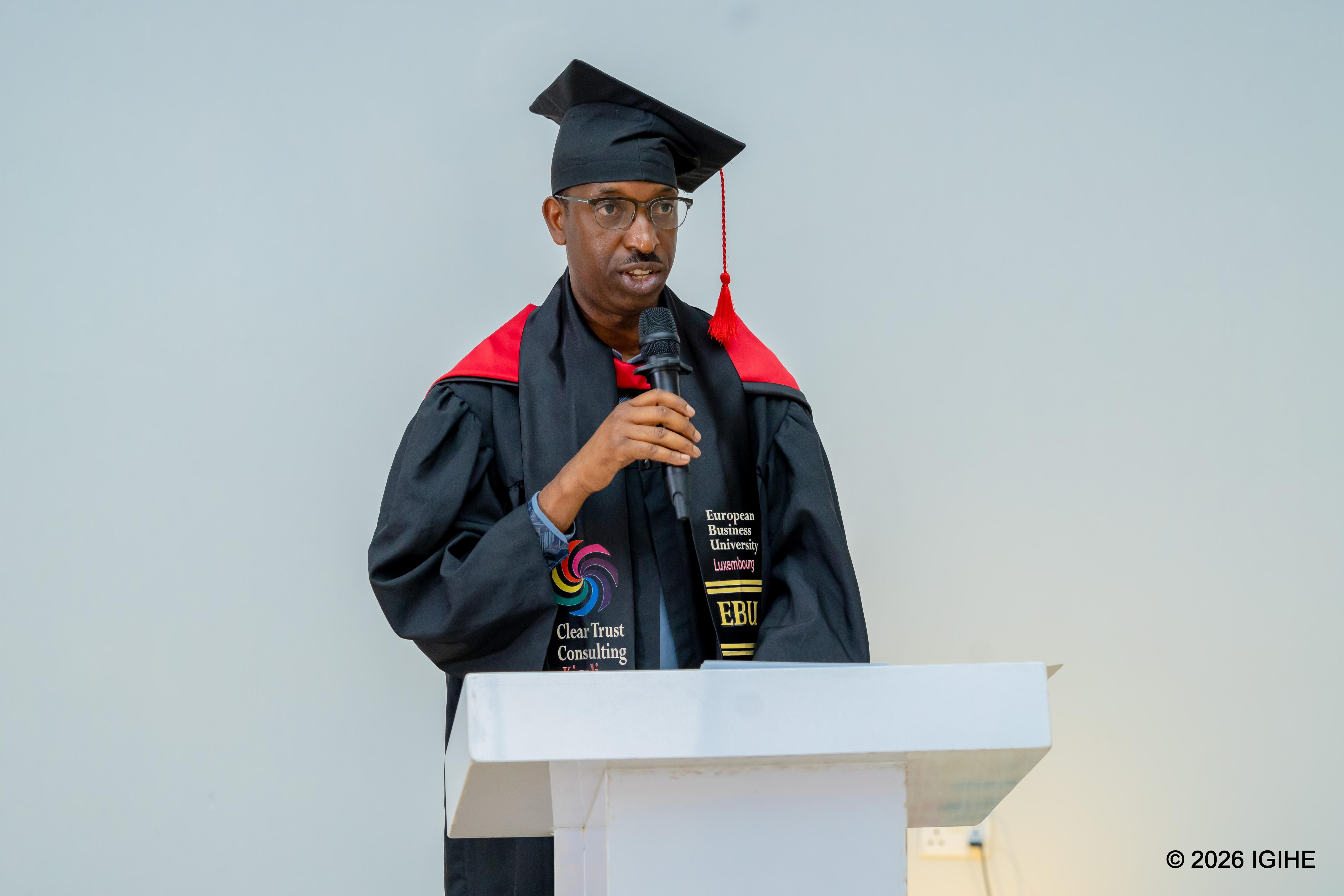
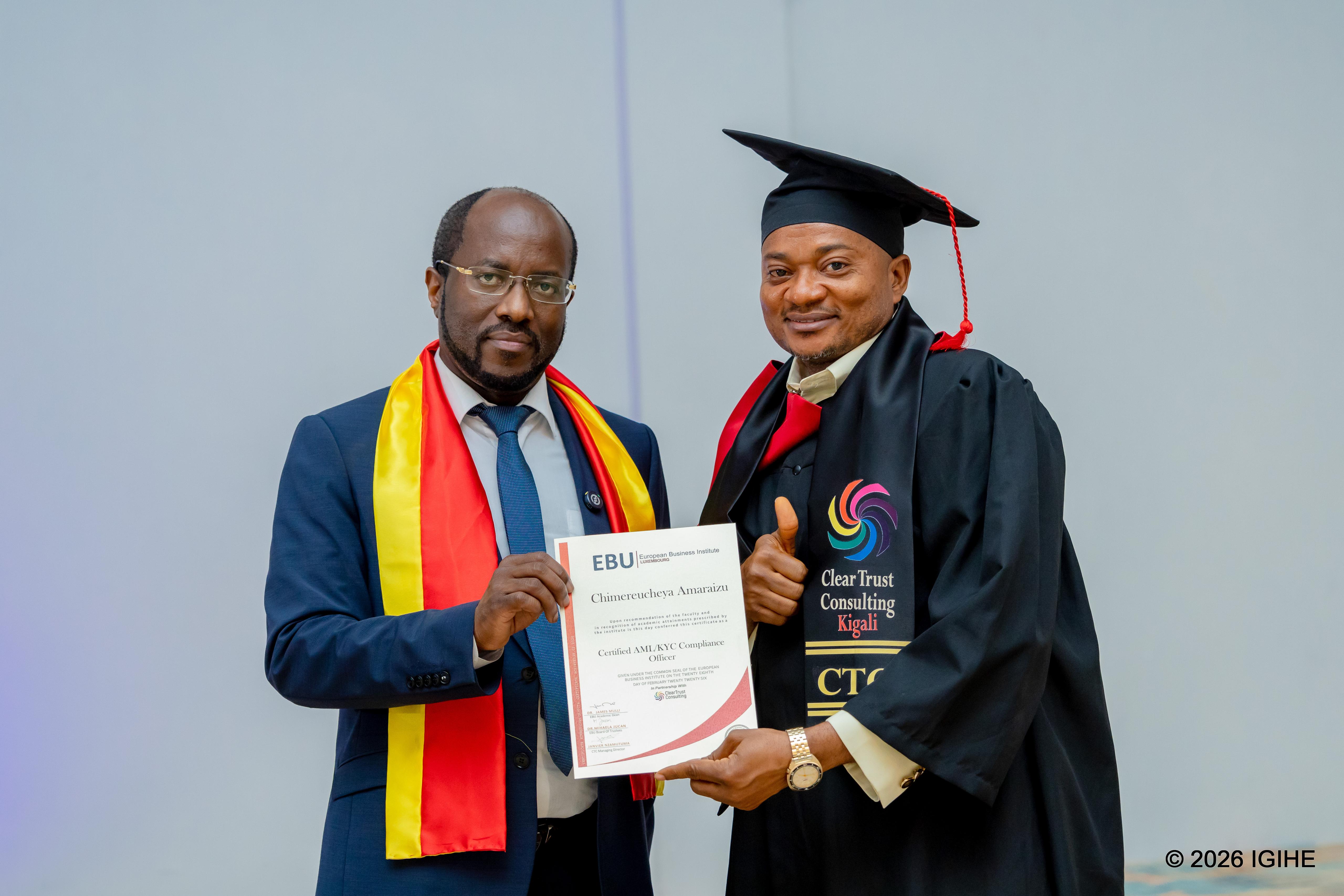
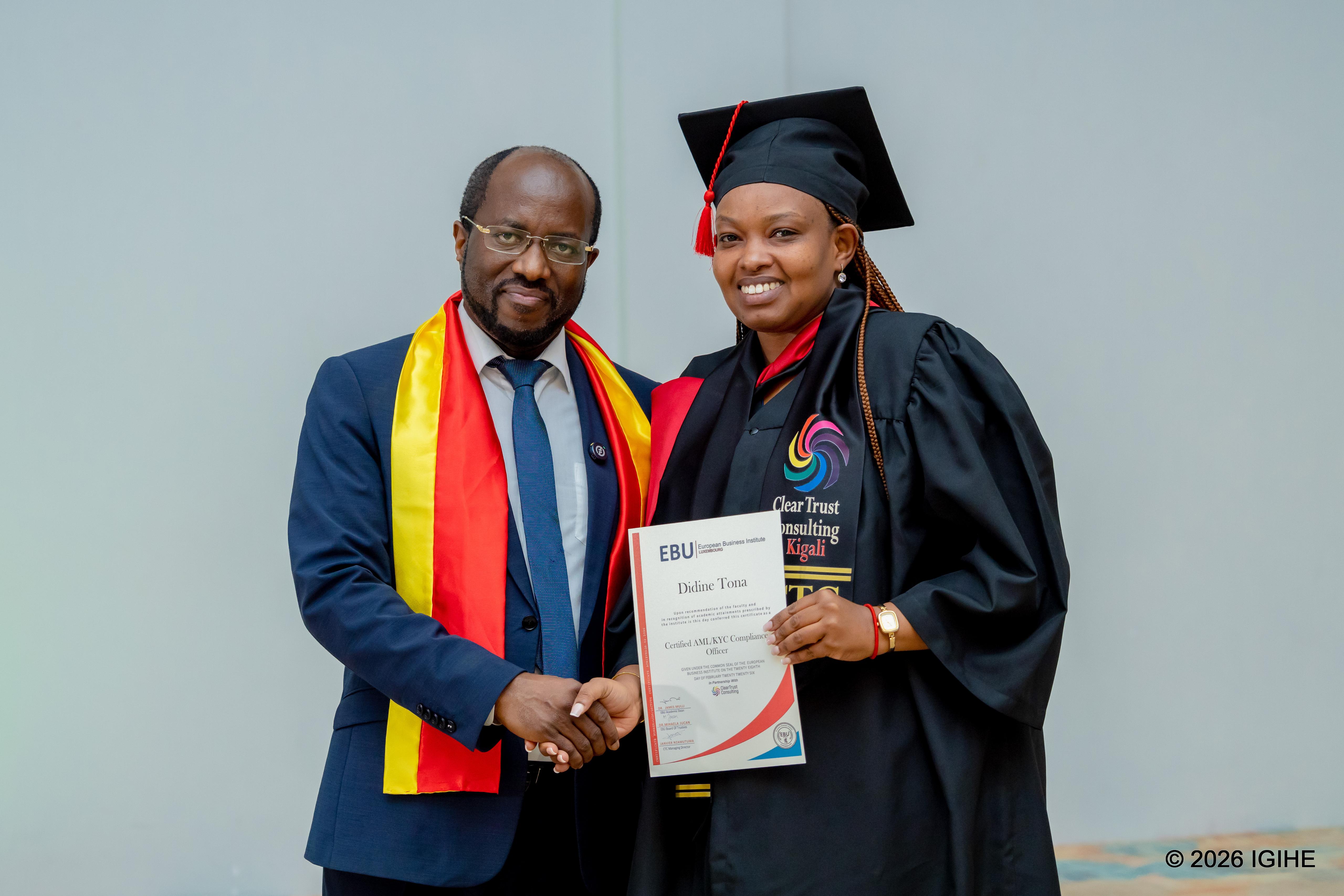
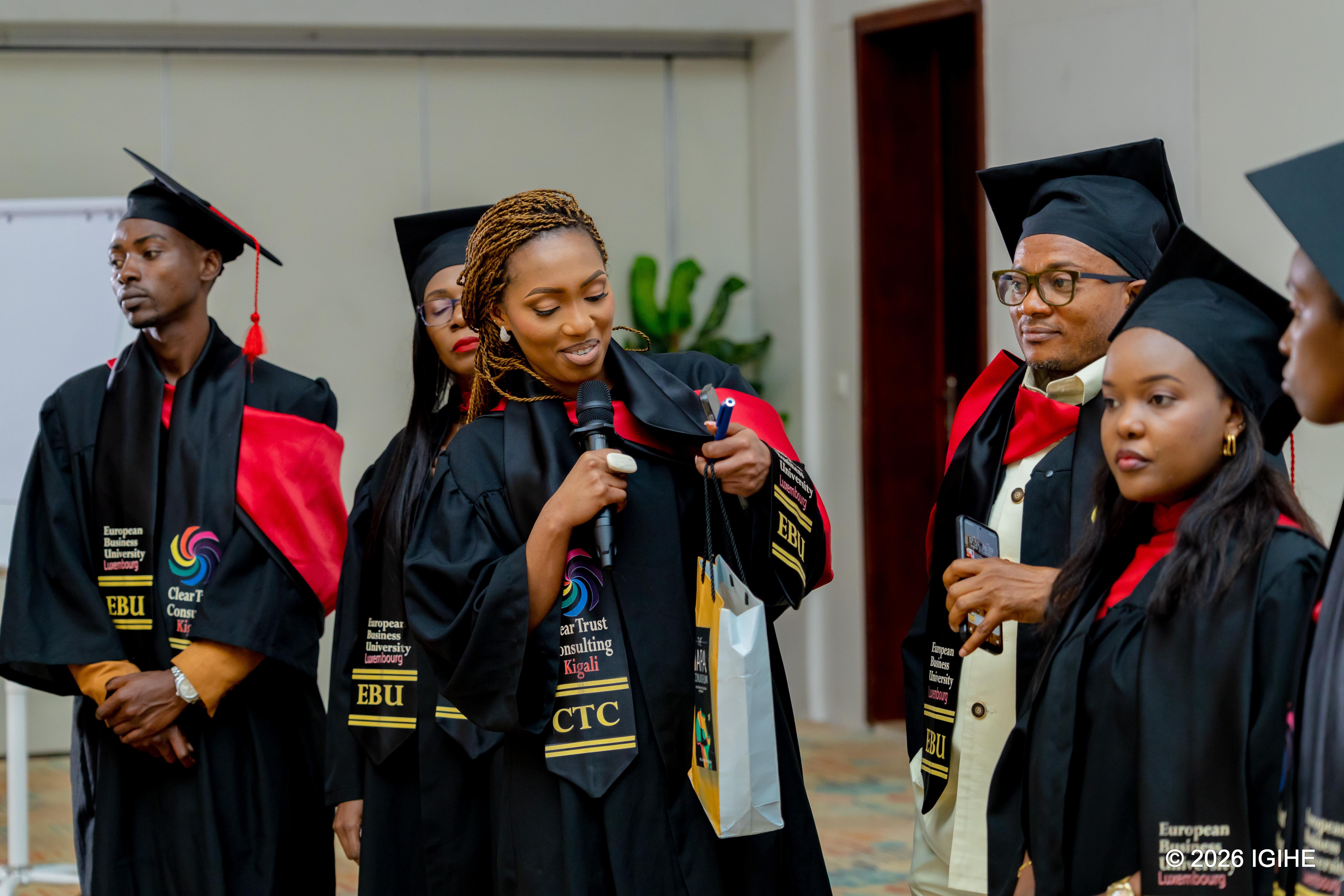
Founded five years ago in Belgium and headquartered in Luxembourg, CTC collaborates with the European Business University of Luxembourg to provide specialized training and internationally recognized certifications.
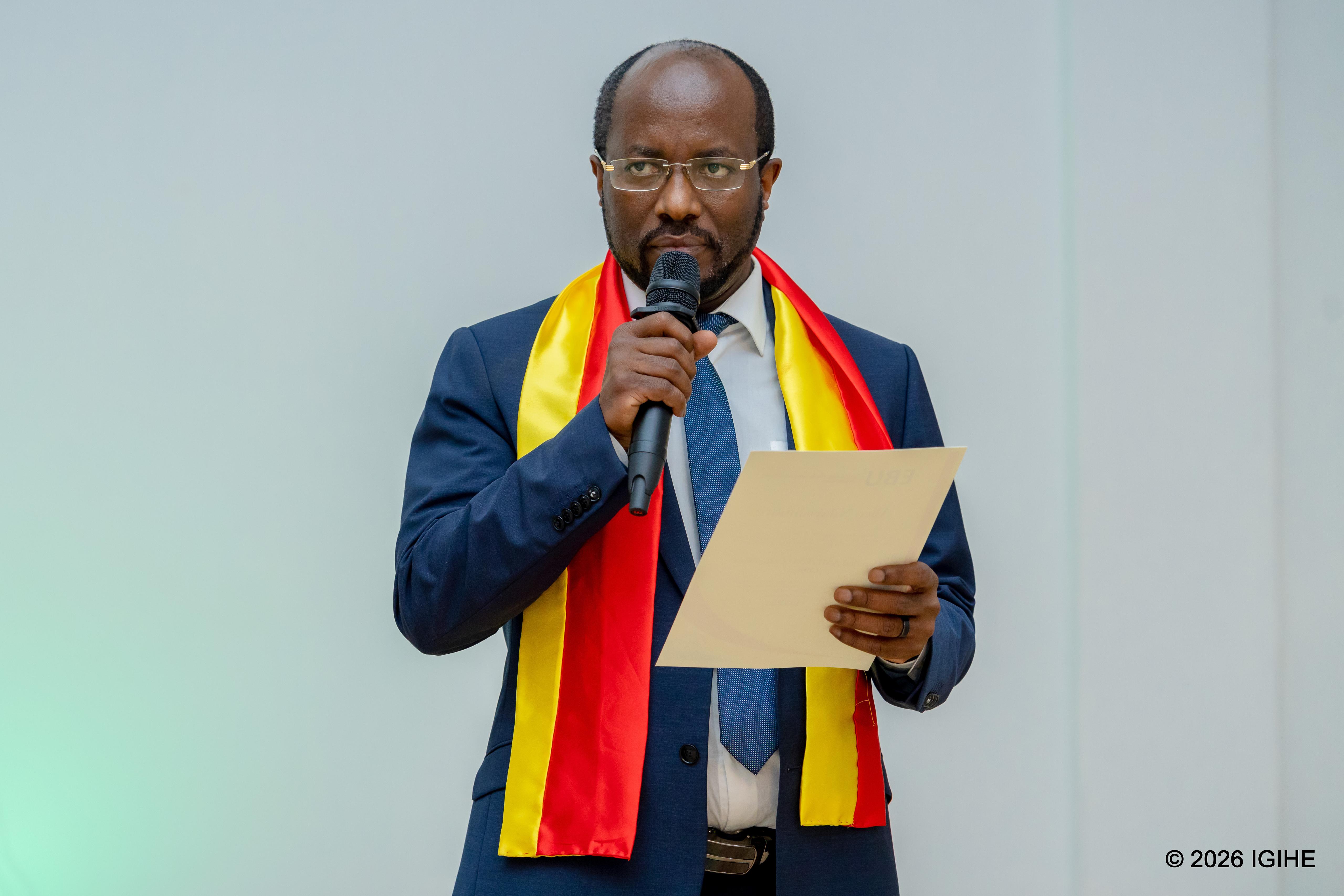
In an interview with IGIHE, founder and CEO Nzamutuma Janvier outlined the company’s journey, which began by training a single individual and grew to delivering over 90 certifications in 2024.
“As CTC expands, we see an increasing number of beneficiaries entering the workforce. The more enrollments we have, the more our learners find professional opportunities,” he explained.
Driven from the start by the ambition to expand into Rwanda, Nzamutuma registered the company with the Rwanda Development Board (RDB).
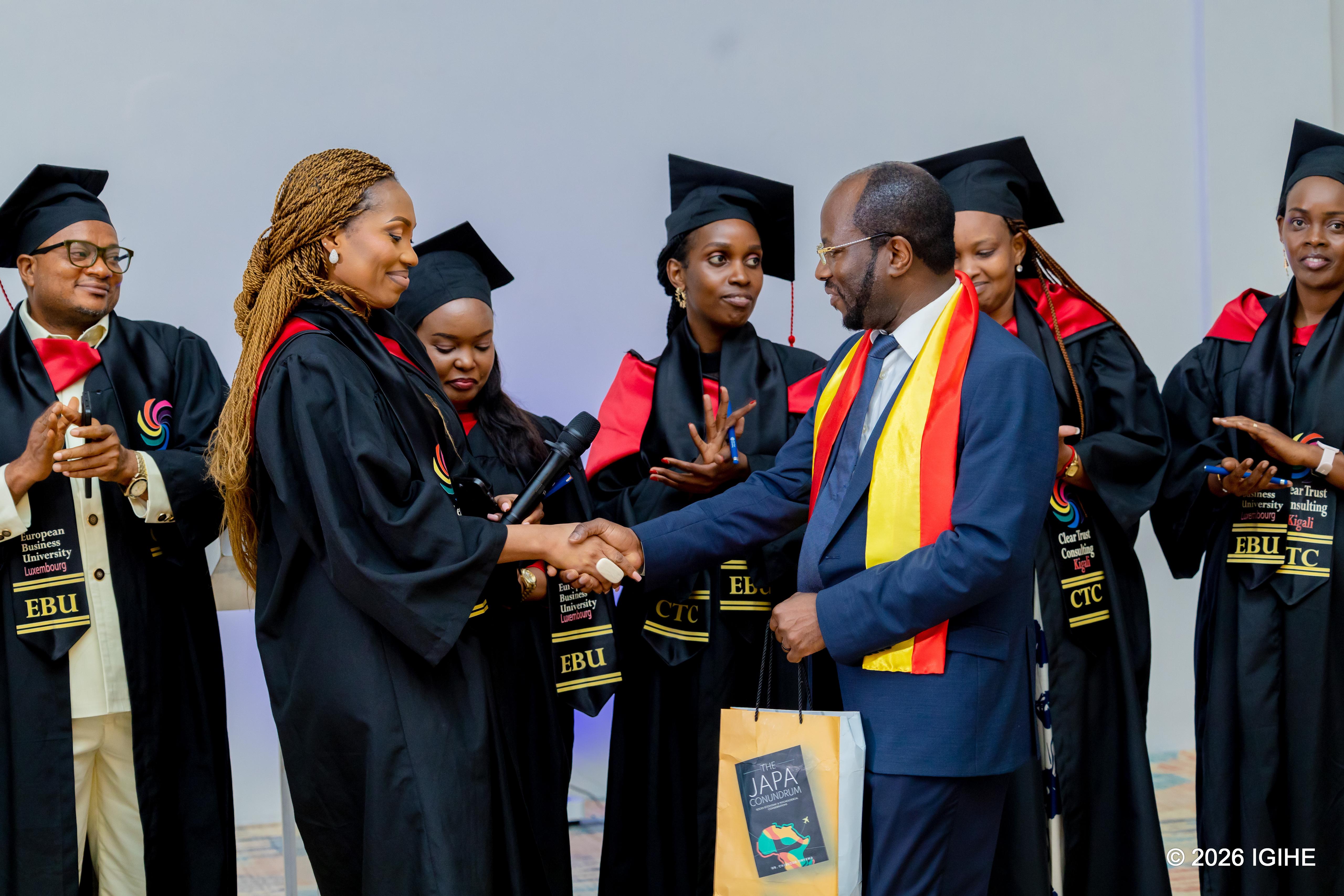
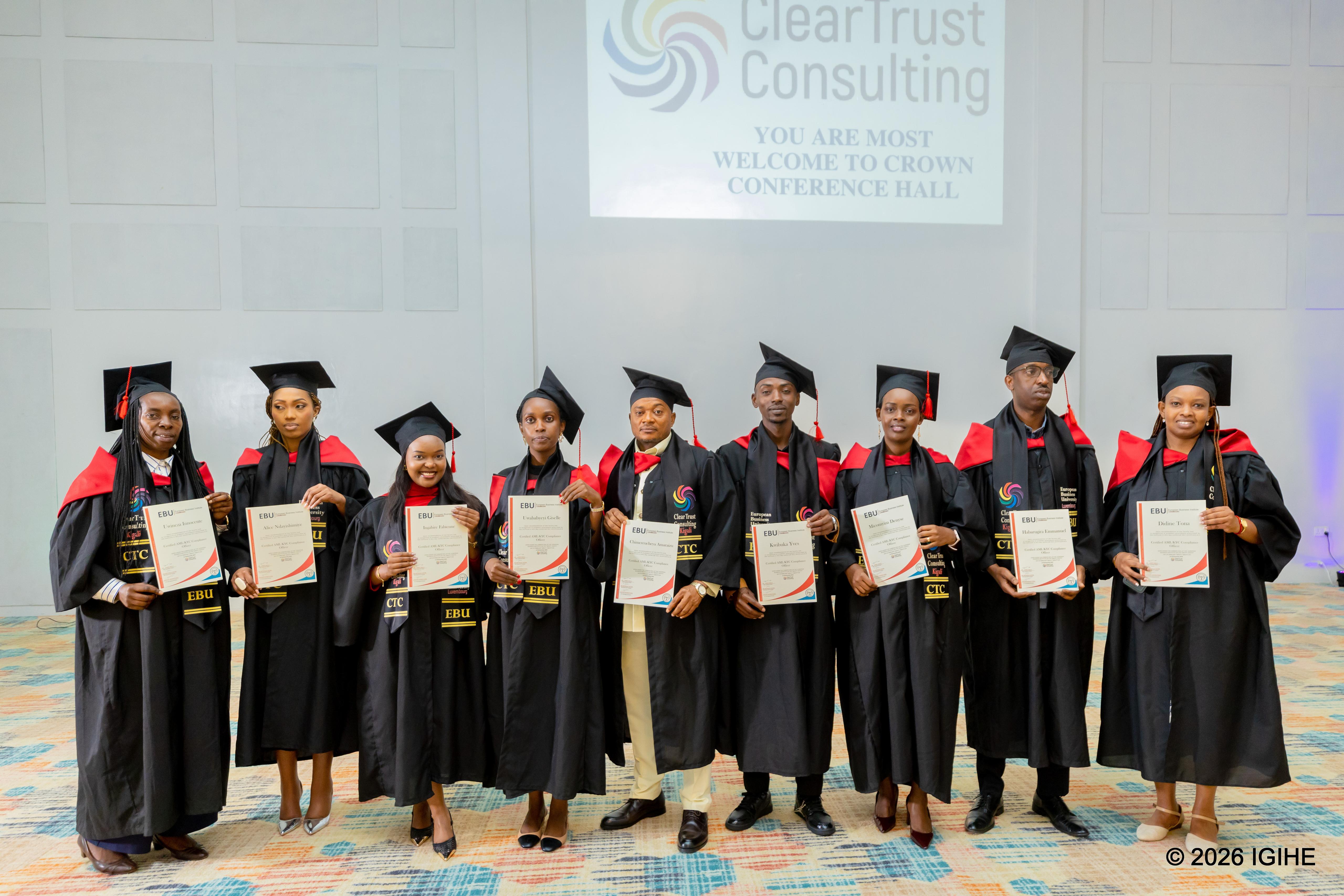
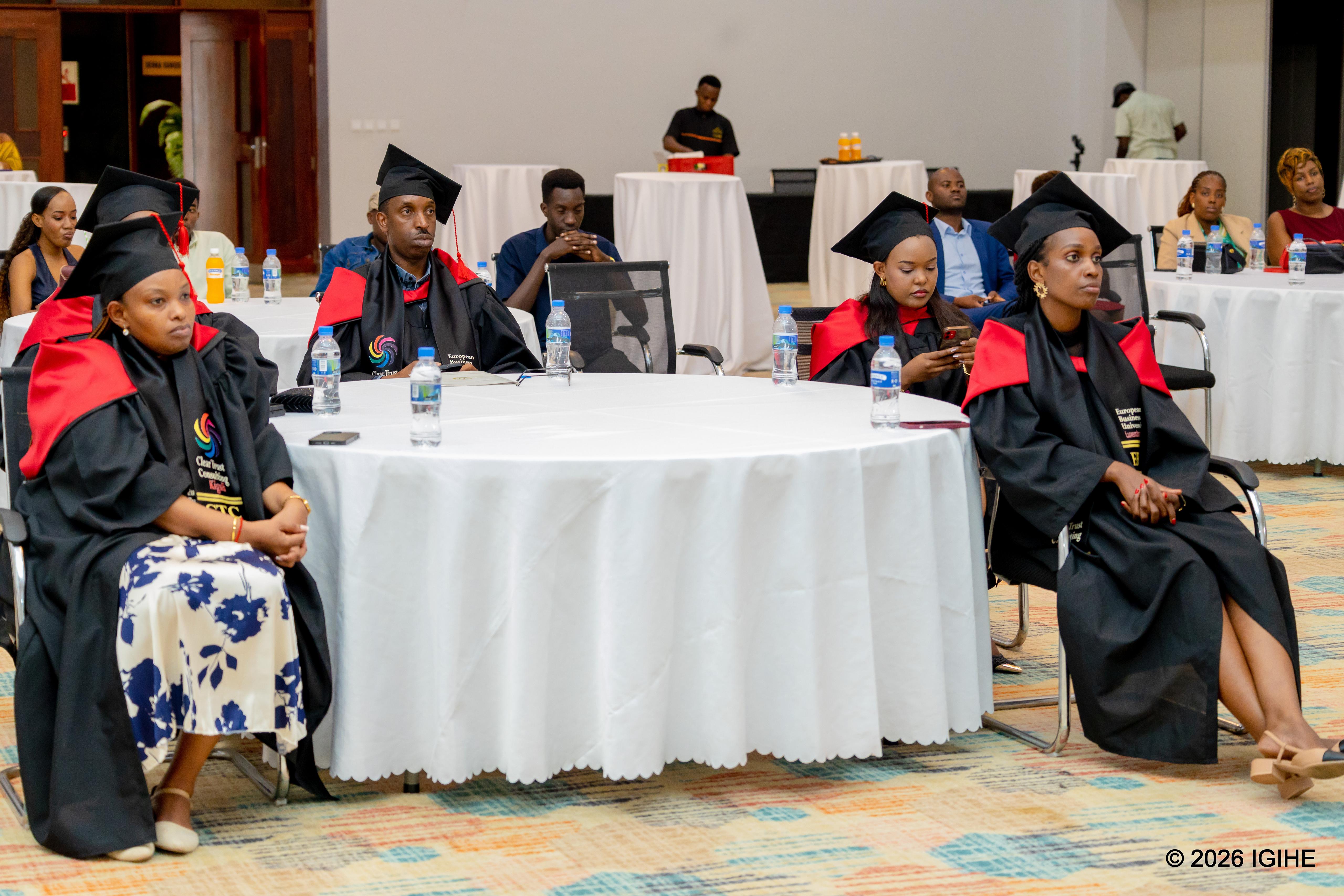
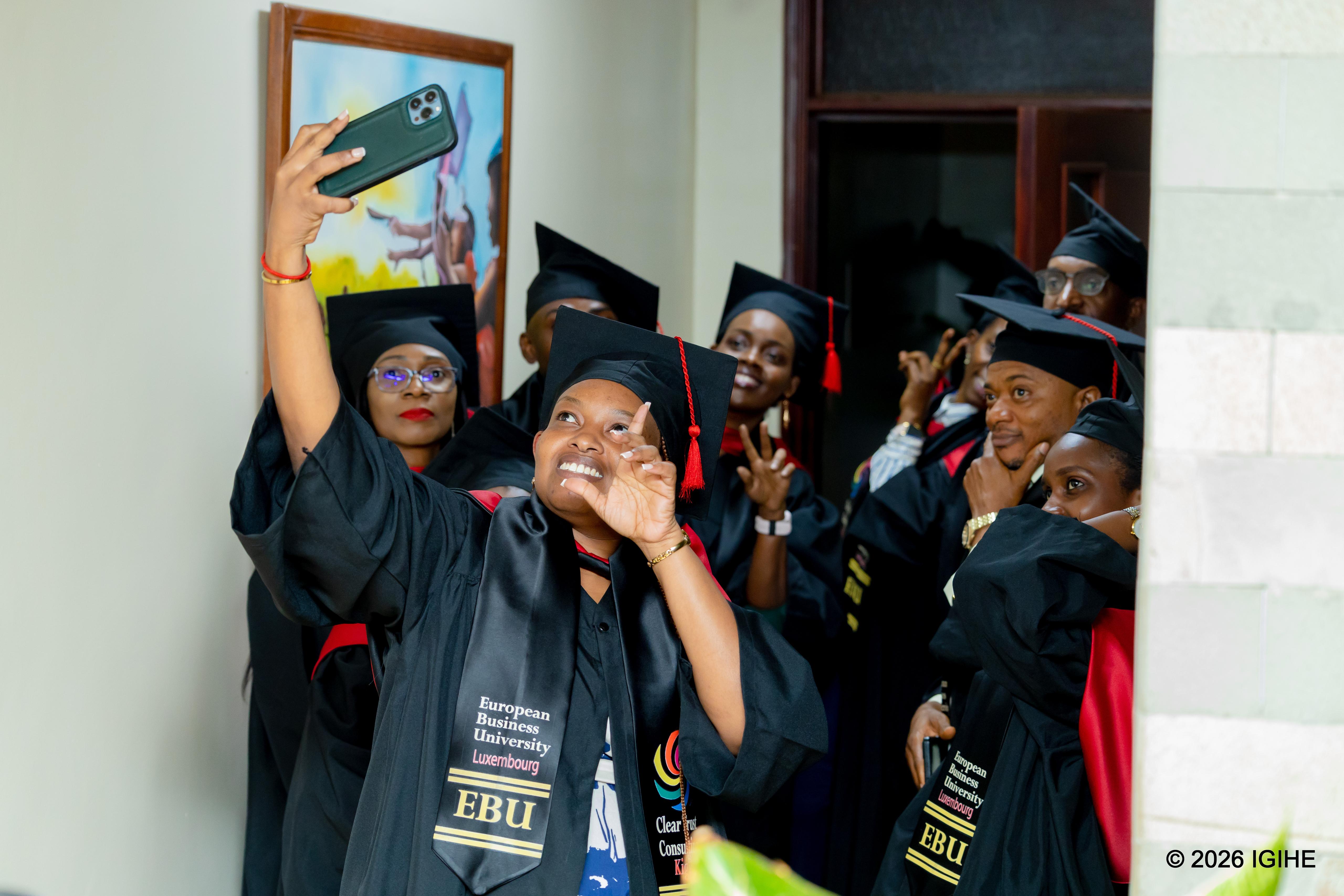
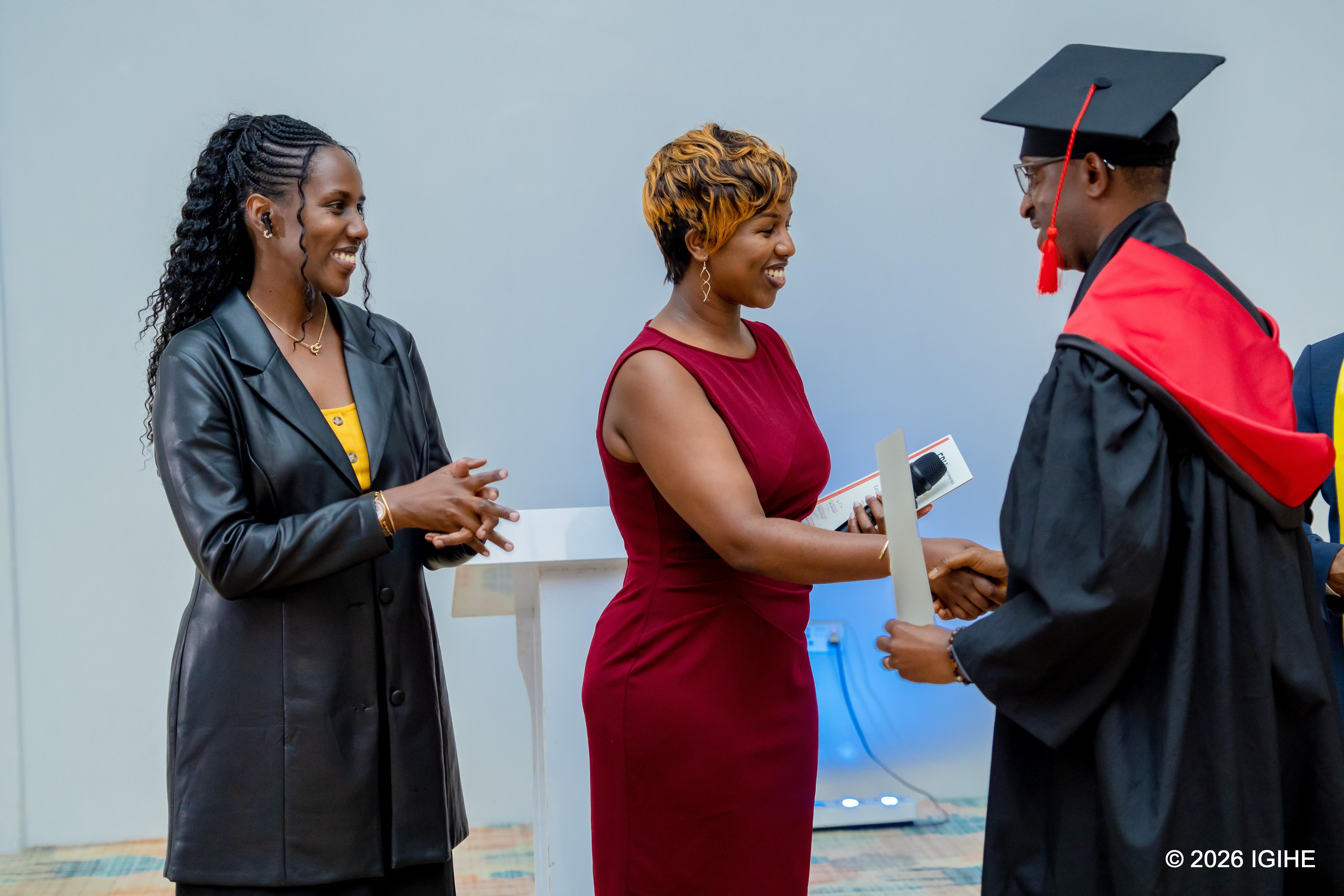
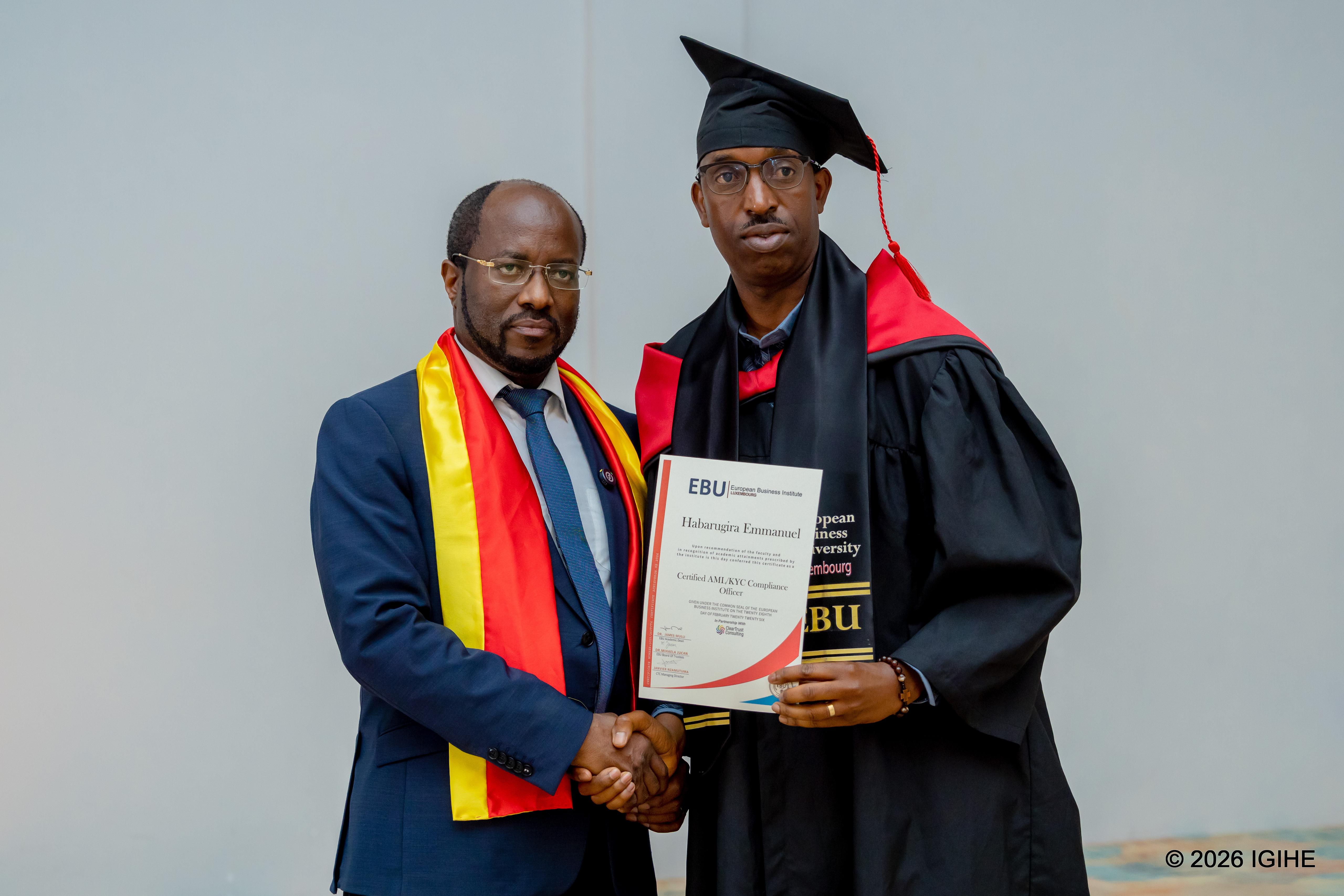
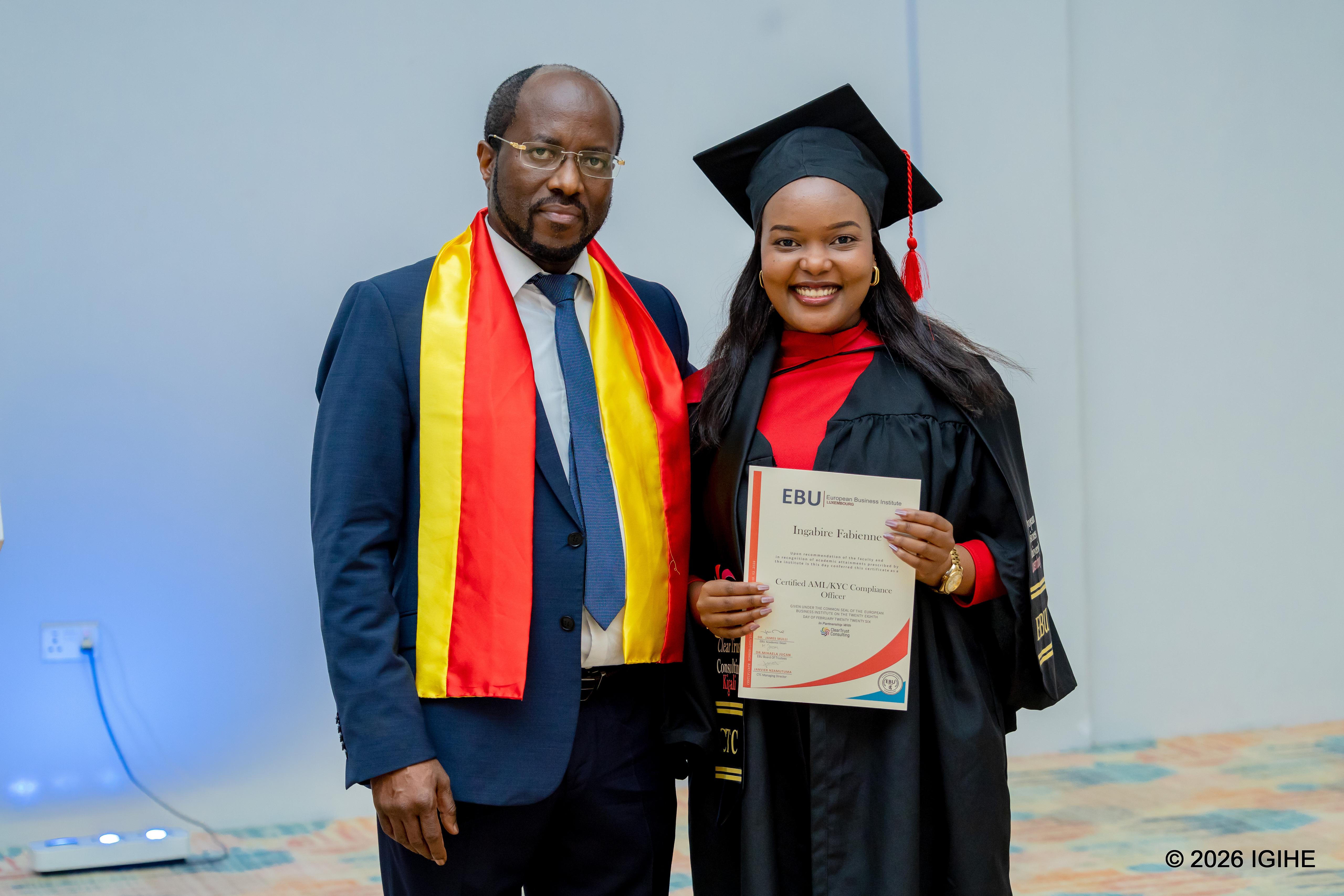
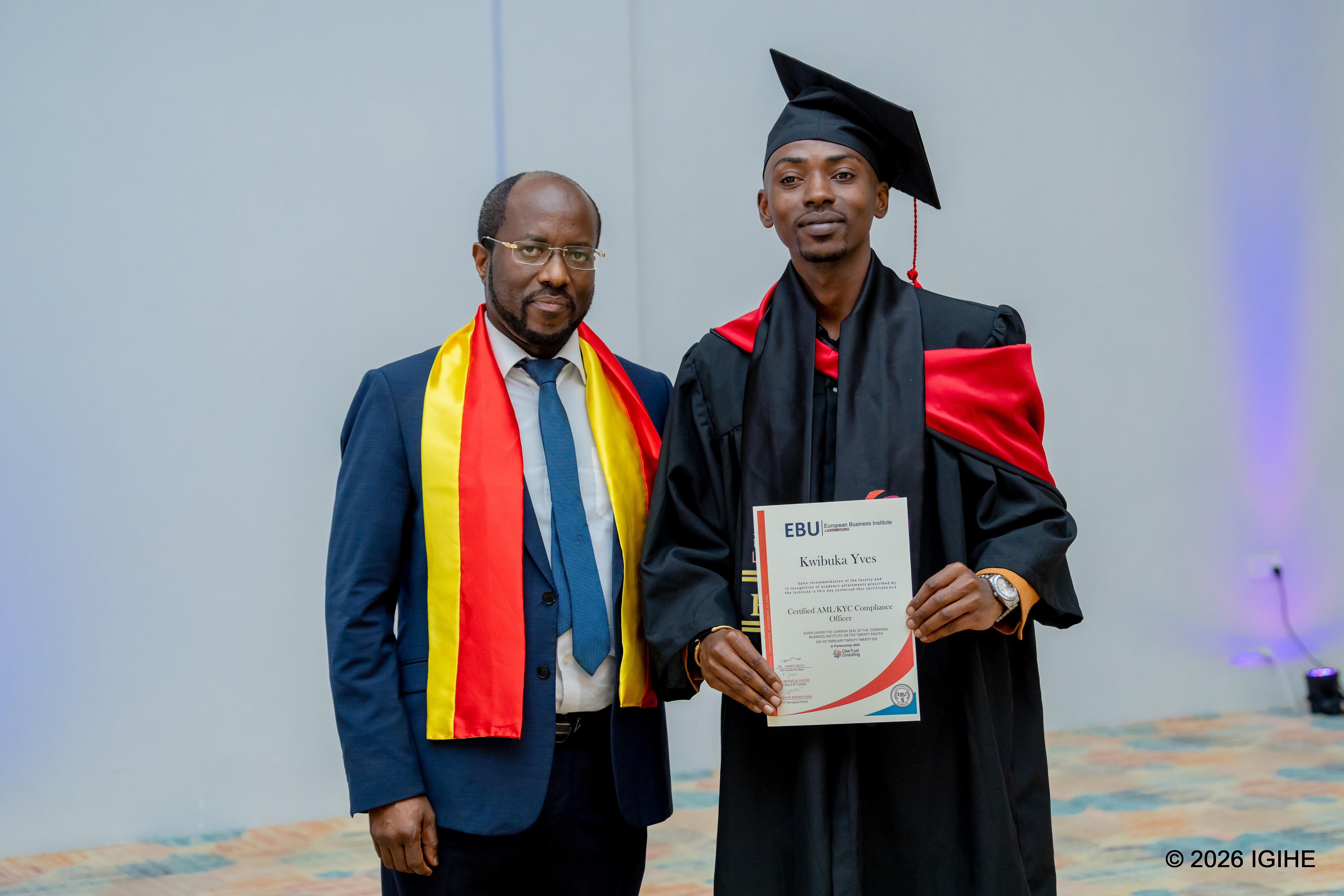
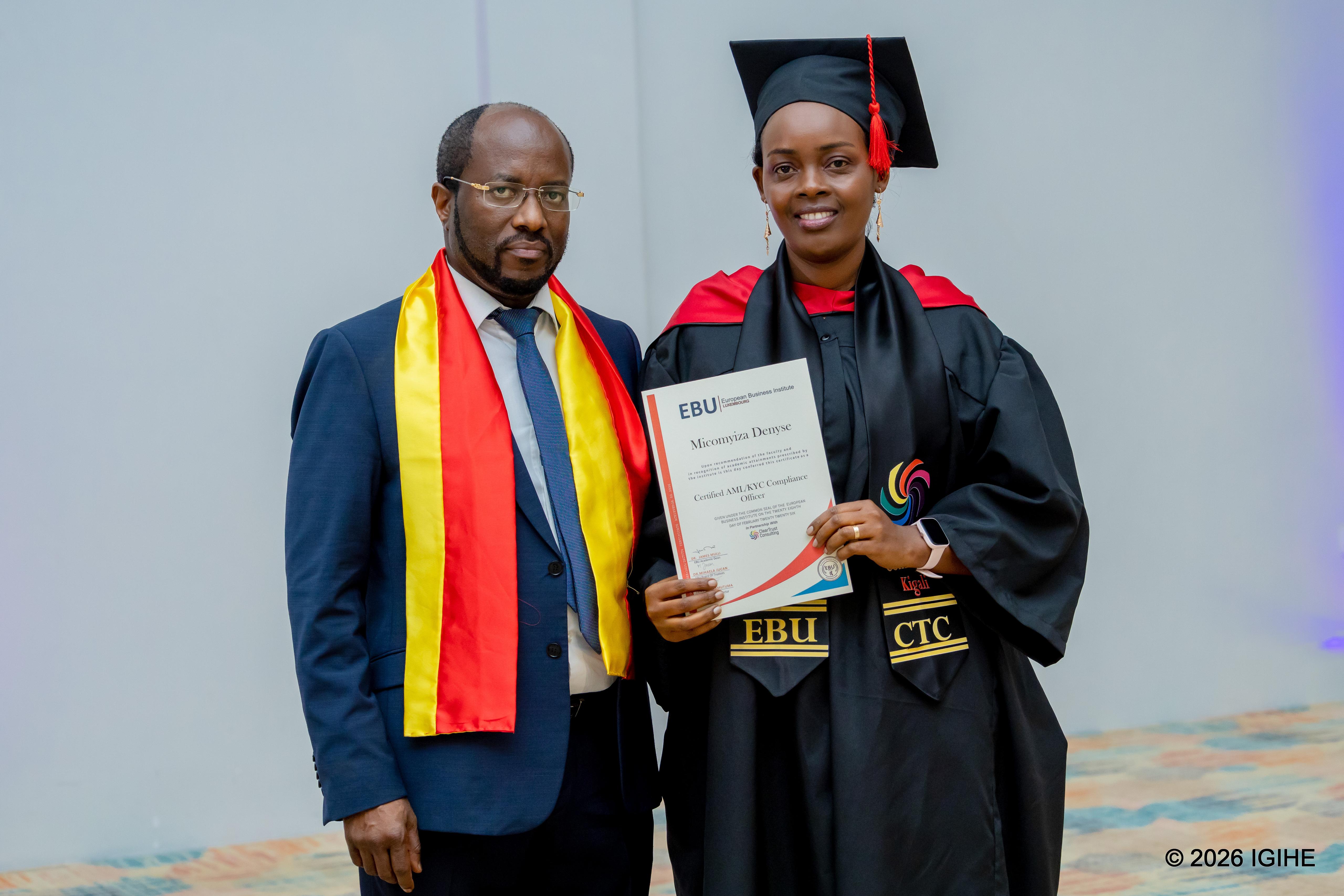
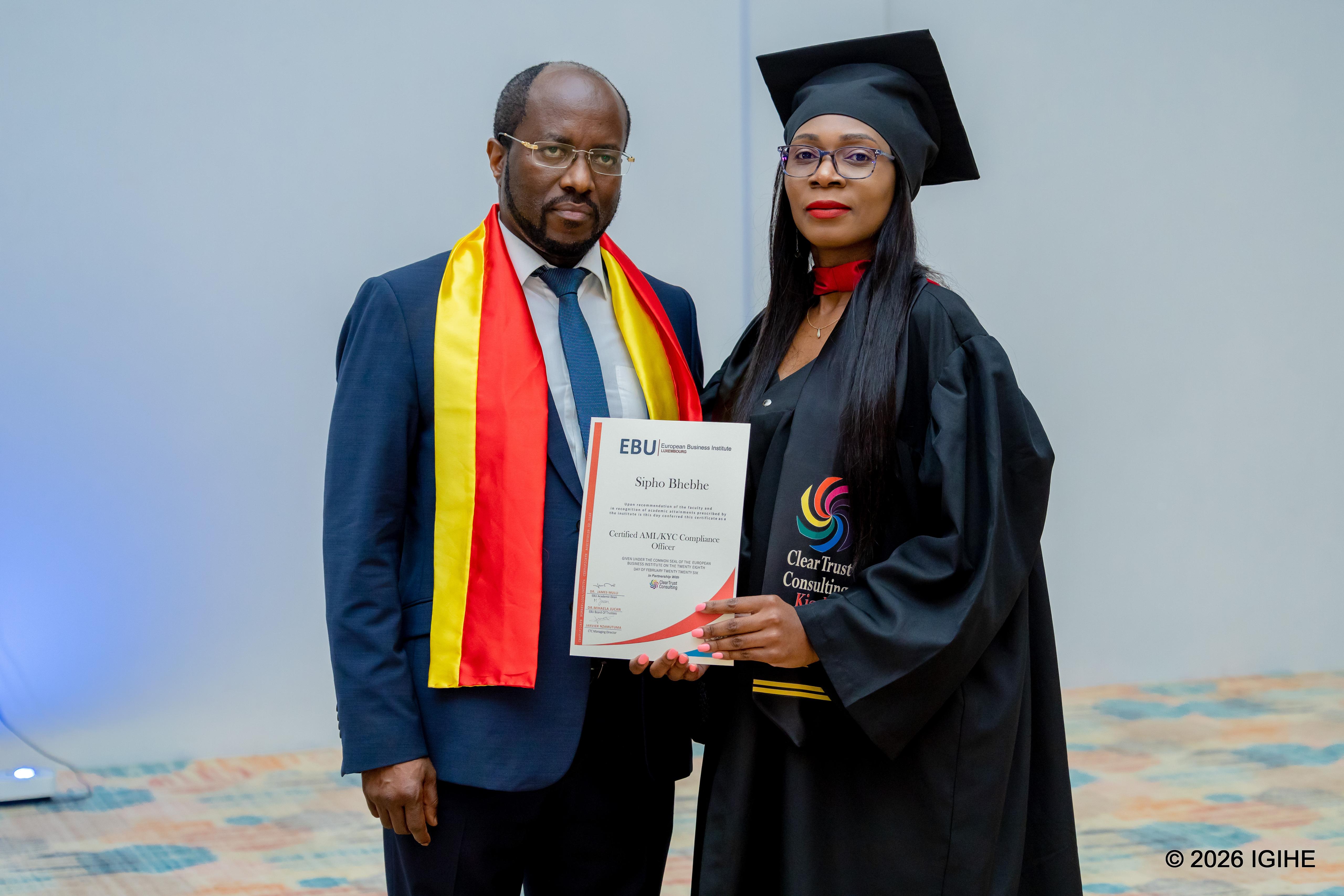
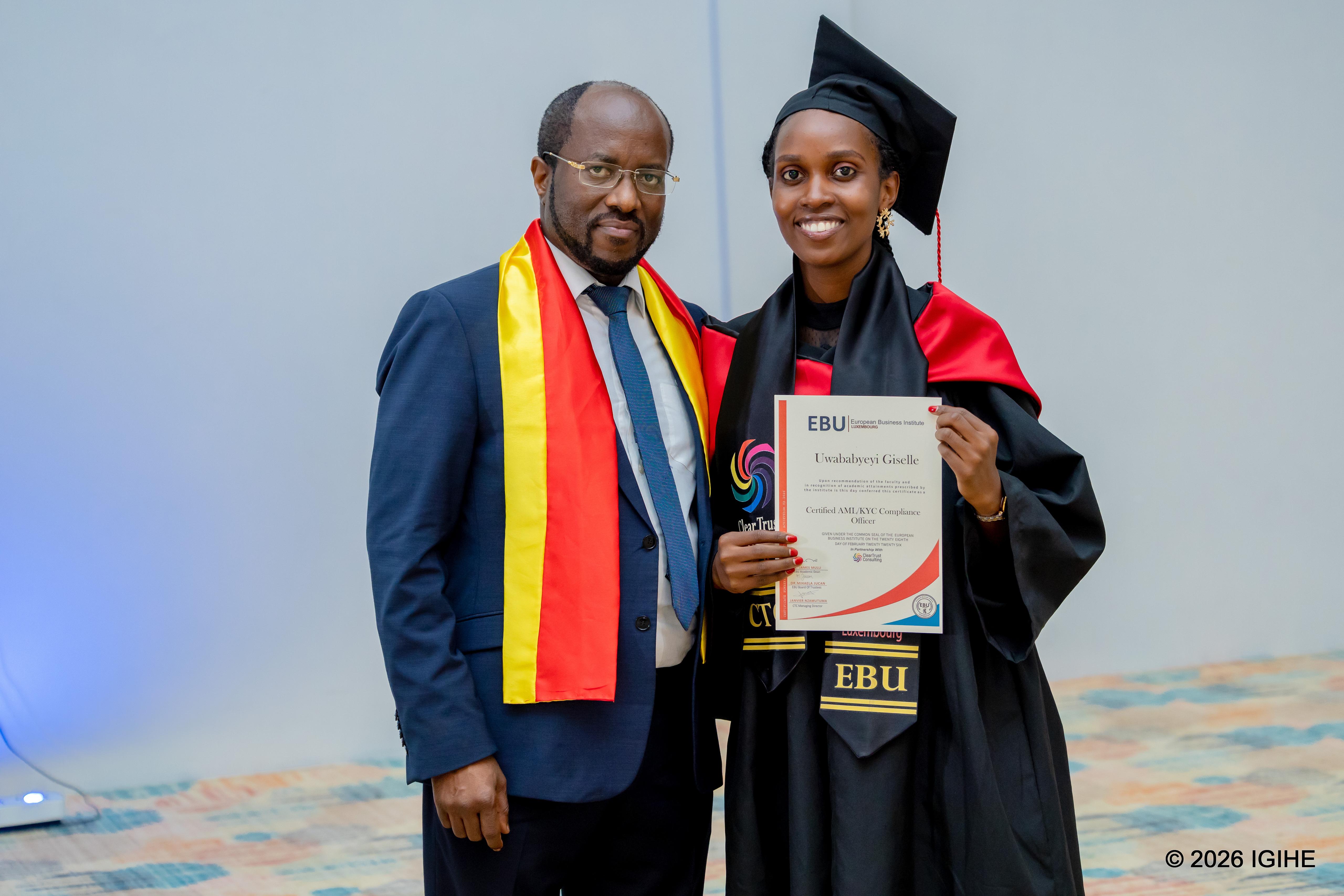
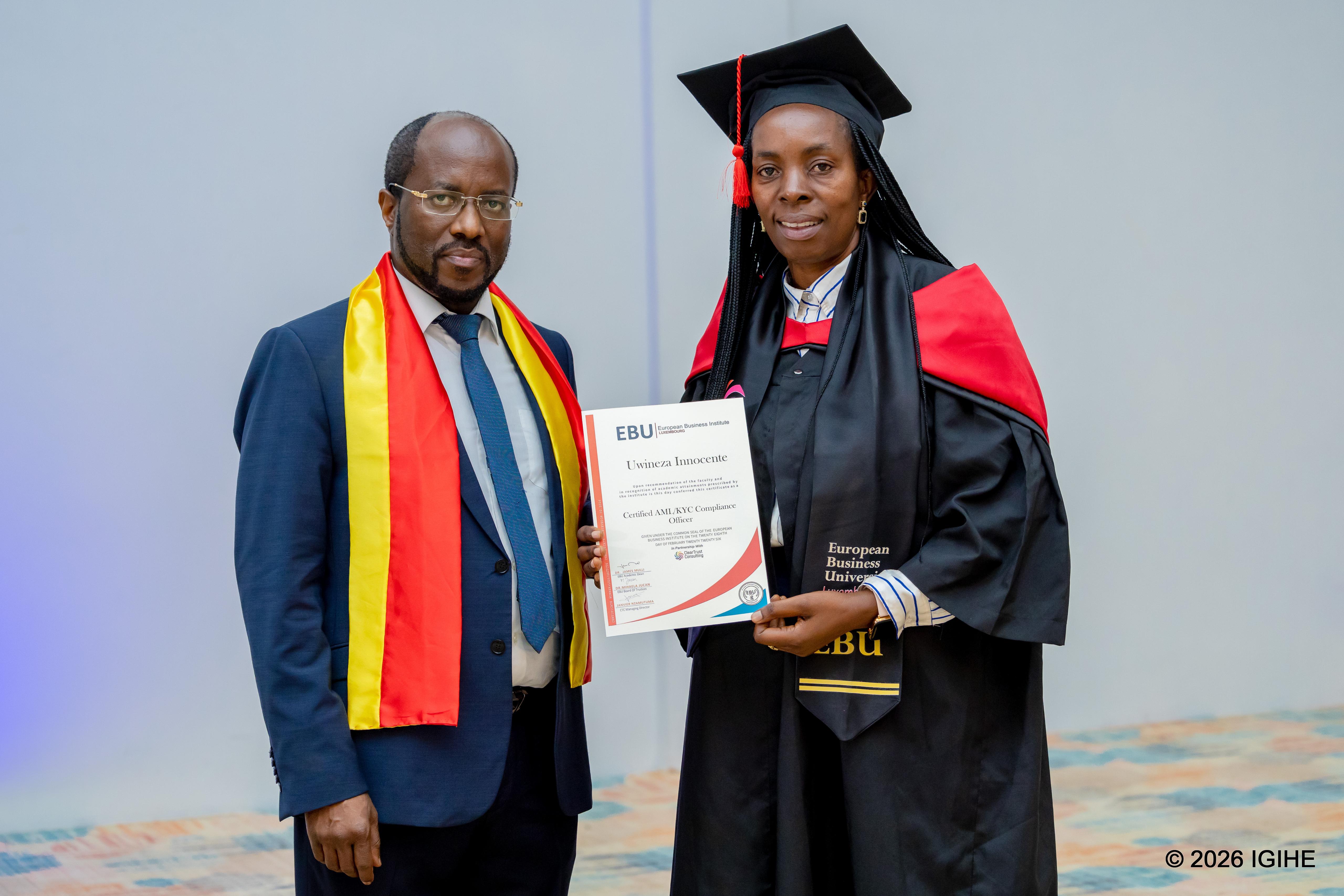
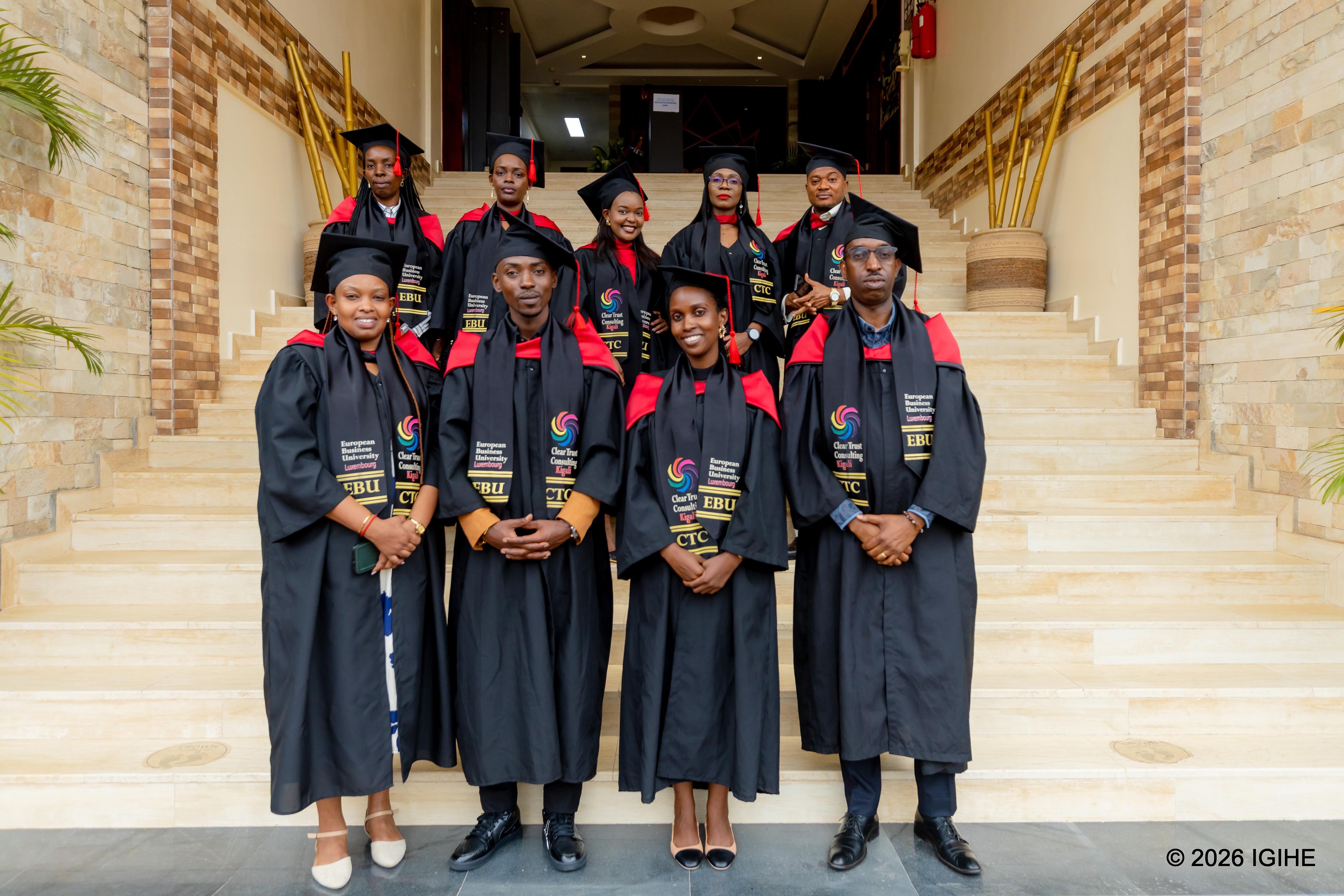
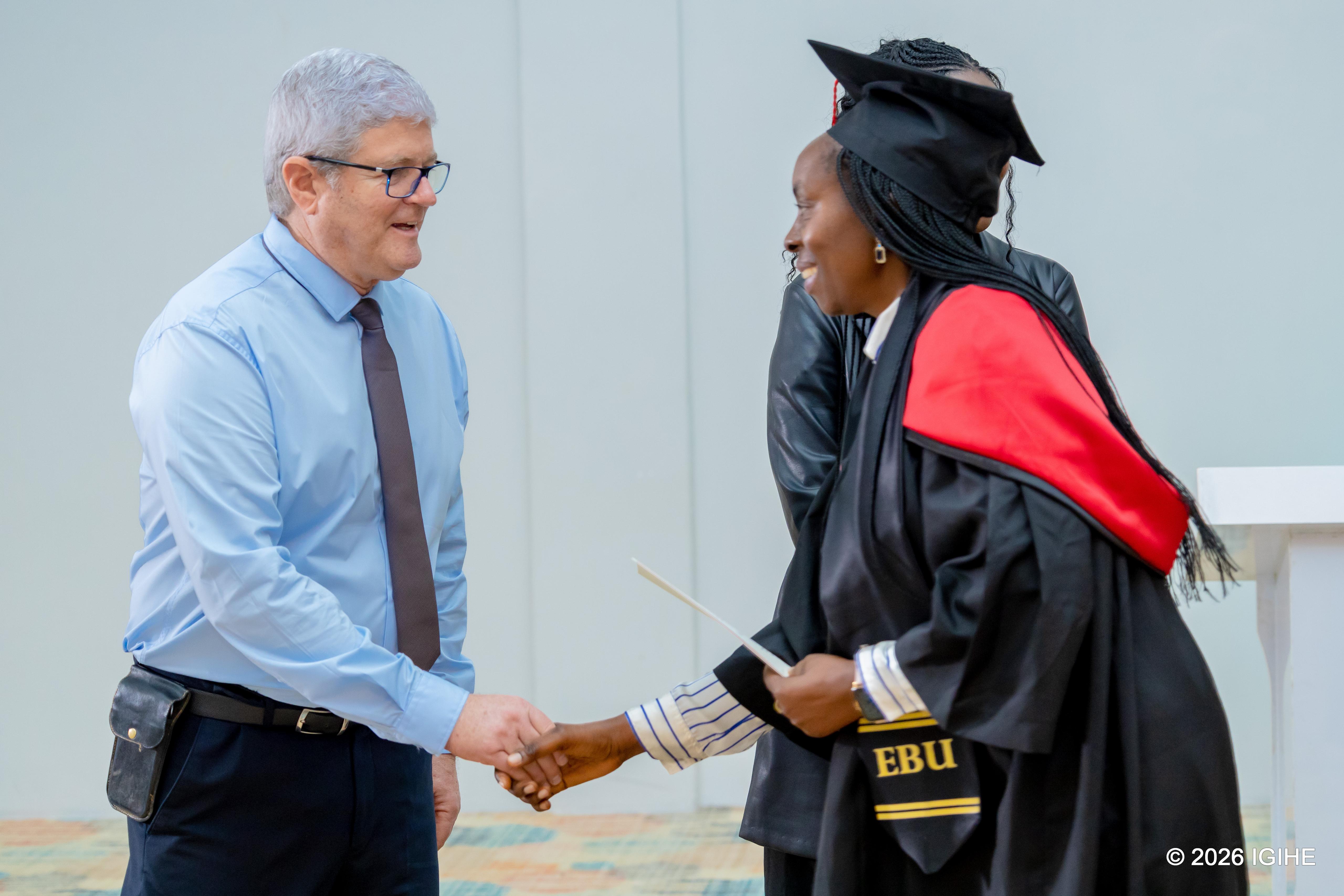
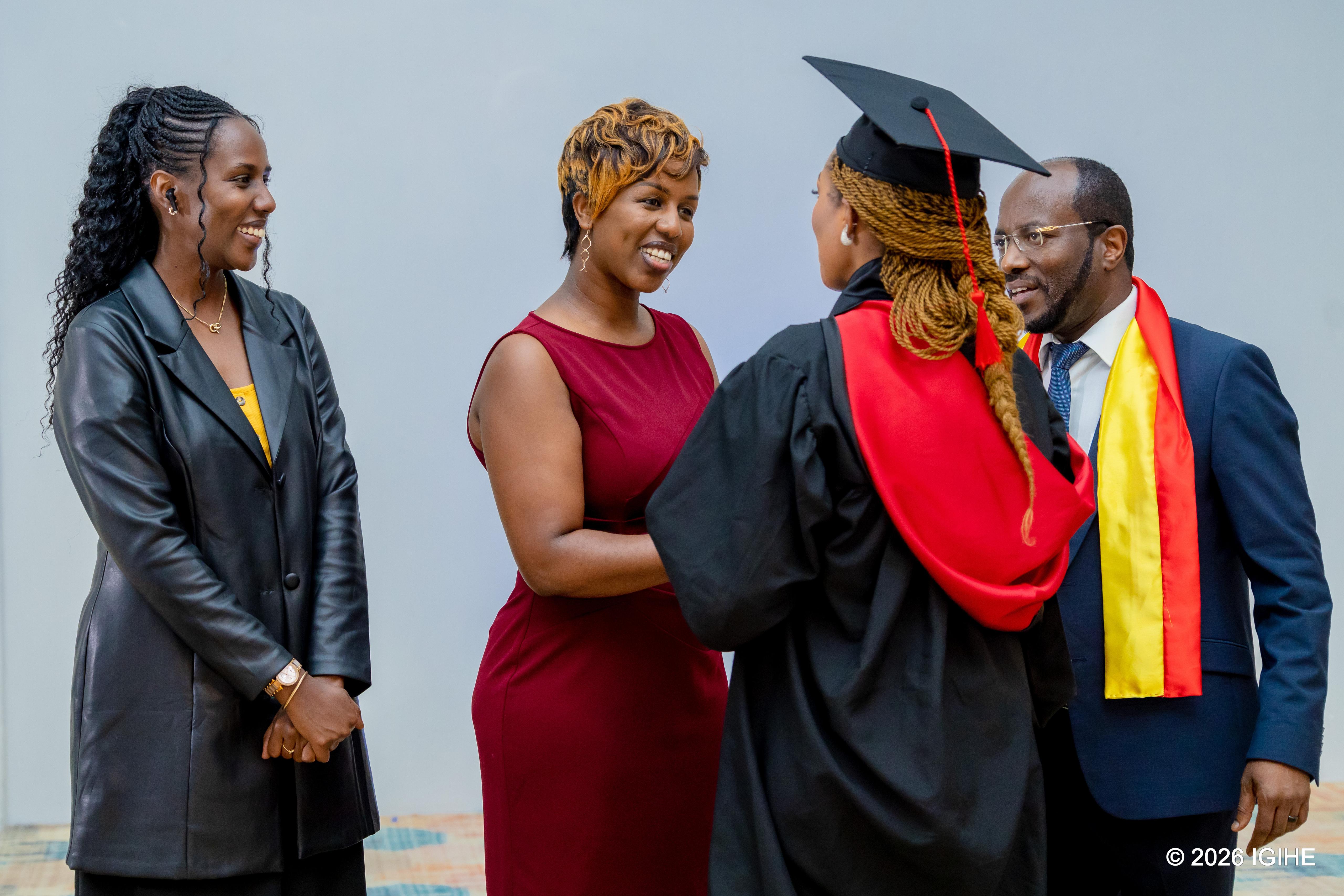
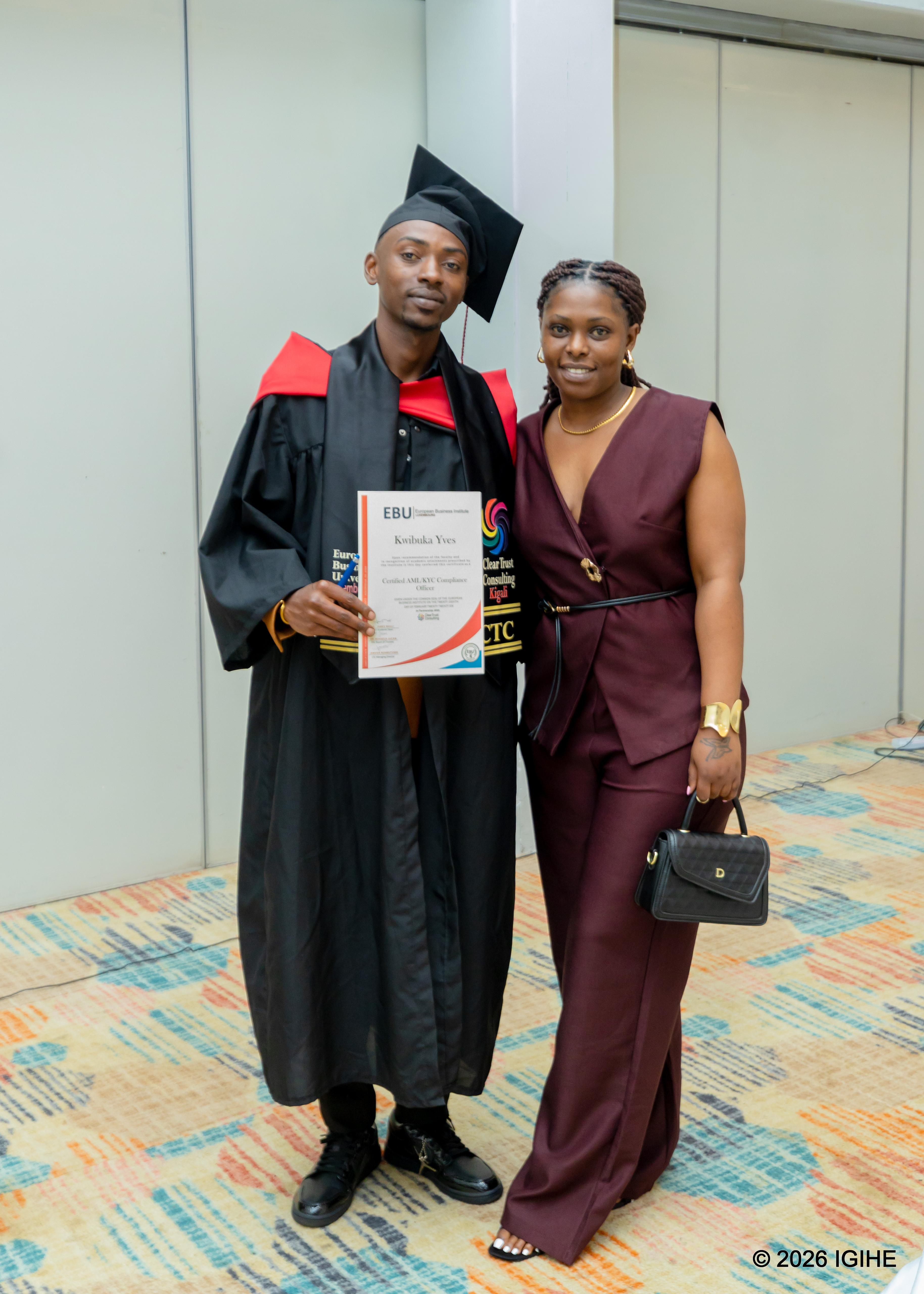
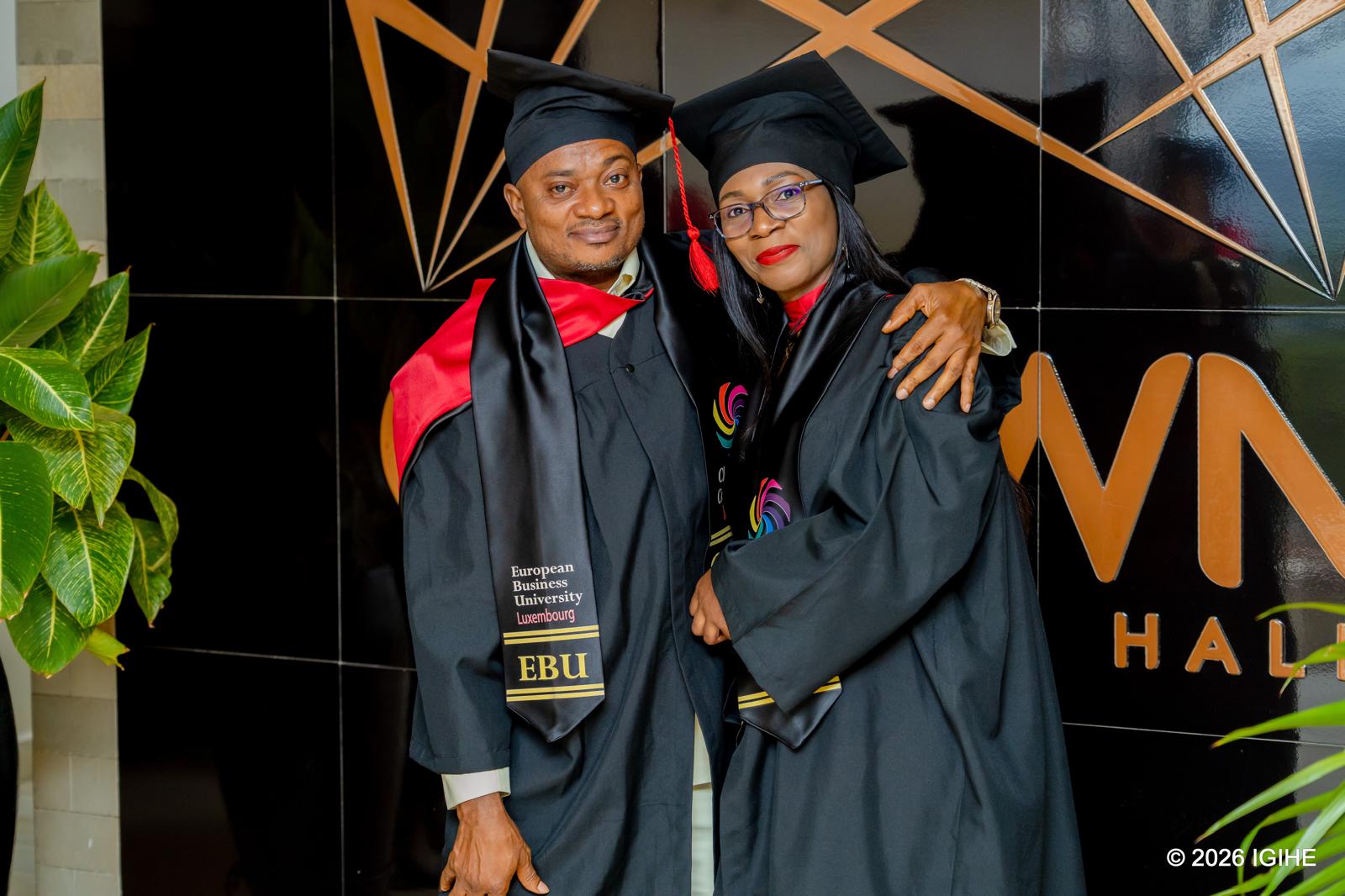
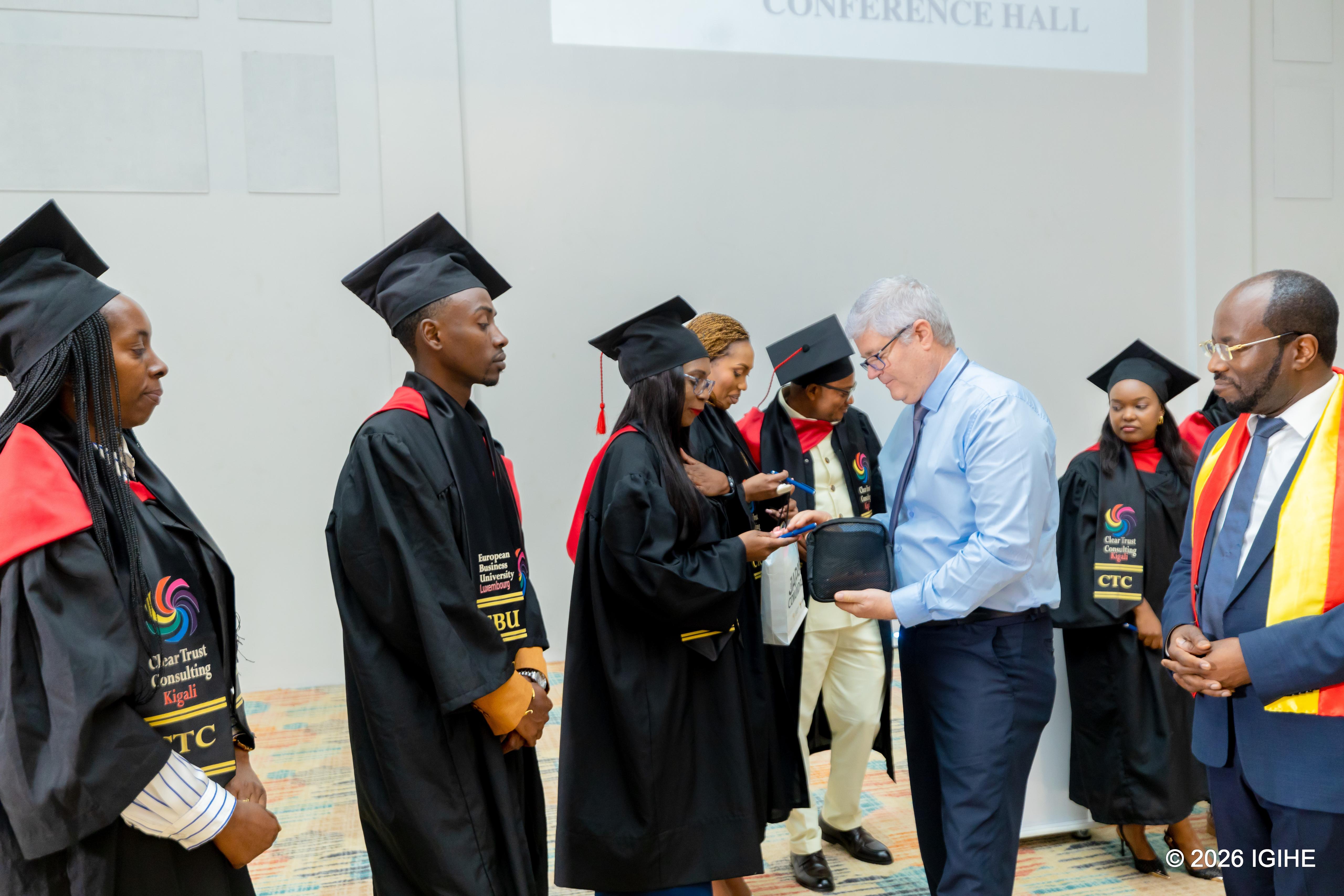
For him, February 28 marks a historic milestone: ten students graduated in Kigali, including seven Rwandans and two international students from South Africa and Nigeria.
“Everything starts modestly. We began with a single learner in Belgium and Luxembourg; today, we have nearly 200 beneficiaries. Starting with ten graduates in Rwanda is already a great achievement,” he said.
Nzamutuma believes Rwanda’s economic development offers a favorable environment for training highly skilled experts capable of meeting the growing demands of the financial sector.
He also thanked CTC’s partners, emphasizing that their collaboration ensures internationally recognized certifications and skills tailored to labor market needs.
Emmanuel Habarugira, an employee in the financial sector at the National Bank of Rwanda (BNR), is among the first graduates trained in Kigali. He discovered CTC through an article run by IGIHE, contacted the founder, and traveled to Europe for further information.
According to him, the training perfectly aligns with his professional field, particularly in combating illicit financial flows, ensuring fund traceability, and meeting regulatory compliance requirements.
“Although I studied economics at university, the training provided by CTC allowed me to deepen and broaden my knowledge, with a more practical approach adapted to professional realities,” he said.
He believes these courses are essential in a context where Rwanda’s financial sector is rapidly growing and requires experts with international qualifications.
An international reach
CTC’s fifth cohort included participants from countries such as Belgium, Luxembourg, Finland, Austria, the United Kingdom, Canada, Burundi, Senegal, Nigeria, the Democratic Republic of the Congo, Kenya, Germany, Spain, and Togo.
Finally, Nzamutuma highlighted that the growing interest in these programs is partly due to changes in European financial regulations since 2008, which have strengthened requirements for compliance and transparency.
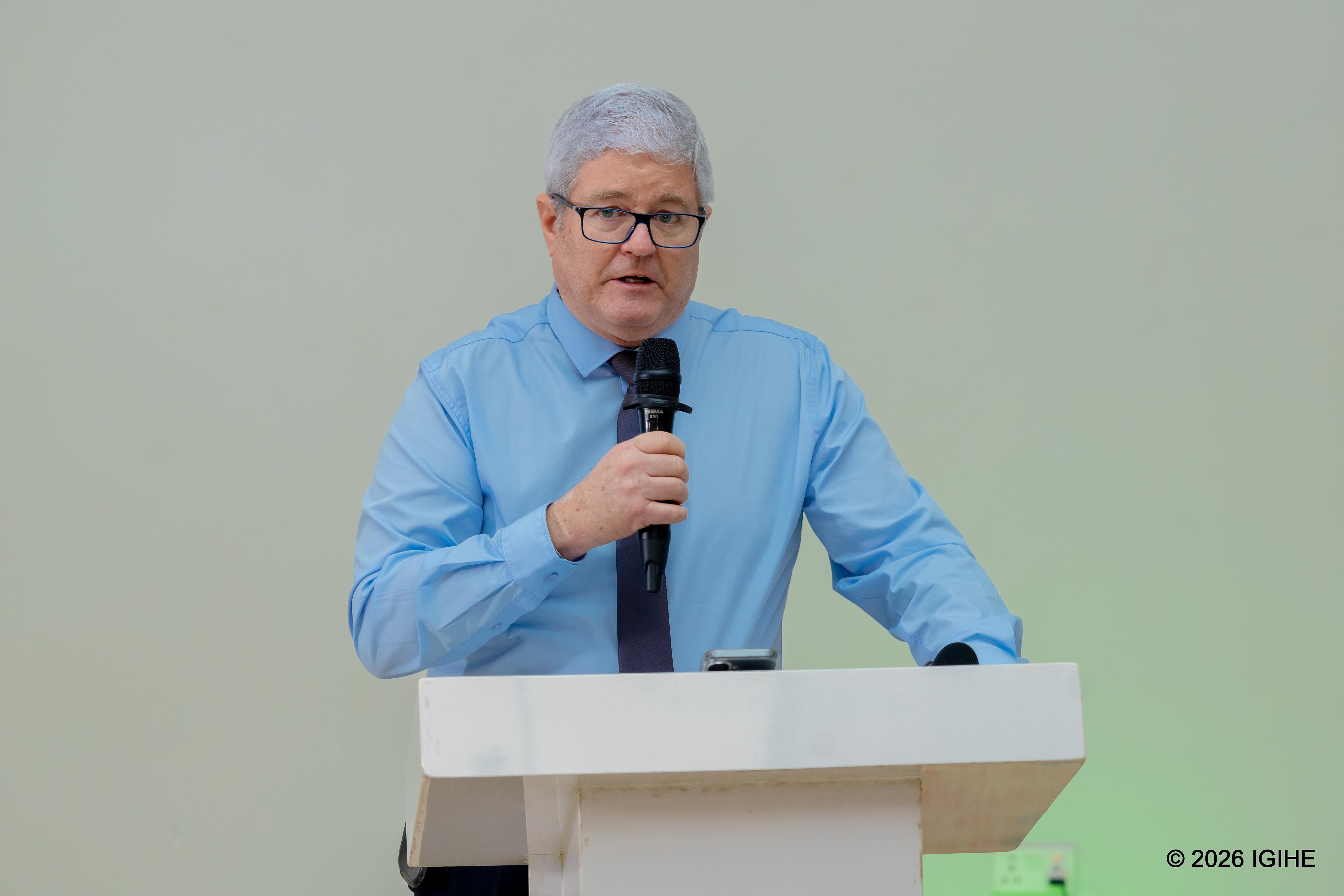
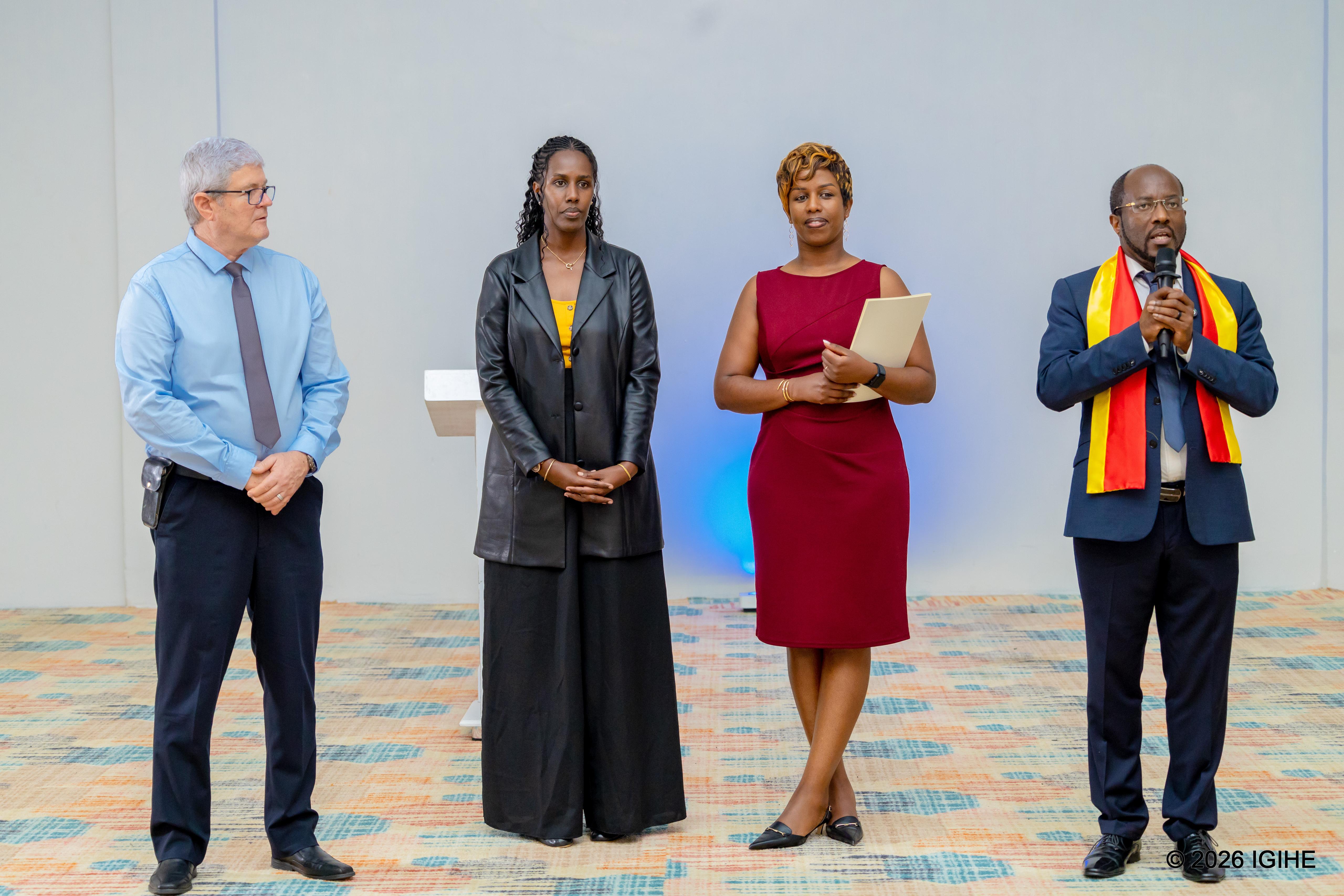
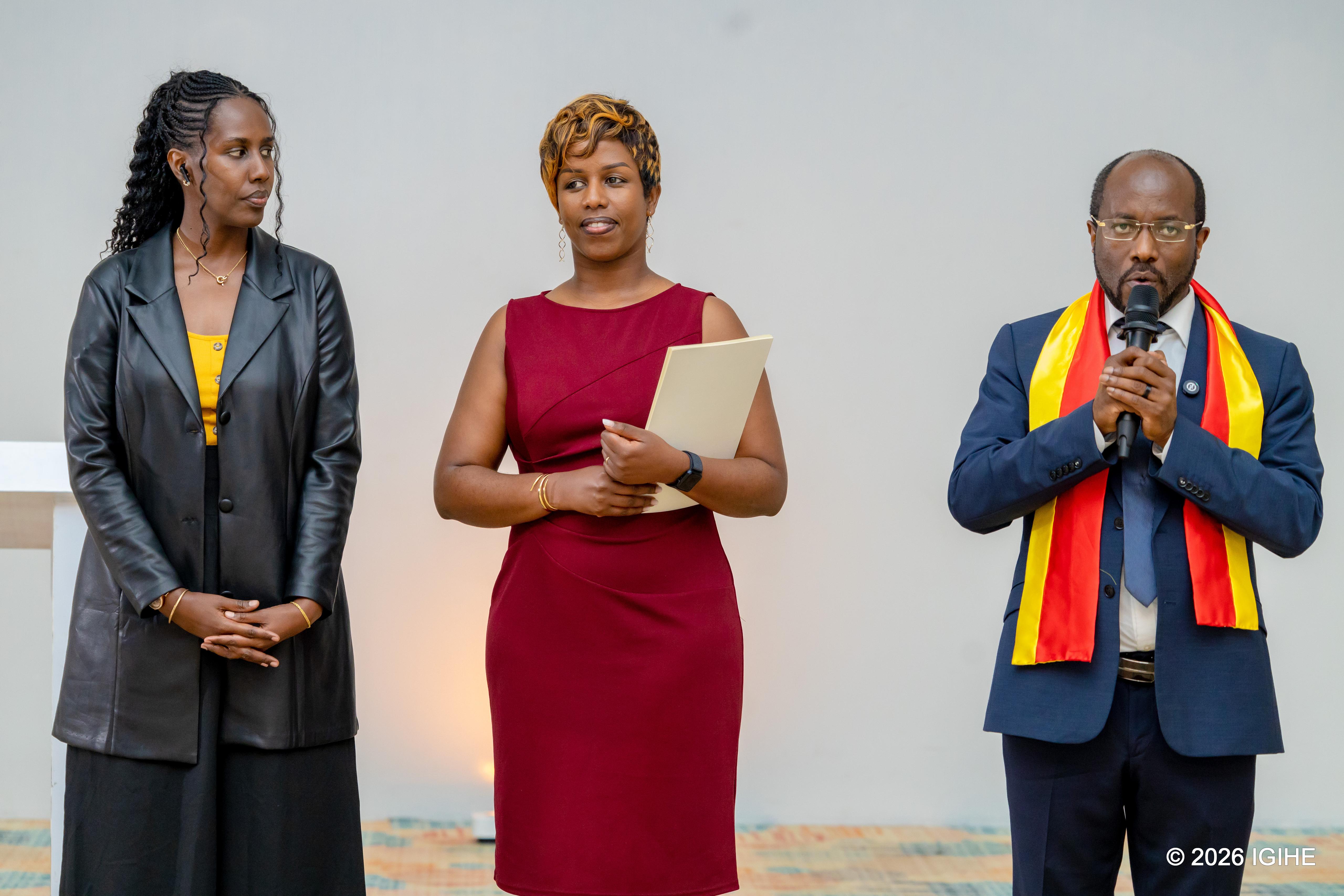
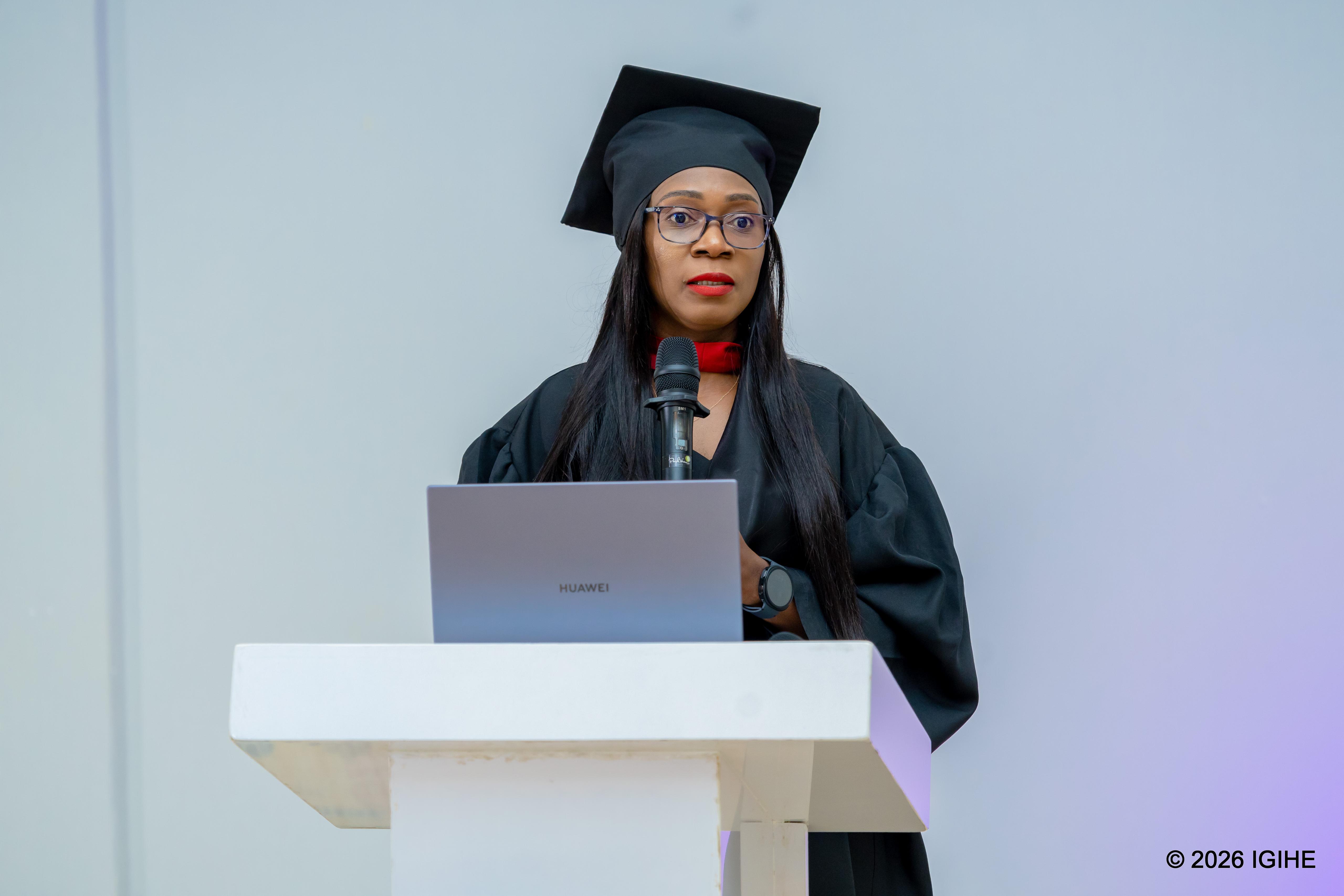
Nzamutuma Janvier , the founder and CEO of CTC speaking at the official launch. Habarugira Emmanuel, one of graduates sharing his experience.
Scheduled from March 7 to March 8, 2026, the event will take place at Grotta Resort in Musanze District, offering participants a unique opportunity to relax, connect, and enjoy a variety of health and wellness activities.
This will be the first edition of the event, designed to help attendees unwind, socialize, and gain valuable insights through expert-led discussions on maintaining a healthy lifestyle. The sessions will cover topics relevant to women, men, and couples, aiming to promote overall well-being.
Participants will also have the chance to engage in recreational activities such as swimming, beach volleyball, beach soccer, and pickleball. In addition, the resort will provide access to its wellness facilities, including a Jacuzzi, massages, a fire pit, gym, infrared sauna, and specially prepared nutritious meals that highlight Grotta Resort’s signature approach to health.
Families are encouraged to attend, as arrangements have been made for children to enjoy their own activities in a safe and supervised environment, allowing parents to fully participate in the event. Ticket options vary, with a single or double room for one night priced at Rwf 585,000, a premium room at Rwf 825,000, and a family room accommodating up to three people at RwfF 900,000 per night.
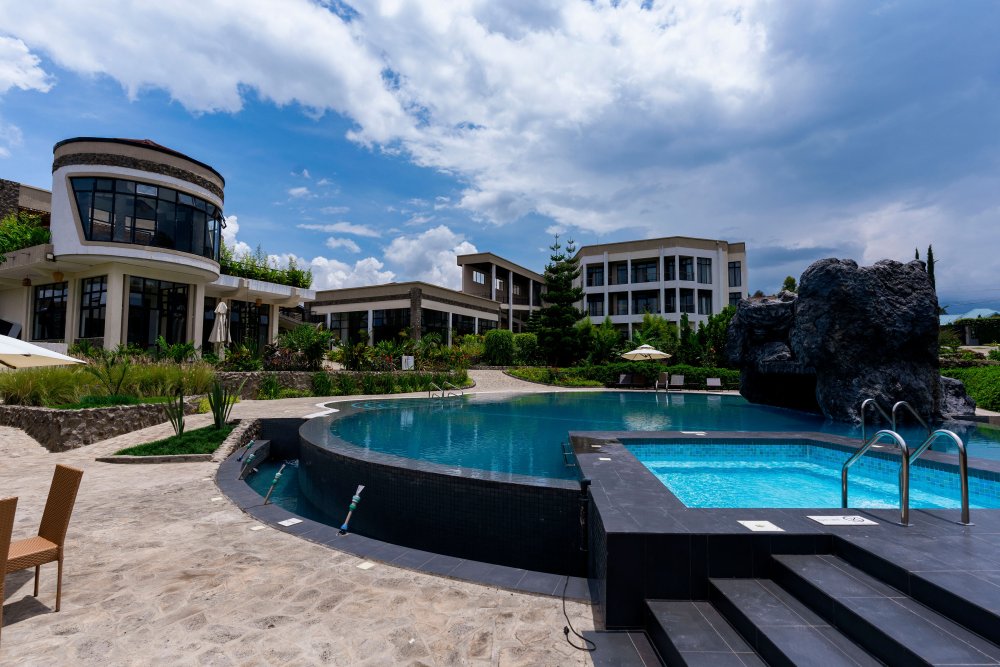
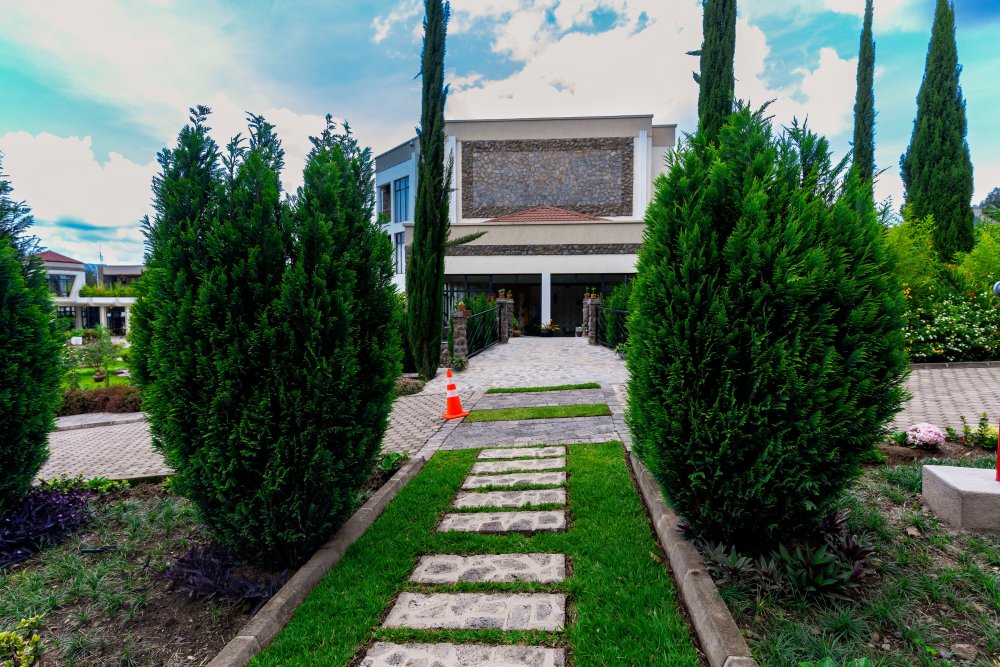
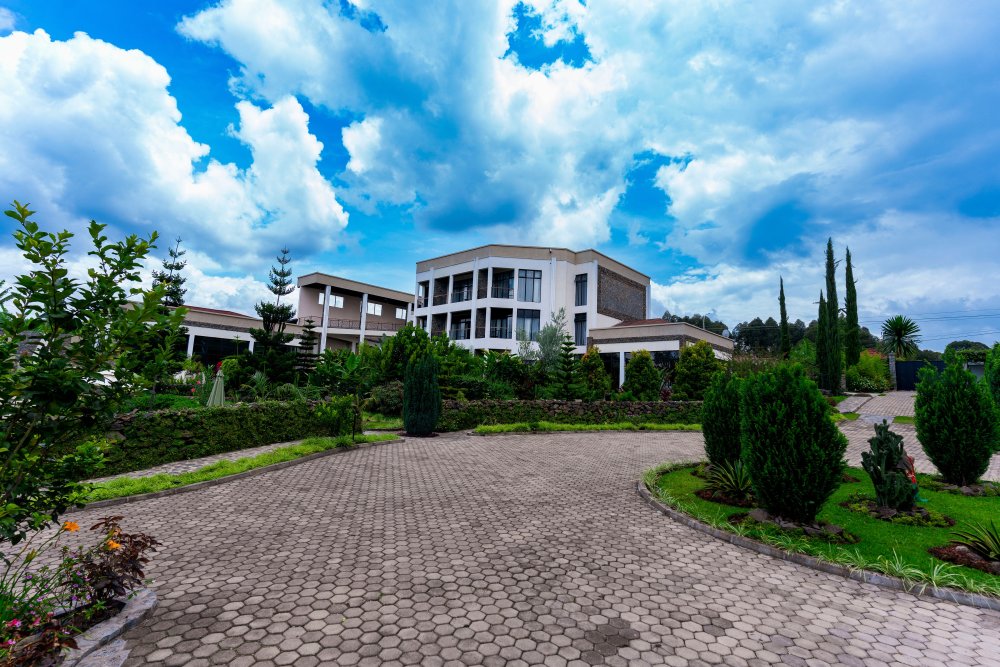
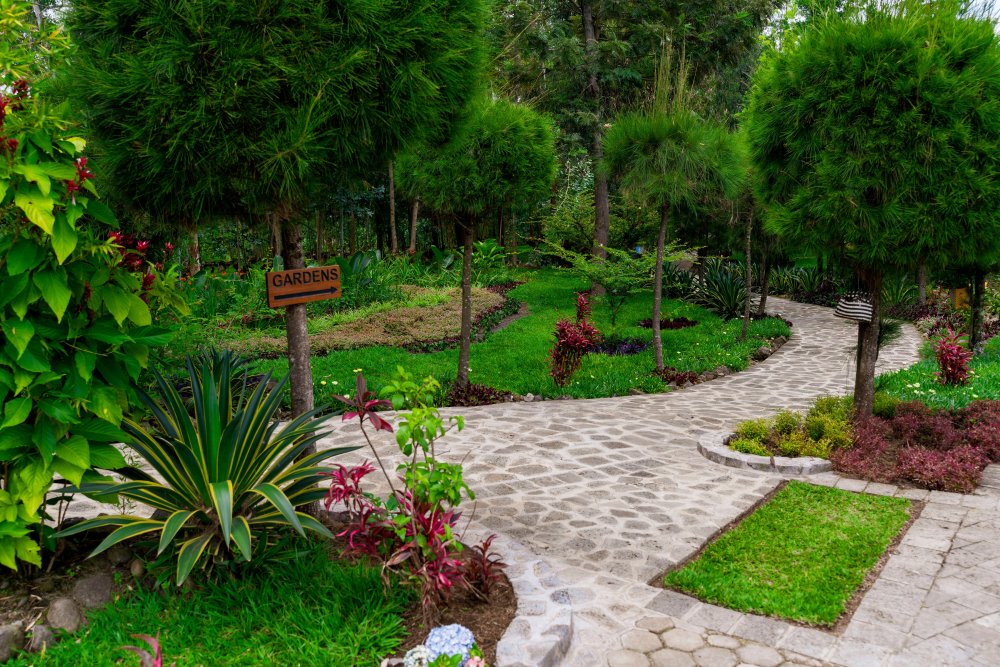
Grotta Resort is among the most modern resorts in Musanze District, with 26 fully equipped rooms and facilities that promote relaxation, wellness, and family bonding. Fitnesspoint, a leading fitness center in Kigali, operates three major branches in Kimihurura, Remera, and Gacuriro, offering comprehensive facilities and state-of-the-art equipment.
Scheduled from March 7 to March 8, 2026, the event will take place at Grotta Resort in Musanze District. The event will allow participants to relax, connect, and enjoy a variety of health and wellness activities.Grotta Resort is located in Musanze District.
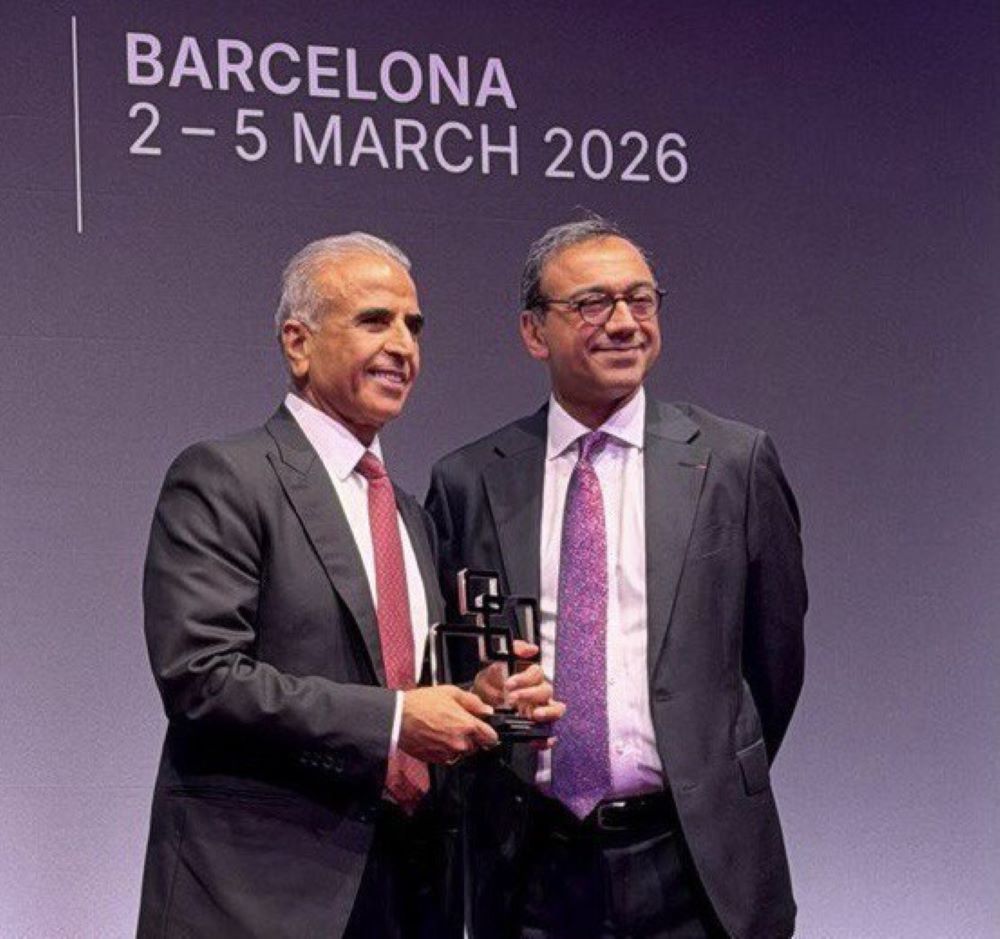
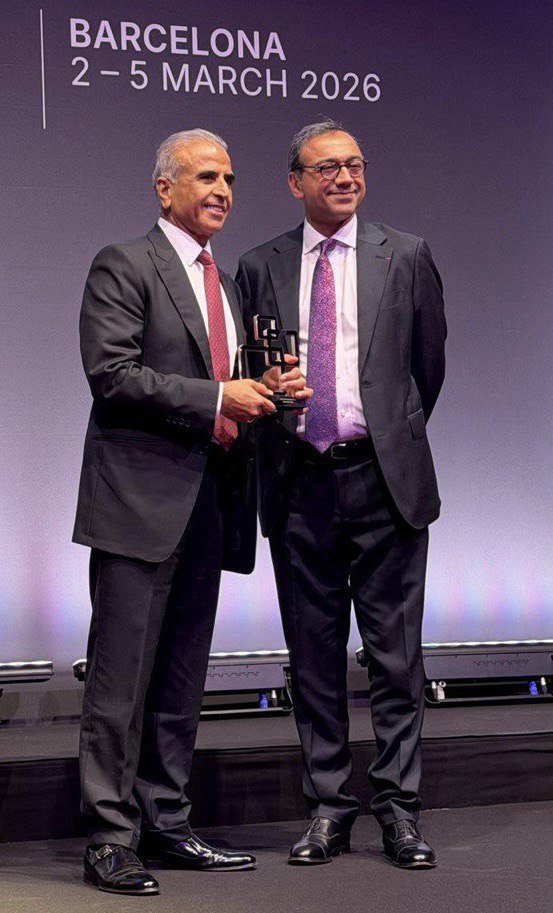
Bestowed on only a handful of industry leaders in the GSMA’s history, the honour recognises contributions that have left an enduring and defining mark on the global communications ecosystem.
The award was presented at Mobile World Congress in Barcelona in the distinguished presence of His Majesty Felipe VI, the Prime Minister of Spain, Pedro Sanchez, the President of Catalonia, Salvador Illa, and global industry leaders.
A visionary in the telecom sector, Sunil Bharti Mittal has built Bharti Airtel into one of the world’s leading mobile operators, with operations across India and Africa, ranking among the top three globally and serving over half a billion customers.
He pioneered the expansion of mobile services across emerging markets and served as Chairman of the GSMA from 2017 to 2018, where he championed policies that encouraged investment and innovation while strengthening the industry’s commitment to connecting the unconnected and advancing digital inclusion.
He was previously honoured with the GSMA Chairman’s Award in 2008 and again in 2016 for his outstanding contribution to the growth and development of the global mobile industry and was felicitated at Mobile World Congress in February 2019 in recognition of his Chairmanship.
Sunil Bharti Mittal expressed delight at receiving the award and thanked the GSMA for the recognition.
“I accept it not only as a personal milestone, but as a tribute to India’s telecom journey, the collective spirit of Bharti, and the rise of Indian telecom companies on the global stage. Equally the award reflects the progress of an industry that has connected billions and belongs to the customers we serve, the teams who built our institutions, and the partners who believe in the transformative power of connectivity.
“Telecommunication is a force that expands opportunity, places essential services in the palm of every individual and unlocks human potential. Helping shape its evolution into a powerful accelerator of modern progress has been a privileged responsibility. As innovation accelerates, we will continue to work with our partners & stakeholders to ensure that growth advances equity and creates lasting opportunities for generations to come,” he noted.
The Lifetime Achievement Award is a rare honour, bestowed only on select individuals whose leadership and innovation have left an enduring mark on the industry.
Headquartered in India, Airtel is a global communications solutions provider with over 600 million customers in 15 countries across India and Africa. The company also has its presence in Bangladesh and Sri Lanka through its associate entities.
The company ranks amongst the top three mobile operators globally and its networks cover over two billion people. Airtel is India’s largest integrated communications solutions provider and the second largest mobile operator in Africa.
Airtel’s retail portfolio includes high-speed 4G/5G mobile, Wi-Fi (FTTH+ FWA) that promises speeds up to 1 Gbps with convergence across linear and on-demand entertainment, video streaming services, digital payments and financial services.
For enterprise customers, Airtel offers a gamut of solutions that includes secure connectivity, cloud and data centre services, cyber security, IoT, and cloud-based communication.
Airtel’s digital arm – Xtelify, empowers telcos globally to leverage the power of AI, data and technology to accelerate their digital transformation and drive growth.
Xtelify also offers Airtel Cloud in India enabling enterprises with a sovereign, telco-grade cloud platform that guarantees secure migration, effortless scaling, lower costs and no vendor lock-ins. Within its diversified portfolio, Airtel also offers passive infrastructure services through its subsidiary Indus Tower Ltd.
Sunil Bharti Mittal, Founder and Chairman of Bharti Enterprises, receives the GSMA Lifetime Achievement Award from Vivek Badrinath, Director General of the GSMA, at Mobile World Congress in Barcelona.
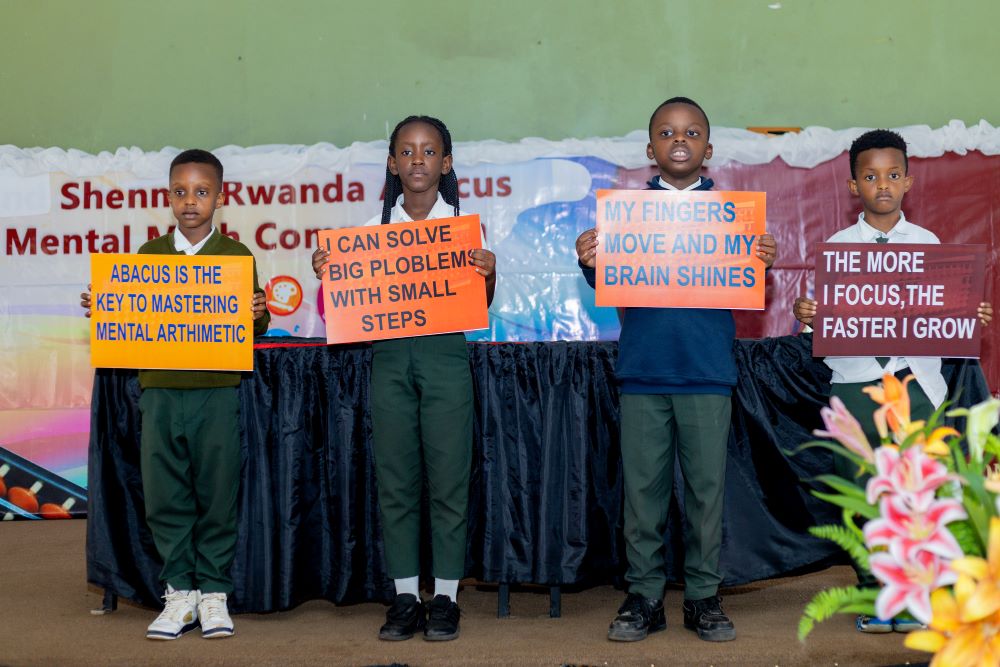
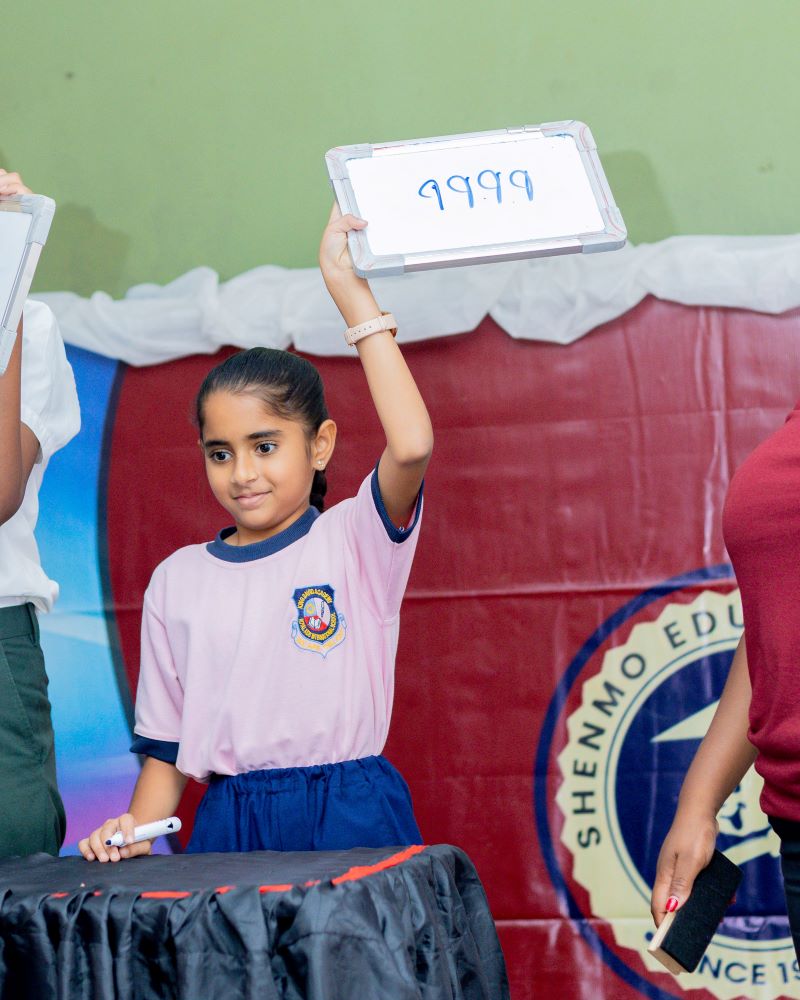
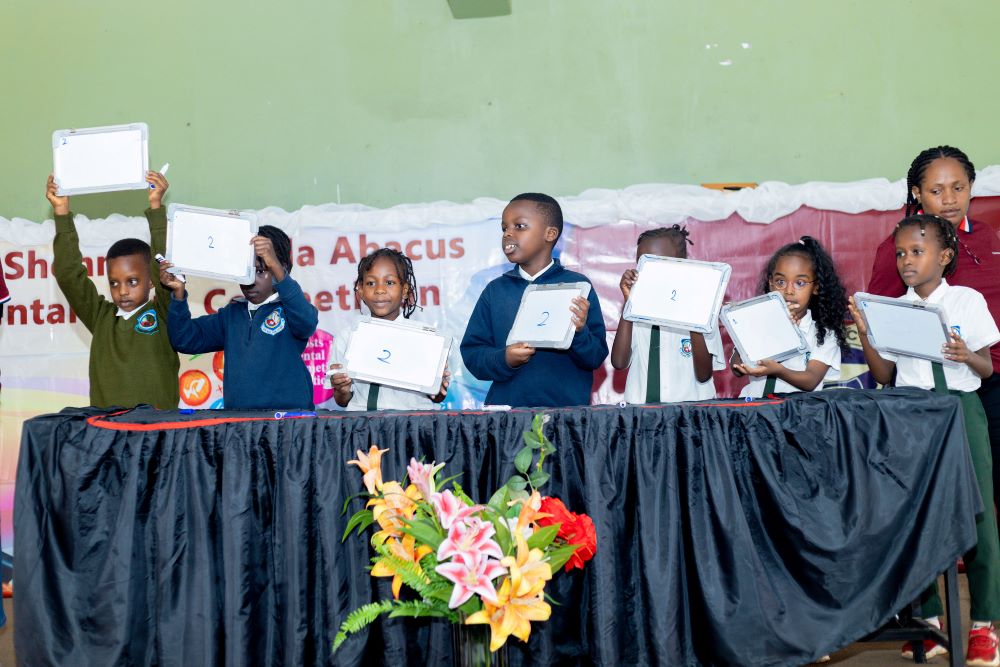
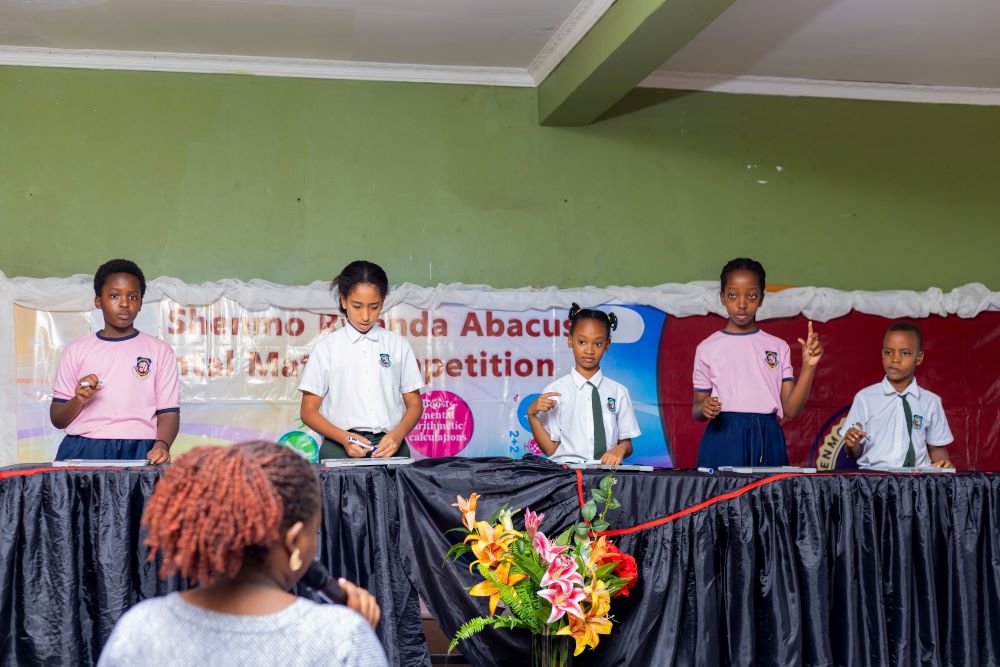
The event, running from 11:00 a.m. to 1:15 p.m., challenged participants to solve complex math problems using only their minds.
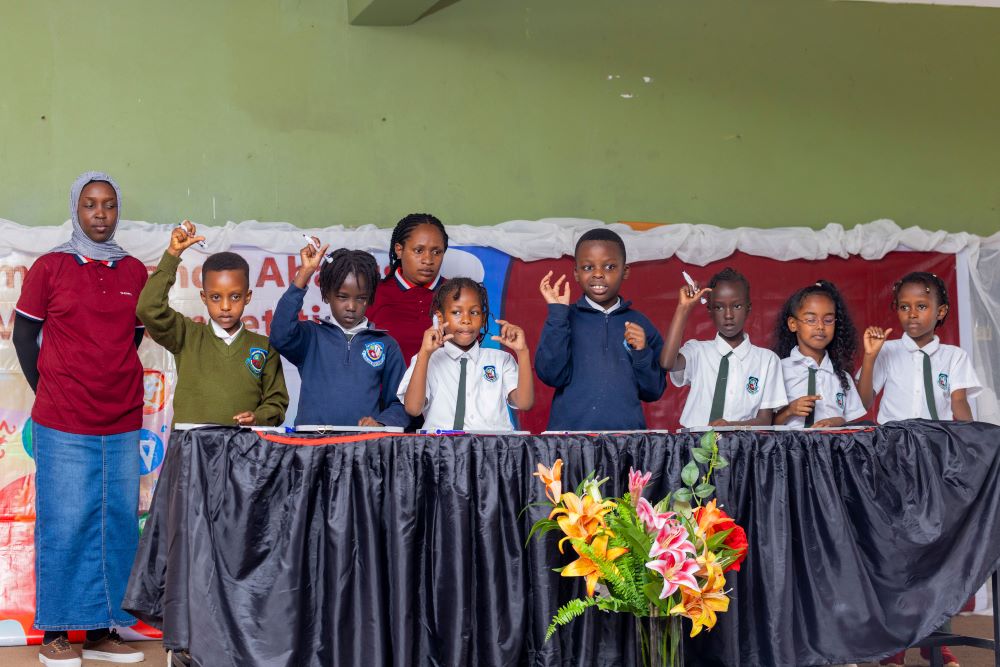
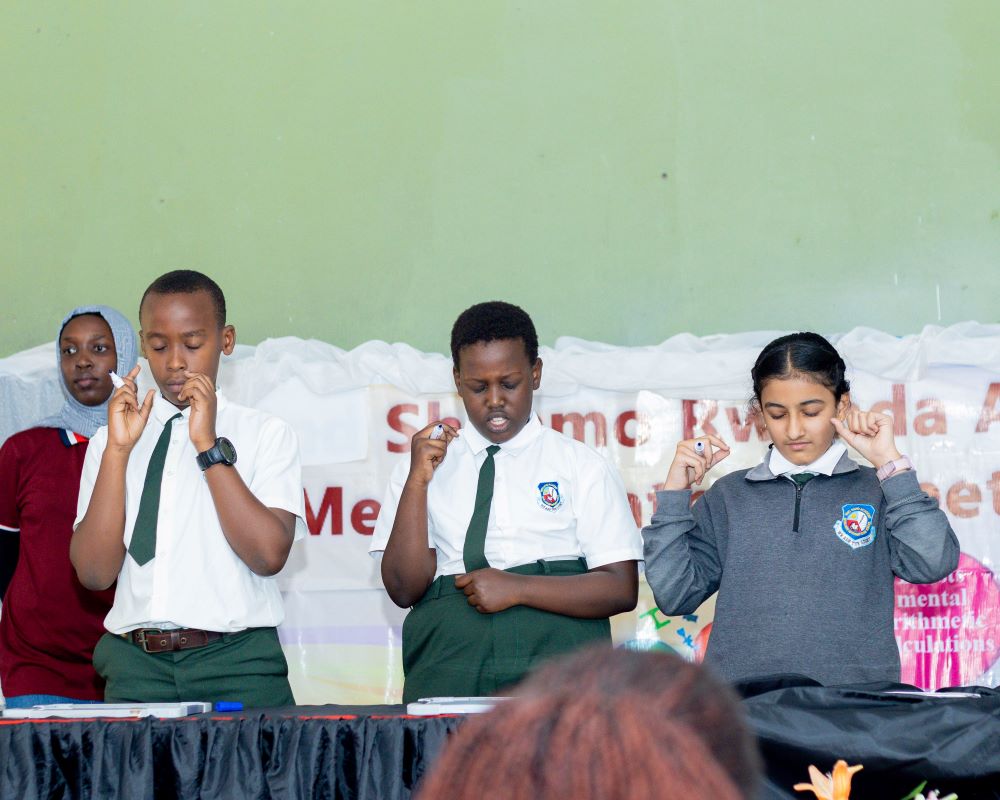
Drawing on abacus-based techniques, the young competitors tackled three core segments: listening-based abacus exercises, analytical thinking problems, and high-speed “Math Brain” rounds designed to test concentration, speed, and precision.
Under the theme “Math Without Limits – Beyond the Calculator,” students performed live calculations in front of an audience of parents, teachers, and guests, highlighting noticeable improvements in focus and self-confidence.
All participants were recognized for their efforts: 66 received Certificates of Participation, 48 earned Certificates of Merit, and 3 were awarded Certificates of Excellence. Thirteen standout performers were honored as Best Winners with special recognition.
School leaders shared encouraging messages during the ceremony. The principal of Shenmo Rwanda opened by noting the rapid progress. “In just six months these students have gone from struggling with numbers to solving them in seconds. It shows what the right training can do,” he noted.
Madam Dhanya, Principal of King David Academy, also encouraged students to maintain the momentum. “Keep practising. The focus and confidence you are building now will help you in every subject and every challenge ahead,” she said.
The Director of King David Academy wrapped up the event by addressing the broader school community; “Activities like this prove that abacus training is about more than math – it’s about helping every child reach their full potential.”
Organized by Shenmo Education Rwanda in partnership with King David Academy, the competition forms part of a wider initiative to transform mathematics education in Rwanda through brain-enhancing abacus methods.
Shenmo Education Rwanda specializes in world-class abacus mental math programs that build essential lifelong skills in concentration, memory, and rapid calculation for children.
King David Academy, a forward-thinking institution in Kigali, prioritizes holistic education, innovation, and academic excellence, making it an ideal partner for such skill-building events.
Students concentrate as they solve mental math problems during the competition.Young participants demonstrated speed and accuracy in abacus-based calculations.Participants performed live calculations in front of parents and teachers.Students received recognition for their effort and progress after months of training.Learners showcased improved confidence and concentration during the event.Young participants demonstrated speed and accuracy in abacus-based calculations.
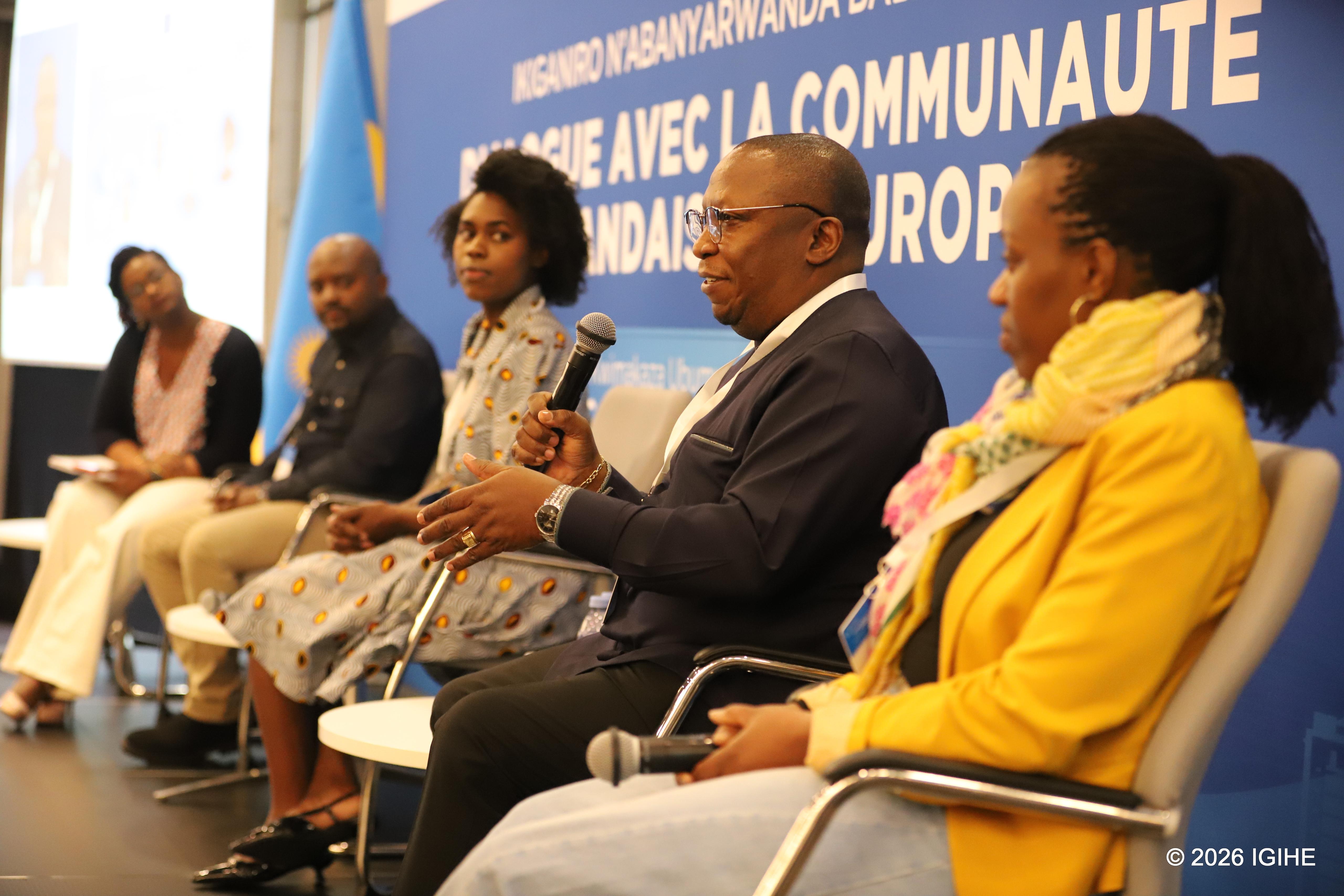
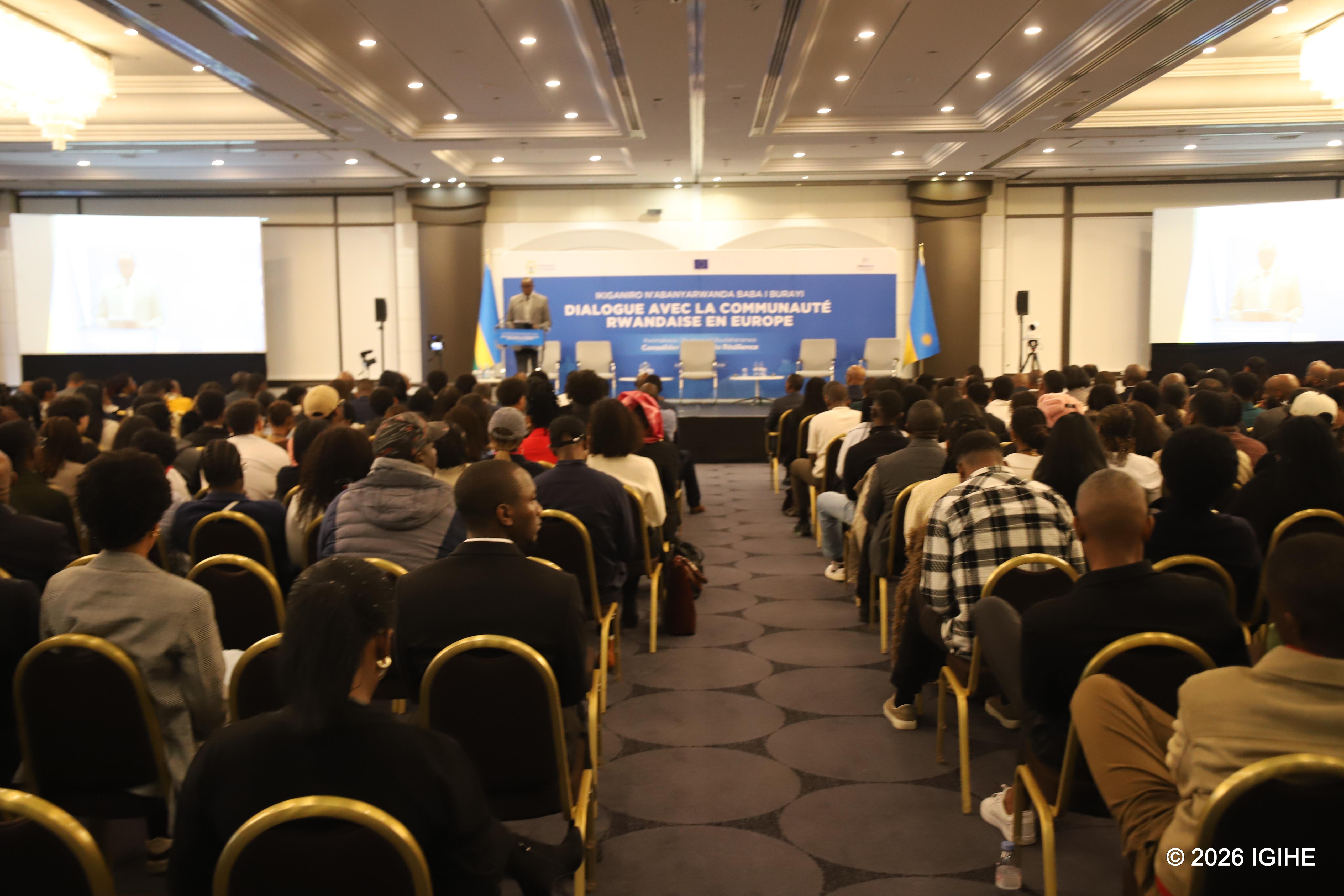
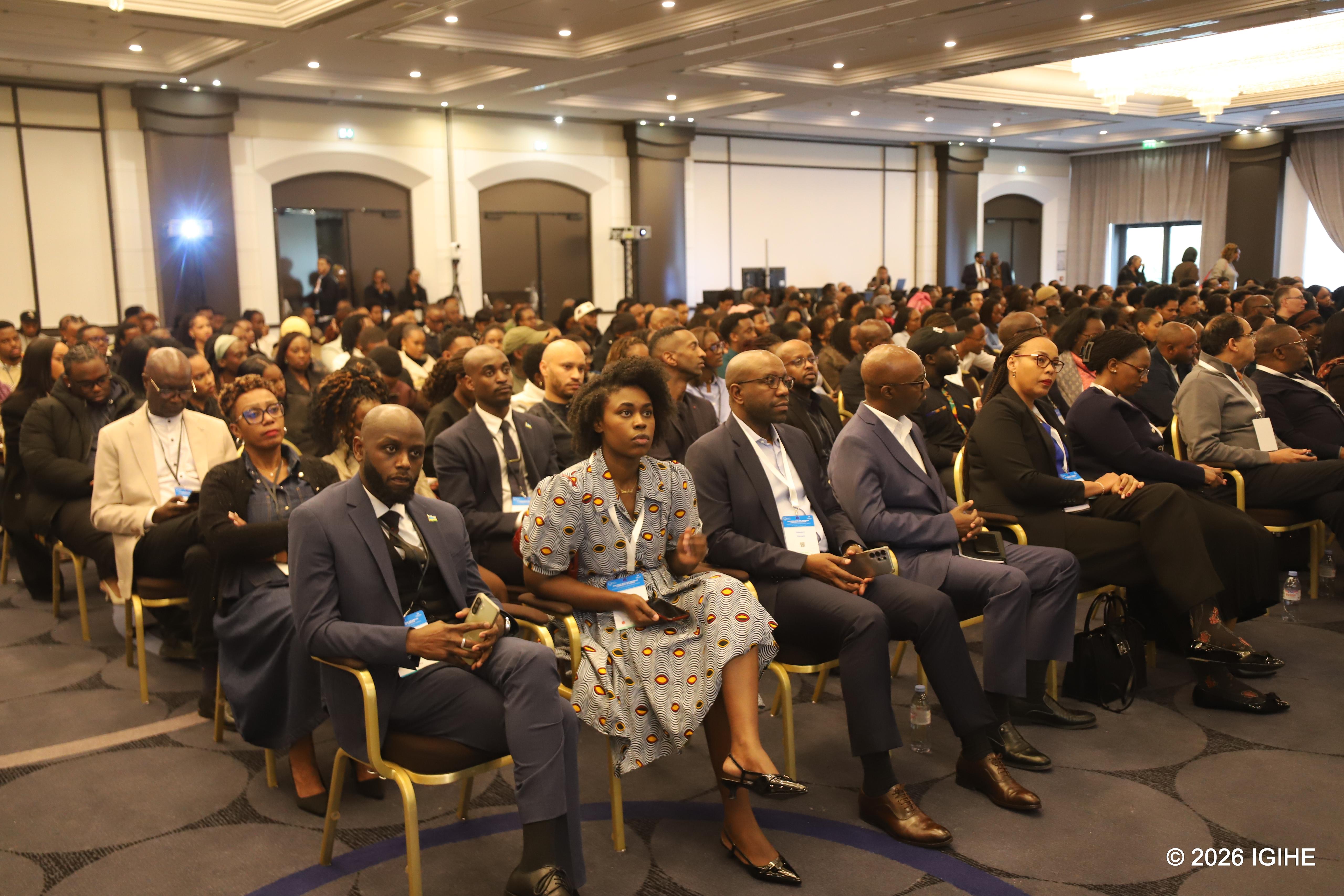
Young people and adults from several countries shared experiences and personal stories, creating a space where memory, identity, and intergenerational transmission took center stage.
Personal journeys and inheritances
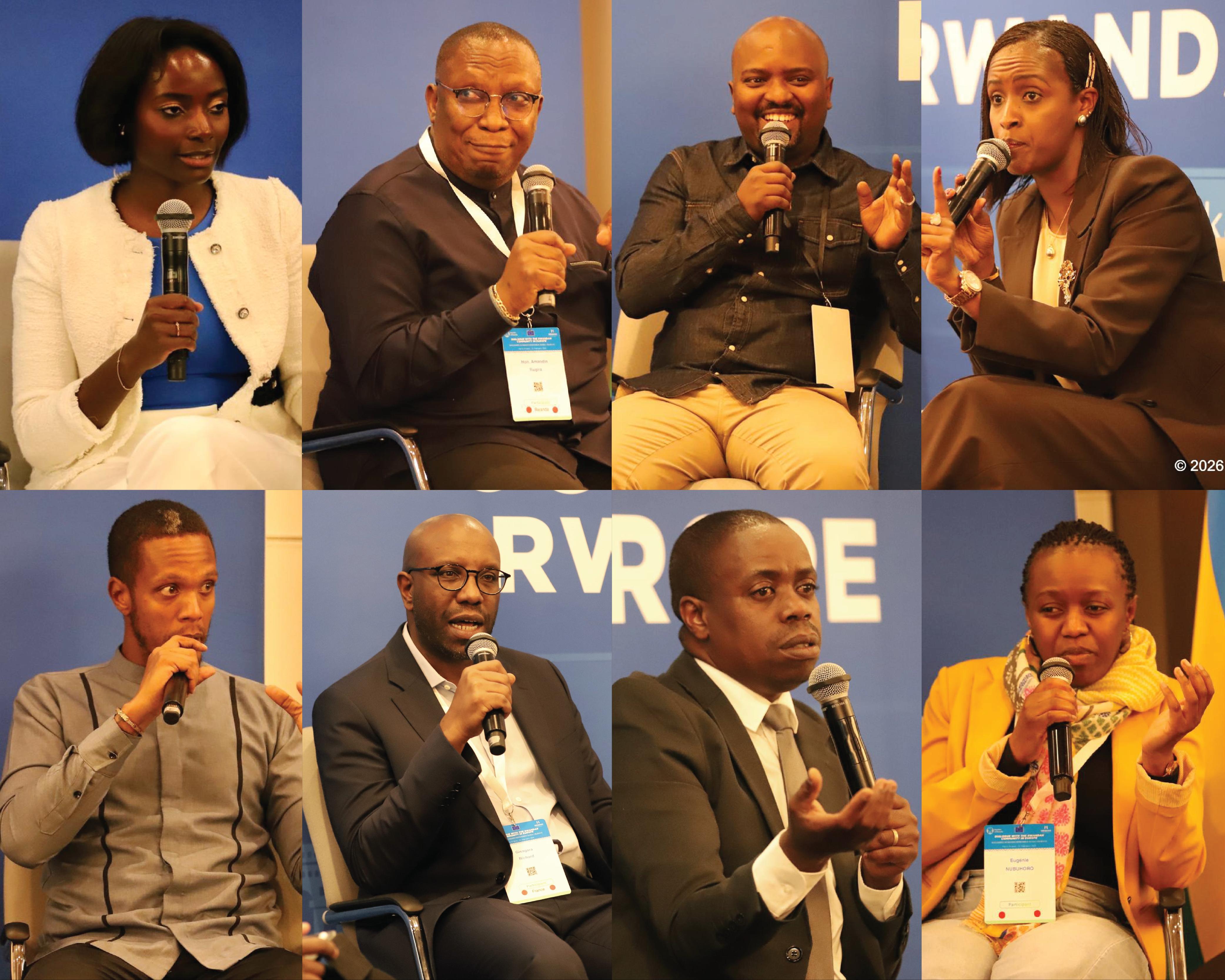
Senator Amandin Rugira delivered a moving account of his family and professional journey. Raised in a household that rejected tribalism, he said his parents instilled values of love, respect, and integrity that later guided his career as an economist and public official.
He recalled that defending such principles under the regime of Juvénal Habyarimana came at a heavy cost, making him and his family targets during the 1994 Genocide against the Tutsi.
The Minister of Sports Nelly Mukazayire spoke about the complexity of her own identity. The daughter of a woman convicted for genocide crimes and a Tutsi father, she learned of her mother’s involvement only two years after the events.
As Mukazayire explained, she chose not to be defined by her family’s past but to build her life on responsibility, dignity, and hope. She encouraged young people to own their choices, know their history, and speak the truth with courage, while urging parents to maintain open dialogue with their children.
She illustrated this approach with a powerful moment when her daughter, at age 12, asked whether she should love or hate her imprisoned grandmother. Faced with the question, she and her husband chose transparency, convinced that truth shared within a framework of trust is essential to identity formation and reconciliation.
Nubuhoro Eugénie also shared her experience as the child of a parent involved in the genocide. Raised in exile amid hatred toward Tutsi, she questioned the narratives she had inherited and sought the truth through the Ministry of National Unity and Civic Engagement before returning to Rwanda in August 2025 after 31 years abroad.
Her story underscored the importance of rejecting wrongdoing, even within one’s own family, and passing on truth to future generations.
Youth and social media as tools for truth
Gatete Olivier discussed the role of social media and how young Rwandans living or raised in Europe can use digital platforms to access reliable information. He explained that he initially feared speaking publicly against misinformation about Rwanda, but later launched YouTube programs and created his own channel to counter false narratives. His experience shows how social media can become a powerful vehicle for truth and civic engagement.
In the same spirit, Bryon Mutijima described his active use of online platforms to promote verified information and respectful dialogue. He noted that many young people now rely primarily on digital spaces for news, and that sharing factual content and personal experience can spark reflection and constructive discussion.
Drawing on his entrepreneurial work in Rwanda, he encouraged diaspora youth to explore investment and business opportunities, stressing the importance of preparation, institutional support, and on-the-ground visits to understand market realities.
Barebe Niringiyimana, who lives in Sweden, spoke about growing up in a family that portrayed Rwanda negatively and warned he could be killed if he returned. Seeking clarity, he contacted Rwanda’s embassy office for the Nordic countries, which helped him reconsider. Despite lingering fears, he traveled to Rwanda and encountered a reality very different from what he had been told. After deciding to return last month, he began developing a project in the country—an experience he says opened new perspectives.
Exchanges with the Minister of National Unity and Civic Engagement, Jean Damascène Bizimana highlighted the importance of such initiatives and the role young people can play in strengthening unity and resilience.
Memory, justice, and critical awareness
Other interventions emphasized justice, remembrance, and critical thinking. Lawyer Richard Gisagara spoke about his involvement in trials of genocide suspects in France since 2014, stressing the need for continued vigilance as time reduces the number of witnesses and defendants.
Testimonies from Jean de Dieu Uwizeye and other diaspora youth showed how inherited narratives and propaganda still shape perceptions, underscoring the importance of engaging directly with Rwanda to form an informed understanding of history.
The dialogue concluded with a shared conviction; when memory is approached with responsibility and empathy, it can become a driver of collective resilience.
The gathering reflected the determination of a diverse yet united diaspora to contribute to Rwanda’s future by transmitting truth and strengthening intergenerational cohesion.
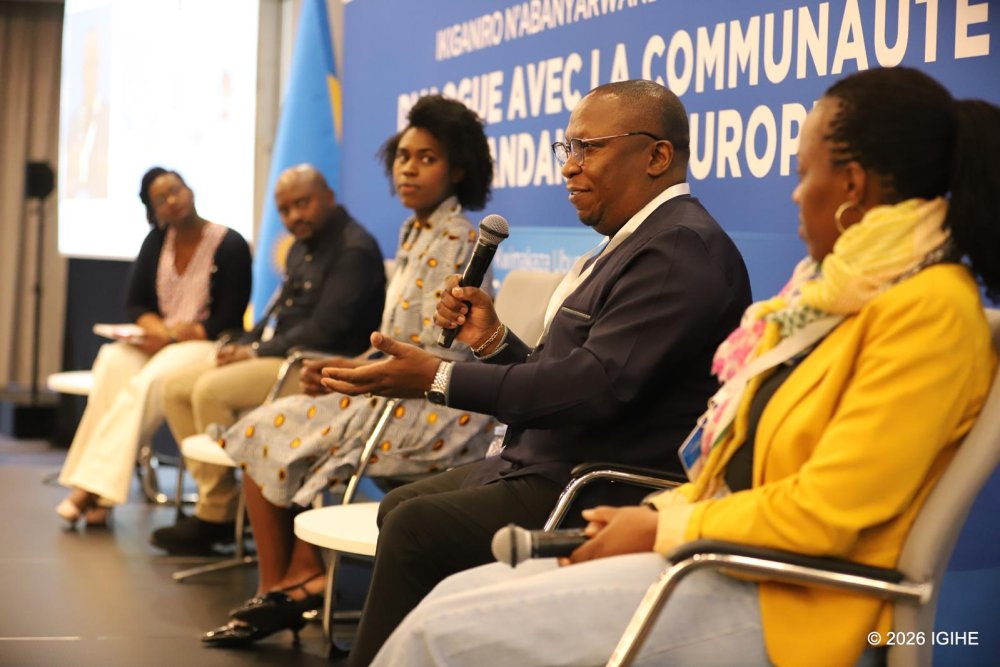
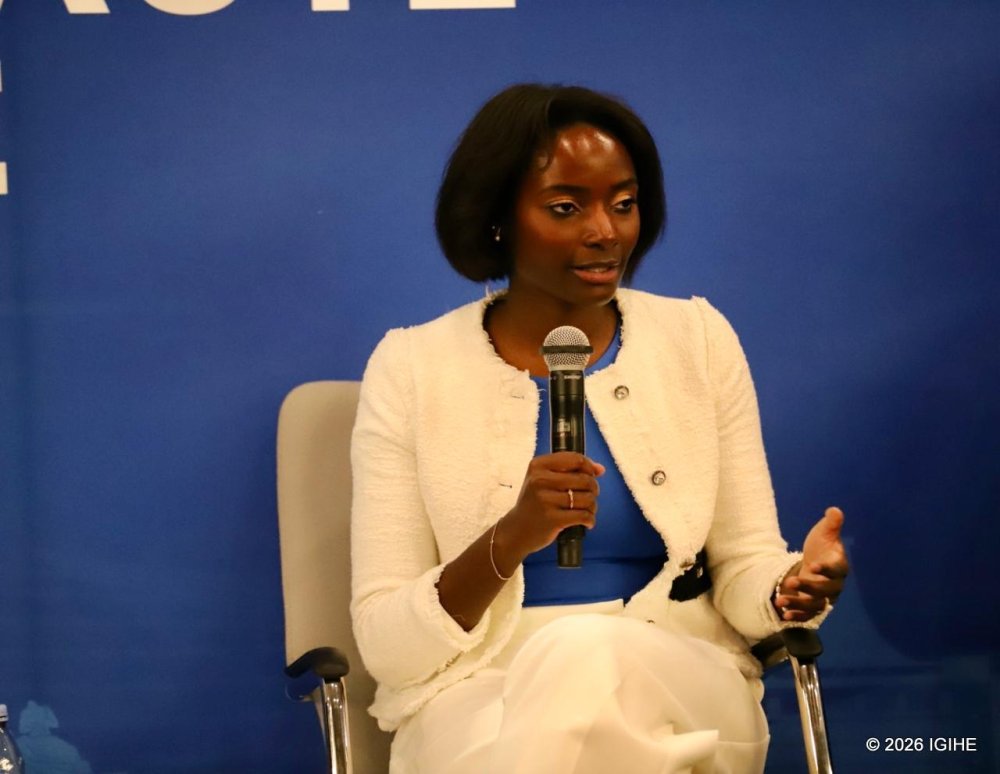
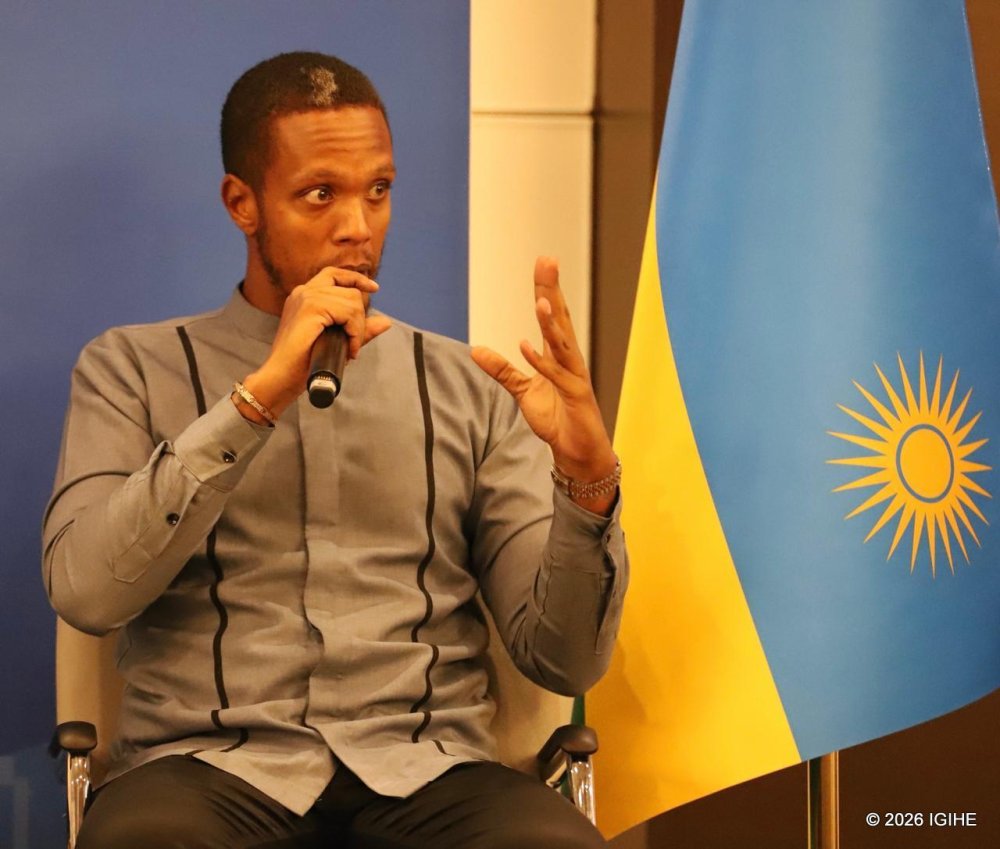
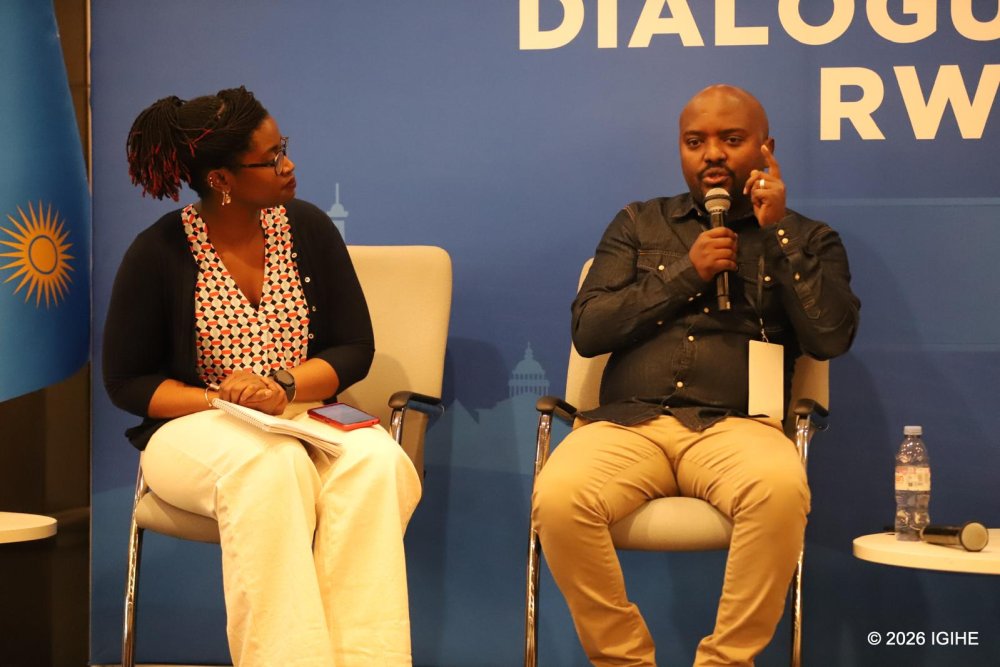
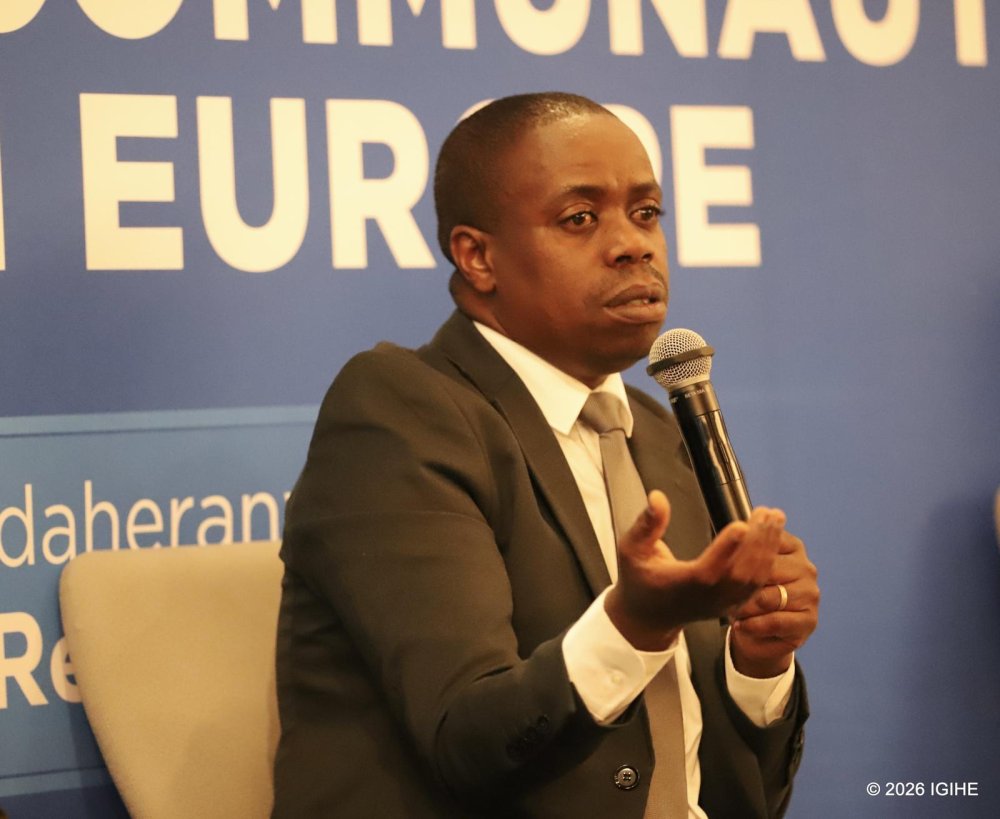
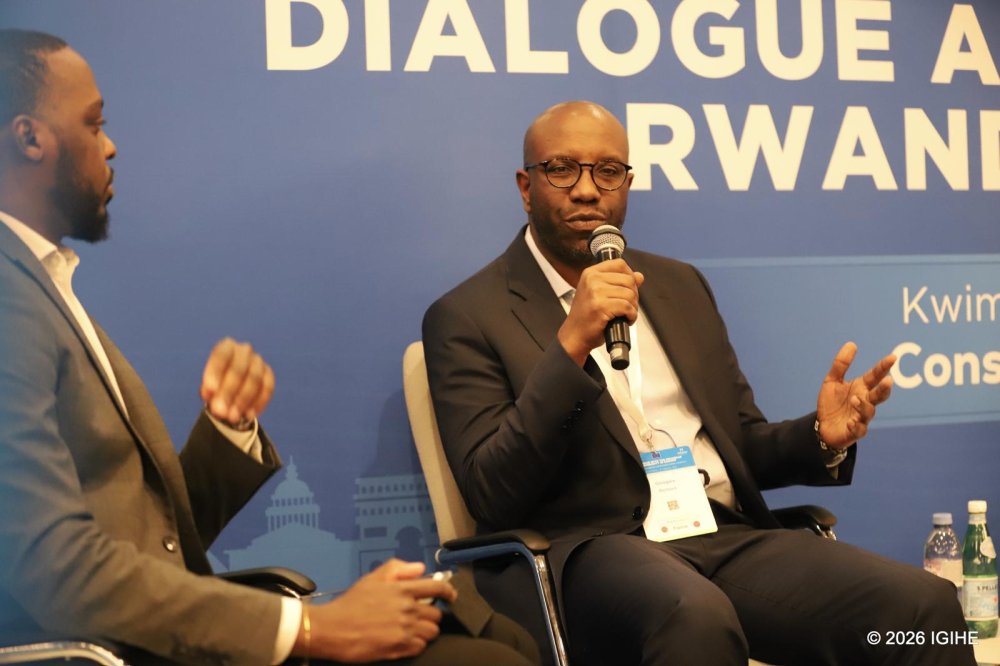
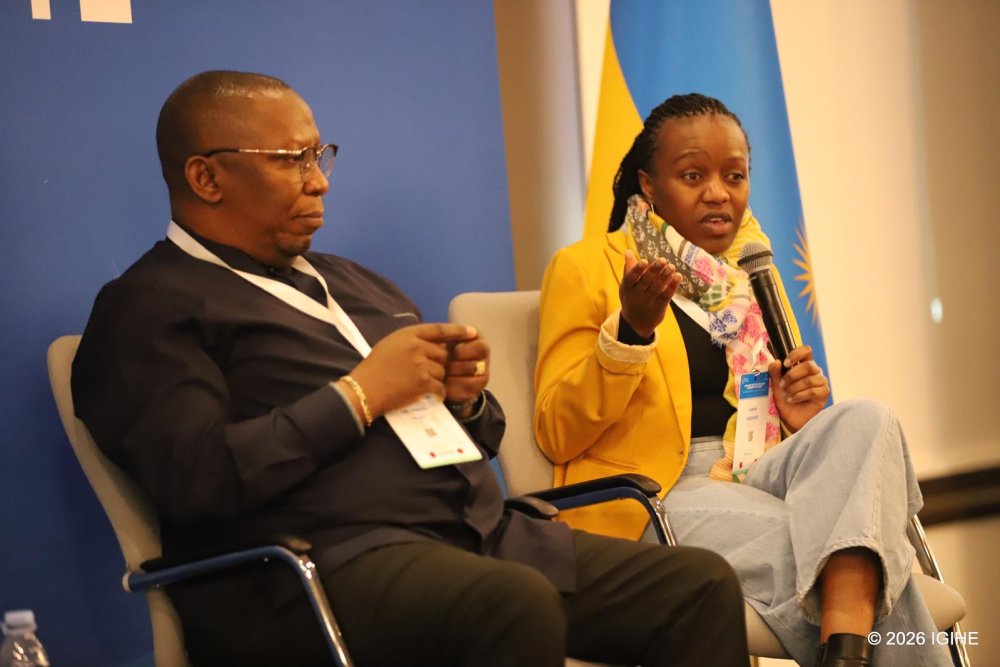
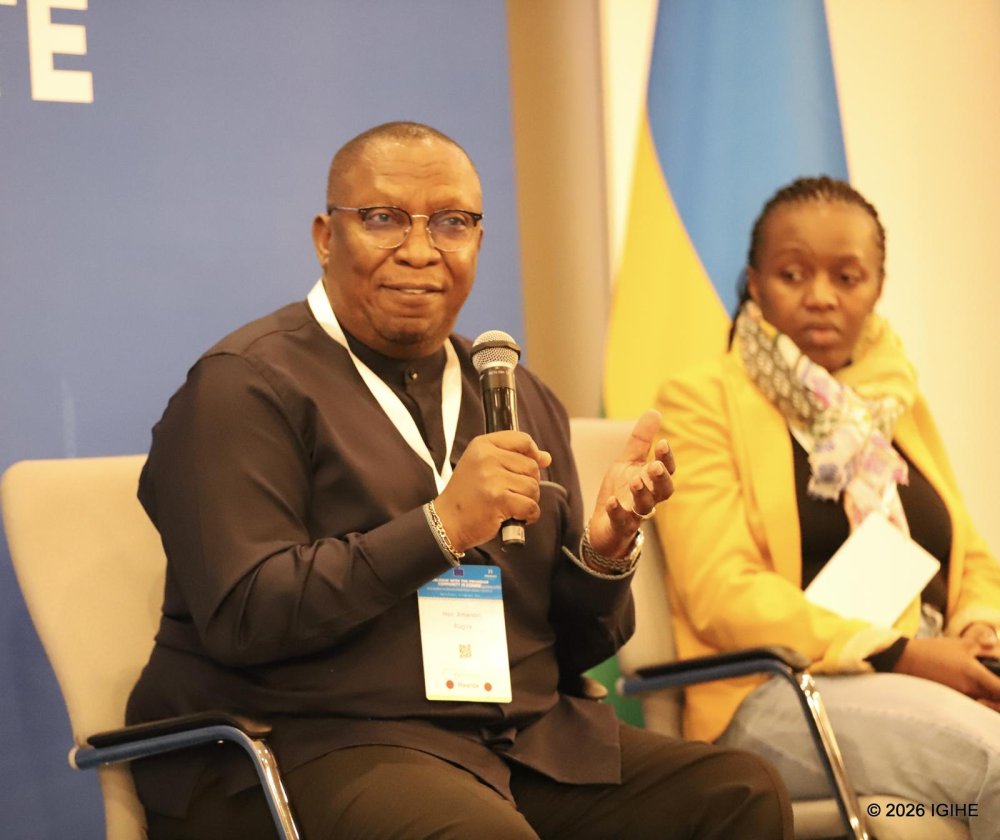
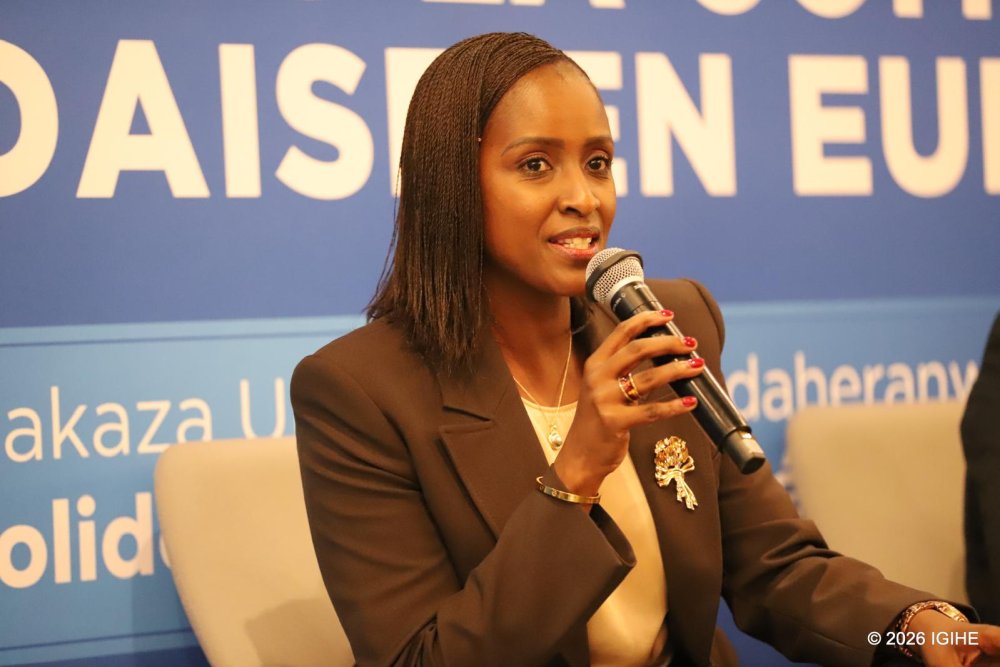
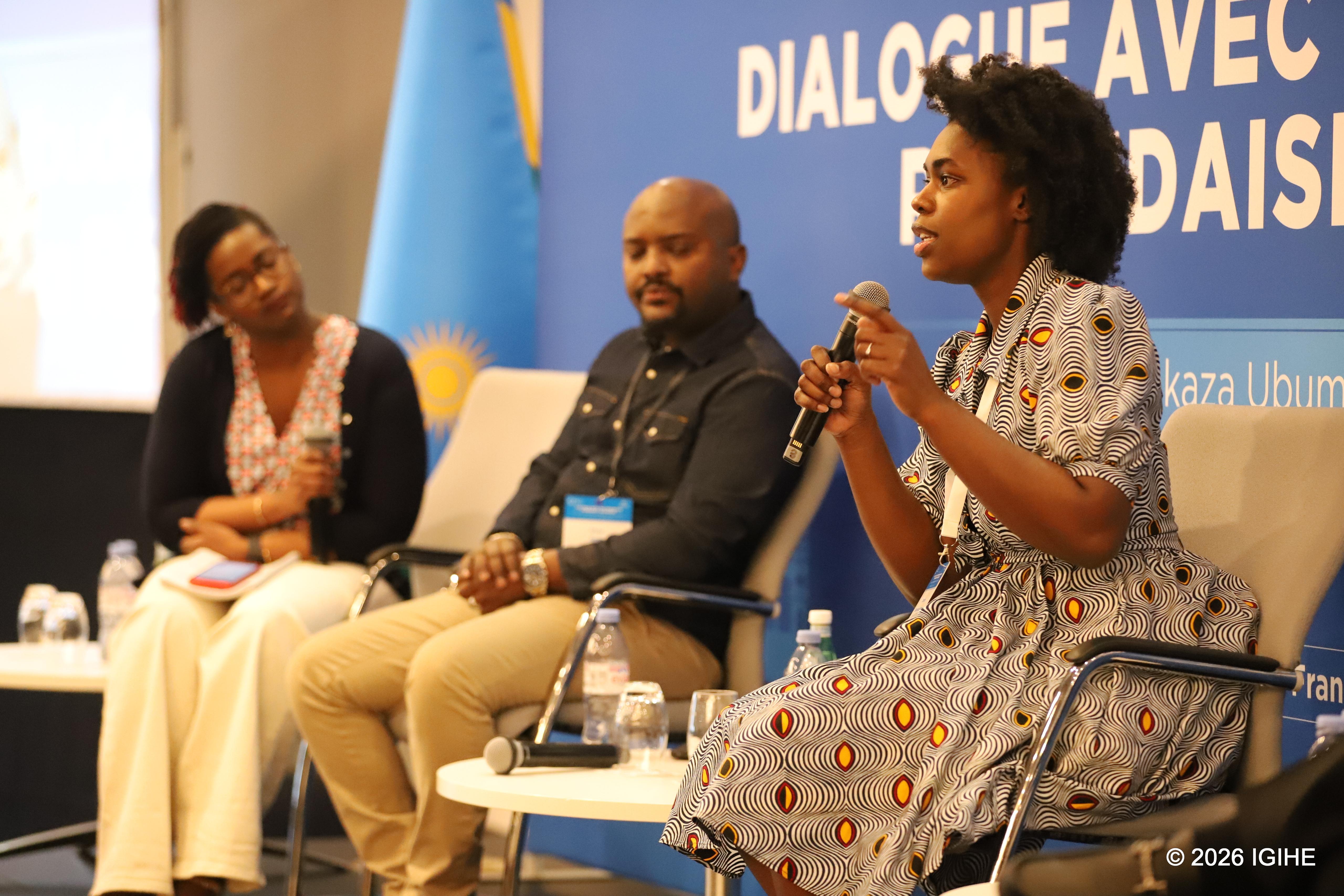
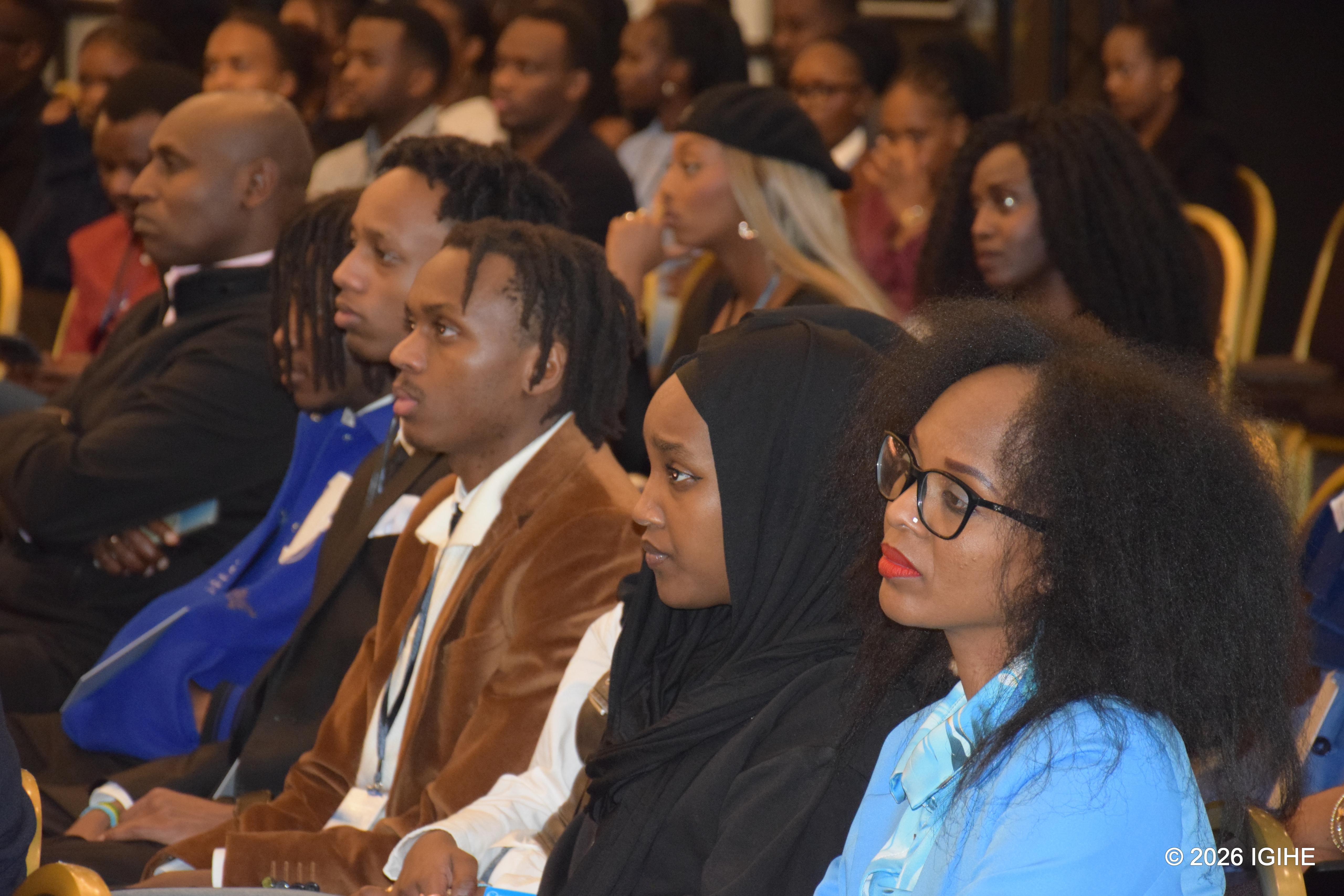
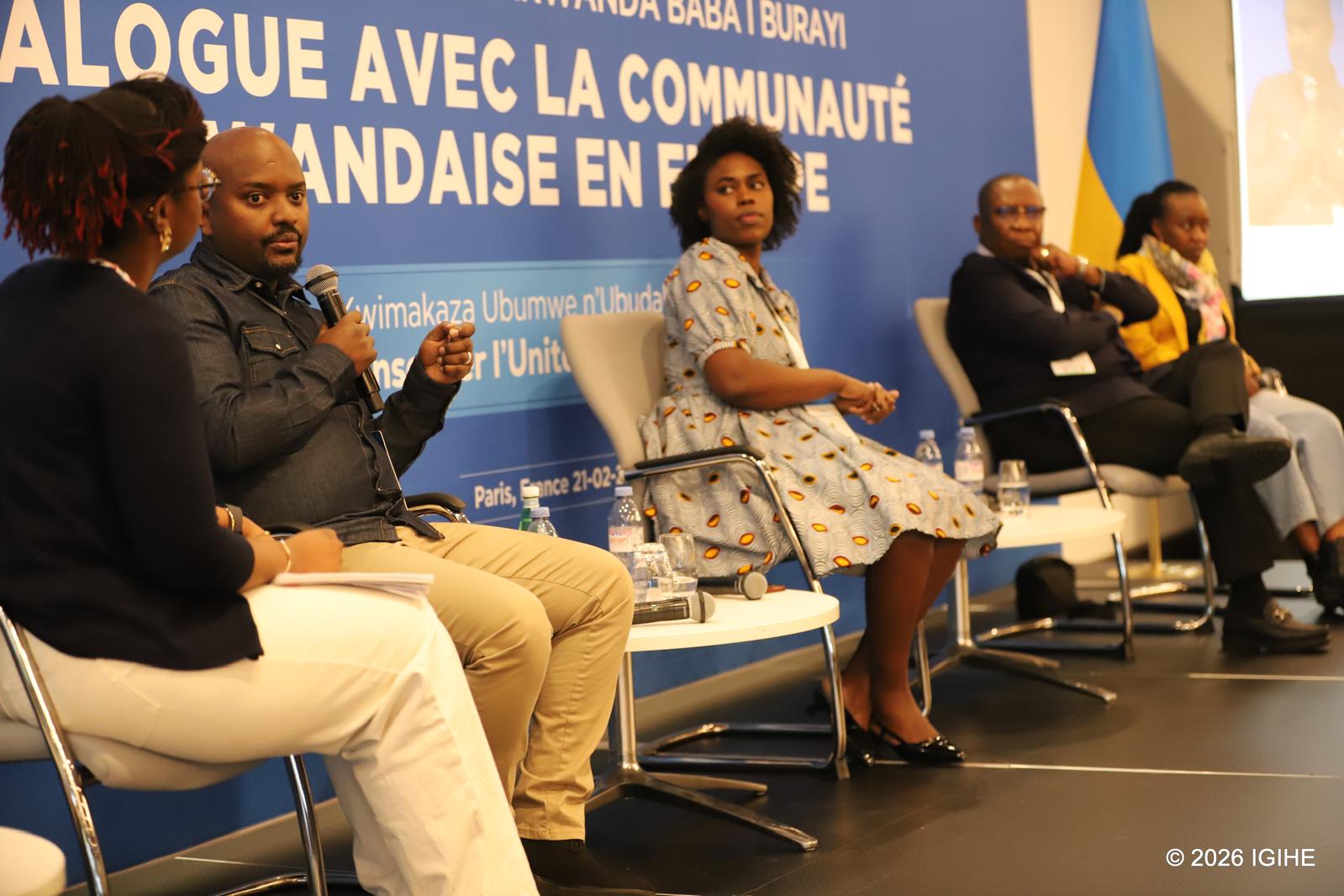
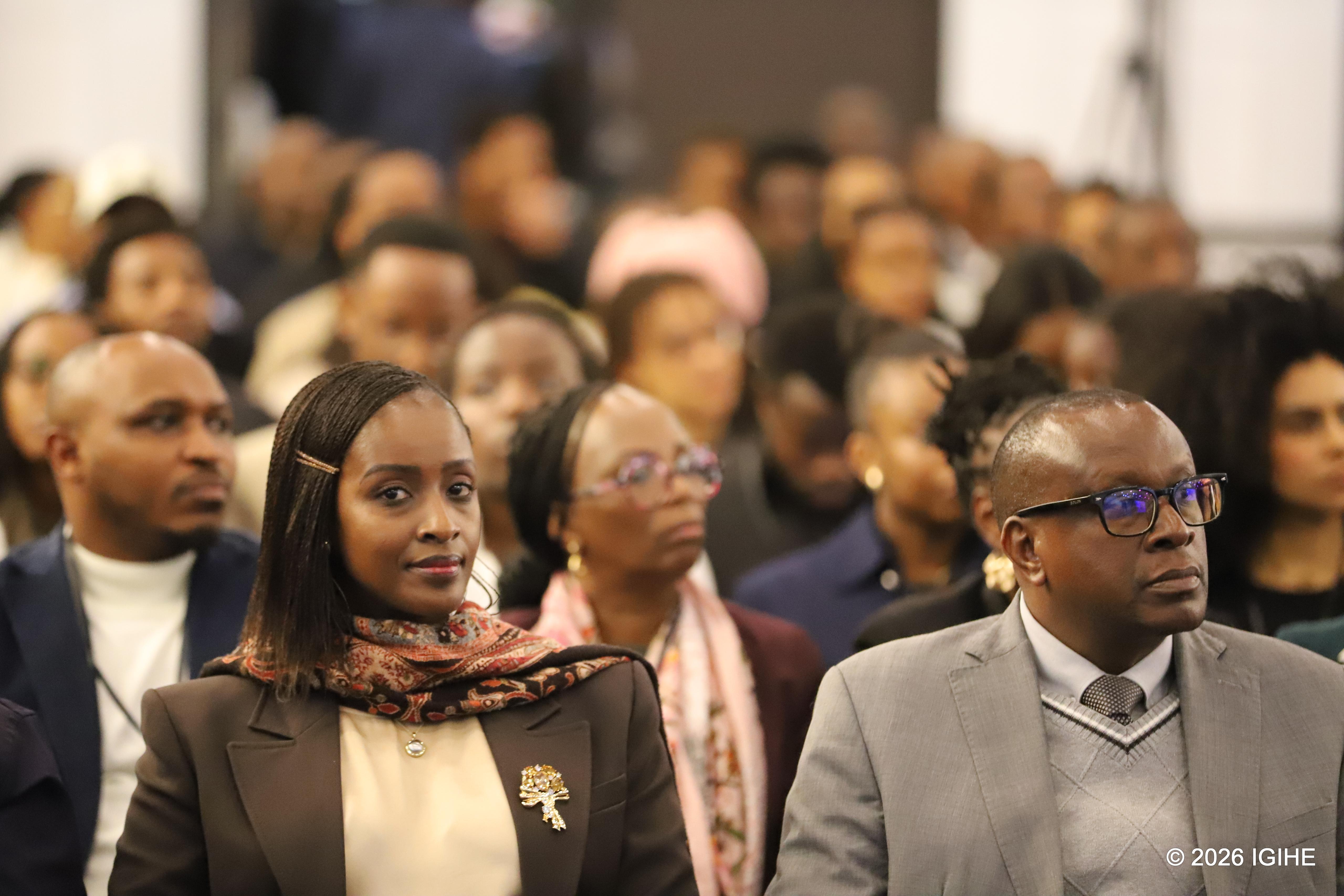
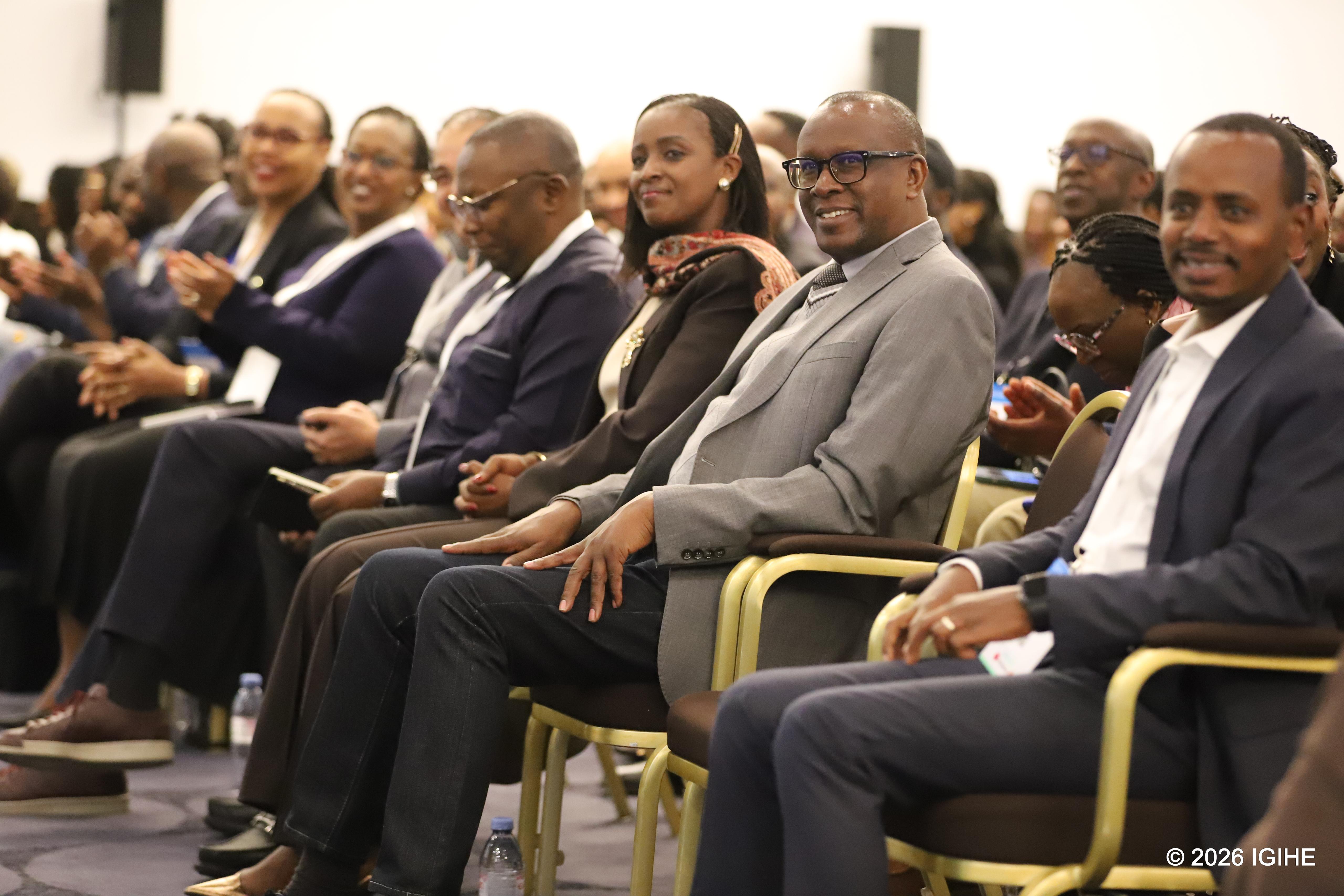
The Rwandan diaspora in Europe recently gathered in Paris for a sociocultural dialogue. After years of misinformation, Barebe Niringiyimana returned to Rwanda and launched a promising project.Bryon Mutijima encouraged diaspora youth to use social media to share the truth and take advantage of entrepreneurial opportunities in Rwanda. Gatete Olivier spoke about the role of social media and how young Rwandans living or raised in Europe can use it to access reliable information.Jean de Dieu Uwizeye and young diaspora members highlighted the importance of visiting Rwanda to form one’s own understanding of history, countering propaganda and inherited narratives.Lawyer Richard Gisagara emphasized the importance of justice and memory in genocide trials and urged Rwandans to stay engaged. Nubuhoro Eugénie also shared her experience as the child of a parent involved in the genocide. Raised in exile with hatred toward the Tutsi, she questioned her parents’ accounts and sought the truth from the Ministry of Unity and ReconciliationSenator Amandin Rugira gave testimony about his family and professional journey.Minister Nelly Mukazayire shared the complex story of her own identity
According to the seventh Demographic and Health Survey (DHS 7) conducted in 2025, the rate of teenage pregnancies increased from 5% in 2020 to 8% in 2025, signaling a worrying trend. The study focused on girls aged 15 to 19, including those who gave birth before reaching adulthood over the past five years.
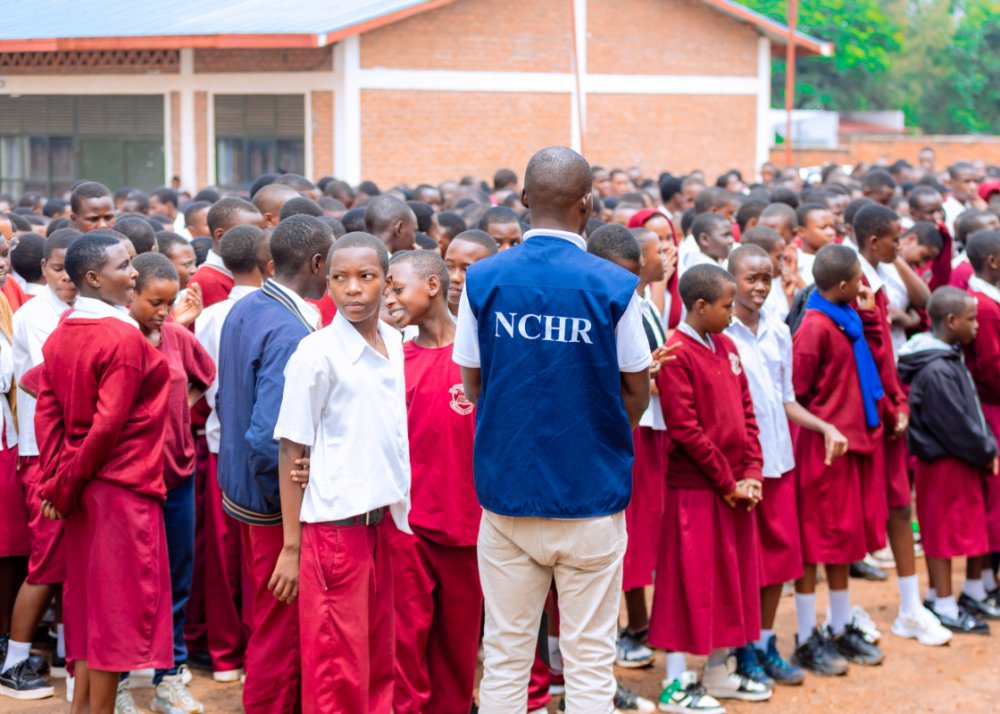
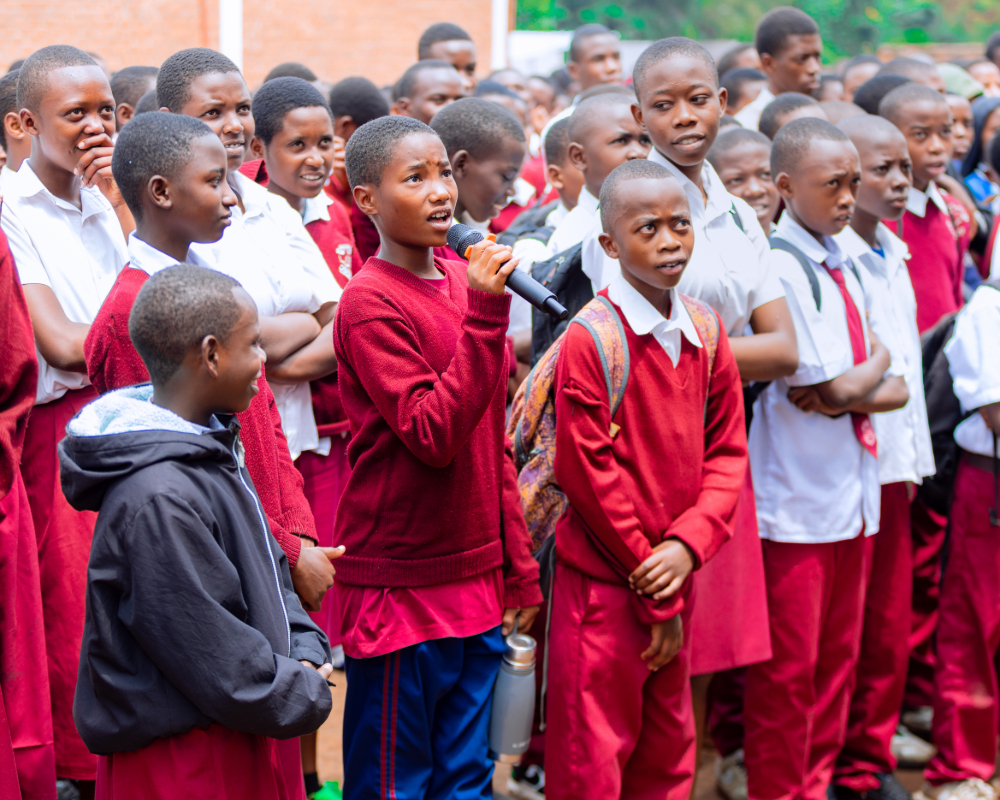
With support from the Office of the United Nations High Commissioner for Human Rights (OHCHR), the Commission organized this campaign in secondary schools across nine districts: Nyabihu, Ngororero, Rutsiro, Kamonyi, Huye, Gakenke, Nyarugenge, Gasabo, and Kicukiro. Students are being educated on children’s rights and on the role young people can play in preventing and addressing this issue.
The Chairperson of the National Commission of Human Rights, Providence Umurungi, noted that several factors contribute to the rise in teenage pregnancies, including poverty, family conflicts, alcohol and drug abuse, risky behaviors, and limited access to information on reproductive health.
She emphasized that teenage pregnancies remain a major violation of girls’ rights in Rwanda, often leading to school dropout and jeopardizing their future prospects.
“Raising awareness among young people about their rights through schools is one of the key pathways to permanently eradicate this problem,” she said.
Students have welcomed the initiative. Mbabazi Hirwa Aklat, a second-year secondary school student, shared: “What I learned from these sessions is how to say ‘no’ when someone tries to pressure me into having sex. I also realized the importance of avoiding risky behavior that can lead to an unplanned pregnancy.”
The Commission indicated that the campaign will soon be extended to higher learning institutions and universities to broaden youth engagement.
Data from the Ministry of Gender and Family Planning show that 22,454 teenage girls were sexually abused and became pregnant in 2024. Trends reveal a generally rising pattern: 19,701 cases in 2020, 23,111 in 2021, 24,472 in 2022, followed by a slight decline to 22,055 in 2023.
Despite the slight drop in 2023, authorities note that the overall number of teenage pregnancies remains high, with many identified cases involving girls who carry pregnancies to term. The Commission’s school visits represent a strategic response aimed at safeguarding children’s rights and building a better-informed and more responsible generation.
Students were given the opportunity to ask questions on issues related to their rights.Students at GS Camp Kigali followed the message delivered by the National Commission for Human Rights on how to avoid unintended pregnancies.A school awareness campaign was organized to educate students on children’s rights and their role in preventing and addressing teenage pregnancies.The Chairperson of the National Commission for Human Rights, Umurungi Providence, urged female students to be cautious and to know how to refuse anyone trying to pressure them into sexual activity.
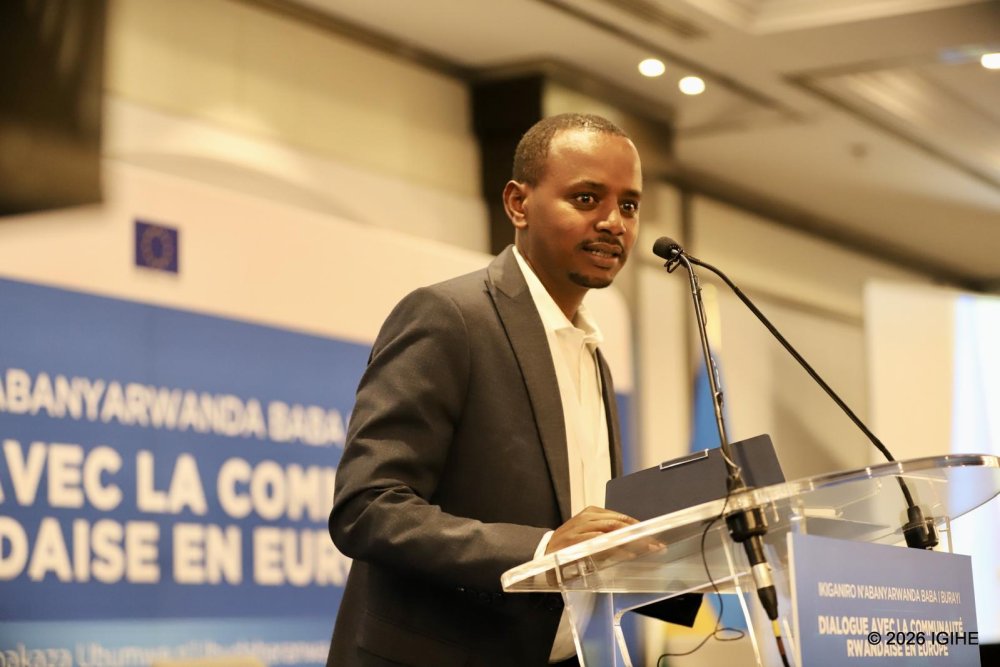
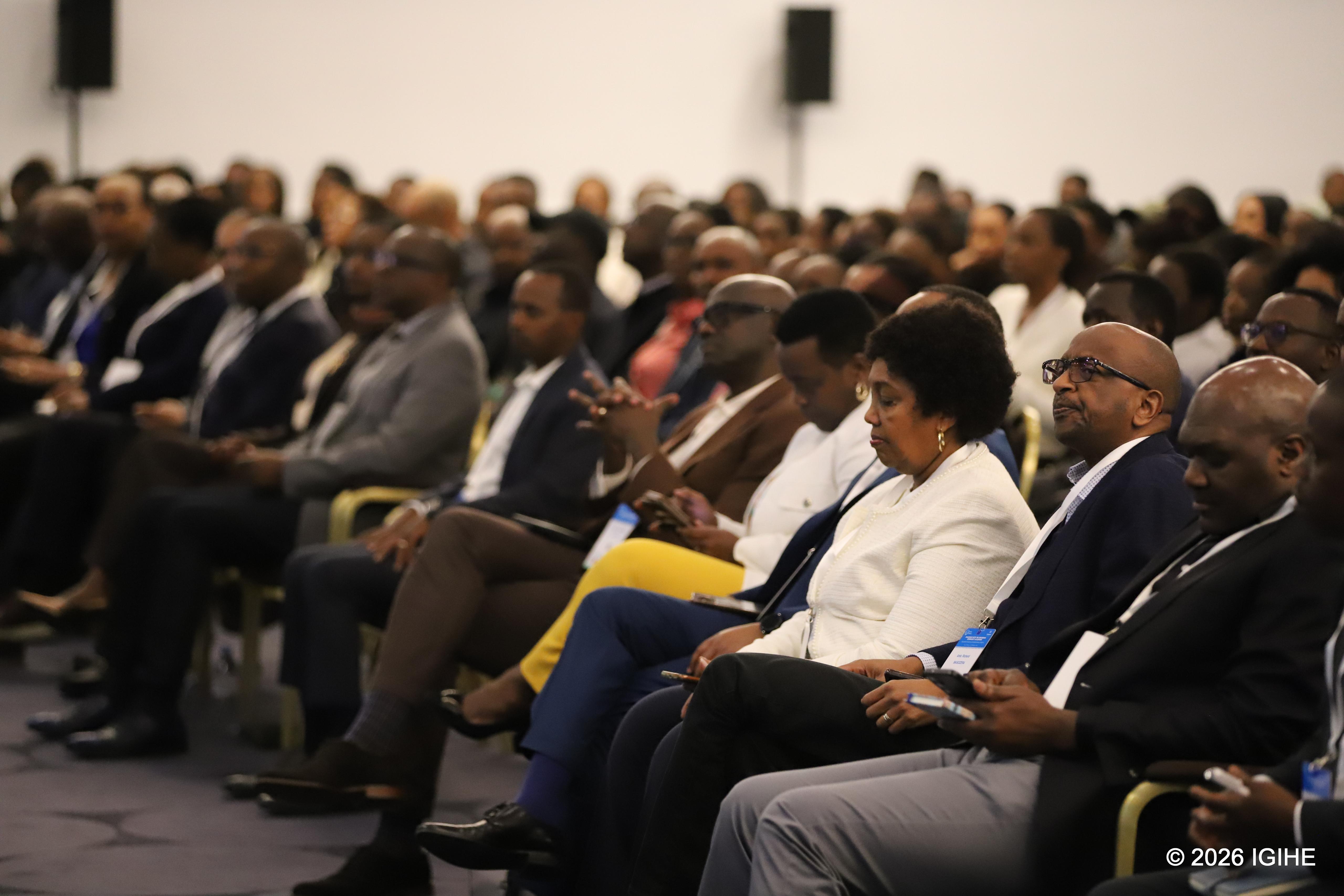
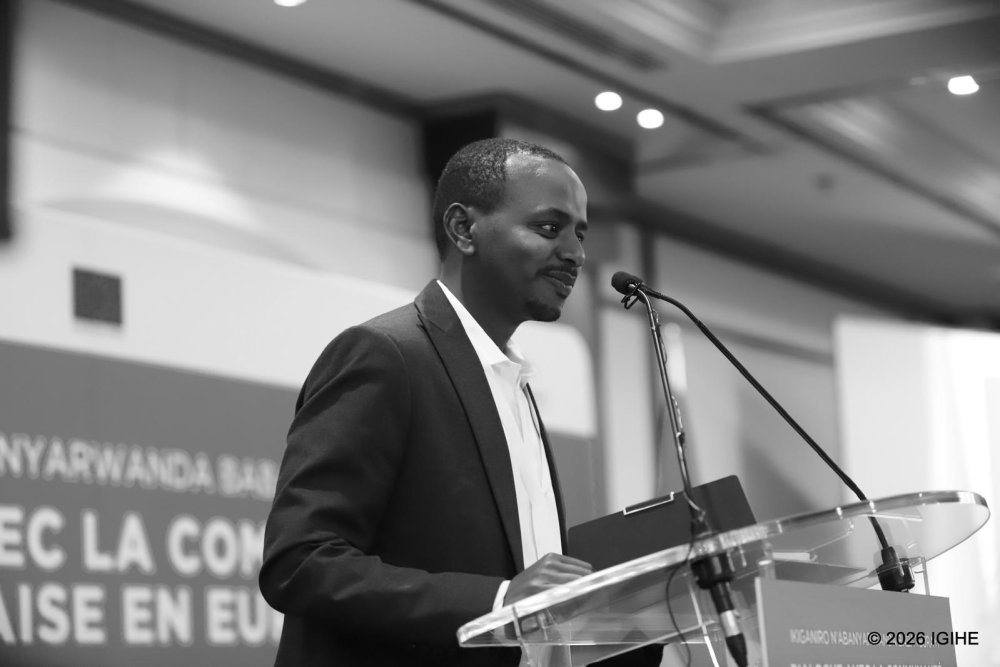
Among the speakers, Frank Kayitare, representing Interpeace, emphasized the importance of addressing legacies of the past with clarity and inclusiveness in order to reinforce community cohesion and resilience.
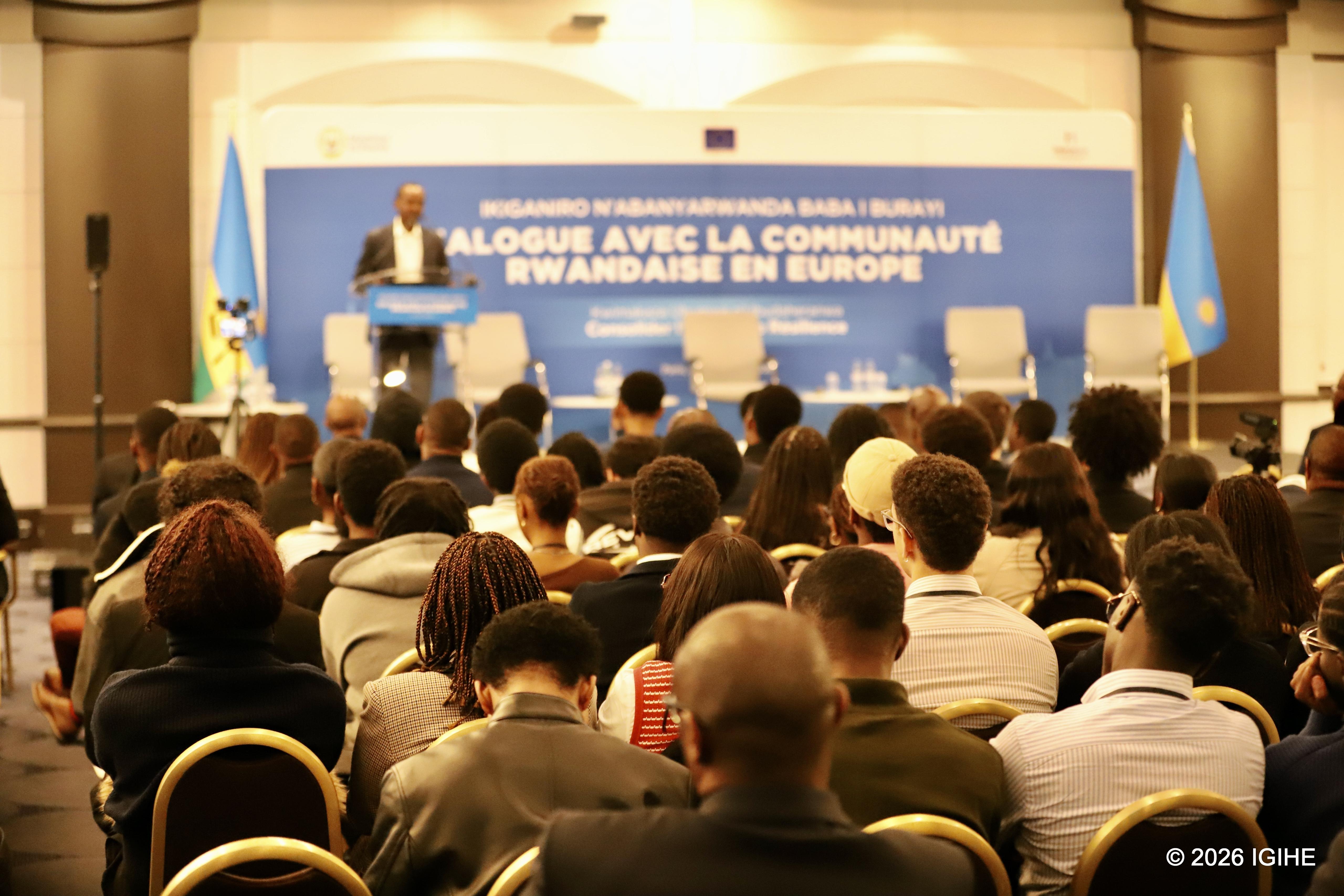
Speaking before an audience of youth and adults from various European countries, he highlighted the complexity surrounding the transmission of genocide legacies, such as trauma and hate ideology.
In his remarks, he explained that the concept of the intergenerational transmission of genocide legacies reflects a broad and often invisible reality.
According to him, what passes from one generation to the next can take multiple forms, ranging from trauma and silence to guilt, shame, and mistrust. These legacies, he noted, are transmitted both consciously and unconsciously, shaping individual and collective trajectories.
In response to this reality, Interpeace prioritizes the creation of safe spaces that foster dialogue between generations. Such forums enable participants to share their experiences, listen to others, and build mutual understanding in an environment grounded in respect and trust.
For the organizers, this approach represents a key pathway toward preventing memory divides and encouraging a more reconciled engagement with history.
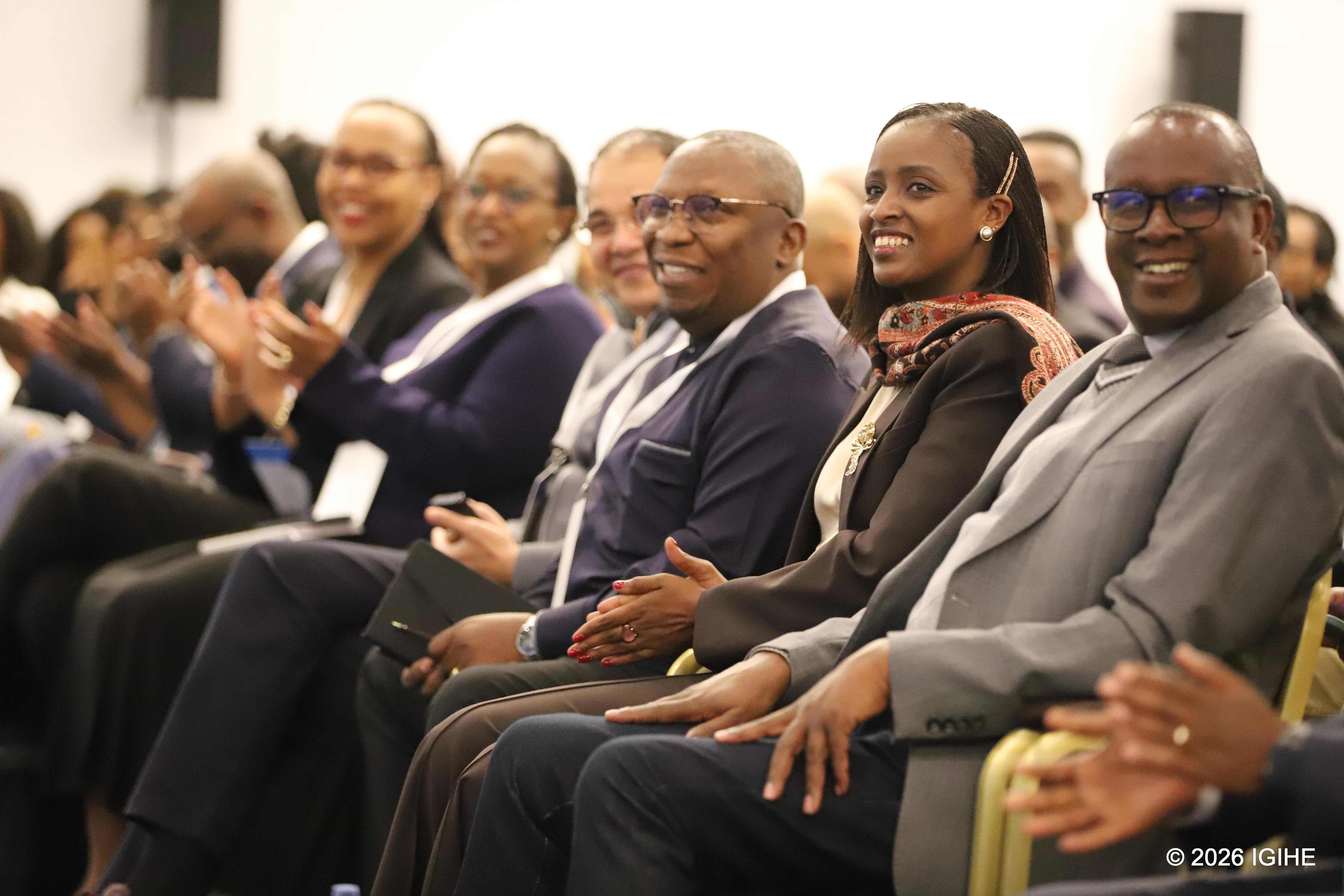
Beyond the formal interventions, the event was enriched by personal testimonies, informal discussions, and cultural moments that strengthened the sense of belonging to a community shaped by diverse journeys yet united by shared memory.
Several participants welcomed an initiative that offers younger generations an opportunity to ask questions, engage with different narratives, and participate in a constructive process of transmission.
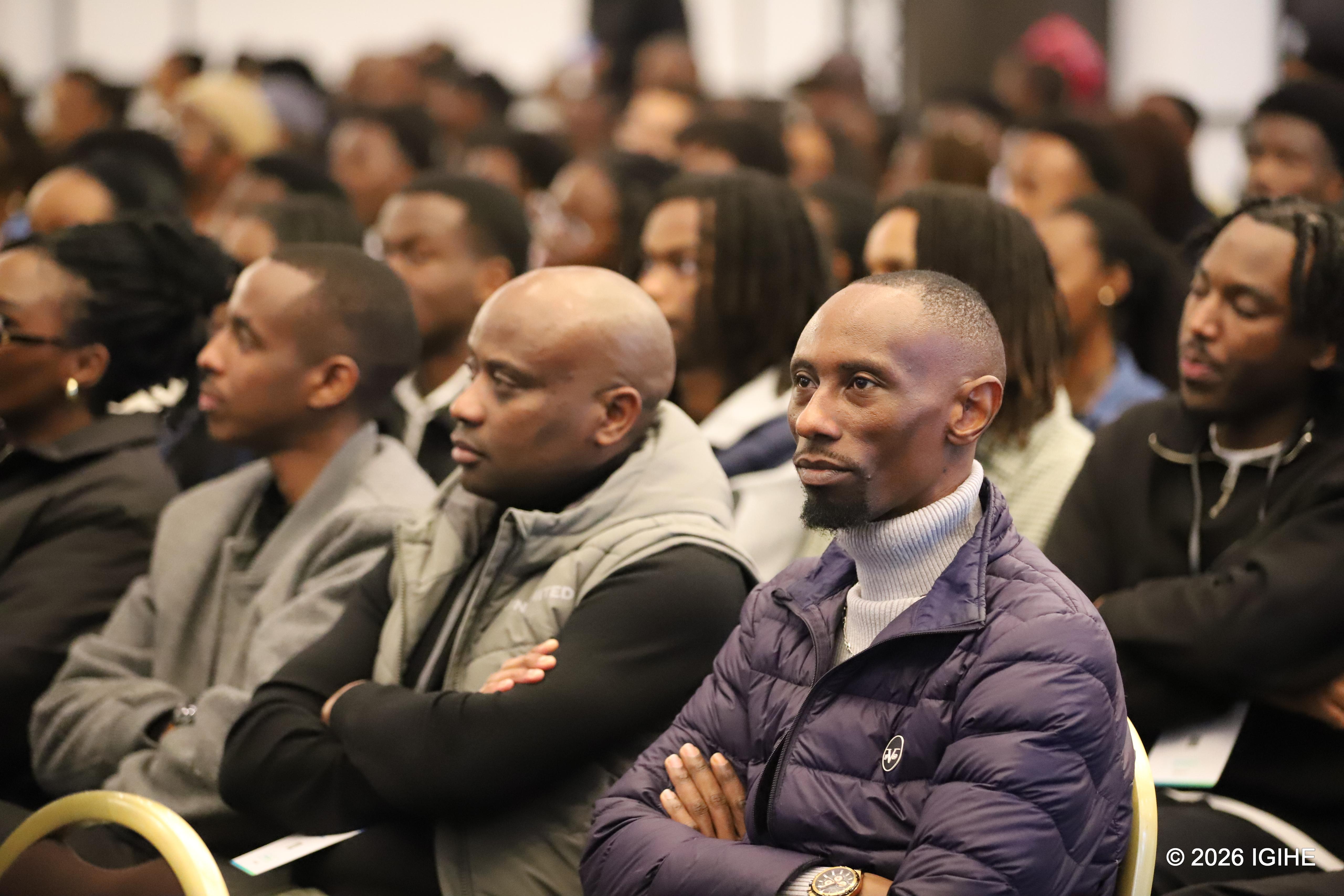
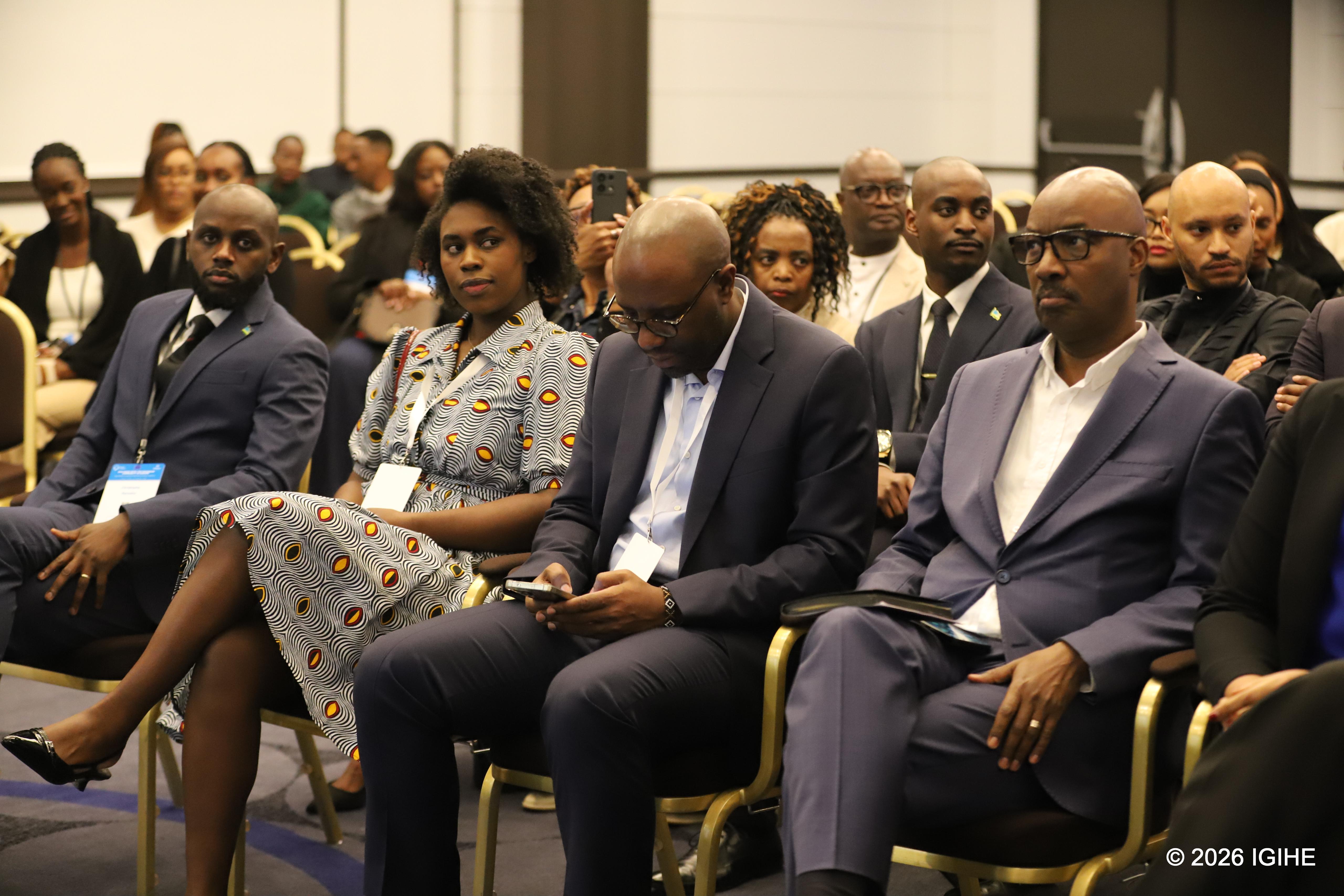
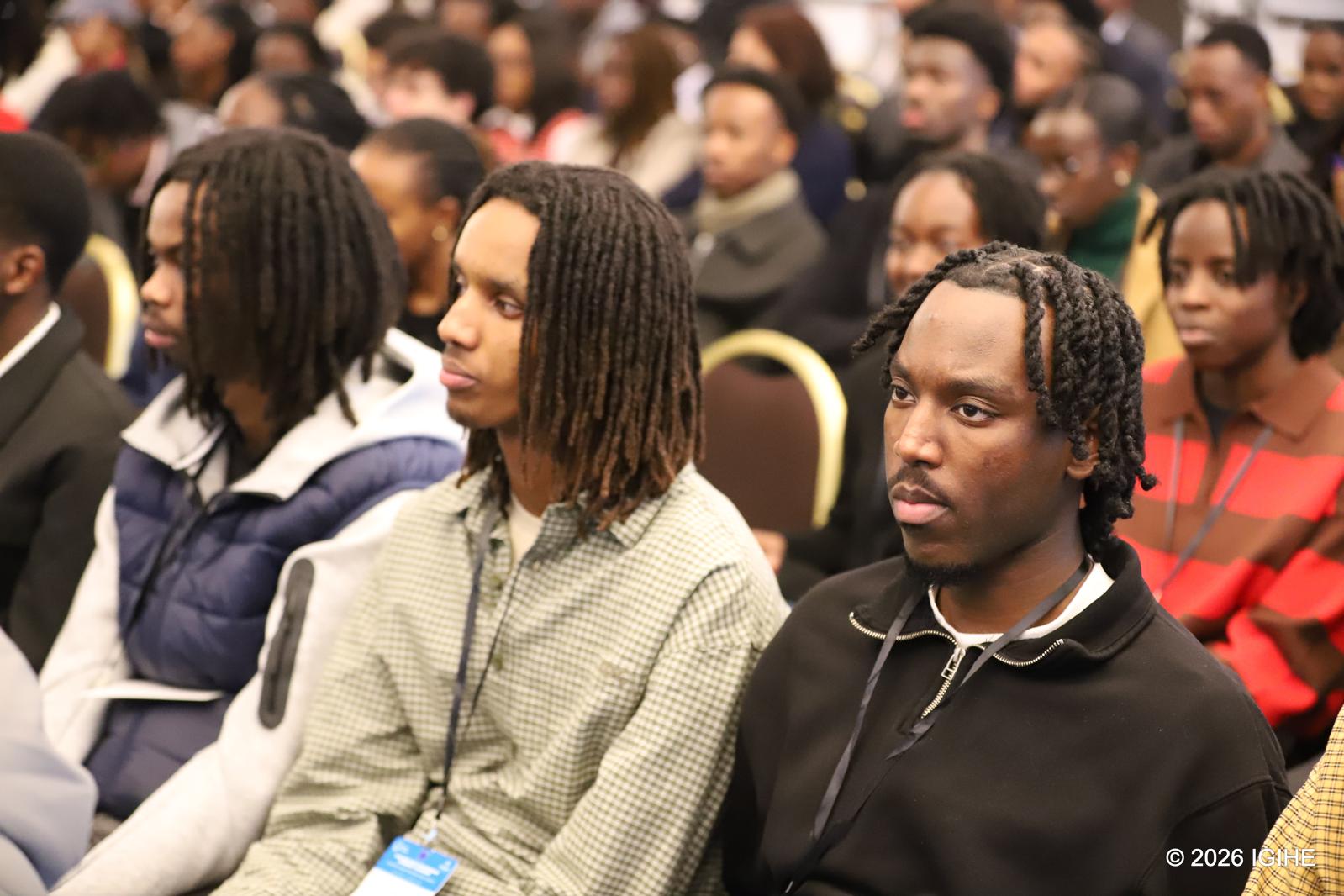
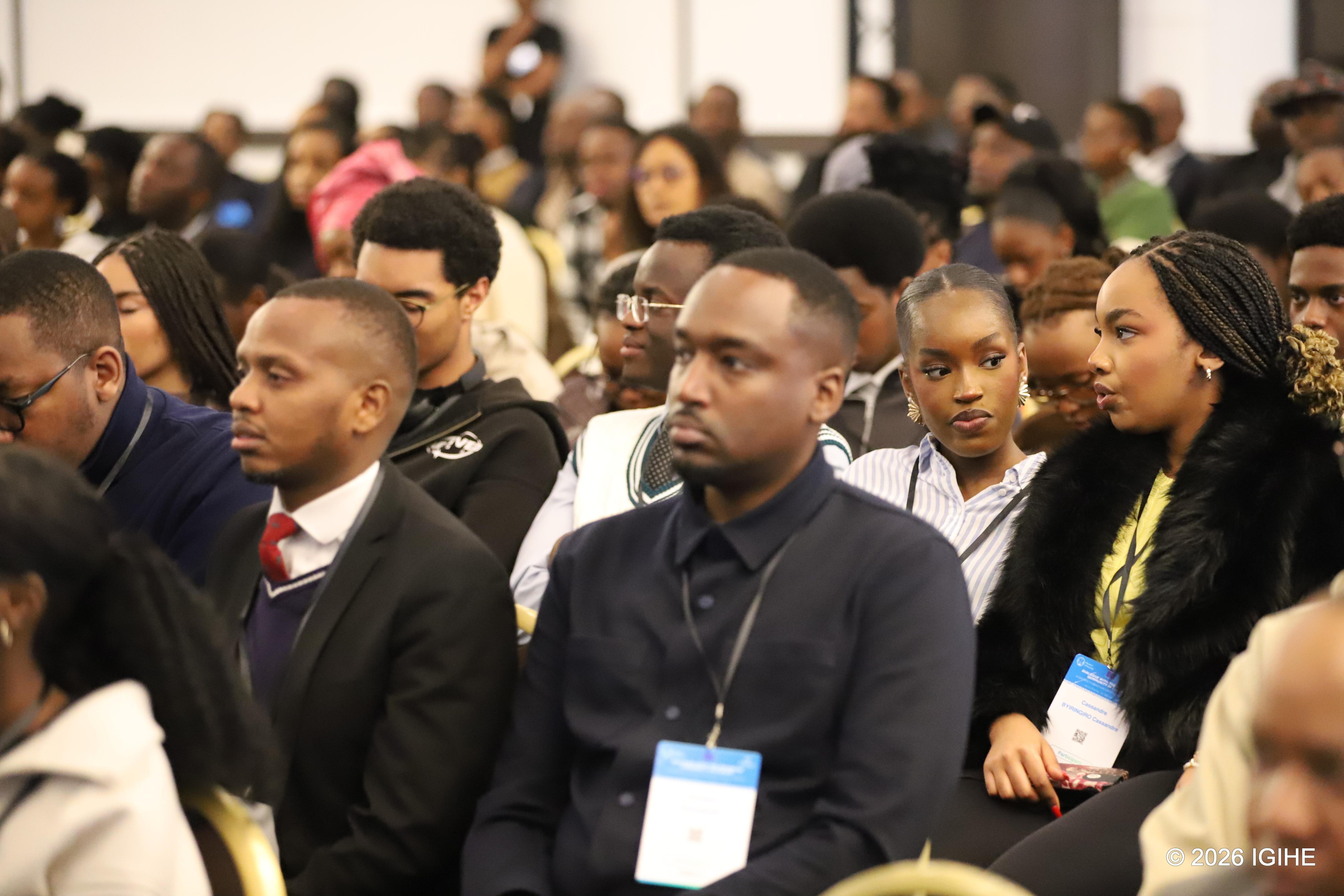
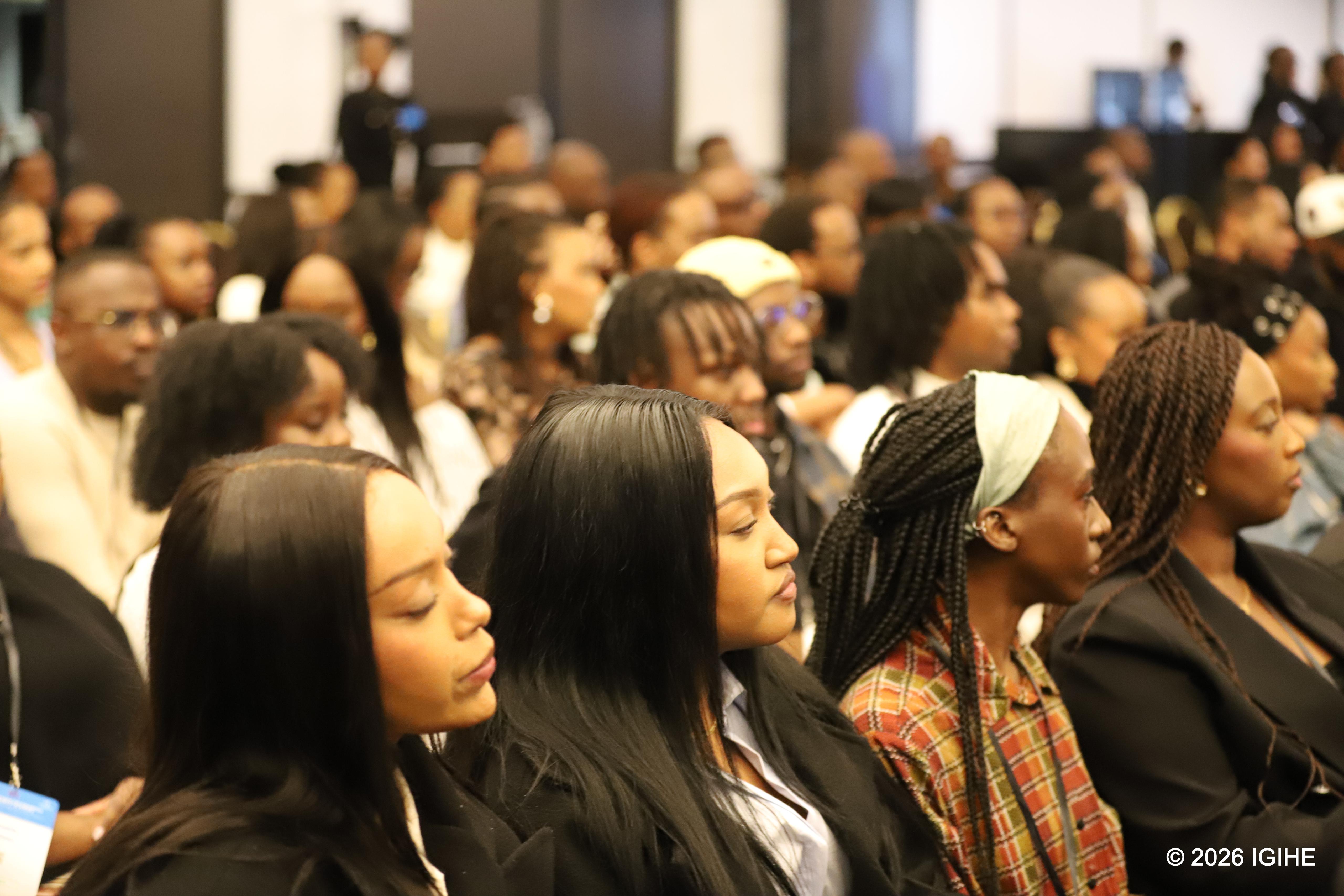
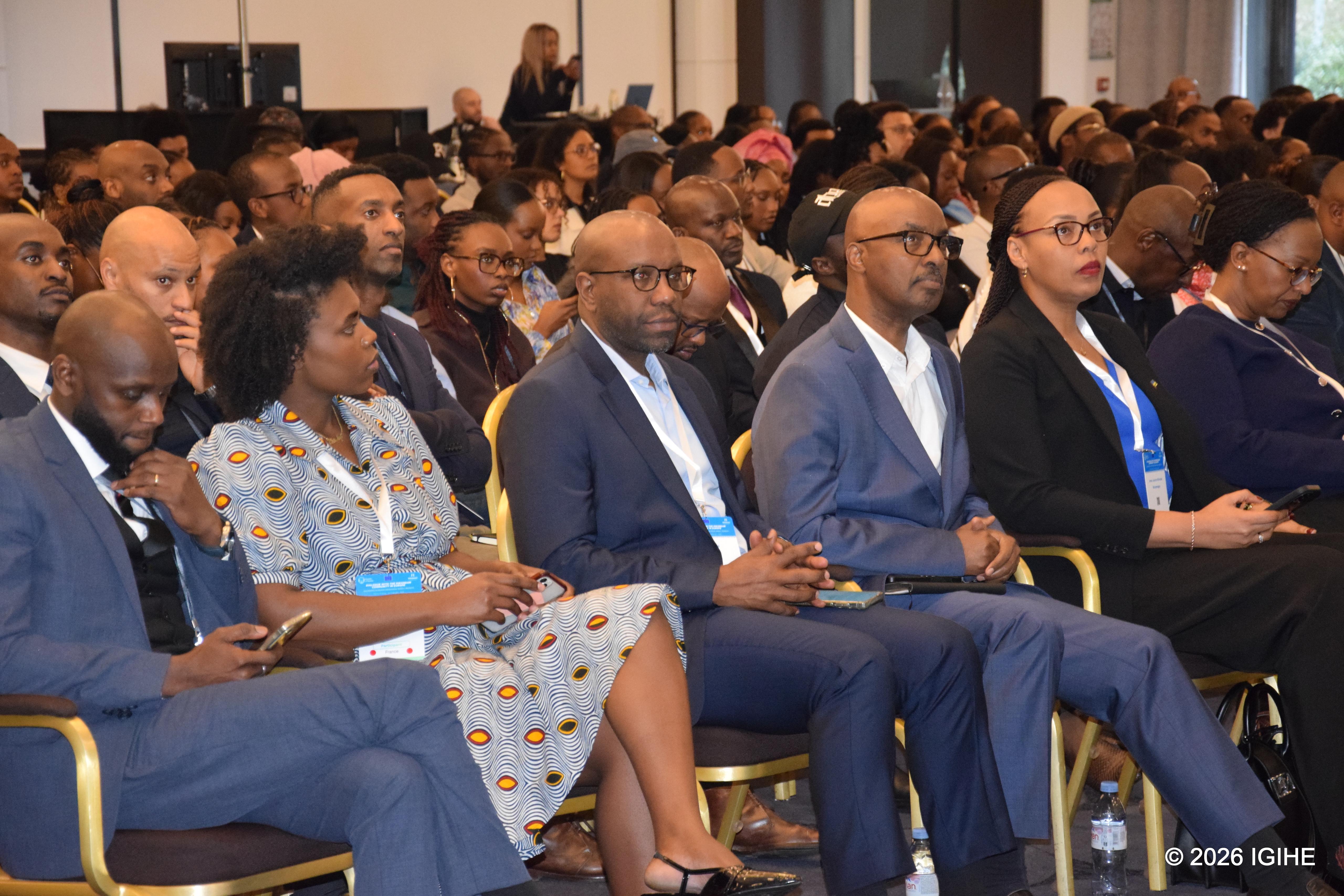
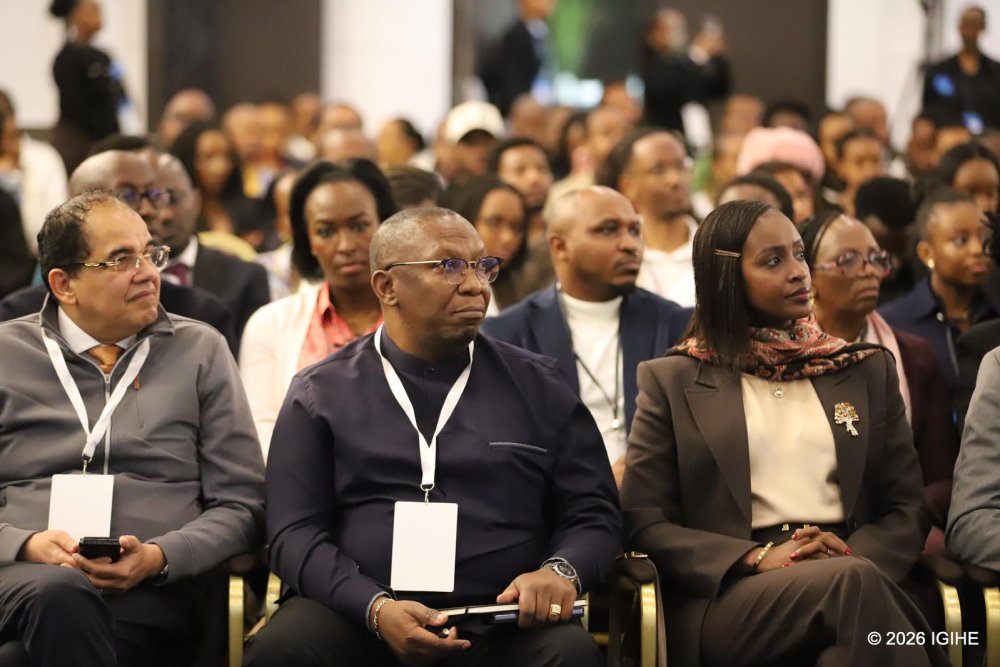
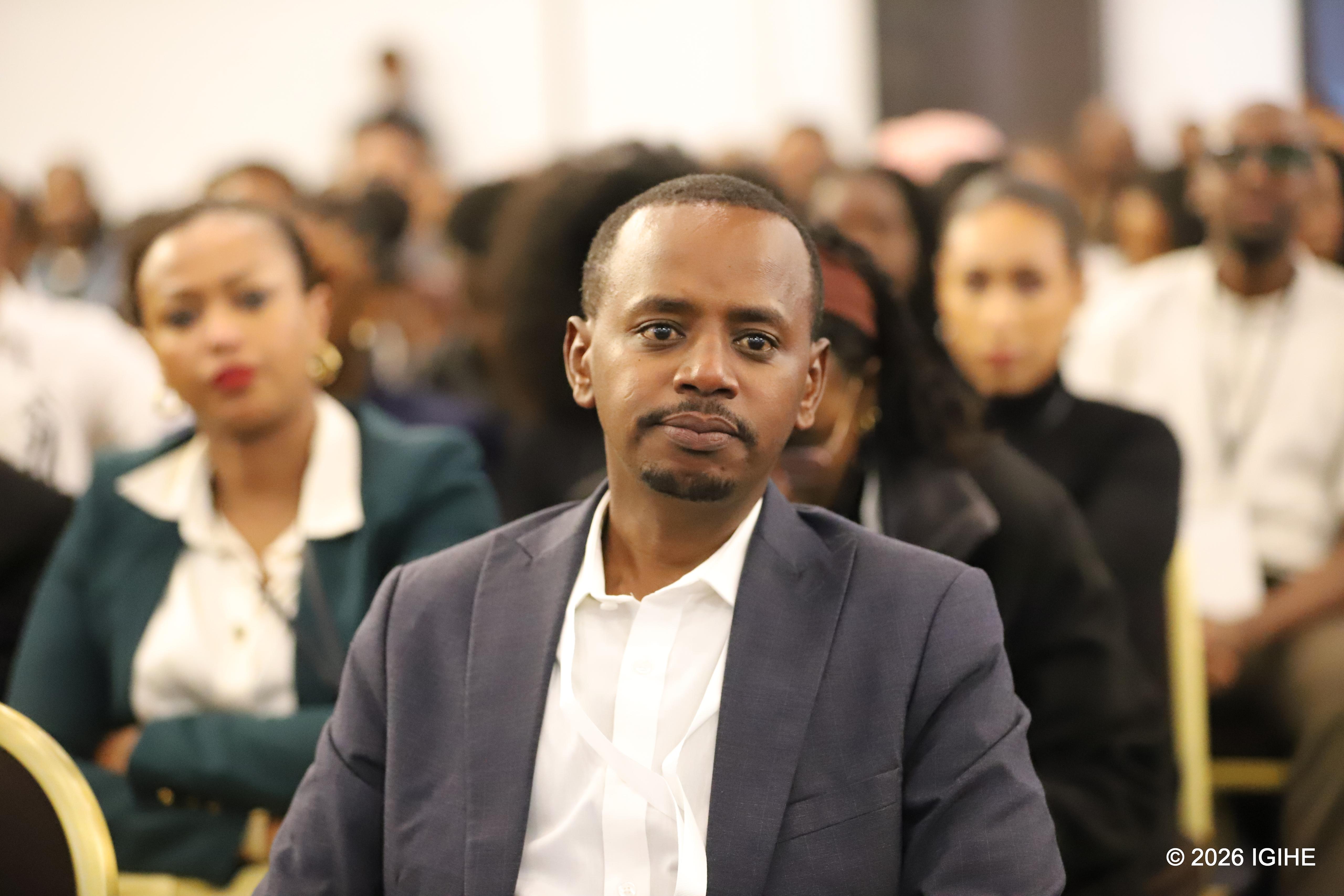
Speaking before an audience of youth and adults from various European countries, Kayitare highlighted the complexity surrounding the transmission of genocide legacies, such as trauma and hate ideology.The event held in Paris brought together over 500 Rwandans from across Europe for a sociocultural dialogue. Frank Kayitare, representing Interpeace, was among speakers.