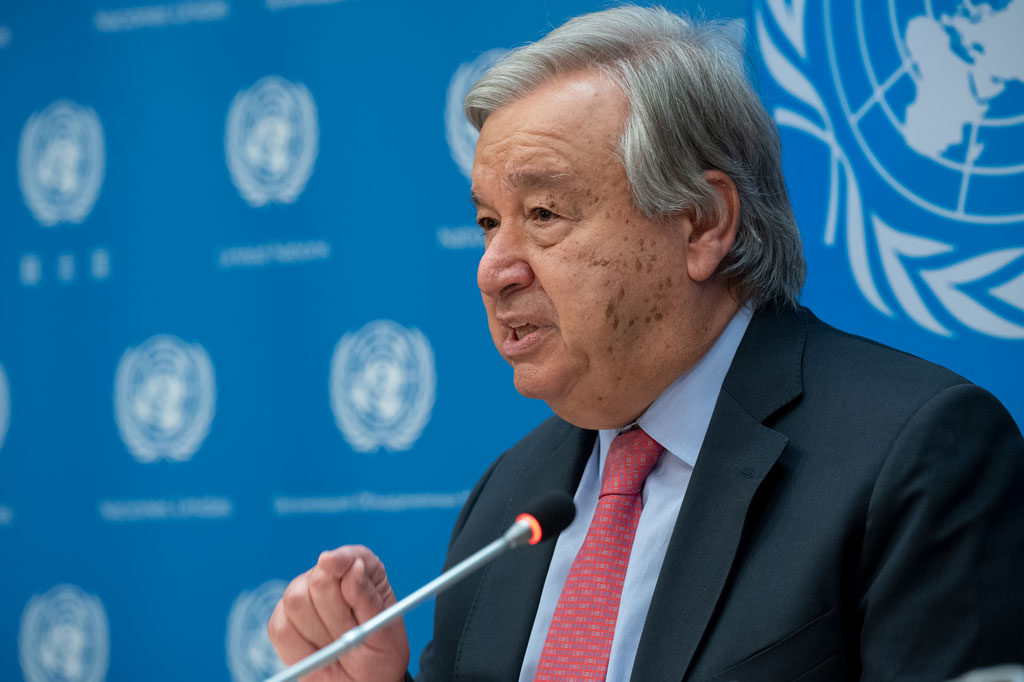
Speaking to reporters at a daily briefing, spokesperson Stephane Dujarric said the UN chief had just concluded a meeting with Venezuelan UN ambassador Samuel Moncada, which lasted about 45 minutes.
“During the meeting, the secretary-general reiterated his publicly-stated position on the U.S. military action in Venezuela,” said Dujarric.
In remarks to the UN Security Council on Monday, delivered on his behalf by Under-Secretary-General for Political Affairs Rosemary DiCarlo, Guterres said he was “deeply concerned about the possible intensification of instability in the country, the potential impact on the region, and the precedent it may set for how relations between and among states are conducted.”
“I remain deeply concerned that rules of international law have not been respected with regard to the Jan. 3 military action,” said the UN chief, who also called on all Venezuelan actors to engage in an inclusive, democratic dialogue in which all sectors of society can determine their future.
In the early hours of Jan. 3, U.S. military forces carried out a series of strikes on Venezuela, taking by force Venezuelan President Nicolas Maduro and his wife, before putting them in custody in New York, which sparked widespread condemnation.
According to a statement from the presidency issued by its spokesperson Massere Toure, the decision followed the legislative elections held on Dec. 27, 2025, after which the prime minister submitted his resignation and that of his government to the president.
“The president of the republic on Wednesday, Jan. 7, signed several decrees,” the statement said, noting that the first decree terminated the functions of the prime minister and members of the government.
“Pending the appointment of a new prime minister and new members of the government, the outgoing prime minister and members of the government will be responsible for handling current affairs,” the statement added.
Following the presidential election on Oct. 25, 2025, the legislative elections held on Dec. 27 resulted in Rally of Houphouetists for Democracy and Peace, the ruling party led by Ouattara, winning a majority of seats in the National Assembly.
The refugees said that areas in eastern DRC from which they fled are now largely controlled by armed groups such as AFC/M23 and Twirwaneho, which they describe as relatively more stable than other regions. This has given them cautious hope that returning home could now be safe.
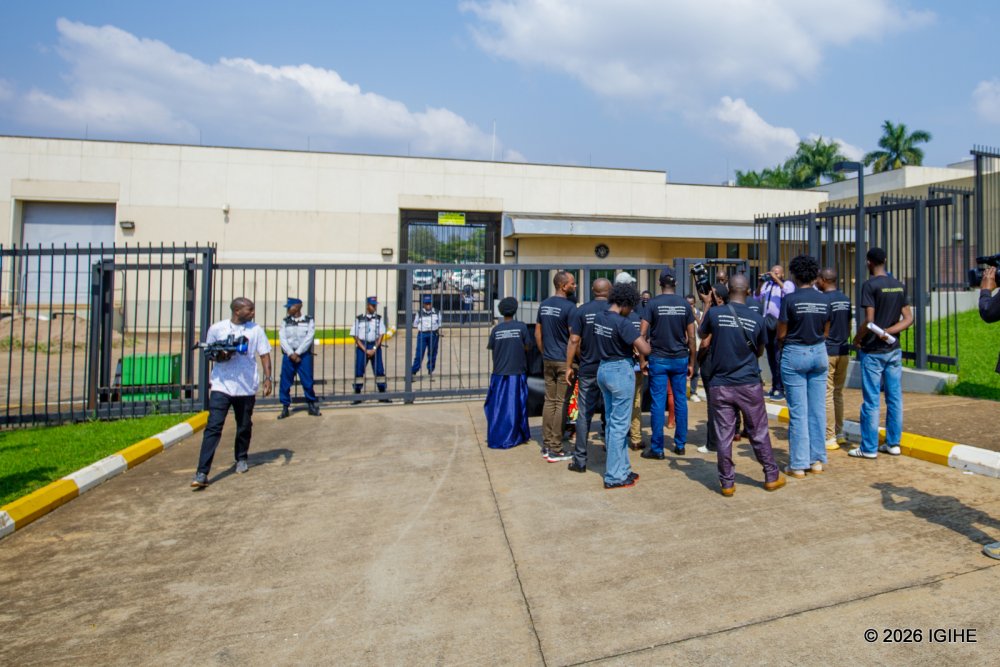
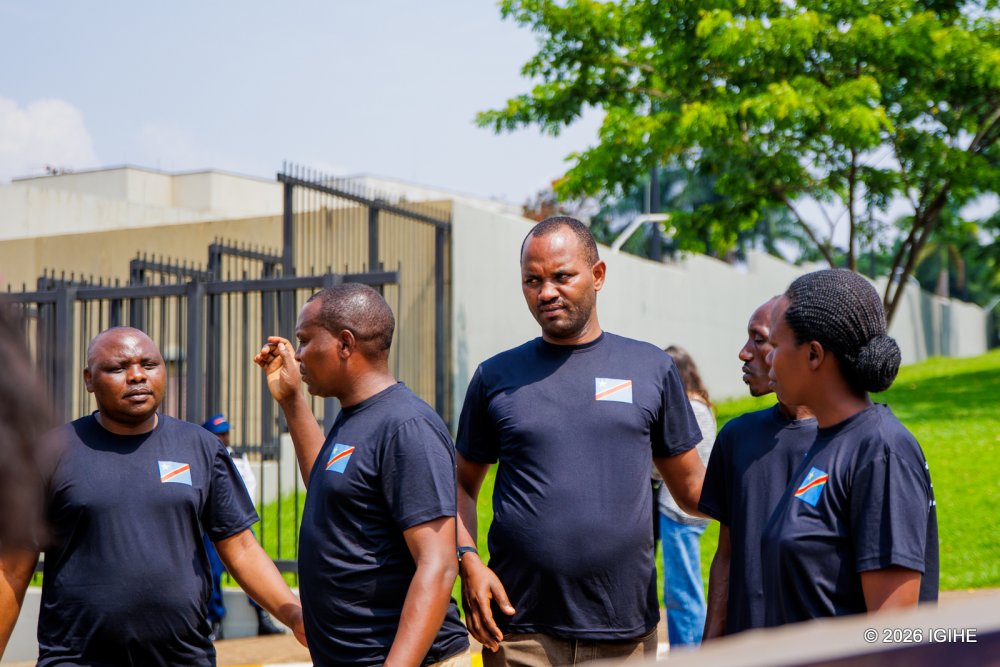
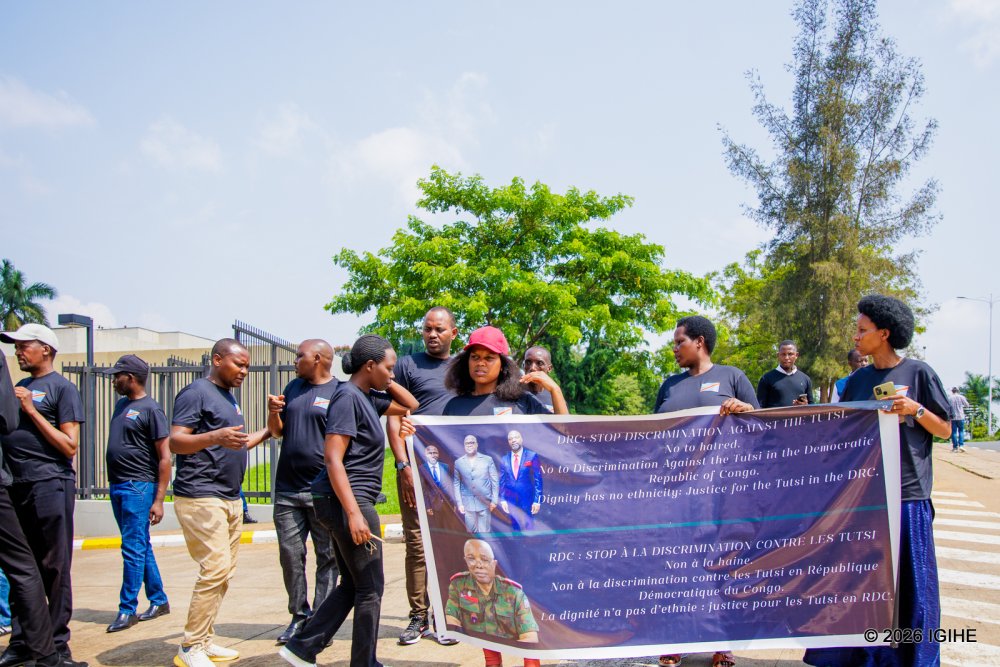
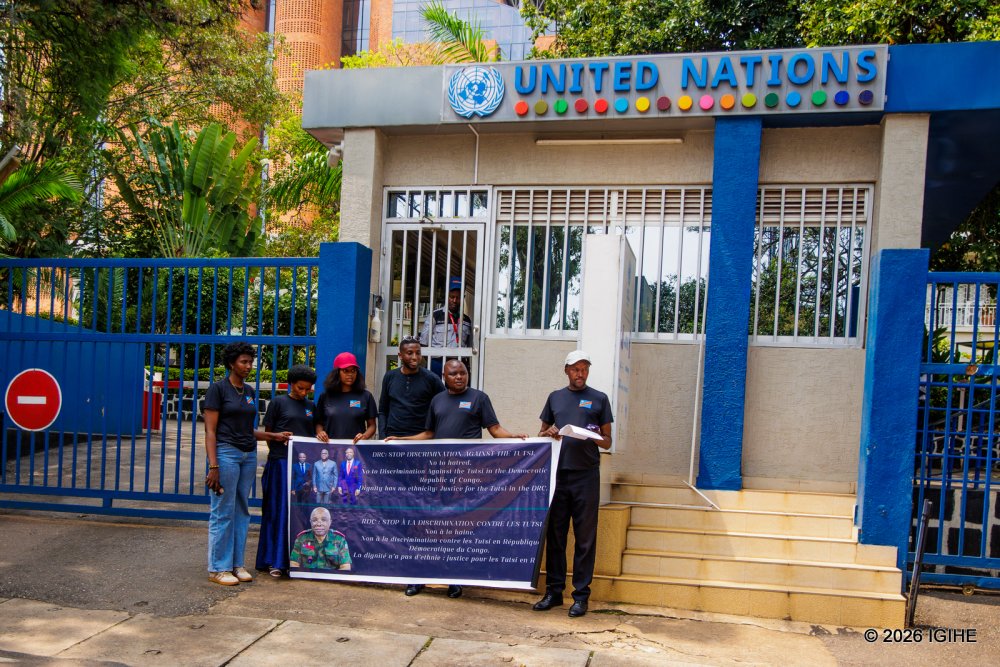
On January 7, 2025, refugee representatives began their visit at the U.S. Embassy in Kigali and continued to the embassies of Qatar, China, Russia, France, the DRC, and others. They also visited offices of UN agencies in Rwanda and the European Union.
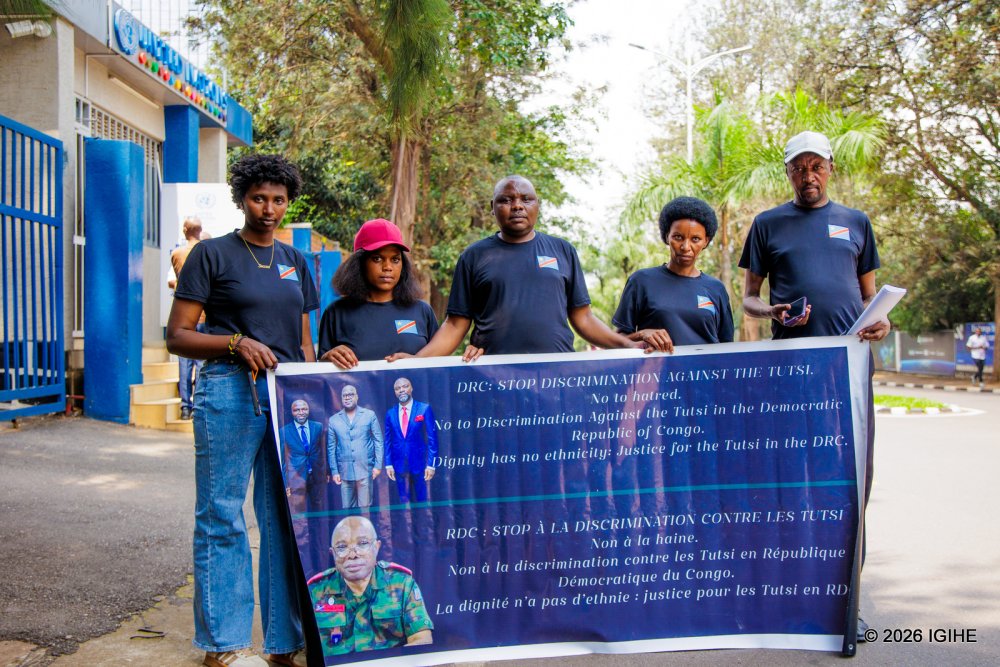
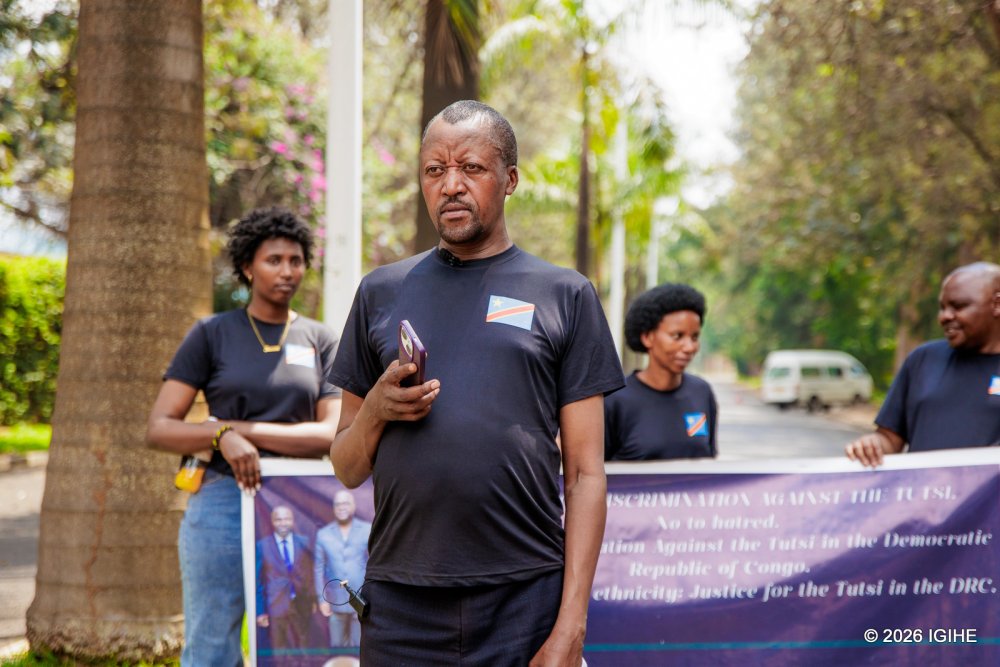
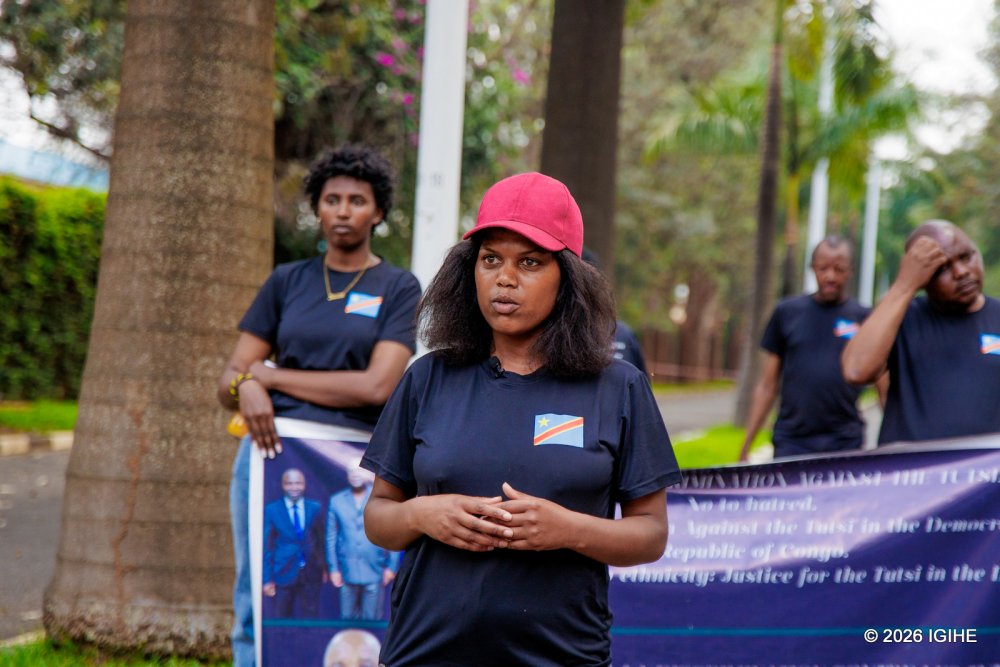
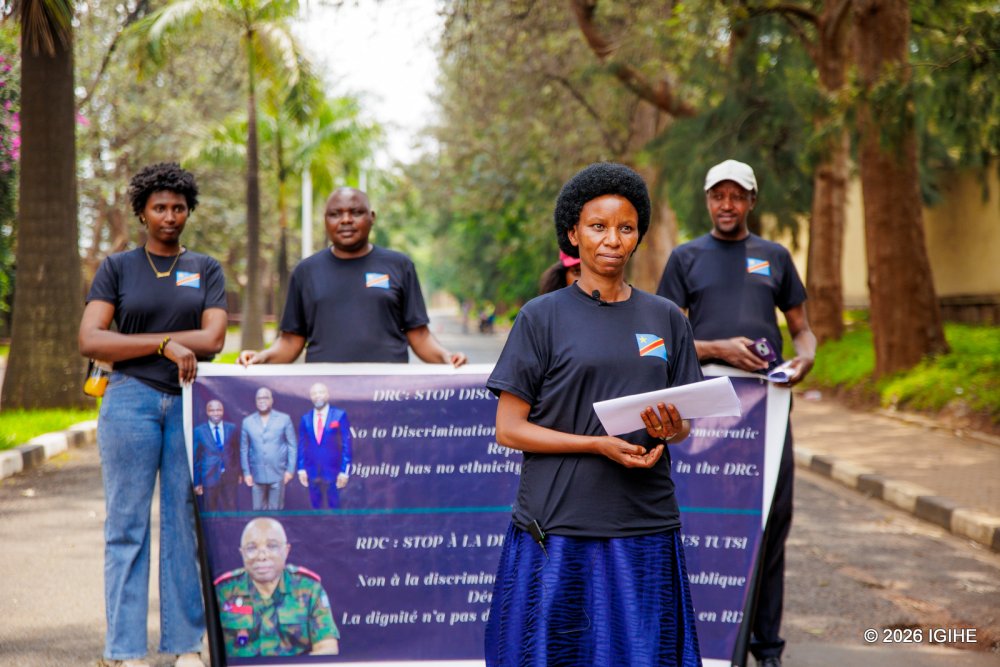
Carrying banners with messages condemning hatred and discrimination, the refugees handed over a 10-page petition detailing abuses in their homeland and calling on the international community to intervene. They also displayed a banner showing photos of political leaders in the DRC alongside messages denouncing the violence that forced their families to flee, with some remaining in exile for more than 30 years.
Agnes Uwimana, who arrived in Rwanda in 1996 as a 12-year-old and now lives in Kiziba Camp in Karongi District, said that she fled due to targeted discrimination against Tutsi, Hema, and Banyamulenge communities, and that the threats persist even decades later.
“Discrimination and hatred against us have never stopped, even after more than 30 years in exile. Violence and persecution continue, and refugees are still fleeing the DRC,” she said. “We need the international community to advocate for our safe return. Growing up in exile and raising children here is a challenge. Justice must also be done for those spreading divisive and harmful rhetoric.”
Sebutezi Edison Munyakarambi, who has spent over 13 years at Kigeme Camp in Nyamagabe with his family, said that they are weary of being regarded as foreigners in their own country.
“In 2012, as conflict escalated, the Governor of South Kivu warned that anyone returning home risked death. They called us foreigners,” he said.
Munyakarambi stressed the importance of raising awareness internationally to pressure the DRC leadership to end discrimination and create conditions for refugees to return safely.
Kalinda Chance Uwase, in Nkamira Camp in Rubavu District for three years, said she had to abandon her secondary school studies and her dream of becoming a doctor due to the conflict. She said that developments in eastern DRC, particularly the relative stability in areas controlled by AFC/M23 and Twirwaneho, have renewed hope for a safe return.
The refugees’ embassy visits come days after peaceful demonstrations were held in Rwandan camps on January 1, protesting remarks by Maj Gen Sylvain Ekenge, spokesperson of the Armed Forces of the Democratic Republic of the Congo (FARDC), which they condemned as hate speech. The protesters called for international legal action against the senior military official.
Maj Gen Ekenge appeared on Congolese national television on 27 December 2025, during a broadcast in which he made remarks targeting Congolese Tutsis, including comments discouraging intermarriage with Tutsi women.
The statements sparked widespread criticism and diplomatic pressure, leading Congolese authorities to suspend Maj Gen Ekenge from his duties. However, the refugees urged stronger measures, insisting that the hatred is deeply entrenched and that accountability must go beyond a mere suspension.
In France, authorities confirmed that five people died in road accidents caused by dangerously icy roads and “black ice,” especially in the southwest and around Paris. In some cases, vehicles lost control on frozen surfaces, leading to fatal collisions. Elsewhere, a woman in Sarajevo, Bosnia and Herzegovina, died after a snow‑laden tree branch collapsed under the weight of heavy snowfall.
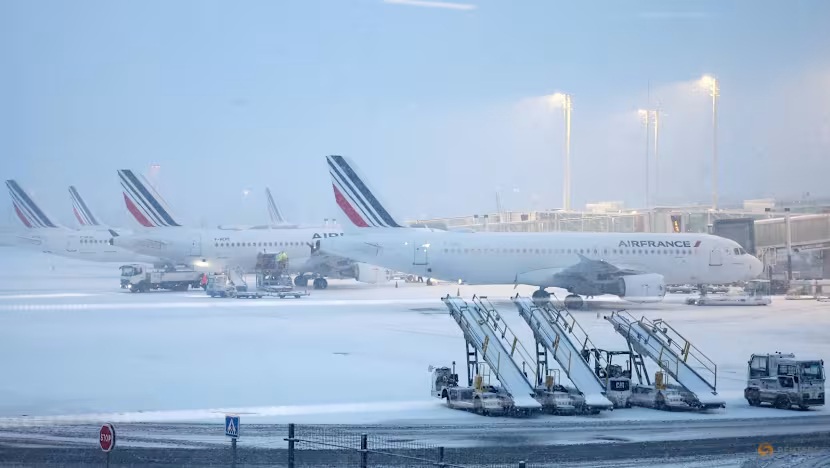
The impact of the cold snap has gone far beyond loss of life. Flight operations across Europe have been severely disrupted, with hundreds of cancellations at major hubs like Paris Charles de Gaulle, Paris Orly, and Amsterdam’s Schiphol Airport. Airlines continue to struggle with icy runways and snow‑clearing operations, prompting travel chaos for thousands of passengers who faced delays or overnight stays at terminals.
Road and rail travel have also been heavily affected. Trains were delayed or halted in parts of the Netherlands and other countries as rail networks grappled with frozen tracks and weather‑related technical issues. Local authorities have urged the public to avoid unnecessary travel, highlighting the significant hazard posed by ice and snow.
Across the continent, temperatures have plunged well below seasonal averages. In the United Kingdom, the mercury dipped to around ‑12.5 °C in some regions, leading to school closures and disruption of public services. Meteorologists warn that more snowfall and icy conditions are expected in the coming days, prolonging the winter weather disruptions.
“Last night was the coldest night of the winter so far,” Britain’s Met Office said.
Officials are also concerned about vulnerable populations, especially people living without stable shelter, who face increased risk during the prolonged cold spell. Emergency measures and shelters have been activated in several cities to protect those exposed to the elements.
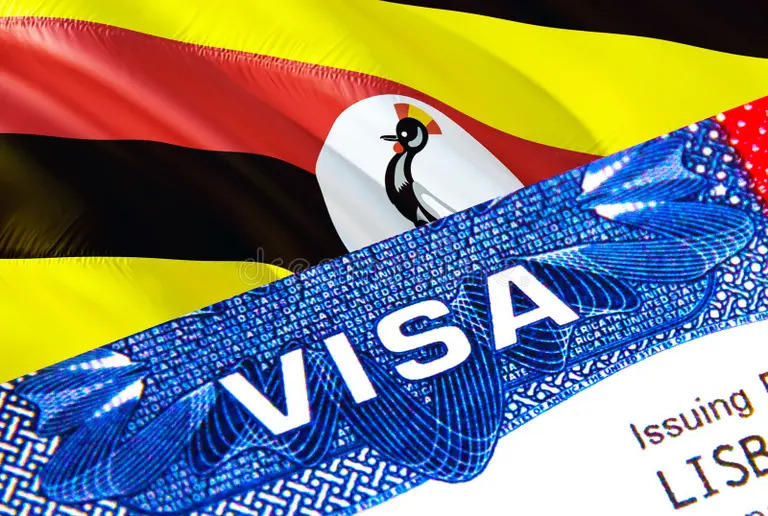
The new rules, set to take effect on January 21, 2026, are part of a visa bond pilot programme aimed at reducing rates of visa overstays. Under the policy, passport holders from Uganda and other listed countries may be required to pay a bond of $5,000 (Rwf 7.2 million), $10,000 (Rwf 15 million), or $15,000 (Rwf 22 million), depending on a consular officer’s assessment during the visa interview.
The requirement applies to B‑1/B‑2 visas, which cover short‑term business and tourist travel, and will be implemented through the US Treasury’s online payment platform. Applicants will only be instructed to pay if directed by a consular officer and must not use third-party websites, as payments made outside official channels are non-refundable.
“Any citizen or national travelling on a passport issued by one of these countries, who is found otherwise eligible for a B1/B2 visa, must post a bond for $5,000, $10,000, or $15,000,” the State Department notice reads.
Paying the bond does not guarantee that a visa will be approved. It is refundable if the visa is denied or if the traveller follows all visa conditions, including leaving the US on time. Authorities caution, however, that the bond may be forfeited if a traveller overstays, fails to depart as required, or attempts to change their immigration status.
{{Broad policy expansion
}}
Uganda is among dozens of countries newly subject to the bond requirement, which now covers nations across Africa, Asia, and the Americas. Other African countries affected include Angola, Benin, Burundi, Gabon, Nigeria, Senegal, Togo, and Zimbabwe, alongside previously listed nations such as Botswana, the Gambia, Malawi, Mauritania, Namibia, Sao Tome and Principe, Tanzania, and Zambia.
From Asia, Bangladesh, Kyrgyzstan, Nepal, and Tajikistan have been added, while Cuba, Antigua and Barbuda, Dominica, and Venezuela represent the Caribbean and Latin American region on the list.
Officials say the broader visa bond initiative forms part of a series of tightened controls under the current US administration, which also includes mandatory in‑person interviews and expanded scrutiny of applicants’ social media use, travel history, and personal circumstances.
The new bond requirement is expected to significantly increase the cost of visiting the United States for many Ugandans, placing it well above standard visa fees and potentially making travel prohibitive for ordinary applicants.
According to statistics for 2025, around 5.9 percent of Ugandans relocated to North America in the past decade, though it is unclear how many travelled through legal channels. There are an estimated 15,000 Ugandan immigrants living in the US based on consolidated data from 2017–2025.
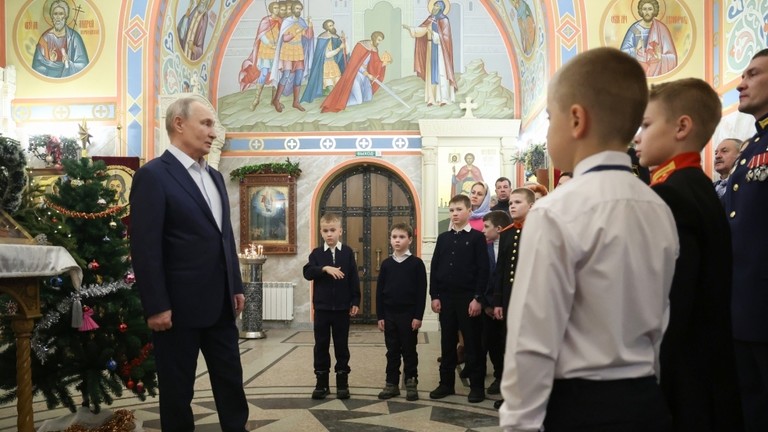
He made the remarks during a Russian Orthodox Christmas service at the Saint George the Victorious Church outside Moscow on January 6, 2026, where he met veterans of the war in Ukraine and their families.
According to an RT report, Putin told a group of children that Russia has historically viewed its warriors as fulfilling a “holy mission” under the direction of the Lord, framing military service as more than a duty, but as something spiritual and noble.
“You should be rightfully proud of your fathers and your mothers,” Putin said, emphasising that Russian soldiers have historically protected the Fatherland and its people “under the direction of the Lord.”
This religious framing was repeated in his Christmas greeting, where he praised Christian organisations for charity work and support for veterans, contributing to social unity and cultural values.
The framing of military service is part of a broader trend where Russia’s leadership uses patriotic and spiritual language to rally public support for its ongoing conflict in Ukraine.
The conflict between the two nations began in February 2014 following Ukraine’s “Revolution of Dignity,” which led to the Russian annexation of Crimea and an eight-year proxy war in the Donbas region. This escalated into a full-scale invasion on February 24, 2022, marking the largest military conflict in Europe since World War II.
As of January 2026, the war has entered its fourth year of full-scale fighting and remains in an active stalemate; while Russia continues to occupy approximately 20% of Ukrainian territory, both sides are engaged in a brutal war of attrition characterised by frequent drone strikes, frontline skirmishes, and a mounting humanitarian crisis that has displaced millions.
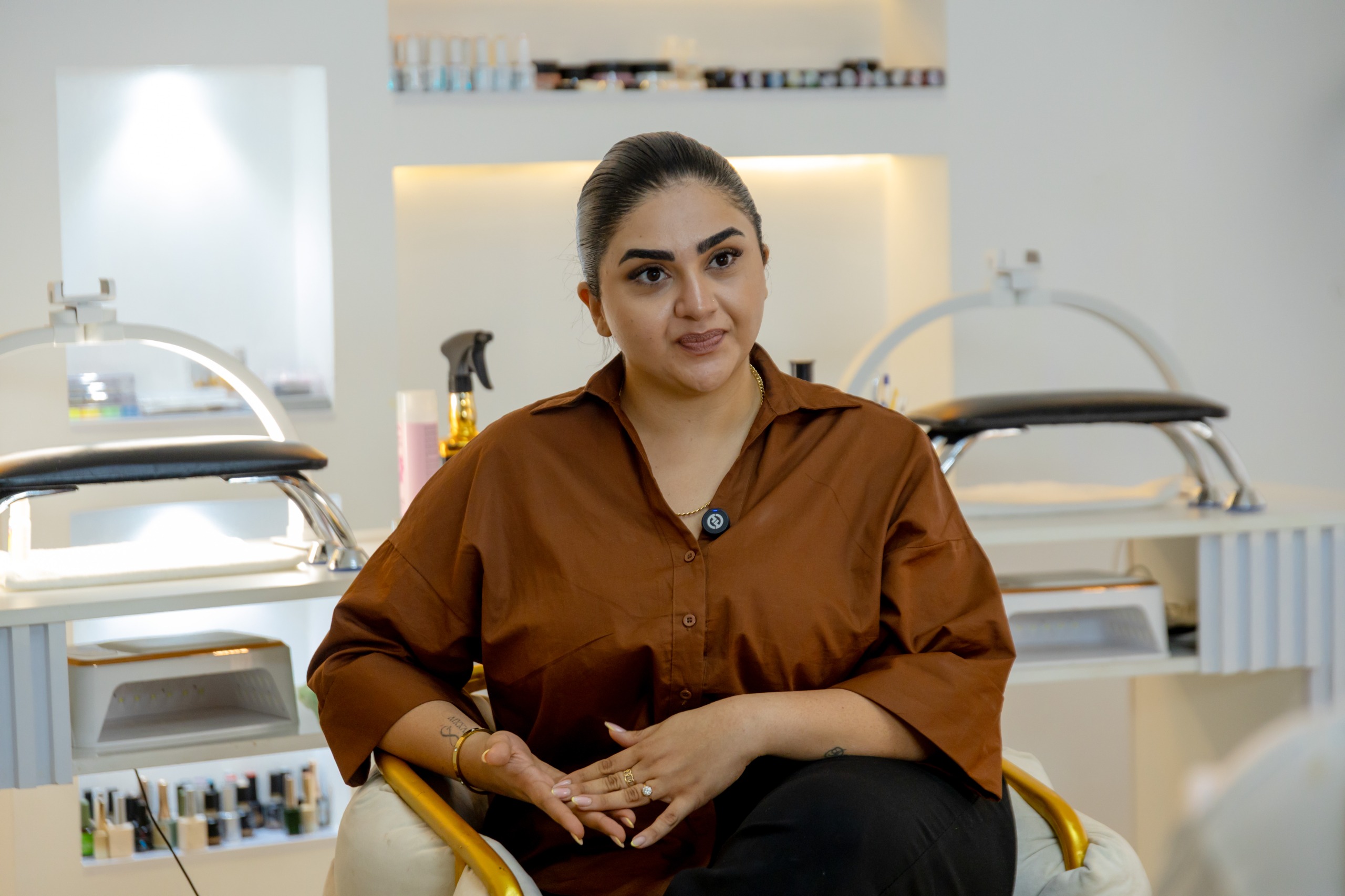
Born and raised in Bujumbura, Burundi, Saya is of Persian (Iranian) and Burundian descent. After completing her studies in Burundi, she moved to Iran, her father’s homeland, seeking new opportunities and a chance to connect with her roots.
“After finishing my studies, I decided to go to my father’s country. I had never lived there and thought it would be like Africa—liberated (free and open). I knew it was a Muslim country, but I didn’t realise how strict it would be, particularly for women. I thought I’d manage, but it was a very hard place to live as a lady. Despite my family’s warnings, I insisted: ‘No, I’m going to try. After all, it’s my country,’” she says.
She spent nearly two years working at a large travel agency, gaining experience and exposure to professional life. But she quickly realised that as a woman, her ability to grow as an entrepreneur was severely limited.
{{Journey to Rwanda
}}
During this time, her fiancé, who was living in Kigali, encouraged her to visit Rwanda. “He kept telling me, ‘Come to Kigali, give it a try. Rwanda has developed, it’s now the Singapore of Africa.’ I was hesitant, but he insisted, ‘Just come for one day and judge for yourself.’”
That one-day visit changed her perspective. “I went back to Iran and made the decision to move permanently to Rwanda. I started planning to open my beauty center in Kigali. Rwanda had advanced 20 years ahead of what I had known,” Saya says.
Six months later, Saya relocated to Kigali. “I was impressed by how efficient everything wa, no corruption, clear processes, and the business setup was remarkably smooth. From finding a location to importing equipment from Italy and China, everything was fast. Rwanda makes the impossible possible,” she explains.
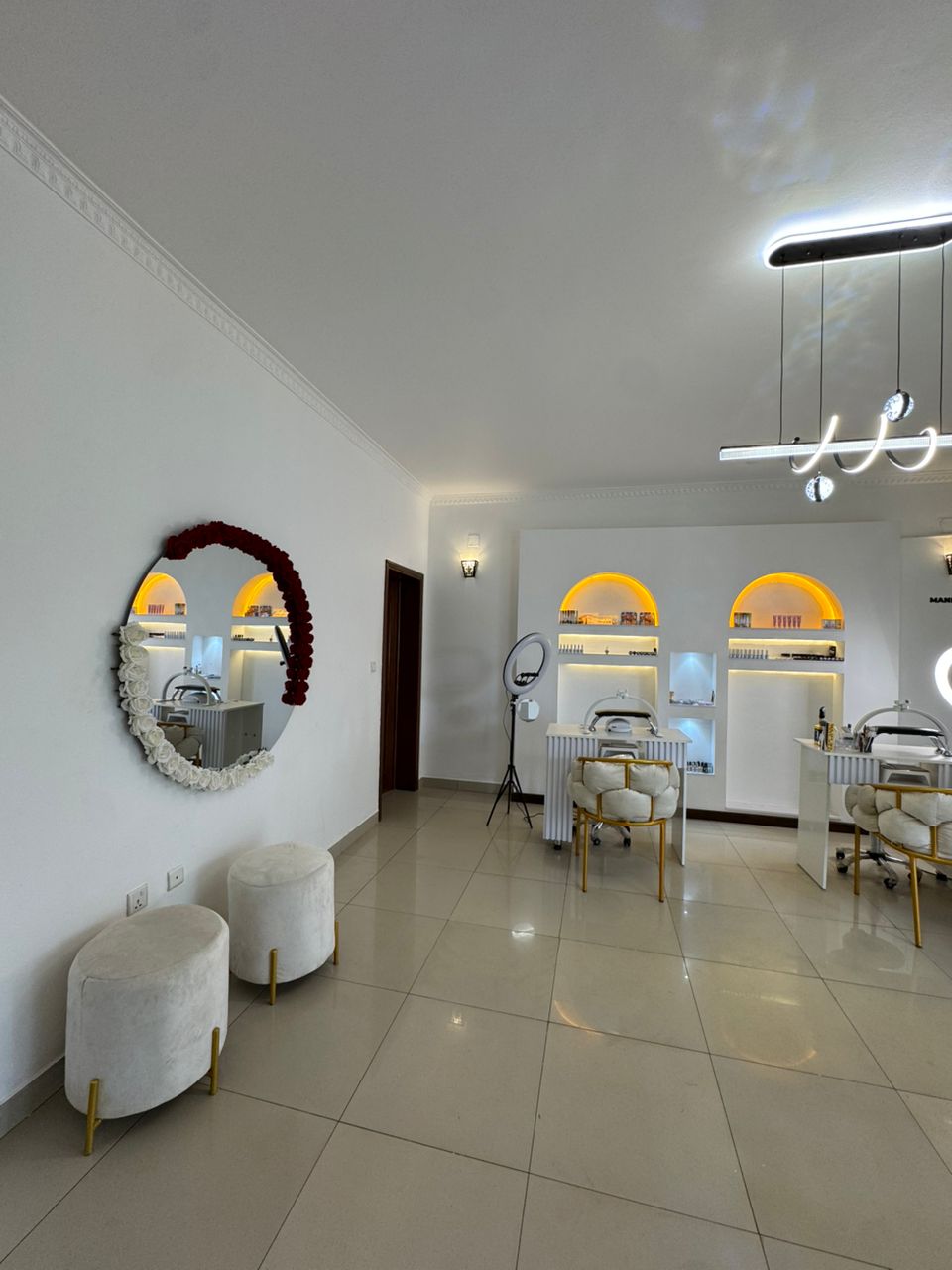
In September 2025, Persian Beauty Spa and Laser Center opened with four employees. Rapid demand quickly expanded the team to 13.
{{The Iran conflict experience
}}
Saya’s journey wasn’t without danger. While travelling to Iran to pick up equipment for her spa and attend a family wedding, she became trapped amid the Iran-Israel conflict.
“Those 11 days of war were the worst period of my life. I had to sleep in underground metro stations, seeing fires, bombs, and missiles. Communication was cut off—no internet, no calls. I couldn’t reach my family or fiancé,” she recalls.
Eventually, she reached her fiancé, who secured embassy letters and arranged transport to the border. “I begged, cried, and spent the night on the ground at the border post. The next morning, an officer finally let me through,” she says.
Back in Kigali, she resumed work. “That experience was the only real challenge I’ve faced as an entrepreneur, not opening the business in Rwanda, but being stuck in Iran during the conflict,” she notes.
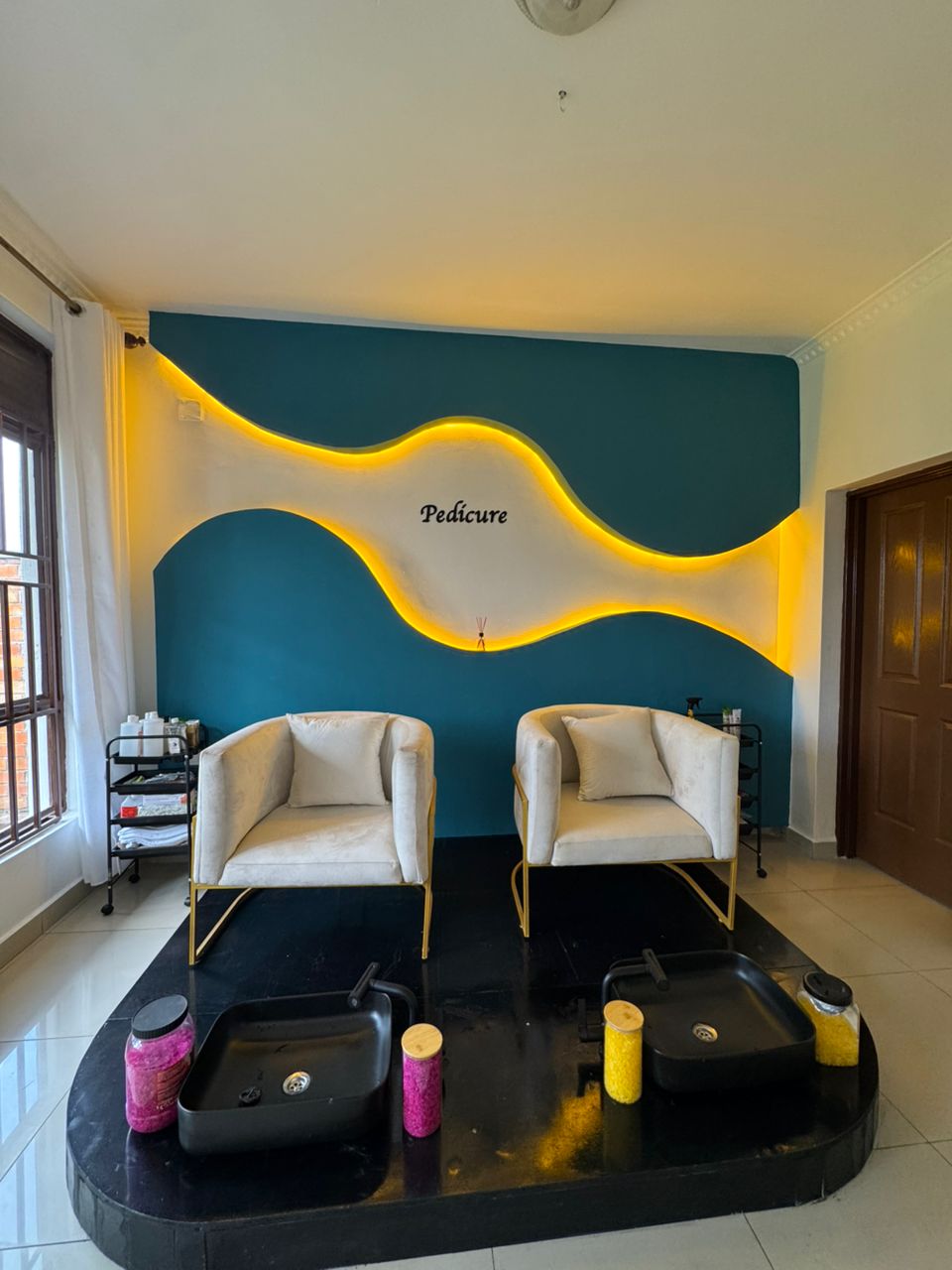
Saya invested around $45,000 (approximately Rwf 66 million Rwandan francs) to launch the spa in Kibagabaga, importing high-quality European skincare devices. Persian Beauty Spa and Laser Center offers facials, acne and hyperpigmentation treatments, therapeutic massages, nail care, and more.
Her clients include both Rwandan and international customers. “Rwandan women take incredible care of themselves even in their 50s and 60s; their skin remains smooth and wrinkle-free,” she says, adding, “I would like to welcome everyone to the Persian Beauty Spa and Laser Center. It’s a great opportunity to try our services and meet me in person. You won’t regret it.”
Watch the full video to see Saya’s journey from Iran to building her dream spa in Kigali.
The disaster unfolded early on January 5, 2026, when days of heavy rain caused rivers and streams to overflow. The sudden rush of water, mixed with mud, rocks, and debris, roared down hillsides and into villages on Siau Island, a small volcanic island located about 130 kilometres off the northern tip of Sulawesi.
Emergency crews, supported by Indonesia’s National Disaster Management Agency (BNPB), along with police and military personnel, were deployed to the hardest-hit areas. Access to some of these villages has been difficult due to damaged roads and disrupted communications, hampering search efforts. As waters receded on January 6, rescuers recovered the bodies of 16 victims while continuing the search for at least three more people still missing in areas where entire neighbourhoods were inundated.
Authorities have declared a 14-day emergency response period to speed up relief and recovery efforts, providing food, shelter, and medical support to those affected by the flooding.
The floods caused significant structural damage across the region. At least seven houses were completely washed away, while more than 140 homes suffered varying degrees of damage, ranging from moderate to severe. Over 680 residents have been forced into temporary shelters in churches and public buildings.
Initial medical evaluations have identified multiple injuries, and emergency teams are working to evacuate vulnerable residents to safer areas. Local authorities are also working to clear blocked roads and restore access to isolated communities.
Officials have warned residents to remain alert, as further rainfall could spark additional flooding or landslides in the already affected region. The government has mobilised heavy equipment and relief supplies to address the damage caused by the floods.
This tragic event follows a broader pattern of extreme weather in Indonesia, which has seen catastrophic floods and landslides in other areas, such as Sumatra, earlier in December 2025. The ongoing challenges posed by monsoon rains and insufficient infrastructure in remote regions continue to exacerbate the country’s vulnerability to such natural disasters.
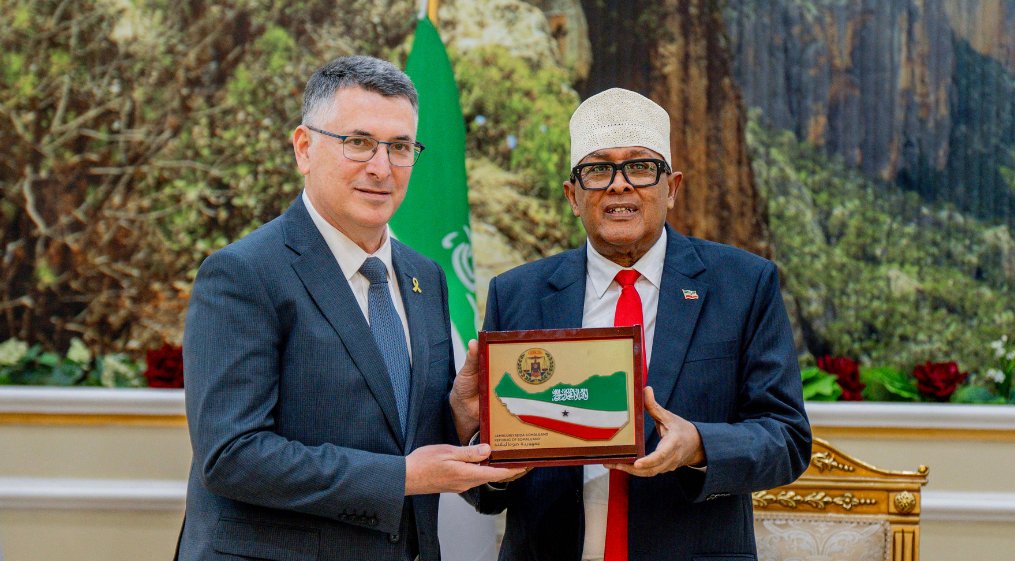
Saar arrived in Somaliland on Tuesday, nearly two weeks after Israel formally recognised the region as an independent state, becoming the first country to do so. The visit comes amid efforts by both sides to formalise diplomatic ties.
In a post on the social media platform X, Saar said the mutual recognition and establishment of diplomatic relations between Israel and Somaliland “are not directed against anyone.” He confirmed that the two sides had agreed to exchange ambassadors and open embassies.
“On December 26, Israel and Somaliland signed a historic agreement on mutual recognition and the establishment of full diplomatic relations,” Saar said during a joint press statement with Somaliland President Abdirahman Mohamed Abdilahi. “We agreed on the mutual appointment of ambassadors and the opening of embassies. We will get that done soon.”
An Israeli Foreign Ministry statement said Saar’s visit followed an official invitation from Abdilahi, who described the trip as “a significant milestone” reflecting a shared commitment to building a productive, forward-looking and strategic partnership.
Speaking at the joint news conference, Abdilahi said Somaliland was politically ready and committed to hosting a permanent Israeli diplomatic presence and confirmed that the region would also open an embassy in Israel. He added that he had accepted an invitation from Israeli Prime Minister Benjamin Netanyahu to visit Israel soon to formally inaugurate Somaliland’s mission.
Both leaders said they were committed to building a strategic relationship covering political, security, economic and development cooperation. Saar noted that discussions between Israel and Somaliland had been ongoing for several months and had culminated in agreements on diplomatic representation.
The Israeli foreign minister said his ministry was working to expand cooperation across sectors including agriculture, water management, healthcare, education, defence and economic development, with plans for exchanges of experts and training programmes. He also welcomed Somaliland’s intention to join the Abraham Accords, describing the region as “friendly to Israel.”
The visit, however, has drawn a sharp response from Somalia, which considers Somaliland part of its sovereign territory. The Somali Foreign Ministry condemned what it termed Saar’s “unauthorised incursion” into Somaliland, accusing Israel of undermining Somalia’s sovereignty and territorial integrity.
In a statement, Mogadishu said the visit amounted to “unacceptable interference” in the internal affairs of a sovereign UN member state, warning that any official engagement on Somali territory without the federal government’s consent is illegal, null and without legal effect.
Somalia reiterated its firm and non-negotiable commitment to national unity and territorial integrity, rejecting Israel’s recognition of Somaliland and the establishment of diplomatic ties.
Israel announced its recognition of Somaliland on December 26, a move that sparked widespread regional criticism, particularly from Arab countries, which described it as illegal and a threat to international peace and security.
Somaliland unilaterally declared independence from Somalia in May 1991, following years of conflict that left the country in turmoil. Despite maintaining its own government, security structures and currency, it has long lacked formal international recognition.
From ancient sacred forests linked to spiritual rituals and royal courts to hills that once cradled thriving kingdoms, these places capture the heart of Rwanda’s story, deep traditions, vibrant culture and enduring spirit.
While there is no official ranking of the nation’s top historic sites, the eleven we have selected stand out for their ability to illuminate Rwanda’s remarkable journey, each revealing a unique chapter of its roots and ongoing evolution.
Many more sites deserve mention, yet these eleven bring the past to life most powerfully, highlighting who Rwandans are today. Join us as we explore these extraordinary places, discovering together Rwanda’s layered history, timeless traditions, and the lives of the people who shaped it.
{{1. Karongi museum of environment }}
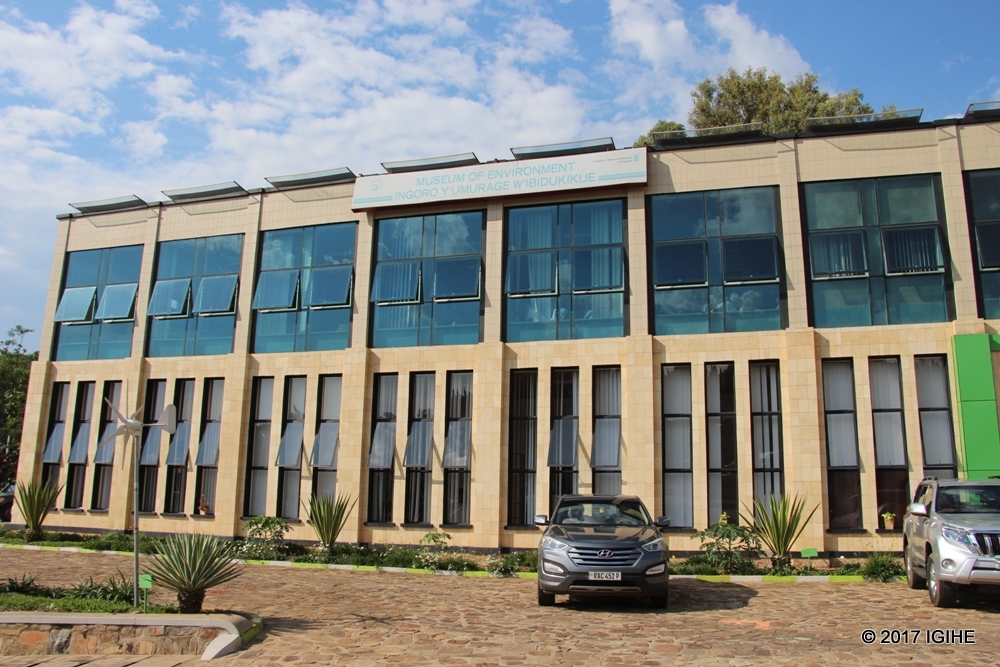
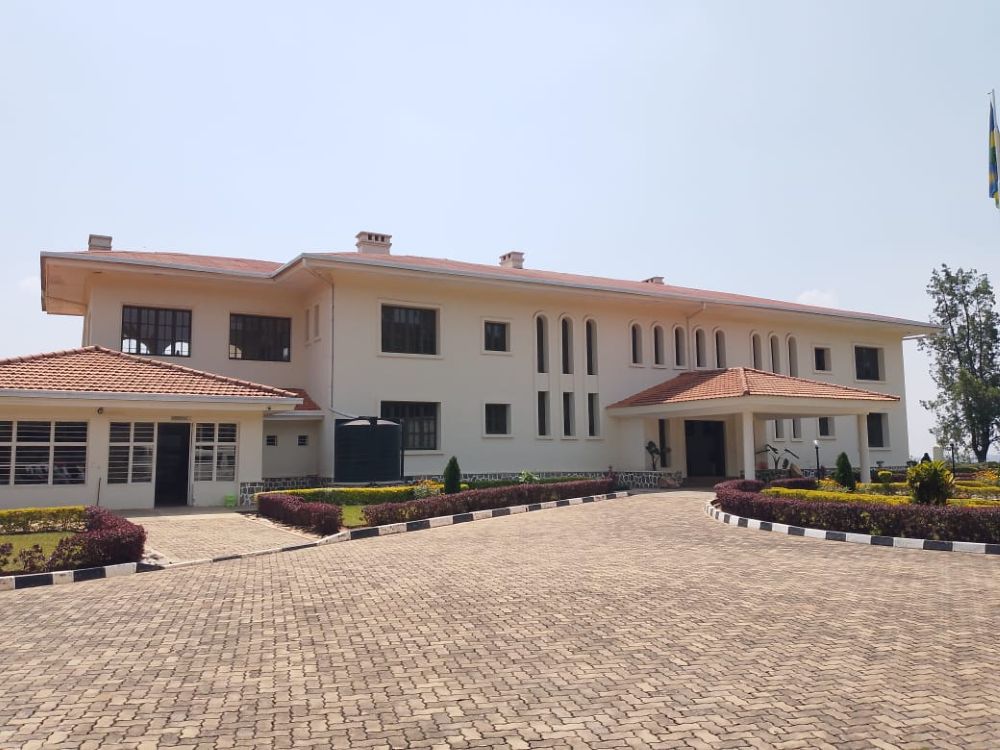
In the lakeside town of Karongi, overlooking Lake Kivu, stands the Museum of the Environment, one of the eight museums under the Institute of National Museums of Rwanda.
The first of its kind in Africa, it explores renewable and non-renewable energy sources while promoting harmony between people and nature.
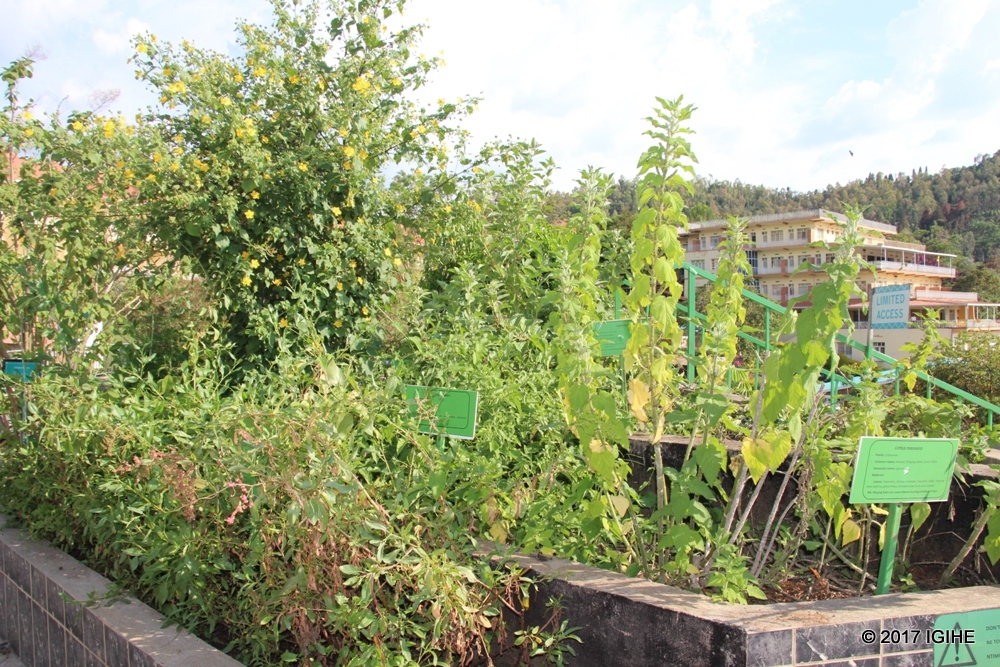
Spread across two floors with interactive exhibits, it also features a rooftop herbal garden that celebrates Rwanda’s traditional healing heritage.
More than a museum, it serves as an educational centre helping visitors understand and protect their environment. It is open daily from 8 a.m. to 6 p.m.
{{2. Buhanga Eco-Park}}
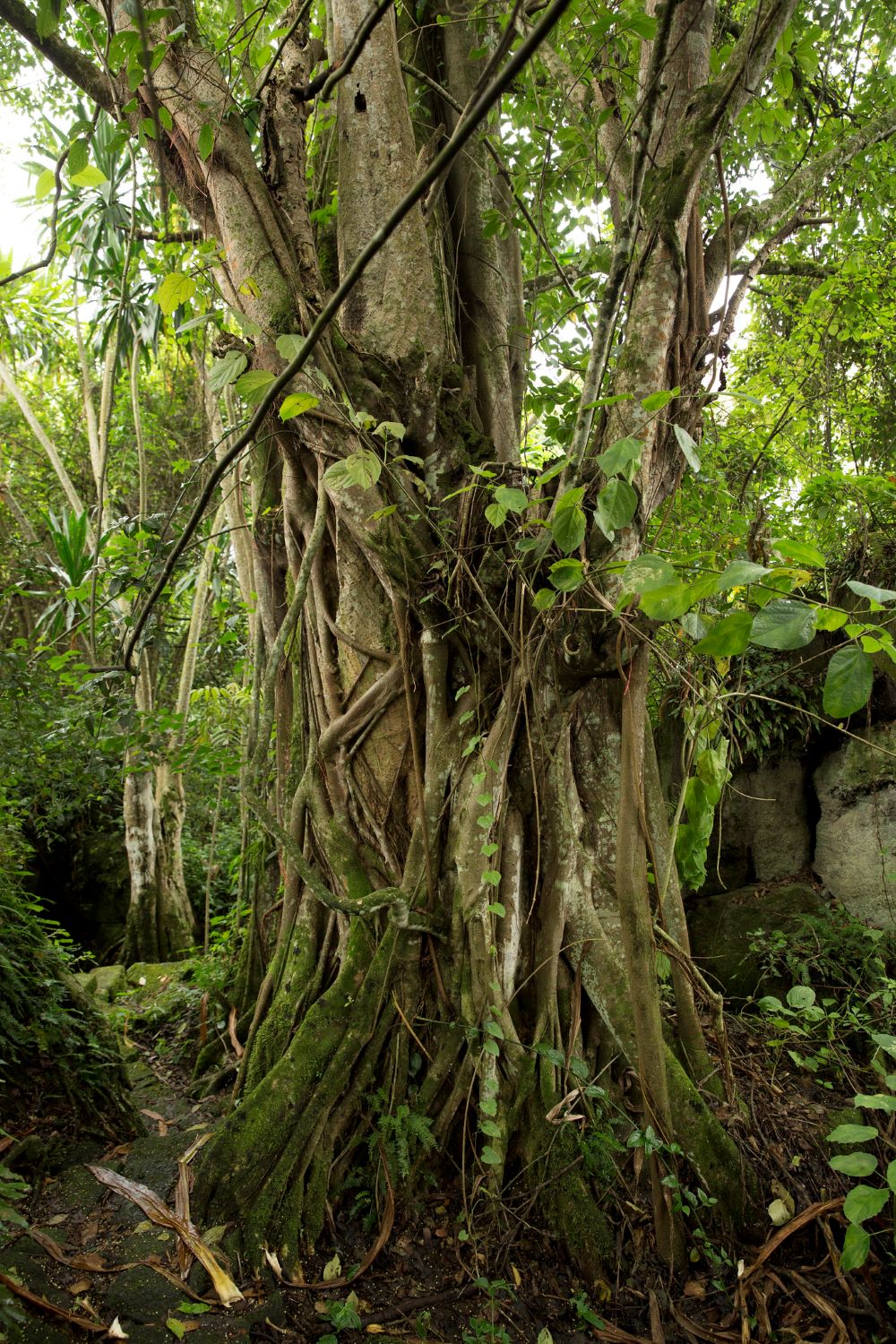
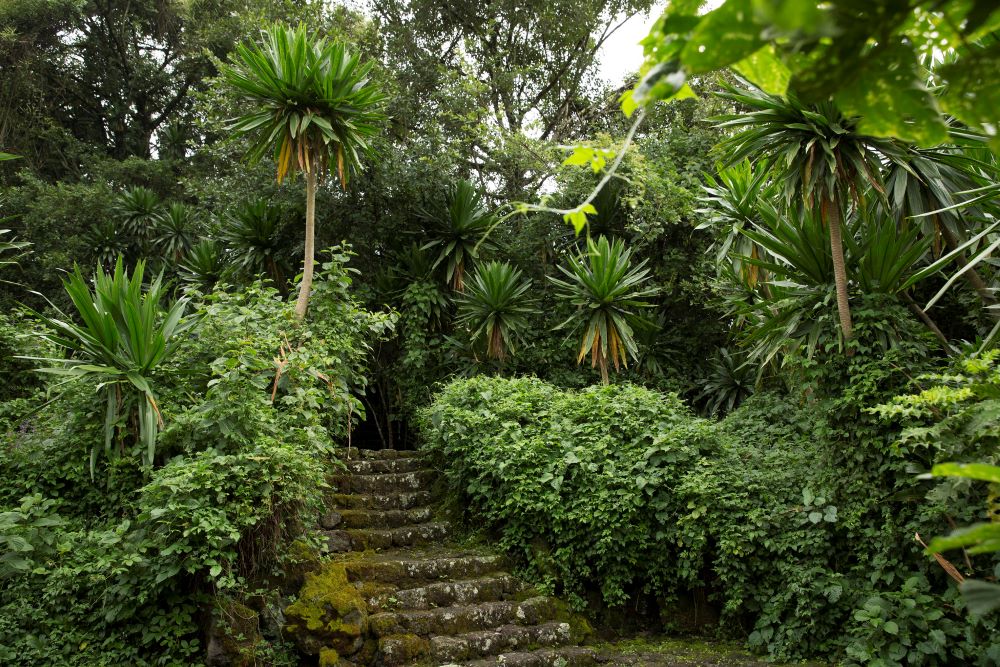
[Buhanga Eco Park->https://en.igihe.com/tourism/article/inside-buhanga-eco-park-where-nature-meets-rwanda-s-royal-legacy], a 31-hectare forest located eight kilometers west of Musanze in the Nyakinama community, is a place where nature and history intertwine. Recently integrated into Volcanoes National Park, it holds deep cultural significance in Rwanda’s monarchy.
The name Buhanga, meaning “creation,” recalls its sacred past, legend says Rwanda’s first king, Gihanga, founded the kingdom here, and for centuries, kings were crowned in this very forest. Its untouched beauty, protected by its sacred status, features towering Ficus and Drago trees, lava-stone paths, and vibrant birdlife.
Walking through Buhanga feels like stepping into Rwanda’s living history, a tranquil sanctuary where nature and ancient royal heritage coexist in perfect harmony.
{{3. Kamegeri Rock }}
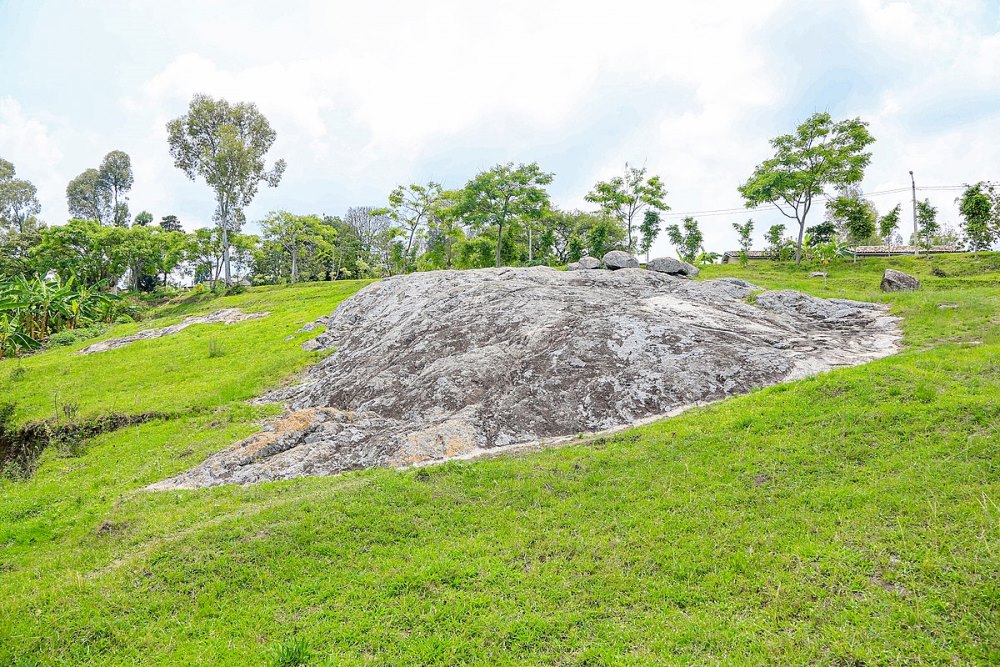
[Kamegeri Rock->https://en.igihe.com/history/article/when-the-evil-falls-in-own-trap-the-story-of-kamegeri-rock], located in Ruhango District, is one of Rwanda’s most symbolic historic sites.
It is named after Kamegeri, a local chief and trusted servant of King Mibambwe II Gisanura, who ruled around 1600.
Known for his wisdom, Kamegeri earned the king’s favor but later misused his influence by proposing a cruel punishment, burning traitors on a red-hot rock.
To teach a lesson in justice and humility, the king ordered Kamegeri to suffer the same fate on the very rock he had chosen. His story remains a moral reminder that cruelty and arrogance can lead to one’s downfall.
{{4. Ndaba Rock }}
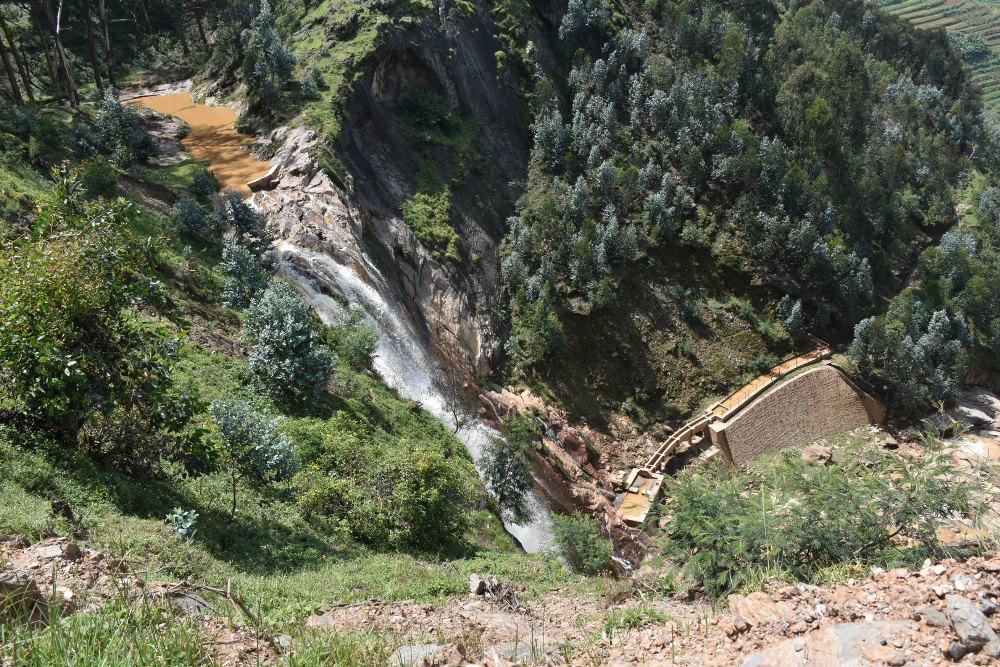
[Ndaba Rock->https://en.igihe.com/history/article/when-greed-is-overwhelming-the-tale-of-ndaba-rock], located about 20 kilometers from Karongi on the road to Muhanga, is one of Rwanda’s most captivating cultural sites. It is named after Ndaba, a man who died tragically after succumbing to greed.
According to legend, Ndaba was lowered into a honey-filled rock by his friends but chose to eat the honey himself instead of sharing. Angry, his companions abandoned him, and when he tried to climb out, his weight and the slippery rock caused him to fall to his death.
The site remains a powerful symbol against selfishness and attracts visitors with its scenic beauty, waterfalls, and storytelling traditions.
{{5. Huye Ethnographic Museum }}
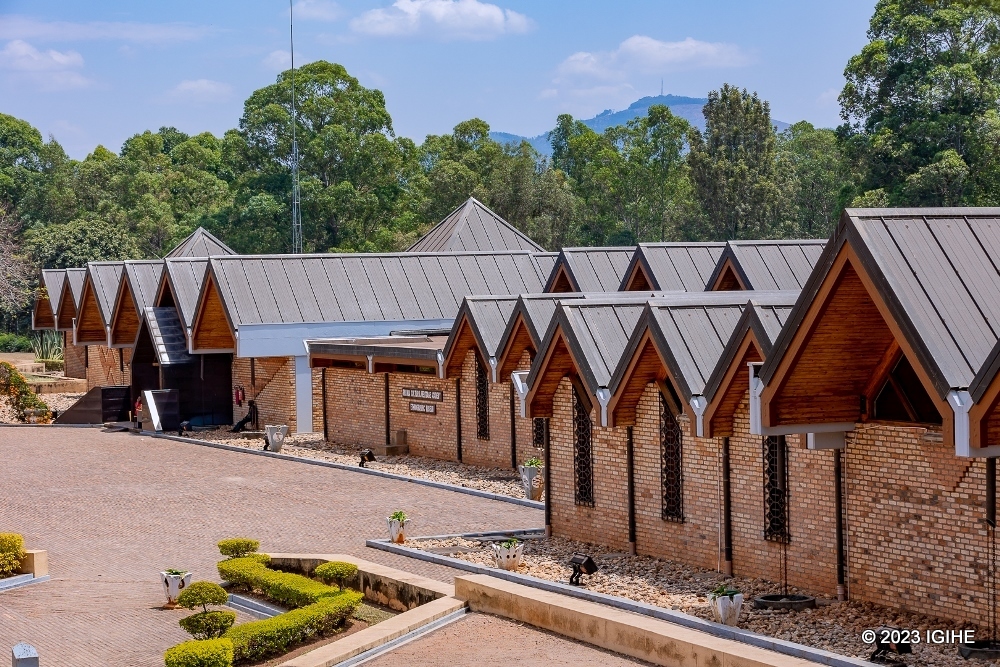
The Ethnographic Museum in Huye, which has existed since the late 1980s, stands as one of Africa’s finest cultural museums.
Its seven galleries take visitors on a journey through Rwanda’s heritage, from geography and geology to daily life, craftsmanship, and tradition.
Exhibits display tools used in farming, pottery, weaving, and woodwork, alongside traditional clothing and architectural methods. The museum also highlights the social importance of cattle, whose royal descendants still graze in nearby Nyanza.
The final gallery immerses visitors in Rwanda’s customs, beliefs, and oral traditions, while the adjoining craft centre keeps these timeless skills alive.
{{6. Mu Bisi bya Huye kwa Nyagakecuru (Nyagakecuru residing in Huye mountains) }}
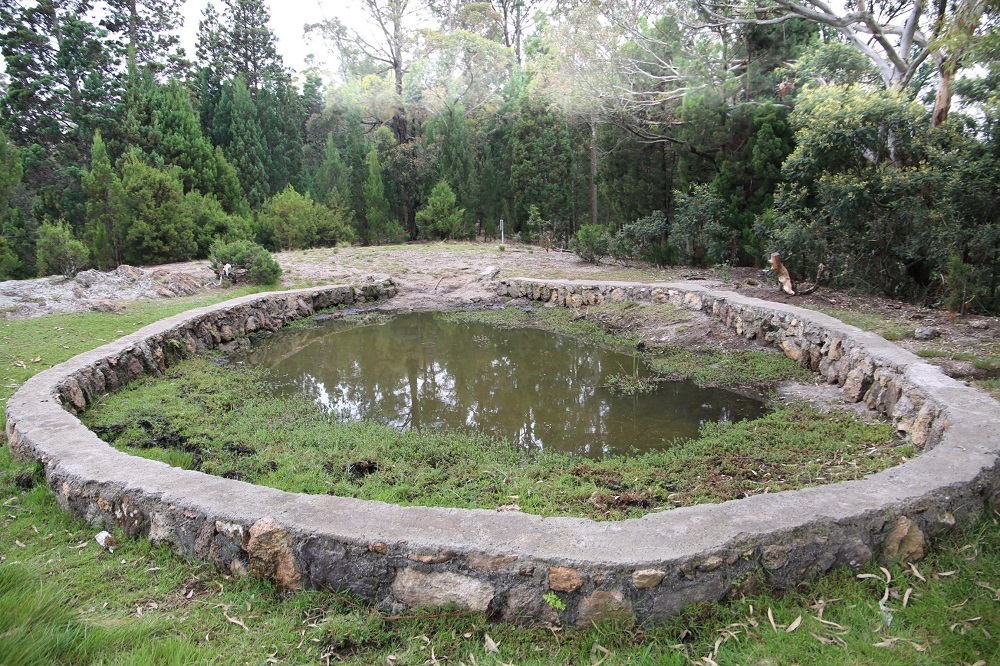
High in the mountains of Huye District, Southern Rwanda, once lived an old woman named Nyagakecuru, remembered for her defiance against King Kigeli IV Rwabugili in the 18th century.
While others bowed to royal authority, she refused to submit or send tributes to the king. From her fortified home atop Mount Huye, she was guarded by a massive snake said to protect her from attacks.
After repeated failures to capture her, the king sent her fifty goats as a trick. The goats devoured her thorny fence, leaving the snake homeless. It had no choice but to flee.
Seizing the moment, Rwabugili’s soldiers stormed the mountain and captured her, ending her rebellion.
{{7. Kandt House Museum }}
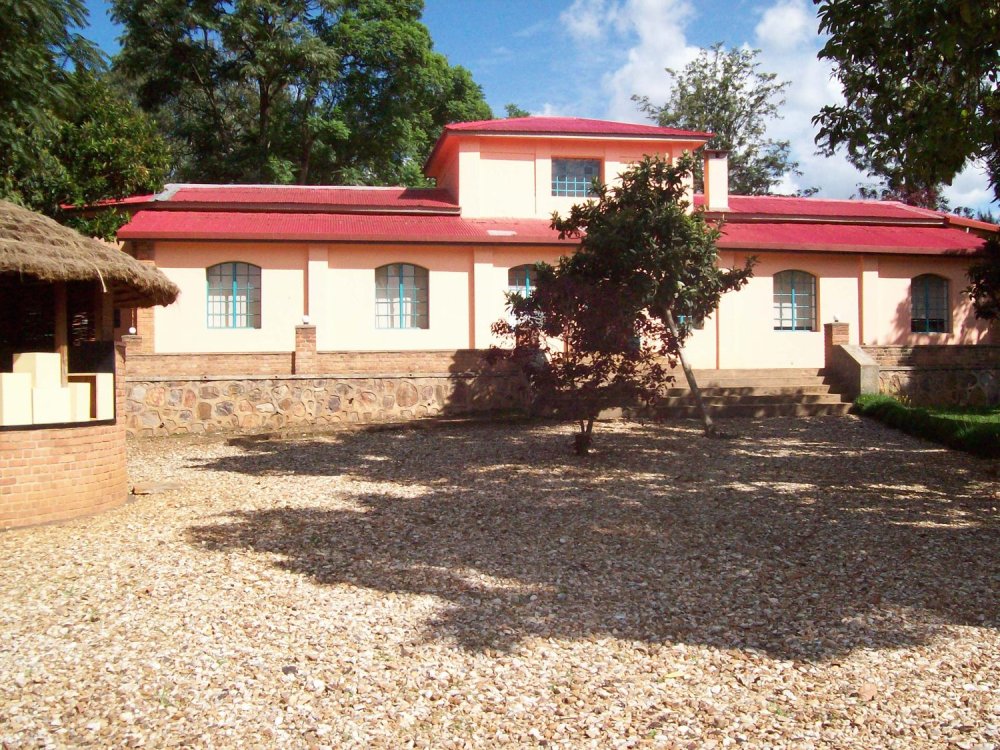
In the heart of Kigali lies the home of Richard Kandt, the German explorer who founded the city in the early 1900s.
Now the Kandt House Museum, it offers an intriguing glimpse into Rwanda’s colonial encounter and transformation. Through its rooms, visitors trace the shift from pre-colonial life to modern urbanization.
{{8. Mwima Mausoleum}}
A short drive from Nyanza, the Mwima Mausoleum sits quietly among trees, its simplicity befitting the dignity of its occupants.
Here lie King Mutara III Rudahigwa and Queen Rosalie Gicanda, whose lives and legacies shaped Rwanda’s modern identity.
When you stand at Mwima, you can see Rwesero, Rukari and Mushirarungu hill next you.
{{9. ‘Ku Kirenge cya Ruganzu’ – The royal footprint }}
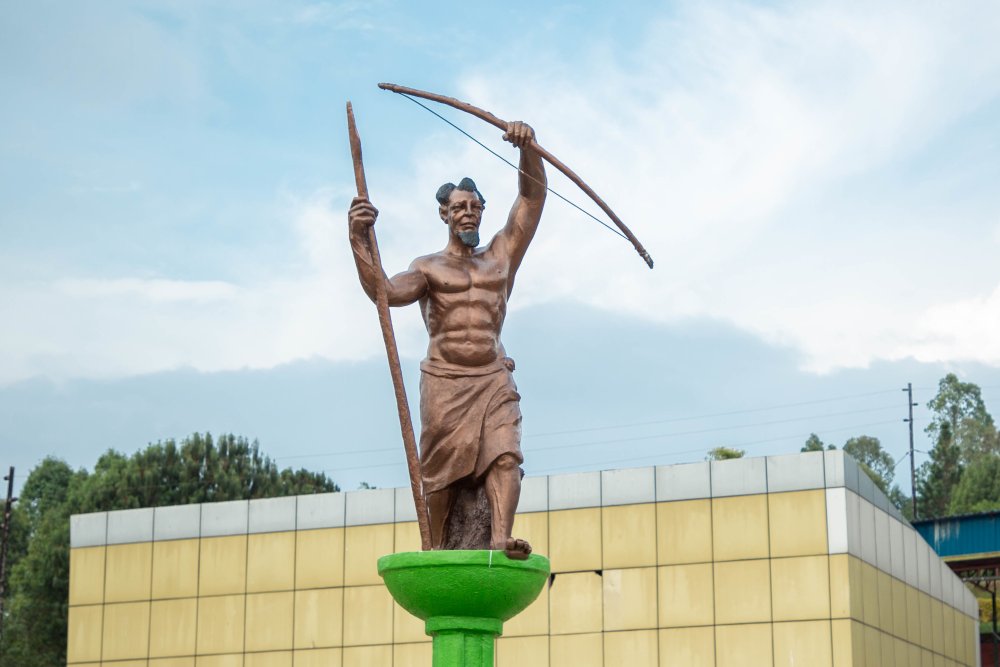
In the hilly Rulindo District, about an hour from Kigali, stands a striking sculpture of a muscular man holding a bow and spear, said to depict King Ruganzu II Ndoli, who ruled Rwanda from 1510 to 1543.
Known as Ku Kirenge (“at the footprint”), the site hosts the Ikirenge Cultural Centre, where a rock bearing Ruganzu’s supposed footprint is displayed.
Guides eagerly point out the marks of his toes and heel, astonishing visitors with the legend’s vivid yet believable detail.
{{10. Akarwa k’abakobwa — The Girls’ island }}
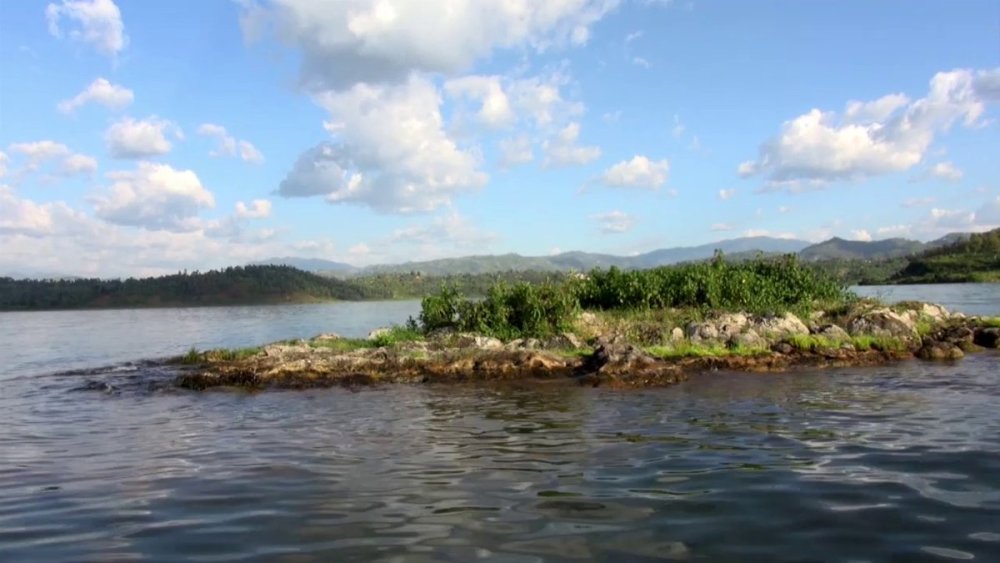
Among Rwanda’s legendary islands is Akarwa k’Abakobwa, the Island of Girls, once a place of banishment for unmarried pregnant girls, seen as a disgrace to their families.
Tradition held that parents would present the girl to the king, who ordered her sent to the island to die in isolation. Sometimes, fishermen from nearby Idjwi Island rescued and married them, while others perished, their fate unknown.
The story instilled fear against premarital sex. Today, the island’s silence remains, now serving as a peaceful grazing ground for Rwanda’s famous swimming cows.
{{11. Campaign Against Genocide Museum }}
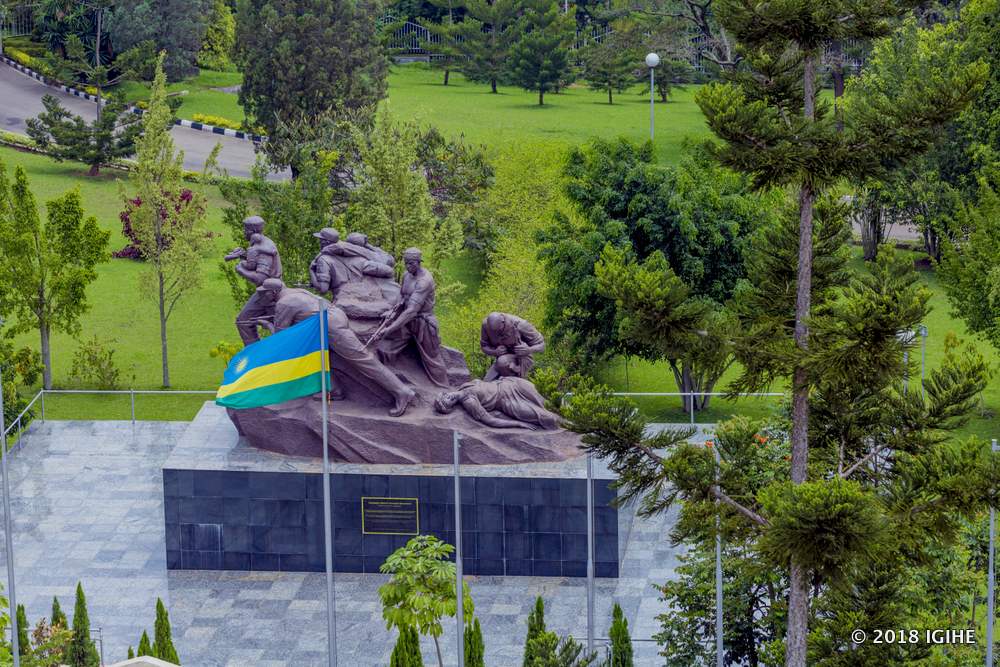
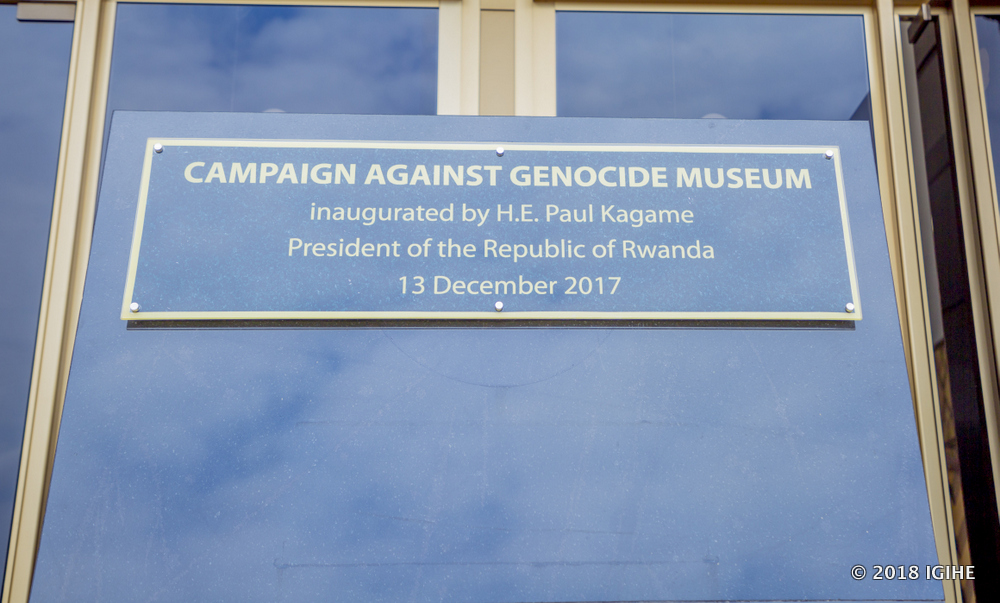
In the heart of Kigali’s parliamentary complex stands the Campaign Against Genocide Museum a solemn tribute to courage and unity.
Through powerful displays, visitors retrace the Rwandan Patriotic Army’s heroic efforts to stop the 1994 Genocide against the Tutsi and restore peace.