These figures appear in the Rwanda Statistical Yearbook 2025, which NISR released in late December 2025. The investment statistics were compiled from data sourced from the Rwanda Development Board (RDB).
According to the report, both investment inflows and associated job creation showed a generally upward trend between 2017 and 2024, even though the period included several fluctuations. After starting at $1.67 billion in 2017, investment dropped to $1.14 billion in 2018 before recovering to $2.46 billion in 2019.
The COVID-19 pandemic caused a sharp decline to $1.3 billion in 2020. The highest level during the eight-year span came in 2021, when investment peaked at $3.75 billion. It then fell to $1.63 billion in 2022, rose again to $2.47 billion in 2023, and climbed to $3.27 billion in 2024.
Investment has consistently played a major role in employment generation. In 2017, it supported the creation of 37,548 jobs. The figure decreased to 24,946 jobs in 2018, rebounded to 35,715 in 2019, and then dropped to 24,675 in 2020 due to the pandemic’s effects.
A strong recovery followed in 2021 with 48,369 jobs created. The highest annual total occurred in 2022, when 57,627 new positions were generated. Job creation eased to 40,198 in 2023 before rising once more to 51,635 in 2024.
The data clearly shows that investment remains one of the most important drivers of job creation in Rwanda, even when annual investment amounts vary.
Looking ahead, the Government of Rwanda’s Second National Strategy for Transformation (NST2), which covers the years 2024 to 2029, sets an ambitious target of creating at least 250,000 new jobs every year.
Over the full five-year period, the plan aims to generate a total of 1.25 million new jobs across the country.
The United Nations High Commissioner for Refugees (UNHCR) reports that more than 101,000 Congolese crossed into Burundi in early December 2025 following violent clashes in the Ruzizi Valley.
When the fighting subsided on December 9, many refugees sought to return to the Democratic Republic of the Congo, but the Burundian government rejected their requests. Some were detained, while others were warned they would be relocated to camps far from the border.
Human rights organizations say the refugees are enduring dire conditions in Burundi, marked by shortages of food, clean water, and access to medical care. Since early December, more than 100 Congolese refugees have reportedly died from hunger and diseases, including cholera linked to poor sanitation.
The AFC/M23 coalition has urged Burundi to reopen the Gatumba and Vugizo border posts to allow refugees to return home. The government, however, has maintained its refusal despite the worsening humanitarian situation.
Since last week, some of the refugees living in the temporary Cishemere camp in Cibitoke have started crossing the Ruzizi River after hearing that they would be moved to camps further from the border.
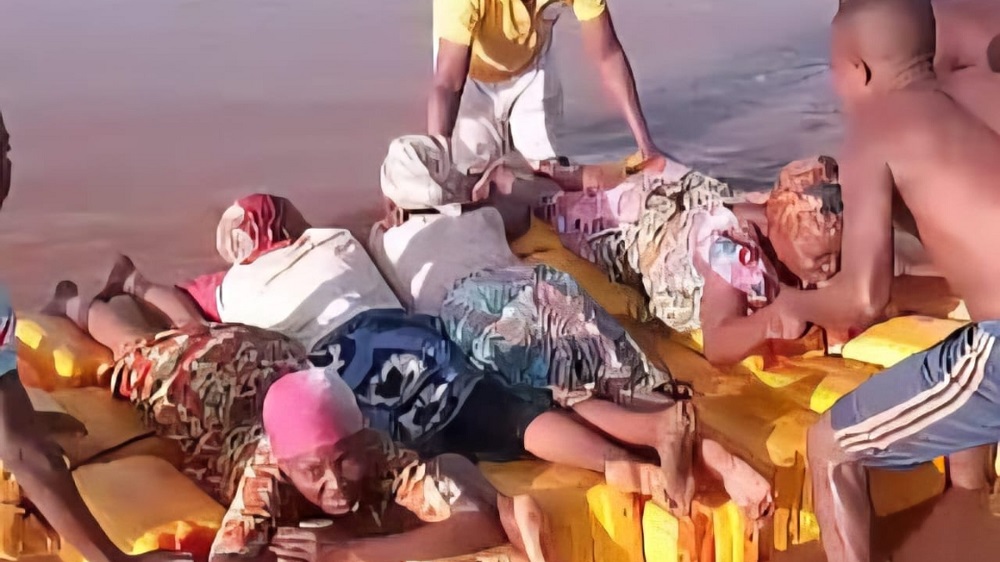
According to the SOS Media, the decision to cross the river was risky, with two refugees tragically drowning. Their belongings, found on January 2, were badly damaged.
Despite the risks, some refugees have managed to cross the river with help from Burundian residents.
Their life back home, however, is drastically different from the one they are enduring in the camps.
A returnee in Luvungi shared, “After all I went through in the temporary camp, I didn’t want to stay there anymore. Some Burundians helped me cross the Ruzizi River. Today, I am living a normal life in Luvungi.”
Some Congolese refugees resorted to bribing Burundian soldiers, police officers, and members of the Imbonerakure militia to gain permission to cross the border and reunite with their families.
A refugee from Sange in South Kivu said, “I was with my wife and our eight children. They asked for 300,000 Burundian francs. I had to give them three of our goats to allow us to cross.”
Many refugees remain stranded, unable to return due to fear of drowning in the Ruzizi River or lack of money to pay bribes. They continue to appeal to the Burundian government to open border routes and allow them to return to their homeland.
The accusation was made in an official statement carried by North Korean state media, reflecting growing tensions on the Korean Peninsula.
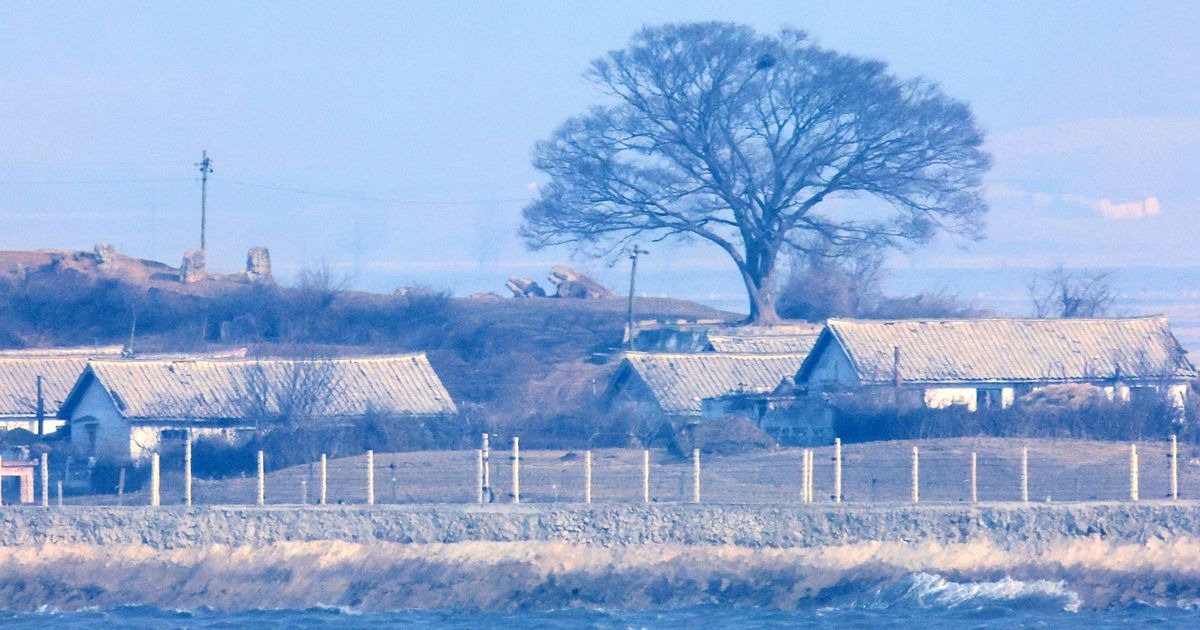
According to the North Korean military, its forces used special electronic warfare assets to bring down a South Korean drone flying over a border town on Sunday.
North Korea claims the unmanned aircraft was equipped with two cameras that filmed unspecified areas inside the North, which Pyongyang considers a direct violation of its sovereignty.
South Korea’s Defense Ministry quickly rejected the allegation, saying it did not operate drones on the dates cited by North Korea.
South Korean President Lee Jae Myung has ordered a thorough investigation into the North’s claims.
The dispute comes as South Korea’s liberal government under President Lee seeks to restore diplomatic ties with the North, a goal that has been hampered by repeated military provocations and distrust.
North Korea has largely refused talks with Seoul and the United States since high‑stakes nuclear diplomacy collapsed in 2019 amid disagreements over international sanctions.
Drone flights have been a recurring source of friction between the Koreas. Both sides have previously accused each other of airspace violations involving unmanned aerial vehicles in recent years, contributing to long‑standing security pressures along the border.
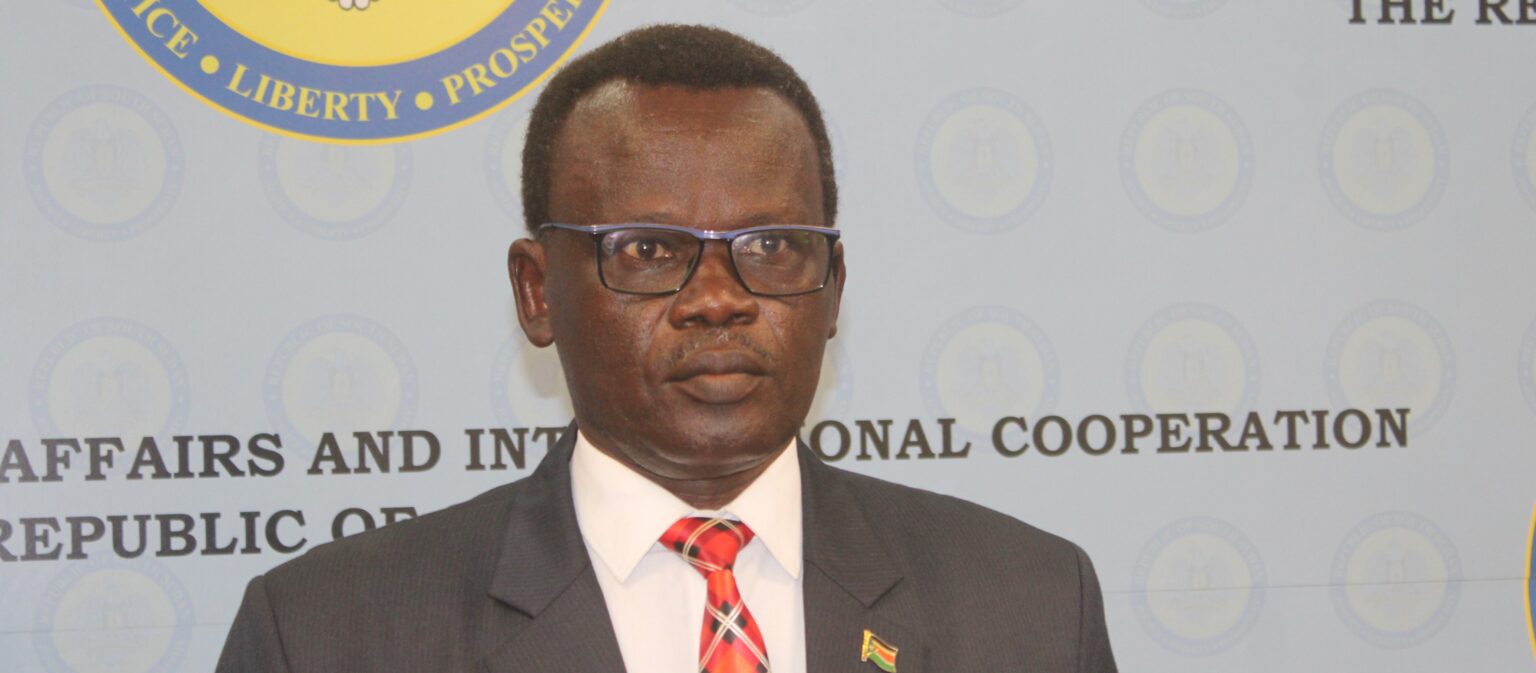
Thomas Kenneth Elisapana, spokesperson for the Ministry of Foreign Affairs and International Cooperation, said the accusations implicating government officials in obstructing humanitarian access by imposing illicit costs are unsubstantiated.
“We have not yet received official communication on this through diplomatic channels, but our preliminary position is this: the claim about senior government officials being involved in the obstruction of humanitarian activities is unsubstantiated and therefore unfounded,” he told journalists in Juba, the capital of South Sudan.
South Sudan, as a sovereign country, respects the U.S. government’s decisions, he said, adding that Juba has been providing unhindered access to humanitarian activities through the concerned authorities.
On Thursday, the United States suspended foreign assistance in Ayod County, Jonglei State, and said it is reviewing its aid to Western Bahr el Ghazal State and considering significant reductions, according to a statement issued by its embassy in Juba.
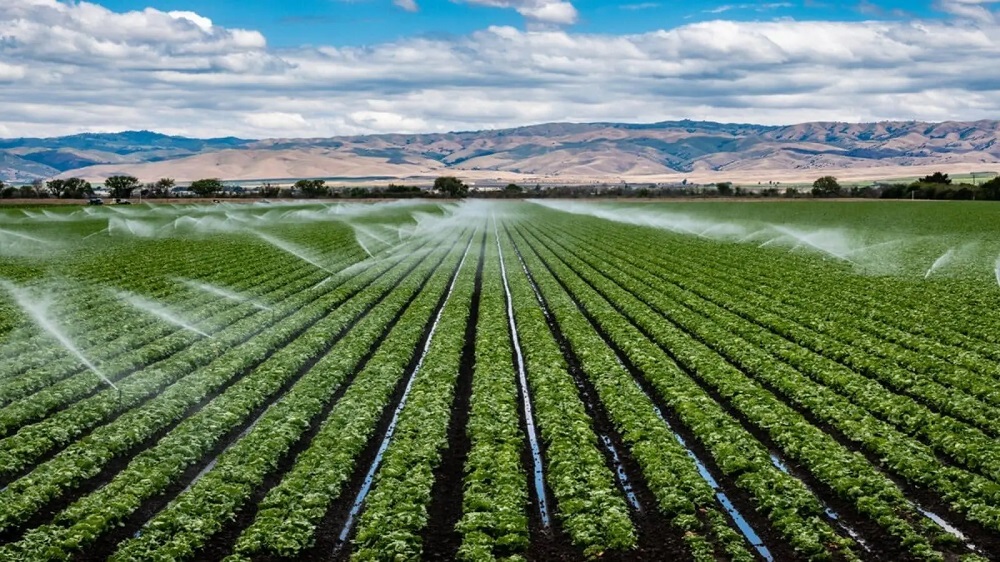
The investment is outlined in the Strategic Plan for Agriculture Transformation (PSTA 5) and aims to boost productivity, ensure food security, and strengthen Rwanda’s agricultural exports.
Agriculture currently contributes around 25% to Rwanda’s GDP, according to the National Institute of Statistics of Rwanda (NISR), and remains a key driver of economic growth.
As part of the government’s long-term plan, agricultural productivity is expected to grow by at least 50% by 2029, with a focus on boosting crop and livestock production. The investment will also prioritise climate-resilient farming and innovations to ensure the sector remains competitive and sustainable in the face of climate change, ensuring that Rwanda can meet the food demands of its growing population, projected to reach 22 million by 2050.
Under the government’s plan, the country’s food self-sufficiency ratio is expected to rise from 79.6% in 2024 to 100% by 2029. Prime Minister Dr. Justin Nsengiyumva told Parliament in October 2025 that agriculture and livestock have been key drivers of economic growth, helping per capita output rise from USD 754 in 2017 to USD 1,040 in 2024.
Rwanda also aims to increase exports by an average of 13% per year, with export revenues projected to reach USD 7.3 billion by 2029. Agricultural and livestock output is expected to grow by at least 50% over the same period.
MINAGRI says the investment will focus on multiple pillars, including climate-resilient farming, irrigation, modern crop and livestock production, and seed quality improvement, with private sector collaboration expected to help scale production. Over 37% of the planned investment will go toward high-yield, climate-resilient crops.
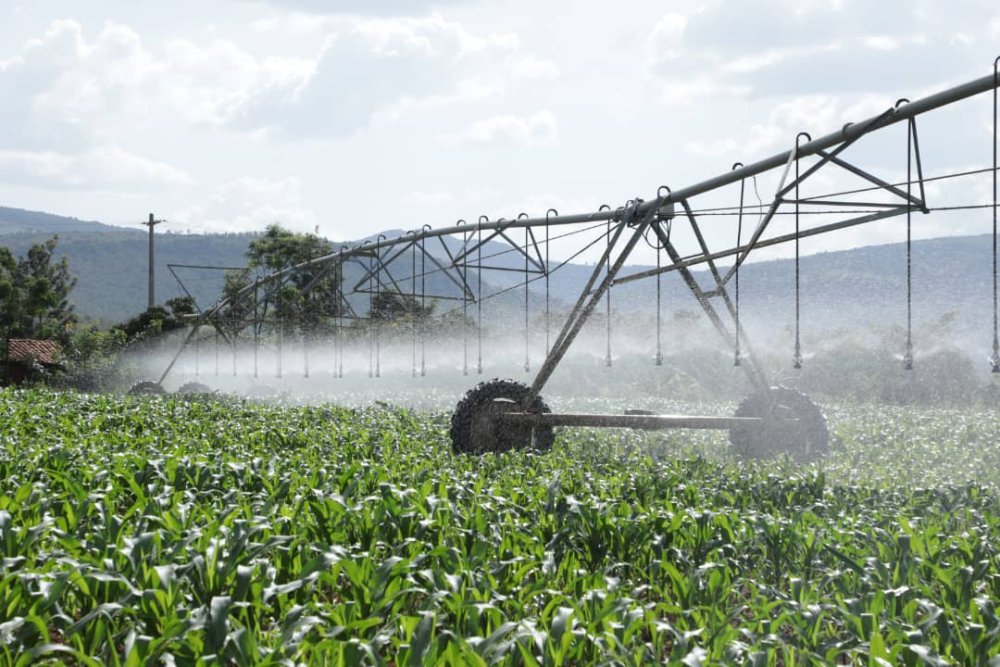
Irrigation coverage has already expanded from 52,000 hectares in 2017 to over 74,000 hectares, with a target of 132,171 hectares by 2029. The government also provides farmers with 50% subsidies for small-scale irrigation equipment on plots up to 10 hectares.
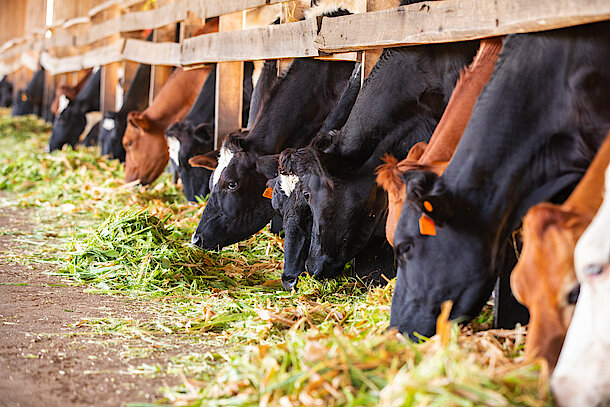
Livestock development will remain a priority, with modern breeding programs, including embryo transfer technologies, aiming to increase milk, meat, and fish production. Fish output is projected to rise from 52,000 tons in 2025 to 77,000 tons by 2029, while egg production is expected to reach 21,000 tons from 17,000 tons in 2024.
Since 2017, the government has invested over Rwf 36.6 billion to improve access to livestock vaccines and other essential inputs.
Minister of Agriculture Dr. Ndabamenye Telesphore recently emphasised that the “food basket sites” initiative, along with other programs, will help double agricultural productivity and reinforce Rwanda’s food security ambitions.
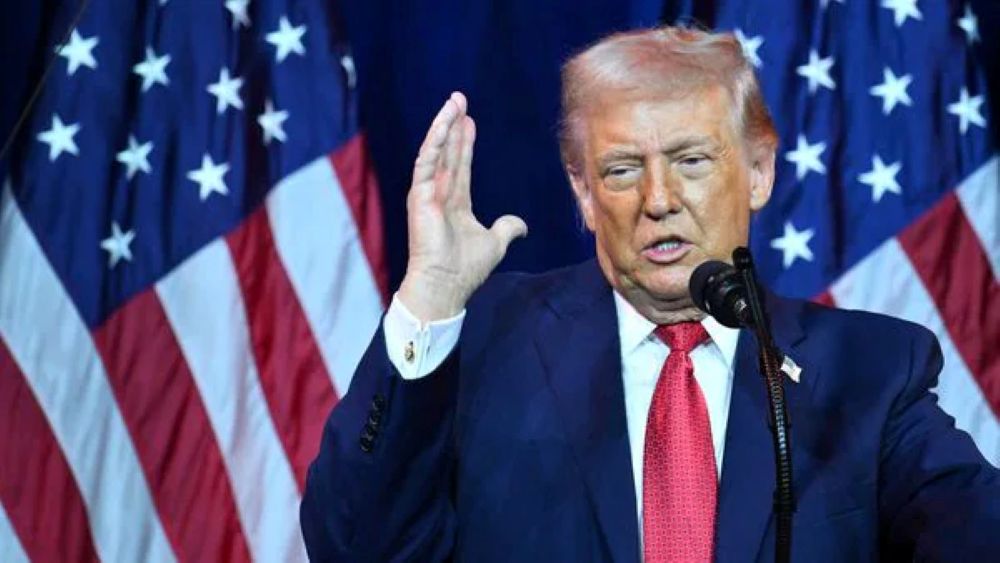
Trump said Venezuela had begun releasing a significant number of political prisoners as a gesture of “seeking peace,” following last week’s US-led operation to abduct President Nicolás Maduro, who is currently in US custody along with his wife, Cilia Flores.
“This is a very important and smart gesture. The USA and Venezuela are working well together, especially as it pertains to rebuilding, in a much bigger, better, and more modern form, their oil and gas infrastructure,” Trump wrote on Truth Social.
“Because of this cooperation, I have cancelled the previously expected second Wave of Attacks, which looks like it will not be needed; however, all ships will stay in place for safety and security purposes.”
The announcement comes amid evolving US-Venezuela relations, with Trump indicating earlier on Fox News’s Hannity program that Venezuelan opposition leader Maria Corina Machado would visit Washington next week, despite his previous dismissals of her political influence.
Trump also told The New York Times on Wednesday that the US was “getting along very well” with Venezuela’s interim government, led by acting President Delcy Rodríguez.
In addition to the diplomatic developments, Trump is scheduled to meet with executives from major oil companies at the White House on Friday. He announced that “at least 100 billion dollars will be invested by BIG OIL” in Venezuela, a move aimed at restoring the country’s oil and gas infrastructure.
The Trump administration has repeatedly indicated its intention to control Venezuela’s oil industry indefinitely. Energy Secretary Chris Wright has emphasised that Washington would manage the country’s oil production, though the state-run oil company has maintained that it remains in charge, negotiating only on oil sales with the US.
Exxon Mobil, Chevron, and ConocoPhillips are expected to attend the White House meeting. Chevron is currently the only US company licensed to operate in Venezuela; Exxon and ConocoPhillips left the country in 2007 after refusing to cede majority stakes to the government.
Venezuela, sanctioned by Washington since 2019, holds roughly one-fifth of the world’s oil reserves but produced only about 1 percent of global crude output in 2024, according to OPEC. Trump views the country’s oil wealth as a potential boost to lower domestic fuel prices in the US.
A United Nations expert report, released on December 30, 2025, reveals that since March 2025, AFC/M23 fighters have launched repeated attacks against Wazalendo groups, forcing them to relocate their positions. Some Wazalendo members, including the well-known figure Mapenzi, formerly of NDC-R, have defected to the coalition, which controls areas including the city of Goma.
The UN experts noted that Wazalendo and FDLR forces have continued operations across several parts of North Kivu Province, including the territories of Masisi, Rutshuru, Nyiragongo, and Walikale, and that they maintain a presence even on the outskirts of Goma.
Guidon Shimiray Mwissa, the overall commander of Wazalendo and leader of NDC-R, relocated from Pinga in Walikale to the Kibati area. Janvier Karairi Boingo of APCLS established bases in Lukweti, Masisi, while fighters of the CMC-FDP group, led by Dominique Ndaruhutse, were stationed in Virunga National Park.
Since June 2025, Wazalendo fighters, in collaboration with the FDLR, have infiltrated areas controlled by AFC/M23, occasionally setting ambushes. Their operations aim to regain strategic locations, impede AFC/M23 fighters, and block supply routes used for transporting equipment.
The report highlights that in several attacks, Congolese government forces provided air support to these groups, and in some instances, government soldiers also participated directly in ground operations.
“Despite diplomatic efforts to address the presence of FDLR, FARDC continued to rely on operational support from the FDLR and groups aligned with them,” the report reads in part.
Assistance from the DRC government to armed groups operating in North Kivu reportedly included weapons, ammunition, food, and uniforms, along with monthly payments of USD 300,000. These operations were largely coordinated through Colonel Cyprien Semivumbi Sekololo.
On October 10, 2025, the Congolese army issued a statement urging government soldiers and civilians to cease cooperating with the FDLR militia group, formed by individuals responsible for the 1994 Genocide against the Tutsi in Rwanda. The army also called on FDLR fighters to lay down their arms and be repatriated to Rwanda, warning that those who refused would face military action.
The army stated that its actions complied with the peace agreement signed between the DRC and Rwanda on June 27, 2025, which includes provisions to dismantle the FDLR and the lifting of Rwanda’s defensive measures.
The report indicates that this army statement created tensions between the DRC military and the FDLR, as well as with Wazalendo. Some officials within the government and military reportedly acted behind the scenes to reassure the groups that cooperation would continue.
UN experts further noted that even if operations to dismantle the FDLR were attempted, the Congolese army lacks the capacity to completely neutralize the group.
{{Mercenaries in Kisangani and Walikale
}}
The report confirms that after AFC/M23 gained control of Goma in 2025, mercenaries from the Congo Protection, who had been operating alongside Congolese government forces, suspended their operations. Additionally, mercenaries from the Agemira group terminated their contracts in July 2025
On January 29, 2025, more than 280 mercenaries from Europe, primarily Romania, returned home via Rubavu and then flew out from Kigali International Airport.
Following Agemira’s withdrawal, the DRC government quickly hired other mercenaries reported to operate CH-4 drones. These drones were heavily deployed on the battlefield after government forces suffered significant losses.
The experts explained that the city of Kisangani, in Tshopo Province, is of strategic importance to Congolese forces fighting in North and South Kivu, as its airport serves as a key hub for deploying drones and other military equipment.
Kisangani has also emerged as a new base for foreign mercenary groups. Specifically, camps such as the one named after Lt Gen Bahuma Ambamba Lucien, as well as areas in Walikale, have hosted mercenaries from El Salvador since July 2025.
The decision was made under Presidential Proclamation 10998, which aims to tighten visa and travel rules for foreign nationals from several countries, including Tanzania.
According to a statement from the U.S. Embassy in Tanzania, the new restrictions affect multiple visa categories. These include non-immigrant visas such as B-1 (business), B-2 (tourism), F and M (student visas), and J (exchange visitor visas), as well as immigrant visas, which are issued to individuals seeking permanent residency in the United States.
“In line with Presidential Proclamation 10998, as of January 1, 2026, the United States is partially suspending visa issuance to Tanzanian nationals for nonimmigrant B-1/B-2 visitor visas and F, M, J student and exchange visitor visas, and all immigrant visas, with limited exceptions,” the communique reads.
While Tanzanians may continue to apply for visas and attend embassy interviews, they may not be granted them, depending on security assessments and eligibility under the proclamation.
However, there are several exceptions to the suspension. For instance, immigrant visas for ethnic and religious minorities facing persecution in Iran are exempt from the suspension. Tanzanians who hold dual nationality and apply with a passport from a country not subject to the ban will also not be affected.
Additionally, Special Immigrant Visas (SIVs) are available for eligible U.S. government employees, and participants in major international sporting events may still be able to receive visas. Furthermore, Lawful Permanent Residents (green card holders) are also exempt from these restrictions.
The embassy also clarified that visas issued before the effective date (January 1, 2026, at 12:01 a.m. EST) will not be revoked. Nationals who already hold valid visas by that time will not lose them, though they could still face restrictions on future admissions depending on U.S. border policies.
The partial suspension comes amid broader visa and travel policy changes under the proclamation, which extends and expands earlier restrictions on foreign nationals from multiple countries. In total, the U.S. government has placed full or partial visa suspensions on citizens from 39 countries, citing ongoing concerns about security screening, vetting processes, and information sharing. Other countries facing similar partial restrictions include Nigeria, Angola, Cuba, Senegal, Zimbabwe, and others.
U.S. authorities say the measures are intended to enhance national security and public safety by strengthening the vetting of foreign travellers and ensuring that individuals admitted to the United States meet rigorous screening standards. The restrictions will remain in place until affected countries address identified deficiencies and improve cooperation on security protocols.
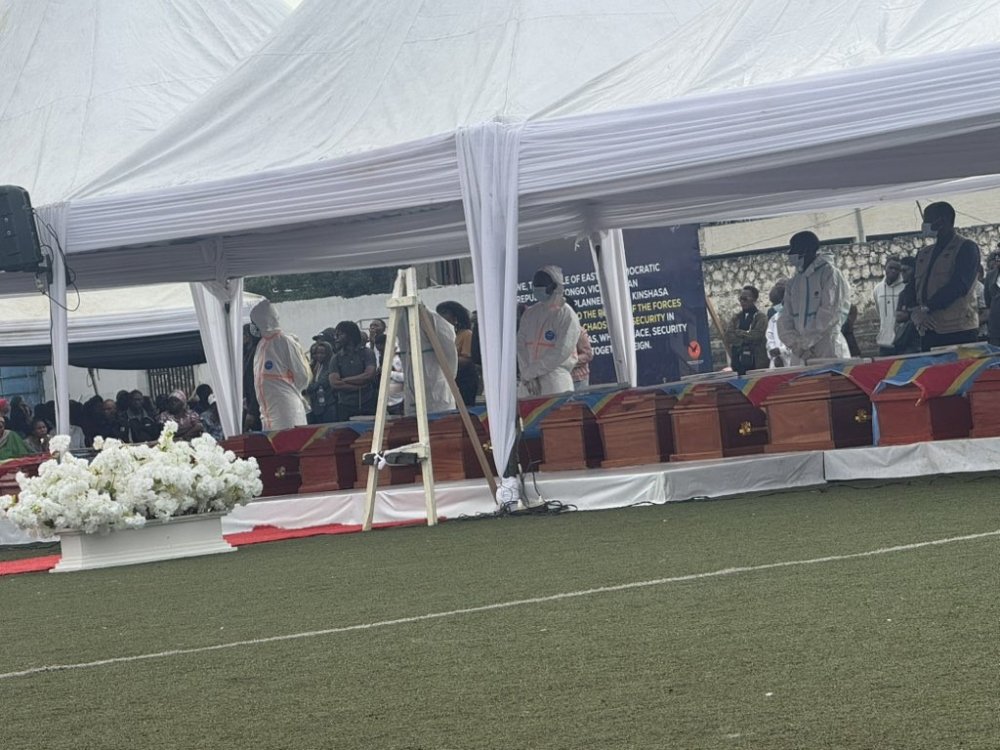
Ngoma made the remarks in Goma following a ceremony organised by the AFC/M23 alliance to honour 22 civilians from Masisi Centre, in North Kivu Province, who were killed in a drone strike attributed to the DRC armed forces on January 2, 2026.
Speaking to supporters after the ceremony, Ngoma accused President Tshisekedi of responsibility for the attack and vowed accountability.
“He will definitely pay for this. It won’t be long. He will go to court for these things. We will arrest him, and he will go to court,” Ngoma stated.
Meanwhile, AFC/M23 political coordinator Corneille Nangaa accused the Kinshasa government of continued violence against civilians, arguing that the state has failed to distinguish between combatants and non-combatants.
“The false political power that the Kinshasa government has given itself does not have the right to kill its citizens,” Nangaa said. “No elections, no international recognition, and no nationalist rhetoric can justify the killing of civilians.”
Nangaa also sought to reassure residents in areas under AFC/M23 control, pledging that the coalition’s forces would continue to ensure their security.
The AFC/M23 alliance, which controls significant territory in eastern DRC, has in recent weeks accused the Kinshasa administration of launching attacks on its positions and on civilian areas, despite the group’s unilateral declaration of a ceasefire.
The group says its armed struggle is aimed at defending the rights of Kinyarwanda-speaking Congolese communities, who continue to face marginalisation and persecution.
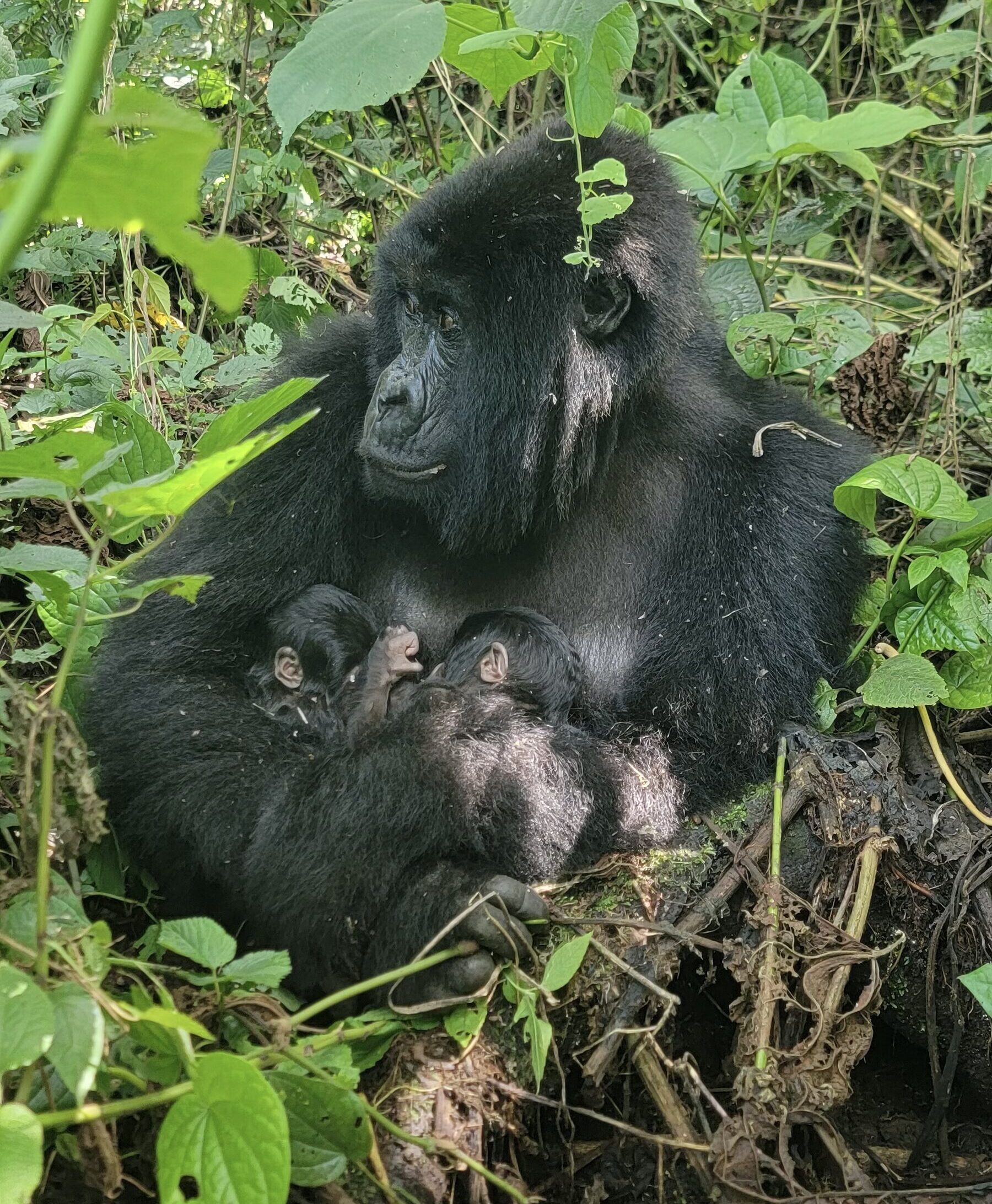
The twins, both males, were discovered on Saturday, January 3, 2026, by community trackers, who observed 22-year-old female Mafuko cradling her newborns. The park confirmed that “both appeared to be in healthy condition at the time of the observation.”
Twin births among mountain gorillas are exceptionally uncommon, occurring in roughly 1% of all births, and require extra care, as newborns rely entirely on their mother for survival during the first months of life. The last birth of mountain gorilla twins in Virunga National Park was in September 2020.
The birth of the twins increases the Bageni gorilla family to 59 individuals, making it the largest family in the park.
“This birth of twins constitutes the first birth recorded in 2026 at the Park. Twin births among mountain gorillas are rare and present additional challenges, particularly during the early months,” the park noted:
Authorities said that “additional monitoring and protection measures will be deployed to closely observe the twins and support their health and survival during this critical early period.”
Virunga National Park, Africa’s oldest and largest protected area, spans 7,800 square kilometers of rainforest, mountains, lakes, and active volcanoes. The park is home to fewer than 1,100 mountain gorillas, which are found only in Virunga and in neighbouring national parks in Rwanda and Uganda.