The duo arrested on 4th July 2021 in Ndera, Gasabo district of Kigali City includes Nadine Rugwiro who founded the company and Laetitia Nyirabashongore suspected of connivance to swindle money from residents of Rusizi district, Western Province.
“It is true that they were arrested on 4th July 2021 in Gasabo district after spending days in hideouts. They escaped in May from Rusizi district where they committed the crime,” said RIB’s Spokesperson, Thierry B. Murangira.
IGIHE has learnt that they are suspected to have fleeced over Rwf25 million from residents promising them huge profits.
Dr. Murangira has revealed that the suspects are detained at Remera RIB Post as they await their dossier to be transferred to the Prosecution.
RIB has reminded Rwandans that anyone involved in such fraudulent acts won’t be tolerated.
They were arrested in operations conducted on July 3rd and 4th in the sectors of Nemba, Kivuye and Gatebe.
Superintendent of Police (SP) Aphrodis Nkundineza, the District Police Commander for Burera said that the traffickers were at the time sneaking the narcotic drugs and psychotropic substances into Rwanda from Uganda, through porous borders.
“On July 4, four traffickers were arrested in Kivuye Sector with 54 litres of kanyanga and another dealer identified as Daniel Biziyaremye was arrested in Nemba Sector, Nyamugari Cell with 135 litres of kanyanga and 10kgs of cannabis,” SP Nkundineza said.
Baziyaremye was part of the group but others run away during the operation.
He identified those arrested in Kivuye Sector as François Ntawukigiruwe, 21, Protais Ayishakiye, 24, Emmanuel Manirakiza, 18, and Ismael Irakarama, 18.
On July 3, the DPC said, security organs also foiled a group of traffickers that calls itself abarembetsi and arrested one of them identified as Jean Claude Mutabazi and seized 120 litres of kanyanga.
“These were successful operations conducted by the Police and other security officials as well as local leaders based on credible information provided by residents on drug dealers and the routes they use. They seized drugs were disinfected and disposed of,” said the DPC.
He also warned that such illegal cross-border leads to the spread of the Covid-19 pandemic.
“We know the current Covid-19 situation and we urge the public to act responsibly; it is an issue of life and death,” SP Nkundineza said.
Kanyanga is listed as a simple narcotic drug in Rwanda with an imprisonment of between seven and ten years and a fine of between Rwf500, 000 and Rwf1 million.
On the other hand, cannabis is classified as a very severe narcotic drug with a sentence of between 20 years and life in prison, and a fine of up to Frw30 million.
The majority of new cases were found in Kigali: 338, Musanze: 95, Rusizi: 47 and Kamonyi: 38.
Rwanda confirmed the first Coronavirus case on 14th March 2020. Since then, 43396 people have been tested positive of whom 27 837 recovered, 15 080 are active cases, 62 are critically ill while 479 have succumbed to the virus.
A total of 391,970 people have been vaccinated since Rwanda began countrywide inoculation programme on 5th March 2021.
Coronavirus symptoms include coughing, flu, and difficulty in breathing. The virus is said to be transmitted through the mucous membranes of the respiratory tract.
Rwandans are urged to adhere to COVID-19 health guidelines, washing hands frequently using soaps and safe water, wearing face masks and respecting social distancing.
During the operation, Rwanda National Police (RNP) arrested 19 youths at the home of Mugabo Debon, who was celebrating his birthday, located in Rwezamenyo Sector, Nyarugenge District.
All social gatherings including celebrations of all kinds such as birthday parties, are prohibited both in public and private settings under the government directives to prevent the spread of Covid-19.
Mugabo, while speaking to the media on Monday, July 5, said that his guests had come from different parts of Kigali to surprise him on his birthday.
He argued that he was not aware of the party and that his friends had intended to surprise him.
“I was not remembering that it was my birthday but when I arrived home from work I found a big group of friends, who had organized the party for me. In that moment, Police also arrived and arrested us all,” said Mugabo.
He wondered as to why his friends chose to hold the birthday party well knowing that it is prohibited.
Grace Muhawenimana, one of those arrested, said that they were warned prior that what they were doing is prohibited and would be arrested.
“Someone had warned us before but we thought that maybe we would not be noticed,” said Muhawenimana, who came from Gikondo in Kicukiro District.
RNP Deputy spokesperson, Chief Superintendent of Police (CSP) Apollo Africa Sendahangarwa said that Police had received prior information from residents about the birthday party, which was being organized.
“This group of young people was arrested at about 6pm and their plan was to spend the whole night at the same home celebrating Mugabo’s birthday. Even at 6pm, they had already violated the curfew because everyone should be at their respective homes by that time except for those seeking emergency services like medical,” said CSP Africa.
The group was already starting the party when Police weighed in. CSP Africa commended members of the public for real time information leading to the arrest of the group and foiling the party.
“As indicated by the health organizations, such gatherings and worse still held indoor, fuel the spread of Covid-19. That is why gatherings and parties in all settings, are prohibited and people advised to maintain social distancing, wash hands regularly and wear face masks properly,” he said.
The violators were educated on government health measures against the pandemic and handed administrative fines for the violations.
The delegation comes to Rwanda after the visit of Foreign Affairs Minister Dr. Vincent Biruta to South Africa early June 2021 where he chatted ways to normalize both countries’ relations with his counterpart, Dr. Naledi Pandor.
“Following Minister Vincent Biruta’s visit to Pretoria last month where he met with his counterpart, a delegation from DIRCO is in Kigali for a working visit. This is another signal that both sides are determined to strengthen bilateral relations,” MINAFFET has tweeted.
Rwanda and South Africa have been hit by diplomatic tensions where Rwanda accused South Africa to grant refuge to fugitives intending to threaten Rwanda’s security like Kayumba Nyamwasa who escaped justice and currently heading RNC terror outfit.
In March 2018, President Cyril Ramaphosa said that the problem of Rwandans being denied visas to South Africa would soon become history after holding talks with President Paul Kagame. However, up to now, Rwandans still struggle to get visa to travel to South Africa.
Rwanda has at different times explained that actions of convicted people or fugitives should not blur bilateral relations.
During discussions with Dr. Biruta who was on working visit in South Africa early June 2021, both ministers committed to restore bilateral relations to normal following discussions between President Paul Kagame and Cyril Ramaphosa held at different times.
The joint statement released following both ministers discussions reads that the two ministers met to assess the current state of bilateral relations and iron out challenges.
They recalled good bilateral relations that existed between the two countries prior to events that led to the straining of relations in 2013 and reiterated commitment to bring the situation to normalcy.
“In open and frank discussions, both ministers confirmed their determination and commitment to normalize diplomatic relations as expressed by President Cyril Ramaphosa and President Paul Kagame, following bilateral meetings,” reads the statement in part.
The ministers agreed that full cooperation between the two countries in a number of areas and sectors will support increased socio-economic development.
It was agreed that mutual actors and measures would be taken to direct bilateral relations along a new path for the benefit of the Government and people of South Africa and Rwanda.
The ministers agreed on a roadmap that will support the normalization process, predicated on agreed timelines whereby both countries must value and respect international laws and regulations that govern relations between countries including territorial integrity and international sovereignty.
Among others, the meeting agreed on the establishment of a Joint Mechanism led by minister Pando and Biruta, to guide and manage the normalization process.
It is expected that senior officials from both countries will serve as the Technical Committee of the Mechanism. The latter will be required to engage the entire spectrum of issues affecting bilateral relations and report to ministers.
Kagame conveyed the message on Sunday 4th July 2021 as Rwanda celebrated the 27th Liberation Day.
RPA soldiers started the liberation struggle on 1st October 1990, considered the foundation for Rwanda’s transformational journey.
With dedication to common cause to reinstate dignity for Rwandans deprived of their rights, RPA soldiers including men and women endured tough days and nights and selflessly kept soldiering on until the liberation of Rwanda on 1st July 2021.
Kagame who led the liberation struggle has said that Rwandans worked together to make Rwanda a great nation, an achievement to be proud of.
“Twenty-seven years ago, Rwandans joined hands to liberate our country. Ever since we have worked together every day to renew our society and make Rwanda the best it can be for each one of us. I want to thank you for this,” he said.
“Today, Rwanda is not just a place on the map. For us, it means something that we can all identify with and be proud of, and in which we feel valued. Rwanda means hope. It means that we care for one another,” added Kagame.
After stopping the 1994 Genocide against Tutsi, RPA Inkotanyi soldiers installed non-divisive leadership promoting unity, reconciliation, and inclusive development among Rwandans under the championship of President Paul Kagame.
Rwanda experienced serious economic collapse but has today become a resilient country with impressive transformations in various aspects of life that it is seen as a role model for many countries.
Kagame explained that the work for ‘Rwanda’s economic and social transformation must continue and accelerate’.
Over the past 27 years, Rwanda has promoted bilateral relations where it has representation to 147 countries.
Kagame has highlighted that Rwanda seeks to continue strengthening cooperation other countries. “Beyond our borders, we want to continue fostering mutually respectful and beneficial cooperation with our neighbours, with the region, and globally,” he affirmed.
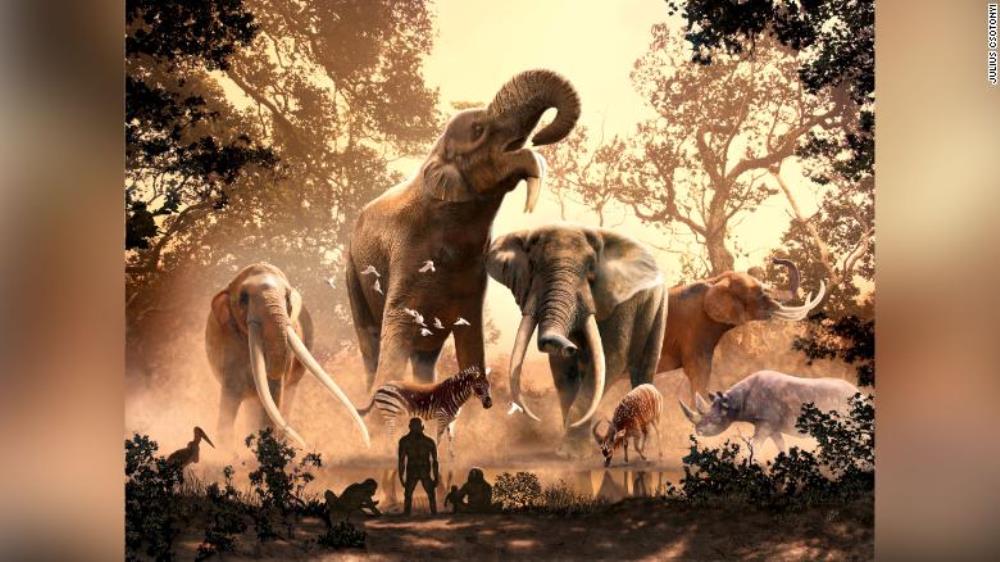
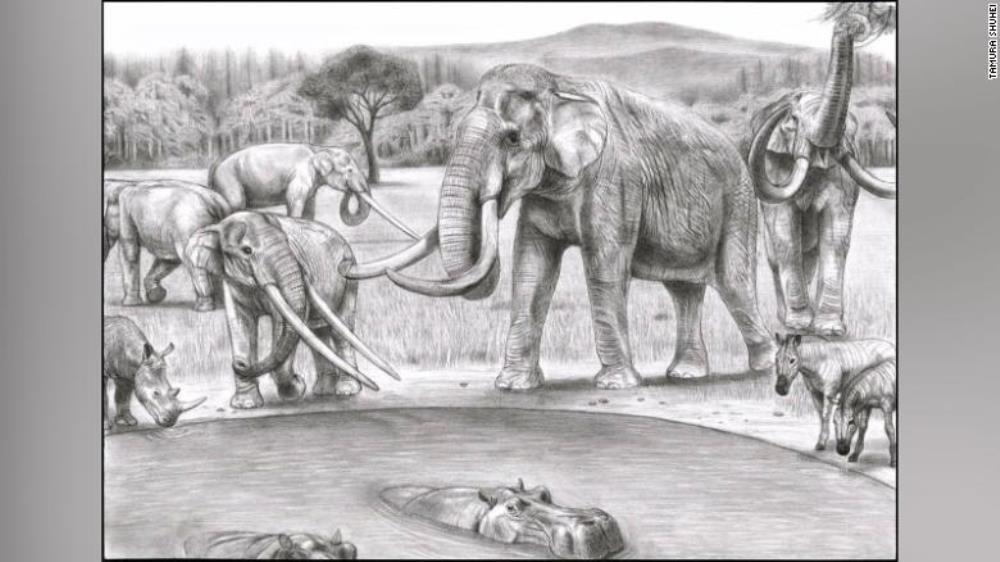
In the past, researchers have blamed humans for hunting these animals to extinction thousands of years ago. But new research suggests that climate change is the likely culprit in the demise of prehistoric mammoths, mastodons and early elephants rather than overhunting by early humans at the end of the last Ice Age.
Waves of extreme global climate change chipped away at the proboscideans over time, eventually causing most of them to go extinct in different parts of the world between 2 million and about 75,000 years ago, the researchers said.
The study was published on Thursday in the journal Nature Ecology & Evolution.
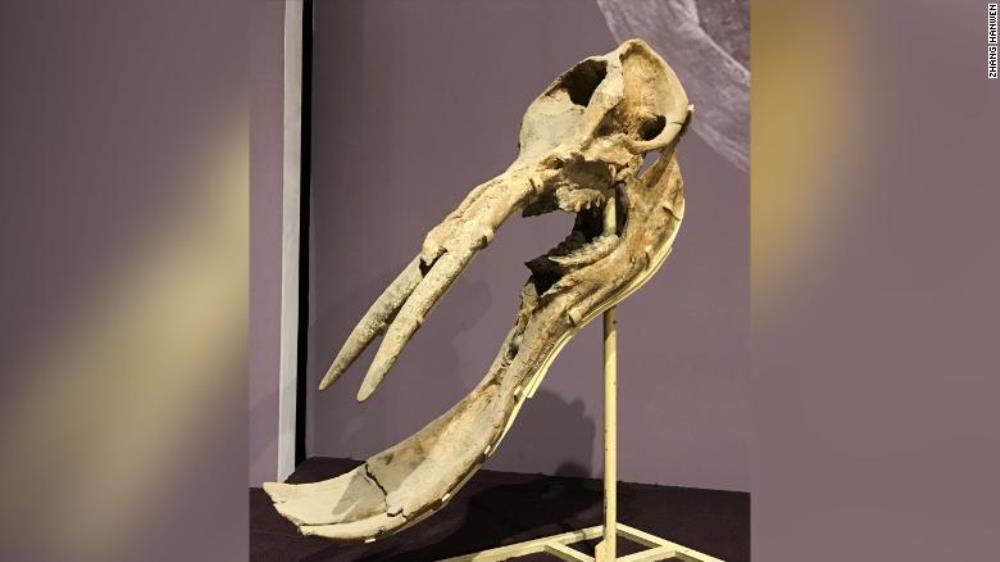
The international group of palaeontologists created a detailed data set analyzing the rise, evolution and fall of the 185 different proboscidean species, which took place over the course of 60 million years and began in North Africa. In order to track these elephants and their ancestors, the researchers studied global fossil collections and focused on traits like body size, skull shape, tusks and teeth.
“Remarkably for 30 million years, the entire first half of proboscidean evolution, only two of the eight groups evolved,” said Zhang Hanwen, study coauthor and Honorary Research Associate at the University of Bristol’s School of Earth Sciences, in a statement.
“Most proboscideans over this time were nondescript herbivores ranging from the size of a pug to that of a boar. A few species got as big as a hippo, yet these lineages were evolutionary dead-ends. They all bore little resemblance to elephants.”
That all changed 20 million years ago, when a migration corridor that opened up at the Afro-Arabian tectonic plate pushed into the Eurasian continent. This allowed elephants and their predecessors to live in new environments, first in Eurasia and then North America by crossing the Bering Land Bridge — a strip of land that once connected Asia and North America.
Moving out of Africa exposed the elephants to habitats, changing climates and the need for adaptation.
“The aim of the game in this boom period of proboscidean evolution was ‘adapt or die,’” Zhang said. “Habitat perturbations were relentless, pertained to the ever-changing global climate, continuously promoting new adaptive solutions while proboscideans that didn’t keep up were literally, left for dead. The once greatly diverse and widespread mastodonts were eventually reduced to less than a handful of species in the Americas, including the familiar Ice Age American mastodon.”
As Earth experienced ice ages, the elephants had to adapt: The woolly mammoth, for example, had giant tusks that could plow beneath snow in search of food and a thick, shaggy coat.
“We discovered that the ecological diversity of proboscideans increased drastically once they dispersed from Africa to Eurasia 20 million years ago and to North America 16 million years ago, when land connections between these continents formed,” said Juha Saarinen, study coauthor and postdoctoral researcher in the department of geosciences and geography at the University of Helsinki.
While diversity initially increased after these events, that began to fall between 3 and 6 million years ago as the global climate cooled.
“The ecologically most versatile proboscideans, mostly true elephants which were adapted to consuming various plant resources, survived,” Saarinen said.
The extinction peaks for proboscideans started around 2.4 million, 160,000 and 75,000 years ago for Africa, Eurasia and the Americas, respectively, according to the researchers.
“It is important to note that these ages do not demarcate the precise timing of extinctions, but rather indicate the points in time at which proboscideans on the respective continents became subject to higher extinction risk,” said Juan Cantalapiedra, lead study author and Senior Research Fellow at the University of Alcalá in Spain, in a statement.
These times don’t line up with when early humans began to branch out and hunt giant herbivores, because it largely predates such advances.
“We didn’t foresee this result,” Zhang said. “Conservatively, our data refutes some recent claims regarding the role of archaic humans in wiping out prehistoric elephants, ever since big game hunting became a crucial part of our ancestors’ subsistence strategy around 1.5 million years ago.”
Chris Widga, paleontologist and head curator at the Gray Fossil Site and Museum at East Tennessee State University, believes this research points to how important it is to track the evolutionary history of animal groups over longer time scales. Widga was not affiliated with this study.
“Those of us who study extinctions are usually most concerned with when and where the last of a certain species blips out,” Widga said. “In order to understand whether the final extinction of some of these proboscidean groups was significant, we need to know something about ‘background’ extinction rates that occur in response to global ecological and climate changes. This paper shows how proboscideans responded to broad-scale climate changes and how they diversified ecologically to fill new niches. And because proboscideans have such an outsized impact on their surroundings — this is a big deal.”
This research also suggests that while 185 different proboscidean species have been identified with more than 2,000 fossil locations around the world, there may have been more.
“As if we needed more encouragement to find and describe more fossil proboscideans,” Widga said.
The study authors note that overhunting by humans “may have served as a final double jeopardy” after proboscideans already suffered harsh, changing climates long before.
“This isn’t to say we conclusively disproved any human involvement,” Zhang said.
“In our scenario, modern humans settled on each landmass after proboscidean extinction risk had already escalated. An ingenious, highly adaptable social predator like our species could be the perfect black swan occurrence to deliver the coup de grâce.”
The Tunisian Red Crescent told The Associated Press and Reuters that about 127 migrants had left the coast of Libya via boat Friday in an attempt to reach Italy.
Mongi Slim, the head of the Tunisian wing of the global humanitarian aid organization, said that among the group of migrants were 46 people from Sudan, 16 Eritreans and 12 Bengalis, according to the AP.
While Tunisian Defense Ministry spokesman Mohamed Zekri said that local fishermen rescued 84 of the migrants, he did not confirm the death toll reported by the Red Crescent.
The incident comes as international officials and human rights organizations have called on countries to do more to ensure the safety of migrants crossing the Mediterranean, many of whom depart from Libya.
A surge in attempted crossings has been reported in the past few weeks as more migrants from North Africa and the Middle East look to make the dangerous voyage amid the warmer weather during the summer months.
In the coastal city of Zarzis, Tunisia, a “Garden of Africa” was recently constructed to serve as a “burial ground” for hundreds of unknown men, women and children whose have bodies washed up on the country’s shores in recent years.
Those buried at the grave site include seven bodies that were found on an island off the southern coast of Tunisia last week.
In May, United Nations High Commissioner for Human Rights Michelle Bachelet called on Libya’s government and the European Union to take more action to protect migrants.
“Every year, people drown because help comes too late, or never comes at all,” Bachelet said at the time. “Those who are rescued are sometimes forced to wait for days or weeks to be safely disembarked or, as has increasingly been the case, are returned to Libya which, as has been stressed on countless occasions, is not a safe harbour due to the cycle of violence.”
Tensions and fighting in Libya have continued to escalate since a NATO-backed uprising removed former leader Moammar Gadhafi a decade ago.
Richard Norland, the U.S. special envoy for Libya, said last month that Washington was in talks to withdraw foreign forces from the North African country before its December elections.
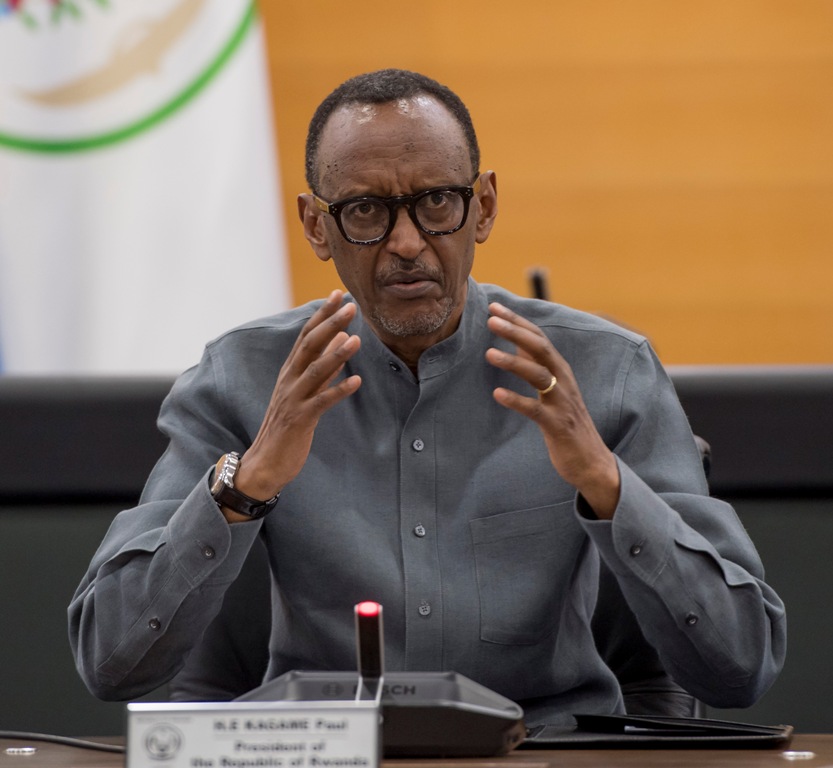
“In keeping with our goal of self-reliance in all important aspects, we are working to build our capabilities to manufacture vaccines and other medications in Rwanda. This will reduce our dependence on supply sources that are unpredictable or dependent on other interests,” Kagame said in a televised video message on Sunday to mark the 27th Liberation Day.
Rwanda marks the Liberation Day every year on 4th July 2021 when the Rwandan Patriotic Army, during the liberation struggle, stopped the 1994 Genocide against Tutsi that claimed over 1 million lives.
“This year, we could not celebrate Liberation Day in the usual manner. This is why we must continue our fight against the current surge in COVID-19 cases,” said Kagame.
It is now more important than ever to follow the measures put in place to curb the spread of COVID-19 and save lives, he said, adding that fighting and overcoming COVID-19 is a continuation of the work of liberation.
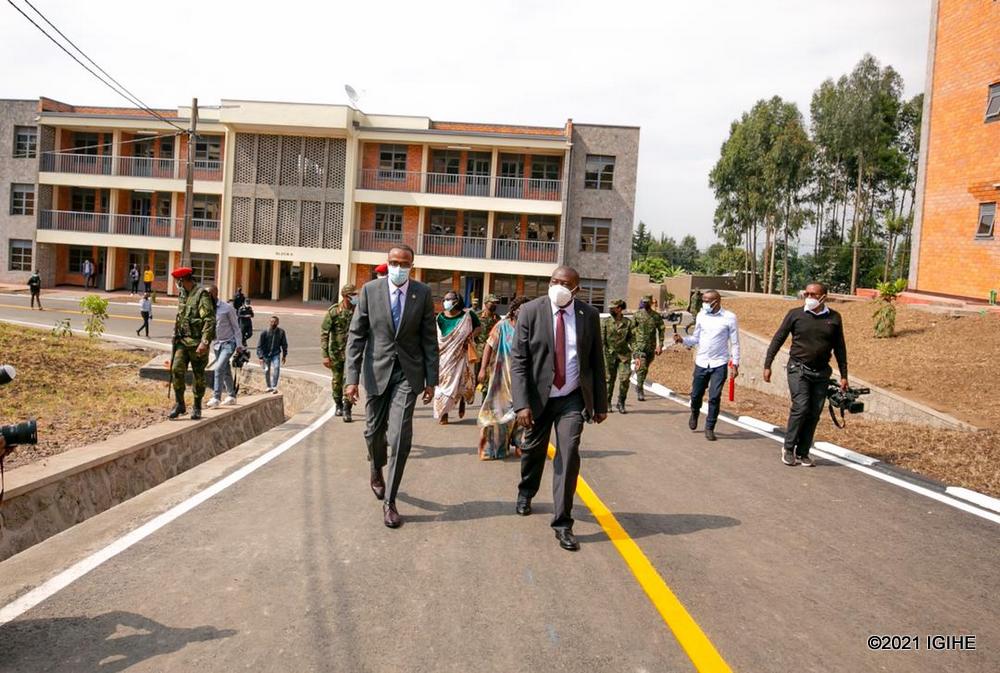
As part of the celebrations, Rwanda inaugurated a model village constructed in Kinigi sector, Musanze district of Northern Province to accommodate 144 families from informal settlements.
Rwanda confirmed the first Coronavirus case on 14th March 2020. Since then, 42 585 people have been tested positive of whom 27 606 have recovered, 14 509 are active cases, 61 are critically ill while 470 have succumbed to the virus.
A total of 391 954 people have been vaccinated since Rwanda began countrywide inoculation programme on 5th March 2021.
Rwanda’s liberation is celebrated every year on 4th July. It reflects transformations shaping the future of the country driven by the unity and development of all Rwandans.
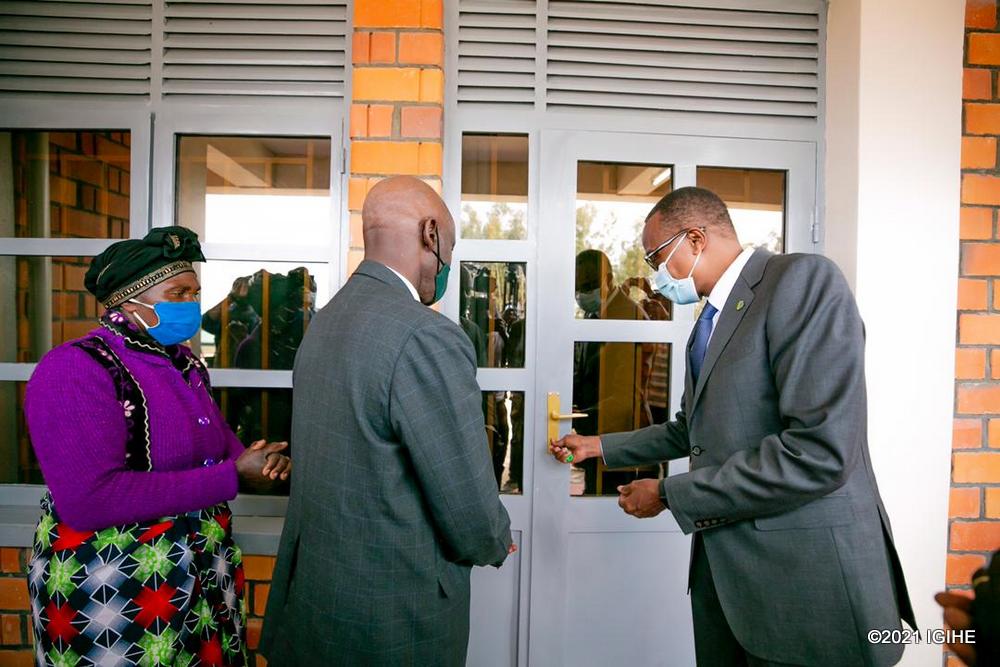
The inauguration ceremony held on Sunday was attended by various officials including the Minister of Local Government, Jean Marie Vianney Gatabazi and Minister of Defence, Maj Gen Albert Murasira among others.
Located in 12 kilometers away from Musanze town, Kinigi Model Village was constructed by Rwanda Defence Force (RDF).
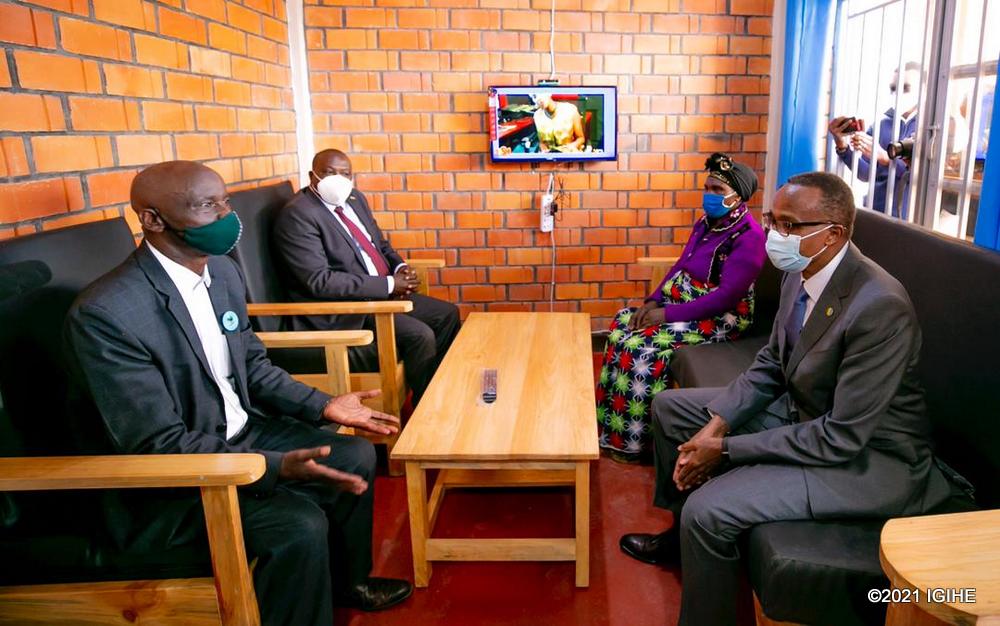
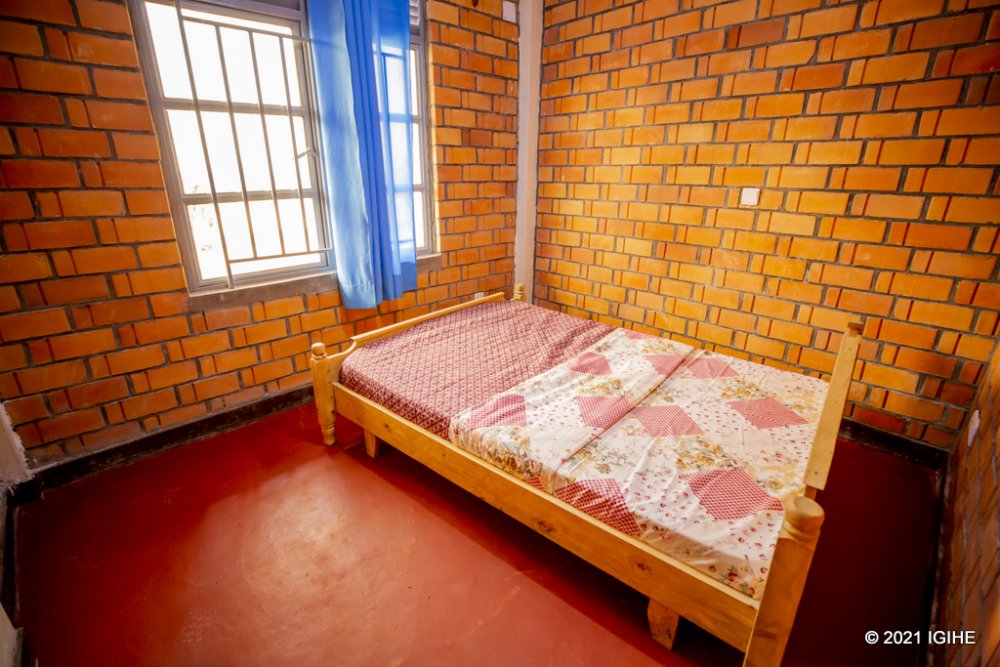
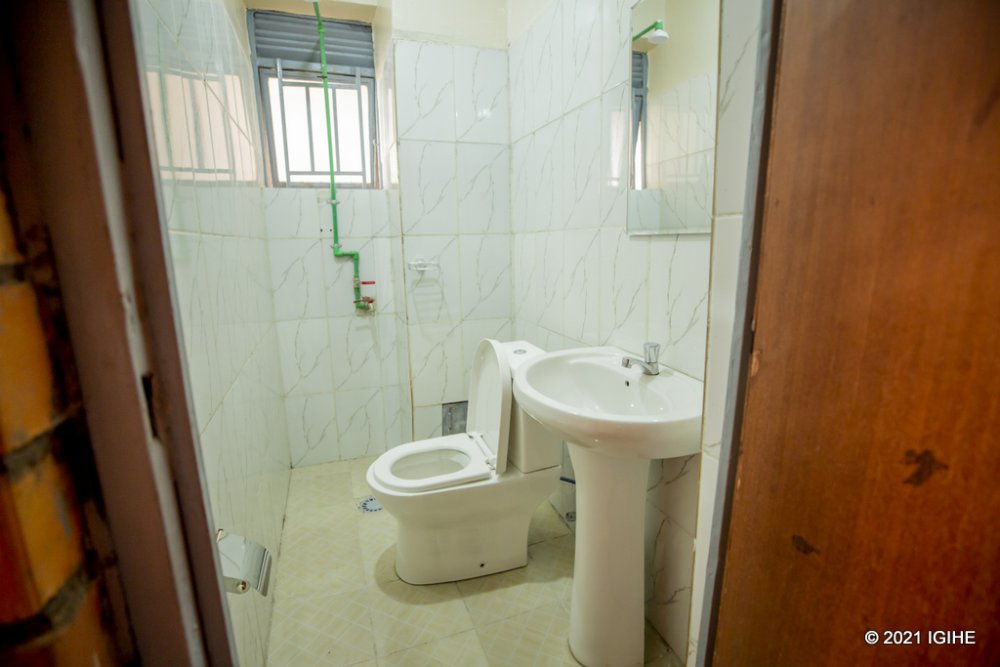
It is made of six three-storey blocks with 24 homes each. A home has three bedrooms, two bathrooms, a kitchen and a living room, with ready furniture, beds, mattresses and a television set.
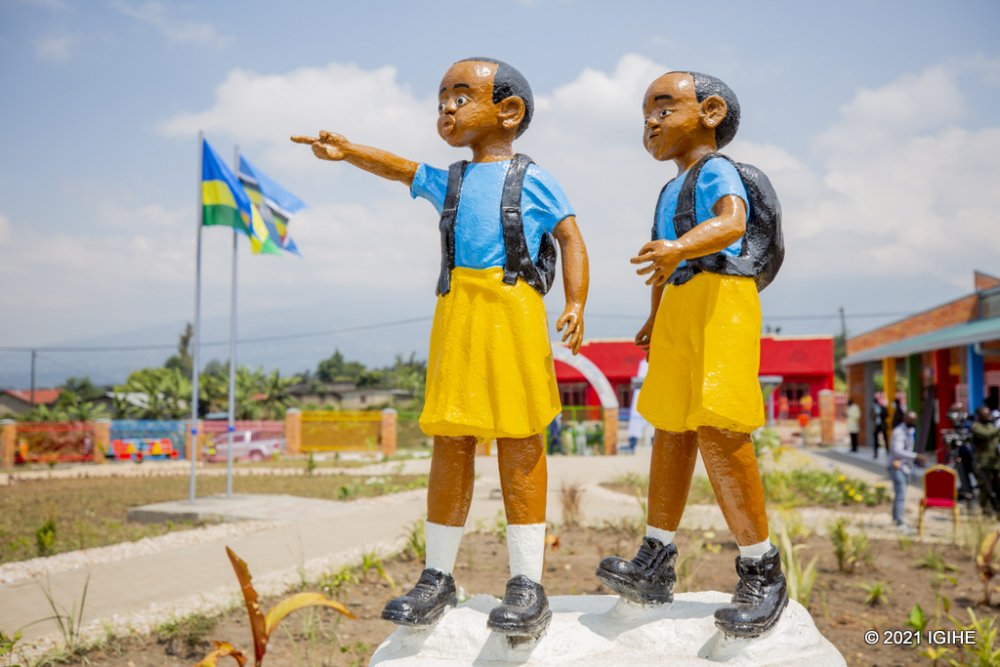
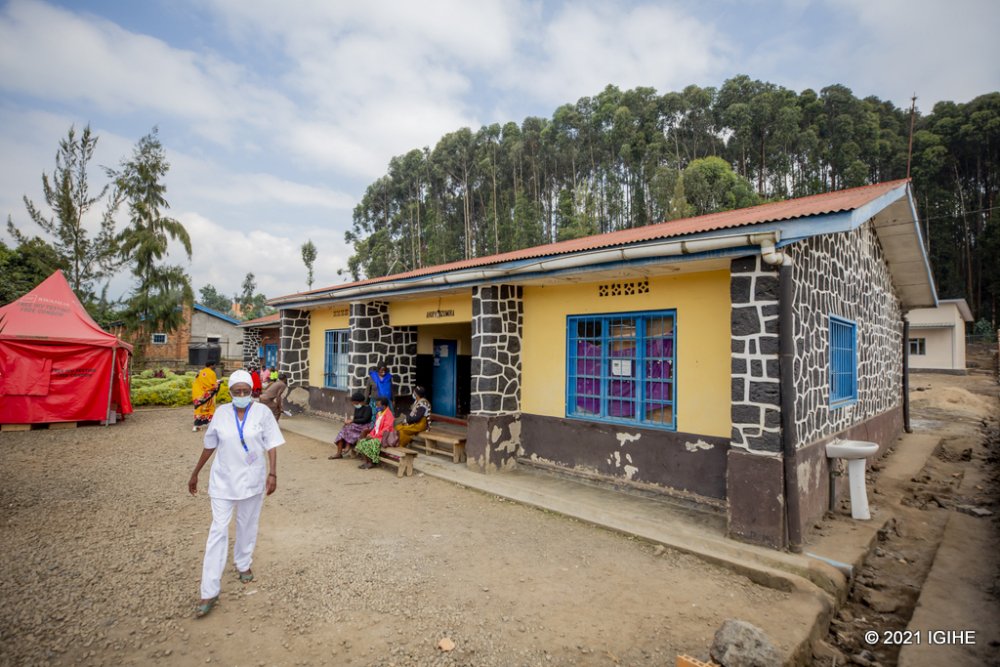
The model village also has poultry houses for 8000 chickens and sheds for other livestock, nursery school, health post, business center workshop, playgrounds and kitchen gardens among others.
Construction activities were completed at a cost of Rwf 26, 611, 466, 699 of which Rwf8, 047,653,297 was allocated for construction of homes, Rwf1, 589, 619, 026 for health center while Rwf3,350, 166, 058 was utilized to build a school and Early Childhood Development Center at the village.
Among others; Rwf1, 874, 637, 199 was utilized to buy 102 cows and 8000 chickens for resettled residents; business center workshop, garden preparation and planting fruit trees cost Rwf1, 874, 637, 199 while the remaining activities including tarmac road, electricity installation and expropriation took Rwf11 billion.
Speaking to IGIHE, beneficiaries expressed delight for the support turning them into smart residents with access to basic infrastructures.
“We have left poverty behind for good. The Government of unity overseeing citizens’ interests has relocated us from risky zones that we are optimistic for better life. I am now living in a beautiful house I had never expected to own. Being among beneficiaries of these homes is a testament that President of the Republic takes care and understands our needs along the development journey. I am grateful for the decent home where I will enjoy comfort during my advanced ages,” said Assiel Ndayambaje.
Other beneficiaries who spoke to the media as the relocation exercise began few days before Rwanda’s Liberation Day also voiced appreciation to the Government for inclusive development policies.
“I am very excited to receive the new home equipped with all basic equipment. It has furniture, smart television, cooking gas among others. Our special thanks go to President Paul Kagame who oversees for us and relentlessly promotes our wellbeing,” said Ismael Izabiriza.
Another beneficiary, Fidèle Ntirenganya, 72, has revealed that residents resisted the relocation but were gradually convinced and changed mindsets.
“At the beginning, local leaders convened a meeting to communicate the resettlement which we resisted. We were against the decision to relocate us until we toured these homes and changed mindsets due to their magnificence. It is a great pleasure that I am among lucky residents that have received homes at the model village,” he said.
The Minister of Local Government, Jean Marie Vianney Gatabazi has revealed that residents expressed delight for resettlement in the new village with aspirations for prosperous future.
As he explained, beneficiaries are from different categories including vulnerable residents who did not have own homes and other who previously lived in dilapidated structures.
“They are resettled to lead decent life in a smart village with all basic services. I would like to extend sentiments of gratitude to President of the Republic for setting framework for such activities. He visited the area, identified areas of improvements and called for action. This is the true liberation,” he noted.
In a televised video message on Sunday to mark the 27th Liberation Day, President Paul Kagame said that Kinigi model village is among projects evidencing Rwandans’ solidarity.
“The Kinigi Model Village being launched today, and other community projects that our armed forces have delivered, in partnership with other institutions, is a demonstration of our Rwandan solidarity, and we have made it a habit,” he noted.
A total of 2,580 projects are to be inaugurated in context of celebration of the 27th Liberation anniversary. These include schools, over 22,000 classrooms, roads, over 110 storage facilities for agricultural produce, distributing water and electricity across the country.
Another model village was inaugurated last year in Tabagwe sector, Nyagatare district as Rwanda marked the 26th Liberation Day.
A total of 82 model villages have been constructed since Rwanda began the program to relocate residents from informal settlements in 2016.
Some of these model villages including Rweru, Kazirankara-Nyundo, Horezo-Kanyenyeri, Karama and Gishuro were officially inaugurated by President Paul Kagame.