The statement released last night shows that 393 people have caught the virus out of 12 650 sample tests, 11 recovered while 42 are critically ill.
A total of 424, 768 people have been fully vaccinated while 1,048,640 received the first dose of COVID-19 vaccine since Rwanda began countrywide inoculation program on 5th March 2021.
Coronavirus symptoms include coughing, flu, and difficulty in breathing. The virus is said to be transmitted through the mucous membranes of the respiratory tract.
Rwandans are urged to adhere to COVID-19 health guidelines, washing hands frequently using soaps and safe water, wearing face masks and respecting social distancing.
At least 33 drunk drivers were arrested in City of Kigali while 13 others were arrested in Kamonyi district.
Blood alcohol content in their body was way above the 0.08 maximum, RNP deputy spokesperson, Chief Superintendent of Police (CSP) Africa Apollo Sendahangarwa, said.
Fidele Ntirushwa, is a school bus driver, who was arrested on Saturday, August 21.
At the time, he had taken the vehicle for inspection at Remera Motor-vehicle Inspection Centre (MIC), where he was arrested after being tested with a breathalyzer.
Another drunk driver, Etienne Kayisire, said he was arrested after he was involved in an accident with a taxi-moto operator.
“I had taken alcoholic drinks and when I was involved in a road crash, Police officers used a breathalyzer to estimate the quantity of alcohol I had taken, and the blood alcoholic content was at 2,” Kayisire said.
On Friday, August 20, RNP paraded other 29 people, who were arrested in Kigali driving under the influence of alcohol.
Another group of 37 drunk drivers arrested in Kigali was paraded on August 16.
CSP Africa advised drivers to always avoid driving when they drink alcohol.
“The breathalyzers Police use in testing alcohol do not identify the type of alcohol consumed; they only indicate the volume of alcohol in your blood. So, there is no excuse for those, who claim that they had taken energy drinks,” said CSP Sendahangarwa.
“When you drive while under the influence, you are a danger to your life, other road users and property. You will choose to drink and not to drive or to avoid drinking and drive.”
He further urged all road users to refrain from any reckless behaviours that can lead to road accidents and loss of lives and property.
It is against this background that the United Nations Development Programme (UNDP) in partnership with the Government of Japan has been helping Rwanda to mitigate effects of the pandemic.
Through UNDP, Japan has provided over US$1.2 million that helped Rwanda to mitigate effects of the pandemic in different areas.
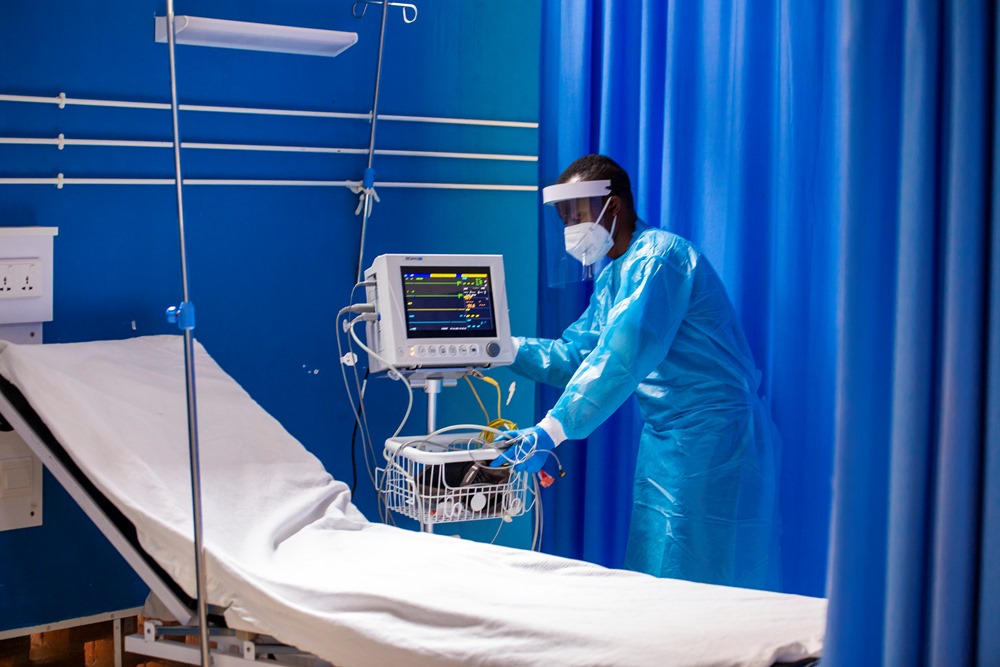
Initially, part of the funds were allocated to strengthen the capacity of COVID-19 laboratories across the country and helped to hire over 100 health workers deployed to 11 newly established centers for COVID-19 testing.
It has resulted into increased sample tests and reduced time it would take for the release of results.
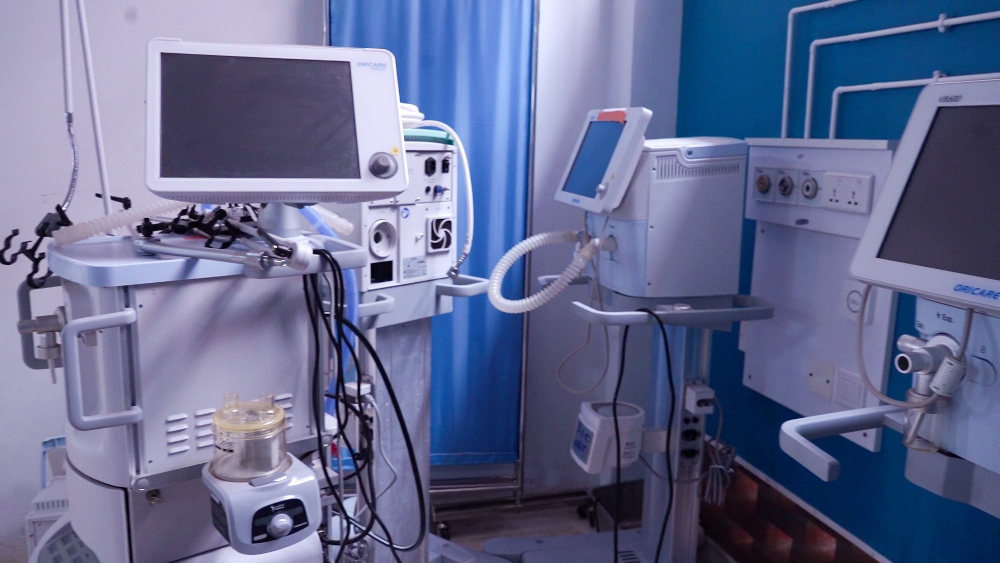
Under this framework, selected hospitals received all necessary equipment to provide oxygen for critically ill patients at intensive care units.
Among others, the funds helped to provide equipment including masks shields, face masks to 41 hospitals, train frontline workers and robots deployed to disinfect different places.
UNDP Country Representative, Maxwell Gomera has told IGIHE that they rushed to contribute to the fight against COVID-19 considering the pandemic’s nature which requires stronger collaboration than ever.
“The pandemic has awakened us to be far-sighted and concert efforts because no country can feel safe when neighbors are hit hard by the pandemic. It is under this context that UNDP and partners like the Government of Rwanda and Japan teamed up in the cumbersome situation to mitigate occasioned effects during and after the pandemic,” he said.
Gomera has also rallied foreign countries to continue providing support within their capacities to fight the pandemic.
“This time around, we should be much concerned about consolidating efforts to fight the pandemic which continues to take people’s lives instead of turning against each other. I would like to call upon developed countries for emergent support to African countries battling to access medical supplies and vaccines,” he noted.
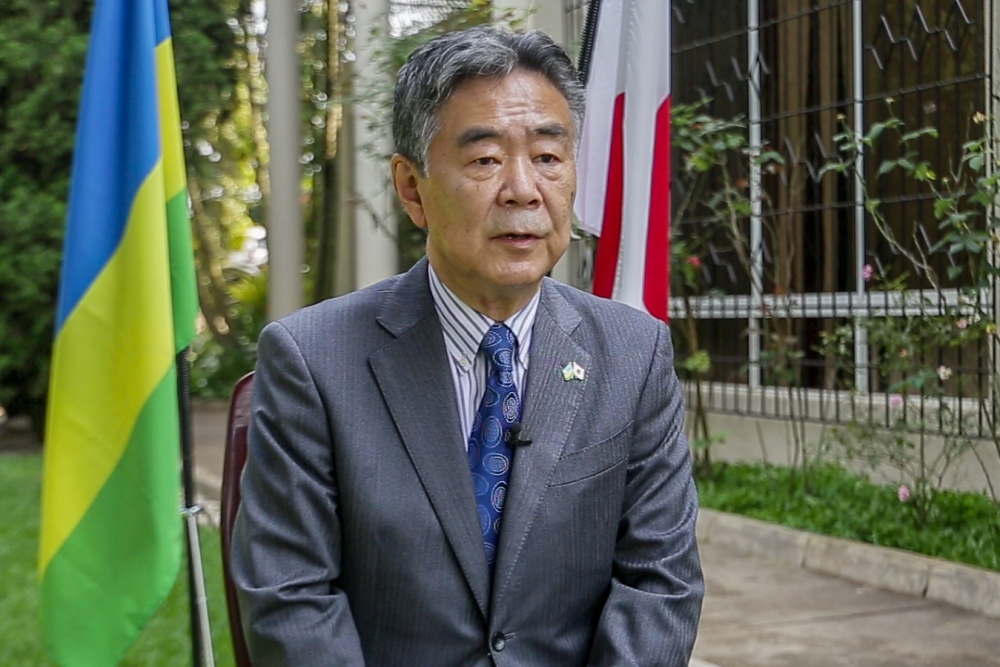
The Ambassador of Japan to Rwanda, Imai Masahiro has also stressed the need for consolidated efforts if the world is to defeat the pandemic.
“I am convinced that the most important thing during these difficult times is concerting efforts to help developing countries access vaccines and other medical supplies,” he revealed.
Amb. Masahiro also referred to the use of technology in the project with UNDP, which is aimed at containing the spread of COVID-19 in Rwanda.
“Rwanda is a country moving fast to embrace technology on the African continent. The use of innovation in COVID-19 response should have a positive impact on the frontline healthcare facilities. Technology is not only bound to positively impact Rwanda but also neighboring countries,” he affirmed.
In February this year, UNDP handed over two Ultraviolet-C (UV-C robots) to Rwanda Biomedical Center (RBC). These robots are used to disinfect treatment centers and public places to reduce the spread of COVID-19.
The acquired UV-C Robots have unique features which include the UV-C lamps that emit ultraviolet lights destroying deadly microorganisms that may be missed during the manual cleaning process, hence helping to reduce infection rates for patients and healthcare workers.
Among other capabilities these robots have is the capacity to undertake speedy cleaning and disinfecting patient and operating rooms, labor and delivery, ICU rooms, isolation discharge rooms and other indoor spaces. On average, one robot can disinfect one room in 32 minutes. They can also kill virus other than SARS-CoV-2, the virus that causes COVID-19.
Dieudonné Nshimiyimana, a health worker at Nyarugenge Hospital which has been turned into COVID-19 treatment center has explained that these robots are efficient to disinfect varied items.
“A robot can perform the task that would require five persons in 30 minutes. It is fast, reliable and has the capacity to kill the virus at 99.9 percent,” he said.
Rwanda confirmed the first Coronavirus patient on 14th March 2020. Since then the government has been instituting different measures to prevent spread of the virus including lockdown imposed at different times, halting businesses, suspending movements, closing borders among others which shook the economy.
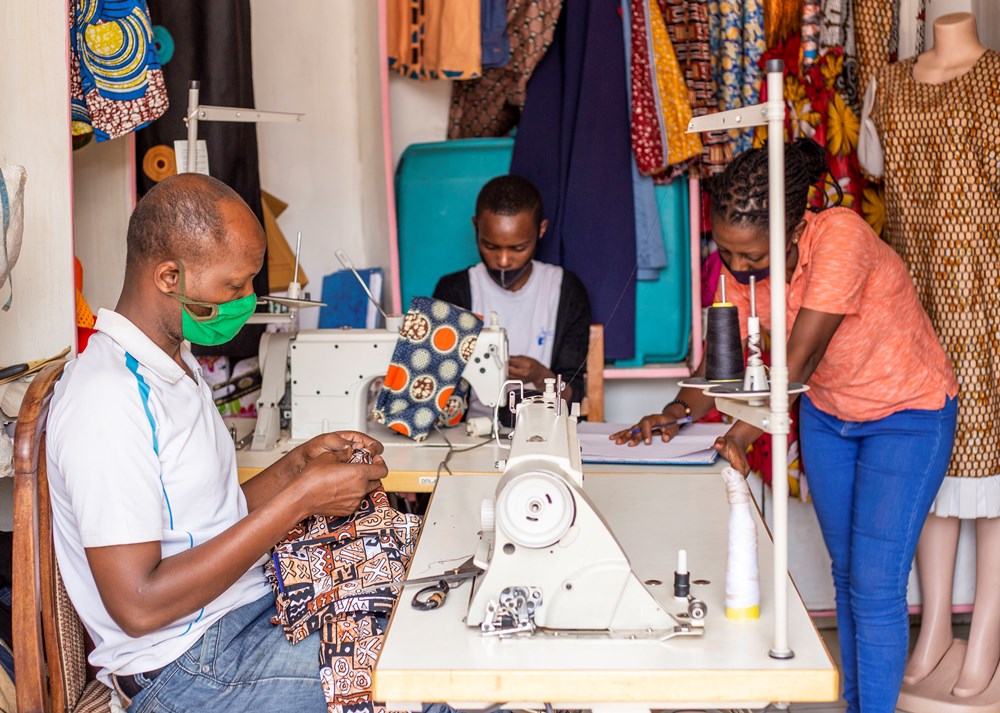
Through the funding of Japan, UNDP has helped 227 members from 13 cooperatives of persons living with disability across the country to mitigate COVID-19 effects.
Beneficiaries received food relief, enlightened on COVID-19 prevention measures while their cooperatives received funds to resume operations that had halted during lockdown.
One of these cooperatives include Union of Deaf Women Cooperative (UDWCO) involved in hand crafts, sewing and knitting in Kigali City.
The President of UDWCO, Micheline Nikuze has revealed that the cooperative encountered losses during lockdown that businesses would not resume had it not been the funding of UNDP.
“We were hit hard that time because we had no income generating business. We are however grateful for the support of UNDP which intervened with food assistance and provided funding to resume operations,” she noted.
Nikuze explained that received funds helped them to resume business promising to financially transform their lives during and after the pandemic.
The decision of scrapping transfer charges for Push and Pull services is part of new directive released by BNR and follows concerns among members of the public lamenting that transfer charges from one’s bank account to mobile money wallet and vice versa could slow down the country’s efforts to embrace cashless transactions.
In May this year, BNR announced that it was conducting a study to fix prices for digital financial services.
The directive signed by the Governor of the National Bank of Rwanda, John Rwangombwa reads that ‘Charges and fees on transfer of funds between e-money and deposit accounts belonging to the same person are prohibited’.
The Central bank has also waived 6 per cent interest rate which banks have been paying previously on the funds held in the trust account.
“Trust accounts and related individual e-money accounts are only used for the purpose of facilitating payment services. As such, interest on trust accounts and interest on individual e-money accounts are prohibited unless the latter is explicitly used as a savings account,” adds the directive.
Pierre Celestin Ndayizeye, 37, a driver, was arrested by the Revenue Protection Unit (RPU) and Border Security Unit (BSU) officers at about 5pm. He was sneaking the sacks of used clothes into Rwanda from the Democratic Republic of Congo (DRC), in a tipper truck.
Chief Inspector of Police (CIP) Bonaventure Twizere Karekezi, the Police spokesperson for the Western region, said that Ndayizeye was arrested at La Corniche One Stop Border Post in Gisenyi town.
He added that Ndayizeye had transported sand to Goma in DRC and loaded the sacks of second-hand clothes on the way back.
“RPU had prior information that Ndayizeye had loaded unknown quantities of clothes in Goma, where he had transported sand at a construction site. The vehicle was checked on his return at the border post and recovered the seven sacks of used clothes. Ndayizeye was arrested, the goods and vehicle also impounded as the law specifies,” CIP Karekezi said.
In article 199 of the East African Community Management Act, which is also applicable in Rwanda, any automobile used in smuggling and seized smuggled goods are auctioned while the driver is fined US$5,000.
Ndayizeye disclosed that he was hired by one he only identified as Patrick to transport the sacks of clothes from DRC.
CIP Karekezi thanked the resident, who shared information leading to the arrest of the suspected smuggler and seizure of the smuggled goods.
{{Tax fraud}}
A taxpayer, who commits fraud, is also subject to an administrative fine of one hundred percent (100%) of the evaded tax and a likely imprisonment of between six months and two years.
This new vaccination drive launches as Rwanda achieves the milestone of one million people vaccinated against COVID-19, and will see Kigali reaching over 90% vaccination coverage for 18 years and above in the next two weeks.
In addition to 37 sites in local government offices across the three Kigali districts of Gasabo, Kicukiro and Nyarugenge, mobile teams will go door to door to administer doses to people with mobility challenges including the elderly, people with disabilities as well as pregnant women and nursing mothers.
According to a statement released today, people who received a first dose earlier this month are also reminded to return to their respective facilities across Kigali for their second dose.
Kigali, which generates close to 50% of Rwanda’s national GDP, has been hit particularly hard and went into lockdown three times since the beginning of the pandemic in March 2020.
Rwanda plans to vaccinate 30 per cent of the population by the end of 2021 and continues efforts to acquire sufficient doses through direct purchases and other arrangements, to ensure as many Rwandans as possible are protected from COVID-19.
The Government has thanked Rwandans for their continued support and participation in the fight against COVID-19, as well as partner states and institutions that have contributed vaccines and other material to assist in the management of the pandemic in Rwanda.
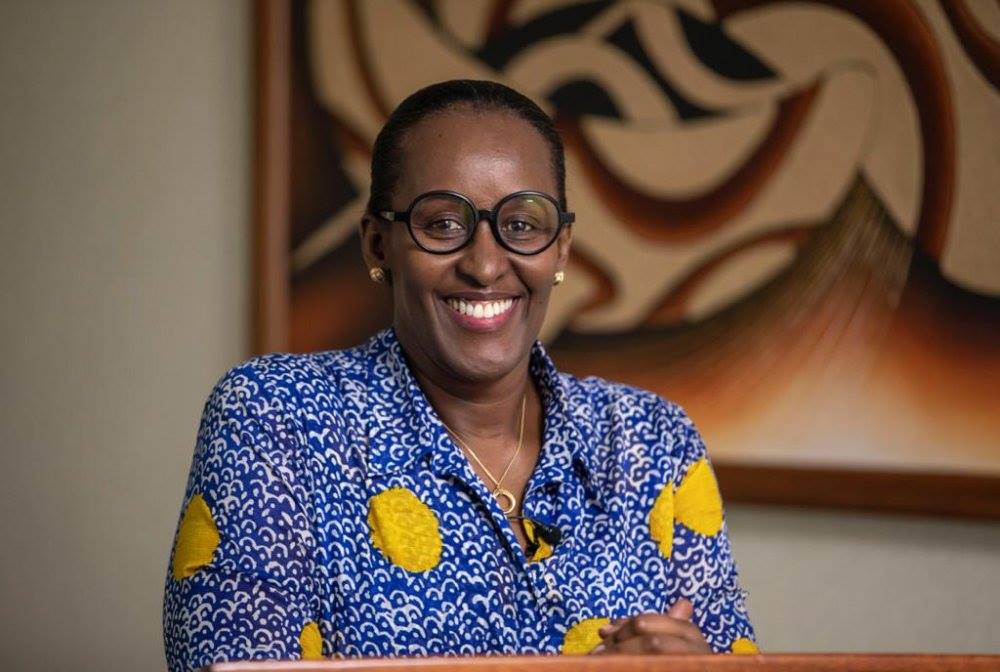
First Lady Jeannette Kagame made the call on Friday August 20, 2021 as she co-chaired the first virtual AAB meeting of the UGHE along with Prof. Senait Fisseha, the Director of Global Programs at the Susan Thompson Buffett Foundation.
The duo was named to chair UGHE African Advisory Board recently on 14th August 2021.
Speaking at the first meeting held virtually, the First Lady requested board members to continue striving for transformations of the health sector leveraging lessons learnt from COVID-19.
“I am extending to you an invitation to keep trailblazing a new and health centered path forward, because 2020 taught us many lessons on how interconnected we are as a global community. We can no longer afford to maintain the status quo,” she said.
UGHE is an institution that strives to train the next generation of global health professionals committed to providing equitable healthcare for all in Africa and beyond, with a focus on the most vulnerable. The creation of the AAB is critical to ensuring that UGHE’s work is informed by the local context vis-a-vis the wealth of knowledge and experience of African leaders on the continent.
Prof. Senait Fisseha highlighted that the opening of the university in Rwanda was an optimal choice.
“It is no accident that the University of Global Health Equity was born in Rwanda, which has for so long been a beacon of hope and an inspiration not just for those of us on the continent, but globally. This is what resilience, perseverance, and the road map to equity looks like,” he said.
During the meeting, the board members pledged to support UGHE to educate young leaders to be able to strengthen health sectors as a pillar of economic development and stability worldwide, especially in Africa. With this far-reaching mission, they are ready to accompany UGHE as it implements flexible and innovative solutions to address complex global health issues on the African continent and beyond. They will also advise on the creation of research and the needed types of professionals, as well as the collaboration required for future self-reliance based on Africa’s health needs.
Prof. Agnes Binagwaho, Vice- Chancellor of the University of Global Health Equity said that the university looks forward to continuing the dialogue expected to ‘provide invaluable recommendations to UGHE as it works to attain excellence in global health education’.
“Ultimately, we hope that this provision of quality education will improve the health of the population worldwide, especially that of the most vulnerable in Africa,” she noted.
The conversation also highlighted the importance of synergizing regional efforts and improving the quality and quantity of the healthcare workforce and delivery, to guide the way forward for the institution’s strategic development to build healthcare systems in Africa and other parts of the world.
Other participants include Prof. Paul Farmer, the Chancellor of the University of Global Health Equity who stressed the need to work hard to position UGHE as one important legacy of the Rwandan renaissance.
Inaugurated in 2018, UGHE releases graduates with Bachelor and Master’s in global health sciences.
UGHE focuses on quality, innovation and scientific-based learning and requires that students learn from and live within the communities facing the aforementioned constraints to healthcare access. By situating the university in the rural North of Rwanda, it provides proximity education that exposes our students to the challenges that they will be tasked to address on the continent.
Through a community-based learning approach that leverages community members as teachers, students are equipped with a deep understanding of the needs of the vulnerable, positioning them to adequately address them in their future professional life. By applying these principles, UGHE breaks down traditional boundaries between academic disciplines, fostering interprofessional teaching and learning.
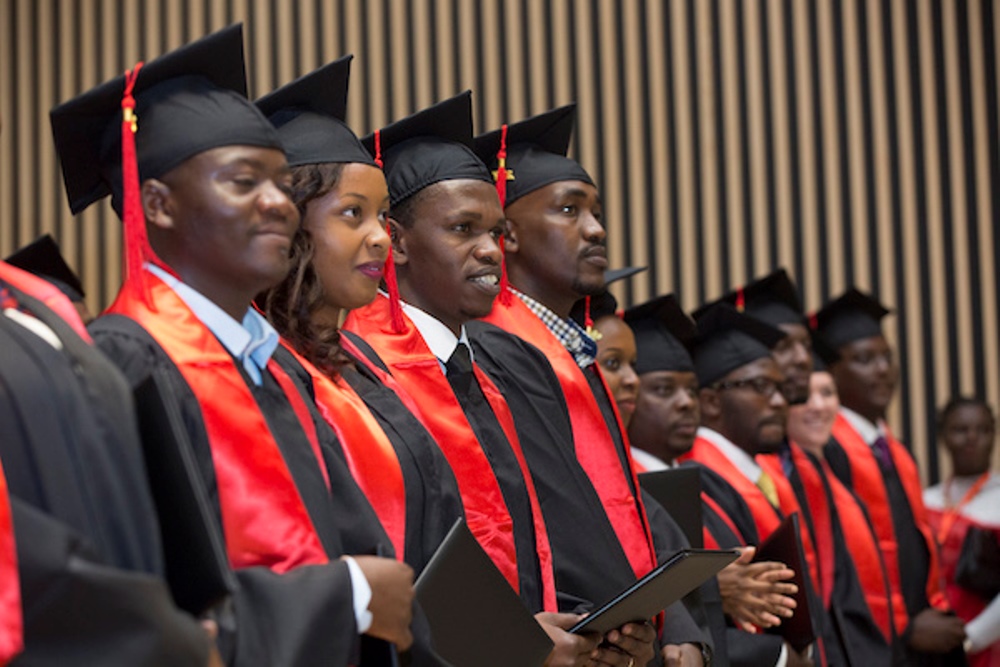
The graduation ceremony is scheduled on 23rd August 2021.
The MGHD’21 Commencement represents the culmination of an intensive year at UGHE, with learning centered on quality, innovation and science. The master’s curriculum deliberately knits together the often-siloed areas of global health, including research development, epidemiology, implementation science, One Health, gender equity, history, anthropology, entrepreneurship, leadership, and business management, ensuring its graduates become holistic thinkers and changemakers.
UGHE’s position in the rural north of Rwanda affords students the opportunity to learn from and live among Burera District communities which, in turn, helps them critically examine the challenges faced by the communities they live in, through cultural, historical and societal analysis.
“We are proud of our students, whom we have equipped with the knowledge and skills to be among the leaders who will help transform the world and promote the conditions for equitable, quality, and holistic health service delivery for all. The world needs such global health experts, especially today given the current global situation, with climate change leading to natural disasters such as heat waves, droughts, floods, and forest fires. These natural disasters have several consequences, among others, increased hunger and malnutrition, mass displacement, a more precarious situation for the lives of vulnerable people, and increased risks for illness such as those linked to poor management of environmental, animal, and human health that we have seen with COVID-19 and its catastrophic global consequences. All of these facts are rolling back gains in population health outcomes, and our students are equipped to stop and reverse this trend,” said Prof. Agnes Binagwaho, Vice Chancellor, University of Global Health Equity.
In alignment with robust national measures to curb COVID-19 transmission, UGHE was pleased to offer learning in a blended learning format, combining online training via a sophisticated e-learning platform, COVID-19 compliant field visits, and dynamic classroom study leveraging the state-of-the-art facilities on campus. With authorization from the Government of Rwanda, Butaro Campus remained open and operational during the pandemic thanks to robust prevention measures enforced onsite, ensuring critical learning continued uninterrupted. Like their alumni predecessors, this year’s intake benefitted from tailored training from UGHE’s network of world-class faculty, as well as well as community and faith-based leaders, community health workers and, of course, their diverse cohort.
“The role of our students as the future’s global health changemakers is now more critical than ever as emerging diseases have and continue to threaten the lives of the most vulnerable. Our students leave with the resolute commitment and competency to provide an equitable voice for the historically unvoiced and underserved, and the educational tools to fulfil this challenging, yet pivotal role in the development and innovation of global health systems,” stated Prof. Abebe Bekele, Deputy Vice Chancellor of Academic & Research Affairs, University of Global Health Equity.
UGHE’s educational mission, and its growing network of alumni, is more vital than ever. The COVID-19 crisis has disproportionately impacted vulnerable populations globally, exacerbated shortages of trained health professionals, and highlighted the need for increased research and manufacturing capacity in low-and middle-income countries to bolster development of life-saving drugs, equipment and now, vaccines. Educating the next generation of compassionate health leaders, skilled clinicians, innovative researchers, scientists, and implementers is critical to driving this forward. This year’s graduates depart UGHE equipped with the needed skills and expertise to not only repair inequitable health systems, but also to strengthen them, leveraging firsthand learnings from Rwanda’s successful crisis response.
“We have always prepared ourselves to react according to the science of the day and the need to keep our working teams galvanised to navigate new territory and to always serve our students, employees, contractors and the surrounding community with quality, security, while keeping them safe. During the last year and half, UGHE has constantly evaluated and responded to each challenge posed by the COVID-19 pandemic. We have continuously thought innovatively about organisational structure, supporting all of us so that we could thrive in the face of global uncertainty by planning with a delicate balance for equitable solutions for immediate positive outcomes for all, while securing the future. We are proud to have done it and to have secured continuous authorisation for UGHE to remain safely operational with quality and equity as our guides,” noted Rogers Muragije, Deputy Vice Chancellor, Administrative and Financial Affairs, University of Global Health Equity.
In respect of COVID-19 measures, this year’s commencement will be the second to take place virtually, welcoming friends, families, and supporters of the graduates to celebrate the significant milestones this cohort has achieved despite uncertain global circumstances. A small event will take place on campus.
UGHE is honored to welcome an esteemed line-up of speakers to the ceremony, the elected student representatives, the Hon. Minister of Health, Dr. Daniel Ngamije, the Hon. Minister of Education, Dr. Valentine Uwamariya, and a keynote address from Dr John Nkengasong currently serves as the first Director of the Africa Centres for Disease Control and Prevention (Africa CDC). UGHE’s Chancellor, Dr. Paul Farmer, Vice Chancellor, Prof. Agnes Binagwaho, the Dean of the School of Medicine and Deputy Vice-Chancellor of Academic & Research Affairs, Prof. Abebe Bekele, Deputy Vice Chancellor of Administrative & Financial Affairs, Rogers Muragije, Dr. Rex Wong, Associate Professor and Director, Bill and Joyce Cummings Institute of Global Health will also speak to audiences within the ceremony.
Now, at a time when their skills are needed most, they enter a new chapter as global health leaders, eager to apply their learnings and enact fundamental change in their respective communities, and around the world to contribute to create resilient health delivery system. They join an MGHD alumni network of leaders who situate the institution at the forefront of a collective struggle to advance health equity and accelerate the dissemination of discovery and innovation in global health.
UGHE looks forward to welcoming a new intake of master’s students this September representing 13 countries globally, who will continue to drive forward this mission.
With presence of dense forests, Mbau is located in 45 kilometers away from Mocimboa da Praia.
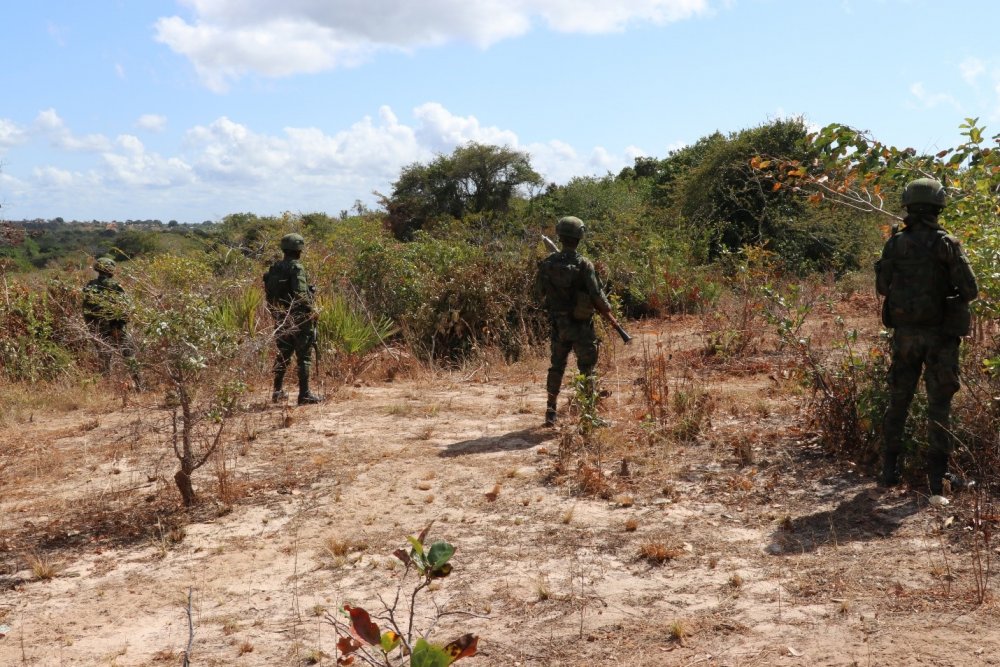
It was reportedly used by rebels for training of recruits. Following days of intense fighting, the joint forces seized Mbau on Friday 20th August 2021.
As they attacked Mbau, Rwandan and Mozambican troops maneuvered through Mocimboa da Praia and Mueda.
Before entering Mbau, RDF and Mozambican troops exchanged fire with approximately 100 rebels. The fight left several rebels killed while others escaped.
Eleven of killed rebels were found on the battle ground.
The joint troops also seized weapons including Submachine Guns (SMGs) among others.
The Spokesperson of Rwanda Defence Force (RDF), Col Ronald Rwivanga has told IGIHE that operations to defeat insurgencies are ongoing despite the victory in Mbua.
“We have quelled rebels and seized the region but operations are ongoing,” he said.
IGIHE has learnt that Rwandan troops started operations on Tuesday and followed tracks left by rebels as they fled with their vehicles from Mocimboa da Praia also seized recently.
The remaining regions under control of rebels include Siri I and Siri II.
During the ongoing fight, liberated regions are left under protection of Police forces as soldiers advance to chase out rebels.
Rwanda started the deployment of 1000 troops of the Rwanda Defence Force (RDF) and the Rwanda National Police (RNP) to Mozambique, recently on 9th July 2021, to fight rebel groups linked ISIL.
The group sometimes calls themselves al-Shabaab, although they do not have known links with the Somali al-Shabaab.
The situation started worsening in October 2017 when armed extremists linked ISIL launched an insurgency in the Cabo Delgado region of Mozambique.
Since then, Mozambique Defence Armed Forces have been battling the extremists while many civilians were displaced by the fighting.
The joint operations between Rwandan and Mozambican troops have started yielding where different regions including Palma, Awasse, Mocímboa Da Praia, Quionga, Tete, Zambia, Maputo, Nhica Do Rovuma, Quelimane, Chinda and Mumu have been seized from rebels.
The land linked East African nation has over the years seen more than 80 per cent of its exports and imports passing through the seaport which handles over 90 per cent of Tanzania’s cargo traffic.
Fielding questions from reporters , Rwanda’s Ambassador to Tanzania, Major General Charles Karamba said the Port of Dar es Salaam plays a significant role in Rwanda’s economy.
According to Major General Karamba, Rwanda continues to depend on the seaport for its imports and exports.
“It is a very important point for Rwanda and I’ve been routinely meeting senior port officials with a view of scaling up the use of the port,” asserted the envoy after he paid the East African Business Council (EABC) a courtesy call.
Rwanda uses the Port of Dar es Salaam for much of her inbound and outbound cargo, through what is commonly known as the Central Corridor.
Rwanda remains the leading country within the East African Community capitalising on the presence of the Dar es Salaam Port.
It boasts of about one million tonnes of cargo recorded at the port per year, according to Tanzania Ports Authority (TPA) figures.
Burundi depends on the port for 99.2 per cent of its international cargo while the figure for Rwanda is 86 per cent, comprising both imports and exports.
It is estimated that about 90 per cent of Tanzania’s international trade transactions depend on Dar port.
Uganda, Rwanda, Burundi and eastern DR Congo are the target destinations for cargo offloaded at the principal port.
In 2018, Tanzania and Rwanda agreed on joint construction of a Standard Gauge Railway (SGR) from Isaka (northwestern Tanzania) to Kigali, a move which will facilitate movement of goods between the East African neighbours.
Earlier, EABC Executive Director John Bosco Kalisa informed the envoy that the regional apex body of Private Sector associations and corporates had established a Technical Working Group (TWG) which is meant to spearhead initiatives that will benefit the private sector in East Africa.
TWG will also be crucial in providing a platform for addressing concerns raised by the business community in the region.
“We’ve had support and vision from our Heads of State and we are very optimistic that it will address challenges that impede trade within the EAC,” he explained.