The decision was announced on Sunday 9th January 2022 through a statement released by the Ministry of Health.
“Students with COVID-19 symptoms including cough, fever and flu must not be sent to school. Instead, they should stay home and be treated until they recover,” reads part of the statement.
Parents have been also urged to have their children tested if they are 5 years old and above, using the Rapid Test.
“When schools have to request students to be tested, school administrators are instructed to allow parents to test their children using Rapid Test,” adds the statement.
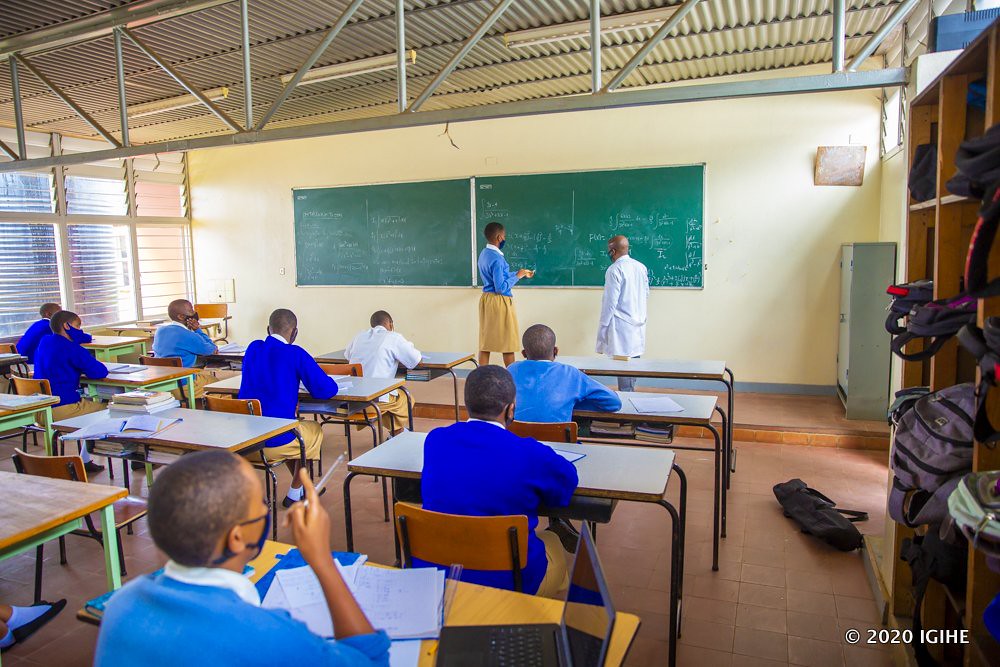
The decision is announced at a time when boarding students have started returning to schools while studies for day students began on Monday 9th January 2022.
The Ministry of Health has reminded parents and educators to continue adhering to COVID-19 preventive measures at school, in classrooms and at home.
In a bid to contain the spread of the virus, the Ministry of Education recently announced that no teacher should be allowed to return to school before receiving the third dose of COVID-19.
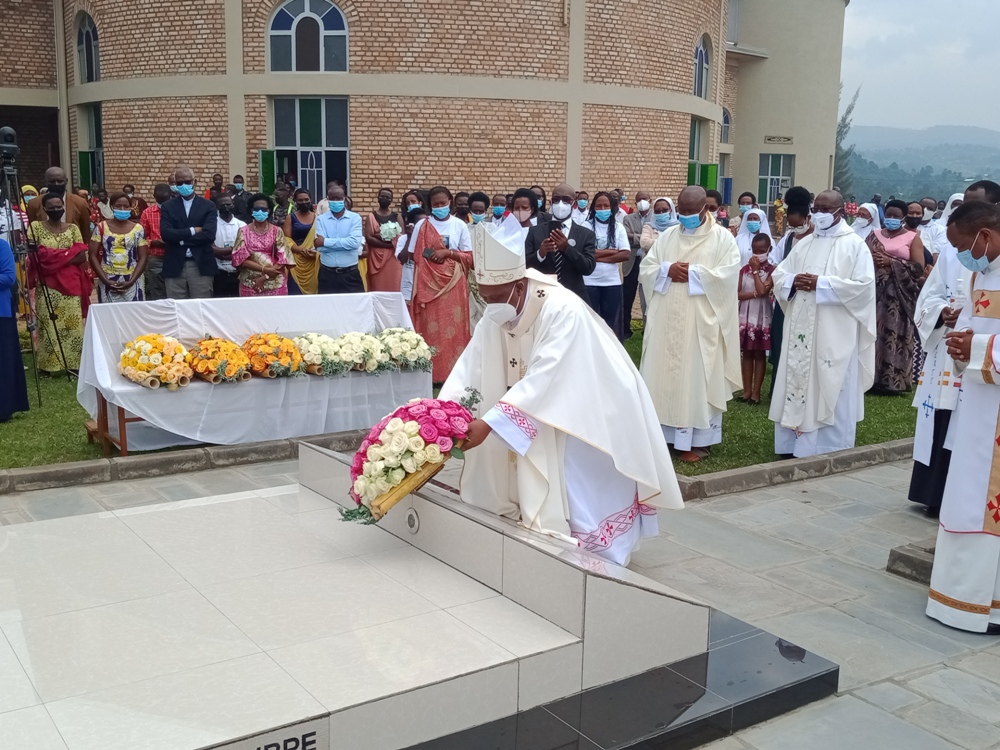
He made the revelation on Saturday 8th January 2022 during a mass to commemorate the death of Father Ubald Rugirangonga held at Agasozi k’Ibanga ry’Amahoro (Hill of Secrete to Peace) located in Kamatita cell, Gihundwe sector, Rusizi district of Western Province.
The hill of 25 hectares is located in Nkanka Parish, Cyangugu Diocese. It was conceived by Father Rugirangoga who sought to establish a center where people will gather for to pray for a peaceful world and forgive each other.
Cardinal Kambanda said that Rugirangoga endured suffering from which the values of forgiveness stemmed.
“Father Ubald endured suffering. Forgiveness has linkages to suffering. Forgiveness is the fruit from the tree of suffering which is the cross. To be able to forgive, empathy with the person who is suffering is needed,” Cardinal Kambanda said.
Throughout his suffering, Cardinal Kambanda said, Rugirangoga took care of the needy and empathized with them which he considered a great legacy.
He explained that the fruit of forgiveness has been helpful to tough problems Rwanda went through emanating from the 1994 Genocide against Tutsi.
Father Rugirangoga died in the United States in January 2021 from respiratory complications stemming from Covid-19.
He is renowned for divine healing prayers, psychiatric as well as unity and reconciliation initiatives.
Sister Valerie Mukandeze from the congregation founded by Rugirangoga said that he always advised them to love one another and strive to live in harmony.
The commemoration of Father Rugirangoga was held from 2nd to 8th January 2022.
Throughout the weeklong event, he was praised for his contribution to rebuild Rwandan society after the 1994 Genocide against Tutsi.
Father Ubald Rugiranoga was born in February 1955 in former Rwabidege sector, Mwezi parish in Commune Karengera, Prefecture Cyangugu currently in Rusizi district. He was ordained priest in 1984 at the age of 29. Rugirangoga used to organize different gospel crusades in which many people healed from different diseases.
In 2015, Father Rugirangoga was selected Protector of Friendship Pact ‘Umurinzi w’Igihango’ for outstanding contribution to unity and reconciliation initiatives that started in Mushaka Parish and extended countrywide.
Among others, Father Rugirangoga encouraged Genocide perpetrators to seek forgiveness and survivors to forgive offenders as a healing process from the wounds of the 1994 Genocide against the Tutsi.
In 2019, Father Rugirangoga wrote a book dubbed “Forgiveness Makes You Free” aimed at consolidating Rwandans unity and reconciliation efforts.
Prior to his death early January 2021, Ubald was the head priest at Mushaka Parish and had requested his Bishop to be assigned in a parish where he could easily pray for mass public and help them along unity and reconciliation journey.
He served as a priest for over 32 years and died at the age of 62.
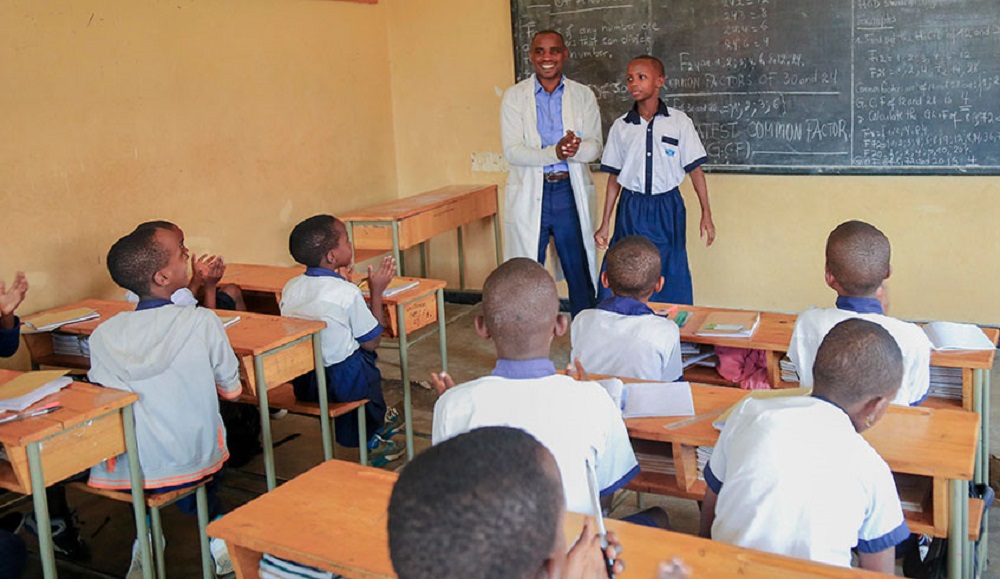
Primary and secondary schools are expected to open respectively on 10th and 13th January 2021.
The second term is opening few weeks after Rwanda confirmed the new Coronavirus variant dubbed ‘omicron’ which prompted the country to tighten preventive measures.
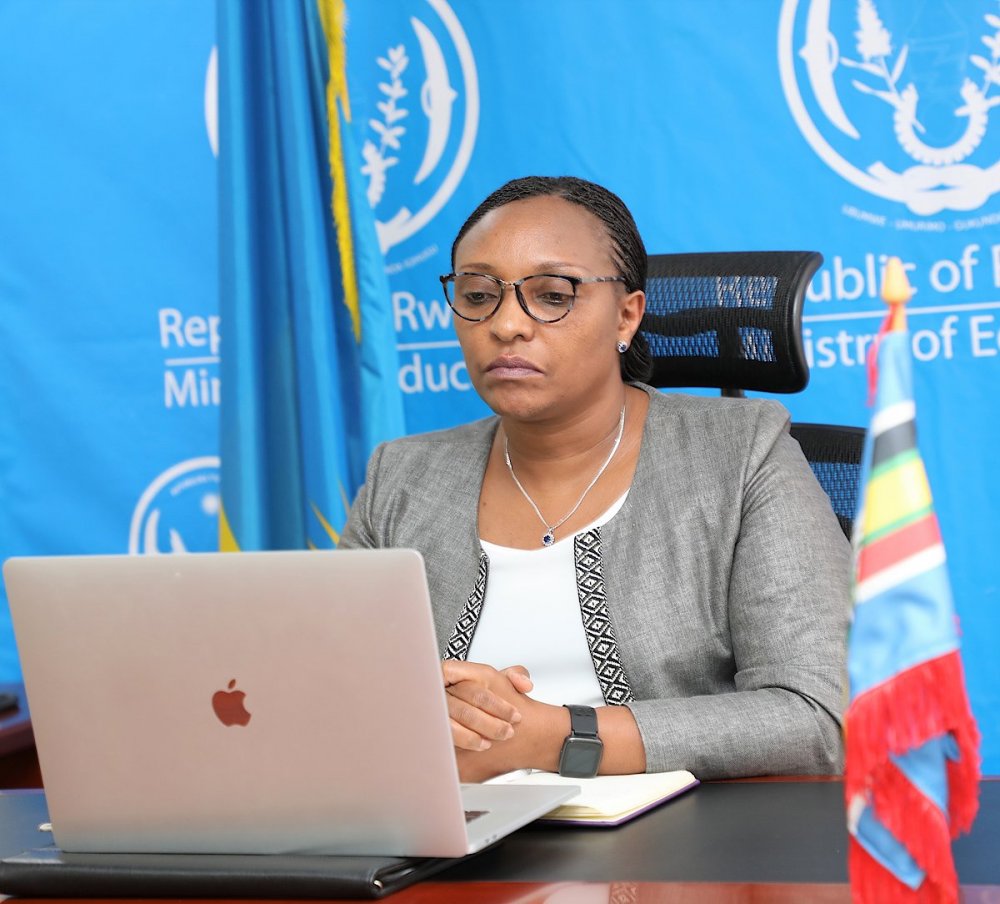
Appearing in RBA talk show, Dr. Uwamariya has said that the situation is controllable because many head teachers are aware of recommended health guidelines to contain the spread of the virus at schools.
She however stressed the need to take more strict measures to ensure enhanced protection against the new variant which spreads faster.
“We are lucky that head teachers know how to react when a new case is confirmed at their schools but we still need to be more vigilant and design new strategies to contain the spread of the virus in collaboration with the Ministry of Health and Rwanda Biomedical Center,” Dr. Uwamariya said.
The Minister reminded teachers that they must have received the booster dose before returning to school as it was recommended by the Ministry of Education recently.
“We have recently urged eligible teachers to have received the third dose before the opening of the second school term. We are hopeful that no teacher will return to school without doing the necessary,” she affirmed.
MINEDUC shows that over 90% of eligible students have received two doses of COVID-19 vaccine in Kigali City.
Among others, students from 14 districts received the first dose in the first school term expected to receive the second dose as they return to school before the program is rolled out to students in the remaining 16 district countrywide.
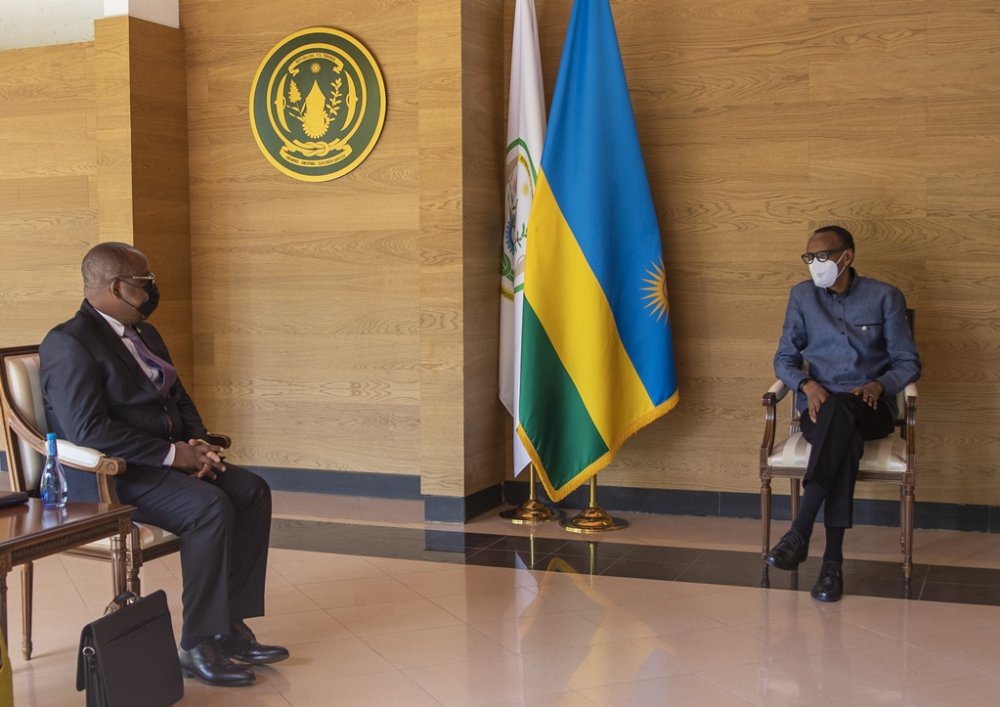
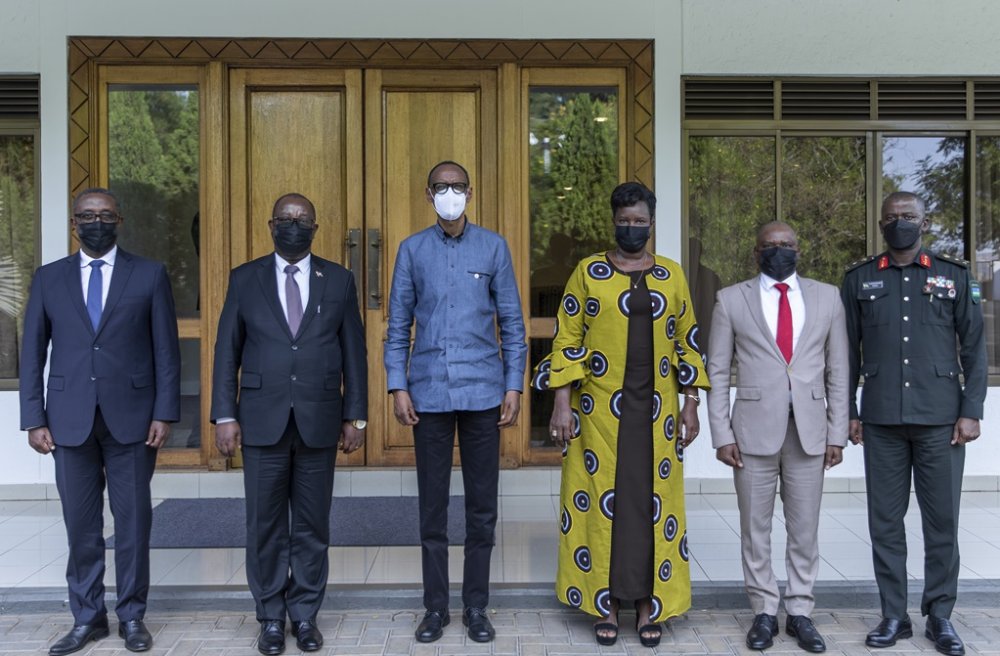
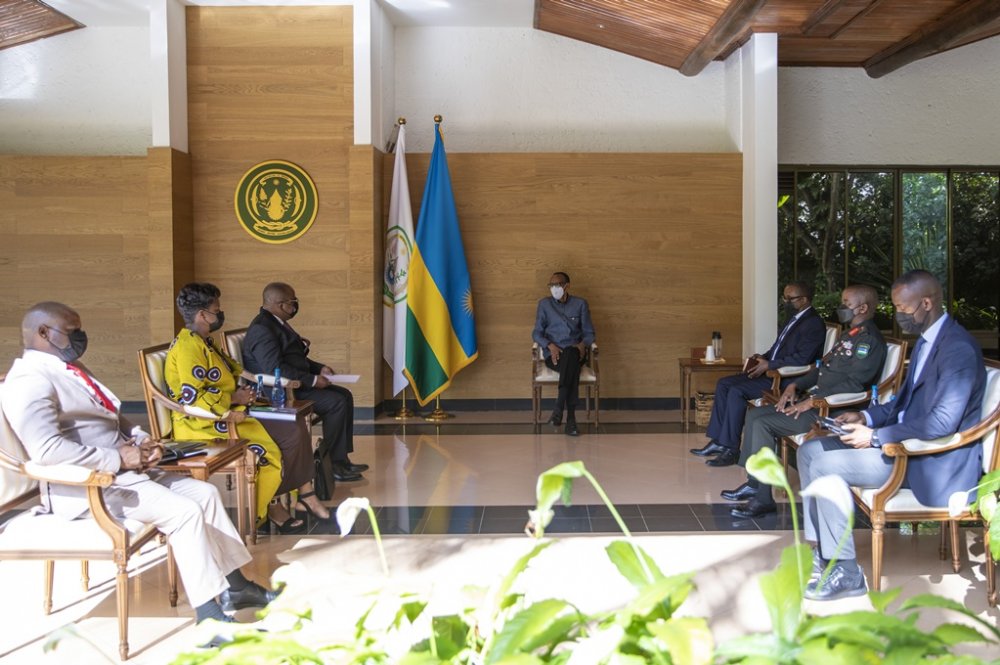
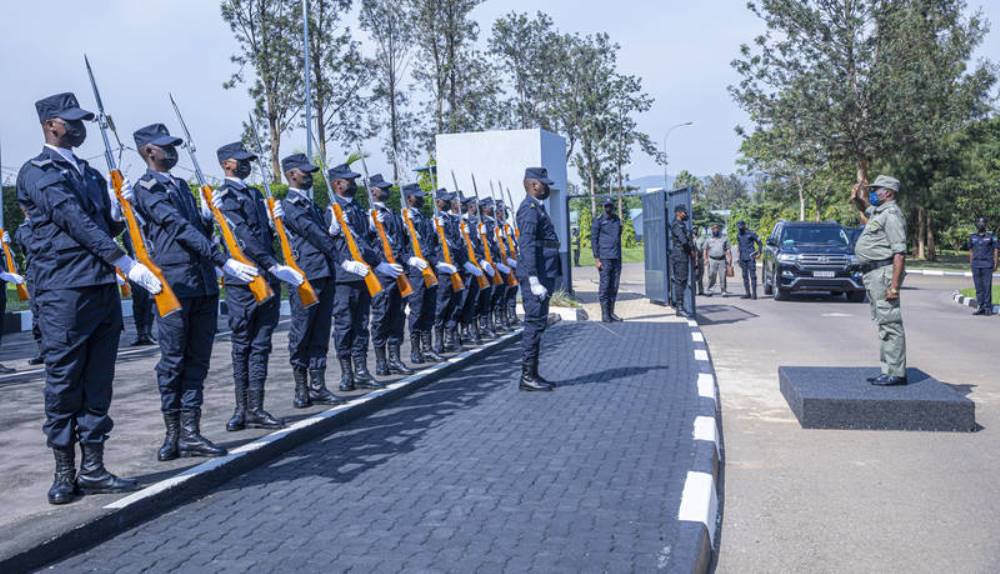
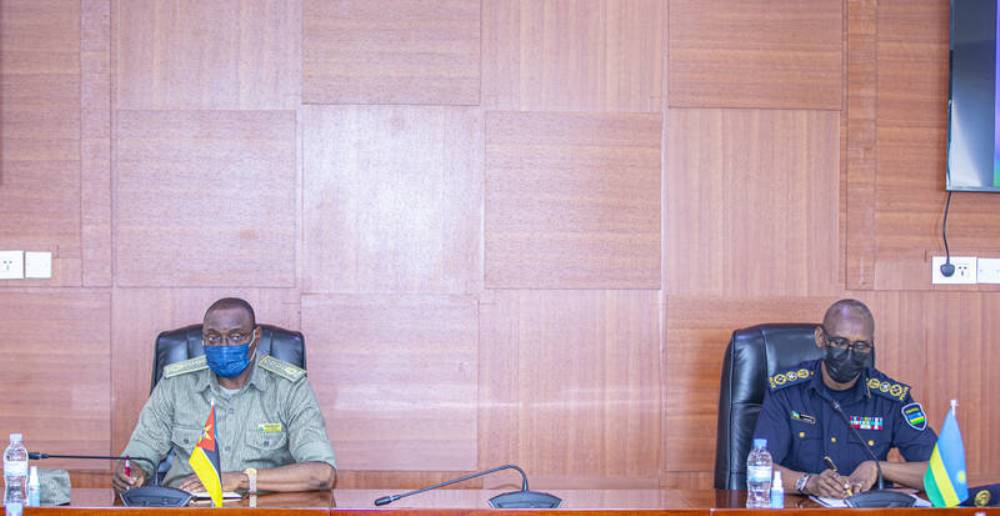
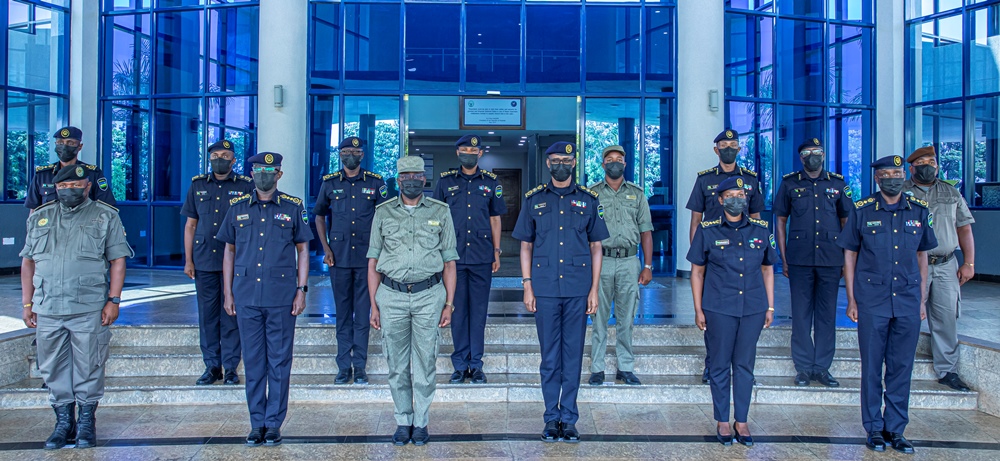
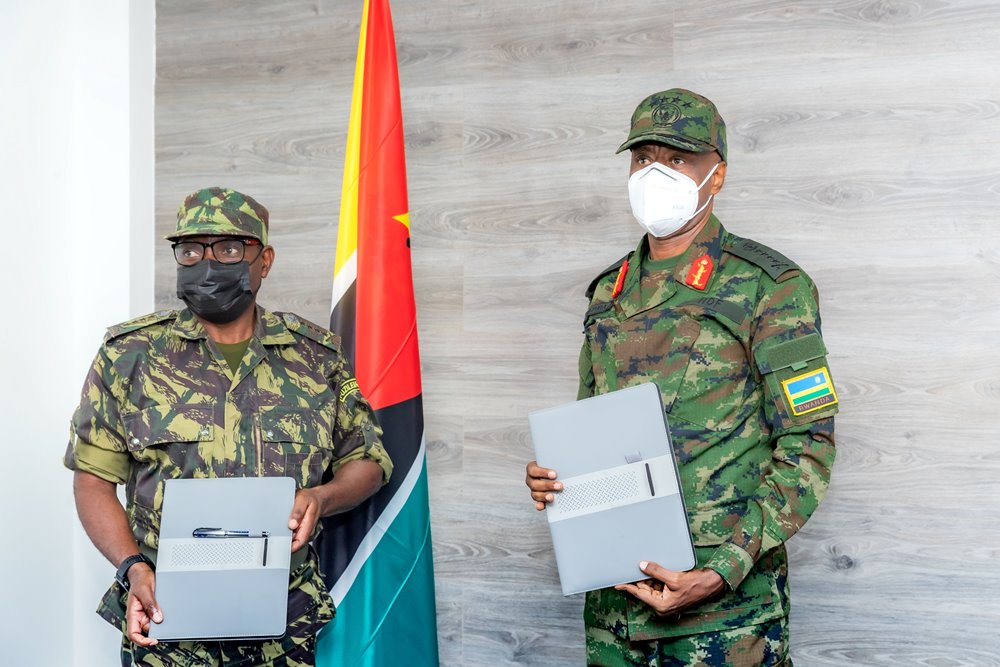
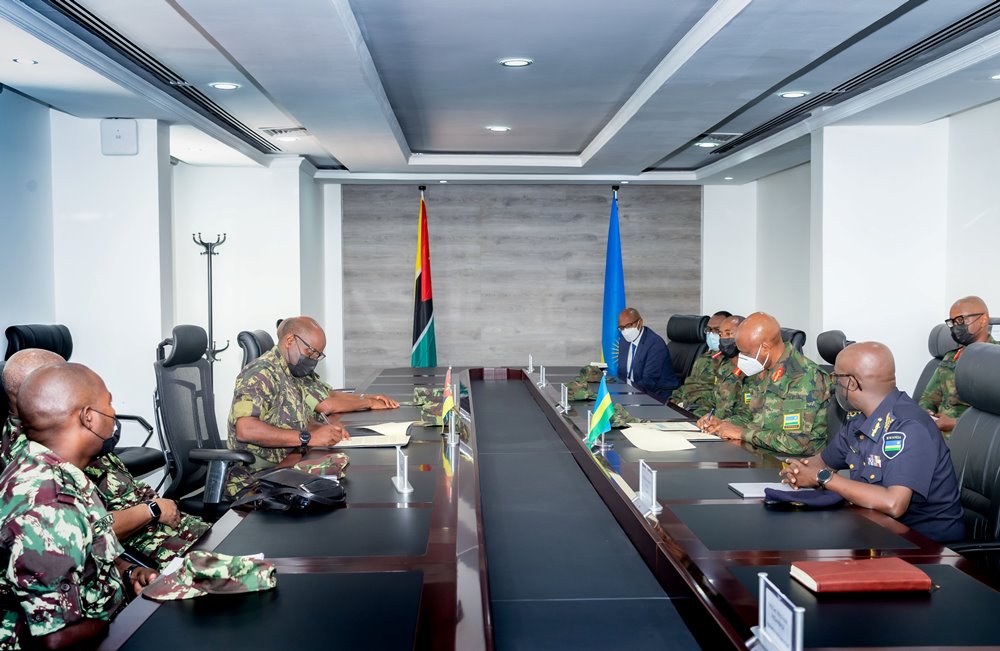
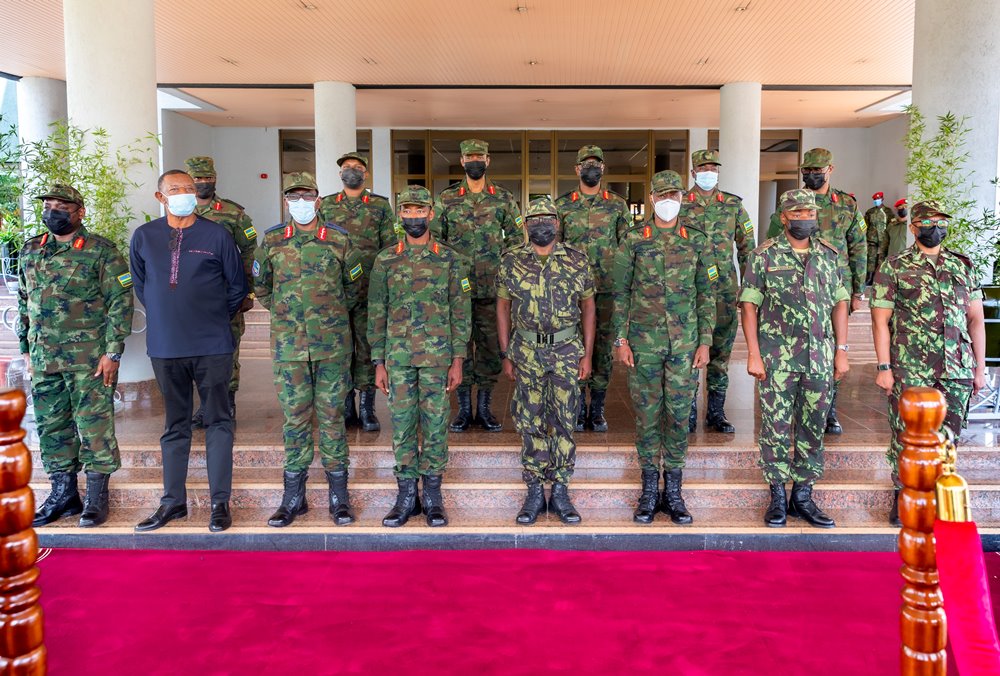
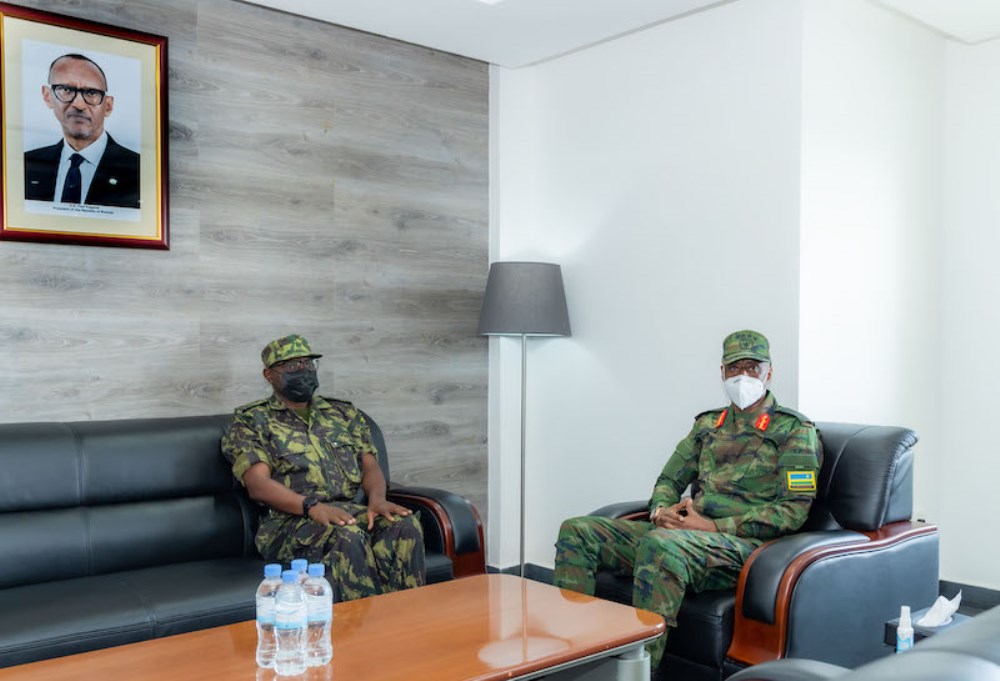
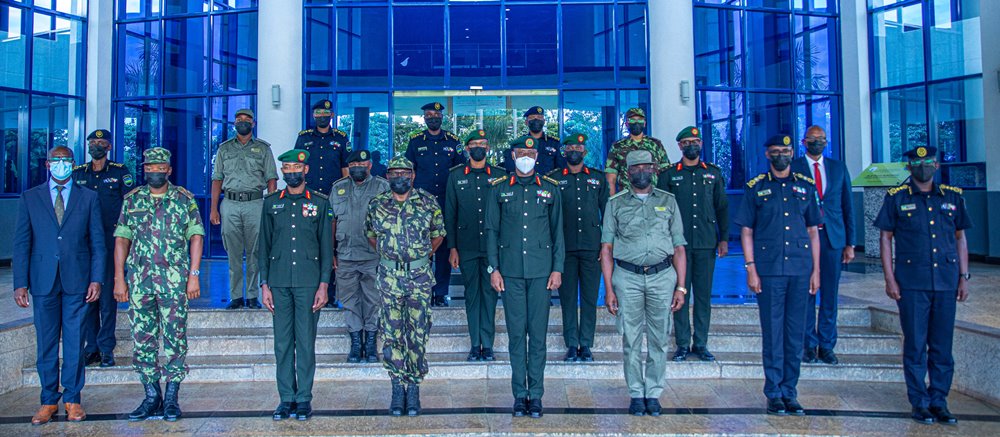
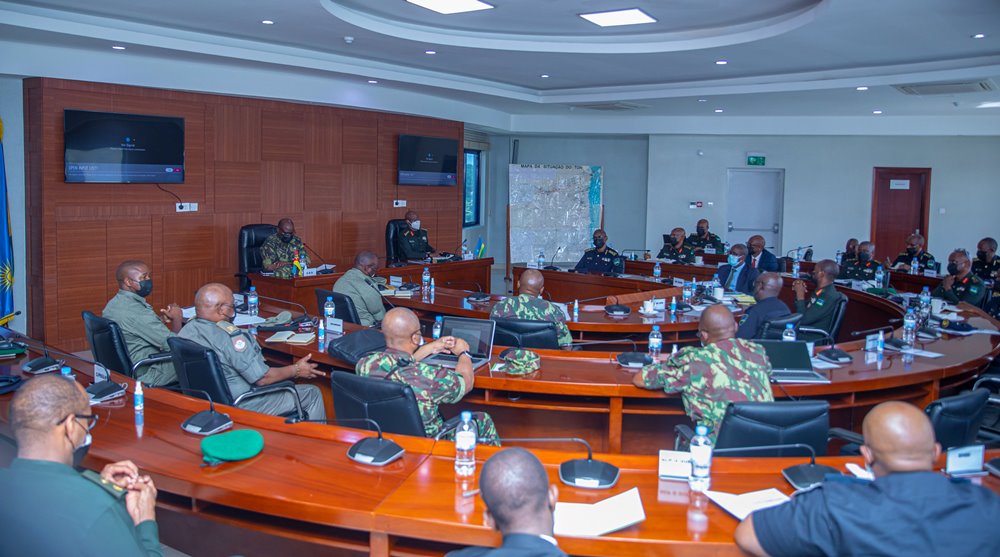
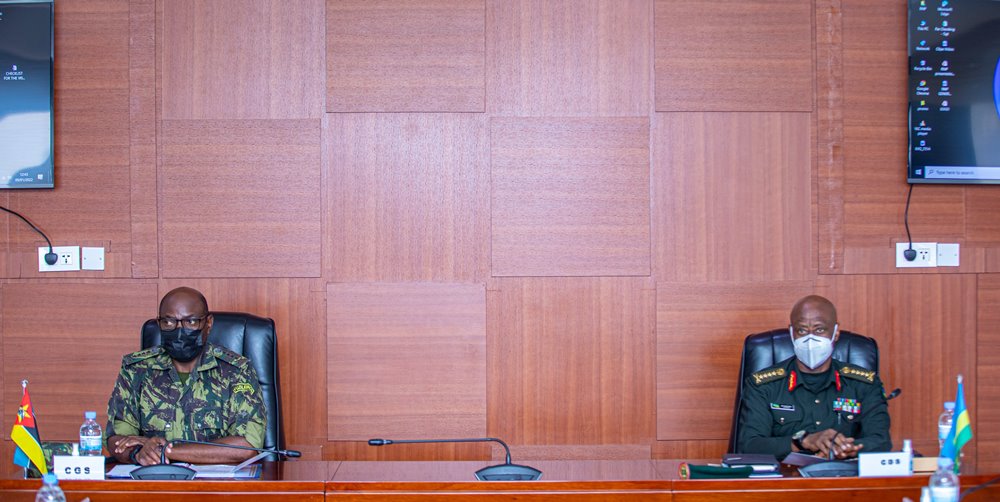
The meeting was attended by the Rwanda Defence Force (RDF) Chief of Defence Staff, Gen. Jean Bosco Kazura, Chief of General Staff (CGS) for Mozambique Armed Defense Forces (FADM), Admiral Joacquim Rivas Mangrasse, Inspector General of RNP, Dan Munyuza, his visiting counterpart, General Commander Bernardino Rafael and the Secretary General of Rwanda’s NISS, Maj. Gen. Joseph Nzabamwita.
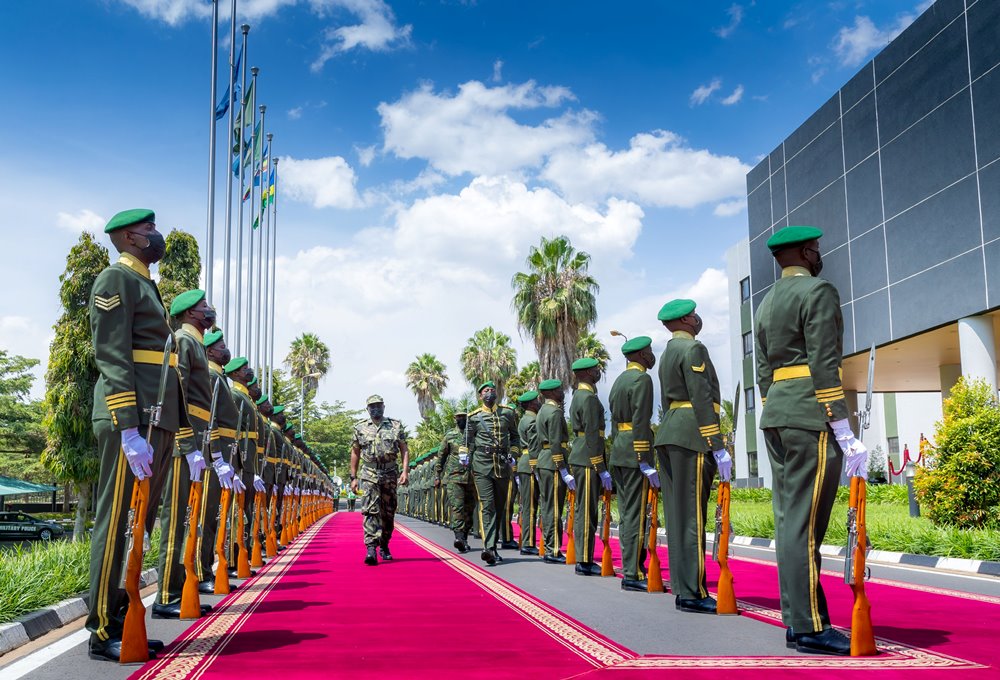
The Mozambican defence and security officials are in Rwanda for a three-day official visit.
During the meeting, Defence and security chiefs reviewed the security situation in Cabo Delgado province and devised measures to succeed in ongoing operations in the province.
Exactly six months ago, on July 9,Rwandan troops were deployed to support the Mozambican security organs in counterterrorism operations in Cabo Delgado province. The operations have so far been able to restore state authority in the province, flush out the Ansar Al Sunna terrorists, and forces are now engaged in stabilisation and security reforms including repatriating the affected civilians from internally displaced camps to their respective homes.
The complete recovery of Cabo Delgado has also seen the resumption of economic activities in the region as Rwanda and Mozambique remain committed to reform the security sector through training and capacity development of Mozambican security forces.
While speaking during the meeting, Gen. Admiral Joacquim Rivas Mangrasse said that the visit is aimed at thanking the Government of Rwanda in general and its security organs in particular, for helping to fight Islamic State linked terrorits and restoring security in Cabo Delgado Province.
He recognized the impact of the RDF and RNP in supporting Mozambican security forces.
“We came here to thank the Government of Rwanda but also to discuss further security arrangements to support Mozambican forces in their journey to improve their capacity through training, on one hand and fighting the insurgents wherever they may be,” Admiral said.
The insurgents, he added, were significantly weakened and that these joint efforts will continue to build from these results.
During the meeting, the two sides agreed to establish joint security teams to design new strategies to improve the stabilisation and security sector reform process, a critical stage in realizing sustainable peace and progress in the Cabo Delgado province and beyond.
It is alleged that the man murdered his wife in the night of Thursday 6th January 2022.
Sources have disclosed to IGIHE that the husband has been living separately from his wife over property related disputes.
The couple with estranged relationship had begotten one child.
The Executive Secretary of Jenda sector, Fred Munyansengo has said that the man killed his wife after failing to pay the money he had given her.
He revealed that the husband ambushed the woman on one of the area’s streets and stabbed her to death with a knife.
Munyansengo said that a man hunt was launched against the man until the morning when he was found hanging from a tree in a forest with a rope around the neck and suspected to have committed suicide.
Mayaka breathed the last on Friday 7th January 2022 succumbing to natural cause.
The Manager of Cine Elmay, Rabbini Hamin Karambizi has told IGIHE that Mayaka died in Kigali.
“He has been sick for some days. We heard such sad news around 9:30p.m. He recently returned to Rwanda from the Democratic Republic of Congo for medical attention,” he said.
Many sports and film enthusiasts in Kigali used to watch movies and live matches from Europe at his movie house known as ‘Kwa Mayaka’ in Biryogo.
Established in 1980, Cine Elmay was the first cycling team in Rwanda.
The program’s interventions draw emphasis on mass tests and helping HIV positive patients to prevent further transmission of new infections among others.
Speaking to IGIHE, the coordinator of PEPFAR in Rwanda, Alexandra Hoagland has reflected on the program’s achievements and commended Rwanda’s efforts to implement policies aimed at fighting against HIV/AIDS.
“More recently, PEPFAR has been investing in a lot of systems in Rwanda, specifically in all countries of intervention. When I say systems, I mean data collection systems, laboratory systems and how we purchase drugs that are used to treat HIV/AIDS,” she said.
“There has been a lot of successes but I will just highlight a couple. First, HIV positive patients were helped to access medication. For many people who were diagnosed in the 1999 and 2000, it was a stressful time because they didn’t know how they were going to survive. People were getting sick quickly but with the introduction, patients got relief. When they take medication as prescribed, they live long and lead healthy life,” added Hoagland.
She explained that PEPFAR has supported that through the clinical services provision and other interventions including the prevention of mother to child transmission for HIV positive pregnant mothers.
Considering Rwanda’s remarkable progress towards HIV/AIDS response, Hoagland expressed optimism that with proper diagnosis and treatment, the risk of transmission can be minimized.
“Now, Rwanda has a huge success story. 98.4% of HIV positive pregnant mothers do not pass on HIV to their children. It is a tremendous success which other countries should learn from,” added Hoagland.
Before 2016, a patient tested positive for HIV had to wait for some time to start receiving treatment but the situation has changed as patients start receiving medication soon after testing positive to strengthen his/her body’s immunity.
Hoagland who has been working in the health sector for the past 12 years has told IGIHE that men circumcision was among other programs that helped Rwanda to fight against HIV/AIDS.
Health experts show that circumcising men reduces HIV transmission by 60%.
Figures from PEPFAR Rwanda indicate that a total of 1,227,295 men had undergone voluntary circumcision in Rwanda by September 2021.
“It is a great investment because it is a one-time procedure that gives lifetime protection. Circumcision does not mean you can go freely but one sure thing is that it offers certain level of protection,” Hoagland observed.
{{Rwanda’s promising efforts}}
As of today, Rwanda registers 220,000 HIV positive patients equivalent to 3% of the population while the African continent has about 23.8 million.
Overall, the research carried out by Rwanda Biomedical Center (RBC) in November 2020 indicated that new HIV positive cases reduced by half between 2015 and 2019 while transmission of the virus from mother to child was cut to less than 2 percent in the past four years.
The research also highlighted that 5400 people catch HIV every year in Rwanda where the majority are from urban areas.
Through PEPFAR; a total of 125,789 HIV/AIDS patients receive antiretroviral therapy while 246,716 HIV/AIDS orphans and underprivileged children also receive different kinds of support.
PEPFAR helps them through provision of screening for sexually transmitted infections and training helping to reach other segments of the population in need of support.
Hoagland has also attributed Rwanda’s success to collaboration with different institutions.
“What is interesting to see in Rwanda, is that the Ministry of Health makes decisions that are in the best interests of the people of Rwanda,” she said.
Rwanda has ambitious targets to achieve zero new HIV infections by 2030.
The milestone will complement the Joint United Nations Programme on HIV/AIDS (UNAIDS) goal to achieve universal access to HIV treatment by 2020.
The goal (90-90-90) read that 90% of all people living with HIV would know their HIV status, 90% of all people diagnosed with HIV infection would receive sustained antiretroviral therapy while 90% of all people receiving antiretroviral therapy would have had the viral suppression by 2020.
“Rwanda has achieved the target. We are now working towards 95-95-95 goal. To achieve an AIDS free generation, we have to work in parallel working with people who don’t know their HIV status ensuring that they are tested and those who tested positive to receive treatment,” Hoagland said.
In Rwanda, at least 98% of the population was tested for HIV. PEPFAR continues to work with relevant institutions to test groups of people vulnerable to new infections including sex workers to be tested.
“I am confident that Rwanda will be one of the first countries to achieve these targets. The country has been expending much effort to achieve envisaged goals and ensure citizens receive needed services,” Hoagland underscored.
{{Dr. Nkengasong’s anticipated contribution}}
In September 2021, the United States President Joe Biden made official his intent to nominate Dr. John Nkengasong as the head of PEPFAR.
His nomination is good news for Rwanda and African continent in the fight against HIV/AIDS.
Hailing from Cameroun, Dr John Nkengasong currently serves as the first Director of the Africa Centres for Disease Control and Prevention (Africa CDC). He is a leading virologist with nearly 30 years of work experience in public health.
Prior to his appointment with Africa CDC, he was the Deputy Principal Director (acting) of the Centre for Global Health at the United States Centres for Disease Control and Prevention, and Associate Director of Laboratory Science and Chief of the International Laboratory Branch at the Division of Global HIV/AIDS and TB.
Hoagland said that Dr. Nkengasong has a lot to offer along the journey to combat HIV.
“We look forward to working with him as someone coming with a very interesting background. He worked in different African countries and now as the head of CDC that he has great experience. Besides, being from Cameroun helps giving him some context. As PEPFAR Rwanda, we are excited to work with him and see how he wants to put the program forward,” she noted.
Figures released by WHO in November 2021 show that HIV continues to be a major global public health issue, having claimed 36.3 million lives so far.
There is no cure for HIV infection. However, with increasing access to effective HIV prevention, diagnosis, treatment and care, including for opportunistic infections, HIV infection has become a manageable chronic health condition, enabling people living with HIV to lead long and healthy lives.
PEPFAR is regarded as one of the most effective and efficient U.S. foreign assistance programs. By focusing its efforts on where the AIDS epidemic is the largest and the need is the highest, PEPFAR hastens progress towards ending the epidemic, and reduces the future costs required to sustain the HIV/AIDS response.
Through PEPFAR, the U.S. government has invested nearly $100 billion in the global HIV/AIDS response, the largest commitment by any nation to address a single disease in history, saving 21 million lives, preventing millions of HIV infections, and accelerating progress toward controlling the global HIV/AIDS epidemic in more than 50 countries.
The Rwandans who arrived on Friday around 2p.m were evicted after spending days in the country’s detention facilities.
Upon arrival, the deportees were tested for COVID-19 and received emergency assistance.
Rwanda has received over 50 nationals deported from Uganda since December 2021.
Uganda accuses them of spying for Rwanda yet sources reveal that they are often detained and tortured after refusing to join RNC terror group intending to destabilize Rwanda’s security.
The recent deportation follows series of circumstances under which Uganda has been expelling Rwandans after enduring torture in its detention facilities accusing them of being spies yet they had traveled to the country to run businesses or visit relatives among other reasons.
Rwanda, Uganda relations worsened since 2017. Rwanda has been expressing concerns over Rwandans who travel to Uganda for business purposes but are abducted, imprisoned and tortured accused of being spies.
Rwanda also accuses Uganda of hosting dissidents posing threat to national security.
In March 2019, the Government of Rwanda officially advised citizens not to travel to Uganda for their security following testimonies of over 1000 Rwandans tortured and deported from Uganda.
In August 2019, President Yoweri Museveni of Uganda and his Rwandan counterpart, Paul Kagame signed memorandum of understanding ‘Luanda Agreement’ in a bid to solve conflicts between both countries.
Despite efforts to sign the agreement between both heads of state witnessed by mediators including the President of Angola, Joao Lourenço and Felix Tshisekedi of the Democratic Republic of Congo (DRC), the situation is still worsening as Uganda continues with arbitrary detention of Rwandans who are subjected to torture in its facilities.
The Eastern region Police spokesperson, Chief Inspector of Police(CIP) Hamduni Twizeyimana said that Police and local leaders first arrested four suspected illegal mineral traders in Rwimishinya Cell with 107kgs of cassiterite.
“The four people, who were reported by residents, disclosed after their arrest that they bought the minerals from a group of illegal miners. They then led Police and local leaders to the villages of Kinunga and Karagari also in Rwimishinya cell, Rukara sector where 11 people were arrested in residents’ farms where they were digging in search for minerals,” CIP Twizeyimana said.
The 11 people belong to a group of illegal miners that calls itself Imparata.
Article 54 of the law N° 58/2018 of 13/08/2018 on mining and quarry operations, states that; any person, who undertakes mineral or quarry exploration, exploitation, processing or trading without a licence, commits an offence.
Upon conviction, the offender is liable to imprisonment for a term of between two and six months and a fine of not less than Rwf1 million and not more than Rwf5 million or only one of these penalties.
The court also orders confiscation of any seized minerals or quarry in storage, trading or processing without a license.
The revised measures feature no adjustments on curfew hours and requirements for incoming and departing passengers who must present negative COVID-19 PCR test results taken in 72 hours.
Among others, all arriving passengers must quarantine for 24 hours at a designated hotel at their own cost.
The statement also reads that schools will resume in line with the current school calendar. Public offices will continue with essential staff at no more than 15% capacity while private offices must not exceed 30% capacity.
Business owners have been also ordered to ensure that employees are fully vaccinated.
“The Ministry of Health may temporarily close private or public premises with identified clusters of people infected with COVID-19,” reads part of the communiqué.
Public bus operators have been urged to ensure that all passengers onboard are vaccinated. The same directive applies to motorcyclists and cyclists.
“Motorbike and bicycle taxis are permitted to carry passengers and must comply with COVID-19 preventive measures. Operators and passengers must be vaccinated. Penalties will be applied for non-compliance.”
All services held at places of worship must not exceed 30% of maximum occupancy in the City of Kigali and 50% in other parts of the country. All attendees are required to be vaccinated against COVID-19.
These measures take effect from 10th January 2022.