In a statement released via Twitter handle, the carrier has revealed that it will resume Passenger flights to Dubai for passengers originating from Kigali, Entebbe, Douala, Bujumbura, Accra and Lusaka on 20th January 2022.
“Passenger services from the rest of our network to Dubai as final destination remain suspended until further notice,” reads part of the statement.
RwandAir had suspended flights to and from Dubai on 27th December 2021.
The suspects include a domestic worker and a step mother to Akeza.
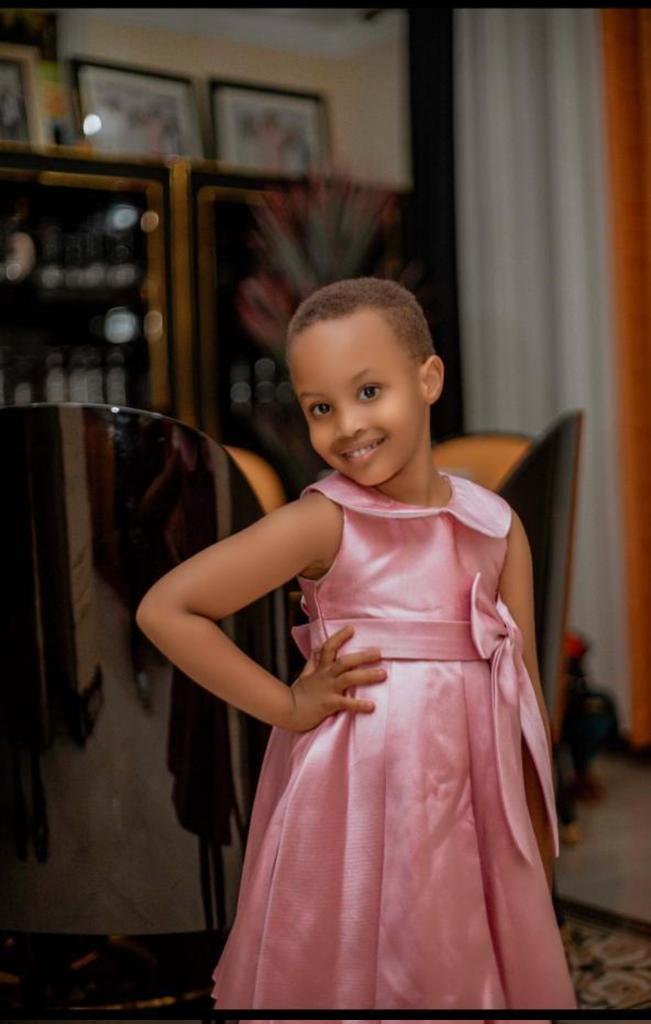
The child was reported dead over the past weekend. It is suspected that the child fell into a water tank on 14th January 2022.
The Spokesperson of Rwanda Investigation Bureau has told IGIHE that investigation is underway to identify people who might be connected with the death.
“Preliminary investigation has come up with major reasons raising suspicion that two people might be accomplices connected to the child’s death. They include a domestic worker at the child’s home and step mother,” he said.
The suspects are detained at Kanombe RIB Post while the child’s body was taken to Rwanda Forensic Laboratory.
His body was seen in the morning of Tuesday 18th January 2022 in Akabare village, Akabare cell of Musha sector.
Neighbors have revealed that the man had abandoned his second wife since 2019 over estranged relationship.
After leaving, sources revealed, the wife cohabited with another man which they suspect might have embarrassed and pushed the man to return and commit suicide at home.
However, the executive secretary of Musha sector, Jean Claude Rwagasana has told IGIHE that security organs and Rwanda Investigation Bureau have started investigation to establish cause of the death.
“The husband had left the wife since 2019. A neighbor who went to their home to borrow a stepladder saw the man hanging inside house and alerted relevant authorities,” Rwagasana said.
He also disclosed that the spouses were not legally married.
The body has been taken to Rwamagan Hospital for postmortem.
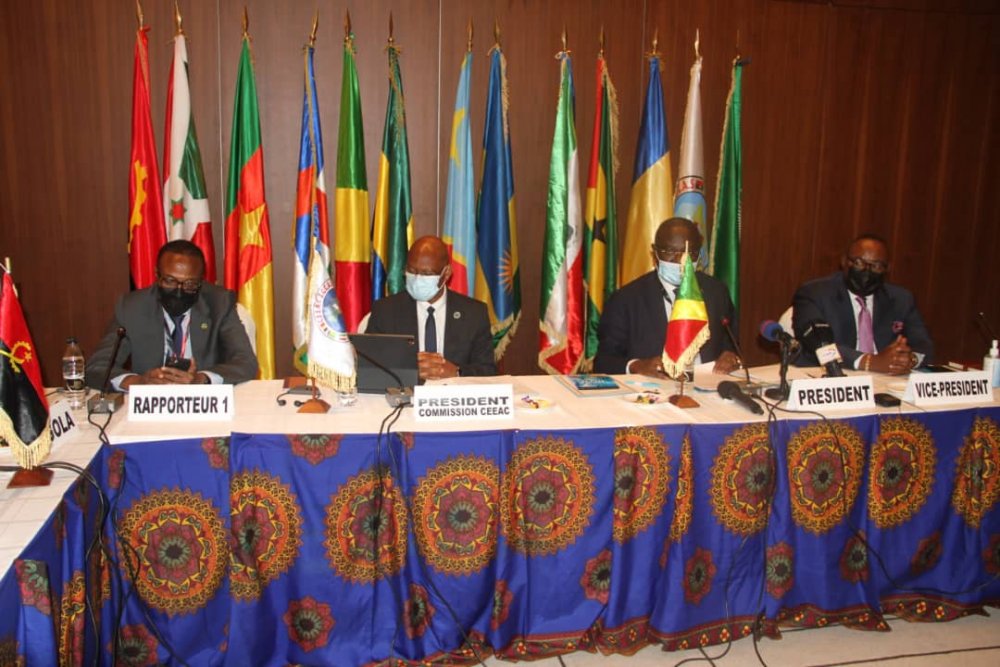
The 11 member States of ECCAS are; Angola, Burundi, Cameroon, Central African Republic, Chad, Congo, Democratic Republic of the Congo, Equatorial Guinea, Gabon, Rwanda and Sao Tome and Principe.
At a summit meeting in December 1981, the leaders of the Central African Customs and Economic Union (UDEAC) agreed in principle to form a wider economic community of Central African states. [{{ECCAS}}->https://au.int/en/recs/eccas] was established on 18 October 1983 by the UDEAC members and the members of the Economic Community of the Great Lakes States (CEPGL) (Burundi, Rwanda and the then Zaire) as well as Sao Tomé and Principe.
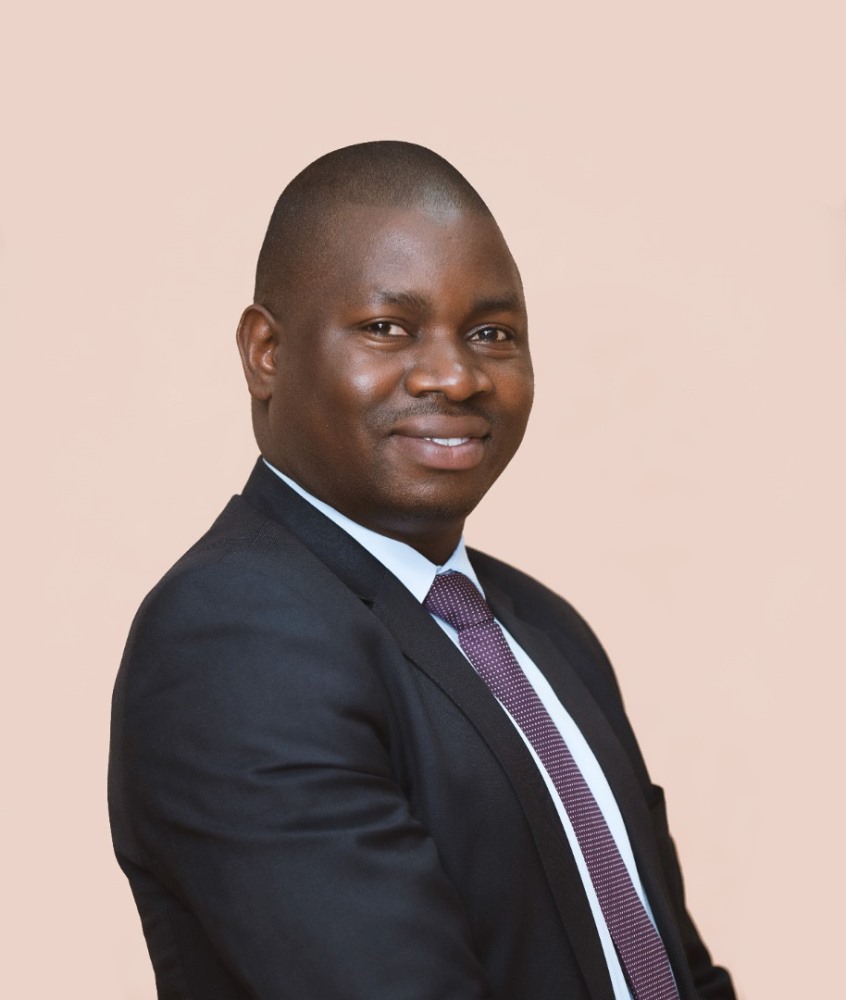
Bonaventure will be responsible for the implementation of the Bank’s lending strategy, managing the loan book towards a high-quality credit portfolio, and ensuring compliance with all credit-related laws, regulations and directives.
Commenting on his appointment, Dr. Diane Karusisi, Bank of Kigali CEO, said: “We are delighted to have appointed Bonaventure Urimube as Chief Credit Officer. His leadership and expertise make him a valuable addition to the Executive Committee as we continue to position the bank for continued growth.“
Bonaventure has over 10 years of experience in the banking sector. Previously, he was serving as the Head of Credit Department at Bank of Kigali Plc, a position he held since 2017.
He holds an MBA from Oklahoma Christian University, a Bachelor’s degree in Applied Statistics from the National University of Rwanda and an International Diploma in Banking Profession from the Institut Technique de Banque (ITB), Groupe CFPB – L’Ecole supérieure de la banque, France.
{{About Bank of Kigali Plc}}
Bank of Kigali Plc. is the largest commercial bank in Rwanda, by total assets. In 2017, Global Credit Ratings affirmed Bank of Kigali’s long-term and short-term national scale ratings of AA-(RW) and A1+(RW) respectively with a stable outlook.
The Bank has won several back-to-back international and regional banking awards from Euromoney, The Banker, Global Finance Magazine, and EMEA Finance. Last year, Bank of Kigali was awarded “Best Bank in Rwanda” in the Euromoney Awards for Excellence 2021.
Participants in the one-day training held on Monday, January 17, include medical workers, administration staff, cleaners and security guards.
The training is part of Police initiative to extend knowledge and skills to different institutions and groups on fire safety to fight prevent fire outbreak.
“These trainings targeting employees in public and private entities including hospitals, and other groups to will go a long way to enlighten people’s understanding on how to prevent fire outbreak or to fight it in emergency times. It is all about preventing loss of lives and property,” said the Commanding Officer for FRB, Assistant Commissioner of Police (ACP) Paul Gatambira.
“Masaka hospital staff, like in other institutions trained, were introduced to the causes and components of fire, evacuation procedures, fire drills along with demonstration on how to fight fires using different types of gadgets including the fire blanket, sand and portable fire extinguishers,” said ACP Gatambira.
The FRB team also inspected the hospital facilities and advised the management to fix the identified electric installation gaps.
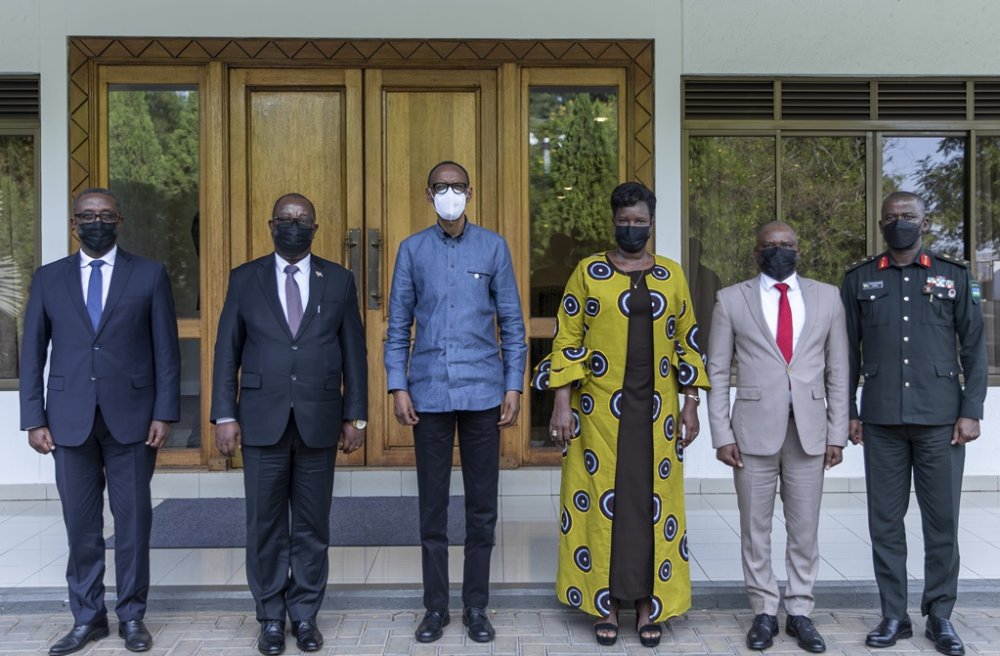
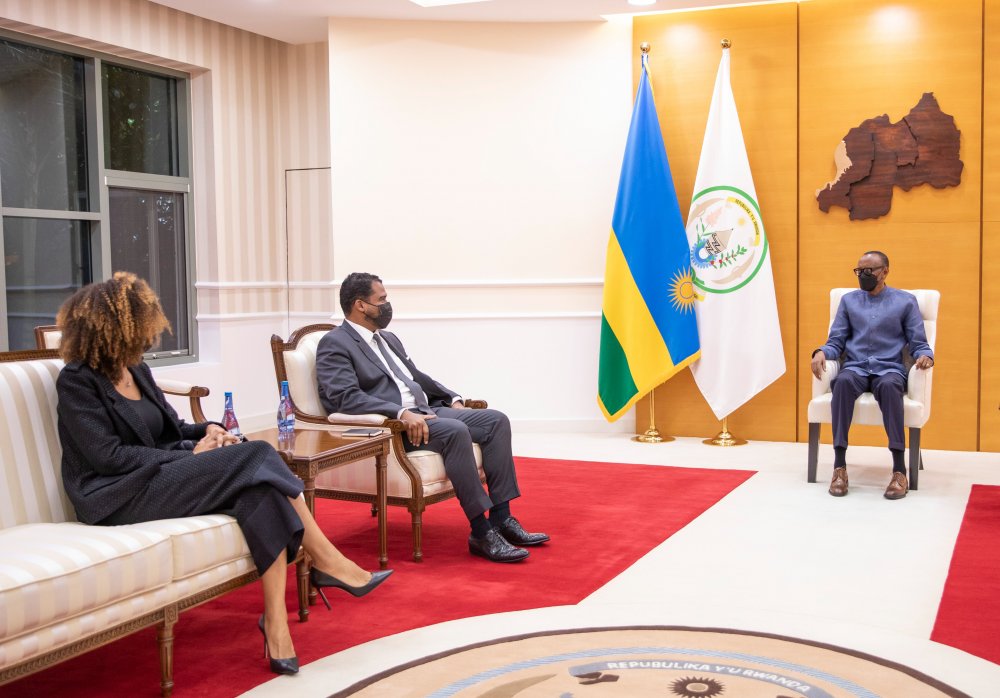
Kagame received Amb. Adonia Ayebare on Monday 17th January 2022 as Rwanda’s Ministry of Foreign Affairs has revealed via Twitter handle.
Political analysts have considered the milestone as a step further towards restoring relations to normal.
Amb. Ayebare was last in Rwanda on 29th December 2019 where he delivered a message from Museveni to his counterpart of Rwanda.
Since then, there has been no significant progress towards normalizing both countries relations.
Rwanda, Uganda relations worsened since 2017. Rwanda has been expressing concerns over Rwandans who travel to Uganda for business purposes but are abducted, imprisoned and tortured accused of being spies.
It is said that some of these Rwandans are tortured after refusing to join rebel groups intending to threaten Rwanda’s security.
Rwanda also accuses Uganda of hosting dissidents posing threat to national security.
In March 2019, the Government of Rwanda officially advised citizens not to travel to Uganda for their security following testimonies of over 1000 Rwandans tortured and deported from Uganda.
Rwanda has been explaining that it has no interests in supporting rebels posing threat to Uganda adding that there no Ugandans illegally detained in Rwanda.
In August 2019, President Yoweri Museveni of Uganda and his Rwandan counterpart, Paul Kagame signed memorandum of understanding ‘Luanda Agreement’ in a bid to solve conflicts between both countries.
Despite efforts to sign the agreement between both heads of state witnessed by mediators including the President of Angola, Joao Lourenço and Felix Tshisekedi of the Democratic Republic of Congo (DRC), the situation is still worsening as Uganda continues with arbitrary detention of Rwandans who are subjected to torture in its facilities.
Since the beginning of 2022, Rwanda has received over 50 nationals deported from Uganda. They were dumped at different borders connecting both countries.
The Minister of State in charge of Primary Healthcare, Dr. Tharcisse Mpunga has said that the situation might return to normal in case the country doesn’t register new variants of COVID-19.
Dr. Mpunga made the revelation during a press conference held on 15th January 2022 where he explained that the sharp decrease in new positive cases registered between 3rd and 14th January might be considered to ease COVID-19 related restrictions.
The report of the Ministry of Health released on 16th January 2022 indicates that the positivity rate stands at 3.2% from 5.1% recorded between 4th and 10th January 2022.
The percentage was confirmed after 7162 people tested positive out of 147,000 sample tests.
Last week, the country announced plan to inoculate 1.6 million people against COVID-19 in 15 days. Dr. Mpunga has expressed optimism for the situation to be back to normal in consideration of reducing positive cases and increasing number of vaccine recipients.
“The current efforts are promising for life to be back to normal in case the country doesn’t confirm emergence of new variants of COVID-19. Considering the pace at which patients are recovering without falling critically ill following the emergence of Omicron variant and developed higher level of immunity among vaccine recipients; there is optimism that measures will be eased if the number of vaccinated people goes higher,” he said.
Dr. Mpunga further revealed that the country did not register a large number of critically ill patients after the confirmation of new variant of COVID-19 in December 2021.
As at 15th January 2021, Rwanda reported 11 admitted COVID-19 patients out of more than 4,000 people who tested positive.
The decline in critically ill patients is mainly attributed to increasing number of vaccine recipients where close to 8 million people have received the first dose, over 6 million received two doses while more than 600,000 received the booster jab.
Rwanda targets to vaccinate 70% of its population by July 2022.
[The current COVID-19 preventive measures were instituted on 7th January 2022.->https://en.igihe.com/news/article/rwanda-makes-covid-19-vaccination-mandatory-for-motorcyclists-passengers]
The bamboo processing (furniture making and weaving) training center is located in Masaka Incubation Business Center, in Masaka sector, Kicukiro district of Kigali, the Rwandan capital, where the young people have witnessed the processing of bamboo products.
Chinese experts of the China-Aid Rwanda Bamboo Team have been undertaking training projects about bamboo cultivation, processing and utilization in Rwanda since 2009.
“The Chinese experts introduced bamboo cultivation and processing in our country. They supported us with bamboo processing equipment and trained us on how to cultivate bamboo, harvest it and process it into final products for home use such as furniture, baskets, lamp holders, decorations, toothpicks and among others,” Irenee Gumyushime, one of the students at the center, told Xinhua in an exclusive interview.
He said that bamboo processing has enabled him and his colleagues to acquire the necessary skills and expertise to be self-employed which is a key factor in reducing youth unemployment in the country.
“The Chinese experts taught us bamboo processing skills and I am now an expert in furniture making. I am also a trainer at the center. I thank the Chinese experts for their efforts in making our lives better through this training,” said Gumyushime.
He pointed out that they are now facing a challenge of getting new equipment for bamboo processing, because the existing equipment is old and worn-out, saying that the China-Aid Rwanda which has been supporting them has since phased out.
Gumyushime said that there are 20 students at the center engaged in bamboo processing and among those, nine are women.
According to him, students at the center are capable of producing various types of furniture for home and office, or other areas and there is already a market for bamboo products in Rwanda.
“From bamboo processing, I am able to earn income to sustain my livelihood and at the same time I am saving the environment,” said Gumyushime.
Jean de Dieu Niyonkuru, another student at the center, told Xinhua that he specializes in bamboo furniture making after learning from Chinese bamboo processing experts.
“I joined this center in 2015 where I was trained by the Chinese experts in bamboo processing for a period of six months. I also spent another three months on hands-on training while receiving mentorship support from the Chinese,” said Niyonkuru.
“The Chinese also offered me an opportunity to go to China to get further training on bamboo processing. I am now doing very well. There is good business in bamboo products.”
Niyonkuru attributes all his success in bamboo furniture making to great expertise training by the Chinese experts.
“All my home furniture, arts and crafts are made in bamboo because I have a great passion for bamboo products. My livelihood depends on bamboo processing. I thank the Chinese for supporting me and my colleagues to improve our livelihoods through bamboo processing,” said Niyonkuru.
Speaking to Xinhua, Yu Qinhong, a Chinese expert at the center, said that he has trained Rwandan students at the center on how to make quality products from bamboo to attract more customers.
“Rwanda is suitable for developing the bamboo industry. They have bamboo raw materials and a large population of young people and Rwandans like the bamboo products,” said Yu.
Yu reckoned that Rwanda’s dry climate is favorable for bamboo furniture, which keeps the mold away from the bamboo furniture.
“I am happy to see the fruit of China-aid work that the bamboo production and weaving develop into an industry which allows more young people to earn money.”
With the latest shipment of Pfizer vaccine doses that arrived at Kigali International Airport on Saturday 15th January 2022, the contribution of US to Rwanda’s response to COVID-19 has reached Rwf28 billion.
Following the delivery of new doses, the US Ambassador in Rwanda, Peter H. Vrooman said that his country is honored to continue partnership with Rwanda to defeat the pandemic.
“4 Million vaccine doses! With last night’s new shipment of more than 1 million doses, the United States celebrates with Rwanda our continued partnership to fight COVID-19,” he tweeted on Sunday.
So far, US has donated a total of 4,296,450 COVID-19 vaccine doses to Rwanda.
Since the start of the pandemic, the United States has stood side-by-side with the Rwandan people committing nearly Rwf30 billion to combat COVID-19. The United States has pledged to donate at least 1.1 billion doses of COVID-19 doses globally by 2023.
US has also helped Rwanda to renovate three hospitals, donated Personal Protective Equipment (PPE) and medical supplies, X-ray machines, and other equipment to fight COVID-19.
Other US COVID-19 support to Rwanda include state-of-the-art ventilators; construction of handwashing stations across Rwanda; public communications to fight COVID-19; vehicles to support contact tracing; patient monitors, hospital beds, and intensive care unit equipment; and other supplies such as biohazard bags, alcohol and hand washing soap.