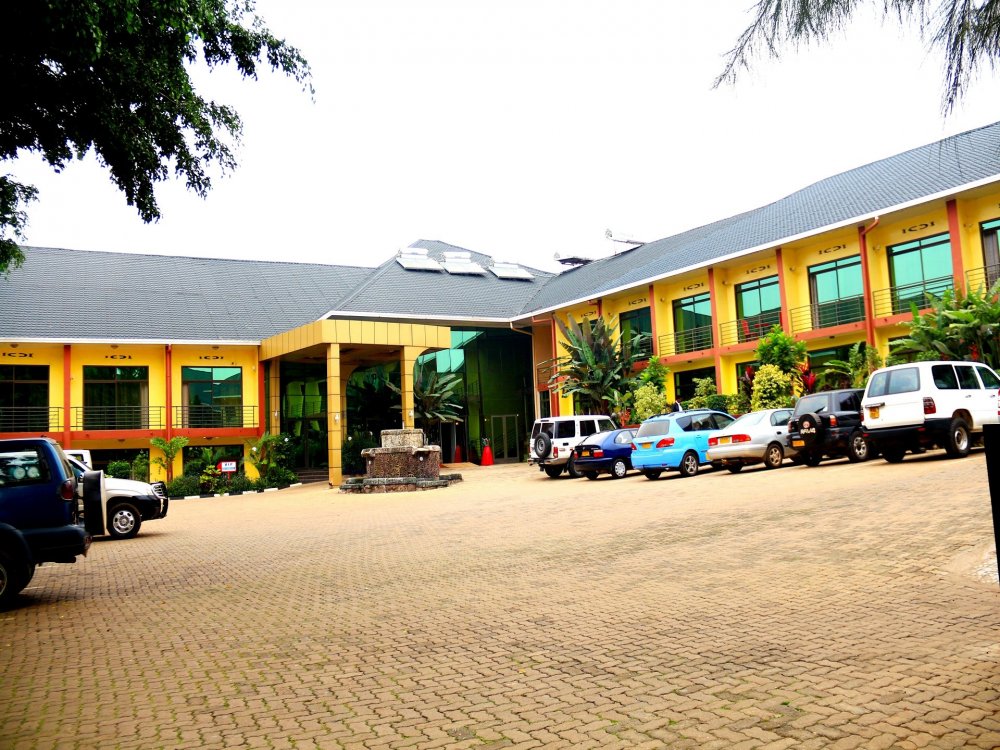
The facilities in question are Hilltop Hotel and Country Club fined Rwf300,000 and warned against
“Following reports of poor service delivery by Hotel Hilltop and Country Club during the just concluded Tour du Rwanda, Rwanda Development Board would like to inform the general public that the establishment has been fined Rwf 300,000 and issued a warning,” RDB has tweeted.
Recently, RDB also fined hotels and restaurants for violating COVID-19 preventive measures.
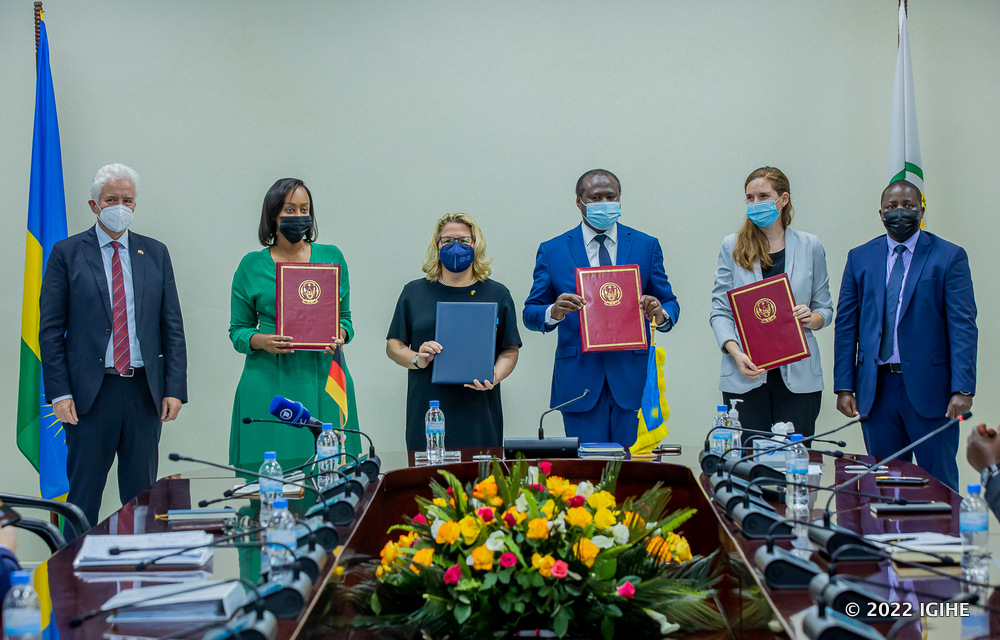
The partnership was entered on Tuesday 1st March 2022 at a high-level ceremony in Kigali where Germany was represented by Svenja Schulze, German Federal Minister for Economic Cooperation and Development while Rwanda was represented by Dr. Uzziel Ndagijimana, the Minister of Finance and Economic Planning, and Mr Patrick Karera, the Permanent Secretary in the Ministry of Environment.
The Climate and Development Partnership is aimed at working together to implement Rwanda’s Nationally Determined Contributions (NDCs) to the Paris Agreement. Under its NDCs the country has committed to slashing its greenhouse gas emissions by 38 per cent by 2030 compared to a business-as-usual scenario – under the condition of international support and funding. Other important parts of the NDCs relate to adaptation matters such as water security, agriculture, land and forestry, settlements and health. The new partnership between Germany and Rwanda gives particular attention to NDC implementation projects with the Rwandan green fund FONERWA and to sustainable urban development measures.
Federal Minister for Economic Cooperation and Development, Ms Svenja Schulze, said: “The climate crisis affects all of us. We can only tackle this global threat by global cooperation. Fighting climate change is one of the top priorities of the German government and development cooperation is a very important part of this endeavour. Rwanda is a driving force in international cooperation on climate action. Together, we want to move forward into a carbon-neutral and sustainable future.”
Dr Uzziel Ndagijimana, Minister of Finance and Economic Planning, welcomed the partnership as a new chapter in the bilateral cooperation: “The partnership we just signed today between the Government of Rwanda and the Government of the Federal Republic of Germany is aligned with our National Strategy for Transformation One (NST1) under the Economic Transformation Pillar with the main objective to accelerate private sector-led economic growth and increased productivity focusing on promotion of sustainable management of the environment and natural resources to transition Rwanda towards a Green Economy. Furthermore, the partnership comes to support Rwanda’s Nationally Determined Contributions targets that is estimated at 11 billion US dollar investment cost.”
Dr Jeanne d’Arc Mujawamariya, Minister of Environment, has stressed the need to foster an inclusive and locally led approach for climate action: “It is obvious through research that local communities are more vulnerable to the effects of climate change. Our strategies have clear climate resilience measures that are tailored to the communities’ livelihoods. Joining hands to embark on the Climate and Development journey with the government of Germany is a paramount action that will lead to the concretization of our plans.”
The impacts of climate change can already be felt in Rwanda today: Temperatures are rising and weather patterns are changing, landslides and floods are increasing, particularly affecting the poor, rural population. Therefore, climate action is of highest political importance for the Rwandan government. Rwanda was the first African country to submit an updated NDC in 2020, which has gained international recognition. It has also presented a very detailed NDC implementation framework in 2021 for adapting to climate change.
The Rwandan-German Climate and Development Partnership will scale up support for climate measures in the areas of intervention “Climate change mitigation and adaptation” and “Sustainable urban development”, on the basis of the Rwandan NDC Implementation Framework.
This will involve programs combining capacity development and financial support for the implementation of the Rwandan NDCs, strengthening the population’s climate resilience (involving reforestation measures, flood protection and water management enabling climate-resilient agriculture), as well as sustainable waste management and the circular economy.
In the field of climate-smart urban development the focus lies on the construction of a new settlement “Green City Kigali” with a high urban density and affordable housing for up to 8,000 inhabitants, quality and green urban infrastructure including nature-based solutions for drainage and heat absorption, rainwater use and fresh water supply as well as waste water treatment. This is complemented by measures to increase access to environmentally sustainable energy supply, by establishing hydropower and new energy lines.
The partnership will also enhance the climate policy dialogue on jointly fighting climate change with the aim of achieving global climate neutrality, initiate cooperation with the scientific community, the private sector and civil society, and foster an inclusive and locally led approach for climate action.
At the signing ceremony , Rwanda and Germany also kicked off the implementation of priority projects of the new partnership of a total envelope of 56 million euros (over Rwf63 billion): Agreements for the urban development project “Green City Kigali” (30 million euros) and for the implementation of the Rwandan NDCs through the NDC Facility at FONERWA (26 million euros) were signed with the German Development Bank KfW.
Complementing climate adaptation and mitigation projects in Rwanda, both countries also cooperate in international climate initiatives, particularly in the Taskforce on Access to Climate Finance and the NDC Partnership.
The new Climate and Development Partnership builds on the existing portfolio, which adds up to a total of 163 million euros. Germany intends to make further funds available in 2022 and also thereafter.
In the recent past, a number of driving school instructors have been arrested together with their students for attempting to offer bribes to Police officers so as to unlawfully pass driving tests.
In the latest development, one Jean De Dieu Rizinde, 39, a driving instructor in City of Kigali was arrested on Monday, February 28, after it emerged that he took Rwf100,000 from one of his students, apparently to bribe a supervising Police officer at the driving test site in Gasabo District.
RNP spokesperson, Commissioner of Police (CP) John Bosco Kabera, said that Rizinde was reported by the affected driving candidate.
“The student, who had successfully completed the first driving test for ‘Category C’, took the right decision to report Rizinde for his unscrupulous and criminal behaviours. The candidate had sent him Rwf40,000 on mobile account, which has been verified, and other Rwf60,000 cash in hand, which he was also caught with,” CP Kabera said.
He advised aspiring drivers to desist from such criminal shortcuts and to report anyone that attempts to lure them into such malpractices.
“Acquiring a driver’s license is done in a clear and lawful process. People should erase the thinking that they will acquire the permit through bribes, which only puts them in prison for something avoidable. Driving school instructors should equally lead by example to train their students to pass the tests but not to tempt them into criminal behaviours,” CP Kabera said.
He thanked the candidate, who did the right thing to report the driving instructor, who was handed handed over to RIB at Muhima station.
Article 174 of the law relating to offences and penalties in general, states that; any person who, by deception, obtains another person’s property, whole or part of his/her finance by use of false names or qualifications, or who offers positive promises or who threatens of future misfortunes, commits an offence.
Upon conviction, he/she is liable to imprisonment for a term of not less than two (2) years and not more than three (3) years, and a fine of not less than Rwf3 million and not more than Rwf5 million.
Article 4 of law n° 54/2018 of 13/08/2018 on fighting against corruption states; any person who solicits, accepts or receives, by any means, an illegal benefit for himself/ herself or another person or accepts a promise in order to render or omit a service under his or her mandate or uses his or her position to render or omit a service, commits an offence.
Upon conviction, he/she is liable to imprisonment for a term of more than five years but not more than seven years with a fine of three to five times the value of the illegal benefit offered, solicited or received.
Penalties provided under this article also apply to a person, who offers or promises to offer a benefit, by any means, an illegal benefit for him/ herself or another person to have a service rendered or omitted.
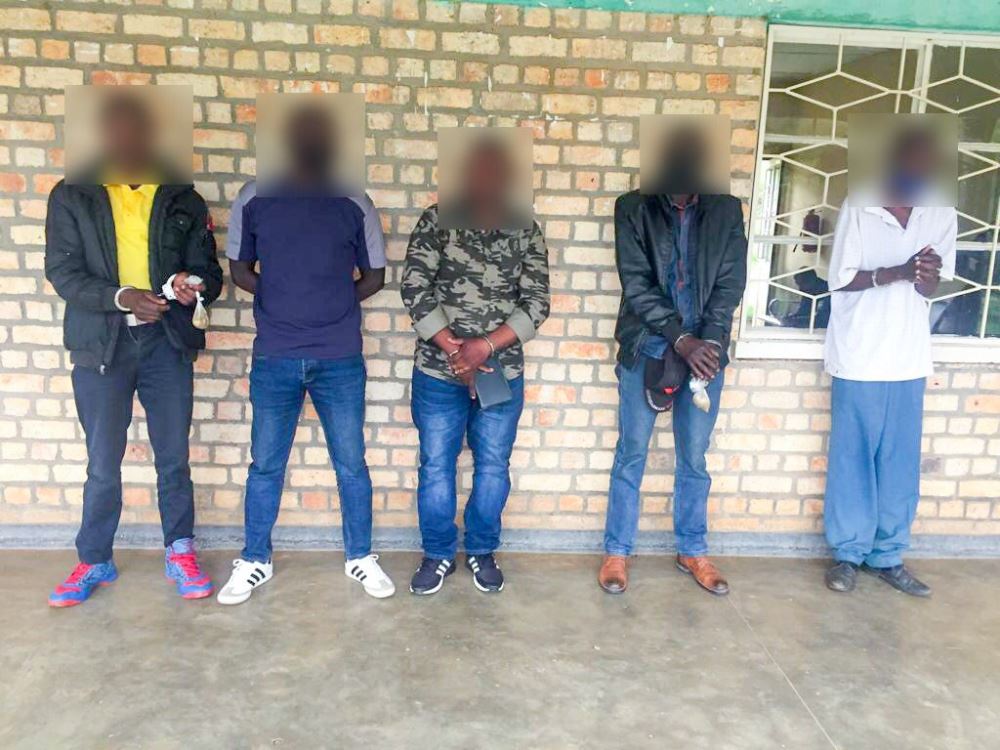
They rackets, which was defrauding people with fake gold, were arrested at about 5pm, in Rwabihanga Village, Gati Cell, Kigoma Sector, after fleecing a resident of Frw49,000. The money was also recovered.
The Southern region Police spokesperson, Superintendent of Police (SP) Theobald Kanamugire identified the suspects as Francois Ntakirutimana, 47, Jean Damascene Ntawizera, 47, Vedaste Niyibizi, 29, Silas Rwarinda, 47, and Ismael Kubwimana, 47.
“They were arrested attempting to defraud a resident identified as Colette Mukantwari, 51, whom they were selling fake gold for Rwf90,000. However, they were arrested red-handed receiving the first payment of Rwf49,000,” SP Kanamugire said.
SP Kanamugire advised the public against engaging in black market businesses to avoid falling prey.
The suspects were handed over to RIB at Busasamana station for further investigation.
Article 174 of the law relating to offences and penalties in general, states that; any person who, by deception, obtains another person’s property, whole or part of his/her finance by use of false names or qualifications, or who offers positive promises or who threatens of future misfortunes, commits an offence.
Upon conviction, he/she is liable to imprisonment for a term of not less than two (2) years and not more than three (3) years, and a fine of not less than Rwf3 million and not more than Rwf5 million.
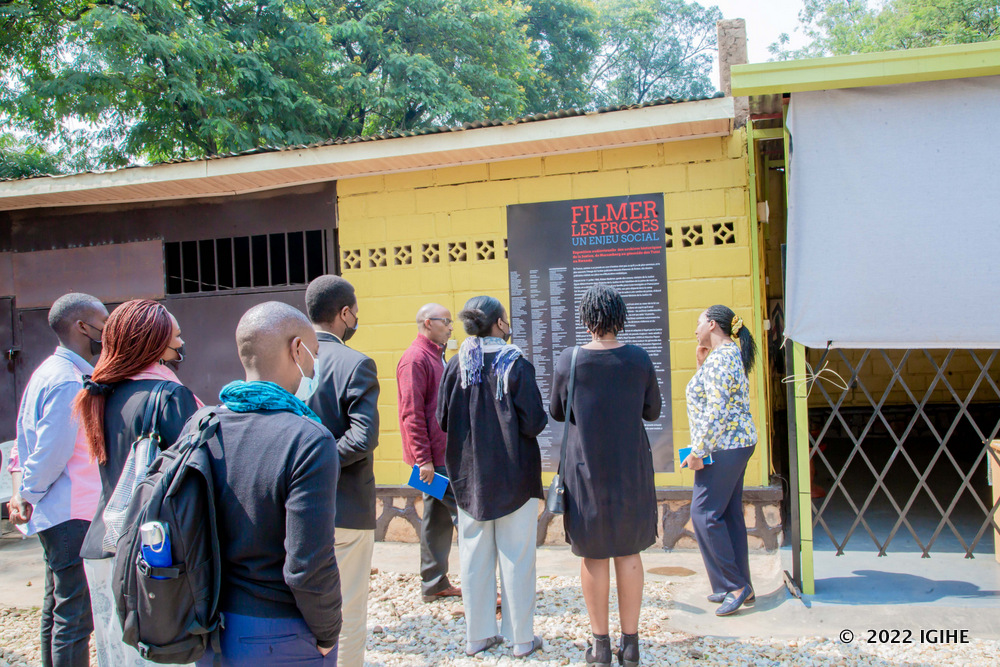
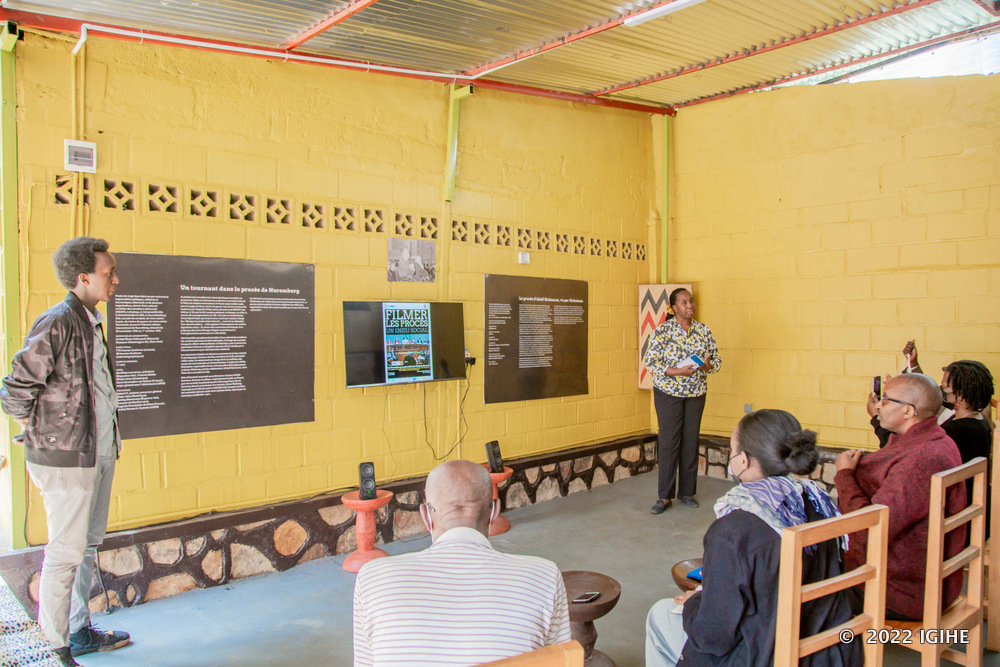
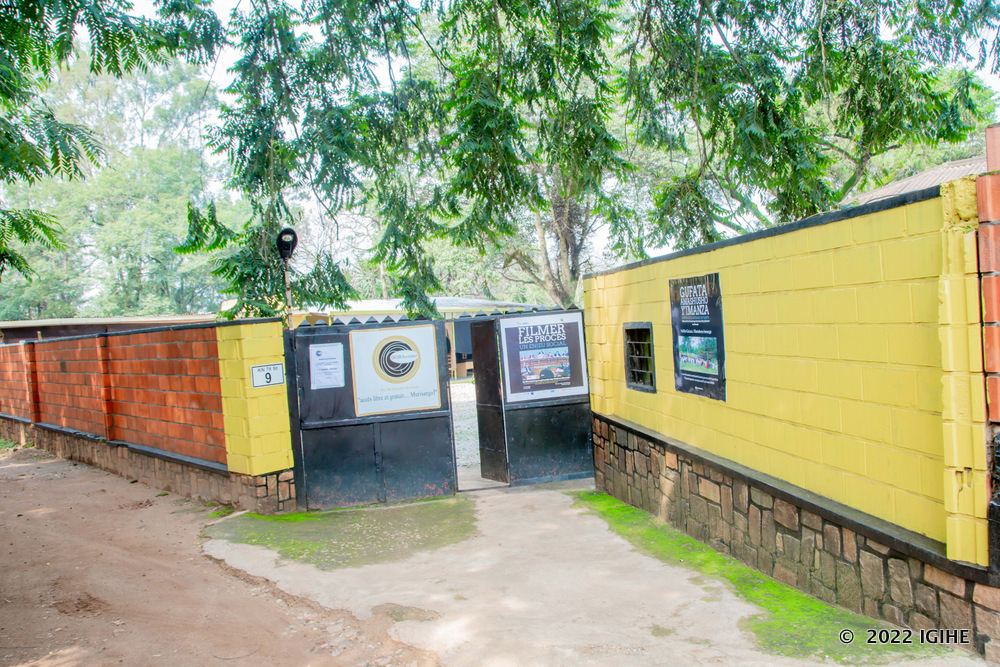
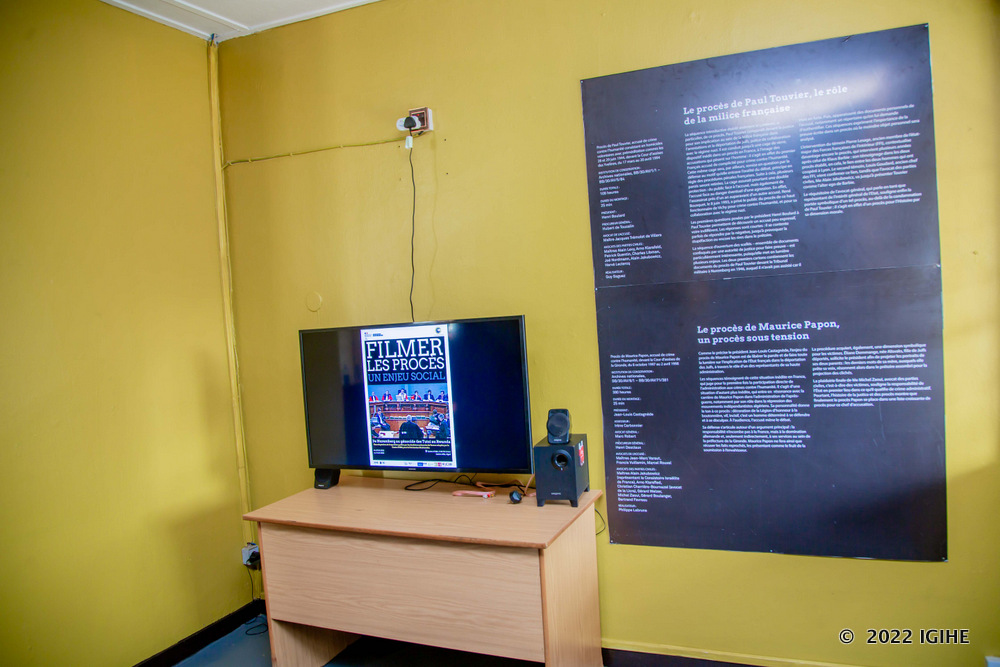
The exhibition consists of archives that were borrowed from ‘les archives Nationales de France’ and were adapted at Kigali by Iriba center.
The archives comprise some of the trials of the organizers and perpetrators of the 1994 Genocide against the Tutsi.
These include the trial of Pascal Simbikangwa in 2014, Octavien Ngenzi and Tito Barahira after their appeal in 2018.
The exhibition also shows the trials held after World War II including those called the Nuremberg trials between 1945 and 1946 one of the first trials regarding Genocide crimes.
Nuremberg was also known for the ‘Nuremberg laws’ which defined who is a Jew and who is not a Jew. These laws played a big role in what the Nazi called the final solution to the Jewish question.
We can also see in the archives for the trial of Adolf Eichmann in 1961. He was apprehended by Mossad in 1960 and brought to Israel to stand trial.
These two trials were called the pioneering trials because they were the first to hold accountable these sorts of crimes.
These archives were initially shown in Paris, later in Berlin and are currently in Rwanda.
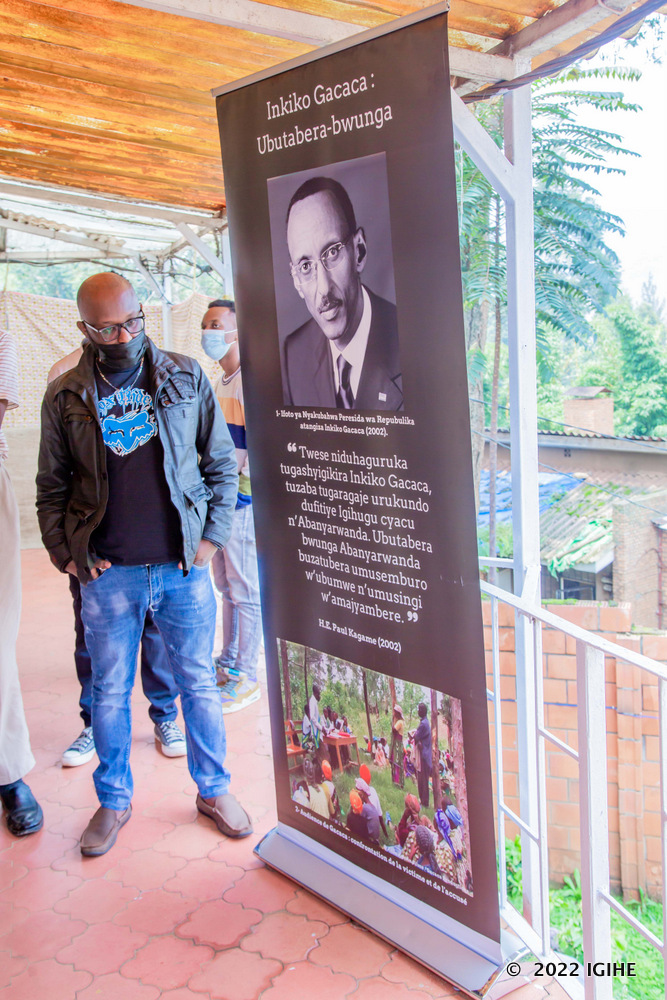
There is also a special part of the Gacaca trials under Gacaca courts, which are referred to as the semi-traditional justice system to help clear a backlog of Genocide related cases.
The Government of Rwanda launched Gacaca in 2002 to expedite reconciliatory and restorative justice as well as establish the whole truth about the Genocide.
The courts were closed in 2012 after settling nearly 2 million cases including 1,266,632 related to properties looted during the Genocide.
How the archives were recorded
It all started with a man not very known in Rwanda, Robert Banditer- a child of Russian-Jew immigrants who lived in France. His father fell victim to the Auschwitz extermination camps where after the tragedy prompted him to dedicate his life to justice first as a lawyer and later as a politician.
He is one of the people who participated in the abolition of the death penalty in September 1981.
It is in that same spirit of reform that he made it possible to record another type of archive, an audiovisual archive ‘les archives audiovisuelles historiques de la justice’. After that decision, it was possible to record more than 2600 hours of trials.
These historical archives take the public into another perspective, to witness the atrocities that have been committed.
These trials not only shows the faces of unremorseful and inhuman perpetrators but also these trials show the denial and narcissism. It is point blank unbelievable.
The most astonishing thing about these people standing for trial is the lack of empathy towards their victims. The question that comes to mind is if these people are really human or not.
The public dives into history but also how it is represented in our world today.
{{Why should young people visit the exhibition?}}
I come from a generation that wants to be engaged in conversation, we like to be woke and aware and most importantly, we are the future of this world.
This exhibition will enlighten some of the things that you have never sat down and thought of, it will leave you with questions and also answers to this exhibition.
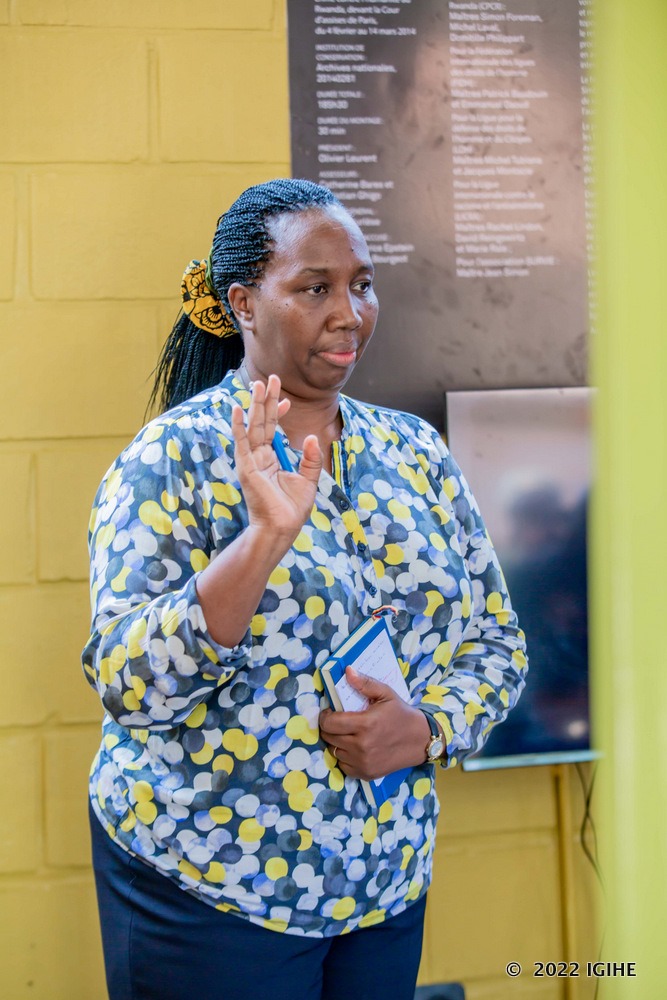
Rwandan Historian Assumpta Mugiraneza, one of the founders and Director of Iriba center said the objective of the exhibition is to give access to Rwandans and anyone who wishes to take a look into this portion of history and acquire knowledge.
“We want people that come into this exhibition to learn something new and most importantly we want the youth to think of their future by learning from the past. These archives are a very valuable manual for those that seek information,” she said.
She continued to say that crimes against humanity not only affect the perpetrators and the victims, it also affects the children that are born in that environment.
“If you do not educate these children and give them authentic information, they end up being victims of misinformation and lies. Showing this to the youth is the first step to help them learn and get informed,” she said.
The trials prevent misinformation because they are done with objectivity and lawfully, which is why people should revisit them and take a look.
Mugiraneza hopes that Iriba will take part in educating our children and preventing misinformation.
The exhibition is open for anyone and everyone and it is totally free of cost. It is is running until 14th July 2022.
Bloomberg Philanthropies has announced a partnership with CARE to expand existing Village Savings and Loans Associations (VSLAs) for agricultural funds in Tanzania, Rwanda, and Democratic Republic of the Congo.
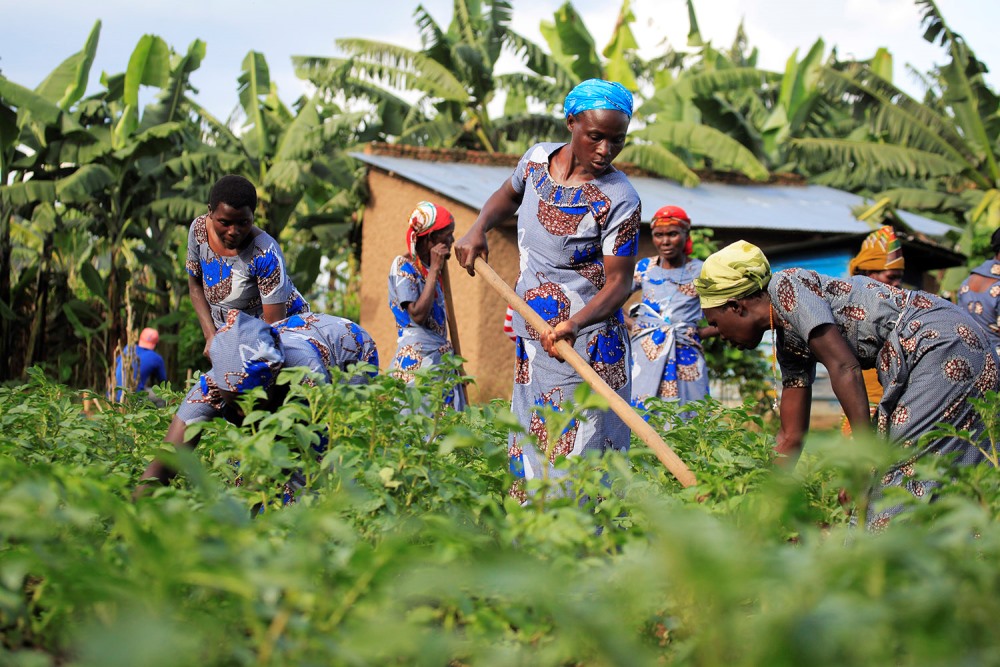
The partnership entered recently, will enable women who own small agriculture-based businesses to build capital and access credit to invest in and grow their businesses, ensuring long-term economic sustainability for themselves and their families.
VSLAs are member-driven community funds that encourage financial inclusion and independence by pooling resources and providing low interest rate loans. The partnership advances Bloomberg Philanthropies Women’s Economic Development Initiative, which has invested $65 million since 2007 in training opportunities for women internationally that build marketable skills across 12 vocational tracks in high-demand industries leading to economic independence for participants.
In 2020, Bloomberg Philanthropies piloted a VSLA program in Tanzania which successfully trained leaders of 29,000 informal Village Savings and Loan Associations on how to use agricultural funds. Working with CARE, Bloomberg is taking the next impactful step in creating financial stability for women by teaching 150,000 people, over two years, how to invest their capital and grow their small businesses in Tanzania, Rwanda, and Democratic Republic of the Congo. The program will train women who are currently enrolled in or who are recent graduates from Bloomberg sponsored training programs, as well as their adult family members. This investment is projected to have a secondary impact on more than a half million families and community members.
Bloomberg Philanthropies’ Women’s Economic Development Initiative brings together government agencies, corporations, and nonprofits to provide individuals with sustainable income-generating and civic participation opportunities. Since 2007, Bloomberg Philanthropies has worked with partners to provide vocational training, financial literacy, and education on health and wellness to women and families. Globally, Bloomberg Philanthropies has invested in more than 568,000 women which has benefitted more than two million children and family members.
“Access to capital and credit allows women to apply their skills, grow their businesses, invest in their families, and achieve economic independence – with benefits that spread throughout communities,” said Michael R. Bloomberg, founder of Bloomberg Philanthropies and Bloomberg L.P. and 108th Mayor of New York City. “Too often, that access is lacking – but our partnership with CARE is helping to fix that, and we’re looking forward to expanding our work together through this new collaboration.”
“Women enrolled in the economic development programs funded by Bloomberg Philanthropies immediately invest in their children once they earn an income. With increased income and assets, they become decision makers on their children’s education, competitors in the international
marketplace, participants in local elections, and leaders in their local governments,” said Verna Eggleston who leads Bloomberg Philanthropies’ Women’s Economic Development Initiative. “We know that VSLAs work, providing entrepreneurs with access to banking resources and capital. Through this partnership with CARE, we are proudly providing more avenues for women to succeed for years to come.”
CARE will collaborate with existing Bloomberg Philanthropies partner Sustainable Growers, which works with women coffee producers in Congo, Rwanda, and Tanzania, and Women for Women International, an organization operating in nine post conflict regions, assisting women who are survivors of war. The partnership will:
• Expand existing infrastructure for VSLAs
• Providing financial literacy training
• Increase women’s leadership and negotiation skills
• Connect women with banks, access to small loans, and emergency insurance
• Create direct connections between VSLAs and private sector partners to ensure women have access to markets
• Build partnerships with governments and local authorities to help women with land acquisition
In Tanzania, these efforts will focus on supporting small-scale farmers invest in land ownership, equipment, and infrastructure to increase agricultural productivity and export premium tea. In Rwanda and Congo, the work will focus on supporting existing VSLAs and identify opportunities in the coffee, cocoa, horticulture, and legume markets as well as improving gender equity in agricultural cooperatives.
“We know it is impossible to reach economic prosperity if women are not able to realize their full potential and capacity to contribute. Bloomberg Philanthropies and CARE are helping unleash that power,” said Michelle Nunn, President & CEO of CARE. “We took the long-standing and highly impactful model of small savings groups that work together to save, lend, and start small-businesses and brought these groups together to amplify their savings power and to pool their resources to invest in equipment and tools for the next harvest. This is just the beginning. We hope others will follow the lead of Bloomberg Philanthropies in helping us build on the potential savings power of millions more women working together.”
“Sustainable Growers takes pride in being part of such a noble global partnership. It is such a huge opportunity for women farmers in East Africa. Through the partnership women in this region and Africa as a whole shall have reliable and affordable access to more capital in their pathway to entrepreneurial growth and development,” said Sustainable Growers Executive Director, Christine Condo.” “Their economic growth and independence as well as entrepreneurial skills impacts immeasurably on sustainable growth of the entire community. Working together we shall make it happen.”
The partnership is being announced at Expo 2020 Dubai. Bloomberg Philanthropies’ partner Sustainable Growers, home of Question Coffee and the Coffee Academy, has been recognized as one of 50 development projects spotlighted by Expo 2020 Dubai’s Global Best Practice Programme.
{{About Bloomberg Philanthropies}}
Bloomberg Philanthropies invests in 941 cities and 173 countries around the world to ensure better, longer lives for the greatest number of people. The organization focuses on five key areas for creating lasting change: Arts, Education, Environment, Government Innovation, and Public Health. Bloomberg Philanthropies encompasses all of Michael R. Bloomberg’s giving, including his foundation and personal philanthropy as well as Bloomberg Associates, a pro bono consultancy that works in cities around the world. In 2021, Bloomberg Philanthropies distributed $1.66 billion. For more information, please visit bloomberg.org or follow us on Facebook, Instagram, YouTube, and Twitter.
{{About CARE}}
Founded in 1945 with the creation of the CARE Package®, CARE is a leading humanitarian organization fighting global poverty. CARE places special focus on working alongside women and girls. Equipped with the proper resources women and girls have the power to lift whole families and entire communities out of poverty. In 2020, CARE worked in over 100 countries, reaching more than 90 million people through 1,300 projects. To learn more, visit www.care.org.
On Thursday 24th February 2022, Russia attacked Ukraine following long-time conflict between the two countries related to Ukraine’s decision to join the North Atlantic Treaty Organization (NATO).
The invasion has left a number of citizens displaced while others fled to neighbouring countries.
The United Nations (UN) has announced that over 200,000 have so far fled Ukraine within four days of the crisis with projections of between 4 and 7 million people expected to flee the country.
Ukraine accommodates many foreigners including Rwandans who have been living in the country for various reasons particularly pursuing studies.
So far, 18 Rwandans have reached Poland as the crisis continues to escalate.
At the onset of the crisis, Rwanda through its embassy in Germany which oversees its interests in Ukraine rushed to gather information about nationals living in the country and contacted their families.
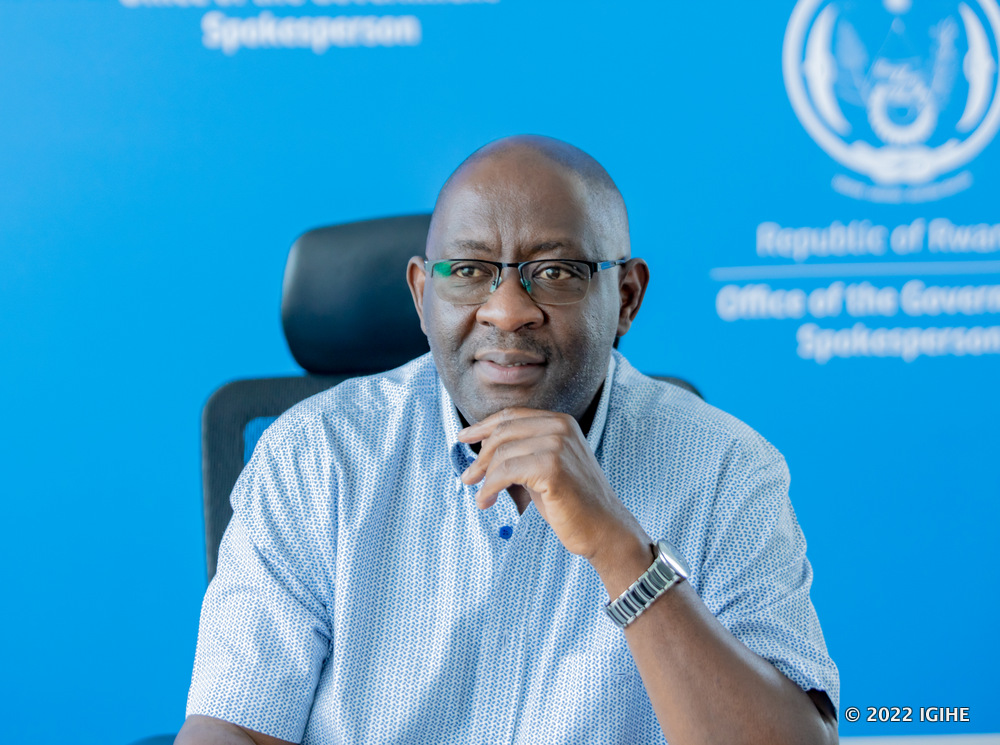
Speaking to IGIHE, the Deputy Spokesperson of the Government of Rwanda, Alain Mukuralinda has said that Rwandans in the country are still safe.
“As of today, the Government of Rwanda is aware of how the 85 Rwandans are getting along through its embassy in Germany which oversees its interests in Ukraine and Poland where Rwandans are fleeing through,” he said.
“The Government has their phone numbers, email addresses, location and know where their parents stay in Rwanda. They are all in touch with the embassy, Ministry of Foreign Affairs and parents,” Mukuralinda added.
Mukuralinda has disclosed that 18 Rwandans have already crossed to Poland while 27 are on the way to Poland where they are staying in 50 kilometers away from the border with Poland.
“We are informed that 18 Rwandans have crossed to Poland from Ukraine. There are more 27 Rwandans that have not yet reached the border because Ukraine set a road block in 50 kilometers from the border with Poland. They are in-between and can hardly move due to crowded people. Those arriving there, prefer to foot the journey until they reach the border,” he said.
The Deputy Spokesperson explained that there are financial shortfalls where people might face hindrances while withdrawing or be limited to withdraw certain amount of money.
Mukuralinda also disclosed that there are 34 in war-tone zone where it is difficult to leave at the moment.
“We have their identifications in our database, know their location, they speak to the Ministry of Foreign Affairs and parents. The most important thing is that we have neither confirmed deaths nor injuries amidst the war between Russia and Ukraine,” he said.
The Government of Poland has announced that it will host refugees temporary for two weeks before moving to their motherlands or third countries.
Rwanda has urged parents or relatives of nationals stuck in Ukraine to start considering how they will collaborate with the Government to repatriate them.
“Parents and relatives should be aware that people reaching Poland will not stay there. They need to start thinking how they will leave the country and seek assistance in case they fail,” he said.
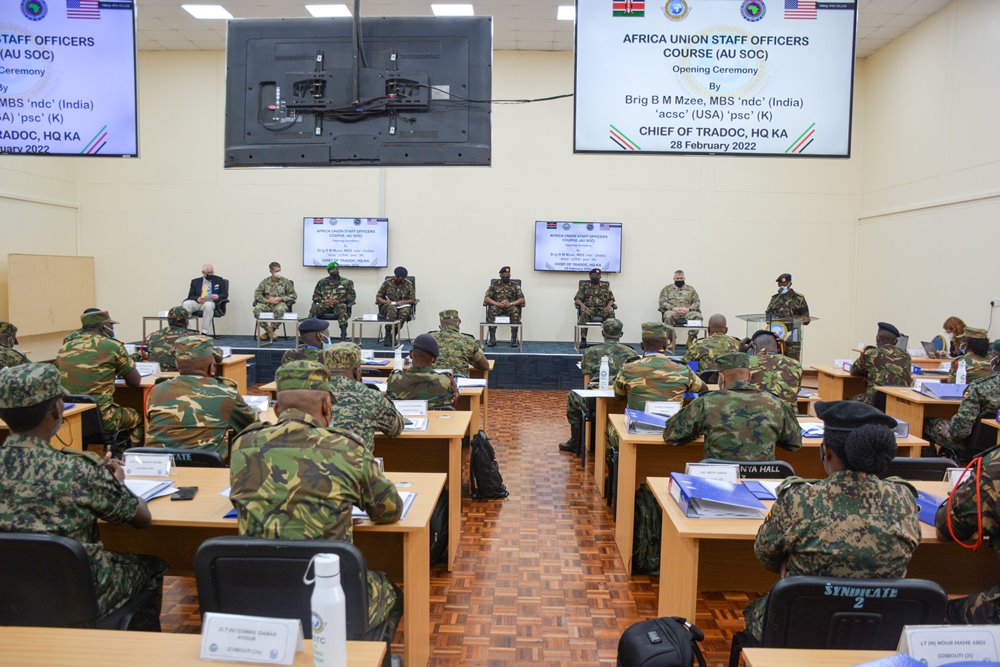
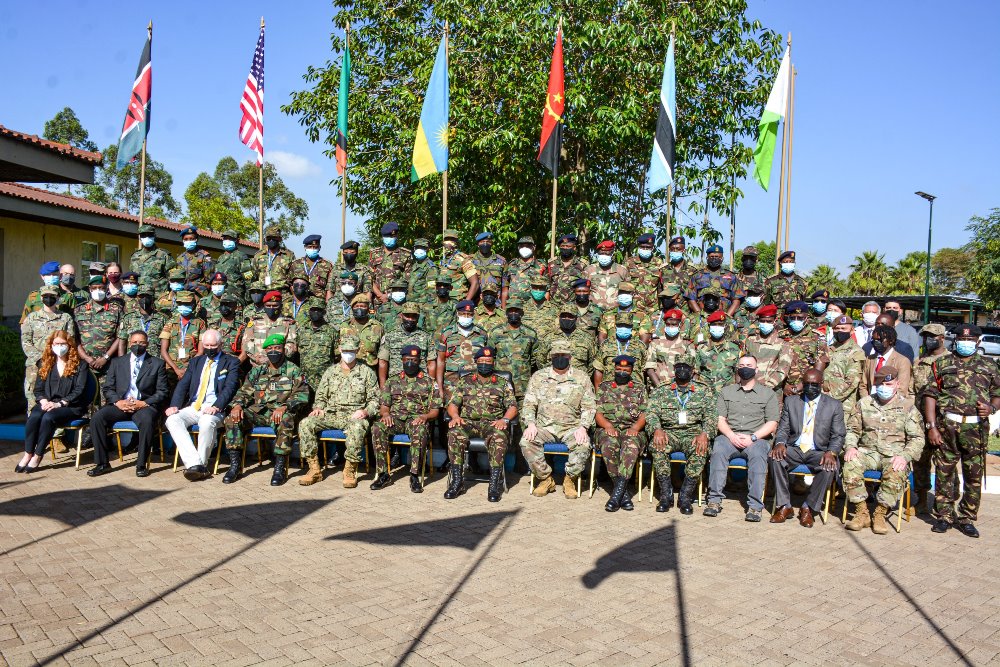
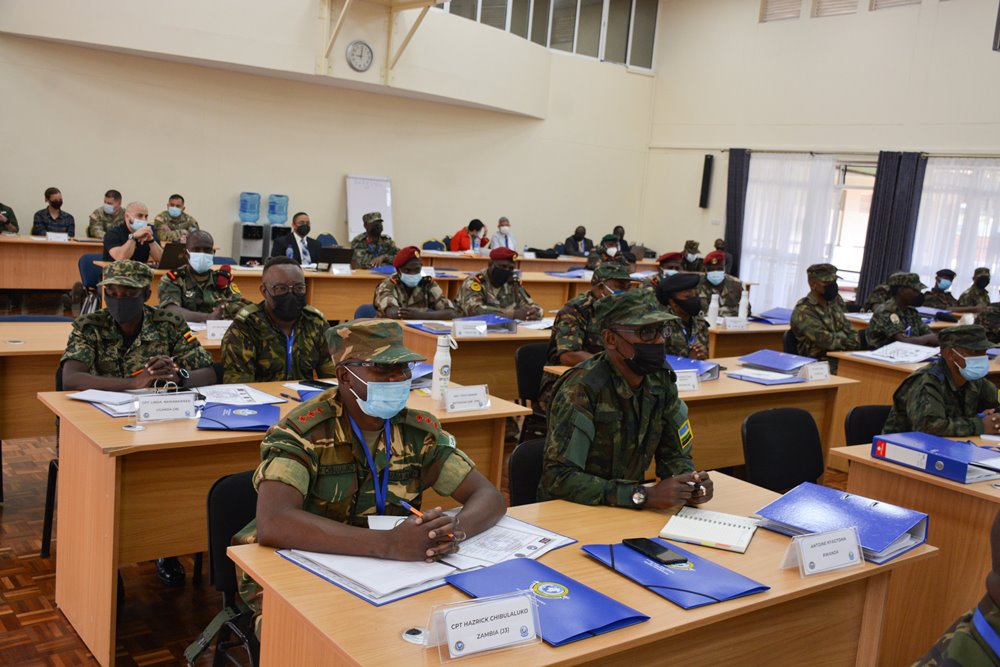
Rwanda Defence Force (RDF) officers along with over 70 military officers from different countries including Angola, Botswana, Djibouti, Kenya, Malawi, Mozambique, Rwanda, Tanzania, Uganda and USA are attending the African Union Staff officers Course at the Humanitarian Peace Support School (HPSS) in Nairobi Kenya. The course will culminate in the conduct of a Military Exercise codenamed “Justified Accord 2022”.
Justified Accord 2022 will combine Command Post Exercise (CPX) and Field Training Exercise (FTX) scheduled next week in Kenya.
Justified Accord is an annual Military Exercise conducted in collaboration with USA Armed Forces and Partner States to build force readiness and prepare regional partners for UN and AU peacekeeping missions.
Brigadier Benedict Mzee, the Kenyan Defence Force Chief of training and doctrine emphasised the importance of the course to the successful conduct of the 2022 Justified Accord exercise.
Superintendent of Police (SP) Bonaventure Twizere Karekezi, the Western region Police spokesperson said that the suspects were arrested following information provided by local residents.
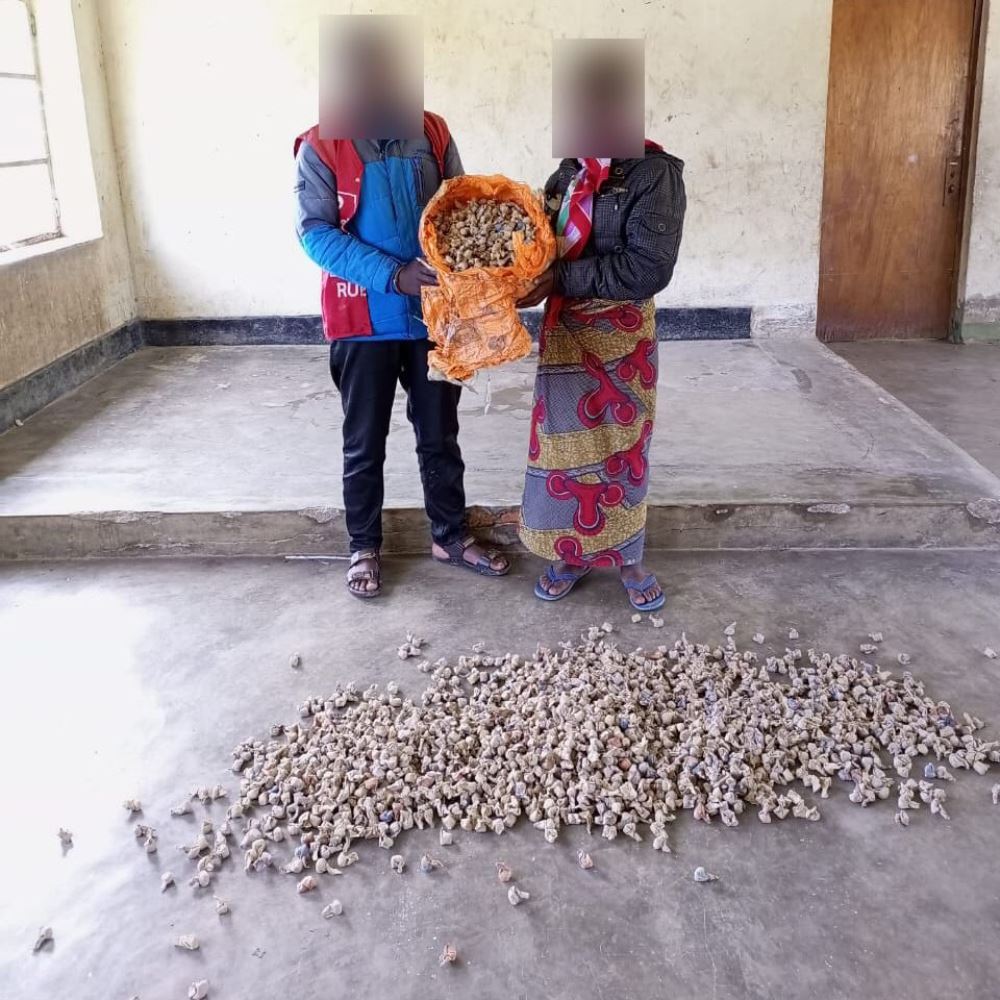
“Police received information from residents about two people who were transporting a sack on a motorcycle which they suspected to be containing narcotics,” SP Karekezi said.
“A checkpoint was mounted in Kabagari Village along Mukamira-Muhanga highway where they were intercepted, searched and indeed found 2685 pellets concealed in the sack before taking the two suspects into custody over drug trafficking,” he added.
Meanwhile, Mukundimana claimed that she was hired by a supplier in Nyabihu District, whom she did not disclose, to deliver them to another drug dealer in Muhanga District.
SP Karekezi thanked residents, who shared information leading to the arrest of the suspects and the seizure of the narcotics.
He further warned taxi-moto operators for facilitating drug traffickers, and urged them to report their colleagues, who tarnish the image of their transport business to engage in criminal activities.
The suspects were handed over to RIB at Kabaya station for further investigations to identify and arrest other members of the ring.
The Ministerial order nº 001/MoH/2019 of 04/03/2019 establishing the list of narcotic drugs and their categorization classifies cannabis in the category of “very severe narcotics.’’
Article 263 of law No 68/2018 of 30/08/2018 determining offenses and penalties in general states that any person, who unlawfully produces, transforms, transports, stores, gives to another or who sells narcotic drugs and psychotropic substances, commits an offence.
Upon conviction for “very severe narcotics,” the offender faces between 20 years and life imprisonment, and a fine of between Rwf20 million and Rwf30 million.
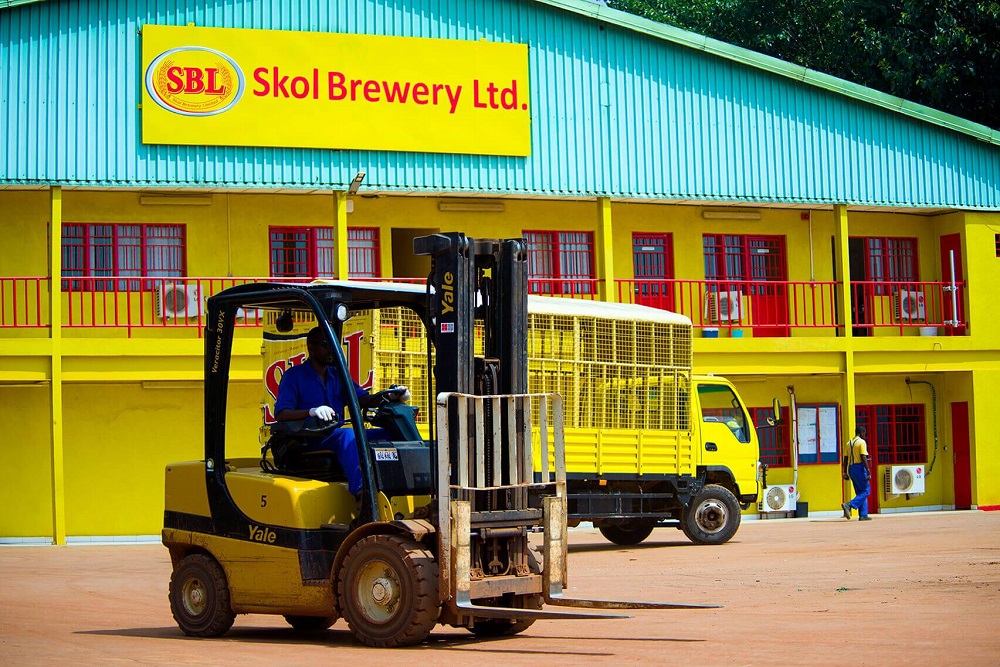
The scholarship program was launched under the Patronage of Mrs. Maïté Relecom, Co-Owner of Unibra Group, a Belgian family-owned company which SKOL Brewery Ltd is part of; to harness and nourish the capabilities that lie within the Rwandan youth, particularly SBL Employees’ Children and contribute to their education and skills development.
Beneficiaries say they are very happy with this program that is supporting them to cater for the cost of schooling their children. The scholarship provides tuition fees, uniforms, books, and transport as they can invest the amounts normally paid for these expenses in other activities to develop their families.
The call for applications of undergraduate scholarships has been launched and applicants fulfilling the requirements will start benefiting from this opportunity during the current school calendar.