On Wednesday, April 13, security organs and local leaders took 56 children and young adults off the streets of Gisenyi town, an effort also aimed at preventing their acts of lawlessness.
“This is a deliberate effort to get children and the young people from streets to educate them on the best alternatives to a better future, including education and to form or join cooperatives to be productive,” Superintendent of Police (SP) Bonaventure Twizere Karekezi, the Police spokesperson for the Western region, said.
“When we get these young people, we talk to them to understand what influences them to go on streets, meet their parents to emphasize the importance of parental care, to send their children to school and to guide them accordingly,” he added.
According to the spokesperson, majority of the street children come from the sectors that neighbors Gisenyi town, including Rubavu, Nyamyumba and Rugerero.
“Some of them were as young as 8 years and the eldest was 36. Clearly, for an 8-year to be on the street, there is relatively lack of parental responsibility, and these children will likely grow up with negative thoughts engaging in unlawful acts,” said SP Karekezi.
He outlined pick pocketing, snatching valuables from people, theft of clothes spread out for sun-drying, begging, and being used by drug dealers and smugglers, among others, as some of the criminal acts these young people engage in on streets.
Others engage in hectic economic acts like carrying goods.
“Some of them are young to engage in hectic activities, and this amounts to child labour. People should, therefore, be mindful of the age when employing casual workers to avoid committing crimes.”
He further urged grassroots leaders to closely follow up and work with the identified families to ensure that children continue to be guided.
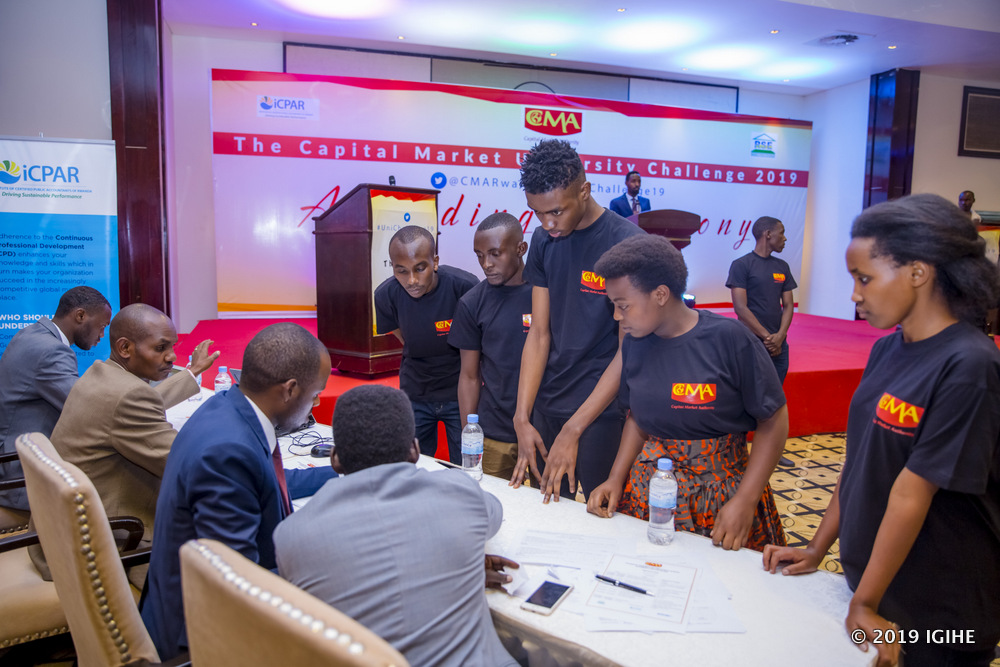
The challenge organized by the Capital Market Authority (CMA) is an annual competition aimed at exposing students in Higher Learning Institutions (HLIs) to the capital market industry while instilling in them the culture of saving and investment.
Interested students can register [{{here}}->https://investor.cma.rw/cmuc/login/index.php].
The registration to participate in the contest started on 17th March 2022 during a ceremony attended by hundreds of students at Kigali Independent University (ULK).
The registration will be closed on 15th April 2022.There are no limitations for the number of participants.
As the registration gets underway, participants of the previous edition have shared experiences where they got many opportunities as they got inspiration for saving culture and learnt more about CMA.
“I thank the management of CMA for offering these opportunities and encourage every student to participate in this life-changing contest,” said Phiona Akatakunda who won in last year’s contest at the level of Kigali City.
Over 10,000 students have participated in the contest since it started nine years ago.
The majority of participants were awarded shares in companies registered on Rwanda Stock Exchange (RSE) to instill the culture of saving.
Redempta Singiza was a university student when he participated in the competition in 2017. He was participating along with five members of his saving group which emerged among winners and secured capital to run own businesses.
“We perceived the competition as an opportunity to promote our saving group. I was part of a team of three that competed in the essay category while three others contested in quiz category. Fortunately, both teams emerged overall best performers,” he said.
Winners in quiz category received shares worth Rwf 700,000 in Bank of Kigali Group Plc while colleagues in the essay category received shares worth Rwf 400,000 in I&M Bank as one of companies listed on Rwanda Stock Exchange (RSE).
After graduating in 2018, these students founded a company dubbed ‘Reliable Immense Company Ltd’ to offer training on digital skills and software development.
In 2019, the group traded shares owned in Bank of Kigali to expand business.
“We kept shares in I&M Bank which continue to generate profit. In fact, the Capital Market Authority presents huge opportunity for long-term saving and investment,” explained Singiza.
He requested university students to participate and tap into advantages of the CMA if they are to meet aspirations to become entrepreneurs.
The annual contest seeks to promote the creation of savings clubs/groups among students by providing them with capacity building on how best, through their clubs, to save and invest through the local capital market.
{{ How to participate}}
The competition framework will involve a set of quizzes and a topic for essay writing aimed at increasing awareness and knowledge among students about the capital market industry and its importance for Rwanda’s socio-economic development. All interested students are allowed to register to participate in the Capital Market University Challenge 2022.
The registration is done through: https://investor.cma.rw/cmuc/login/index.php
Previous winners are not allowed to participate in the current edition. Individuals will compete either in Quiz and Essay categories after creating an account. After creating accounts, they will wait for the Quiz or Essay to be uploaded in the system and be communicated on when to undertake it once ready.
The challenge will comprise of three stages in quiz category at provincial level whereby winners from each stage shall go to the next round. Three winners from the 3rd round at provincial level shall immediately go to the national level.
Round 1 for the competition for the Quiz category is expected on April 19, Round 2 on April 22 and Round 3 on April 29. Top winners in the quiz category at the provincial level will sit for a special round on national level on May 13 while physical awarding of winners is expected on May 27.
For those to compete under the essay category, they will submit the final essays in the system through https://investor.cma.rw/cmuc/login/index.php. The title of the theme is “How does the capital market finance the socio-economic development of Rwanda”.The essay writing should be original and innovative, have not more than 800 words while copying and pasting information from websites will amount to plagiarism, punishable with discontinuation from the challenge.
{{Expected prizes}}
Awards will be given to the winners of both the quiz and essay categories in a form of securities i.e shares and bonds listed at the Rwanda Stock Exchange as a way to initiate students on the culture of saving and investing through the capital market.
Awards in Quiz category at provincial level comprise Rwf400,000, Rwf300,000 and Rwf200,000 for 1st, 2nd and 3rd winners respectively in every province. The awards will be the same in the essay category. The winners at national level will secure Rwf700,000, Rwf500,000 and Rwf300,000 for 1st, 2nd, and 3rd winners respectively in each category. In addition to that, all top winners at provincial level shall get their certificate of participation.
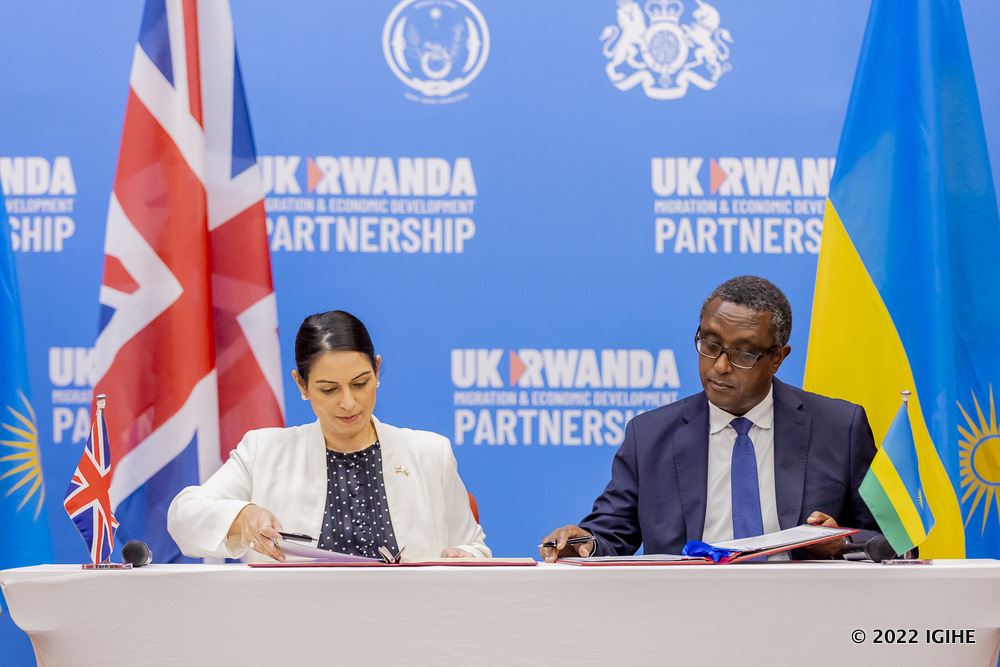
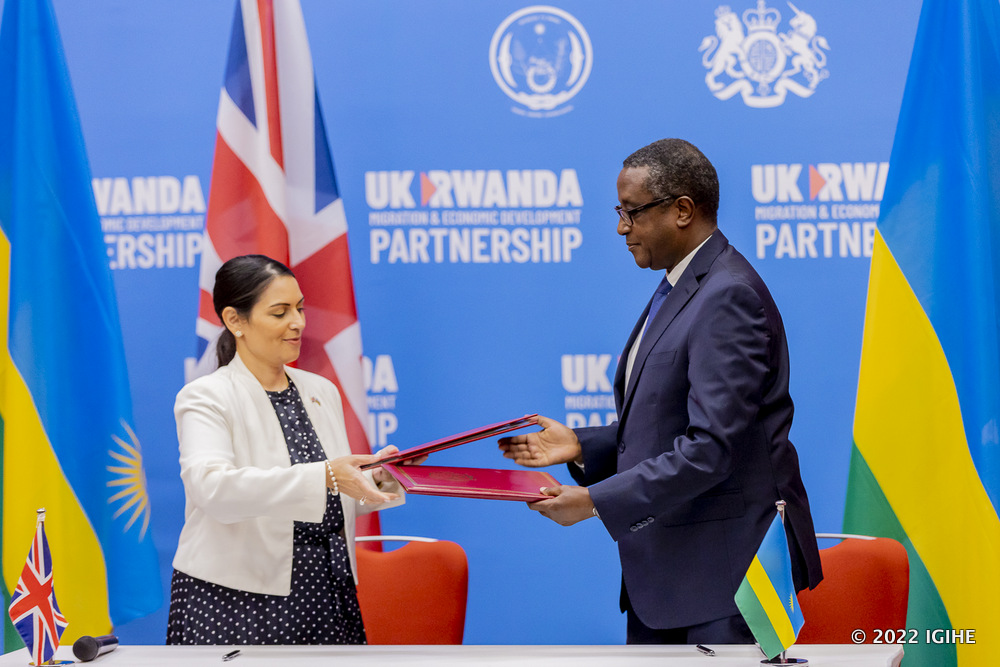
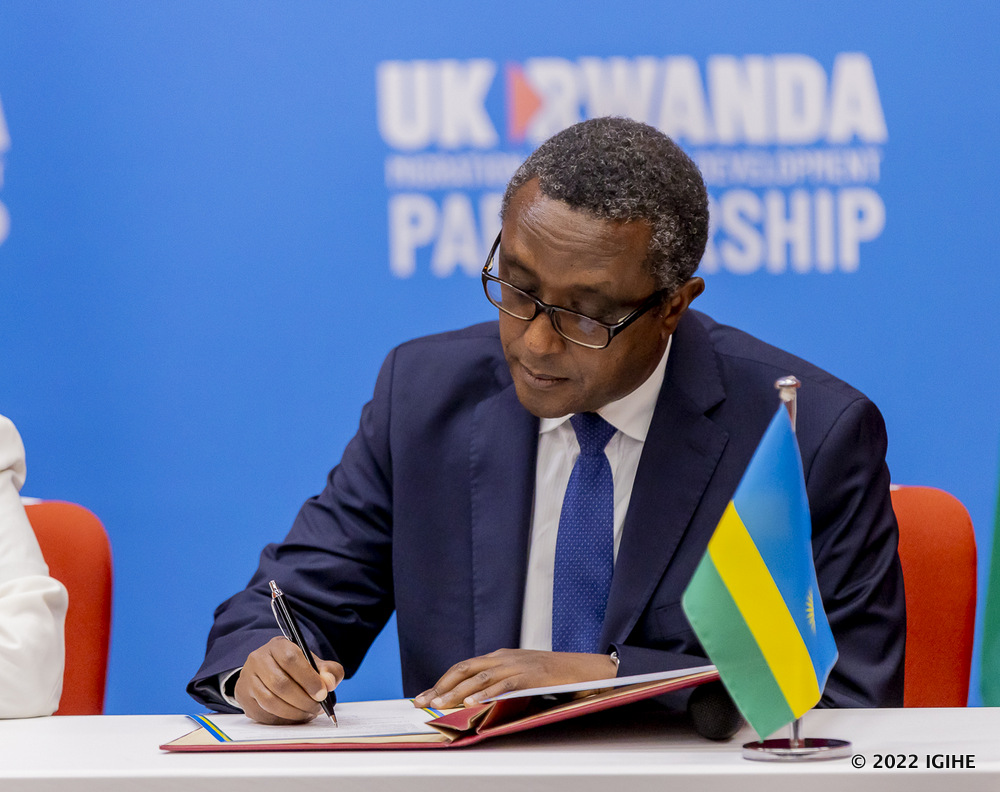
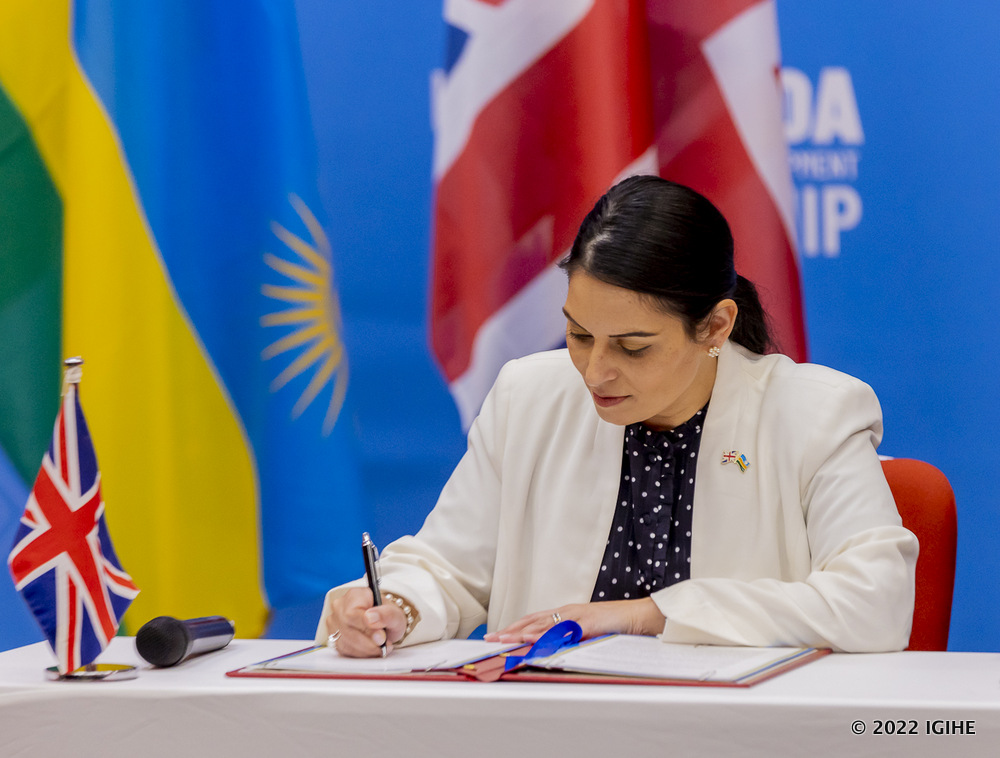
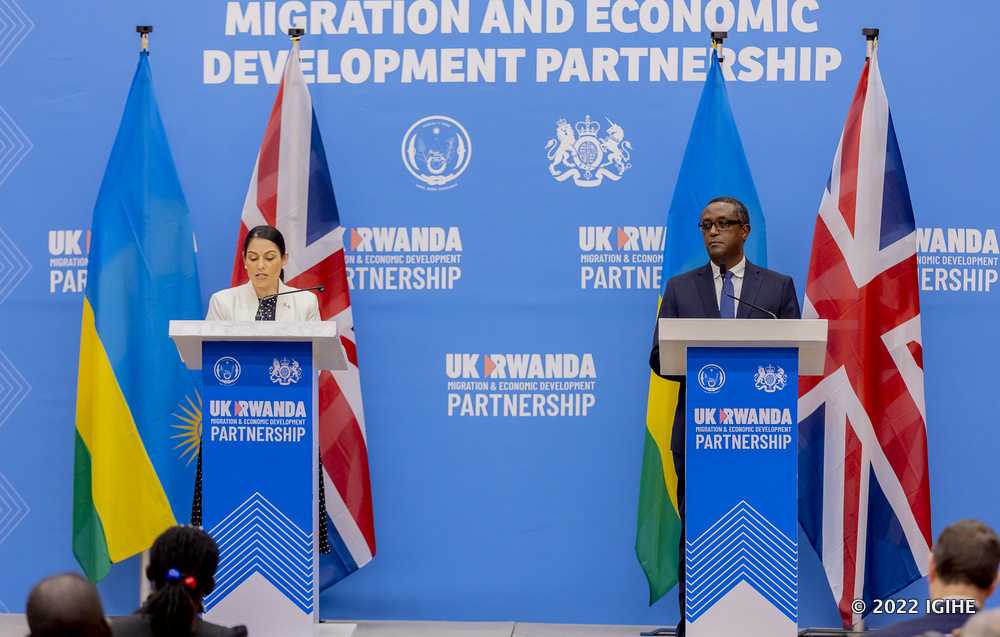
The partnership was signed on Thursday 14th April 2022 by Rwanda’s Minister of Foreign Affairs and International Cooperation, Dr. Vincent Biruta and UK Home Secretary Priti Patel in Kigali.
The development comes at a time when deep global inequalities are driving millions of people from their homes in search of opportunity, at the same time as millions are forcibly displaced by conflict, persecution, and other threats to safety.
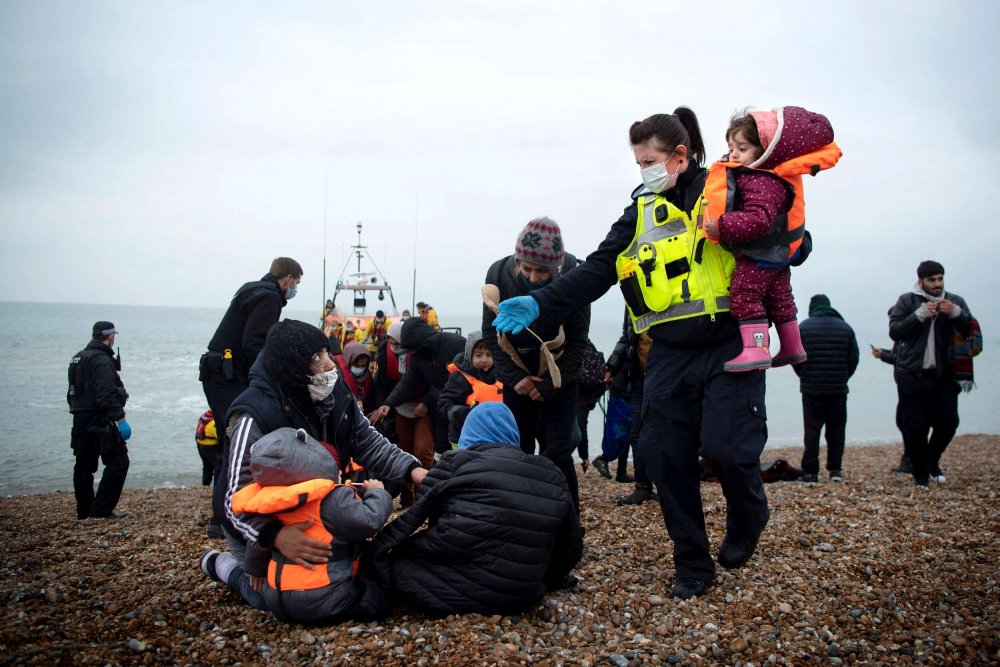
This has created immense demands on the immigration systems of many countries, including the UK. This situation has driven vulnerable people to place their lives in the hands of criminal smuggling gangs, resulting in countless tragedies.
The partnership between UK and Rwanda is expected to address this urgent humanitarian crisis by tackling its roots. By relocating migrants to Rwanda and investing in personal development and employment for migrants, both nations are taking bold steps to address the imbalance in global opportunities which drives illegal migration, while dismantling the incentive structures which empower criminal gangs and endanger innocent lives. The partnership will disrupt the business model of organised crime gangs and deter migrants from putting their lives at risk.
Crucially, the partnership will prioritise the dignity and rights of migrants, empowering them with a range of opportunities for building a better life in a country which has been consistently ranked as one of the world’s safest. Migrants will be integrated into communities across the country.
Speaking at the ceremony, Minister Biruta welcomed the partnership, stating that “Rwanda is committed to international co-operation and partnership on migration, in particular the opportunities that a robust protection system as well as a comprehensive human capital investment program can create, for migrants and for development of the host country.”
He highlighted that there is a global responsibility to prioritise the safety and well-being of migrants, adding that Rwanda welcomes the partnership with the United Kingdom to host asylum seekers and migrants, and offer them legal pathways to residence.
“This is about ensuring that people are protected, respected, and empowered to further their own ambitions and settle permanently in Rwanda if they choose,” Minister Biruta noted.
Commenting on the development, the UK Home Secretary Priti Patel said that the global migration crisis and how illegal migration can be tackled requires new world-leading solutions.
“There are an estimated 80 million people displaced in the world and the global approach to asylum and migration is broken. Existing approaches have failed and there is no single solution to tackle these problems. Change is needed because people are dying attempting to come to the UK illegally,” she said.
“Today we have signed a world leading migration partnership with The Rwandan Government which can see those arriving illegally into the UK by dangerous methods relocated to Rwanda to have their claims for asylum considered and, if recognised as refugees, to build their lives there – helping break the people smugglers’ business model and prevent loss of life,”added Patel.
Under the programme, asylum seekers will be entitled to full protection under Rwandan law, equal access to employment, and enrolment in healthcare and social care services.
The UK’s upfront investment of £120 million will fund invaluable opportunities for Rwandans and migrants including secondary qualifications, vocational and skills training, language lessons, and higher education.
The partnership reflects Rwanda’s commitments to protecting vulnerable people around the world, and ensuring development and prosperity for Rwanda and its people.
Rwanda’s history has embedded a responsibility to protect vulnerable people around the world. Since 1994, Rwanda has been an active contributor to peacekeeping missions – indeed the largest troop contributor in Africa – and other humanitarian initiatives.
Rwanda was once one of the world’s leading producers of refugees, and as such is particularly concerned with taking urgent steps towards more humane solutions to the global migration crisis.
The country already hosts almost 130,000 refugees from multiple countries – including neighbours like the DRC and Burundi, but also from countries like Afghanistan and evacuees from Libya – all of whom have full legal and employment rights. This partnership reflects the ongoing effort to create a safe and empowering haven in Rwanda for all those seeking refuge.
Since 2001 the Uk has granted protection to around 80,000 people from African nations for asylum claims and from 2010, and have resettled 6,500 people.
This partnership also advances the Rwandan Government’s priority of improving the lives and livelihoods of the Rwandan people. Over the last 28 years, Rwanda has made significant strides towards national development, and has ambitious goals for the future. Under Vision 2050 – the national development plan – Rwanda aspires to become an upper middle-income country by 2035 and a high-income country by 2050.
The National Migration Policy recognises the value of migrants in contributing to our economic, cultural, and social development.
This partnership, which is an extension of Rwanda’s welcoming policy towards all migrants – whether they are seeking refuge or opportunity – is expected to advance the good cause.
With the investments made by the UK , the government will be able to invest in programmes including secondary qualifications, vocational and skills training, language lessons, and higher education, will be made available to migrants and Rwandans alike. Investments in tech-enabled jobs and small businesses will be a particular priority.
The fund will also fund further progress on some of the key initiatives that Rwanda has worked on with the United Kingdom. These include environmental policies – reflecting our national goal to become climate resilient and carbon neutral by 2050 – girls’ education, building back better from COVID-19, bolstering trade, investing in human capital, supporting effective and accountable institutions.
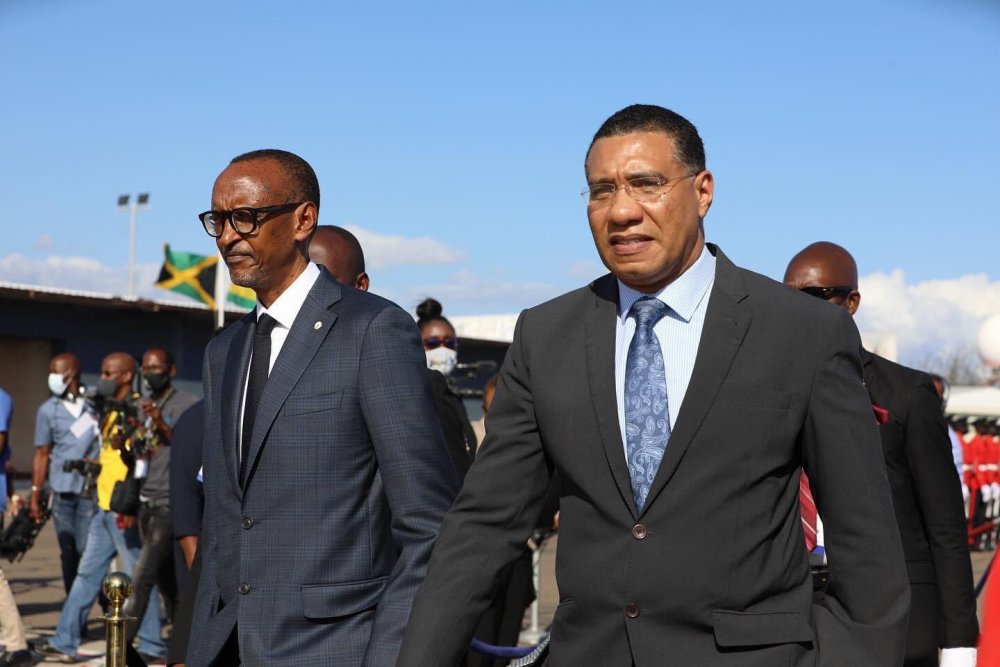
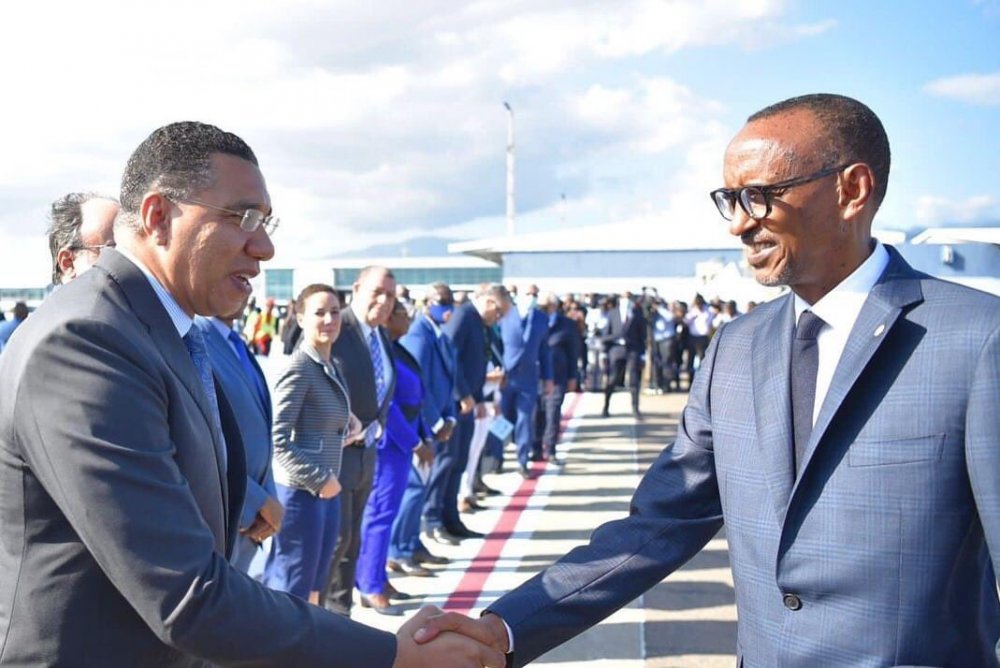
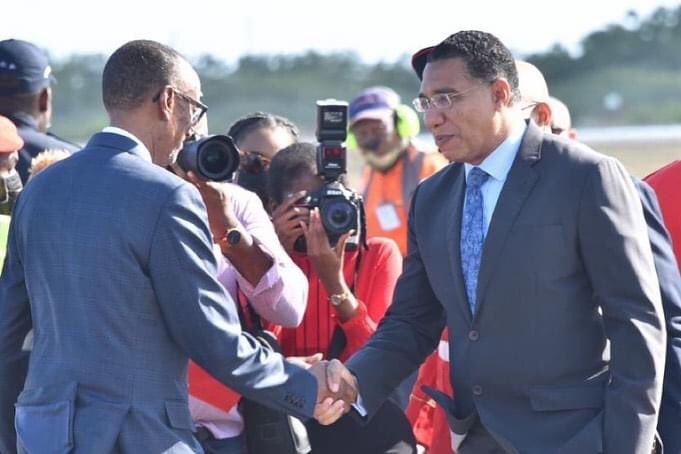
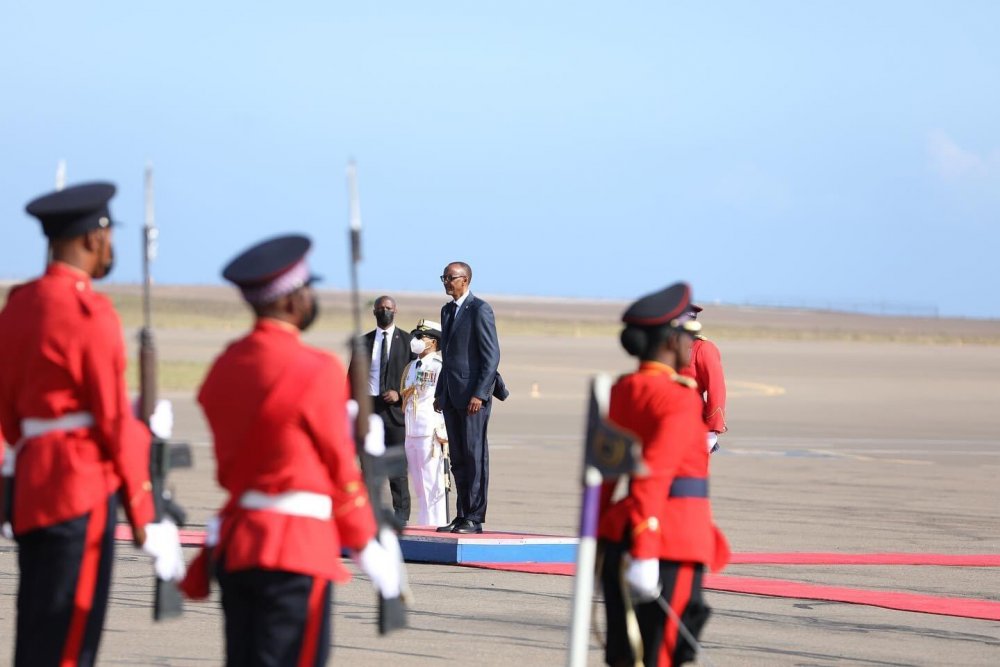
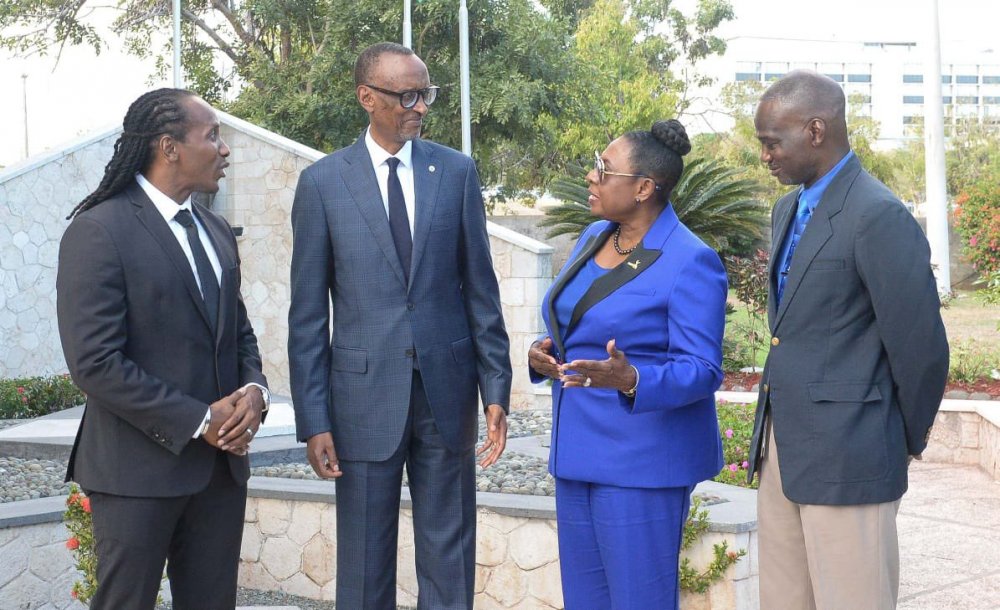
Upon arrival in the country, Kagame was received by the Governor General of Jamaica, Patrick Allen and Prime Minister, Andrew Holness.
Ahead of the visit, Jamaica’s Office of the Prime Minister said in statement that President Kagame’s visit, which comes during the year of Jamaica’s 60th anniversary of Independence, represents an important opportunity for the deepening of bilateral relations between the countries.
The OPM noted that the visit will also help to reinforce “the steadily burgeoning relationship between the African continent and the CARICOM Region”.
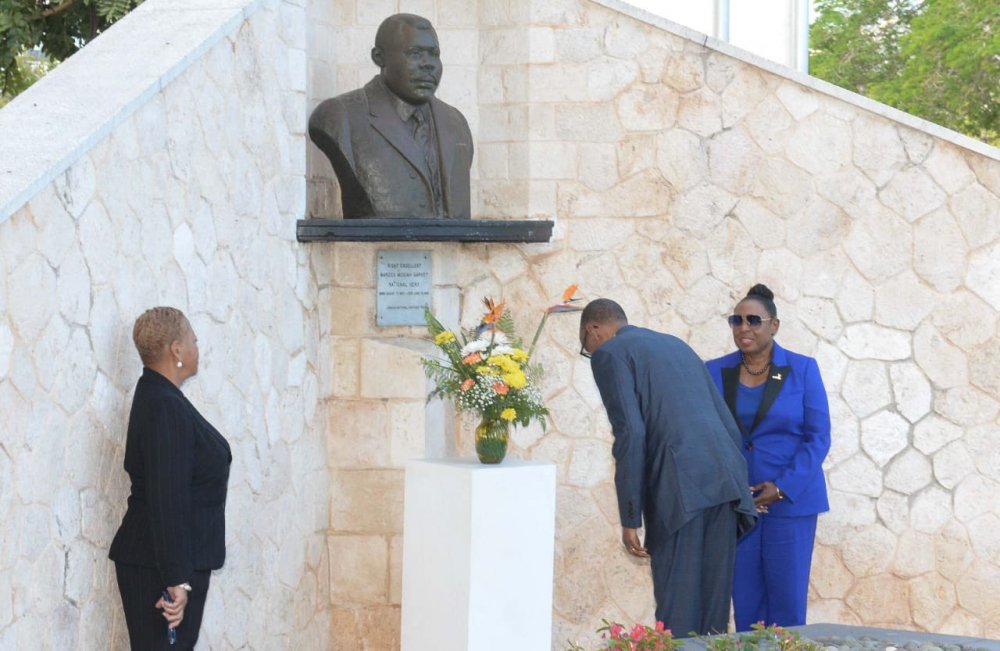
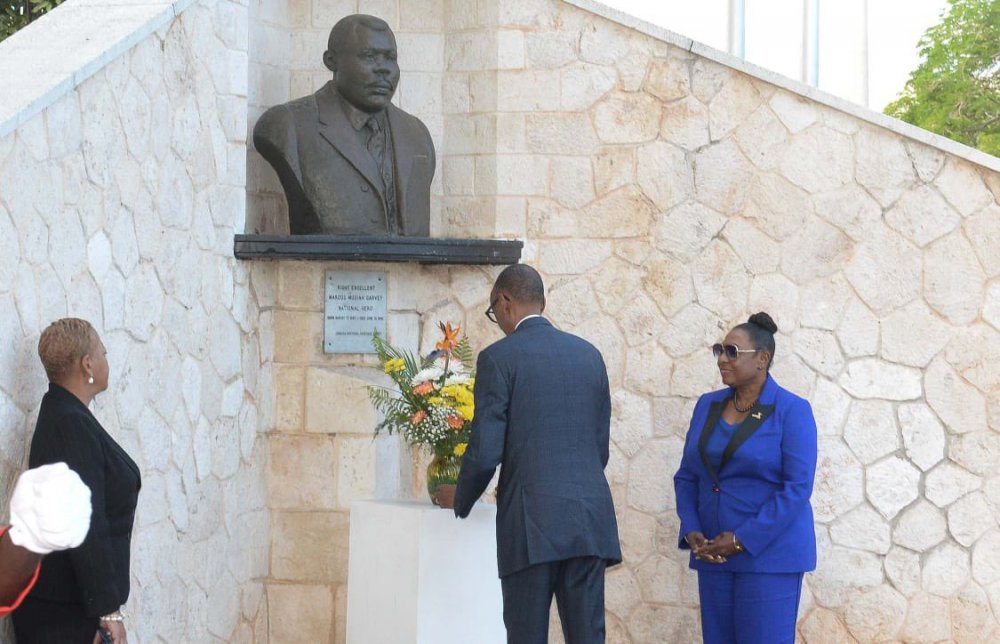
On the first day of his visit, President Kagame visited Jamaica’s National Heroes Park where he paid tribute to the country’s first National Hero, Marcus Garvey.
Marcus Garvey was a Jamaican-born Black nationalist and leader of the Pan-Africanism movement, which sought to unify and connect people of African descent worldwide.
Marcus Moziah Garvey was born on August 17, 1887 in St. Ann’s Bay, Jamaica to Marcus Garvey and Sarah Jane Richards. His father was a stonemason and his mother was a household servant. Though the couple had 11 children, only Marcus and one other sibling survived into adulthood.
He died in London on June 10, 1940 from complications brought on by two strokes.
Due to World War II travel restrictions, he was initially buried in St. Mary’s Roman Catholic cemetery in Kensal Green, London. On November 13, 1964, his body was exhumed and buried beneath the Marcus Garvey Memorial in National Heroes Park in Kingston, Jamaica.
On the second day, President is expected to address a joint sitting of the Jamaican Parliament and hold bilateral talks with Prime Minister Holness at Jamaica House, on Friday morning, during which the leaders are expected to sign a Memorandum of Understanding.
The current population of Jamaica is 2,984,111 as of Wednesday, April 13, 2022, based on Worldometer elaboration of the latest United Nations data.
Jamaica is an island located in the Caribbean Sea. It’s also part of the Greater Antilles, situated south of Cuba and west of Haiti.
In terms of size, Jamaica is the third-largest island in the Caribbean, after Cuba and Hispaniola.
Jamaica’s three largest cities are Montego Bay, Portmore, and Kingston, which is the capital and largest city. The country of Jamaica is recognized for reggae, sprinters, sandy beaches, and jerk food.
These asylum seekers from African countries and others outside the continent will be treated decently like Rwandans upon arrival. It is expected that those willing to return to their mother lands will be helped to do so.
Unlike asylum seekers and refugees from Libya living in Gashora Transit Camp, the ones from UK will be housed in specially-selected accommodation facilities where they will wait for asylum claims to be processed.
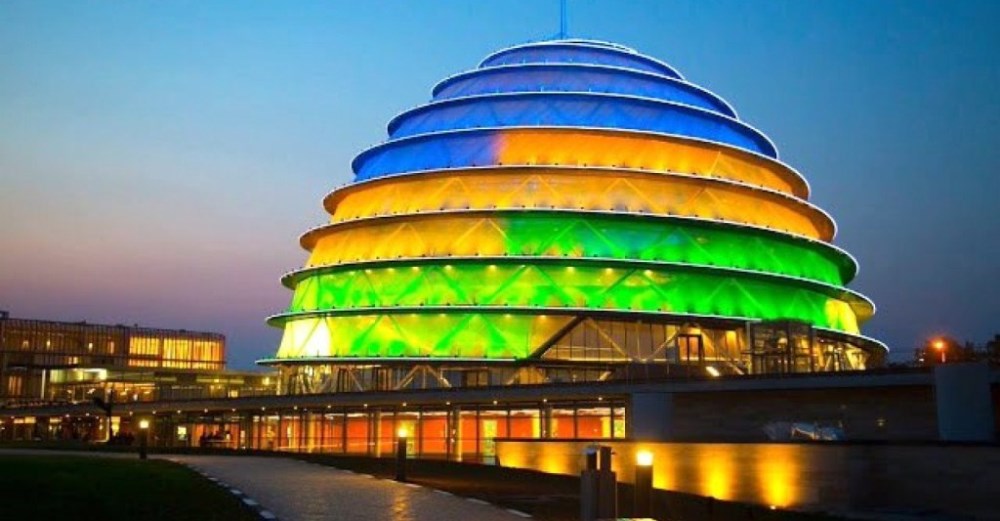
Related agreements between both countries are expected to be signed on Thursday 14th April 2022 at Kigali Convention Centre.
During the signing ceremony, Rwanda will be represented by the Minister of Foreign Affairs and International Cooperation, Dr. Vincent Biruta while UK will be represented by Home Secretary Priti Patel who arrived in Kigali yesterday.
The timeline for when the first batch of migrants could be relocated has not yet been set out.
UK’s Home Office sources indicate that the migrants could be offered some form of visa deal by the Rwandan government, saying people relocated will “be given the opportunity to rebuild their lives” there.
According to media reports, the agreement for “migration and economic development partnership” to be signed is worth 120 million pound (US$158 million)
It said the cost would be funded by UK.
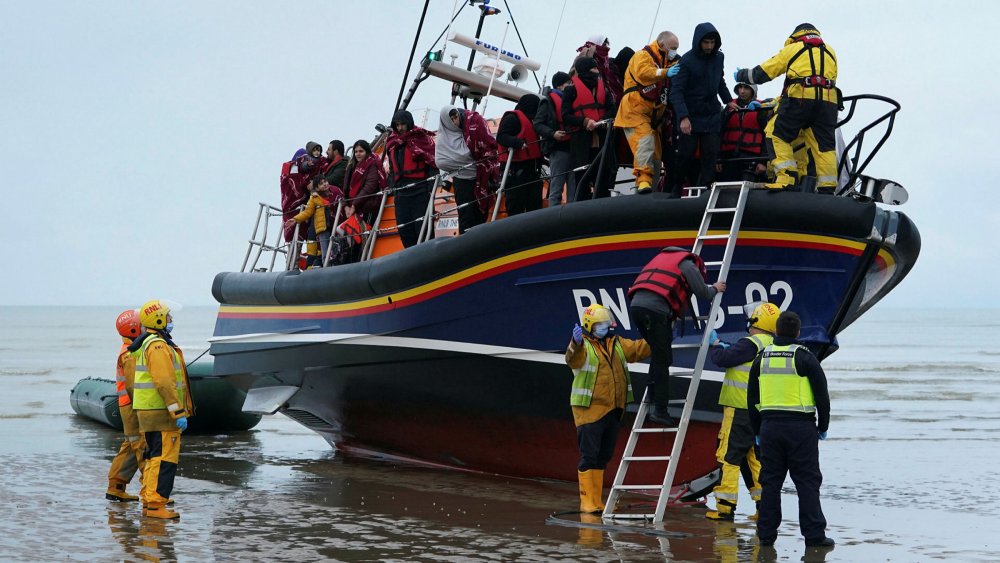
The deportation policy is part of UK’s attempt to deter dangerous – and politically contentious – Channel crossings. Sources said the policy was in reaction to a global asylum system that is “broken”.
It is also said that the Migration and Economic Development Partnership between UK and Rwanda will prioritise the dignity and rights of migrants, empowering them with a range of opportunities for building a better life in Rwanda, as a country which has been consistently ranked as one of the world’s safest.
Under the programme, migrants are also expected to be entitled to full protection under Rwandan law, equal access to employment, and enrolment in healthcare and social care services.
Among others, IGIHE has learnt, the UK’s upfront investment worth £120 million will fund opportunities for Rwandans and migrants including secondary qualifications, vocational and skills training, language lessons, and higher education.
The partnership between both countries reflect Rwanda’s commitments to protecting vulnerable people around the world, and ensuring development and prosperity for Rwanda and its people.
Rwanda’s history has embedded a responsibility to protect vulnerable people around the world. After the 1994 Genocide against the Tutsi, Rwanda has been an active contributor to peacekeeping missions where it is the largest troop contributor in Africa.
Rwanda was once one of the world’s leading producers of refugees, and as such is particularly concerned with taking urgent steps towards more humane solutions to the global migration crisis.
Rwanda already hosts almost 130,000 refugees from multiple countries including neighbours like the DRC and Burundi.
The country also accommodates other refugees from countries like Afghanistan and evacuees from Libya who have full legal and employment rights.
This partnership to be signed reflects the ongoing effort to create a safe and empowering haven in Rwanda for all those seeking refuge.
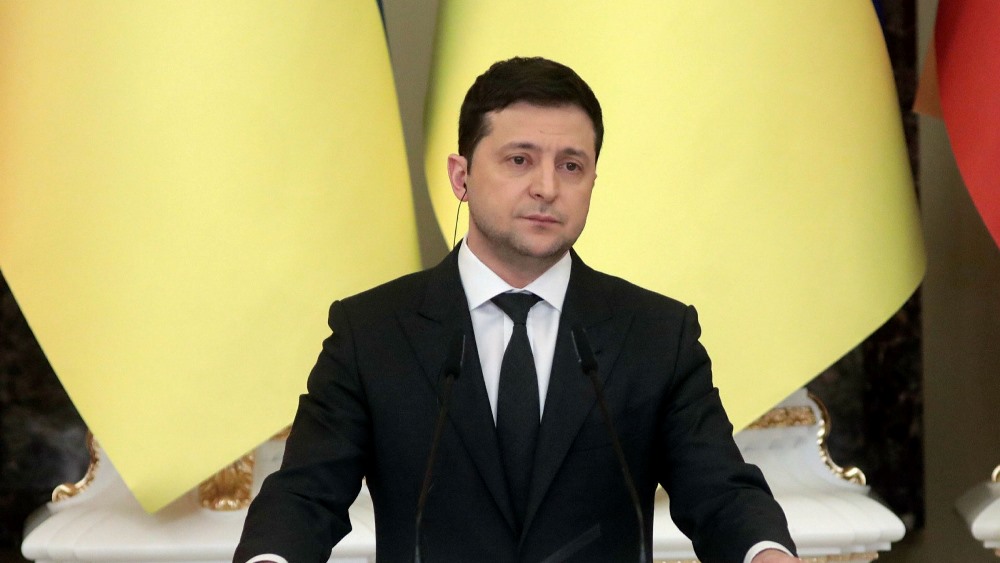
The west portrays Volodymyr as a savior for Ukraine whereas Putin is portrayed as the doom of Russia. Zelenskyy is portrayed as a soft comedian while Putin is portrayed as a ruthless leader.
Zelenskyy is portrayed as a man who loves his country while Putin is portrayed as a man who does not give a damn about Russians. Zelensky is portrayed as a man who is selfless while Putin is portrayed as a man hungry for power.
Zelensky is loved by world leaders while Putin is disliked by many of them. This is what the western media shows us but it seems they are just portraying what side they are on.
Here are a few things you to know about Volodymyr:
{{A little background }}
Volodymyr Zelensky is a 44-year-old man who grew up in Kryvy Rih a region of Ukraine. His mother was an engineer and his father was a computer science teacher. Basically, he came from a wealthy family.
Volodymyr Zelensky became known as a comedian and actor. He later became a politician when he formed his party in March 2018 and ran for presidency on December 31, 2018, winning the 2019 election by 73.23%.
{{He never fulfilled his campaign commitments }}
Volodymyr Zelensky announced his candidacy for the presidency of Ukraine saying he will be different from other Ukrainian leaders with his two goals.
The first was to fight corruption and confront Oligarchs, and the second was to end the Donbas war. However it did not succeed as it intensified and is still ongoing.
Up to now, 1650 Ukrainians die and 1035 got injured while 3.7 million people have fled Ukraine due to the Donbas war.
He never fulfilled any of his two campaign commitments to this day.
{{He demonstrated nepotism }}
As far as Zelensky is concerned when it comes to giving leadership roles he does not forget his friends.
According to Gravity Plus, when Zelesnkyy became President he appointed his formal writing team, his formal producer, and even his lawyer to governmental sits even though they had no prior experience.
{{Odd decisions }}
Among many odd decisions he made, after he became president; he appointed his press secretary through open competition with 4000 candidates.
Those candidates were tested for their sense of humor and tolerance for stress.
He also once held a 14-hour press conference at a food market.
{{Sketchy activities }}
According to Pandora papers, Zelesnkyy has offshore accounts outside of Ukraine such as in the Virgin Islands, Belize and Cyprus. He also has other undisclosed assets.
Many criticize it as the behavior of a businessman and not the behavior of a head of state.
{{It is said he is authoritarian }}
The Kyiv Post has already shown a number of examples of Zelensky being authoritarian.
Kyiv Post has shown that Zelensky has banned three independent TV stations in Ukraine. He is also behind the decision to fire lawyer Ruslan Ryaboshapka because he refused to pursue Zelensky’s agenda.
The newspaper also reported that he was behind the removal of the Deputy Governor of the Central Bank of Ukraine because she had concerns about the bank’s independence.
{{Zelensky continues to stand with Ukraine}}
Even though there are many things that are questionable Zelensky has done, he has not failed to show where he stands with Ukraine.
When the war first started the USA wanted to fly Zelensky out of the country but he refused saying “I need ammunition, not a ride.”
He is constantly on Television spreading messages of hope to his people and also he is being seen in bunkers with his soldiers.
Themed “A new purpose for Education”, the conference will take place at Kigali Convention Center.
eLearning Africa 2022, which is Africa’s largest conference and exhibition on technology supported learning, training and skills development will be graced by experts, practitioners, policy makers and investors committed to the future of education and training.
Multiple renowned speakers will look at issues, including: specific, practical challenges facing African countries, the suitability of global models in the African context, the importance of redirecting education to African countries’ future needs and the use of technology in enabling African countries to respond to their specific needs.
Other issues to be discussed include the development of a single African market and the consequent opportunities and requirements of employers as well as the contribution Africa can make to global learning and to providing African experience for solving global problems.
eLearning Africa is accompanied by an exhibition, featuring products, services and courses offered by some of the world’s leading producers and providers.
The conference itself offers a wide variety of opportunities for discussion, knowledge sharing and networking, in the form of plenary sessions, workshops, seminars and debates.
It also hosts a ministerial roundtable, at which ministers of ICT and education, together with officials and advisers, discuss emerging themes with experts, academics and representatives of companies and organisations from around the world. The theme for this year’s roundtable is “A New Purpose for Education” and it will consider the practical challenges facing African countries, the implications of a single market, and the contribution Africa can make to global learning and providing solutions to global problems.
Speaking ahead of the conference as political leaders, education experts and investors from all over the world prepare to head to Rwanda for eLearning Africa, one of the continent’s first major global, in-person conferences since the start of the Covid pandemic; Rwandan Education Minister, Dr Valentine Uwamariya, said: “eLearning Africa and the opportunity it brings for dialogue between key stakeholders is so important. This conference, and the ministerial roundtable taking place at it, will give us a chance to focus our attention on how we can all work together, as a continent and as a global community, to use technology-assisted learning to boost growth and bring lasting change and prosperity.”
“Africa has reached a crossroads. Now we face a choice. Let us seize the moment and take advantage of the best chance we’ll ever have as a continent by making the most of the fact that Africa has a dynamic, youthful, growing population – a real reservoir of human resources and talent. It also means planning, cooperating, and investing in technology-assisted learning and training, so that we can spread the benefits of education and provide the new skills that are vital for the workforce of the future. Failing to focus now on education, training and technology would be unforgivable.”
Rwanda’s Minister of ICT and Innovation, Paula Ingabire highlighted Africa is now at a crucial moment in its development where the creation of African Continental Free Trade Area (ACFTA), the African single market, is an unprecedented opportunity to transform the fortunes of the continent and its people.
“We can leapfrog other countries and regions. We have a chance to bring real prosperity to Africa. But we must take the necessary steps to prepare ourselves and our people. Above all, investing in the combination of education and ICT and in ensuring that our people have the skills necessary for the markets of the future. Information and Communications technology can spread the benefits of education and training to the remotest parts of our continent. In the wake of the Covid pandemic and an economic downturn, every African government should now focus relentlessly on its education and ICT strategy. That is what will make the African Union’s 2063 Vision a reality,” she said
eLearning Africa founder Rebecca Stromeyer also said that the conference is attracting “huge” levels of interest and support: “People are delighted that we’re going ahead again. For our network of experts and professionals from all over the world, it’s going to be like a giant family gathering! They’re all looking forward to seeing each other and to making new friends and contacts. And we’ve had an enormous amount of interest from the corporate sector, including some of the biggest names in global edTech. Africa is the place to be right now for investors in education and technology. There is a widespread awareness of the fact that Rwanda has coped well with the pandemic and our participants will be well looked after in a superb conference location and we’re looking forward to seeing them for what promises to be a very significant conference.”
The eLearning Africa annual conference and exhibition, which was established in 2005, is the largest and most comprehensive knowledge sharing event for technology-enhanced education, training, and skills on the African continent.
It is a global forum for everyone with an interest in education, training, and skills development in Africa. In the past years it has offered thousands of professionals in education, training, and development invaluable insights into the evolving world of ICT enhanced learning.
It provides a diverse, content rich and thought-provoking programme, which includes pre-conference workshops and launches, plenary sessions, debates, discovery demos, knowledge factories and an annual Ministerial Round Table, as well as a large exhibition and demonstration area hosting leading international and African educational and technology organisations across sectors in Africa.
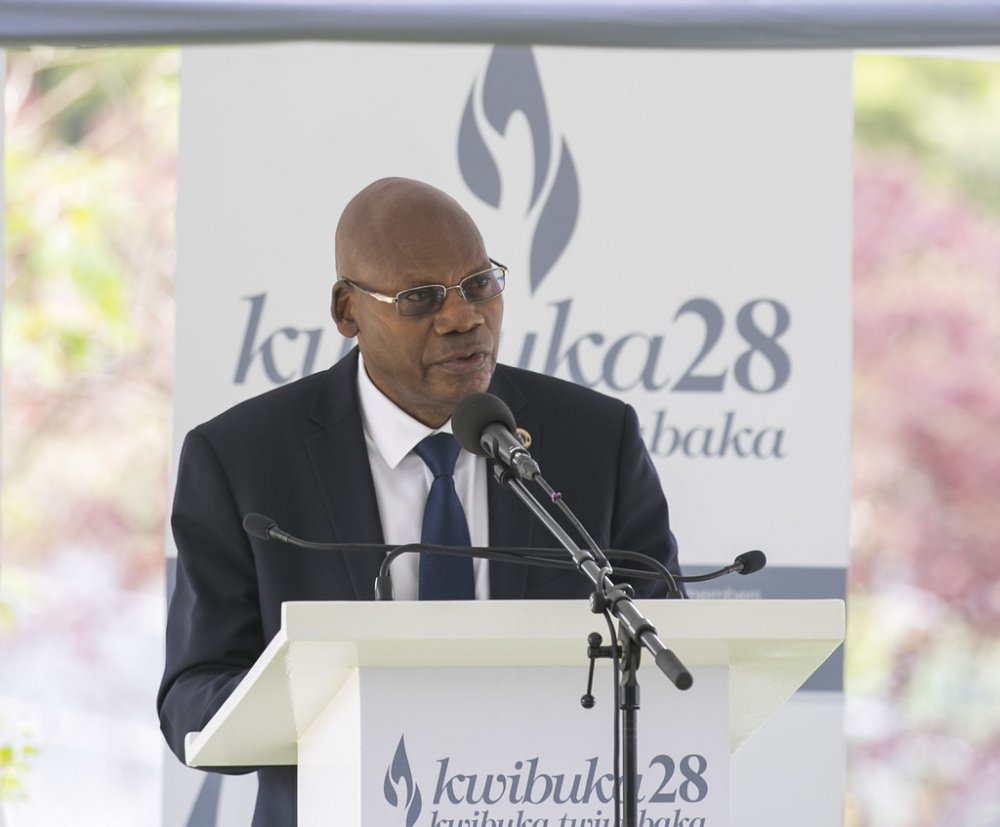
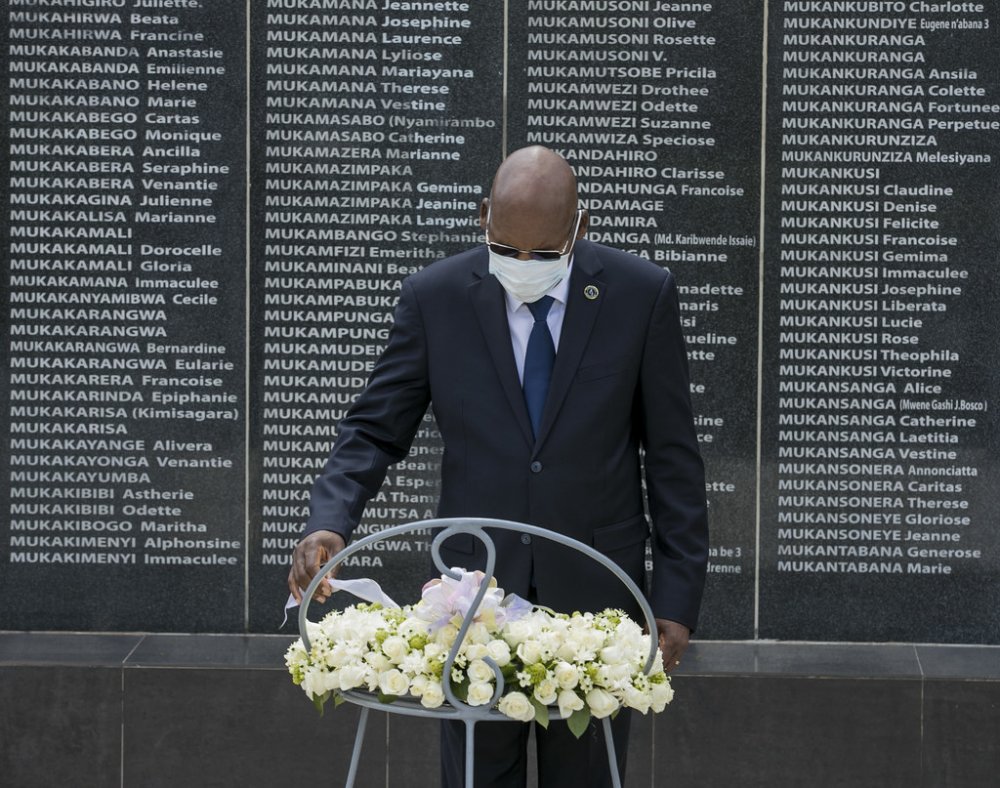
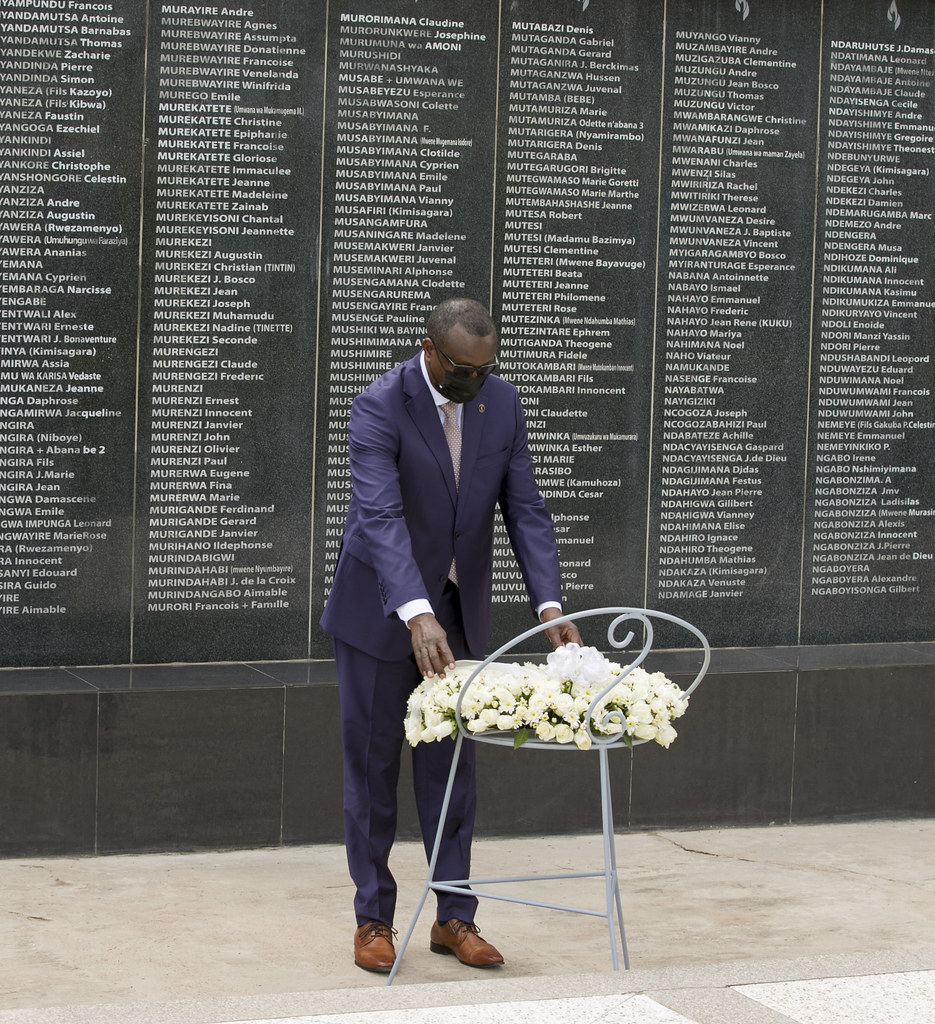
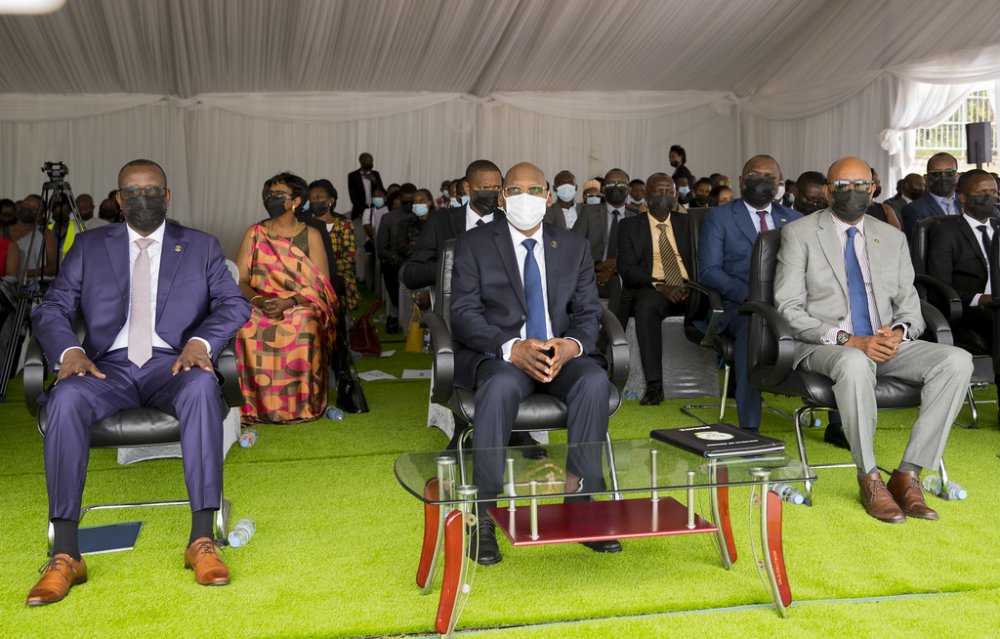
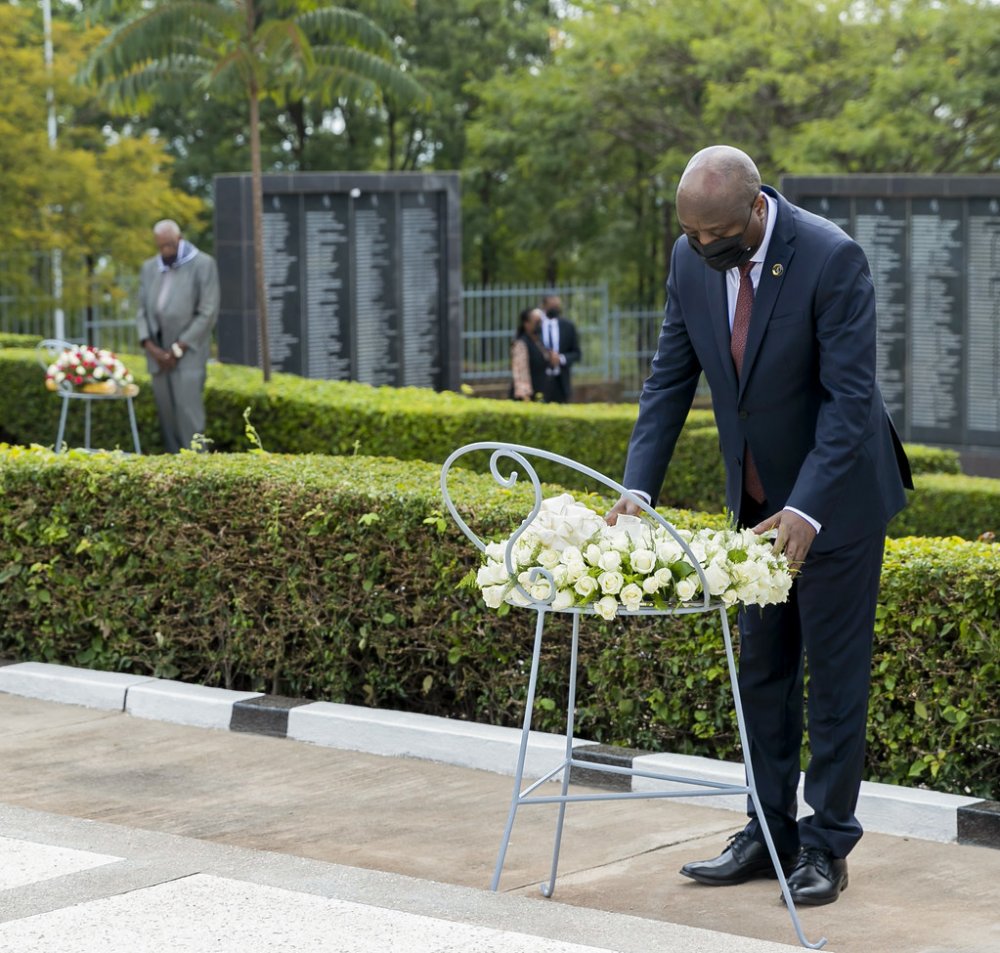
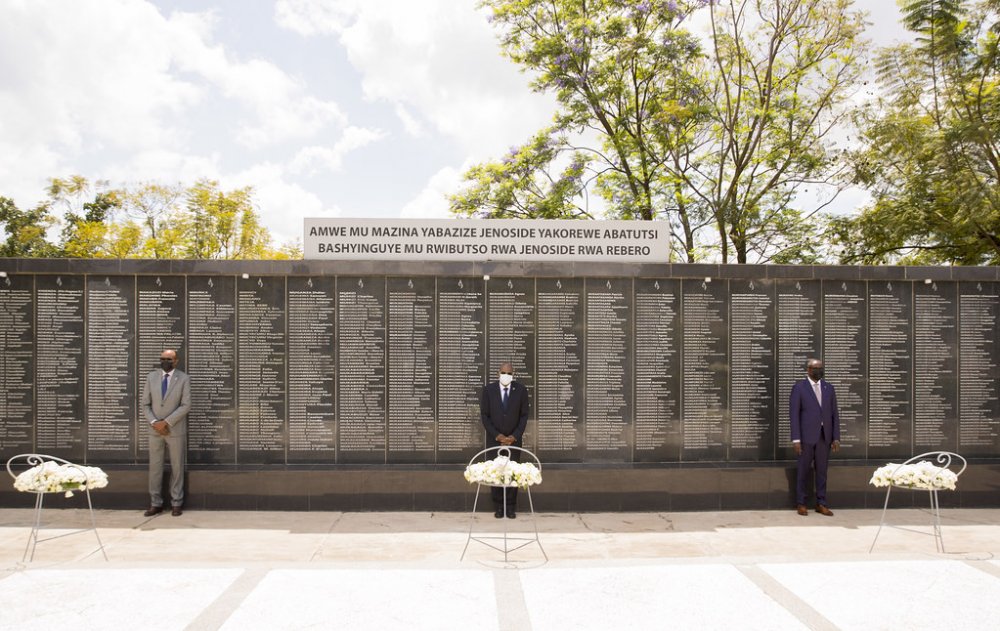
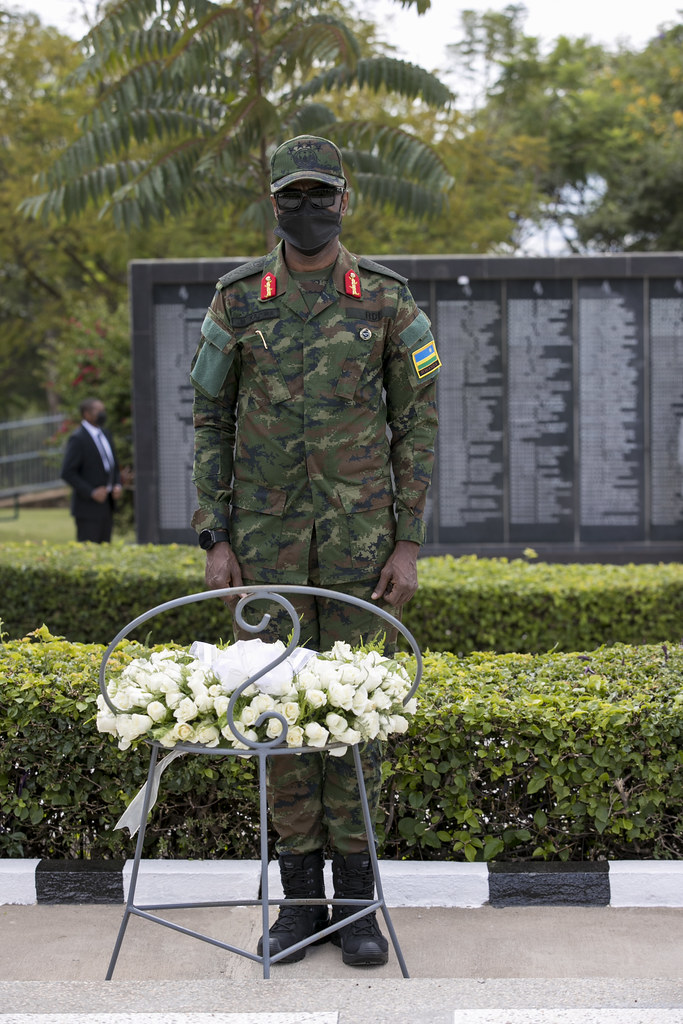
He conveyed the message on Wednesday 13th April 2022 as he presided over the ceremony to the end commemoration week which coincided with the remembrance of fallen politicians killed for opposing plans of the former regime of Juvenal Habyarimana to execute Tutsis.
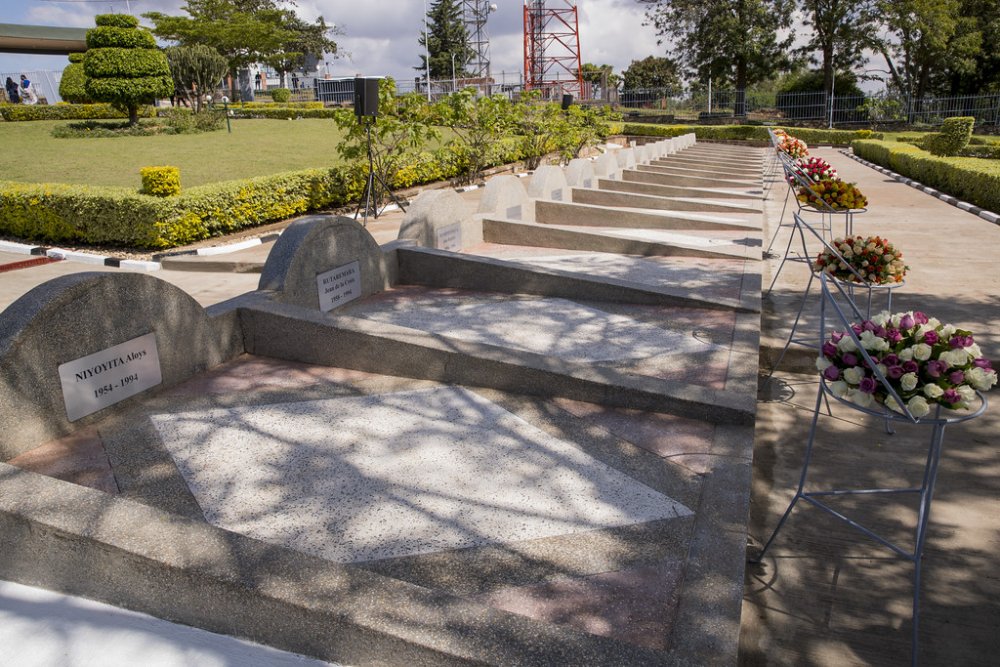
The ceremony took place at Rebero Genocide Memorial where remains of more than 14,000 victims including Tutsis killed in Kigali at the onset of the Genocide and politicians who denounced destructive plans of the genocidaire government are laid to rest.
Dr. Iyamuremye said that the commemoration of slain politicians over standing against Genocide ideology and opposing the plan to execute Tutsis is essential particularly during this era when much effort are need to resist people taking advantage of freedom of expression to deny and trivialize Genocide.
“It is very important during this time when there are people using social media to spread rumours tarnishing Rwanda’s leadership and fuel Genocide ideology for the so-called political reasons. I consider the denial and trivialization Genocide against the Tutsi as thrusting a knife in wounds of survivors,” he said.
Dr. Iyamuremye further stated that it is essential to commemorate the Genocide that was perpetrated over bad leaders characterized by discrimination.
“Remembering these good politicians should be an opportunity for us to reflect on our tragic history, how it led to Genocide against Tutsi, how it was executed and know why the international community failed Rwandans,” he noted.
“From this, should emerge the legacy of courage to confront challenges and issues that might tamper with security and national development, starting with denial and trivialization of Genocide against Tutsi,” added Dr. Iyamuremye.
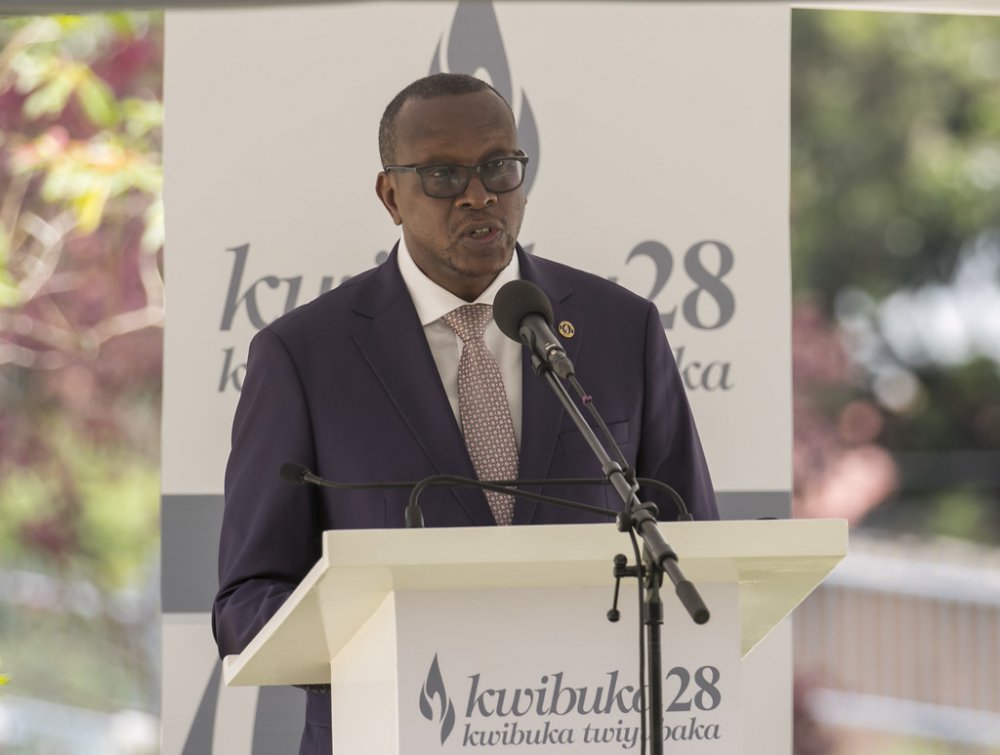
The Minister of National Unity and Civic Engagement (MINUBUMWE), Dr. Jean Damascène Bizimana pointed out evidences indicating that the preparation of Genocide against the Tutsi was a result of bad politics with the involvement of political parties.
He pointed out the example of the then ruling party, MRND which established three more affiliated political parties but claimed to be serving different purposes.
These political parties including PARERWA, PECO and PADER were meant to resist Arusha Peace Accords.
The latter were involved in the mobilization of citizens to denounce Arusha Peace Accords.
Dr. Bizimana requested Rwandans to lean on good politics which is a fundamental pillar for Rwanda’s transformational journey.
Umuhire Adrie, the spokesperson of Political Parties Forum blamed politicians who fuelled ethnic divisions and hatred which culminated into preparation and execution of Genocide against Tutsi and called on everyone to strive for national unity and development.
He particularly urged politicians to consolidate gains in promoting unity among Rwandans and promote good governance treating all Rwandans equally.
Rebero Genocide Memorial accommodates over 14,000 victims from different parts of Kigali including Nyamirambo, Gitega, CHUK and Cyahafi among others.
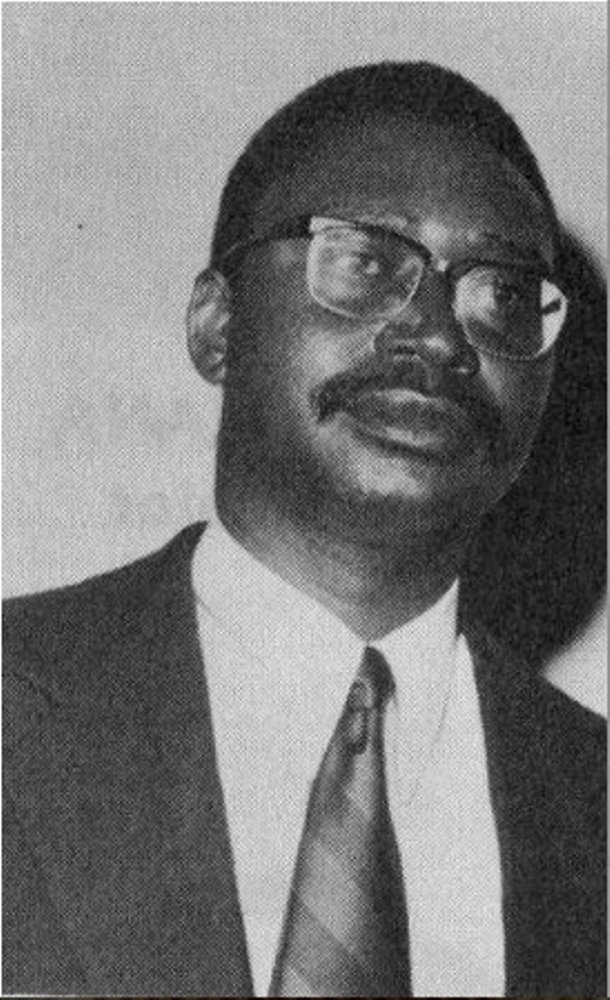
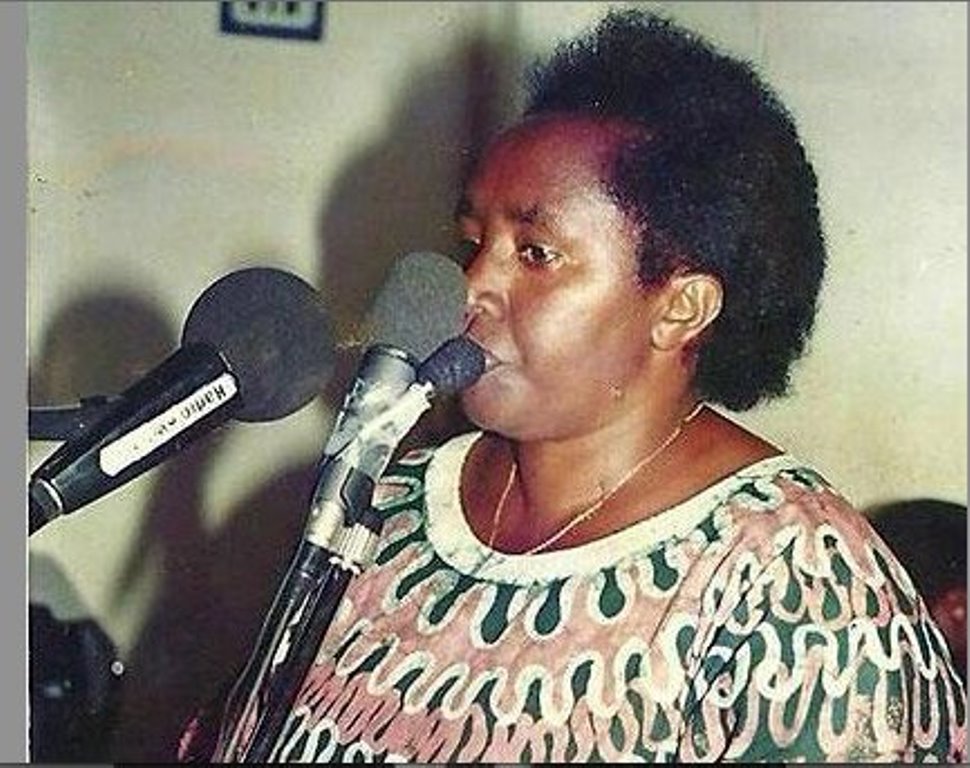
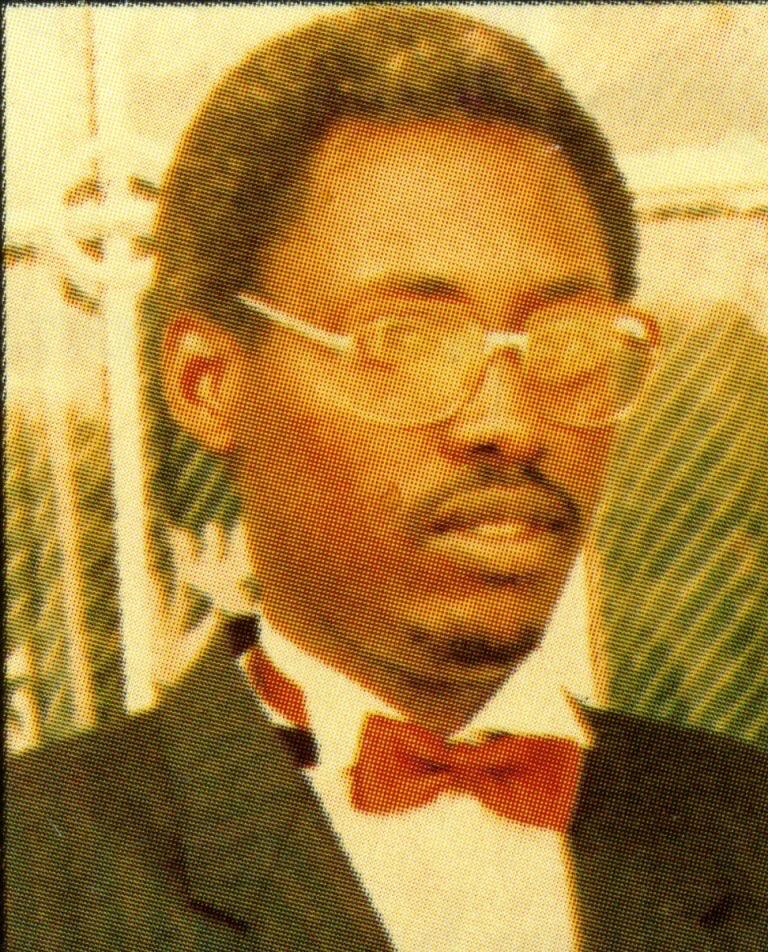
It also home to remains of 12 politicians namely; Joseph Kavaruganda, Landouard Ndasingwa, Kabageni Venantie, Charles Kayiranga, Jean de la Croix Rutaremara, Augustin Rwayitare, Aloys Niyoyita, André Kameya, Frederic Nzamurambaho, Felicien Ngango, Faustin Rucogoza and Jean Baptiste Mushimiyimana.
After the national mourning week, Genocide commemoration activities will continue until 4th July to mark the 100 days during which more than one million Tutsis were killed.
They are appreciated for their commitment to resist evil and fighting against the execution of the Genocide which took lives of over 1 million victims.
These politicians laid at Rebero Genocide Memorial in Kigali City were members of political parties that opposed the vision of the former regime of President Juvenal Habyarimana and his ruling party dubbed Revolutionary National Movement for Development (MRND) MRND.
They opposed discrimination and strived for unity until they were killed on 7th April 1994 as the Genocide began.
These include Joseph Kavaruganda, Landouard Ndasingwa, Venantie Kabageni, Charles Kayiranga, Jean de la Croix Rutaremara, Augustin Rwayitare and Aloys Niyoyita among others.
{{Below are profiles of the fallen politicians: }}
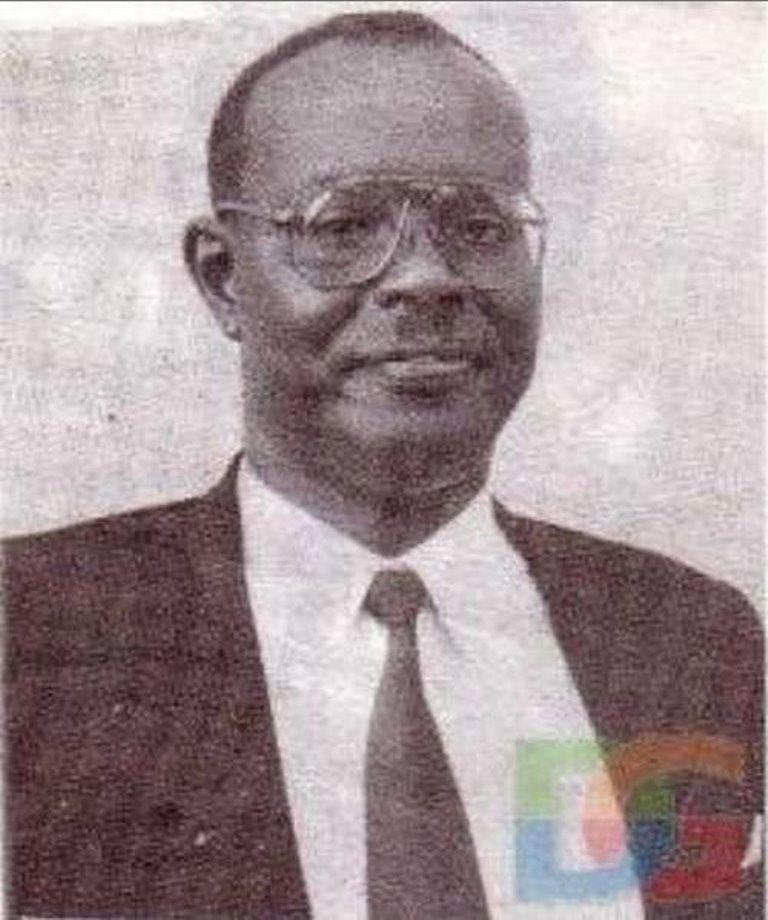
{{Joseph Kavaruganda}} was the President of the Constitutional Court. He opposed Genocide ideology until his last breath.
Kavaruganda who was also responsible for receiving the oath of Head of State; was killed on 7th April lest he would tamper with installation of the interim Government on the next day.
{{Landouard Ndasingwa}} was the President of Liberal Party (PL). The man renowned as Lando, his wife and two children were killed on 7th April 1994 in Remera by forces of the then Republican Guard.
{{André Kameya}} was a member of PL and journalist. He was killed in June 1994. His wife and children had been killed in April the same year. Kameya worked with Kinyamateka, ORINFOR and also served as the Chief Editor of the journal of the Ministry of Justice.
He was murdered after launching a new media house dubbed Rwanda Rushya.
{{Frédéric Nzamurambaho}} was the President of Social Democratic Party (PSD) and Minister of Justice. He was shot dead on 7th April 1994 at his home by forces of the then Republican Guard.
{{Felicien Ngango}} was the Vice President of PSD. He was killed over defending unity among Rwandans without ethnic divisions. He was among politicians to be appointed in the Government following Arusha accords.
{{Faustin Rucogoza }} was a member of Republican Democratic Movement (MDR) and Minister of Information. He was killed along his wife on 7th April 1994. In 1993, Rucogoza had denounced hate speeches by Radio Television Libre des Mille Collines (RTLM) and issued a warning against the broadcaster.
{{Venantie Kabageni }} was a member of PL. He was killed at the beginning of Genocide against the Tutsi over his beliefs that opposed bad leadership of Habyarimana’s regime.
{{Augustin Rwayitare }} was a member of PL. He was killed during the 1994 Genocide against the Tutsi over opposing the Government which sowed hatred among Rwandans.
{{Jean de La Croix Rutaremara}} was also a politician whose vision was against ethnic discrimination fuelled by the former government.
{{Jean Baptiste Mushimiyimana }} was a member of PSD. He was killed for being an opposition figure of Habyarimana’s regime.
{{Charles Kayiranga }} was a politician and member of PL. He was killed in the Genocide over promoting democratic leadership.
{{Aloys Niyoyita}} was a politician from PL. He was killed for opposing the bad leadership of Habyarimana.
The majority of killed politicians were from PL deemed to belong to Tutsis.
The also opposed its president Justin Mugenzi who had been convinced by MRND and decided to form PL- POWER.
These politicians are an addition to the former Prime Minister, Agathe Uwilingiyimana buried at the Heroes’ Square in Remera. She is also remembered on the dame date.
Police arrested Narcisse Havugimana, 40, in Kabeza village, Gihundwe cell, Kamembe sector after fleecing a local resident of Rwf100,000.
Havugimana had made the victim identified as Domitile Nyiransabimana, believe that he can facilitate the release of her detained husband, according to Superintendent of Police (SP) Bonaventure Twizere Karekezi, the Police spokesperson for the Western region.
Nyiransabimana’s husband was arrested recently for allegedly stealing a mobile phone.
“On Saturday, April 9, Havugimana approached Nyiransabimana and made her believe that he is friends with the District Police Commander (DPC) and can easily negotiate the immediate release of her husband, but demanded Rwf100,000, apparently to offer to the DPC for the alleged service,” SP Karekezi explained.
Nyiransabimana fell prey of Havugimana’s fraud and deceit and wired Rwf100, 000 to his mobile account.
Nyiransabimana was prompted to call the Police after Havugimana could no longer pick her repeated phone calls.
“Havugimana was tracked and arrested in Gihundwe and handed over to RIB,”
SP Karekezi said.
He further warned the public against taking criminal procedures to release detained relatives.
“Do not believe that the Police will be bribed to engage in such criminal practices. Anyone, who comes to you with such ill-advise is an alleged criminal attempting to also lure you into similar illegal channel,” SP Karekezi emphasized.
Obtaining property of another person by deception, under article 174 of the law determining offences and penalties, is punishable with imprisonment for a term of not less than 2 years and not more than 3 years, and a fine of not less than Rwf3 million and not more than Rwf5 million.