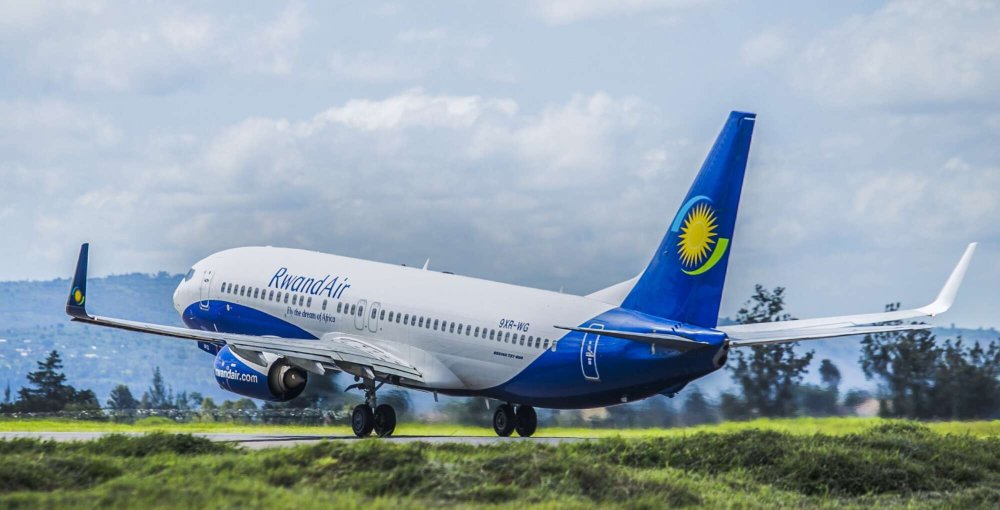
Passengers who have already booked tickets are encouraged to contact RwandAir for a refund or other forms of assistance, although the airline did not provide a detailed explanation for this suspension of service.
Since April 2017, RwandAir has offered a direct connection between Kigali, the capital of Rwanda, and Mumbai, a route popular for its non-stop nature, unlike other airlines that typically make stops in other countries.
However, this is not the first time RwandAir has suspended its flights to Mumbai.
Indeed, on March 12, 2020, the airline halted its operations to this destination due to the suspension of Indian visa issuance, a measure taken in the context of the Coronavirus pandemic.
The flights resumed later, on November 16, 2020.
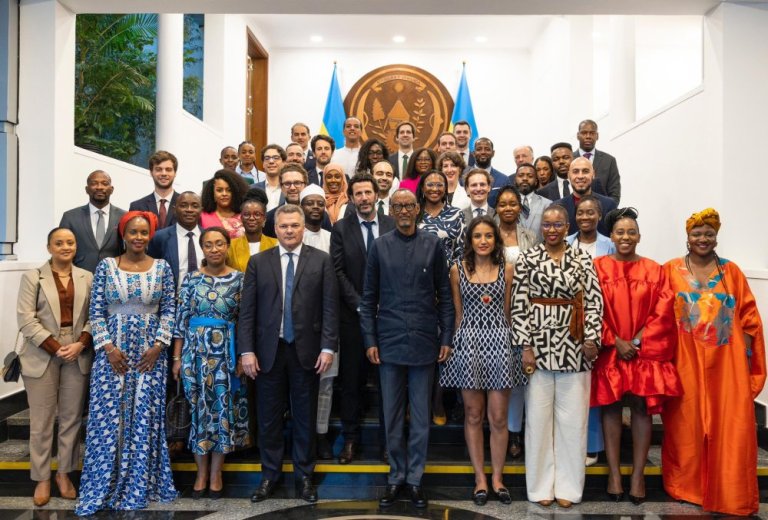
This group of young leaders is part of the third cohort of the program organized by the French-Africa Foundation.
A statement from the President’s office on X indicated that the young leaders discussed their plans to promote the use of Artificial Intelligence in Africa, achieve food security, and improve education with President Kagame.
Since 2017, the French-Africa Foundation has committed to enhancing the relationship between Africa and France by supporting young leaders across various sectors such as politics, economy, culture, social welfare, and more.
The Young Leaders program annually attracts youth from French-speaking African countries to explore ways to improve the Africa-France relationship for mutual benefits.
Selected participants spend two weeks in France and another two weeks in an African country, receiving training, advice, and engaging in discussions with experts.
After spending time in France in October 2023, the group is now in Rwanda.
Overall, the initiative to improve Africa-France relations through youth is overseen by French President Emmanuel Macron and President Kagame.
France has faced accusations of engaging in neocolonial policies in Africa, tarnishing its image, especially in West Africa.
President Macron has shown a desire to change this narrative, aiming for Africa-France cooperation based on mutual respect and benefits, focusing on initiatives that benefit the people.
This improvement is part of broader measures detailed in two ministerial orders aimed at increasing tax compliance and refining business operations within the country. These orders, ratified during a cabinet meeting on February 27, 2024, introduce rewards for consumers who actively participate in the VAT system and offer incentives for voluntary tax disclosure.
Under the new policy, consumers who obtain an EBM invoice upon purchase can receive a reward, which amounts to 10% of the VAT displayed on the invoice. Furthermore, if a request for an invoice is refused and the consumer reports this to the tax authorities, they could be entitled to a 50% share of any penalties levied against the offending business.
This initiative not only incentivizes the use of EBM invoices but also empowers consumers to contribute to tax compliance efforts.
Moreover, the legislation extends an olive branch to individuals and businesses willing to voluntarily disclose unpaid taxes to the Rwanda Revenue Authority (RRA) before any formal notification of tax discrepancies is issued.
These proactive disclosures will lead to the waiver of associated penalties and late payment interests, following a thorough evaluation by tax officials.
This approach is designed to encourage honesty among taxpayers and facilitate the easier resolution of outstanding tax obligations.
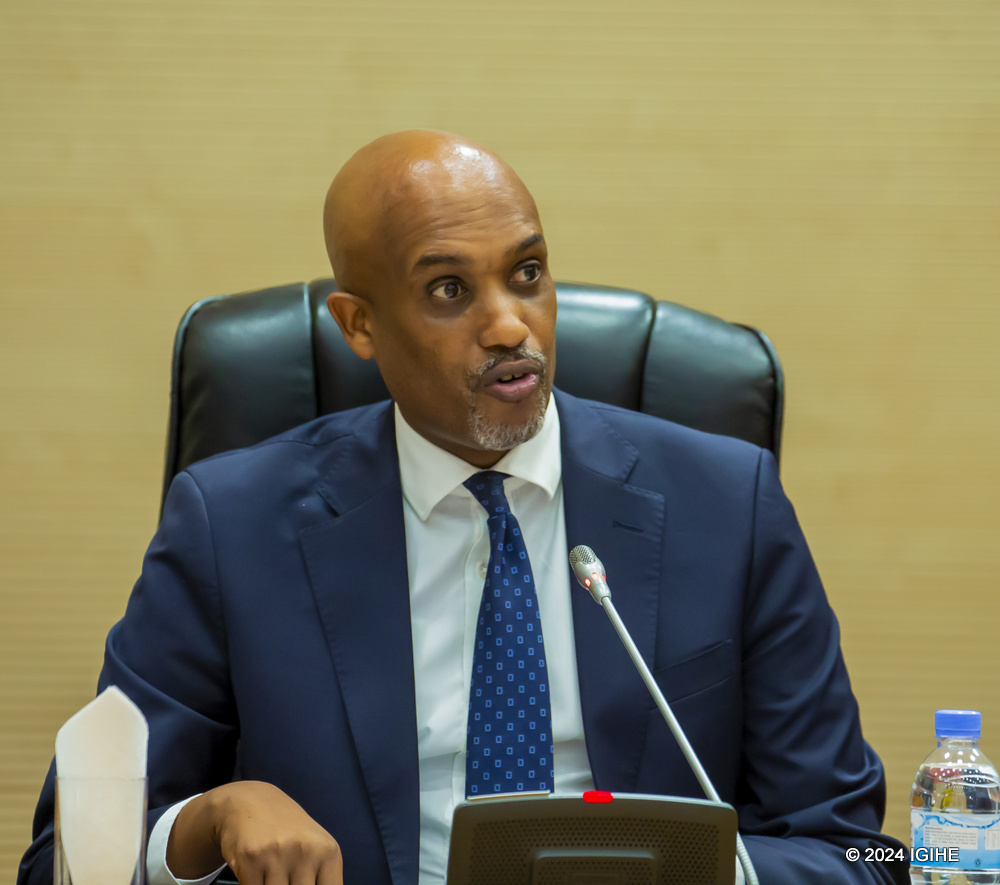
In a post-cabinet press conference, the Minister of Finance and Economic Planning, Dr. Uzziel Ndagijimana, together with Pascal Bizimana Ruganintwari, the Commissioner General of RRA, underscored the significance of these orders.
They highlighted how these initiatives are integral to Rwanda’s ongoing reforms aimed at expanding the tax base and alleviating taxpayer burdens.
Dr. Ndagijimana remarked on the country’s progress in tax collection and compliance, attributing it to rigorous reforms.
He emphasized the necessity for continued improvement to enhance tax collection efficiency, ultimately contributing to national economic growth.
These ministerial orders are set to take effect following their publication in the Official Gazette, marking a pivotal step towards fostering a more compliant and transparent tax environment in Rwanda.
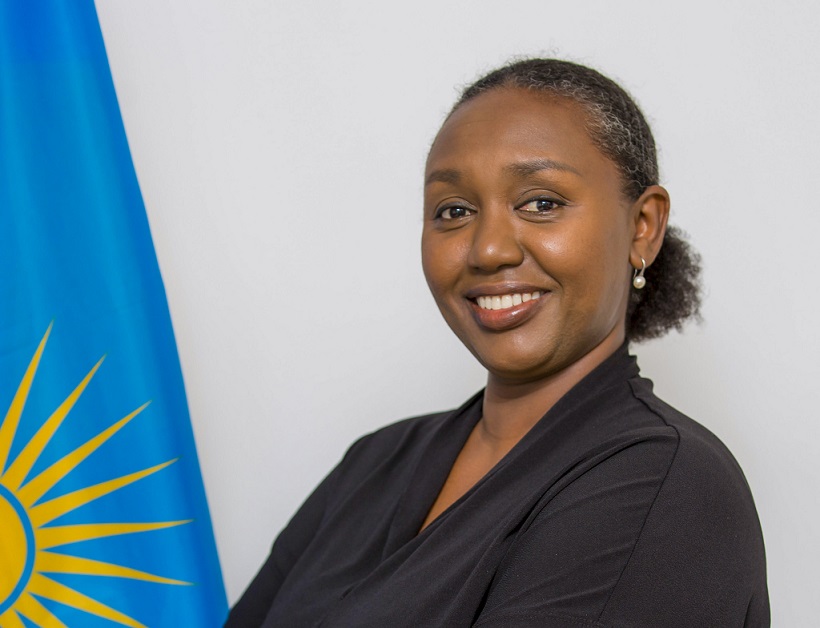
Former Senator Fatou Harerimana was appointed as High Commissioner to Pakistan, while Benedicto Nshimiyimana, was named Counsellor at the Rwandan embassy in Hungary.
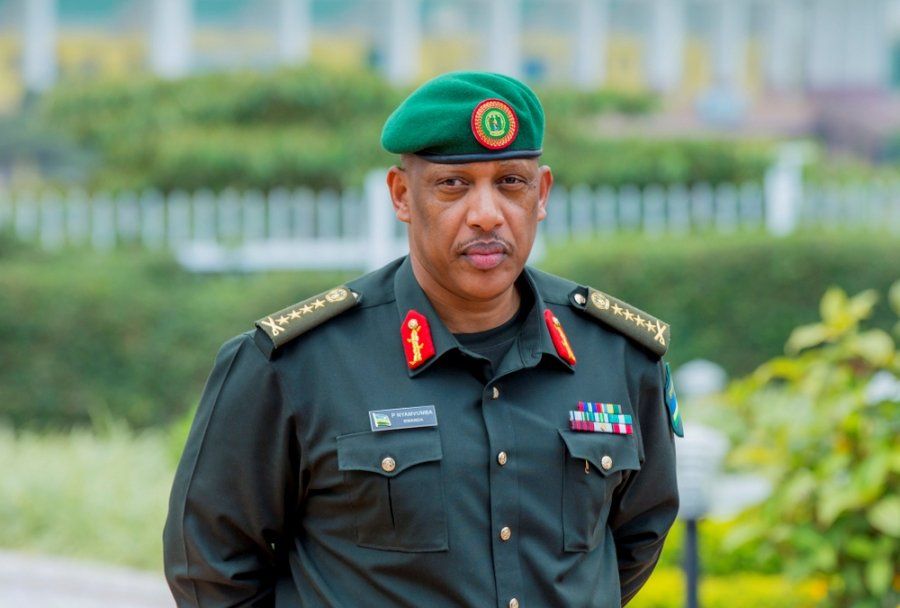
Gen Nyamvumba boasts a distinguished career, having served in various capacities within the Rwanda Defence Force (RDF). He previously held the position of RDF Chief of Defence Staff and served as Force Commander of the AU-UN Hybrid Operation in Darfur (UNAMID) from 2009 to 2013.
With a background as a graduate of the Nigerian Defence Academy, Gen Nyamvumba has held key roles such as commander of infantry forces, Commandant of the Rwanda Military Academy, and President of the Military High Court. His extensive experience includes roles as Chief of Logistics and Chief of Operations, Plans, and Training within the RDF.
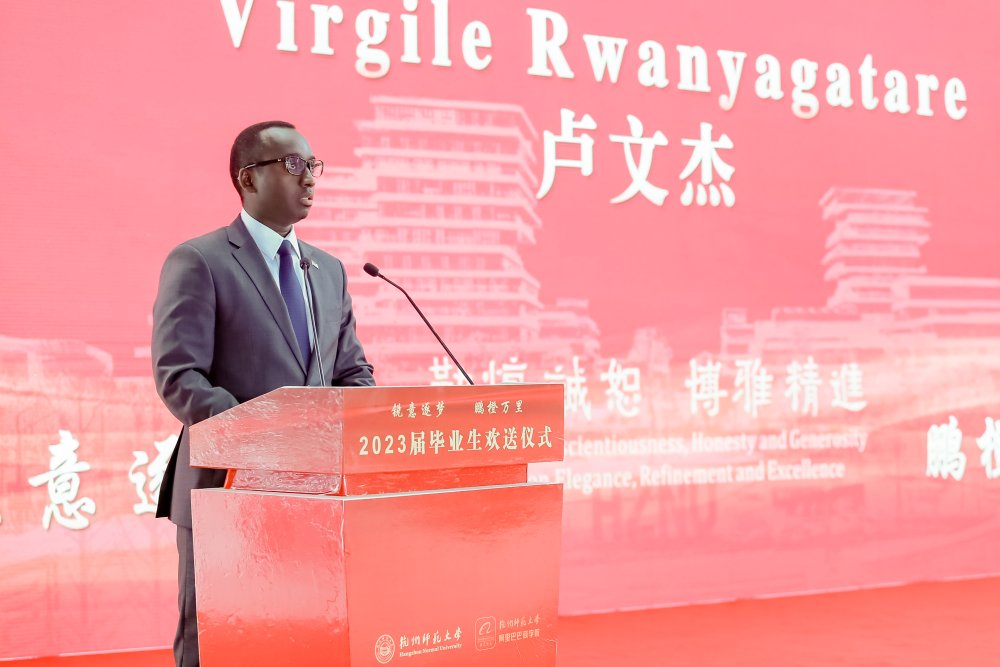
In addition to Gen Nyamvumba’s appointment, Teta Gisa Rwigema and Virgile Rwanyagatare were appointed as Directors General in the Ministry of Foreign Affairs, overseeing Africa and Asia, Pacific, and the Middle East, respectively.
Meanwhile, Francis Kamanzi was appointed as the Chief Executive Officer of the Rwanda Mines, Petroleum, and Gas Board, succeeding Yamina Karitanyi.
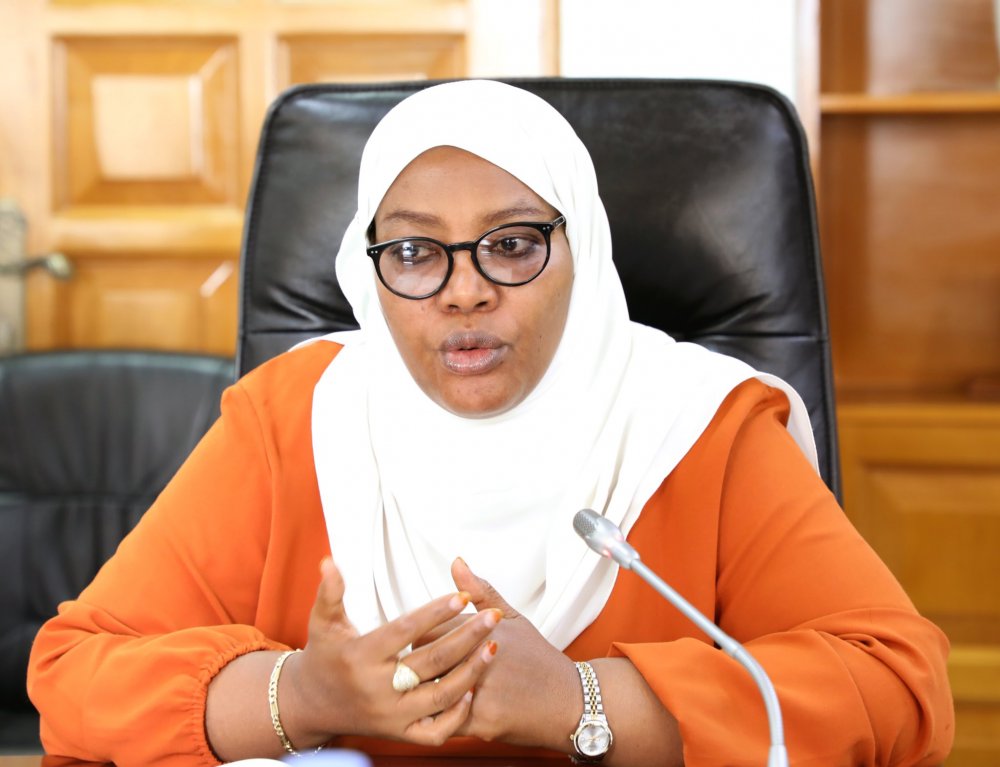
The Minister of Justice and State Attorney General, Dr. Emmanuel Ugirashebuja, accompanied by the Permanent Secretary in the Ministry of Foreign Affairs and International Cooperation, Clementine Mukeka, made the revelation before the members of the Committee on Foreign Affairs, Cooperation in Lower House of Parliament.
This initiative originates from the treaty signed between Rwanda and Britain, which outlines the reception of refugees in Britain in accordance with established laws.
The court will be presided over by a chief judge who will collaborate with a counterpart from a Commonwealth country.
Additionally, judges will be selected from various nations, ensuring a diverse range of expertise in humanitarian issues and human rights.
Clementine Mukeka emphasized that the court, once operational, will be responsible for addressing all refugee and asylum seeker issues, irrespective of their origin.
She stressed, “Our intention is not to show favoritism towards refugees solely from Britain. We aim for a comprehensive and cautious approach to prevent any discrimination.”
Dr. Emmanuel Ugirashebuja, the Minister of Justice, highlighted Rwanda’s commitment to fulfilling all agreements since parting ways with Britain.
Dr. Ugirashebuja clarified that the Rwanda-Britain agreement does not affect other international protocols concerning refugees, urging stakeholders not to focus solely on criticizing Rwanda.
The Vice Chairperson of the Committee on Foreign Affairs and Cooperation in the Lower House of Parliament, Alice Muzana, affirmed that the initiatives being implemented provide assurance of the agreement’s practical implementation.
The agreement aims to repatriate asylum seekers who entered Britain through illegal means, as per the treaty ratified on October 5th, 2023, aiming to rectify misunderstandings arising from British Supreme Court.
Originally formulated to address the influx of migrants entering the UK unlawfully, the agreement underwent revision on December 5, 2023, in response to deficiencies highlighted by the Supreme Court of England.
For execution, the agreement necessitates approval from both nations to attain the status of law, ensuring adherence to international legal frameworks.
According to the agreement’s provisions, the UK commits to transferring 10,000 migrants to Rwanda in phased increments.
Minister Ugirashebuja, in elucidating the foundational aspects of the associated bill, informed Parliament on February 23, 2024, that Rwanda anticipates receiving 2000 immigrants within the initial four-month period post-approval.
He articulated, “Rwanda plans to receive 2000 migrants within the first four months following the agreement’s mutual ratification.”
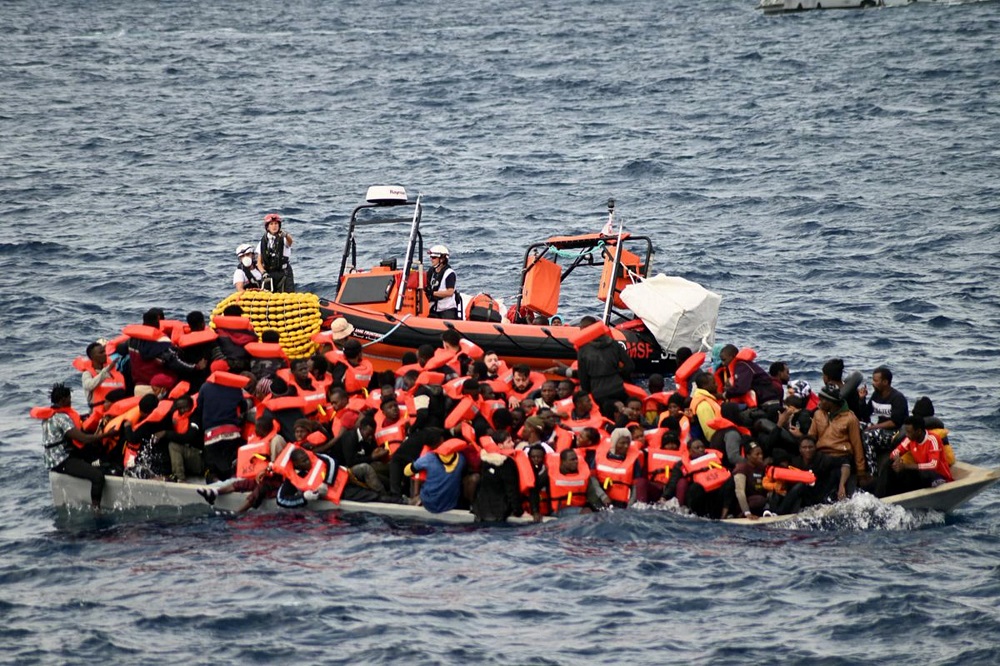
The agreement specifically targets migrants and asylum seekers who have entered the UK unlawfully. However, stringent criteria are set to exclude individuals from neighboring countries such as Burundi, Uganda, DRC, and Tanzania from the relocation process.
It is imperative to note that Ukrainian refugees are not encompassed within this program. Instead, the focus lies on individuals arriving via precarious means like boats, human trafficking, or other illegal channels.
In alignment with both Rwandan domestic laws and international conventions safeguarding children’s rights, individuals below the age of 18 are classified as minors. Consequently, unaccompanied minors are exempted from deportation to Rwanda under this agreement.
Minister Ugirashebuja underscored, “Unaccompanied minors arriving in the UK will not be subject to deportation to Rwanda. Such cases will be addressed within the UK.”
Initially slated for June 2022, the commencement of the relocation process faced delays attributed to legal challenges and concerns raised by the United Nations Refugee Agency regarding Rwanda’s safety as a destination for migrants.
Subsequently, legal shortcomings identified by the UK Supreme Court prompted a renegotiation of the contract, culminating in its renewal by both parties in December 2023.
To mitigate apprehensions regarding safety and welfare, 11 operational protocols have been established, accompanied by comprehensive training for 151 personnel tasked with receiving and supporting incoming migrants from the UK.
A portion of the financial aid provided by Britain is earmarked for constructing accommodations for the incoming migrants. Additionally, preparations include identifying suitable facilities, such as houses, hotels, and hostels, for temporary lodging upon arrival.
Minister Ugirashebuja affirmed the commitment to adhering to international legal standards, assuring migrants of their safety and protection against arbitrary deportation.
He elaborated, “A dedicated coordination group has meticulously planned every aspect to ensure optimal reception. Temporary accommodations have been arranged, with discussions held with facility owners. Our aim is to foster integration within society, not confining migrants to camps.”
Rwanda’s involvement in this agreement transcends monetary considerations, emphasizing the humanitarian imperative of addressing global migrant challenges.
Minister Ugirashebuja asserted, “Our ethos prioritizes human dignity over financial gain. Rwanda views itself as part of the solution to the global migrant crisis, striving to ensure dignified living conditions in line with human rights.”
On Rwanda’s legislative front, the draft law endorsing the agreement has garnered majority support and awaits deliberation across parliamentary committees before final approval by the general assembly of Deputies.
While the precise timeline for the inaugural migrant transfer remains undisclosed, officials from both nations express confidence in its eventual realization.
The United Kingdom views this initiative as a strategic measure to mitigate illegal migrant influxes, with other countries contemplating similar approaches to address the burgeoning global migrant crisis.
Statistics indicate a notable decline of 30% in illegal migrant arrivals to the UK in 2023, from 45,755 to 29,437, underscoring the potential efficacy of collaborative strategies in managing migration challenges.
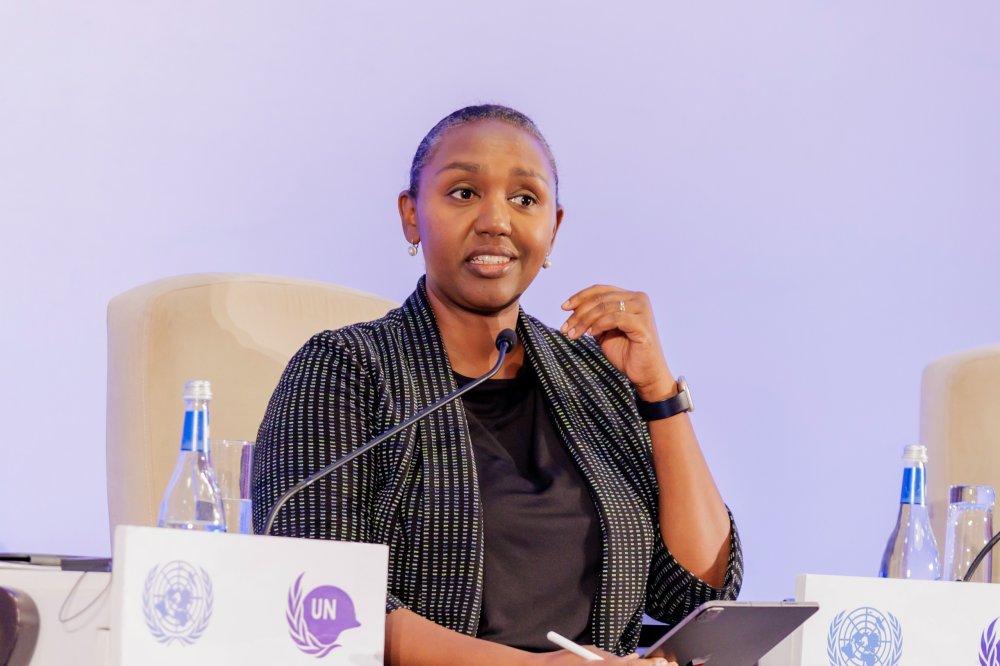
The Spokesperson of the Government of Rwanda, Yolande Makolo provided insights into the matter during an interview with Alan Kasujja on the Africa Daily show, underscoring the ramifications for both countries’ relations and the broader regional equilibrium.
Burundi’s initiative to close its borders with Rwanda, following military difficulties in the DRC where its forces faced considerable defeats, seems to be an attempt to shift focus from its perceived embarrassment.
Makolo criticized this action as misguided and at odds with African solidarity, highlighting its detrimental effects on the economic and social ties that bind these neighboring countries. She pointed out that the closure predominantly impacts Burundian people and contradicts the collective welfare of the area.
Addressing accusations from Burundi that Rwanda backs the RED Tabara rebel faction active in South Kivu, DRC, Makolo firmly refuted such claims. She asserted Rwanda’s non-involvement with RED Tabara’s operations, arguing that this dispute should be resolved between Burundi and the DRC, without unfairly dragging Rwanda into the matter.
Makolo underscored Rwanda’s commitment to constructive dialogue to settle any disputes. She called attention to the ongoing regional frameworks, stressing the importance of political determination from area leaders for fruitful cooperation.
The spokesperson reaffirmed Rwanda’s readiness to discuss and sort out any issues, clarifying that Rwanda refuses to be held accountable for the shortcomings of its neighbors.
“What we need is political will on all the parts of regional leaders. […] Rwanda stands ready always to talk and iron out any issues that are there. We cannot be responsible for the failures of governance of other countries because we are working hard to make sure that Rwanda works for Rwandans,” she stated.
In spite of these challenges, Makolo asserted Rwanda’s keenness to work collaboratively and advance collectively with other nations.
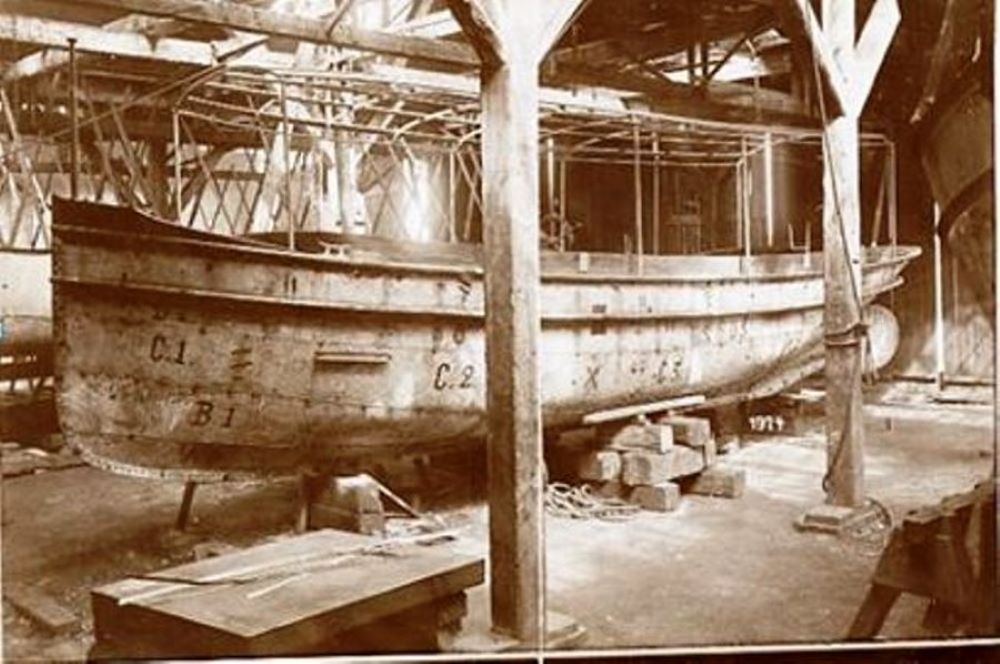
Despite an unsuccessful attempt in January 2023, a dedicated team of researchers embarked on a renewed mission, leading to the successful identification of the vessel.
Amb. Robert Masozera, Director General of the Rwanda Cultural Heritage Academy, shared insights into the discovery process with IGIHE, highlighting the critical moment of evidence emergence on Monday, which eventually led to the boat’s definitive pinpointing the following day.
In his message sent to IGIHE journalist on Tuesday, Amb. Masozera revealed, “Preliminary information received today confirms the boat’s location, though we are still compiling further details. A more detailed update will follow shortly.”
The backdrop of this discovery is the First World War, a four-year global conflict that, within Rwanda, spanned from 1914 to 1916, featuring clashes between German and Belgian forces, the latter based in the Democratic Republic of Congo.
The boat’s hiding spot, Musaho, lies in Kagugu village, within the Mushubati Sector of Rutsiro District, a site rich in historical narratives of the war’s aftermath, where defeated German forces concealed the vessel.
The successful recovery of the boat was facilitated by a blend of modern technologies, including underwater and subterranean metal detection tools and drones, showcasing a collaborative effort between the Rwandan Government and the Cultural Heritage Academy.
Given the boat’s lengthy submersion, Amb. Masozera previously speculated on the preservation challenges, suggesting an innovative approach to keep the boat submerged as a submerged exhibit for diving enthusiasts, thereby avoiding the potential degradation that could occur if removed from water.
Amb. Masozera recently told IGIHE that if the boat were found, it might not be removed from the water due to the risk of rapid deterioration after such a long time submerged.
He suggested that it could be preserved in the water for tourists to explore through diving.
On Tuesday 20, France voiced its alarm regarding the persistent conflicts in Eastern Congo, notably near Goma and Sake.
In its communication, France appealed to the M23 to halt hostilities and relinquish control of territories in accordance with the Luanda agreements, designed to mediate the crisis in Eastern Congo.
The announcement further urged all backers of M23 to discontinue their support and requested the Democratic Republic of the Congo (DRC) government to end its collaboration with the FDLR, a group established by individuals implicated in the 1994 Genocide against the Tutsi.
Yolande Makolo asserted that France has the deepest understanding of the issues in eastern Congo.
“No one knows more about the root causes and history of the conflict in eastern DRC than France. Additionally, the current head of UN Peacekeeping Operations is also very conversant with this history, as well as what is going on in eastern DRC, so there should be no confusion. If the real issues at the origin of the ongoing conflict were addressed, the problem would not exist,” she posted on X.
The head of UN Peacekeeping Operations mentioned by Makolo is Jean-Pierre Lacroix who assumed his role on April 1, 2017, succeeding Hervé Ladsous.
Lacroix is deeply familiar with the region’s history, having contributed to the establishment of “Opération Turquoise,” a mission that supported the leaders of the Habyarimana government and soldiers who fled to Congo’s forests after killing Tutsis in Rwanda.
Lacroix also served as an Advisor in the Office of the Prime Minister of France, Edouard Balladur.
Those who went into exile with the complicity of Operation Turquoise are the ones who have become members of FDLR.
Currently, the FDLR is an acknowledged component of the Congolese Military (FARDC), and its alliance with the DRC government has been validated by the UN and entities such as Human Rights Watch.
However, the United Nations Organization Stabilization Mission in the Democratic Republic of the Congo (MONUSCO) has maintained its silence, not addressing the matter publicly.
Makolo said that if the real issues at the origin of the ongoing conflict were addressed, the problem would not exist.
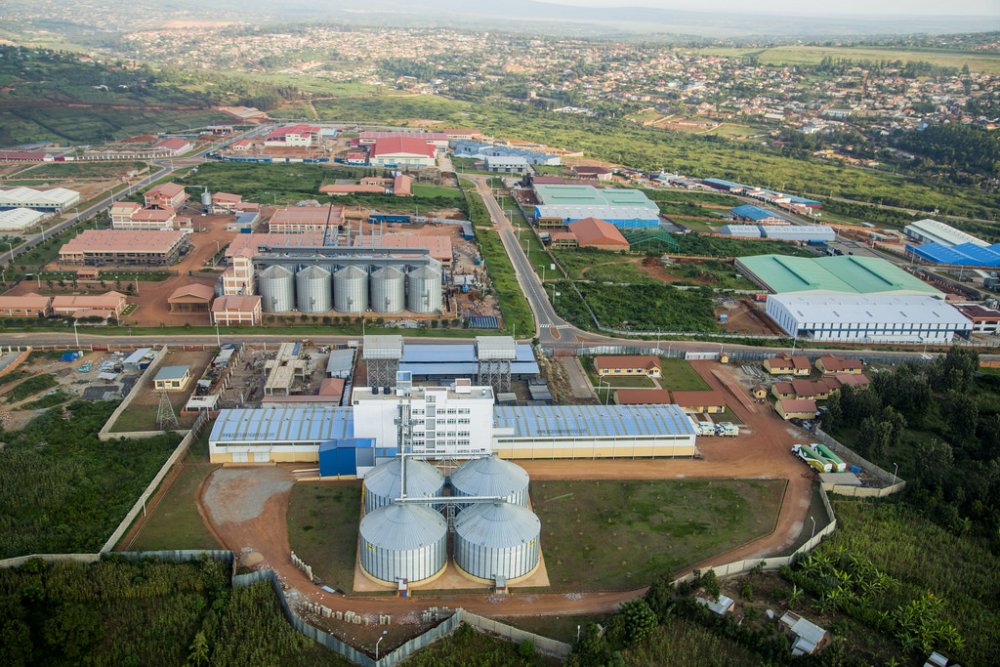
Launched in 2021, the MBRP is a strategic initiative designed to stimulate growth in the industrial and construction sectors. The program offers enticing benefits for investors, such as VAT exemptions on both locally produced construction materials and those imported but not available regionally.
For projects exceeding $10 million, this exemption expands to include import duties on unavailable local materials, contingent upon a detailed project evaluation.
The MBRP further supports the industrial transformation by exempting VAT on machinery and equipment manufactured within Rwanda.
It also extends tax incentives to both new and existing industrial construction projects, provided they meet certain investment thresholds. Notably, the program encourages the establishment of food and animal processing industries with a relatively low minimum investment requirement of $100,000.
During a recent parliamentary session, Prime Minister Dr. Edouard Ngirente underscored the pivotal role of the MBRP in facilitating Rwanda’s recovery from the economic repercussions of COVID-19.
He reported that the initiative has not only injected over $4.2 billion into the economy but also generated more than 21,400 jobs, with expectations of creating over 42,700 additional jobs. The program is a cornerstone in Rwanda’s strategy to mitigate the pandemic’s impact and to forge a robust industrial future for the nation.
Dr. Ngirente also highlighted the government’s proactive measures in response to the pandemic-induced decline in industrial production by accelerating the development of industrial zones.
This effort has led to the establishment of 219 new industries between 2019 and 2023, significantly enhancing the valuation of industrial production and exports.
This growth is a testament to the government’s resolve in driving industrial development, underpinned by the MBRP’s comprehensive tax incentives aimed at fostering expansion, innovation, and resilience within Rwanda’s economy.