According to IPPR, deporting 20,000 migrants who have entered the UK since 2023 could cost between £1.1 billion and £3.9 billion. This means that the transfer of each migrant to Rwanda could cost around £228,000.
Marley Morris, an IPPR Associate director focusing on migration, trade, and communities, argued that deporting migrants to Rwanda would be more expensive for the UK government than supporting them within the UK.
He stated, “In this government program, billions will be sent to Rwanda to deport people who have arrived in the UK illegally since the passage of the law governing unauthorized migrants.”
A spokesperson for the UK’s Home Office criticized the IPPR’s figures as speculative and accused them of ignoring the facts and emphasized that without innovative solutions, the cost of housing migrants could reach £11 billion per year by 2026.
He argued that illegal migration endangers lives and fosters human trafficking, justifying the search for solutions to this long-standing issue.
The spokesperson further suggested that deporting migrants to Rwanda is a cost-effective measure aiming to prevent unauthorized entry into the UK.
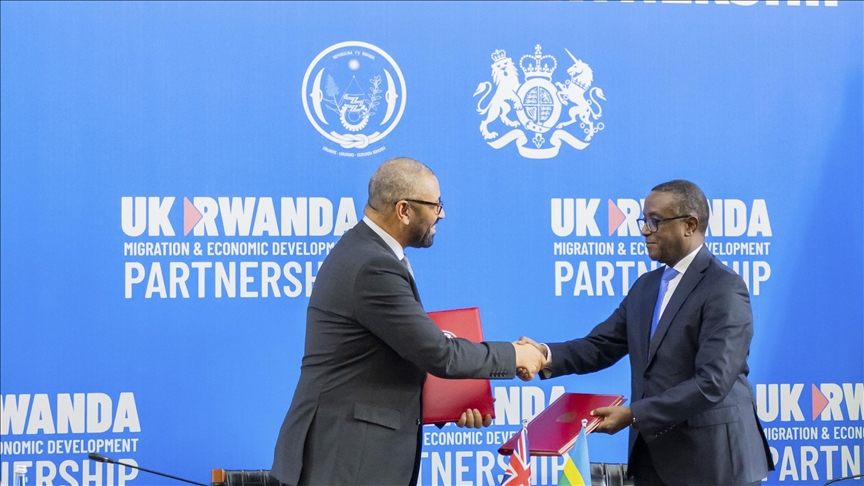
The strategy is part of an updated agreement between the UK and Rwanda signed in December 2023, intending to deport approximately 30,000 migrants to Kigali over five years.
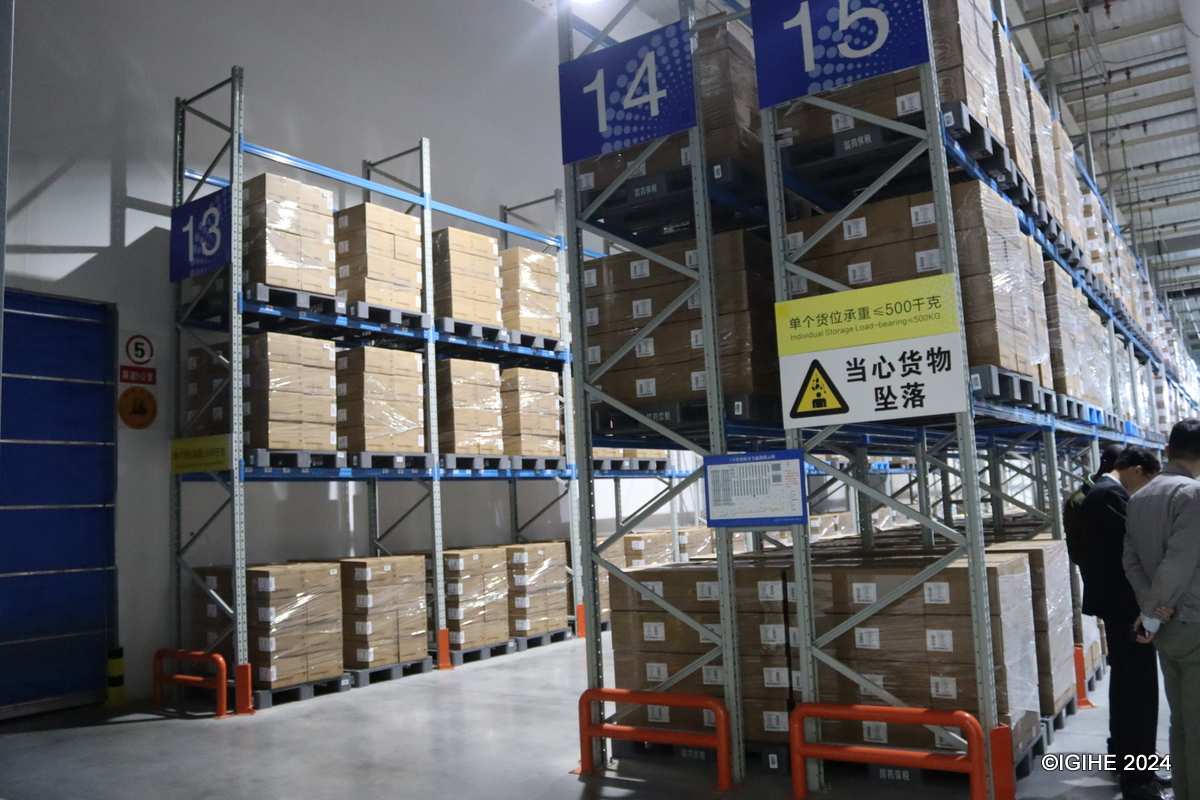
According to the management, Sinopharm Bonded’s mission transcends mere logistics; it is about nurturing a healthier tomorrow. Located strategically within the Beijing Capital International Airport (BCIA) Economic Zone , it sprawls across 80 acres, boasting a state-of-the-art facility that spans 26,000 square meters.
Since its inception in 2014, Sinopharm Bonded has not just been a facility; it’s been a revolution in pharmaceutical supply chain management, adhering to the stringent GSP specifications, setting benchmarks in quality and reliability.
The center is a hub of activity, where the finest minds and the latest technology converge to ensure that healthcare products reach their destinations across the globe efficiently and safely.
It is a testament to China’s commitment to becoming a pivotal player in international health service provision, hosting world-renowned clients such as Novartis Pharmaceuticals among others.
{{Technological prowess and strategic advantage}}
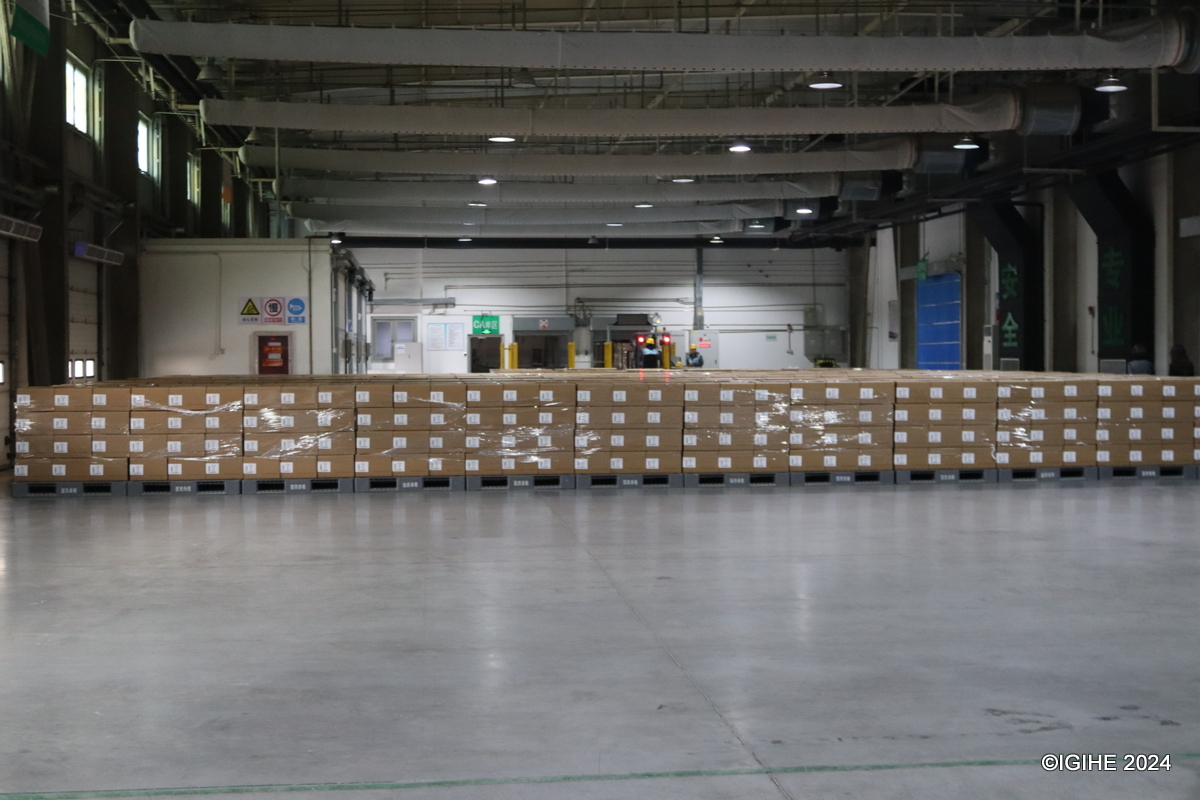
Sinopharm Bonded leverages cutting-edge technology to operate two modern warehouses equipped with a myriad of storage environments to cater to the specific needs of pharmaceuticals, including room-temperature, fully shaded, refrigerated, and even deep-freeze storage.
The integration of advanced systems such as the Manhattan Associate WMS for warehouse management, a comprehensive temperature and humidity monitoring system, and a highly sophisticated Transport Management System (TMS) for transportation and delivery, exemplifies their commitment to excellence and innovation.
Positioned within the fully integrated Free Trade Zone (FTZ) and airport area, Sinopharm Bonded enjoys unparalleled advantages for customs clearance services. This strategic location allows for streamlined operations, from once-and-for-all customs clearance services to intricate cargo management within the bonded area, emphasizing efficiency and expediency in handling imported pharmaceuticals.
{{The heart of innovation}}
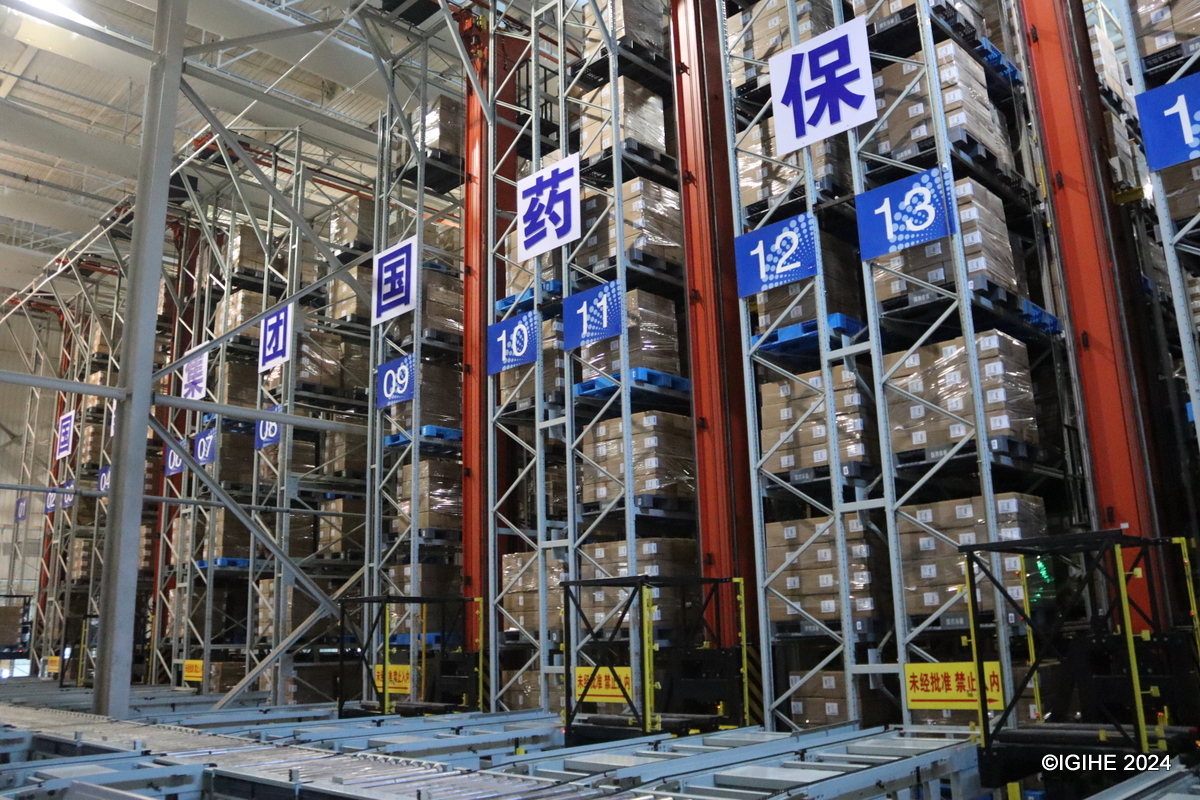
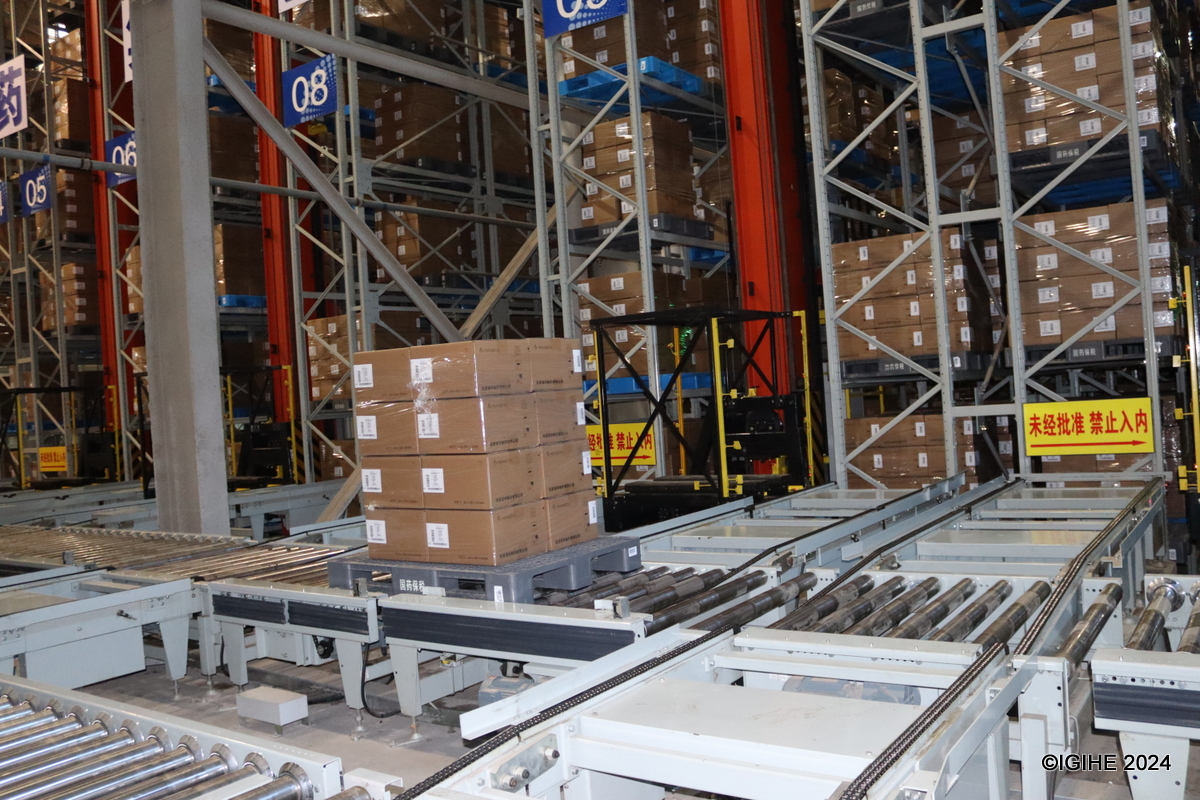
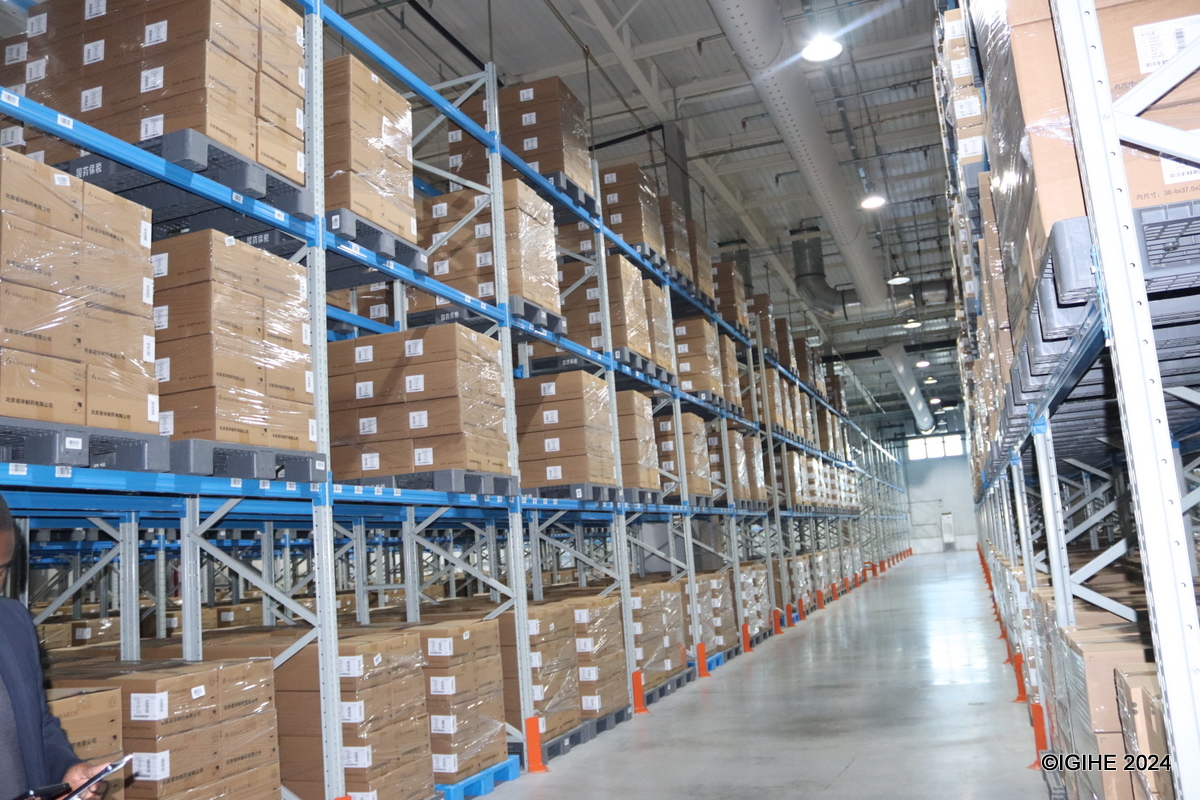
At the forefront of Sinopharm Bonded’s technological prowess is its three-dimensional warehouse, a marvel of automation and efficiency. This facility, covering 2,914.56 square meters with a towering height of 18 meters, is outfitted with 5,600 cargo spaces distributed over seven floors.
It epitomizes the future of warehousing with its fully automated operations, maintained within stringent temperature and humidity parameters to ensure the integrity of pharmaceutical products.
The incorporation of an automated library system further underscores Sinopharm Bonded’s dedication to providing customized, innovative, and diversified supply chain solutions. This approach not only caters to the pharmaceutical and health industries but also sets a new standard in logistics service provision.
{{A legacy of top notch supply chain services}}
Over the past decade, Sinopharm Bonded has evolved into a leader in international pharmaceutical supply chain services.
As the firm’s management says, its journey is marked by continuous innovation, rigorous quality audits by multinational pharmaceutical corporations, and unwavering commitment to excellence.
After a decade of relentless progress within the industry, Sinopharm Bonded has emerged as the preeminent leader in international pharmaceutical supply chain services. The company has successfully met the stringent quality standards of over ten global pharmaceutical giants, including Novartis, Pfizer, AstraZeneca, Takeda, Jetbelin, and Lundbeck Pharmaceuticals.
Throughout this period, thanks to the backing of the Administrative Committee, Customs, the Food and Drug Administration, and other key agencies, Sinopharm Bonded has benefited from several advantageous policies.
These include the implementation of intelligent checkpoints, the centralization of distribution declarations, enhanced supervision of cargo locations, the simplification of customs procedures with single clearance and the option for multiple declarations, along with streamlined drug testing processes.
{{A hub of comprehensive services}}
Sinopharm Bonded is more than just a warehouse; it’s a comprehensive service provider.
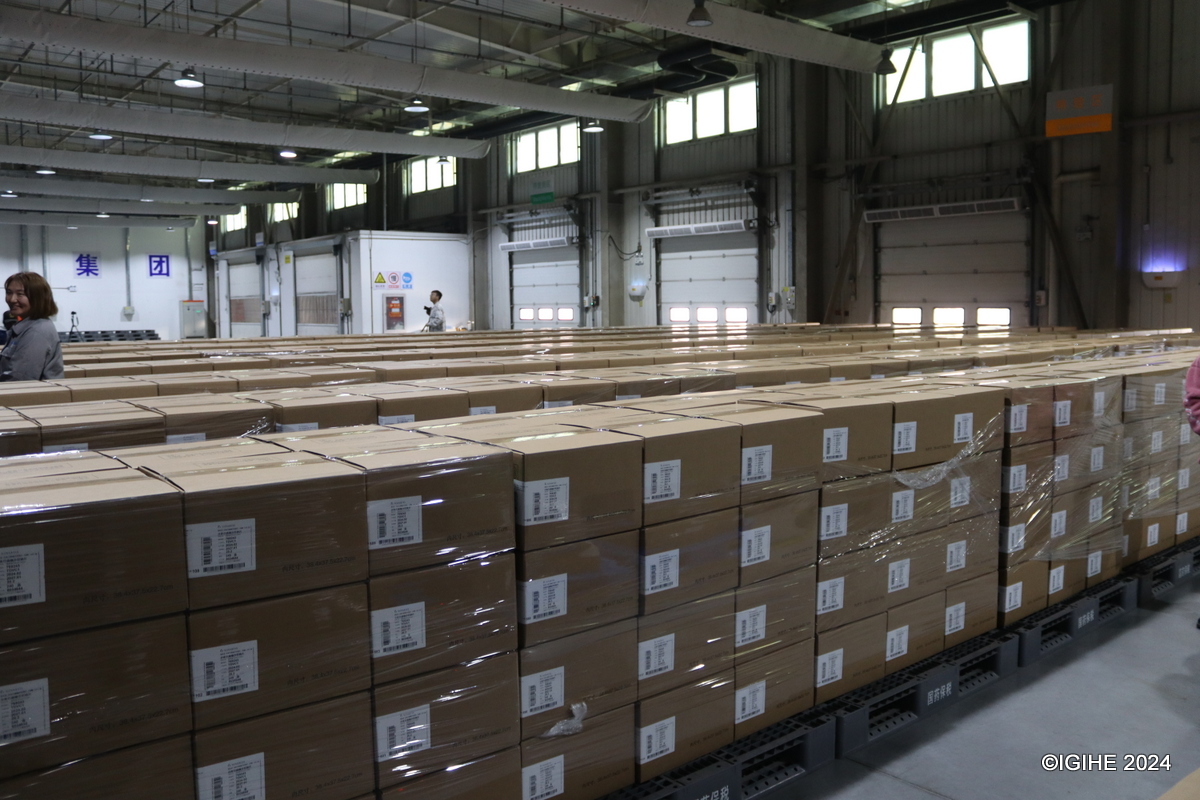
From heavy-duty racking areas designed for optimal storage conditions to specialized cold chain logistics ensuring product integrity from transportation to storage, every aspect of the operation is meticulously planned and executed.
The racking areas cover 2,016.11 square meters and 2,143.23 square meters with a height of 14 meters, and house approximately 3,676 cargo spaces.
Meanwhile, the cold storage areas, equipped with advanced refrigeration systems and dual-circuit power supplies, reflect the attention to detail and the commitment to maintaining the highest standards of product safety and quality.
As Sinopharm Bonded continues to expand its services and capabilities, it stands not just as a company but as a symbol of the future of pharmaceutical logistics.
His story unfurls with a blend of ambition, pastry, and an unyielding commitment to the environment, weaving the extraordinary journey of a man who baked his cake and photographed it too.
At the tender age of 17, Luo Hong ventured alone to Chengdu, a city that promised to nurture his photographic dreams. However, life, with its peculiar sense of humor, served him a slice of unpredictability.
At 25, unable to find a birthday cake that met his exacting standards for his mother, Luo inadvertently founded the bakery chain “Hollyland.” Little did he know, this venture was merely a detour, not a departure, from his true calling.
The year 1995 marked Luo’s rekindled passion for photography, prompting a journey across western China’s vast landscapes. Yet, it was his accidental voyage to South Africa in 2001 that profoundly shook him, expanding his canvas to the ends of the earth.
From the polar chill of Antarctica to the vibrant ecosystems of South America, Luo’s lens captured the planet’s heart, visiting Africa 54 times, the Antarctic twice, the Arctic Circle four times, South America four times, and North America 10 times.
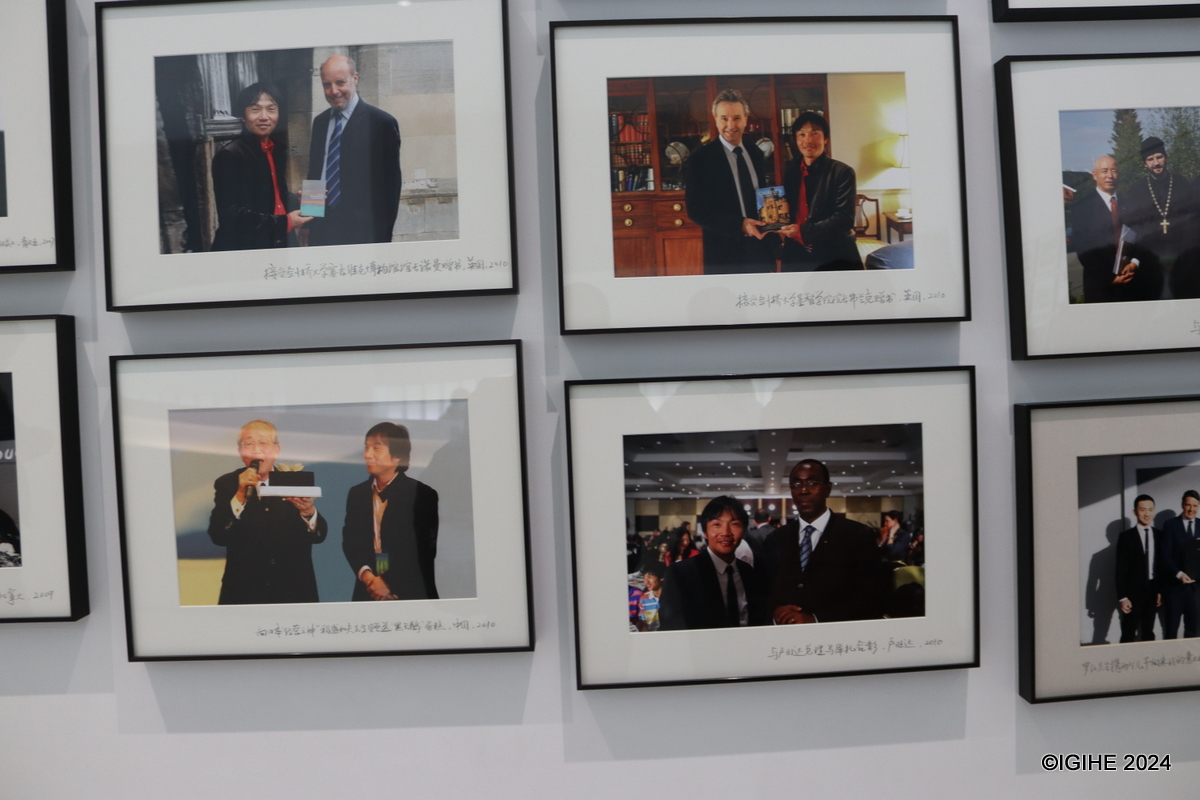
Luo’s relentless pursuit of beauty earned him an invitation from the United Nations Environment Program (UNEP) in 2006, making him the first Chinese to hold a personal photography exhibition at the United Nations.
That same year, he established the “Luo Hong Environmental Protection Fund,” pioneering personal philanthropy at the UN as a Chinese national.
His initiative, the “China Children’s Environmental Protection Education Plan,” engaged 23 million Chinese children, earning acclaim as the world’s largest children’s environmental education activity.
The accolades didn’t stop there. In 2009, Luo was christened a Global “Climate Hero” by the United Nations, a title bestowed upon only five individuals worldwide, making him the sole recipient from the Asia-Pacific region.
His environmental crusade further received the Kenyan President’s nod in 2011 with the “Moran of the Order of the Burning Spear” (MBS) medal, a first for a foreigner that year.
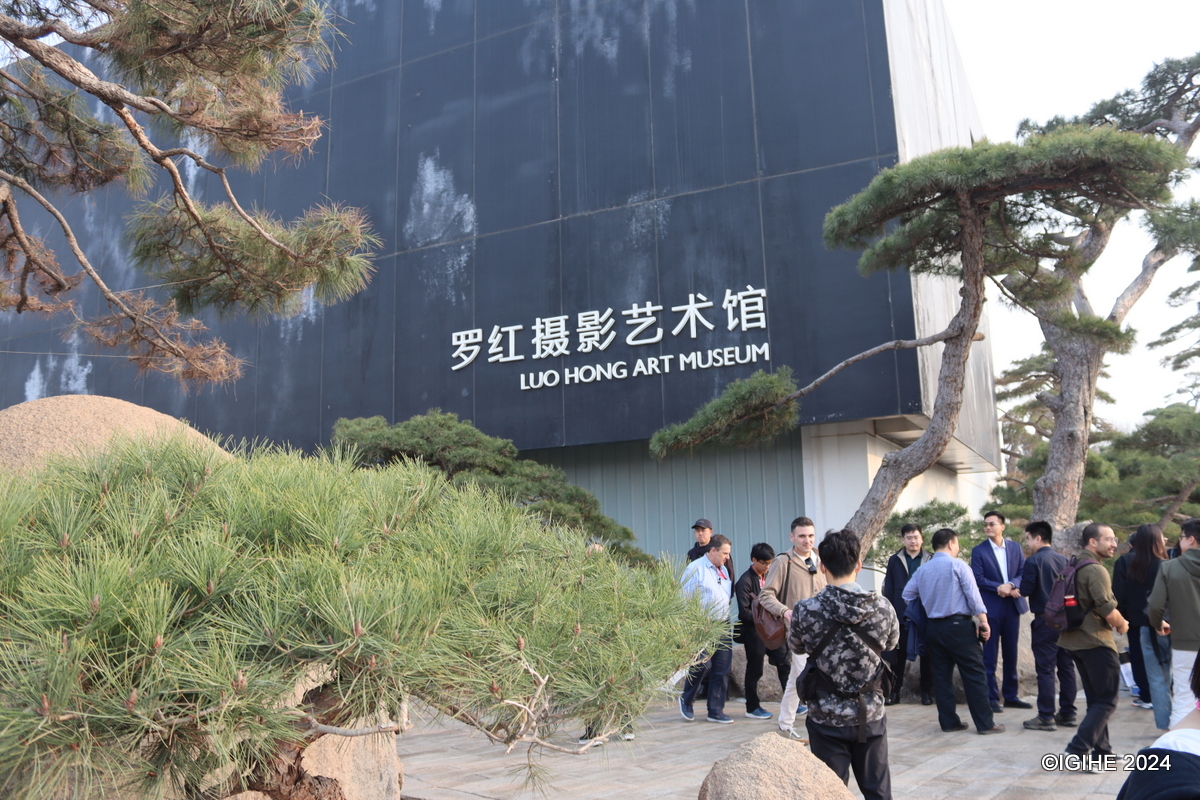
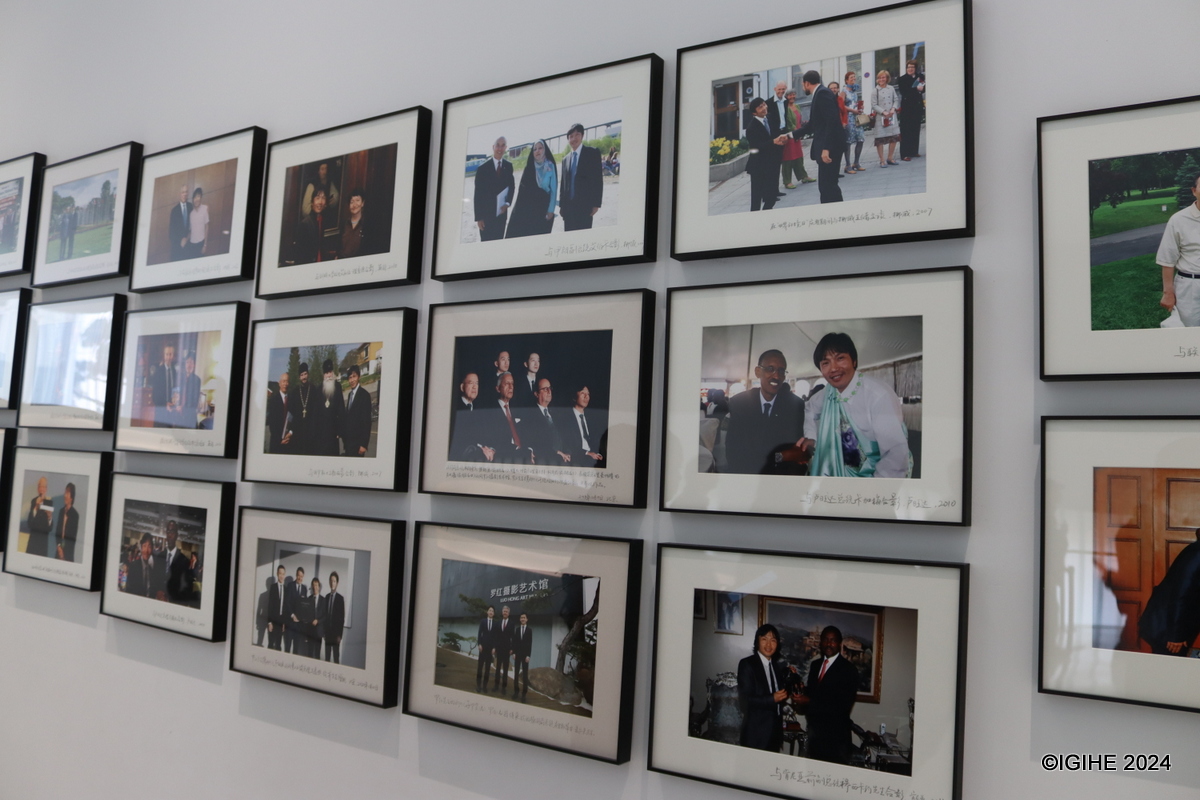
Amid these accolades, Luo’s magnum opus was taking shape. By 2010, dedicating six years and all his life’s work, he founded the “Luo Hong Photography Art Museum.”
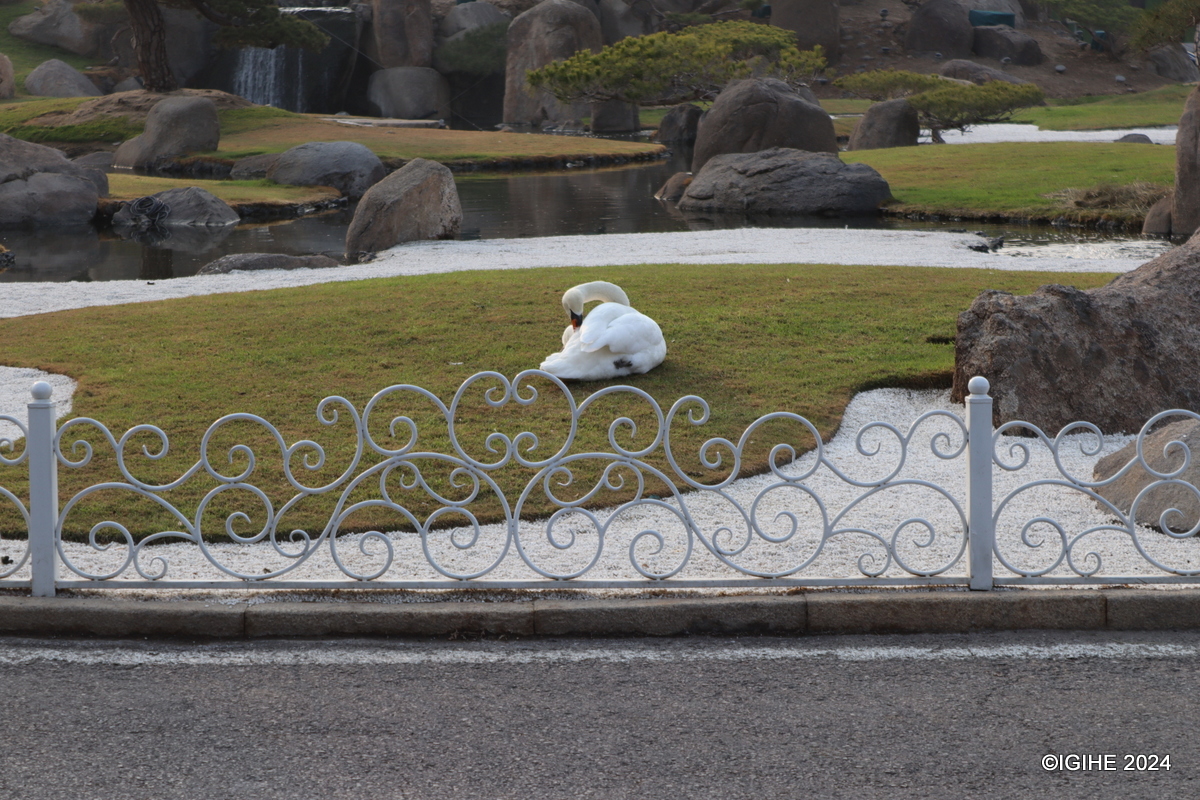
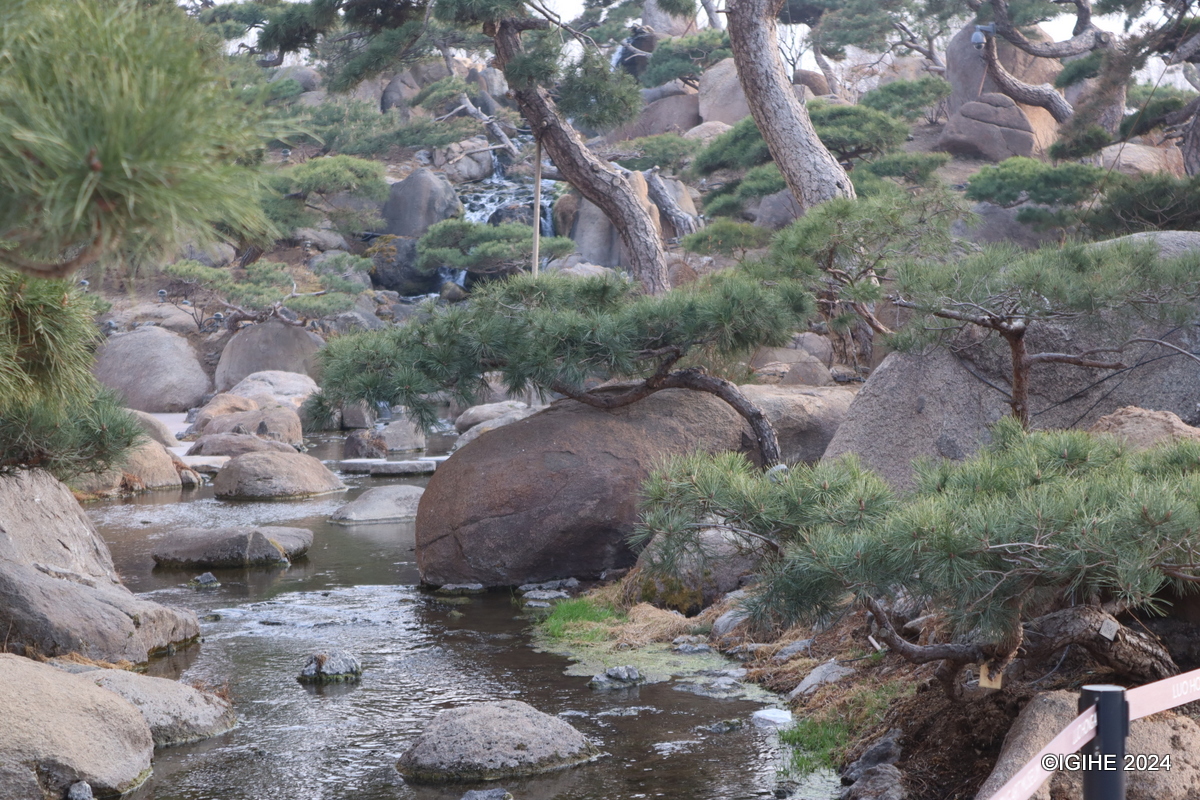
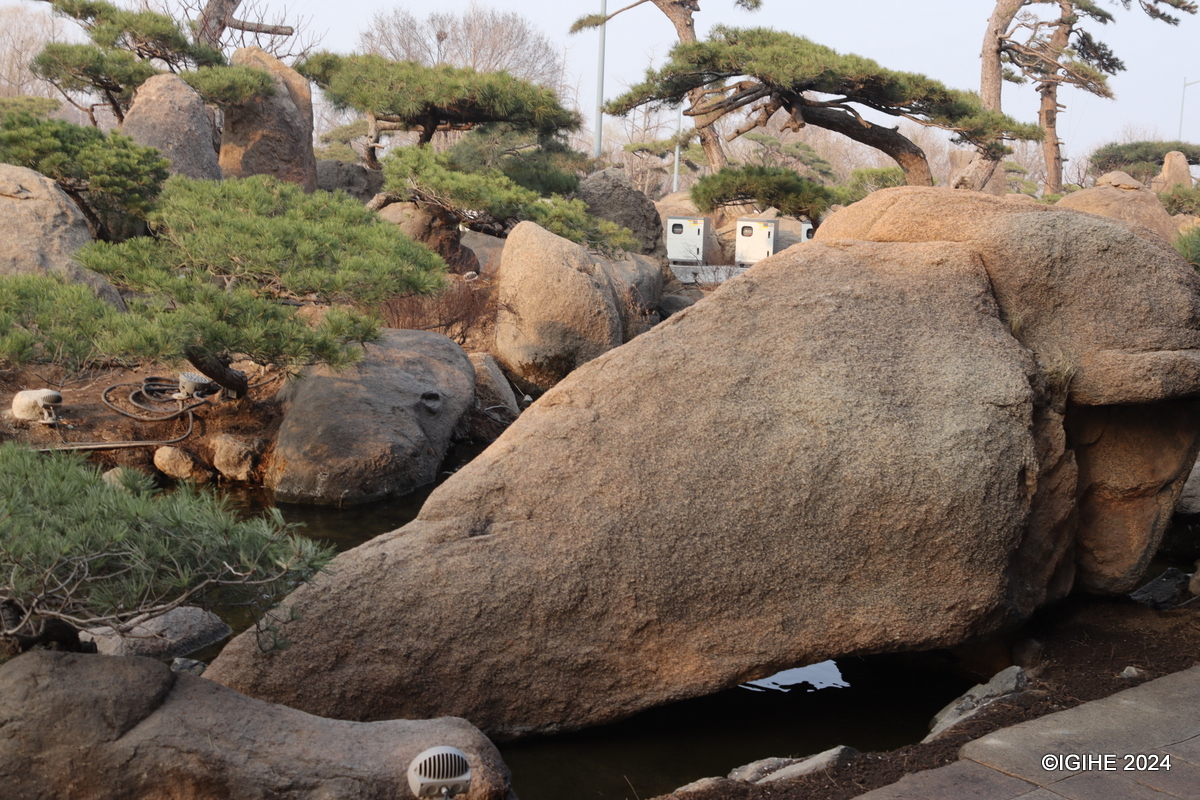
Spanning 180 acres, this museum is a triptych of nature’s and ingenuity’s beauty, comprising the Photography Exhibition Hall, the Oriental Garden Landscape Group, and the Black Swan Cake Art Museum.
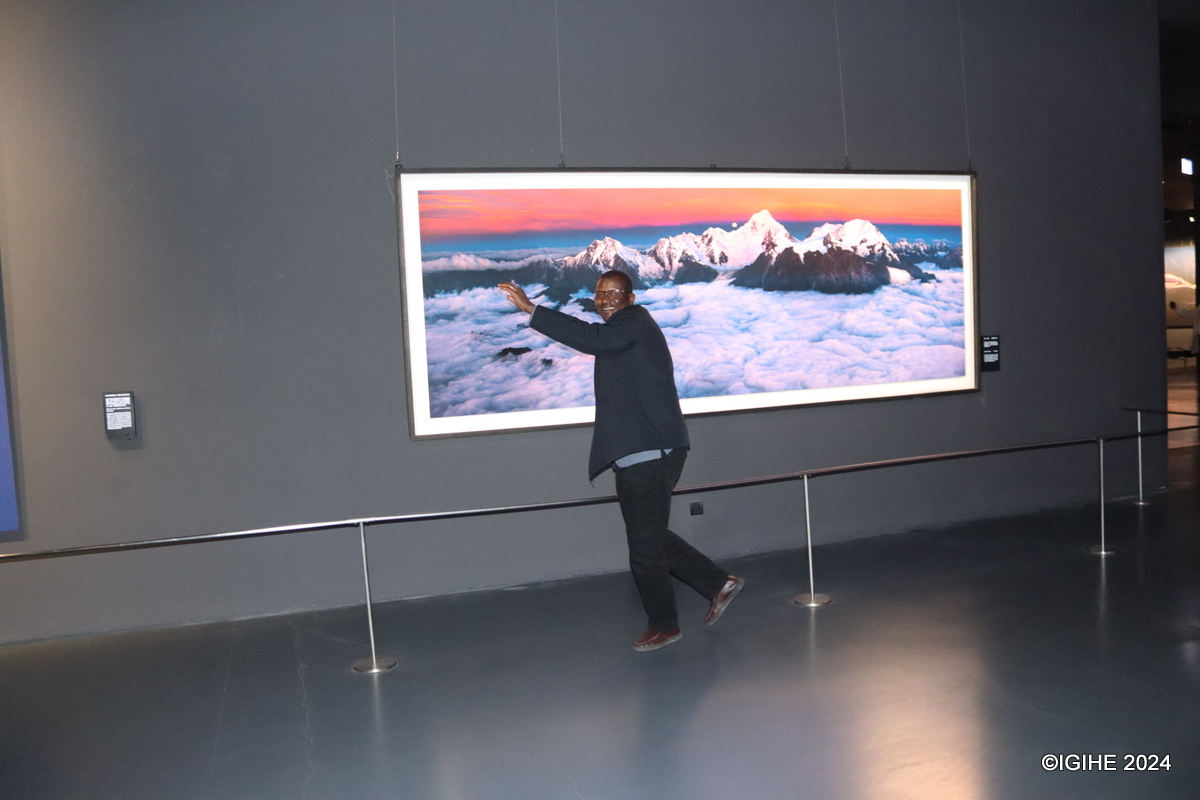
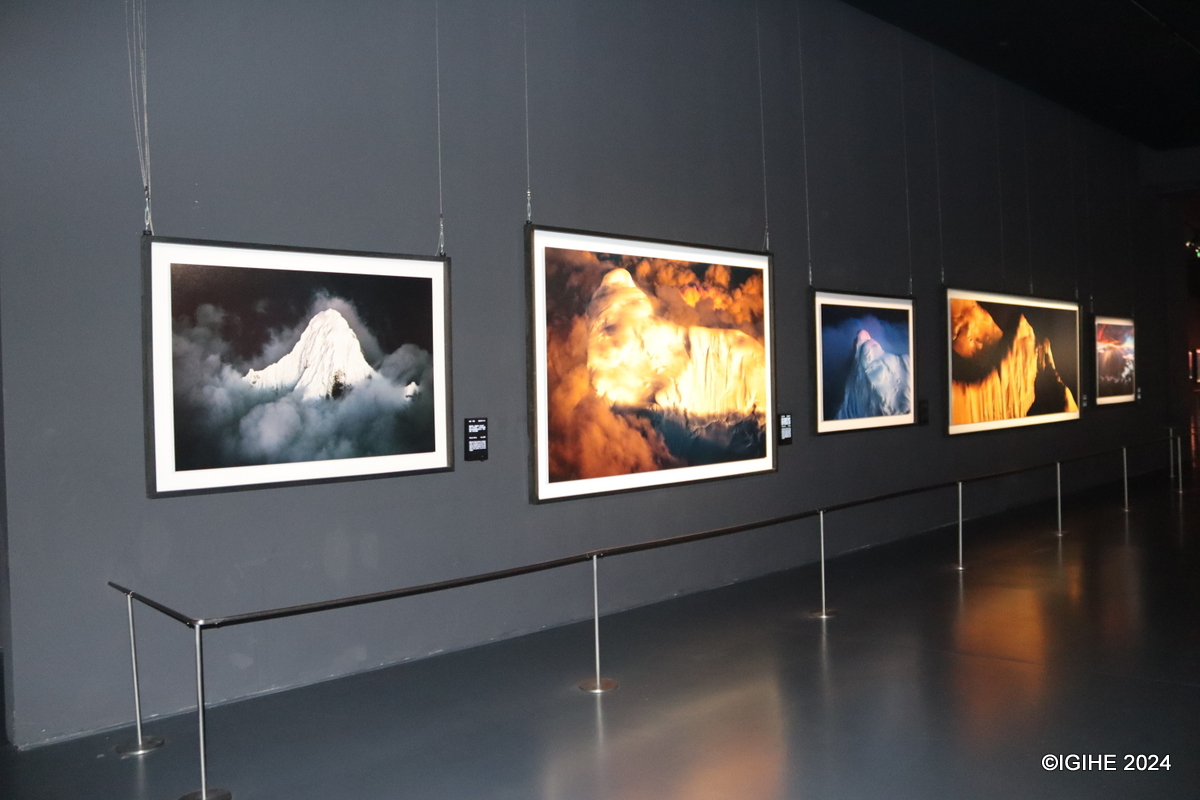
The Luo Hong Photography Art Museum stands as a monument to the convergence of art, nature, and education. Within its expansive 5500 square meters, the Luo Hong Photography Works Exhibition Hall houses a vast collection of Luo’s photographs, capturing the ethereal beauty of natural landscapes and wild animals.
These images, often taken from a helicopter, offer a divine perspective of the Earth’s unparalleled splendor. Luo’s dedication to showcasing the planet’s beauty is evident through his extensive travels, including 54 trips to Africa, two expeditions to Antarctica, and several journeys across the Americas, all aimed at photographing wildlife and breathtaking sceneries such as the emperor penguins and Patagonia’s peaks and autumn hues.
Adjacent to the exhibition hall lies the Oriental Garden Landscape Group, a serene assembly designed by an Australian architect and further enhanced by the descendants of a renowned Korean gardening family. Over 30 traditional stone craftsmen from Shandong were commissioned to create intricate stone art, adding to the garden’s tranquility and aesthetic appeal.
The museum’s third jewel, the Black Swan Cake Art Museum, is a creation of the acclaimed Japanese artist and architect Dejin Yoshioka. Themed “Touch of Life,” this section merges the art of pastry with visual art, forming a sanctuary that celebrates the delicate interplay between life’s sweetness and its fleeting nature.
Founded with the noble aim of inspiring children with the beauty of nature and art, the Luo Hong Photography Art Museum has been welcoming those under fifteen for free since its inauguration.
This policy underlines Luo’s belief in the transformative power of art and nature on young minds, making the museum not just an art space but a vibrant educational hub.
On September 15, 2020, Luo fulfilled a lifelong dream by undertaking an aerial photography project across western China. Starting from Gongga Mountain in Sichuan, his journey covered the Daocheng Yading Three Sacred Mountains, Meili Snow Mountain in Yunnan, and several peaks in Tibet, including the illustrious Kailash.
Despite the physical toll and the recurrence of a lumbar injury, Luo’s resolve remained unshaken. The majestic vistas of his homeland brought him to tears, instilling a profound sense of pride and renewing his commitment to share China’s beauty with the world.
This endeavor, he proclaims, is his most challenging yet rewarding creation, a testament to the beauty that his homeland harbors, ready to be shared through his lens with the world.
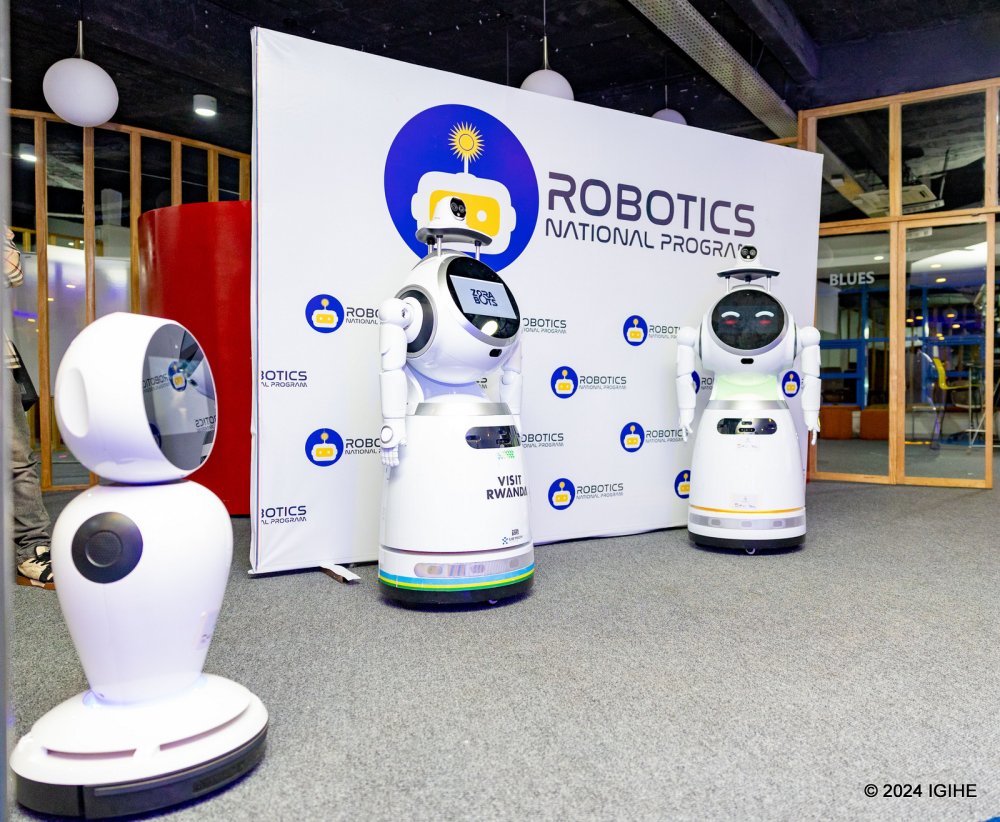
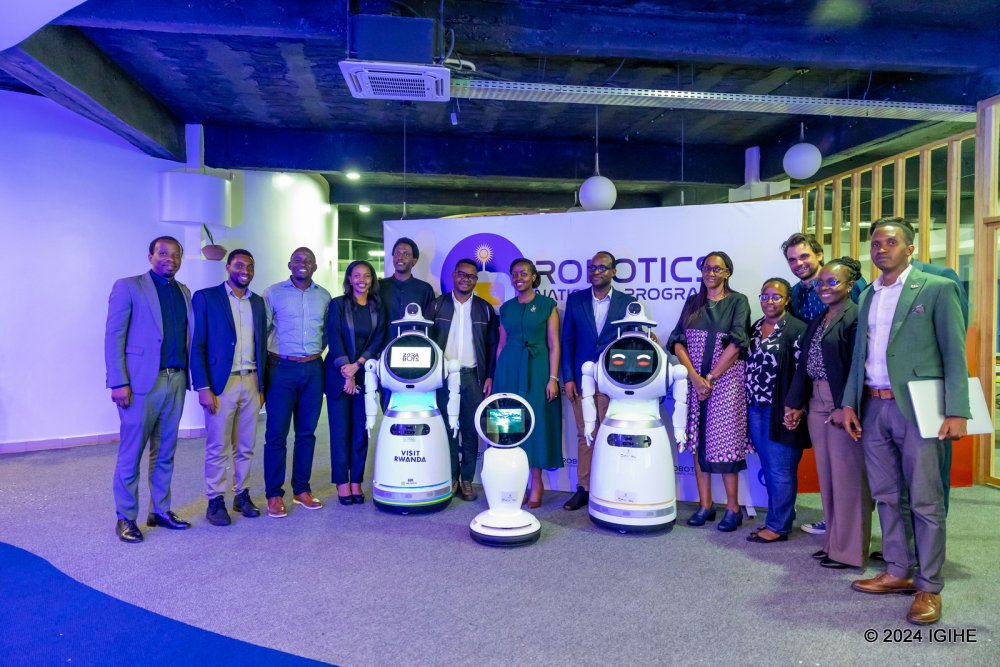
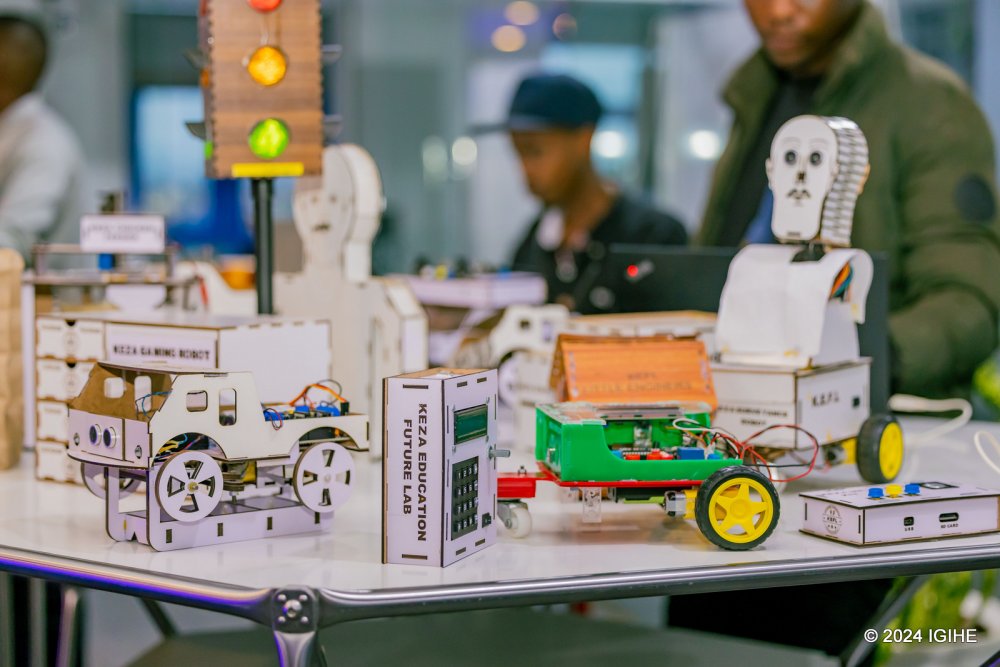
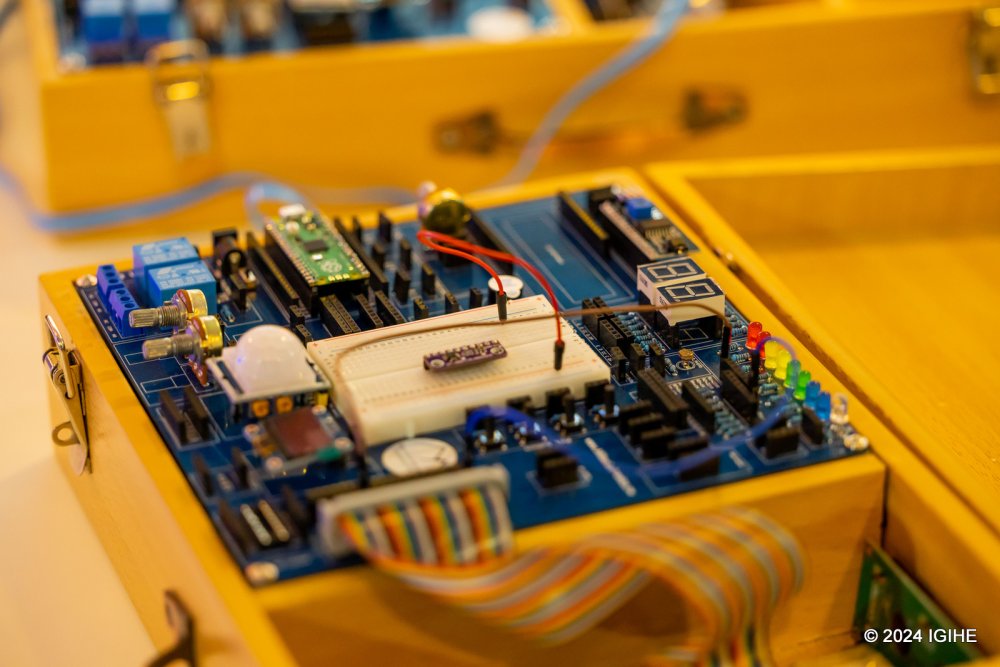
This pioneering initiative is designed to weave the use of robots into the fabric of education, commencing at the primary school level. Within this framework, educators will leverage robots, equipped with cutting-edge technology, as a medium to deliver conventional curriculum content to students.
The rationale behind this innovative approach is grounded in observations that the inclusion of robots in pedagogy significantly enhances student engagement, particularly in the realms of science, technology, engineering, and mathematics (STEM).
This method not only makes learning more enjoyable for students but also plays a crucial role in bolstering their innovative thinking and creativity.
Moreover, these robots act as tangible educational tools, enabling students to put theory into practice. This hands-on methodology aids in a more comprehensive exploration and comprehension of academic concepts, thereby nurturing a deeper level of student engagement through firsthand interaction and observation.
Oversight of the program will be provided by the Ministry of Education, with the Rwanda Education Board (REB) and the Rwanda TVET Board (RTB) conducting daily supervisions.
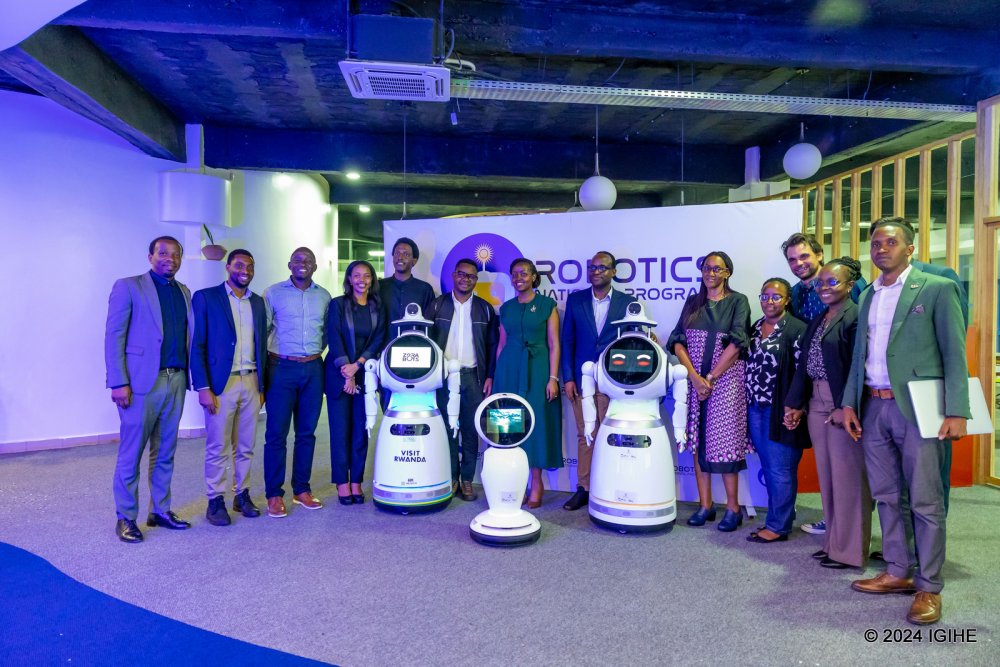
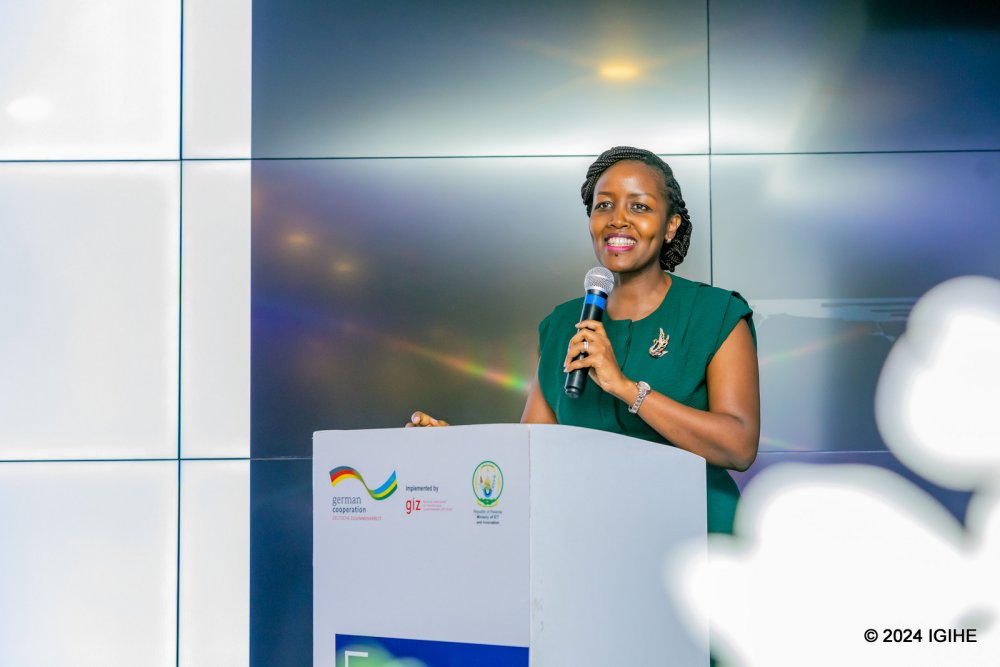
The program’s official launch was spearheaded by Ingabire Musoni Paula, the Minister of Information Technology and Innovation, and Twagirayezu Gaspard, the Minister of Education, on Friday, March 15, 2024.
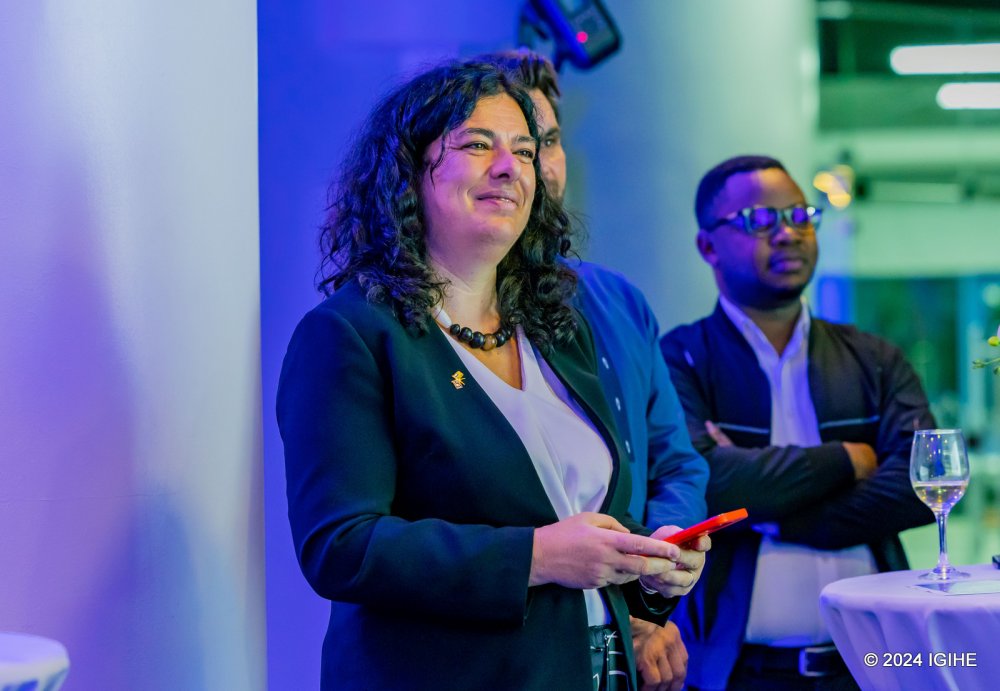
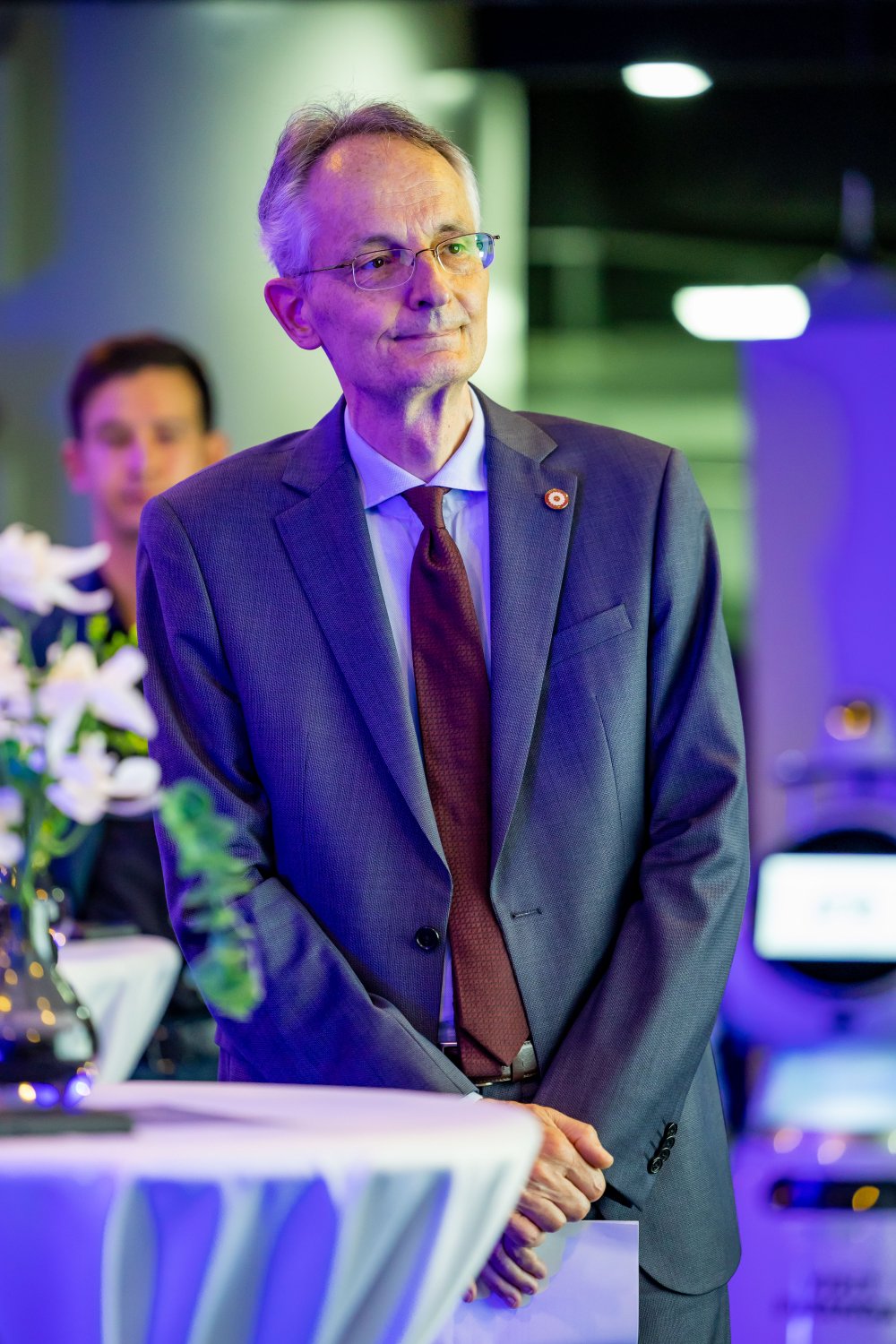
The launch event saw the participation of notable individuals such as Belén Calvo Uyarra, the European Union Ambassador to Rwanda, and Primus Peter, the German Embassy’s Chargé d’Affaires in Rwanda, along with representatives from various sectors.
Minister Ingabire articulated that the initiative to integrate robots into the educational sector is a result of a joint endeavor with the Ministry of Education, aimed at acquainting students with robotics and artificial intelligence – key components in the modern era of the fourth industrial revolution.
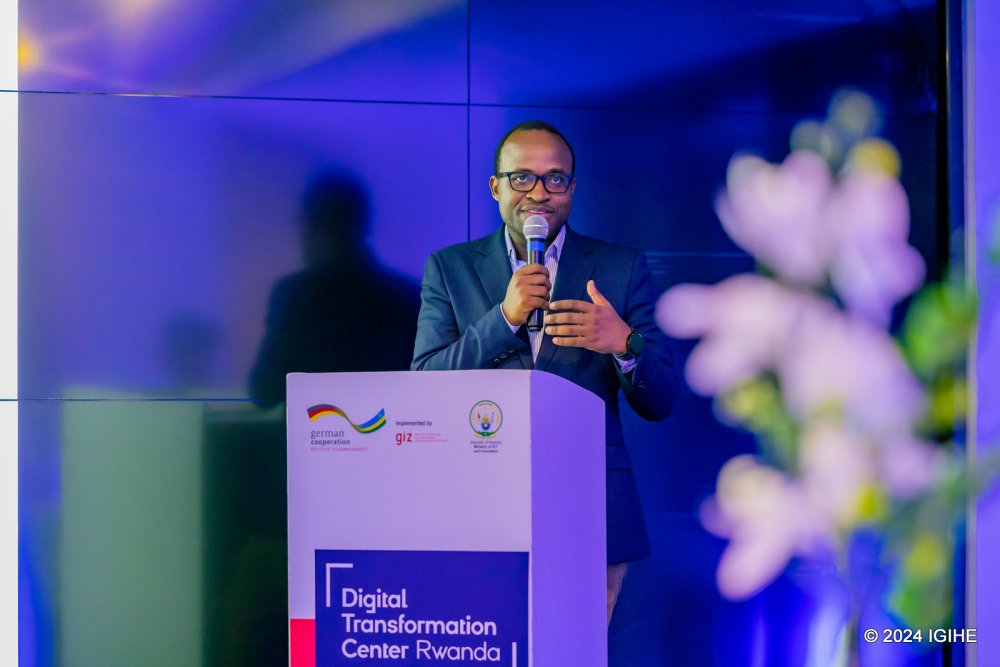
Minister Twagirayezu Gaspard underscored the program’s objective to equip students with critical problem-solving capabilities via contemporary technology. He expressed the imperative of congregating collective efforts to furnish students with essential knowledge resources for their academic pursuits.
Twagirayezu also highlighted that this initiative is about bringing people together to ensure students are well-equipped with the knowledge they need in their studies.”
In Rwanda, the emphasis on augmenting the population’s capabilities through education stems from the belief in its people as the nation’s most valuable resource.
To this end, initially, five tech companies specializing in robotics have been selected to devise educational robots for use across various disciplines.
This includes technology aimed at teaching internet-related subjects (Internet of Things – IoT), robotics technology for illustrating heating, ventilation, and air conditioning (HVAC) systems for Electrical Technology and ICT Networking students, as well as robotics technology to support science education for high school students, ICT for freshmen and sophomores, and technology for primary schoolers in grades four and five, with a focus on fostering creativity, understanding of electricity, and beyond.
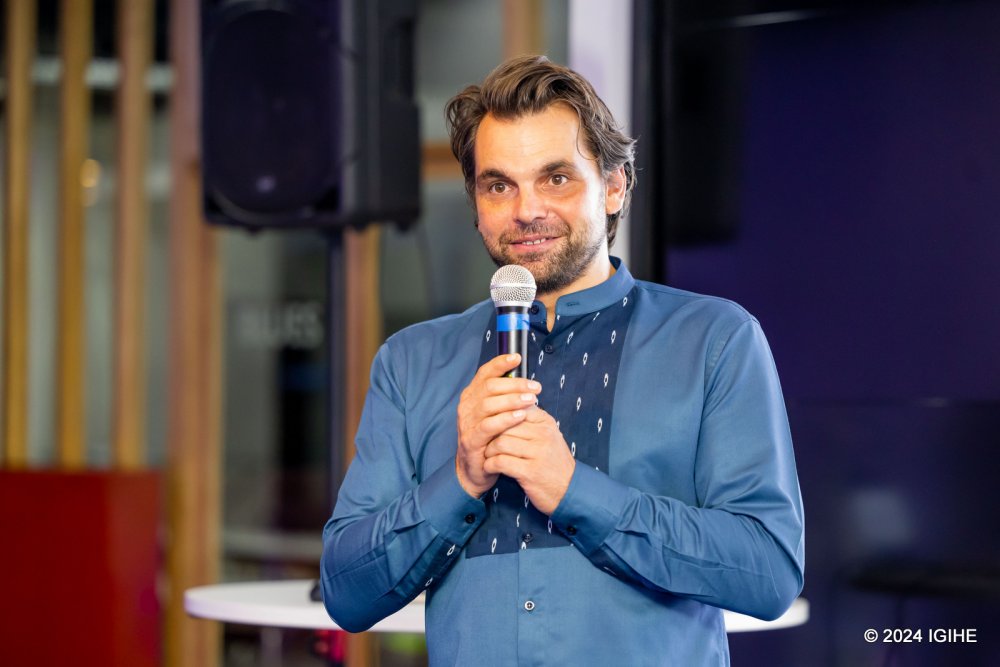
Norman Schraepel, the Head of Cluster Digital Transformation & Digital Economy at GIZ Rwanda, reflected on the importance of this endeavor and the path forward. He advocated for the expansion of this pilot program to a national scale through collaborative efforts, stating, “Collaboration is key to the success of this program.”
Within the upcoming three months, the companies involved are expected to finalize the development of the robotics technology.
This will be followed by a phase dedicated to training teachers on how to integrate these technologies into their instructional practices. Initially, the program will be piloted in 15 schools across Rwanda, benefiting more than 500 students.
These troops, forming the East African Community Regional Force (EACRF), entered North Kivu in December 2022, following a decision made by the heads of states of the EAC during their meeting in Nairobi in April 2022.
The EACRF was tasked with protecting areas previously captured by the armed group M23 and to prevent conflicts between M23 and the DRC’s forces, awaiting negotiation between the two sides.
However, the DRC government expressed a desire for the EACRF to combat M23, a stance the leadership of M23 reminded was not part of its mandate. This led to the expulsion of these troops at the end of 2023, replaced by forces from the Southern African Development Community (SADC), including South Africa, Tanzania, and Malawi.
In an interview with NTV Kenya, President Kagame highlighted that the breakdown began when the DRC “assumed the authority ” to decide against the inclusion of Rwandan troops in the EACRF, a decision the EAC accepted.
Kagame explained that Rwanda agreed to this, showing that its priority was for the EACRF to achieve its objective of restoring peace in eastern DRC and contributing to the resolution of conflicts between opposing sides.
He reminded that the EACRF’s mission was to assist the DRC government in resolving conflicts, and it had been decided that any side violating the ceasefire agreement would be opposed.
The President expressed surprise at the EAC leadership’s lack of response to the expulsion of EACRF from the DRC.
He said, “The EAC troops were expelled. Until now I Am still wondering , what is EAC? In reality, EAC does not exist since this issue arose. Because we were never told what happened. Since their expulsion, no one has explained to us.”
Kagame also mentioned that when the DRC expelled the EACRF, it was in discussions with SADC leaders to deploy troops against M23 in North Kivu, which was agreed upon by South Africa, Tanzania, and Malawi in December 2023.
He noted that by requesting SADC to replace EAC in North Kivu, the DRC was creating conflicts between the two regional blocs, which should have collaborated to resolve the country’s conflicts.
He commented, “It seems they were creating conflicts and misunderstandings between SADC and EAC. There wasn’t even a statement saying, ‘It’s okay, let’s join forces, work together,’ it was about replacing EACRF with SADC troops.”
“Why don’t people discuss this? Why don’t EAC and SADC talk about the issue and seek a solution? There are ways people can cooperate, communicate, and avoid unnecessary problems.”
The EAC is led by South Sudan’s President Salva Kiir since November 24, 2023, succeeding Burundi’s Evariste Ndayishimiye, who had breached the community’s decisions by deploying his country’s troops to the Masisi territory to fight M23, based on an agreement with Félix Tshisekedi in August 2023.
As the President explained in an interview with James Smart of NTV Kenya, he gave this warning to Tshisekedi in 2022 when they met during a summit of East African Community heads of state in Nairobi, Kenya.
President Kagame reminded that he has often stated that if anyone attempts to jeopardize Rwanda’s security, he will make a decision within his responsibilities as the Head of State to protect it.
He said, “I have often said on camera that if Rwanda’s security is compromised, I will not ask anyone for permission to do what I must do to protect Rwanda.”
The President continued, “The Armed Forces of the DRC fired on our territory three times in 2022 using heavy weaponry. It happened once, we advised in Nairobi, and the President of Congo was there.”
“I told him, ‘This is enough’; he gave explanations, and I told him, ‘One time with explanations is enough, no problem.’ I told him if it happens a second and third time, and it continues, it will be a different story.”
After warning Tshisekedi, rockets from the DRC were again fired into the Musanze District in May and June 2022.
He said, “I think he did not take it seriously because after leaving the meeting, it happened a second and third time. Heavy artillery missiles, BM21 missiles landed on our territory, killing civilians in the north.”
President Kagame explained that the message he gave to Tshisekedi was clear, so what he had to do after the third time missiles were fired into Northern Rwanda, was to take measures to protect the country’s security.
He told the journalist that while the DRC government accused Rwanda of sending troops to North Kivu Province, influential countries contacted him advising on what to do, to which he responded that he would do whatever possible to prevent further missiles from being fired onto Rwandan territory.
He said, “These influential people with power called me, telling me what I should and shouldn’t do. I told them, ‘I hear you, I appreciate it,’ but I also told them that I would do whatever possible to ensure that no heavy weaponry fires onto Rwandan territory again. That is my responsibility, that’s why I am President, and even before I was President, I contributed to the struggle to bring positive changes to this country.”
President Kagame stated that Rwanda seeks peace and wishes to contribute to solutions to existing problems, through peaceful means more than anyone else would desire.
In March 2015, Presidents Kagame and Museveni met in Kigali at a gathering of alumni from Ntare School in Uganda, where they pledged financial support for the construction of Ntare School Rwanda Chapter.
President Kagame, who attended this high school in Uganda from 1972 at the age of 15 until he was 19, committed to contributing 100 million Rwandan Francs.
Museveni, who attended the school from 1962 to 1966, pledged to contribute $200,000.
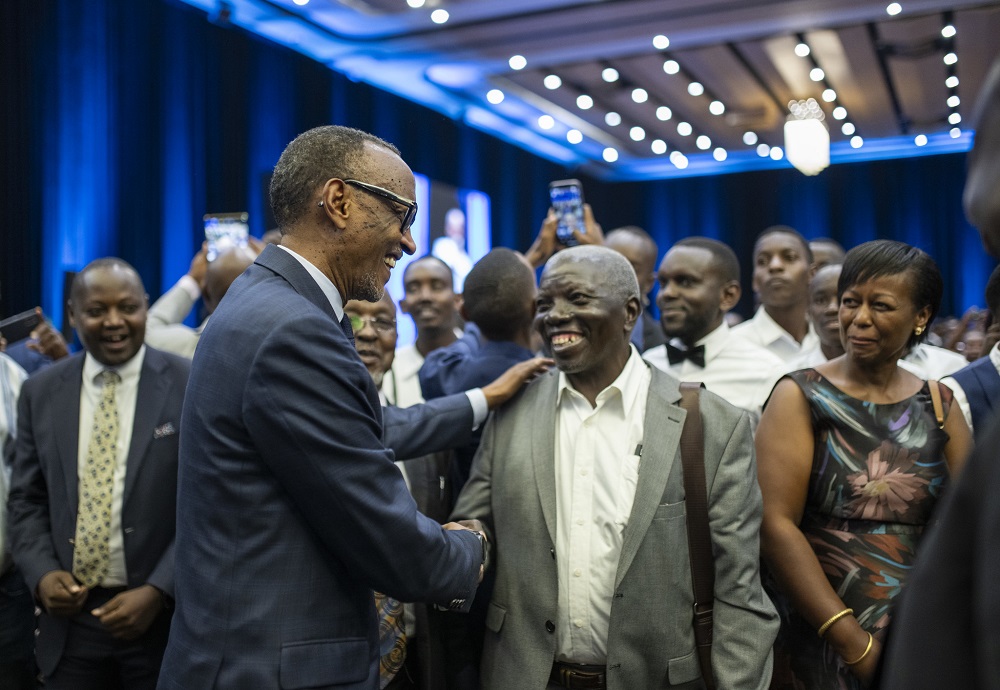
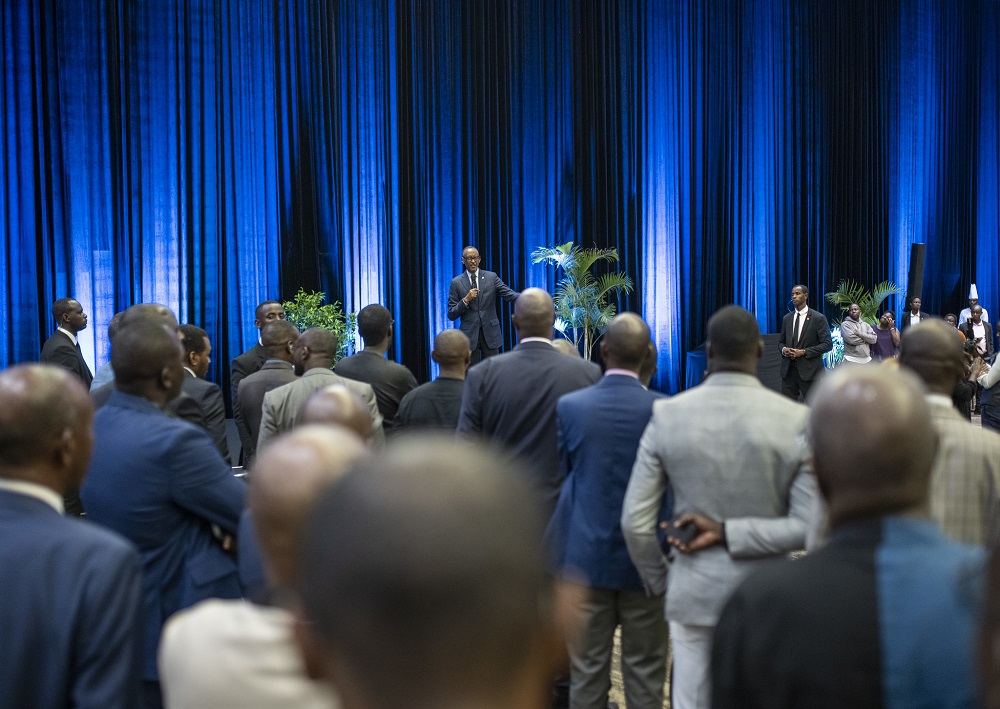
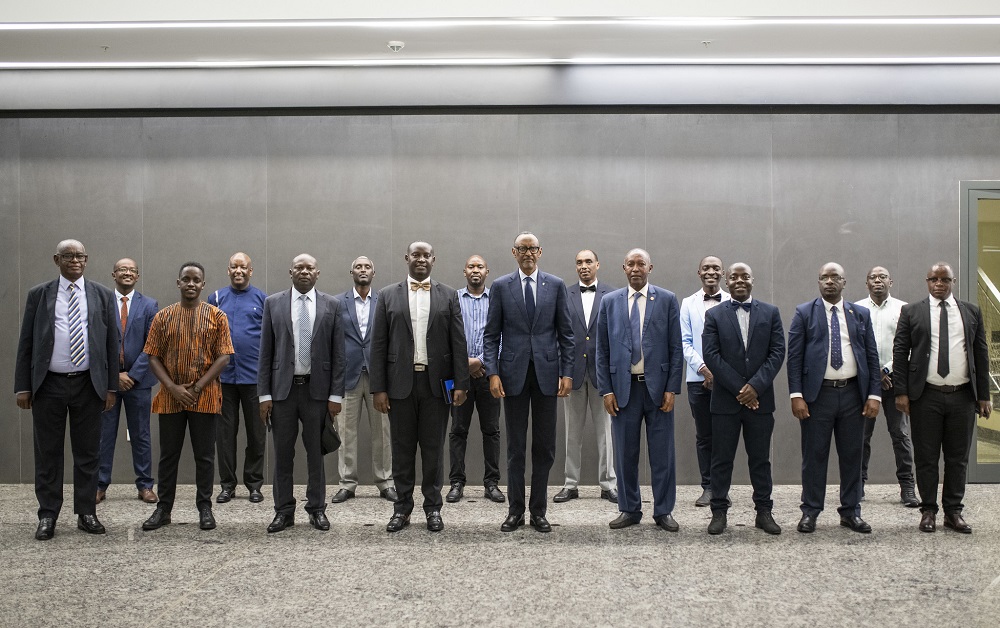
Speaking at a dinner for the alumni association held at the Kigali Convention Centre on March 8, 2024, President Kagame informed the members that Museveni had quickly fulfilled his pledge, taking the opportunity to thank him.
He said, “I want to thank the President of Uganda, Kaguta Yoweri Museveni, for bringing us together in the name of Ntare School, and for making a significant contribution. You may remember from our last meeting here, he committed to contribute towards building the school and he delivered in a short time. We built upon that.”
President Kagame proposed that parts of Ntare School, including dormitories, laboratories, and sports fields, should be named after alumni who have performed exceptionally well.
However, the President clarified that he and Museveni should not be among those honored, as they have already had many things named after them. He said, “Museveni and I have been fortunate to have many things named after us, I want us to be excluded from this.”
He continued, “Set criteria, let those in Uganda choose the names; two, three, four, five, or six, and do the same on the Rwandan side, we will use these names as a perpetual reminder of the cooperation between both sides.”
The construction of Ntare School Rwanda began in 2019. It is expected to be inaugurated in 2024, having cost 6 billion Rwandan Francs for construction. The school will have the capacity to accommodate 1,100 students, contain 5 laboratories, and 35 classrooms.
The elections to determine the new head of the AU Commission, replacing the current Chadian politician Moussa Faki Mahamat, are scheduled for February 2025.
The 78-year-old politician, who leads the Kenyan opposition coalition Azimio, declared his candidacy for the AU chairmanship in February.
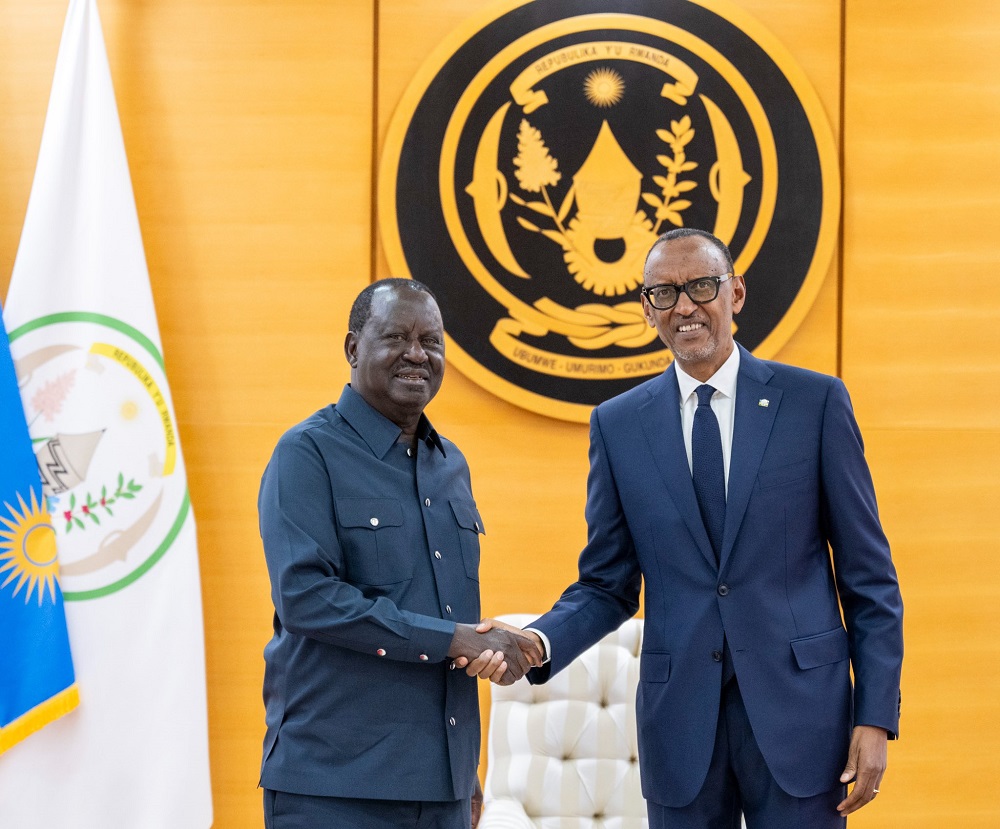
On March 8, Kagame welcomed Odinga to his office for discussions on regional and continental matters, as reported by Rwanda’s Presidency.
“It’s no secret. I told him Rwanda would support him. I wish him well,” Kagame said in an interview with NTV, broadcasted on Tuesday, March 12.
Kagame also commended Odinga’s performance during his tenure as the AU High Representative for Infrastructure Development, a position he held from 2018 to 2023.
“He [Mr Odinga] did a good job at that. He had a full grasp of it,” he said.
“Not only will we support him to be there, but also when he is there, we will support him for Africa to succeed,” he added Kagame.
In late February, Odinga, a trained mechanical engineer, had already secured endorsements from Tanzanian President Samia Suluhu, Salva Kiir of South Sudan, as well as William Ruto of Kenya, and Yoweri Museveni of Uganda.
A new chairperson of the continental body will be elected in 2025 to succeed Mahamat.
Former Somali Foreign Minister Fawzia Yusuf Adam has also announced her candidacy for the AU Commission presidency, aiming to become the second woman to lead the continental body after South Africa’s Nkosazana Dlamini-Zuma.
So far, Odinga and Adam are the only ones to have declared their candidacy for the leadership of the continental body.
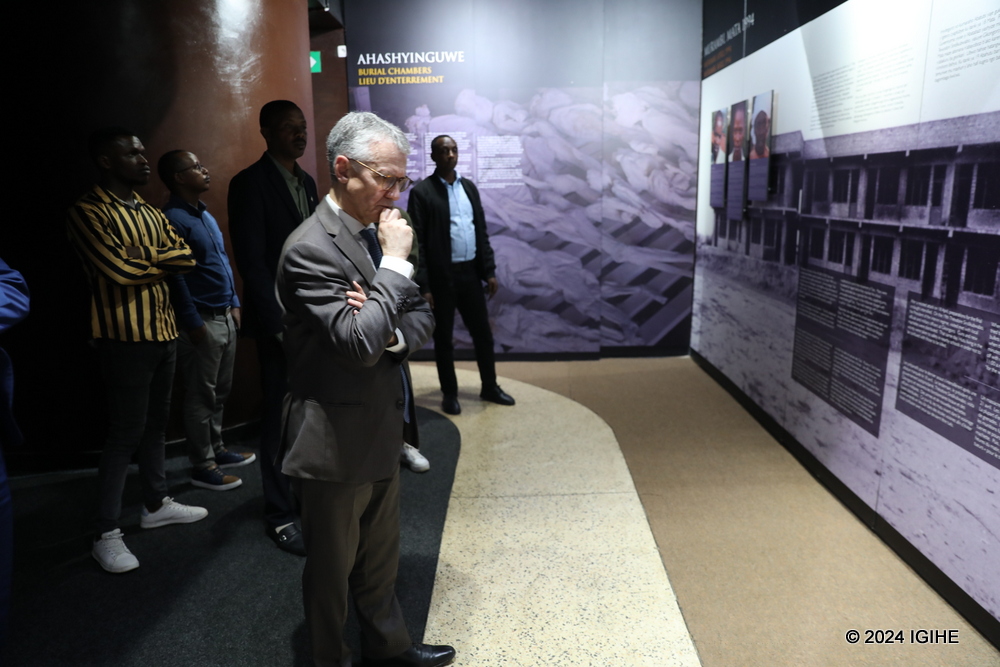
Ricard arrived in Rwanda on March 10, 2024, for a four-day visit, during which he held various meetings with the Chief Prosecutor of Rwanda and officials from the IRMCT to discuss investigating evidence related to the complicity of France in the 1994 Genocide against the Tutsis.
On this 12th of March 2024, he visited the Murambi Genocide Memorial located in Nyamagabe District.
This memorial was established on the grounds where bodies of Tutsi victims were initially buried in mass graves but later exhumed, and it now holds the remains of over 50,000 Tutsi victims killed in 1994.
Among the atrocities documented are the actions of French soldiers who arrived at Murambi between July 21, 1994, and August 21, 1994.
These soldiers encountered Tutsi refugees who sought shelter there, but instead of protecting them, over 50,000 were massacred, and their bodies disposed of in mass graves.
French soldiers used the classrooms of a nearby school to hold Tutsi women and girls they had abducted, turning them into sex slaves, as evidenced by the materials found on site.
Chief Prosecutor Jean-François Ricard sought to further explore the historical context of the Tutsi Genocide and its execution but was confronted with the sight of the classrooms where French soldiers raped women
He also visited a volleyball court where French soldiers played Volleyball and the ball falling on human heads.
This memorial bears witness to the genocide in a visceral and tangible way, allowing visitors to witness the extent of the horror.
Ricard expressed his inability to comprehend the scale of the atrocities witnessed, estimating that over 50,000 Tutsis were massacred at this site alone, making it difficult for him to provide a detailed account to the media due to the overwhelming nature of what he saw.
However, in a brief interview with French students who visited the Murambi Genocide Memorial, he emphasized the need for acknowledging the truth and ensuring accountability for the 1994 Genocide against the Tutsis, suggesting that justice must be served to those who participated in the genocide.
In a message left in the memorial’s guestbook, he wrote, “For the first time, I came to Murambi to witness firsthand the profound suffering inflicted during the 1994 Genocide against the Tutsis in Rwanda, but the horror is beyond comprehension.”
“I wish to emphasize the importance of ensuring justice for the victims of this genocide so that we may prevent such atrocities from happening again, as we strive to promote a culture of reconciliation.”
The testimony provided by a survivor of sexual violence named Oliva corroborated the systemic rape and sexual abuse perpetrated by French soldiers at Murambi. She recounted how French soldiers stationed in the area would raise the French national flag at their base, and then systematically rape and abuse women and girls on a daily basis.
She stated, “French soldiers would wait at the gates. Every evening, they would come to the camps and take girls, sometimes in groups of ten would all rape one girl , . Every evening, we feared for our lives. It was like a ritual for them.”
The atrocities committed at the Murambi site were led by four senior military officers who commanded troops stationed there, including Col Didier Tauzin, the overall commander of Operation Turquoise in Gikongoro, Col Jacques Rosier, who was a subordinate of Col Didier Tauzin and led the troops in Murambi.
Lt Col Erik De Stabenrath also served under Col Rosier, along with Capt Marc Zwilling, who was the commander of the Murambi base.
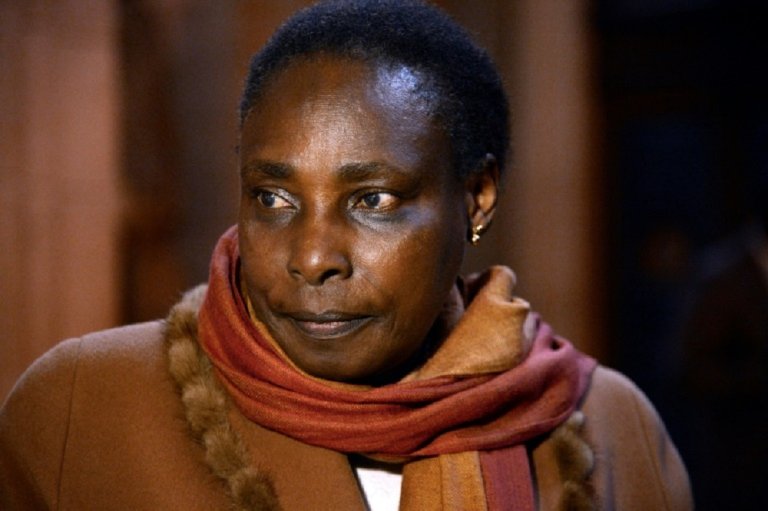
During a press conference on March 11, 2024, as part of his four-day working visit to Rwanda, Jean-François Ricard, the Head of French National Anti-Terrorism Prosecution Office disclosed that Agathe Kanziga Habyarimana, the wife of the former Rwandan president Juvénal Habyarimana, residing illegally in France, cannot be prosecuted or extradited to Rwanda for crimes attributed to her, as they occurred before the genocide.
Ricard emphasized the complex administrative situation she faces, stating that, under French administrative law, she cannot benefit from refugee status, which was denied to her. However, like others in a similar predicament, she cannot be expelled from French territory.
He explained, “We have a complicated case because, as I mentioned, we are only competent for events postdating the genocide directly from the genocide. We, French judges are not competent for events preceding the genocide, for example, those who may have prepared it.”
Agathe Kanziga was involved in the inner circle of the “zero network” that orchestrated the Genocide against the Tutsi. Despite this, France claims there is no evidence to press charges against her. Ricard stated that the prosecutor’s office would initiate a new investigation to delve deeper into the Kanziga case and present it before the court.
“I can tell you that the prosecution I am heading, on my instructions, asked the investigating judges to follow this case, and new investigations will be carried out to verify everything we could do. Every possible effort will be made. It is a clear commitment that we took,” he underscored.
Ricard refrained from commenting on why Agathe Kanziga cannot obtain asylum or be extradited to Rwanda. However, the French ambassador to Rwanda, Antoine Anfré, revealed in late 2023 that the entire Habyarimana family had been transferred to France on the orders of then-French President François Mitterrand.
“Effectively, Agatha has no status in France; it is by the decision of the president of the republic at the time, François Mitterrand, that she was evacuated, in the very beginning with members of her family. She lives in a Parisian suburb, Les Couronnes, she has no status. At one point, she is neither regularizable nor expellable,” Ambassador Anfré stated.
He added, “Currently, there is no judicial procedure against Agathe Habyarimana, mainly because there is no concrete evidence, real evidence that would involve Agatha, despite all we know or imagine. It’s the very principle of the law. I often share your feeling of regret because I frequently face situations where one is convinced of someone’s guilt without having the means to prove it. It’s a sad reality, but that’s how the law works. I think we should not dwell on these cases because otherwise, we risk leaning towards a justice guided by emotion rather than by law.”
Discussions between French prosecutor Jean-François Ricard, Rwandan Prosecutor General Havugiyaremye Aimable, and ICTR prosecutor Serge Brammertz have resulted in an agreement to continue sharing evidence on cases of various individuals suspected of genocide crimes. This aims to increase the number of prosecutions and ensure cases with sufficient evidence.
France asserts that it is making every effort to bring to justice anyone suspected of committing Genocide against the Tutsi residing on its territory.
To date, the Rwandan prosecutor’s office has issued 1,149 arrest warrants against genocide suspects in different countries.