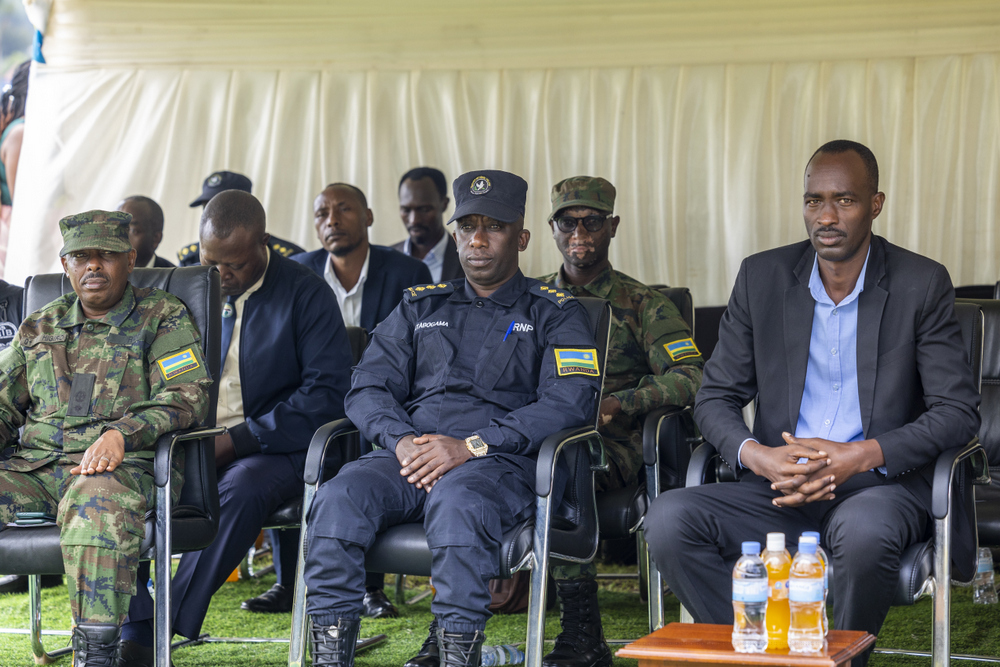
The announcement was made on Tuesday, April 30, marking a significant stride in the ongoing restructuring efforts of the RDF aimed at enhancing its operational leadership to better meet its objectives.
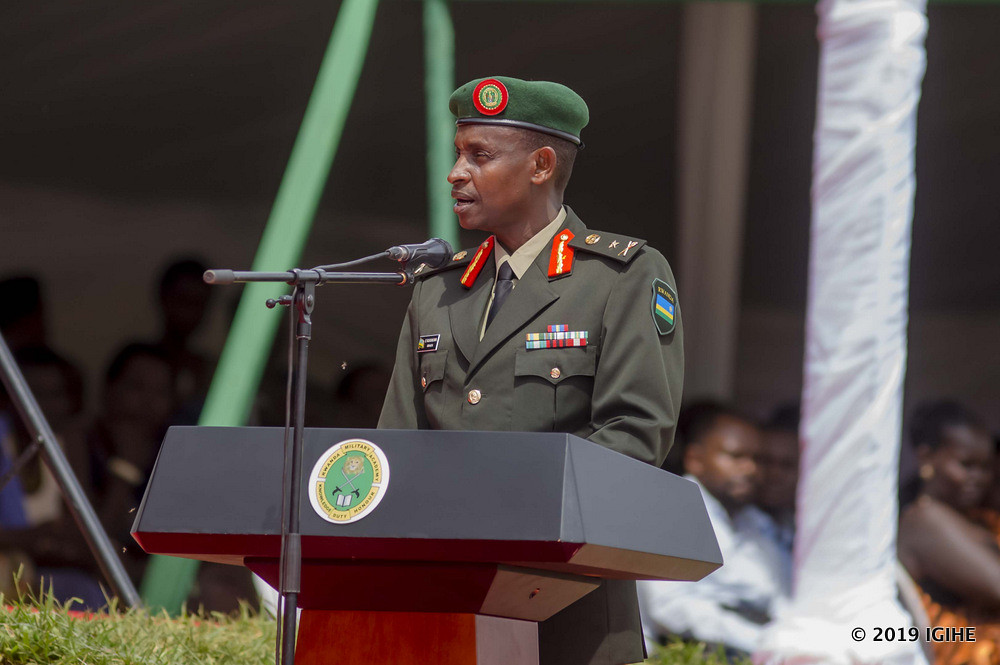
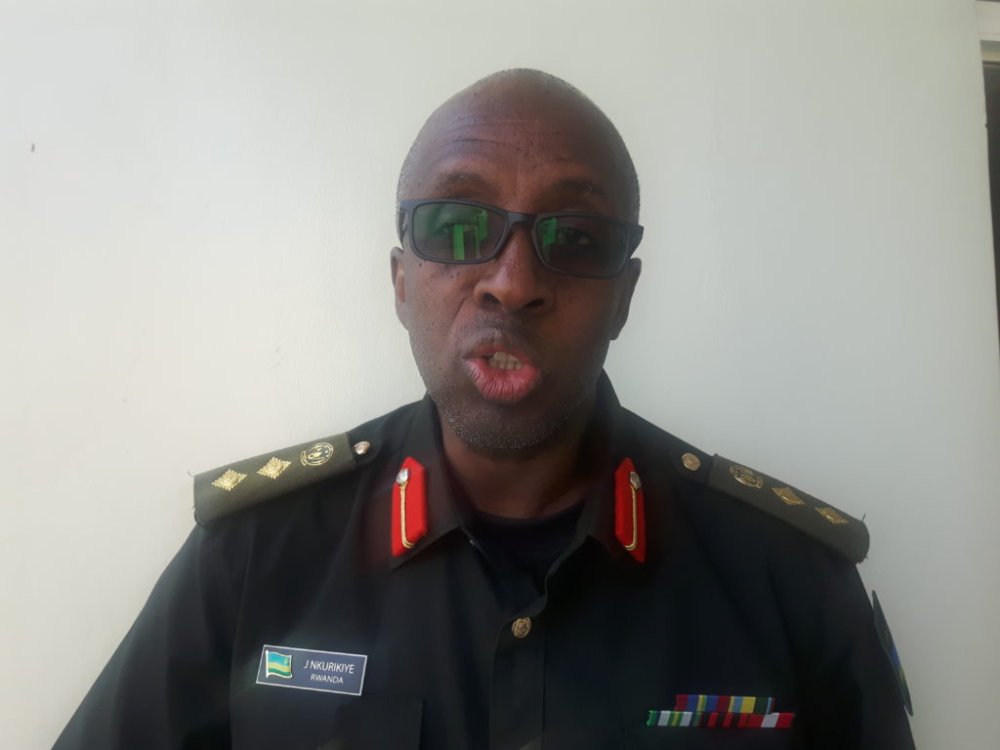
Maj Gen Ephraim Rurangwa, previously the Commandant of Rwanda Military Hospital, has been named the Chief of Staff for the Medical Health Service, with Col. Dr. John Nkurikiye, an experienced ophthalmologist, appointed as his deputy.
The RDF will now feature four Chiefs of Staff overseeing the Rwanda Army (Land Forces), the Rwanda Air Force, the Rwanda Reserve Force and Special Units, and the newly-formed military health service.
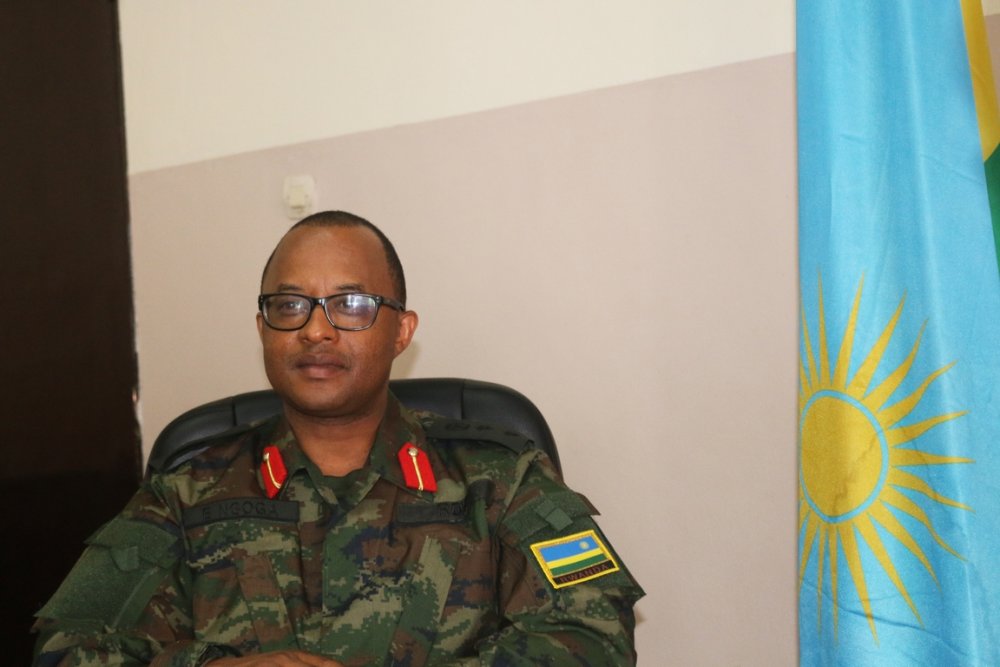
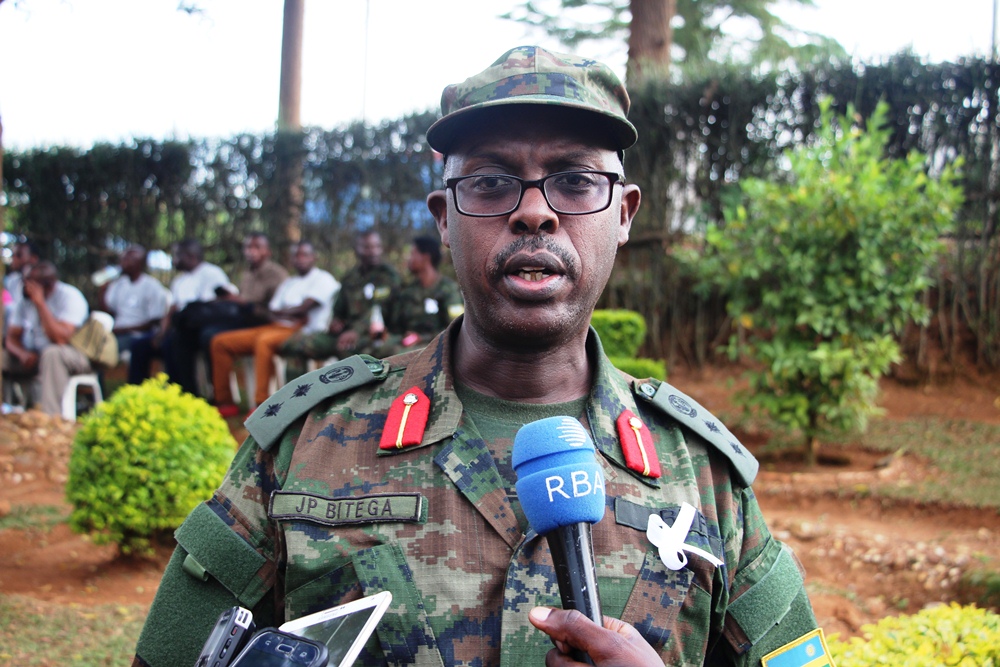
Additional appointments include Brig. Gen Jean Paul Bitega as the head of medical operations command and Dr. Eugene Ngoga, who has been promoted to Brig Gen and appointed as the commandant of the Rwanda Military Hospital. Chrysostome Kagimbana also rises to the rank of Brig General, assuming the role of commander of medical regional facilities.
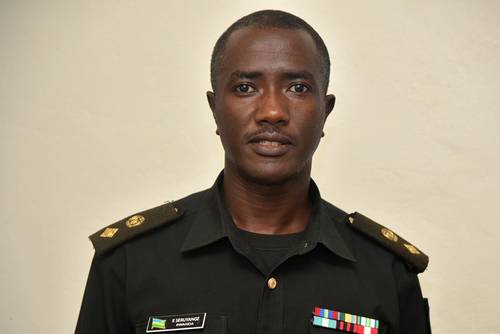
In related appointments, Col. Eric Seruyange has been tasked as the director of epidemiology and public health, Lt Col. Leon Ruvugabigwi as the director of drugs and materials, and Lt Col. Vincent Sugira will lead medical training, research, and innovation.
President Kagame confirmed several other critical appointments including Brig Gen. Franco Rutagengwa as the Commandant of the Rwanda Military Academy and Col. Lambert Sendegeya as the Chief J1 responsible for RDF personnel management.
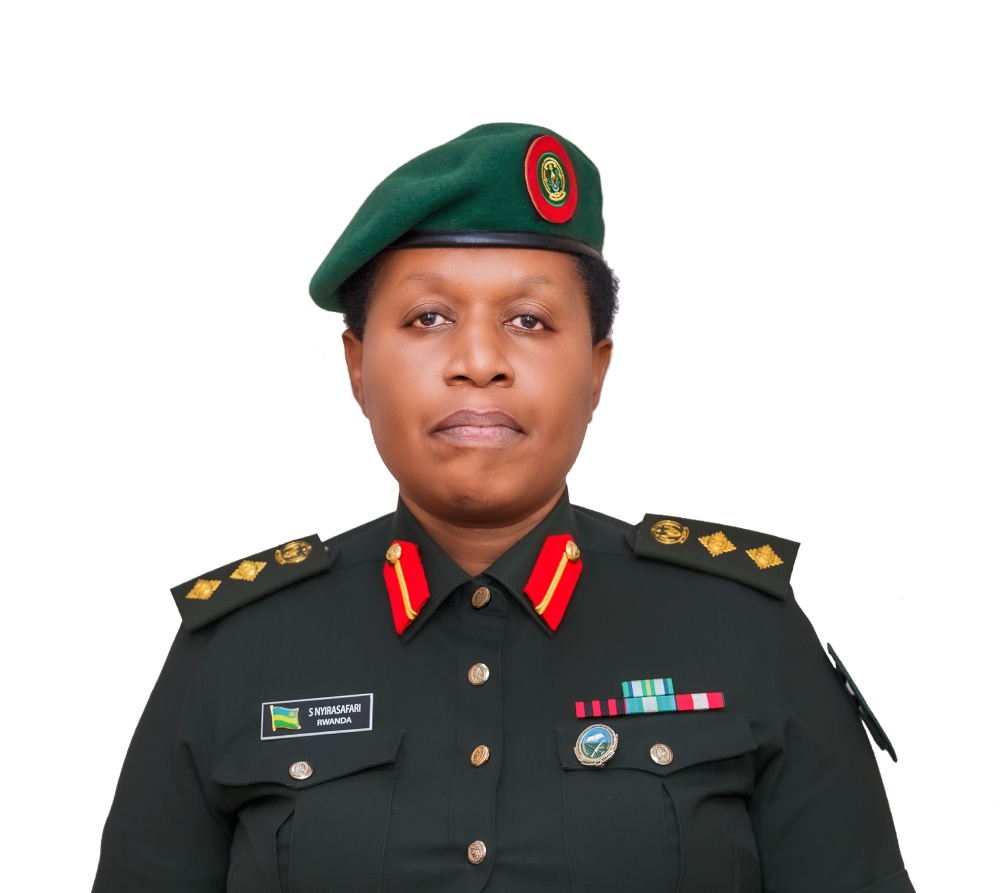
Faustin K. Nsanzabera will serve as the Chief J6, with Colonel Ignace Tuyisenge leading the Military Police Brigade. Furthermore, Col. Patrick Kabanda has been confirmed as the Military Prosecutor General and Col. Seraphine Nyirasafari as the Director of Civil-Military Cooperation.
Lt Col. Eugene Ruzibiza will command the 309 Brigade, and Lt. Col Jean de Dieu Kayinamura has been named the Managing Director at Loyal Trust Company Ltd.
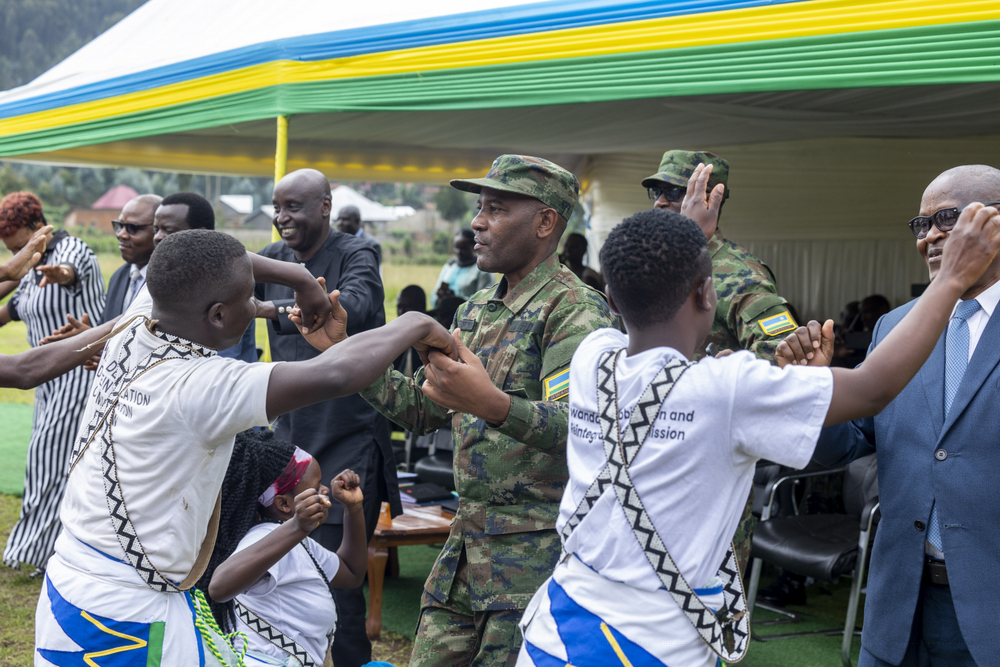
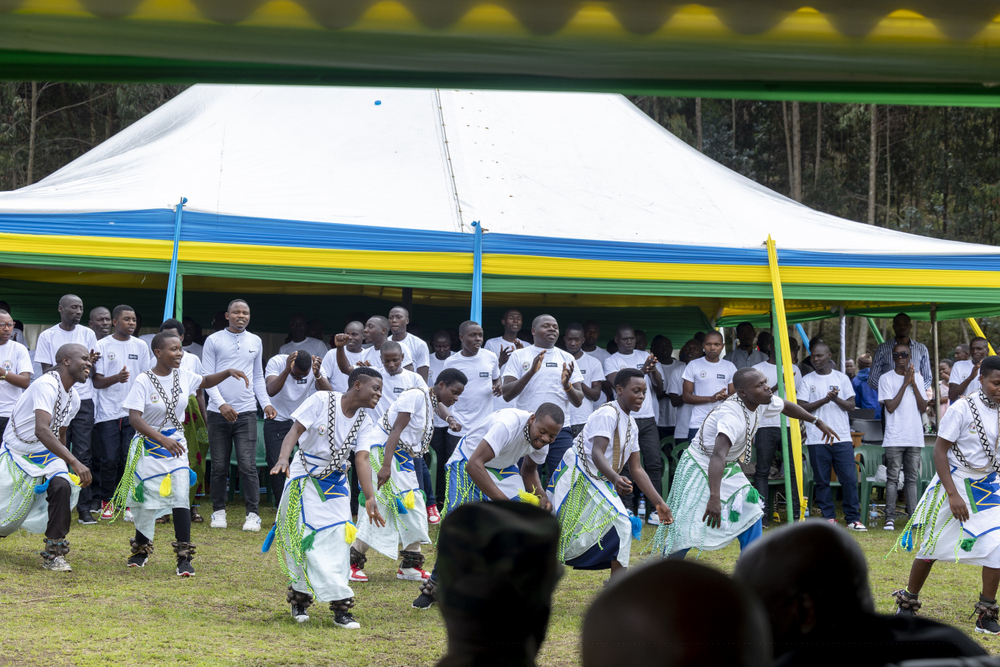
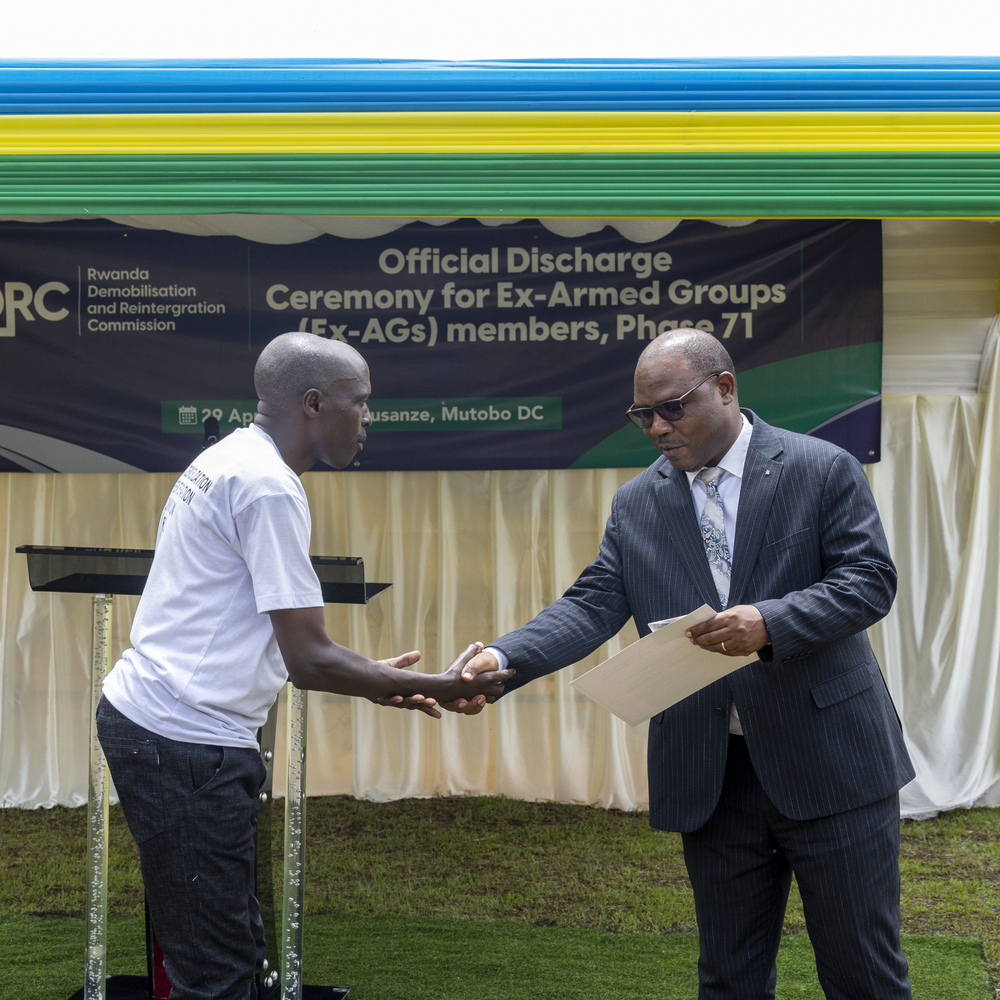
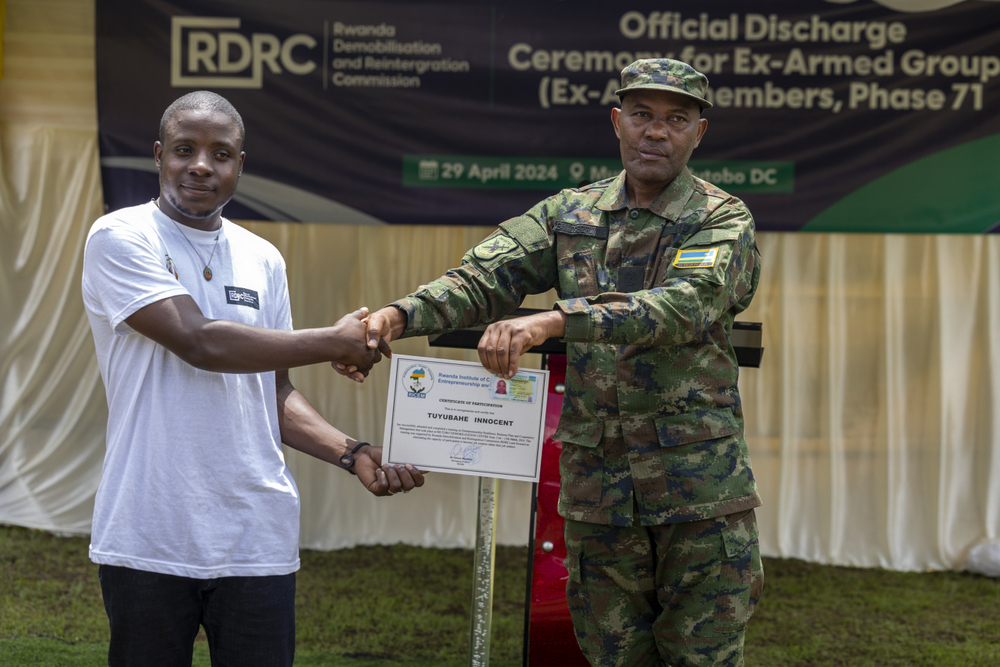
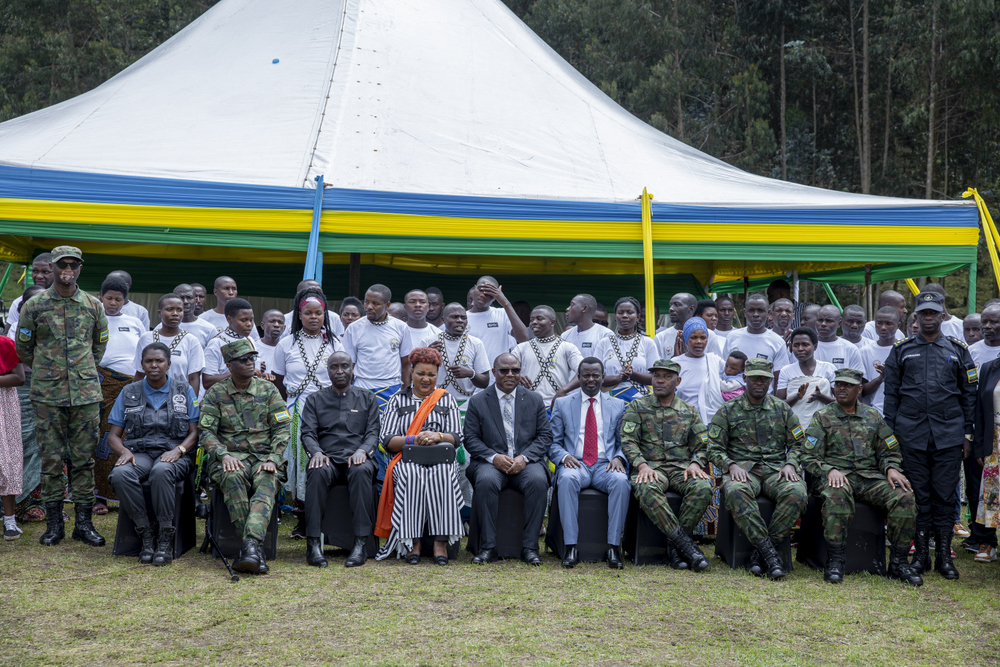
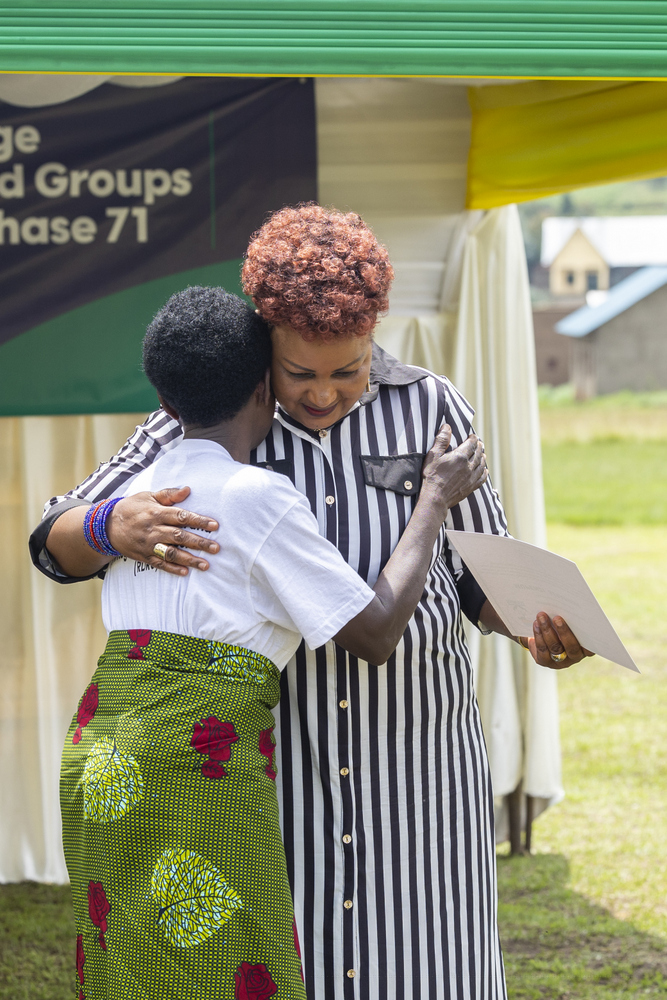
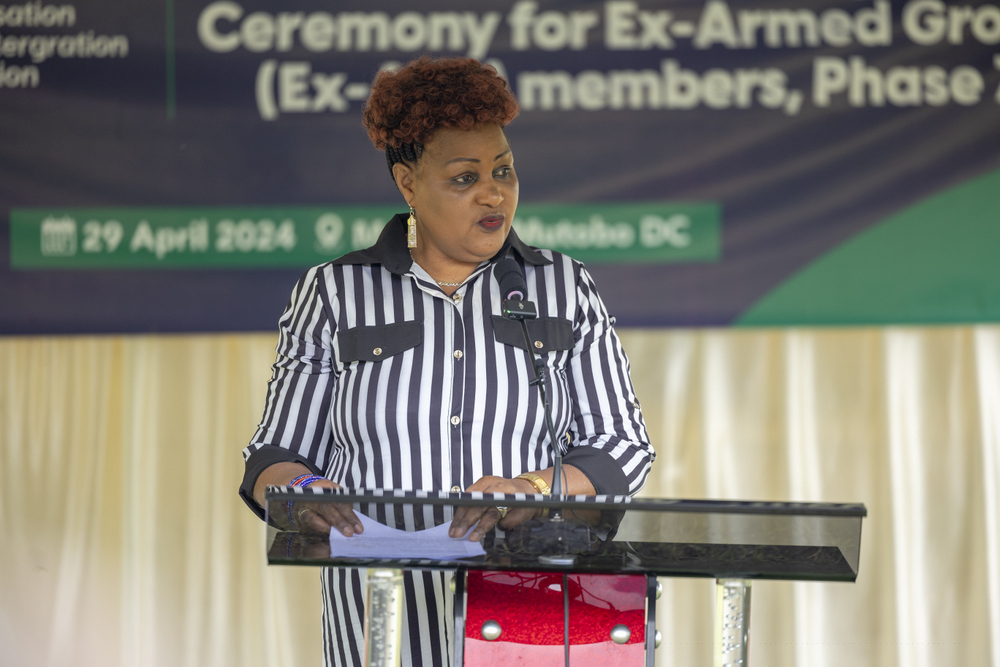
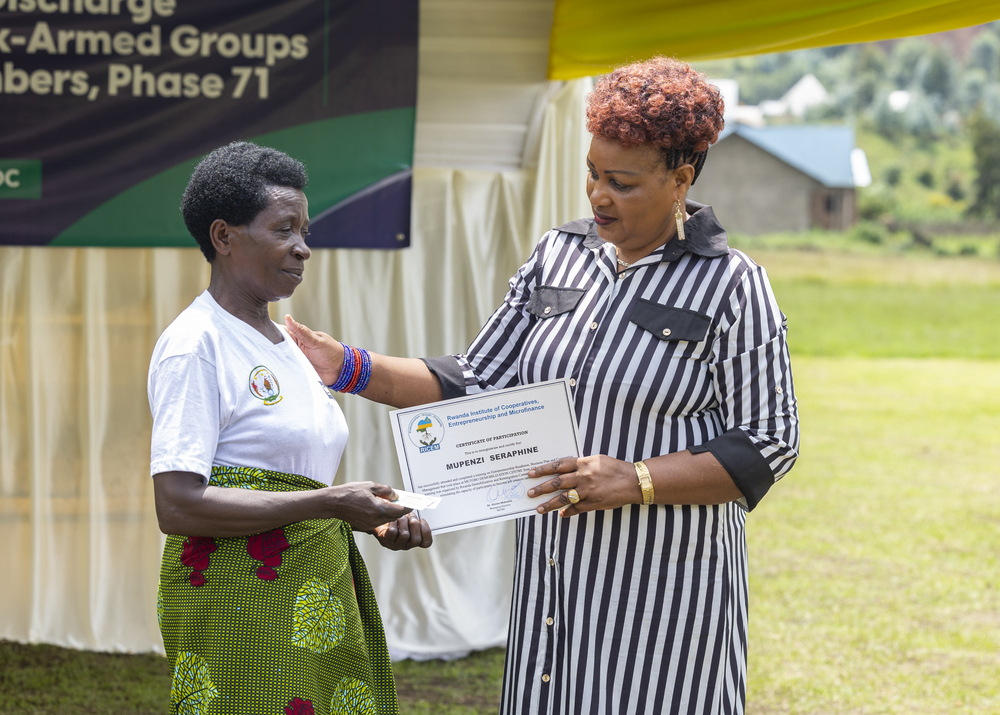
On April 29, 2024, the Mutobo Demobilization and Reintegration Center hosted an event marking the demobilization of 55 former combatants, who were part of the 71st cohort. These individuals hailed from various armed groups in the DRC.
Col Alphonse Uwimana, a former combatant with the Democratic Forces for the Liberation of Rwanda (FDLR), commended Rwanda’s inclusive approach. “The government welcomed us unconditionally, providing training and instilling in us the core values of a productive Rwandan citizen,” he said.
Uwimana emphasized their commitment to eradicating divisive and genocidal ideologies. He appealed to those still in the DRC forests, or contemplating attacks against Rwanda, to disarm and return home, assuring them of a warm reception.
Valérie Nyirahabineza, Chairperson of the National Commission for Demobilization and Reintegration (RDRC), highlighted the success of the Mutobo center, which has trained over 14,000 individuals since its inception, from groups including the FDLR, P5, and RUD Urunana.
The recent demobilization included 46 soldiers and civilians involved with armed groups, along with two children previously engaged as soldiers, all of whom have been prepared to adopt new perspectives.
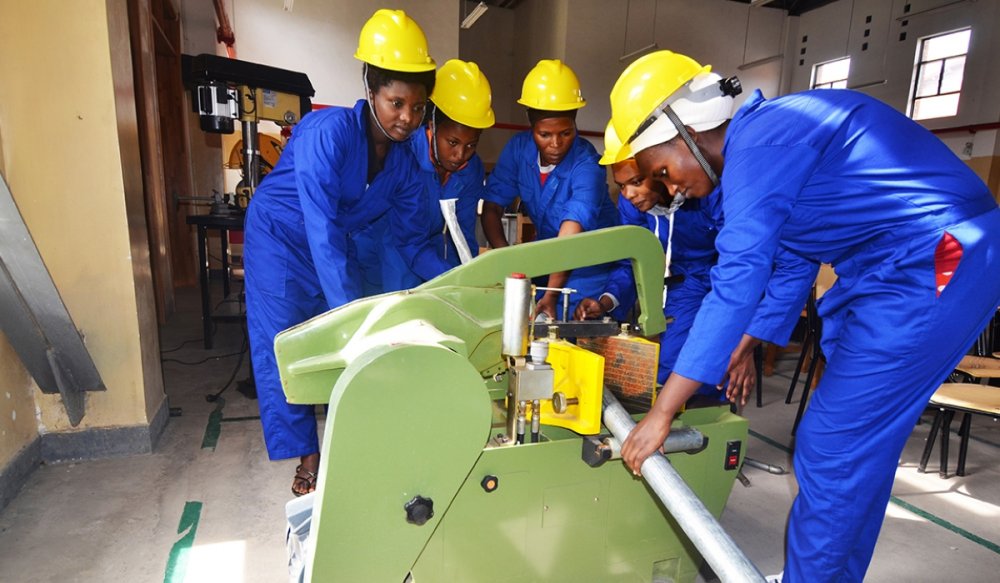
“They are poised to make significant contributions to the development of a better Rwanda,” Nyirahabineza stated. She added that the training provided at Mutobo covered various trades, resulting in qualifications certified by the Rwanda Technical & Vocational Education & Training Board (RTB).
Upon completing their training, the individuals received identity cards, reintegration certificates, and professional certificates, equipping them for their new lives.
Jean Claude Musabyimana, the Minister of Local Government, reaffirmed Rwanda’s commitment to reintegrating all its citizens. “No Rwandan should remain in exile. We are dedicated to ensuring that everyone works together to build our nation,” he declared.
Musabyimana urged the returnees to uphold Rwandan cultural values, work towards poverty eradication, and participate actively in the upcoming Presidential and Parliamentary elections.
Every year, the RDRC welcomes those who have decided to leave behind the conflicts in the DRC, facilitating their integration into Rwandan society.
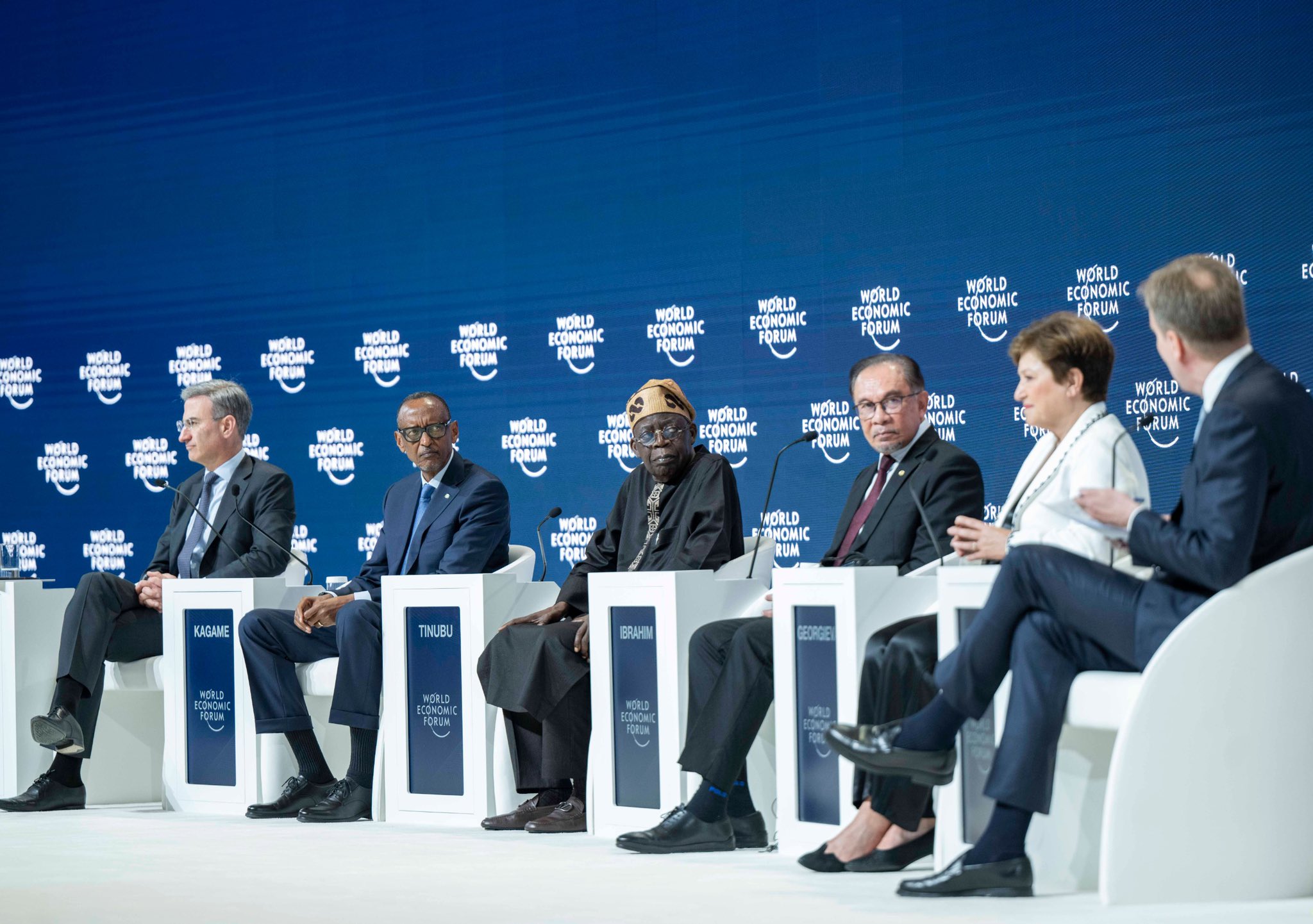
Speaking on Sunday, April 28, during the World Economic Forum Special Meeting in Riyadh, Saudi Arabia, the Rwandan Head of State called out what he described as hypocrisy in efforts by some players to solve problems facing developing countries in the Global South.
“The divide is there. Let us not be vague about it. For example, if you look at it from the perspective of global shocks that we talk about, all countries in the world are affected. Of course, some are affected more than others. But that is a reminder that we need to look at the inclusiveness and collaborations that bring different entities of the world together.
“For that, we must be able to call out hypocrisy whenever we see it. We keep talking about the North and South divide, but we don’t find quick solutions to that, yet we can,” President Kagame stated.
At the same time, President Kagame challenged African leaders to overcome the victim mentality, stating that the continent has what it takes to thrive and narrow the divide between the global North and South.
“In this case, I am going to argue for our continent, Africa. Africa has the fastest-growing middle class. In the not-too-distant future, it will be the only place with a growing middle class. How can you forget that this is a very important place in our world?”
“To narrow the divide, the rest of the world has to see that this is an important place to invest in and to invest with. Secondly, it’s for Africa itself to avoid any victim mentality and start raising ourselves to the levels where we should be, and in fact, where we are — a very important geographical part of our world with a lot of resources. It’s not just natural resources but also the people,” he stated.
He maintained that developed countries must recognise Africa as an important player in global affairs including politics and economy
“As much as you may find problems here and there, Africa is coming together. Africa is moving forward. Different countries have decent or impressive growth of the economy. This can’t be coming from nothing but the good efforts that Africans are putting in place.
“Therefore, it’s important that the rest of the world looks at Africa as an important entity in global affairs be it politics or economy,” President Kagame stated.
On her part, International Monetary Fund (IMF) Managing Director, Kristalina Georgieva called for increased collaborations to increase the distribution of resources to underdeveloped countries and marginalised groups.
“Over the last 100 years, despite a huge second world war and despite the cold war that followed, we as humanity have achieved so much. Life expectancy almost doubled, income per capita has increased eight times, with the population almost tripling. The question is: how did we do it? We did it with technology and we did it with capital accumulation, and then deployment of capital to generate that wealth.
“Where did we fail? And we have to be honest and admit it. In a world of plenty, we still have almost 800 million people who are hungry. We failed to more inclusively share the benefits of this growth. I look forward, I am optimistic, and I think in 100 years we can achieve the same degree of wealth but with much better distribution of the benefits of growth. May we have the will to work together to achieve that,” the IMF boss stated.
Speaking on Sunday, April 28, during the World Economic Forum Special Meeting in Riyadh, Saudi Arabia, the Rwandan Head of State said there is a need to recognize efforts Africans have put in place in the huge economic strides the continent continues to make.
“As much as you may find problems here and there, Africa is coming together. Africa is moving forward. Different countries have decent or impressive growth of the economy. This can’t be coming from nothing but the good efforts that Africans are putting in place.
“Therefore, it’s important that the rest of the world looks at Africa as an important entity in global affairs be it politics or economy,” President Kagame stated.
President Kagame further lauded gains made by the African Continental Free Trade Area (AfCFTA), saying that its full implementation will significantly boost intra-Africa trade.
“We have developed the African Continental Free Trade Area – in fact, the biggest in the world. What we are trying to do now is to make sure that it becomes real. The obstacles that are there for the African continent to come together are being removed, but it takes time and effort. However, there is progress,” he added.
Reflecting on Rwanda’s economic growth over the last 30 years, after the country was derailed by the Genocide against the Tutsi, President Kagame said the country’s gains should provide optimism to the rest of the world.
“So, growth that we continue to realize is driven by what we are trying to do within the country itself, with all those constraints, but also what we can do with sub-regions we find ourselves in or cooperating with. But everything adds to the optimism we are talking about. Looking at where Rwanda has come from and where it is now should actually add to the optimism that people should have, looking at even wider where the world is coming from and where it is going,” President Kagame said.
He noted that Rwanda had managed to rise from the ashes of the 1994 Genocide against The Tutsi through sound investments in the people, technology and collaborations with various stakeholders in Africa and beyond.
“We have invested in education, health, and, above all, technology, which has been a focus for us and integrating it into education and health services. For the health service, for example, we have made use of technology like drones which are delivering health services to rural hospitals,” he added.
“Rwanda has also not been left behind in adopting Artificial Intelligence (AI). We have invested in it as well as agriculture. The question for us has been, how do we achieve food self-sufficiency and take it to the integrated continent?”
He noted that accountability and good governance had also contributed to Rwanda’s growth.
“Rwanda has come from the dead 30 years ago and we are now alive and thriving. It’s the investment in our people. Accountability and governance that we bring into play that we share with the rest of the continent,” President Kagame added.
The discussions also featured President Bola Ahmed Tinubu of Nigeria, Prime Minister Anwar Ibrahim of Malaysia, the International Monetary Fund (IMF) Managing Director Kristalina Georgieva, and Lazard Group Chief Executive Officer (CEO) Peter Orszag.
Georgieva called for increased collaborations to increase the distribution of resources to underdeveloped countries and marginalised groups.
“Over the last 100 years, despite a huge second world war and despite the cold war that followed, we as humanity have achieved so much. Life expectancy almost doubled, income per capita has increased eight times, with the population almost tripling. The question is: how did we do it? We did it with technology and we did it with capital accumulation, and then deployment of capital to generate that wealth.
“Where did we fail? And we have to be honest and admit it. In a world of plenty, we still have almost 800 million people who are hungry. We failed to more inclusively share the benefits of this growth. I look forward, I am optimistic, and I think in 100 years we can achieve the same degree of wealth but with much better distribution of the benefits of growth. May we have the will to work together to achieve that,” the IMF boss stated.
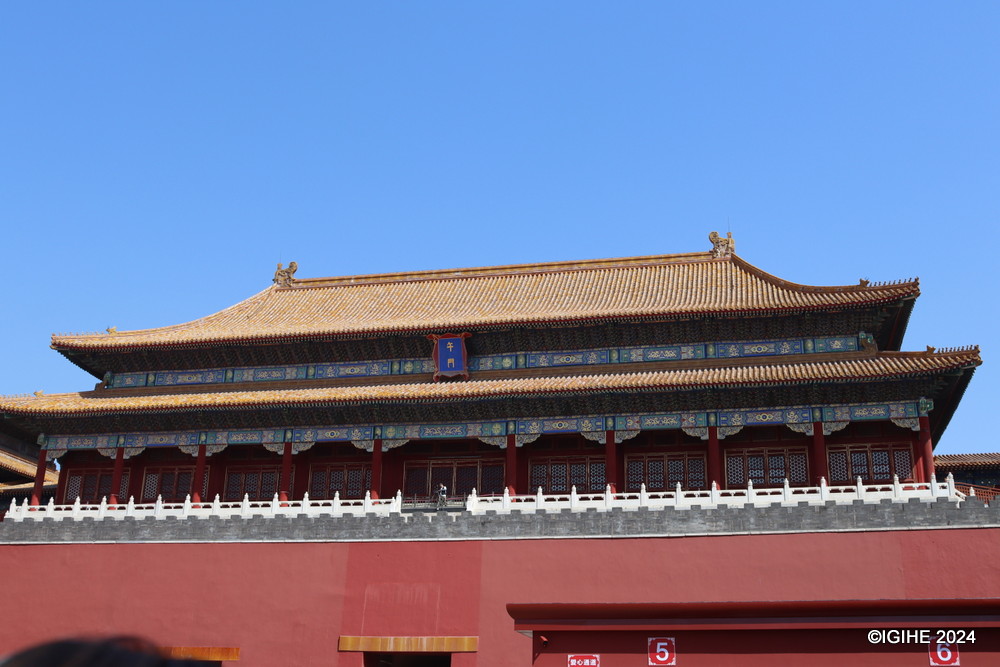
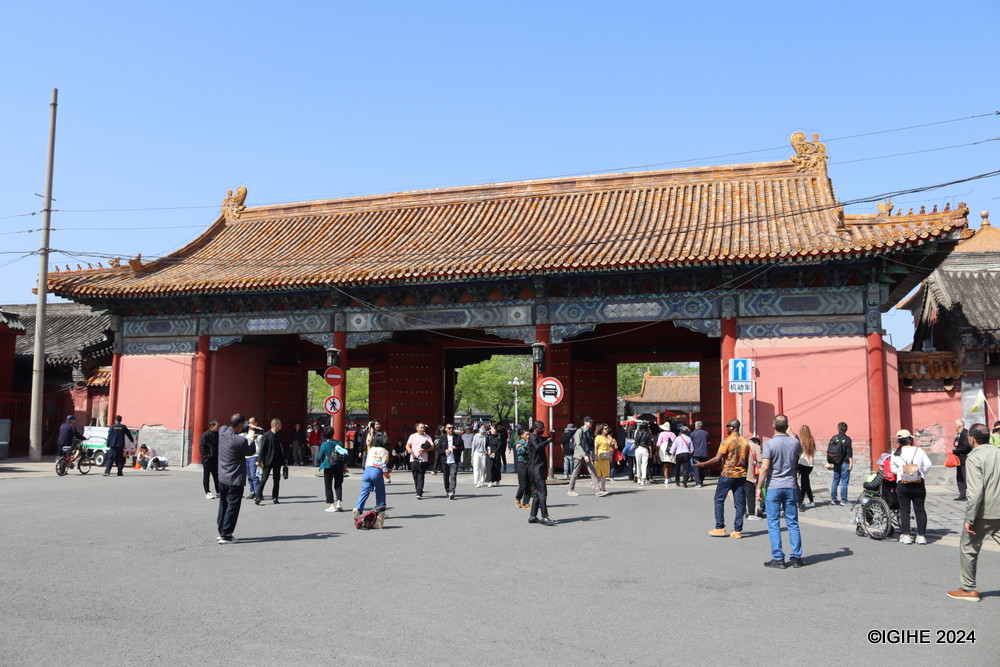
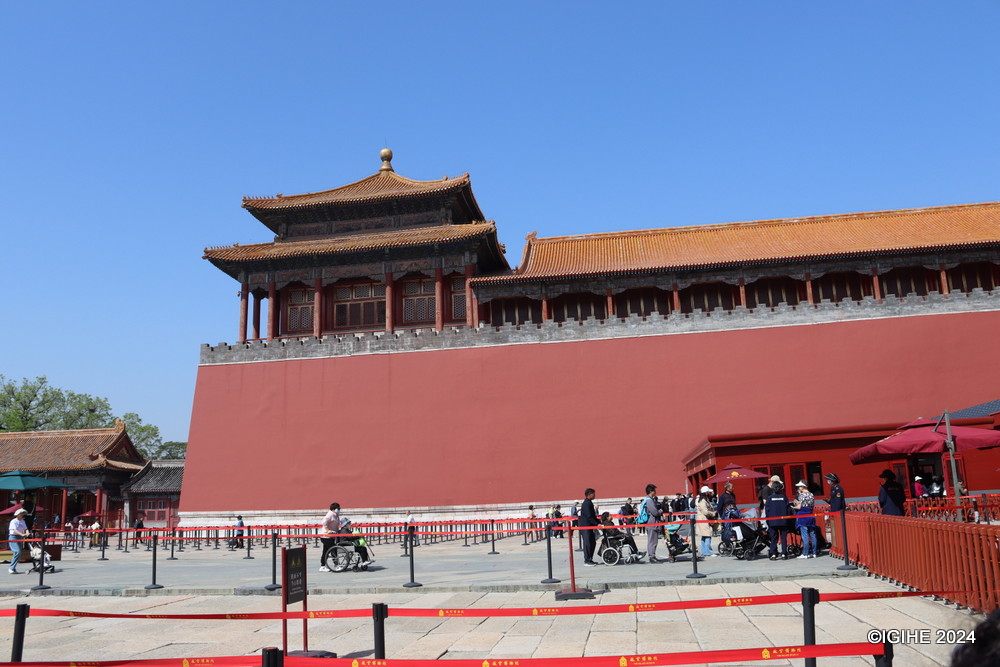
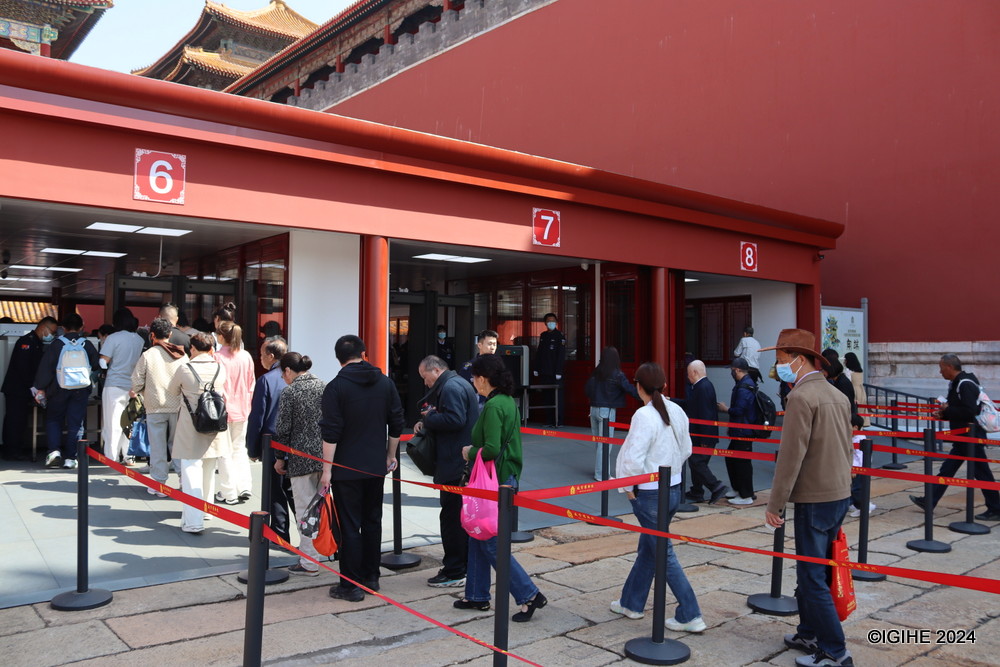
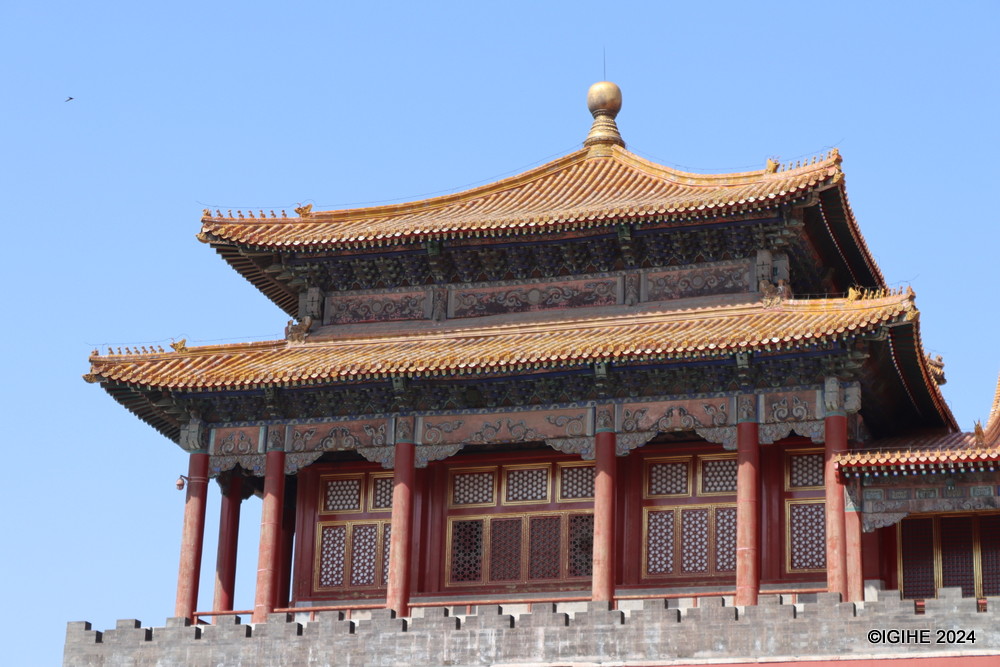
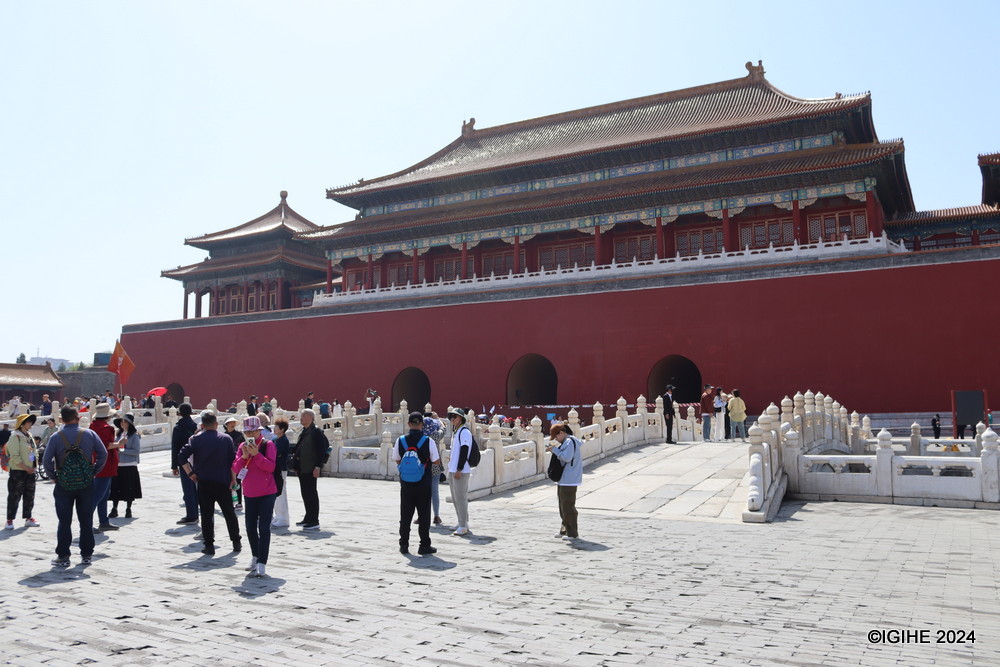
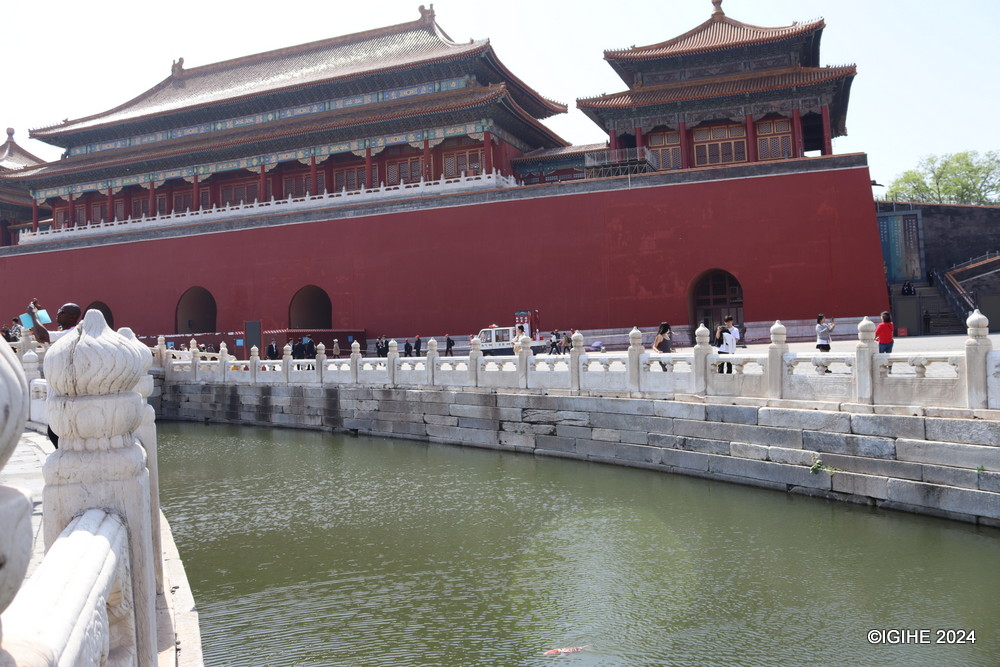
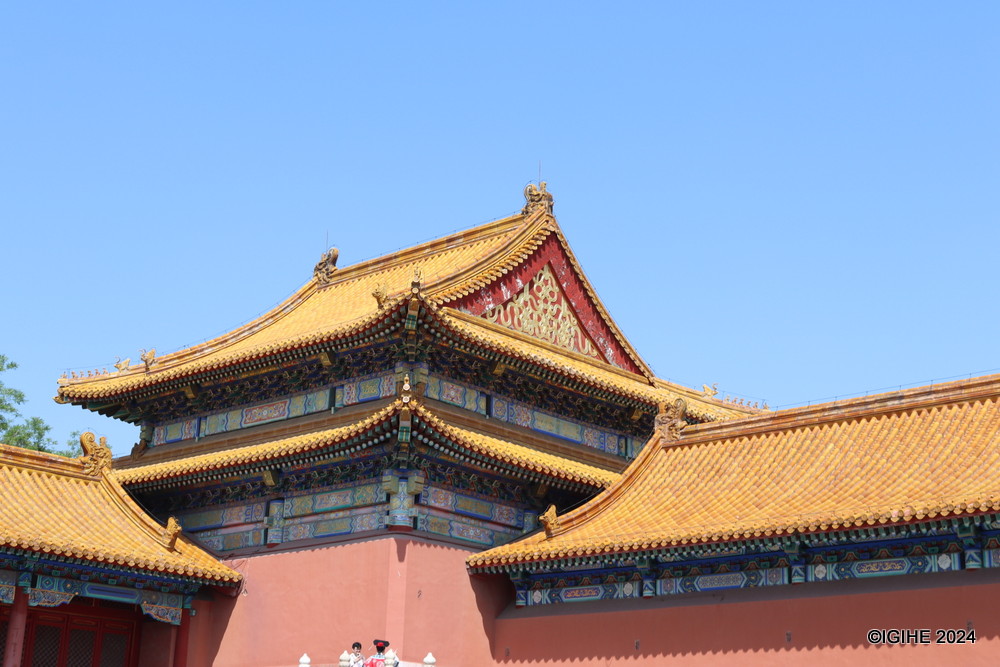
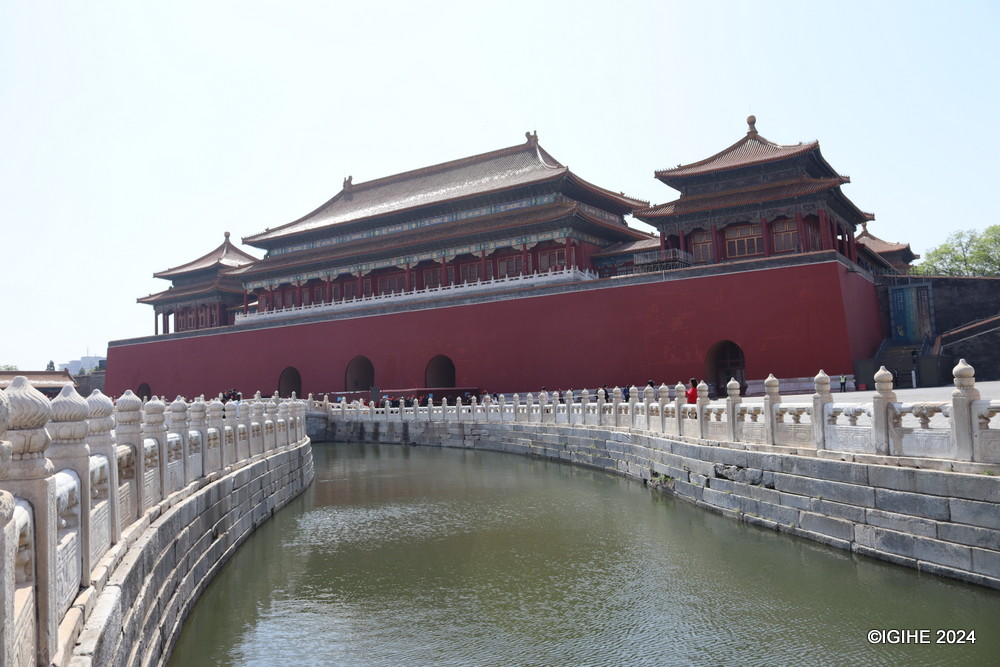
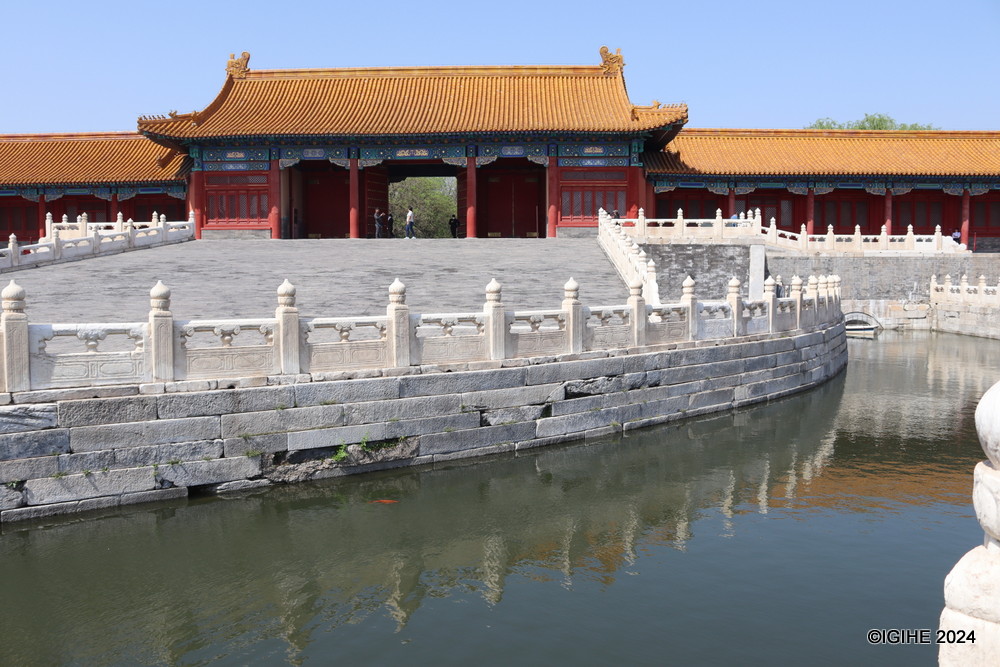
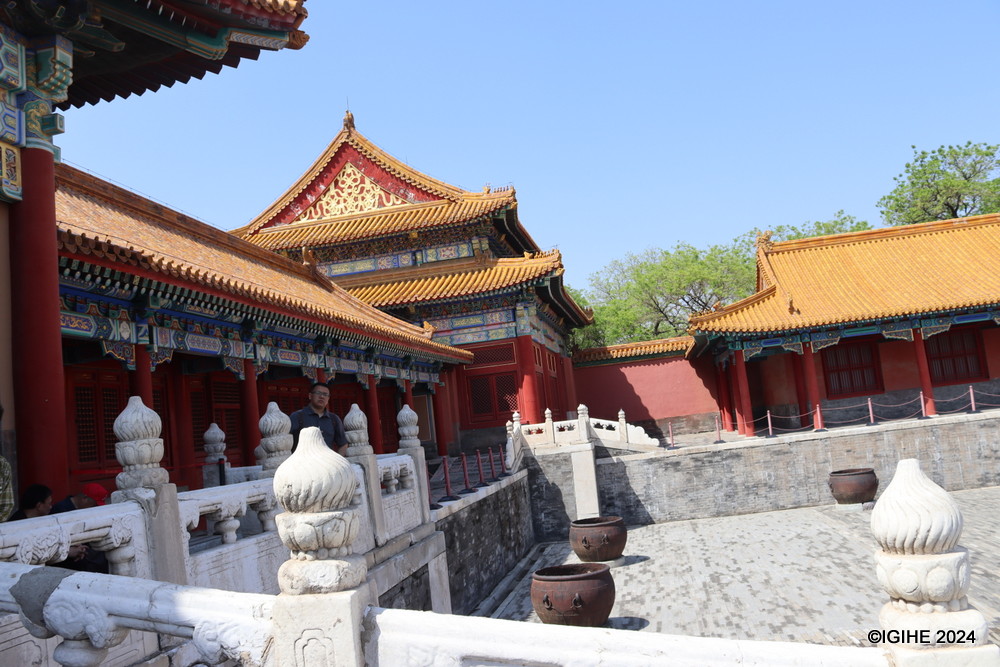
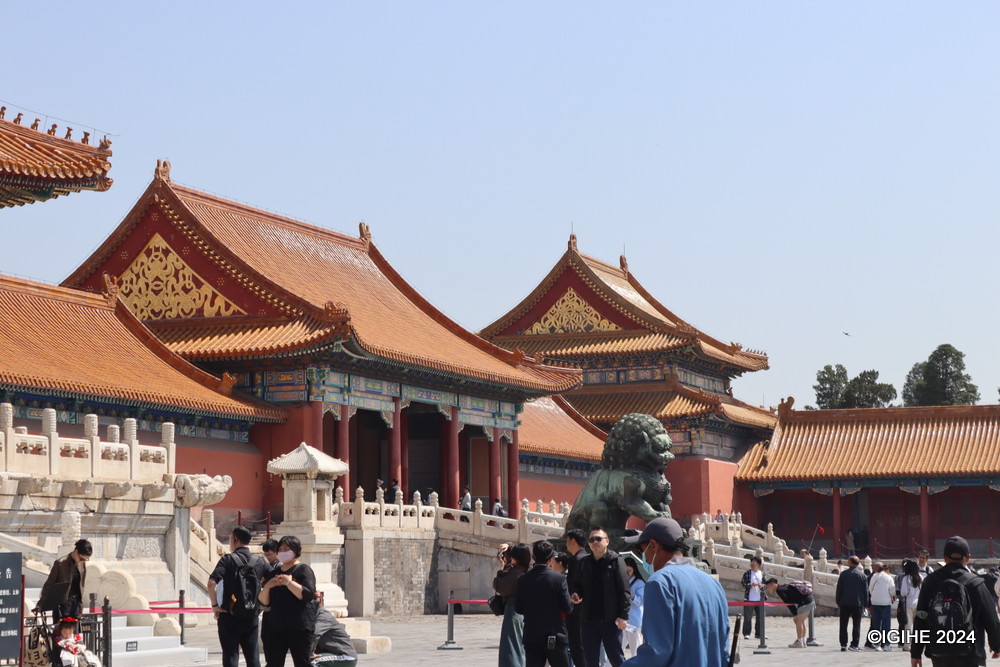
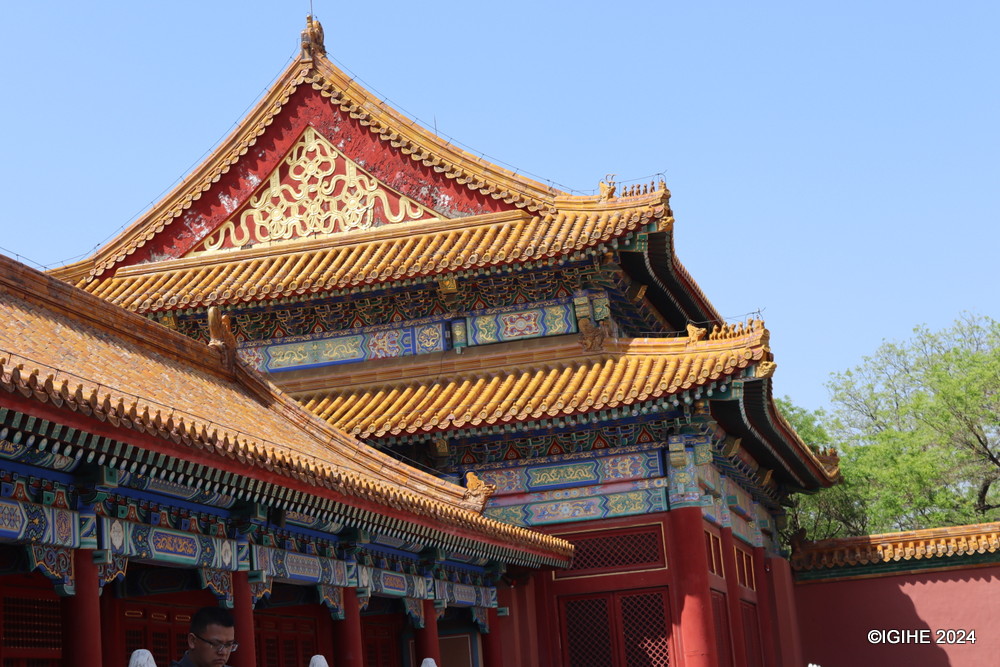
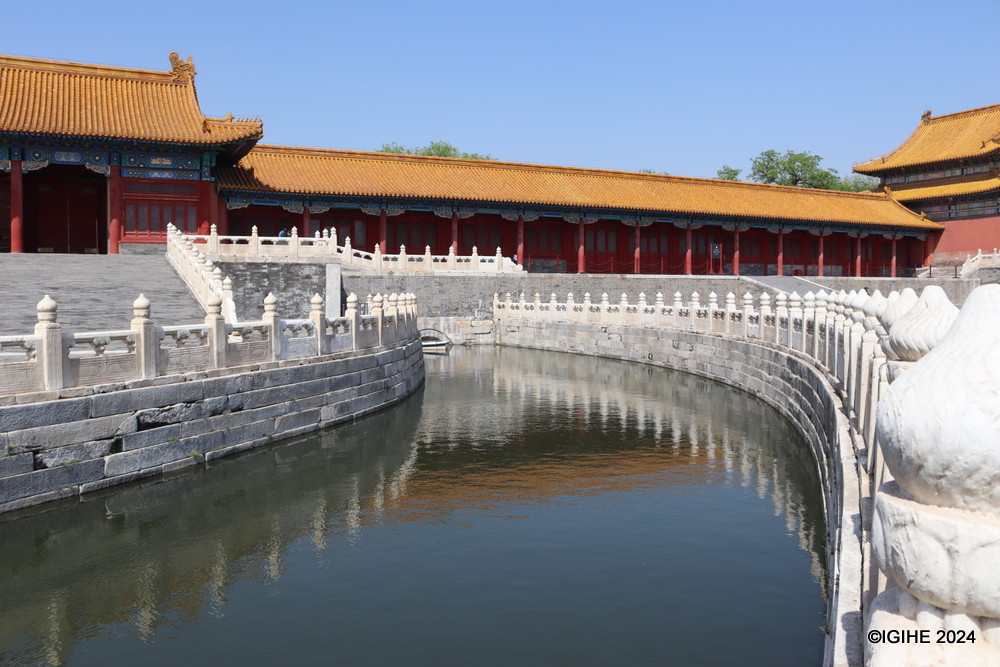
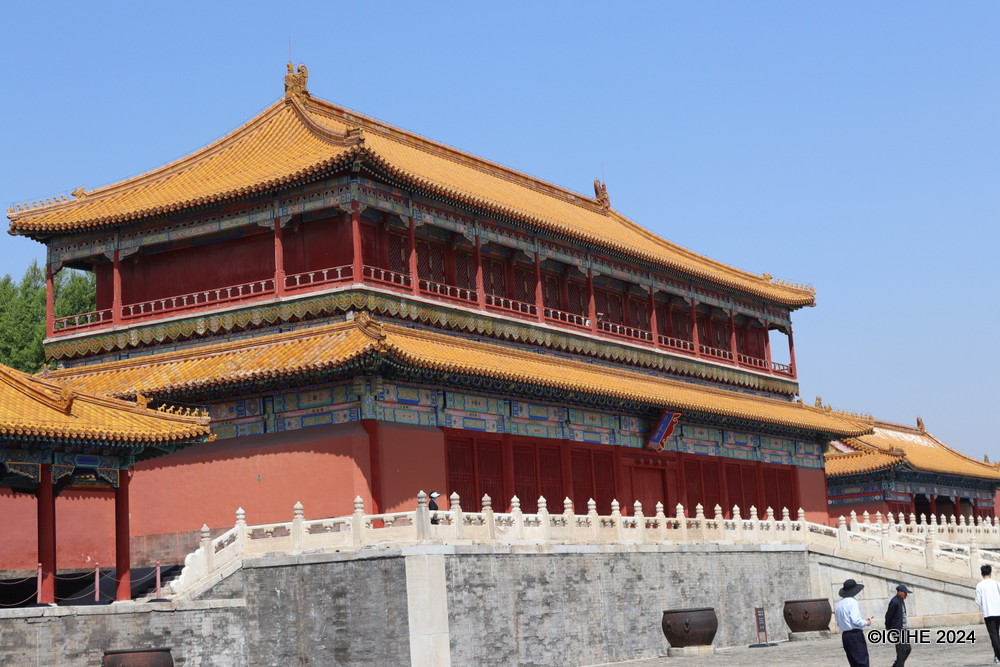
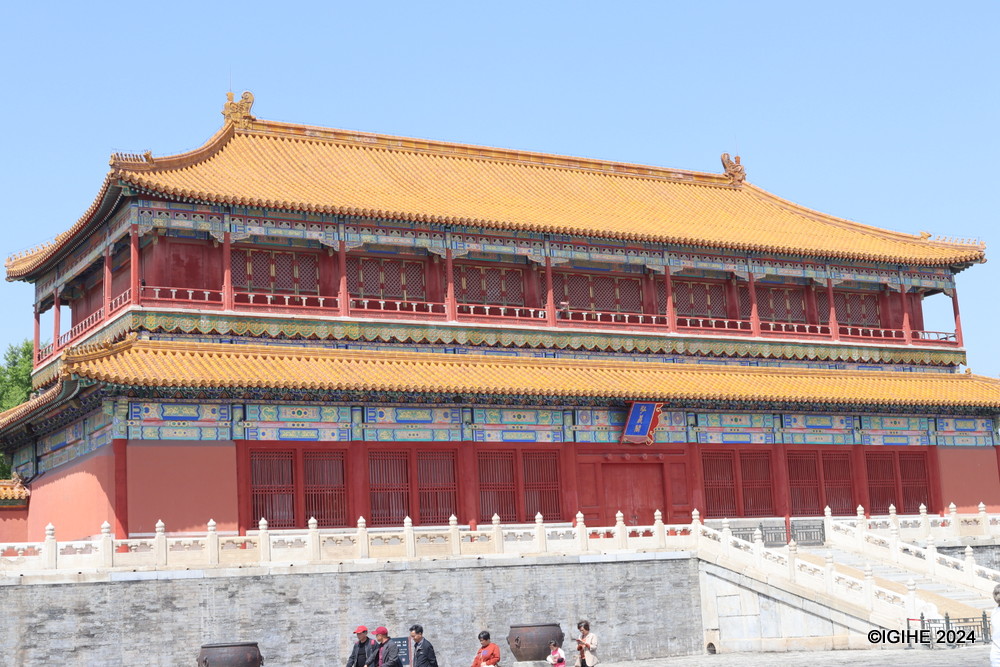
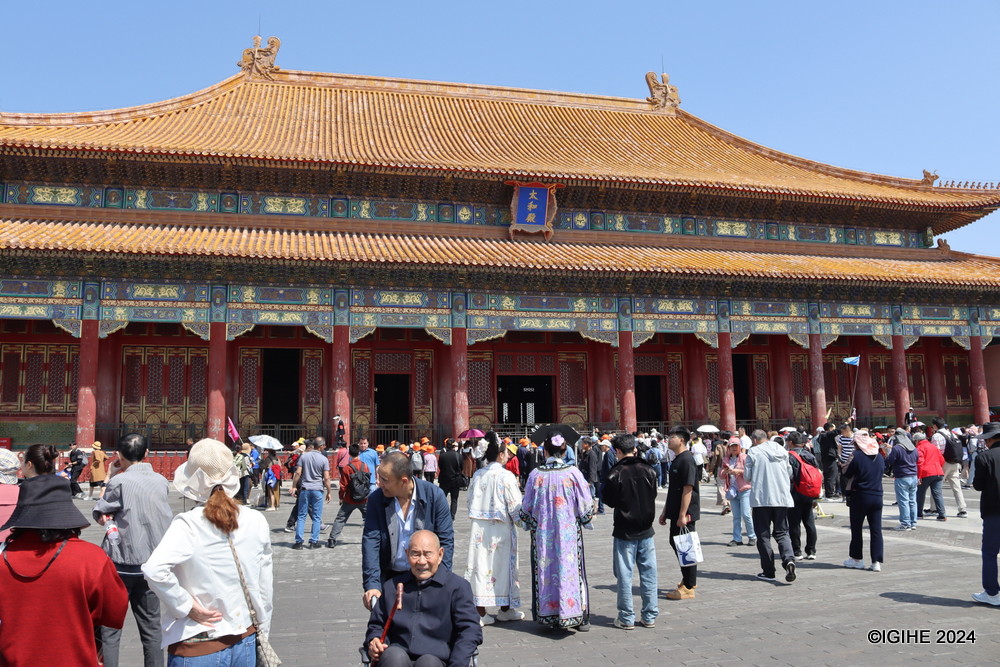
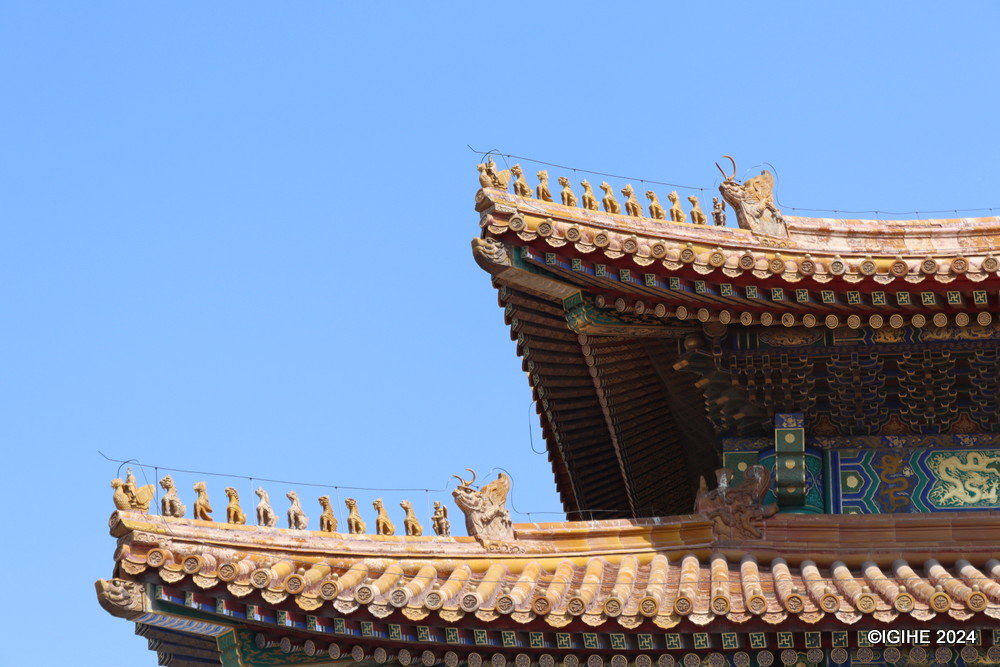
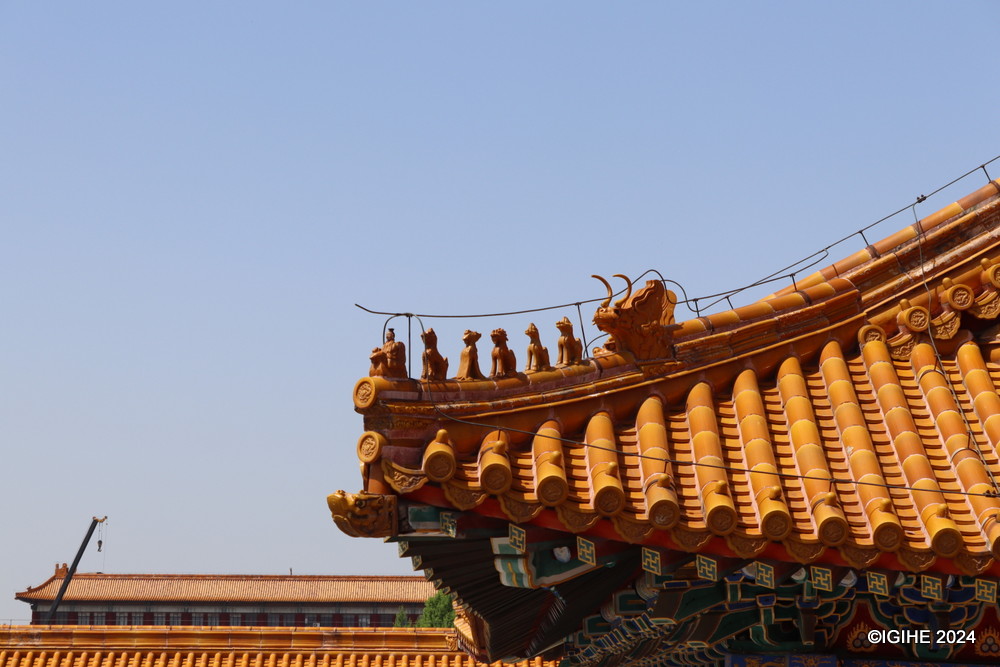
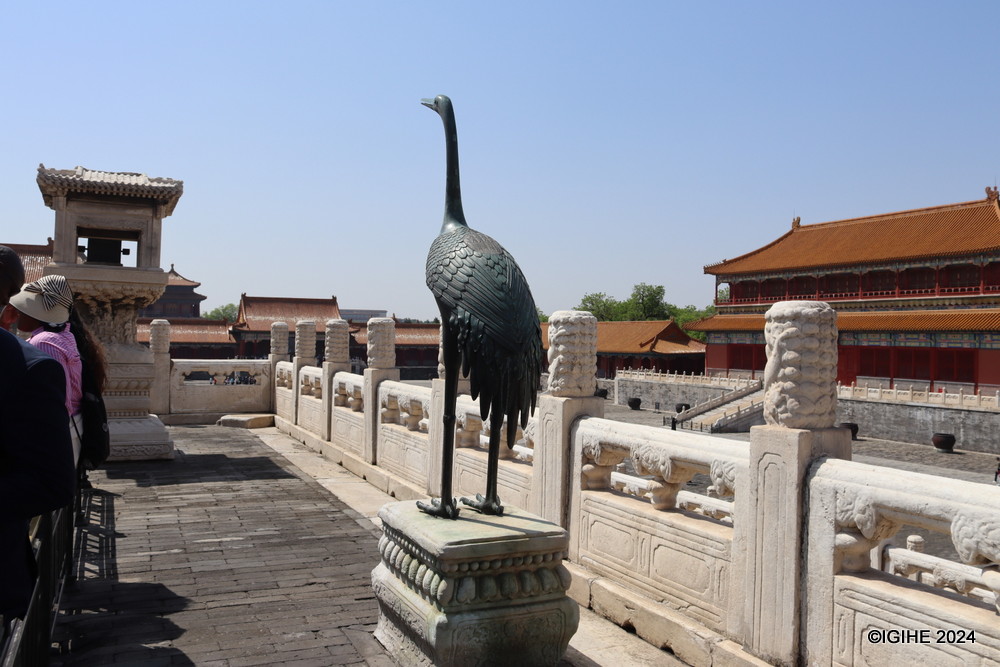
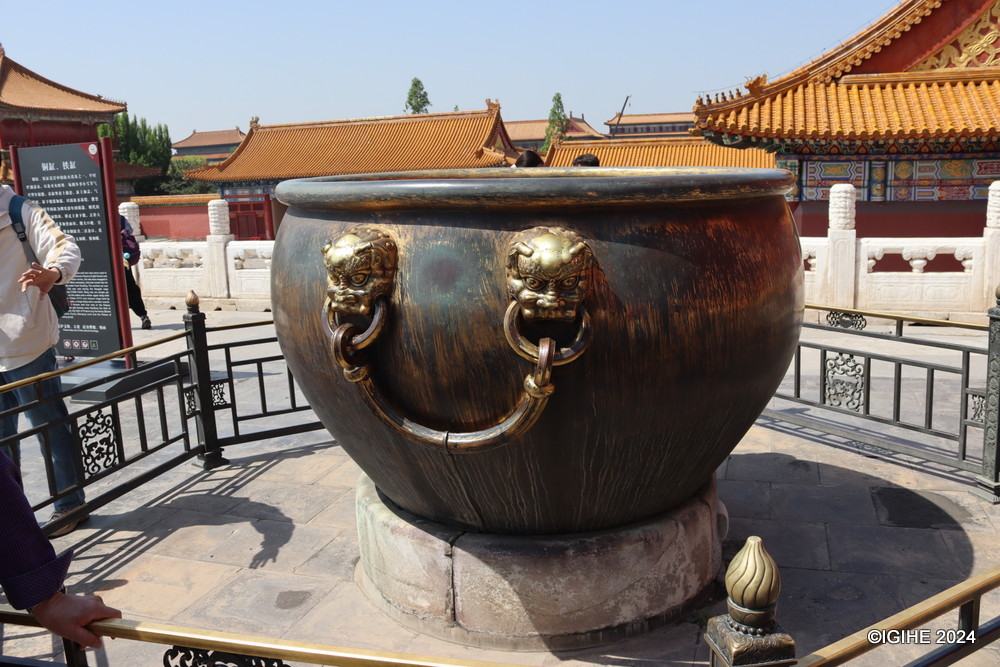
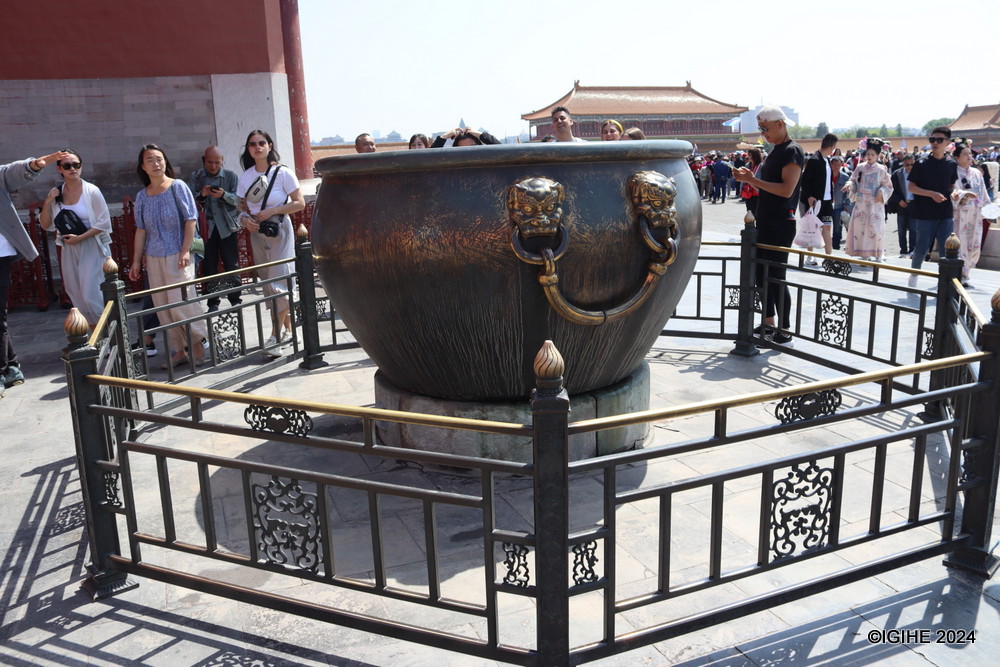
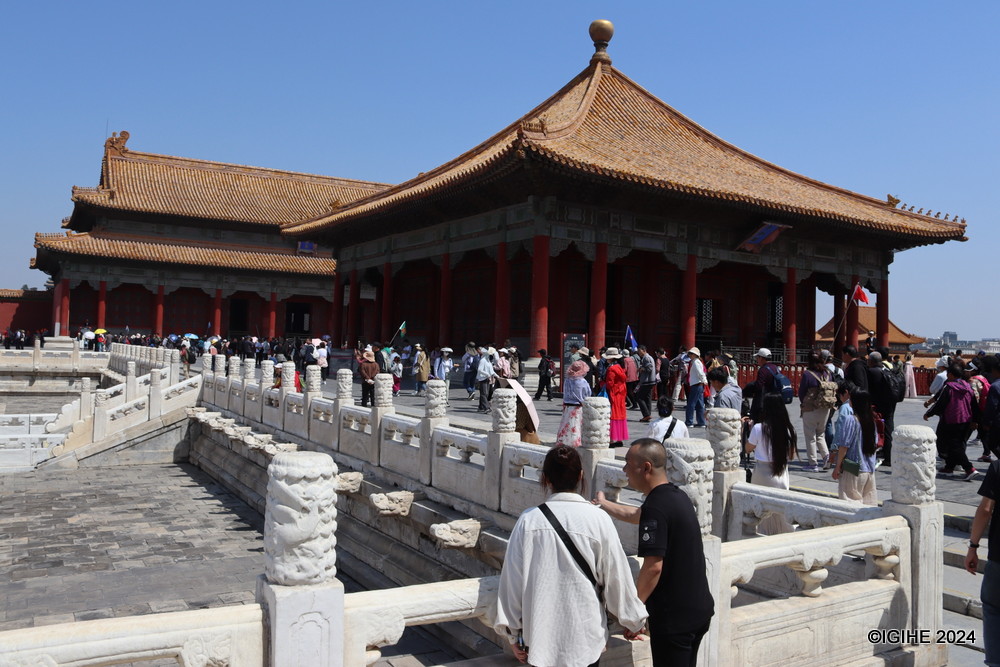
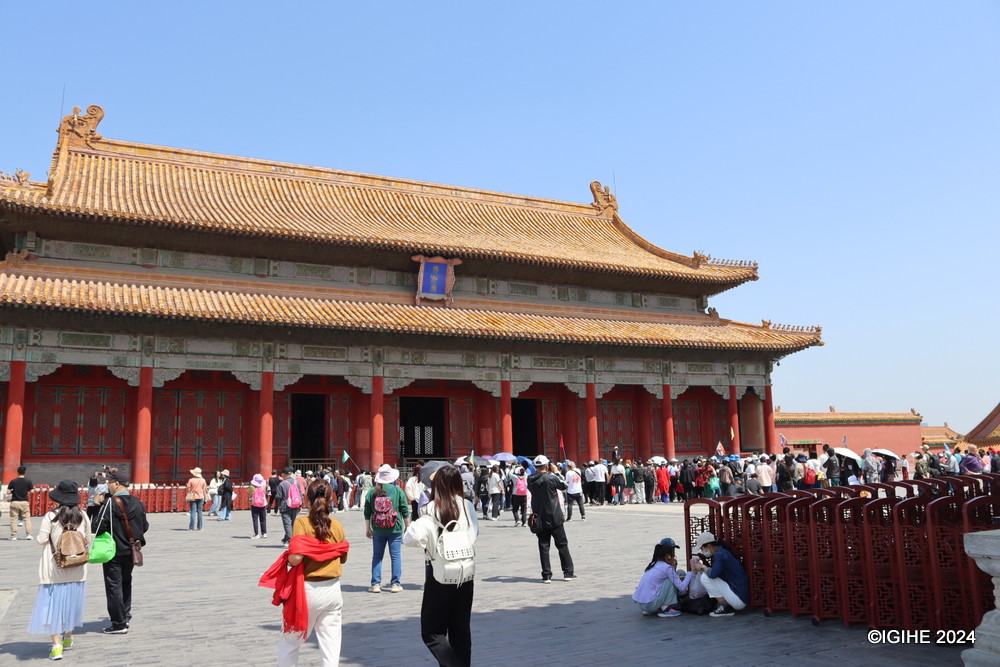
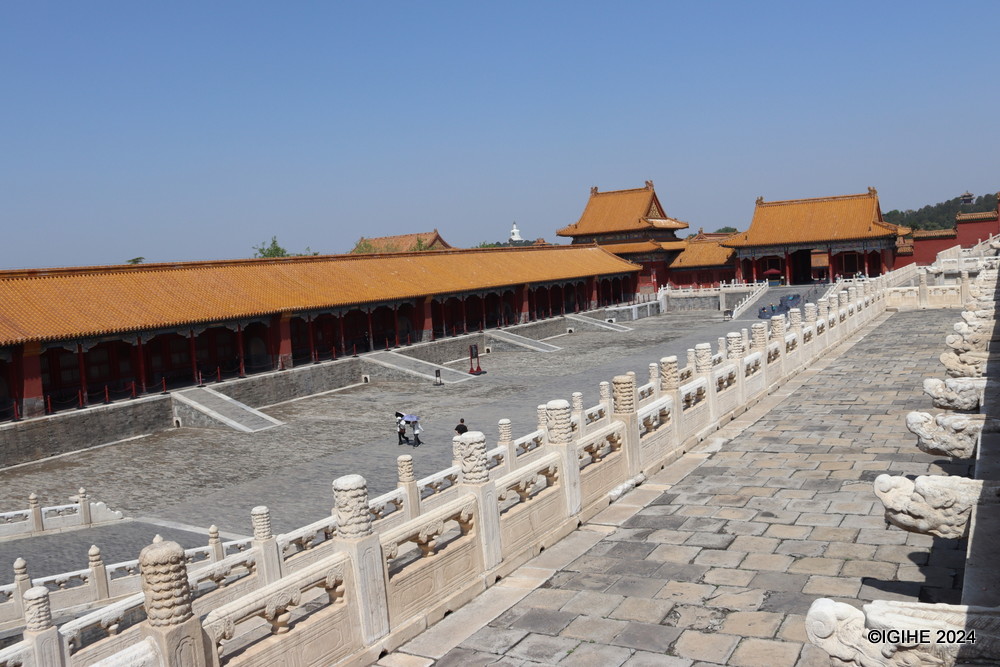
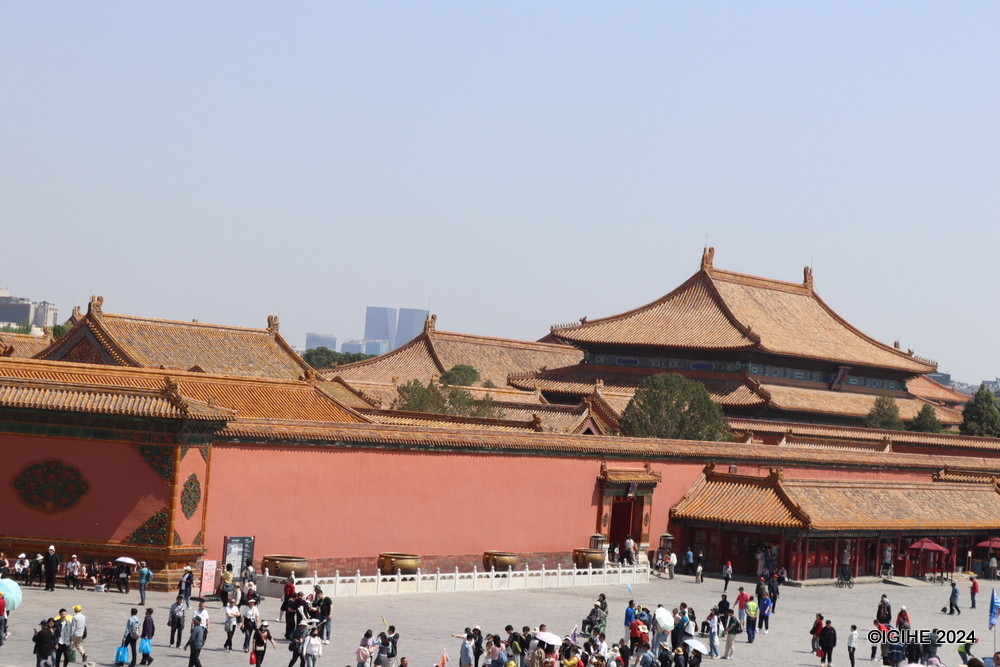
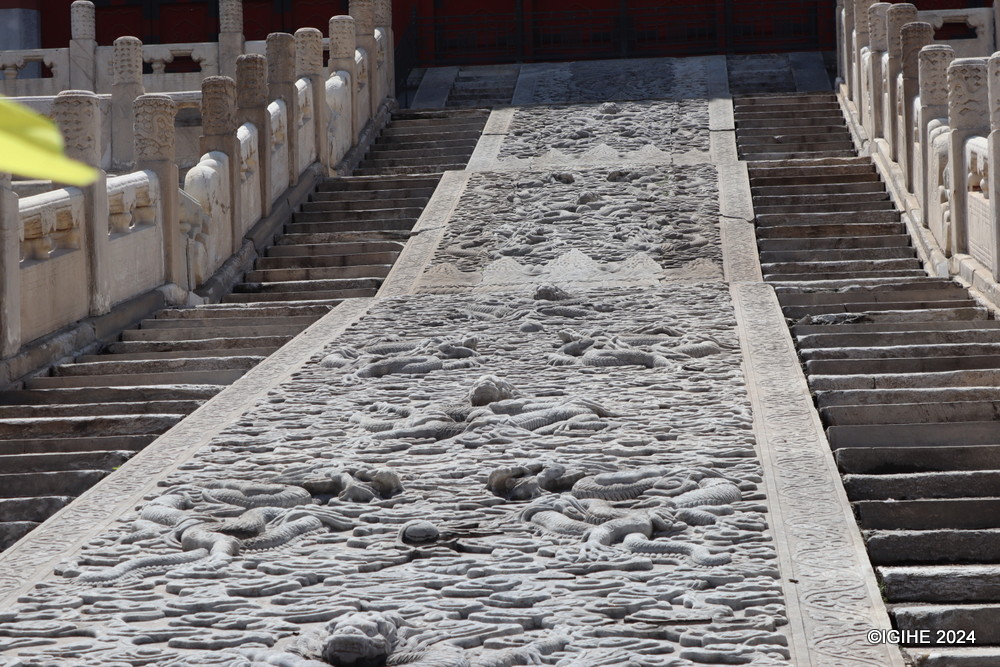
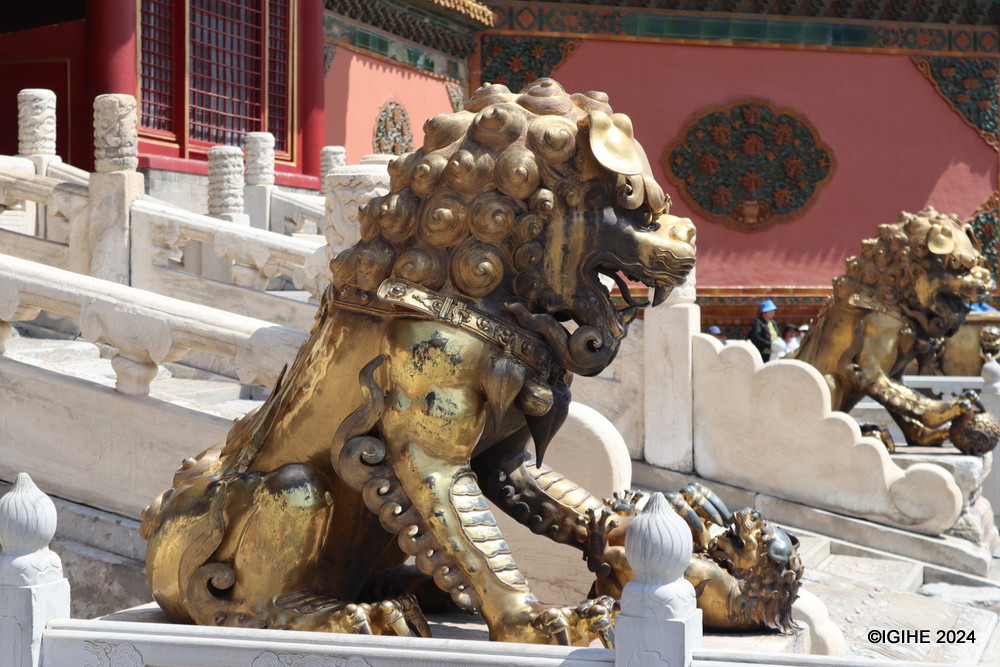
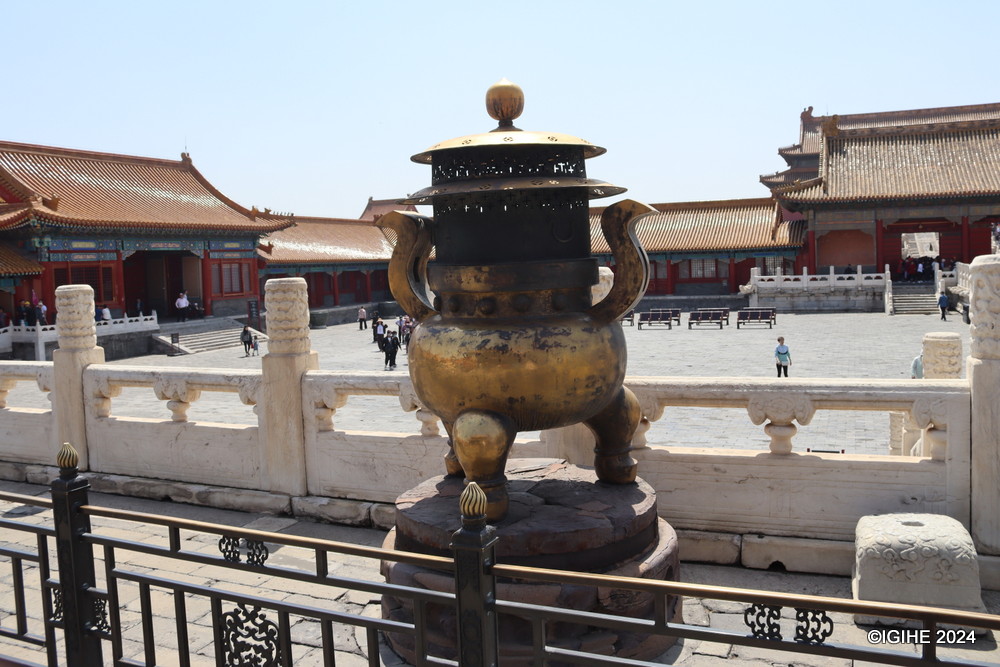
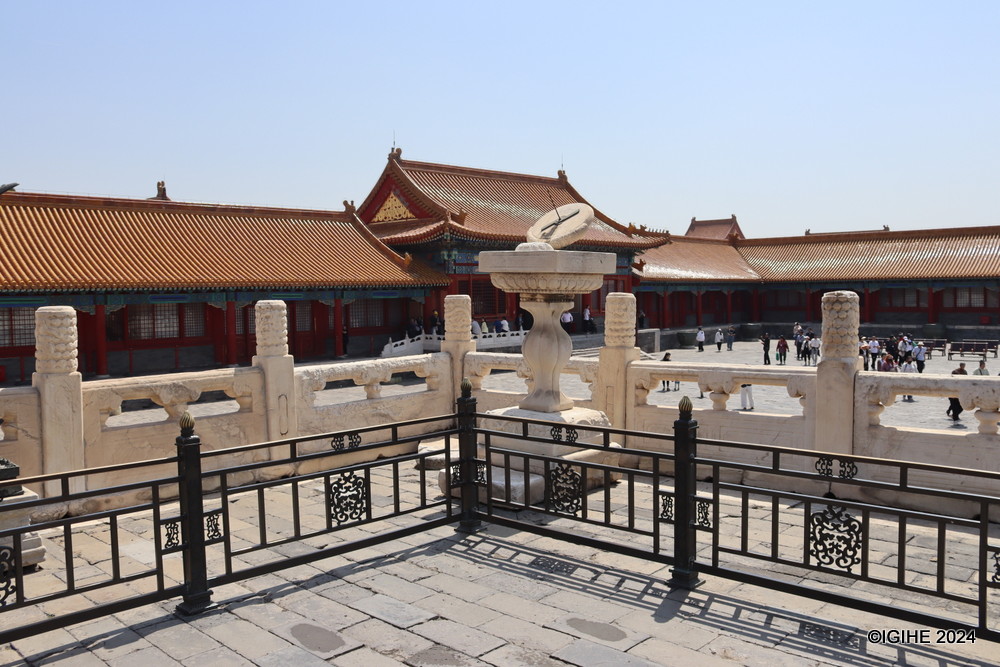
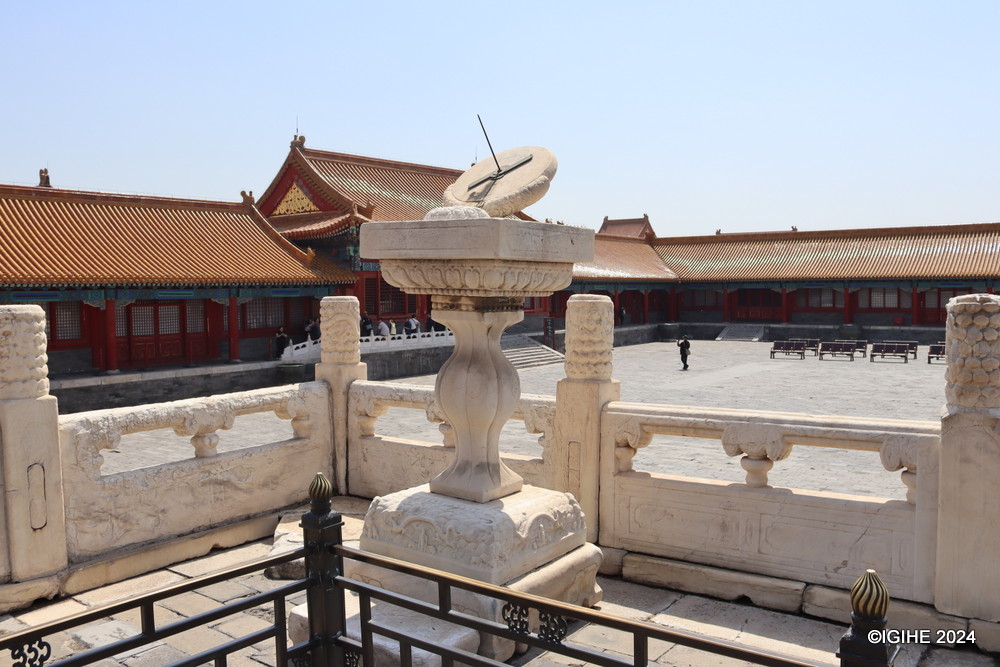
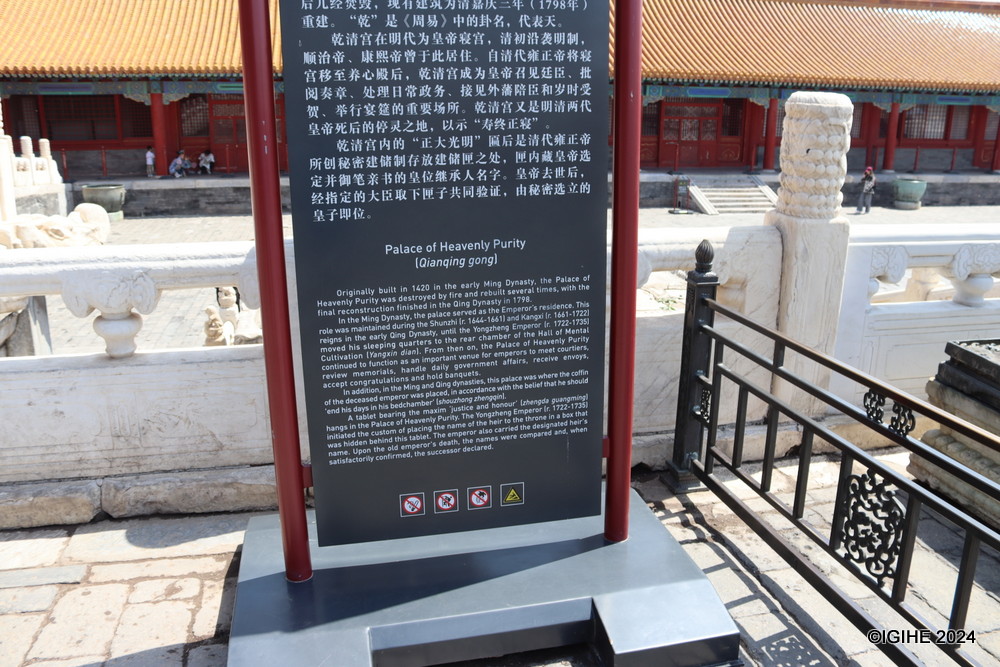
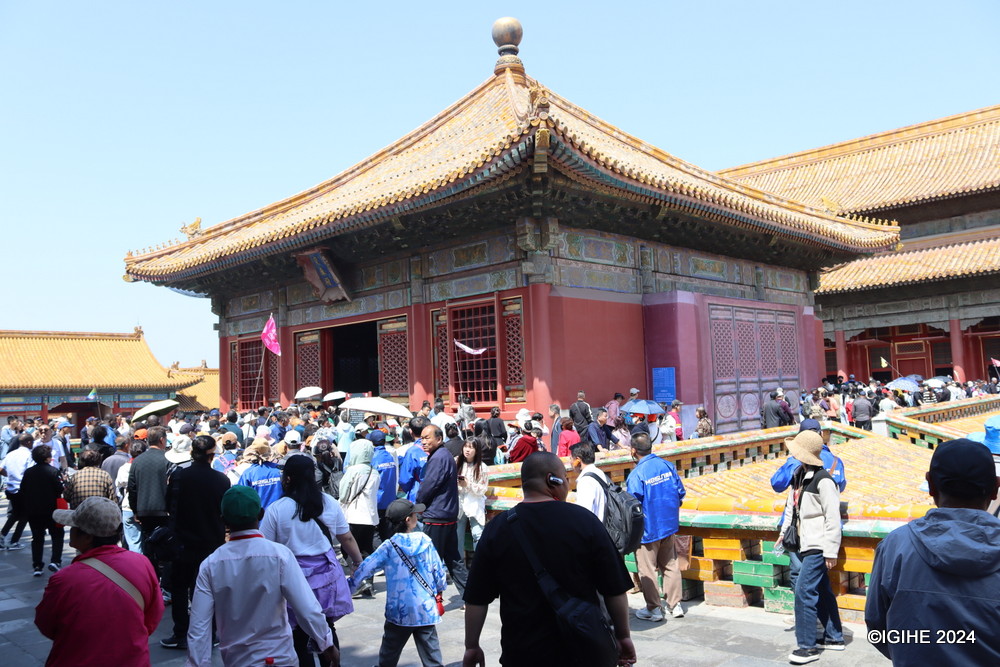
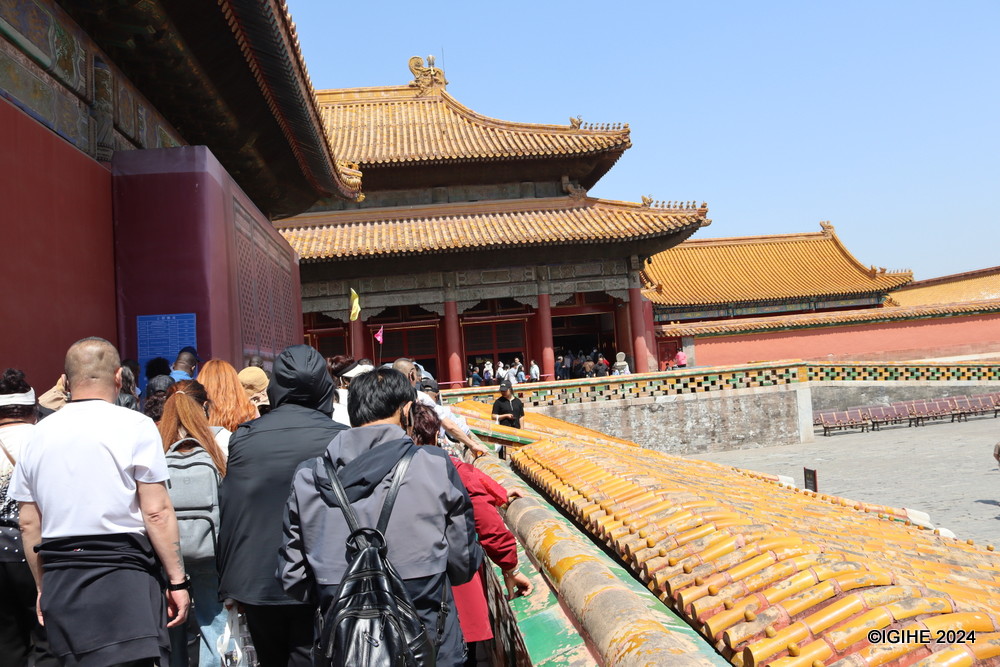
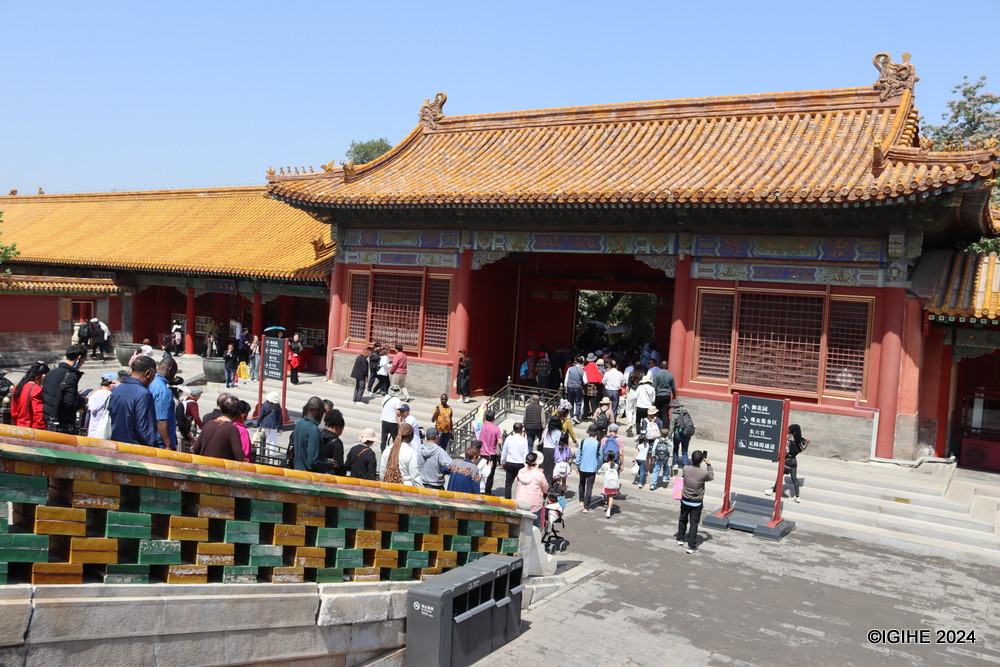
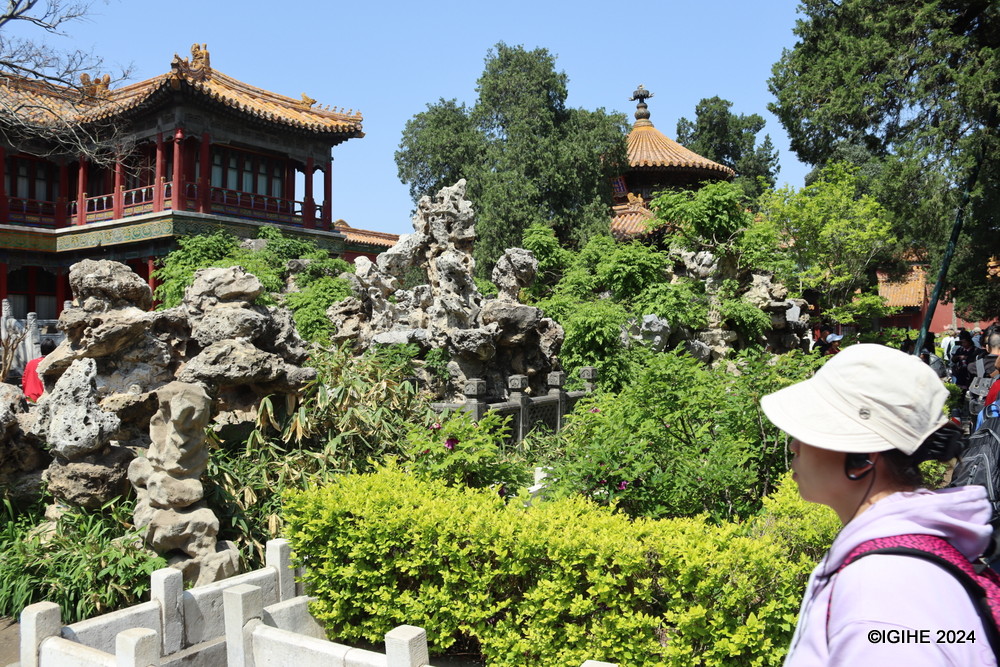
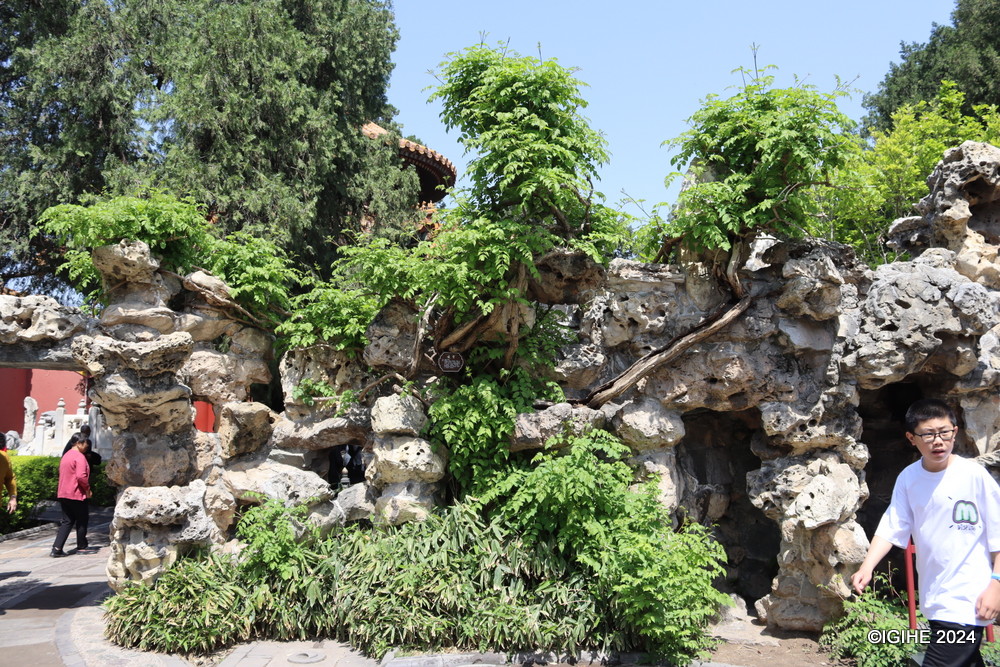
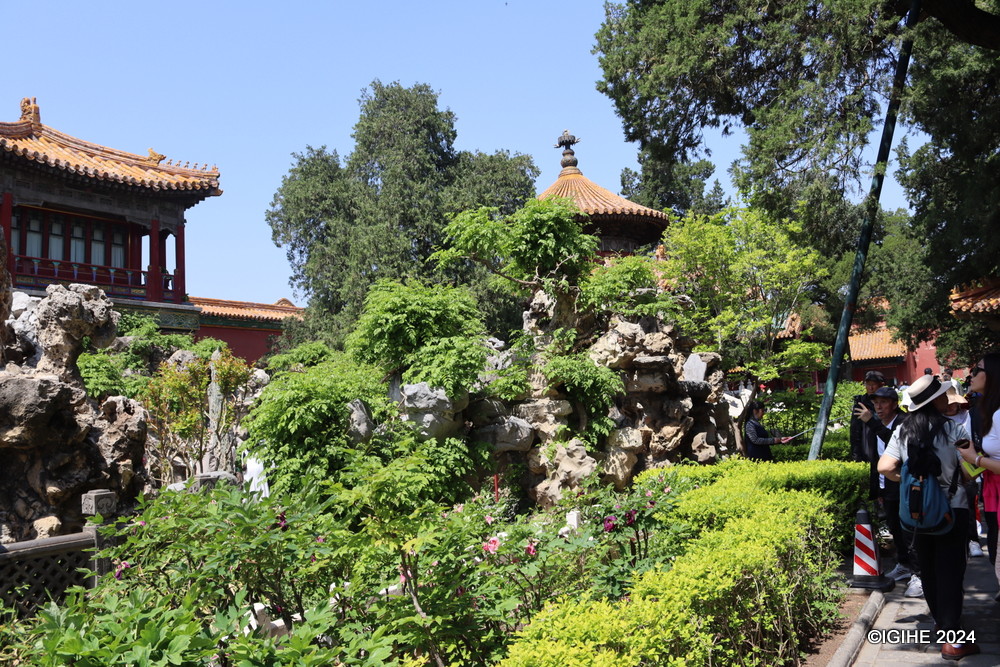
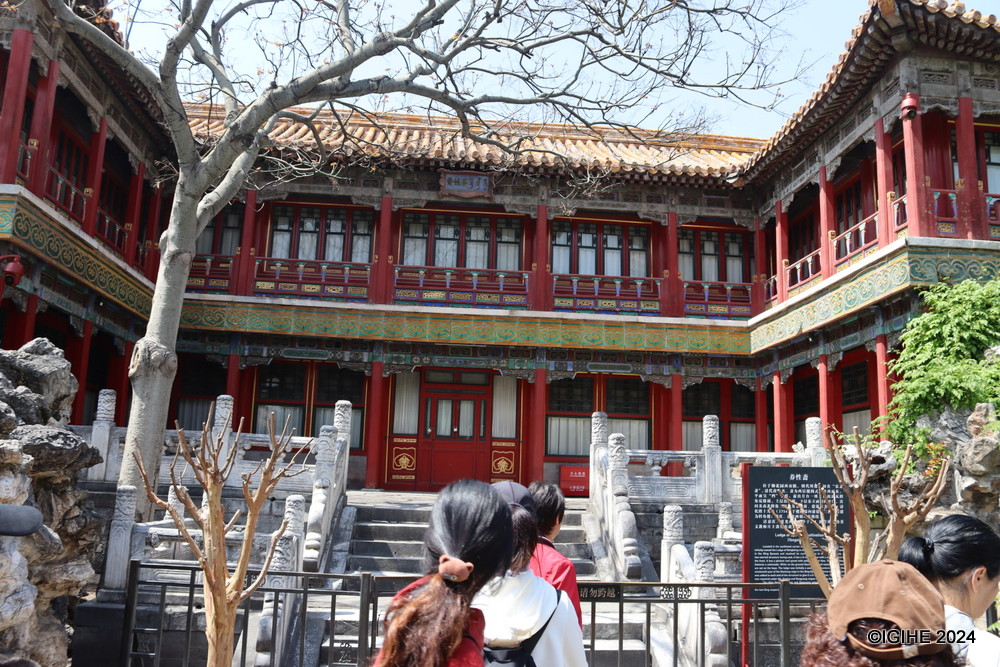
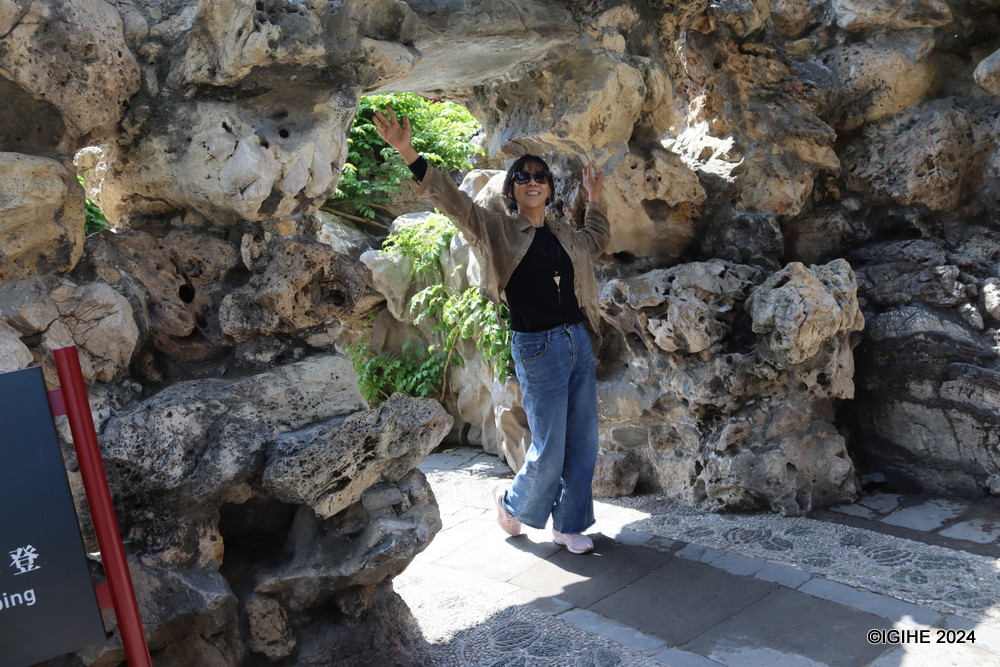
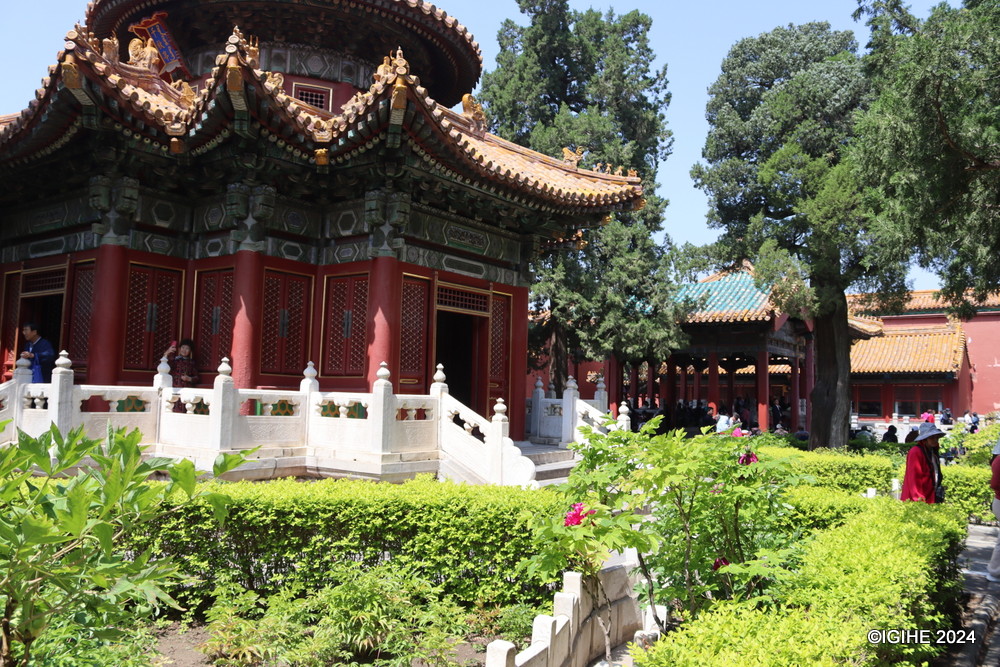
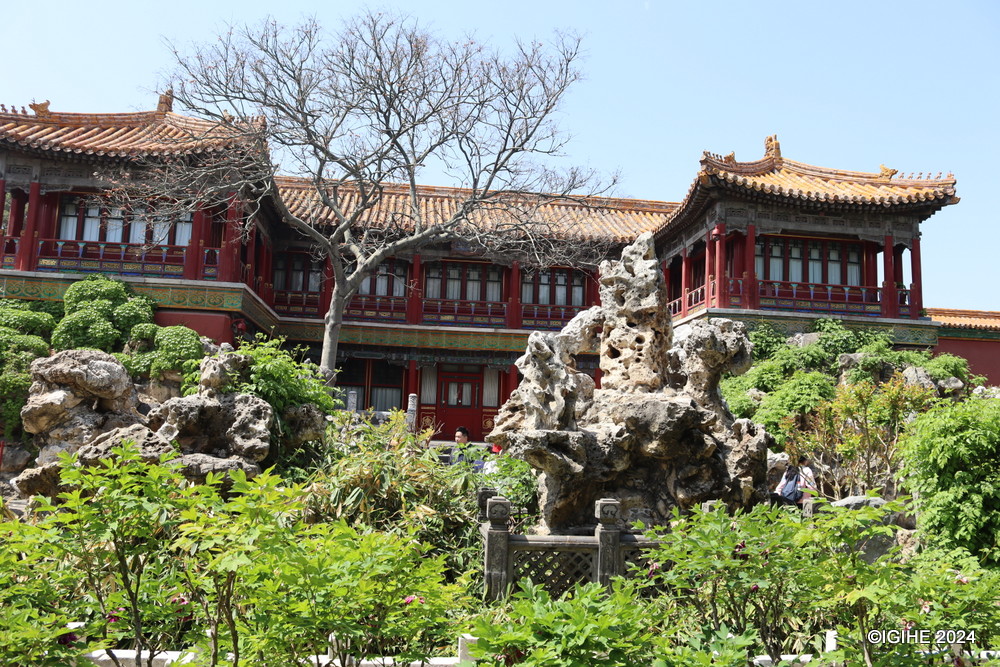
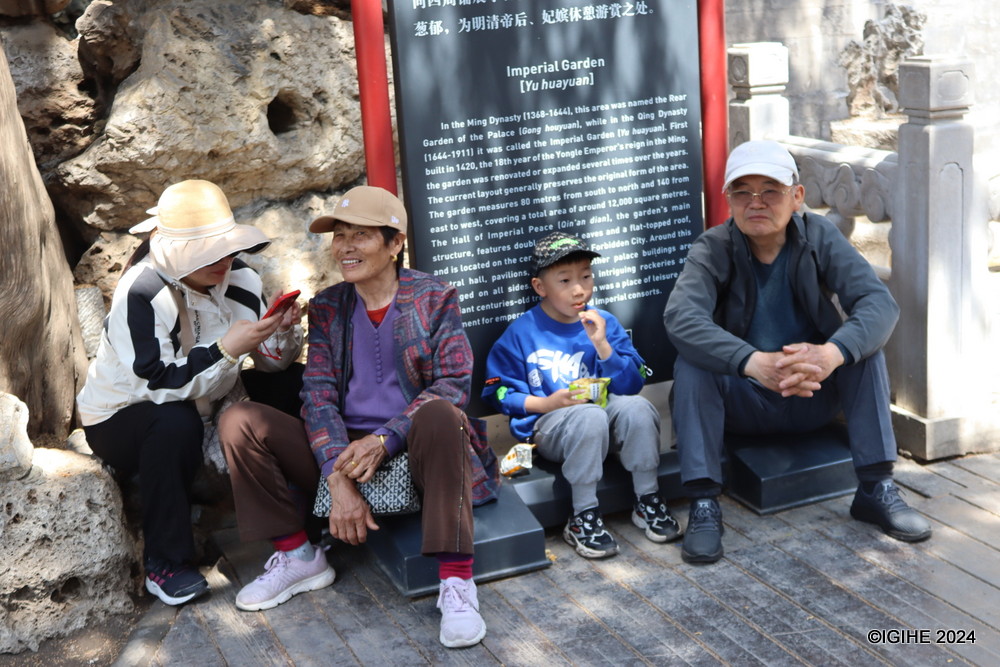
Constructed between 1406 and 1420 during the Ming Dynasty, the Forbidden City functioned as the imperial palace for over five centuries, serving 24 emperors from the Ming and Qing Dynasties.
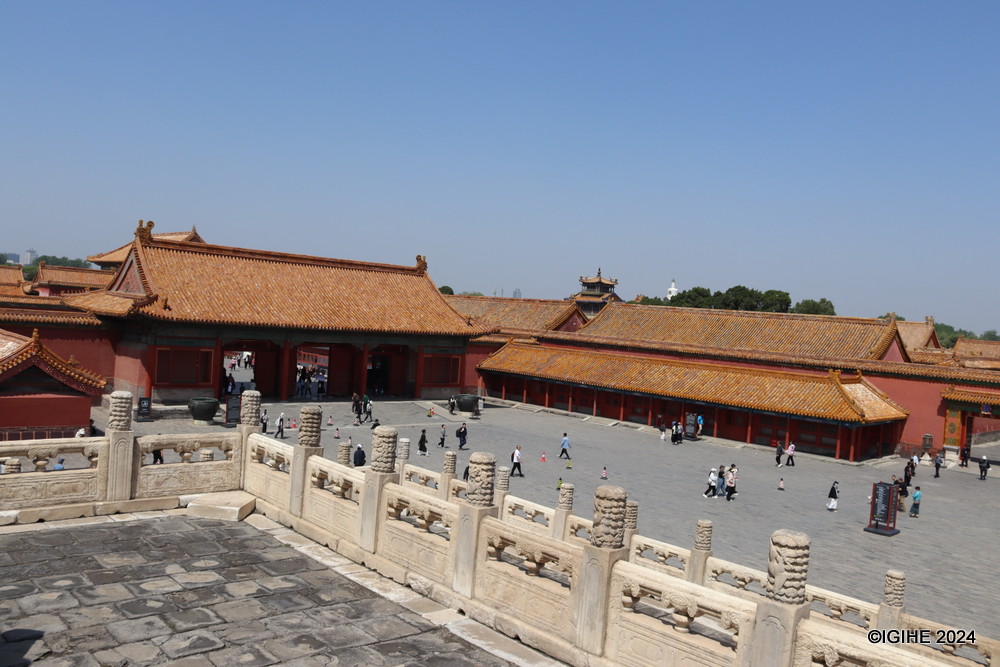
The construction was a monumental endeavor, taking 14 years to complete. The palace complex covers an area of 720,000 square meters (about 180 acres), with a construction area of 150,000 square meters, consisting of 980 surviving buildings with over 70 halls and palaces. It is the largest palace and wooden structure complex in the world.
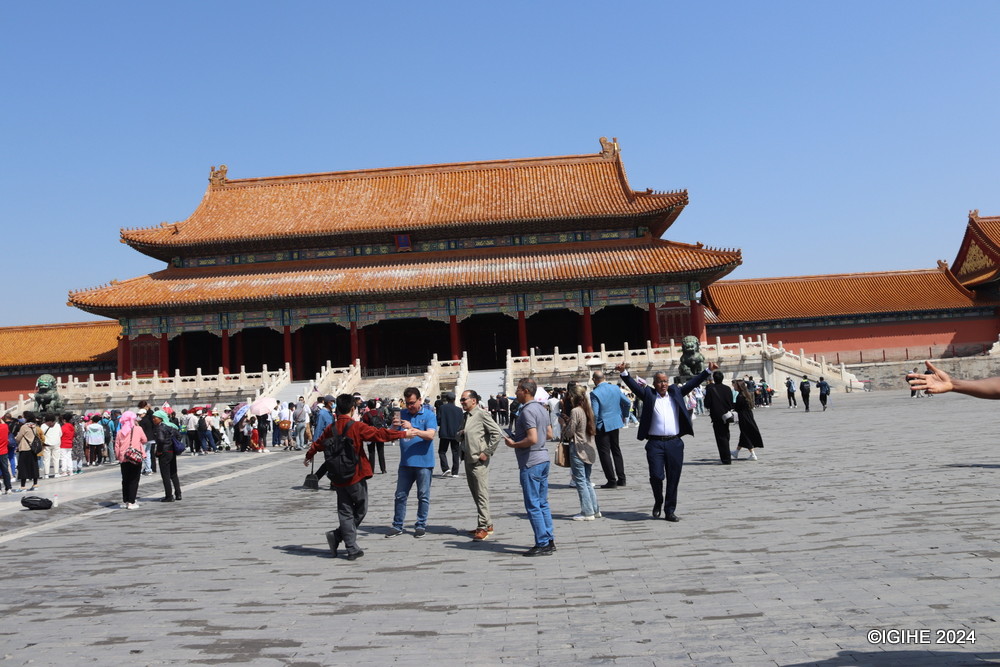
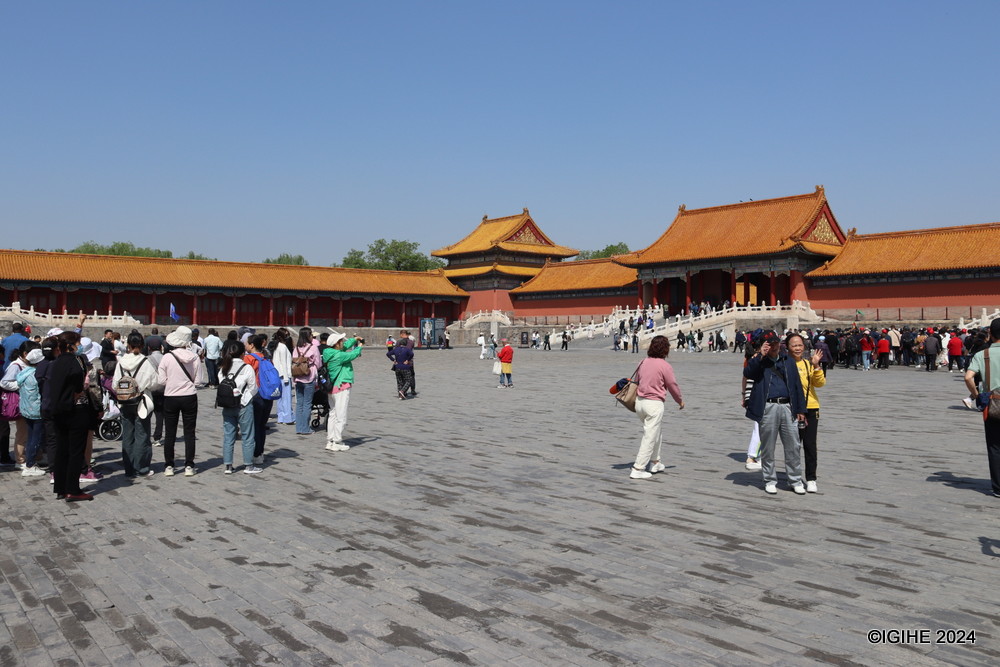
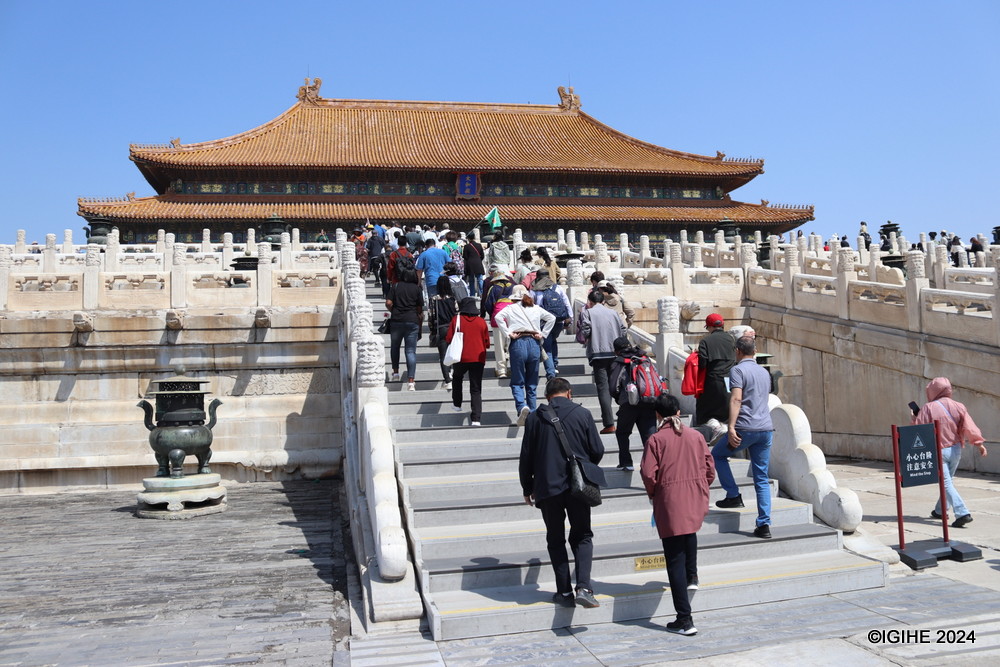
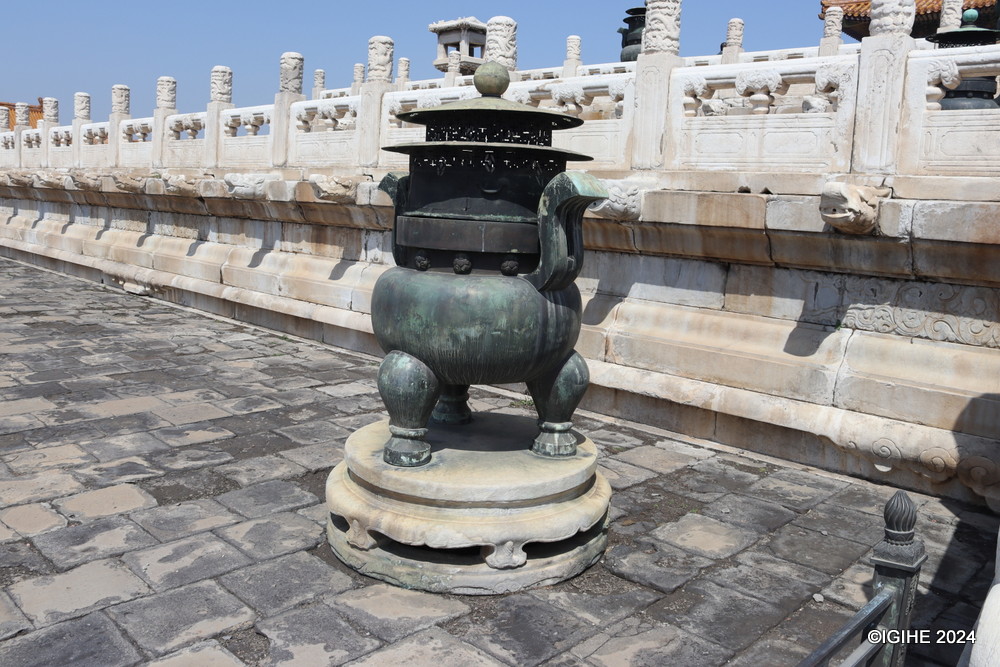
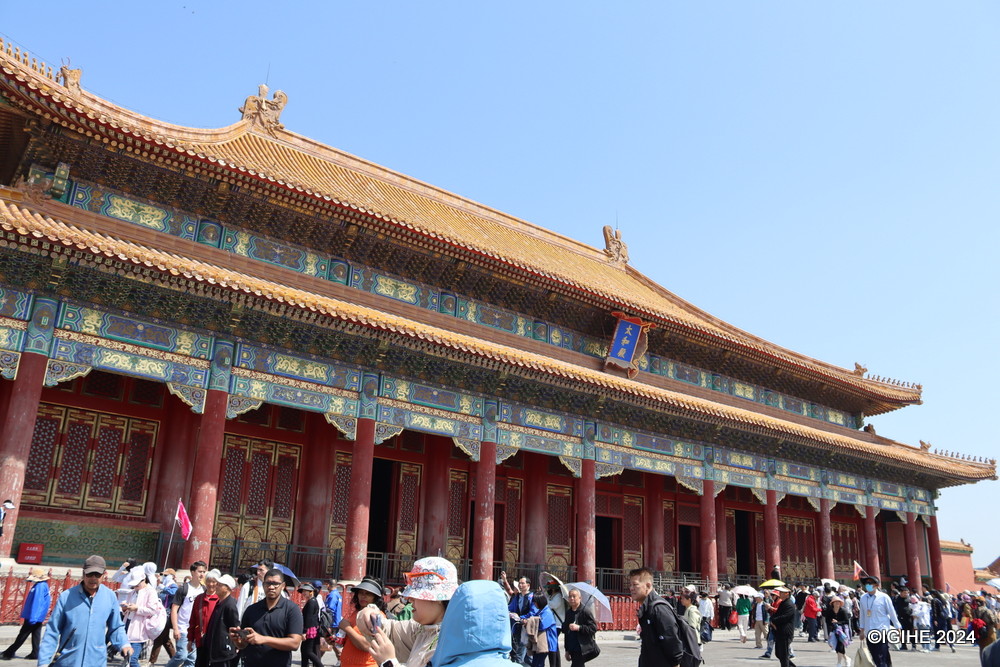
The architectural brilliance is showcased through its symmetrical design and vibrant hues, emblematic of traditional Chinese architecture. The complex is divided into two primary areas: the Outer Court, which includes three grand halls used for ceremonies, and the Inner Court, for the emperor and his family.
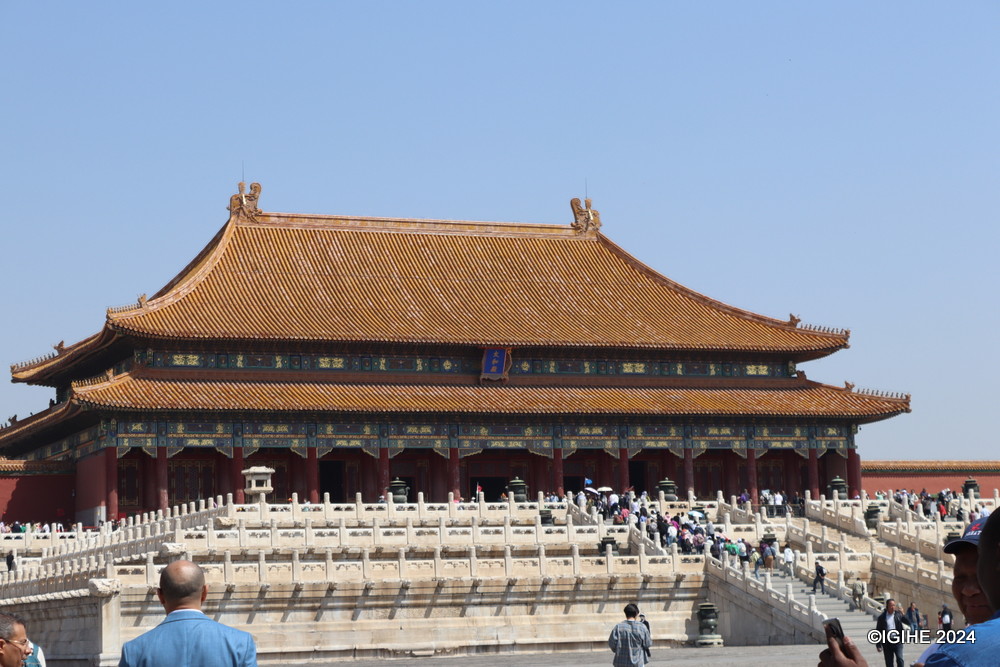
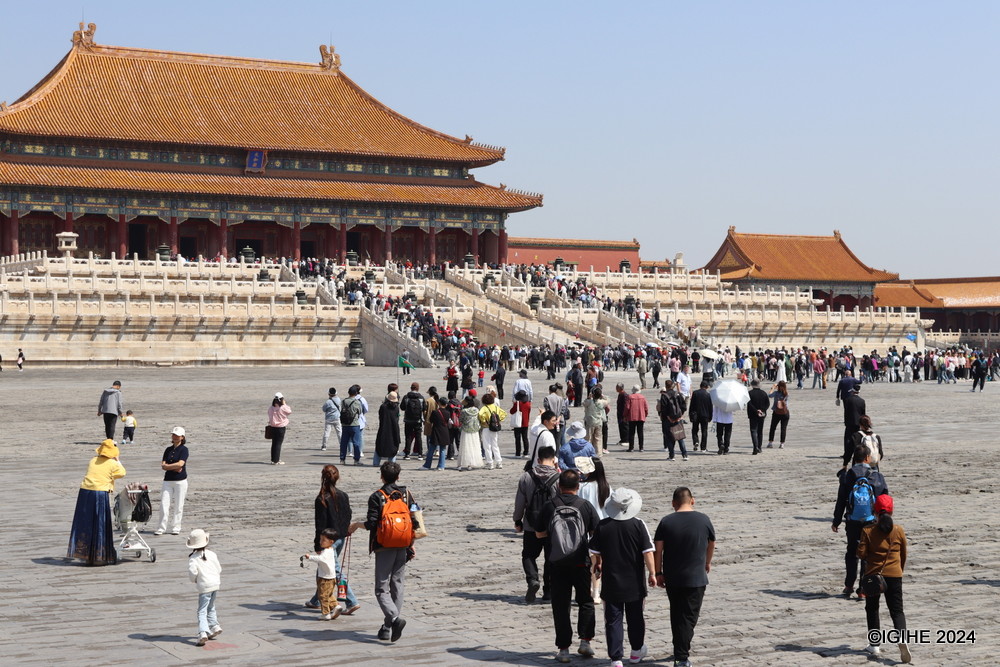
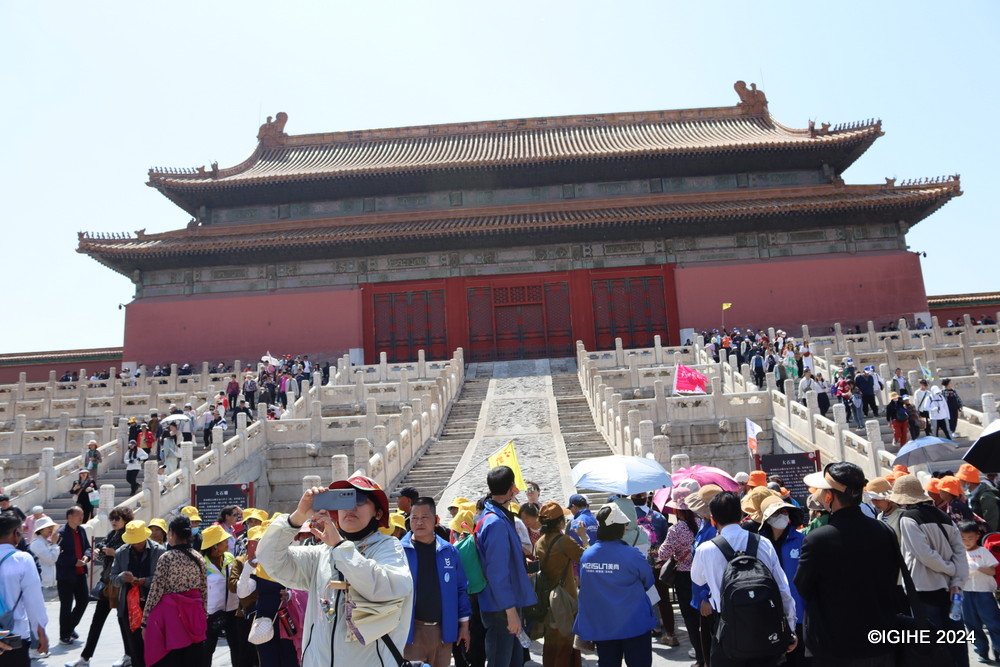
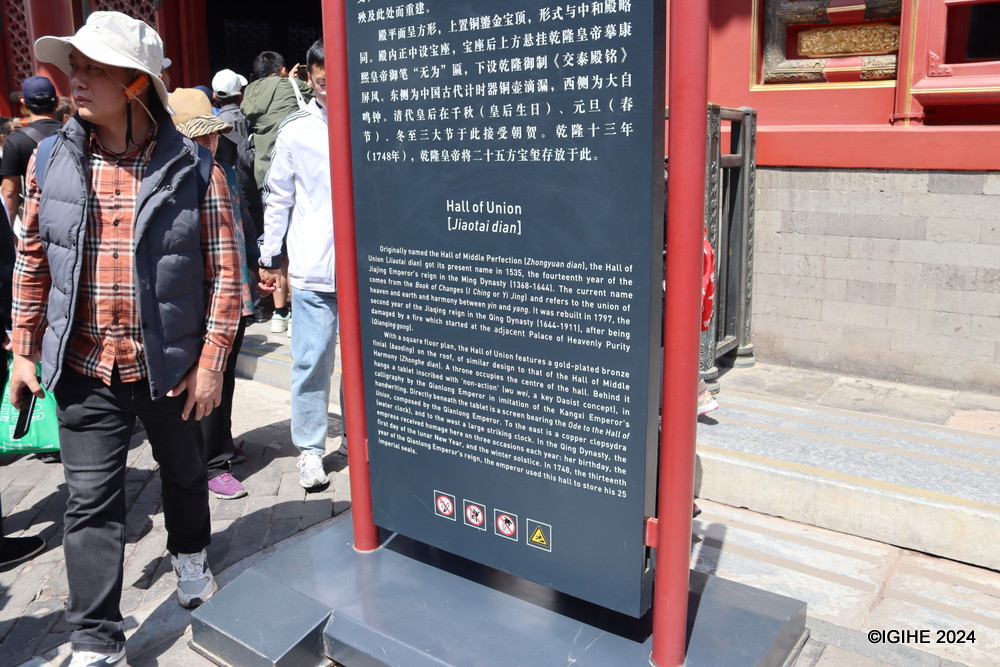
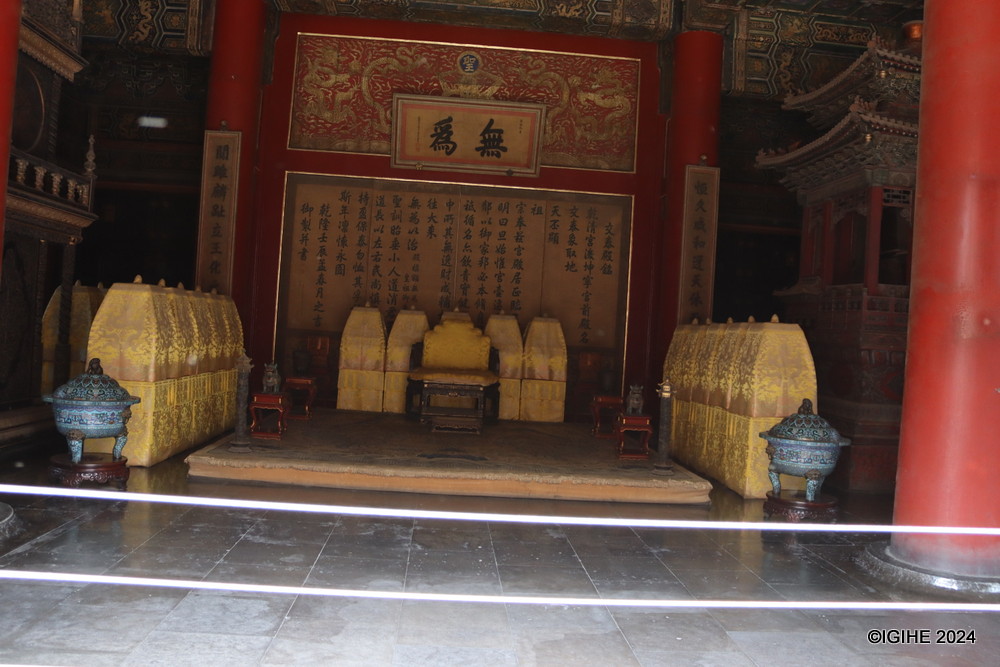
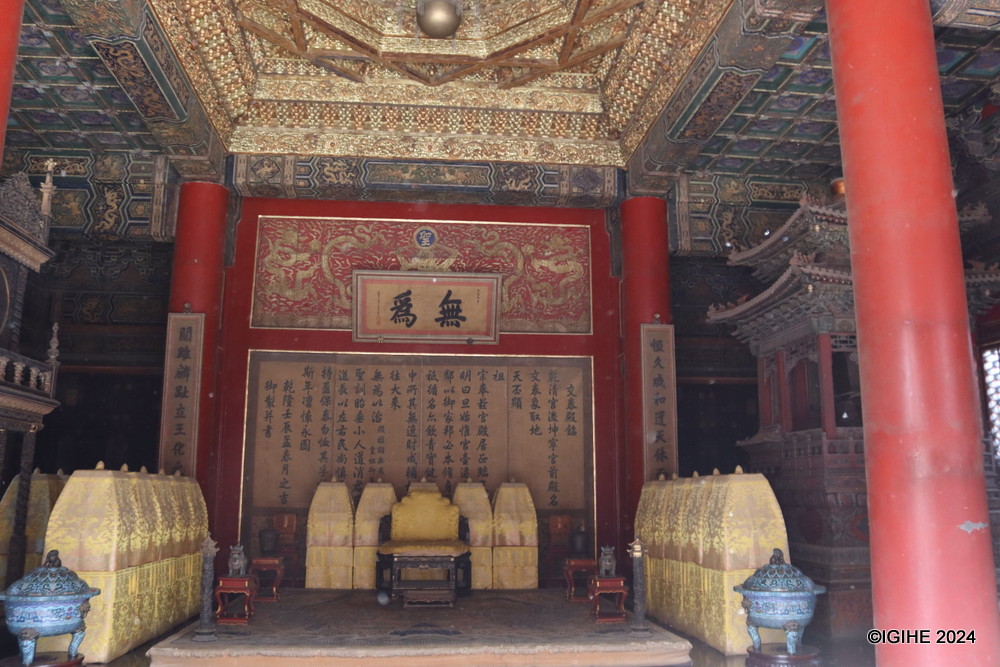
The Hall of Supreme Harmony, the centerpiece, historically used for significant state ceremonies and imperial coronations, is flanked by the Hall of Central Harmony and the Hall of Preserving Harmony, which hosted preparations for significant events and various imperial activities, including banquets and examinations.
The Palace Museum today houses an impressive collection of over 1.8 million cultural artifacts, including paintings, calligraphy, ceramics, jade, and imperial treasures.
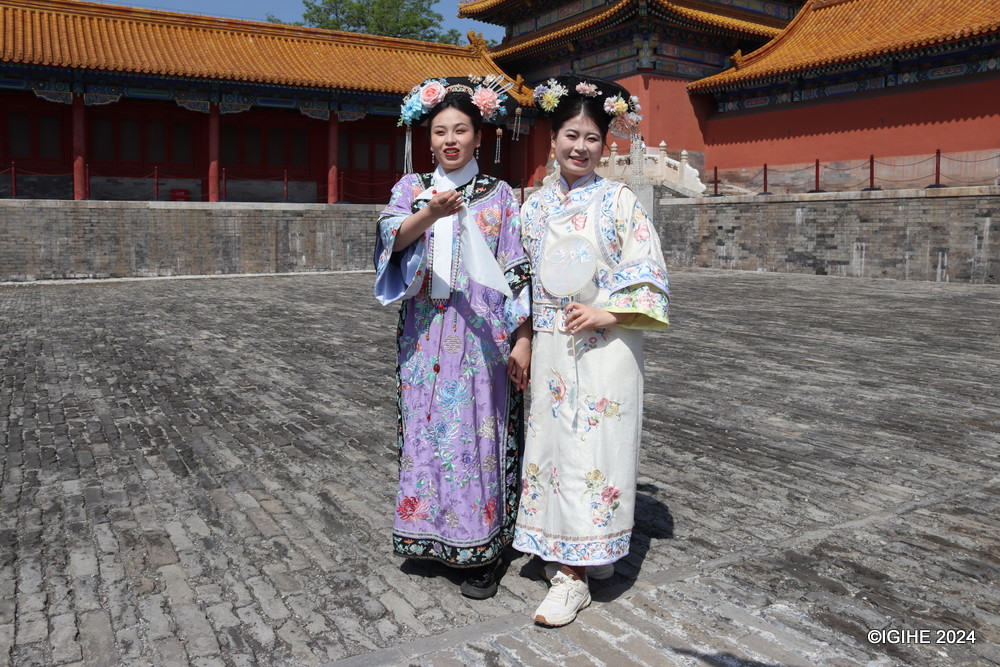
The collection of imperial robes and accessories is particularly renowned, offering a window into the imperial court’s splendor through intricate embroidery and symbols of power.
These artifacts, along with an extensive collection of ancient books, manuscripts, and historical documents, provide invaluable insights into China’s storied past.
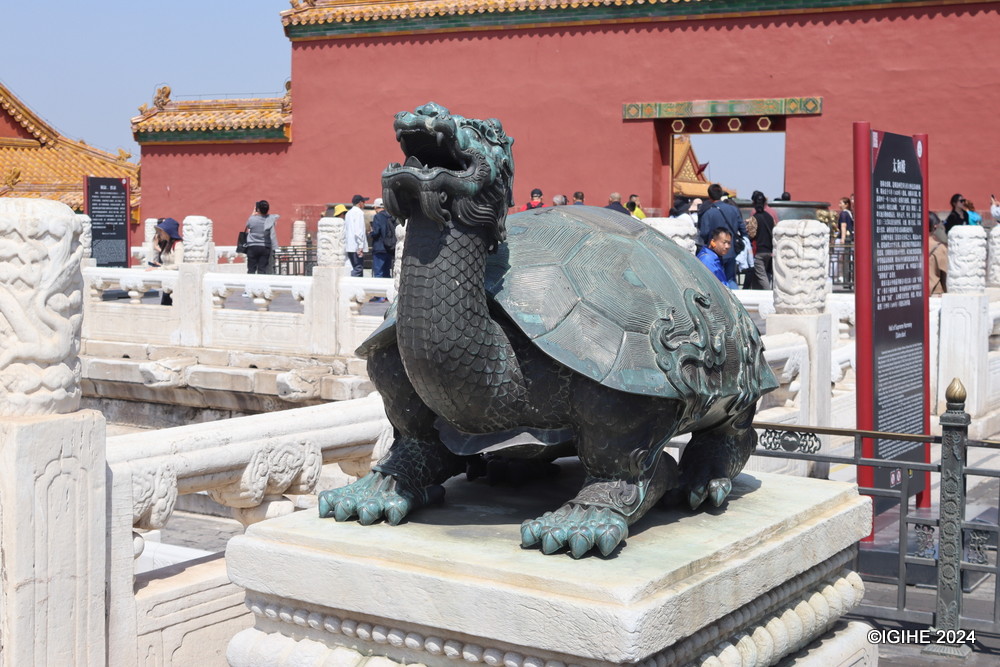
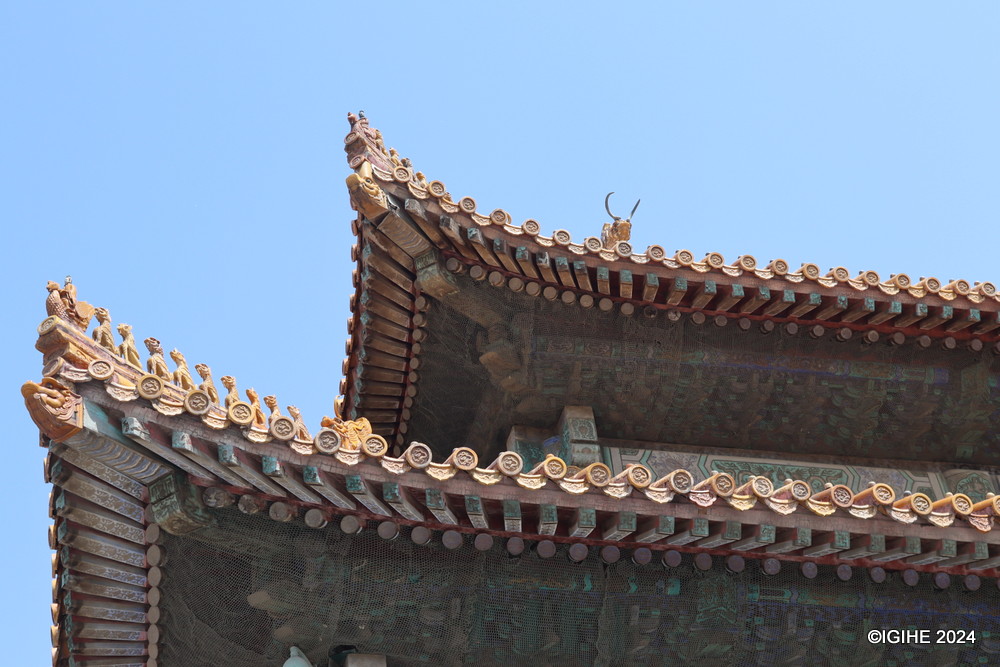
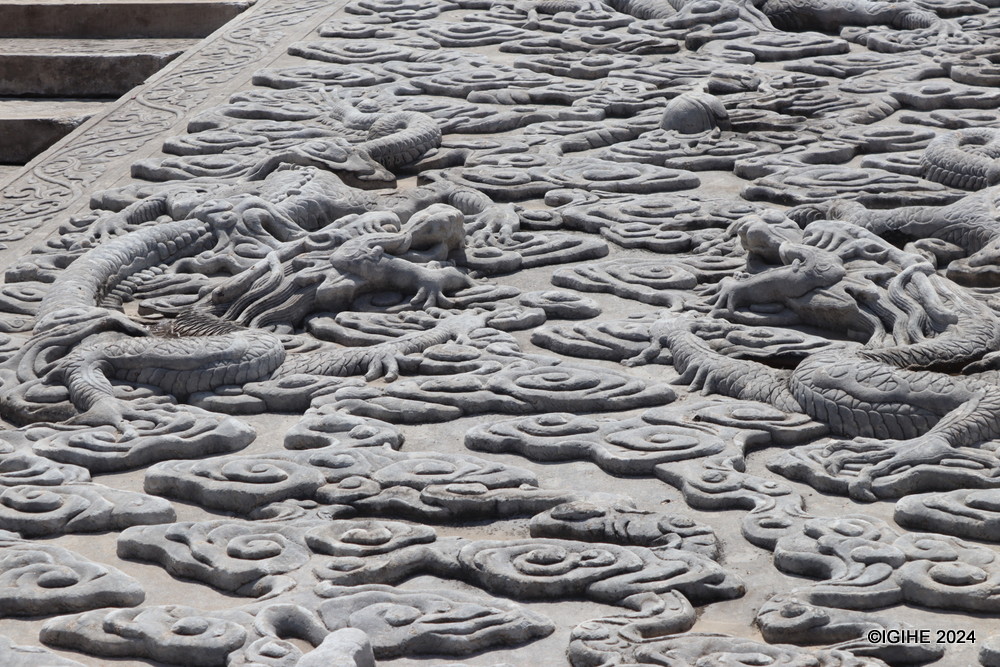
The design principles of the Forbidden City, deeply rooted in the ancient Chinese concepts of yin and yang, feng shui, and symbolic motifs like dragons and phoenixes, reflect the cultural importance of balance, harmony, and auspiciousness.
Efforts to preserve this iconic heritage site include extensive restoration projects and international collaborations, facilitating cultural exchanges and exhibitions with museums worldwide. Daily visits by an average of 40,000 people underscore the Forbidden City’s role as a bridge to the rich cultural diversity and historical significance of ancient China, further cementing its status as a remarkable United Nations Educational, Scientific and Cultural Organization (UNESCO) World Heritage Site.
{{Why was it called the Forbidden City?}}
In ancient times, the Chinese, diligent observers of the heavens, meticulously charted the skies and identified constellations and celestial bodies, finding patterns and meanings in the vast expanse above them.
They discovered a particularly luminous star—the Pole Star—which they believed marked the center of the sky. This central position led them to conceive of it as the heavenly abode of an emperor, a divine counterpart to their earthly sovereign.
Surrounding the Pole Star, they identified constellations of stars which they interpreted as the celestial court of this emperor.
This area was designated the “Purple Palace,” a name derived from the color purple, which in Chinese culture symbolizes auspice, honor, and the highest status. The Pole Star itself was sometimes referred to as the “Purple Star,” further emphasizing its supreme importance.
The ancient Chinese held a belief in the harmonious alignment of heaven, earth, and humanity. Just as there existed a Purple Palace in the celestial realm, they reasoned that a corresponding palace should exist on earth.
This led to the construction of a grand imperial residence at the heart of Beijing, which was seen as the terrestrial counterpart to the central point of heaven.
Thus, the imperial palace on earth was also named the “Purple Palace,” though it is more commonly known in English as the Forbidden City.
The term “forbidden” in its name stems from the stringent restrictions placed on entry to the palace. Only the emperor, his family, and selected dignitaries were permitted within its walls.
The common people and lower-ranking officials were strictly barred from entering without permission from emperors, a rule that reinforced the sacred and exclusive nature of the site.
The emperors of the time, considering themselves the sons of the Jade Emperor—the supreme deity in Chinese mythology—proclaimed their divine right to rule, further justifying the palace’s exalted and restrictive status.
{{Photos: Théophile Niyitegeka / Beijing, China }}
The event held at the Memorial Complex of Tuskulėnai Peace Park in Vilnius marked the first commemoration in Lithuania and the whole Baltic States of the genocide which claimed the lives of more than one million people in Rwanda.
In attendance were representatives of the Lithuanian government, the diplomatic community and Rwandan nationals living in Lithuania.
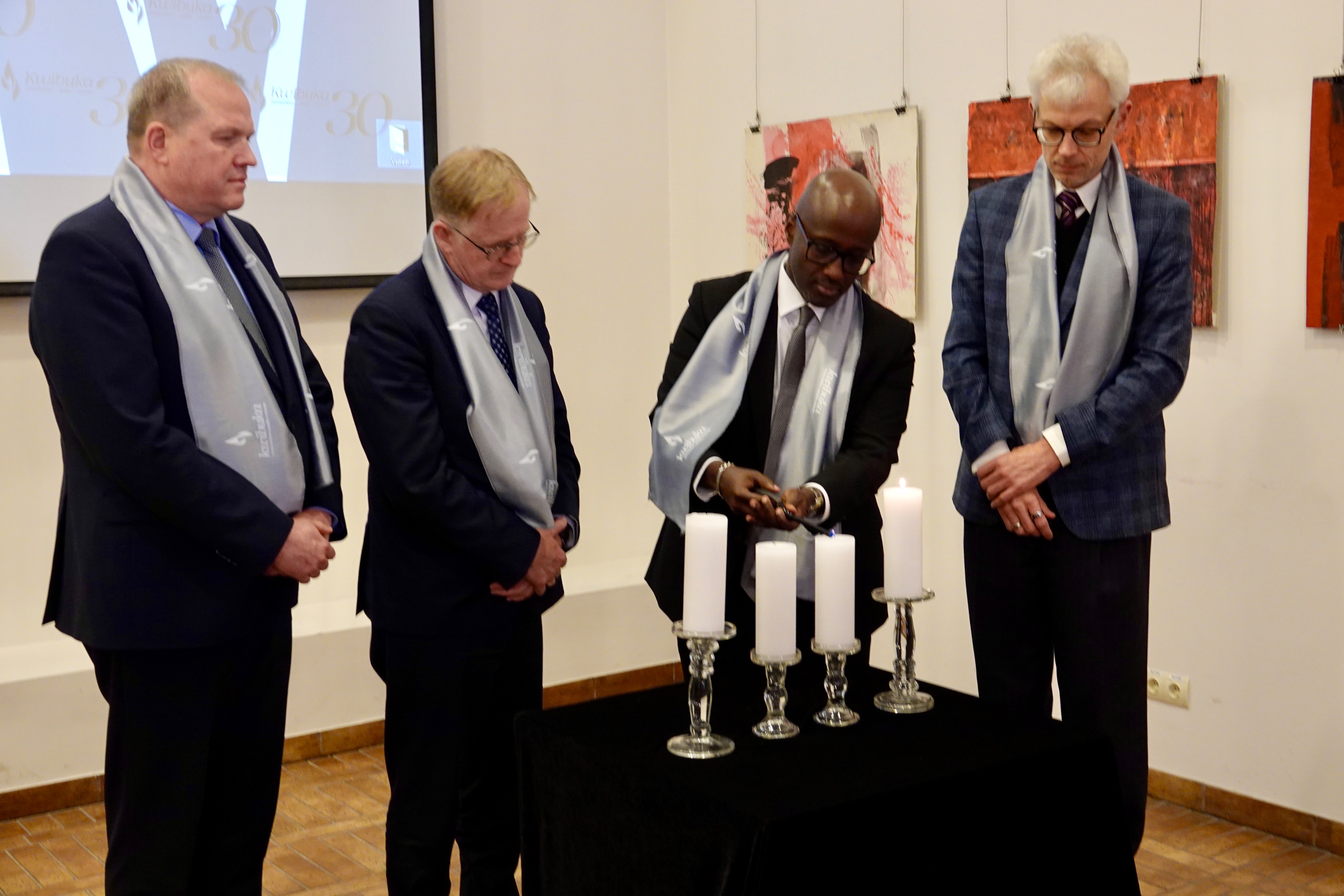
The commemoration event dubbed ‘Kwibuka30’, began with the lighting of candles, which the organisers of the anniversary said represented the ever-shining lights of the more than one million victims of the genocide.
The candle lighting ceremony was led by Arūnas Bubnys, General Director of the Lithuanian Genocide and Resistance Research Center, Vytautas Pinkus, Head of the Global Affairs Group of the Ministry of Foreign Affairs, Olivier J.P. Nduhungirehe, Ambassador of Rwanda to Lithuania (with residence in The Hague) and Professor Justinas Žilinskas of the University of Vilnius.
During the commemoration, Ambassador Nduhungirehe recounted that the 1994 Genocide against the Tutsi was planned and committed by Rwandans against Rwandans, by an extremist regime against a part of the population.
He, however, pointed that the atrocities were enabled by the failures and silence of the international community, mainly the United Nations Secretariat, the UN Security Council and individual western powers that were historically and economically linked to Rwanda.
The ambassador also acknowledged the apologies made by Western powers for their inaction in stopping the intended extermination of members of the Tutsi community in Rwanda in 1994 by the Hutu-led regime.
“In the aftermath of the genocide, individual powers, through parliamentary commissions, as well as political and academic debates, tried to understand their own failure in Rwanda in 1994. A number of Heads of State and Government of those countries came to Rwanda after the genocide to admit responsibility and present their apologies, in a form or another.
“The UN, on its part, did the same, and on 15th December 1999, its ‘Report of the independent inquiry into the actions of the United Nations during the 1994 genocide in Rwanda’ concluded that ‘the international community did not prevent the genocide, nor did it stop the killing once the genocide had begun’”, the ambassador stated.
He said memorial sites erected by some of the countries continue to raise awareness of the Genocide against the Tutsi.
“I take this opportunity to thank European and North American countries that erected, on their soil, memorials to honour the victims of the genocide against the Tutsi in Rwanda, namely France, Belgium, the United Kingdom, the United States, Canada, Switzerland, Italy, the Netherlands and Germany. We hope, in order to raise more awareness, to erect more genocide memorials in Europe, especially in the Baltic States”, he stated.
He also called for deliberate efforts to include lessons on the Genocide against the Tutsi in school curriculums, similar to the way the genocide of European Jews during World War II is taught in schools.
“Beyond memorials, and as requested by the UN General Assembly resolution, we believe that it would be important for Lithuania and for your respective countries, to consider including lessons on the genocide against the Tutsi in Rwanda in your schools’ curricula,” he added.
“Indeed, we have noticed that in many countries in the world and in Europe in particular, young generations don’t know much about this tragedy. We therefore find it important that as the Holocaust is taught in schools, so should be all genocides established by international jurisdictions or recognized by the international community, in particular the 1994 genocide against the Tutsi in Rwanda.”
The commemoration event was organised by the Embassy of Rwanda to Lithuania, which has its residence in The Hague, in collaboration with the Ministry of Foreign Affairs of Lithuania and the Genocide and Resistance Research Centre of Lithuania.
Rwanda marks ‘Kwibuka’ every April 7 and the event lasts for 100 days of the 1994 Genocide against the Tutsi.
According to the Board, the top 10 exports include unwrought gold (including gold plated with platinum), zirconium ore, tin ore, and tungsten ore.
Other top exports were cement, malt extract, wheat or meslin flour, cereal flours, coffee, and tea.
The United Arab Emirates received the largest share of exports, amounting to 56.9 percent, primarily consisting of goods such as minerals and horticulture products.
The Democratic Republic of Congo (DRC) came second, accounting for 10.4 percent of the exports, followed by China (5.0%), Hong Kong (2.6%), and the United Kingdom (2.2%).
National carrier, RwandAir, transported a total of 4,595 tons of cargo, with the majority of shipments destined for Dubai, the United Kingdom, and Belgium.
RDB, in a report unveiled on Wednesday, April 24, 2024, disclosed that exports cargo increased by 22.7 percent in 2023 compared to the previous year.
The surge in exports cargo has been attributed to increased capacity out of Kigali to UAE market and increased frequency of flights out of Kigali to London, which presented opportunities for more cargo shipments out Kigali.
The opening of the route to France is also said to have contributed to the growth of the export sector in 2023.
RDB also engaged in various initiatives to boost access to international markets for local producers, enhance product quality and foster development of new products.
The Board said it facilitated training for 60 potential and existing exporting companies in the Manufacturing, Agroprocessing, Handcraft, and IT sectors. The training covered a wide range of topics including international market entry, packaging and labeling skills, and the protocols and rules of origin under the African Continental Free Trade Area (AfCFTA).
Additionally, some 123 companies were assisted to access the export market through nine promotional events conducted in Tanzania, Uganda, Nigeria, Egypt, Turkey, Dubai, China, Italy, Mozambique. This led to closure of 35 export deals worth $55,763,466 (RWF 71 billion).
“13 companies were on boarded to the International platforms- Dubuy.com, Rwandamart.rw and ArabianOrganic.com and 25 Entrepreneurs were trained on e-commerce under n-eutrentepreneur program,” the report reads in part.
More than 287 Small and Medium-sized Enterprises (SMEs) were also reported to have benefitted from capacity building, market linkage, financial linkage and standard certification acquisition.
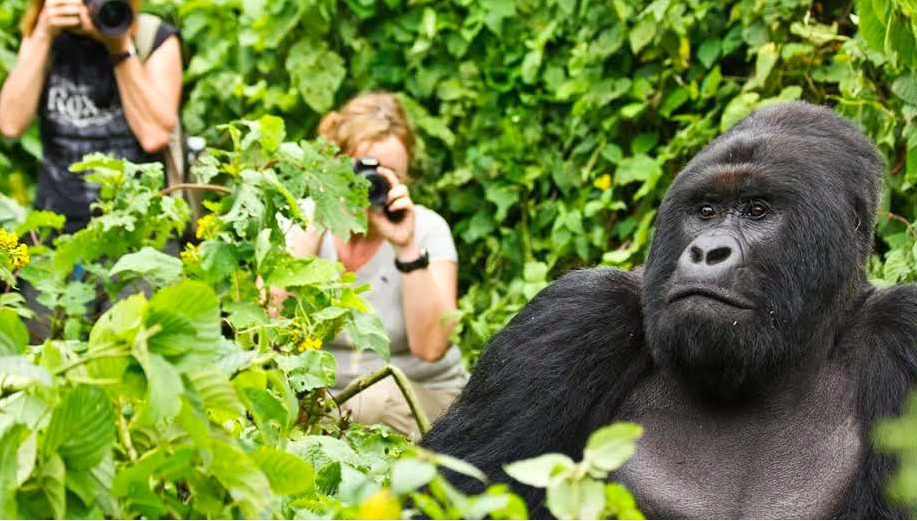
This is the highest number of gorilla visitors recorded in Rwanda in the country’s history.
Gorilla tourism is a major revenue earner for Rwanda. Tourists pay at least US $1500 per person to see gorillas in the country. This fee covers the gorilla trekking permit, which grants access to the park and the gorillas.
The new report further shows that the tourism sector recorded an impressive growth to record $650 million (RWF 832 billion) in revenues last year, representing a 35 percent increase in revenue compared to 2022.
Additionally, the Board reported that the Meetings, Incentives, Conferences, and Exhibitions (MICE) sector generated more than $95 million (RWF 121.5 billion) in revenue in 2023, marking a 48 percent growth compared to 2022.
Rwanda hosted over 160 events and an estimated 65,000 delegates in 2023.
Other milestones recorded in the Tourism sector include the upgrade of Nyungwe National Park into a UNESCO World Heritage site and the launch of the Mantis Kivu Queen Uburunga, a luxury houseboat that offers a scenic experience of exploring Lake Kivu.
Additionally, the tourism sector recorded the signing of several partnerships and Memoranda of Understanding (MoUs). These include the Visit Rwanda – Bayern Munich Partnership, a five-year football and tourism promotion partnership, and the Vetrak Clubs World Champion (VCWC) deal that will see Rwanda host the next three editions of the VCWC football tournament at Amahoro National Stadium.
The new statistics come at a time when the tourism sector is projected to fully recover from the adverse effects of the Covid-19 pandemic, having made a significant rebound in 2023.
According to a survey UNWTO World Tourism Barometer, the sector achieved 88 per cent growth of pre-pandemic levels last year.
Total export revenues from tourism, encompassing passenger transport, reached approximately $1.6 trillion in 2023, nearly 95 per cent of the $1.7 trillion recorded in 2019.
Projections suggest a continuation of this positive trend, with estimates indicating a 2 per cent growth in international tourist arrivals above 2019 levels.
The report unveiled on Wednesday, April 24, 2024, indicates that the commitments registered by RDB are expected to create 40,198 job opportunities in the next five years.
According to the Board, the Rwanda Global Business Services (GBS) Initiative unveiled last year is expected to position Rwanda as a leading destination for investors and, in turn, create at least 10,000 jobs by 2030.
On the actual jobs created by RDB initiatives, the Board said TekExperts created more than 500 jobs for software engineers. Additionally, 408 jobs were created by Kivest Ltd through agricultural projects, and 500 jobs were created by C&D Leather Shoes Production Plant. An additional 134 jobs were created by RwandMoz Ltd for the Aquaculture project.
Auto Group also contributed to job creation with 613 new positions. The Board also initiated coaching and support for more than 11,400 Micro, Small, and Medium Enterprises (MSMEs) in developing their banking businesses.
Furthermore, 201 Rwandans were matched to foreign employment opportunities in Dubai and Qatar through the KORA job portal, where some 17,777 job seekers and 211 employers have been registered so far.
The report also highlights key milestones recorded in the health sector, including the establishment of a state-of-the-art manufacturing facility for the production of mRNA-based drugs in Kigali.
Rwanda was the first, among the selected three African countries, to host the mRNA Manufacturing Facility as part of BioNTech’s efforts to advance mRNA-based vaccine candidates to address malaria and tuberculosis in the region.
Another key milestone achieved last year was the operationalization of the Gabiro Agribusiness Hub (GAH), a result of a joint venture established between the Government of Rwanda through its Ministry of Agriculture and Animal Resources and Netafim Ltd, an Israeli company that offers global leadership in the agriculture manufacturing industry.
Through the partnership, the government hopes to increase the export of high-value crops and value-added agricultural products as well as ensure food security in Rwanda through the use of cutting-edge technology and best practices.
The Tourism sector also recorded an impressive growth to record $650 million (RWF 832 billion) in revenues last year.
This, RDB said, represents a 35 percent increase in revenue compared to 2022. Rwanda welcomed 25,927 gorilla visitors in 2023, marking a 29.4 percent increase recorded in 2022. This is the highest number of visitors received in the country’s history.
Additionally, the Board reported that the Meetings, Incentives, Conferences, and Exhibitions (MICE) sector generated more than $95 million (RWF 121.5 billion) in revenue in 2023, marking a 48 percent growth compared to 2022.
Rwanda hosted over 160 events and an estimated 65,000 delegates in 2023.
Other milestones recorded in the Tourism sector include the upgrade of Nyungwe National Park into a UNESCO World Heritage site and the launch of the Mantis Kivu Queen Uburunga, a luxury houseboat that offers a scenic experience of exploring Lake Kivu.
Additionally, the tourism sector recorded the signing of several partnerships and Memoranda of Understanding (MoUs). These include the Visit Rwanda – Bayern Munich Partnership, a five-year football and tourism promotion partnership, and the Vetrak Clubs World Champion (VCWC) deal that will see Rwanda host the next three editions of the VCWC football tournament at Amahoro National Stadium.
The Rwandan government also entered into a five-year deal with Global Citizen to launch Move Afrika, a pan-African campaign to create job and entrepreneurship opportunities for Africa’s emerging generations through annual world-class live events.
In the export sector, Rwanda recorded a 9.5 percent increase in earnings, reaching $2.3 billion compared to 2022.
In the business environment milestones, Rwanda achieved a remarkable milestone by ranking 1st in sub-Saharan Africa in the World Justice Project Rule of Law Index. RDB attributed these gains to the government’s commitment to upholding justice and the rule of law.
Additionally, Rwanda secured the first position in Africa in the Visa Openness Index, reflecting the country’s continued commitment to connectivity and openness for business and tourism.
RDB also takes pride in the launch of the One Stop Center (OSC) in March 2023, which houses 22 institutions providing 440 services, including facilitating participation in the African Continental Free Trade Area (AfCFTA).
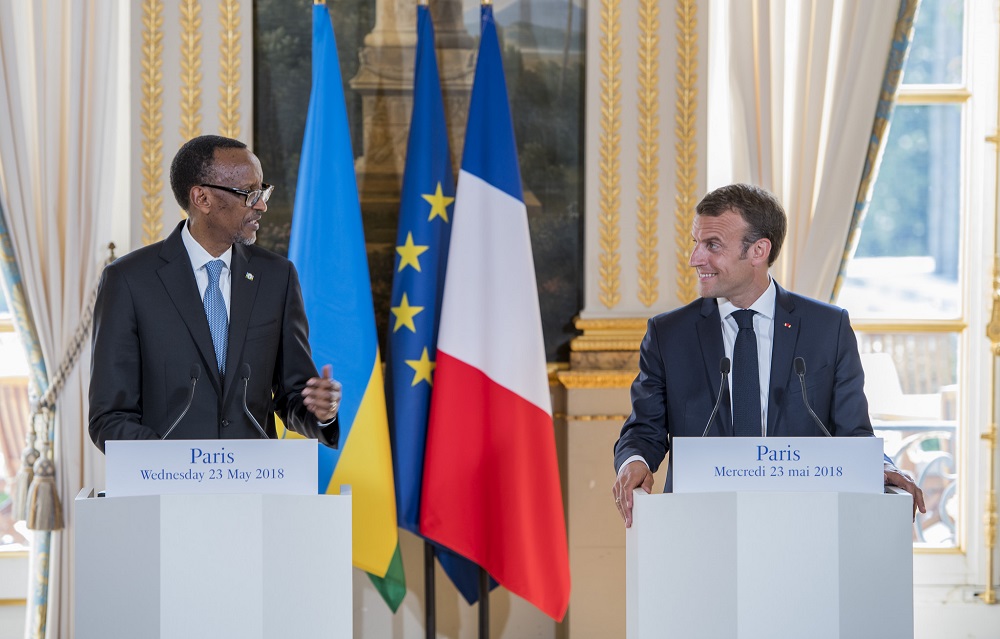
The Office of the President, Village Urugwiro, stated that both leaders revisited the bilateral relations between their countries, discussed the results of their existing cooperation, and explored ways to further enhance this partnership.
The heads of both state also delved into the problems in the East African region, including those in Eastern Congo where government forces, supporting countries, and armed groups calling themselves ‘Wazalendo’ have been fighting with the M23 group.
President Kagame and his counterpart reaffirmed that the path of political dialogue is the only solution that can end the longstanding security issues and conflicts in Eastern Congo.
Currently, there are two main dialogue initiatives aimed at resolving the situation in Eastern Congo, including the Luanda and Nairobi process, both aimed at helping Congo find internal solutions to its security problems.
These discussions have been significantly hindered by the Congo government, which often downplays the grievances of the Kinyarwanda-speaking population, particularly the persecuted Tutsis.
Congo has often stated that it will not negotiate with M23, leading the group to intensify its combat and take over many areas in North Kivu.