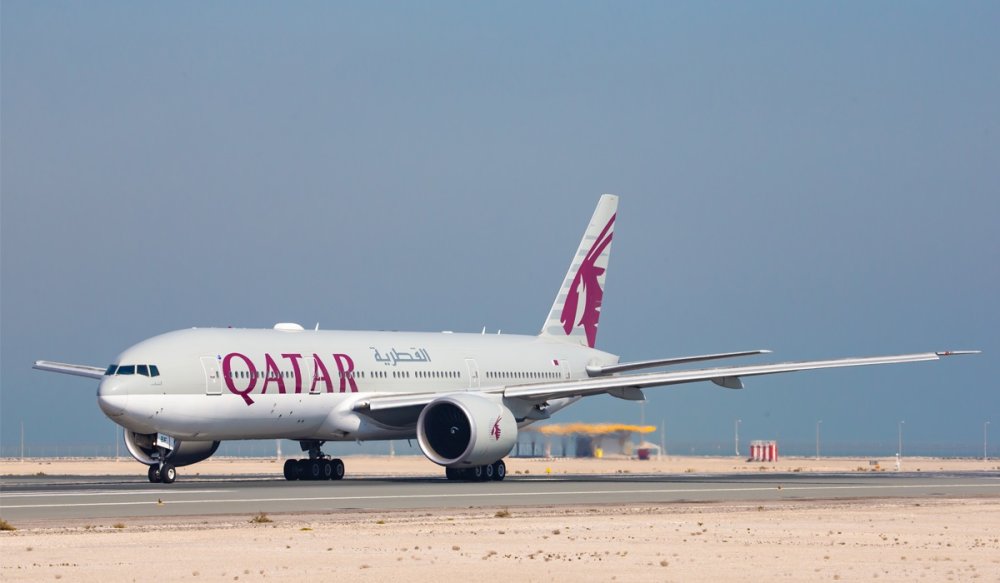
According to Travel And Tour World, the airline will operate four weekly flights using an Airbus A320, which is expected to elevate Rwanda’s position as a prominent travel hub in the region and contribute to the growth of tourism across Africa.
The resumption of this nonstop service to Rwanda’s capital is a significant milestone, enhancing global connectivity and offering improved access for both business and leisure travelers to East Africa.
Qatar Airways’ direct flights are anticipated to have a lasting impact on Rwanda’s tourism sector. The country has been making strides in promoting eco-tourism, adventure travel, and business conferences.
With this direct connection to Hamad International Airport in Doha, a key global transit hub, international arrivals are expected to increase, and outbound travelers will have easier access to destinations beyond Africa.
Besides, the direct flight eliminates previous stopovers, reducing travel time between Doha and Kigali. Moreover, Doha’s central location as a major transit hub ensures better access for passengers from North America, Europe, and Asia, making it easier for international visitors to reach Rwanda.
Rwandan travelers will also benefit from seamless access to Qatar Airways’ extensive global network, enhancing both business and leisure travel opportunities.
The return of Qatar Airways to Kigali is expected to boost Rwanda’s tourism, providing easier access to the country’s renowned attractions, such as its luxury lodges and the world-famous gorilla trekking experiences in Volcanoes National Park.
Additionally, the direct flights will support business travel between Africa and the Middle East.
As part of the oneworld alliance, Qatar Airways continues to expand its presence in Africa to meet the growing demand for premium travel and enhanced connectivity.
The airline’s commitment to sustainability is evident in its selection of the Airbus A320 for this route, which offers both efficiency and passenger comfort for mid-range flights.
According to recent data, over 1.4 million visitors traveled to Rwanda in 2023, with projections indicating a doubling of this number by 2029. This growth is expected to be accompanied by an expansion of routes by Rwanda’s national carrier, RwandAir.
Qatar Airways has also partnered with RwandAir, including in cargo operations, and the two airlines signed a codeshare agreement in 2021.
The partnership between Qatar and Rwanda has been strong since diplomatic relations were established in May 2017.
The collaboration spans various sectors, including infrastructure development and aviation, with Qatar Airways acquiring a 60% stake in Rwanda’s Bugesera International Airport project in December 2019.
This partnership aims to position Rwanda as a key aviation hub in Central Africa.
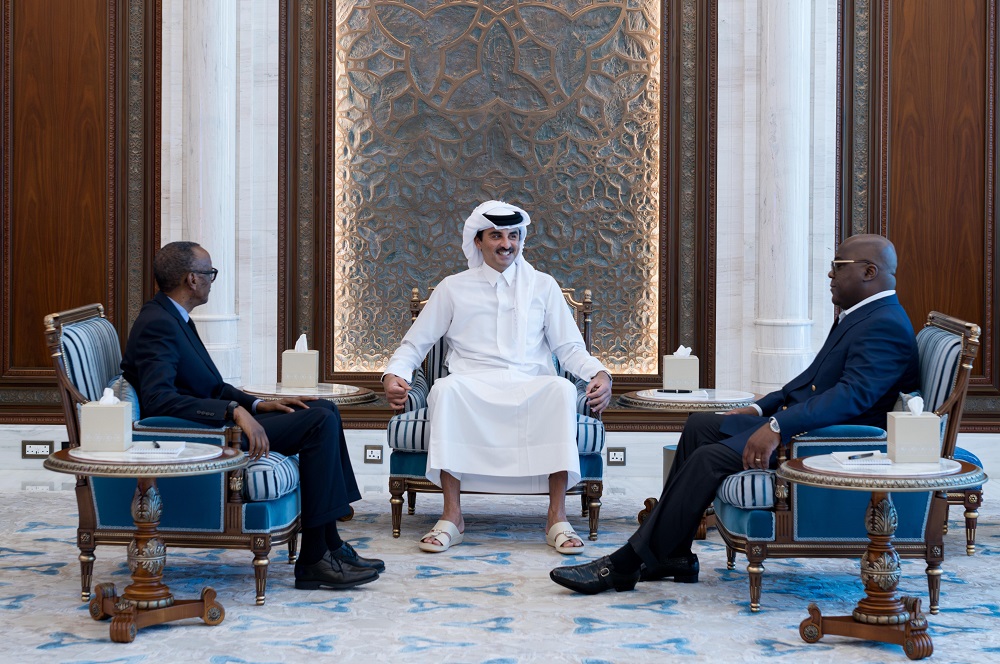
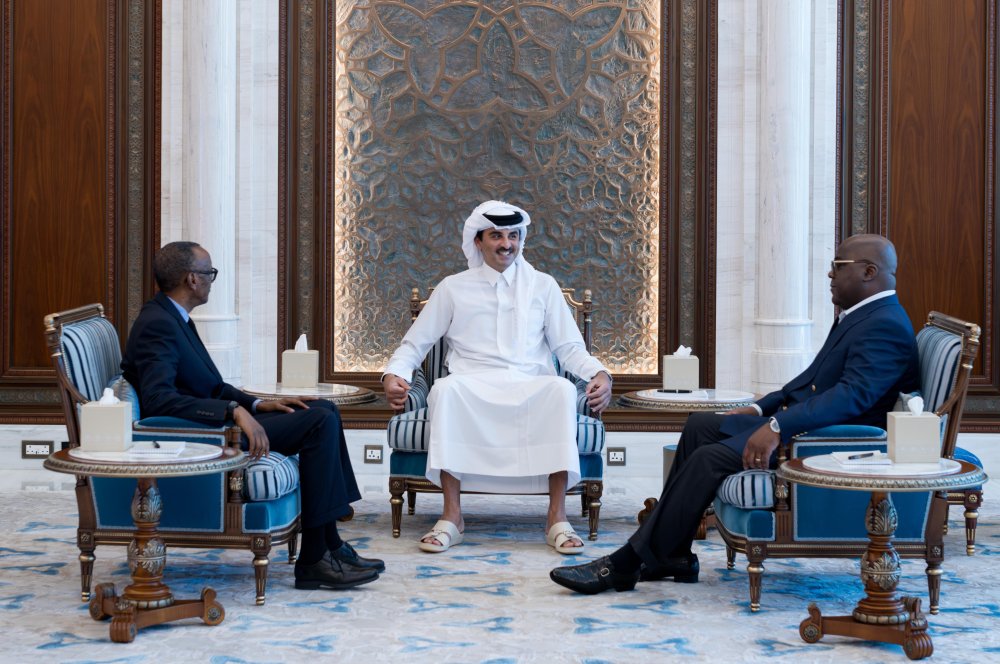
The meeting, hosted by the State of Qatar under the leadership of Amir Sheikh Tamim bin Hamad Al-Thani, was a significant step in addressing the ongoing tensions in the region and reaffirming commitments to peace and stability in Eastern DRC.
In a statement released by the AUC on Wednesday, March 19, Chairperson Youssouf commended the leaders for their commitment to dialogue and peaceful resolution of the crisis in Eastern DRC.
He emphasized that their engagement reflected true leadership and a shared recognition that peace, security, and stability are essential for the prosperity of both nations and the wider Great Lakes region.
Youssouf further acknowledged the reaffirmation by both leaders of their commitment to an immediate and unconditional ceasefire, as agreed during the East African Community (EAC) and Southern African Development Community (SADC) summit in Dar es Salaam on 8 February 2025.
The tensions between Rwanda and the DRC have been longstanding, primarily revolving around mutual accusations.
DRC has accused Rwanda of backing the M23 rebel group in its ongoing conflict with the Congolese army, a claim that Rwanda strongly rejects.
Rwanda, in turn, has accused the DRC of harboring the FDLR, a terrorist group linked to the 1994 Rwandan Genocide, alleging that the group seeks to destabilize Rwanda’s security.
The Doha meeting saw both leaders reaffirming their commitment to the Luanda and Nairobi processes, regional peace initiatives aimed at finding lasting solutions to the conflict in Eastern DRC.
In his statement, Chairperson Youssouf also expressed the African Union’s continued support for African-led solutions to African challenges, highlighting the importance of regional cooperation.
“The Doha discussions, held in the spirit of constructive engagement, align with the efforts of the Luanda and Nairobi processes and complement ongoing regional mechanisms,” he said.
“We emphasize the importance of continued coordination between the African Union, regional economic communities, and international partners in fostering sustainable peace.”
Youssouf expressed gratitude to the State of Qatar and Amir Sheikh Tamim bin Hamad Al-Thani for their instrumental role in facilitating this critical dialogue.
He also urged all stakeholders to maintain the positive momentum generated in Doha and to work collectively toward the full implementation of the agreements reached.
“The African Union Commission stands ready to support and accompany these efforts in line with its mandate to promote peace, security, and stability across the continent,” concluded Youssouf.
The Central Bank’s Governor, Soraya Hakuziyaremye, noted that remittances from the diaspora have continued to grow at a positive rate.
She also highlighted that funds from foreign investment also increased considerably, reaching $573 million in 2024, up from $458 million in 2023.
Looking at the trend over recent years, remittances from the Rwandan diaspora stood at $274 million in 2020, rising to $379 million in 2021 and $461 million in 2022.
By 2023, the figure had reached $505 million, reflecting consistent growth in the flow of funds from abroad.
This remarkable growth was driven by strong performances across various sectors of the economy, signaling resilience and growth amidst global challenges.
The figures released by NISR on Wednesday also show that the services sector was the largest contributor to the GDP, accounting for 48% of the total. Agriculture followed with 25%, while industry contributed 21% while net direct taxes accounted for 7%.
The growth was seen throughout the year, with the first quarter growing by 9.7%, the second by 9.8%, the third by 8.1%, and the final quarter showing a growth of 8%.
Looking at the individual sectors, agriculture experienced a 5% increase. This was largely attributed to a good harvest in both agricultural seasons, with food crop production rising by 5%. Season A saw an 8% increase, while Season B recorded a 2% increase.
However, the production of export crops decreased by 1%, with modest increases in coffee and tea offset by declines in other cash crops such as pyrethrum and sugarcane.
The industry sector experienced a notable boost, growing by 10%. Mining and quarrying activities increased by 12%, construction activities also saw a 12% increase, and manufacturing activities grew by 7%.
The growth in manufacturing was particularly driven by significant increases in the production of metal products, machinery and equipment (up 20%), non-metallic mineral products (up 15%), and chemicals, rubber, and plastic products (up 15%). Other areas like textiles, clothing, and leather also saw a 10% increase in manufacturing, while food processing grew by 2%.
The services sector also showed remarkable growth, with a 10% increase overall. Wholesale and retail trade surged by 18%, while transport activities rose by 9%, including an 18% growth in air transport and a 10% increase in land transport.
Other service areas performed well, with hotels and restaurants seeing an 11% growth, information and communication services up by 25%, and financial services growing by 7%. Public administration services increased by 10%, while health services grew by 15%, and education services saw a 5% rise.
Following Rwanda’s announcement to suspend diplomatic relations with Belgium, concerns arose about possible repercussions for citizens, including students, residents, and businesspersons in Belgium.
Many also questioned the impact of this move on Rwanda’s Kwibuka 31 commemoration of the 1994 Genocide against the Tutsi, especially as the Rwandan Embassy in Belgium played a key role in organizing memorial events.
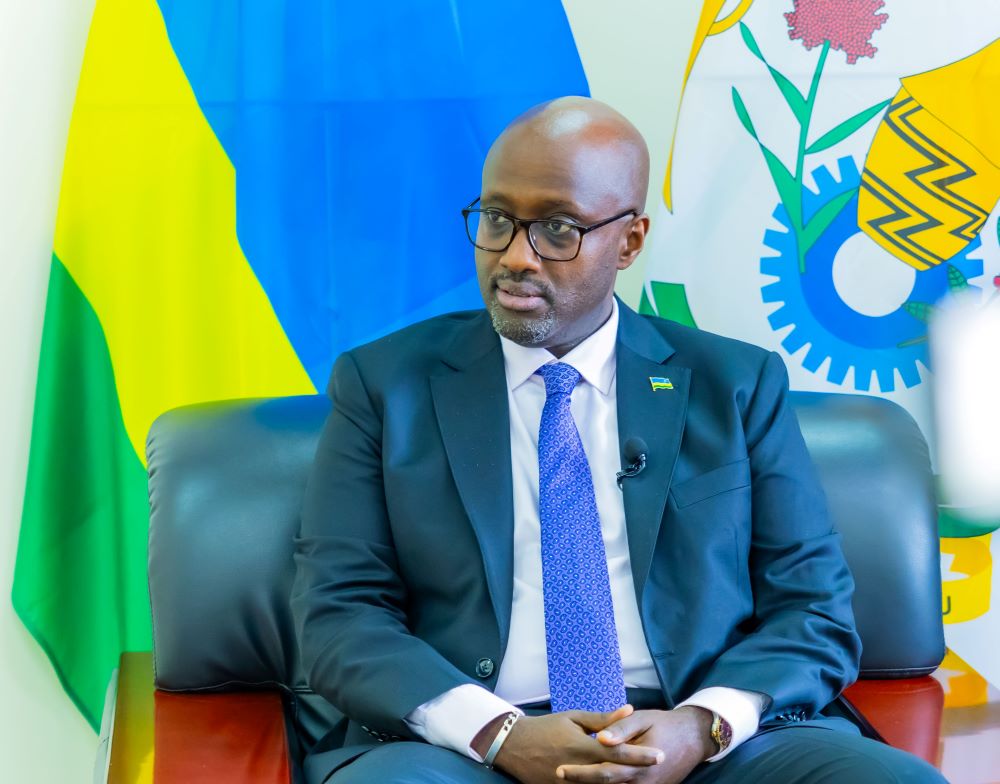
In an interview with IGIHE, Nduhungirehe dismissed fears, emphasizing that ordinary citizens will not be affected by the diplomatic fallout.
“Cutting ties with Belgium will have no impact on ordinary citizens. The Genocide commemoration activities will continue, organized by Rwandan communities and survivors’ associations,” he stated.
He also assured Rwandans abroad that the government will continue to provide necessary information and support whenever possible.
On March 17, 2025, the Rwandan government formally notified Belgium of its decision to cut diplomatic relations and ordered Belgian diplomats to leave the country within 48 hours.
The decision followed Belgium’s continued disregard for Rwanda’s sovereignty, both historically and in the ongoing conflict in the Democratic Republic of Congo (DRC).
Rwanda accused Belgium of taking sides in the conflict, spreading misinformation, and advocating for decisions that undermine Rwanda’s security and interests.
This move comes a month after Rwanda terminated a €95 million ($102 million) development cooperation agreement with Belgium for projects planned between 2024 and 2029, leaving about €80 million ($86 million) in unused funds.
According to a joint stament released by Qatar Ministry of Foreign Affairs, the meeting which took place in Qatar on March 18, 2025, welcomed the progress made in the Luanda and Nairobi processes, and the joint the East African Community (EAC) and Southern African Development Community (SADC) summit in Dar es Salaam on February 8, 2025.
A photo released by Qatar showed Sheikh Tamim seated between the two presidents, with President Kagame on the left and President Tshisekedi on the right.
The statement emphasized the commitment of the countries involved to cease hostilities without further delay, as previously agreed at the said summit.
“The Heads of State then agreed on the need to continue the discussions initiated in Doha in order to establish solid foundations for lasting peace as envisioned in the Luanda/Nairobi process, now merged and/or aligned,” reads part of the statement.
According to the statement, President Kagame and Tshisekedi Tshilombo, thanked the State of Qatar and Sheikh Tamim bin Hamad Al Thani, Emir of the State of Qatar, for their hospitality and for organizing this fruitful meeting, ‘which helped build confidence in a shared commitment to a secure and stable future for the Democratic Republic of the Congo and the region’.
Qatar has gained recognition as a mediator in several global conflicts, most recently collaborating with Egypt and the United States to address the ongoing war between Hamas and Gaza.
The meeting between the two leaders was previously undisclosed and surprised many.
Although talks between both parties had been planned for Qatar in January 2023, they were initially canceled when the DRC side refused to participate, citing other commitments. At that time, President Tshisekedi had also declined a meeting with President Kagame, despite a request from French President Macron.
President Kagame had recently stated that if he were to meet with President Tshisekedi again, he would tell him that he was not fit to lead the DRC.
Kagame also expressed his frustration with Tshisekedi’s approach to discussions, saying that agreements made during talks are often reversed or forgotten soon after.
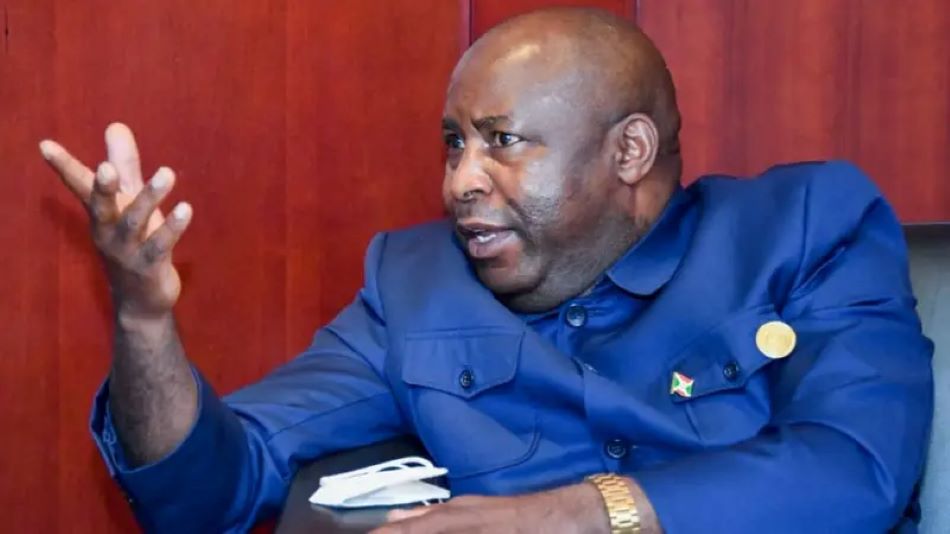
On March 16, 2025, while addressing a congregation at Vision de Jésus-Christ Church, Ndayishimiye reignited tensions by blaming Rwanda for ethnic divisions in Burundi since 1959 and in the Democratic Republic of Congo (DRC) since 1996.
“Burundi faced problems in 1959 due to events in Rwanda. The Congolese also experienced turmoil after 1996 because of what happened in Rwanda. Should our countries keep suffering from problems originating in Rwanda?” he questioned.
“Let them resolve their own issues and stay out of ours. Here in Burundi, we have no Hutu or Tutsi, we are simply Burundians. If they choose to govern based on ethnicity, that is their concern,” he added.
While Ndayishimiye claimed Burundi does not differentiate between Hutu and Tutsi, he has been accused of collaborating with the Congolese army, Wazalendo and terrorist group FDLR (remnants of those responsible for the 1994 Genocide against the Tutsi in Rwanda) to target Congolese Tutsis.
The Burundian leader asserted that his country is in a strong position, stating that “the world has woken up” and no longer believes mere rumors, but instead observes the realities on the ground in the DRC.
He told the congregation that the ongoing crisis might be resolved by the end of the 40-day fasting period.
Reiterating his claims of a Rwandan invasion plot, he dismissed the possibility, boasting that Burundi has both visible and invisible military forces. Using biblical references, he emphasized divine protection over his country.
“The idea that Rwanda could invade Burundi is sheer madness. I hear people say, ‘Rwanda has a strong army.’ Uuuh! If only they knew the forces, I have. How would they even know, unless they sought guidance from God to reveal them? Burundi has an army, both seen and unseen. It is well protected,” he said.
Ndayishimiye also claimed that in June and July 2024, God defended Burundi from a major threat, and according to “the enemy’s plans,” his government was not expected to survive beyond October of that year.
In January and February 2025, he launched strong accusations against Rwanda, alleging that it was planning to invade Burundi. However, his rhetoric softened after engaging in discussions with “Rwanda’s friendly nations.”
By February 27, during a meeting with diplomats in Burundi, Ndayishimiye expressed willingness to engage in dialogue with Rwanda, similar to efforts made in 2020 to resolve the ongoing disputes.
“To prevent war between our two countries, we are committed to resolving conflicts through peaceful means. This is what we have been doing since 2020 when Burundi initiated discussions with Rwanda. To this day, Burundi remains open to dialogue with Rwanda to settle our differences,” he said.
Last week, Rwanda’s Minister of Foreign Affairs and International Cooperation, Ambassador Olivier Nduhungirehe confirmed that leaders from both countries are engaged in negotiations to ease tensions.
“Rwanda and Burundi are making significant progress towards ending hostilities and reaching an agreement, as discussions between their leaders continue,” said Minister Nduhungirehe.
His statement suggested that if an agreement is reached, Burundi could reopen its borders with Rwanda, which it had closed in January 2024, accusing Rwanda of supporting the armed group RED Tabara, claims Rwanda has consistently denied.
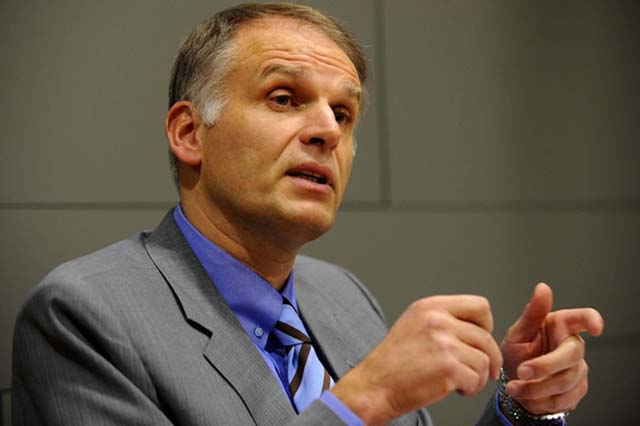
In a post shared on X, Destexhe expressed regret over the diplomatic rupture, which on Monday, March 17, 2025, saw Rwanda sever ties with Belgium in protest against the former colonial power’s acts of aggression, particularly regarding the conflict in the eastern Democratic Republic of Congo (DRC).
He accused Belgian Foreign Minister Maxime Prévot of leading an “aggressive campaign” to influence the European Union and international organizations against Rwanda. According to Destexhe, Belgium has not adopted such an “offensive stance” on any issue since 1994.
“I regret the breakdown of diplomatic relations between Rwanda and Belgium, while fully understanding the Rwandan position,” Destexhe stated.
The former lawmaker argued that Belgium should have maintained neutrality in regional conflicts, warning that the current government’s actions risk reopening historical wounds in Rwanda.
The politician, who also doubles up as a researcher, highlighted Belgium’s extremist colonial history in Rwanda, including the introduction of ethnic classifications that fueled divisions and the 1959 ethnic violence that forced thousands of Tutsis into exile.
Furthermore, he criticized Belgium’s role during the 1994 Genocide against the Tutsi, including the country’s push for the withdrawal of UN peacekeepers.
“That the current government ignores or pretends to ignore these facts is not only incomprehensible but profoundly irresponsible,” Destexhe added.
He also condemned the Belgian Parliament’s recent resolution calling for the suspension of economic agreements with Rwanda over alleged support for M23 rebel group in eastern Congo, describing it as “factually incorrect” and a reflection of a “glaring lack of understanding” of the regional situation.
In the conflict in eastern Congo, Rwanda has repeatedly denied supporting the M23 rebels. The Rwandan government insists that its main concern in the region is the FDLR militia group. According to Rwanda, the group—linked to the 1994 Genocide against the Tutsi—is collaborating with the Congolese government and poses a security threat to Rwanda.
{{Rwanda kicks out Belgian diplomats
}}
The diplomatic tension between Rwanda and Belgium escalated on Monday when Rwanda severed ties with Belgium and ordered all Belgian diplomats to leave the country within 48 hours.
Rwanda’s Ministry of Foreign Affairs accused Belgium of undermining its interests and taking a biased stance on the conflict in the DRC. The Rwandan government said that Belgium has been “mobilizing against Rwanda” and allowing its territory to be used by groups propagating genocide denial.
In response, Belgian Foreign Minister Maxime Prévot described Rwanda’s decision as “disproportionate” and announced that Belgium would take reciprocal measures.
A day before Rwanda took the new measures, President Paul Kagame had condemned Belgium’s actions, accusing the former colonial power of ongoing interference and attempts to destabilize Rwanda. He dismissed Belgium’s push for sanctions as futile, emphasizing Rwanda’s resilience.
Despite the escalating tensions, Destexhe expressed hope that the diplomatic crisis would not harm the longstanding bonds between the people of Rwanda and Belgium, particularly those with dual citizenship.
Despite the severed ties, many are questioning the future of Belgian-led initiatives in Rwanda, including schools, businesses, and transportation services.
Speaking to RBA, Alain Mukurarinda, Rwanda’s Deputy Government Spokesperson, reassured the public that certain activities would continue to operate to avoid disruptions for beneficiaries.
“For instance, regarding the École Belge de Kigali, the academic year is already in progress and will conclude in June 2025. There should be no issue for students finishing this school year. The diplomatic break applies to embassies, not students or Belgian teachers, who make up about 90% of the school’s staff. Regular school employees were not expelled, so students will be able to complete the academic year.”
Mukurarinda added that while Belgium previously provided financial support to the school, the existing budget is expected to sustain operations for the remainder of the academic year. A long-term solution will be explored if diplomatic ties remain severed.
Regarding travel and trade, Mukurarinda noted that RwandAir flights to Belgium and Brussels Airlines flights to Rwanda may continue, though some aspects of operations could be affected.
“Belgium’s economic interests in Rwanda do not vanish overnight. Even with our historical ties, it is impossible to completely sever all relations,” he explained.
Mukuralinda further elucidated that many businesses operate independently of diplomatic agreements, where Belgian companies and investors will likely continue their activities in Rwanda
Before the diplomatic rift, Rwanda’s ambassador to Belgium also represented the country at the European Union, given that the EU headquarters is in Brussels. With the shift, Rwanda has reassigned these responsibilities to its ambassador in Germany.
Mukurarinda emphasized that the decision to cut ties with Belgium was not made lightly but was preceded by multiple warnings. He pointed to Belgium’s one-sided stance on regional tensions between Rwanda and the Democratic Republic of Congo (DRC) as a key factor in the decision.
“The DRC has its narrative, and Rwanda has its own. Belgium, having colonized both countries, is well aware of their histories, including how borders were drawn and ethnic identities recorded. Given this knowledge, Belgium should not take one side while dismissing Rwanda’s concerns,” he stated.
Rwanda views Belgium’s approach as unacceptable, especially as Belgium has continued to impose economic and diplomatic pressure on Rwanda while disregarding Kigali’s perspective.
Tensions escalated when Belgium refused to accept Rwanda’s newly appointed ambassador due to his past assignments in the DRC and South Africa, despite the fact that he had no criminal record or legal charges against him. In response, Rwanda rejected Belgium’s designated ambassador.
In February 2025, Rwanda officially terminated its cooperation agreements with Belgium, canceling development projects worth €95 million (approximately RWF 140 billion) that had been planned for 2024-2029. The remaining €80 million (RWF 118 billion) in project funds will no longer be implemented.
Mukurarinda criticized Belgium’s persistent efforts to isolate Rwanda by urging international organizations and financial institutions to impose sanctions.
“While Belgium aggressively lobbies for Rwanda’s isolation, pushing for development sanctions and penalties, where do they place Rwanda’s concerns?” he questioned.
He stressed that Rwanda had made repeated diplomatic efforts to resolve these issues with Belgium, but Brussels remained uncooperative. Consequently, Rwanda saw no reason to maintain what it viewed as a deceptive and hypocritical relationship.
Mukurarinda urged Rwandans to support the government’s decision, emphasizing that the move was necessary to safeguard Rwanda’s sovereignty.
Beneath its rolling hills lies a wealth of minerals that have become critical to the country’s economic ambitions.
The nation is endowed with high-value minerals, including Wolfram, Cassiterite, and Coltan—essential components in the production of aerospace equipment, military technology, and consumer electronics.
These minerals are in high demand globally, positioning Rwanda as a key player in the supply chain of strategic raw materials.
Mining has long been a cornerstone of Rwanda’s economic development, and today, the sector is expanding rapidly.
Annual mineral production ranges between 8,000 and 10,000 tons, and with the government’s push for modernization and investment, the industry continues to attract both local and international stakeholders.
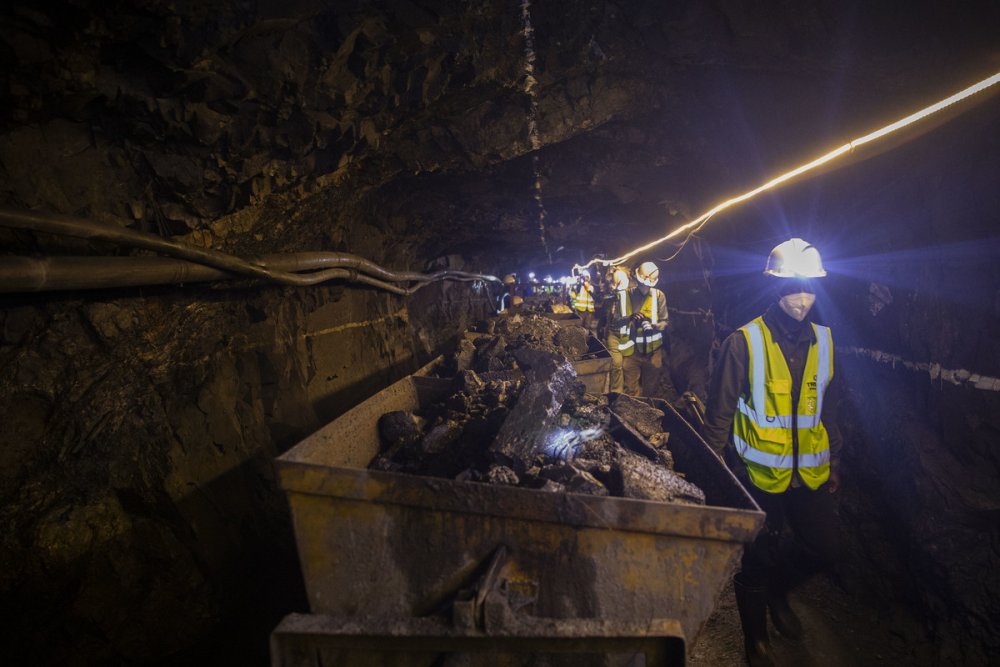
A visit to several mining sites across the country provides a glimpse into the scale of these operations, where mining companies are extracting and refining minerals to meet both local and international demand.
Among the many licensed mining operations, several sites stand out in terms of production and employment.
The Nyakabingo mine in Rulindo, the Rukaragata mine in Ngororero, the Mwurire-Nzige-Rubona mines in Rwamagana, and the Bashyamba mine in Nyarugenge collectively produce around 2,000 tons of minerals annually.
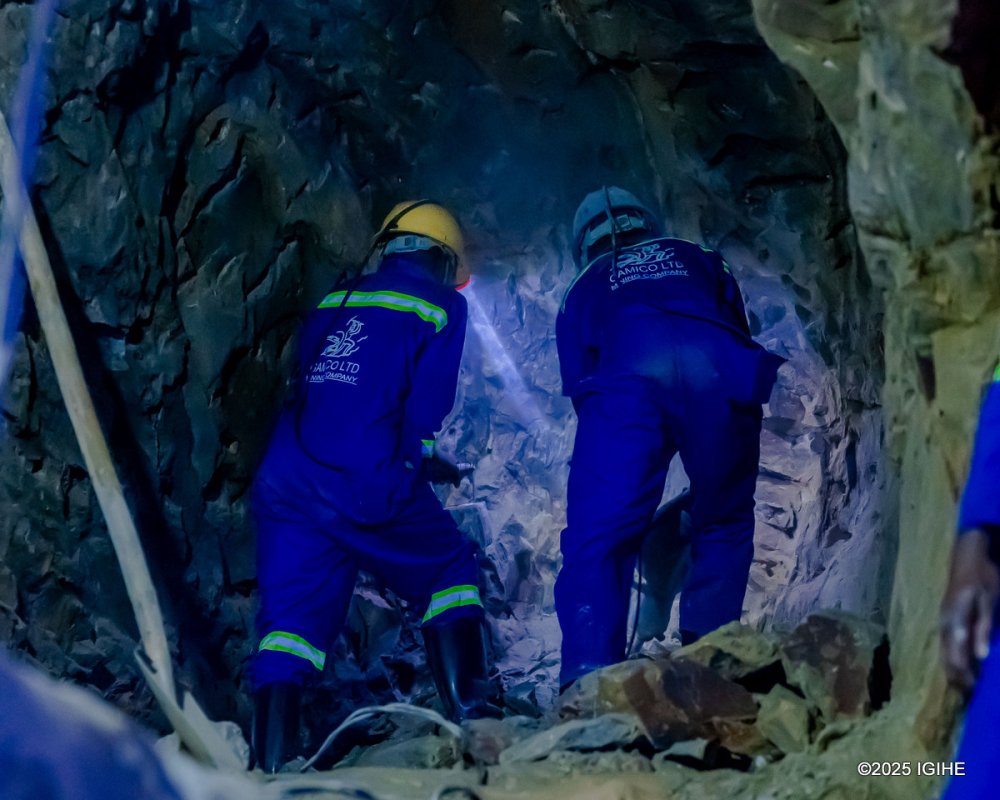
These operations employ nearly 5,000 workers, supporting thousands of families and making mining one of the most impactful industries in the country.
{{A sector driven by investment and innovation}}
Mining in Rwanda is capital-intensive, with investors injecting millions of dollars into exploration, machinery, and infrastructure to improve efficiency.
Trinity Metals, which operates the Nyakabingo mine, has invested over $40 million in its operations, while Power M, which runs the Rukaragata site, has allocated significant resources to mechanizing its processes.
With a combination of surface and underground mining techniques, these companies are ensuring that Rwanda’s mineral reserves remain productive for decades to come.
Studies indicate that, if managed efficiently, these deposits could sustain mining activities for at least 50 years.
The growth of the sector is not only benefiting investors but also transforming the lives of workers.
For many miners, the industry has provided financial stability and opportunities to improve their standard of living.
Twizerimana Jean Claude, a miner at the Bashyamba site, shared how his work has enabled him to build a future.
“When I started working here, I earned Frw 94,000 in my first week. The following week, I was paid Frw 114,000. In two weeks, my lowest pay was Frw 190,000. When mining conditions are good, I can earn up to Frw 800,000 in 15 days,” he said.
Similarly, Yankurije Betty, who has worked at the Rukaragata mine for seven years, described how mining has helped her achieve financial independence.
“In these seven years, I have achieved so much. Before, I had no money, but now I pay for my children’s education, built a house, bought two cows, and acquired land worth Frw 600,000,” she explained.
{{Economic contribution}}
The impact of mining extends beyond individual workers to the national economy. According to the Rwanda Mining Board, mineral exports generated over $1.1 billion in 2023, marking a 43% increase from the previous year.
The National Institute of Statistics of Rwanda further reported that as of January 2025, mineral output had risen by 4.3% compared to the same period in 2024.
Despite Rwanda’s established mineral wealth, external claims have occasionally questioned the country’s reserves, suggesting that significant mineral deposits lie just beyond its borders.
However, geological research strongly disputes this. Ray Power, a British investor and owner of Power M in Ngororero, as well as Power Resources International, a coltan refinery in Bugesera, dismissed these claims.
According to him, minerals do not have borders given that the region shares the same geological characteristics.
He further revealed that a 600-meter section of his mining site contains deposits that could be extracted for the next 16 years using modern techniques.
The Kibaran-Angolan Belt, a mineral-rich geological formation, runs through Rwanda, the Democratic Republic of the Congo, Angola, Zambia, and the Central African Republic, further confirming the country’s resource potential.
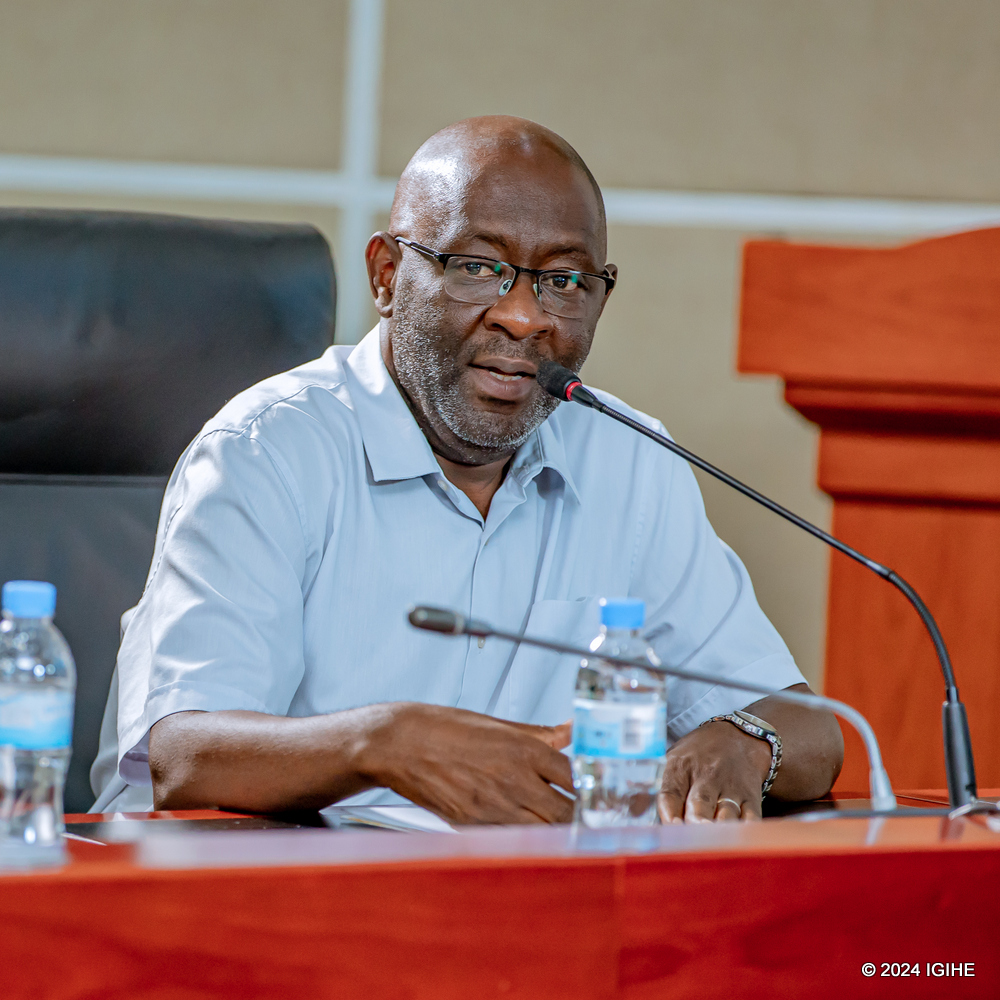
Donat Nsengumuremyi, the Division Manager of the Mining Extraction and Inspection Division at the Rwanda Mining Board, reinforced this point.
“Rwanda has abundant mineral resources because it is situated within the Kibaran Belt, right at its core. If we are at the center, that means we have significant deposits. There is still a long way to go in terms of exploration,” he said.
He also noted that while Rwanda has made remarkable progress in mining, the sector is still in its early stages of deep exploration.
“Unlike other countries that have drilled up to two kilometers deep, Rwanda has yet to reach even one kilometer in depth,” he added.
{{Investing in research and mineral processing}}
To ensure sustainable growth, Rwanda has invested in mining education and research. Since 2015, the University of Rwanda has expanded its mining program, increasing the number of trained geologists and mining engineers.
These efforts have been critical in ensuring compliance with environmental and safety regulations while optimizing production processes.
Beyond tin, tungsten, and tantalum, Rwanda is also home to gold, lithium, gemstones, and sapphire, particularly in the Western Province.
Ongoing studies continue to map and quantify these resources, further solidifying Rwanda’s standing in the global mining industry.
A major focus for Rwanda is increasing local mineral processing capacity. The government aims to refine 80% of extracted minerals domestically by 2029, up from the current 40%.
This shift is expected to reduce reliance on raw mineral exports while strengthening the country’s industrial sector.
Investments in key refineries such as Gasabo Gold Refinery, LuNa Smelter, and Power Resources International Ltd are already improving Rwanda’s ability to process gold, tin, and coltan.
In addition, a three-year geological survey is underway to assess high-potential mining areas, with a focus on lithium, gold, cassiterite, and coltan—minerals that are highly sought after in global markets.
With continued investment and strategic policy improvements, Rwanda aims to increase the mining sector’s contribution to the economy to $2.2 billion by 2029.