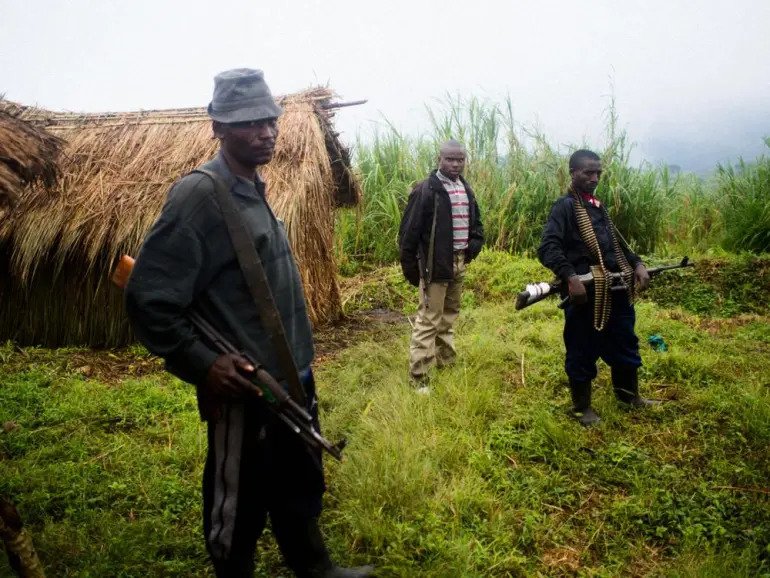
FDLR is a rebel outfit comprised of remnant masterminds of the 1994 Genocide against Tutsi.
Maj Yefuta who was gunned down in the night of Monday 6th June 2022, has been the commander of FDLR Battalion which stayed in forests of the Democratic Republic of Congo (DRC) for 25 years.
Since last month, it has been reported that FDLR is collaborating with FARDC in clashes with M23.
IGIHE has learnt from credible sources that the fighting in which Maj Nsanzimana was shot dead happened in area of Bugusa, Jomba in Rutsuru Territory of Northern Kivu.
M23 has said that the fighting left 50 opponents killed.
The Spokesperson of M23, Major Willy Ngoma has announced that FARDC and FDLR have lost many soldiers during the fight which resumed on Monday.
On Monday, FARDC also confirmed the death of its two soldiers killed in the fighting with M23.
Maj Nsanzimana joined the army through a military training school known as School of Non-Commissioned Officers in Butare (ESO) in 1990.
Following the defeat of the then Rwandan Armed Forces (FAR) towards the end of July 1994, Nsanzimana fled to DRC where he joined FDLR.
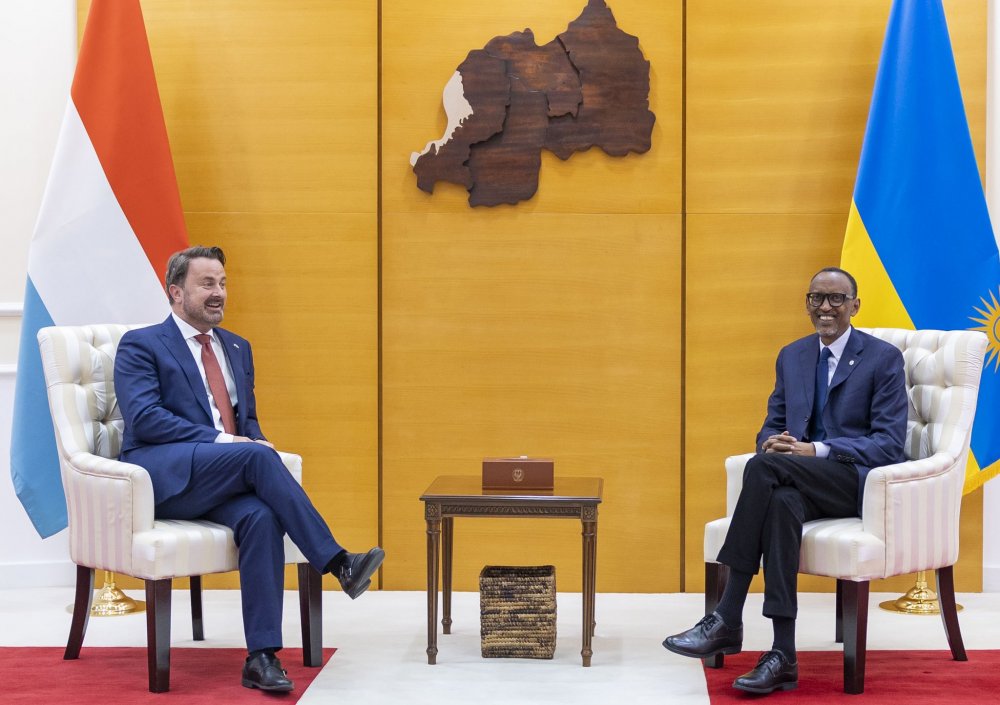
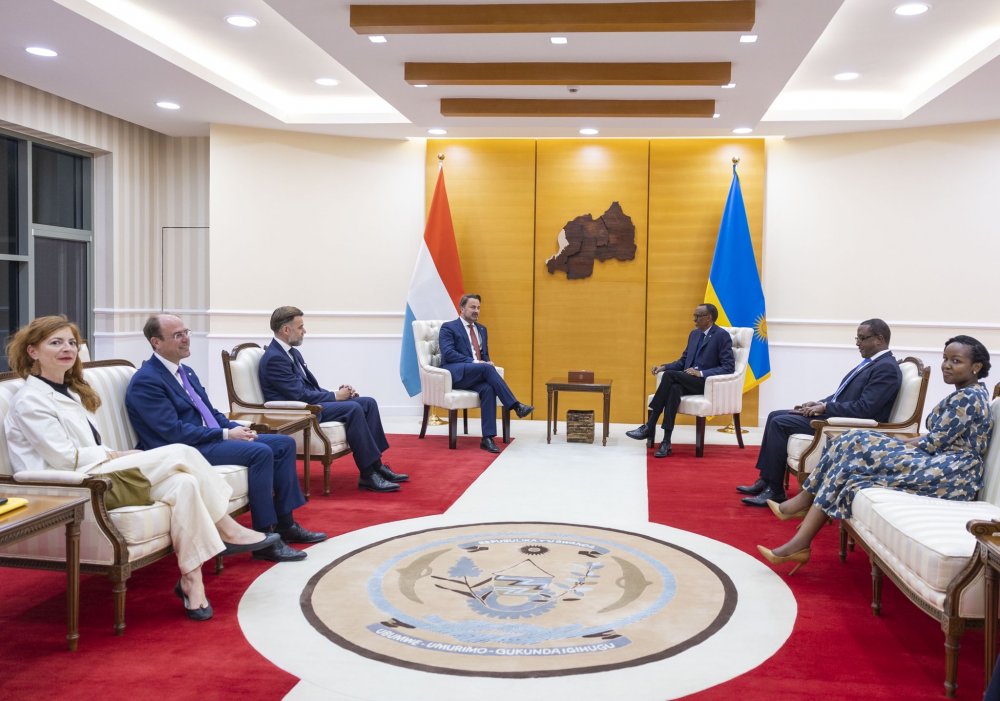
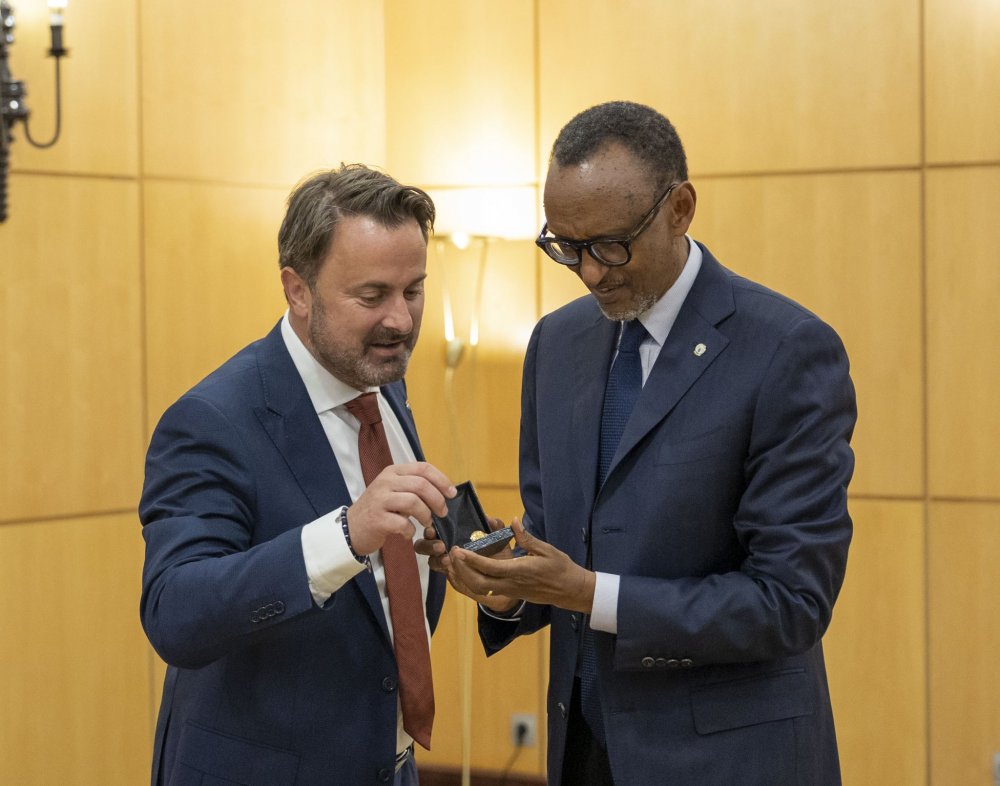
Rwanda’s Presidency has via Twitter handle revealed that their discussions held on Tuesday 7th June 2022 focused on ways to enhance the existing bilateral relations between Rwanda and Luxembourg in key areas such as the digital and FinTech sectors.
In October last year, Rwanda and Luxembourg signed bilateral agreement to support Kigali International Financial Centre (KIFC).
The agreement provides ground for signatories to work together with the aim to support Rwanda in further developing the KIF.
Strategic areas of cooperation defined within the agreement include; capacity building and talent development development of sustainable finance in Rwanda, enabling a fintech ecosystem in Rwanda, and setting up a marketplace for impact investing in Rwanda.
Luxembourg, Rwanda also signed double taxation avoidance agreement in the same year.
The company started operations in Rwanda in 2019 while the inauguration ceremony of Kigali office which is the first ever on African continent was due in March 2020.
The official inauguration was postponed due to COVID-19 restrictions.
Speaking at the launch on Monday 6th June 2022; the President and Chief Operations Officer of Rohde & Schwarz, Peter Riedel has commended the management of Rwanda office for having successfully started the company in difficult times.
Riedel disclosed that he met President Kagame in 2018 as he attended a security meeting in Munich. As he explained, the meeting became the foundation of fruitful collaboration leading to the opening of Rwanda office as the first milestone.
Riedel said that President Kagame invited him to visit Rwanda’s attractions where he later attended ‘Kwiza Izina’, baby gorilla naming ceremony. At the time, he named a baby gorilla from Musilikare family.
Riedel has revealed that the company plans to do more in Rwanda, increase local staff and expend much effort in trainings on cyber security to staff from relevant institutions.
He also explained that they want to improve the curriculum for Cyber Security Academy in Rwanda and provide modern infrastructures.
President Kagame commended ‘Peter and the entire Rohde & Schwarz leadership for accepting to have our country as a long-term partner’.
The Head of State said that the management didn’t hesitate when he asked them to come to Rwanda during his visit to the company’s headquarters.
Over the years, Kagame said, ‘Rwanda has made significant progress in developing our digital economy’ but highlighted that there is a lot more to do.
The Head of State underscored that the Kigali International Financial Centre, Kigali Innovation City and Centre for the Fourth Industrial Revolution are just examples of many things Rwanda is trying to do or can do in the near future.
“Our vision is to become a trusted hub for digital financial services and technology innovation in our region and beyond. Rohde & Schwarz is already a positive addition to Rwanda’s technology community through the software development lab started in 2019,” he said.
“Key public institutions in Rwanda are already making use of these applications. The launch of Rohde & Schwarz Rwanda Office, the first in our continent will only enhance the good collaboration we have seen,” added Kagame.
He commended the company’s new commitments in cyber security training, curriculum development as well as support for a Radio Frequency Lab in conjunction with QT-Software, a Rwandan software company.
The Head of State assured the company of Rwanda’s full support, urged the management to consider Rwanda as a reliable partner and reminded them to feel at home in Rwanda.
Diogene Niyigena, Senior Developer Team Lead at Rohde & Schwarz Rwanda has said that they have rolled out different projects for the past two years including Pace 2 related to network traffic classification in which they work with banks, airports and hospitals among others who are prone to cyber-attacks.
He explained that the local office seeks to establish a system helping different people to detect cyber-attacks and develop proactive approaches.
Under Pace 2, Niyigena revealed that they can monitor 3000 applications and alert companies on possible cyber threats.
The advisor to German Ambassador in Rwanda, Peter Primus said that the achievement is a result of cordial relations between both countries.
Rohde & Schwarz runs operations in more than 70 countries.
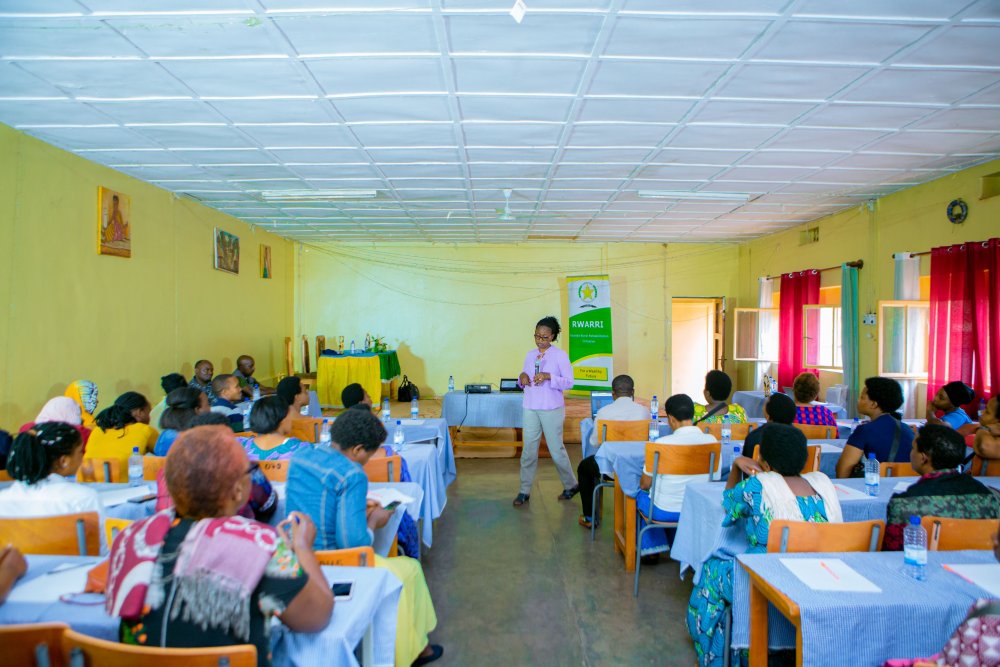
Food “waste” refers to food that is fit for consumption but consciously discarded at the retail or consumption phases.
The research carried out recently by the Food and Agriculture Organization (FAO) and Rwanda Agriculture Board (RAB) has indicated that Kigali City alone generates 500 tons of garbage every day of which 70% is ‘food waste’.
The research also shows that every household in Kigali City generates 164 kilograms of food waste annually while 2,075,405 tons of food waste is collected from all households in Kigali every year.
Despite the large quantities of wasted food, 19% of the country’s population does not have enough food.
The food waste is harmful to the environment and constitutes 8% of greenhouse gas emissions. The wasted food also constitutes at least 8% and 12% of agricultural produce.
Shaffy Niyoyita, Agriculture Specialist at RAB has pointed out different reasons leading to food spoilage. Among them, he cited lack of proper post-harvest handling particularly for some crops like vegetables and fruits. He also pointed out mindset as another factor.
The management of Nduba dumpsite in Gasabo District has revealed that the majority of food waste is collected from households. These include leftovers and spoiled food over buying excess quantities among others.
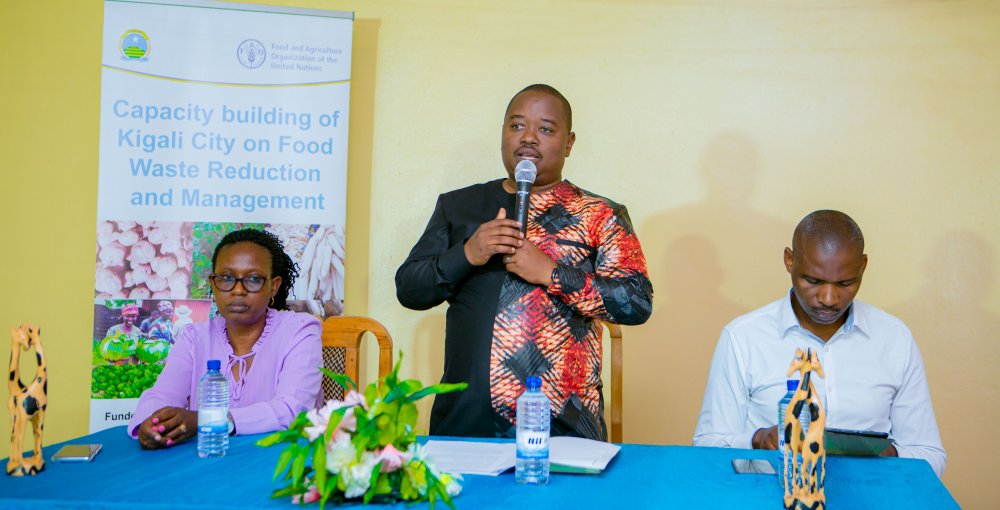
The City of Kigali has delegated a committee to design strategies meant to reduce food waste and determine how they could be reused to produce something else beneficial to the community.
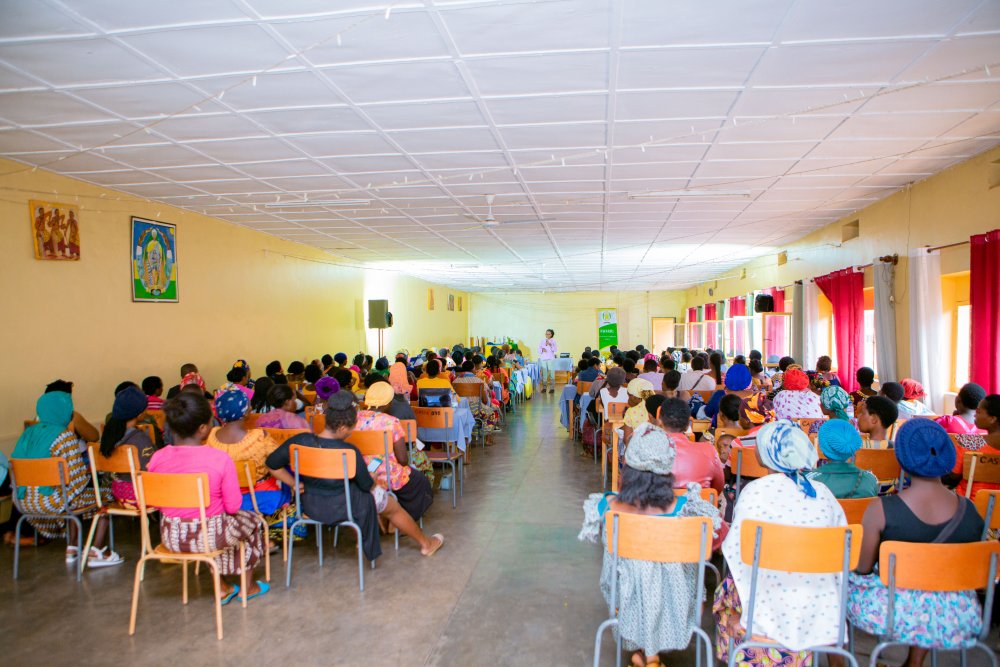
The team has been training different segments of waste producers including hotels, restaurants, food vendors and schools to seek how food waste can be reduced.
Janviere Niyongira, a vendor of fruits at Gahoromani market in Gasabo District is one of trainees who disclosed how food spoilage incurs big losses.
“The foods are mostly spoiled in case we don’t have clients yet we have enough in store. When food commodities are damaged, a vendor is likely to sell at a giveaway price,” she said.
Kigali City Vice Mayor in Charge of Urbanization and Infrastructure, Dr. Merard Mpabwanamaguru has advised vendors of food commodities to properly store their merchandise to prevent damages or losses.
“We want to ensure proper management of foods instead of wasting them. They should be used appropriately and well preserved. There are some merchandises including rotted mangoes, several types of fruits and vegetables dumped at landfills because they were not properly stored,” he noted.
{{Call to action}}
Dr. Mpabwanamaguru has said that Kigali city is sensitizing vendors on proper handling of agricultural produce and place orders matching with clients’ expectations.
“First of all, a vendor must estimate the quantity of sales, circumstances under which they are spoiled and determine what should be their role to avoid loss. He/she might place order for small quantities, consider the nature of container and time to buy new merchandise,” he said.
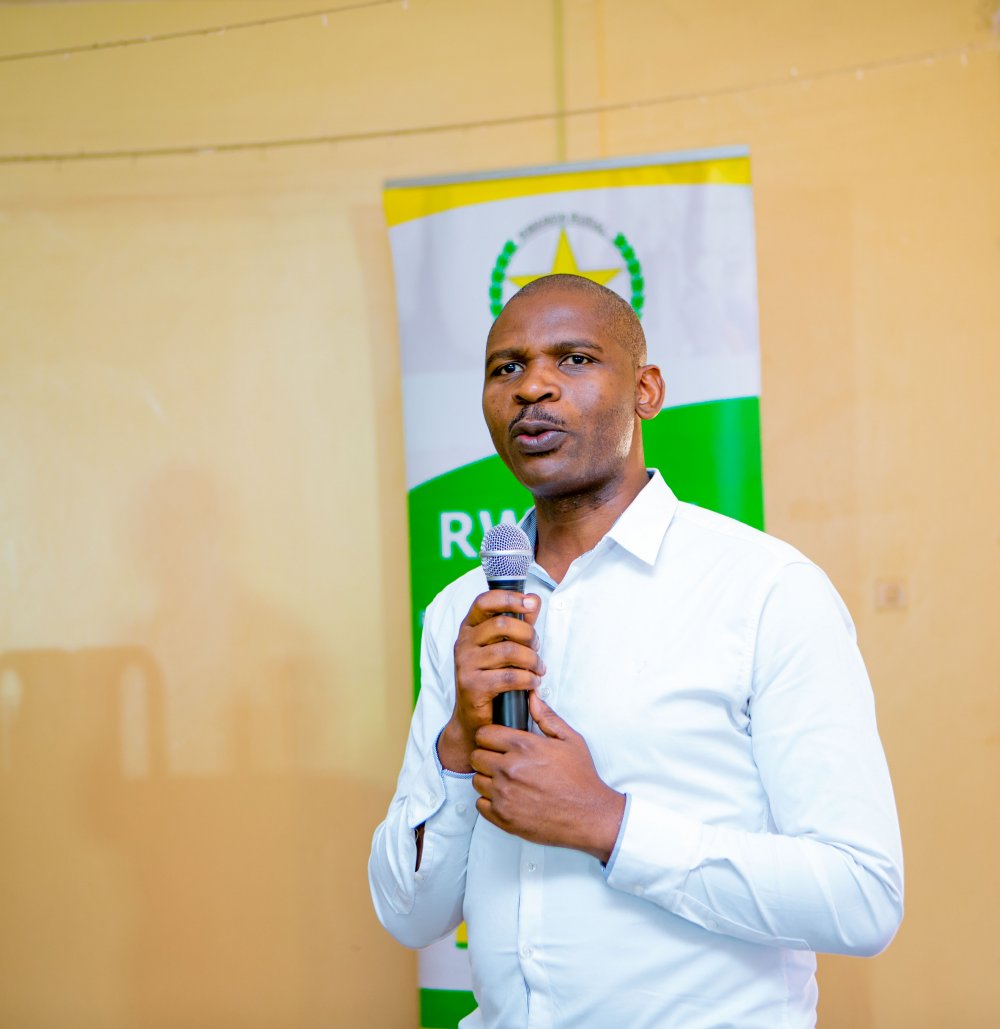
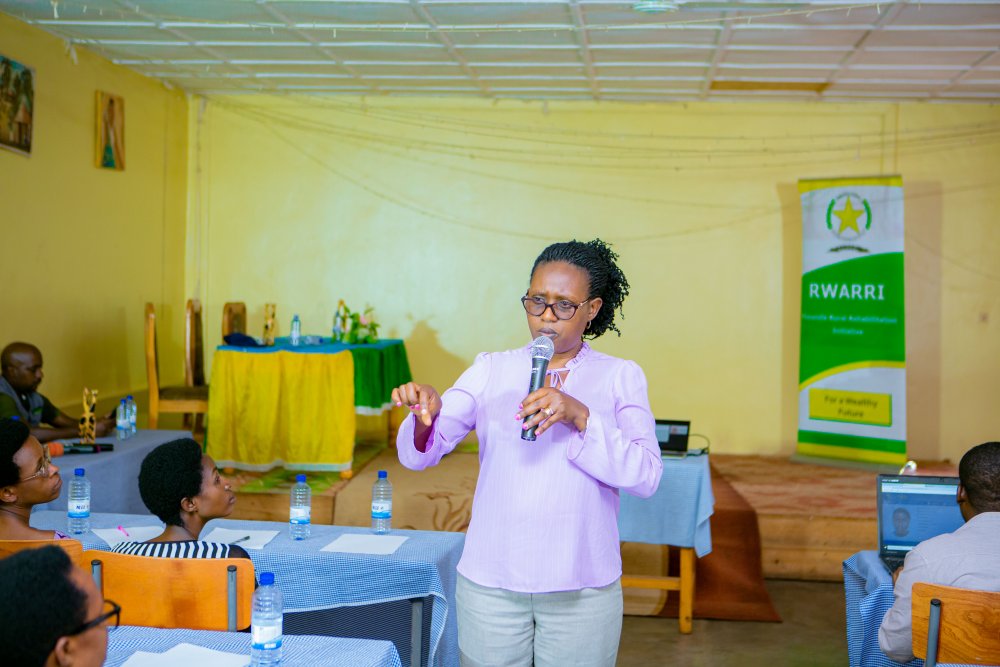
The Executive Director of Rwanda Rural Rehabilitation Initiative (RWARRI), Bel Ange Uwizeye has observed that Rwandans need to be sensitized on how to reduce wasted foods that could save many.
“Some of large grocery stores keep foods until they are expired and thrown away. Isn’t there a way of introducing a technology to detect merchandises about to get spoiled to sell them on discount or distribute them for free?” she wondered.
Niyoyita has explained that launching a campaign mobilizing people not to buy excessive quantities beyond needed consumption would be helpful to tackle the issue of wasted foods.
Some of projects in pipeline expected to address the issue include the launch of a website helping vendors to market their produce and link them to buyers.
Other recommended measures include mobilizations among traders to use fridges to keep fruits and vegetables fresh as well as producing compost from waste and ‘briquette fuel’ as one of the alternative source of cooking energy.
Niyoyita has also indicated that a committee at village or cell level would be of great help to collect foods from those with excess in storage to be distributed to the needy.
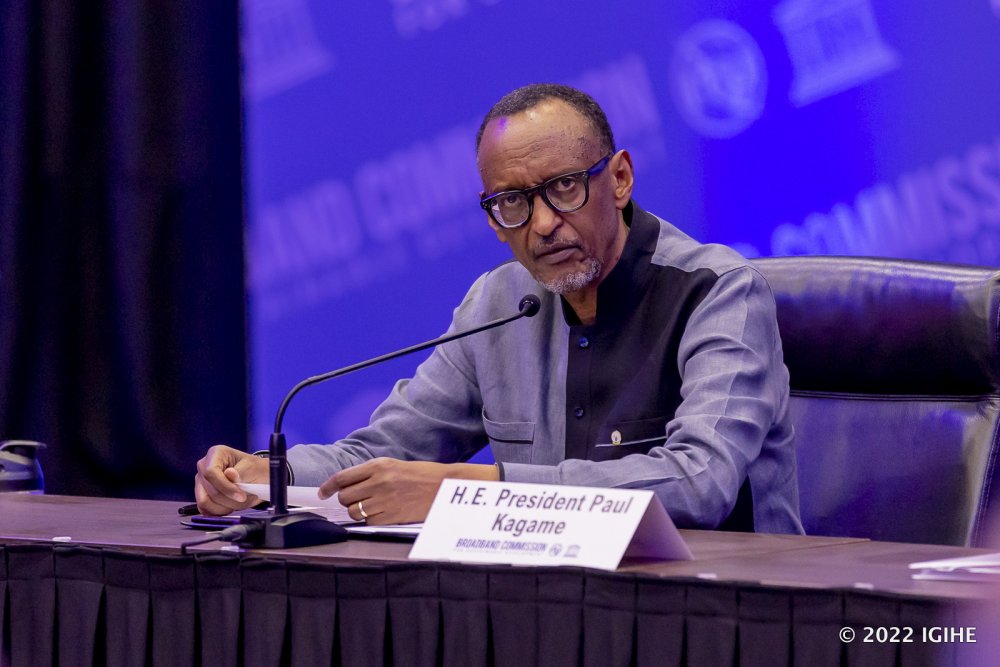
Kagame made the remarks as he officially opened the Broadband Commission Meeting on Sunday held in Kigali for the third time.
It was attended by Houlin Zhao, the Secretary-General of the International Telecommunication Union (ITU); Dr. Tawfik Jelassi, the Assistant Director-General for Communication and Information Dr. Tawfik Jelassi at the United Nations Educational, Scientific and Cultural Organization (UNESCO) and the Broadband Commission’s co-chair, Carlos Slim.
The President said that a lot has been done since 2011 even though there is still a long journey to achieve affordable and universal access to broadband.
“We are still living in tough times economically, politically and in terms of global public health. The immediate future is full of uncertainties and risks but one thing is sure. All of the challenges we face can be handled fast, better and more equitably by investing in universal and affordable broadband,” he said.
Kagame also pointed out an example of Rwanda’s milestone of adopting technology, particularly in schools and highlighted that it is a result of partnership.
“As an example, Rwanda has already benefitted from such partnership efforts as a lead country in the Giga initiative, led by ITU and UNICEF. The pilot project in 63 schools has resulted in a quadrupling of capacity and a 55% reduction in cost,” he noted.
Launched in 2019, Giga is a UNICEF-ITU initiative to connect every school to the Internet and every young person to information, opportunity and choice. Giga maps schools’ Internet access in real time, creates models for innovative financing, and supports governments contracting for connectivity.
It is reported that more than 2.9 billion have no access to internet globally.
On Sunday, President Kagame also attended a luncheon hosted by Smart Africa at the Kigali Convention Centre ahead of the Broadband Commission Meeting.
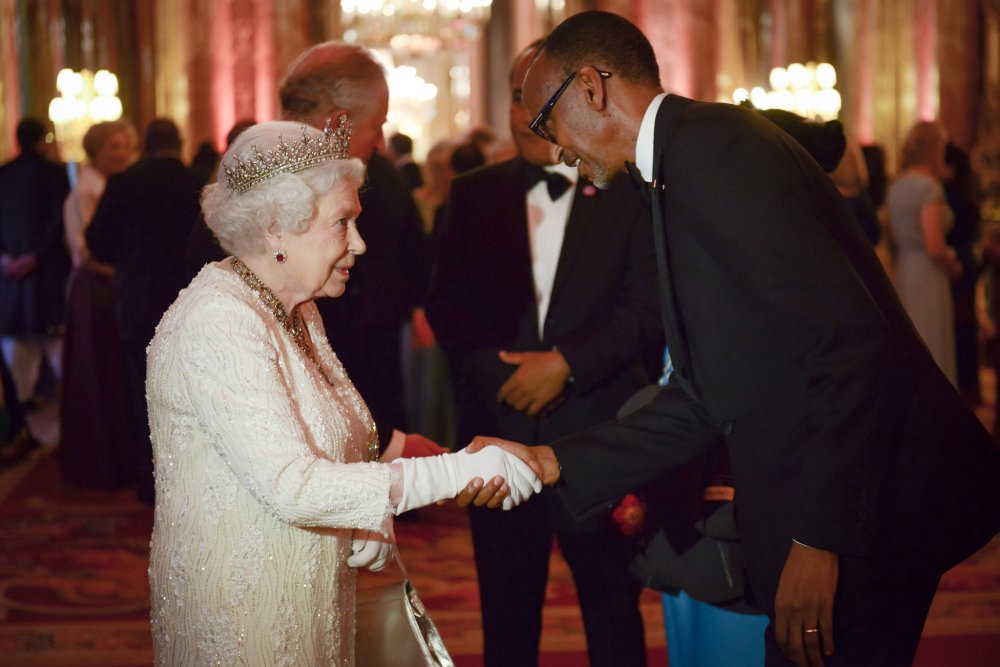
“Congratulations to Queen Elizabeth II on the occasion of her Platinum Jubilee and her dedication to service over the last 70 years. As Rwanda gets ready to host CHOGM2022, we look forward to strengthening the friendship and cooperation within the Commonwealth family,” he tweeted on Sunday.
The four-day celebrations marking the Platinum Jubilee were wound up on Sunday 5th June 2022 in the UK.
The celebrations attracted thousands of people from the UK and other Commonwealth country members across the world.
Rwanda celebrated the Platinum Jubilee on Thursday 2nd June 2022. Globally, the event was marked by the lighting of beacons in all capital cities of the Commonwealth.
Officials from Kigali City organized the event in collaboration with Rotary Club which was taking place for the first time in all 54 cities of the Commonwealth.
The beacon was lit at 21:15 p.m. at Imbuga City Walk commonly known as Car Free Zone.
The Mayor of Kigali City, Pudence Rubingisa said that joining other cities in celebrating the Platinum Jubilee and lighting the beacon is recognition of the contribution and efforts of Queen Elizabeth II in different sectors while improving the welfare of the citizens in Commonwealth countries.
The ceremony was also attended by UK High Commissioner to Rwanda, Omar Daair who said that it is a memorable day for UK nationals and Commonwealth members.
During the ceremony marking end of Platinum Jubilee celebrations, Queen Elizabeth II ,96, thanked all people who celebrated the historic milestone.
“When it comes to how to mark seventy years as your Queen, there is no guidebook to follow. It really is a first. But I have been humbled and deeply touched that so many people have taken to the streets to celebrate my Platinum Jubilee,” she said.
“While I may not have attended every event in person, my heart has been with you all; and I remain committed to serving you to the best of my ability, supported by my family,” added Queen Elizabeth.
Queen Elizabeth II (Elizabeth Alexandra Mary Windsor) was born on 21st April 1926.
She ascended throne on 6th February 1952 following the death of her father King George VI. She is the sixth women to lead UK and its longest reigning monarch.
Queen Elizabeth II who is also the Head of Commonwealth has designated Charles, the Prince Charles as her successor.
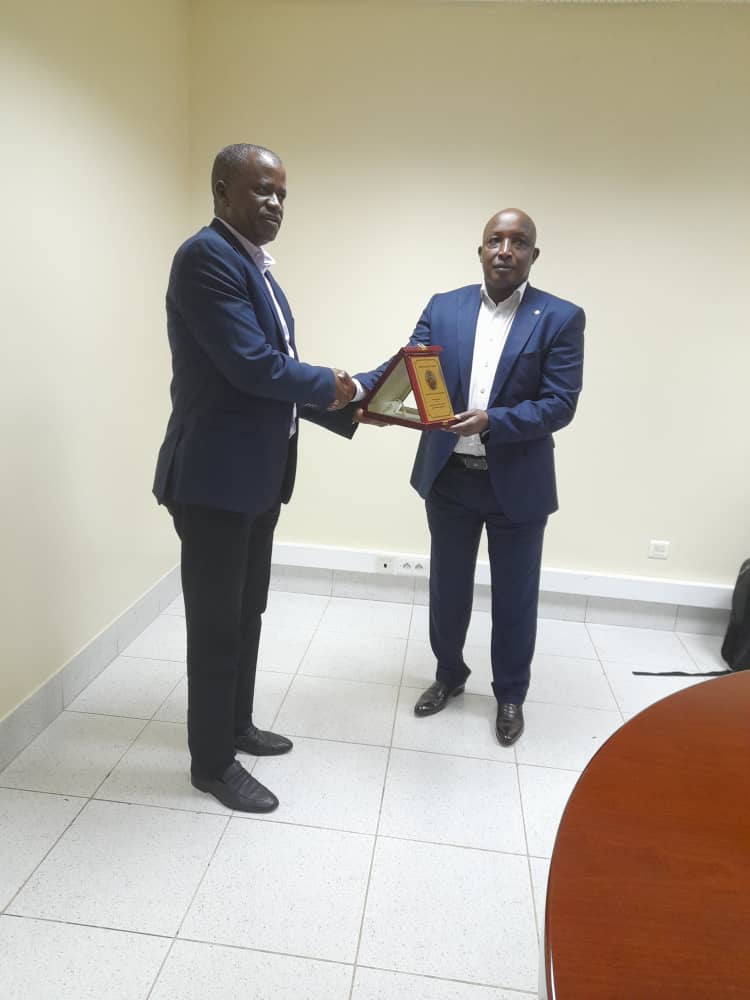
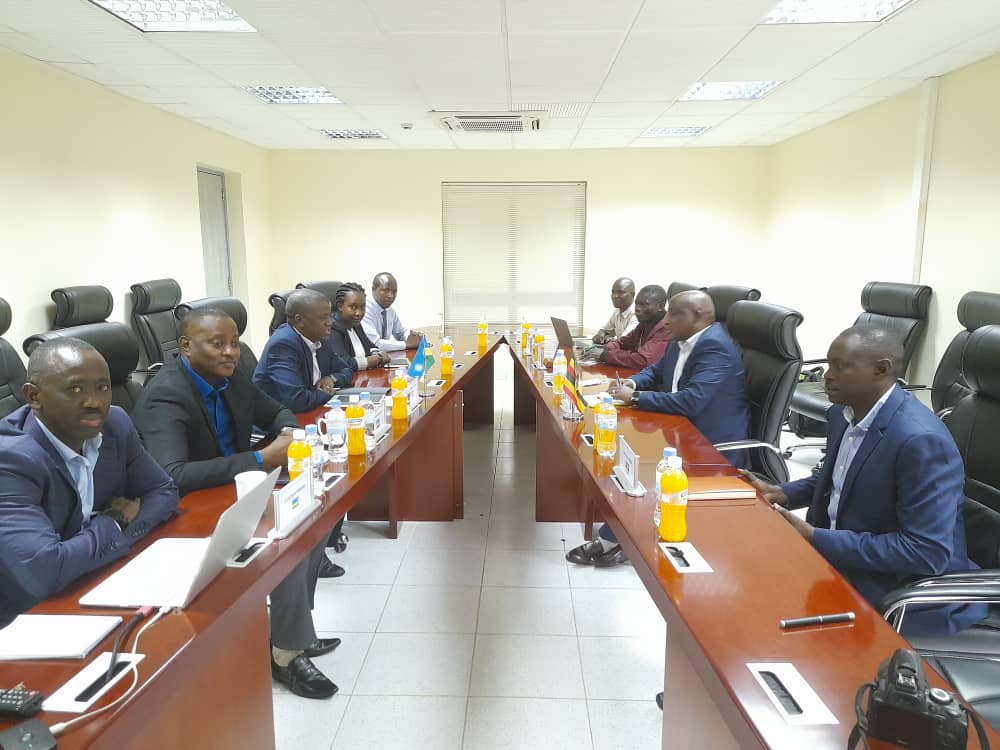
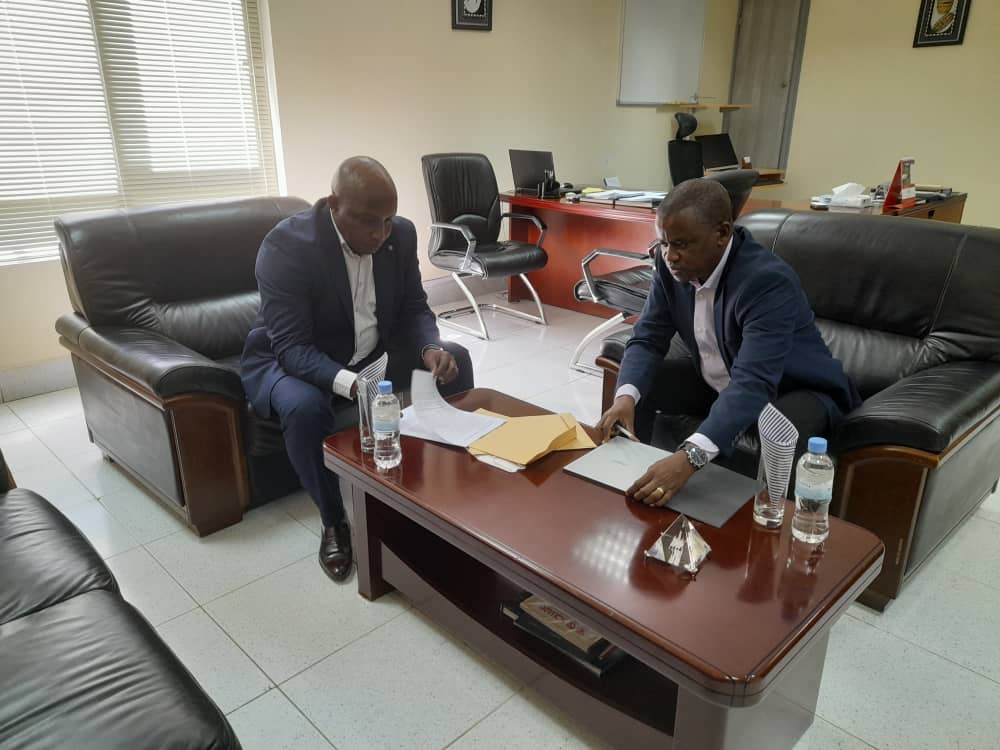
The Spokesperson of RDF, Colonel Ronald Rwivanga has told IGIHE that Maj Gen James Birungi and his delegation have come to Rwanda for four-day visit.
“They have come for a visit aimed at deepening cooperation with regards to intelligence sharing,” he said.
Lt Gen Muhoozi Kainerugaba, the Senior Presidential Advisor on Special Operations and Commander of Land Forces of the Uganda People’s Defence Forces (UPDF) has also commended Rwanda for extending a warm welcome to the visiting delegation.
“I thank Afande Kagame, General Nyakarundi and our brothers in RDF for warmly welcoming our CMI to Kigali. God bless Uganda and Rwanda,” he tweeted.
Lt Gen Muhoozi recently commended the role both countries’ military intelligence in restoring bilateral relations to normal.
“I thank the two Generals, General Birungi and General Nyakarundi (both Chiefs of Military Intelligence) in leading the way in normalising our relationships. Have a successful visit to Rwanda ndugu Birungi. God bless the unity and brotherhood between Uganda and Rwanda,” he tweeted.
The coming to Rwanda follows the recent visit to Uganda by RDF senior officers including its spokesperson, Col Ronald Rwivanga and Brig Gen Vincent Nyakarundi.
At the time, they were hosted by Uganda’s senior officers including Maj Gen Birungi.
Maj Gen James Birungi comes to Rwanda at a time when both countries have embarked on a journey to restore relations that had deteriorated since 2017.
Rwanda was accusing Uganda of supporting dissidents and abusing Rwandans ion the country.
Both countries decided to turn a new page for relations following visits of Lt Gen Muhoozi to Rwanda two times where he met with President Paul Kagame leading to the reopening of Gatuna border.
Apparently, the request was not among Congolese expectations considering their previous statements through the media.
During the recent Security Council, DRC filed an accusation that Rwanda supports M23 rebel group expecting many countries to side with it, officially condemn Rwanda or impose sanctions as it happened when M23 captured different parts including Goma town in 2012.
DRC explained that it was attacked by Rwanda and submitted seized military uniforms and equipment including guns apparently belonging to Rwanda Defence Force (RDF) to the Regional Extended Joint Verification Mechanism (EJVM).
However, military experts say that it is difficult to consider the evidences because Rwanda does not have own market for uniforms and equipment.
The expert has told IGIHE that these equipment and uniforms are not enough to be considered as evidences proving Rwanda’s support to M23.
“It would be true if DRC can show the Batch Number and convince people how these equipment were bought by Rwanda. Having the items looking like Rwanda’s equipment is not enough. DRC is trying to forge evidences because it can also get them manufactured by its suppliers,” he said.
He went on to explain that it is not unusual across the world to see rebels wearing uniforms of a particular country including great powers like the United States of America (USA).
“It is possible to know used military equipment like radios but it requires experts to confirm this. It cannot be validated by one person because it requires experts who must thoroughly analyze all details up to the manufacturer,” he noted.
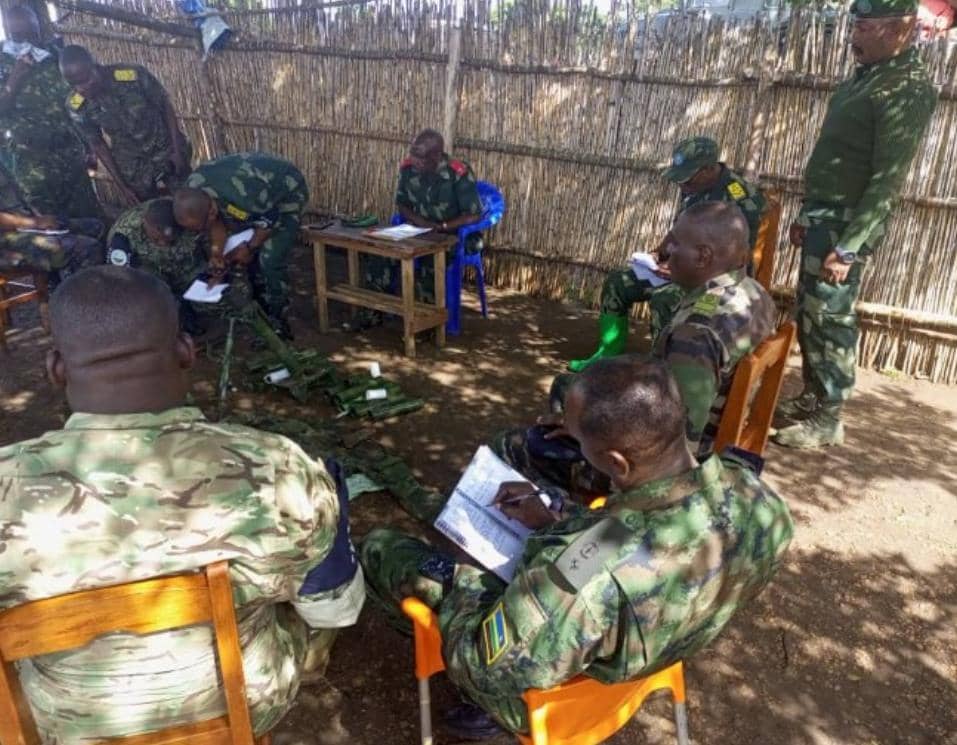
Another presented evidence is about Rwandan soldiers arrested. DRC says that the two Rwandan soldiers were arrested by citizens in Rutshuru (North Kivu) in 20 kilometers away from Rwanda’s border.
However, Rwanda has been insisting that these soldiers were kidnapped on patrol along the border between both countries following an attack plotted by Congolese Army (FARDC) in collaboration with FDLR.
According to experts, it is hard to understand how two soldiers can be arrested in 20 kilometers from the border equipped with guns without fighting.
They also challenge how civilians can arrest two soldiers with their guns and hand them to the military without defending themselves.
{{Failed diplomacy}}
As experts explain, DRC rushed to externalize its matters indicating that there are forces behind insecurity in the country.
This is part of the message echoed by Christophe Lutundula Apala Pen’apala, Deputy Prime Minister and Minister for Foreign Affairs of the Democratic Republic of the Congo to the UN Security Council requesting it to issue a warning against Rwanda and M23.
Contrary, members of the council did not condemn Rwanda but urged DRC to opt for dialogue and implement Nairobi accords aimed at decimating armed groups in the country.
One of international diplomats closely following the issue of DRC has told IGIHE that the UN Security Council gathers enough information before convening a meeting where it can hardly make a biased decision.
“That is the failure of DRC. It is apparent […] I think members of the council are also fed up with the incessant failure to solve problems over the years where more than 130 rebel groups have been formed. It can’t be understood how Congo can accuse Rwanda of supporting one rebel group and assume that the member countries acknowledge it as a reality. They know the problem and have embassies in Congo,” he noted.
The diplomat has disclosed that the UN Security Council has clearly understood the nature of insecurity in Congo.
“Even in 2012, Congo requested that Rwanda should be delisted from UN member countries because it doesn’t conform to its norms […] Members of the Security Council are familiar with such issues because you can realize that suggestions raised in that meeting are almost similar to the ones put forward in 2012/2013. Problems of that region are not new to them. They cannot immediately endorse Congo’s accusation against Rwanda,” he stated.
Among others, the Security Council did not endorse DRC’s request to declare M23 as a terrorist group.
Doing so, would annul the request for dialogue with the rebel group which has been claiming for implementation of signed accords with DRC in 2013.
Negotiations to solve the tension between Rwanda and DRC have begun on mediation of Angola. DRC has accepted to release two Rwandan soldiers kidnapped last week.
FDLR is a rebel outfit comprised of remnant masterminds of the 1994 Genocide against Tutsi.
The Spokesperson of FARDC, Maj Gen Léon-Richard Kasonga has said that the army to which he belongs made possible efforts to decimate FDLR that it no longer a threat.
“And do not forget; how many people died on the battle to fight FDLR? How many men, parents, children, young men and girls killed in North and South Kivu fighting FDLR?”
Rwanda raised the concerns recently after learning that FARDC is collaborating with FDLR in its armed clashes with M23.
Rwanda also accuses FARDC of having shelled on its land and kidnapped two RDF soldiers in collaboration with FDLR.
Rwanda denounced these provocations and asked DRC to stop working with the FDLR.
In his statement, Kasonga has alluded to Rwanda’s concerns and sanitized FDLR as a force which poses no security threat.
“We fought these rebels with courage and defeated them on our territory that they are not currently a threat to their countries of origin,” he said.
“We can use ten, nine or eight from a particular place seeking food or medications to survive but they can’t destabilize anyone even the security of their homeland,” added Maj Gen Kasonga.
He explained that he has piled files about FDLR which don’t contain even a single record of the force’s attacks to Rwanda.
“I have files in my office. You can see a large folder about FDLR but you cannot see any attack it waged on Rwanda. We have defeated this group,” noted Kasonga.
Speaking to the media recently; Rwanda’s Minister of Foreign Affairs, Dr. Vincent Biruta confirmed that FARDC is working with FDLR through a plan to help the genocidaire force to stay closer to Rwanda and threaten its security.
“FARDC is Congolese Military. Today, we are informed that they have teamed up with FDLR to fight. They provided them with military uniforms and put them on frontline. However, you can understand that FARDC has own plans as does FDLR. It is about coming closer to Rwanda’s border to conduct terrorist activities in Rwanda,” he said.
“They are fighting together that it seems to be one army. They organize meetings and synchronize plans of intended courses of action. It is a known reality. At the end, they come with MONUSCO under what is termed as support to FARDC,” added Minister Biruta.
“When you work with FARDC knowing that it merged soldiers with FDLR, you have chosen to work with FDLR in that case.”
FDLR is a rebel outfit comprised of remnant masterminds of the 1994 Genocide against Tutsi living in DRC forests. They plotted different attacks to Rwanda mainly between 1995 -1999. They plotted more hit and run attacks later to threaten Rwanda’s security but were repelled back.
While in DRC forests, FDLR birthed many rebel groups including RUD Urunana and FLN which attacked Rwanda between 2018 and 2019 through Nyungwe National Park.
Analysts say that decimating FDLR in DRC might be a loss to some Congolese soldiers who uses the rebel outfit to exploit the country’s natural resources. They further explain that it is the reason why the military can hardly accept its presence and the security threat it poses to Rwanda.
The declaration by FARDC sanitizing FDLR seems to be self-contradictory following last year’s announcement by the Government of Congo claiming that FDLR killed Italian Ambassador to the country.
At the time, the Governor of North Kivu said that FDLR fighters ambushed a motorcade of World Food Programme (WFP) and took passengers including Italian Ambassador into the Virunga National Park and killed them.
“DRC is self-contradicting. If the aforementioned ten, nine or eight people said to be seeking means for survival are the ones who killed the ambassador, how can you declare that they pose no threat,” a political analyst has told IGIHE.
Last year, FDLR plotted attacks to Rwanda and shot five cows belonging to a resident of Bugeshi in Rubavu District. One of them died while others were injured.
Before the incident, members of the rebel force had raided a savings and credit cooperative (SACCO) in the same sector, destroyed commercial buildings and looted residents’ belongings.
The borders are used by Rwandans crossing to DRC for business reasons town and Congolese vice versa.
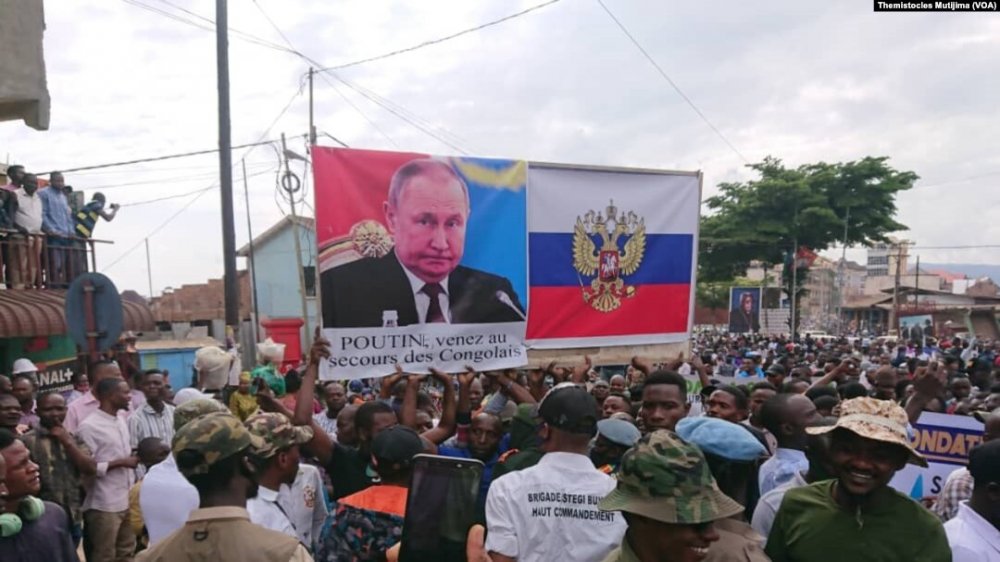
On 1st June 2021, Congolese turned up in crowds for protests at the two borders with violent reactions voicing concerns that Rwanda is supporting M23 rebel group in clashes with Congolese Army (FARDC) which is collaborating with the Democratic Forces for the Liberation of Rwanda (FDLR).
FDLR is a rebel outfit comprised of remnant masterminds of the 1994 Genocide against Tutsi.
Congolese involved in protests have been heard yelling, speaking ill of Rwanda and insisting that they want to fight Rwanda.
It is said that the protests began from Nyawera area heading to the office of the Governor of Bukavu while others mounted protests at the borders between Rwanda and DRC and Muramba area.
Those seen protesting include motorcyclists, drivers and pedestrians who angrily yelled that they want to cross the border to fight Rwanda.
Demonstrators also requested DRC to close all borders and halt relations with Rwanda.
The Executive Secretary of Mururu Sector, Joyeux Ingabire has said that the demonstrations did not impede movements for people crossing from both sides.
“It is true that they have staged protests but it happened on the side of Congo. They did not come to Rwanda and have not yet confirmed any case of violence against Rwandans,” she said.
Following the protests; the Mayor of Rusizi District, Dr. Anaclet Kibirigi has told IGIHE that Rwandans are advised to think twice and confirm whether the situation is normal before crossing to DRC.
IGIHE has learnt a security meeting has been summoned in Rusizi District to discuss possible consequences of the protests to Rwandans.
During the fight with M23 in eastern DRC, the latter in collaboration with FDLR shelled projectiles on Rwandan territory which injured people and left houses destroyed.
The was the second shelling on Rwanda since March 2022.
Rwanda has at different times explained that DRC’s allegations are baseless and insisted that the crisis is an internal matter of DRC which has to be solved without dragging it into the issue.