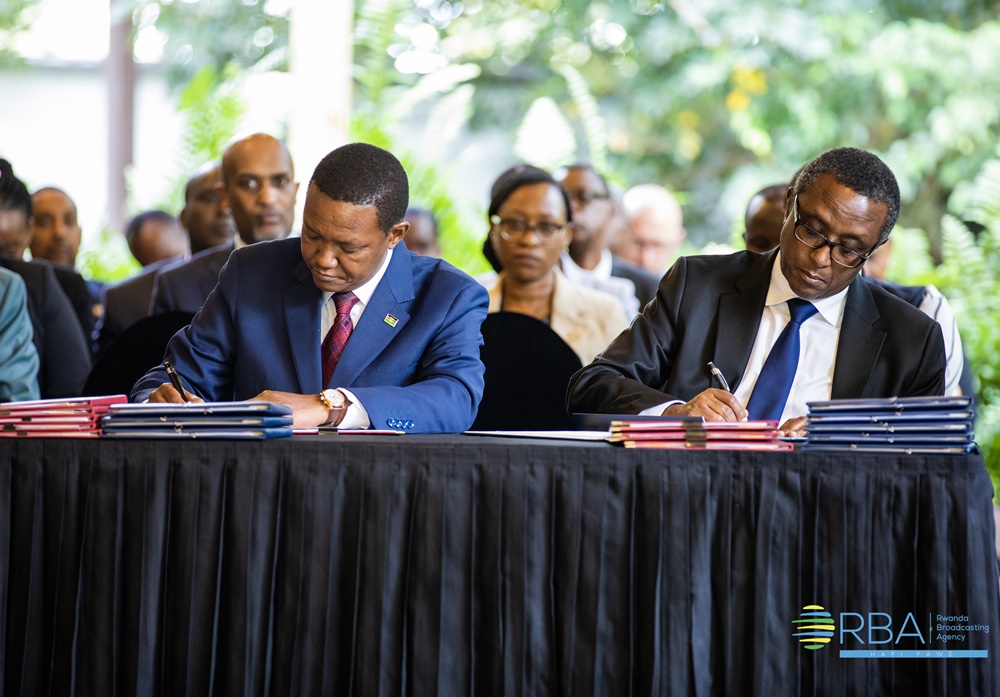
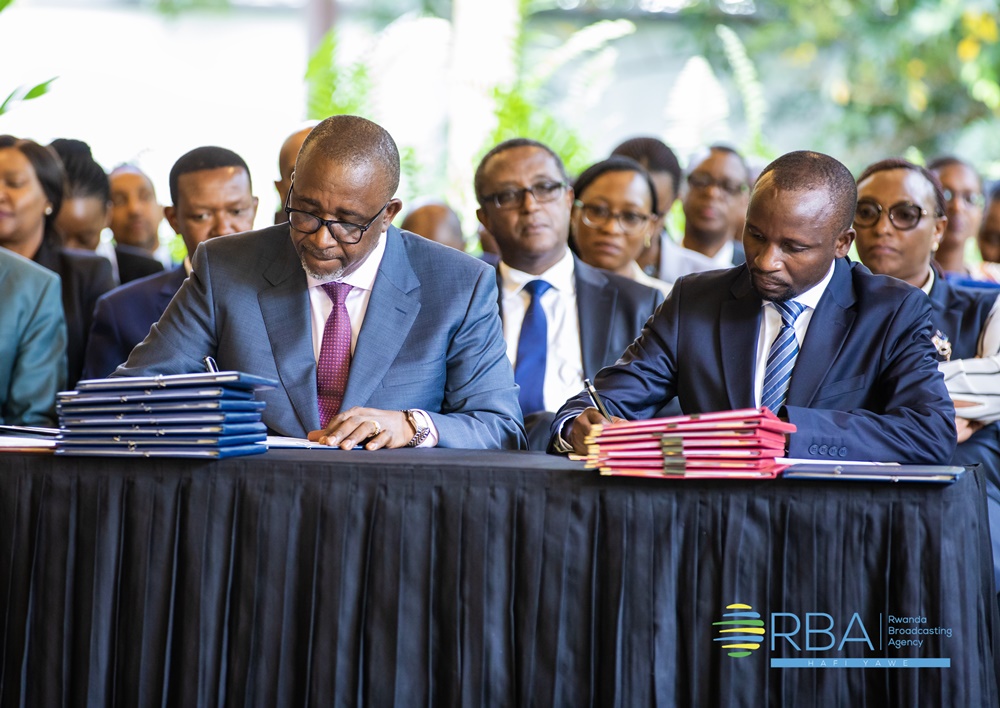
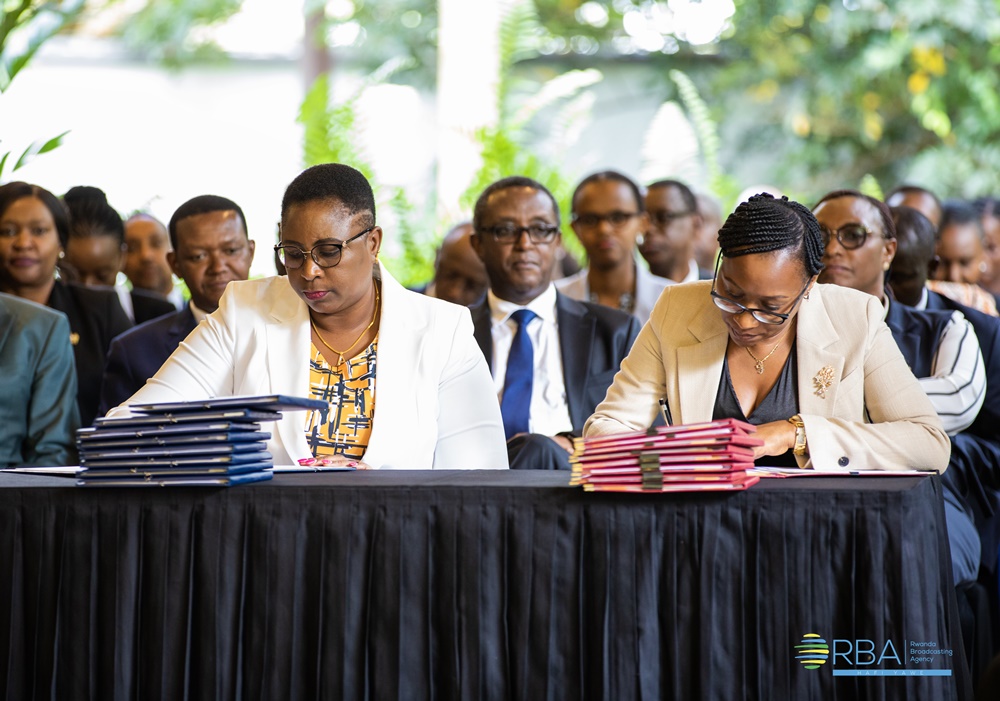
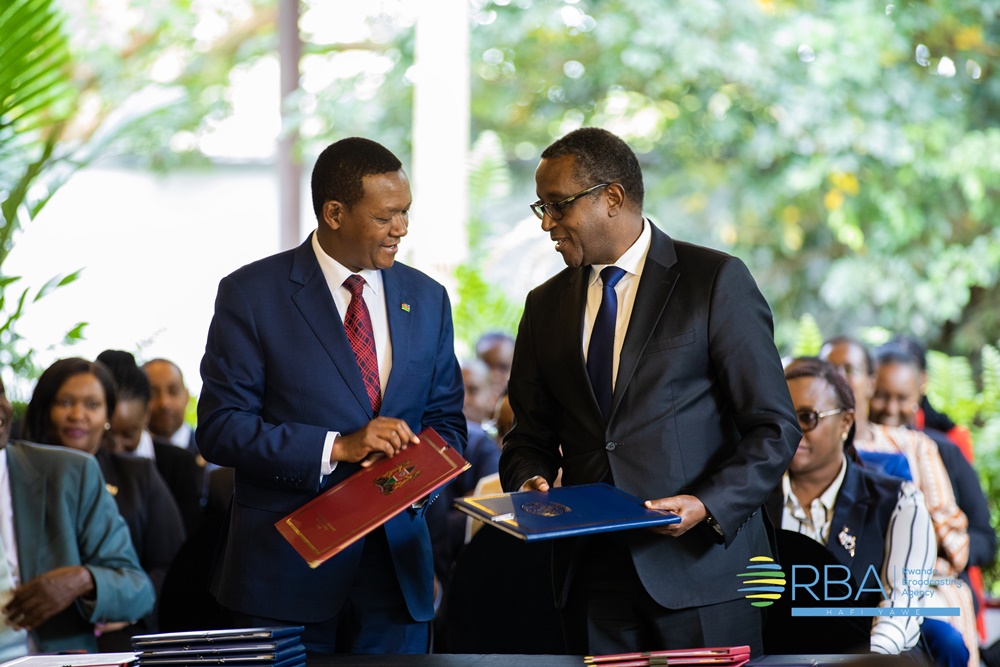
Of the agreements inked on Tuesday 4th March 2023, six were signed by both countries’ Ministers of Foreign Affairs, Dr. Vincent Biruta and his counterpart Alfred Mutua. These include correctional services, diplomatic training, ICT, health, youth, and cooperative development. In addition, three agreements in education, agriculture, and gender were signed by each country’s respective ministers.
Rwanda and Kenya have enjoyed cordial bilateral ties across different sectors of development for a long time. Kagame said that the new areas of cooperation will bring people in both countries even closer, with regional integration and trade being a big part of the equation of private sector growth.
“We are happy that Rwanda is home to a large and vibrant Kenyan community, we are grateful for their contributions to our development. I hope that we can leverage this shared interest to equip our youth with the skills and knowledge to innovate and compete,” he added.
Kagame noted that the people of Rwanda and Kenya are also united by a common vision for a more stable region. Ruto said that the signed MoUs in different sectors will consolidate the relationship between the two countries, present a new momentum, and create new impetus for the expansion of engagements between both countries.
“Just like Rwanda is a gateway for us in the Great Lakes Region, we are also aware that Mombasa is an important port for the people of Rwanda and creates the synergy between our two economies, and we will continue building the network necessary for us to benefit from it,” he added.
Regarding the ongoing education system reform in Kenya, Ruto stated that the agreement in the education sector will assist in tackling the significant challenge of financing university education. The aim is to share experiences and identify ways to make education more relevant, easily delivered, and cost-effective.
Furthermore, Ruto highlighted that there will be an exchange of expertise and resources between the large referral hospitals in both countries in the health sector.
Ruto also affirmed the positive relationship between the two countries and their desire to strengthen and expand their friendship and unity.
It is worth noting that Rwanda and Kenya have ratified the One Area Network, which allows for reduced call rates between both countries, thus facilitating business growth.
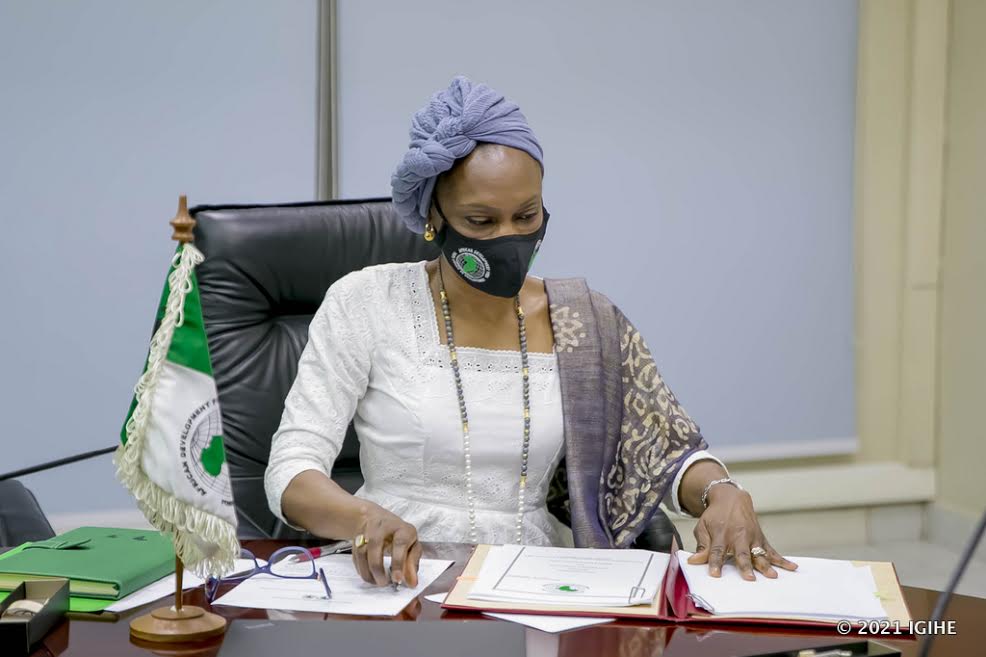
To shed more light on the bank’s impact and future plans in Rwanda, IGIHE had a conversation with the Country Manager for Rwanda, Aissa Touré. Appointed to the role in December 2020,she provided insights into the Bank’s operations, including its activities and opportunities for the private sector.
{{Excerpts:}}
{{IGIHE: Which mega projects currently being implemented by the AfDB in collaboration with the Government of Rwanda?}}
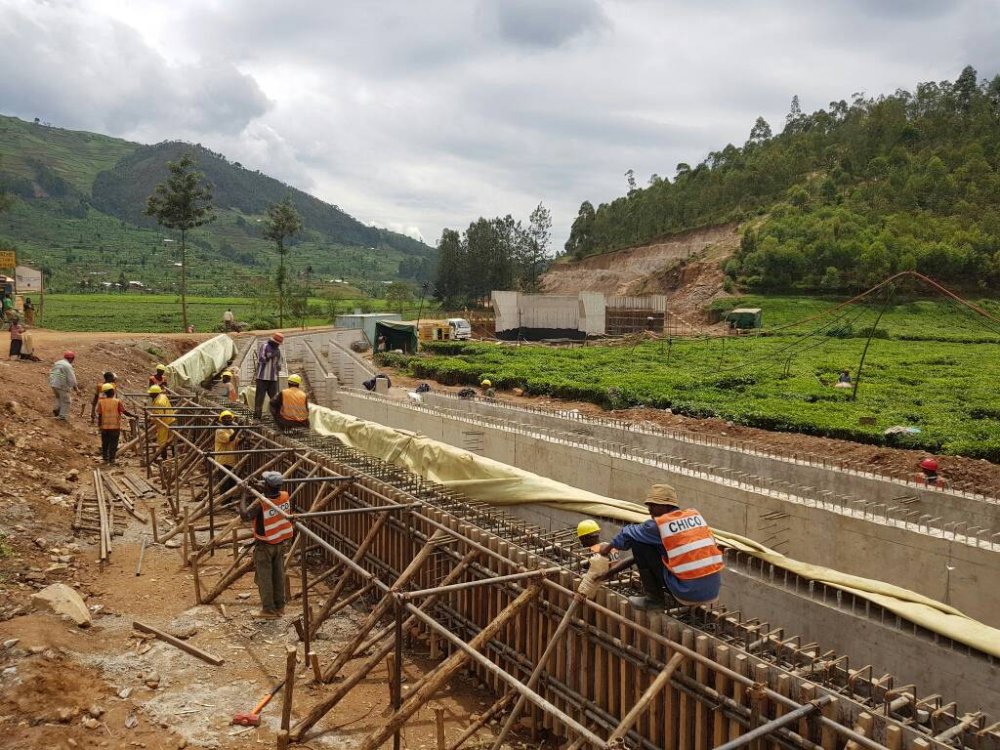
{{Aissa Touré:}} The bank has been working with Rwanda since 1974, since then we have provided US$2.9 billion worth investments in many sectors. As we speak, we have a portfolio of 26 projects worth US$1.5 billion. These projects are mainly in the area of infrastructures including water, sanitation, transport and energy. This accounts for 87% of our entire portfolio.
The remaining projects are in skills development and human capital in general and interventions to support the private sector to thrive and be able to contribute to the socio-economic transformations of Rwanda.
Within infrastructures, 46% of our projects are for energy, 28% are in water and sanitation and 13% in transport.
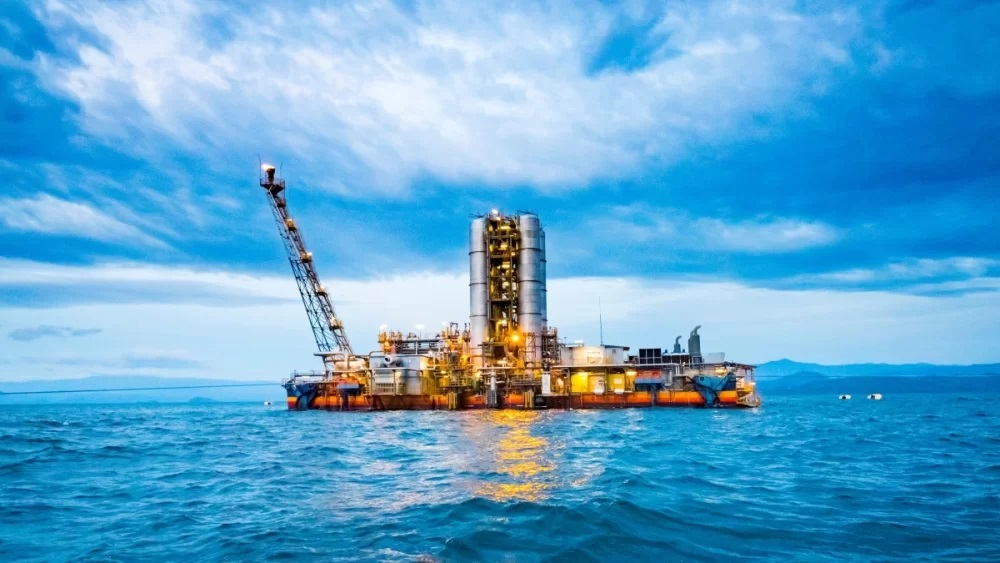
These include Kivu Belt game changing project, Carnegie Mellon University – Africa, School of Architecture and Built Environment (SABE), Kagitumba-Kayonza- Rusumo and Base-Rukomo-Nyagatare roads, the Kivu Watt project and Kigali Bulk Water Project to name few.
The impacts of these investments are massive because we believe that providing services such as water and sanitation, roads and energy, education, access to schools and hospitals facilitate a lot in many aspects because when you have electricity , you can go for agro-processing , you can have start businesses. Our impact has been massive.
During COVID-19, the Bank provided US$100 million as direct financing public support as a contribution to the recovery fund the government put in place.
It is a long partnership, we are a trusted partner, and the second largest development partner of Rwanda after the World Bank.
We are currently preparing a new project in transport that will need public investment to get the infrastructure done. Once this investment is done next year, we will come with private sector investment because the government has requested the bank to support on electric buses.
This is something that we are very excited to do because this is a new avenue for development in Rwanda. We are happy to be part of it.
Lastly, as part of the new international airport in Bugesera and the expansion of the airplane fleet in the country require qualified human capital to manage, operationalize and sustain these investments the Bank will support to the government to set up a Centre of Excellence for Aviation Skills (CEAS).
It is a project of around US$24 million to set up an academy where all the skills that are needed in the aviation value chains, from pilots and other people working at the airport will be trained.
{{What are projections to help Rwanda achieve its goals?}}
In Rwanda, the bank has what we call a country strategy paper which defines what the bank could be doing in the country for a period of time.
In Rwanda, the country strategy runs from 2022 to 2026. It is designed around two mutually reinforcing pillars. The first one is strengthened physical infrastructure to enhance productive resources and reduce the cost of doing business; and the second one is around improve skills and financial capabilities to foster private sector and productivity-led growth. because these are critical for meeting NST1 and would even be more critical for the NST2 that is in the making.
We have that strategy, it has been formulated with the government and it is really a participatory process. Within that, we have what an indicative pipeline which runs from 2022 to 2024, we have discussed with the government what they will be doing and what they want us to focus on.
We provide resources to countries. We are very soon going to disclose to all country members including Rwanda what the allocation will be from 2023 to 2024.
{{ How do you promote private sector development in Rwanda?}}
In 2023, Rwanda got a very consistent private sector window under the AfDB Window of US$242. Usually, this window finances lines of credit to Band of Kigalu, BRD, Equity among others but we really want the private sector to come and have direct access.
The Bank needs to do more outreach and awareness raising on its Private sector financing opportunities. In May this year, we will have a private sector road show to engage with the private sector federation, RDB and big players on private findings opportunities.
We look forward to having this dialogue with the private sector for them to know the instruments that we have, the conditions and the sectors that they can use it for.
{{How are you working with countries to tame rising inflation?}}
Economic hardships started with COVID-19 which has been challenging for all countries especially African ones with borders closing and lockdowns etc… When countries like Rwanda were starting to slowly recover, we had the Ukraine and Russia war.
When COVID-19 hit, the Bank and the Government agreed the financing of the year 2020 would go to the budget support. We provided the entire envelope to the COVID 19 recovery fund.
When the Ukraine-Russia crisis hit last year, the bank quickly put in place the African Emergency Food Production Facility provide 20 million African smallholder farmers with certified seeds. Initially, Rwanda was not a beneficiary of this facility.
We had to make a case and that facility has been exhausted but Rwanda with US$1 million. Discussions are on-going with the Ministry of Agriculture on how that money could be used.
We had last December the Dakar Summit on agriculture and because you see that inflation is mainly in food items especially for Rwanda.
Rwanda presented a very good case in Dakar last year, and we are trying to unpack different investment schemes especially because the private sector is key to making those investments a reality.
We are working to see how we can better support countries, address and mitigate the impact of inflation.
Last year, we also gathered all Eastern African countries, made a study on the impact of inflation and the Ukraine-Russia crisis. Each country had an opportunity to present measures put in place. It was also a good moment to learn from each other.
Additionally, Rwanda has accused the DRC of collaborating with the Democratic Forces for the Liberation of Rwanda (FDLR), a terrorist group responsible for the 1994 Genocide against the Tutsi.
This coalition has led to several provocations, including shelling of Rwandan territory and Congolese soldiers storming Rwanda with rapid fire.
The DRC has also violated Rwanda’s airspace with fighter jets. Despite regional efforts to resolve the conflict, the DRC has repeatedly resorted to war.
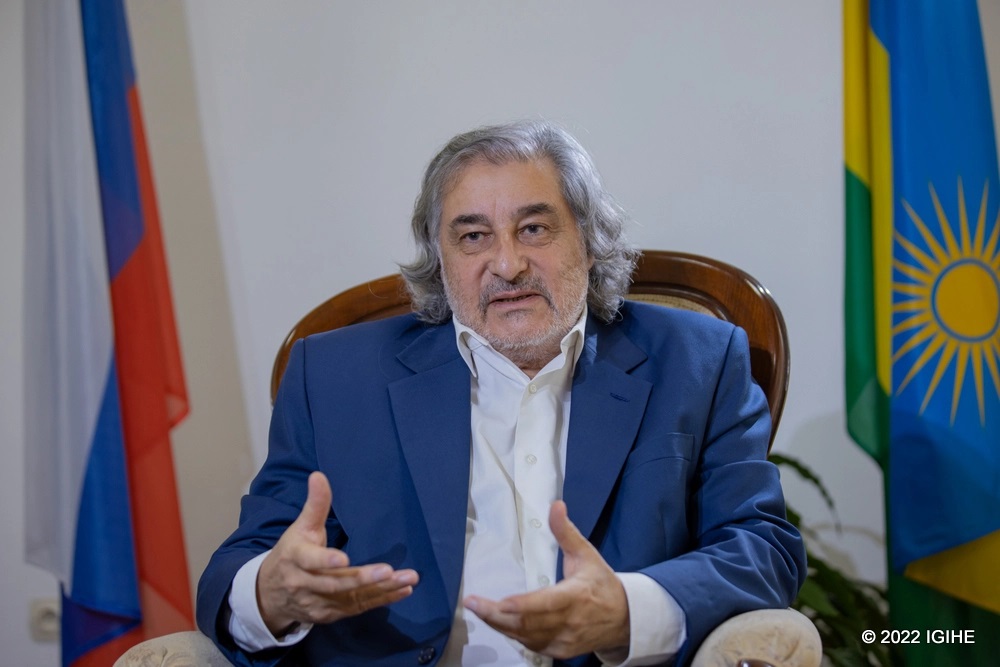
During an exclusive interview with IGIHE, the Russian Ambassador to Rwanda, Karen Chalyan has shared his views on the situation, including alleged presence of Wagner Group in DRC and his country’s involvement in various activities across Africa.
Excerpts:
{{IGIHE:}} The resumption of fighting between the Democratic Republic of Congo (DRC) and the M23 rebel group has left many civilians dead and others displaced. What do you think is the root cause of the clashes?
{{Amb.Karen Chalyan: }} As a permanent member of the UN Security Council, Russia is deeply concerned by the situation in the east of the DRC.
Decades of instability in that area, which are a consequence of the colonial past, are exacerbated by the tragedy of many years of civil strife as well as the selfish and greedy behavior of transnational economic actors who for all practical purposes act as agents of neocolonial oppression.
The only remedy is the strengthening of the institutions of state in the DRC for the benefit of the population as a whole, irrespective of ethnicity or creed.
{{In your opinion, what would be a durable solution?}}
Force alone cannot ensure stability. There needs to be dialogue, as well as the introduction of effective confidence-building measures. We must all keep working to come up with political and non-violent solutions for eastern DRC.
Once found, these will allow for a comprehensive cessation of hostilities and create practical conditions for lasting stability. In the long run, everyone will benefit.
Constructive interaction at the regional level is key to resolving the existing security problems. We welcome the commitment of all states in the region to overcome tensions in the east and launch new settlement mechanisms.
We appreciate the mediation efforts of President Lourenco of Angola and former President Kenyatta of Kenya, as well as those of the International Conference on the Great Lakes Region. We are closely monitoring the Nairobi process, and welcome the establishment of the EAC Regional Force. These decisions need to be implemented with the support of the global community.
This combination of efforts and initiatives is meant to be mutually complementary and serve the goal of bringing peace and socio-economic development to all those who live in the Great Lakes Region. Russia is ready to do its part to achieve quality results.
{{It has been reported that the DRC sought support from the Wagner Group. Is it true they are present in DRC?}}
I wish I had Rwf1,000 for every time I have had to answer this question. Then, instead of doing international relations, I would be a very rich man spending his days in the world’s fanciest casinos.
Let me once again say that there are no Wagner personnel in the DRC. And, to preempt a possible further question, no agents of the Russian Government are involved in any advisory capacity in eastern DRC, much less doing any fighting.
{{Do you have an idea on possible origins of these individuals?}}
I have been told that there have been sightings in the east of foreigners in uniform, and someone somewhere may have heard Russian coming from the general direction of some of them. I have no idea who these personnel are, how many they are, and where they came from. I have heard that some of them may be from Ukraine and Georgia.
Let me remind you that the Russian language is lingua–franca for hundreds of millions of people. To try to present all speakers of Russian in this world as some kind of extended arm of Moscow would be a variation of hate speech similar to insisting that all Kinyarwanda speakers are agents of Kigali.
{{What is your perception of the image of Wagner Group?}}
I see that the Wagner mystique has even reached IGIHE. Personally, I find it amusing that the myth created by the Western media of an ever-present, omnipotent and all-powerful Wagner has permeated popular imagination to such an extent.
This is a classic case study of the folly of believing self-generated propaganda. In fact, Wagner is simply a volunteer formation, albeit with strictly enforced military and personal discipline.
{{We frequently hear about Russians being involved in various activities across Africa? Is there a specific reason behind this?}}
Russians have been “involved” in Africa for a very long time, in my own case since 1975. In the days of the Soviet Union, many thousands of us assisted the nations of this continent in their national-liberation struggle and in strengthening the new counties’ defence and economic capabilities, that is their independence and sovereignty. We continue to do the same today.
Accusing Russia of having dark and nefarious designs on Africa has always been a fashion in the West. These days it is a growing trend in quarters that have in the past several years experienced political setbacks in the Central African Republic, Mali, Guinea and Burkina Faso, countries that all possess a common characteristic, the wonderful French language.
The best French of all, of course, is spoken by those who having failed in their grand ambitions in Africa and politely been requested to cease and desist in the further pursuit of same, have for some strange reason decided that Africans’ disappointment with their policies and practical actions is somehow the Russians’ fault.
So once you establish where anti-Russian criticism comes from, a great many things become clear. What distinguishes our actions from what many others do in Africa is that we never go where we are not invited.
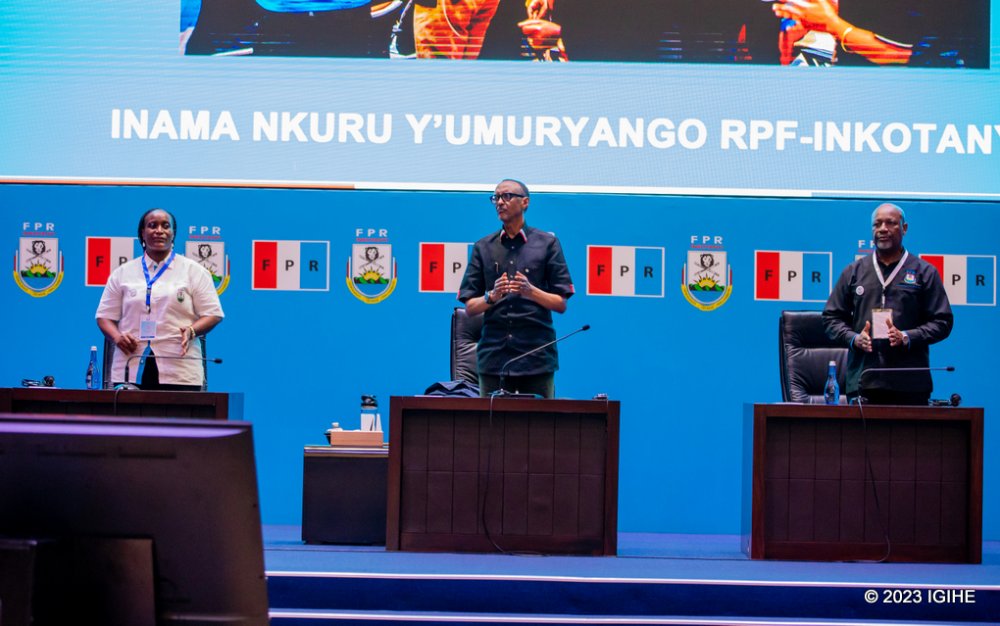
The President’s candidacy was seconded by Senator Marie-Rose Mureshyankwano, who praised him as a selfless leader who has delivered positive results to the party.
Kagame’s only challenger was Abdul Karim Harerimana, who announced his candidacy but was only able to secure three votes out of 2,102 voters.
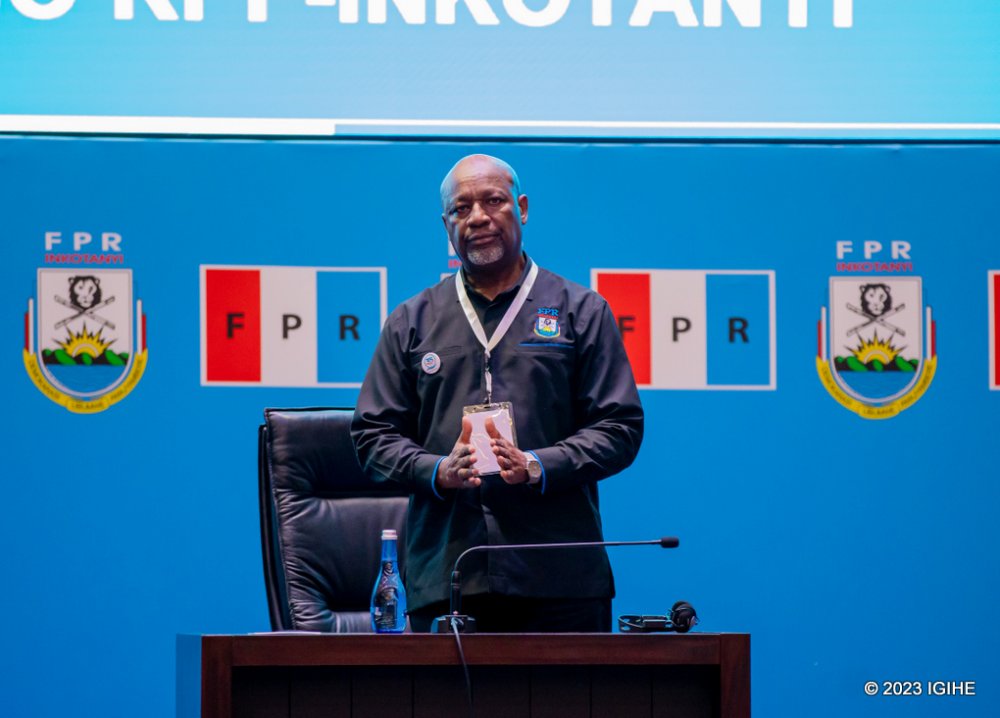
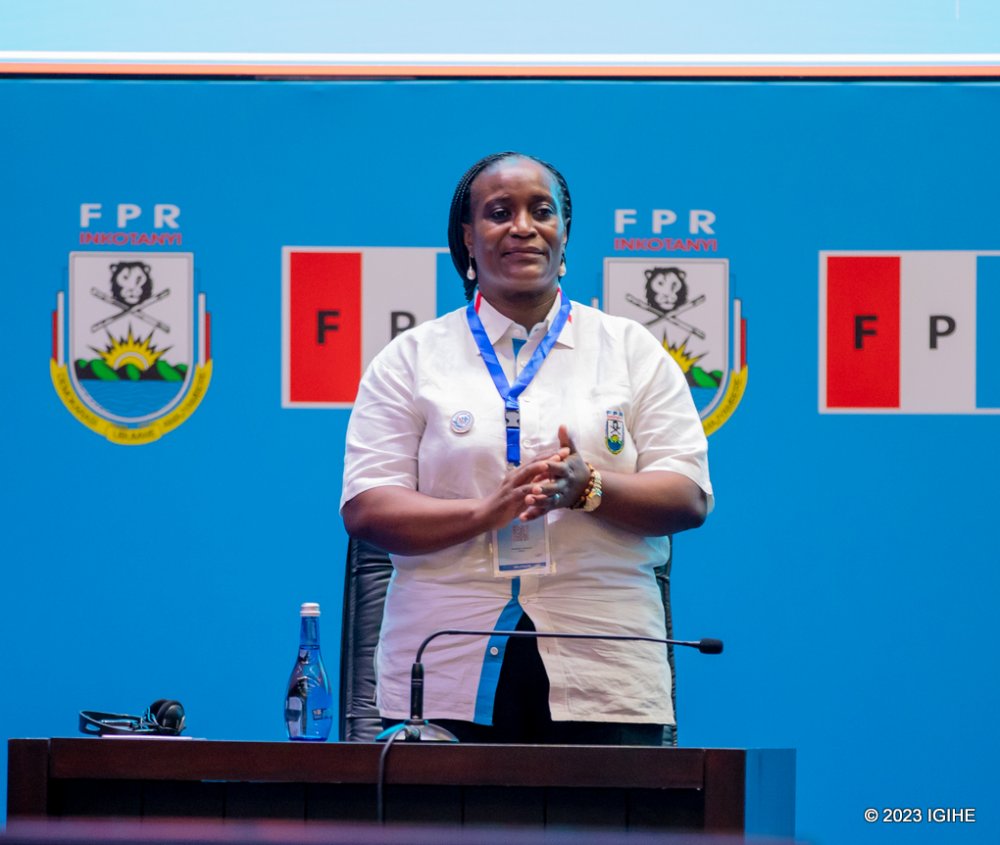
In addition to the re-election of President Kagame, on 2nd April 2023, the congress also saw the election of the party’s first-ever female Vice President, Consolee Uwimana, who was endorsed by party elder Tito Rutaremara and received 1,945 votes.
Uwimana’s election is a significant milestone for the party, as it marks the first time a woman has been elected as the party’s number two.
The congress also elected a new Secretary General, Wellars Gasamagera, who received 1,899 votes. Gasamagera replaces François Ngarambe in the role. Uwimana, on the other hand, replaces Christophe Bazivamo.
The proposed revision of the Constitution of Rwanda, which was originally enacted in 2003 and revised in 2015, suggests conducting the election of Deputies on the same day as the Presidential election.
The objective of this proposed change is to streamline the election process and reduce the time and cost associated with organising separate elections.
The proposal will now undergo analysis by the Conference of Chairpersons, which includes the Bureau of Standing Committees and the Bureau of the Lower House, before it is put to a vote by the plenary sitting.
The synchronisation of both presidential and parliamentary elections is common in many countries globally where the term of office of the President and that of lawmakers are equal.
The draft revision seeks to amend article 75 of the Constitution, which talks about the composition of the Chamber of Deputies and the election of its members. It proposes that the election of 53 Deputies be done on the same day as the election of the President of the Republic.
To ensure that synchronisation of the election of Deputies with the election of the President due in 2024 does not result in a lack of legislature, the Constitution is supplemented with a new transitional provision.
This provides that current Deputies in office at the time this revised Constitution comes into force will continue to serve until the day of the dissolution of the Chamber of Deputies due to elections.
The next election of deputies in Rwanda was due in August 2023, while that of the President of the Republic is due in 2024.
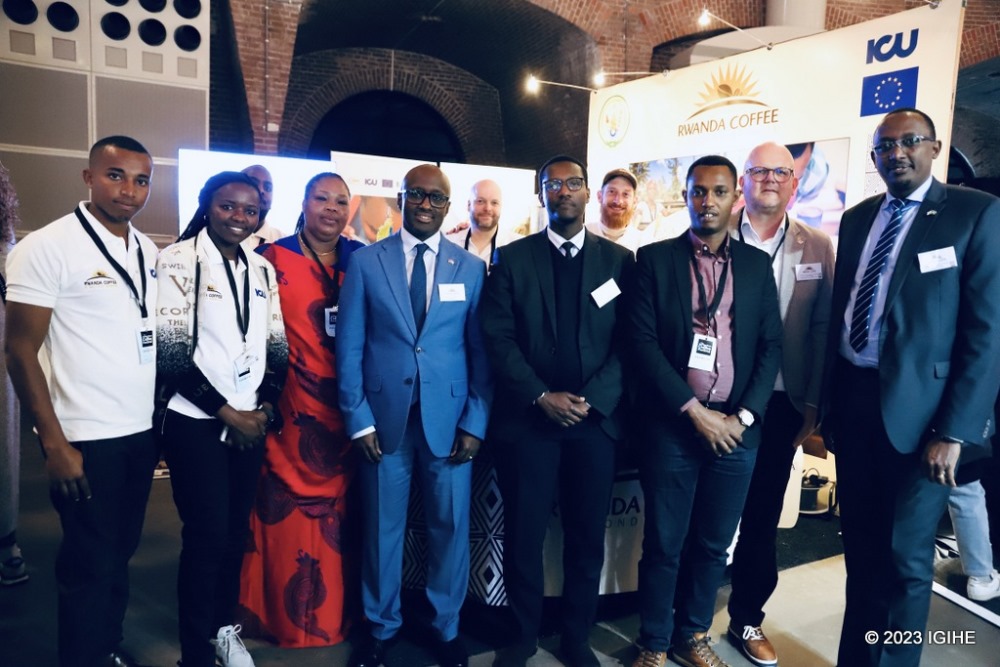
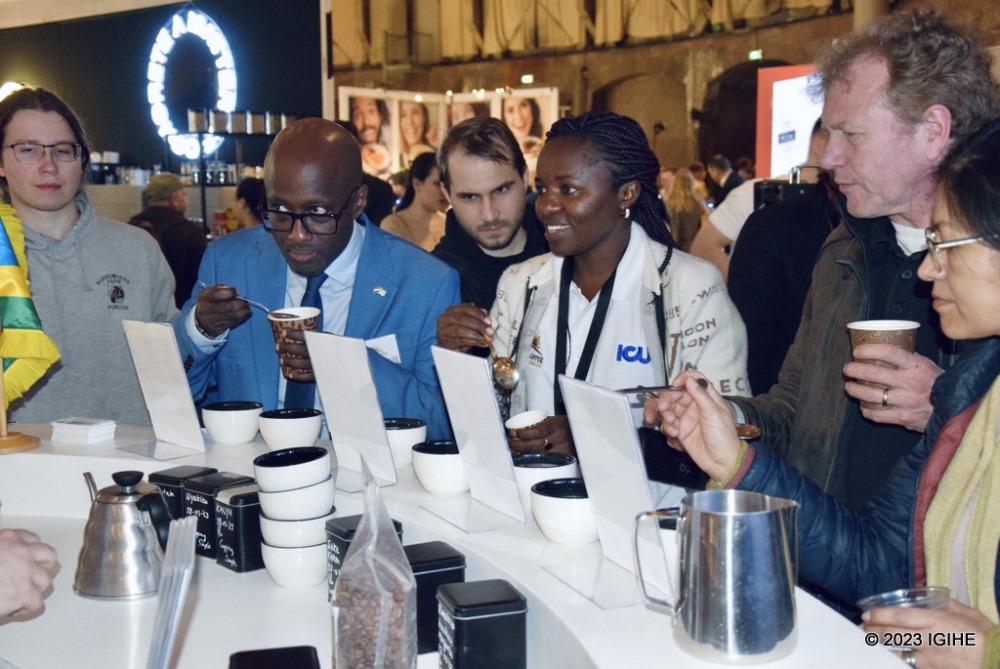
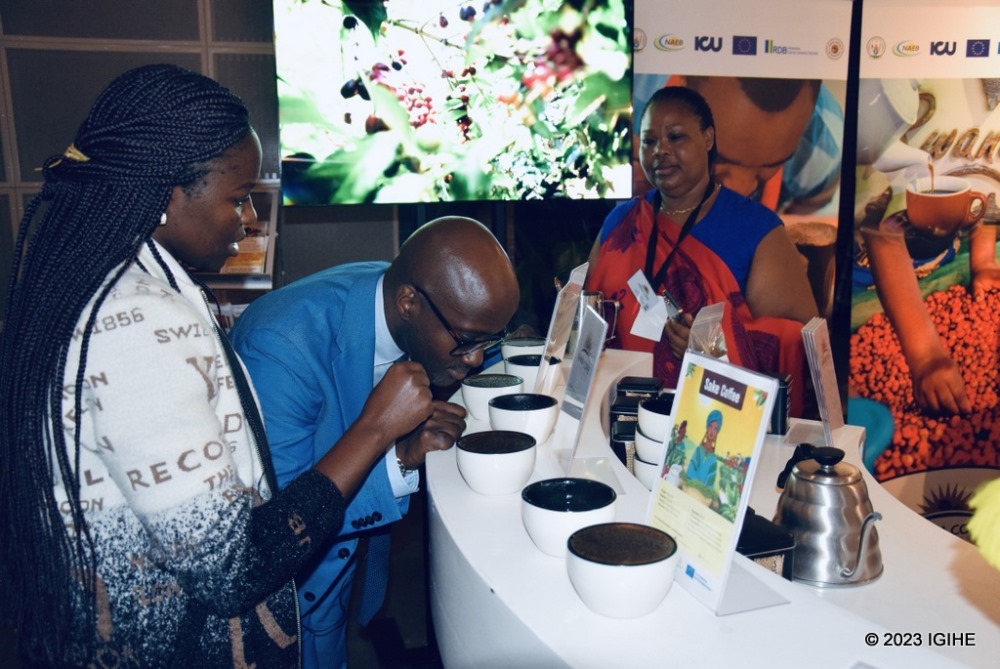
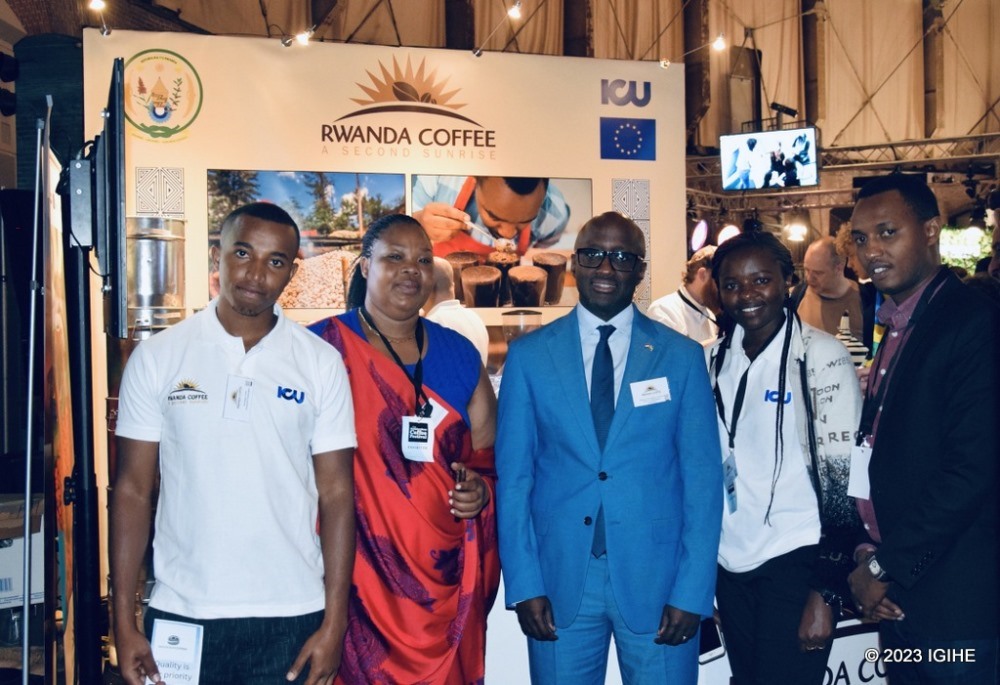
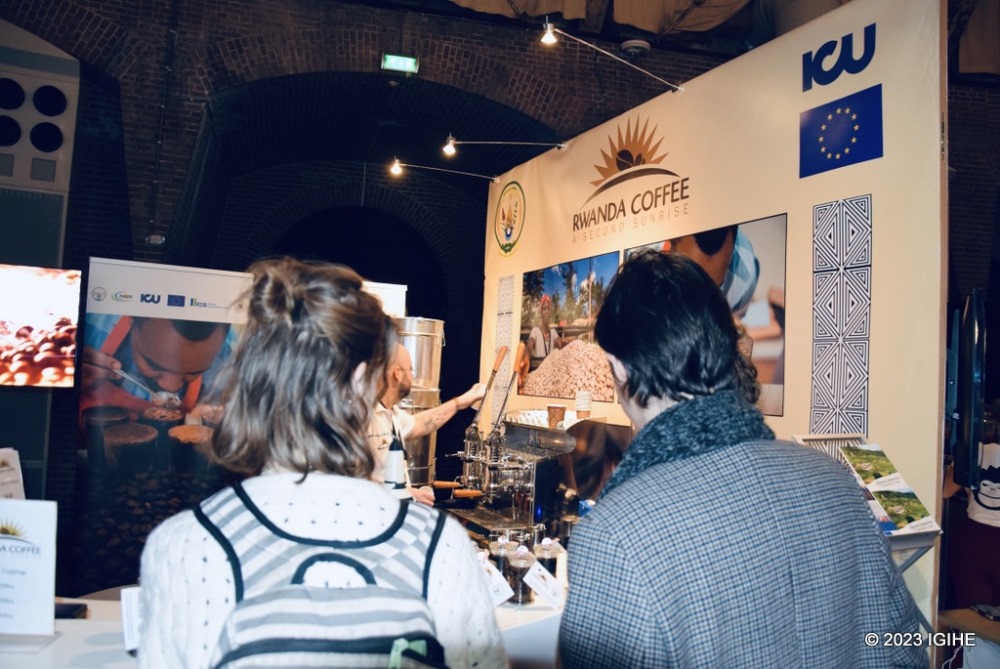
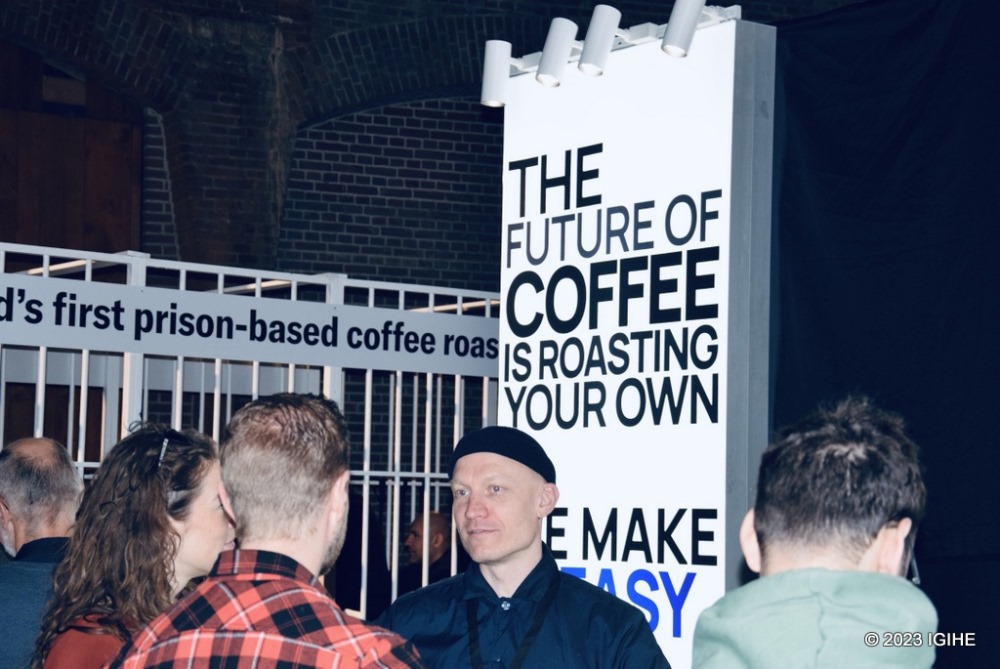
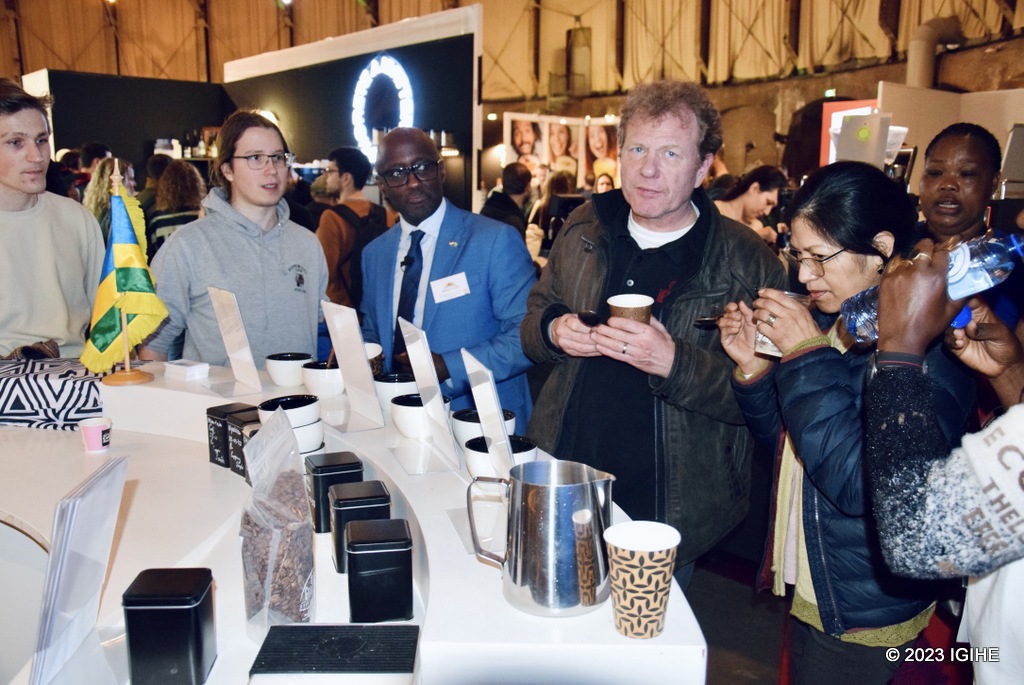
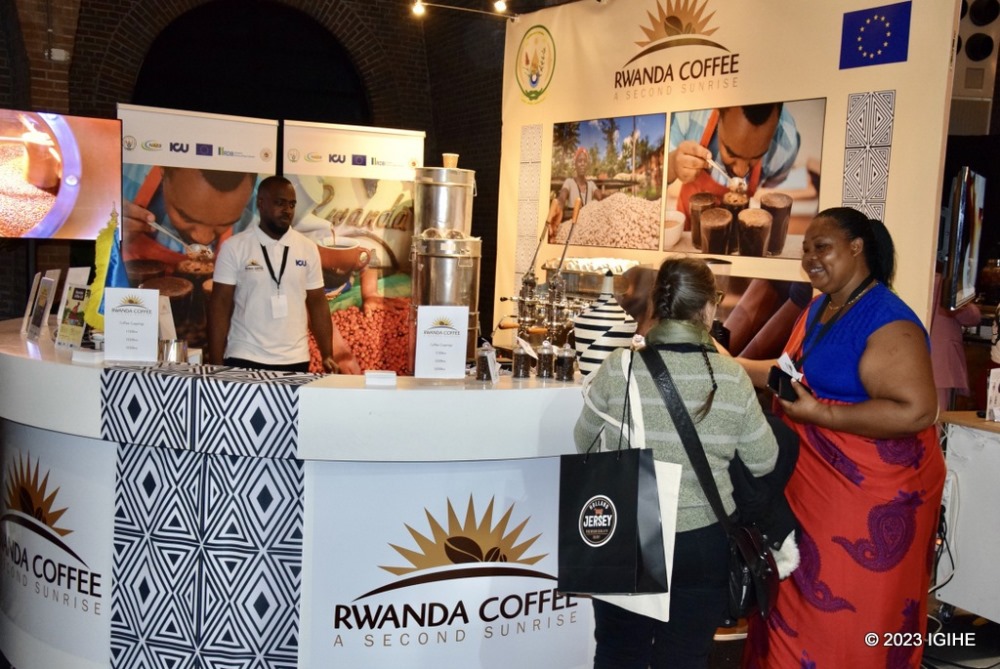
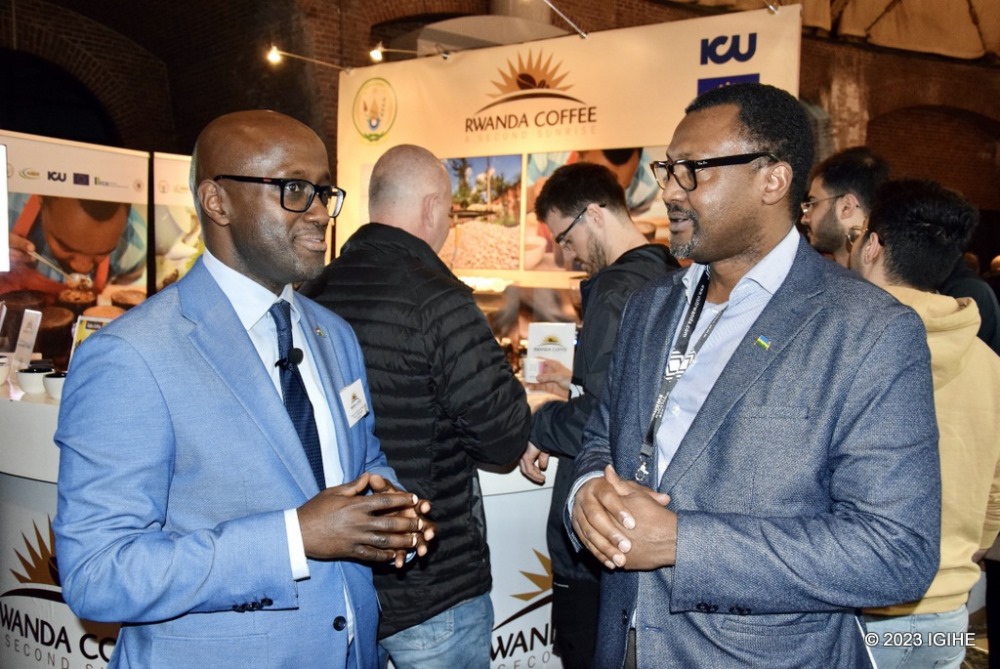
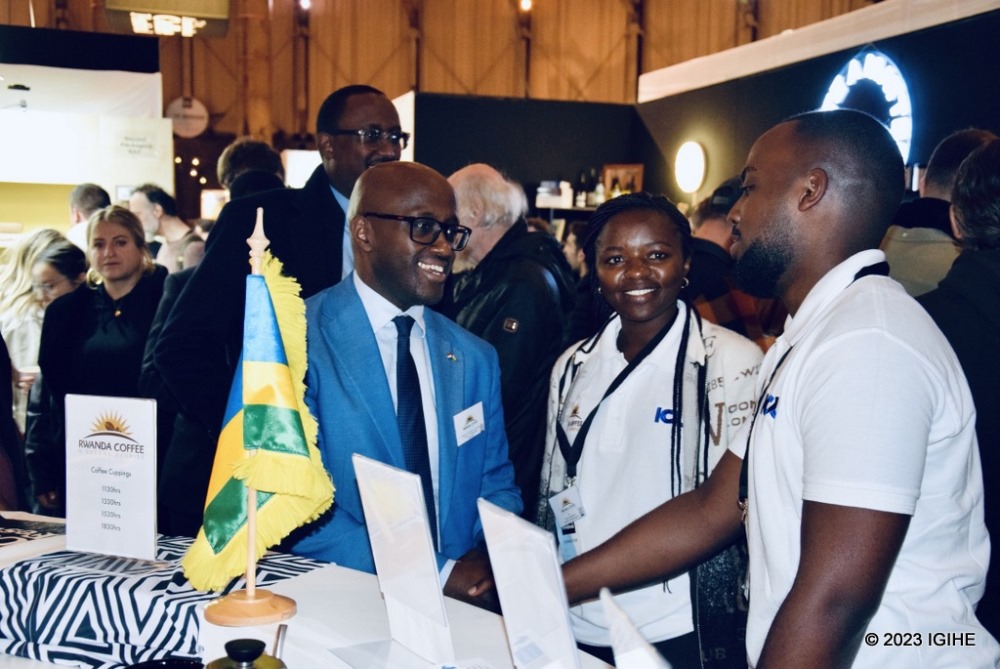
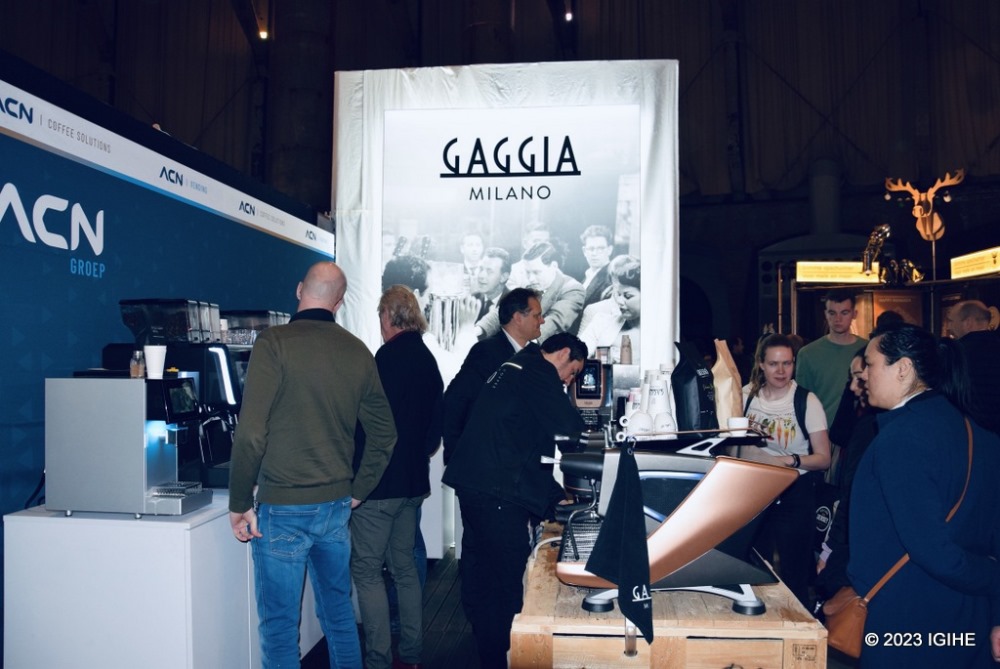
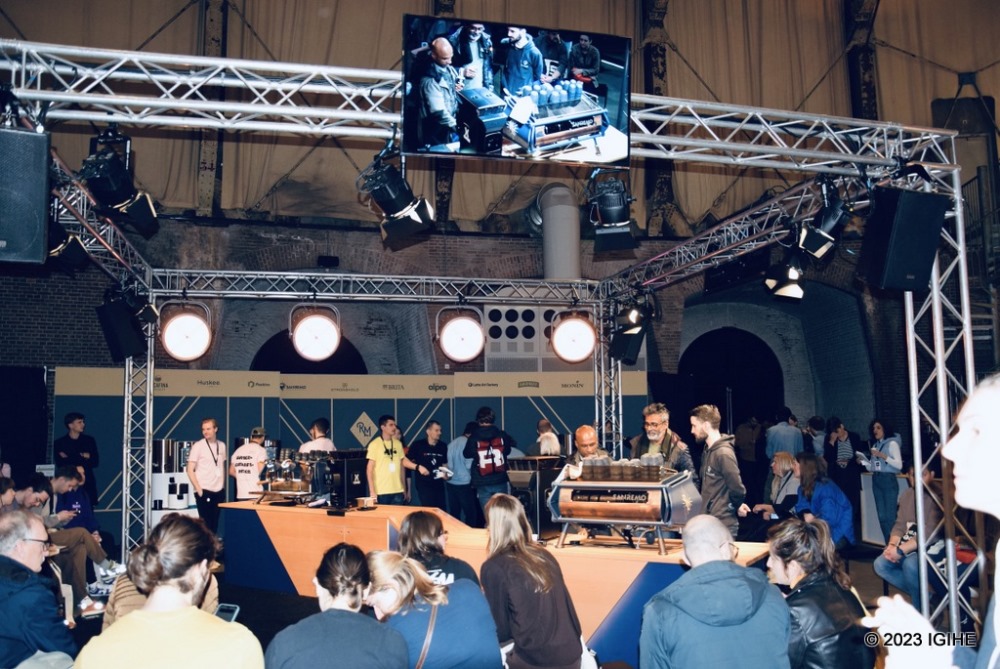
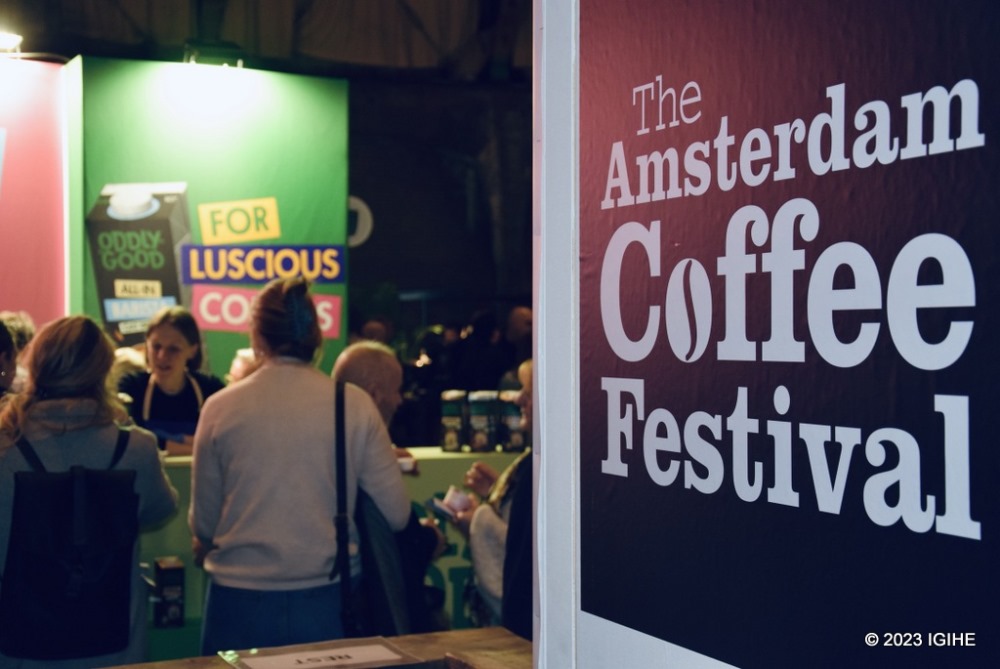
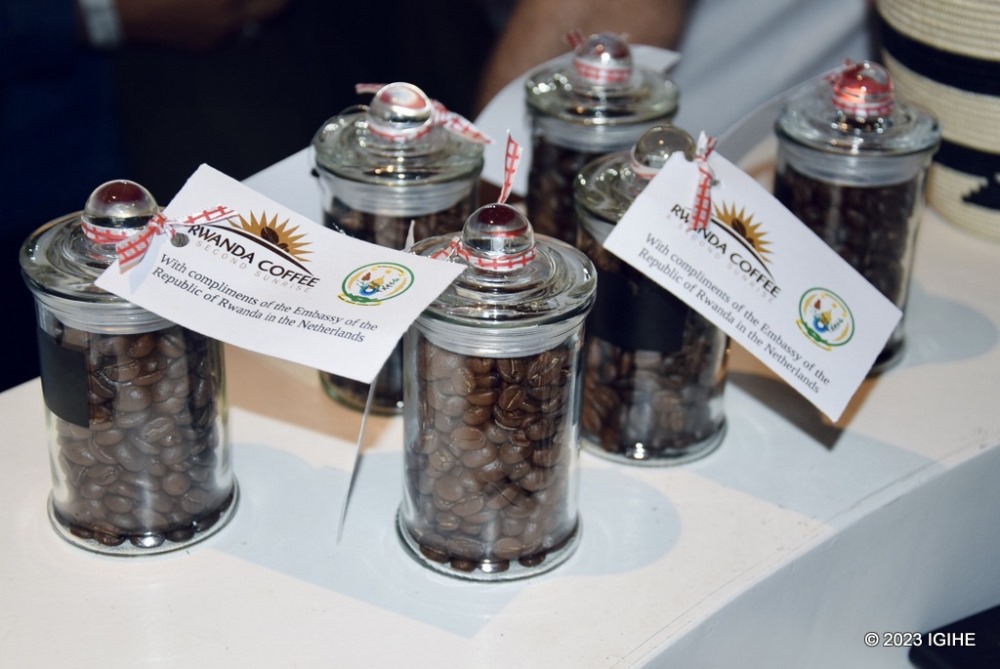
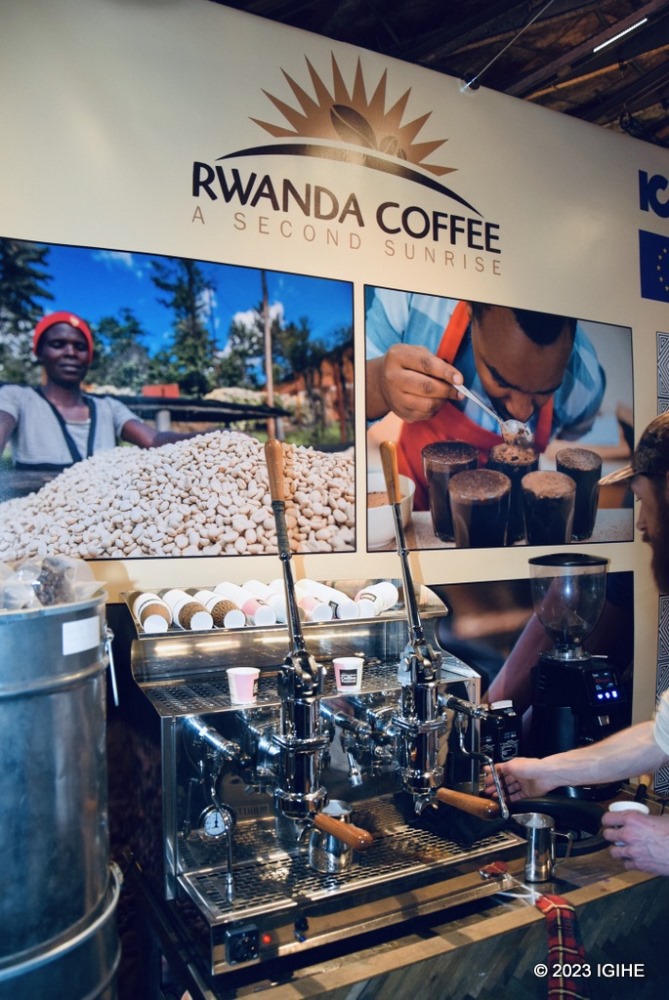
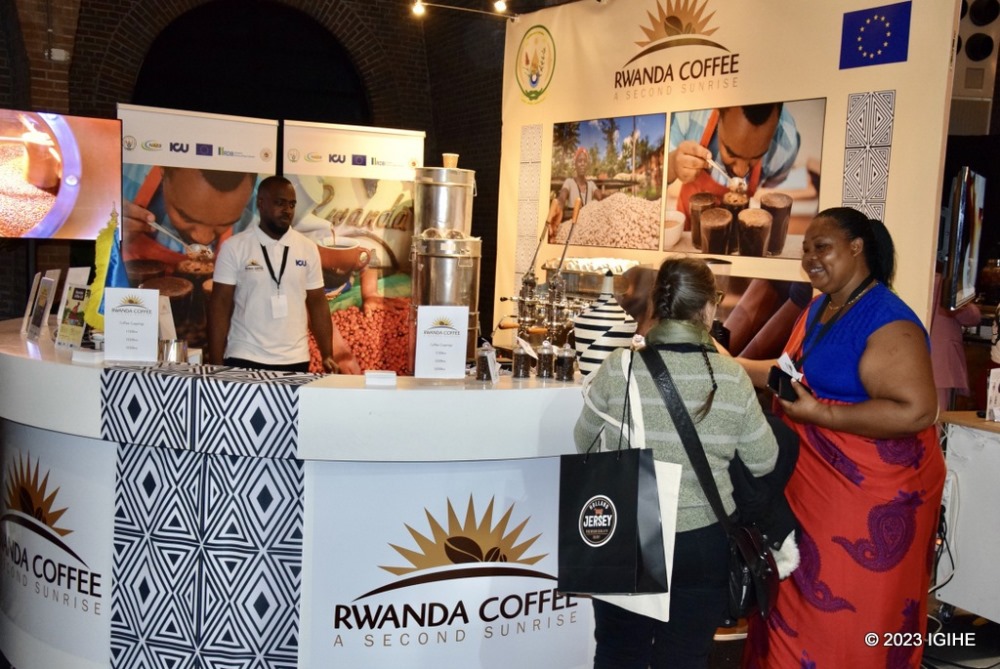
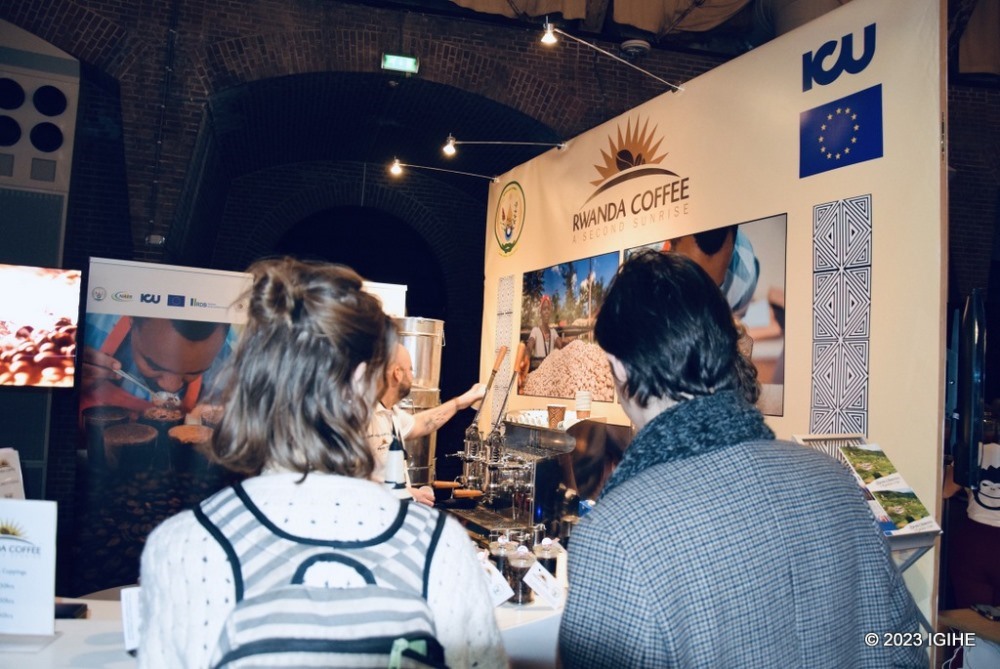
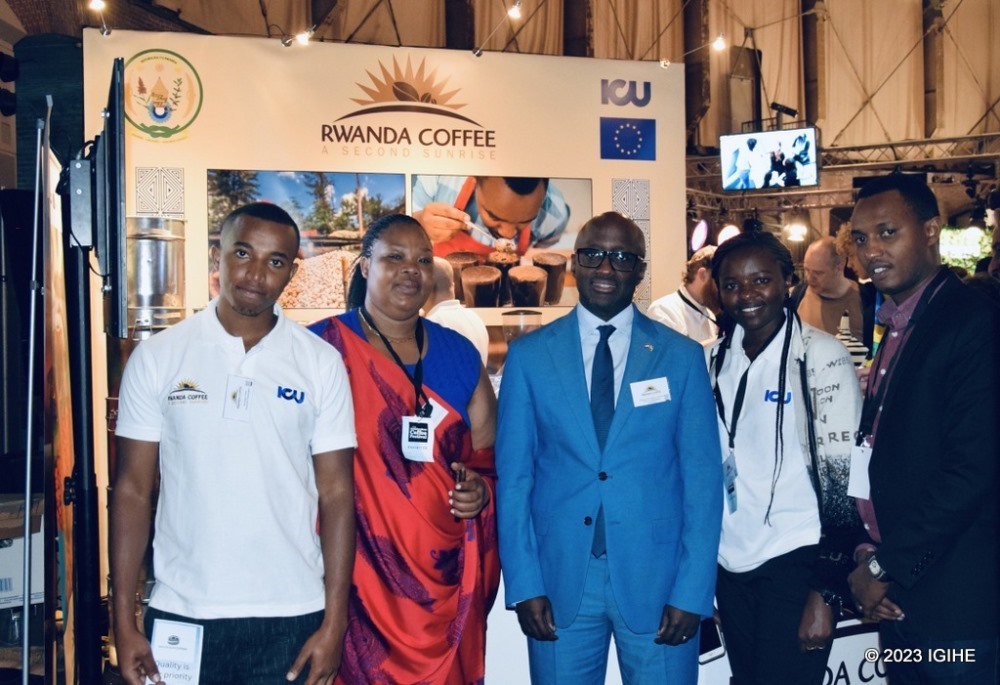
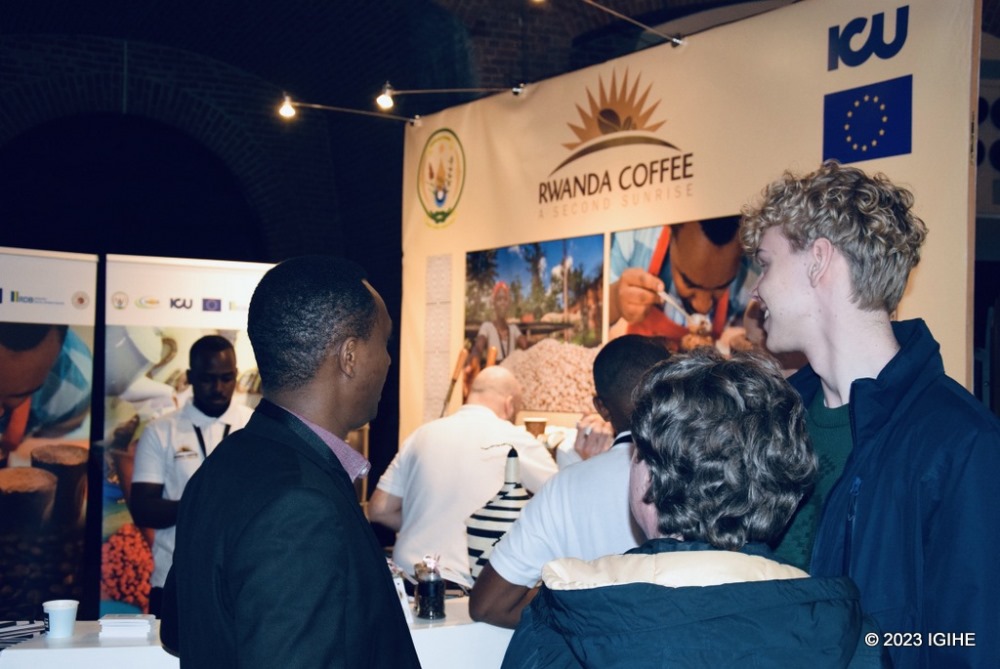
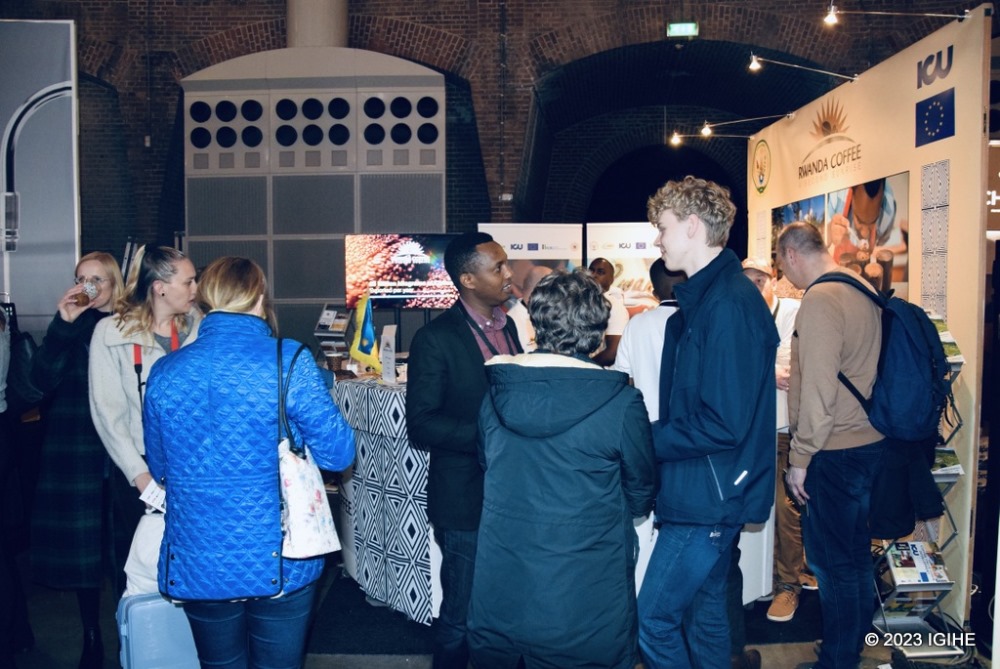
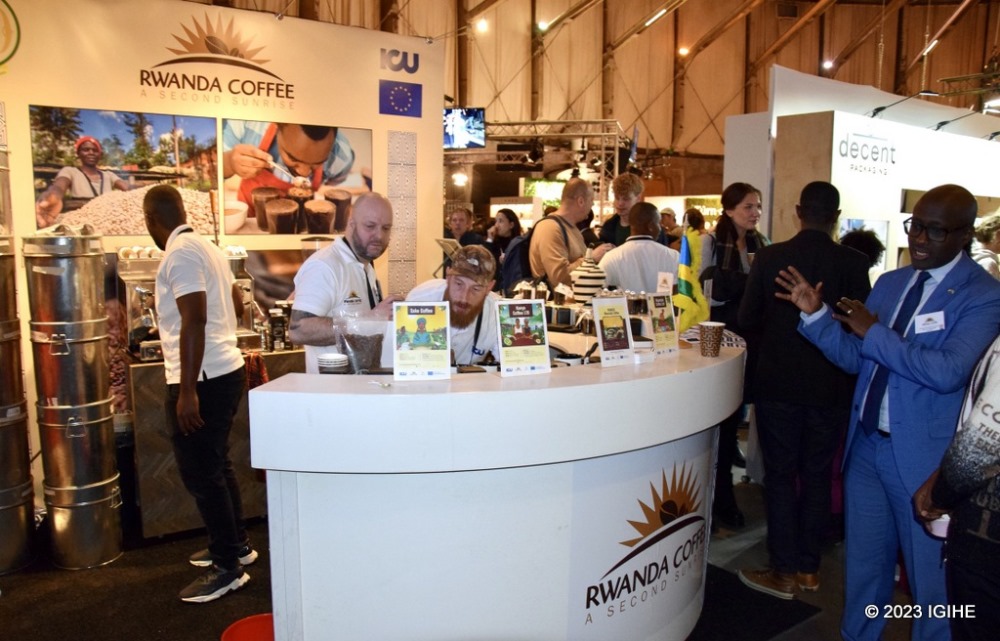
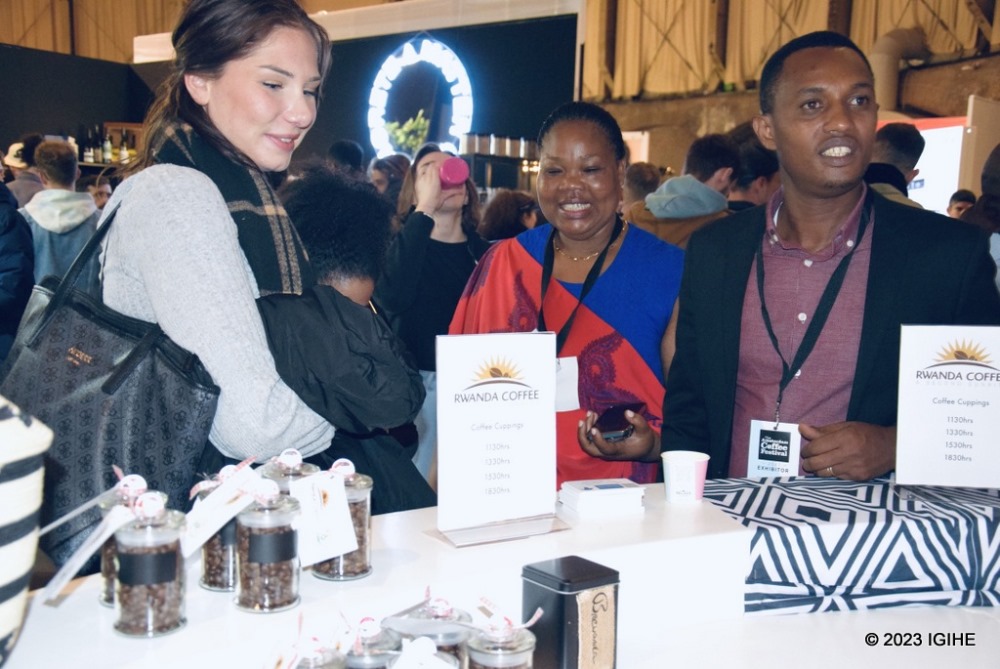
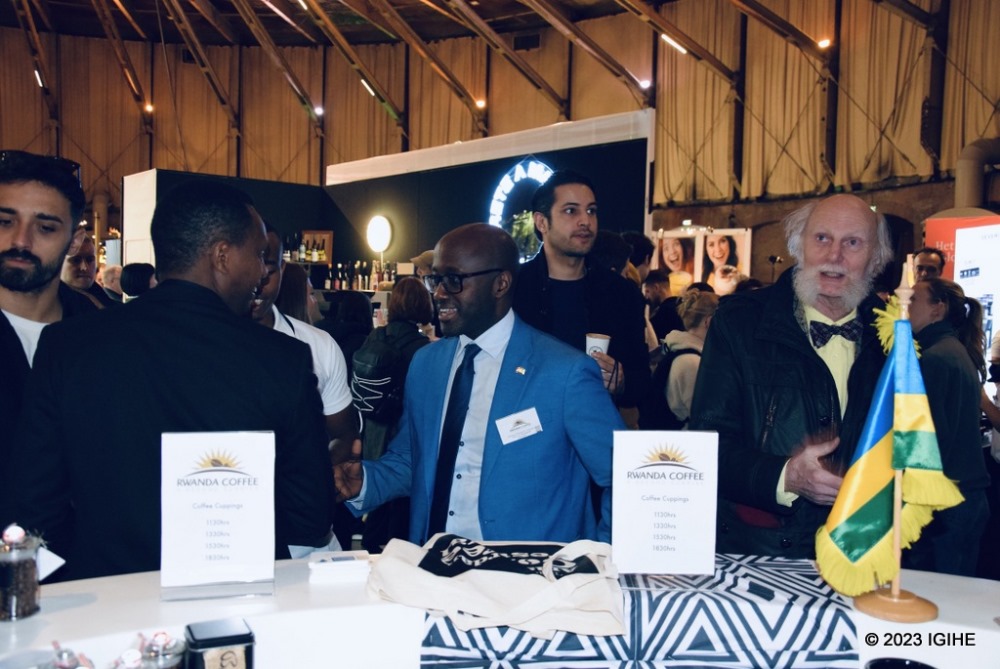
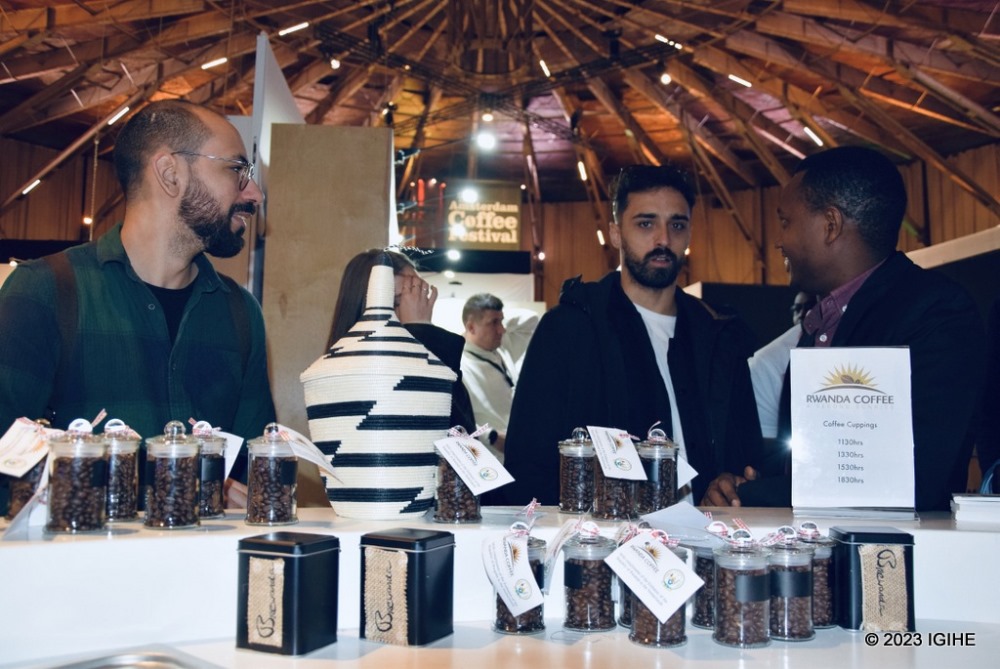
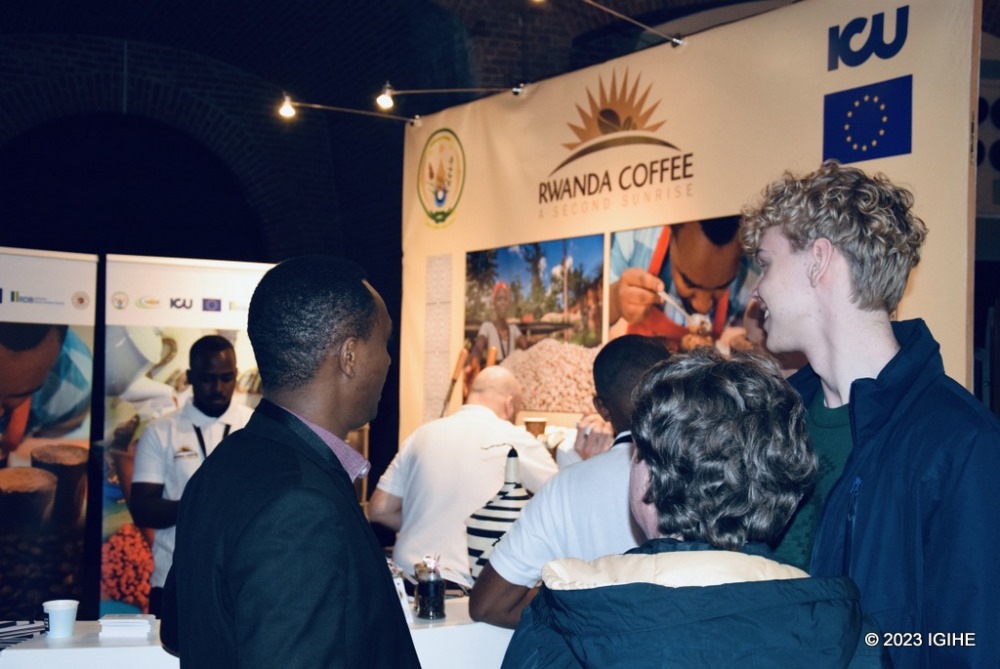
Organized by the National Agricultural Export Development Board (NAEB) and the Istituto per la Cooperazione Universitaria Onlus (ICU), with support from the Embassy of the Republic of Rwanda to the Kingdom of the Netherlands, Rwanda’s participation in this prestigious event aims to create long-term commercial ties, by piquing the interest of coffee lovers in the Netherlands and raising the brand’s awareness on the global market.
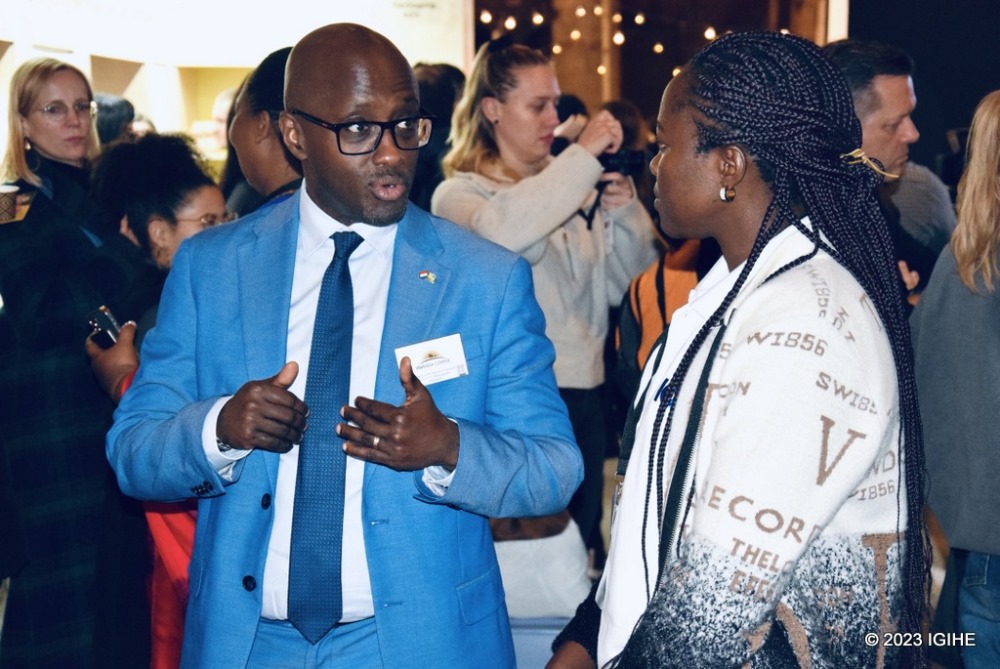
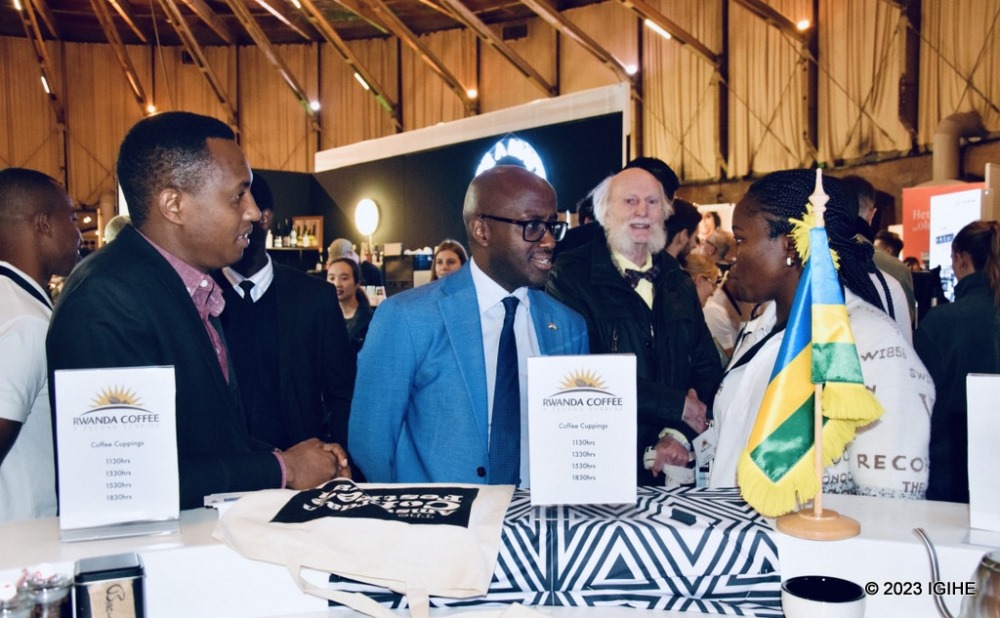
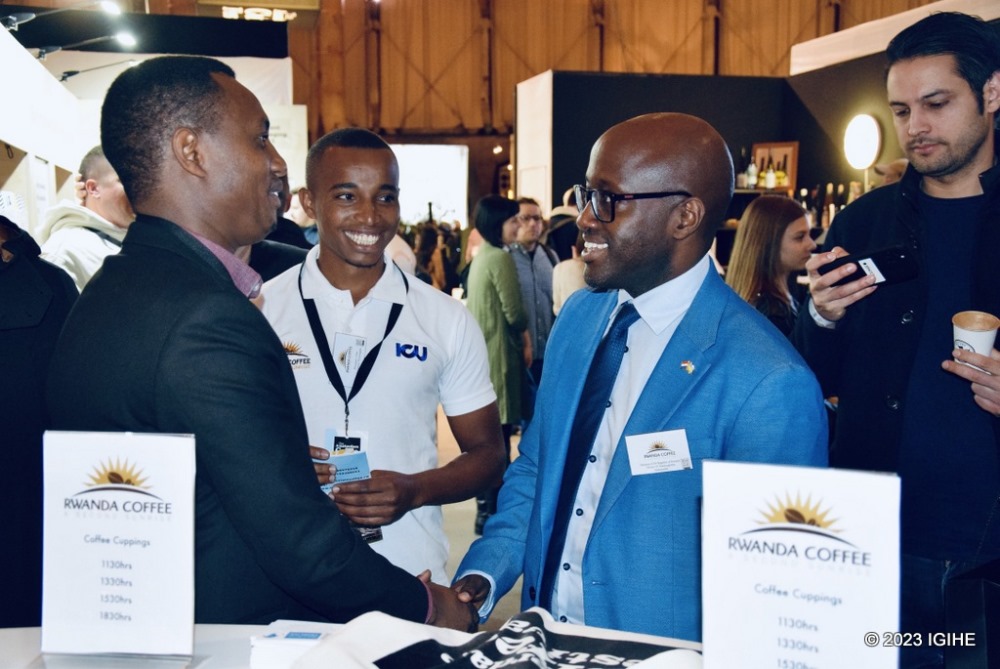
According to Rwanda’s Ambassador to the Netherlands, Olivier Nduhungirehe, the festival is an excellent event for coffee enthusiasts, significant industry leaders, and many other participants to enjoy the uniqueness of Rwanda’s specialty coffee.
“It is also an excellent opportunity for the country to increase the awareness of the coffee brand [Rwanda Coffee – A Second Sunrise] and to attract more buyers,” he added.
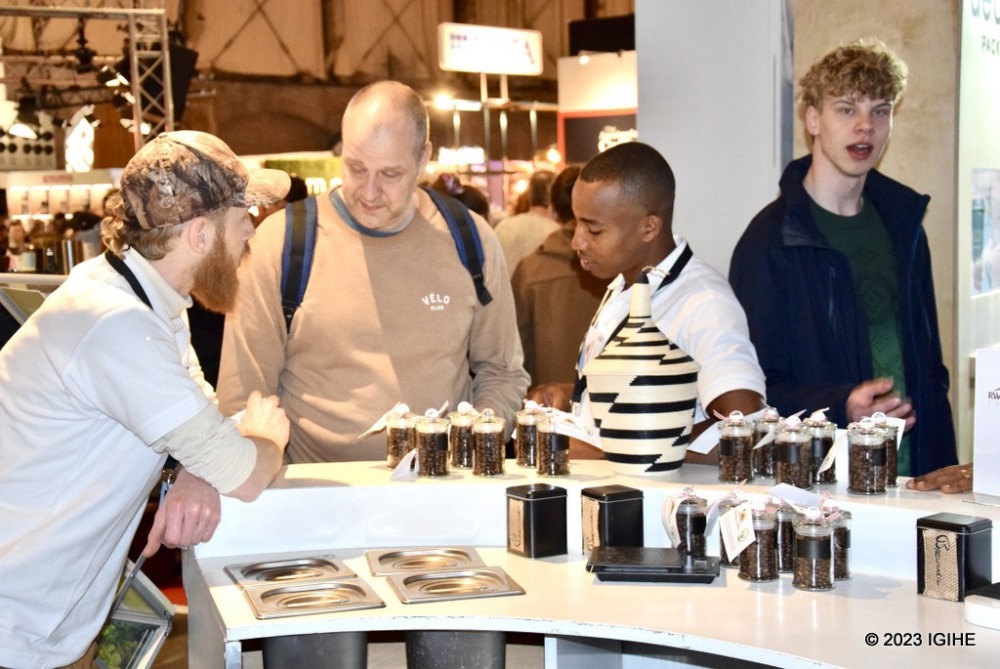
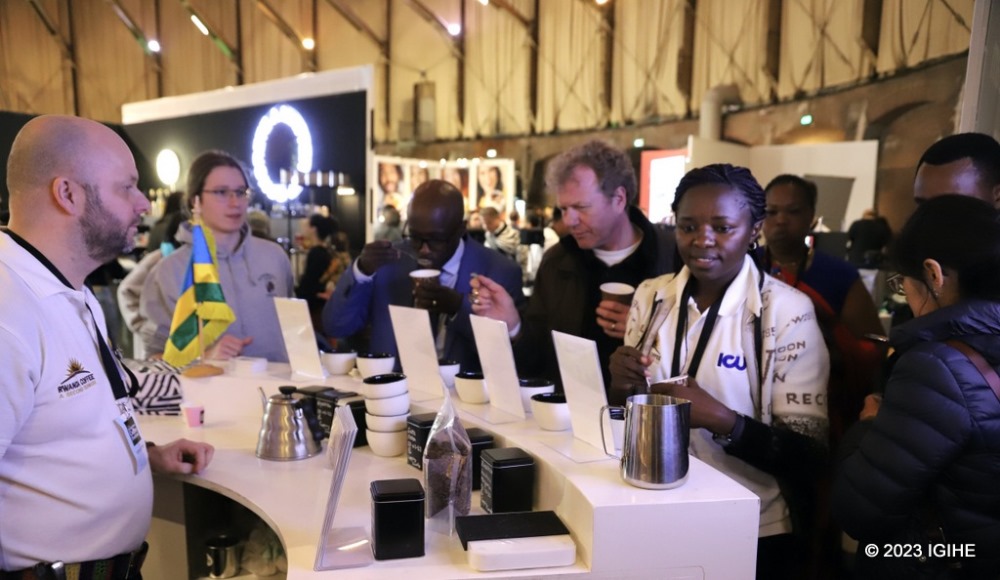
Rwanda is represented by eight Rwandan coffees at the Rwanda Coffee stand (G45), including Baho Coffee, Kanya Coffee, Kivu Belt Coffee, Mountain Coffee, Mubuga Coffee, Nova Coffee, Rwashoscco, and Sake Coffee.
Rwanda’s coffee brand has demonstrated potential for widespread recognition and stood out among other specialty coffee origins in the last three editions of the festival.
Speaking to IGIHE on the first day of the festival, Amb. Nduhungirehe emphasized the importance of the Netherlands as an important market for coffee, as it is the fifth consumer of coffee in the world.
He also noted that the Dutch people drink around four cups of coffee per day, around eight kilograms of coffee a year, and are the third exporter of roasted coffee in the world after Italy and Germany. Besides, they buy green coffee from different countries, including Rwanda.
“They are the seventh buyers of green coffee and where they roast and export to other countries. The partnership is important, and Rwanda is here to showcase our specialty coffee, which is very unique and very well appreciated,” he added.
Laetitia Mukandahiro, representing the ICU at the festival, expressed gratitude to the Government of Rwanda for their support to coffee producers through the embassy in the Netherlands, which enabled them to participate.
Emmanuel Niyomugabo, the Coffee Washing Station Manager at Rwanda Mountain Coffee, expressed his delight in being part of the festival, as it provides them with an opportunity to showcase their products to consumers and enhance their coffee brand’s visibility in the market.
Rwanda’s participation in the Amsterdam Coffee Festival is part of ICU’s Coffee Value Chain Development project, which aims to improve the quality and quantity of coffee produced by smallholder farmers, strengthen coffee processing companies and cooperatives to build more sustainable businesses, facilitate access to finance, and increase visibility on the international market.
The project is working with more than 12,000 smallholder farmers and 20 coffee washing stations across 12 districts of Rwanda.
As Amb. Nduhungirehe revealed, Rwanda exported 466.3 metric tonnes of coffee worth US$2,330,008 from January to December 2022, and the country hopes to increase these figures in the coming years.
The company attributed the profit to the growth in beer volume, which increased by 5.9%, driven by higher sales of Amstel, Heineken, and Turbo King.
Soft drinks volume also increased by 31.6% versus the previous year, due to the full reopening of the market, events, and the revamping of the non-alcoholic beverages route to consumers.
In total, Bralirwa generated revenues worth Rwf157.6 billion, a 27.6% increase compared to the previous year’s Rwf123 billion.
The company produced 2,318,000hl of beverages in 2022, compared to 2,076,000hl in 2021. Bralirwa’s capital expenditure in 2022 also increased to Rwf29.4 billion, up from Rwf10.4 billion in 2021.
The impressive financial results demonstrate Bralirwa’s continued growth and success in the Rwandan market.
The company has been able to capitalize on the reopening of the market and events, as well as its efforts to revamp its non-alcoholic beverages route to consumers.
The company’s investment in capital and product portfolio expansion positions it well for long-term success in the Rwandan beverage market.
Overall, Bralirwa’s impressive financial results demonstrate the company’s continued growth and success in the Rwandan market, as well as its ability to adapt and grow in a challenging market.
Masaka Hospital was built in 2013 on the funding of the People’s Republic of China.
The government of Rwanda through the Ministry of Health is implementing the renovation and expansion of Masaka district hospital project under the financing of the Chinese Government.
Masaka District hospital is set to be expanded, renovated and be used to house the current Kigali University Teaching Hospital (CHUK).
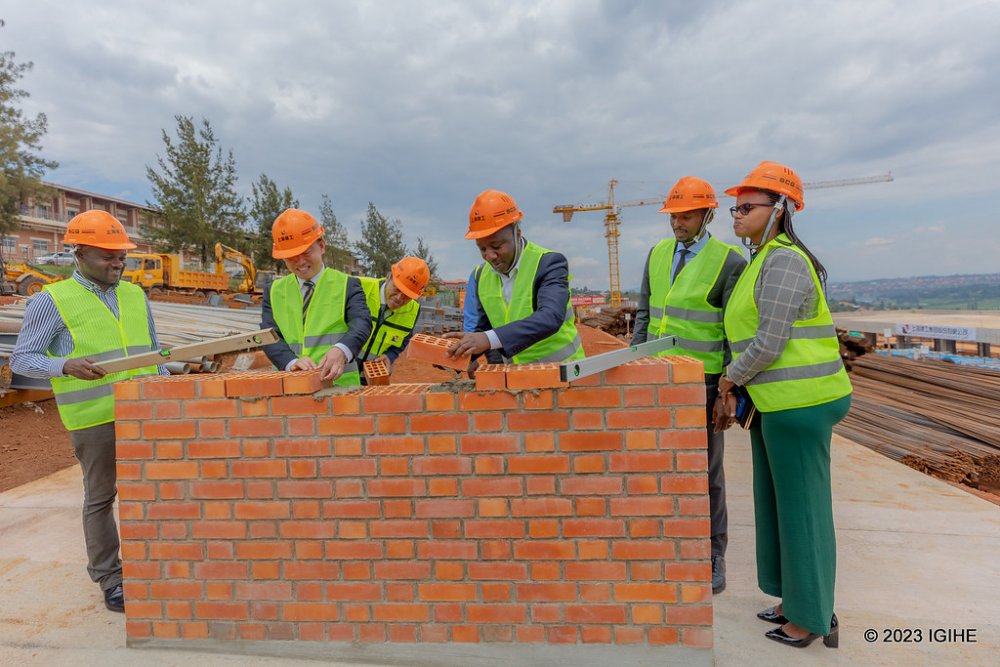
The groundbreaking ceremony took place on Thursday 30th March 2023.
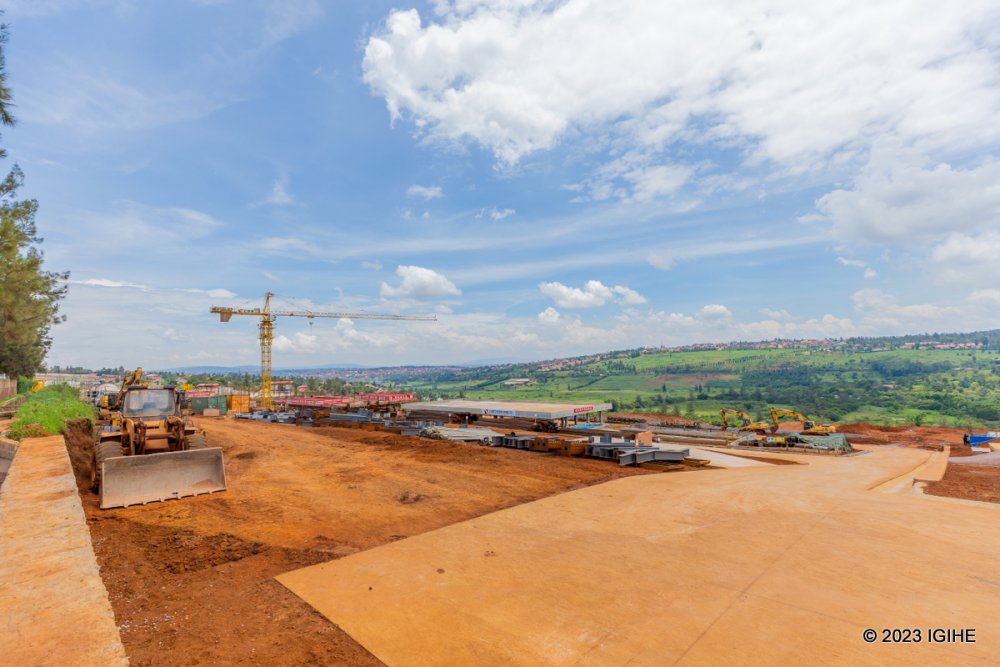
Despite the groundbreaking ceremony held today, Construction works that have been going on for two months are being undertaken by Chinese firm, Shanghai Construction Group Co. Ltd.
The project is expected to cost Rwf85 billion upon completion.
The project implementation agreement was signed on 6th April 2020, by the Government of Rwanda represented by the Ministry of Finance and Economic Planning, (MINECOFIN), Ministry of Health and Rwanda Housing Authority (RHA) whereas the Chinese Government was represented by the Agency for International Economic Cooperation and the Ministry of Commerce of the People’s Republic of China.
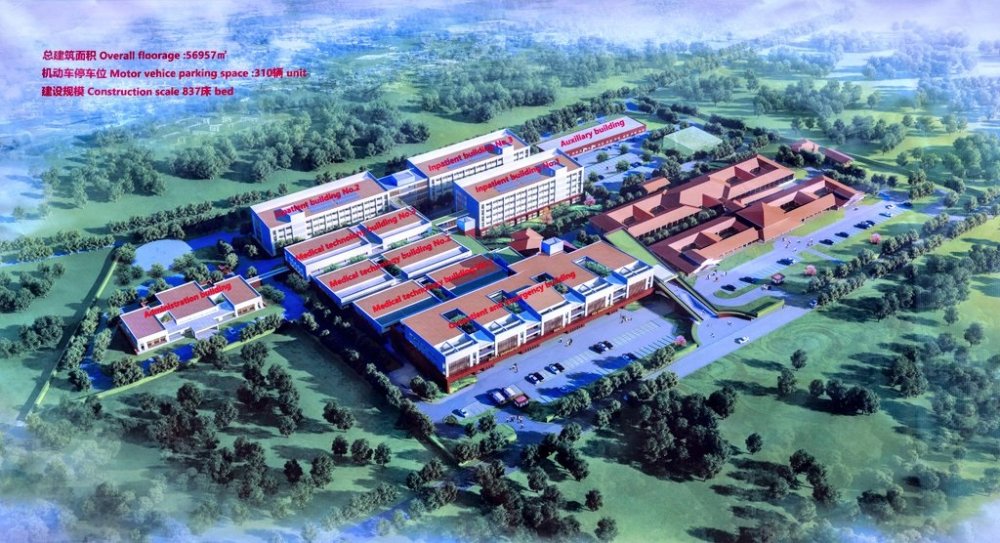
The project expected to be completed by July 2025, includes the scale up of the hospital capacity to receive 2,000 patients per day whereas the number of beds will be increased to 837.
CHUK hospitalizes around 400 patients.
The hospital shall also include the outpatient and emergency building with the emergency, pediatric and infectious departments in the building.
Some technological tools shall also be introduced in the renovated health facility, which includes the Air compressor room, Oxygen Generator Station, radiology department, blood bank and laboratory department, central sterile supply department, ultrasound and functional examination rooms among others.
Premier Ngirente has expressed his gratitude to the People’s Republic of China for partnering with the government of Rwanda on this vital project. He noted that the two countries have a strong foundation, and this project is yet another testament to their excellent relations.
Dr. Ngirente highlighted the significance of the hospital’s renovation and expansion, saying that it will further enhance the capacity to provide advanced healthcare services to the citizens of Rwanda. “Infrastructures like this one are a great contribution to our vision, to develop specialties, subspecialities and train much needed health professionals in a short time,” he remarked.
The Prime Minister also pointed out that similar efforts are being deployed in other projects for different national referral hospitals such as King Faisal Hospital, Kanombe Hospital, and others.
He added that the Masaka Hospital project complements other strategic health services in the catchment area, including IRCAD Africa, the Heart Center, and other projects that will significantly transform lives and the city into a major health hub. “This is our target,” he emphasized.
Dr. Ngirente once again expressed his gratitude to the Government of the People’s Republic of China for partnering with Rwanda in undertaking this important project.
“I hope we shall convene here soon for the inauguration of the hospital,” he said,
eliciting applause from the attendees. The groundbreaking ceremony was a significant milestone in the development of healthcare infrastructure in Rwanda, and all present looked forward to the completion of the project.
The Chinese Ambassador to Rwanda, Wang Xuekun extended his congratulations to the Government of Rwanda and its people on the commencement of the project.
Amb. Wang highlighted the significance of the project, stating that it is one of the largest China-aided projects in Rwanda, to which President Xi Jinping and President Paul Kagame have attached great importance.
He added that the project marks a milestone in health infrastructure cooperation between the two countries.
The Ambassador praised the strong friendship between China and Rwanda that has existed for more than half a century, despite the vast geographic distance between the two countries.
He noted that since the exchange of visits between the two presidents in 2017 and 2018, fruitful cooperation in various fields has been significantly expanded.
Health is a priority direction of their cooperation, and China has already dispatched 22 medical teams and more than 270 Chinese doctors to Rwanda since 1982.
Amb. Wang expressed his appreciation to President Kagame, Prime Minister Ngirente, and other Rwandan leaders for their care and attention.
He also thanked the relevant departments and Chinese companies, including Shanghai Construction Group, for their strong support, kind cooperation, and hard work in making the project possible. Among others, he expressed confidence that they would deliver a quality project to the Government and People of Rwanda in a timely manner.
Amb. Wang also reaffirmed China’s commitment to working with Rwanda to promote the well-being of its people, and to support the development of Rwanda.
He expressed his belief that with their joint efforts, the cooperation in health will make even greater achievements, benefiting both countries and peoples. Amb. Wang wished the project a success and hoped that the cooperation and relation between China and Rwanda would get closer and lead to more tangible results.
The Minister of Health, Dr. Sabin Nsanzimana also commended China for being a close partner in the development of Rwanda’s health sector.
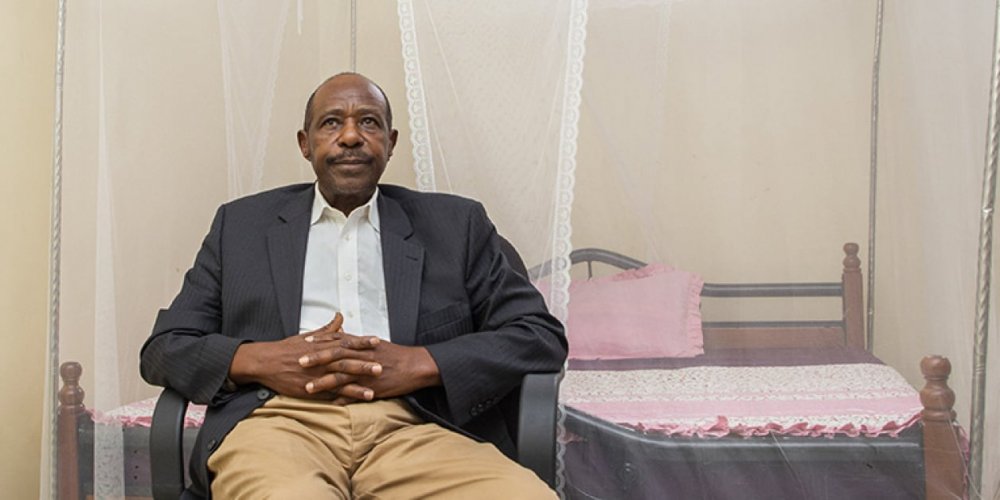
According to media reports, Rusesabagina arrived in the US on Wednesday.
As per established protocol, Rusesabagina departed from Rwanda to Qatar early this week before heading to the United States.
Rusesabagina’s daughter, Carine Kanimba, has also confirmed her father’s return to the US in a post on Twitter.
Kanimba expressed her gratitude to everyone who worked to bring her father home, and announced that their family is finally reunited.
Rusesabagina is a US legal resident with dual citizenship in Rwanda and Belgium.
Rusesabagina was released from prison on Friday last week after his sentence was commuted by President Paul Kagame. The commutation came after he asked Kagame for a pardon in an October 2022 letter.
“If I am granted a pardon and released, I understand fully that I will spend the remainder of my days in the United States in quiet reflection,” he wrote in part. “I can assure you through this letter that I hold no personal or political ambitions otherwise. I will leave questions regarding Rwandan politics behind me.”
The US Presidency, White House recently conveyed their appreciation through a brief statement that acknowledged Rusesabagina’s release and thanked the Rwandan and Qatari governments for facilitating it.
Commenting on the development after the presidential clemency granted to Rusesabagina, Stephanie Nyombayire, the Press Secretary for the Office of the Presidency, disclosed that Rusesabagina’s release is the outcome of a joint effort to reset the relationship between the United States and Rwanda.
Rusesabagina, the former President of the MRCD-FLRN terror group, was sentenced to 25 years in 2021 for terrorism charges.
Along with Nsabimana Callixte, alias “Sankara,” who served as the FLN’s spokesperson, and 18 others linked to the same case, he was released on presidential clemency last Friday. Rusesabagina had been arrested in 2020.
More 358 individuals convicted of various offences were also granted collective commutation on the same day.
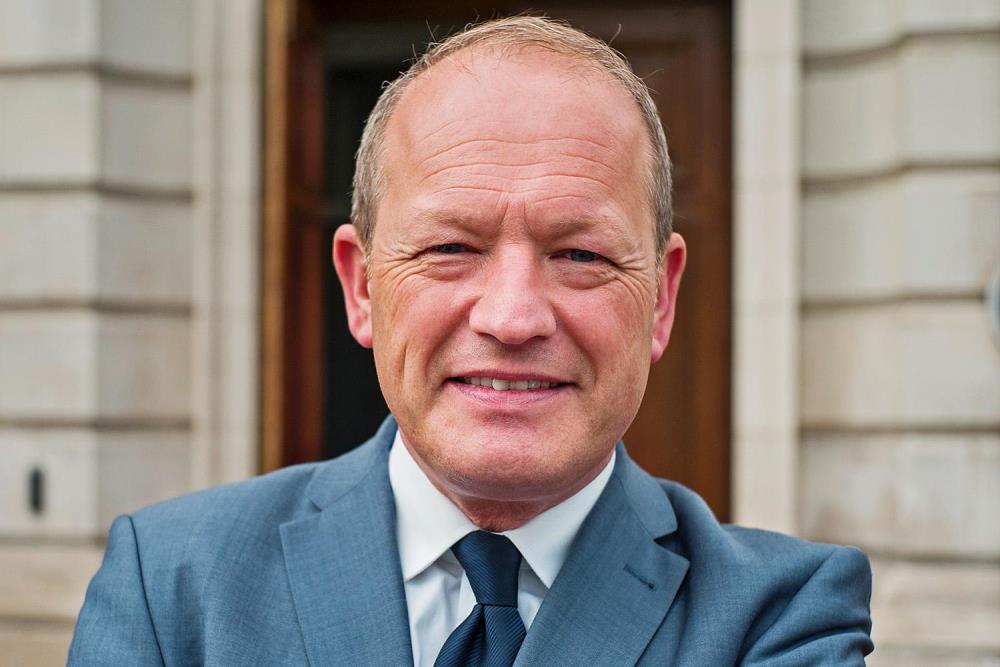
As someone who splits his time between the UK – specifically Rochdale – and Rwanda where he has a fiancée named Claudine, Danczuk asserts that he knows which migrants he would prefer in his own constituency.
According to Danczuk, most of those opposing the UK’s Rwanda policy have little understanding of the country in question. In contrast, he claims that Rwanda is a welcoming nation with a strong infrastructure, including sectors dedicated to energy, agriculture, trade, hospitality and finance.
Besides, the country has the knowledge and expertise required to deal appropriately with the people that would be sent from the UK.
For Danczuk, this is an important consideration. He believes that the asylum seekers sent to Rwanda will have access to greater opportunities than if they were relocated to areas such as Rochdale.
This has been a longstanding policy, and one that has put enormous pressure on resources such as healthcare, education and social housing, whilst simultaneously eroding the character and identity of the local area.
Danczuk argues that the Rwandan policy is a more humane approach to dealing with illegal immigration and people-trafficking, as well as reducing the number of cross-Channel economic migrants.
As a result, it could alleviate the challenges faced by struggling towns across the UK.
Whilst acknowledging that many Labour MPs favour an open borders approach, Danczuk suggests that the Party’s reputation has been tarnished by the fact that some have downplayed the severity of child exploitation by British Pakistani grooming gangs.
He suggests that this may be a contributing factor to why many in Labour oppose the Rwandan strategy.
Ultimately, Danczuk believes that supporting the Rwandan policy would be a smarter move for Labour than continuing to push their “woke” agenda around issues such as immigration, diversity and criminal justice. Whether or not this will be taken on board remains to be seen.