The discussions focused on efforts to grow the sport, nurture young talent and create more opportunities for basketball players in Uganda.
The meeting builds on earlier engagements held in Uganda in March 2026, when Gen. Muhoozi and Akamanzi discussed possible collaboration with the Ministry of Education and Sports to establish a Junior NBA League aimed at developing young players while promoting teamwork, discipline, leadership and work ethic.
During the March discussions, Akamanzi highlighted NBA Africa’s initiatives across the continent, including partnerships with governments and private sector actors to develop basketball ecosystems and create economic opportunities linked to the sport.
The talks also explored ways to improve basketball infrastructure in Uganda and strengthen pathways for young players to progress into professional leagues.
Gen. Muhoozi arrived in Kigali on Saturday for an official visit that included meetings with Rwanda’s senior military leadership and President Paul Kagame.
During his visit, the Ugandan military chief toured several infrastructure and recreational facilities in Kigali, including the King Faisal Hospital Expansion Project, Nyandungu Eco Park and Parklane Estate, a residential development in Gacuriro.
NBA Africa, led by Akamanzi, has been working to expand basketball across the continent through youth development programmes, partnerships and initiatives aimed at growing the sport’s professional ecosystem.
The planned Junior NBA League in Uganda is expected to provide a platform for secondary school students to develop their skills and compete in an organised basketball structure.
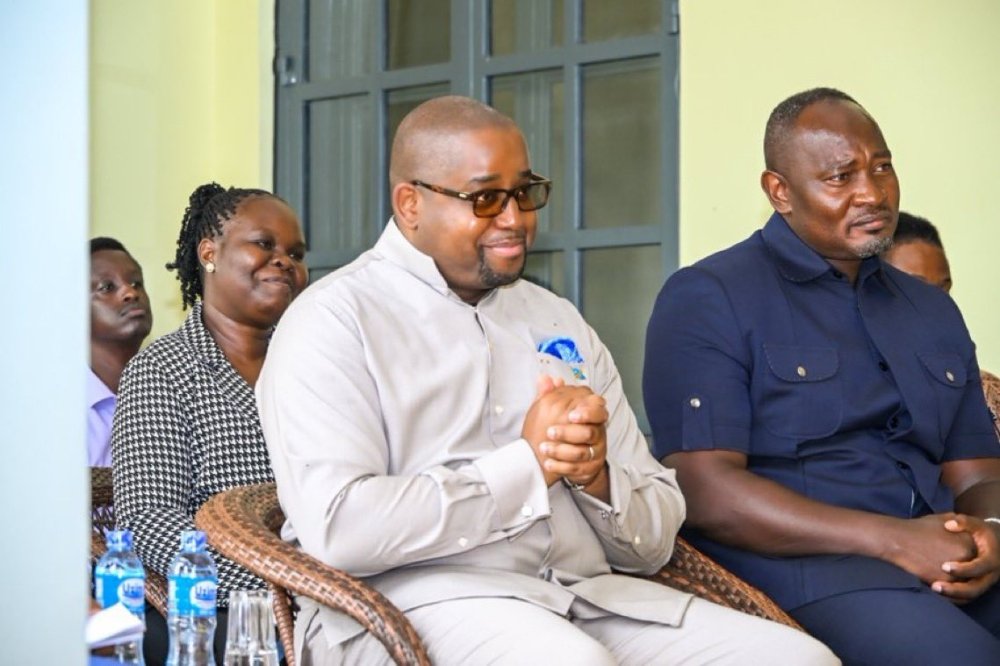
Veteran Ugandan journalist Andrew Mwenda also joined Gen. Muhoozi and Akamanzi during the meeting. The meeting builds on earlier engagements held in Uganda in March 2026, when Gen. Muhoozi and Akamanzi discussed possible collaboration with the Ministry of Education and Sports to establish a Junior NBA League.
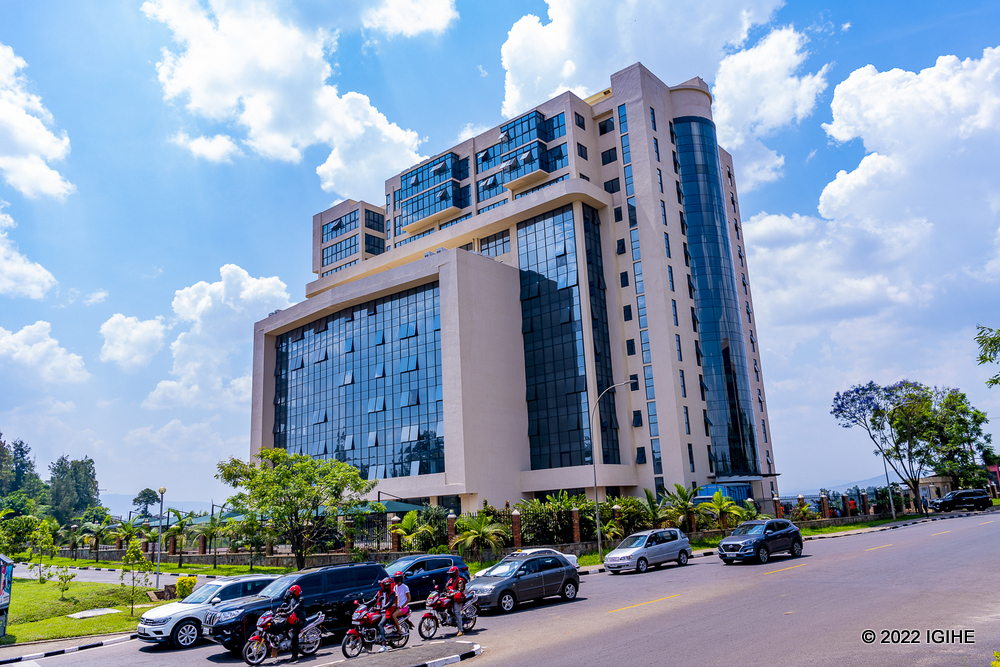
In a public notice issued on Monday, July 27, RDB announced that it had begun operating from its new premises on KN 69 Street, opposite St. Michael Cathedral, with all services now available from the new location.
“Effective 27 July 2026, the RDB office has relocated to new premises,” the agency said, noting that the move applies to the public, development partners, investors and the wider business community.
RDB said all of its services will now be provided from the new offices, while the One Stop Centre, which offers a range of government and business services to investors, will operate from the ground floor of the building.
The agency added that its digital platforms remain fully operational, allowing clients to continue accessing online services and information without interruption. Customer support teams will also remain available to assist stakeholders during the transition.
RDB said details on the relocation of its subsidiaries, the Rwanda Convention Bureau (RCB) and the Rwanda Mines, Petroleum and Gas Board (RMB), will be communicated at a later date.
The move follows the temporary closure of the RDB Building in Gishushu on May 5, 2026, to pave the way for planned renovation and upgrade works.
At the time, RDB relocated its One Stop Centre services to the Ministry of Infrastructure offices in Kimihurura, while other services continued to be offered through the institution’s digital platforms.
The 12-storey Gishushu building, which also housed the Rwanda Housing Authority (RHA), had become the subject of scrutiny after assessments identified structural and construction-related defects.
RDB had long operated from this building in Gishushu before it was closed in May to allow renovations aimed at addressing structural defects.
Tracking rent payments, managing lease agreements, maintaining properties, and communicating with tenants often require either a physical presence or the support of a trusted third party.
To address these challenges, Aristide Shema, a young Rwandan entrepreneur based in Wrocław, Poland, developed DomLift, a digital platform that enables property owners to manage their real estate from anywhere in the world.
In an interview with IGIHE, he discusses his background, the inspiration behind the platform, and his vision for the digital transformation of Rwanda’s real estate sector.
IGIHE: Could you briefly introduce yourself and tell us about your academic and professional background?
Shema: My name is Aristide Shema. I was born in Gisozi, Kigali. Even after leaving Rwanda to pursue my studies and career abroad, I have always remained deeply connected to my country. That attachment has inspired me to stay engaged with Rwanda’s challenges and to think about how I could contribute to its development, even while living thousands of kilometers away.
I studied International Business with a specialization in technology at WSHiU – Academy of Applied Sciences in Poznań, Poland. Today, I work as an IT Support Engineer at Hemmersbach on the Thales Alenia Space project, while based in Wrocław.
This experience has allowed me to combine business management skills with technology expertise, a combination that proved invaluable in building DomLift.
IGIHE: How did the idea for DomLift come about?
Shema: Several factors inspired this project. First, President Paul Kagame’s consistent call for young Rwandans to embrace innovation and develop solutions that address the country’s challenges has always inspired me.
At the same time, I became interested in the real estate sector. The figures speak for themselves: Rwanda currently faces a housing deficit of more than 200,000 units, a number projected to reach nearly 310,000 by 2032. I realized there was a genuine need to modernize property management.
I have always been passionate about real estate. However, I did not have the financial resources to invest in property myself. So I told myself that if I could not contribute as an investor, I could still contribute by building a technological solution that supports those who already invest in the sector.
IGIHE: How did you turn that idea into a working platform?
Shema: I trained myself in software development through online courses for more than nine months. After that, I designed and developed DomLift entirely on my own, from the very first line of code to the platform’s launch.
For me, it was a way to contribute to the development of Rwanda’s real estate sector without having investment capital. I wanted to create a tool that genuinely makes life easier for landlords, property managers, and tenants.
IGIHE: Who are the people working with you to make this possible?
Shema: I am fortunate to have my co-founder, Landry Rudasingwa, by my side. He is originally from Nyakabanda and holds a degree in Hydraulic Engineering earned in China. He is currently pursuing a degree in International Business in Poznań, Poland.
He also works as an Integration Engineer at Jitterbit while serving as DomLift’s Chief Technology Officer (CTO). His technical expertise plays a vital role in the continued development of our platform.
IGIHE: How does DomLift work in practice?
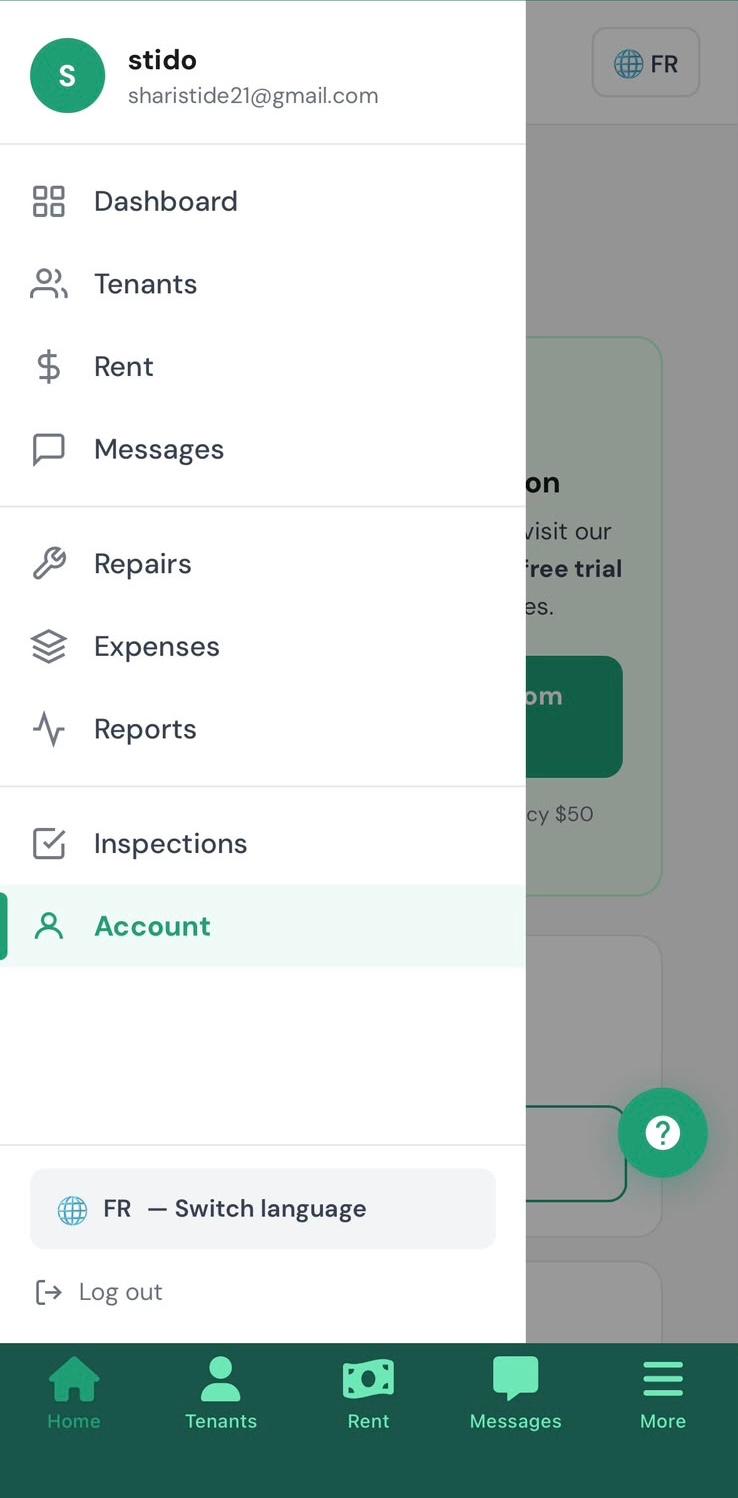
Shema: DomLift operates through two connected portals: one for landlords and property managers, and another for tenants.
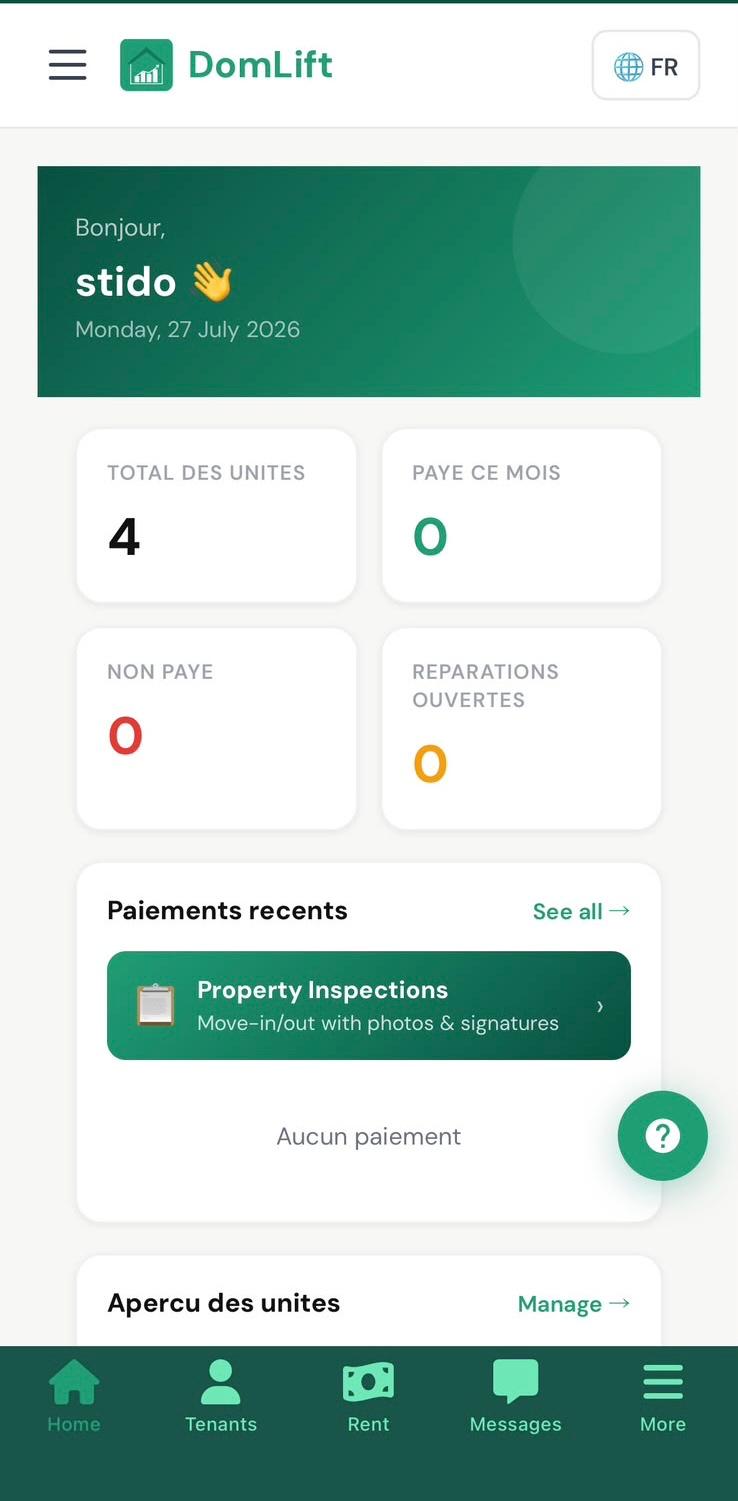
Everything starts with onboarding. Property owners register their properties and individual units, then assign tenants to each unit. From that point onward, every piece of information related to that property is stored in one centralized place.
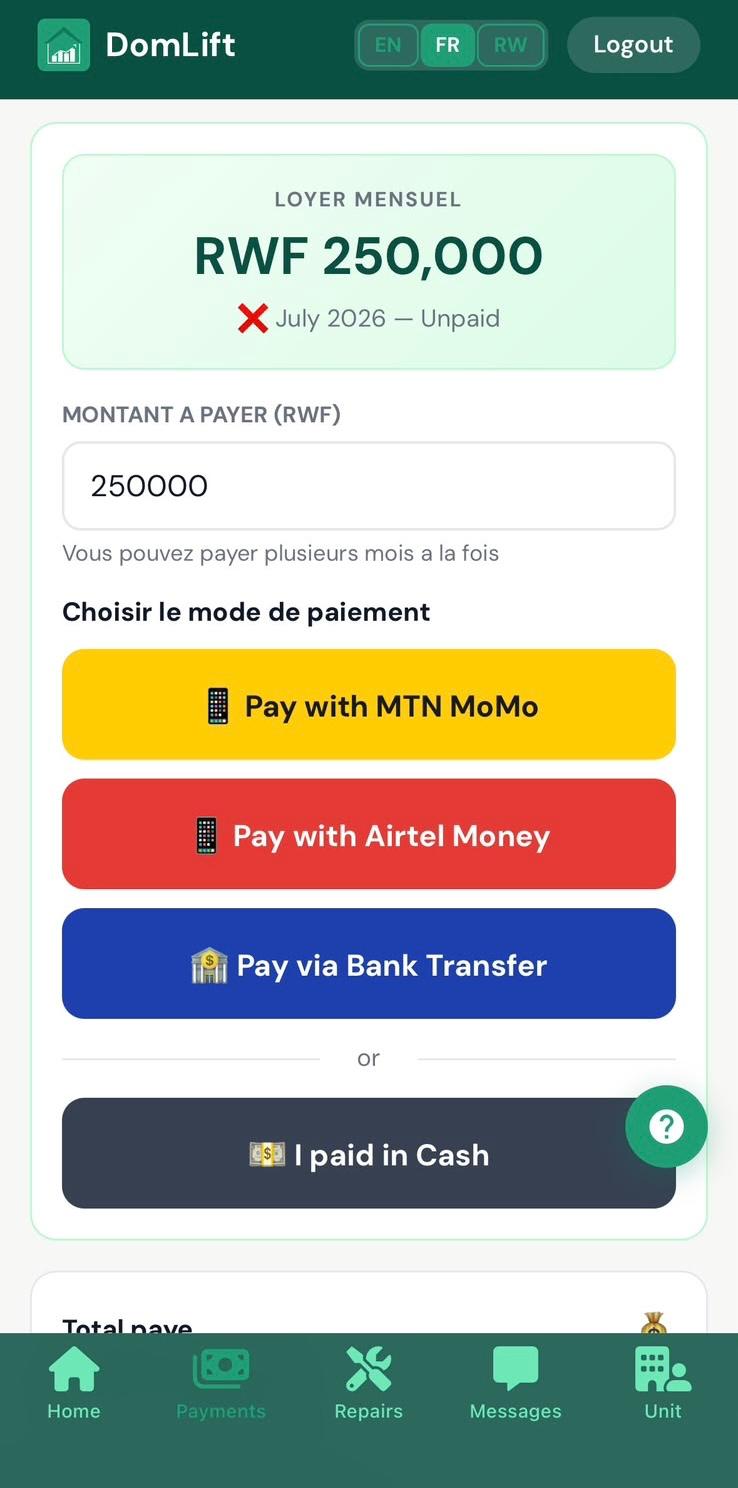
Rent can be paid through MTN Mobile Money, Airtel Money, bank transfers, or even cash. Regardless of the payment method, every transaction is automatically recorded, allowing landlords to instantly see who has paid without having to reconcile payments manually.
When maintenance is needed, tenants submit repair requests directly through their portal. The landlord receives a notification, assigns the work, and tracks the request until it is completed.
We have also integrated an internal messaging system that allows landlords and tenants to communicate directly within the platform, eliminating the need for scattered WhatsApp conversations.
One of the features we are particularly proud of is the property inspection system. Landlords can carry out detailed inspections using photographs, notes, checklists, and electronic signatures, creating a reliable record of each property’s condition over time.
This feature becomes especially valuable when an owner wants to sell a property, increase its rental value, or apply for bank financing.
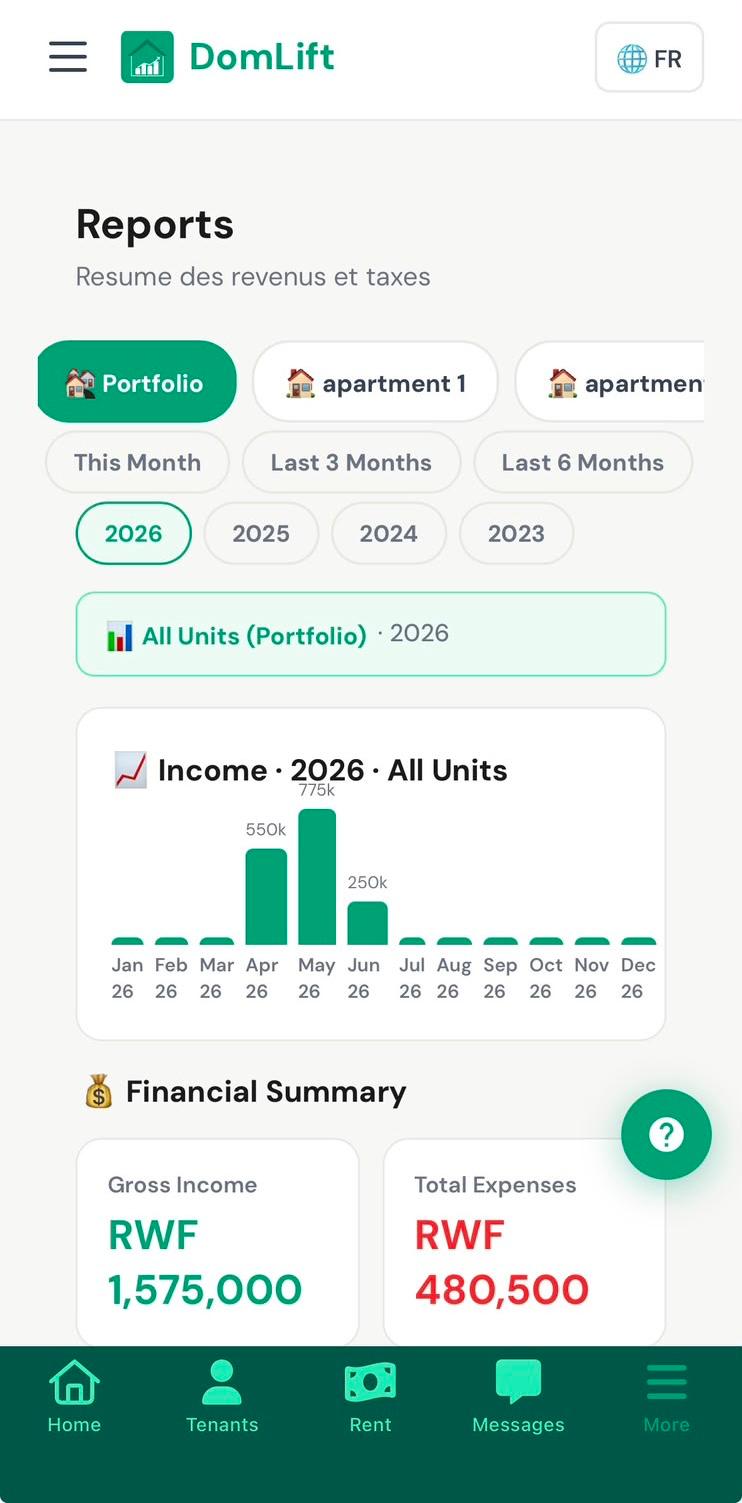
DomLift also generates financial reports that help landlords analyze the performance of their property portfolio. We are currently developing even more detailed reports for each individual unit so owners can track income, expenses, and occupancy history separately.
Our goal is to provide a solution that works equally well for an individual managing a few rental units as it does for a company managing hundreds of properties.
IGIHE: How long has DomLift been available?
Shema: The platform has been publicly available for just over two months. Despite being relatively new, we are already seeing encouraging growth, with between 60 and 150 active users. Our goal is to continue expanding this community and support even more property owners in managing their real estate.
IGIHE: On which platforms is DomLift available?
Shema: DomLift is available on the web as well as through native Android, iPhone, and iPad applications. Users can download it free of charge from Google Play and the App Store. Automatic updates ensure that everyone always has access to the latest features and improvements.
The idea is simple: to allow someone to manage their property portfolio from Kigali, Brussels, London, Toronto, or anywhere else in the world directly from a smartphone or computer.
IGIHE: What is your vision for the coming years?
Shema: Our ambition is for every landlord and property manager to have access to a professional property management system.
We want to go beyond simple rent collection. By providing reliable data, the platform helps property owners analyze their investments, prepare bank financing applications, and make informed decisions when expanding their portfolios.
We also aim to serve professional property management companies. In the long term, our ambition is to expand DomLift across the East African Community after strengthening our presence in Rwanda.
IGIHE: What message would you like to share with Rwandans, especially those living abroad?
Shema: I want to tell Rwandans that technology offers an incredible opportunity to contribute to the development of our country, wherever we may live.
DomLift was born from that belief. We want to provide a modern, reliable, and accessible solution that simplifies property management while helping owners make better investment decisions through accurate data.
Our ambition is to build a platform that will support real estate investors not only in Rwanda but eventually across East Africa.
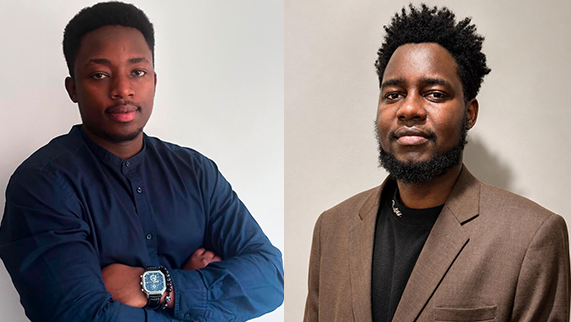
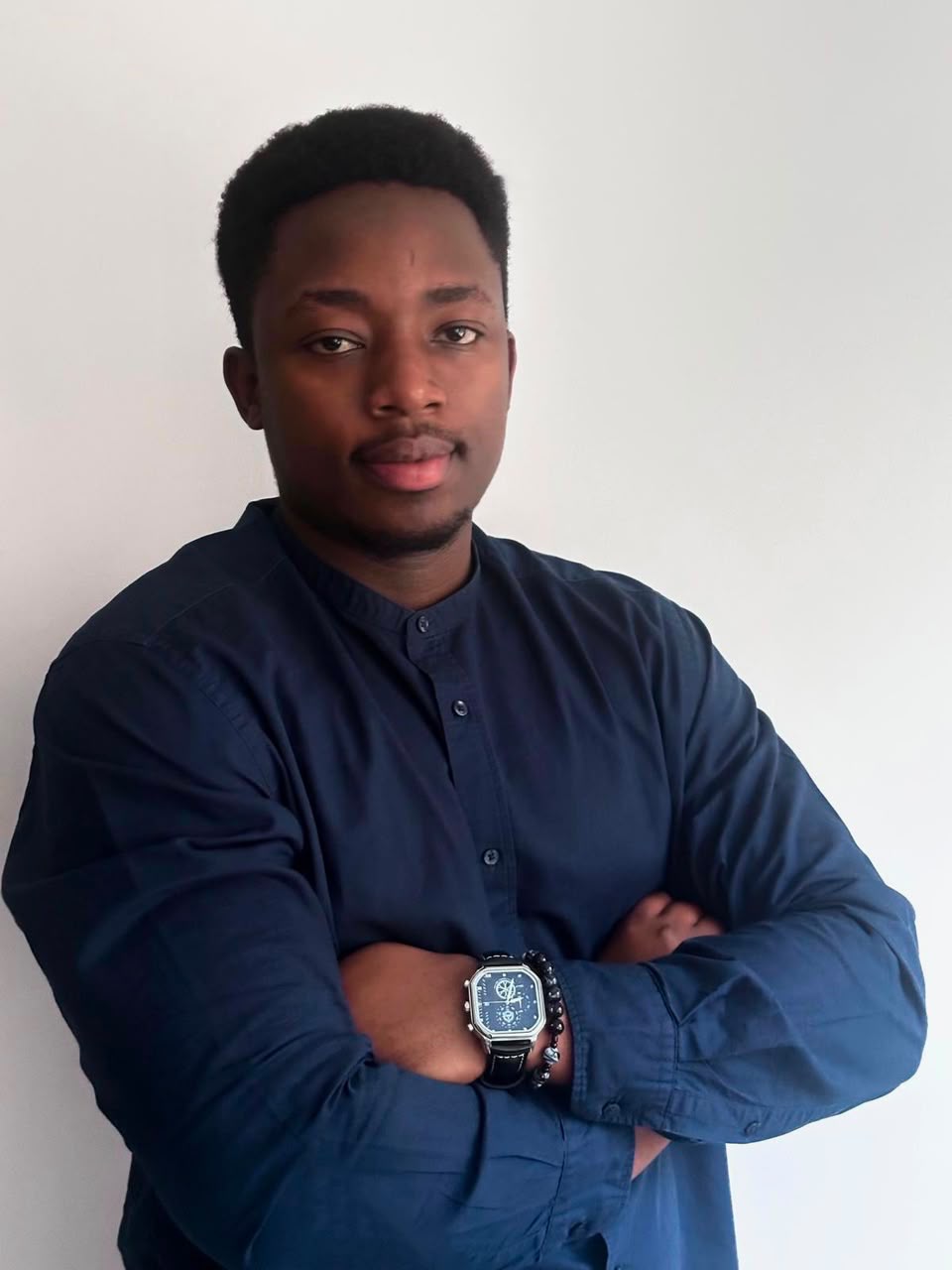
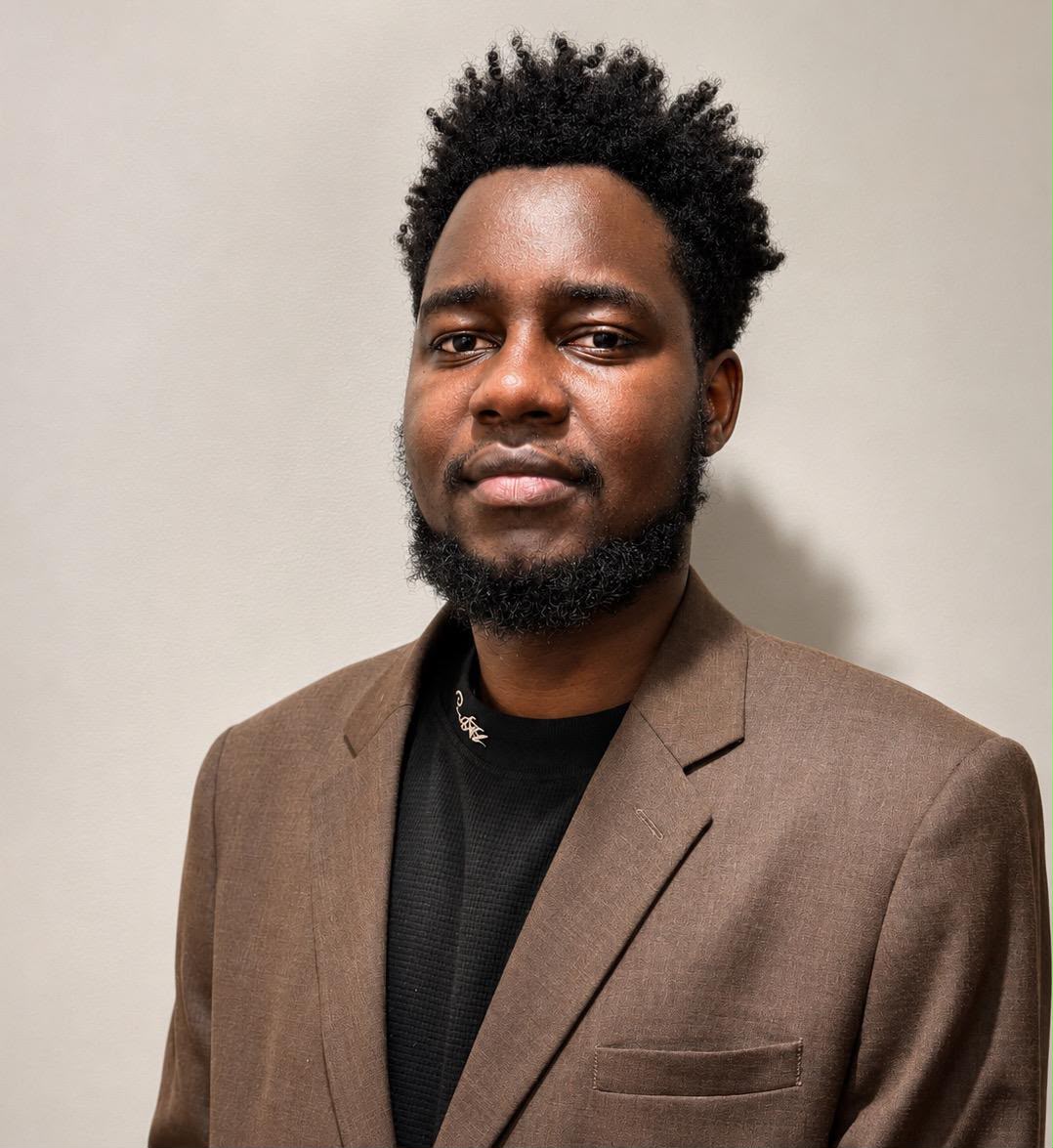
Aristide Shema i sthe founder of DomLift, a digital property management platform.Landry Rudasingwa, Co-founder and Chief Technology Officer (CTO) of DomLift.
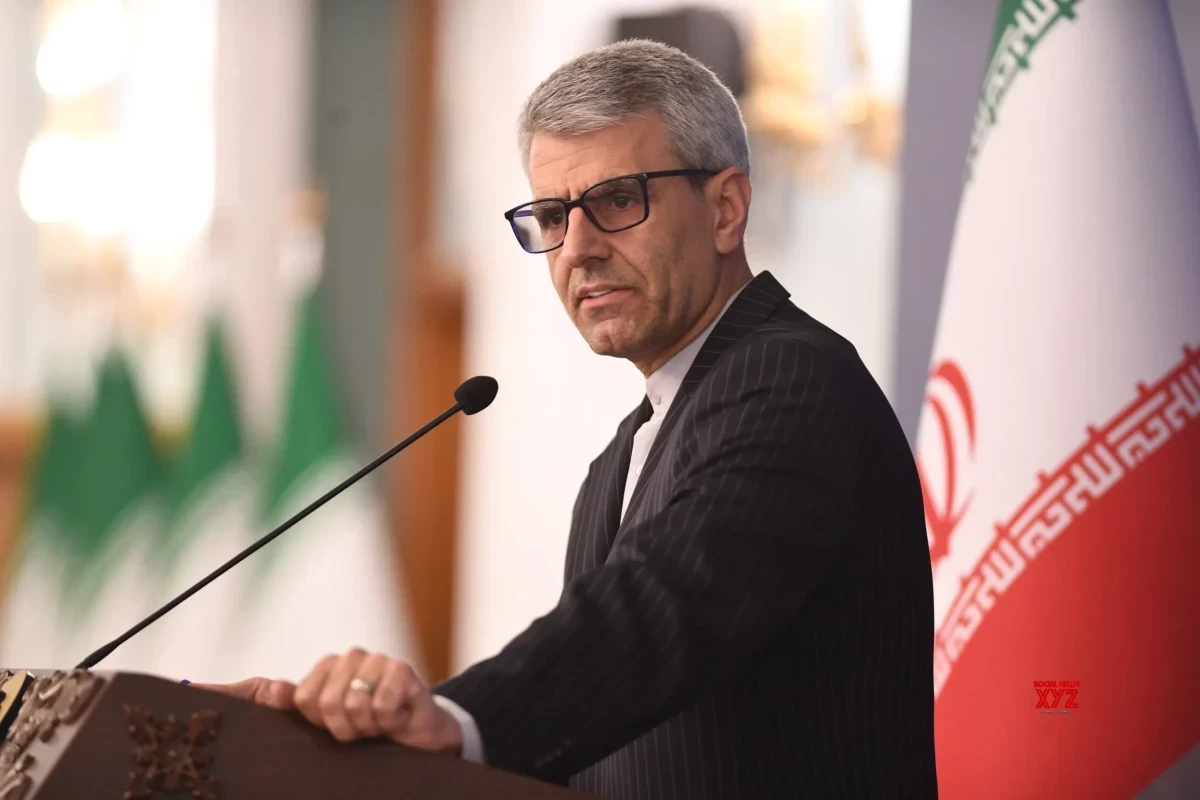
Baghaei stressed in the interview that for any dialogue to be formed, the “proper ground” must be prepared, noting that the United States has destroyed such a ground, Iranian media reported on Sunday.
He accused Washington of violating “all its provisions” in practice under the memorandum of understanding (MoU) between Iran and the United States.
The spokesman said Iran’s current priority “is to defend its sovereignty and territorial integrity and protect its people against the war crimes that are being perpetrated by the United States.”
Under the MoU signed on June 18, the United States and Iran were scheduled to hold talks within a period of 60 days to reach a final agreement, but the talks’ fate is hanging in the balance following renewed clashes between the two over the past two weeks.
Esmail Baghaei, spokesperson of the Iranian Ministry of Foreign Affairs
Mmamoloko Kubayi, chairperson of the Inter-Ministerial Committee on Migration, made the remarks at a media briefing in Pretoria on the government’s latest progress in dealing with the migration challenges in the country.
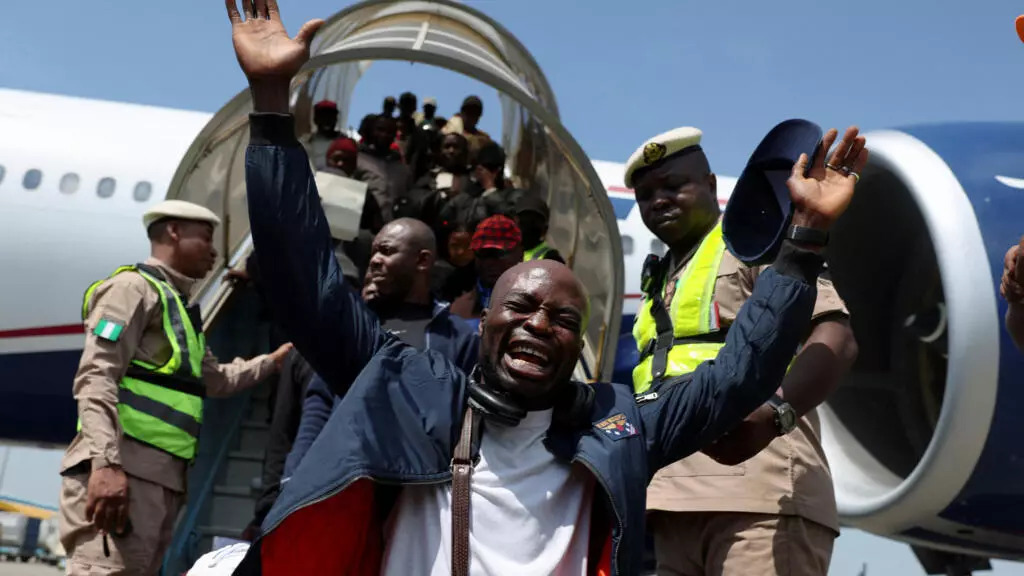
The repatriations come amid a recent rise in attacks targeting foreign nationals in South Africa, which has prompted some migrants to opt for voluntary return. Kubayi said the government has been working with representatives of countries of origin to facilitate the repatriation process.
“Regarding deportations and repatriations, we can confirm that since Malawian nationals assembled at Sherwood in KwaZulu-Natal from June 14 to July 24, a total of 68,138 foreign nationals have been processed, the majority repatriated following processing at the Musina Temporary Repatriation Processing Centre,” said Kubayi, who is also minister of justice and constitutional development.
According to Kubayi, the Border Management Authority processed 72,906 repatriations involving various nationalities at ports of entry between June 7 and July 14, including those handled at the temporary repatriation center.
She said dedicated immigration courts finalized 28,736 immigration-related cases, mainly involving deportations, between April 1 and the end of June. Kubayi also warned against unauthorized identity checks targeting foreign nationals, saying migration management remains the responsibility of state authorities and must be conducted in accordance with the law.
“To date, law enforcement authorities have registered 354 cases of arrests and prosecutions against individuals who are in contravention of the law related to the issue of migration. An additional 69 people were arrested in Eastern Cape last weekend, and appeared in court on Monday. Government is making it clear that migration management is fundamentally a rule-of-law matter. Criminality will not be tolerated, regardless of who is involved,” she said.
Since April, a total of 93 joint border operations have been conducted to crack down on the illegal movement of illicit goods, human trafficking and drug syndicates, according to Kubayi.
She said the government has also intensified engagement with neighboring countries and countries of origin to strengthen cooperation on migration management, documentation, repatriation and information sharing.
A man disembarks from a government-chartered flight repatriating Nigerian citizens fleeing xenophobic attacks in South Africa, in Lagos on 11 June 2026. The South African government has been accused of failing to crack down on anti-immigrant violence
The DRC government has been lobbying African and European partners with a proposal that would see the FDLR dismantled through a political process rather than military action.
Rwanda and political analysts argue that the initiative is a diversionary tactic that fails to address what they describe as the root cause of the threat posed by the group, its genocidal ideology.
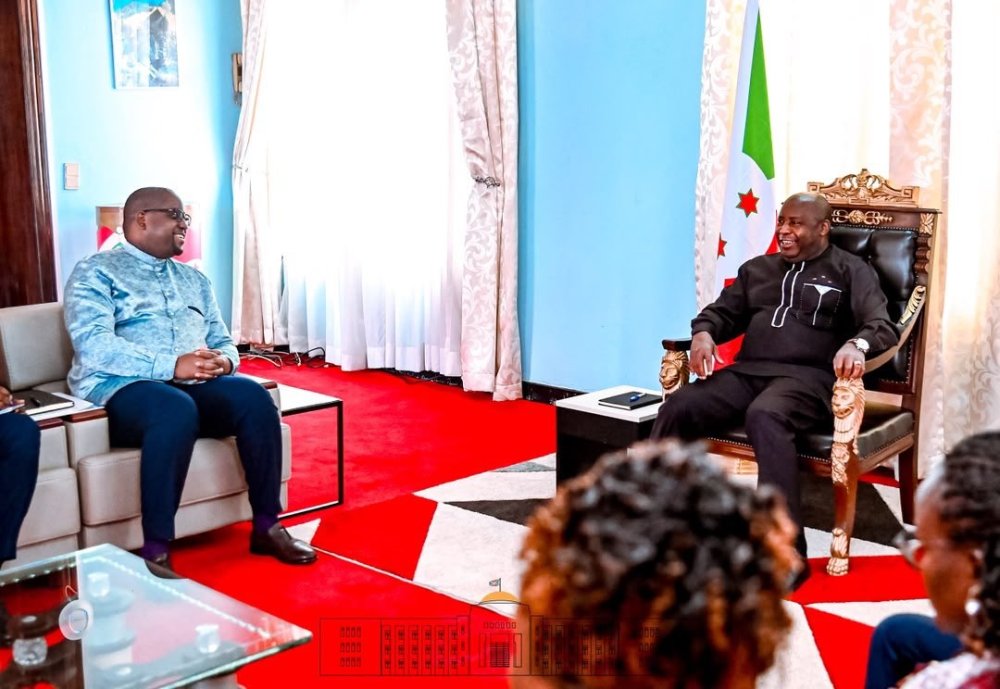
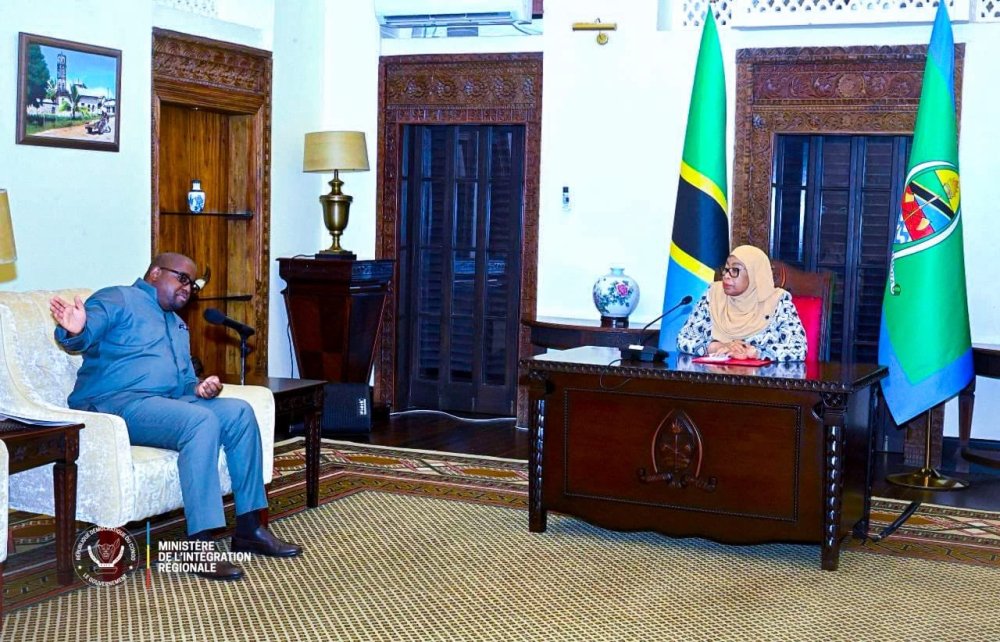
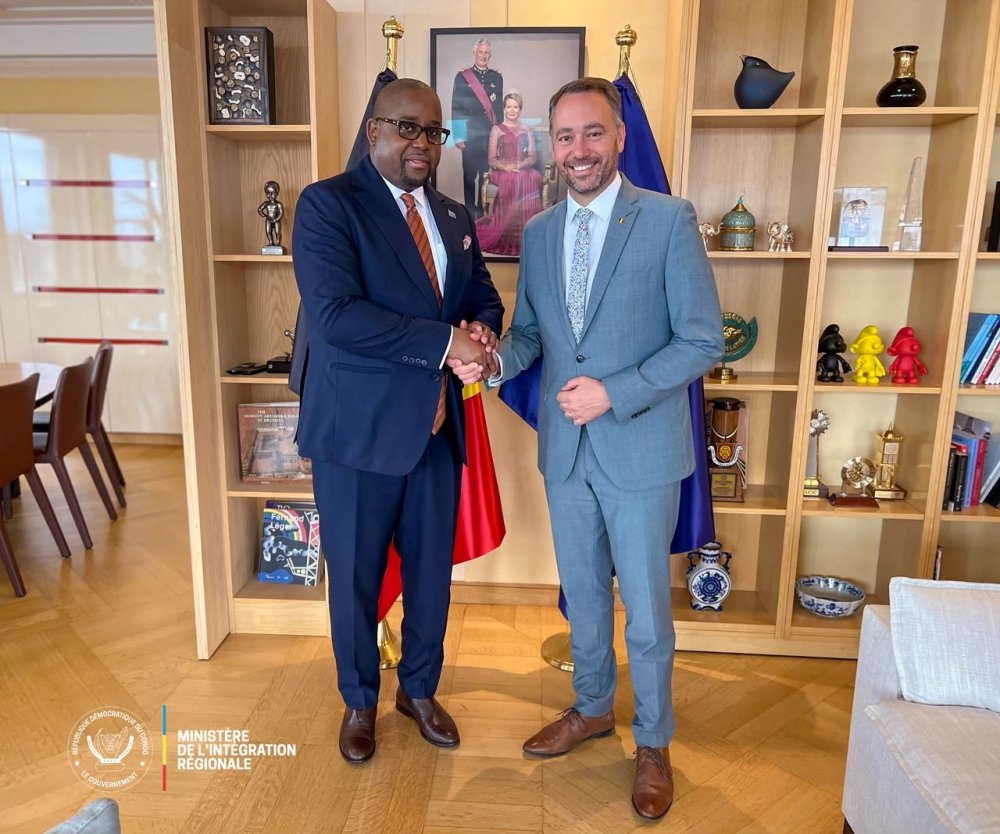
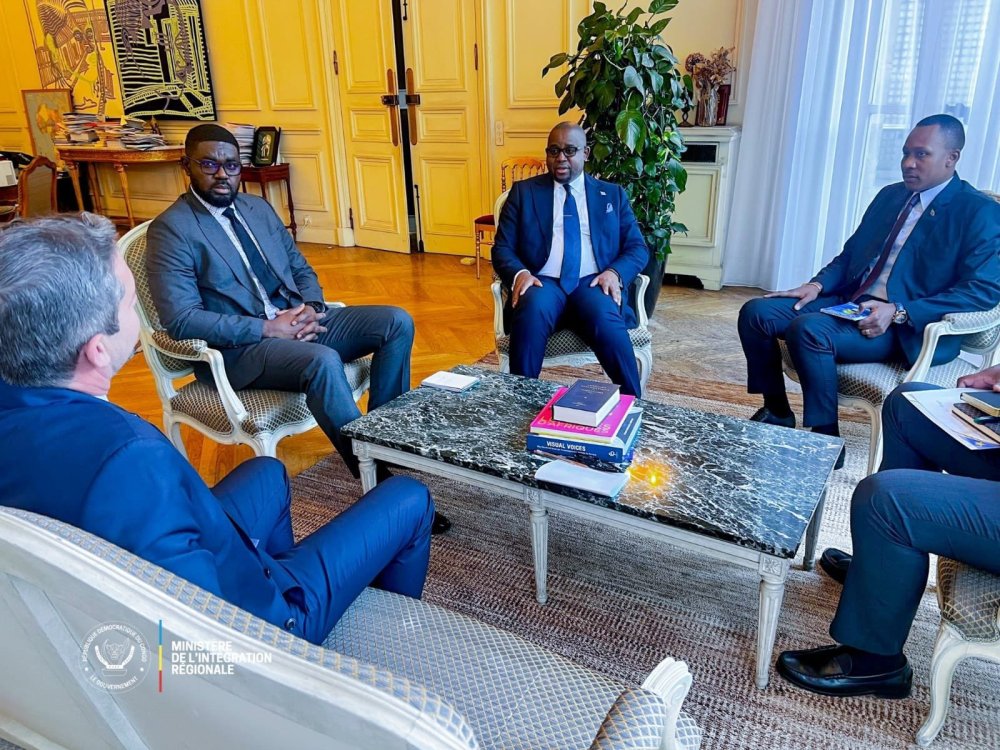
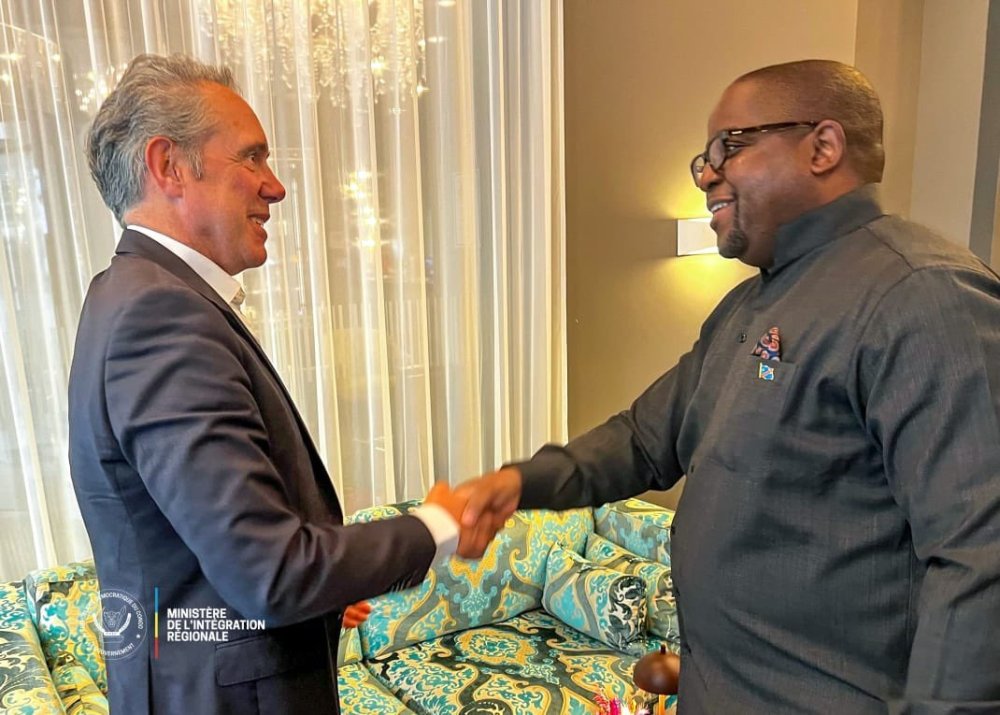
Since July 13, 2026, the DRC’s Minister for Regional Integration, Floribert Anzuluni Isiloketshi, has visited Uganda, Togo, Burundi, Tanzania, Belgium, France and South Africa, in addition to holding meetings at the European Union headquarters in Brussels.
Although the tour was officially presented as consultations on the security situation in eastern DRC, reports indicate that President Félix Tshisekedi’s envoys were also carrying a proposal aimed at persuading international partners to support Kinshasa’s new approach to addressing the FDLR issue.
According to Jeune Afrique, the Congolese government is seeking to convince regional and Western partners that it is making genuine efforts to dismantle the FDLR, even as it faces mounting pressure over what critics say is its failure to implement obligations under the Washington Peace Agreement.
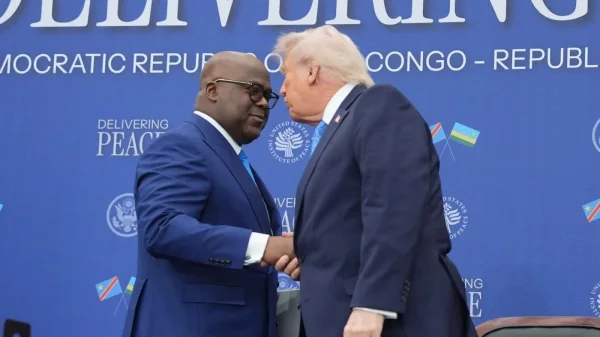
That diplomatic push intensified after Washington publicly raised concerns over the pace of implementation. On June 27, U.S. President Donald Trump’s Senior Advisor for Africa, Massad Boulos, told the United Nations Security Council that the DRC had failed to fulfill its commitment to dismantle the FDLR.
On July 13, Minister Anzuluni and his delegation were received in Uganda.
FDLR proposes voluntary disbandment
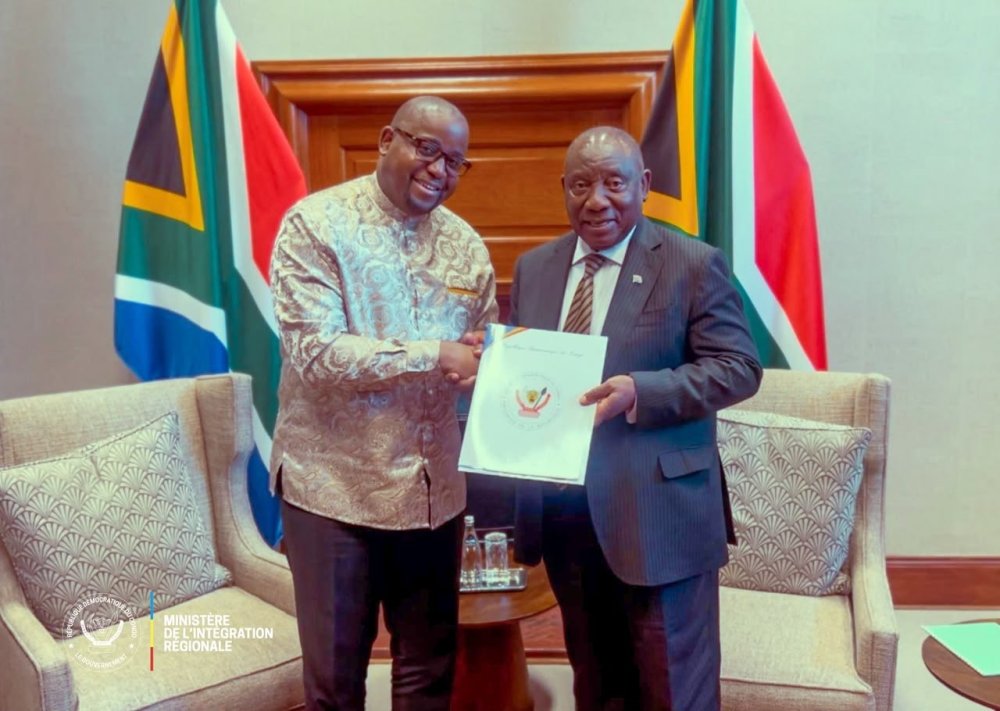
During his diplomatic tour, Minister Anzuluni presented a document outlining what Kinshasa describes as a new framework for the voluntary disarmament, demobilization and reintegration of FDLR fighters.
Signed by Victor Byiringiro, a senior political figure within the FDLR, the document proposes the group’s voluntary disarmament and self-dissolution following an awareness campaign conducted by the Congolese government.
The proposal, submitted by Byiringiro to President Tshisekedi on May 30, 2026, argues that dismantling the FDLR should be achieved through political engagement rather than military operations. It further proposes that FDLR combatants be housed in a secure, protected facility where they would not be subjected to military attacks.
Byiringiro also argues that FDLR members should not be forcibly repatriated to Rwanda. Instead, those unwilling to return should be assisted in resettling in third countries together with their families currently living in the DRC.
FDLR political leader Victor Byiringiro drafted the proposal for the group’s dissolution and sent it to President Félix Tshisekedi.
Kinshasa has presented the proposal as a major step forward, arguing that it removes what it describes as Rwanda’s justification for supporting the AFC/M23 coalition. Rwanda, however, rejects that characterization, insisting that the AFC/M23 movement is a Congolese rebel group whose members are fighting against marginalization and exclusion within the DRC.
Rwanda has rejected the proposal, describing it as an attempt to circumvent the Washington Peace Agreement, which requires the DRC to dismantle the FDLR following the agreement signed on June 27, 2025.
According to Belgium’s La Libre, Rwanda’s Minister of Foreign Affairs and International Cooperation, Ambassador Olivier Nduhungirehe, dismissed the proposal as an effort to distract from the agreement’s core obligations.
“We remain committed to the agreement we signed. Any attempt to introduce additional elements aimed at portraying the FDLR as a party to the agreement is unacceptable. Such efforts are intended to undermine the document signed in Washington,” Nduhungirehe said.
He added: “The Washington Agreement is a sound document. If all its provisions are implemented, we would have genuine hope for lasting peace and development in the Great Lakes region.”
Analysts question the proposal
Political analysts say this is not the first time the FDLR has proposed voluntarily dissolving itself, arguing that similar initiatives in the past failed to produce meaningful results.
Professor Bob Kabamba, a political scientist at the University of Liège in Belgium, said the proposal was unlikely to succeed.
“This is not the first time such an initiative has emerged. One has to examine the history of the FDLR to understand the nature of this issue,” he said.
Kabamba noted that in July 2000, then-DRC President Laurent-Désiré Kabila oversaw the dissolution of the ALiR rebel movement before the FDLR later emerged.
He argued that even if the FDLR were formally dissolved under the current proposal, another armed group with the same ideology and objectives could emerge.
“The new plan allows the FDLR to dissolve itself. That is difficult to understand, and Kigali will not accept it because it has not forgotten ALiR and the subsequent creation of the FDLR, which it says continues to receive support from Kinshasa. Based on this proposal, history could repeat itself, with another armed group emerging after the FDLR’s dissolution.”
Since early 2026, Tshisekedi has also reportedly considered the renaming of the FDLR in what analysts describe as an attempt to improve its international image. Under the reported proposal, the group would become the Front Commun pour la Libération Rwandaise (FCLR) while retaining its ideology and military structure.
Ideology remains the central concern
Both Nduhungirehe and Kabamba argue that the principal concern surrounding the FDLR is not simply the number of fighters it commands but the genocidal ideology embraced by its leadership and members.
“This issue goes far beyond the number of FDLR fighters,” Kabamba said. “Today they number only around 2,000 to 3,000, which is insufficient to militarily threaten the Rwandan state. The real concern is the extremist ideology that continues to target a particular ethnic group with the objective of extermination while promoting violence. This proposal addresses none of that.”
According to the latest report by the UN Group of Experts, published in late June 2026, the FDLR claims to have more than 10,000 fighters, about half of whom are permanent combatants. Its elite military wing, known as CRAP, claims to have 20,000 fighters.
Meanwhile, beyond Minister Anzuluni’s diplomatic campaign, the DRC government continues military preparations in North and South Kivu provinces. Although the Congolese army announced in late March 2026 that it would dismantle the FDLR, Rwanda says that commitment was never implemented and that, two days later, the group instead received additional weapons from the Congolese military to continue supporting government forces.
Rwanda has continued to present evidence of cooperation between the DRC government and the FDLR. Kinshasa, however, maintains that its contacts with the armed group are intended solely to persuade it to lay down its arms, a claim disputed by Rwanda.
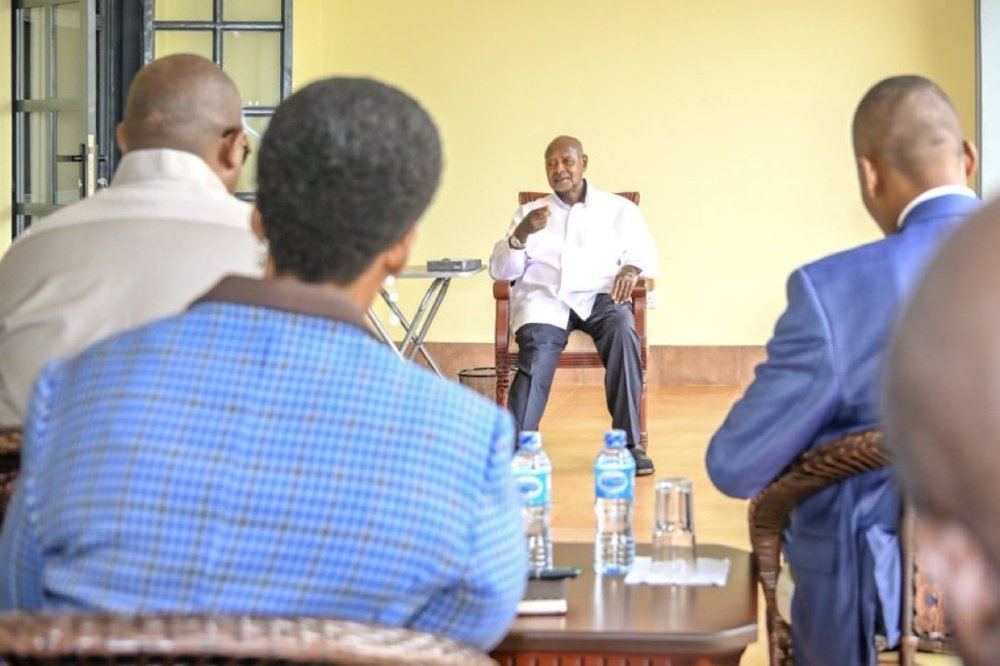
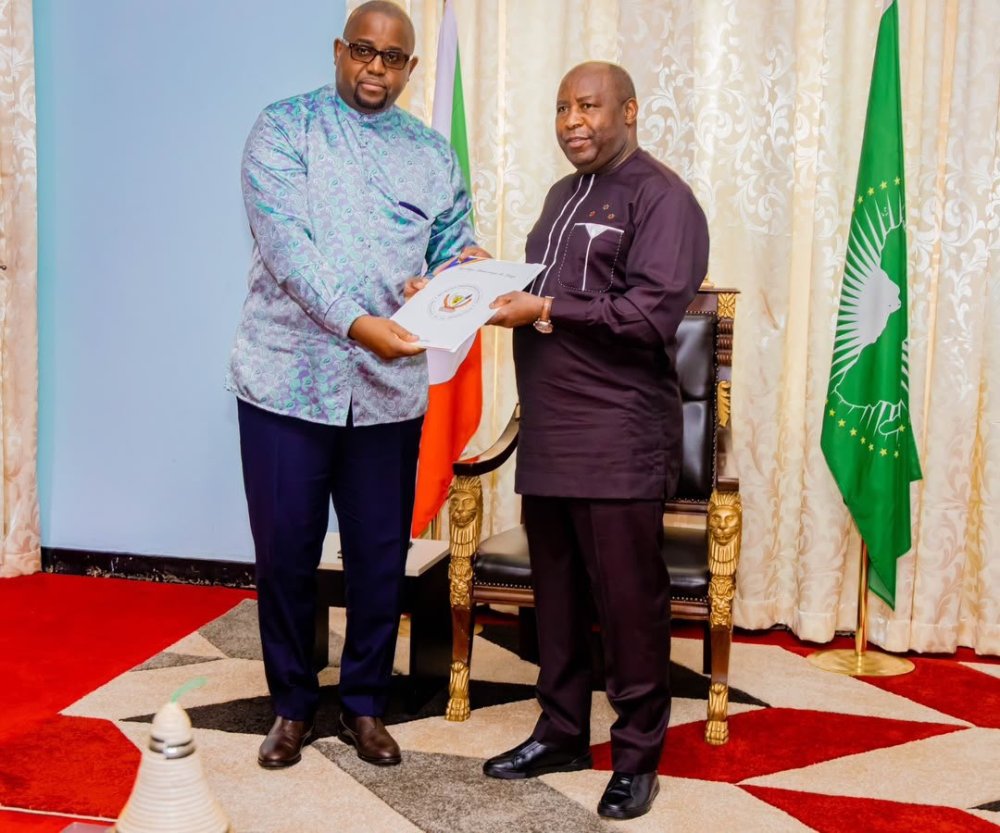
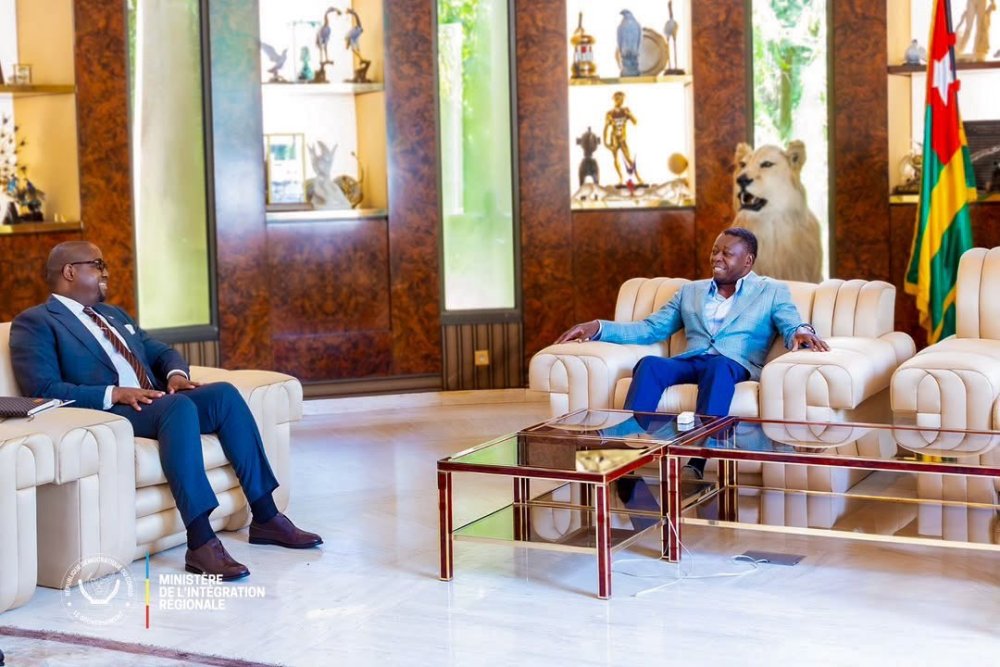
Minister Anzuluni and his delegation were received by Uganda’s President Yoweri Kaguta Museveni.On July 15, 2026, Burundi’s President Évariste Ndayishimiye received Minister Anzuluni, who presented him with the FDLR proposal. On July 15, Minister Anzuluni was received by Togo’s President of the Council of Ministers, Faure Essozimna Gnassingbé. Minister Anzuluni presented the proposal to Ndayishimiye, a close ally of the DRC who currently serves as the Chairperson of the African Union (AU).
On July 19, Minister Anzuluni was received by Tanzania’s President Samia Suluhu Hassan.On July 20, Minister Anzuluni was received by Belgium’s Minister of Foreign Affairs, Maxime Prévot.
On July 22, Minister Anzuluni met with the French President’s Advisor for Africa.
On July 23, Minister Anzuluni met with Johan Borgstam, the European Union Special Representative for the Great Lakes Region, in Brussels and presented him with the proposal.On July 24, Minister Anzuluni met with South African President Cyril Ramaphosa.
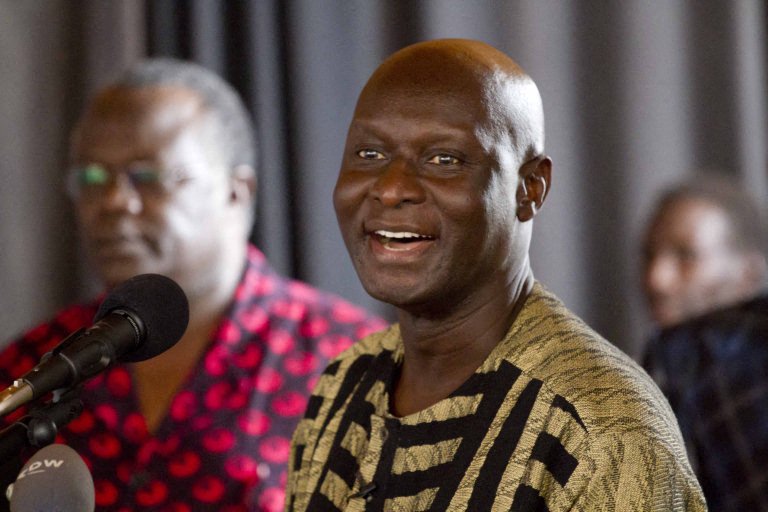
The Ugandan government formally submitted Otunnu’s candidature to the United Nations on Saturday, presenting him as a veteran diplomat and international civil servant with more than four decades of experience in global affairs.
Otunnu, 75, previously served as the UN Under-Secretary-General and Special Representative of the Secretary-General for Children and Armed Conflict from 1997 to 2005 under former Secretary-General Kofi Annan.
During his tenure, he helped elevate the protection of children affected by armed conflicts on the UN agenda and contributed to the creation of mechanisms aimed at monitoring violations against children in war zones.
Before joining the UN leadership, Otunnu served as Uganda’s Permanent Representative to the United Nations from 1980 to 1985 and briefly held the position of Foreign Affairs Minister between 1985 and 1986.
Otunnu served as Uganda’s Permanent Representative to the United Nations from 1980 to 1985 and became President of the UN Security Council in December 1981. During that period, he played a key role in resolving a deadlock over the selection of the UN Secretary-General by introducing a straw-balloting procedure that helped identify Javier Pérez de Cuéllar as a consensus candidate.
At the national political level, Otunnu led the opposition Uganda People’s Congress (UPC) and contested Uganda’s 2011 presidential election, where he lost to President Yoweri Museveni, who has been in power since 1986.
Beyond government and UN roles, Otunnu served as President of the International Peace Academy, now known as the International Peace Institute, from 1990 to 1998. He has also held academic positions at institutions including Albany Law School and the American University in Paris.
His nomination adds him to a field that includes Chile’s Michelle Bachelet, Ecuador’s Maria Fernanda Espinosa, Argentina’s Rafael Grossi, Costa Rica’s Rebeca Grynspan, Guyana’s Carolyn Rodrigues-Birkett and Senegal’s Macky Sall.
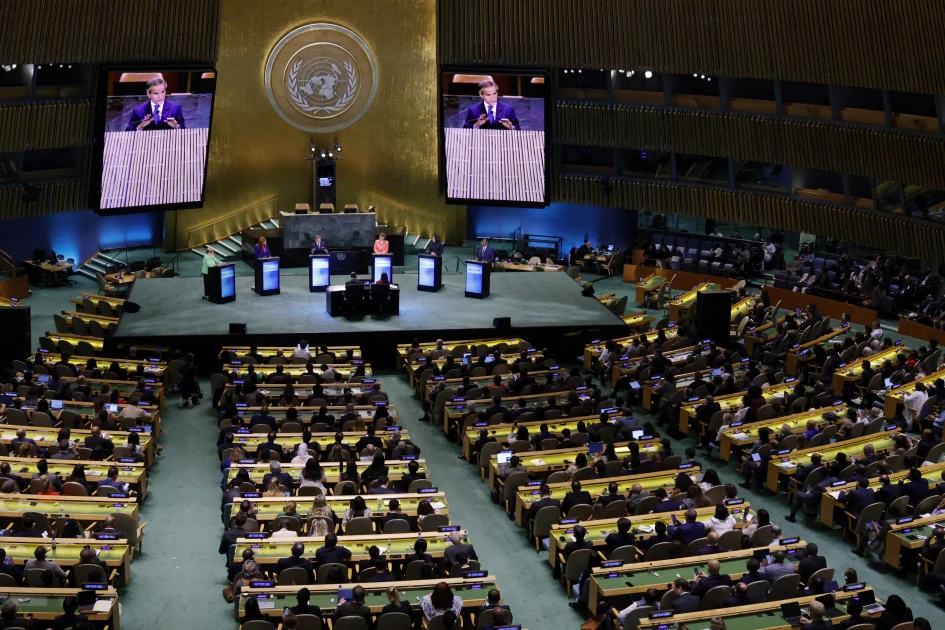
The candidates took part in a televised debate on Thursday as they presented their visions for leading the United Nations.
The UN Security Council is expected to hold its first closed-door, anonymous vote on the candidates on July 30. The process will continue through additional rounds of voting until a candidate secures the required nine votes from the 15-member council without opposition from any of the five permanent members: the United States, United Kingdom, China, France and Russia.
The selected candidate will then be presented to the UN General Assembly for formal appointment and will assume office on January 1, 2027.
The UN Security Council is expected to hold its first closed-door, anonymous vote on the candidates on July 30.
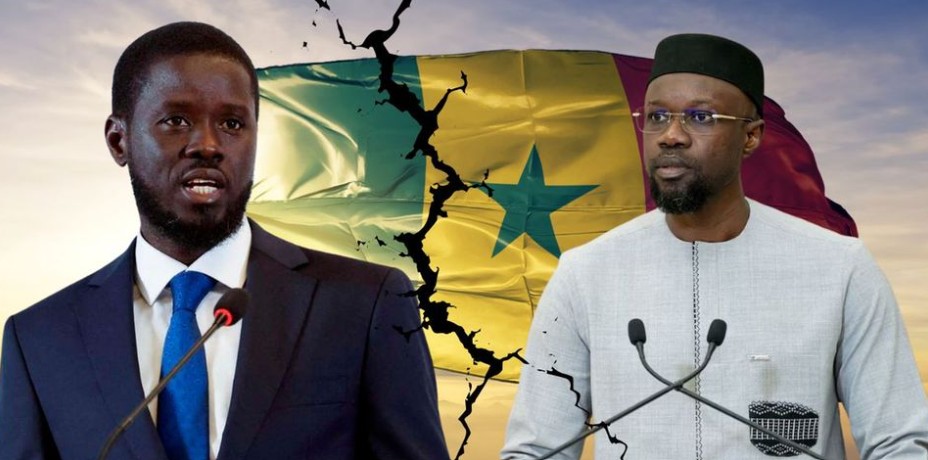
Faye unveiled the Republican Patriots party on Saturday, seeking to consolidate his political base after months of growing tensions with Sonko, who helped him rise to power in 2024.
The two leaders campaigned together under Pastef’s banner, promising to create jobs for young people, fight corruption and secure a larger share of Senegal’s oil, gas and mineral wealth for citizens.
However, their alliance began to weaken over disagreements on key policy issues, including negotiations with the International Monetary Fund (IMF) over a financial support programme as Senegal faces a deepening debt crisis.
Faye later dismissed Sonko as prime minister, but Sonko’s political influence remained strong. Pastef retained its majority in parliament, and Sonko was subsequently elected president of the National Assembly.
A new prime minister, Ahmadou Al Aminou Lo, was appointed in May, with a Cabinet formed the following month without members of Pastef after Sonko announced that his party would not participate in the government.
Ahead of the launch of Faye’s new party, several Pastef officials resigned from the party to join the president’s movement, including regional leaders and members of its youth wing. Some members of the opposition Alliance for the Republic also joined Faye’s camp.
The creation of the Republican Patriots marks a new phase in Senegal’s political landscape, with the two former allies expected to compete for influence in the lead-up to local elections in 2027 and the presidential race in 2029.
Faye’s government has faced mounting challenges since taking office, particularly after authorities discovered that the previous administration had underreported billions of dollars in public borrowing, worsening the country’s debt situation.
The emerging rivalry between Faye and Sonko could reshape Senegal’s political future as both leaders seek to consolidate their support bases ahead of future elections, including the 2029 presidential race.
Senegalese President Bassirou Diomaye Faye (left) and former Prime Minister Ousmane Sonko. Faye has launched his own political party, formalising a split with former ally and ruling Pastef party leader Ousmane Sonko.
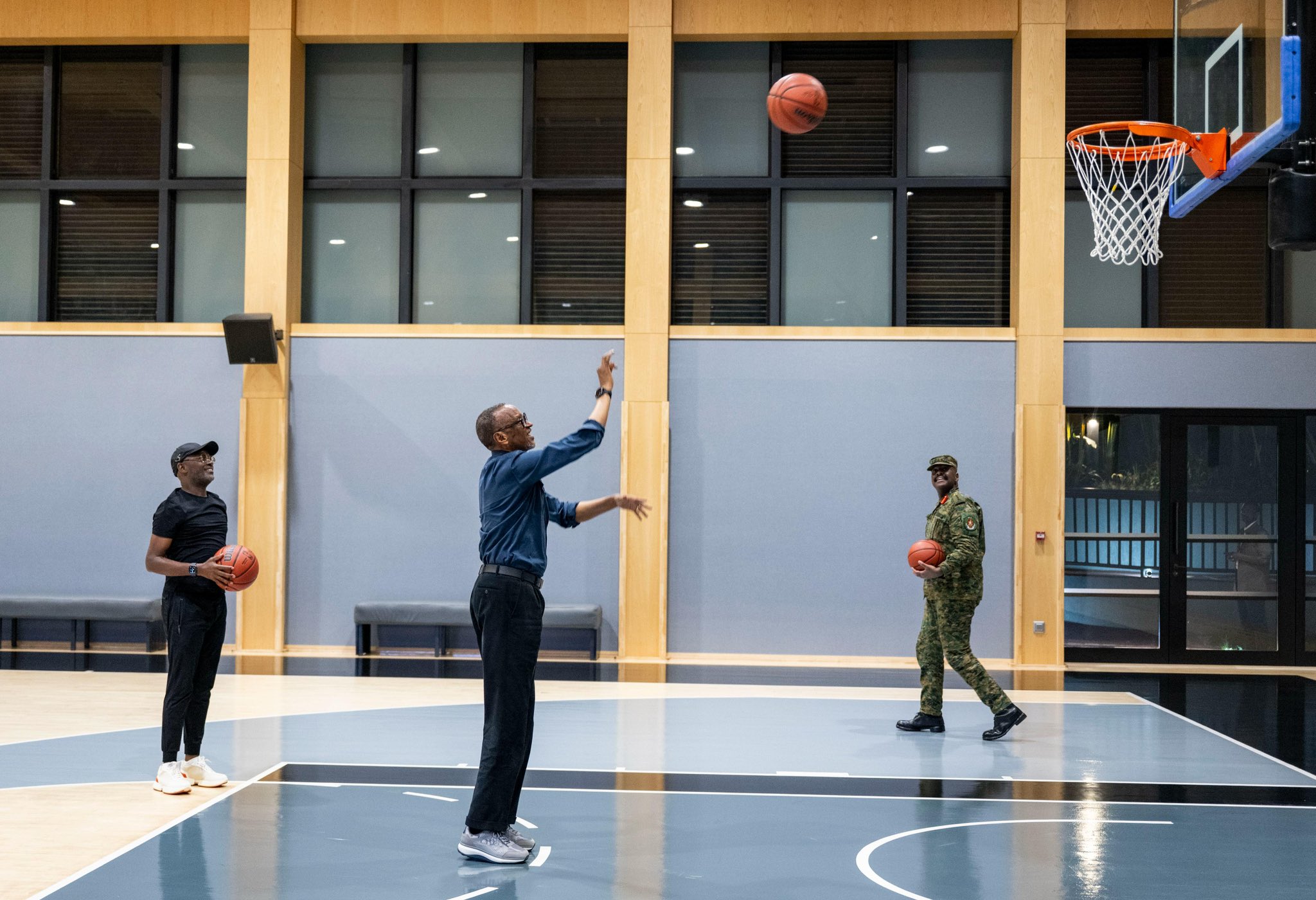
The moment was shared by veteran Ugandan journalist Andrew Mwenda, who was present during the game.
In a post on X on Sunday, July 26, 2026, Mwenda said he enjoyed playing basketball alongside President Kagame and Gen Muhoozi, while joking about his performance on the court.
“Playing basketball with the President of Rwanda, Paul Kagame and the CDF of Uganda, Gen Muhoozi Kainerugaba. The messes [sic] I made would win me a sport in the Guinness Book of World Records as most disastrous player of all time,” he wrote.
Gen Muhoozi arrived in Kigali on Saturday, July 25, 2026, for a working visit that included discussions with Rwanda’s senior military leadership and a meeting with President Kagame.
According to a statement released by the Office of the President late Saturday, the meeting centred on strengthening bilateral cooperation between Rwanda and Uganda, as well as regional peace, security and stability.
This marks Gen Muhoozi’s first visit to Rwanda since March 2025, when he held discussions with senior RDF commanders on bilateral military cooperation.
During that visit, he also toured the Rwanda Defence Force Command and Staff College in Nyakinama of Musanze District, where he delivered a lecture on the role of African countries in promoting peace and security across the continent.
President Paul Kagame and Uganda’s Chief of Defence Forces, Gen Muhoozi Kainerugaba, took time off official engagements to play basketball during the Ugandan military chief’s working visit to Rwanda.President Kagame sets up for a shot at the basket. Gen Muhoozi takes aim at the hoop.
The DRC’s health authorities said the outbreak has now recorded 3,075 confirmed cases, including 1,354 deaths and 556 recoveries, while 755 patients remain in hospital or isolation.
The outbreak is affecting five provinces, namely Ituri, North Kivu, South Kivu, Haut-Uele and Tshopo.
Prime Minister Judith Suminwa Tuluka said on Friday that researchers were working to develop a treatment and a vaccine against the Bundibugyo ebolavirus, the virus strain responsible for the current outbreak in the DRC.
Expressing hope that a vaccine and treatment could become available “within two to four months,” she said the government has provided funding for the research but did not give further details on the development stage or expected approval process.
There is currently no approved vaccine or specifically licensed treatment for the Bundibugyo ebolavirus. Several experimental vaccines and therapeutics are undergoing clinical evaluation.
The University of Oxford announced on Friday that the first volunteer has been vaccinated in the world’s first human trial of a vaccine, known as ChAdOx1 BDBV, designed to protect against the Bundibugyo ebolavirus.
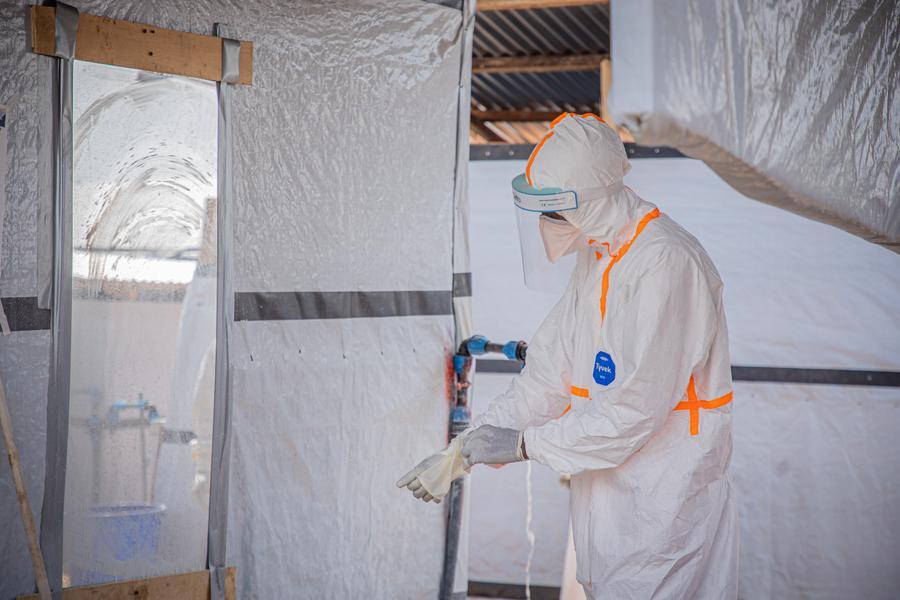
A medical worker disinfects protective gloves at an Ebola treatment center in Bunia, Ituri Province, the Democratic Republic of the Congo, July 6, 2026.