The request seeks technical, legal and judicial assistance to support Libyan authorities’ ongoing investigations, share the investigative burden, help establish the circumstances of the incidents and identify those responsible, according to the statement.
Preliminary investigations by relevant Libyan institutions indicated that the attacks were part of what the authorities described as a broader plan targeting civilian infrastructure, including fuel storage facilities and power stations, while putting civilians’ lives at risk.
The council said security agencies and the National Safety Authority had contained some of the operations and prevented others from being carried out.
Given the nature and gravity of the incidents and the circumstances surrounding them, they could constitute crimes against humanity or genocide, according to a legal assessment by the Libyan authorities, the statement said.
Earlier this month, Libya’s internationally recognized Government of National Unity announced that it had dismantled an organized sabotage cell and arrested five Libyans and foreigners allegedly involved in suicide drone attacks on oil and electricity facilities in Tripoli and Zawiya.
It said investigations were ongoing to identify other individuals involved and the parties that planned, financed, or supported the operations.
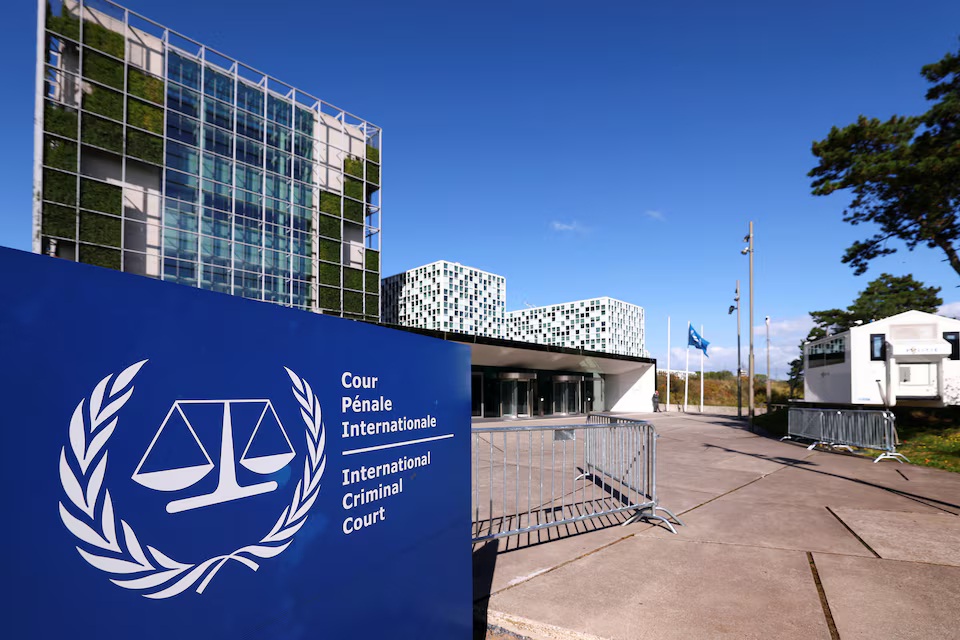
Libya has formally requested support from the International Criminal Court (ICC) in investigating attacks on vital civilian facilities in the capital Tripoli and the western city of Zawiya.
Ishimwe shared the emotional account in a lengthy Instagram post on Sunday, September 20, 2026, describing it as “my story of thanksgiving” and noting that she wanted young people facing similar experiences to learn from her journey.
She recounted that her difficulties began after completing secondary school, when she fell in love with a man she had known for years but did not fully know.
Ishimwe explained that she ignored advice from those around her because she was driven by emotions, later discovering that the man already had another family and children.
She chose to remain silent and endure what she was experiencing, guided by the biblical teaching that “love bears all things and endures all things.”
The singer revealed that the situation eventually became so difficult that she began thinking her life was over and contemplated taking her own life.
“She saw things that disturbed her so deeply that she began to think her life was over because of what she witnessed every day,” she wrote.
Ishimwe recalled being unable to tell her parents, relatives or friends what she was going through, but credited God with preventing her from taking her own life.
“Eventually, she reached a point where she thought the only way to escape what she was experiencing was to take her own life and leave this world,” she wrote.
Ishimwe alleges attempts to derail her music career
The Vestine & Dorcas singer also accused her husband of trying to interfere with her music career by preventing her from attending concerts and going to the studio, as well as attempting to separate her from her sister Kamikazi Dorcas.
She claimed he also succeeded in separating her from her former management, believing this would end her musical career.
“Instead, that was only the beginning,” she wrote.
Ishimwe further alleged that after failing to stop her music career, the man turned to efforts to damage her reputation.
She claimed he accused the man she regarded as a father figure, whom she had known for about five years, of being the biological father of her child. The man is believed to be Murindahabi Irene, Ishimwe’s former mentor and manager, whom she has previously described as a father figure.
She also alleged that people were paid to spread rumours about her, including accusations of sexual misconduct and fraud.
Court battle over child
Her revelations come days after Ouedraogo filed a case at Kicukiro Primary Court seeking access to a child he claims they had together and requesting a DNA test to establish paternity.
Ouedraogo filed the case on September 17, 2026, following a divorce case initiated by Ishimwe.
According to court documents, Ishimwe cited alleged abuse and maintained that she sought a divorce after discovering that Ouedraogo had other wives. Ouedraogo denies the allegations.
He also maintains that he has never seen the child since birth despite repeatedly seeking an opportunity to meet them.
Ouedraogo is asking the court to order Ishimwe to allow him to see the child and to conduct a DNA test involving him and the child.
Ishimwe explained that she had avoided allowing him to see the child because the two were in conflict, adding that she was waiting for a peaceful moment for him to meet the child.
The couple married on July 5, 2025, after their relationship became public. They had earlier formalised their union through a civil marriage.
Ishimwe ended her message by encouraging women and girls going through difficult situations to remain hopeful and urging unmarried people to be cautious about people who may not be what they appear to be.
She also asked her supporters to pray for her and Dorcas, expressing hope that her “anointing” would not run dry.
The couple married on July 5, 2025, after their relationship became public. They had earlier formalised their union through a civil marriage.
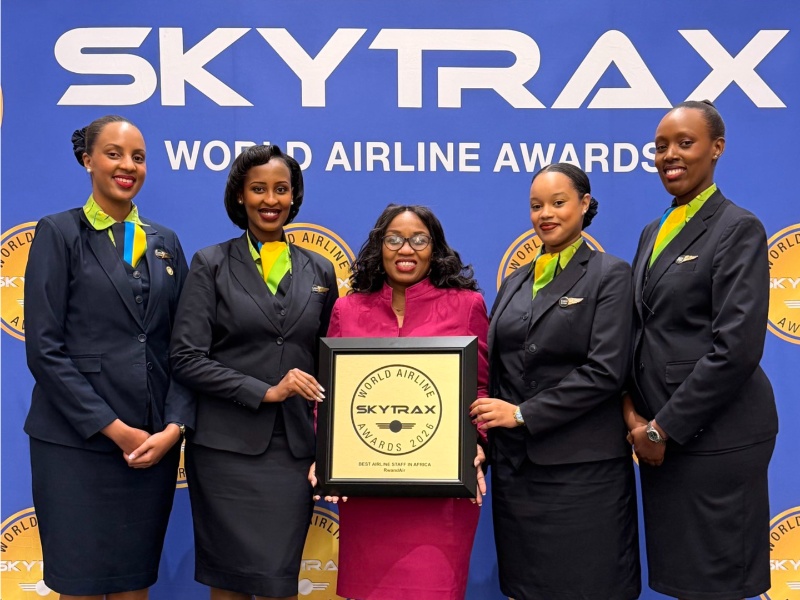
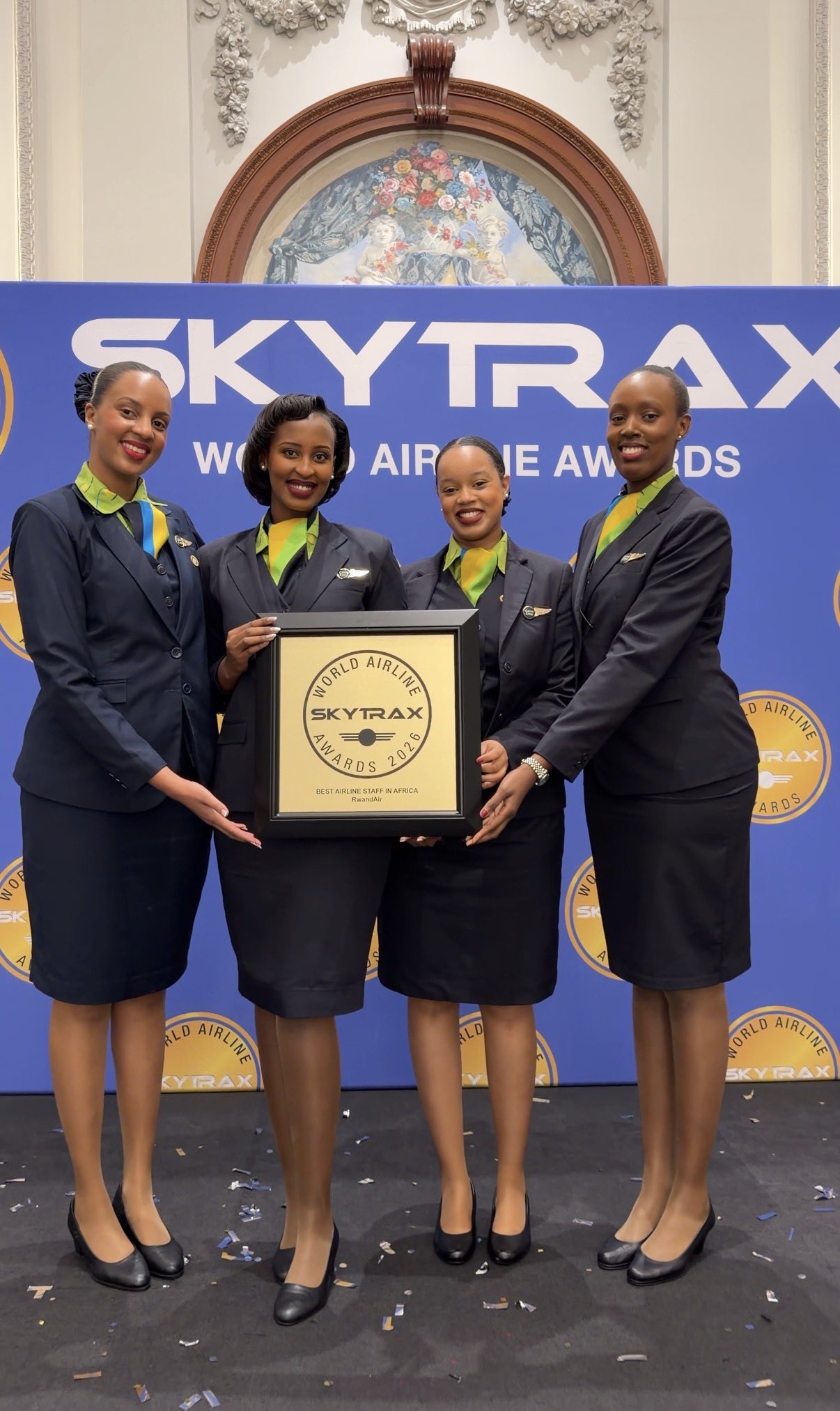
The award, announced at a ceremony in London on September 18, recognises the combined performance of airline staff working in airport ground operations and onboard cabins, including efficiency, hospitality, boarding assistance and customer service.
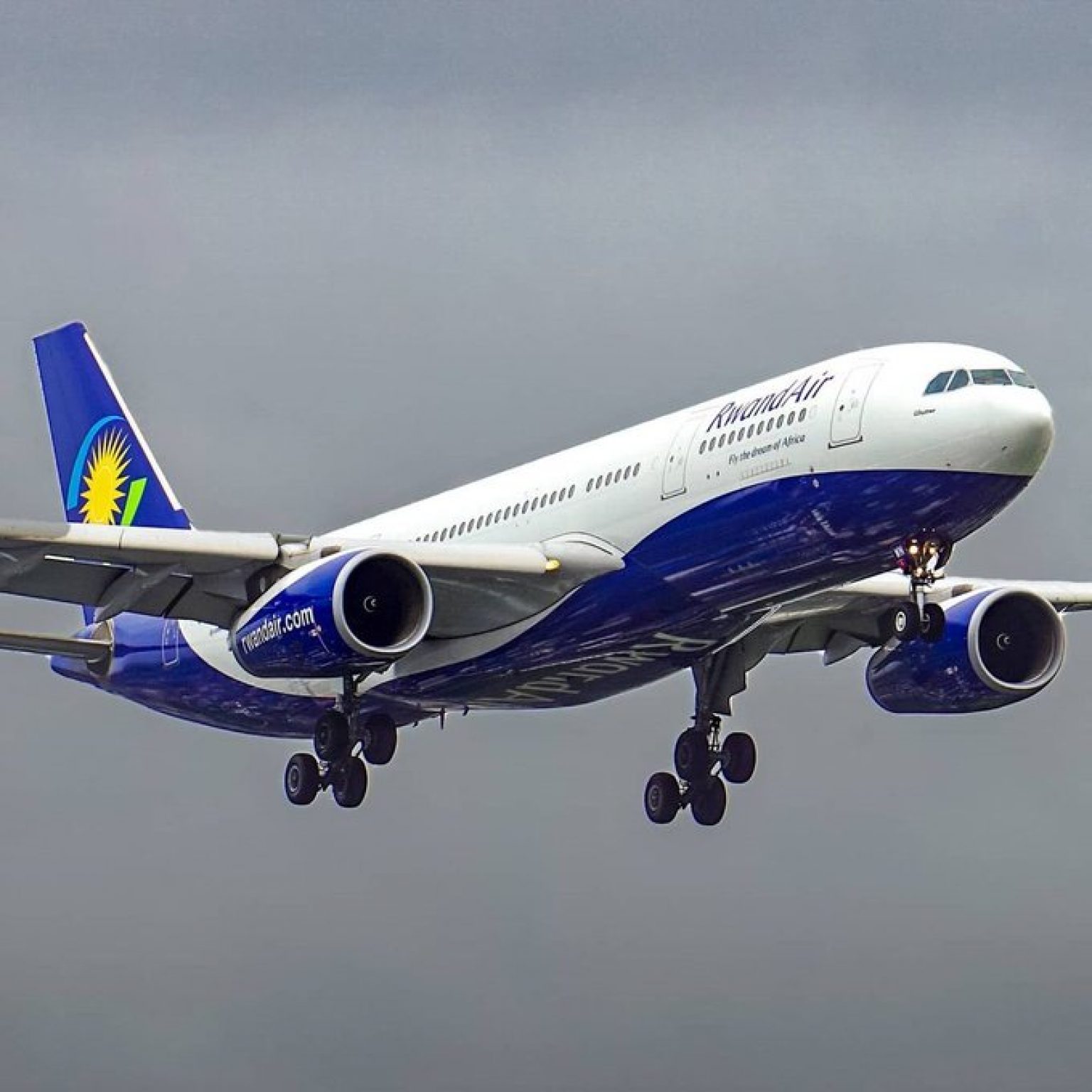
RwandAir finished ahead of several major African carriers in the Best Airline Staff Service in Africa category, including EgyptAir, Ethiopian Airlines, Kenya Airways and South African Airways.
The recognition comes a year after RwandAir was named Best Regional Airline in Africa at the 2025 Skytrax World Airline Awards. In the 2026 results, the carrier placed second in the same regional category, ranking ninth globally.
RwandAir finished ahead of several major African carriers in the Best Airline Staff Service in Africa category.
RwandAir also ranked fifth in the overall Best Airline in Africa category.
Following the announcement, RwandAir thanked its passengers and staff for the recognition.
“We are honoured to be named the Best Airline Staff in Africa 2026 by Skytrax,” the airline said, thanking passengers for choosing to fly with it and its team for the “warmth, professionalism, and dedication” they bring to flights, ground operations and passenger experiences.
RwandAir was named Africa’s Best Airline Staff Service at the 2026 Skytrax World Airline Awards.
Ethiopian Airlines retained the Best Airline in Africa title in 2026, while RwandAir’s second-place finish in the regional category placed it behind the African regional winner.
Singapore Airlines reclaims global crown
The awards, based on more than 24 million traveller survey responses worldwide, also saw Singapore Airlines reclaim the overall global title.
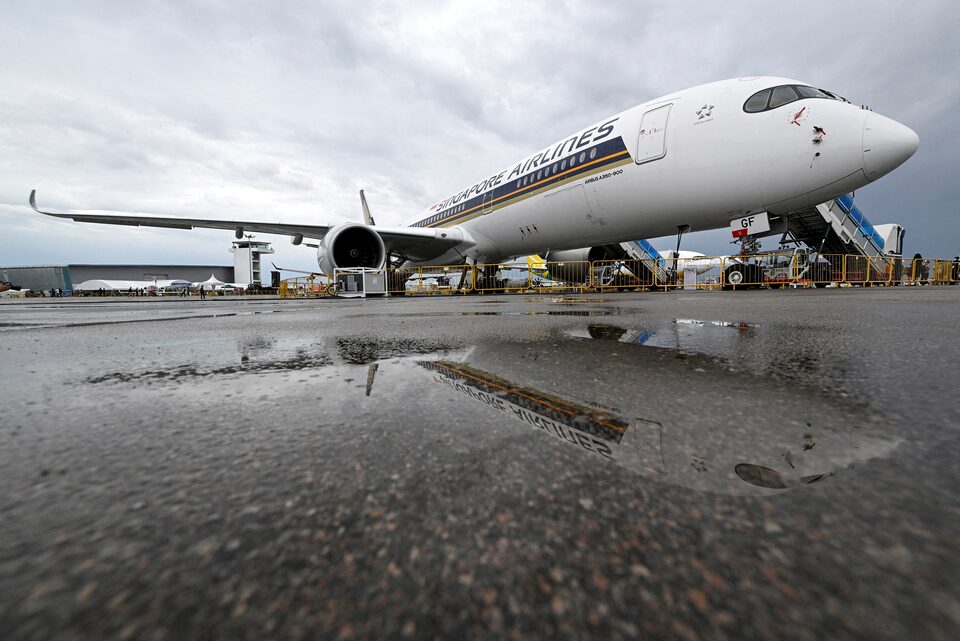
Singapore Airlines secured its sixth World’s Best Airline award, moving back to first place after Qatar Airways, last year’s winner, dropped to second.
Cathay Pacific Airways ranked third, followed by ANA (All Nippon Airways), Turkish Airlines, Emirates, Air France, Hainan Airlines, Japan Airlines and Korean Air.
Singapore Airlines secured its sixth World’s Best Airline award
Key cabin and service winners
Qatar Airways retained major honours in premium travel, winning World’s Best Business Class and Best Onboard Wi-Fi.
Air France took World’s Best First Class, while EVA Air was named Best Premium Economy.
Singapore Airlines also won World’s Best Economy Class and Best Economy Class Catering, adding to its overall award.
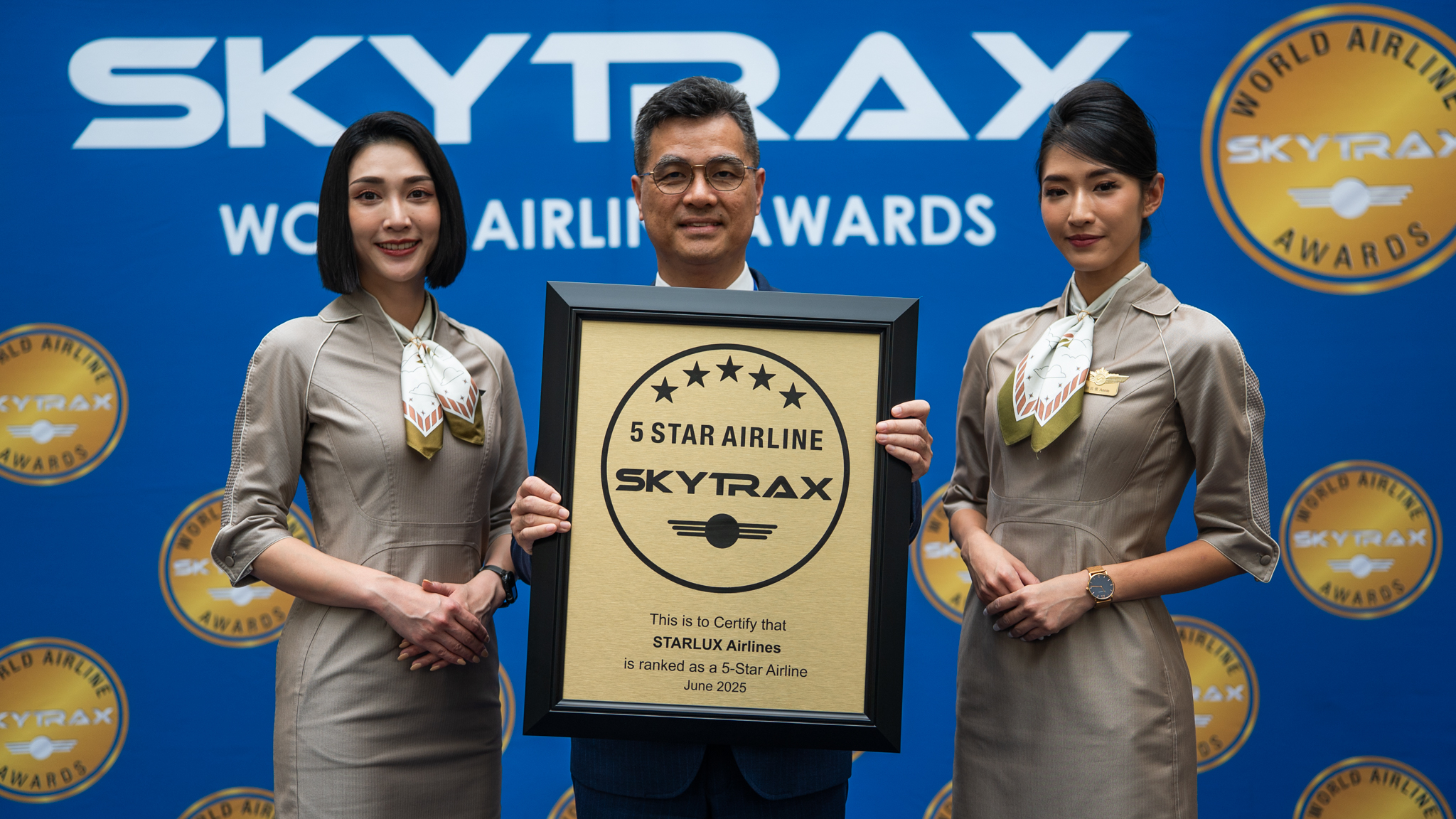
STARLUX Airlines was recognised for having the World’s Cleanest Cabin and received a five-star Skytrax rating.
Among low-cost carriers, AirAsia retained the World’s Best Low-Cost Airline title, while Scoot was named World’s Best Long-Haul Low-Cost Airline.
STARLUX Airlines was recognised for having the World’s Cleanest Cabin and received a five-star Skytrax rating.
Regional winners
Beyond Africa, Bangkok Airways was named Best Regional Airline in Asia, while Turkish Airlines led Europe, Air Canada topped North America and LATAM Airlines took the South American regional title.
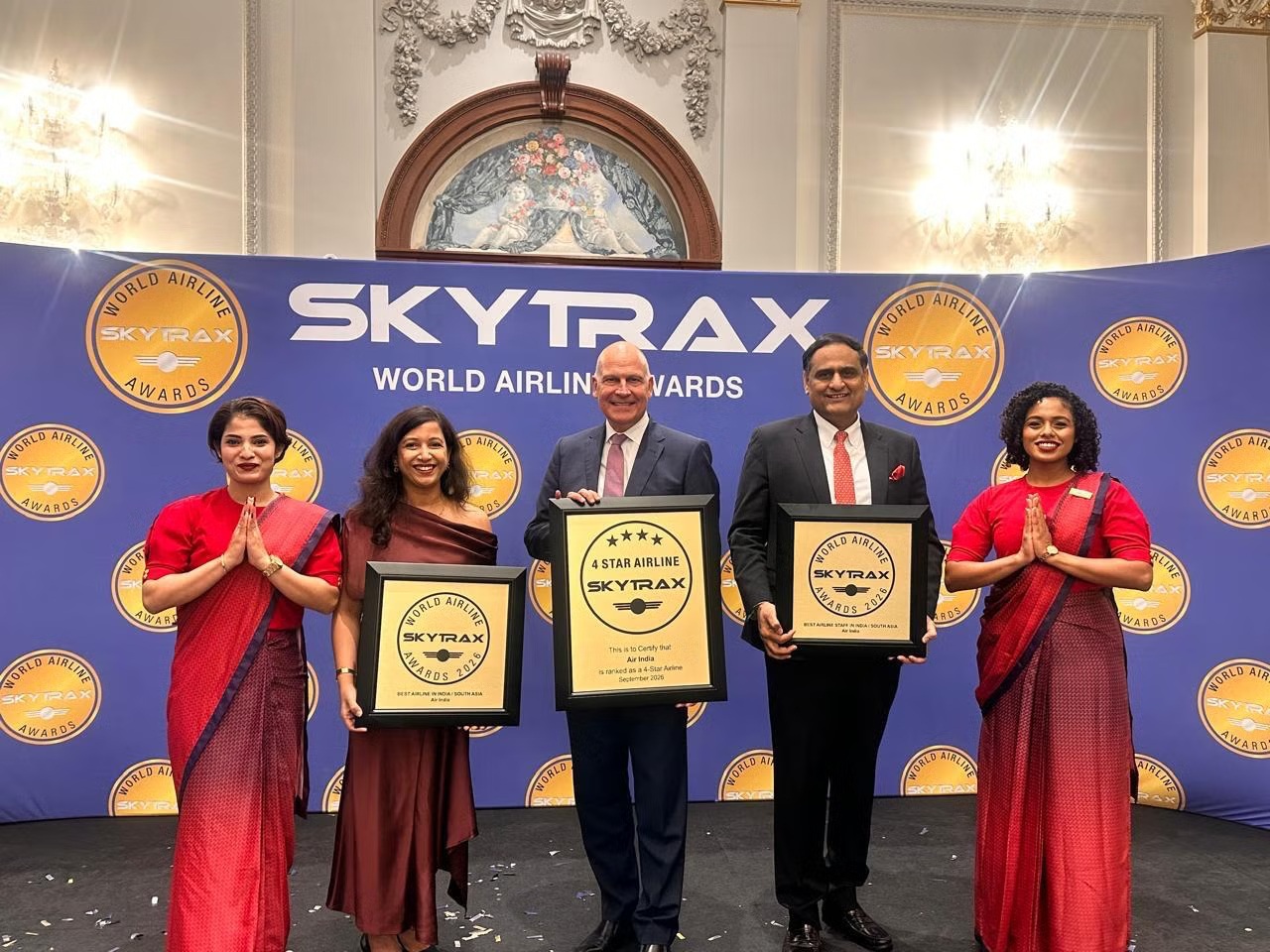
Air India also recorded several gains, winning Best Airline in India and Best Staff Service in South Asia, while receiving an upgrade to a Skytrax four-star rating.
Campbell Wilson, CEO & MD, Rajesh Dogra, Chief Customer Experience Officer, and Anjali Birla, Head of Customer Experience and Loyalty, alongside members of the Air India cabin crew, receive Air India’s awards at the 2026 Skytrax World Airline Awards in London.
In a post on his Truth Social account, Trump said he would not stand by and let the “decimation or destruction” of AI happen.
“We will not in any way hinder or stifle the Growth of this incredible Industry. Rather, we will cherish it, help it, and watch over it, as it grows! However, we will also be looking for BAD, and we can do that, very easily, with our already existing Criminal and Civil Justice System,” Trump said.
Trump also described AI as the next Industrial Revolution or Internet, and said it could possibly account for as much as 25 percent of U.S. gross domestic product.
Trump did not provide details on the structure of the planned “AI Force” or the role of the “AI Czar.”
The announcement comes amid growing debate in the United States over the rapid development of AI and its potential risks.
U.S. President Donald Trump said he is forming an “AI Force” and will announce an “AI Czar” in the near future.
The championships are scheduled to take place in Montréal from September 20 to 27, bringing together cyclists from around the world.
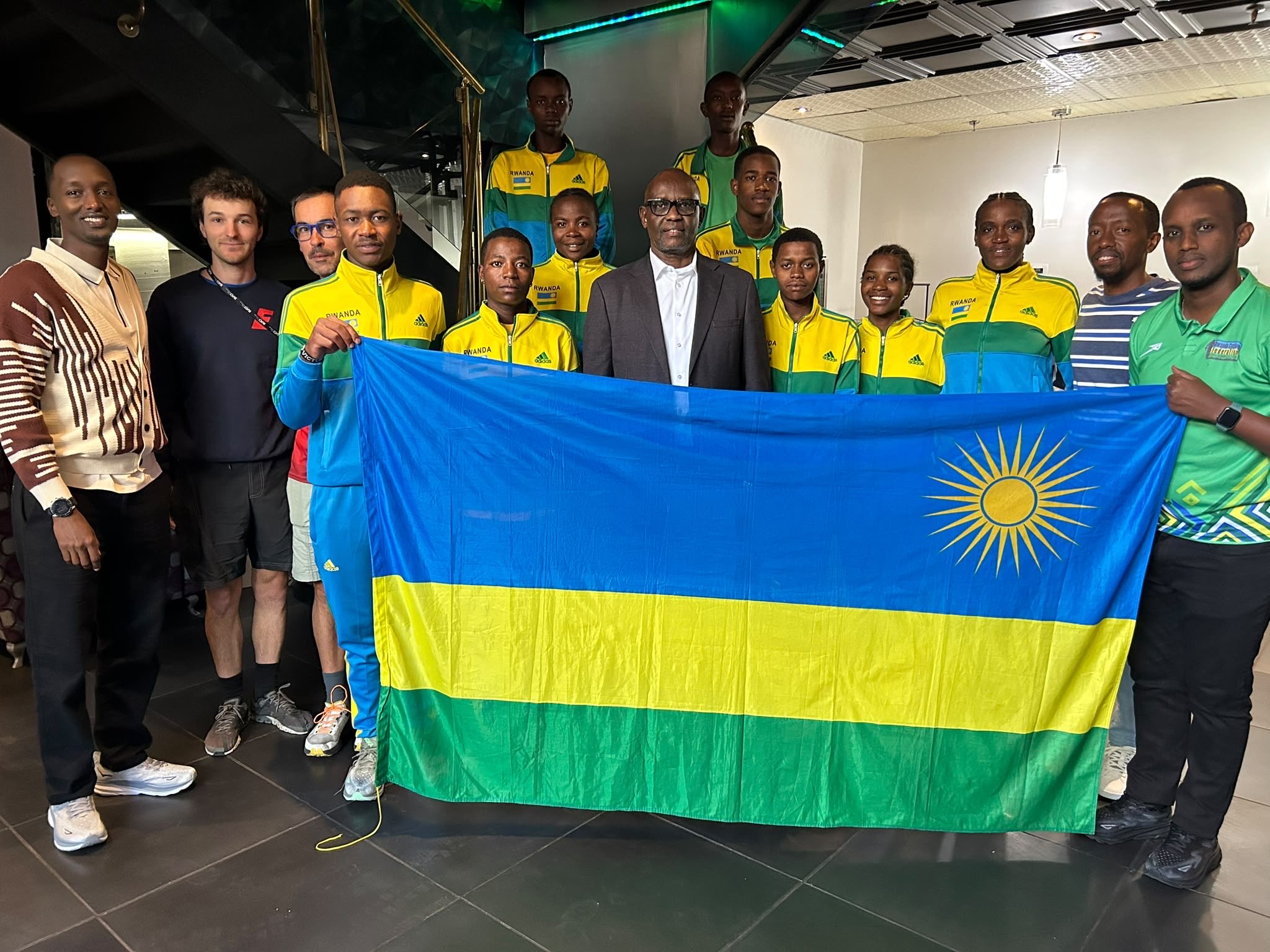
Higiro met the Rwandan delegation on Saturday ahead of the championships. The delegation included FERWACY President Nkurayija Ishimwe Jean Hubert, cyclists and other officials.
Higiro encouraged the riders to use the championships as an opportunity to showcase Rwanda on the international stage.
Rwanda is taking part in the competition following the 2025 edition held in Kigali, which made the country the first in Africa to host the UCI Road World Championships.
Rwanda’s campaign begins on Sunday, with Nirere Xaverine and Ingabire Diane competing in the women’s individual time trial (ITT).
Higiro met the Rwandan delegation on Saturday ahead of the championships. The delegation included FERWACY President Nkurayija Ishimwe Jean Hubert, cyclists and other officials.The championships are scheduled to take place in Montréal from September 20 to 27, bringing together cyclists from around the world.Higiro encouraged the riders to use the championships as an opportunity to showcase Rwanda on the international stage.
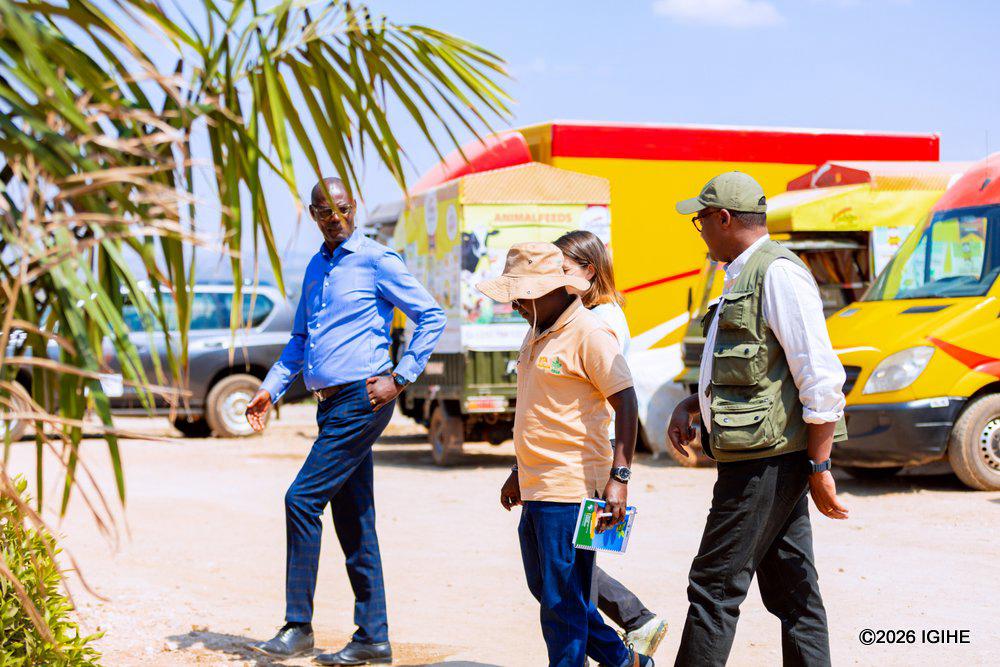
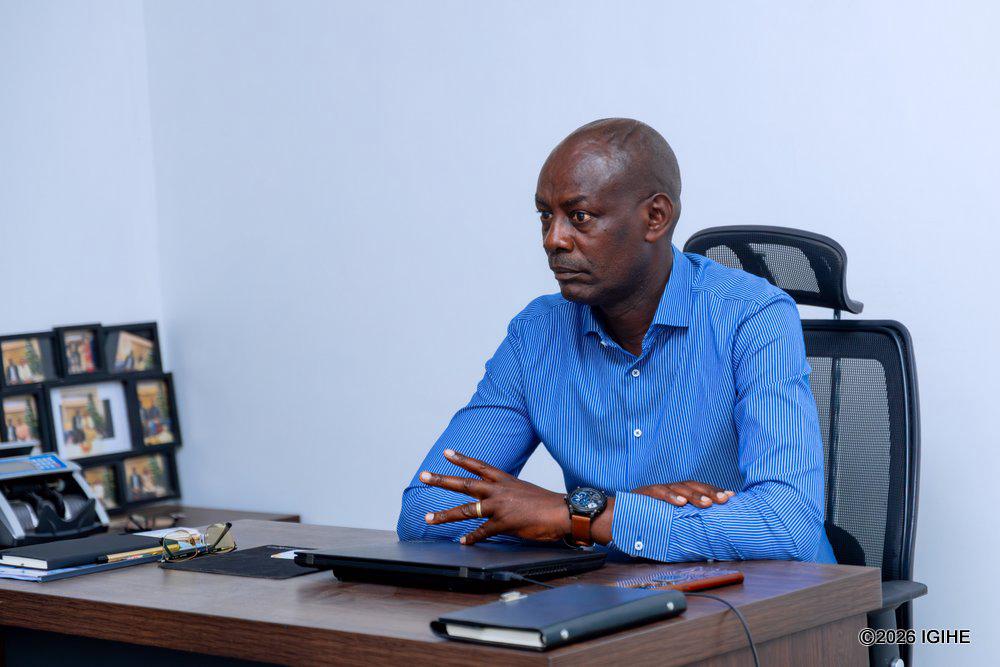
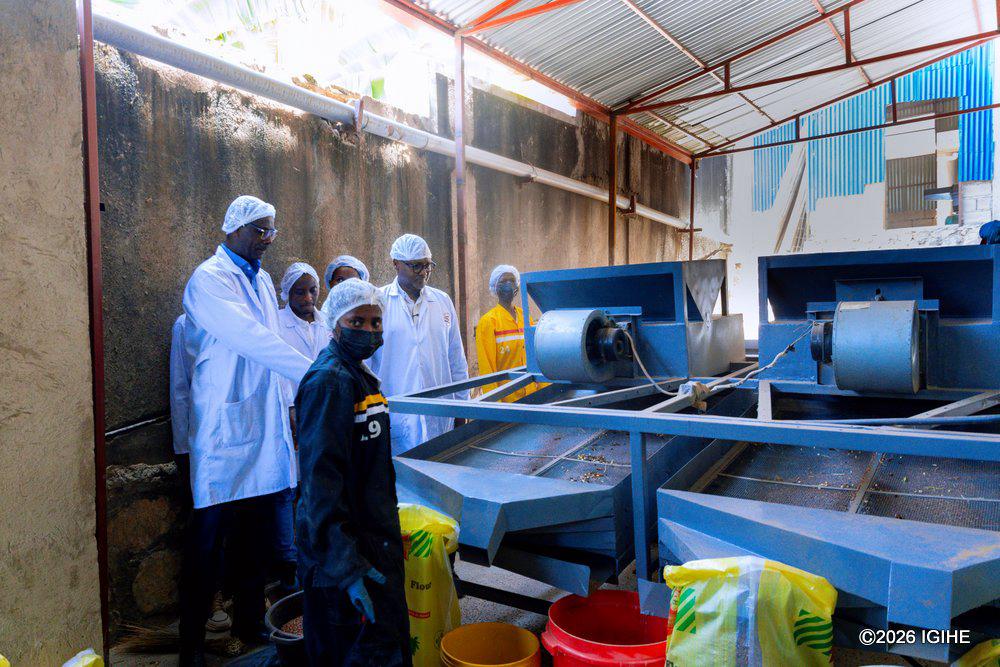
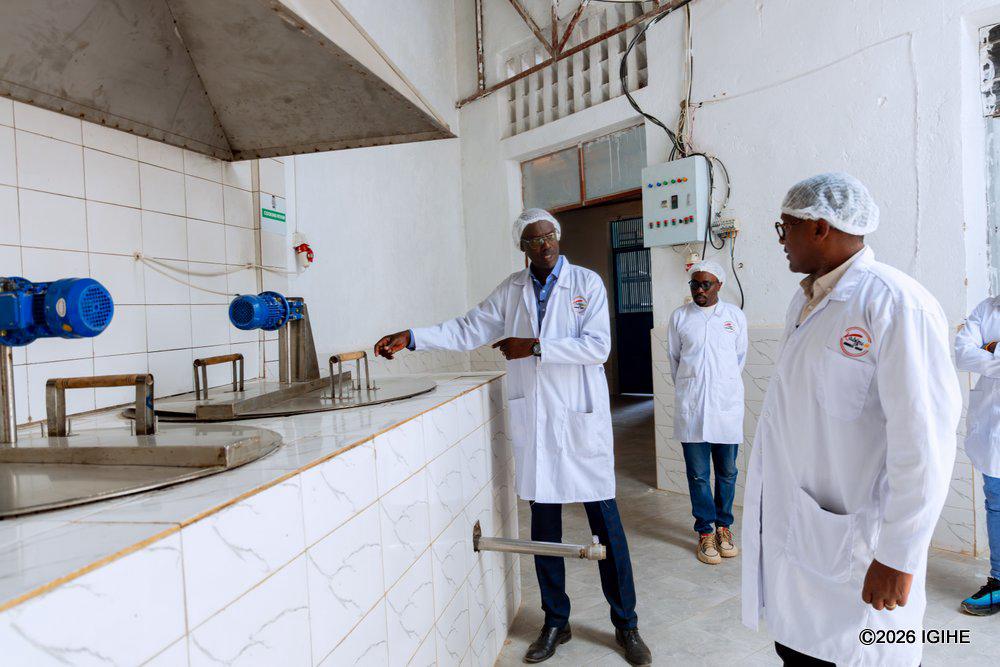
That question became the starting point for Kabizu Business Group Ltd, a venture Bizumuremyi first established in Ostend, Belgium, in 2020 before bringing the business to Rwanda.
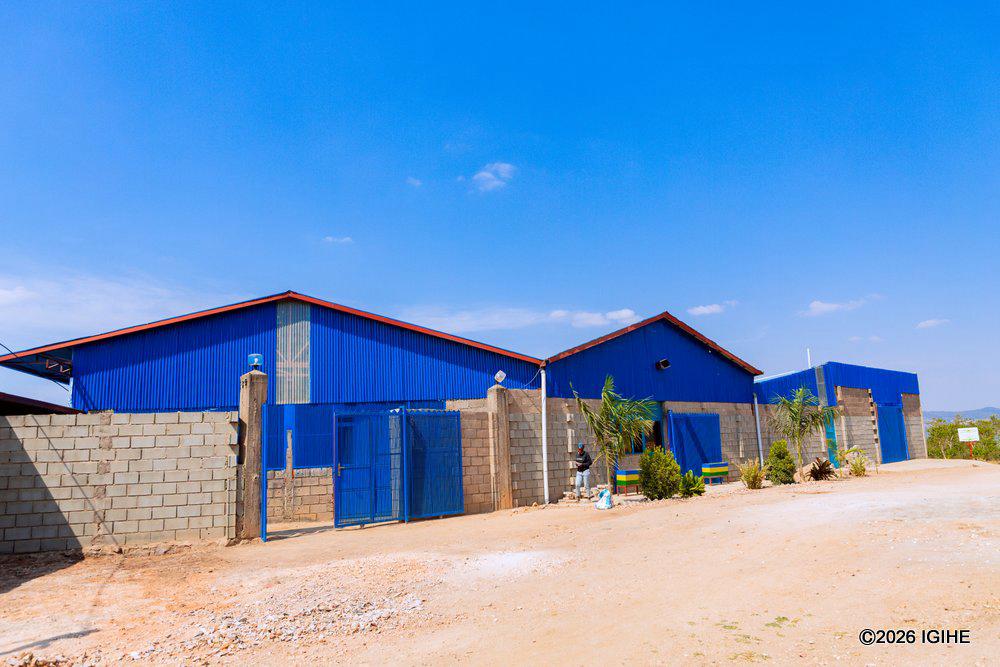
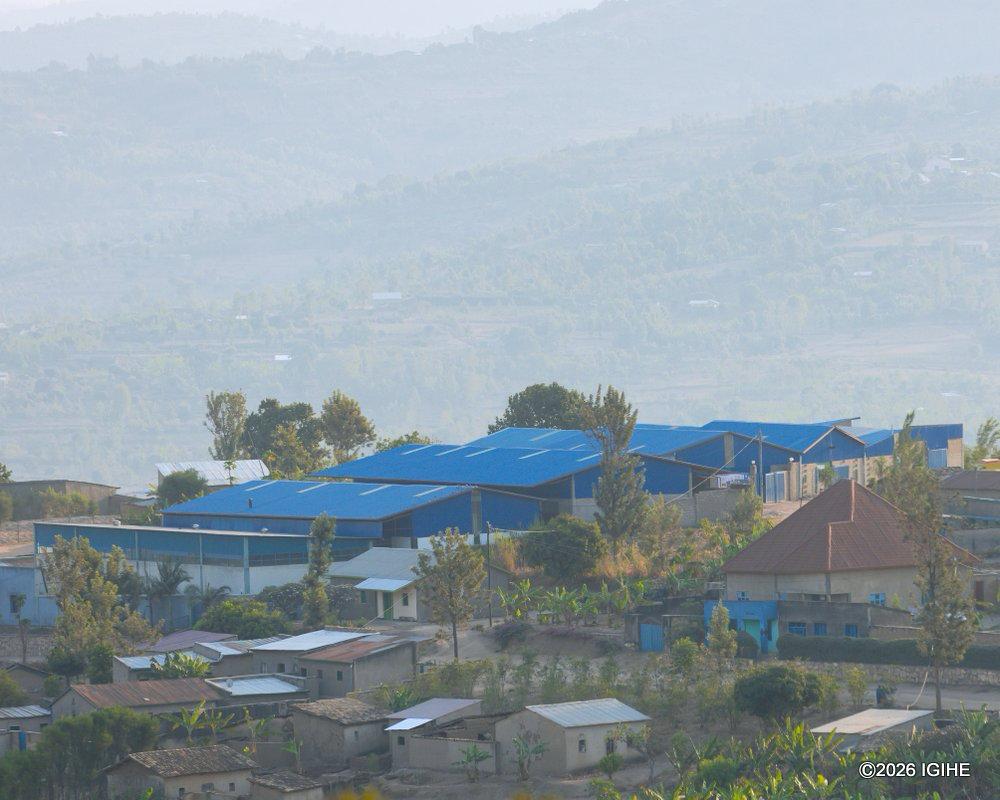
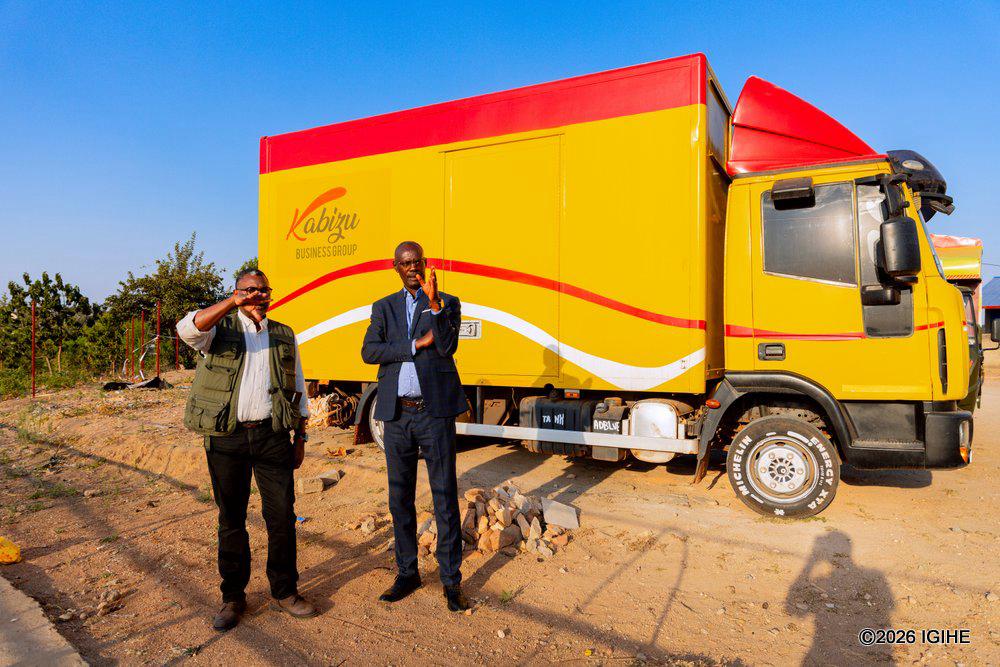
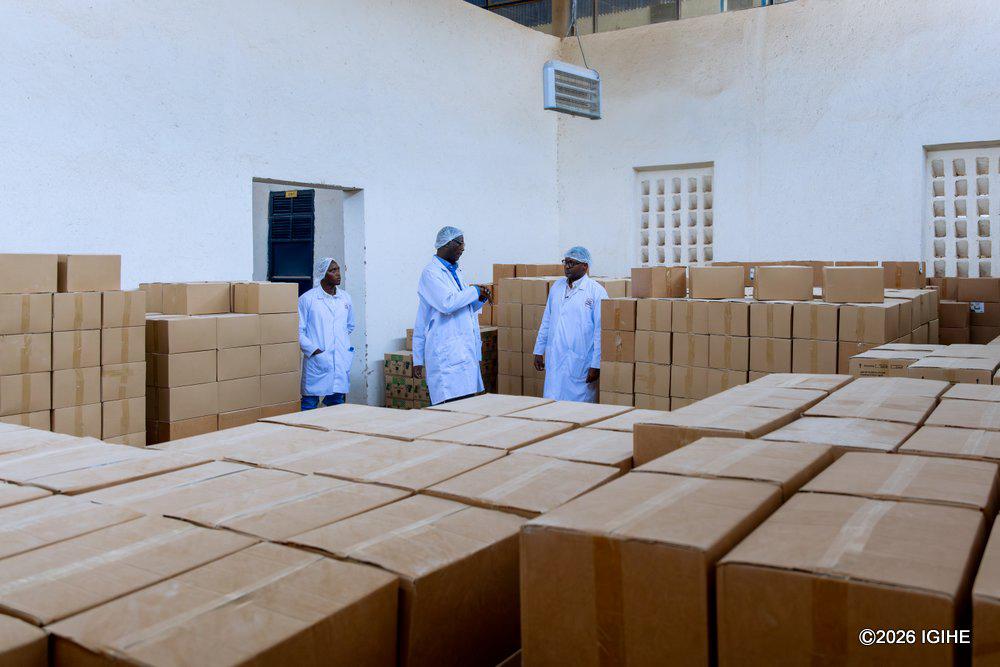
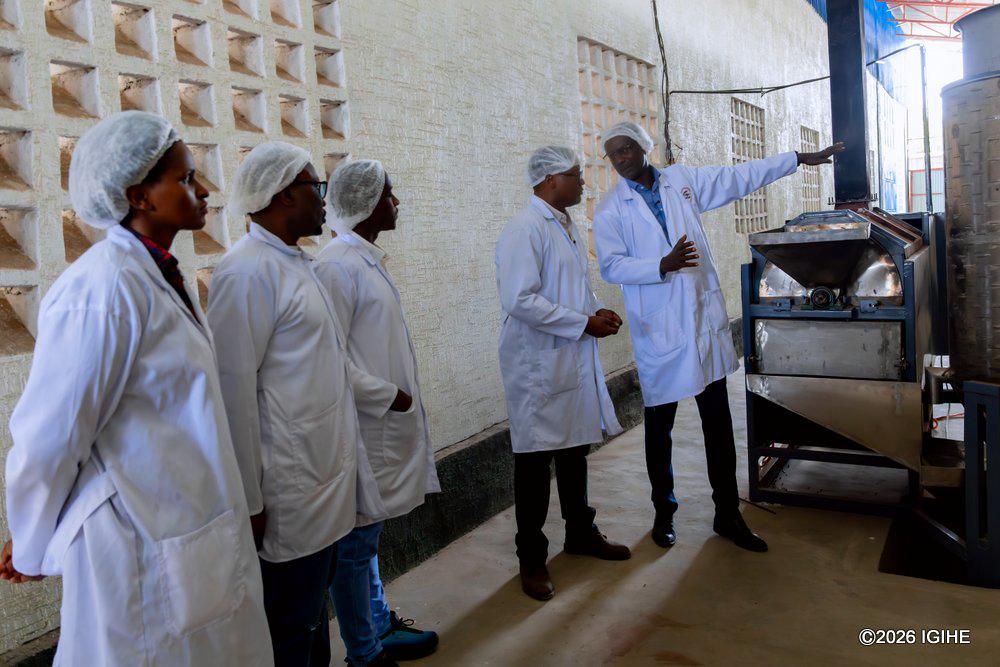
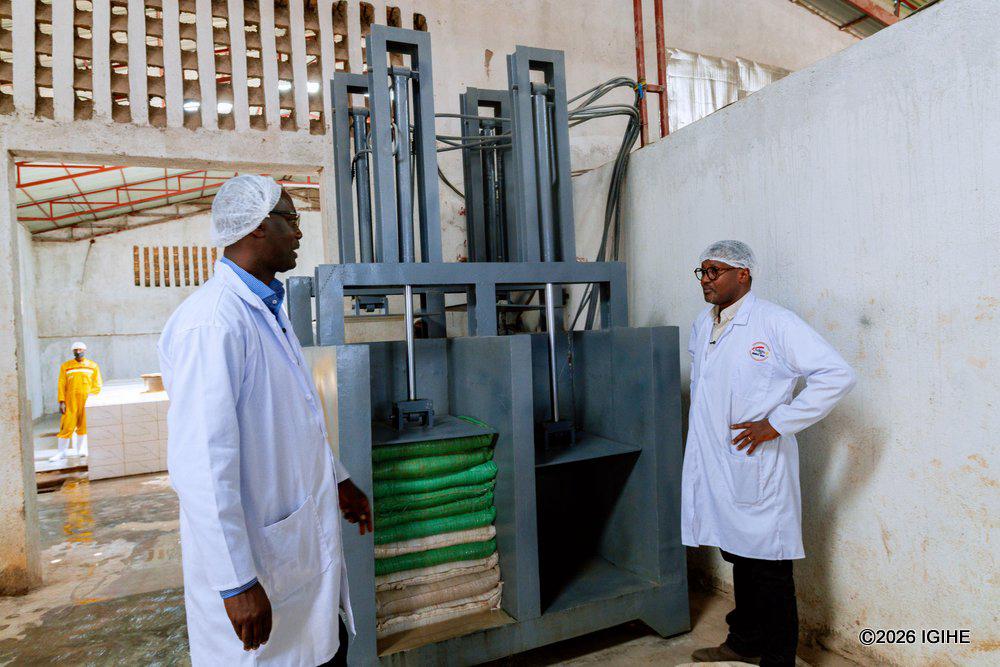
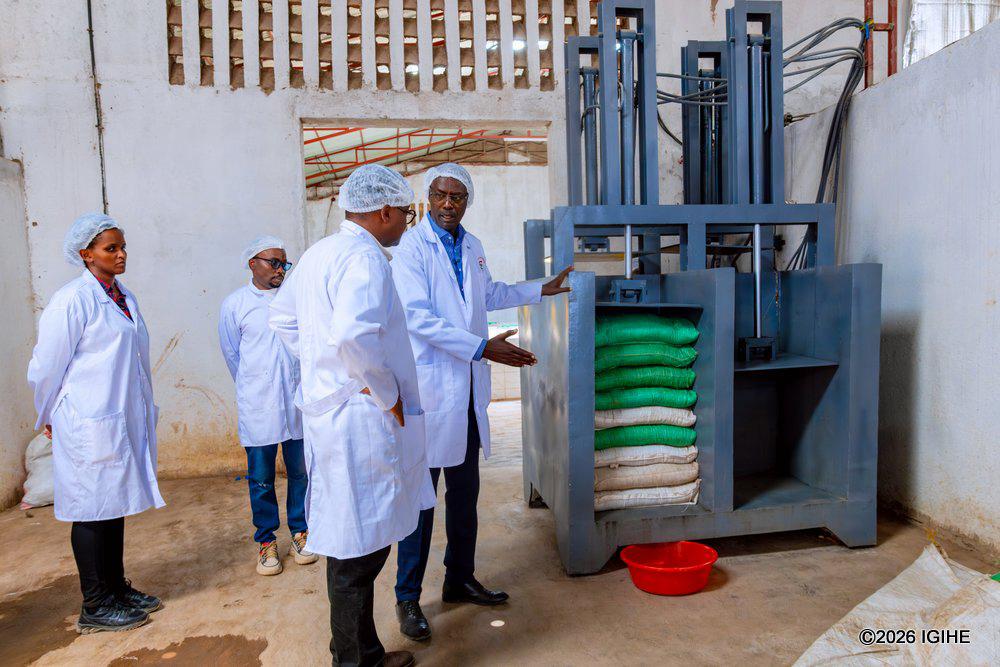
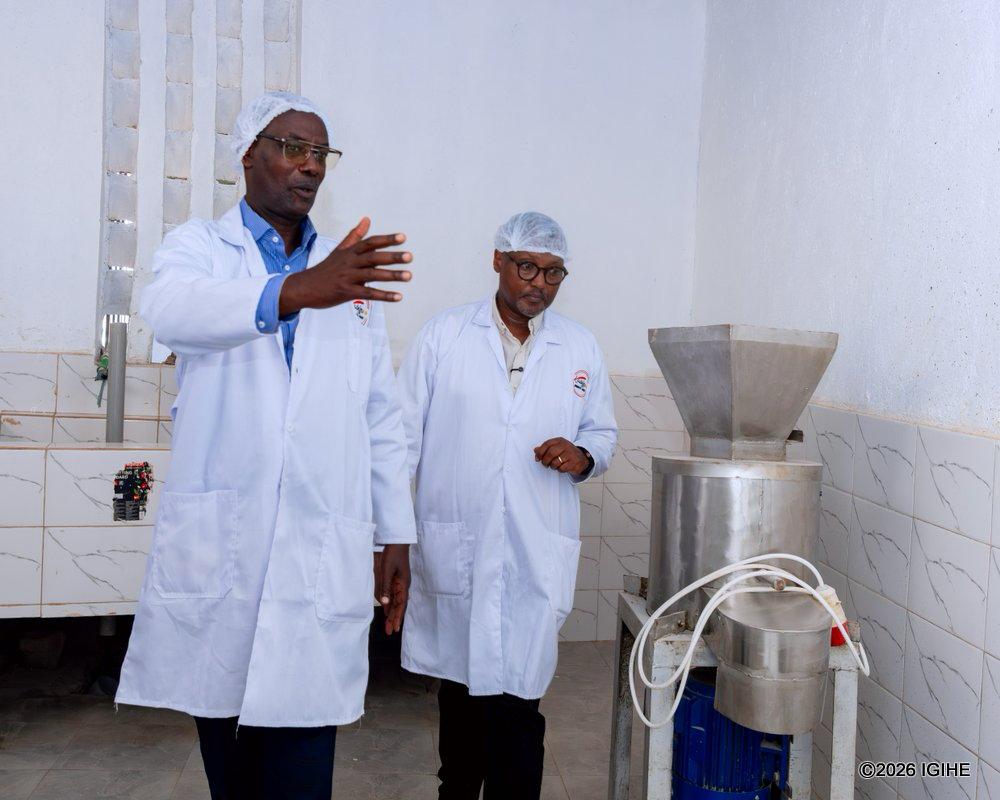
Today, his agricultural processing plant in Nyamiyaga Sector, Kamonyi District, turns locally produced crops into a range of food products, some of which have found their way to markets in the United States, Canada and Belgium.
For Bizumuremyi, the journey from Belgium to Kamonyi is not only about building a business. It is also about turning experience gained in the diaspora into opportunities for farmers and communities back home.
From promoting Rwandan products to creating his own brand
Bizumuremyi, who lives in Ostend, was involved in the Rwandan diaspora community in Belgium and helped establish the Diaspora of the North Sea.
He was also part of a “Made in Rwanda” initiative that brought products from Rwanda to Belgium, including coffee, tea, food products and handicrafts.
“We would bring different products from Rwanda and sell them in a shop. They included Kinazi and other products, as well as artisanal works from Rwanda,” he said.
The experience exposed him to both the demand for Rwandan products abroad and the challenges of getting them to consumers at the right time and in the right form.
From 2010 to 2017, Bizumuremyi also worked with entrepreneurs in different sectors in Belgium, building experience that later influenced his decision to establish his own business.
“I looked at products that would reach me in Belgium and services that would not reach me at the right time. This pushed me to make my own brand, Kabizu Business Group,” he said.
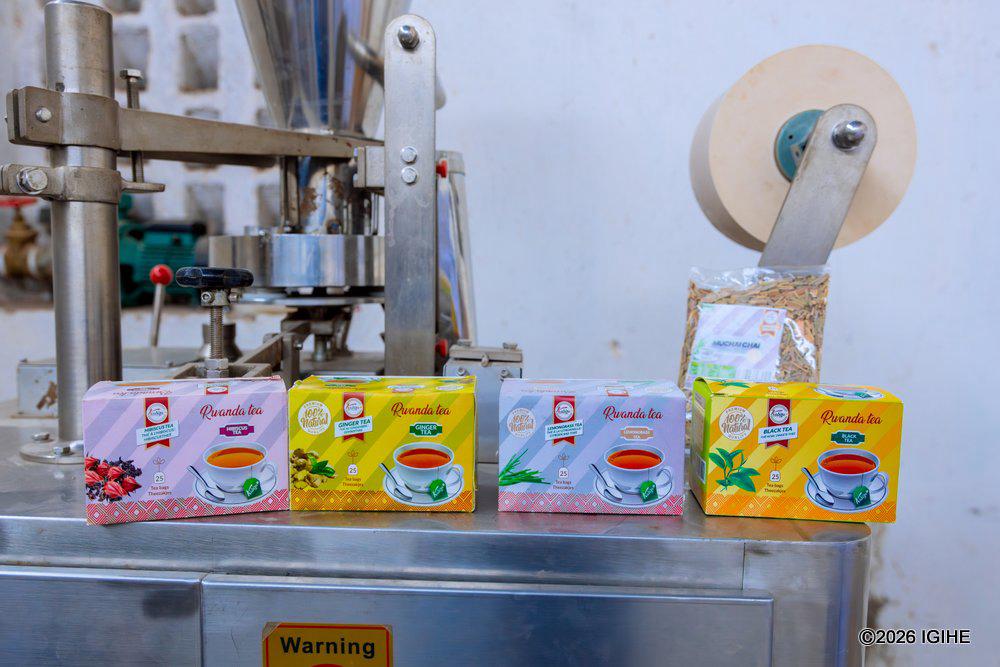
The company initially focused on coffee, with the National Agricultural Export Development Board (NAEB) supporting the repackaging of coffee for the Belgian market. He later bought a machine to package tea sourced from Rwanda Mountain Tea, Karongi Tea Factory and others, selling it under the Akabizu brand.
As customers began asking for more products, the business gradually expanded into agricultural value addition.
“Later, clients requested me to expand into other products. That is how we had the idea of adding value to agricultural products from Rwanda,” he said.
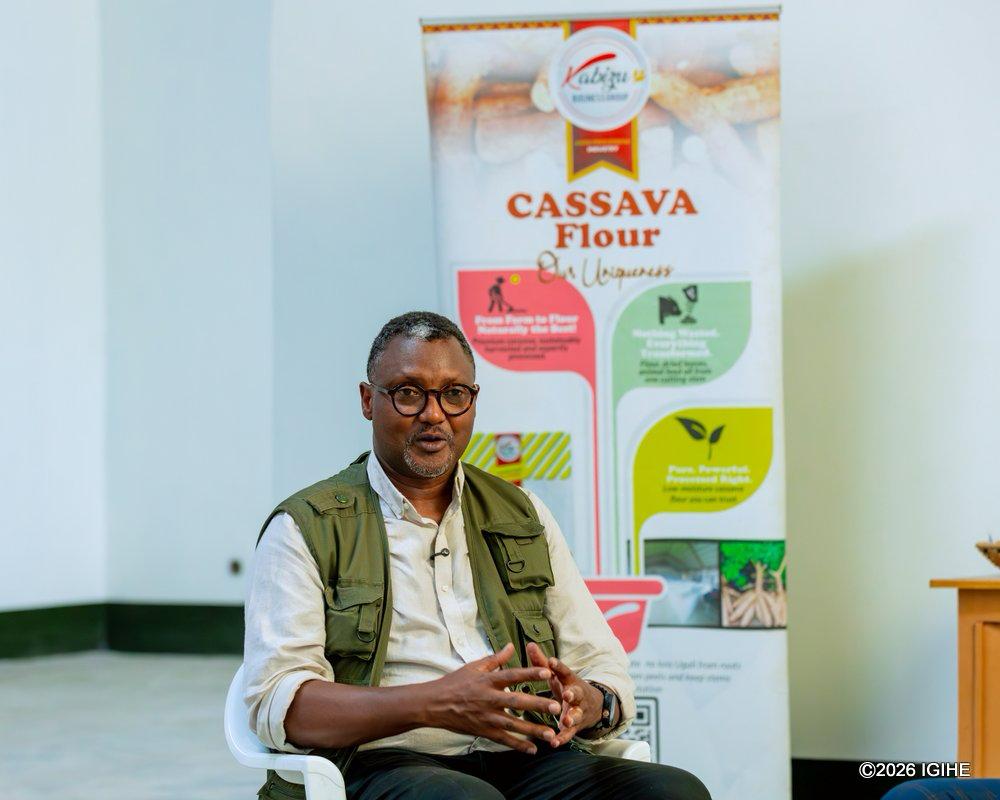
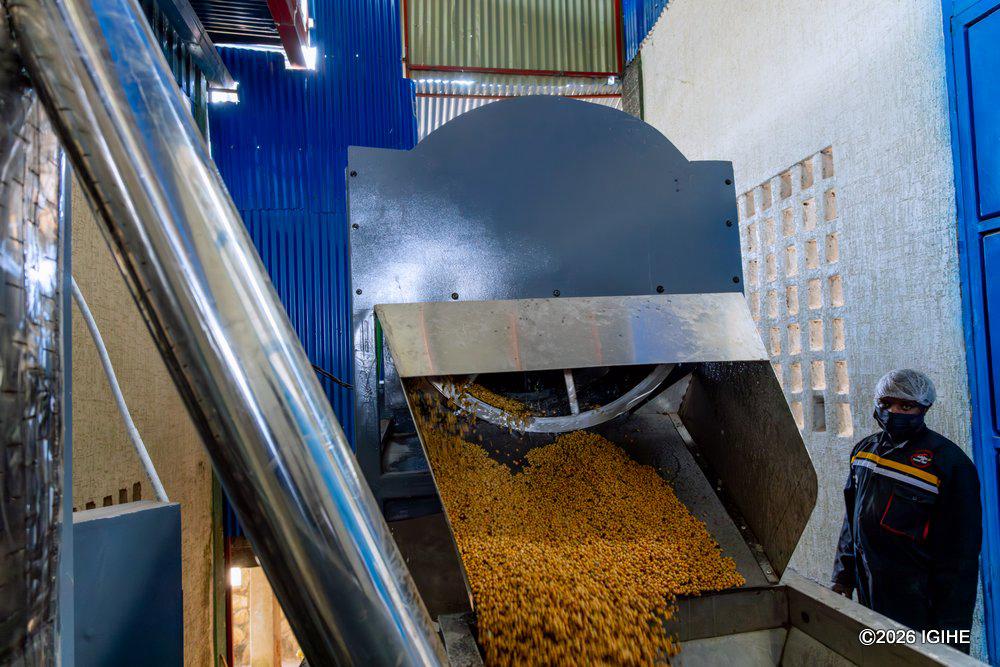
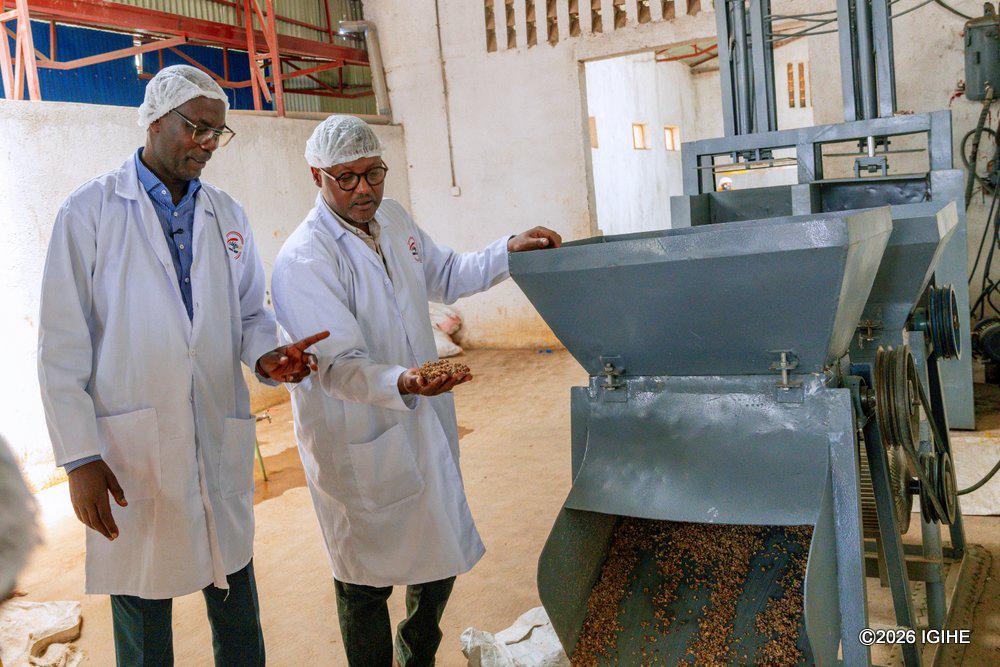
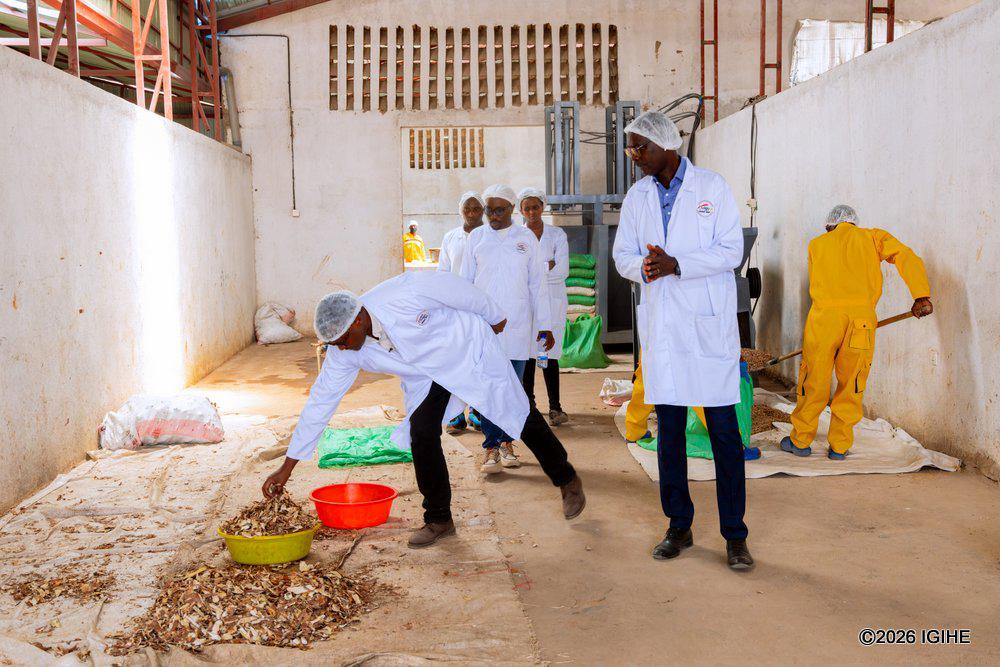
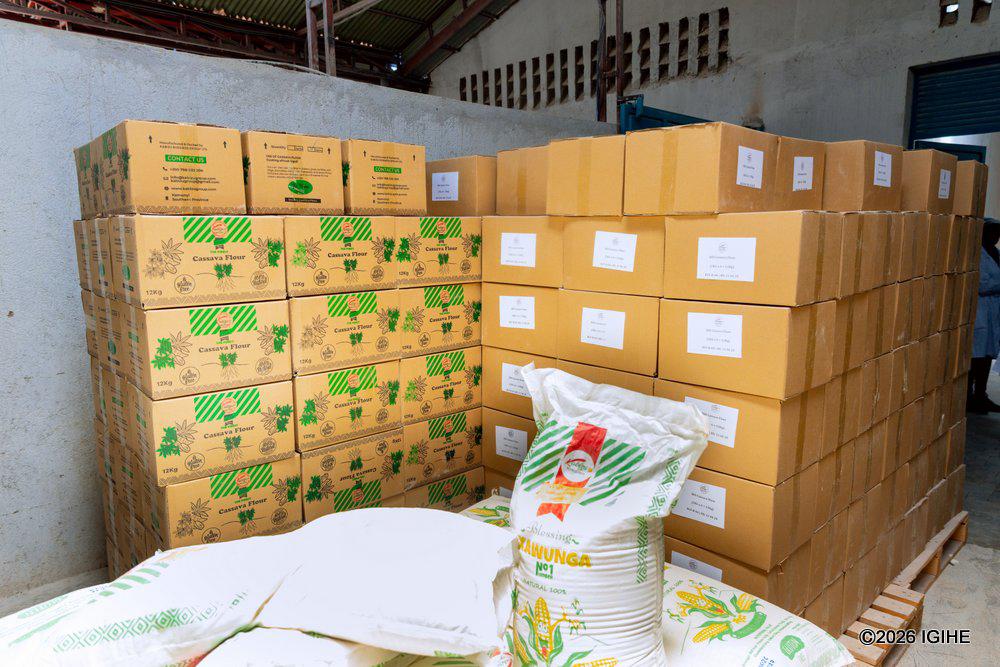
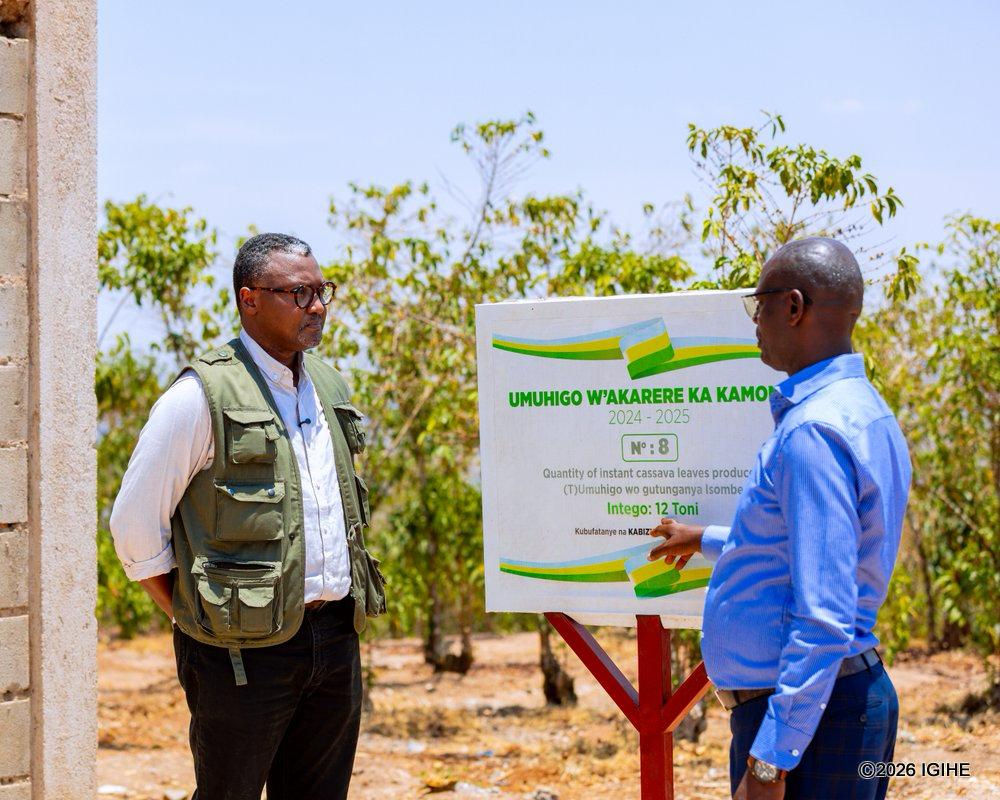
Today, the plant processes cassava, maize, sorghum, millet and soybean flour, as well as baby food, cooking oil, processed cassava leaves, commonly known as isombe, and peanut-based products.
Turning farm produce into more value
For Bizumuremyi, agro-processing offers opportunities beyond producing finished food products.
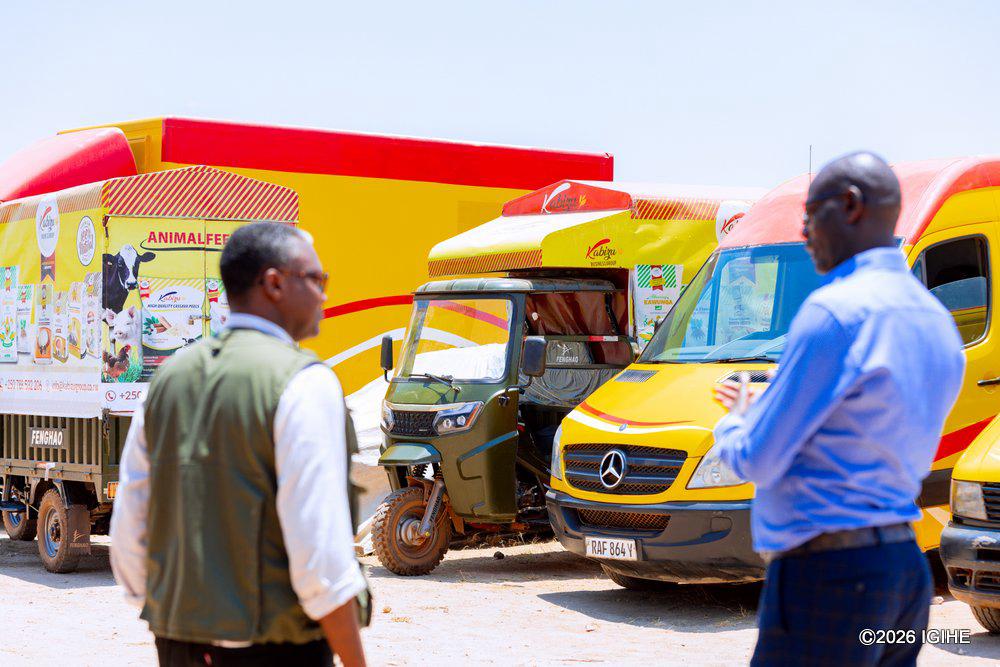
He points to cassava as an example. While the crop has traditionally been processed mainly into flour, the company has also found ways to use cassava residues to produce animal-feed ingredients.
“The residues would be wasted, but under the project we started to produce animal feed,” he said.
He believes such value addition can create additional income for farmers while contributing to solutions for shortages of animal feed and cereals.
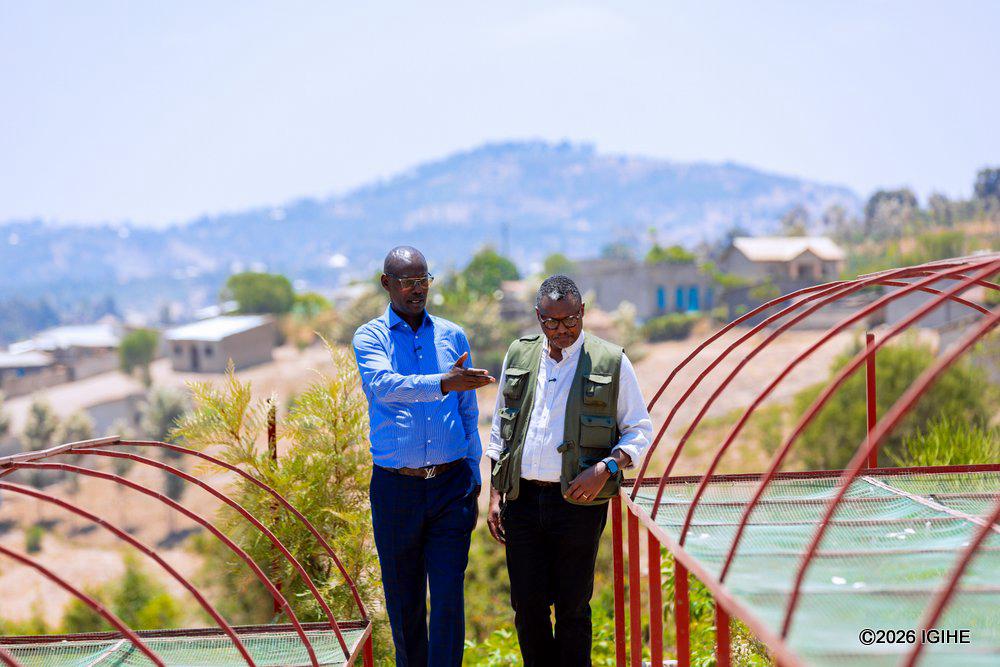
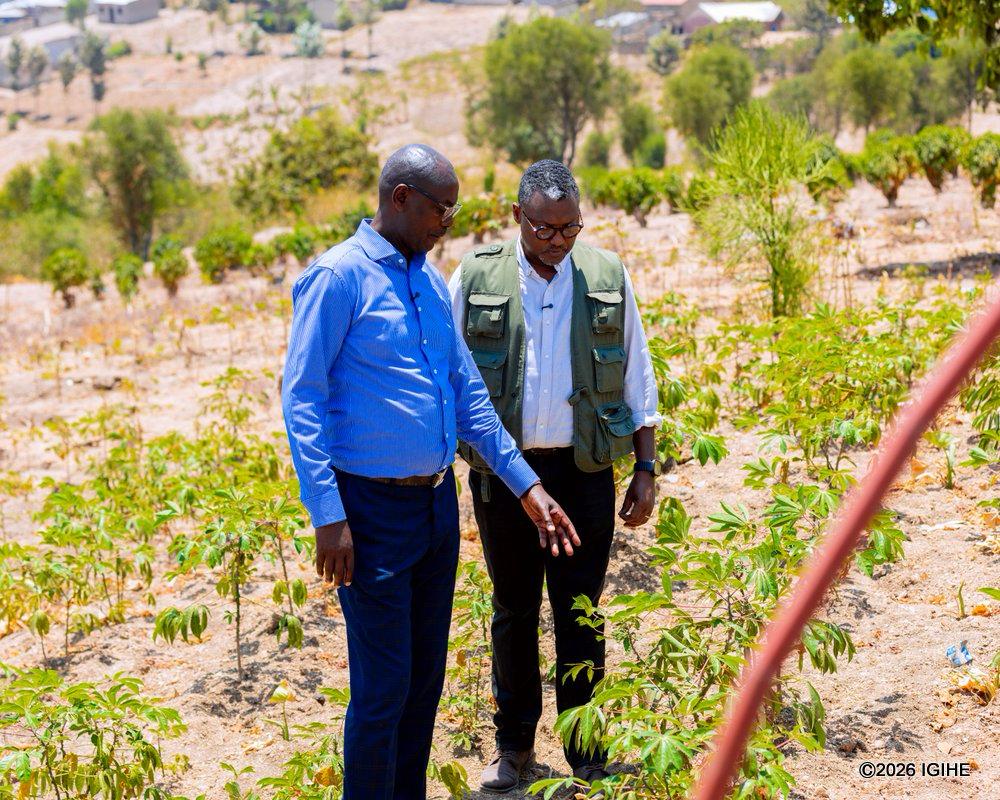
The company works with cooperatives and smallholder farmers supplying cassava, sorghum, wheat, rice, maize and other crops.
Bizumuremyi encourages farmers to organise themselves in cooperatives so they can consolidate production, while also accepting produce from individual farmers.
“We are here to provide a market for farmers in this province,” he said.
He wants farming to be seen as a profitable business rather than an activity limited to small-scale production. “It should be a lucrative business that helps people to develop and enables them to see the added value of their produce,” he said.
A business rooted in Kamonyi
Choosing Nyamiyaga as the location for the plant was also intended to bring the business closer to farmers and contribute to the surrounding community.
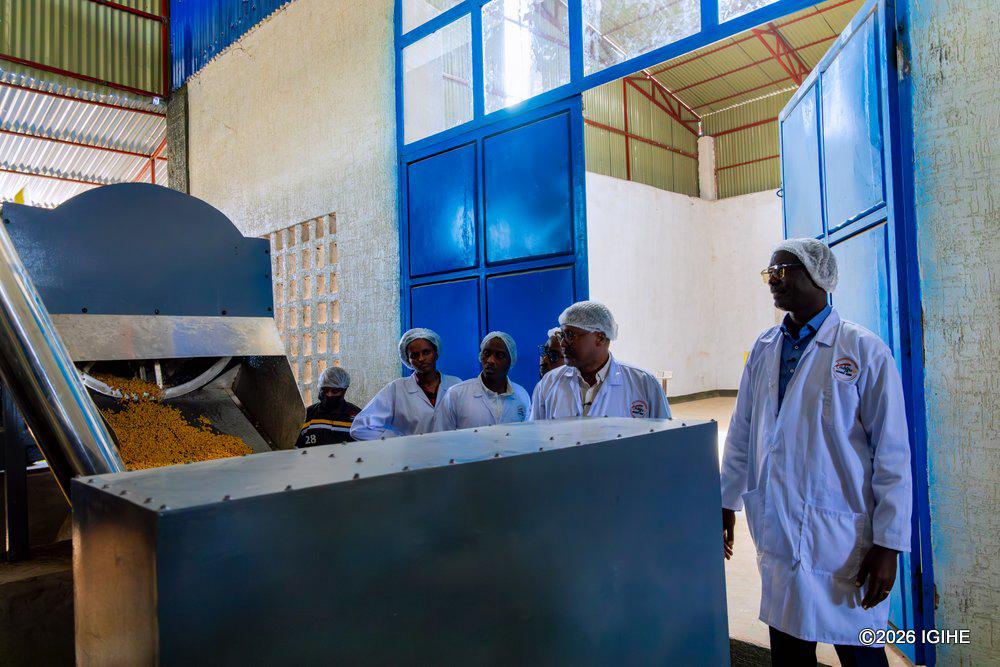
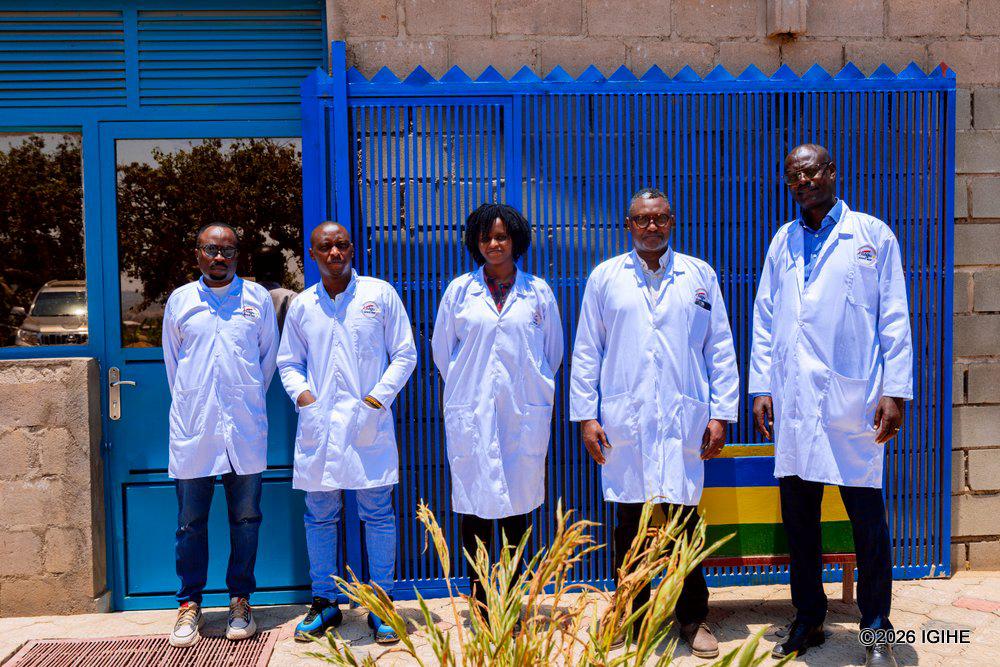
The company employs people living near the plant, with specialised positions filled by workers from elsewhere when necessary.
Bizumuremyi says the business also works with local authorities, participates in community activities and exhibitions, and contributes to local initiatives.
He says the location has another benefit: giving Kamonyi greater visibility as the products reach international markets.
“When we export, we indicate the address of where they are processed on the labels. For me, this also adds to the visibility of Kamonyi,” he said.
Looking beyond Rwanda
The company initially exported to Belgium but has since expanded its reach, particularly to the United States, where Bizumuremyi says its products are sold in four states, including Michigan, New York and Kentucky. Canada and Belgium are also among its markets.
Looking ahead, he wants to expand the business across Africa and raise the standards of the processing facility to international levels.
“In line with the government’s vision, we also have a vision of expanding to Africa and raising the standards of the manufacturing facility to operate at an international level,” he said.
His message to other members of the diaspora is straightforward: Rwanda offers opportunities for those willing to return and invest.
“I am part of the diaspora members who returned to Rwanda and invested, so as not to be left behind. The time is now, and it is possible to do it,” he said.
Bizumuremyi also commended Rwanda’s leadership under President Paul Kagame, saying the country’s security and conducive investment environment make it easier for investors to establish and grow their businesses.
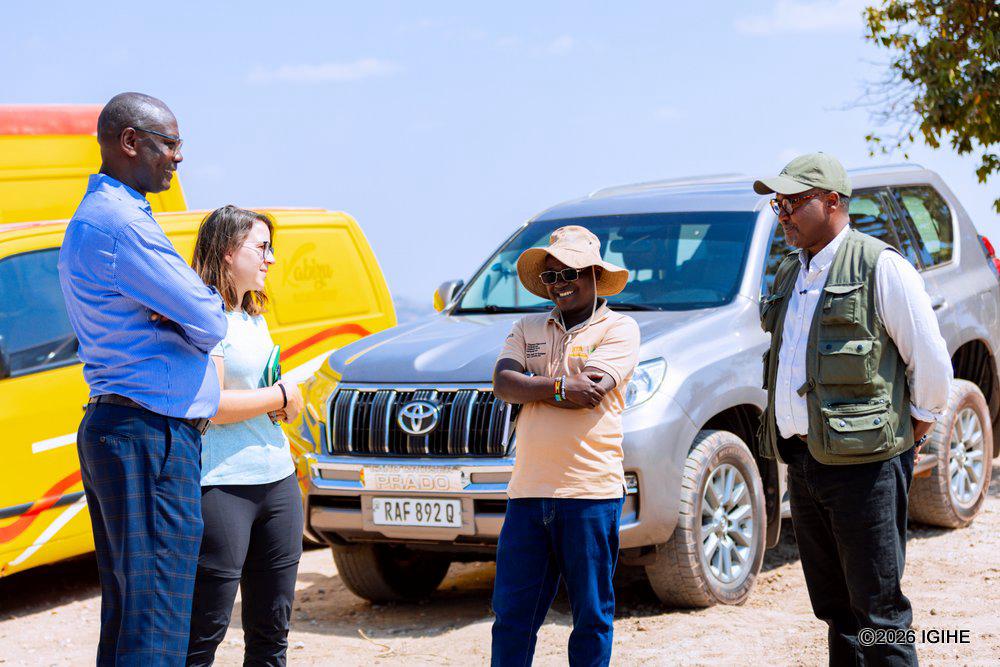
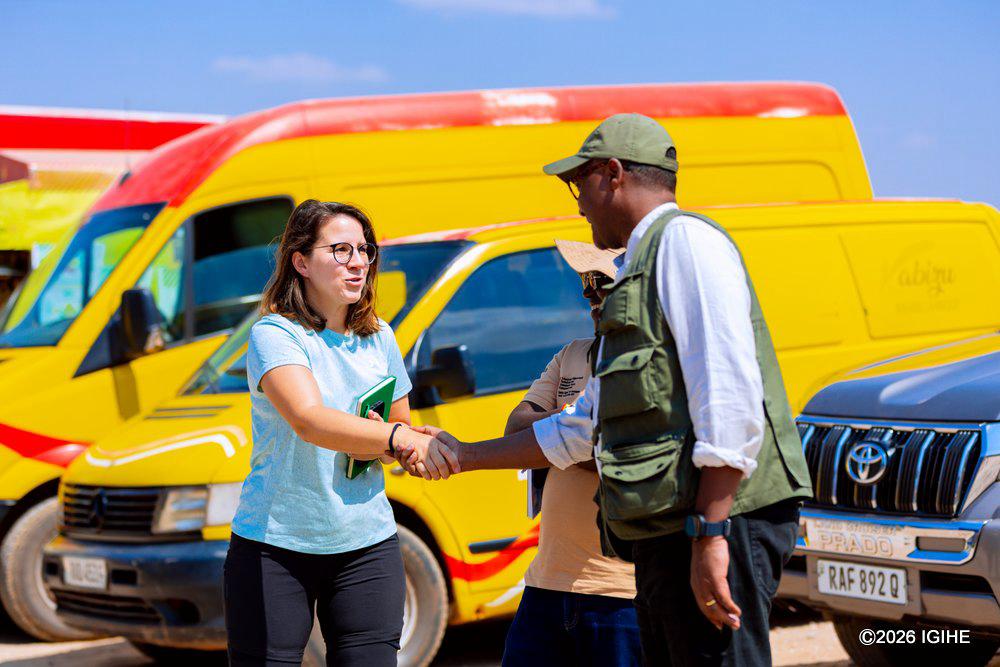
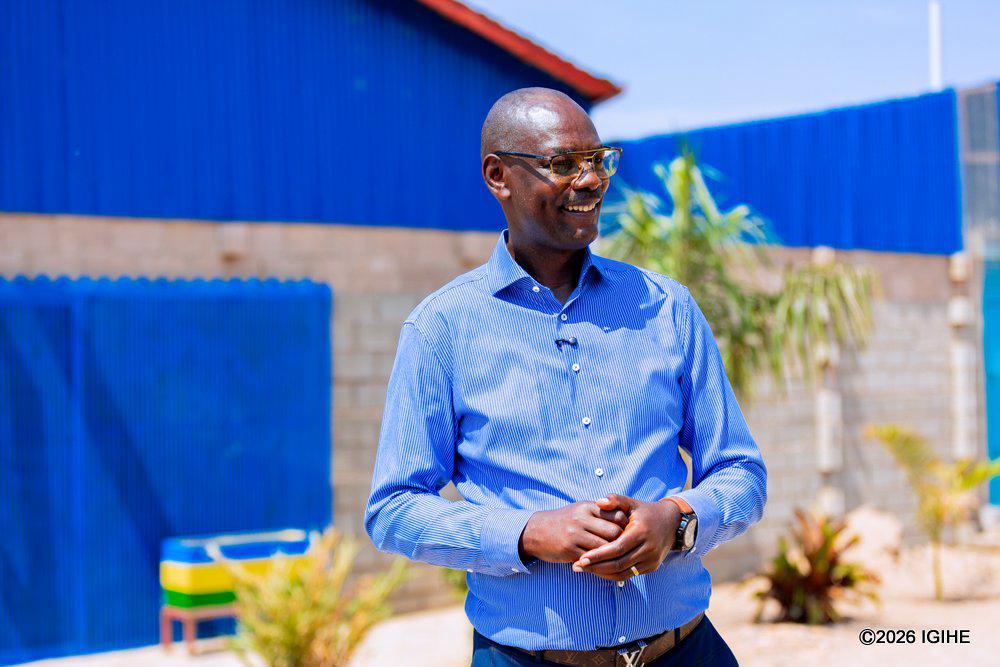
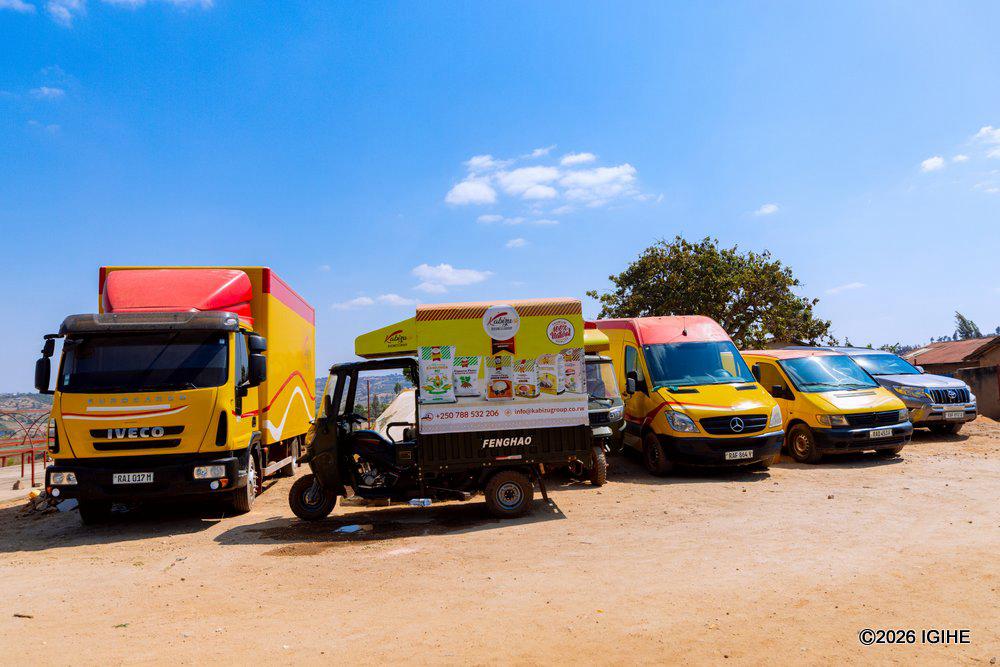
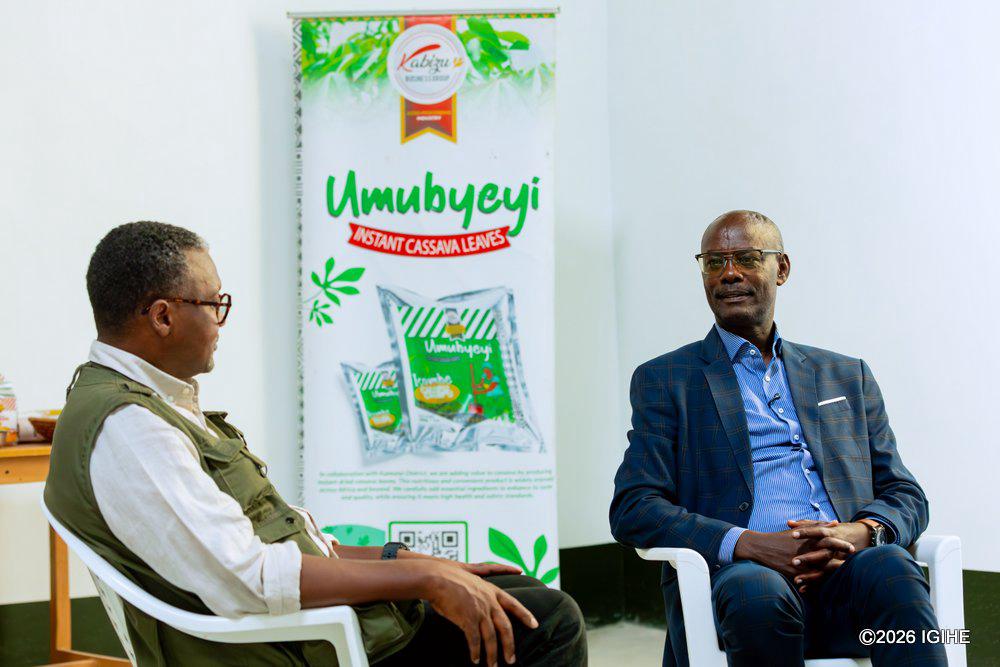
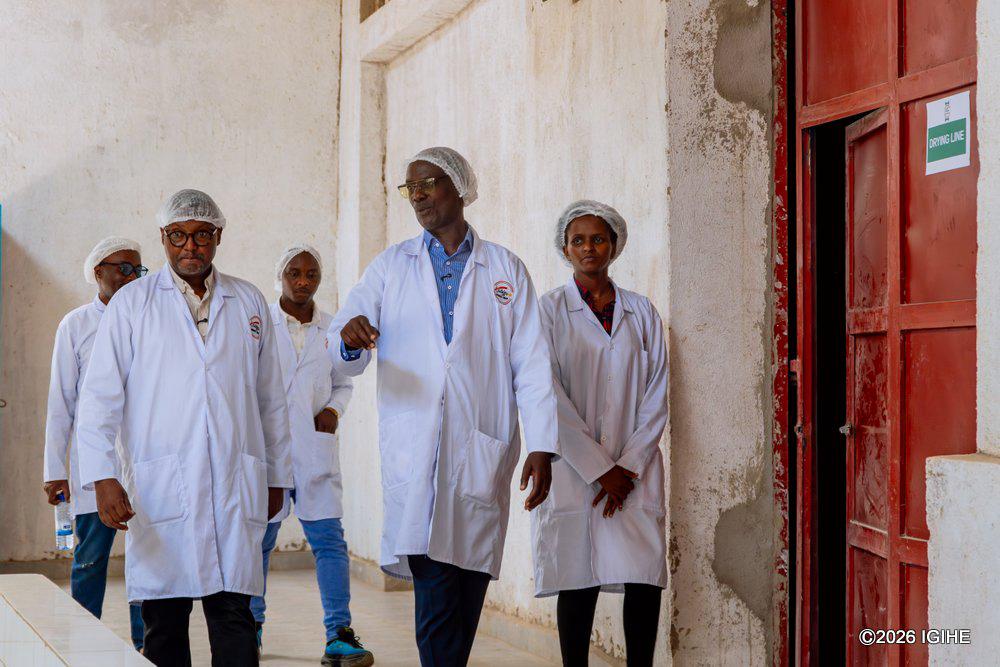
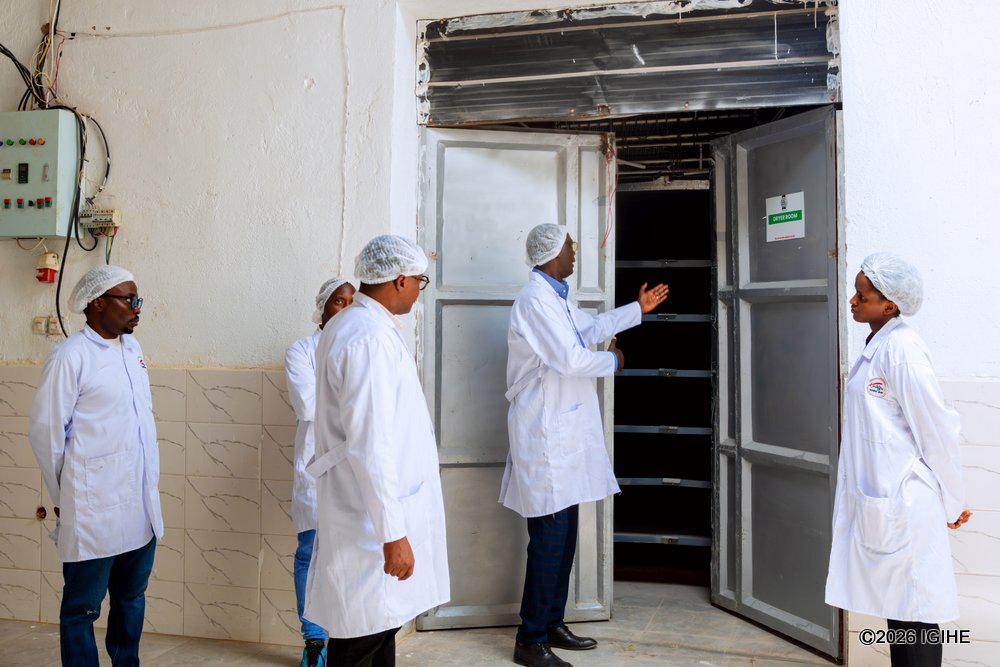
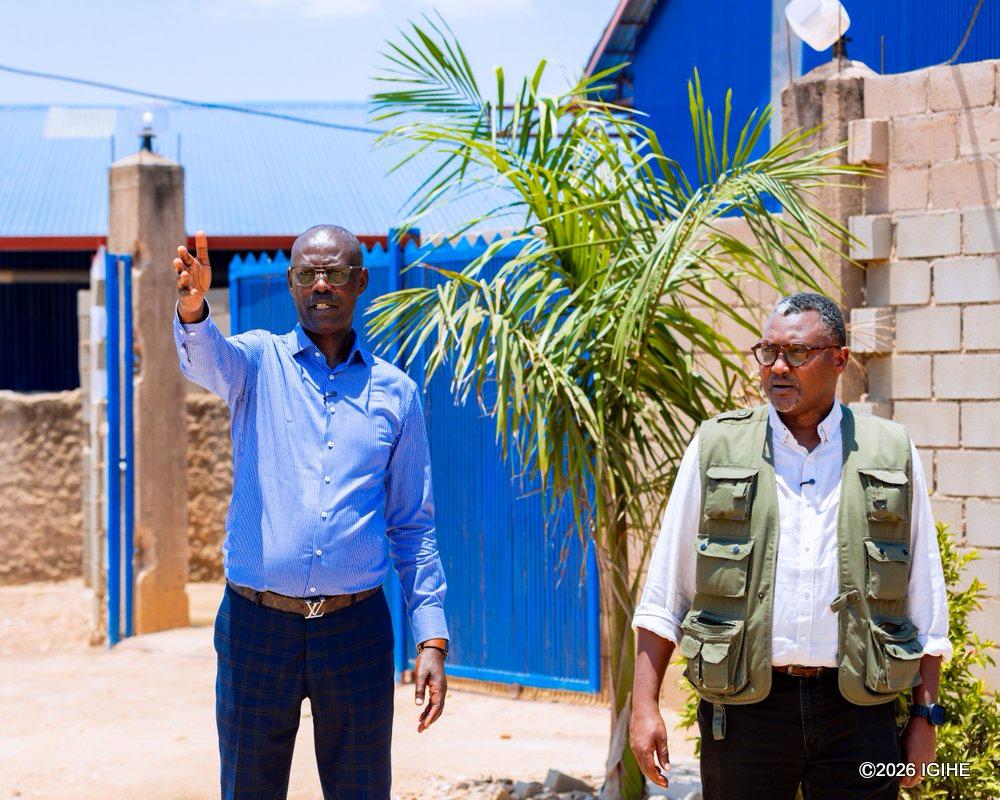
Christian Bizumuremyi stands at his agro-processing plant in Nyamiyaga Sector, Kamonyi District, where locally produced crops are turned into finished food products.Christian Bizumuremyi established Kabizu Business Group after years of working with Rwandan products and entrepreneurs in Belgium.The Kabizu Business Group plant in Kamonyi processes crops including cassava, maize, sorghum, millet and soybean into a range of food products.Bizumuremyi turned years of experience promoting Rwandan products in Belgium into a business focused on agricultural value addition back home.The company works with cooperatives and individual farmers supplying agricultural produce for processing at its Kamonyi facility.Workers from the surrounding community are employed at Kabizu Business Group’s processing facility in Nyamiyaga Sector.Bizumuremyi began his business journey by selling Rwandan products in Belgium before expanding into agricultural processing in Rwanda.Kabizu Business Group adds value to crops supplied by cooperatives and smallholder farmers in Rwanda.Bizumuremyi returned from the Rwandan diaspora with the ambition of creating opportunities for farmers through agricultural processing.Bizumuremyi says agricultural processing can create additional value for farmers while making better use of locally produced crops.
Named the “Lindsey O. Graham Sanctioning Russia and Iran Act of 2026,” the act authorizes and expands statutory sanctions, tariffs and prohibitions on Russia and extends existing sanctions on Iran, the release said.
The U.S. House of Representatives passed the bill on Wednesday after the Senate passed it on August 7.
The measure would impose sanctions on Russian officials, banks and vessels used to transport Russian energy. It also authorizes Trump to impose tariffs of up to 100 percent on goods from the five largest importers of Russian oil or natural gas.
The measure also extends the Iran Sanctions Act by five years, maintaining sanctions targeting Iran’s energy and weapons sectors.
The act is seen as a legacy of late Senator Lindsey Graham, who pushed for the legislation and passed away in July after a brief and sudden illness.
Legislators in the House of Representatives were more divided over the act in comparison with the Senate.
A recent joint statement by three Democratic members in the House of Representatives said the act “would do more harm than good,” and would “dramatically expand presidential tariff authorities while failing to mandate sanctions on Russia.”
US President Donald Trump displays a signed executive order while speaking at a dinner in the Rose Garden of the White House on September 17, 2026, in Washington, DC.
The decision was made during a Cabinet meeting held at Village Urugwiro on September 18, 2026, chaired by President Paul Kagame.
Among the resolutions adopted was the approval of an investment agreement for the construction of a plant to assemble electric vehicles in Rwanda.
The approval marks a new milestone after months of discussions surrounding the project. In April 2026, President Kagame received Xu Hui, Vice President of Chery Holding Group and Chairman of Rich Resource International Investment, for discussions that focused on investment opportunities in Rwanda, including vehicle assembly.
Although the Cabinet has approved the investment agreement, details regarding the value of the investment, the location of the plant, its planned production capacity, the start date for construction and when the facility is expected to begin operations have not yet been disclosed.
Chery’s global expansion
Chery was established in 1997 and is headquartered in Wuhu City, Anhui Province, China.
The company began manufacturing vehicles in 1999 and expanded its sales operations in 2003.
Chery has developed a broad global strategy aimed at transforming the automotive industry. As of 2024, the company had nine vehicle brands, including Fulwin, Exeed, Jetour, iCar/iCaur and Luxeed, which was developed in partnership with Chinese technology company Huawei.
Other brands associated with the group include Karry, Omoda, Jaecoo, Lepas, Exlantix and Aiqar.
These brands serve different markets, with some vehicles produced primarily for the Chinese domestic market while others are exported internationally.
Chery, Exeed and Jetour, for example, are sold both in China and in overseas markets.
Omoda, Lepas and Jaecoo are primarily focused on markets outside China, while iCar is sold in China and marketed as iCaur in international markets. Luxeed and Karry are focused exclusively on the Chinese domestic market.
Chery has also partnered with Jaguar Land Rover since 2012 to manufacture Jaguar and Land Rover vehicles in China.
In 2024, Chery expanded into Spain through an agreement with Ebro, one of Europe’s established automotive manufacturers, under which vehicles began being produced and marketed under the Ebro brand.
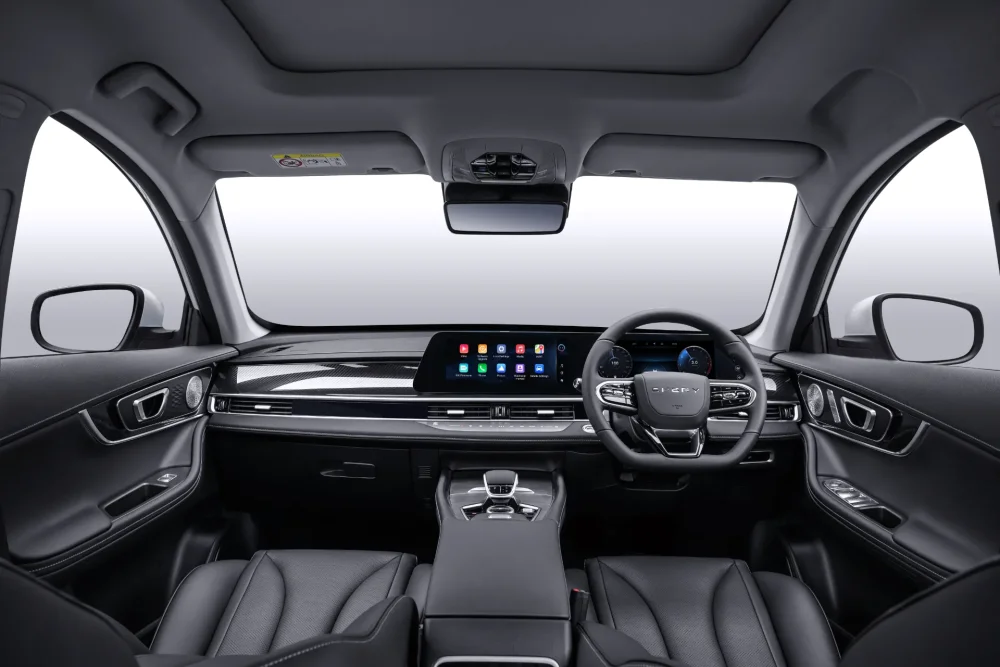
Chery took its Tiggo 7 and Tiggo 8 models, upgraded them and rebranded them as the Ebro S700 and Ebro S800, respectively.
The company aims to sell 50,000 vehicles of these models by 2027, with sales projected to reach 150,000 units by 2029.
In 2025, Omoda and Jaecoo were introduced as new brands under the company. Within 27 months of their launch, sales of the two brands had reportedly reached 600,000 vehicles. The two brands are expected to sell at least 1.4 million vehicles by 2030.
Chery’s financial growth
Financial figures show that Chery generated approximately $12.8 billion in revenue in 2022, rising to $22.5 billion in 2023 and $37.2 billion in 2024. In the first quarter of 2025, the company recorded revenue of approximately $9.4 billion.
Over the same periods, the company’s profits stood at approximately $702 million in 2022, $1.44 billion in 2023, $1.98 billion in 2024 and $455 million in the first quarter of 2025.
The approval of the investment agreement comes as Rwanda continues to promote the adoption of electric vehicles.
Fully electric vehicles, their batteries and charging equipment imported into Rwanda have been granted VAT exemptions as part of efforts to encourage the transition to electric mobility.
Luxeed is one of the leading electric vehicle brands produced by CheryJetour is one of Chery’s modern SUV brands, and its vehicles are becoming increasingly popular in the Rwandan marketThis vehicle is sold as iCar in China, but is marketed as iCaur when it reaches Rwanda. It is a fully electric vehicleThis is what the interior of the Tiggo 7 Pro looks likeThe Tiggo 7 is one of the modern vehicles available in the European marketChery plans to establish an electric vehicle assembly plant in Rwanda
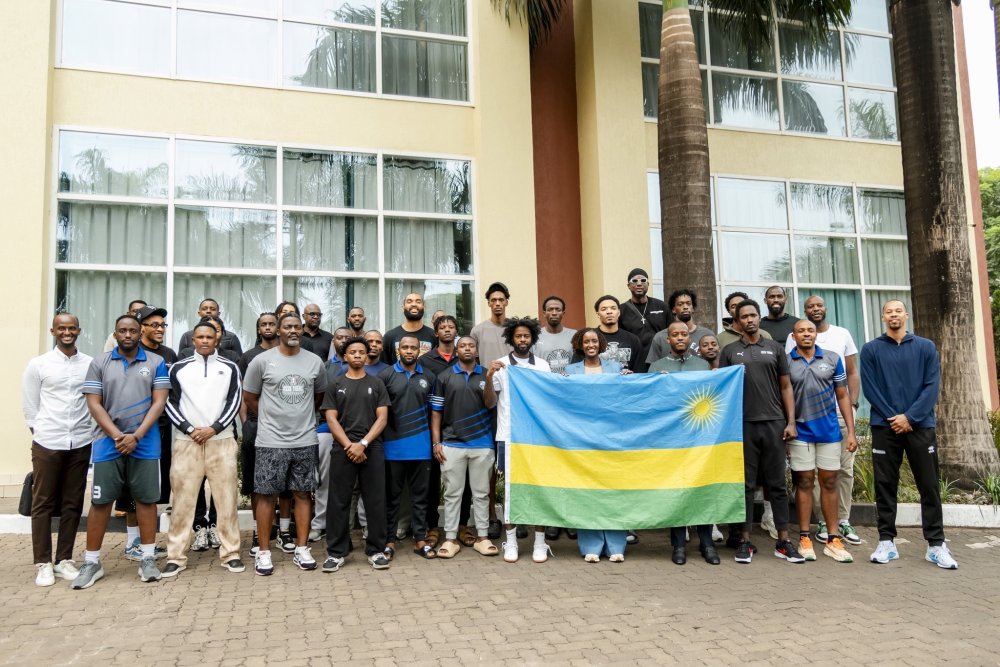
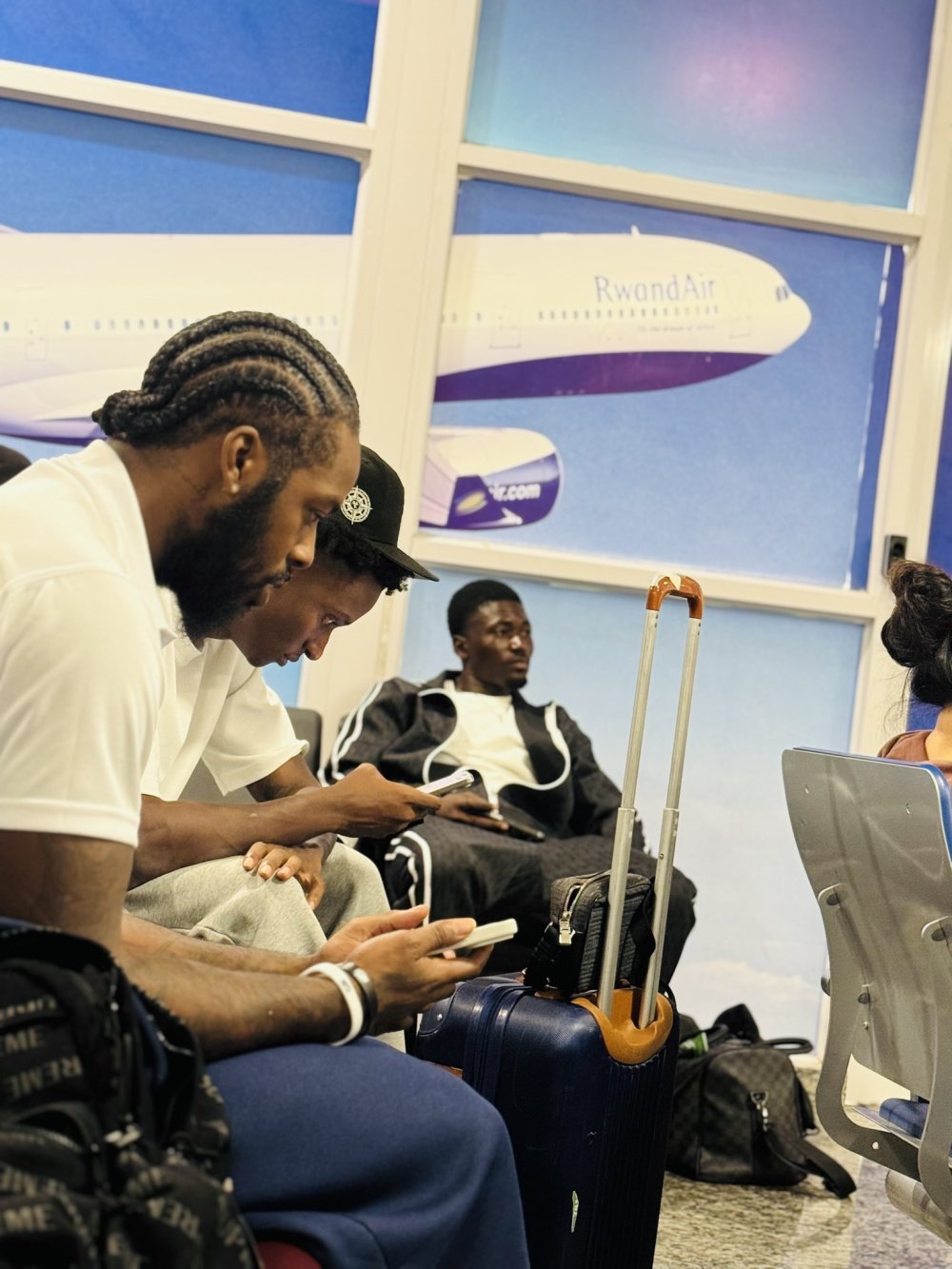
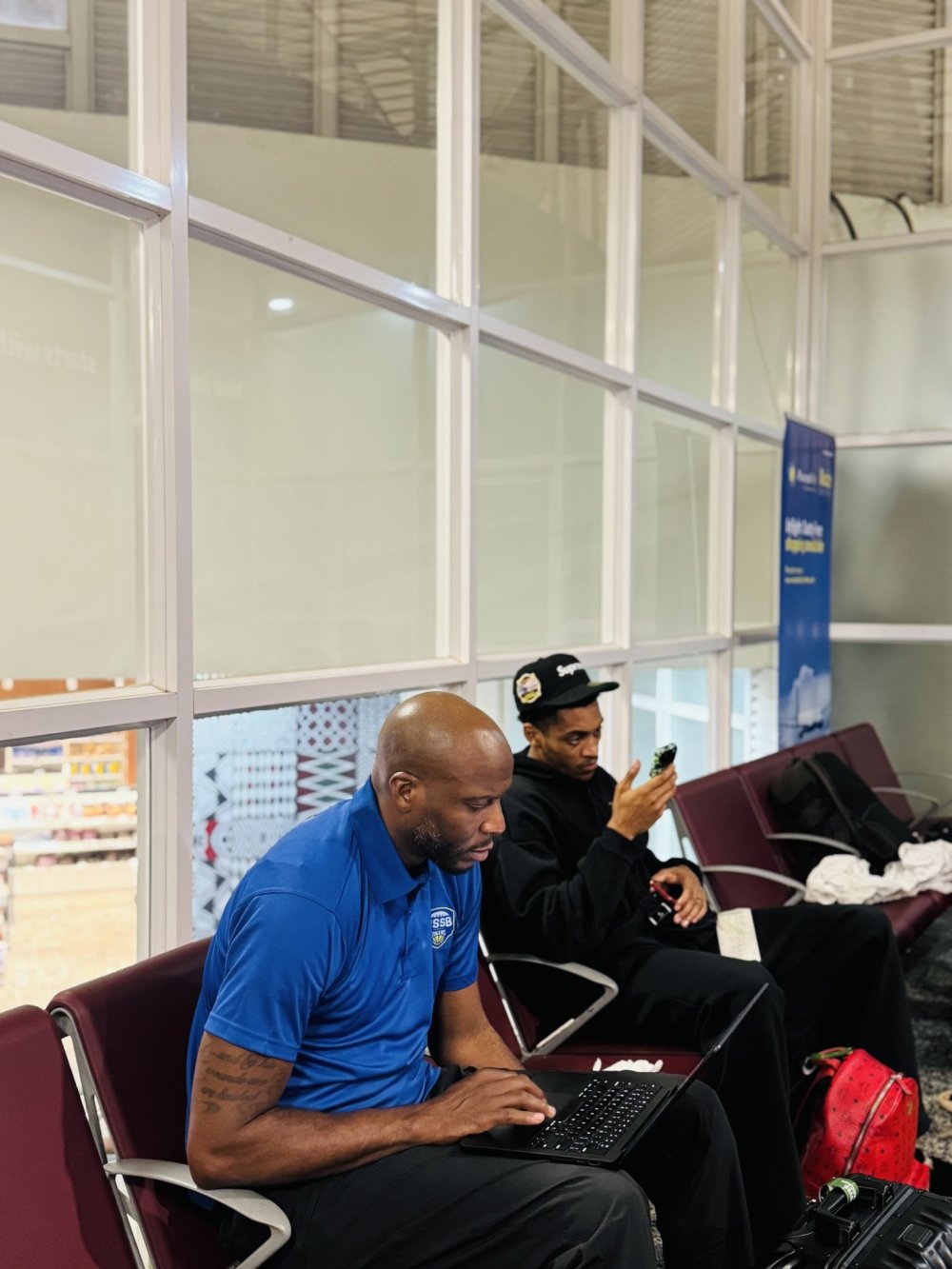
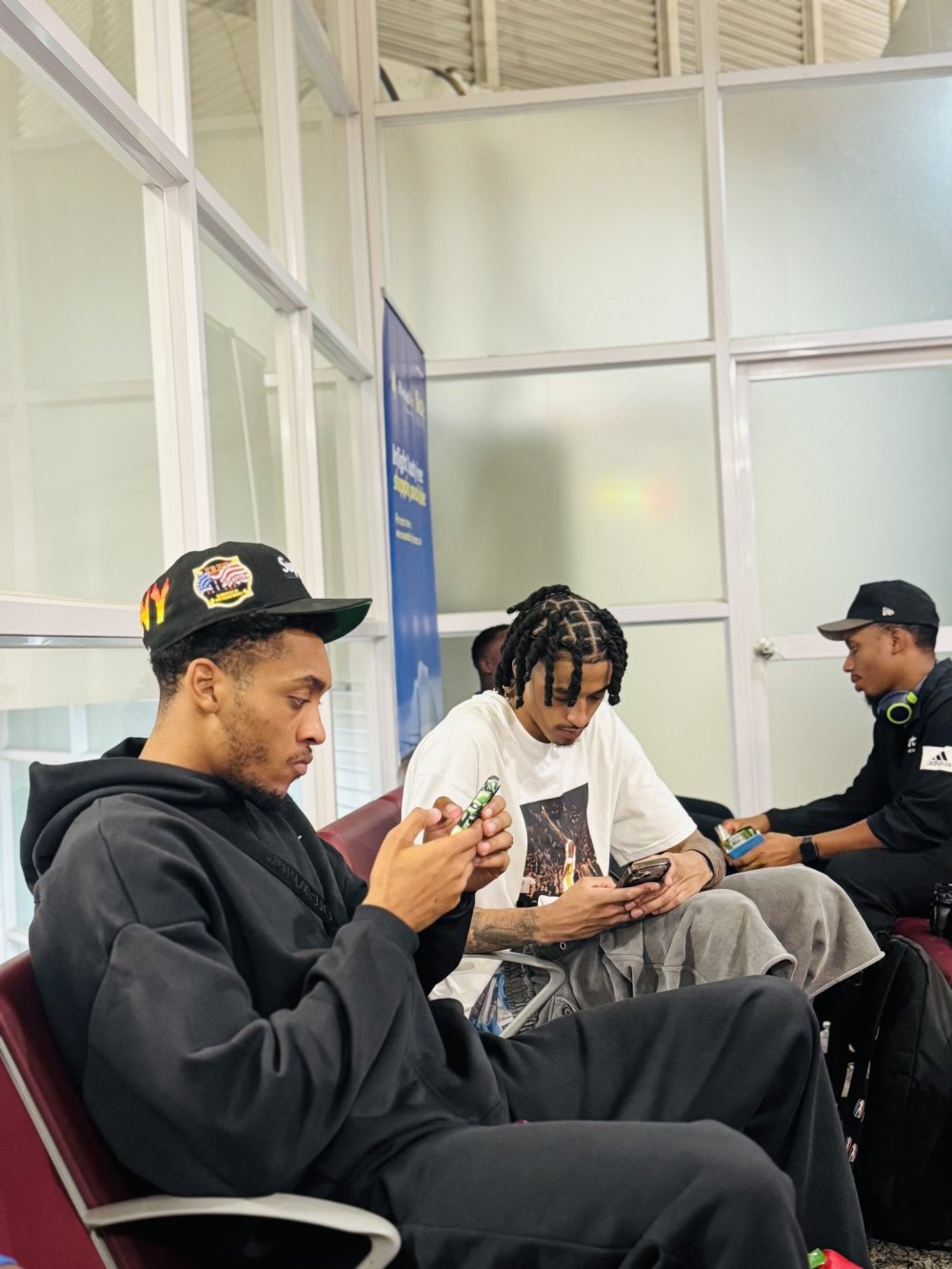
The 2026 Basketball Africa League (BAL) champions departed Kigali on September 18 for Beijing, China, where the prestigious basketball tournament will bring together six teams that have excelled in their respective continental competitions.
On September 17, Minister of Sports Nelly Mukazayire handed the team the national flag and urged the players to “surprise the world” by putting in a strong performance at the intercontinental tournament.
RSSB Tigers will begin their FIBA Intercontinental Cup campaign against Rytas Vilnius of Lithuania, the European champions. The game is scheduled for September 22 at 9:30 a.m. Kigali time.
Twenty-four hours later, the Rwandan champions will return to action against Shanghai Sharks, winners of the Chinese Basketball Association (CBA) championship. The Chinese side is participating in the tournament as the representative of the host country.
Group B features Beijing Royal Fighters of China, Club Atlético Boca Juniors of Argentina and NBA G League United of the United States.
The top two teams from each group will advance to the semi-finals, while the teams finishing third in their respective groups will compete for fifth place.
Can RSSB Tigers make history?
African teams began competing in the FIBA Intercontinental Cup in 2022, following the launch of the Basketball Africa League (BAL) in 2021.
Egyptian side Zamalek, Tunisia’s US Monastir and Egypt’s Al Ahly all managed to finish among the top four teams before Al-Ahli SC of Libya made history in 2025 by finishing third, behind Spain’s Unicaja and NBA G League United of the United States.
RSSB Tigers enter this year’s competition with a strengthened squad, hoping to build on their impressive campaign in the 2026 BAL.
Coach Henry Mwinuka has several of Rwanda’s top players at his disposal, including Ntore Habimana, who can operate in multiple positions on the court.
At the 2025 AfroBasket, Ntore demonstrated his quality by averaging 13.3 points, 6.0 assists and 5.3 rebounds per game.
Another key player is Alex Mpoyo, who impressed during the 2025 FIBA AfroBasket qualifiers, averaging 16.7 points and 5.7 rebounds per game.
The team also includes Dieudonné Ndizeye, who recently featured in the FIBA Basketball World Cup qualifiers, as well as Craig Randall II, who was named the 2026 BAL Most Valuable Player (MVP).
Randall averaged an impressive 36.1 points per game during the BAL campaign and recorded a remarkable 54-point performance in April.
Another player who played a crucial role in RSSB Tigers’ BAL title-winning campaign is Teafale Lenard, who averaged 19.2 points, 5.0 rebounds and 2.8 assists per game.
The team has also added several new players, including Johnny Hamilton of Trinidad and Tobago, who stands at 2.13 metres tall; American Tyler Bey, who previously played for Ness Ziona and Hapoel Haifa in Israel; and Jonathan Galloway, who is 2.08 metres tall.
The new additions are expected to bring additional experience and strengthen RSSB Tigers’ international competitiveness.
RSSB Tigers have named a 16-player squad for the tournament: Tyler Bey, Bizimana Paul, Jonathan Galloway, Ntore Habimana, Steven Hagumintwari, Johnny Hamilton, Lars Ishimwe, Antino Jackson Jr., Teafale Lenard Jr., Alex Mpoyo, Jean-Victor Mukama, David Mutabazi, Dieudonné Ndizeye, Craig Randall II, Osborn Shema and Nisre Zouzoua.
Coach Henry Mwinuka will be assisted by James Maye and Kenny Gasana.
RSSB Tigers are among the six teams set to compete in the FIBA Intercontinental Cup, which will take place from September 22 to 27, 2026. RSSB Tigers left Kigali on Friday as they embarked on their journey to Beijing, China, for the FIBA Intercontinental Cup.Henry Mwinuka, coach of RSSB Tigers, is assisted by James Maye.
Researchers at the Weizmann Institute of Science in Israel made the discovery while studying how fruit-fly larvae respond to radiation damage. Their findings were published in Nature Communications.
The study focused on a process called compensatory proliferation, in which surviving cells multiply to replace cells that have been destroyed by injury.
Researchers identified a population of cells that activated an enzyme involved in programmed cell death but did not die.
They named these cells DARE cells, meaning cells in which the initiator caspase had been activated but that survived.
After radiation exposure, the DARE cells multiplied rapidly and helped rebuild damaged tissue.
Researchers found that they replenished nearly half of the affected tissue within 48 hours.
The scientists also identified another group called NARE cells, which had not activated the same cell-death pathway.
Although NARE cells also participated in tissue regeneration, experiments showed that they could not drive the process on their own.
The researchers found that signals released by dying cells helped activate DARE cells, triggering them to contribute to tissue repair.
They then investigated how DARE cells managed to survive after activating the cell-death process.
Normally, activation of the initiator caspase is followed by activation of executioner caspases, which destroy the cell.
However, in DARE cells, the process stopped before reaching this final stage.
The researchers linked their survival to a molecular motor protein that keeps the initiator caspase attached to the cell membrane.
When the researchers blocked this protein, DARE cells died and tissue regeneration was reduced.
The discovery may also provide clues about cancer treatment. Researchers found that descendants of DARE cells that survived the first radiation exposure were seven times more resistant to cell death when exposed to radiation again.
This finding could help explain why some cancer cells survive radiation treatment and contribute to tumour recurrence.
However, the research was conducted in fruit flies, so it is not yet known whether the same mechanism operates in humans.
The study also found that DARE and NARE cells communicate with each other through growth signals, creating a feedback system that promotes tissue repair while limiting excessive growth.
Researchers say the findings provide a new perspective on how tissues balance cell death, survival and regeneration, while further studies will be needed to determine whether the mechanism could eventually have implications for human health and cancer research.
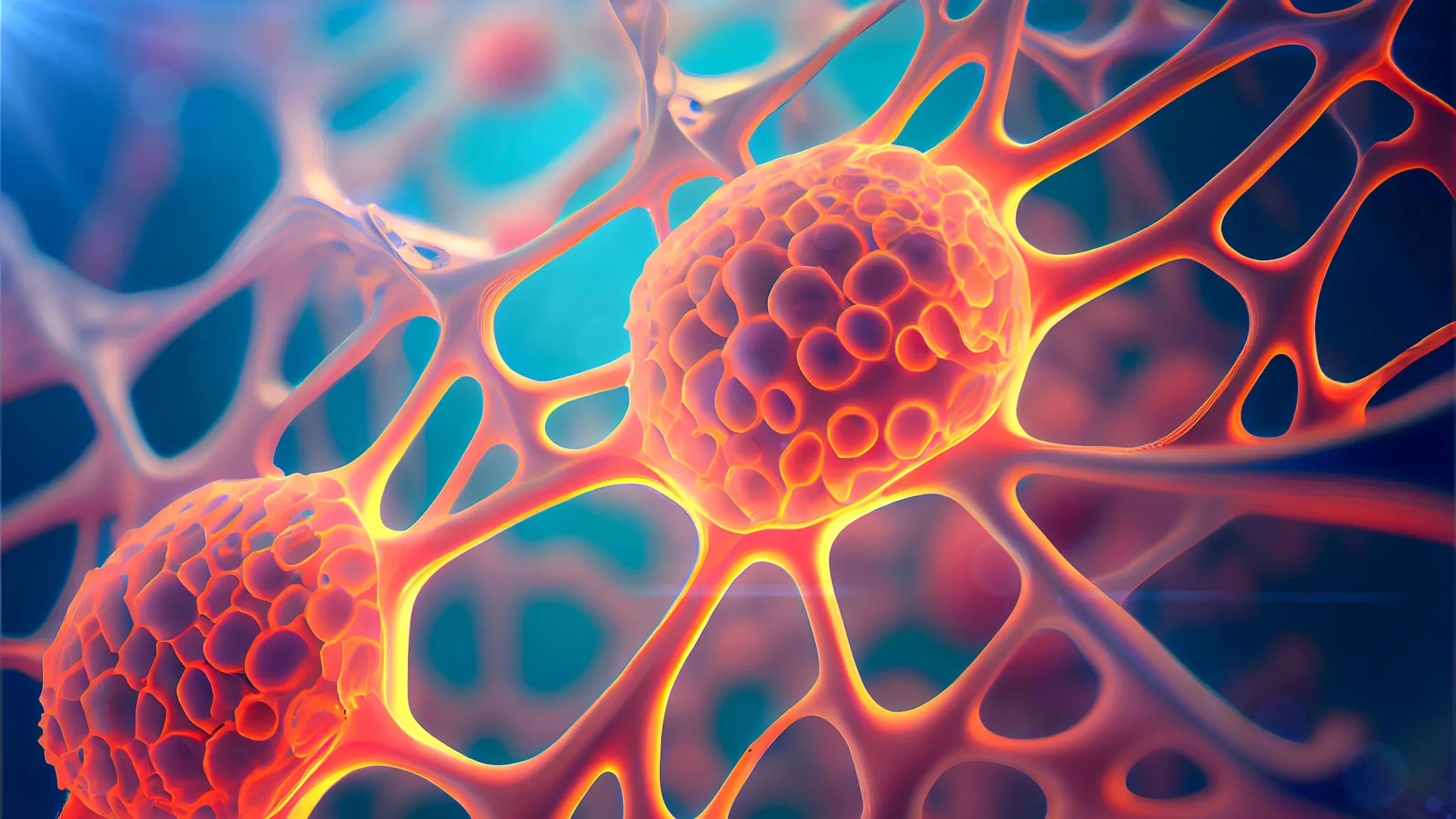
Scientists at the Weizmann Institute of Science identified cells that can survive the process of programmed cell death and help damaged tissue regenerate.